The Sainsbury Wing

We spent the afternoon in the Sainsbury Wing, a great treat as all the slots for Artemesia Gentileschi were sold out, meaning that we were able to spend time with the permanent collection, after a long period of enforced starvation of works of art.

I had not truly registered how much the Sainsbury Wing has benefitted from its 2018 re-hang and also, I suspect, from the loan of works to the exhibition in Japan. I’m afraid I think that these two things have been a gigantic benefit, enabling a much richer and more diverse hang, more clearly historical and geographical, moving away from a display of great masterpieces only to a demonstration of the amazing wealth and depth of the National Gallery’s collection, enriched by loans from the Courtauld, including a case of incredibly beautiful ivories.

Having just re-read Dinah Casson’s Closed on Mondays, I was alert to the value of Venturi and Denise Scott Brown’s windows looking outside and to the benefits of a re-hang which makes one look at work afresh, including, as it happens, the Madonna of the Pinks:-

Standard

Skulls

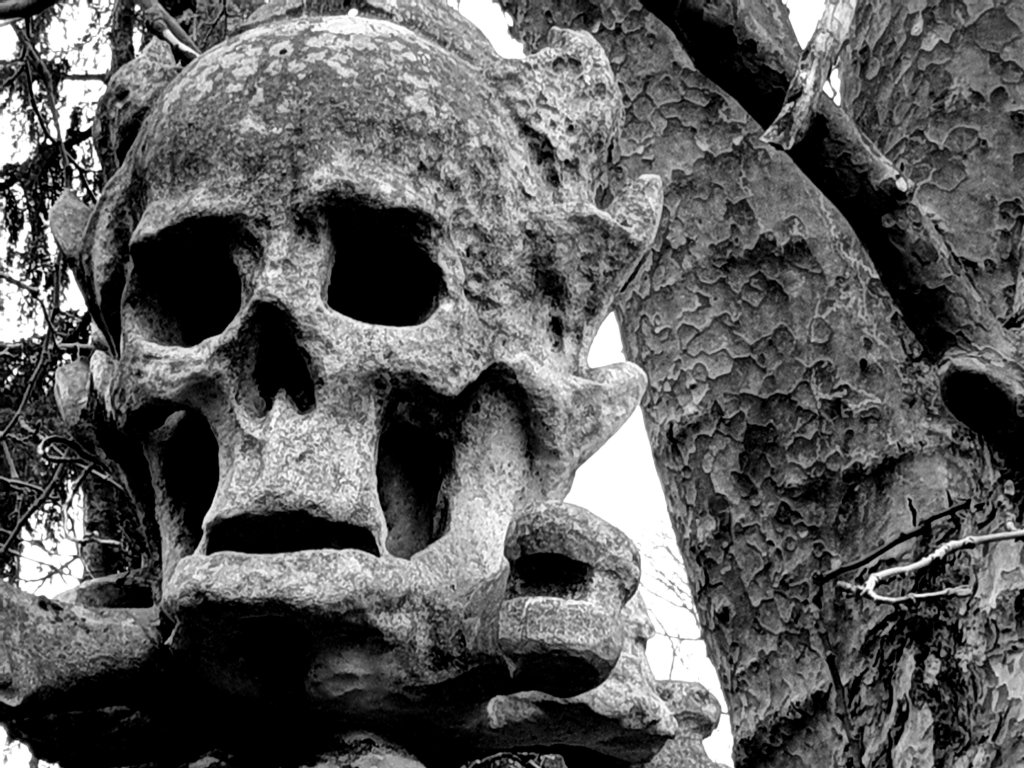
I had forgotten the two stone skulls guarding the entrance to St. Nicholas, Deotford Green which we discovered by chance walking back to Greenwich: surprising and faintly shocking as the guardians to the church, where John Evelyn must have worshipped, and much admired by Ian Nairn who wasn’t at all enthusiastic about St. Paul, Deptford:-

Standard

St. Paul, Deptford

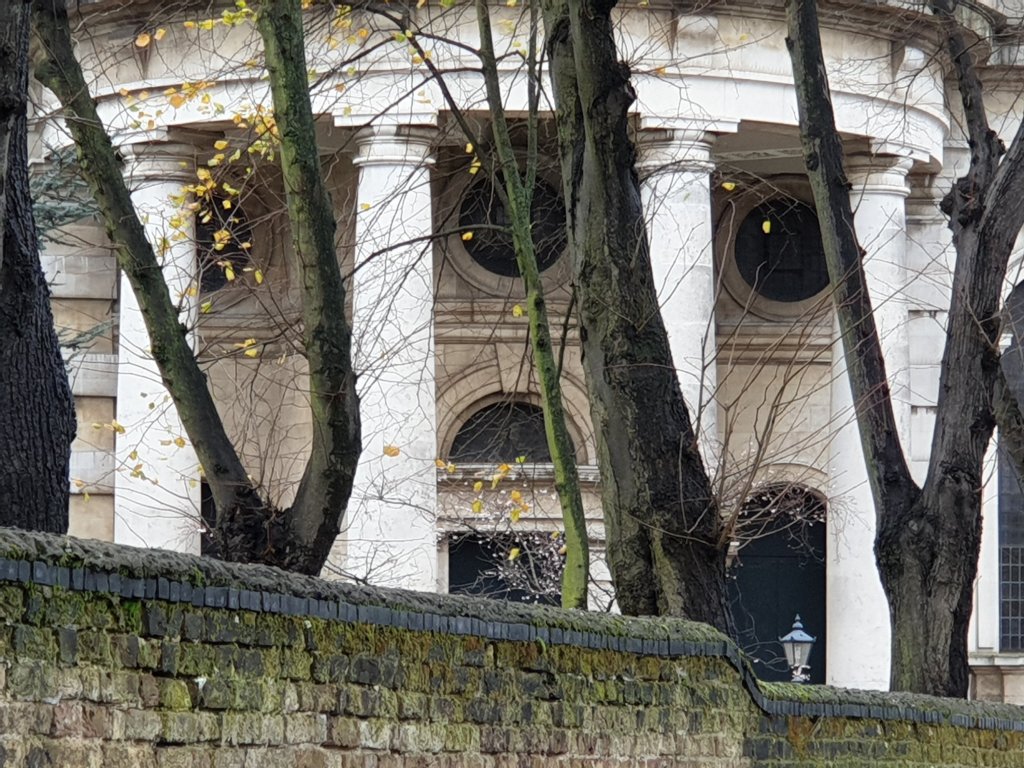
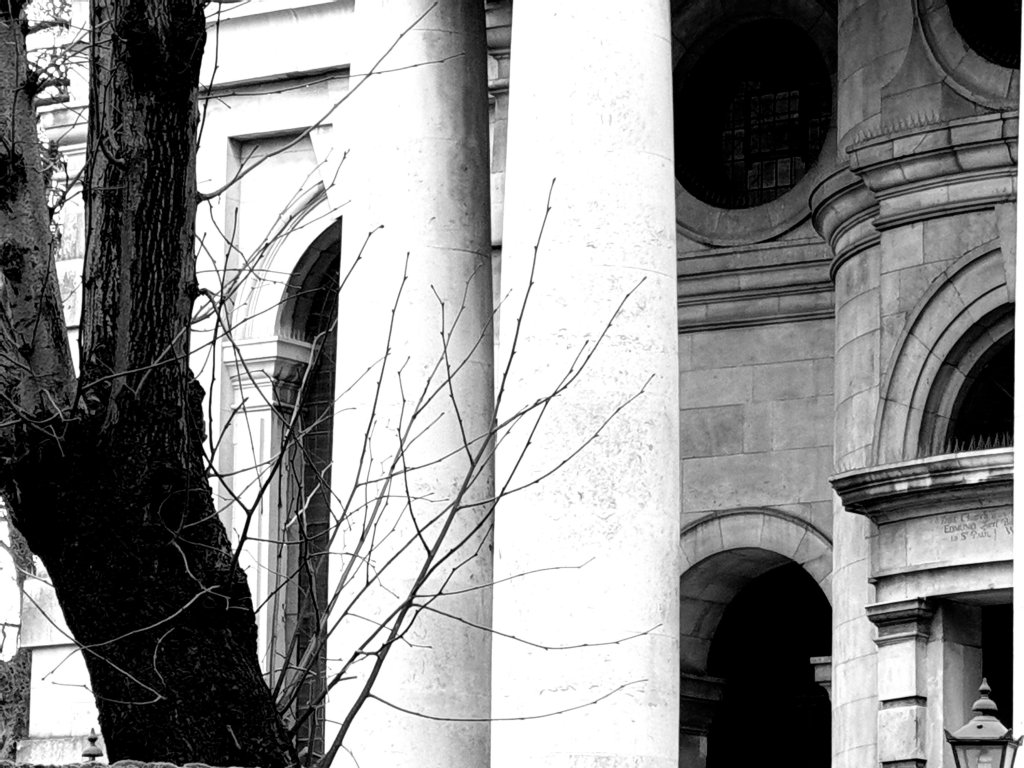
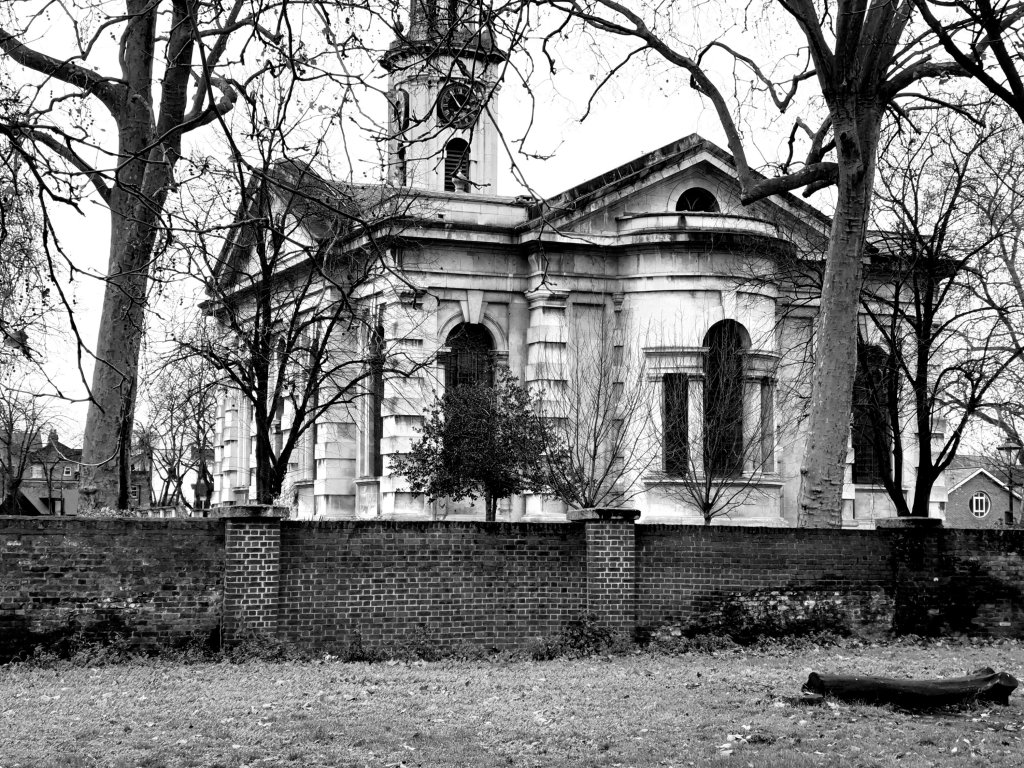
I had wanted to visit St. Paul, Deptford again, one of Archer’s major churches, but no hope. Not only was the church shut, but the whole churchyard, so one could not get close enough to admire its Roman baroque detailing. Archer, unlike Vanbrugh and Hawksmoor, had after all spent time in Italy. But it could only be seen from afar:-

Standard

Goldsmith’s CCA

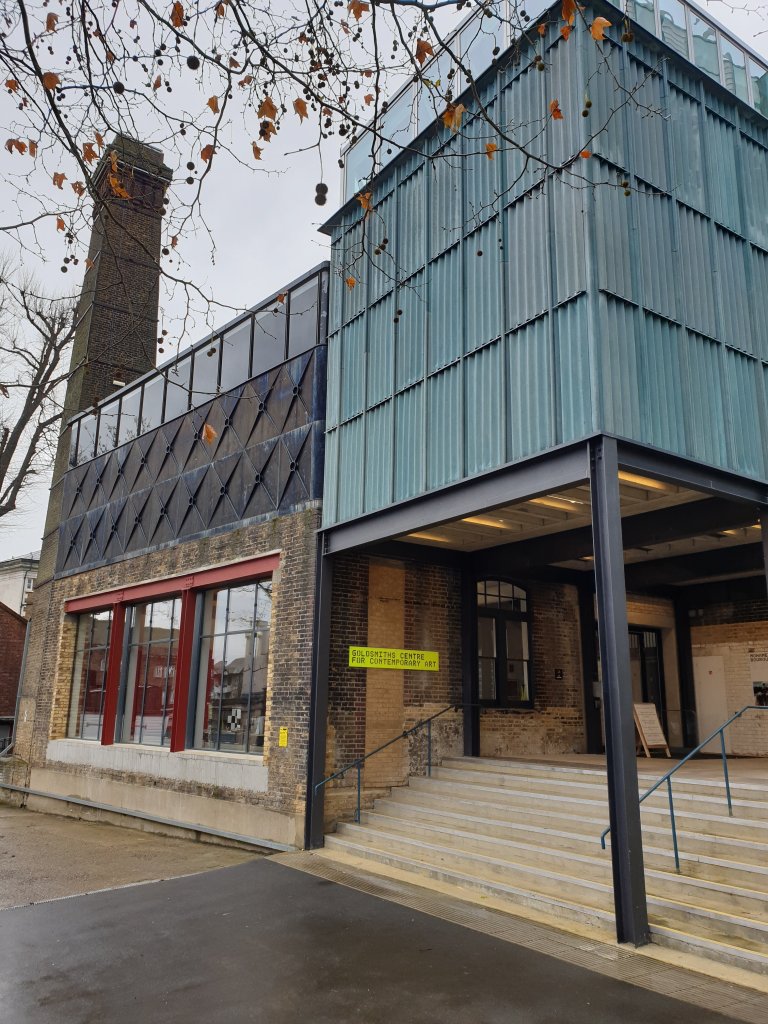
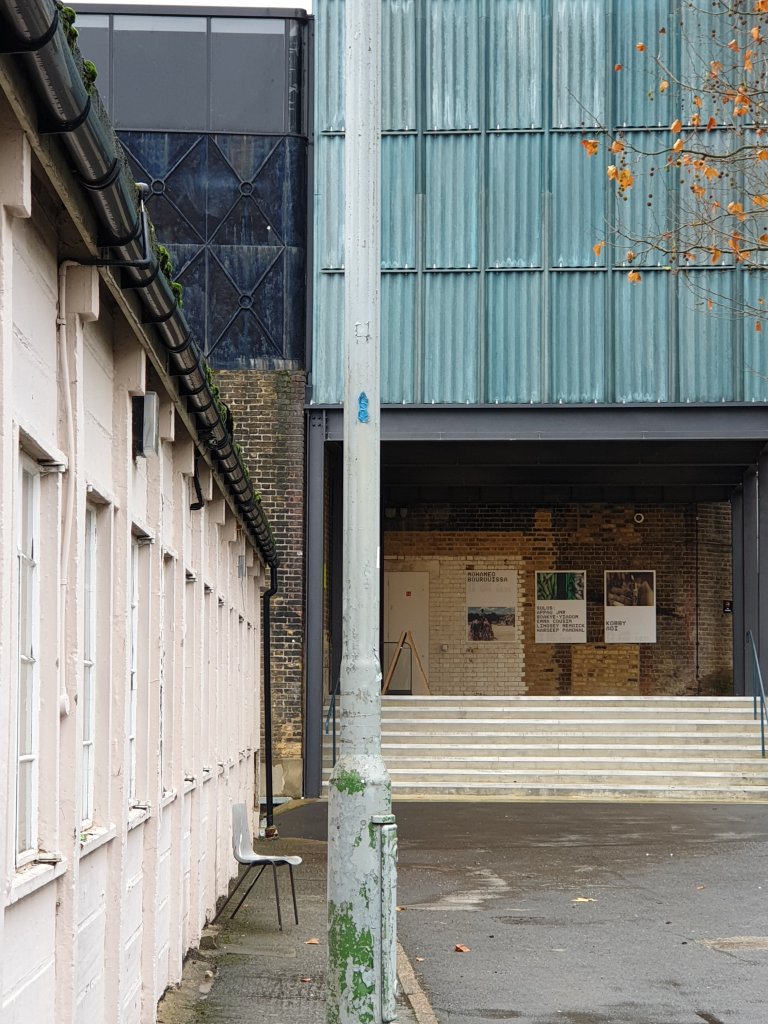
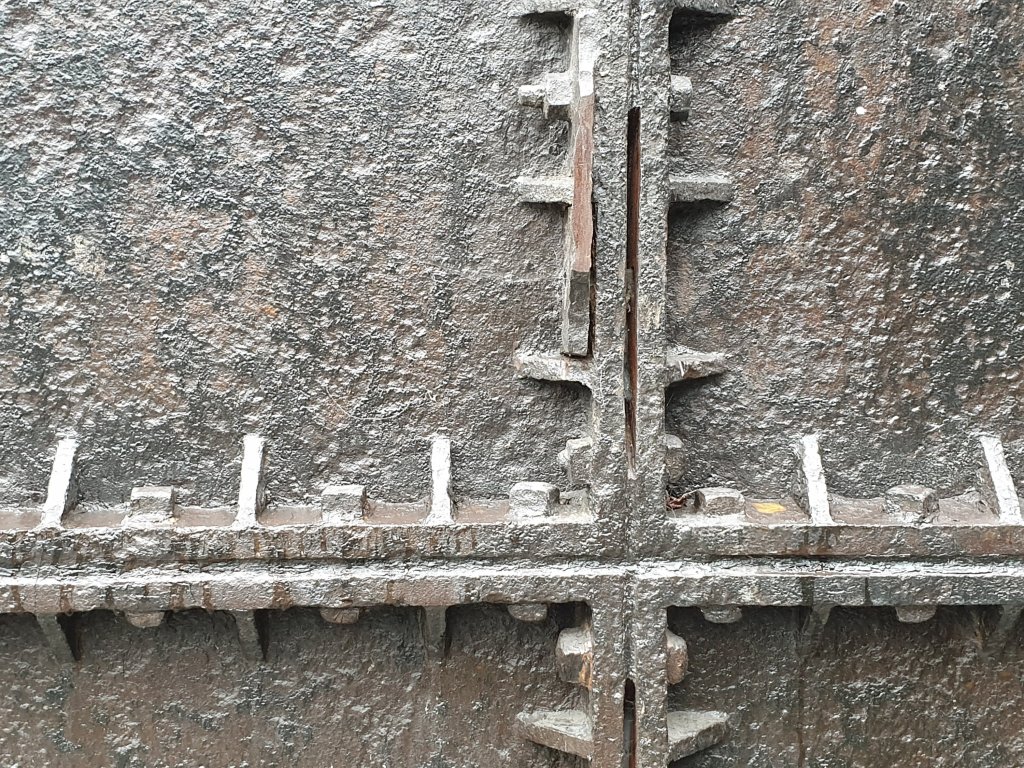
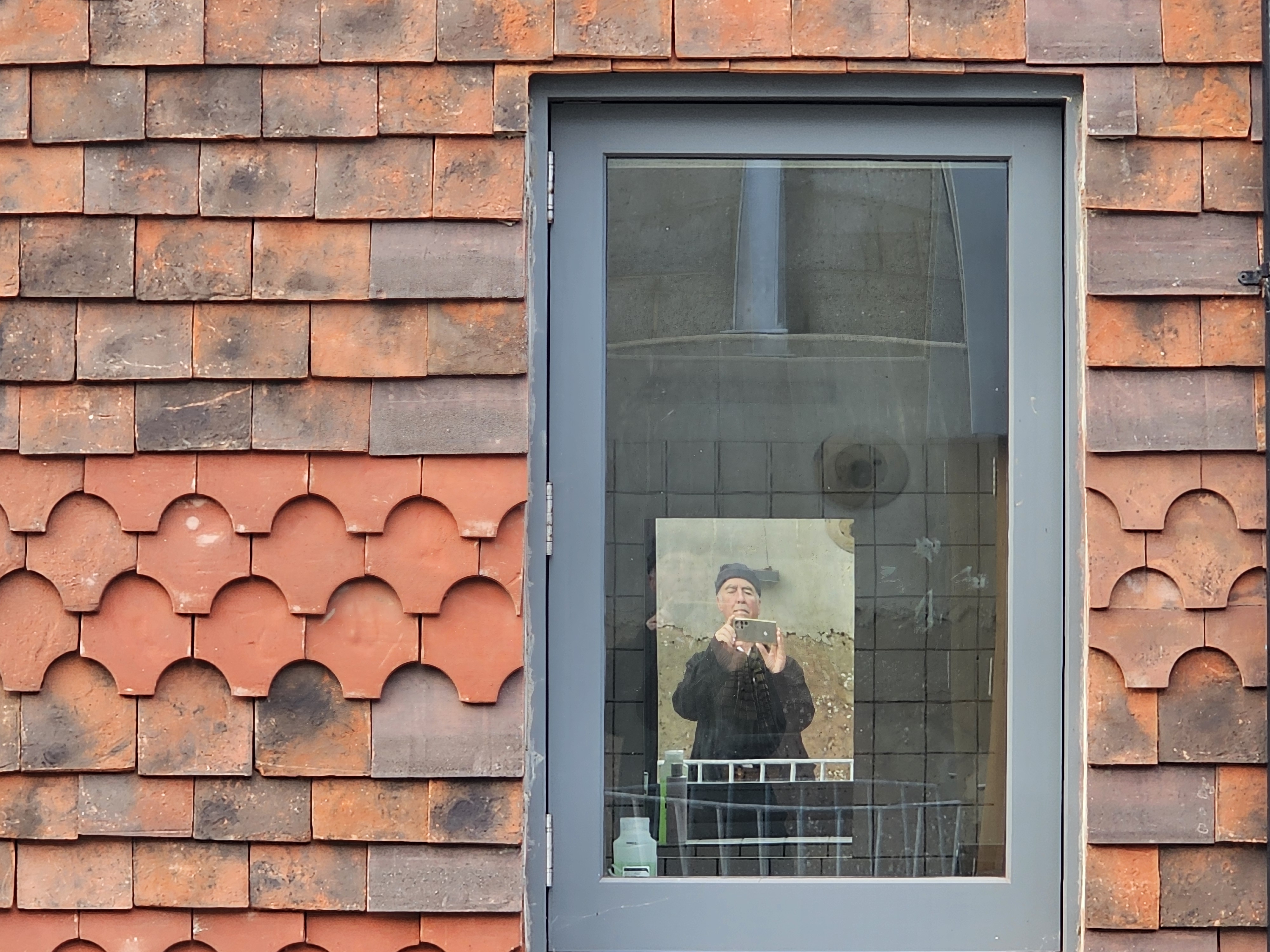
I have been meaning to visit Goldsmith’s Centre for Contemporary Art and finally did so today:  a very nice conversion of the old Laurie Grove water tanks by Assemble, keeping as much as possible of the disorderly plan and patina of the old Victorian building.   It was empty apart from a lone drummer in one of the galleries upstairs:-

Standard

The statue of Mrs. Thatcher

I agreed to appear on Newsnight to discuss the statue of Mrs. Thatcher which was planned for Parliament Square, turned down by Westminster City Council, and is now going to Grantham. It seemed to have been entirely forgotten that there was another big statue of her which was commissioned by Tony Banks, when he was chair of the House of Commons Works of Art Committee. The plan was that it should go into the Members’ Lobby next to Winston Churchill, but the rules prohibited it. So, it was lent to the Guildhall Museum. A theatre producer took a cricket bat into the museum in his trousers – not an easy thing to do – and smashed her head off. So, it is not just recently that statues of her have aroused strong feelings.

Standard

Closed on Mondays

I didn’t need to say anything further about Dinah Casson’s book, Closed on Mondays, because it turns out that my review of it is already available online (From picture frames to cloakrooms: what makes a successful museum | The Art Newspaper).

I had just been looking in the wrong place.

Standard

Post-lockdown

I actually went to a meeting in a different place today, still on Zoom, but I hadn’t realised how exciting it would be: the freedom of the street; the prospect of a vaccine; window shopping.

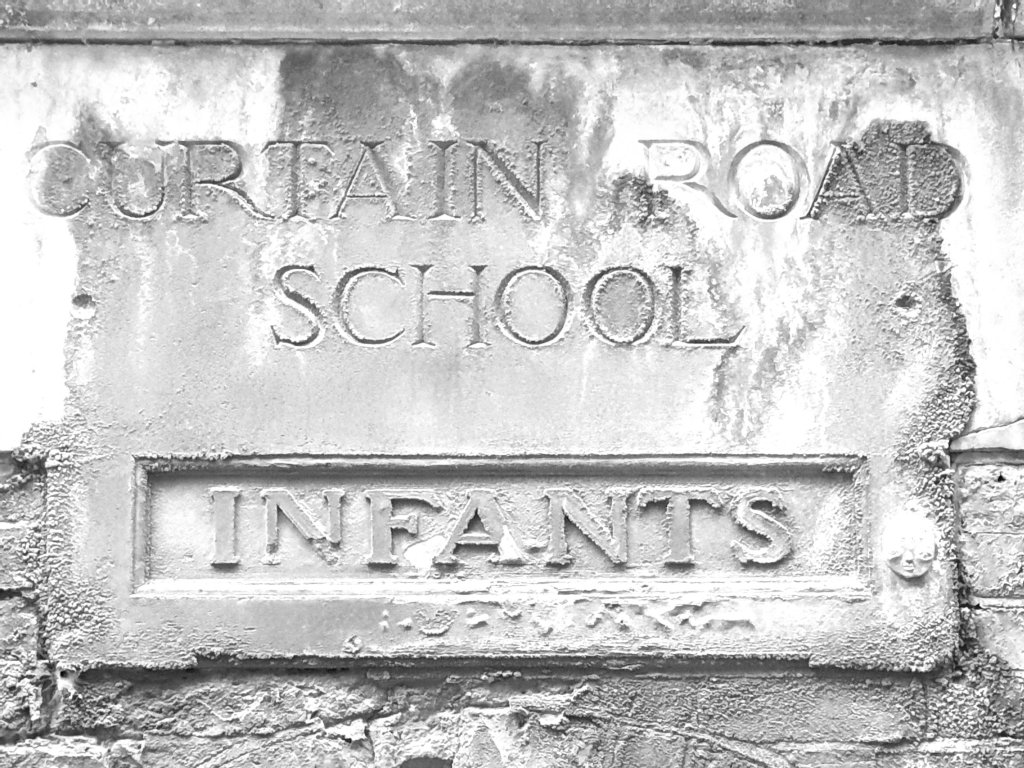
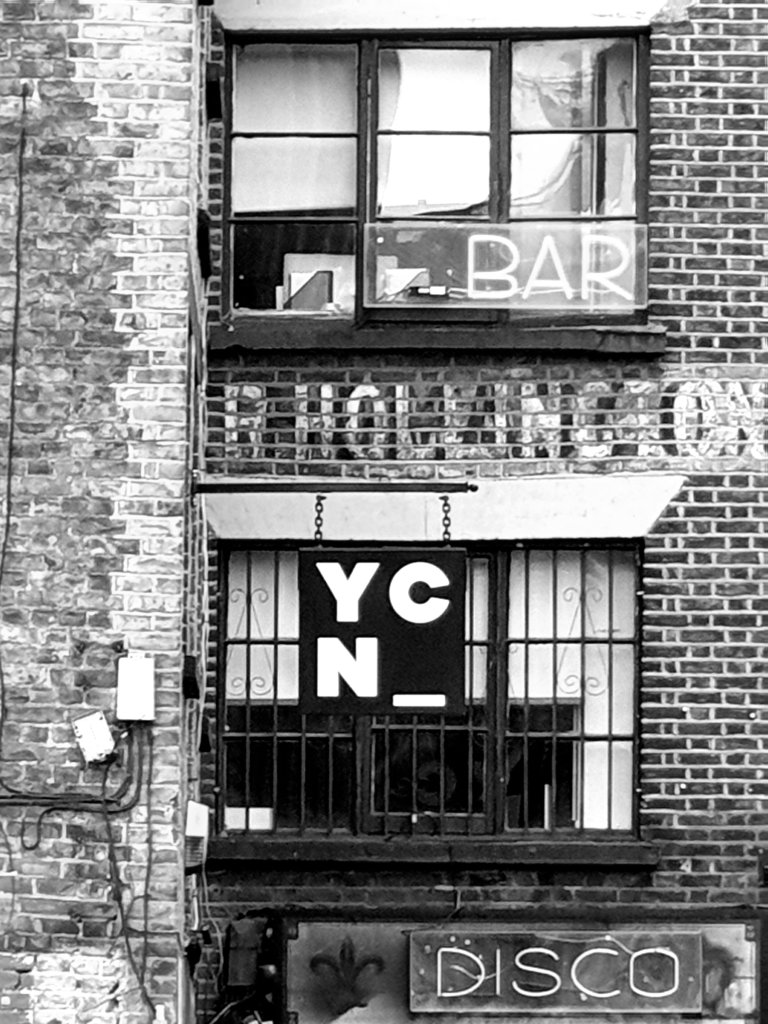
I don’t have much to show for my outing, except some unexpectedly nice pieces of urban lettering in darkest Shoreditch:-

Standard

Worland Gardens

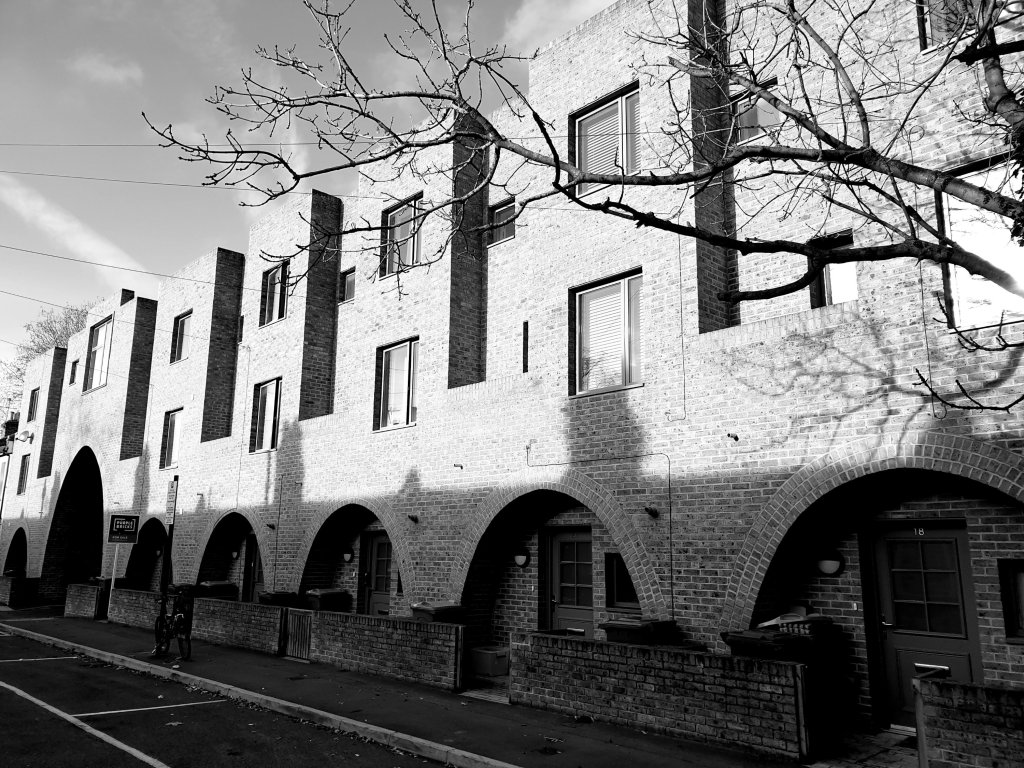
Since it was so sunny yesterday, I went to have a look at Worland Gardens, a recent, much praised housing development by Peter Barber who specialises in well-considered housing, which makes use of North African, as well as vernacular developments, attentive to the balance between privacy and community. Like much architecture, it looks better in the magazines, but is still an interesting response to a neglected building type:-

Standard

Irina Antonova

I am very sad to hear of the death of Irina Antonova, one of the more remarkable museum directors that I half knew, although she was not easily knowable, not just because she spoke little English. There is a fascinating interview with her in Donatien Grau’s recent book of interviews with museum directors. You get little sense of her personality, except when she wanted to show work from the defunct Museum of New Western Art in 1974, and the press criticised the fact that she had cleared space by removing some of the collection of historic plaster casts. She is quoted as saying, ‘It was a battle against imbeciles’:  that is the voice of Irina Antonova – the voice of a fierce, independent minded, highly educated, Russian pro-modernist, who had learned to conceal her views of the many political regimes she had had to live under.

https://www.theguardian.com/world/2020/dec/01/russian-museum-director-irina-antonova-pushkin-museum-dies-at-98

Standard