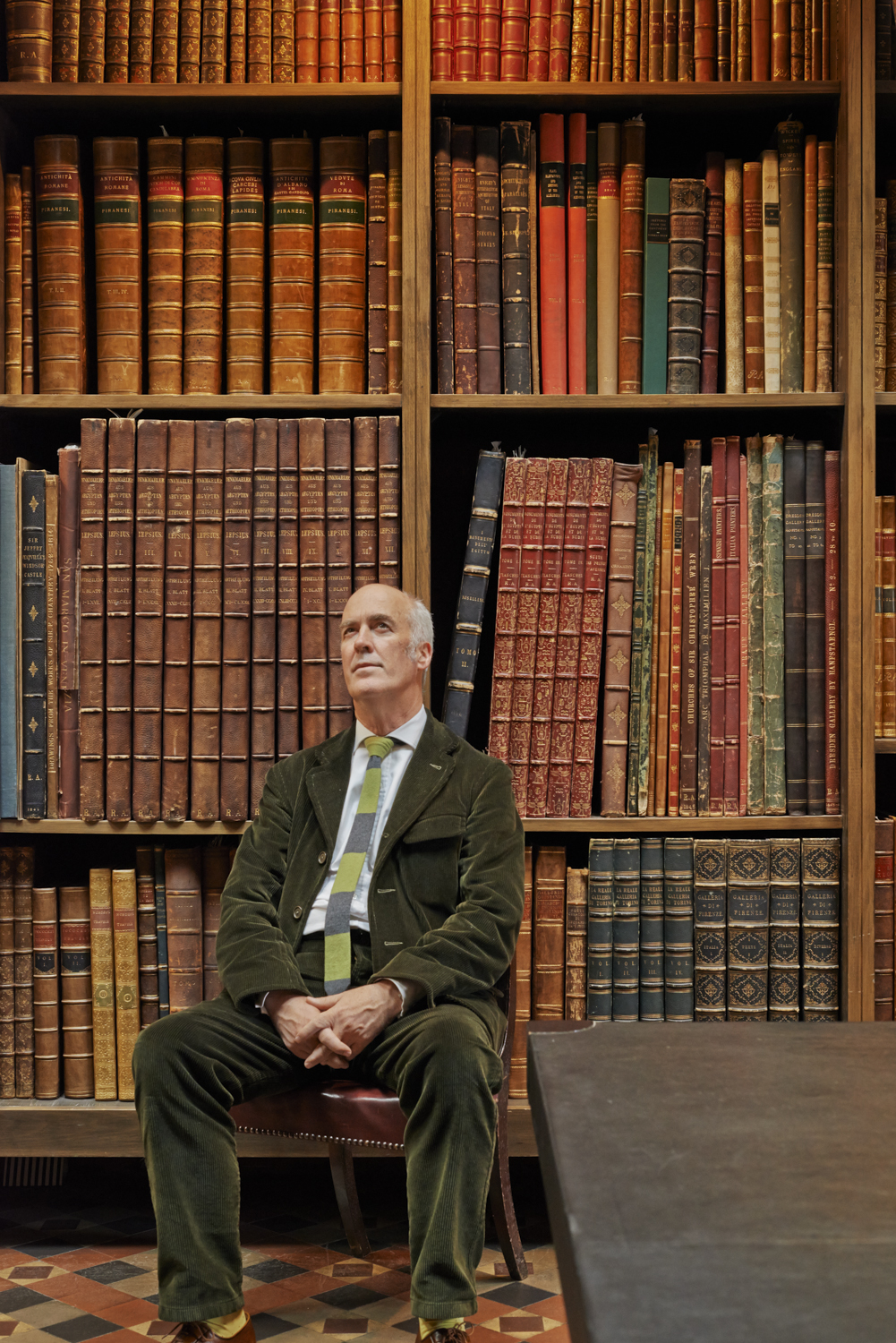
The death of Robert Armstrong, the former career civil servant and Cabinet Secretary from 1979 to 1987, who, not incidentally, served as Secretary to the Board of the Royal Opera House from 1968 to 1988 and was chairman of the trustees of the V&A from 1988 to 1998, has caused me to look up the origin of the phrase ‘economical with the truth’, for which he is – somewhat unjustly – best remembered. The answer is, as I had suspected, much more complicated than the presumption that it was used as a synonym for mandarin evasion – not telling the whole truth when he should have done and for which he was made to look a fool in court. It goes back to Edmund Burke who used the phrase in his Letters on a Regicide Peace, published in 1796, as follows: ‘Falsehood and delusion are allowed in no case whatever: But, as in the exercise of all the virtues, there is an œconomy of truth. It is a sort of temperance, by which a man speaks truth with measure that he may speak it the longer’. In the court in Australia, where Armstrong used the phrase, he prefaced it with the reference to ‘As one person said’, assuming that his listeners would know that it was a reference to Burke and would also know that it was a reference to a form of dutiful reticence, of which Armstrong was a master, the opposite of wilful evasion. It was a total clash of intellectual and verbal cultures, which Armstrong lost.


Messiaen
At 6.30 sharp, we listened to a piece by Messiaen which was due to be played as part of a concert by Melvyn Tan at Charleston tomorrow evening. There was something both wonderful, but tragic, about listening to live music on YouTube, which was due to have been held at Charleston where not only tomorrow’s concert, but its annual literary Festival, have had to be cancelled:-


The Slate Fence
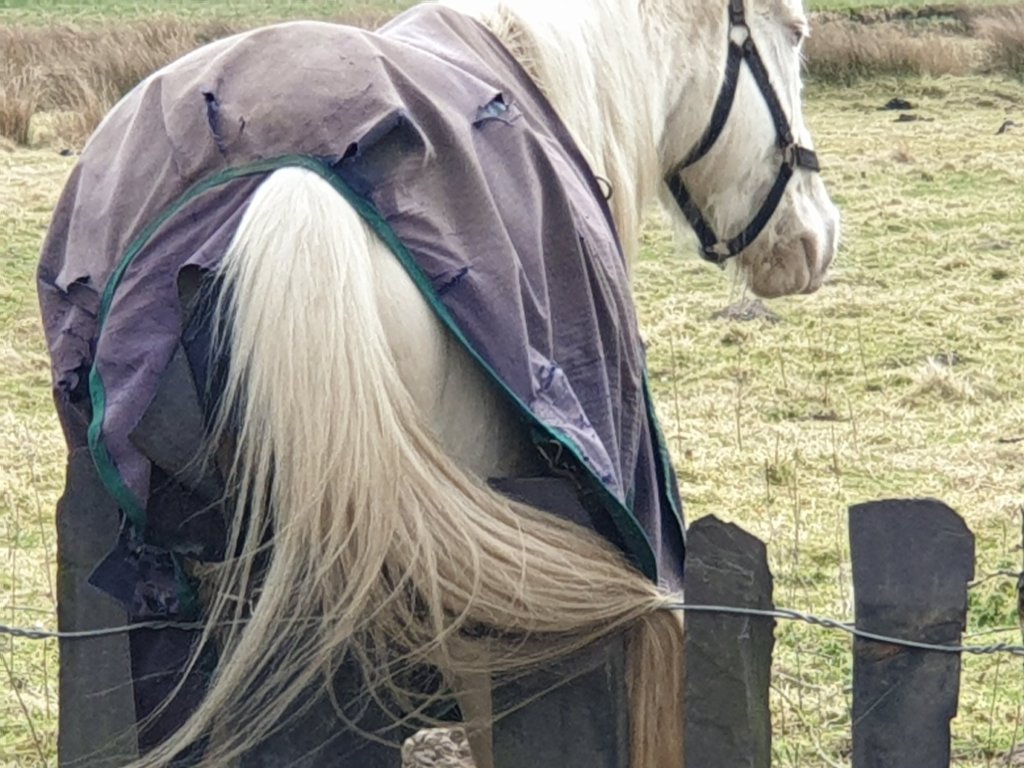
I’ve been asked about the slate fence on which the horses scratch their bottoms. The answer is that it’s a fairly normal form of fencing round Snowdonia, presumably made in the past, as now, from offcuts from the slate industry, not necessarily used, as we have, semi-ornamentally. Ours was made by the wonderful Andy Kehoe of Kehoe Countryside (www.kehoecountryside.com), who is a wonderful source of expertise on traditional Welsh planting and rural skills and who advertises slate fencing on his website:-

Today’s Constitutional (4)
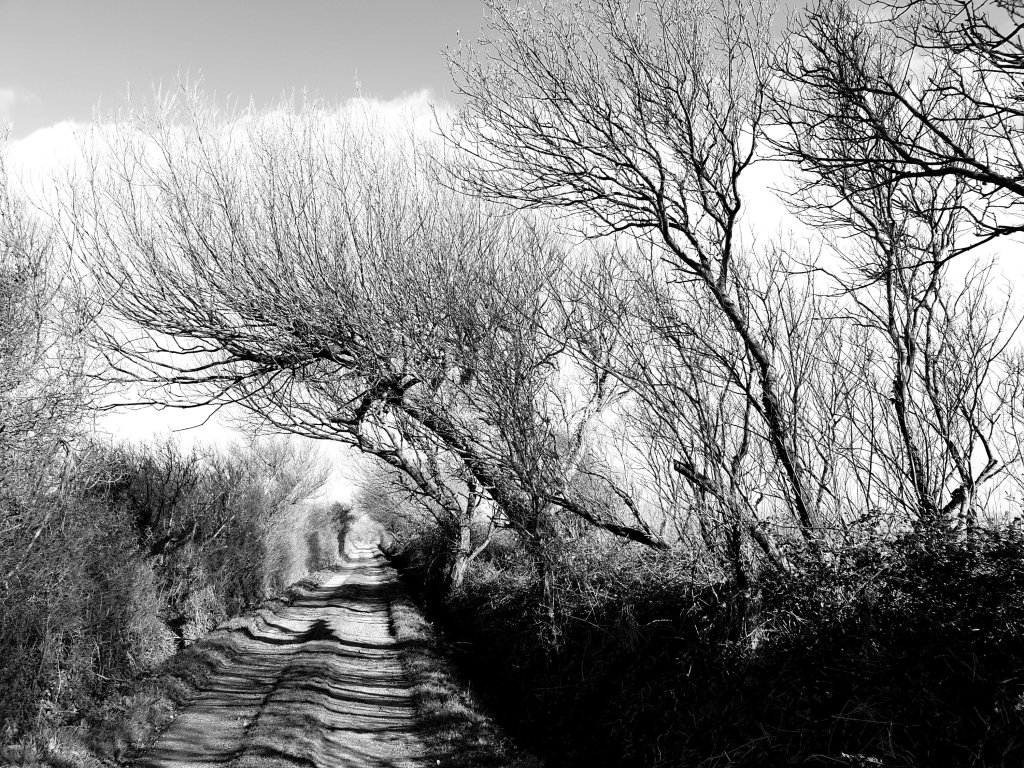
Not much to report on today’s constitutional, a walk down the lane:-

Good clouds:-


Then we watched the sun go down:-

Horses (2)
The horses in the adjacent field have discovered that our slate fence is the perfect thing on which to scratch their itches, so we have a good view of them all day long:-




Today’s Constitutional (3)
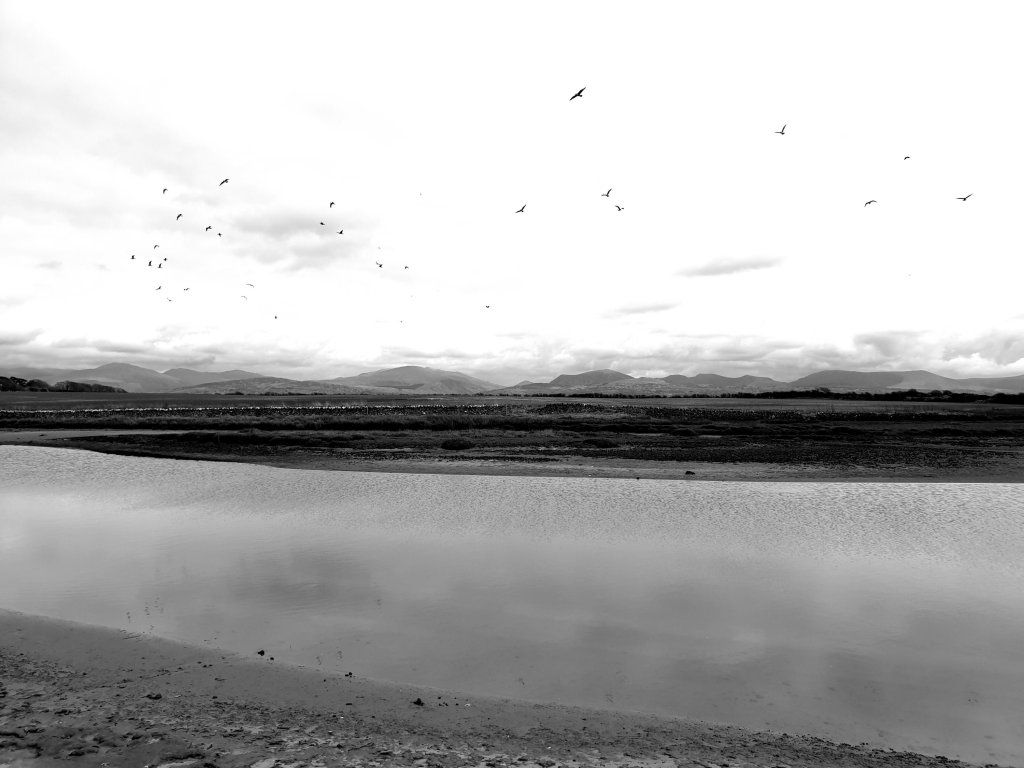
Today’s constitutional consisted of nothing more than a short walk to the end of the lane to deposit our rubbish bins (Anglesey takes recycling very seriously). But on the way back I made a short detour to see if I could spot the local egrets:-


Today’s Constitutional (2)
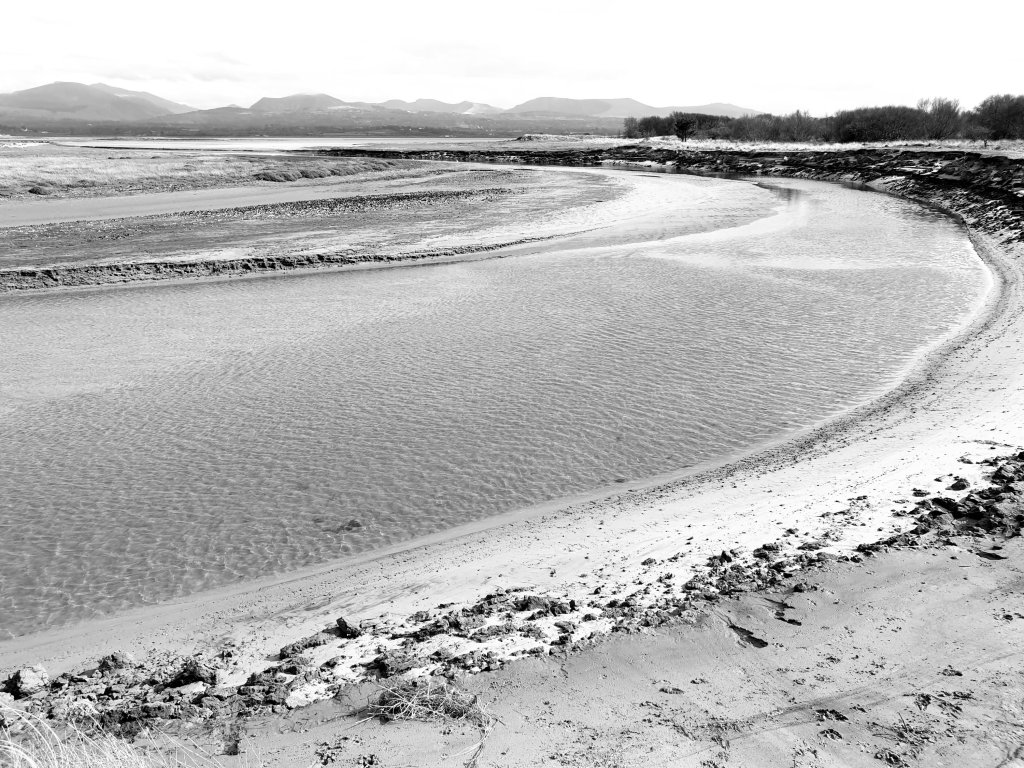
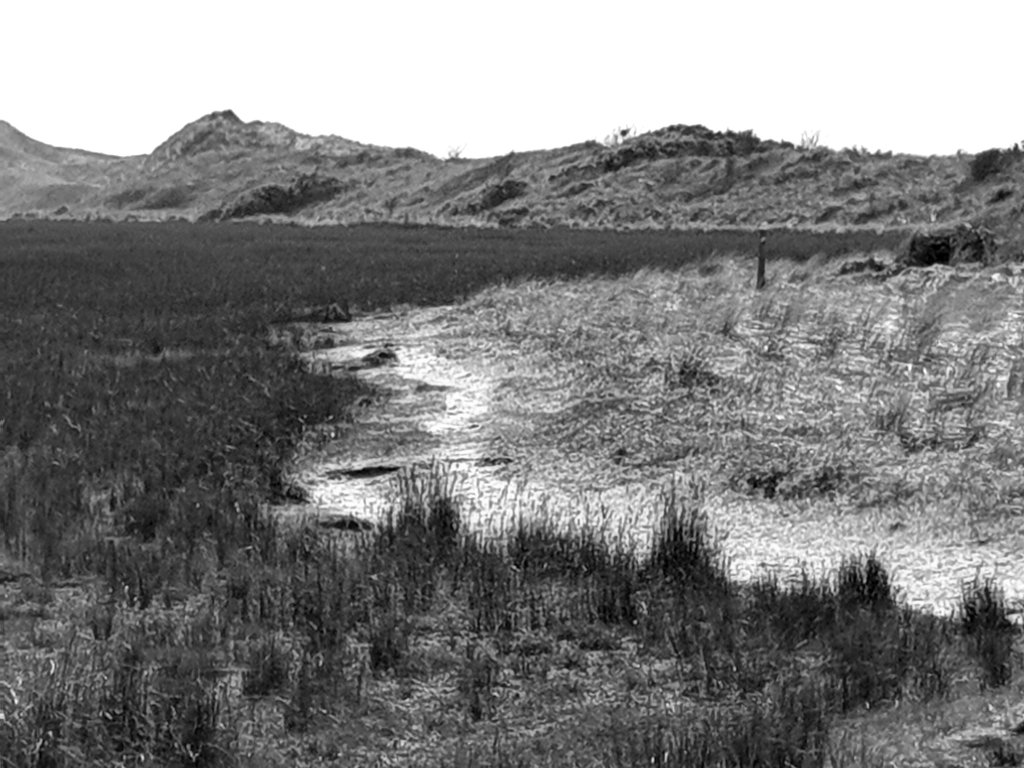
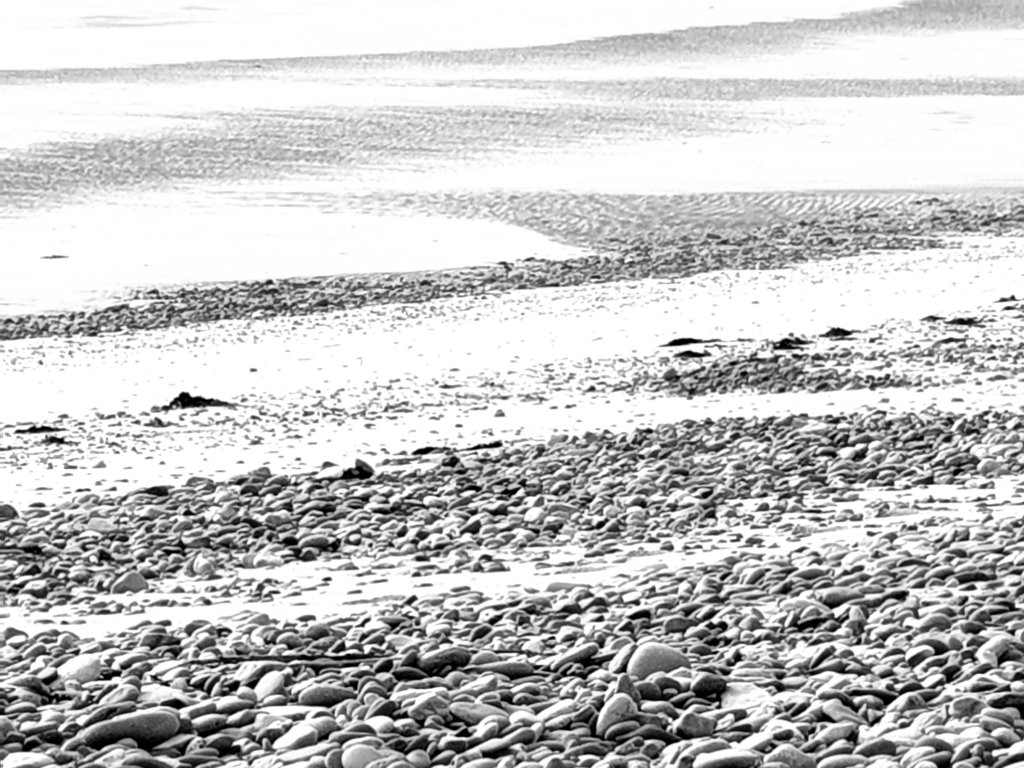
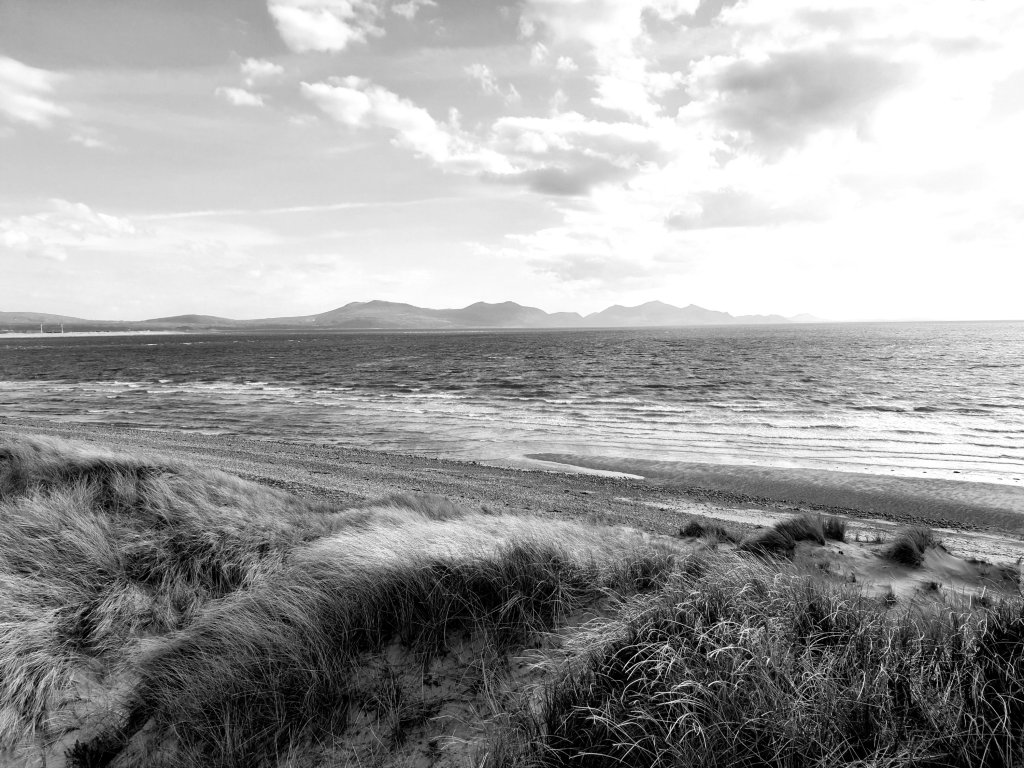
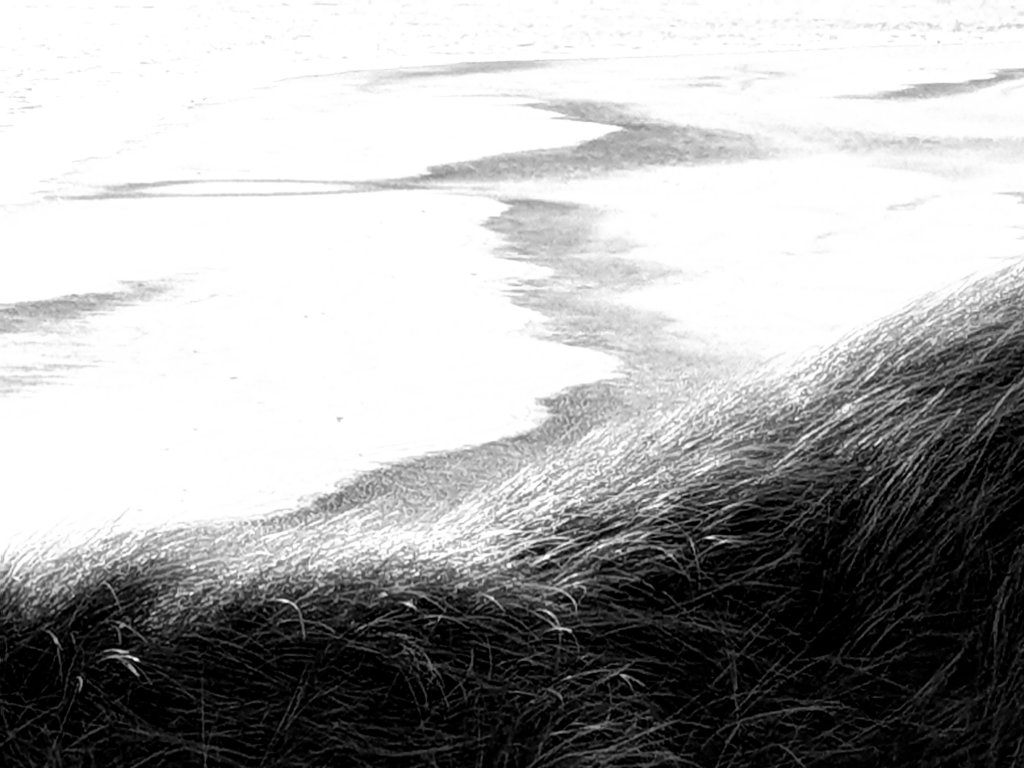
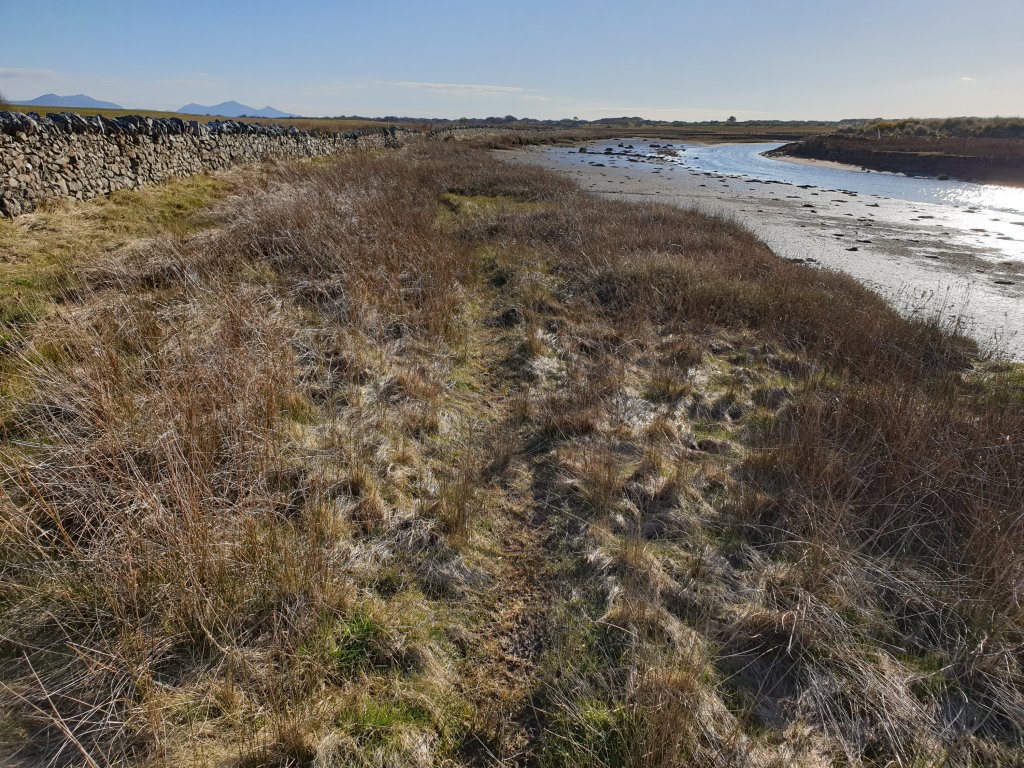
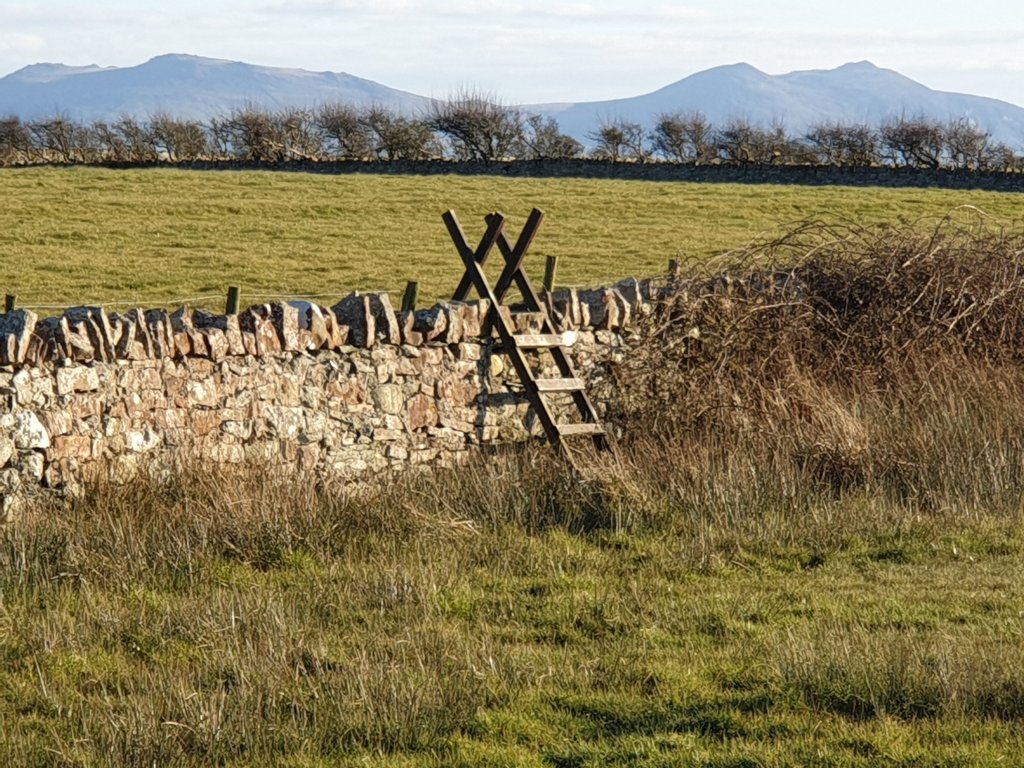
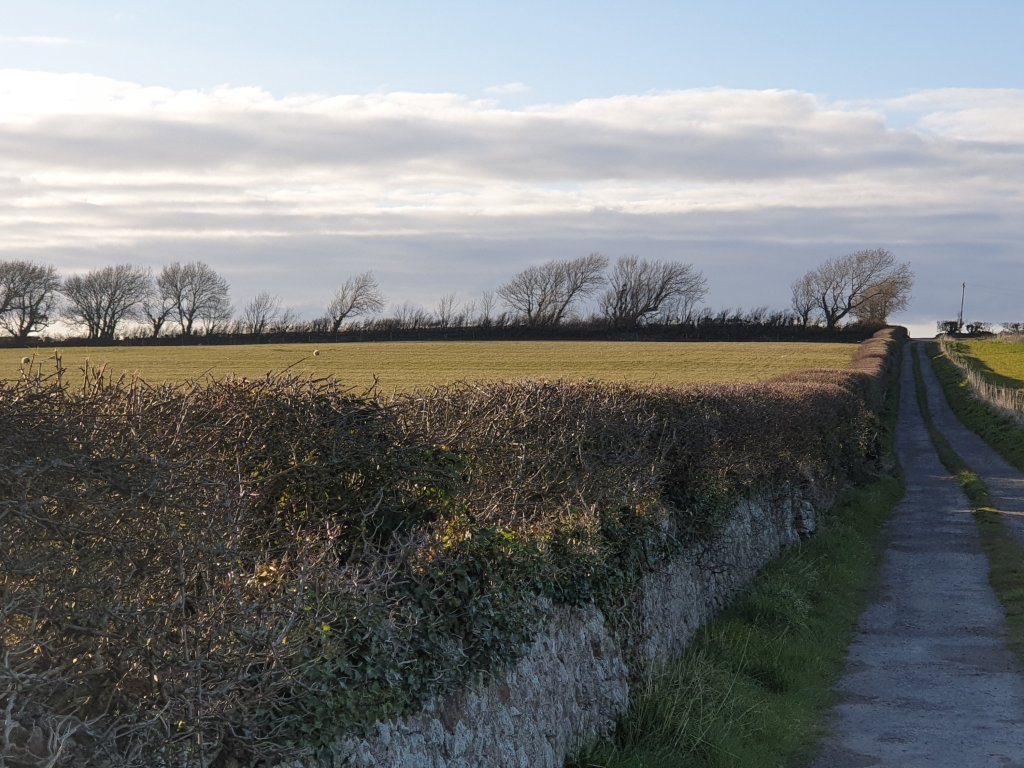
I walked the other side of the river, along a rough path:-
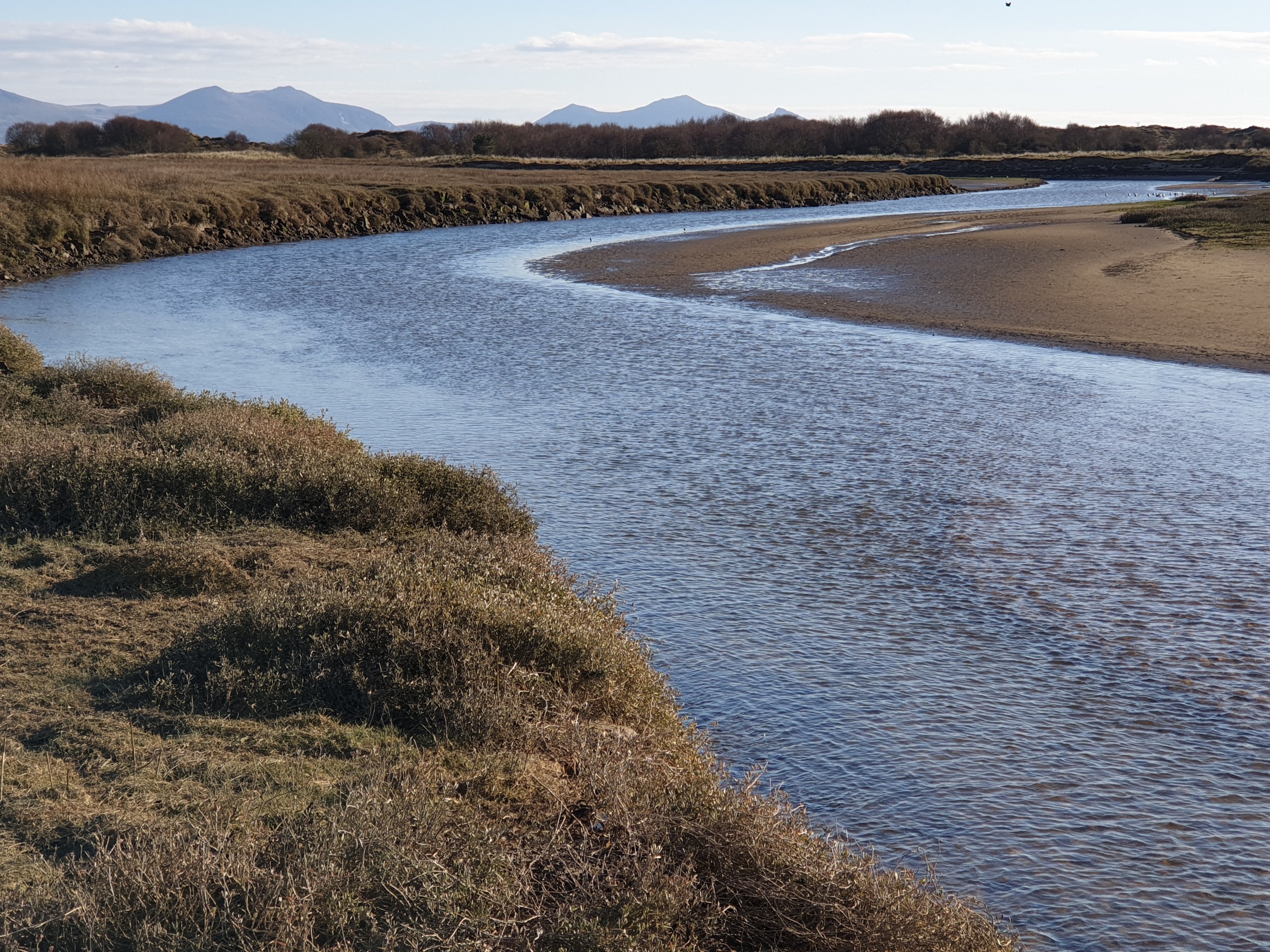
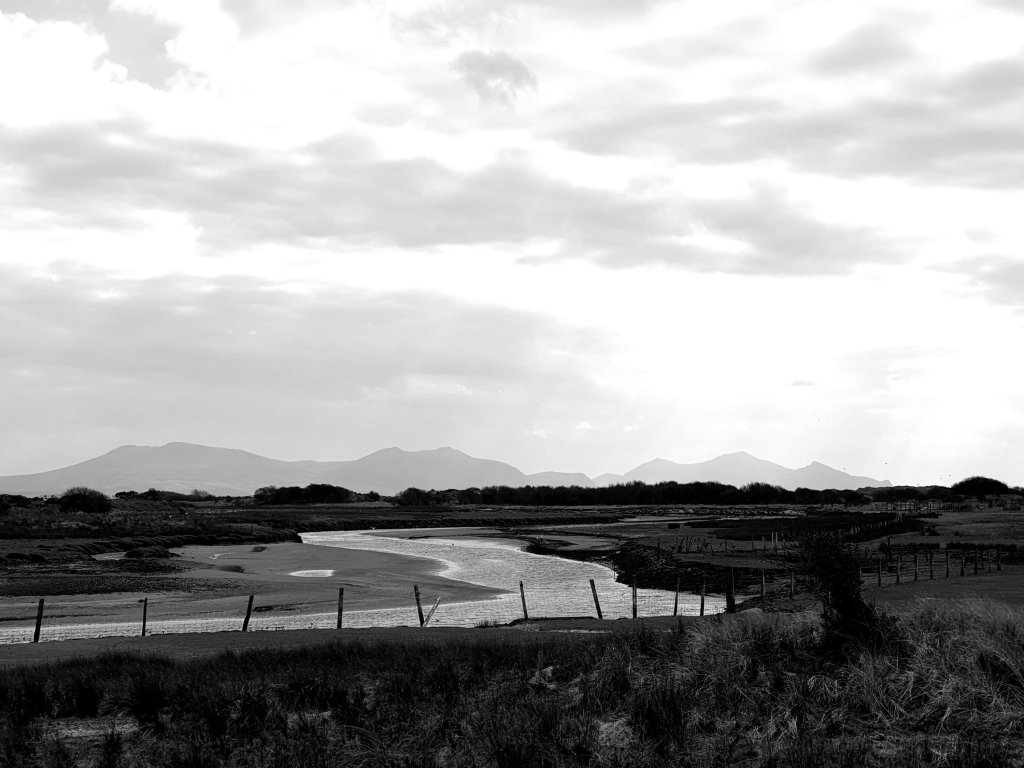
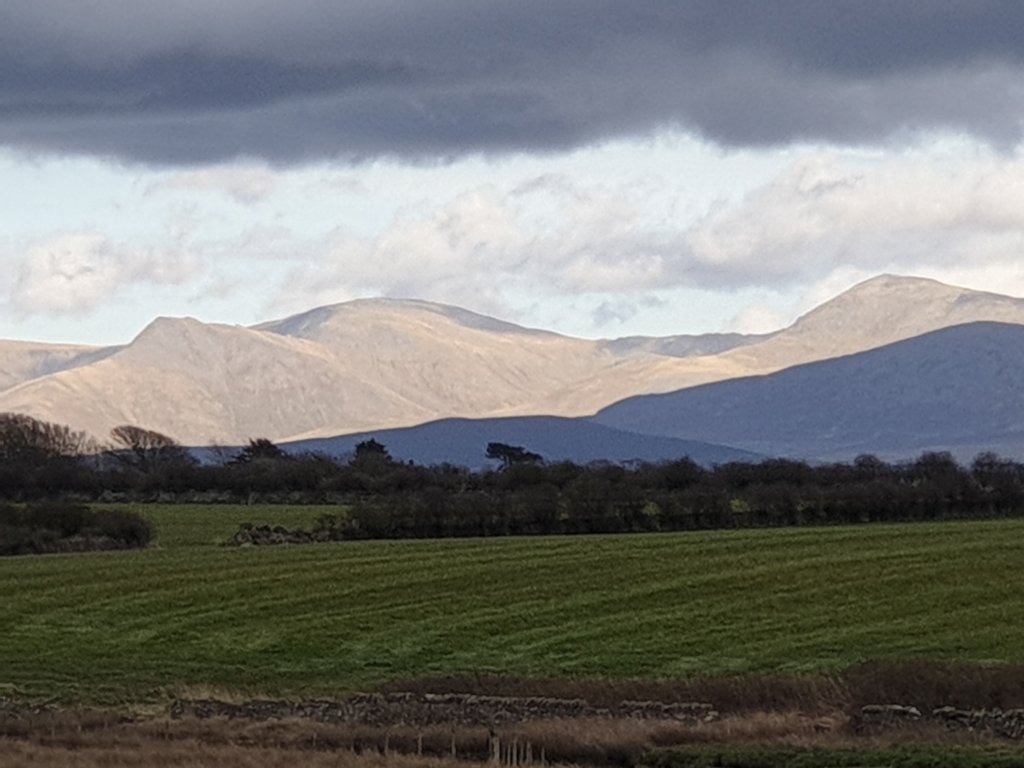
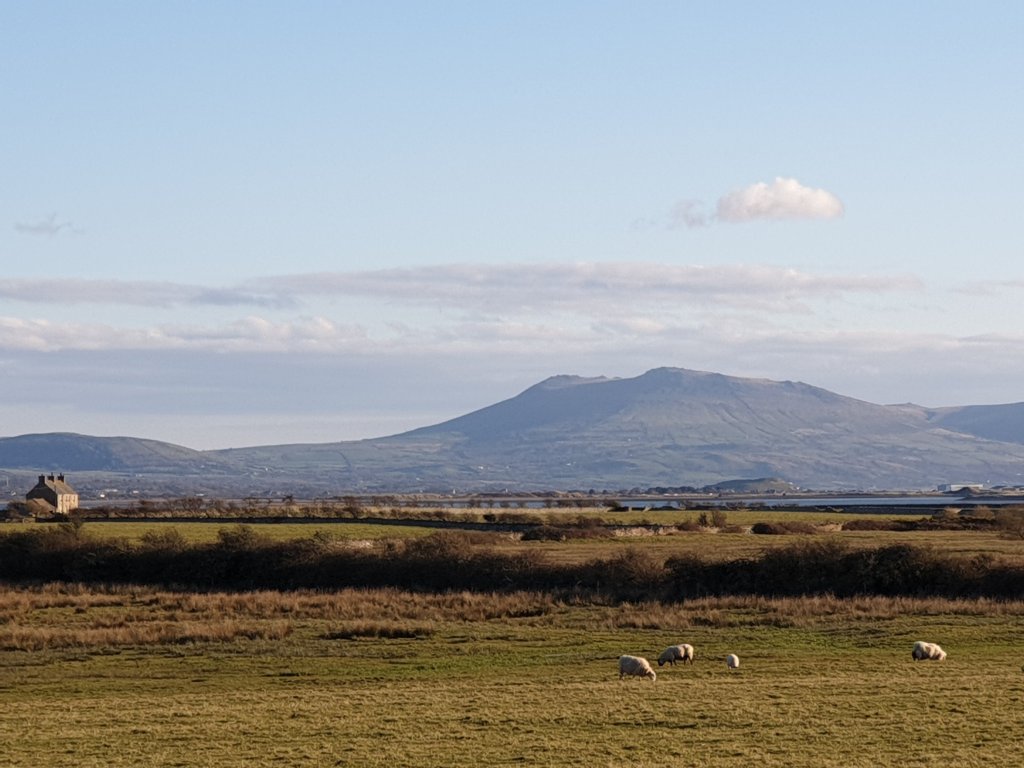
You come out into the Estuary, with distant views of the mountains:-
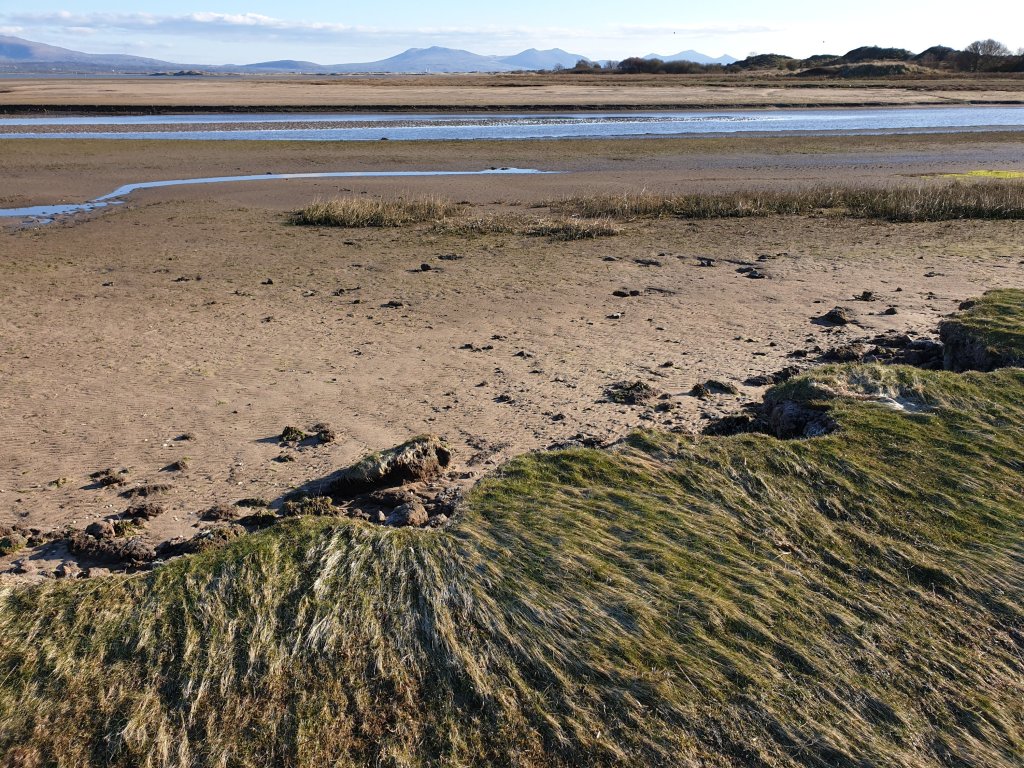
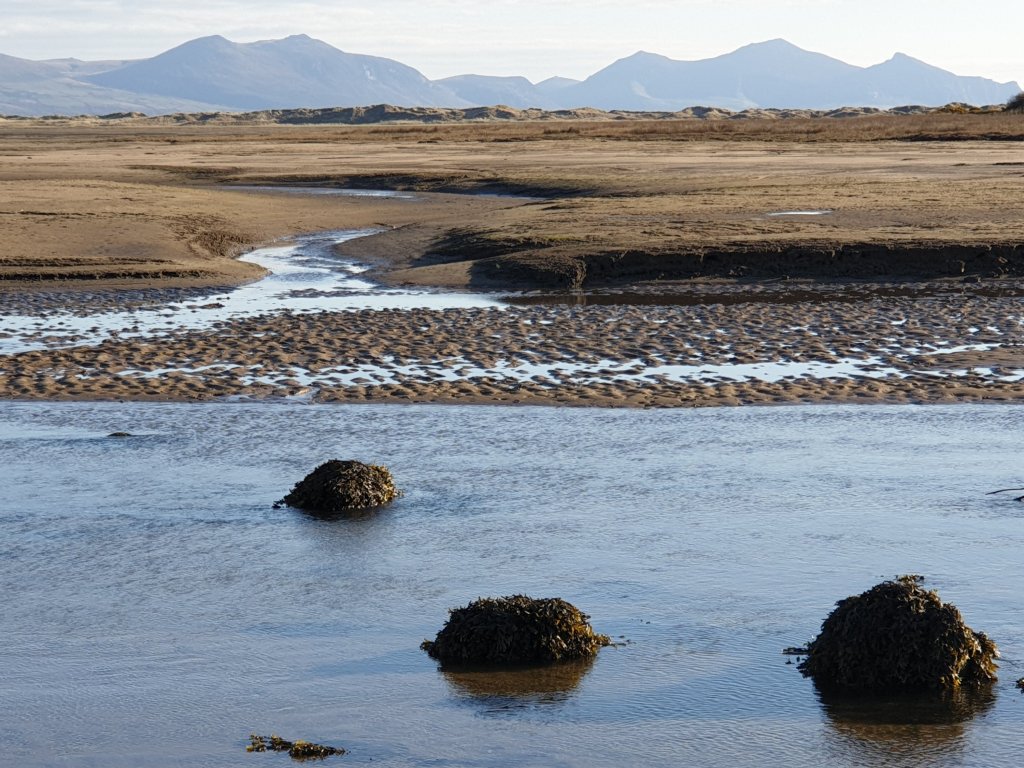
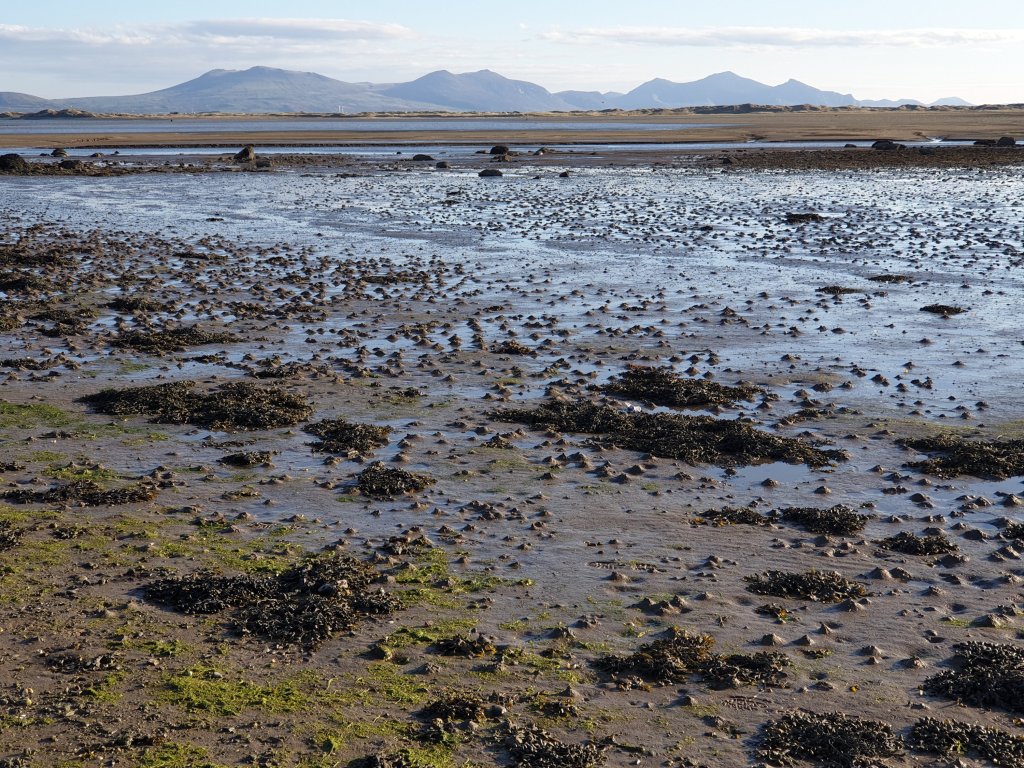
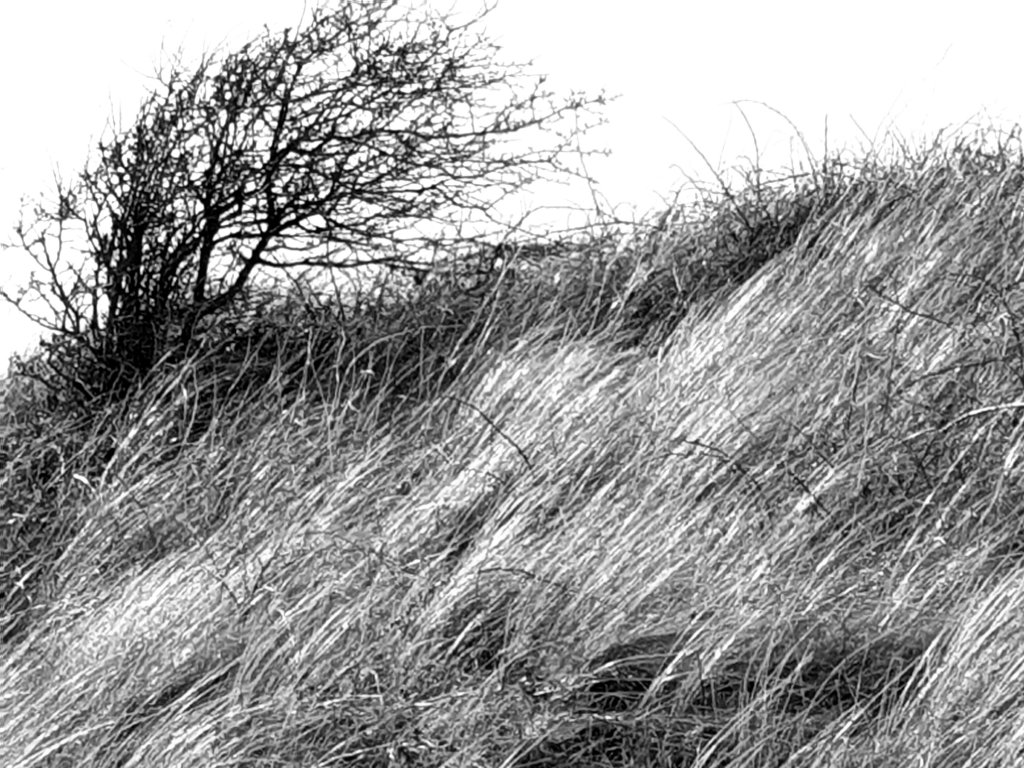
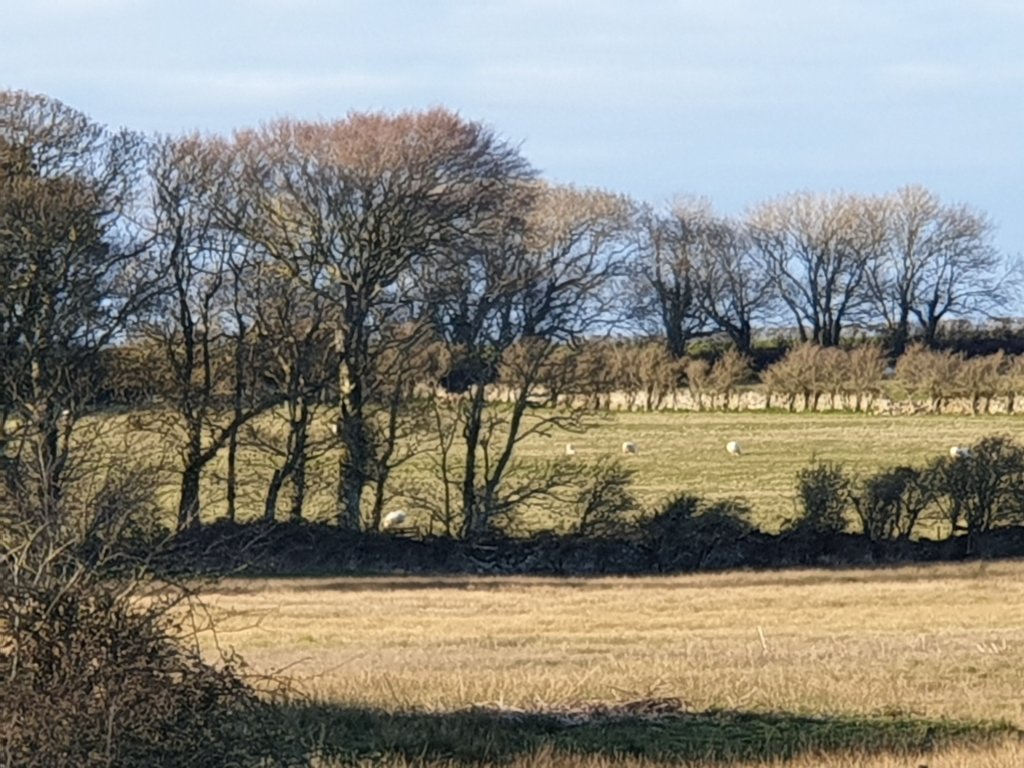
Then back across the fields:-
Museums and Coronavirus (1)
I have just handed in my book on museums, due to be delivered today. I had been resisting the encouragement of my editor to refer to Coronavirus on the grounds that the book is about the recent history of museums, not about their present, let alone the future. But in the middle of the night I thought that it might be odd not to make any reference to what the effects of Coronavirus might be, so added the following two sentences.
It will be interesting to find out what validity these thoughts have, if any, in a year’s time when the book is due to be published:-
Once the Coronavirus pandemic has ended, museums will need to review their role, the circumstances of their funding, and may retrench; they may have to reduce the number of exhibitions which are so dependent on international travel; they may migrate more of their activities online; they may have discovered new ways of communicating to their audiences during the period of closure. There is likely to be a reduction in what Adrian Ellis has described as ‘a decades-long, “physical infrastructure” binge’.[1]
[1] Adrian Ellis, ‘Not a Pretty Picture’, Wall Street Journal, 24 March 2020.
 | Charles | Saumarez | Smith |
You must be logged in to post a comment.