
In response to my request for information about the impact of digitalisation on museums, I have been sent the link to an article in the New York Times no less about the twitter account of the Royal Academy. I am re-posting it as food for thought:-
Today’s Constitutional (1)
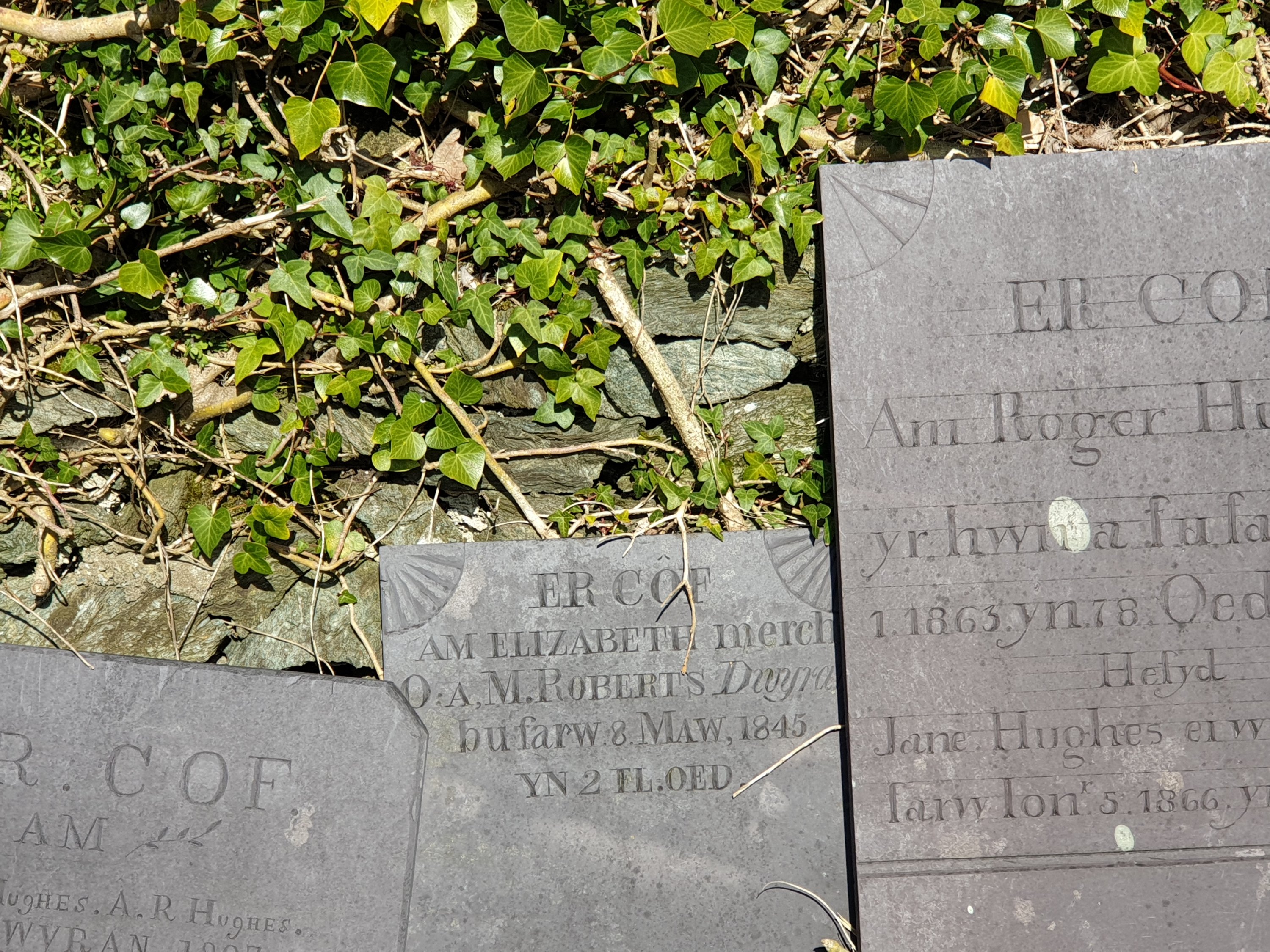
I’m just reviewing the photographs taken on today’s constitutional, which was slightly longer than usual, taking in the churchyard of St. Ceinwen, Llangeinwen with its slate tombs:-
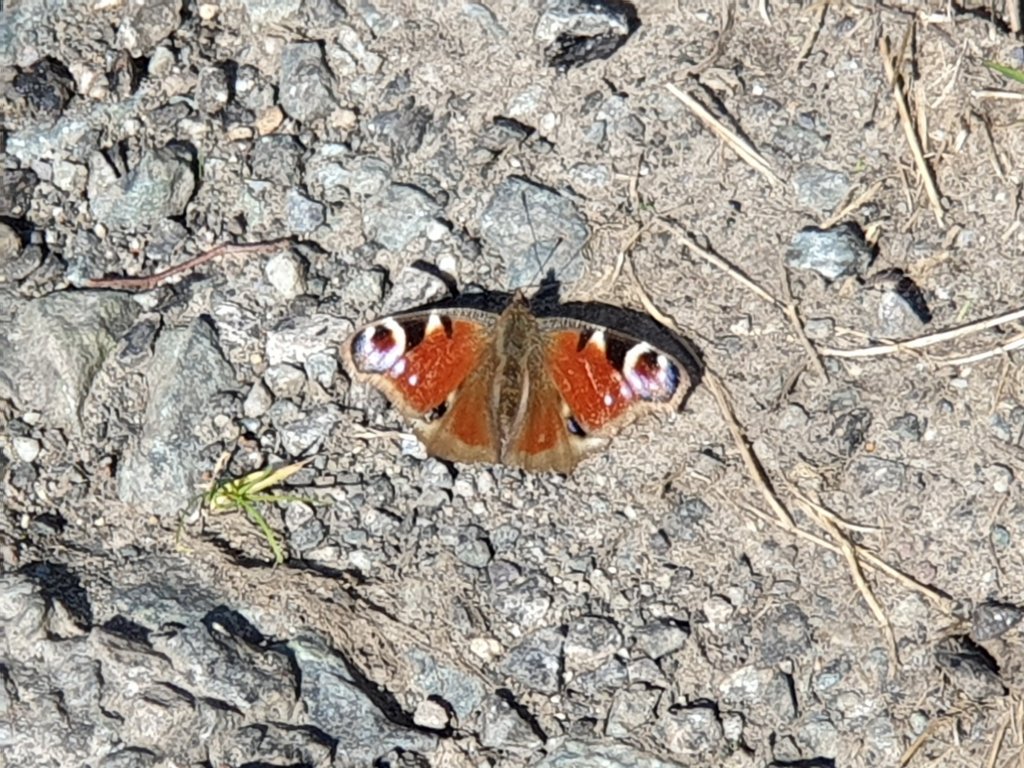
Walking up the lane behind the church, there were Peacock butterflies frolicking:-
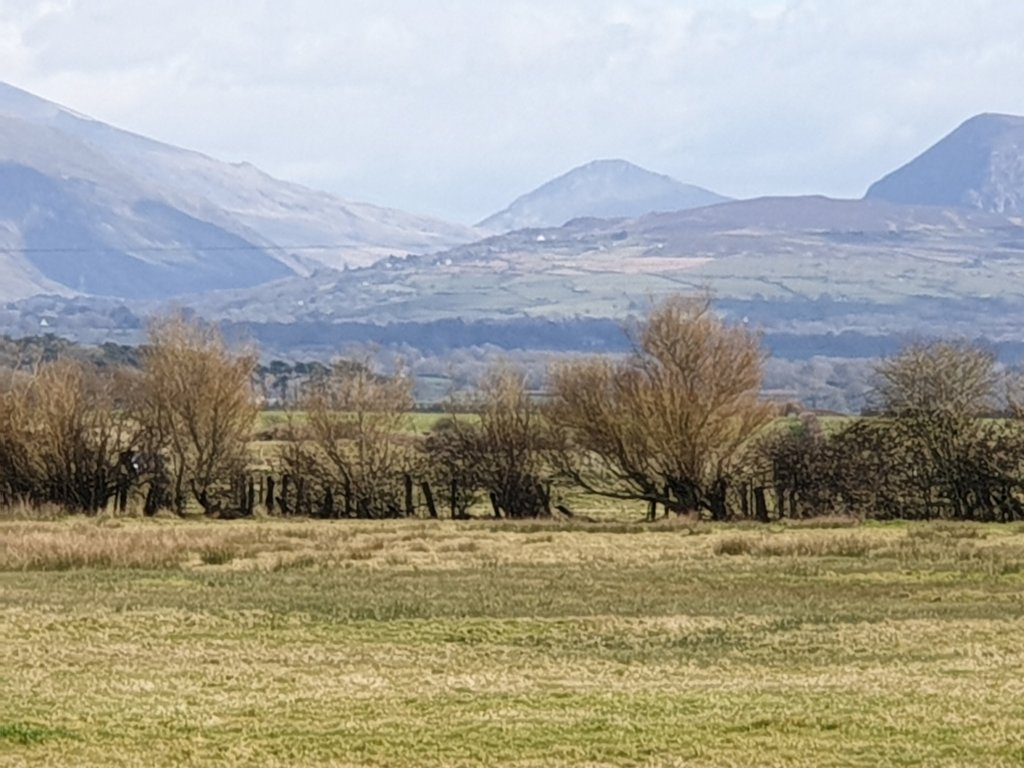
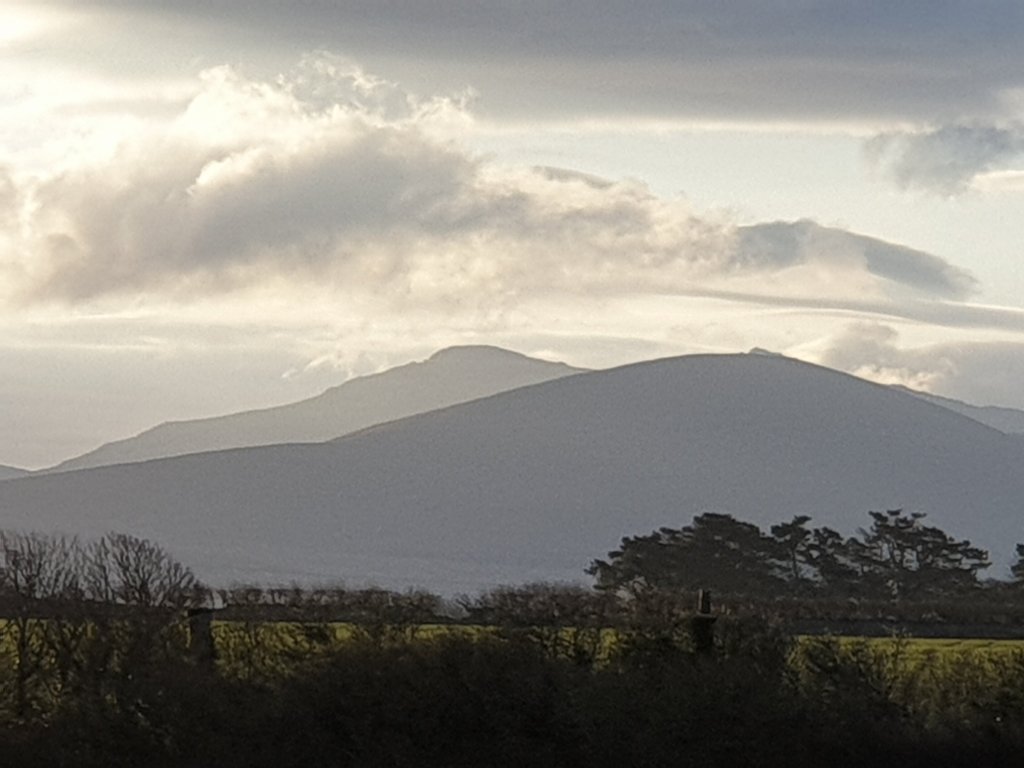
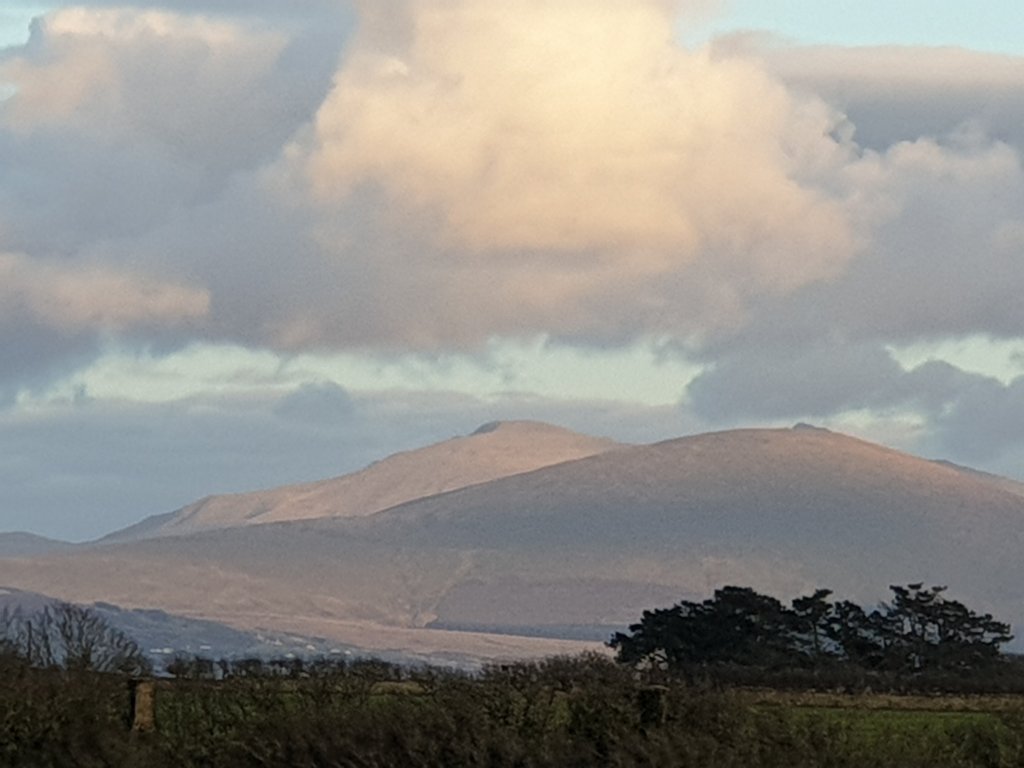
And we saw the mountains from a slightly different perspective:-
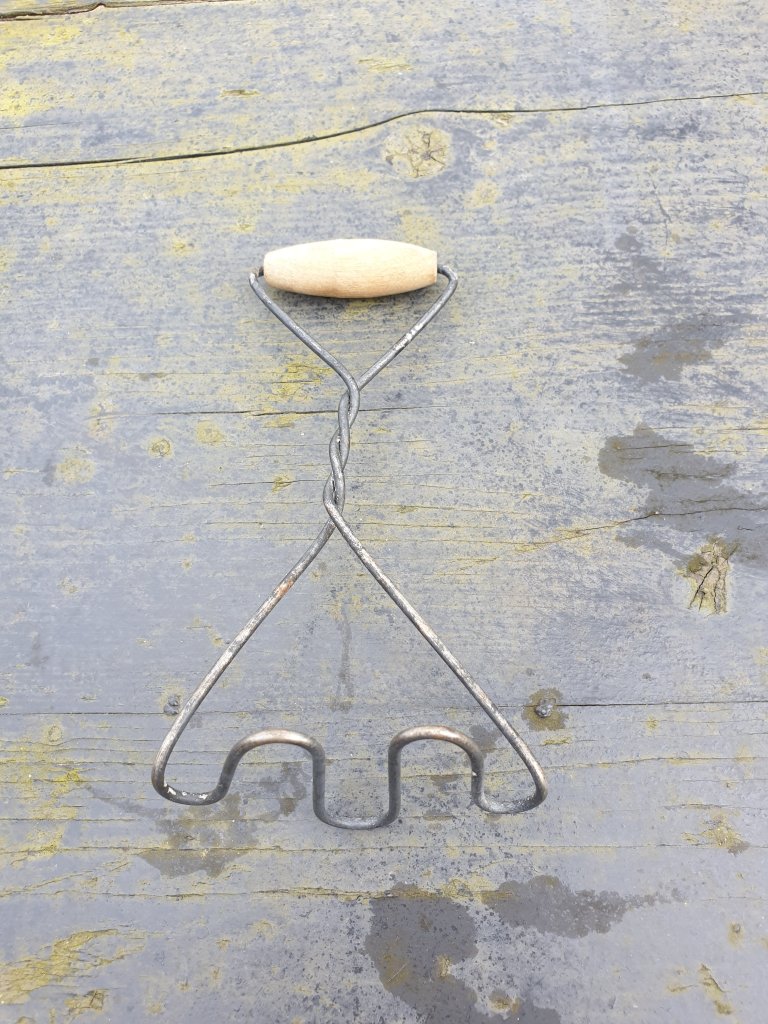
The Potato Smasher
I have been asked why on earth I wrote about our potato smasher and then deleted it shortly afterwards. The truth is that I was told I had done it before, which is extremely likely, because I love the object dearly and it gives me the utmost pleasure. But I’ve now searched my blog which is easy to do and can find no mention of the potato smasher or of potatoes at all. So here it is again in all its 1950s utilitarian glory :-
Digitalisation (1)
After three days of not being on the internet because the account on my dongle went kaput and didn’t seem at all straightforward to reconnect, we have been sent a brand new router by ee (Huawei, of course), ordered yesterday in Newcastle, arrived today and, lo and behold, we are already reconnected (thank you, Chris). What the episode has shown me, which I already half knew, is how terrifyingly dependent we all now are on the internet, perhaps especially at the moment: no shopping, no access to the London Library, no work on my book.
It’s been particularly ironic because the last section of the book I have been writing is the way that the internet has affected, if it has, the design of museums: the way that it has dethroned academic hierarchies and enabled visitors to find out information about objects and works of art on their phone without needing labels. I had assumed that there would be a big and obvious secondary literature on the way that the internet has changed attitudes to authority, but I haven’t yet found it.
Any help and suggestions would be much appreciated.
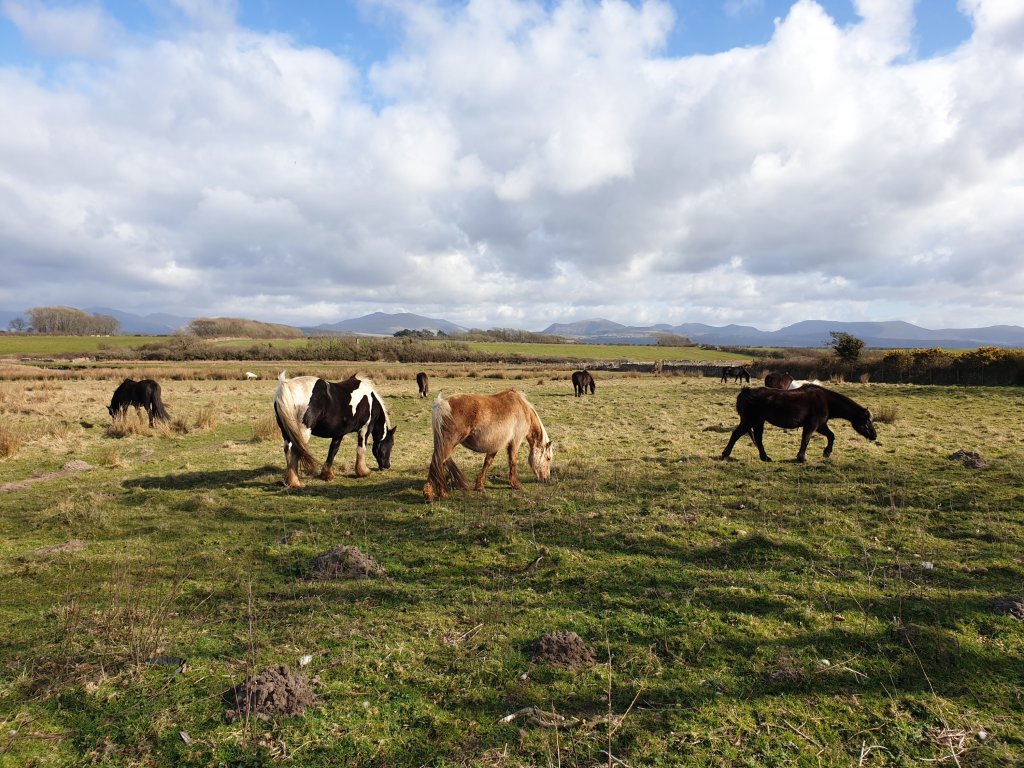
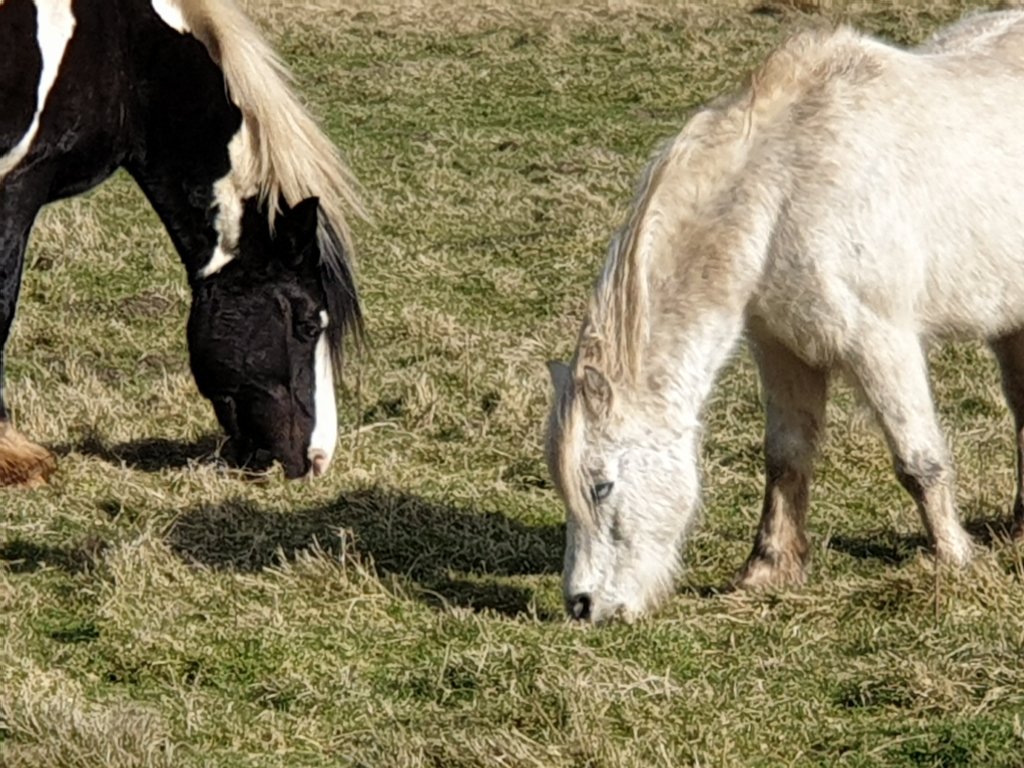
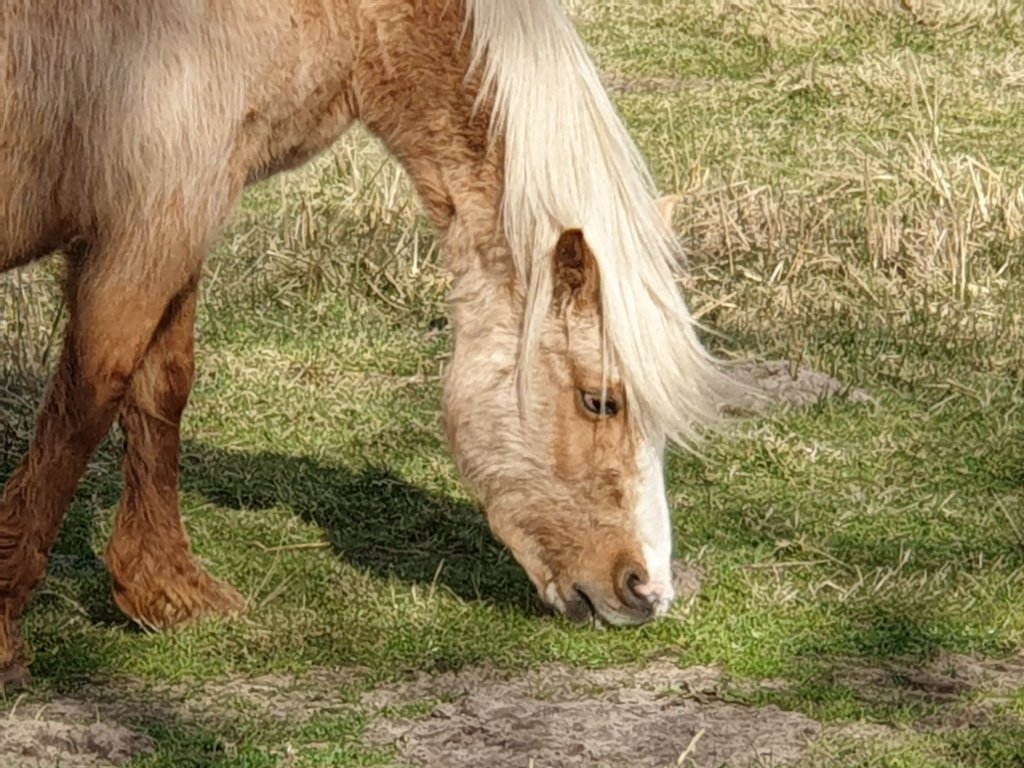
Horses (1)
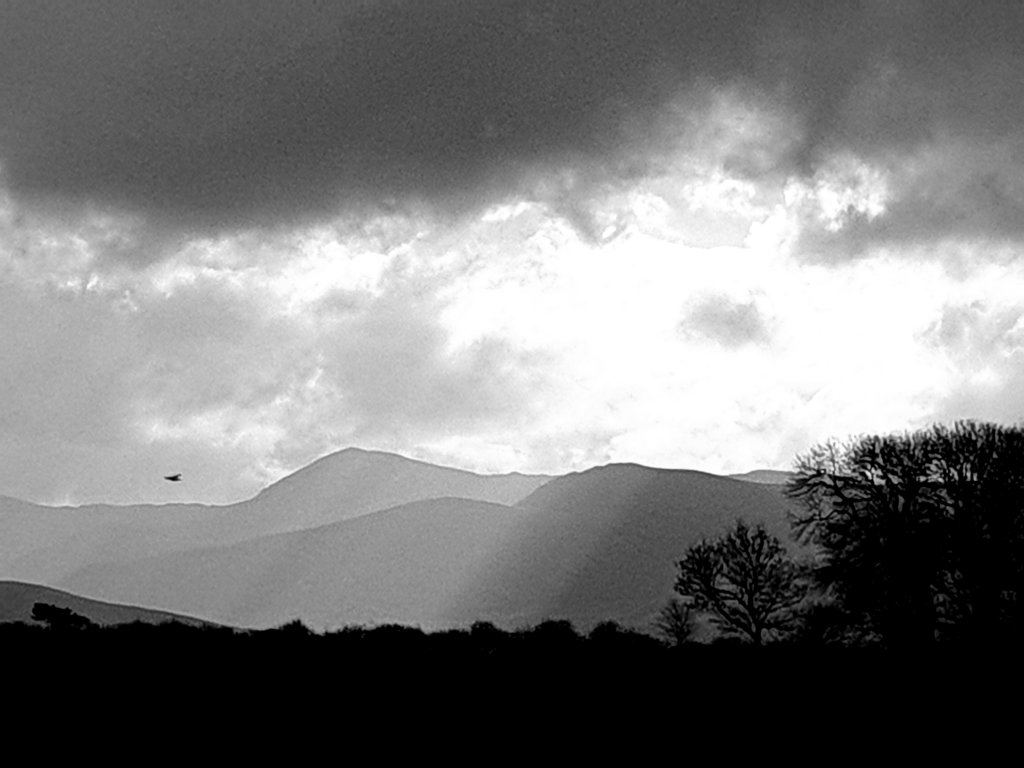
The farmer came in the early part of the afternoon and exchanged the sheep in the adjacent field for horses:-
Tros-yr-Afon (2)
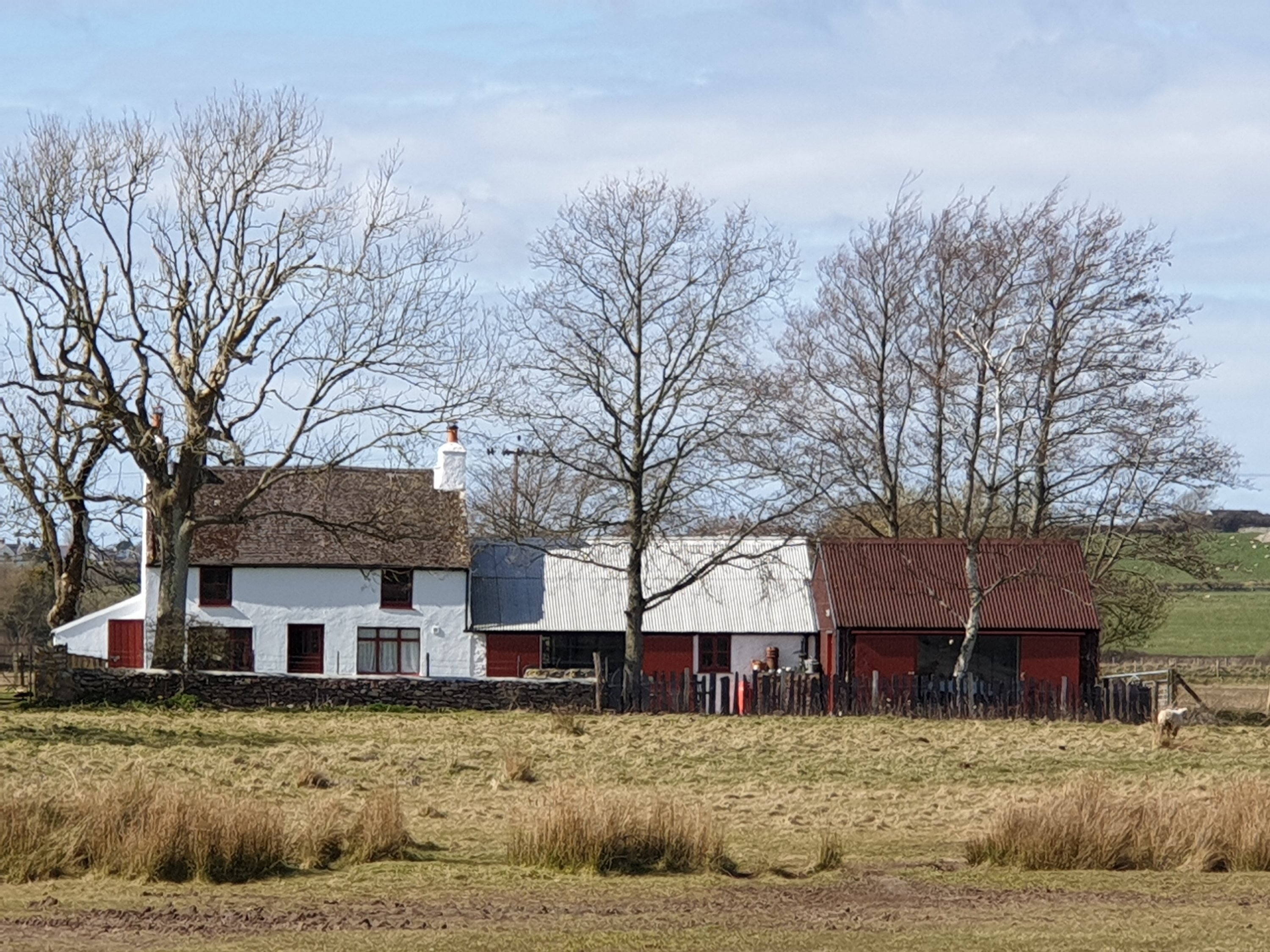
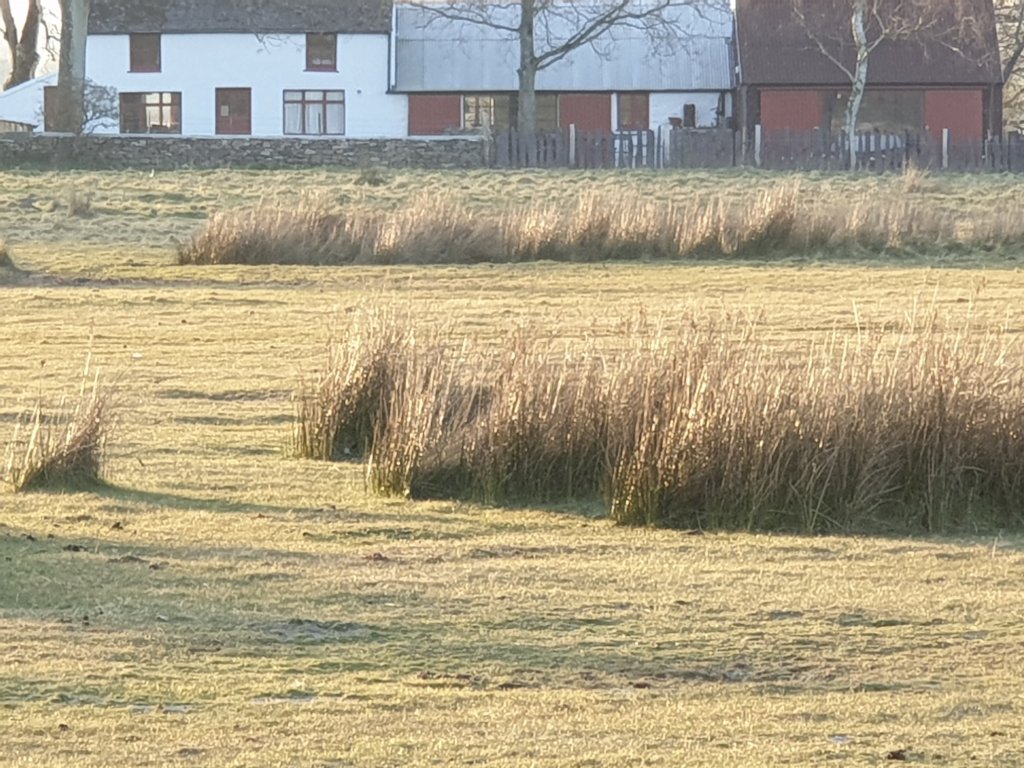
Romilly has pointed out that my photograph of the house at dusk could scarcely have been less helpful in showing the character and quality of the Onduline extension, so here’s a better one, taken yesterday while the sun was still shining:-
Tros-yr-Afon (1)
We are celebrating the fact that our small, Welsh cottage in the middle of nowhere has been shortlisted for the Architect’s Journal Small Projects Award 2020. It was not an easy project for Martin Edwards, its architect: how to add an extra bedroom to a nineteenth-century, rural cottage, without in any way jeopardising its character. He has done it beautifully by extending the line of the adjacent shed, but asymmetrically, so that the addition can’t be seen as one approaches the cottage from the north, and cladding it in Onduline, a lightweight building material like cardboard corrugated iron. Not only has his work not damaged the character of the original cottage, it has enhanced it. So, unusually, I am posting a photograph of it, bathed in the light of the evening sun, in Martin’s honour:-
The River
We walked down to the river tonight in the evening light:-

The view is always the same, but always looks different according to one’s mood, and tonight the sky was filled by a dark cloud of a distant fire on the other side of the Straits:-
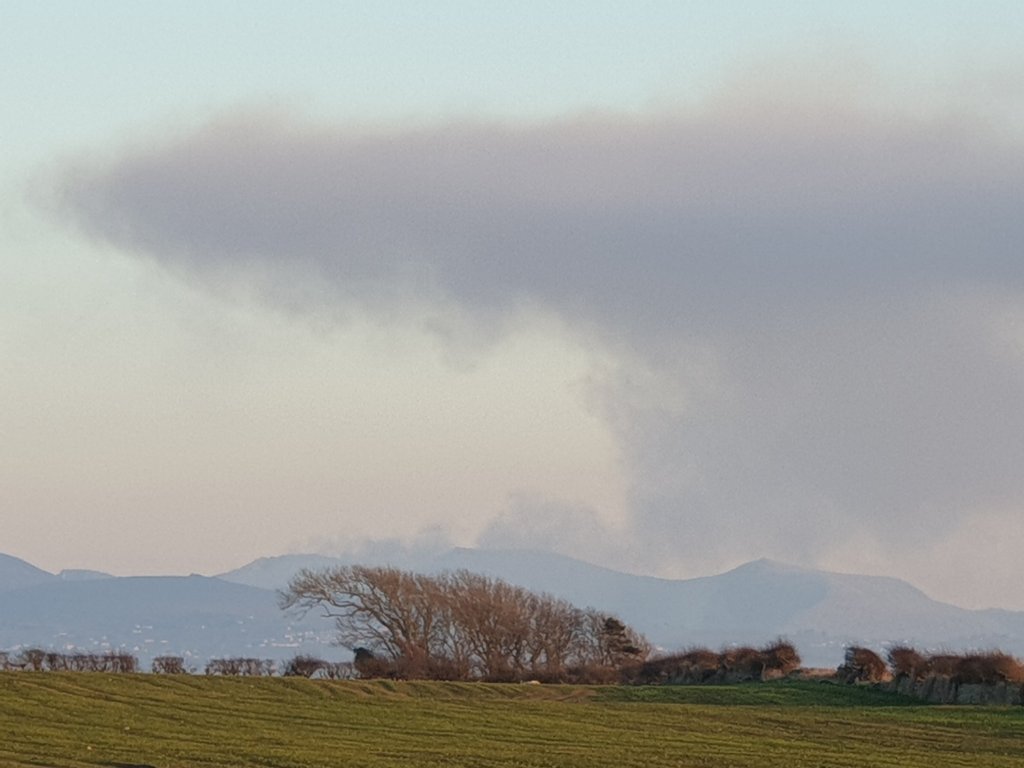
Snowdon in the distance, as always:-

The view towards Dwyran, with the Victorian church spire of Llangaffo in the distance:-

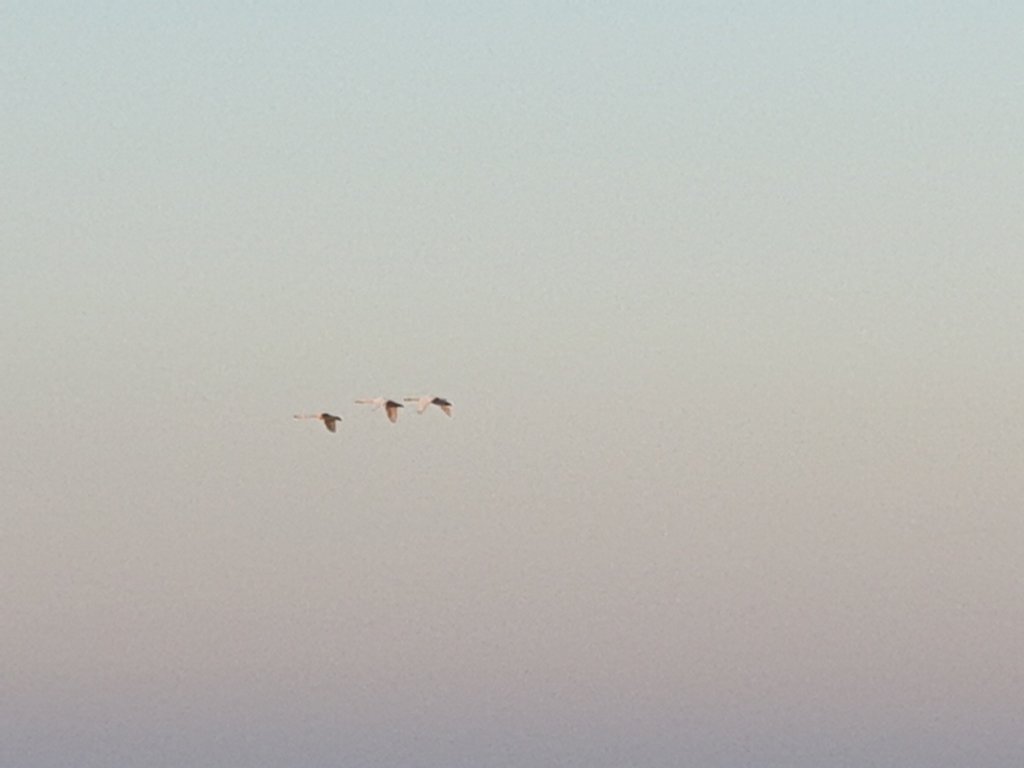
Some geese flew overhead (I don’t have a proper telephoto lens):-
And then the sun set:-

 | Charles | Saumarez | Smith |
You must be logged in to post a comment.