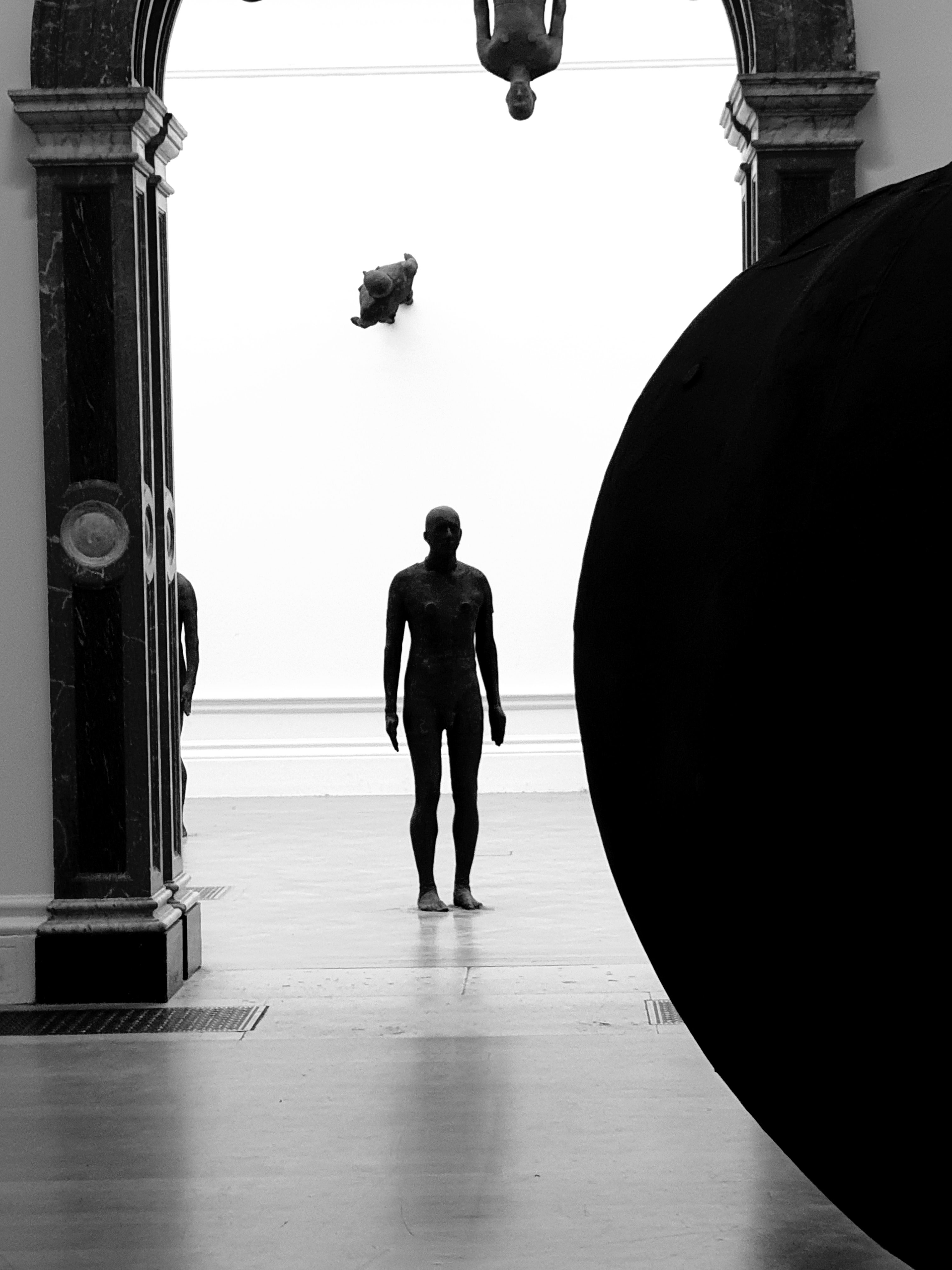
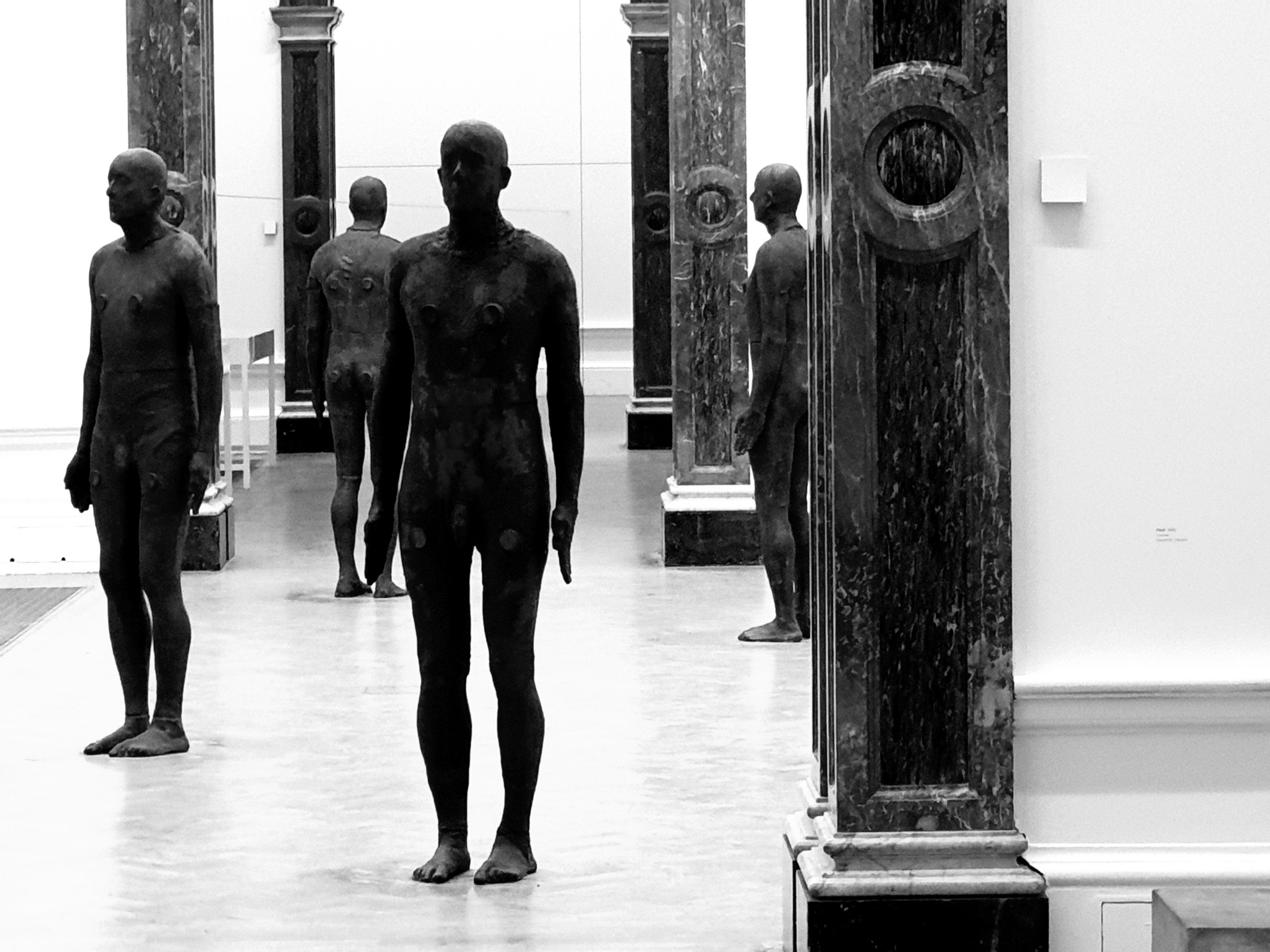
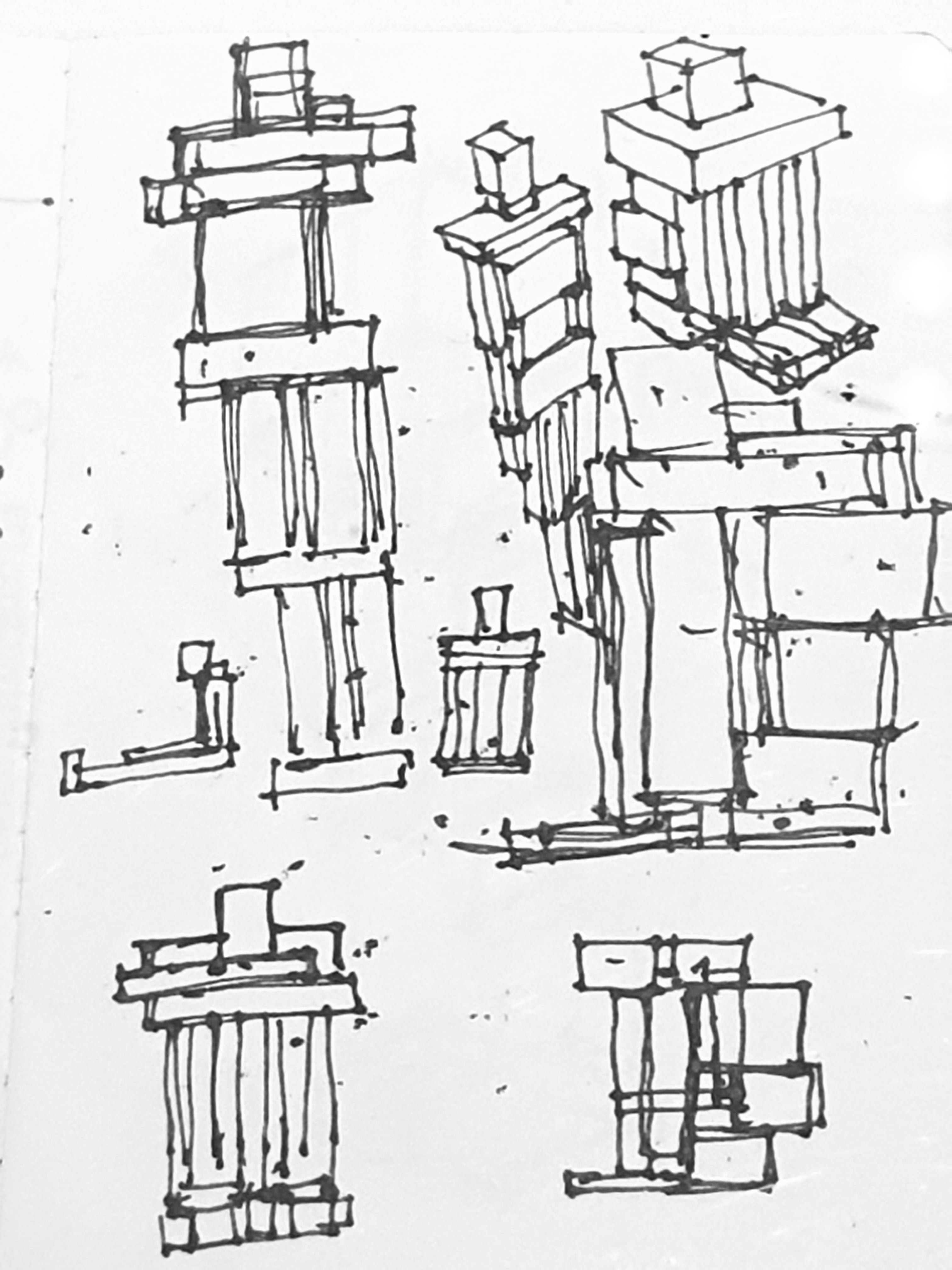
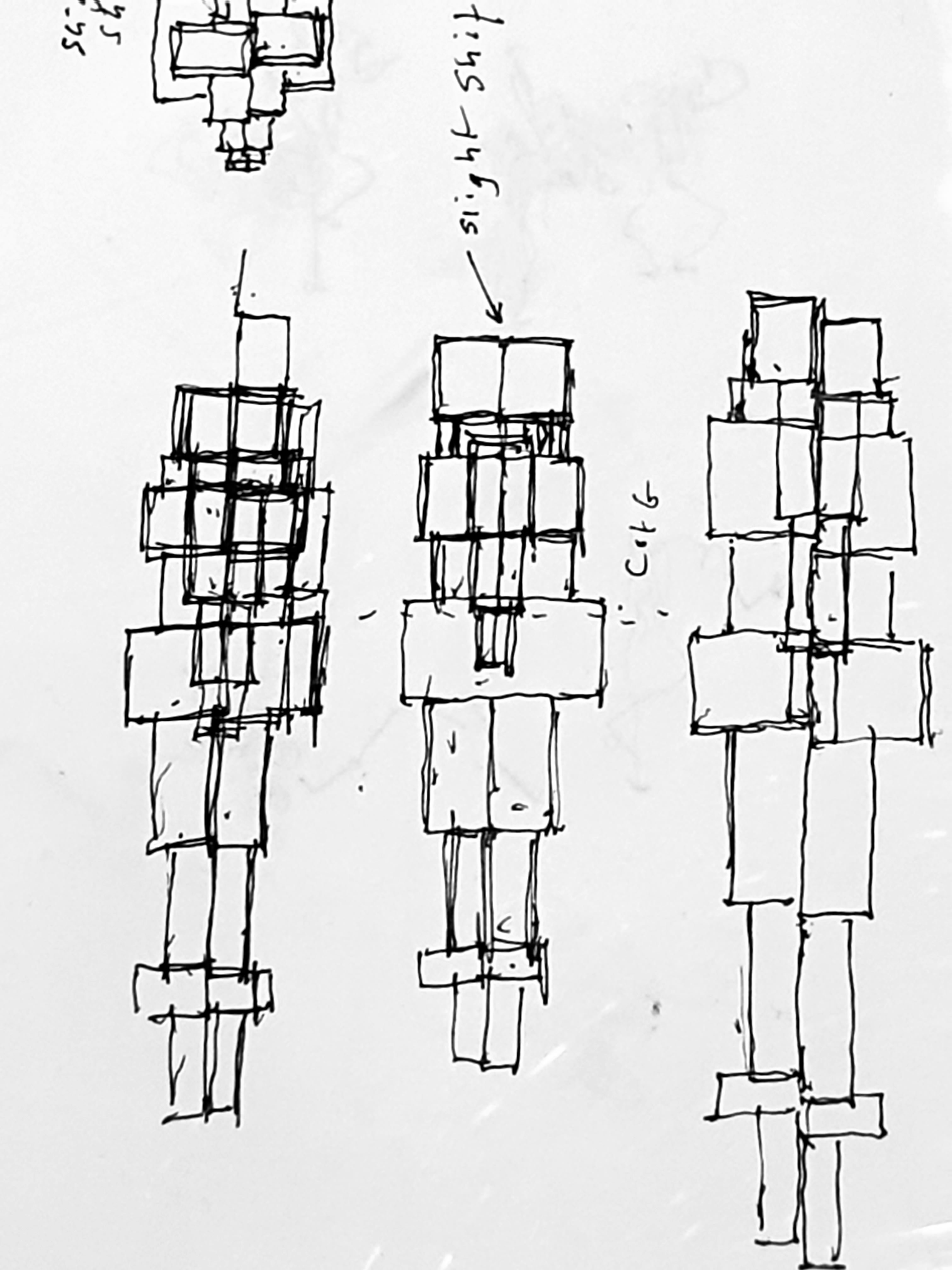
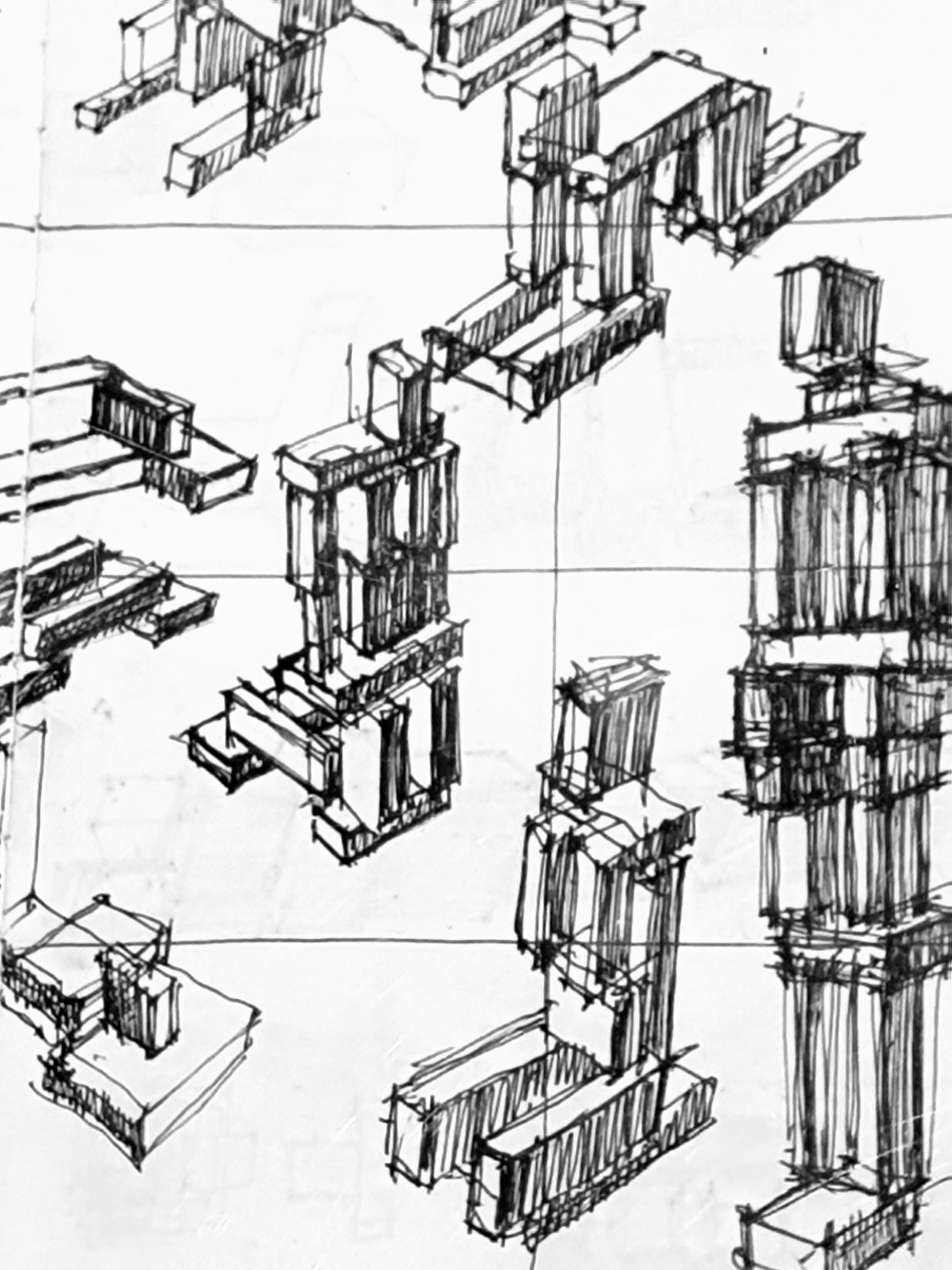
We went to see the Antony Gormley exhibition again, in order to be able to absorb and digest its mixture of a fascination with line drawing and invention and, at the same time, the physical materiality of the body, particularly obvious in the pleasure with which he explores the form of physical shapes in the room with two cases of notebooks and drawings:-
I strongly recommend this remarkable obituary of a clearly remarkable person, Nathalie Brooke née Benckendorff, who I knew only as the wheelchair-bound widow of Humphrey Brooke, the former Sectetary of the Royal Academy, who was forced to retire in murky circumstances in 1968. She would appear sometimes at exhibitions, but I had no idea, to my shame that a) she had lived so long and b) had had such an intellectually and socially formidable career, not least with the Centre for Policy Studies in its heyday, when conservatism was expected to have some intellectual content beyond coarseness, hectoring and bullying.
I went to a seminar last night in which Shahed Saleem discussed the glories of the Survey of London’s interactive map of Whitechapel which allows one to explore the history of every single building in the neighbourhood, including our local dry cleaners, which turns out to have had the headquarters of the Stepney Borough Communist Party upstairs, and the Passmore Edwards Library which has now been absorbed into the Whitechapel Gallery next door, but was originally open seven days a week till 10pm with a collection of Egyptian antiquities and weapons from Fiji attached. We had a discussion as to how far the Survey can, or should, document the changes proposed to the Whitechapel Bell Foundry. Its recent history post-closure and pre-development will be quickly forgotten, so I hope it can be documented while it’s fresh in people’s minds.
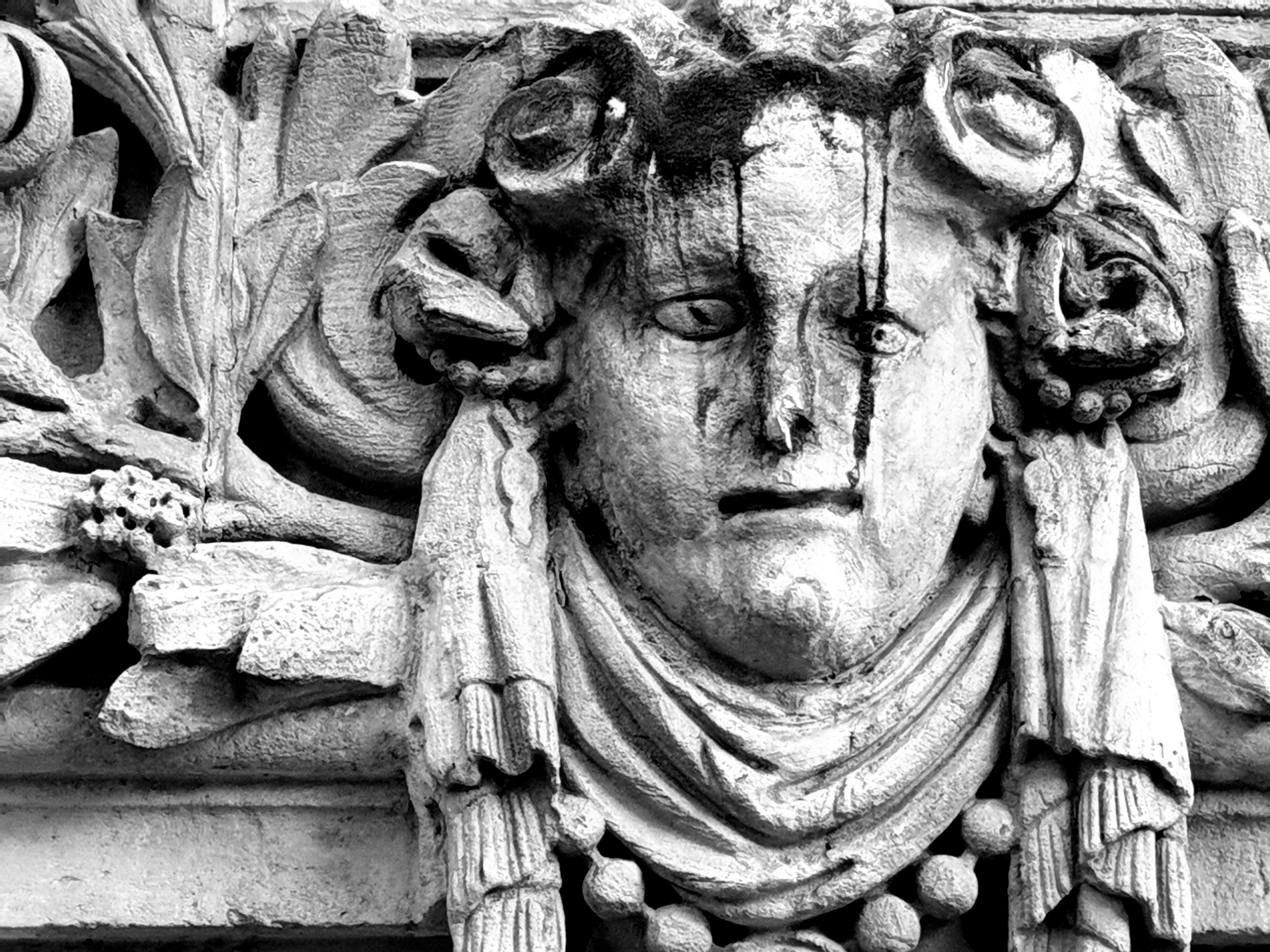
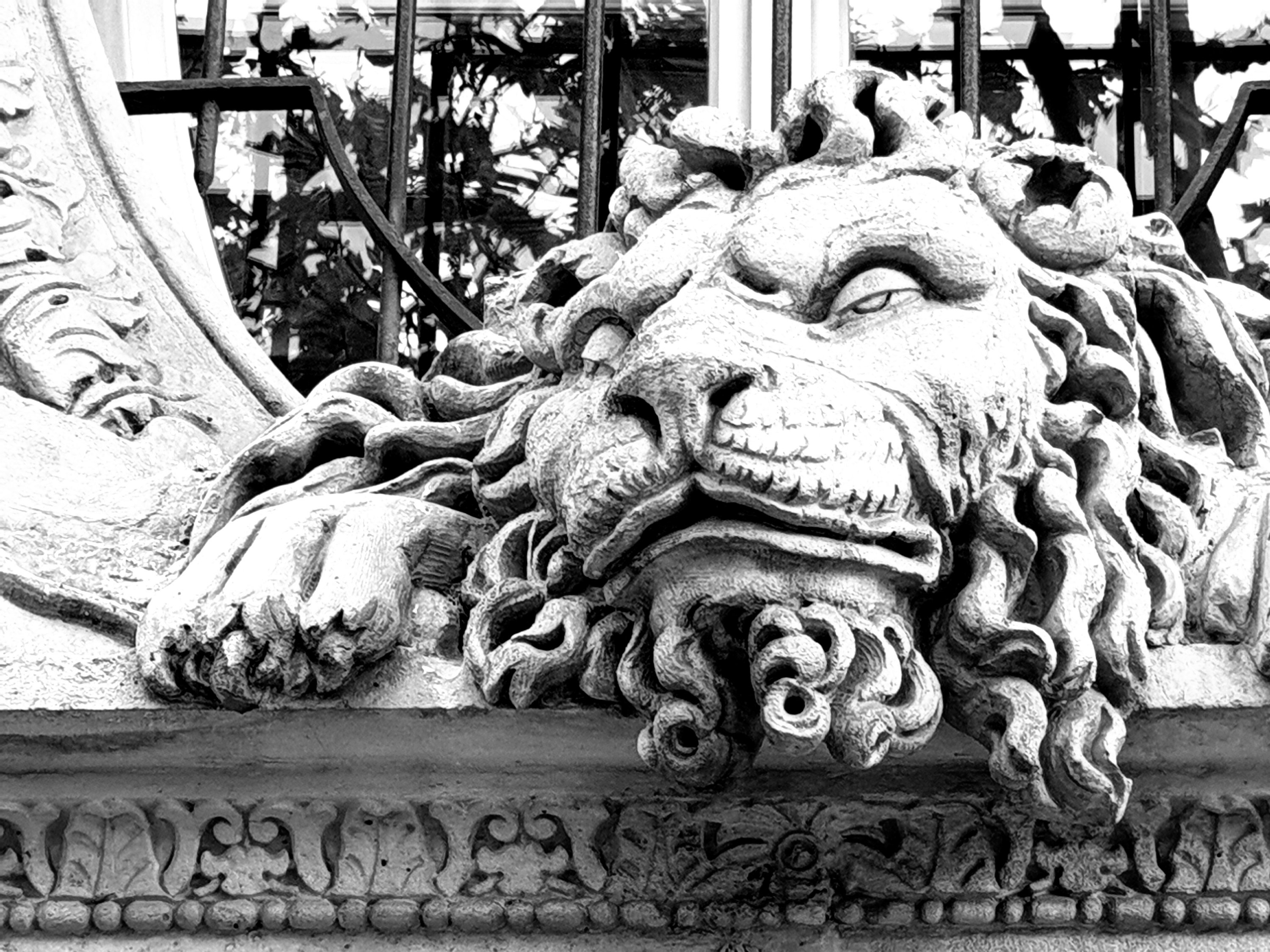
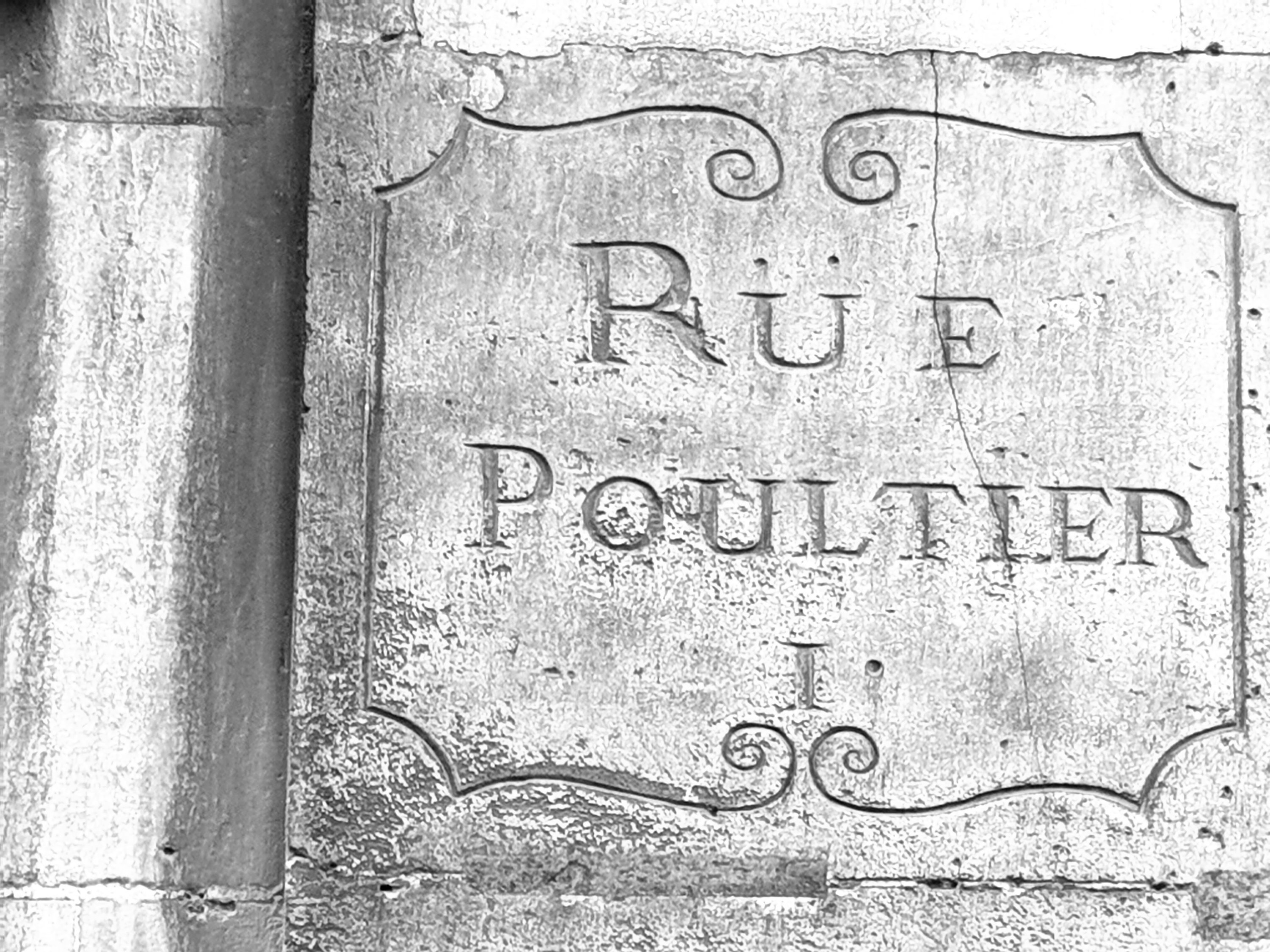
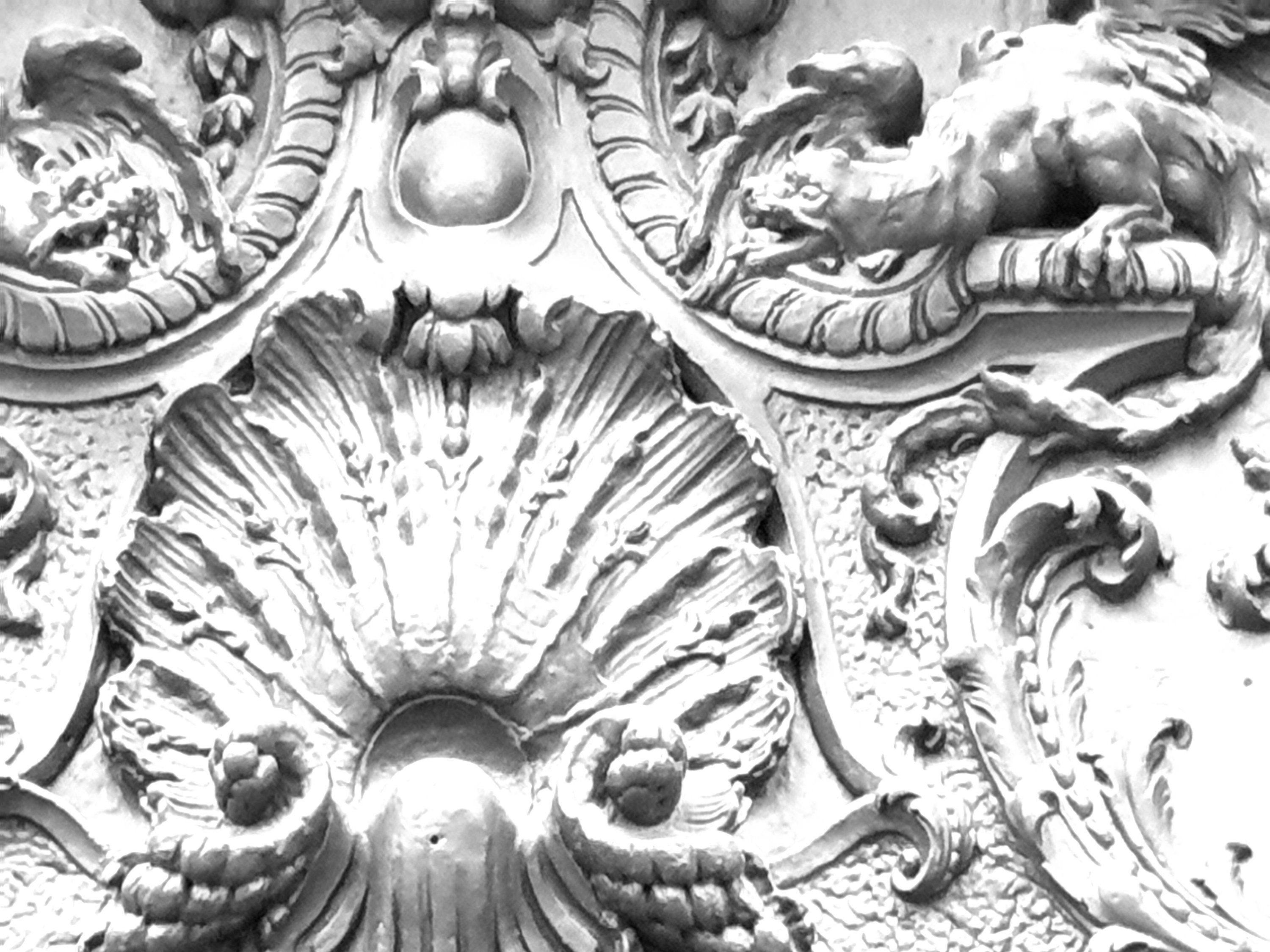
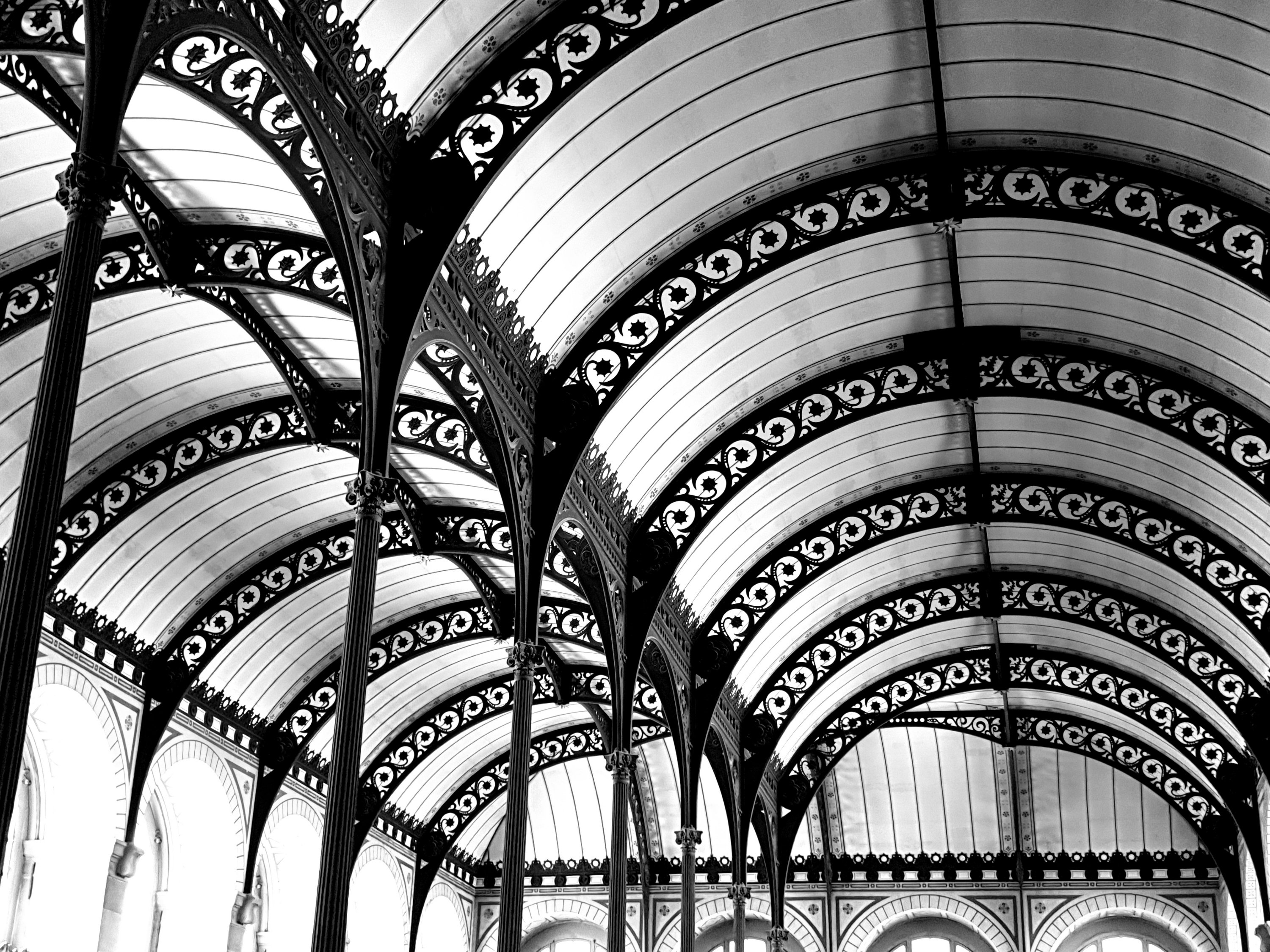
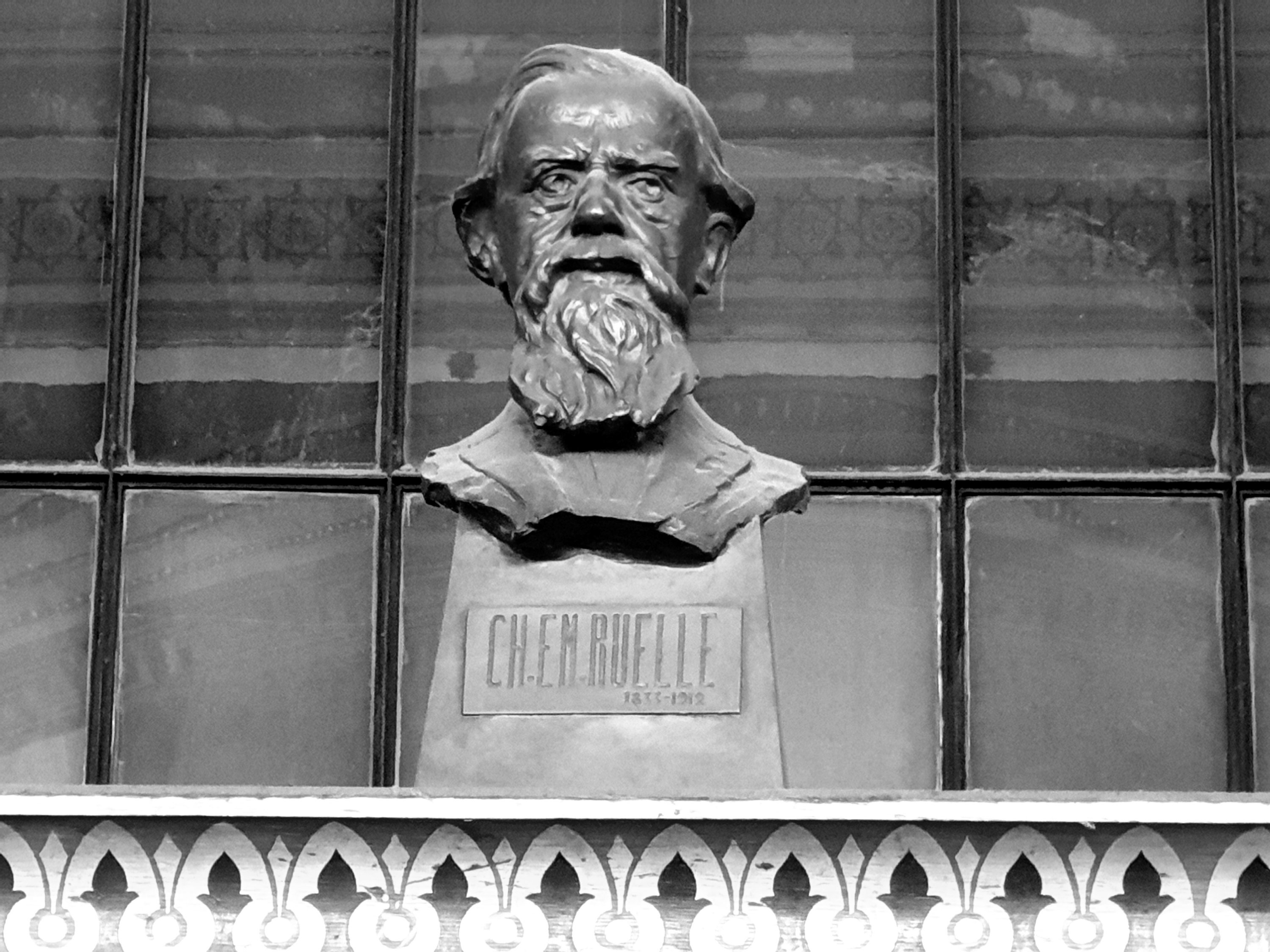
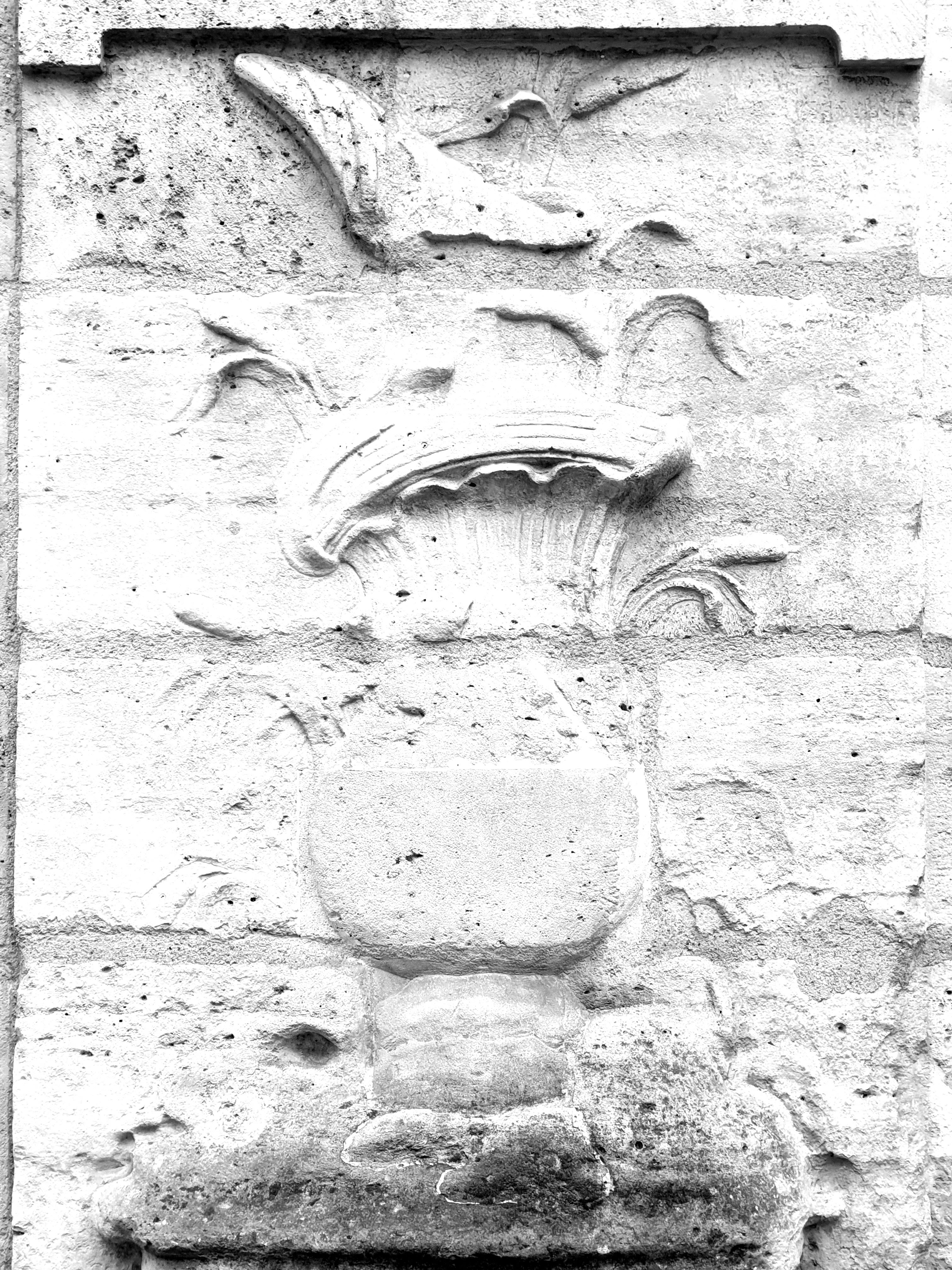
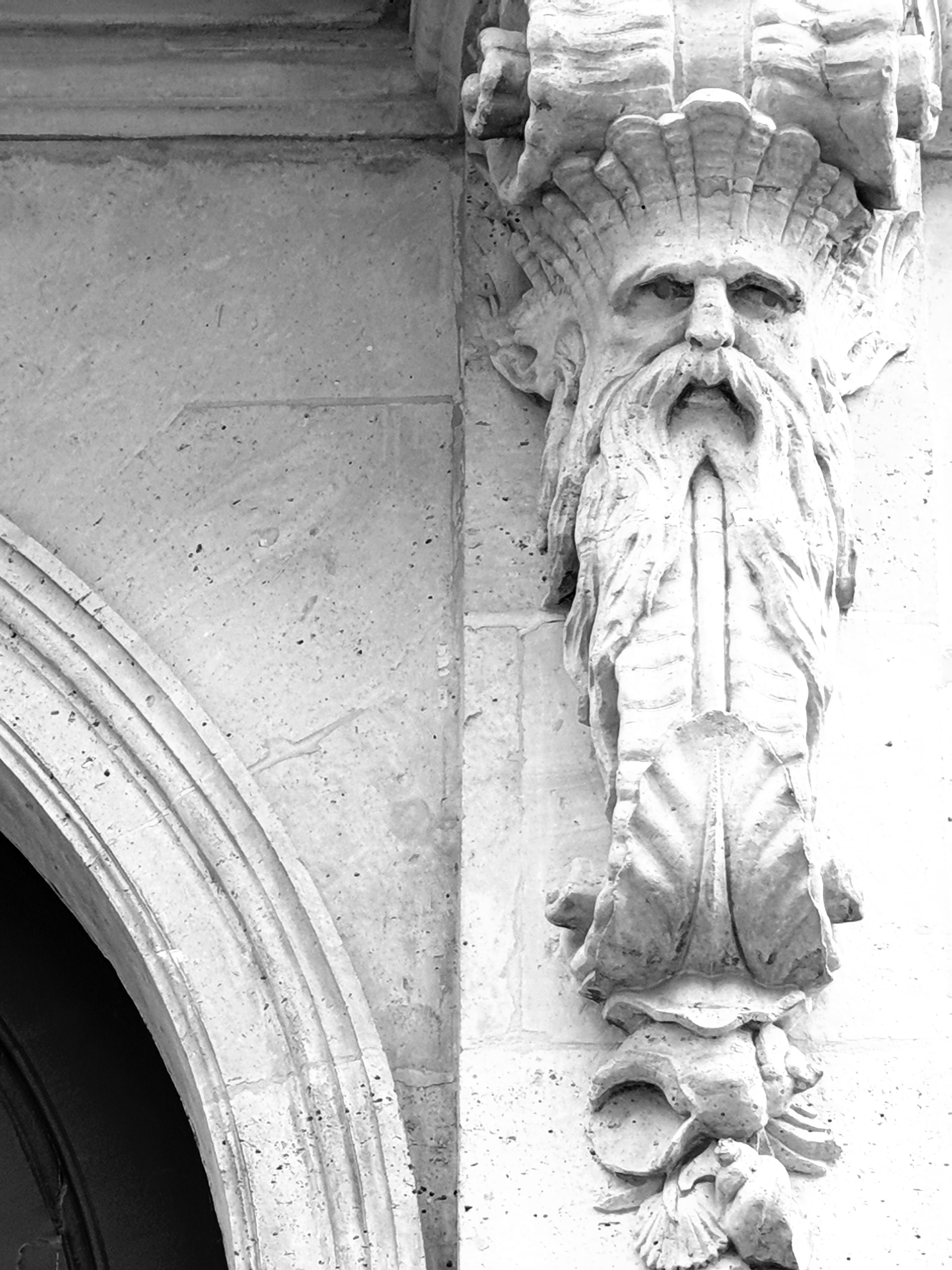
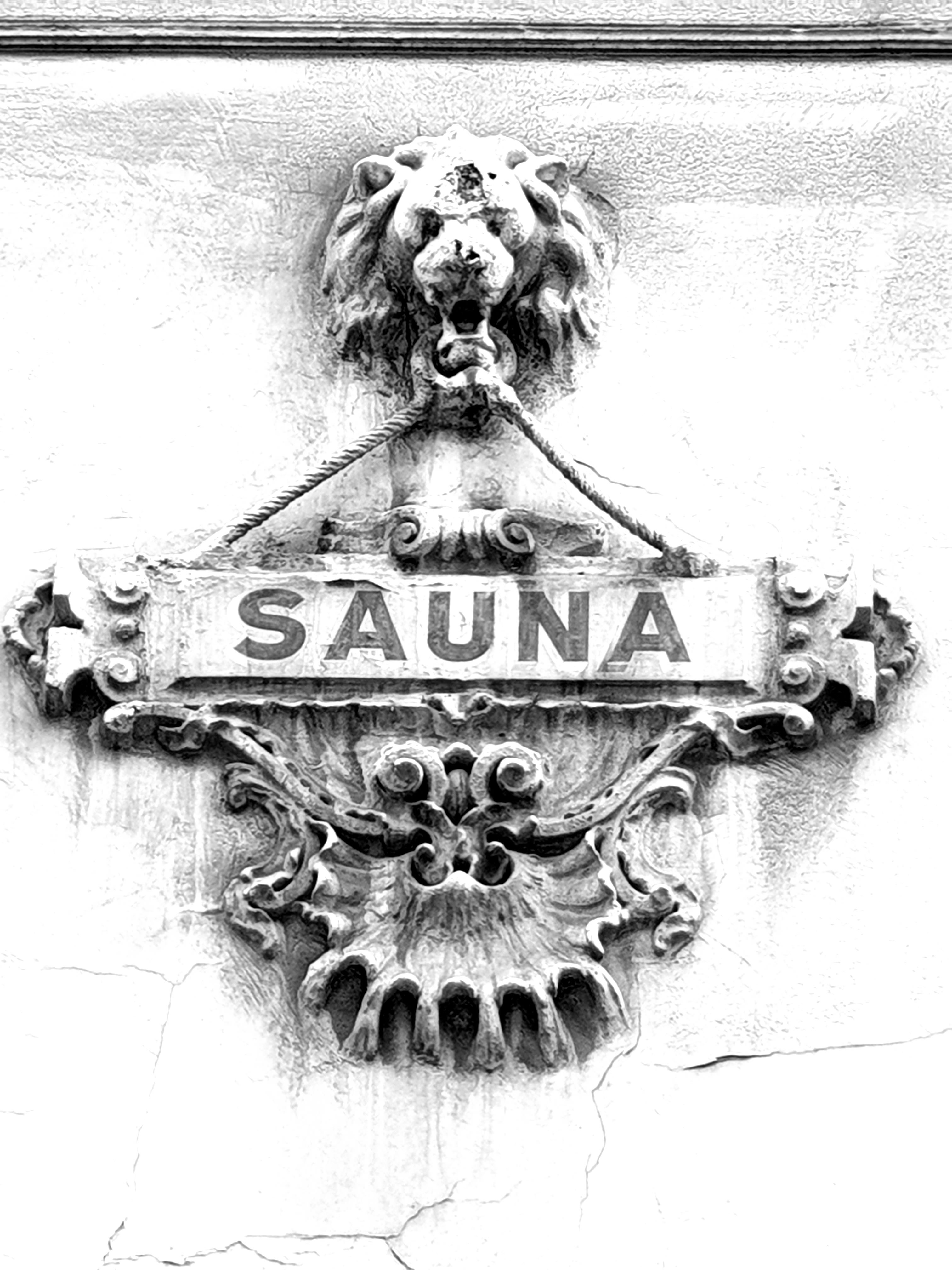
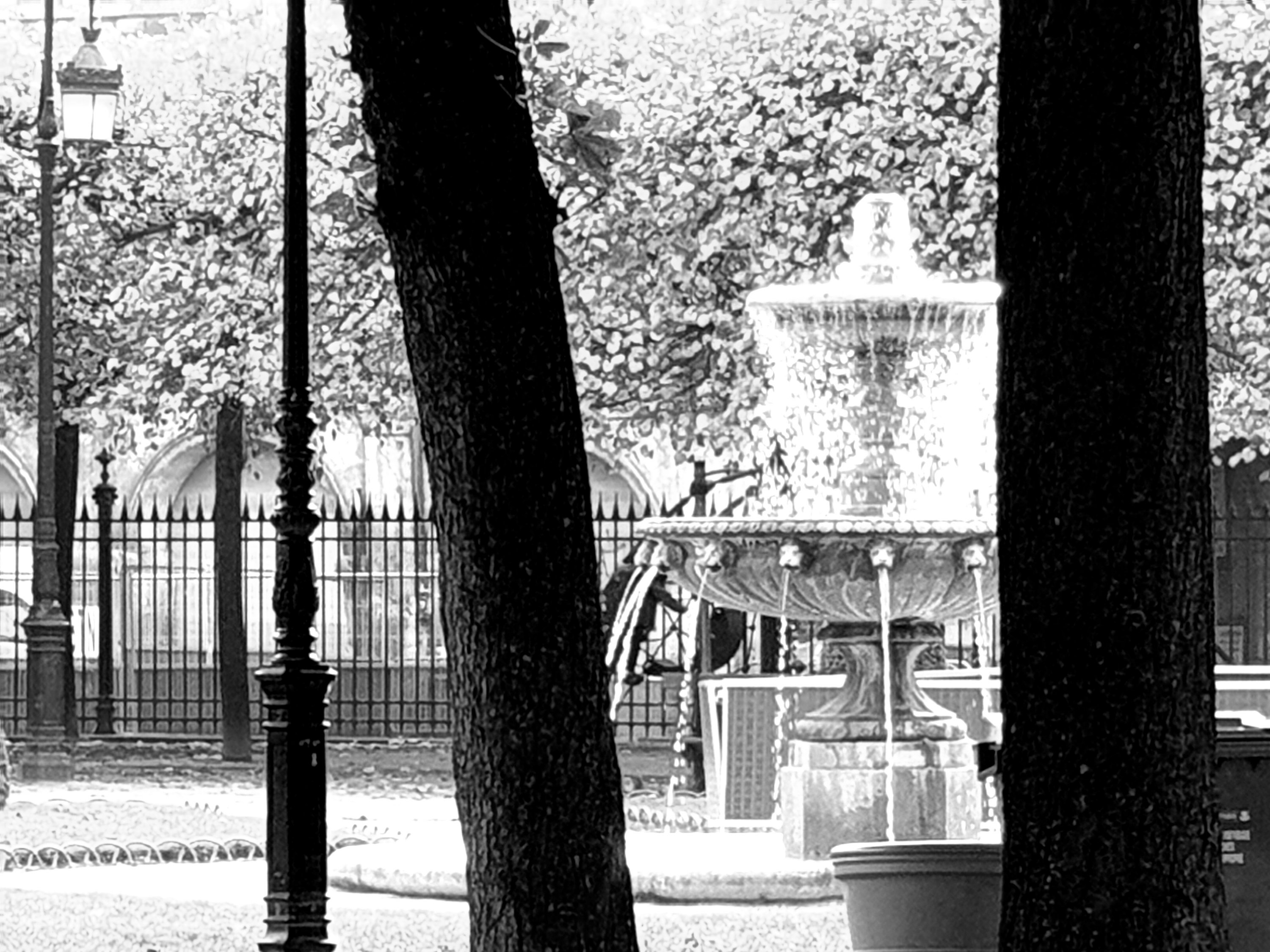
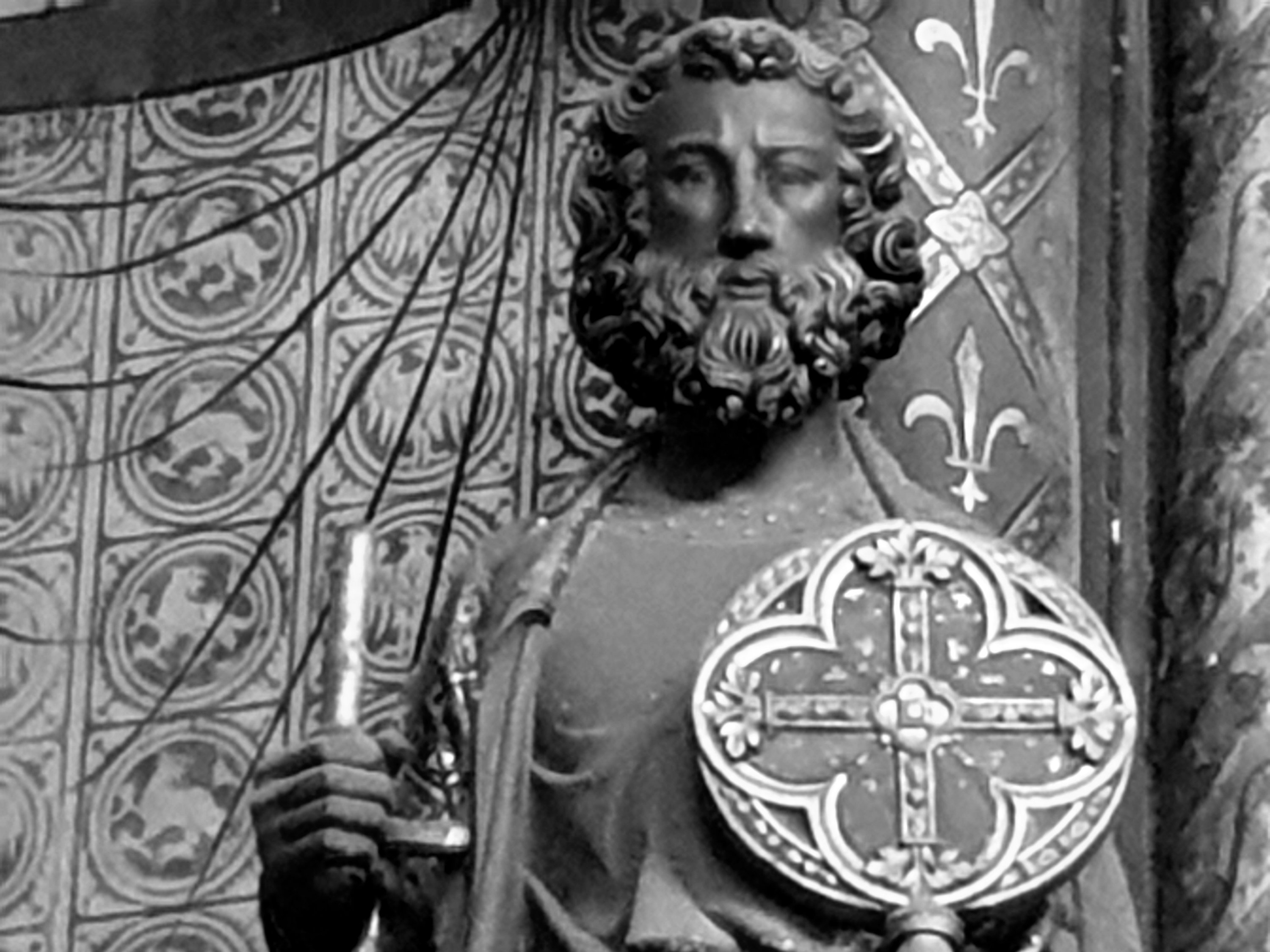
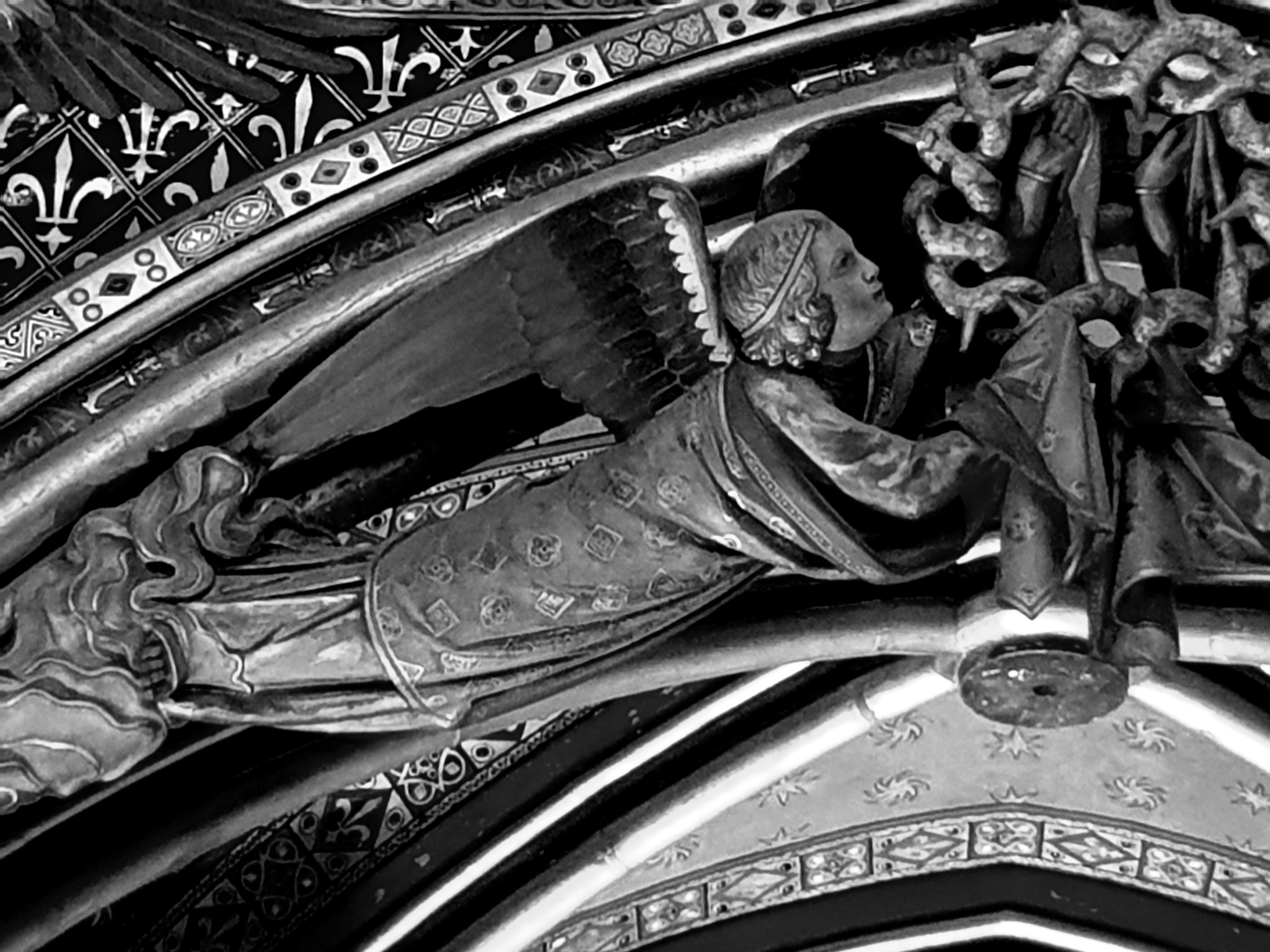
Every time I go to Paris now, I am impressed by how much better the French have preserved their architecture and sense of history in the centre of the city – vastly much less demolition, still almost no skyscrapers, they have kept small shops. I photographed as I walked.
A fountain near the Centre Pompidou:-
The detailing round multiple gateways guarding the cour d’honneur of a hotel particulier:-
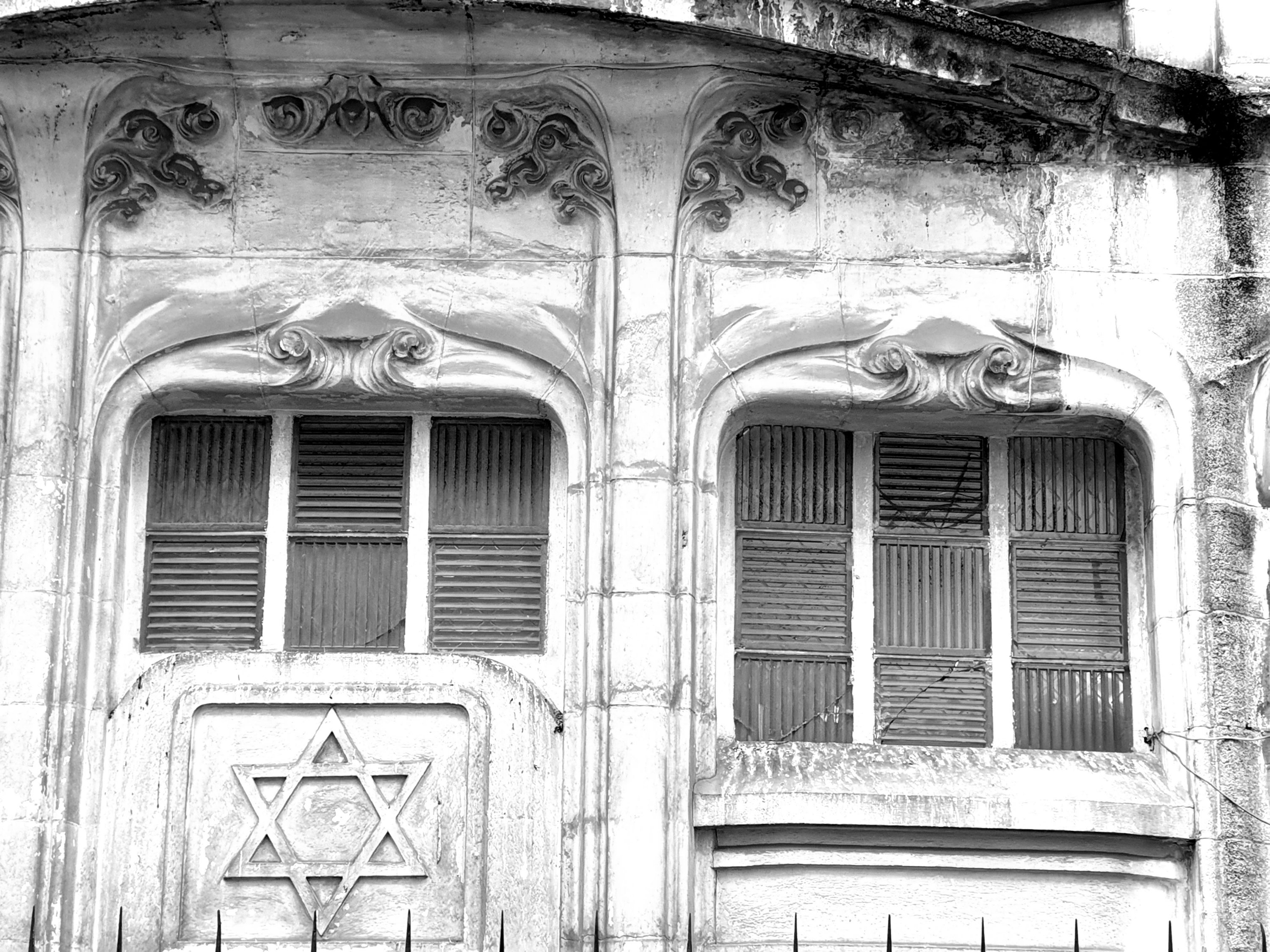
I walked past the Agoudas Hakehilos Synagogue in the Rue Pavée:-
I wanted to see Sainte-Chapelle, which I haven’t for a long time, the Capetian jewel box built for Louis IX to house the holy relics he had bought from the Emperor Baldwin:-
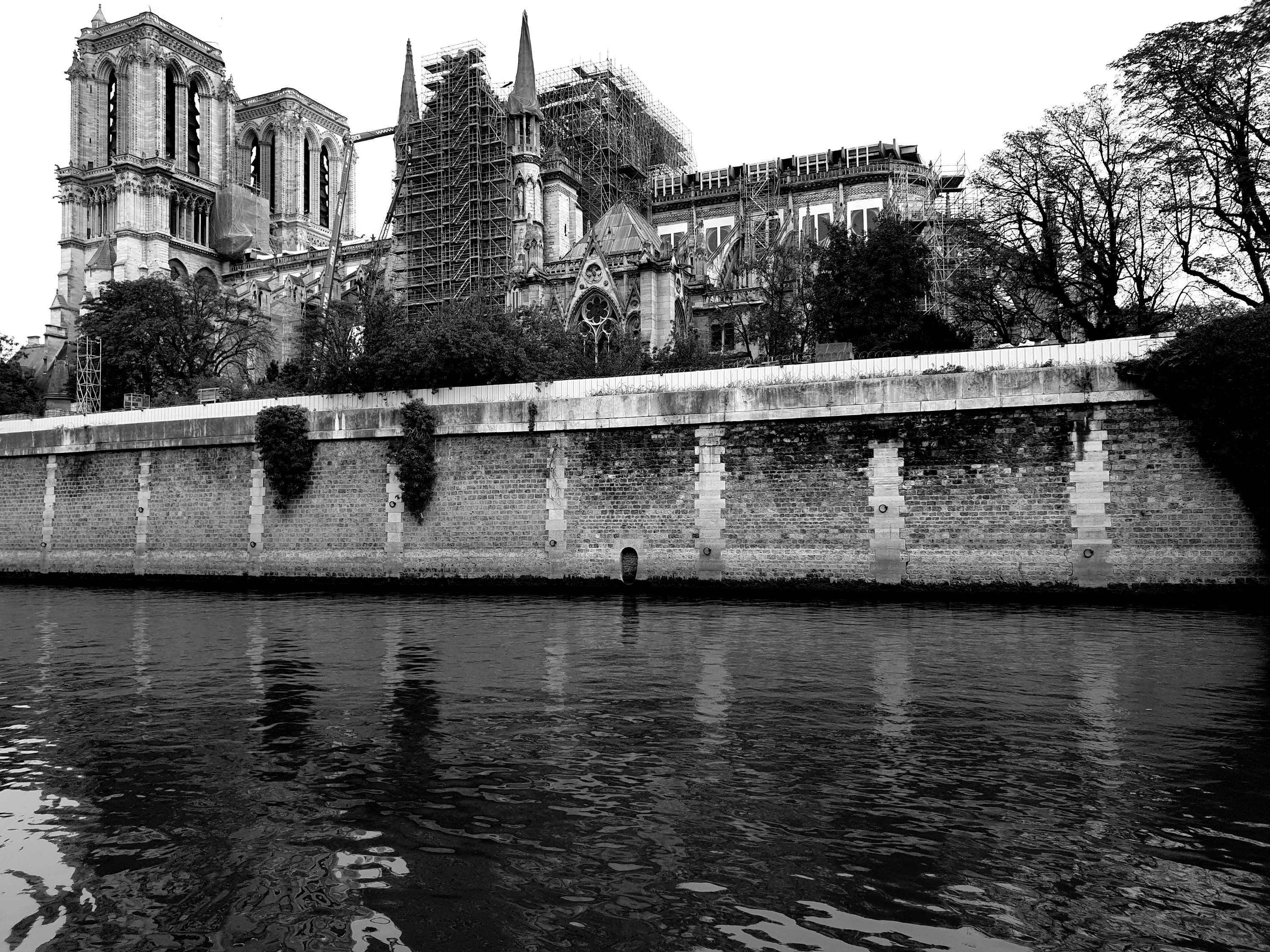
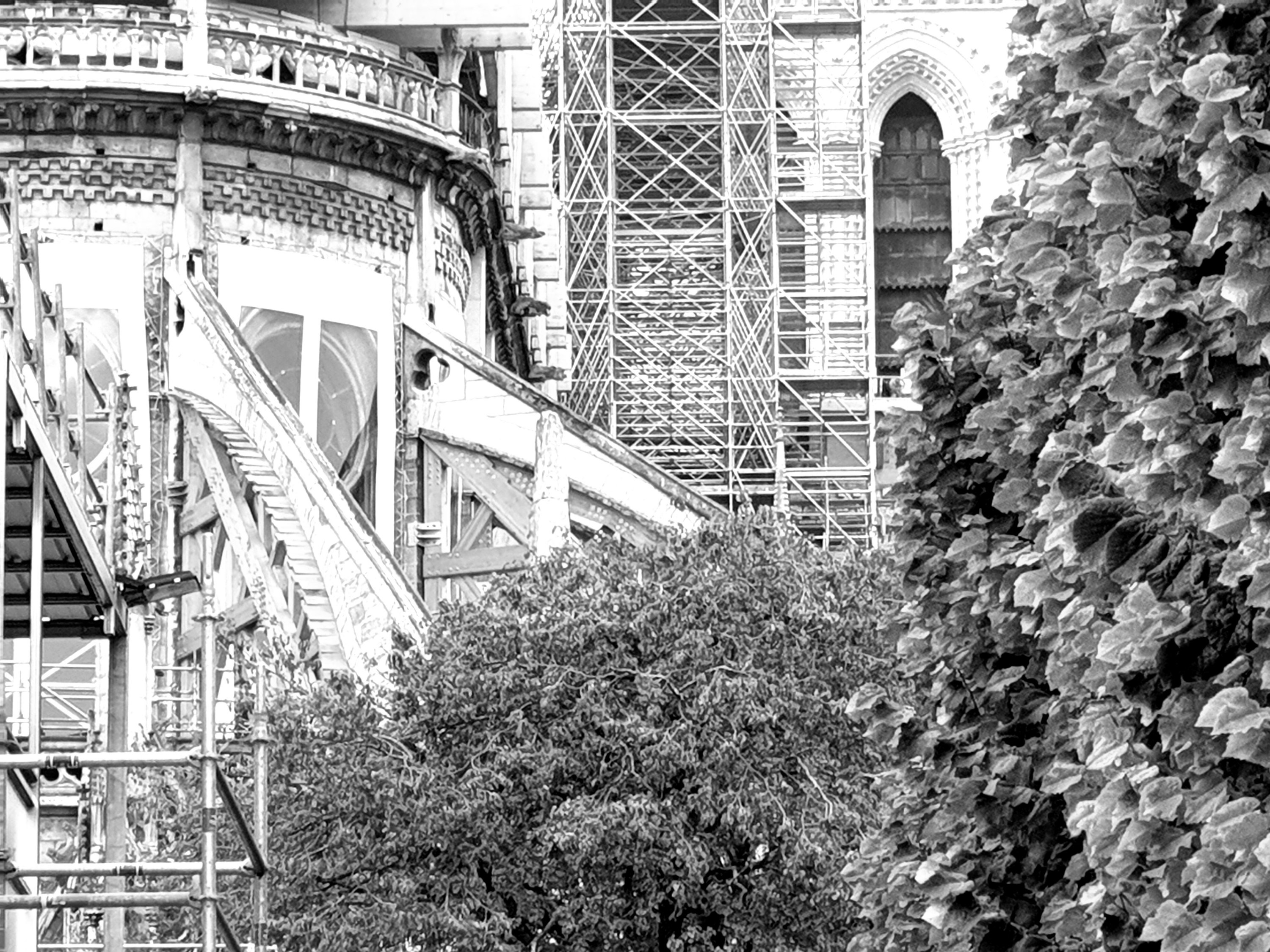
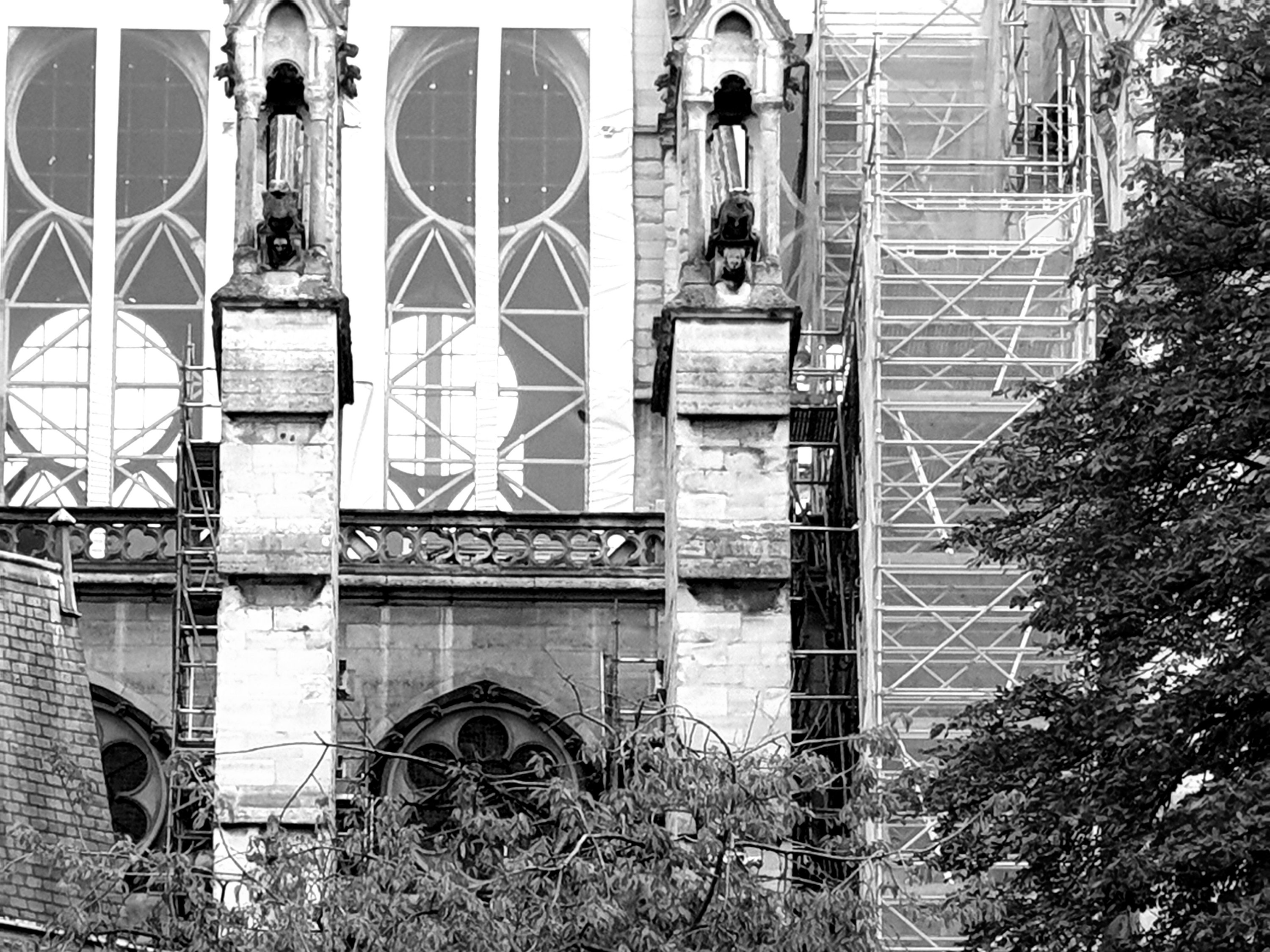
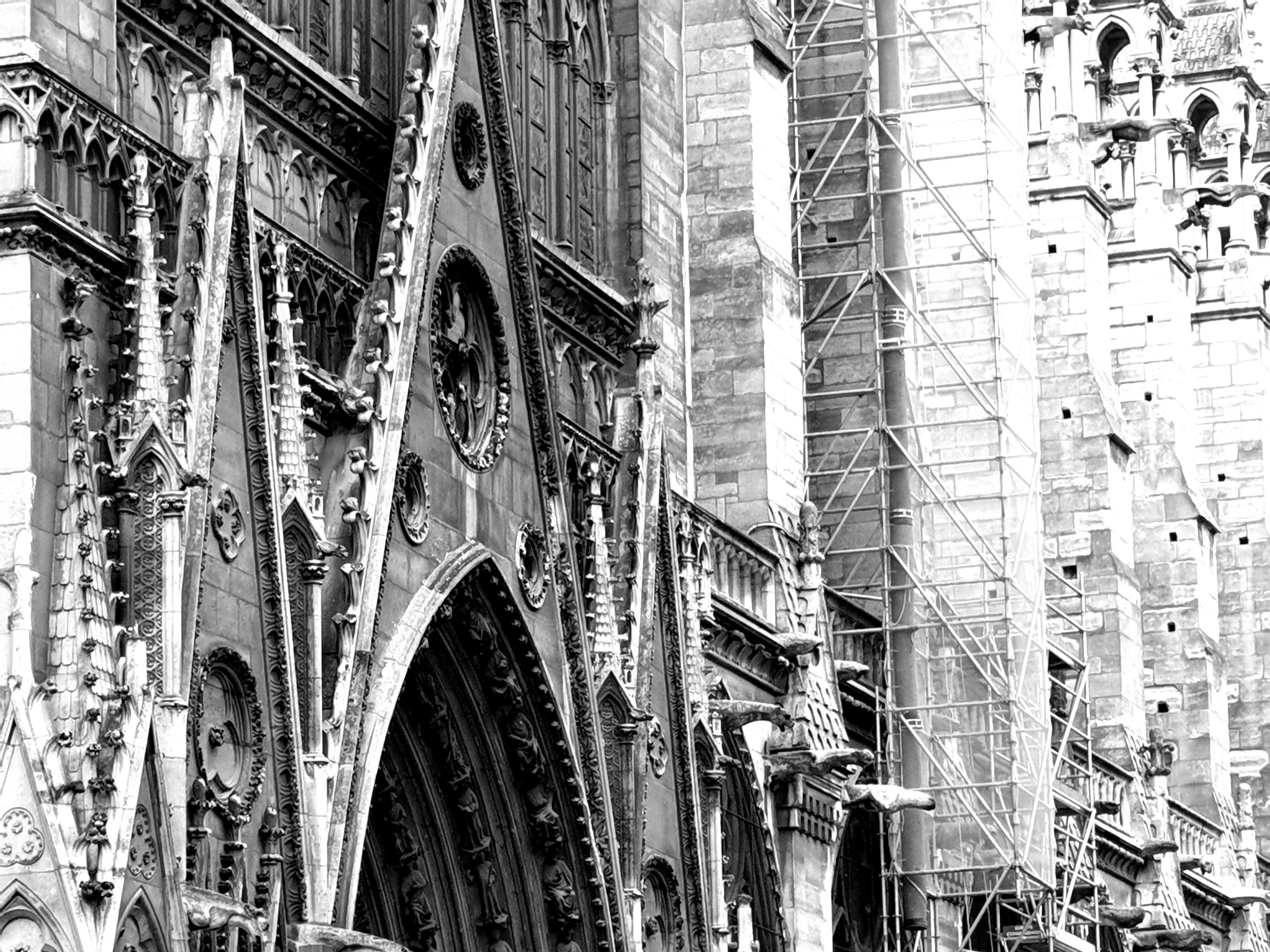
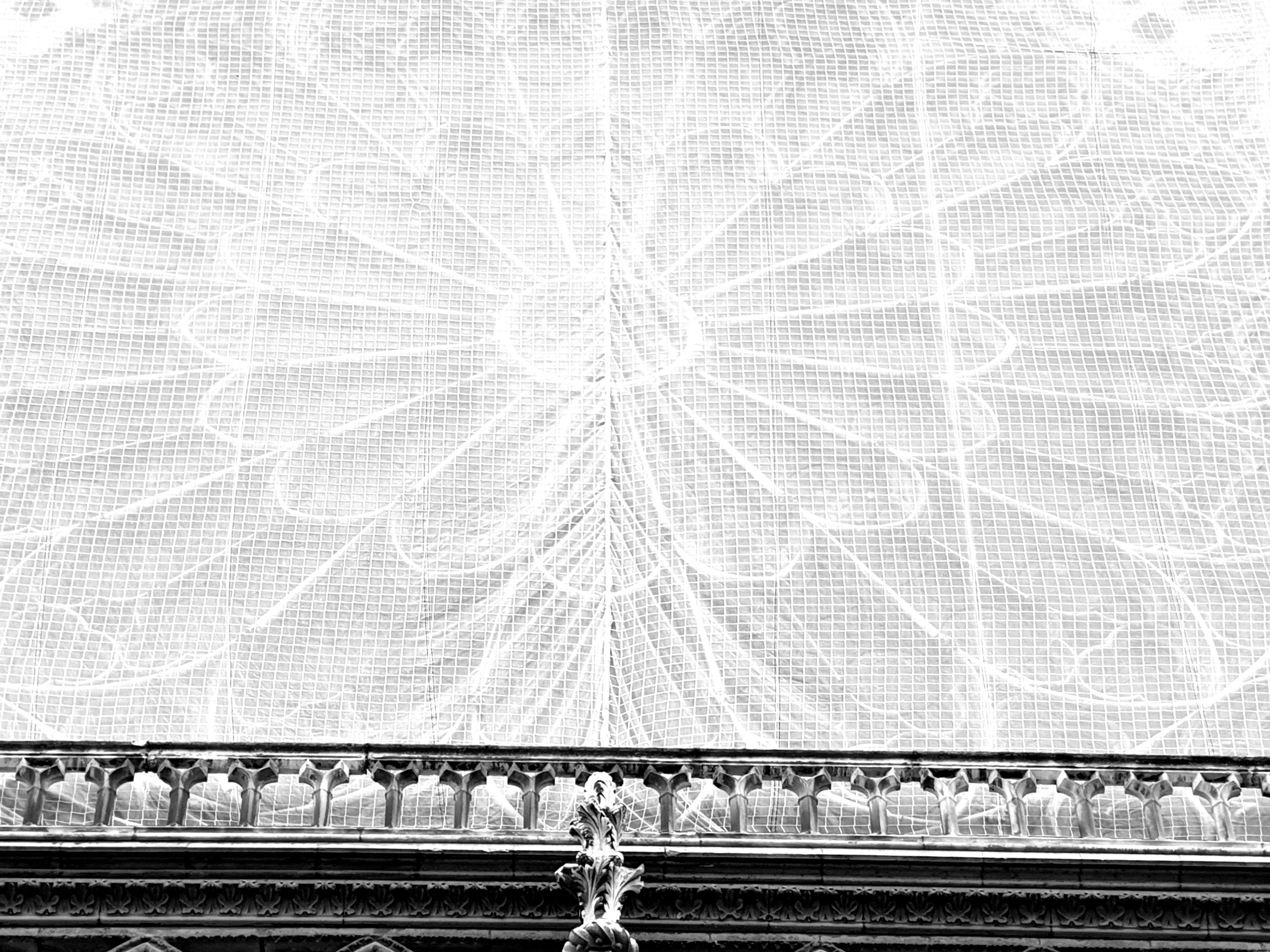
My first port-of-call was the battered hulk of Notre-Dame – its essential structure still finely intact, but its roof, clerestory windows and the glass of the rose window gone, its flying buttresses reinforced with what look like wood supports. It now seems slightly bonkers that contemporary architects were invited to put forward proposals for a new invention, when so much of it still survives, asking for sympathetic restoration:-
By chance, I stayed in the hotel, once called Hotel Rive Gauche, now da Vinci, where Vincenzo Peruggia, the man who stole the Mona Lisa, apparently stayed after he had removed it, wrapped up in his worker’s smock, on Monday 21st August 1911. He was in Room 603, on the roof, so that he could escape if need be, but instead he headed back to Italy to try and sell the painting, before being caught two years later in Florence offering it for sale. In an odd way, he, more than any art historian, is responsible for Leonardo’s fame.
I found the Louvre’s great Leonardo 500th. anniversary exhibition magnificent, on a gigantic scale, but hard to absorb, because it requires a great deal of time, close study of the drawings and calm reflection – and that is, of course, exactly what one doesn’t get at a vernissage, just hosts of people and an atmosphere which militates against concentration. Also, the lights went out half way through. Actually, it was quite exciting seeing it in the dark, lit up by mobile phones.
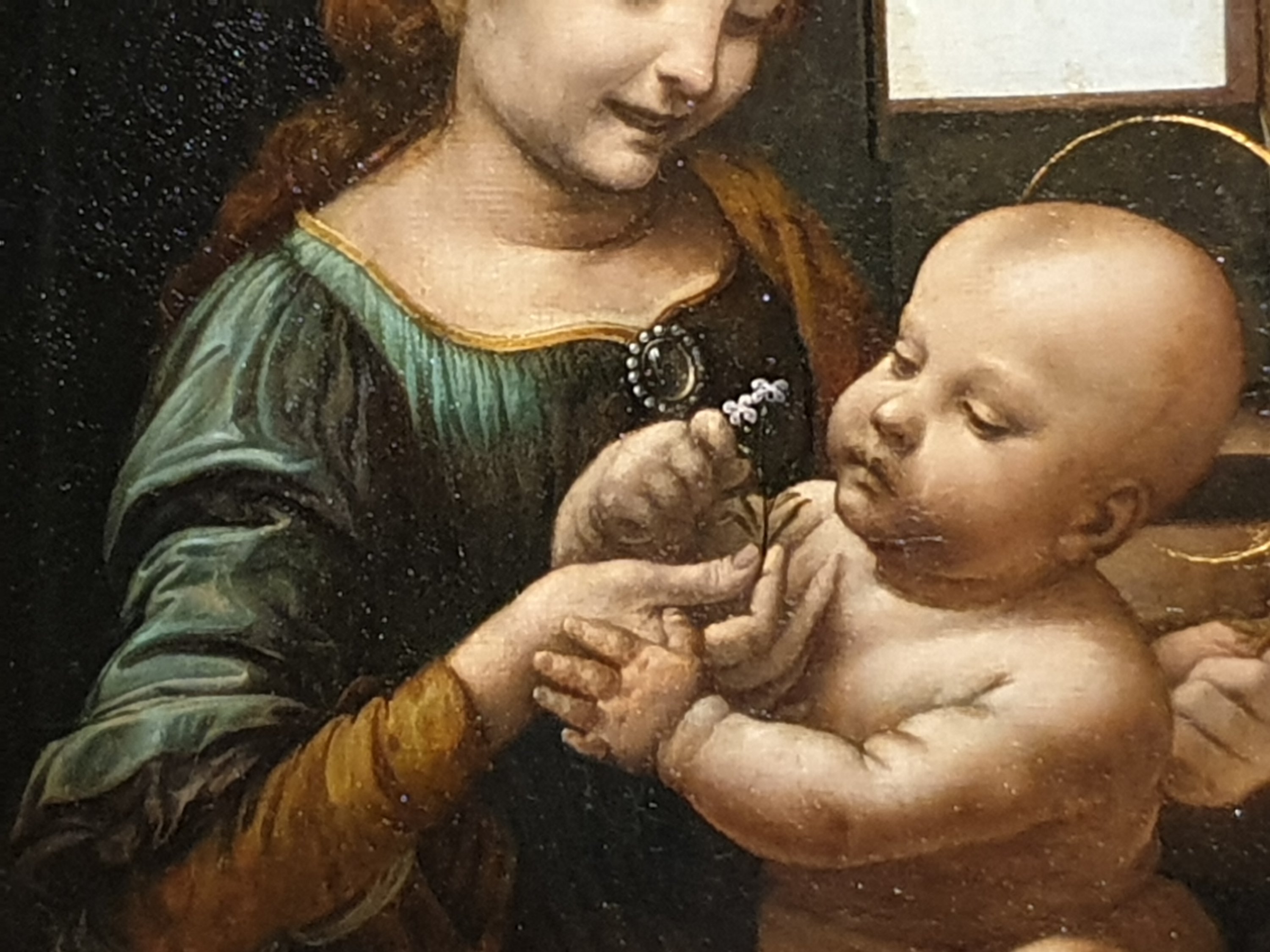
But, anyway, it was wonderful to see the Benois Madonna from St. Petersburg:-
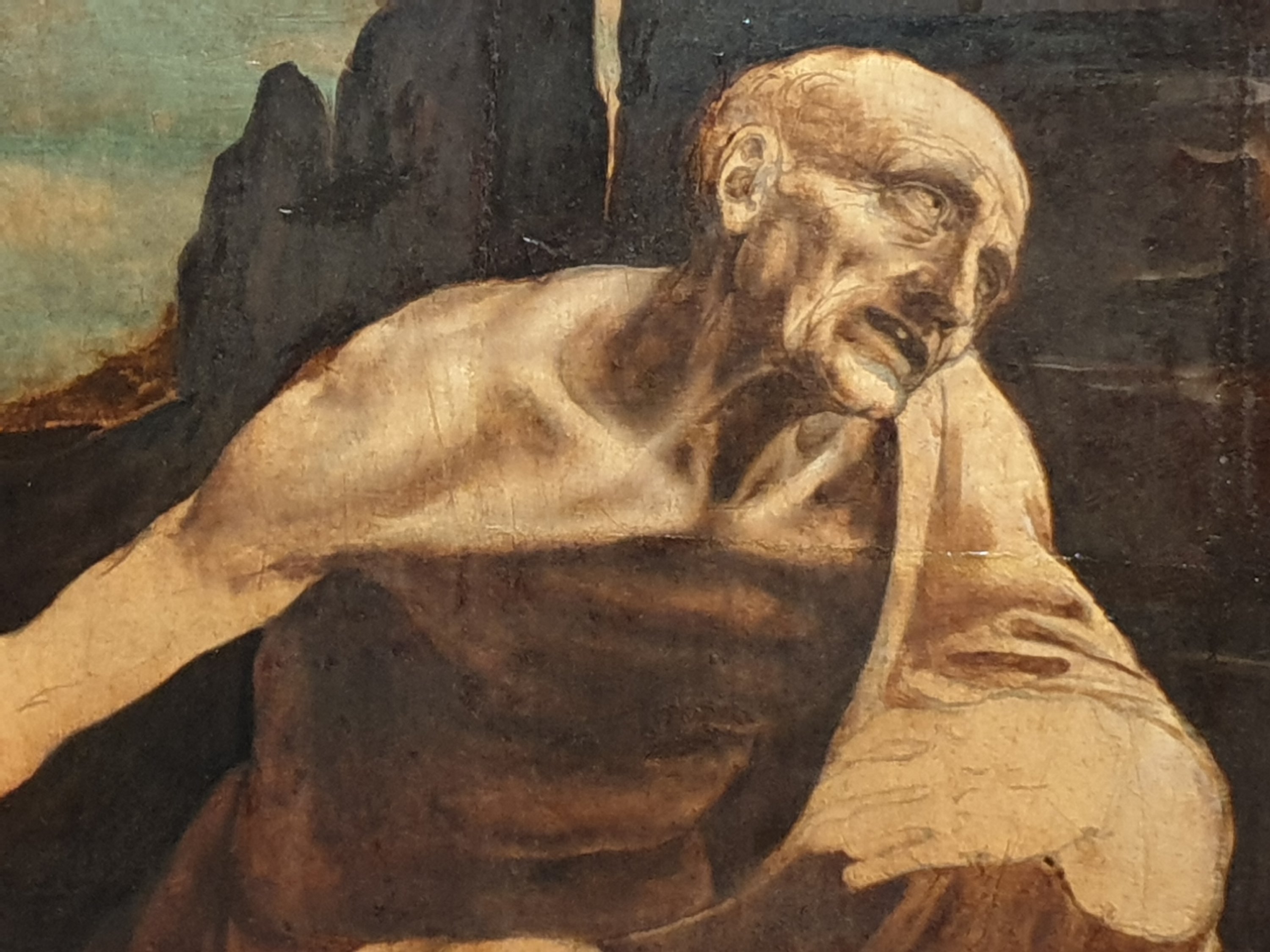
And St. Jerome from the Vatican:-
La Belle Ferronière:-
There’s a big room of sensational drawings, showing off Leonardo’s restlessness and constant investigation of all aspects of the natural world.
A sheet of studies from the Royal Collection:-
His interest in structure:-
Compasses from the Codex Atlanticus:-
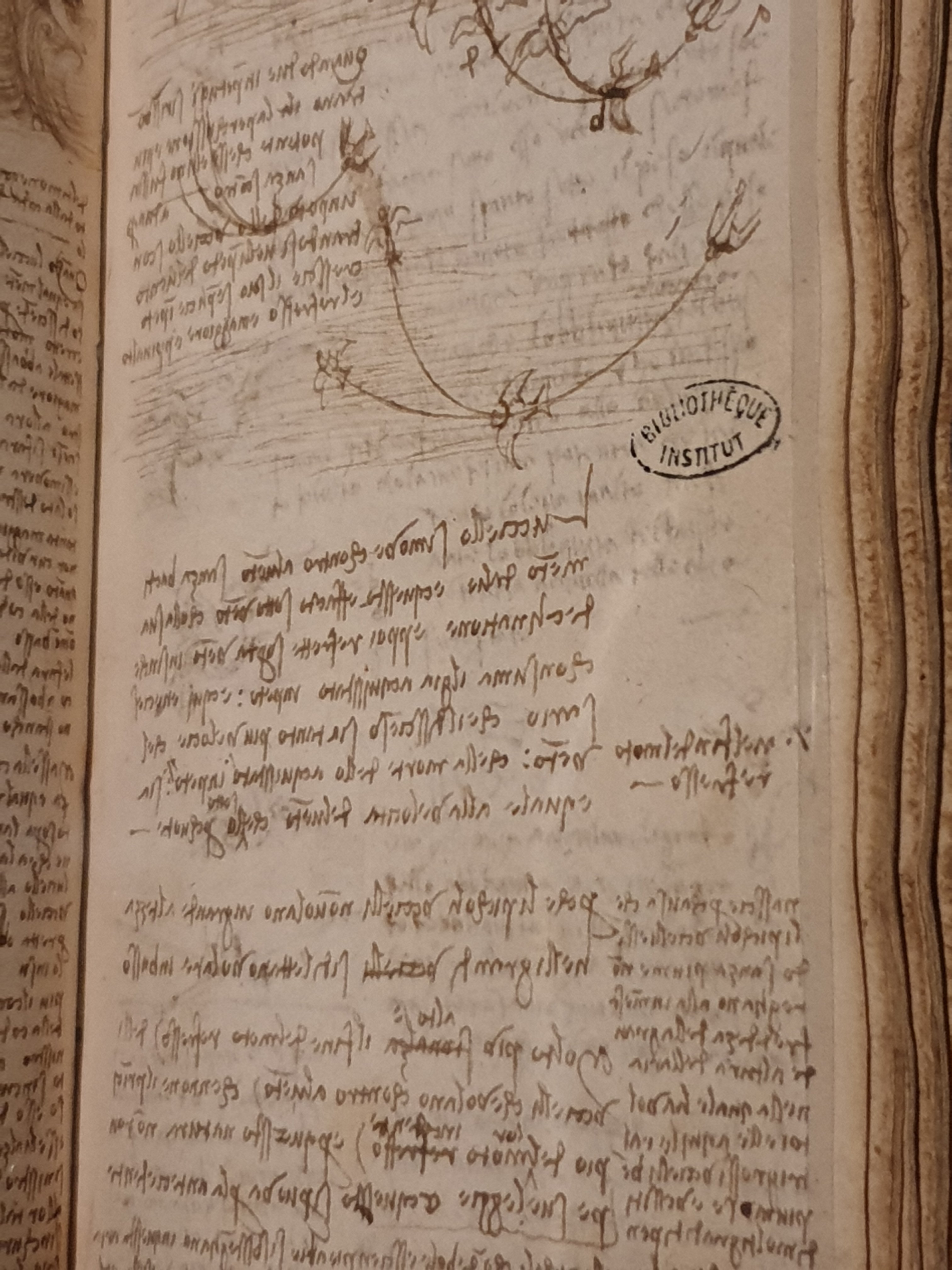
His notebooks (this from the Institut de France):-
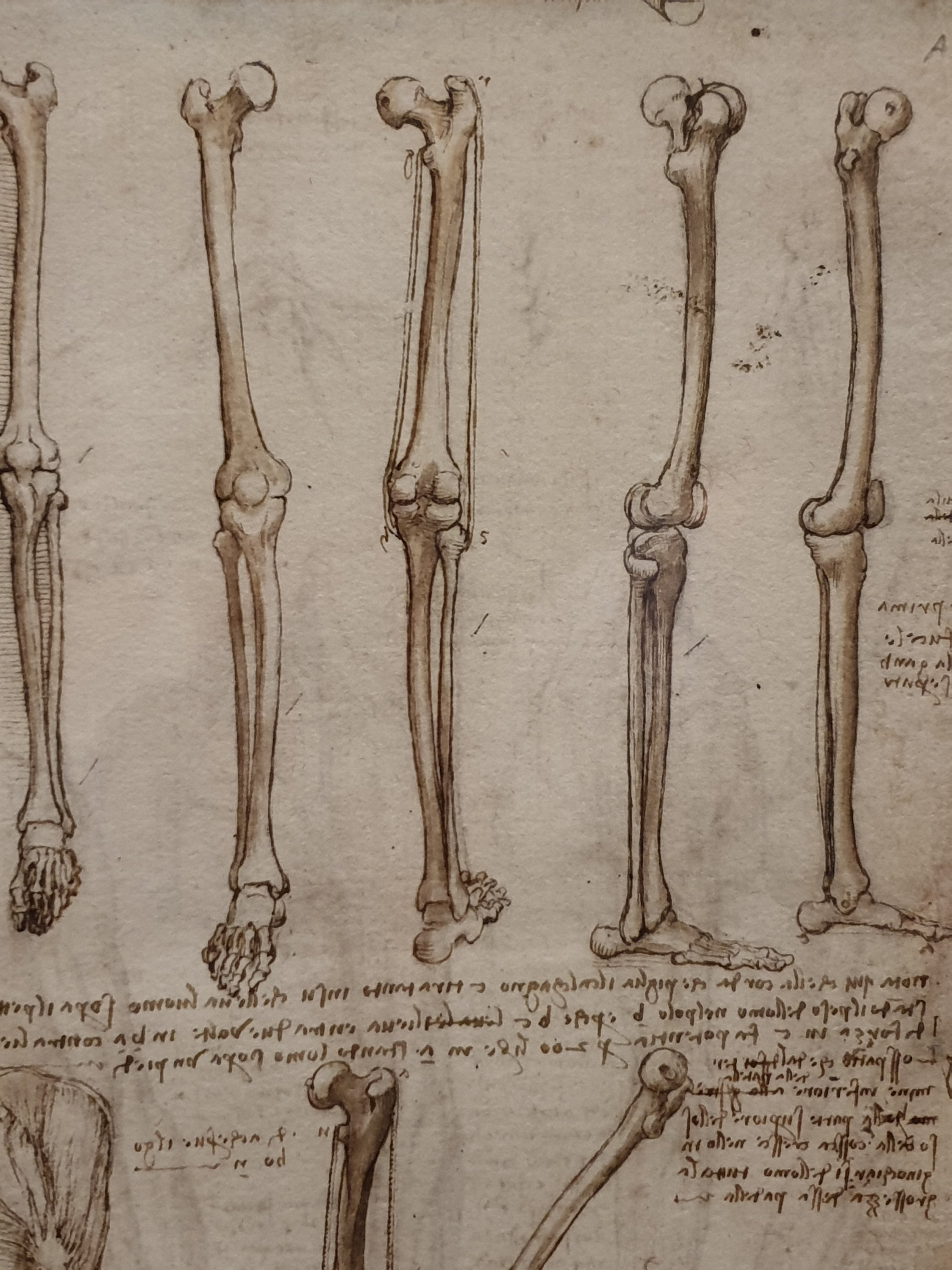
You start wondering if there is any aspect of the world, he wasn’t interested in – archaeology, waves, structures, mathematics, bones:-
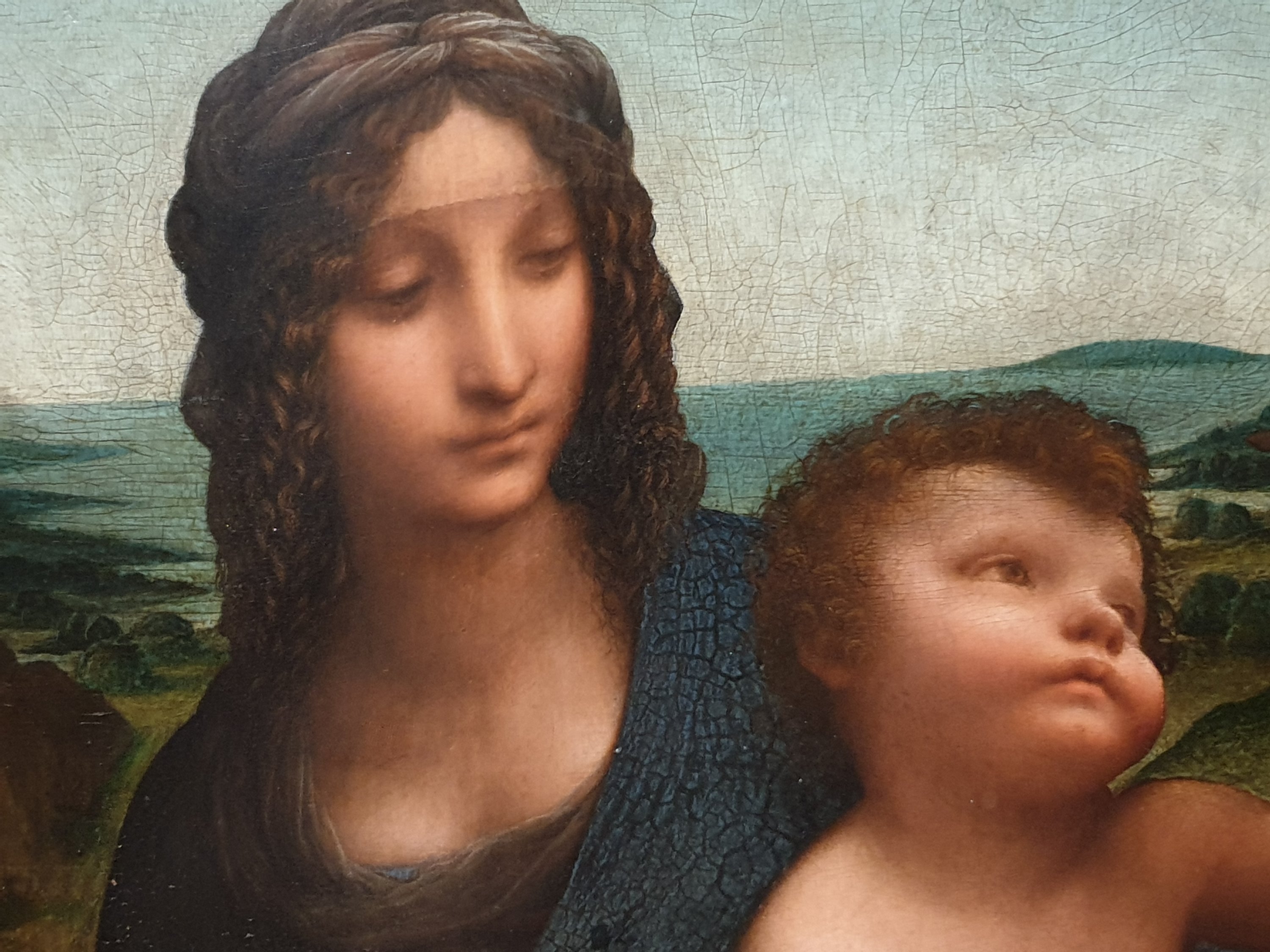
The Madonna and Child from Drumlanrig:-
And the Louvre’s own Virgin and Child with St. Anne:-
The El Greco exhibition at the Grand Palais was packed. It shows his origins as an icon painter in Crete, moving to Venice in 1567, where he painted in the style of Tintoretto:-
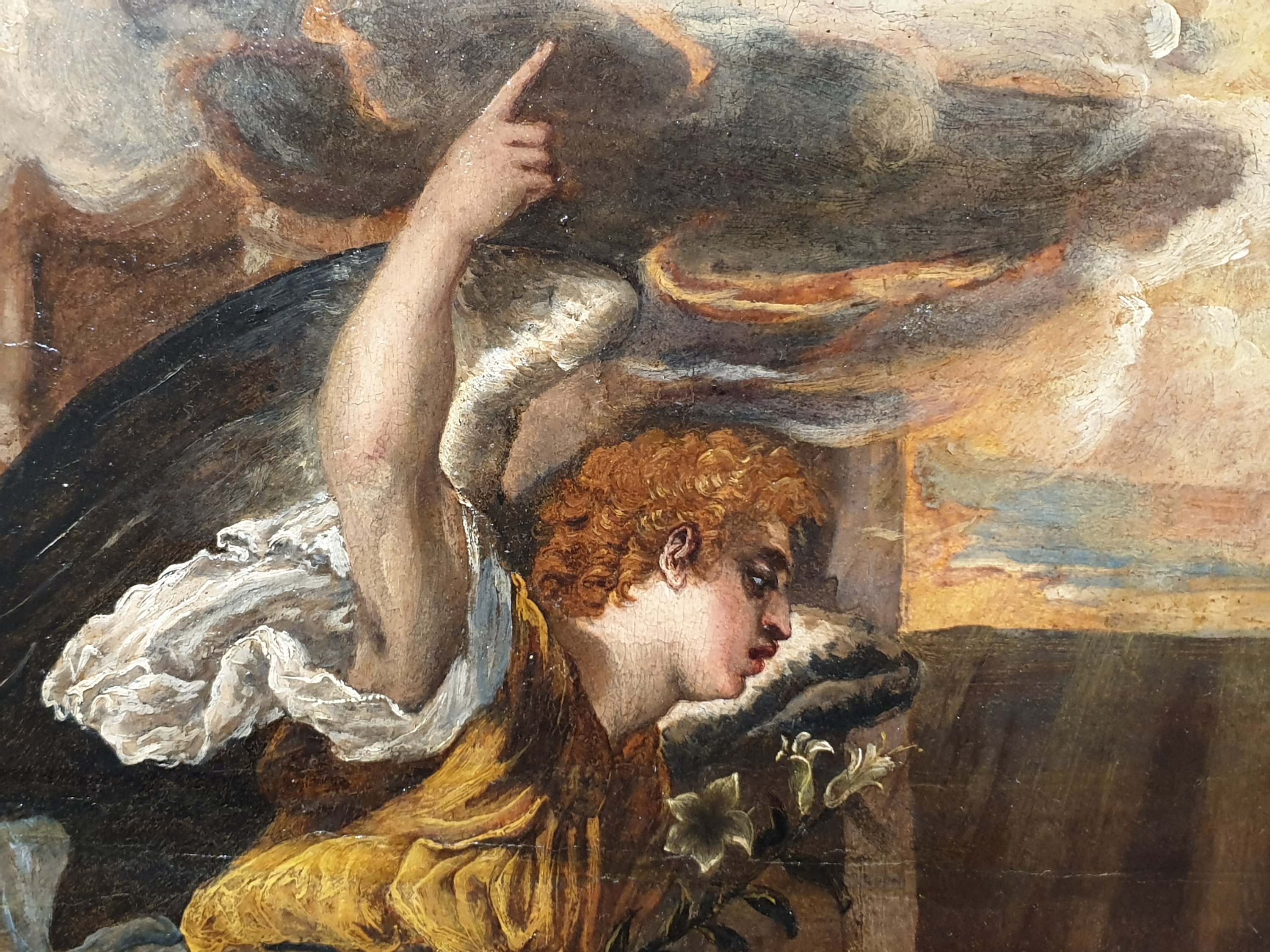
The Annunciation (1569):-
Then he went to Rome, where he specialised in small-scale paintings, like his Pietà from Philadelphia:-
The Entombment from Newark:-
Then, lacking big commissions in Rome, he signs two contracts in 1577 to undertake work in Toledo.
The Adoration of the Shepherds:-
What the exhibition shows well is the evolution of his style, more orthodoxly mannerist.
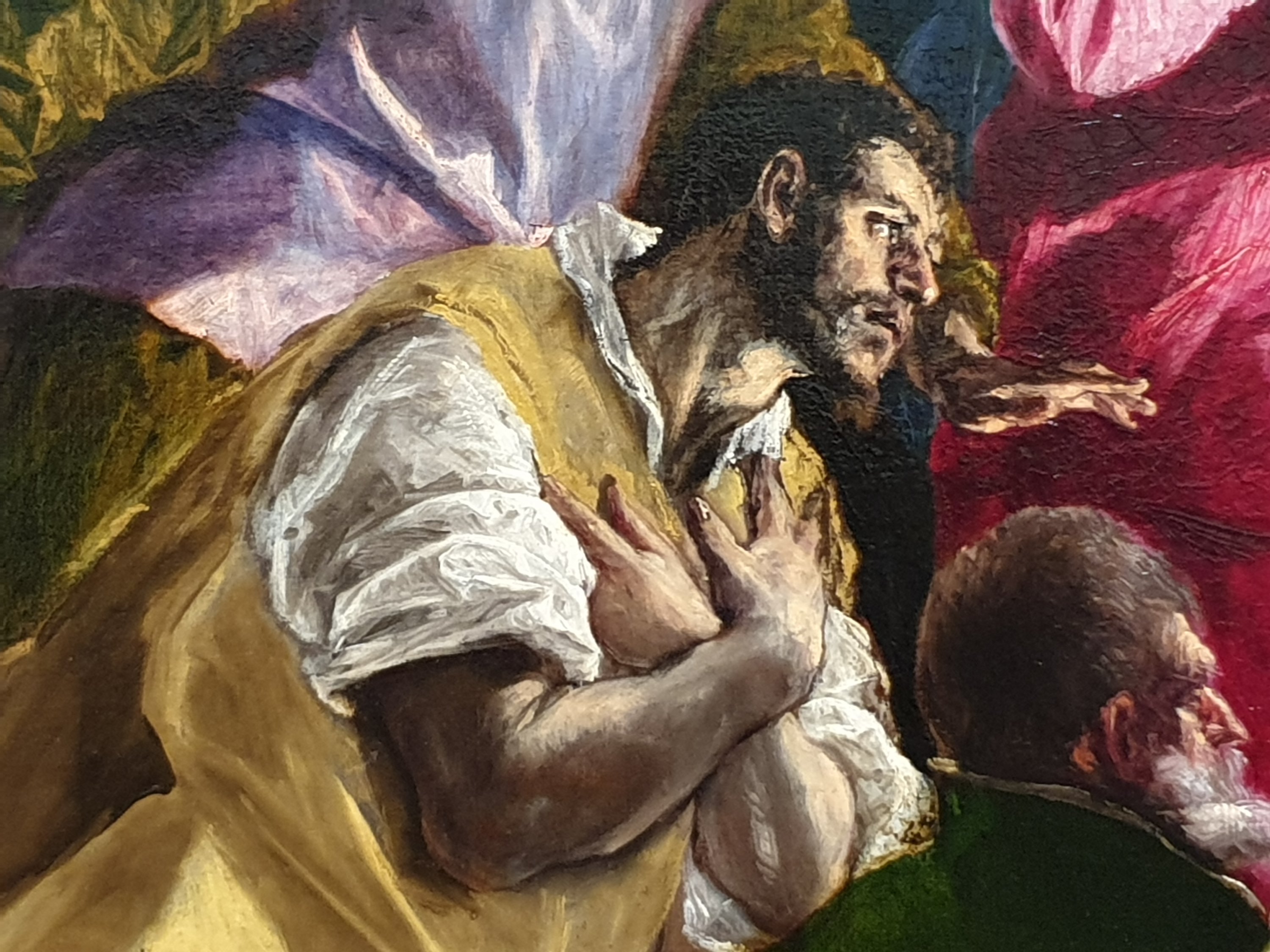
The Assumption of the Virgin from Chicago who have collaborated on the exhibition:-
A beautiful Pietà (c.1580) from a private collection:-
The Holy Family with Mary Magdalene from Cleveland:-
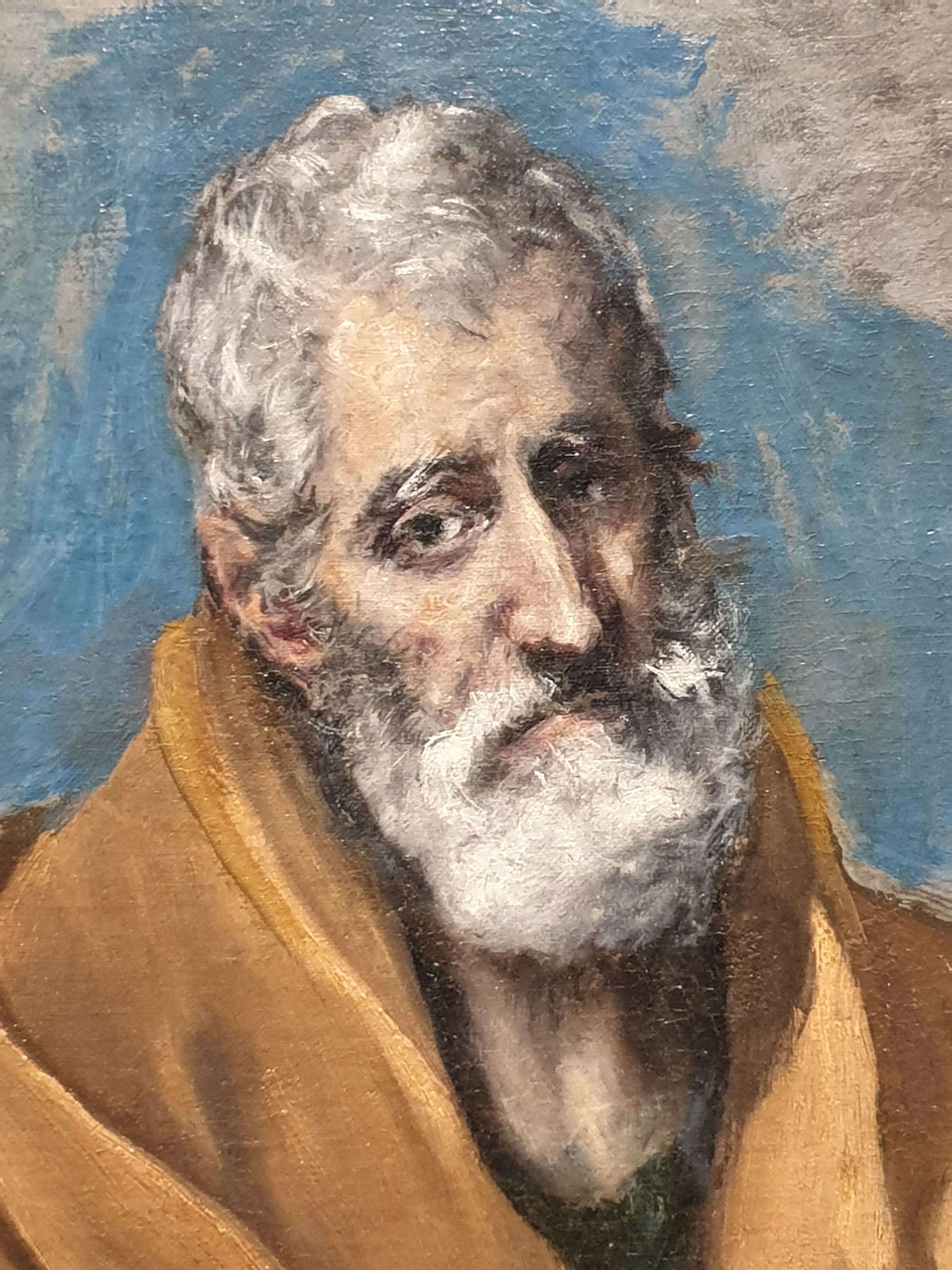
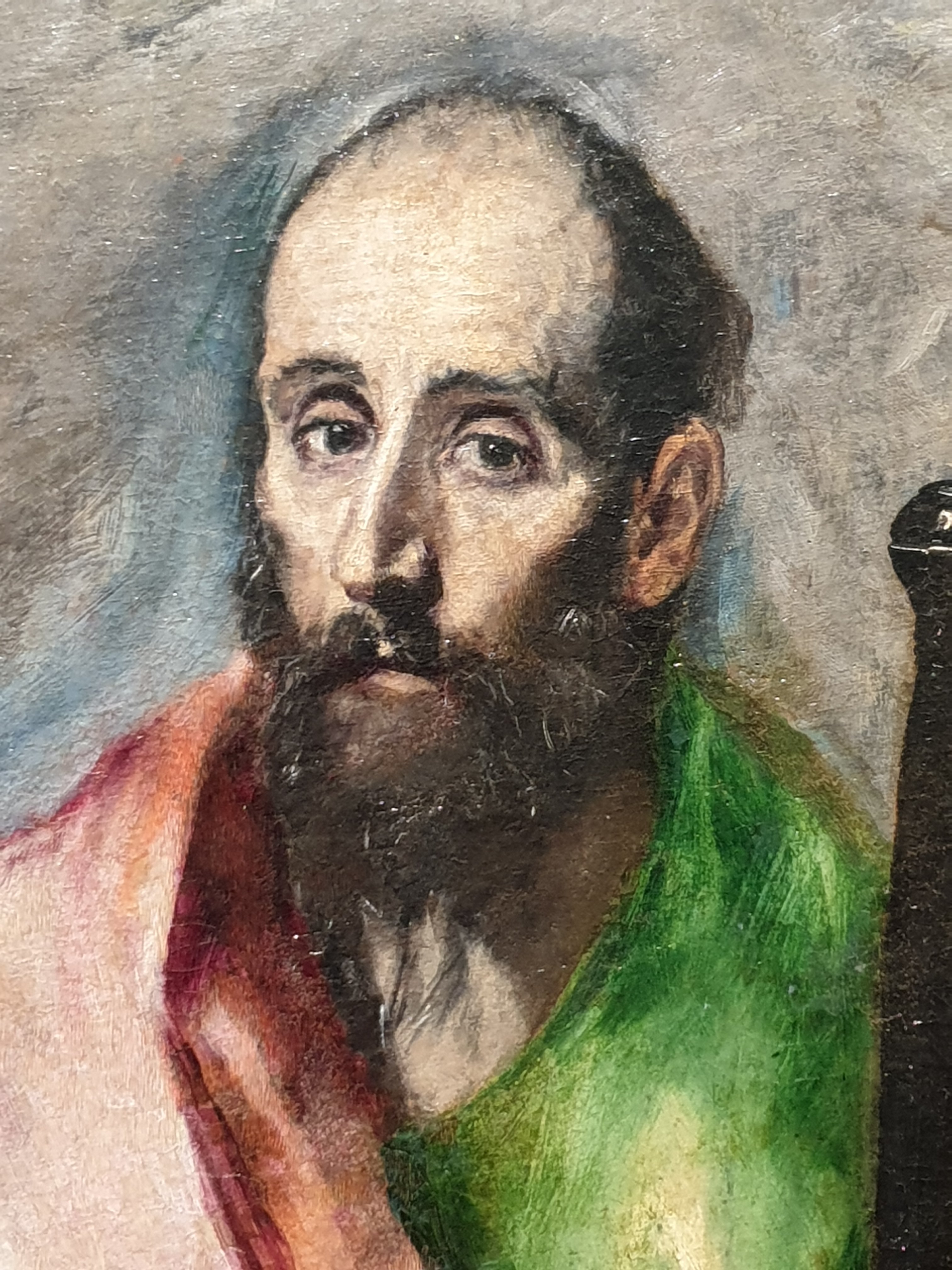
St. Peter and St. Paul from Barcelona:-
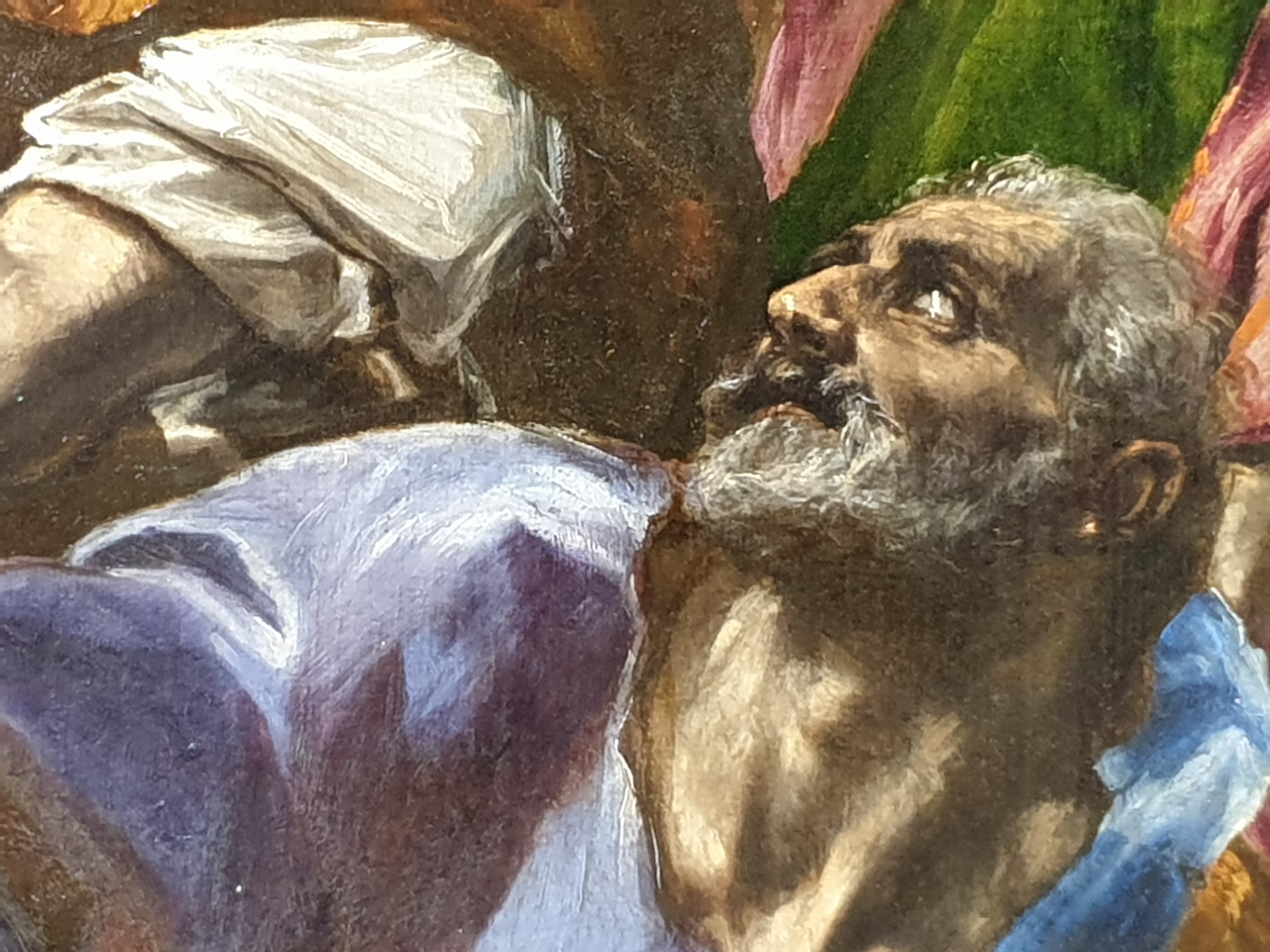
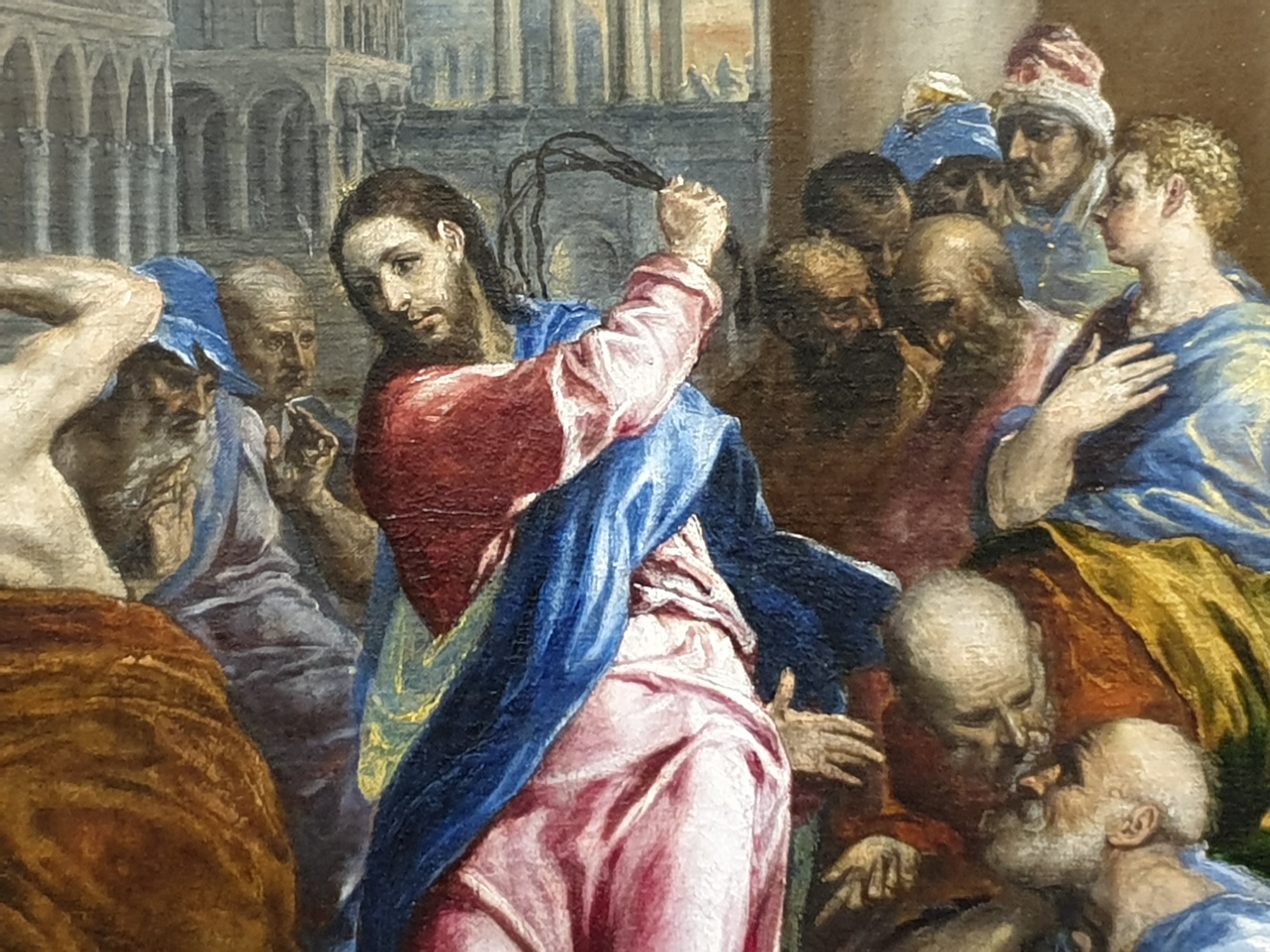
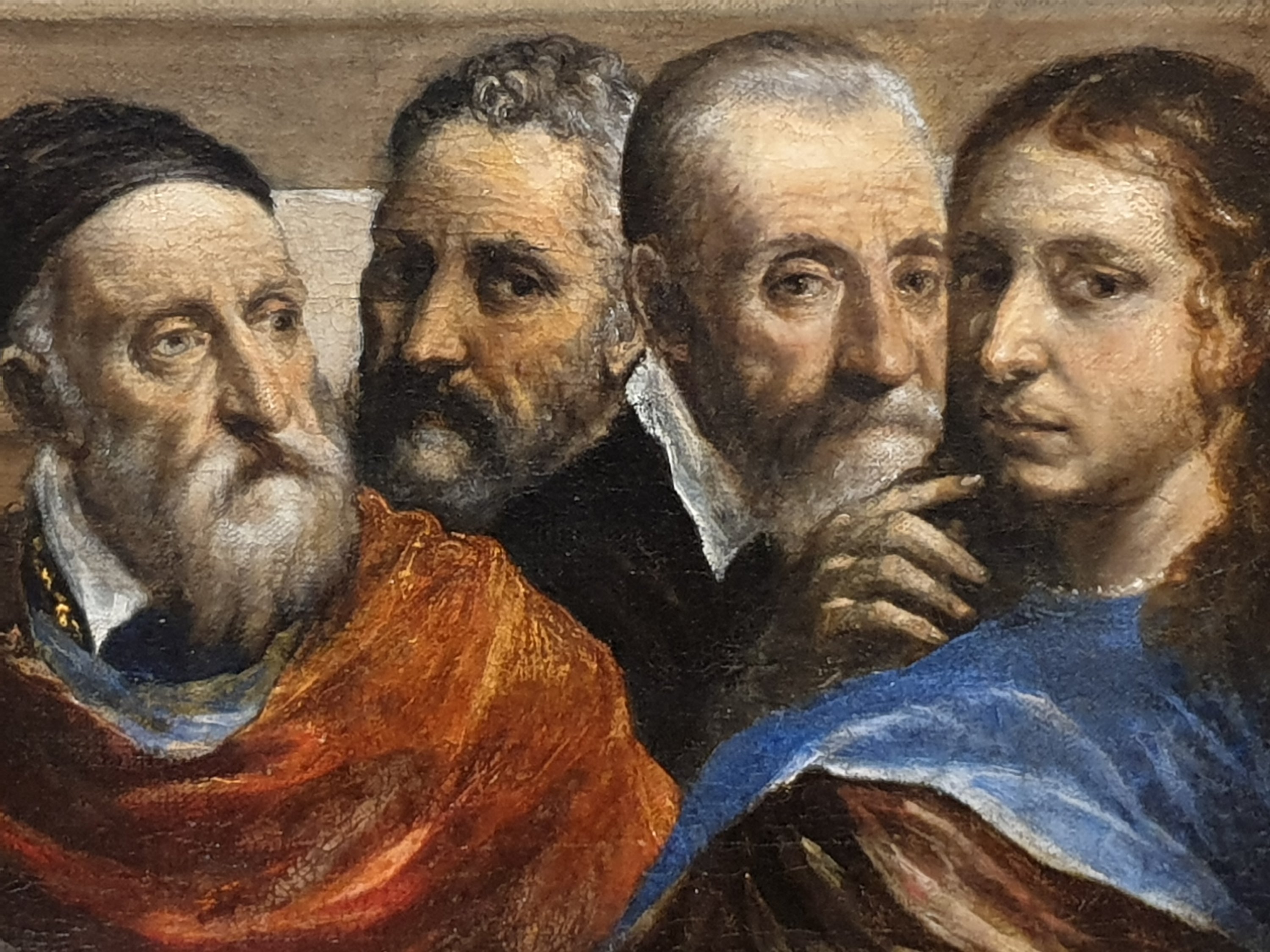
The exhibition ends with different versions of Christ driving the Moneychangers fromthe Temple, including a great one from Minneapolis (c.1575):-























 | Charles | Saumarez | Smith |
You must be logged in to post a comment.