
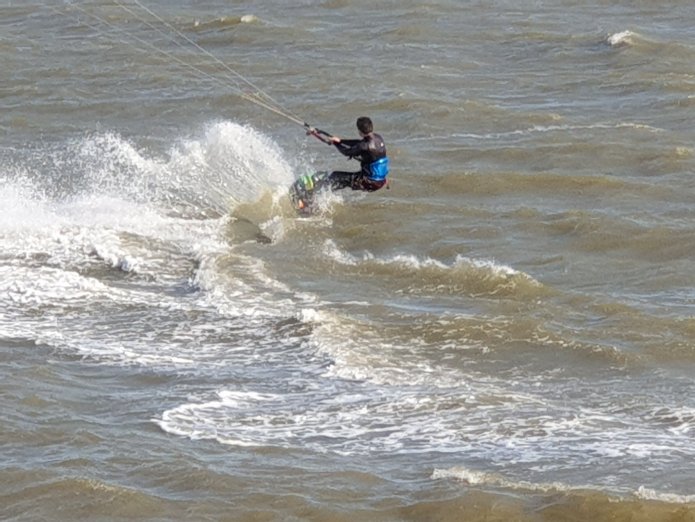
We drove back to London by way of Shoeburyness – not the most direct route, I know, but it meant that we were able to admire the windsurfers:-
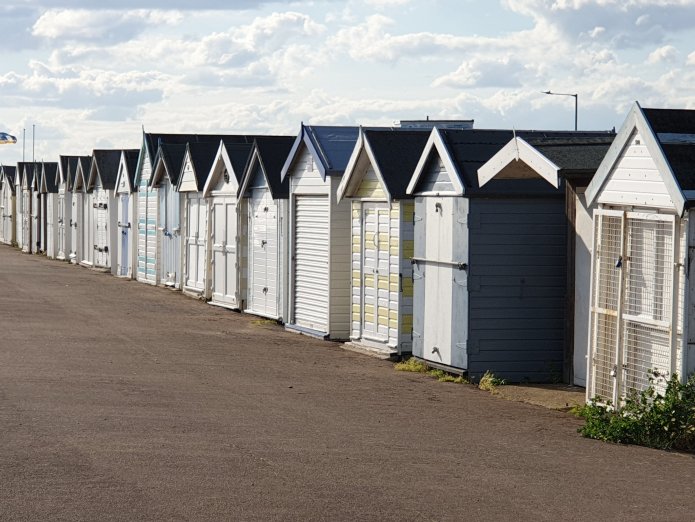
The long line of beach huts:-
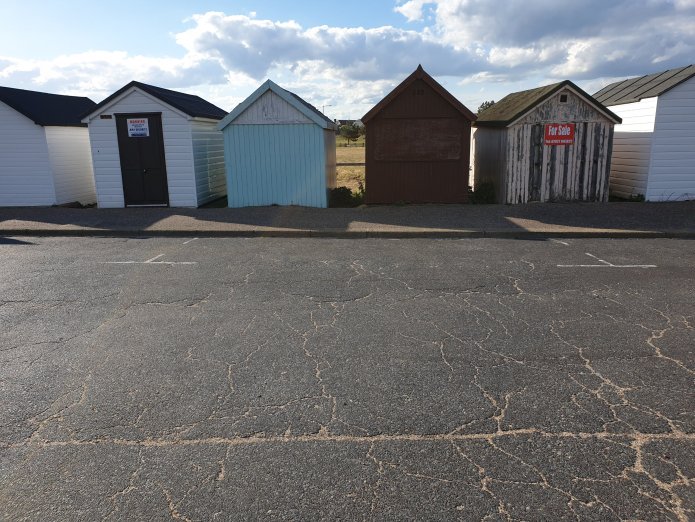
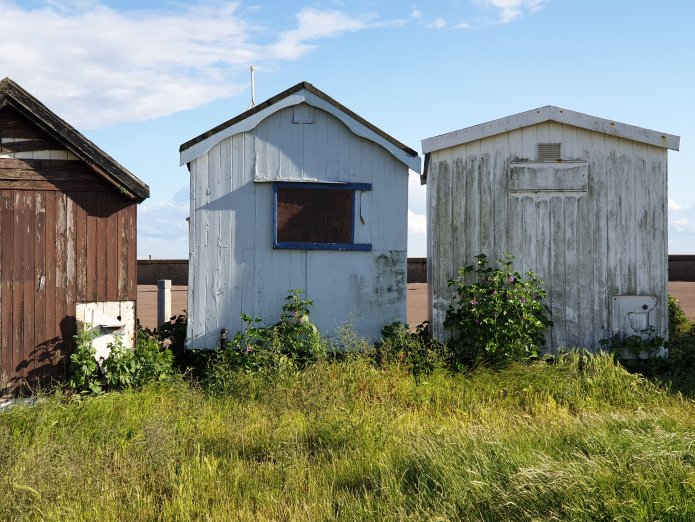
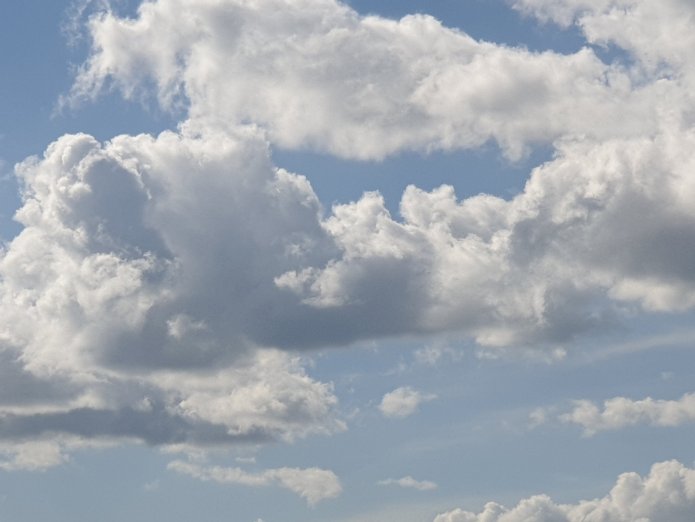
And more Wonnacott sky:-
We drove back to London by way of Shoeburyness – not the most direct route, I know, but it meant that we were able to admire the windsurfers:-
The long line of beach huts:-
And more Wonnacott sky:-
After lunch, I joined a discussion at the Focal Point Gallery in Southend-on- Sea about the work of John Wonnacott, whose excellent exhibition The Estuary is on for another month.
John spoke at length about his work The Family which took eleven years of close concentration from 1963, when he graduated from the Slade, to 1974, when he finished it – eleven years of focus on issues of depiction and perspective.
I hadn’t registered the extent of the influence of Michael Andrews, who taught him at the Slade, whose Colony Room, is a comparably ambitious pictorial composition, and who later got him to teach in Norwich.
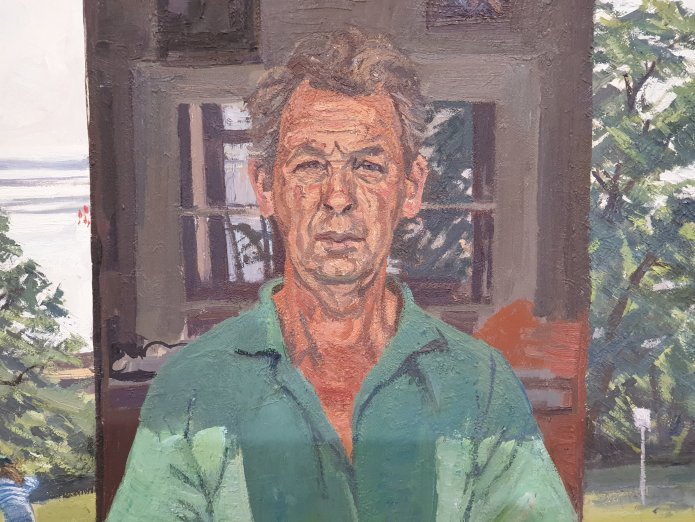
Here he is in Self Portrait with White Ruler:-
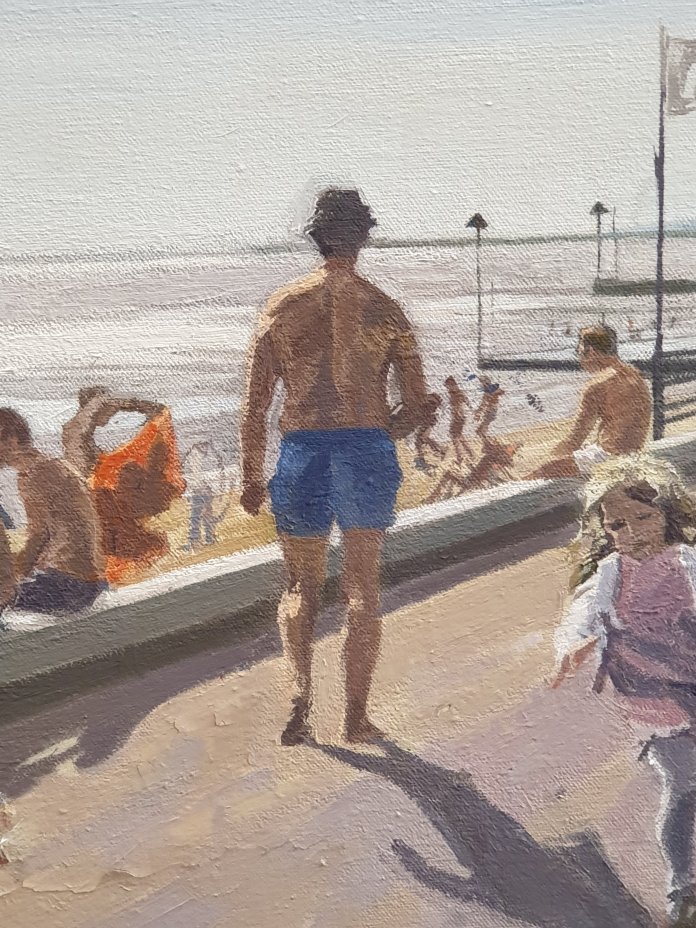
This is his back view:-
I had discouraged him from including Hanging Goose Day, but it’s a wonderful sacrificial picture of a goose sold by his local butcher:-
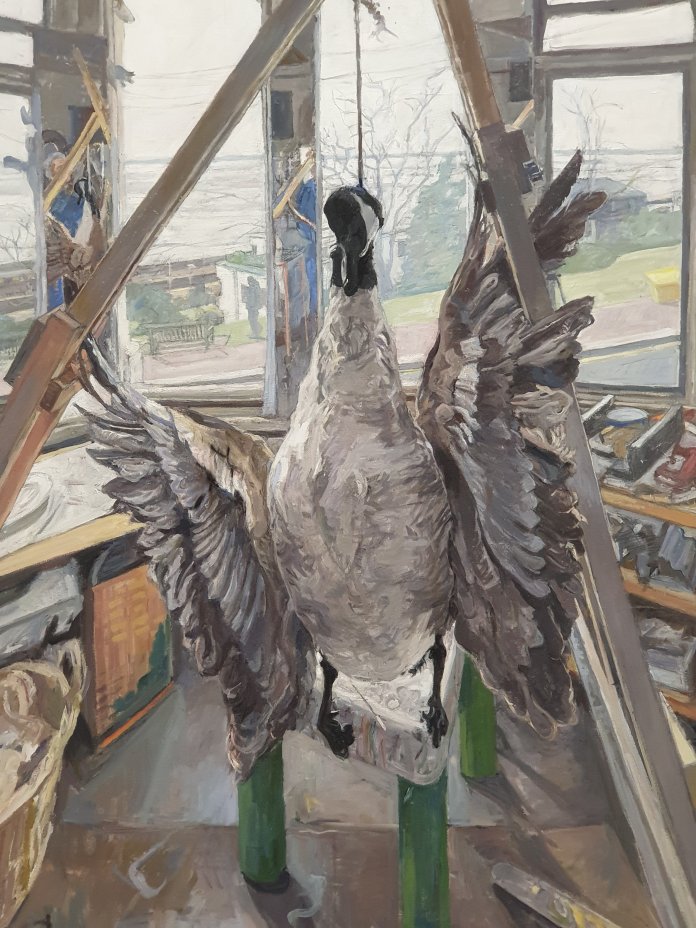
I liked the picture lightly greased by cooking fat (ageing and a bit of dirt isn’t bad for a picture):-
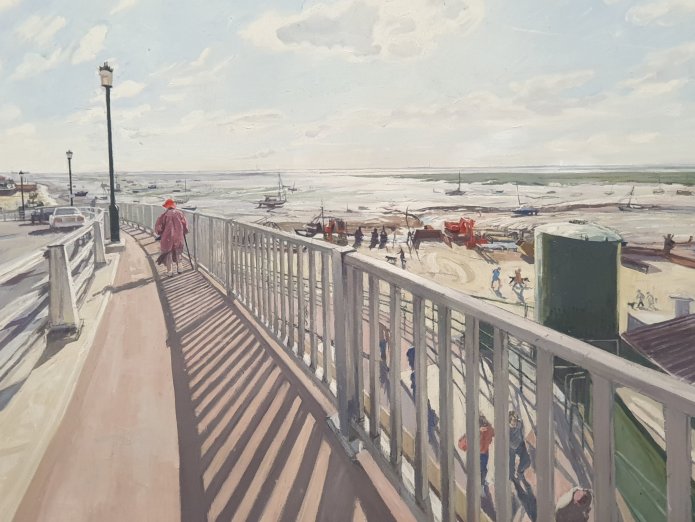
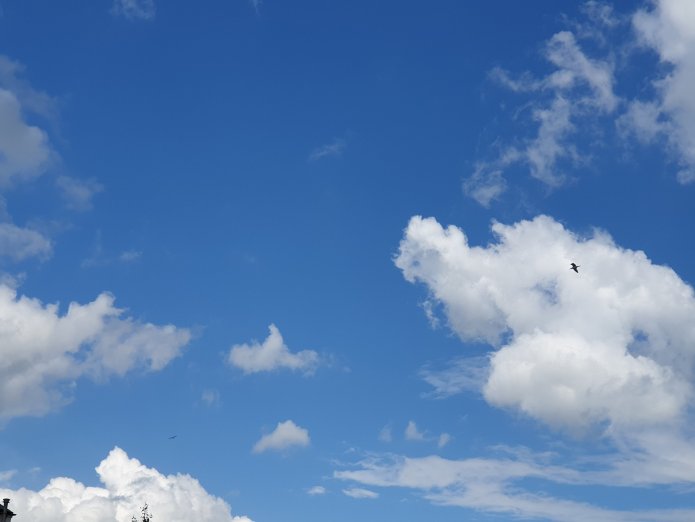
And when we walked out, there was a Wonnacott sky:-
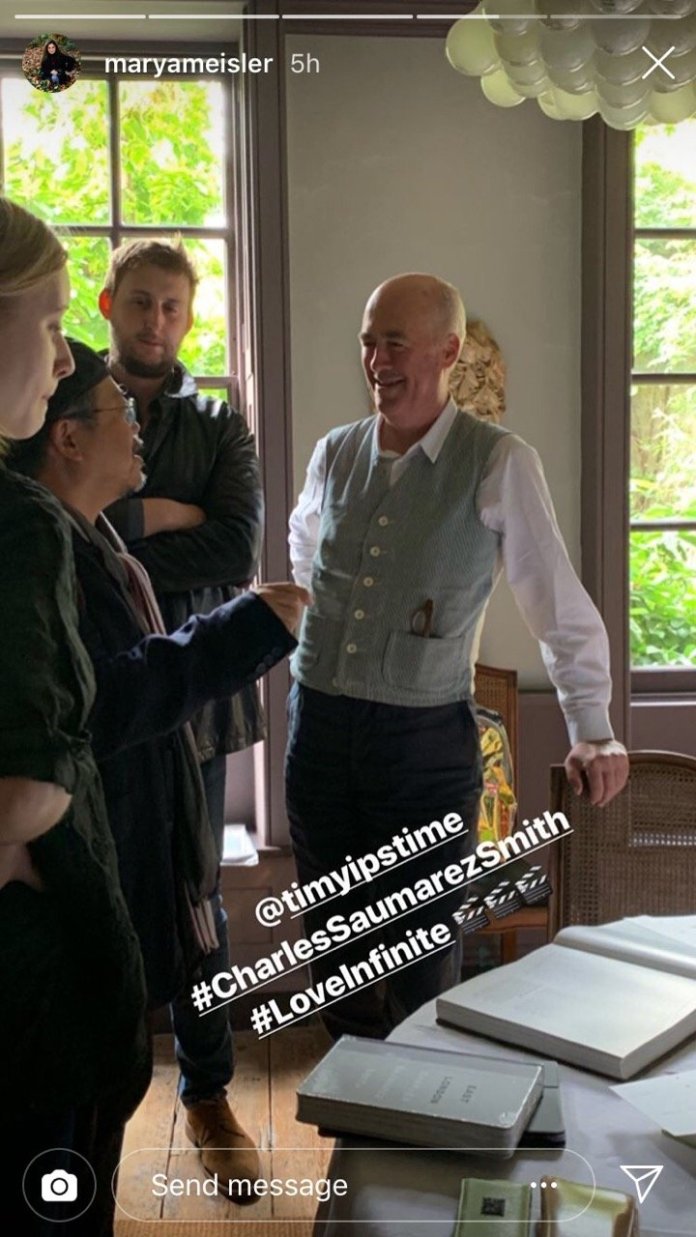
I had half forgotten that Tim Yip, a Chinese artist, set designer and film director (he was art director of Crouching Tiger, Hidden Dragon) was coming to the house in connection with a feature film he is making about the magical creativity of East London. I was asked to act in the role of a Professor – not impossible – explaining some of the characteristics of East London. I find it easy to talk about the history of East London, much harder to explain why it has been such a centre of creativity in recent decades, other than cheap rents, the role of the Whitechapel, and a community of artists.
Here we are discussing that to say:-
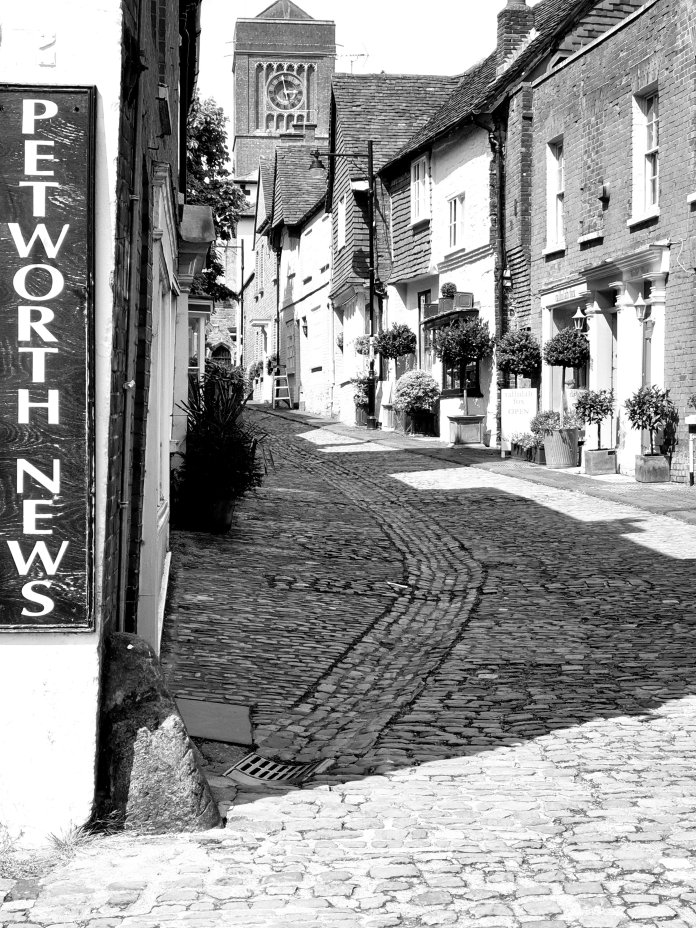
We went to Petworth – one of those small to medium-sized towns on the A272 – Petworth, Fittleworth, Midhurst – which preserves its character better than expected, in spite of all the traffic.
Lombard Street is at its heart – a classic piece of picturesque, with a view up to the parish church:-
We had neither of us been to Petworth House for a long time. You start with the kitchen:-
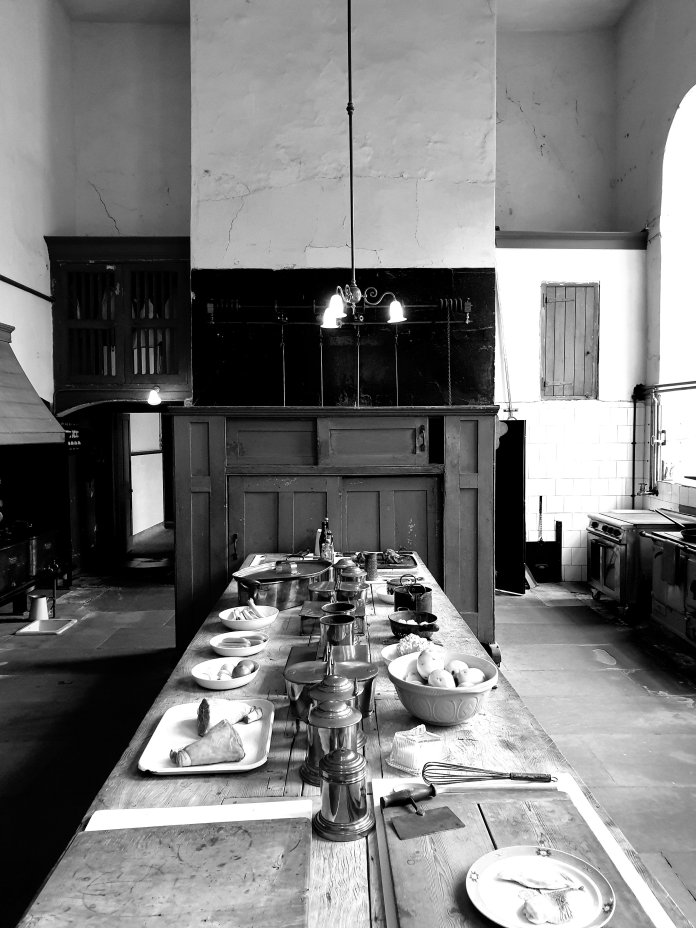
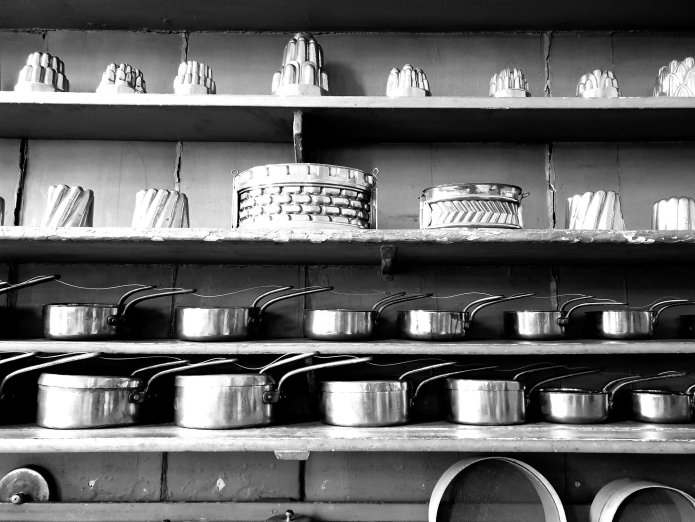
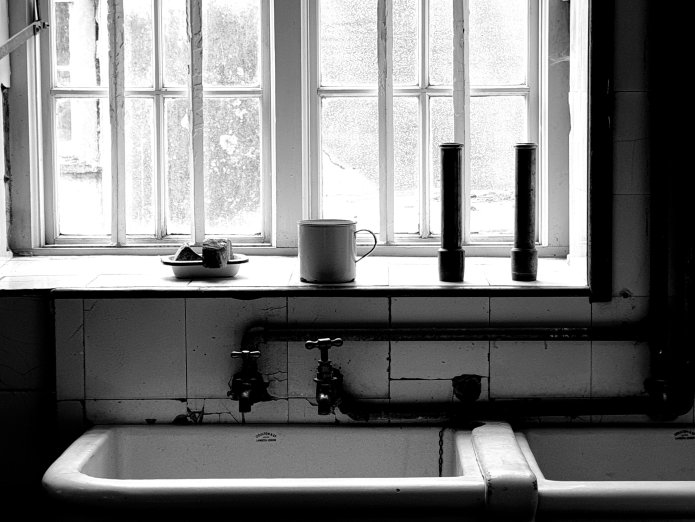
We had forgotten the amazing wealth of paintings – Titian’s Man in a Black Plumed Hat, great Van Dycks, the Laguerres in the Staircase Hall, a very strange Macbeth and the Witches by Reynolds.
The Duke of Wellington by Chantrey:-
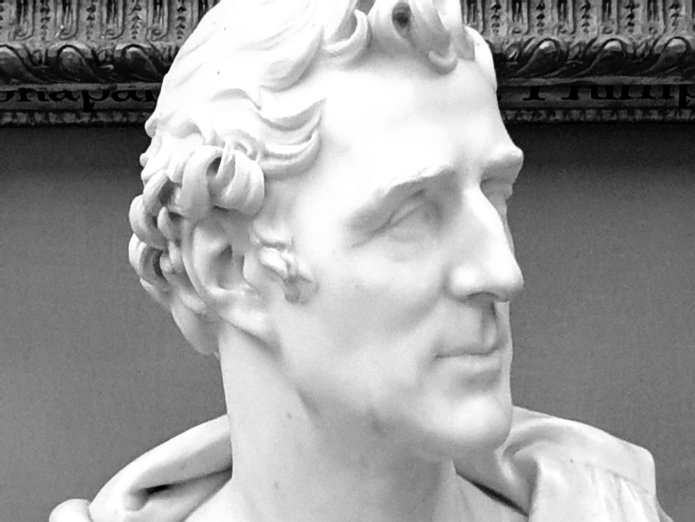
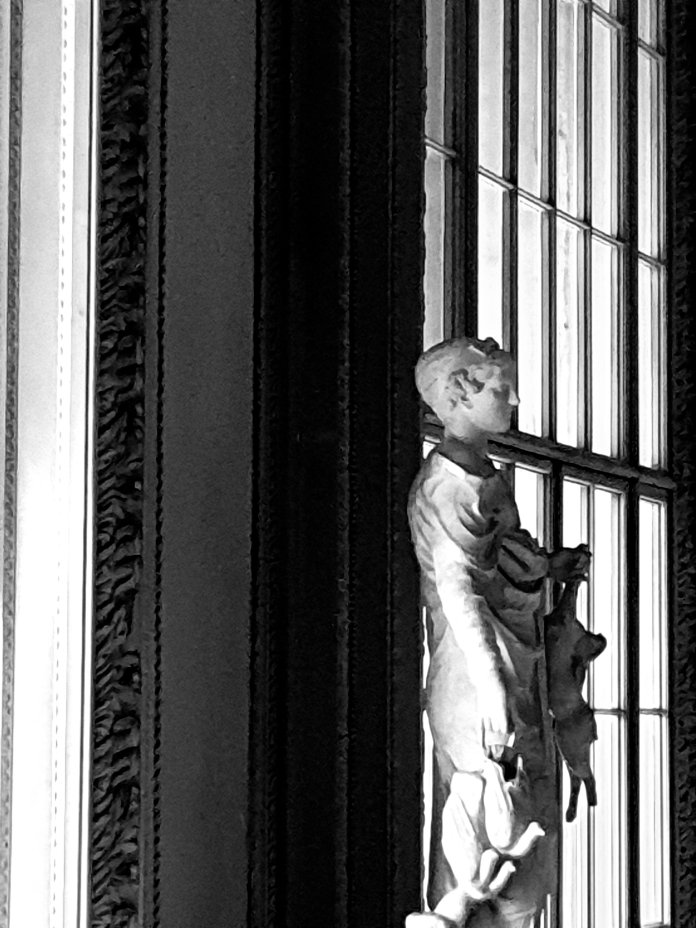
Then the Grinling Gibbons Room. It’s sensational. Such incredibly beautiful, naturalistic carving makes one understand why Gibbons was so admired:-
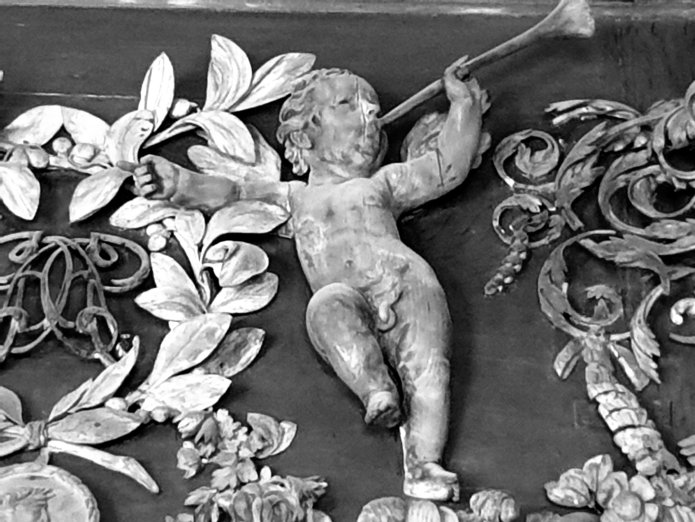
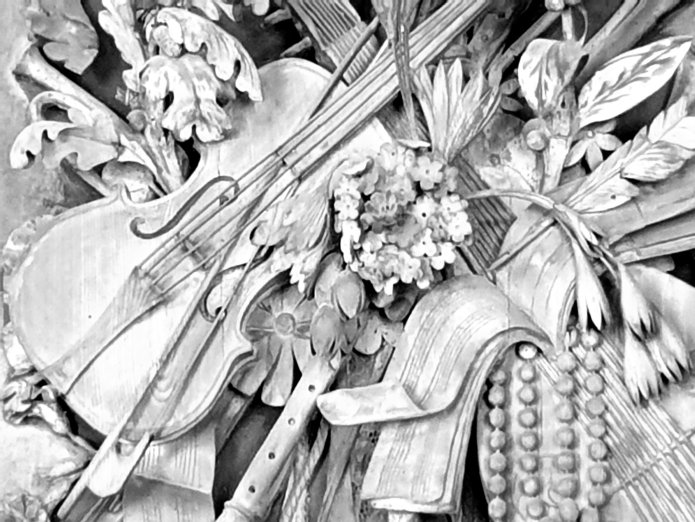
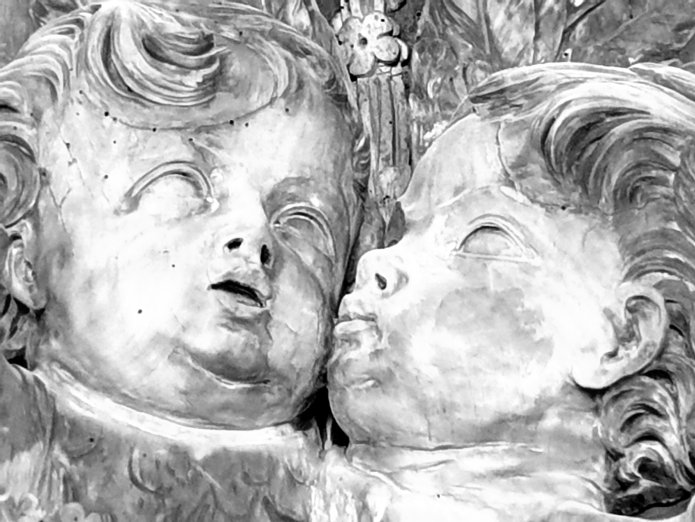
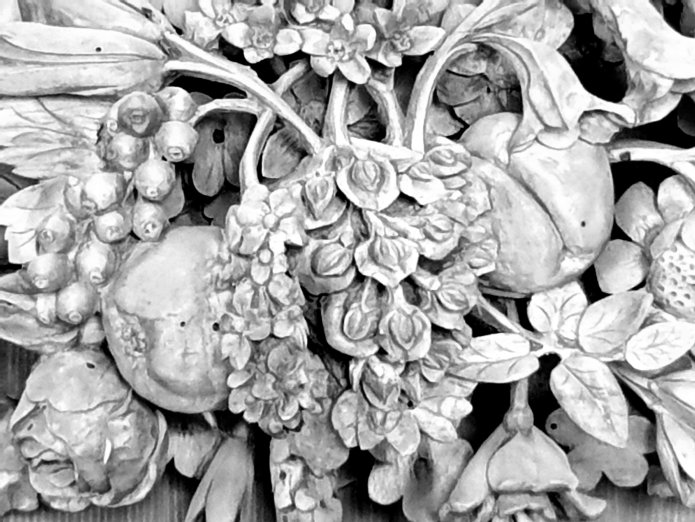
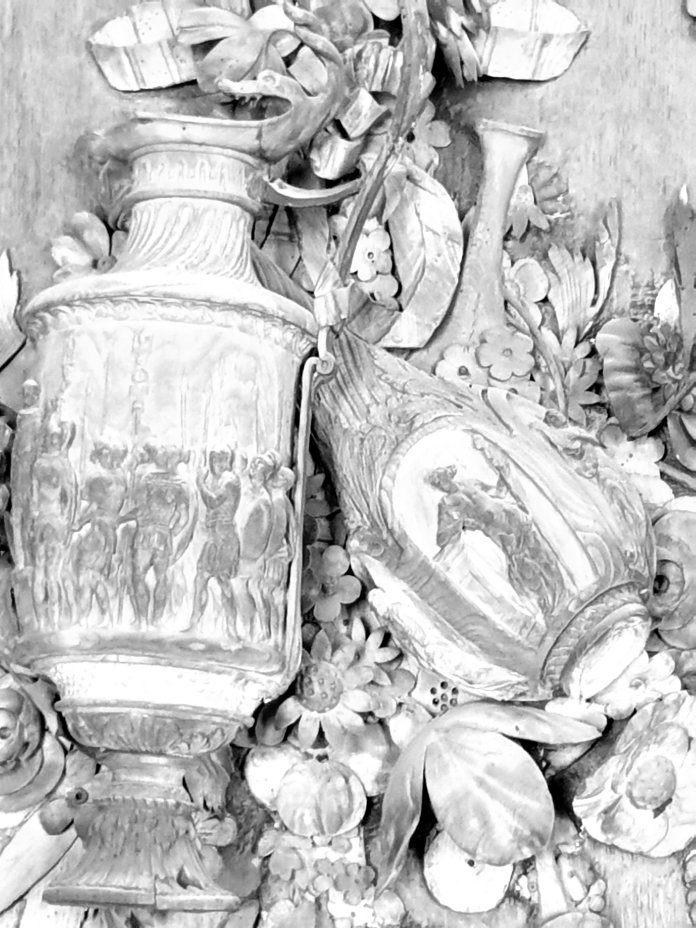
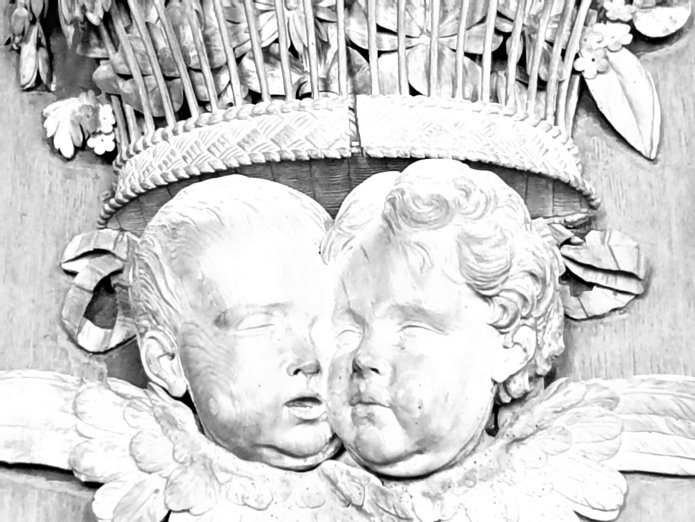
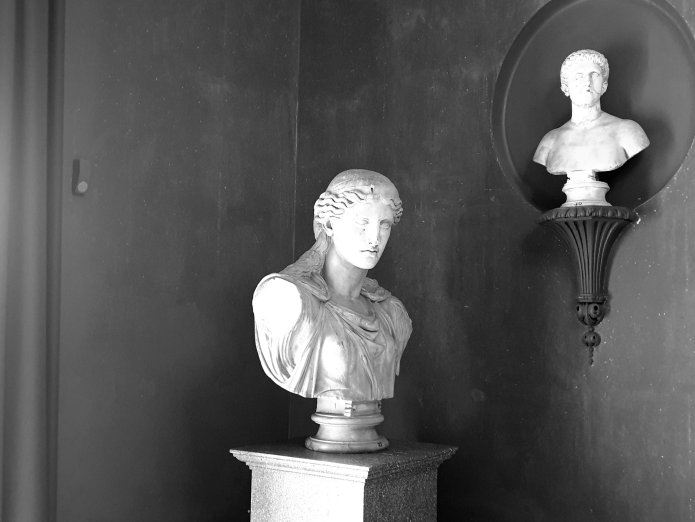
Ending with the Sculpture Gallery:-
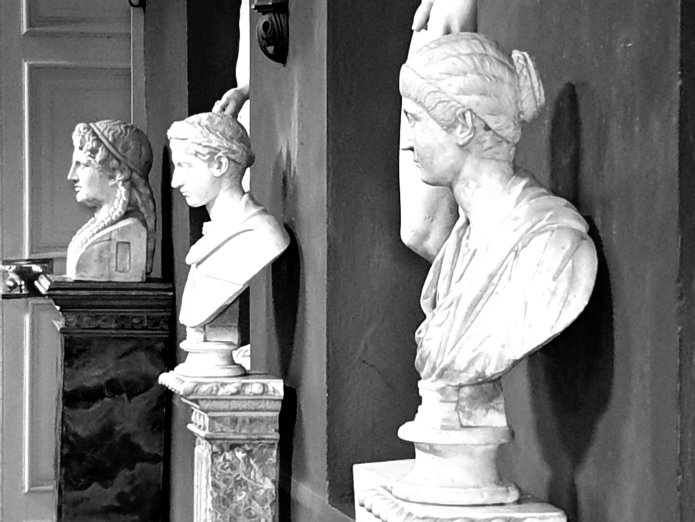
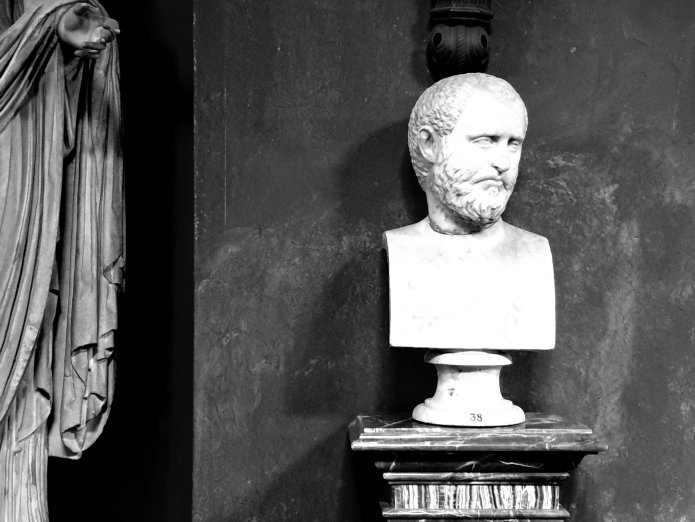
We went to the first screening of a film Hope Gap by William Nicholson which is due to be released at some point in the future: a horribly realistic and all too believable depiction of the break-up of a marriage after 29 years between a schoolmaster (Bill Nighy) and his clever and interesting wife (Annette Benning) who cannot stop needling him until finally he goes away; and the horrible consequences of their divorce on her and their son who is compelled, but hopelessly, to mediate. It says at the end that it bears not the faintest resemblance to anyone either living or dead, but I am not convinced that this is true, which makes what is shown worse.
Having just been sent a copy of the RIBA Journal which contains all the RIBA regional architectural awards, I was speculating over lunch with one of the architects who may be included which of the projects might make it onto the Stirling Prize shortlist.
Here are my own suggestions:-
Kengo Kuma’s V&A Dundee
I haven’t yet seen it, but reports are generally good, particularly of its overall massing and effect on the economics of Dundee. The grandest and most striking of this year’s projects, but I’m not convinced this means it should win.
Peter Zumthor’s Secular Retreat
Deserves short-listing for the quality of its ambition, use of materials and understated modernism.
Witherford Watson Mann’s Nevill Holt Opera House
Judges will no doubt resist such an obviously elitist project, attached to a country house and privately funded by its owner, but it is brilliantly well crafted and amazing in the way that it is so discreetly inserted into the adjoining stable block.
Adam Richards’s Nithurst Farm
I would be in favour of including some small-scale projects so the award is not always dominated by big capital schemes. This looks interesting – a piece of Piranesian vernacular.
Peter Barber’s Ordnance Road, Enfield
Barber is the architect of the moment and social housing the biggest challenge, so they should include some social housing projects.
6a architects’ Blue Mountain School
A lovely, small, intelligent project, a bit wacky, but none the worse for this; actually, it’s what makes it interesting.
It is the first time for a long time (eleven years at least) that I have been to the Royal Academy’s annual dinner as a guest rather than (part-) host.
Greg Doran, the Artistic Director of the Royal Shakespeare Company, gave a beautifully delivered and unusually historical speech on the nature of the relationship between the foundation of the Royal Academy in 1768 and its Schools in January the following year, and the eighteenth-century cult of Shakespeare, inaugurated in 1769 by David Garrick, who knew Reynolds through their fellow membership of The Club (Garrick would have been one of the founder members, but was regarded as too self important). Both Academy and the Shakespeare cult shared a belief in the importance of history and the grand tradition, as well as what Doran described as the liberty of modern interpretation (what he called ‘the nowness of now’).
In November 1786, Alderman Boydell established the Shakespeare Gallery which celebrated Shakespeare’s work by commissioning pictures based on his plays and Doran looks out on one of its surviving works, the sculpture of Shakespeare seated between the Dramatic Muse and the Genius of Painting by Thomas Banks. It moved to Stratford in 1871.
We spent the weekend in west Devon – unspoilt farmland west of Dartmoor, full of cross-country lanes, small villages and distant views:-
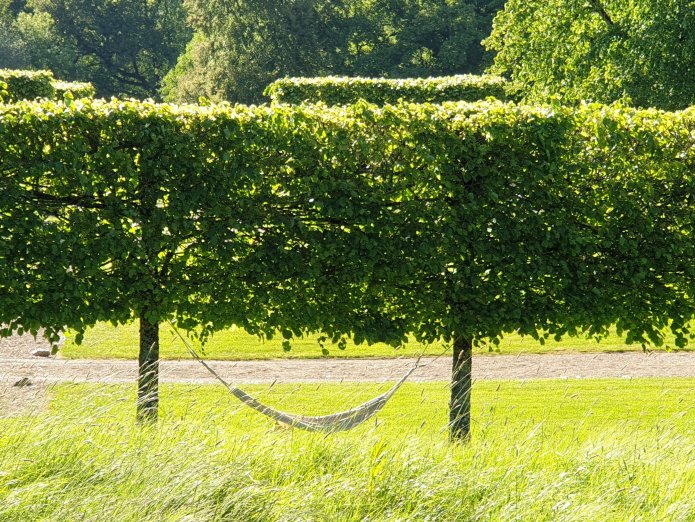
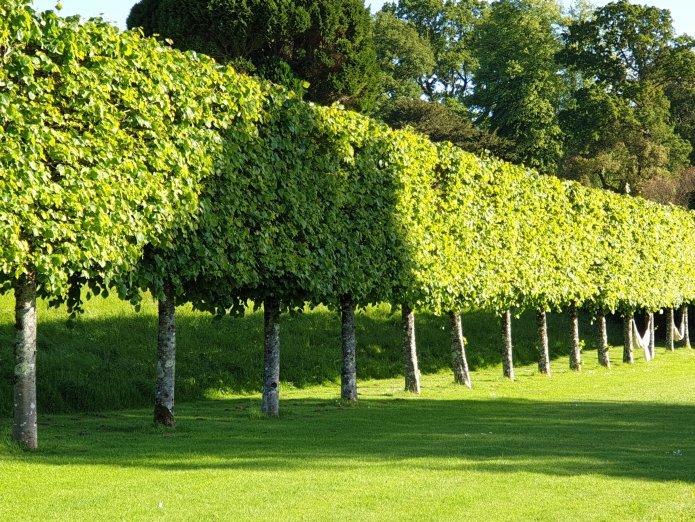
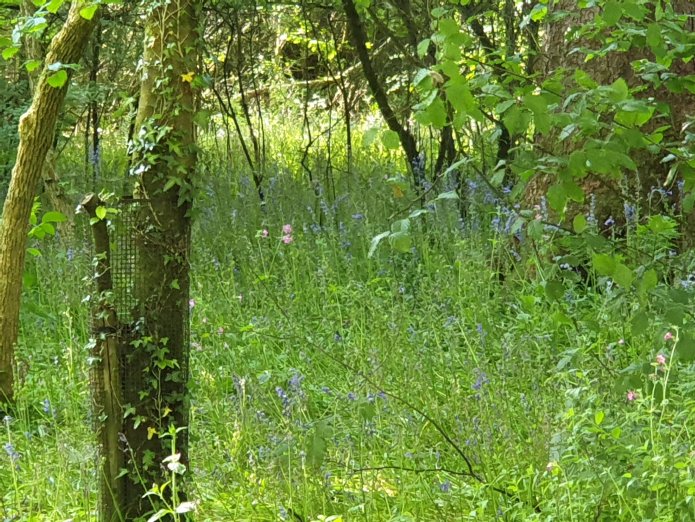
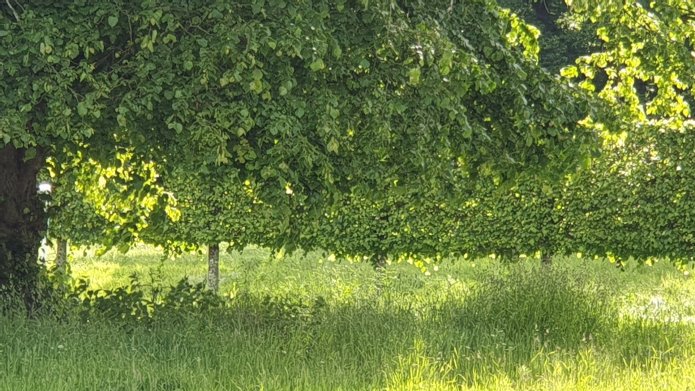
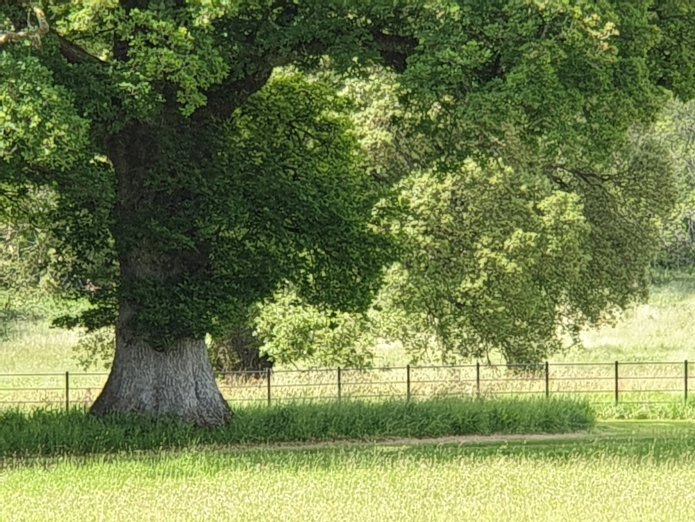
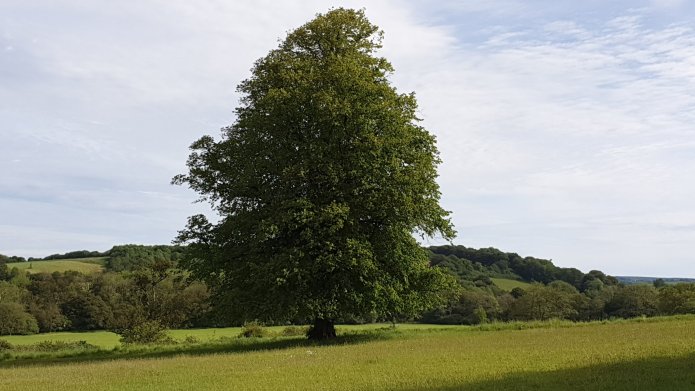
We went back to Endsleigh: a garden of exceptional beauty, with the terrace in front of the house overlooking a steep descent into the valley of the Tamar and the banks of trees in the woods beyond. We learned that a key figure in the development of the proto-Victorian aesthetic – much use of rhodedendra and steep planting – may have been the second wife of the sixth Duke of Bedford, who was the daughter of the Duke of Gordon and had been brought up in the Highlands; and Repton of course, who was first consulted in 1809, displaced as architect by Wyatville the following year, and then returned in August 1814 to draw up the detailed plans contained in his Red Book.
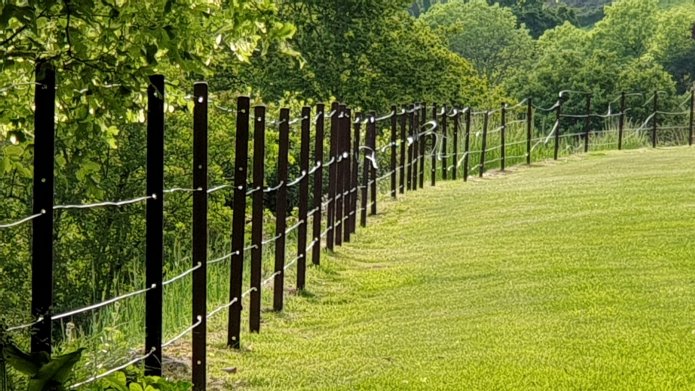
The terrace:-
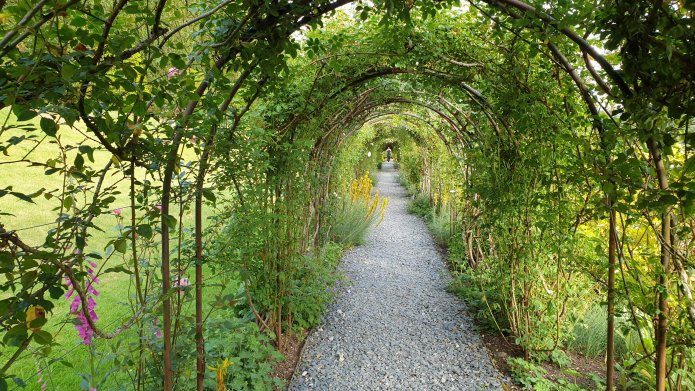
The gravel walk:-
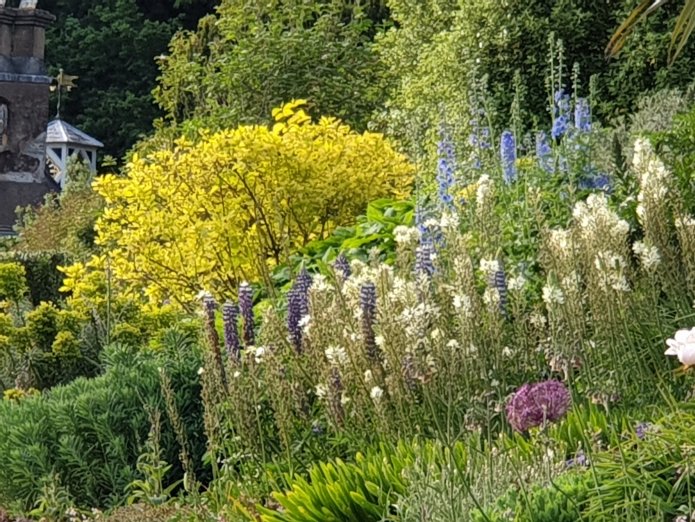
The planting above the gravel walk:-
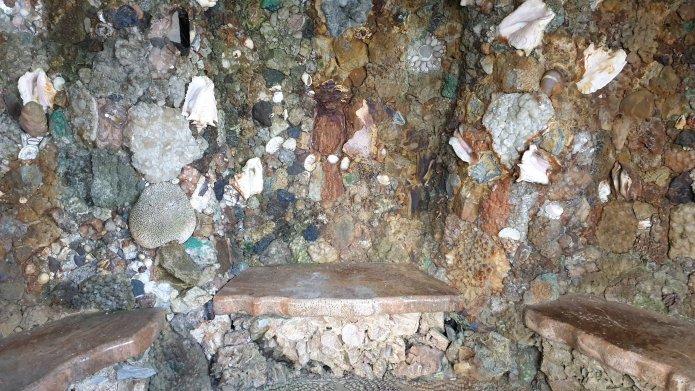
And the Shell House at the end of the terrace:-
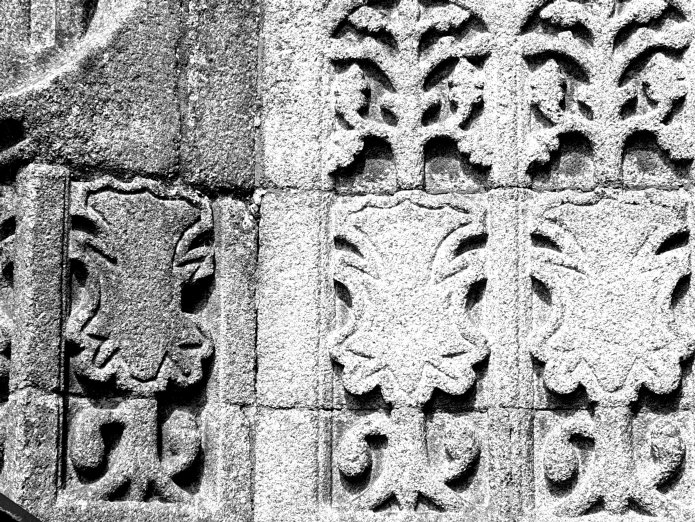
I called in on Launceston’s parish church with its strange carved granite exterior. Mary Magdalene in the niche over the porch is not pre-Reformation, but put there in 1911:-
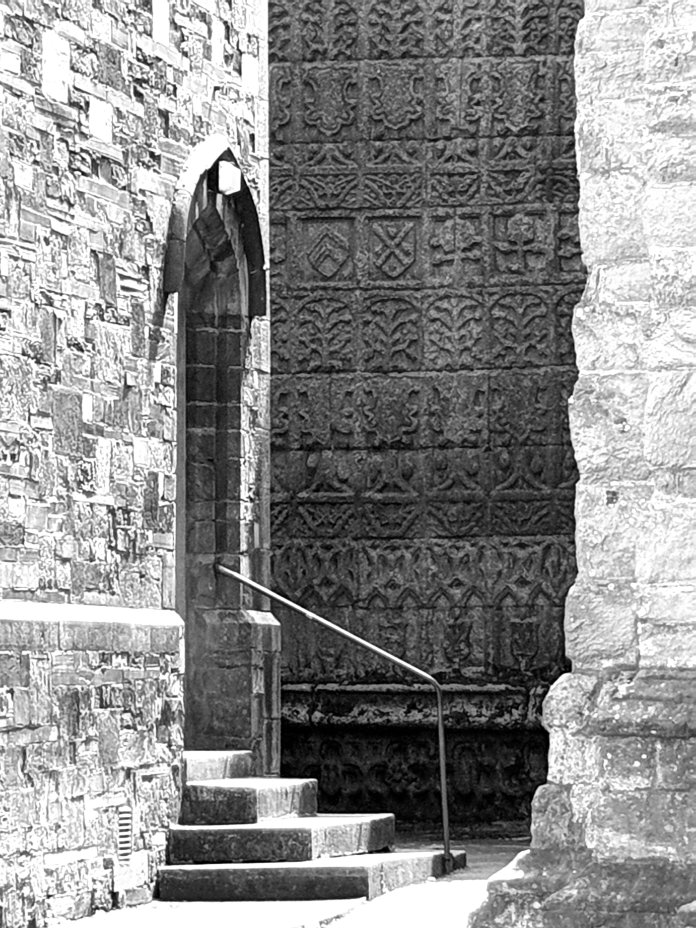
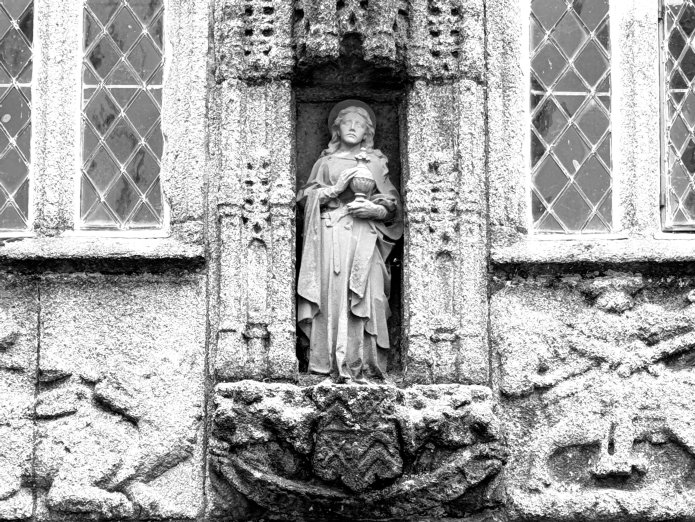
The carving make it look as if it is built out of soapstone:-
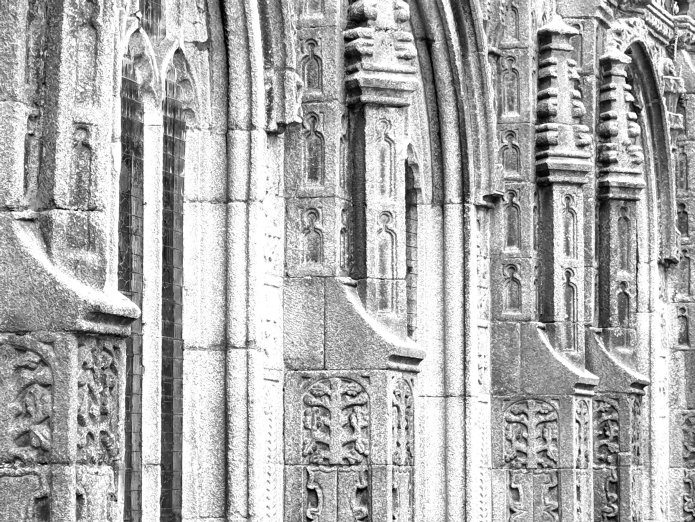
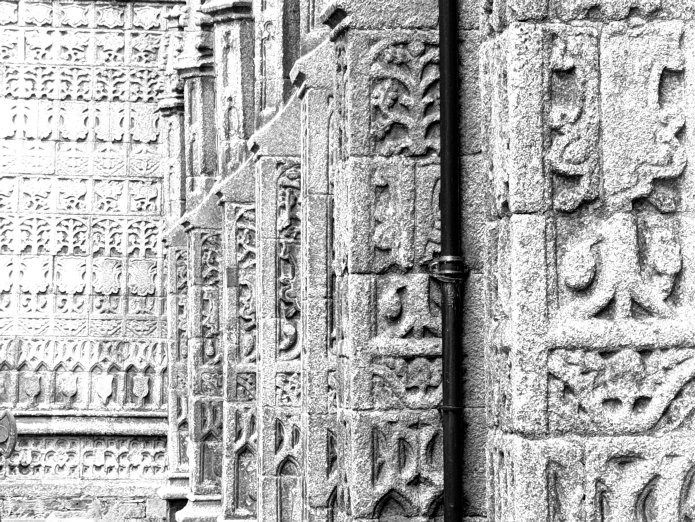
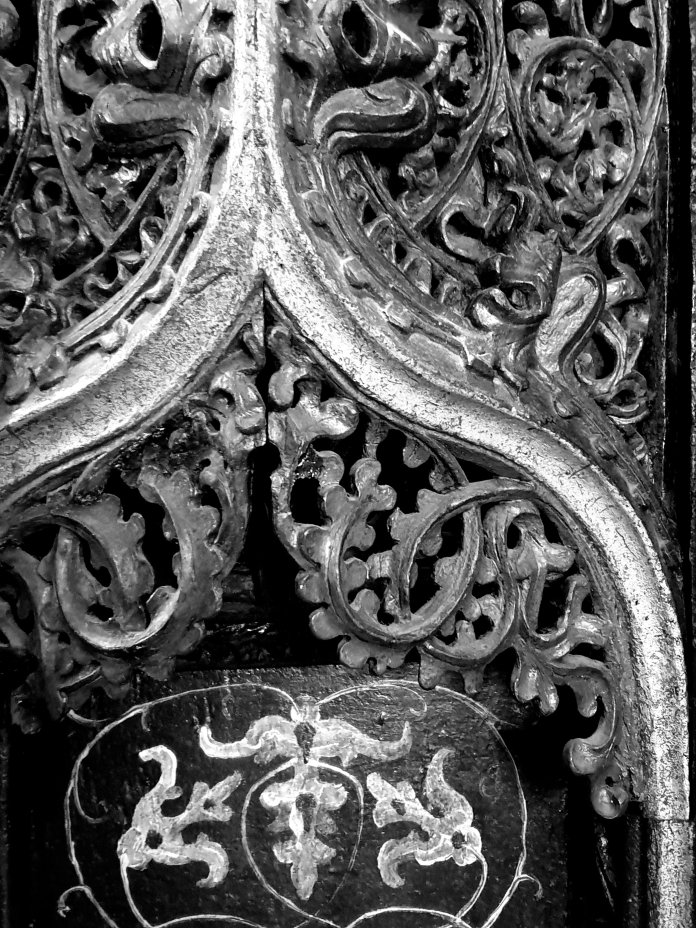
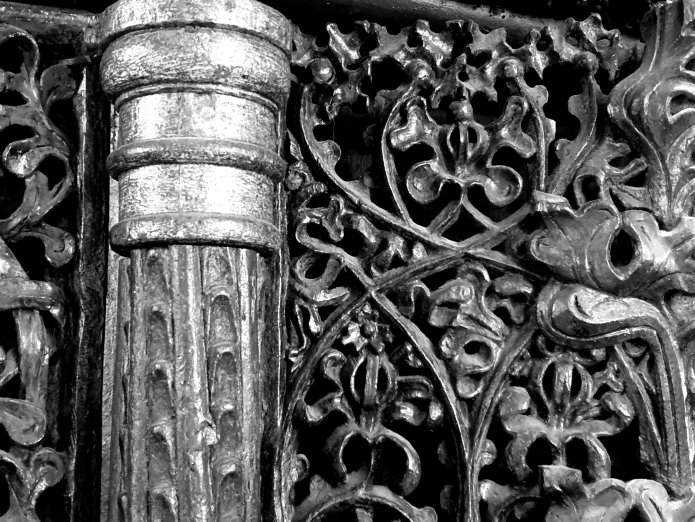
Indoors, a fine pulpit:-
 | Charles | Saumarez | Smith |
You must be logged in to post a comment.