Women Art Workers

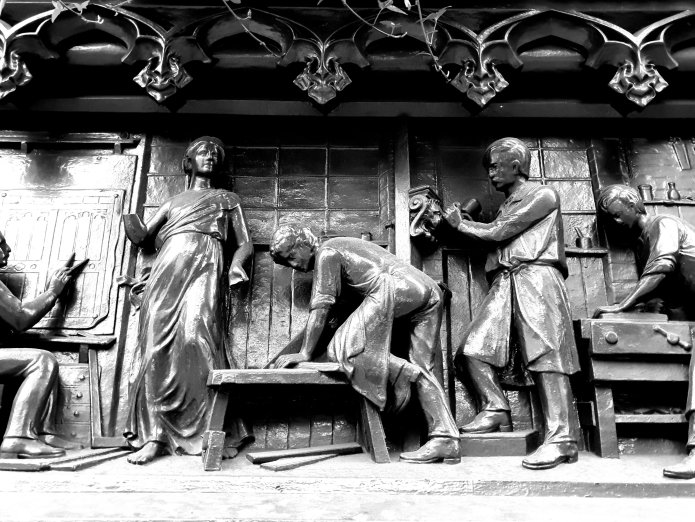
We went to a very interesting talk at Queen Mary on the role of women in the Arts and Crafts movement by Zoë Thomas of Birmingham University, who is publishing a book on Women Art Workers and the Arts and Crafts Movement.

Her argument is that all histories of the Arts and Crafts Movement have been dominated by members of the Art Workers’ Guild, which did not admit women till 1964 (it makes the RA seem relatively liberal), is still run by a Master, and calls its members Brothers.

She has based her research on the recently discovered archives of the Women’s Guild of Arts (they were found in an attic in Hammersmith), which was founded in 1907 by May Morris (William Morris’s daughter who remained its President until 1935) and Mary Elizabeth Turner, who died in February 1907. Its members included Christiana Herringham, the founder of the National Art-Collections Fund, worked in egg tempera, and was a student of Indian art (and a suffragette), the artist Annie Swynnerton and Evelyn de Morgan.

The other key (and neglected) institution supporting women artists was the Lyceum Club, which opened at 128, Piccadilly in 1903.

It’s a classic case of a hidden history, even in spite of fifty years of active research.
Standard

Tate Modern

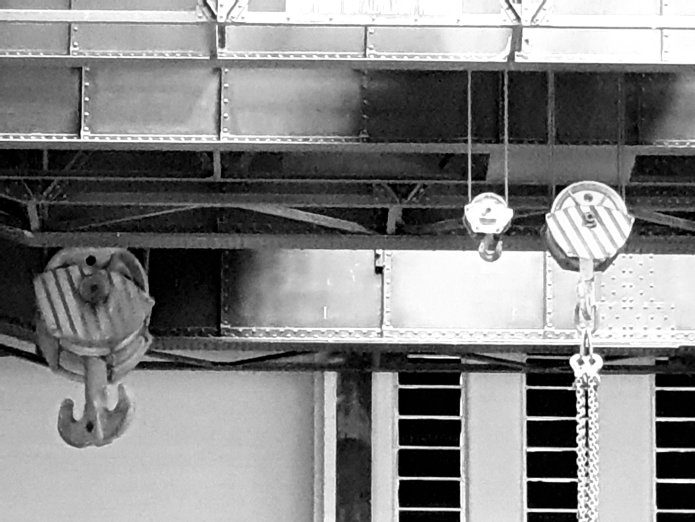
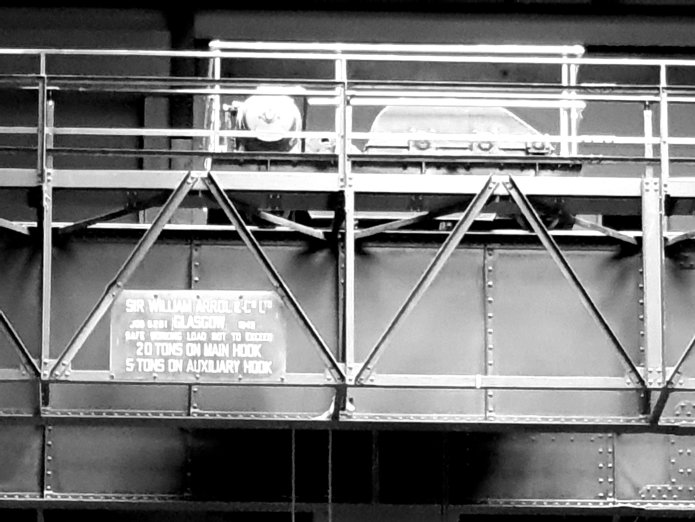
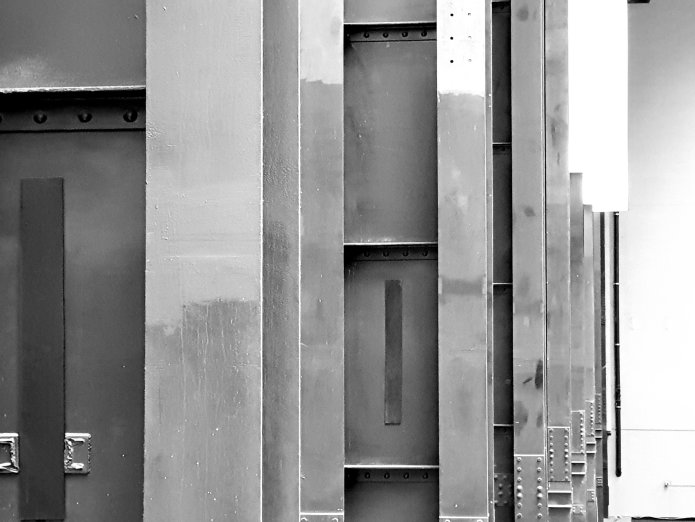
Once in Tate Modern, I had no time to see the art, only the residue of its previous industrial use:-

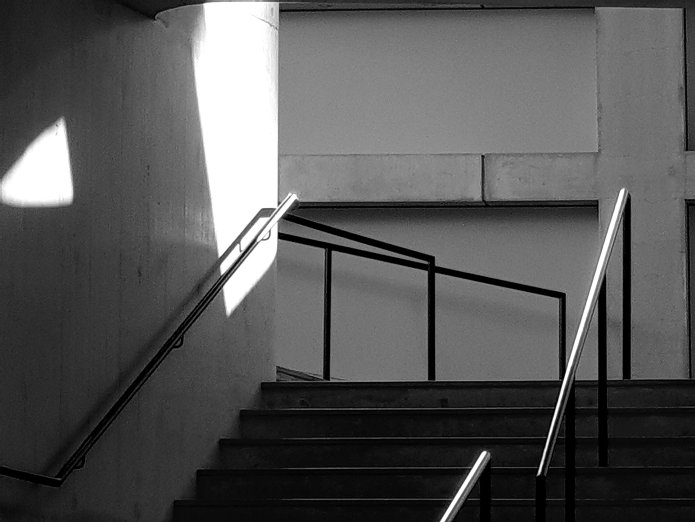
And the Herzog and de Meuron staircase in the Blavatnik building:-

Standard

St. Paul’s Cathedral (5)

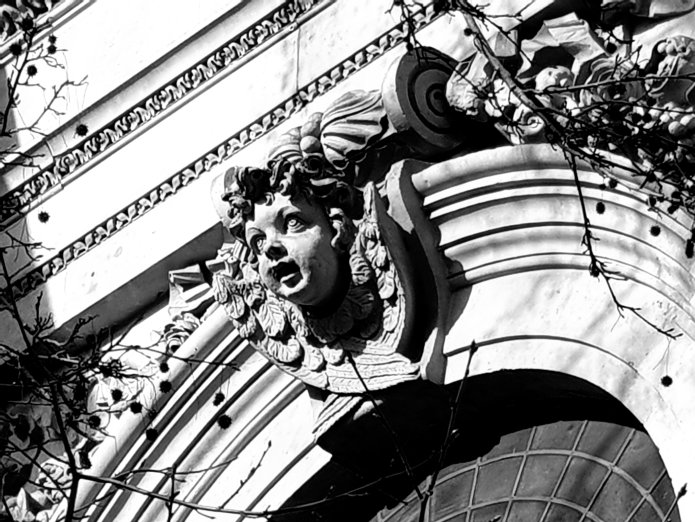
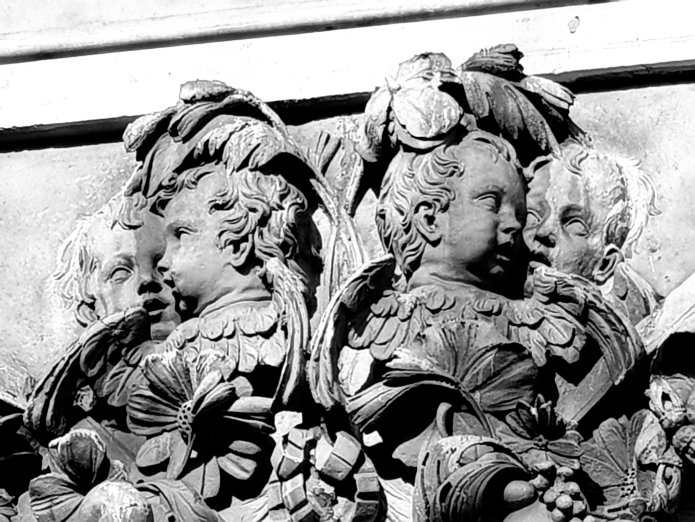
I discovered, slightly counter-intuitively, that the quickest way to get from Hanover Square to Tate Modern is by way of St. Paul’s Cathedral, which is the only bit of the City I miss, particularly the quality of the stone carving (I’ve got a better telephoto lens):-

Standard

100 Mile City

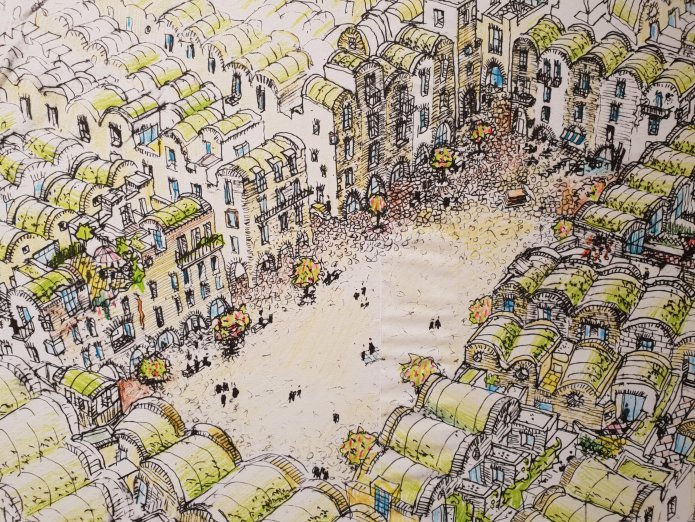
I happened to notice on Twitter that the Design Museum’s exhibition, 100 Mile City, was due to close today. It’s a topic I’m interested in: how one designs humane social housing; and I’ve admired the way that Peter Barber approaches the task in an intelligent way, through drawing:-

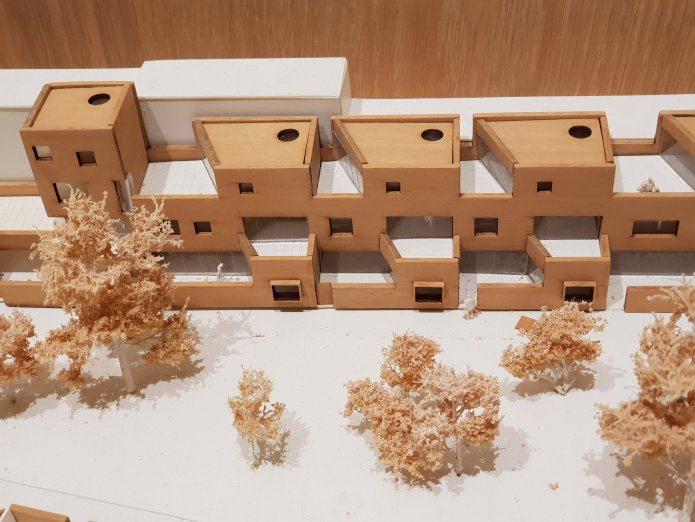
He is influenced (not surprisingly) by the work of Alvaro Siza (the Quinta da Malagueira), makes models, and was responsible for Beveridge Mews at the back of Stepney Green:-

He’s not afraid of castellation and brick, but uses materials in a creative, rather than historical way. Donnybrook Quarter looks better in photographs than in reality because the tail end of the Roman Road doesn’t necessarily lend itself to a kasbah, but it’s still much more interesting than most contemporary housing.

Standard

Trinity Buoy Wharf (2)

There is a relevance to what Eric Reynolds has done and achieved at Trinity Buoy Wharf over the last twenty years to the issues surrounding the Whitechapel Bell Foundry. What Reynolds recognised is that London cannot, and should not, rely solely on an economy of cappuccinos and international tourism: it should retain some element of the grit of the old riverside industries, of shipbuilding and of manufacturing and trade skills. He has achieved this by encouraging a culture of small-scale industrial entrepreneurialism. There is a lesson in this for us all, as Rupert Murray’s film showed.

Standard

Trinity Buoy Wharf (1)

We went this evening to see a film about Trinity Buoy Wharf which I strongly recommend if and when it is shown more widely.

Shortly before the London Docklands Development Corporation was closed down in 1998, an area of derelict land on the north bank of the Thames beyond Greenwich was allocated to a trust on a 125-year lease and given to an enlightened property developer, Eric Reynolds of Urban Space Management, to administer. Unlike the big developers, he has retained all the existing buildings and encouraged creative people, including, in its early days, Thomas Heatherwick, to take leases. The result is to create an environment very different from most of London: full of artists, mechanics and inventors.

The film was funny and highly instructive as to how an urban environment can be developed in a creative way: there is the workshop which makes props for English National Opera, a branch of the Royal Drawing School, a school and lots of containers which are available at low cost to the people who enrich the life of the city. It’s a model of what is needed as artists are pushed further and further east.

Standard

Whitechapel Bell Foundry (2)

One of the benefits of the application to Tower Hamlets for a change-of-use of the Bell Foundry (as if it is not possible to maintain it as a bell foundry) is that the accompanying documentation contains a wealth of information, especially the Heritage Staement prepared by Alan Baxter, the conservation specialists.

The Whitechapel Bell Foundry is (or was) not any old foundry, but cast the Liberty Bell in 1752, the bells for Montreal Cathedral in 1843, Big Ben in 1858 (what could be more historically resonant than Big Ben?), and the Bell of Hope presented by the City of London to New York in memory of 9/11.

Historic England have given (paid) advice to the new owners on what they regard as a creative change-of-use from a working foundry into (another) ersatz wine bar. They think of the building solely in architectural terms, as a Grade 2 listed building, and claim that this is all they are allowed to do. But it is (or at least was until very recently) one of the most remarkable and well-preserved pieces of historical archaeology. Surely they, of all people, should be fighting to preserve it.

Standard

Tiger Rugs

I called in on the exhibition of Tiger Rugs at Sotheby’s. I hadn’t realised that it included examples of early rugs, like those which were shown at the Hayward Gallery in 1988:-

There are also modern versions, woven in India. One by Kiki Smith:-

By Francesco Clemente:-

And a particularly beautiful one by Anish Kapoor (all sold):-

Standard

Soho

I walked through Soho in the rain. I thought I knew it well, but keep discovering more side streets and back alleyways.

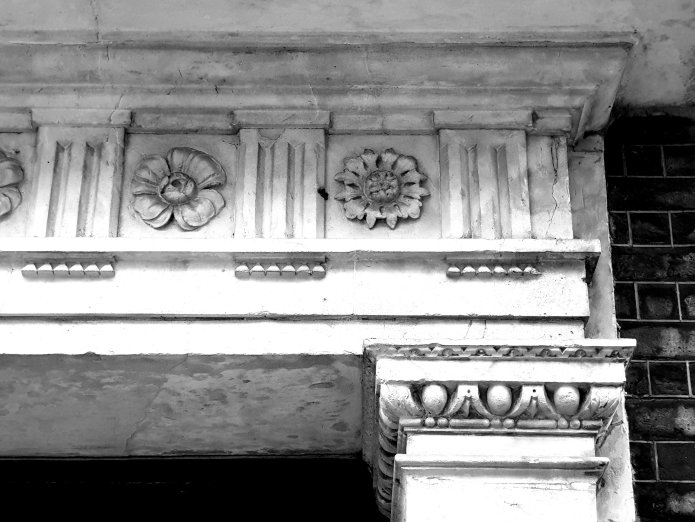
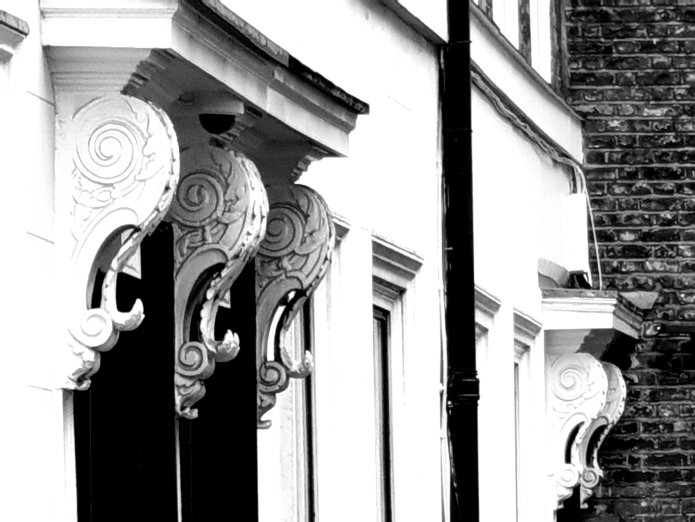
The doorcases in Dean Street (one is Black’s):-

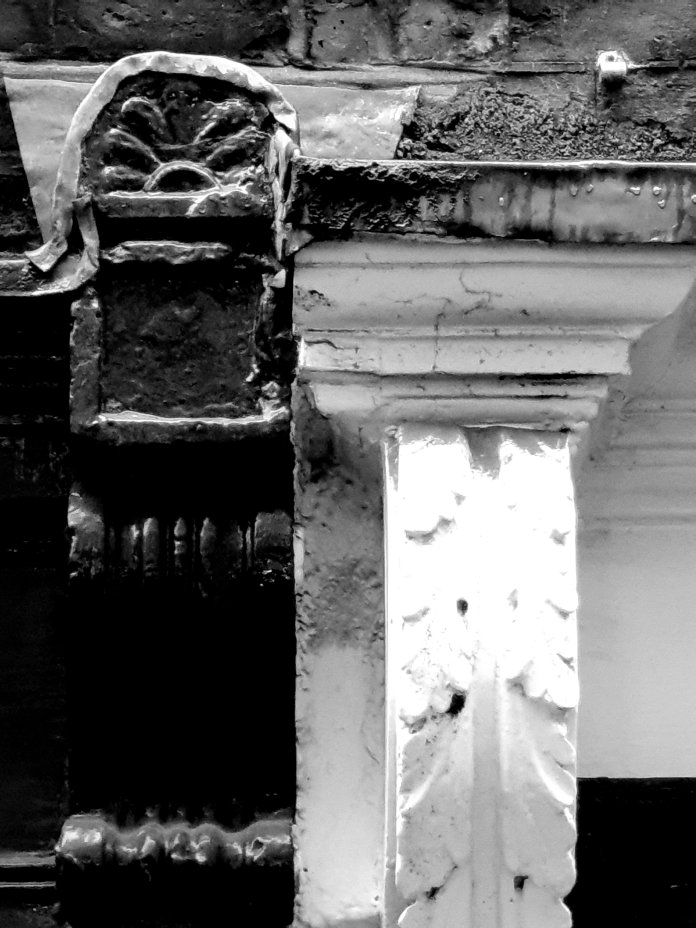
In Meard Street:-

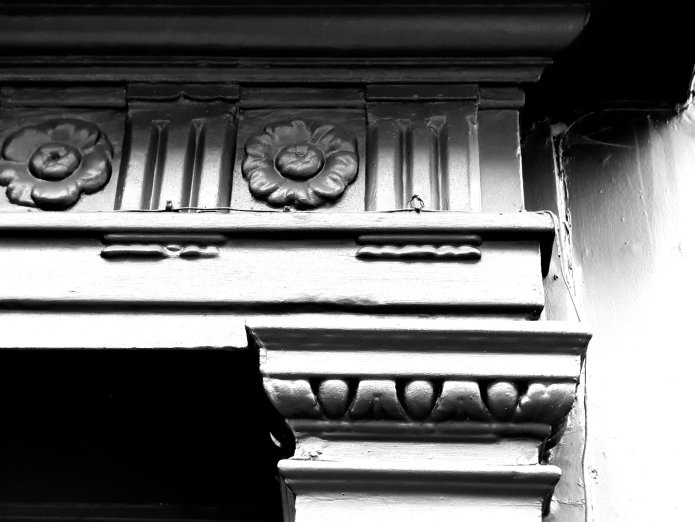
And the amazing Arts-and-crafts carving over the entrance to Liberty’s:-

Standard

Whitechapel Bell Foundry (1)

The new owners of the Whitechapel Bell Foundry, Raycliff Capital, an investment firm based in New York and owned by Bippy Siegal, a venture capitalist, have now put in for planning permission to change its use from being the last working, fully functioning bell foundry in London, with its origins in the sixteenth century, to a themed café/bar alongside a new, multi-story boutique hotel.

The issue which will face the planners is: is this change of use legitimate and justified ? The previous owners have argued, and will, no doubt, continue to argue that there is now little demand for church bells and that it had become impossible for them to maintain the production of bells so close to the centre of London, so that a change-of-use is justified.

However, the United Kingdom Historic Building Preservation Trust has put together an entirely credible alternative scheme for reinstating a foundry in the original – and architecturally wonderful – ground floor space, employing some of the workmen who worked there before. Instead of being turned into a café/bar/leisure centre, it would return to being a fully functioning foundry, making work for artists.

So, the question is: which will Tower Hamlets prefer ? What, in planning terms, is the ‘optimum viable use ‘ ? It’s a test.

Standard