Feilding and Morrison

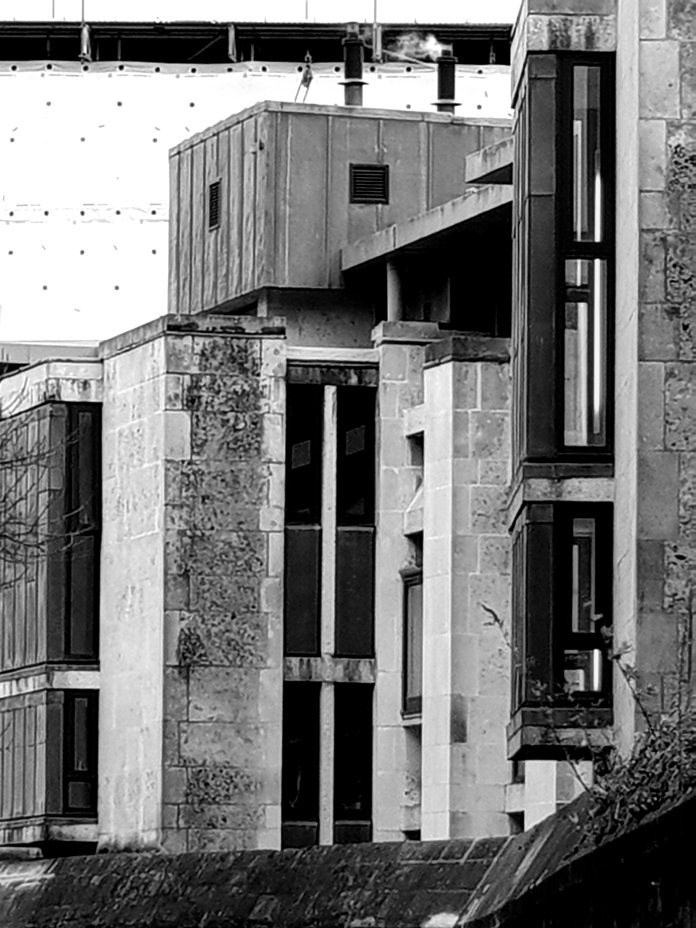
Since visiting Cuddesdon last week, I have been trying to find out more about the architects of the (not at all distinguished) house that my parents lived in there. I remembered that the architects had designed an advanced modernist house in Dorchester-on-Thames and that one of them was the daughter of the owners of Beckley Park, a very beautiful Tudor house down a lane on the edge of Otmoor.

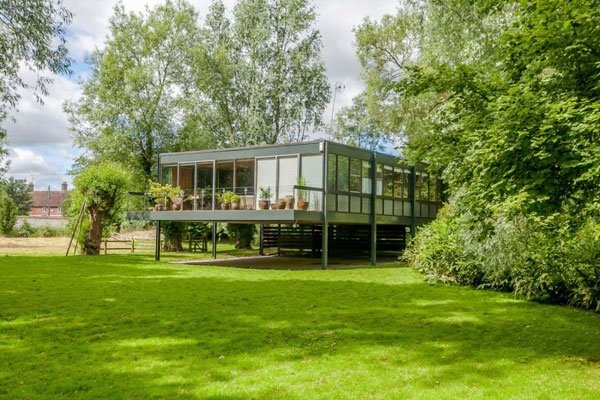
Their names were Julia Feilding and Donald Morrison, both now deceased. Julia only died last year and their Miesian house on stilts, overlooking Dorchester Abbey, has now been sold:-

Standard

David Adjaye

I was pleased to have a chance to see the David Adjaye exhibition Making Memory properly, particularly in the light of Rowan Moore’s denunciation of his scheme for a UK holocaust memorial in yesterday’s Observer.

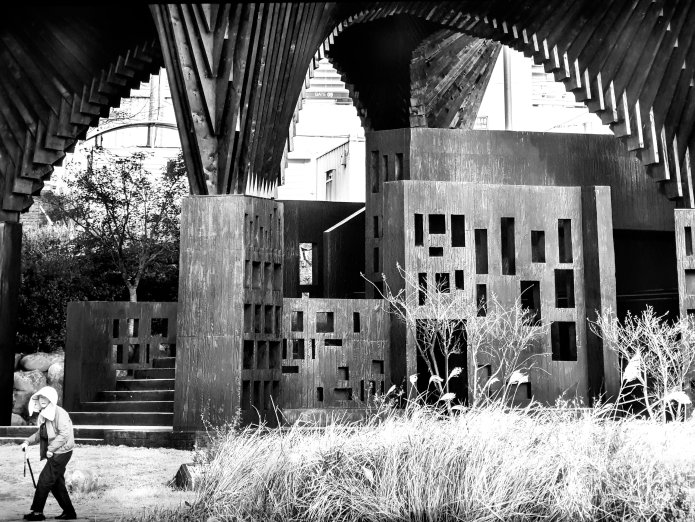
First is the Gwangju Reading Room, an amazing free concrete structure, designed to commemorate the students killed in a pro-democracy uprising in May 1980:-

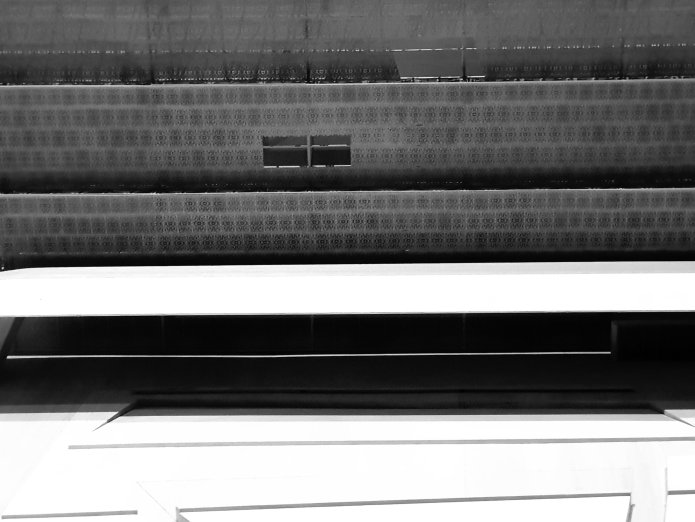
Next, the Smithsonian Museum of African-American History and Culture (opened 2016):-

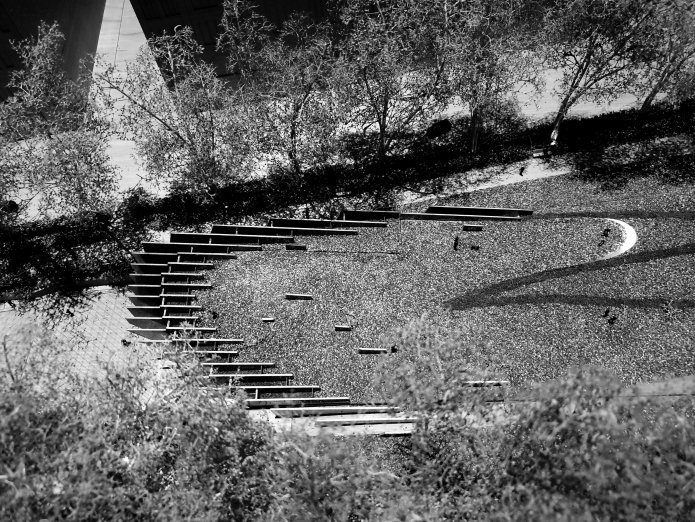
I don’t really agree with Rowan Moore’s criticism of the Holocaust Memorial because I’ve always found Victoria Gardens, which I walk through often, bleak and nondescript:-

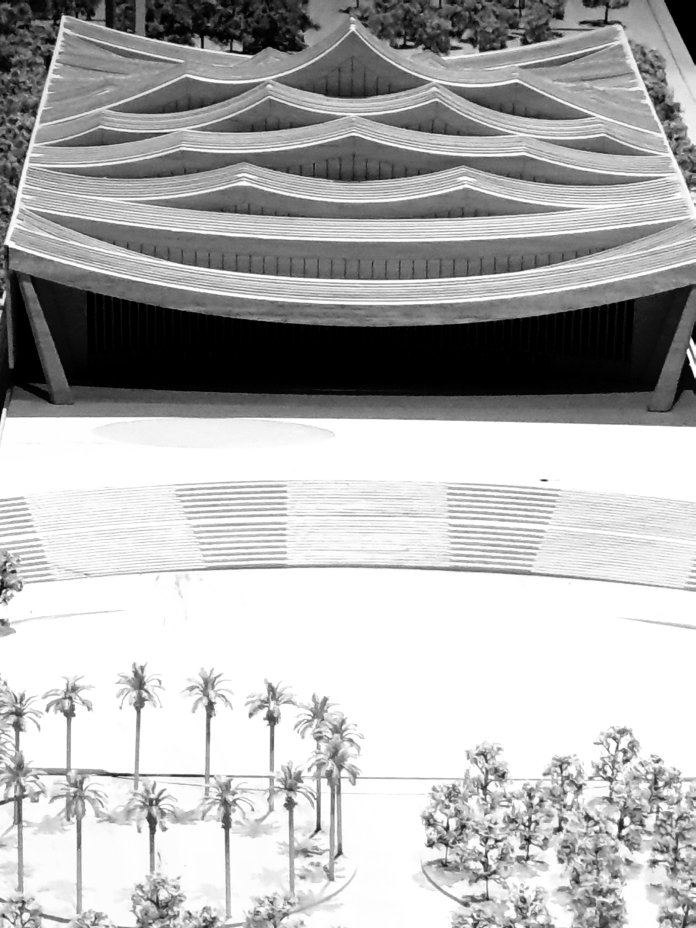
Finally (or nearly finally) Adjaye is at work on a National Cathedral of Ghana:-

Standard

Holland Park

One of the pleasures of being a new recruit to the Design Museum’s curatorial committee is walking across Holland Park – a curious, but attractive piece of 1950s municipalisation, created from the grounds of Holland House, which was bombed in the early stages of the blitz and sold by Lord Ilchester to the LCC in 1952.

Holland House itself was a great Jacobean house, which became stronghold of the Whigs after Henry Fox acquired a lease on the house in 1749 and bought 200 acres of surrounding land in 1768.

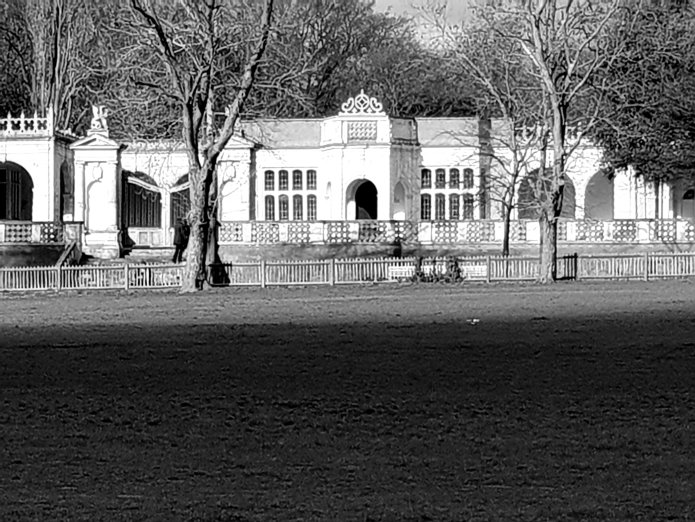
This is what mournfully survives:-

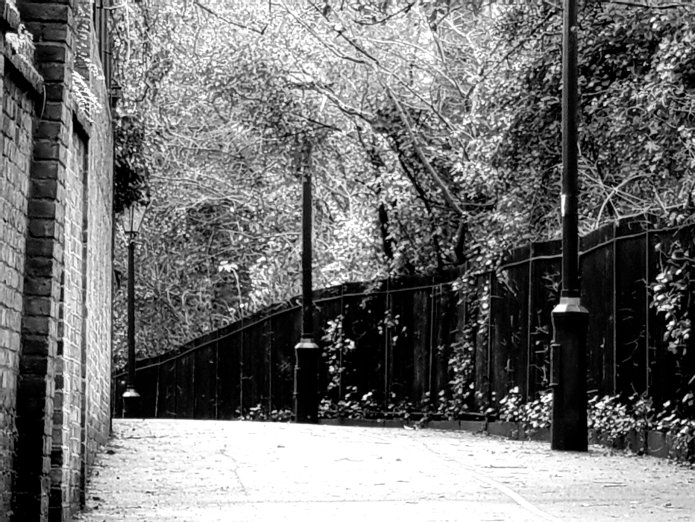
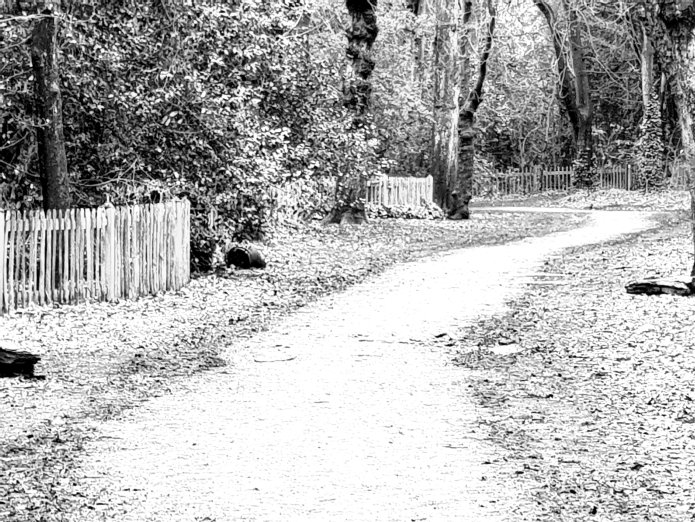
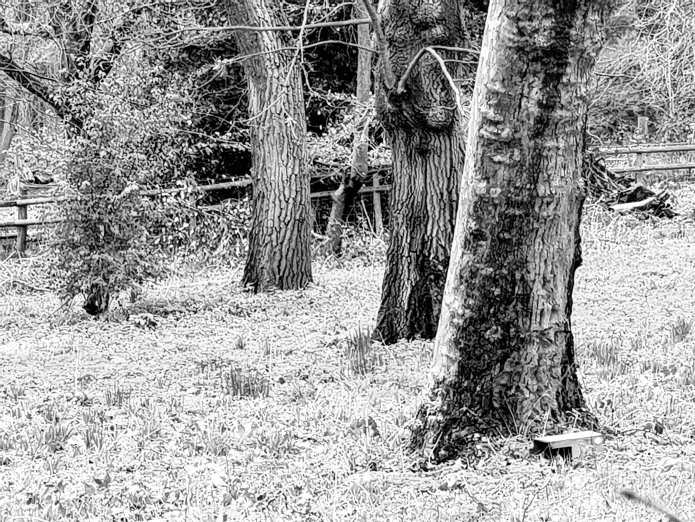
It’s bounded by Holland Walk, down past the gardens of Aubrey House, and otherwise consists of shrub woodland and paths:-

And, to the south, RMJM’s Design Museum:-

Standard

Second Nature

One of the benefits of unpacking the boxes of old books that were sent from my office at the Royal Academy is that I discover things that I had long forgotten or thought lost. One of these is the catalogue of the exhibition Second Nature held at the design gallery 21_21 Design Sight in Tokyo in 2008, which first introduced me to the possibilities and opportunities of immersive design, as later brilliantly demonstrated in Kate Goodwin’s exhibition Sensing Spaces (another exhibition catalogue which has emerged from the boxes). Second Nature was about beauty in nature and included an installation Clouds, which consisted of countless white fibres hanging from the ceiling. It was designed by Tokujin Yoshioka, whose forms cross over into fine art.

Standard

Whitechapel Bell Foundry (3)

This morning’s reading should consist of a reading of the account by Nigel Taylor, the senior foundry man at the Whitechapel Bell Foundry, of its closure (http://spitalfieldslife.com/2019/02/10/nigel-taylor-tower-bell-production-manager/). The Hughes, who owned it, had run out of the will to keep it going: the market for church bells is precarious; Whitechapel was not the easiest place to run an industrial operation; they were of retirement age; and their daughters did not want to take it on; so they accepted a very generous offer (said to be £5.1 million) from a local east end property developer on condition that they didn’t tell anyone until the sale had been completed. So, it was only after the sale that any of the historical agencies (Historic England, SPAB, HLF) were able to try to save it, which was arguably too late, because by then it had been sold on to Bippy Siegal, a New York venture capitalist for £7.9 million.

So, what is to be done ? In order for it to be turned into a hotel, which is what Siegal wants, Tower Hamlets has to allow change of use. In order to allow change of use, Siegal has to demonstrate that it can no longer operate as a bell foundry.

What Nigel Taylor perfectly demonstrates is that it can and should. There are two existing foundries happy and able to take it on as a foundry.

So, it will be scandalous if Tower Hamlets allows change of use and scandalous, too, that Historic England has not come out in public to object.

Standard

Kát’a Kabanová

We went to the new production of Kát’a Kabanová last night at Covent Garden, directed by Richard Jones and designed by Antony McDonald: a wonderfully intense, pure two and a quarter hours of Moravian emotion, beautifully sung and performed by Amanda Majeski as Katĕrina on a beautifully minimal set, consisting mainly of a gyrating modernist bus shelter. I’m relieved to find that Rupert Christiansen agrees.

Standard

Christ Church Picture Gallery

I also went on a pilgrimage to see the Christ Church Picture Gallery, having an interest in, but inadequate recollection of, the way that Powell and Moya designed a set of well-judged, half subterranean, but daylit spaces under the Deanery garden in the late 1960s (it opened in 1968, paid for by a gift of £50,000 in October 1963 by Charles Forte).

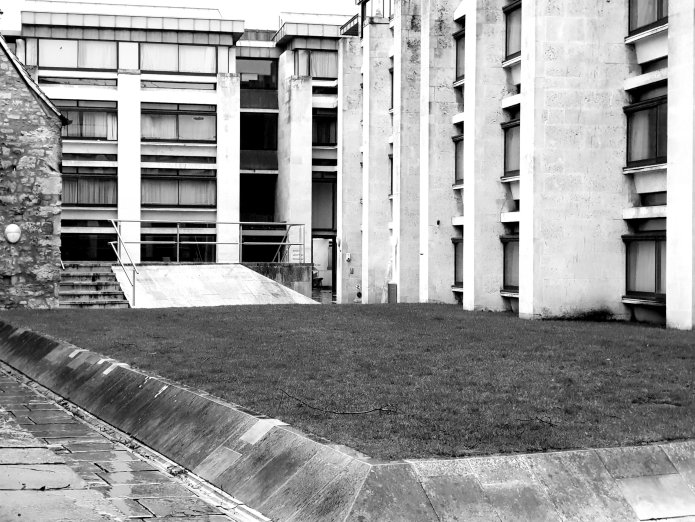
Powell and Moya had previously been employed to design the Blue Boar Quad, squeezed alongside the walls of Blue Boar Street to the north of Tom Quad, a discreet, but effective intervention:-

The Gallery itself consists of two galleries – one small for early Renaissance paintings, one much larger for (mainly) later Italian paintings, with a print room on a half-level above. It’s clever because it’s both quite intimate, as befits an essentially eighteenth-century collection, but, at the same time, generously proportioned, with a long corridor acting as a spine and views out into the Deanery garden.

Standard

Bishop Edward King Chapel

I had made an appointment to see the Bishop Edward King Chapel at Ripon College, Cuddesdon because it is an unusual attempt to solve the problem of a contemporary sacred space (I have rashly agreed to lecture on this topic in Salisbury in a fortnight’s time).

The brief was presumably how to create a sacred space for a relatively small, and unusual, congregation – the students of Cuddesdon Theological College, the traditionally élite seminary of the Anglican church (Robert Runcie was its principal before becoming Bishop of St. Alban’s). Niall McLaughlin was recruited as architect, then less well known than he has since become, not least through the publication of this building.

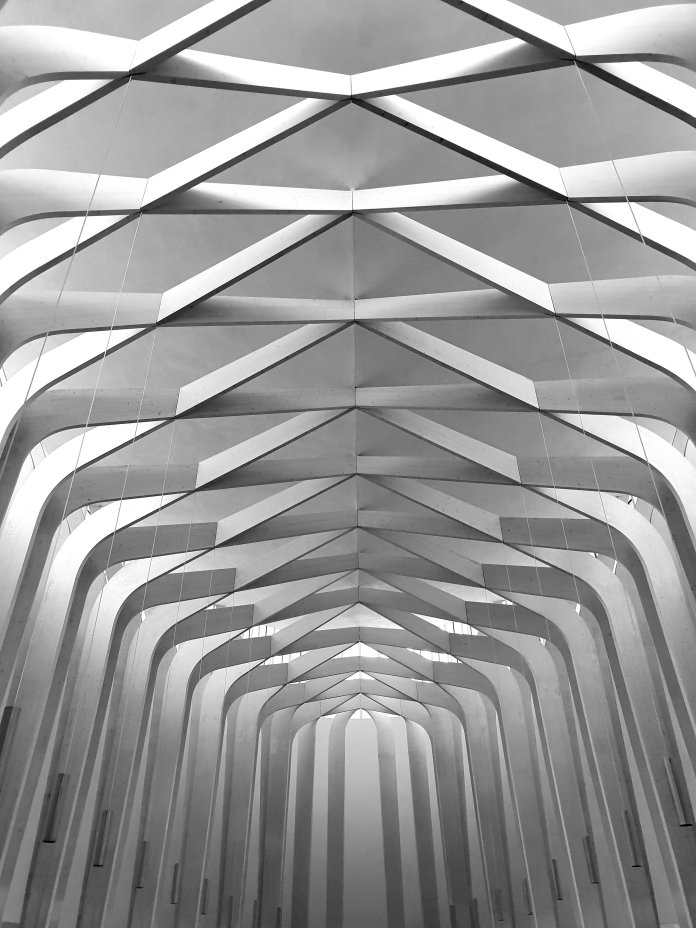
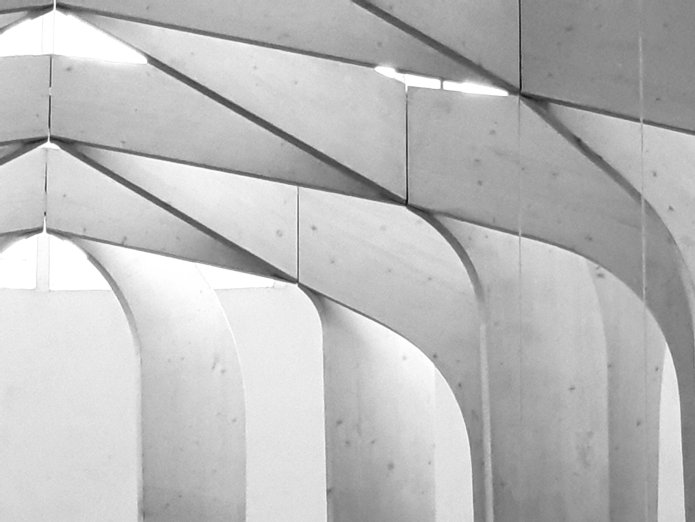
It’s a small-scale and quite intimate space, made special by a simple internal structure of over-arching roof trusses made out of pale, bleached wood – both simple and complex in a satisfying way and totally unornamented, relying for its effect on an appreciation of its harmonious method of construction, like a super-elegant piece of origami:-

Standard

The Powell Critique

I found the attached article in the New Statesman by Jonathan Powell (https://www.newstatesman.com/2019/01/rise-and-fall-political-class-0) one of the more effective critiques of the current apparent paralysis of the government and parliament in negotiating the terms of Brexit: powerful because it comes from someone who has been at the heart of government and knows how it does (and doesn’t) work. Leave aside the fact that some of the corrosion of trust surely came under Blair – the era of sofa government, the 24-hour news cycle, and the manipulation of data to legitimate going to war – it does suggest that we are facing a set of long-term issues in the management and dissemination of news, belief in its truth, and in government and its relationship to the civil service, not just a short-term crisis.

Standard