The Old Operating Theatre

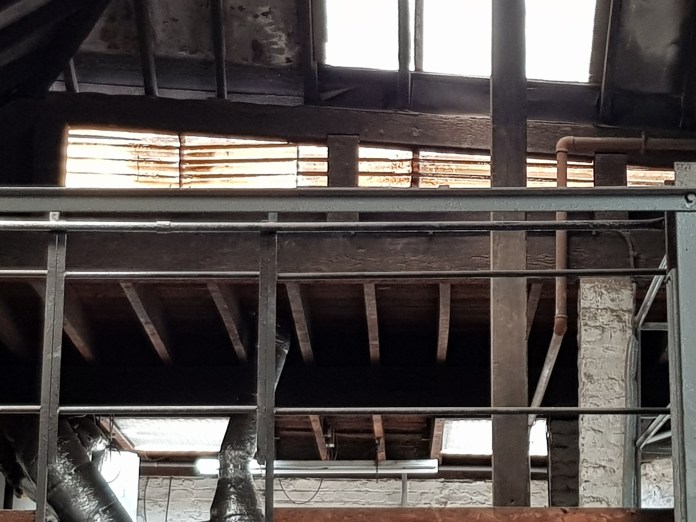
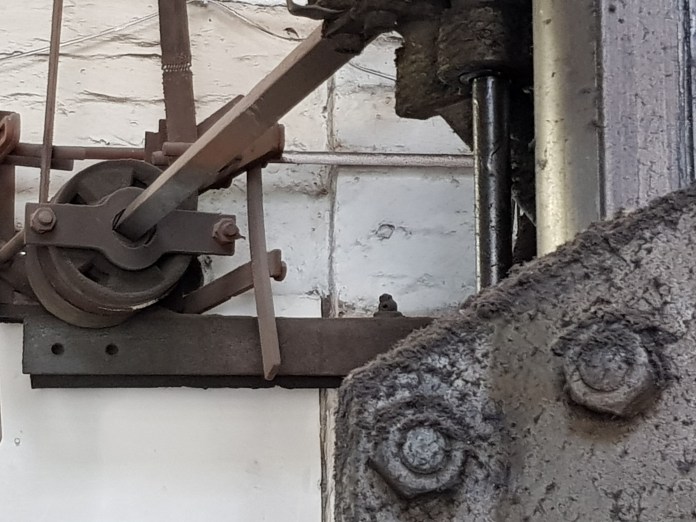
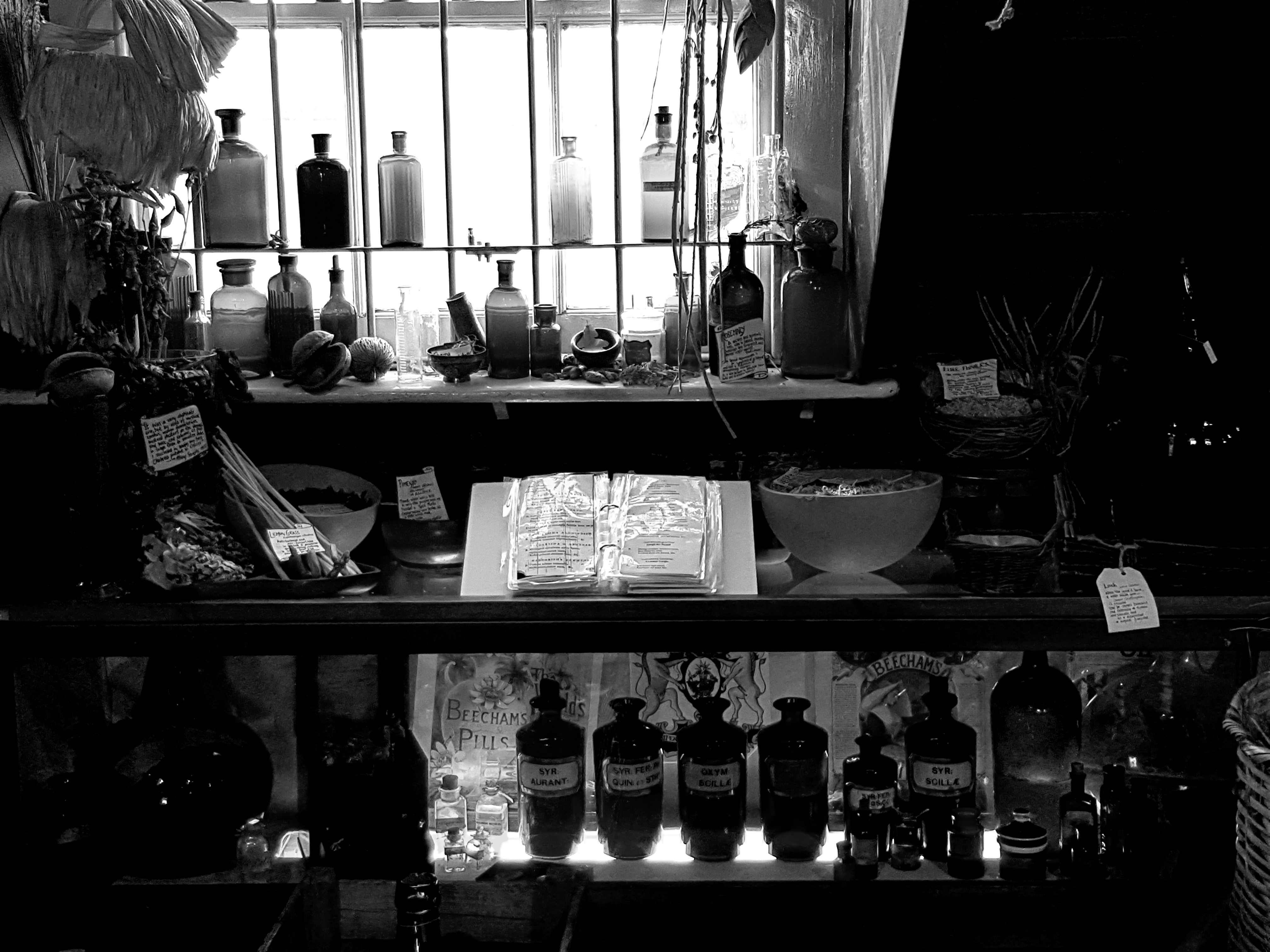
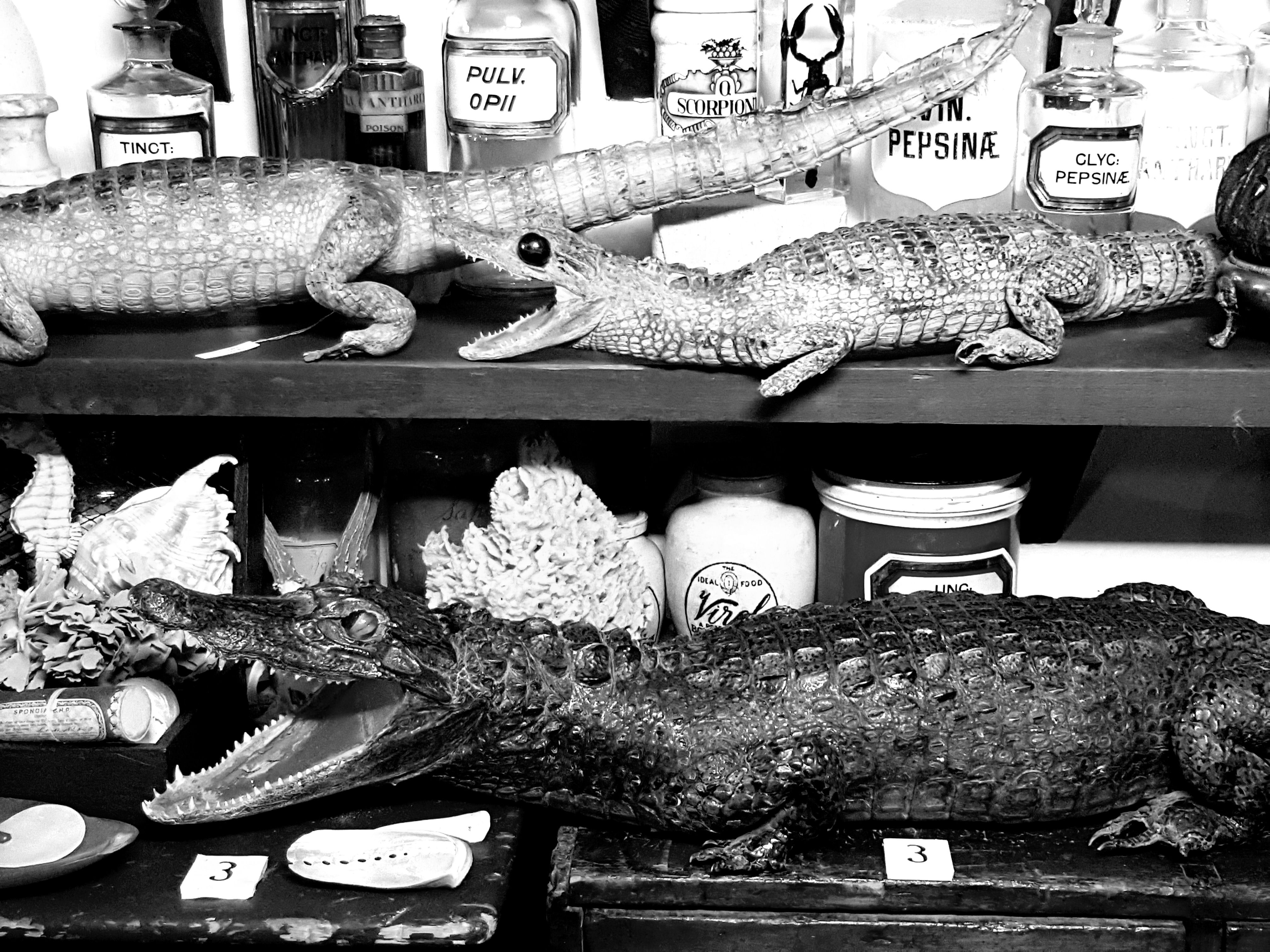
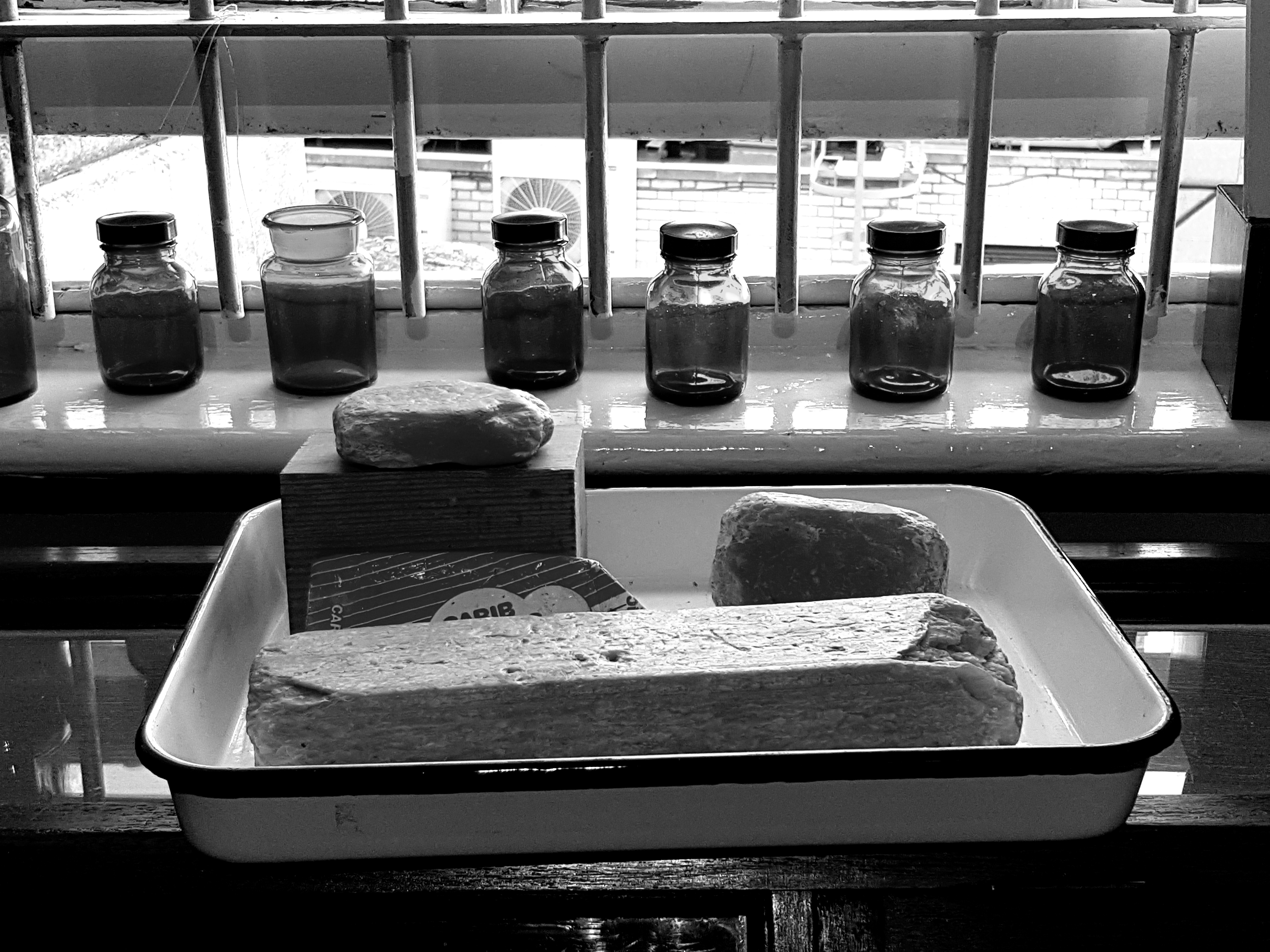
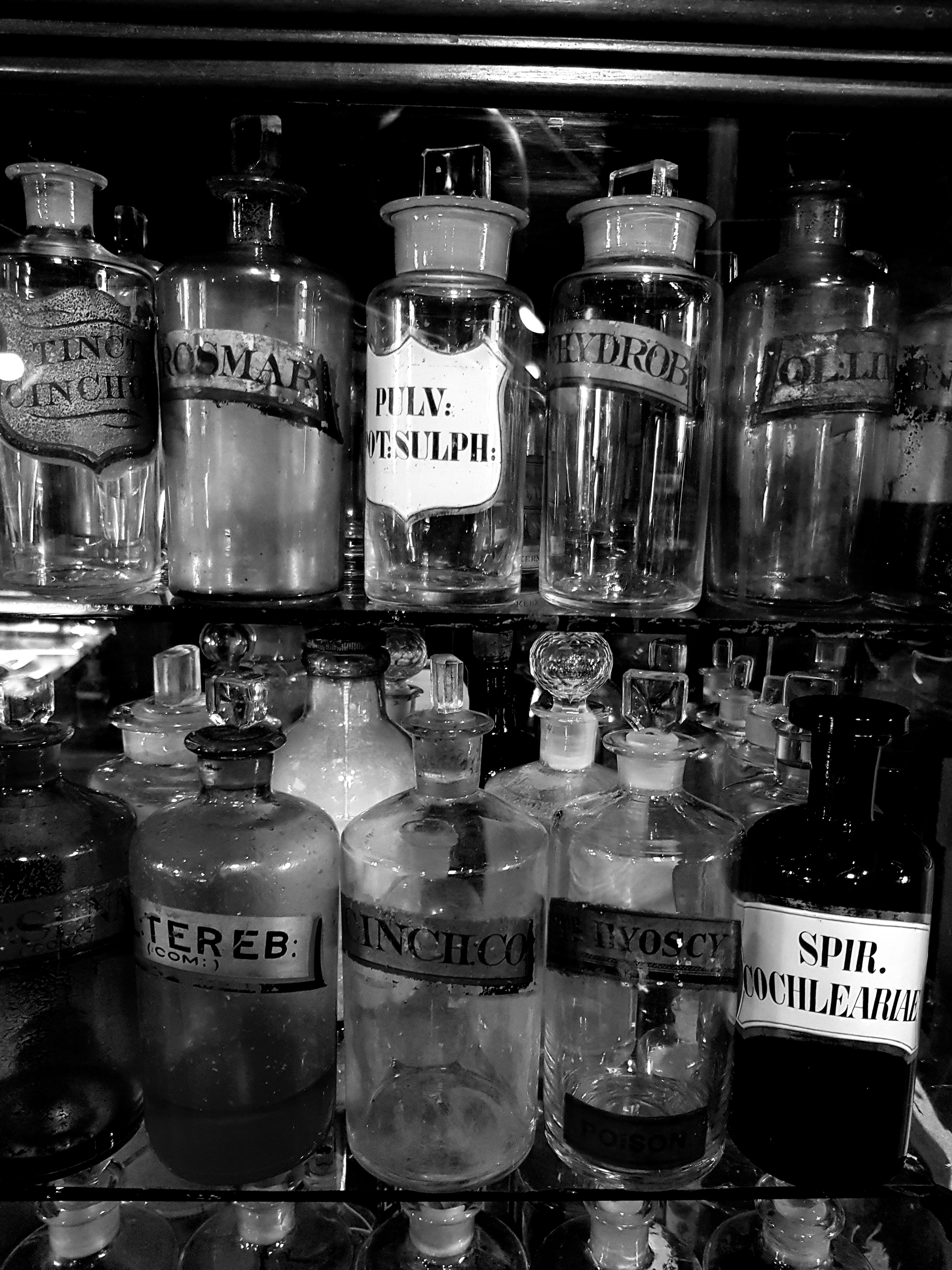
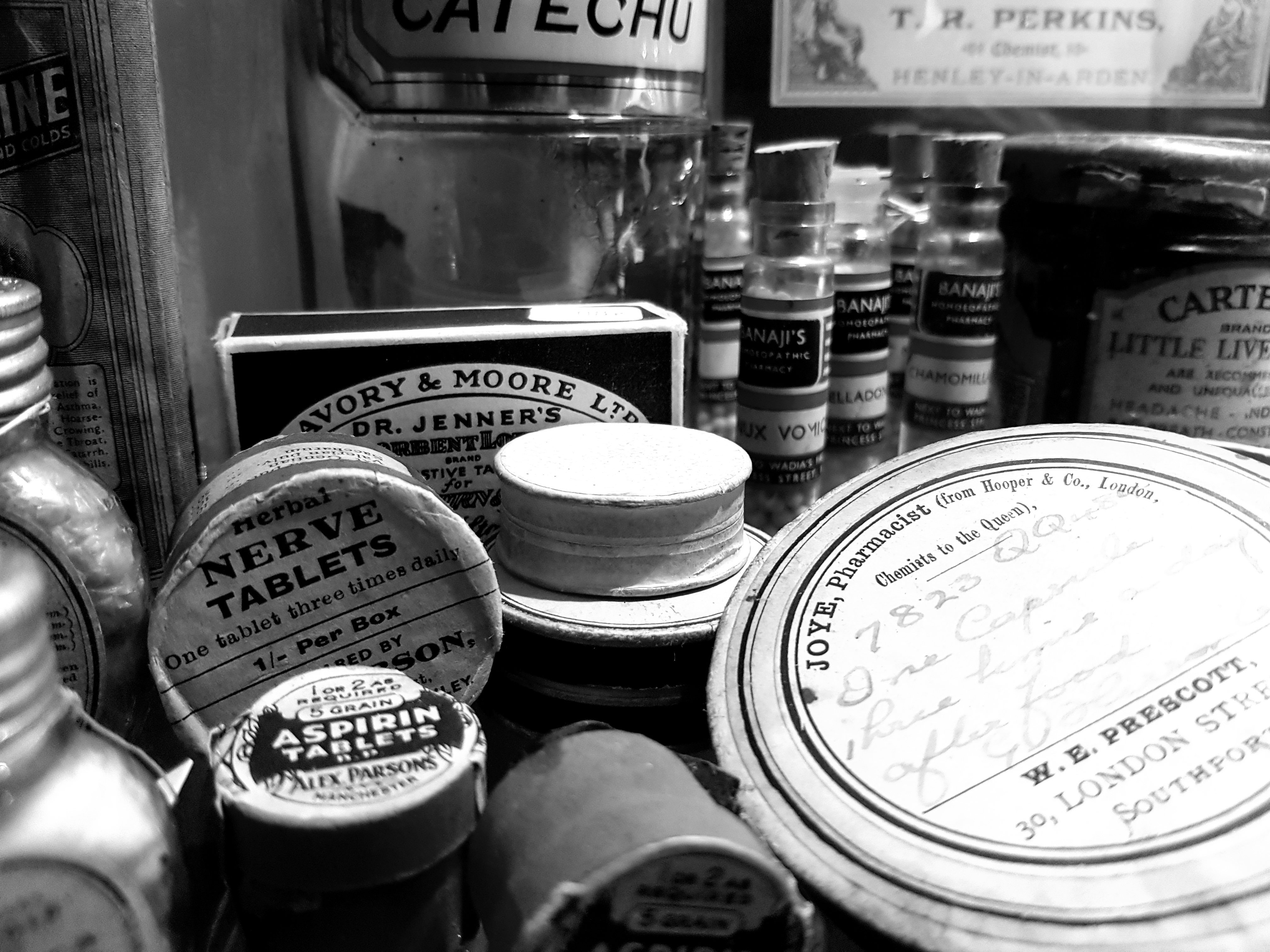
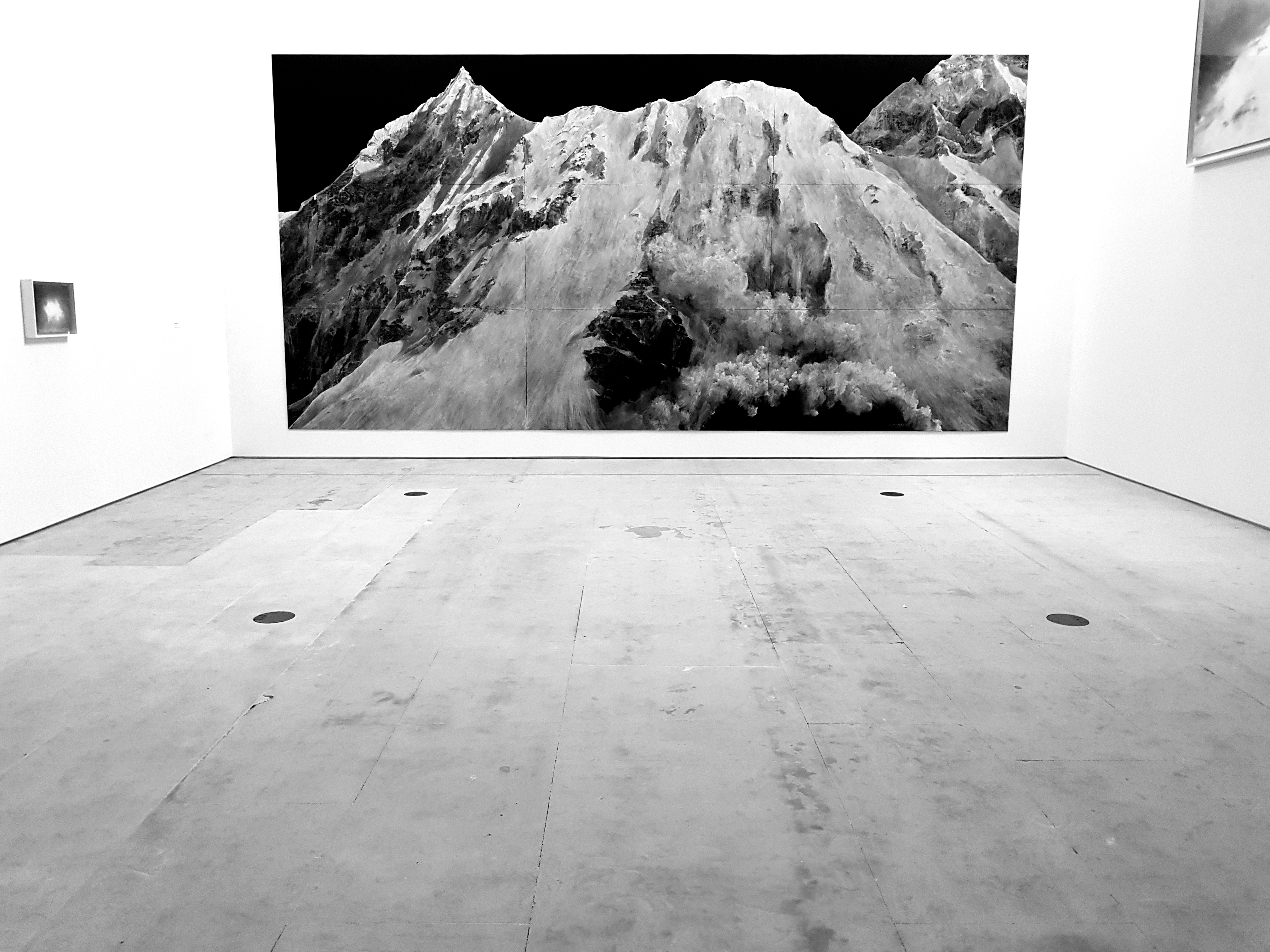
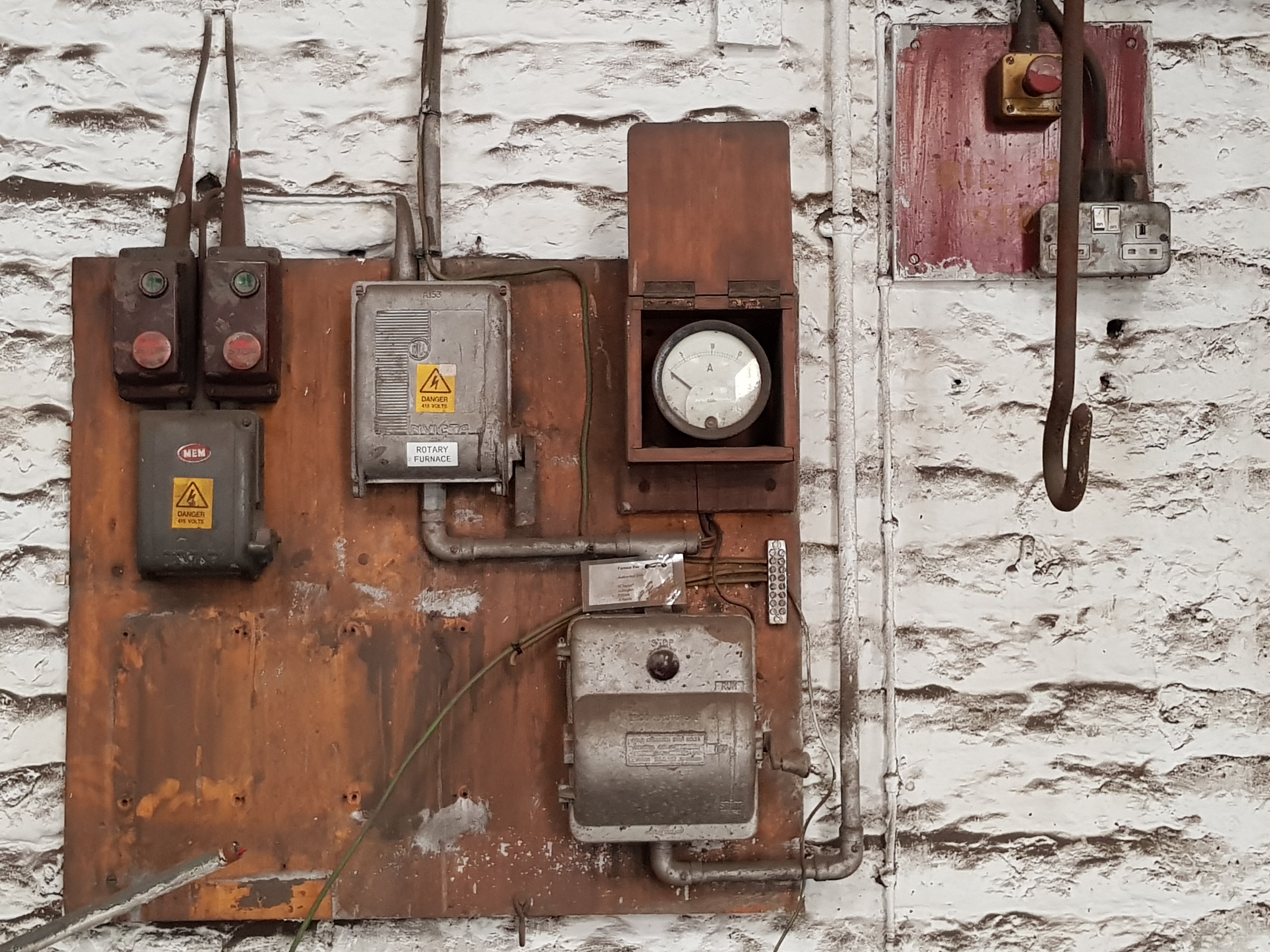
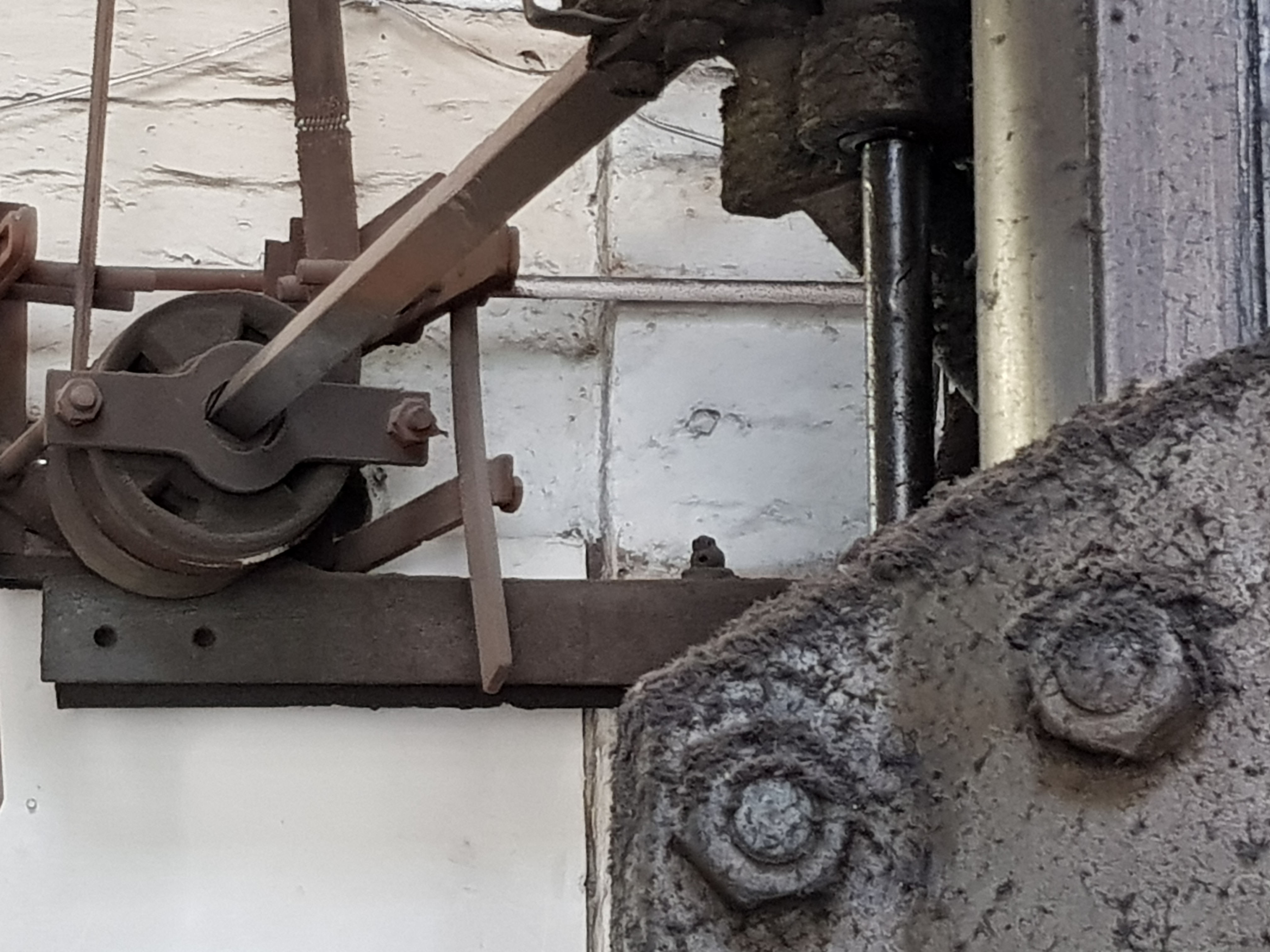
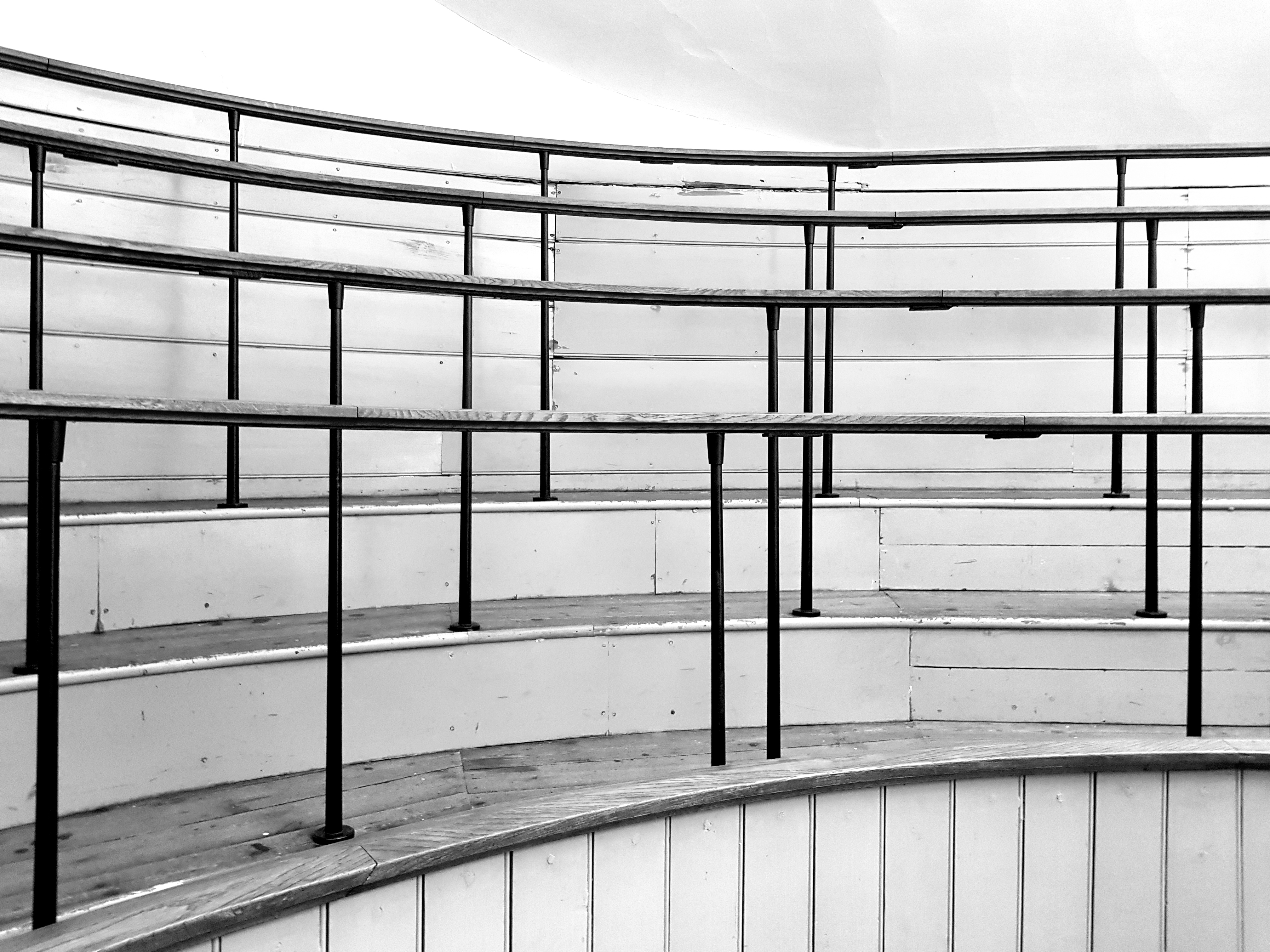
I had never actually been to the Old Operating Theatre, up a precipitous spiral staircase on the site of the old St. Thomas’s Hospital.   Up above the seventeenth-century church, commissioned by Sir Robert Clayton, was a garret which was used to grow medicinal herbs, including opium.   In 1822, it was converted into an Operating Theatre, where students could stand in rows watching the surgeon at work:-

image

image

image

image

image

image

Standard

Display for Art

I was asked to give a talk in the Old Operating Theatre in Southwark on the interesting topic of whether or not the display of art works best in the traditional white cube of Brian O’Doherty’s Inside the White Cube (1986);  or whether nowadays both artists and the public prefer more historically complex spaces, where some degree of architectural character enhances the aesthetic experience of art.   The first speaker was Paul White of BuckleyGreyYeoman who is busy converting a row of nineteenth-century houses in South Kensington into flexible, multi-occupancy, pop-up galleries.   Marlene Von Carnap spoke about the highly idiosyncratic, grand, nineteenth-century rooms, which have been adapted by Annabelle Selldorf for the Michael Werner Gallery in Upper Brook Street.   And I spoke about the conversion of the old Examination Rooms at the back of Burlington Gardens, which have been adapted into such beautiful top-lit gallery spaces with the ultimate economy of means:-

image

Standard

Horse and Rider

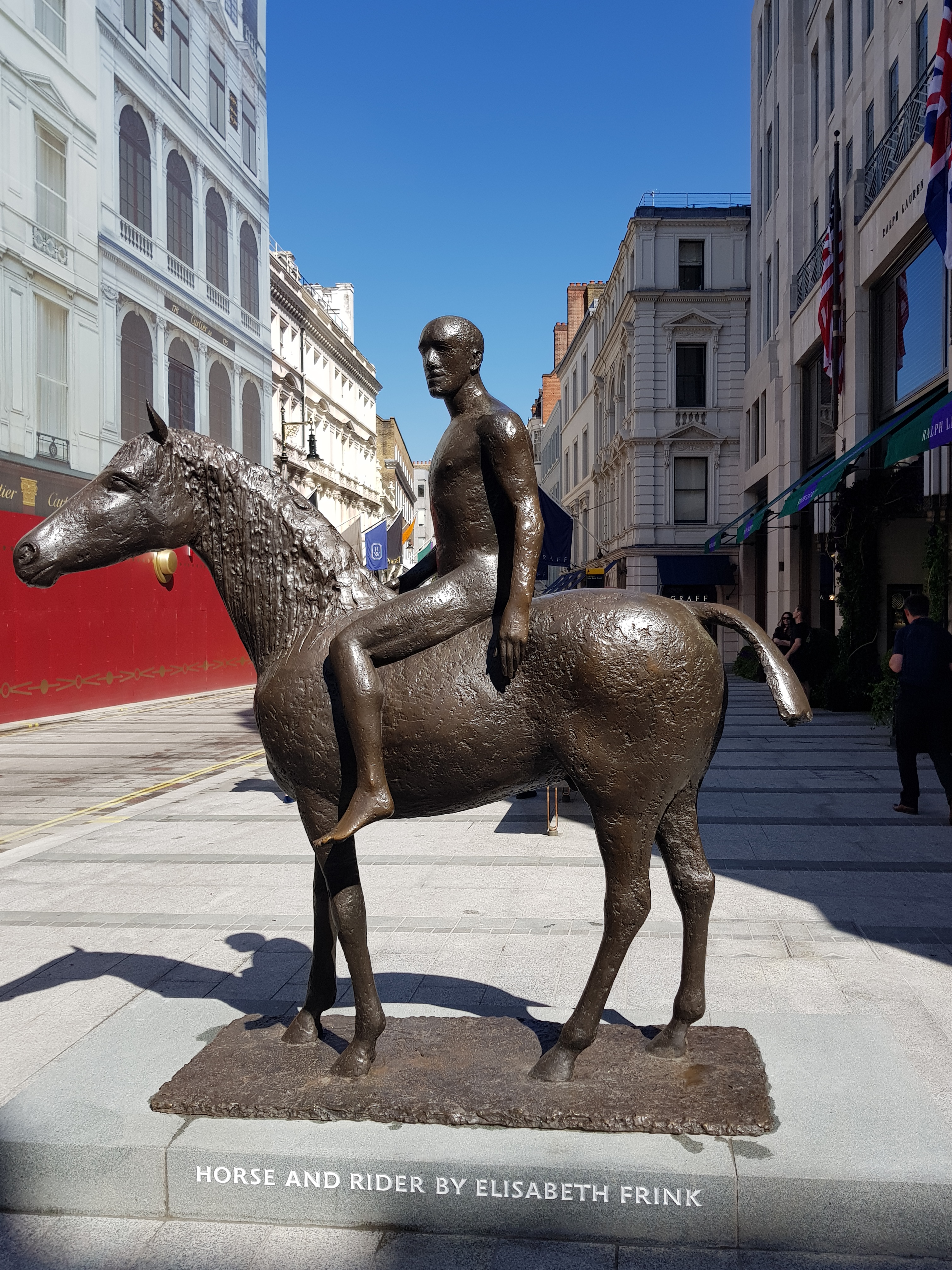
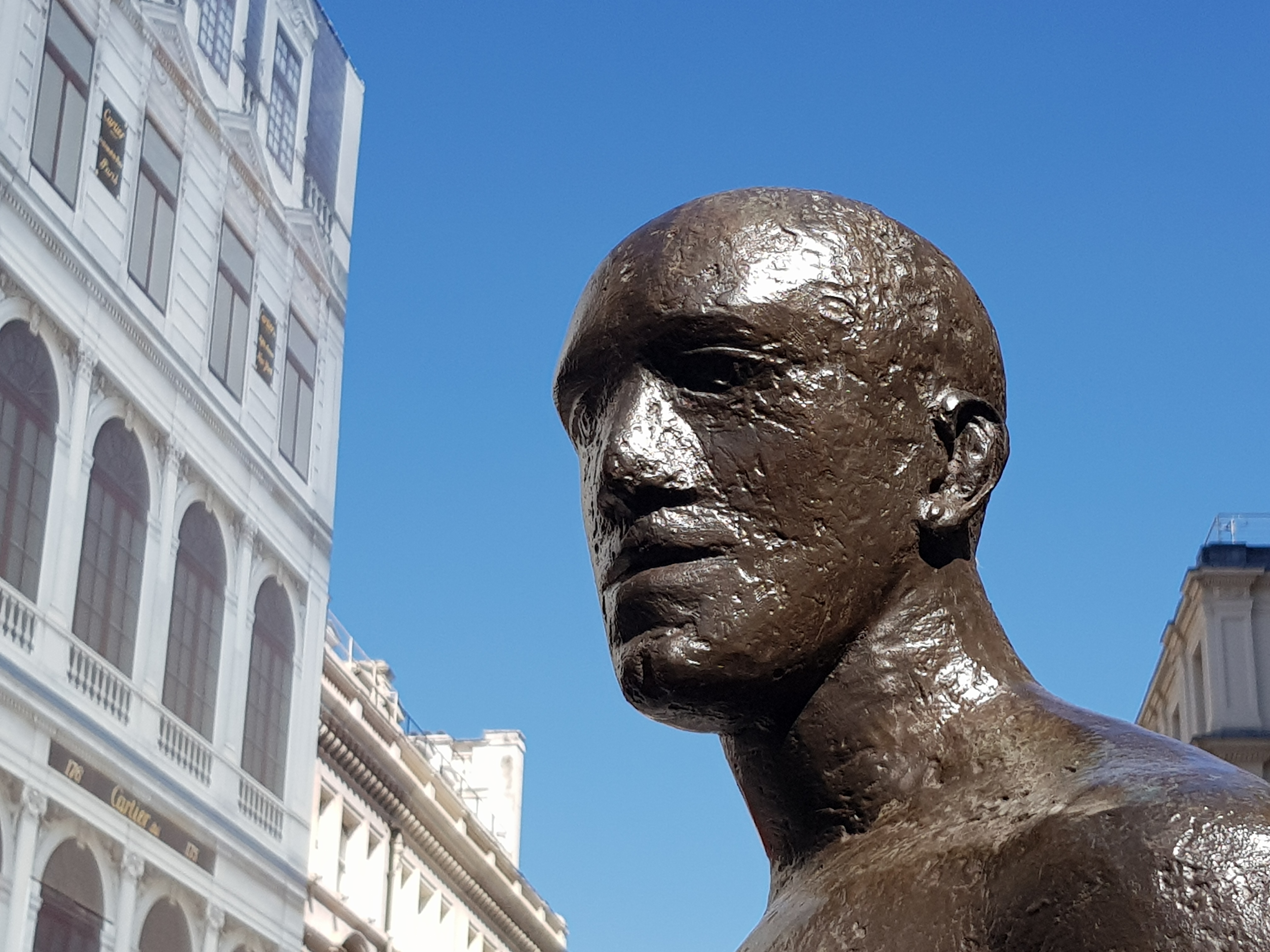
There was a small event this morning for the unveiling of Elisabeth Frink’s Horse and Rider, originally commissioned by Trafalgar House for a site at the bottom of Dover Street and, until recently, ignomoniously crushed into the corner of Café Nero, but now revealed in all its splendour in the new town square at the junction of Bond Street and Burlington Gardens:-

image

image

Standard

Whitechapel Bell Foundry (5)

The arguments surrounding the development of the Whitechapel Bell Foundry are based on a view that, since the Hughes found it uneconomic to run a bell foundry in Whitechapel, nobody else can do so. But the attached proposal demonstrates that there is a perfectly legitimate alternative, using the spaces for the purposes of an active foundry and employing many of those who used to work there. The only difference is that it would be used to make works of art, not just church bells. It would retain the relevant craft skills in an active working environment, rather than just as a discrete heritage attraction.

I hope that as many people as possible will lend their support to this proposal, which is a way of maintaining the viability and vitality of the Bell Foundry into the future; and resist Tower Hamlets allowing a change of use.

pdf logo

Standard

Whitechapel Bell Foundry (4)

I have spent the weekend pondering the fate of the Whitechapel Bell Foundry. It seems at least possible that Historic England have been suborned into supporting the change of use of the eighteenth-century spaces at the back of the Foundry from working industrial use into becoming a wine bar. This is partly because there is a belief that the Hughes, the previous owners of the Foundry, found it a difficult place from which to operate a bell foundry. Now, the only working bell foundries are the Westley Group in Stoke-on-Trent and Taylors of Loughborough. But the whole point of the bell foundry was that it retained the activity of pre-industrial working practices and that this is what makes the interiors and the architecture special. The use needs, if possible, to be retained, as well as the architecture, particularly in the original eighteenth-century spaces in the back of the old foundry.

Does this look like a wine bar ?

image

Standard

Cave

We went last night to a performance of Cave, a short opera by Tansy Davies, held under the auspices of the Royal Opera House, but in the Printworks in Canada Water, where the Daily Mail used to be printed.   It was memorable for a virtuoso performance by Mark Padmore and the huge and spooky, disused industrial spaces:-

image

image

image

Standard

Whitechapel Bell Foundry (3)

I went to the public consultation for the proposed redevelopment of the Whitechapel Bell Foundry.

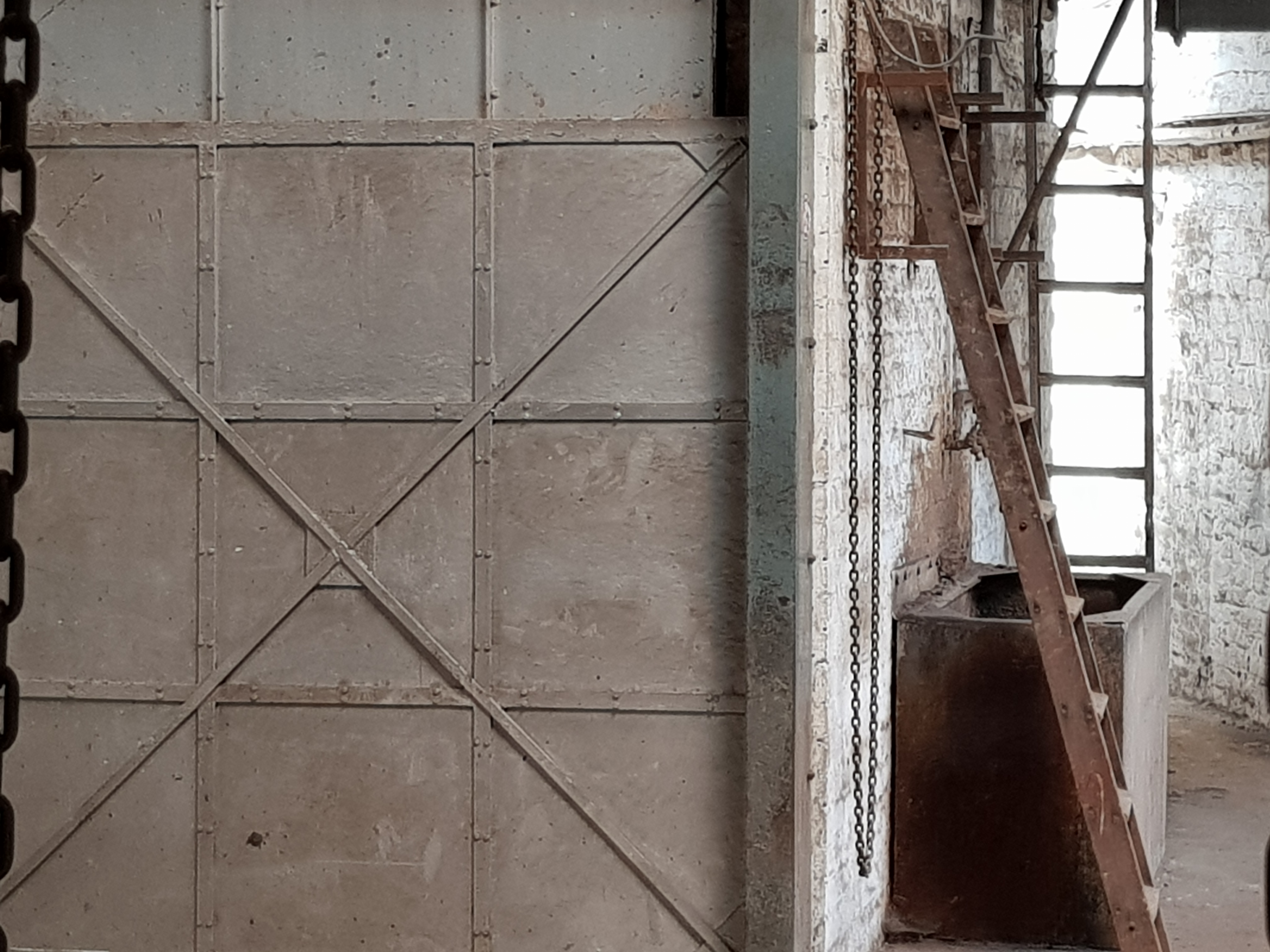
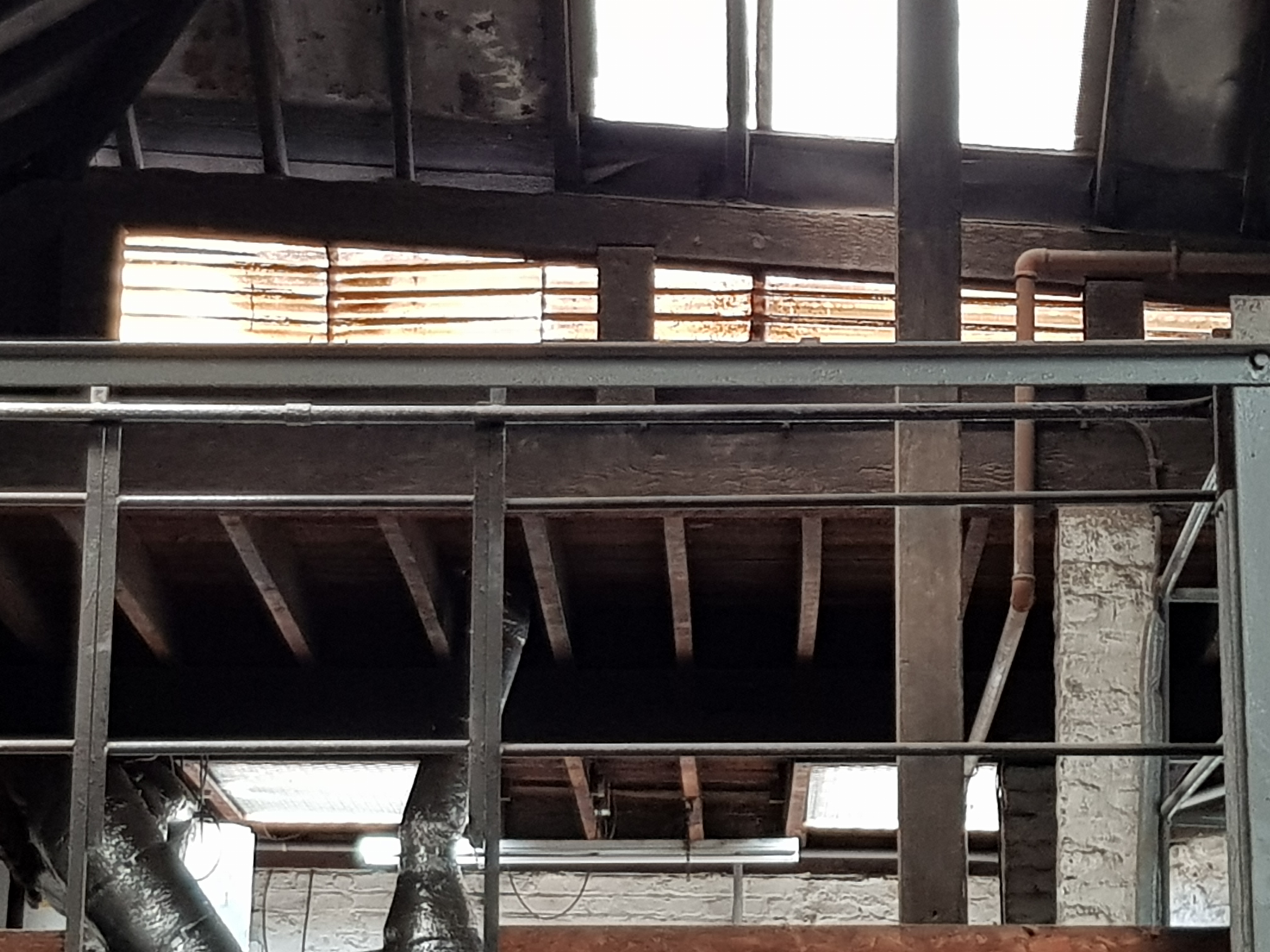
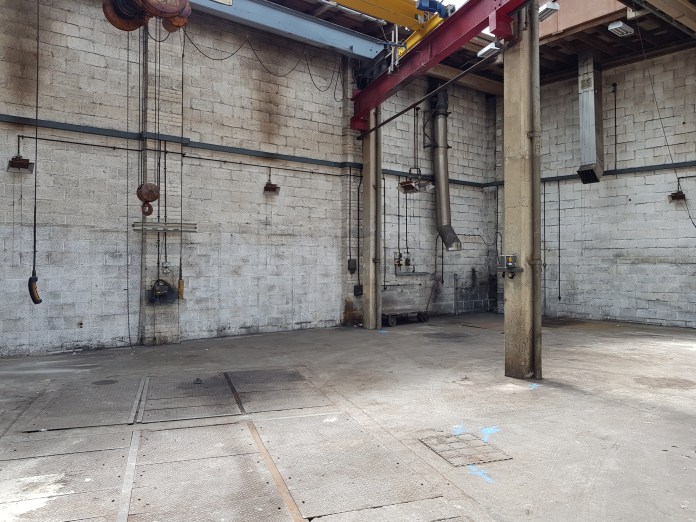
The site remains more intact than I had expected with the engineering workshop which was added at the back between 1979 and 1981 still redolent of its former industrial use:-
image

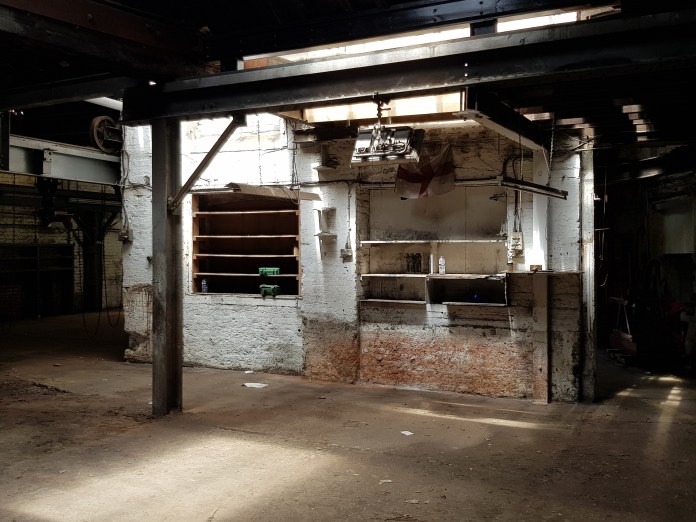
I was also allowed to look next door into the older sand foundry and moulding shop which, again, is still very atmospheric, with old shelves, the remains of working apparatus, and miscellaneous fixtures and fittings. It would not be difficult to refit these spaces as they were, as examples of working practice close to the heart of London:-
image

image

image

image

image

image

image

So, the question is:  what can be done to preserve as much of the historic environment intact and to keep, if possible, the site as a working foundry, not necessarily just making church and hand bells, rather than turning it into a small, post-industrial, heritage attraction showing the history of bell-making alongside a much larger boutique hotel ?

My own view, independent of the ownership of the site, is that Tower Hamlets should make it a condition of any redevelopment that there should be a working foundry onsite in the existing working space at the back;  and that it would be a great loss if the historic working areas were simply turned into a café/bar, as currently proposed.

The cards are, of course, in the hands of Bippy Siegal, the current owner of the site, who clearly has a very active commitment to the regeneration of sites in the east end, has employed good local architects to advise him (31/44 who are based in Whitechapel and Amsterdam), bought some of the surviving historic bells at auction, and has the Hughes, the previous owners, on his side.  

I hope that he might consider, or be encouraged by the heritage authorities, including Historic England, to consider retaining a larger element of active manufacture and craft skills onsite, using some of the people who used to be employed by the foundry, as part of the development of his scheme.

It could, as has been proposed, be done in conjunction with Factum Foundation, who have expressed an interest in using the site as a working foundry, and have the contacts and experience to do so.

Standard

The Royal Foundation of St. Katharine

I took a group on a walking tour of East London.   They had won me in an auction.   The walk included the Royal Foundation of St. Katharine with its very atmospheric post-war chapel, designed by Roderick Enthoven, an otherwise obscure architect who been trained at the AA and taught there in the 1920s.   In the war he served as a Civil Camouflage Officer and as an officer in the British MFAA, responsible for the return of Giambolgna’s equestrian statue of Cosimo II to the Piazza della Signoria.   He obviously had a sensitivity to historic buildings because he was able to incorporate some of the surviving medieval fittings which came from the Foundation’s original home by the Tower alongside, including an Italian reredos:-

image

And carved lettering by Ralph Beyer, the German letter carver who had been an apprentice of Eric Gill and also worked at Coventry Cathedral:-

image

image

Standard

Musées Royaux, Brussels

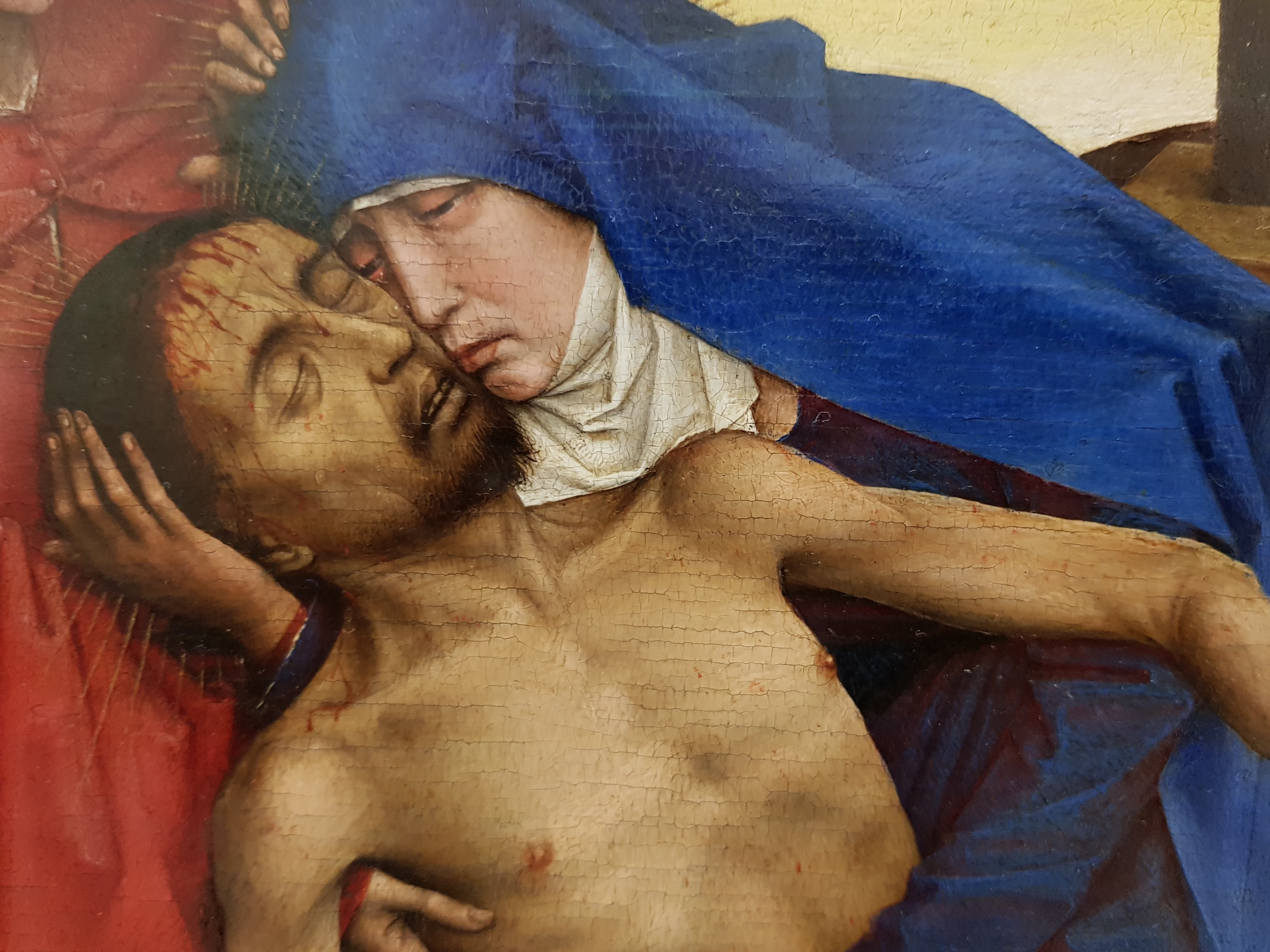
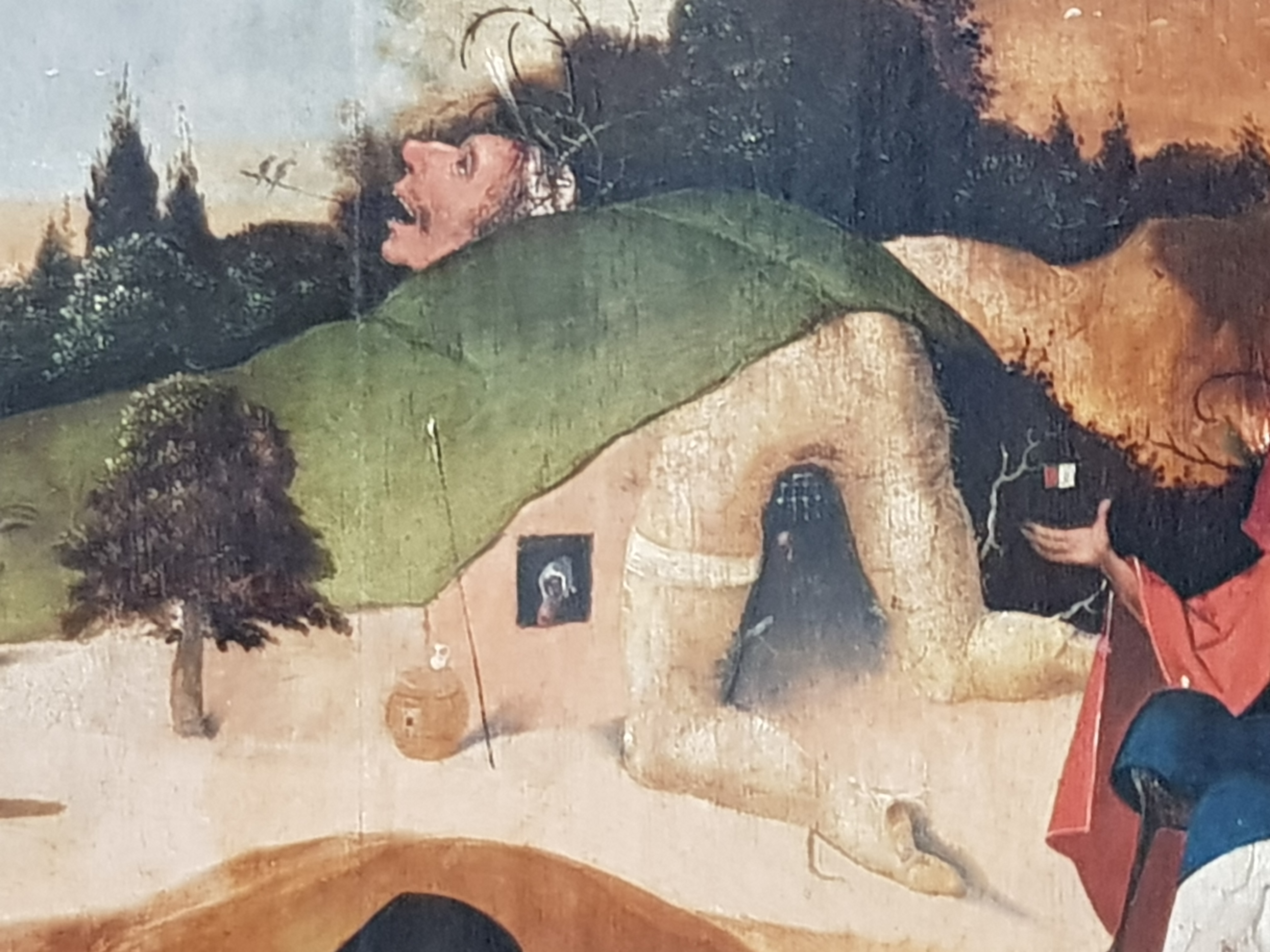
I spent the afternoon in the Musées Royaux, normally a treat, but currently under reconstruction, with only some of the collection on display.

But it includes Rogier van der Weyden’s Pietà:-

image

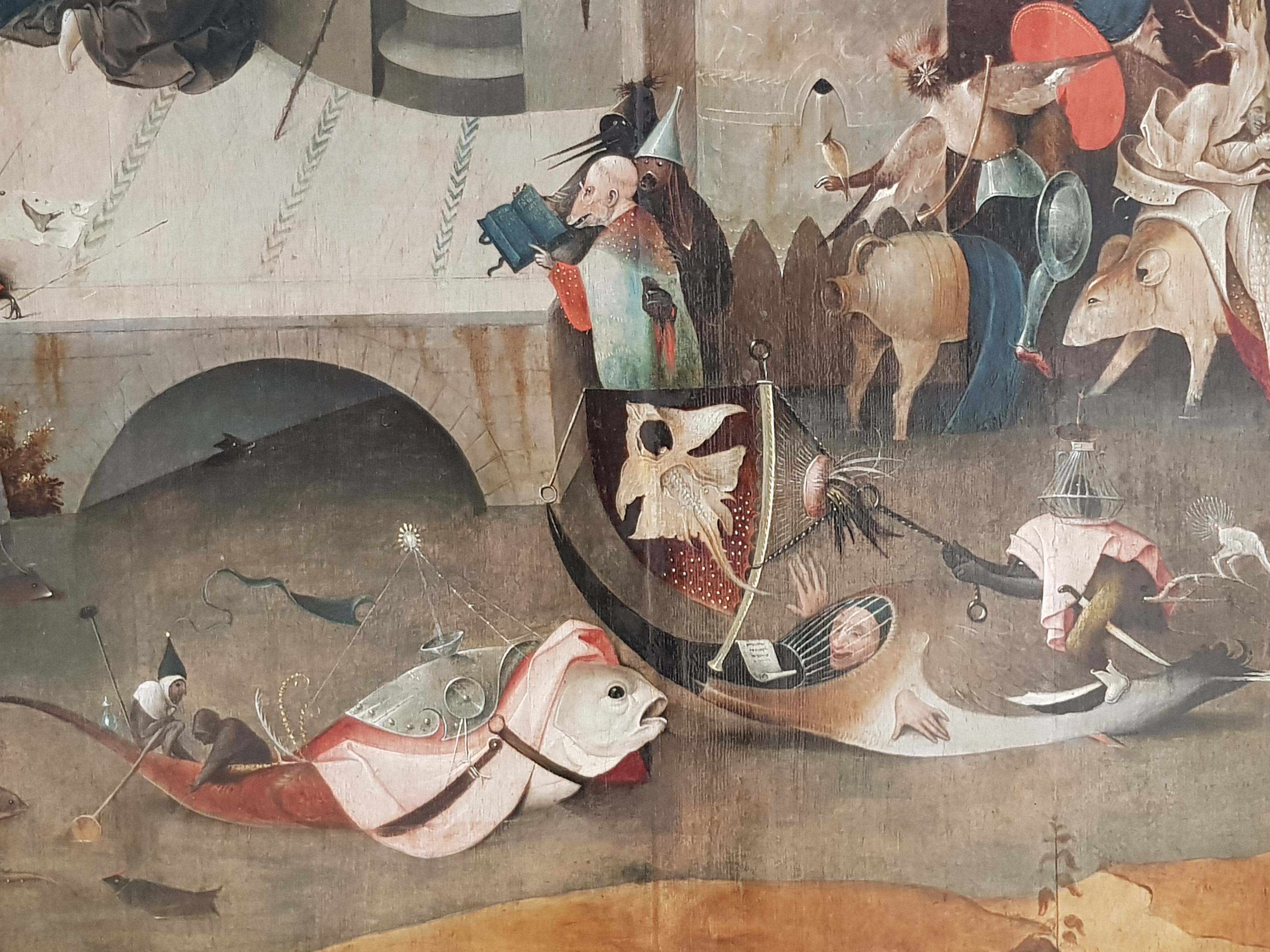
A fabulous Bosch Temptation of St. Anthony:-

image

image

image

And a more conventional Bosch Calvary:-

image

A very languid Memling St. Sebastian:-

image

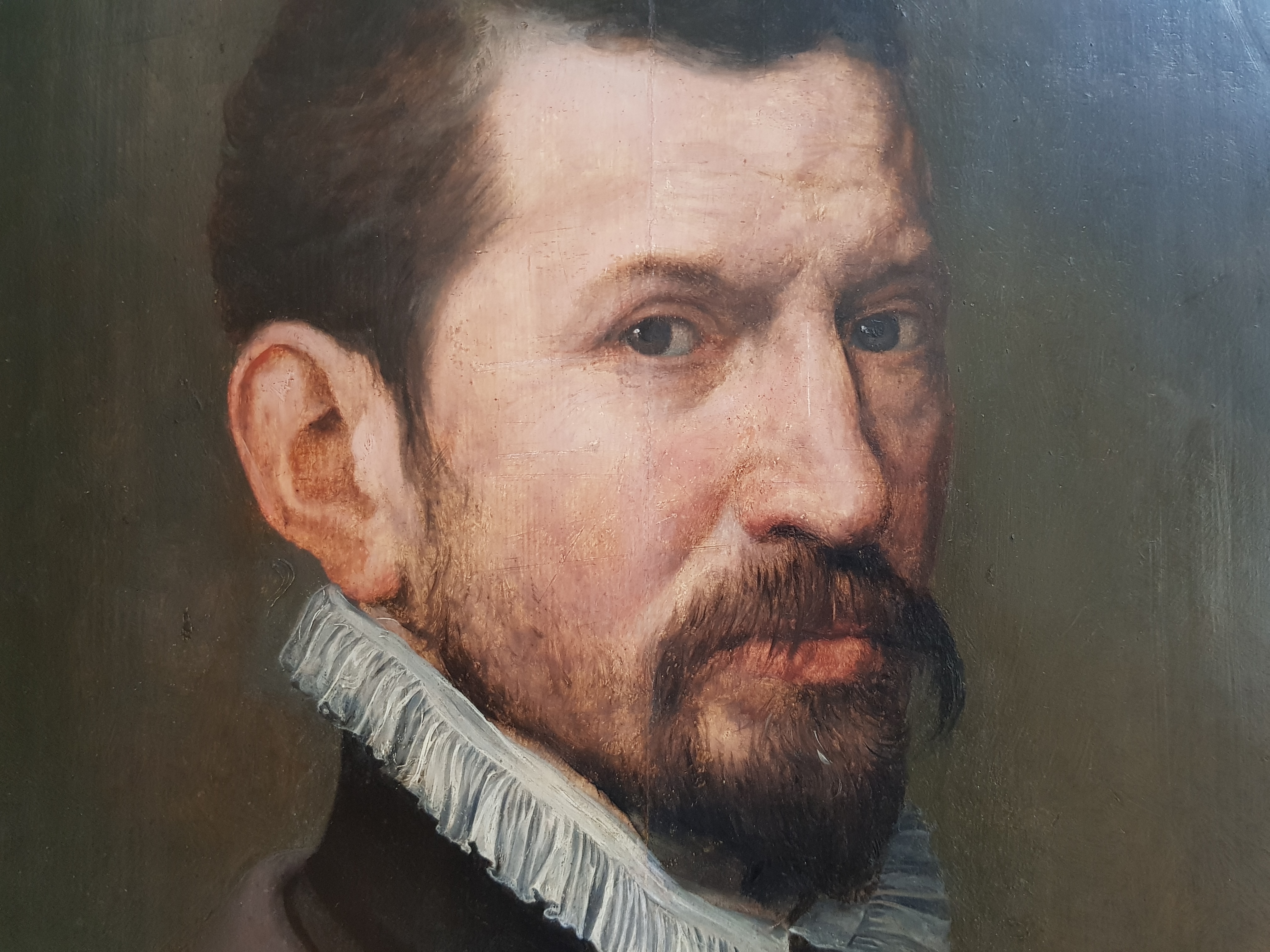
A wonderful Antonis Mor portrait of Hubert Goltzius:-

image

And a roomful of Bruegels, including The Fall of Icarus which Auden saw in December 1938 while staying with Christopher Isherwood (now thought to be a copy and the subject also of a poem by Michael Hamburger).:-

image

The Fall of the Rebel Angels (1562):-

image

image

image

image

Standard

Sean Scully

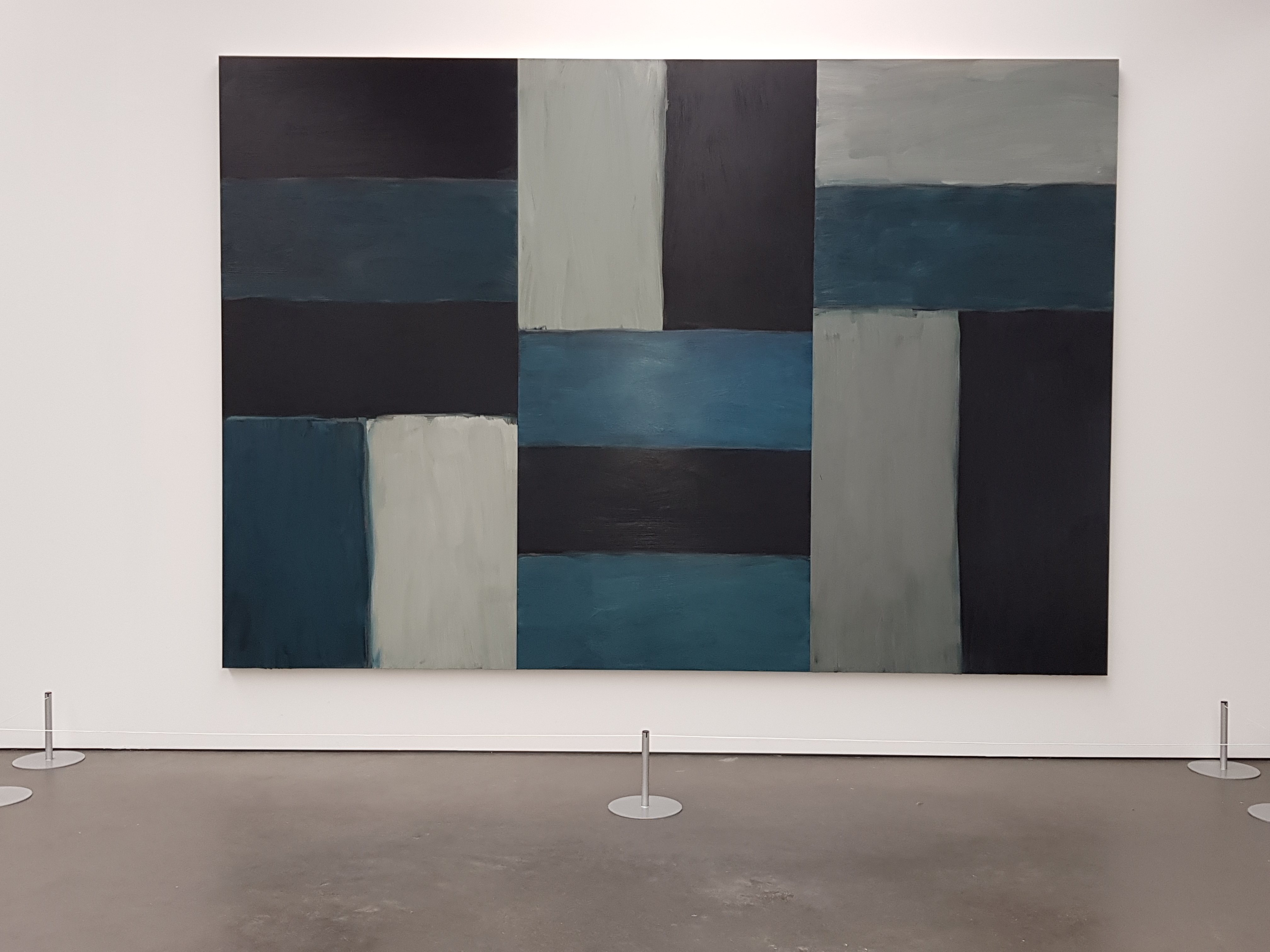
I was pleased to see the full range of Sean Scully’s work in his exhibition at the De Pont Museum:  from early drawings undertaken from before when he was a student at Croydon College of Art in the 1960s developing his drawings both figuratively and abstractly through to big meditative abstract paintings, beautifully displayed, top-lit in good natural daylight in the empty spaces of the De Pont Museum, and including many beautiful prints and drawings in the small closet spaces which run alongside the exhibition.

Doric Metes (2013):-

image

Untitled (Doric) 2016, which is painted on aluminium, demonstrating the sensuality of his treatment of pigment:-

image

image

Standard