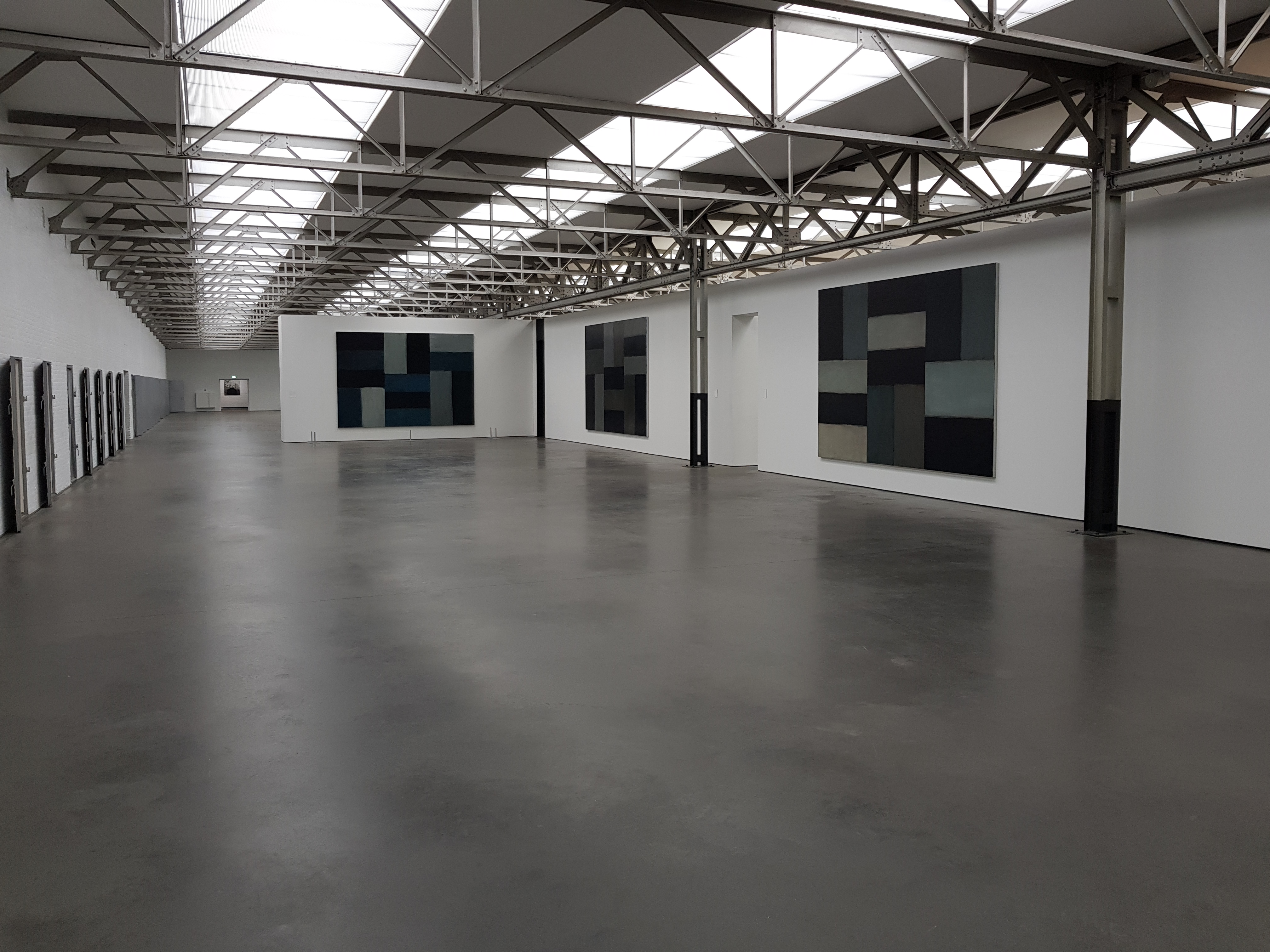
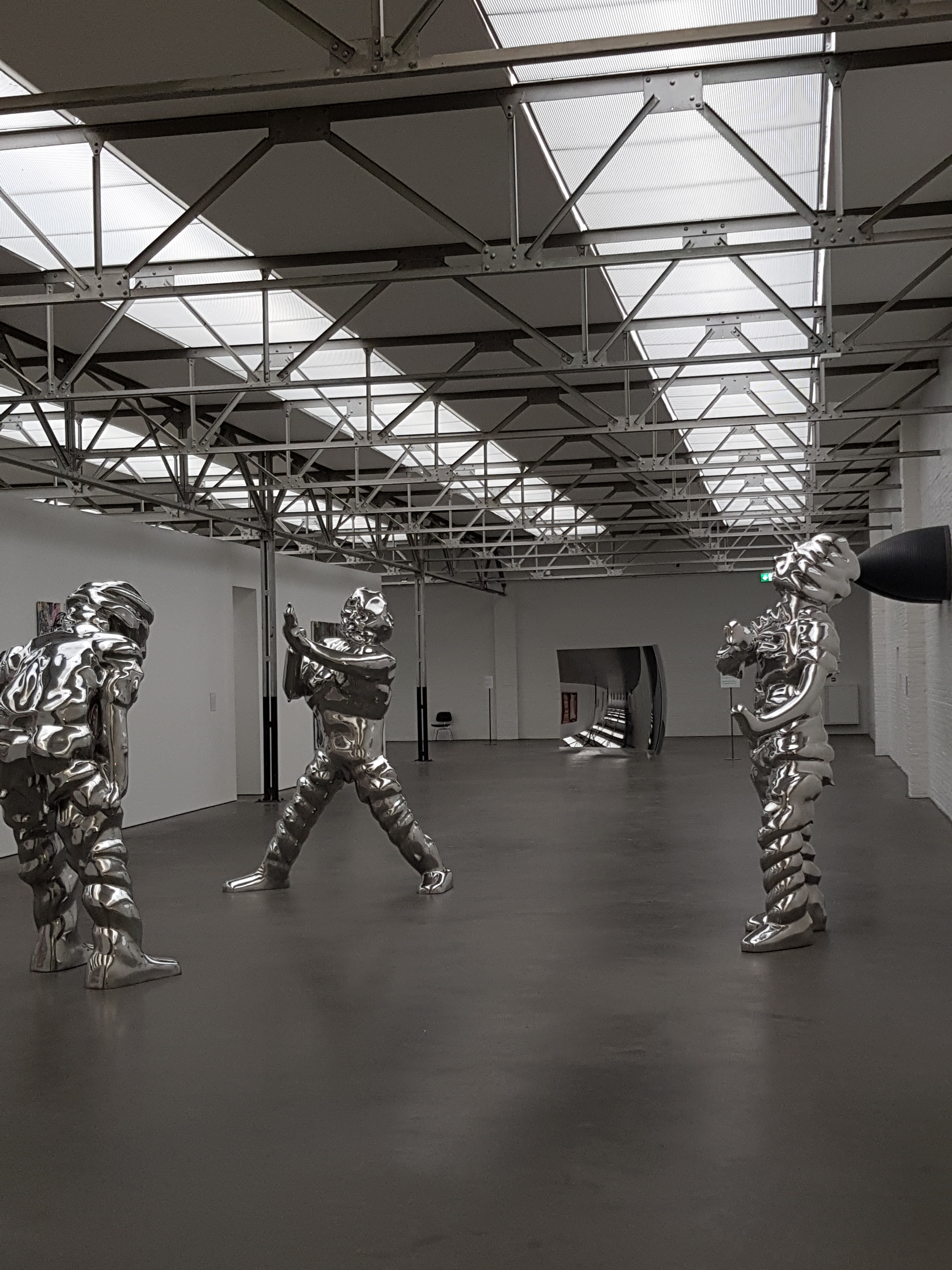
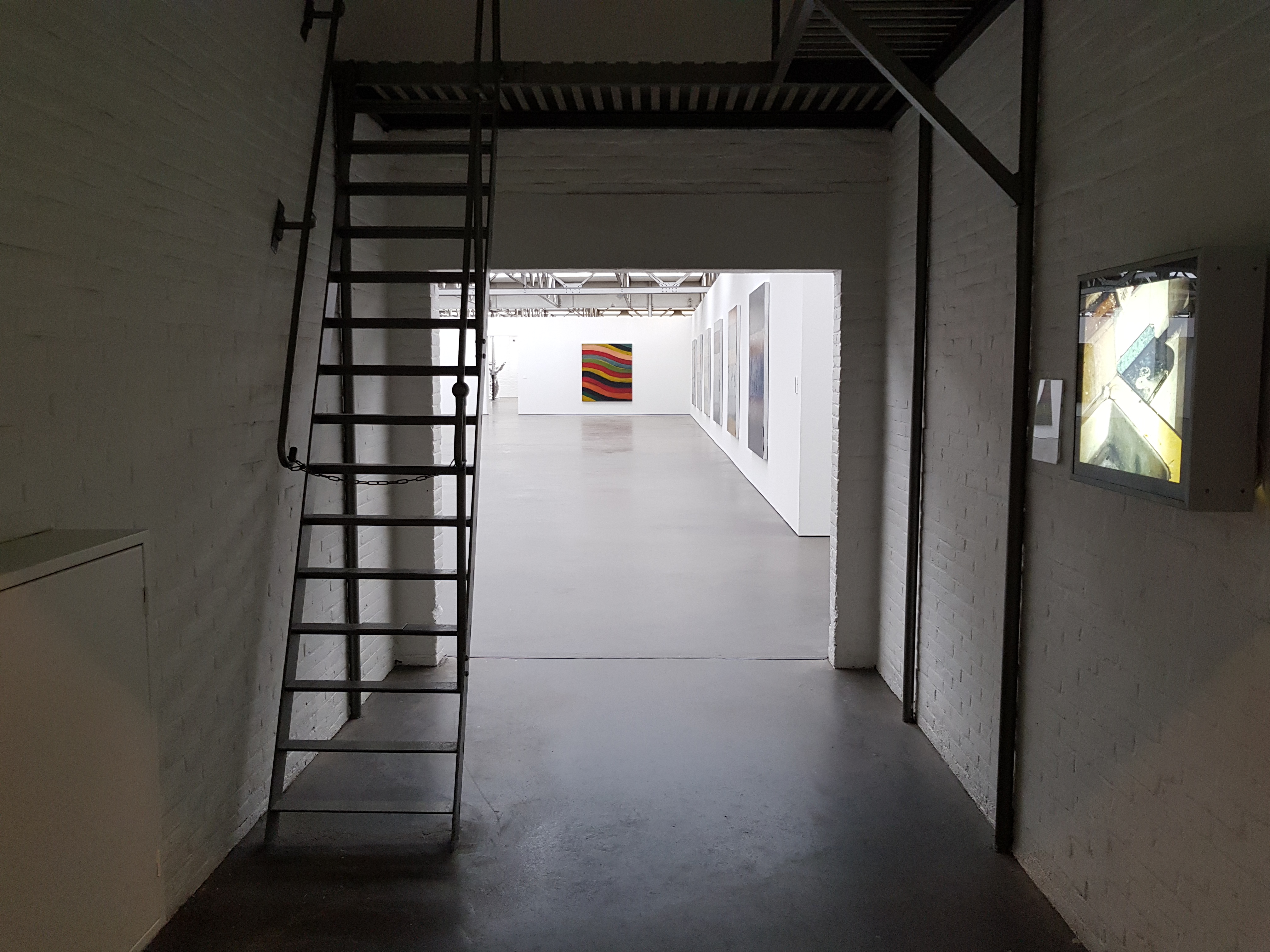
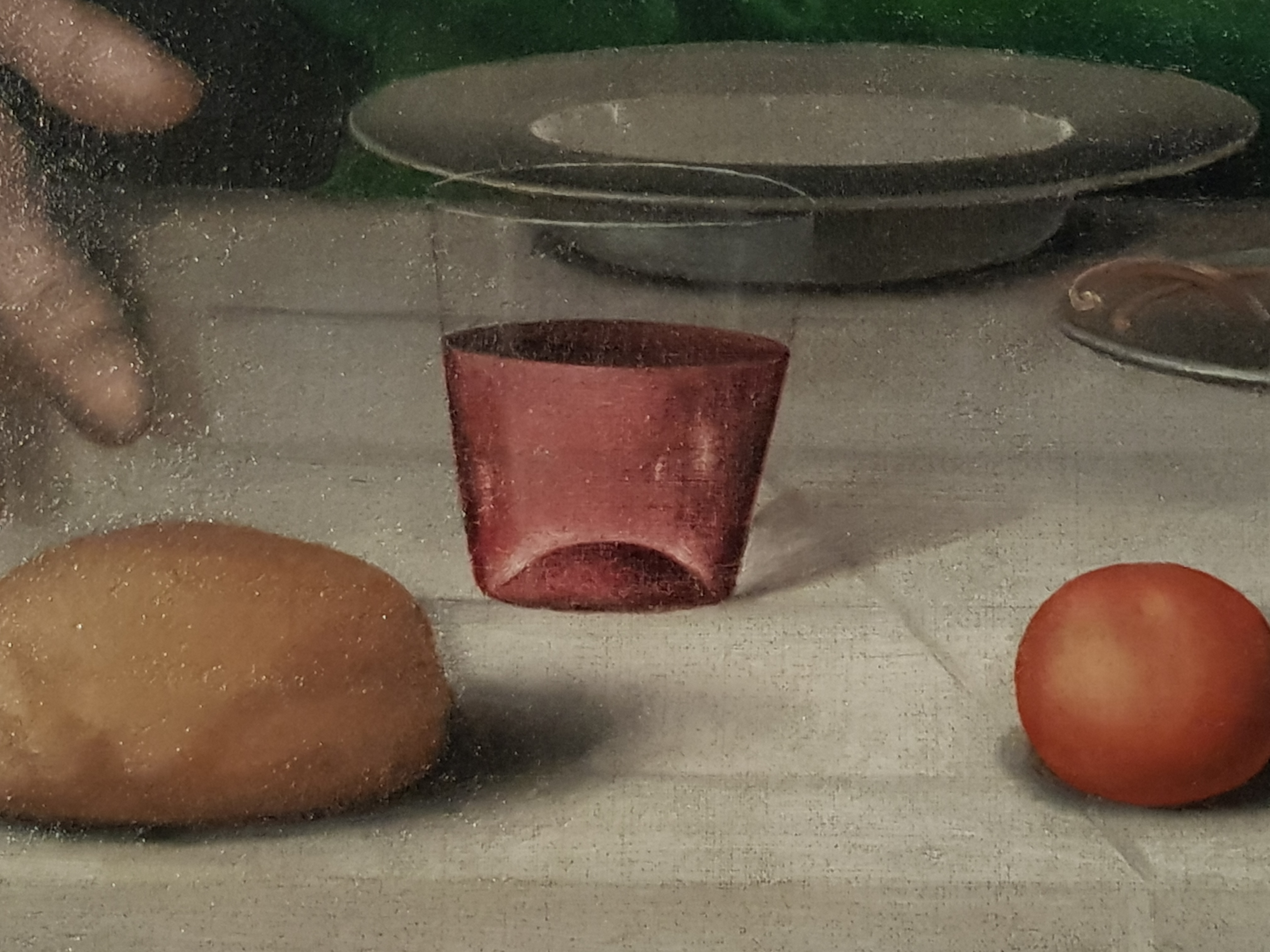
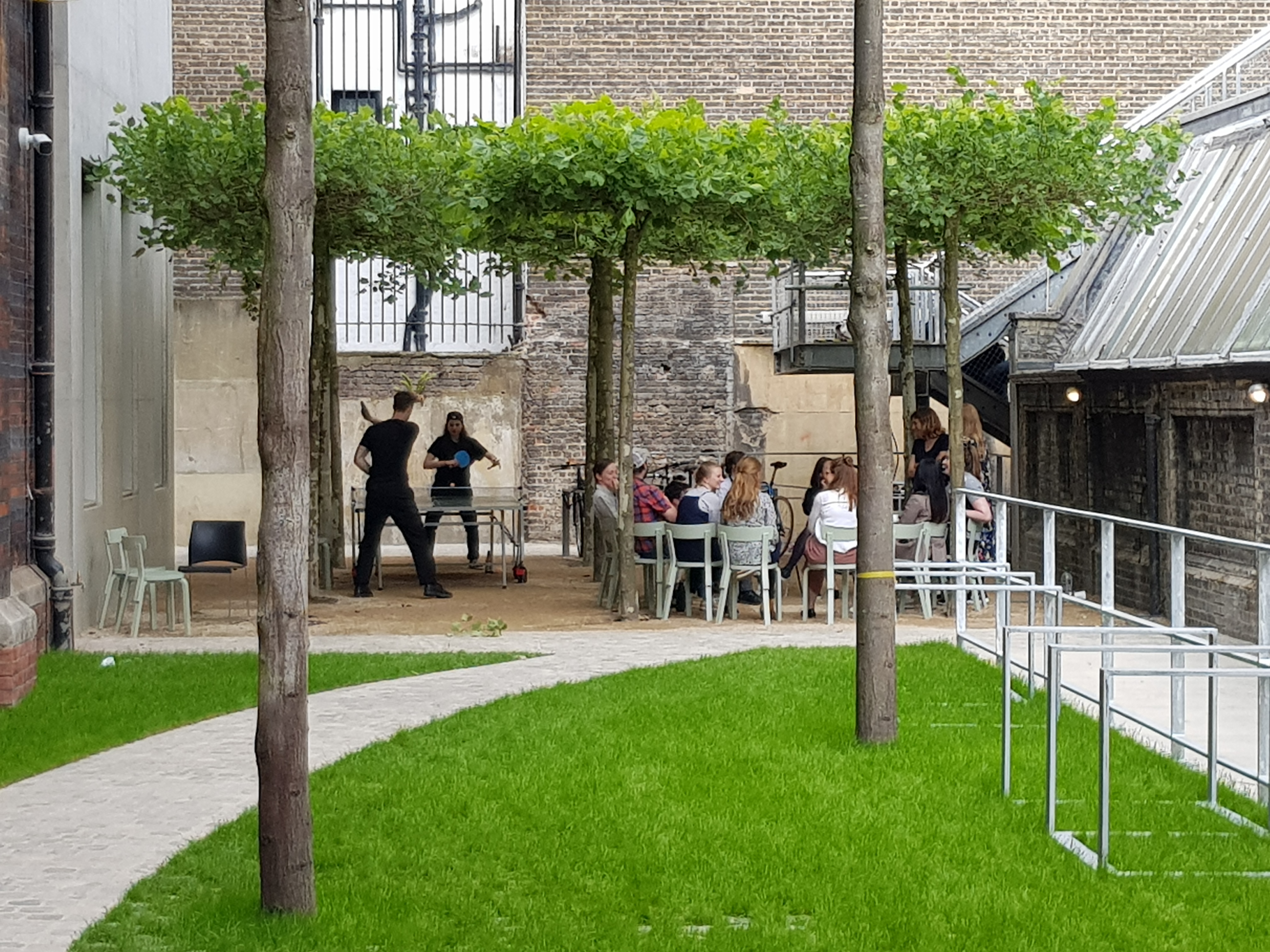
I had arranged to see the Sean Scully exhibition at the De Pont Museum in Tilburg. The Museum was established with an endowment from the estate of Jan de Pont, a lawyer and businessman who had bought a factory in Tilburg and wanted his estate to be spent on contemporary art. In 1989, the trustees of the foundation hired Hendrik Driessen, who arranged for the purchase of an old textile spinning mill in Tilburg, renovated by BenthemCrouwel, an Amsterdam architectural firm; but it retains its character as industrial space and is said to have been one of the inspirations of Tate Modern:-
Whitechapel Bell Foundry (2)
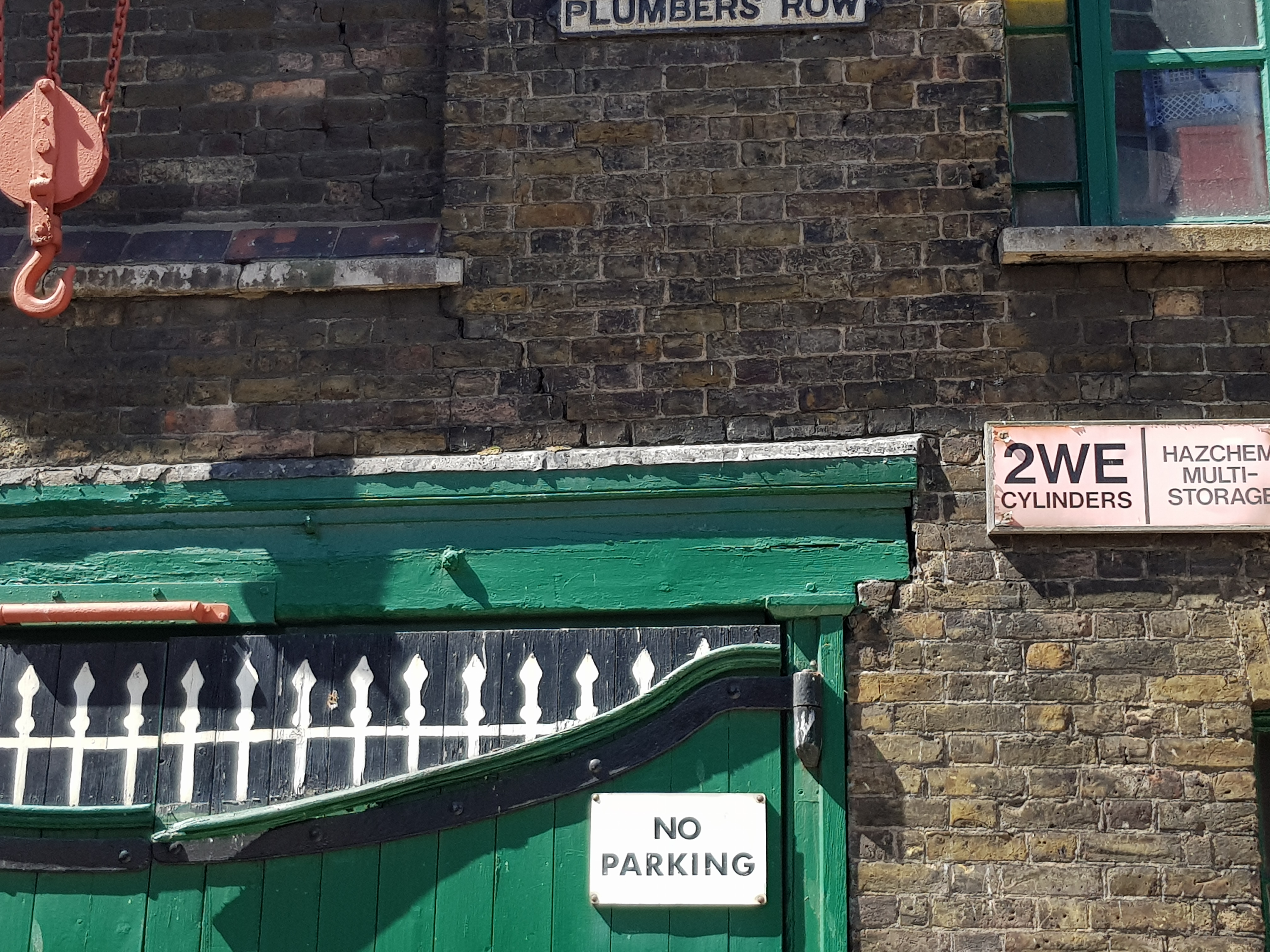
I am posting some photographs I took of the exterior of the Whitechapel Bell Foundry nearly exactly a year ago when I first heard that the United Kingdom Historic Building Preservation Trust was taking an interest in mounting a rescue of the Whitechapel Bell Foundry, equivalent to what it has done so successfully at Middleport Pottery in Stoke-on- Trent. Now, the only hope is that Tower Hamlets refuses permission for a change of use and Bippy Seigal who owns the site might consider selling it on:-
Whitechapel Bell Foundry (1)
The attached account in Spitalfields Life gives the terrible facts of the sale of the Whitechapel Bell Foundry which is now owned by a Boston venture capitalist who wants to turn it into a boutique hotel. Thus has a unique surviving example of one of London’s preindustrial workshops, preserving manufacture in the inner city, been stripped out and sold off. The only hope is provided by Factum Arte’s intelligent and well-considered proposal to use it for latterday bronze casting.
See http://spitalfieldslife.com/2018/06/21/hope-for-the-whitechapel-bell-foundry/#comments
Maastricht
I spent the afternoon in Maastricht for a peer review of the Executive Master in Cultural Leadership which is being launched jointly by the RA and the University of Maastricht. It’s a long time since I’ve been grilled by an academic panel on my intellectual and teaching credentials. In the interval, while waiting for the result, I was shown some of the town.
The city walls:-
The gate to the university, which is housed in an old Jesuit monastery:-
And the ceiling of one of the rooms in the business school:-
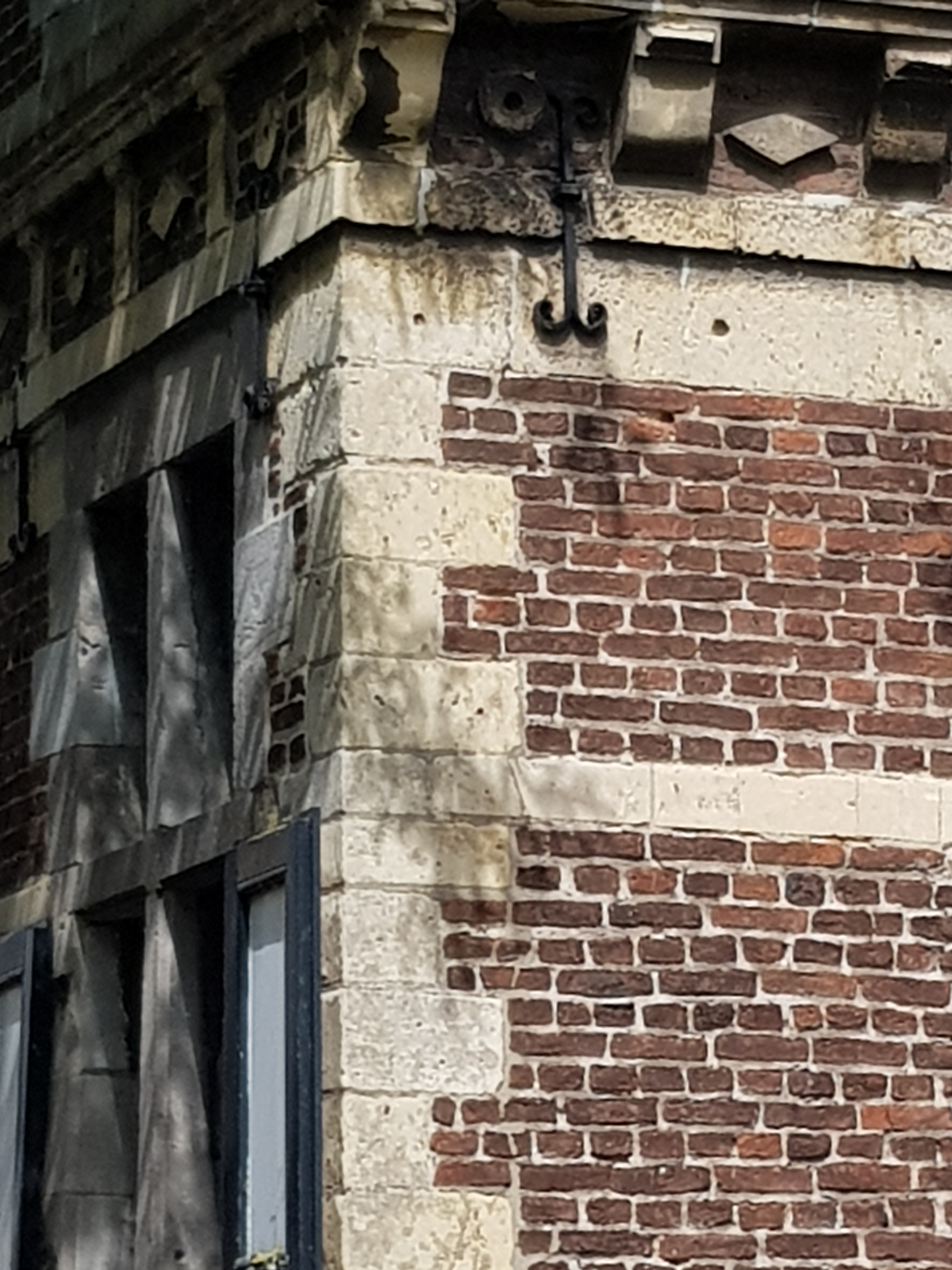
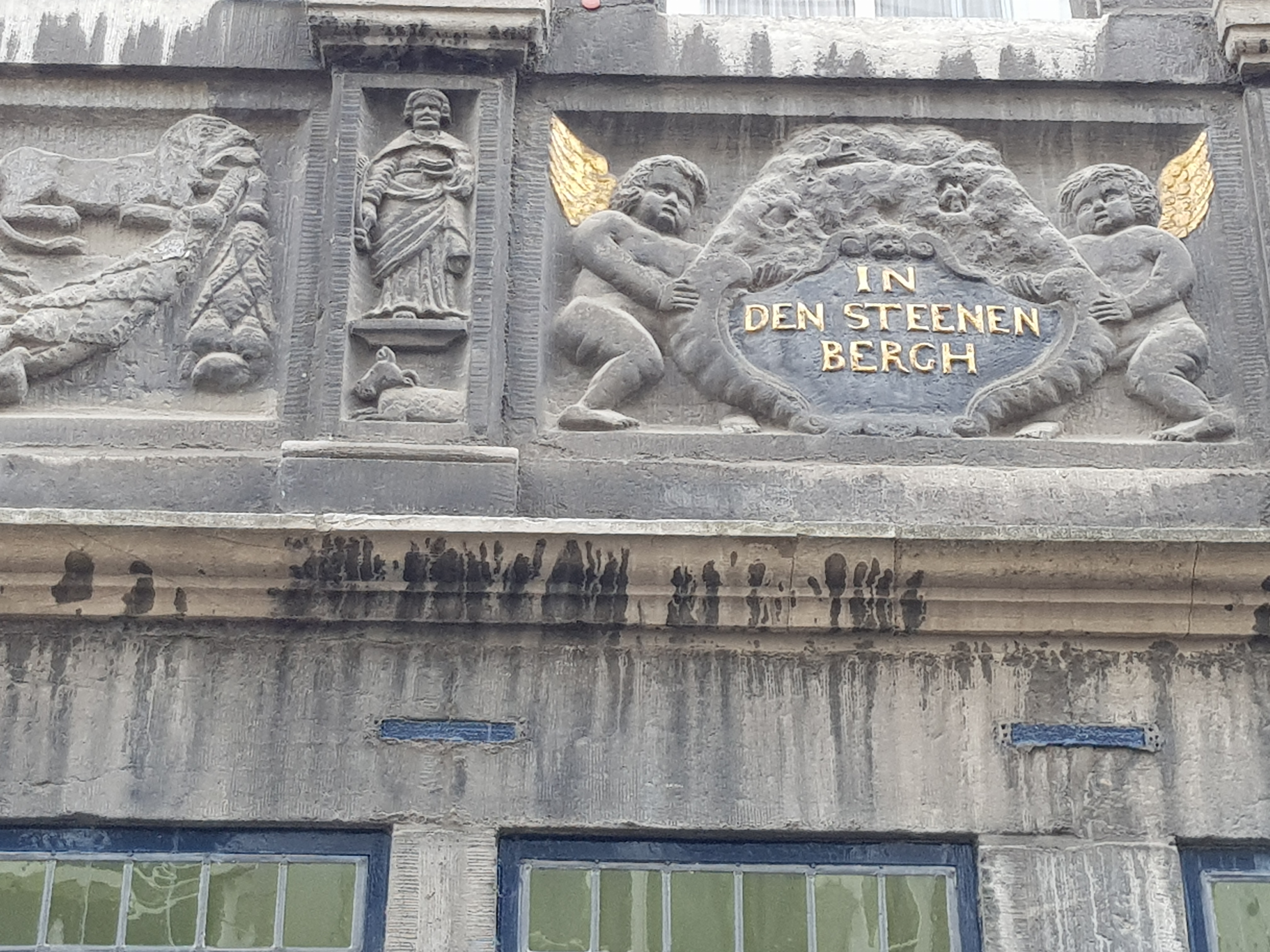
On the way back to the railway station (we passed !), I was able to enjoy the medieval streets of the Jeker Quarter:-
Some of the detailing and door surrounds:-
And the Onze-Lieve-Vroubasiliek:-
Leonard McComb RA
I heard today the very sad news of the death of Leonard McComb RA, the former Keeper. I could not be more sad about this as I had failed to see him over the winter and was due to see him soon in Staffordshire.
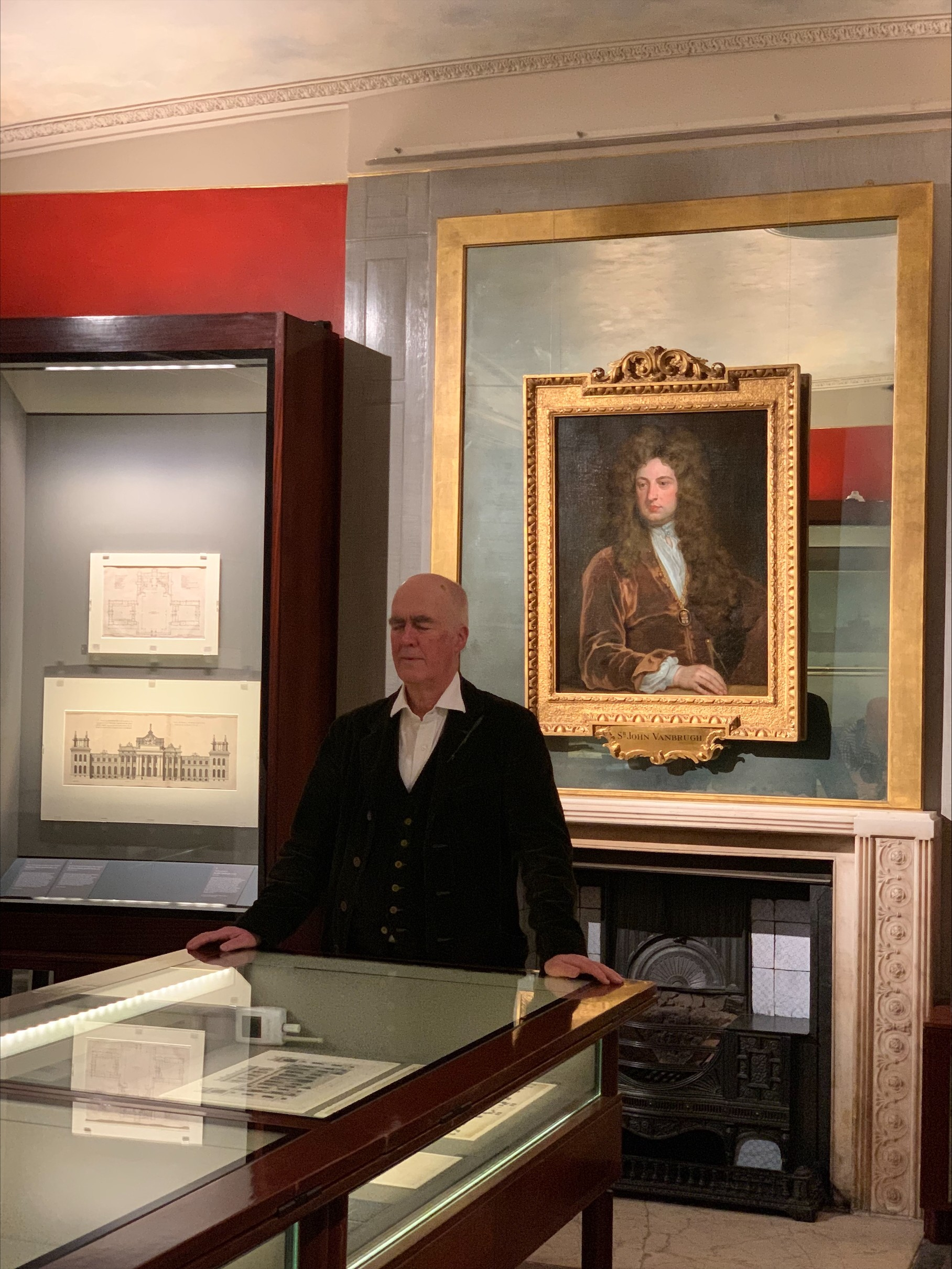
I knew him from the 1990s. I commissioned him to do a portrait of Doris Lessing, the South African writer, for the NPG. It was a big thing for him, and for her as well, and he undertook it with great care and imbued it with his vein of decorative meaning. At the time, he was Keeper of the Royal Academy, trying to maintain life drawing, but in an era when students had lost interest in it as an essential discipline.
He kept on saying that he wanted to paint my portrait and eventually did so when I became Secretary of the Royal Academy, with characteristic meticulousness, depicting me sitting impassively in front of the nineteenth-century Secretary’s desk. He thought that the RA would be pleased to have a portrait of its Secretary, but it was hung behind the screen on the exit to the shop, where nobody would see it, a punishment for it being delivered late.
By the time I arrived at the RA, Leonard had become slightly cussed and he probably always had a strong independence of mind, arriving at meetings of the General Assembly in an old-fashioned suit with wide lapels. But I admired him as an artist for a vein of fantasy and magic realism, and as a beautiful draughtsman. He was the only current RA to have been elected as a draughtsman.
Cadogan Square
It’s very rare that I ever visit Cadogan Square. In fact, I only ever remember occasional and faintly alarming visits to visit Denis Mahon, who lived in the most spectacular disorder with papers piled everywhere on the floor beyond the possibility of ever being tidied. But today I visited a private collection and was able to admire the ceramic columns at the north end:-
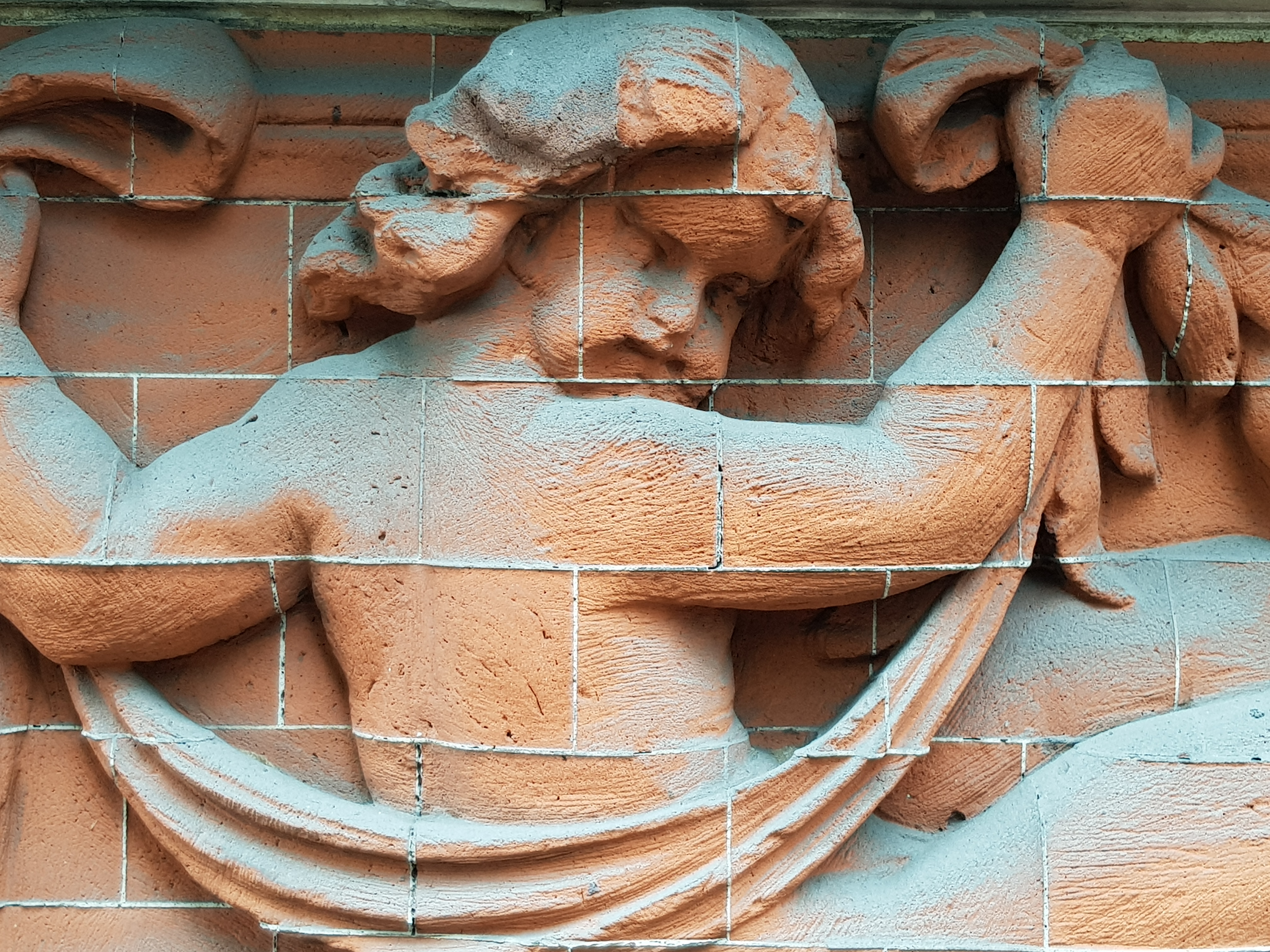
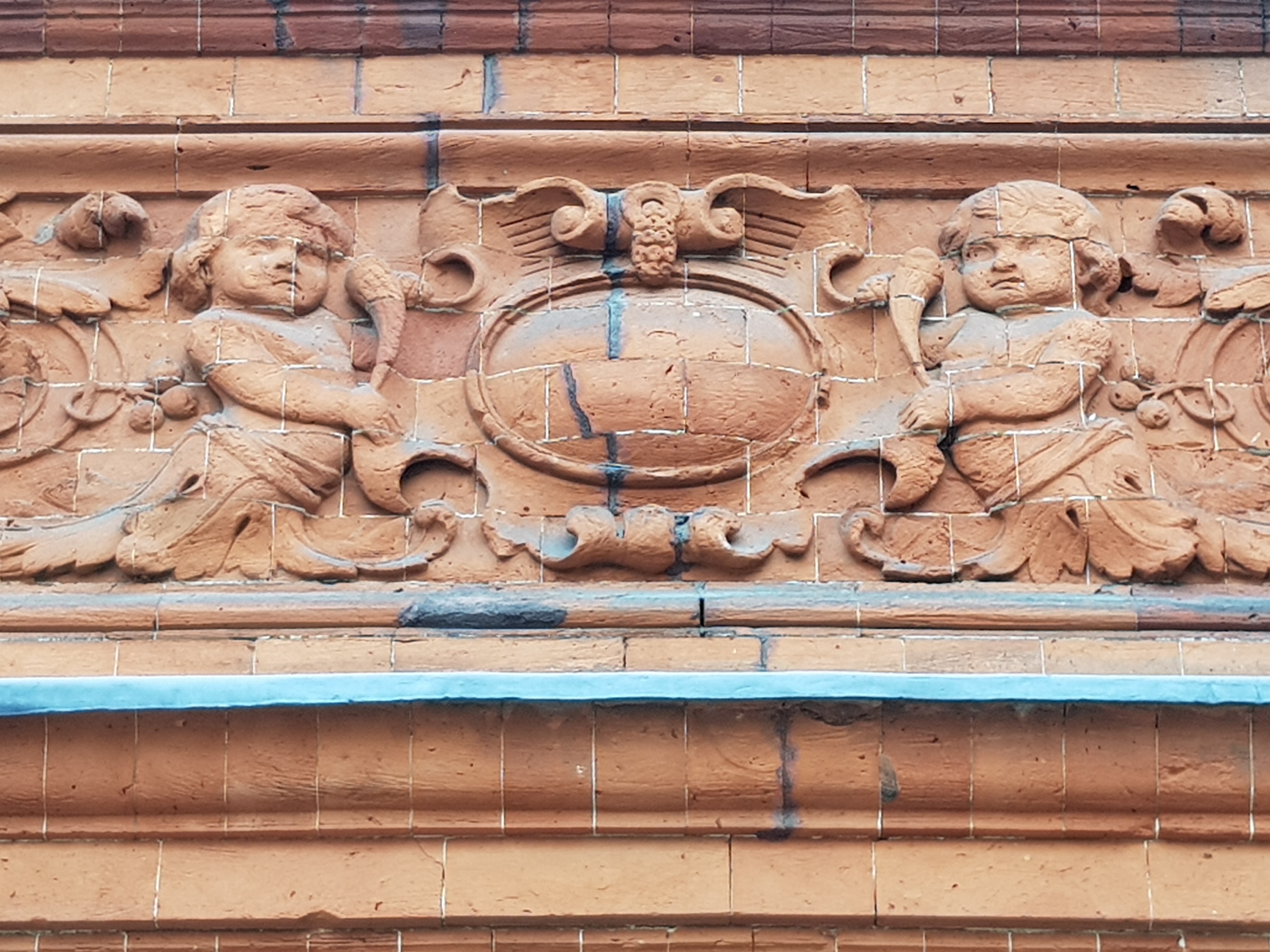
The astonishing riot of brick and terracotta decoration on no. 52, designed by Sir Ernest George for Sir Thomas Andros de la Rue:-
And more high quality brickwork decoration elsewhere in the square:-
The Last Supper
We had our first formal dinner last night in front of the Royal Academy’s early copy of Leonardo’s Last Supper. I found it forced attention on the drama of the action: the way that St. James reacts by spreading out his arms, thereby preventing doubting Thomas from getting near Jesus, who is isolated from the others, having just declared that one of them will betray him. As dramatic narrative, demonstrating the way that Leonardo created drama compositionally, the copy is as good as the original (and, dare I say it, given the state of the original, more legible):-
Lovelace Courtyard
I have been fascinated by the rapid development and maturing of the Lovelace Courtyard, a slender space between the back of the Pennethorne building and the extra run of studios which were added – it is thought – by Norman Shaw to the north of the Royal Academy Schools. The space has been landscaped by Peter Wirtz who designed the courtyard to David Chipperfield’s offices in Berlin, a comparably urban space. He uses the most minimal means: no more than cobbles, a curving path and grass; but to great effect, bringing green into the heart of London:-
The Silence of the Blog
I have just received a mysterious message on the answering machine asking if I was ailing since it is at least three days since I have written a blog.
The truth is that I have never wanted to feel compelled to write something if I haven’t got something to say. I have been recovering from the shock of becoming a knicht and answering the wonderful deluge of correspondence from all corners of the globe. And this weekend I have particularly been mourning the loss, a second time, of Glasgow School of Art. It seems unbelievable and unfair that one of Scotland’s greatest architectural masterpieces – the ruggedly solid and beautifully detailed Glasgow School of Art – should have burnt down not once, but now twice: the first time because of a projector catching fire and this time on the night of the students’ graduation.
I have been trying to remember it from the few times I have visited, never recently, and can only recall its noble hillside setting, the sense of Scottish baronial massing, and the way that the art students treated their masterpiece so magnificently unceremoniously.
I suppose that the craftsmen will just have to go to work again and recover what they can.
Theaster Gates
In the interests of completeness, I should record that I attended a memorable, but inscrutable performance by Theaster Gates with The Black Monks of Mississippi as a musical homage to the Black Madonna who sat in the middle accepting libations of wine.


You must be logged in to post a comment.