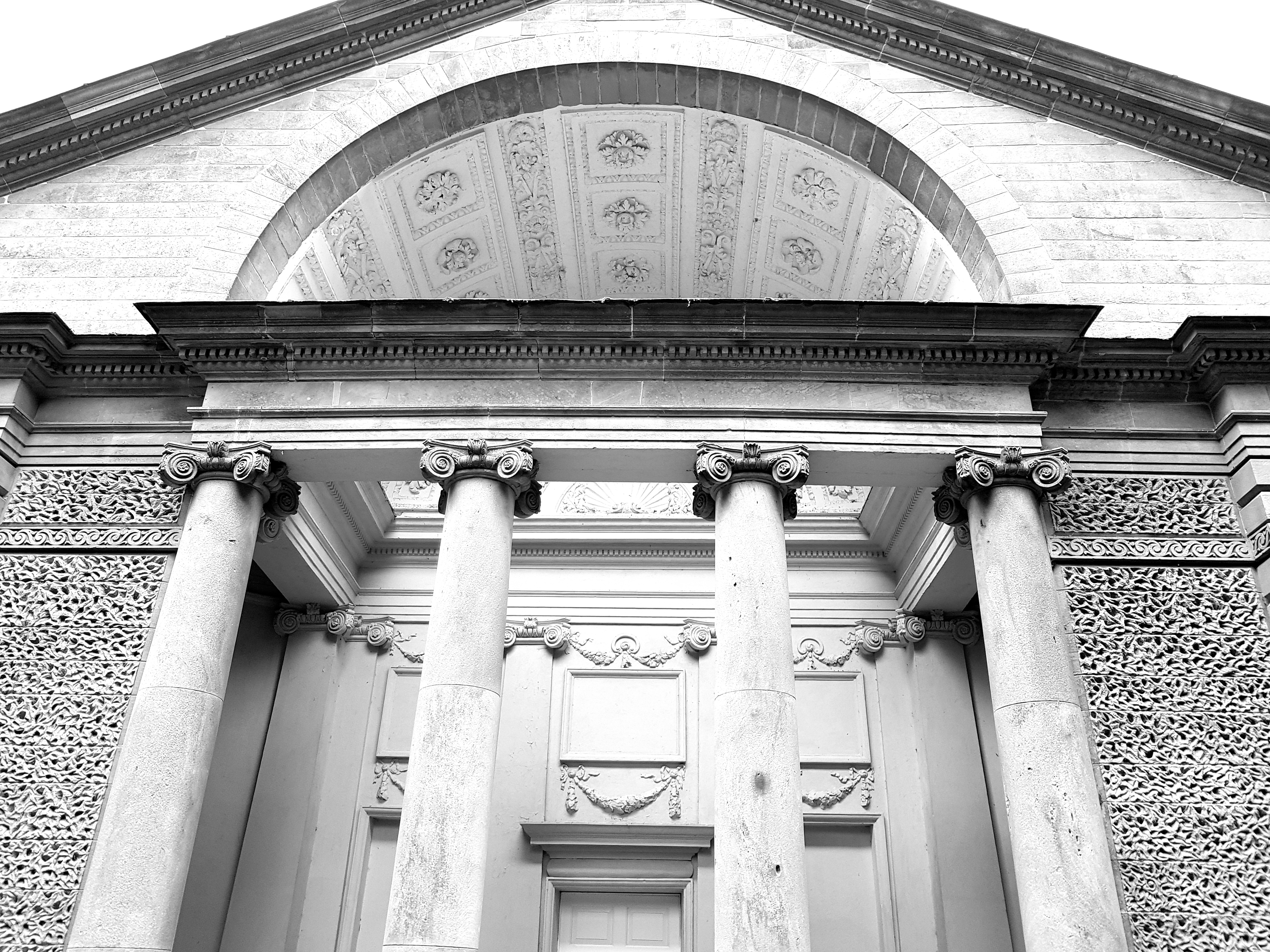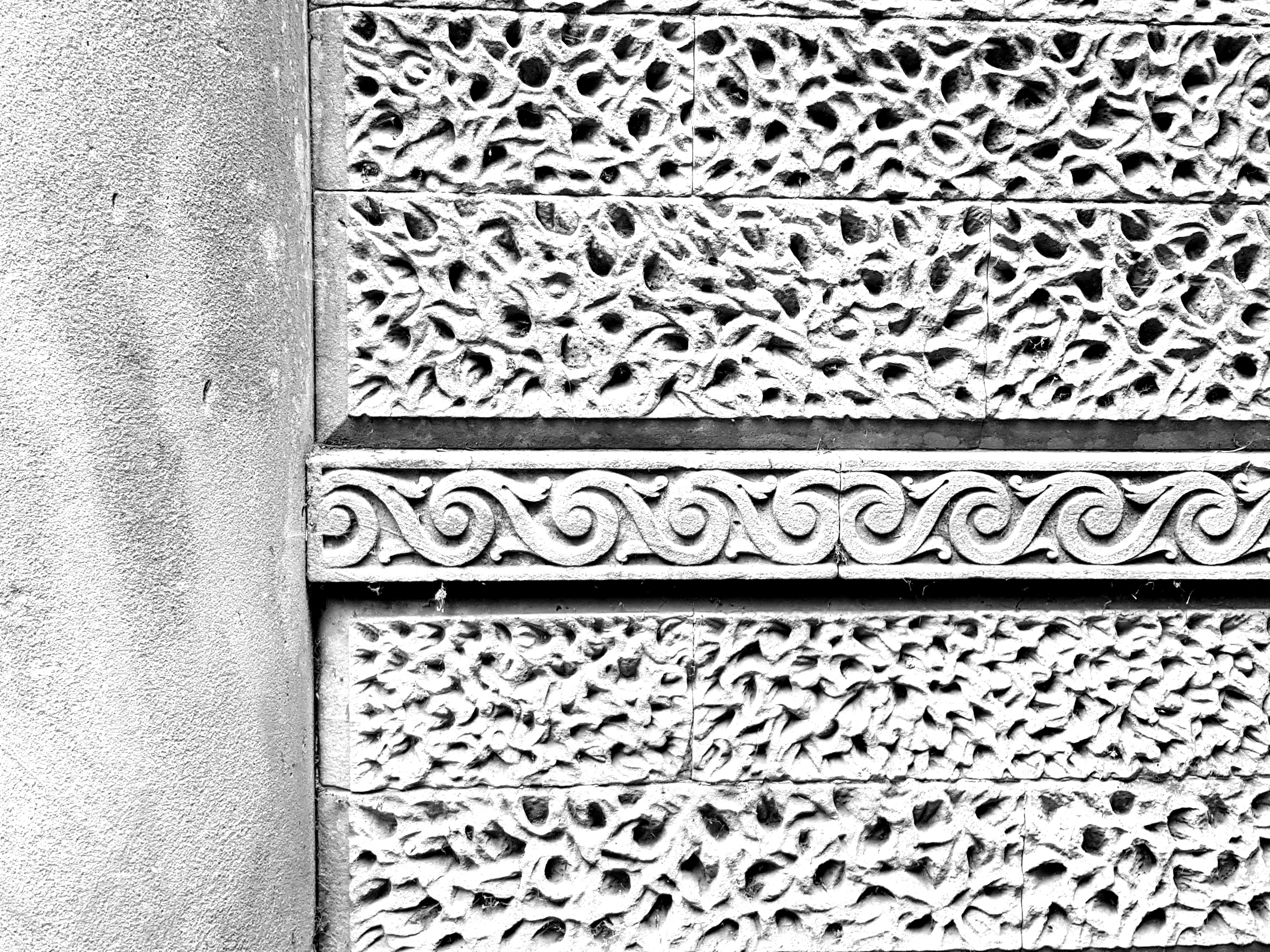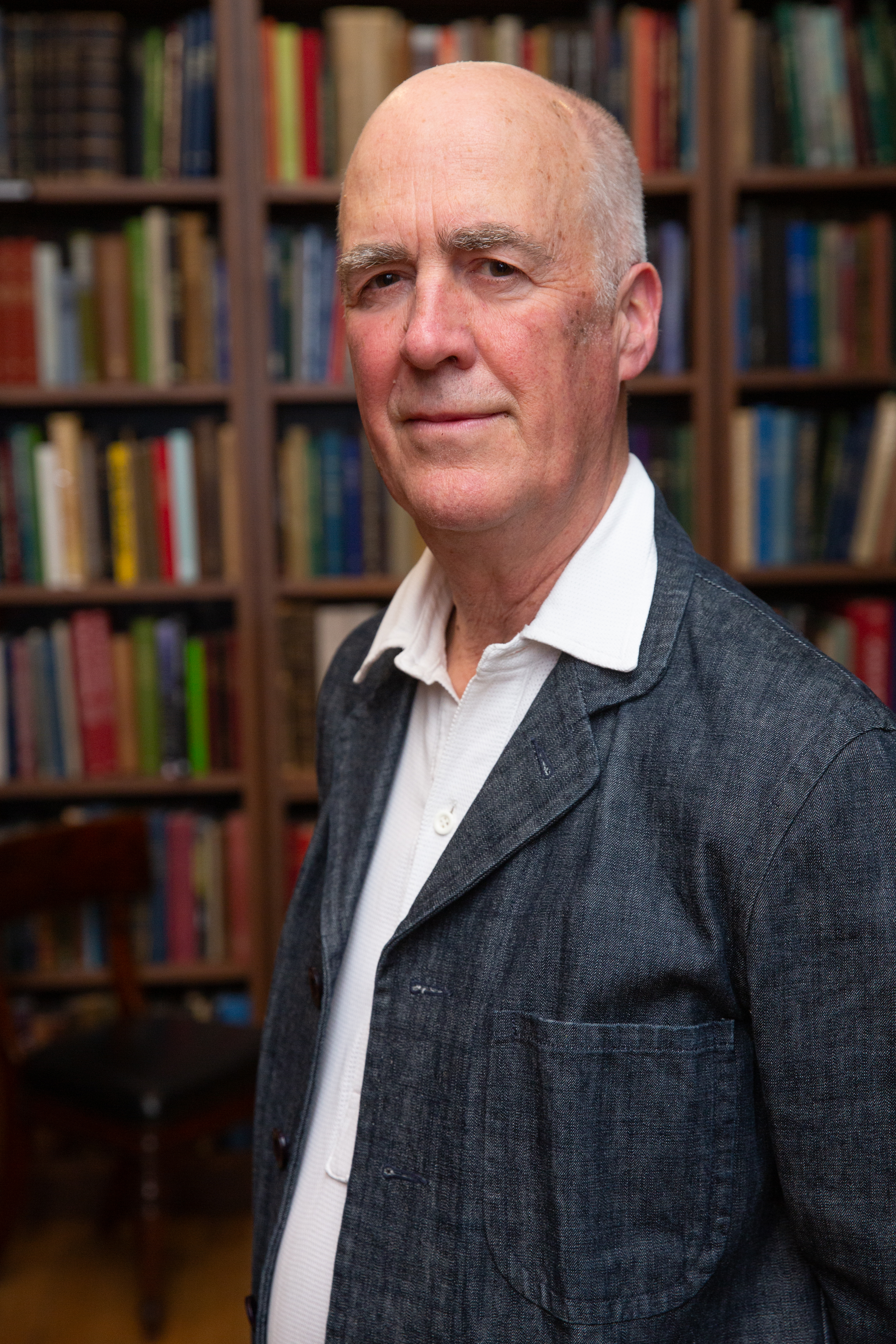
Kunstmuseum Basel

I had a therapeutic hour at the end of the day in amongst the Old Master paintings on the first floor of the Kunstmuseum.

A Cranach of Lucretia:-

image

Grünewald of the Crucifixion:-

image
An amazing Altdorfer of The Resurrection:-
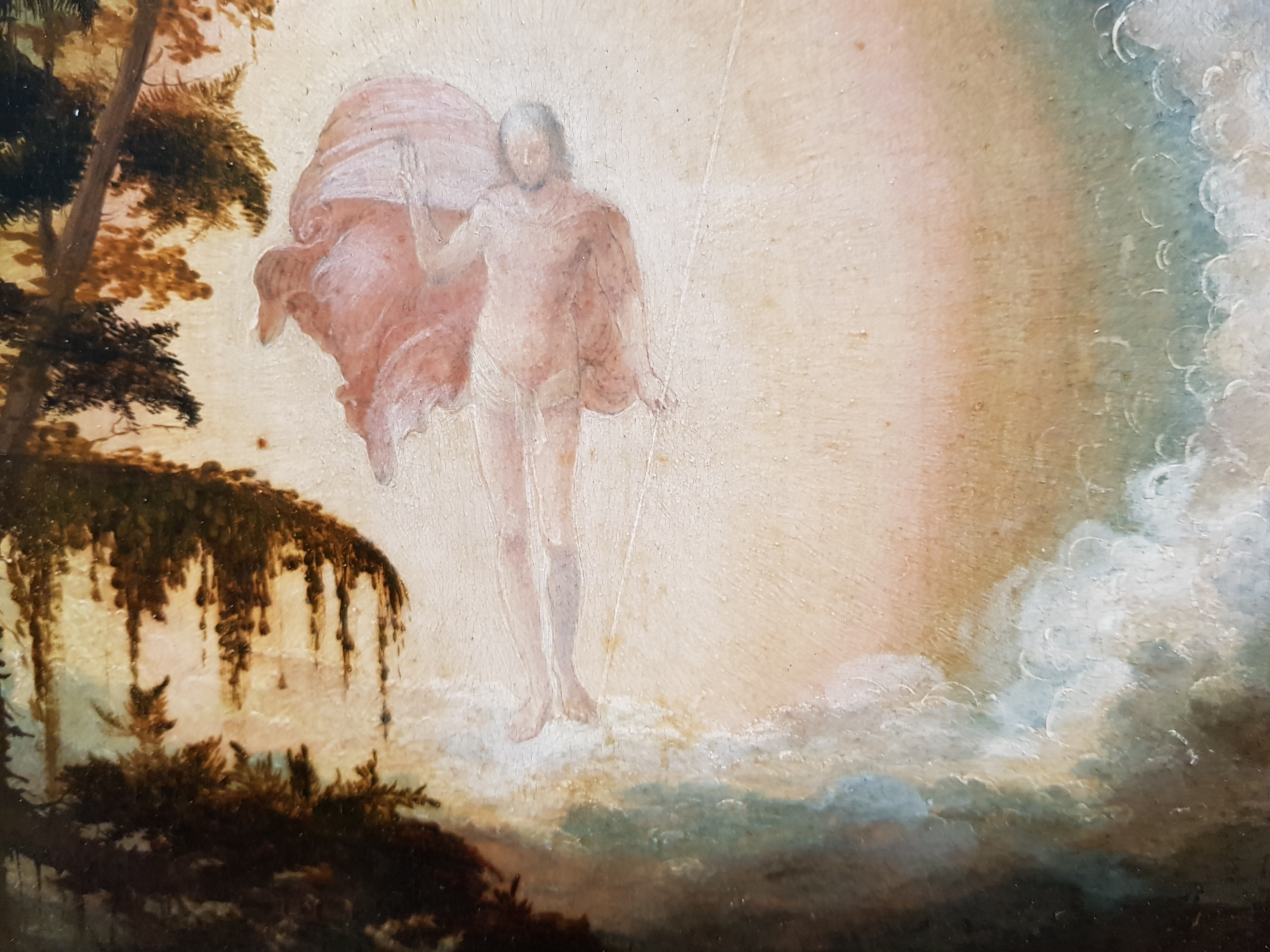
image
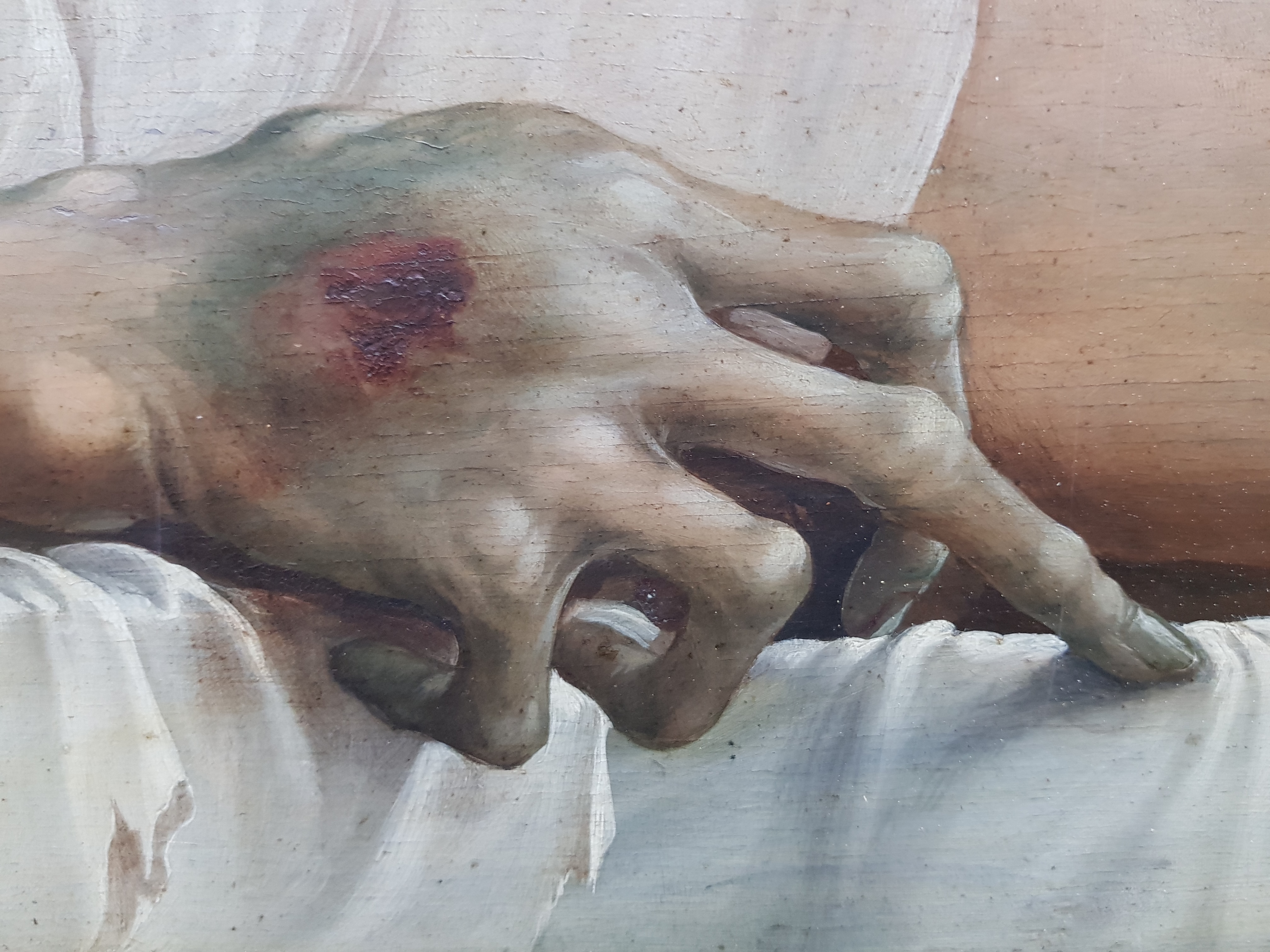
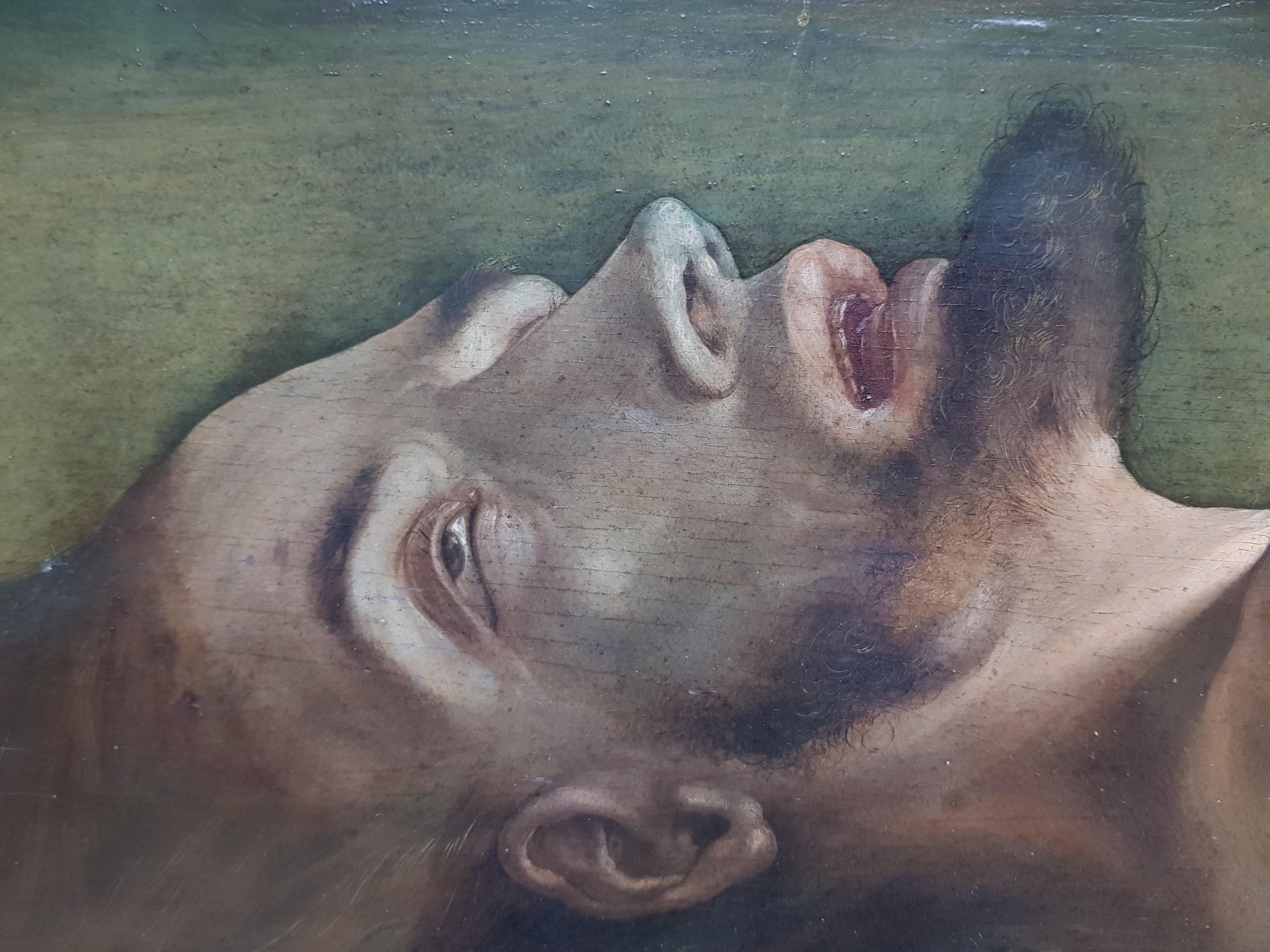
It must be one of the greatest Holbeins of The Dead Christ (1521):-
image

image
Holbein of Bonifacius Amerbach (1519):-

image
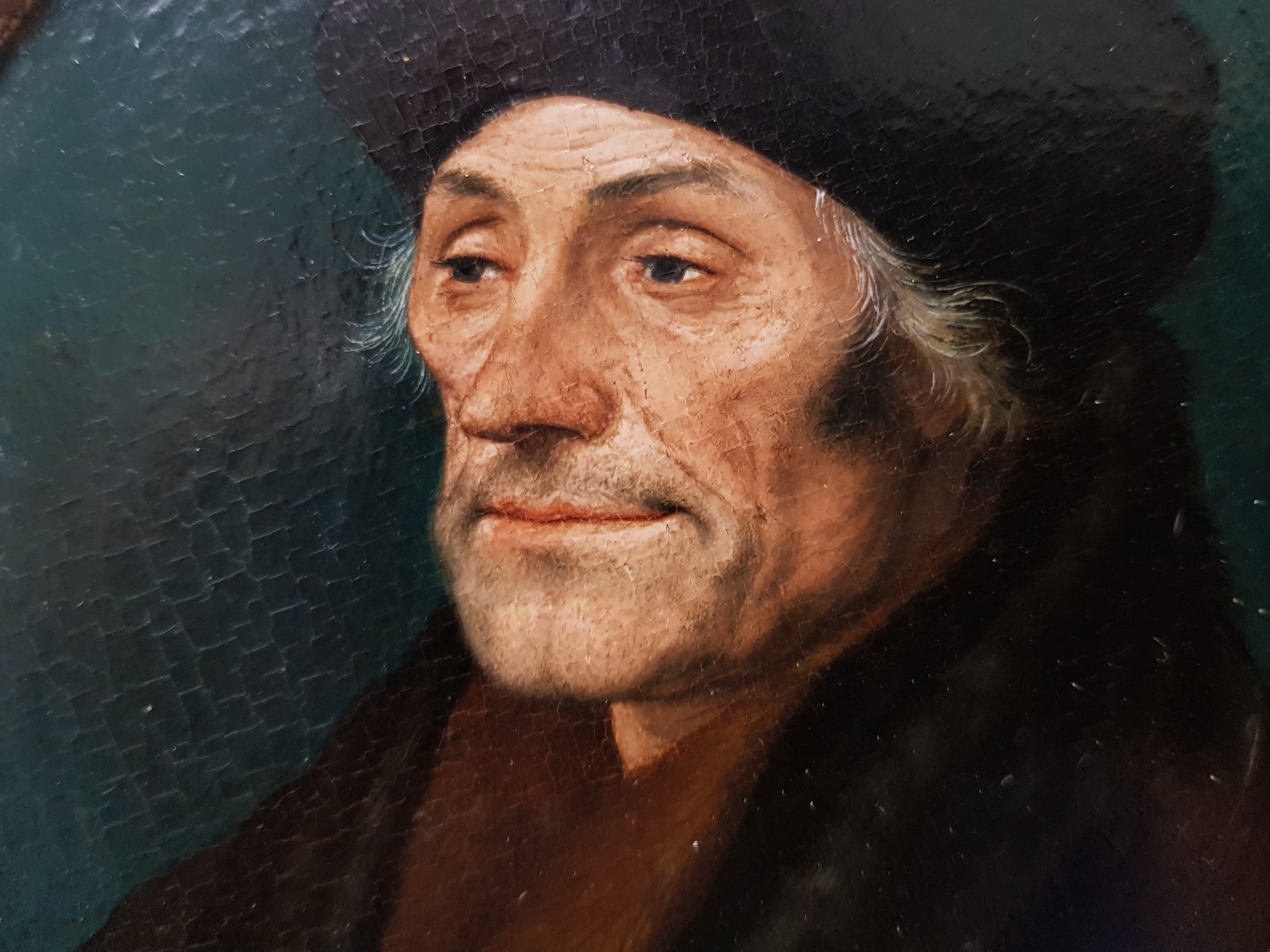
Erasmus himself in 1532:-

image
And a Frans van Mieris of A Young Woman with a Feather Fan Prepared to Go Out:-

image

Standard

Bengal Architecture

I called in at the Basel Museum of Architecture to see their exhibition Bengal Stream about contemporary architecture in Bangladesh.   In the early years of Independence, they employed major American architects, including Stanley Tigerman working with Muzharul Idlam at the Polytechnic Institute in Sylhet, Paul Rudolph at the Mymensingh Agricultural University and, most memorably, Louis Kahn designing the Capitol in Dhaka.   Since then, they have developed their own traditions of lightweight construction, designed, as far as possible, to withstand the consequences of flooding, cyclones and the monsoon, low-rise and often brick:-
image

Standard

Fondation Beyeler

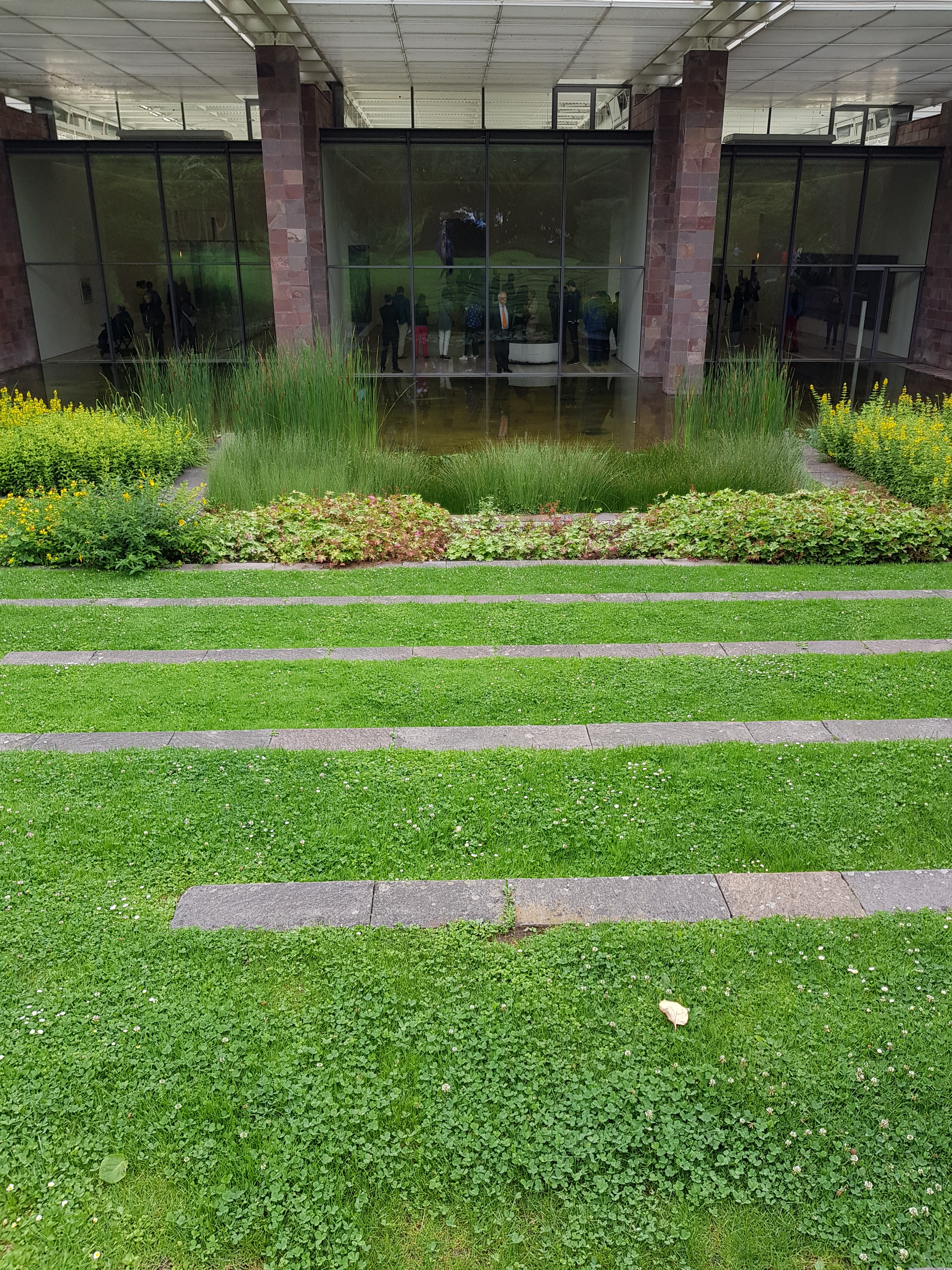
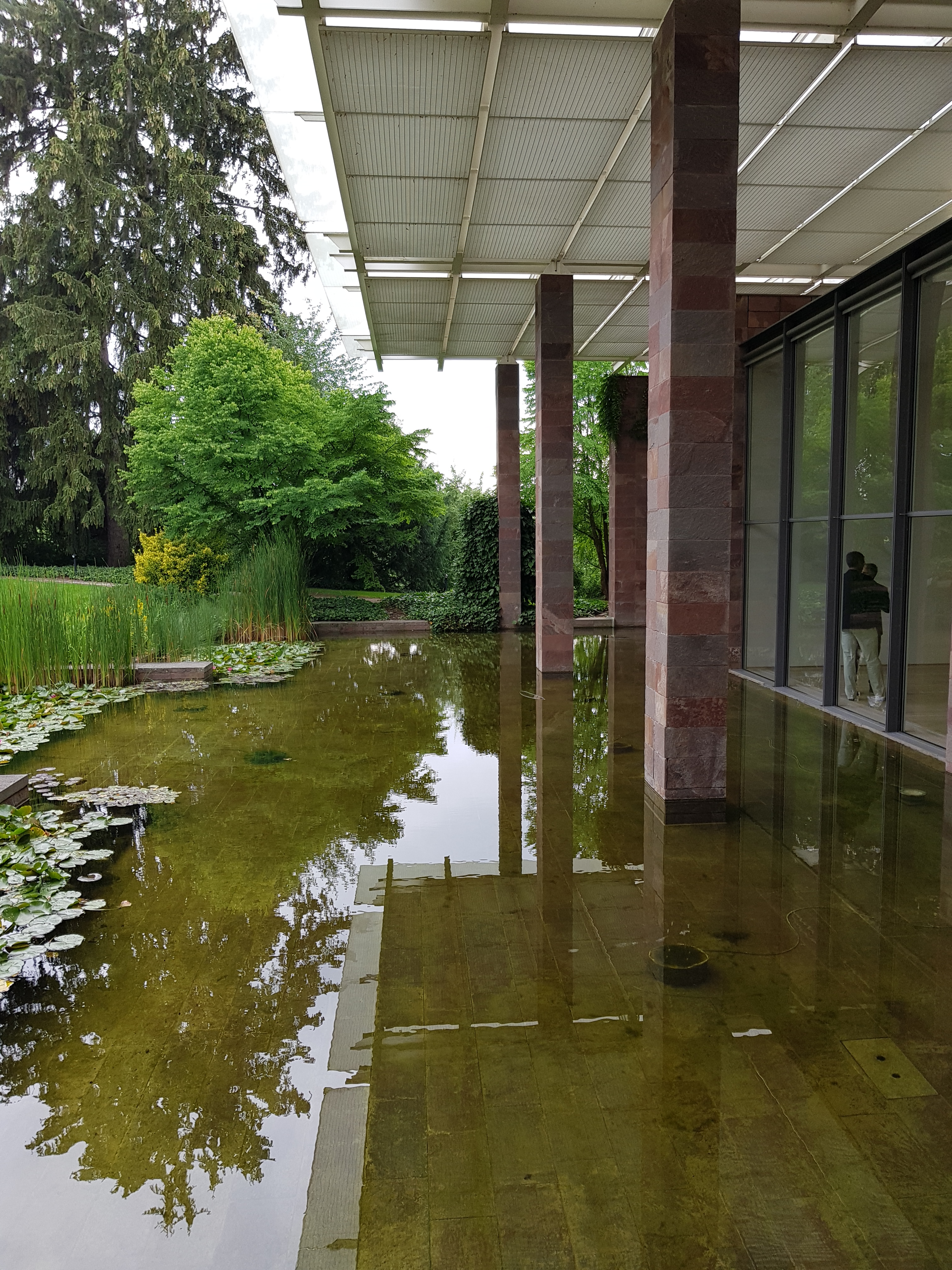
I’ve always liked the Fondation Beyeler – the beautiful, suburban building designed by Renzo Piano between the road and fields on the outskirts of Basel, with spaces which are all daylit, looking out through large windows onto fields, but, at the same time, well judged, well proportioned, and providing the best possible conditions for the viewing of art.

The Foundation was established in 1982 by Ernst Beyeler and Hilda Kunz.   They showed their collection at the Reina Sofia in 1989, at the Neue Nationalgalerie in Berlin in 1993, and the Art Gallery of New South Wales in 1997.   The building opened on 18 October 1997.

I walked round the outside to get a better sense of the ways that it connects to nature and the surrounding countryside:-
image

image

image

Standard

Bacon Giacometti

I took the no.6 tram out to the Fondation Beyeler in the posh suburbs of Basel to see their exhibition Bacon Giacometti, a compare and contrast of two of the major figures of the 1950s, both extremists and established outsiders, who met one another twice in London in 1962 and 1965.

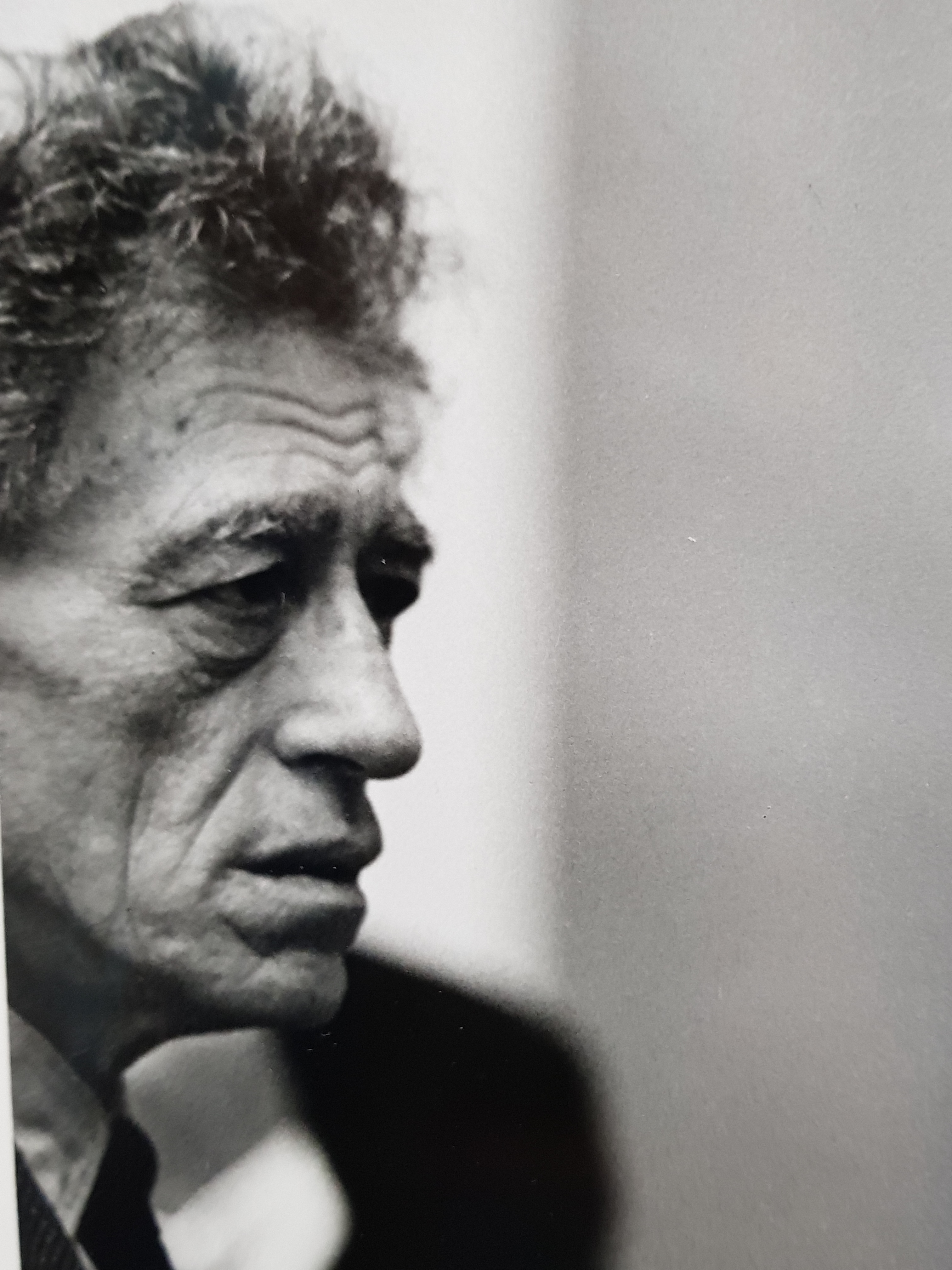
Giacometti:-

image

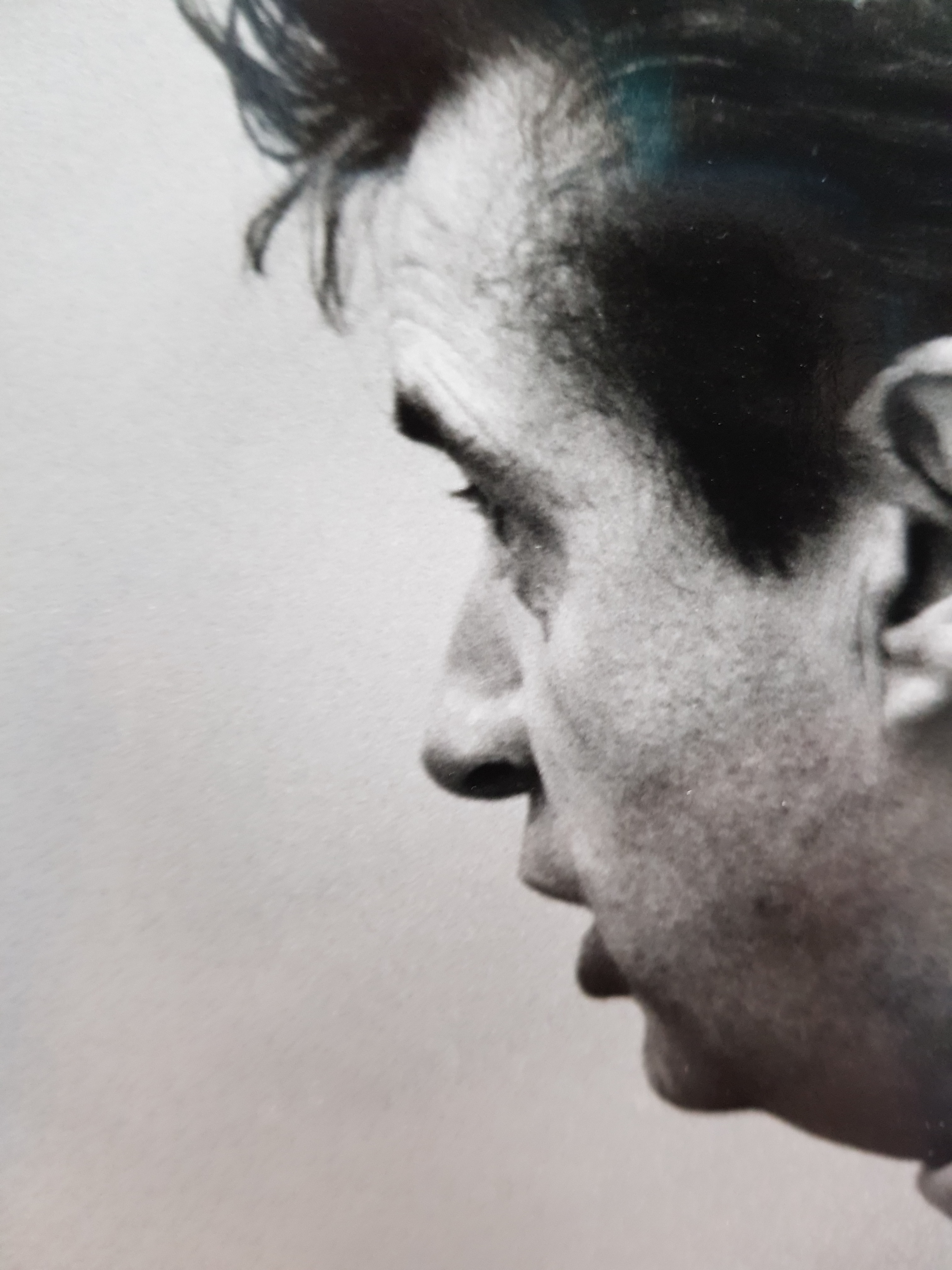
Meets Bacon:-

image

They go well together: both examples of post-war angst, hovering between figuration and fragmentation.

Early Bacon (Head III 1949):-

image

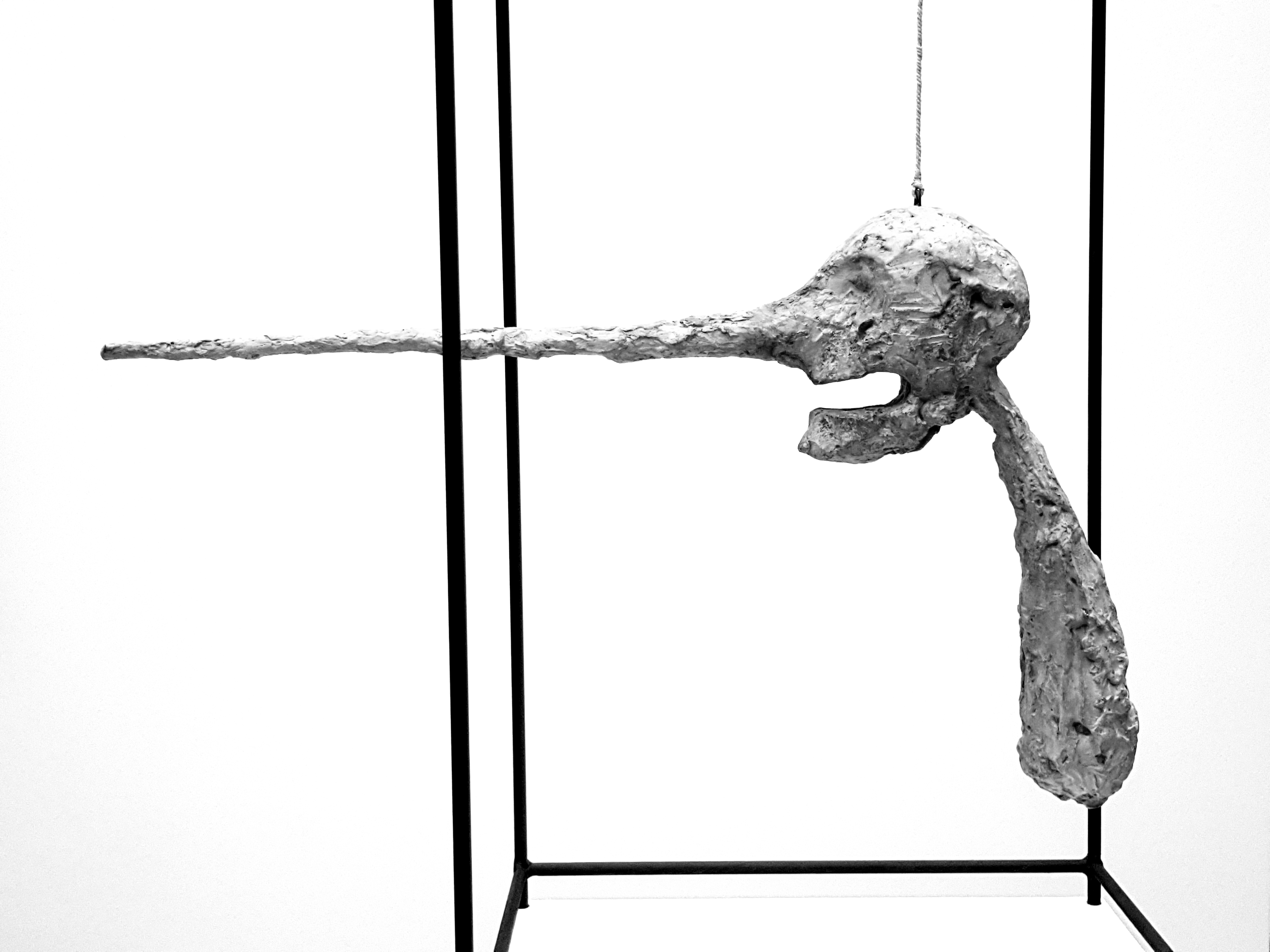
Early Giacometti (The Nose 1947-9):-

image

Standard

BP Portrait Award

I went tonight to the announcement of the winner of this year’s BP Portrait Award.   It turned out that it was the 29th. year that the award has been sponsored by BP, which must be one of the longest and most consistent examples of corporate support, now worth £35,000 to the winner, as well as a portrait commission, which makes it one of the biggest prizes in the country.   Before BP, it was the John Player Portrait Award, established in 1980, and one of the early examples of title sponsorship in the arts.   The winner was Miriam Escofet, a Spanish artist in her fifties, who has painted her mother:  a demonstration of the way that the BP Portrait Award keeps alive the tradition of serious and life-like portraiture as a legitimate practice in the arts.

Standard

The Knighthood

Since so many people have written to congratulate me, including many readers of the blog, it might seem mildly perverse not to mention that I appeared in yesterday’s honours.   The truth is that the system requires one not to say anything for quite a long time, at least in the age of rapid media, so that I had slightly bottled it up and not told anyone, including Romilly;  and we spent the day in rural mid-Staffordshire, driving through areas of deep farmland in amongst the power stations, visiting churches far away from any newspaper.  But, thank you !  It, and all the messages, are really appreciated.

Standard

Hoar Cross

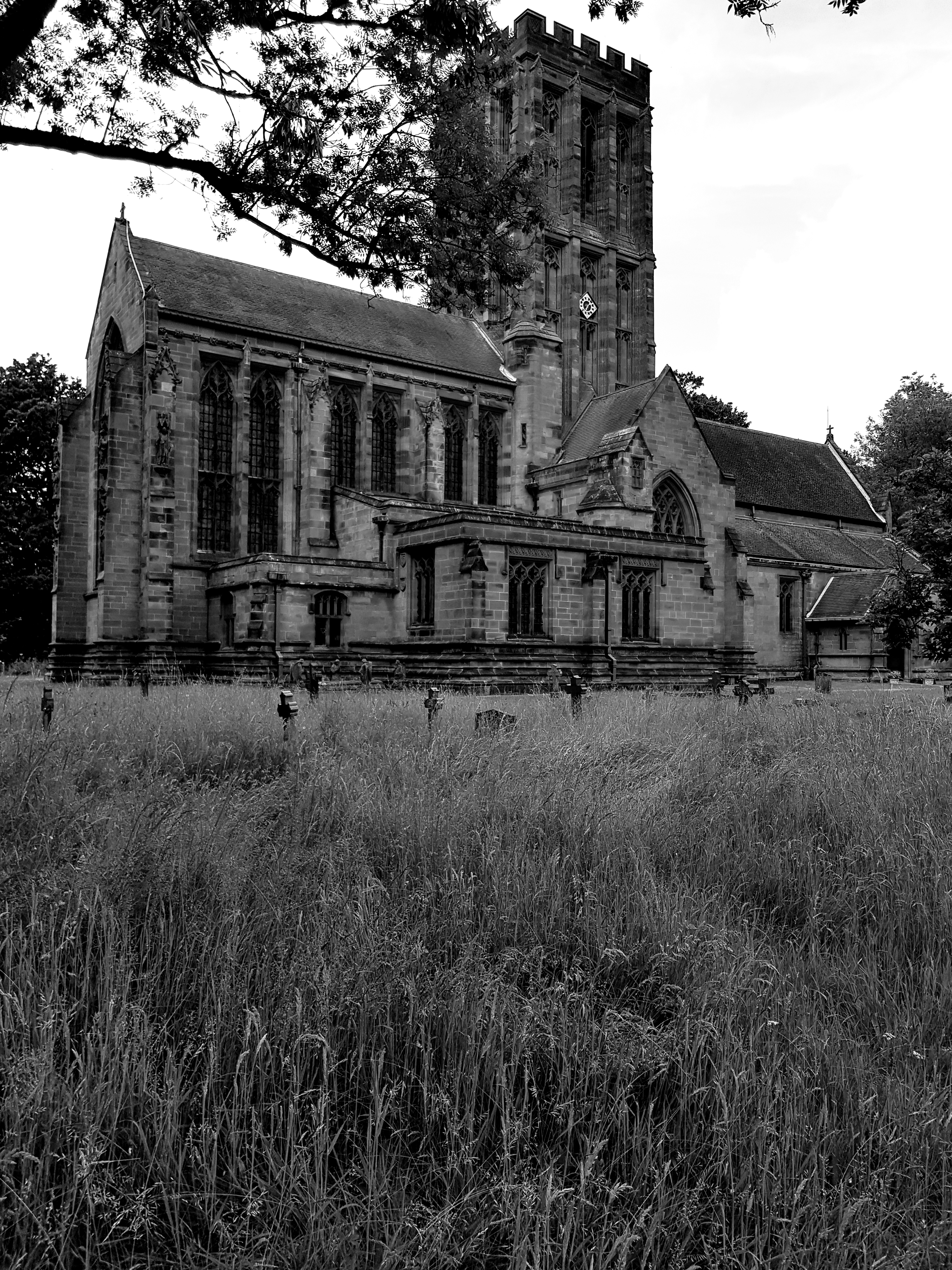
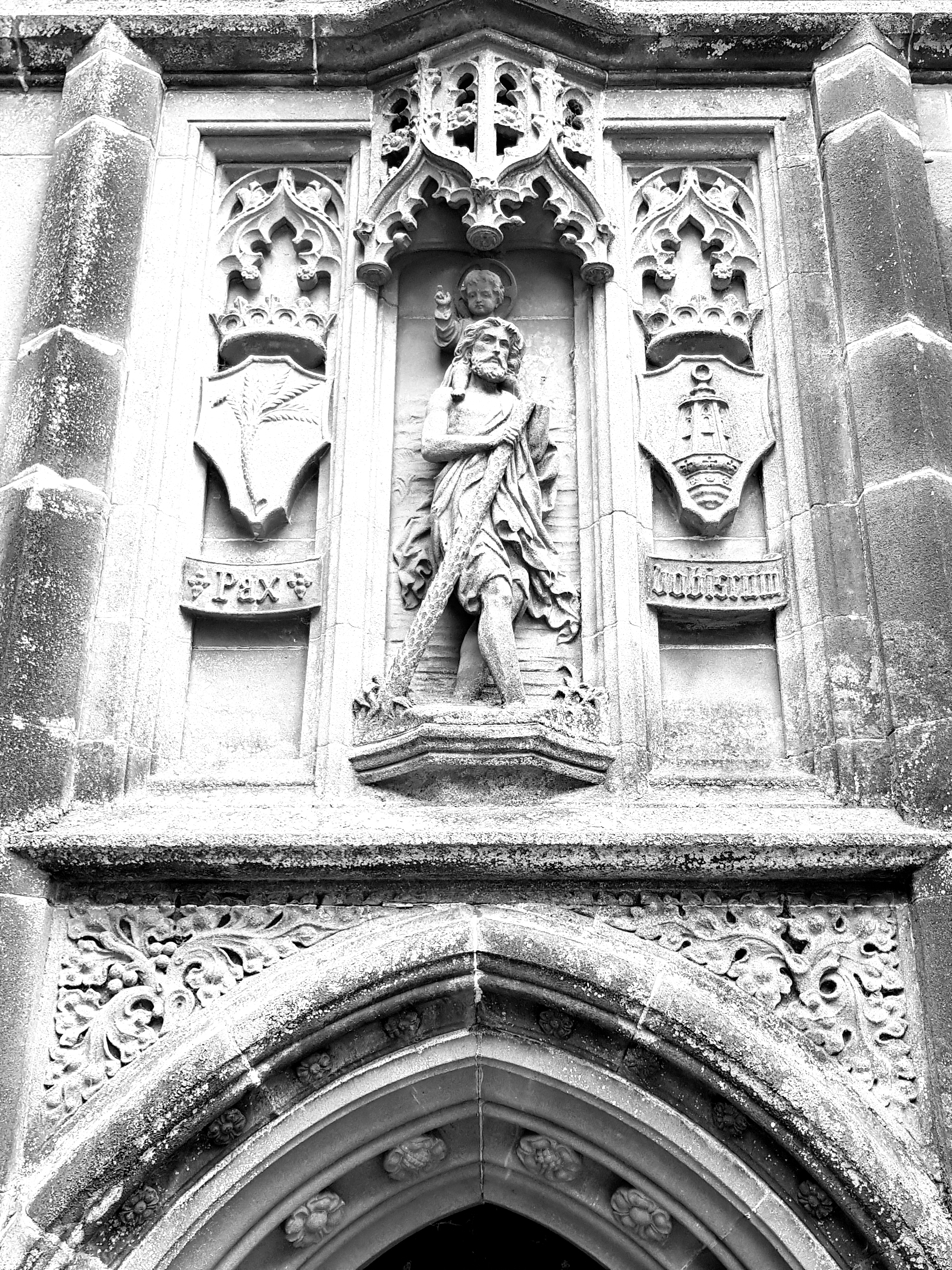
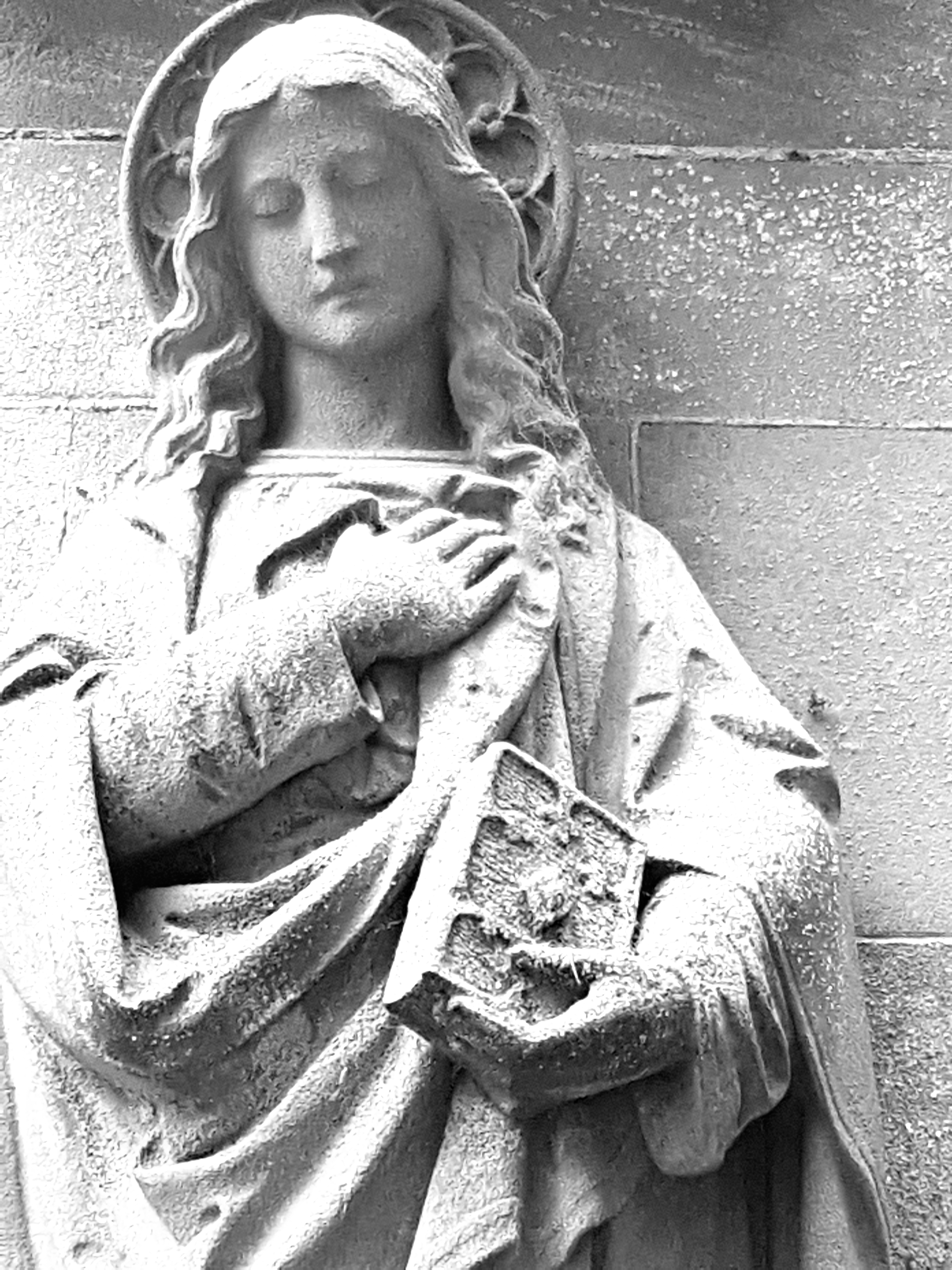
I first visited Bodley’s church of the Holy Angels in Hoar Cross in the mid-1970s.   It made a great impression on me for its solidity and seriousness and sense of high Victorian conviction.   It did so again today:  big, like an abbey church, with no money spared by the widow, Emily Meynell Ingram, on its ornament and decoration.

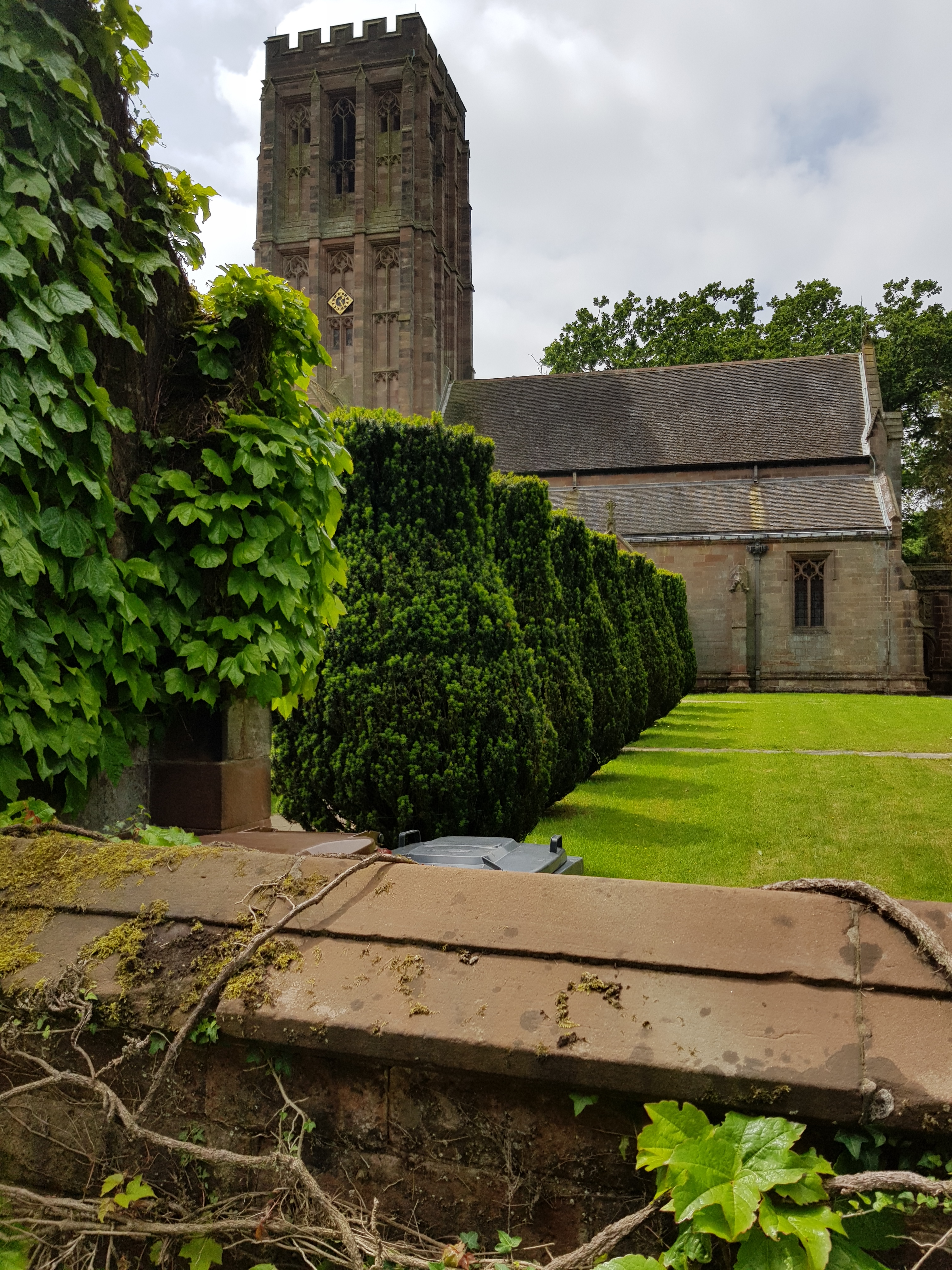
We had plenty of time to admire the outside as there was a wedding going on:-

image

image

image

image

image

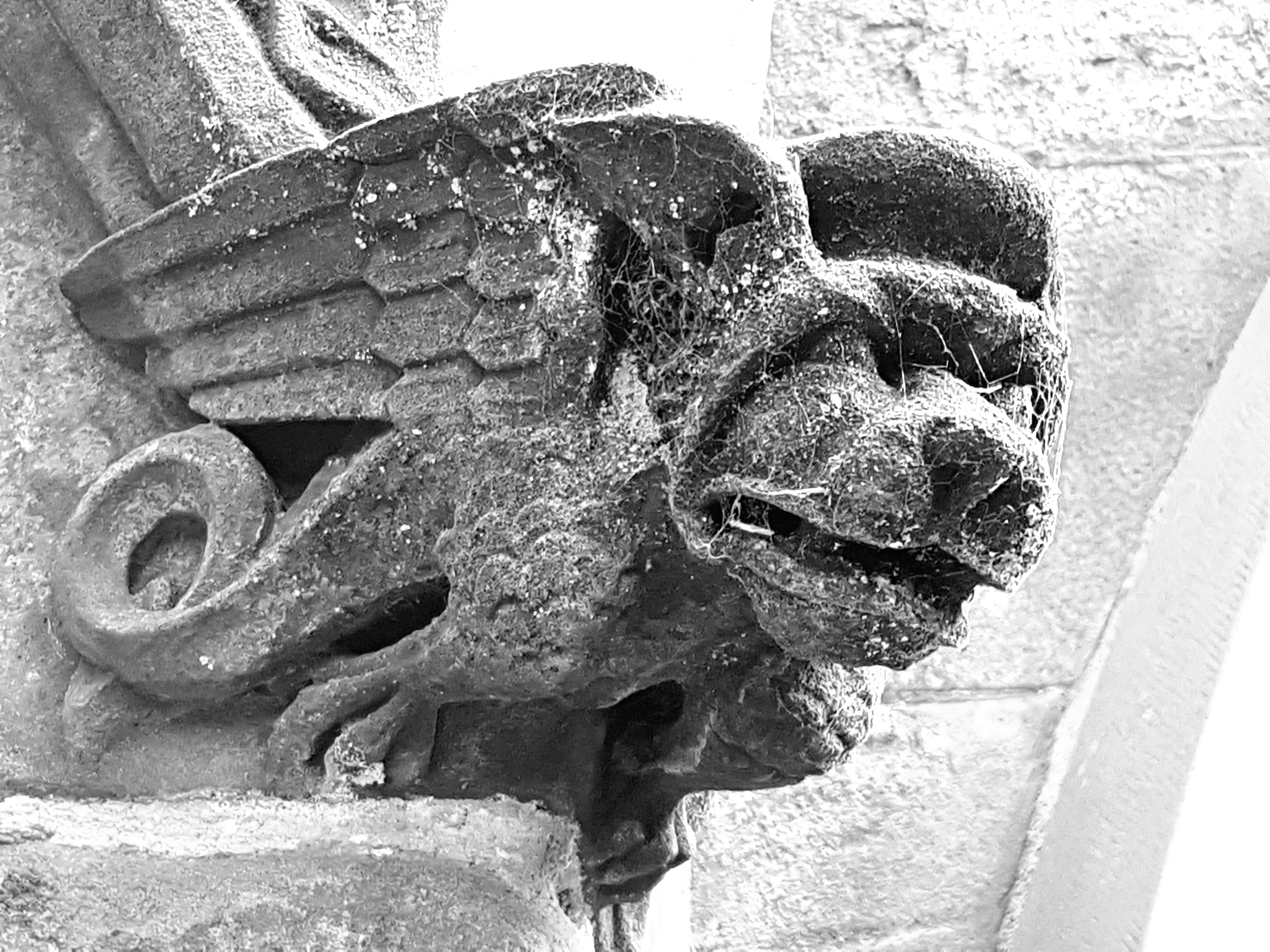
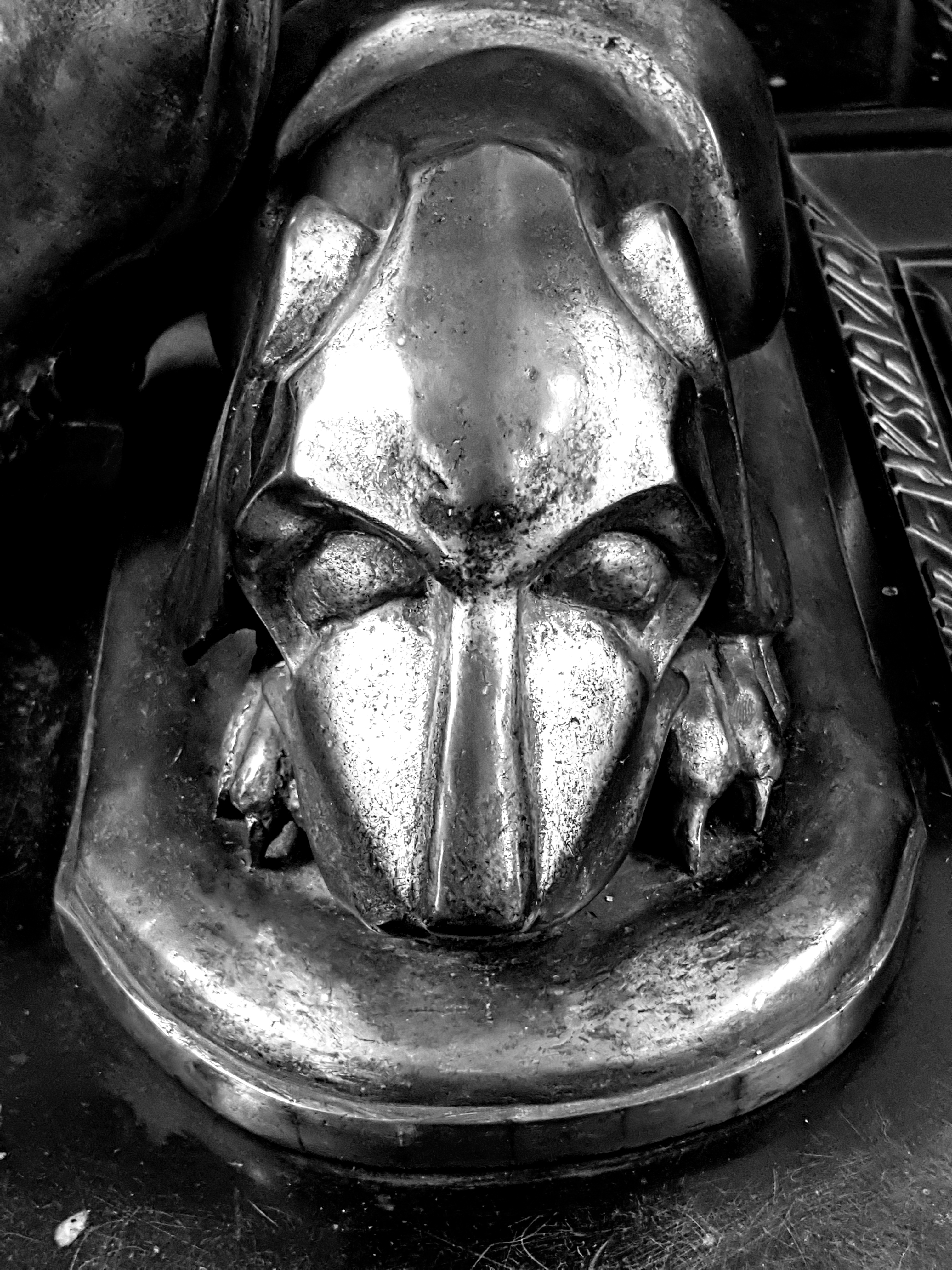
Good gargoyles:-

image

image

And a wonderful, richly ornamented, grand interior:-

image

image

image

Standard

Ingestre Church

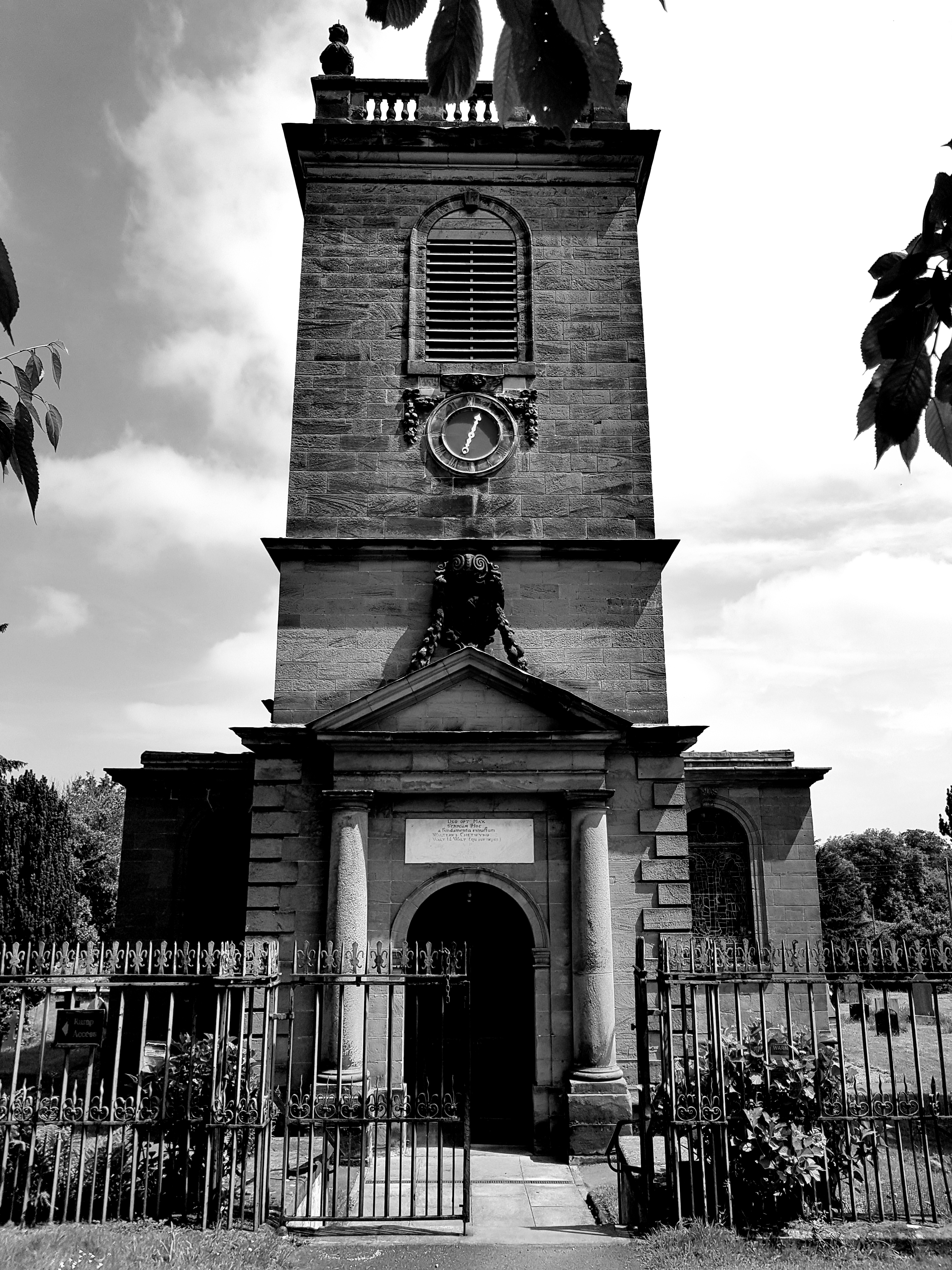
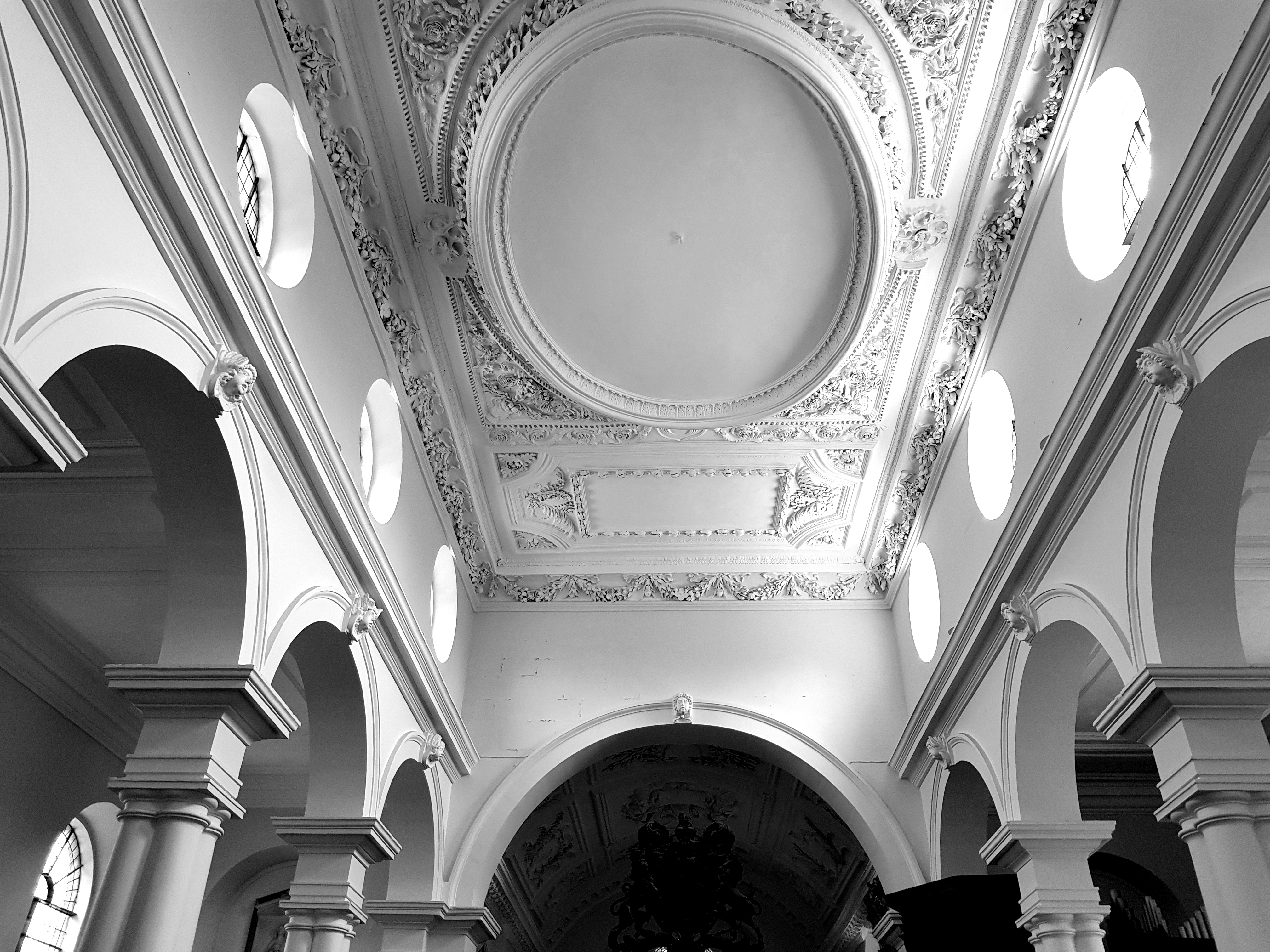
Ingestre Church is said to be by Wren, but, as far as I can see, without much evidence apart from the fact that Walter Chetwynd, the then owner of Ingestre Hall, was an FRS as well as MP for Stafford, interested in antiquities and natural history, and regarded by Gregory King as ‘a great ornament of his country’.   So, it’s possible that he asked Wren for a design.   It’s quite simple outside, more ornamented, particularly in its plasterwork inside:-

image

image

There’s a good monument to the Eighteenth Earl of Shrewbury:-

image

image

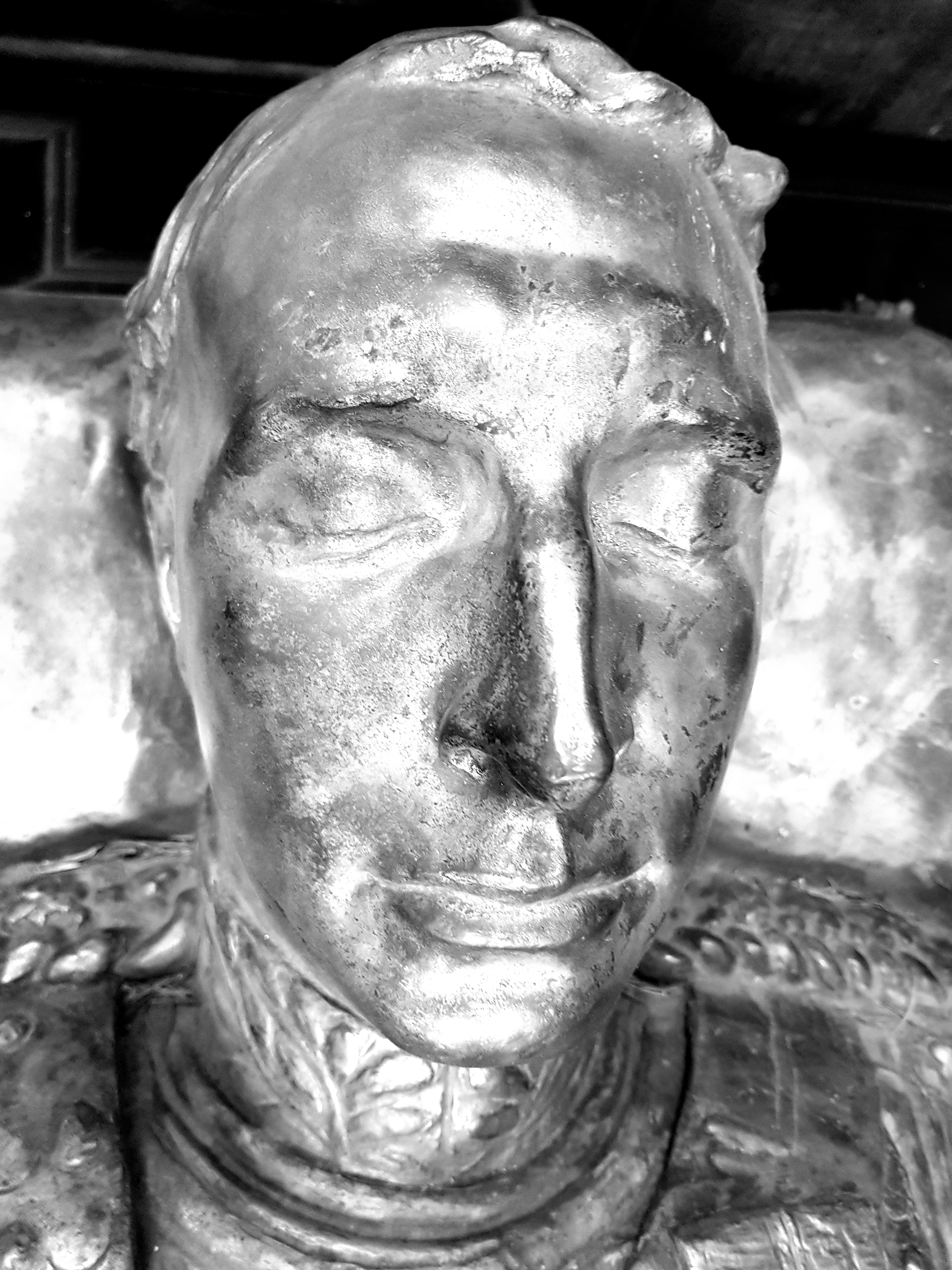
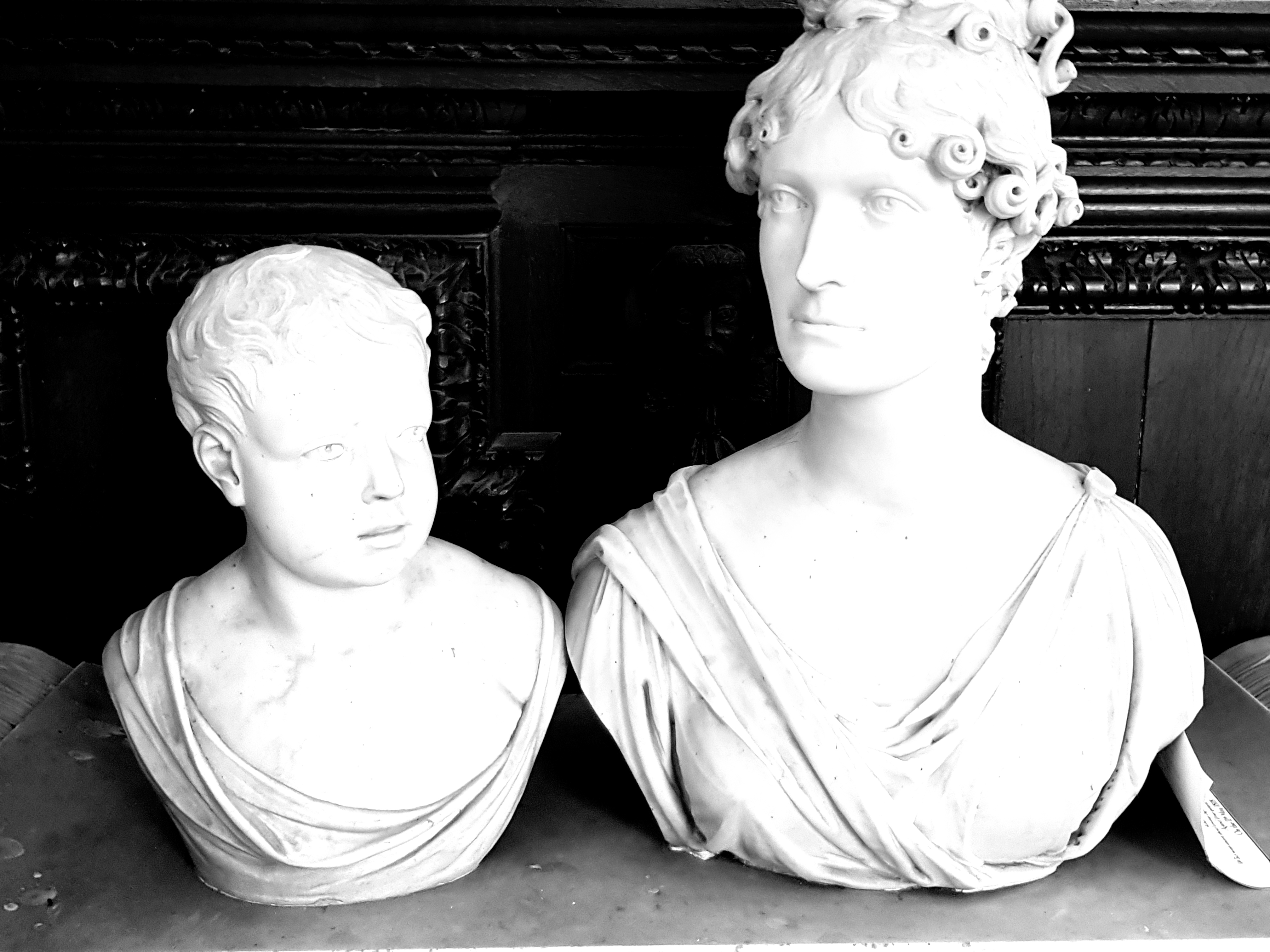
And two busts said to be by Thomas Kirk, an Irish sculptor:-

image

Standard

Lichfield Cathedral (1)

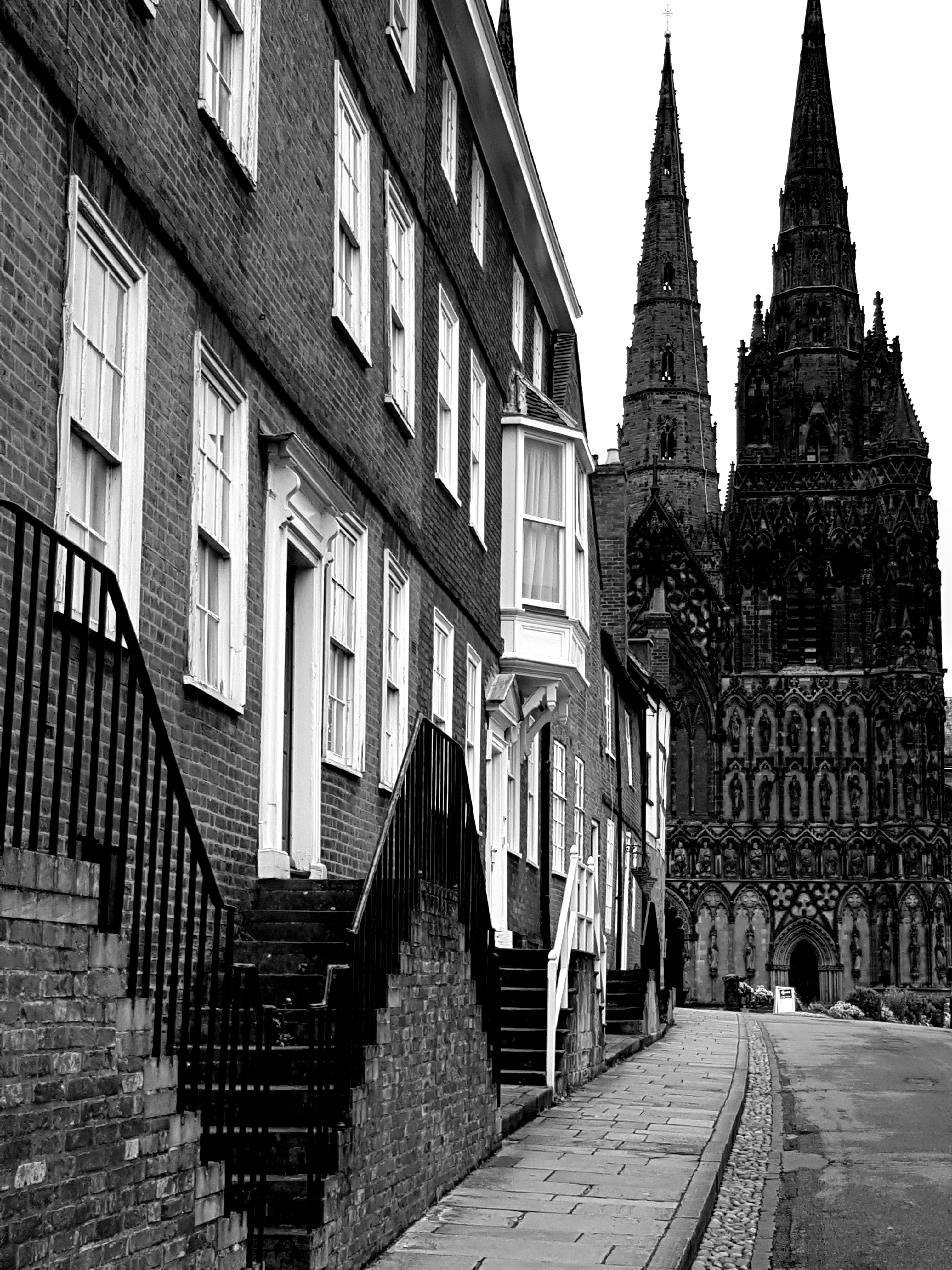
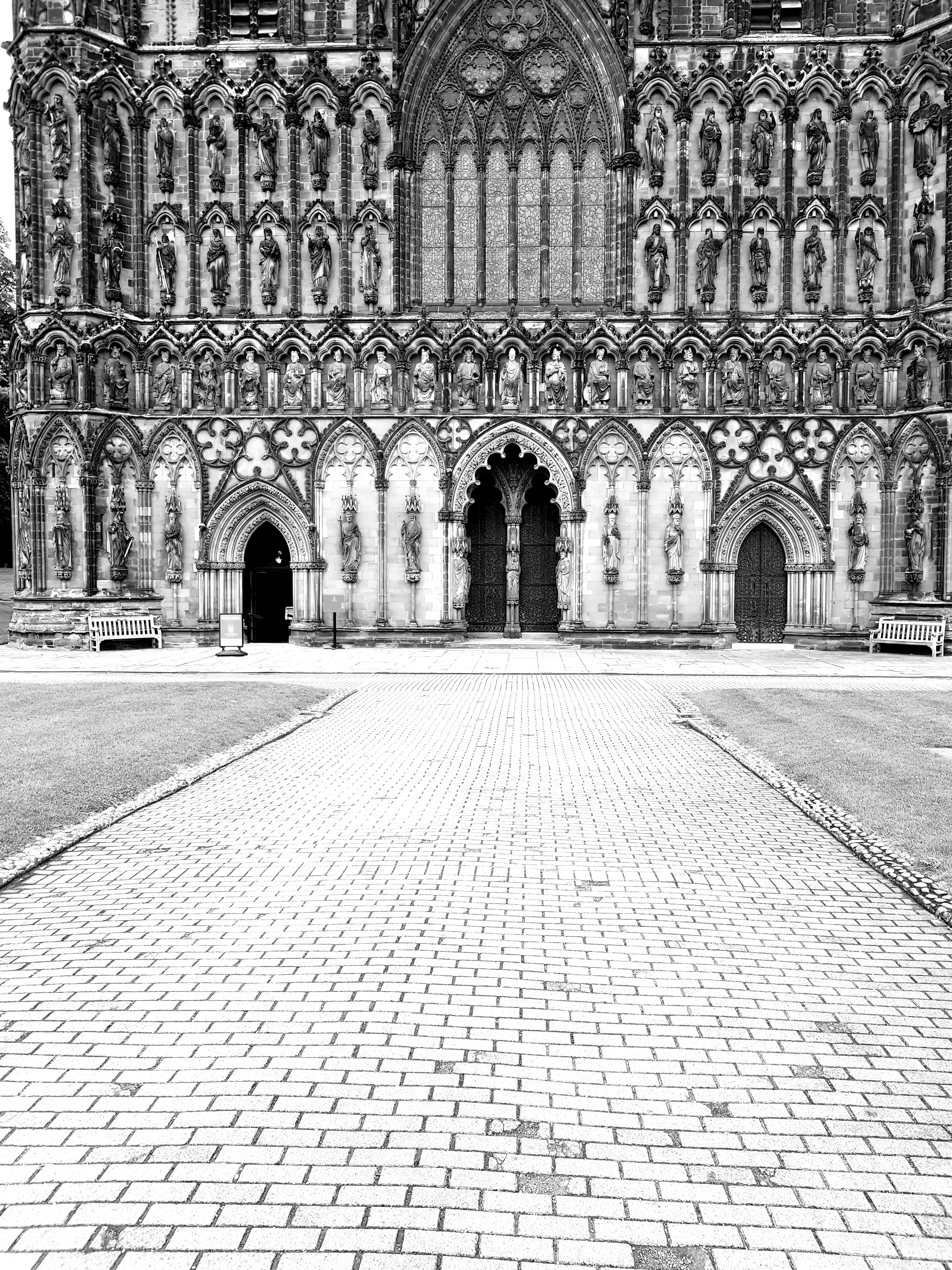
We stopped off at Lichfield Cathedral which bizarrely we have never been to: much of it medieval, but more of it the result of highly sensitive Victorian restoration, begun by Sydney Smirke and continued by Gilbert Scott and his son, John Oldrid.

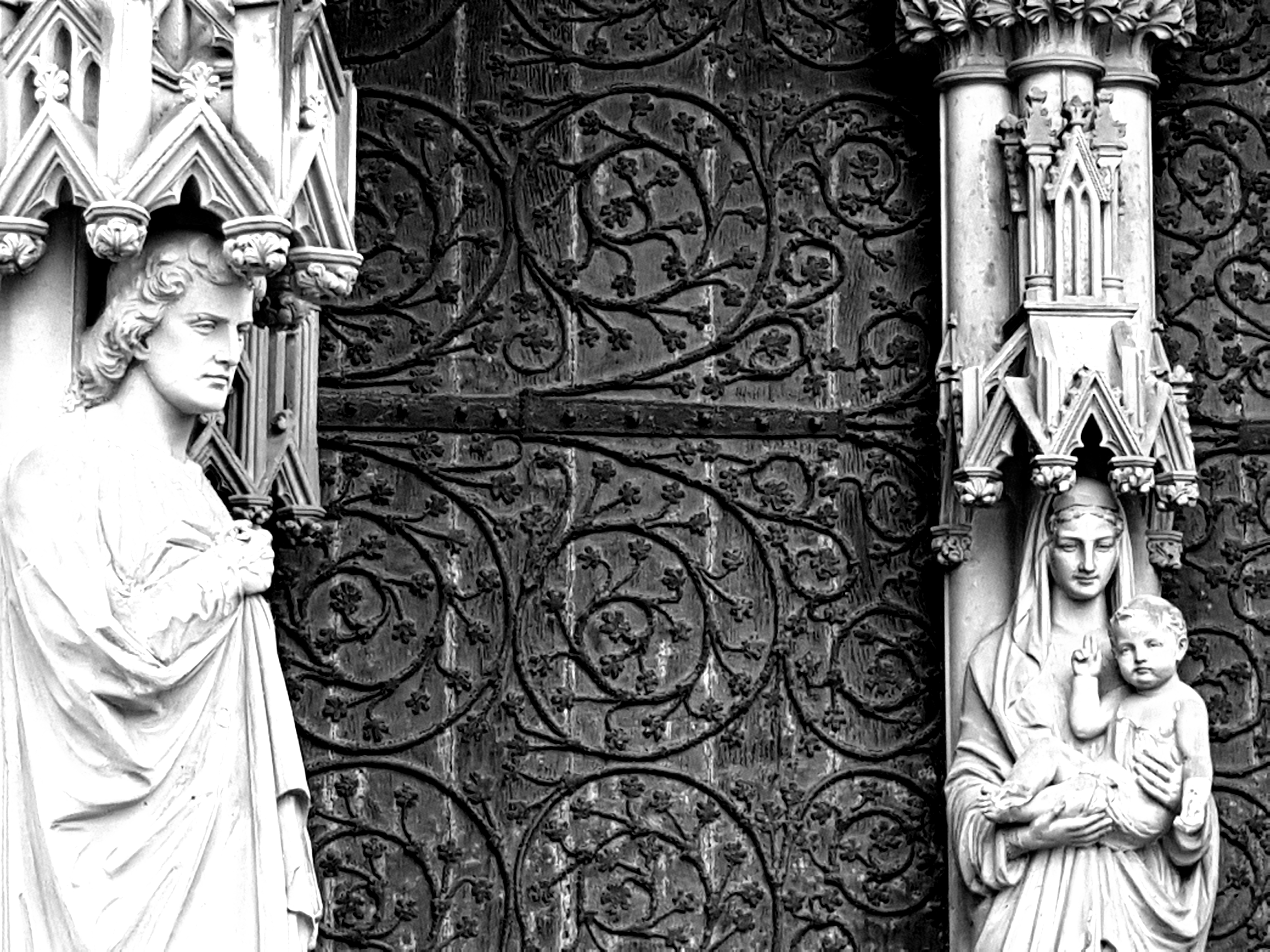
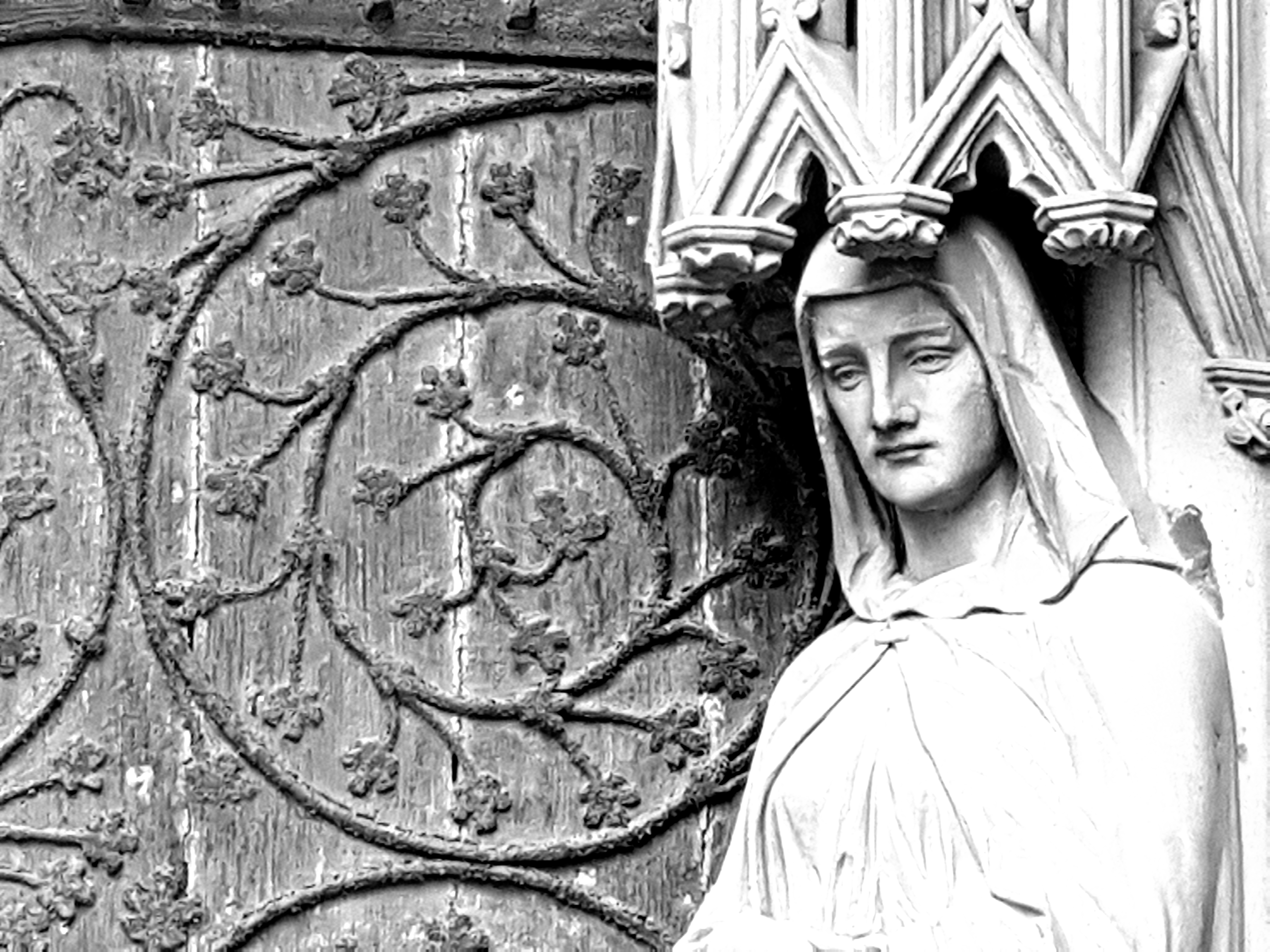
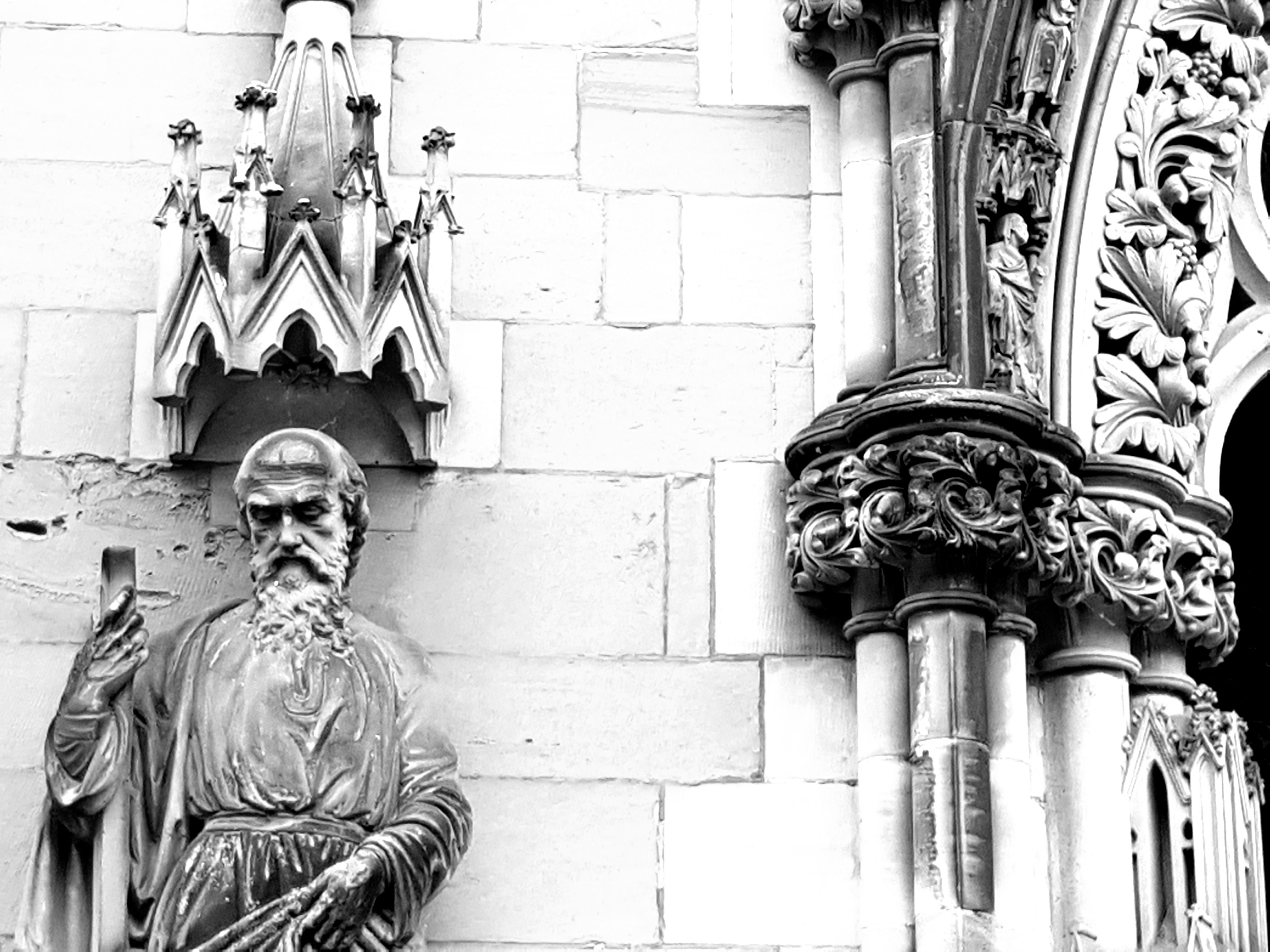
The west front looks as it did in an engraving by Britton, but the statues by the portico are by Mary Grant and the rest by a local nineteenth-century workshop:-

image

image

image

image

image

image

image

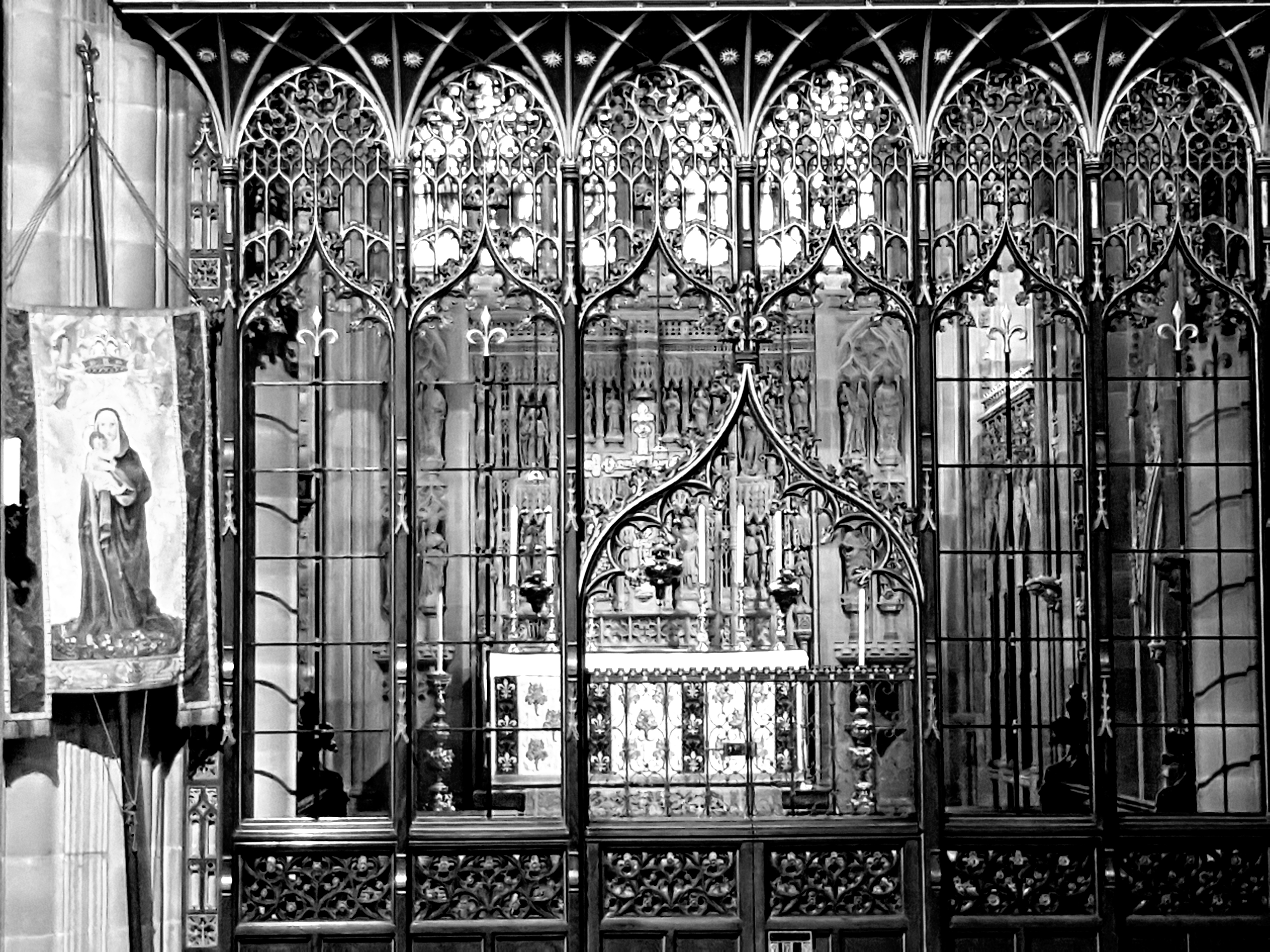
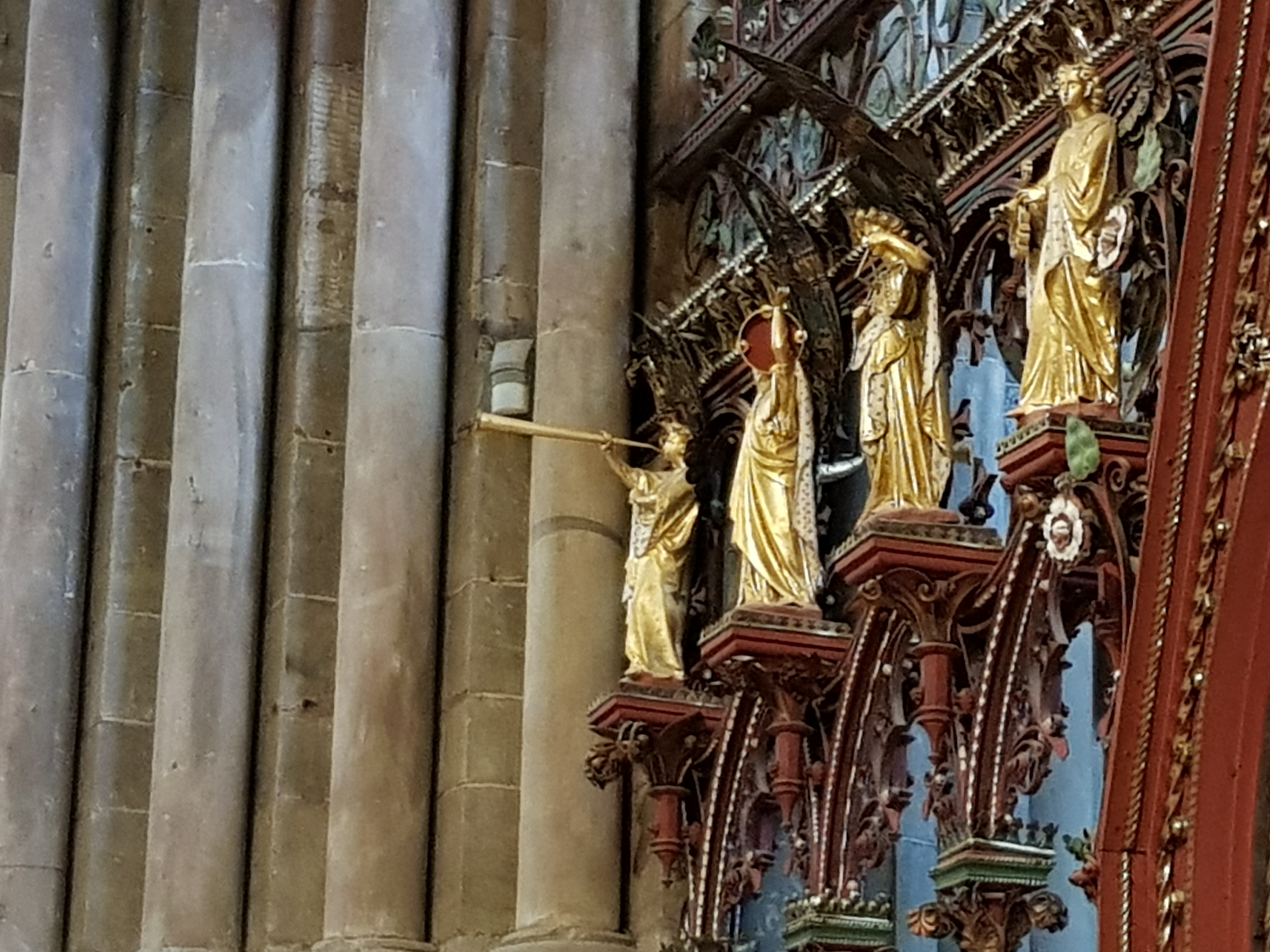
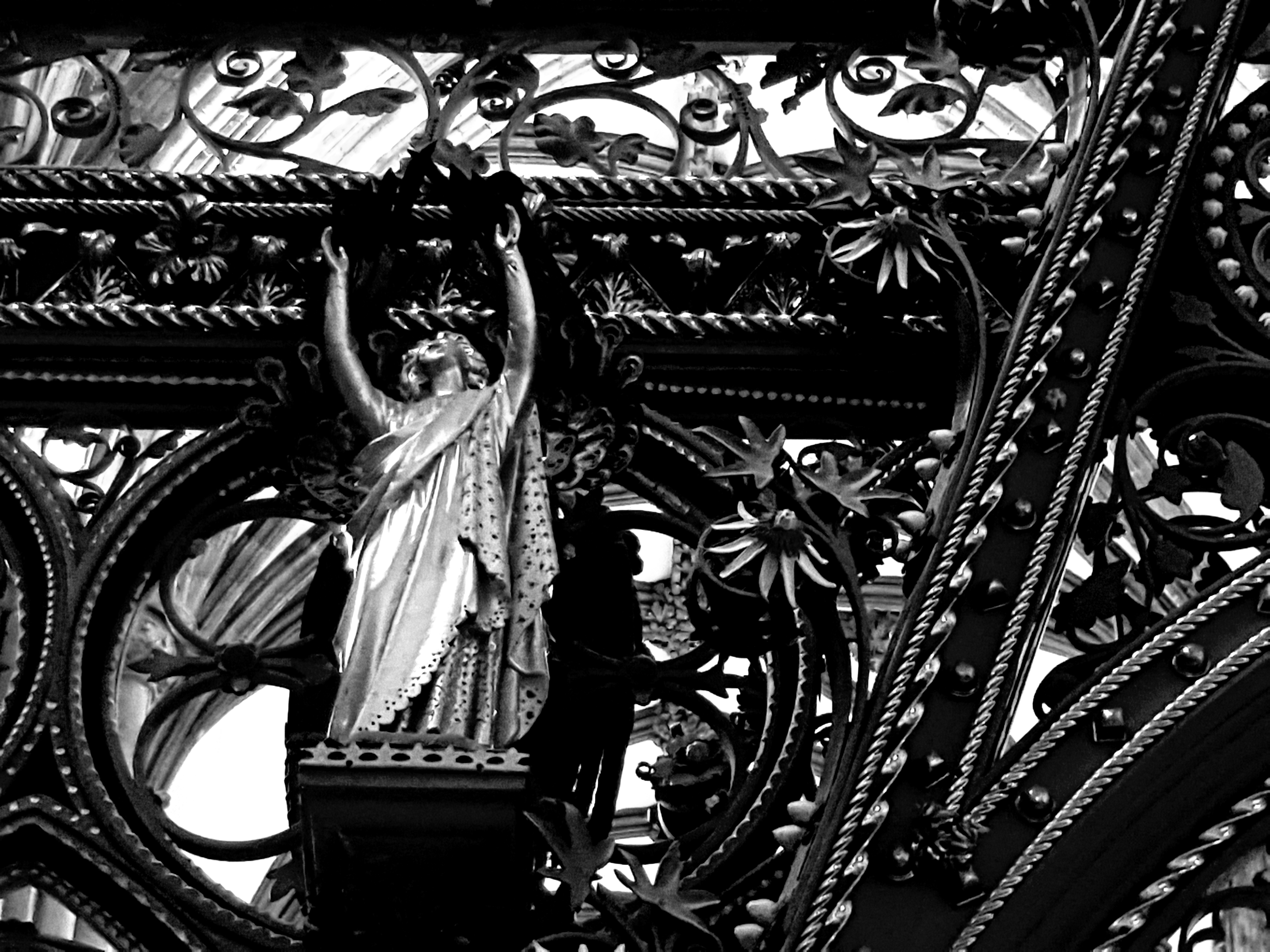
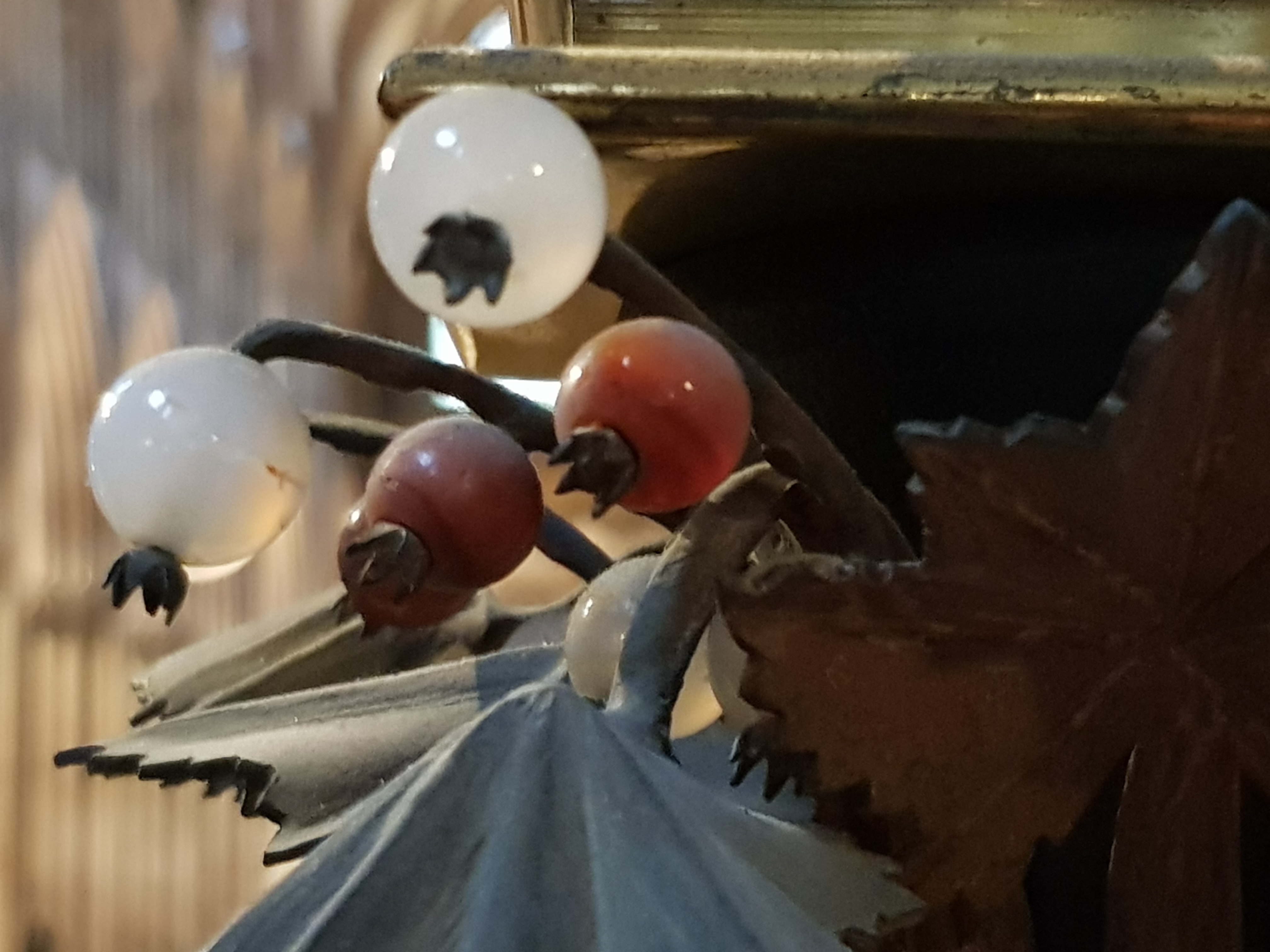
There is a wonderful Victorian screen designed by Gilbert Scott and executed by Francis Skidmore of Coventry between 1859 and 1863:-

image

image

image

image

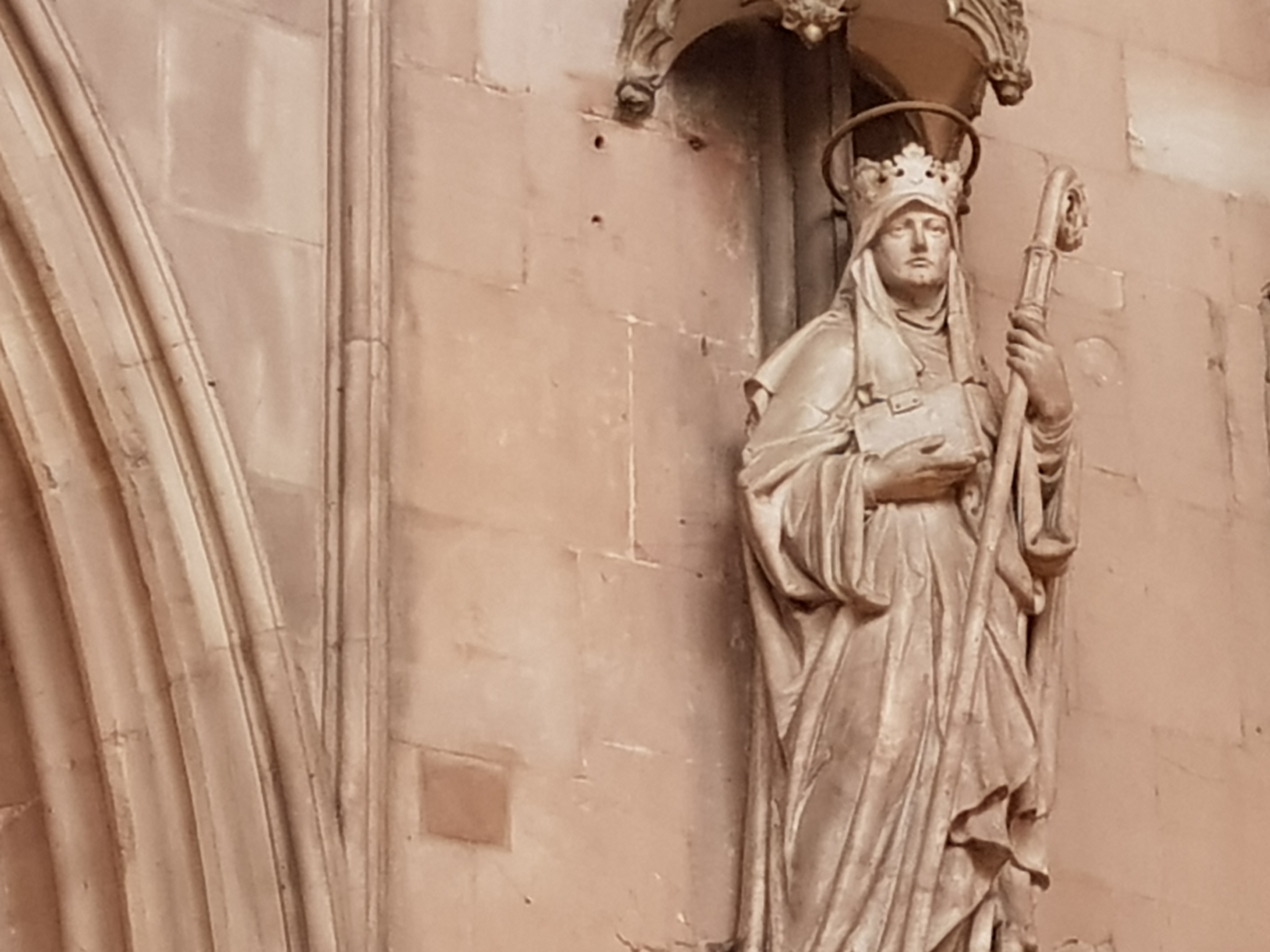
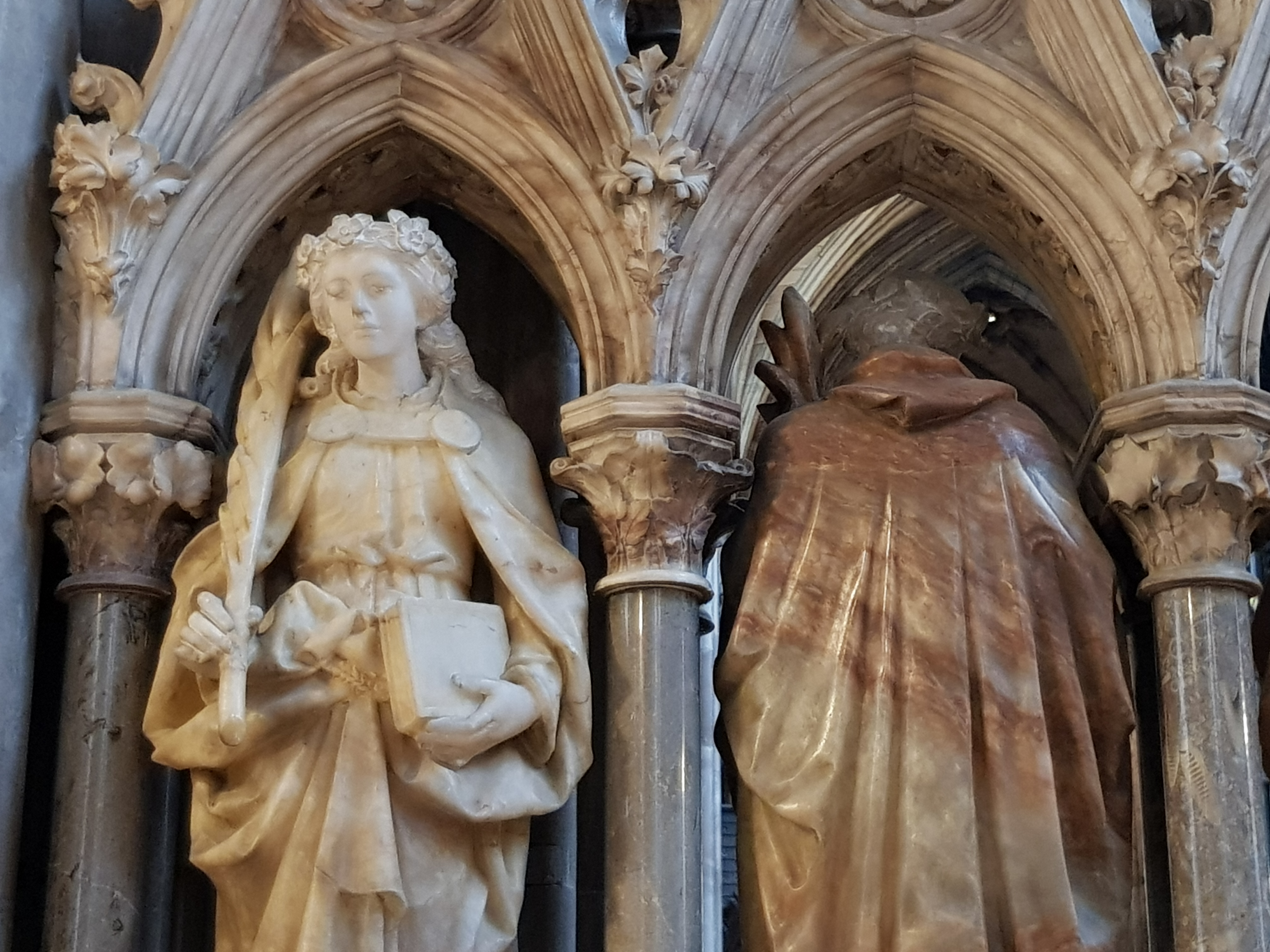
More good Victorian statues in the choir:-

image

image

image

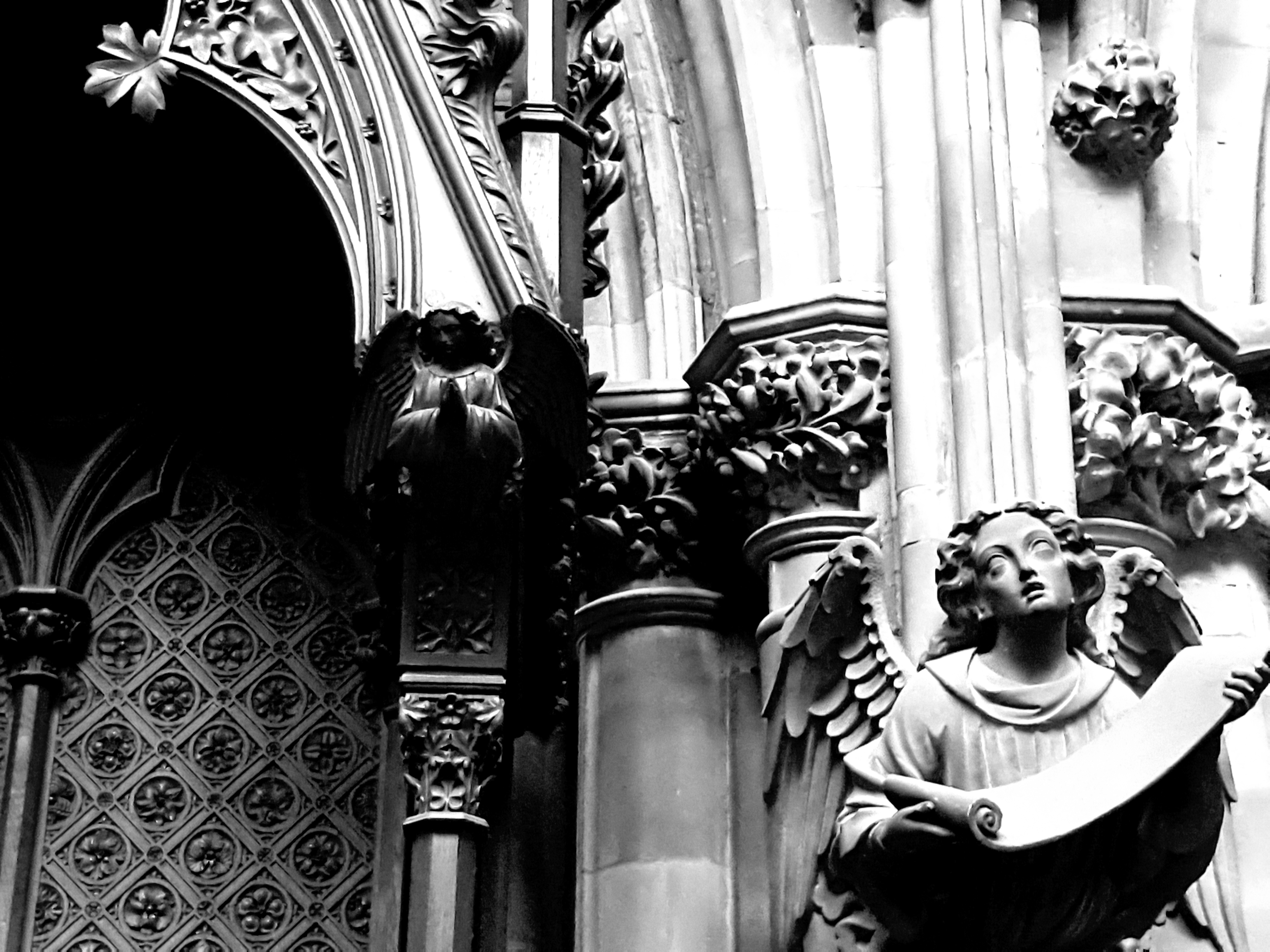
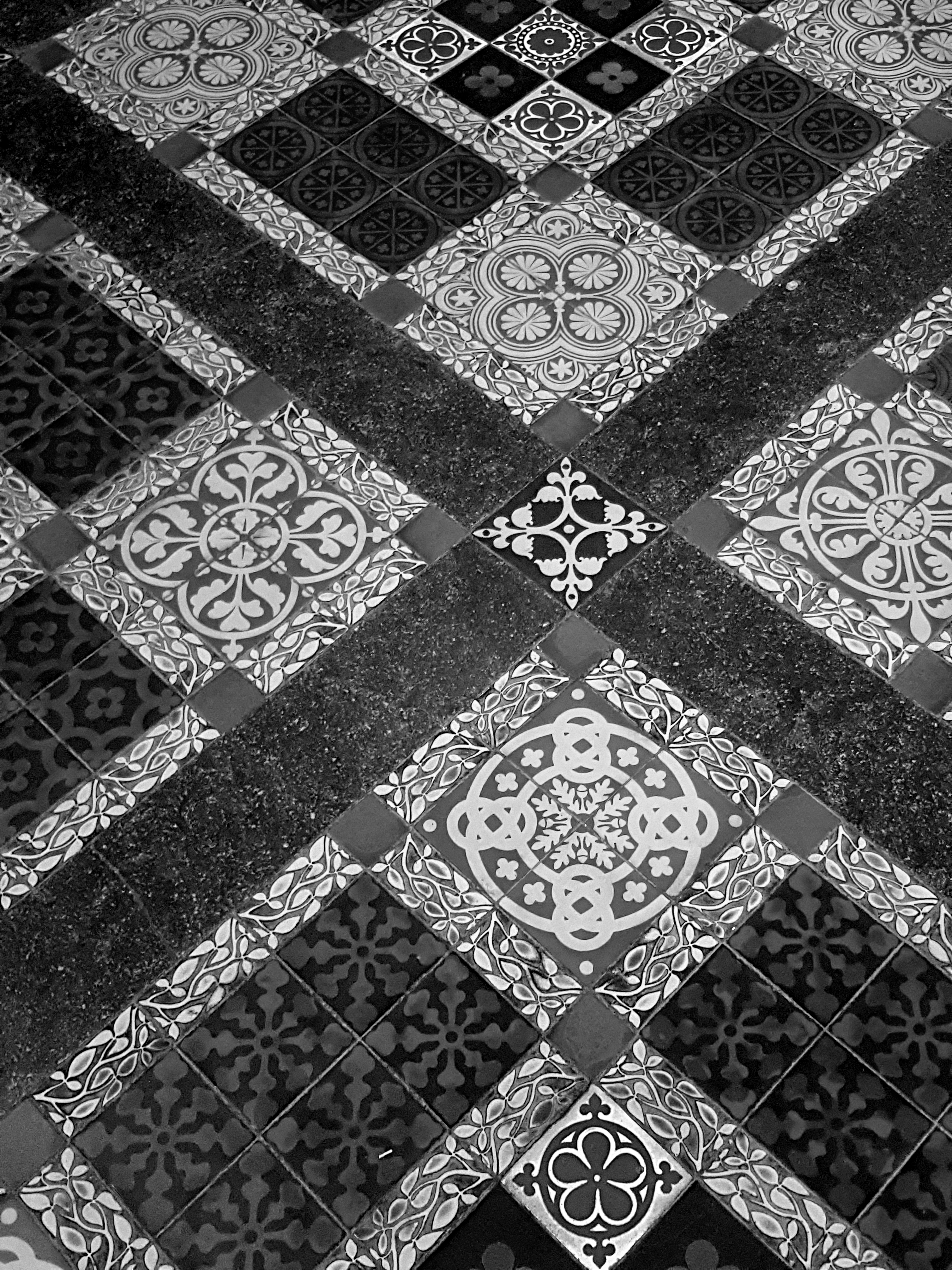
Good Minton tiles in the choir:-

image

And a reredos with more Victorian carving, this time by John Birnie Philip:-

image

Standard

Ingestre Pavilion

We are staying the weekend in the middle of deep woods in Ingestre Pavilion, a small folly on an estate in mid-Staffordshire, where Capability Brown landscaped the park for the second Viscount Chetwynd, MP for Stafford and an Irish peer.   The pavilion itself was apparently constructed by Charles Trubshaw, a local mason-architect who was undertaking work at Ingestre in 1752.   By 1802, everything behind it had been demolished, so it was left to Philip Jebb, a Catholic and a Kingsman, to add an octagonal room behind:-

image

image

Standard