A Letter to the Times

I don’t normally write letters to the Times, but was encouraged to yesterday.   This is the text (I don’t think it has been edited):-

In the week that the Royal Academy opens a new building dedicated to Britain’s achievements in the arts, I write in support of Alice Thomson’s article about the decline in all forms of art teaching in Schools.   This is an issue about which all Royal Academicians are united in deploring:  the loss of visual skills;  the importance of creativity;  the role of the imagination;  and the ways in which the arts have been a vehicle for social mobility.   The government is going in the wrong direction.

Standard

Pomo (1)

I called in at the Postmodernism exhibition:  nice, if small.   Jim Stirling’s No. 1 Poultry, beautifully illustrated in drawings which show it artfully in the context of its surroundings;  Rex Wilkinson of CZWG’s Cascades, with a disgracefully nasty review by Stephen Gardiner in the Observer which demonstrates the depth of prejudice at the time against any form of architecture which might give pleasure to the viewer or play games with formal language;  Terry Farrell’s MI6 Building;  John Outram’s Wadhurst Park which was my first introduction to the genre;  and then, unexpectedly, Jeremy Dixon’s original designs for the Royal Opera House, which are much less flamboyant examples of the style, but share an interest in classicism and contextualism, trying to avoid the destruction of Covent Garden as a neighbourhood, a quality for which it is inadequately appreciated.

Standard

Paddy Leigh Fermor

A cancelled lecture meant that I was able to call in at the exhibition in the British Museum devoted to a triumvirate of friends in Greece in the post-war period – John Craxton, Paddy Leigh Fermor and Niko Ghika.   It reminded me of the fact that the NPG commissioned John Craxton to paint Leigh Fermor, based on a knowledge of their friendship and the fact that Craxton had done the dustjackets for all of Leigh Fermor’s books from Mani onwards.   It never happened.   By then, it was perhaps too nostalgic an exercise and Craxton had become more interested in his life in Crete than in answering the demands of a formal commission.   But it’s sad nonetheless and means that Leigh Fermor is recorded in the NPG only by photographs (Craxton by an early Self-portrait because Freud claimed that his portrait of him was not of him).

Standard

HLF

While I’m on the subject of the New RA, I should document the role of the HLF in making it possible.

I discovered last night (which I had not known) that the origins of the project go back to 1992, when Sir Piers Rodgers, my predecessor, but three – or four, depending on who you count – first learned that the British Museum was planning to vacate the building and went to see Virginia Bottomley, the then Secretary of State, to seek her support for the RA to secure it (they had apparently previously tried to acquire it in 1900 when the University of London left).   It was the same era as the establishment of the lottery by John Major as a way of escaping Treasury control on major capital projects.

During the 1990s, there were endless discussions as to its appropriate use, including a common one that it should be a centre for the display and discussion of architecture, vigorously promoted by Philip Dowson, the then PRA.

The HLF turned the first project down in 2001.   The RA asked for too much money and it was after the HLF had turned its funding – for good reason – away from London.   But they did give the current project £12.7M in 2013;  and one of the pleasures of last night was seeing Jenny Abramsky, the then chairman, who supported the project after lying on a bed in our then louche café, Wesley Kerr, the then chair of the London committee, Christopher Woodward, who supported the project when it went to the main Board against those who felt that the RA was a private institution, Jane Stancliffe, the original project officer, and Patricia Lankester, who has been a project monitor since the beginning, as well as being able to walk Peter Luff, the current chairman, through the building.

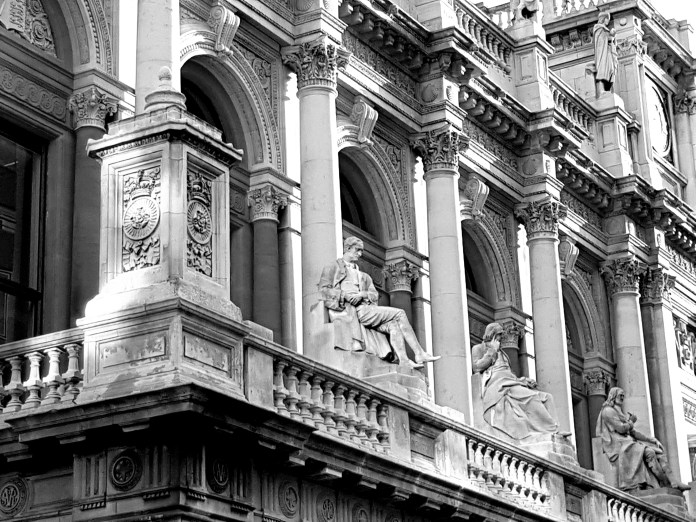
I mention all this because fewer people are buying lottery tickets;  the HLF is no longer able to give big lottery grants;  the Arts Council has absorbed its lottery funding into its routine grant-giving.   So, Burlington Gardens may be one of the last grand monuments to a long and fertile period of lottery funding:-
image

Standard

The New RA (3)

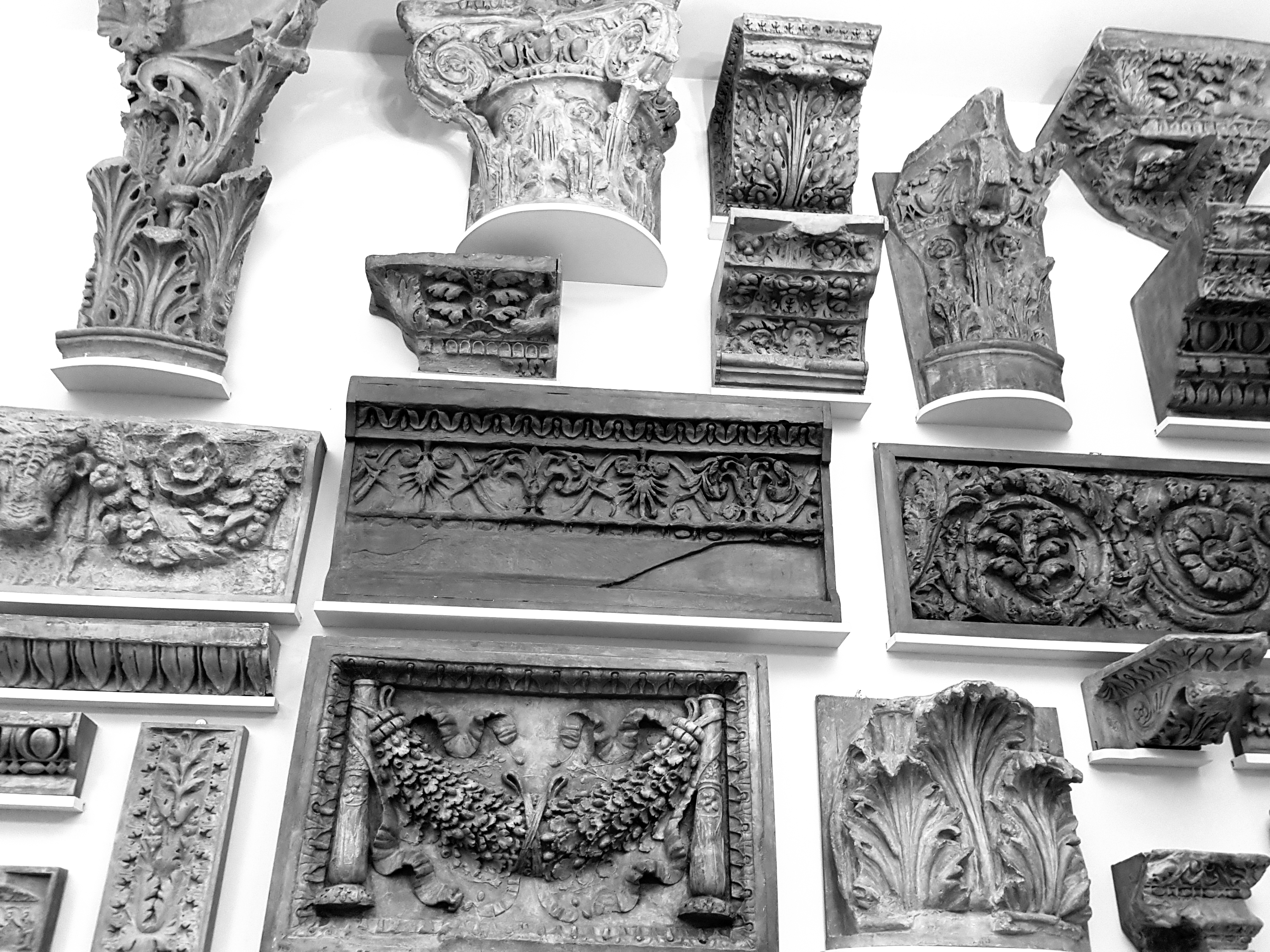
We had the opening of the New RA last night – young and old, long-term supporters, donors, patrons, all those who have been involved in the project since the beginning, artists, RAs, all in a great impenetrable swirling mass throughout the building. It is a slightly strange experience after many years (at least ten) of looking at ground plans and CGIs of the various spaces to see them realised in three dimensions: some exactly as conceived from an early stage of the project; some, like the Dorfman Architectural Court, bigger and more important to the experience than expected, filled with architectural casts from Thomas Lawrence’s collection:-

image

There were moments that I particularly enjoyed: two people who came on a hard hat tour sitting enjoying the seats that they sponsored; seeing Roy Strong, who gave me my first job at the V&A, and Isaac Julien, one of the recently elected RAs; and lots of staff who contributed to the project at an early stage seeing the results of their labours.

I took only one photograph, which was from the bottom of the disabled ramp at the front, a solution to the problem of convenient and permanent access from the street which was reached after many false attempts:-

image

Standard

Will Alsop RA

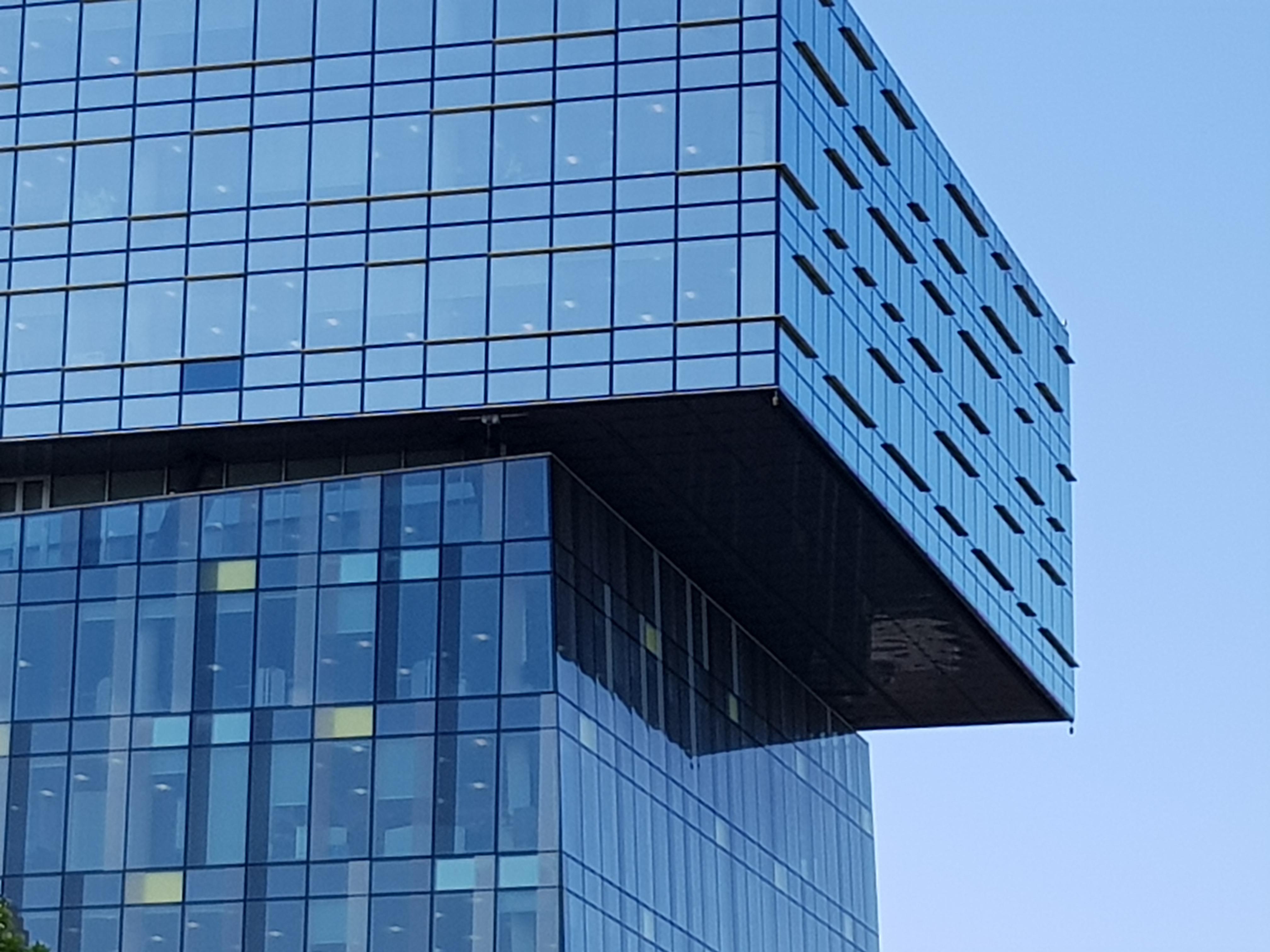
Because the Circle line was down this morning (signalling problems in South Kensington), I walked across Blackfriars bridge and was able to pay my respects to the Palestra Building, one of the relatively small number of Will Alsop’s grandly individual, multi-coloured, disrespectful and freely creative buildings.   He didn’t actually build that much, but like his mentor, Cedric Price, was at least important in the world of architectural ideas:-

image

image

Standard

James Legg

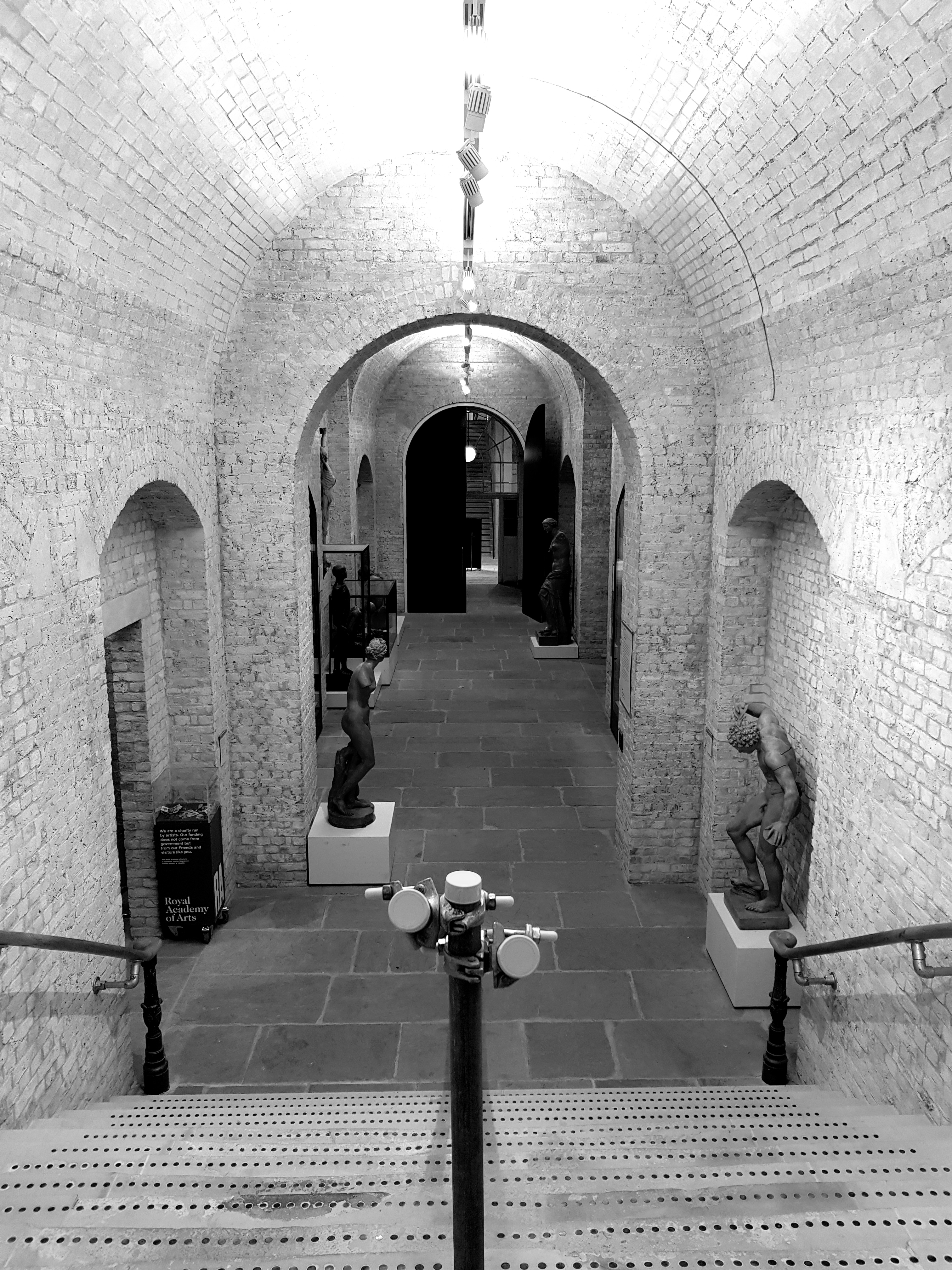
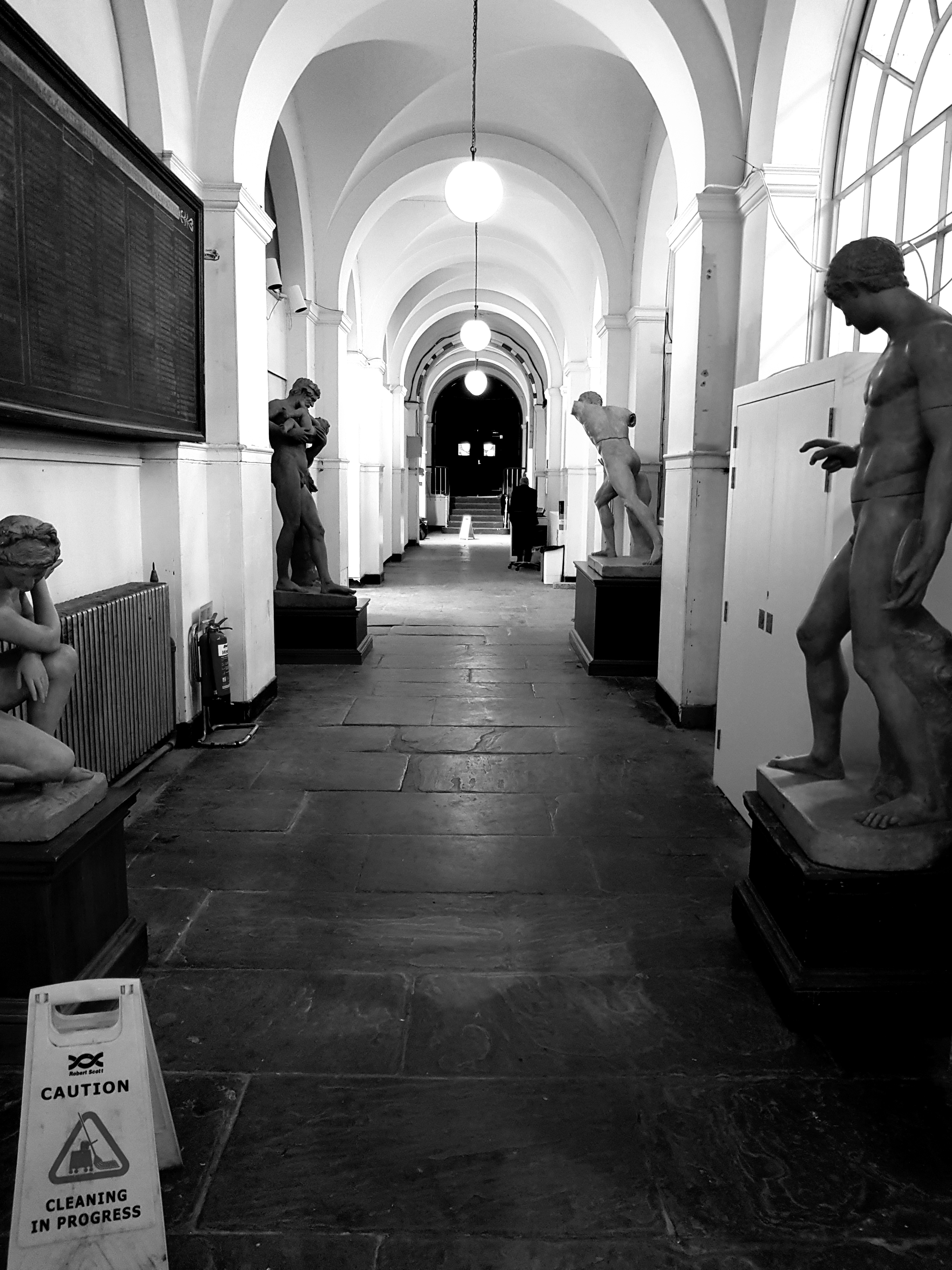
The first work of art to appear in the new brick arched vaults which now lead the visitor from the Cast Corridor of the Royal Academy Schools through to the front entrance hall of Burlington House was the crucified figure of an elderly Irish Chelsea pensioner called James Legg. It first appeared wrapped in a plastic bag:-

image

The work was produced as a result of an argument between Benjamin West, the then President of the Royal Academy, Thomas Banks, the sculptor, and Richard Cosway, the miniature painter as to what a crucified figure looked like in its anatomy. They commissioned Joseph Constantine Carpue, a surgeon, to acquire a corpse, so they could find out. He acquired the corpse of Legg who was hanged on 2 November 1802, the body was cast by Thomas Banks shortly thereafter, and has been used to teach students in the RA Schools ever since:-

image

image

image

image

Standard

Farnese Hercules

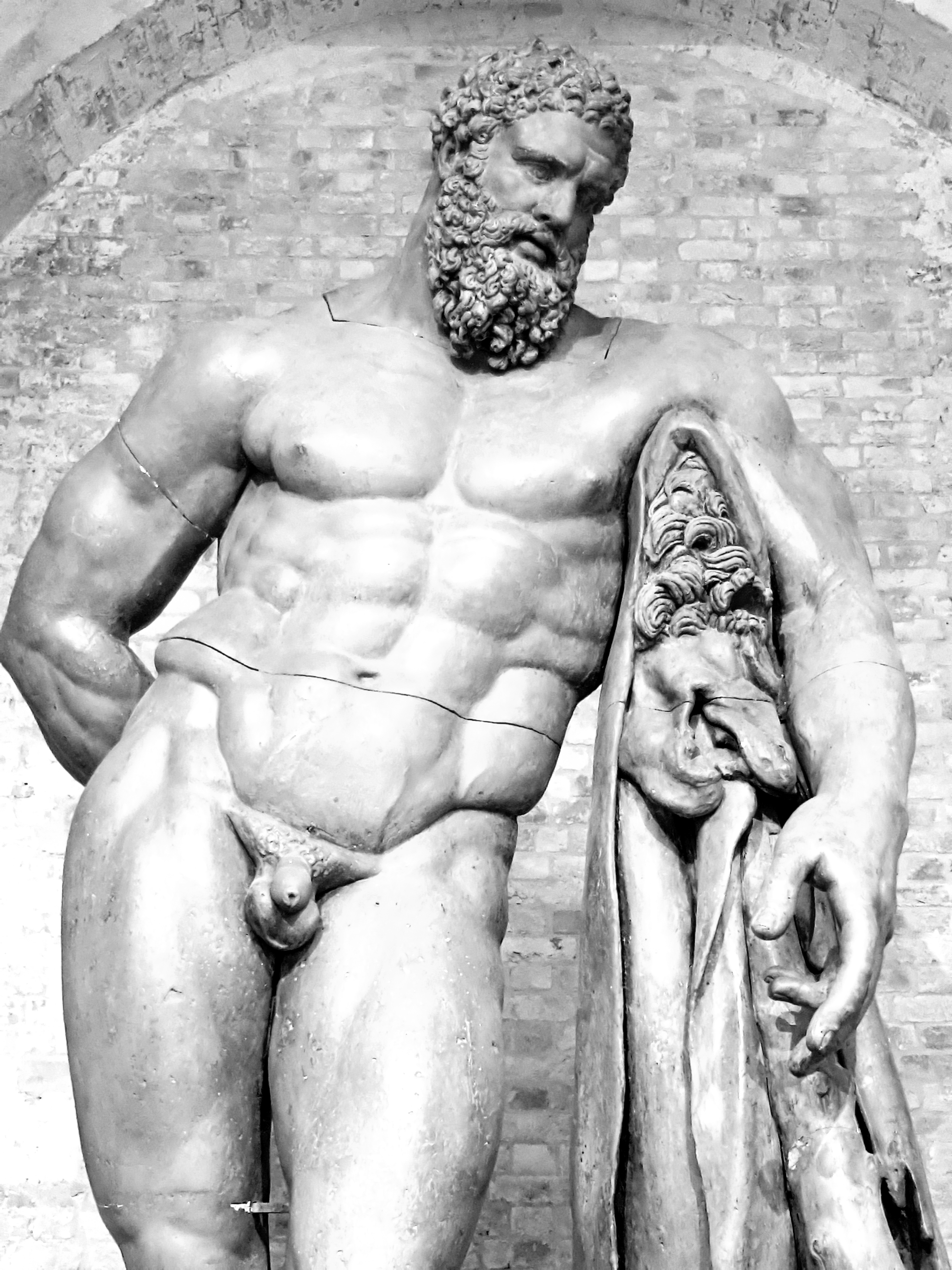
The Farnese Hercules looks suitably magnificent installed in the large niche downstairs in the RA’s vaults:-

image

It is a cast of one of the best known classical antiquities, which is said to have been found in the Baths of Caracalla in 1546, six years after its head had been found in a well in Trastevere.   By 1556 it was installed in the first courtyard of the Palazzo Farnese, where it remained until 1787 when it was restored by Carlo Albacini and transferred to the Museo degli Studi in Naples.   This cast was acquired for the Entrance Hall in Somerset House in 1790 when Council agreed ‘that the President be empowered to make an Agreement for the Cast of the Farnese Hercules – the whole Expence to the placing of it in the Royal Academy not exceeding seventy five guineas’.   In the event the cost of transport alone, arranged by Joseph Bonomi, was £108.   He greeted visitors at the foot of the precipitous staircase in Somerset House until transferred to the Academy’s entrance hall in 1837.

Standard

The New RA (2)

Some scenes from the press launch.

Sir David Chipperfield:-

image

Our Artistic Director putting the finishing touches on the Weston Bridge:-

image

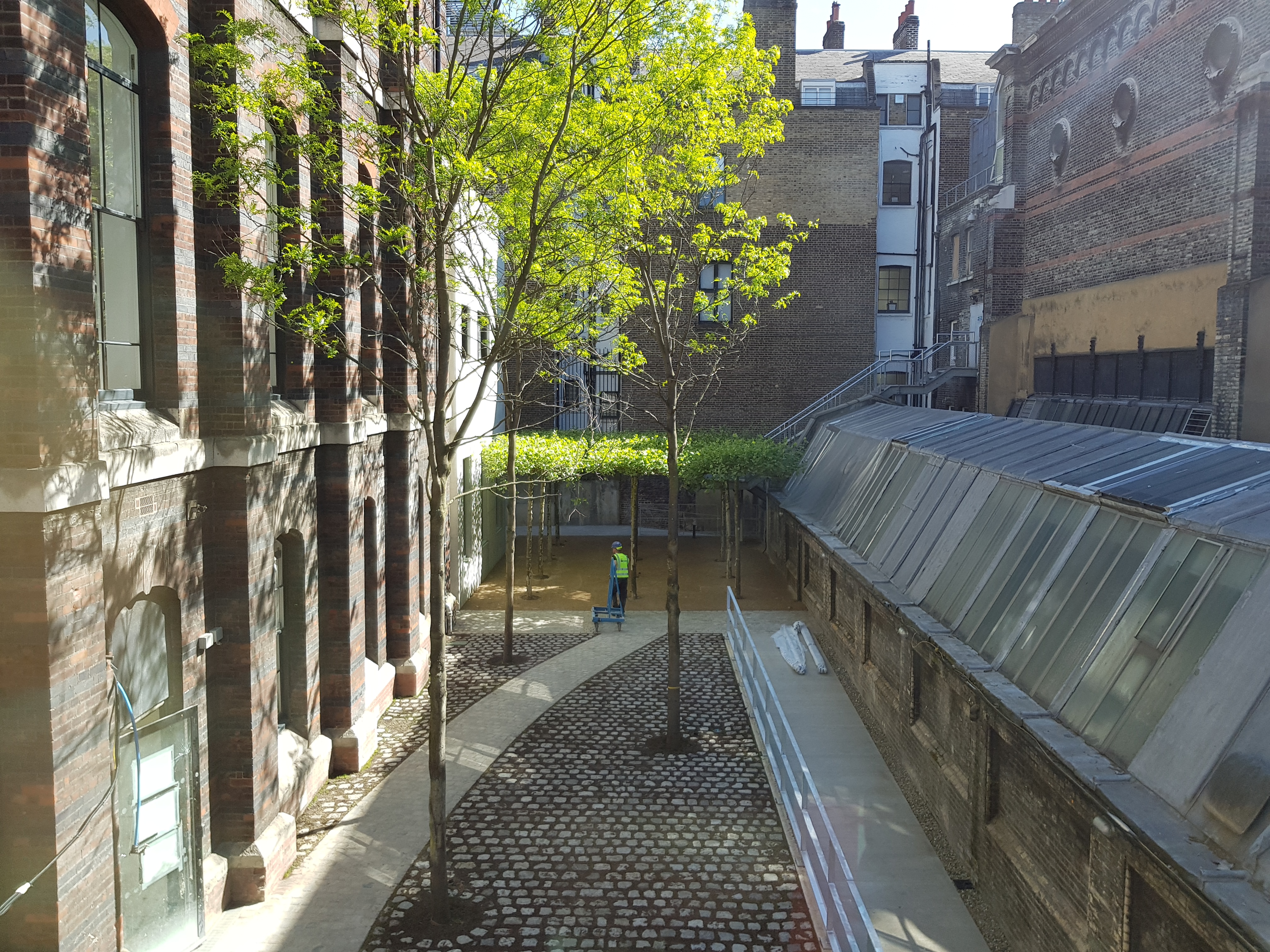
The Lovelace Courtyard:-

image

image

image

And the plinth at the front finally cleared of builders’ debris:-

image

Standard