V&A (2)

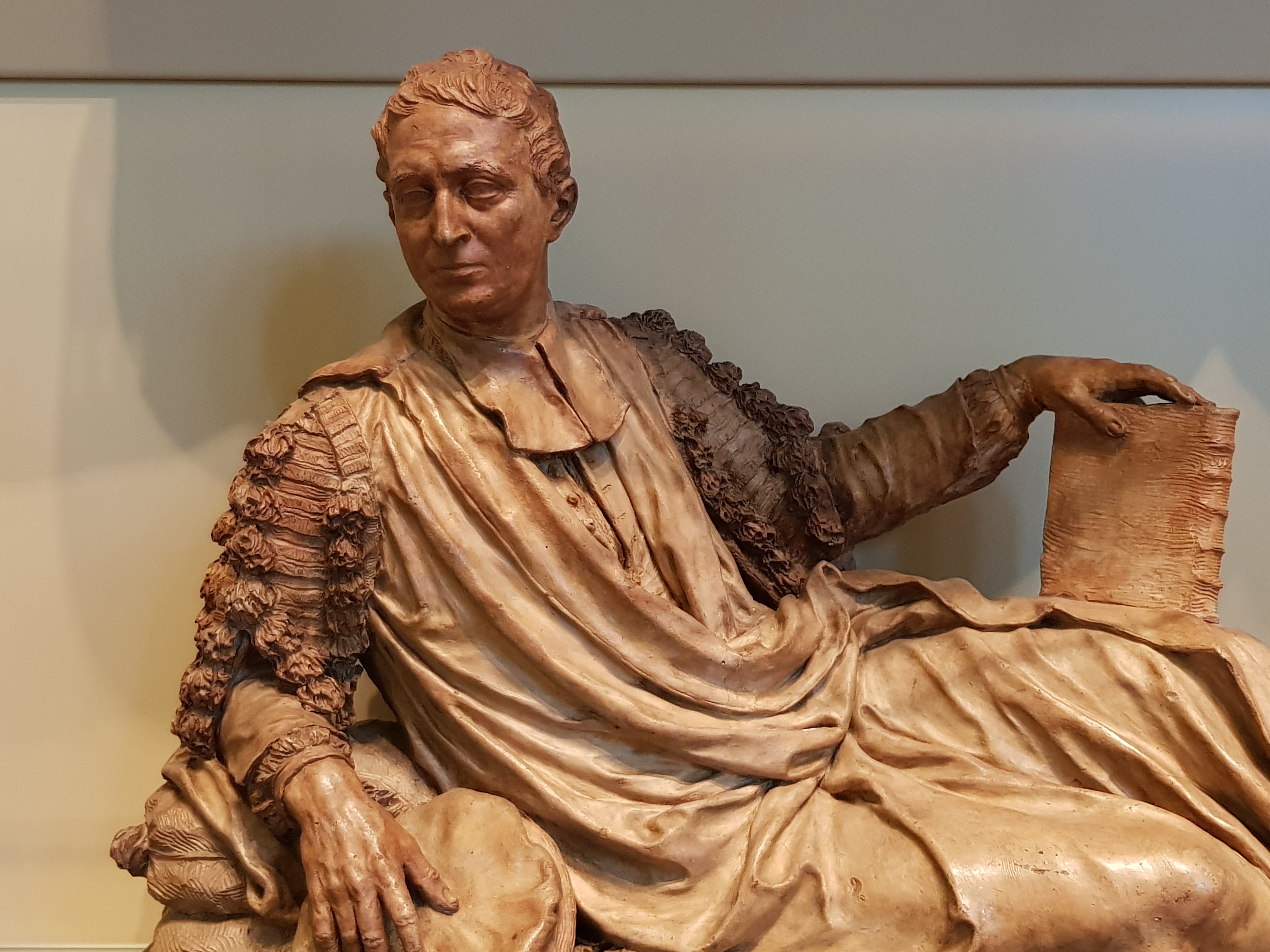
In the Gilbert Bayes Sculpture Gallery (new to me), I admired the recumbent terracotta of Dr. Hugh Chamberlen by Scheemakers (c.1728):-

image

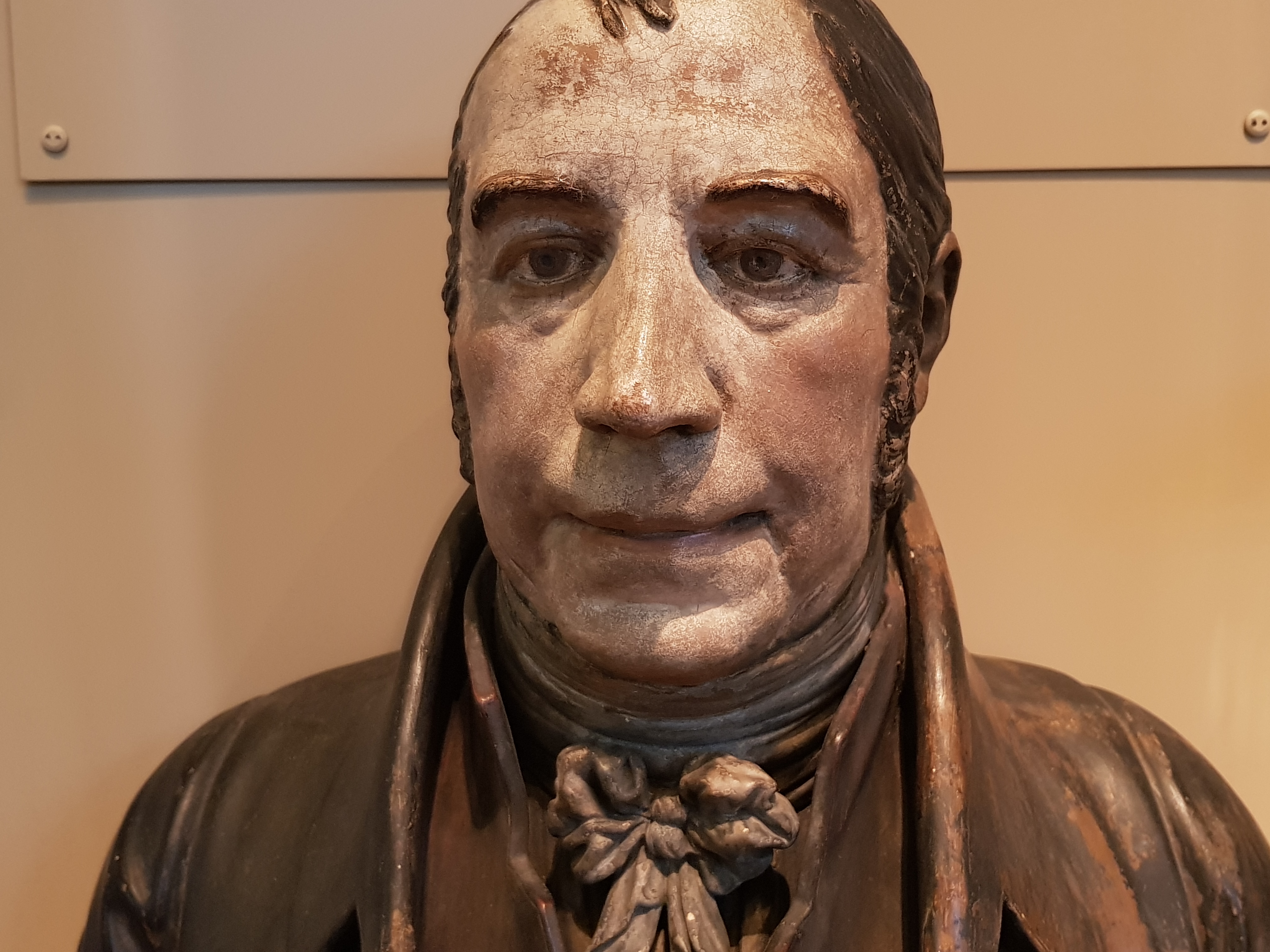
And the astonishing self-portrait of the Burslem potter, Enoch Wood:-

image

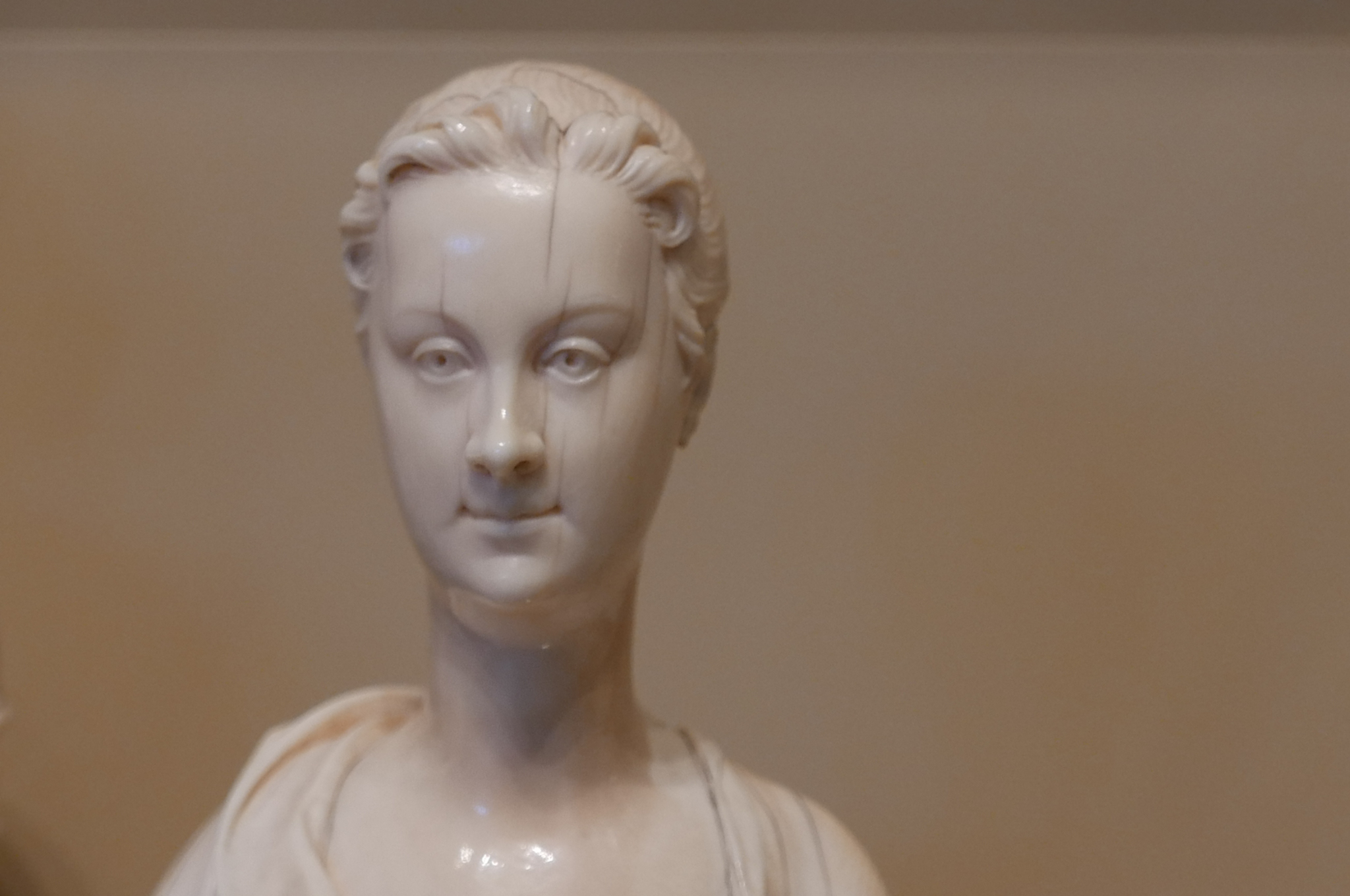
An ivory of the Countess of Sunderland by David Le Marchand:-

image

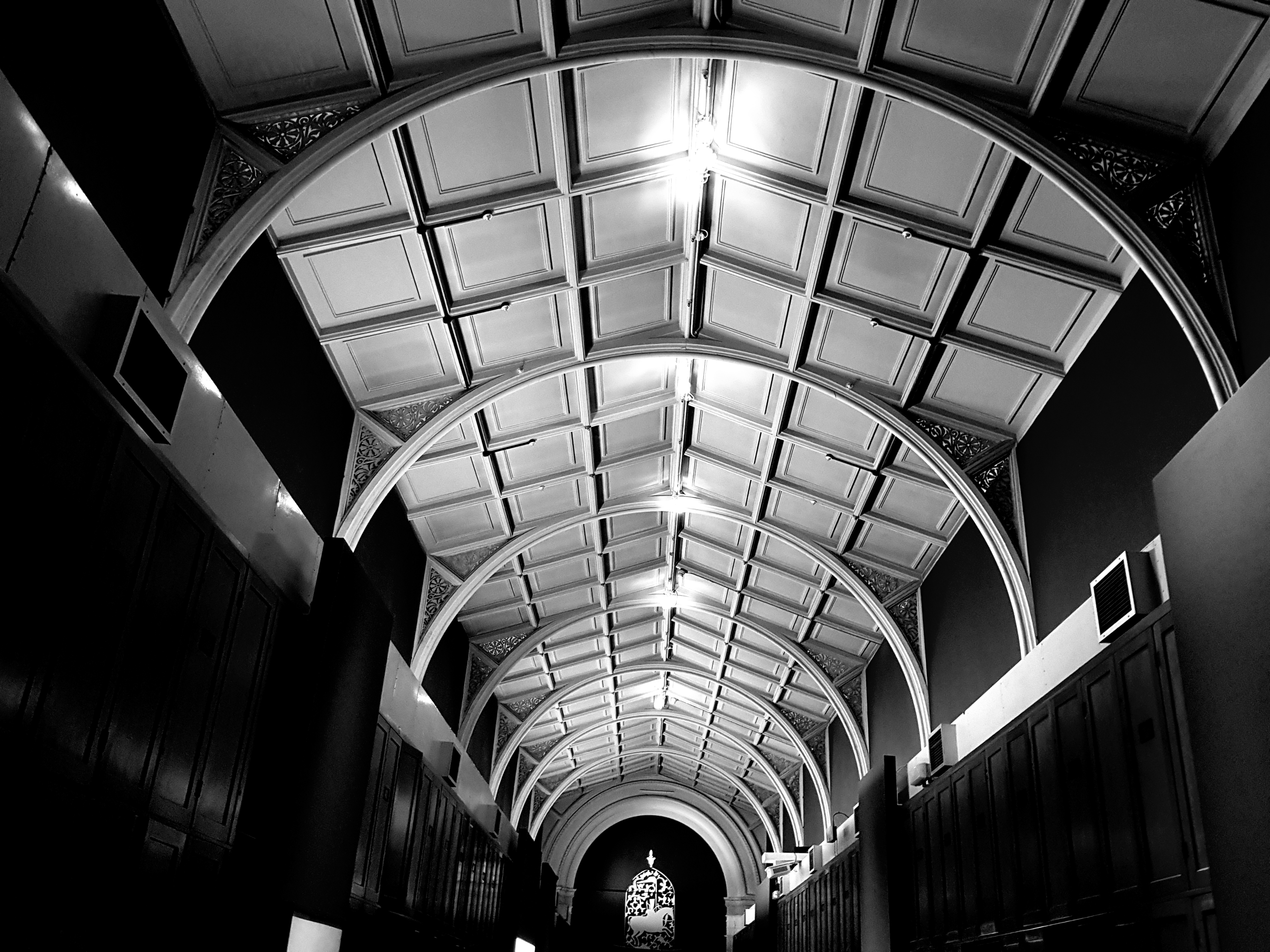
I had actually come to the V&A to see the reproductions of medieval tombstones in the Qala Quraysh fortress in Dagestan, which are displayed in the so-called Prince Consort Gallery, till recently the textile store room:-

image

image

Standard

V&A (1)

I spent the morning in the V&A. I started in the Medieval and Renaissance Galleries.

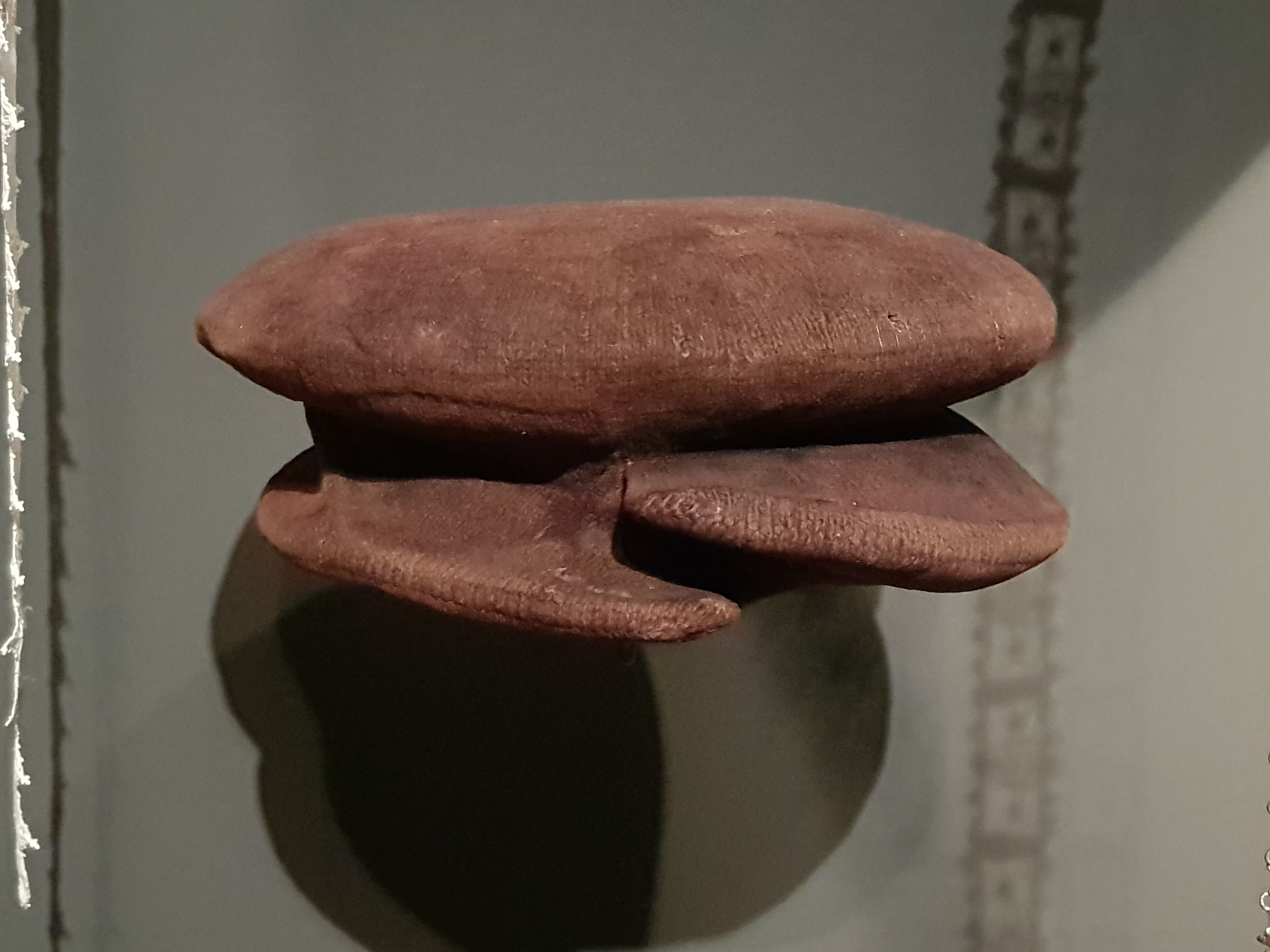
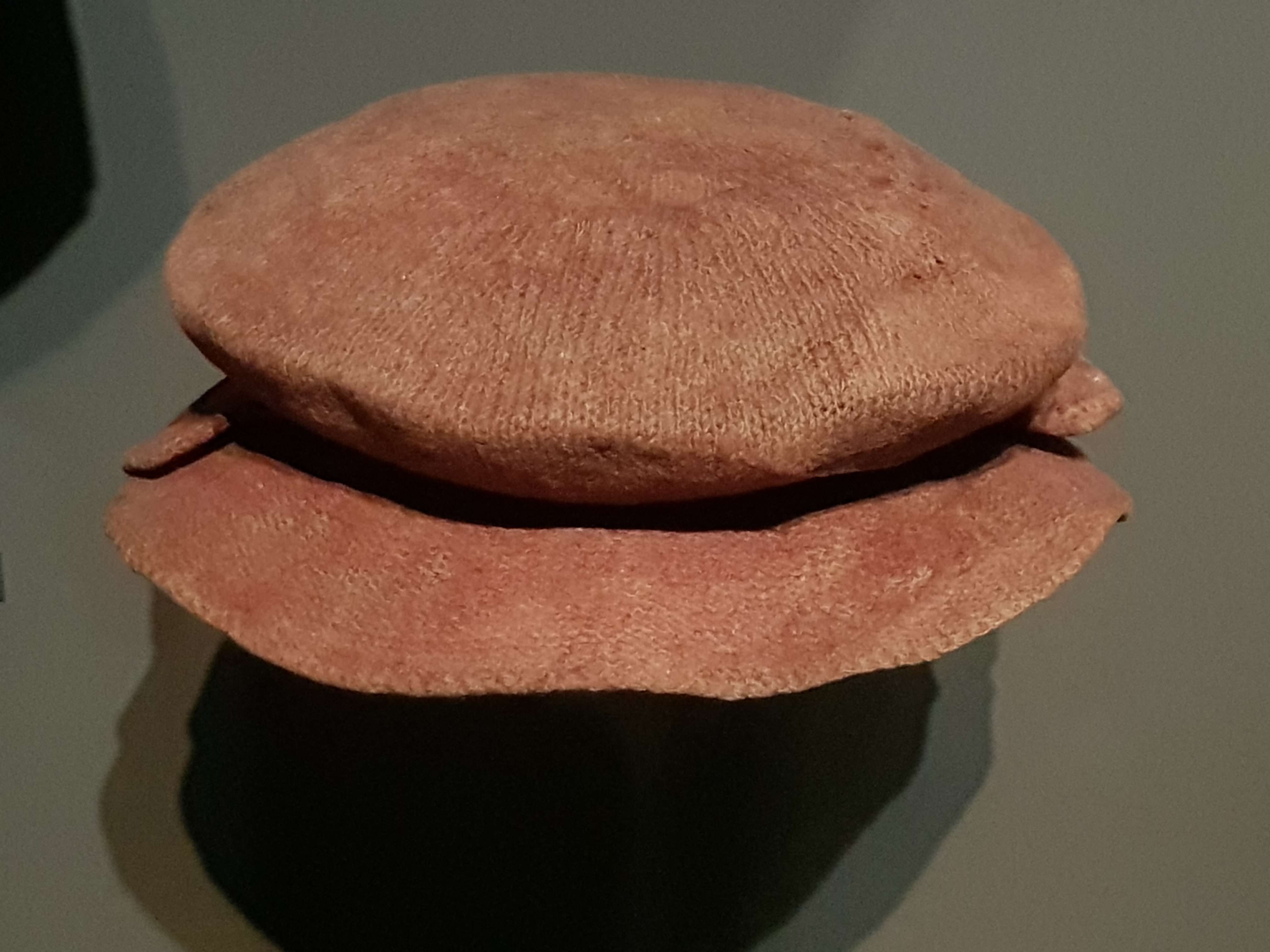
My eye was caught first by two hats, not particularly ornate, presumably those of a commoner, tossed away and somehow preserved, roughly five hundred years later:-

image

image

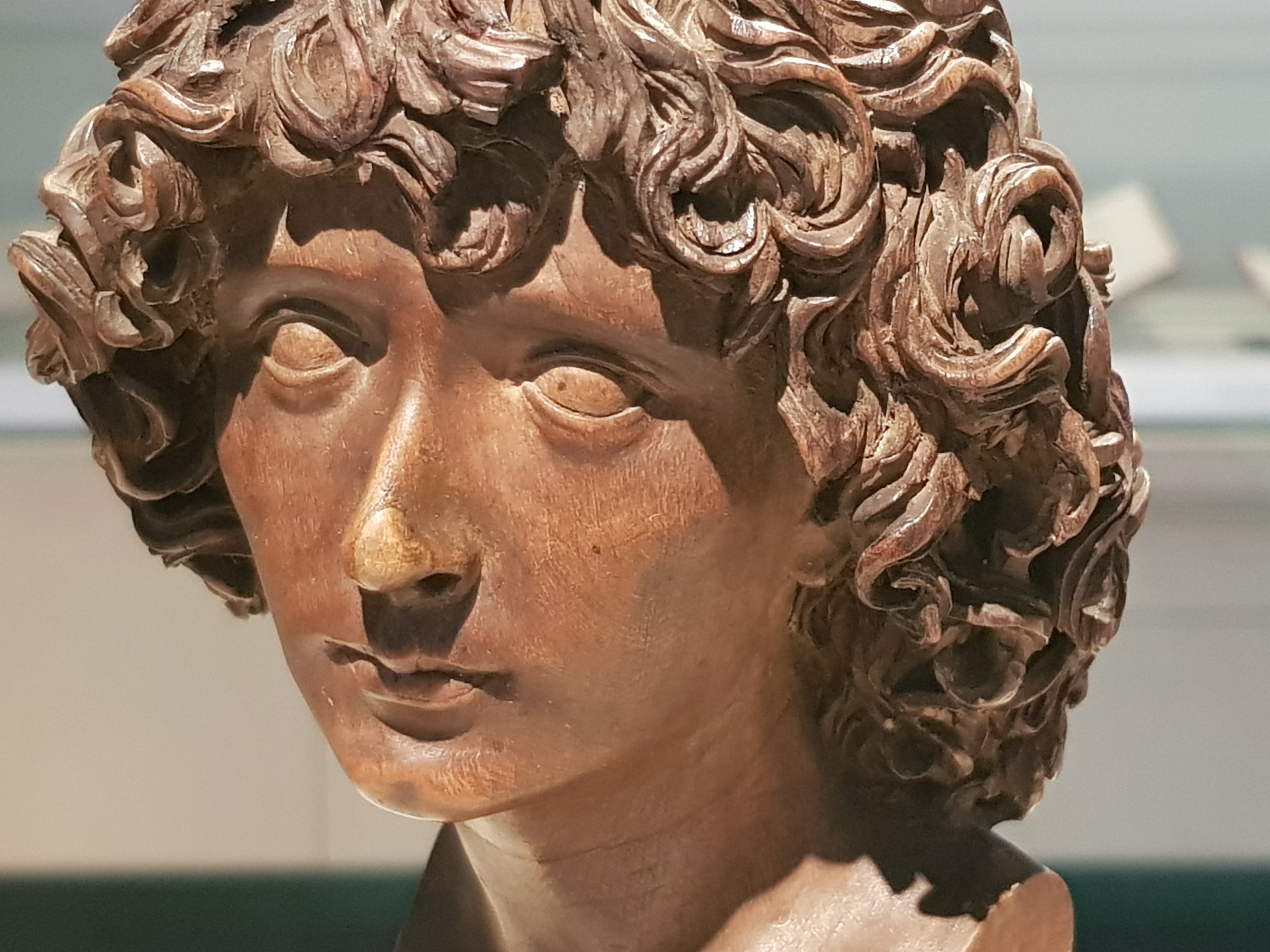
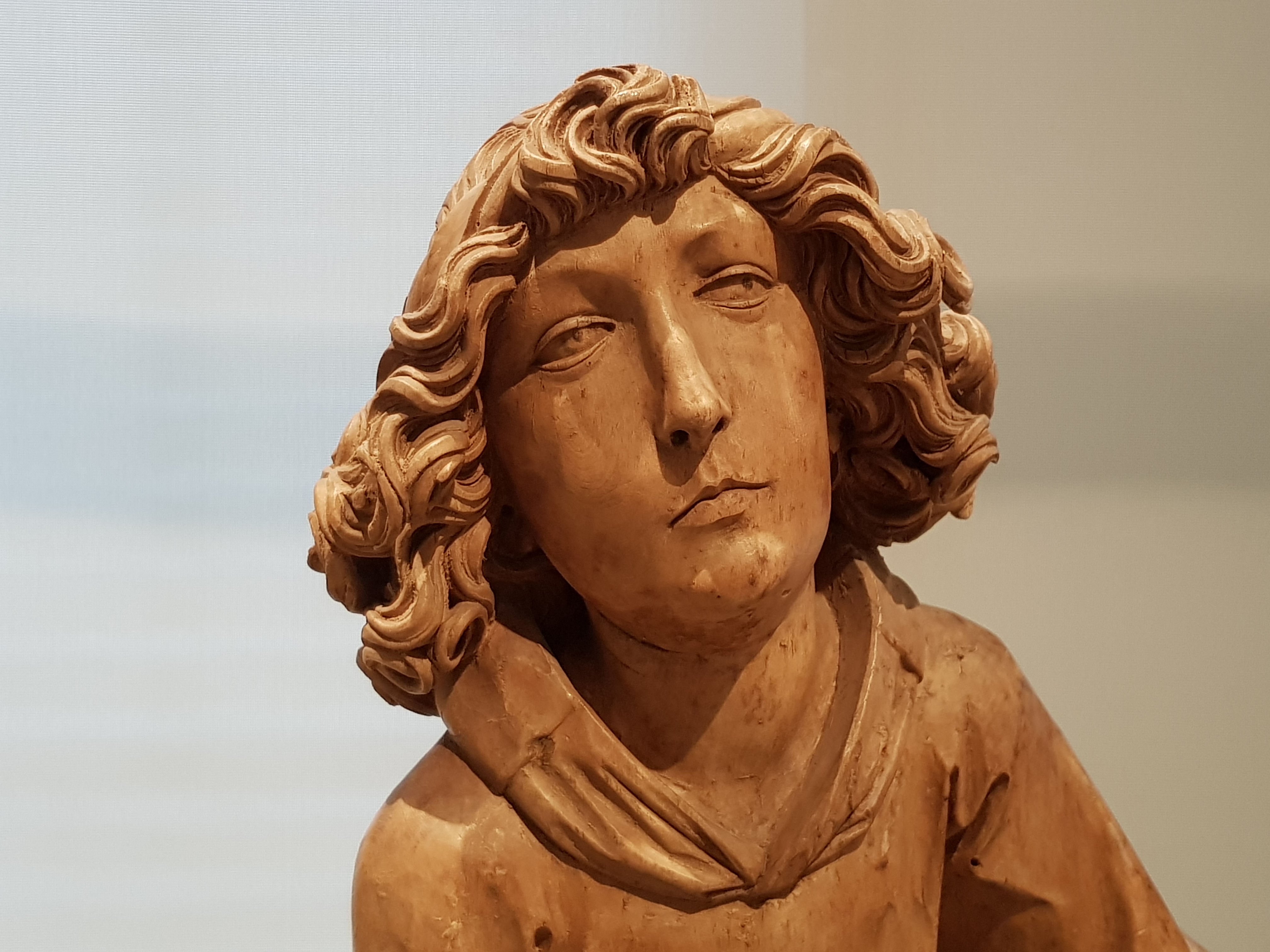
The Head of a Young Man by Michel Erhart, made out of limewood in Ulm:-

image

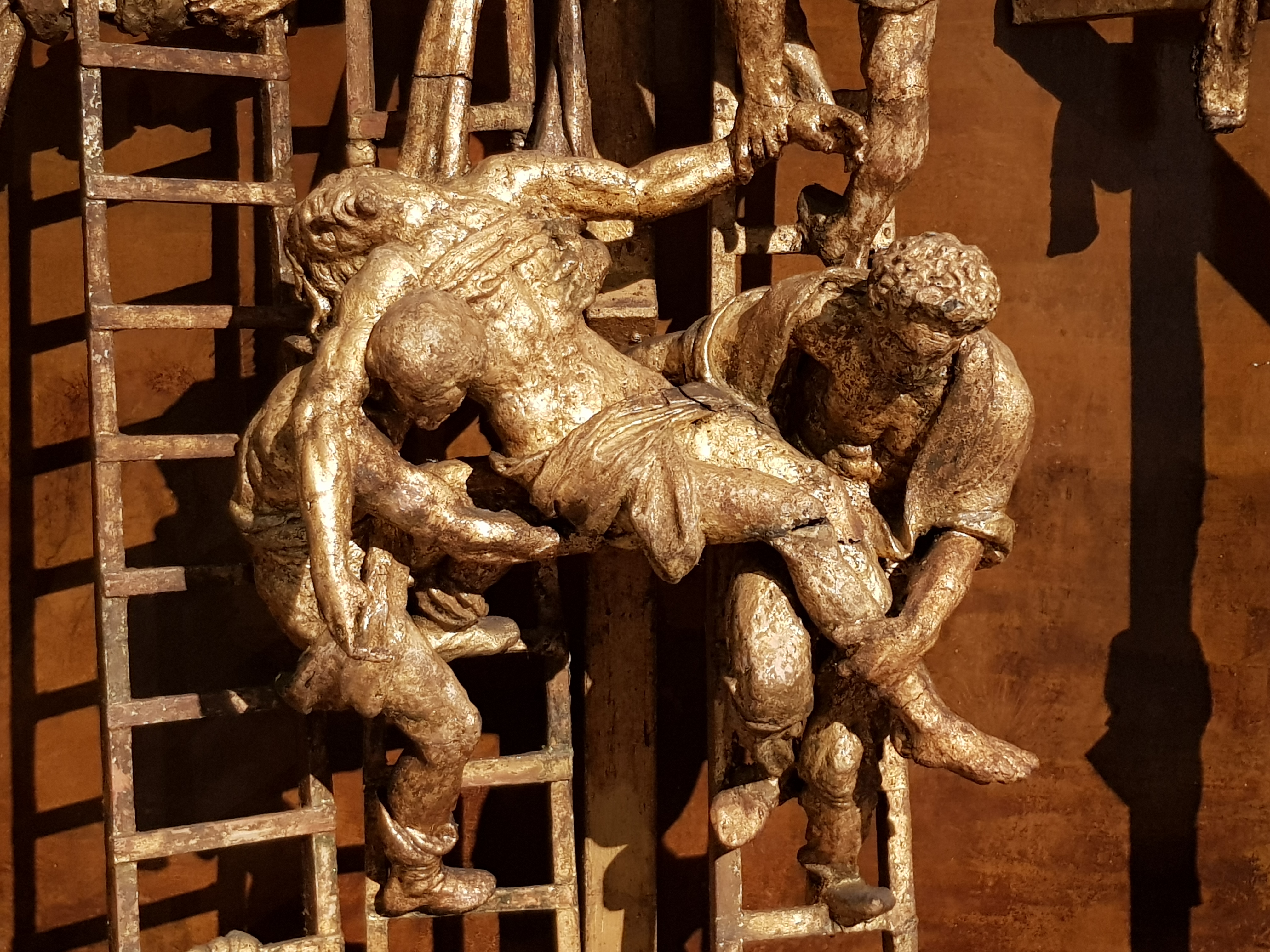
And the Descent from the Cross by Sansovino, made for Perugino when they were both in Rome:-

image

An angel by Riemenschneider:-

image

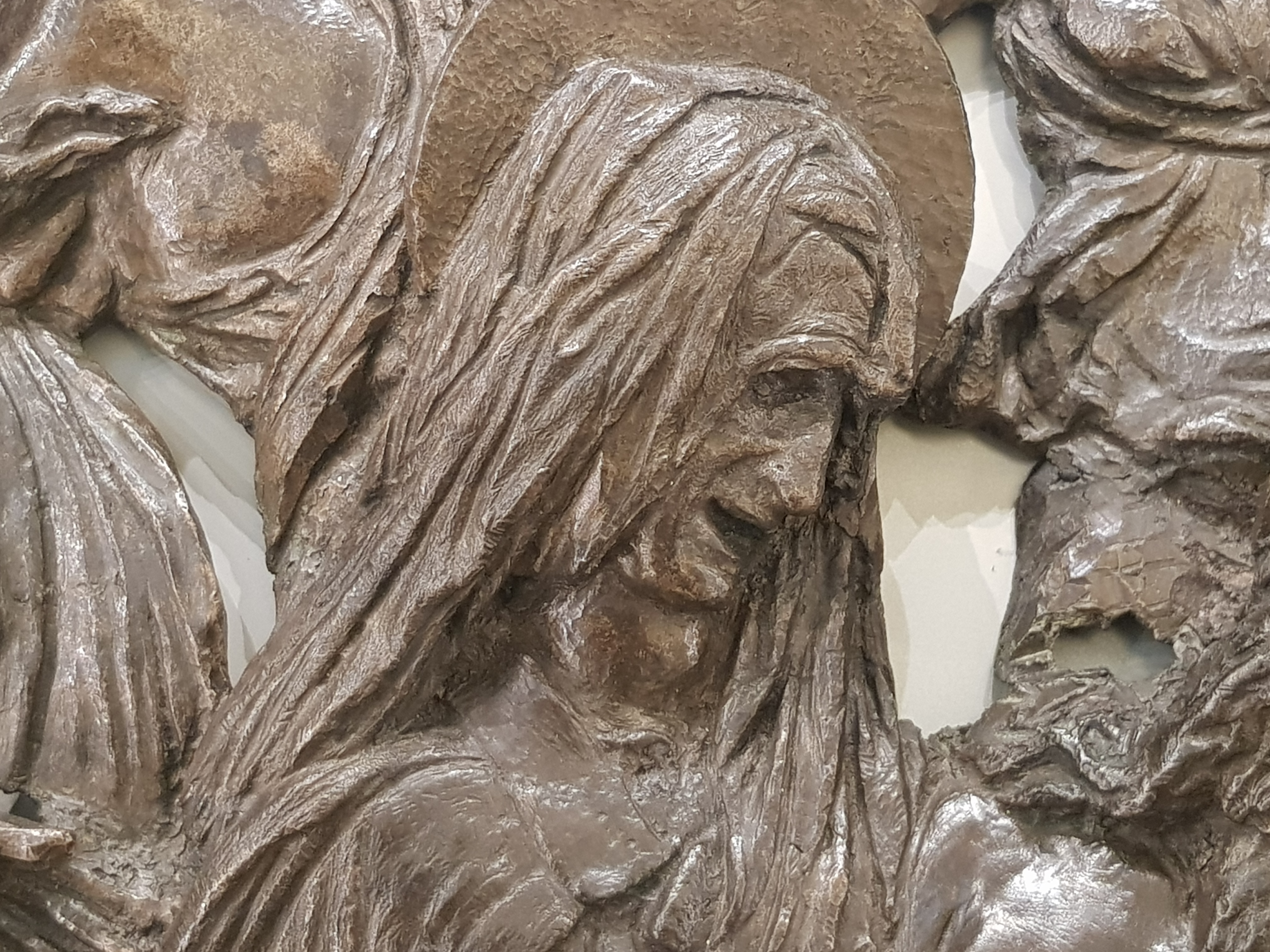
A Donatello Lamentation:-

image

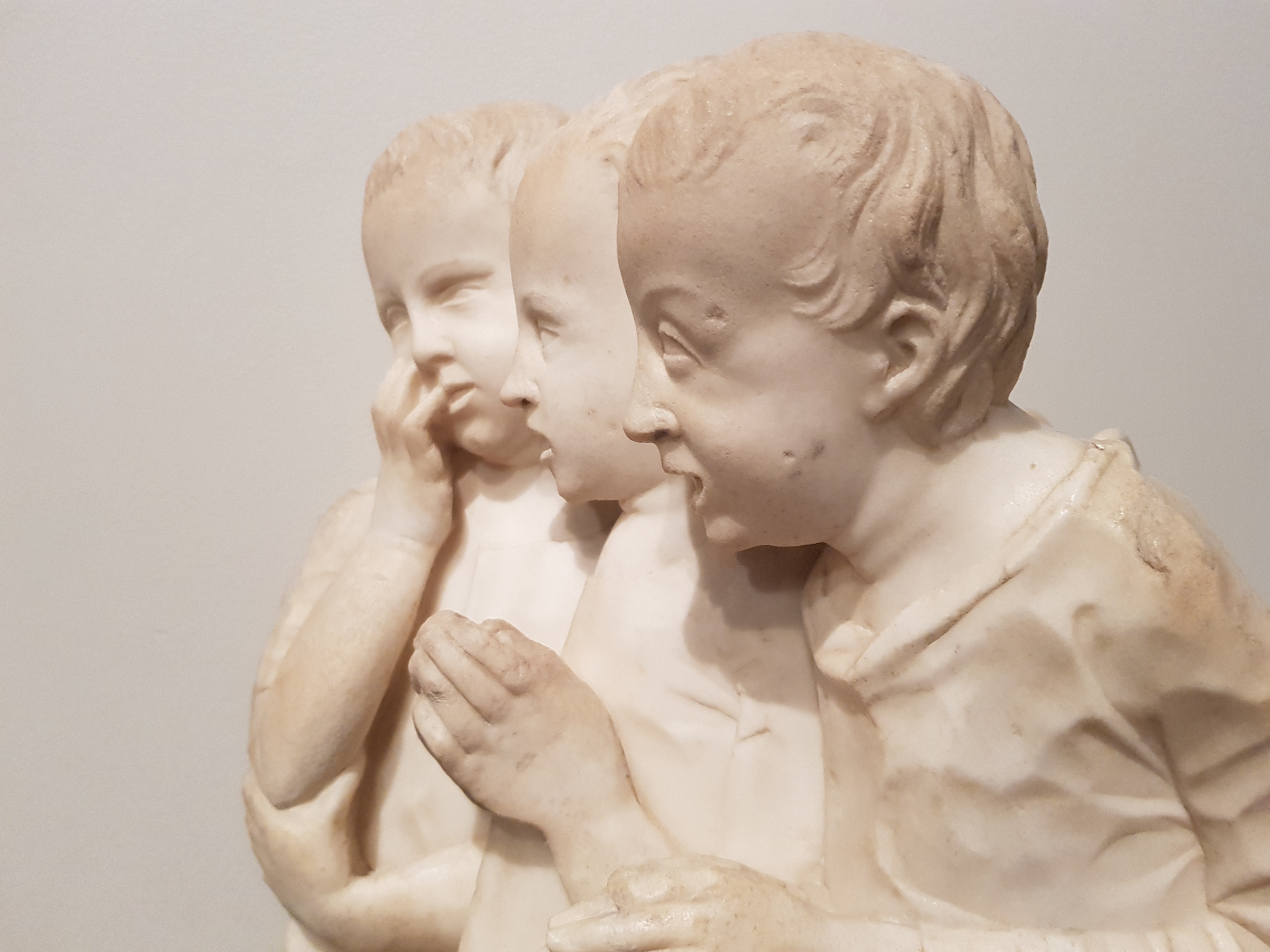
Three angels by Giovanni Antonio Amadei:-

image

Standard

RIBA

I have spent the day immured in the RIBA library on Portland Place:  a fine piece of 1930s half-modernism, designed by Grey Wornum and opened in 1934 to commemorate the centenary of the RIBA’s foundation.   Wornum was the grandson of Ralph Wornum, the prolific writer on art and Keeper of the National Gallery.   Grey Wornum edited books on craftsmanship before the first world war, lost an eye during it, and in the 1920s worked with Louis De Soissons.   His design for the RIBA was chosen from 284 entries, its half-modernism owing to his knowledge of contemporary Swedish design.   I love its library, which sadly is closed for the rest of the holiday season.

Standard

Hatchard’s Art Department

I went in to Hatchard’s art department today to sign some more copies of East London for Christmas.   It always gives me a slight frisson because it is where Romilly was working when I first met her in December 1973, nearly 45 years ago.   In those days, there were three people working in the Art Department:  Maureen Boland, a spinster who always wore a nylon overall and went on to publish Old Wives’ Lore for Gardeners jointly with her sister;  Baron Nicolas van den Branden de Reeth, a very well read Belgian baron who lived with Terence Davis, the architectural historian, in a grand flat in Cornwall Gardens;  and Romilly, who got the job by walking in off the street.

Standard

Monochrome

We went to Monochrome at the National Gallery, an intriguing subject.   I didn’t know quite what to expect, since there is no immediate reason to replicate the characteristics of drawing, a black-and-white medium, in oil paint.   It starts with a piece of grisaille stained glass from the V&A, discovered to have come from the St. Louis chapel in St. Denis;  the Donne Triptych (painted for Sir John Donne, a Welshman) left ajar to show the Virgin and Child between the shutters;  and a grisaille set of indigo cloths used as an ephemeral chapel in Genoa and assembled for the first time in the exhibition.   Of course, I realise that black-and-white painting is often used like black-and-white photography as a way to explore and emphasise the characteristics of a composition.   There’s a staggering Dürer drapery study from the Albertina and a Beccafumi St. Matthew from the Met.   Amazing to have been able to borrow the van Eyck Saint Barbara from Antwerp, where the fields in the background are drawn in metalpoint and the construction workers are on the parapet of the cathedral.   I hadn’t seen the Peder Balke, acquired recently.   The exhibition uses the collection of the National Gallery interestingly, placing it within a long and unexpected way of looking and ends with a wonderful abstract room before the Eliasson.   A Christmas treat.

Standard

Highbury Fields

I took a slightly eccentric route on my Christmas shopping trip and found myself walking across Highbury Fields where there were the remains of snowmen like dolmens:-

image

At the bottom of Highbury Fields is a memorial to the Boer War by Bertram Mackennal, the Australian sculptor who became an ARA in 1909 and was knighted in 1921:-

image

At the bottom there is a phantom entrance to the old Great Northern & City Railway which ran from Finsbury Park to Moorgate:-

image

Standard

Cambridge House

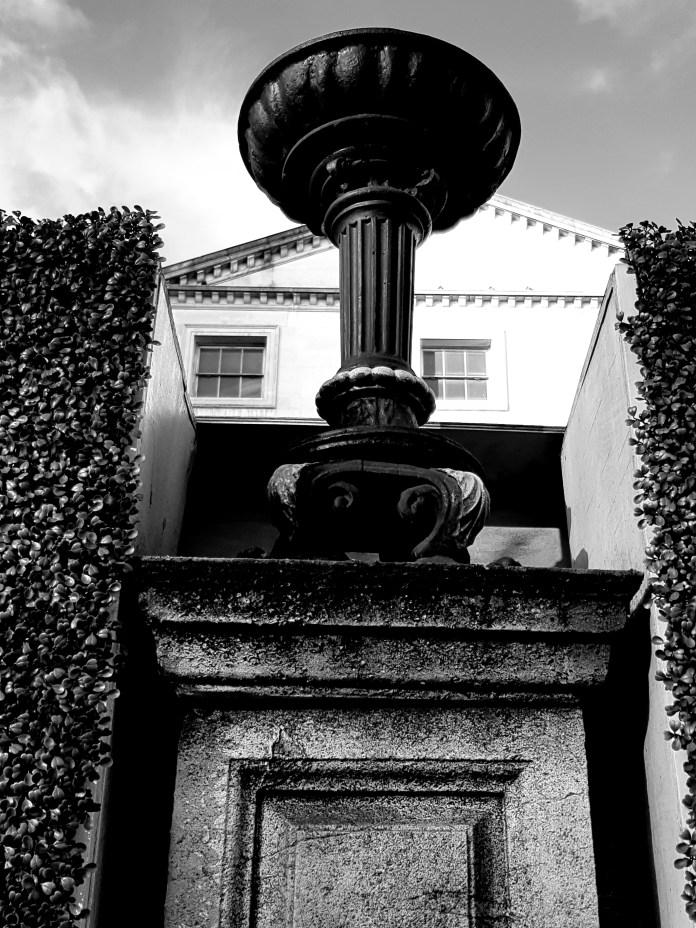
I read an article last night about the old In and Out Club on the north side of Piccadilly, which is due to be renovated as a hotel.   I hadn’t remembered its history, athough I’ve written about it before, not surprisingly as it’s complicated.   It was originally built for the second Earl of Egremont, who succeeded his uncle, the second Duke of Somerset, in February 1750, when it was known as Egremont House;  it was taken over by the Marquess of Cholmondeley in the 1820s, when it was known as Cholmondeley House;  then in 1829, by Prince Adolphus, Duke of Cambridge, when it became Cambridge House.   It was designed by Matthew Brettingham, a building contractor, originally based in Norwich, who was employed as Clerk of Works at Holkham, and became increasingly well known as a safe pair of hands in designing both grand country houses and their London equivalents, being employed by Lord Egremont at Petworth in 1751 and asked to design his London house in 1759.

It’s very hard to photograph as currently boarded up:-
image

Standard

Art UK

I was tipped off today that the website Art UK has a facility whereby one can find out where works by Royal Academicians are located.   You can indeed.   You google Art UK and then put Royal Academician into the search facility.   You then have the option of searching by artwork or, at least as interesting, by location.   There is a map which shows you how many works there are by Royal Academicians in Cambridge (151) and you can then highlight exactly where they are in more detail (actually, only 40 works in the City of Cambridge itself).   I looked to see what works by Royal Academicians belong to my old college, King’s College, which has a rich art collection and then remembered that it is one of only three institutions in the whole of the British Isles which, in a total dog-in-the-manger-ish way, has refused to participate in this nationally significant exercise in the listing of artworks.   In case you think this odd, I do too.

Standard

Old Stepney

I have been alerted to a very nice piece in today’s Spitalfields Life by Gillian Tindall, accompanied by photographs her husband took of what it looked like in the early 1960s, still very run down after the war.  It shows that ordinary photographs are actually more useful in recording what a place was like than arty photographs (http://spitalfieldslife.com/2017/12/14/in-stepney-1963/).   And it provides an eloquent description of the consequences of post-war planning on the old, more domestic East End.

Standard