
I like the aesthetic of empty houses which show off the quality of their architectural spaces, particularly if they have fragments of sculptural magnificence:-

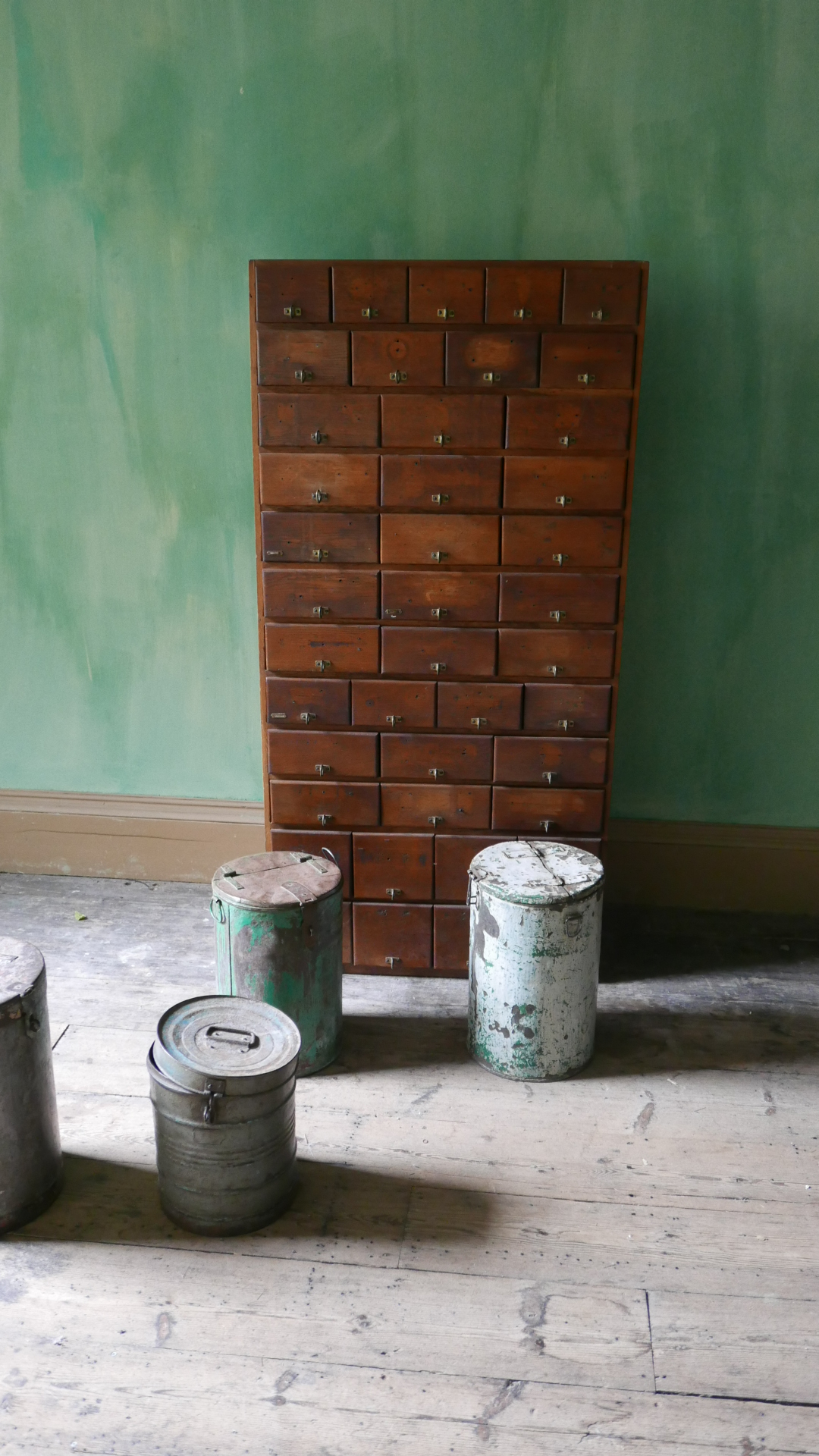
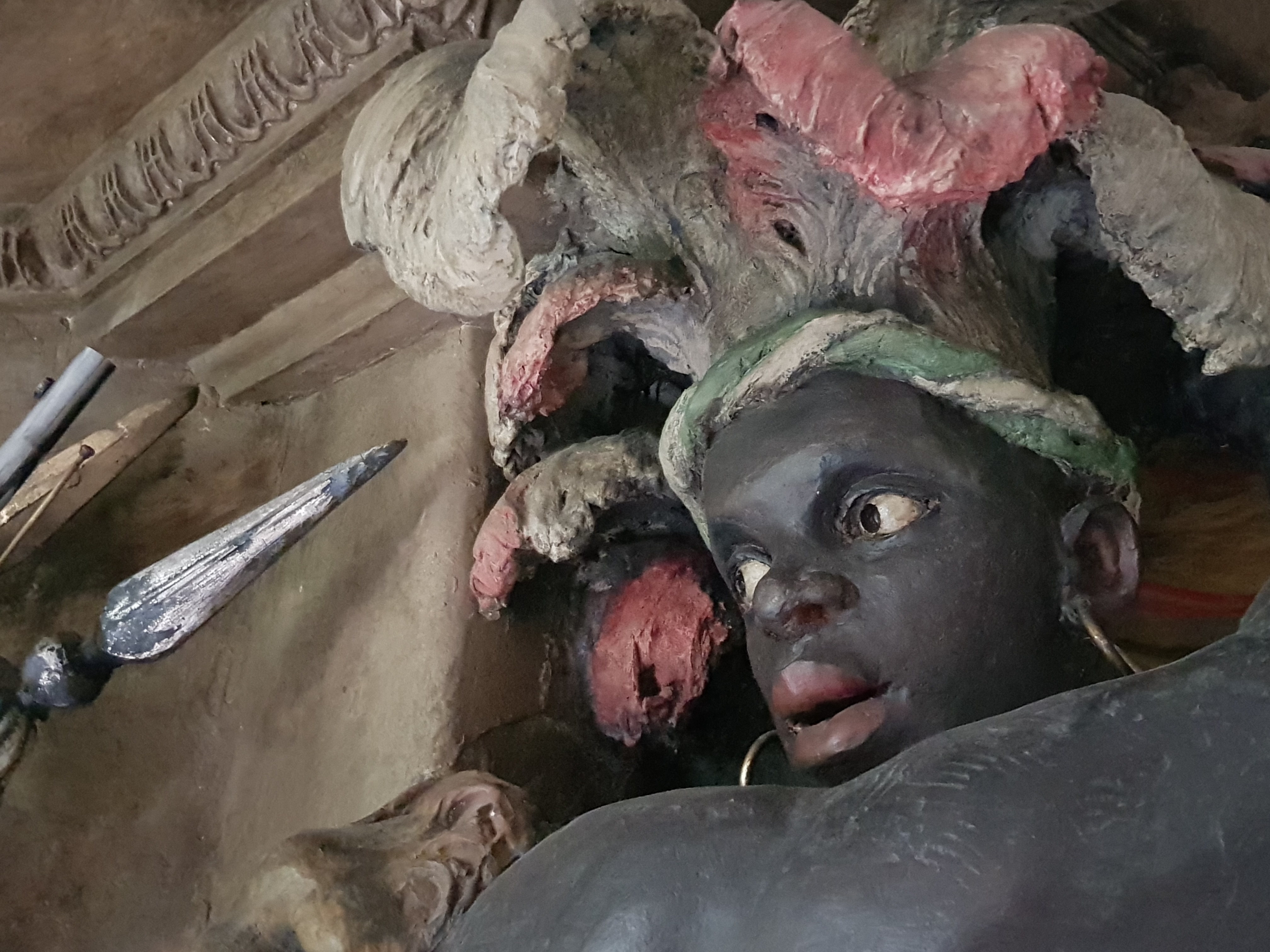
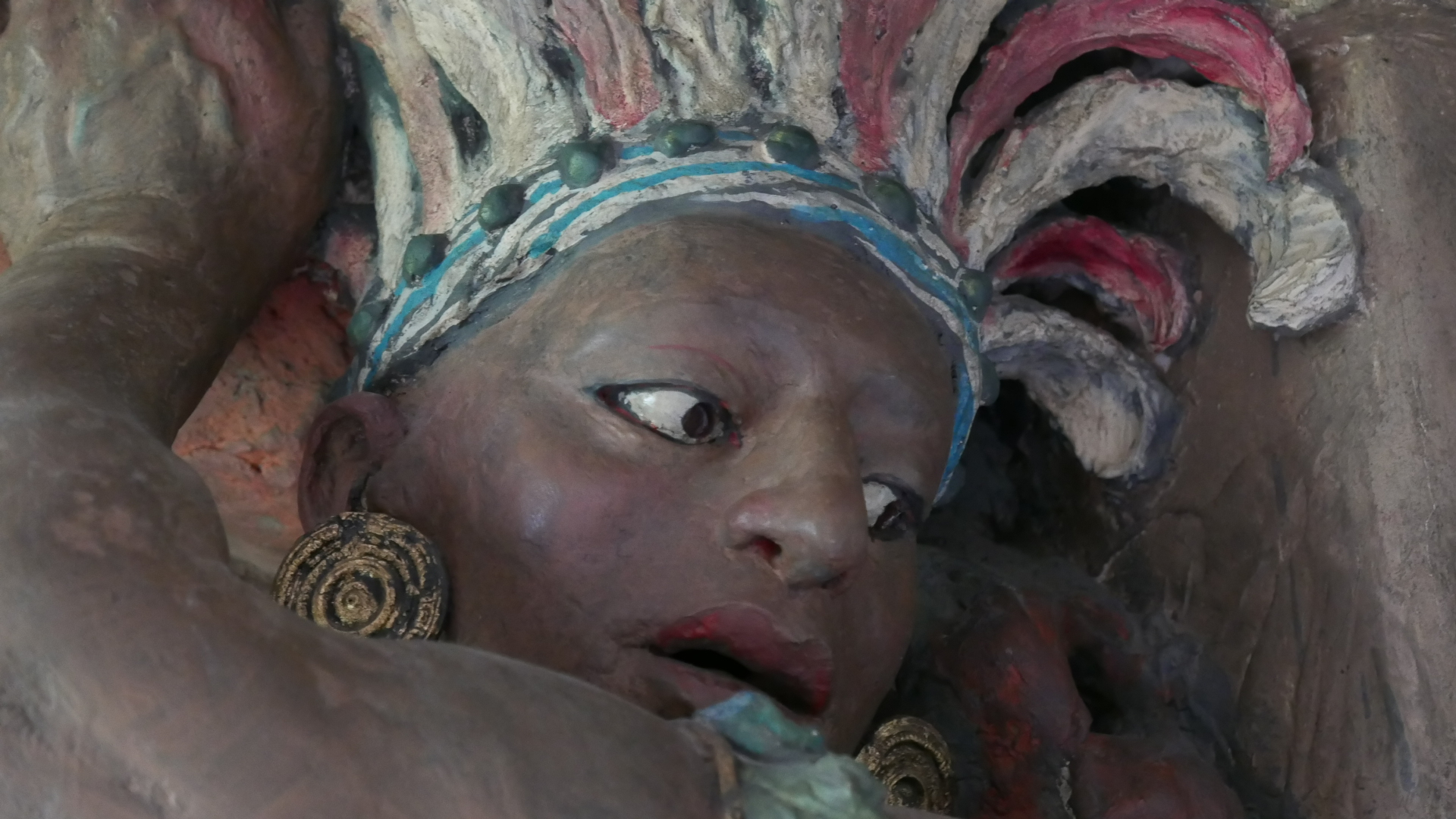
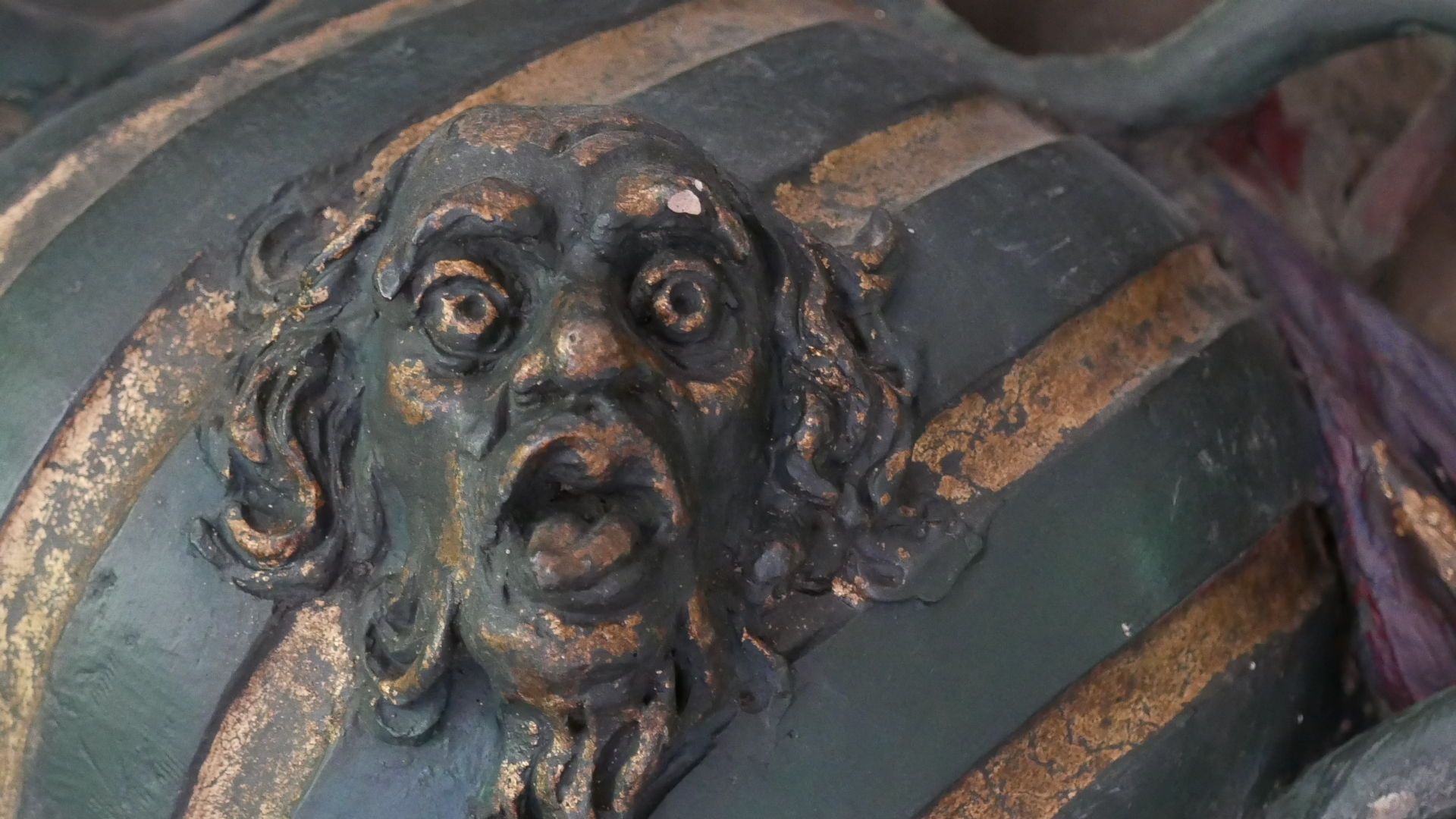
I like the aesthetic of empty houses which show off the quality of their architectural spaces, particularly if they have fragments of sculptural magnificence:-
I was asked by Matthew Flowers to call in on Nicola Hicks’s latest exhibition Keep Dark. I’ve admired her work ever since she was commissioned (by Derry Irvine) to do a portrait bust of Tony Blair (I’ve always assumed, without evidence, that it was scuppered by Alastair Campbell). She’s good at modelling. Upstairs is a display case with two portrait busts: Epicurius:-

And Family Portrait:-

The rest is much darker – a room full of her animal sculptures emerging out of straw:-

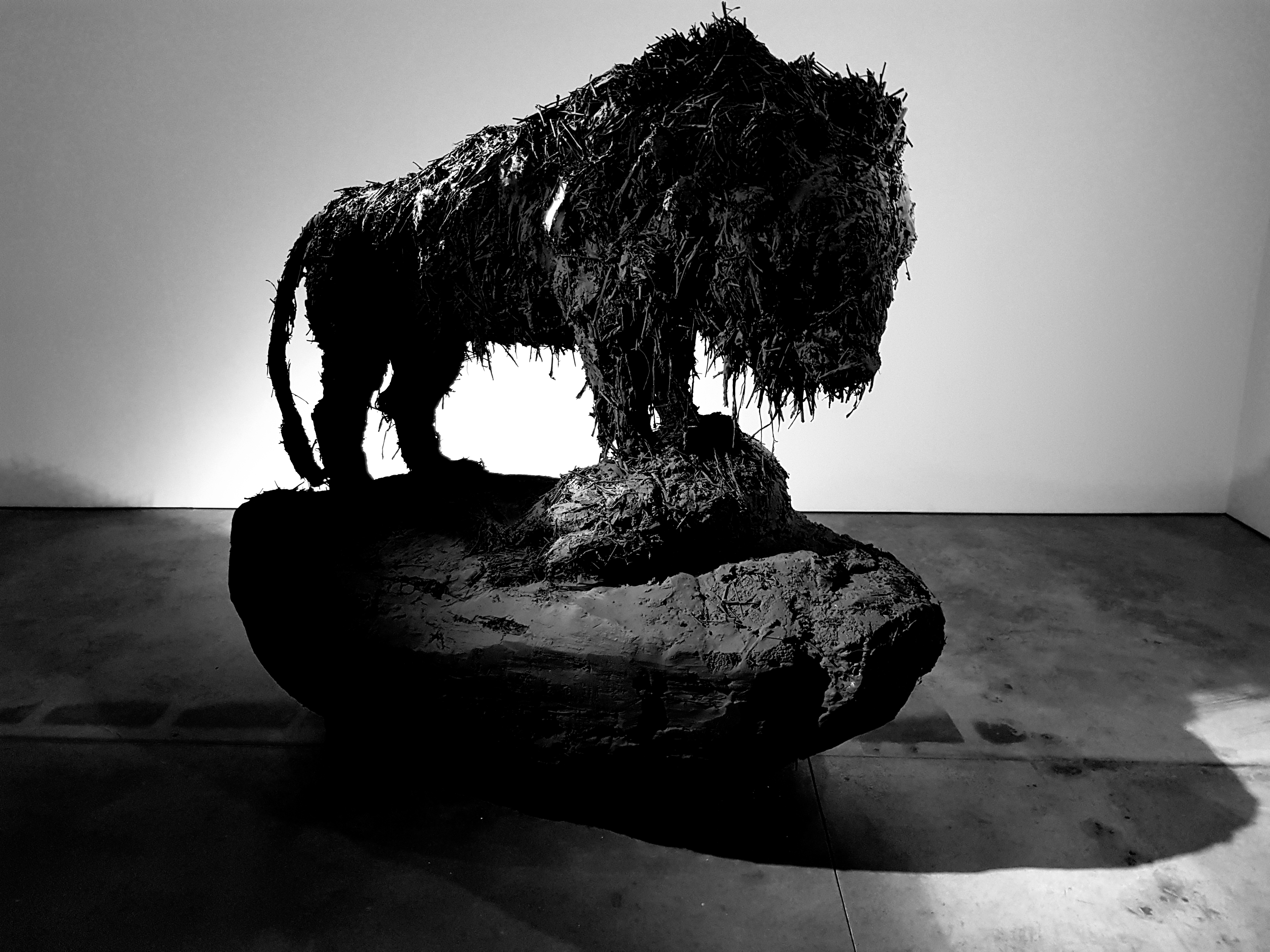
I preferred the work upstairs which is less portentous:-


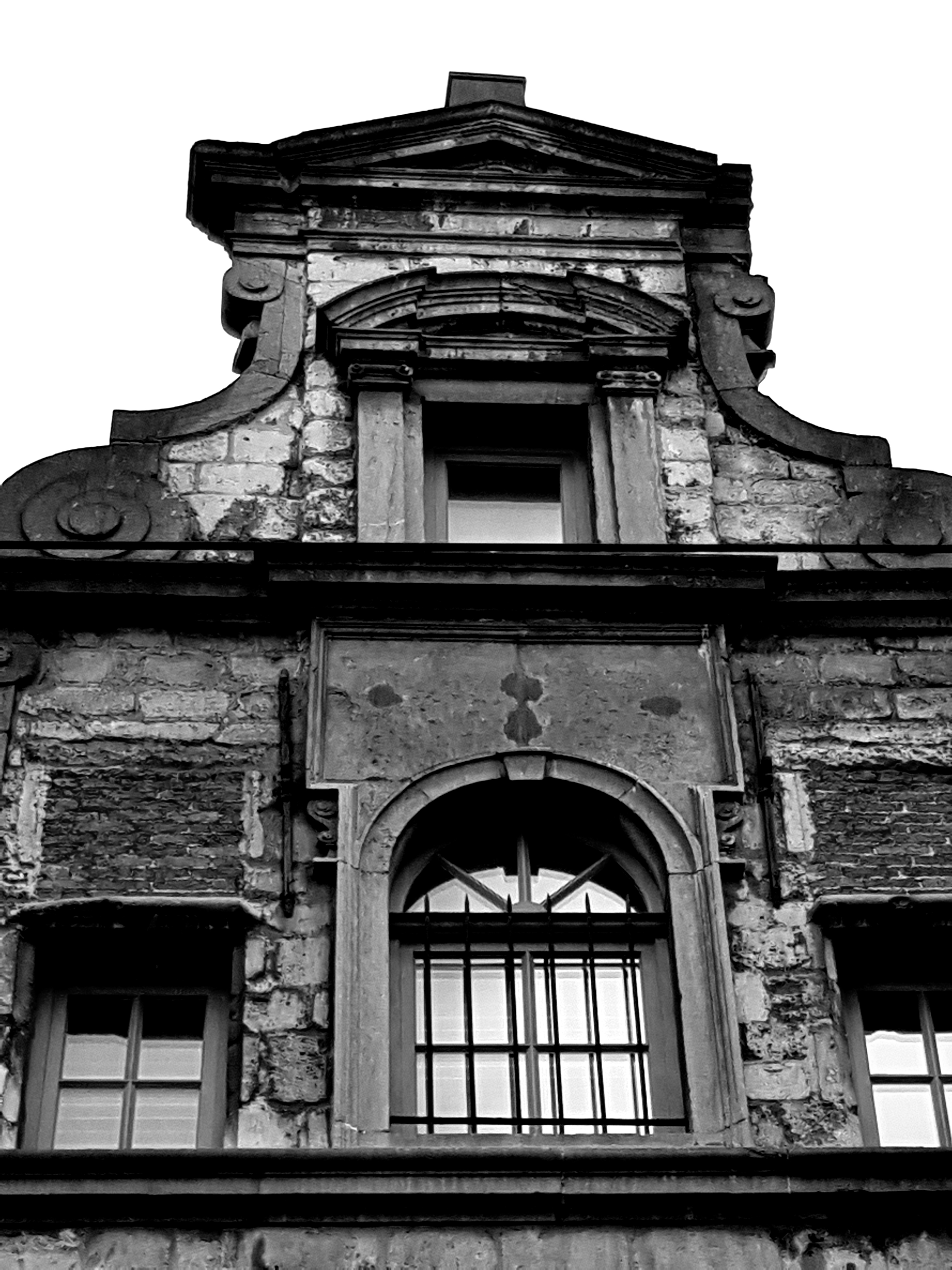
I left out of my previous post about Antwerp some views of houses and street fronts which help to create the atmosphere of dense medievalism in the centre of the city. I am posting them now as a supplement on my return.
Two gables in Korte Nieuwstraat:-
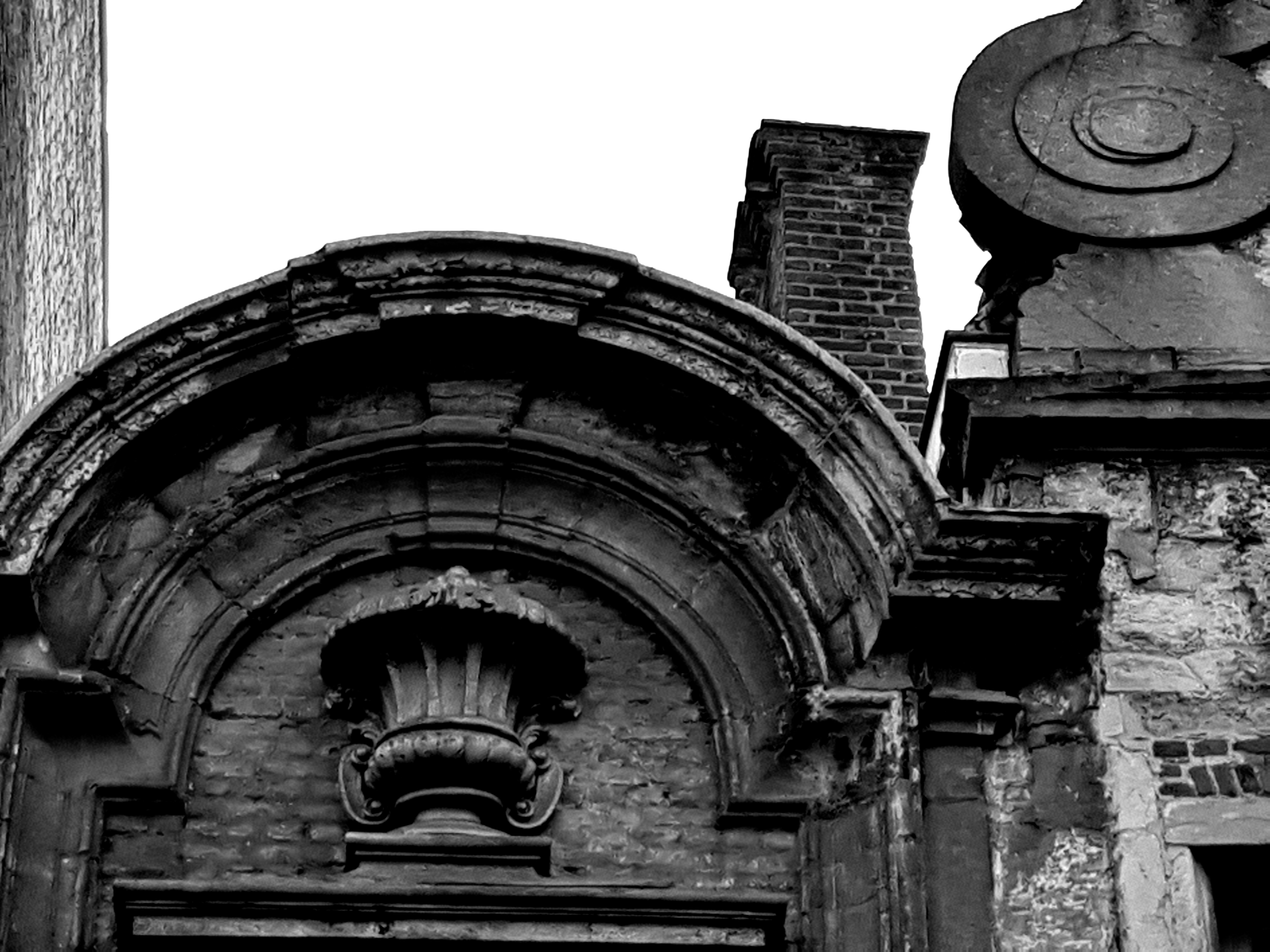
The details of two façades in Melkmarkt:-
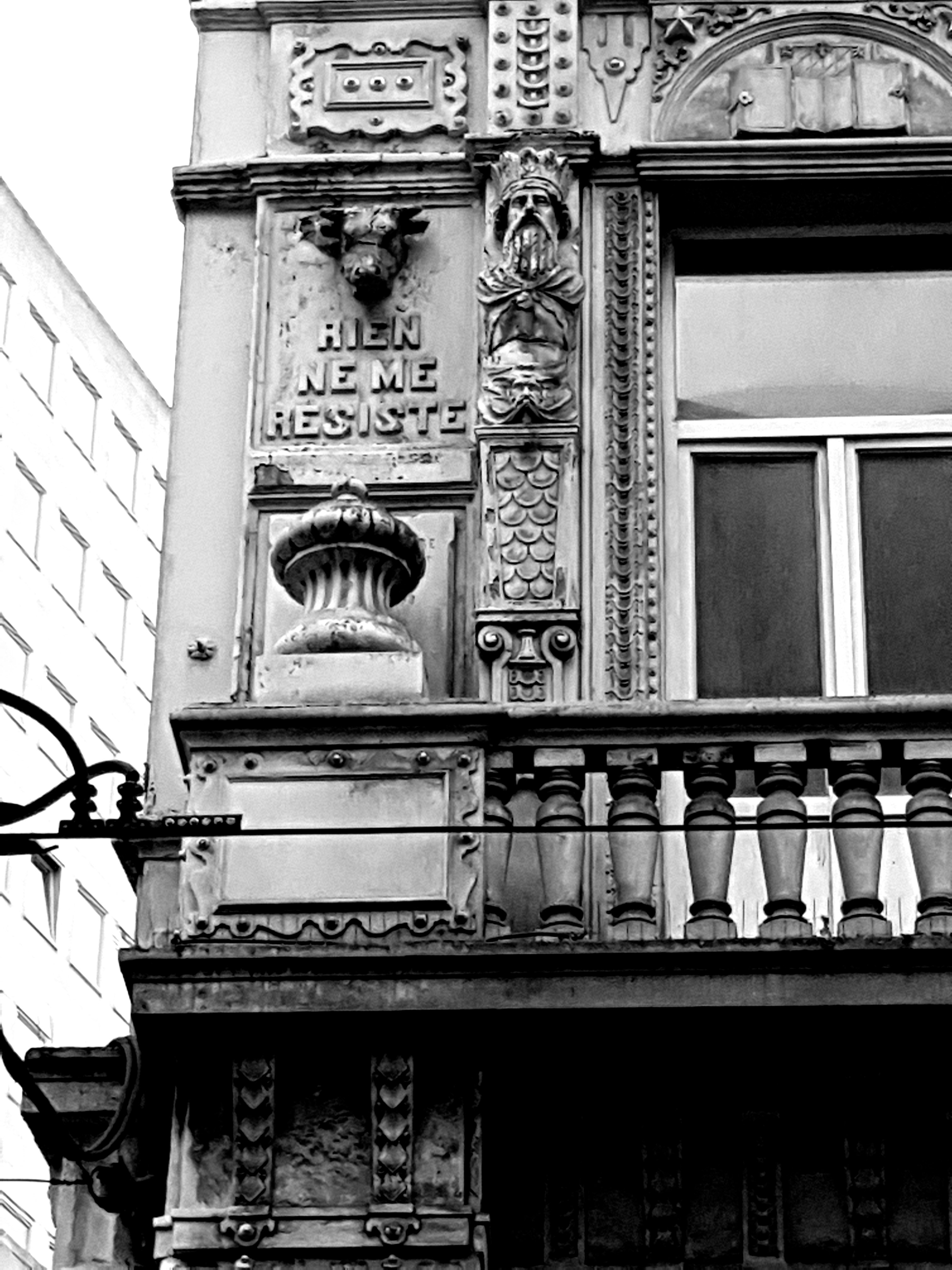

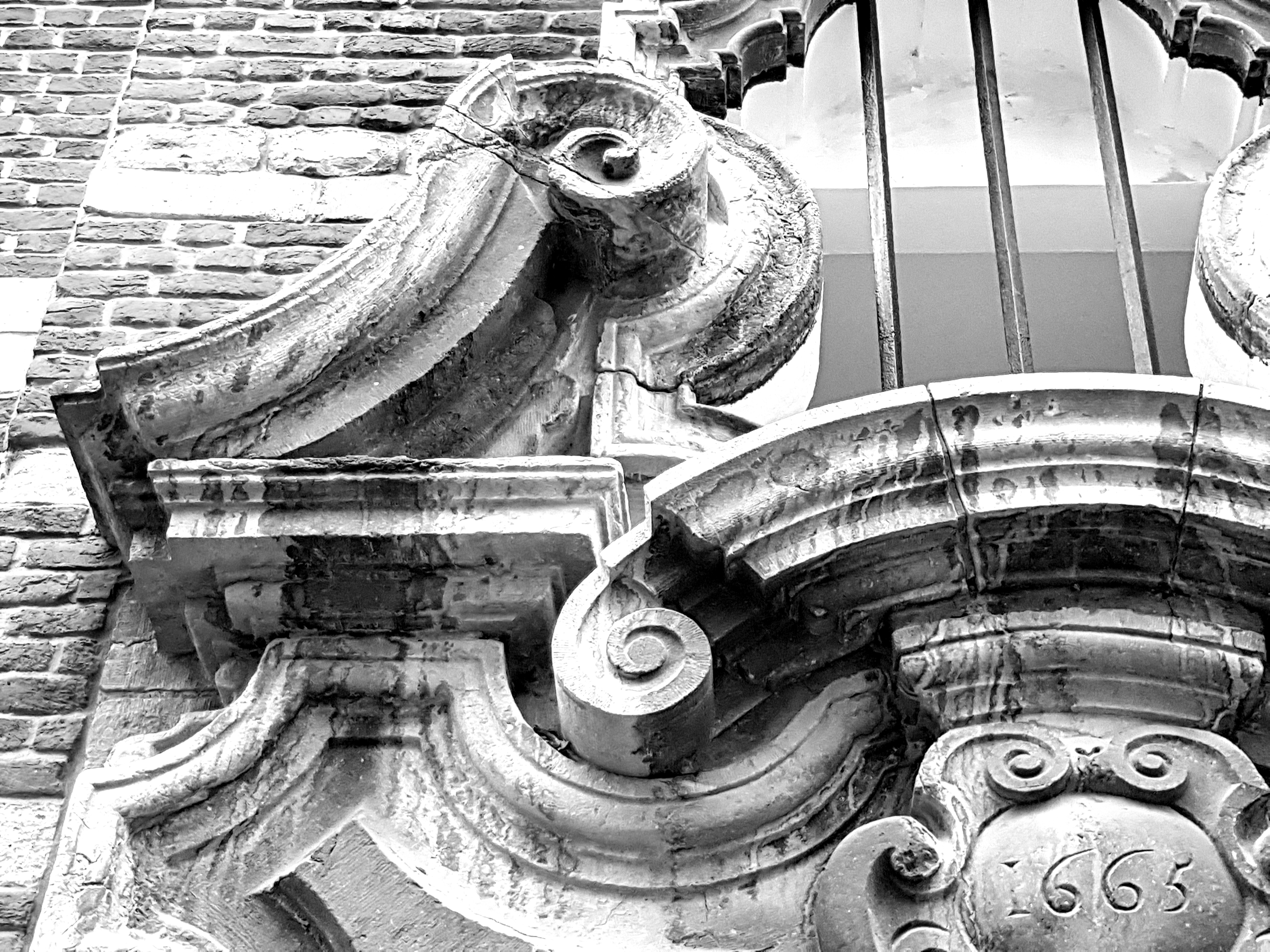
And an opulent baroque doorway as I was walking up the Nieuwstraat to Sint-Jacobskerk:-
Having spent so much of the day touring Axel Vervoordt’s empire, I have become intrigued as to how he has built up not just a big commercial operation, but international authority in the exercise of taste.
He was born in 1947. His father was a successful horse trader and his mother bought a series of houses in the Vlaeykensgang, close to the cathedral in Antwerp:-
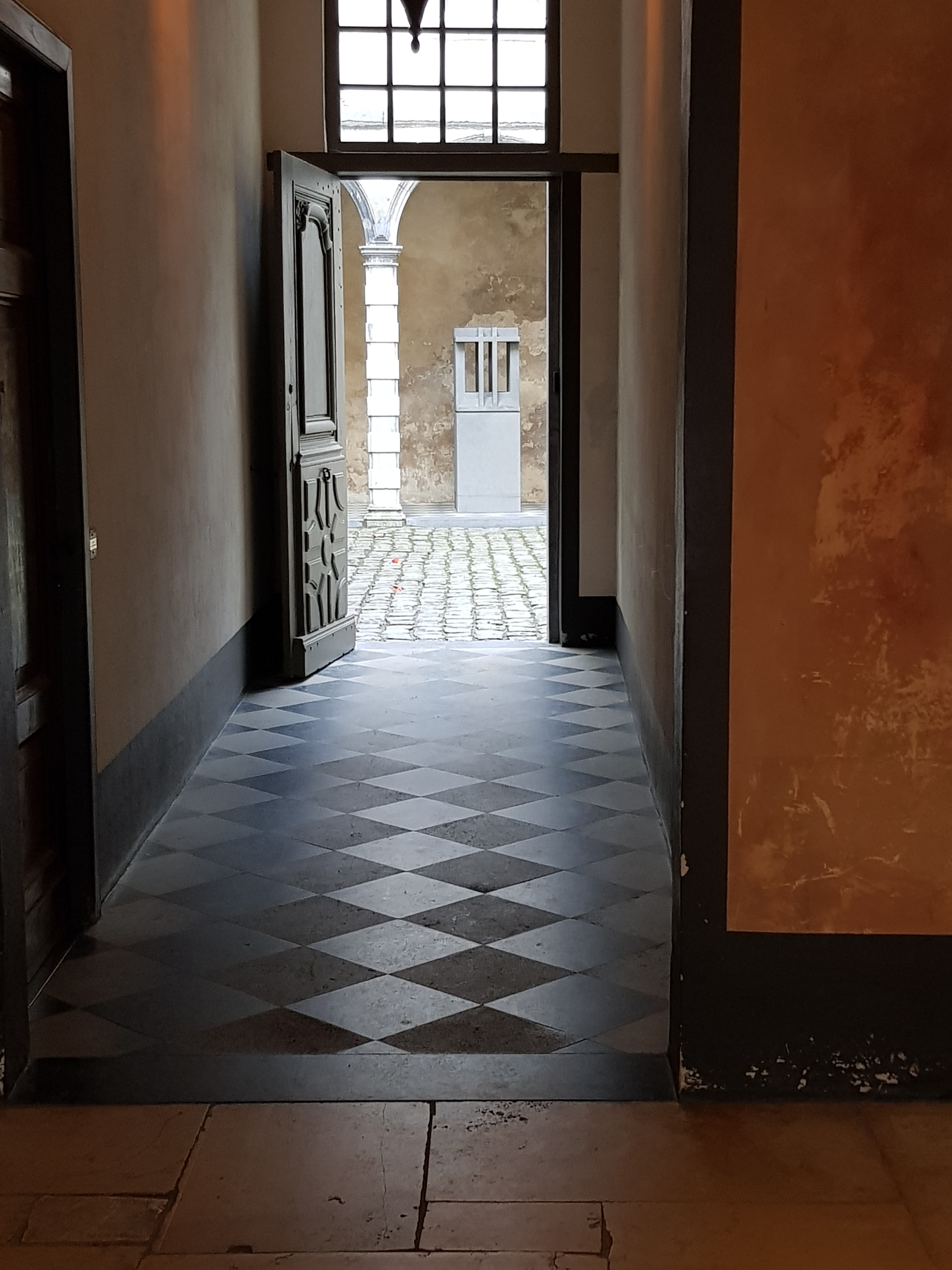
He started dealing in English furniture which he bought in bulk from impoverished landowners, combining his shop with his living arrangements and thereby creating a distinctive aesthetic based on eclecticism, combining old and new, and valuing the patina of age and use. He became well known in terms of the trade when he invested so heavily in the ceramics which emerged from.the wreck of the Geldermalsen in 1984, but more so when he began making a series of exhibitions at the Palazzo Fortuny in Venice in 2007, including hanging an El Anatsui off its façade.
We can learn more from his autobiography, published by Flammarion next month:-

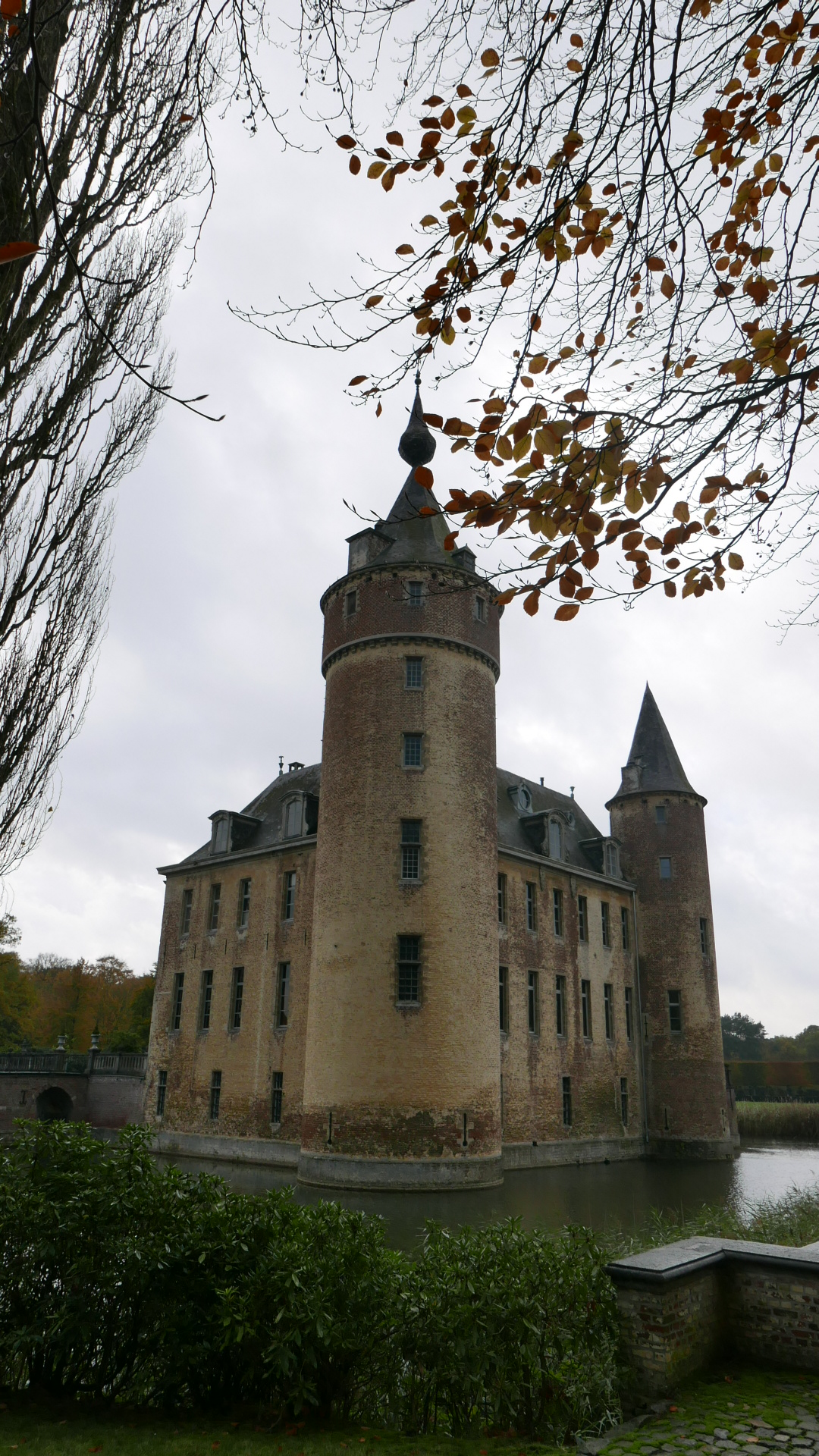
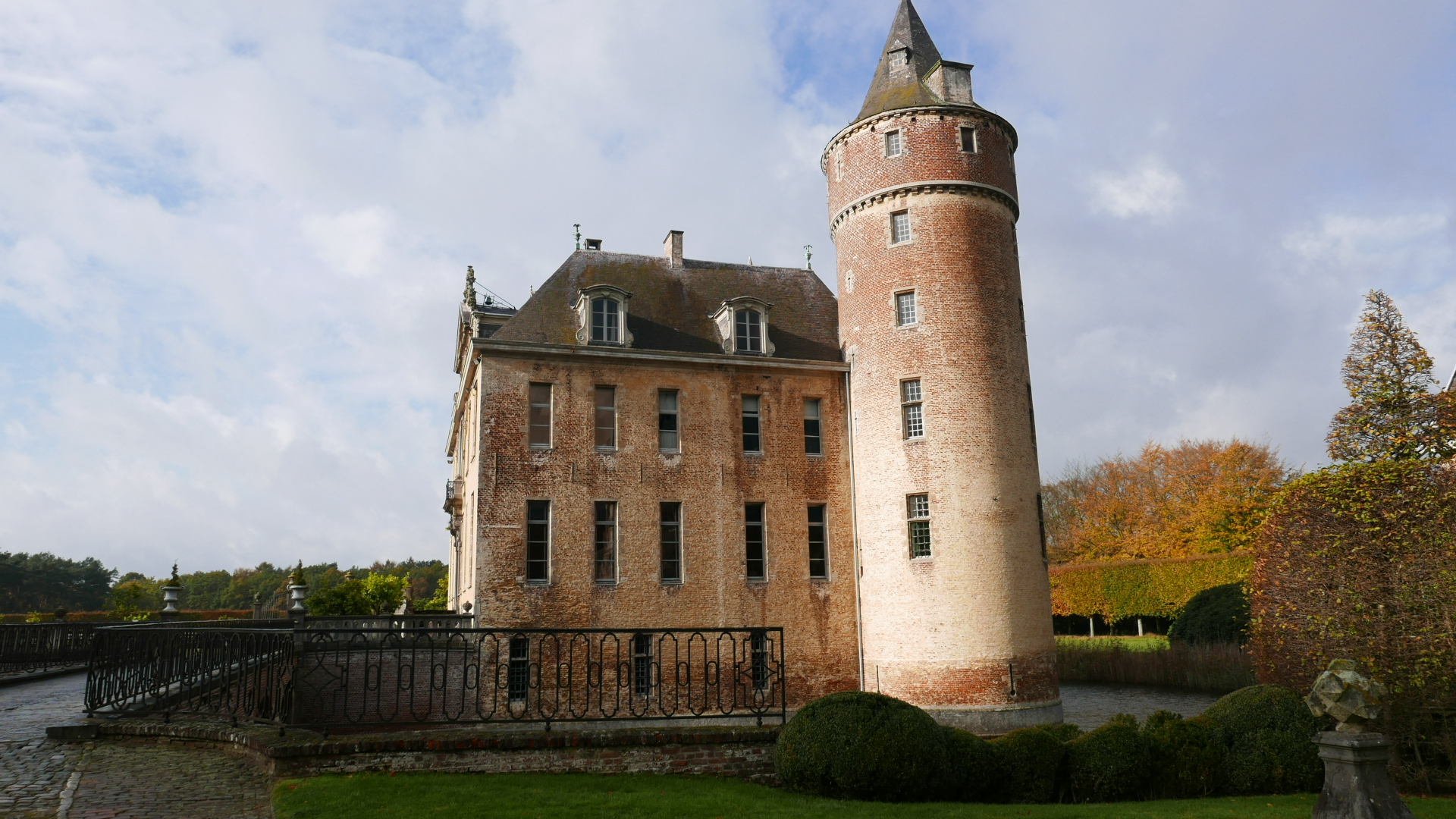
We had lunch in the Vervoordt’s castle, which he bought in 1984, having last changed hands in 1729:-


The sun obligingly came out not just on the Castle, but on the landscape garden:-


The interior is highly atmospheric – a combination of historic interiors, good furniture and modern paintings, arranged with an intelligent eye.
This is the hall:-

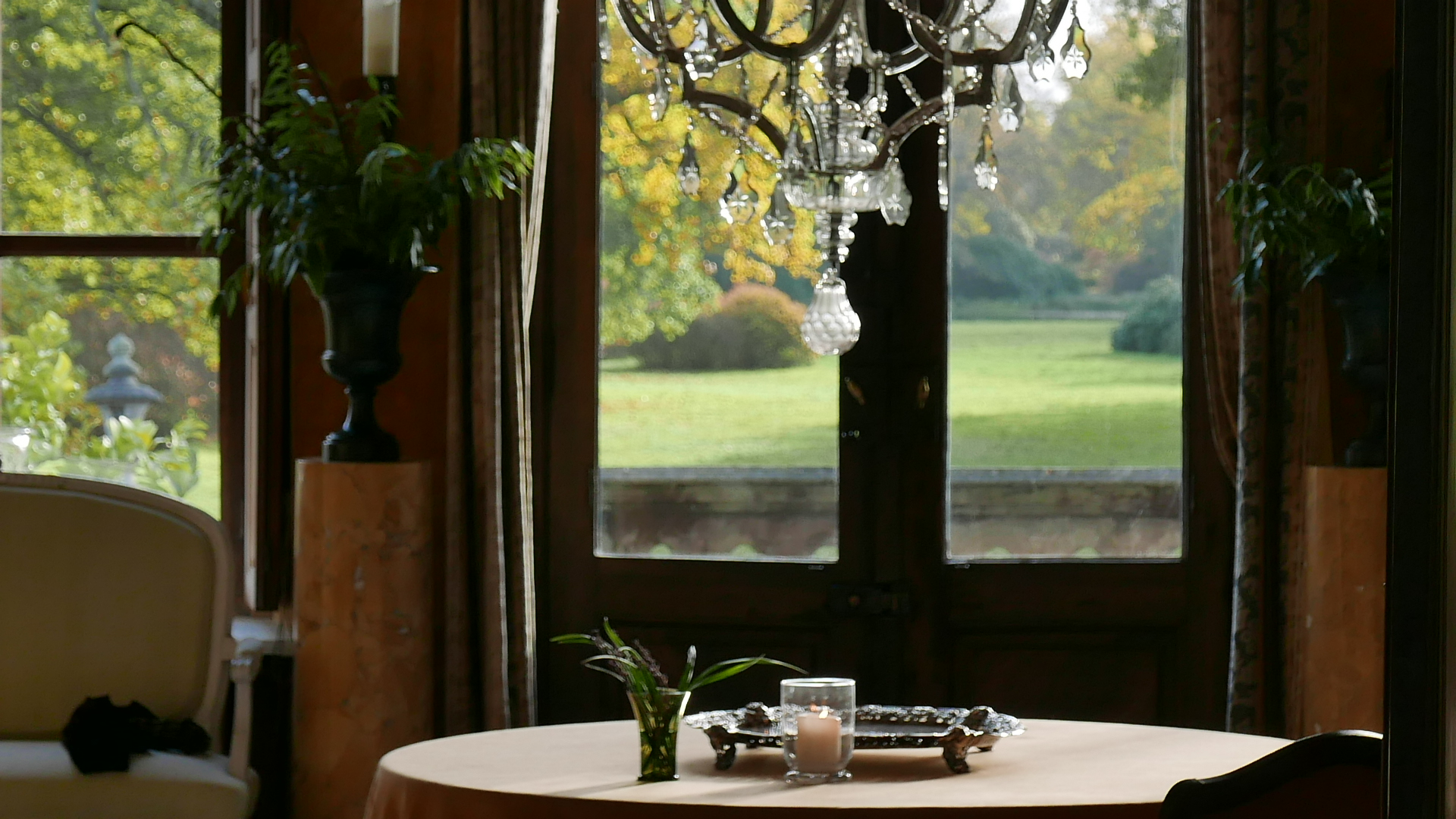
The room next to the hall:-

A room full of books (I like that):-

And the view out of the window into the garden:-
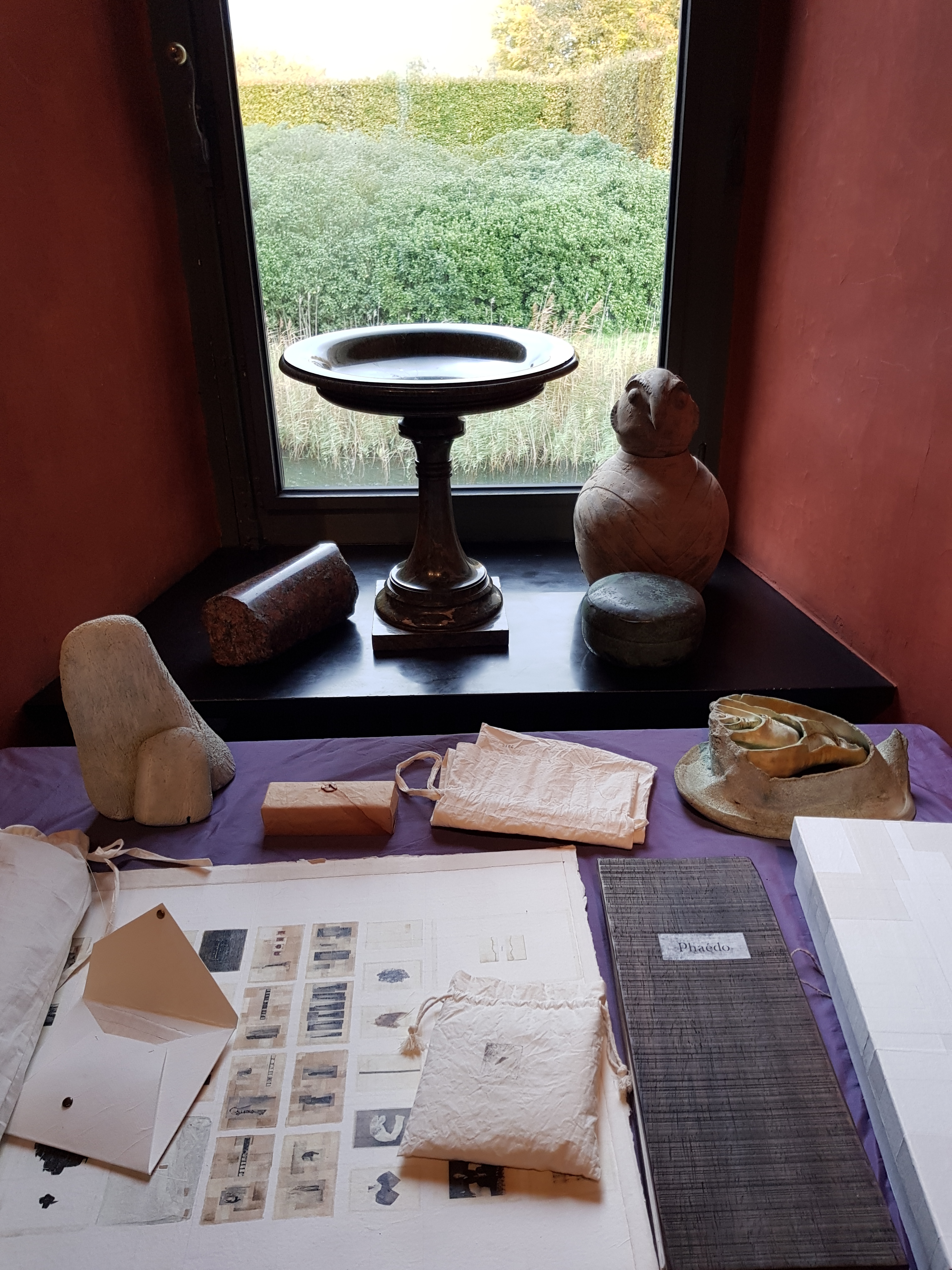

The chapel in the tower:-

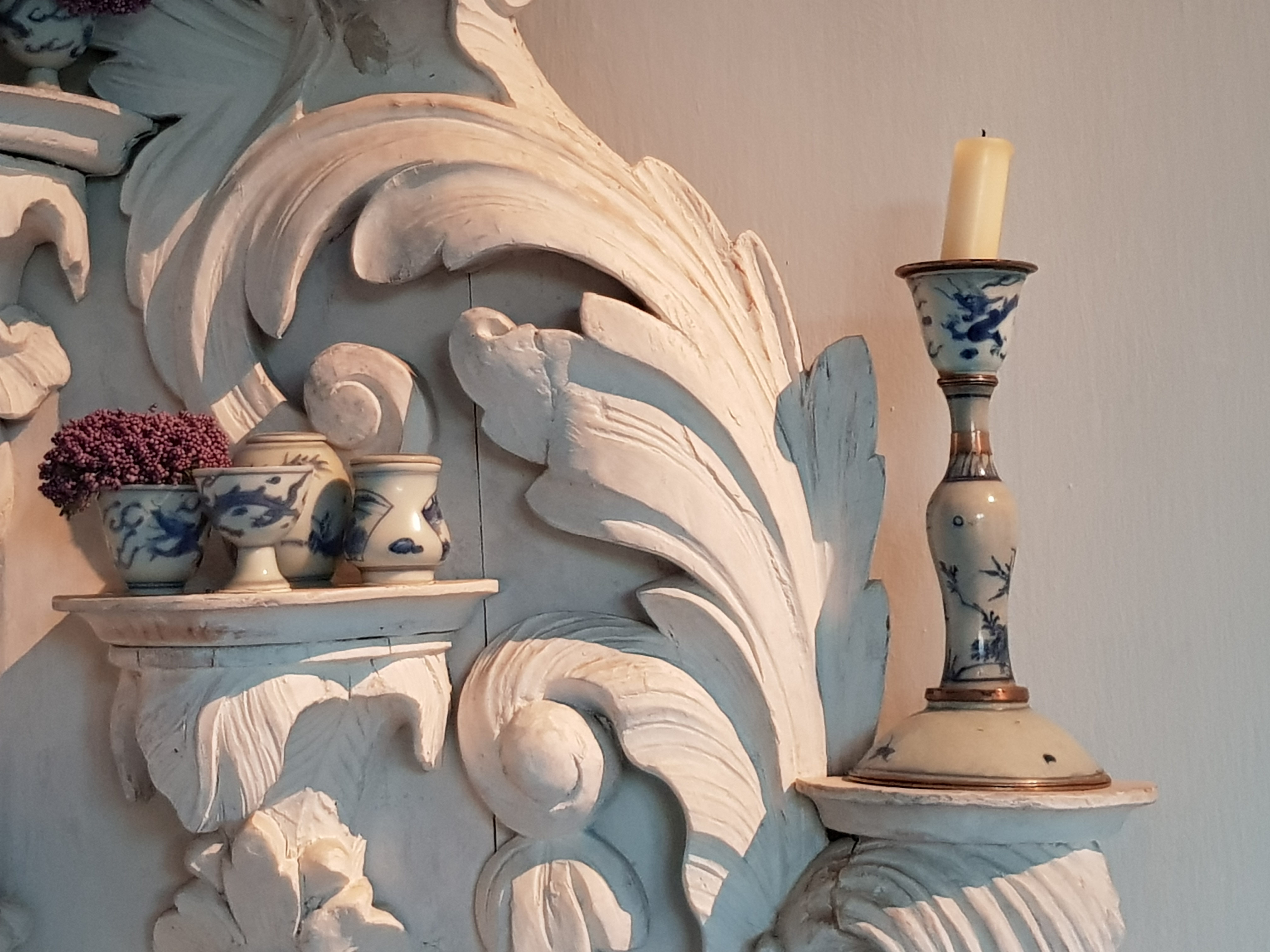
The room which shows off the ceramics which he bought from the wreck of the Geldermalsen, known as ‘the Nanking Cargo’:-


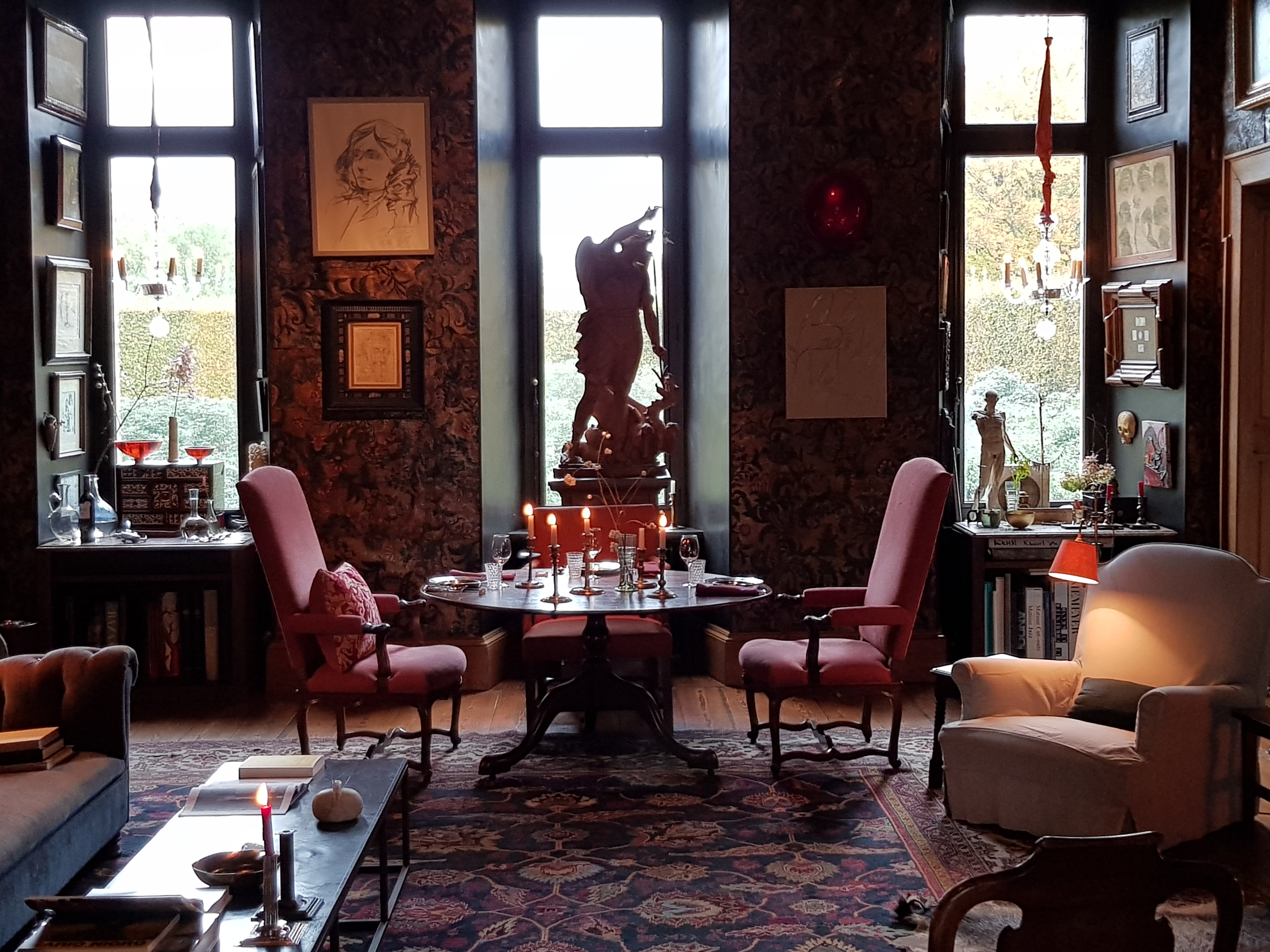
This is the room where we had lunch:-
The top floor is done in a style that Vervoordt describes as ‘wabi’, based on the Japanese philosophy of wabi sabi which values simplicity in everyday objects:-
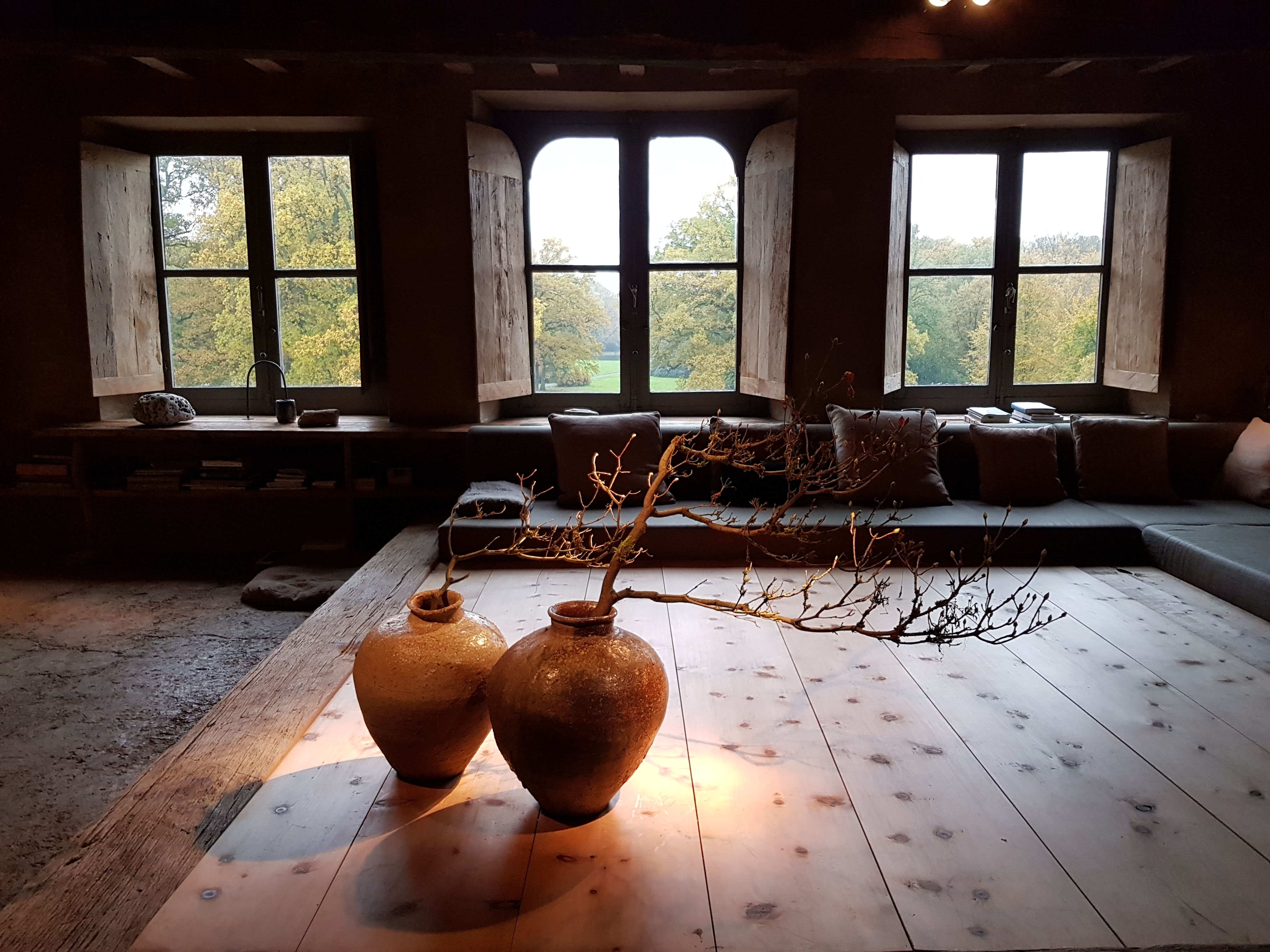

Even the basement is beautiful:-

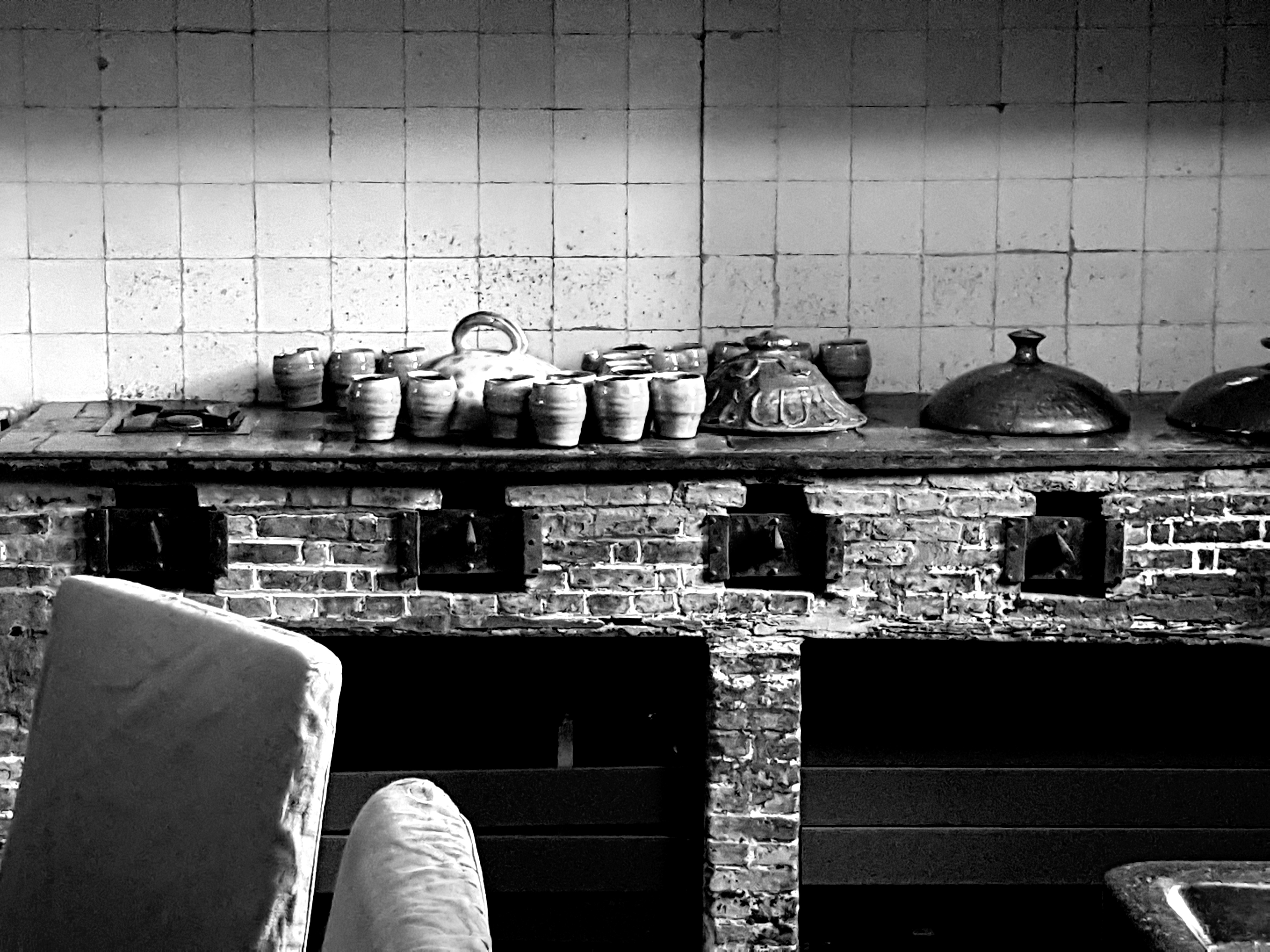
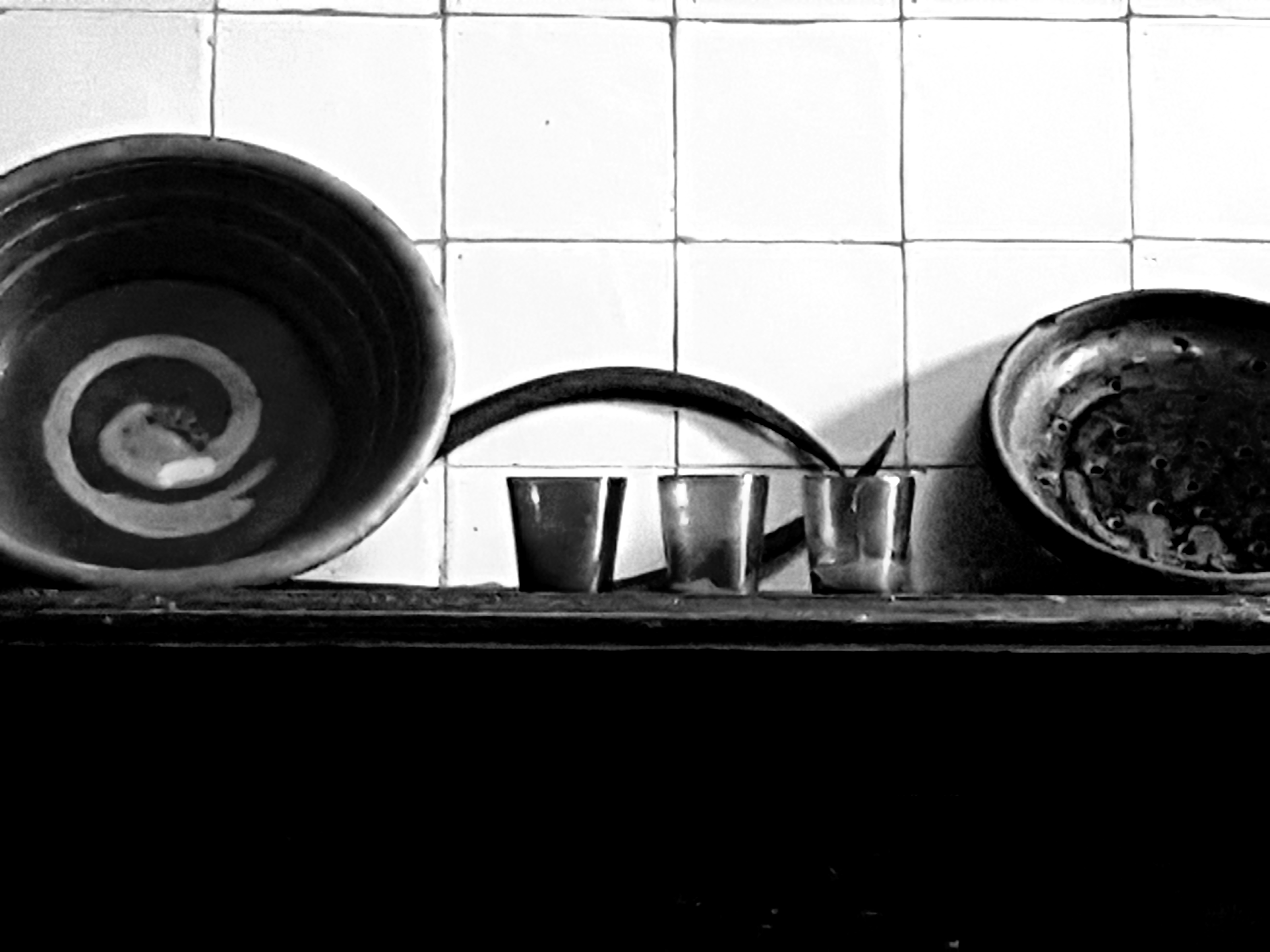
As I left, we photographed the sheep:-


I spent the morning at Kanaal, Axel Vervoordt’s astonishing art-cum-industrial complex, which was once a gin factory, then, from 1956, a Malthouse, now a very 21st. century environment in which to experience art and buy it at the same time. The Foundation is due to open later this month. The workmen are busy putting the finishing touches to the buildings (the black shed which looks like the most modern of the structures and houses Anish Kapoor’s At the Edge of the World is actually a building of the 1950s):-

We walked through an old industrial corridor:-


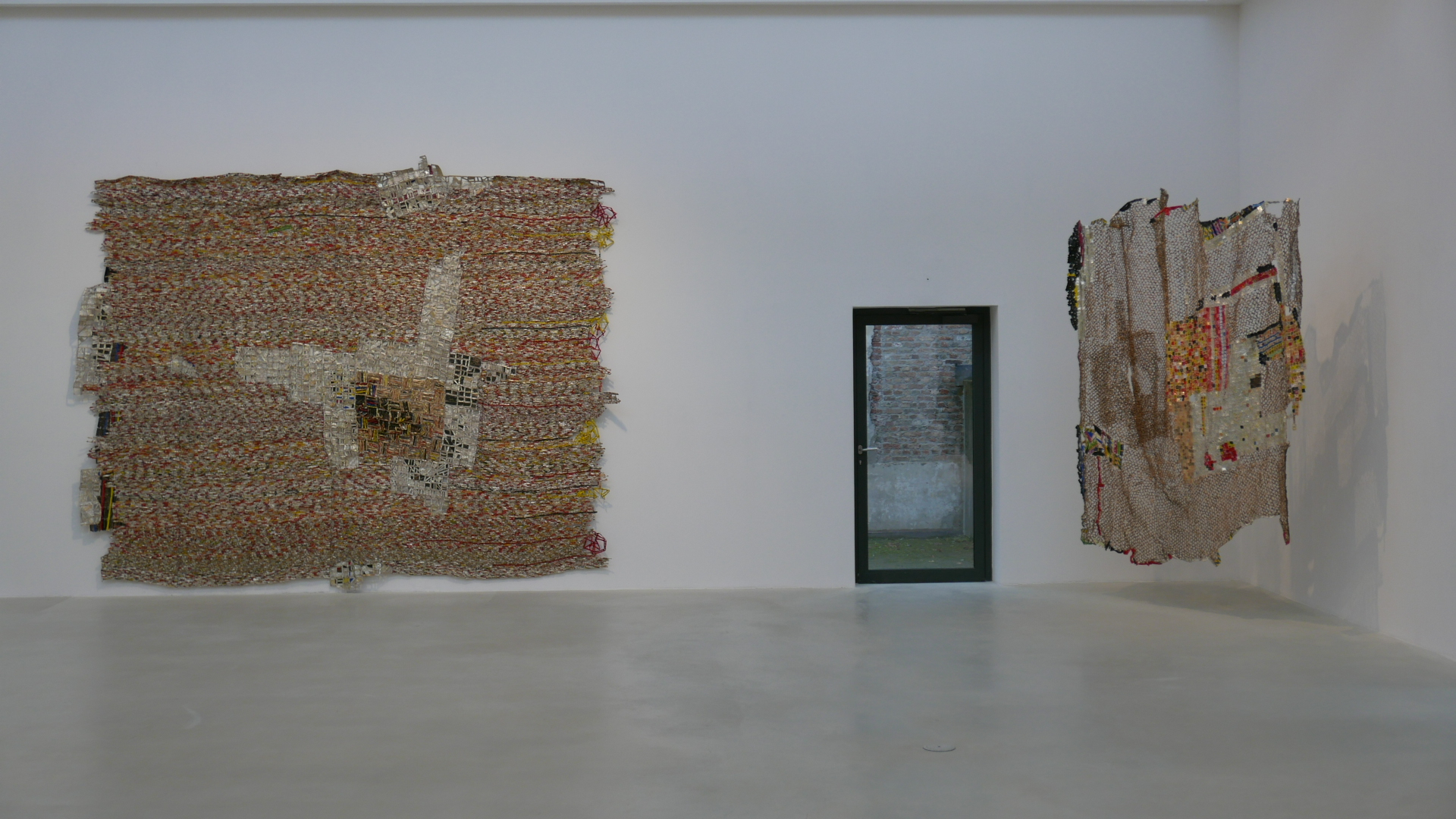
To a new set of galleries which have been designed by Vervoordt in conjunction with the Japanese architect Tatsuro Miki and which have an exhibition of El Anatsui:-


Upstairs in the original building, we returned to the returned to the rooms where the concert was held, which are filled with modern antiques sparsely displayed:-


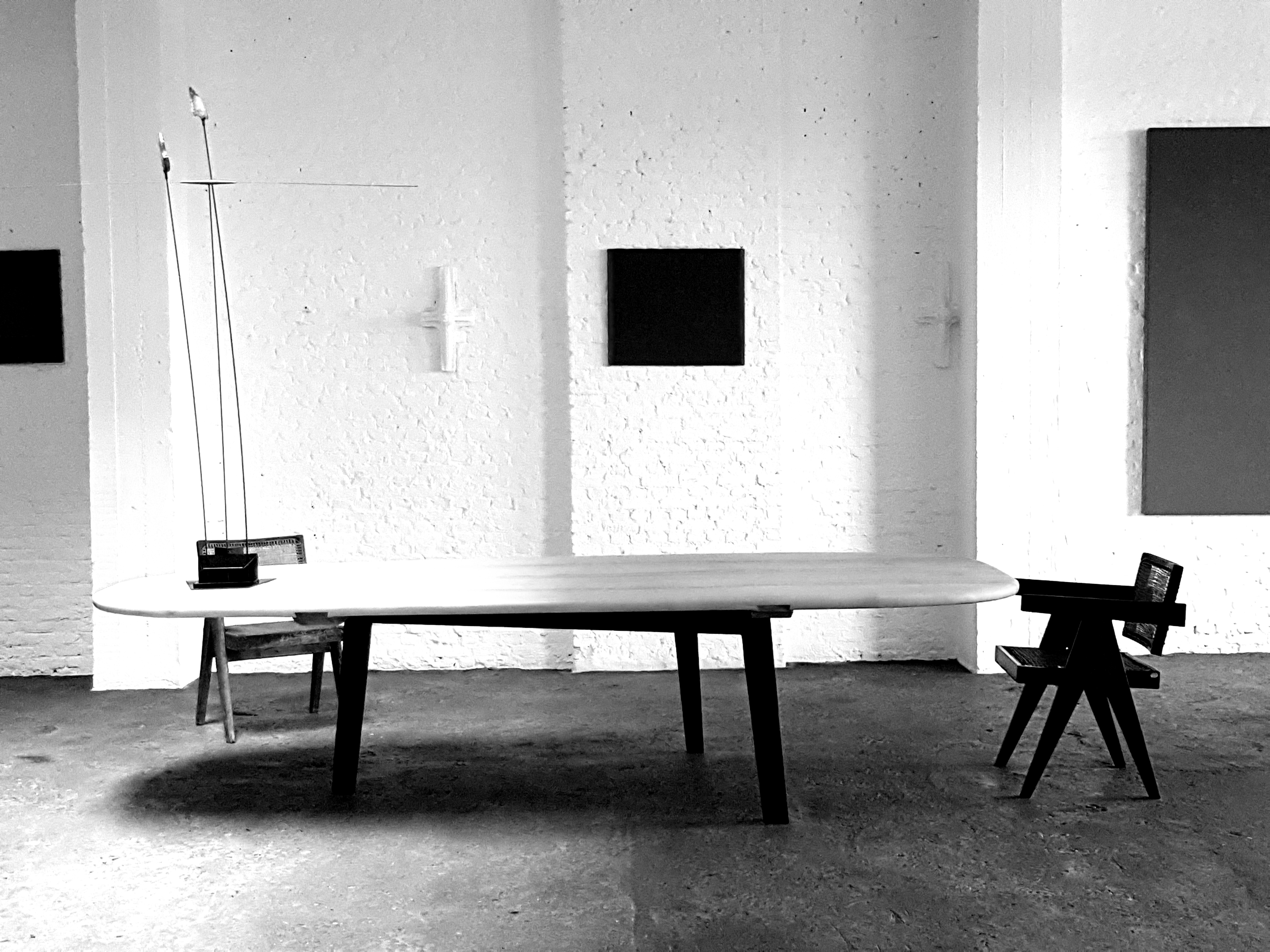

And antiquities:-


In the attic floor are shelves of art which I assume is for sale:-
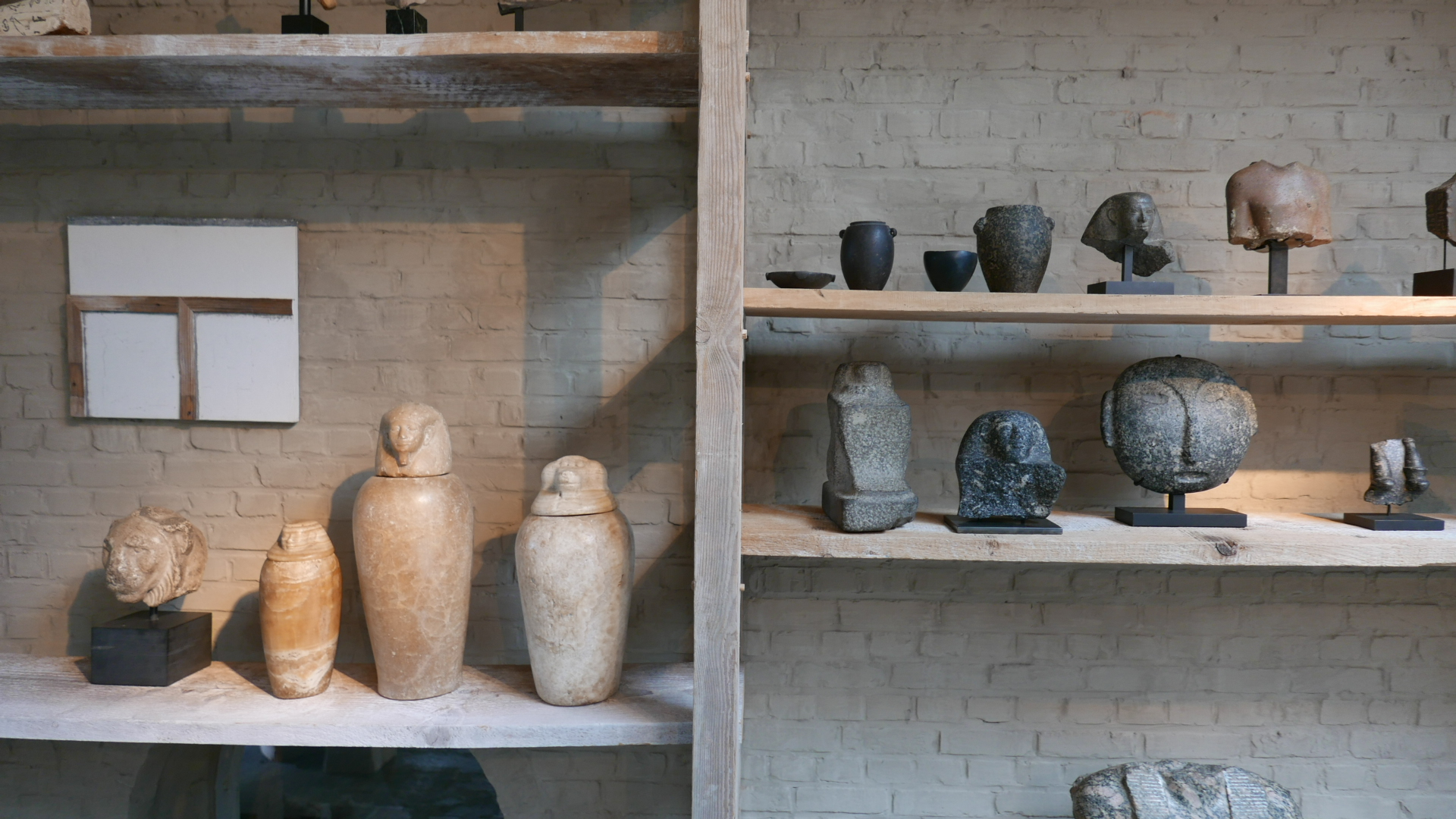


And you can choose fabrics as well:-
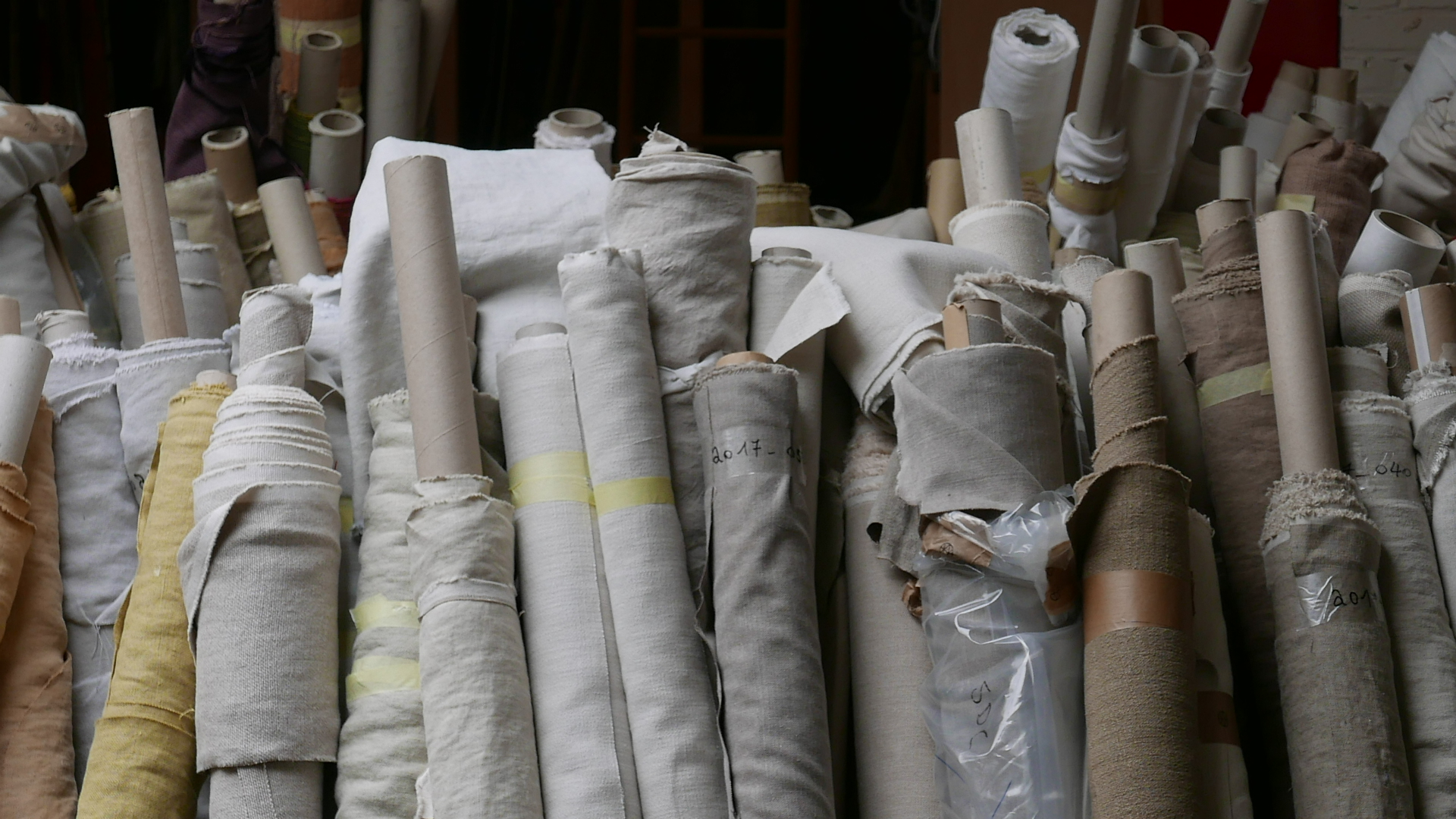
I’ve always loved Antwerp ever since we came on a day trip to Ghent and were encouraged to visit the Rubenshuis. We used (hard now to imagine) to drive through the tunnel to have lunch in Antwerp on my birthday, see Rubens’s Descent from the Cross and buy chocolate hands.
I stayed next door to the disused Sint Annagodshuis with its elaborate baroque portal:-
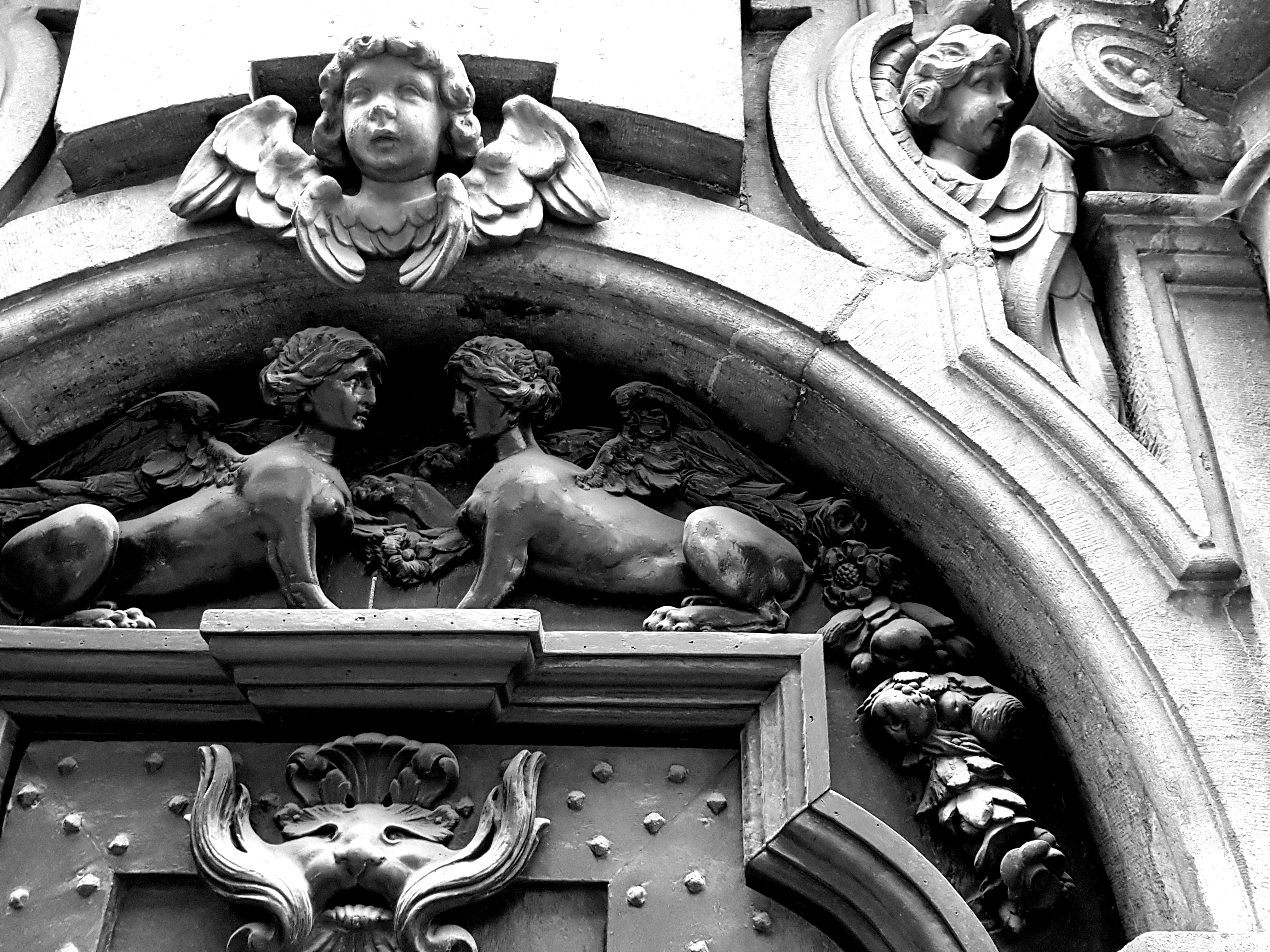

They are reconstructing the nineteenth-century Stock Exchange:-
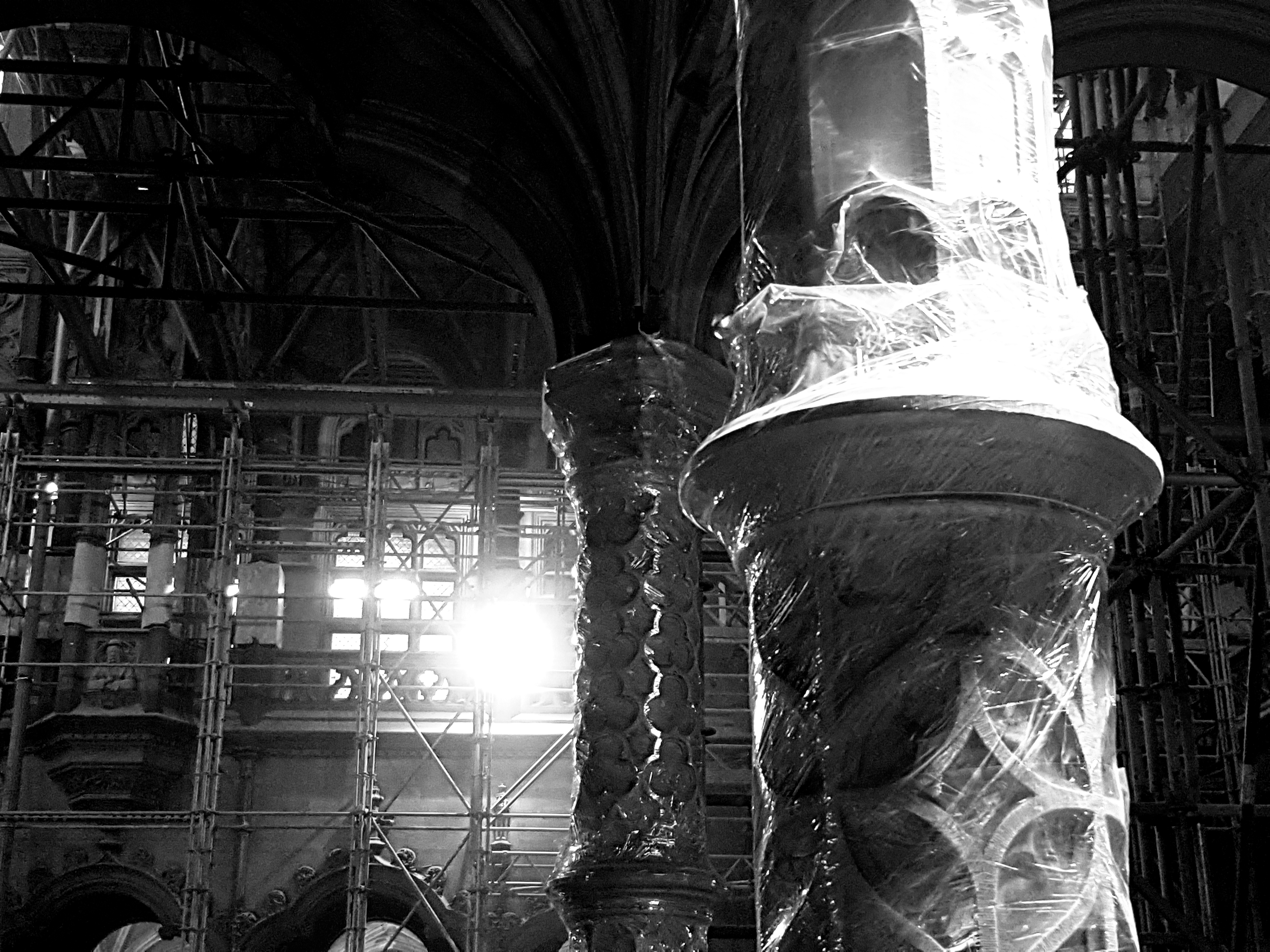
Sint-Jacobskerk is up a side street beyond:-

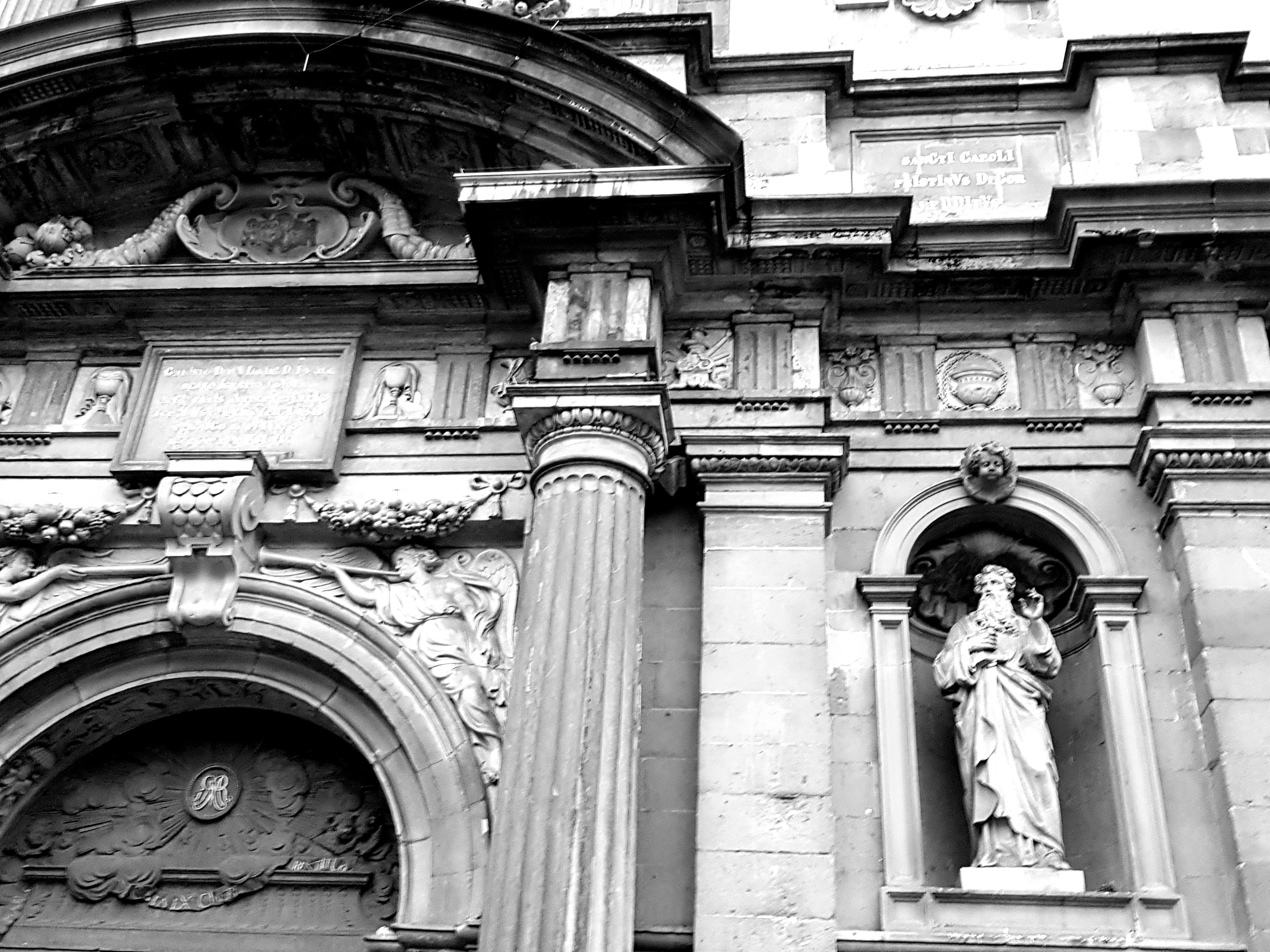
Back to Sint-Carolus Borromeuskerk:-

And the Cathedral:-
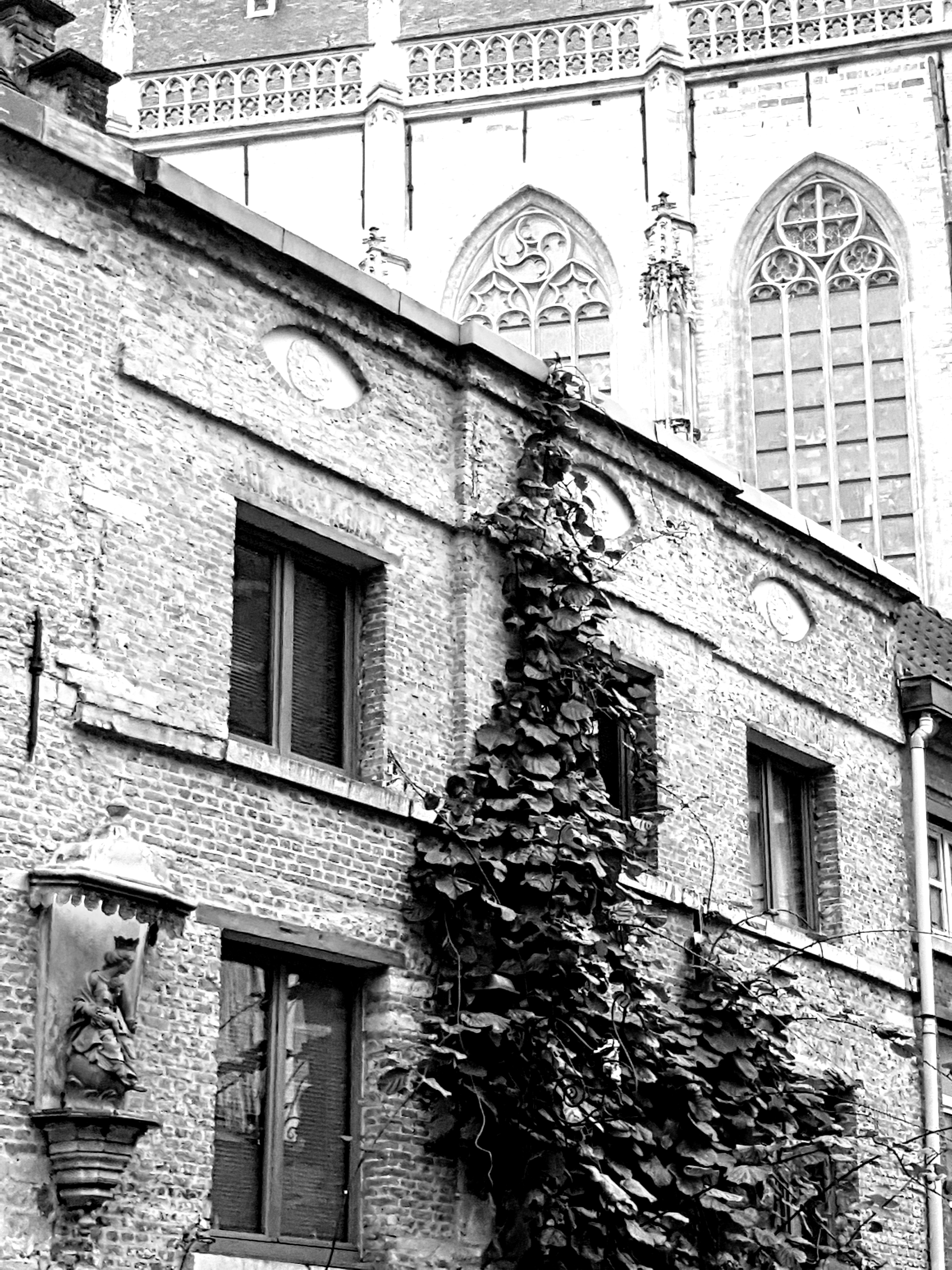
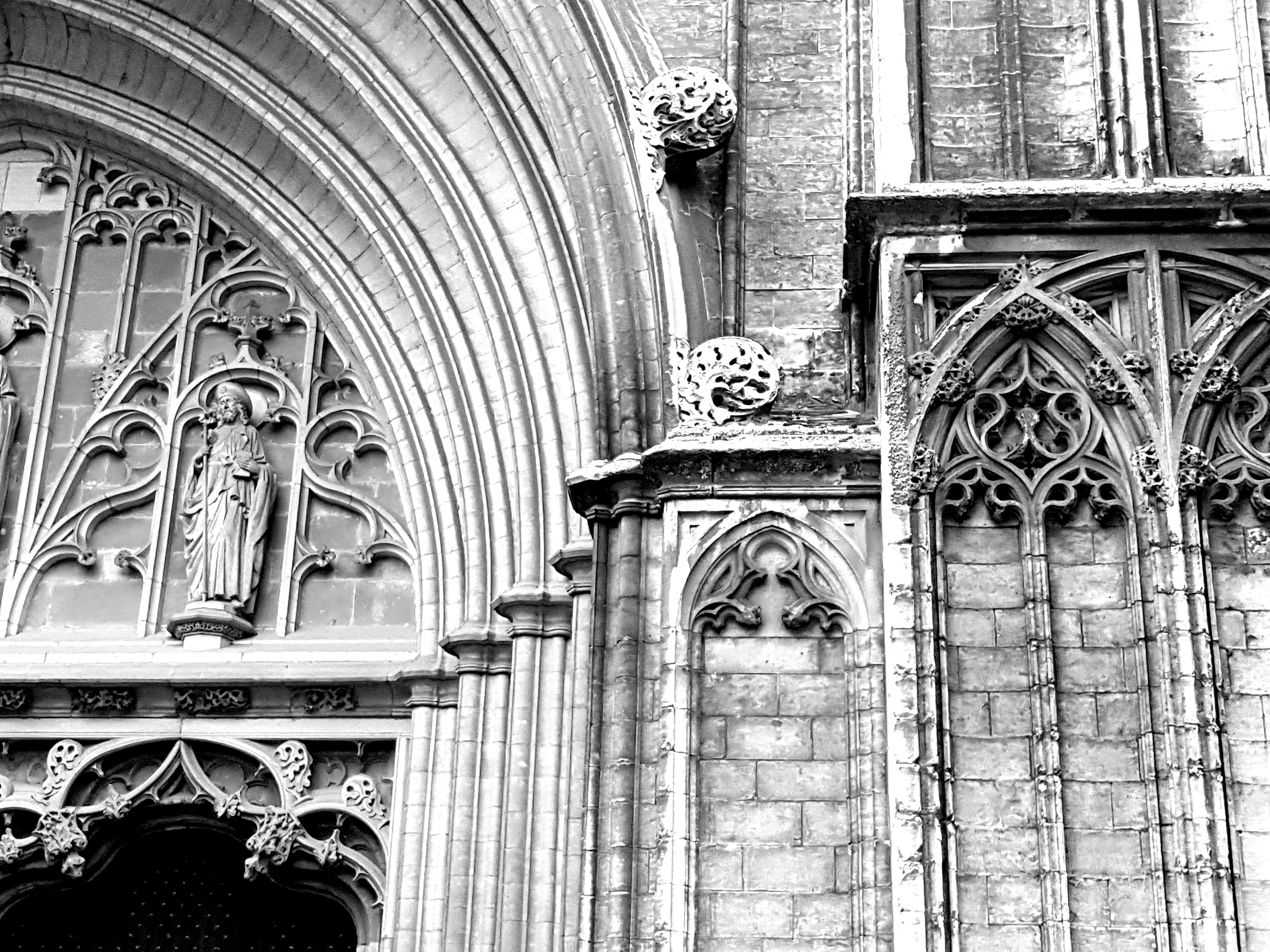
This didn’t leave much time for shopping:-

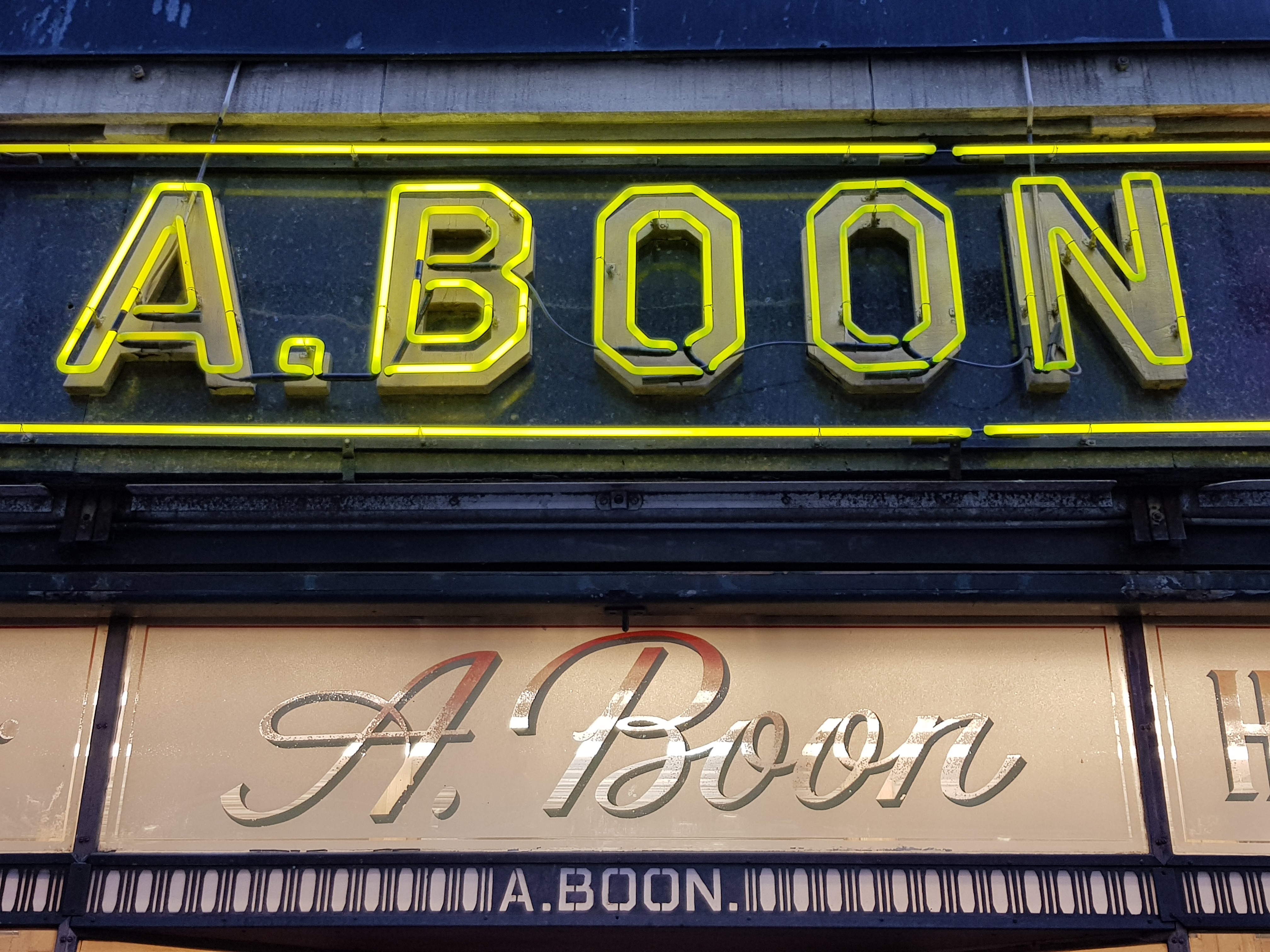


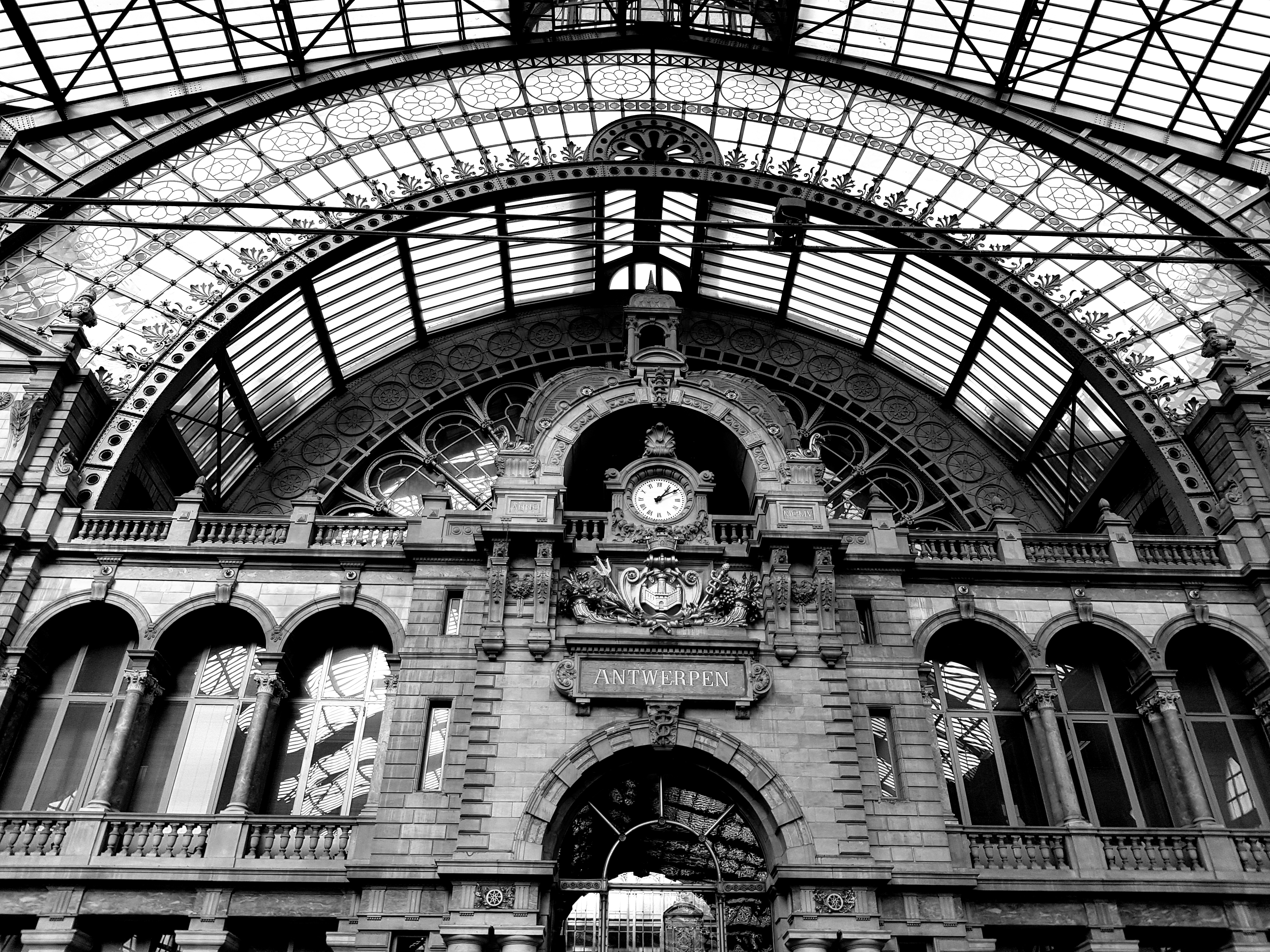
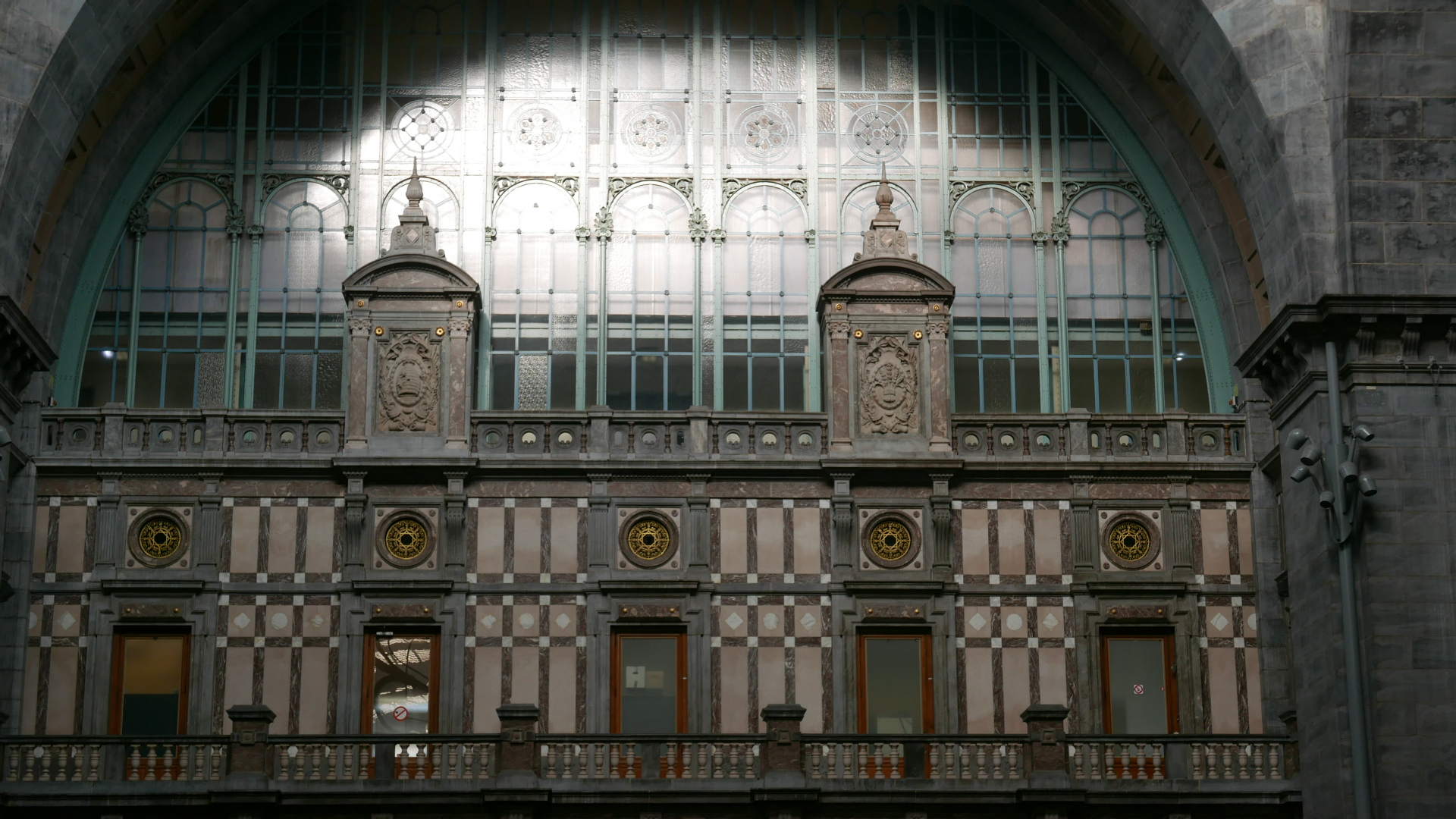
The necessity of travelling to Antwerp gave me a chance to see the railway station which I have not visited since I first read Austerlitz not long after its first publication in 2000. It is where the narrator, presumably Sebald himself, first meets Austerlitz, the architectural historian ‘who then, in 1967, appeared almost youthful, with fair, curiously wavy hair of a kind I had seen elsewhere only on the German hero Siegfried in Fritz Lang’s Niebelungen film. Austerlitz tells Sebald the history of the station: ‘One of the projects thus initiated by the highest authority in the land was the central station of the metropolis where we were sitting now, said Austerlitz; designed by Louis Delacenserie, it was inaugurated in the summer of 1905, after ten years of planning and building, in the presence of the King himself’.
It is indeed a magnificent point of arrival:-

I went to a chamber concert in an industrial complex in Wijnegem, on a canal west of Antwerp. It was wonderful listening to works by Mendelssohn, Haydn and C.P.E. Bach played in such improbable, but acoustically excellent surroundings, performed by Alina Ibragimova, a young Russian violinist, and il pomo d’oro, a small international orchestra. I was castigated for Brexit, but find it hard to take personal responsibility for the madcap actions of the British electorate:-

I called in on the Maas Gallery to see his exhibition of John Ward and the East Kent School. Ward was a deliberately conservative artist, interested in the primacy of drawing. He resigned from the RA at the time of the Sensation exhibition; but I’ve always liked and admired his work ever since he was asked to make a record of the Royal Opening of the NPG’s Ondaatje Wing and appeared at very short notice with his easel, assistant and in his overalls and set up to paint several very lively oil sketches in situ in the middle of the crowd. Alongside Ward’s work are drawings by John Sergeant, a friend and protegé of Ward’s and a fellow member of the so-called East Kent School. He was a student of the Royal Academy Schools in the late 1950s and there is a portfolio of vigorous drawings of the Life Room as it was then and is now:-

This is Ward in a painting by Paul Wyeth, a fellow student at the RCA:-

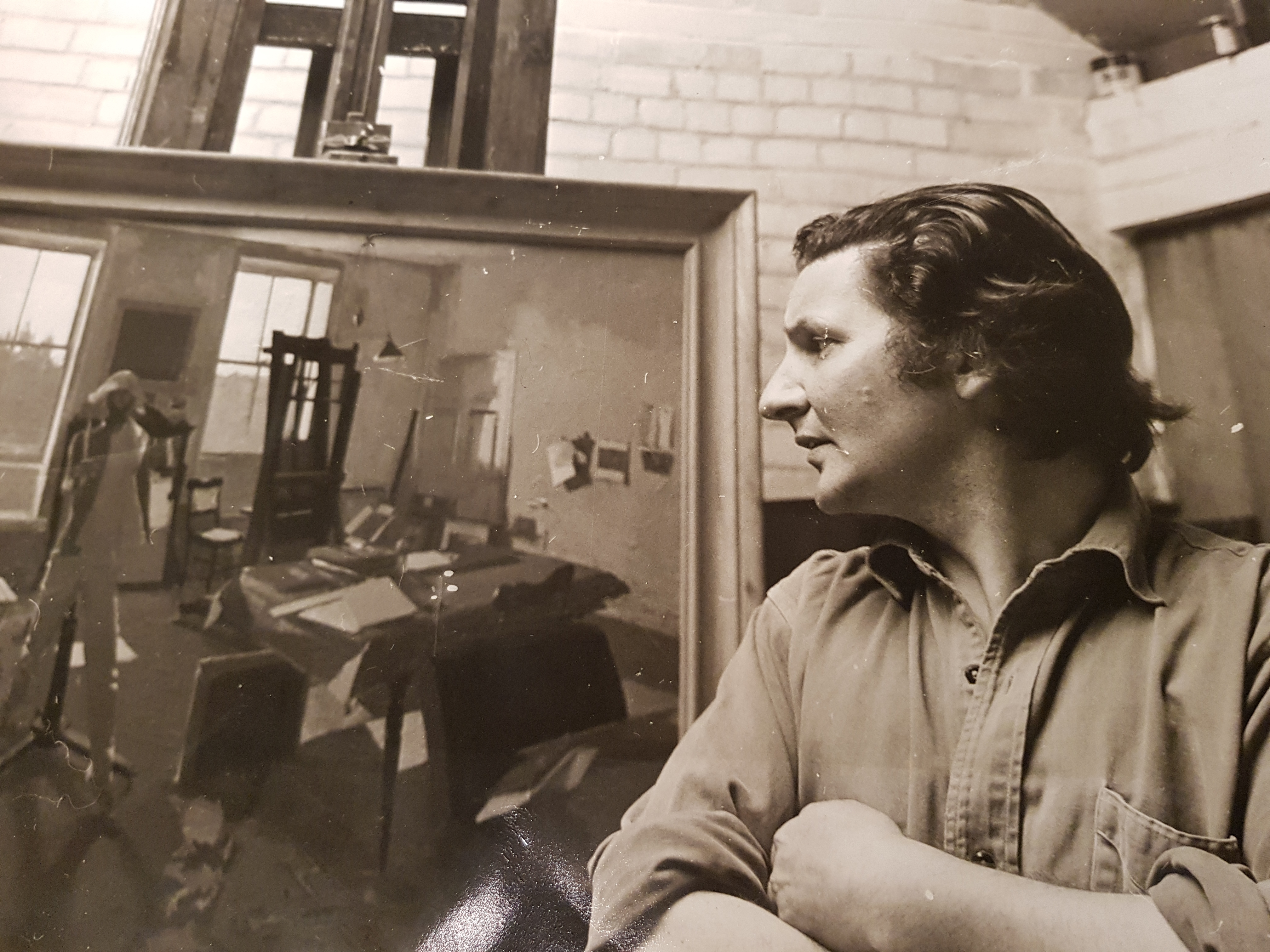
And this is a photograph of John Sergeant:-
 | Charles | Saumarez | Smith |
You must be logged in to post a comment.