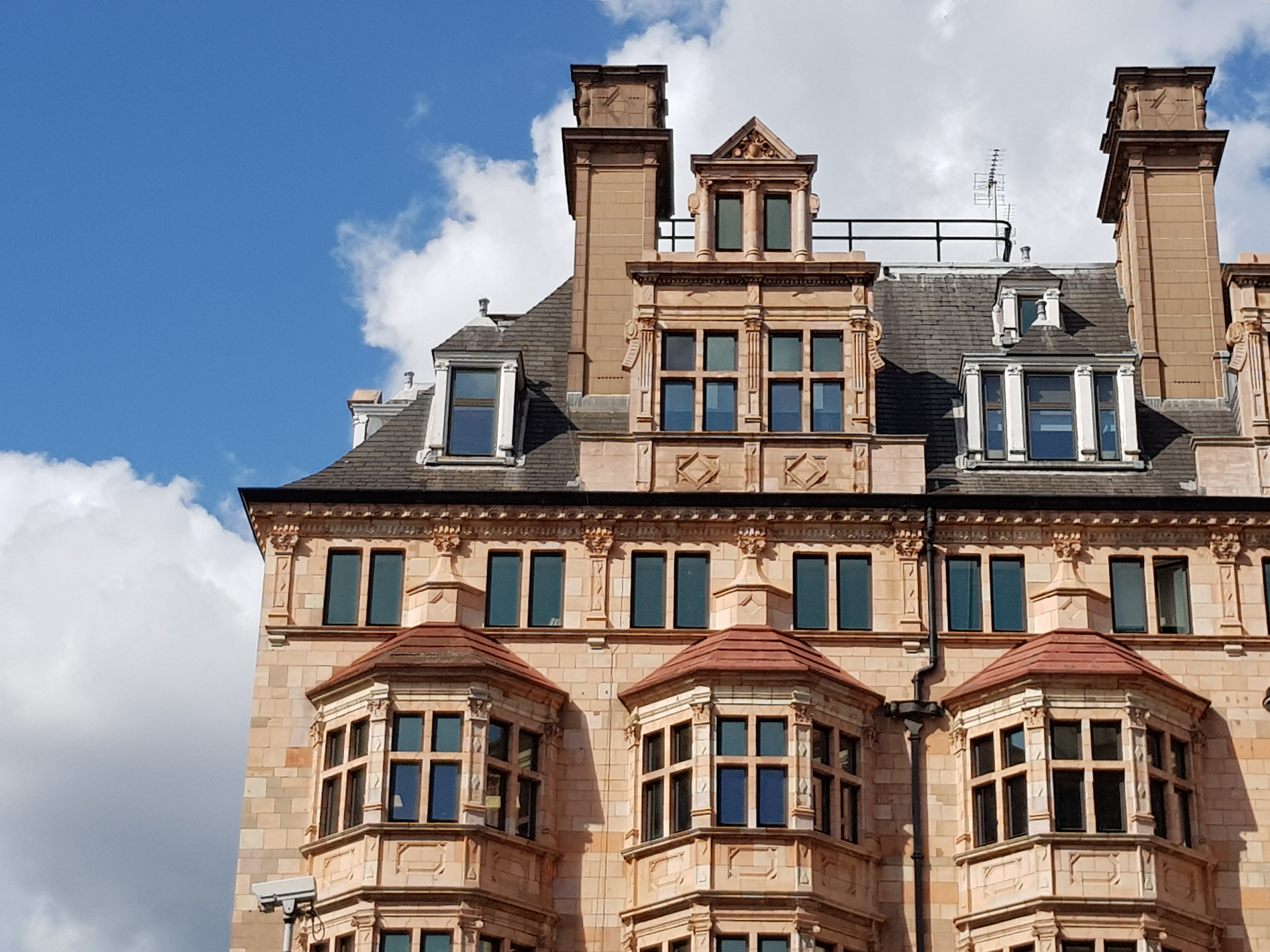
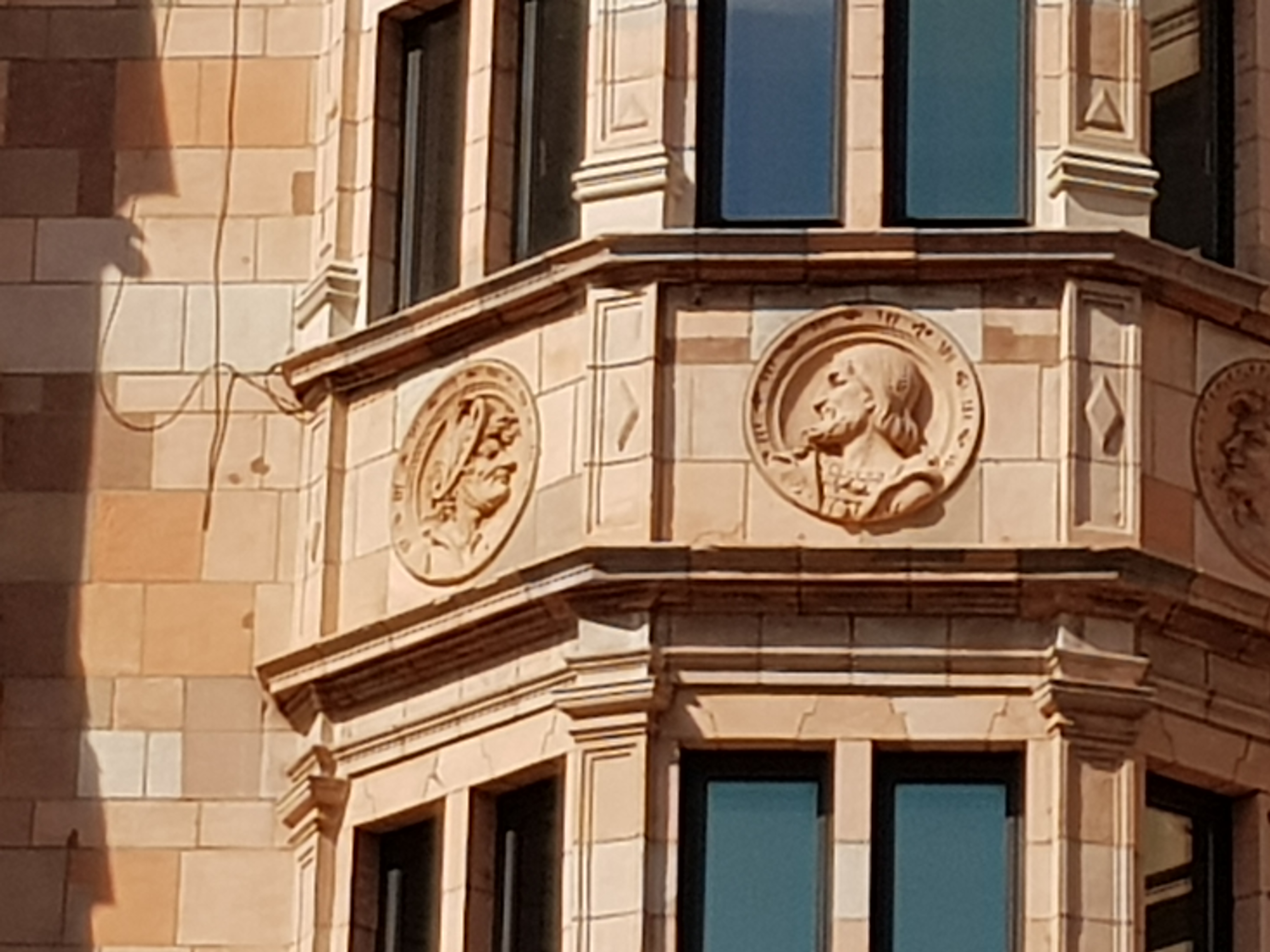
I discovered at the weekend that the stately building at the top end of St. James’s Street on Piccadilly (one of those buildings which it’s easy to ignore) is the old Albemarle Hotel (or Hotel Albemarle), designed by Ernest George and Harold Peto in 1887 on the site of the old Gordon’s Hotel, with its grand terracotta façade and originally with all mod cons, including lifts:-
The London Library
I called in at the London Library in order to attend the retirement party of Inez Lynn, who has been a librarian there since 1988 – cataloguer of Italian books, then Head of Cataloguing, Deputy Librarian in 1994, and Librarian since 2002 (only the tenth since the Library was founded by Thomas Carlyle in 1841). It must have been early in her time that the subscription was jacked up from under £200 a year to well over £400, an act which was deplored by many of the Library’s scholarly members, but has enabled the Library to flourish, expand and thrive, and recruit more younger members, a lesson to all those voluntary organisations which depend on their members to survive. The other thing which she oversaw was the new building development, designed by Haworth Tompkins, which greatly changed the atmosphere of the library to its benefit, making it more modern, more hospitable and less creaky. She had asked to have a clock for her retirement present in order to mark the imminent control of her time.
Revealing the Façade
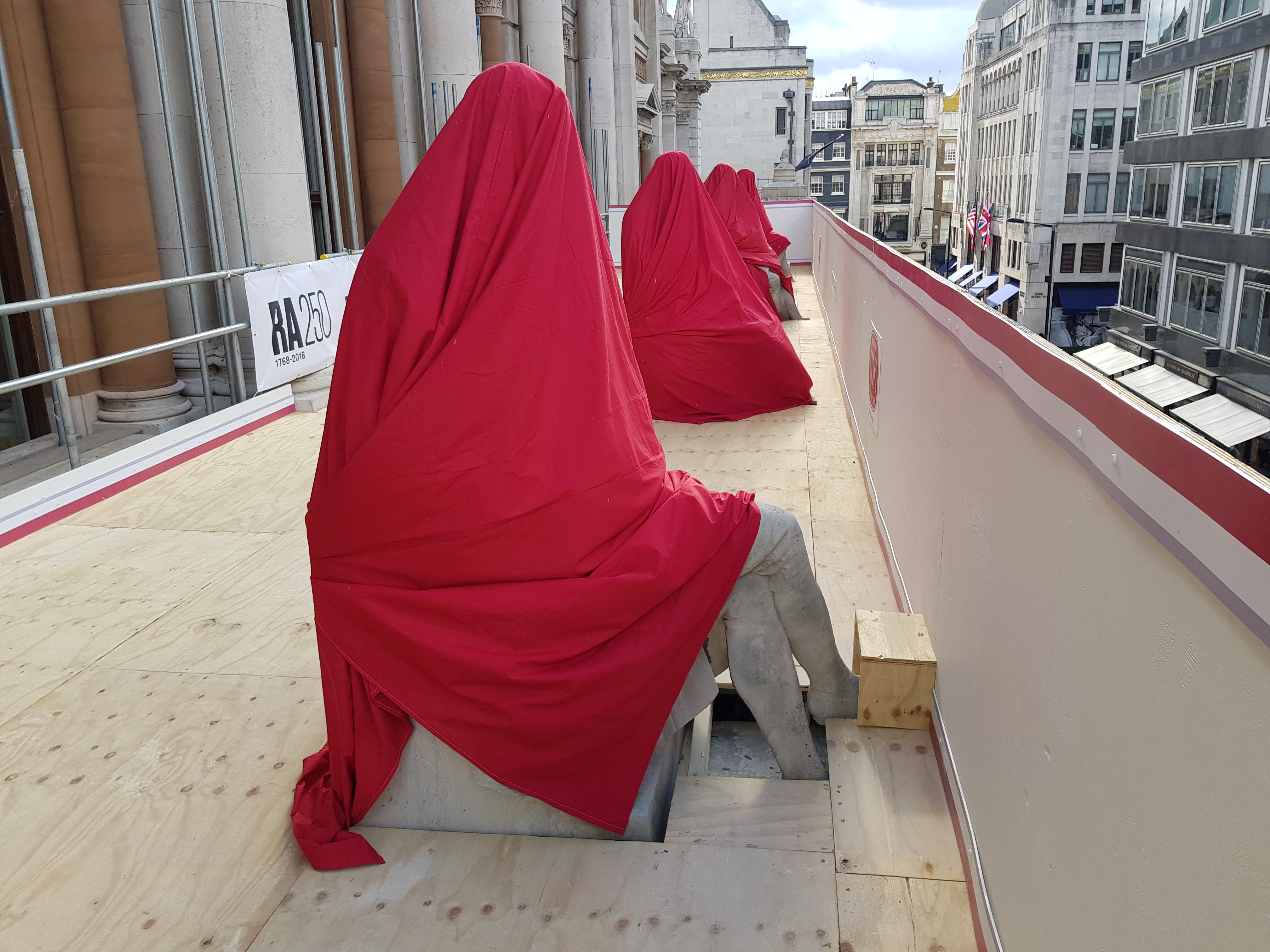
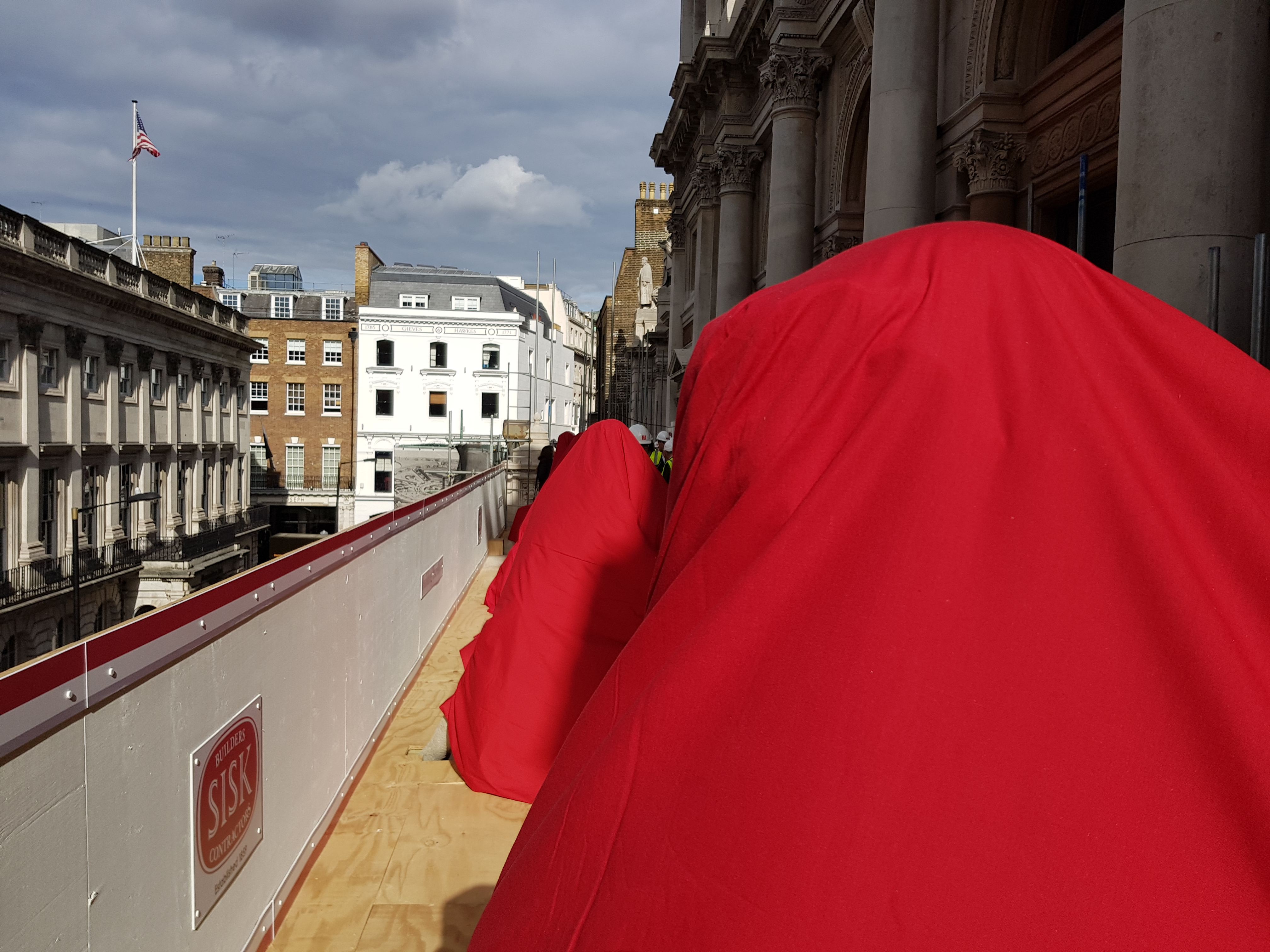
We have just had a rather wonderful event in which all the contractors working on our building project – about 200 in total – assembled in the RA’s courtyard and then key representatives of the RAs, including Gilbert and George and Cornelia Parker, donors, staff and contractors moved on to the façade of 6, Burlington Gardens for the unveiling of the four seated figures overlooking Cecconi’s:-
Rolex
We had an event tonight to celebrate the Rolex Mentor and Protégé programme which has been running since 2002, whereby extremely well-known figures in the arts world (this year including Philip Glass and David Chipperfield) take on a young and rising star in their field as a protégé. It sounds as if it could be a corporate gimmick, but they have been doing it over a long period of time and have invested not just large sums of money, but long-term moral and organisational support. What I found particularly interesting is that Rolex is run not as a profit-making corporation, but as a private trust (it was originally established in London in 1905), investing its profits in community good. We don’t hear enough about these different corporate models and how they operate.
Richard Llewelyn Davies
I don’t think I had ever previously registered that the north-east extension to the Tate was designed by Richard Llewelyn Davies, the well-known hospital planner, analytical technocrat, destroyer of the Euston Arch and designer of Milton Keynes, who is said never to have been to school before studying mechanical sciences at Cambridge. In fact, I have discovered that he was first involved in drawing up plans in 1964, when he proposed demolishing the original classical portico and constructing a new building between the Tate and the river. This Brave New World scheme was rejected following its public exhibition in 1968. His new galleries in the so-called North-East Quadrant (Plan B) eventually opened in 1979 and, following his death in 1981, were described by the New York Times as ‘bleak and warehouselike, but Lord Llewelyn-Davies regarded it as appropriate to the modern paintings it was intended to display’. I actually prefer them, with their high ceilings and robust anonymity, to the lower ceilinged galleries downstairs.
Rachel Whiteread
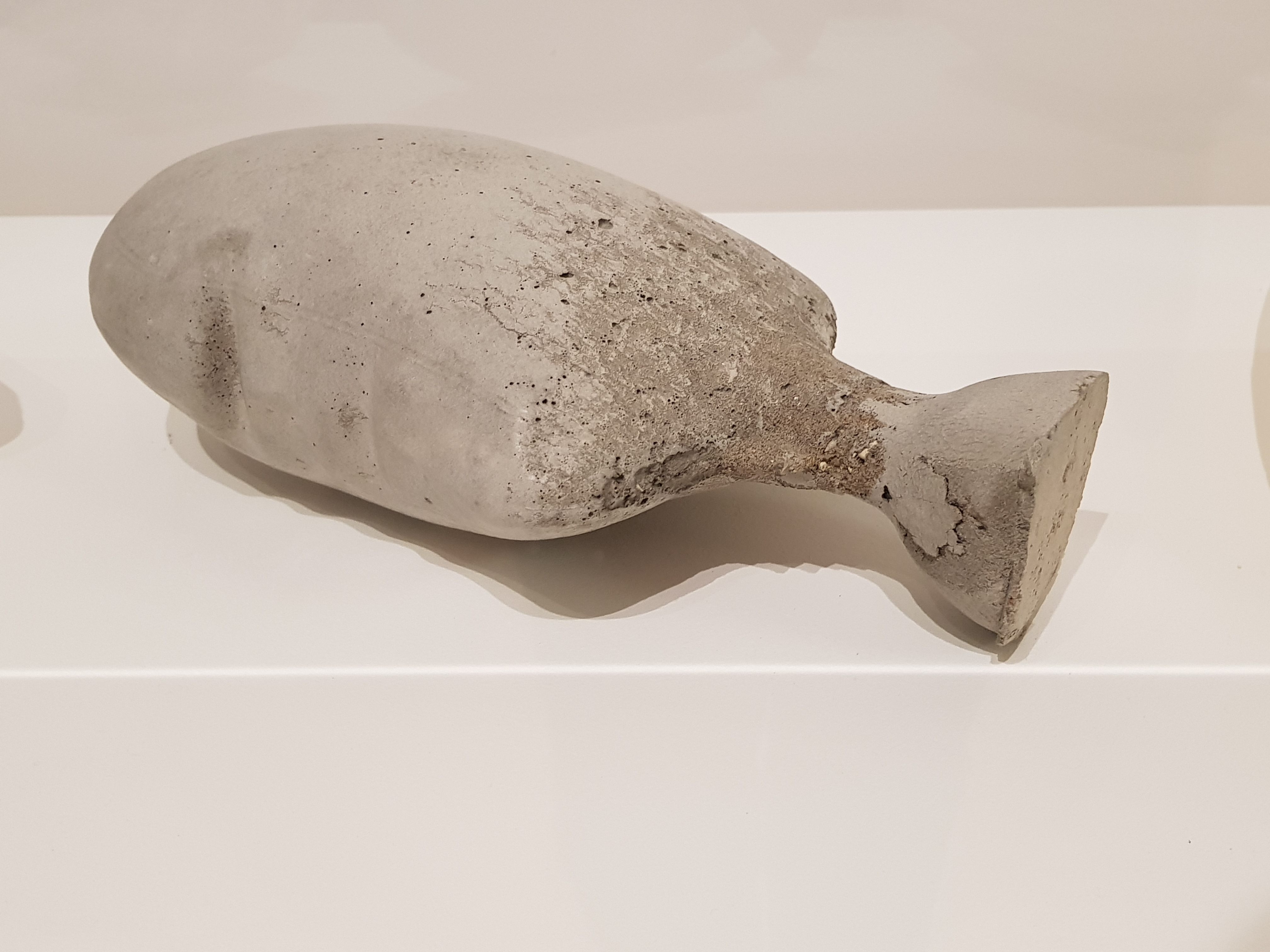
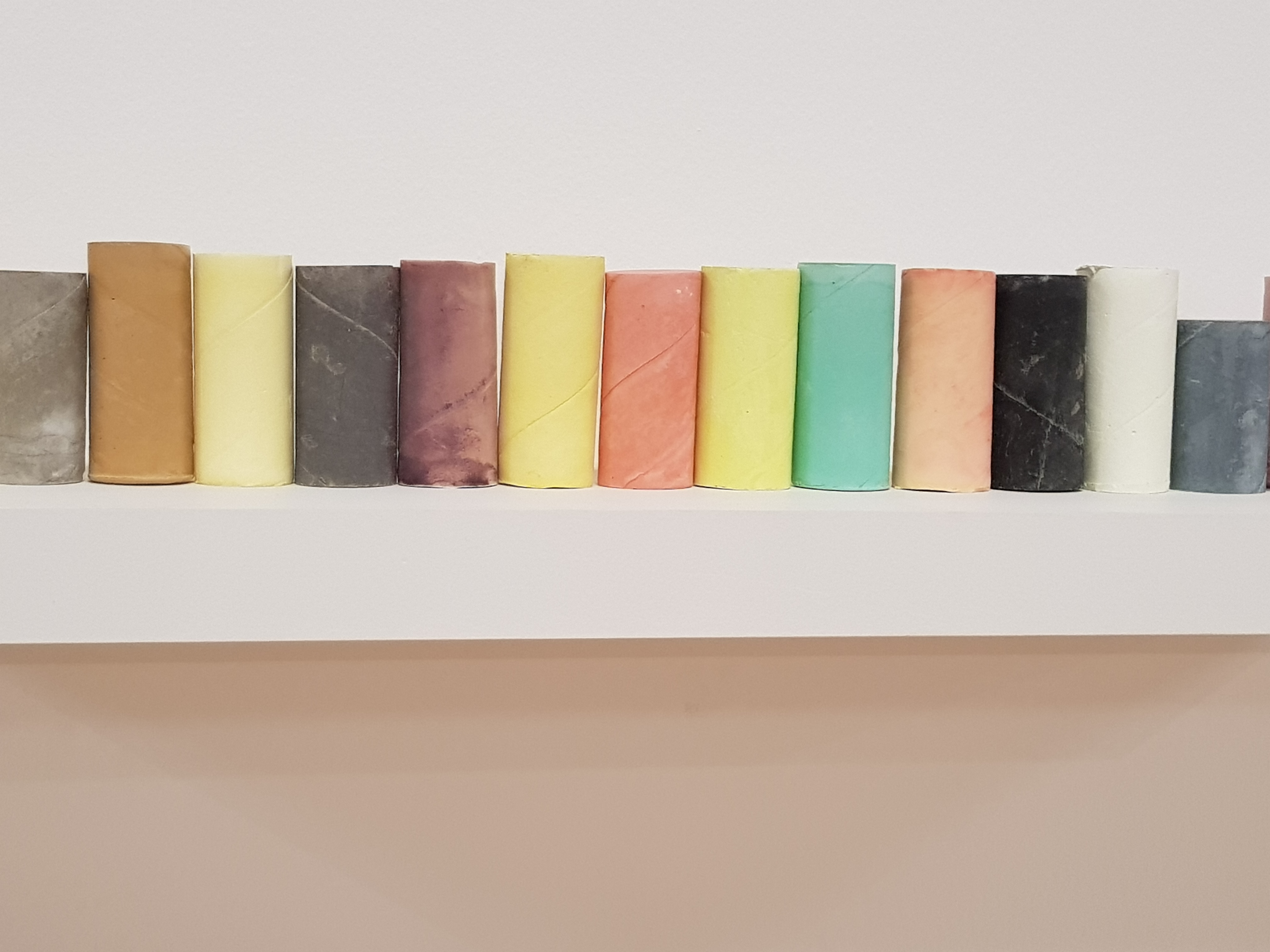
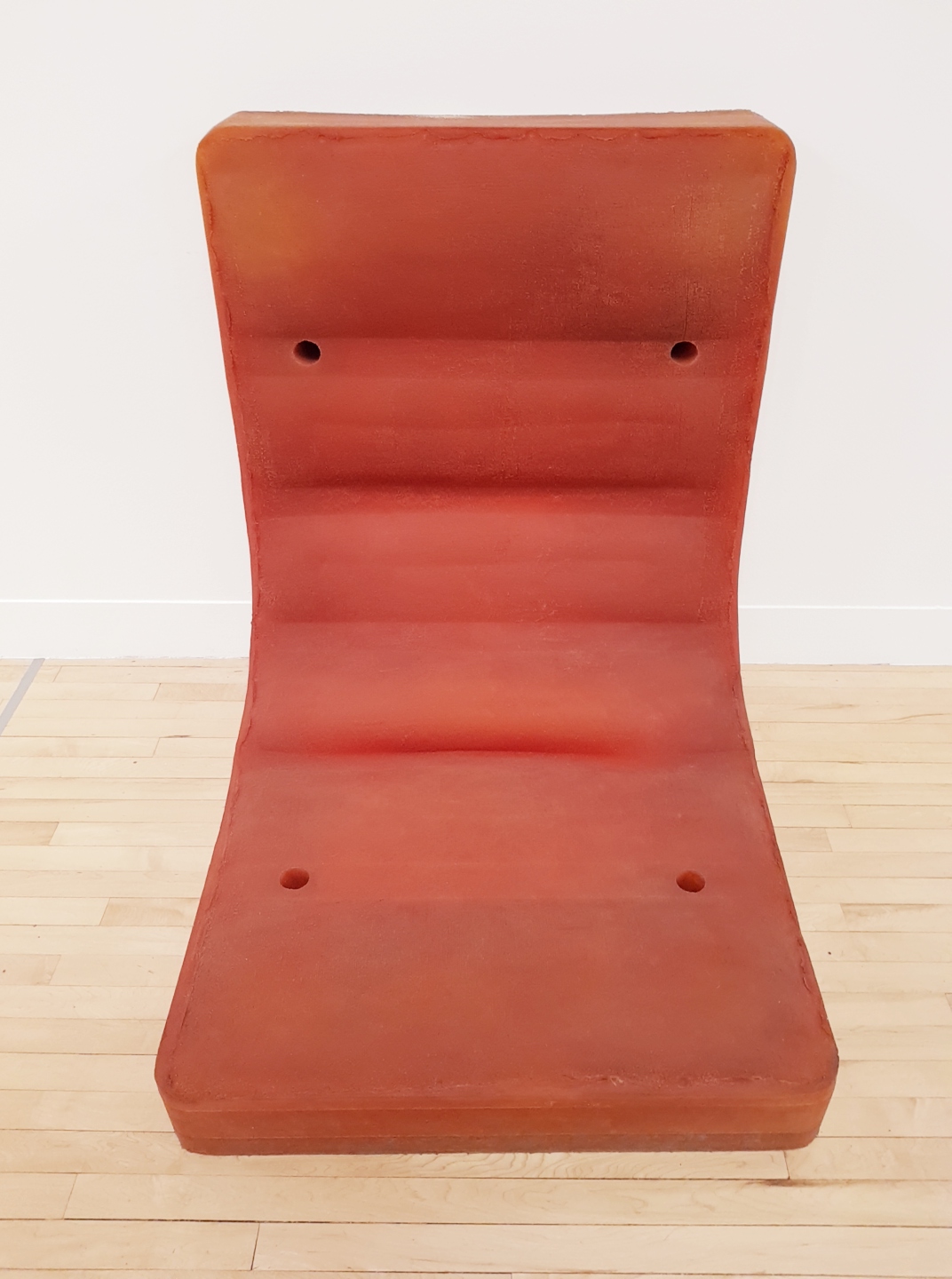
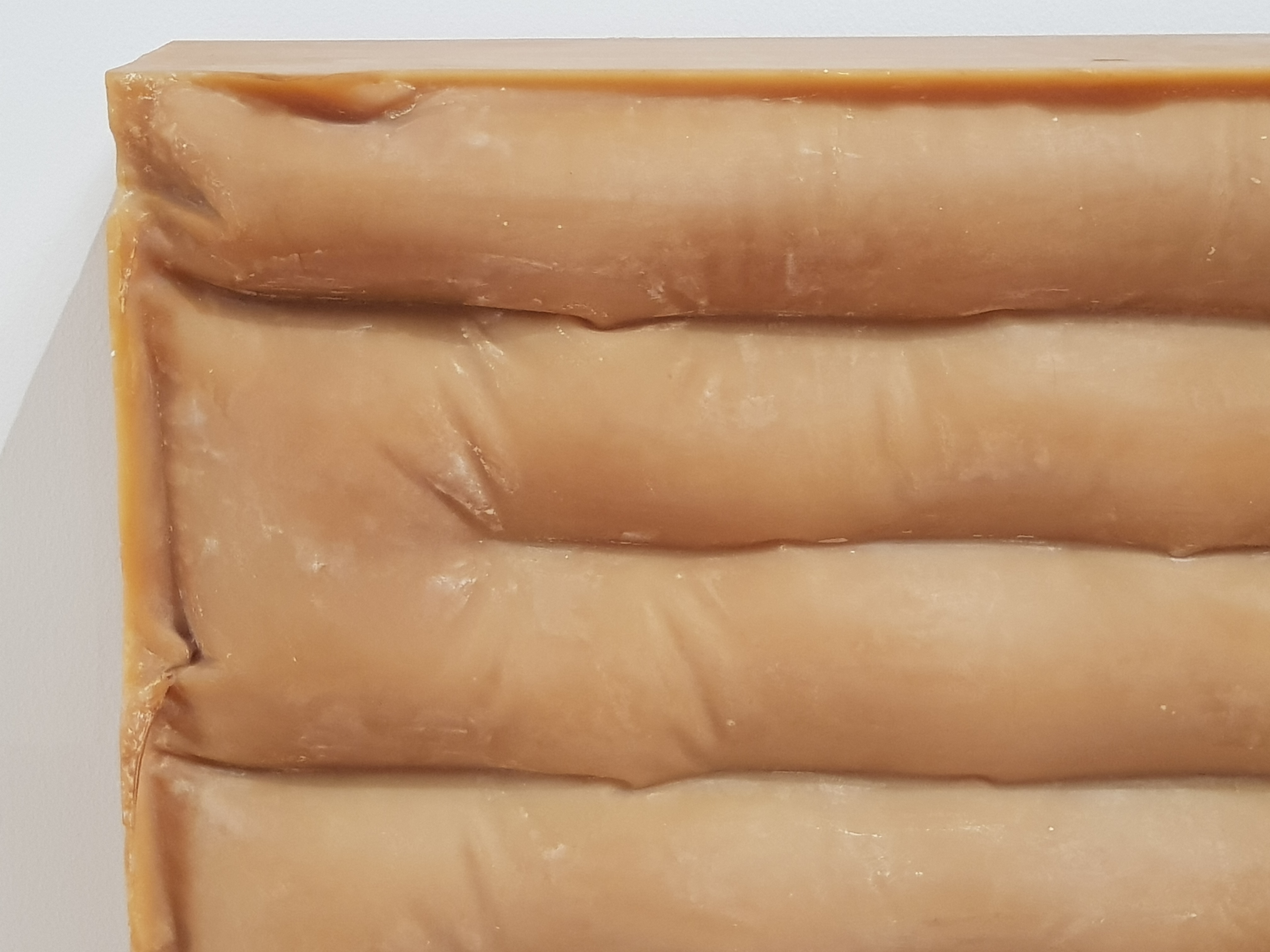
It is always very hard to appreciate the work of an artist at a crowded private view, let alone an artist whose work is so monumental and expressively mute as Rachel Whiteread. So, all I can say is what a good and brave thing it is that Tate Britain has cleared out the whole of Richard Llewelyn Davies’s 1979 north-east extension in order to be able to see an enormous range of Whiteread’s work in an open, clear space:-
Design Museum
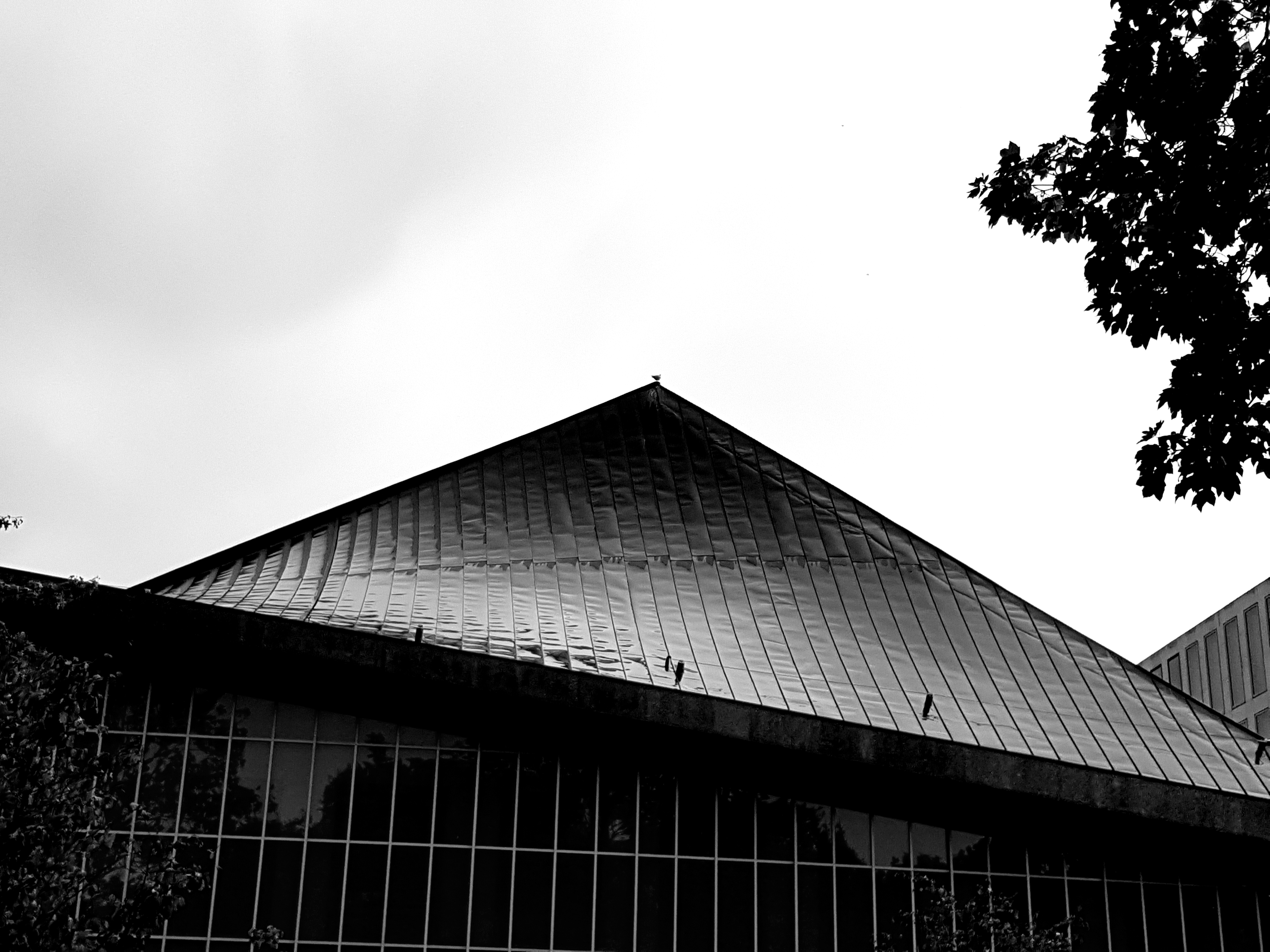
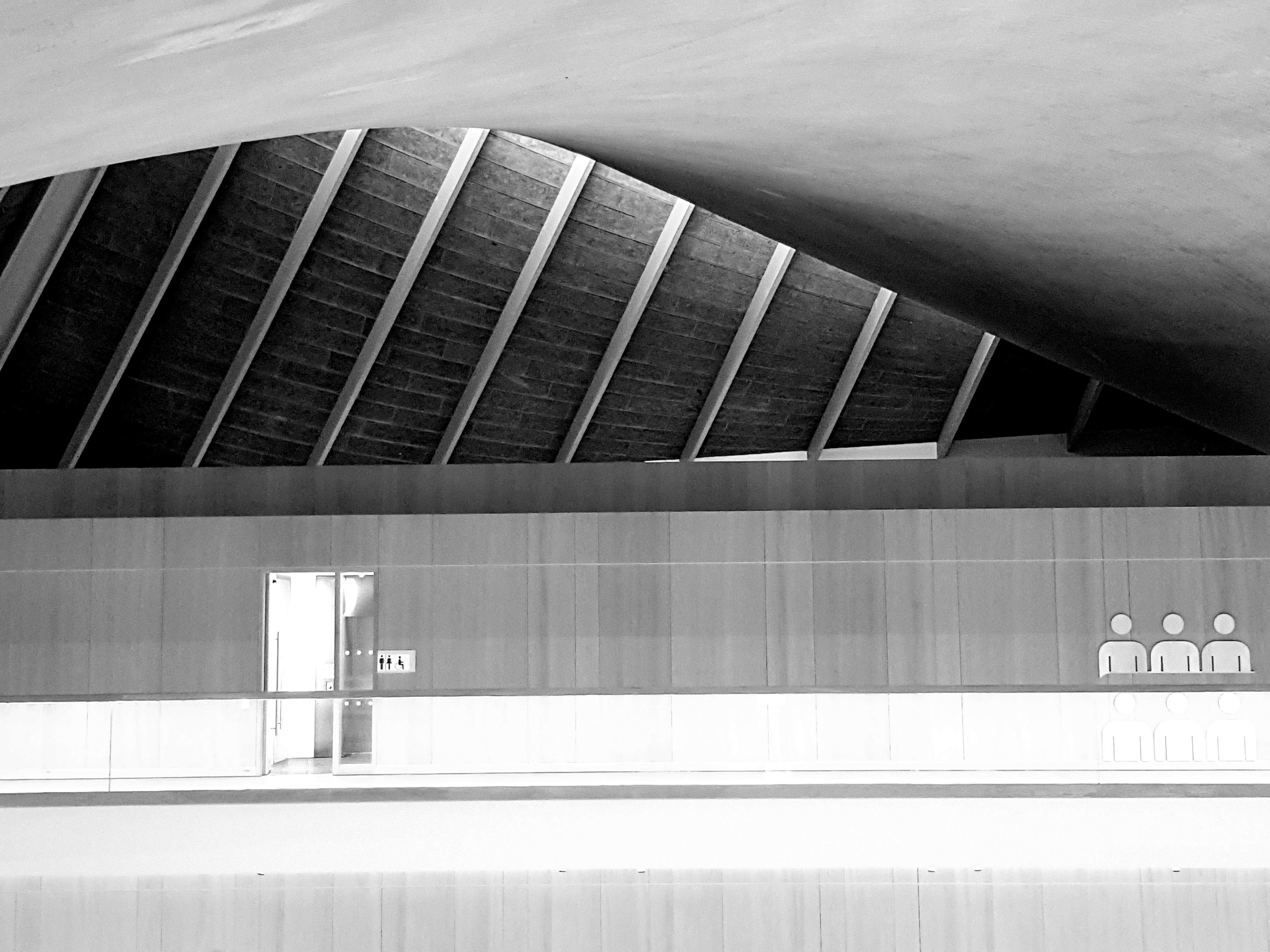
We had a day of intense discussion in the Design Museum, hearing what they felt had gone well (and less well) in their planning and opening arrangements. It was very helpful to hear from others as we approach our own big opening next year on how to manage a huge organisational change: the biggest thing I learned is that not everything is predictable; and that Rowley Leigh has taken over the catering:-
Soane and Freemasonry
I should maybe have said that what prompted my interest as to whether or not Hawksmoor was a freemason was a reference to the fact which I wasn’t completely persuaded was true (but am now) in an excellent short essay by James Campbell, ‘Sir John Soane and the Freemasons’, in a forthcoming publication Soane’s Ark: Building with Symbols, ed. F. Saumarez Smith, which is being published by Factum Arte alongside an exhibition at the Soane Museum which reconstructs Soane’s great Ark of the Masonic Covenant, destroyed by fire along with the rest of the then Mason’s Hall in 1883. Opens on 11 October.
Hawksmoor and Freemasonry
I hav been trying to find out whether or not Hawksmoor was a freemason, as he is generally assumed to be following Peter Ackroyd’s very convincing, but entirely fictitious invention of him as a necromancer. The answer, as I have discovered in a very informative Exeter University PhD. thesis by Richard Berman on The Architects of English Freemasonry, 1720-1740, is that he is listed as such in the Grand Lodge Minutes under the name ‘Hawkesmoor’; and that his future son-in-law, Nathaniel Blackerby, with whom he went on a trip round southern England in the early 1730s and who was to write his obituary in Reed’s Weekly Journal, was extremely active as a freemason, serving as Grand Warden in 1727 and Deputy Grand Master the following year, alongside his work as Treasurer to the Commission for Building Fifty New Churches. But as James Campbell, the expert on this topic, points out, Hawksmoor was only initiated in 1730 at the Oxford Arms in Ludgate Street, towards the end of his career, so it is implausible pace Ackroyd et. al. that it had any influence on his architectural ideas.
Christopher Wren FRS (2)
I have been pondering how it was that Edward Pearce, a highly experienced mason-contractor, who worked on a range of different building contracts as well as St. Paul’s should have been responsible for the virtuoso head of Wren who was his employer. Pearce did undertake work as a sculptor, including a bust of Oliver Cromwell in the Museum of London, which is signed and dated 1672, and two busts commissioned respectively by the Painter-Stainers Company and Royal College of Physicians. The bust of Wren was presented to the University of Oxford by Wren’s son, also called Christopher, who was a great collector of manuscripts and information about his father, as well as working in the Office of Works. So, it has an impeccable provenance. But Nick Penny in his catalogue of the sculpture in the Ashmolean speculates that it may be a copy by Pearce of a lost original by Coysevox, presumably undertaken on Wren’s brief trip to Paris. Doesn’t seem likely to be unrecorded.


You must be logged in to post a comment.