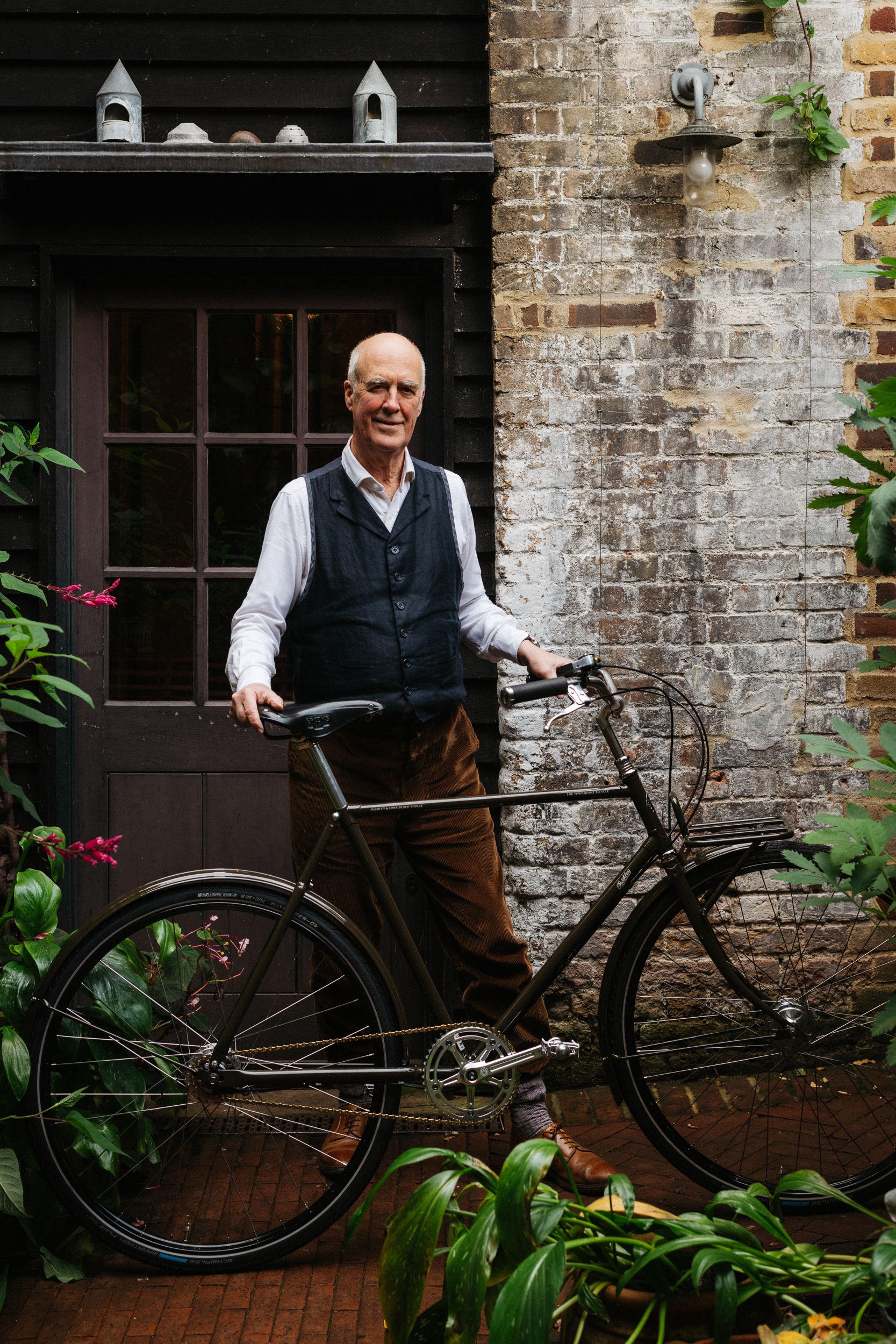
I have been trying to recall how Matisse was regarded by his English friends and confrères, particularly in the light of Jonathan Jones’s view in the Guardian that he had no right to be buying furniture in 1942, but should have been involved, as was Picasso, in political action. But the point about Matisse was that he was magnificently self-absorbed. According to Simon Bussy’s daughter Janie, her father recognised ‘that rare blend of virtuosity, daring and charm that was to make him famous, but he was never taken in by the extreme seriousness and reverence with which already in those early days Matisse was wont to regard Matisse’. Matisse arrived every day at the Bussy’s house in Nice sharp at 4.30 to eat pastries, scones and plum cake, but never thought to ask them back. Quentin Bell took the same view, that to meet Matisse was like meeting an insurance salesman and that, as the Bussys explained, he was ‘the greatest living painter, the greatest living egoist, and the greatest living bore’. It was not his life, but his art that one admires.
The Shell Guide to South-West Wales (2)
In the interests of historical accuracy, I feel I should say that when I got back home, I checked the first edition of the Shell Guide, published in 1963, and realised that, as with other Shell Guides, the earlier edition is shorter and livelier, printed on much better quality paper, and with jazzier graphics, presumably reflecting a time when John Betjeman was still joint general editor and taking an interest in the quality of book design. There is a good description of what Betjeman was aiming at in a letter he wrote in 1963 to Lady Juliet Smith, who was writing Northamptonshire, about the difference between a Shell Guide and Pevsner: ‘It is no good trying to write a comprehensive impersonal catalogue. That is already being done in Pevsner’s Buildings of England, and does not tell you what a place is really like, i.e. whether it is strung with poles and wires, overshadowed by factories or ruined army huts, whether it is suburban or a real village, nor whether it is a place of weekend hide-outs and carriage-lamp folk with wrought-iron front gates by the local smith’.
Matisse in the Studio (1)
Last night was my first chance to see Matisse in the Studio, a very choice and thoughtful exhibition which was organised jointly by the RA with the Museum of Fine Arts in Boston, with many loans from the Musée Matisse in Nice of objects he had in his house, and painted – an eclectic collection of vases, two chocolate pots, a green glass vase he bought in Seville, an uncharacteristically ornate rococo chair (he calls it baroque) and wine bottles by which he surrounded himself and transmuted (or was inspired by) in his paintings. He loved objects, lived with them, and learned the particularities of their form and character. He bought African masks in junk shops, visited an exhibition of Islamic art in Munich in 1910, looked at Chinese art in the V&A in 1919, and was photographed by Cartier-Bresson with Kuba cloths stuck on the wall behind his bedside wireless.
West Wales (3)
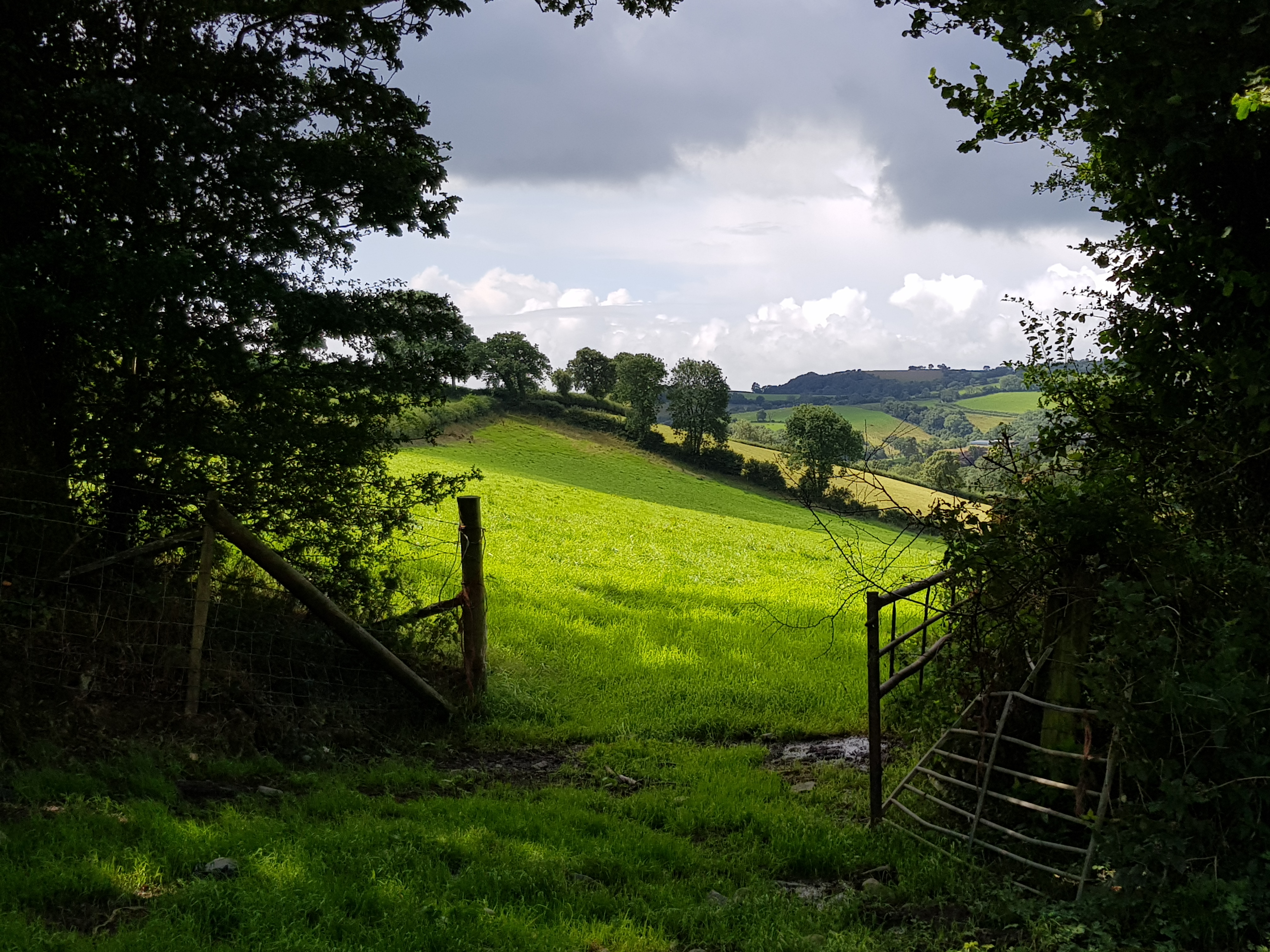
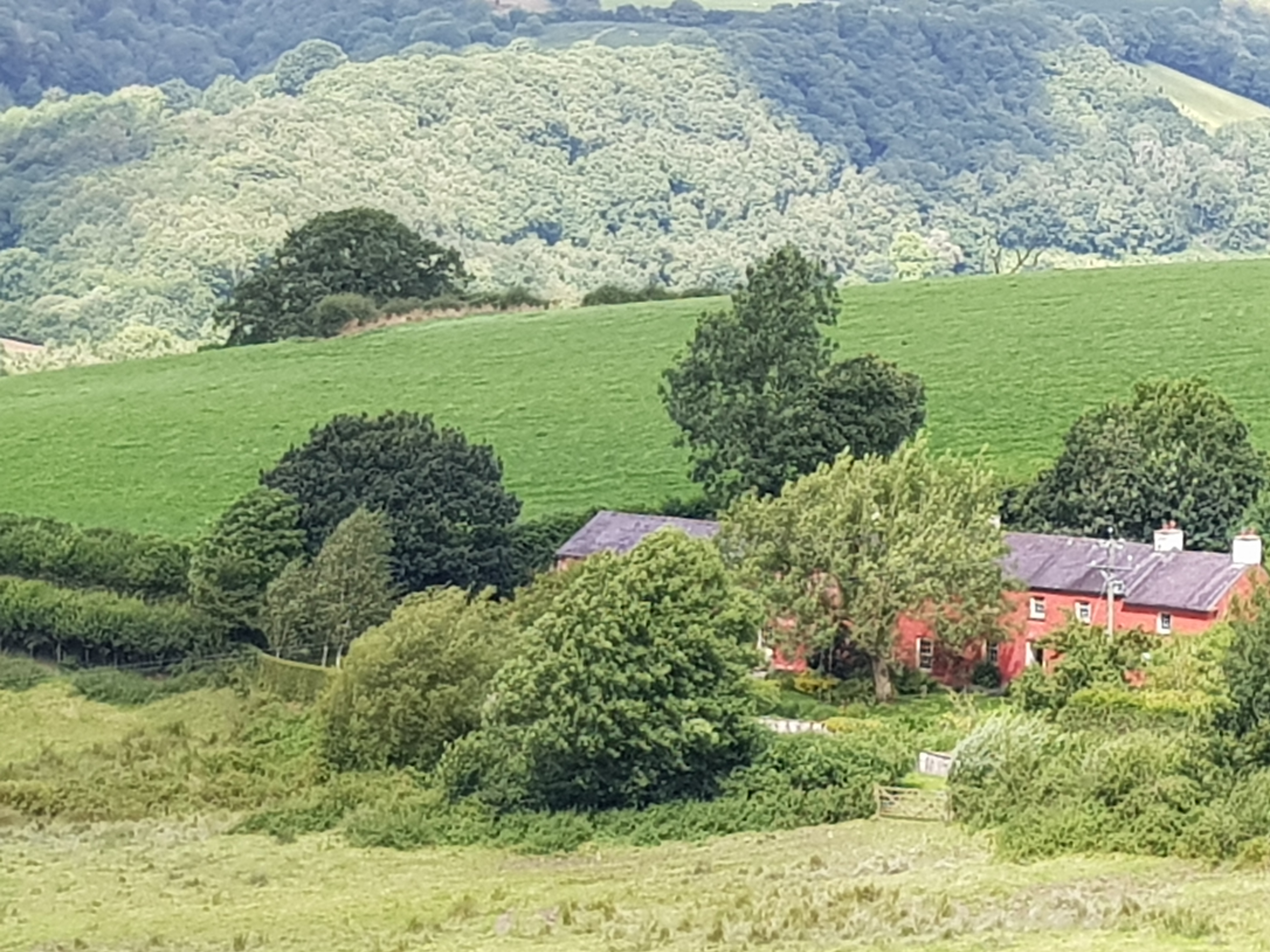
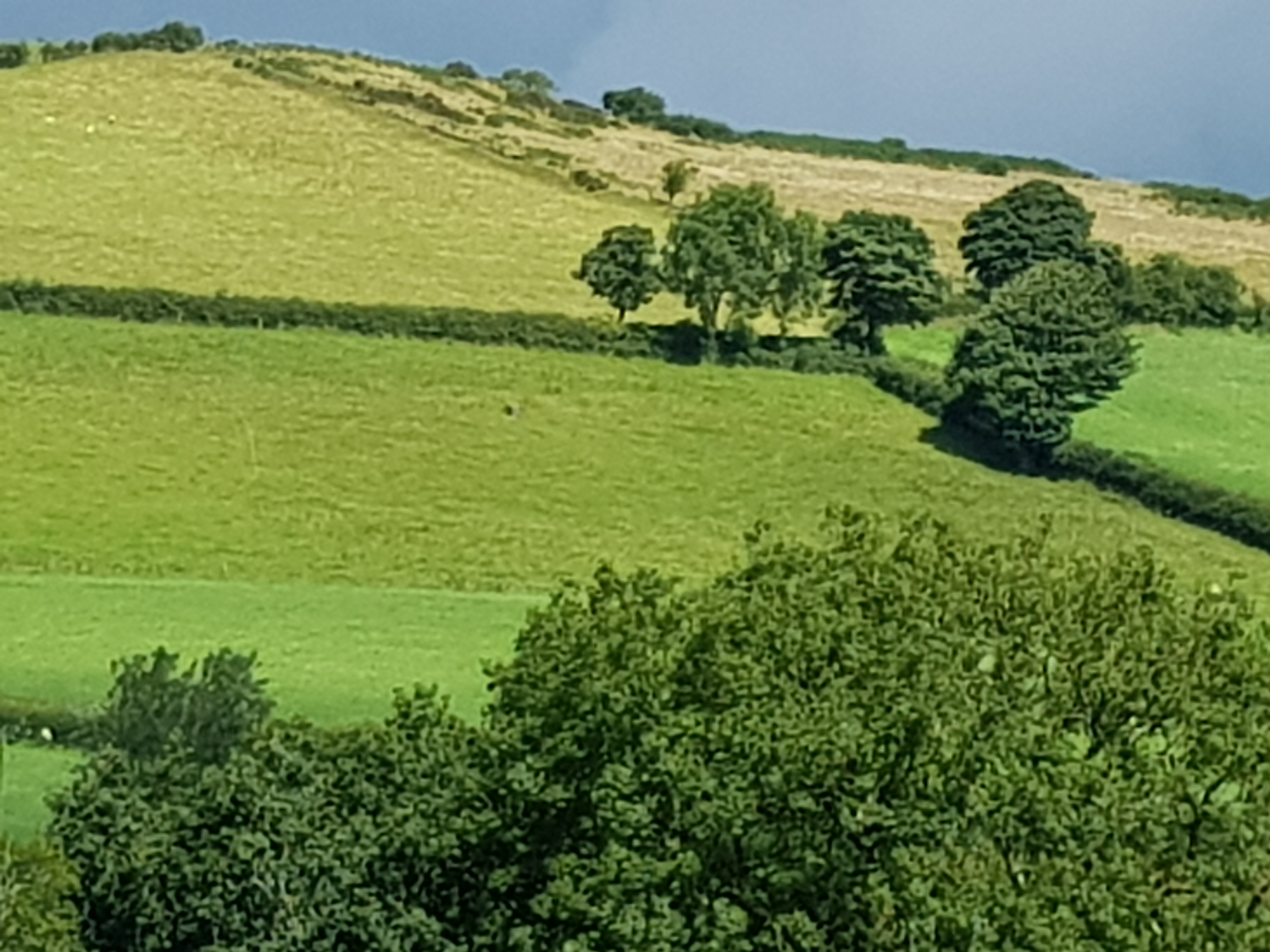
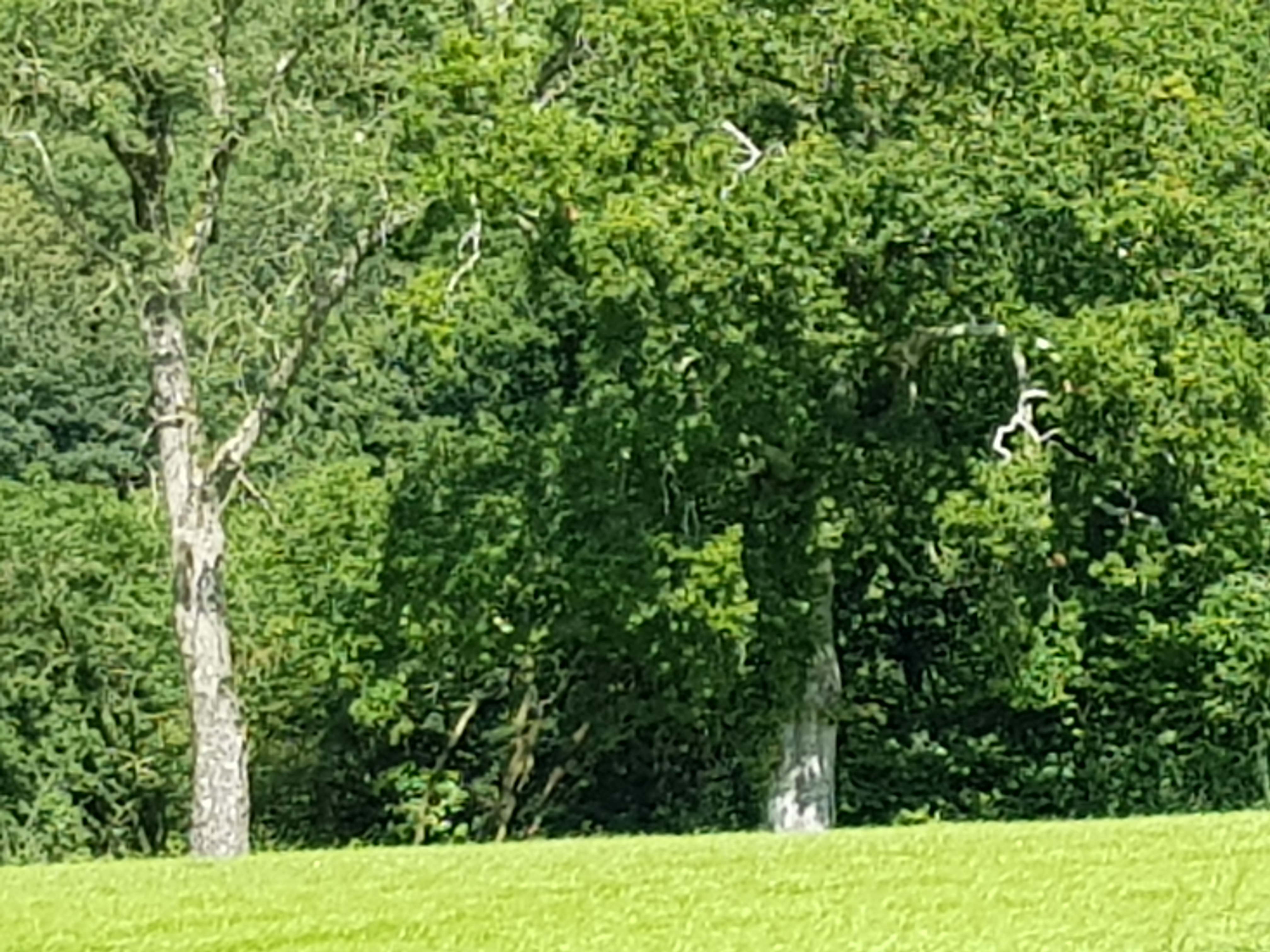
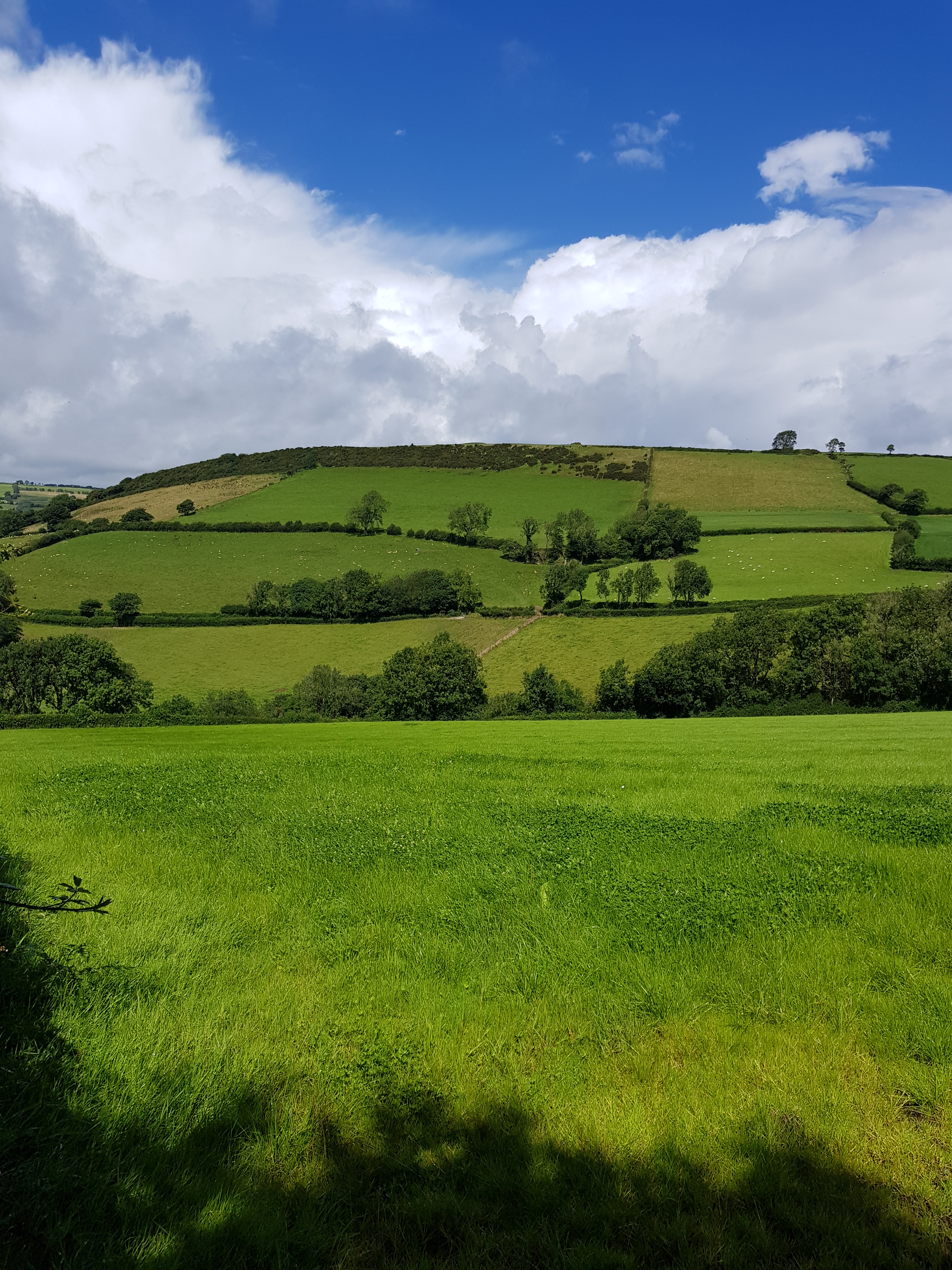
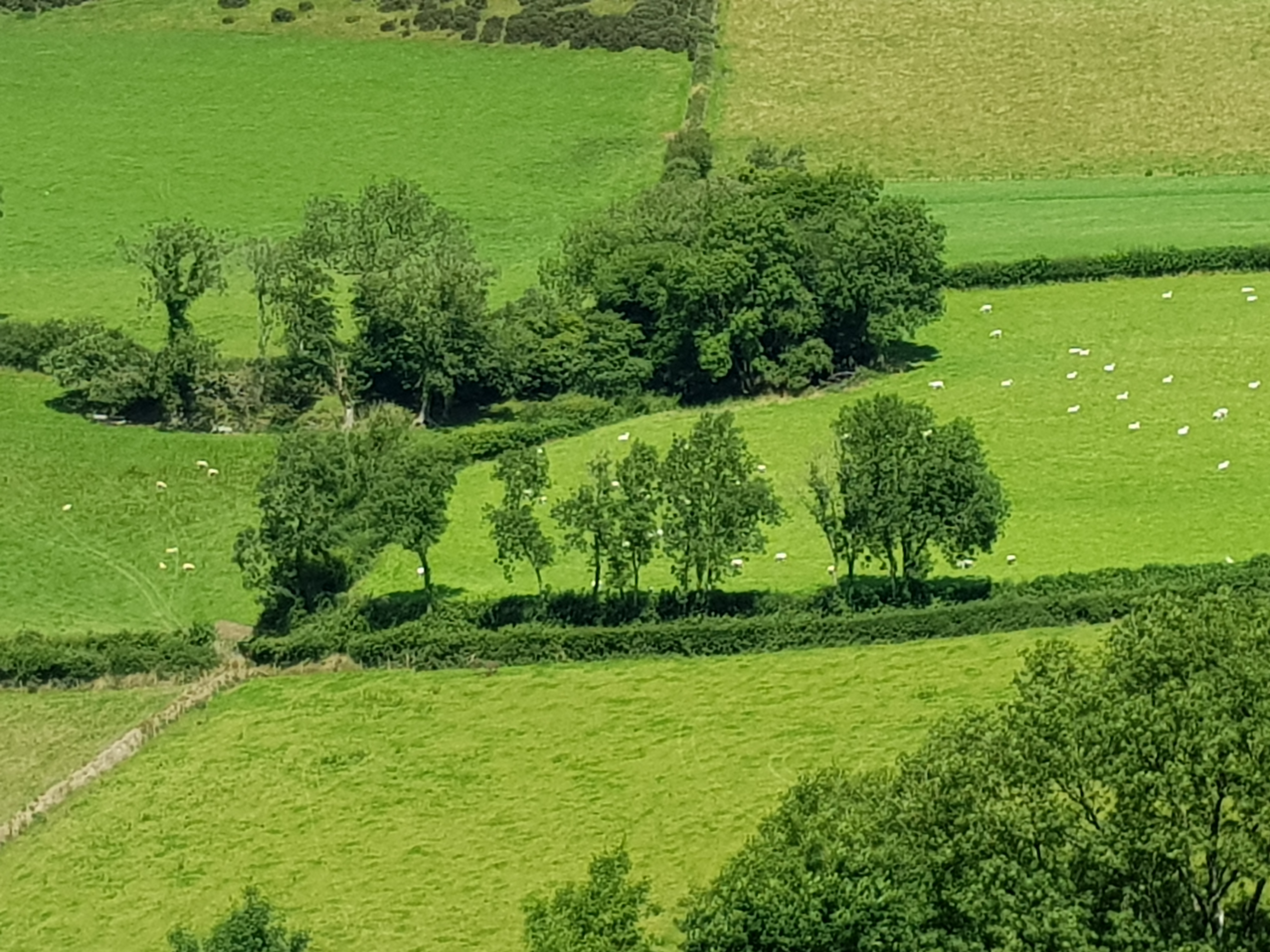
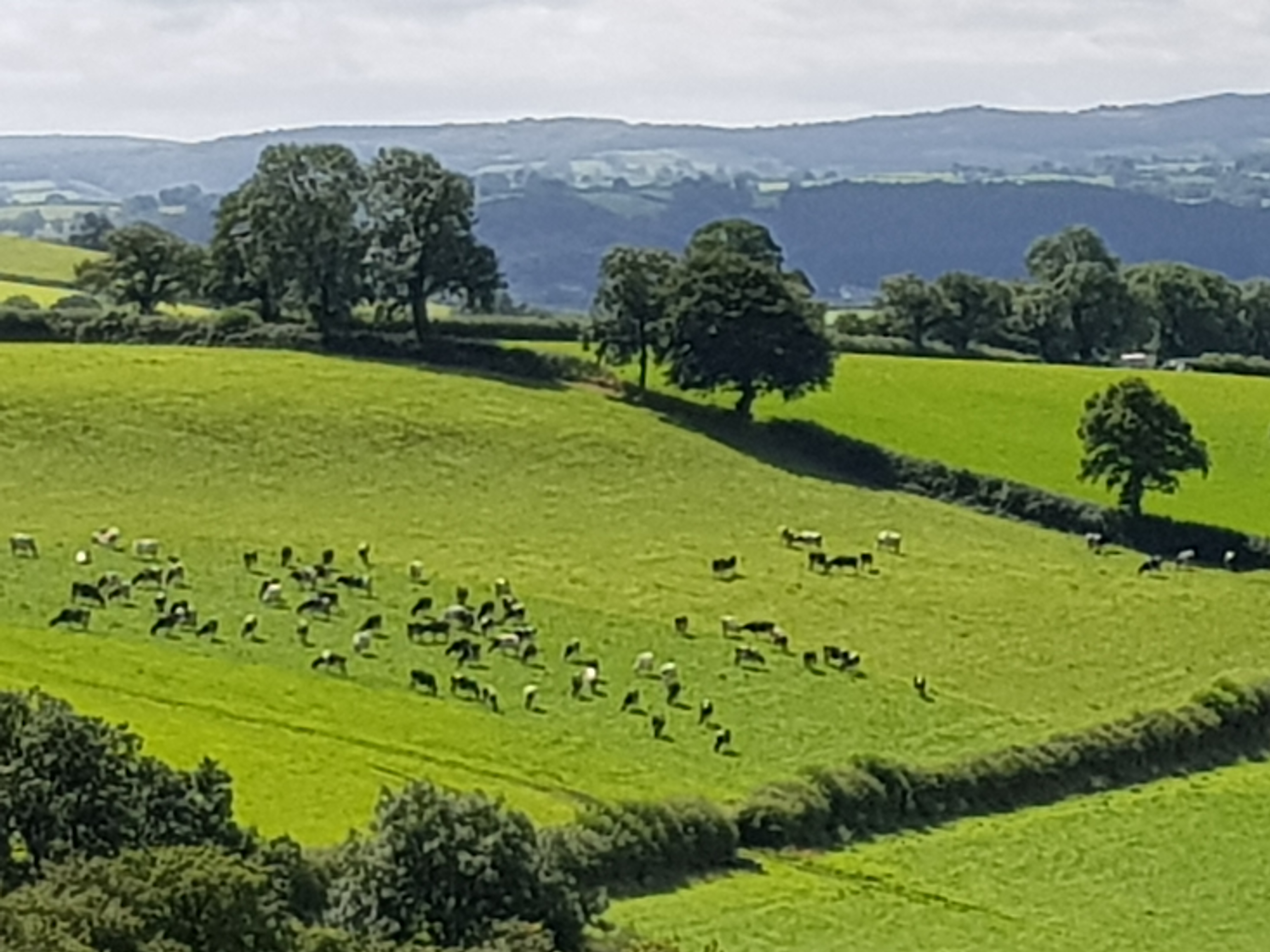
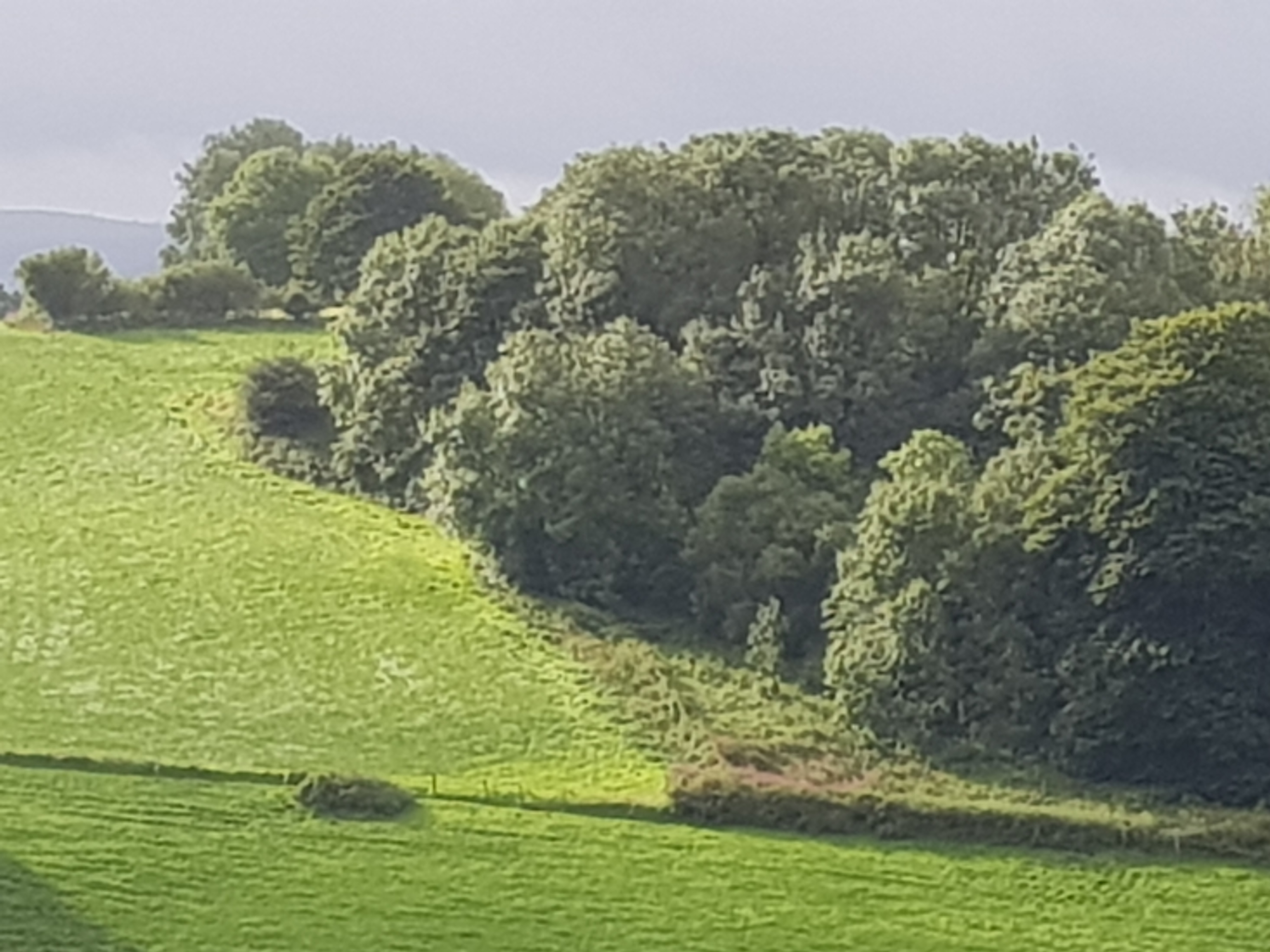
It’s a bit stormier today with a wilder light when it’s not raining, enhancing the already beautiful Carmarthenshire country side, where we walked to the top of the local hill:-
The Shell Guide to South-West Wales (1)
Using the second edition of the Shell Guide to South West Wales in its second edition (first edition published 1963, second edition 1976), I became intrigued by the quality and character of the photographs, invariably black-and-white, in a tradition of people-less, atmospheric photography of wild landscape and cottages (there is also a page of vanished workers’ cottages in Llanelli). Most of the photographs were taken by John Piper, a great photographer, and his son, Edward, who died young, but some were taken by someone called Peter Burton. Who he ? It turns out that he was a school master in Scarborough who had read English and Spanish at Trinity College, Cambridge, where he had rooms under Wittgenstein, with whom he would go for walks in Grantchester Meadow. A bachelor, he was a keen amateur photographer who sent examples of his work on spec to John Betjeman, the editor of the Shell Guides, who recognised the quality of his work and thereafter commissioned him. One of his photographs of Whitby Abbey apparently hung in the lavatory at John Piper’s house in Fawley Bottom.
Wright’s Food Emporium
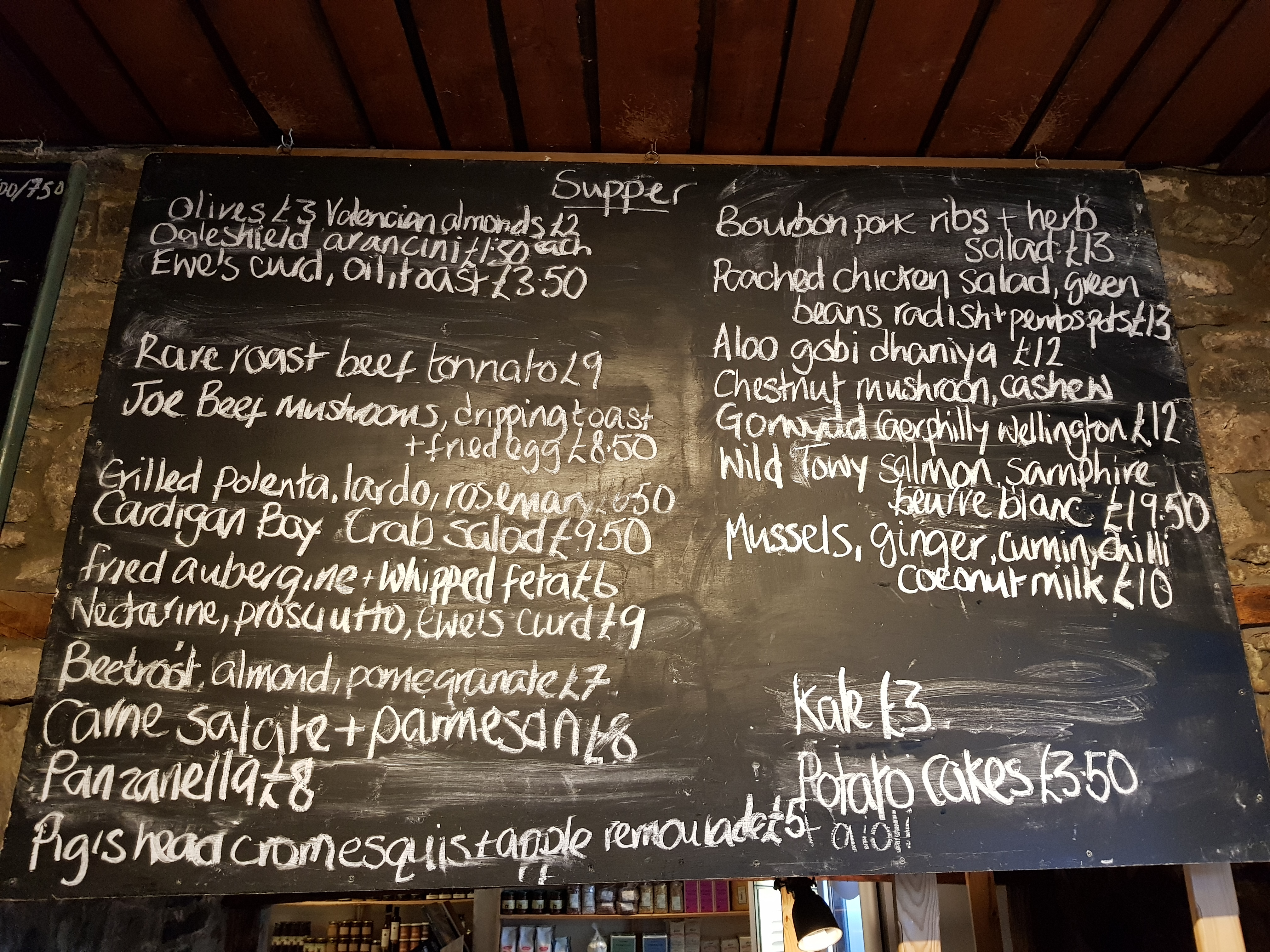
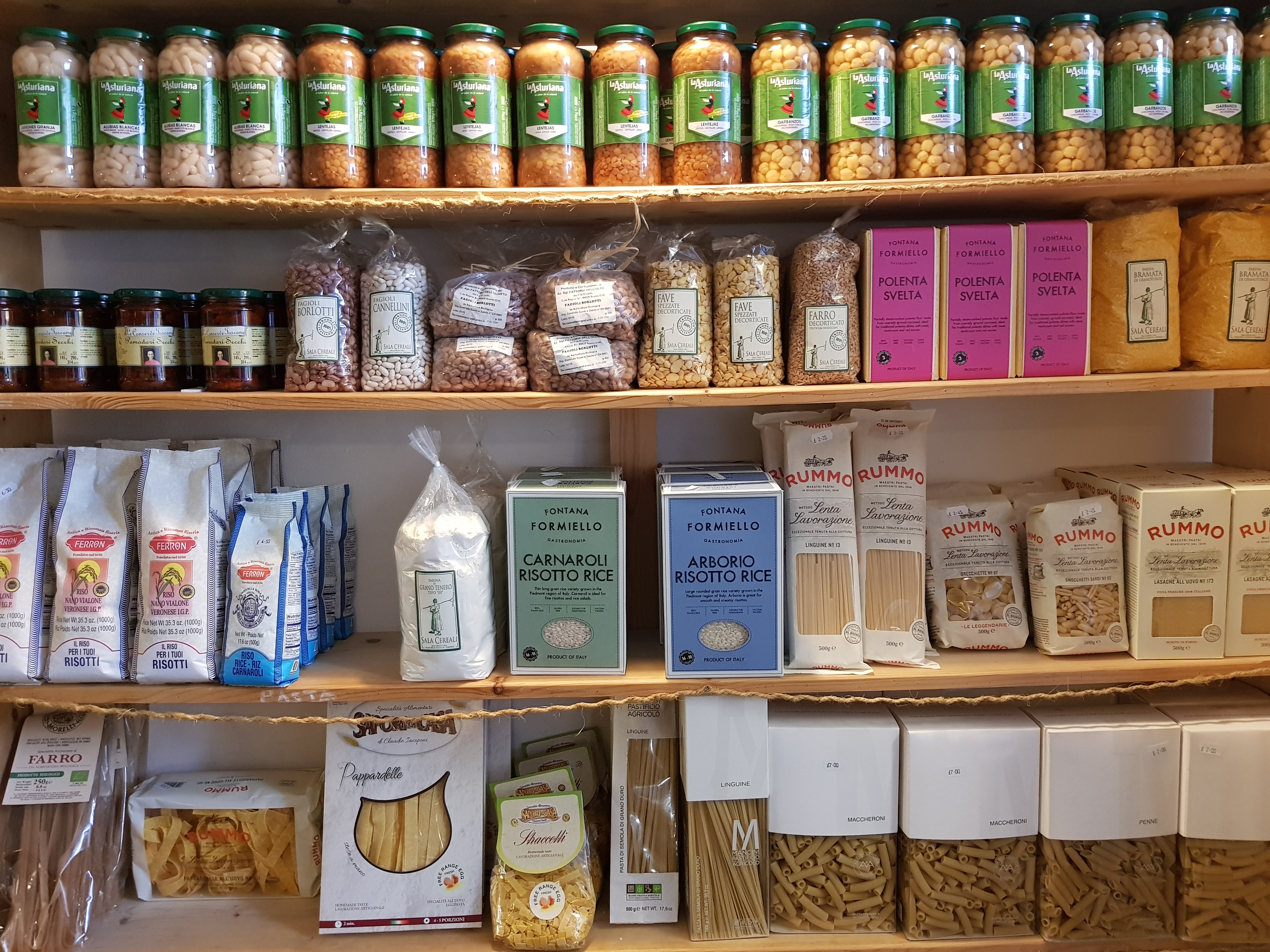
We had been going to have dinner in Wright’s Food Emporium even before it was recommended by a reader. Simon Wright had run several restaurants in the neighbourhood before buying an old coaching inn on the road from Carmarthen to Llandeilo which he has established as a grand emporium – restaurant, bar and delicatessen – with local bacon, Hafod cheddar and, for dinner, roast beef tonnato and Cardigan Bay crab, and, as a main course, fresh wild salmon caught in the River Towy by one of the coracle men who are allowed to fish according to one of the nine licences issued each year. They have to wait to put their nets out until they can see seven stars:-
West Wales (2)
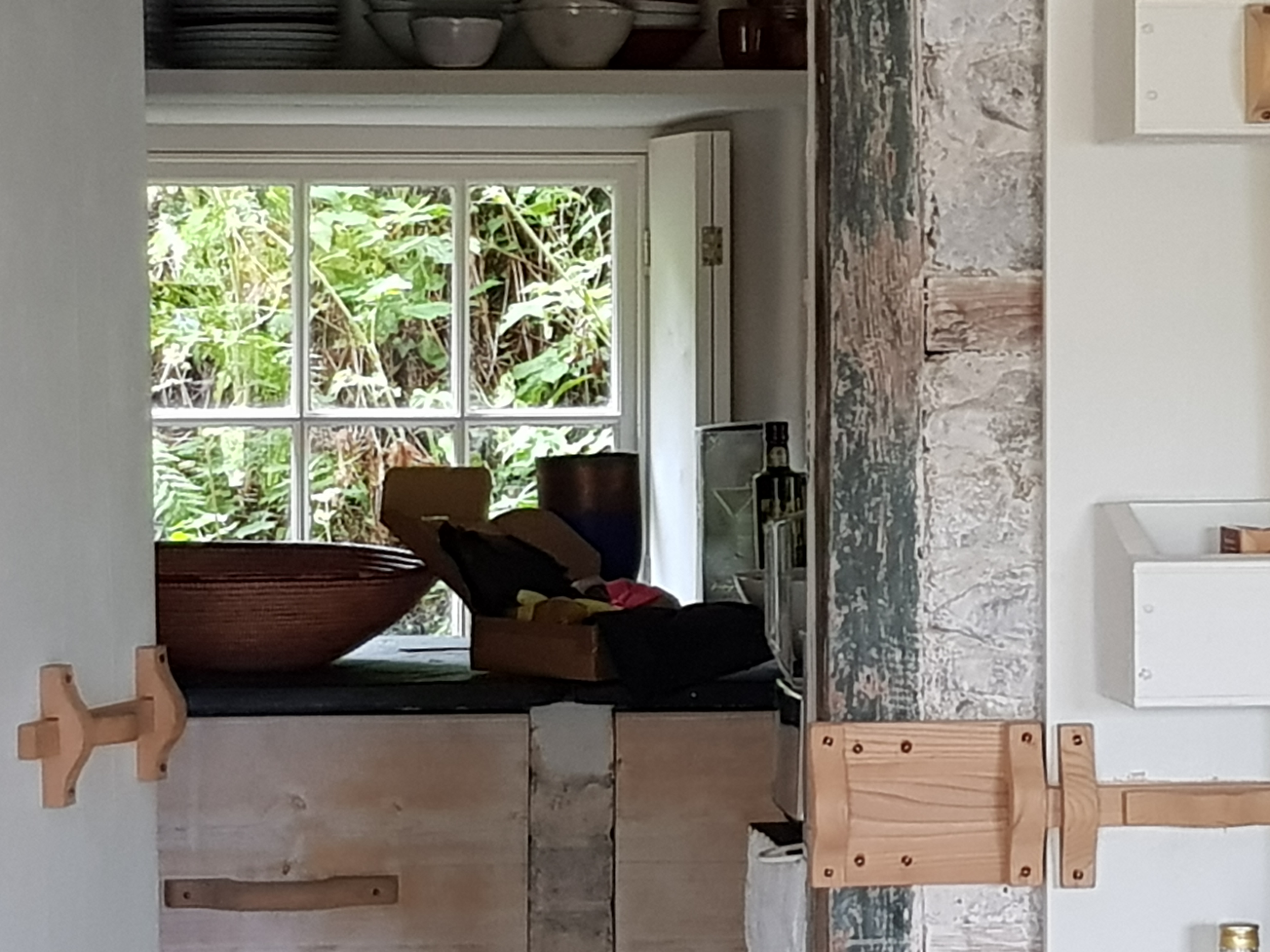
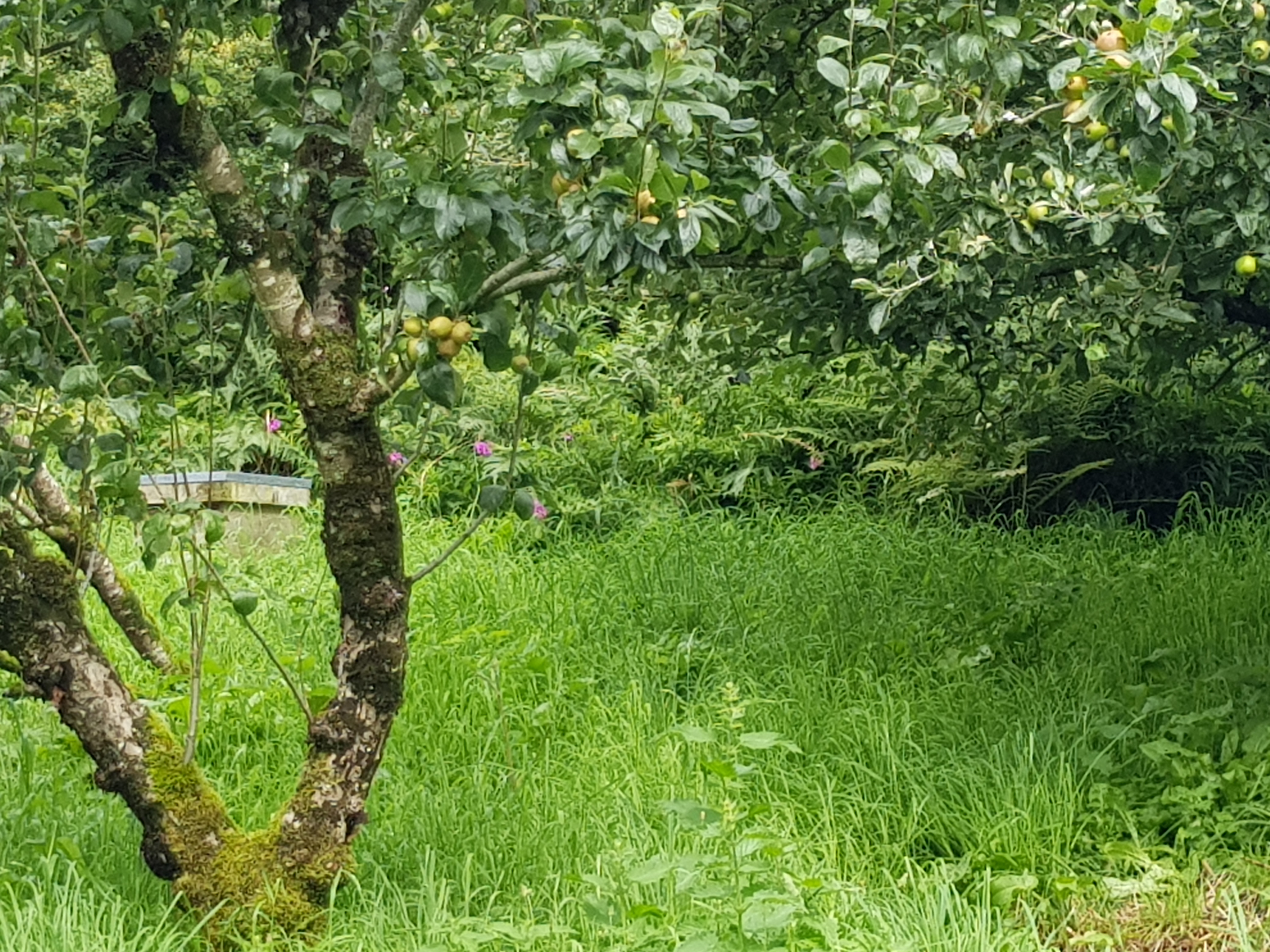
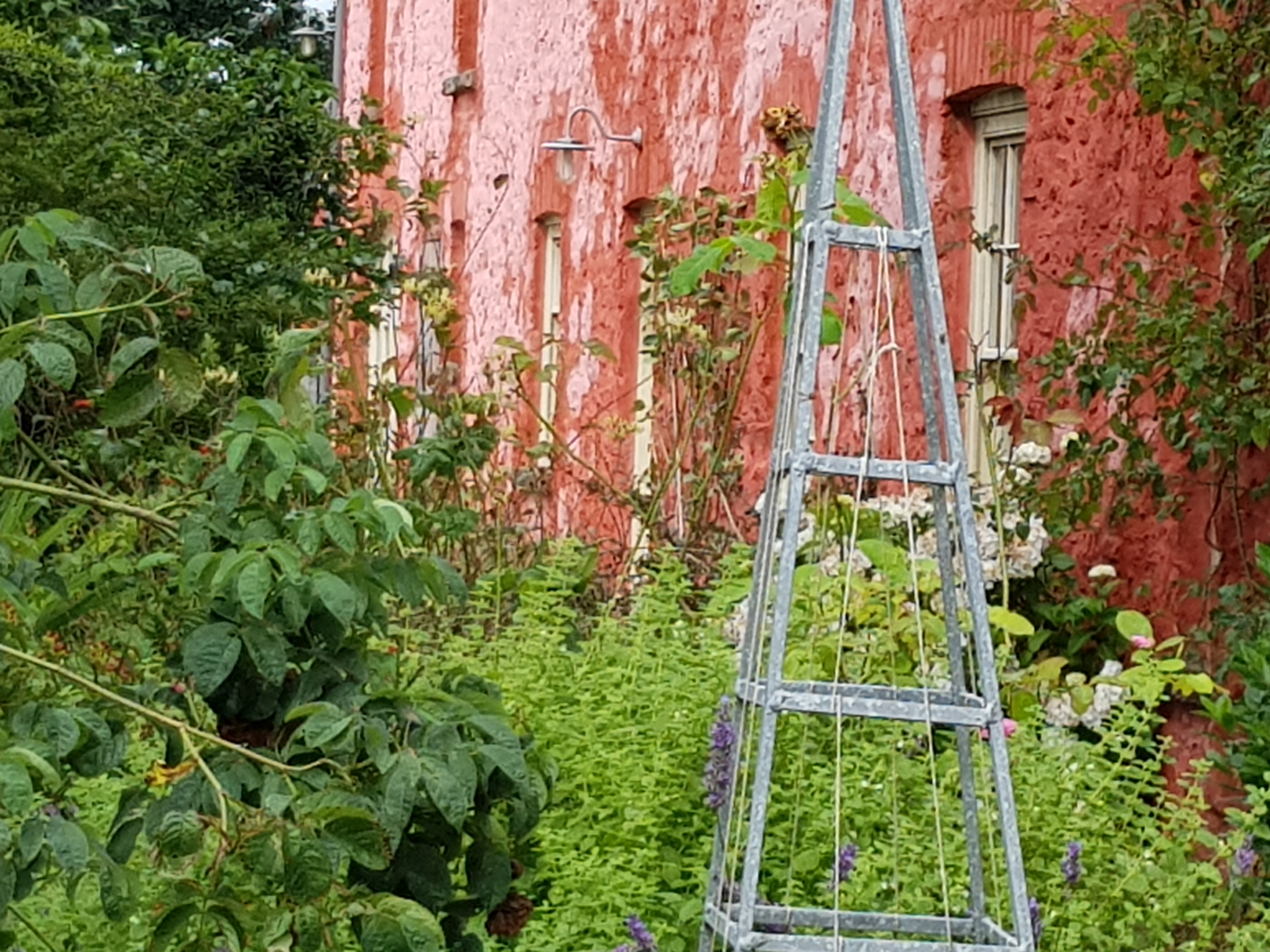
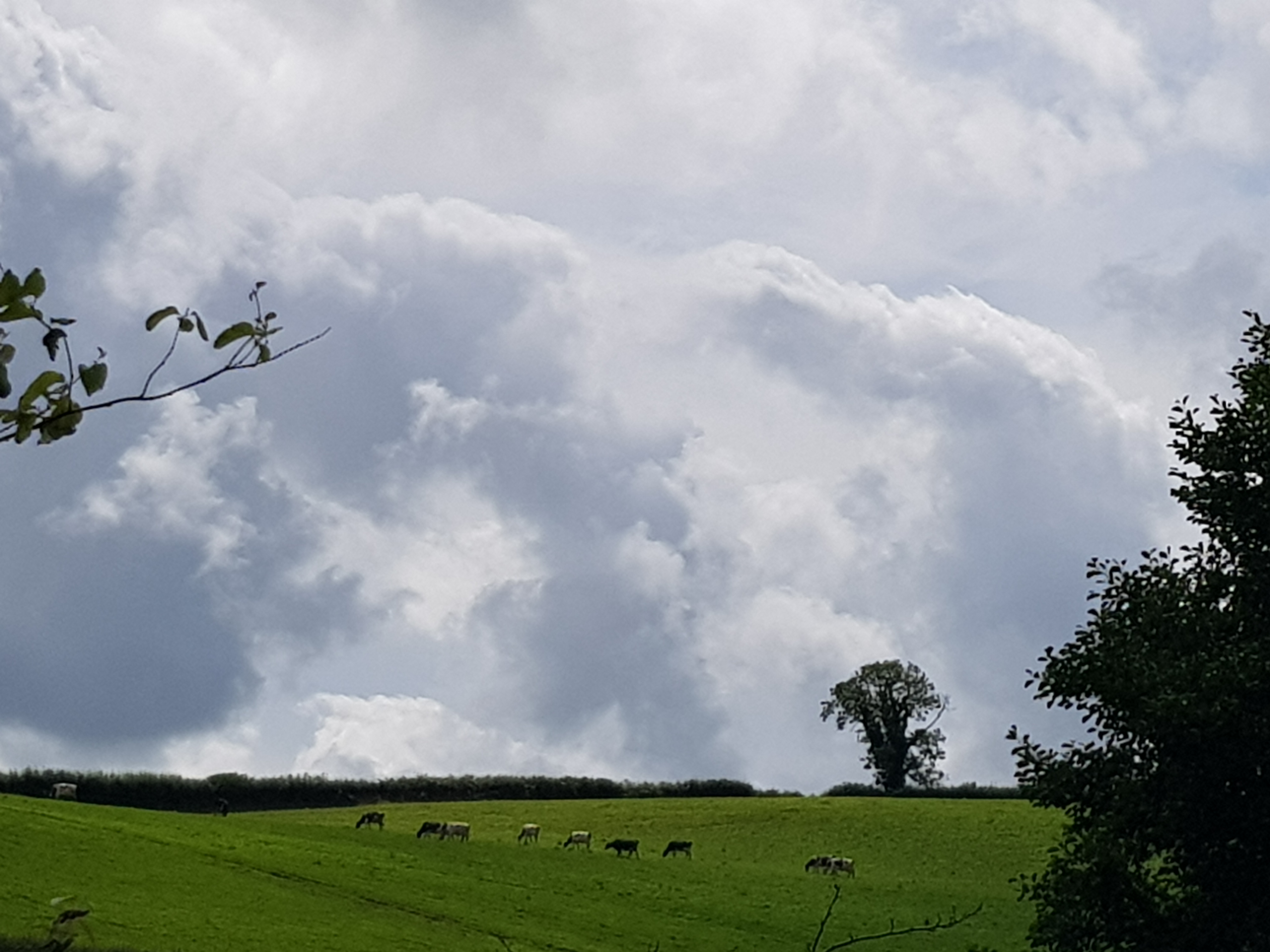
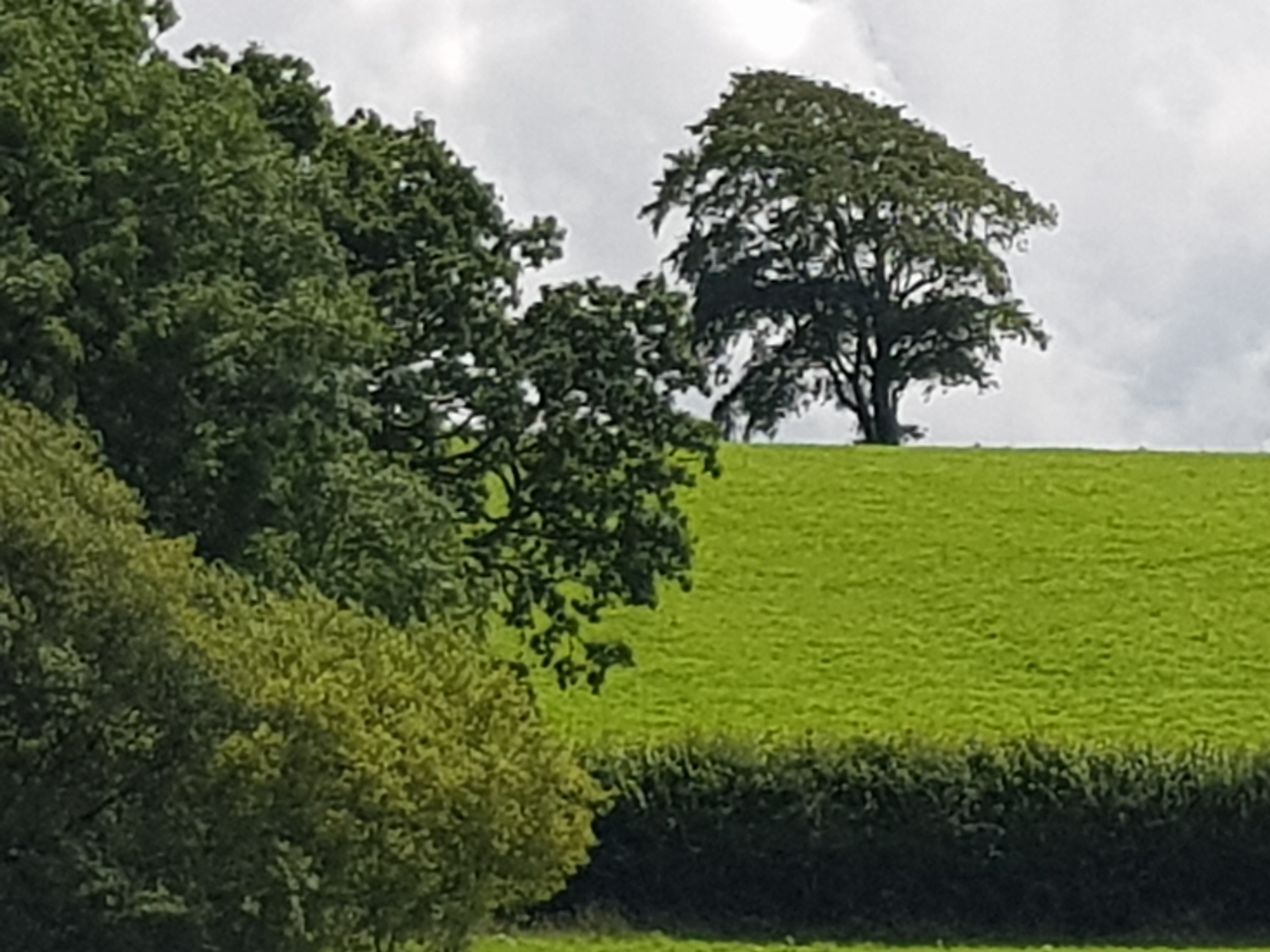
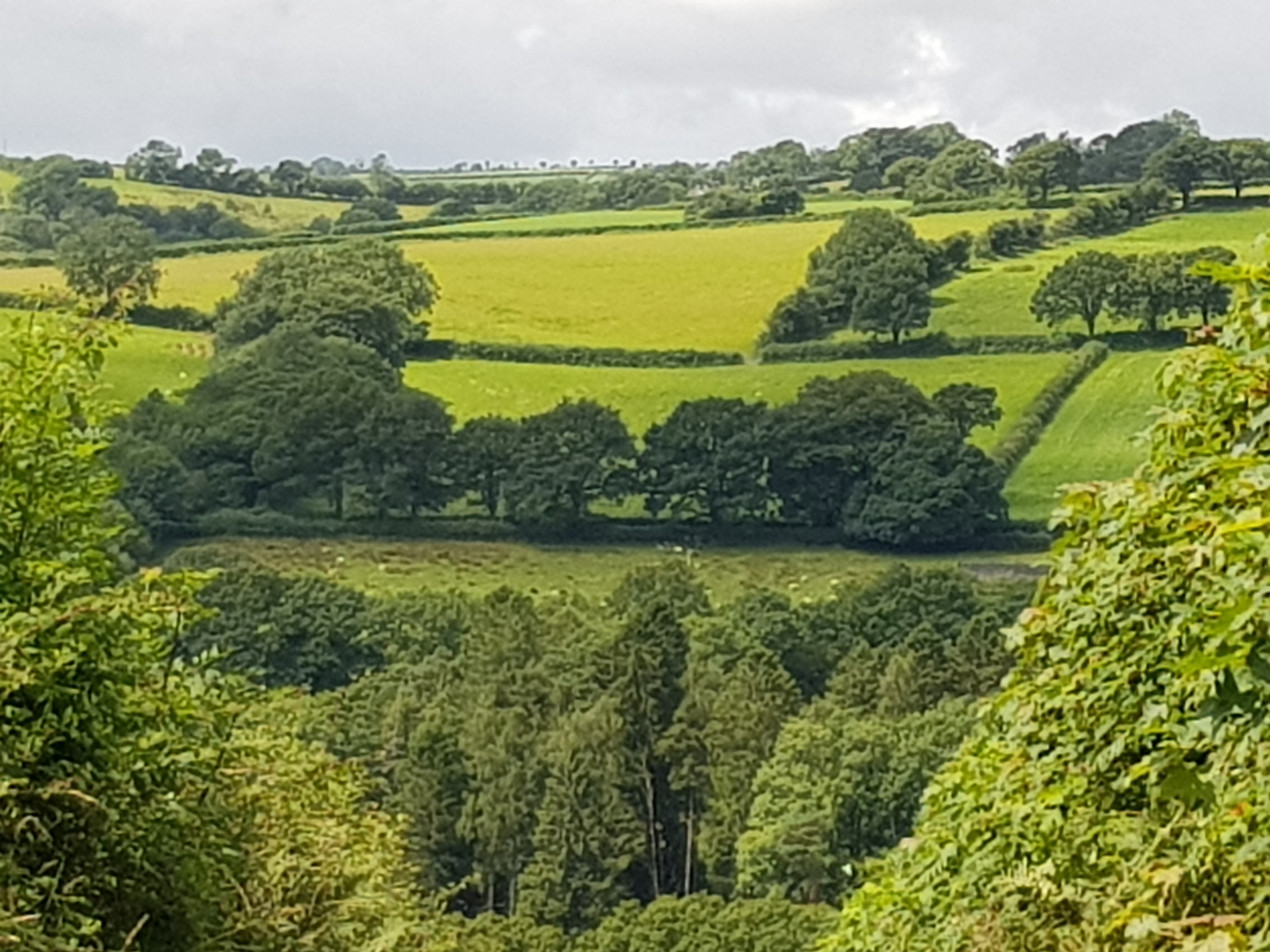
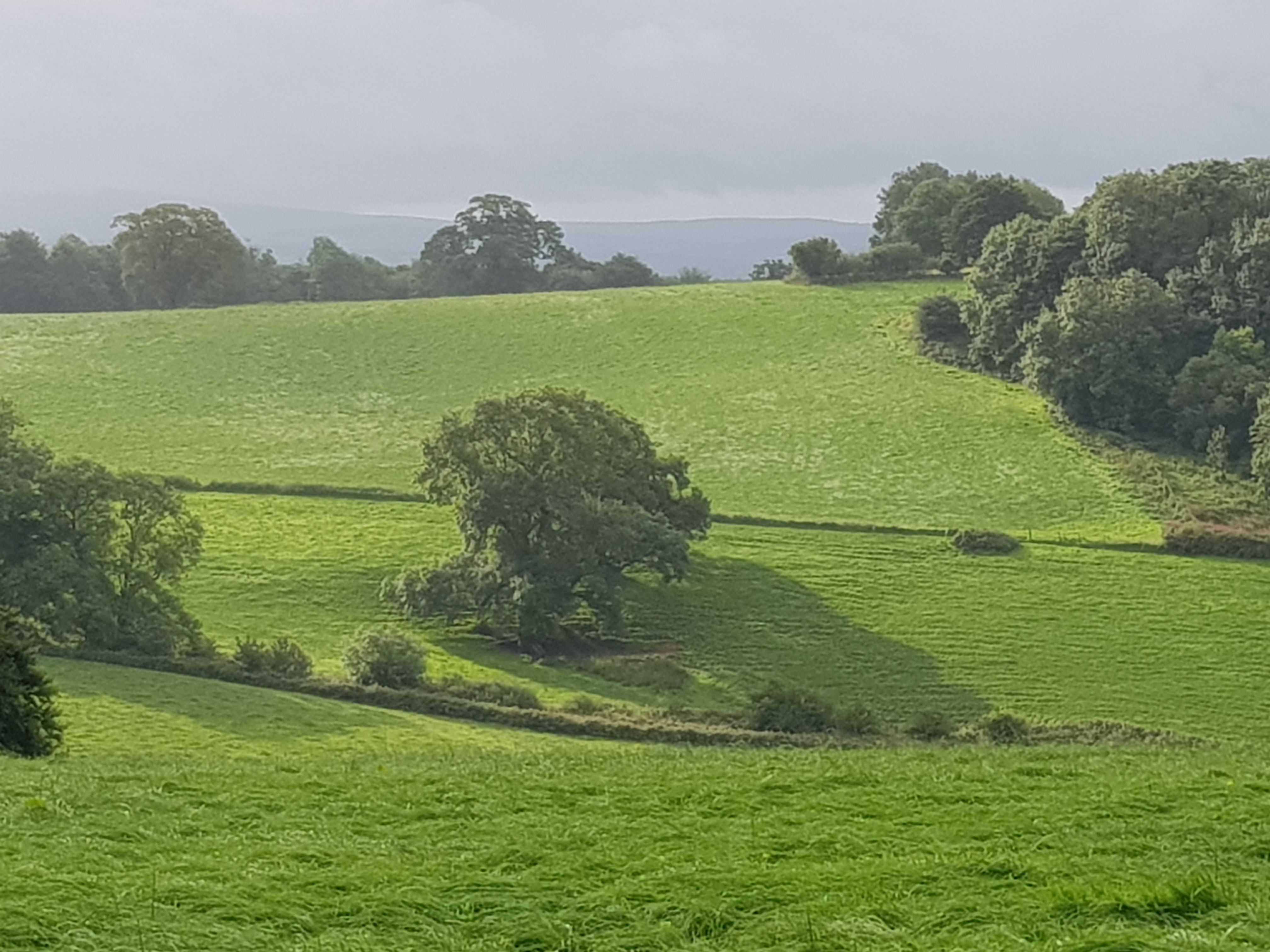
We spent a nice leisurely morning lounging in the garden and enjoying the views across the fields and up the valley:-
West Wales (1)
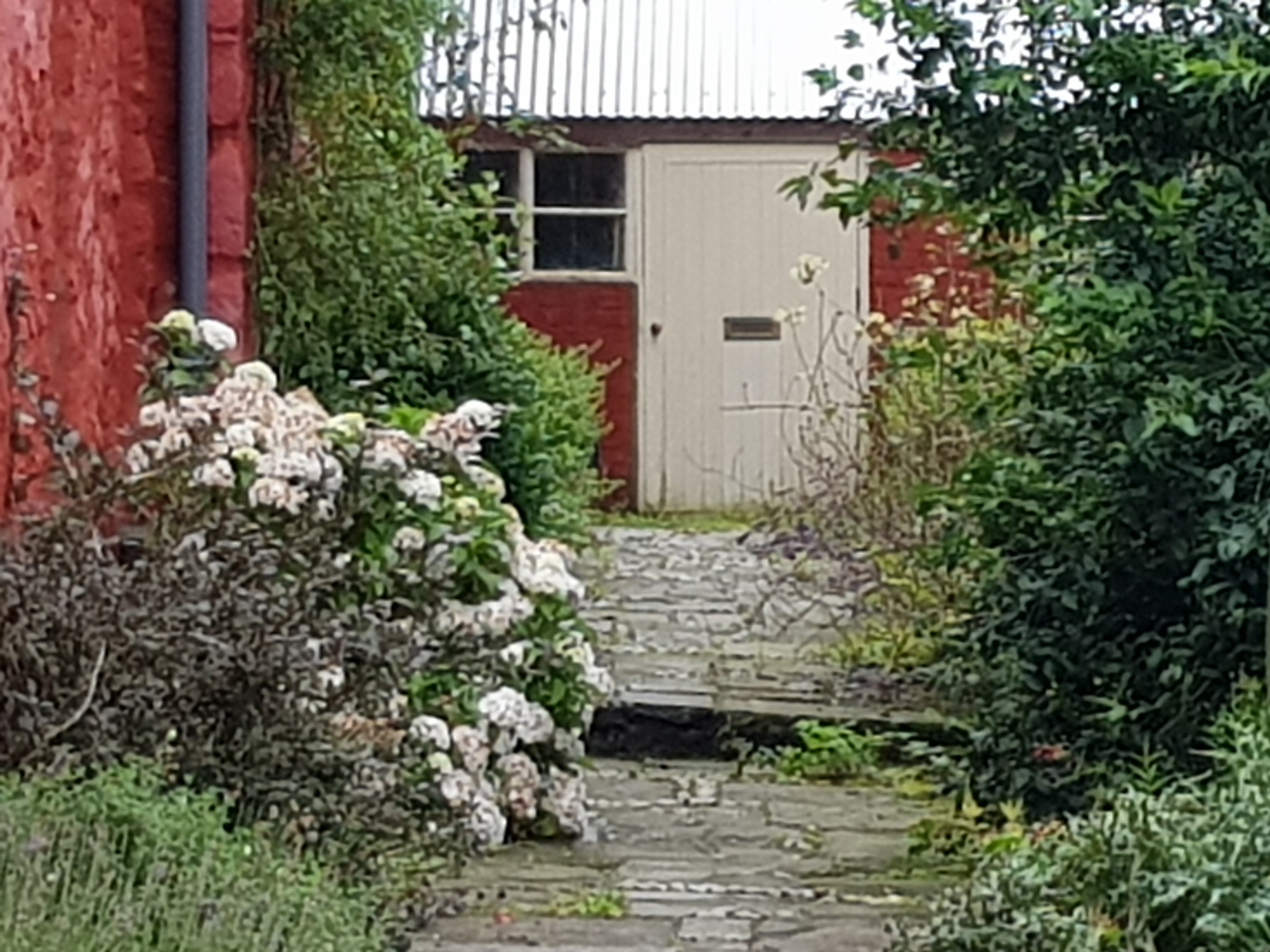
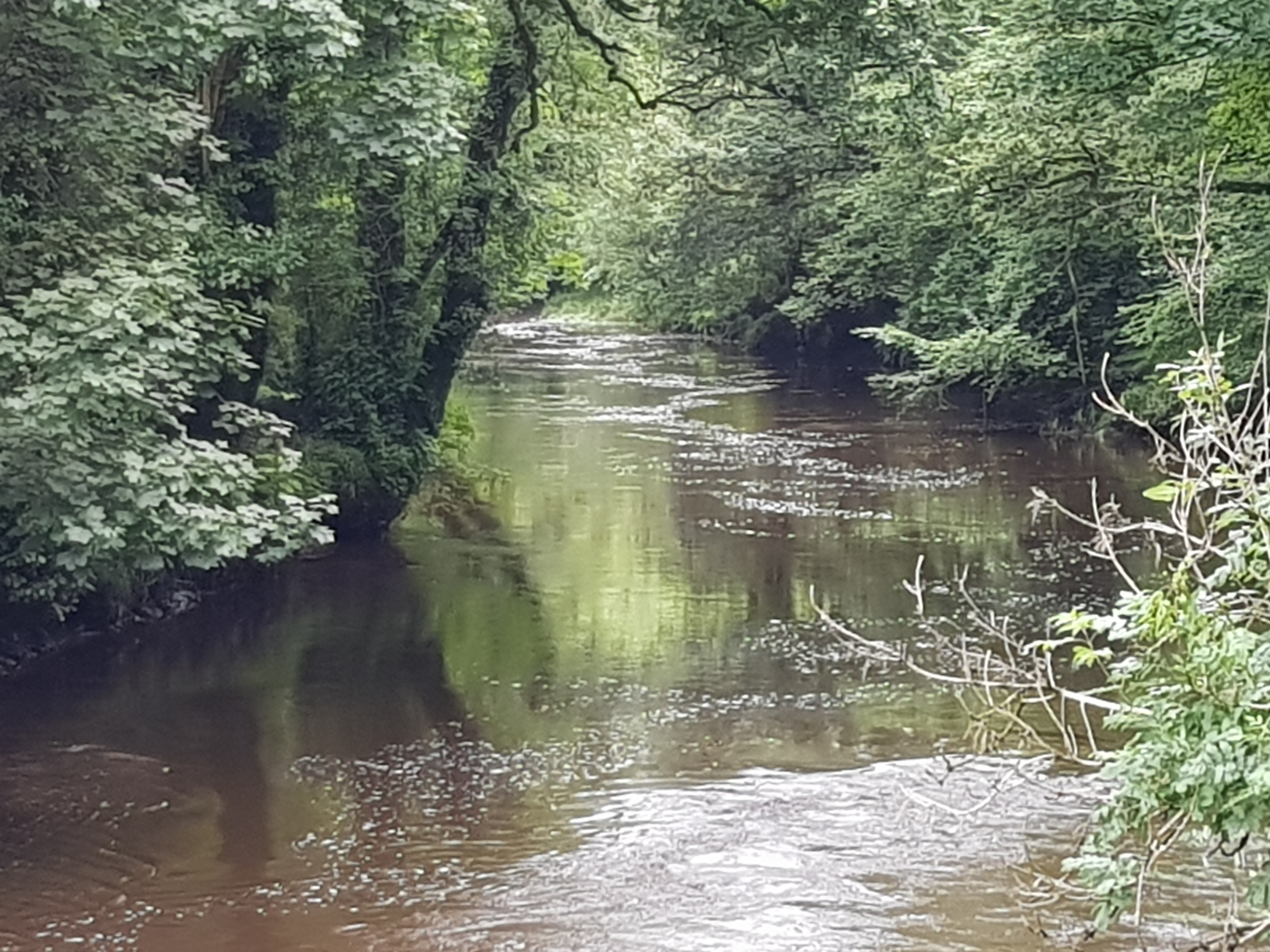
We’ve come to a part of West Wales which I scarcely know at all, beyond the old industrial heartland of Swansea and Port Talbot, over the hill to the Towy valley and then up past the chapel-at-ease of Court Henry into the more remote valley of the River Cothi which is deep green and solidly agricultural:-
Bethnal Green
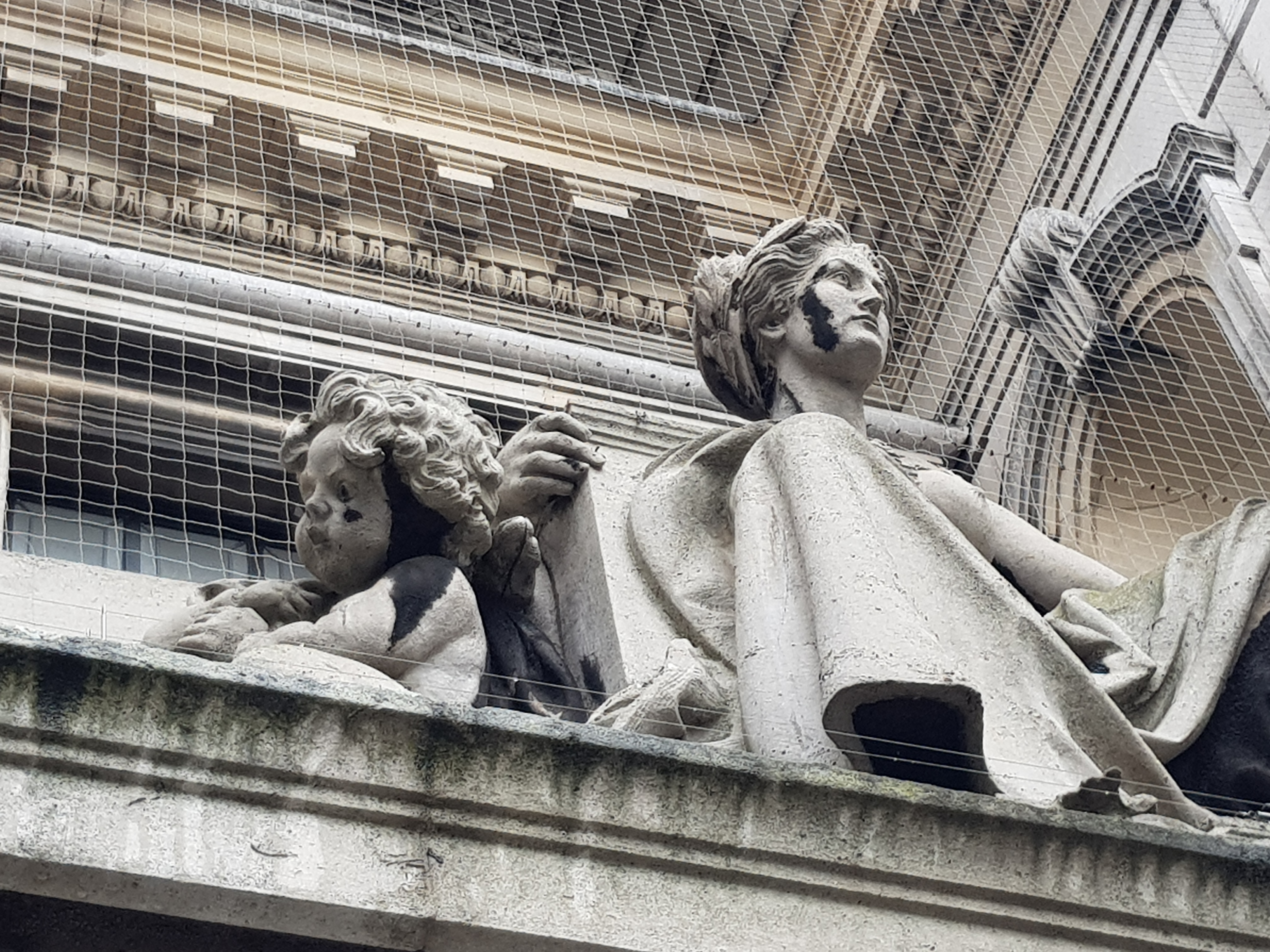
I travelled back from Oxford House by way of the back streets and alleyways of Bethnal Green, admiring the sculpture on the street front of the Old Town Hall:-
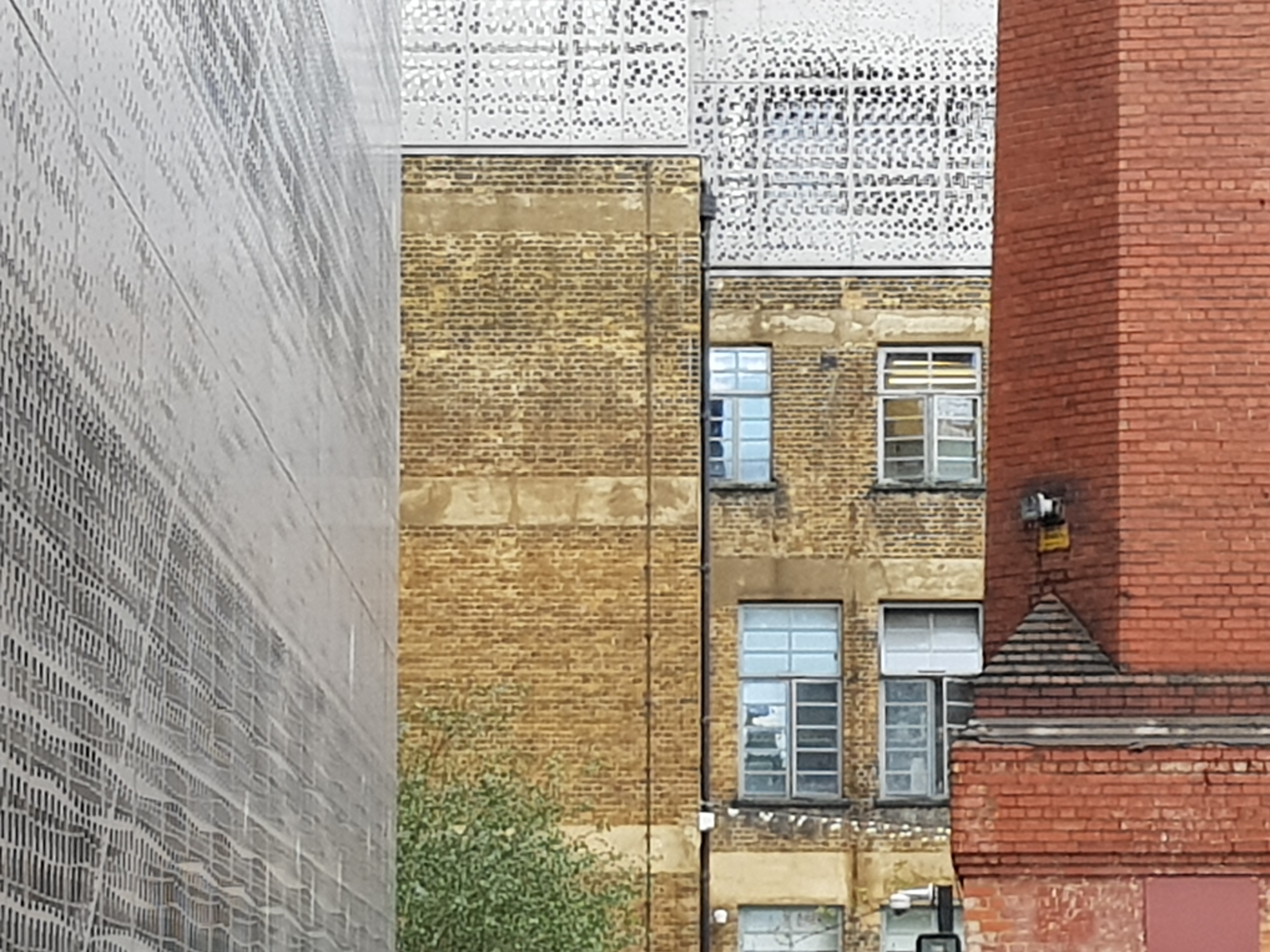
And the old chimney and block of flats behind:-
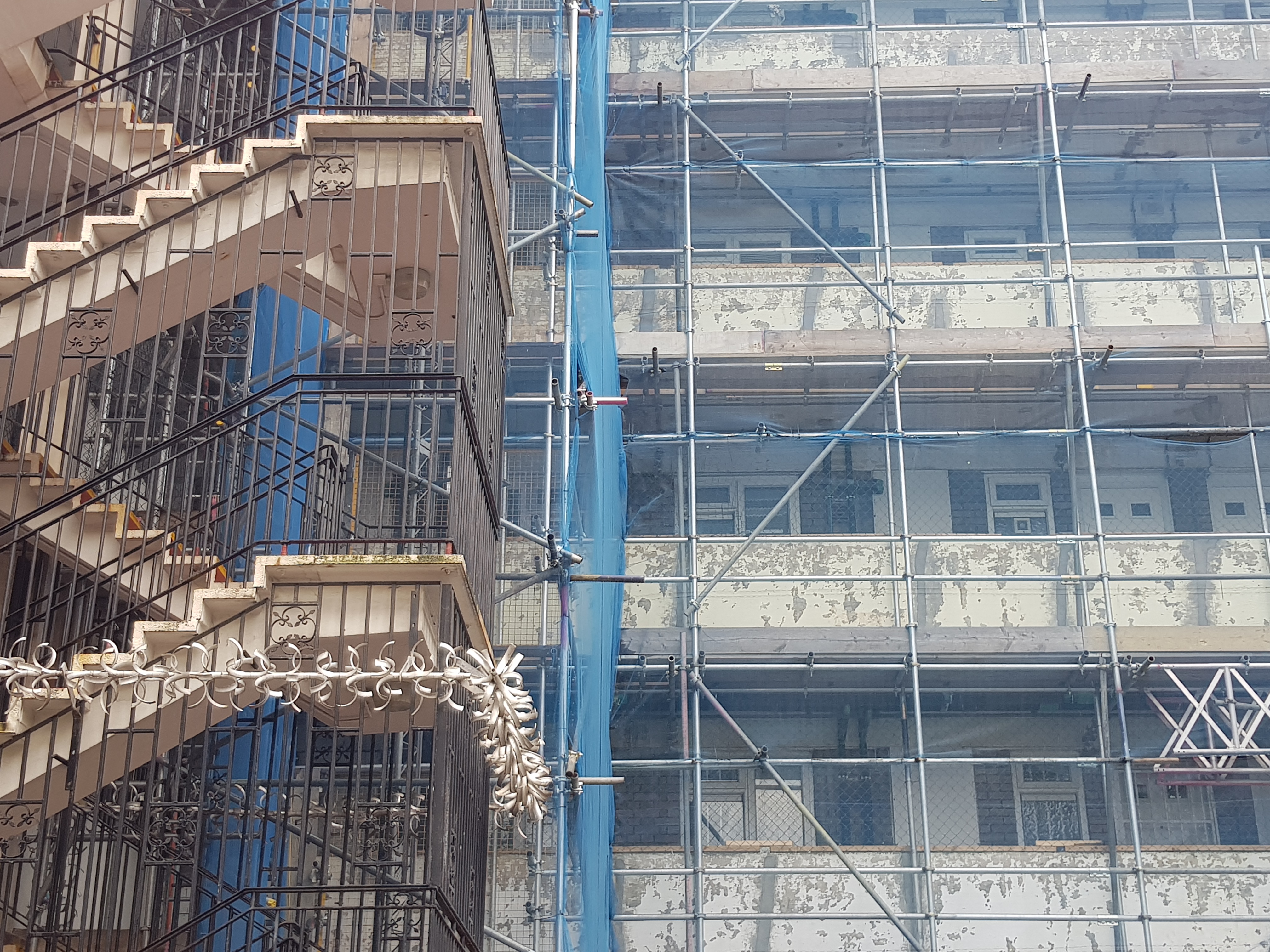
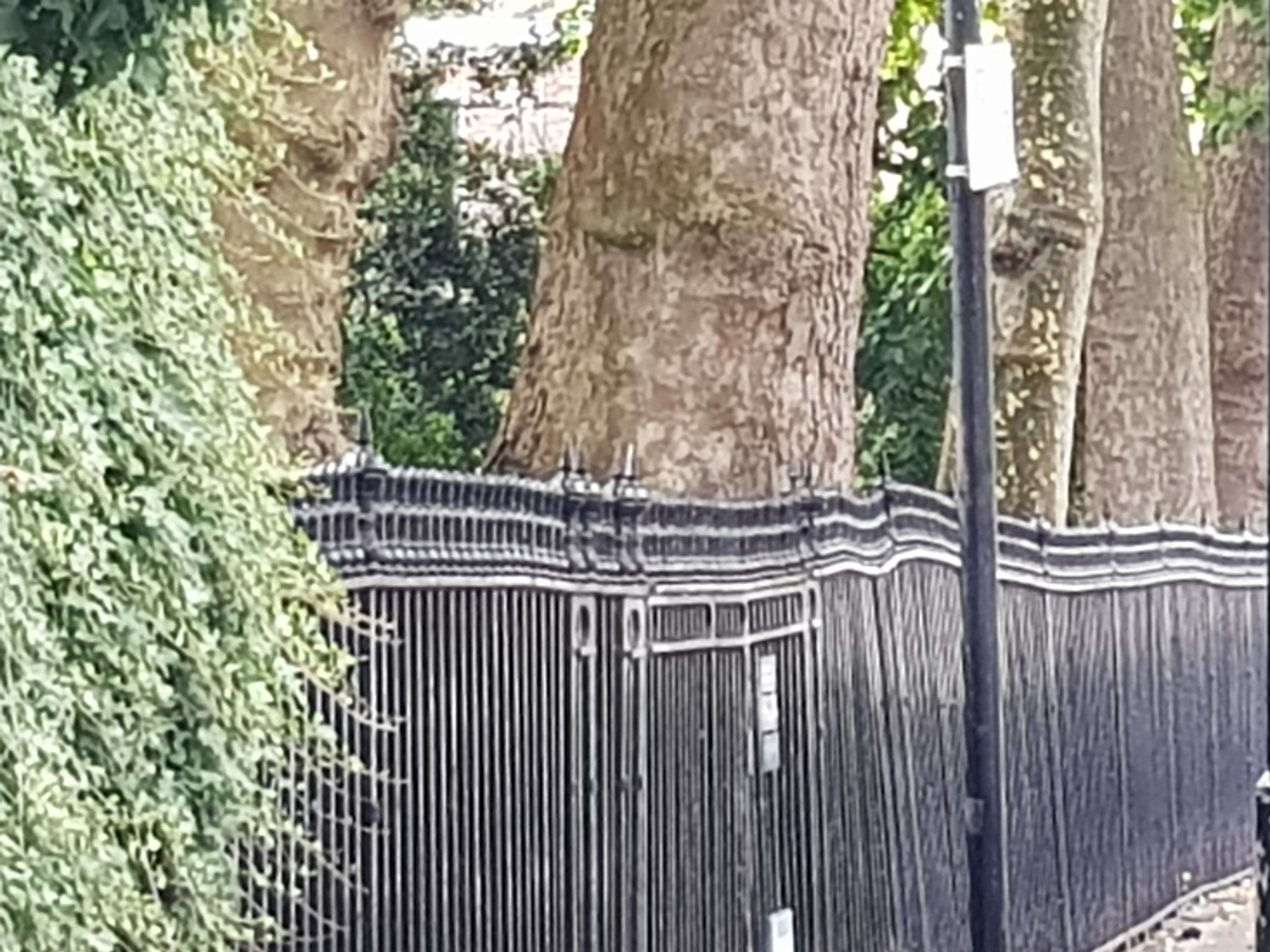
The railings behind the Bethnal Green Museum:-
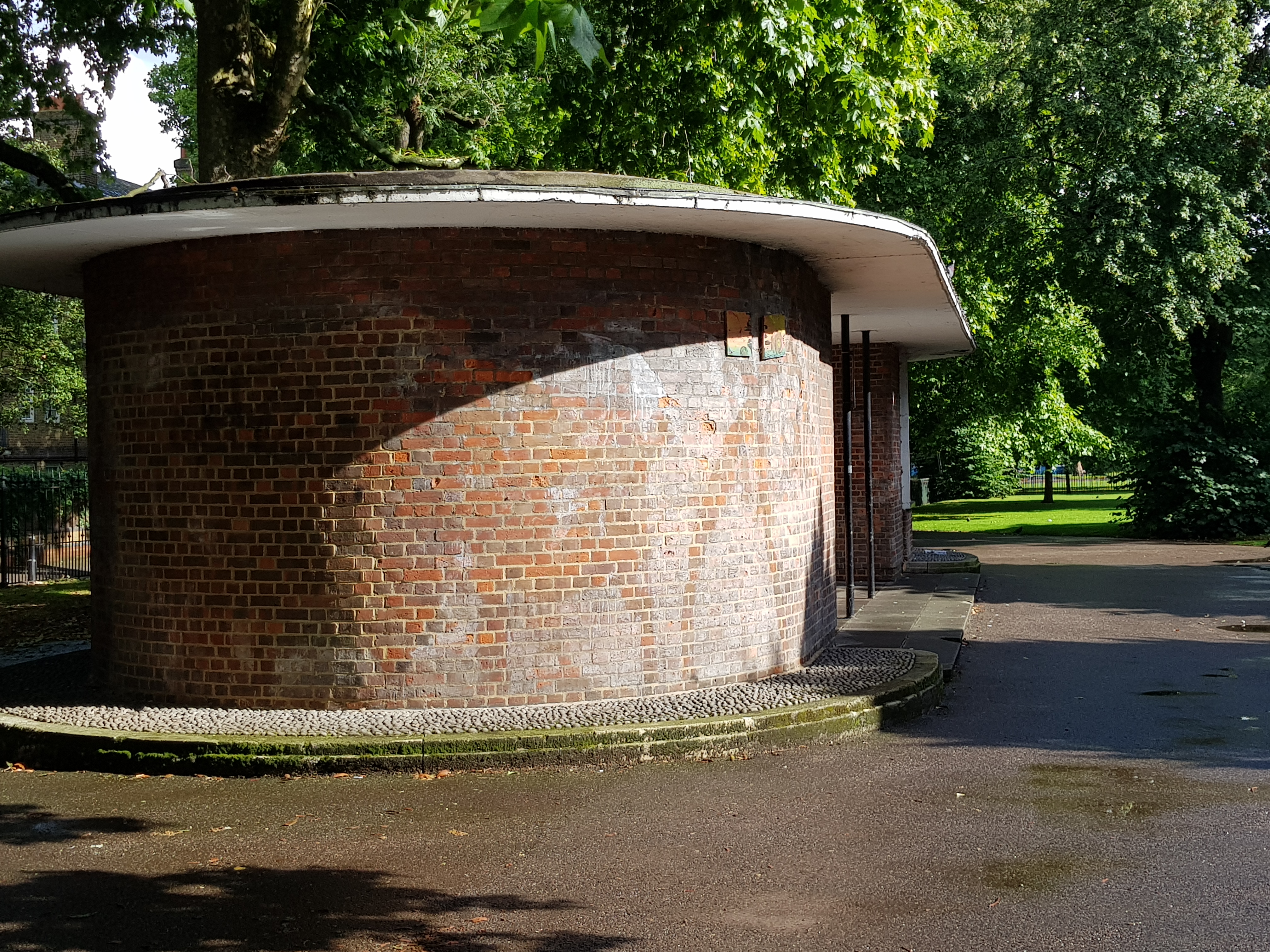
And the modernist shelter in Bethnal Green Gardens:-
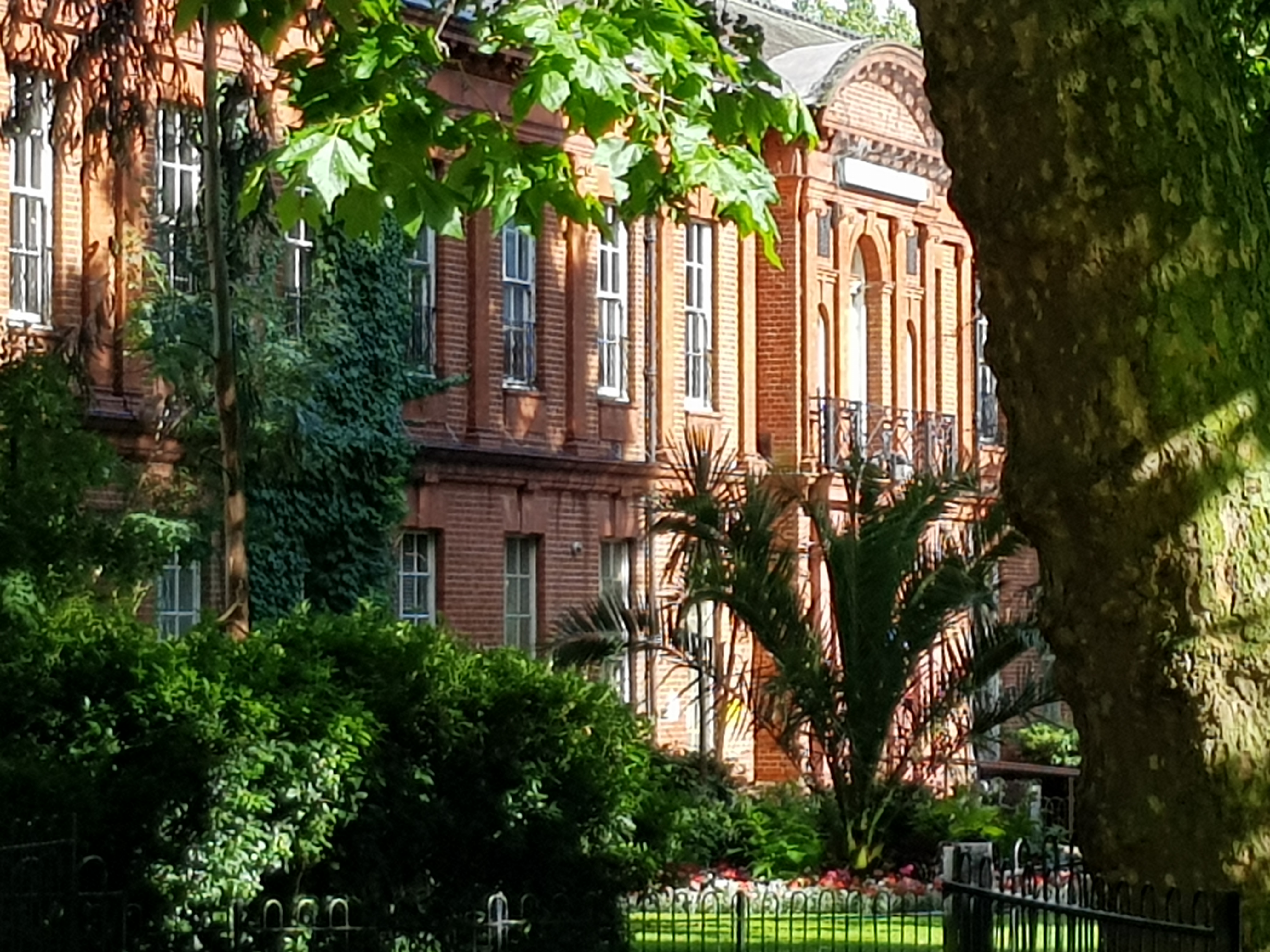
The library was lit up by the evening sun:-
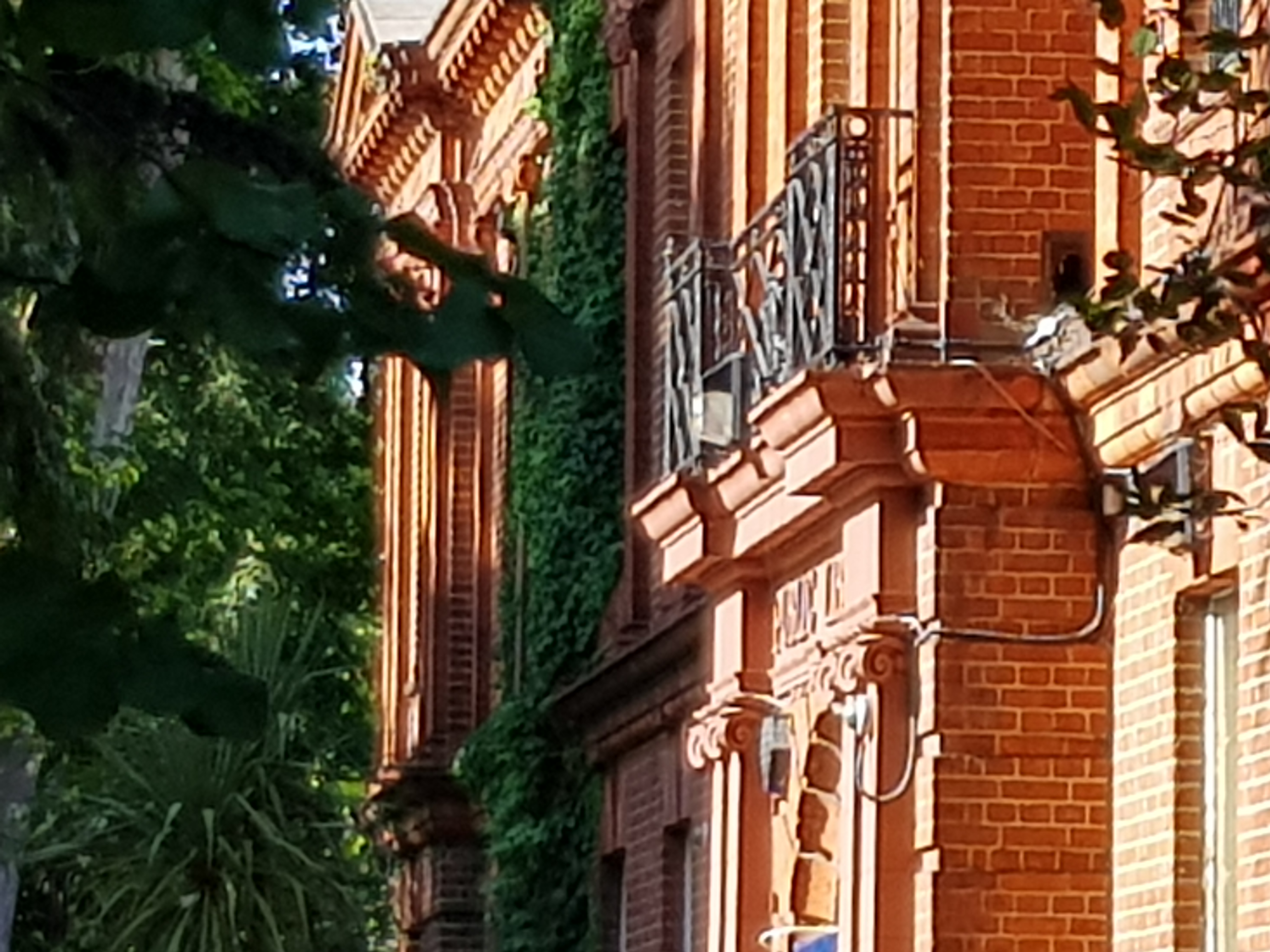
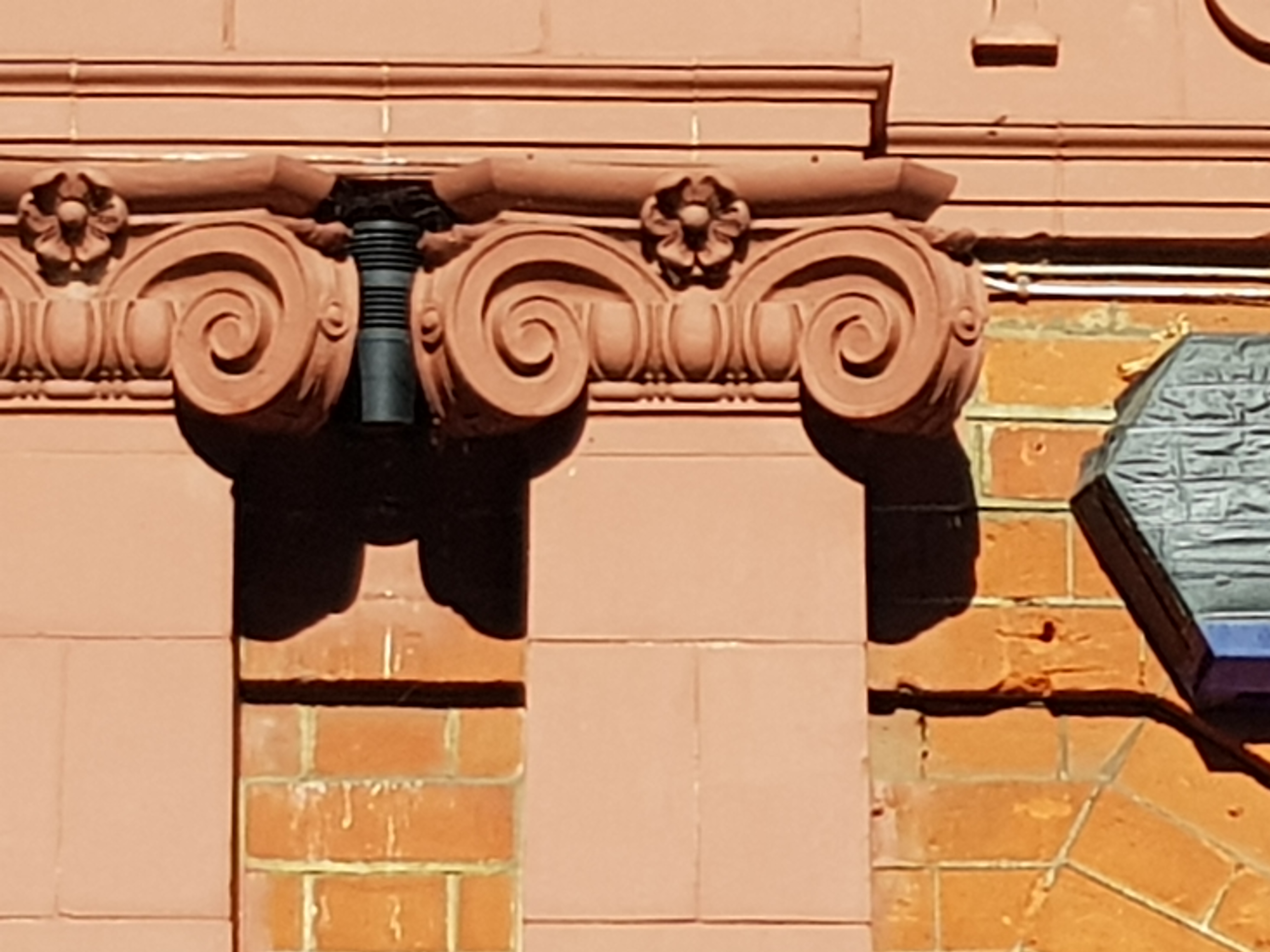
So was the railway line:-
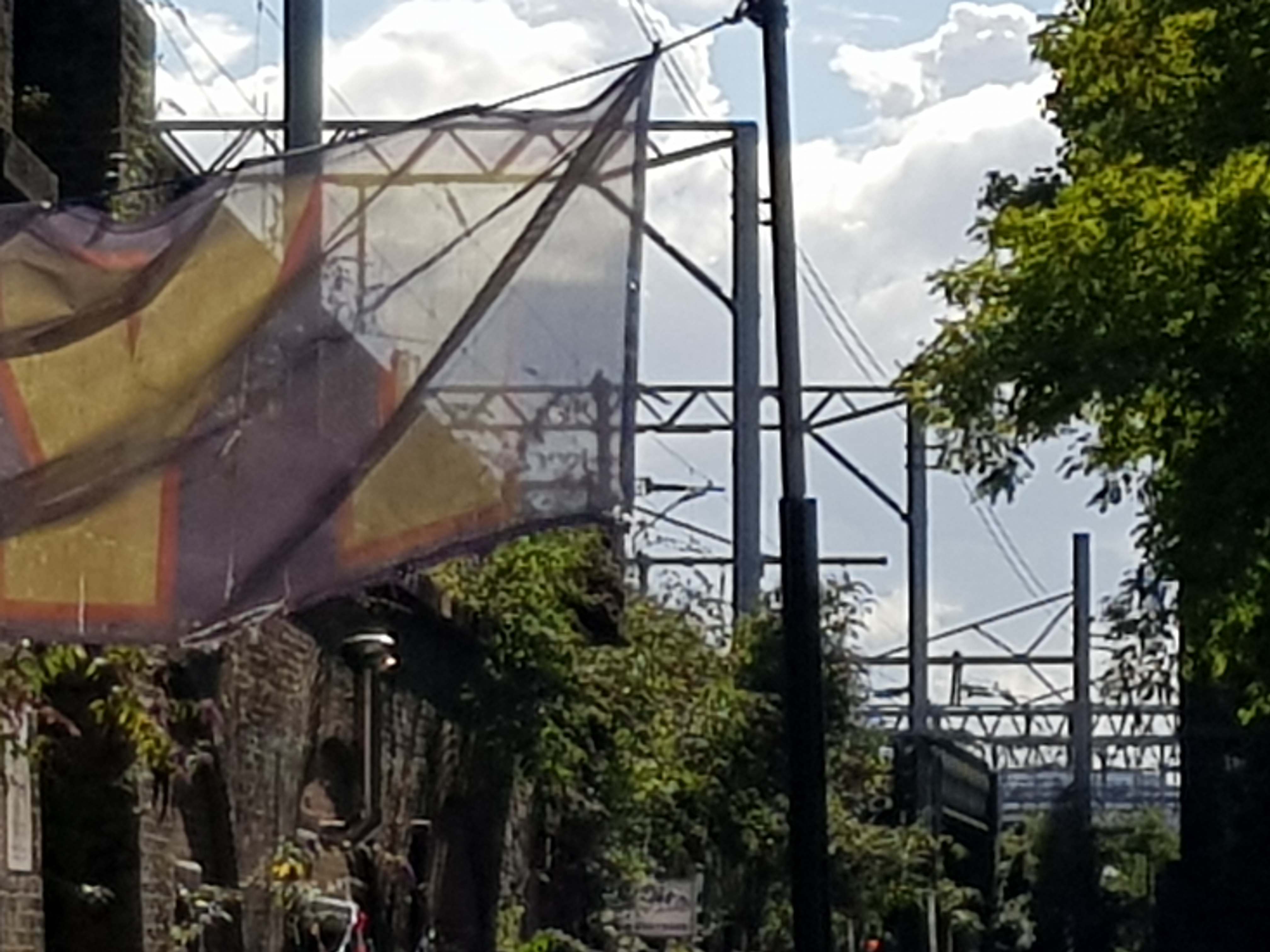
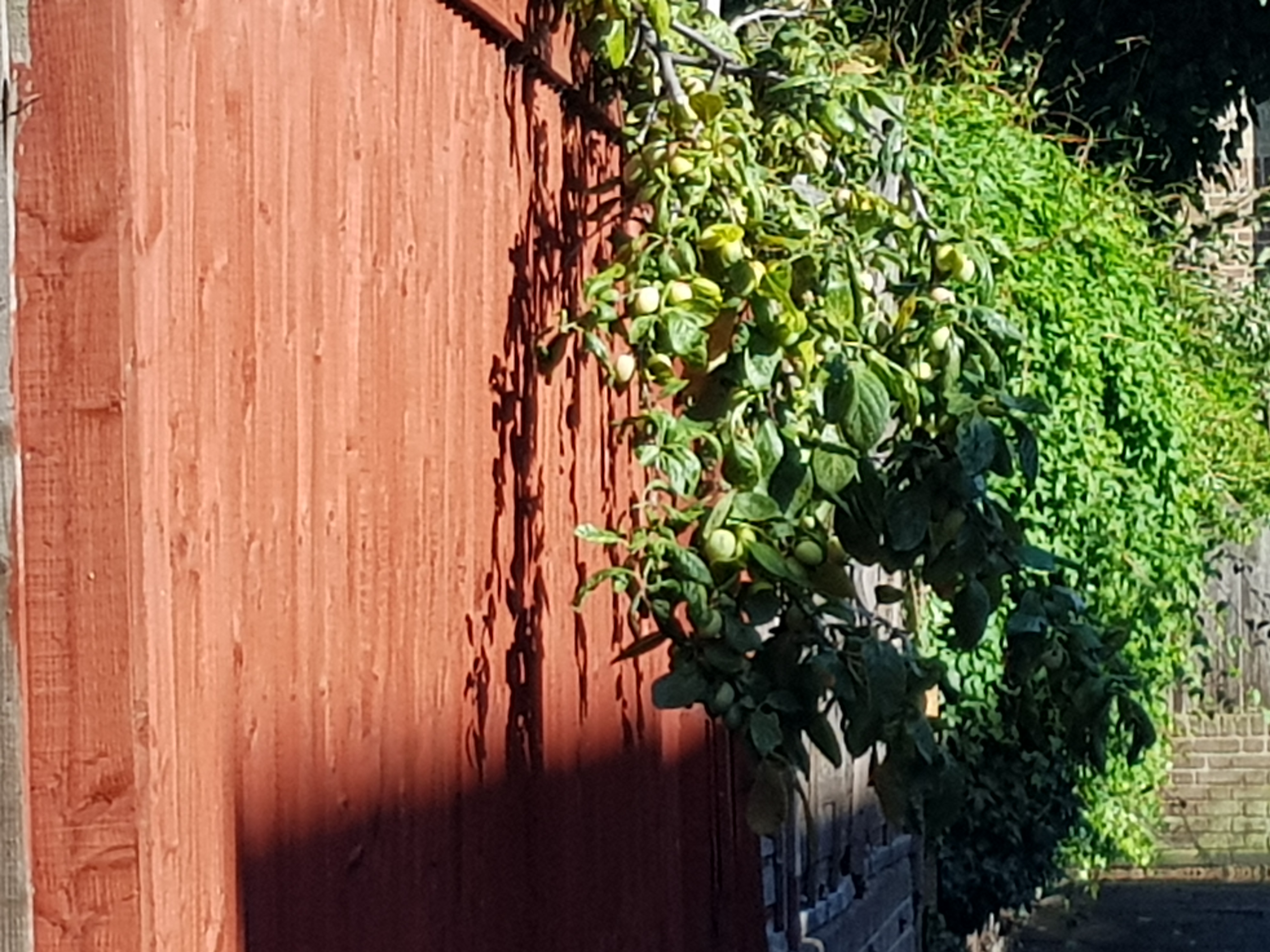
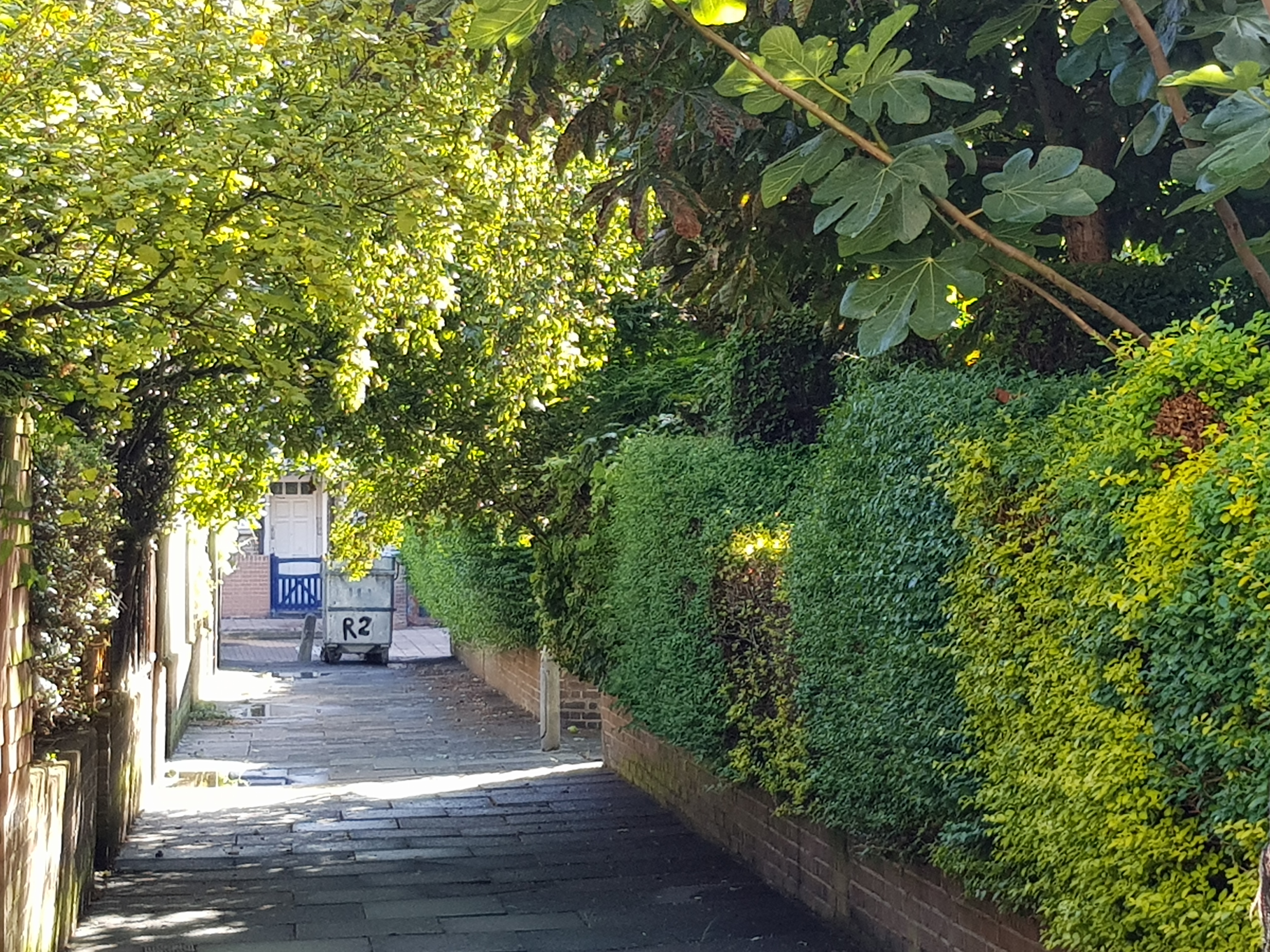
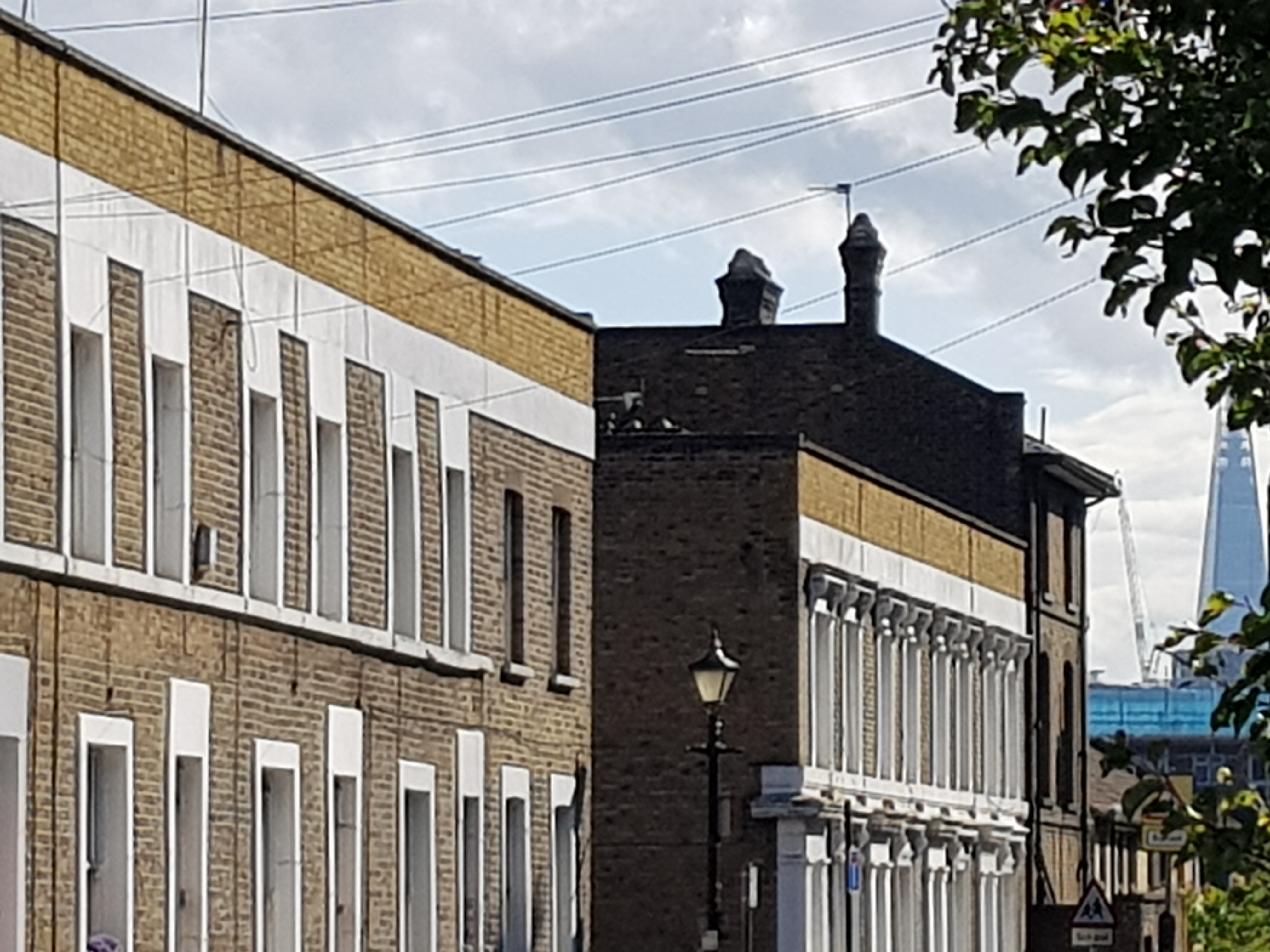
And the walk through the back streets:-
Oxford House
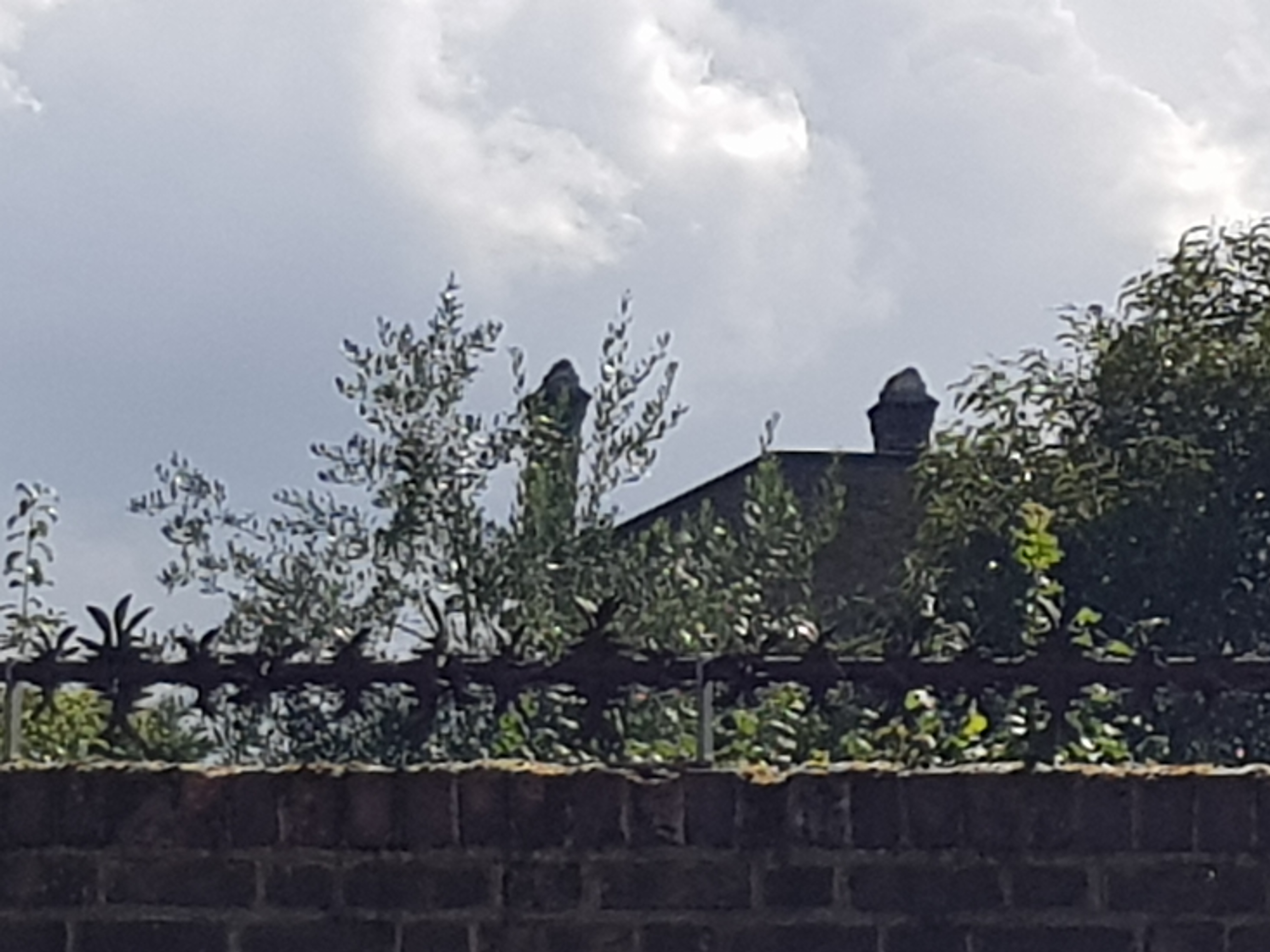
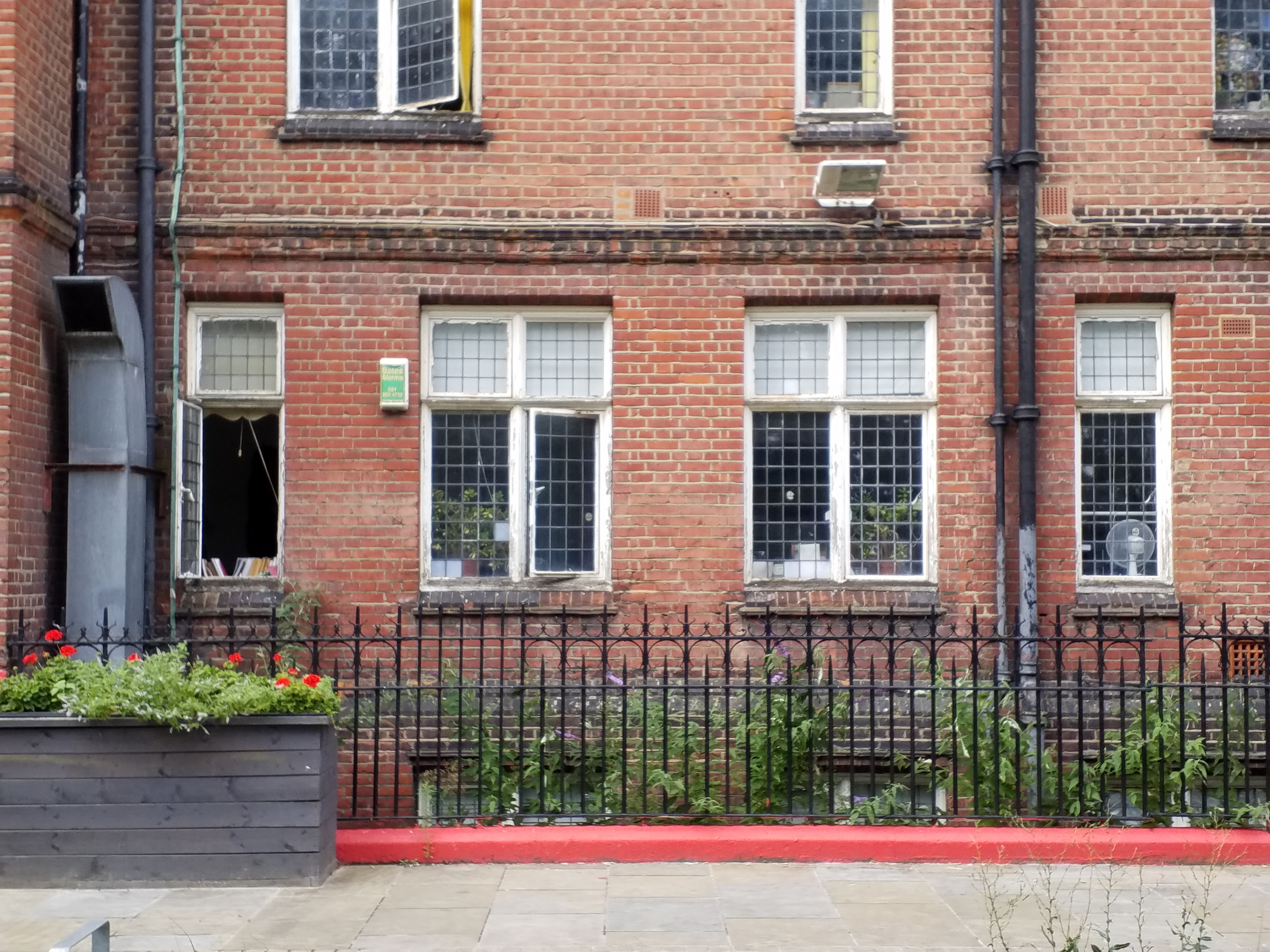
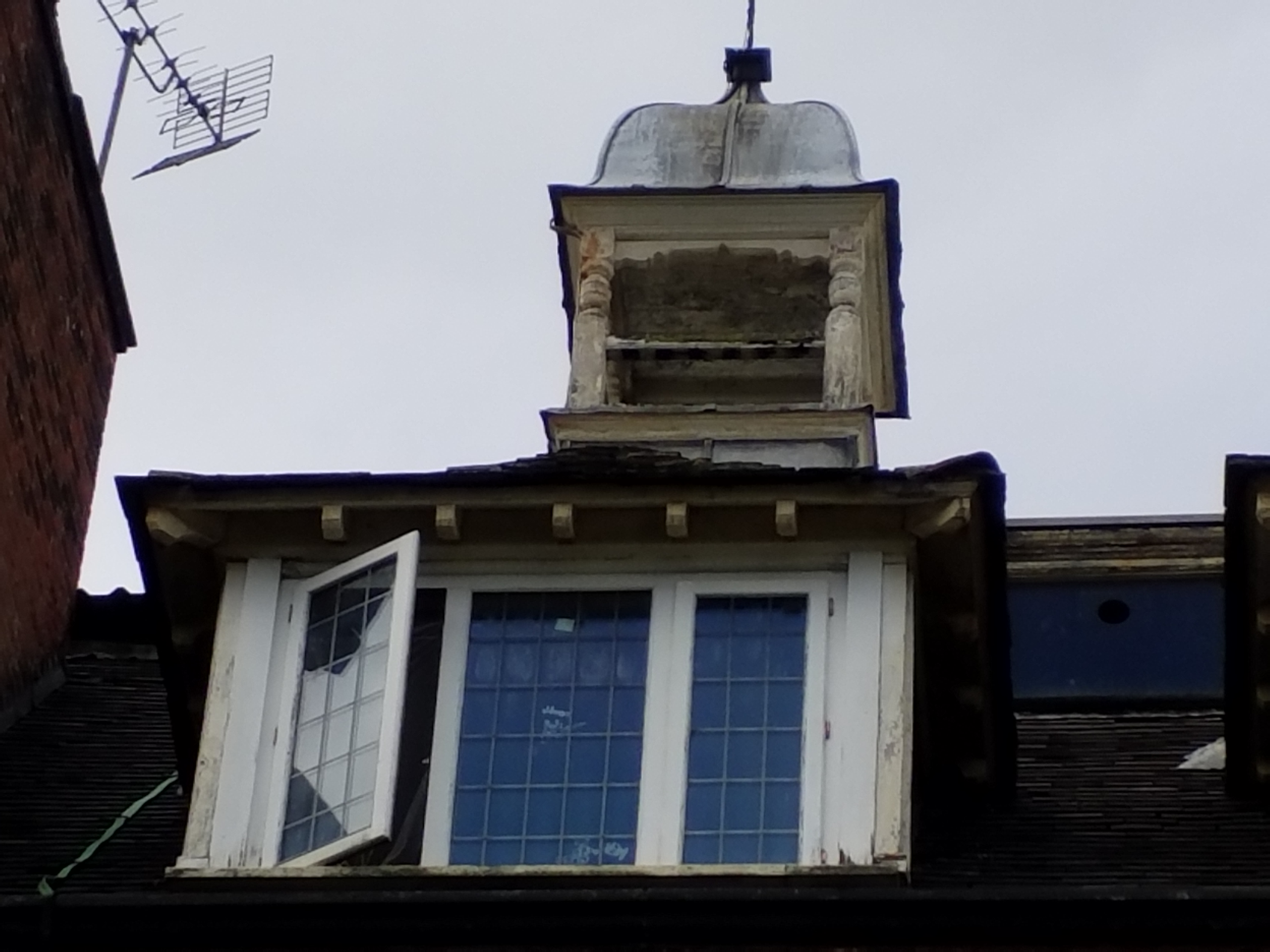
I was asked by Josh Spero, one of its Trustees, to visit Oxford House, a community-oriented settlement just off the Bethnal Green Road. It’s one of that generation of high-minded, Anglican, late Victorian settlements, which were established by Oxford and Cambridge colleges (in the case of Oxford House, Keble College, Oxford) to bring ‘sweetness and light’ and a dose of high Anglicanism to the poor of East London (‘come and be the squires of East London’ was the slightly unfortunate way of finding recruits). The building was designed by Sir Arthur Blomfield in the heavy, late Victorian, institutional gothic he had perfected at Selwyn College, Cambridge. In the Second World War, it was run by Guy Clutton-Brock, later one of the founders of the ANC, and turned into more of a local community resource which it has remained ever since, now rundown, but due to be revived by an HLF project.
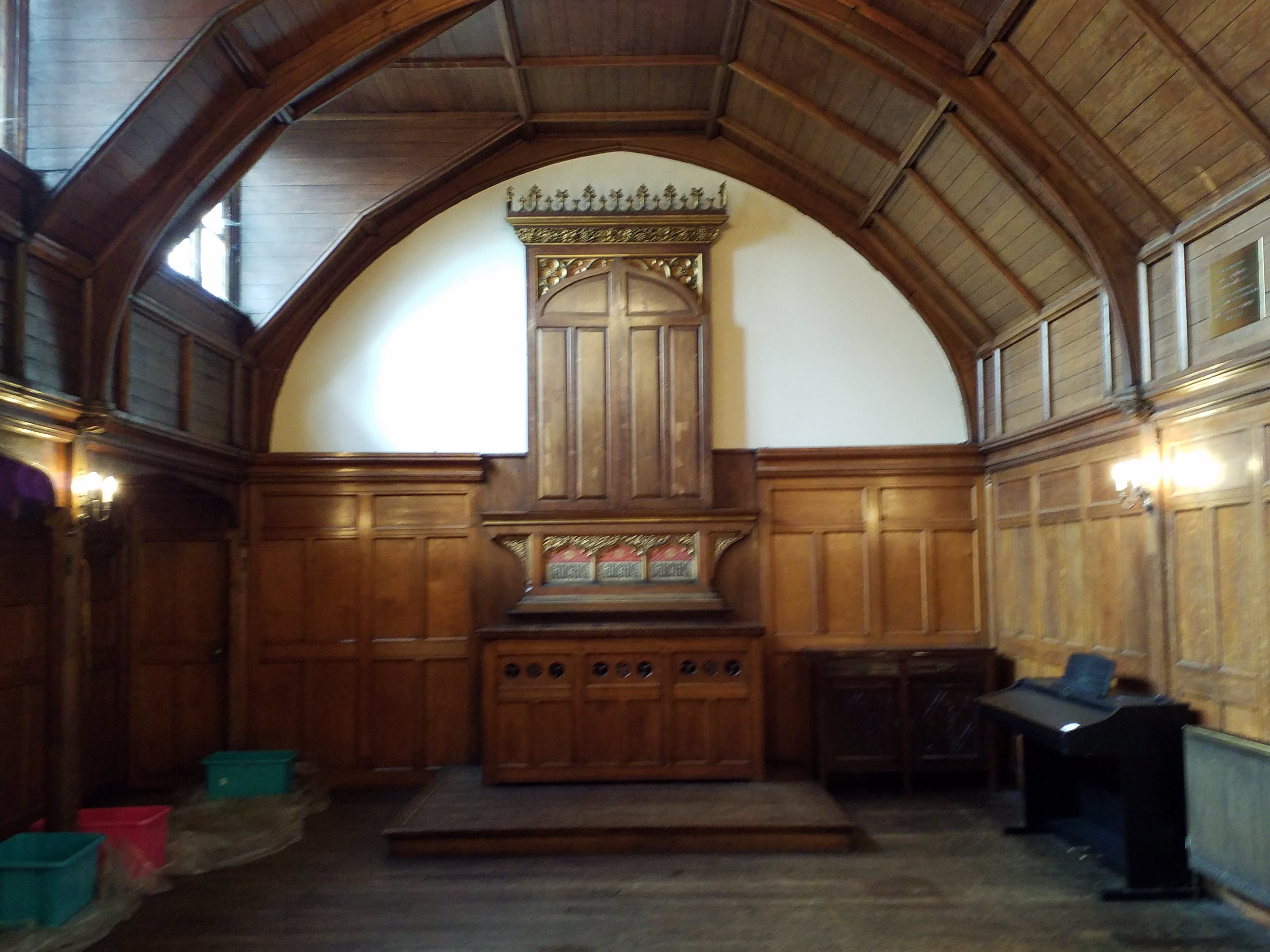
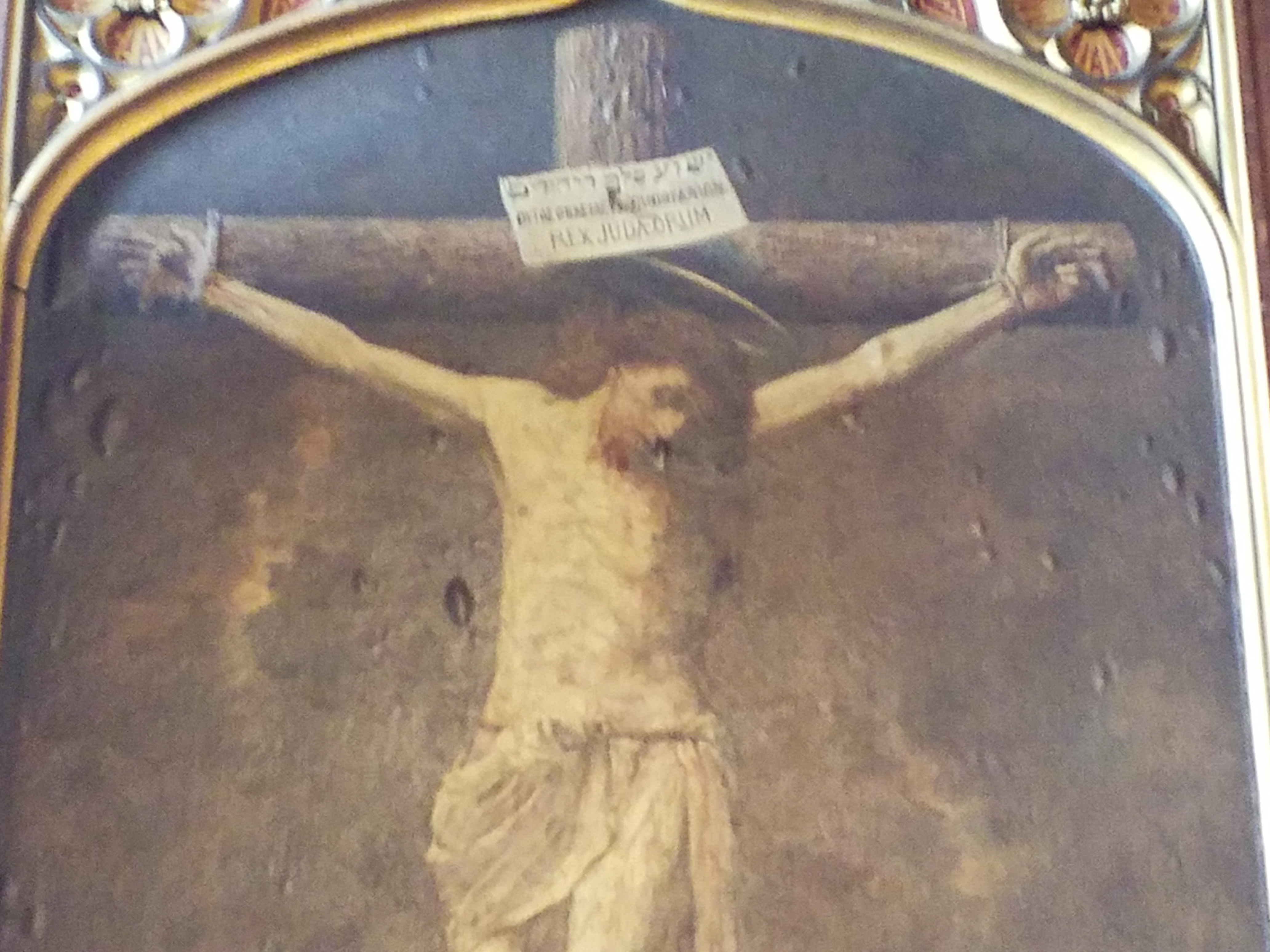
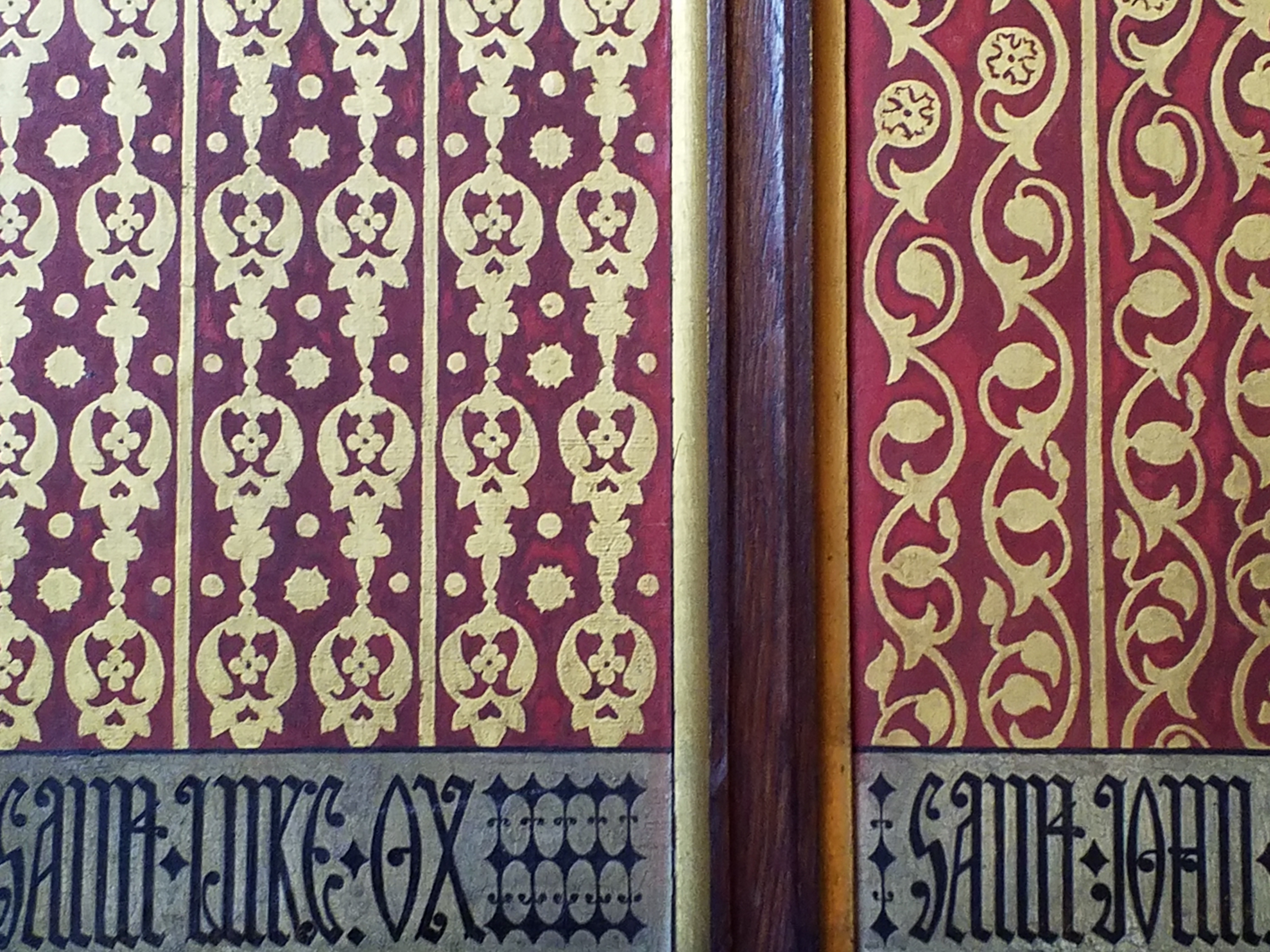
This is the chapel at the top, currently little used, with an altarpiece dated 1914:-
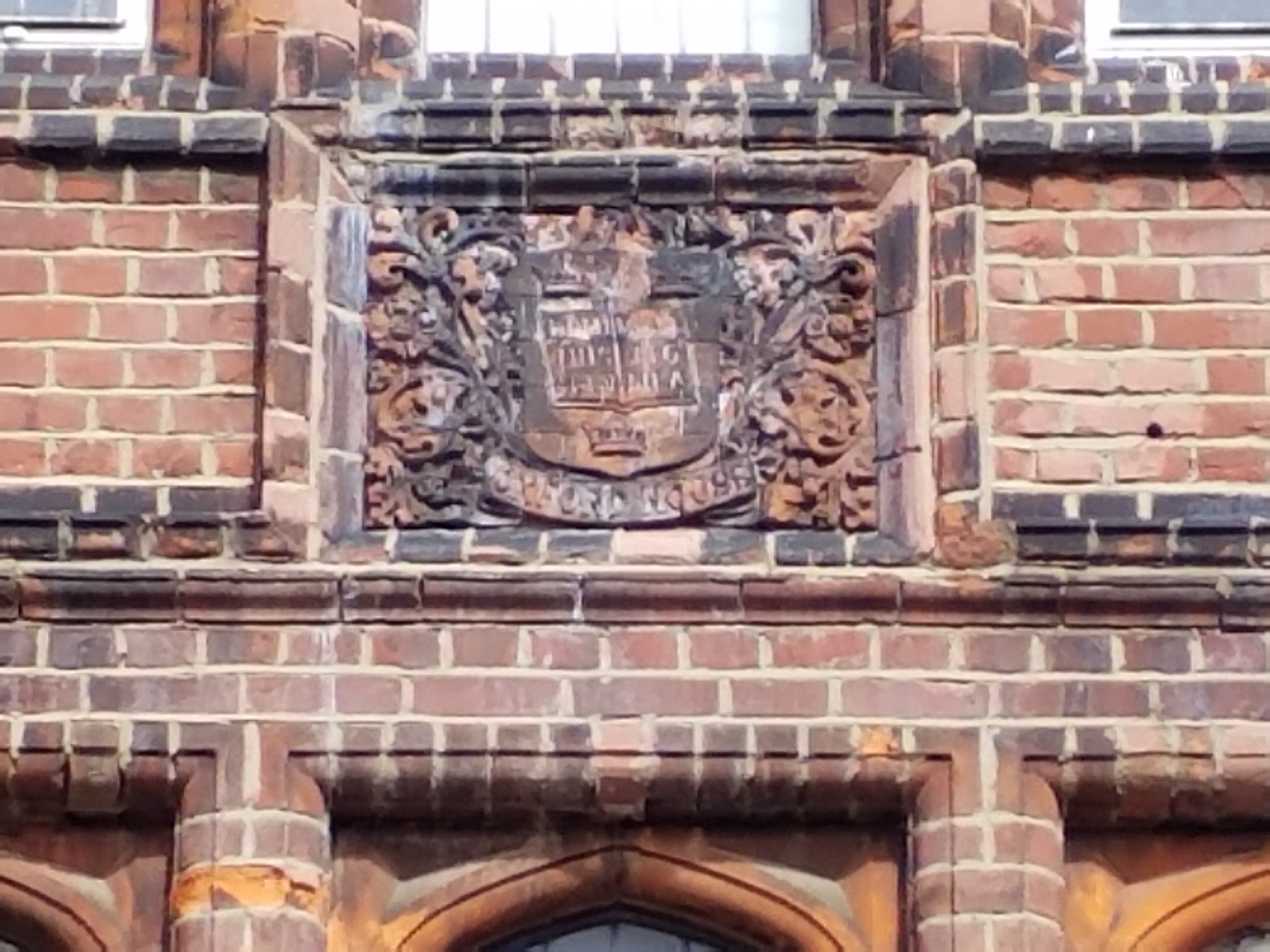
The arms and Victorian brickwork:-
 | Charles | Saumarez | Smith |
You must be logged in to post a comment.