Old Town Clothing (2)

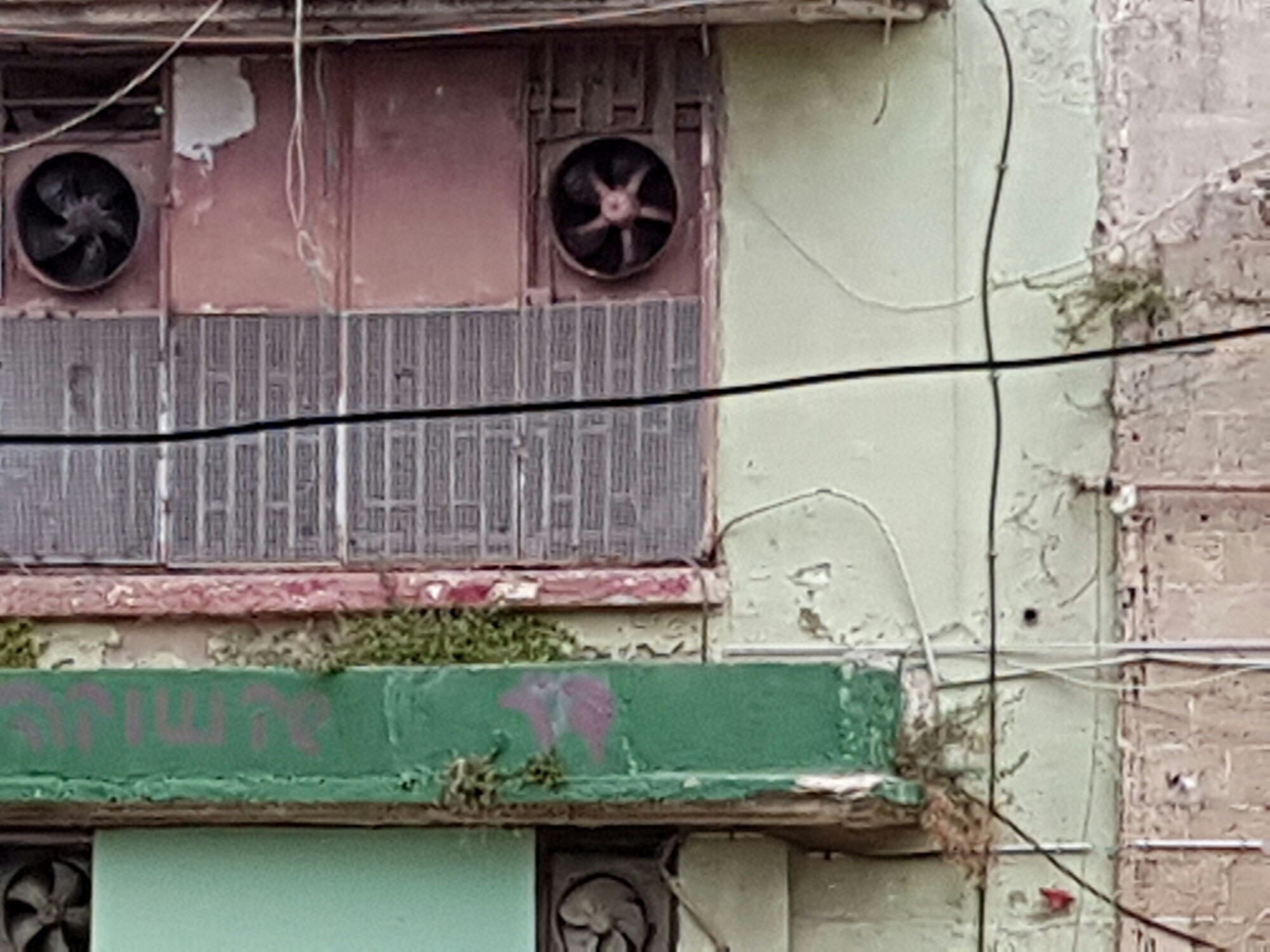
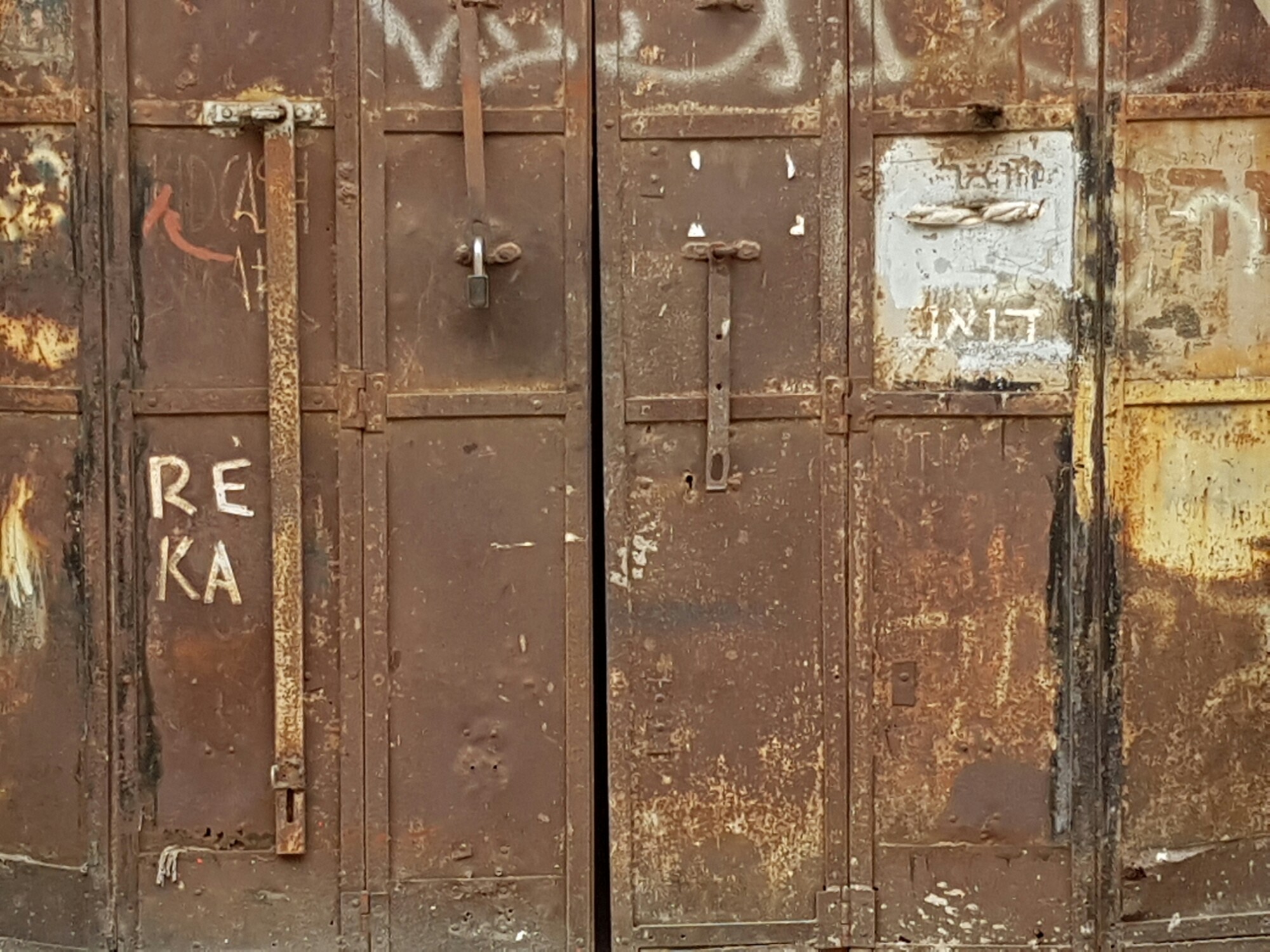
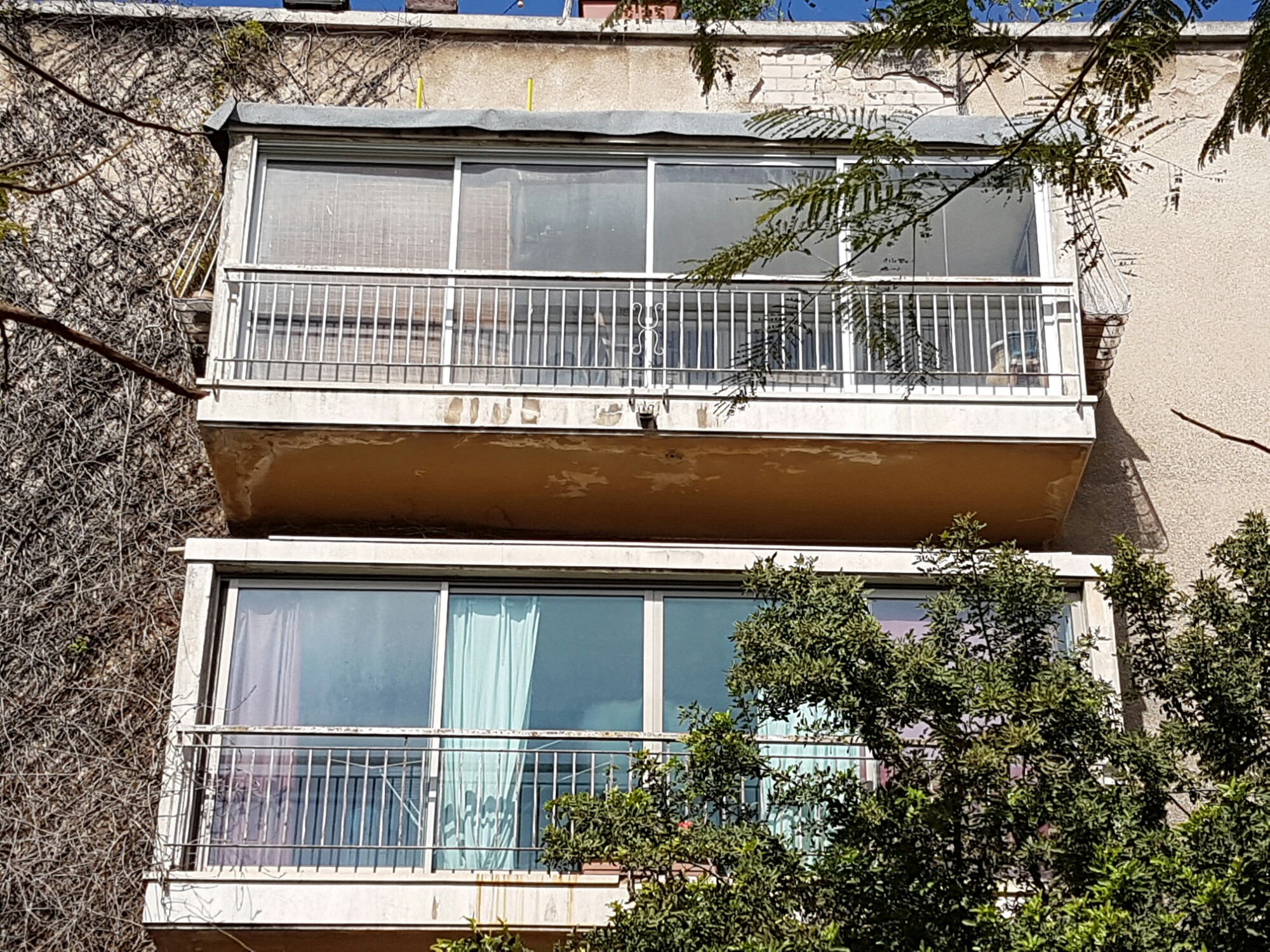
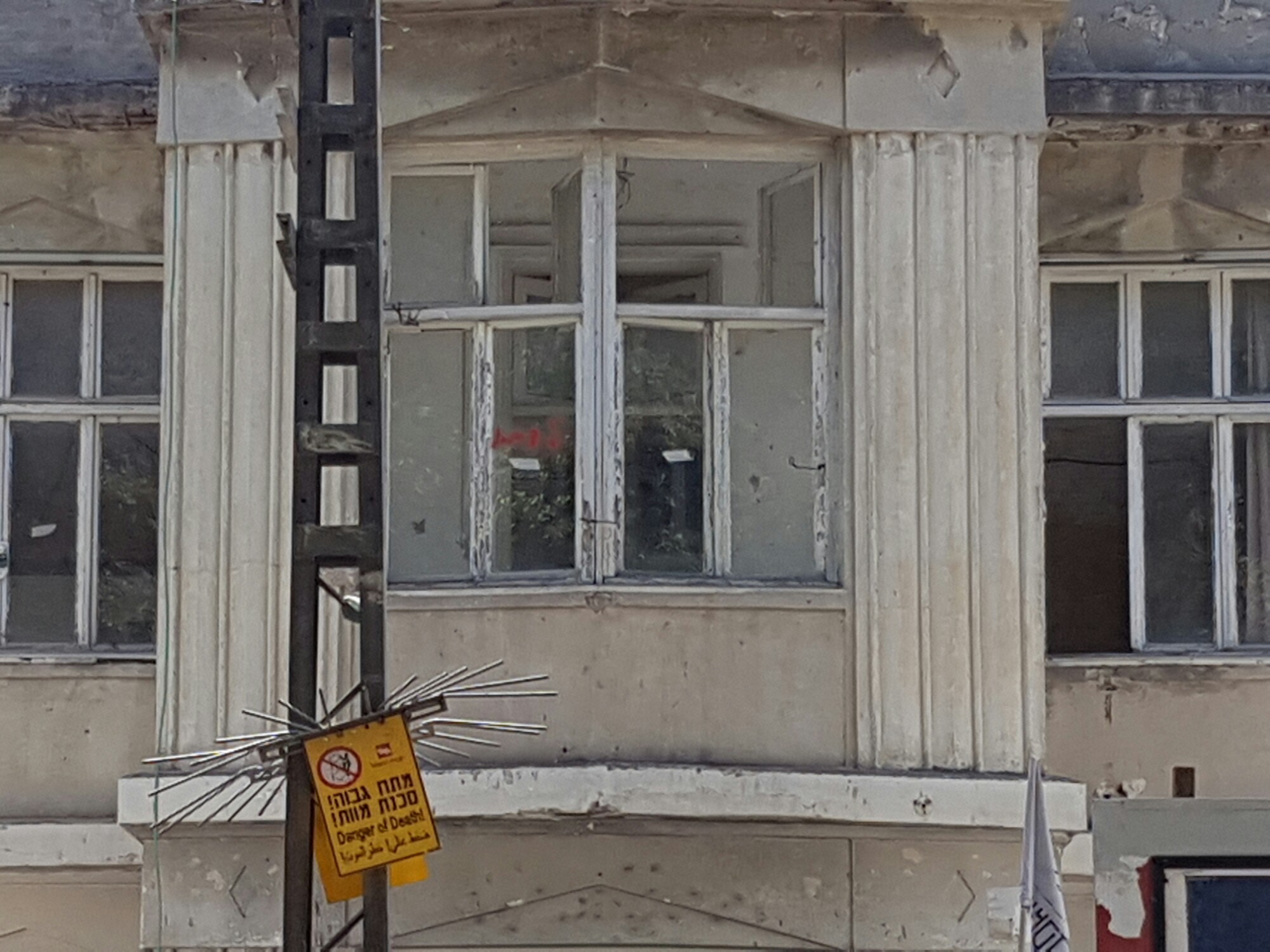
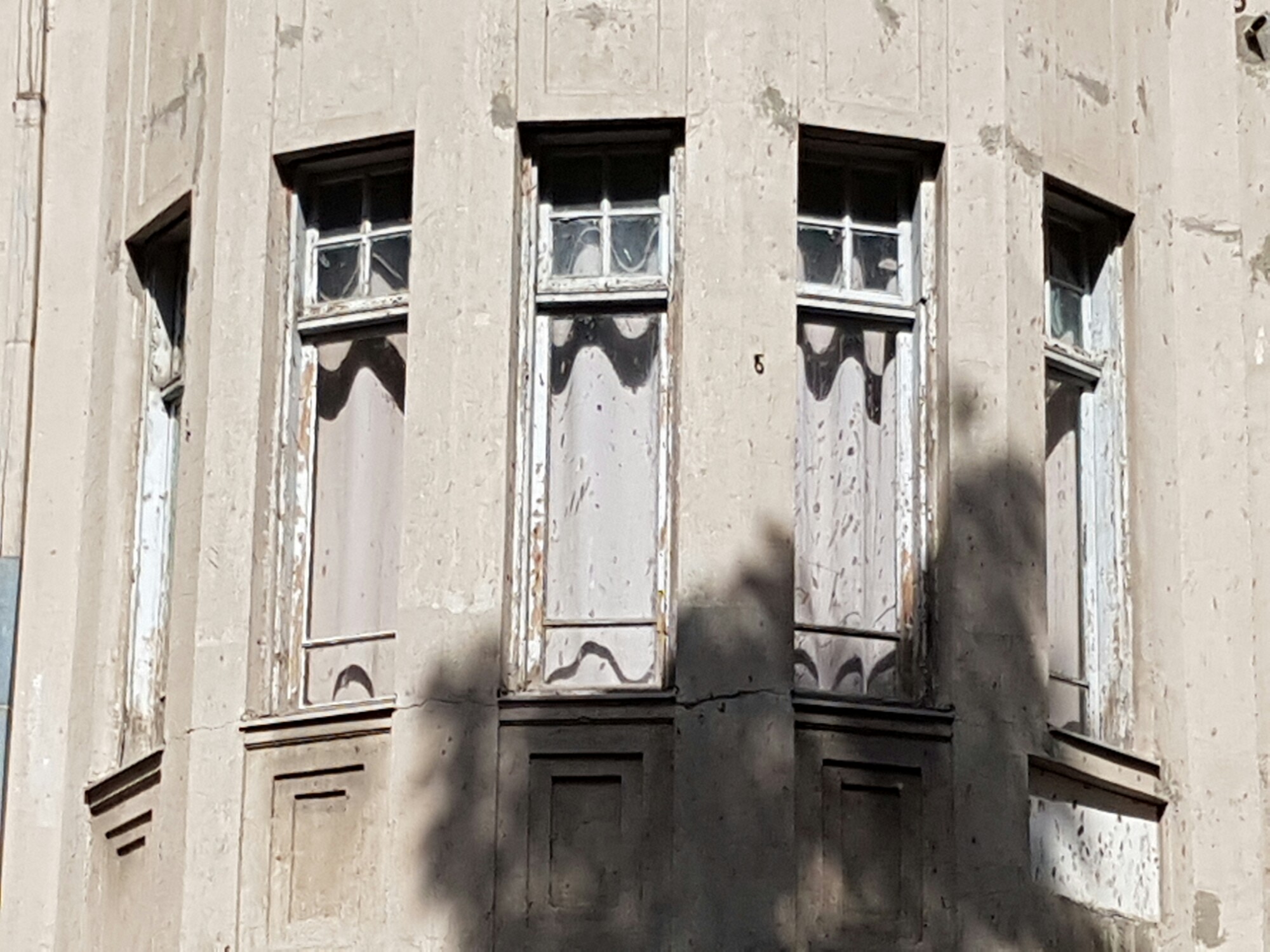
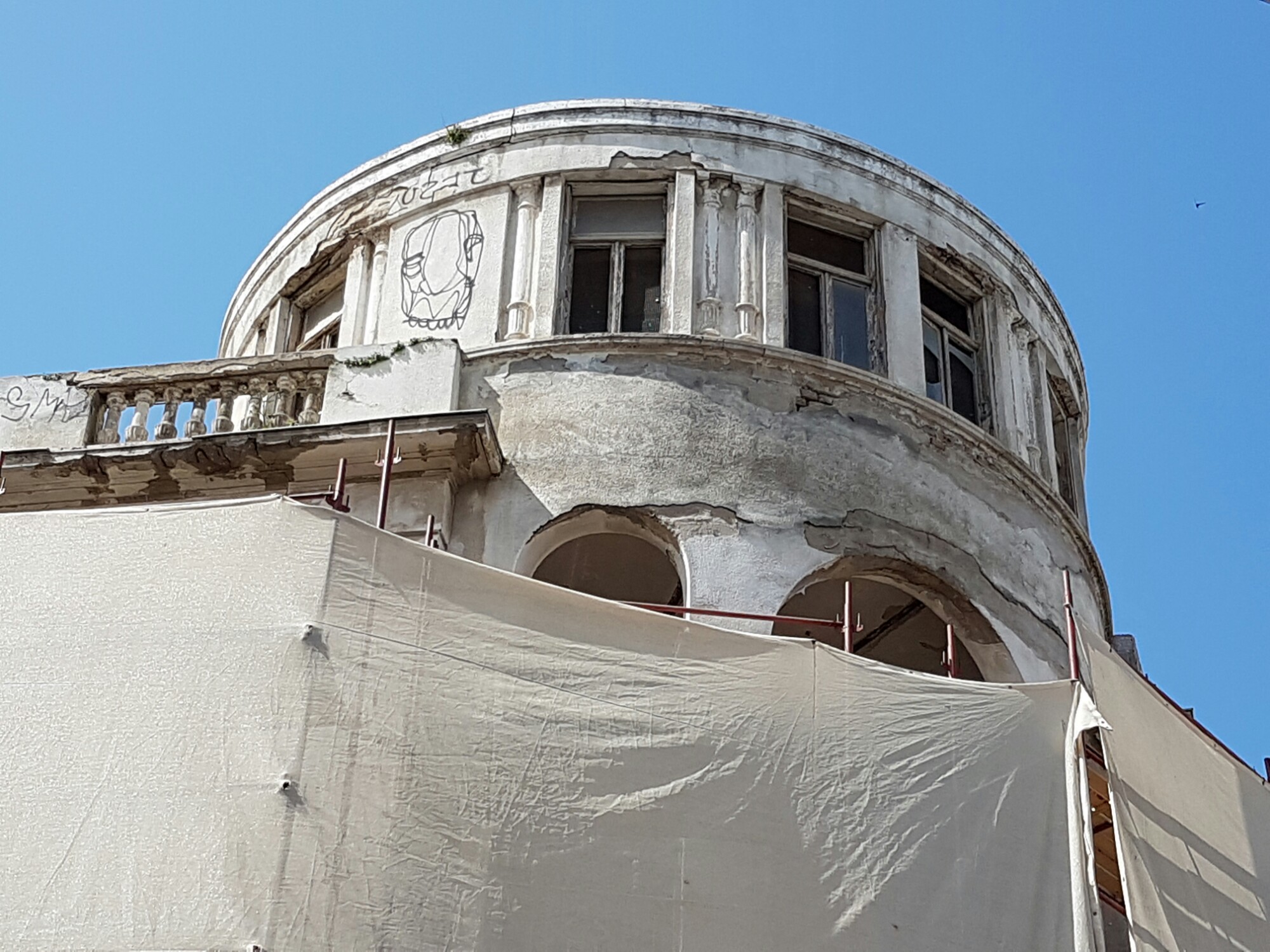
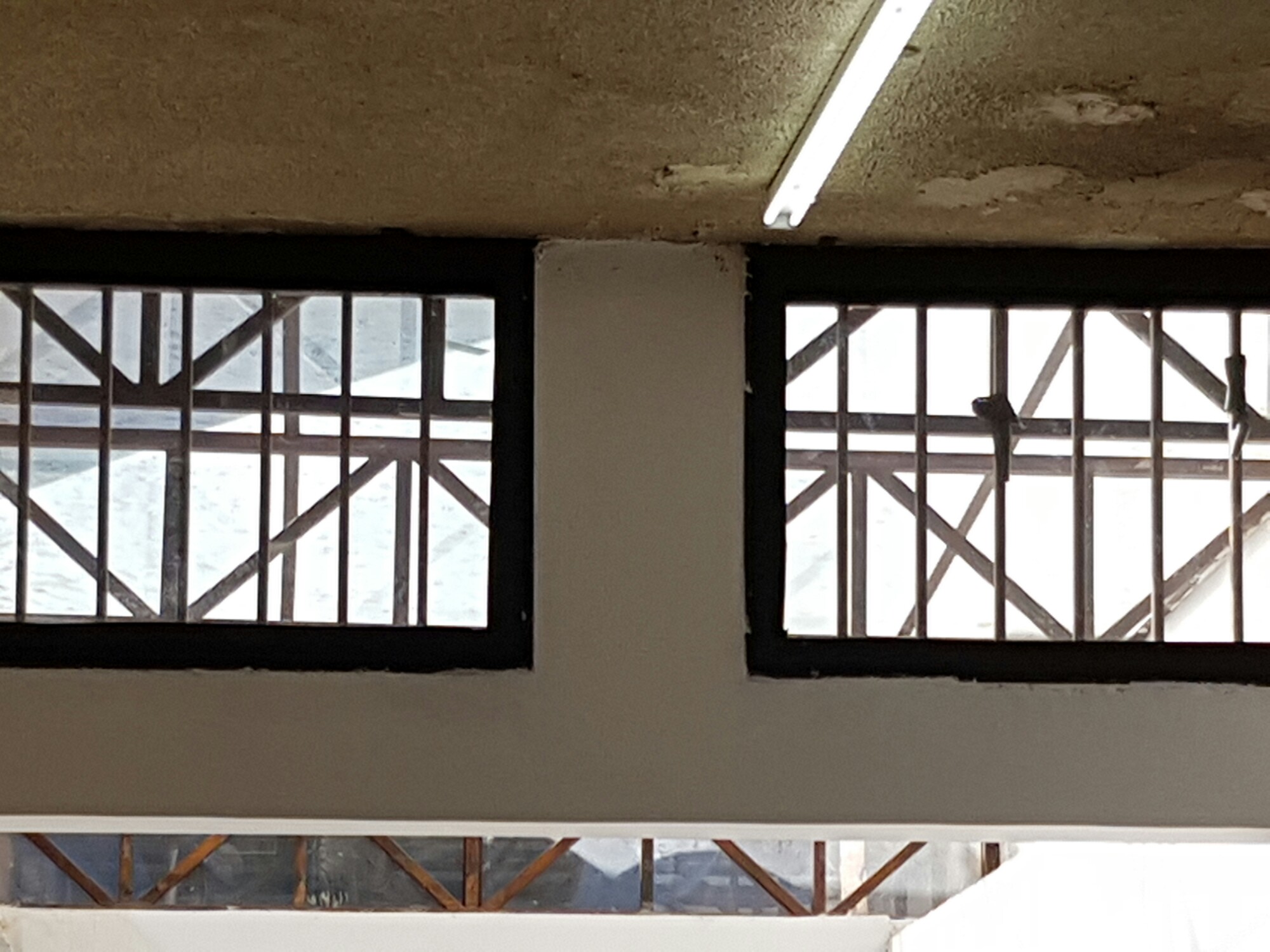
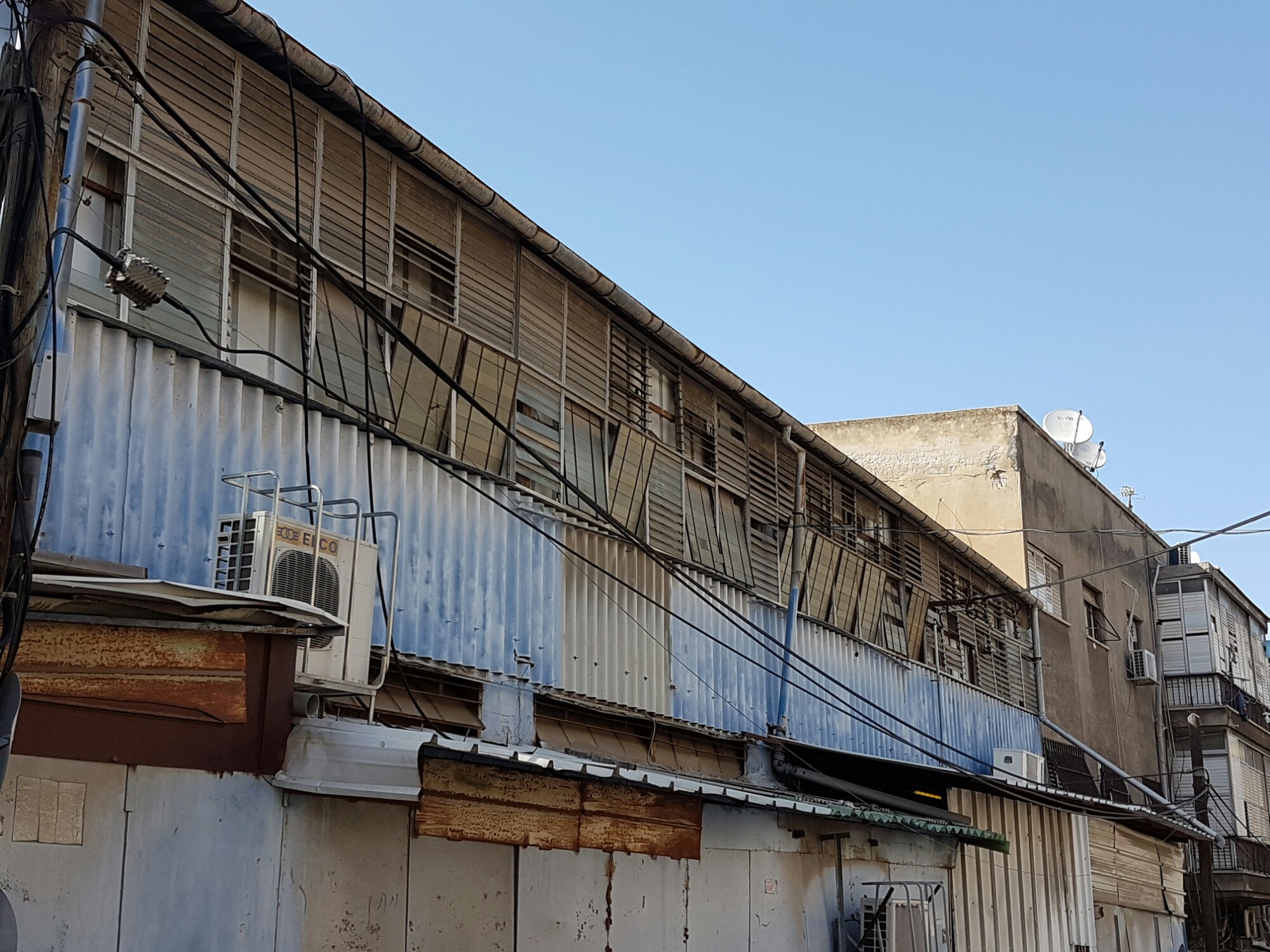
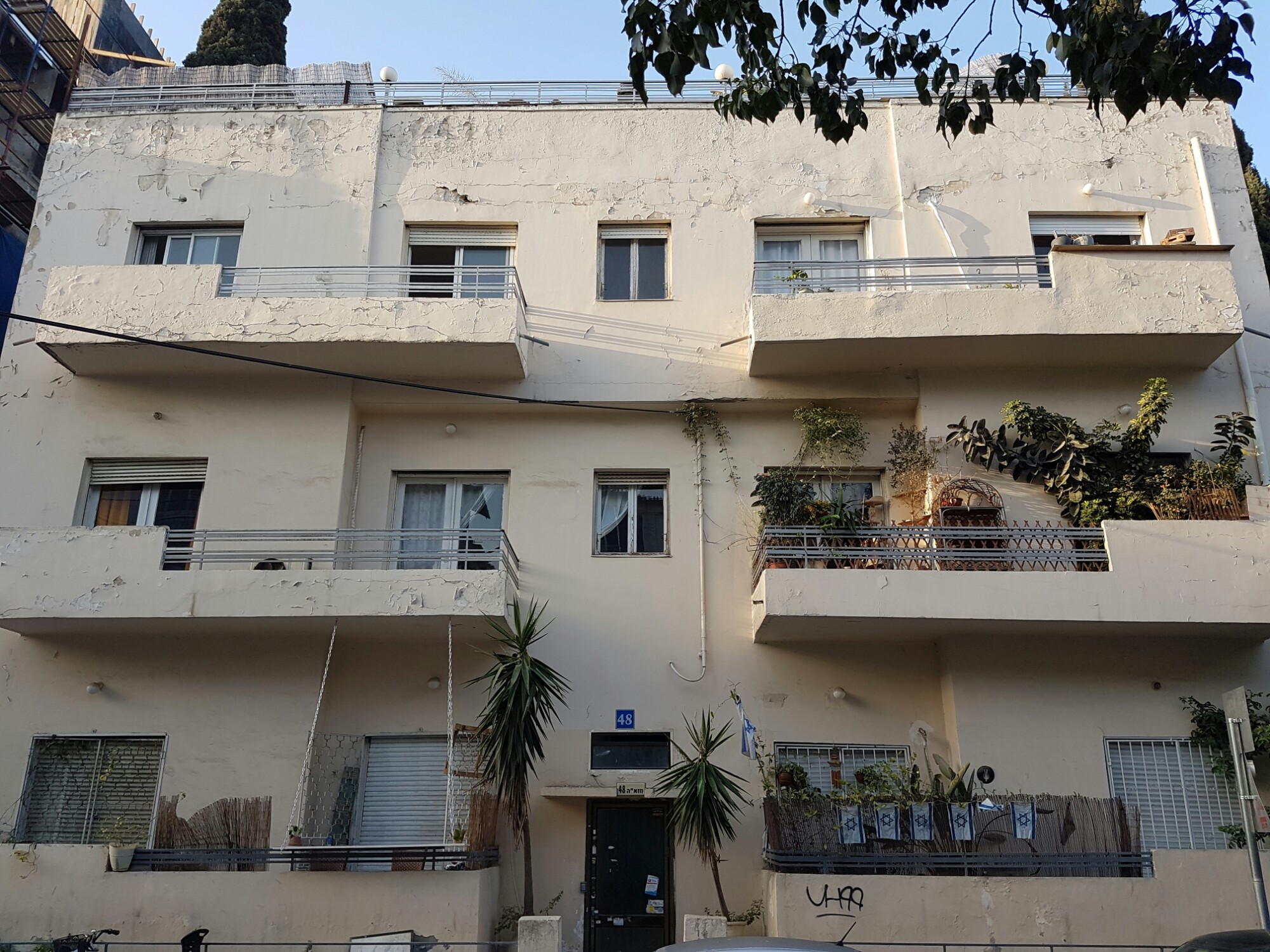
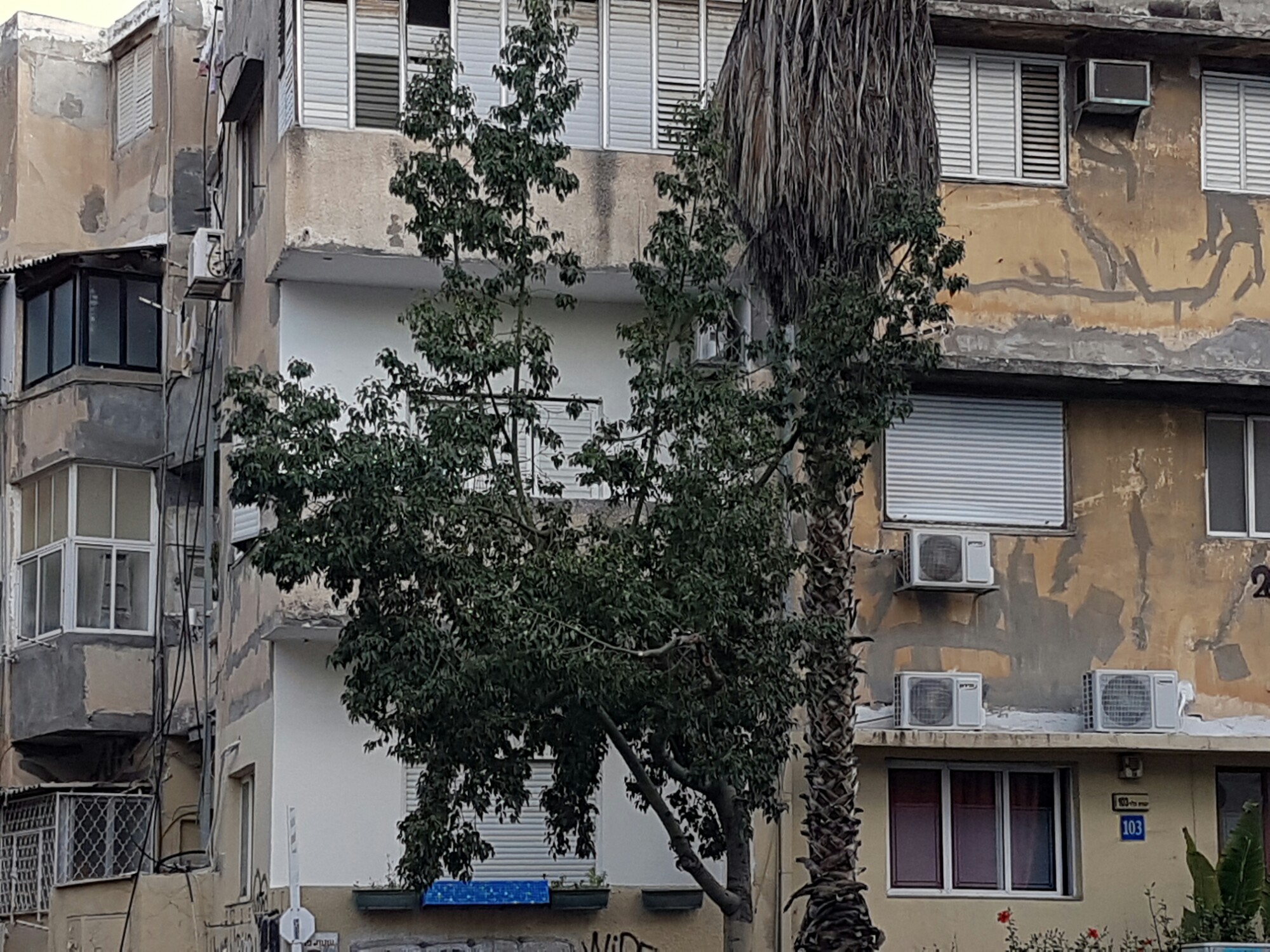
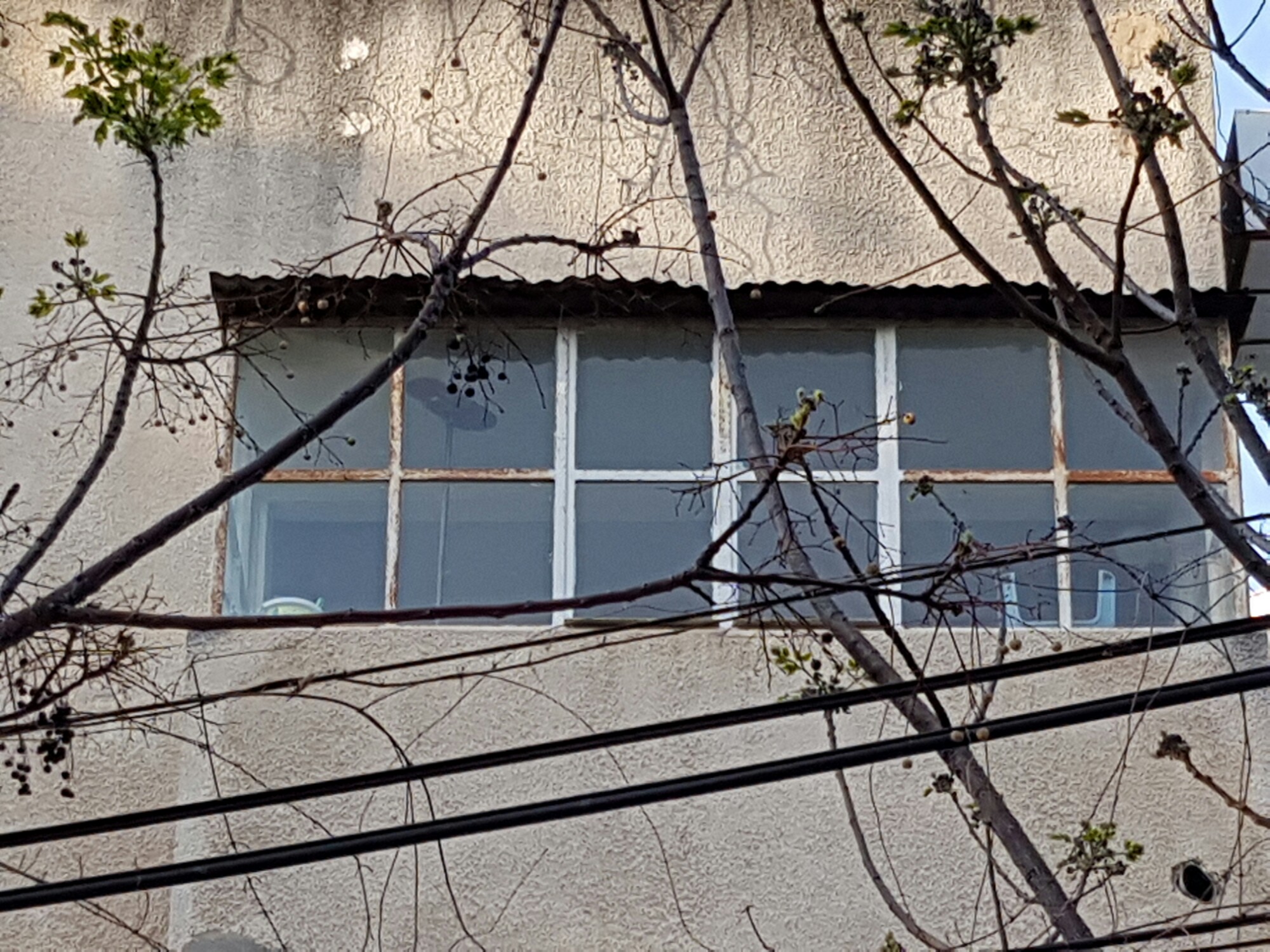
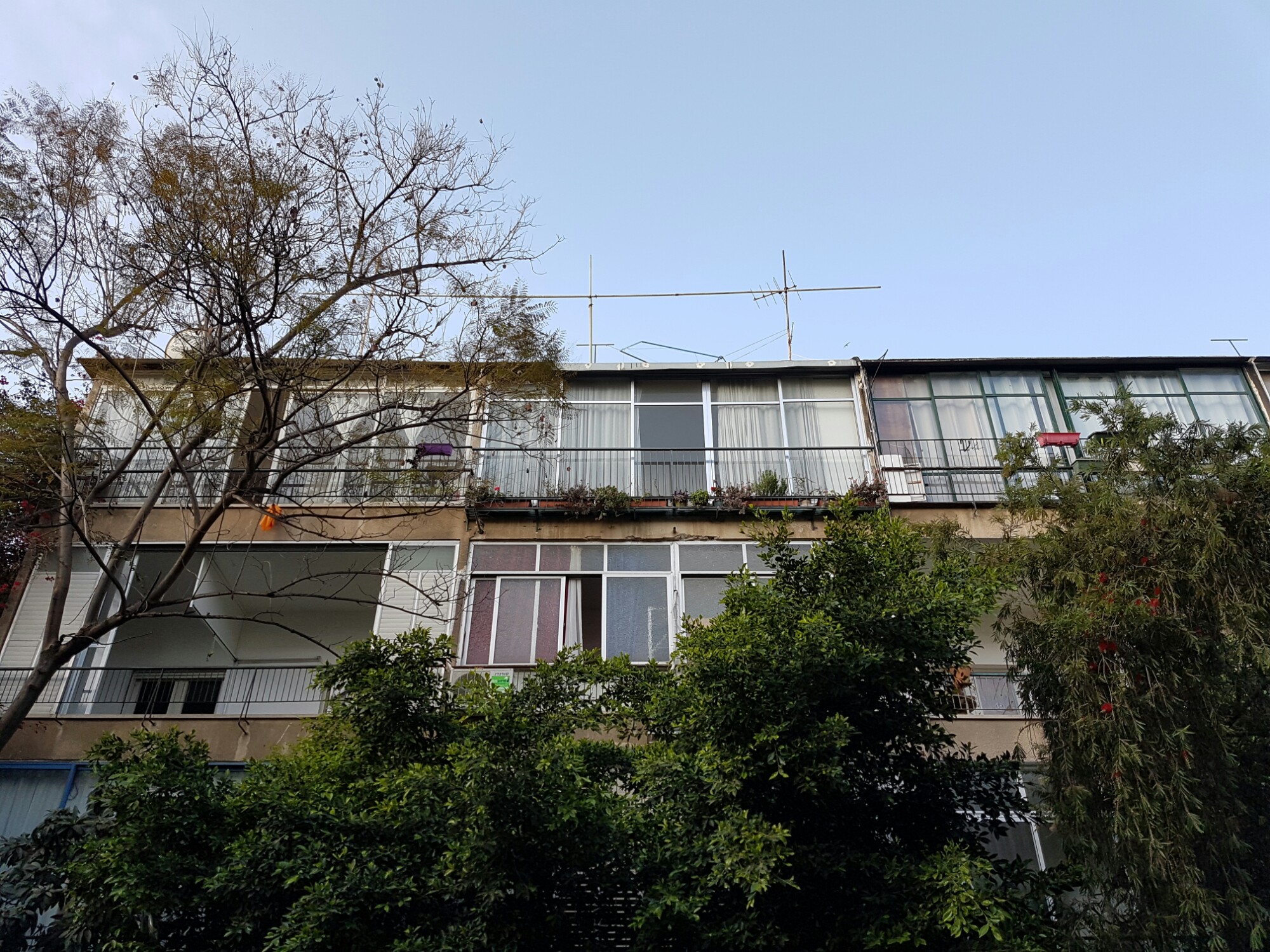
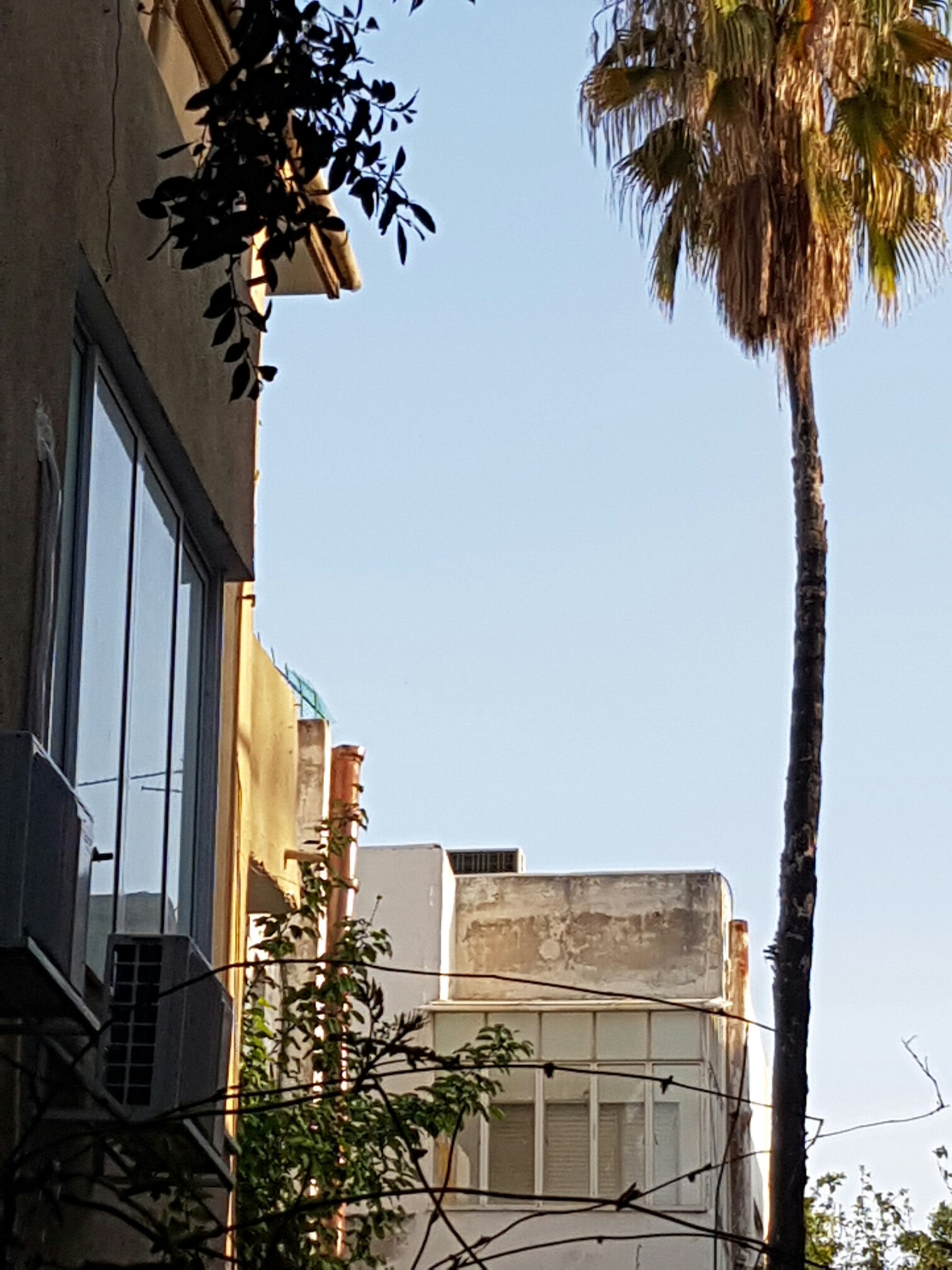
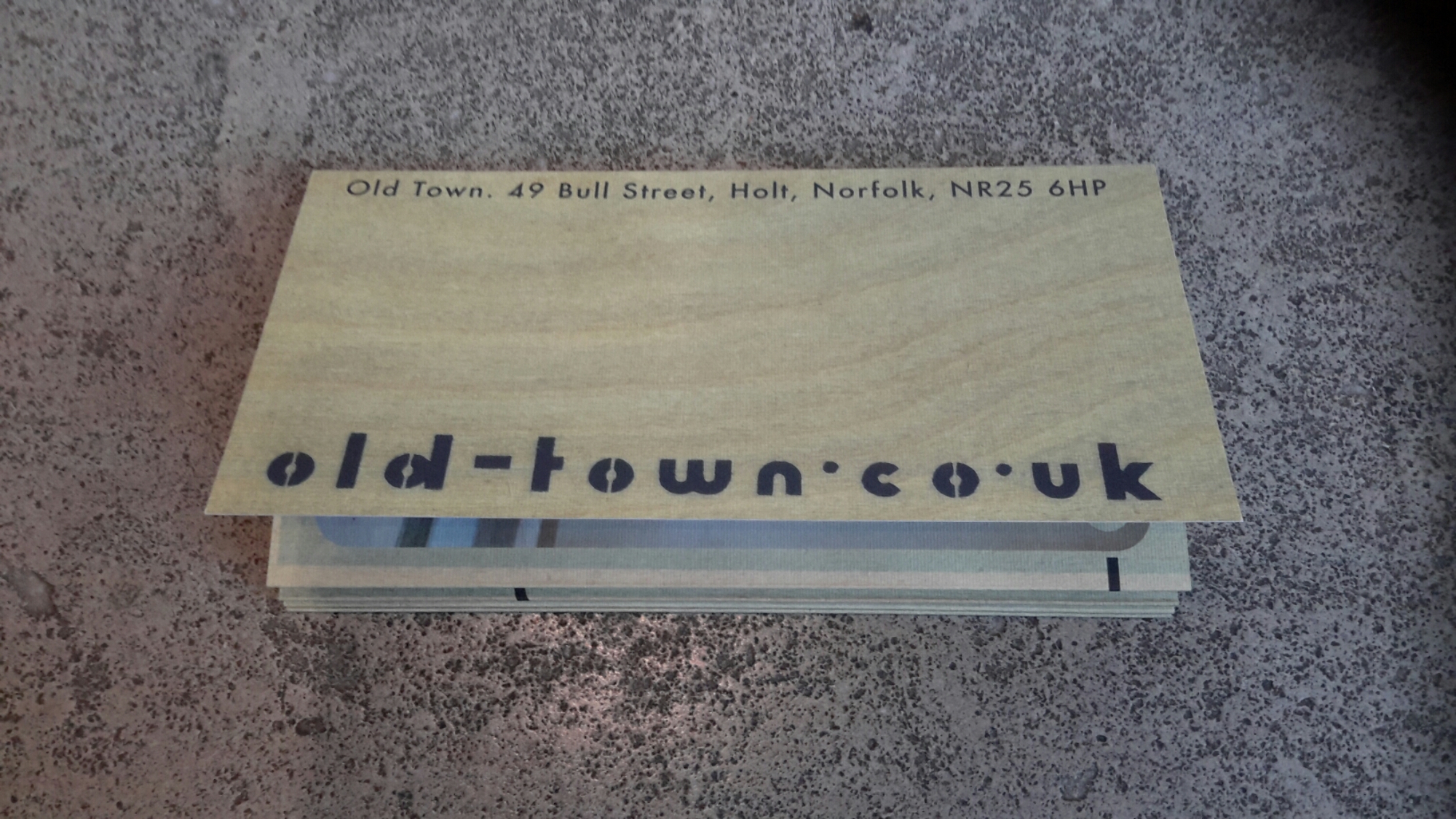
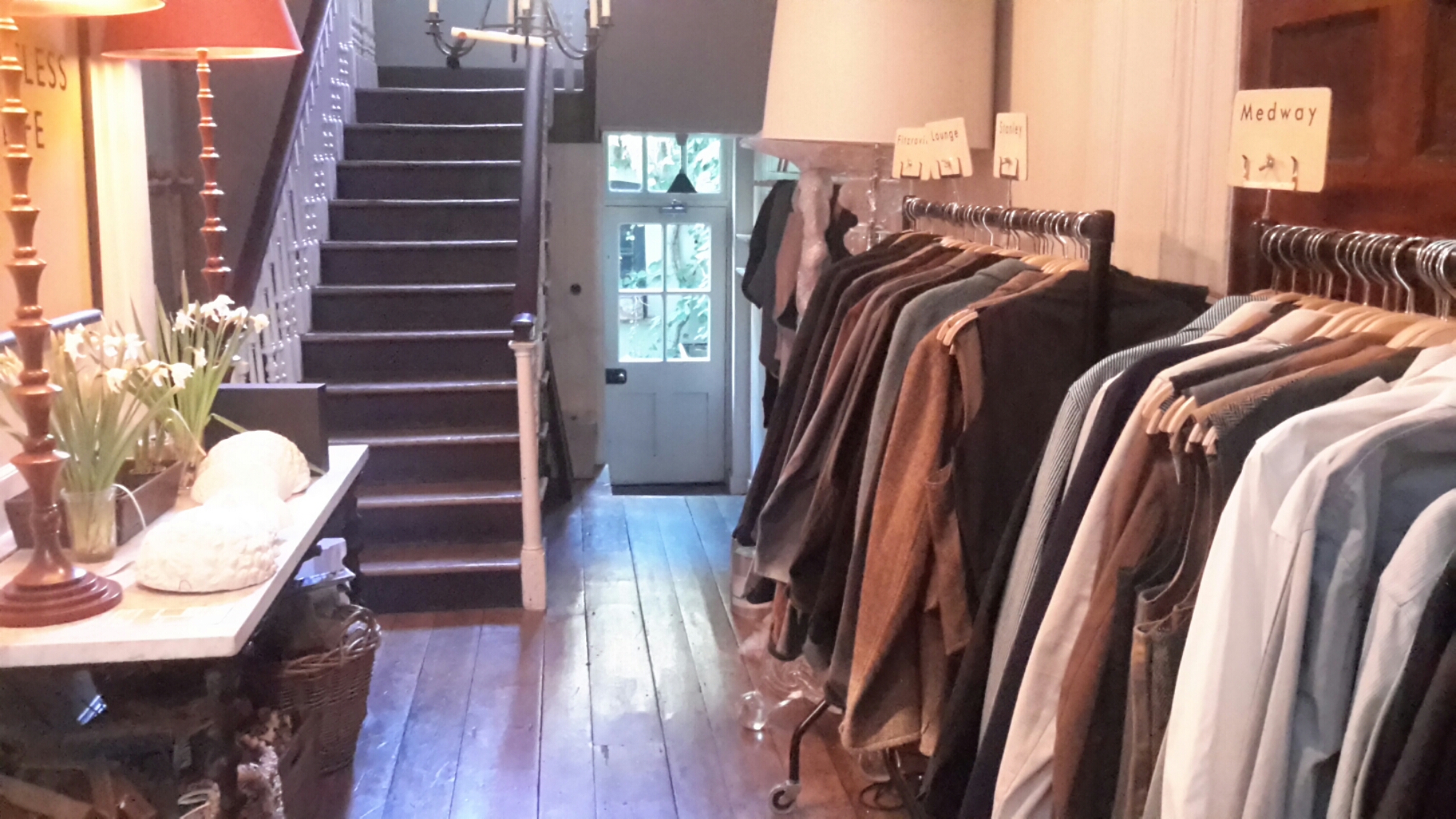
I was going to post a photograph of Old Town’s anniversary pamphlet, with its cranky agricultural graphics on a wooden background, pictures of men with beards and women who look like the Director of the Geffrye Museum, when I discovered that my Samsung 7 had imploded, overheating frantically and its camera kaput, so I am now posting the photograph on my tablet, together with photographs of Old Town’s most recent London pop-up shop:-
image

image

image

image

Standard

Old Town Clothing (1)

A pamphlet has arrived – as always beautifully designed – celebrating twenty five years of my favourite clothing store, which was originally established twenty five years ago at 49, Bull Street, Norwich, selling feather dusters.   They must quite quickly have moved into clothing because I acquired my first double-breasted, wide-lapelled, brown corduroy suit with bronze tin buttons, still going strong apart from the loss of one or two fly buttons, not long afterwards.   It is nearly all done by post.   Once Miss. Willey has your measurements, all you have to do is telephone for a replacement garment to appear boxed up in the post.   As a long-term admirer of Miss. Willey, her husband, Will, their shop now in Bull Street, Holt, and their suits, I salute their first twenty five years and recommend them (www.old-town.co.uk).

Standard

The Japanese House

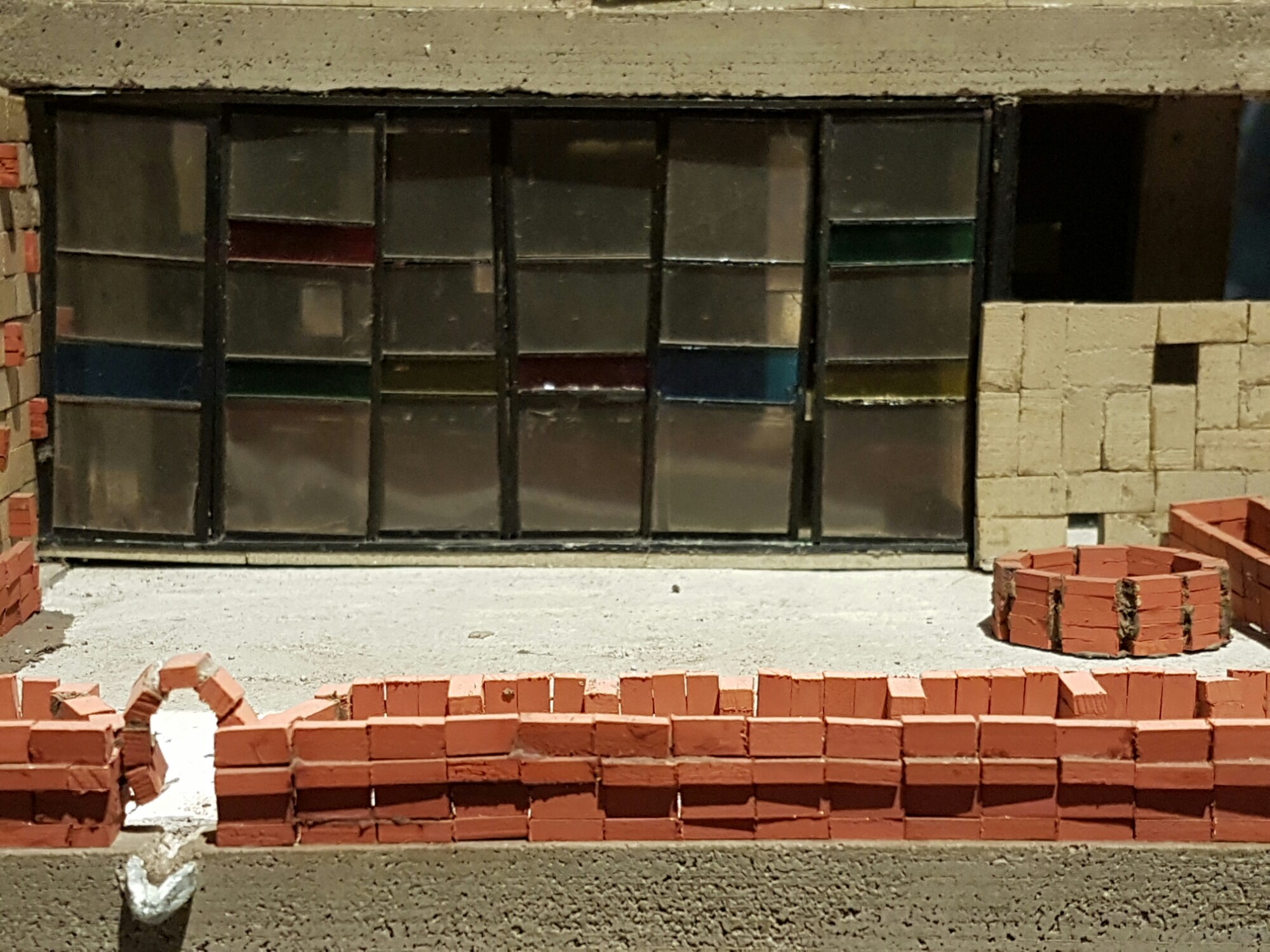
We went to the exhibition about Japanese post-war housing at the Barbican:  good in many ways, but demonstrates the way that the history of housing is too often written through a small number of highly idiosyncratic architects’ houses, rather than an analysis of broader patterns of housing or houses not lived in by architects.   I liked one of the early concrete models:-

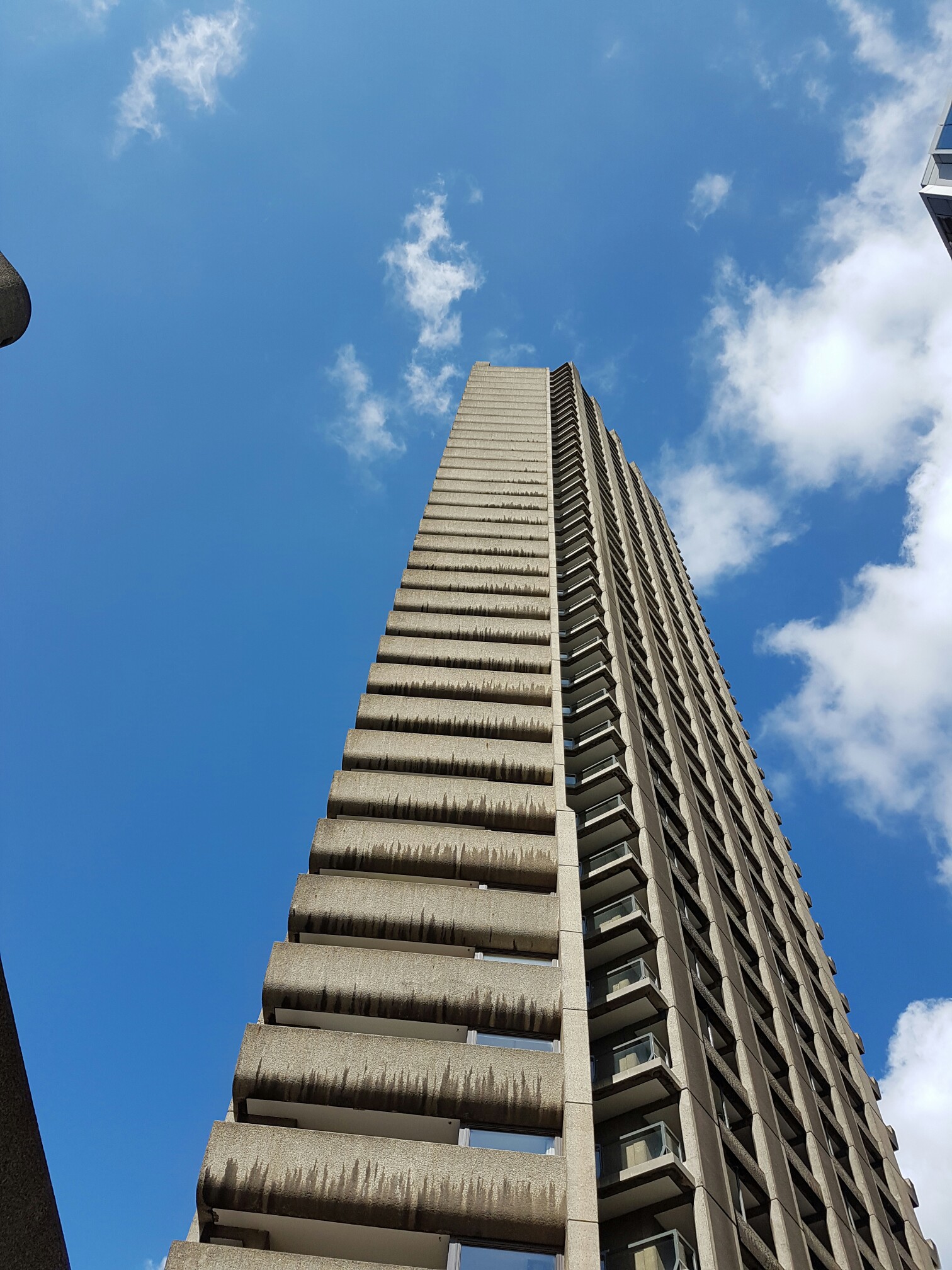
And the Barbican in the sun:-

Standard

Tel Aviv (3)

The long flight back to London allowed me to read Sharon Rotblat’s Architecture and War in Tel Aviv and Jaffa (London:  Pluto Press, 2015).   It’s an interesting polemic against the idea that Tel Aviv is the product of the Bauhaus.   He argues that there was only one Tel Aviv architect who had trained at the Bauhaus, Aryeh Sharon, who was responsible only for some communal housing projects which were genuinely inspired by the communitarian spirit of the Bauhaus and repudiated the idea that Bauhaus was a style:  ‘Bauhaus is neither a concept, nor a uniform institution’.   He argues that the expansion of Tel Aviv was a product not of German idealism in the 1930s, but British pragmatism in the 1920s.   ‘Popular and architectural histories of Tel Aviv associate construction during the 1930s with particular Central European aesthetic and architectural qualities, but in reality the city’s expansion was much more of an exercise in British urban planning…Over the course of the Mandate, the British revolutionized the country;  they built power stations, airports, ports, railway lines and train stations, roads, pipelines, hospitals, schools, government buildings and army barracks’ (pp.91-2).   But they scuttled off in 1948.

Standard

Jaffa

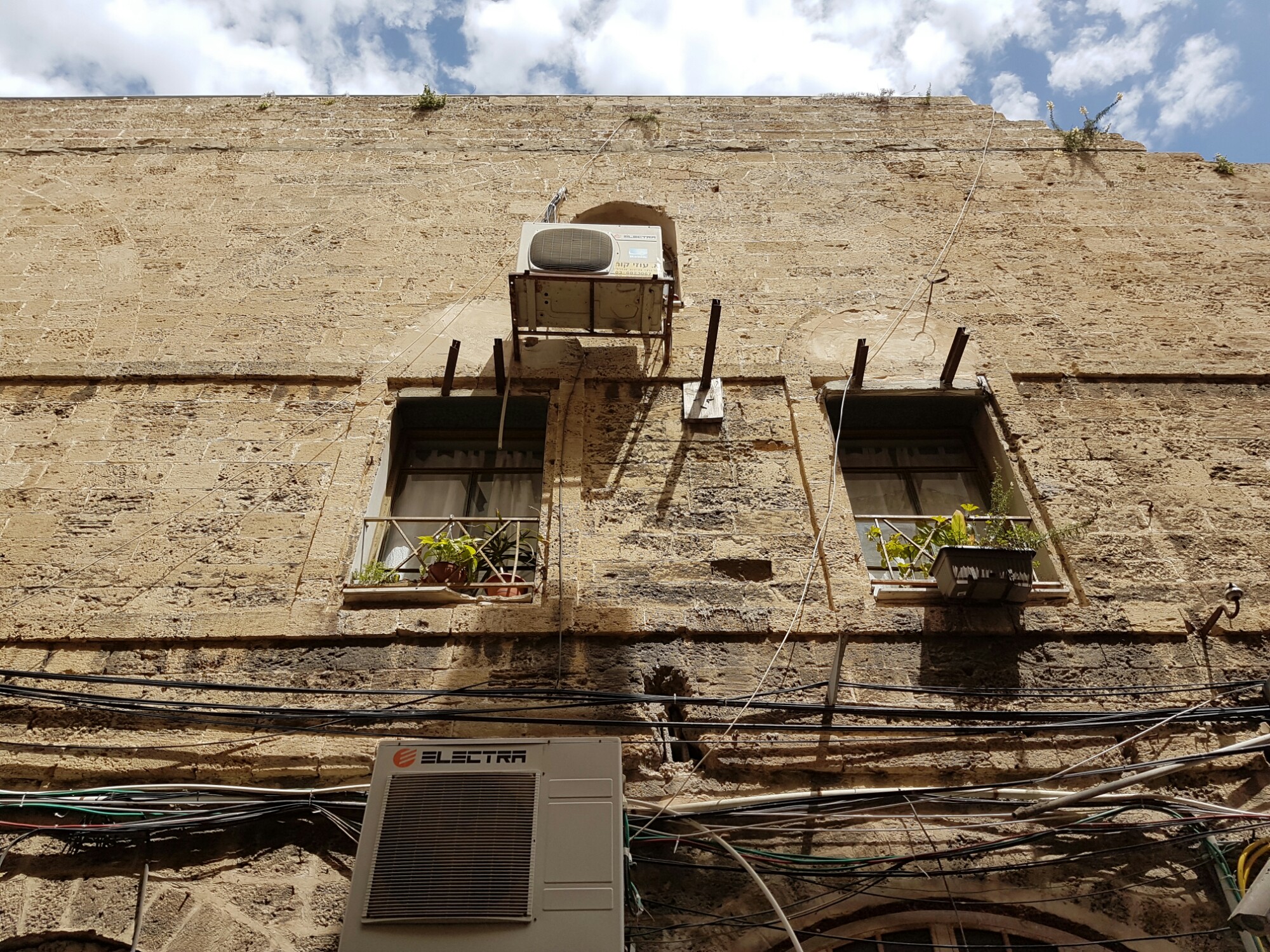
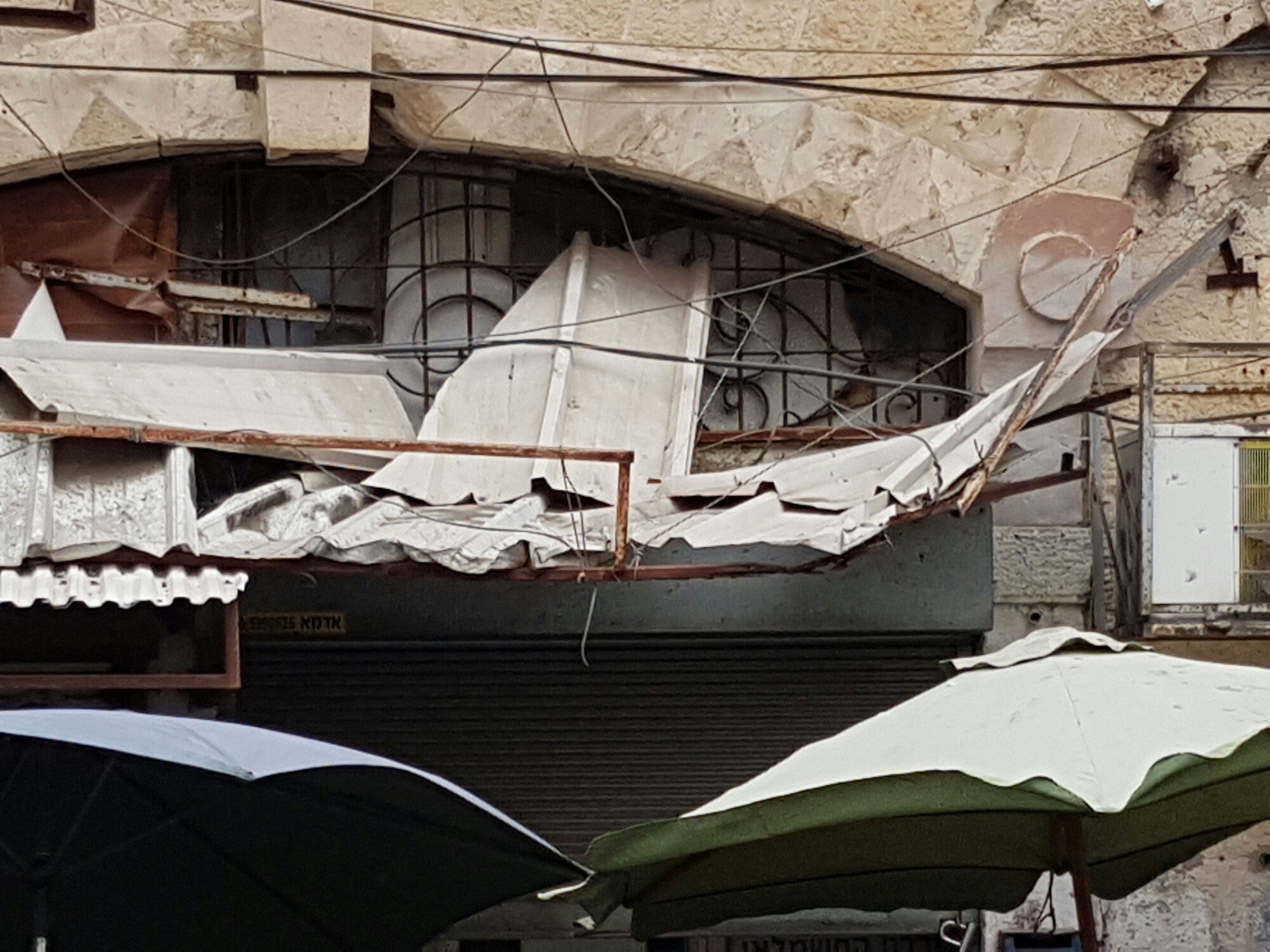
Our last port-of-call was Jaffa, the old city south of modern Tel Aviv, which has a completely different atmosphere to Tel Aviv, more run down, much more Arab, where, so far as one can tell, Christians, Jews and Arabs co-exist much more comfortably, as they presumably have for centuries.   We went to see two theatre groups, where Israelis and Palestinians work together and alongside one another, apparently amicably:  the Gesher Theatre, established by Yevgeny Arye, a Russian stage director, in 1991;  and the Jaffa Theatre in an old building by the sea.   After three days of unremitting pessimism and being reminded forever of the continuing failure of repeated peace initiatives, it was a relief to meet people who were working together without making a big deal of it.   Maybe this could be the future.

At lunch, I took photographs of the surrounding market:-

Standard

Israel (3)

On my last day in Israel, I have been lying in the bath trying to reconcile the many and diverse accounts we have been given of Israeli politics and history.   What we have been told repeatedly is that a foreigner cannot possibly comprehend the complexity of the situation and that Israelis resent foreign interference in their own affairs and the presumption that there could, or should, be a solution.   But what seems obvious is the unsatisfactory fact that the State was founded by decree of the United Nations without the support and consent of the surrounding countries and that this consent has been withheld to this day;  and that every attempt to broker peace ever since has failed.   So, I find it baffling that the United Nations has failed to ensure acceptance of a policy it implemented seventy years ago.

Standard

Tel Aviv (2)

Later in the morning we went on an official tour of the White City with Michael Levin, an architectural historian and pupil of Reyner Banham who used the term as the title for an exhibition White City:  International Style Architecture in Israel held in 1984 at the Tel Aviv Museum and internationally which celebrated the style and its use in Tel Aviv.   Most of what we saw was either on, or on the streets very close to, Rothschild Boulevard:-

As we walked south, the style turned less Bauhaus, more free form art deco:-

In the afternoon, we saw the survival of the style in the rougher neighbourhood where some of the more avant garde art galleries now are in south Tel Aviv:-

Standard

Tel Aviv (1)

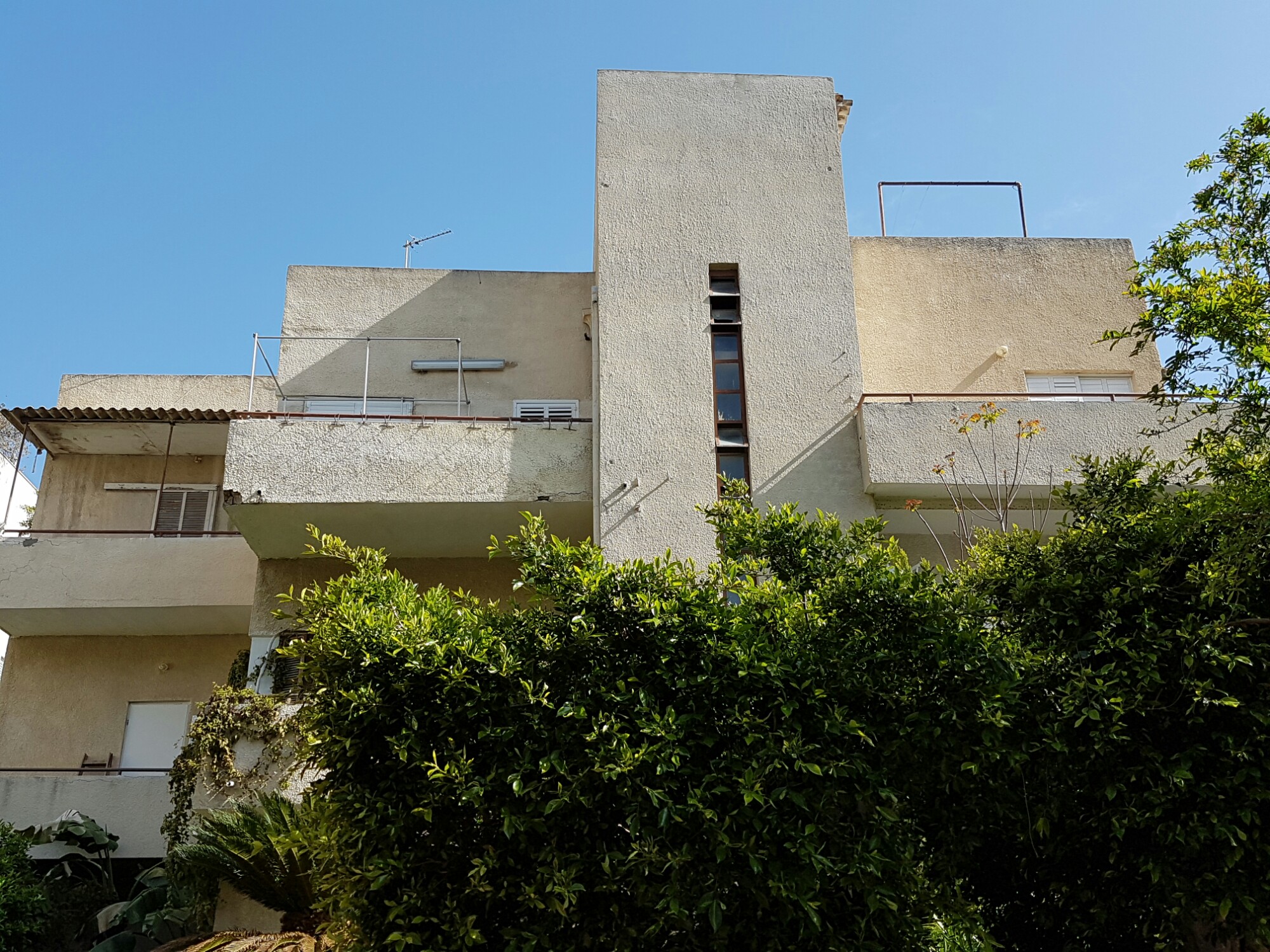
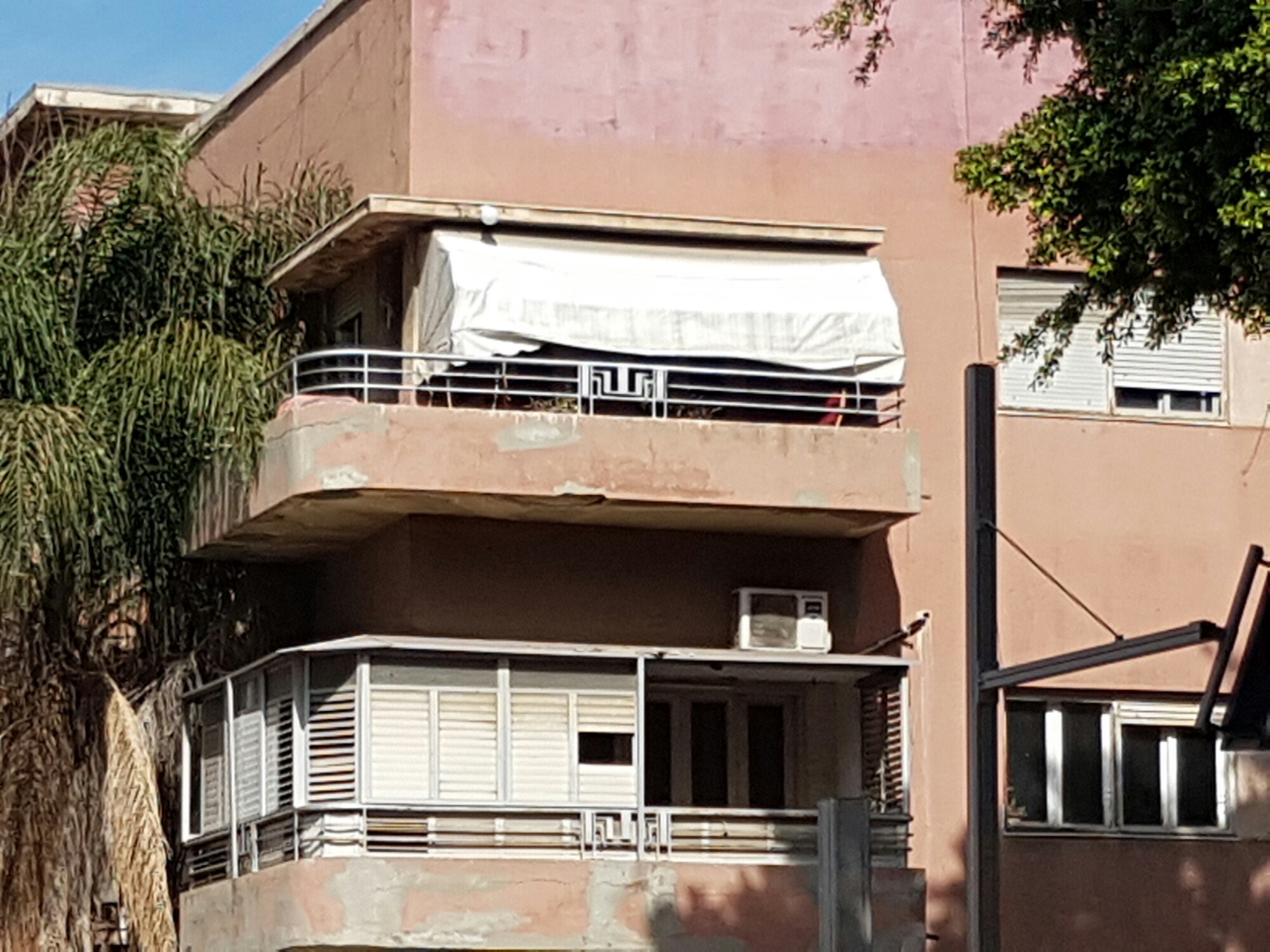
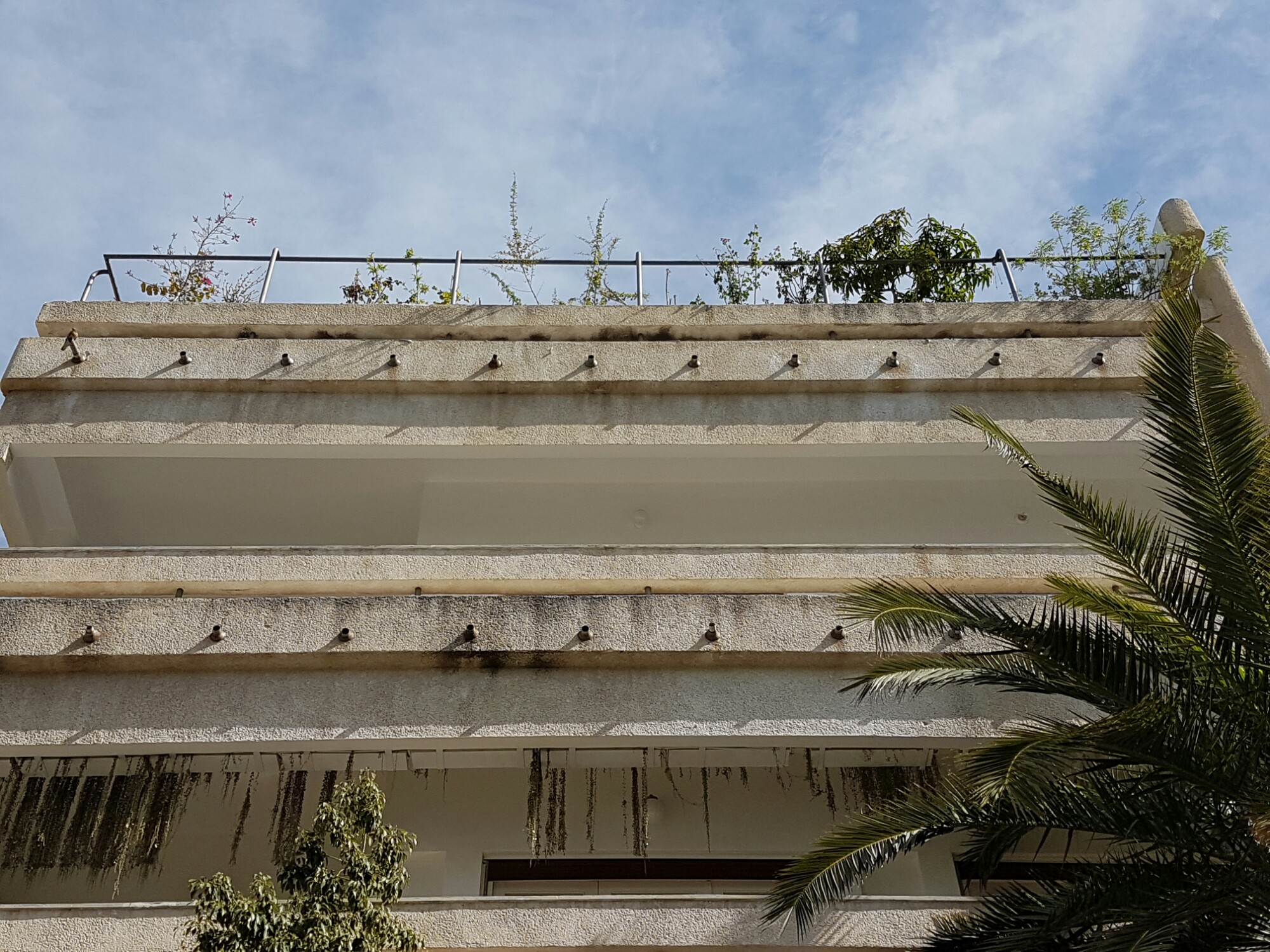
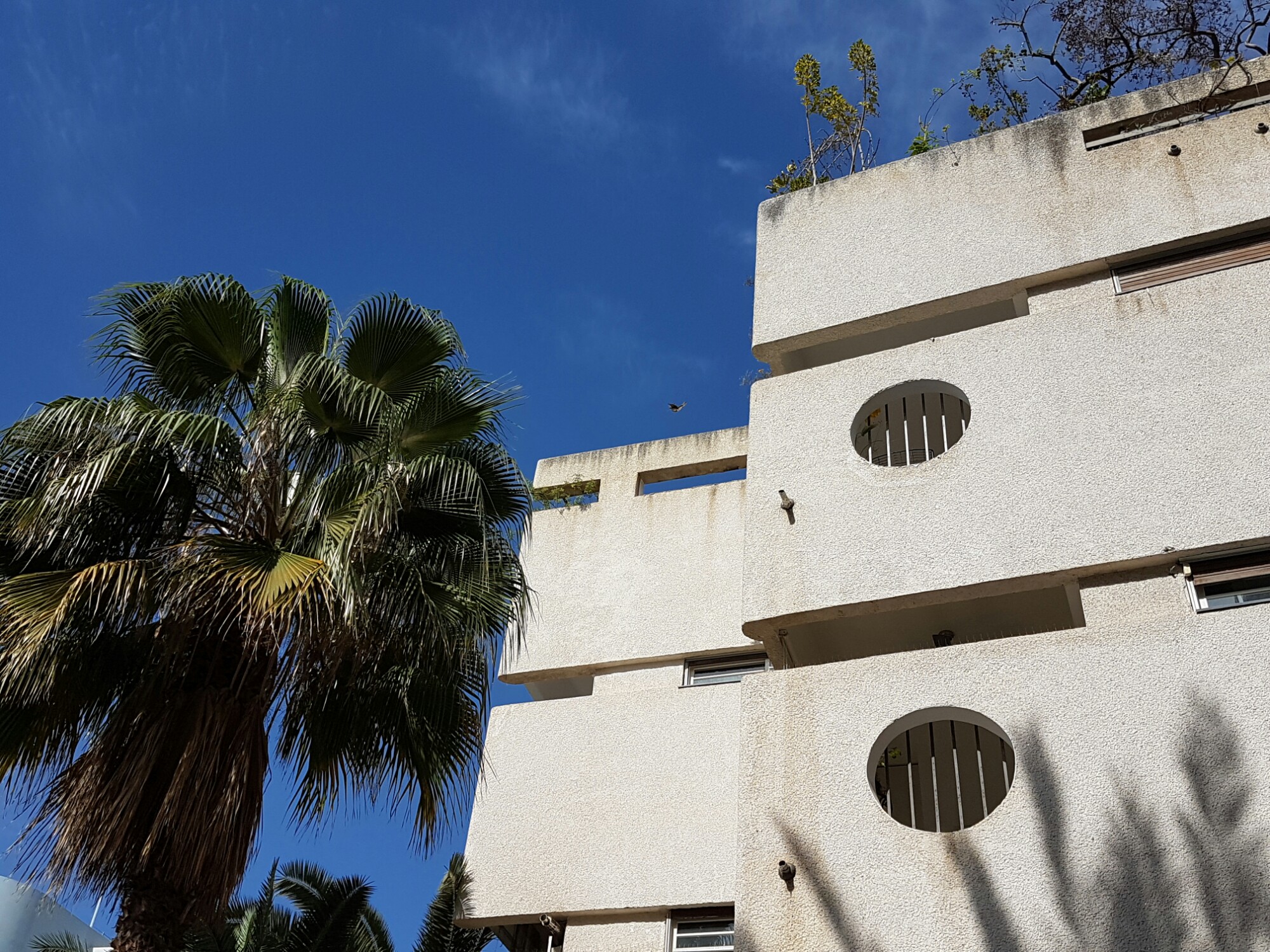
I got up early in order to survey the splendid remains of Bauhaus idealism:  suburban street full of dilapidated villas designed in the 1930s by emigré architects who had fled Germany and designed buildings on a street plan which had been laid out a decade earlier by Patrick Geddes:-

Standard

Hélène Jeanty-Raven (1)

Visiting the Holocaust Museum has inevitably made me think about my step-grandmother, Hélène Jeanty, whose first husband, Paul, was a leader in the Belgian Resistance.   They were discovered to have a British airman in hiding, but Hélène – or Ninette as she was always known – feigned madness in order for her husband to escape sentence according to Article 51 of the German penal code.   So, she spent the war in an asylum.   At the end of the war, she discovered that Paul had been shot anyway.   She attended the Nuremberg Trials as an observer and met Albert Speer with whom she corresponded for ten years while he was in Spandau Prison (prisoner number 5).   It was one of his letters to her, dated 1971 and sold at Bonhams in 2007, which revealed that he had known of the Final Solution, contrary to what he had written in Inside the Third Reich.

Standard