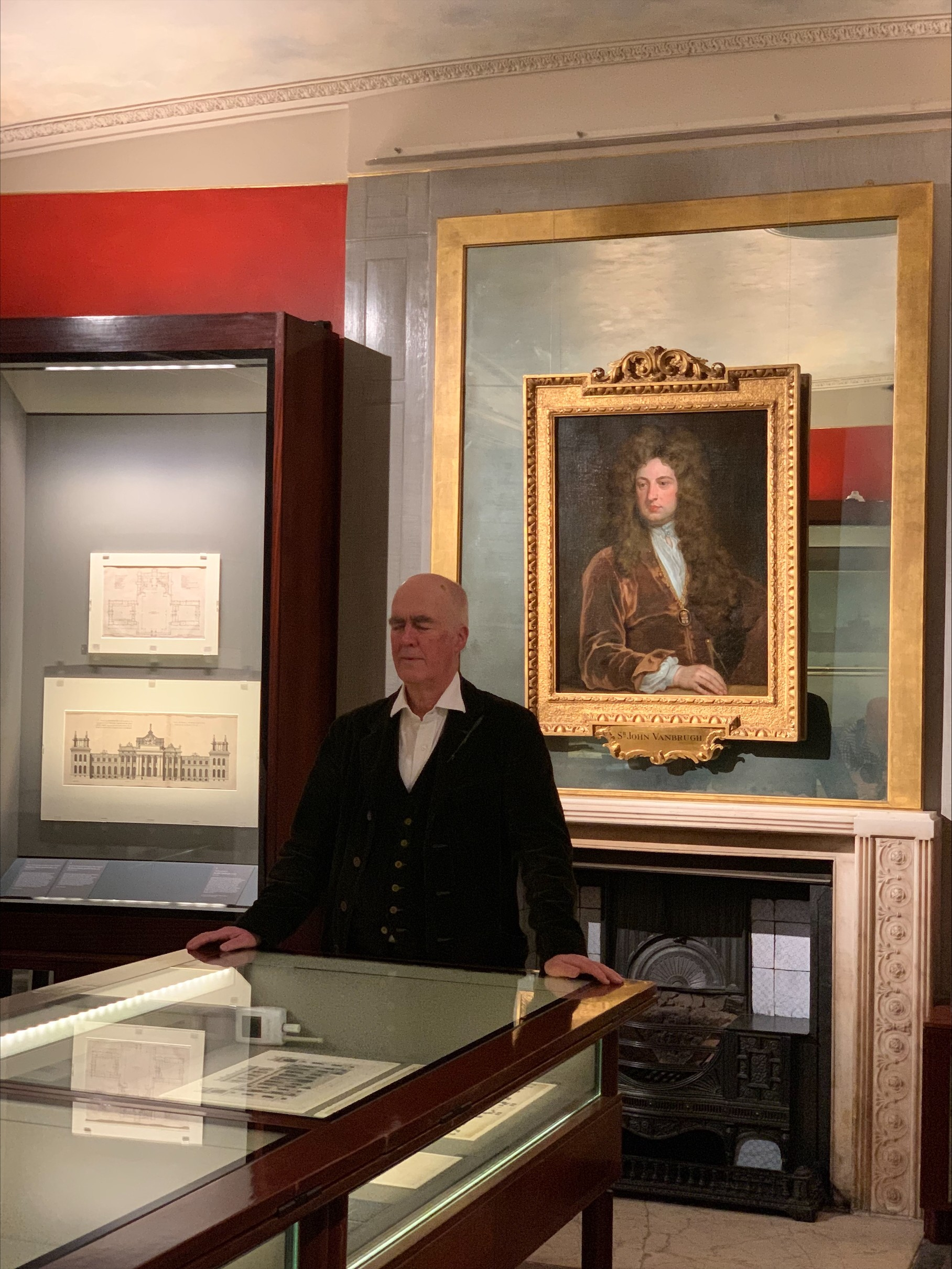
We had the press view and opening today of our Abstract Expressionism exhibition. One never quite knows how an exhibition will look and turn out. Even last week, wandering around, it was hard to assess, with only brown paper representing many of the paintings waiting to be hung. But today it all came together: an exhibition which works on at least two different levels, as a survey of a movement in art from the mid-1940s to the early 1970s, and, at the same time, a way of seeing the work of a group of artists united by friendship and drinking, which included extraordinary individual talents (I was told that originally they met in the evenings to drink coffee and it was only later that they switched to whisky). I only half knew how unique it was to have a room full of work by Clyfford Still outside Denver and to be able to survey an era of American Art (at least temporarily) better and more comprehensively than anywhere across the Atlantic.
Blue Poles
I had the utmost pleasure in showing Ben Heller, the first owner of Blue Poles and a friend and early supporter of Jackson Pollock, where what had been his painting was hanging in our exhibition Abstract Expressionism. He told Front Row how he had been offered the painting over lunch for $32,000, which was much more than he had ever previously spent on a painting, including his other Pollocks, and how he had made a quick calculation that he could pay for it in four instalments over two years. It hung with two other Pollocks in his family’s living room in 151, Central Park West until he sold it in 1971 to the Australian government for $1.3 million, a purchase which helped to bring down Gough Whitlam’s government. Ben hadn’t seen the painting since it has been cleaned, making the whites whiter, the yellows more yellow, and the blues blacker. His reaction to the exhibition after seeing it for the first time was ‘Holy moly’:-

Freud’s Desk
When I was at the Freud Museum, I bought a book (remaindered) which explains the significance of each of the 65 objects arranged on his desk, which were, as Marina Warner describes them in her preface to The Guide to the Freud Museum, ‘tools of thought, the kitchen utensils of his imagination’. It’s clear that he was obsessed about the arrangements of the objects on his desk from an early age because he drew a map of his worktable at the Institute of Zoology in Trieste in 1872, describing in a letter to his friend, Eduard Silberstein, how ‘I am one of those human beings who can be found most of the day between new pieces of furniture, one formed vertically, the armchair, and one horizontally, the table, and from these, as social historians are agreed, sprang all civilization…’ In the drawers of the desk, unseen, were his Montblanc fountain pen (the original was stolen) and a clothes peg to hold open his jaw when he wanted to smoke a cigar:-

El Sur
We spent the afternoon at the BFI watching El Sur, as profound a film as I’ve seen, by Victor Erice, who made The Spirit of the Beehive. So little happens, but that little is filmed with such intensity through the eyes of a teenage girl who is perplexed by her father’s love for someone he has left in the south of Spain. Nothing is explained, partly because, as I’ve now doscovered, it is only half the film that it was supposed to be; but that half tells one everything and nothing in order to be able to understand the psychology of the three lead characters and their family.
Olympic Park
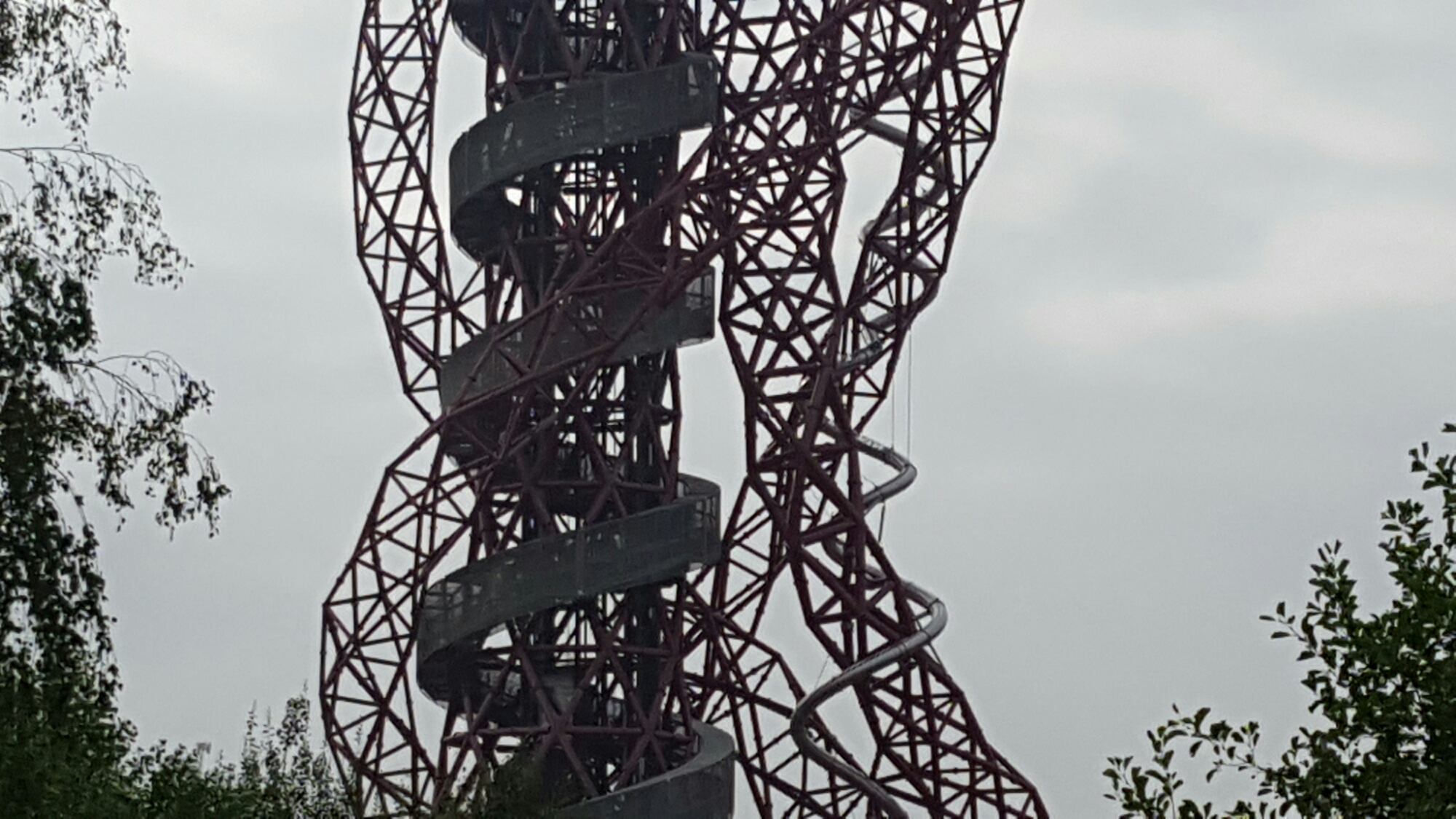
My post on the Olympic Park seems accidentally to have been obliterated, so I’m re-posting the photographs as a record of a morning walk exploring it, getting lost on its paths which lead nowhere and admiring, if that’s the word for it, what is known as Stratfordisation – I assume the building of arbitrary tower blocks in an old out-of-town centre:-

Stour Space
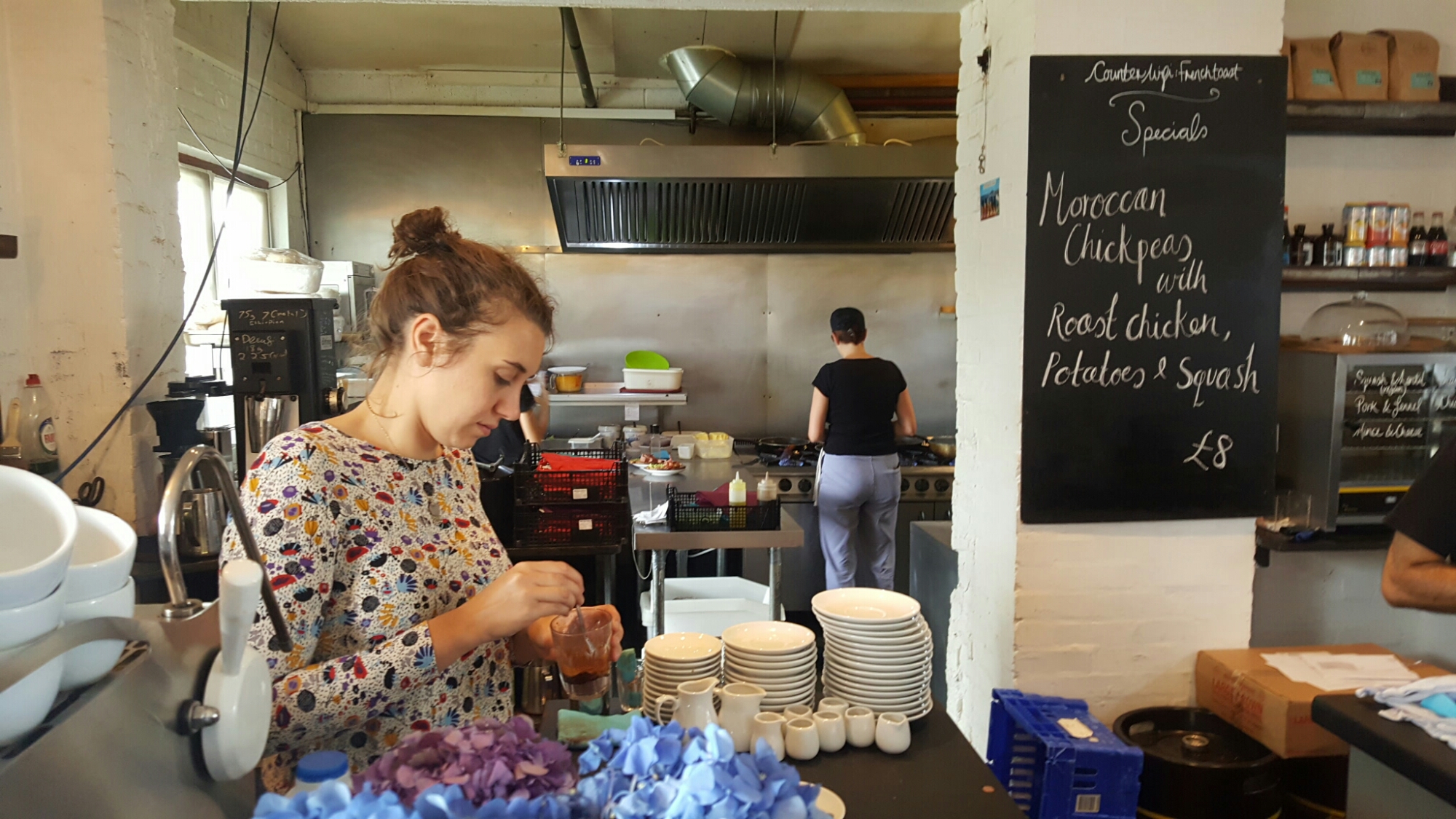
We ended up eating breakfast in the Stour Space on Fish Island just south of Hackney Wick. In 1865, the area was bought by the Gas Light and Coke Company to establish a gasworks, but instead it became an area of warehouses and light industry, its roads named after freshwater fish and its major employer a peanut company. Stour Space consists of artists’ studios and a café on the River Lea, where one can watch people sculling:-

Freud Museum
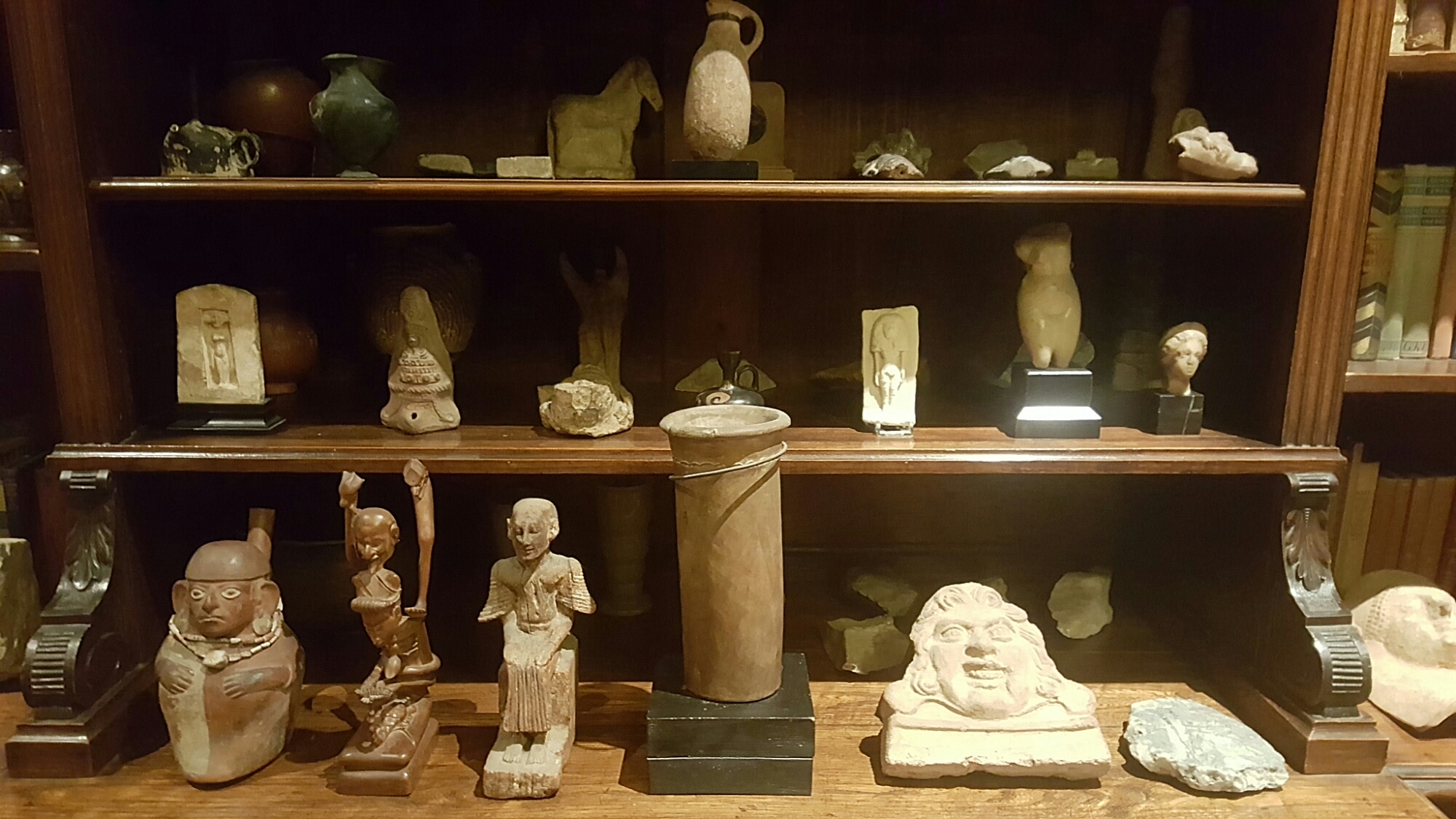
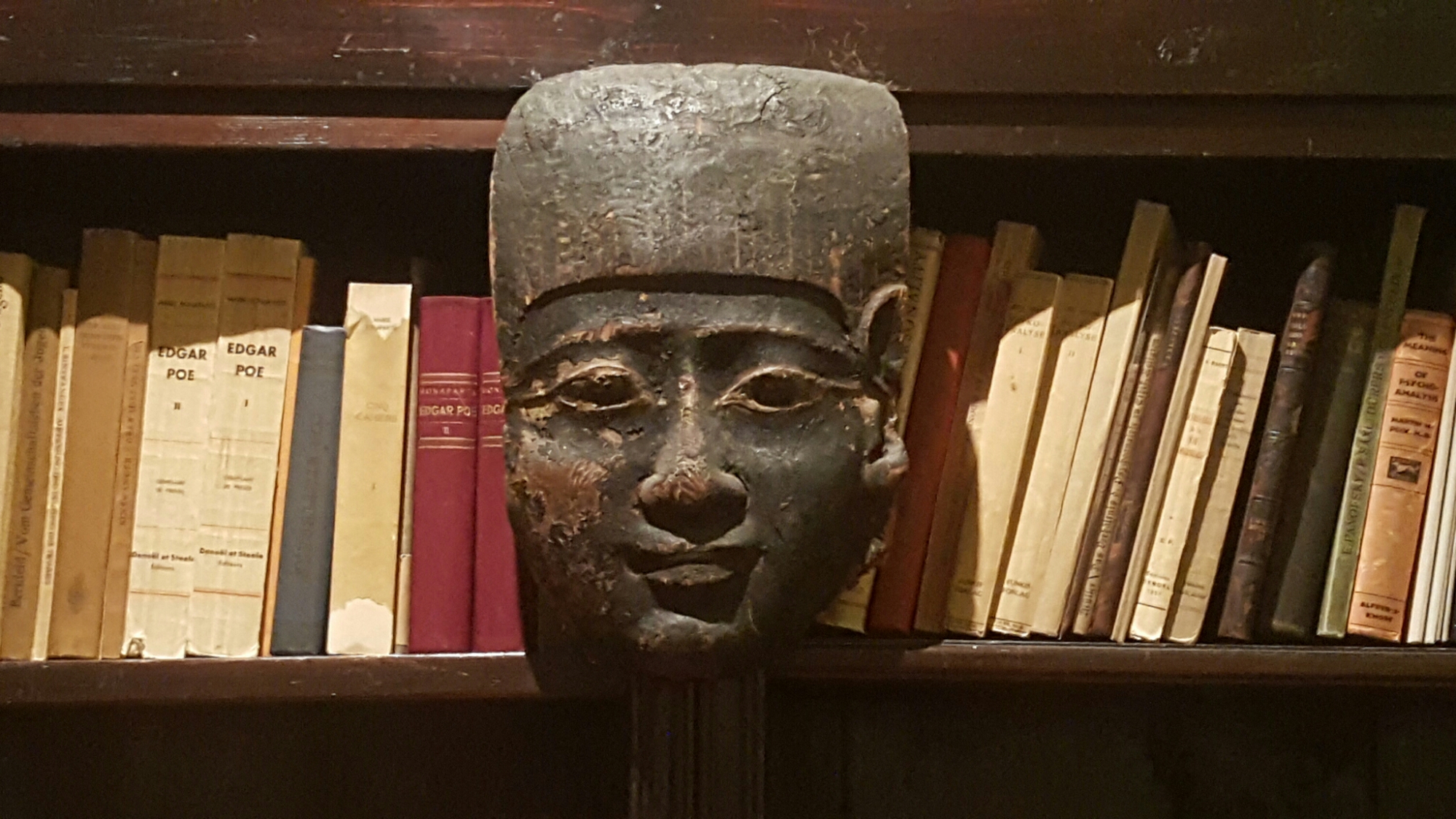
I don’t know why I have never previously been to the Freud Museum, so laden with objects and so heavily redolent of his era and personality, where those who became his case studies, like the Wolf Man, came to be psychoanalysed. It replicates his apartment in Berggasse, filled with the same books and the display cases stuffed with artefacts of his collecting:-
Camden Arts Centre
We were encouraged to go to the exhibition Making and Unmaking, which consists of a grand miscellany of objects – paintings, photographs, a film, fabrics, textiles – assembled and arranged by Duro Olowu upstairs at the Camden Arts Centre (last day Sunday). The exhibition is said to address ‘issues surrounding cultural identity, sexuality and the representation of the body’, but does so in an admirably undogmatic way, including textiles and jewellery by Anni Albers, a series of strange, surreal, self-portrait photographs by Claude Cahun (1928), tapestries by Brent Wadden, and Vues de dos by Malick Sidibé.
This is the only piece I could photograph by Anya Gallacio in the garden:-

Surrey Quays
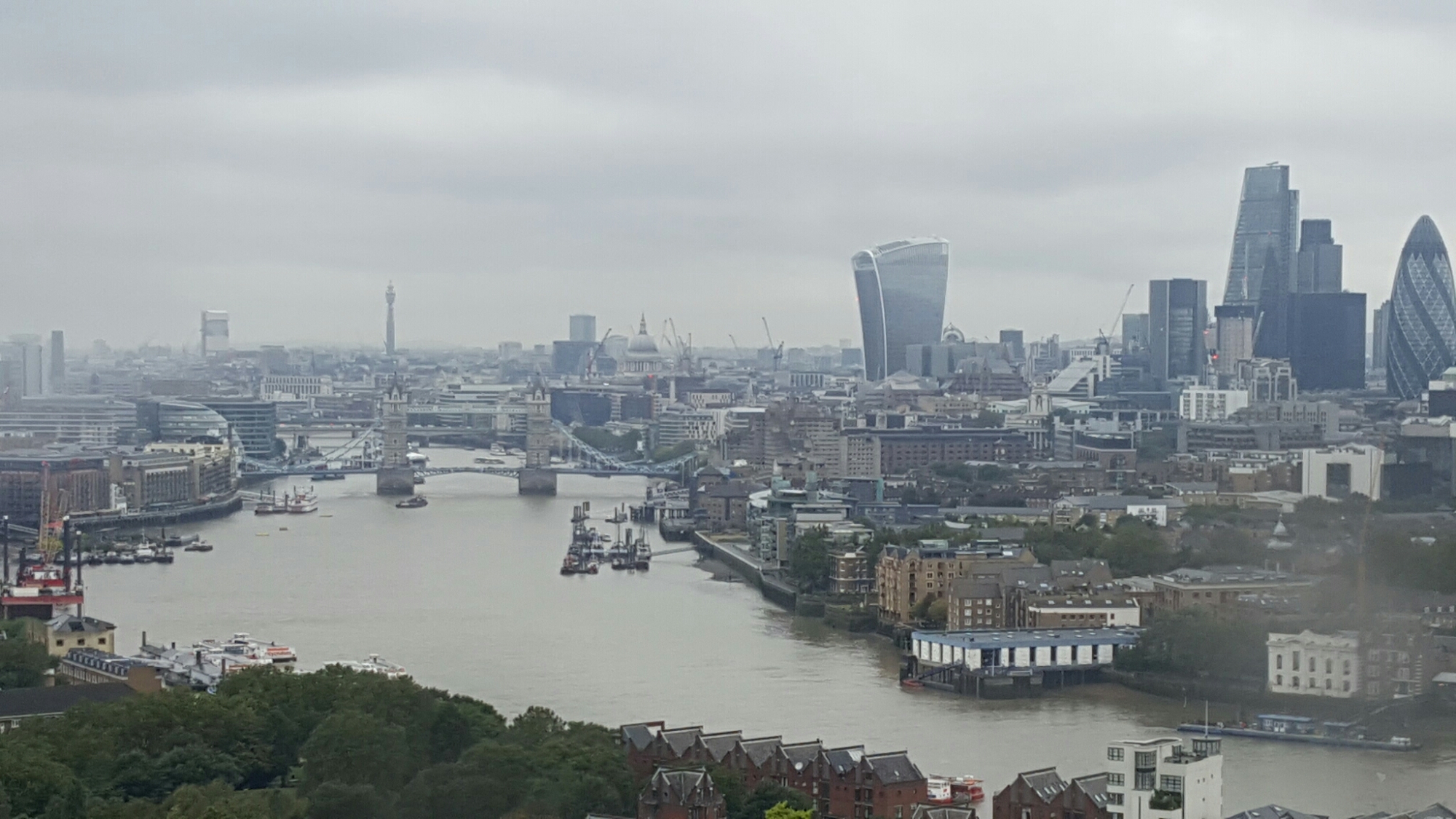
I had a meeting this morning in Surrey Quays, looking for temporary accommodation for the RA Schools in 2018/19. We started at the top of a tower block by Canada Water to survey the scene. Unfortunately, the weather was wet, so it wasn’t as impressive as it would otherwise have been. It still gave a good view of the city from Wapping Pierhead west:-
Soho
Because it was hot – actually, it was a mistake – I thought I would walk from our offices in Blackfriars to Piccadilly. In general, I am immune to the complaints of those who worry about the transformation of Soho, regarding it merely as part of a long-term process of urban change. But even I felt a faint twinge of regret as I passed what used to be Raymond’s Revue Bar which is in the process of being dismantled and made into something which will no doubt be smarter and more anodyne:-

 | Charles | Saumarez | Smith |
You must be logged in to post a comment.