
My post on Hackney mysteriously disappeared.
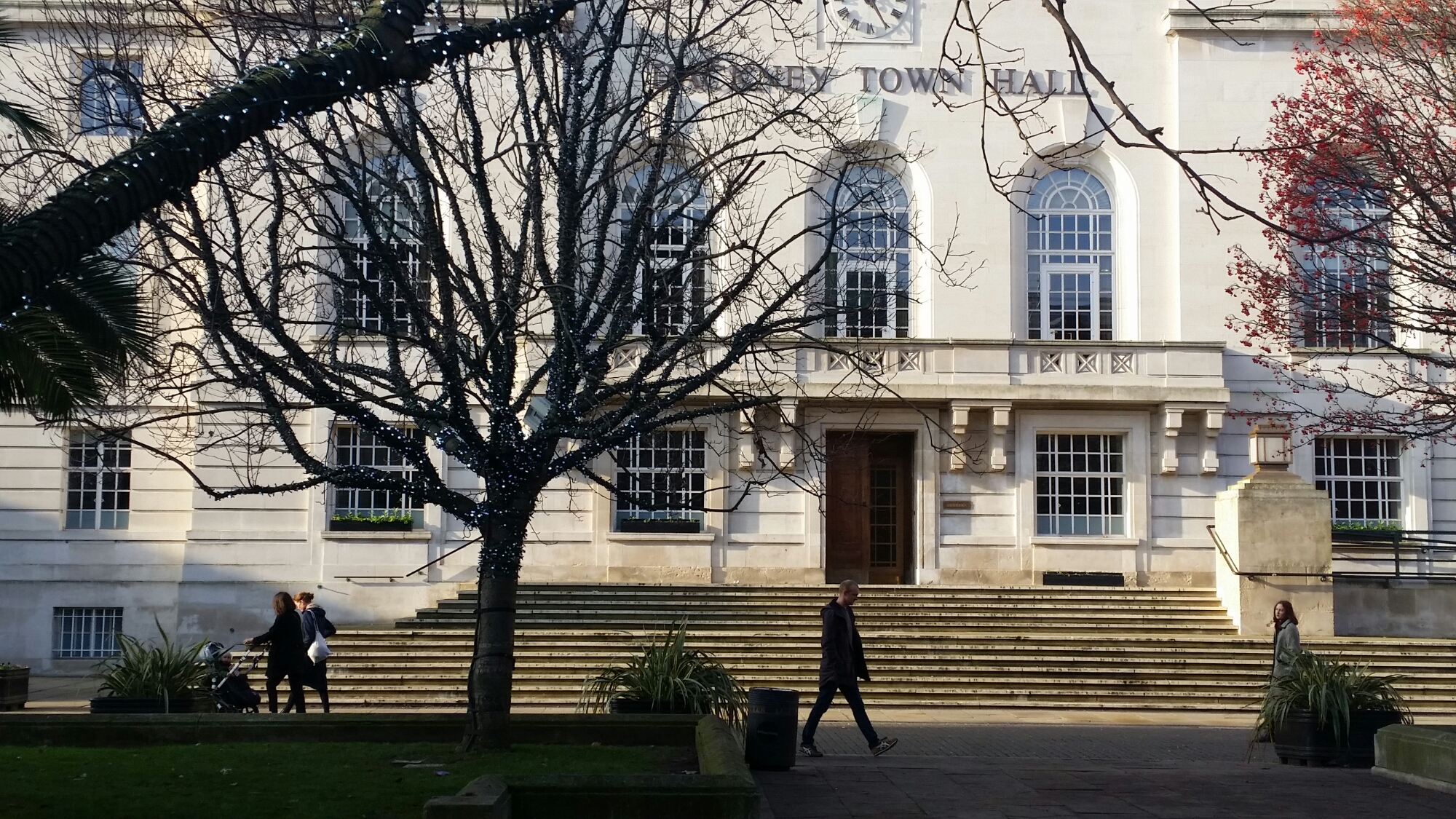
It began with the 1930s town hall, a grand piece of municipal classicism:
My post on Hackney mysteriously disappeared.
It began with the 1930s town hall, a grand piece of municipal classicism:
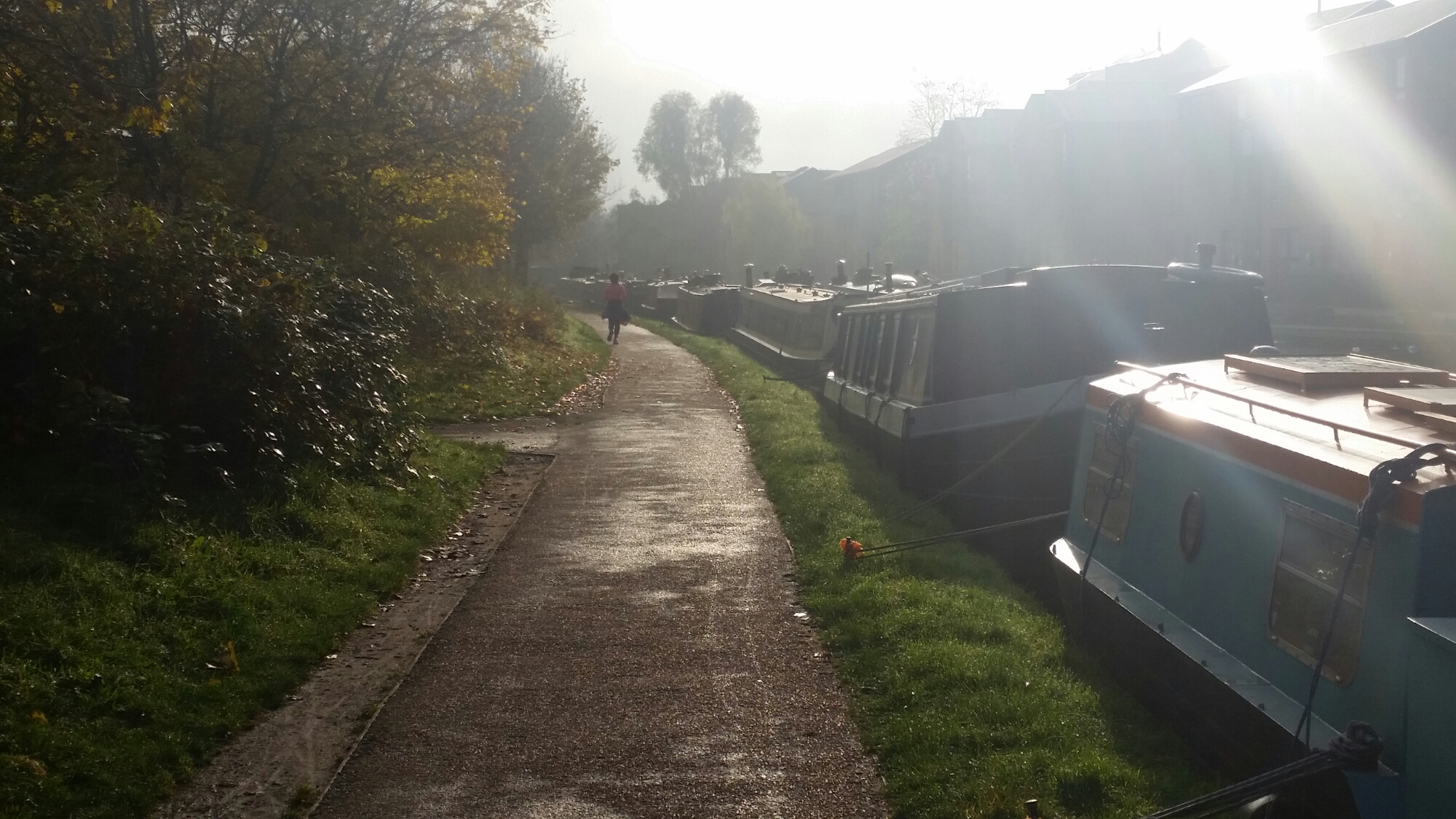
I’ve always loved the Regent’s Canal, the artery which connects the Thames to the Midlands. It looked particularly beautiful this morning with more barges than usual because they’re dredging the stretch north of Limehouse Basin:
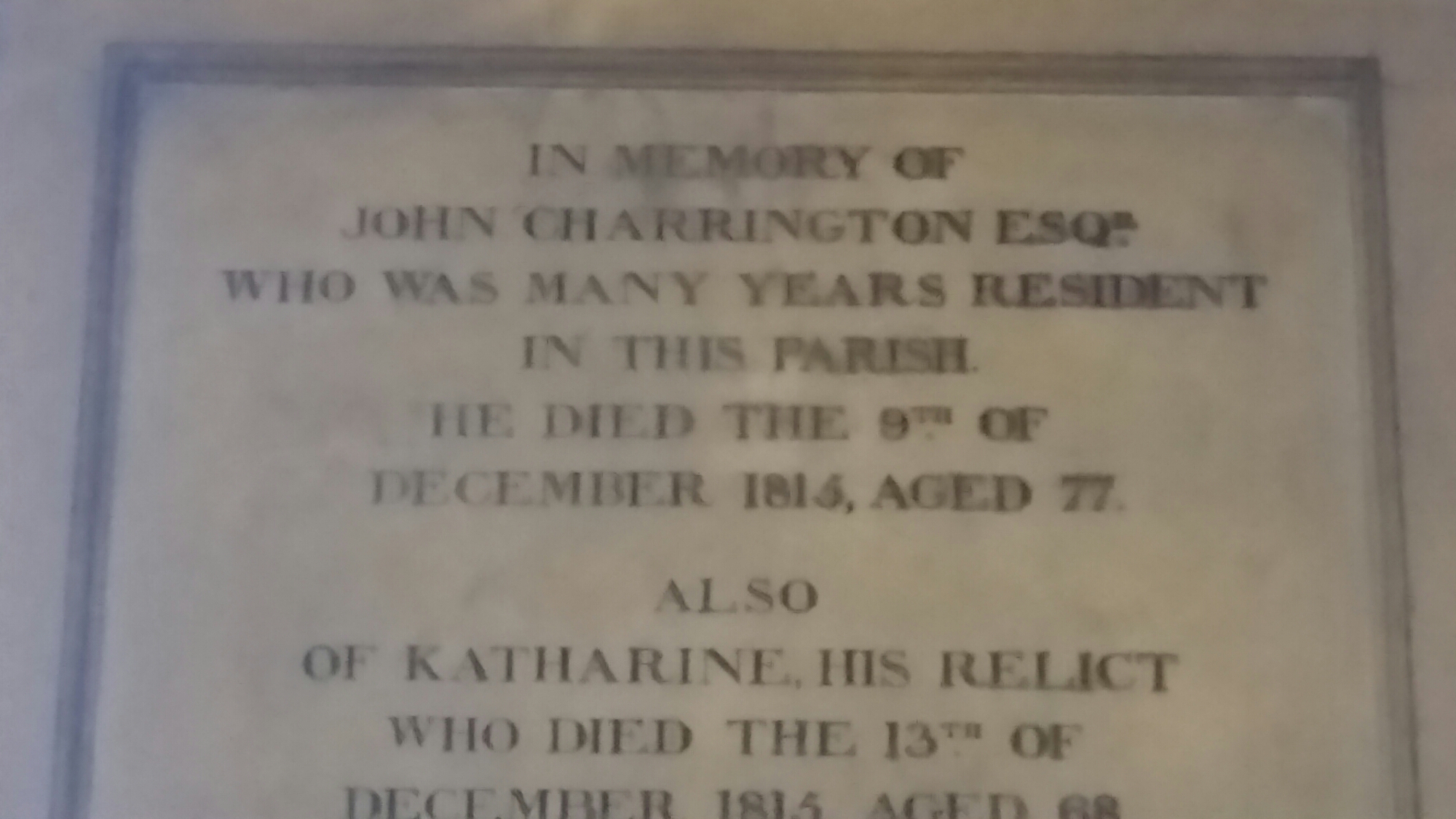
I popped in to St. Dunstan’s, our local parish church, because I wanted to have a look at the wall monuments. The church is a relic of a time when Stepney was the first parish east of London and Stepney Green was truly a village green. It is now heavily Victorianised, repaired by Benjamin Ferrey in the 1840s, gutted by fire in 1901, damaged in the war. I was pleased to discover a monument to John Charrington, the local brewer:
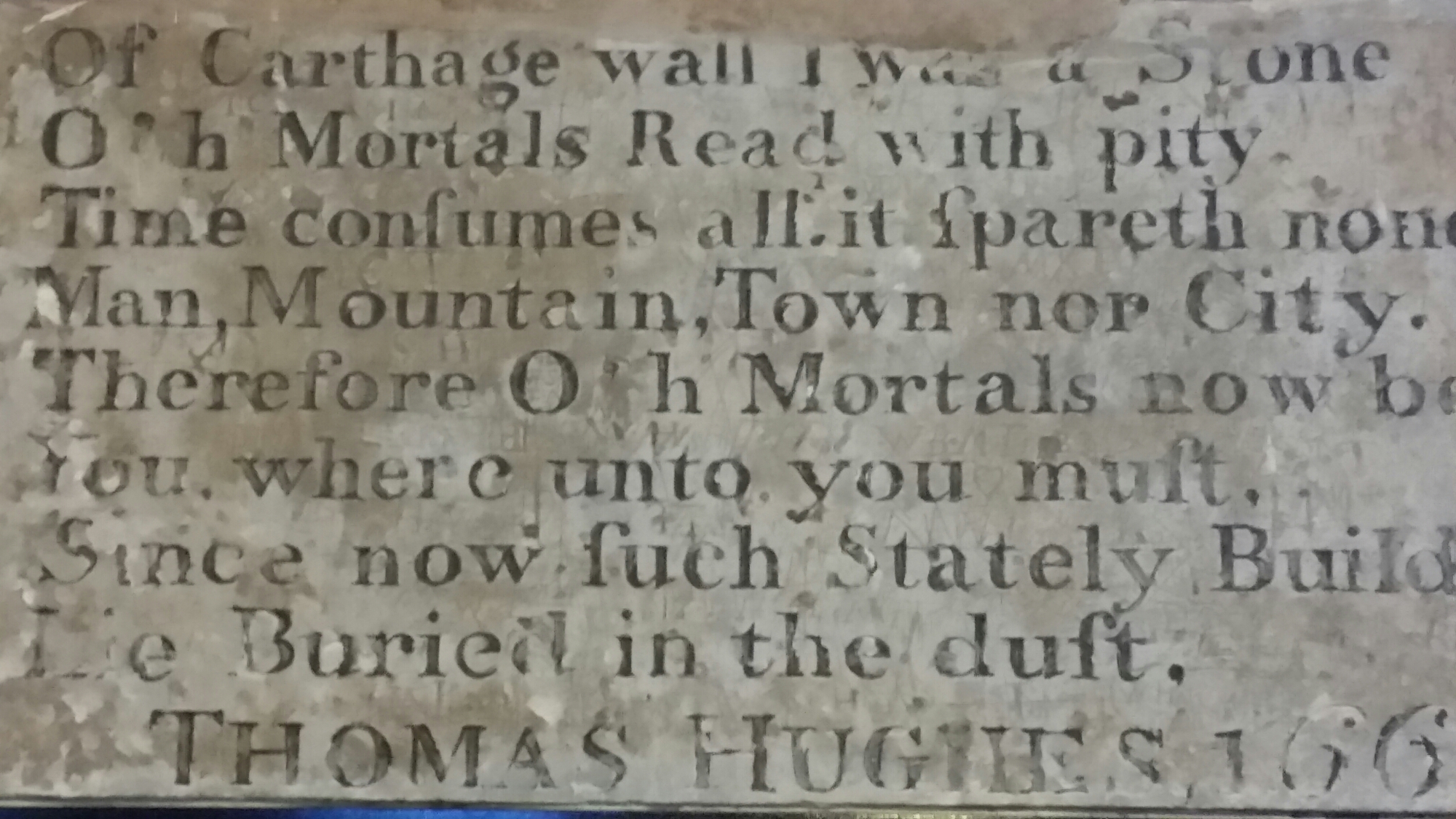
And a rather wonderful piece of seventeenth-century verse:
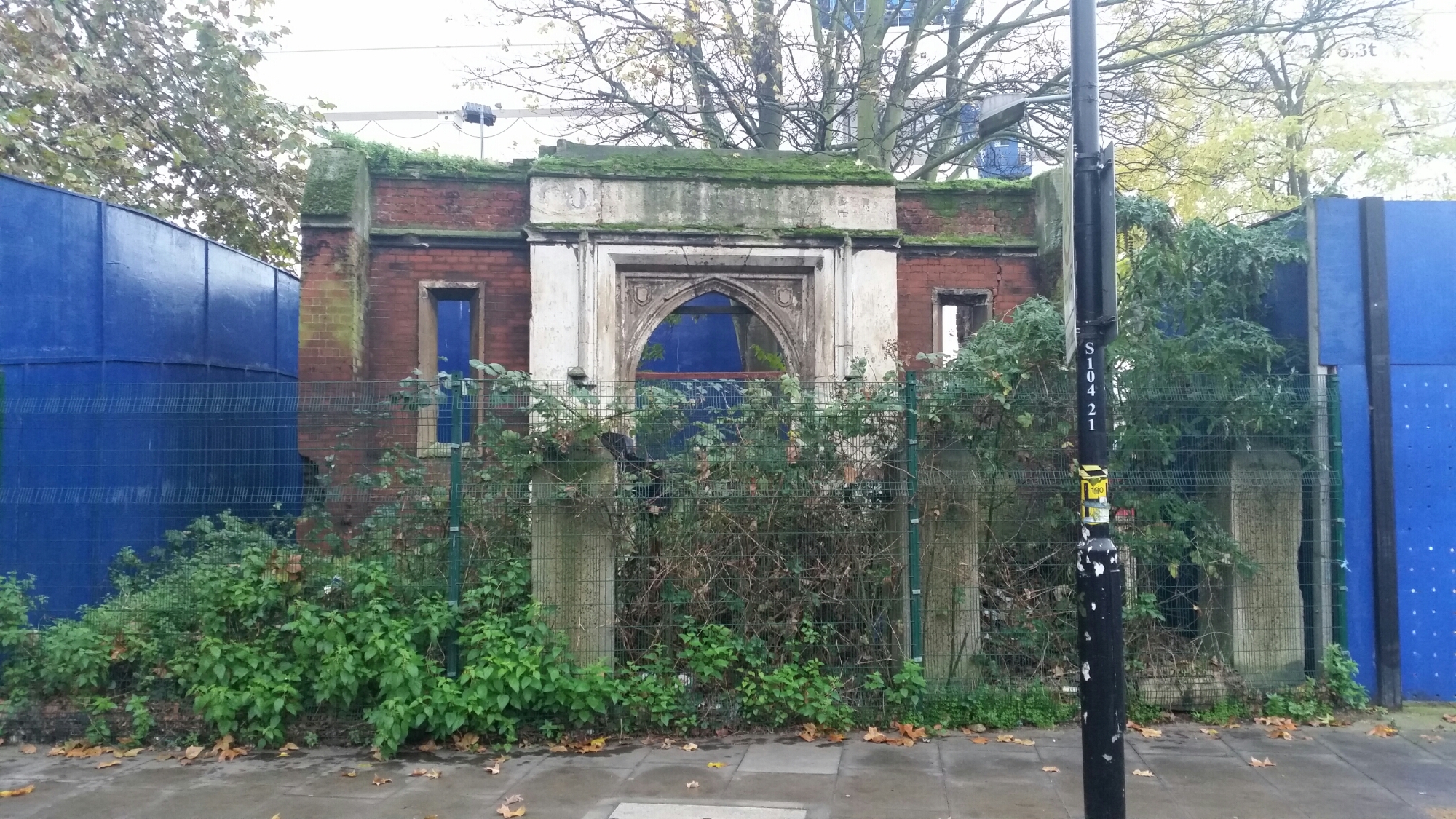
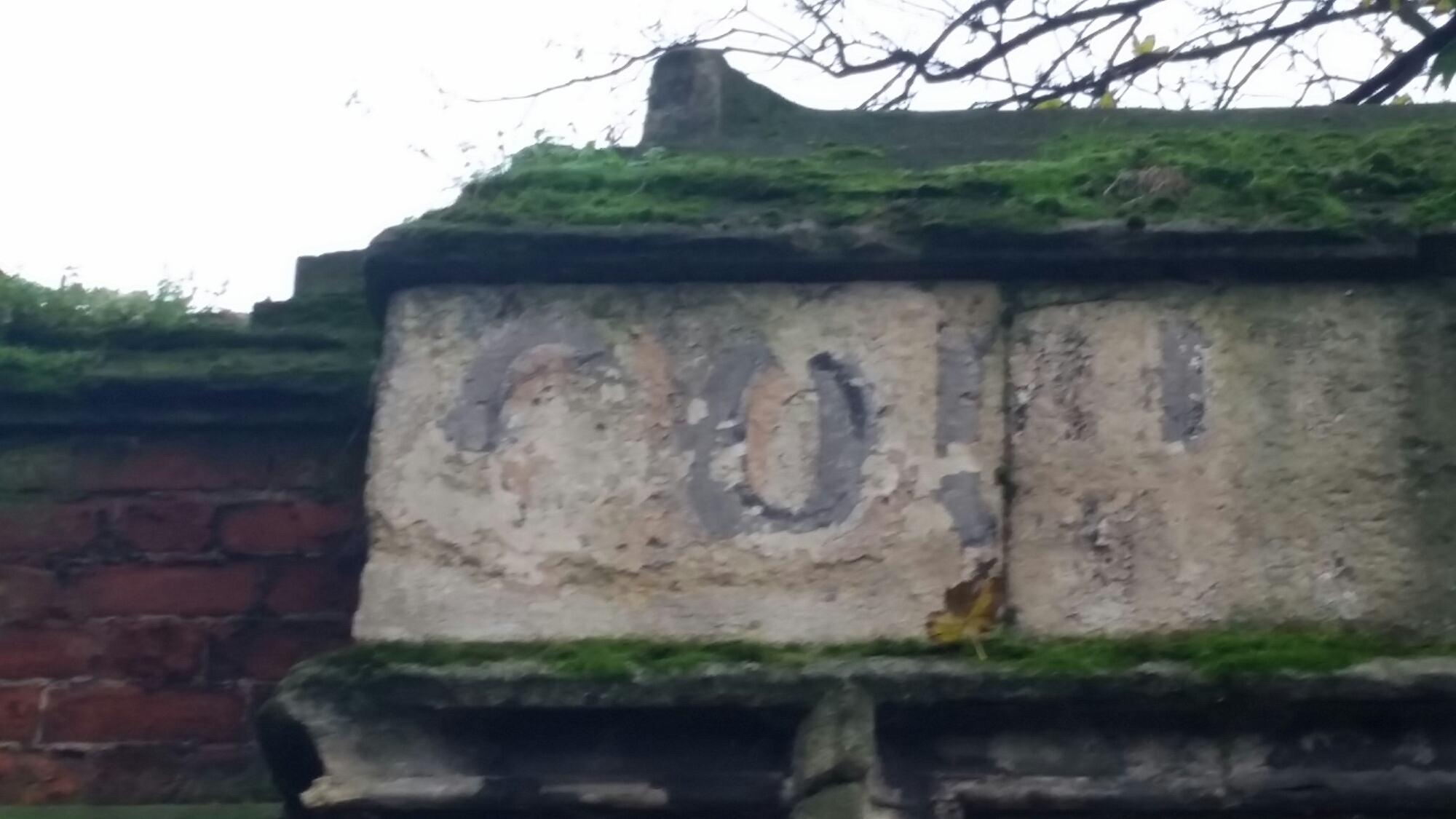
I have been somewhat perplexed by the gateway which survives in amongst the undergrowth alongside the large Crossrail site just south of Stepney Green. It turns out that it is all that survives of a chapel which was designed by James Savage and opened in 1831 by Stepney College for the training of Baptist ministers. It occupies the site of a Tudor mansion which was known as King John’s Court, was moated, acquired by the Marquis of Worcester in 1597, seized during the civil war as a headquarters for the parliamentarians, was the birthplace of Richard Mead, the great eighteenth-century physician, and is currently being excavated:
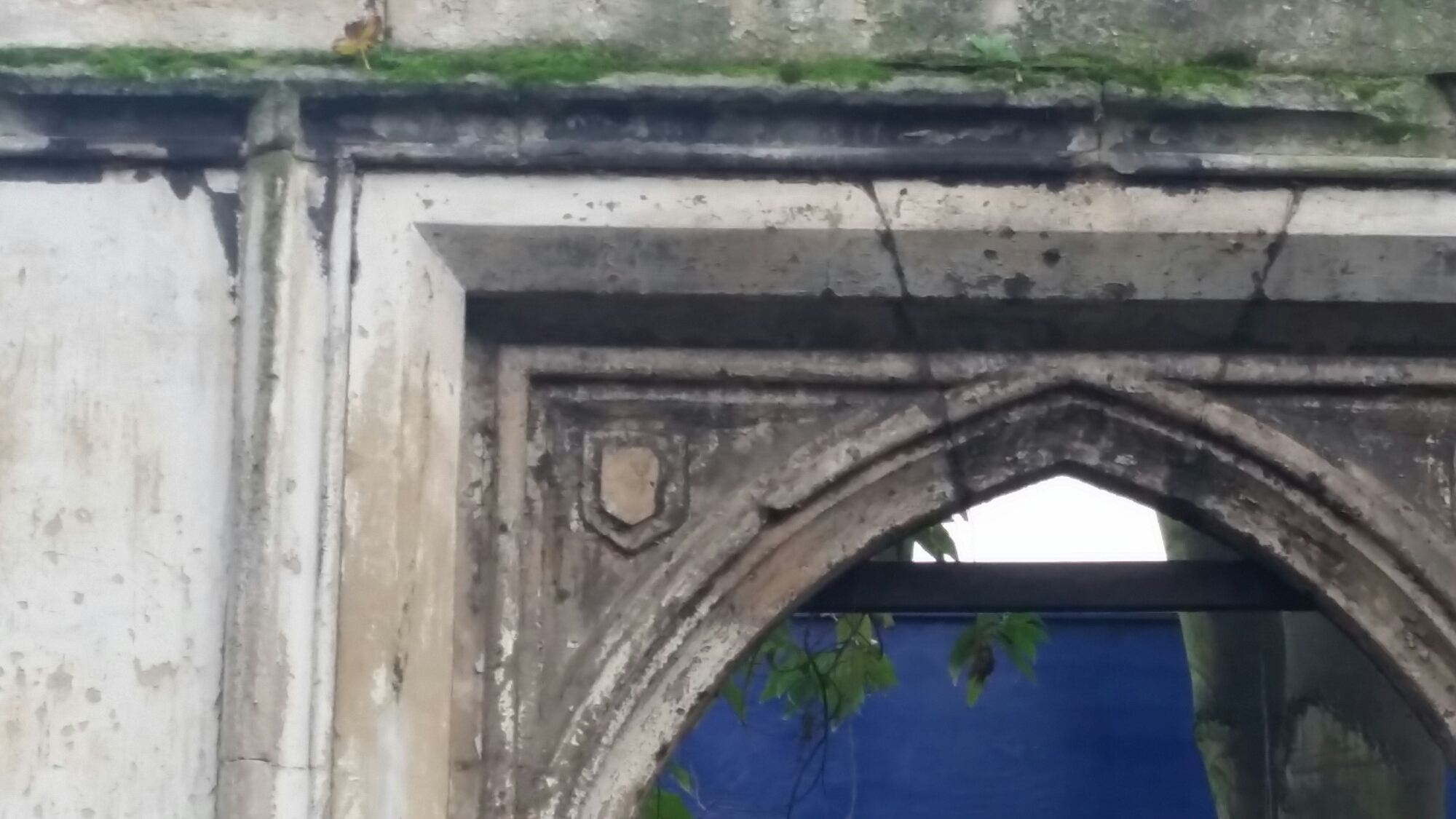
There is some lettering on the pediment which may once have said GOD:
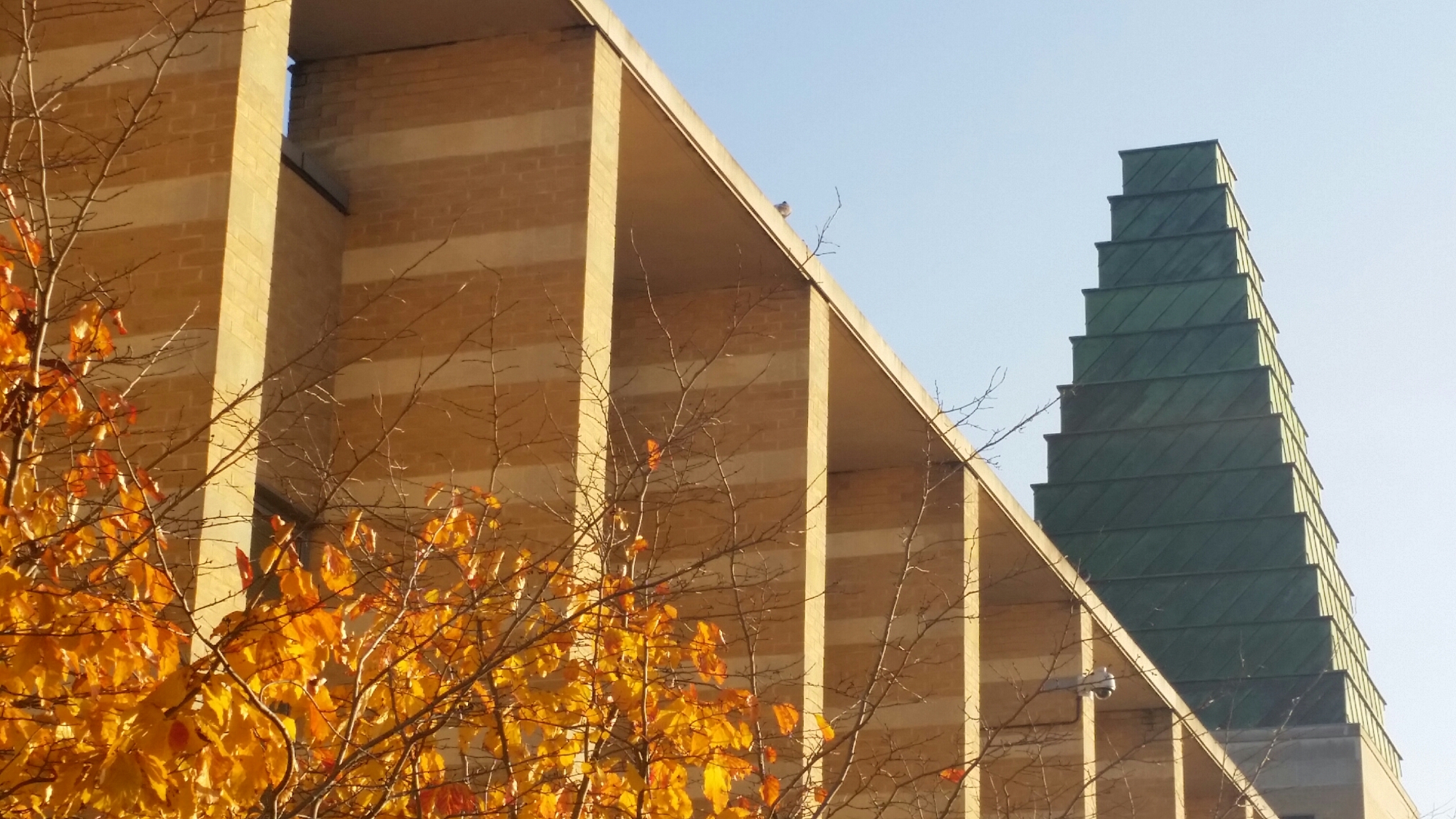
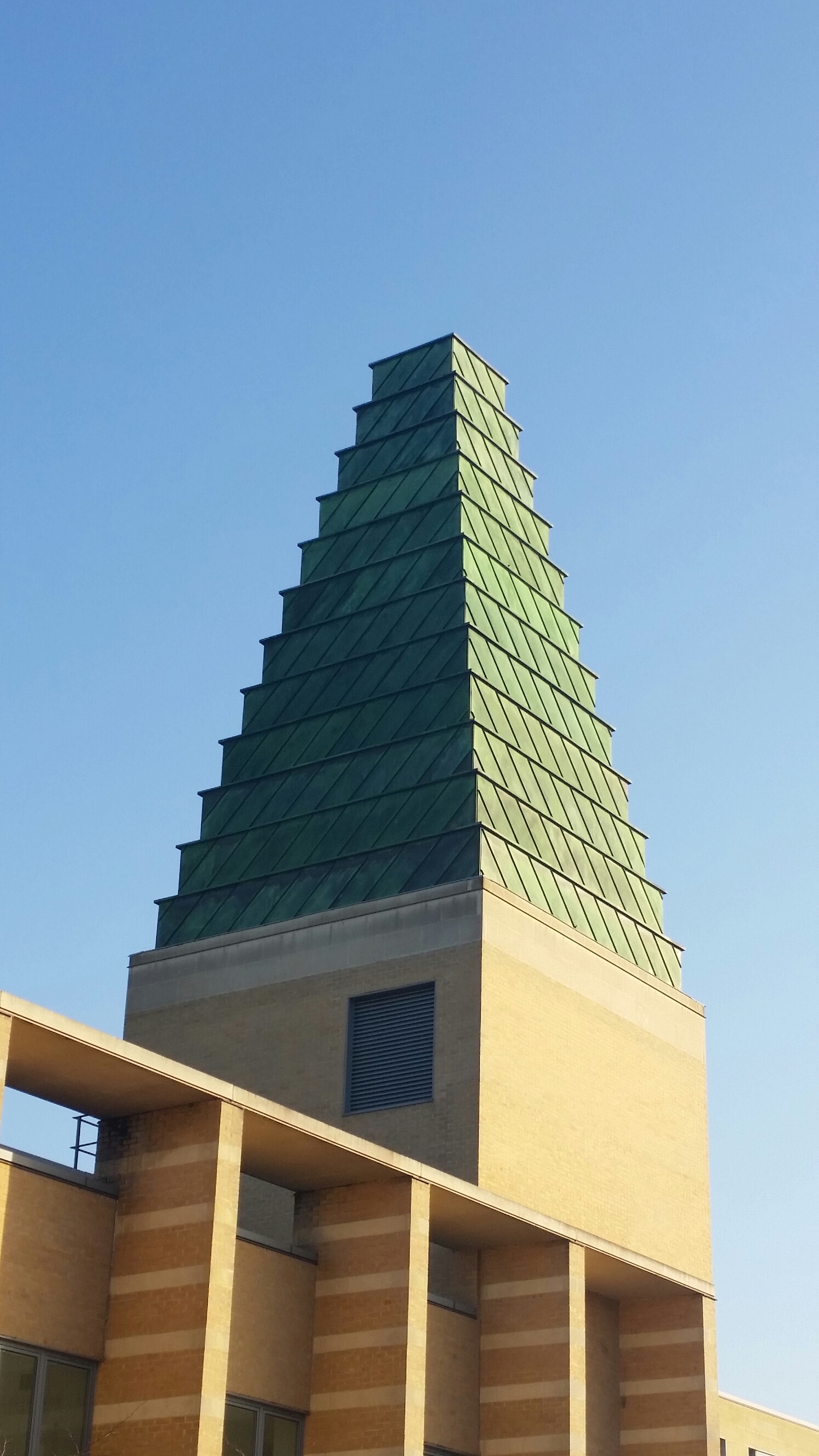
Both Jeremy Dixon and Ed Jones resist any reminder that both of them, in different ways, went through a postmodern phase, Jeremy in his housing scheme at St. Mark’s Road and his 1986 building for Clifton Nurseries, and Ed in his project for Missisauga Town Hall in Canada. But what could be more ostentatiously postmodern than their reference to the mausoleum of Halicarnassus, half ironic, half playful (and, in turn, to the tower of St. George’s, Bloomsbury) which greets the arriving visitor on arrival at Oxford railway station ?
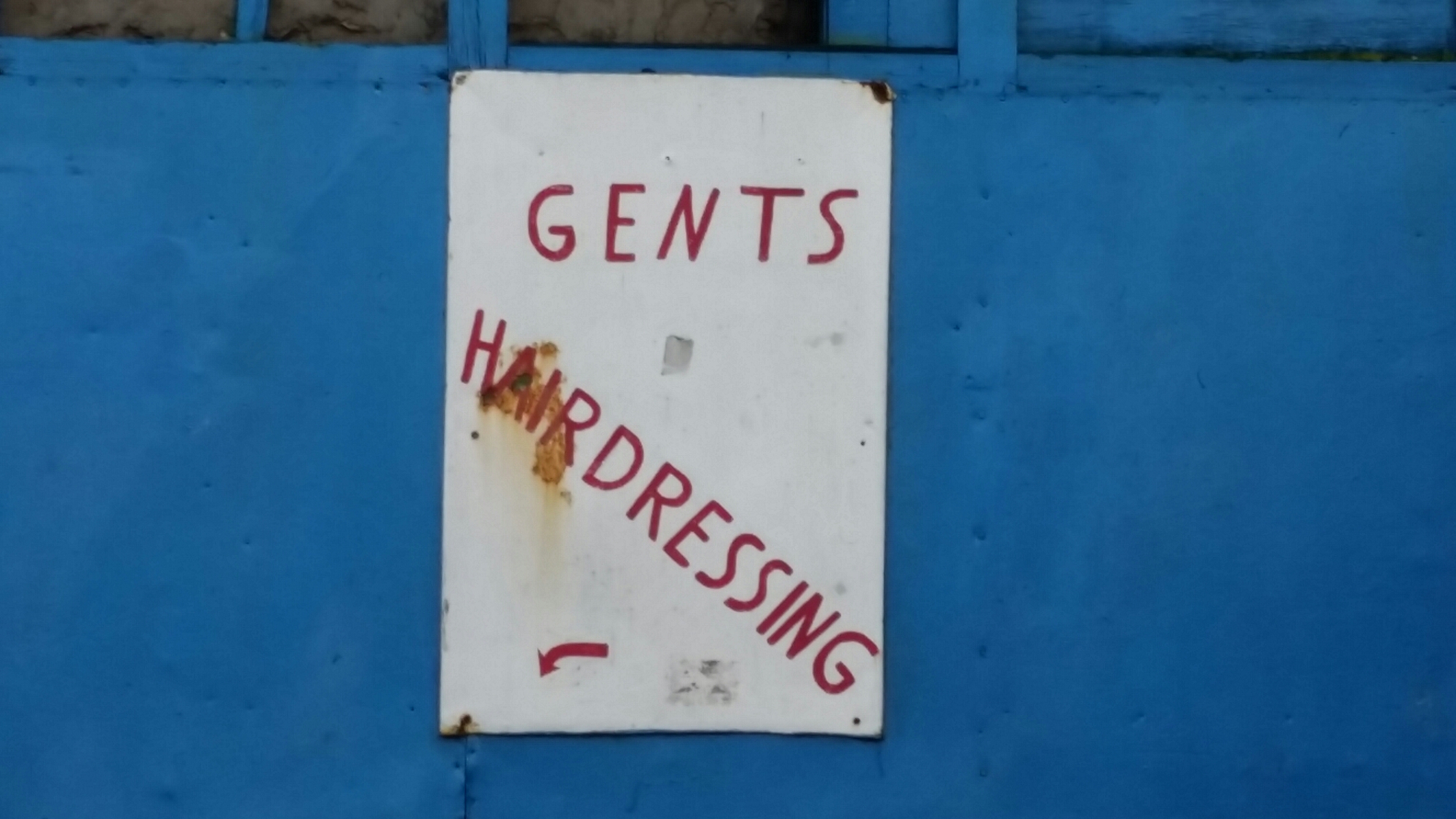
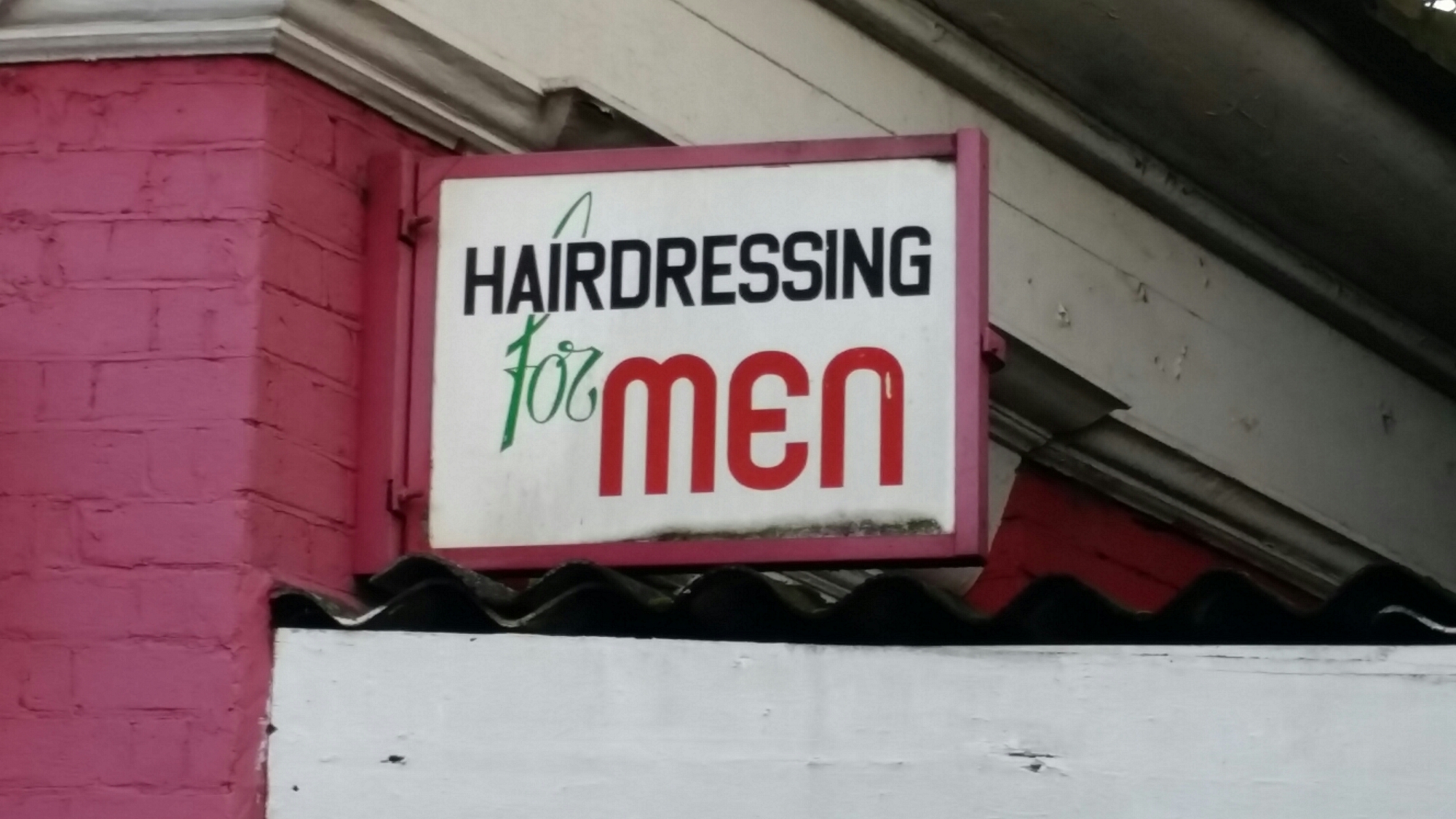
I was asked to give a talk at a girl’s school in Norbury yesterday. It was unknown territory to me, just off the road to Brighton, heavily built up, but also unexpectedly green and with views up to Sydenham. I liked the signs on the barbers at the railway station:
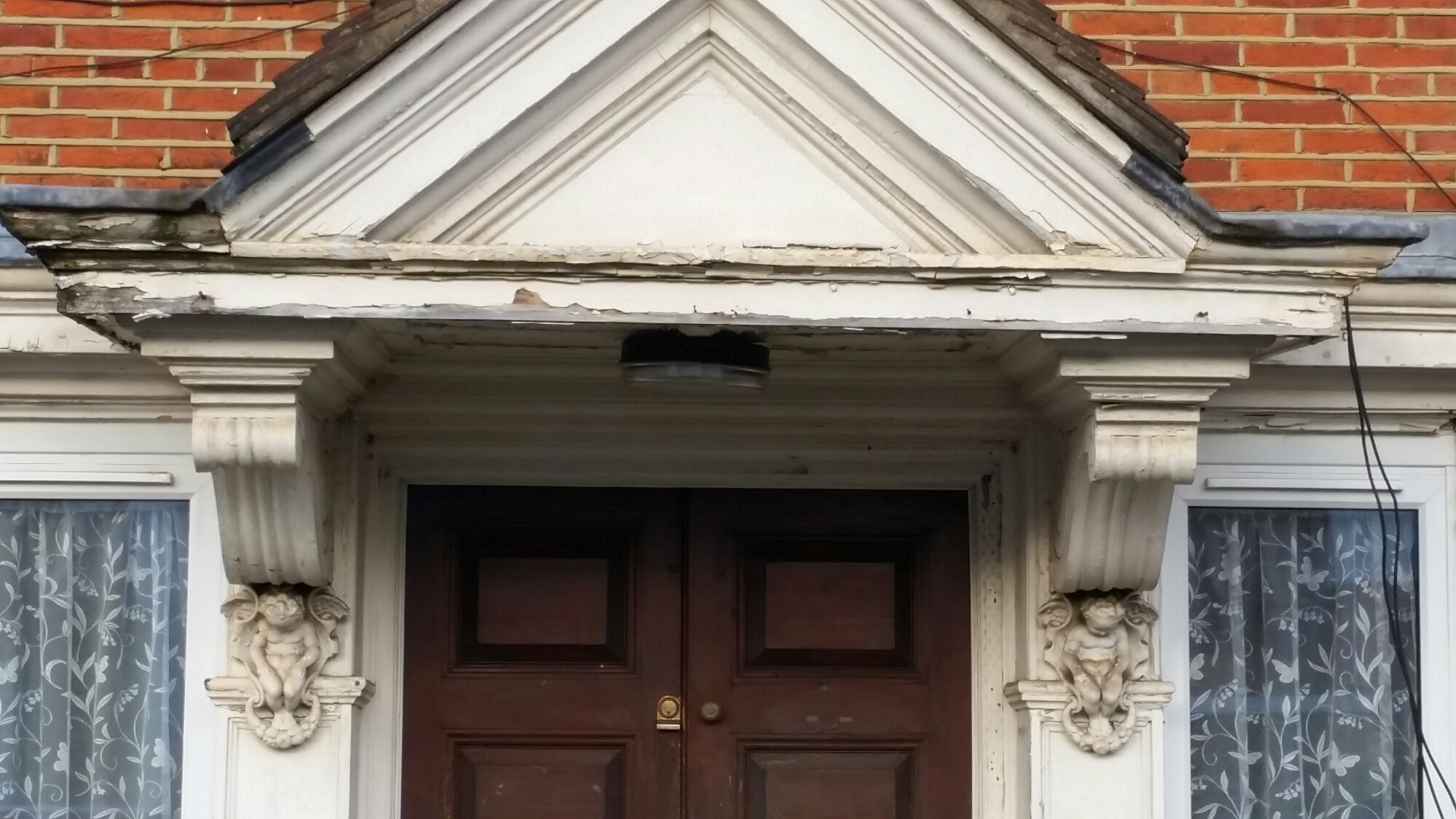
And one of the exaggerated neo-Georgian doorways on the road to the school:
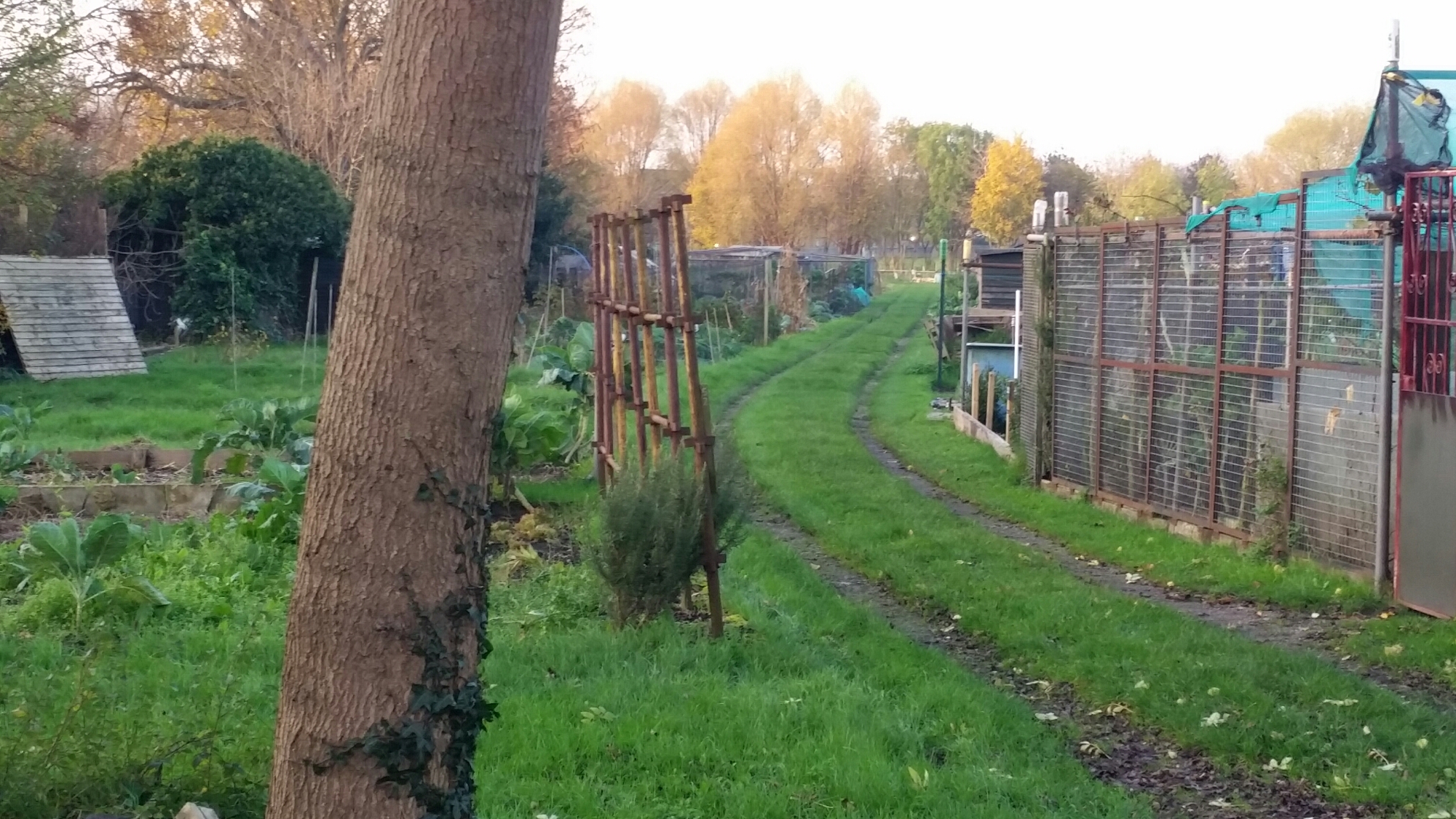
The view of the allotments:
And the setting sun:
Living near what was once one of the main breweries of Bass Charrington, now a retail park, I am interested in the history of the brewery. Its origins lie in a brewery in Bethnal Green founded in the early eighteenth century by Robert Westfield. He teamed up with Robert Moss in 1757 and they established the original Anchor Brewery in Mile End. They then joined forces with John Charrington, the son of a vicar. Charrington was running a brewery in Islington. Together, they established Westfield, Moss and Charrington, becoming Charringtons after Moss retired in 1783. John’s brother Henry ran the brewery from a nearby house on the Mile End Road. It was the second largest brewery in London, a massive operation of which now only the adjacent offices, designed in 1872 by Snooke and Stock, remain:
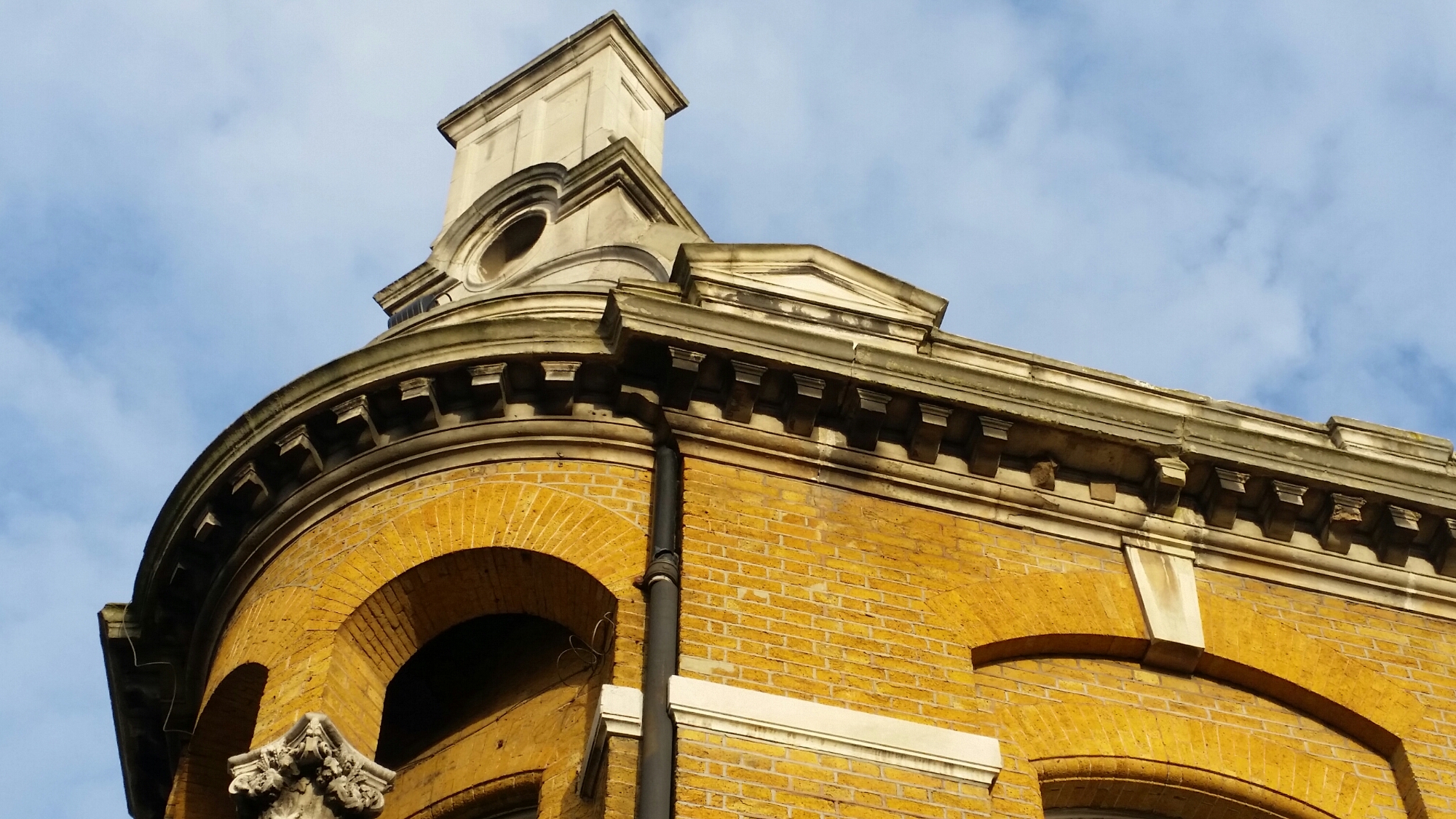
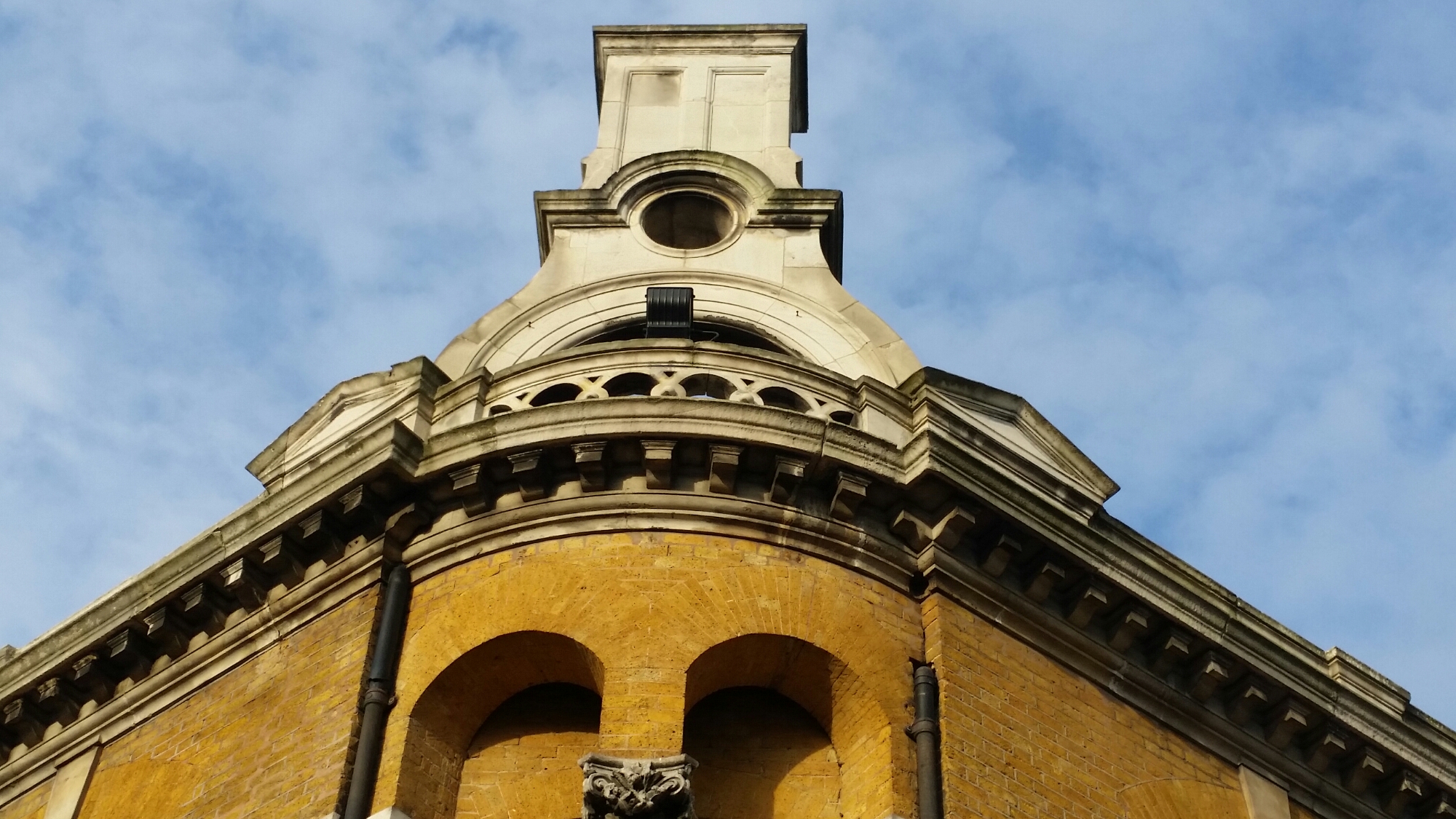
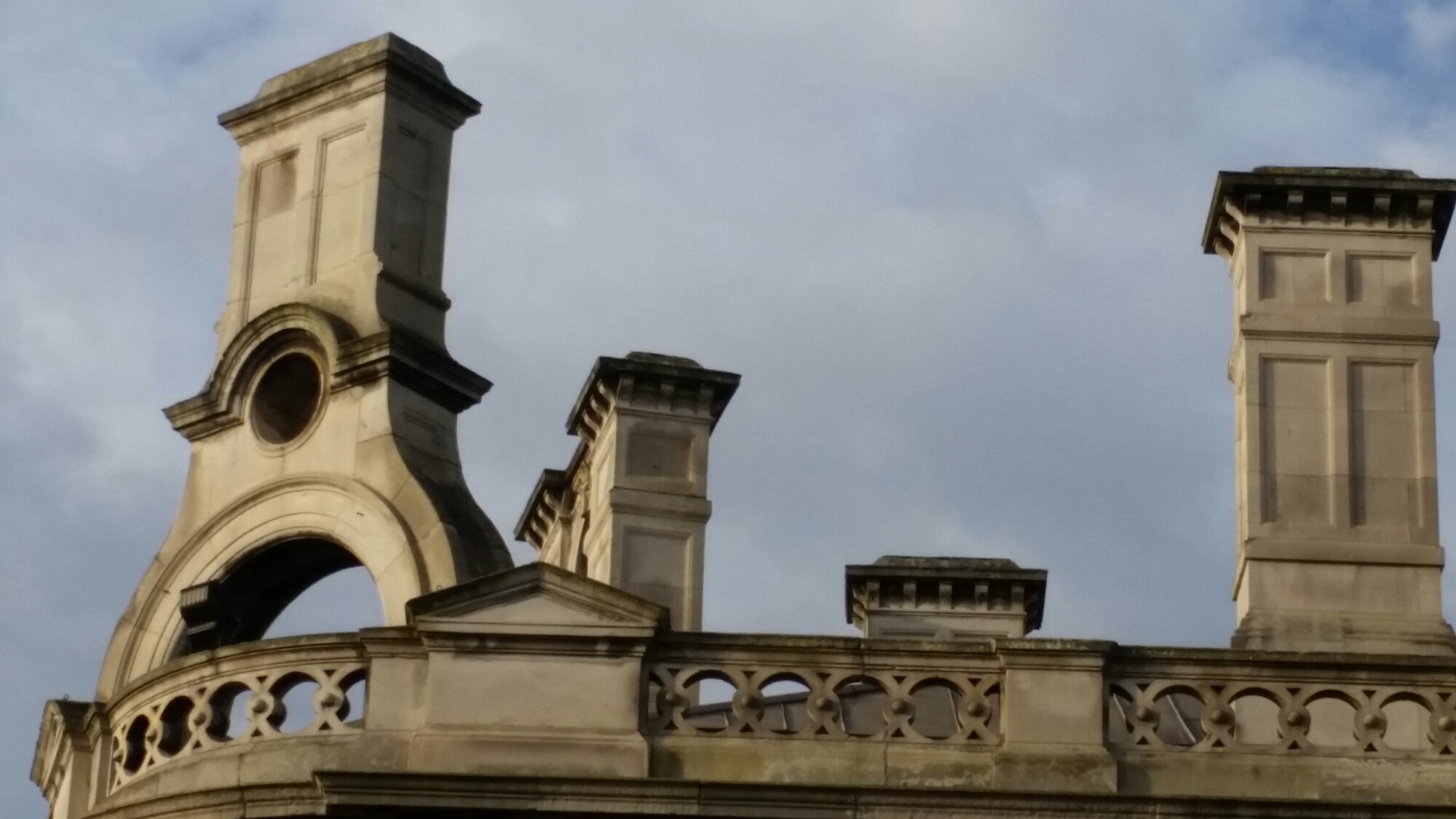
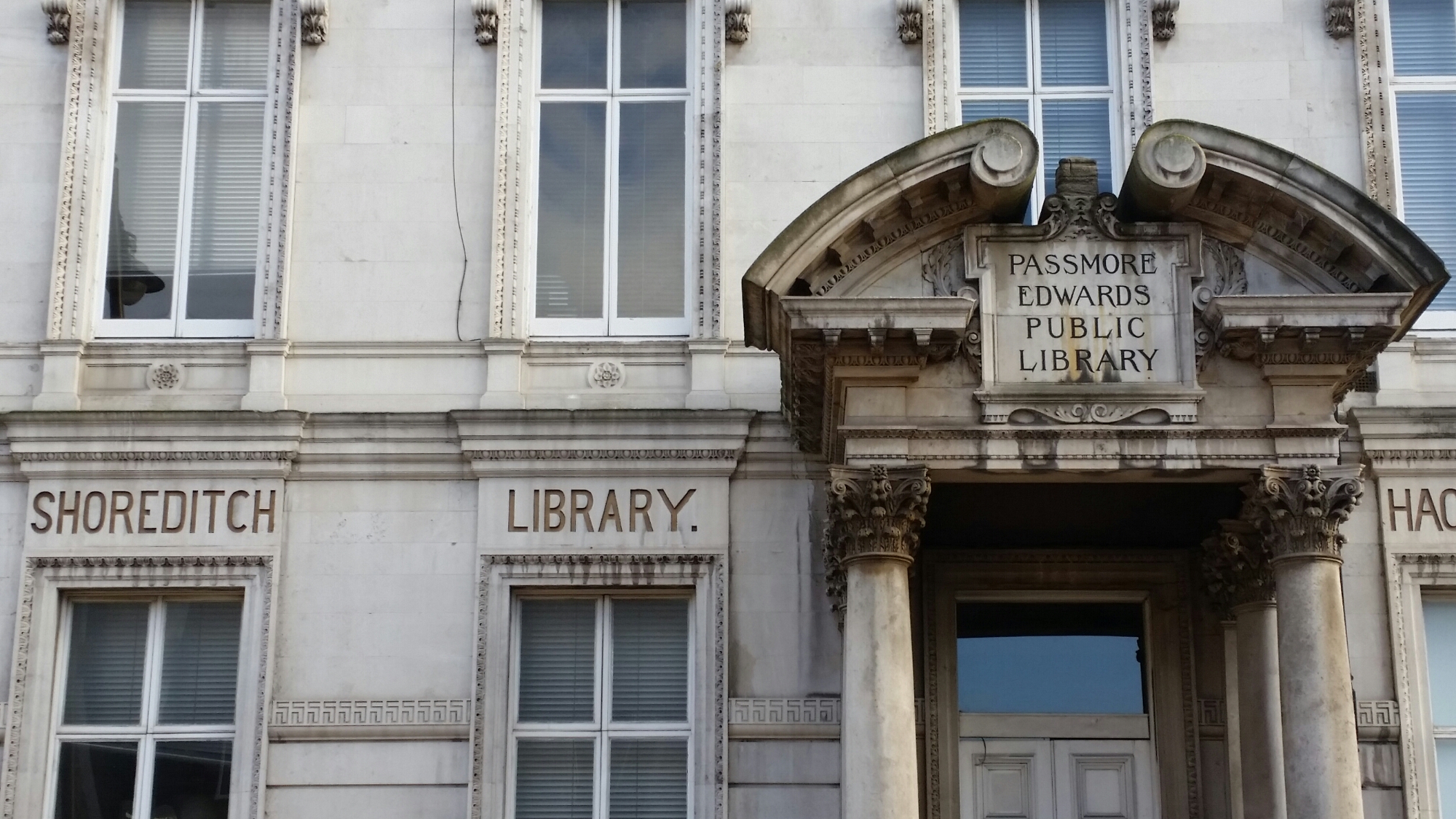
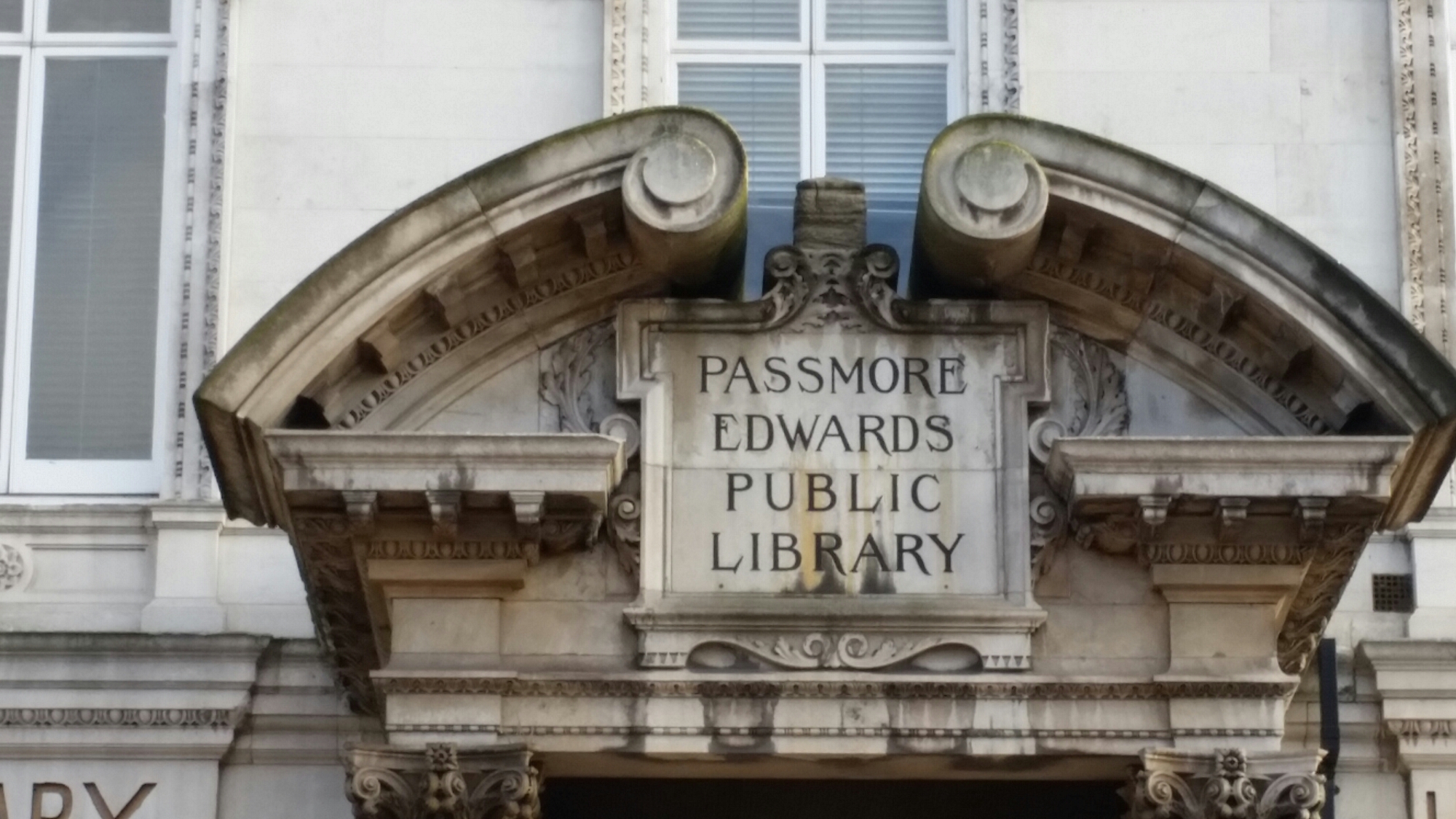
The other building which impresses on the Kingsland Road is the building which used to be the Shoreditch and Haggerston Public Library, now apparently apartments, but a monument to late Victorian spirited baroque. It was originally designed as a private house and then adapted into a public library by Richard J. Lovell (he trained at the Royal Academy) in 1893. It’s also a monument to the philanthropy of John Passmore Edwards, the great Cornish journalist, reformer, proprietor and champion of the working classes, the second of the libraries that he funded after Whitechapel the year before:
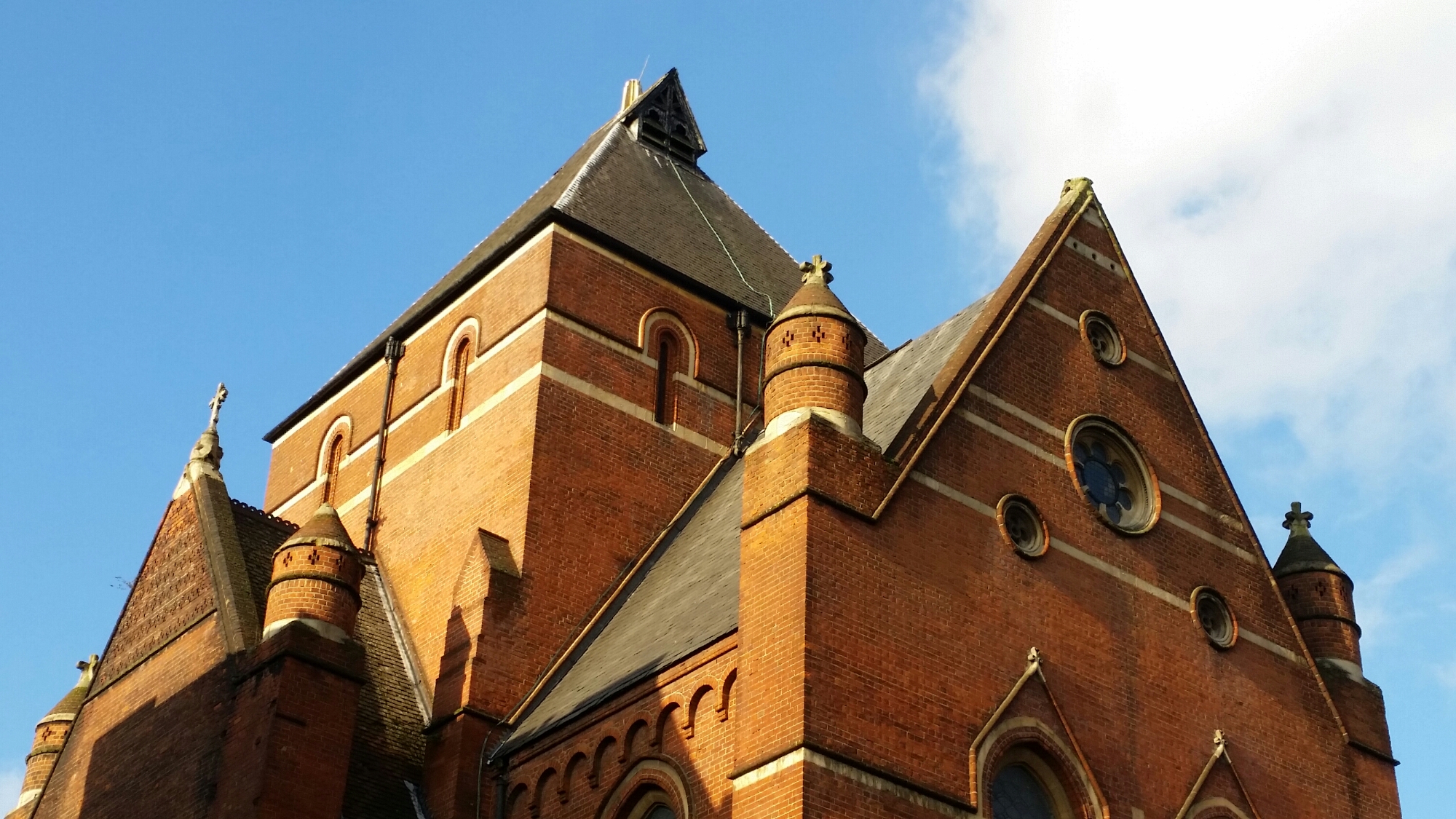
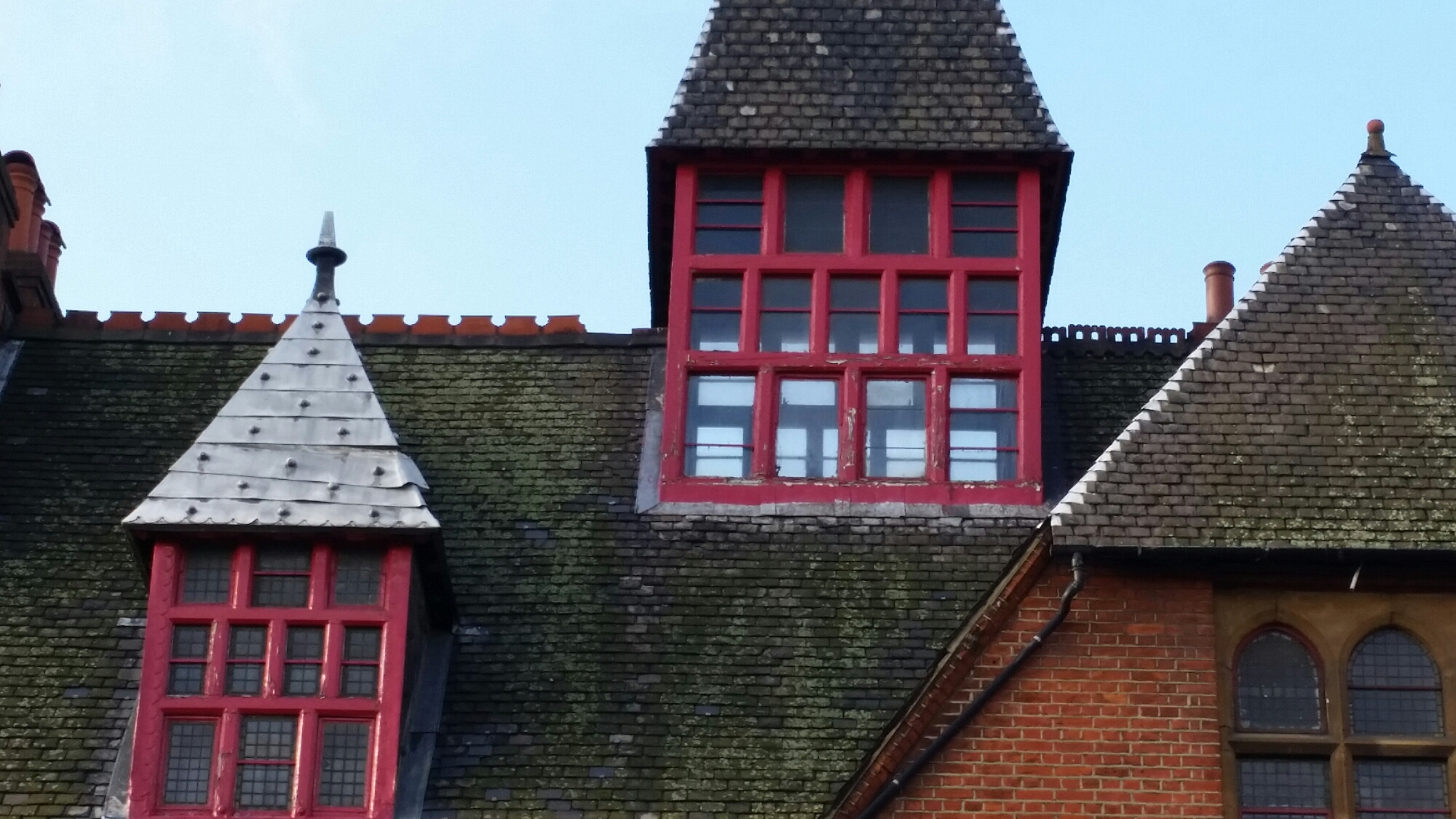
I have been meaning to find out the name of the large Victorian church up the road from the Geffrye Museum. The answer is that it is now a branch of the Christ Apostolic Church Bethel, but was originally opened in the 1860s as St. Columba, complete with School, Clergy House and Mission House next door. It was designed by James Brooks. I remembered seeking it out in the early 1970s, inspired by Ian Nairn’s description of it as ‘a dusky, grubby working church that could as well be in the Ruhr or an industrial suburb of Paris’:
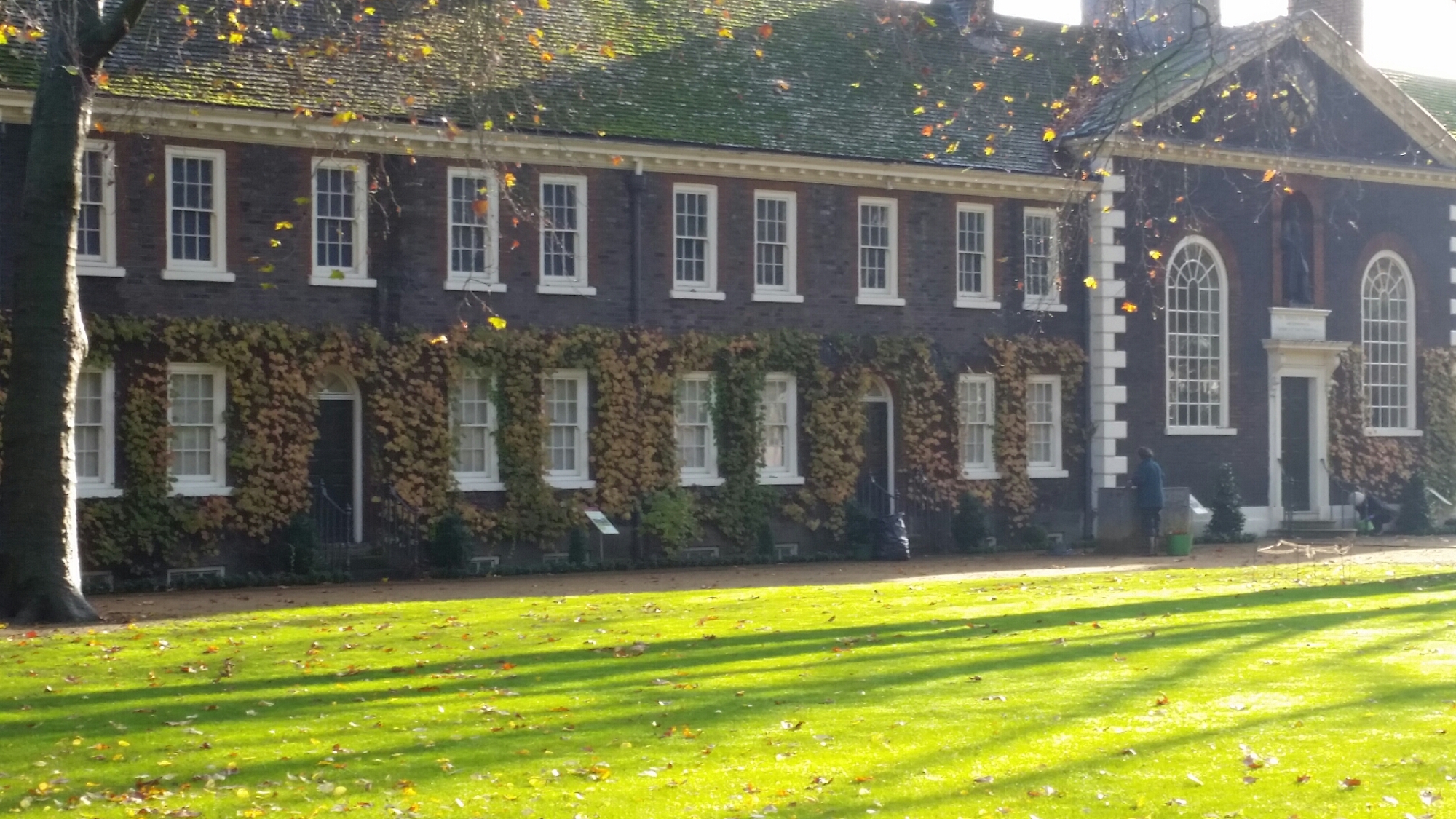
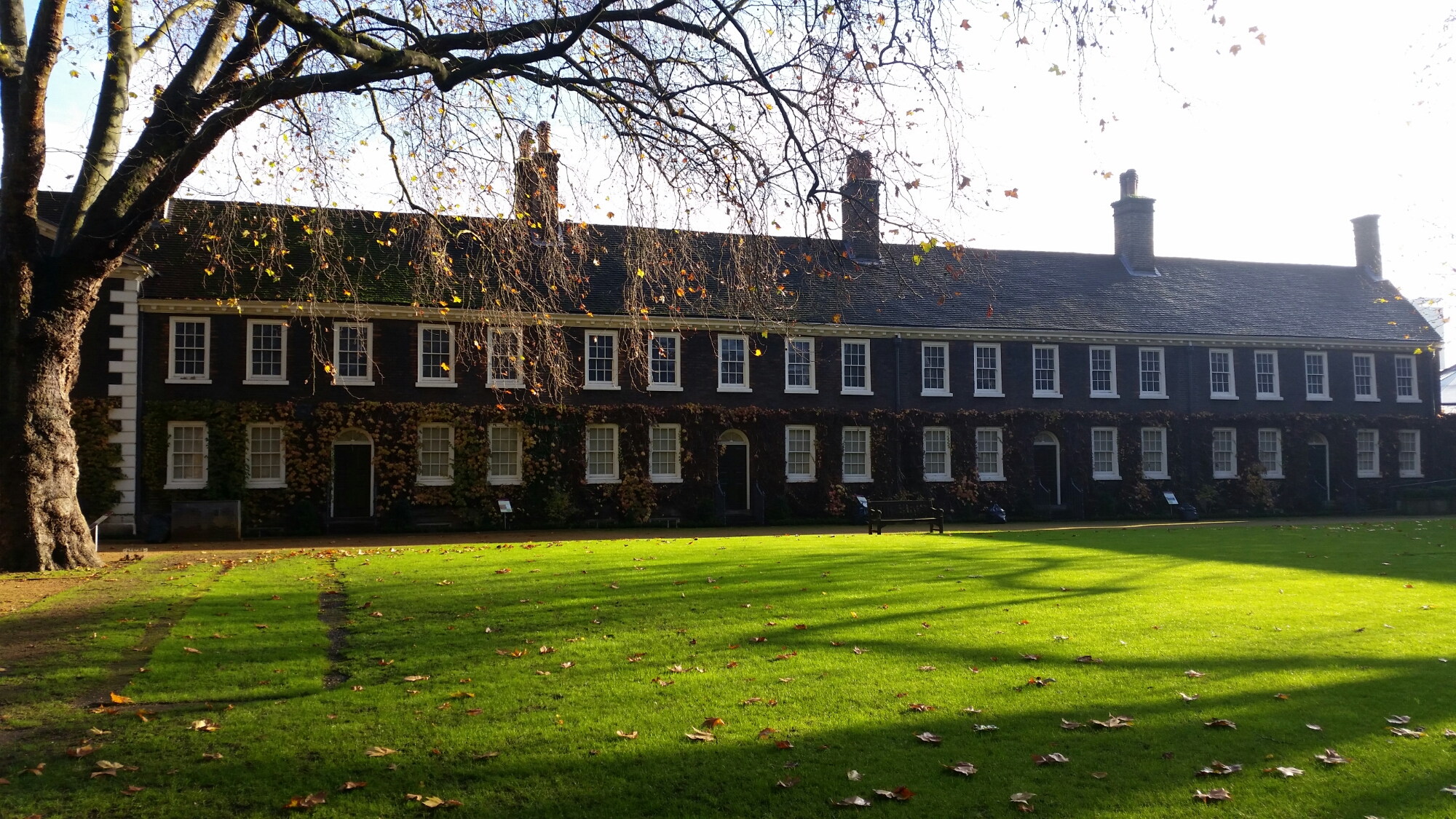
One of the pleasures of today was walking past the Geffrye Museum and seeing how the crisp November sun lit up the space in front of the early eighteenth-century almshouses. They were built out of a bequest from Sir Robert Geffrye, a big wheel in the Ironmonger’s Company, Lord Mayor in 1674 and died in 1703, leaving the residue of his estate to be used to construct fourteen almshouses, with a chapel in the middle and a statue commemorating the founder:


 | Charles | Saumarez | Smith |
You must be logged in to post a comment.