The Allotment Kitchen (2)

It feels as if we are all coming out of a long period of hibernation. I was sent off this morning to buy croissants from the Stepney Farm market and managed to be first in the queue for The Allotment Kitchen’s home-made cakes and buns, so colossally delectable – or is this just an effect of repetitive taste starvation, an admittedly middle class disease ?

Standard

The Story of Welsh Art

One of the pleasures of the last week has been watching the 3-part series on Welsh Art: a surprise, because, much as we love the Welsh landscape and countryside, I don’t think of Wales in terms of its art, apart from a few lone practitioners, like Richard Wilson, who is known more for his views of Italy than Wales, and Thomas Jones likewise. But what the presenter, Huw Stephens, managed to do was show the great interest of so much Welsh art – prehistoric art at Barclodiad y Gawres and the Jesse figure in Abergavenny church, pictures of workers by William Jones Chapman, the work of Cedric Morris and Ceri Richards, all seen and discussed with admirable straightforwardness.

https://www.bbc.co.uk/programmes/m000st2g

Standard

Museums post-pandemic

In a podcast with Bendor Grosvenor last week (still being edited), he asked me what I thought of the decision by Eike Schmidt to lend Raphael’s portrait of Pope Leo X to the Raphael exhibition in Rome against the advice of his scientific committee. I hadn’t, to be honest, noticed it, but I had registered his plan, described in more detail in today’s FT (see below), to redistribute many of the Uffizi’s paintings in store to their original homes in the Tuscan countryside in order to stimulate regional tourism.

This seems to me one of the more interesting initiatives to come out of COVID: to reverse the historically centralising tendencies of museums and to prefer works of art to be seen in situ than in store. It could not work in quite the same way in the UK, but does prompt interesting ideas. The National Trust has said that it will reduce access to its houses, but could it not do more to promote its art collection (eg Upton House) ? The British Museum must have a mass of work which could be better seen closer to where it was originally found, not just Sutton Hoo. Could Oliver Dowden do more to promote regional museums and tourism through extra funding ? Could there be a national redistributive cultural scheme ?

https://on.ft.com/2NA16Wc via @FT

Standard

The Art Museum in Modern Times (more talk)

I am looking forward to talking to Luke Syson about his big plans for the Fitzwilliam and whether or not they will have to adapt post-COVID. Not least I’m really looking forward to filming the discussion (socially distanced, of course) in advance in one of the Fitzwilliam’s galleries, my first experience of real art for such a horribly long time.

https://cambridgeliteraryfestival.com/product/charles-saumarez-smith-spring-21/

Standard

The Art Museum In Modern Times (talk)

There is a risk that I might eventually overdose from talking about museums, their opportunities and travails, but, at the moment, I am very much enjoying it because every interlocutor asks different questions and has a subtly different perspective. And, also, what I am discovering, which should have been obvious, is how completely different it is talking from writing about museums. So, for example, I was asked on Monday for my views of the relocation of the Barnes Collection. I had been careful in my book to describe the process and not be too judgmental. Even now, I’m not sure of the answer: good in so many ways; a good modern building accessible to so many people, the original hang reproduced meticulously, and exhibition rooms alongside. But inevitably, some of the idiosyncratic atmosphere of the old Barnes can’t be reproduced, however hard it has been tried.

Then, it is amazing, as has been pointed out, how short the lifespan is of so many of these new museum projects. The Ondaatje Wing still feels new to me, but is in the process of being overhauled. The Sainsbury Wing is going to be revamped. Tate Modern 1 was followed instantly by Tate Modern 2.

On the day after it has been announced that Lacaton & Vassal have won the Pritzker Prize, maybe it will be no bad thing if we are entering a new era of Make Do & Mend.

https://www.vam.ac.uk/event/653AwVrX/online-talk-the-art-museum-in-modern-times
Standard

The concept of the museum

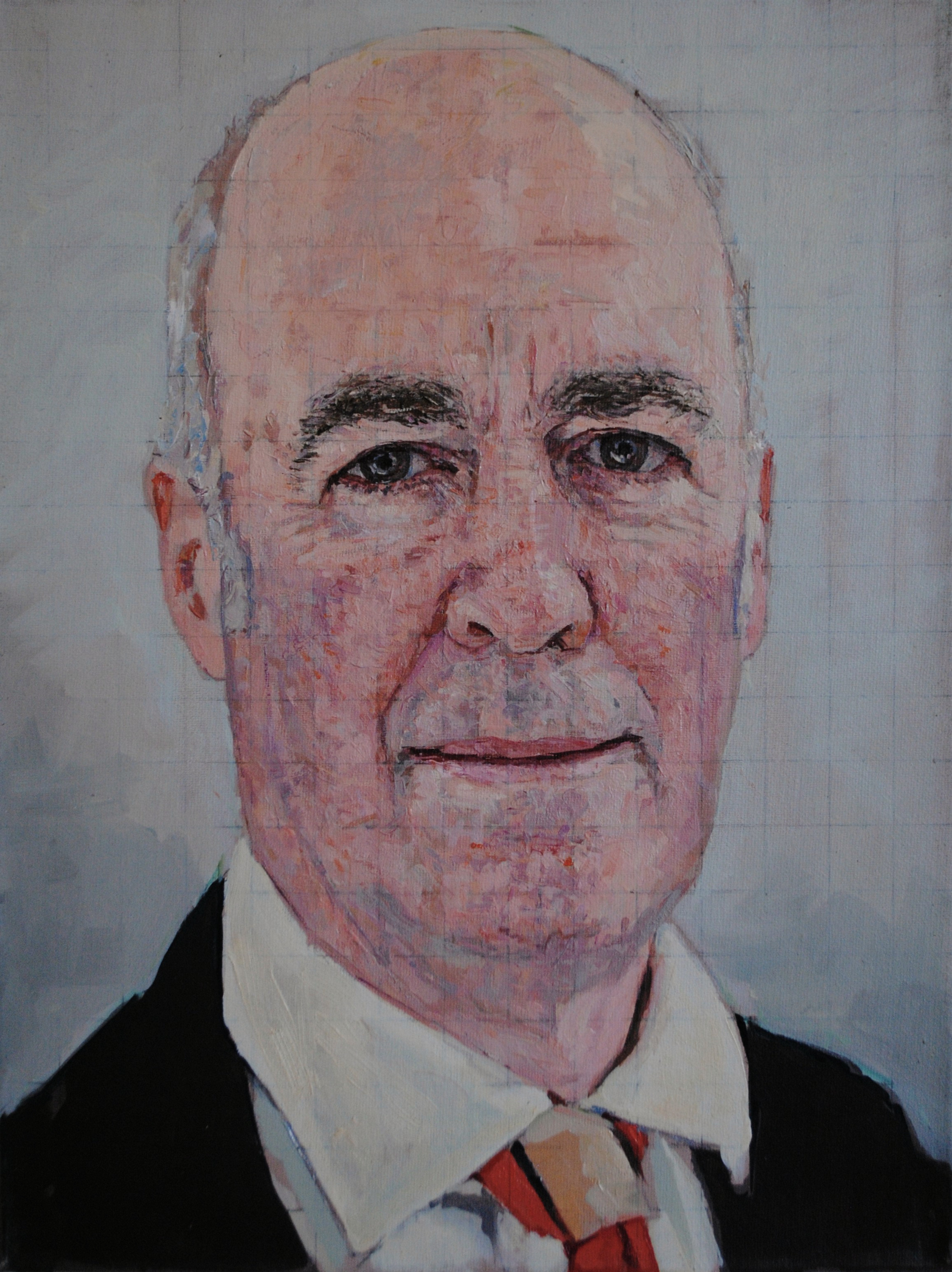
You probably won’t be able to read the attached interview, because, like me, you won’t have a subscription to the Daily Telegraph. It is a very fair and scrupulous interview-cum-review of my museums book, which makes clear the ambiguities of some of my views: in person as well as in the book. In the book, I have tried to trace the changes in the way museums operate without being too judgmental about them. Each generation is entitled to do things differently. Museums have changed in complex ways in the past and will continue to do so in the future. But, of course, I have views too, which Alastair was good at extracting. Actually, it wasn’t that difficult.

https://www.telegraph.co.uk/art/what-to-see/charles-saumarez-smith-interview-concept-museum-attack/

Standard

Museums in the Modern World

I have come across a reference in a book of articles about Henry-Russell Hitchcock and John Summerson to a lecture that Henry-Russell Hitchcock wrote in 1939 in the Architectural Review about ‘Museums in the Modern World’. He wrote that ‘The Museum is an institution worth saving.   But let us be sure that in saving it, it is not the marble shrine of the dead past, but that combination of learning place, centre of entertainment and workshop of the future which few museums of the world are today’. The wording is strikingly similar to similar statements about what museums should be today.

Standard