Each year I study the long lists for the RIBA Awards looking for interesting projects which might otherwise have escaped my attention.
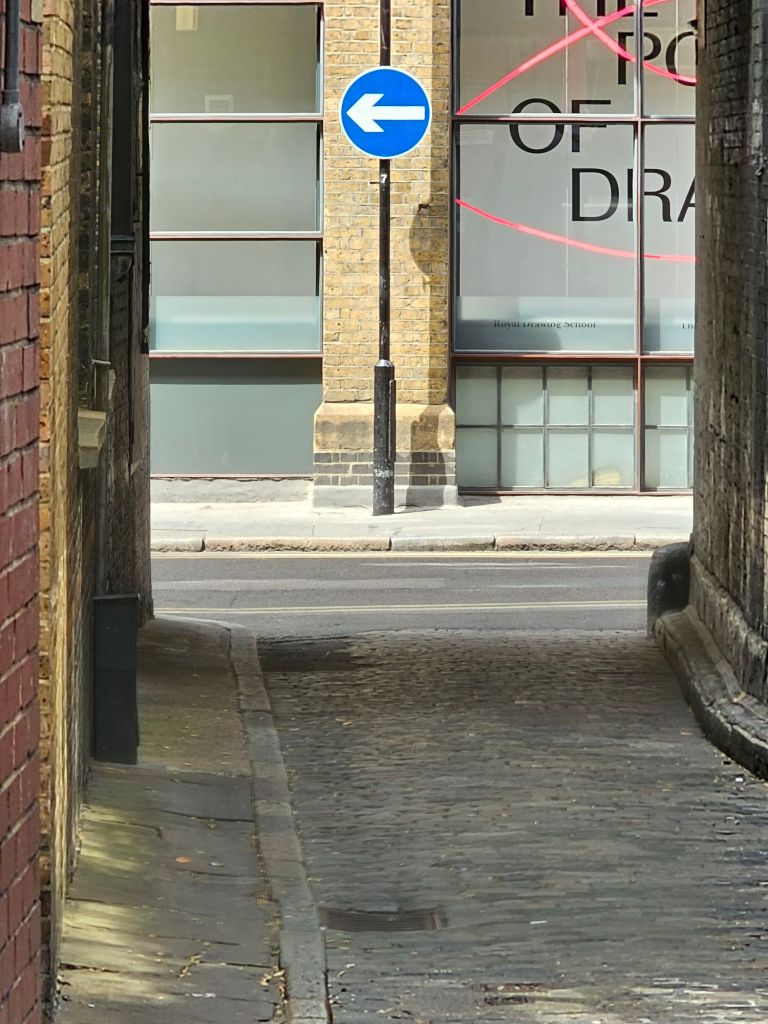
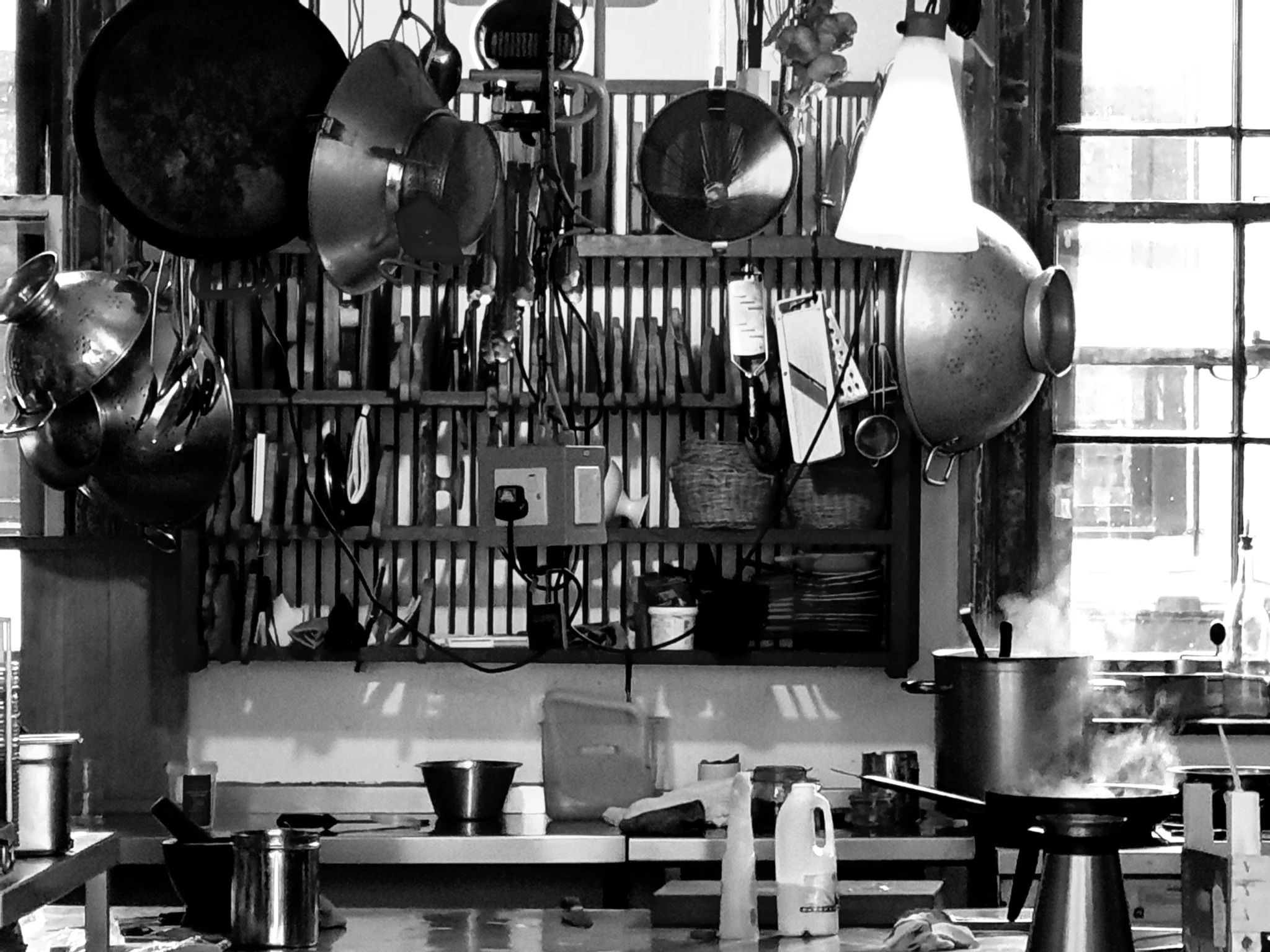
This year, I was intrigued to see 8, Bleeding Heart Yard, a project by Groupwork which you might easily walk past without noticing – in a way that’s its point that it should mesh well with its warehouse surroundings:-
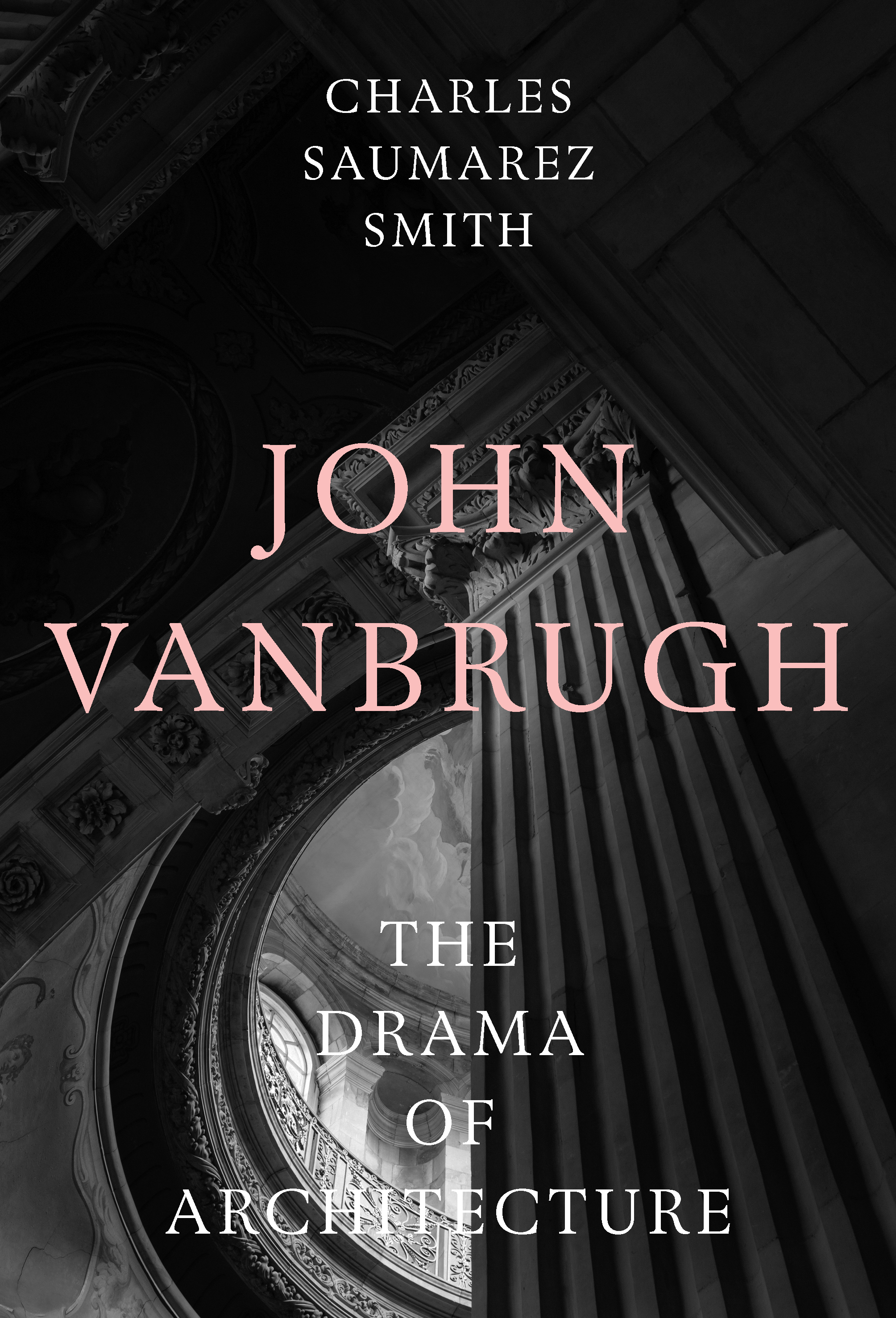
I never know when the articles I write for The Critic are going to go online. Anyway, I have just spotted that my piece for March is now available, as below:-
I was in Oxford to see New College’s new Gradel Quadrangle, but realised that I was invited last year to see the renovation of Gilbert Scott’s library at Exeter College. It is many moons since I have been into Exeter, the college of William Morris and Edward Burne-Jones, and I had never seen its library, next to the Fellow’s Garden:-
It’s been very beautifully and thoughtfully renovated by Nex and Donald Insall, advised by Hannah Parham, a former student of the college, then working for Insall. What was particularly impressive was the incredible quality of the woodwork throughout
It is on the long list for an RIBA award – good that such careful, well-considered and un-show-off work makes the cut. The joinery definitely deserves a medal.
It was the first performance in the Warburg’s new lecture hall in which Mahler’s Das Lied von der Erde was accompanied on Gombrich’s Grotrian-Steinweg piano, newly restored like the Institute itself.
Gombrich’s mother had been trained as a concert pianist and knew both Mahler and Schoenberg.
He married one of her pupils, Else Heller, in 1936, the year that they moved to London so that he could take up a post as a research assistant at the Warburg Institute. They took the piano with them, not an easy thing to transport. In later life they would play chamber music together.
Else died aged 96 and so the family donated the piano to the Warburg, to which Gombrich had devoted his life.
We went on a sunny afternoon expedition to the Ragged School Museum, which was, as always, both educational and moving, witnessing the plight of the poor children who were photographed before their death from TB:-
BUT
There are problems with their disabled access, surprising in such a recent project funded by the HLF. Ground level access is fine; but the lift is too small and nearly impossible to get into for a large wheel chair.
I would not comment except it is slightly too common. I know how it happens. The architect – or the project architect – will have said that the lift meets minimum requirements. The client will have been keen to save money. Lifts are by far the biggest cost of any restoration project. So HLF will have passed it. But they shouldn’t. Because now it’s been installed, it will never be replaced, thereby making it impossible for large wheelchairs to go upstairs – or downstairs to the excellent café.
I went on a Wren tour organised by Open City, seeing some churches which I should have known, but didn’t, starting with the surviving church tower of St. Dunstan-in-the-East:-
You must be logged in to post a comment.