
One of the pleasures of coming back from Portugal is finding a dishevelled copy (it has been mashed by Amazon) of the new book of photographs by Janet Stone (Through the Lens of Janet Stone: Portraits, 1953-1979), which have been selected by her son-in-law, Archie Beck, and published by the Bodleian Library, custodians of her archive (including the many love letters from Kenneth Clark which have been embargoed for thirty years). She was a very good amateur portrait photographer and had the benefit of an amazing number of well-known friends (as Sylvia Townsend Warner described, ‘she is a bishop’s daughter and has lion hunting in the blood’). John Bayley is photographed eating breakfast in bed. There’s an amazing photograph of Siegfried Sassoon in old age. Laurence Whistler is seen lying beside a tennis court with a donkey grazing next door. There’s a particularly impressive photograph of Kenneth Clark looking like an egret and a picture of the young Daniel Day-Lewis in plastic armour. I thought that all her best photographs were held by the NPG, but these have been apparently printed from the original negatives and appear very fresh. It’s a treat.
Category Archives: Uncategorized
Casa no Tempo
We’ve really enjoyed staying in Casa no Tempo, a project by Aires Mateus, making use of the Alentejo vernacular tradition, but giving it a sense of neo-Palladian geometry:-
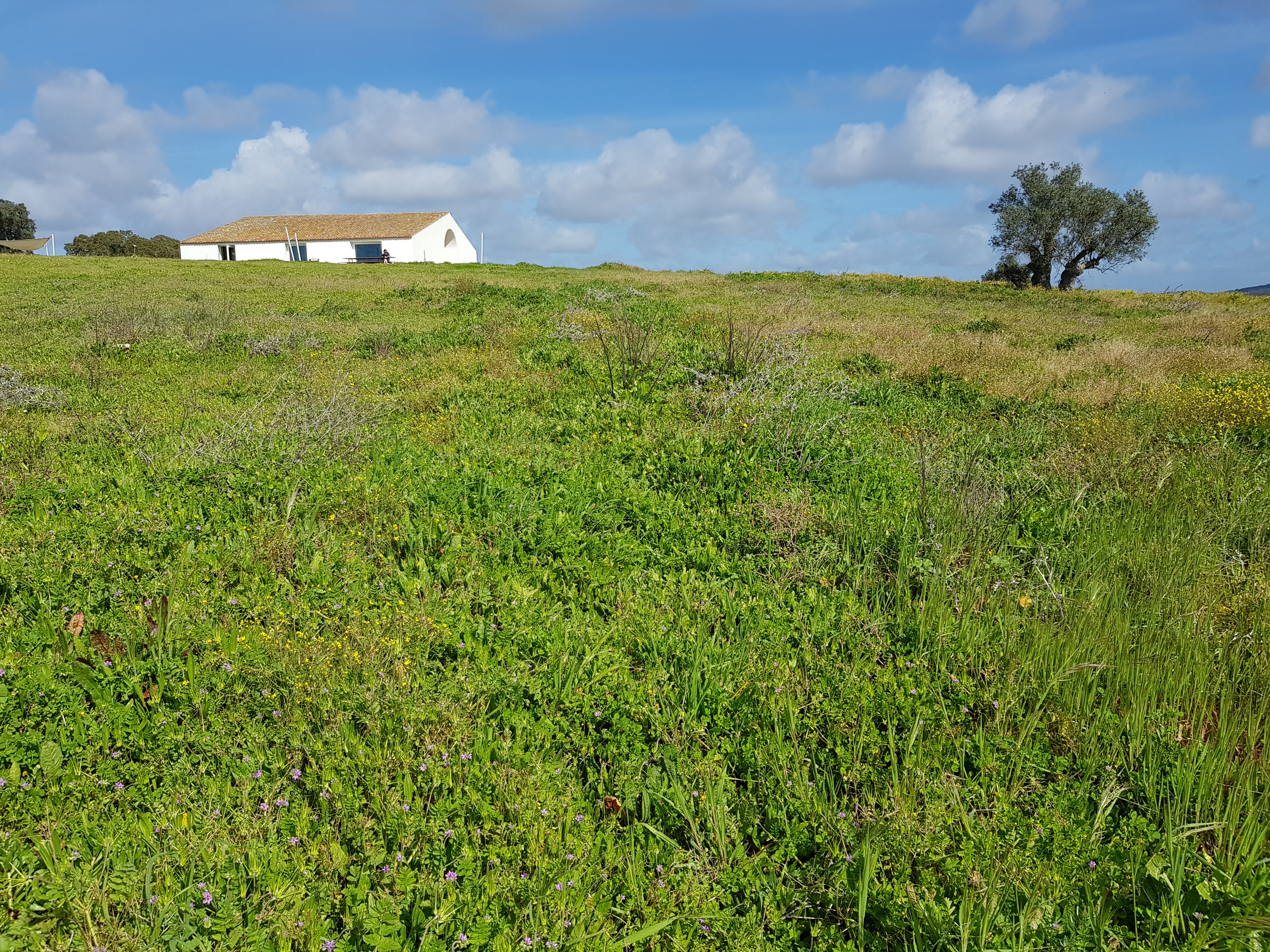
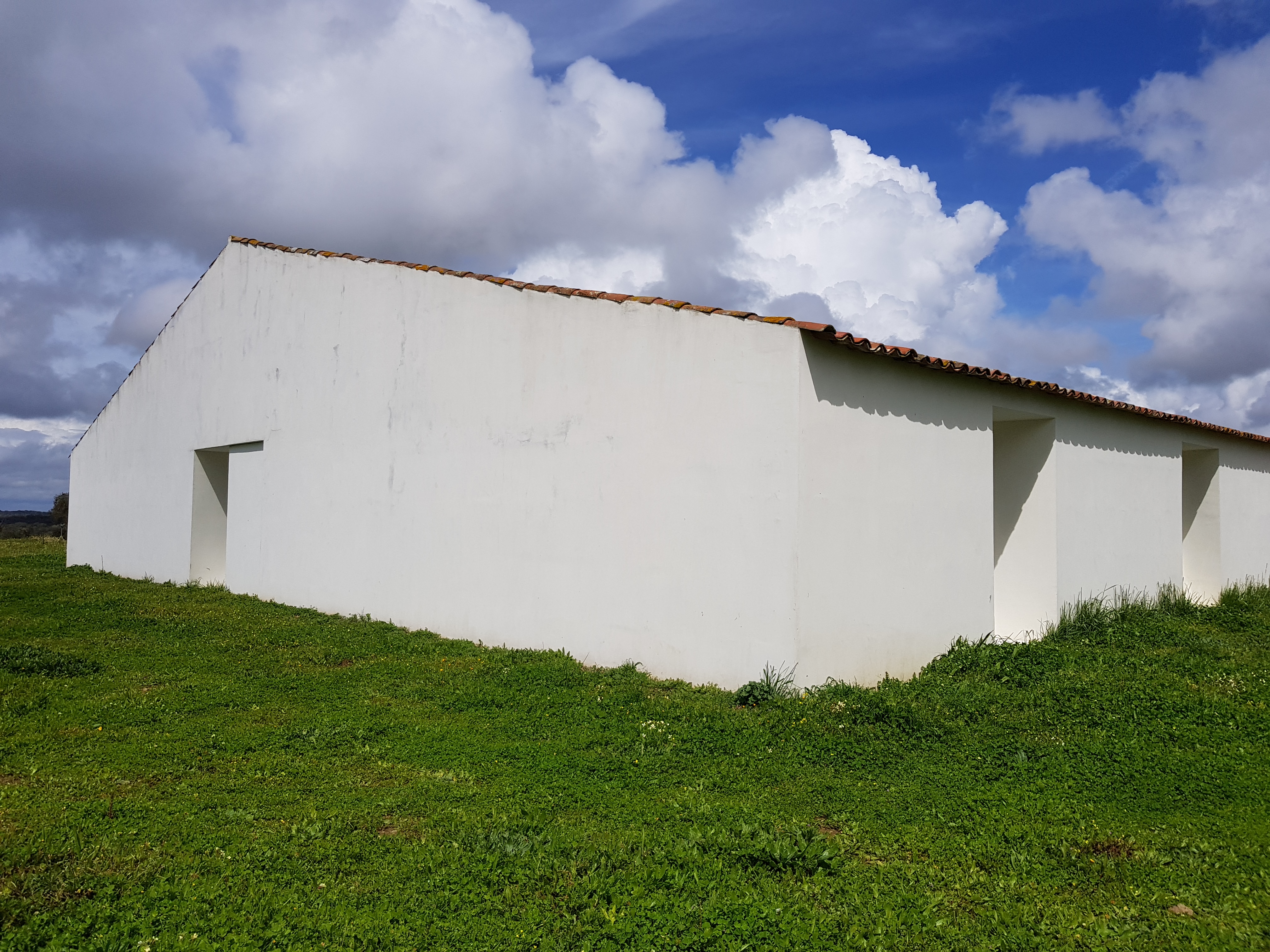
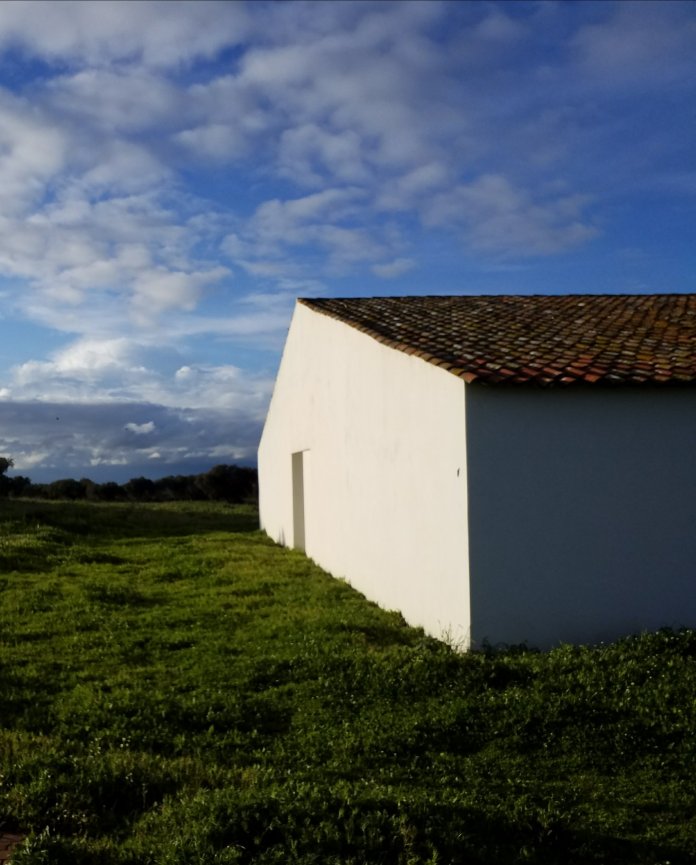
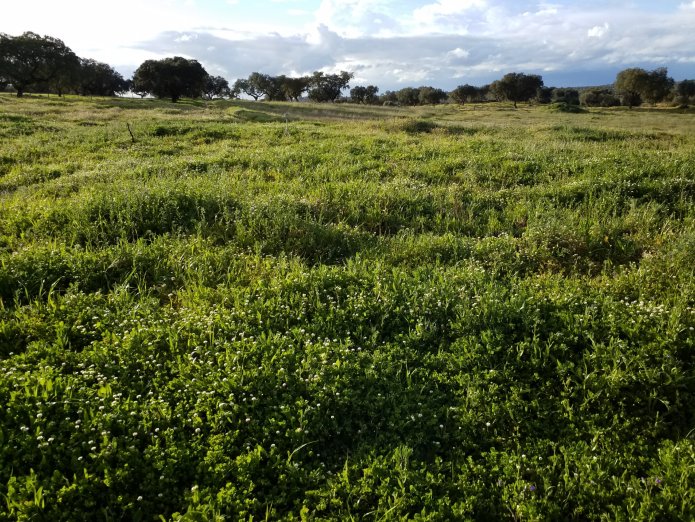
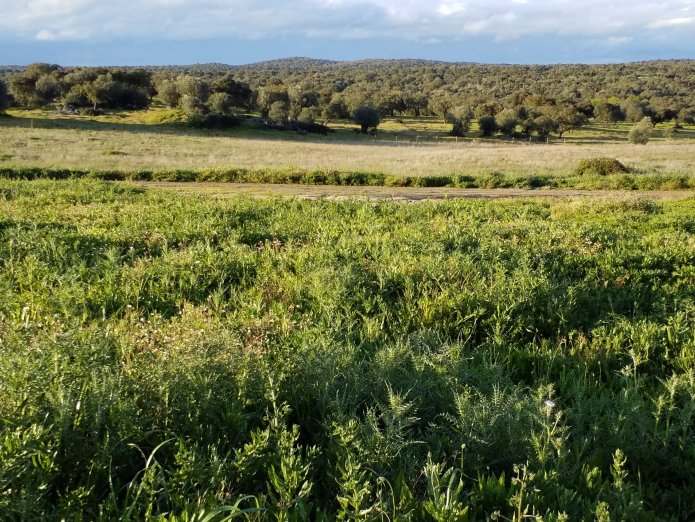
These were the views from our bedroom window:-
Arraiolos
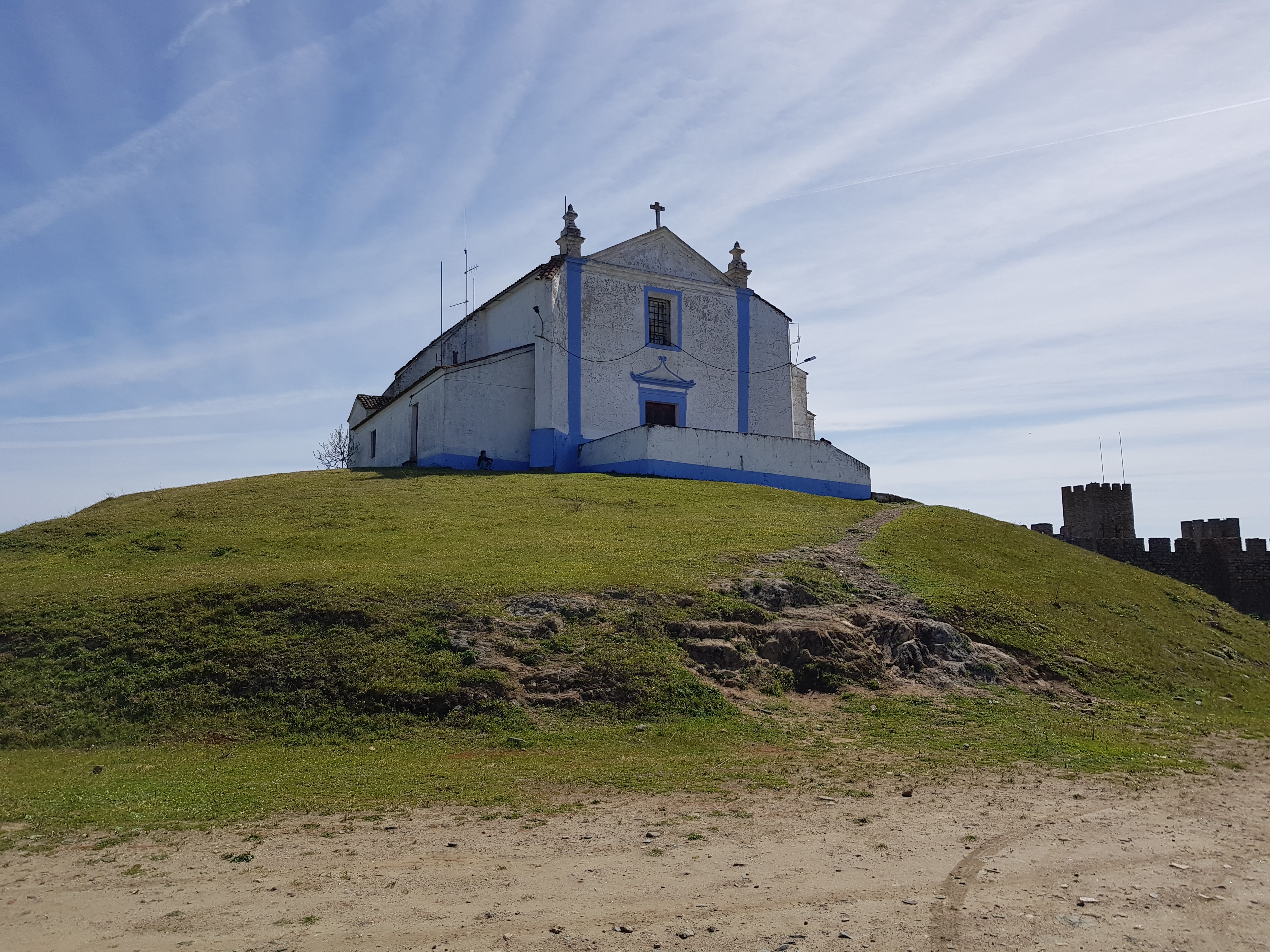
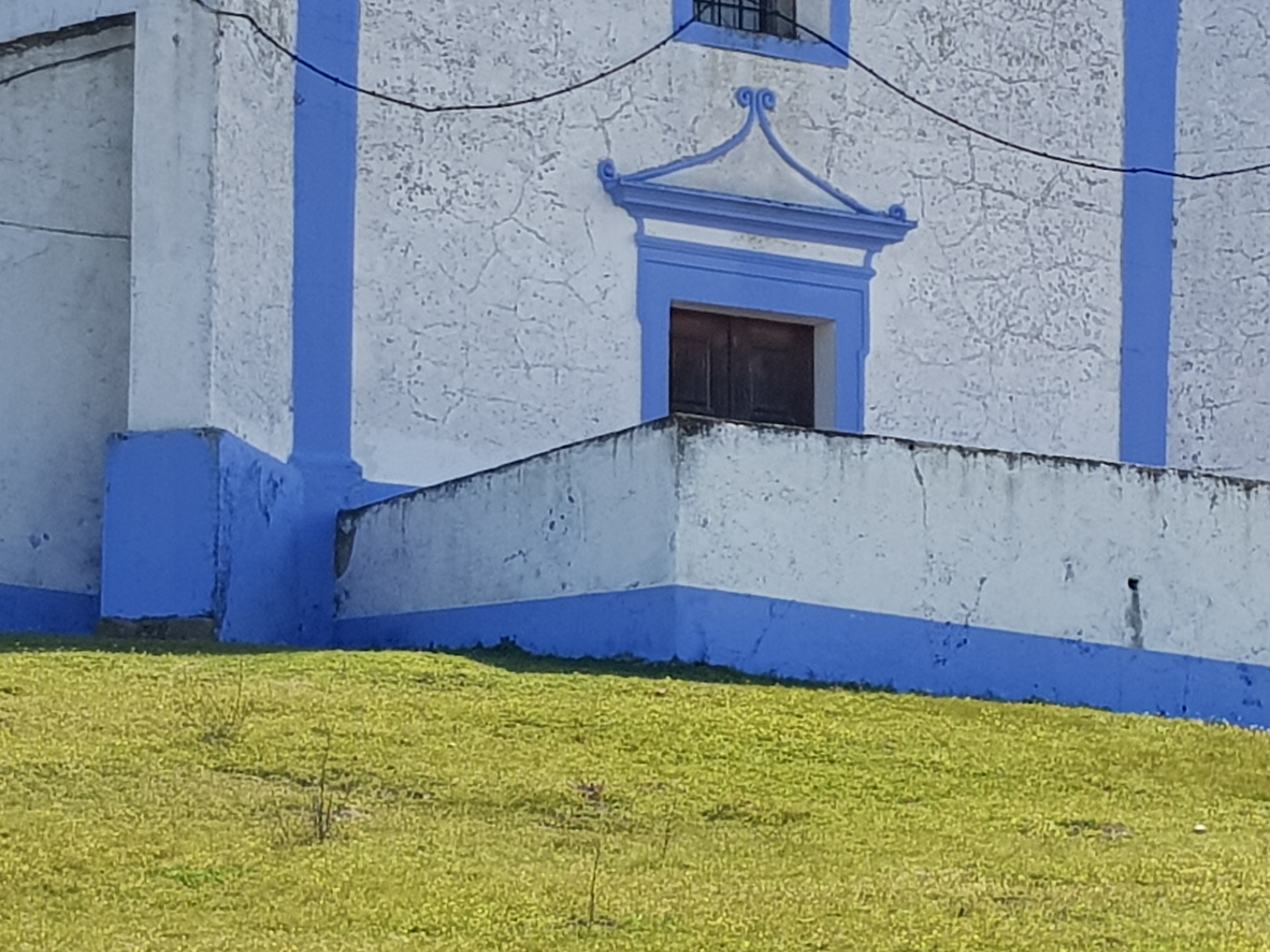
Last of my Alentejo posts is the Igreja do Salvador inside the keep of the castle at Arraiolos:-
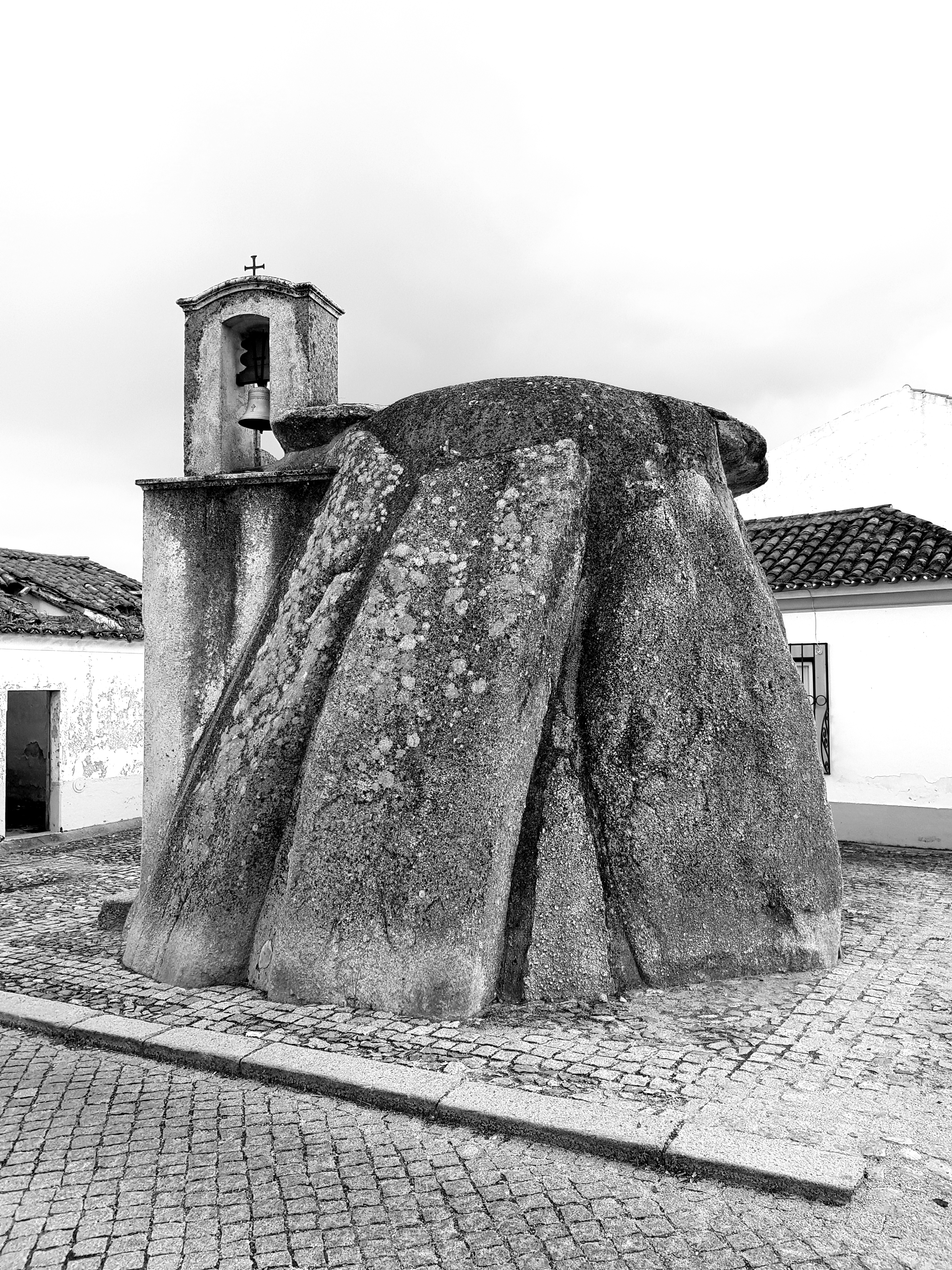
Anta de Pavia
In the town square at Pavia, a small town west of Estremoz, is a second dolmen church, one of the oddities of the region whereby a pagan monument was converted to Christian use by being made into a chapel dedicated to São Dinis:-
Estremoz
We spent our last day in the Alentejo in Estremoz, a large-ish market town where the main square leads up by narrow streets to the medieval castle.
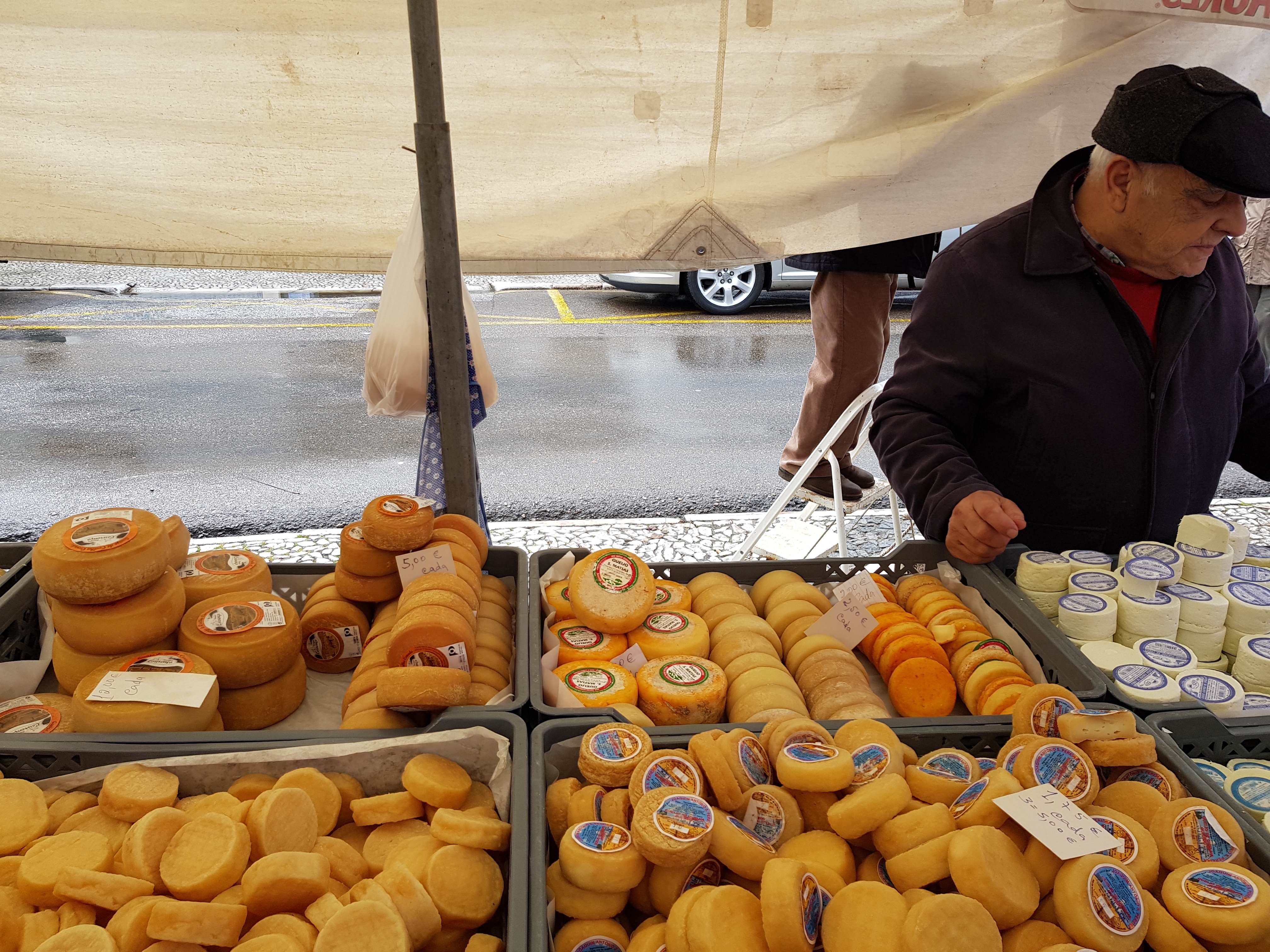
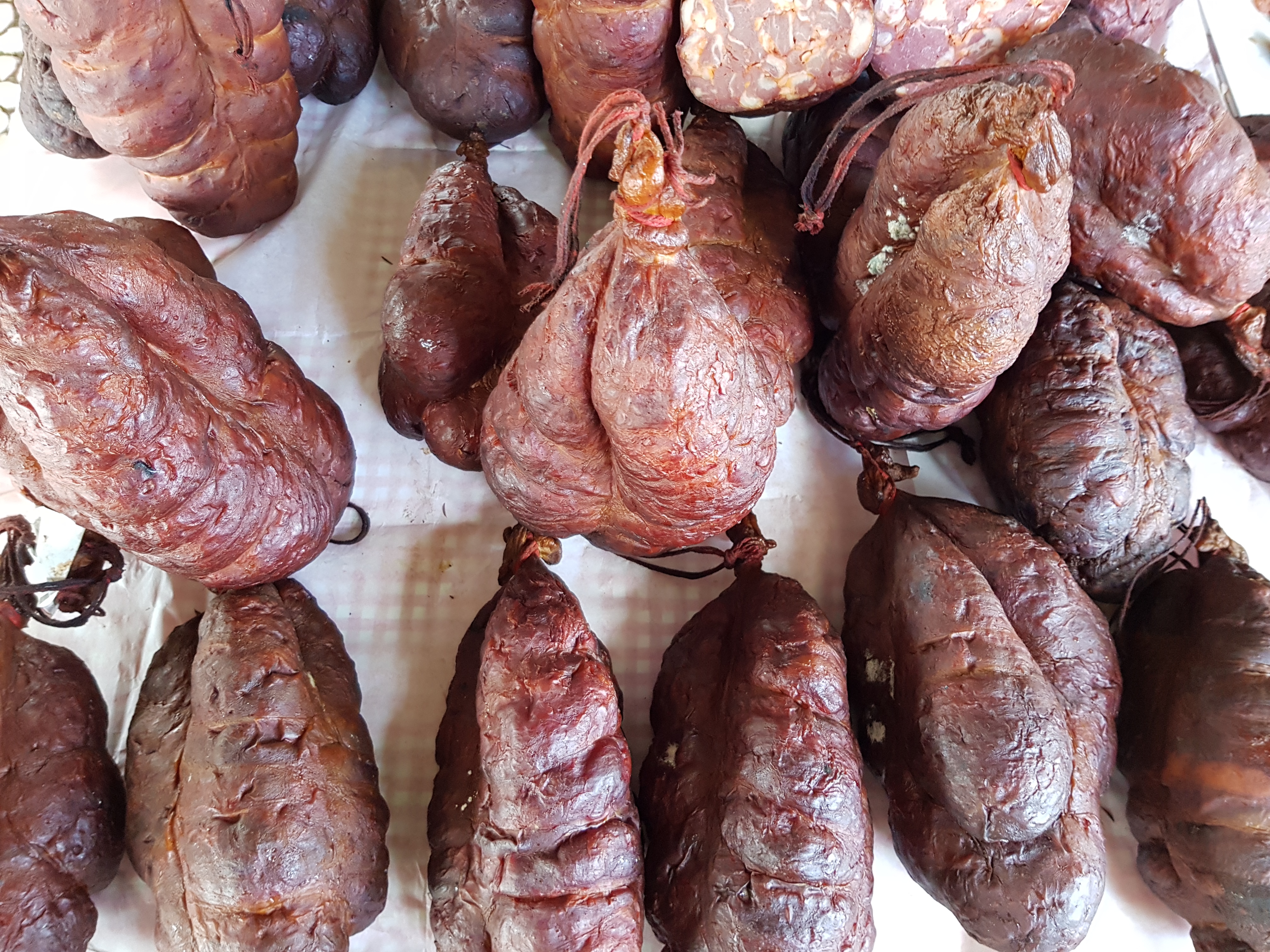
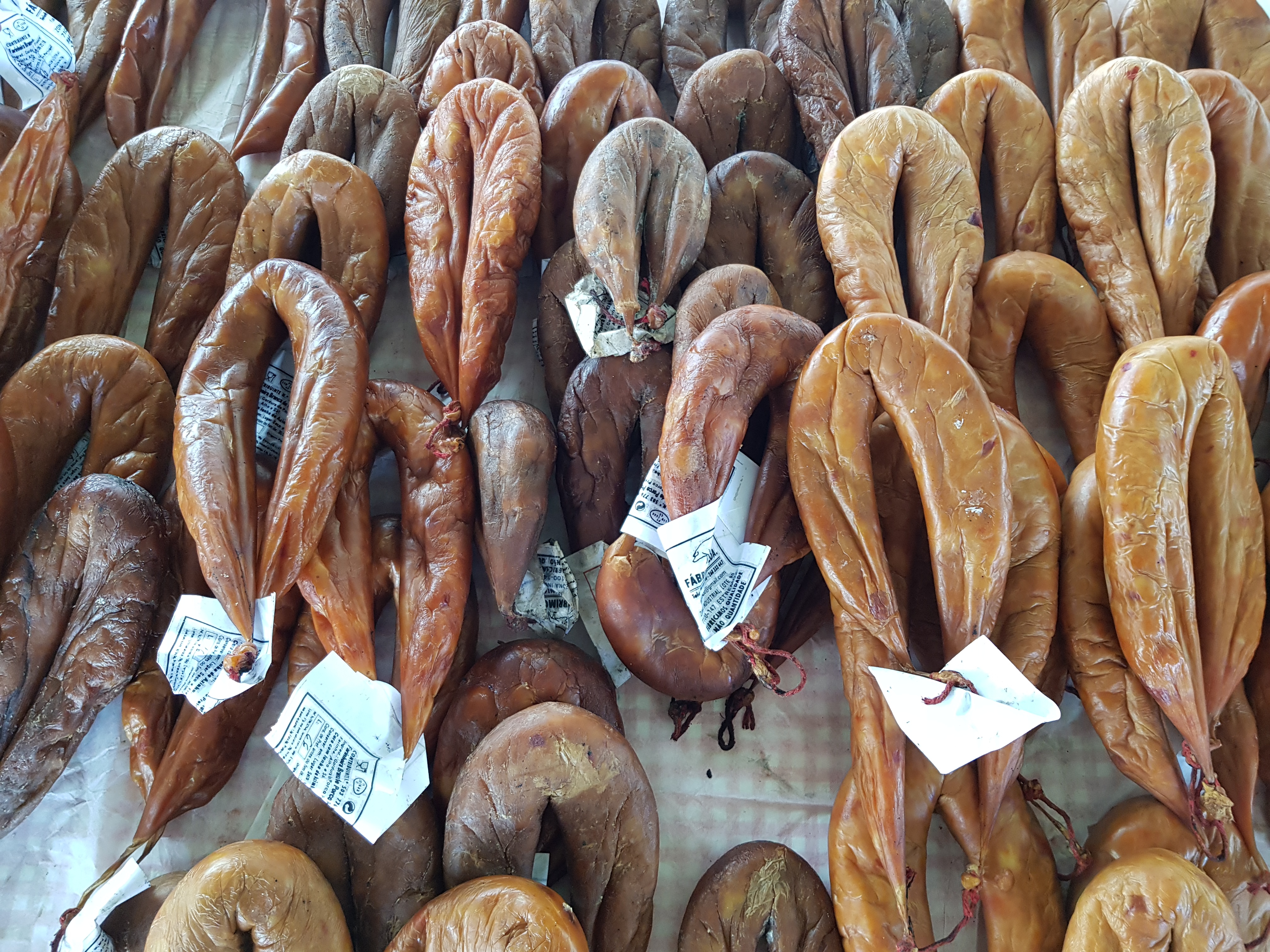
We went partly to the Saturday morning market which turned out to be mostly junk, apart from the excellent Alentejo meats and cheeses:-
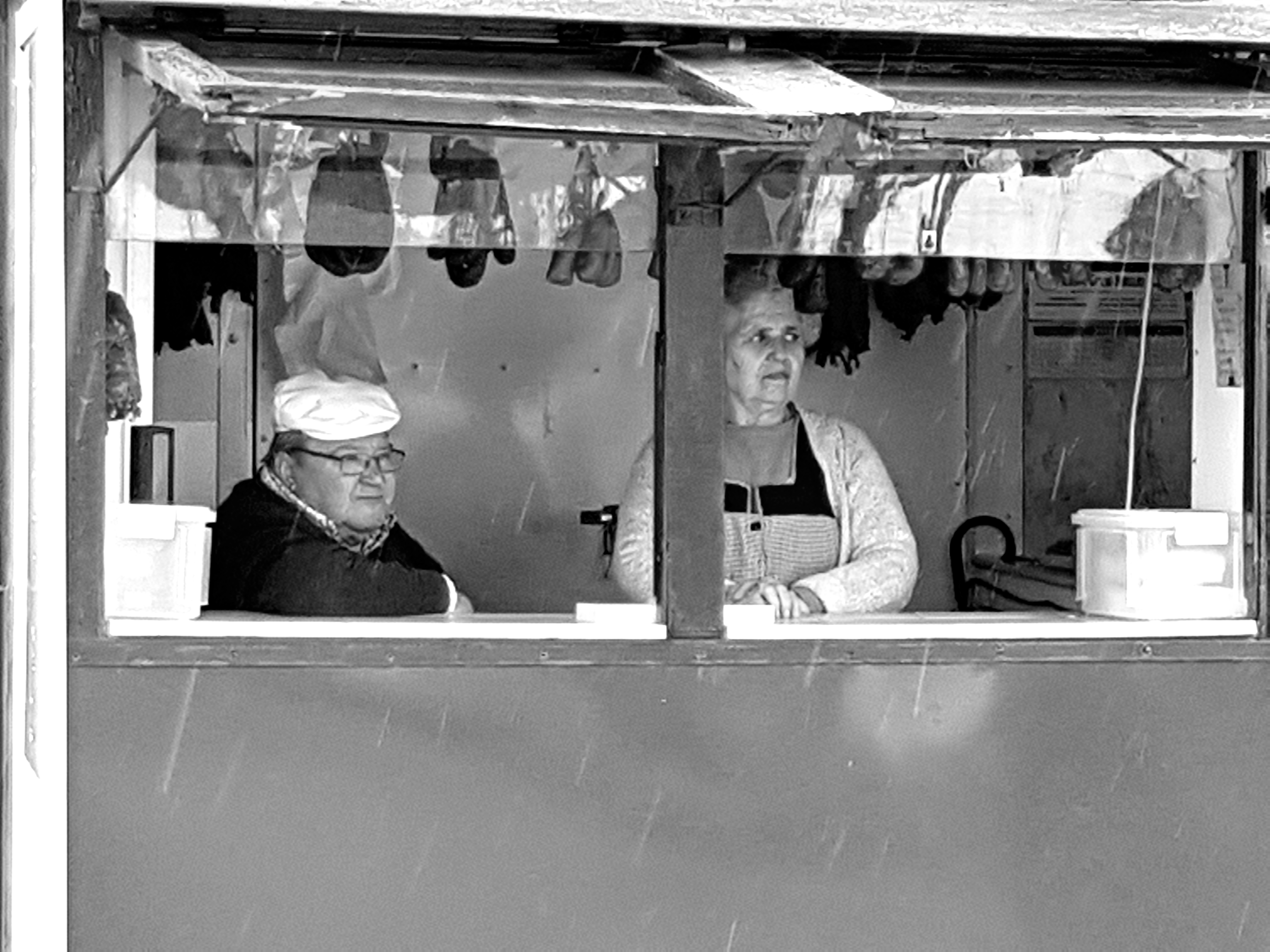
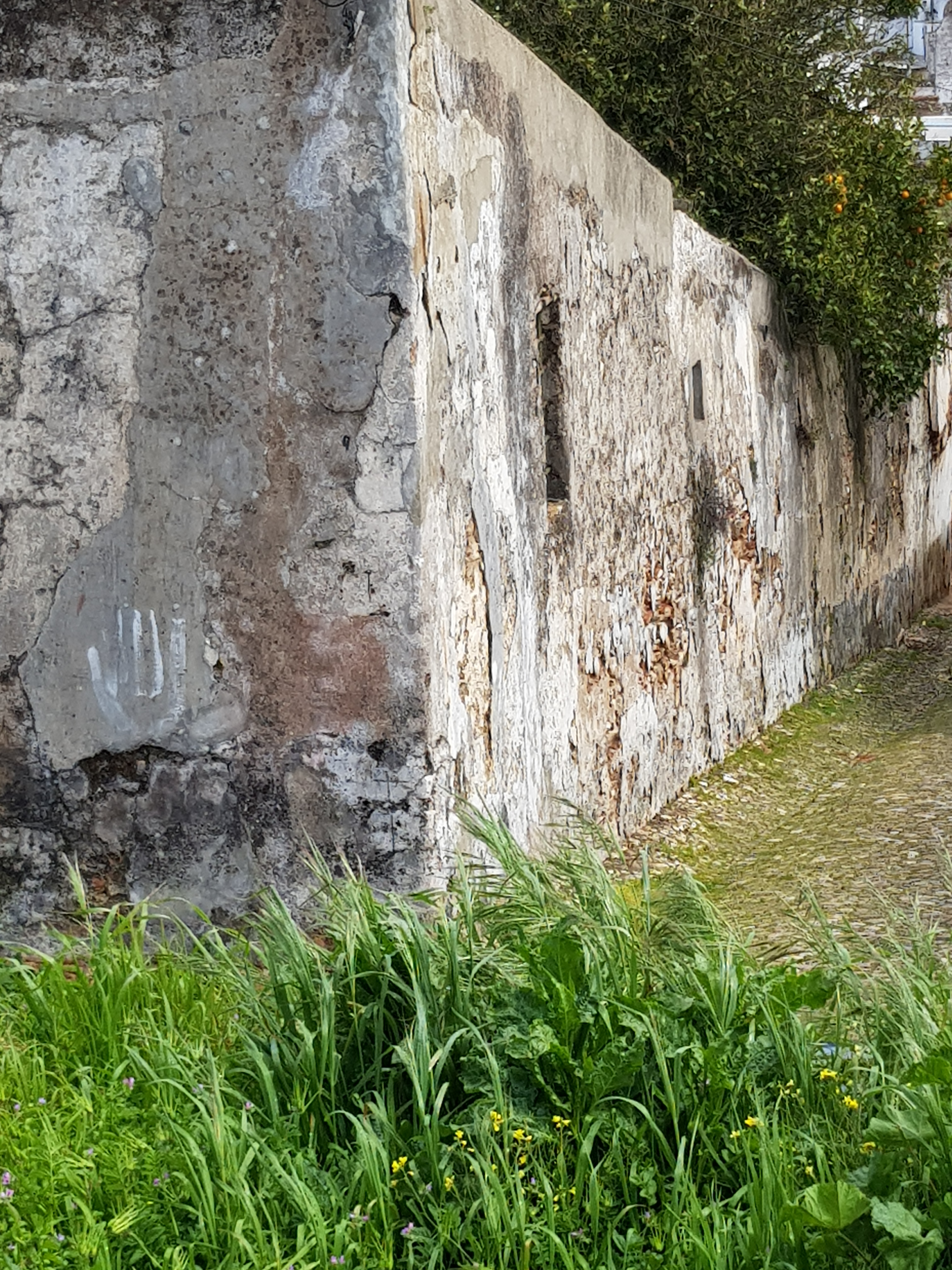
The route up to the castle is highly picturesque:-
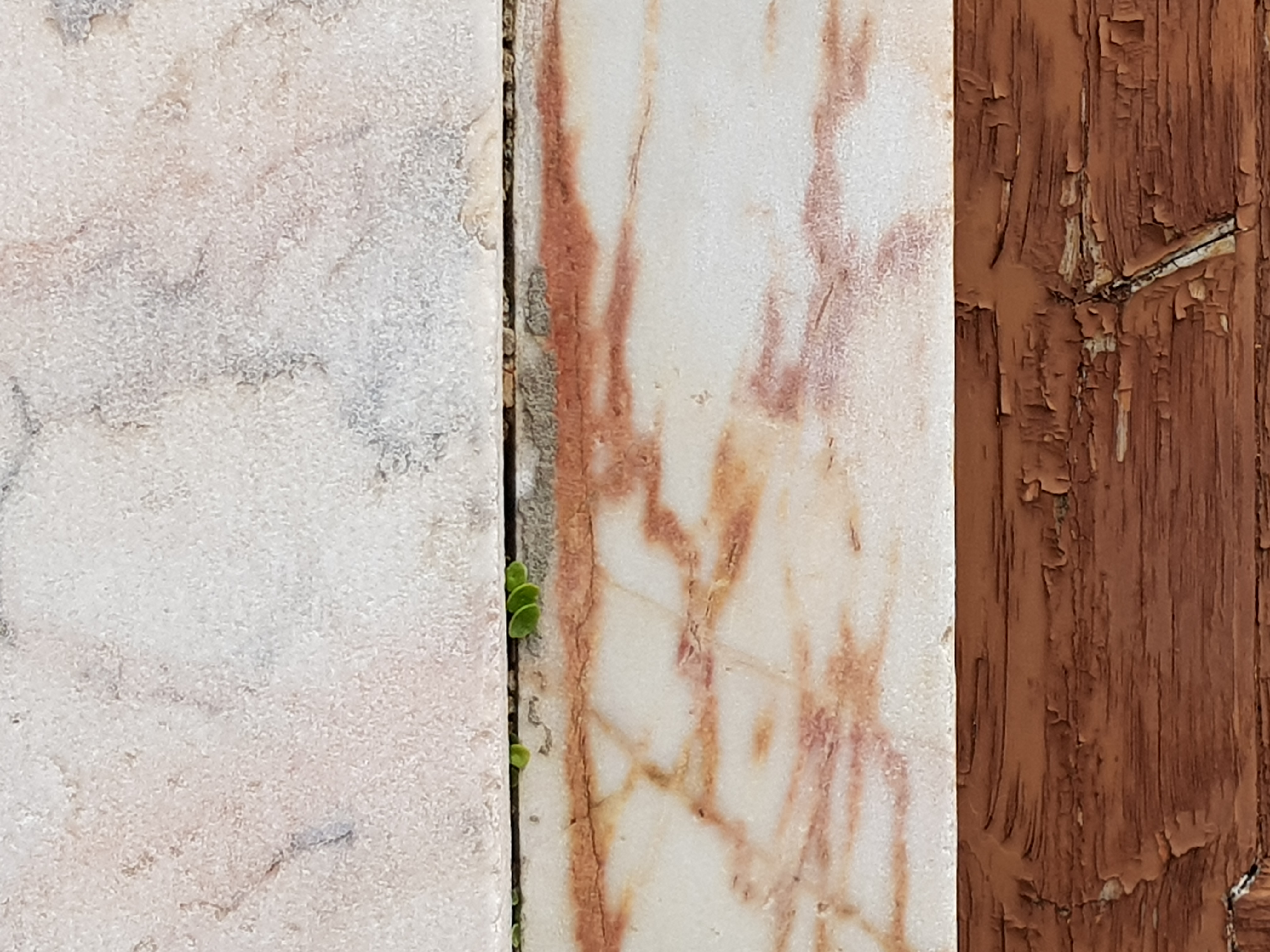
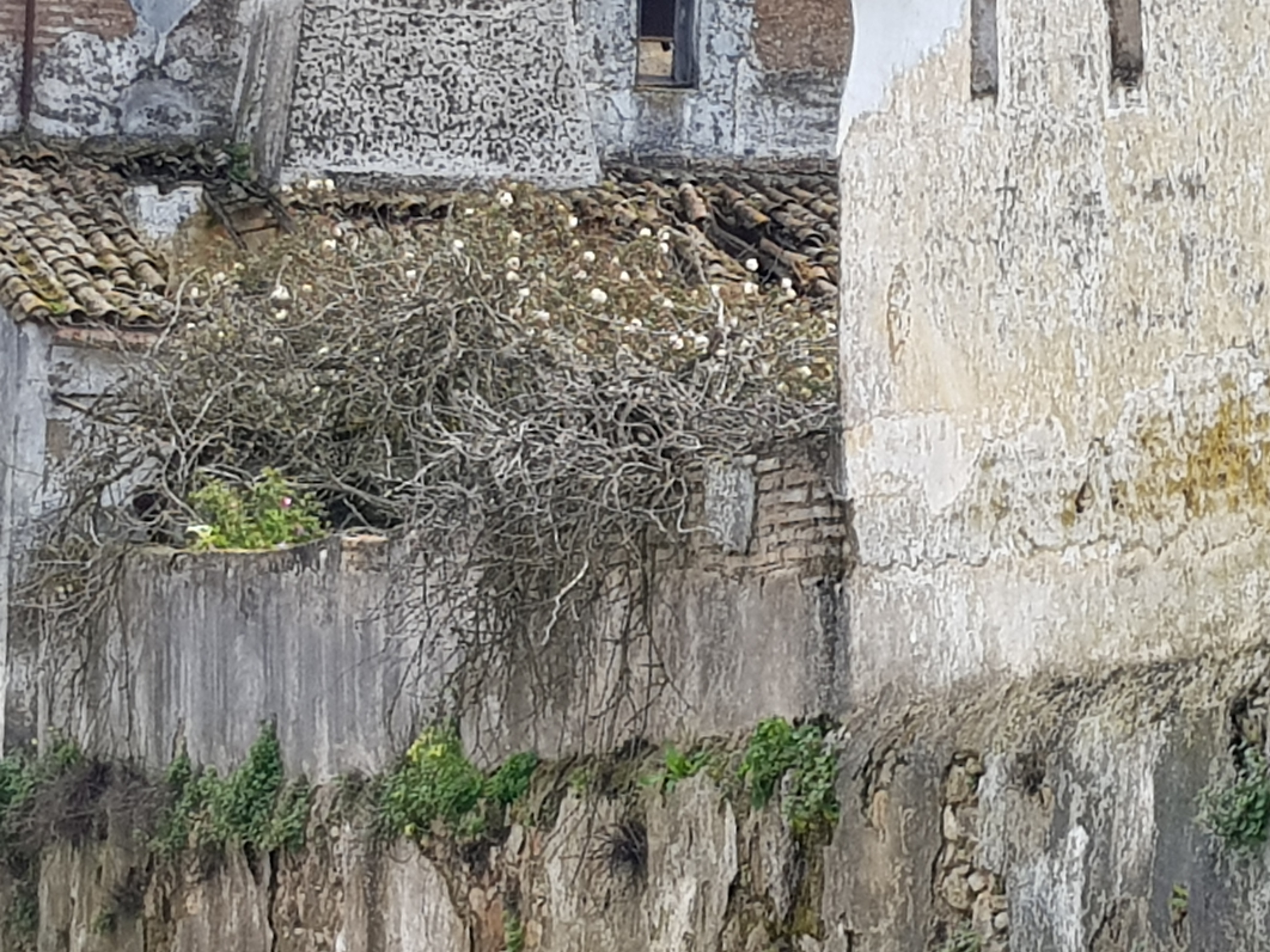
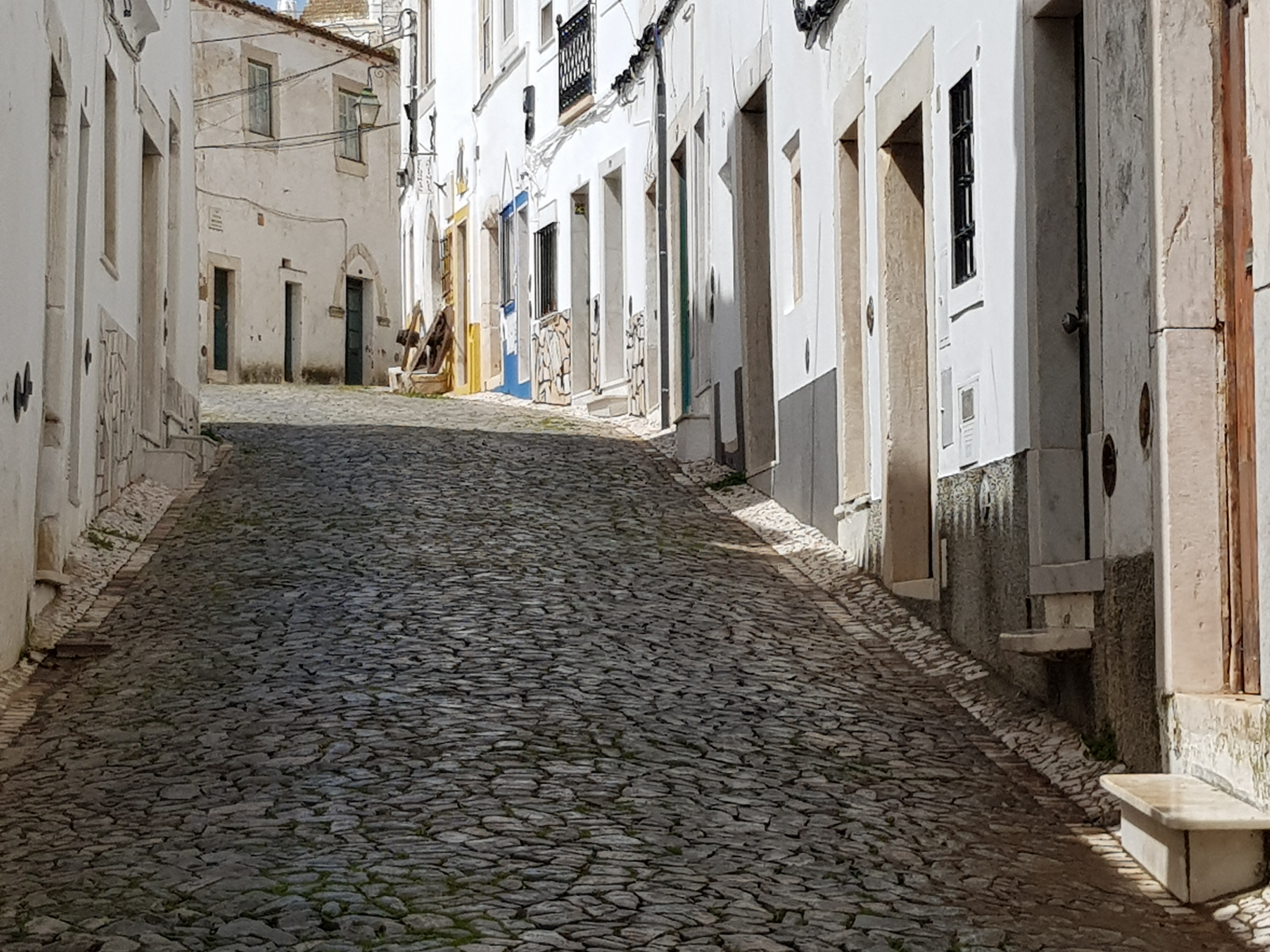
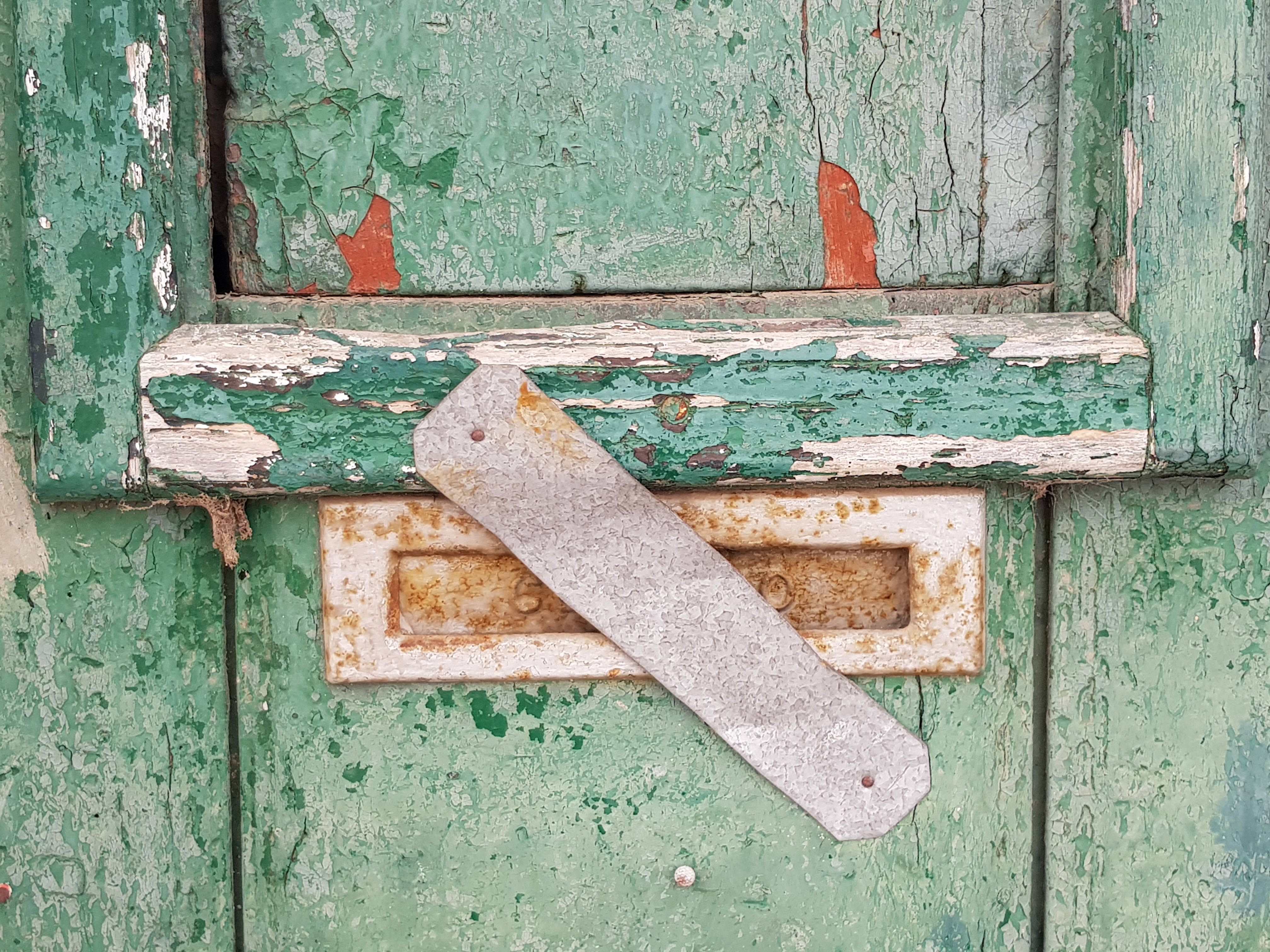
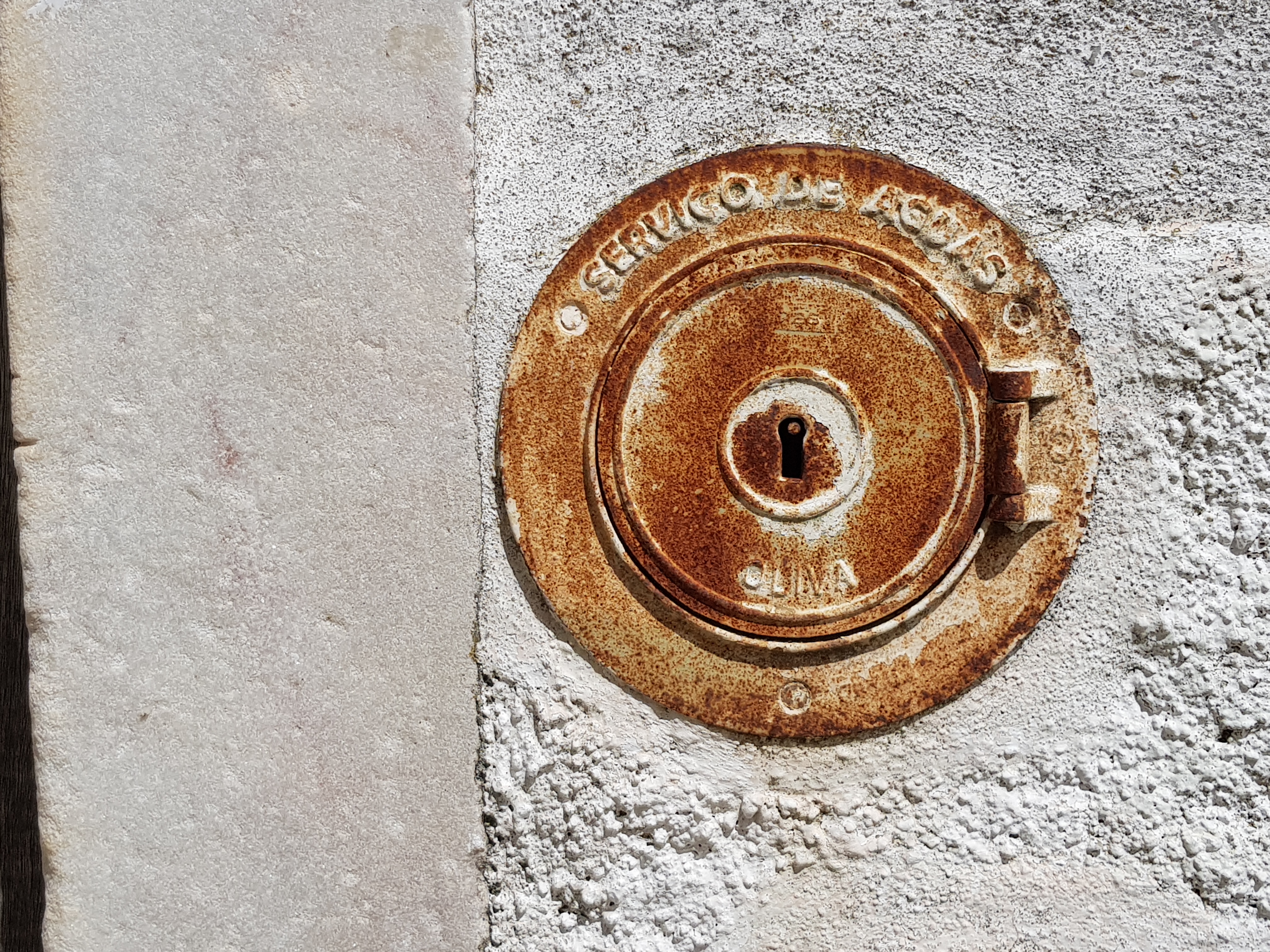
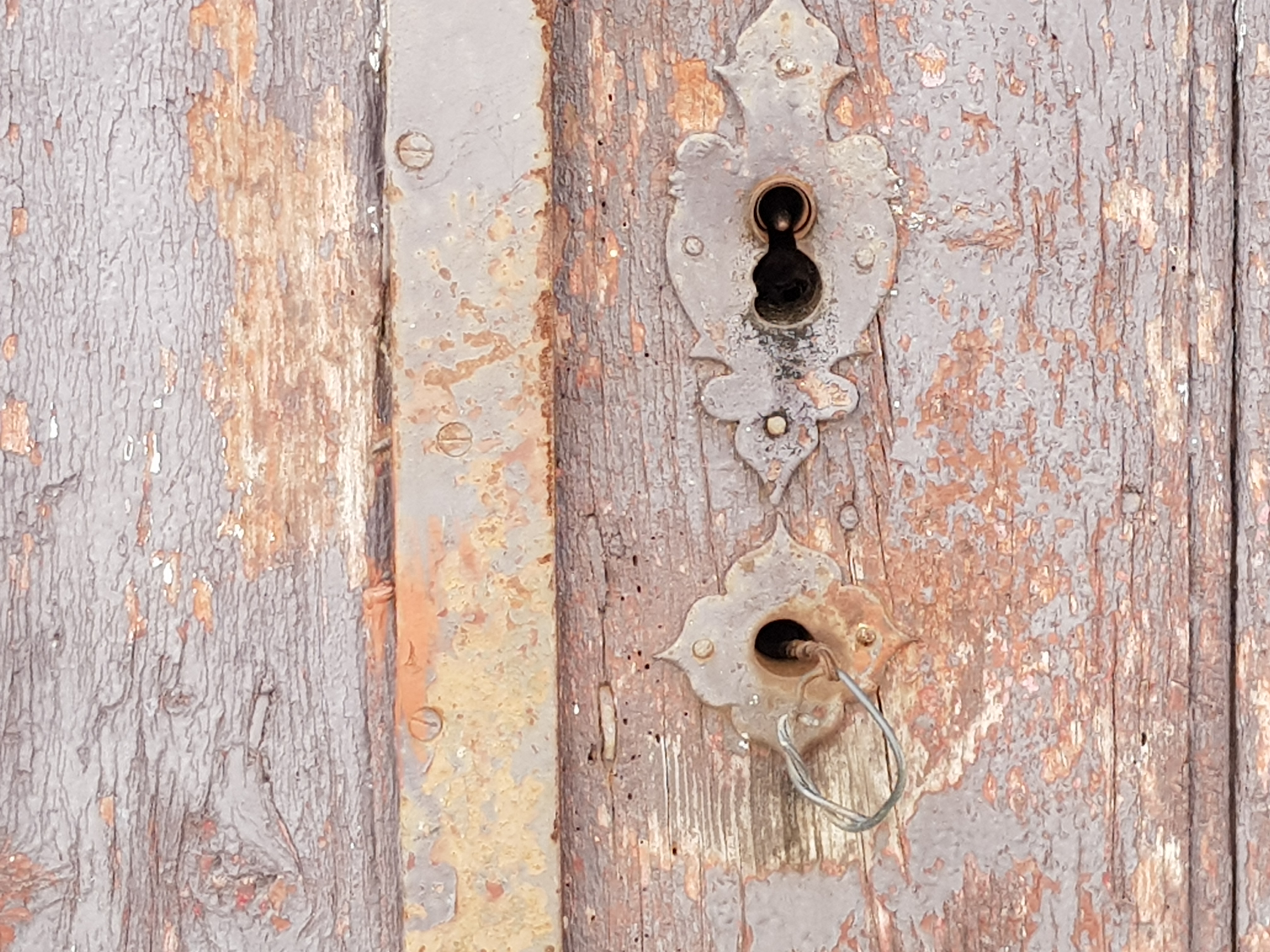
Within the Castle keep itself is the post-Manueline Igreja de Santa Maria:-
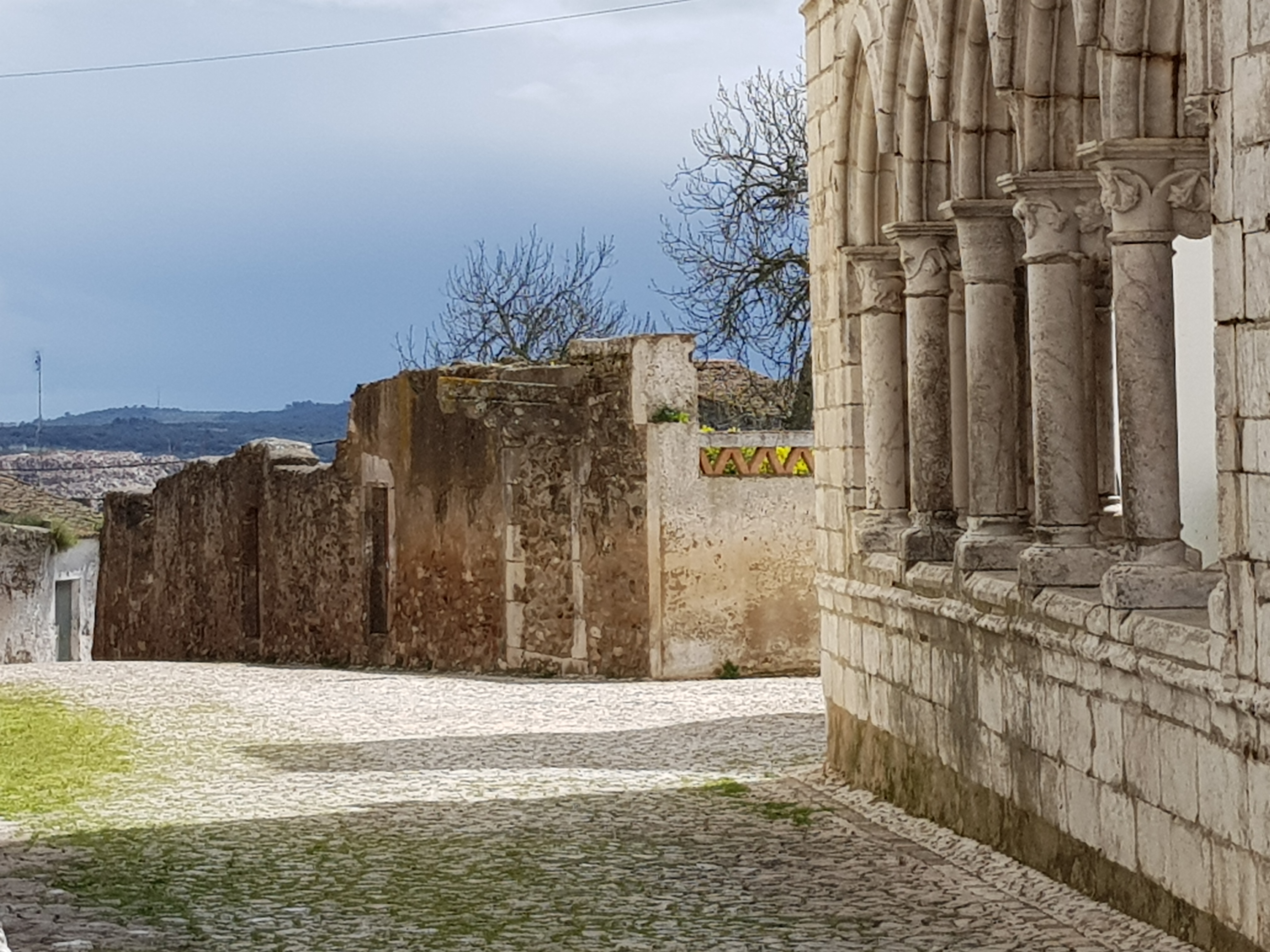
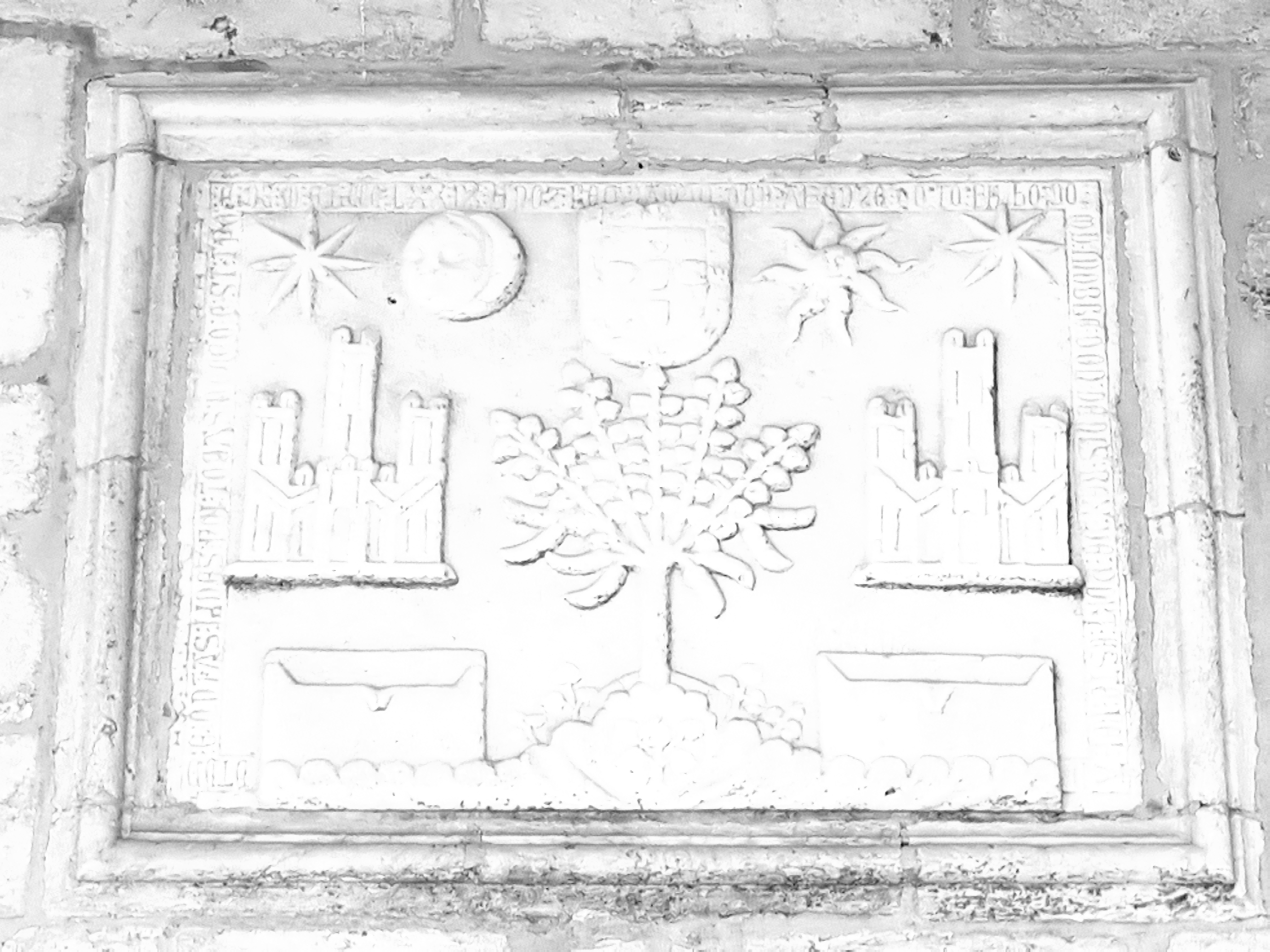
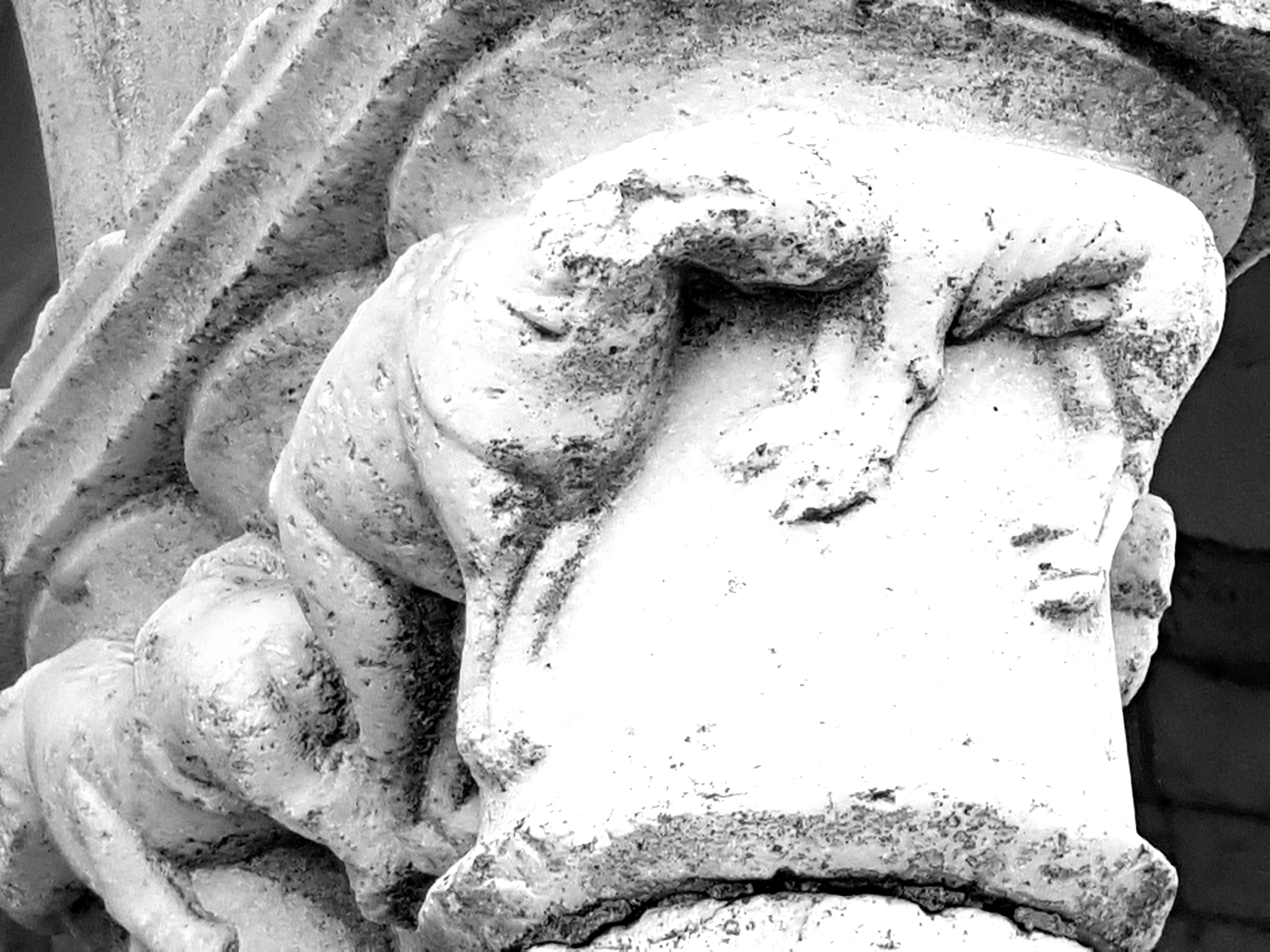
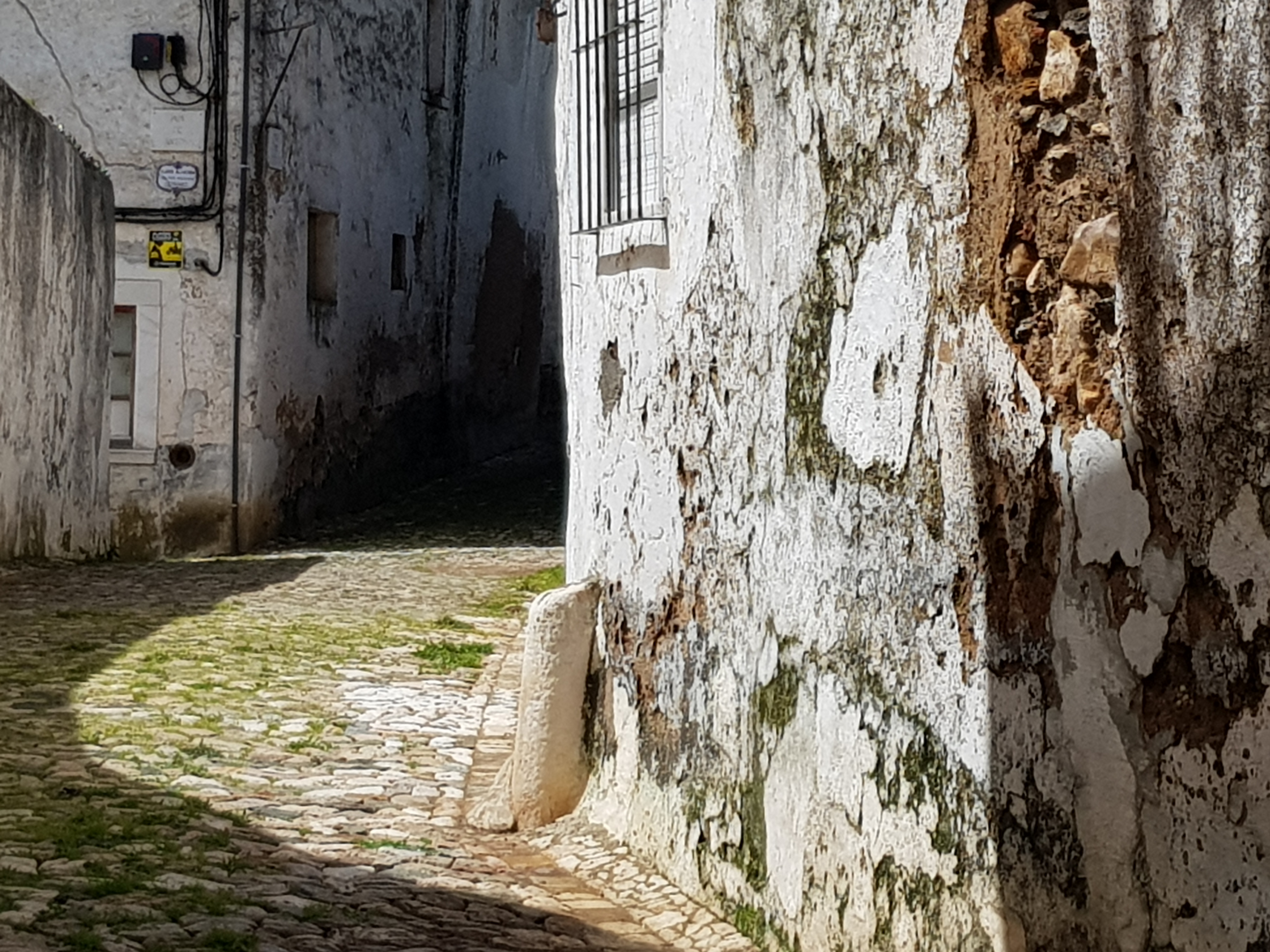
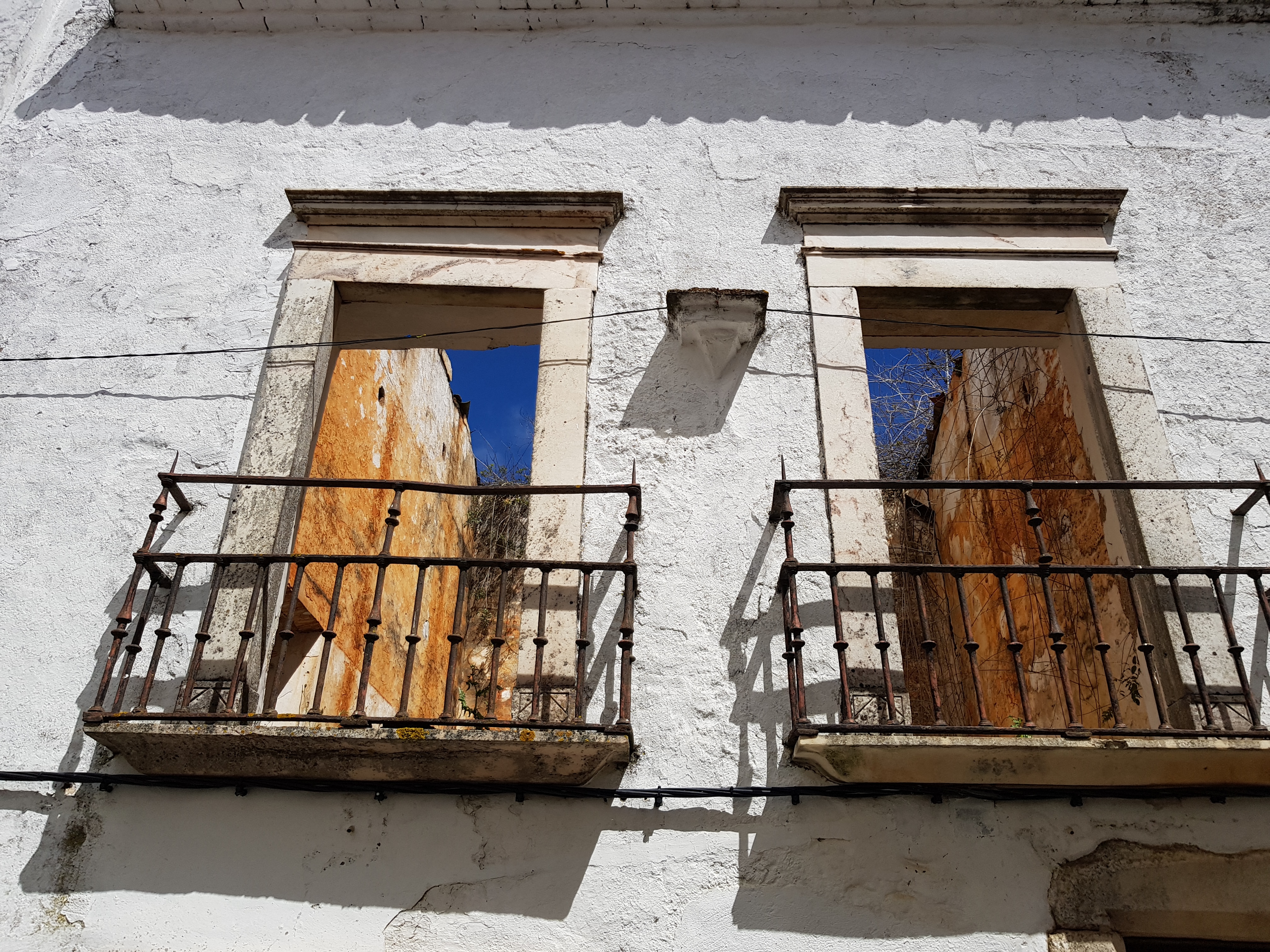
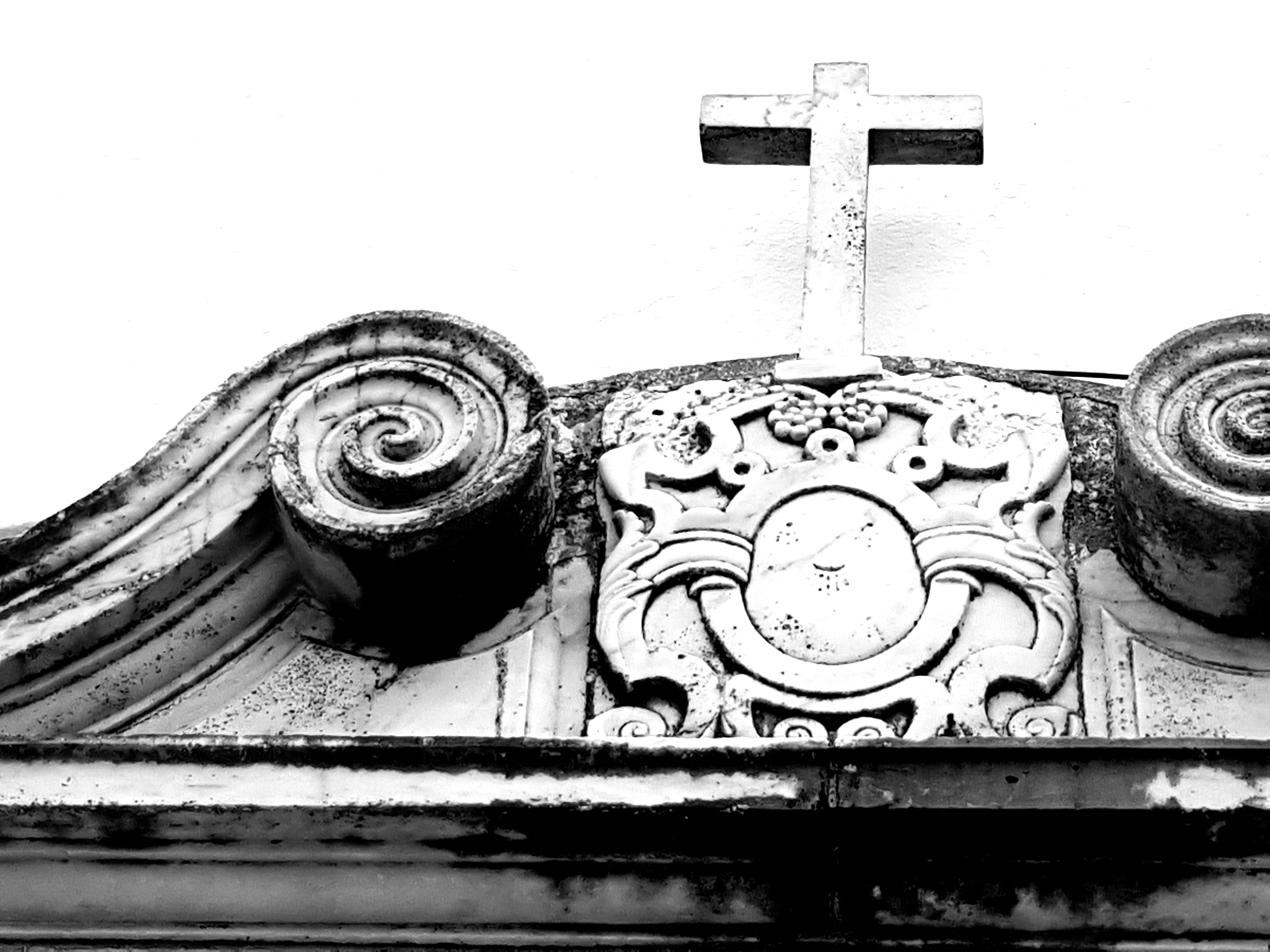
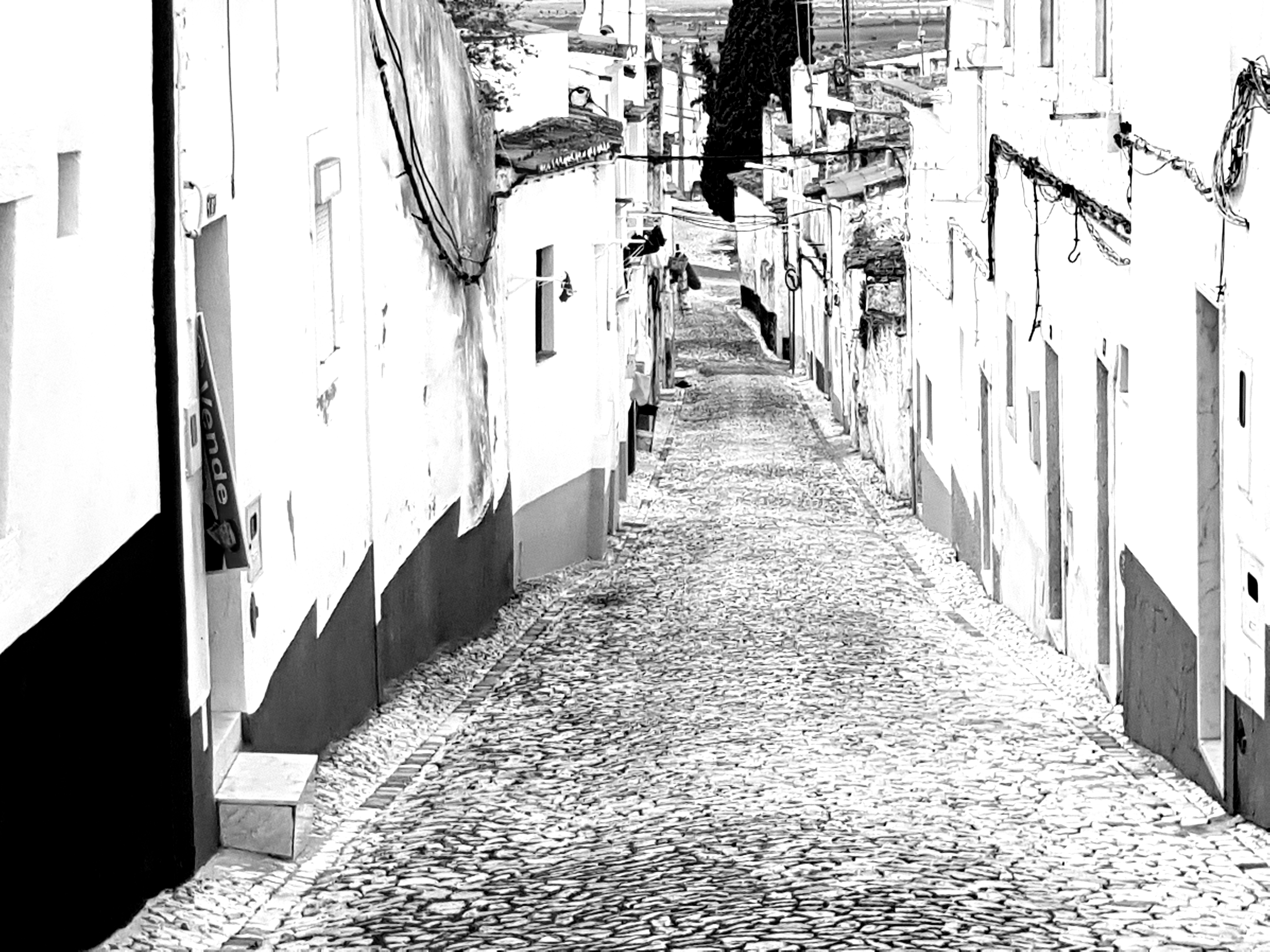
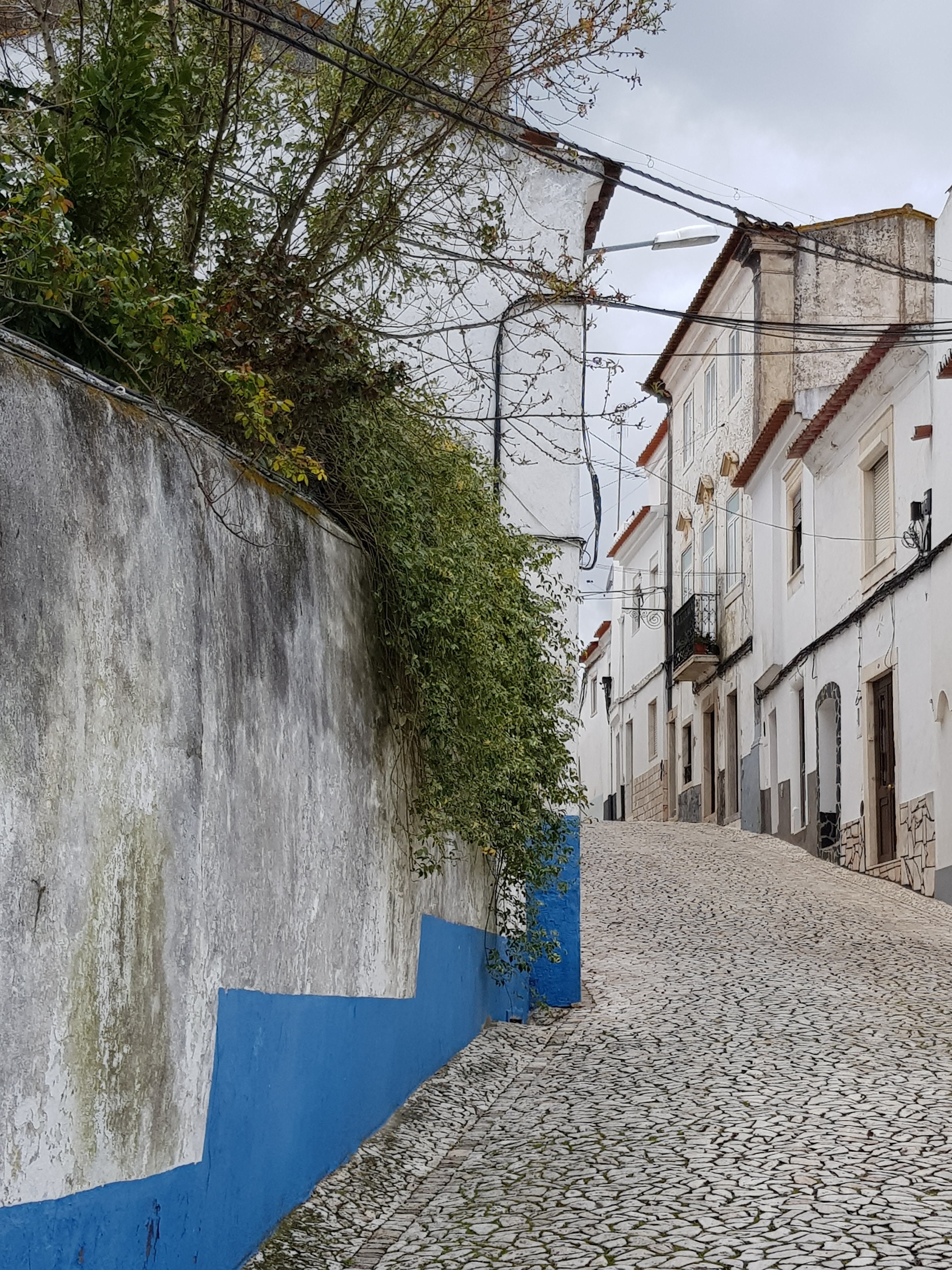
Back down the other side are more deserted streets, punctuated by roadside shrines:-
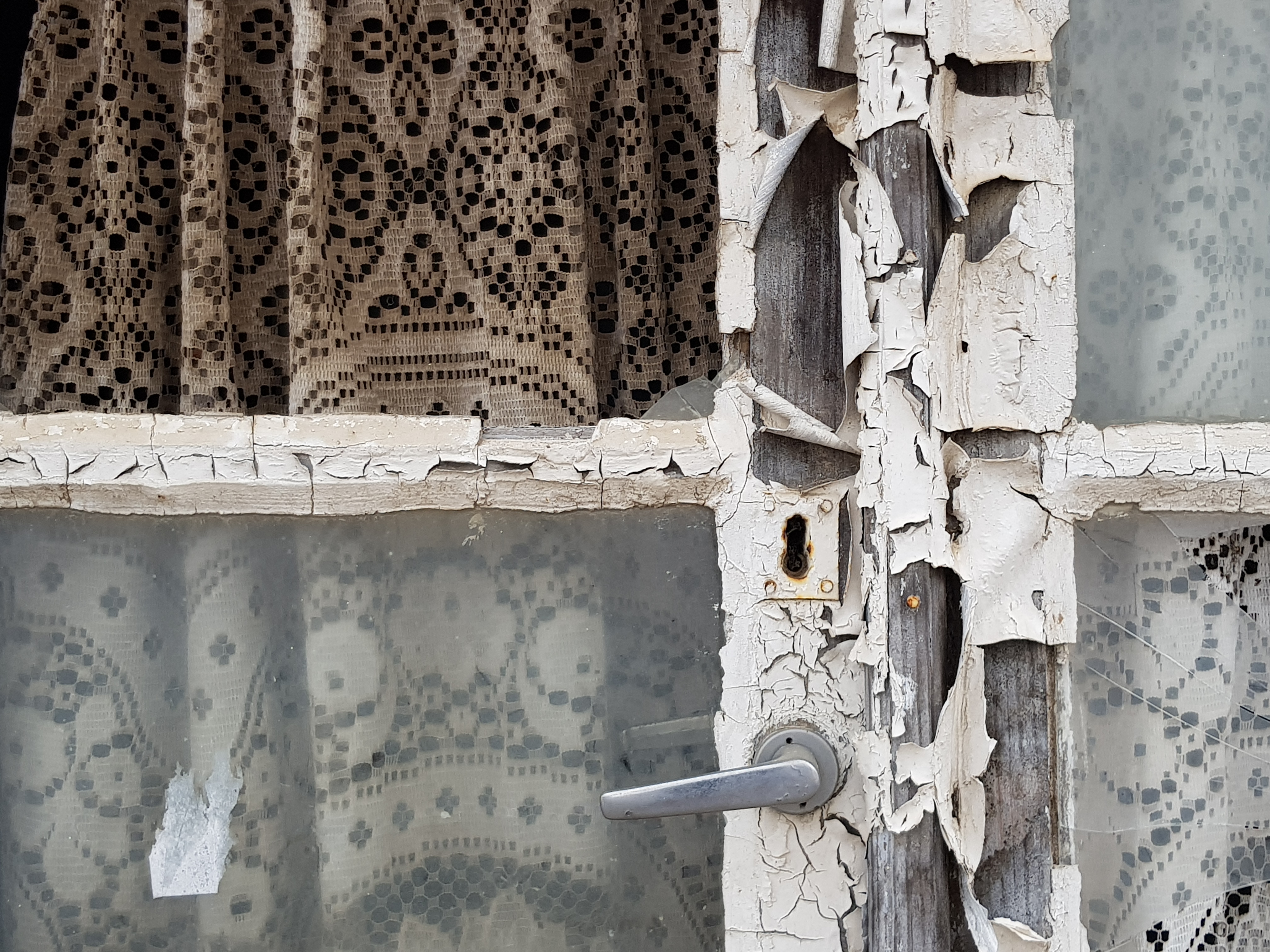
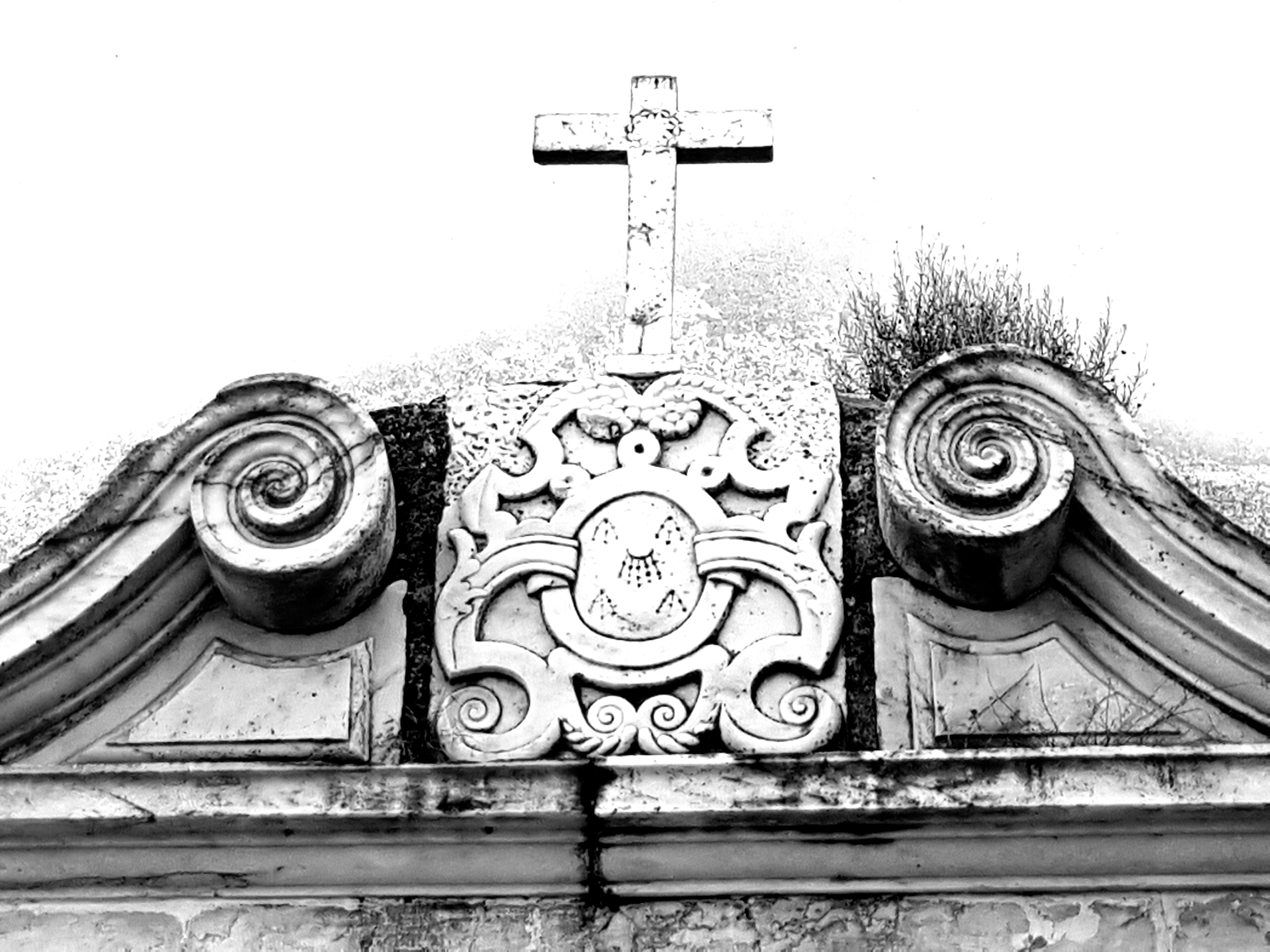
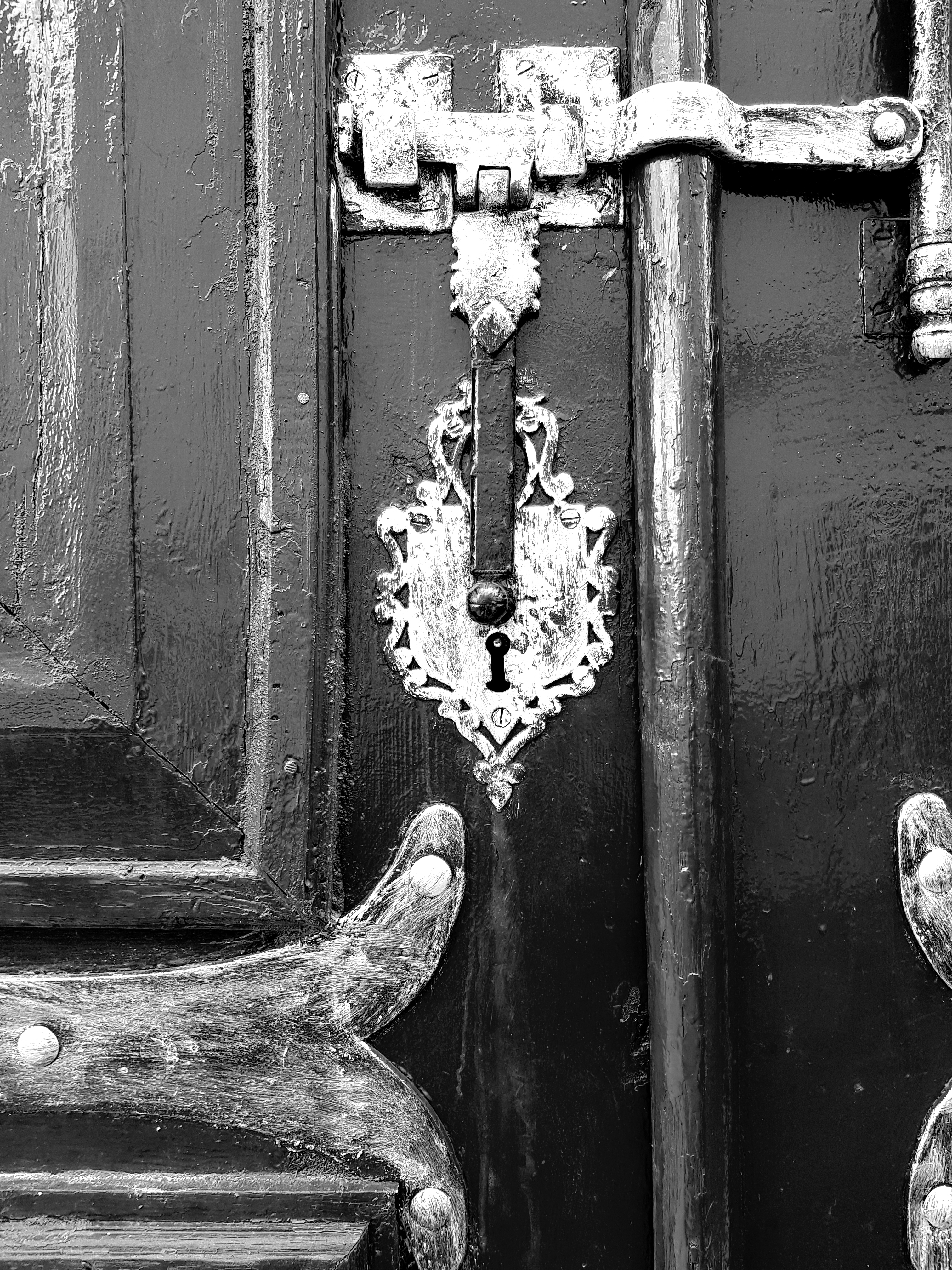
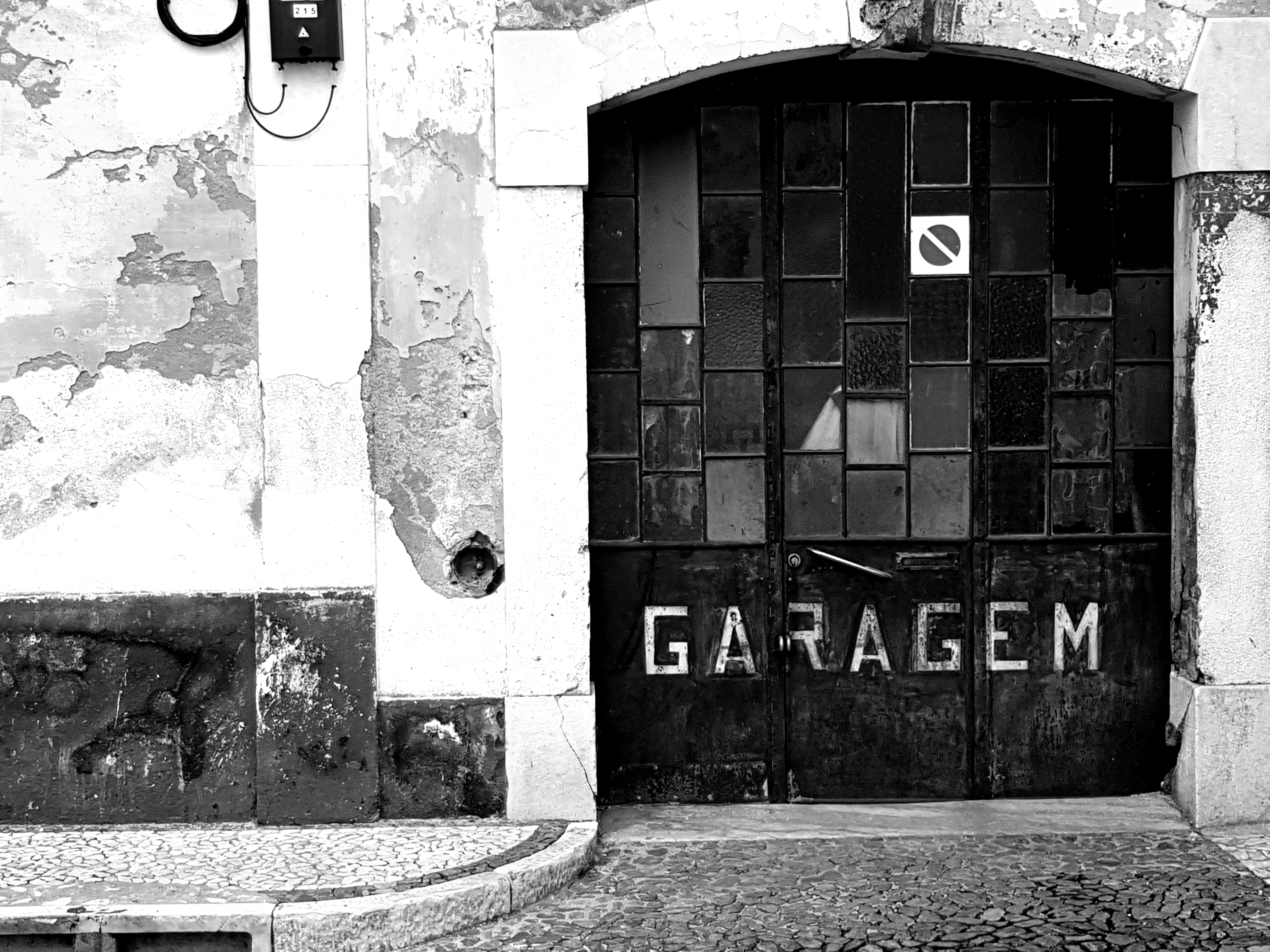
We ended up at the Merceria Gadanha and had, for once, an excellent lunch.
Alto Alentejo (2)
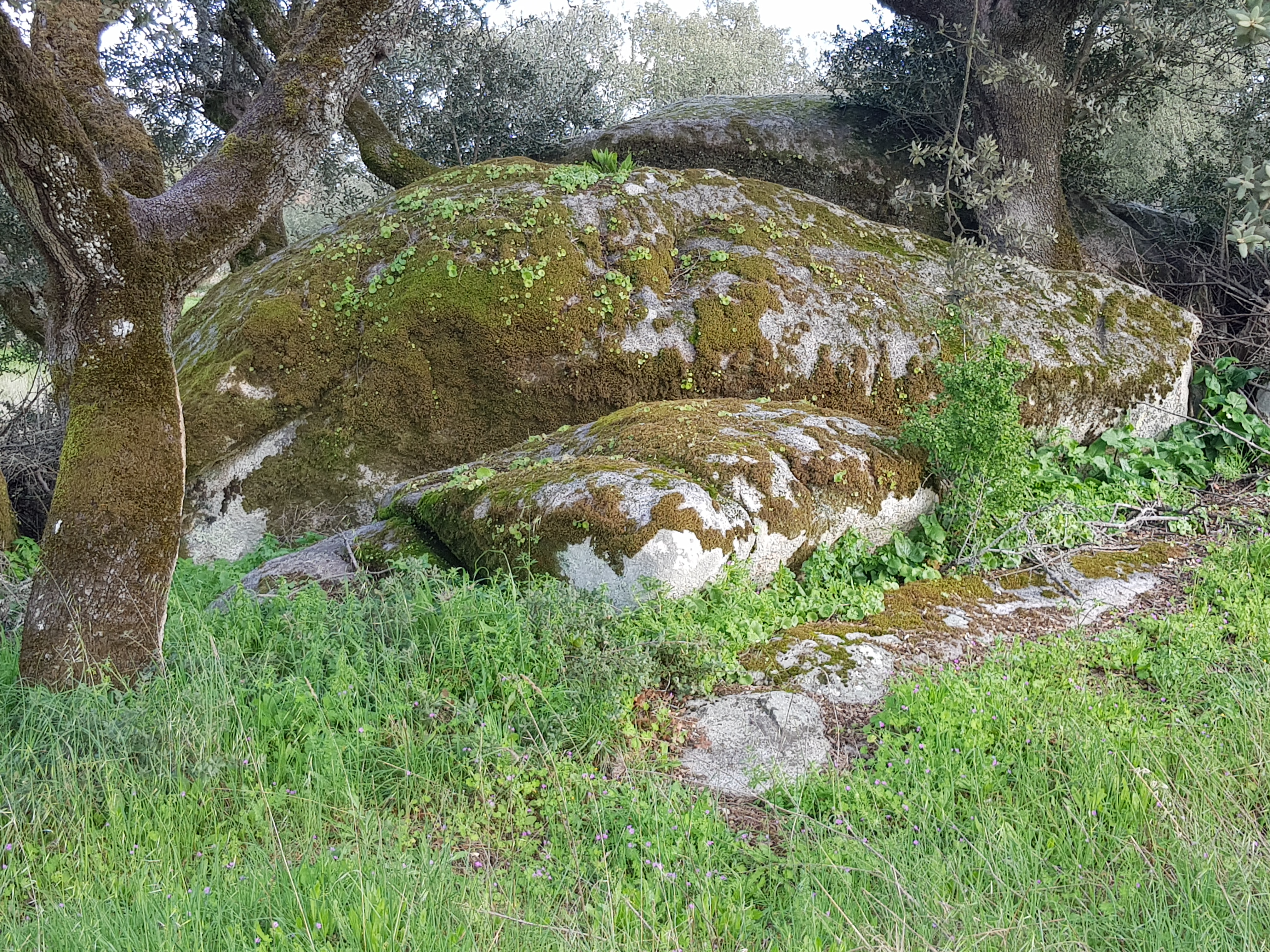
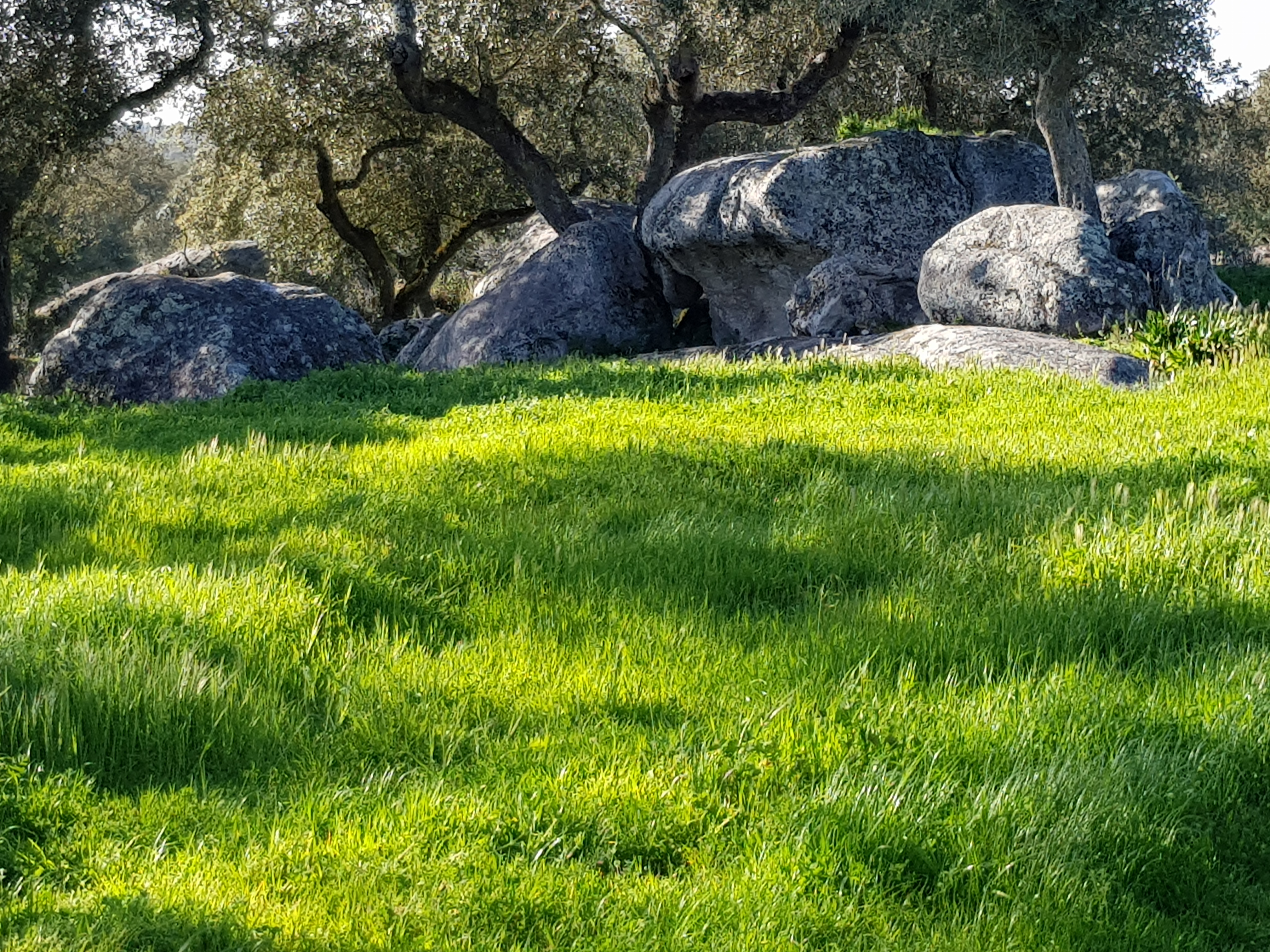
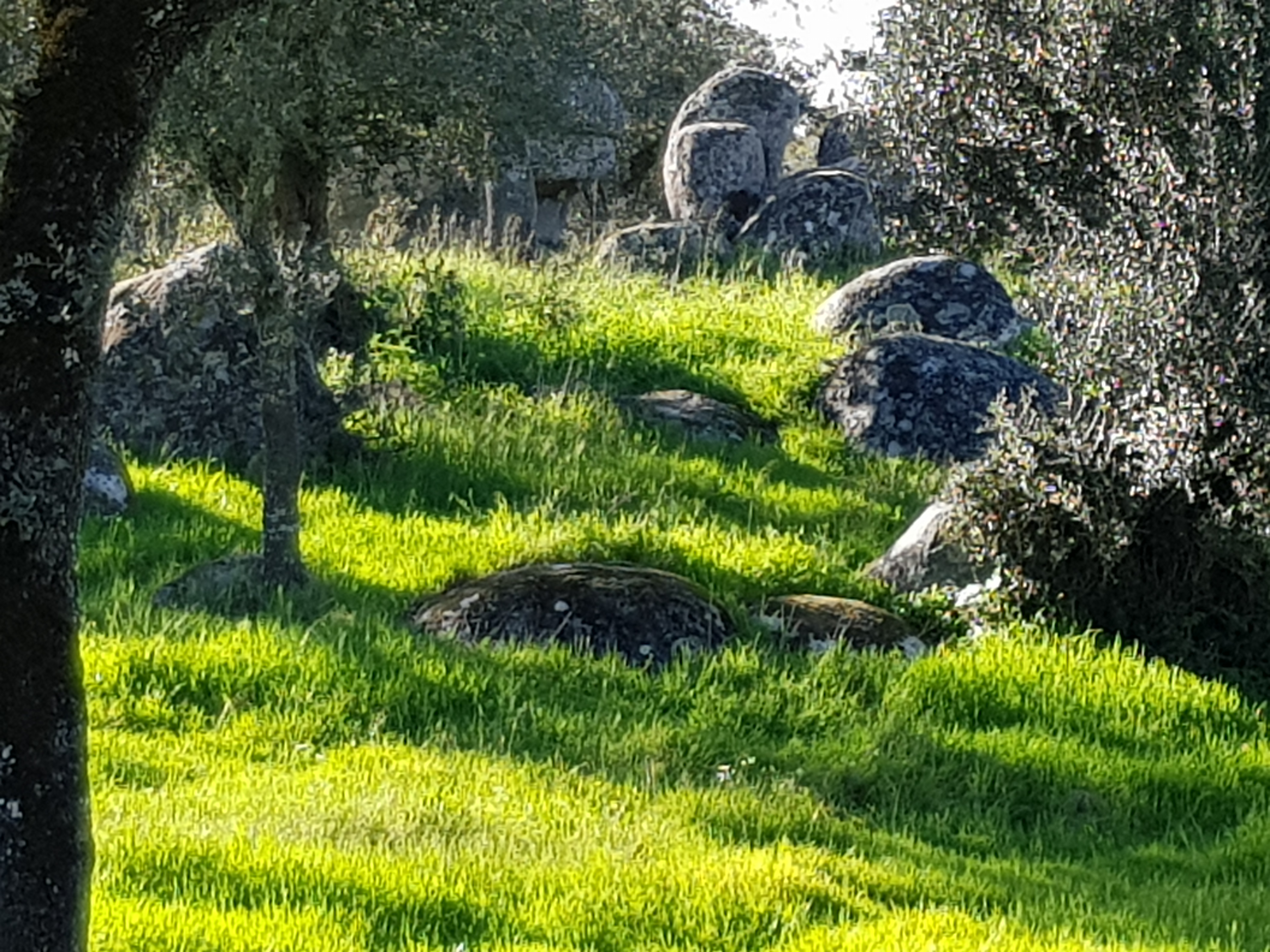
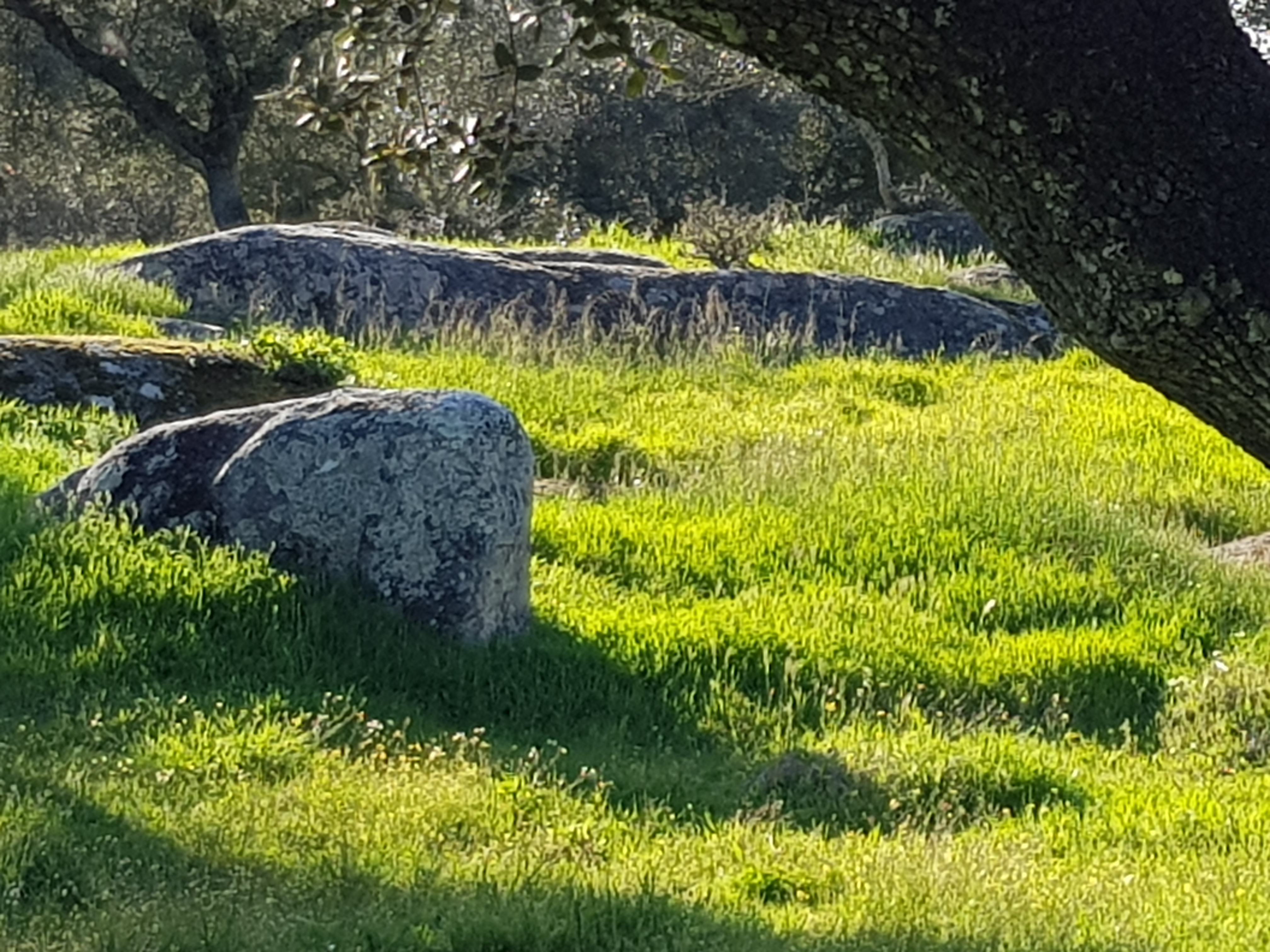
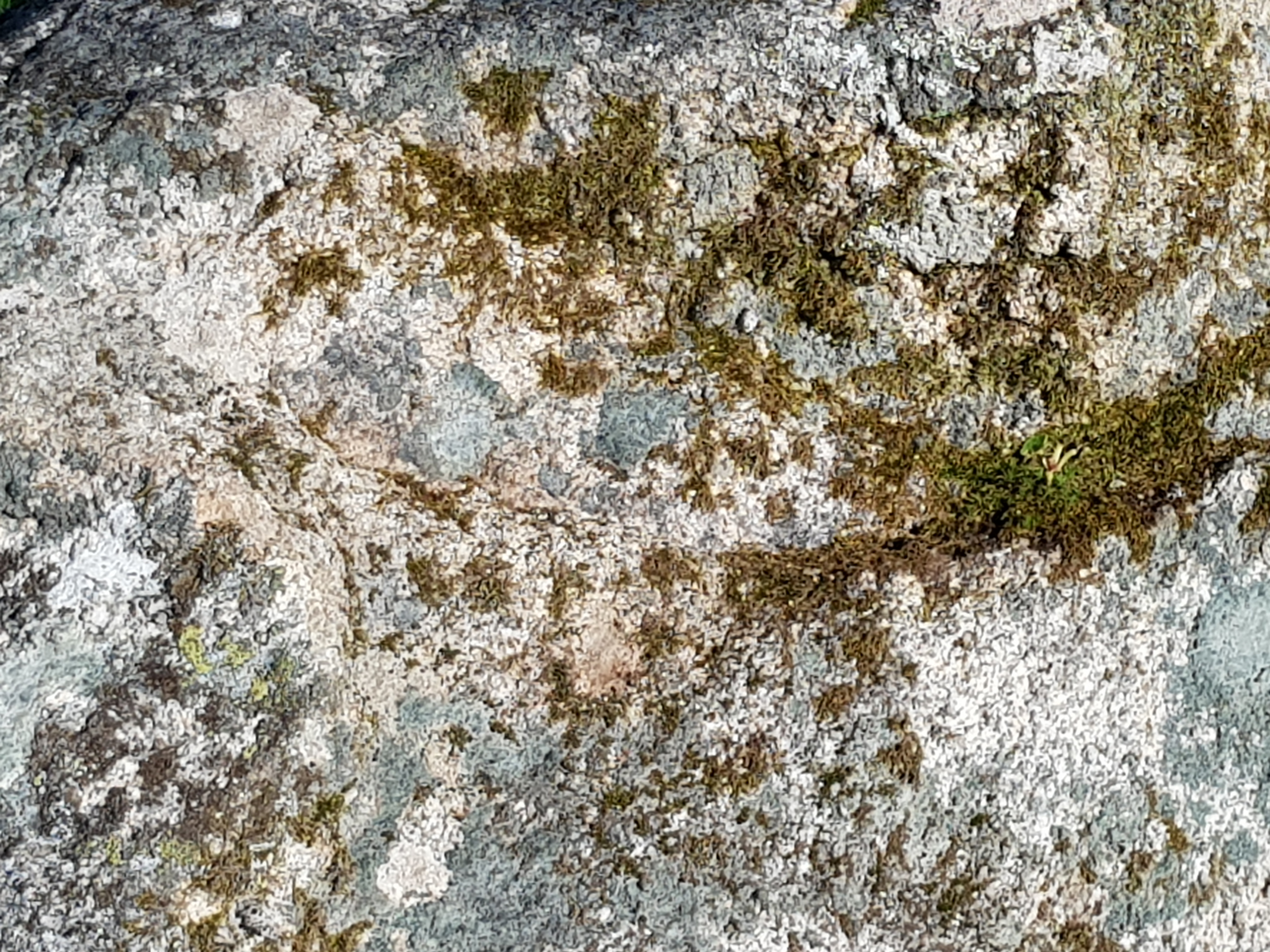
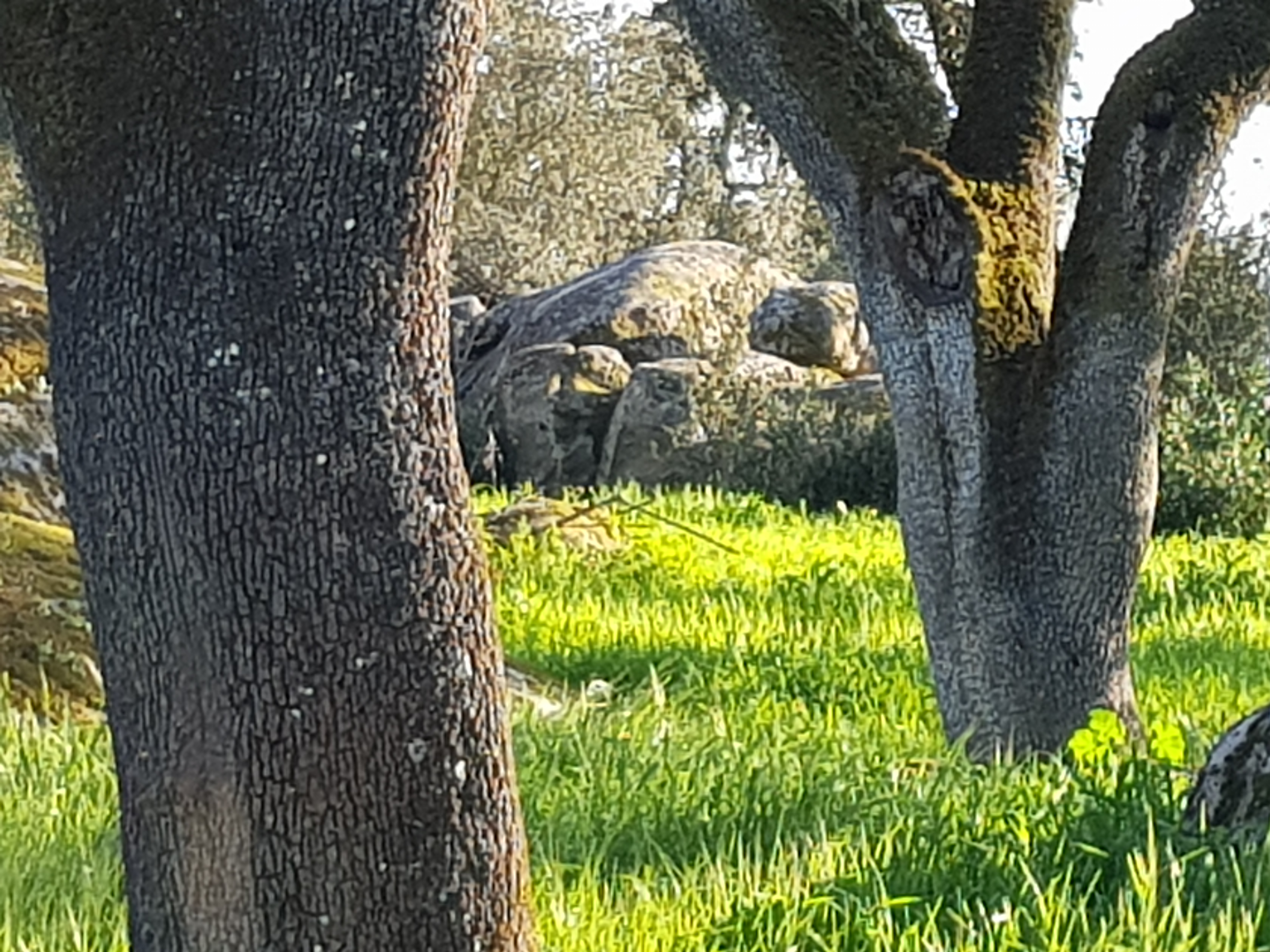
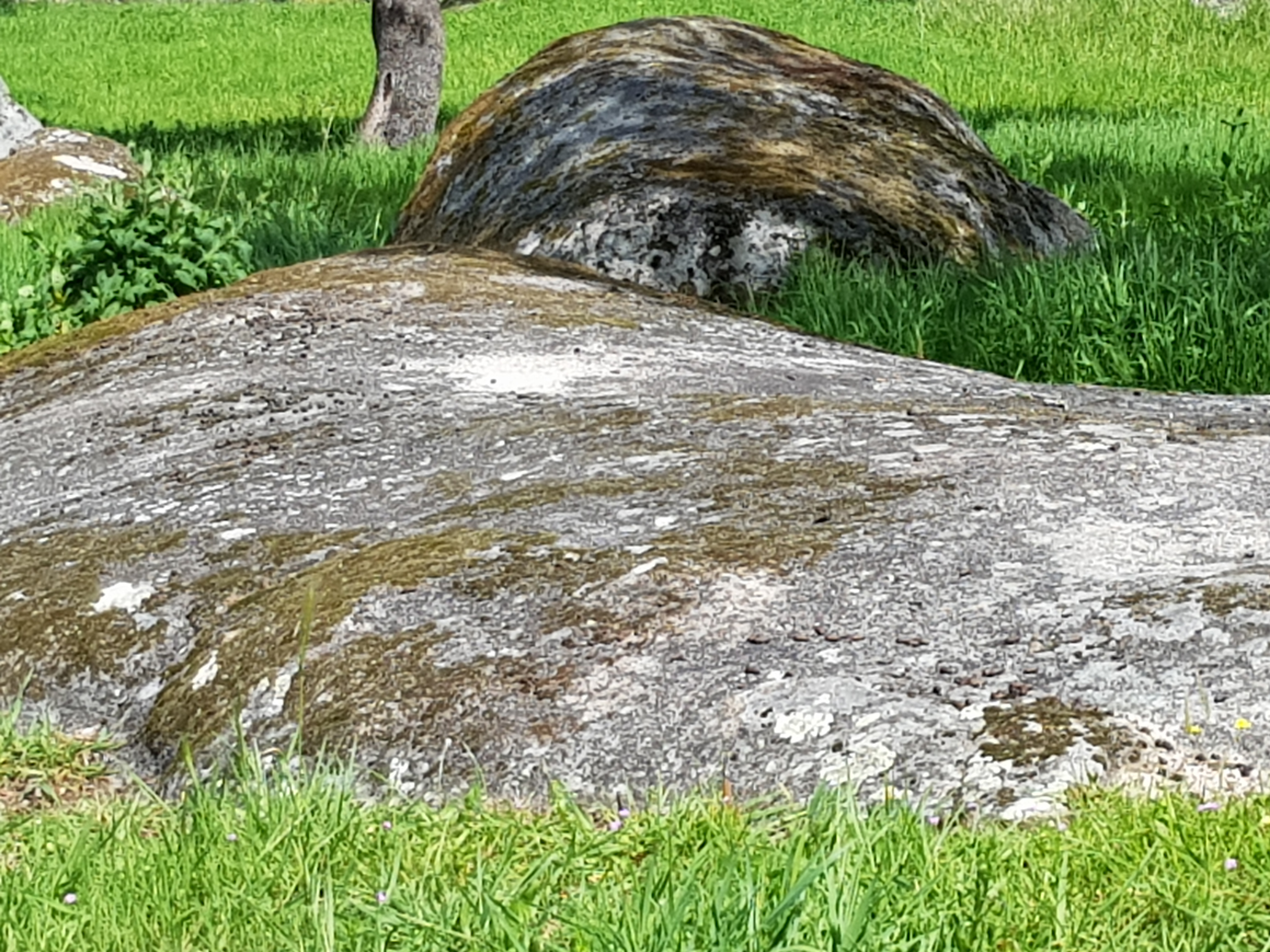
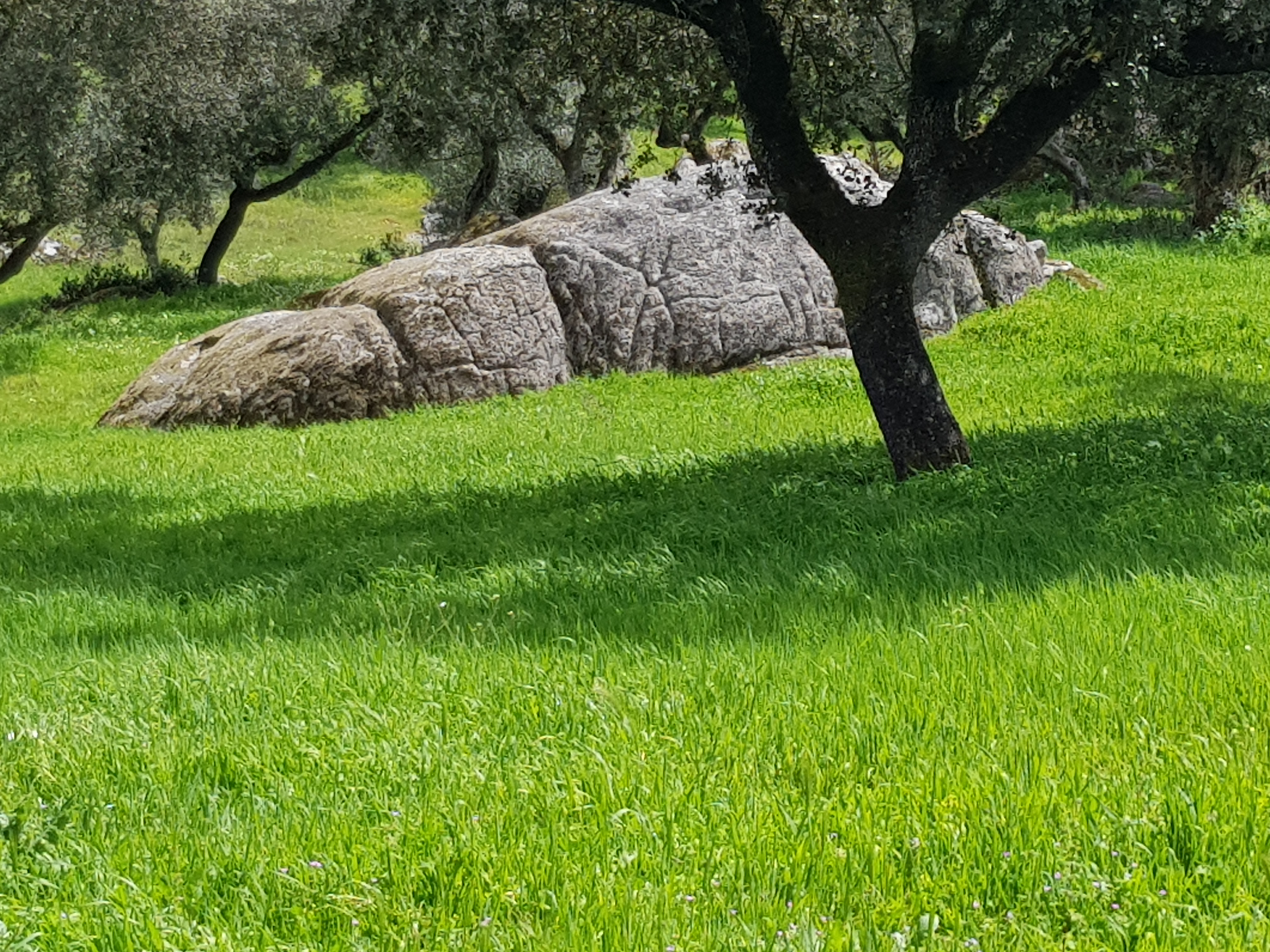
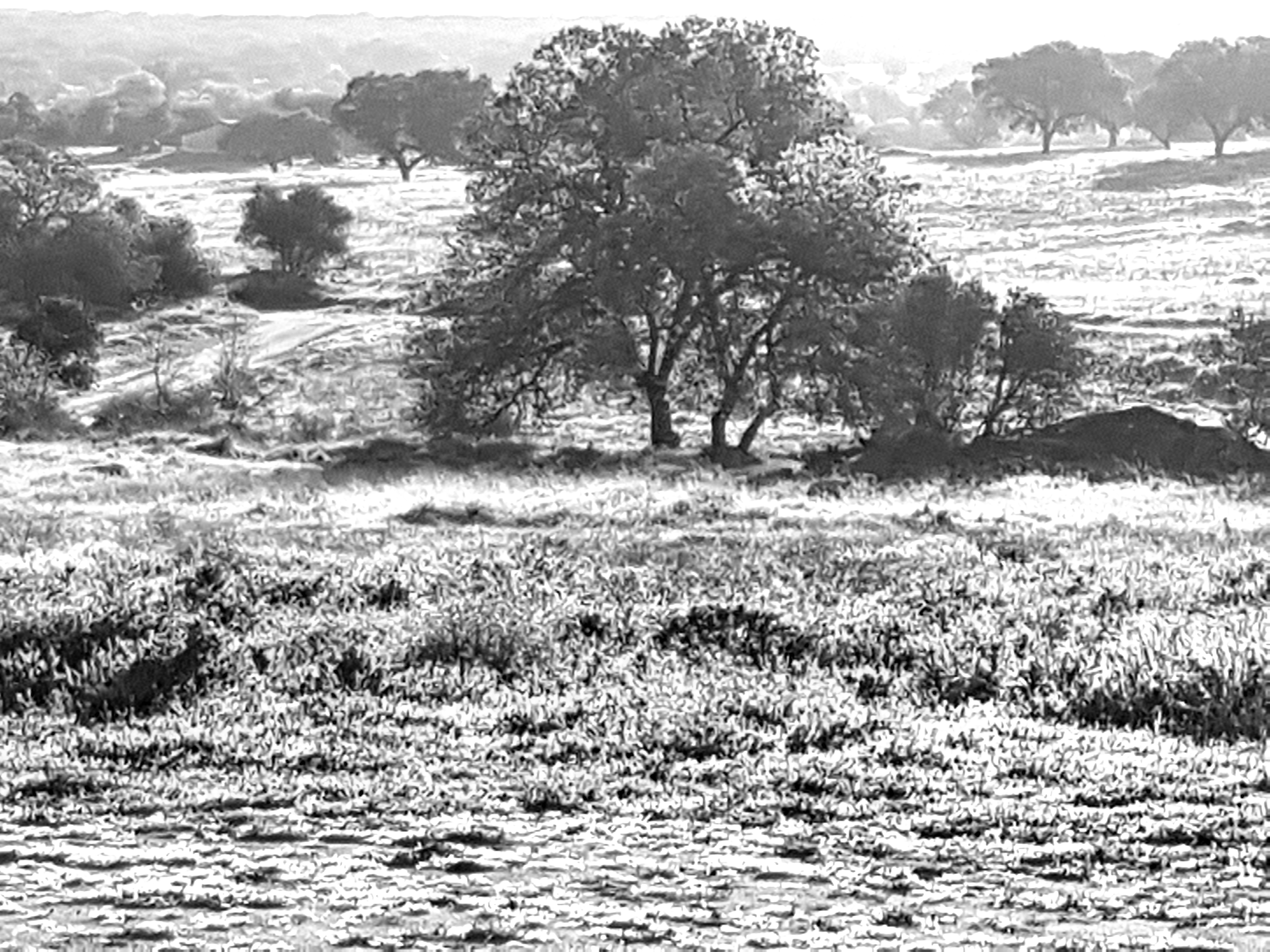
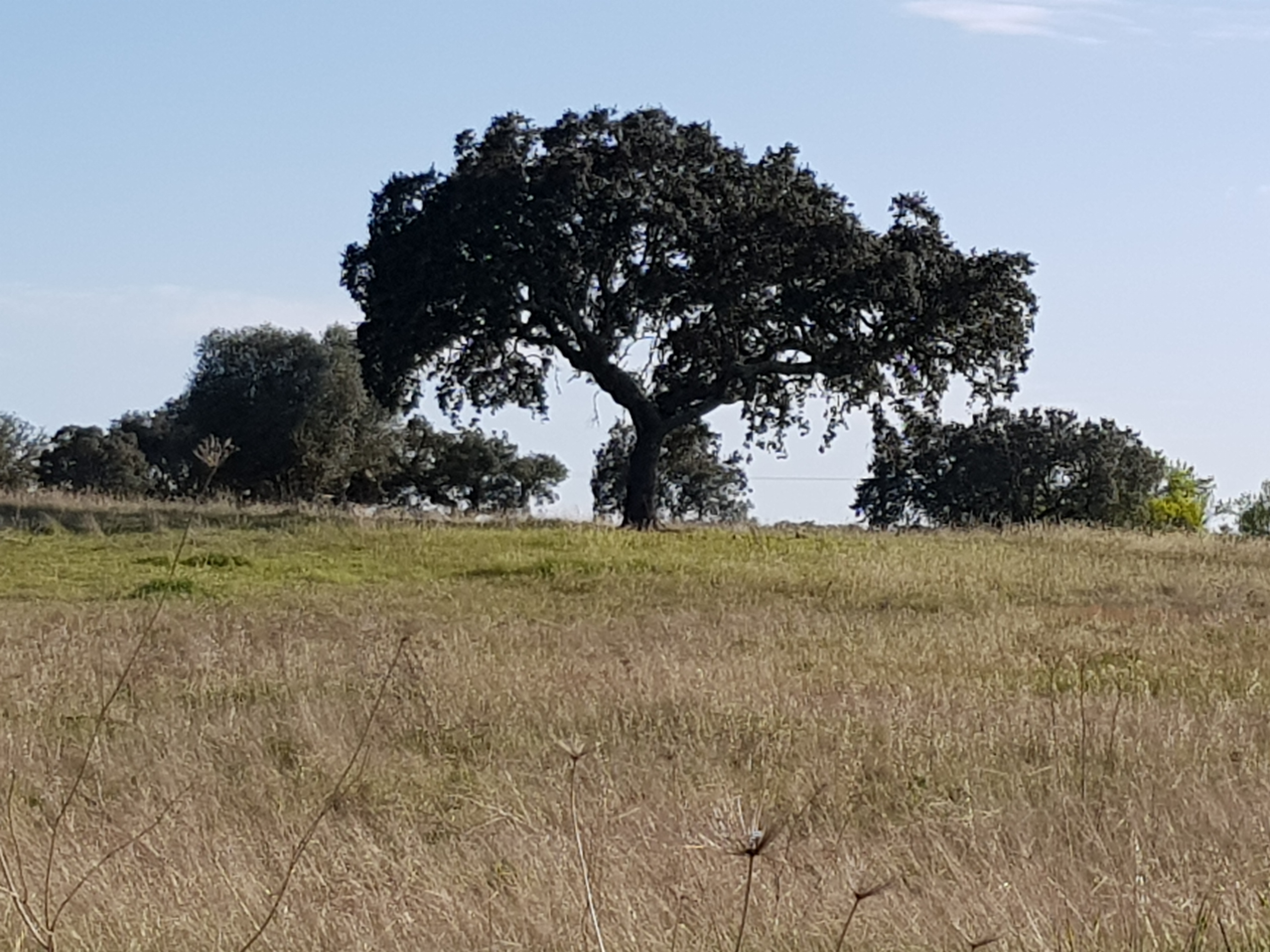
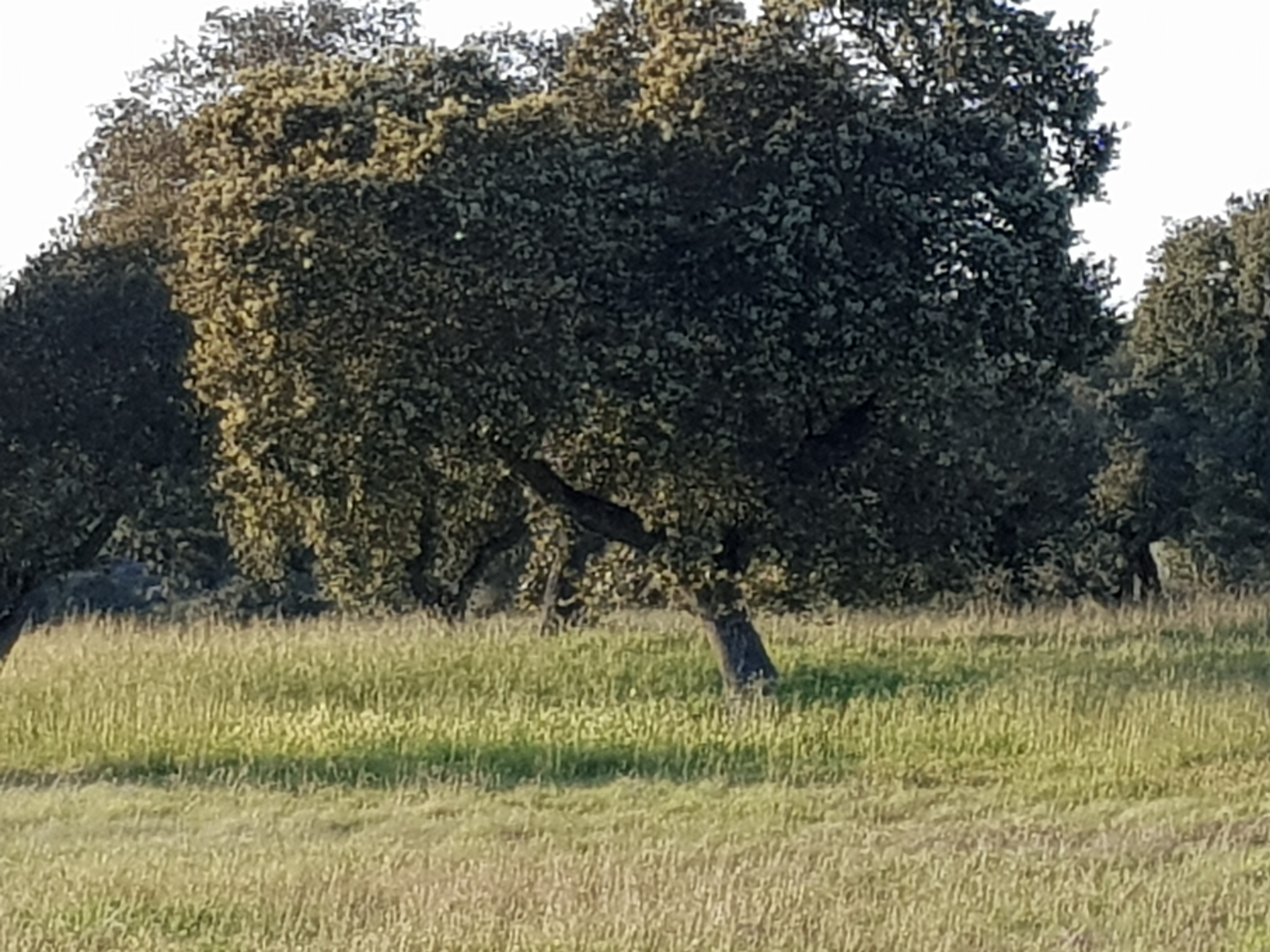
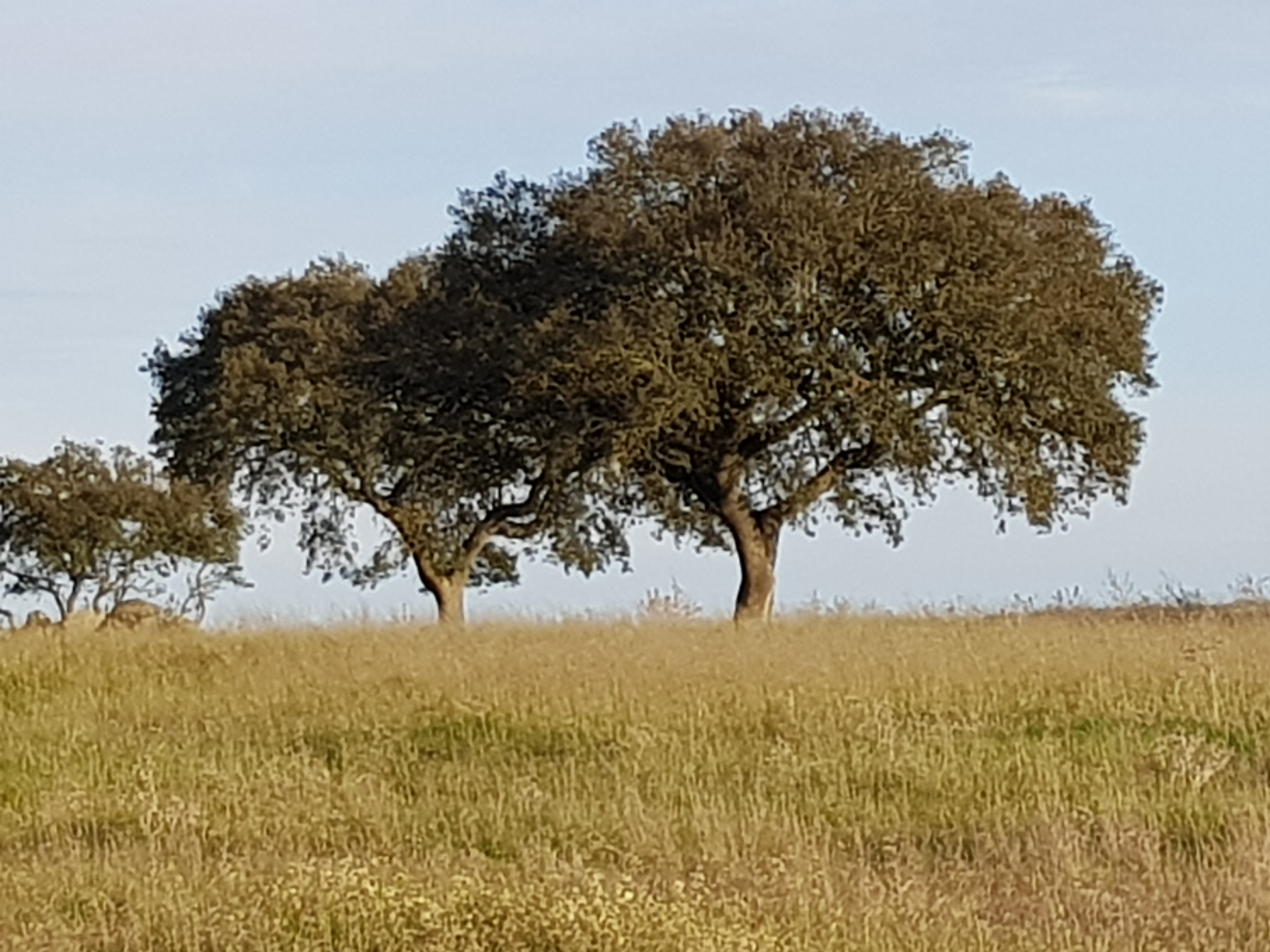
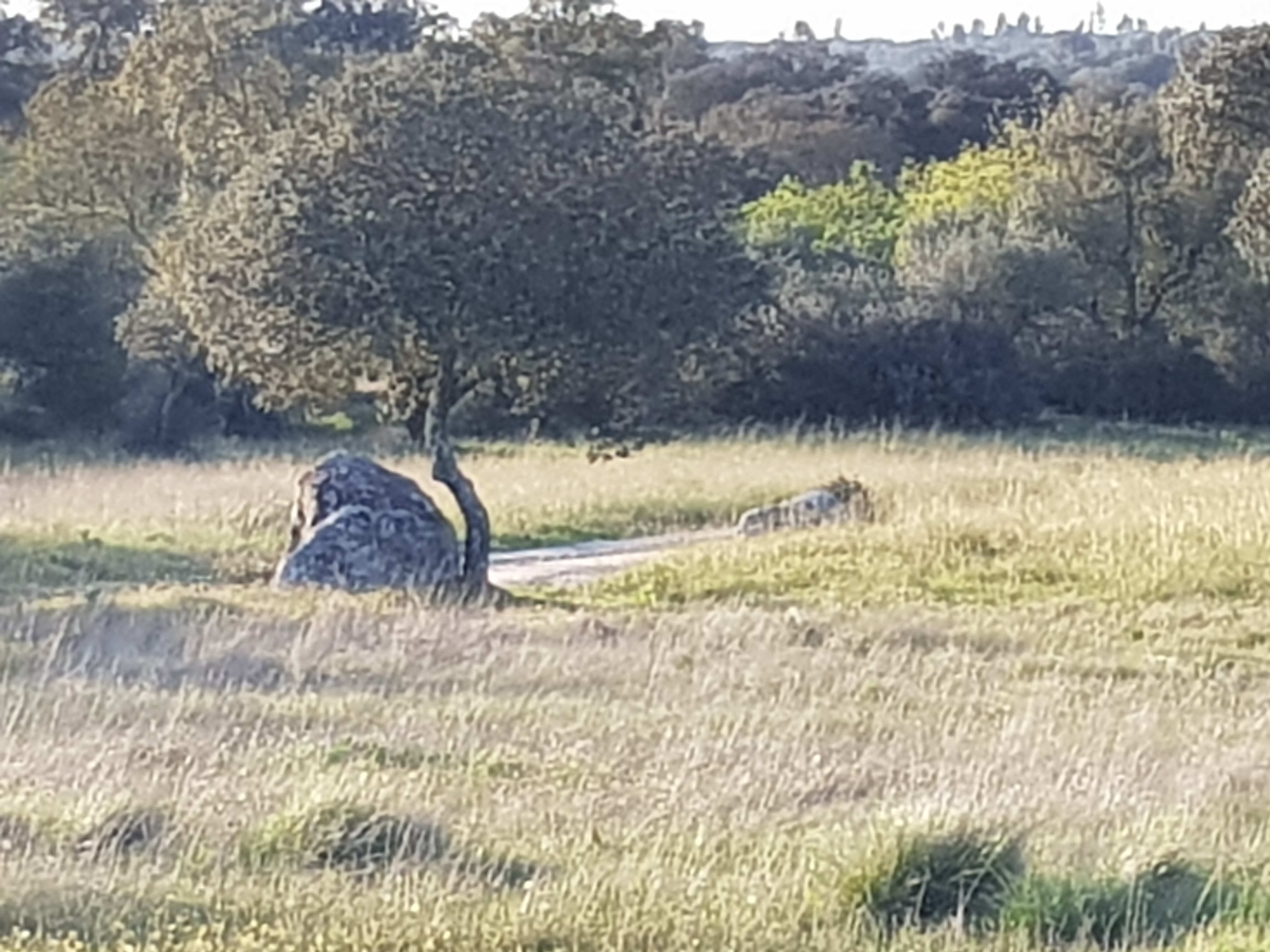
One of the characteristics of the Alentejo, besides the cork trees, are the rocks beautifully strewn round the landscape creating spaces like sacred groves:-
Aby Warburg
Since it’s raining in Portugal, I thought I would check when it was that Aby Warburg gave the lecture that Kenneth Clark heard at the Biblioteca Hertziana (as Edward Chaney correctly said, in Rome, not Florence) which so changed his approach to art history. The answer is given in an article by Elizabeth Sears in an article in the Burlington Magazine on Clark’s correspondence with Gertrud Bing. It took place at five o’clock on Saturday 19th. January 1929 and lasted two hours. In a BBC broadcast in 1948, Clark described Warburg’s manner: ‘When he read a passage from Savonarola, one felt that one could hear the Frate’s high, thin, passionate voice ringing in the vaults of the Duomo; when he read a verse from Politian, his voice became courtly and fantastical’; and in one of his letters to Bing, he described how ‘the Warburg lecture did liberate me from the two chief influences of my youth – the ‘pure aesthetic sensation’ of Roger Fry & the attribution game’. This is presumably partly why (pace the Burlington Magazine’s current editorial), Clark’s approach to art in Civilisation was as much historical, including music, as conventionally art historical (and, equally, I don’t see why Schama’s training as a historian precludes him from having well developed critical and interpretative skills when writing, as he often has done, about art).
Monte da Ravasqueira
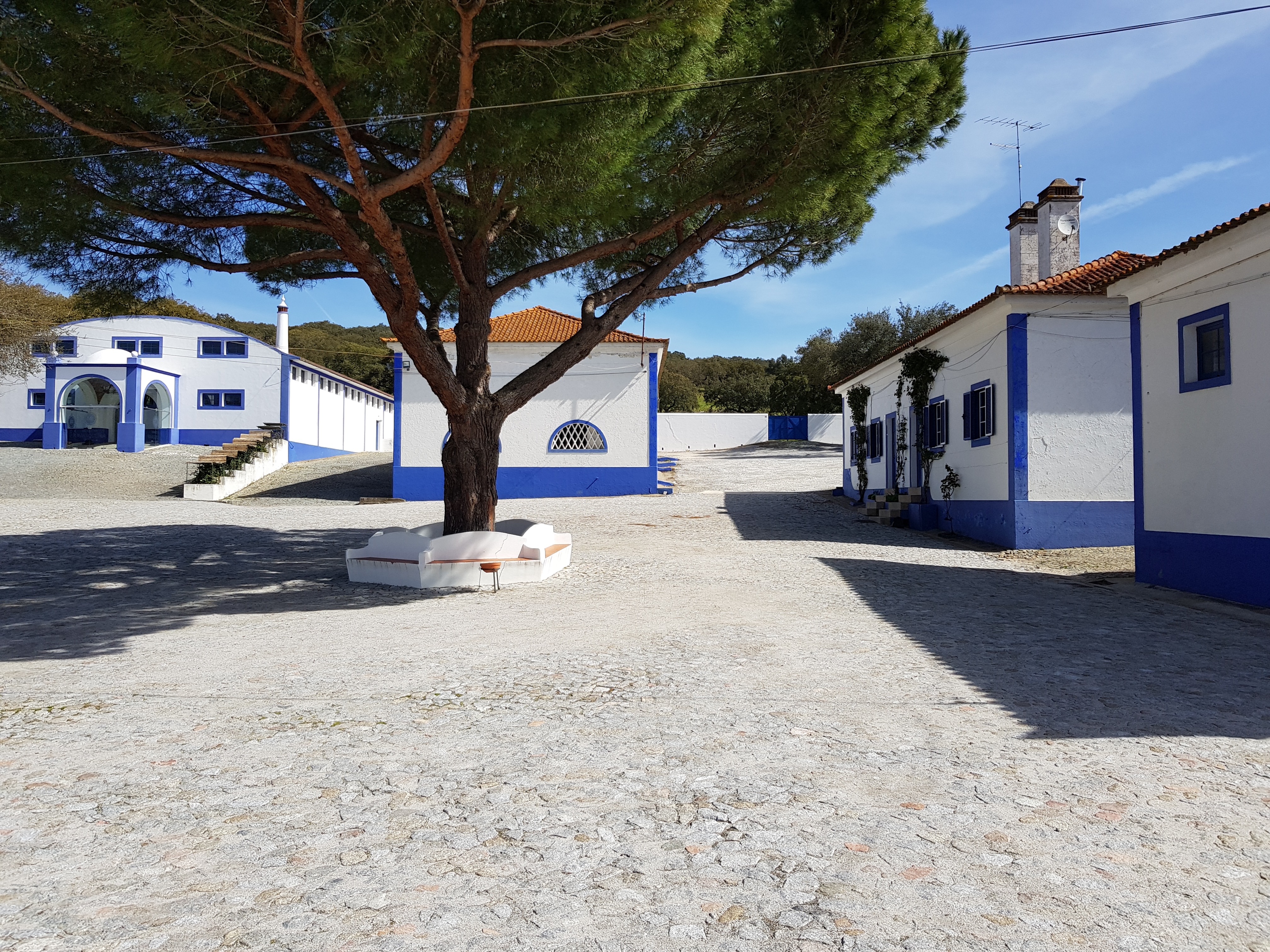
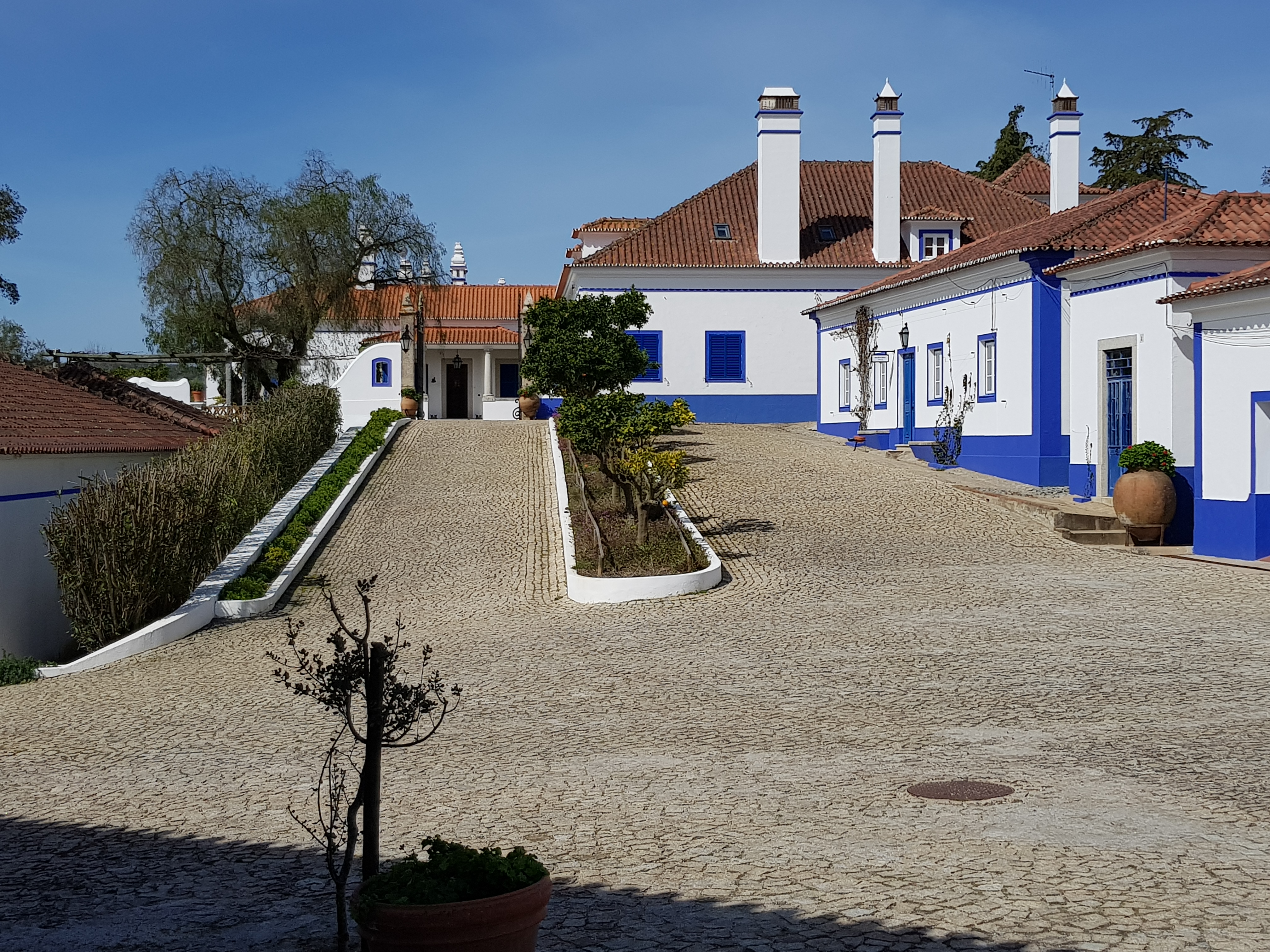
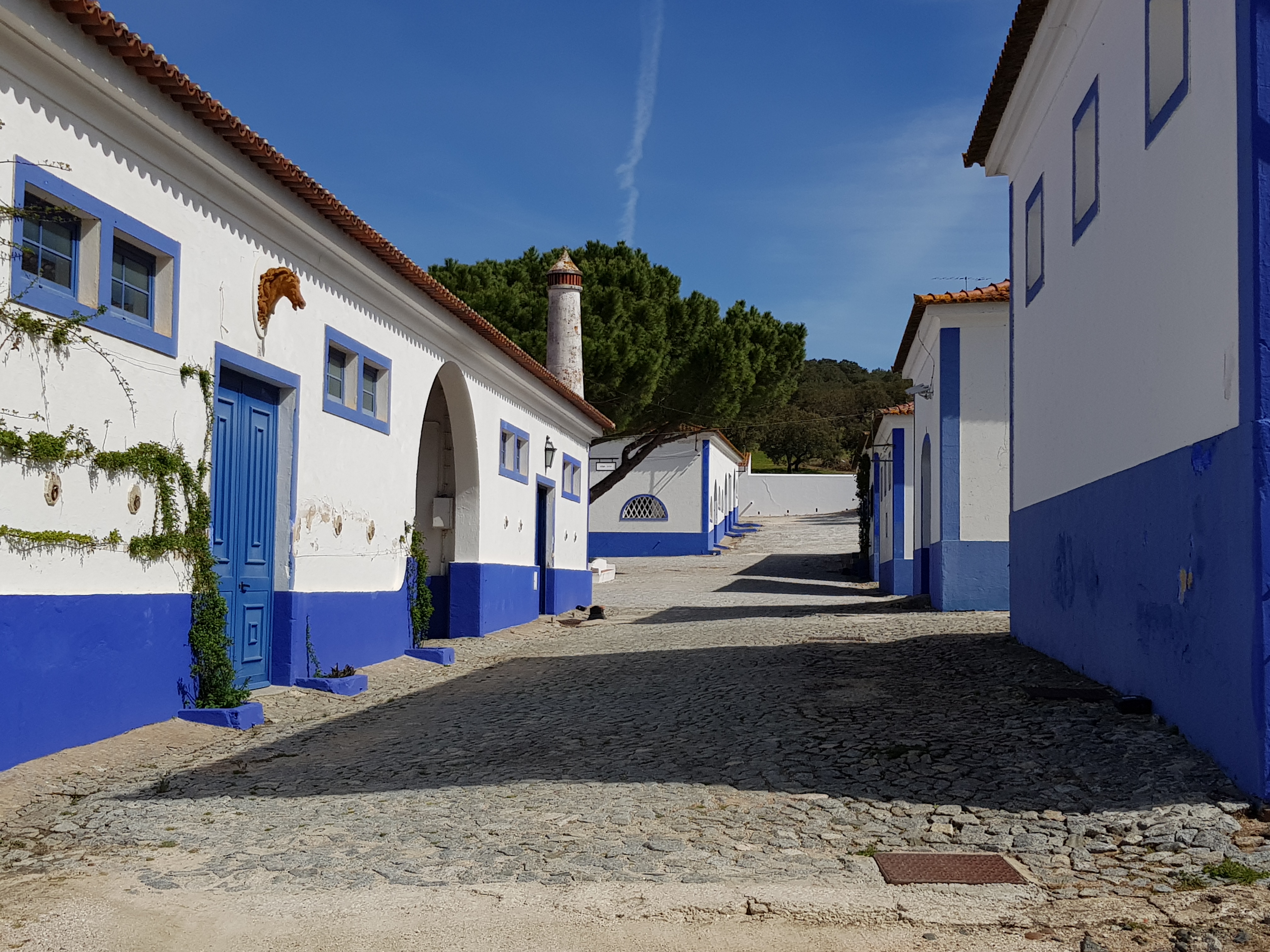
We went on a short expedition to the local winery at Monte da Ravasqueira, just north of Arraiolos, which has made me more interested in the pattern of land ownership in the Alentejo. We were told yesterday that many of the big estates were broken up after the Revolution in 1974, but this obviously survived, complete with its well maintained outhouses, collection of carriages and shop selling their own label wine:-
Gulbenkian Museum
We spent the afternoon in the late 1960s splendours of the Gulbenkian Museum, originally planned by Kenneth Clark at the back of the National Gallery, but lost to London because of hostility to Gulbenkian’s tax arrangements.
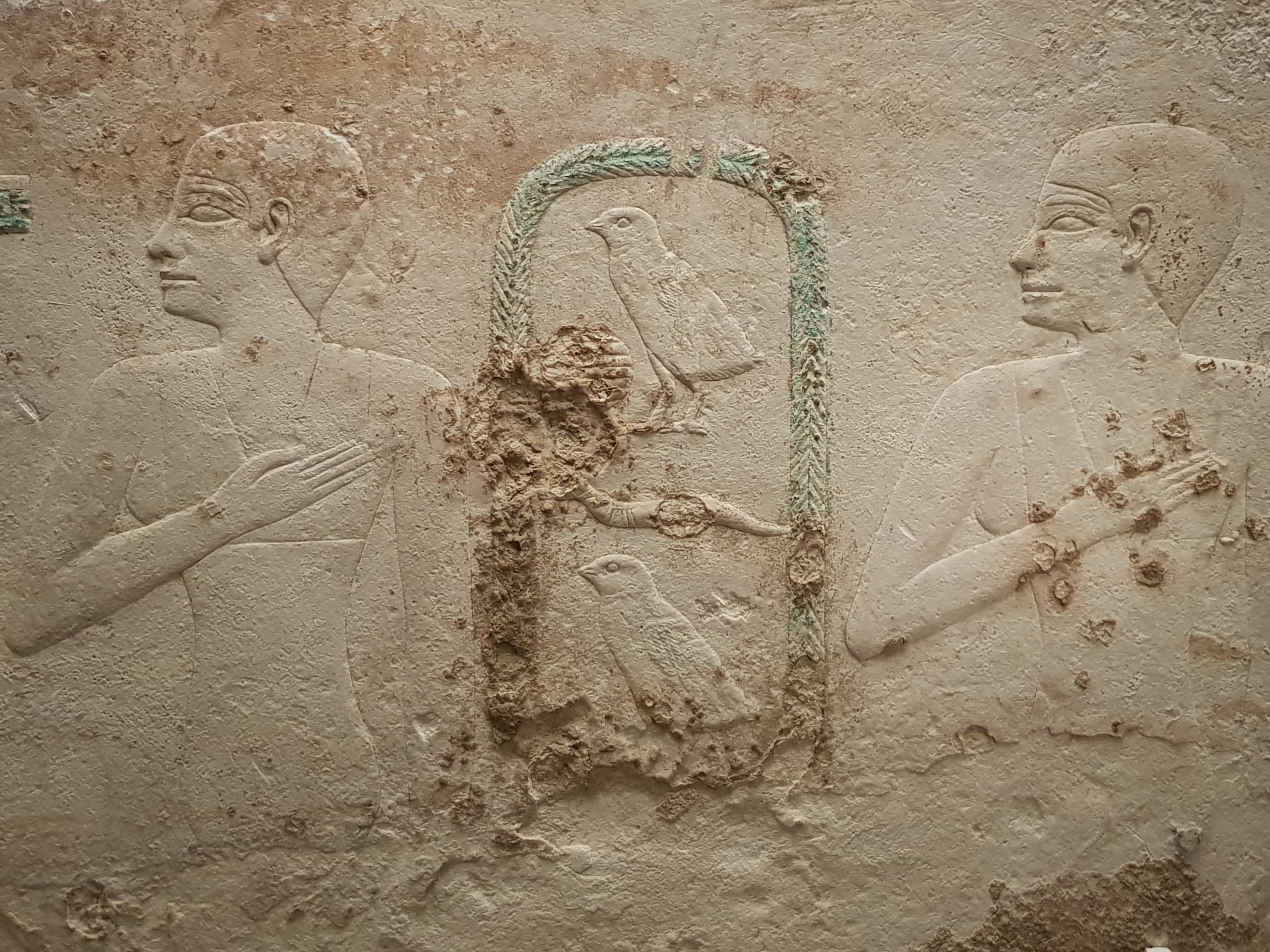
A bas-relief of Princess Merytites:-
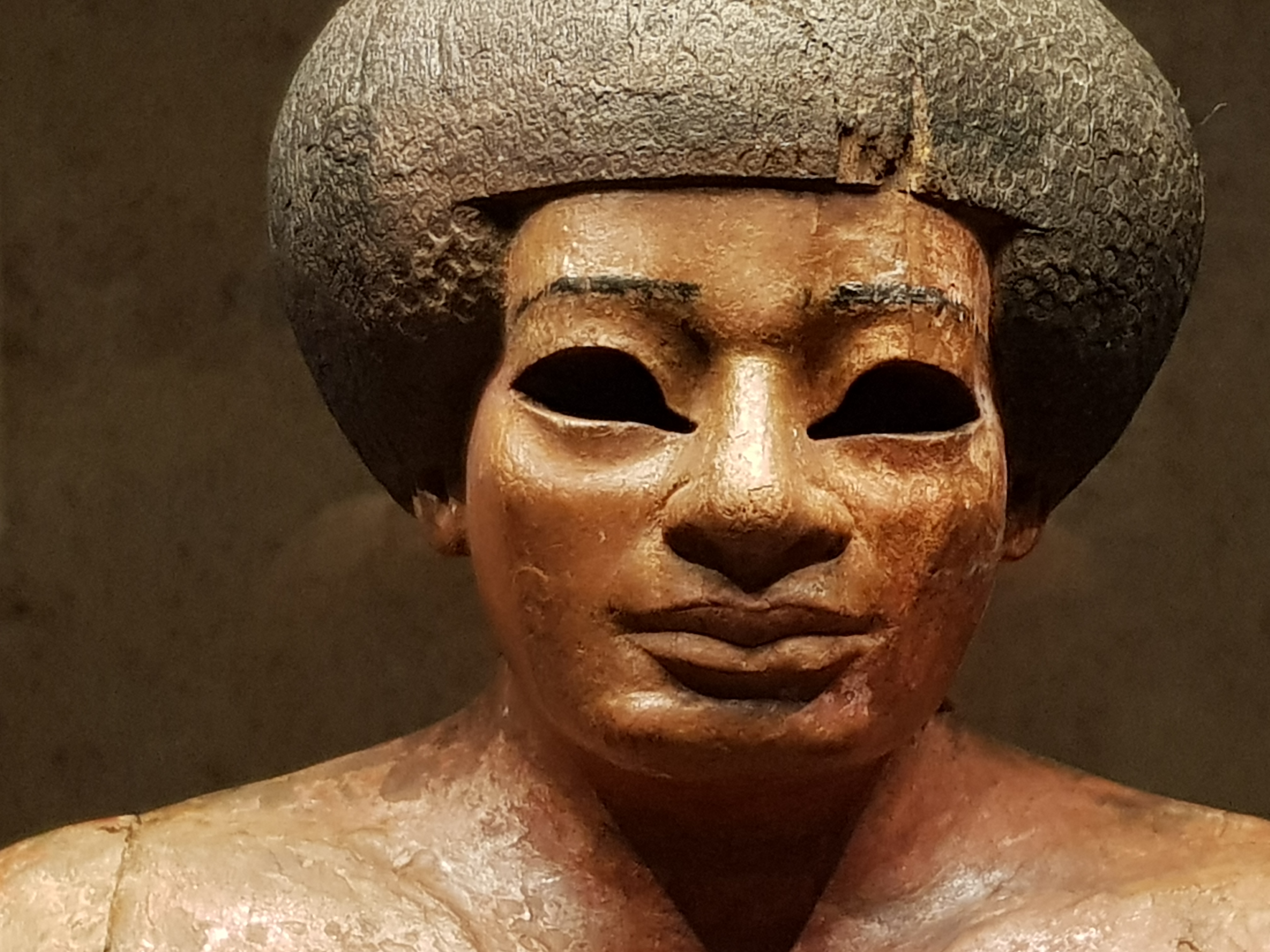
An ebony funerary head:-
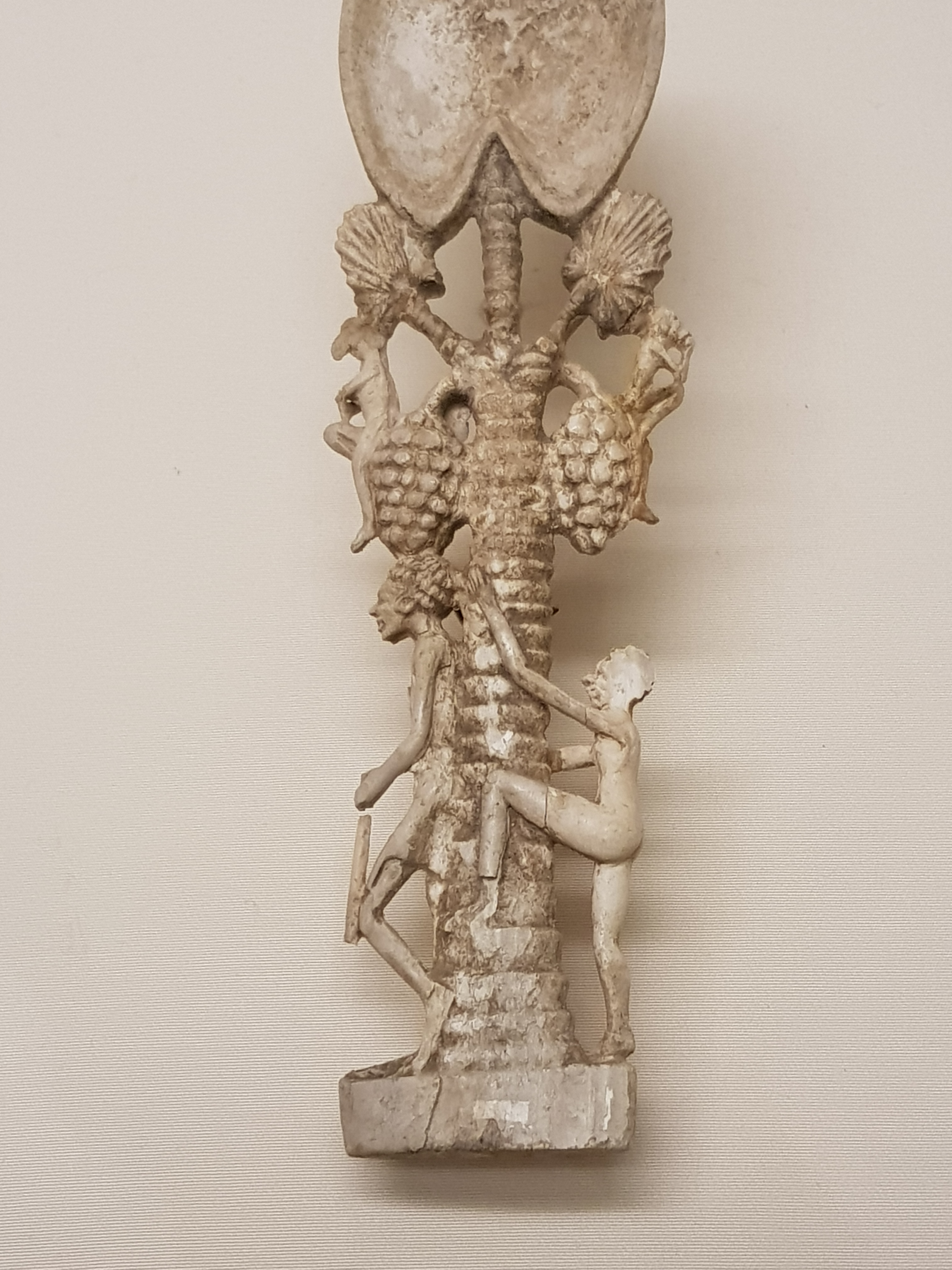
An ornamental New Kingdom spoon:-
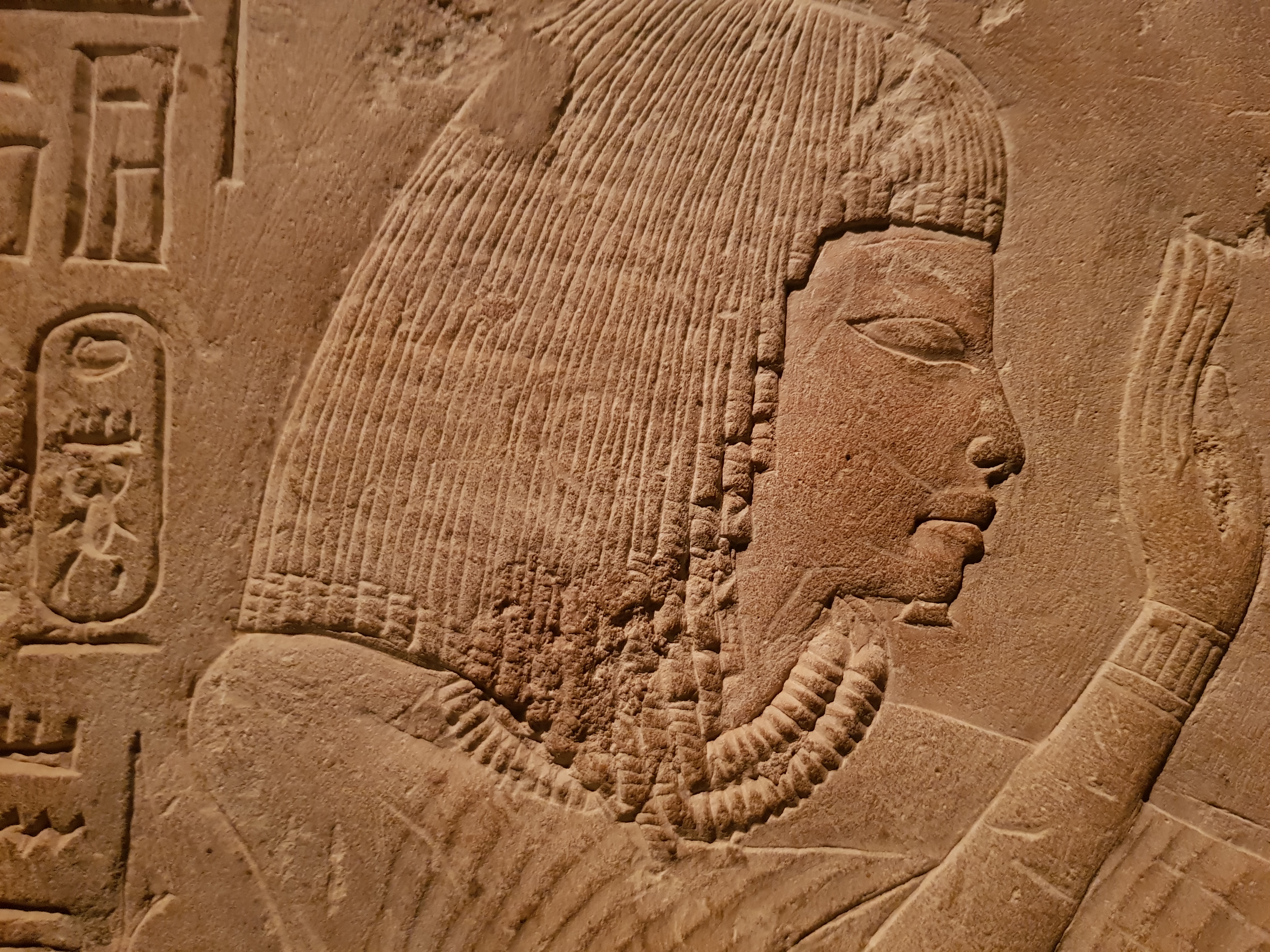
The priest Ameneminet:-
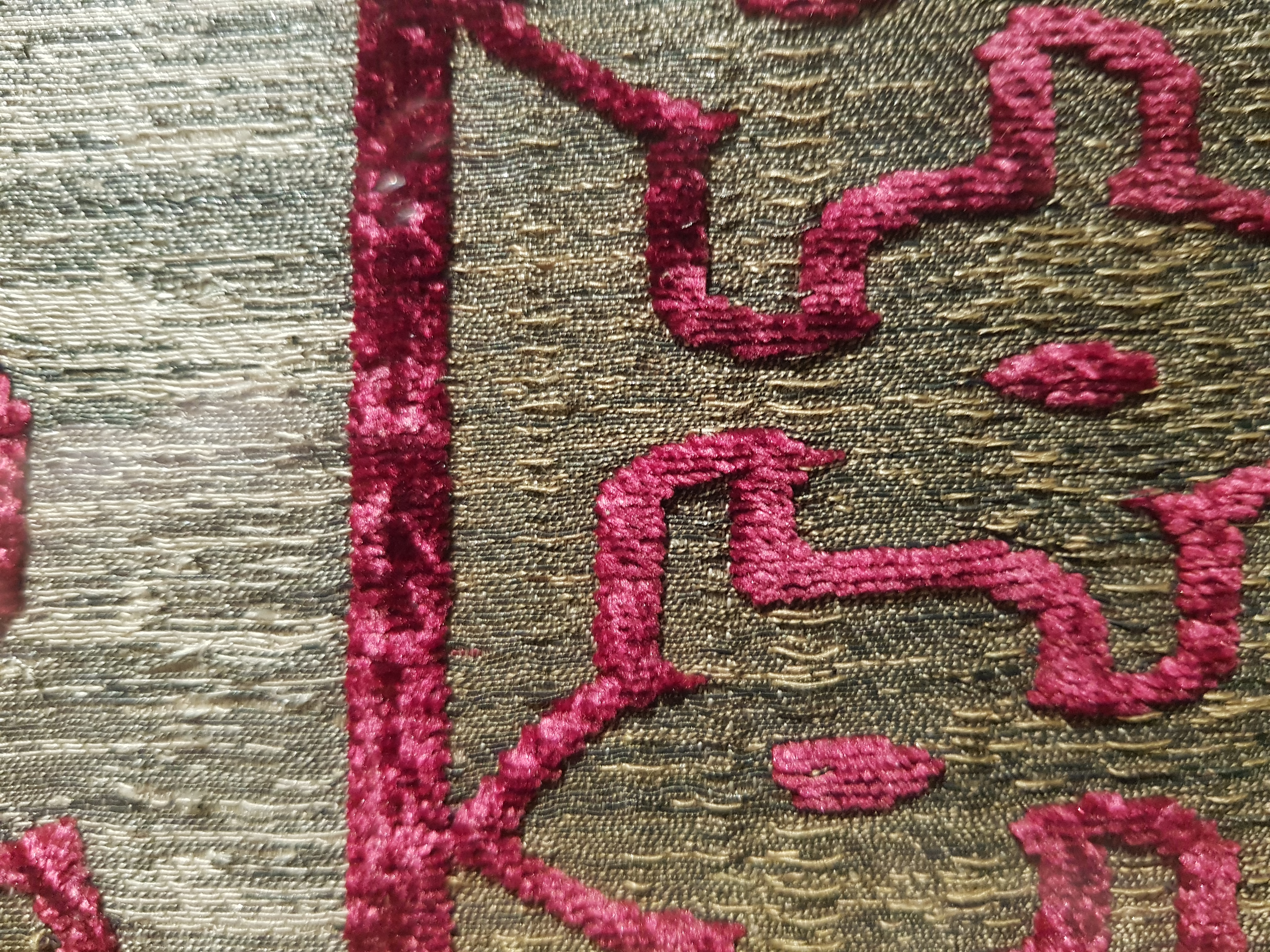
A piece of Ottoman velvet from Bursa:-
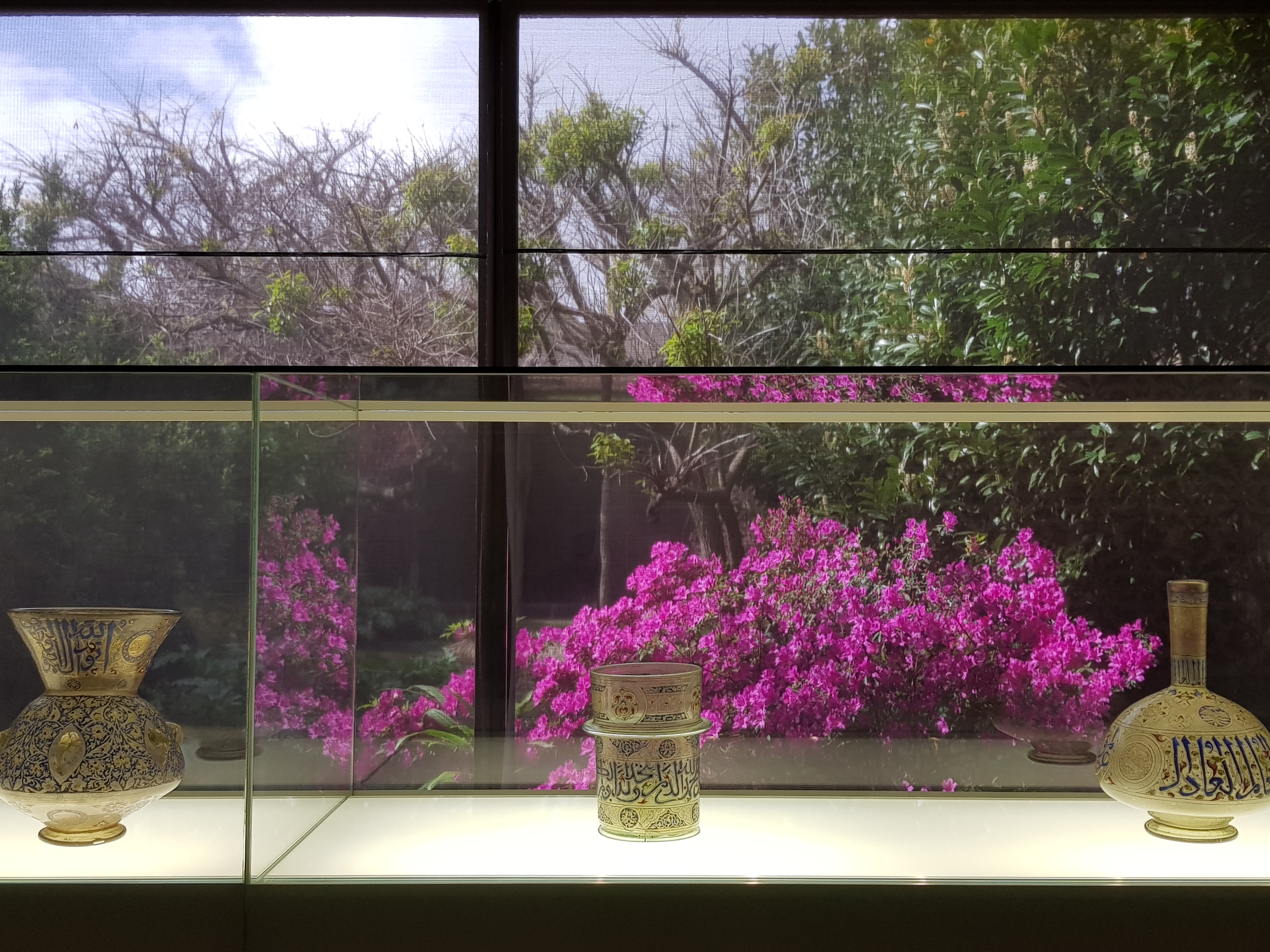
A case of Mamluk glass bottles:-
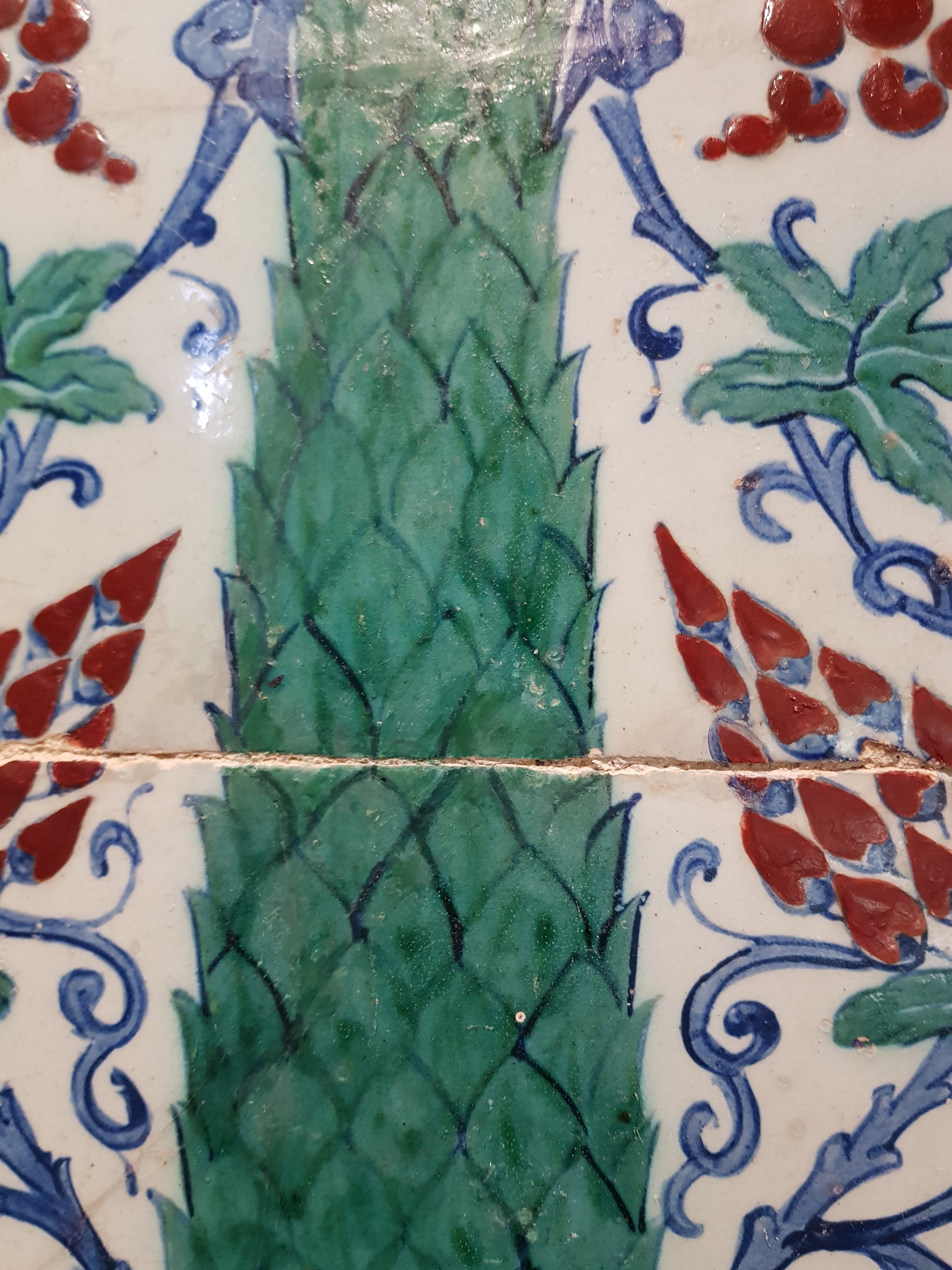
And Iznik tiles:-
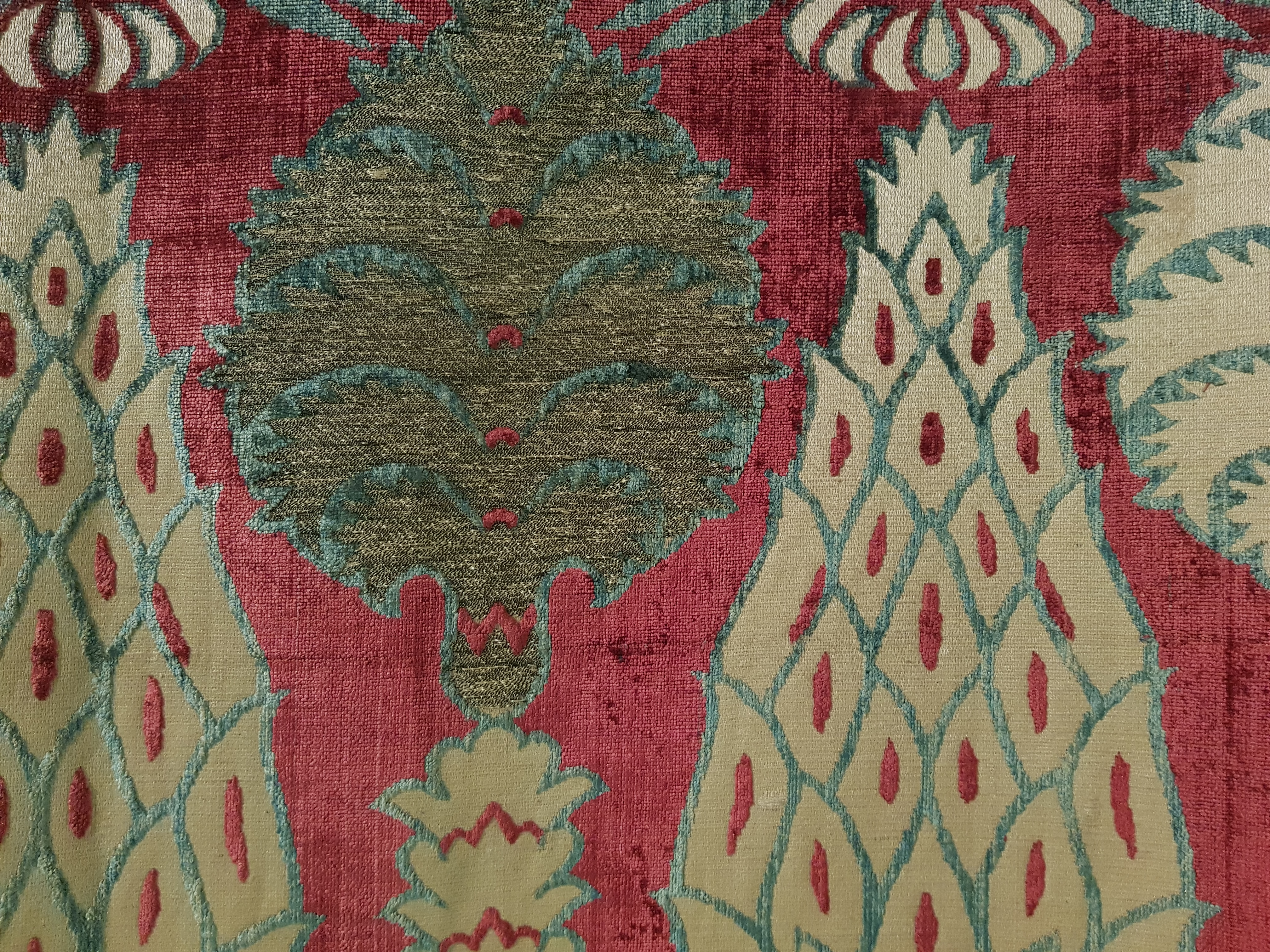
More velvet:-
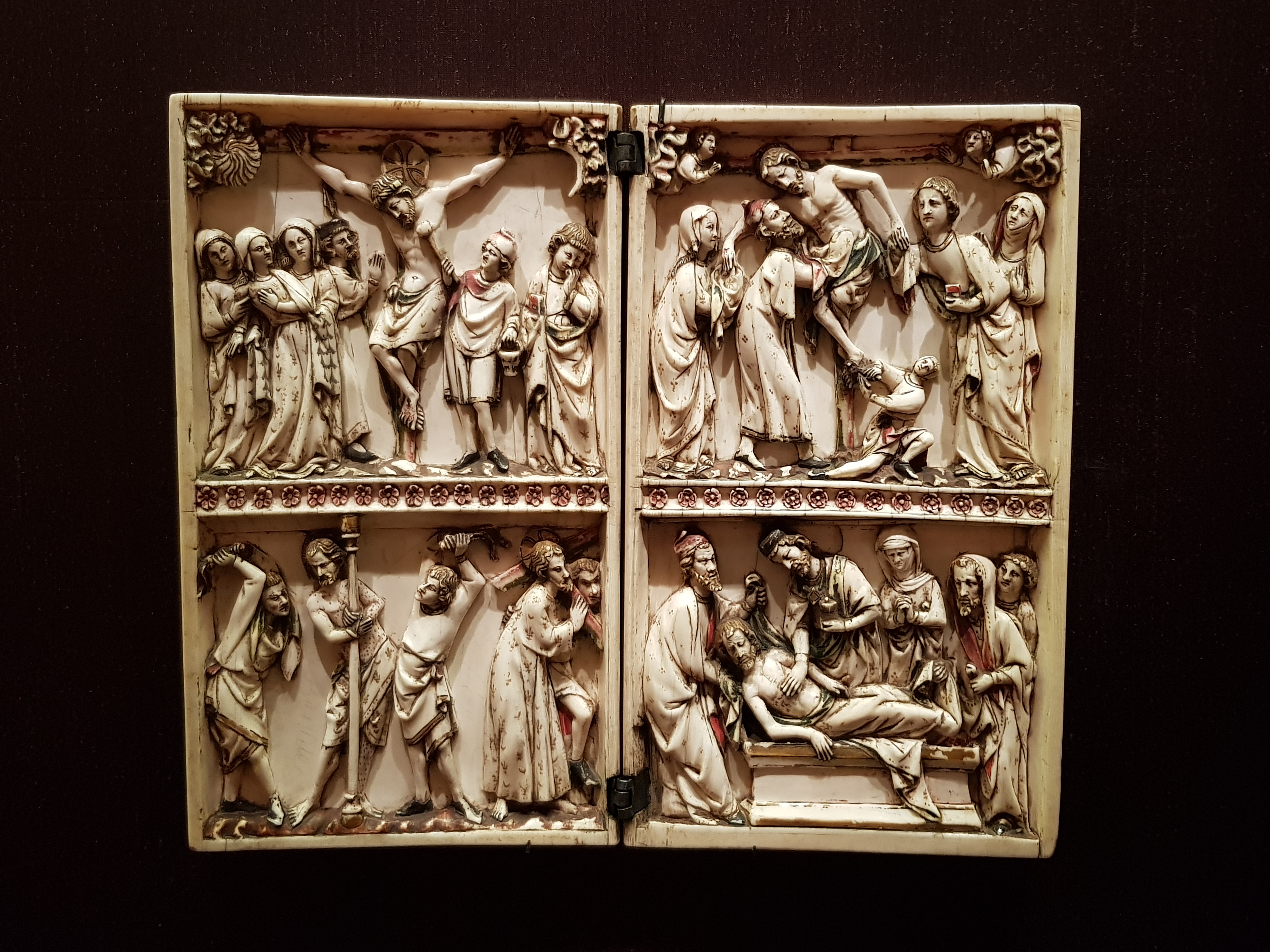
On to medieval French ivories:-
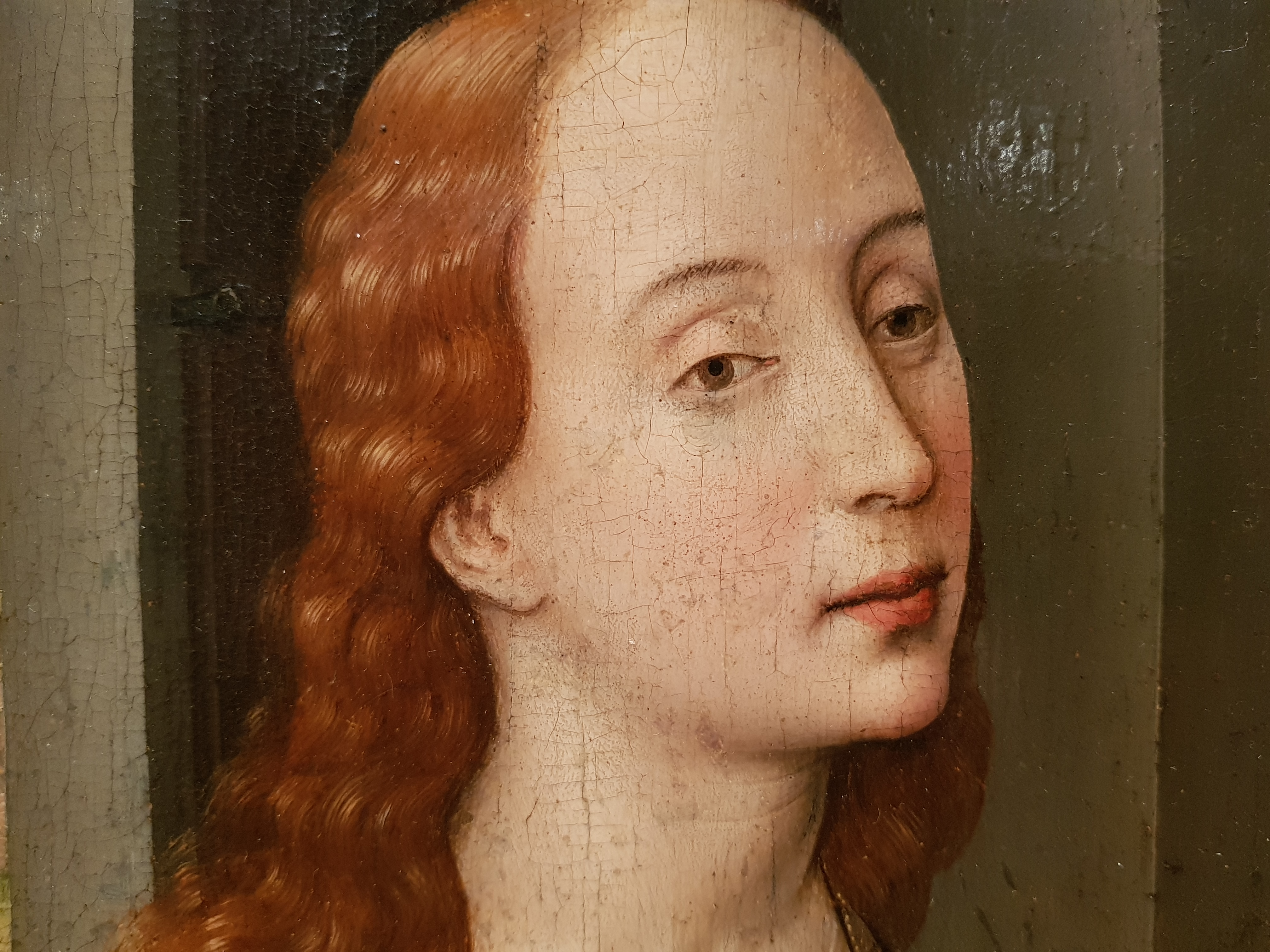
And St. Catherine by Rogier van der Weyden:-
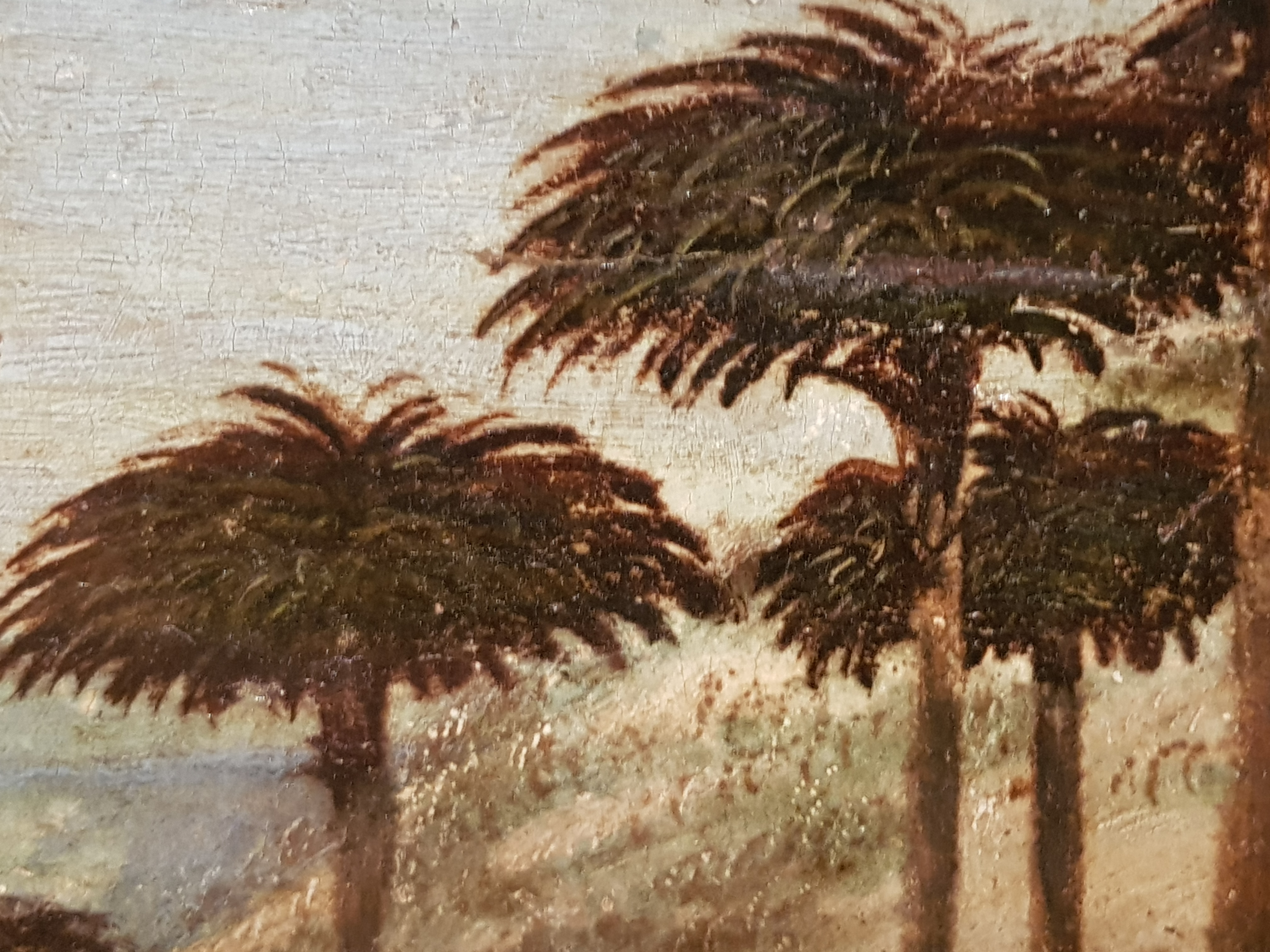
Carpaccio’s trees (evidence of Venetian multiculturalism):-
After all the talk of Civilisation(s), it’s a pleasure to see such a wide-ranging collection which demonstrates so clearly the cross-fertilisation of cultures across the medieval Middle East.


You must be logged in to post a comment.