
My Christmas has been greatly cheered by reading Roger Deakin’s Wildwood: A Journey through Trees, as recommended by one of my readers (thank you, Simon). I feel I should have known about Deakin: an extraordinarily eloquent and passionate writer about natural life, who as a schoolboy at Haberdashers’ Aske’s first went on expeditions to the New Forest to make detailed records of its flora and fauna. He read English at Cambridge, where he was a pupil of Kingsley Amis, and his book is peppered with literary references: Gerard Manley Hopkins; Konrad Lorenz; Charles Waterton, the author of Wanderings in South America; Nabokov, who was an entomologist as well as a novelist, working at the Harvard Museum of Comparative Zoology; William Cobbett, of course; and John Ruskin. But what is impressive about the book is not the depth of his reading, but the sense of independent thinking and endless curiosity about the natural world.
Category Archives: Uncategorized
East End Bookshops
I have been fretting having mentioned the word Amazon on my blog, because, although I know its labour practices are loathsome, I can’t disguise that I love the immediacy of its choice, the fact that you don’t have to pay postage (we’re on Prime), and the fact that it can intuit one’s interests such that I have more than once been encouraged to buy books that I myself have written, which maybe doesn’t require a very complicated algorithm. So, I have to console myself that a) it surely must have helped to keep the printed word alive such that, five years ago, all publishers were predicting the demise of the book which, thank god, hasn’t happened and b) it hasn’t in any way reduced my addiction to small-scale independent bookshops of which there are three in Broadway Market alone, not just the Broadway Bookshop, but Donlon Books which is more specialist and often closed, and Artwords, halfway up on the right, which does art, cooking and illustrated books. And Libreria, the new bookshop on Hanbury Street, features in my book, but only with a picture of their paper bag as they don’t allow photography.
The Book of the Blog
I have always been a bit cautious about mentioning the book of the blog, being sceptical of its reality and superstitious that something would go wrong before it saw the light of day. But now I have discovered that it is available to pre-order on Amazon, just above my great-grandfather’s book, Obstacles to Missionary Success. There was a minor battle about its cover as to whether it should be pictorial or typographic. Typographic won, with a reference to the maps down the spine. Publication on April 27th. The Amazon entry doesn’t mention that there are c.500 photographs.
Christmas Day
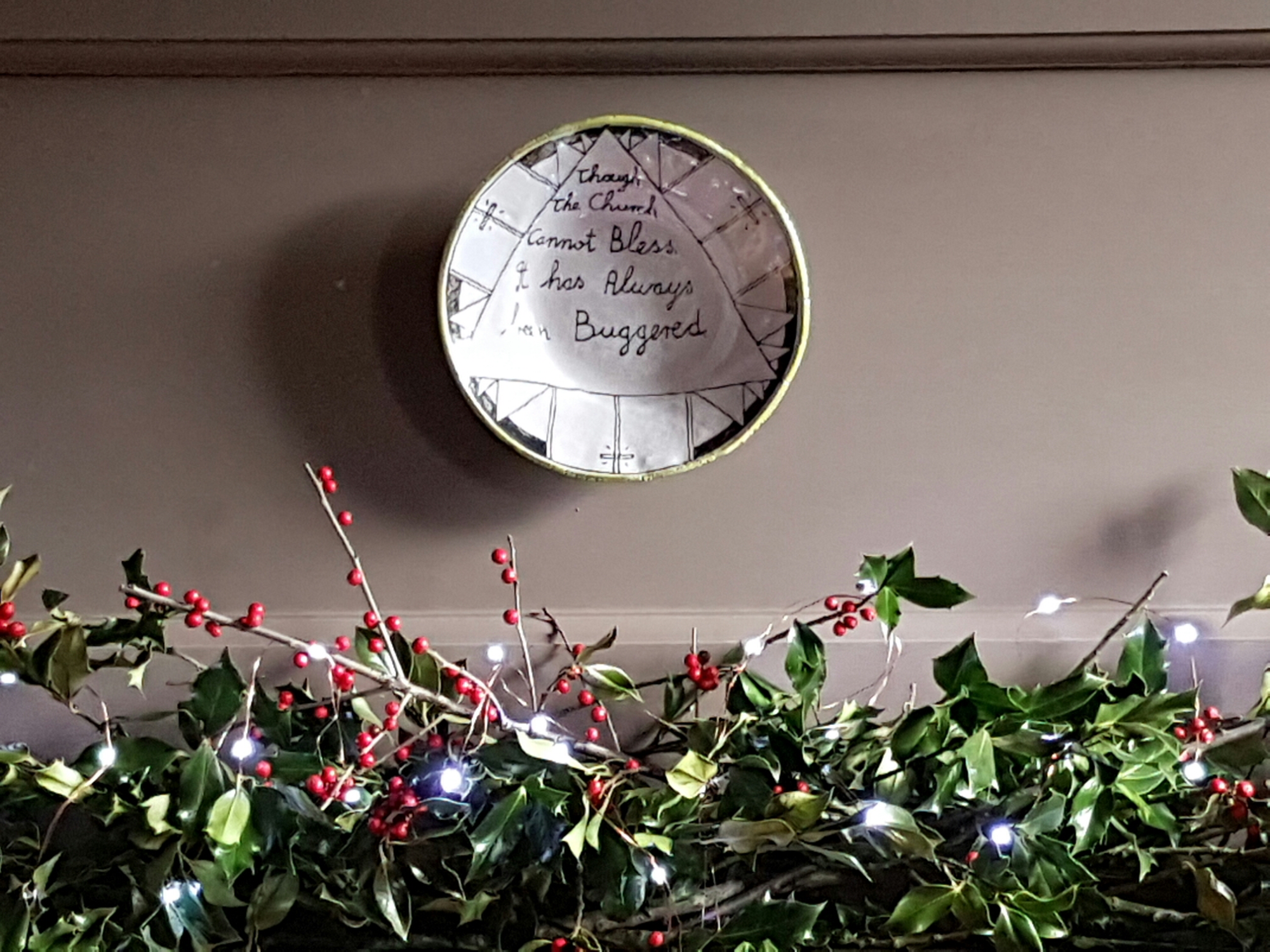
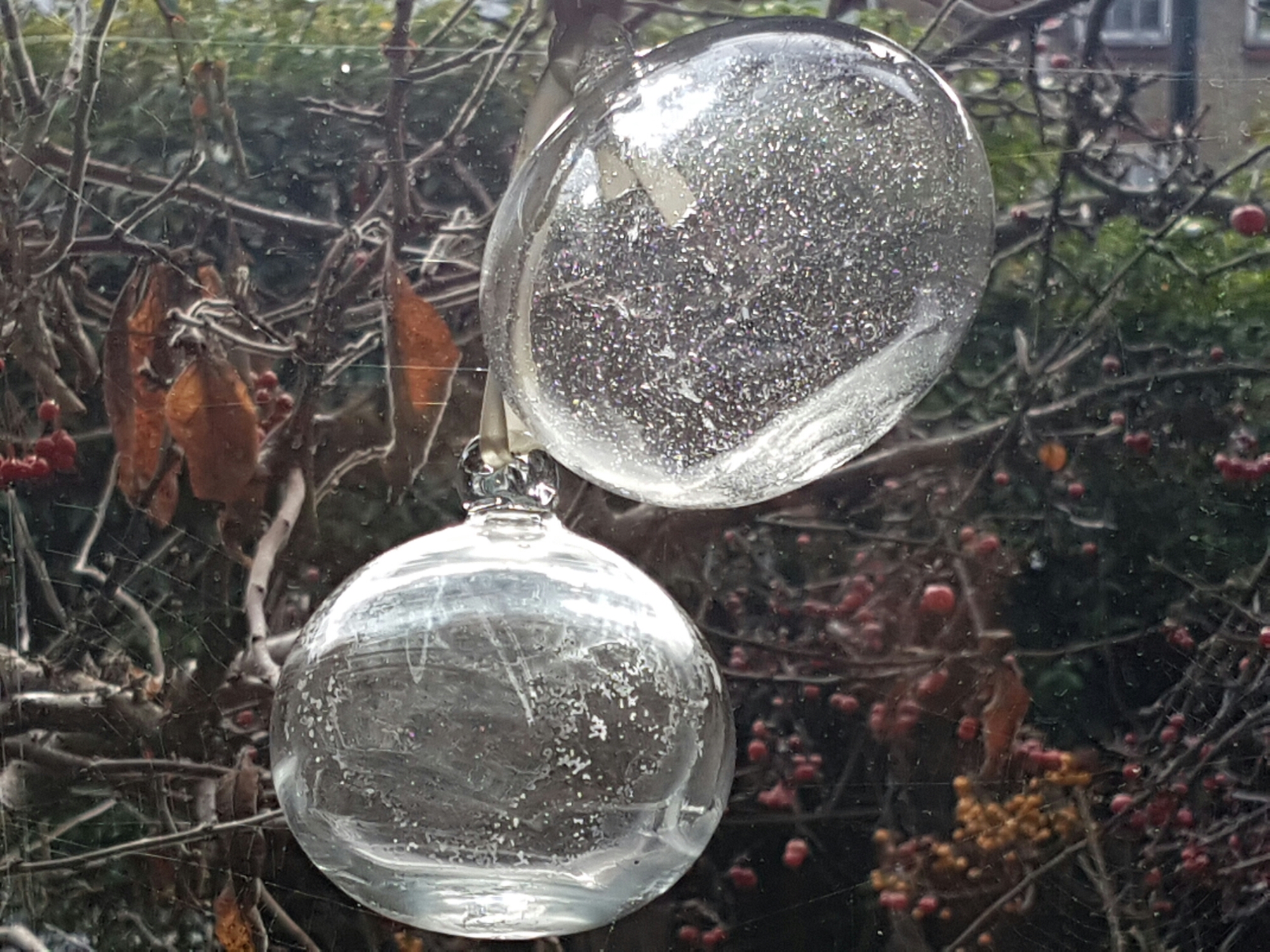
I was told that we were going to have Christmas without decorations. But this turns out to have been not entirely true:-
Milton Clevedon
This is my last blog from Somerset – and maybe my last blog before Christmas – of a tomb (not very Christmassy, but beautiful in its lettering) in the churchyard in Milton Clevedon, off the road to Evercreech, next door to a farm which produces cheddar cheese in a bit of unspoilt Somerset countryside:-

Happy Christmas !
Piet Oudolf
Whoever it was who was asking after the state of Piet Oudolf’s prairie style planting in the middle winter, the answer is that it looks surprisingly well black in the sunshine, as does Smiljan Radićs Serpentine Pavilion, which we saw at the exact moment of the winter solstice:-


Louise Bourgeois (2)
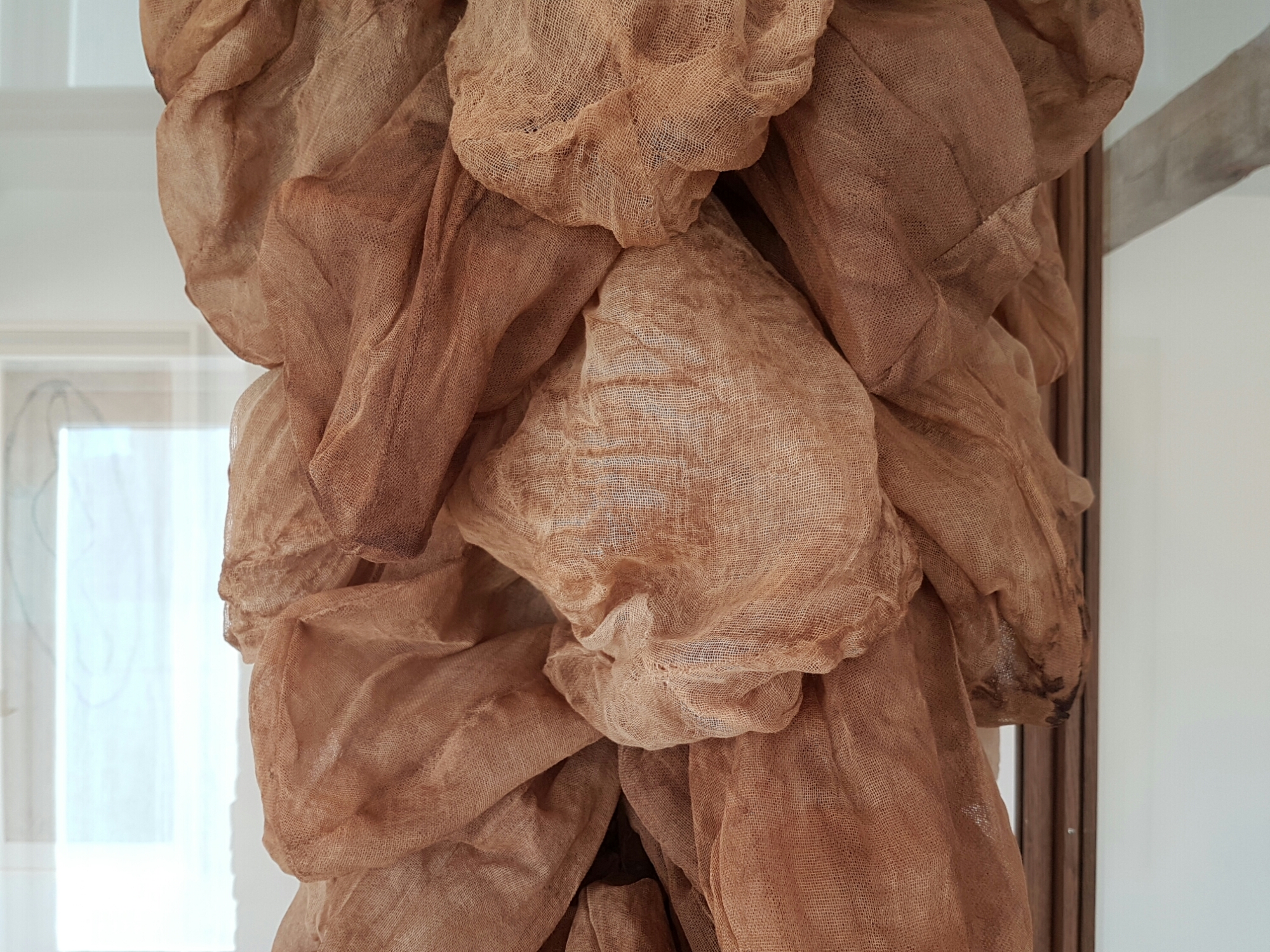
We went back again to see the Louise Bourgeois exhibition, to admire the extraordinary freedom and fluency and authority with which she drew in the last decade of her life.
I had tried to photograph the three shapes in a vitrine first time round, without success, but second time, I was at least able to catch something of the tower of stocking-like material:-

Durslade Farmhouse (2)
It’s a pleasure being in a building where the walls have been left in their natural state, showing signs of their age as the house was left unoccupied for a long time before the Wirths bought it and began to restore it in 2011:-

The Othery Cope
One of the best things we saw yesterday was the so-called Othery Cope, a late fifteenth-century cope which was discovered in 1897, wrapped up in tarred cloth under the pulpit at St. Mary’s, Othery, north of Langport, and embroidered with symbols of the Virgin:-


Glastonbury Abbey
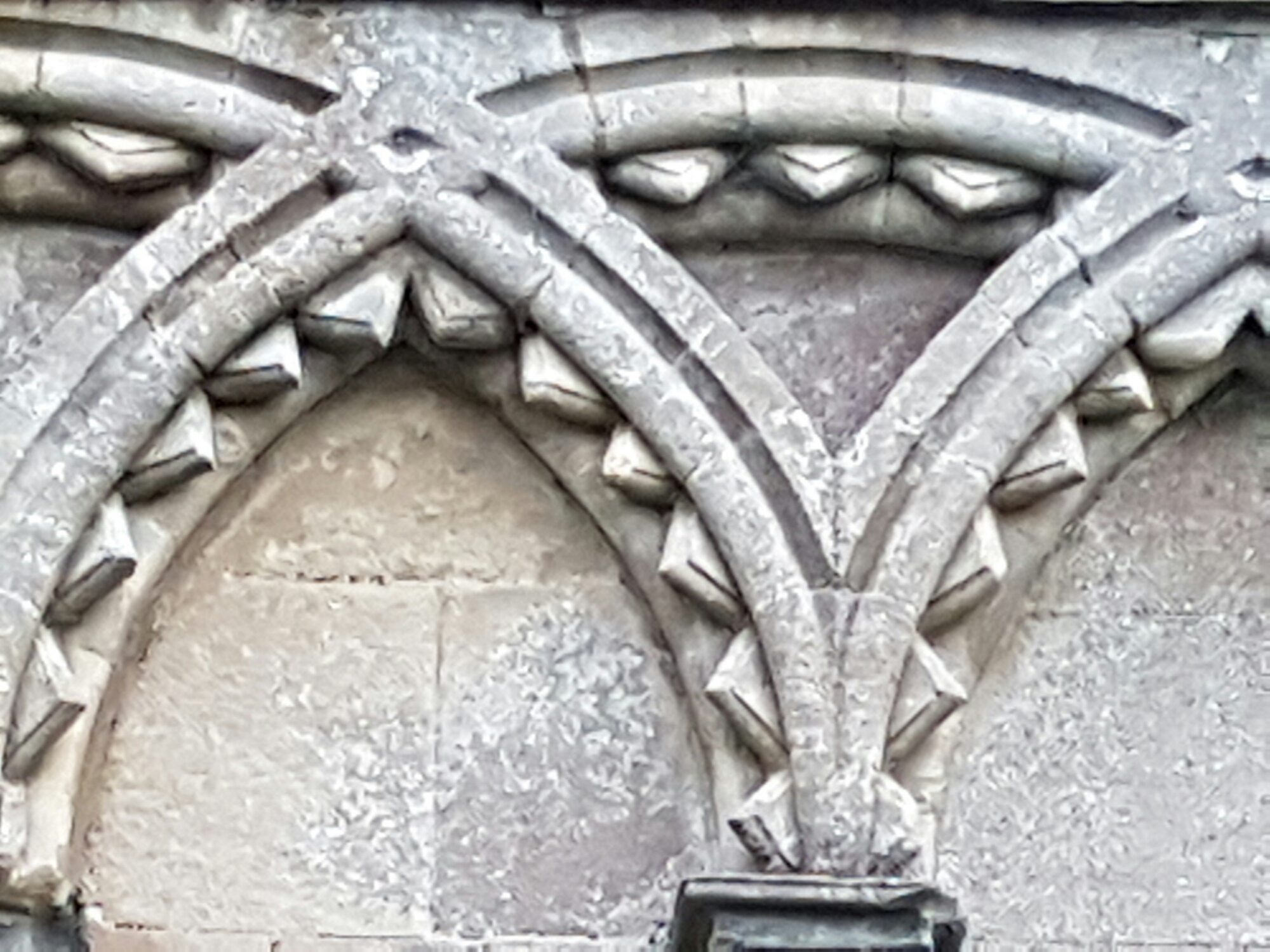
We drove to Glastonbury Abbey across the marshes to admire its late Romanesque portal showing the Life of Mary, beginning with the Annunciation, through the Visitation, with a bestiary in the outer voussoir. It was constructed after a fire in 1184, overseen by Henry II’s chamberlain, Ralph Fitzstephen ‘building it of squared stones of the most beautiful workmanship’ (Adam of Domerham):-



You must be logged in to post a comment.