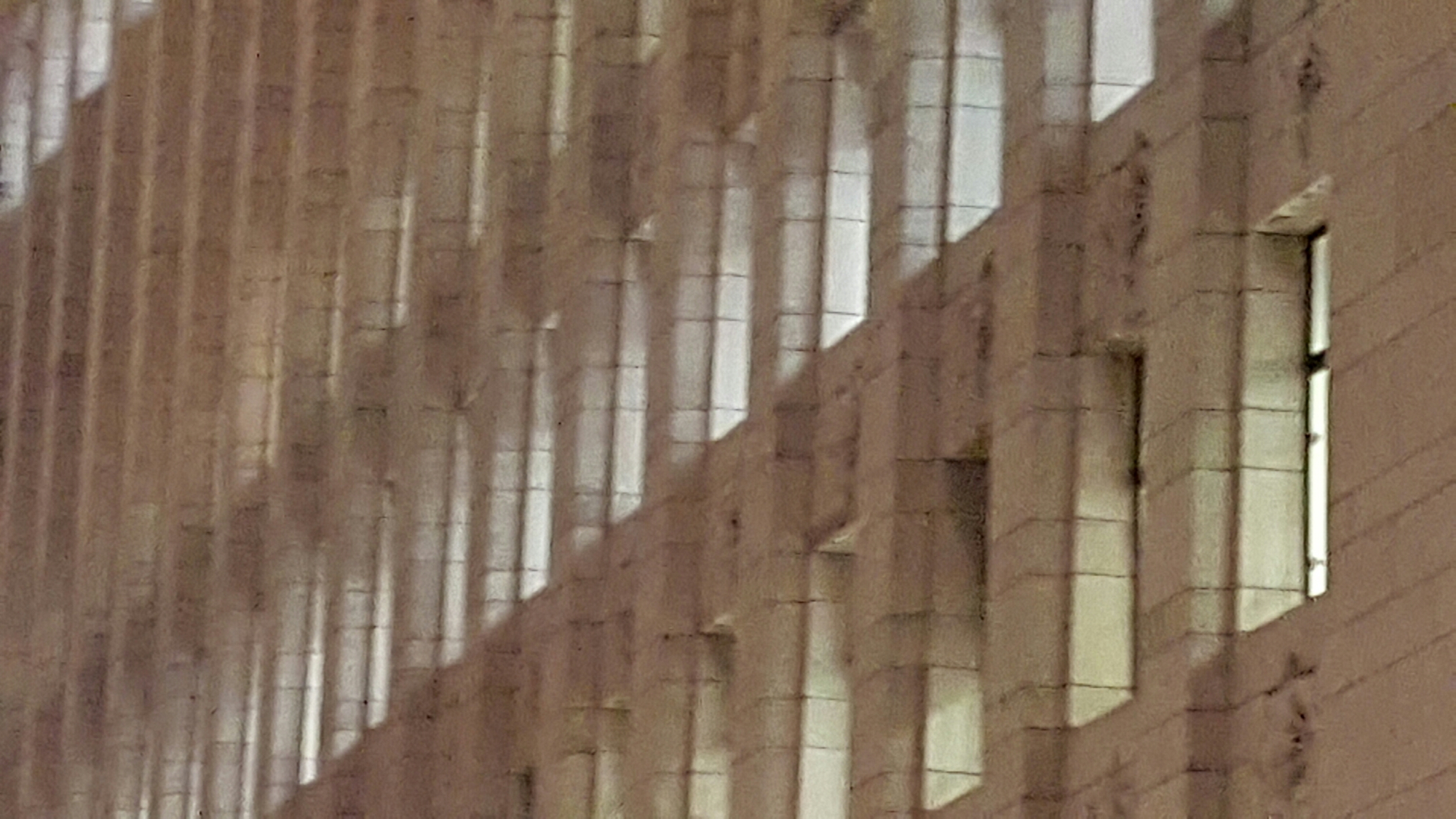
I was walking past Adelaide House last night on the north side of London Bridge and was impressed by the American style of its façade, designed by Burnet and partners at more or less the same time that they were working on Unilever House. When built, it was the tallest building in London (hard to believe) and it has an Egyptian style entrance, as well as sculpture by Sir William Reid Dick. Apparently there used to be a golf course on the roof:-
Tag Archives: Central London
Burlington Gardens
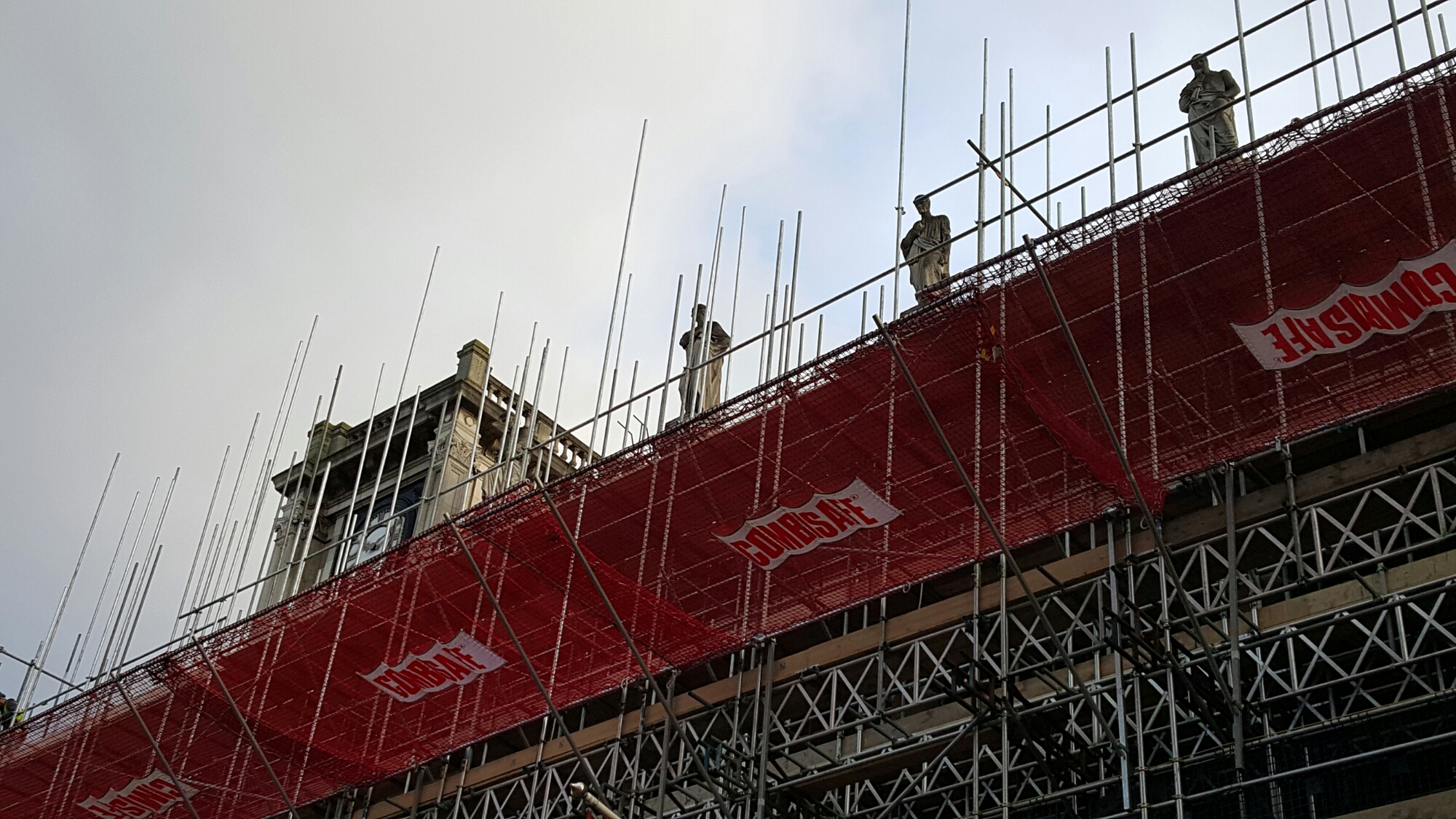
I went on a site visit of our building project in Burlington Gardens for only the second time since building work began in late October. It’s a strange experience seeing a building stripped to its bones, like an old lady seen in corsets. The volumes change. With all the later accretions removed, one can see how grand the big spaces are going to be.
This is the view of Pennethorne’s north façade:-
Courts of Justice
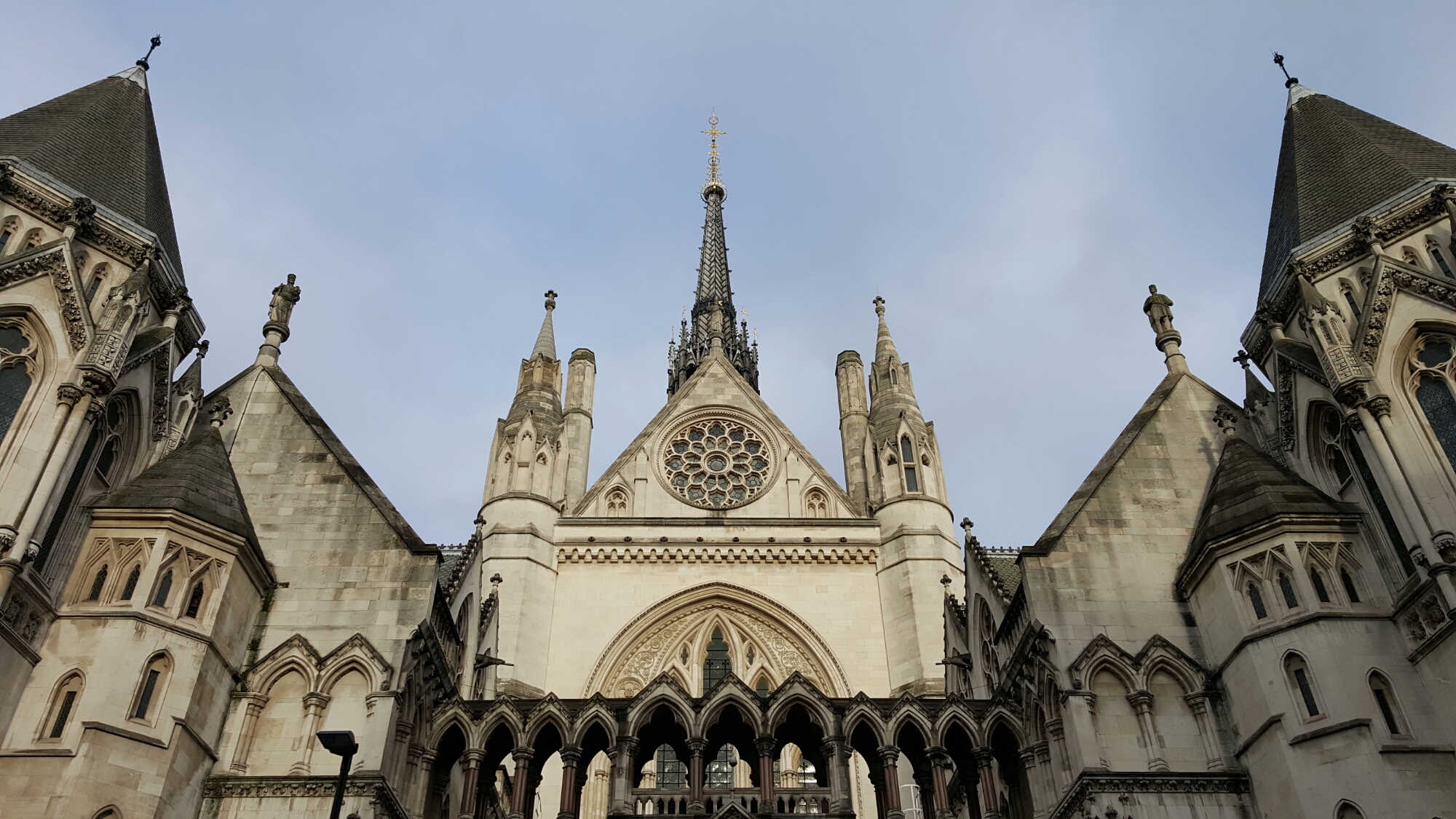
I’m not normally a great fan of G.E. Street, regarding him as at the dour end of the Gothic Revival, and have never previously warmed to the Courts of Justice, which have always struck me as cold and monumental; but, crossing the street opposite them yesterday (no pun intended), I realised that they do have a certain grandiosity, as well as being very convincing in the way they use the historical language of the Gothic Revival:-
Dean Street
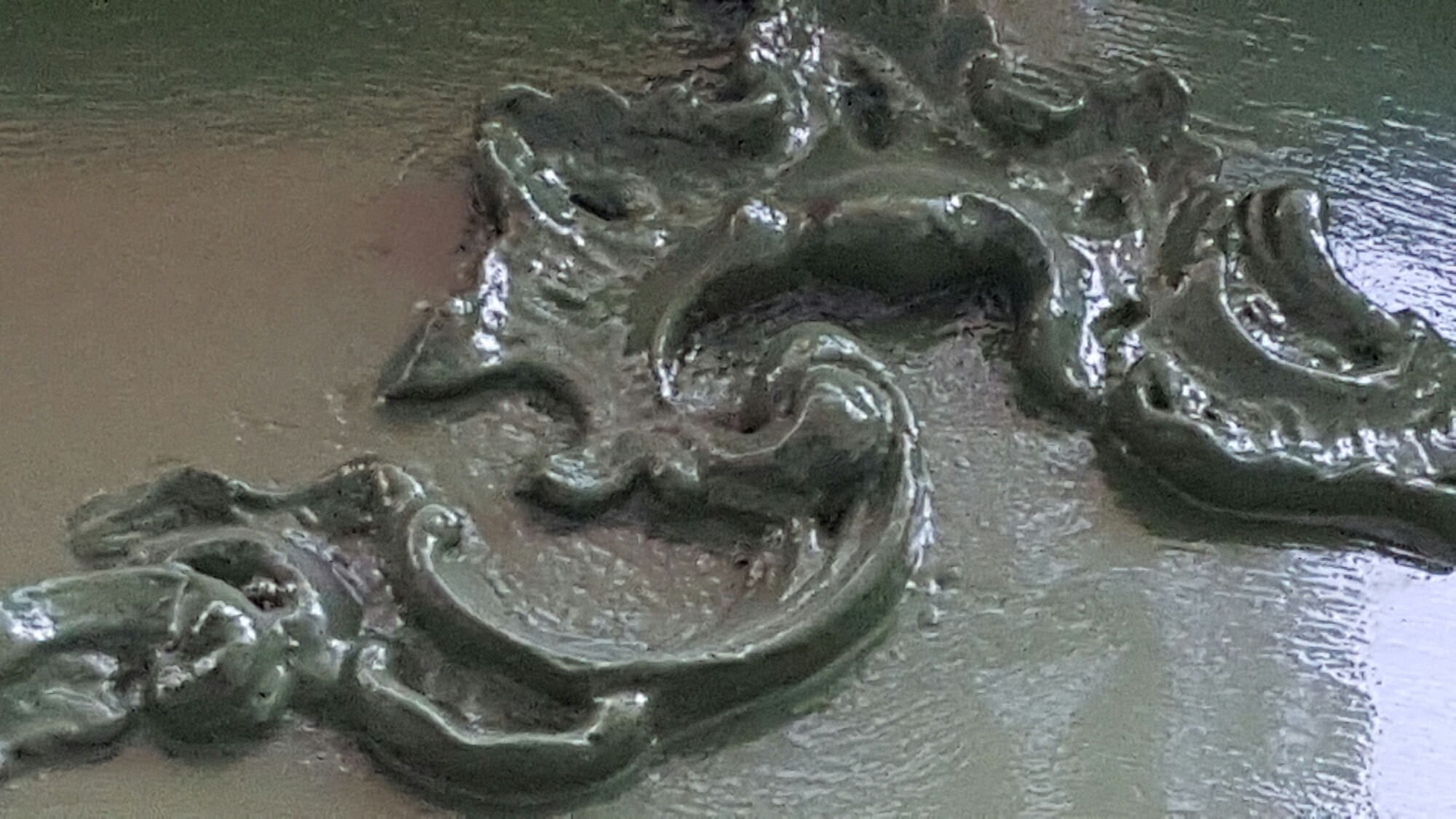
My last formal meeting of the year was held in the new Soho House for a change (I am not a member). It gave me a chance to check that the last remaining rococo shopfront, dating from 1791, remains intact on a stationers and newsagents at No.88, Dean Street:-
St. Paul’s Cathedral (2)
The more time I spend in Blackfriars, the more I realise how the area round St. Paul’s has been wrecked by big monolithic and characterless office blocks which have invaded the area and destroyed the integrity of the medieval streetscape, which is presumably partly why it is now much cheaper to occupy offices in the City than Mayfair. But it has made me love and admire the architecture of St. Paul’s the more and understand why it was such an emblematic building in the Second World War – so stolid in its understated grandiosity. This morning I walked out of breakfast in Bread Street and there it was in the morning sun, flanked by the tower of St. Augustine, Watling Street and One New Change:-
Albany
We had a party last night for the residents of Albany, to reassure those people who occupy the highly desirable bachelor sets on either side of the historic ropewalk that we will try to ensure that our major building project involves minimum disruption. I was told that the only sound that is heard at night is seagulls hunting for rubbish.
This is the façade of Melbourne House as it was designed by William Chambers in the early 1770s, just before he embarked on the project of designing Somerset House. It is the residue of one of those grand aristocratic houses which lined the north side of Piccadilly and was converted by Henry Holland in 1802 by the addition of 69 bachelor sets on either side of a courtyard at the back:-
Portcullis House
I am doing a post rather belatedly of my visit on Friday to Portcullis House. I was there to see Adam Dant’s Election Special in which he trailed the politicians and recorded not so much them as their public in a large graphic collage based on Leeds Town Hall. But I was also taken upstairs to see the run of recent political portraits, including Tony Benn by Andrew Tift which I had seen before, Margaret Beckett in egg tempera by Antony Williams, and, most impressively, Michael Foot as a snowy white magus by Robert Lenkiewicz, the eccentric painter of Plymouth.
Embankment Gardens
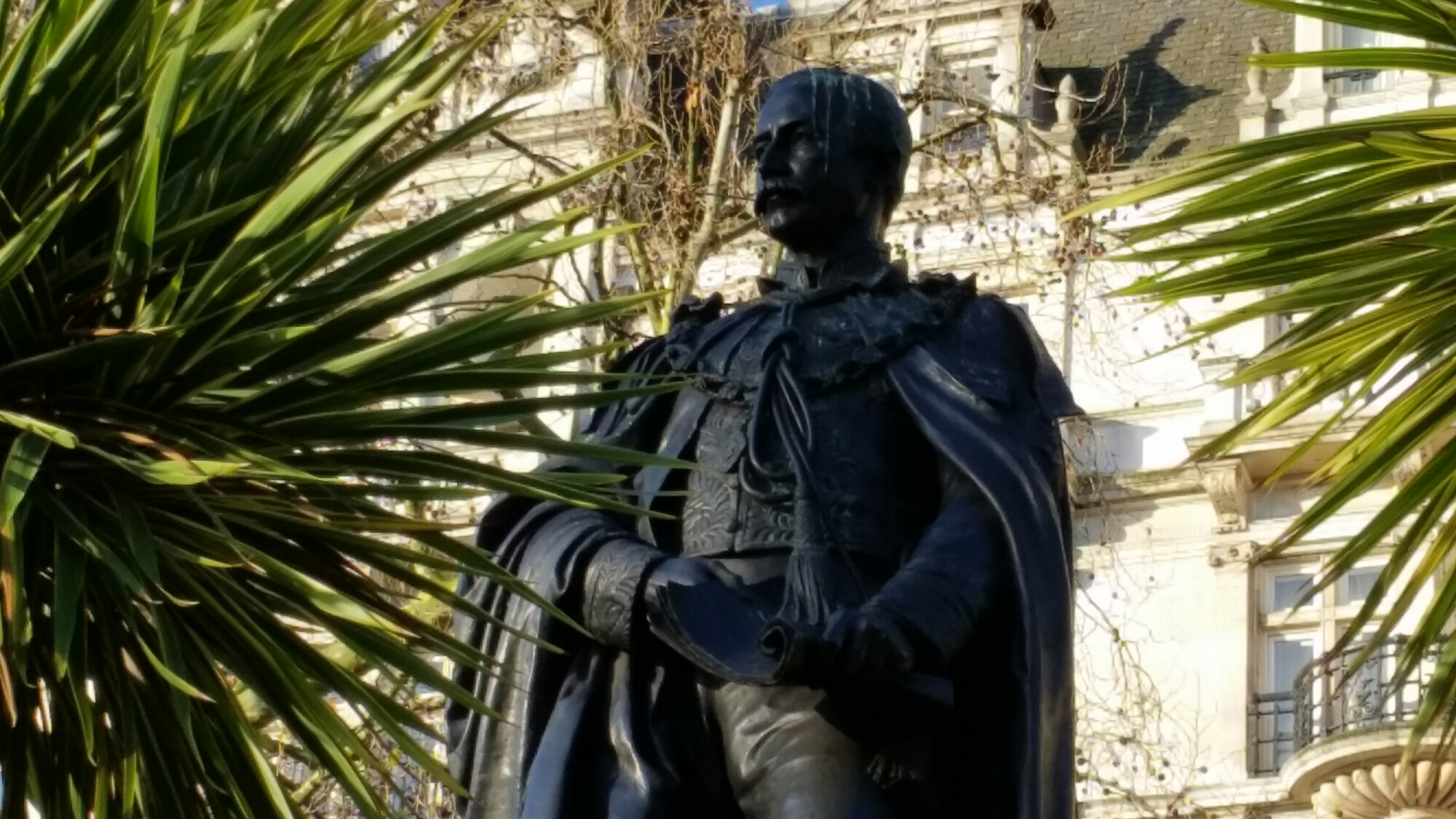
I found myself walking through Embankment Gardens this morning en route to Portcullis House in amongst statues to forgotten Generals and behind the back of the Ministry of Defence. The gardens themselves were retrieved from the river by Sir Joseph Bazalgette and have been used to park the victors of colonial wars.
This is the entrance to the garden which could be Nice:-
This is the statue to General Sir James Outram, the Bayard of India and responsible for the capture of Lucknow:-
Kioskafé
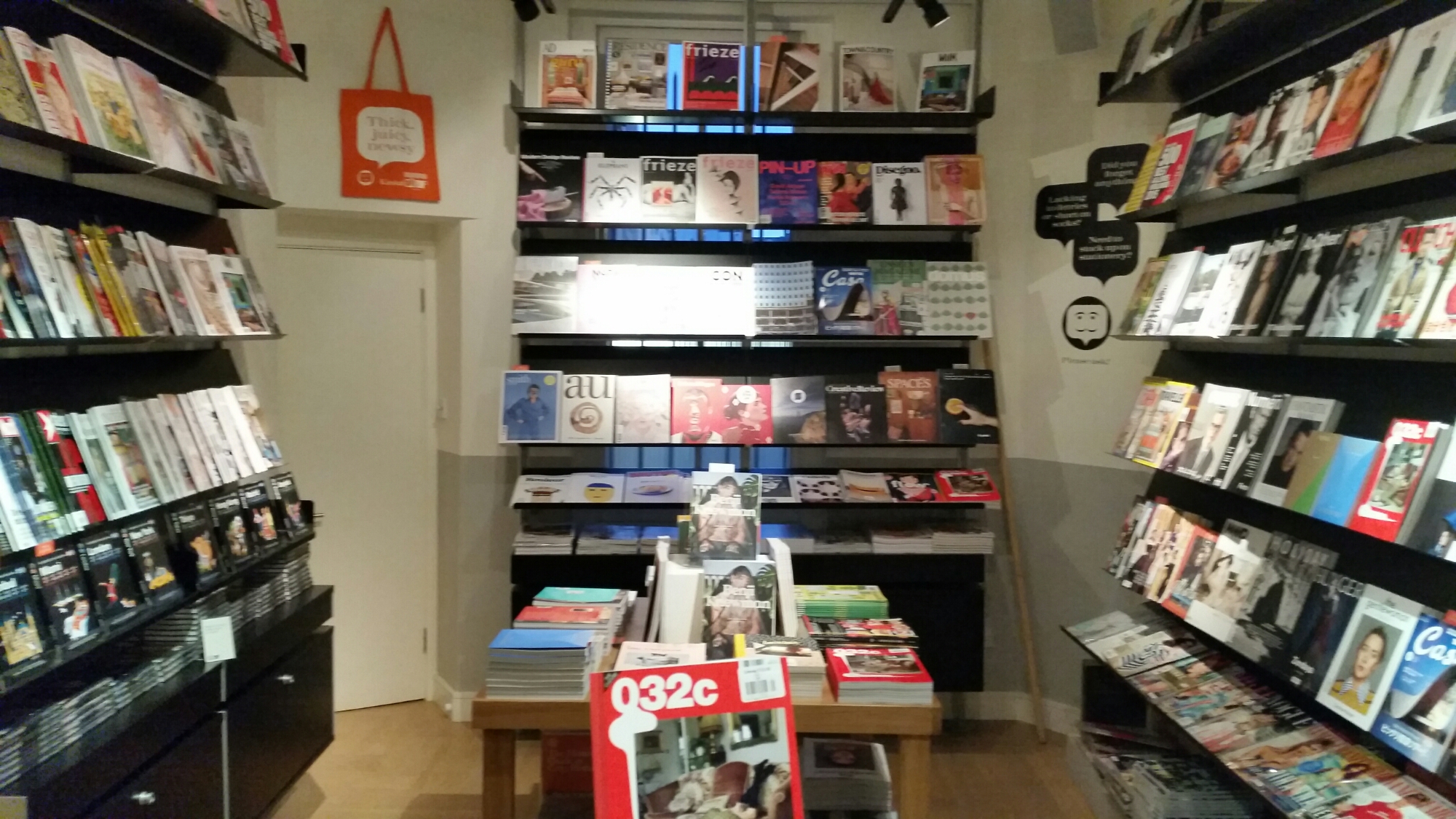
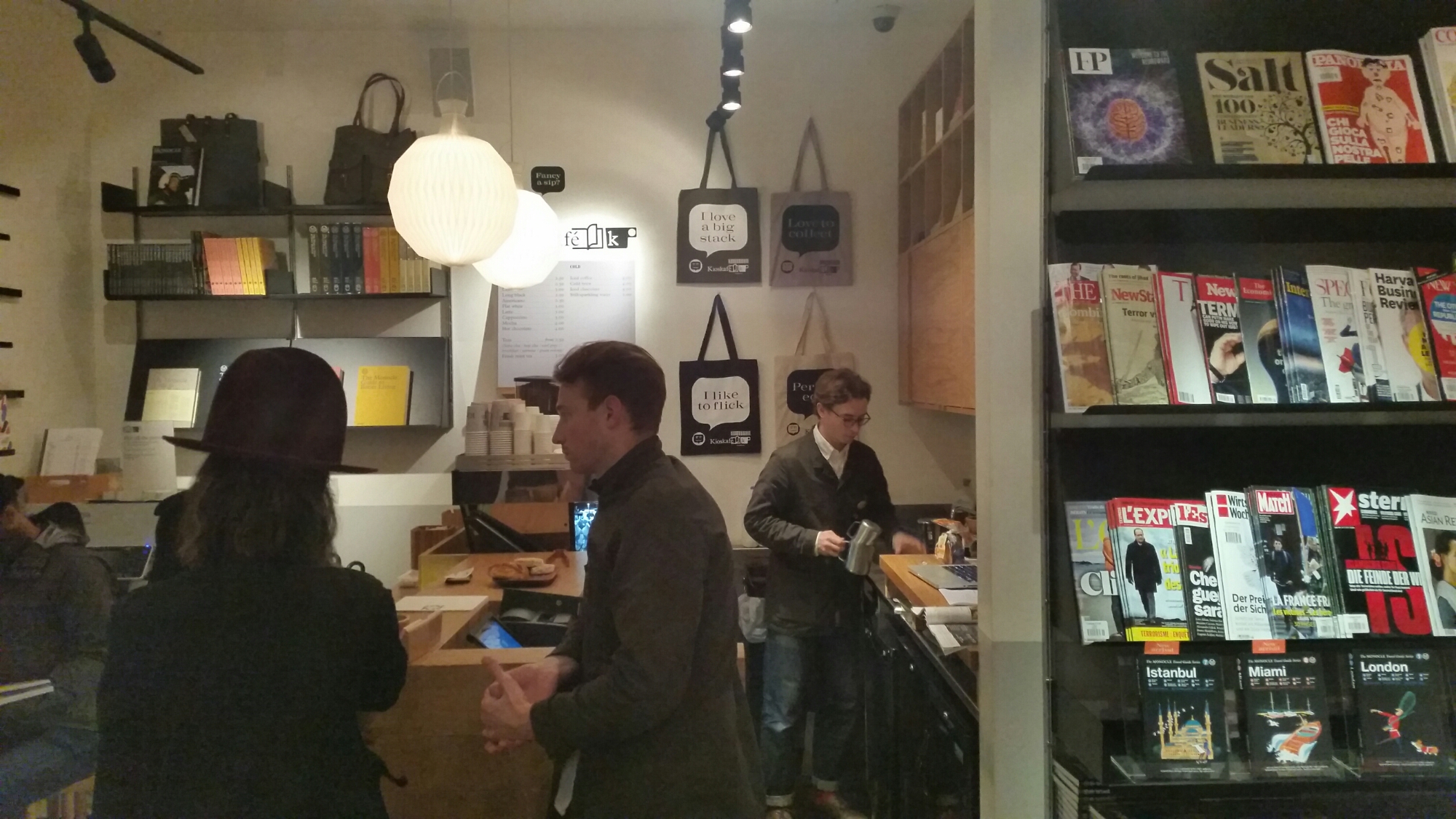
Arriving in Paddington this afternoon, I took the opportunity of calling in at the new Kioskafé in Norfolk Place near Paddington as I thought it could be a possible precedent for what we might do in Burlington Gardens. It’s a version of the Monocle Café in Chiltern Street, a café-cum-newsstand selling a wide variety of international newspapers and magazines, which are perhaps just staffage for the sale of tea and coffee, but giving it a European atmosphere:-
Bleeding Heart Yard
I had lunch in Bleeding Heart Yard, a small courtyard just behind Hatton Garden and originally behind the stable block of Hatton House. It is famous – or infamous – as the site of the murder of Lady Elizabeth Hatton in 1626. She left a party with the Spanish ambassador and the following morning her body was discovered in Bleeding Heart Yard with her body torn apart, but her heart still pumping blood onto the cobbles:-


You must be logged in to post a comment.