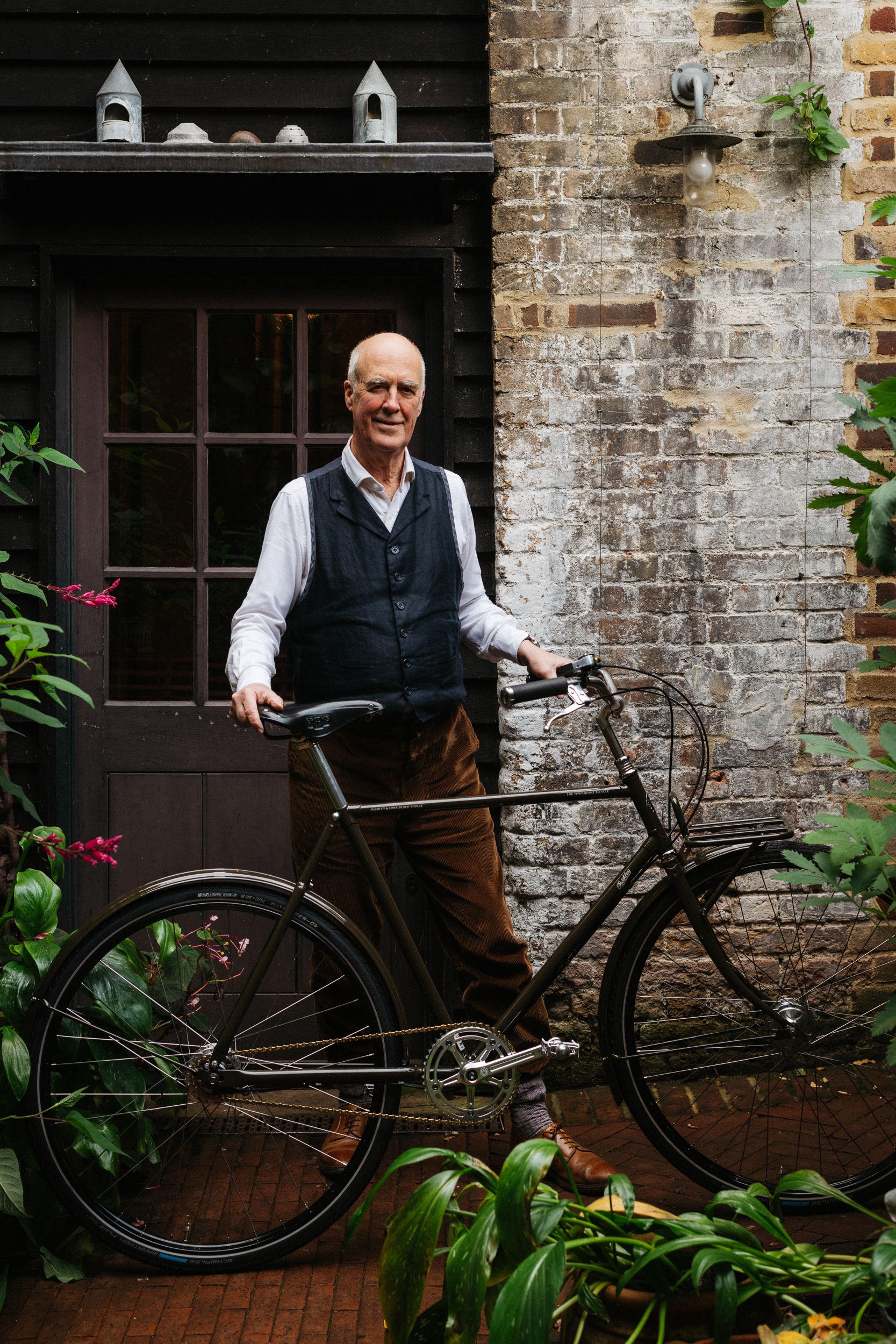
A golden rule of my blog is that I am never ever allowed to mention my close family, only dead relations. But I have been allowed to breach this rule today in celebration of the fact that my wife Romilly is holding an exhibition of her jewellery entitled Newfoundland jointly with work by Edmund de Waal in Edmund’s studio. She discovered several years ago that it is possible to buy fragments of Roman and medieval metalwork found by metal detectors and sold on ebay and has gradually acquired a small collection of buckles and thimbles and buttons and rings which she has adapted into modern palimpsests, evocative of their history, but enriched and embellished and ornamented as well.
Tag Archives: East London
Jock McFadyen
We had a meeting and studio visit in Jock McFadyen‘s studio in darkest Hackney underneath the railway arches off Mare Street. It was wonderful to see his epic paintings of urban decay as seen from a car window in Dagenham. They belong to an imagery of the 1980s east London picturesque, alongside Patrick Wright, who once wrote a column called London Fields, and Iain Sinclair, the poet of the A13. I also like and admire Jock’s meditations on the theme of Walter Sickert, inspired by an exhibition at Somerset House and updated for the 21st. century.
Newcome’s School, Hackney
Now that I am back in London, I have been able to answer the question which had been perplexing me as to why Lord George Cavendish, the early nineteenth-century owner of Burlington House, was educated in Hackney. The answer is that he, along with a number of other children of the Whig political élite, was sent to Newcome’s School in Hackney, where Henry Newcome, the headmaster who gave the school its name, was a noncomformist minister known for his Whig principles, whilst Hackney was known for its healthy green fields. From 1756 to 1779 the headmaster was Peter Newcome, a Fellow of Queens’ College, Cambridge and of the Royal Society, and an expert on earthquakes. Pupils were taught Latin, French and natural sciences, as well as drawing and dancing; they went on excursions to study natural history; played football and cricket (there was a cricket pitch next to the school); and every three years they performed a Shakespeare play. During the 1780s, one of the masters was Coleridge’s older brother.
South Hackney
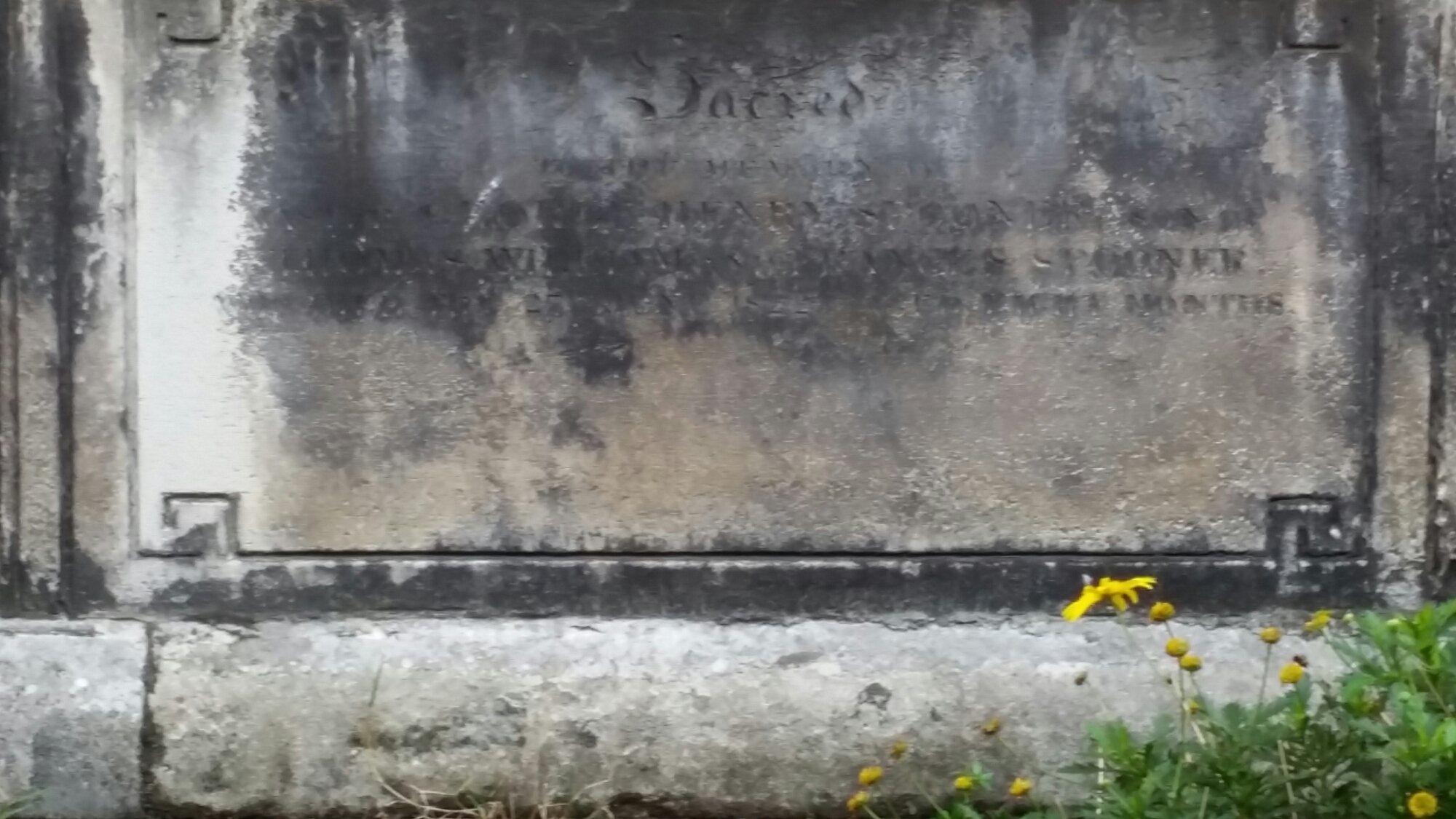
It being a sunny Sunday and the first day of autumn, I went on a wander round the purlieus of Victoria Park, beginning with an investigation of the curious little graveyard on Globe Road, which has a single Soane-like tomb dedicated TO THE MEMORY OF MASTER GEORGE HENRY SPOONER SON OF THOMAS WILLIAM AND FRANCIS SPOONER WHO DIED THE 25TH JUNE 1822 AGED EIGHT MONTHS:
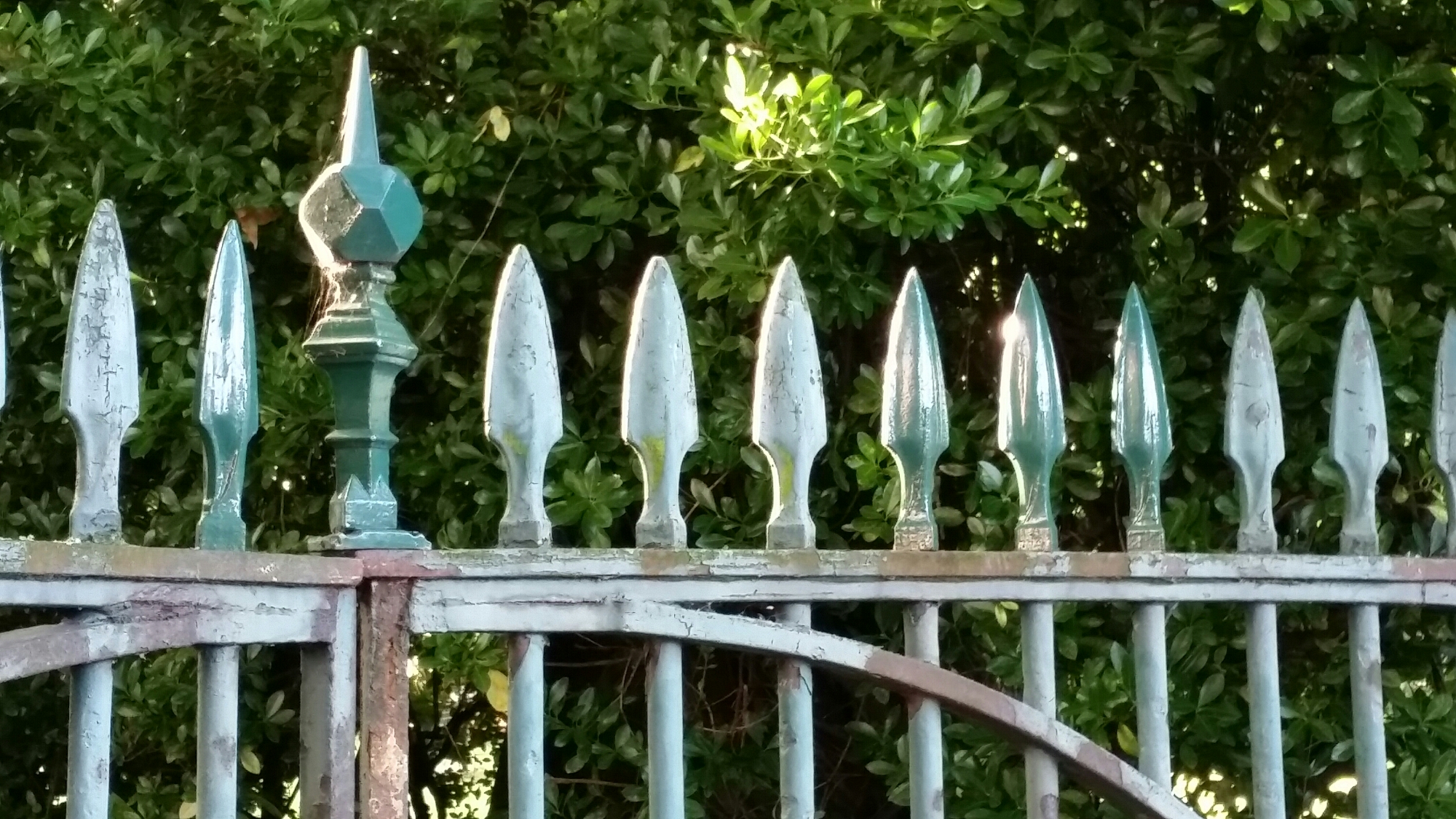
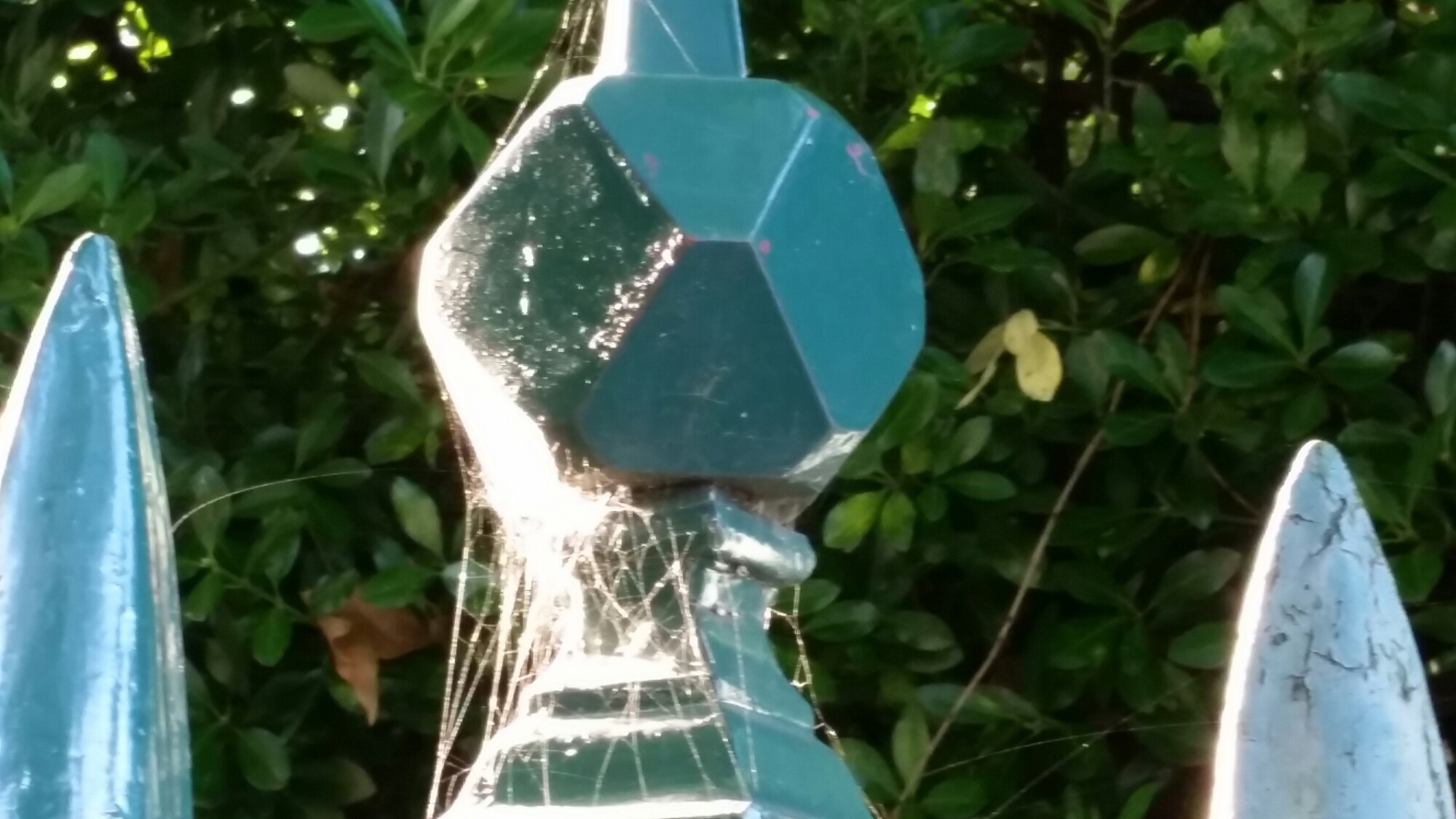
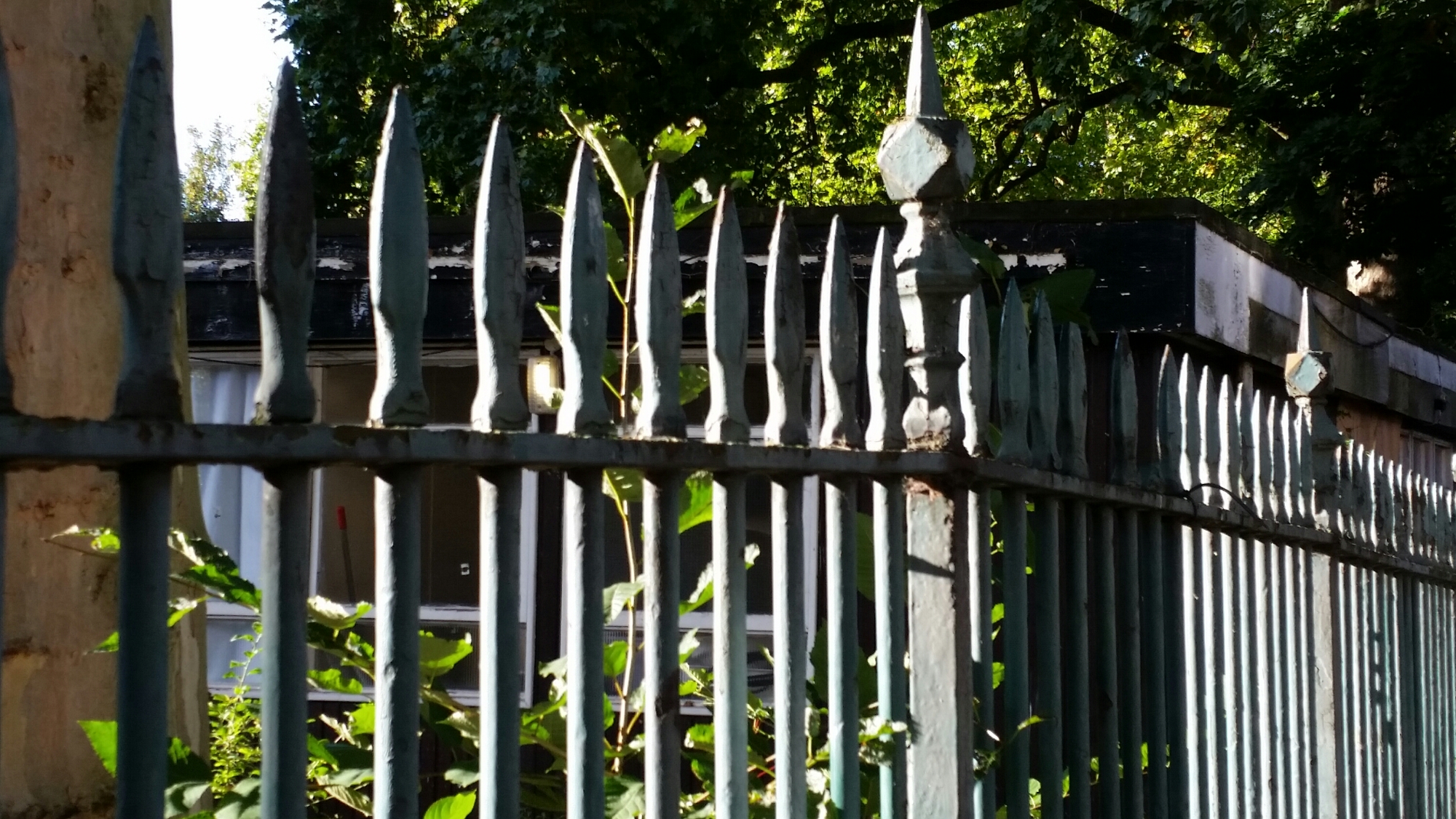
It’s odd how one can live in a neighbourhood and miss areas of it. I don’t think I’ve walked up Approach Road since the 1970s and certainly hadn’t seen the ironwork railings of the London Chest Hospital:
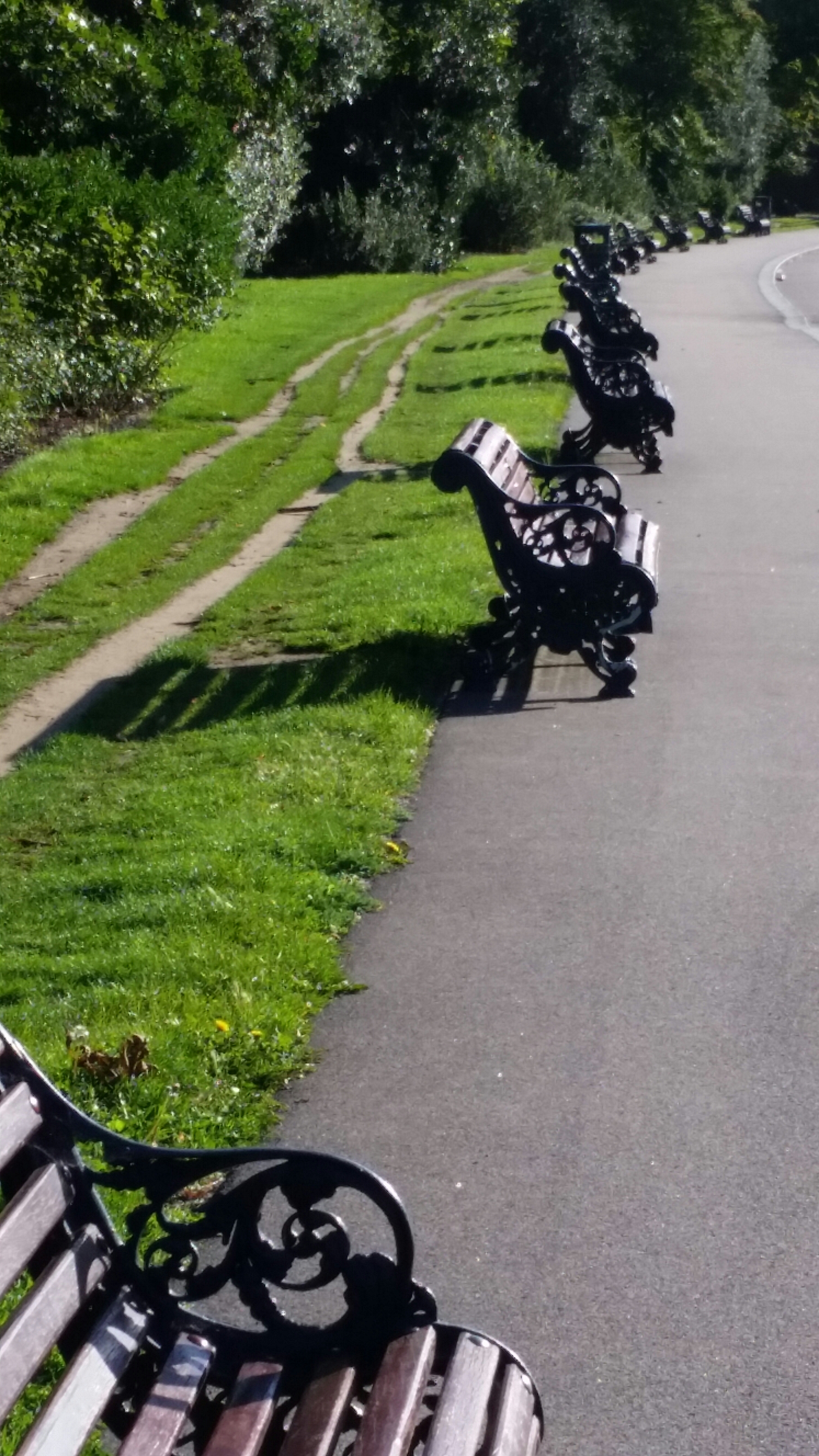
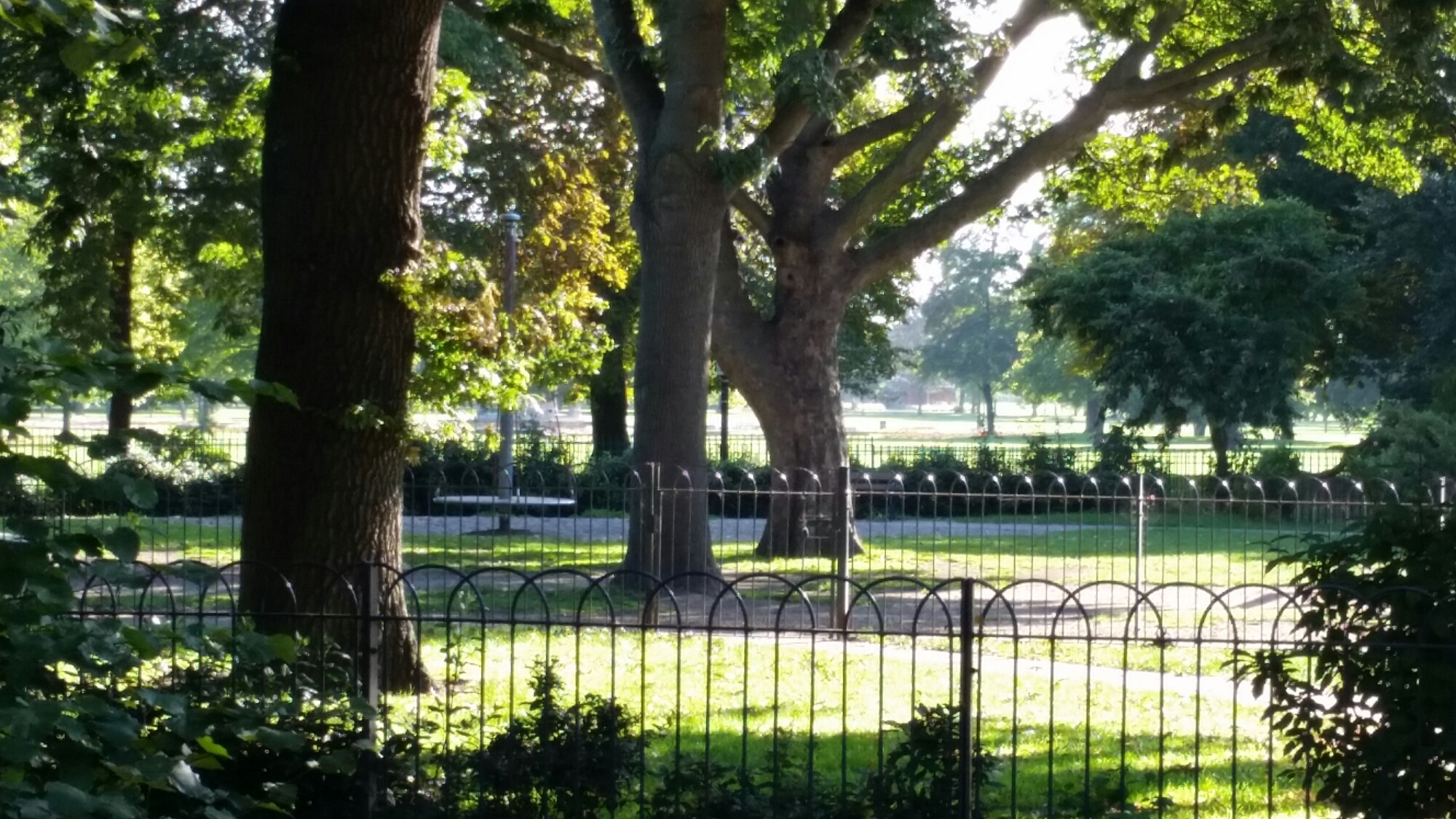
Victoria Park itself is a tiny bit too Victorian municipal for my taste, but looked fine empty in the sun:
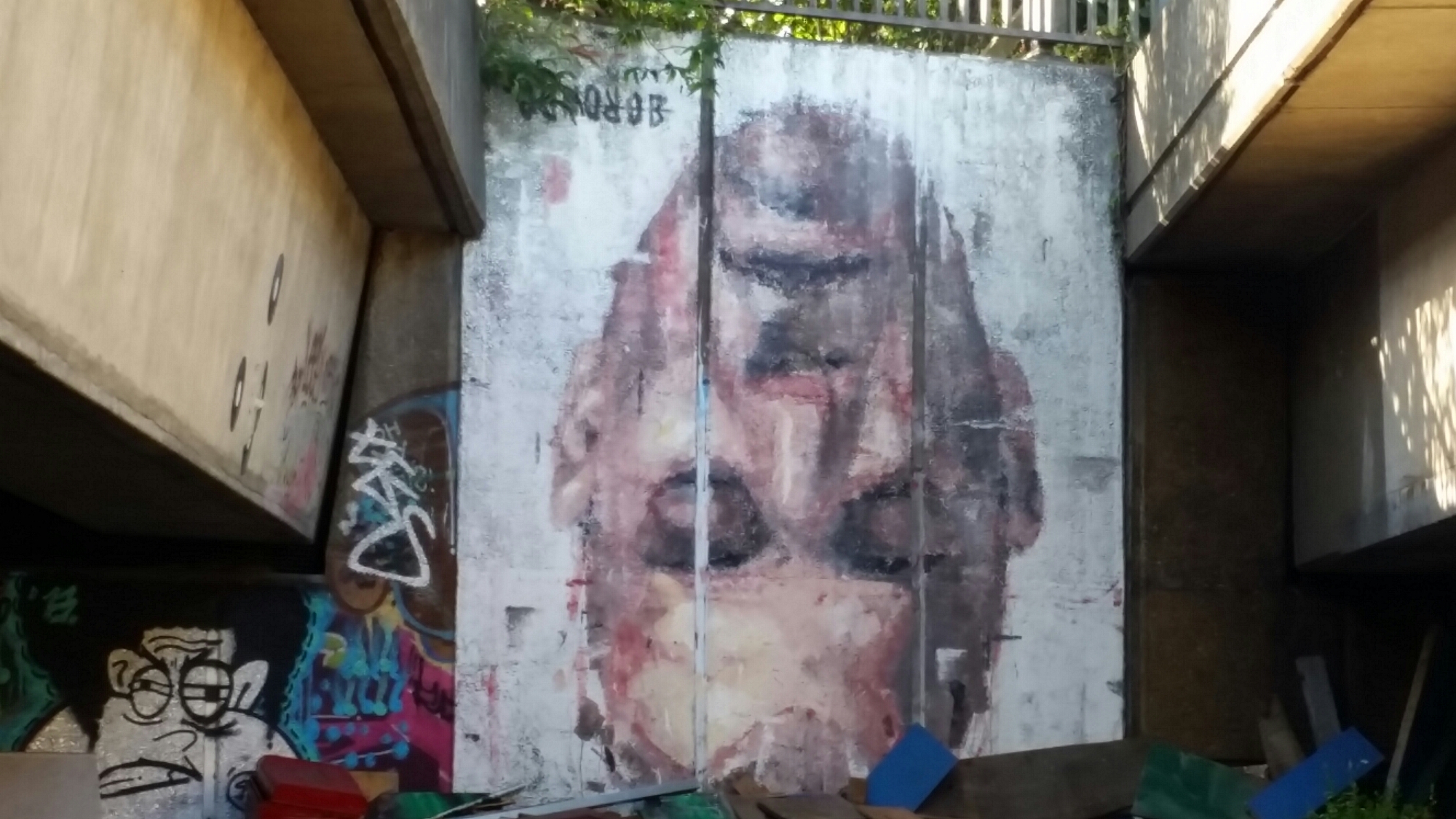
I was quite taken by this example of graffiti art under the motorway flyover:
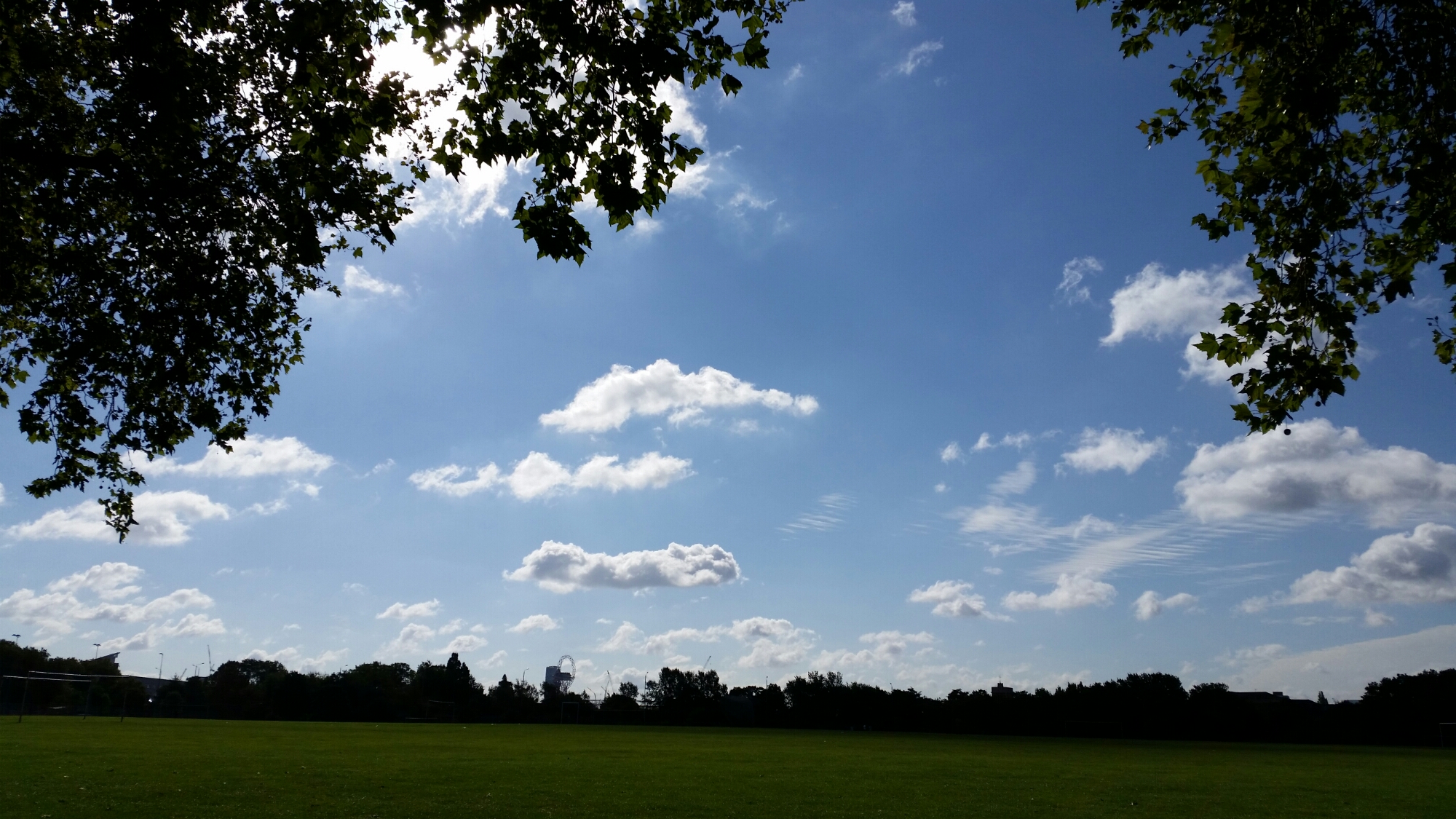
I ended up admiring the skyline of Stratford across the playing fields of Mabley Green:
Richard MacCormac (2)
I was really sad to hear this morning of Richard MacCormac’s death. I can now add what I didn’t like to say of his book launch at the Royal Academy a month or so ago that it was obvious then that he was approaching death, so thin he was, but a manifestation of the triumph of the human spirit that he was able to speak with such power and lack of self pity. I hugely admired him: someone who practised at the highest level as a modern architect, but maintained a deep interest in history and ideas, as evident in his Ruskin Library at Lancaster University, an early lottery project, and Blue Boar Court, a combination of graduate housing and a lecture theatre for Trinity College, Cambridge, which might be regarded as post-modern if it was not so obviously deeply thought and felt.
Wickham’s Department Store
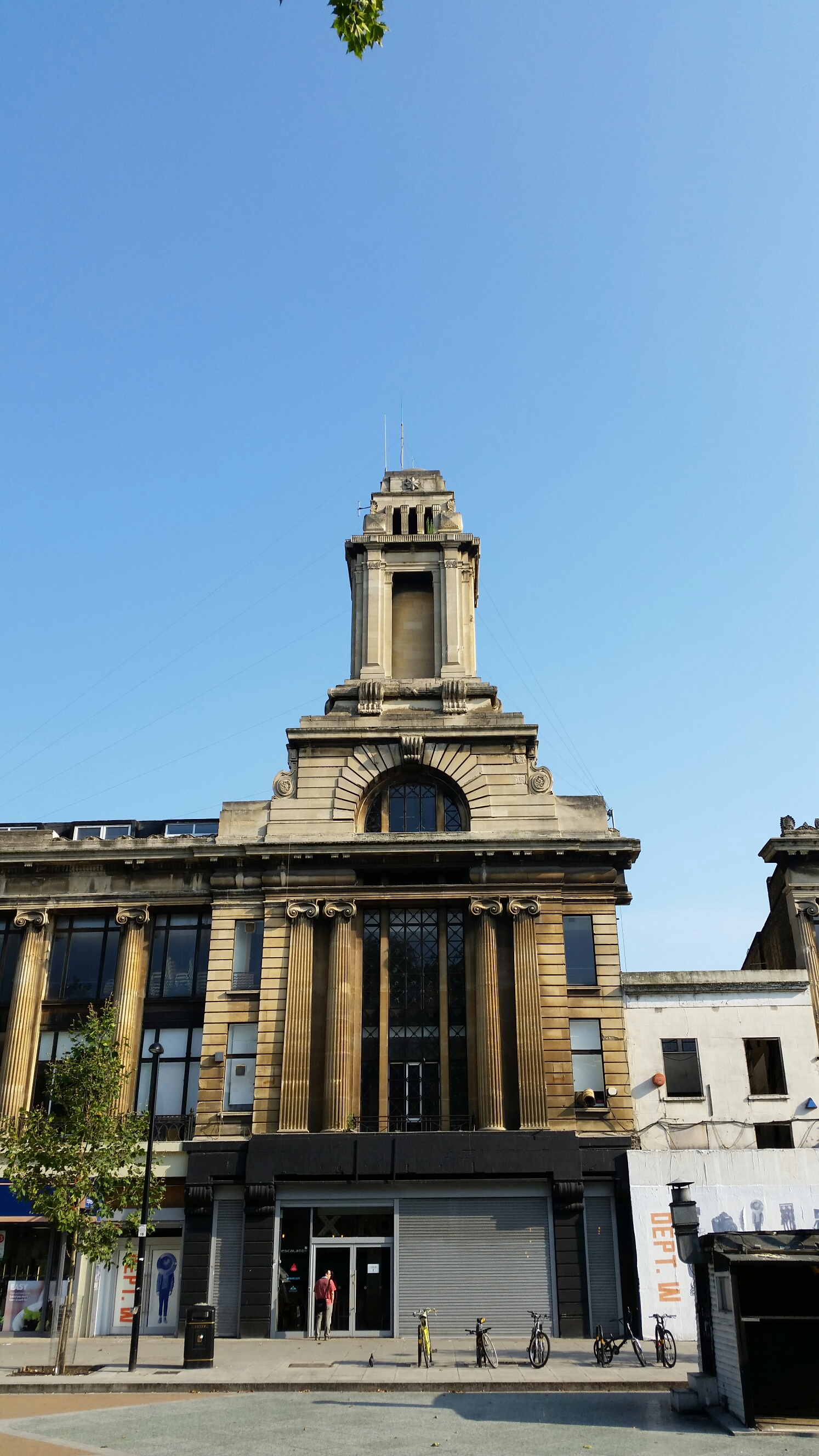
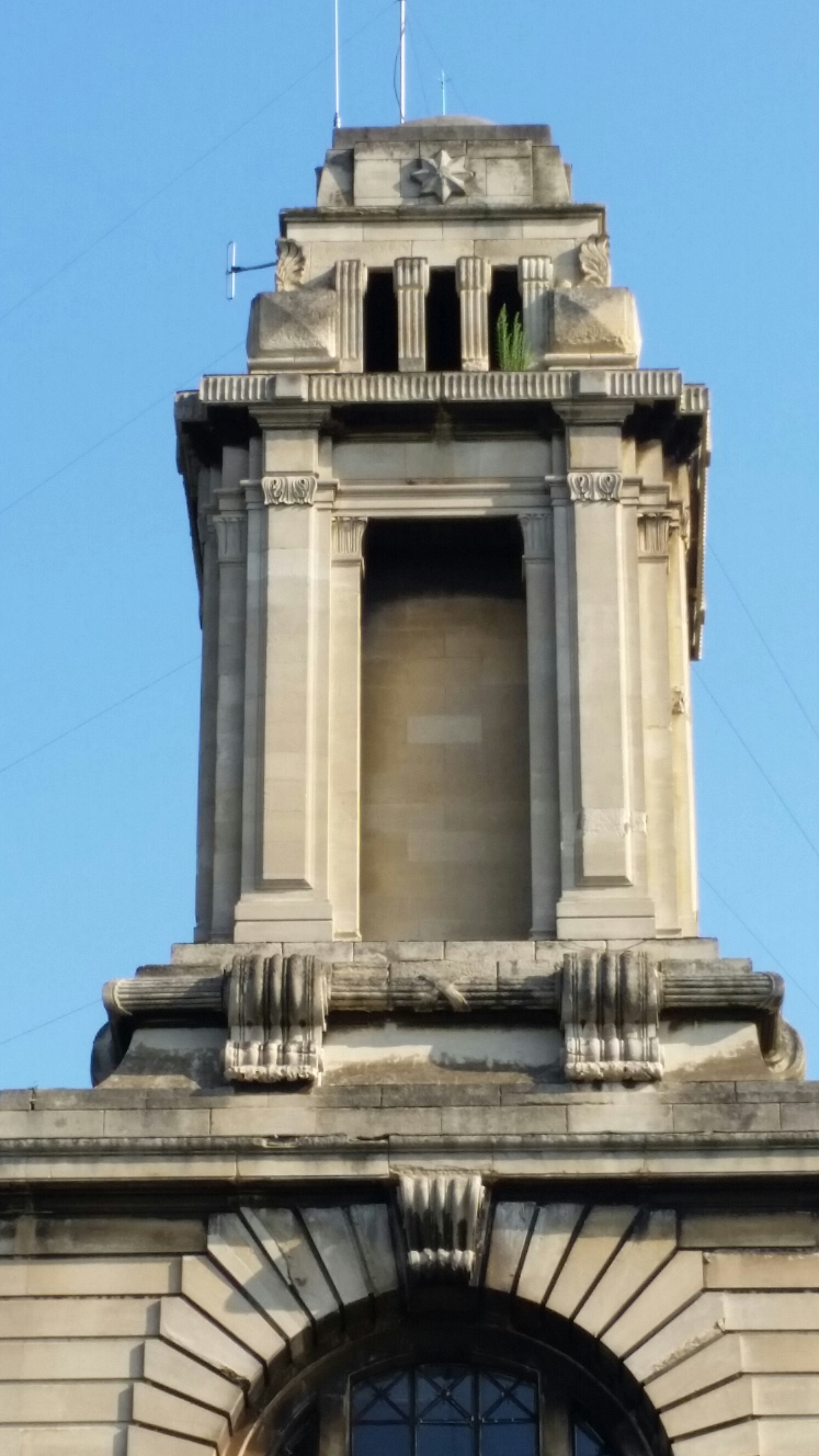
The old Wickham’s Department Store, designed as the ‘Selfridges of the East’ looks good in the early morning summer sun. The original owners gradually bought up a run of shops on the north side of the Mile End Road, all except a small family clockmakers called Spiegelhalter. When it came to construct a grand new building in 1927, the Spiegelhalters refused to sell, with the result that the grand Ionic façade is interrupted by a gap occupied by a single, now completely derelict shop. Ian Nairn loved it and described it as , ‘one of the best visual jokes in London, a perennial triumph for the little man, the bloke who won’t conform. May he stay there till the Bomb falls’.
Alison Wilding RA (1)
I have been enjoying Alison Wilding’s Badapples, which I was given as a birthday present. They were apparently first shown in an exhibition about apples held in a gallery called Large Glass on the Caledonian Road. There’s something nicely tactile about being able to hold and feel a small bronze the size of two hands lying on the table:
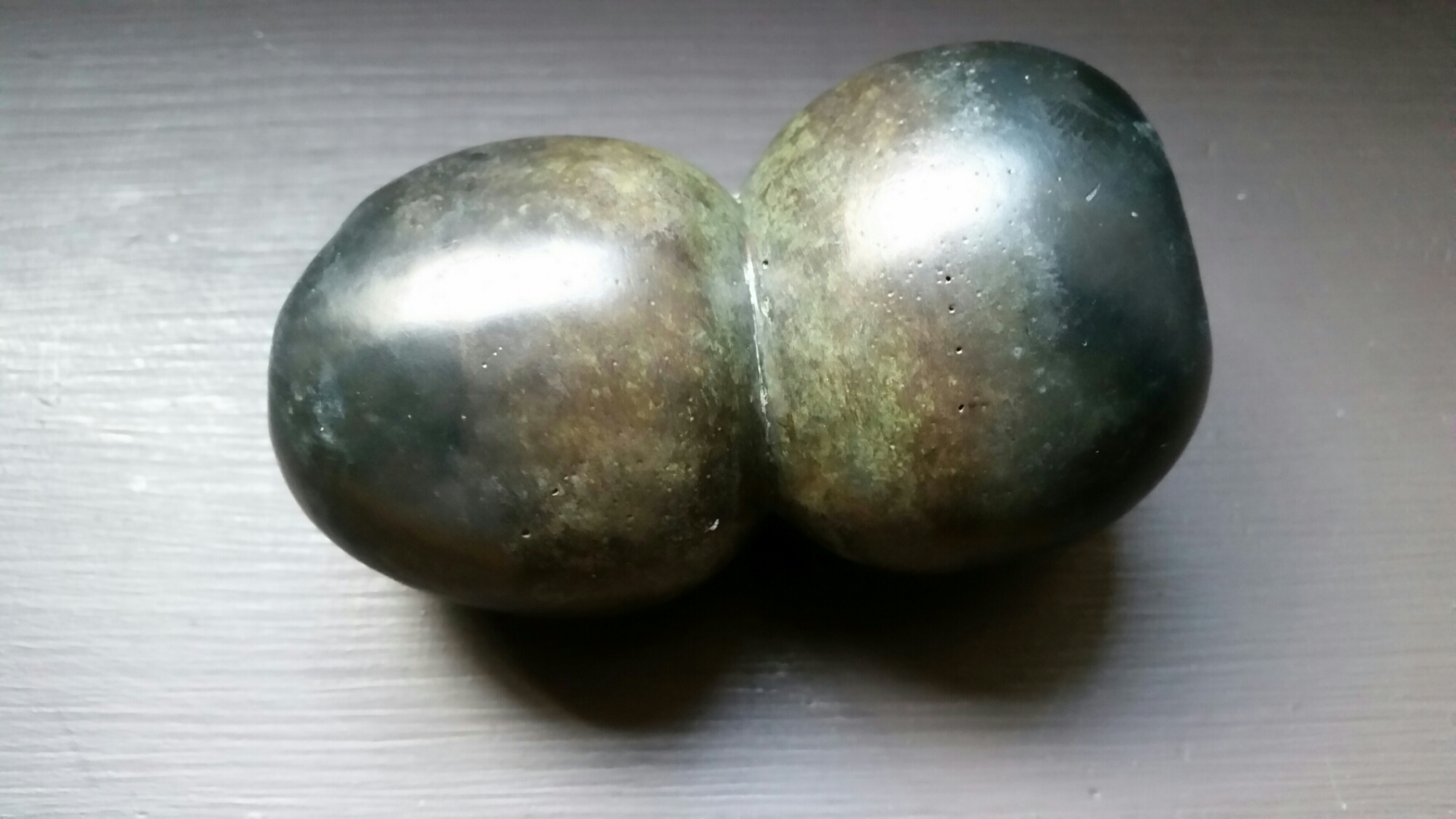
Since Alison feels that the photograph makes the work look more like bottoms than apples, I include a second attempt:

Wapping Pumping Station
Much as I salute the arrival of a new organic market in Wapping, I can’t help but lament the closure of Wapping Pumping Station, which was opened in 1977 as an arts venue with restaurant attached, called The Wapping Project. It was an early sign of east end revival, on a lease with a restrictive covenant granted by the London Docklands Development Corporation. It has now been closed and apparently sold to a property developer. As Rowan Moore has pointed out in the Observer, it represents a considerable impoverishment of the public realm. Maybe the market could take it over?


Bacon
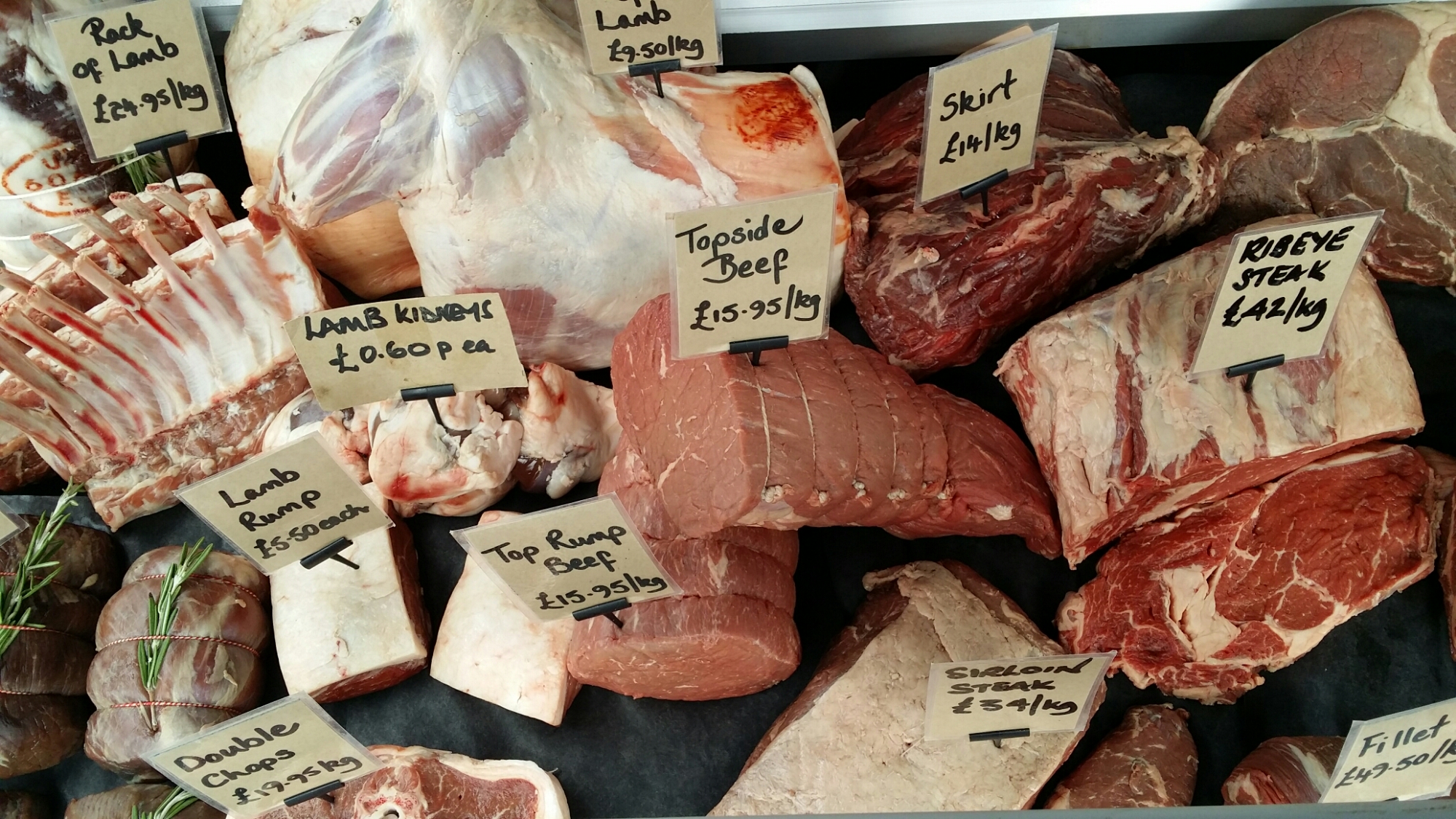
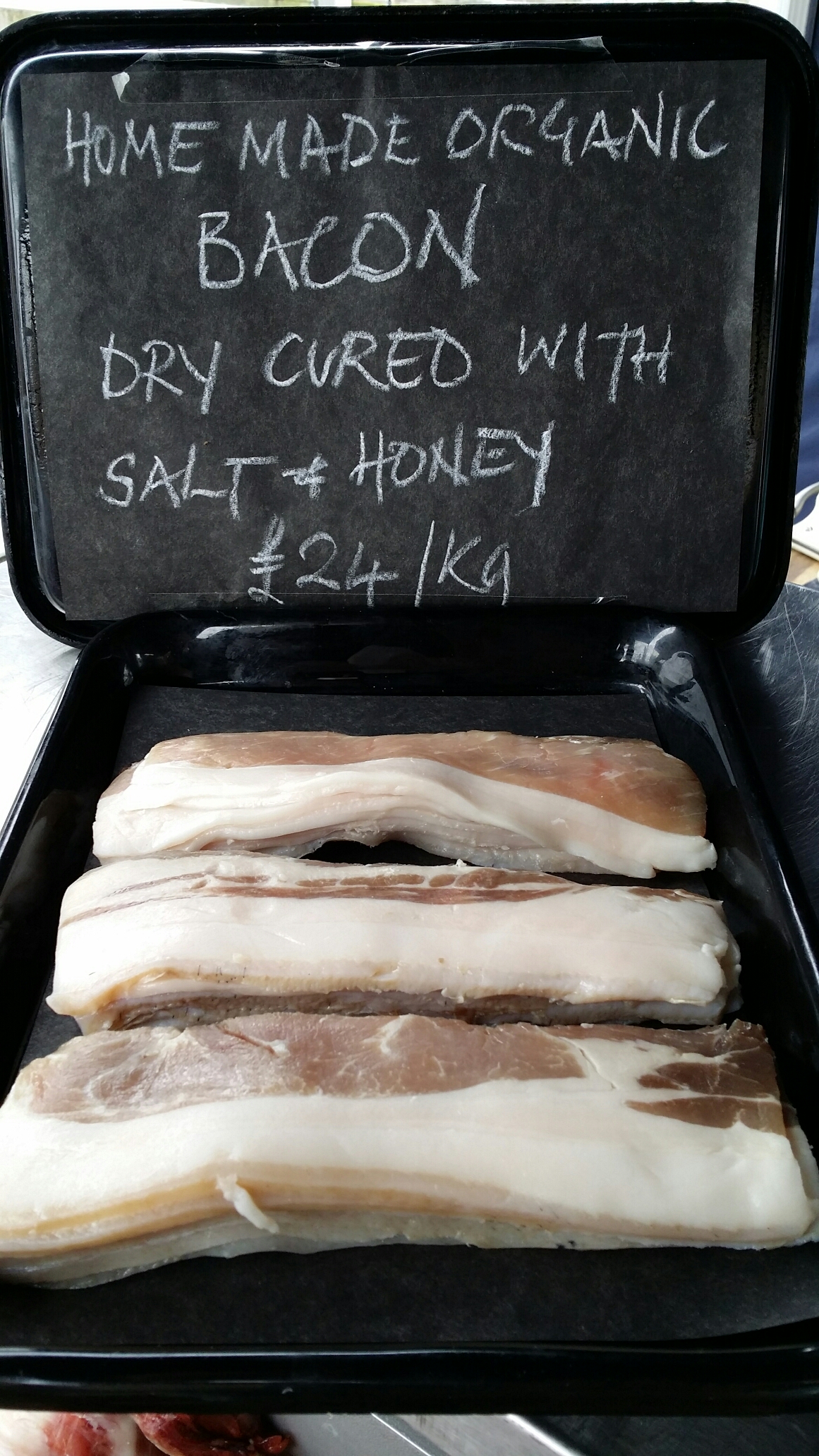
Following my recent blog in which I lamented the difficulty of obtaining decent bacon from the shops, I was very touched to receive a brown paper parcel from Marie Willey, the co-proprietor of Old Town in Holt, containing a small package of the best black treacle bacon from Allards in Bull Street. But Marie needn’t fret, because I can now get bacon as well as Merguez sausages every Sunday from Wapping Market, where Jacob’s Ladder, a farm in the Ashdown Forest, have set up a stall normally only to be found at Druid Street:
Bellevue Place
As it was sunny this morning, I took a short detour to visit Bellevue Place, previously known as Bunghole Alley, one of those strange, secret pockets of the old East end, where one imagines artisan engravers might have lived. It’s tucked in behind what was Wickham’s department store, the Selfridge’s of the east end. I first visited it in 1971 with Nairn’s London in hand. One enters by a metal door which I expected to be locked and finds an overgrown cul-de-sac full of summer flowers:


 | Charles | Saumarez | Smith |
You must be logged in to post a comment.