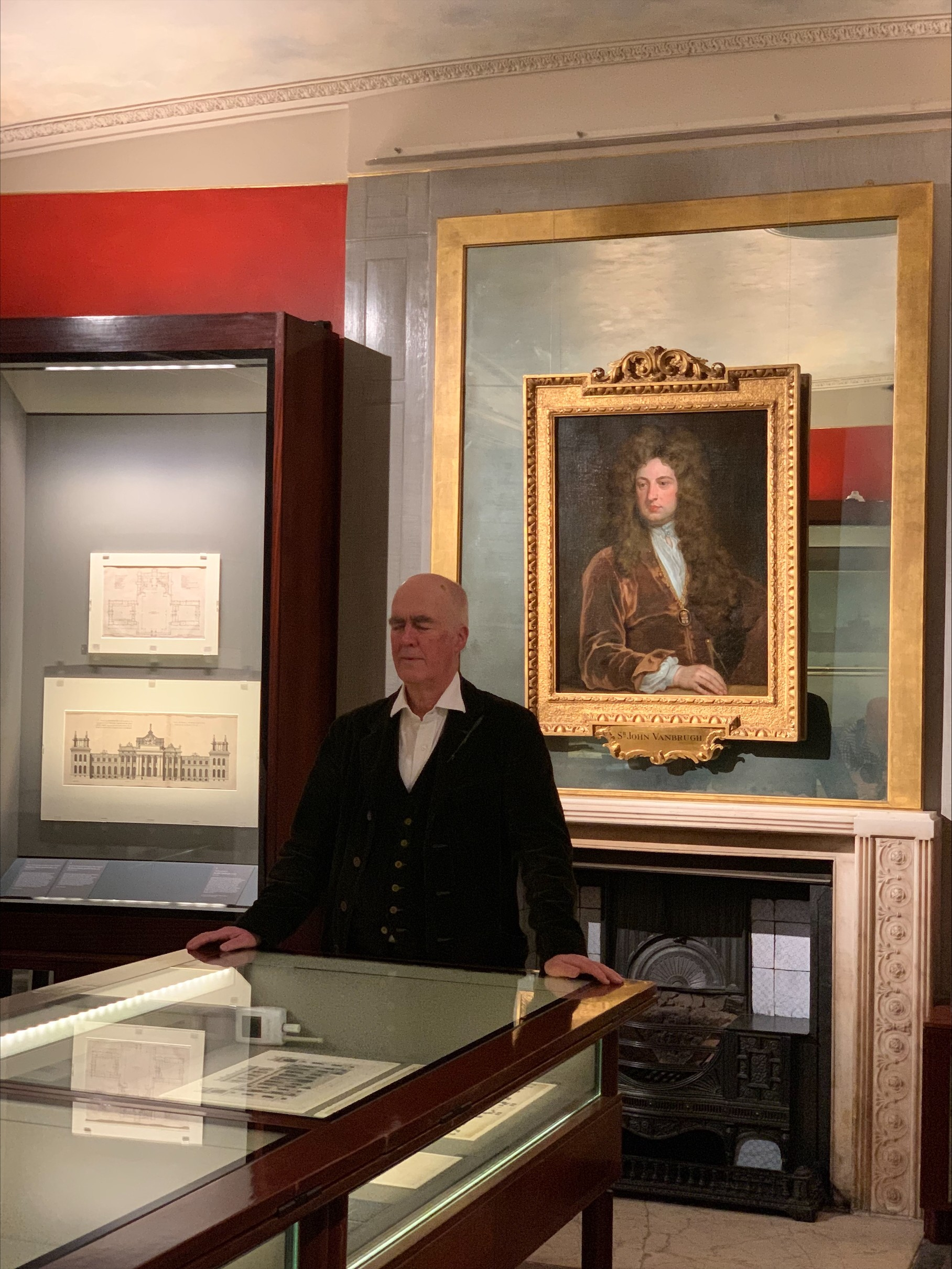
In honour of Otto’s recently published text on the history of the Barbican, we went to see the exhibition of architectural photography and the accompanying small display about Chamberlin, Powell and Bon. Coming out of the exhibition, the architecture of the Barbican looked straight out of one of the displays:-
Tag Archives: England
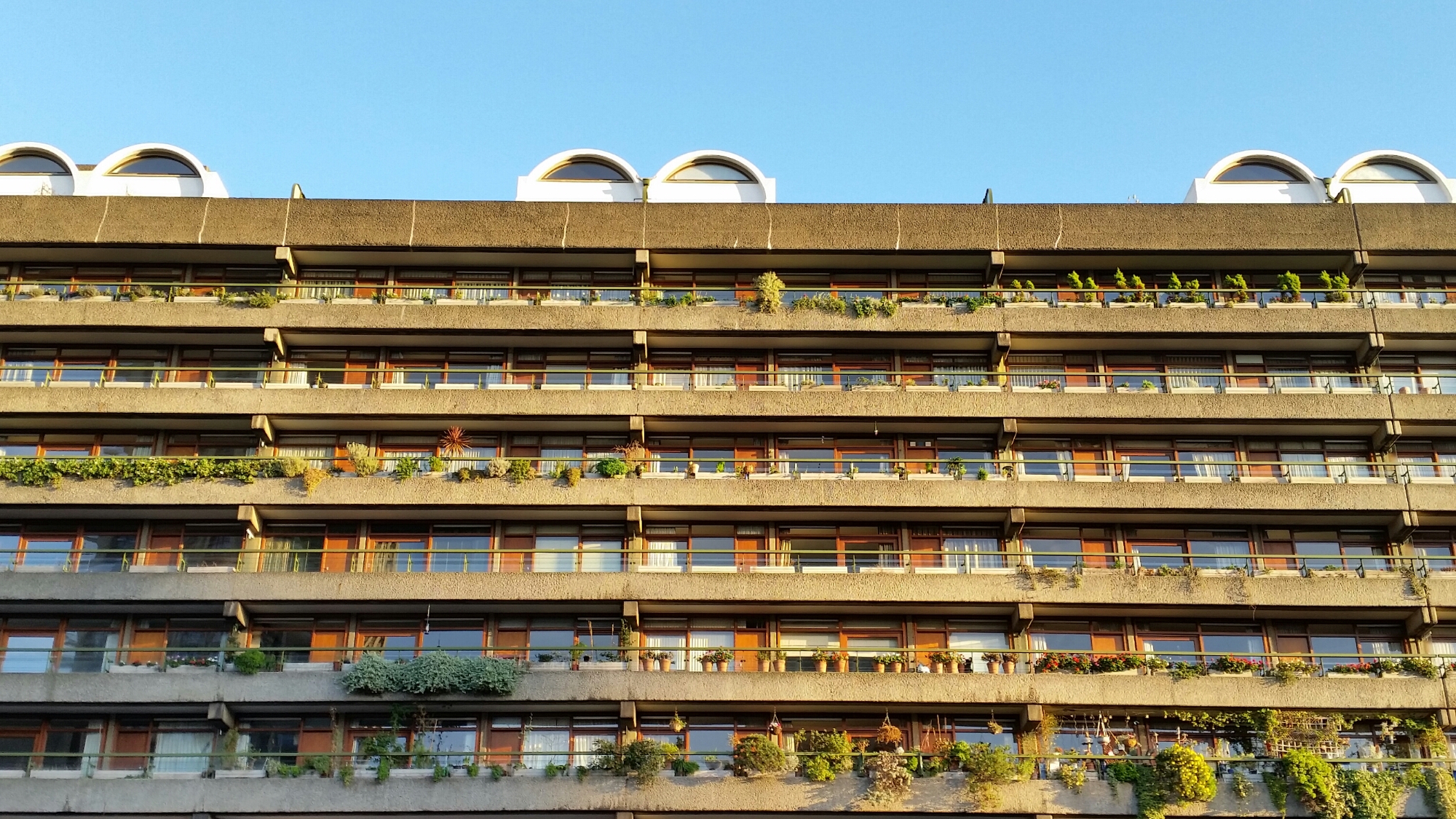
Three Mills
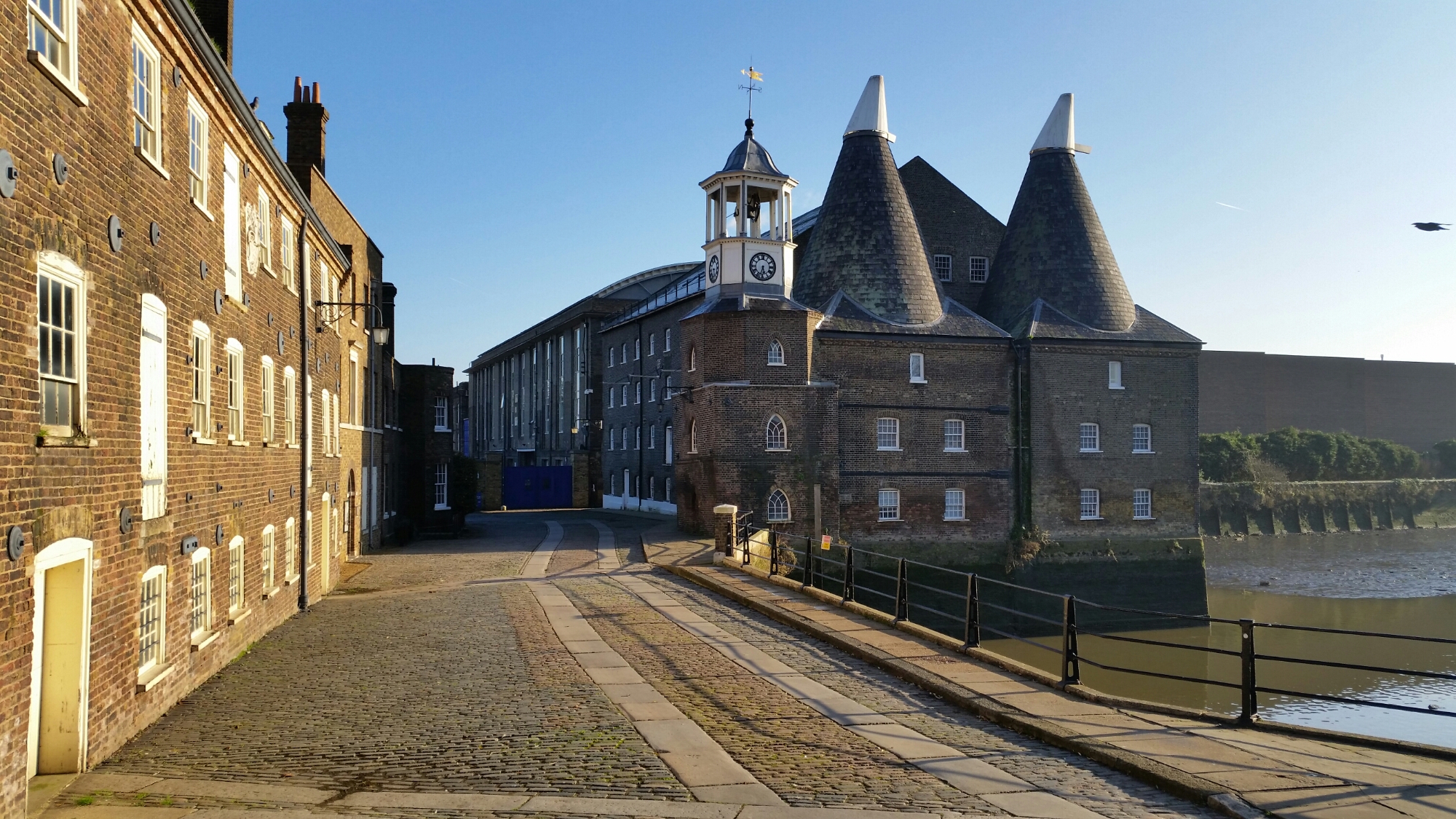
Three Mills is an unexpected piece of industrial archaeology, next to Tesco in Bromley-by-Bow. As mills, they were first established before the dissolution of the monasteries to supply grain to the bakeries of Stratford-atte-Bow. They were later acquired in 1727 by three Huguenots to distil gin. The date 1776 survives on the façade when the mill was rebuilt for Daniel Bisson, one of the three, but most of the current structure – where it is not a facsimile by Julian Harrap – dates to 1802:-
Abbey Mills Pumping Station
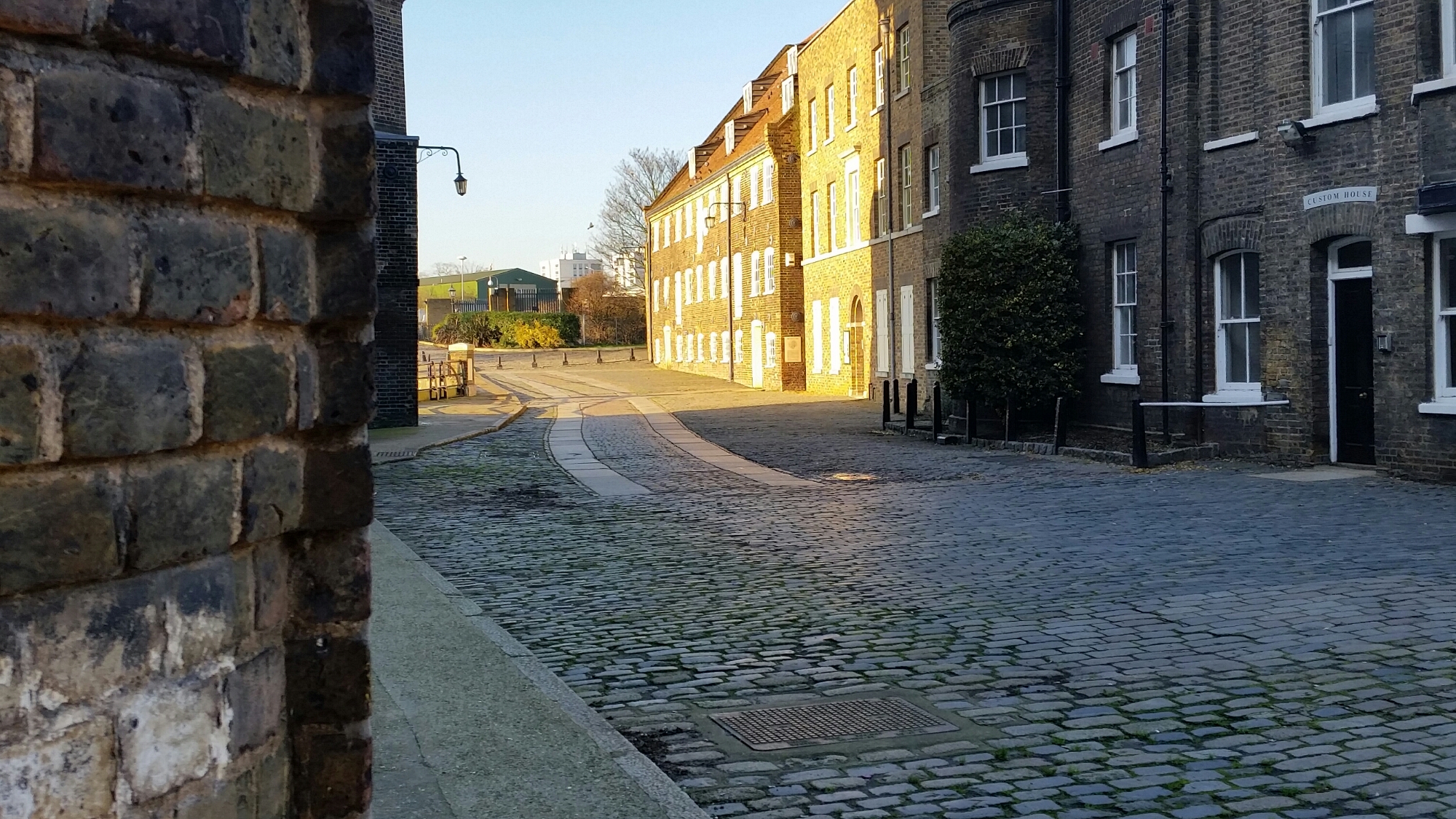
On the recommendation of Otto, I walked out to Joseph Bazalgette’s Abbey Mills Pumping Station by way of the Green Lane which stretches all the way from Victoria Park to Plaistow.
It’s quite a romantic walk, beginning across a bridge over the Hertford Union canal:-
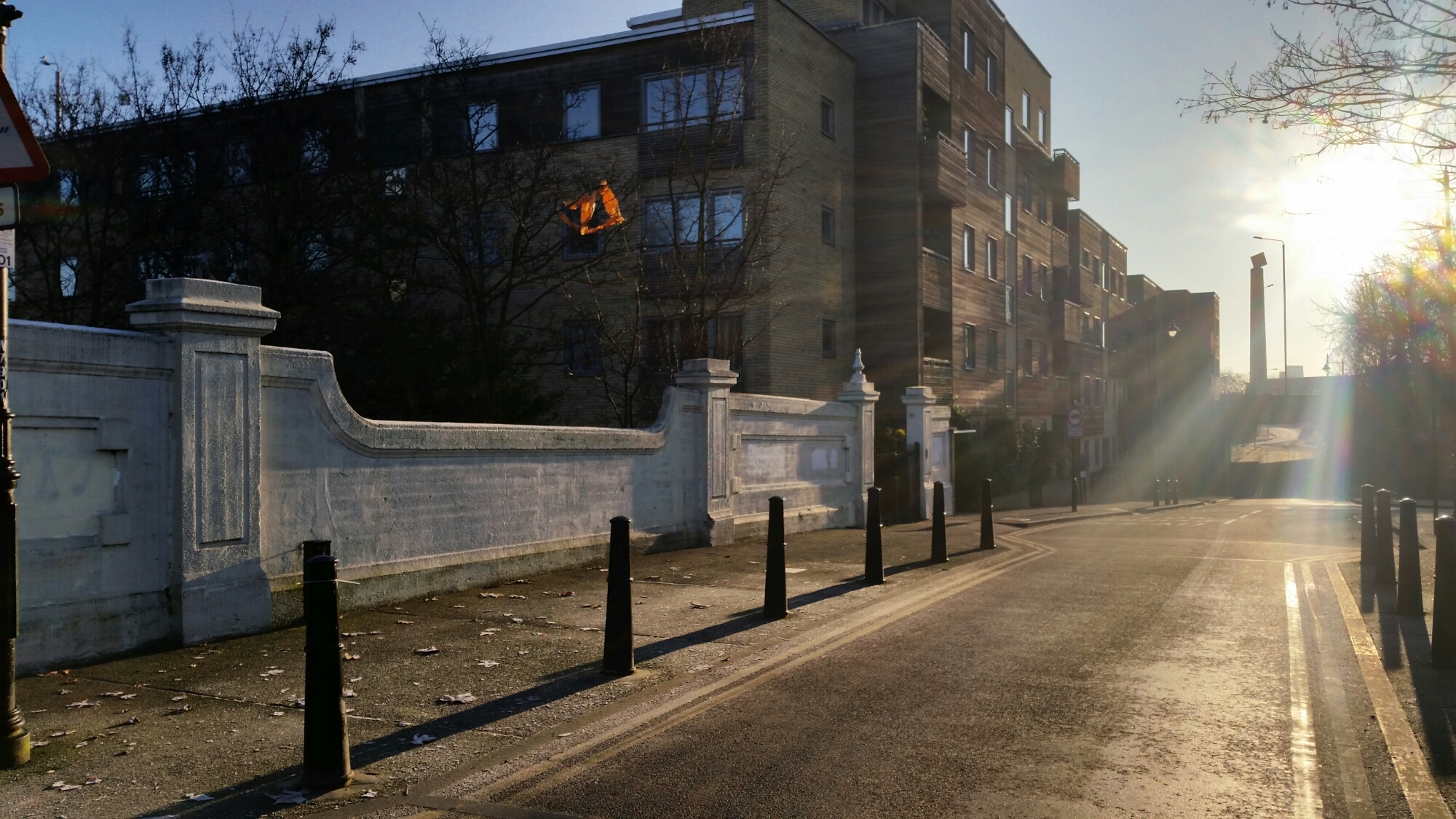
St. George-in-the-East (1)
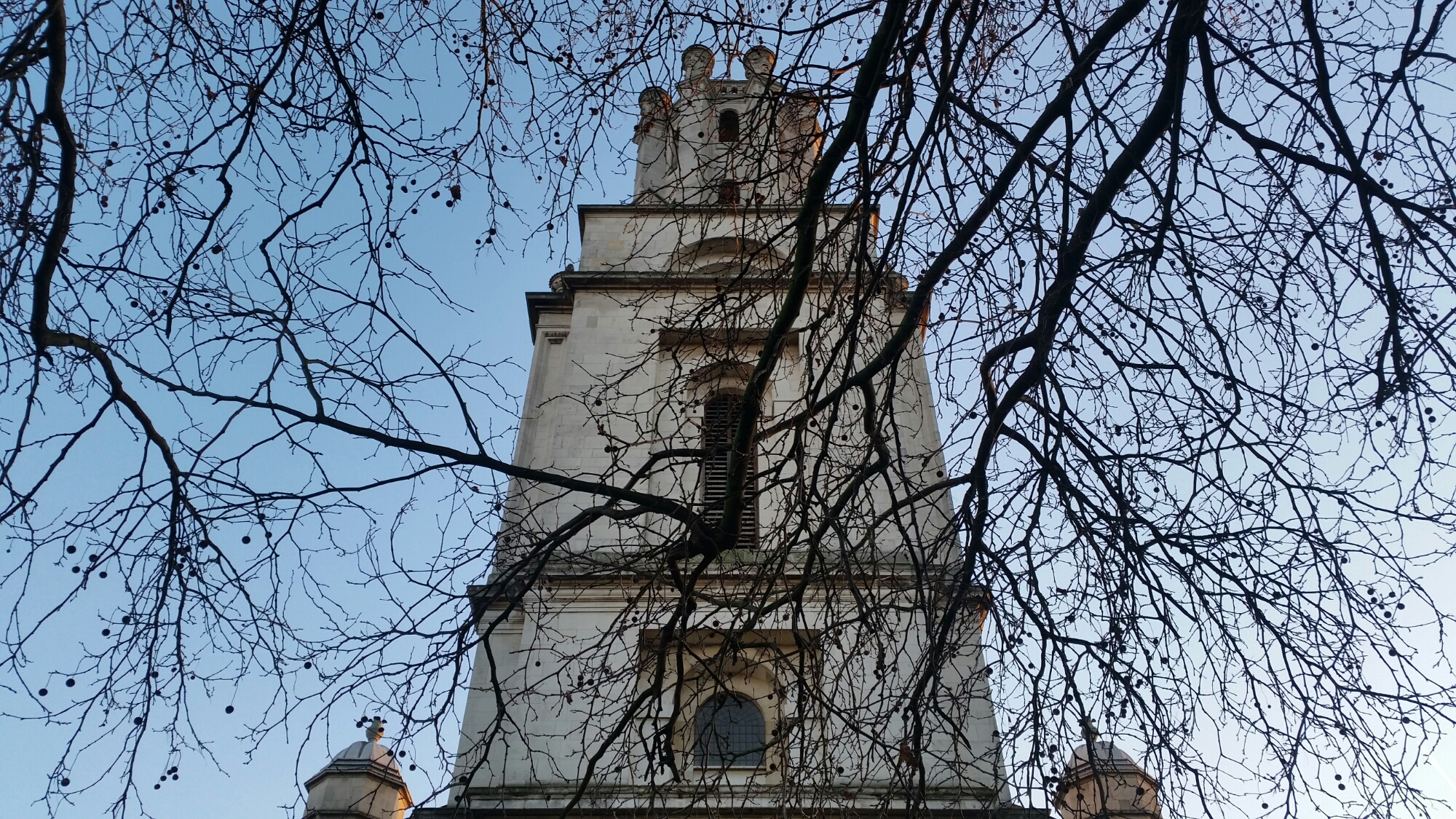
St. George-in-the-East is the Hawksmoor church I know least well, set back as it is above the Highway, slightly more mannered and complex than St. Anne’s, Limehouse, less monumental than Christ Church, Spitalfields.
This is the west tower with its octagonal finials:
Shadwell Basin
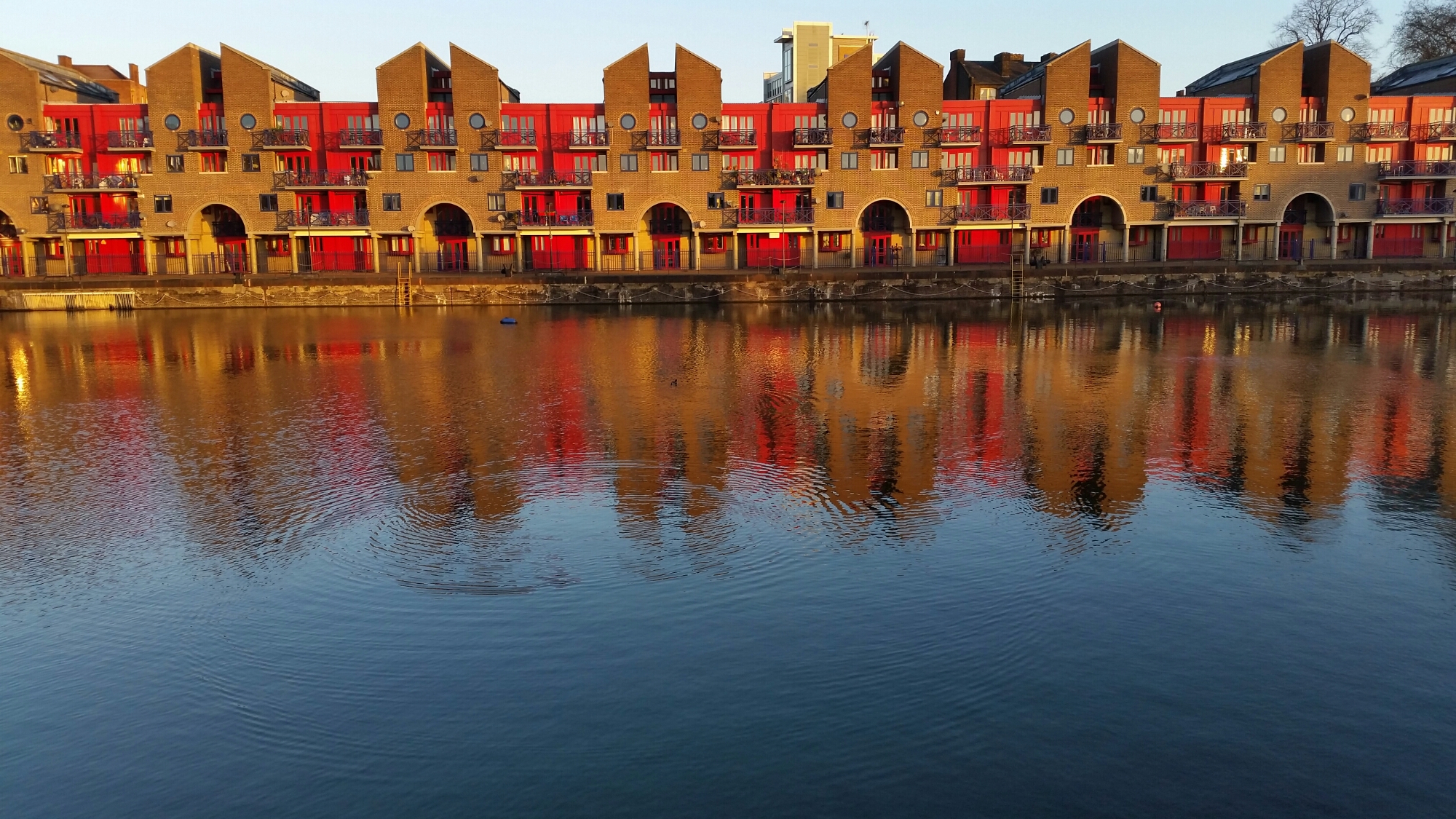
I wrongly accused Ted Cullinan of having designed Shadwell Basin. I’ve discovered that it was designed by Richard MacCormac or one of his partners in an early, and good, example of docklands rebuilding from the first days of regeneration (it was completed in 1987), a slightly miscellaneous example of classical elements, with Venetian arches and split pediments, half replicating early nineteenth-century industrial buildings :-

Canary Wharf
As it was a sunny morning, we walked to Canary Wharf to see what had changed. The answer is that one only has to blink and another six, sleek office blocks have gone up. The original Cesar Pelli tower which used to be so dominant in the urban landscape is now itself dwarfed. Heron Quays, the original low-rise warehouses by Nick Lacey, have gone. Even Piers Gough’s Cascades, the original housing block on the river, is overwhelmed. The language of Chicagoan classicism has been entirely replaced by glass and steel.
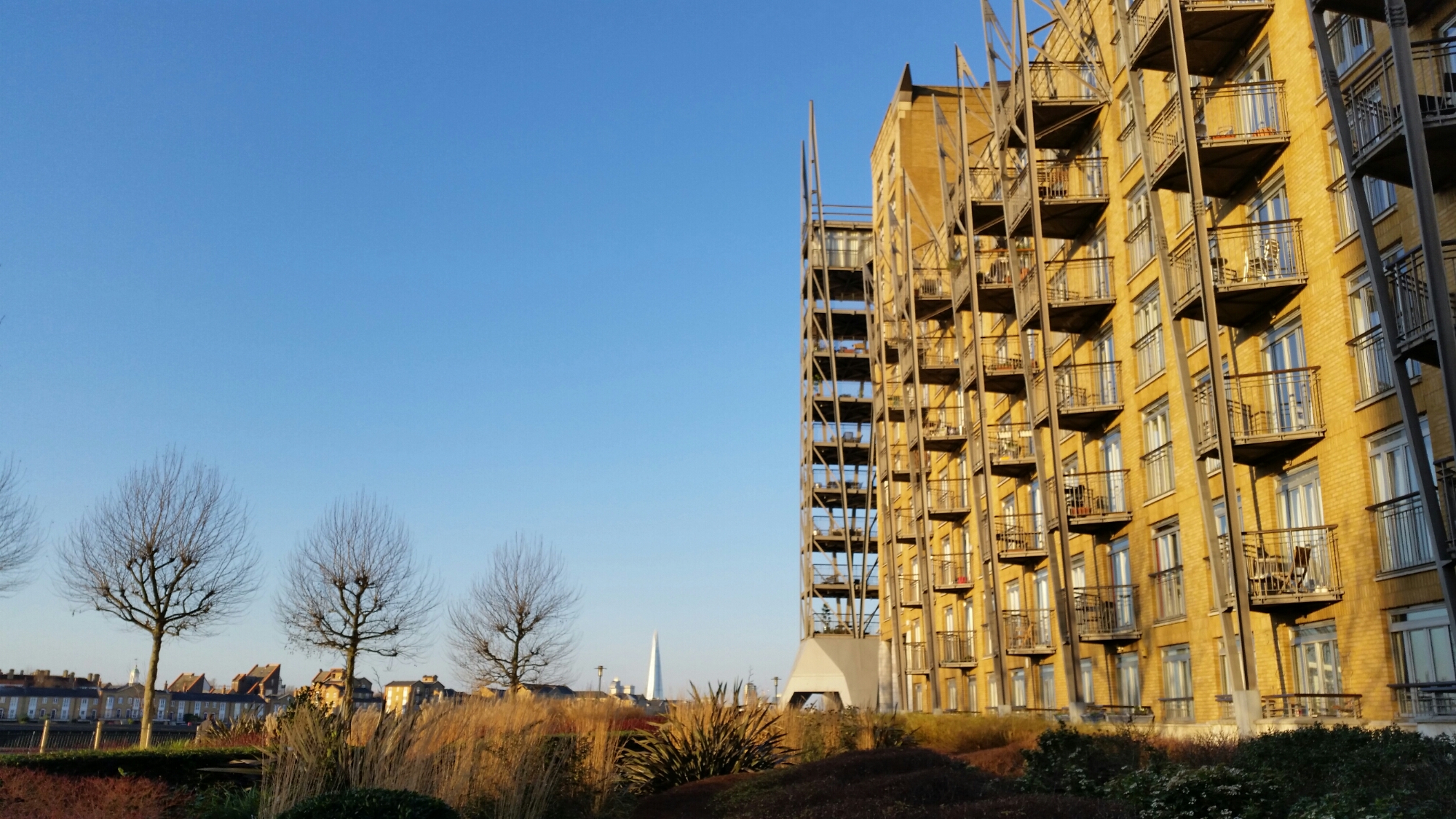
This is Dundee Wharf, which looked unnecessarily manneredwhen it first went up, but has worn well:
Wilkinson Eyre
I’ve been reading the new book about the work of Wilkinson Eyre, which has made me realise that not only are they responsible, which I knew, for the design of Arts Two at Queen Mary, which houses the history department, with its ceramic façade designed by Jacqui Poncelet, but also for the colourful polyhedral façade of the School of Mathematical Sciences. The screenprinted tiling is based on the ideas of Roger Penrose, a visiting professor, about repeatable and non-repeatable pattern:-

Alderney Road
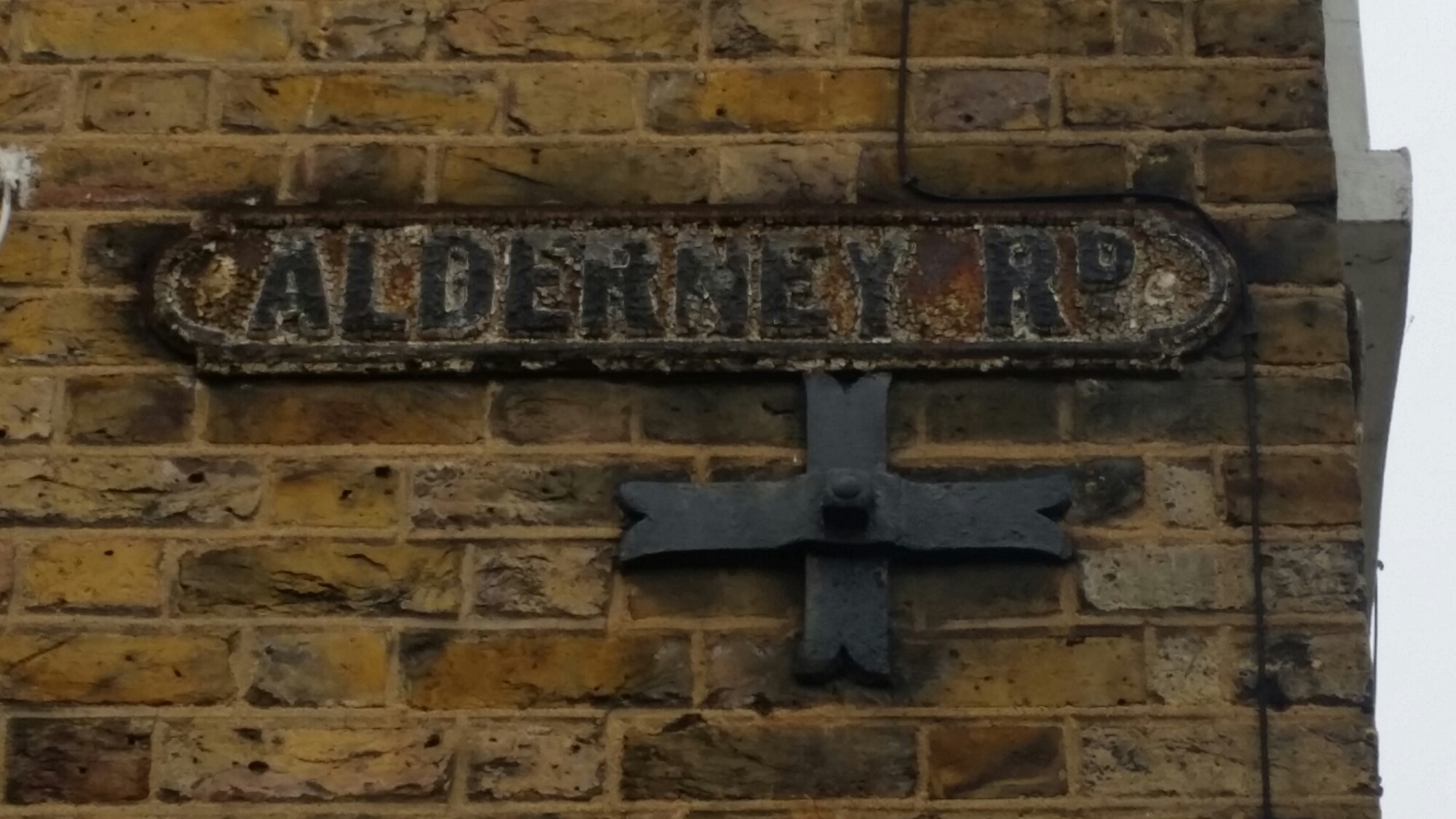
I was trying to remember the reference in W.G. Sebald’s Austerlitz to the old Ashkenazi cemetery on Alderney Road – or Alderney Street as it is called in the novel. Jacques Austerlitz lived in the street ‘quite a long way out in the East End of London. It is a remarkably quiet street running parallel to the main road not far from the Mile End junction, where there are always traffic jams and, on such Saturdays, market traders set up their stalls of clothes’. Alderney Road is one of a group of streets of 1860s terrace housing tucked between Queen Mary and the railway tracks:-
The Ocean Estate
The Ocean Estate has a bad name, but I’ve always liked the low-rise houses, which are well maintained, with a great deal of highly individualistic styling and have an atmosphere redolent of the homes for heroes of 50s Britain:-

Mile End Place
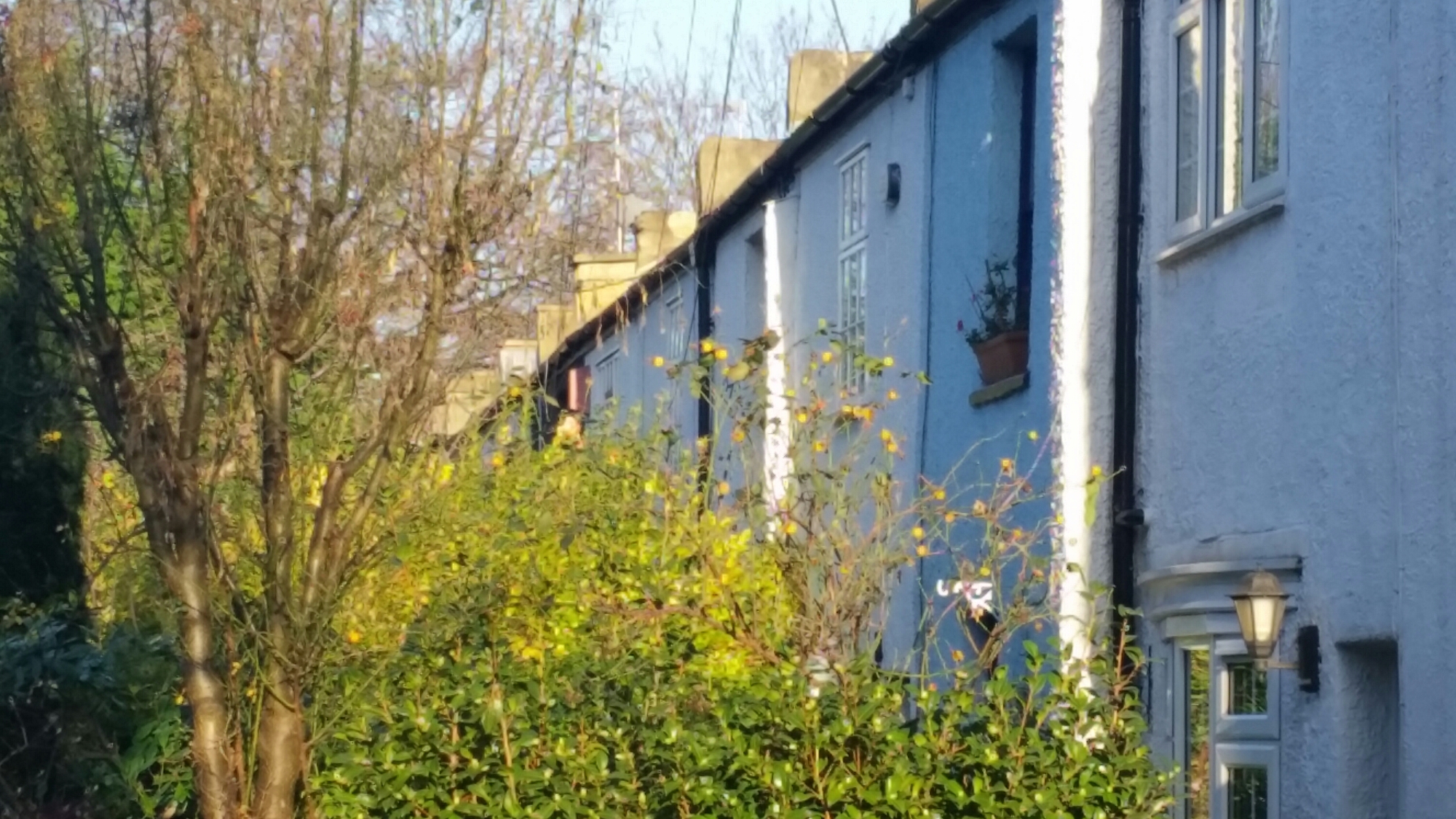
I called in on Mile End Place on Christmas morning – one of those, curious, unexpected snickets of artisan housing, backing on to the Jewish cemetery, so with only trees beyond:-
 | Charles | Saumarez | Smith |
You must be logged in to post a comment.