Sydney Smirke RA

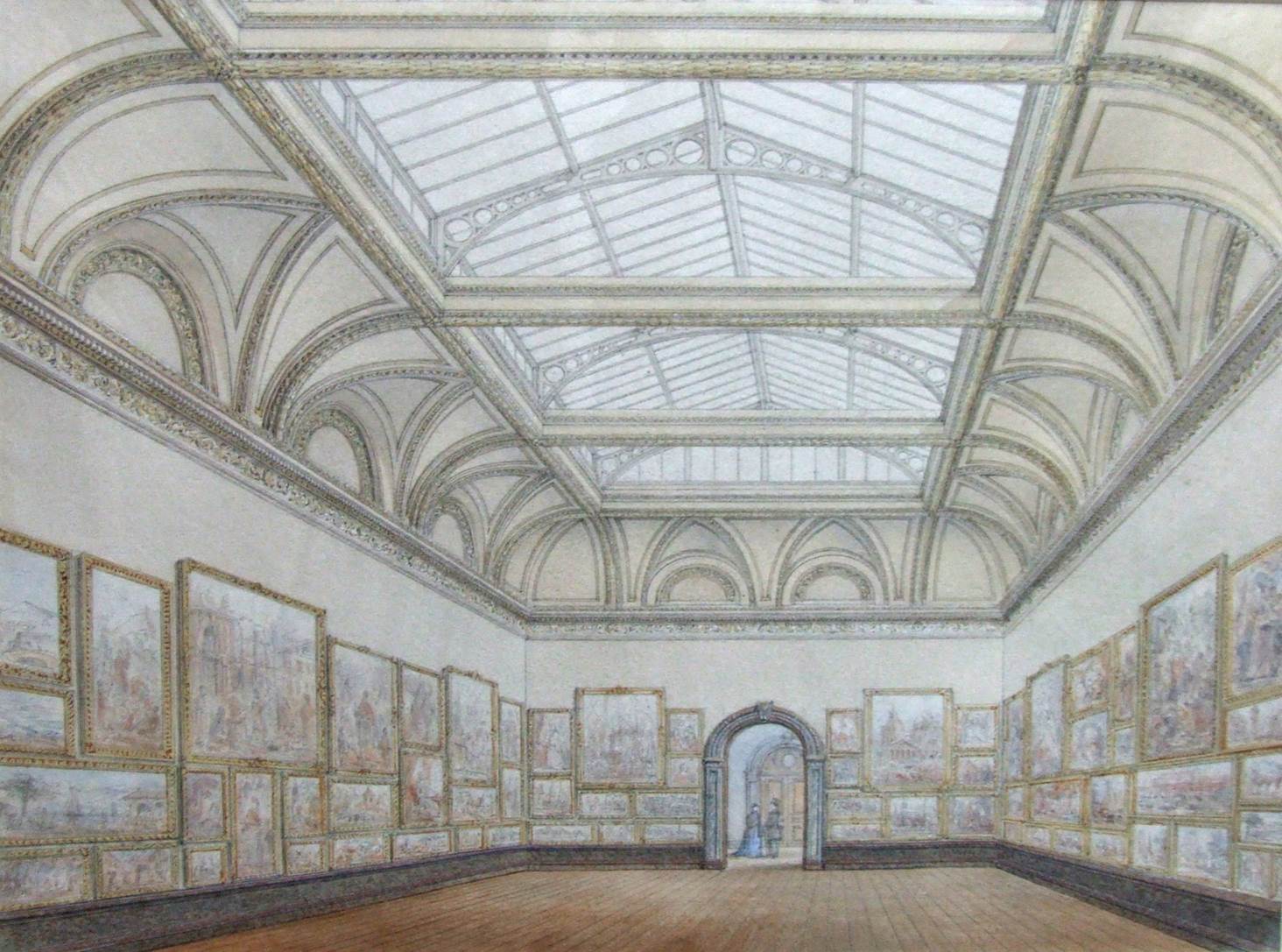
In talking about the Summer Exhibition last night, I realised how much of its quality and character derives from the scale and variety of the great exhibition galleries which were added to the back of Burlington House by Sydney Smirke, opening in 1868.   I had always thought, quite erroneously, that he was the son of Robert Smirke, the architect of the British Museum.   Wrong.   He was the son of Robert Smirke RA, an early student of the Royal Academy Schools, who had eight children, including Robert and Sydney (and Sir Edward, an archaeologist).   Sydney was trained in the office of his older brother and took over as project architect at the British Museum after his brother’s retirement in 1846, so was responsible for the construction, if not the design, of the round reading-room.   But he also undertook a host of other projects, including churches in Lancashire, large country houses and three St. James’s clubs – the Oxford and Cambridge (with Robert), the Conservative Club (with Basevi), and the Carlton (on his own).   A major, and rather underestimated, classical architect.
Smirke

Sydney Smirke RA, Design for Gallery III, Burlington House, Piccadilly, Westminster, London: perspective of gallery looking east, c.1866-67.

Standard

Summer Exhibition

I was asked to give the Annual Arts Lecture at Hurlingham last night and was encouraged to talk about the Summer Exhibition, which I have never done before.   I kept on getting in a muddle between ‘we’ and ‘they’, because it is we, the Royal Academy, who put it on and they, the Royal Academicians, who arrange, oversee and orchestrate it.   But I hope I managed to convey something of a) its extraordinarily long history b) the continuity in its system of organisation and ethos and b) the curious tension which has existed forever between its extreme democracy, in that anyone can enter and does, and its extreme selectivity, in that it has always been dominated not just in its process but also in what it shows by the relatively small number of RAs.

Standard

Edmund Burke

I’ve been reading the new book on Edmund Burke by David Bromwich, a Professor at Yale (The Intellectual Life of Edmund Burke:  From the Sublime and Beautiful to American Independence).  I’m struck by how everyone knows everyone in eighteenth-century London.   When Burke wants to write a letter to congratulate Adam Smith on his Theory of Moral Sentiments in 1759, he gets his address from David Hume.   When he gives his first speech in the House of Commons, Samuel Johnson writes how pleased he is that ‘Now we who know Burke, know that he will be one of the first men in the country’.   And one of his closest friends was Joshua Reynolds at whose house he endlessly arrived for dinner uninvited, imposing his poor Irish relations on Reynolds as well.

Standard

Richard Wilson RA

En route to Singapore, I have seen for the first time Richard Wilson’s magnificent metalwork sculpture Slipstream which greets one as one arrives at Terminal 2.   It’s a mixture between a whale and an alligator as if designed by Frank Gehry in an otherwise smoothly bland building by Spanish architects, Luis Vidal:

image

image Continue reading

Standard

The Tomb of the Duke

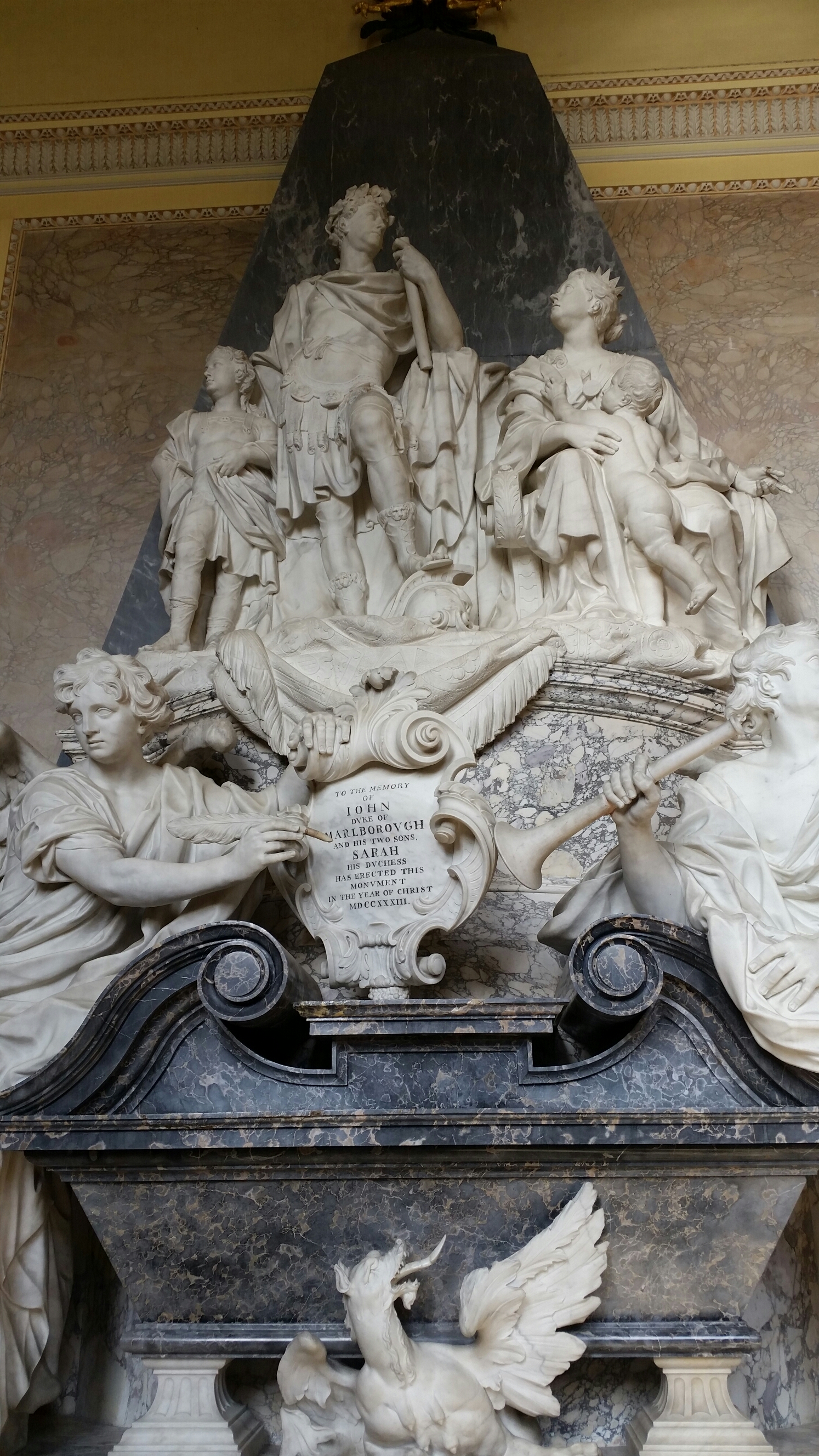
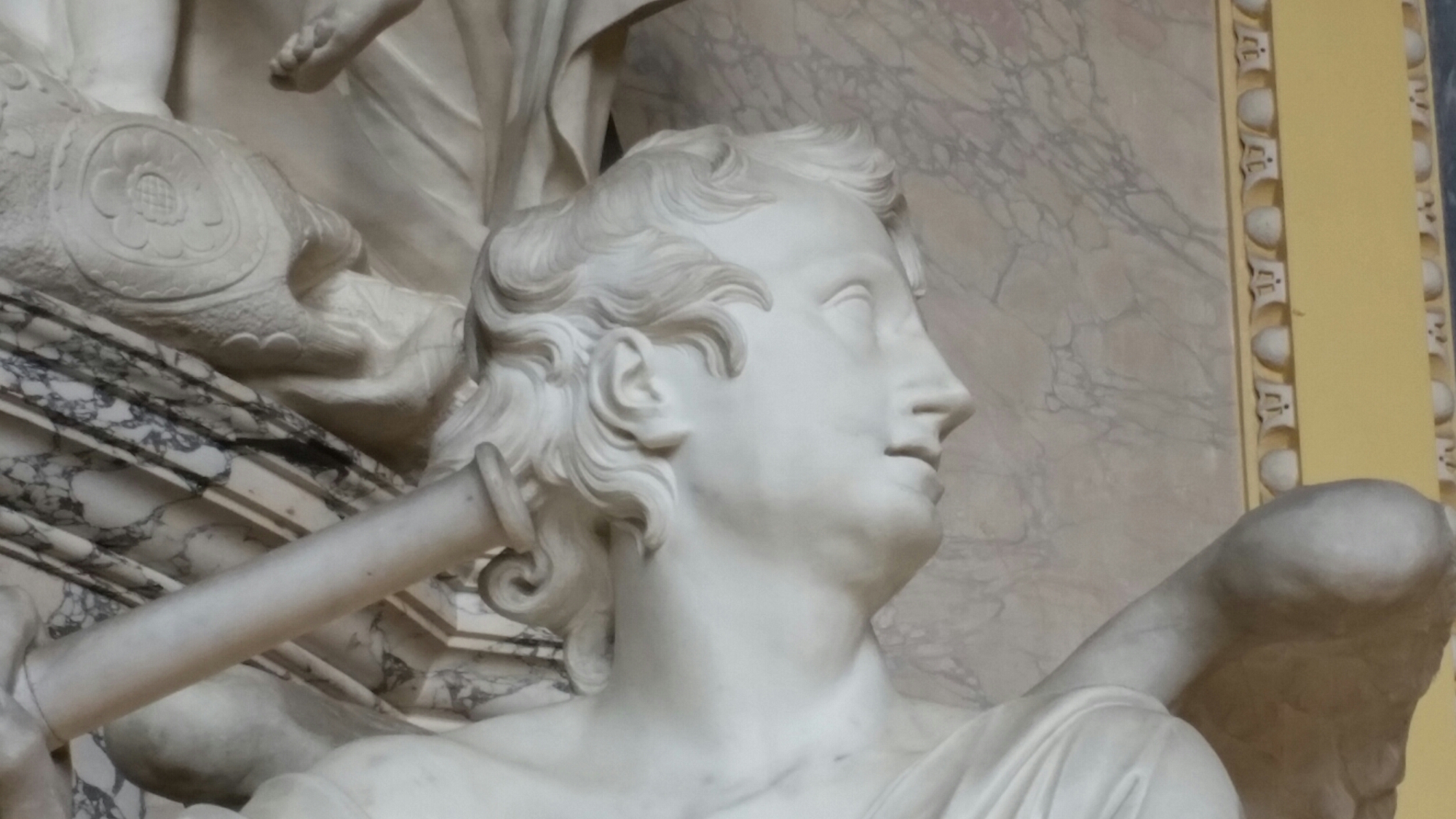
One of the things that I had forgotten about Blenheim was the sheer scale of the great monument to the Duke and Duchess of Marlborough in the chapel at Blenheim.   One does not expect the atmosphere of an early eighteenth-century chapel to be especially pious, particularly if designed by Vanbrugh who was fairly agnostic, but it is still impressive how far the chapel is a shrine to the Duke.   The tomb was designed by William Kent and executed by Rysbrack and is a masterpiece in its way.   On 24 May 1732, the Duchess of Marlborough wrote a characteristically boastful letter about its design:  ‘The Chappel is finish’d and more than half the Tomb there ready to set up all in Marble Decorations of figures, Trophies, Medals with their inscriptions and in short everything that could do the Duke of Marlborough Honor and Justice’:

image

image Continue reading

Standard

Blenheim Palace

Having spent so much of my early career working on the life of Vanbrugh, including transcribing much of the early correspondence relating to Blenheim when it was first made available in the British Library, I inevitably felt a frisson in going back.   I still love the free abstract celebratory aspect of Vanbrugh’s architecture, the enjoyment of form, the pomp which Vanbrugh loved and the Duchess of Marlborough hated.

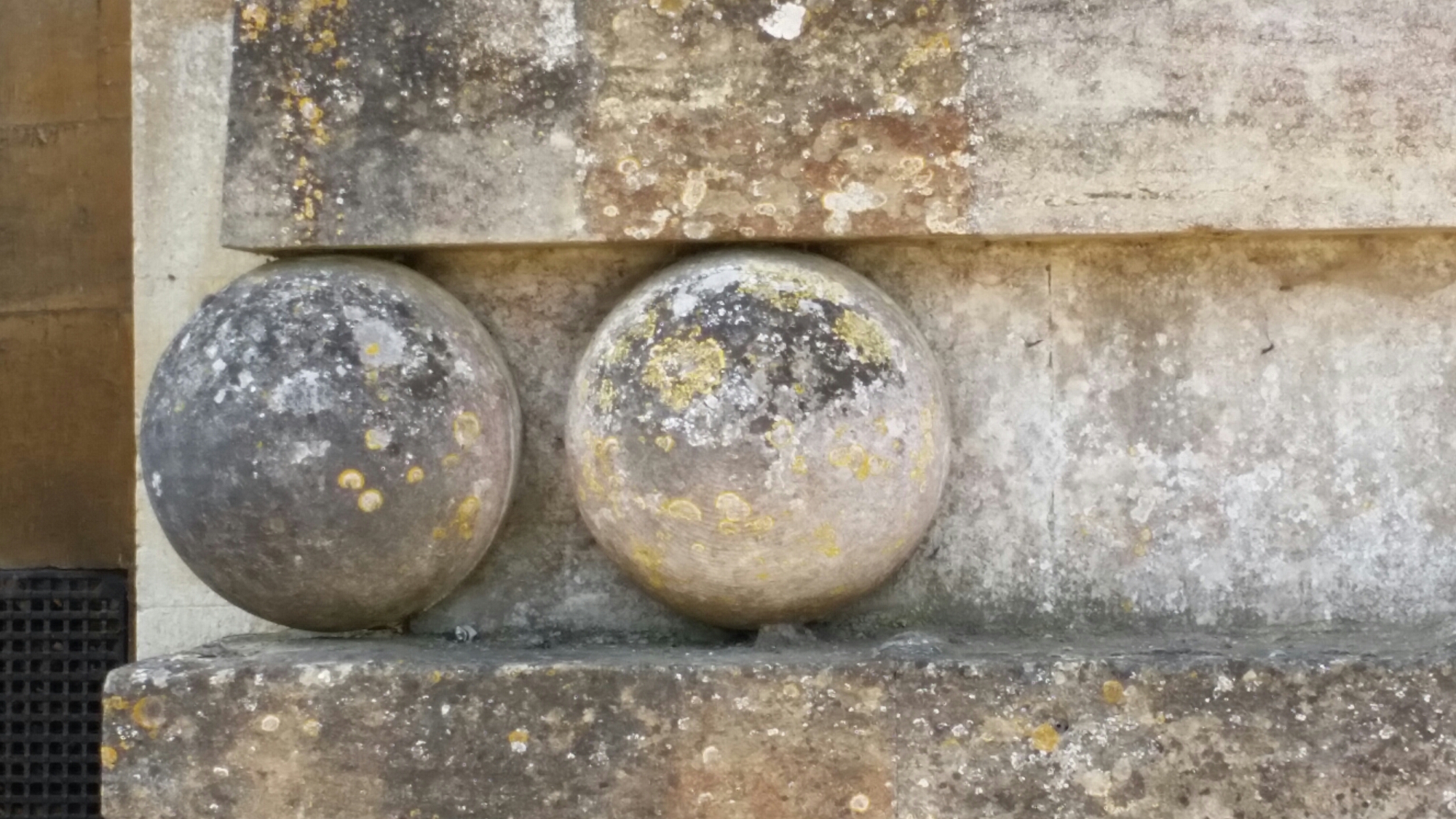
These are two canon balls at the entry:

image

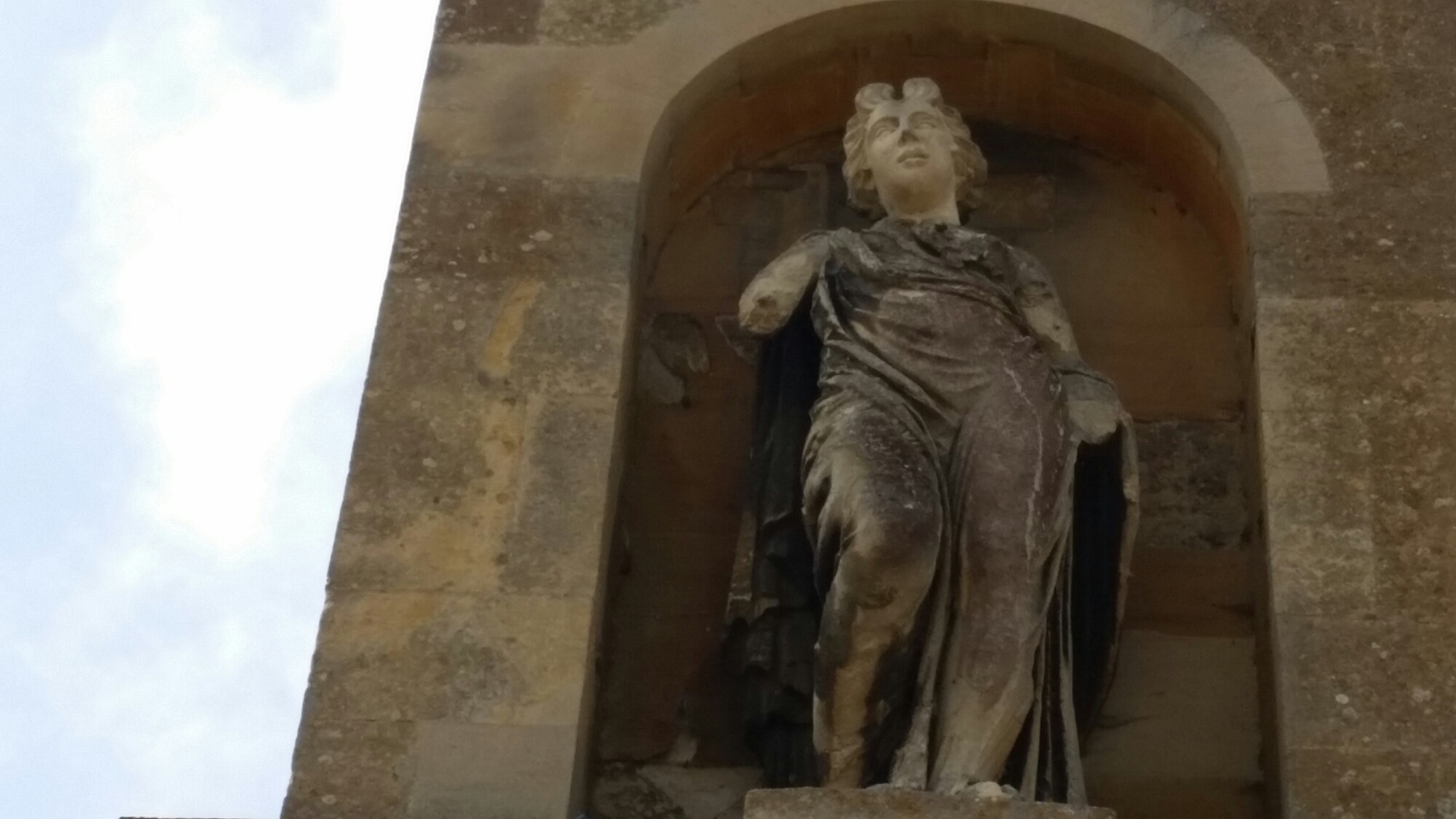
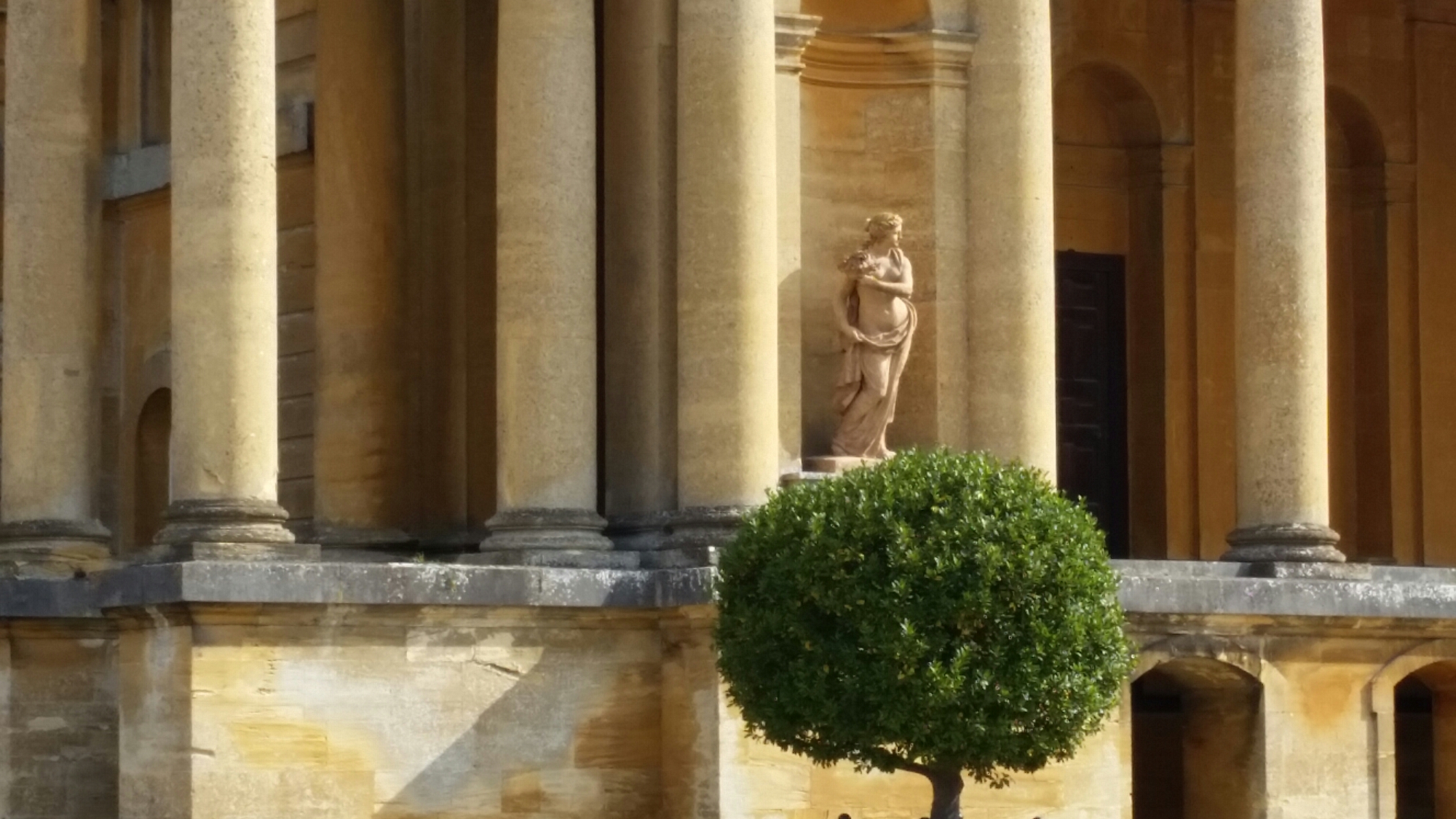
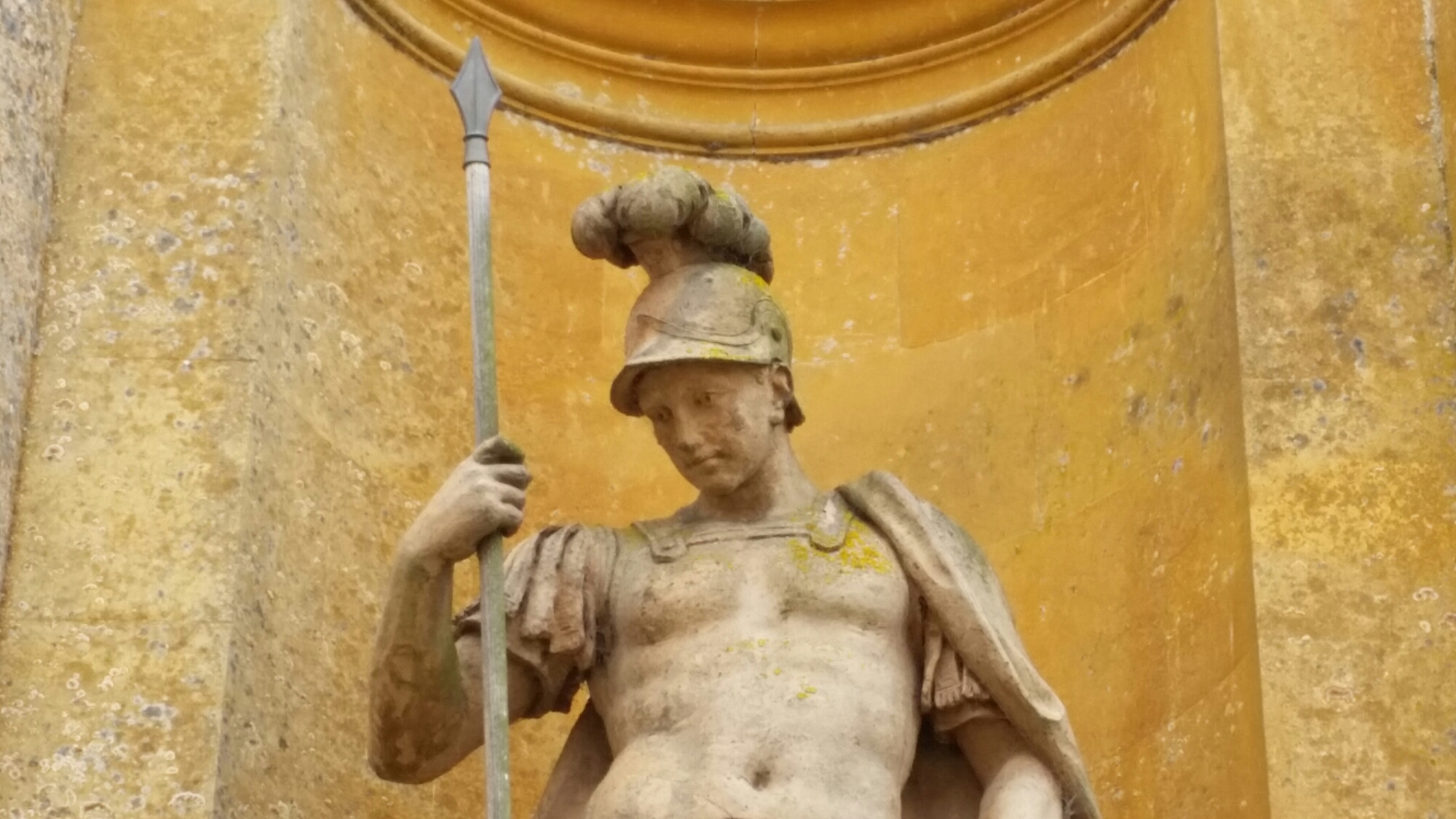
One of the statues:

image

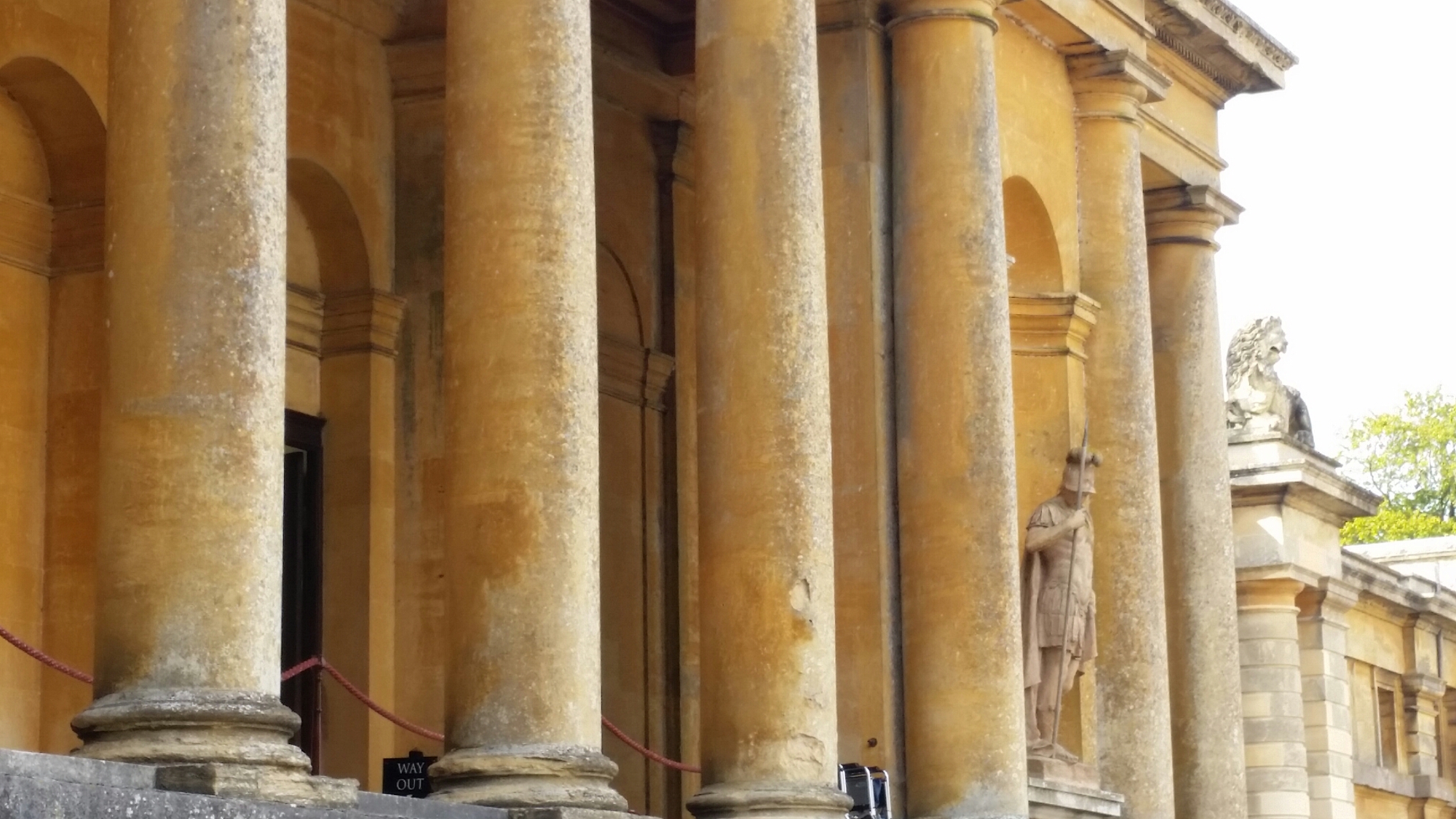
A view of the east colonnade:

image

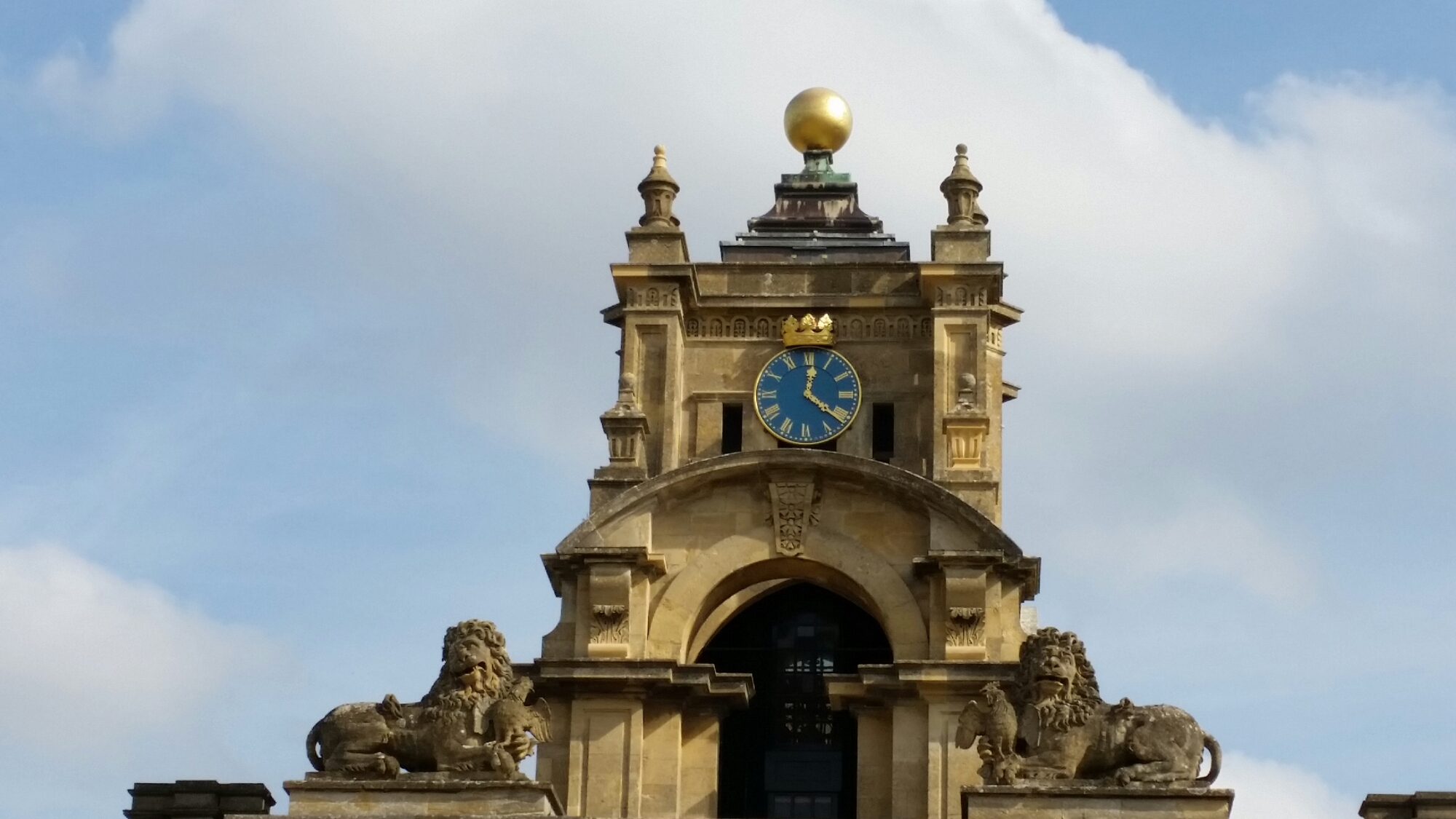
The clock tower:

image

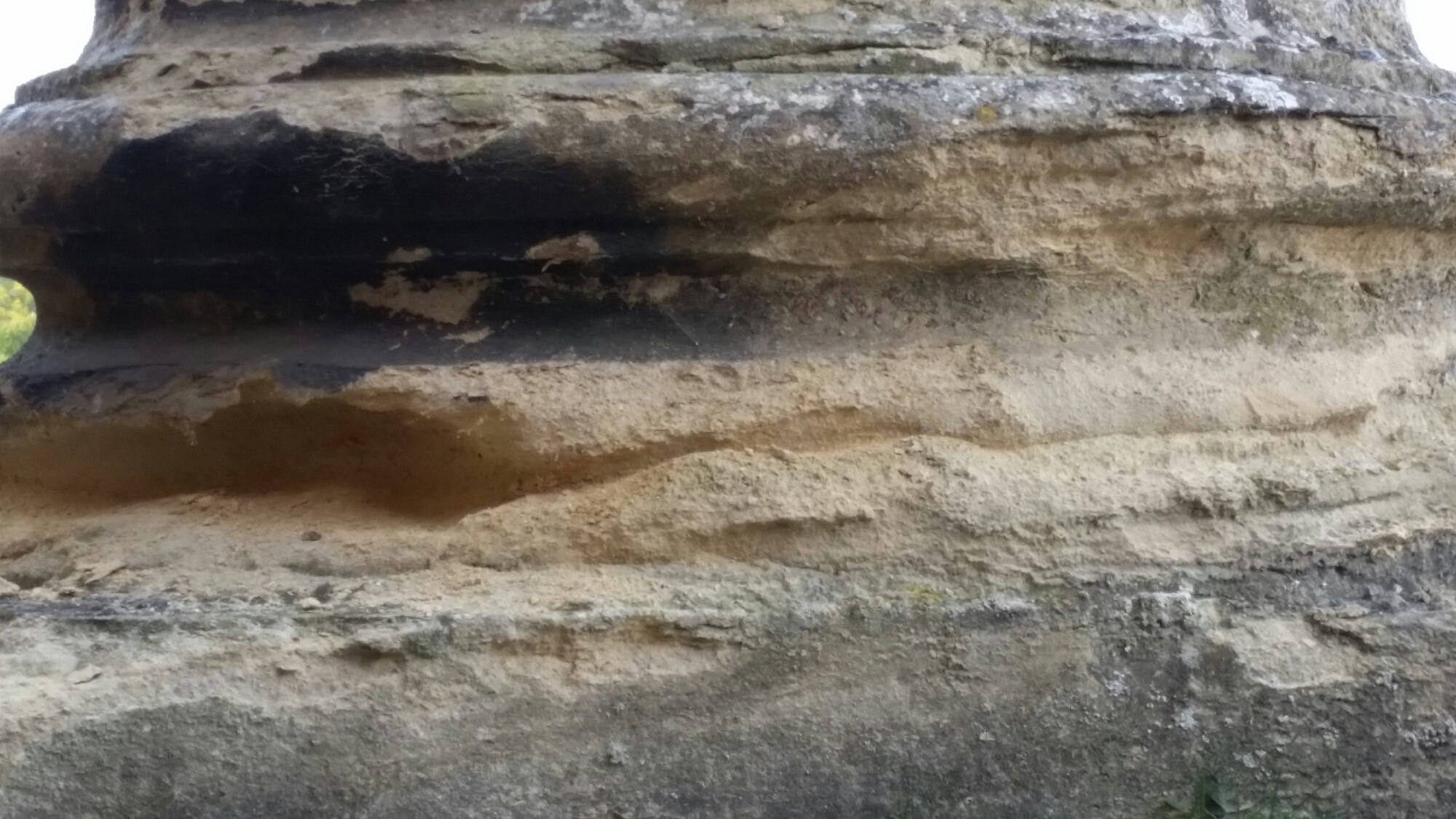
Erosion of one of the columns by the chapel:

image

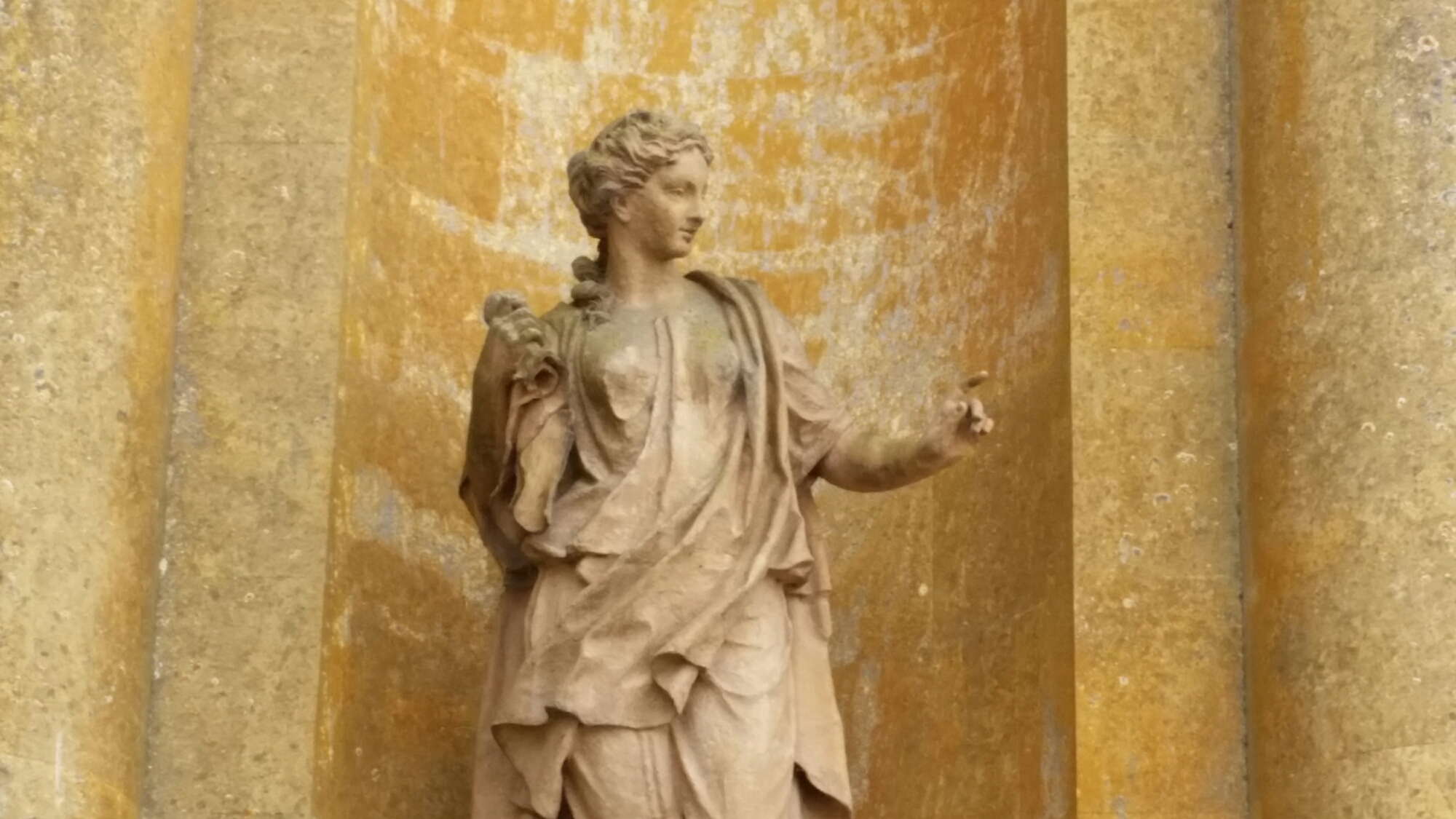
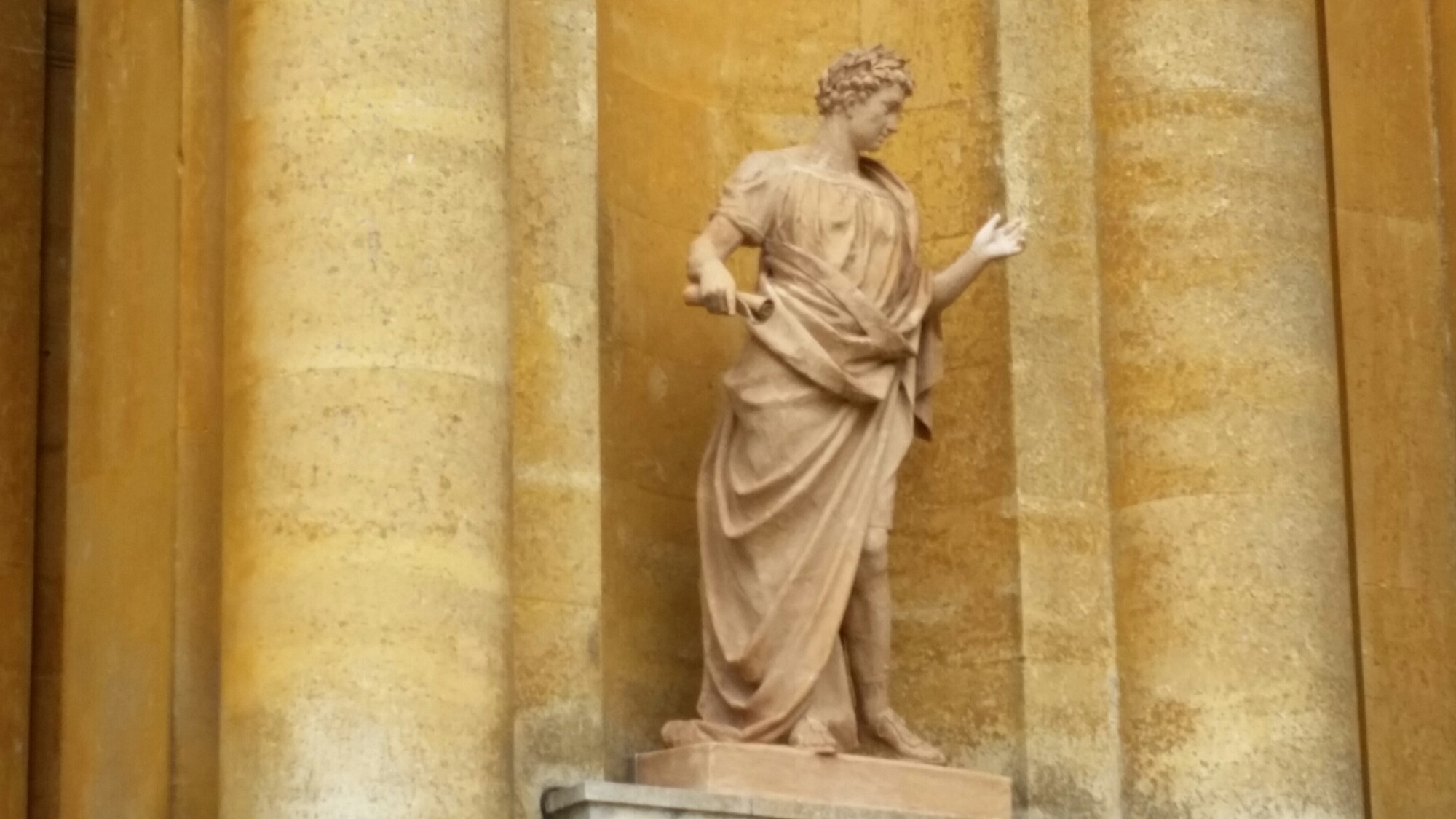
More statues:

image

image

image

The western colonnade:

image

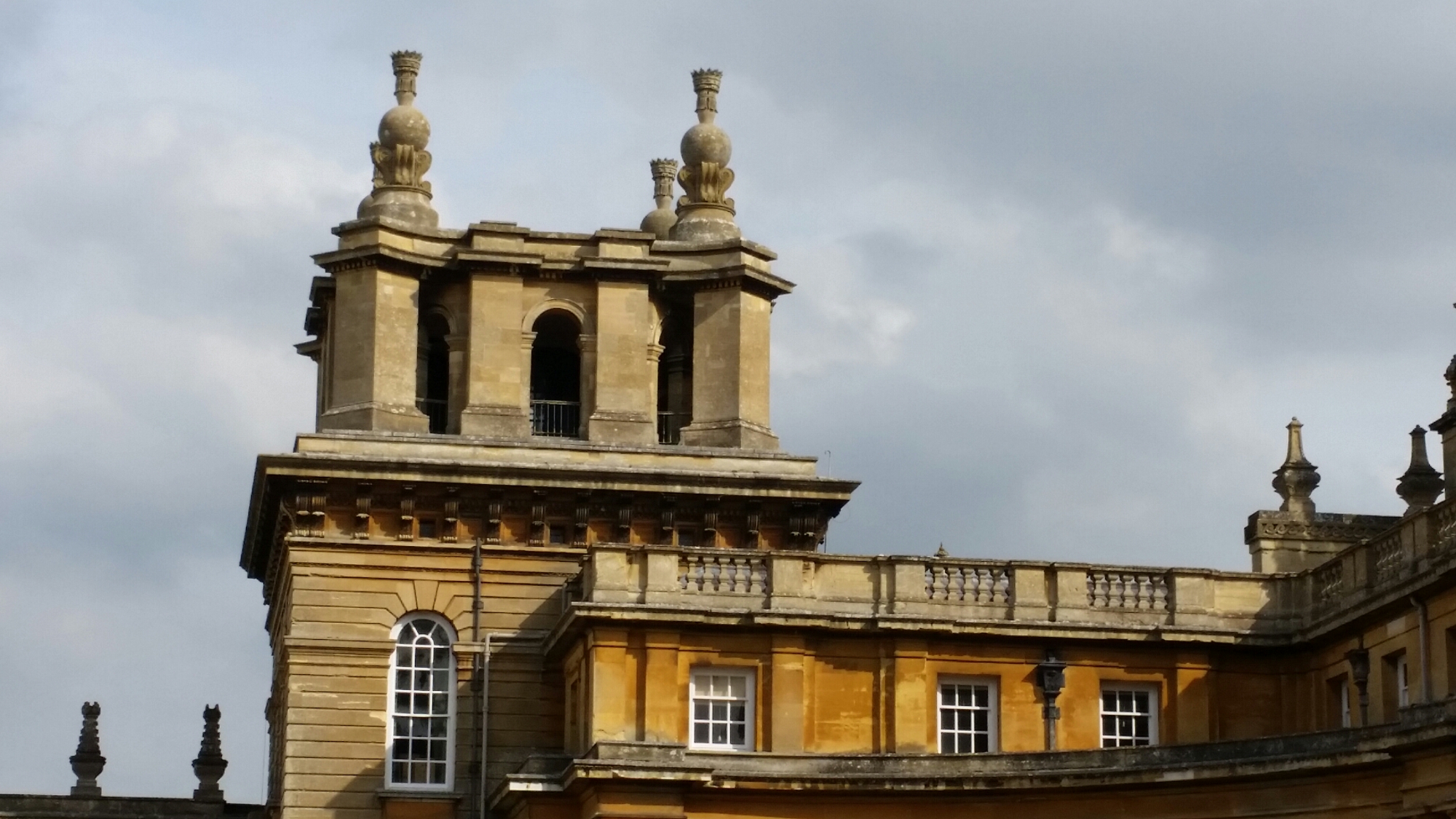
And the music of the towers:

image

Standard

Ai Weiwei (2)

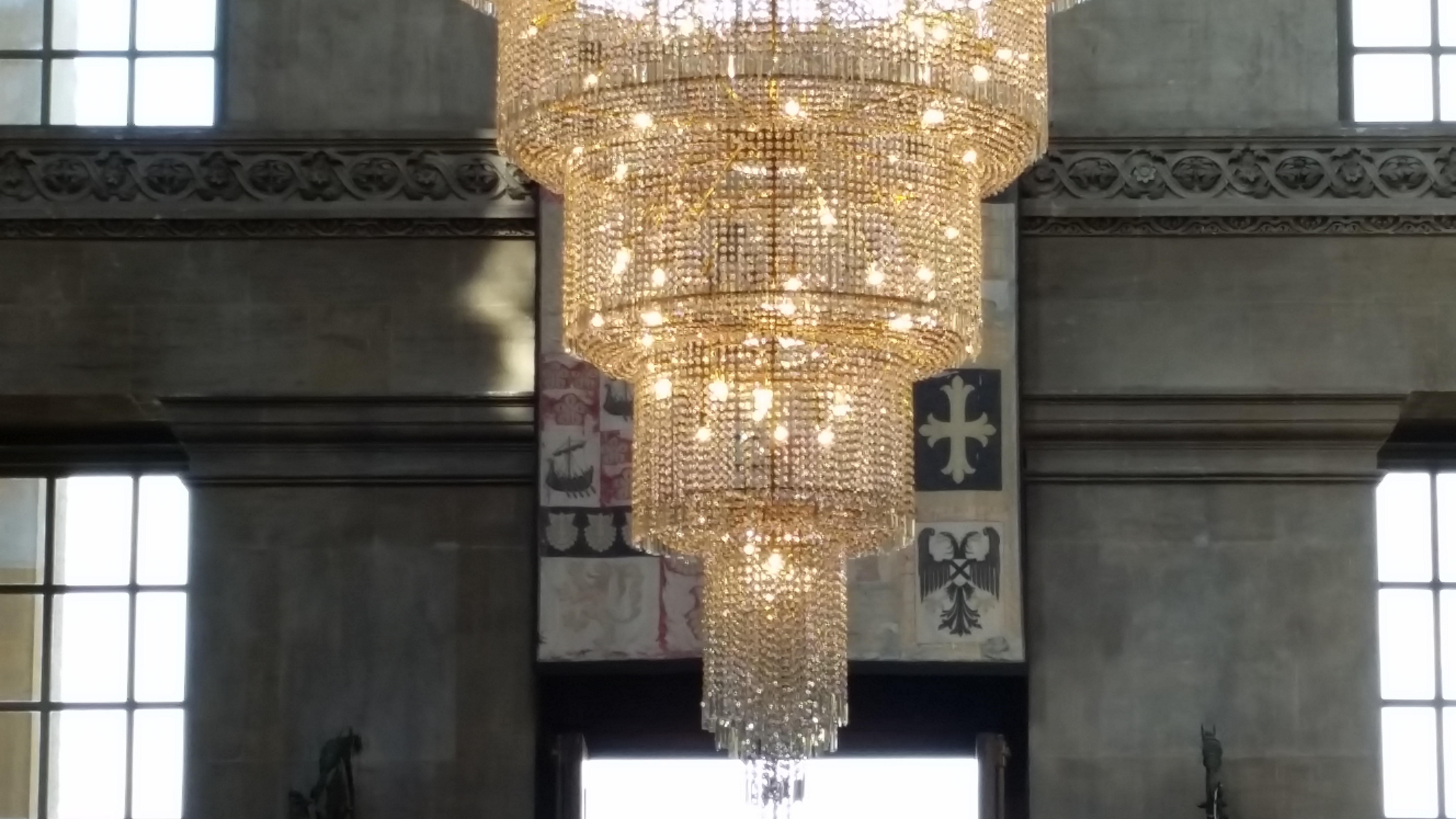
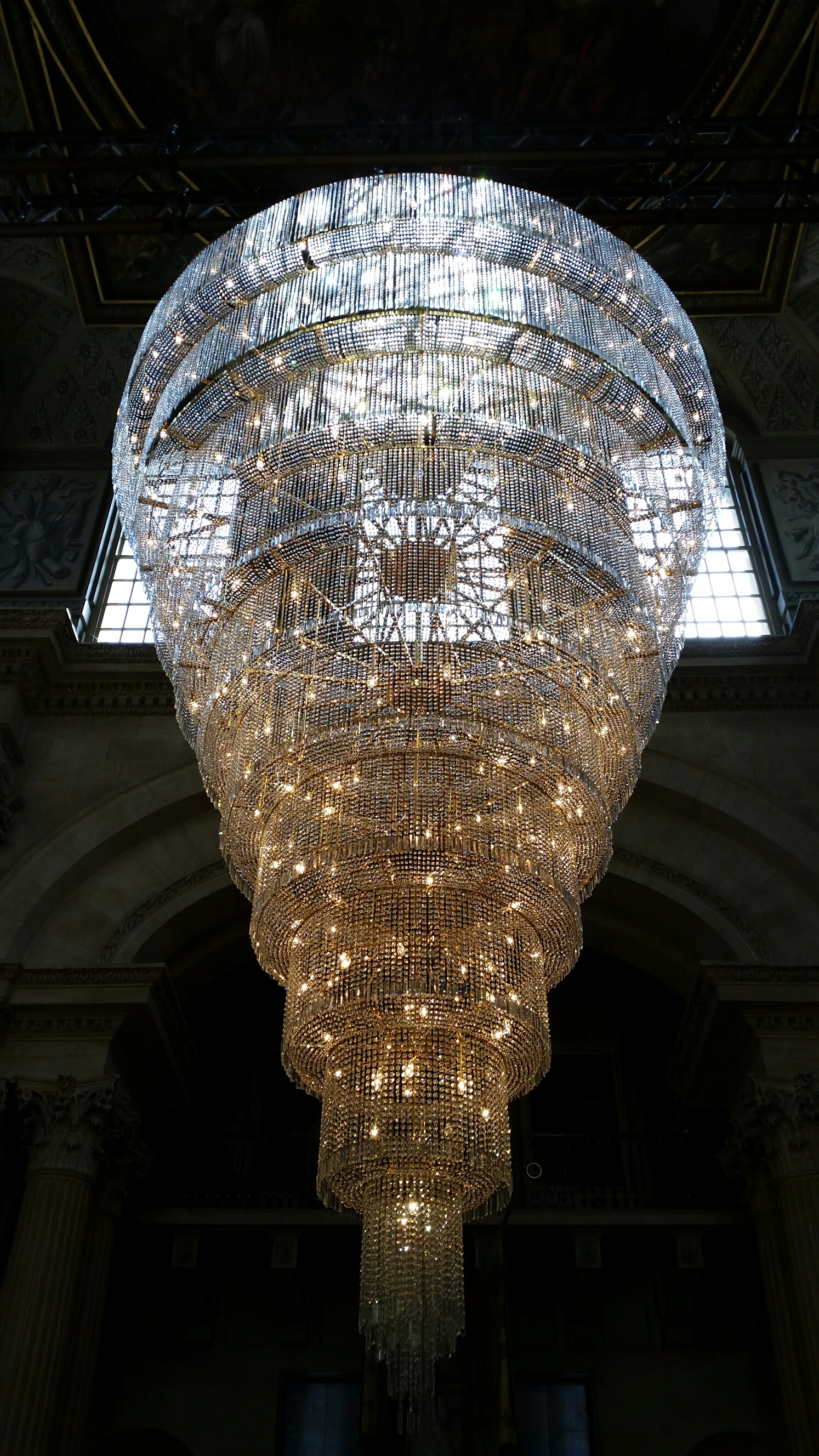
We headed up to Blenheim for the Ai Weiwei opening along with several thousands of others, all coming out for the autumn sunshine.   It was a bit of a scrum – hundreds of daytrippers, plus the Woodstock Literary Festival, plus an unprivate private view.   The Ai Weiwei installations are big and ambitious and work surprisingly well.

The display begins with a massive chandelier in the Great Hall:

image

image

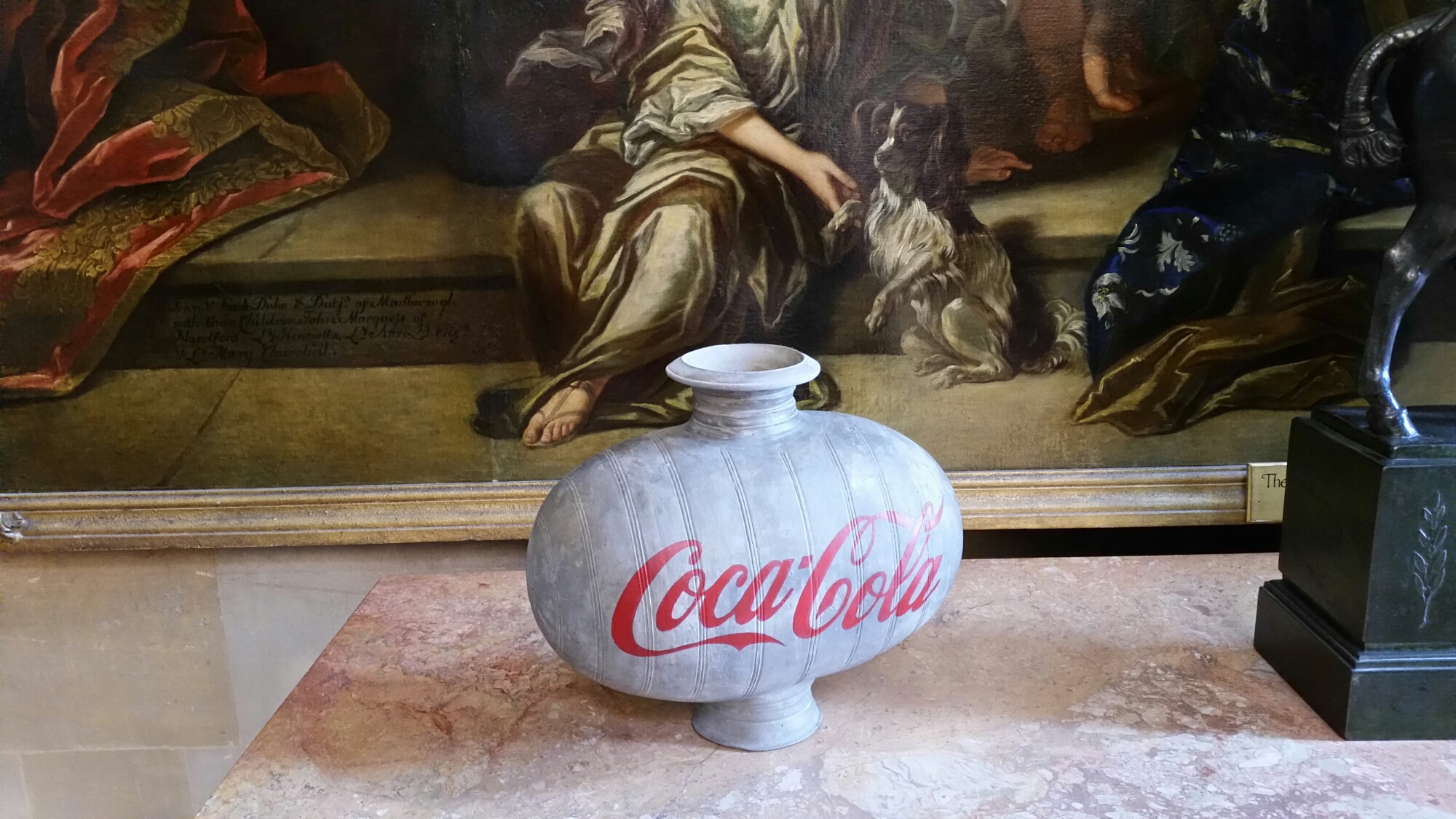
Next is the jokey Coca-cola logo inscribed on a Han Dynasty vase:

image

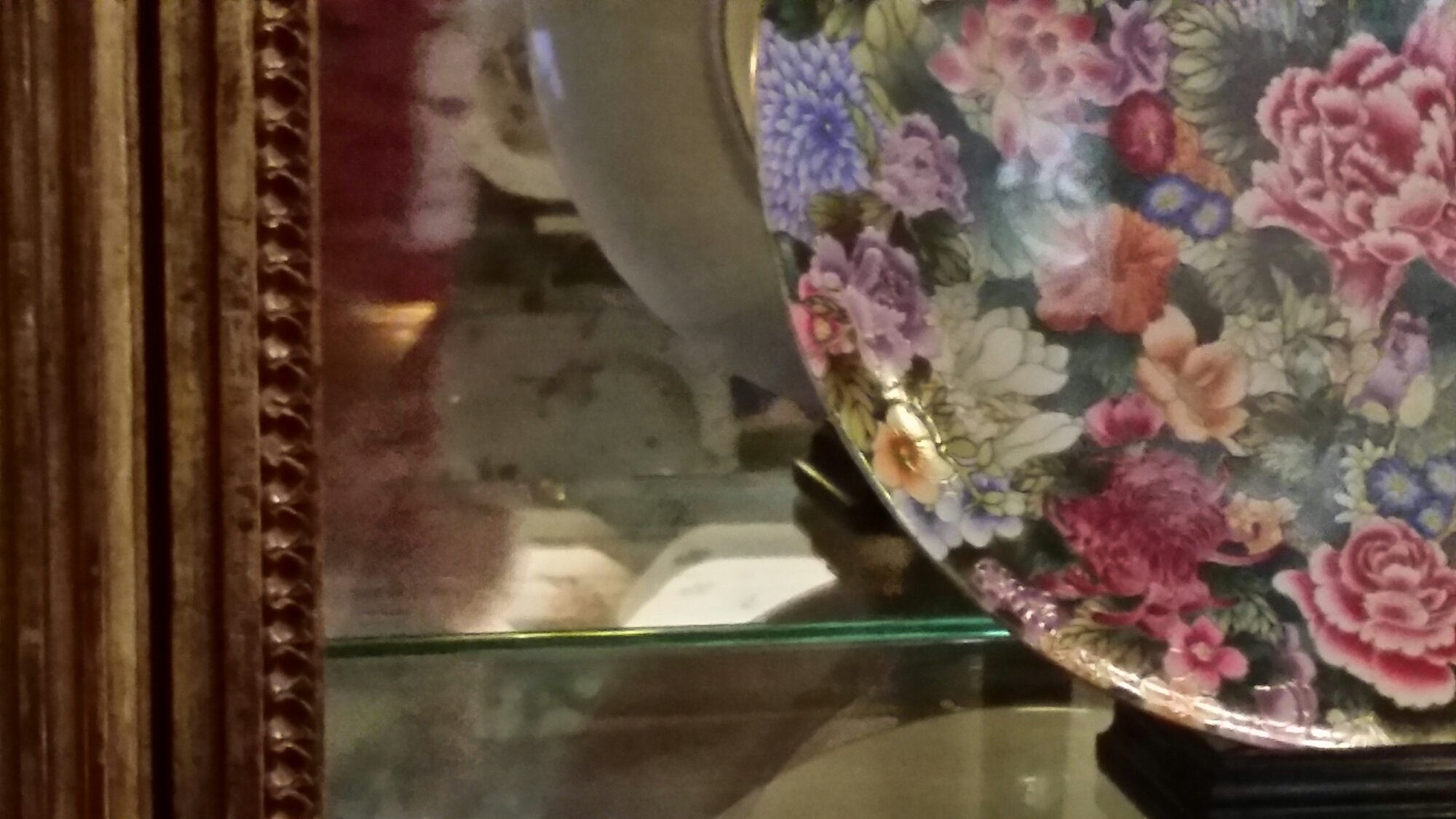
In the corridor are some kitsch floral plates displayed alongside the cabinets of Sèvres:

image

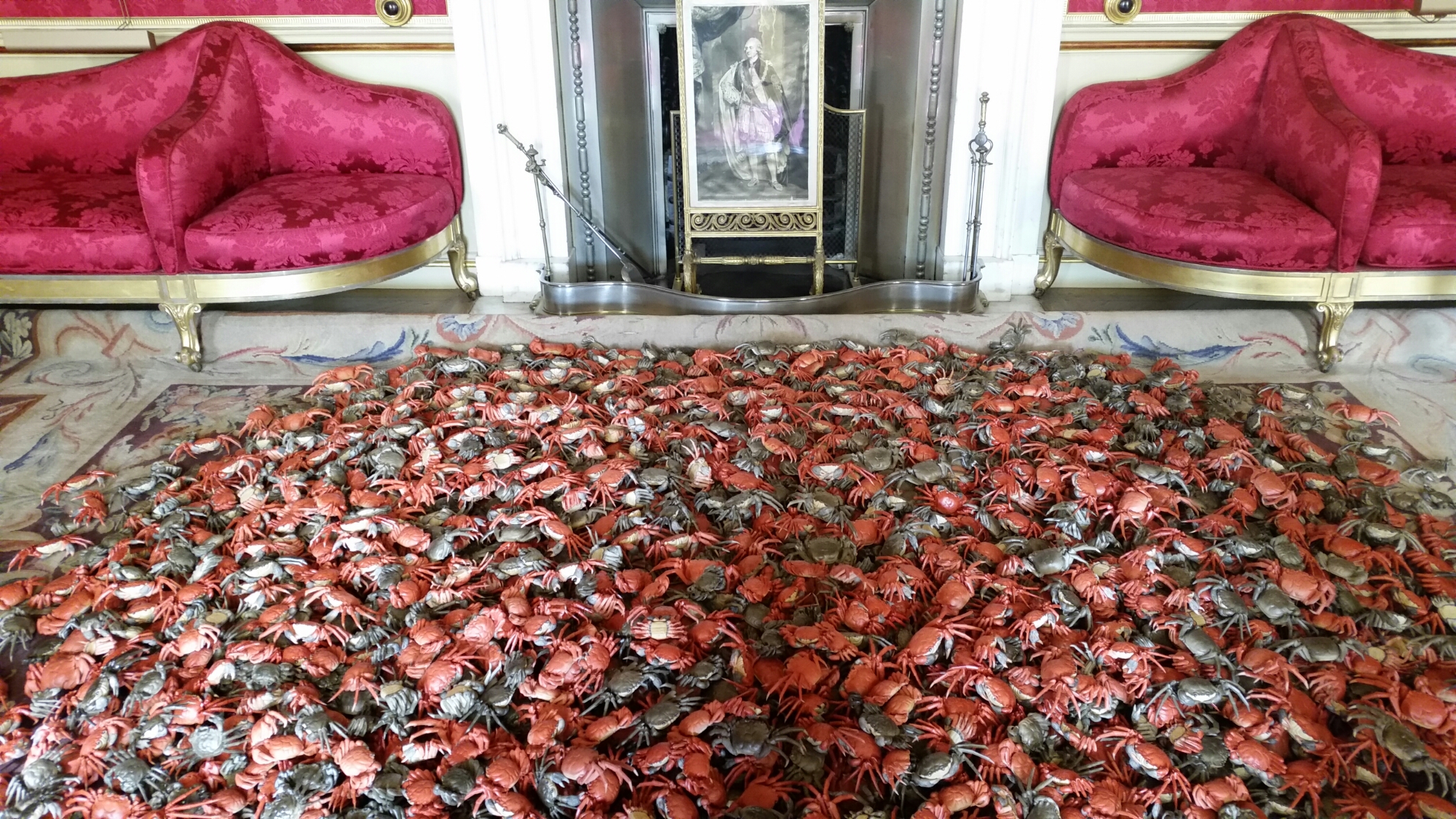
We liked the porcelain crabs in the Red Drawing Room which commemorate the feast his friends had the night before his studio was burned down:

image

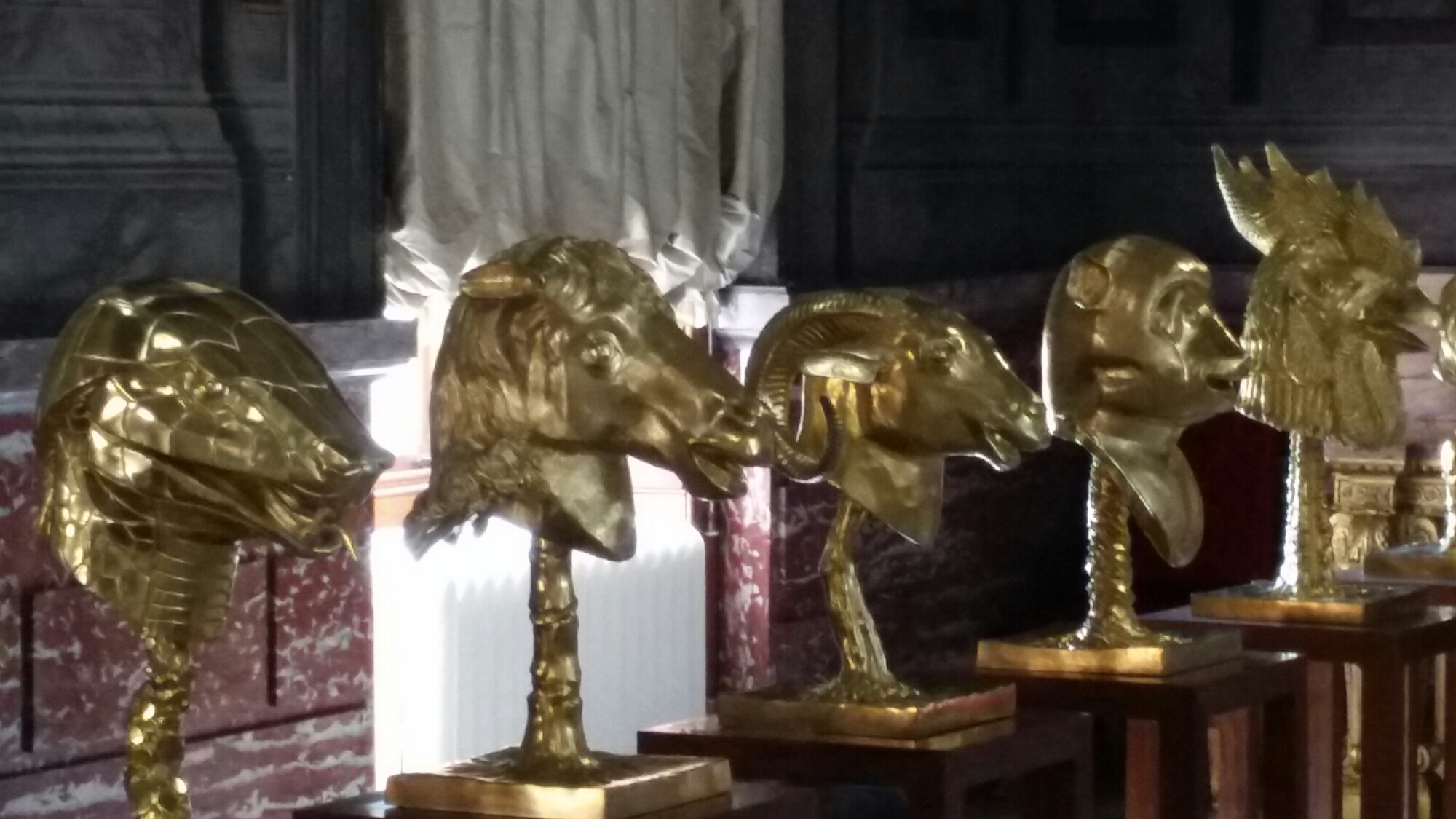
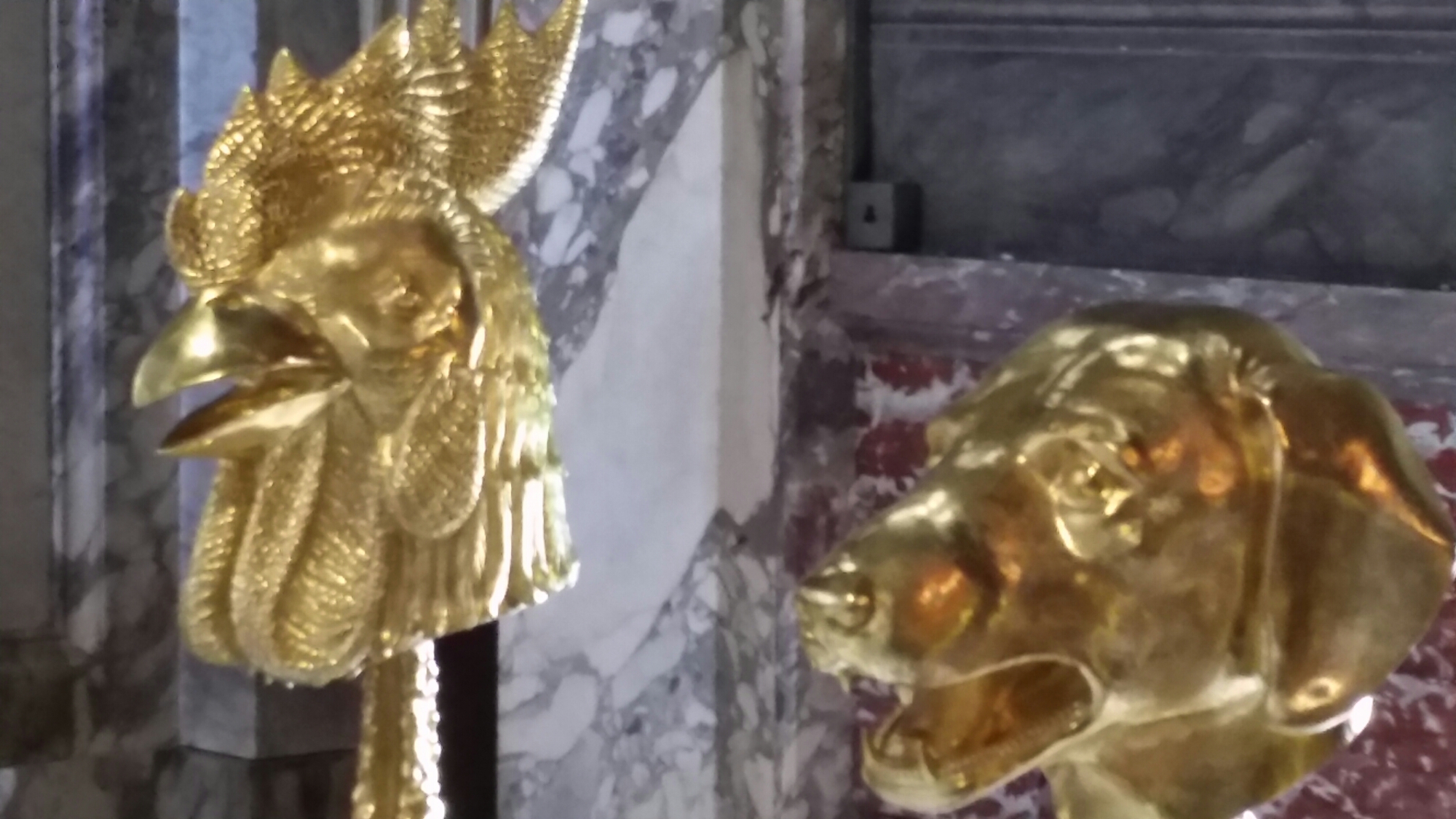
Next came the Saloon, the central room on the South Front with an array of gilded signs of the zodiac:

image

image

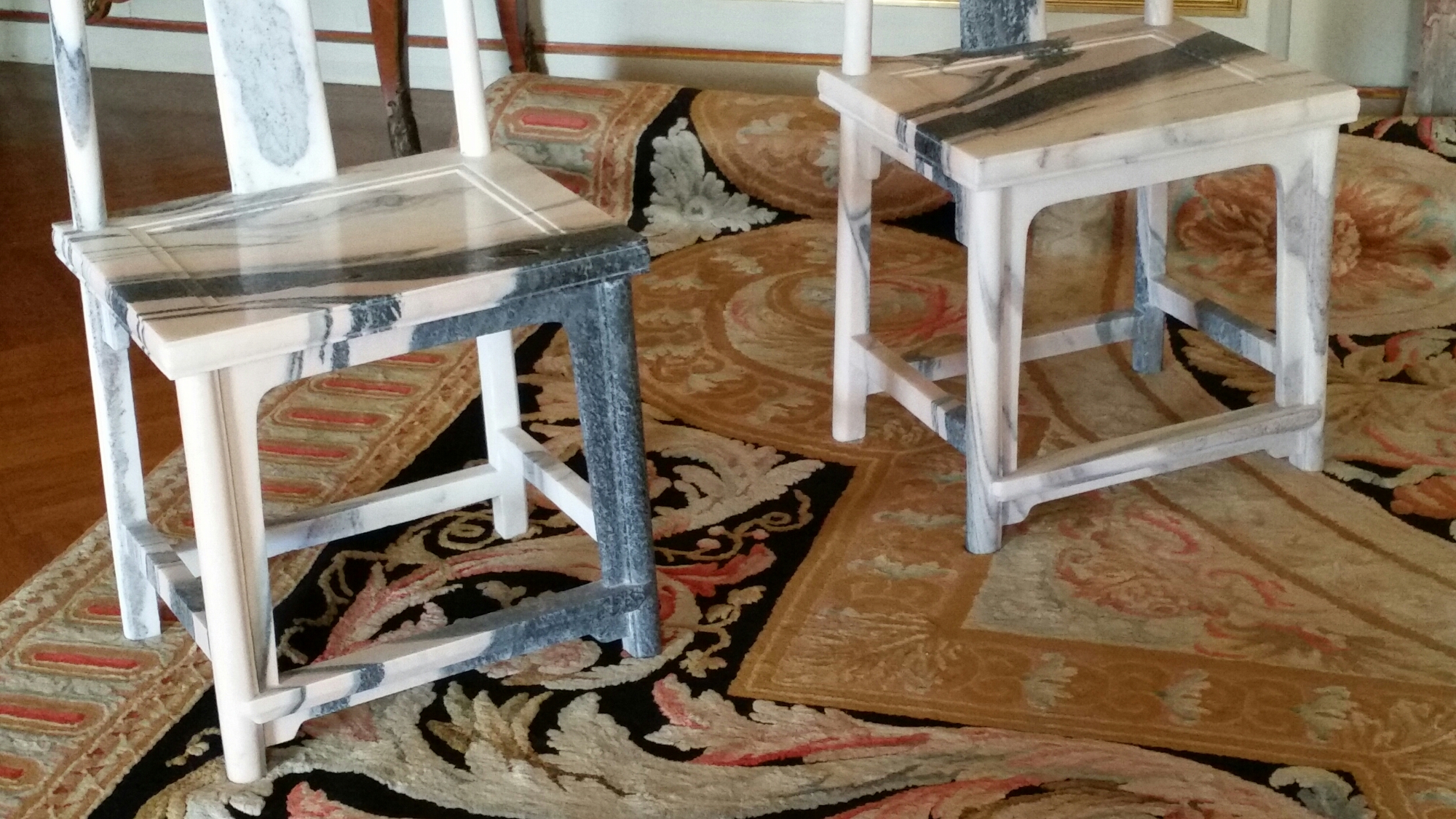
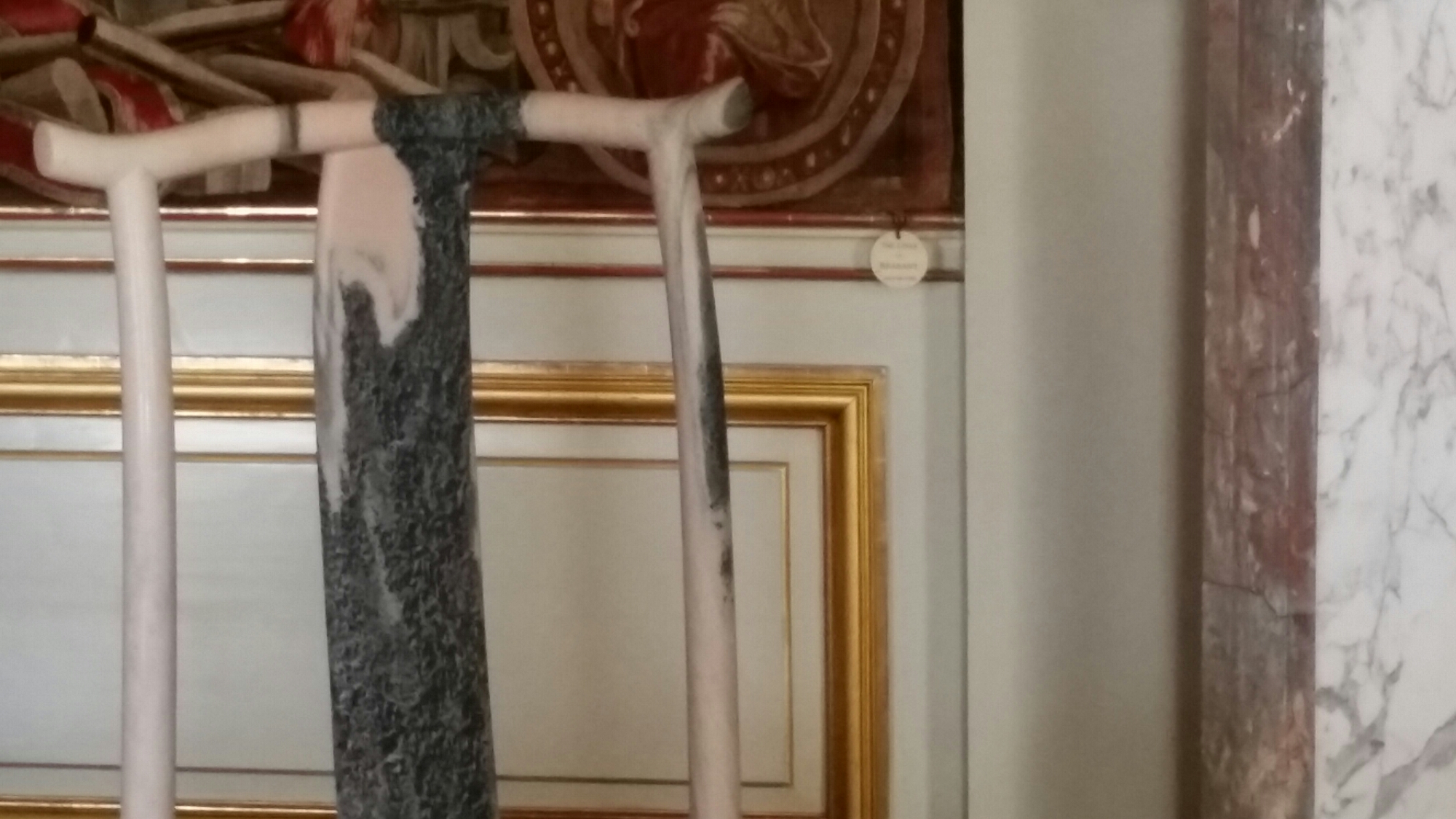
In the Second State Room are two marbled chairs:

image

image

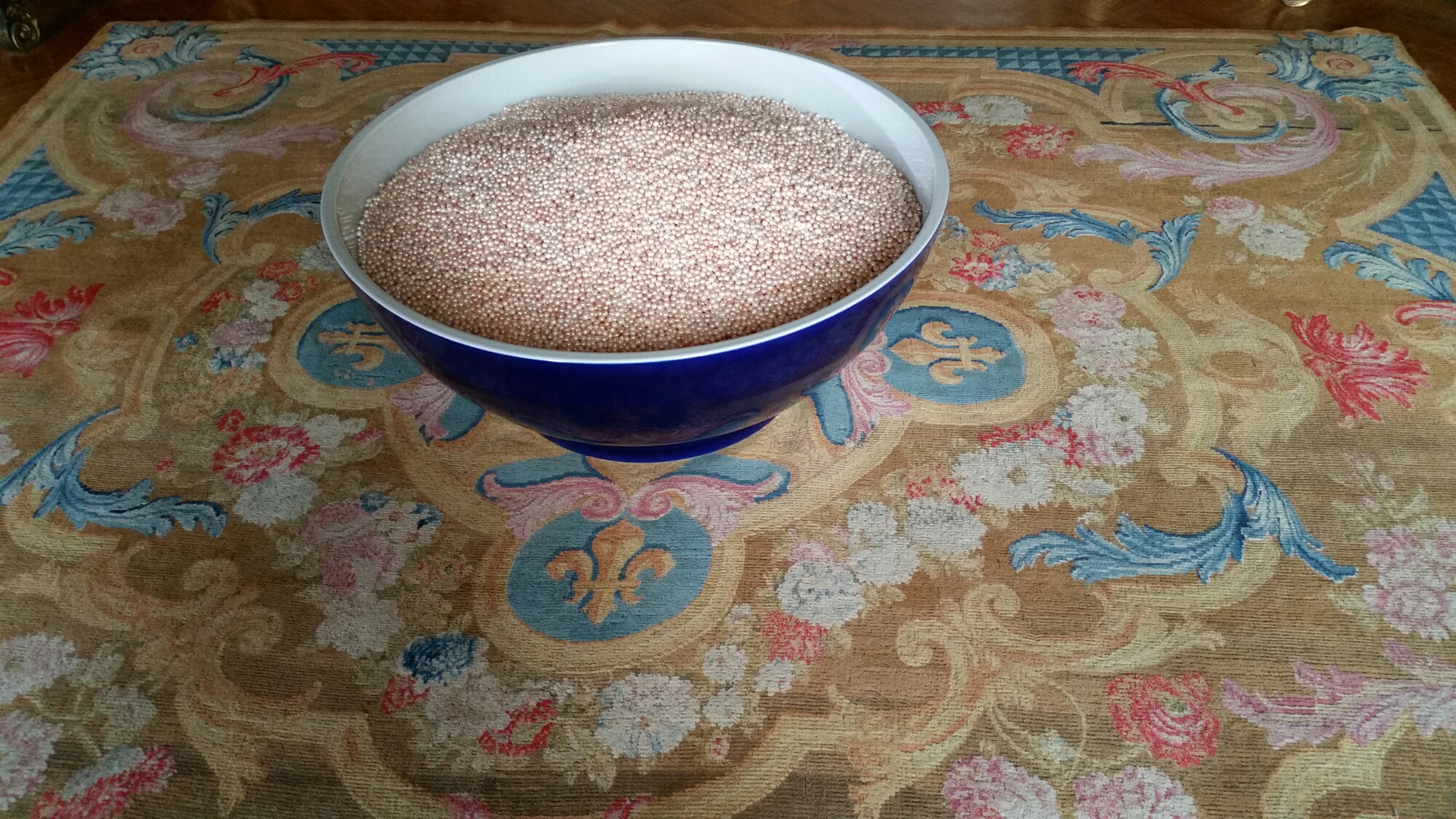
In the third State Room, a bowl of pearls:

image

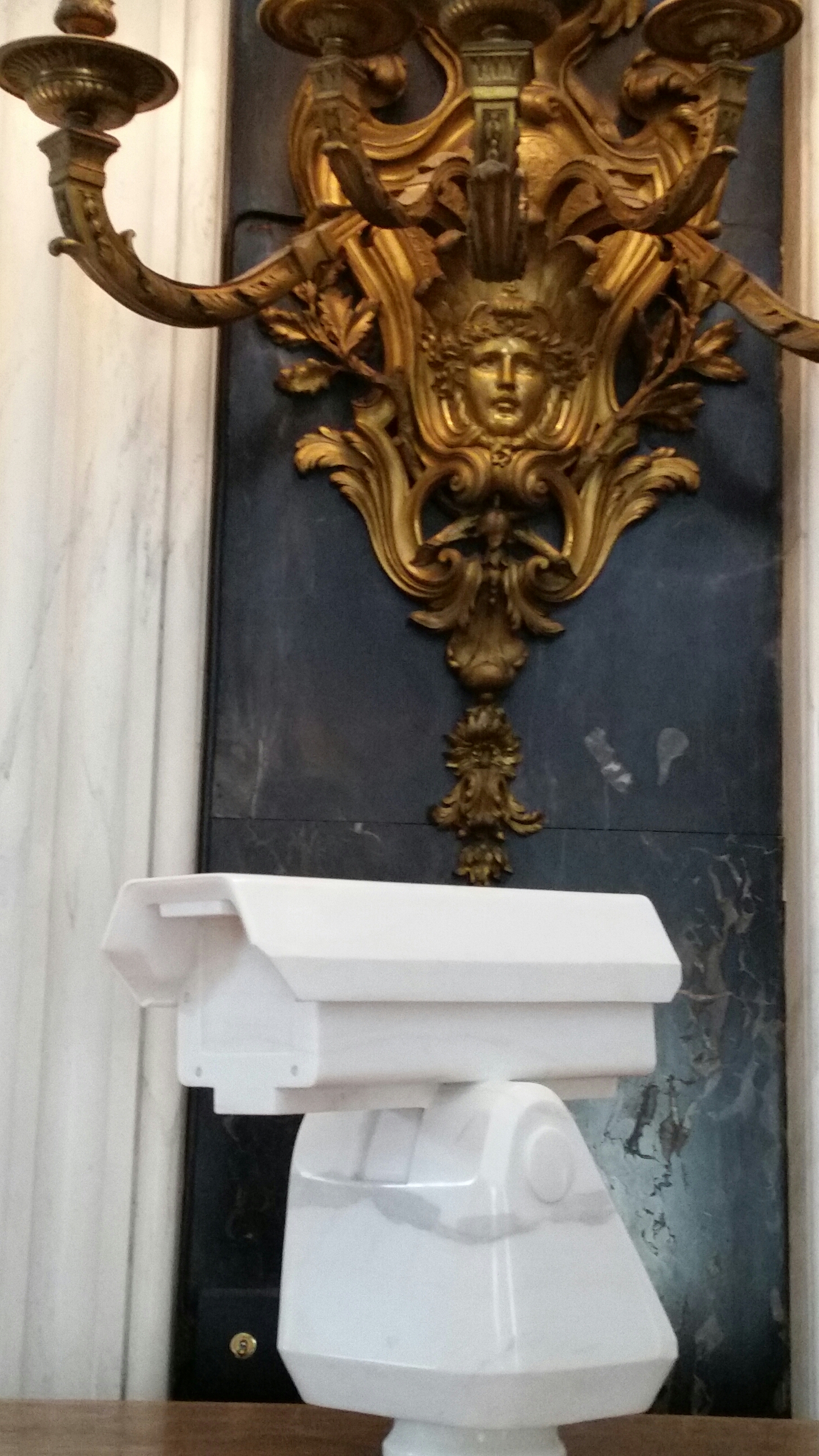
In the Library, a marble surveillance camera:

image

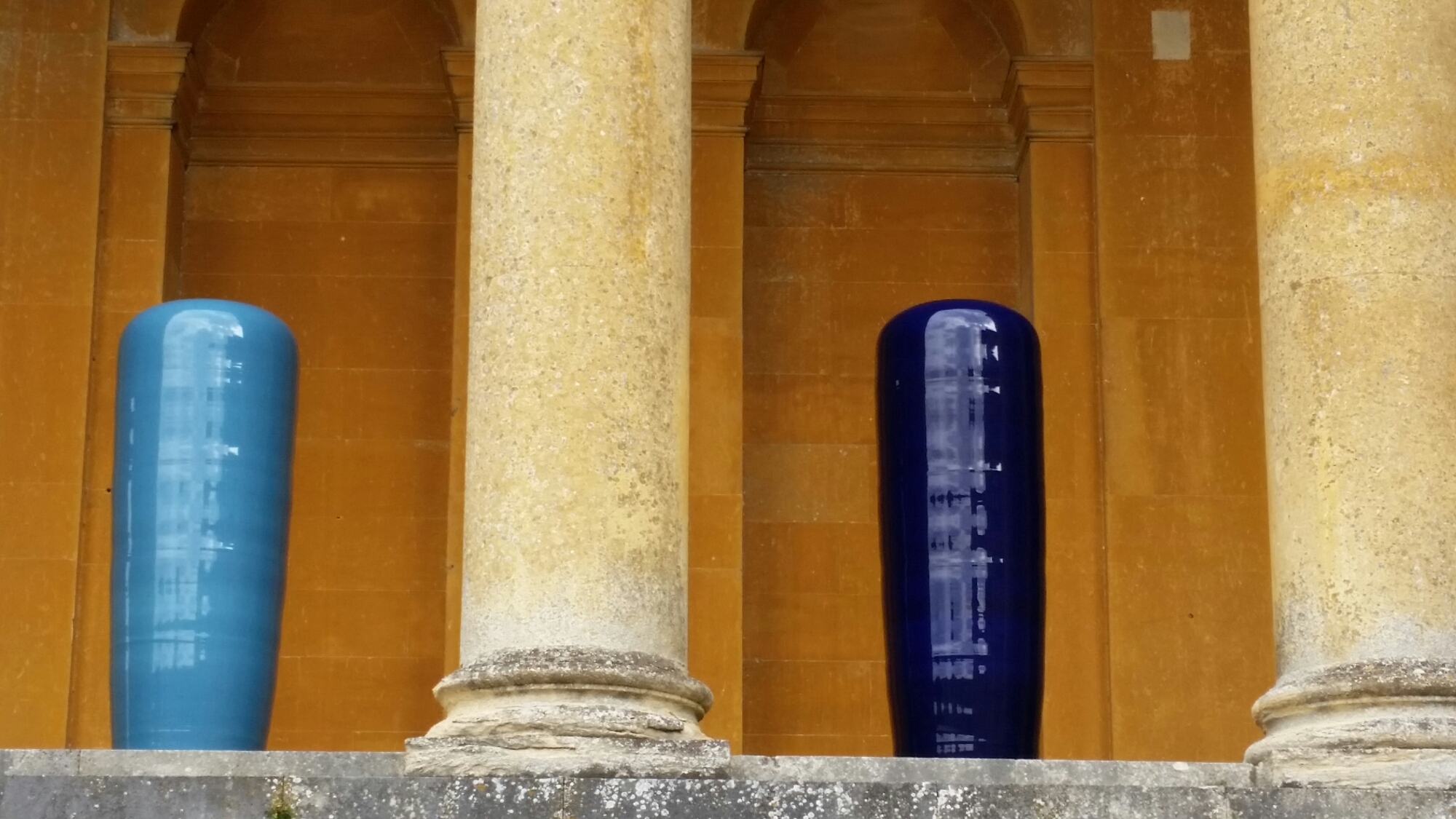
Last of the things we saw were the two stately porcelain vases in the colonnade alongside the private apartments:

image

What is one to make of the display as a whole?   First, it is done in a full-blooded way, not just as occasional interventions, but filling the house, work which in a curious way partly belongs like cases of oriental ceramics and partly jars.   I think the Ai Weiwei’s work best when there is an elision with the original, a frisson of incongruity as history is matched by works from a very different artisan culture.

Standard

Ralph Montagu

I looked up my ancient card index to find out a bit more about Ralph Montagu, the man who built Boughton.   Born just before the Civil War, educated at Westminster under Dr. Busby, he entered the service of the court as a gentleman of the horse.   Dark, swarthy and saturnine, he was a great ladies man.   In 1669, he was appointed Ambassador Extraordinary to France.   It was there that he developed his Francophile taste, including a visit to Versailles where ‘he had all the gardens &c. at his command’ and where he was said to have ‘formed his idea of building and gardening’.   In Paris, he had an affair with the Duchess of Cleveland, the King’s former mistress, who denounced him to the King.   Endlessly involved in plots of one sort or another on both sides of the Channel, he became one of the supporters of the Glorious Revolution and was raised to a dukedom, building both Boughton and Montagu House in Bloomsbury as monuments to his rapacity and taste.

Standard

Tessa Traeger

The reason we went to Boughton yesterday was to see an exhibition of new work by Tessa Traeger which is the result of three years as artisi-in-residence looking at and studying both the pictures and the  Beauchamp-Feuillet system of notation used to record early eighteenth-century dance.   I have been an admirer of her work ever since her photographs of food in Vogue in the early 1980s.   In the late 1990s, I discovered that she was extremely knowledgeable about gardens and she was commissioned by the National Portrait Gallery to do a series of photographs of gardeners and their gardens which ended up as an exhibition and a book, A Gardener’s Labyrinth, which must now be a collectors’ item.   More recently, she did a wonderful photographic study of the people of the Ardeche, Voices of the Vivarais.   Her exhibition is called The Calligraphy of Dance and will be shown at Purdy Hicks.   But the photographs look best alongside the pictures on which they’re based.

Standard

The Gardens at Boughton

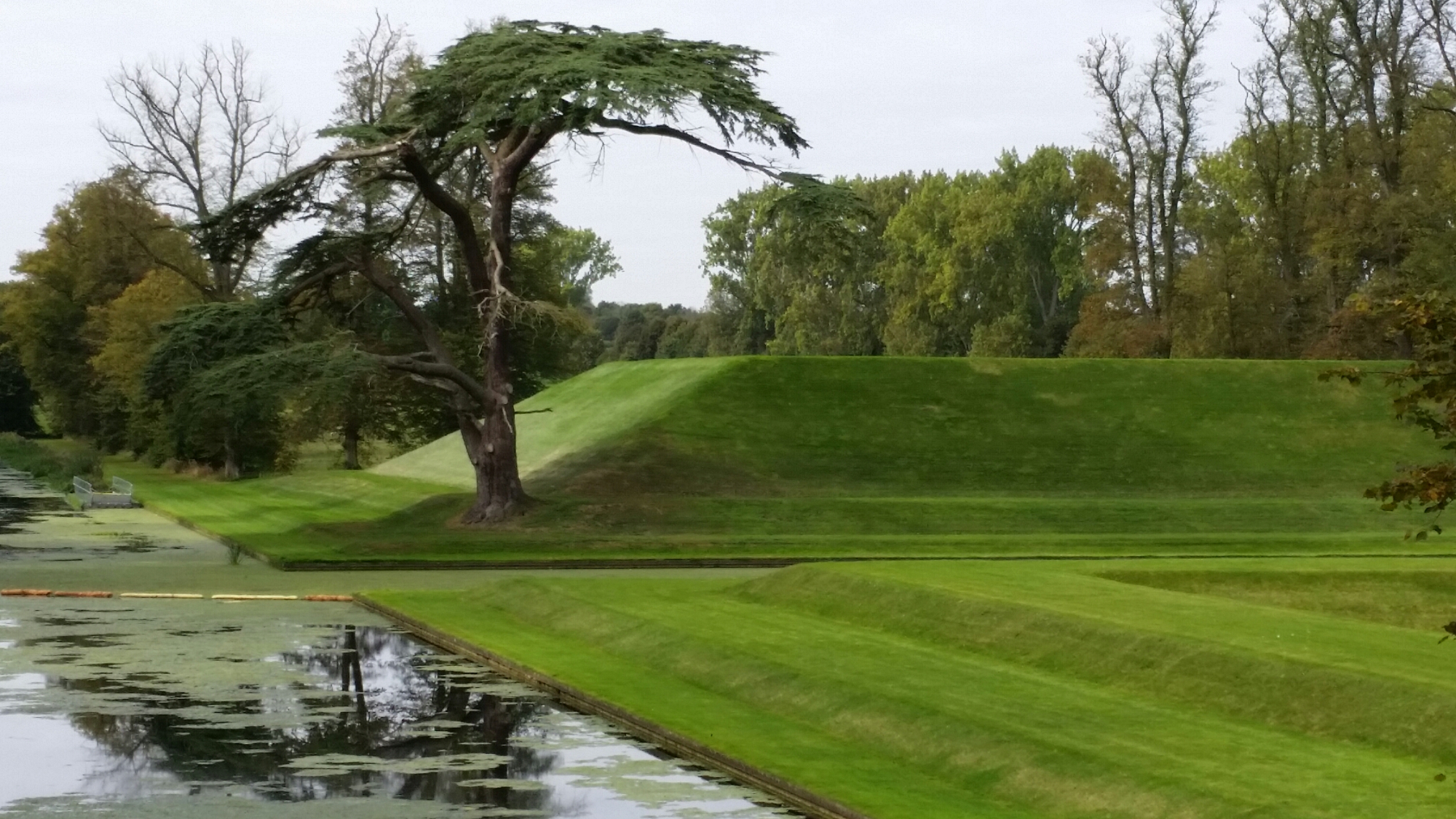
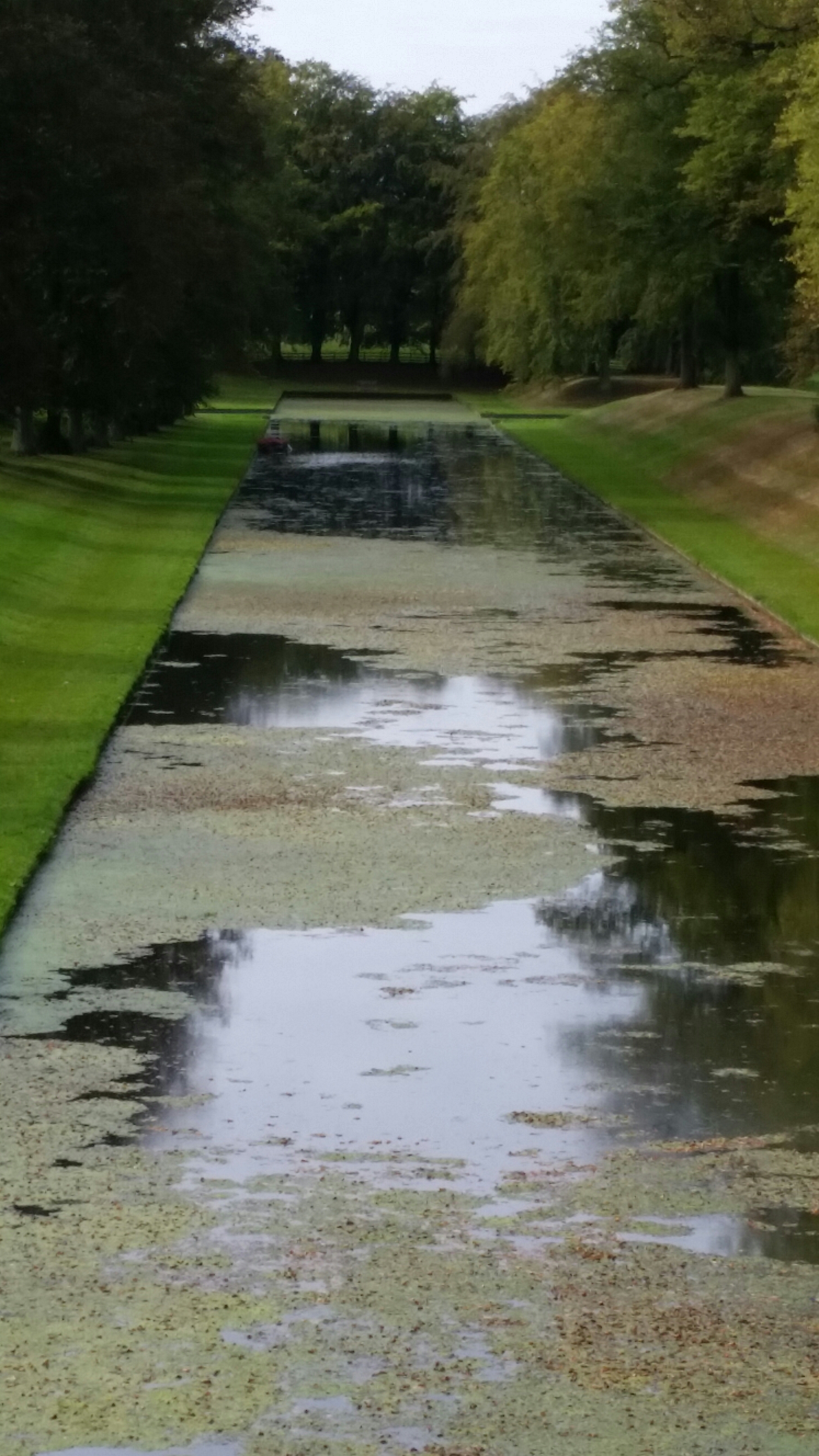
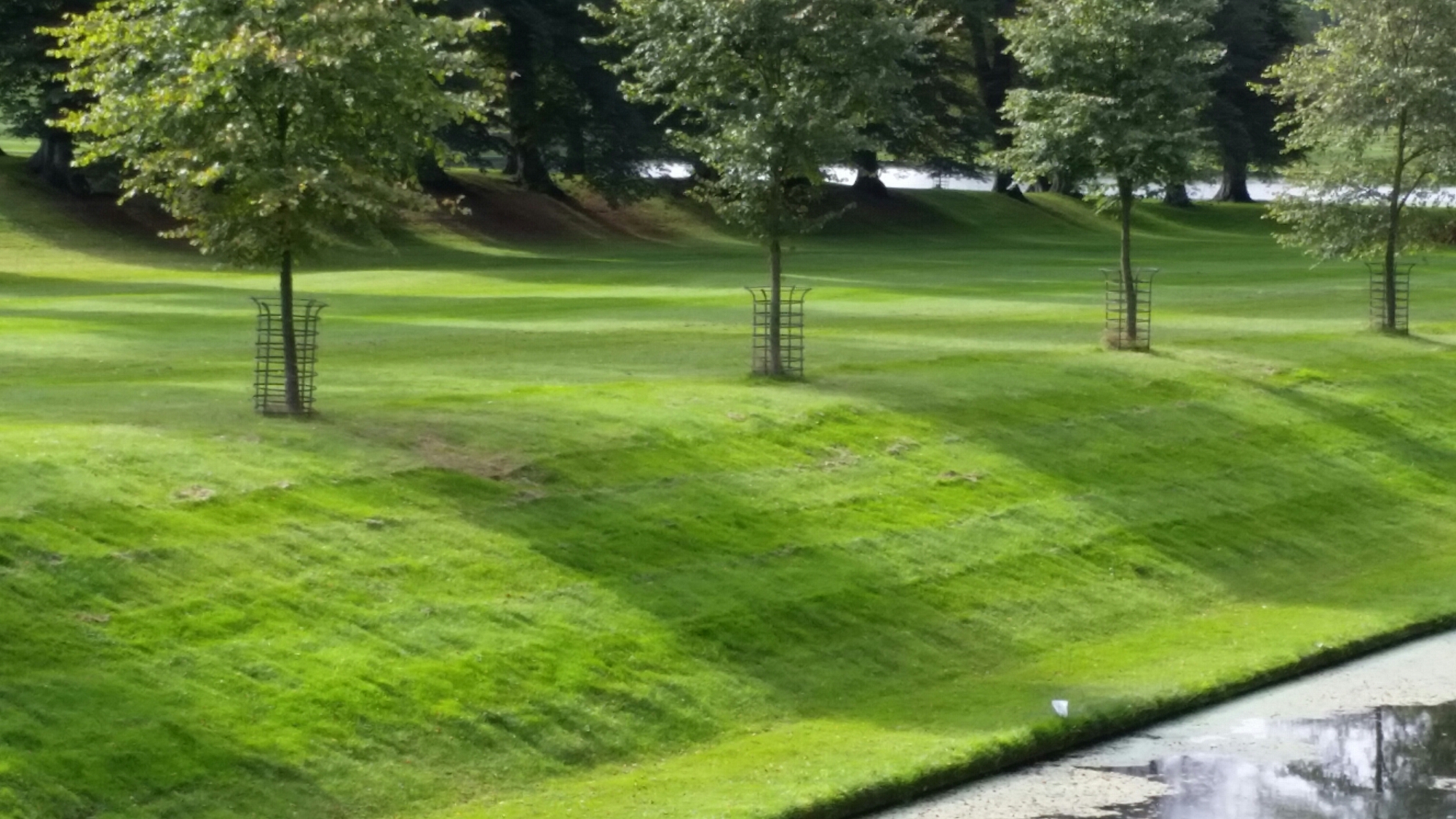
The Duke took us on a tour of the gardens at Boughton which he is reviving with Kim Wilkie.   The original garden was apparently originally laid out as a grand and spacious formal garden, with lakes and parterres, with help from a Dutch engineer.   In 1698 the Duke of Shrewsbury was invited to admire the waterworks on his way back from Newmarket.   In 1724, William Stukeley visited and described how ‘the gardens contain fourscore and ten acres of ground, adorn’d with statues, flower-pots, urns of marble and metal, many very large basons, with variety of fountains playing, aviarys, reservoirs, fishponds, canals, admirable greens, wildernesses, terraces, &c.’

It now has an elegiac quality with elements of the lakes still visible, the trees grown to full maturity, and the second Duke’s mound restored, alongside an inverted mound dug out in the clay.

This is a view of the mound of 1724, which was planned as a base for the second Duke’s mausoleum:

image

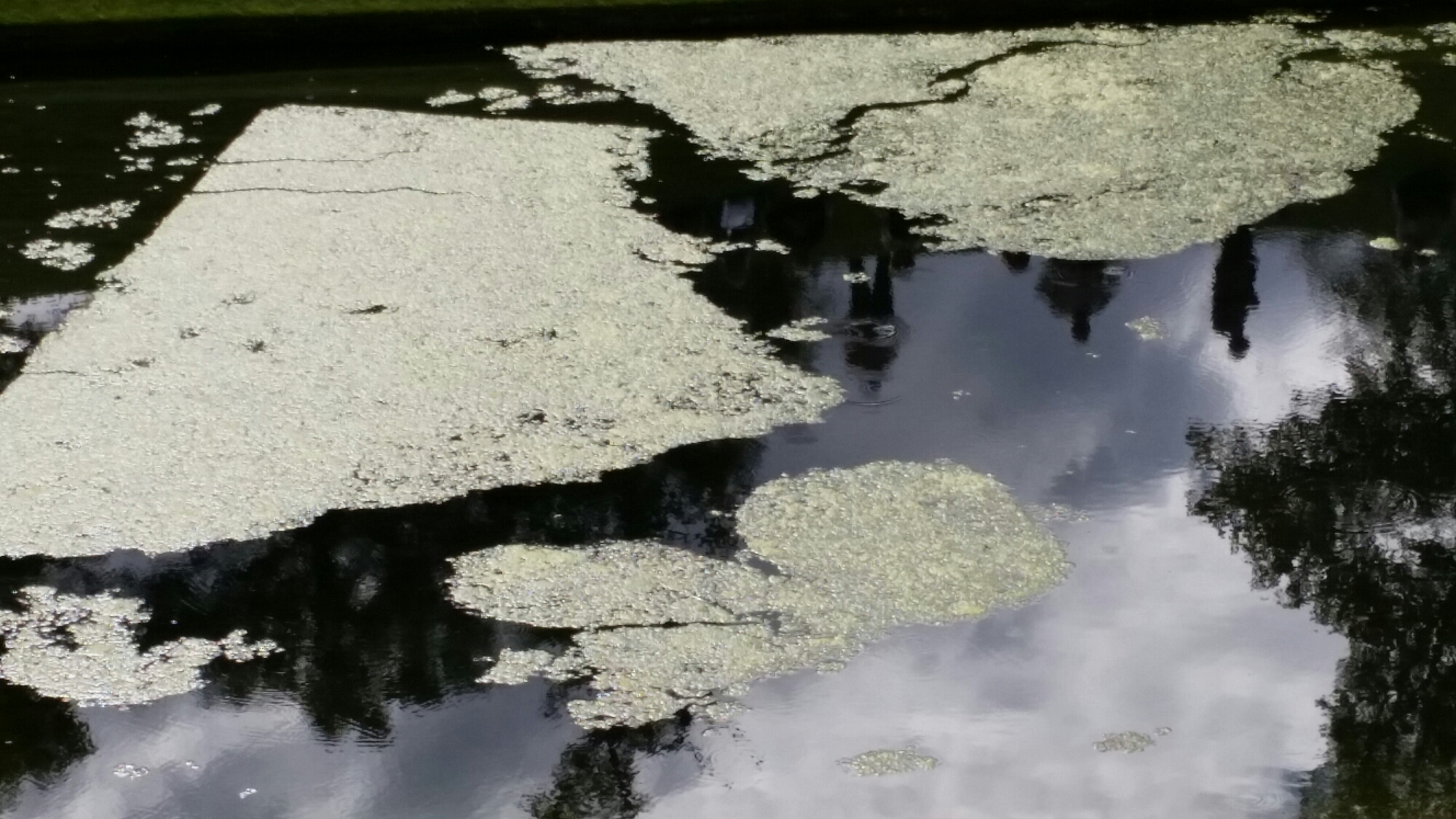
This is the lake at the bottom of Kim Wilkie’s mound:

image

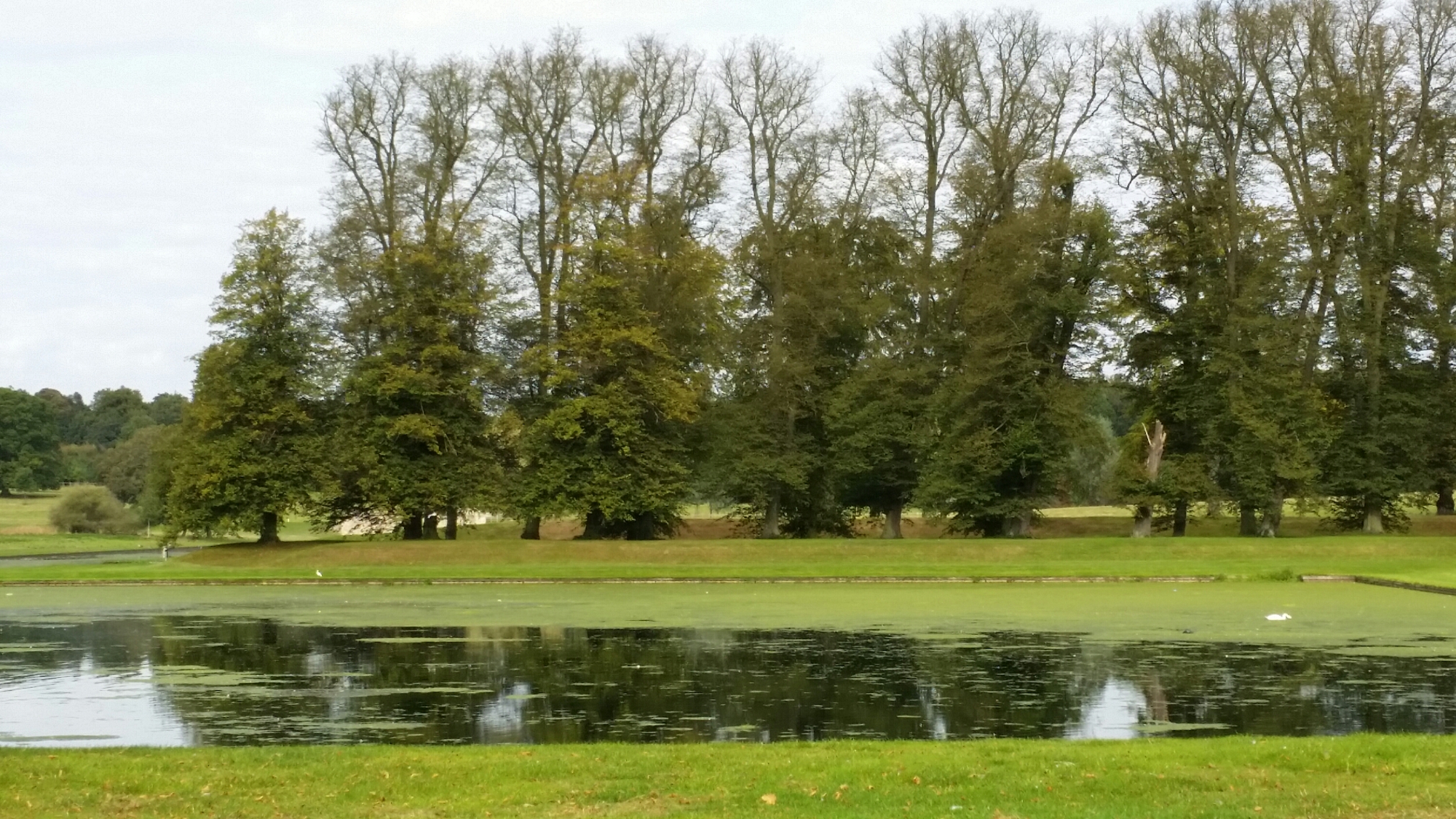
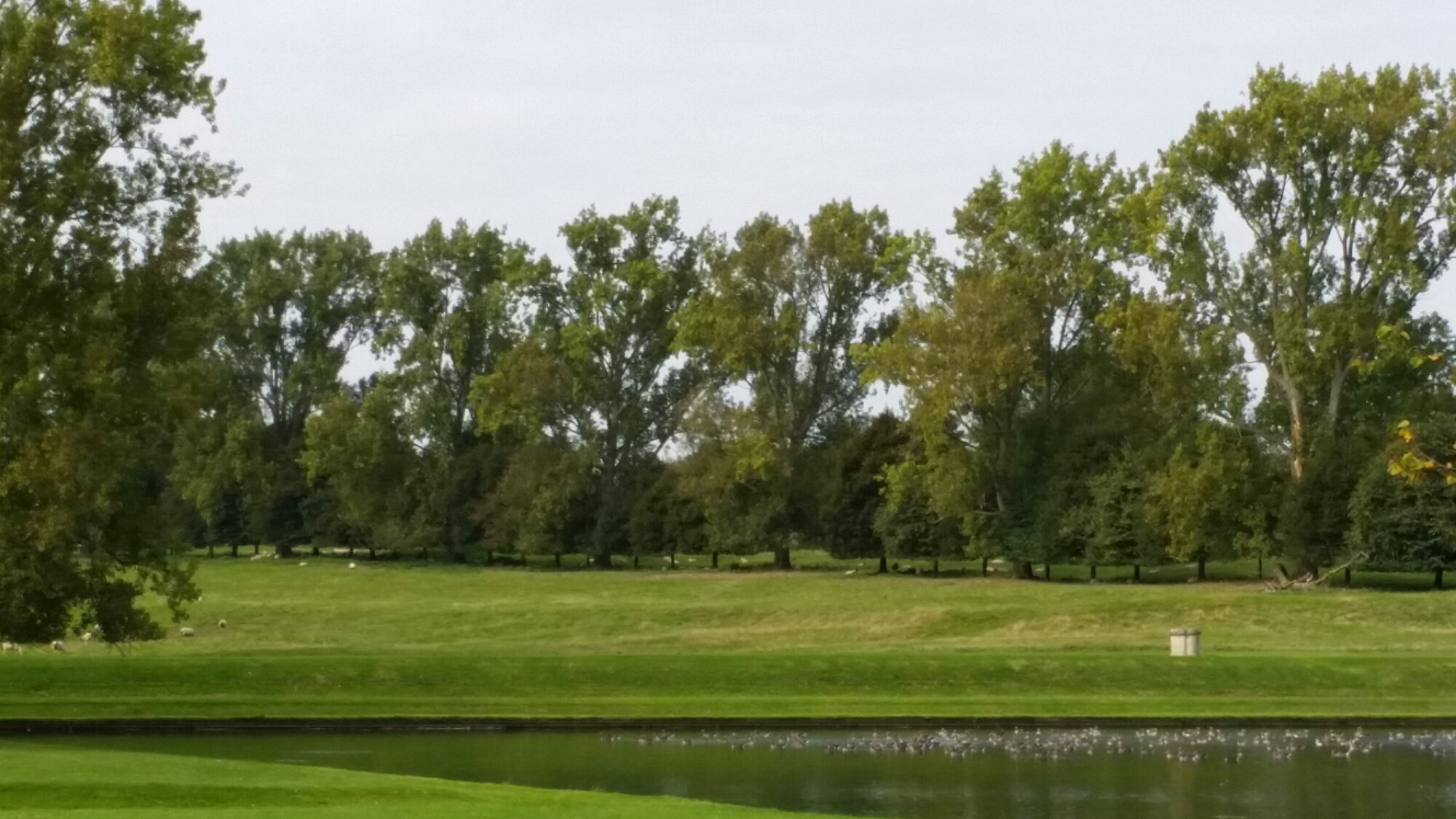
And these are views of the park:

image

image

image

image

Standard