We went to the Millennium dome tonight for the reunion of Monty Python. It was the first time we had been back since a bleak afternoon in January 2000 when we went to visit the government’s lamentable efforts to mark the millennium. The evening was highly elaborate and technologically sophisticated for a vast audience, a far cry from the wilfully amateurish graphics and mad schoolboy humour of the original, watched on a black-and-white television. I was trying to work out where Terry Gilliam’s graphic language had come from: a mixture of surrealism, Mervyn Peake, psychedelia, neo-Victorianism and the idiom Peter Blake used for the cover of Sergeant Pepper. I was also impressed by how much had entered the language: the Ministry of Funny Walks; the spam song; the anti-Germanism. And now for something completely different….
Tag Archives: England
Kensington Park Gardens
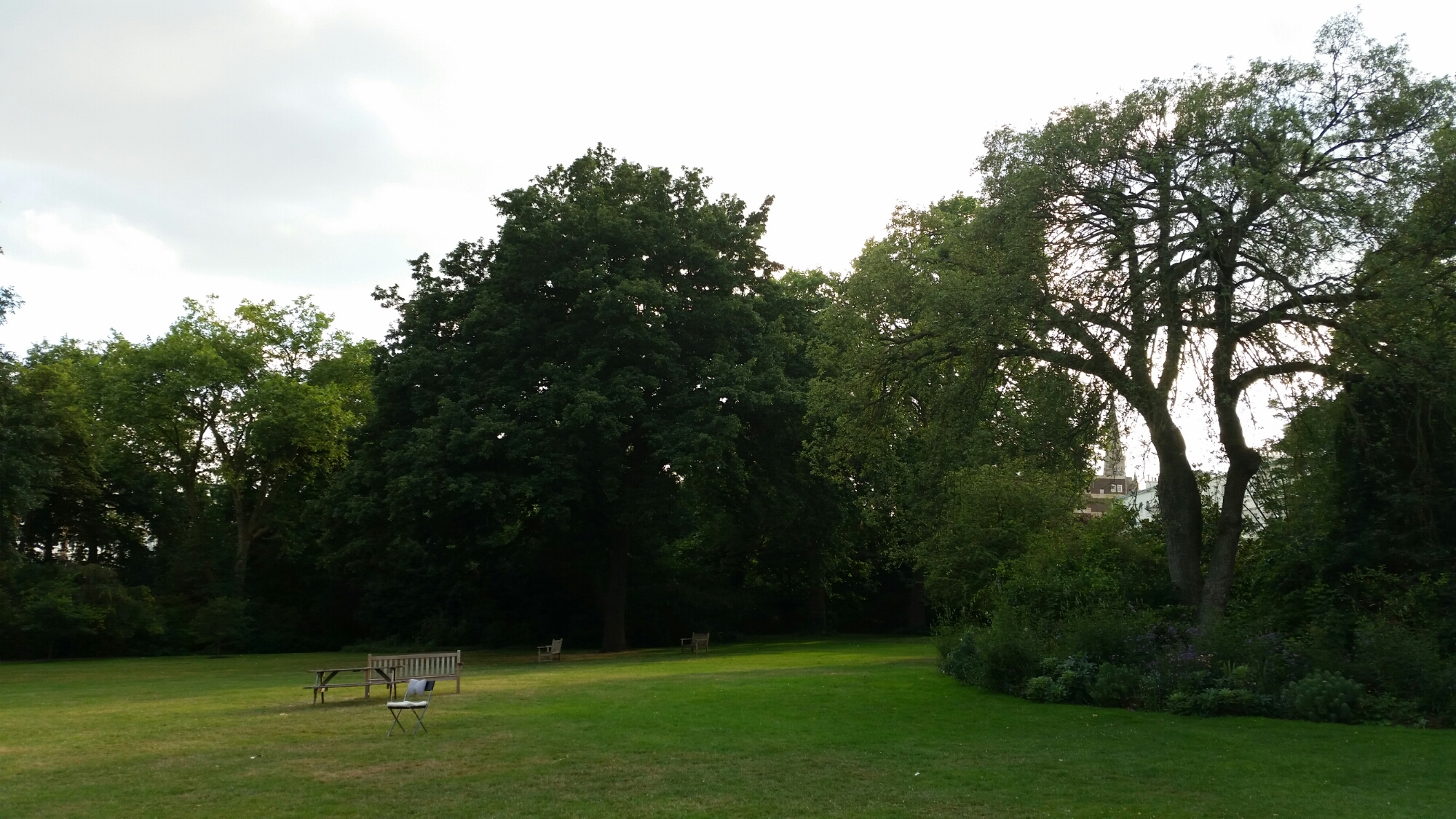
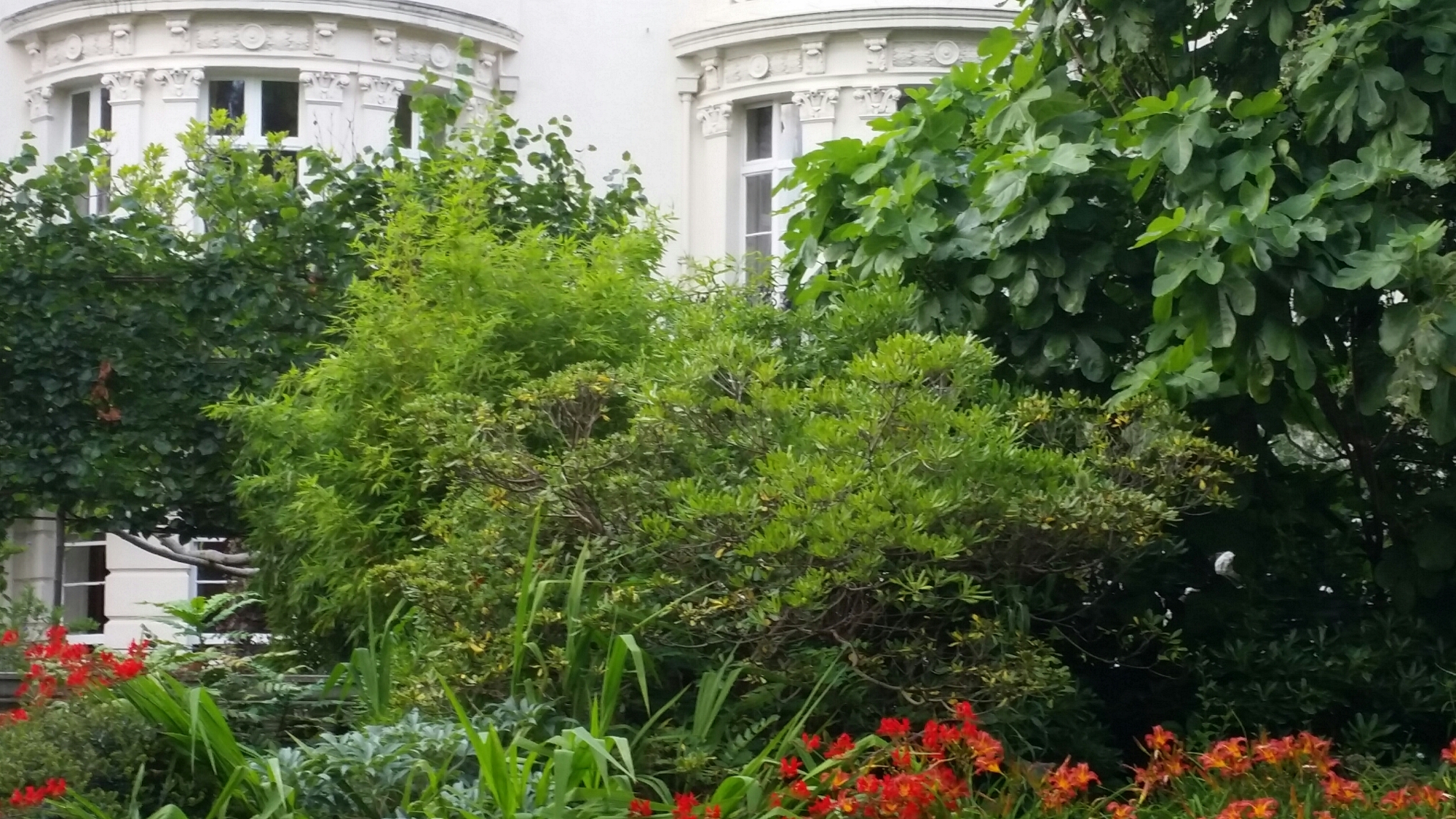
We have an annual picnic in the private gardens of Kensington Park Gardens, the grandest boulevard in west London (well, we’ve done it two years running which makes it feel like a tradition). I’m always amazed by the scale and the spaciousness of these private gardens, a product of mid-nineteenth century bourgeois opulence, with nannies using them to park prams and businessmen can have their morning constitutional. They occupy the site of a racecourse known as the Hippodrome owned by the Ladbroke estate. Hence Ladbroke Square. Nine acres, the largest private gardens in London after Buckingham Palace. We had supper in a glade with monogrammed white table napkins and the sound of tennis in the background.
Drawn to the Real
I looked in yesterday at Alan Cristea’s gallery at the far end of Cork Street to see the work of Jane Dixon, which has been included in an exhibition of the work of five artists, all of whom work in the area of detailed observational drawing, including the work of Emma Stibbon, who has recently been made an RA. I strongly recommend the exhibition because it represents a form of traditional art practice being taken seriously and shown in a major art gallery, which I more normally associate with the work of Gillian Ayres and Howard Hodgkin.
Glenthorne (1)
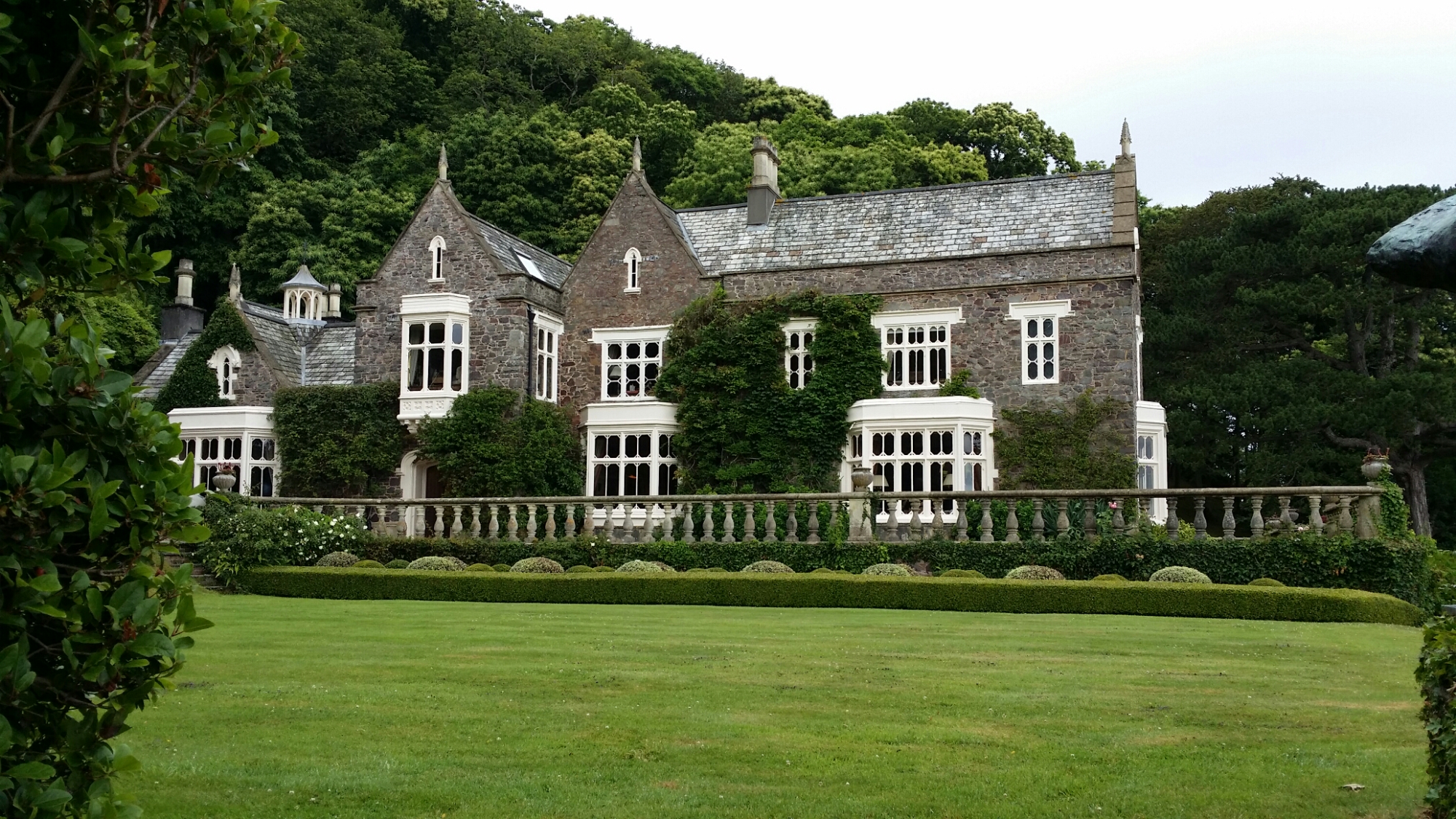
We spent the weekend staying at Glenthorne, one the most romantic houses in England. One approaches it by turning off the top road which runs across Exmoor and then making a steep and twisting descent down a rough track, through woodland, past a small gothic lodge and through gates until the drive opens up to a view across the Bristol Channel towards Wales:
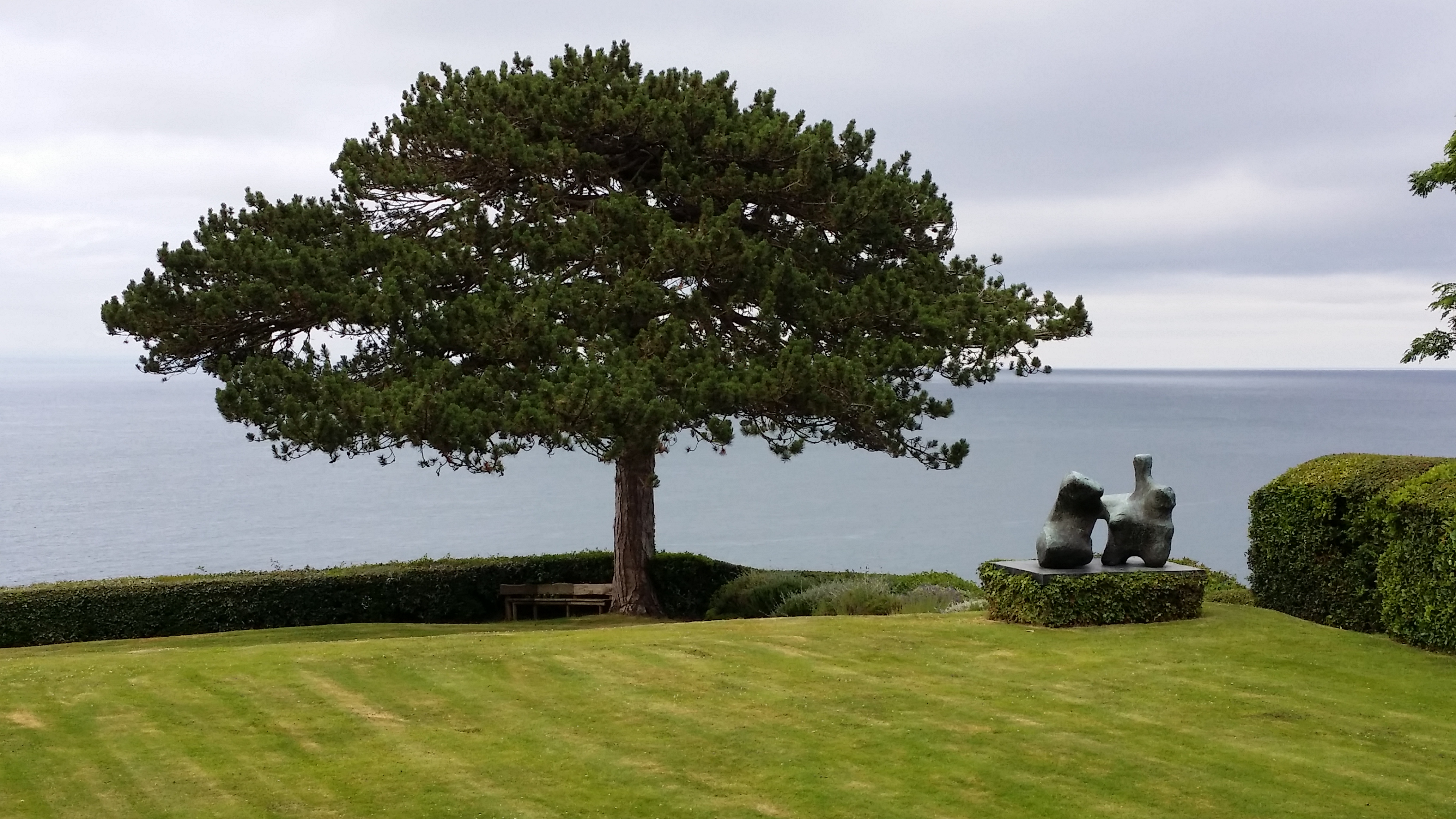
The house itself is late Georgian gothic, built for a squarson, Walter Halliday, and with the atmosphere of Thomas Love Peacock:
Hughie O’Donoghue
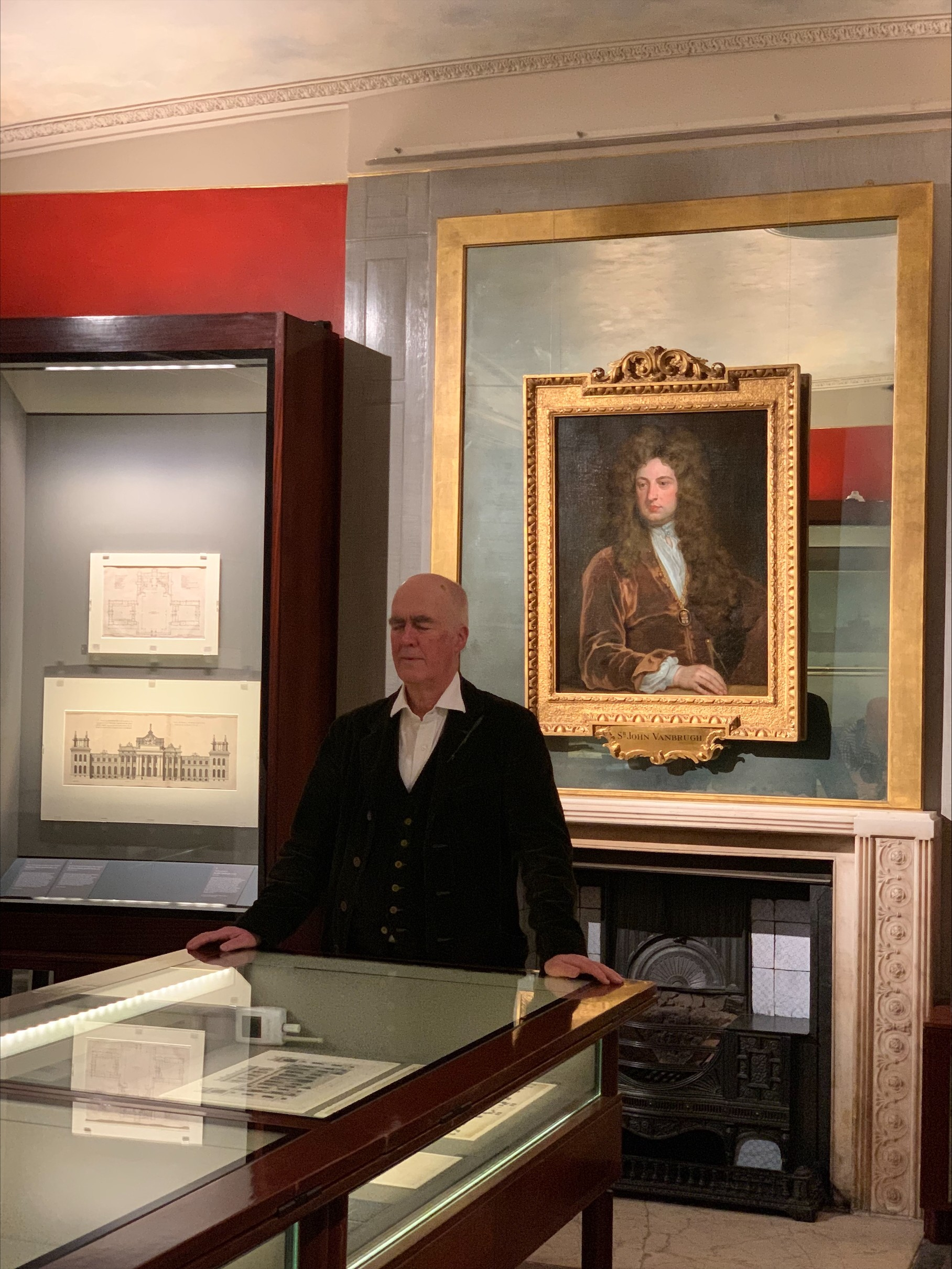
I was asked to the opening of a set of three paintings in the Chapter House of Westminster Abbey entitled The Measure of all Things. I had heard that he had done a set of paintings commemorating the first world war for Eton College. These may belong to the same genre, thoughtful and reflective meditations on death, realist, but not over so, and made poignant by his family’s own experience of war. I couldn’t quite work out the technique, which is nearly photographic:


Hauser and Wirth in Somerset
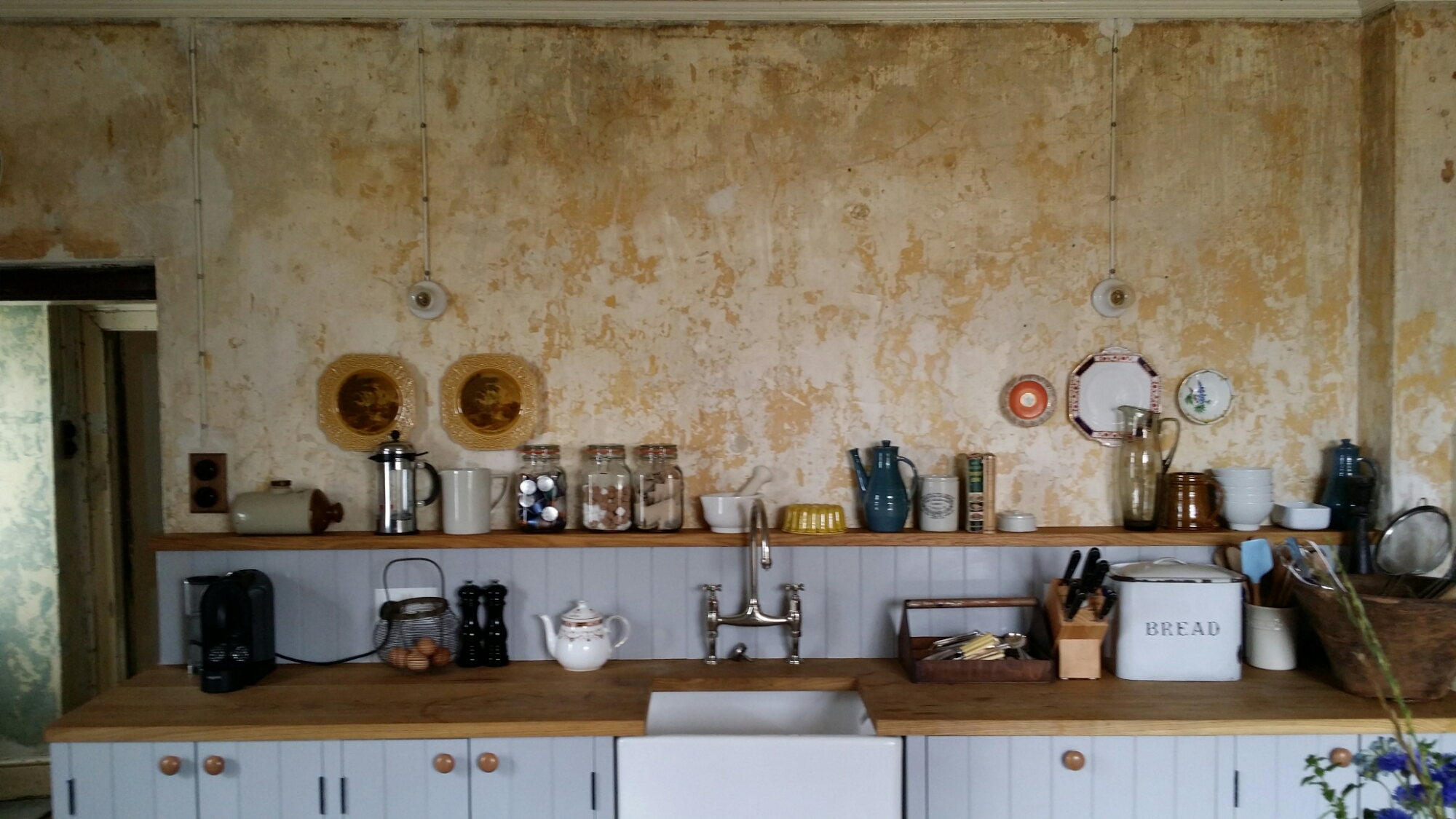
We were invited to the opening of the new Hauser and Wirth gallery in Somerset. I mistakenly thought that the opening was at lunchtime, so we were nearly the first people there. It’s a fascinating phenomenon of an ultra sophisticated, international, avant garde art gallery opening on the outskirts of Bruton. Its galleries are now in London, New York, soon to be in Los Angeles, and Bruton. It’s been very beautifully done, with an old medieval house converted by the Argentinian architect Luis Laplace as a guest house for artists:

New Art Centre
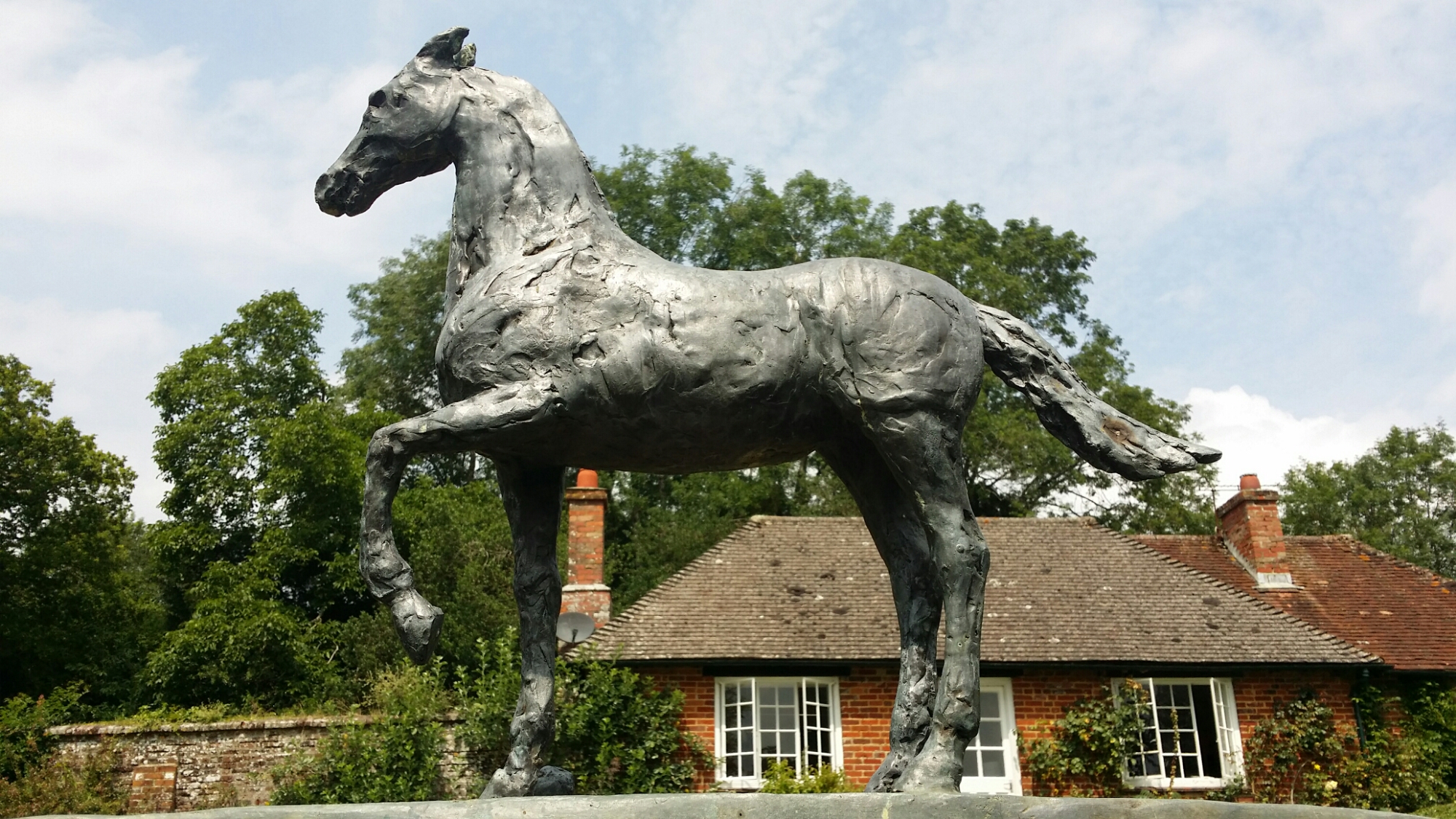
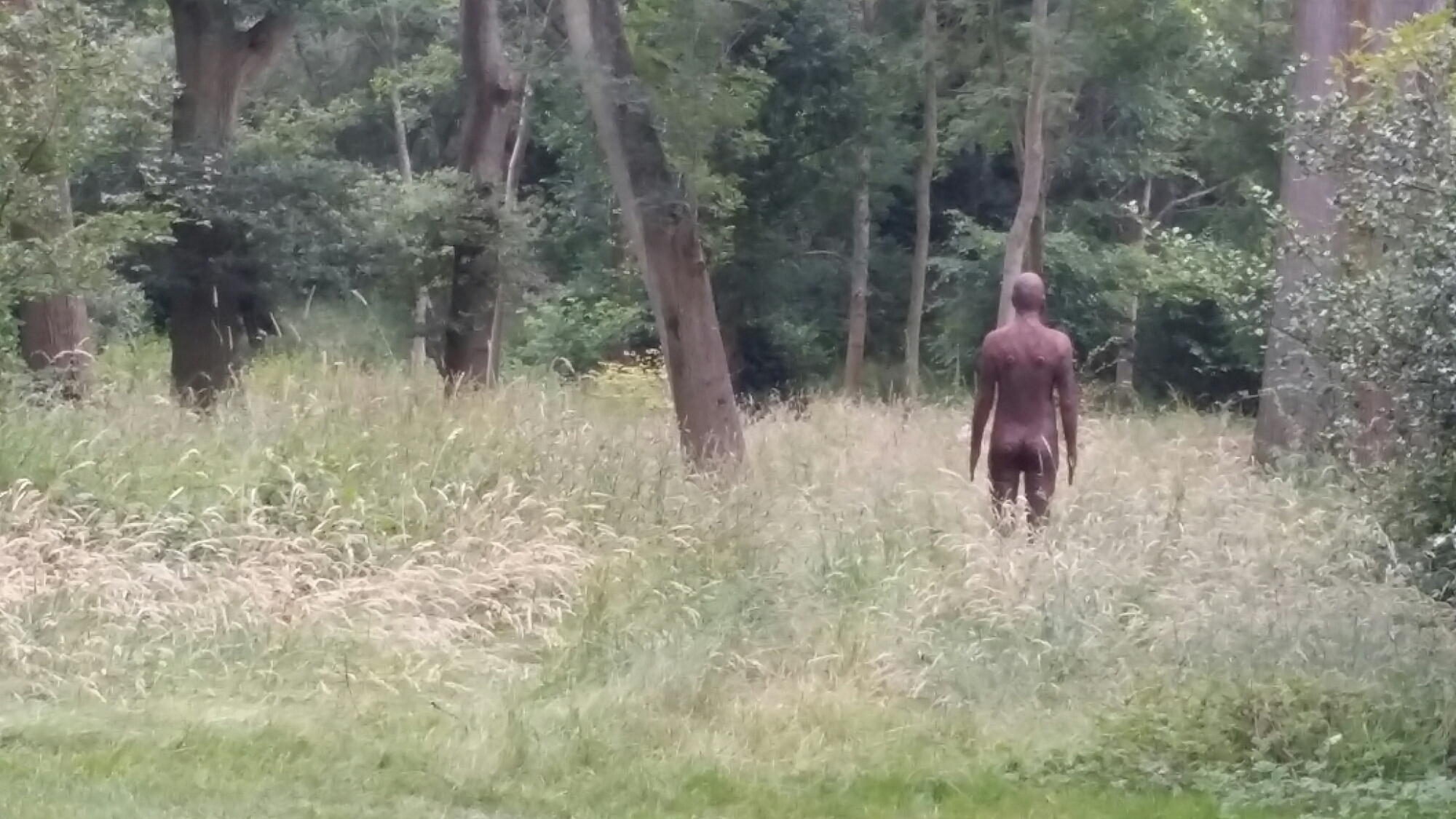
Because we were travelling down to the west country, we thought we would call in at the New Art Centre, a private house east of Salisbury which shows contemporary sculpture in the garden. I thought that they had an exhibition of the work of Richard Deacon and Bill Woodrow. It turned out that they were just opening a new exhibition of a single work by Bridget Riley installed in a single gallery like a private chapel and sculpture by Toby Ziegler. So, instead of just wandering around, the only people there, there were two coach loads from London, a speech by Andrea Rose, and lunch. We saw a horse by the President in the kitchen garden:
A figure by Antony Gormley lost in the wood:
Matisse: The Cut-Outs
We went on a Friday evening trip to Tate Modern to see Henri Matisse:The Cut-Outs, a nice scale of exhibition, some of it deeply familiar, but not all, demonstrating Matisse’s discovery of, and pleasure in, the very simple medium of coloured paper cut out with scissors and then sometimes twirled about to make a pattern and often stuck on a wall: partly decorative, but done with extreme deliberation, as was evident from the two clips of original film, which showed him as an old man working with purposeful deliberation as he snipped away and ordered exactly how the pieces were to be placed on the wall. I liked the early experimental work which went into the book Jazz, when the medium was new to him, and the beautiful book covers which he did for a volume of Henri Cartier-Bresson’s photographs, The Decisive Moment, published in 1952, and for the original edition of Alfred Barr’s Matisse: His Art and His Public, first published in 1951.
Mary Beard and Grayson Perry
We have just had an event in which Grayson Perry talked to Mary Beard (or was it vice versa?) about her latest book, based on her Sather lectures, on Laughter in Ancient Rome. What struck me most forcibly is what a difficult subject it is to talk about academically, whether in the present or in ancient Rome. If treated analytically, then there is a risk of it seeming humourless, but if discussed with levity, then it doesn’t succeed in being a proper academic study. They brilliantly circumvented this problem with a mixture of good humour, anecdote, information, and jokes from the ancient world.
Queen Alexandra
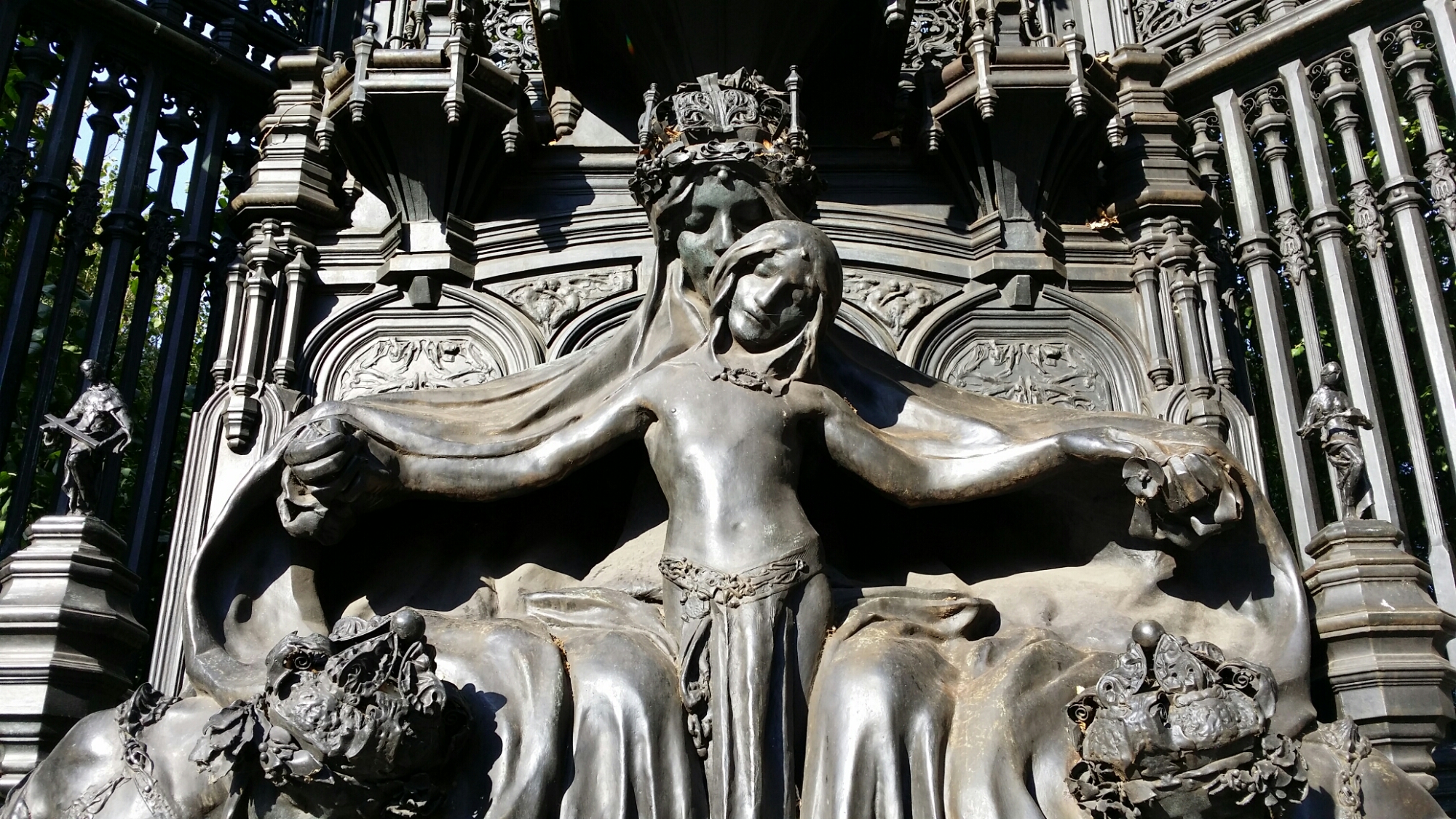
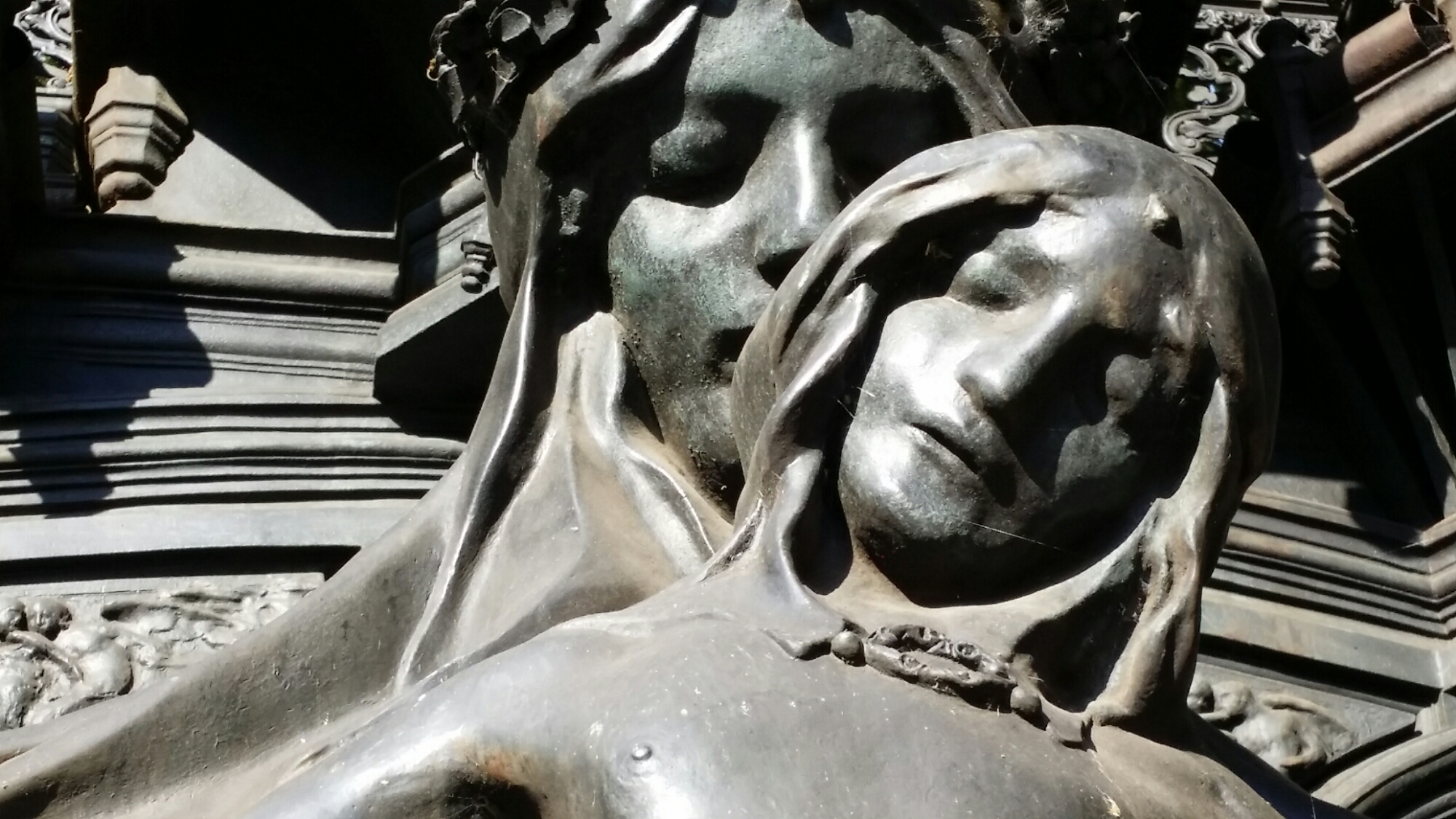
Every morning I walk past a grand and ostentatious statue in Marlborough Gate, which I have always studiously ignored. I was quite wrong. Looked at more closely, it turns out that it is a late work by Alfred Gilbert, the sculptor of Eros, former student of the Royal Academy Schools and of the École des Beaux Arts in Paris, who was forced to resign from the Academy in 1908 else be expelled (he took money for commissions which never materialised). The monument is wonderful, a grand work of late flowering art nouveau, with cobwebbed figures of Faith, Hope and Love, commemorating Queen Alexandra, the Danish wife of Edward VII. She had pleaded Gilbert’s cause with the King, sent him funds in exile and caused him to be reinstated as an RA. It’s not surprising that the monument is full of feeling:
 | Charles | Saumarez | Smith |
You must be logged in to post a comment.