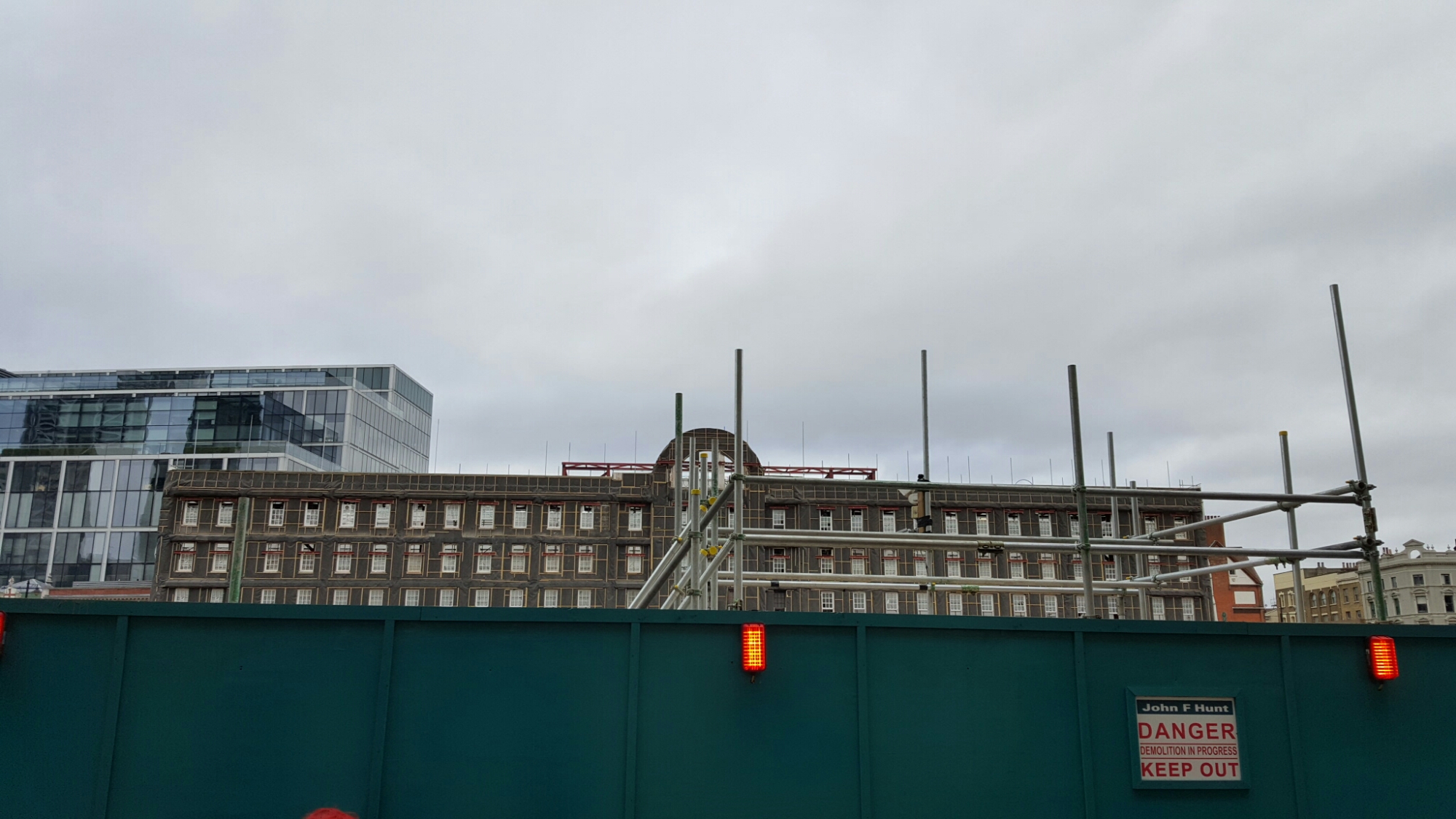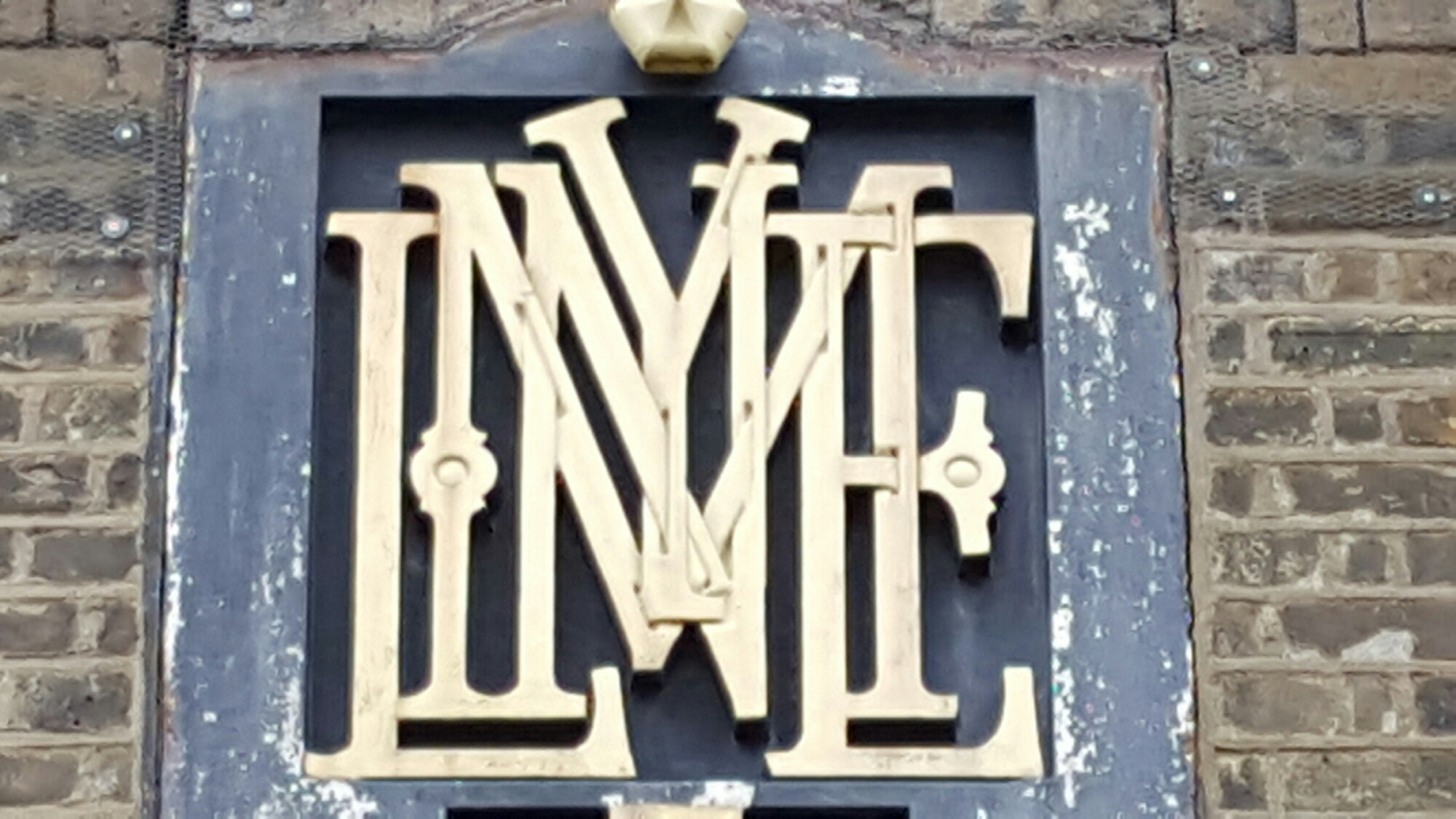
I have been meaning to do another blog about Unilever House because there is a widespread misapprehension repeated in our annual report (in my section no less) that it was designed by James Burnet & Partners who were the executant architects of the building after the Crash. It wasn’t. It was designed by James Lomax-Simpson, who, as I’ve written before, was a member of the board of Lever Bros. and designed many of the houses at Port Sunlight. He handed over a set of signed drawings in October 1929, as reported by Charles Reilly in Progress, the in-house company magazine, in an article in Summer 1932. Reilly described how ‘in all its essential lines and in the plan of the building it is the conception of the architect-director of Unilever House, Mr. J. Lomax Simpson, who realised the whole project and worked it out in a remarkably short space of time, while carrying out the ordinary work of the company’. I am grateful for this correction to his daughter, Rosemary Lomax-Simpson, and apologise for the mistake:-
Tag Archives: England
The Post Office Tower (2)
In doing some background reading on the Post Office Tower (thank you, Otto) I have discovered, which I did not know, that the Treasury was implacably hostile to the use of telephones in the 1950s, did not allow them to be advertised and kept the cost of calls artificially high. In 1961, the Post Office freed itself from Treasury control with the Post Office Act. So, the Post Office Tower can be viewed as a single digit gesture of defiance on the part of the GPO again the constraints of Treasury control. The best description of it came from Tony Benn who opened it to the public as Postmaster General in 1966 and described it as ‘lean, practical, futuristic, symbolises the technical and architectural skill of this new age’.
St. Mary Aldermary
I was lurking around Bow Lane waiting for my breakfast meeting when I wandered into St. Mary Aldermary, which is a Wren church which has been half turned, rather successfully, into a coffee bar. It must have been the recent memory of the several medieval churches on the site, as well as a generous legacy from a citizen whose widow is said to have insisted on a stylistic reconstruction, which led Wren to provide a much more scholarly version of fan vaulting than would have been possible a century later:-
The Post Office Tower (1)
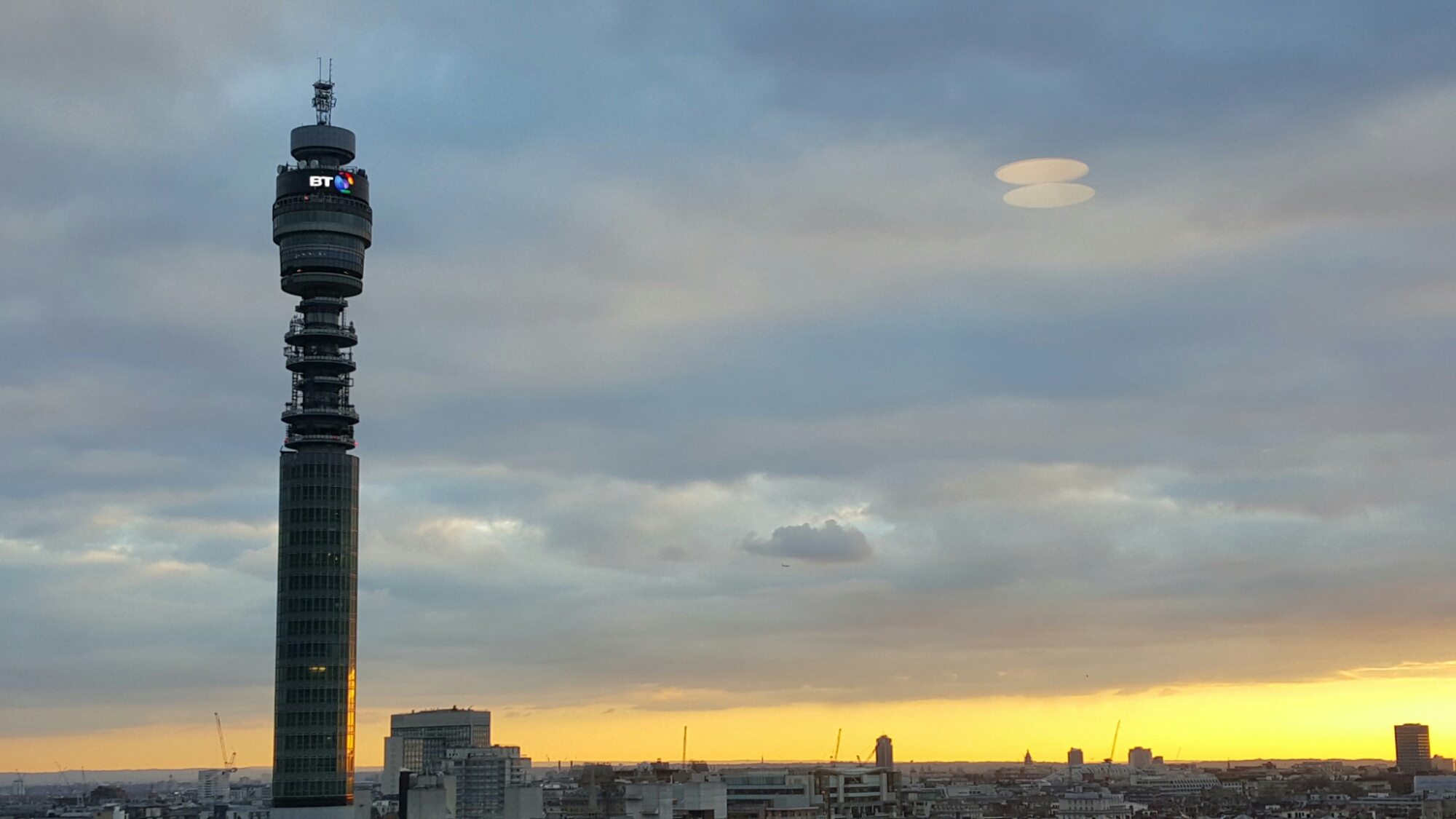
The Post Office Tower is a building which I have cheerfully ignored throughout my adult life. I suppose there was a time when I might have hankered to have lunch in its revolving restaurant, but never did. Then, its restaurant was closed by the threat of IRA terrorism since which the Tower has been strangely invisible even if – perhaps especially if – one is walking up Cleveland Street. So, it was with a slight sense of awe that I looked out of a nearby tower block and saw it pencil-thin, still vaguely futuristic, silhouetted against the evening sky and dominating everything around it:-
The view of the Euston Road wasn’t bad either:-
Maggs Bros.
I went last night to what I thought was the grand re-opening (it was the grandest invitation) of Maggs Bros in its new premises on Curzon Street opposite Trumpers, the royal barbers. But it turns out that it has been open since Christmas. I scarcely penetrated its magnificent former town house on the west side of Berkeley Square as it always felt too forbiddingly antiquarian even for a bookaholic like me. But the new premises is more easily visited with the best library steps that I have seen, a yellow lacquer library table designed by Marianna Kennedy, saucy French pornography on the top shelves and an unexpectedly strong holding of twentieth-century Japanese photography.
London Fruit and Wool Exchange
It’s odd how one can think one knows a London neighbourhood and then discover that an enormous chunk of it has disappeared for redevelopment. This is true of the massive site immediately opposite Spitalfields Market which was previously a multi-storey car park (I remember that) and the London Fruit and Wool Exchange, a not especially distinguished 1920s classical building which opened in 1929 for fruit and vegetable auctions. The façade facing on to Brushfield Street has been kept and looks faintly surreal, propped up on the other site of the vacant building site which is being redeveloped by Rab Bennetts:-
Libreria
We heard about Libreria from the man who made the cocktails at its opening. It’s the new, über-trendy bookshop in Hanbury Street with mirrored black ceiling and yellow, packing case shelves and stock which is categorised according to unconventional subject matter rather than traditional subject headings. They don’t allow wi-fi and photography is banned, so the only way I can record it is by a picture of its paper bag:-
Green Lanes Pumping Station
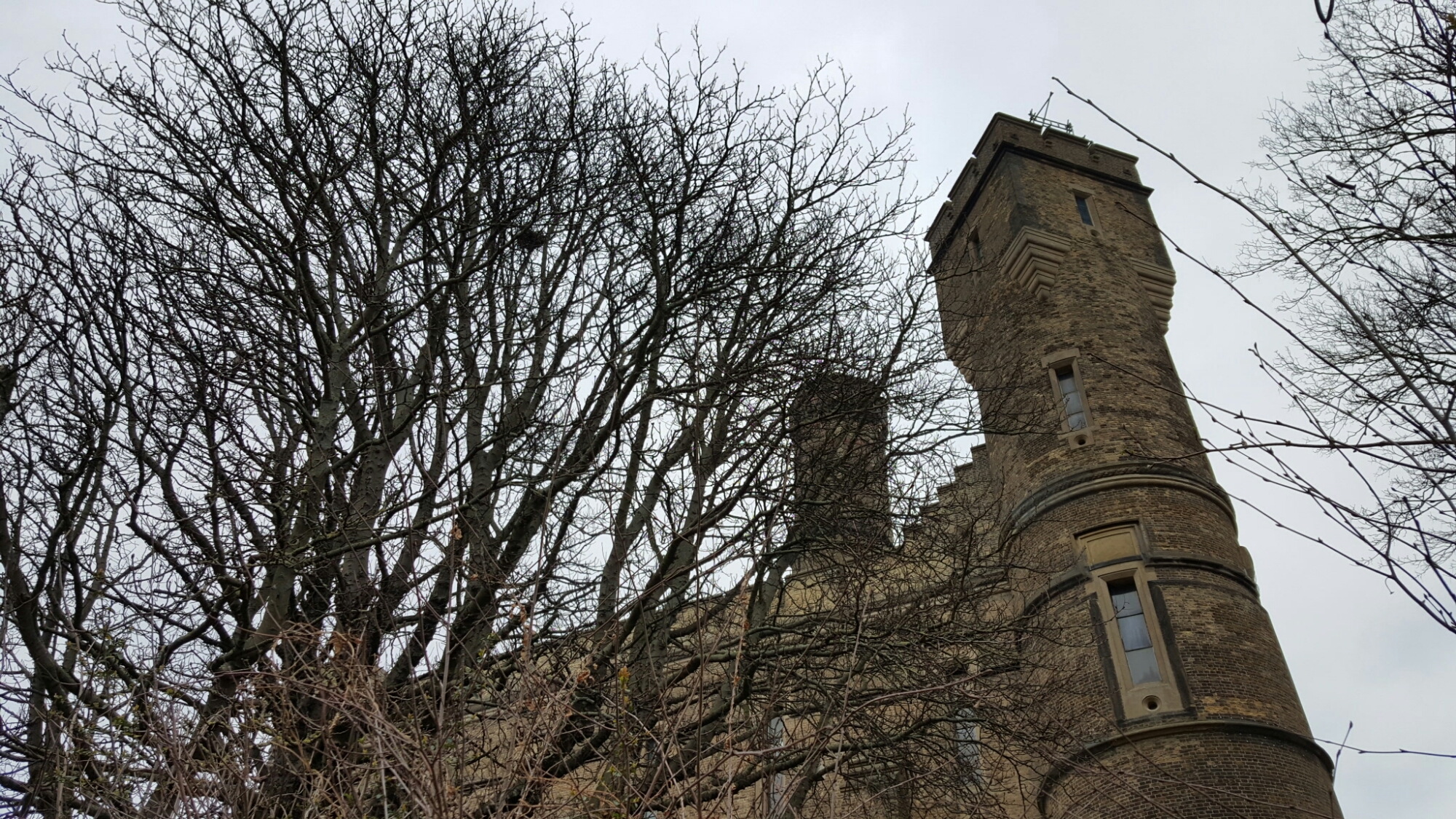
I have occasionally driven past the Green Lanes Pumping Station, a mad, grand Scottish baronial folly which was designed by Robert Billings in 1856 to draw water from the adjacent reservoirs which had been laid out in the late 1820s to supply water to central London.
Abney Park Cemetery
I had never been to Abney Park Cemetery, London’s first non-denominational cemetery, opened in 1840 but never consecrated, although it has a prominent, now derelict Gothic chapel designed by George Hosking.
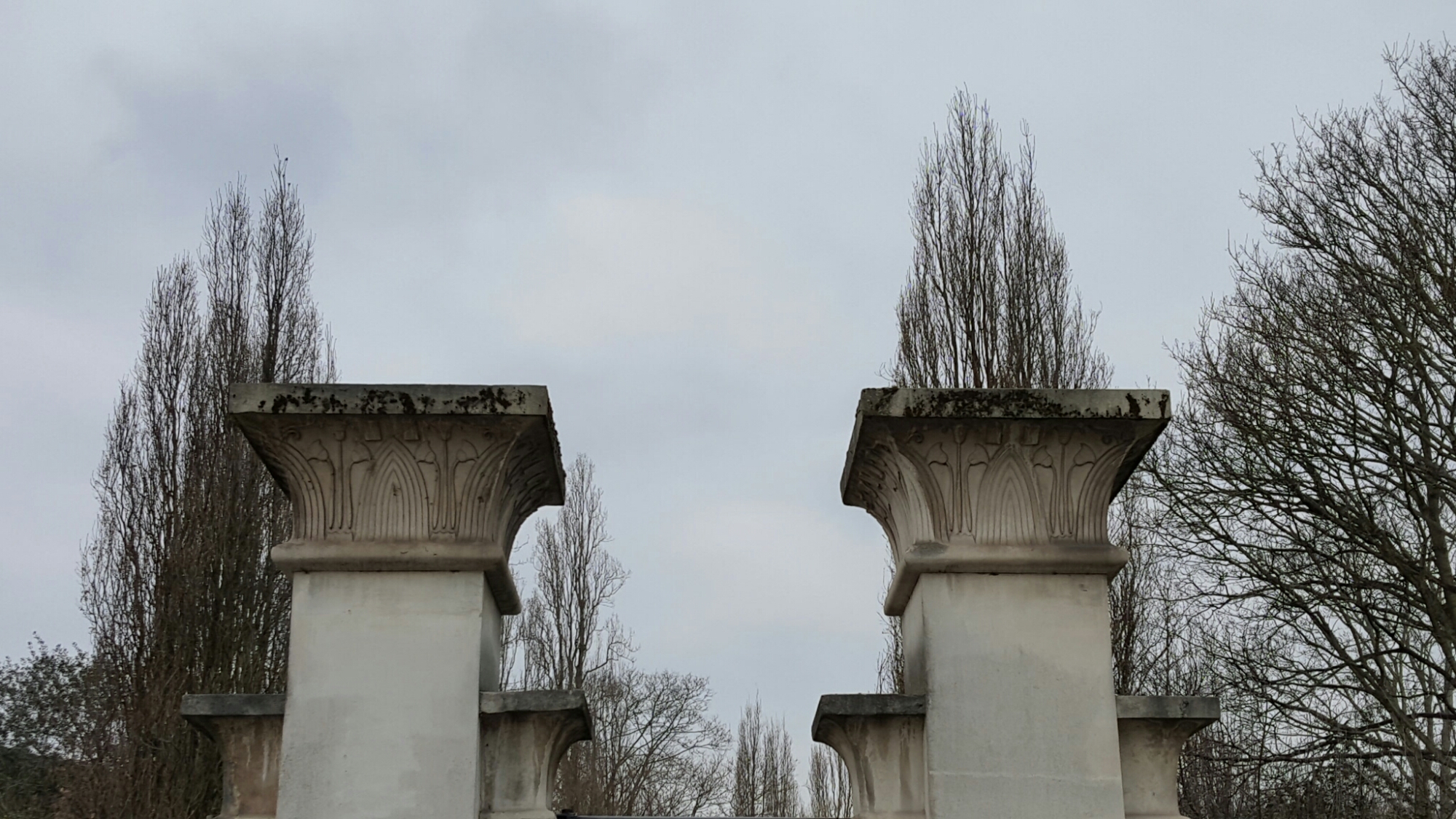
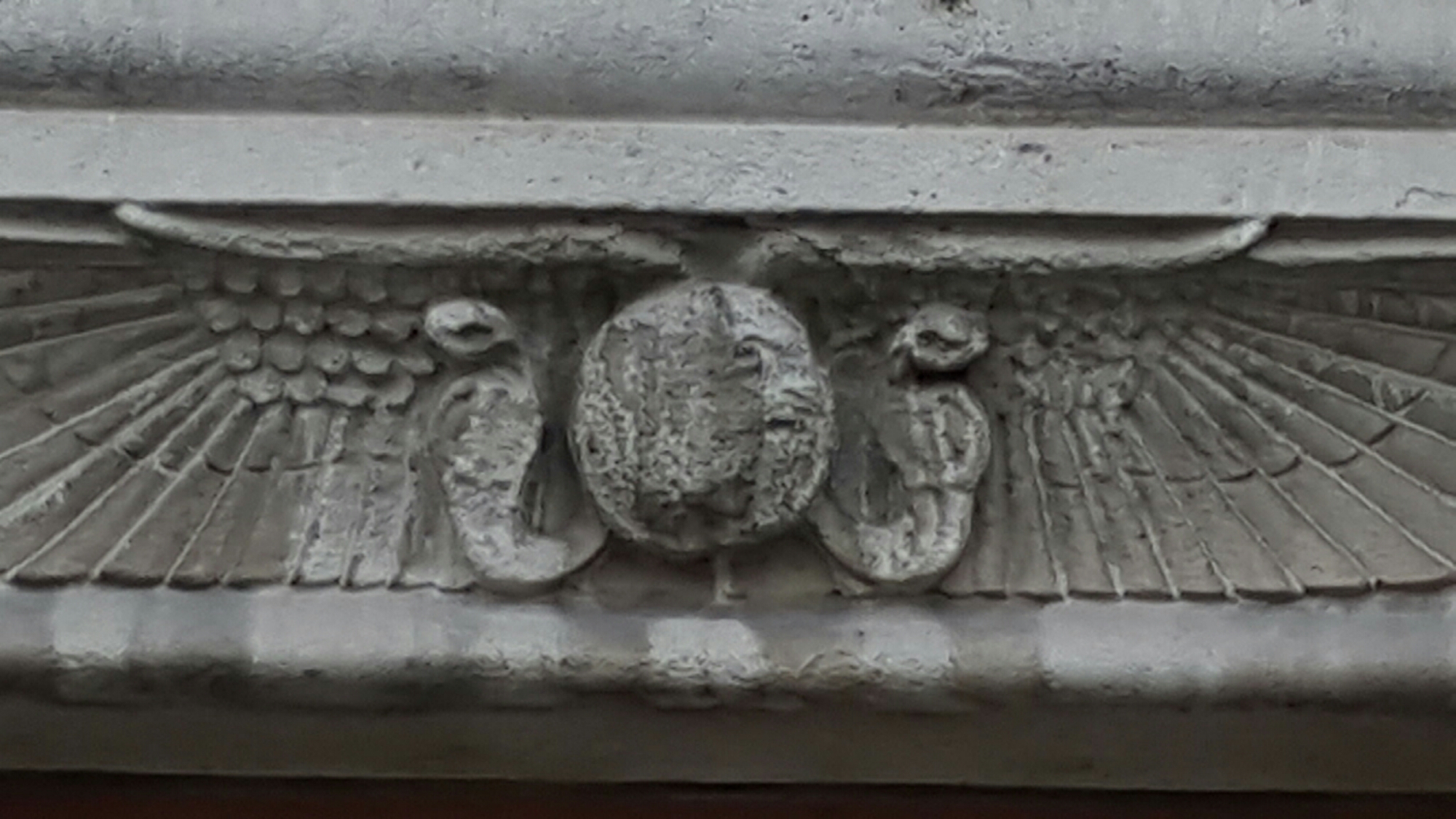
One enters by the Egyptian gates designed by Joseph Bonomi junior:-
Edgware, Highgate and London Railway
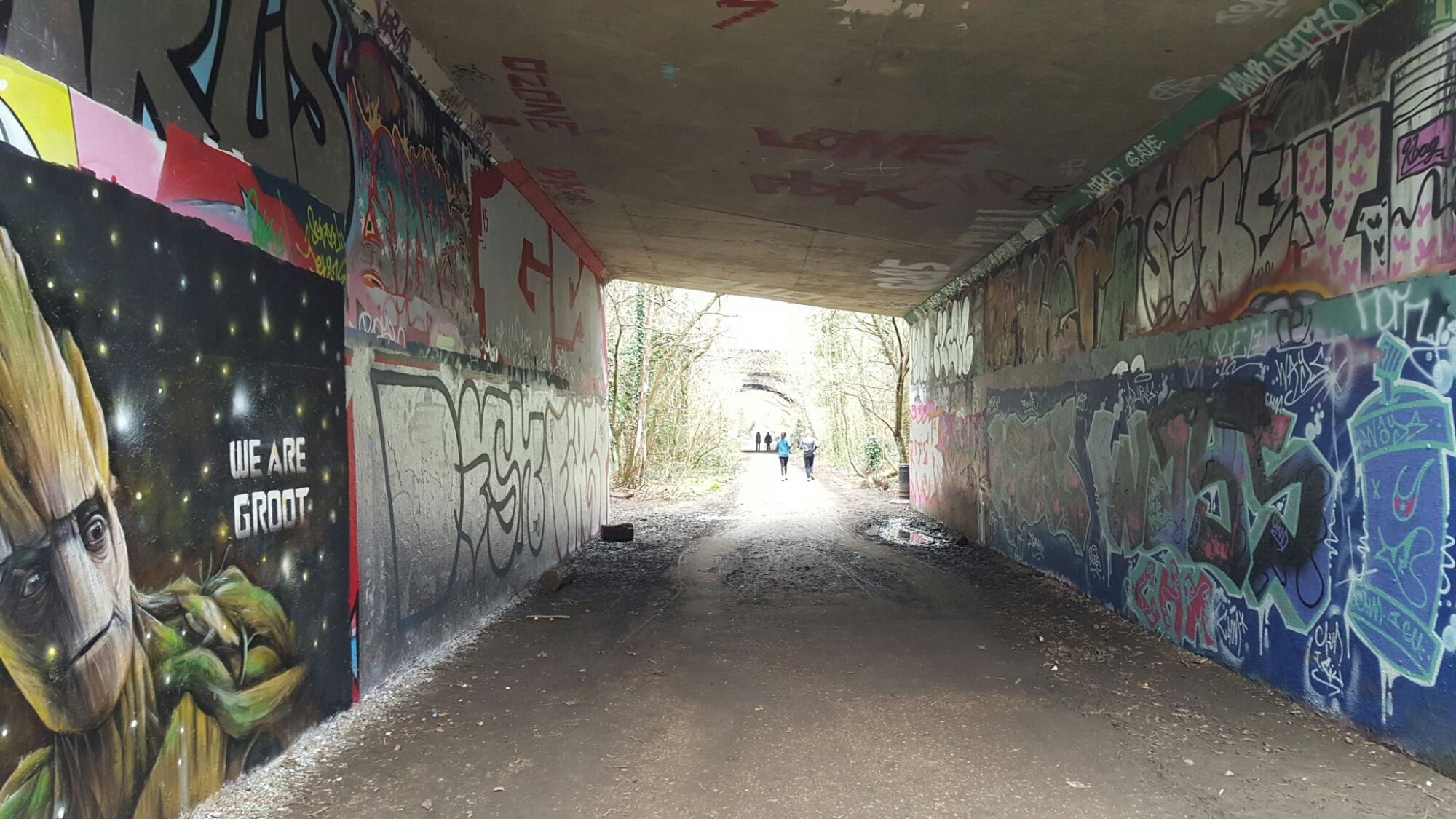
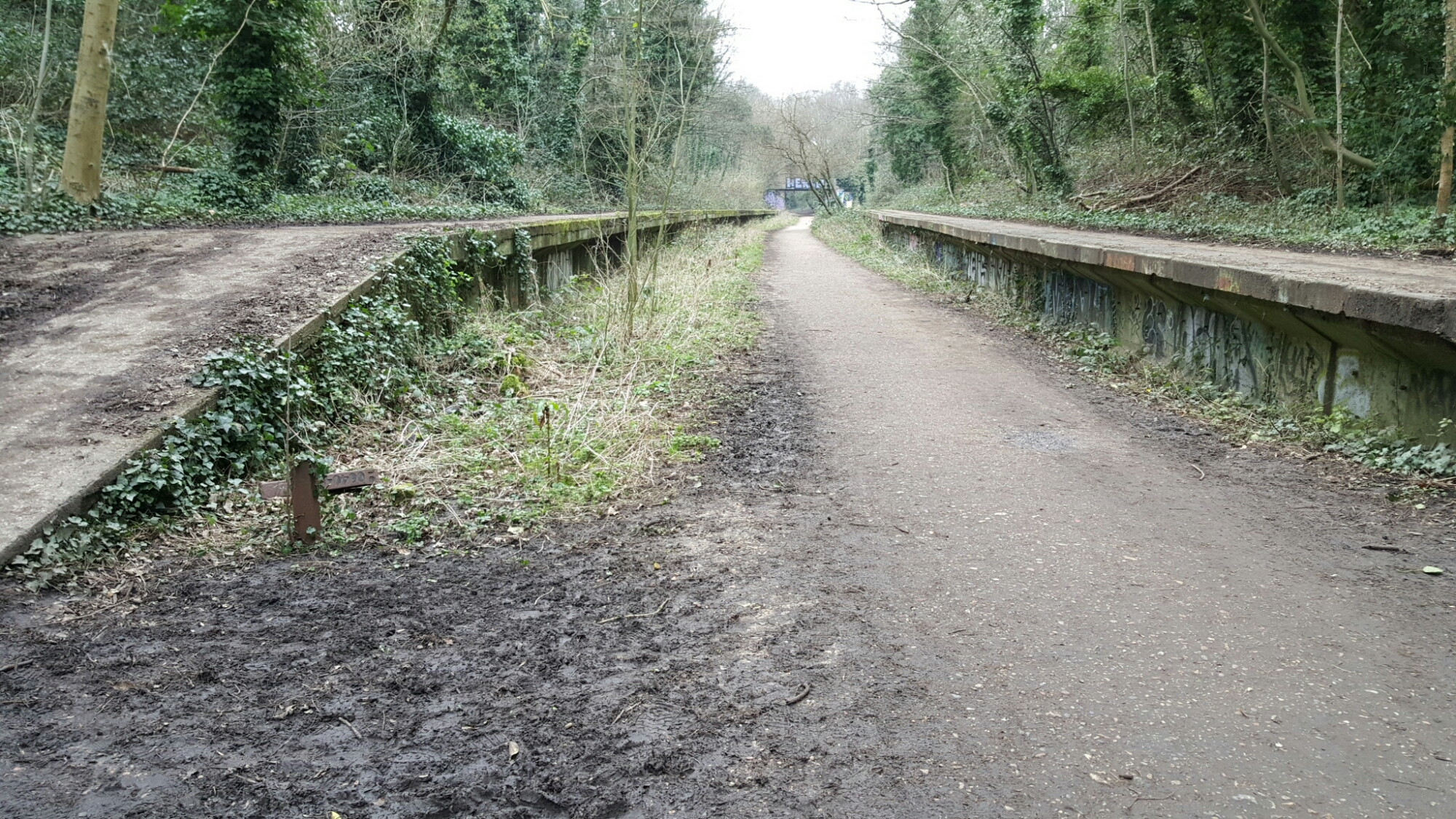
Since I had to be in Archway at noon, I decided to take the slow route and walk from Stoke Newington to Highgate by way of the so-called Capital Ring, a footpath that circles inner London. It’s surprisingly rustic, some of its route following the track of the old Edgware, Highgate and London Railway, which was due to be joined up to the Northern Line in 1940 until war intervened. It was then going to be turned into a motorway. It’s now just a footpath. There’s something faintly eerie approaching Highgate Woods not by the Archway Road or the Northern Line, but along the track of an old railway, passing the phantom station of Crouch End:-


You must be logged in to post a comment.