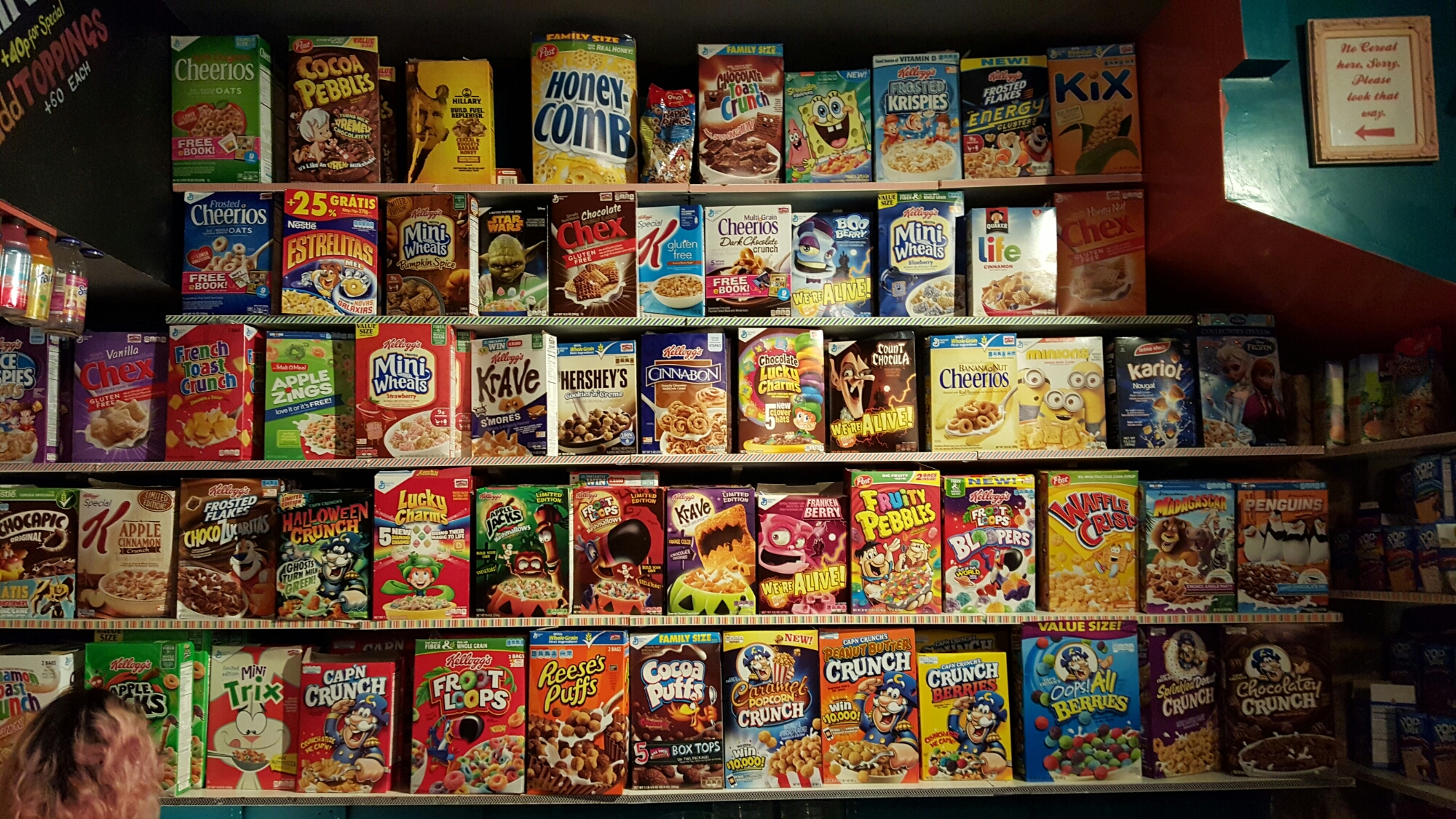
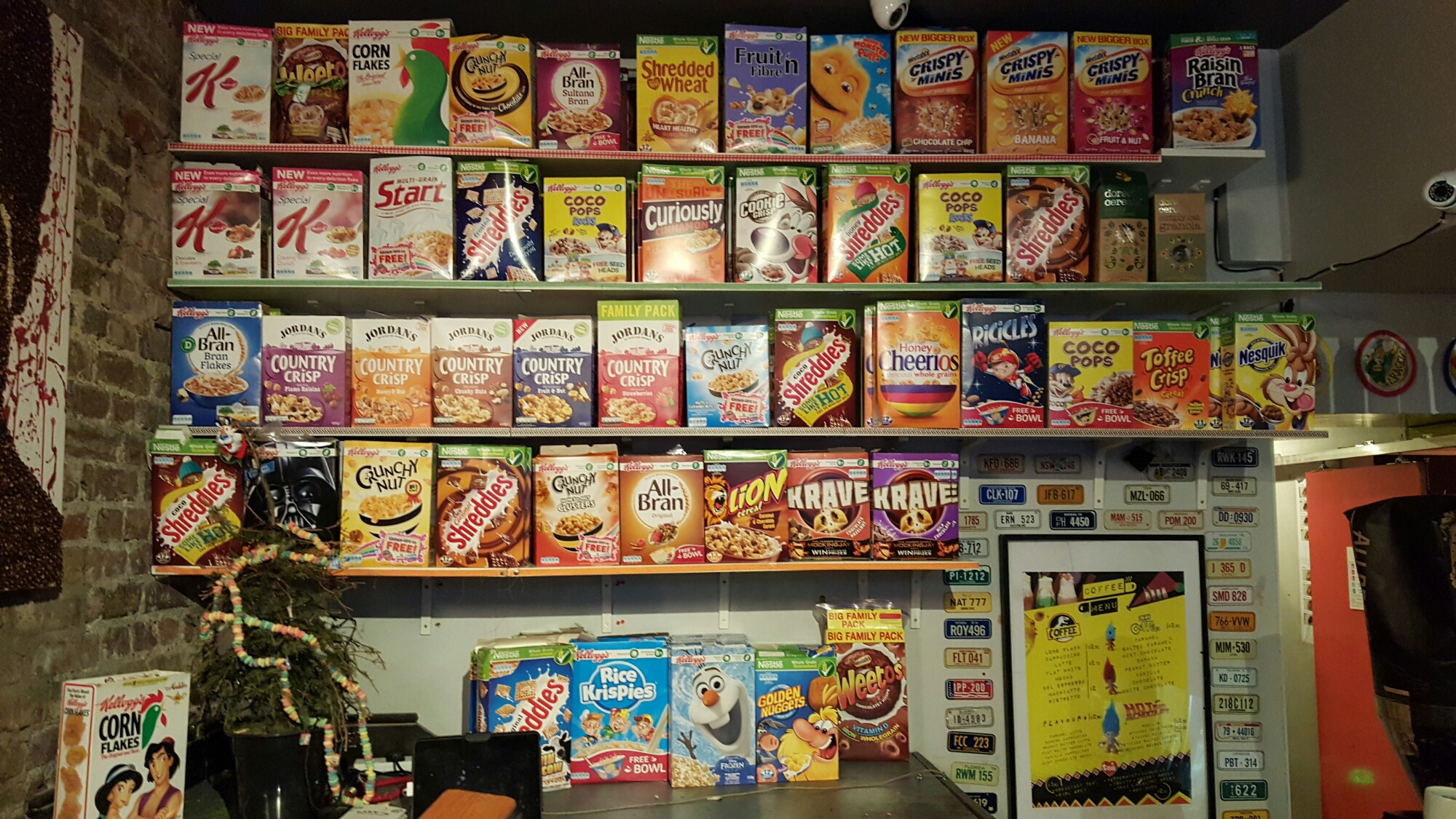
I had read about the shop in Brick Lane which sells nothing but Kelloggs’ breakfast cereals and thought that it was nothing but a modern urban myth until I passed it, looked through the window, and saw people enjoying their morning breakfast cereal. I was told recently that Kelloggs cornflakes were invented by religious fundamentalists to suppress the libido and have discovered to my amazement that this is true: that John Harvey Kellogg was a virulent anti-masturbator. But I can’t see why anyone would want to masturbate at breakfast:-
Tag Archives: London
River Lea
Having had a rather sedentary Christmas, I decided to get out early on New Year’s Day. I walked eastwards along the Hertford Union Canal not quite sure which direction to go and then headed northwards up the River Lea beyond the Olympic Park to where the landscape resumes its character of industrial wastelands. There were not many people about, only the woodsmoke from the canal boats, the occasional swan, debris in the pubs, and a lone sculler. I went as far as Tottenham Hale. Next time I must go to Broxbourne:-
Wickham’s Department Store
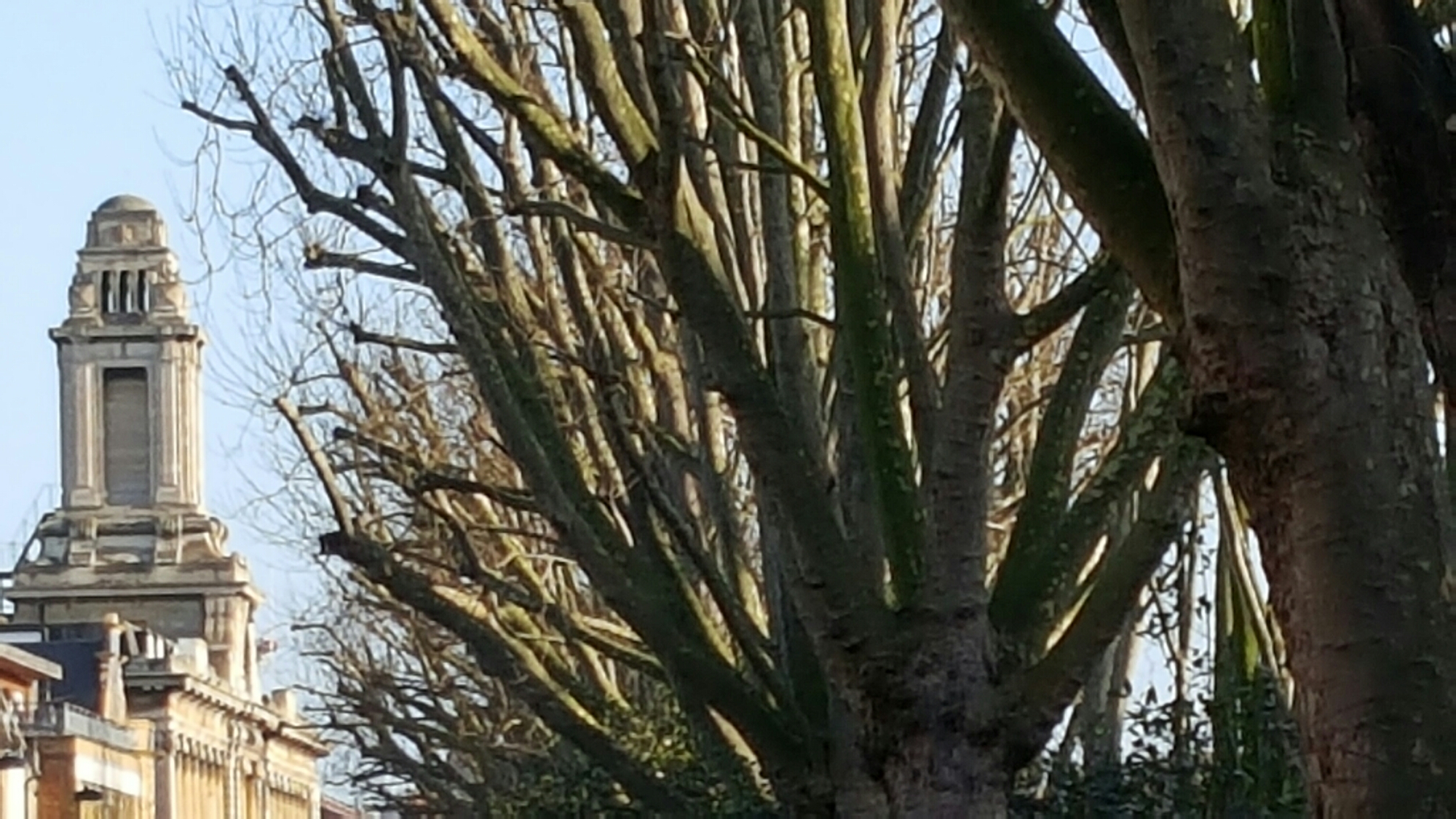
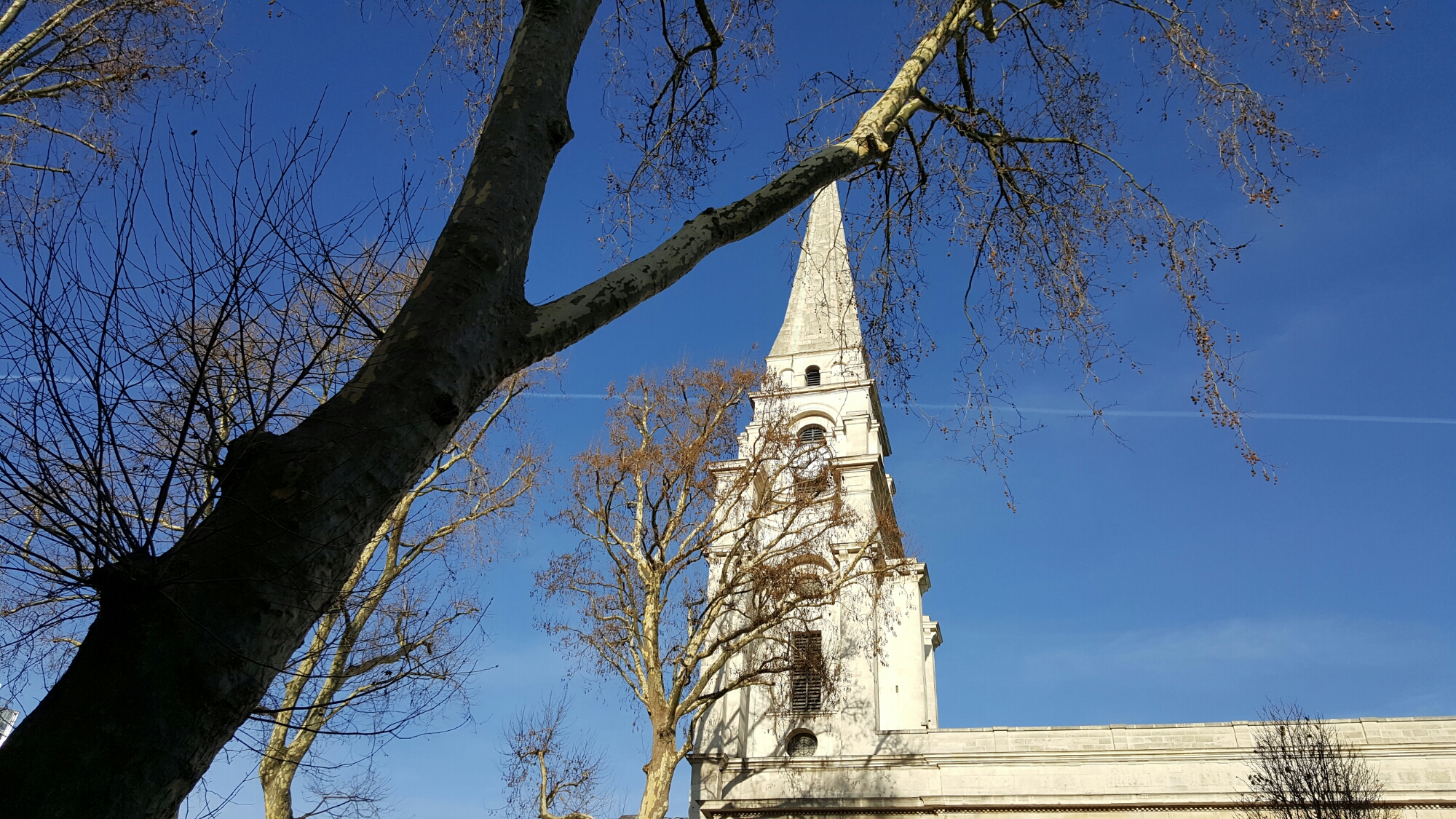
I have seldom seen Wickham’s look so magnificent as it did this morning in the winter sun, its tower seen from a distance alongside the line of plane trees planted in 1910 on Mile End Waste:-
Jubilee Street
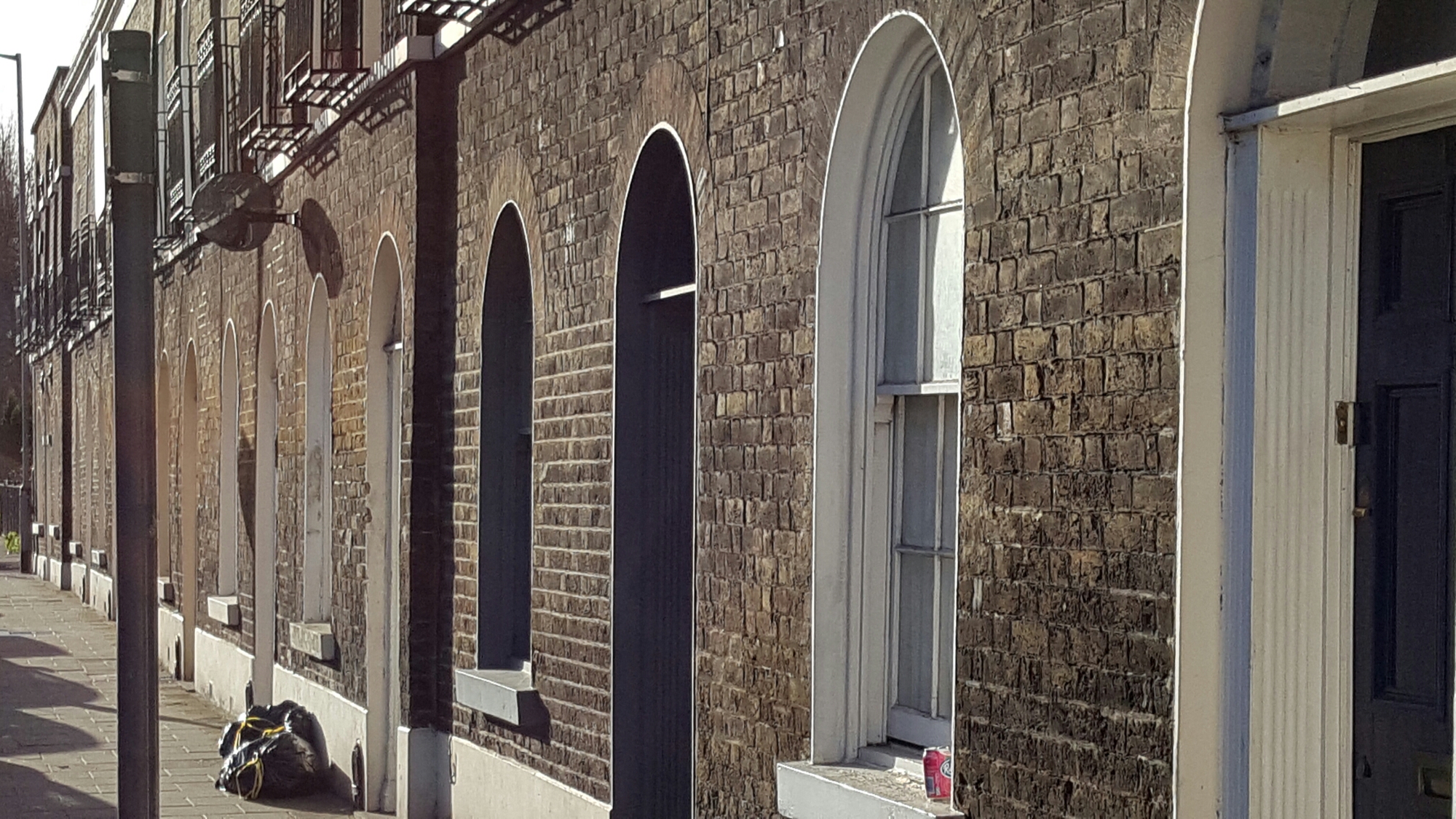
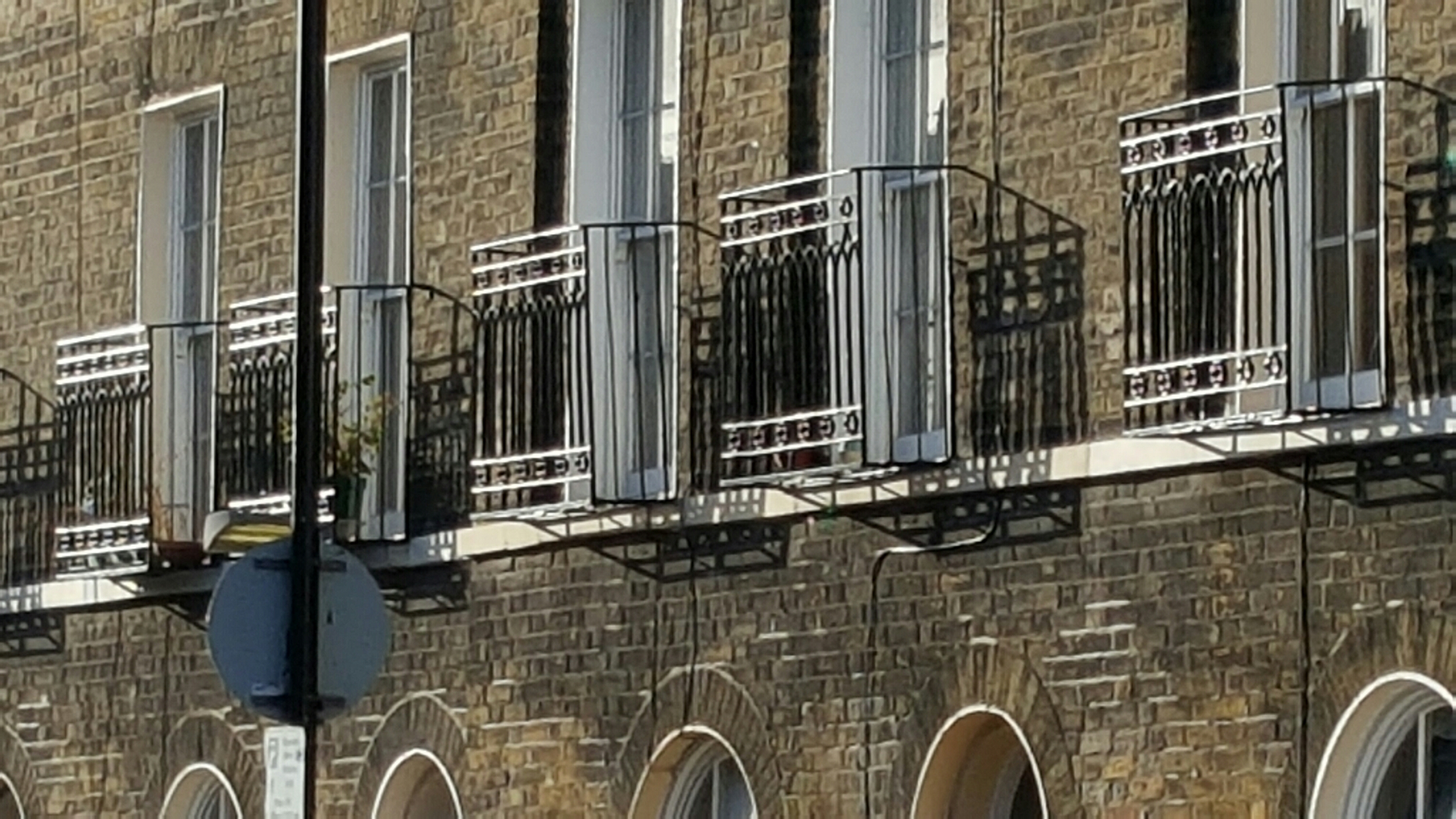
There are good surviving nineteenth-century terrace houses on Jubilee Street, as well as being the former site of the New Alexandra Hall, where Lenin spoke on 21 March 1903 at a meeting to celebrate the 32nd. anniversary of the Paris Commune and which was then leased by an anarchist club. No.193 was lived in, according to the 1881 Census, by John Abbott, a cowkeeper and owner of Abbott’s Yard behind with a dairy which supplied fresh milk to the City:-
37 Stepney Green
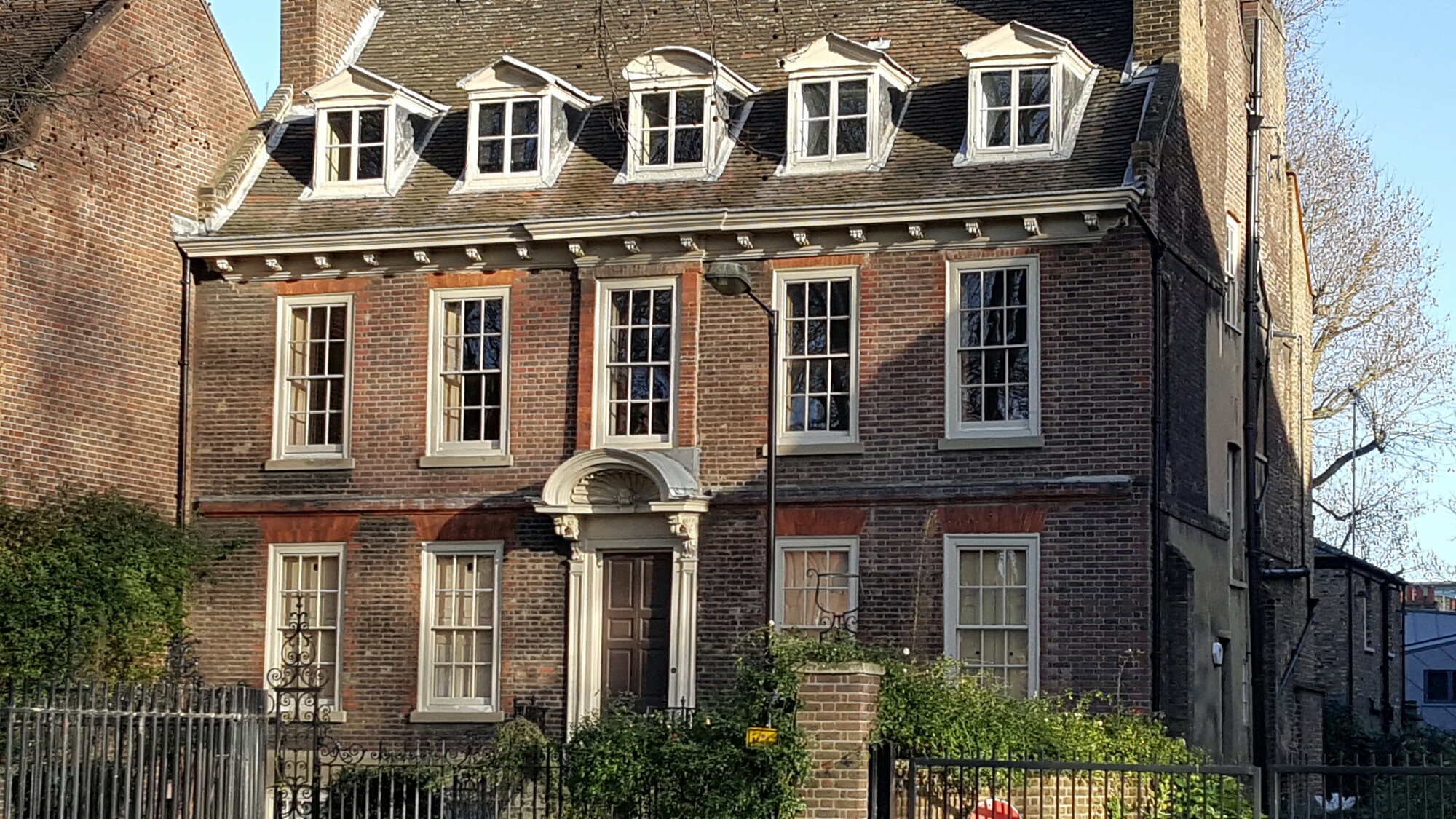
I have managed to acquire a second-hand copy of a Central Stepney History Walk, written by Tom Ridge and published by the so-called Central Stepney Regeneration Board in 1998. It has a usefully concise account of the previous owners of 37, Stepney Green, the grandest of the houses in the neighbourhood. It was built for Dormer Sheppard, a London merchant and slave owner who twice advertised for the return of ‘a black Boy named Lewis, about 15 years old, in a Fustian Frock with Brass Buttons, Leather Breeches and blue stockings’. In 1714, it was bought by Lady Mary Gayer, the widow of General Sir John Gayer who had been Governor of Bombay. From 1757 to 1763, it was owned by Lawrence Sulivan, a Director and Chairman of the East India Company, from 1764 to 1811 by Isaac Lefevre, a banker and distiller, and, from 1812 to 1819, by Nicholas Charrington, proprietor of the local brewery. It ended up as a Jewish Home, then The Craft School, and finally Council Offices before being sold to the Spitalfields Trust in the mid-1990s:-
Fournier Street
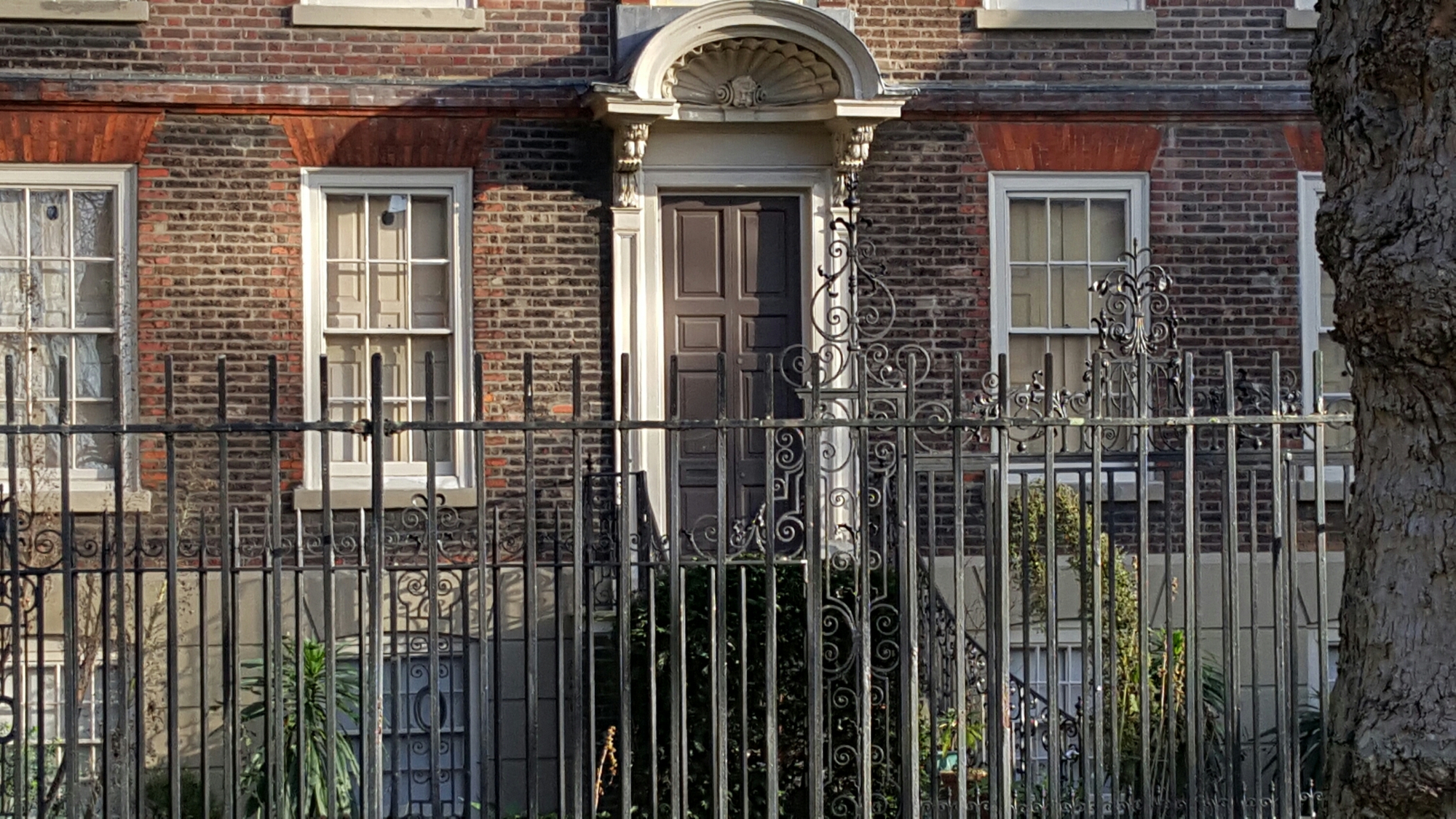
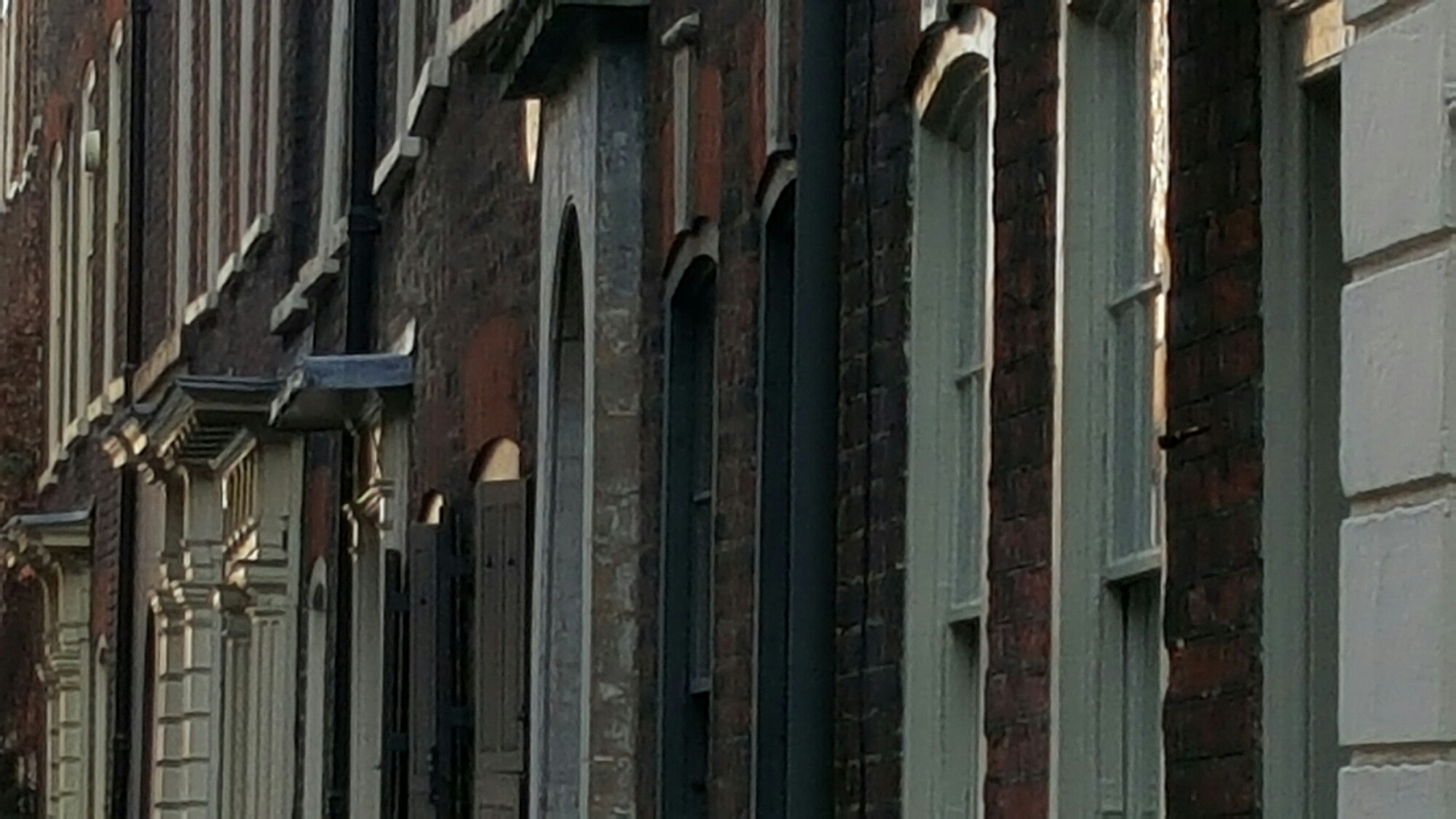
I know I’ve done blogs on Fournier Street before, but I still can’t resist photographing its beautiful, still surviving door surrounds and remembering that this part of Spitalfields, now as lush and prosperous as a New England village, wasn’t necessarily going to survive forty years ago:-
Christ Church, Spitalfields (1)
I spent part of Christmas reading Owen Hopkins’s admirable short monograph From the Shadows: The Architecture and Afterlife of Nicholas Hawksmoor, which made me look afresh at Christ Church, Spitalfields in the light of his very clear account of the way that Hawksmoor was influenced by the interest of his eccelesiastical contemporaries in the churches of the Primitive Christians, which may have given Hawksmoor some of his characteristics of bold, unornamented, structural clarity:-
Elder Street
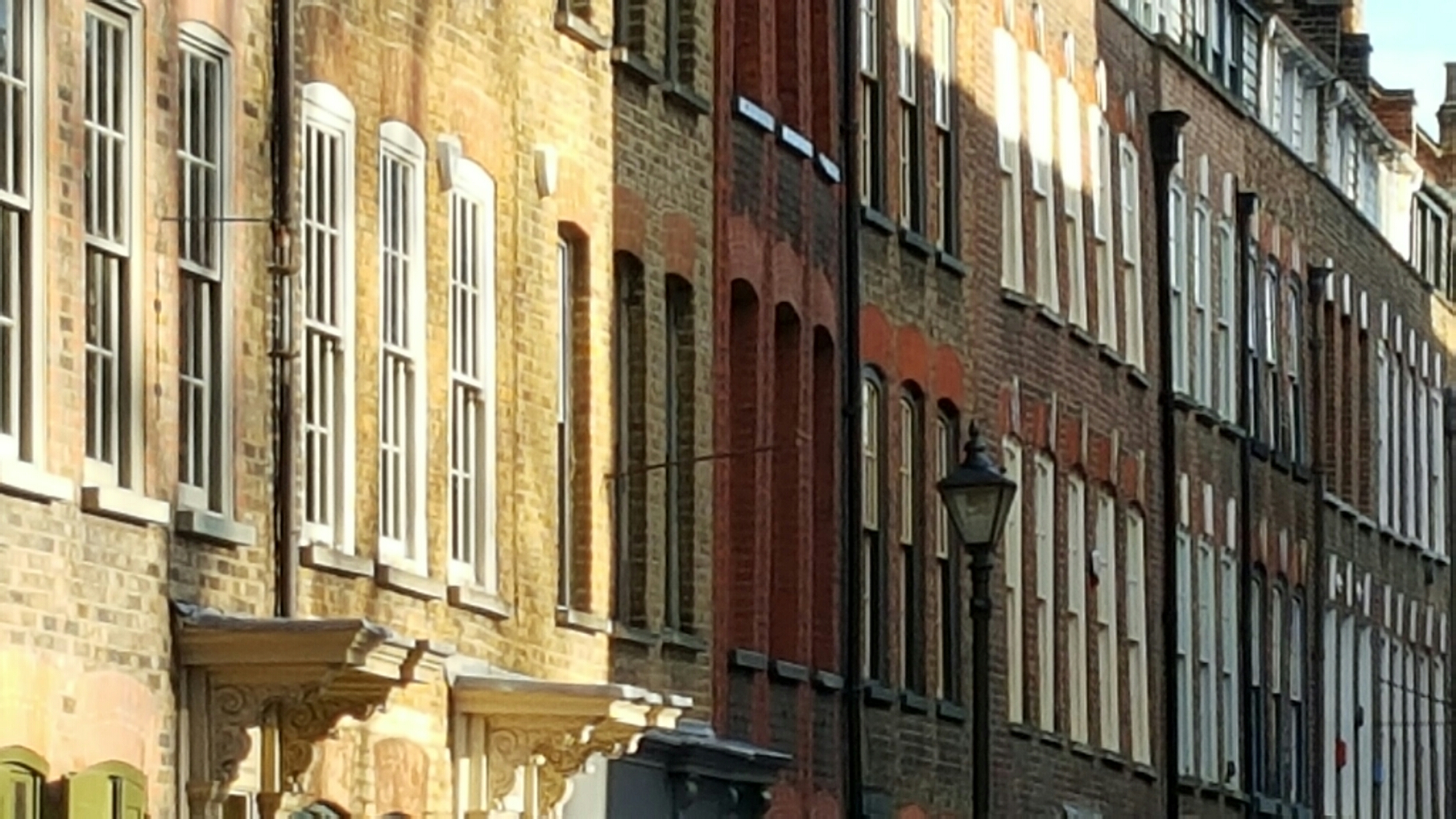
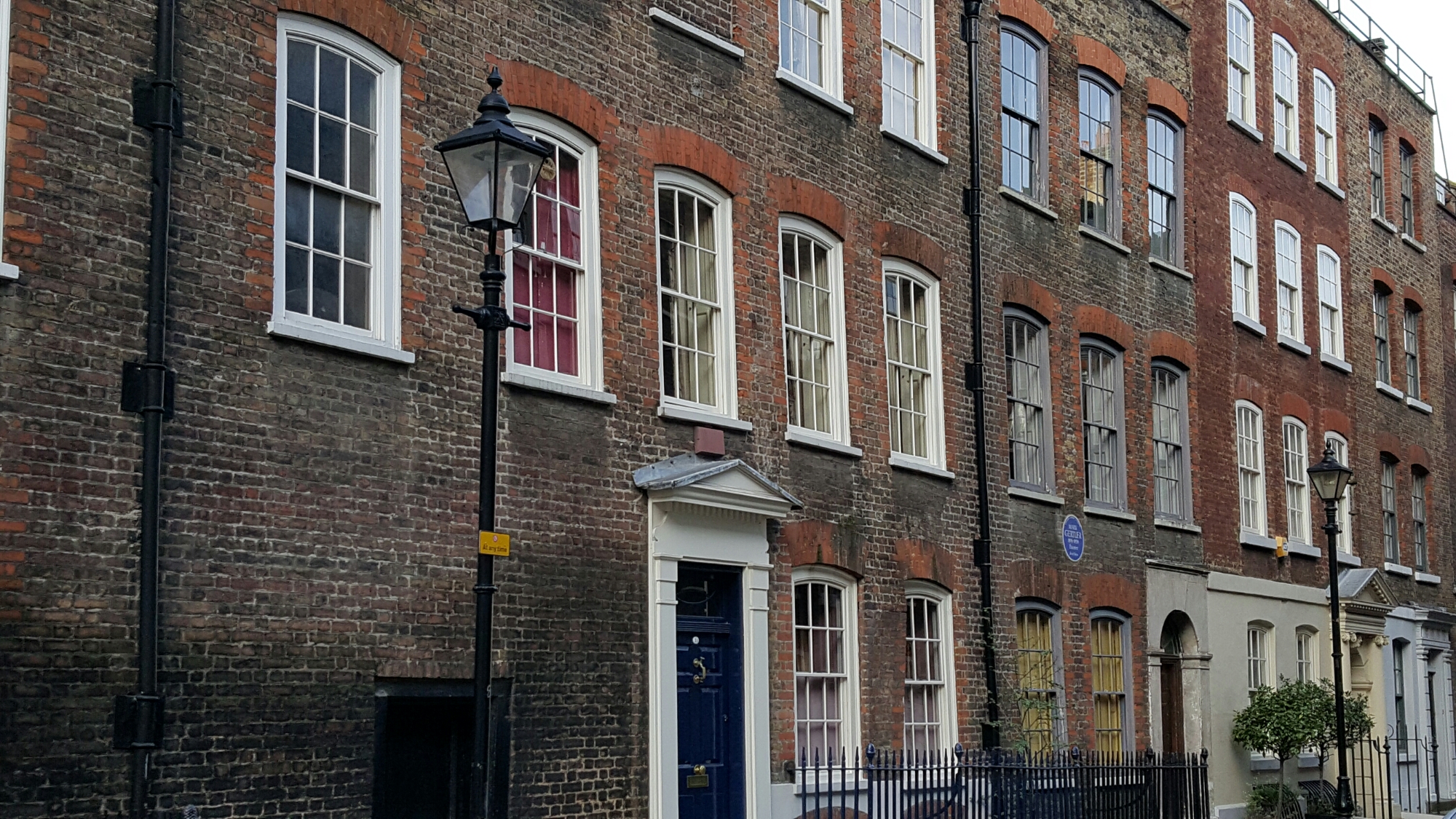
In order to understand the nature of the argument surrounding the development of Norton Folgate, it is important to see it in the context of Elder Street, one of the best of the surviving Spitalfields streets, where Mark Gertler lived and later Raphael Samuel and now Dan Cruickshank. The city looms nearby. But there is still a domestic presence resisting the incursion:-
Norton Folgate
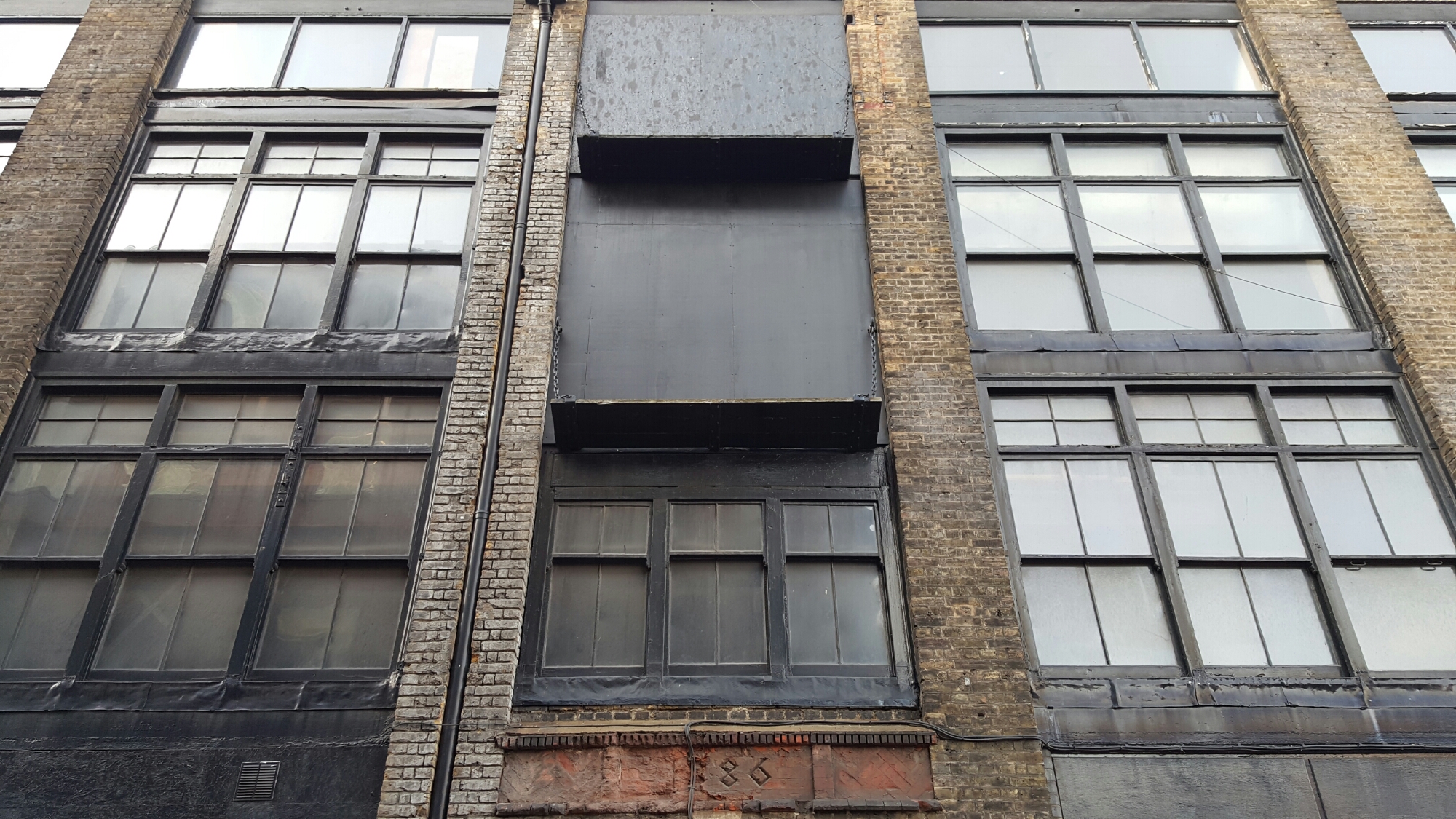
I have managed to miss out on the arguments surrounding the redevelopment of Norton Folgate, an area of semi-derelict warehouses on the edge of Spitalfields. So, on a sunny post-Christmas morning, I decided to investigate. Blossom Street is an unexpected cobbled street leading up north from Dennis Severs’s house in Folgate Street and is lined on its eastern side by a series of still surviving, well preserved, but currently unused industrial warehouses. The City and Bishopsgate are within spitting distance. It’s easy to see the development potential: another big office block. But equally easy to see why the development has been resisted and alternative plans put forward for the renovation of the warehouses.
These are the warehouses:-
Dean Street
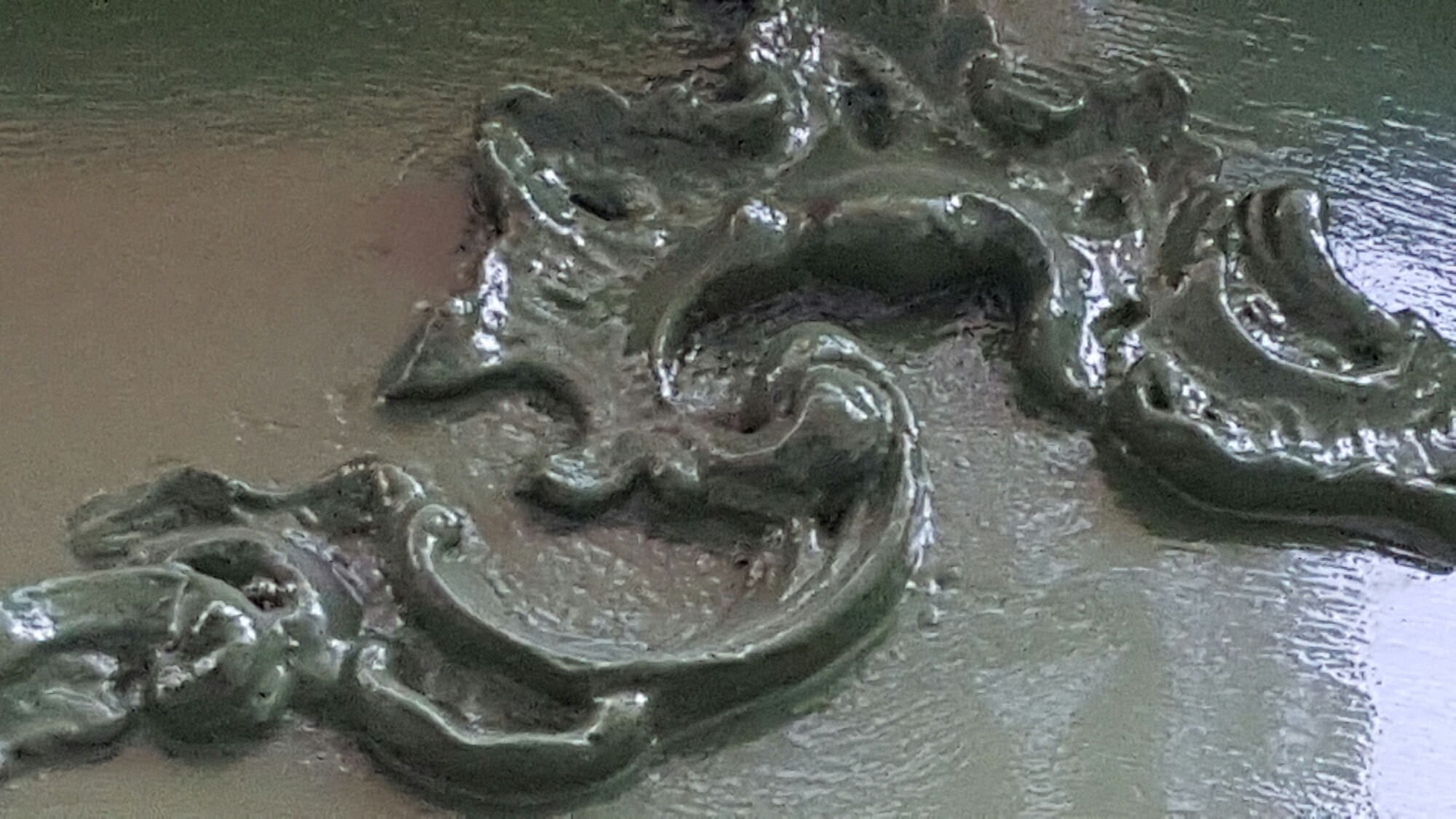
My last formal meeting of the year was held in the new Soho House for a change (I am not a member). It gave me a chance to check that the last remaining rococo shopfront, dating from 1791, remains intact on a stationers and newsagents at No.88, Dean Street:-


You must be logged in to post a comment.