
The last of my posts about visitors to Delos concerns James ‘Athenian’ Stuart and Nicholas Revett, who were commissioned by the Society of Dilettanti to record Greek antiquities and visited Delos in 1754. In the third volume of their Antiquities of Athens, not published till 1794 (the first volume had appeared in 1762) they recorded how ‘No contrast can be more striking than that which exists between the descriptions of the Sacred Isle in its ancient state, and the miserable aspect of barrenness and dilapidation which it actually presents. Delos, the mythologic birth-place of Apollo and Diana, was enriched by commerce and superstition; temples and consecrated monuments adorned its rugged and unproductive surface; and so awful was its sanctity, that even the Persian ravager respected the hallowed soil. Of all this, nothing now remains but an indiscriminate wreck…’ They published drawings of the Temple of Apollo and Revett based both the east portico of Standlych, Wiltshire and his church at Ayot St. Lawrence on it.
Monthly Archives: April 2015
Lord Charlemont
Amongst the many eighteenth-century visitors to Delos was Lord Charlemont in 1749 on his Grand Tour. He had chartered a French frigate called L’Aimable Vainqueur and kept an unpublished account of his travels in a volume which he entitled A Traveller’s Essays Containing an Account of Manners rather than Things. They went first to Constantinople, then toured round the Greek islands, spending a few days in Mykonos where he had ‘An Amorous Adventure’ (island girls were freely available for temporary marriage) and then travelling out on a small boat to Delos where he admired ‘Pillars, some of very great size, altars without number but miserably decayed, and heaps of stones’. They slept on beds of dry seaweed ‘under an awning made of the sail of our boat’ and spent three nights there enjoying ‘the sprightly whimsical music’ of the crew in the evening.
Earl of Sandwich
In reading about eighteenth-century travellers to Greece, I am surprised how many of them made it to Delos, island hopping (there is an excellent article by David Noy, ‘Dreams inspired by Phoebus: Western visitors to Delos from the seventeenth to nineteenth century’ in International Journal of the Classical Tradition, 18:3, September 2011, pp.372-392). John Montagu, fourth earl of Sandwich, who was later to be an important naval administrator and patron of cricket, as well as the putative inventor of the sandwich (he apparently asked for meat between two pieces of bread whilst gambling) arrived in 1738 en route to Egypt. He described how ‘the most remarkable ornaments of this city were the temple of Apollo, a theatre, a naumachium, gymnasium, several very grand porticos, a temple on honour of Apollo and Diana, besides a great number of altars and statues dedicated to different gods and heroes’.
Rev. William Petty
While Thomas Roe was acquiring antiquities for the Duke of Buckingham, the Rev. William Petty was doing the same for the Earl of Arundel, furnished with permits issued by Roe and, to begin with, an expectation, rejected by Arundel, that his findings should be split jointly between the two collectors. Petty, who was Arundel’s chaplain, travelled out to Venice in 1624 and then to Constantinople and throughout the Mediterranean. According to Roe, he was ‘able to judge of pieces of worth, and spares no labour…He hath gotten many things, going himself into the islands’. What Petty acquired was shipped to London in 1627 and attracted huge interest, catalogued the following year by John Selden as Marmorae Arundelliana. In the eighteenth century, William Stukeley described how the collection of Arundel Marbles at Easton Neston included ‘an intire column of marble in two pieces, fluted, taken from among the ruins of the temple of Apollo at Delos’.
Chora
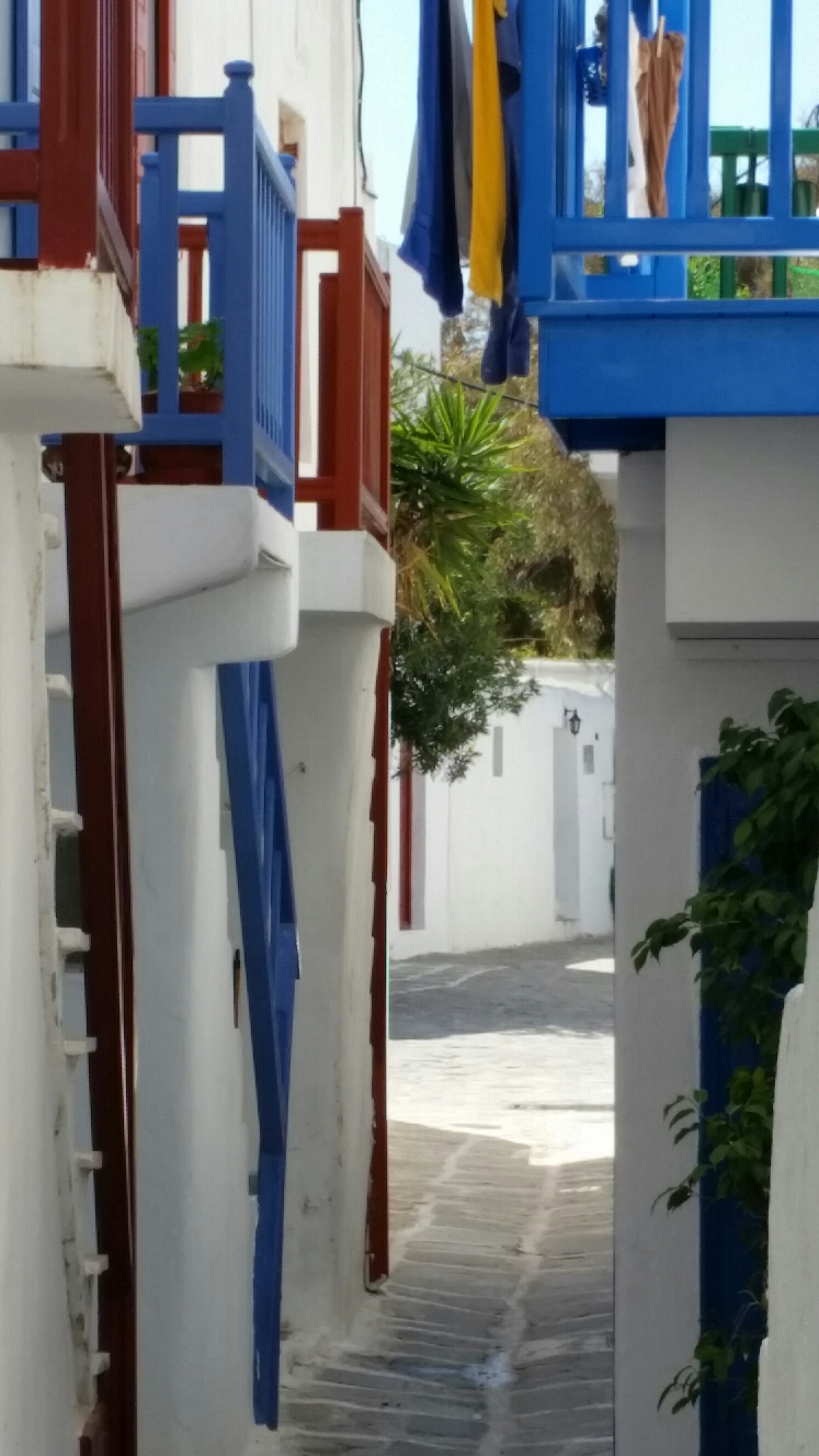
I walked through the backstreets of Chora on Easter morning (Greek Easter) which were empty but for a few lone Japanese tourists and a family roasting a suckling pig – or maybe it was paschal lamb – in the street. It was uncannily quiet after the Easter parade with candles sent from Jerusalem and there was a blue blue sky:-

Mykonoan Decoration
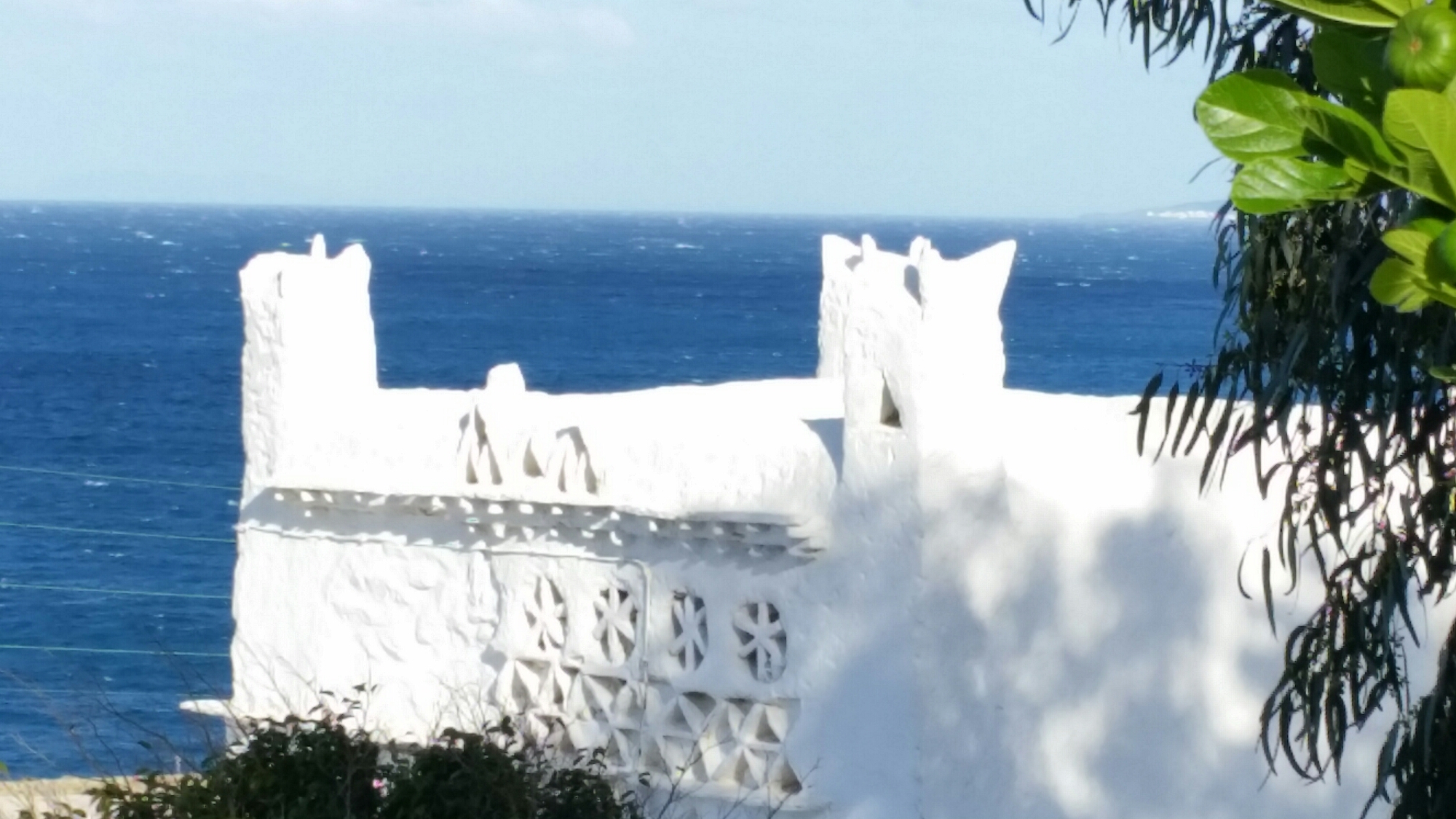
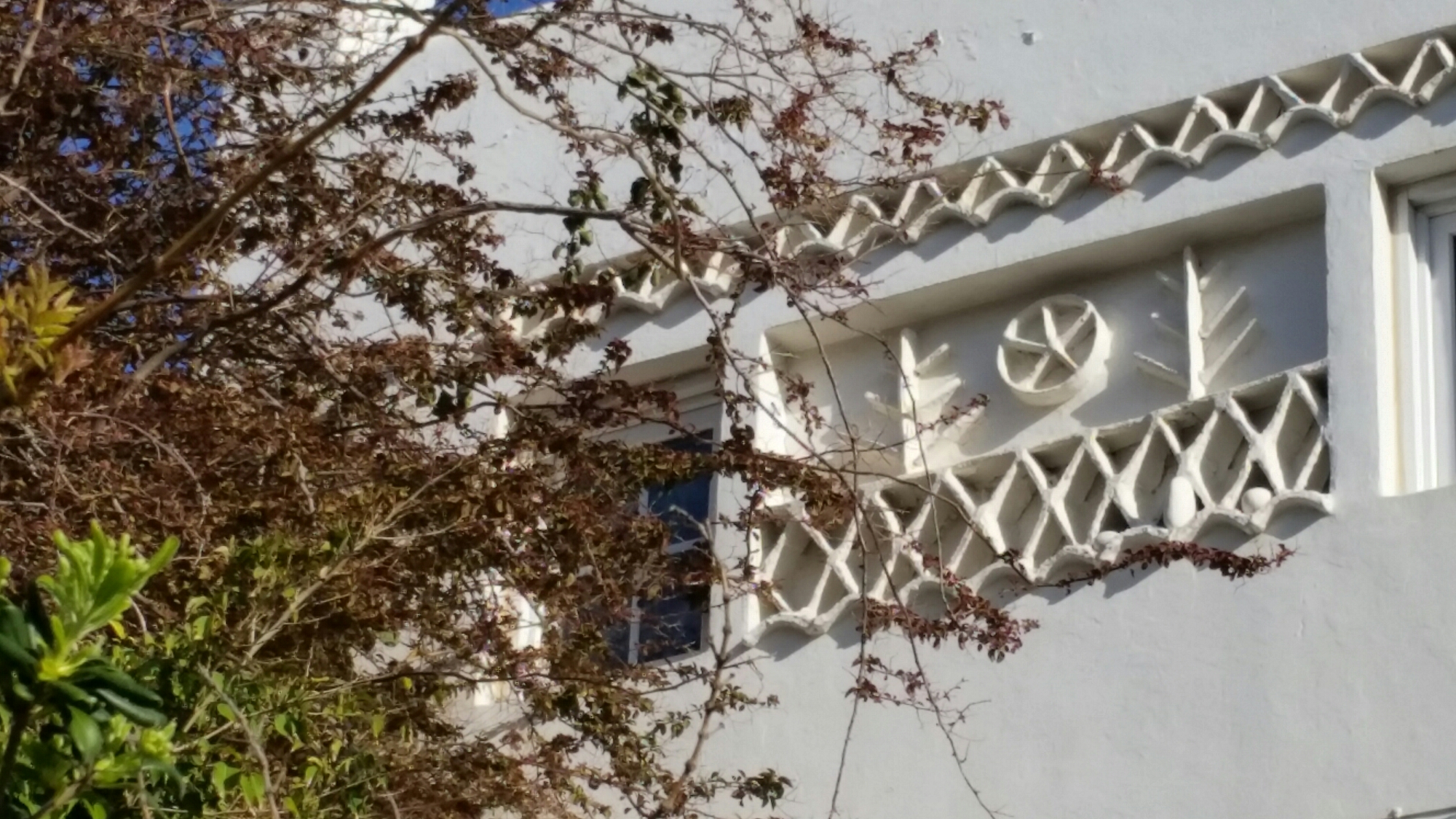
One of the characteristics of Mykonoan architecture is a form of incised decoration which is clearly of quite ancient origins, a type of folk art which helps to give the houses individuality. Here are some examples:-
Sir Thomas Roe
Kenelm Digby was not the only Englishman searching for antiquities in the Mediterranean in the 1620s. Thomas Roe, our ambassador at the Ottoman court in Constantinople, wrote to the Earl of Arundel on 27 January 1622 how ‘Concerning antiquities in marbles, there are many in divers parts, but especially at Delphos (by which he meant Delos), unesteemed here; and, I doubt not, easy to be procured for the charge of digging and fetching’. In 1625, he told the Duke of Buckingham to send an expeditionary force so that they ‘may take, without trouble or prohibition, whatsoever they please’. Roe sent a consignment of antiquities to Buckingham in 1628, but too late. He had been assassinated.
Sir Kenelm Digby
I was intrigued to read that Kenelm Digby visited Delos. Indeed he did. In his Voyage into the Mediterranean, he records how on a privateering expedition against the Ottomans in 1628 he found ‘brave marble stones heaped up in the great ruines of Apollo’s temple’. But his admiration did not prevent him from deciding ‘to avayle myselfe of the convenuencie of carrying away some antiquities there’, so asked his sailors, in case they had ‘untoward fantasies’, to occupy themselves in ‘rolling of stones down to the seaside’. His trophies included ‘Old-greeke-marble-bases, columnes, and altars’ which he later sold to Charles I.
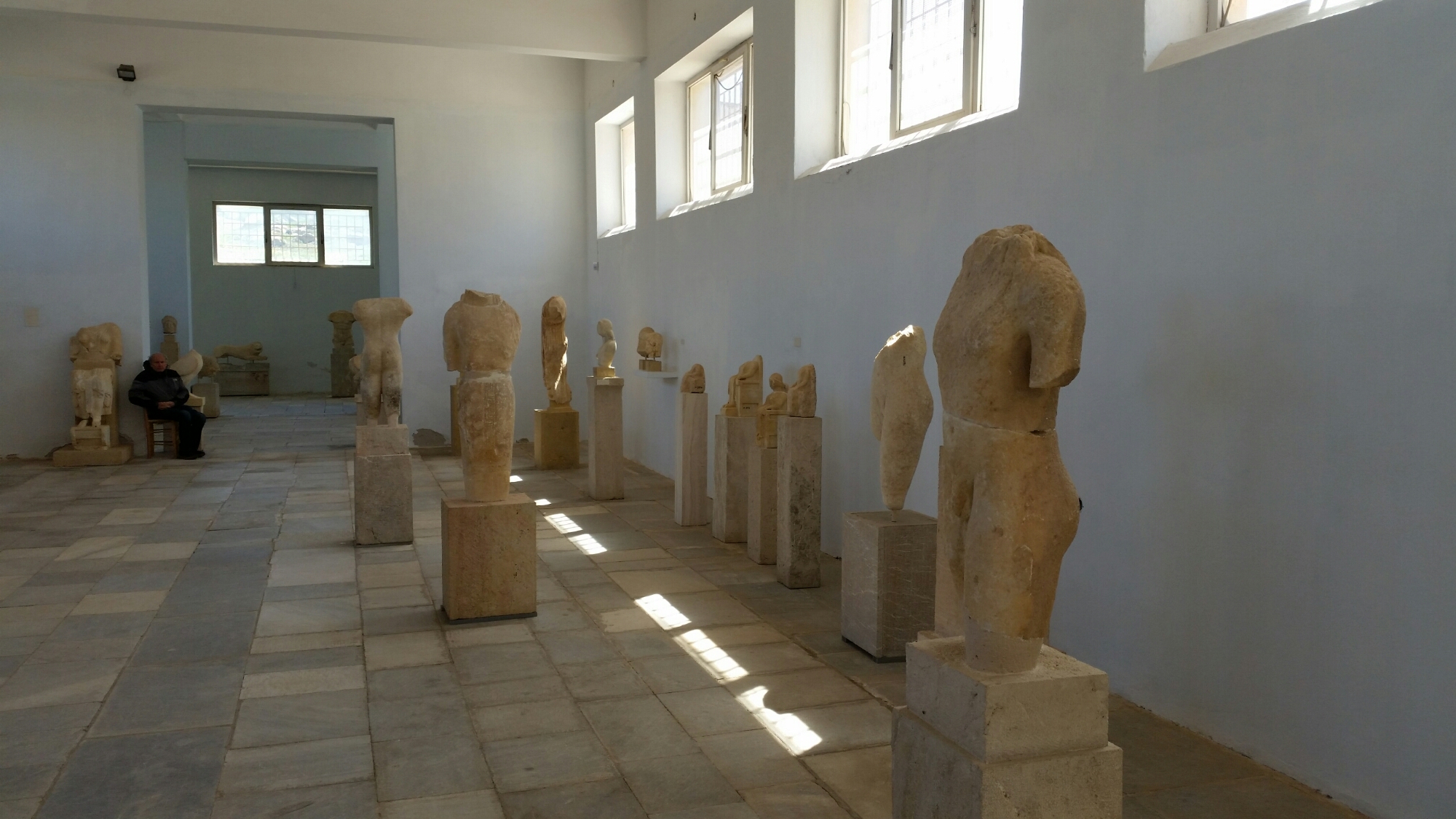
Delos Museum
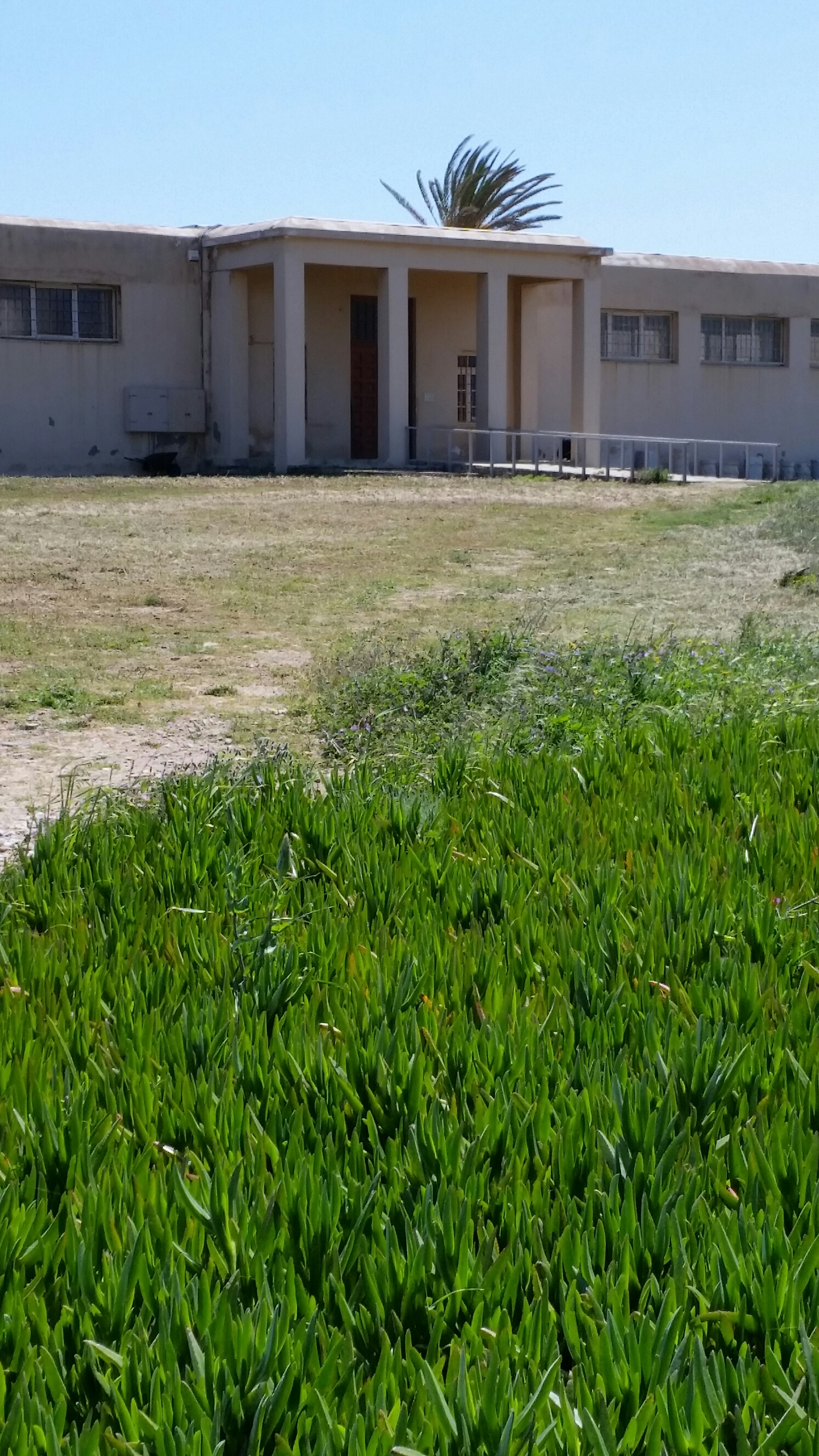
I had forgotten how completely wonderful the Delos Museum is, not perhaps by the standard of modern museography, but as a survival of the early period of archaeology, digging and discovering great works of ancient art, and retaining them on site, unornamented and unexplained:-
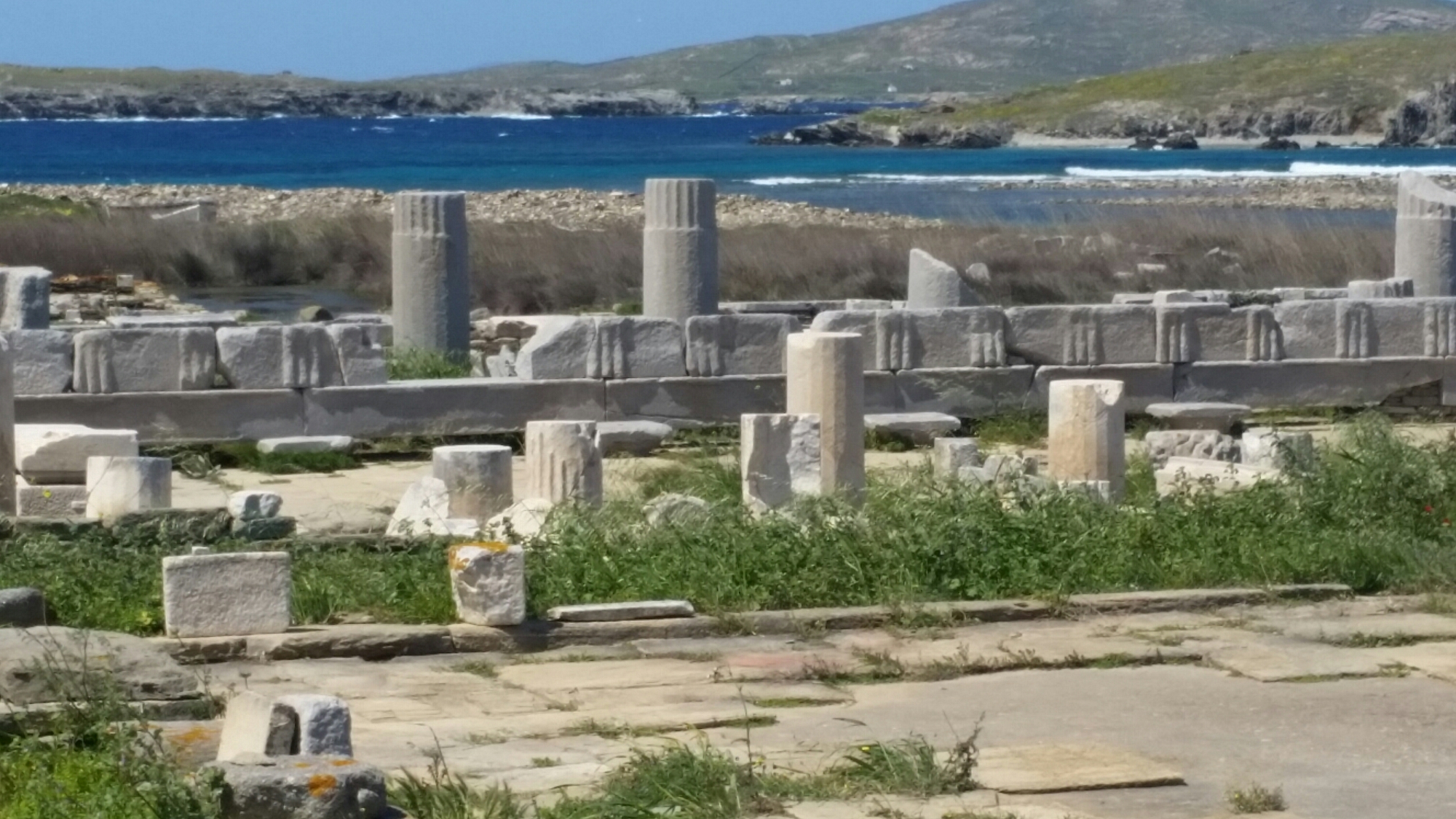
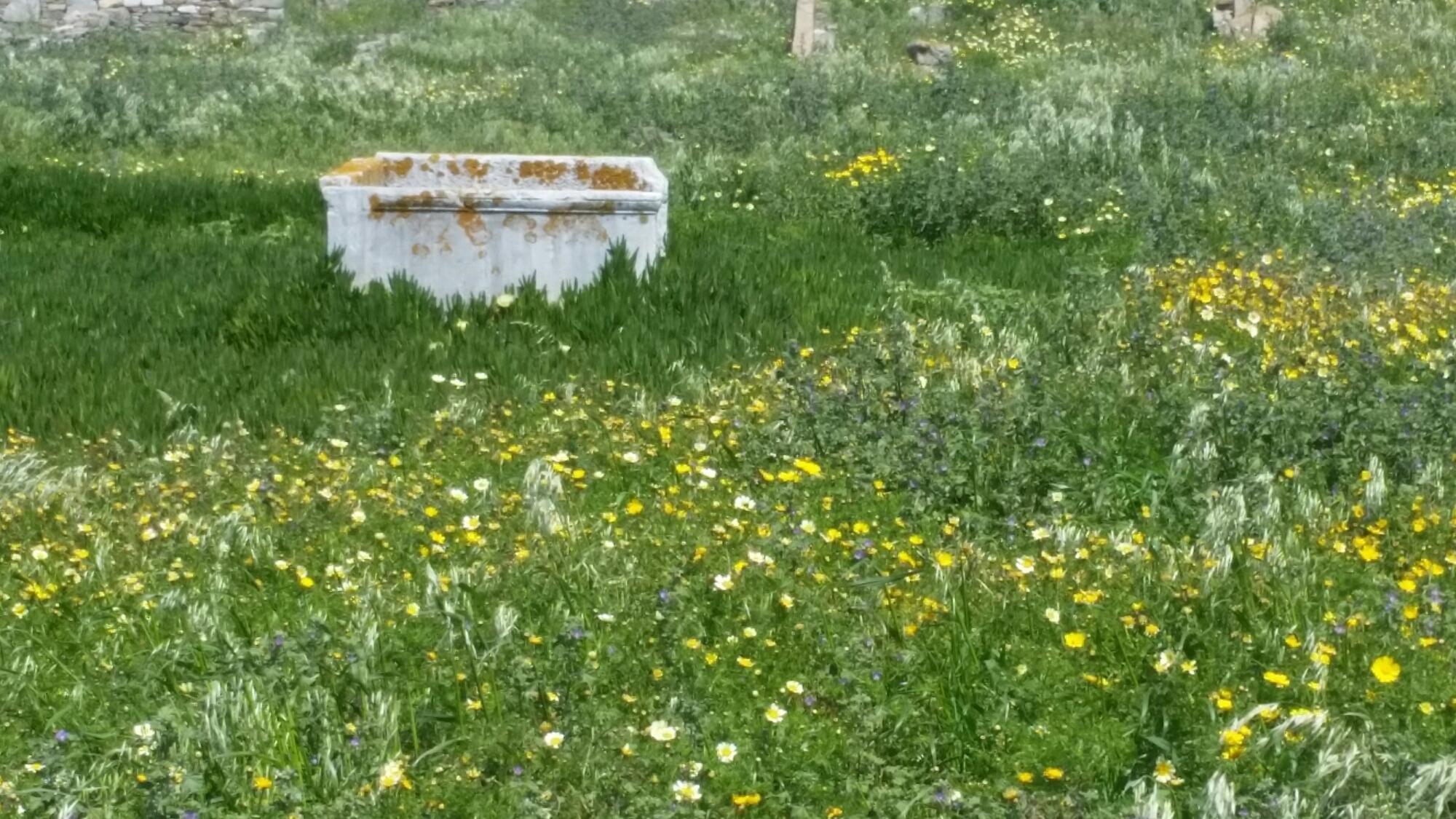
Delos
The weather set fair and the wind down, we set sail for Delos, the great trading centre of the Cyclades and birthplace of Apollo, now nearly uninhabited, but full of ancient remains. I had forgotten how complete it is, a winding city street going up the hill, past innumerable houses and shops up to the ancient theatre, all partially reconstructed, but still an astonishing survival:-
 | Charles | Saumarez | Smith |
You must be logged in to post a comment.