
Oddly enough, I have been more troubled by the Vote to Leave in Wales than I have in England. I keep thinking of Wales as it was in the mid-1970s when I first got to know it: fiercely nationalistic, quite different from England, and poor. It feels as if it has been developed very significantly through EU, as well as Whitehall, subsidy – made more prosperous, with new roads and infrastructure. Now, it’s European, part of a much wider culture. It has its own pavilion in the Venice Biennale. What will happen ? It’s a version of the issues for England, but somehow more extreme. People think extreme nationalism can’t and won’t come back. But it can.
Monthly Archives: June 2016
Brexit (3)
I suppose it would be irrational not to make some sort of comment on the results of the vote and on the mood of sombreness, in spite of the weather, in my morning walk across the park: what it’s like to wake up and discover that, once again, the psephologists and great majority of political commentators have got their analysis wrong; and that the Labour heartlands in the north of England and Wales have chosen to vote against the economic benefits of EU funding and the political benefits of collaboration in favour of the extreme uncertainty and potential political dangers, as well as the intolerance, of a vote for Independence.
Charles Seymour, sixth Duke of Somerset
I have long been interested in the personality of the absurdly arrogant sixth Duke of Somerset, known as ‘the Proud Duke’, who was responsible for the construction of Petworth in the aftermath of the Glorious Revolution. He inherited the title aged sixteen after his older brother was shot in Lerice; he then travelled abroad with a tutor called Alexander de Resigade; on his return, he married the widowed heiress to the Northumberland estates; and by the time he was twenty four he was a Knight of the Garter. It is not known who he employed as his architect at Petworth. It’s fairly French in style, grandly reticent, probably by a Huguenot, possibly Daniel Marot, since Somerset moved in the grandest court circles and Marot was paid £20 by the Duke on 30 September 1693, as well as borrowing a book from his library. Jeremiah Milles describes staying at Petworth in 1743. The Duke ‘lived in a grand retirement peculier and agreable only to himself. He comes down to breakfast at 8 of ye clock in ye morning in his full dress with his blue ribbon, after breakfast, he goes into his offices, scolds and bullies his servants and steward till dinner time, then very formally hands his Duchess downstairs’. Not a very nice character.
Petworth
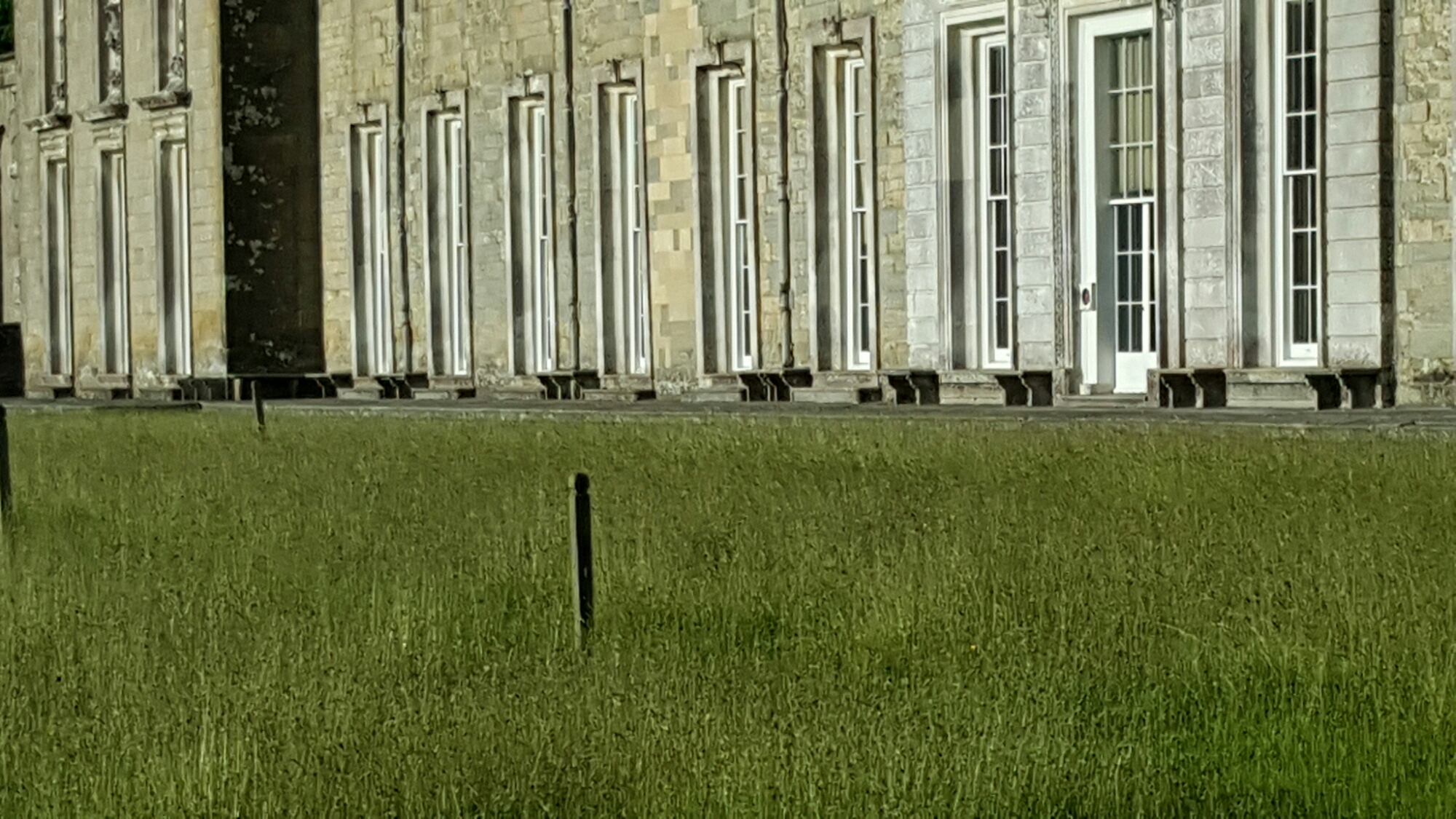
Quite a treat to see the midsummer sun low over Capability Brown’s park in such a way that it was relatively easy to imagine how Turner might have experienced the view out of the bedroom window in the late 1820s.
The long, French, main façade without the original central low domed roof which would have accentuated the middle section:-

Woolbeding
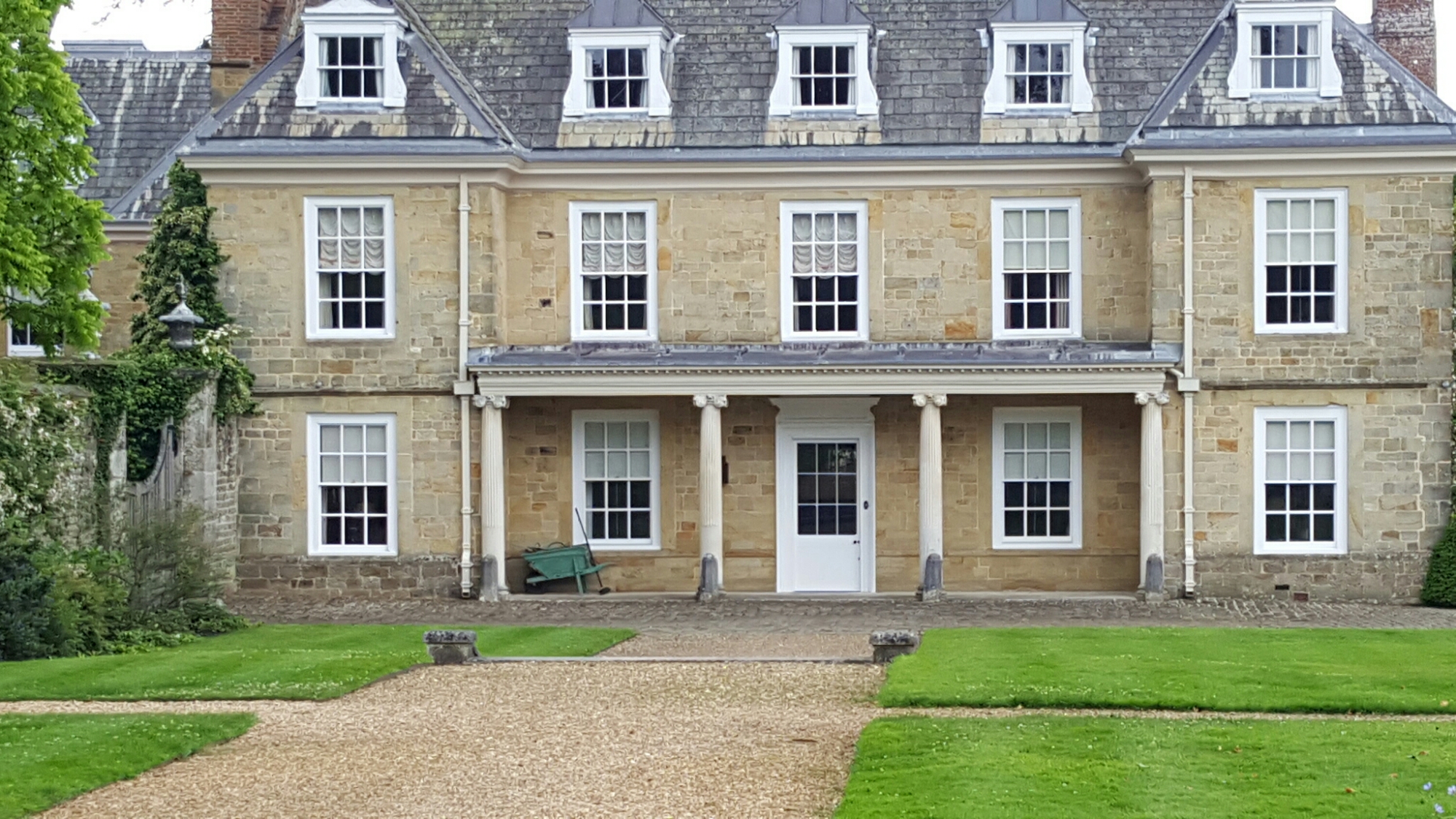
We spent the afternoon at Woolbeding, an early eighteenth-century manor house which was leased in the early 1970s by Simon Sainsbury and Stewart Grimshaw and comprehensively restored, with help in the layout of the garden from Lanning Roper.
The house:-

Albert Memorial
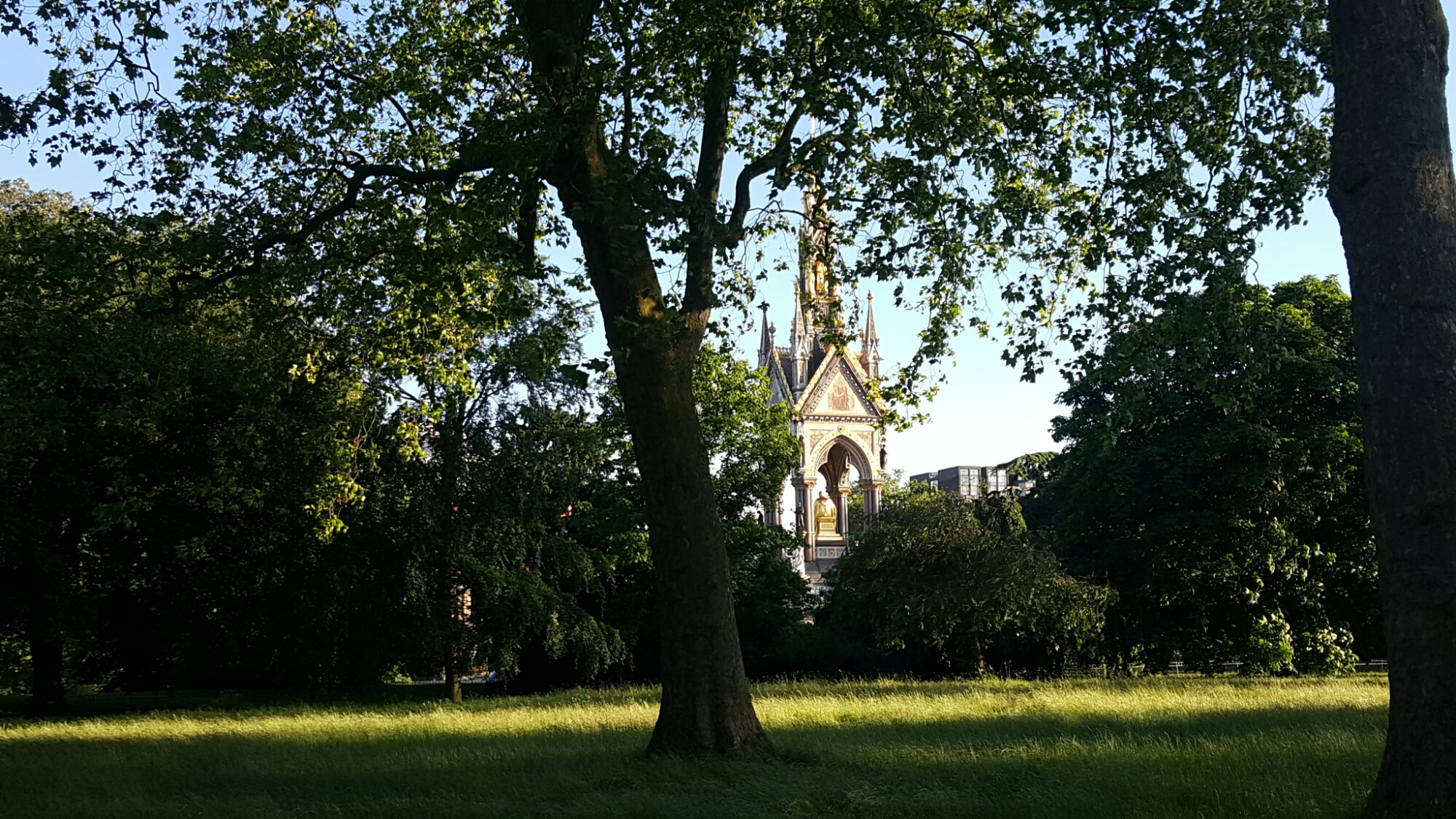
I am a sucker for the Albert Memorial, particularly glimpsed in the distance, surrounded by trees and greenery and unkempt grass, gleaming with grandiose ostentation. My mother would have dismissed it with contempt. In fact, I can hear her whisper ‘absolutely hideous’ in my ear. I don’t care. There’s something magnificent about that moment of Victorian imperial confidence which allowed Prince Albert to be surrounded by statuary representative of the four corners of the globe:-

Regent’s Park (2)
Before going round Regent’s Park, I was shown a very beautiful, fold-out panoramic view of it, produced by Richard Morris, the Secretary of the Medico-Botanical Society of London, and published by Rudolph Ackermann in 1831, price £1 10s., described on its title page as a Panoramic View Round Regent’s Park. From drawings taken on the spot by Rich. morris, Author of Essays on Landscape Gardening and recently republished by the London Topographical Society. These give much more of a sense of how it was originally intended to be: more theatrical, less private, much less planting and a place of public parade.
This is Hanover Terrace to the west, completed in 1822:-

Clarence Terrace:-

Serpentine Pavilion
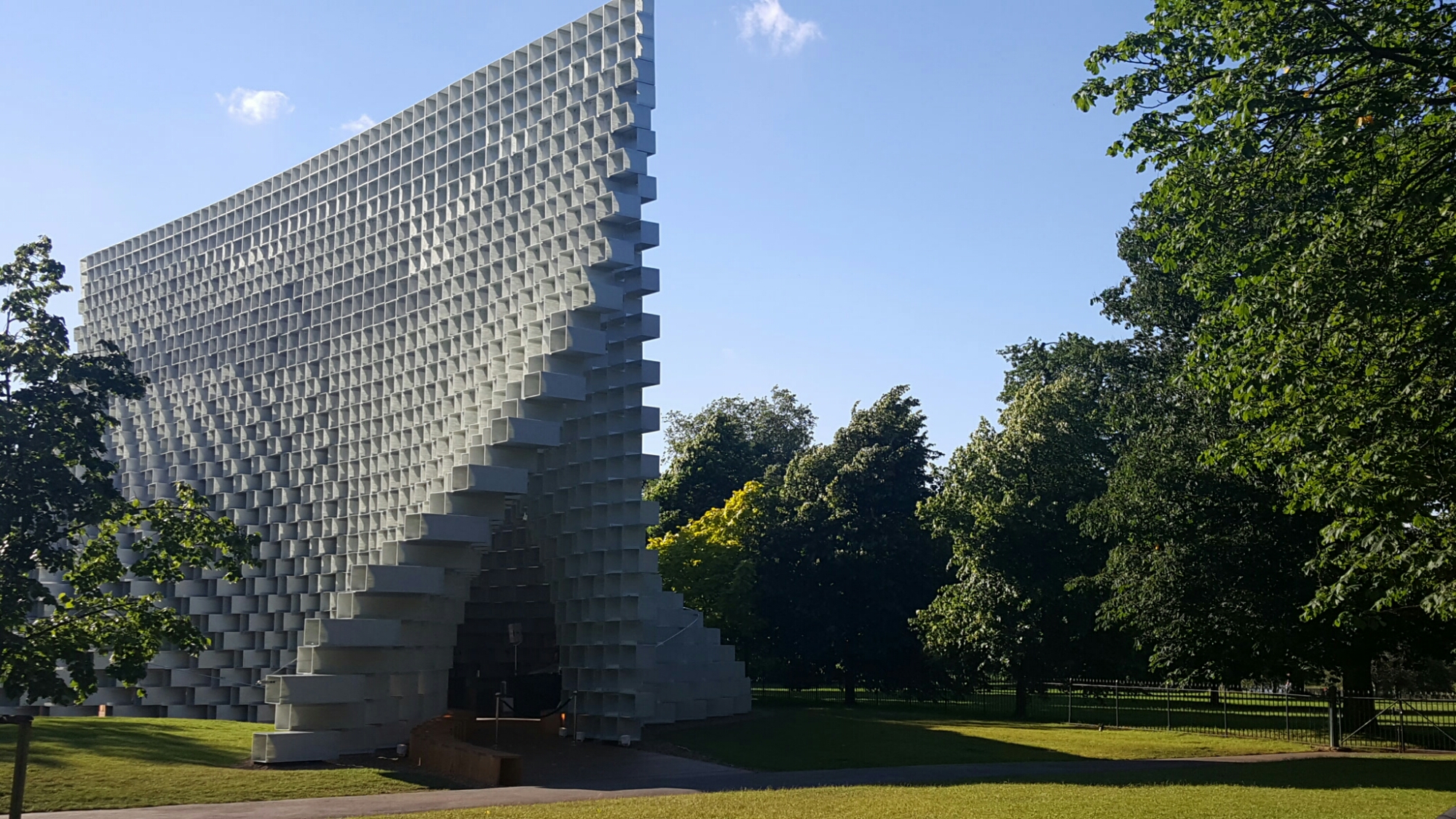
I didn’t necessarily expect to like the latest Serpentine Pavilion by Bjarke Ingels, but I did: a piece of pure geometry, simultaneously simple and complex in a way that is visually both adventurous and satisfying:-

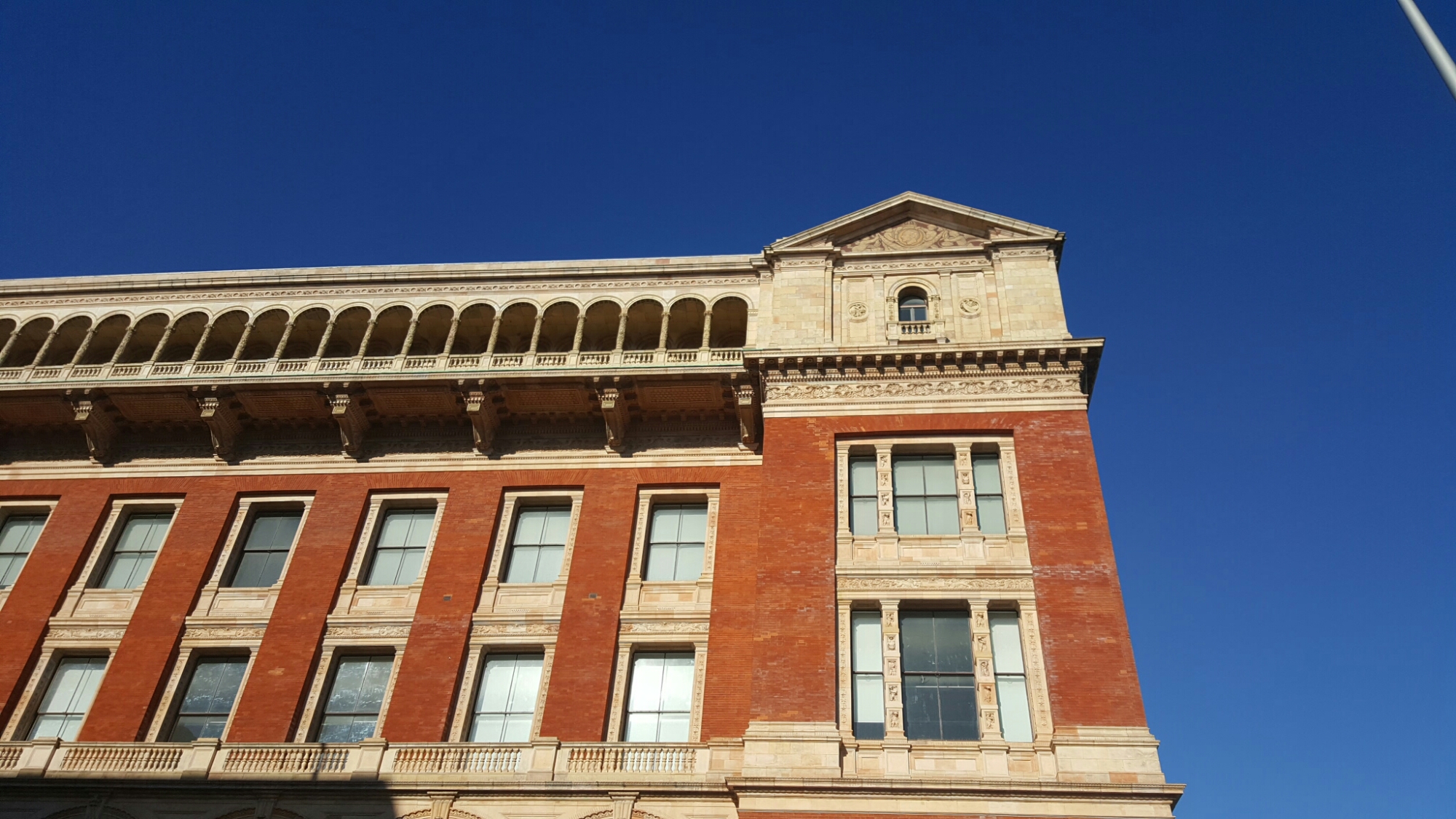
Henry Cole Wing
One of the few benefits of a morning which was so cold and wet is that, when the air cleared, it had a crystal clarity. So, I was not the only person who was impressed by the Henry Cole Wing, designed by Henry Scott as a School of Naval Architects, gleaming in the early evening sun, with its abundance of terracotta ornament, the loggia at the top which allowed the students access to fresh air, and its restrained Victorian pomp:-

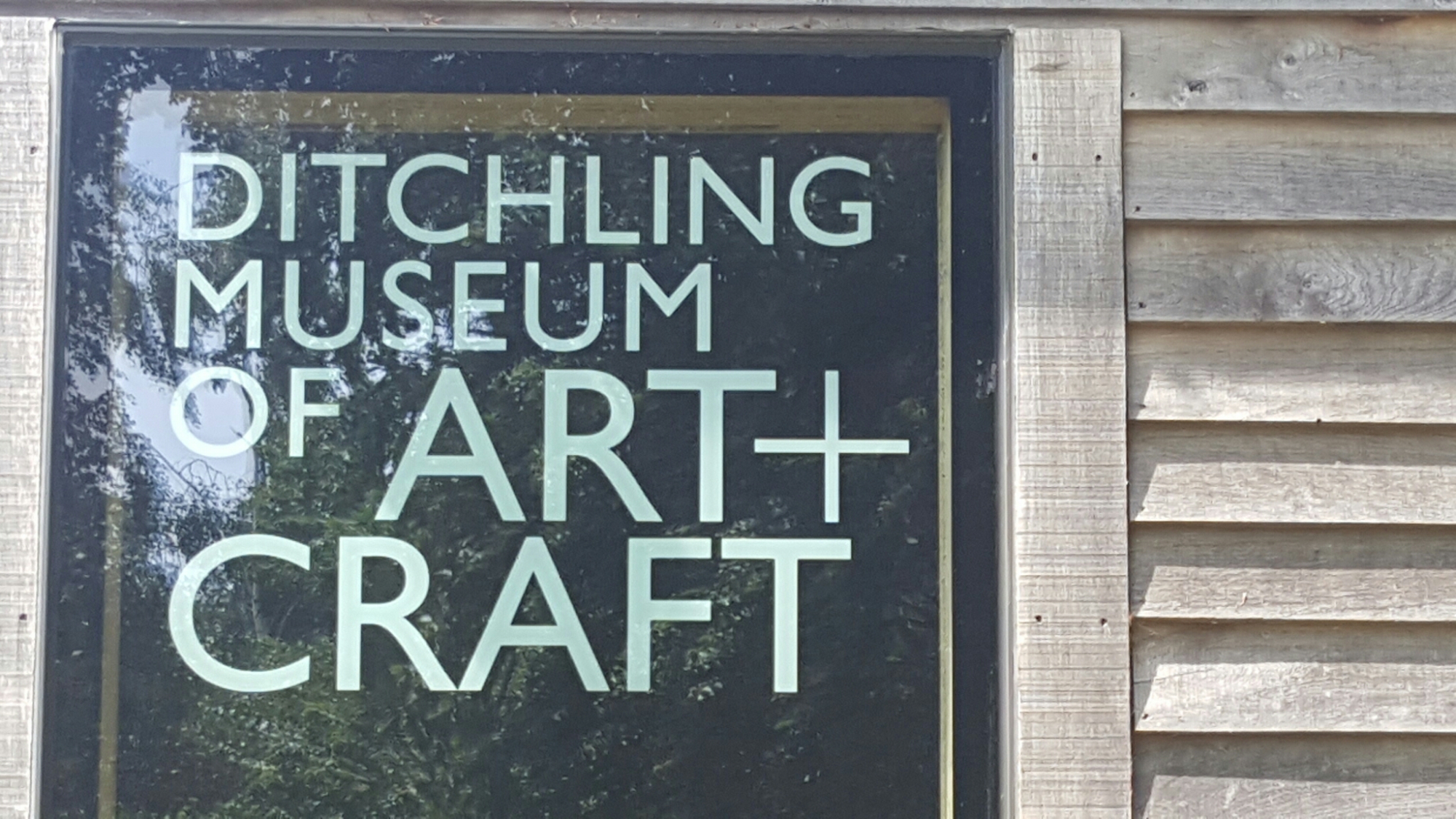
Ditchling Museum
En route to Sussex, we stopped off at the Ditchling Museum, which we have shamefully never been to in spite of the fact that it has recently been very beautifully renovated by Adam Richards architects, skilfully maintaining its small-scale and vernacular character. We would have liked twice the time to enjoy the collection, including a small exhibition of Edward Johnston’s typography.
The Museum:-

 | Charles | Saumarez | Smith |
You must be logged in to post a comment.