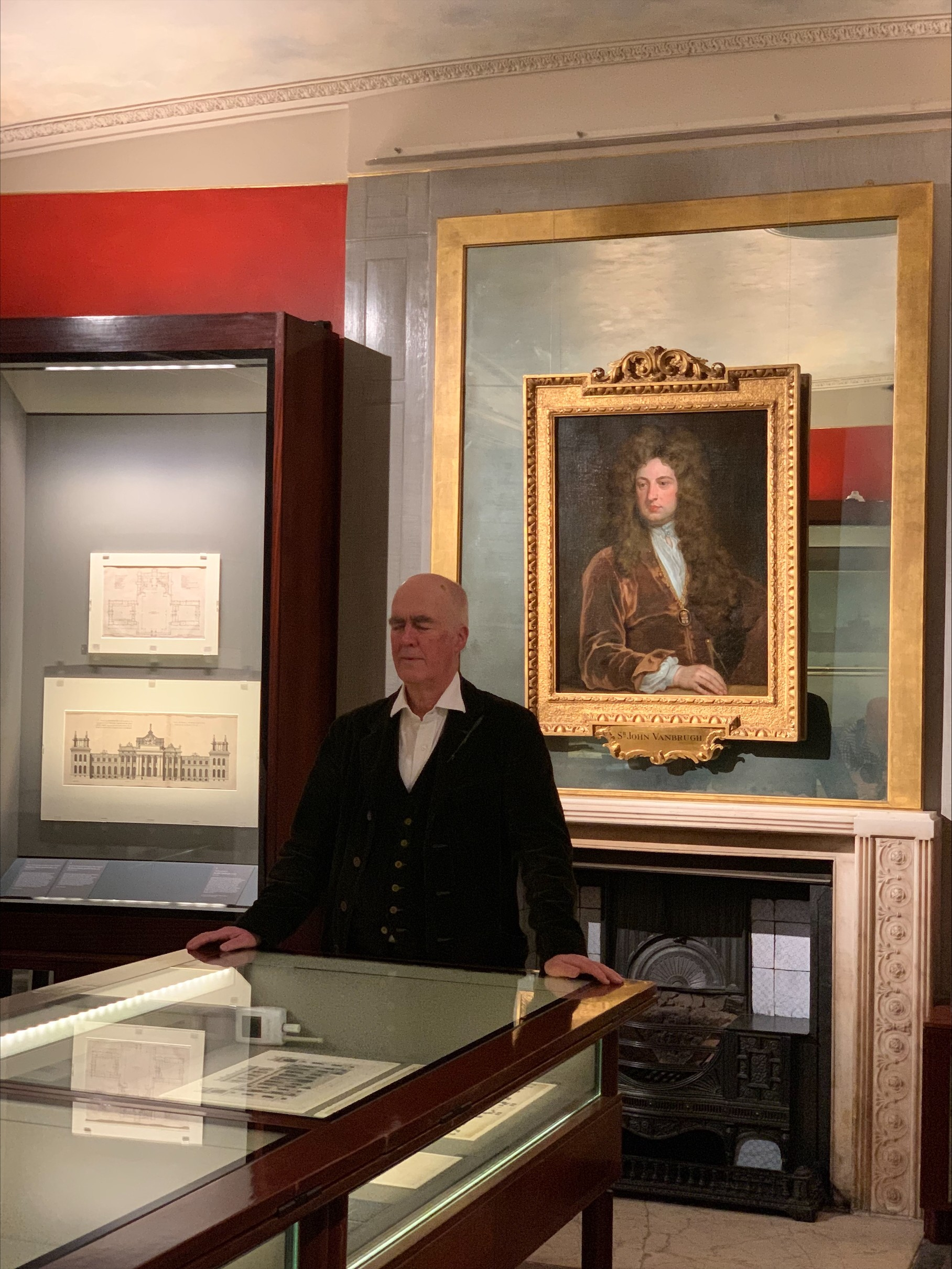
I went to a film by Judith Wechsler, a Harvard-based filmmaker, about Aby Warburg which marked the opening of a major conference organised by the Warburg Institute about his work and life. The film demonstrated how brief Warburg’s active working life was: time spent researching in Florence, influenced by Burkhardt; a visit to the Hopi and Zuni Indians following his brother Paul’s marriage in 1895 (Warburg hated American telephones); living in Florence and then collecting his library in Hamburg, interrupted by the first world war; diagnosis after the war as a schizophrenic (a second opinion, demanded by his brother Max, suggested manic depression); incarceration for a period of three years from 1921 to 1924 in a Swiss clinic; release after he demonstrated his intellectual faculties by delivery of a public lecture; the Great Crash, followed by his death in October 1929. Yet his ideas about the origins of images and their motifs, expressed in his incomplete photographic project Mnemosyne, have become increasingly influential. Today was the 150th. anniversary of his birth.
Monthly Archives: June 2016
Brexit (2)
Since I’ve discovered that I get far more readers for my comments on Brexit than I do for minor architectural features of the east end, I would add that one of the depressing aspects of travelling back from Derbyshire, as from Anglesey, is the way that the countryside is festooned with VOTE LEAVE placards, presumably because the farming community is implacably pro-Brexit in spite of the fact that they, more than anyone, have benefitted from EU subsidy; and because, apparently, Remain has decided not to issue billboards, a potentially lethal mistake.
Brexit (1)
Nearly the last of the events we attended at the Derbyshire Literary Festival was a discussion between Caroline Lucas, Green MP for Brighton, and Natascha Engel, Labour MP for North East Derbyshire. It was meant to be about the role of women in Westminster, about which they might have agreed, but turned into an unexpectedly fierce debate about the Referendum. Caroline Lucas, fresh from campaigning in Burton-on-Trent, was passionate and articulate about the virtues of immigration, the need to maintain open borders, and the historical importance of European collaboration. Natascha Engel, who admitted to herself being a first generation immigrant, has already voted Leave, it appeared only as a gesture of solidarity with her elderly, ex-mining constituents, who blame the hardship of their lives irrationally on immigration. She made the mistake of making a hostile comment about Poles.
Brompton Bicycle
Andrew Ritchie, the inventor of the Brompton Bicycle, gave a very entertaining, but also extremely informative account of what it takes to invent and market a new consumer product in the hostile world of British investment finance. He devised the first bicycle in the bedroom of his flat opposite the Brompton Oratory and then spent several frustrating years trying to raise capital from long-suffering friends and avoiding being taken over by bigger operators, including Raleigh. It was a classic story of Samuel Smiles perseverance in the teeth of suppliers of components going bankrupt. Now, after twenty years of success and after moving into a new factory, the Brompton has become too expensive.
Dovedale
One of the pleasures of coming to the Dovedale Literary Festival is the pleasure of being in Dovedale itself: the view across the valley of the River Dove over the hill from Cheadle with clouds settling in the valley; the walk over the fields to Ilam in the morning; walking up Dovedale; and looking across the valley to Hazelton Clump:-


Jeremy Hutchinson QC
We have heard Jeremy Hutchinson talk about his life and work as an advocate before. I would happily hear him do so many times again. At 101, he is still able to recall with extraordinary vividness his childhood memories of T.S. Eliot who, oddly, had a cottage at Bosham, while Hutchinson’s mother, Mary, was at West Wittering; the time when the destroyer serving in the war was bombed by the Germans; his defence of Lady Chatterley’s Lover by calling on the evidence of Richard Hoggart, then a Lecturer in English at the University of Leicester; his defence of Kempton Bunton who stole Goya’s portrait of the Duke of Wellington by climbing through the National Gallery’s lavatory windows after hours; and his mockery of Mary Whitehouse’ s lawyer who brought a case against Michael Bogdanov, the Director of Romans in Britain. He can still dominate a room with humour, ribaldry and intellectual sarcasm.
Trees
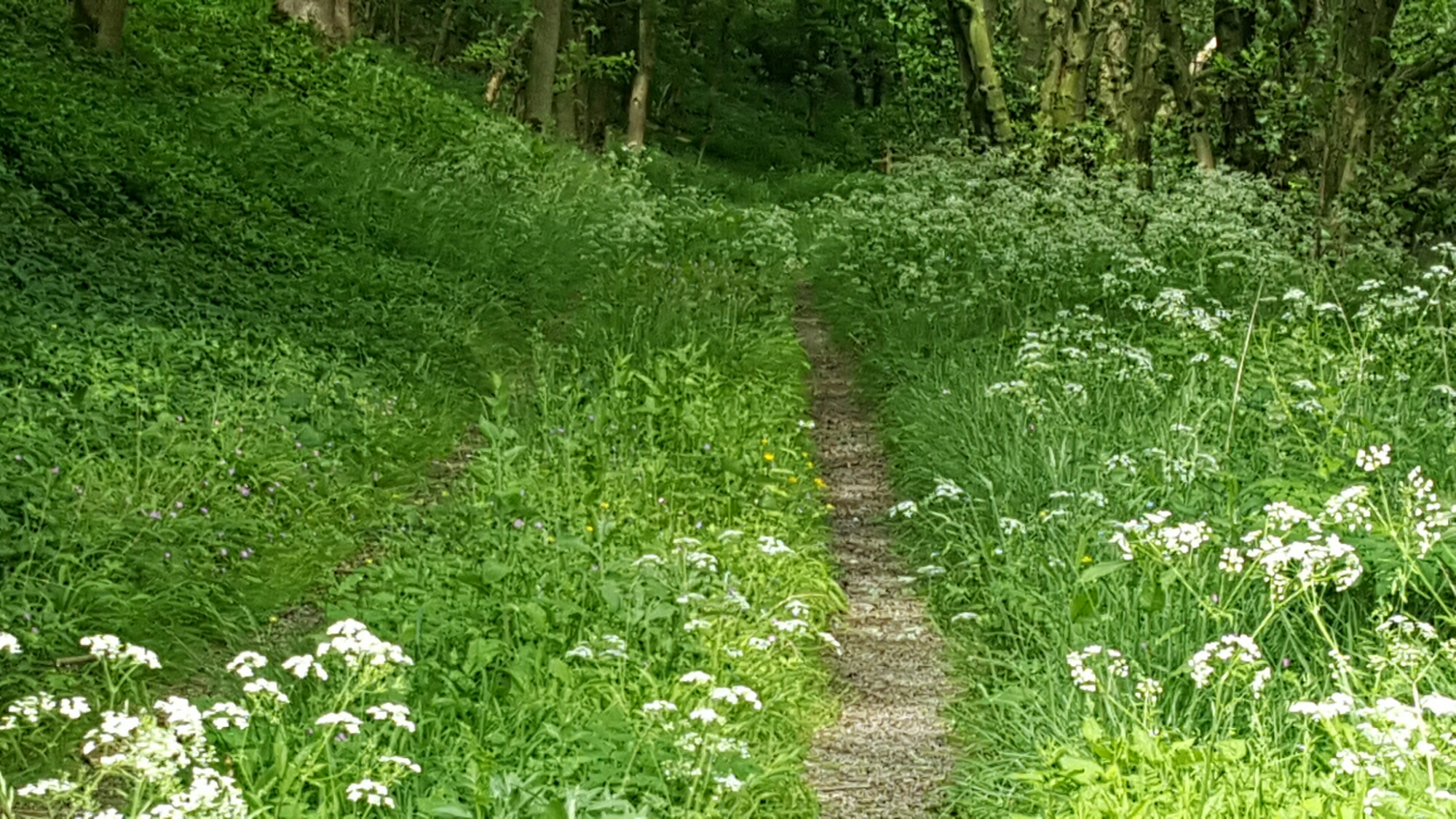
We went on a morning walk up Dovedale, punctuated by talks about the trees by Thomas Pakenham, the great tree expert. We began with the ash and the alder and a description of the difference between natives and invaders post-1500. Then we had information about the origins of the Horse Chestnut – the false belief that it had come from Istanbul whereas it really came from the border of Greece and Albania. And about the resilience of limes and their ability to reseed themselves:-

Angela Carter
After a performance on the cinema organ (not by him), Christopher Frayling gave a talk about his friendship with Angela Carter in Bath in the early 1970s. They shared a common interest in Gothic fiction. Chris had done a Ph.D at Cambridge on Jean-Jacques Rousseau and was writing a book on vampyres. Angela Carter was a young writer, writing the stories which became The Bloody Chamber. They tried to persuade Bath City Council to erect a plaque to the fact that Mary Shelley finished Frankenstein in Bath and used to go to Bristol together to watch early Hollywood horror movies. She recorded their conversation in a notebook. The question everyone wanted to ask was if they had an affair. We thought not, only because the character in The Lady in the House of Love who is quite obviously based on Christopher and travels to Romania in search of Bram Stoker is described as young and innocent.
Pipes in the Peaks
I have been once before to the surreal garage on a hill on the edge of the Peak District which contains the best and most spectacular collection of cinema organs. Even a second time, it makes a big impact:-


Duncan Macaskill
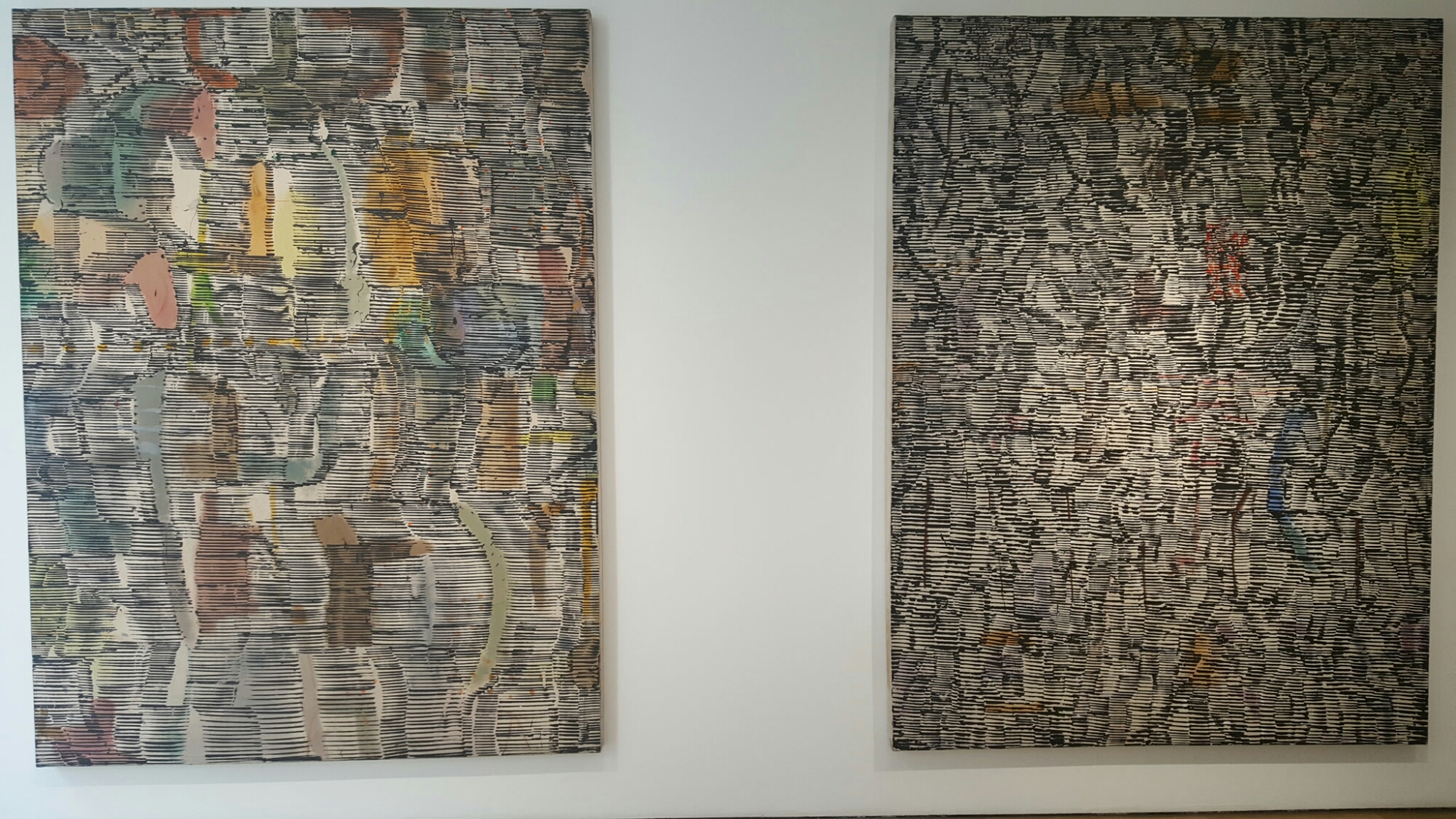
I went last night to an exhibition of paintings by Duncan Macaskill, a Scottish artist who has been working away for the last forty years since graduating from Glasgow School of Art in 1966, only occasionally sending postcards of his work to the outside world. Now he has been taken up by the Vigo Gallery in Dering Street and his paintings are as fresh as if they were painted yesterday:-
 | Charles | Saumarez | Smith |
You must be logged in to post a comment.