Villages of the High Alpujarra

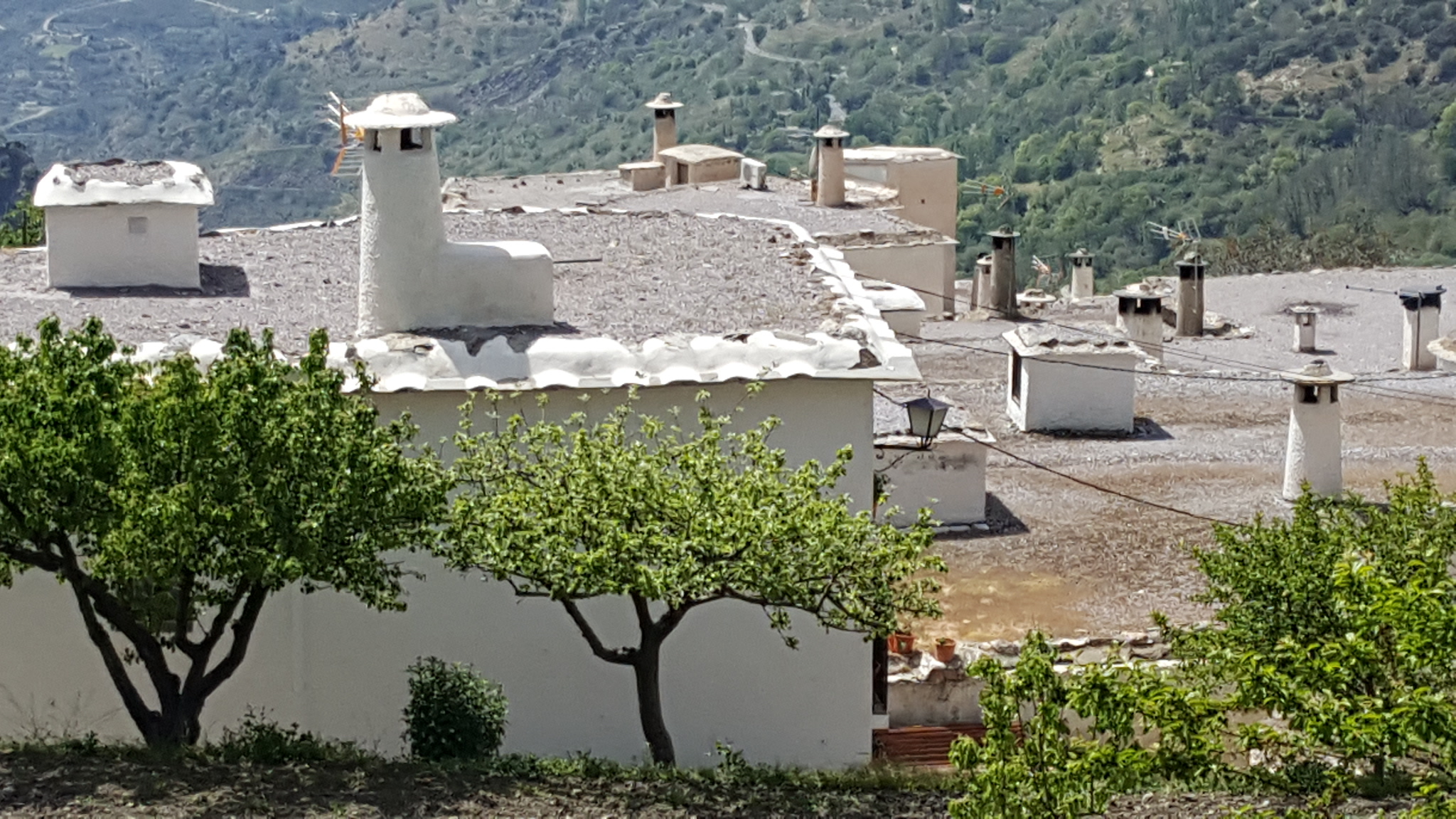
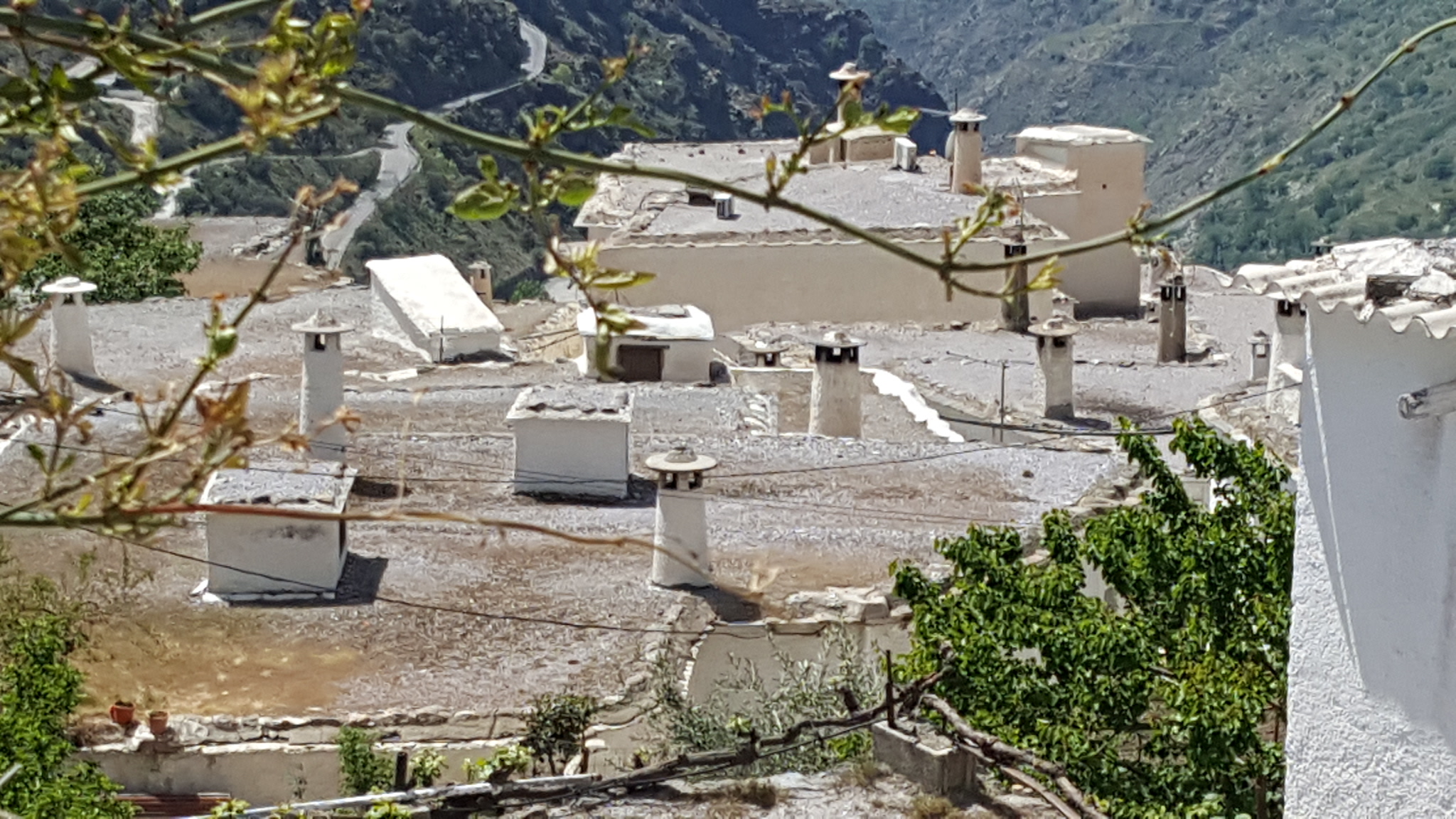
We went on an expedition to the three villages high in the hills above Órgiva:  Pampaneira, the first of the three and by far the most touristy with souvenir shops in the church square and water running down the middle of the alleyways.

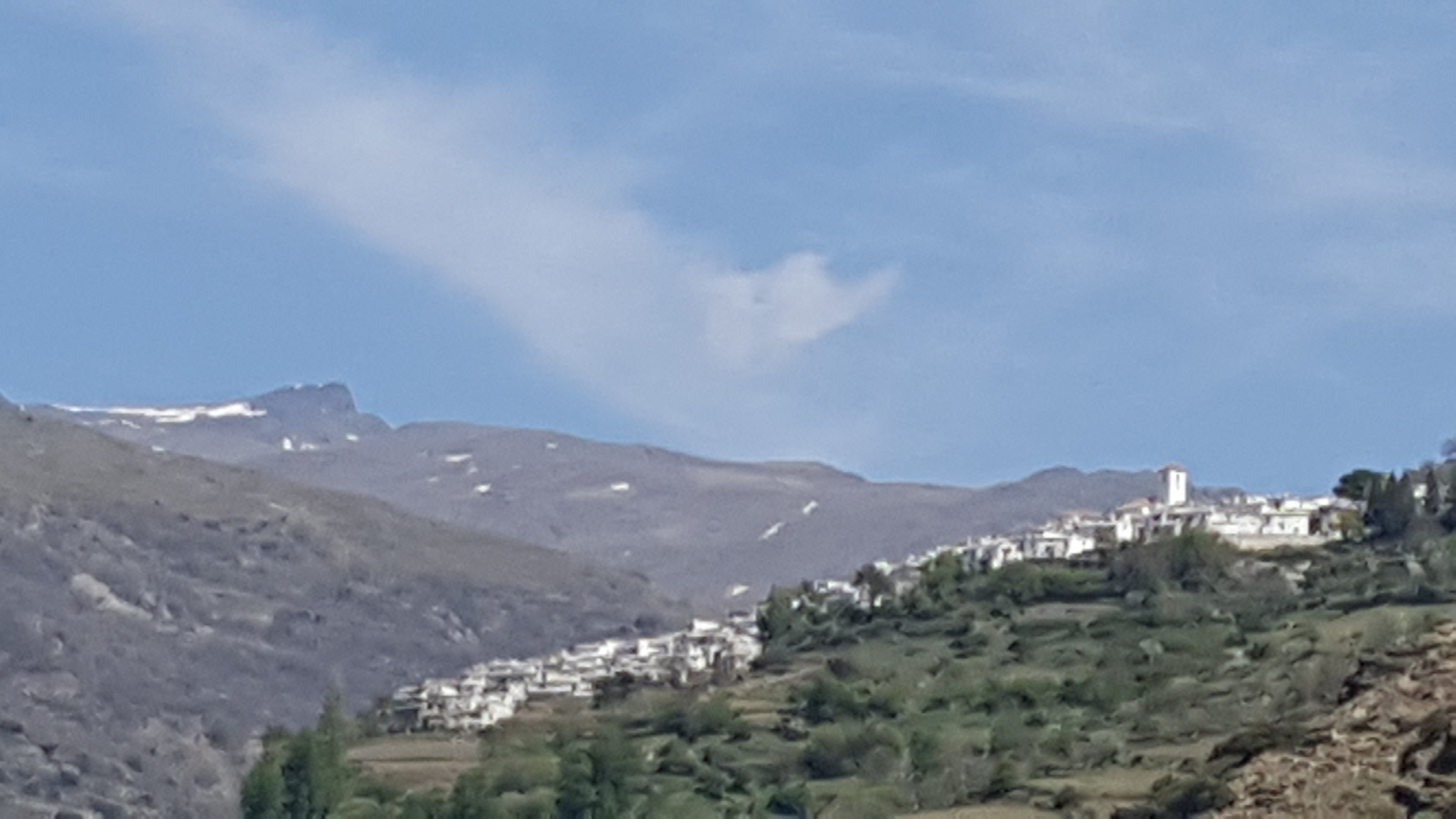
This is the view south towards the Sierra de la Contraviesa from the road up:-

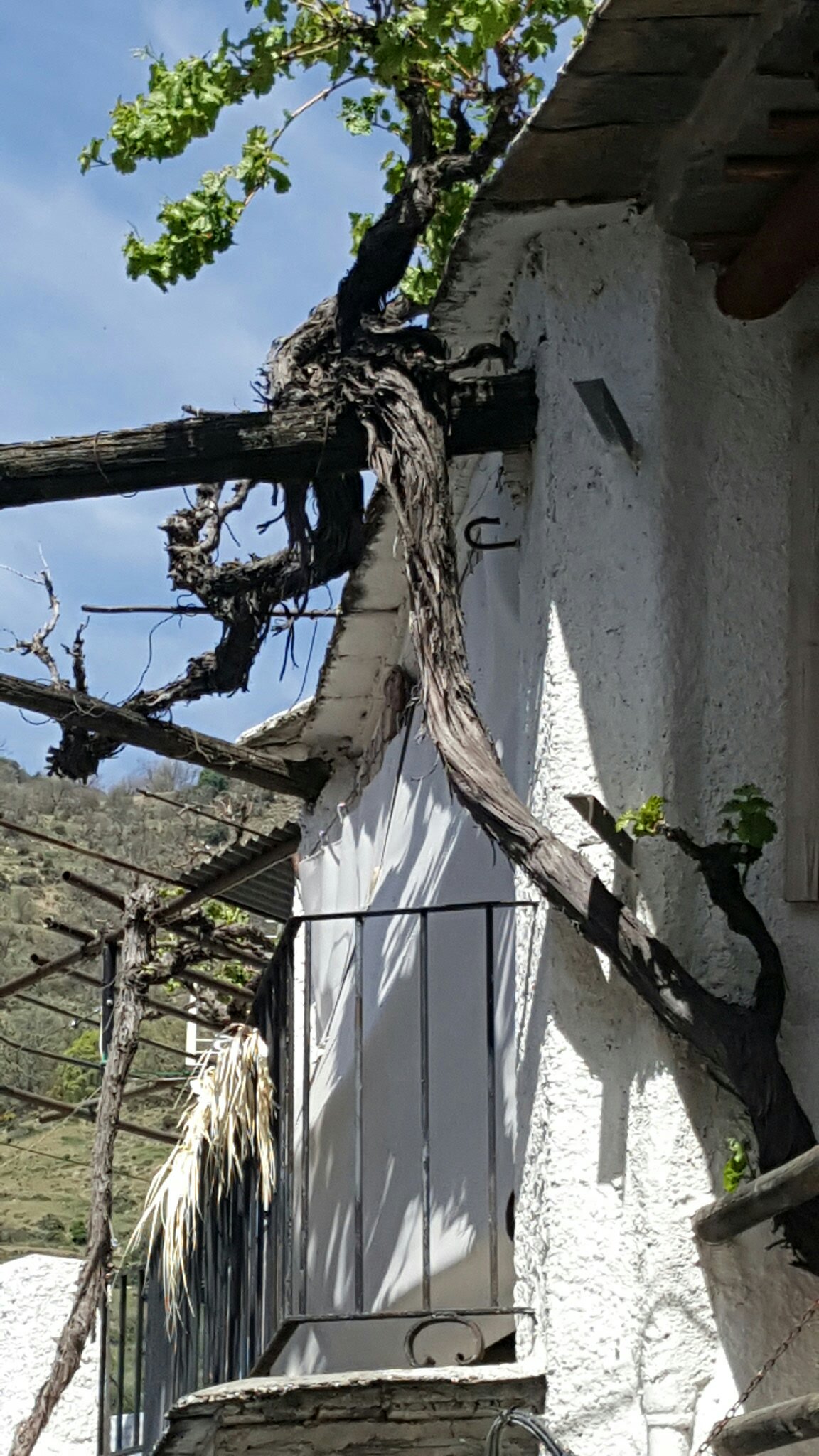
Scenes in the village:-

The next village, Bubión, above, rougher and dustier, but still very hot:-

We made it to Capileira, but couldn’t find anywhere for lunch.   It was early closing day:-

Standard

The Alhambra (3)

As an antidote to the pleasures of visiting the Alhambra, I have been reading Robert Irwin’s short book on the subject which takes a faintly vindictive pleasure in puncturing any of the illusions which one might have of what life might have been like in the courtyards and gardens, suggesting that the great muqarnas ceilings are relatively tacky examples of the plasterers’ art, not nearly as grand as the earlier palaces of the Umayyad caliphs of Cordoba, let alone those further east in Damascus and Baghdad;  that the regime of the Nasrid sultans of the thirteenth and fourteenth centuries, from the rule of Mohammad I to Ismail II, was fragile, murderous and punctuated by assassination;  and that the great gardens of the Generalife ‘reflect the horticultural tastes of Spain in the 1920s, rather than medieval realities’.   I would have preferred the delusion.

Standard

The Alhambra (2)

If, like us, you are exhausted from taking in so much magnificence, essentially unexpectedly, in spite of knowing that it is, and has long been, ever since the days of Washington Irving, Richard Ford and Owen Jones, one of the great architectural sights of Europe, then I have two recommendations:  one is, as we did, to retreat to the terrace of the Parador, which was itself previously a monastery and where we were able to enjoy gin and gazpacho;  and to sit on the terrace of the Generalife, looking out over gardens towards the city:-

Standard

The Alhambra (1)

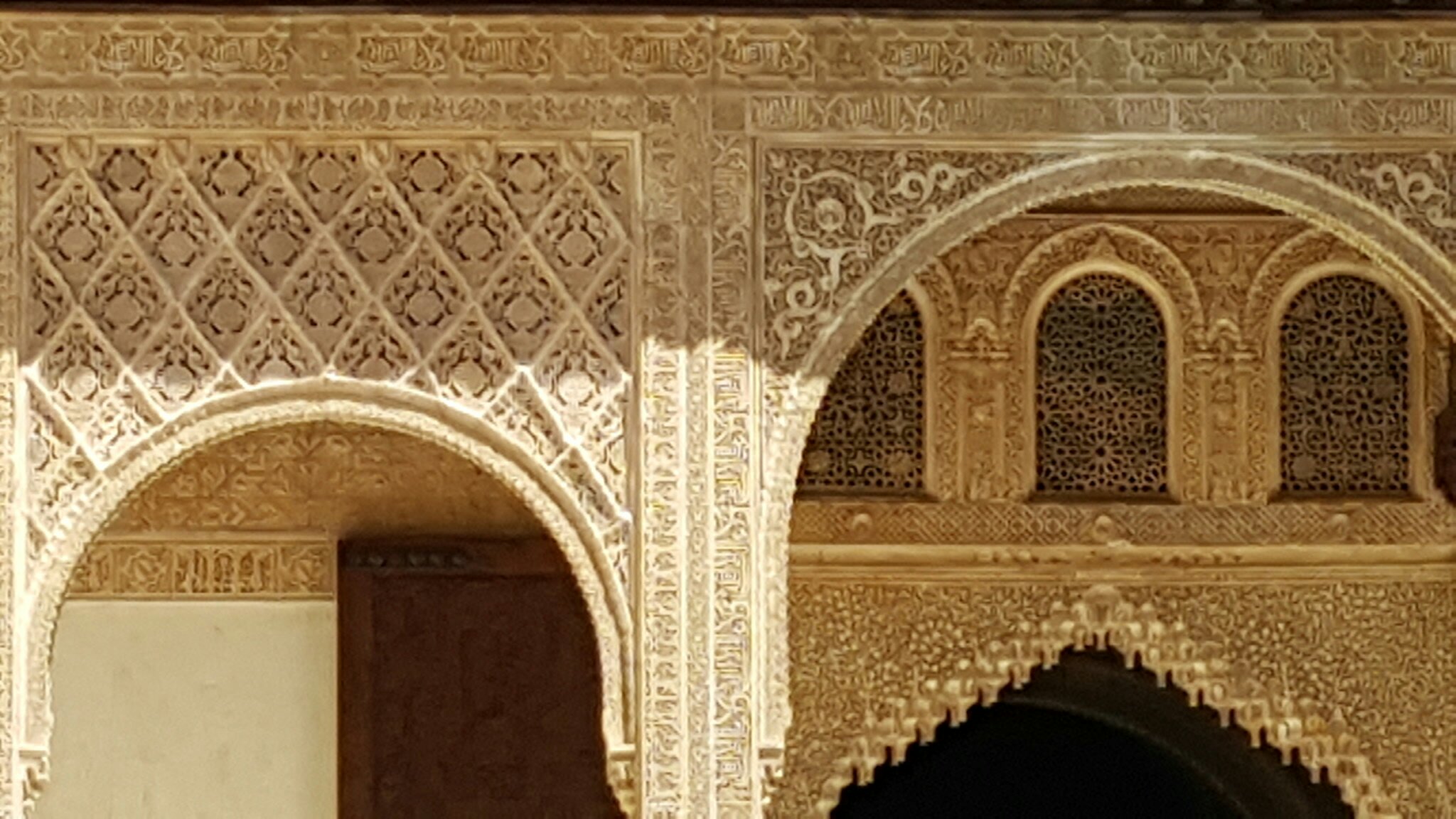
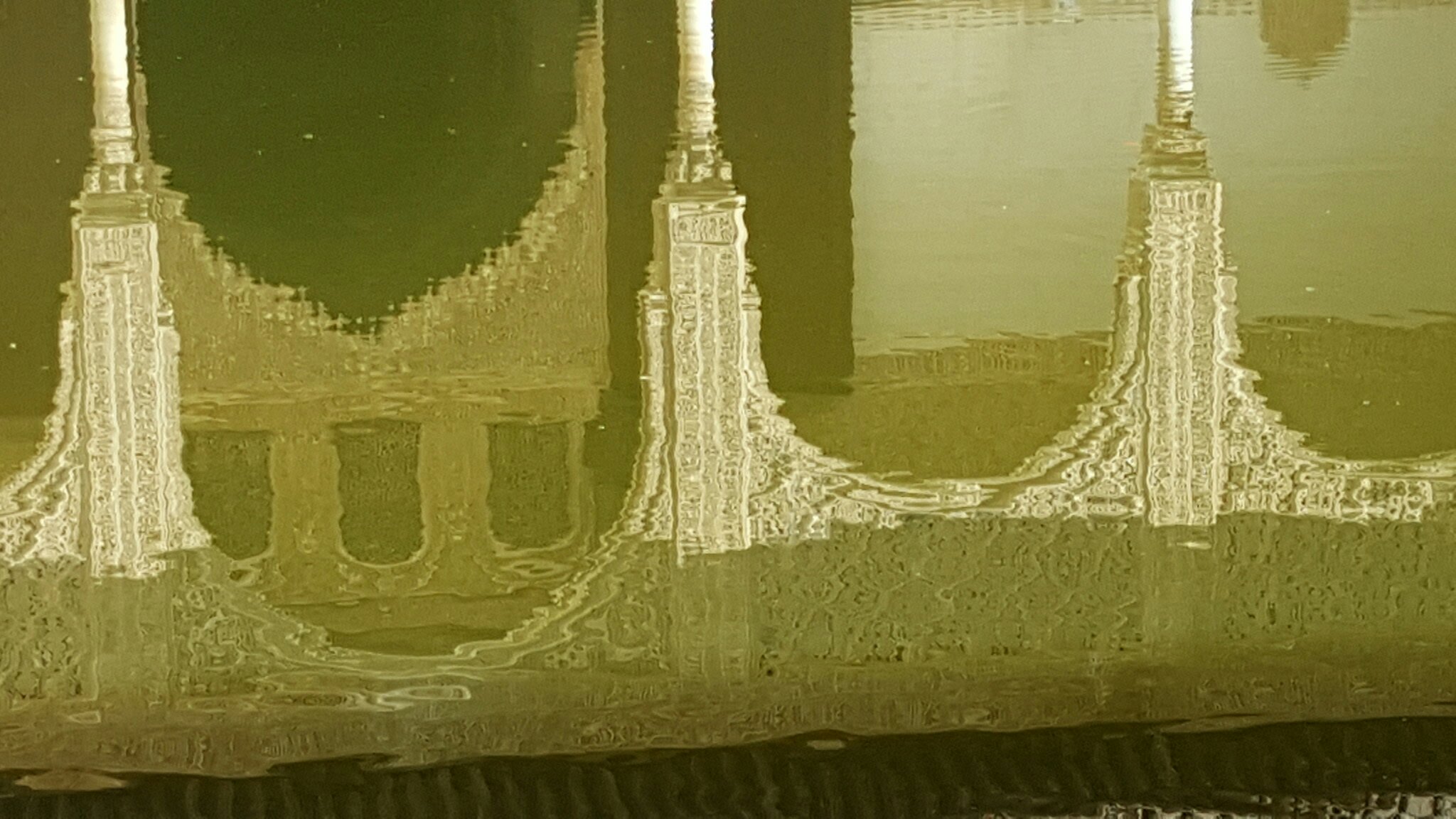
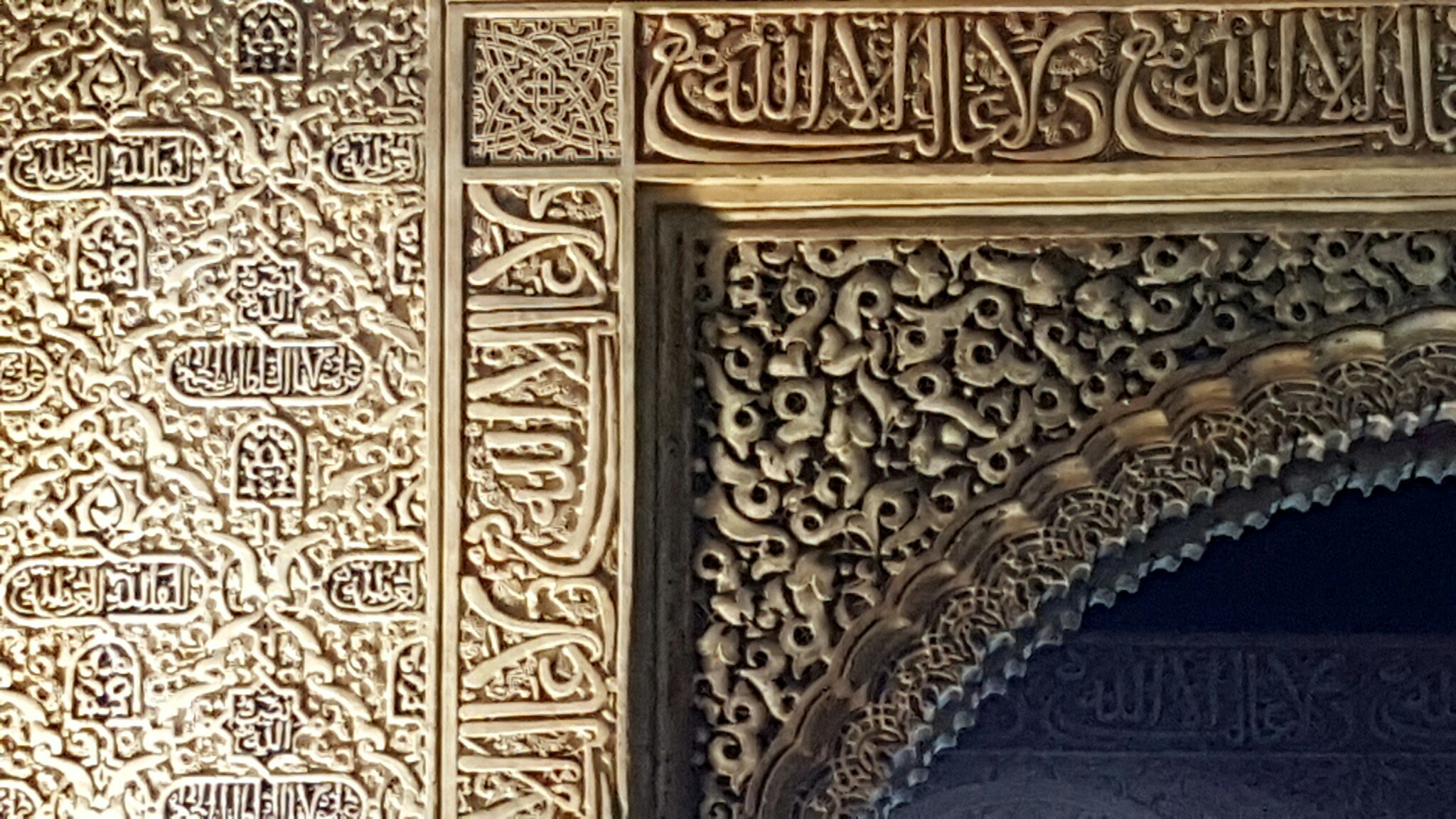
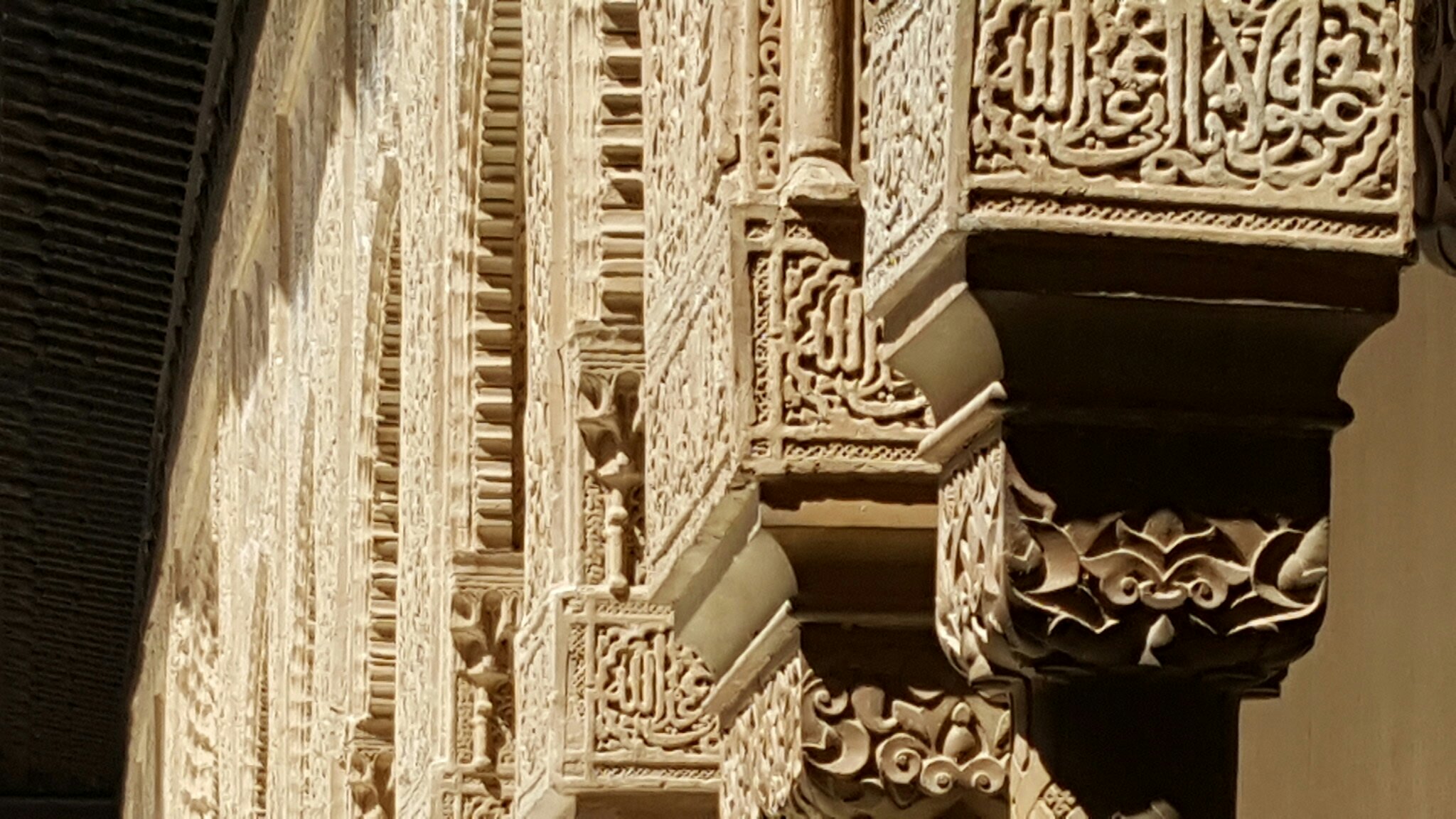
We made it to the Alhambra, not without difficulty, passing through many circles of tourist hell, and quite unprepared, in spite of having read plenty of guidebooks in preparation, for the full glory of the Moorish decoration, the way the light plays on it, the passage through courtyards, and the extraordinary volcanic energy of the ornament.

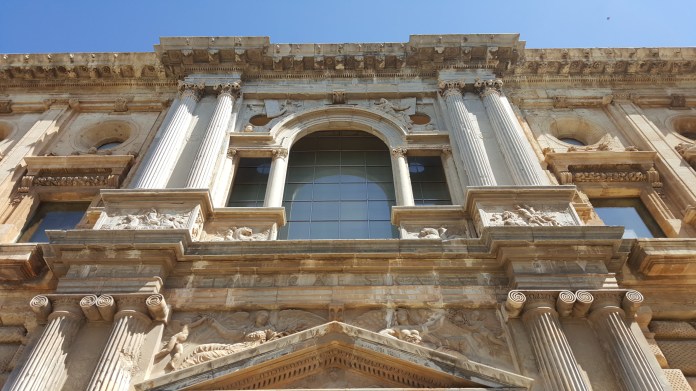
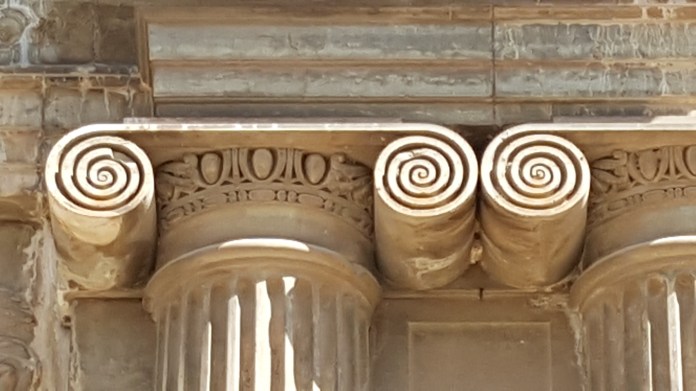
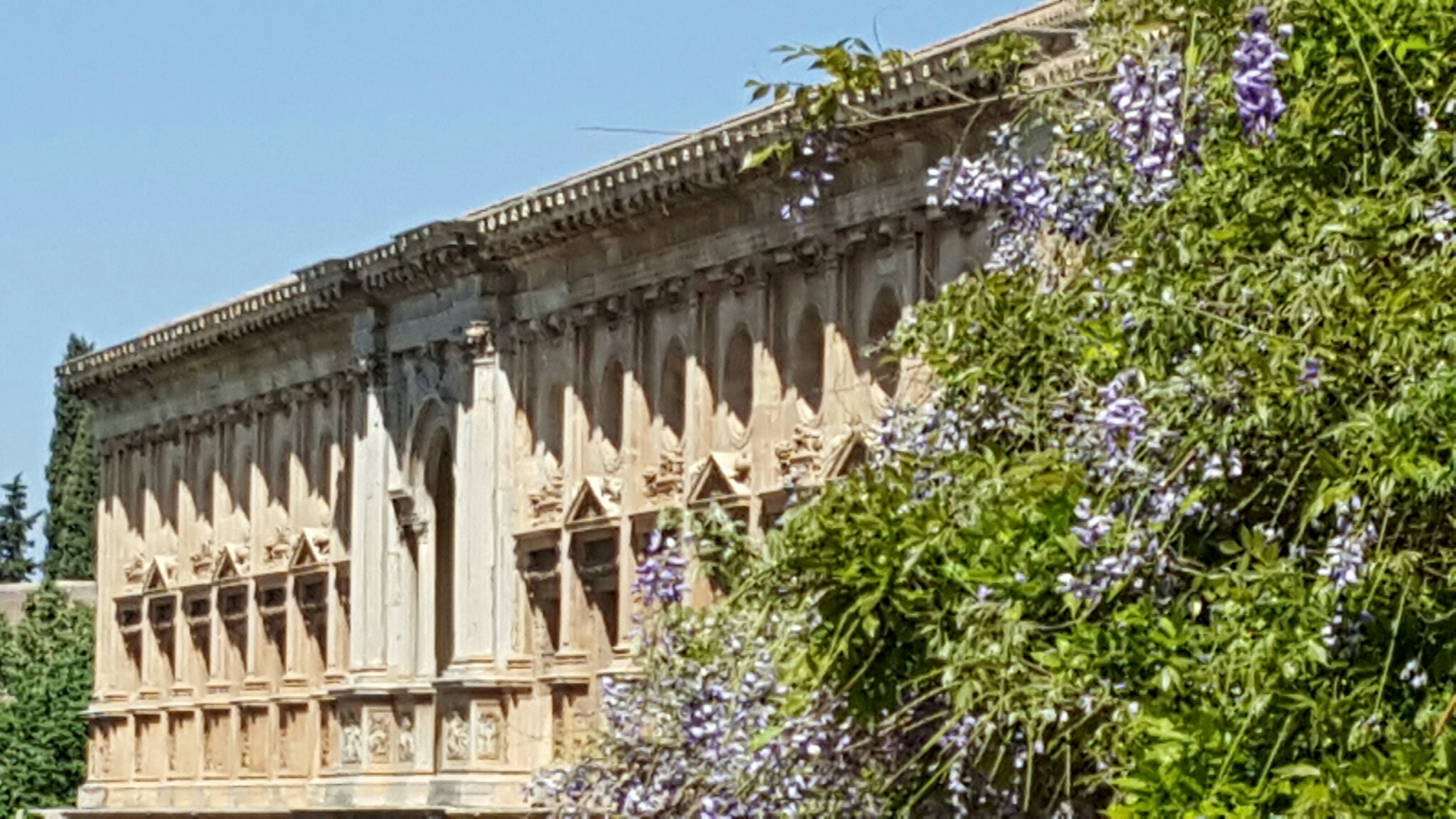
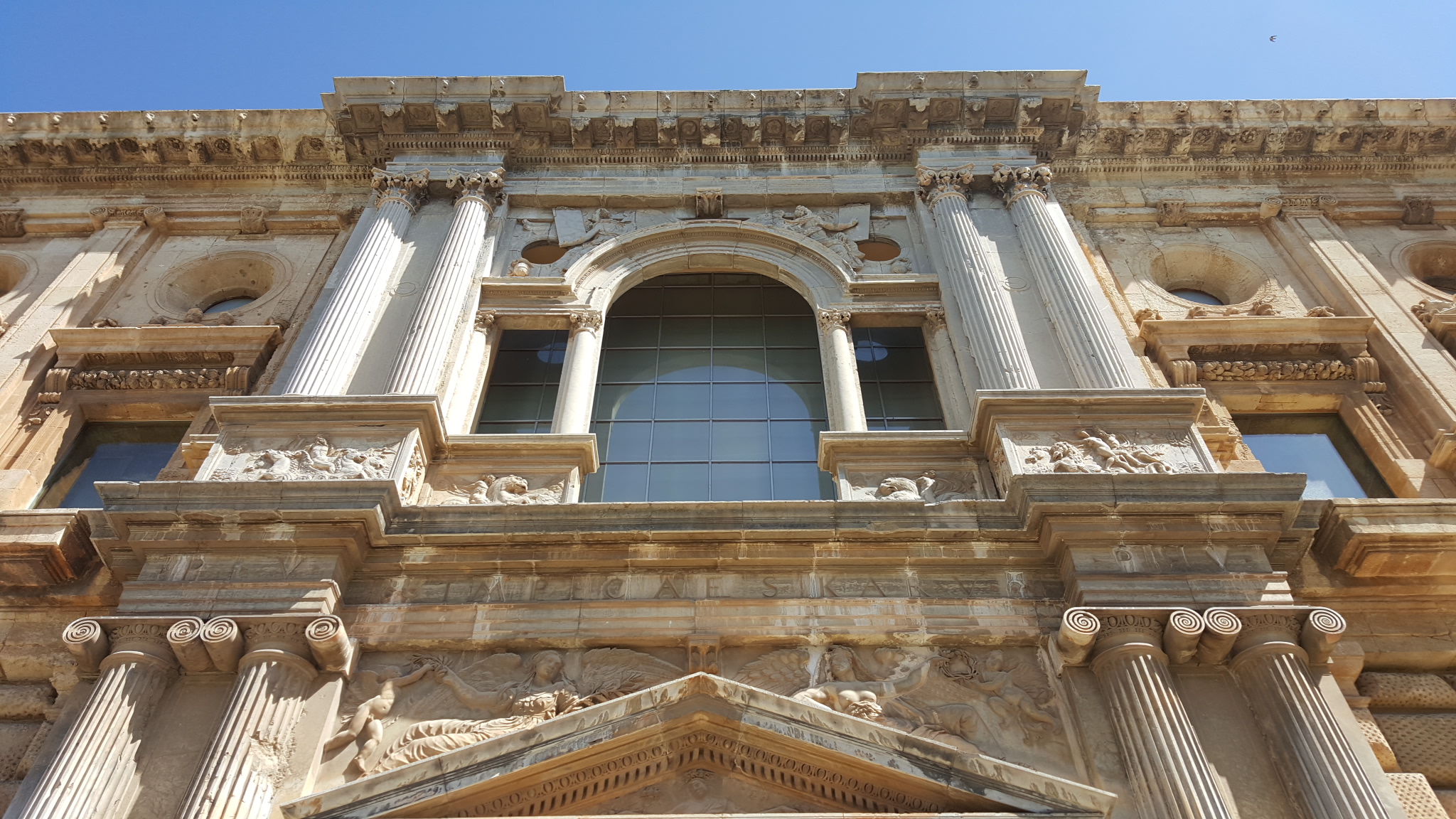
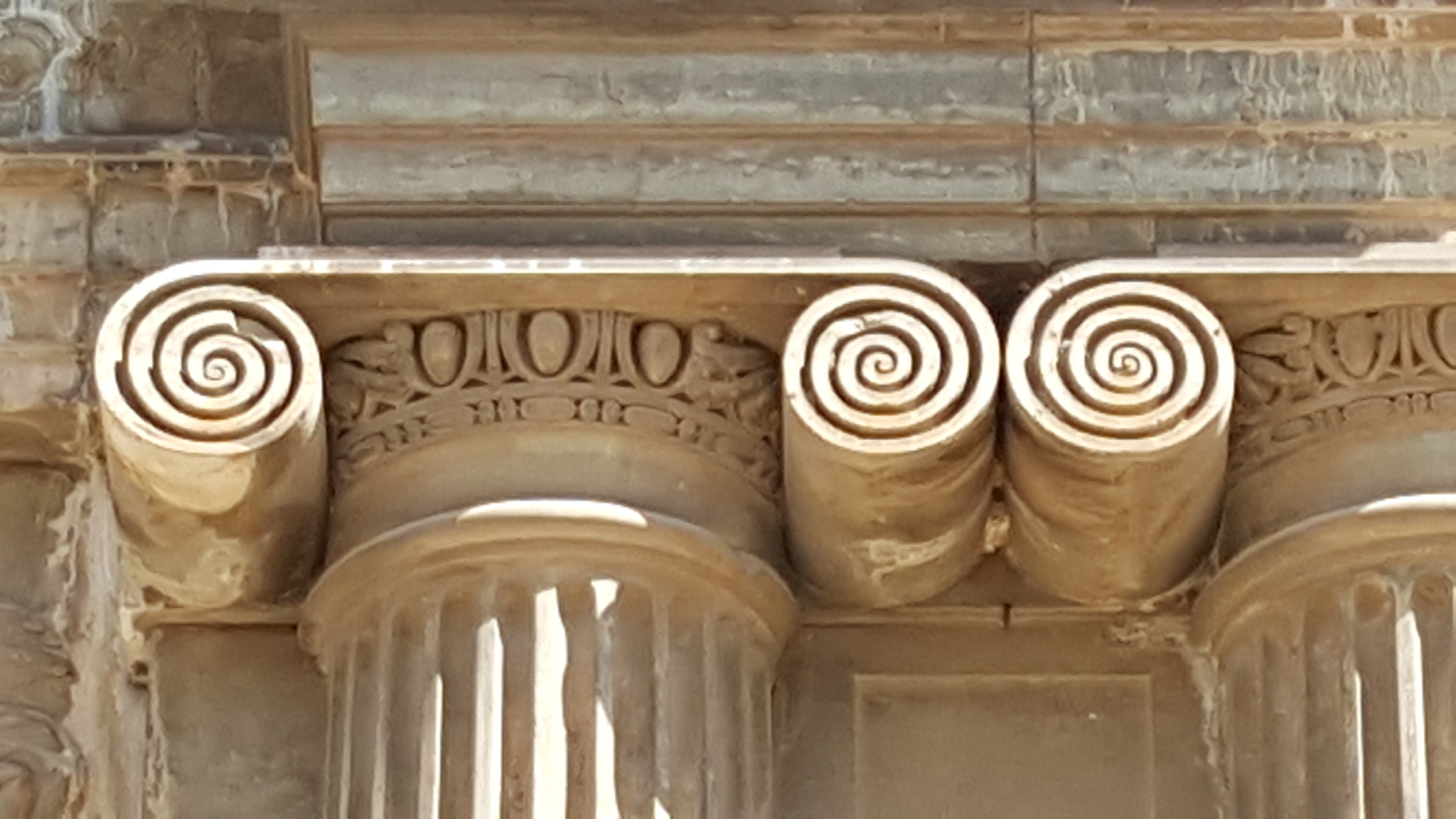
First of the major sights along the Calle Real is the Palacio de Carlos V, a statement of robust classicism following the Conquest of the Moors, designed by Pedro Machuca, a pupil of Michelangelo:-

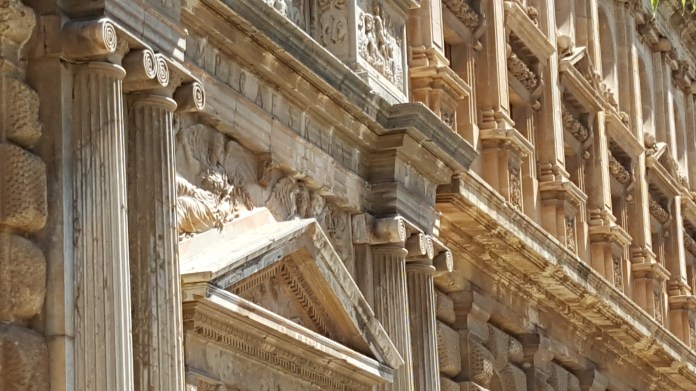
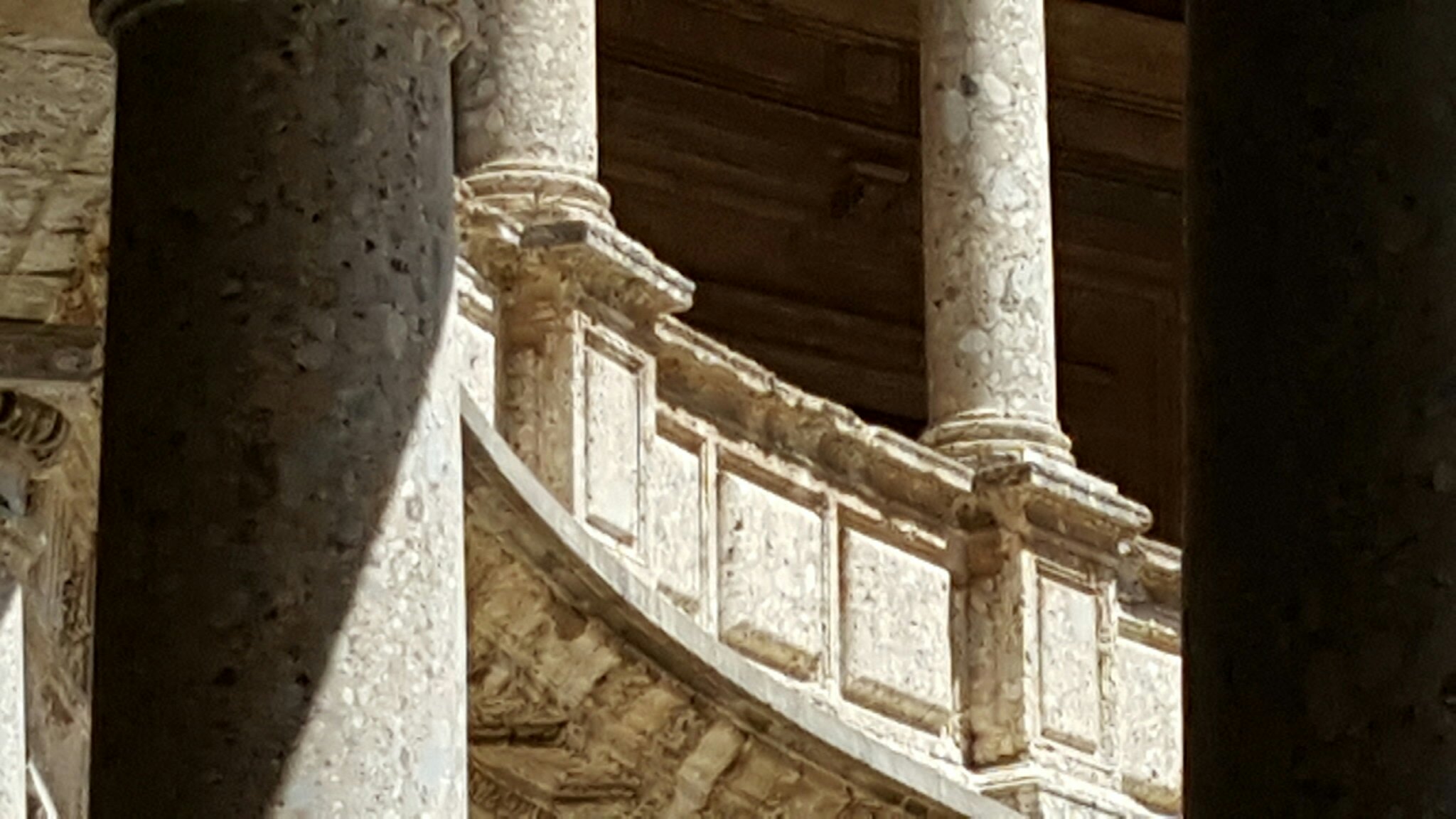
Inside is a noble circular courtyard:-

We were not detained by the Alcazaba, the fortress at the end of the hill overlooking Granada:-

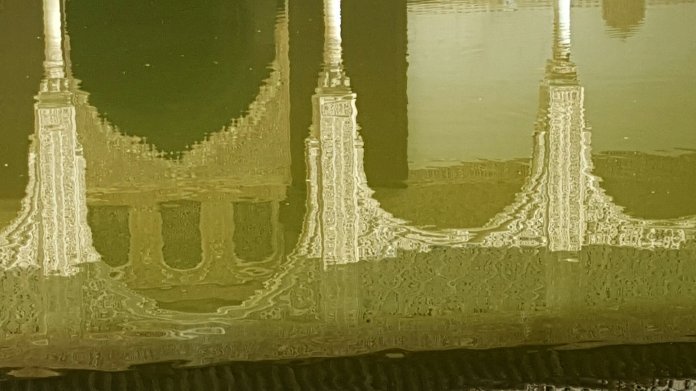
Instead, we took the ramp straight down into the Patio de los Arrayanes – the Court of the Myrtles:-
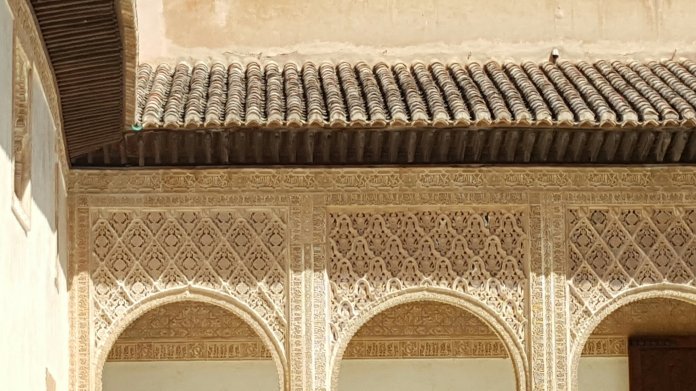
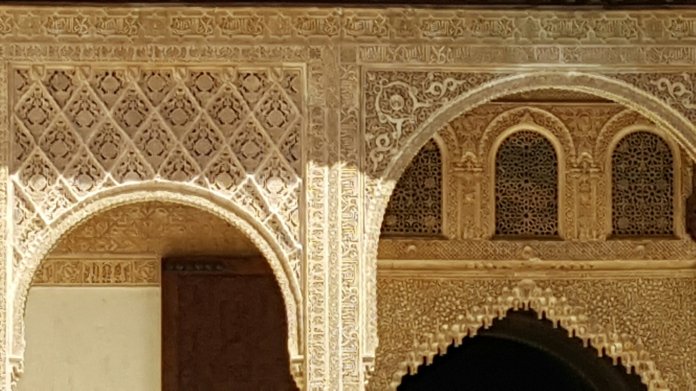
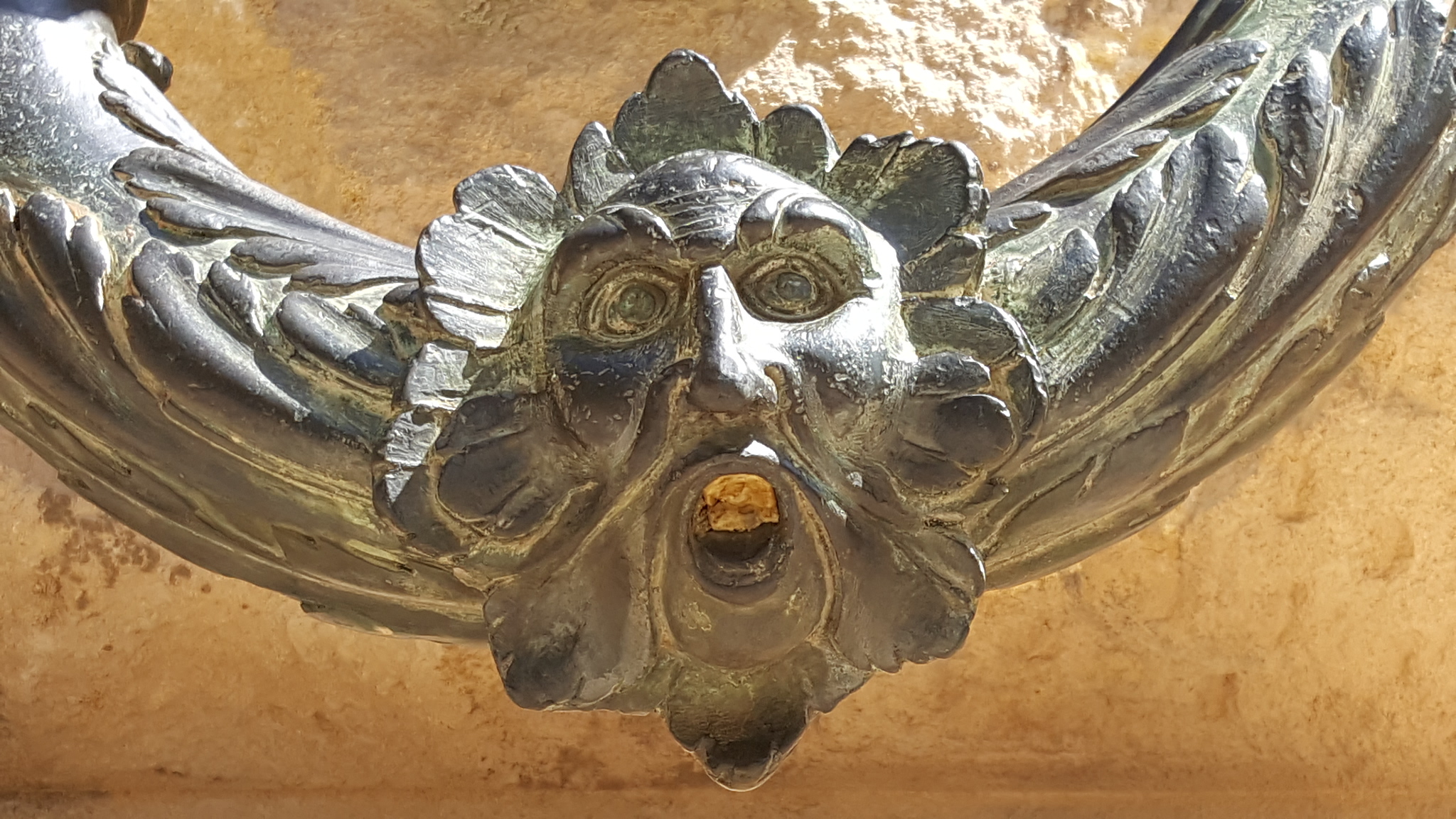
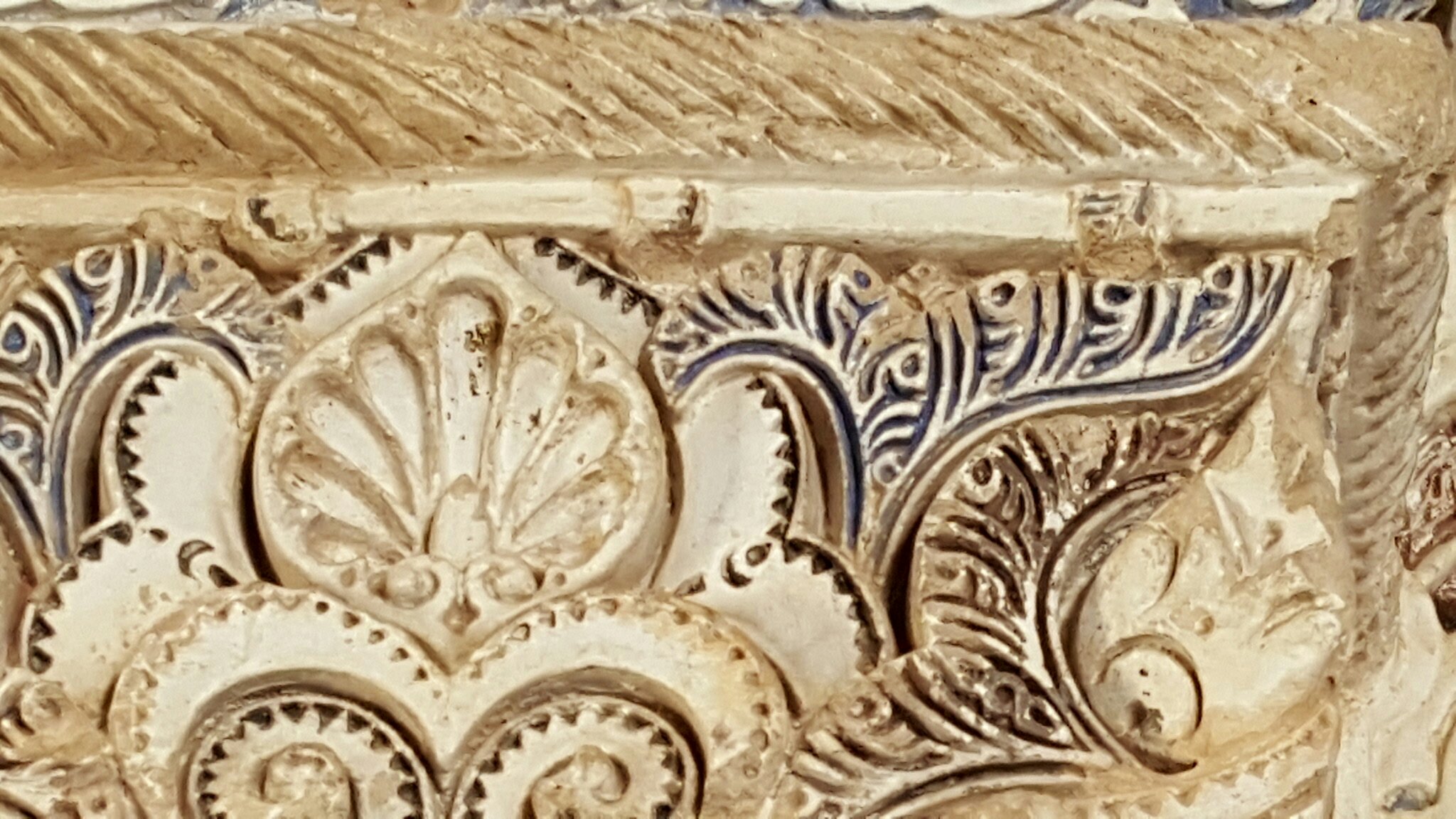
Everywhere, there was very beautiful, rampant, ornamental decoration:-
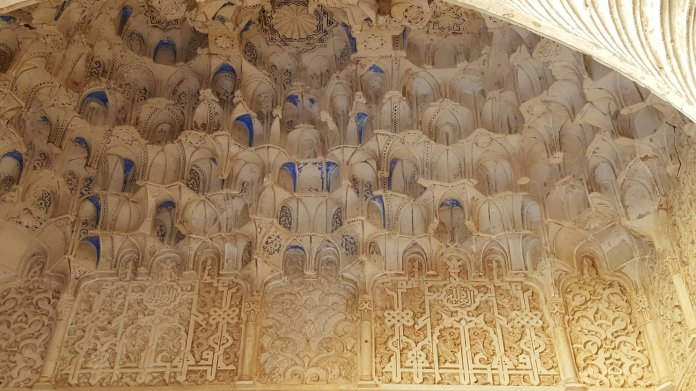
At the north end is the Sala de la Barca:-
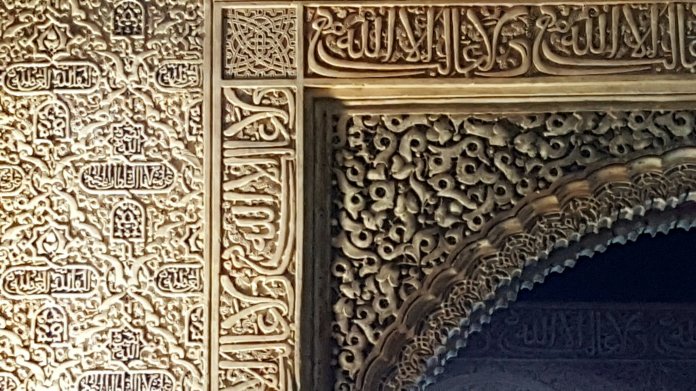
Then through into the Patio de los Leones:-
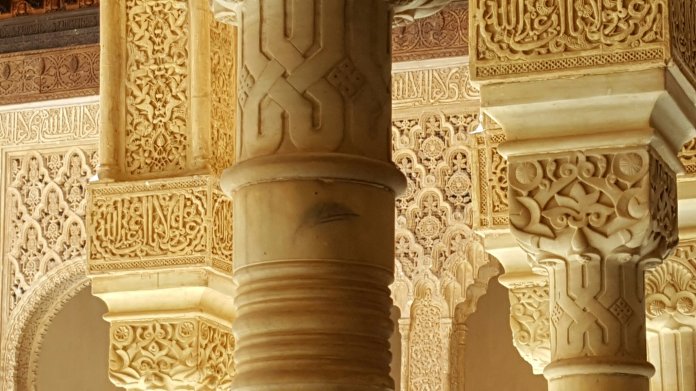
I will end the morning tour with the wild decoration of the Sala de los Abencerrajes:-

Standard

Órgiva

We had Easter lunch in a beer garden in Órgiva to the sound of loud church bells from the church in the main square and explosions of fireworks.   The rest of the town was deserted in the heat of the afternoon:  half mountain resort on the edge of the Sierra Nevada, half hippy colony, with weather-beaten travellers.

The church:-

Balconies:-

A villa/farm down in the valley:-

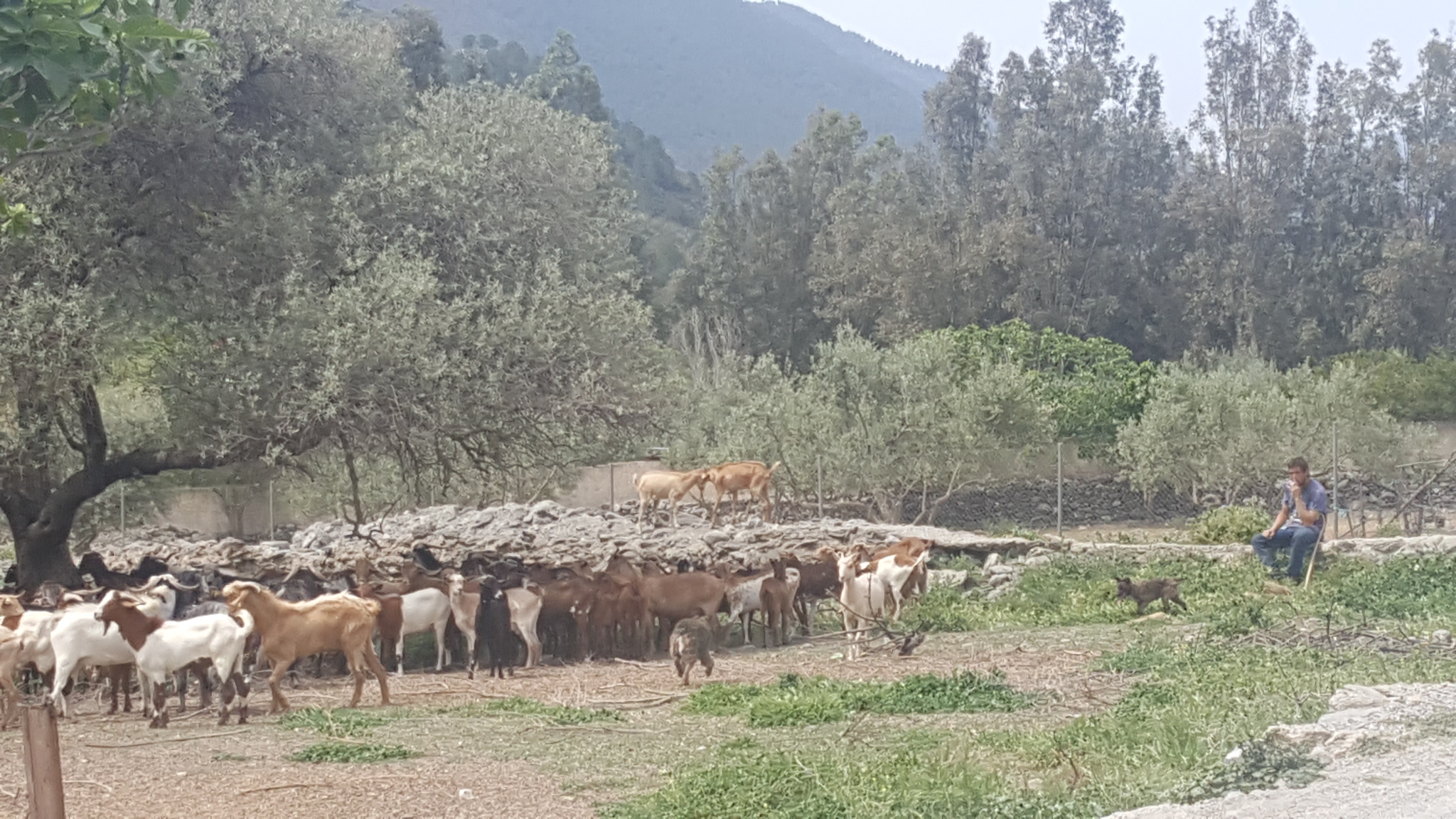
And goats:-

Standard

Cathie Pilkington RA (2)

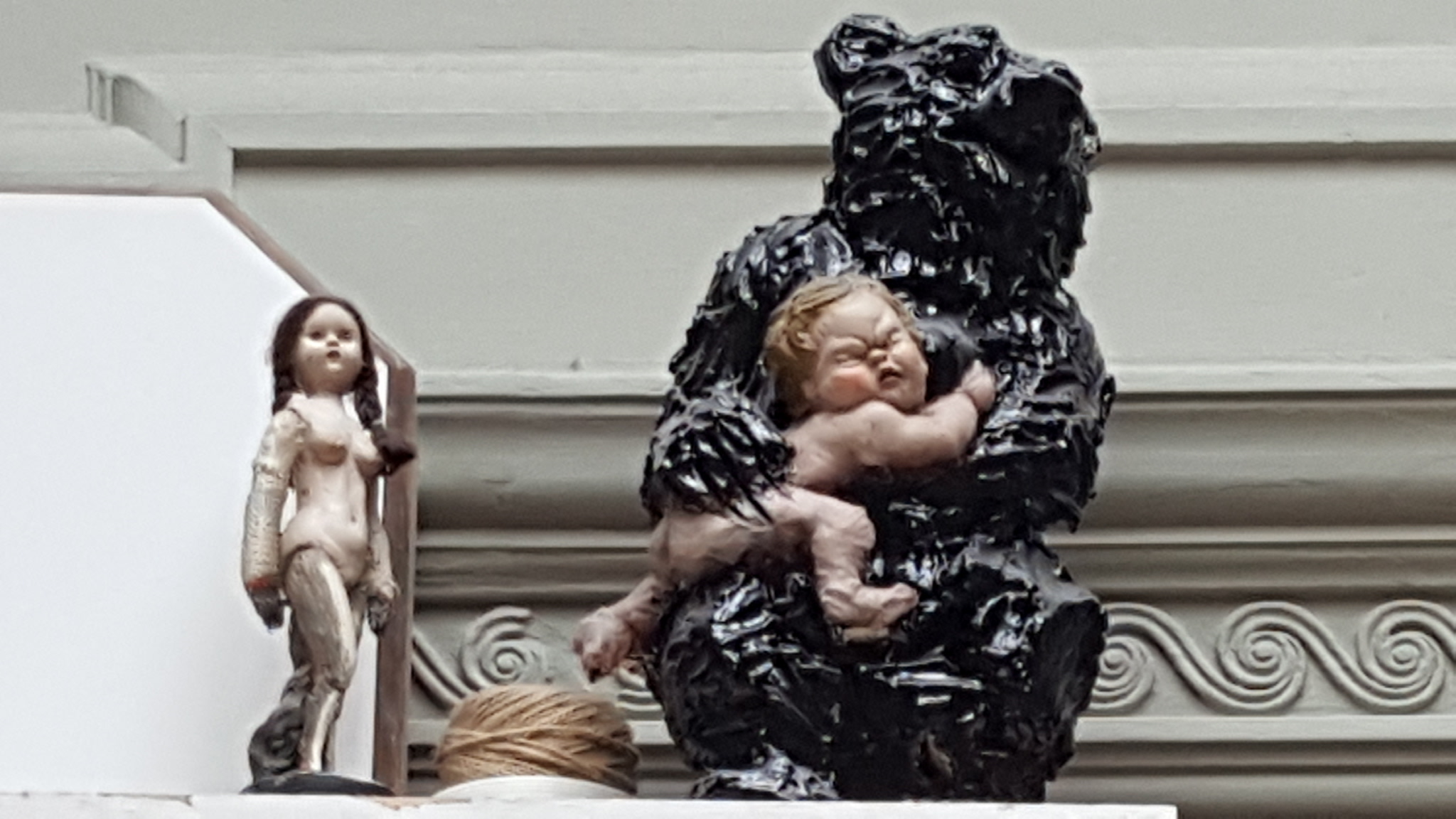
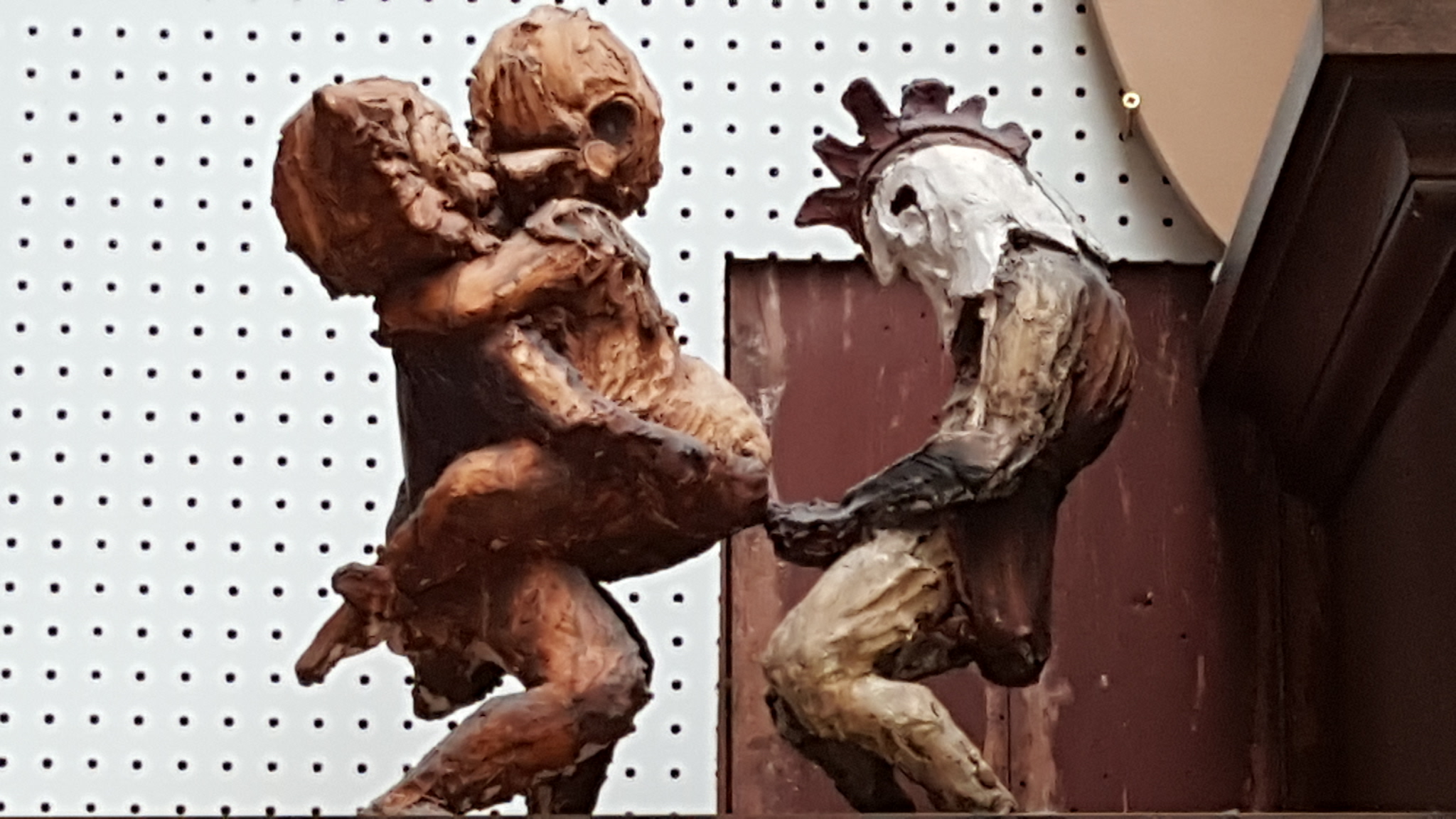
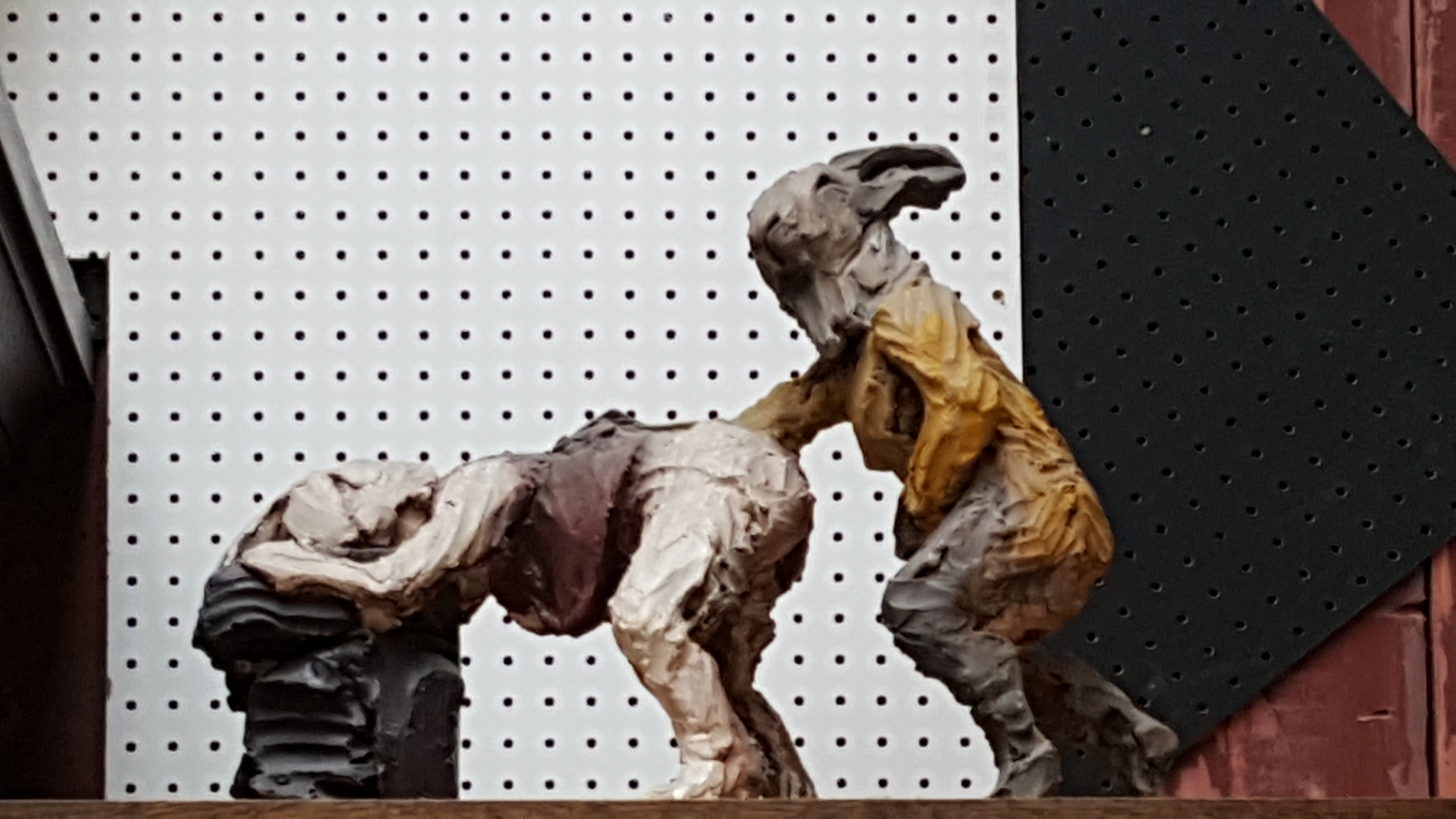
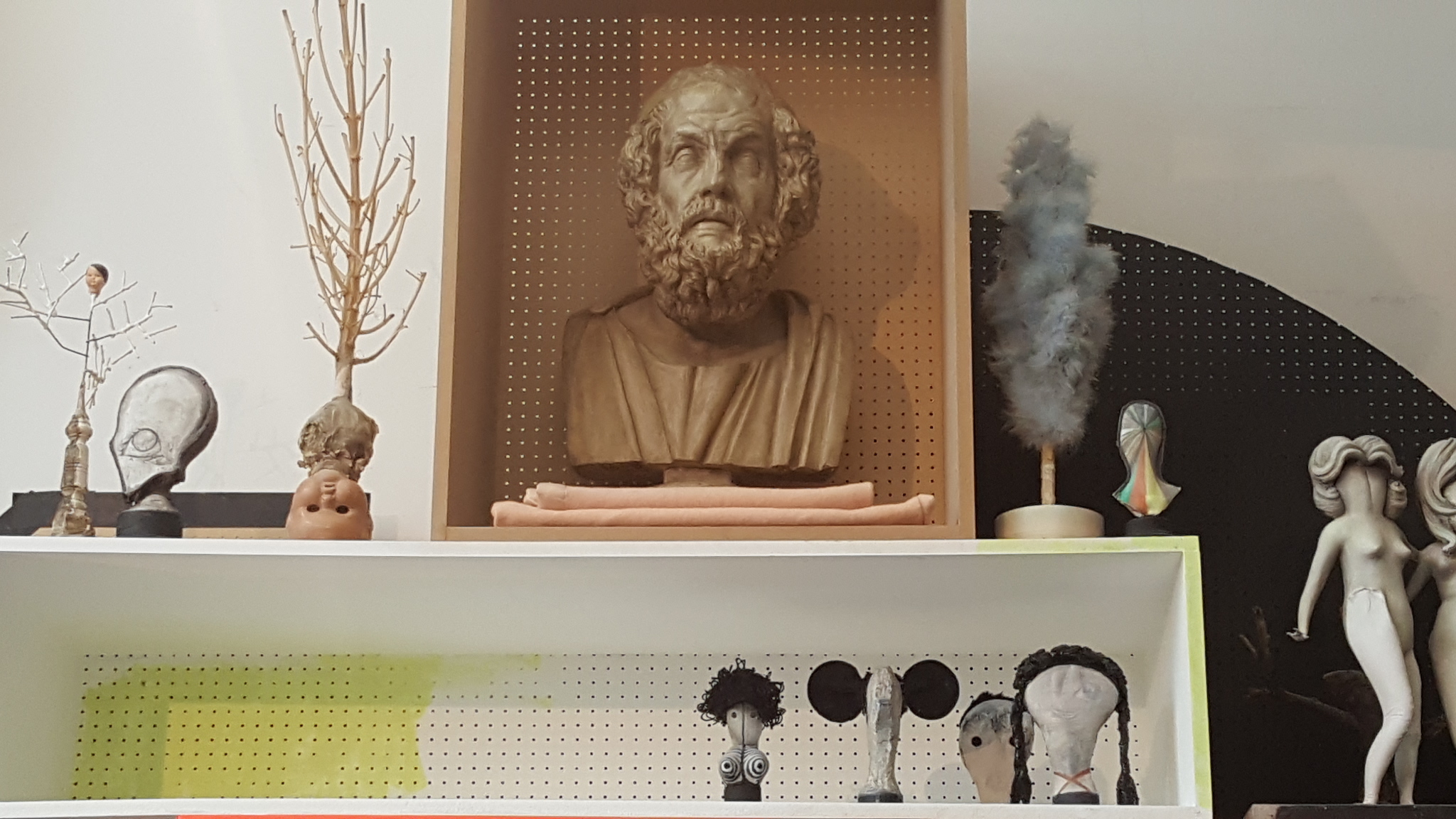
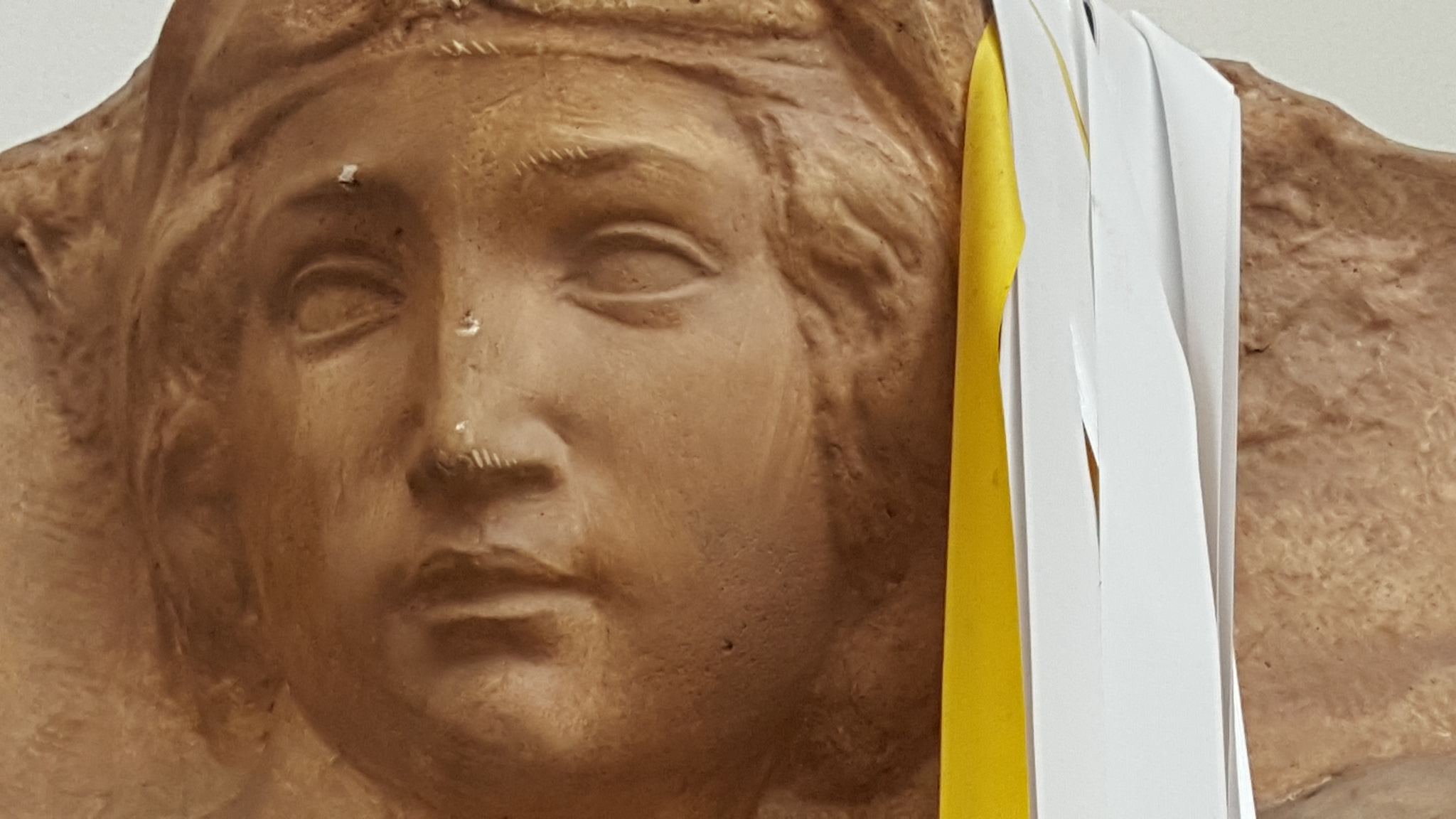
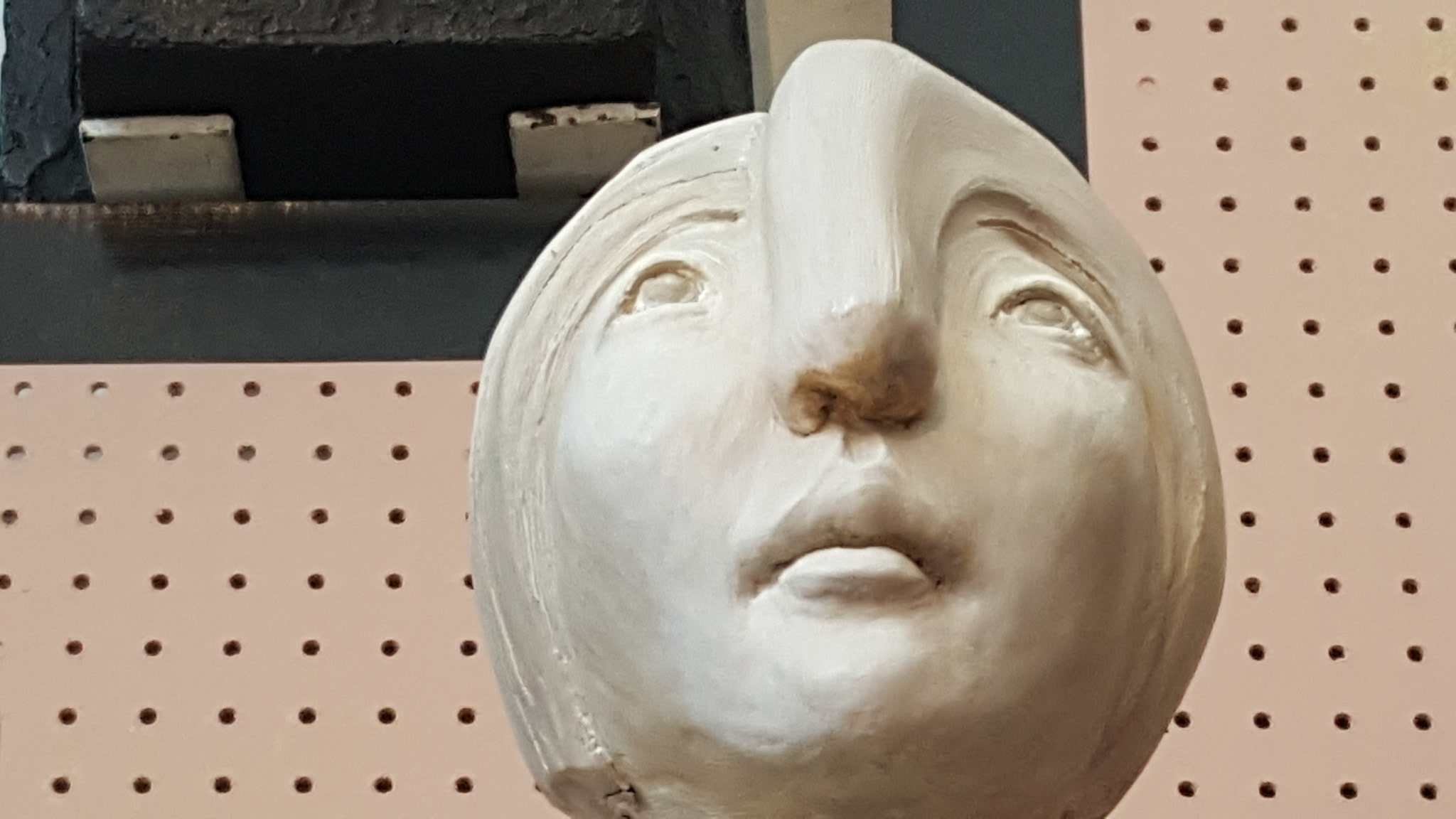
I am also posting for good measure pictures of Cathie’s macabre neo-baroque fantasy which has been piled behind the bar in the Academicians’ Room for quite a long time, but is soon to disappear:-

Standard

Cathie Pilkington RA (1)

I went to see Cathie Pilkington’s exhibition in the Royal Academy Schools (she is Professor of Sculpture).   It turned out that it’s the last day, so this is a record of an ephemeral moment before the exhibition moves to Brighton University as part of the Brighton Festival early next month.   She has colonised and adapted the Life Room by invading it with her own surreal clay and plaster figures, based on Degas’s late wax dancers, so that a room which always has elements of the macabre, including the Crucifixion of James Legge, becomes doubly or trebly surreal:-

Standard

George Frampton RA (2)

Realising that it’s Good Friday and not having to be at the RA till 9, I thought I’d take a slight detour in order to have a look at two other works by Frampton.   First, his monument to W.S. Gilbert of Gilbert and Sullivan fame, who is commemorated on the Victoria Embankment in a dreary and badly lit position immediately opposite Embankment station, flanked by Comedy and Tragedy:-

The second is his statue of Dame Edith Cavell, immediately opposite the NPG, commissioned in 1915 after Cavell was shot for treason in October 1915.   Frampton wouldn’t accept a fee.   It was unveiled in March 1920:-

Standard

George Frampton RA (1)

The other piece of sculpture which caught my attention at the RA was the spandrel to the right of the great portico which shows a faintly elfin-like youth with trousers, but no shirt, admiring a much more diminutive figure who is holding a model of – as it happens – the façade of the V&A.   It’s quite obviously not by Alfred Drury who was responsible for much of the portico, but instead by George Frampton, his contemporary and a student of the RA Schools, who won the Gold Medal and also spent time working in Paris.   His work was more Arts and Crafts than Drury’s, and, from the look of it, quite a bit more art nouveau:-

Standard

Alfred Drury RA

I’ve realised that I don’t know much about Alfred Drury RA, even in spite of the fact that I walk past his statue of Joshua Reynolds nearly every day.   The answer is that he is a classic late nineteenth-century monumental sculptor, much admired in his day and responsible for major works of sculpture in northern cities, as well as work on the Victoria Memorial and on the façade of the old War Office, but now pretty much forgotten.   A chorister in Oxford and protégé of Alfred Stevens, he was trained in South Kensington by F.W. Moody and then, after four years in Paris working for Jules Dalou, went to work as an assistant to Joseph Boehm.   He became an RA in November 1913, was keen on roses, and died in Wimbledon in 1944.

As it happens, he was also responsible for the statue of Queen Victoria above the portico at the V&A, which I also admired earlier in the week:-

Standard