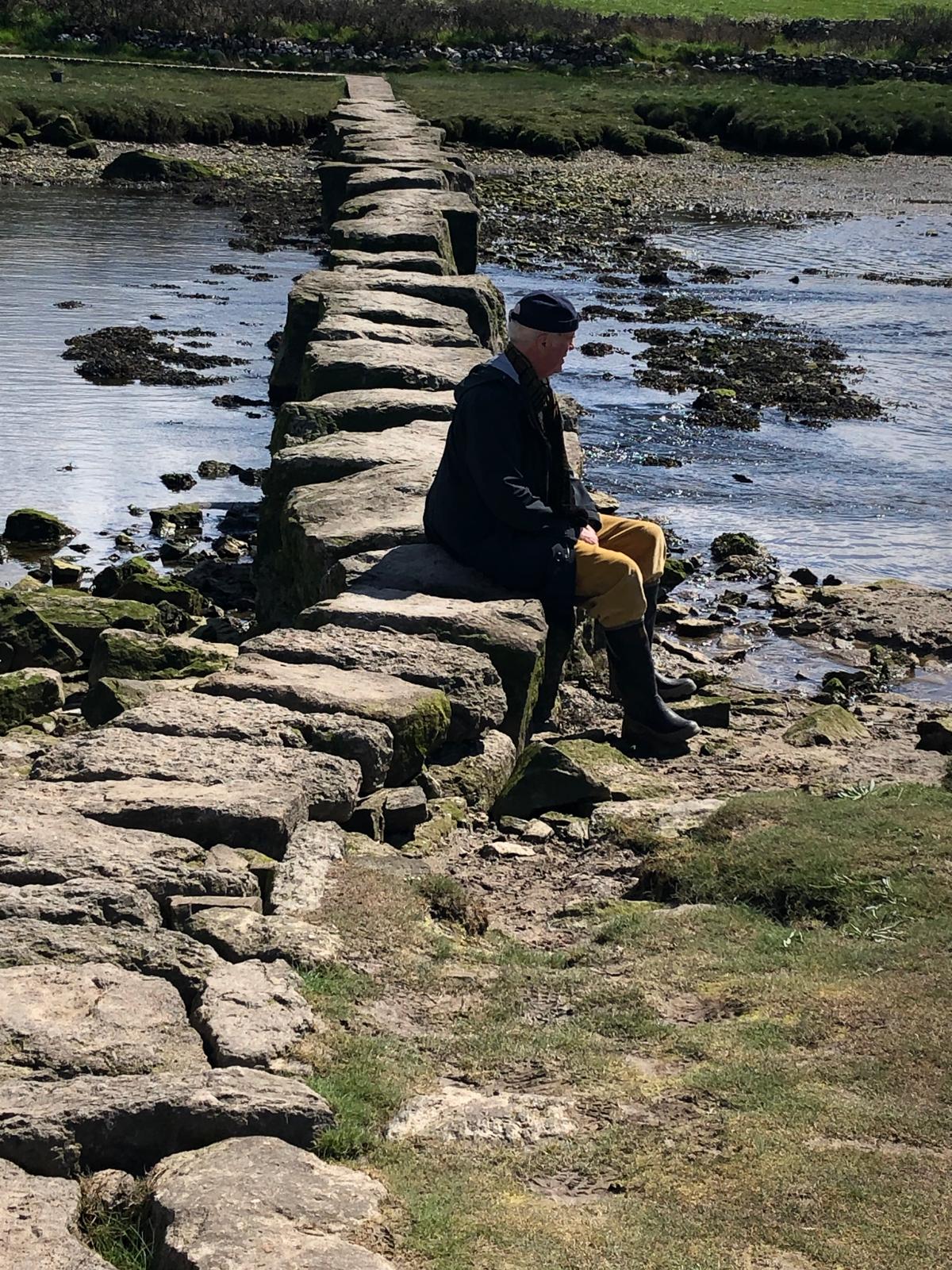
I was extremely sorry to hear of the death of Martin Roth, the former Director of the V&A, who by chance I already knew quite well when he was Director General of the Dresden State Art Collections (he had been enraged when it was announced that the National Gallery had acquired Adolph Menzel’s Afternoon in the Tuileries Gardens which had been discussed and agreed with his staff, but not with him, and he asked me to attend the press conference for his Menzel exhibition to answer questions from the German press, which I perhaps rashly did). I notice that none of the obituaries so far have referred to the op-ed article he wrote for the Evening Standard in February 2016 bringing a long historical perspective to the Europeanness of English culture. Not long afterwards, public officials were banned from expressing an opinion on the referendum, leading to an impoverishment of public debate and perhaps contributing to his sense that he no longer felt comfortable in a more insular Britain.
Monthly Archives: August 2017
Santa Maria delle Grazie
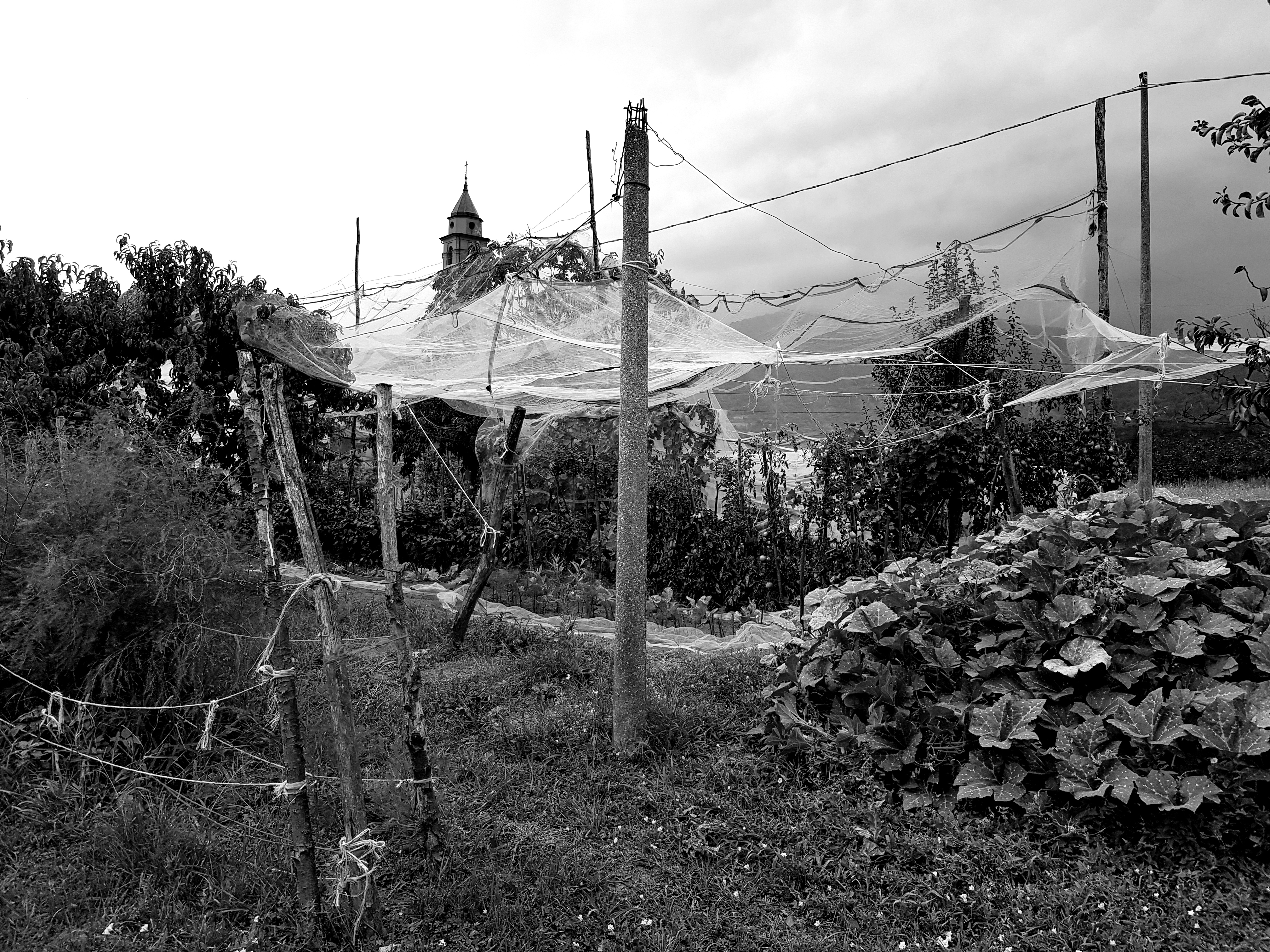
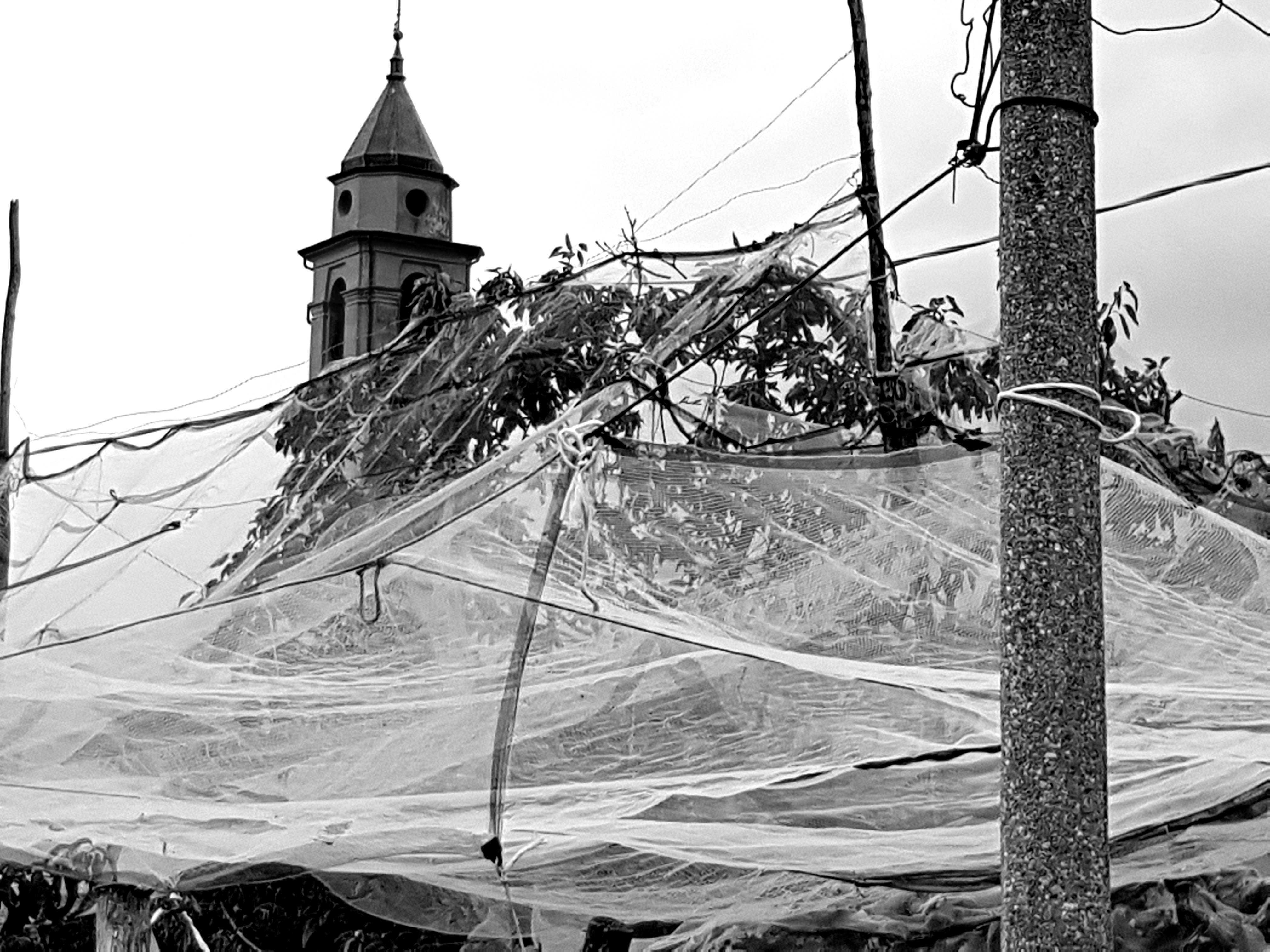
We drove round the local area in search of the local Cooperativa Agricola Bagnolese and came across Santa Maria delle Grazie in the countryside near Bibiana where they were harvesting figs and pears:-

Castello di Bagnolo (3)
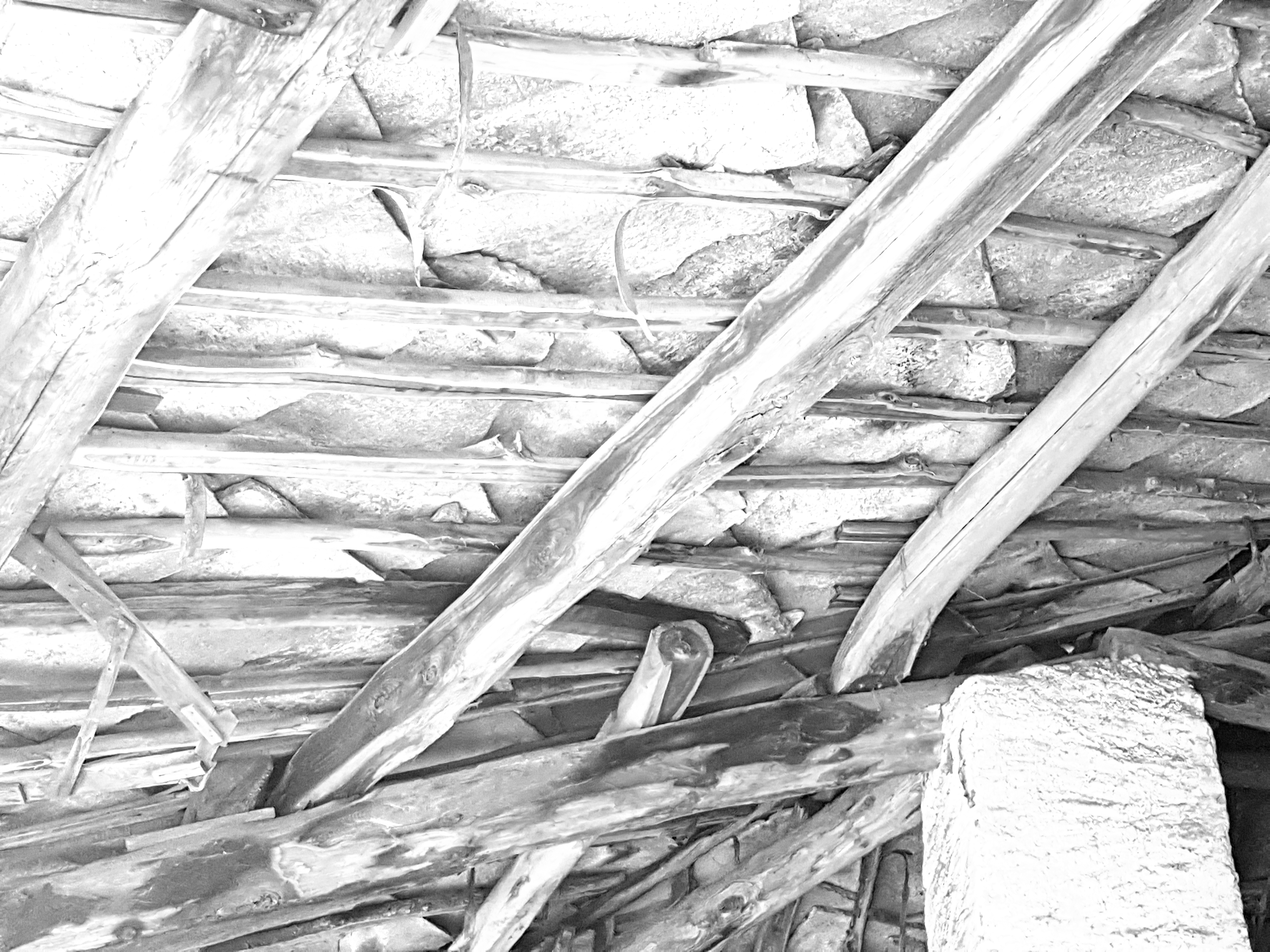
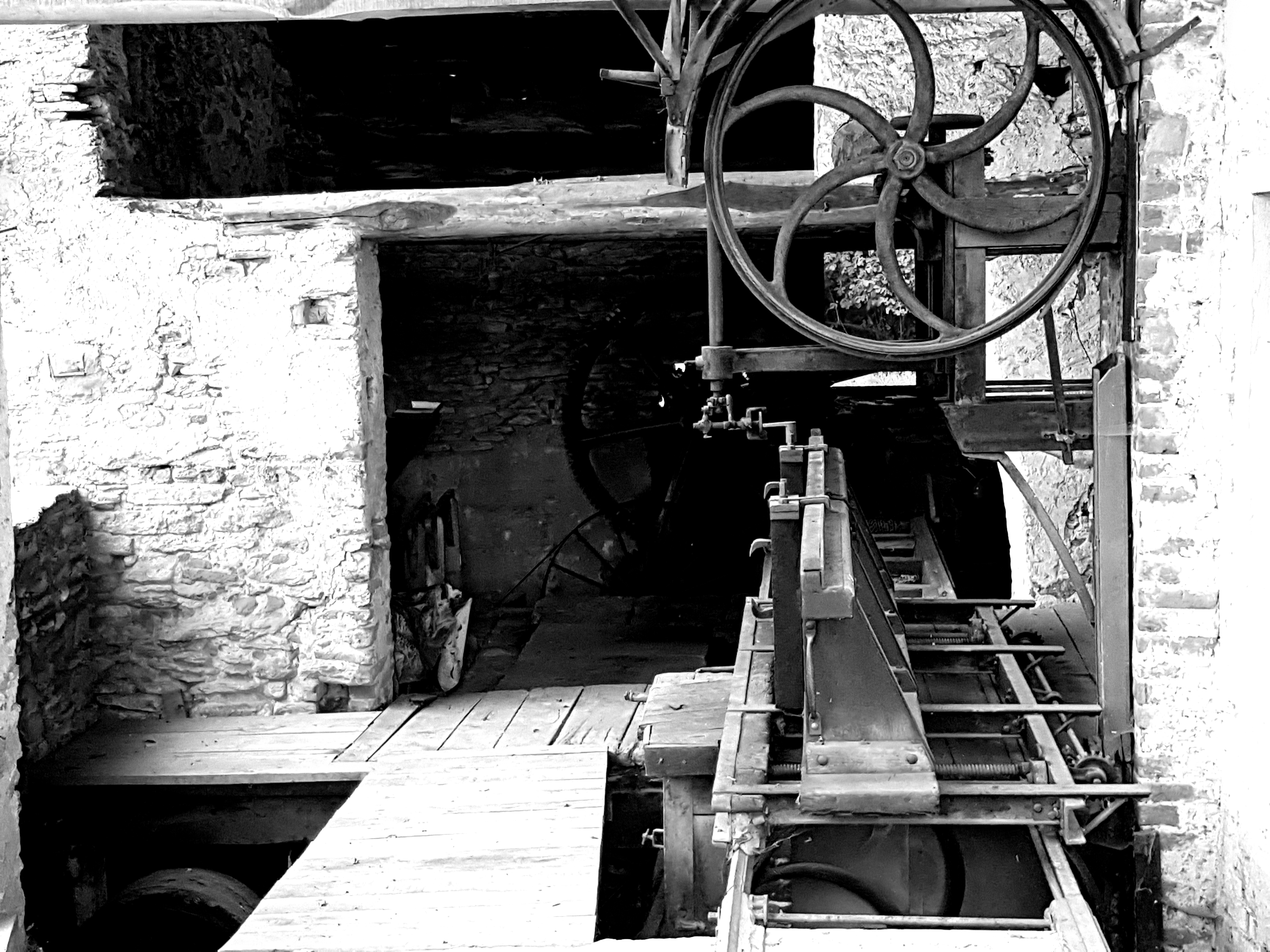
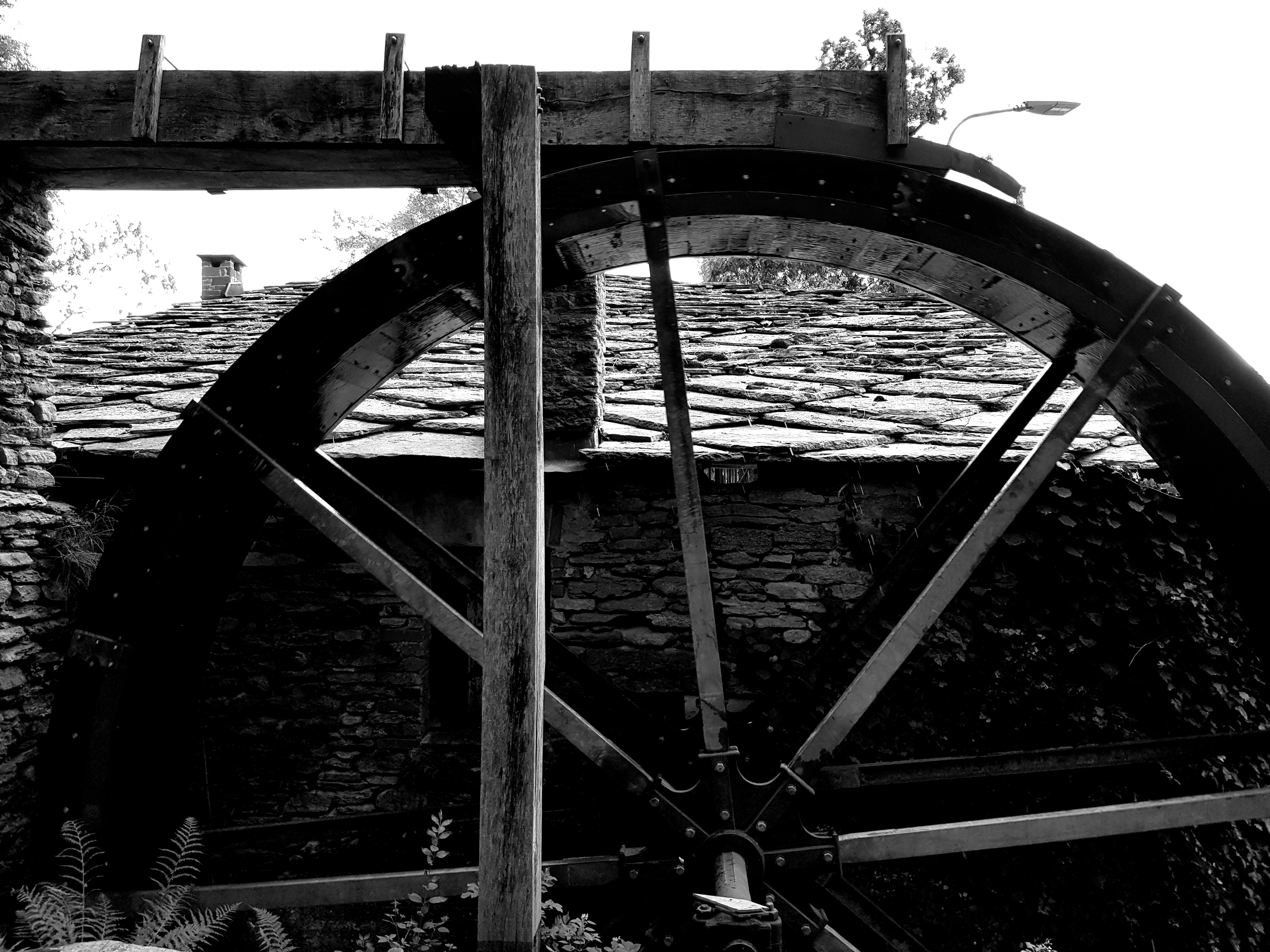
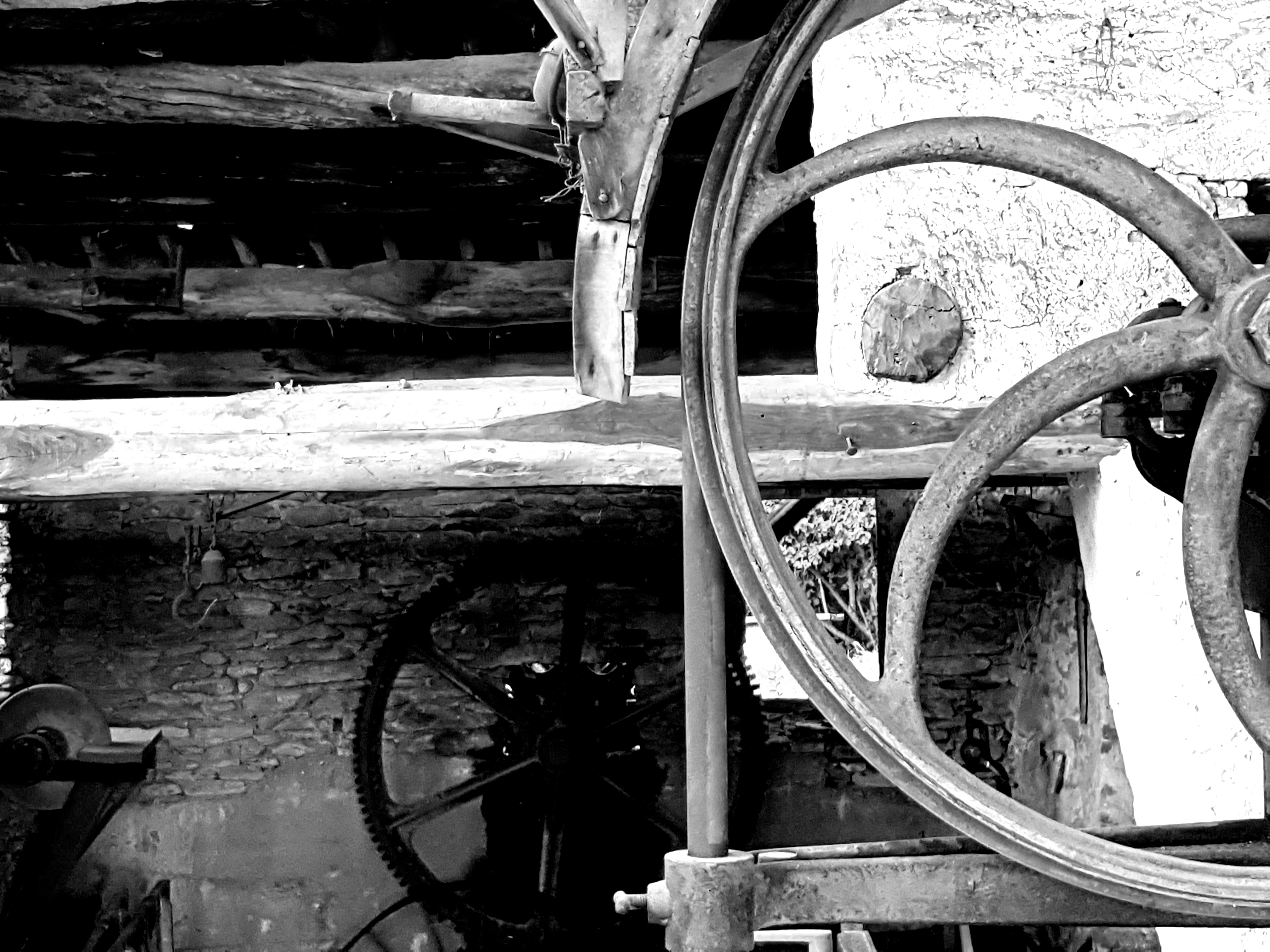
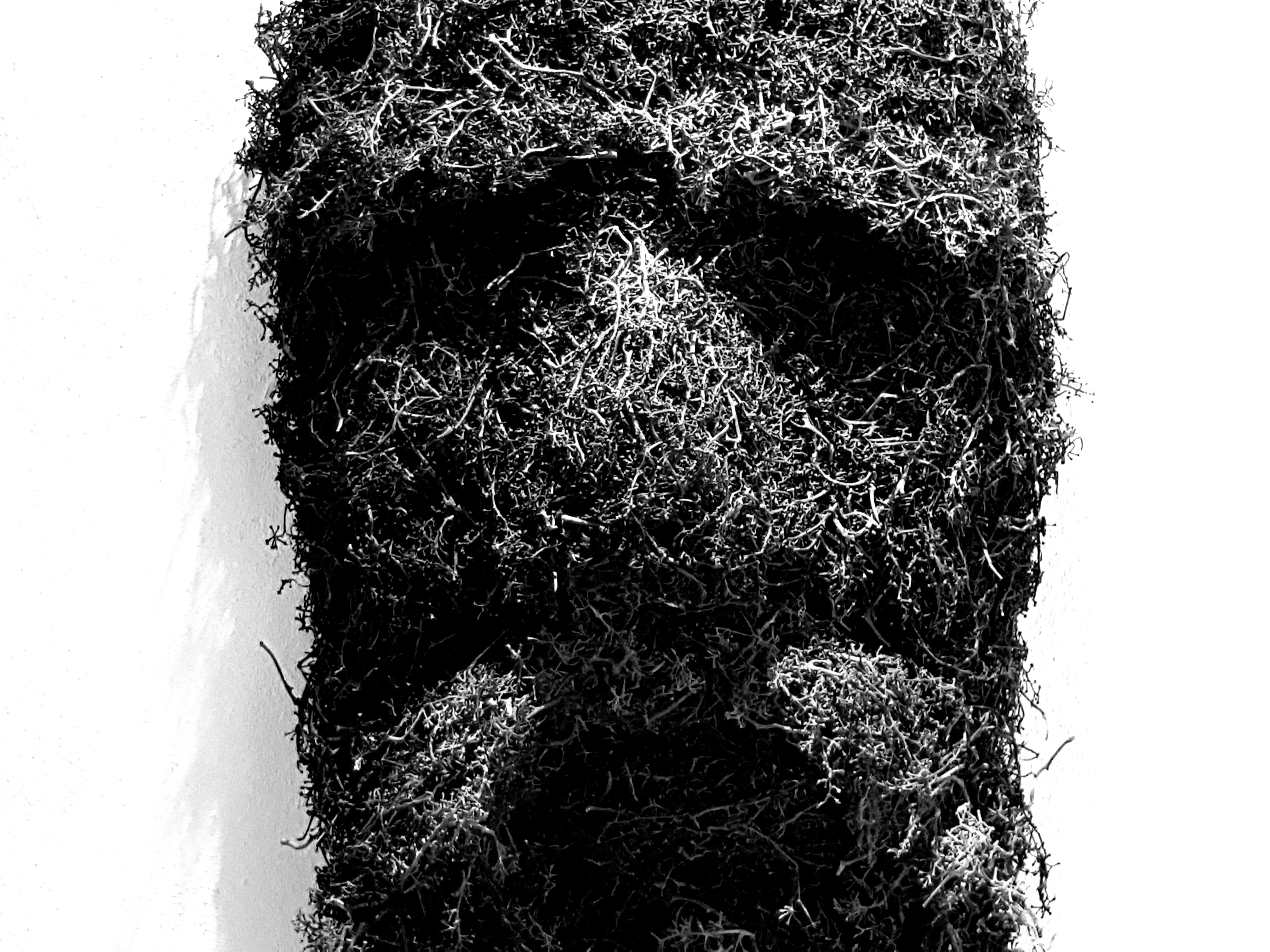
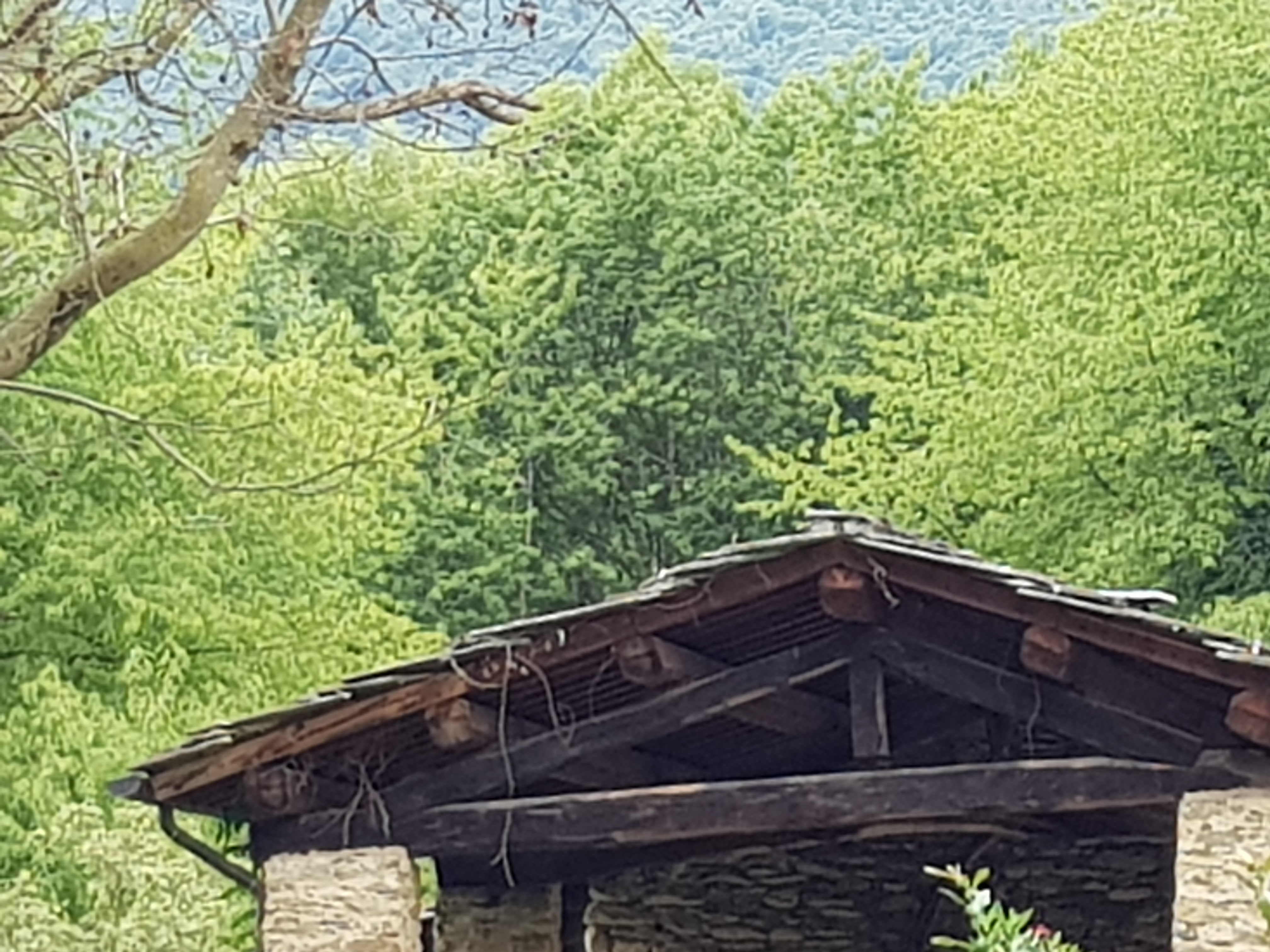
I walked through the woods in the morning to buy fresh bread and eggs and happened to walk past the old mill in the bottom of the valley where the wheel was turning. I started photographing the amazing roof beams, which I would have thought were medieval, but may only be eighteenth century. The mill was apparently used for woodworking up until the 1960s (you can see the multiple scraps surviving on the floor) and has now been transformed into an artist’s studio (as you will see, I am temporarily obsessed by black-and-white):-

Santo Volto
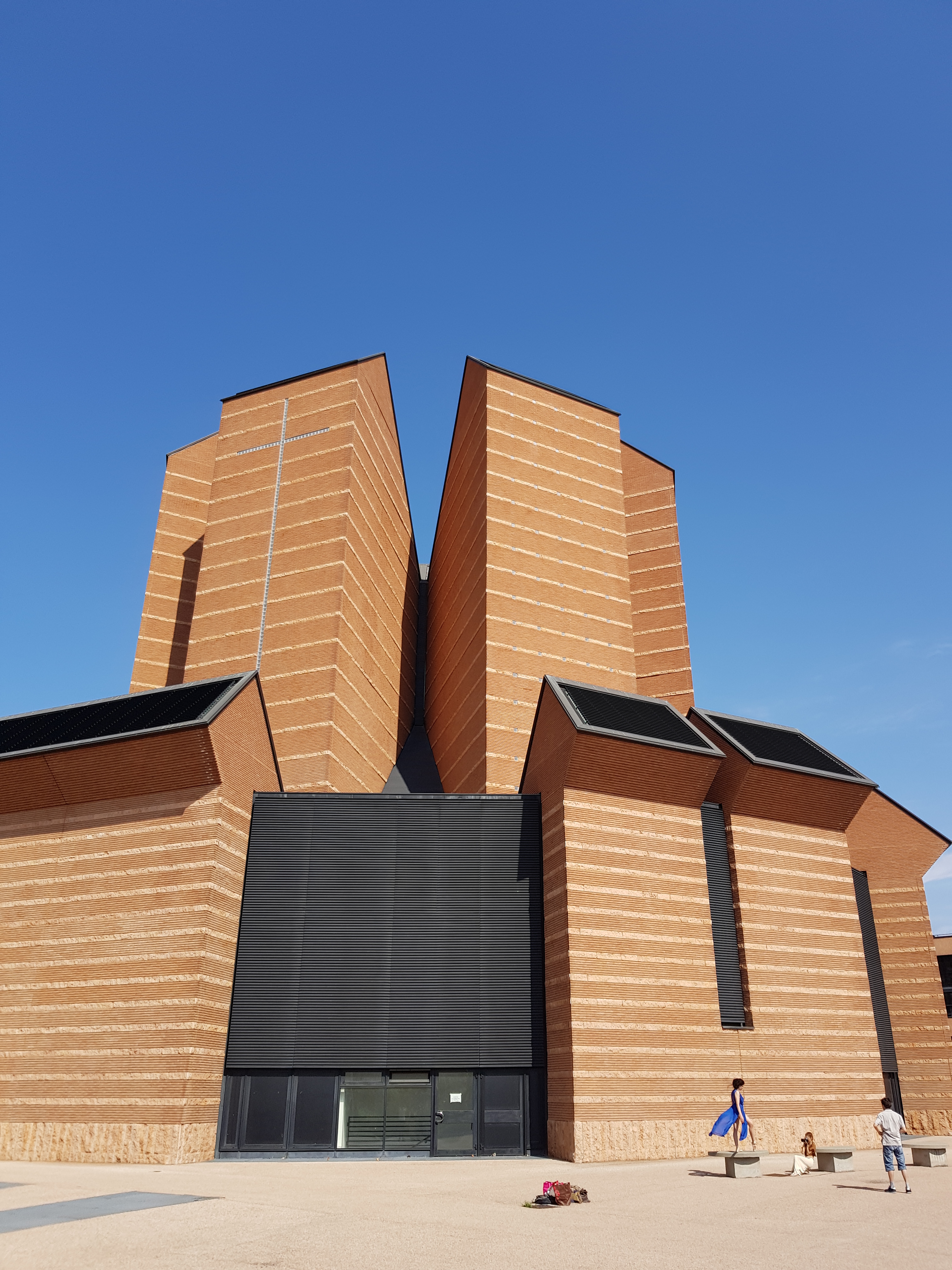
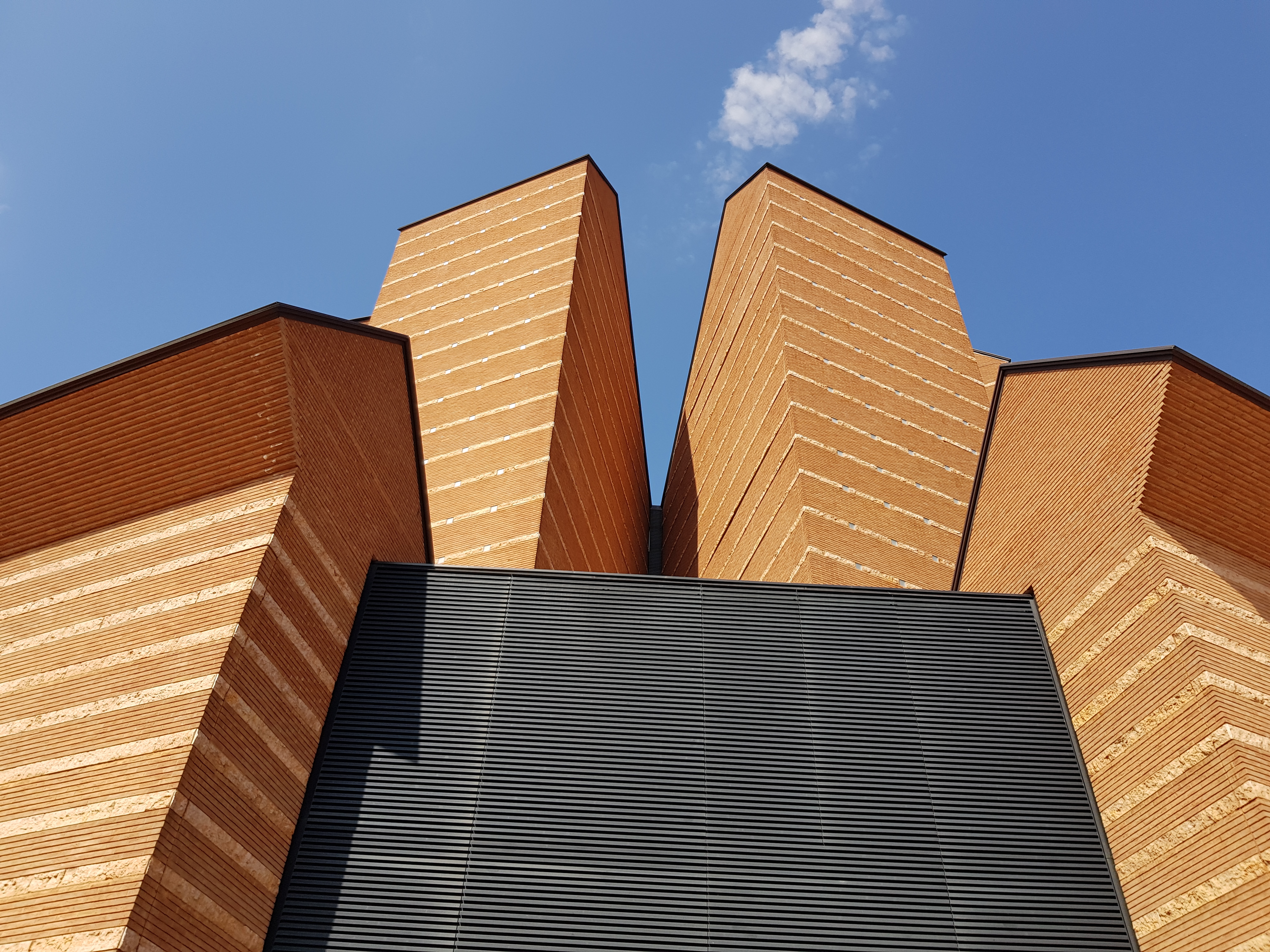
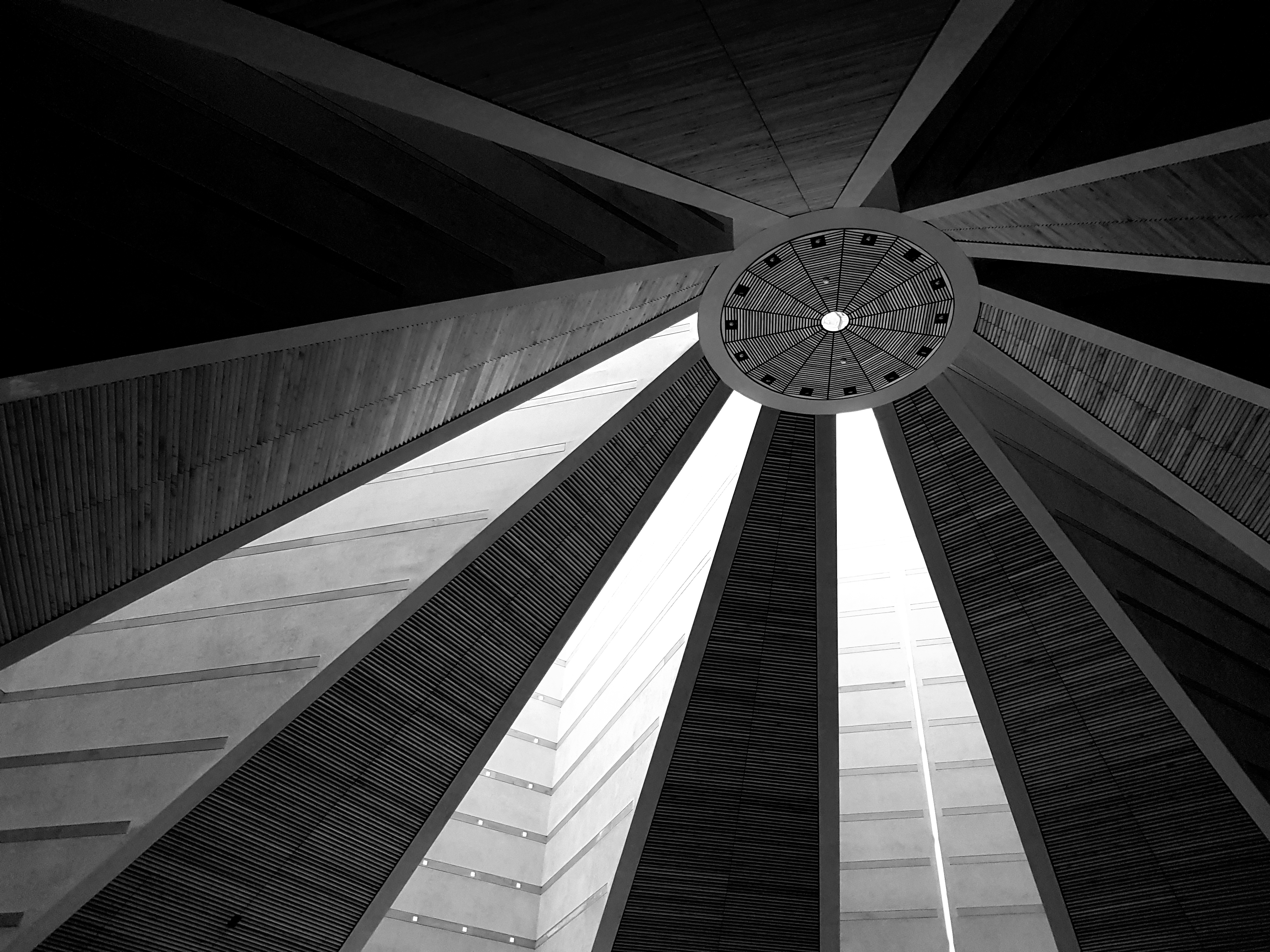
I had read about Santo Volto, Mario Botta’s massive, brick tabernacle church in an industrial suburb of Turin, in the Wallpaper guide. It was definitely worth seeing, smaller than it looks in photographs, aiming to house thousands, with very good brickwork and what look like air vents outside. It was being used – not surprisingly – for a tacky photo shoot:-

And the interior in black-and-white:-
Castello di Bagnolo (2)
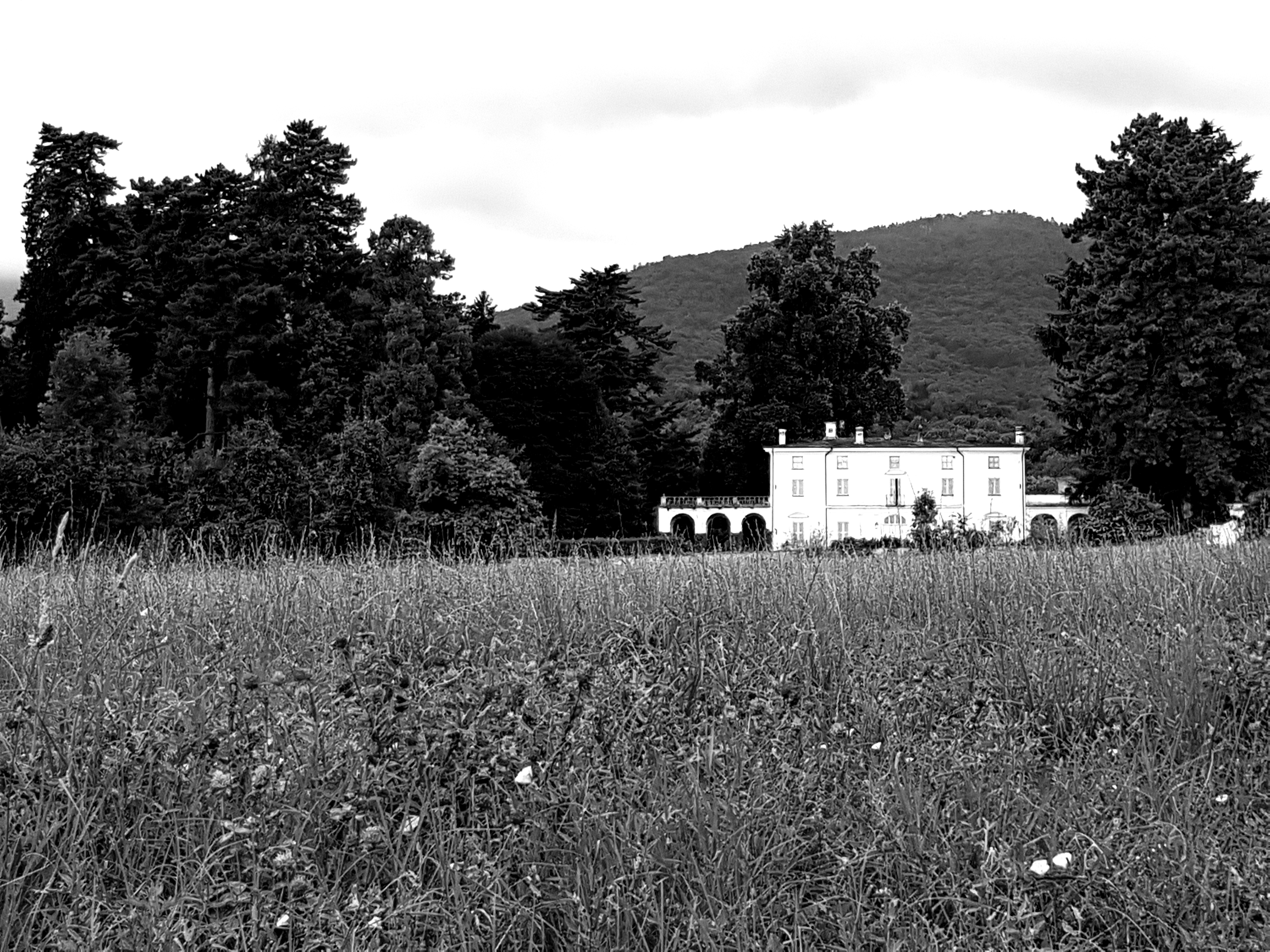
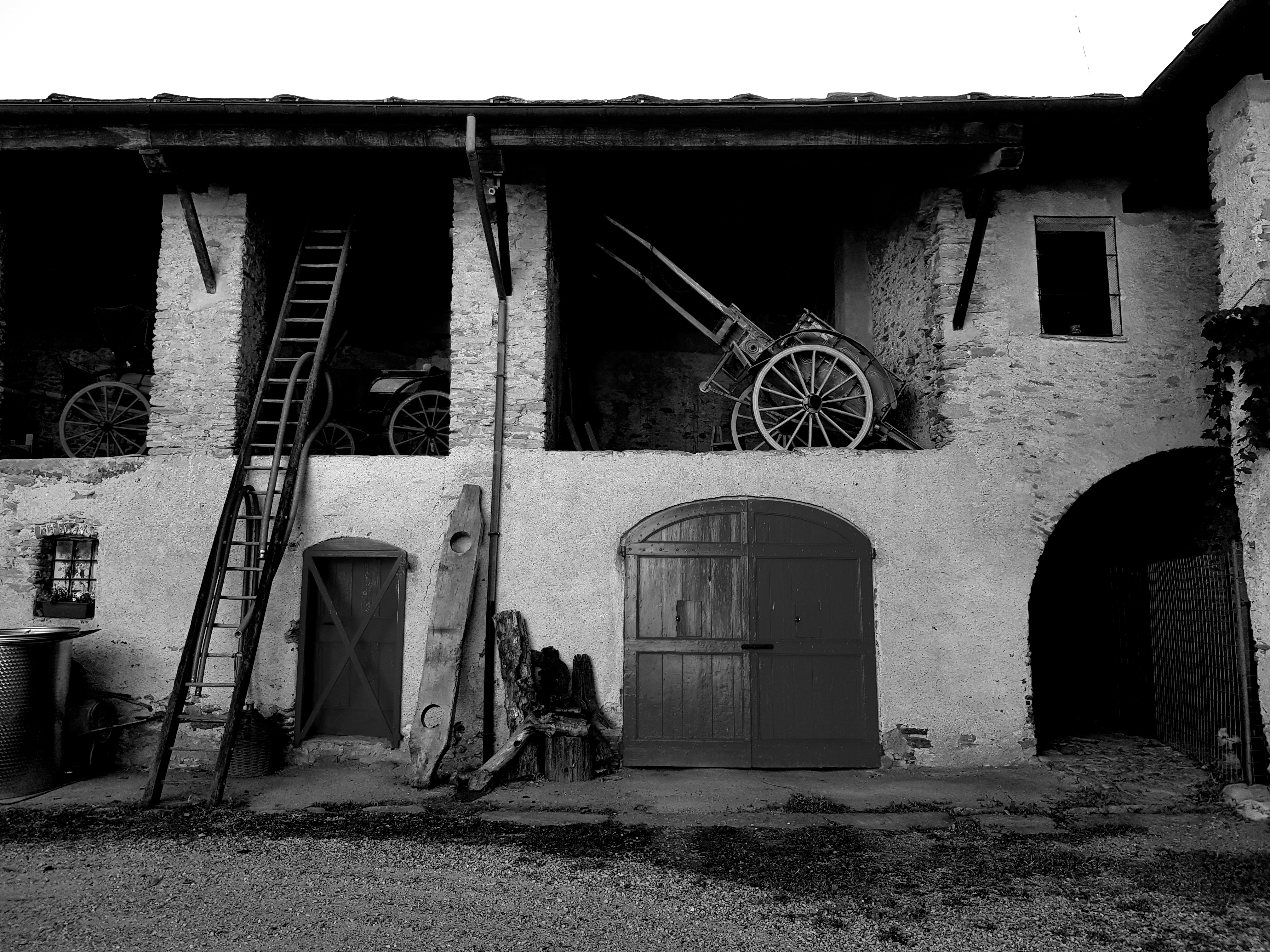
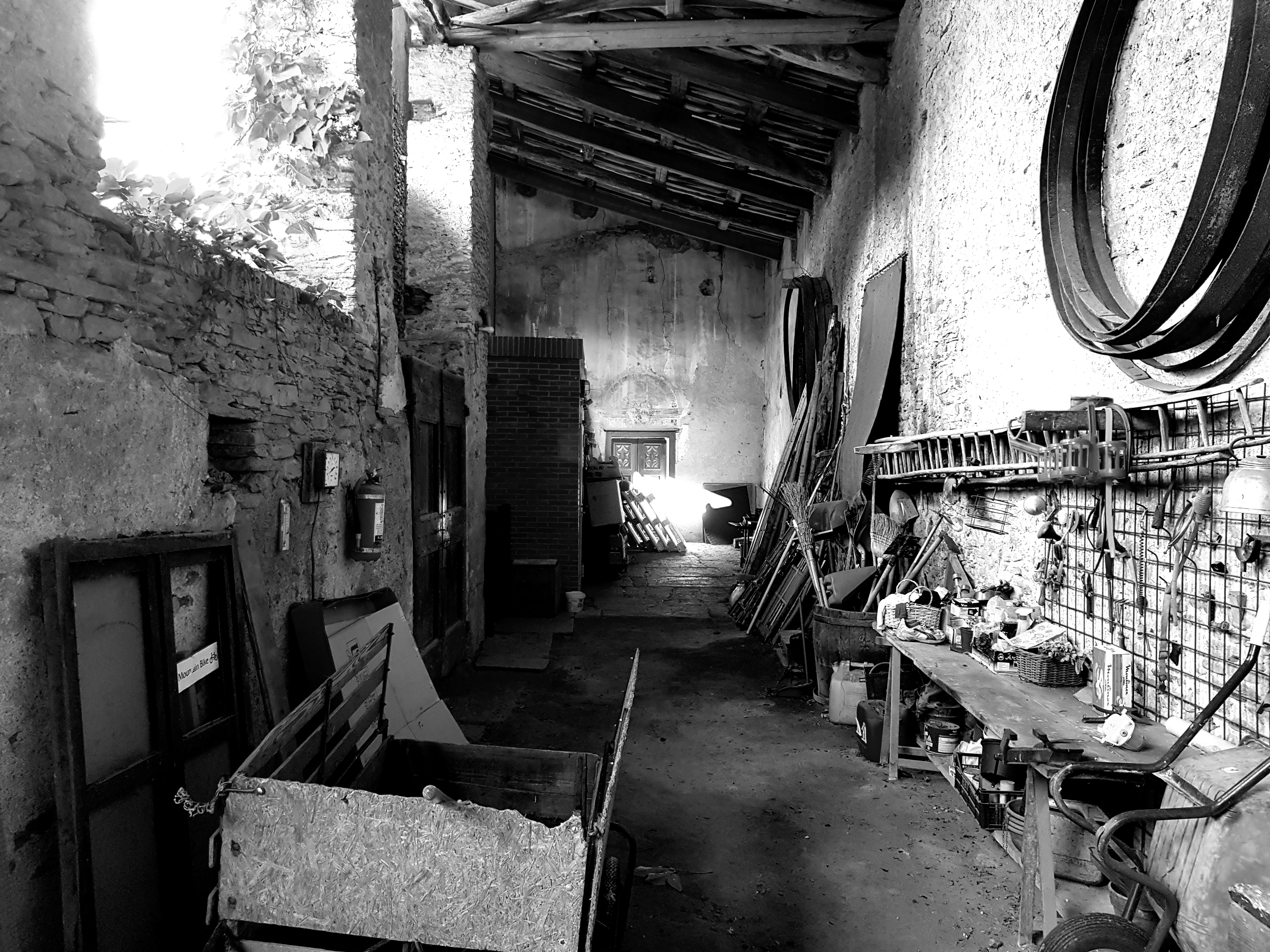
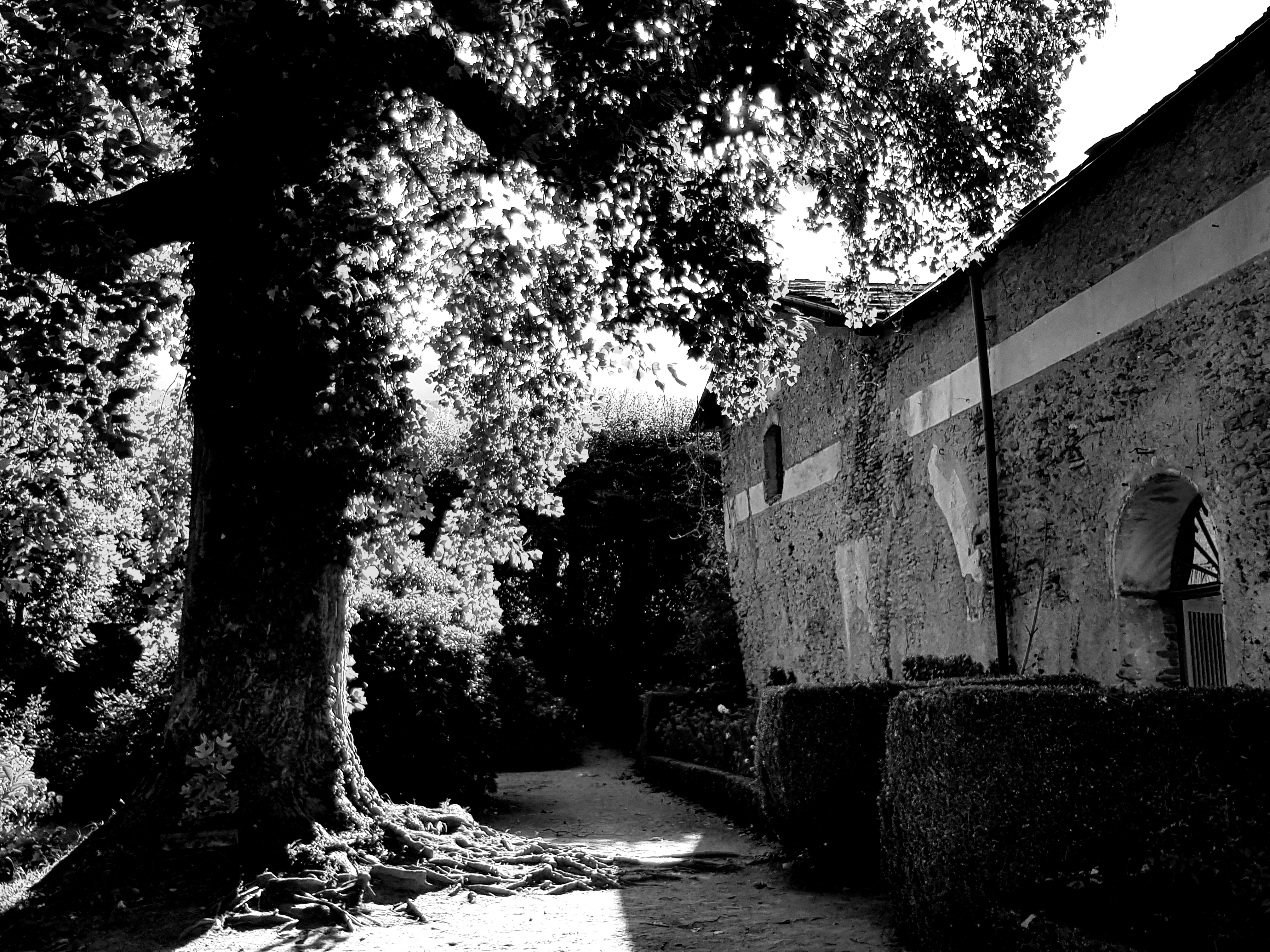
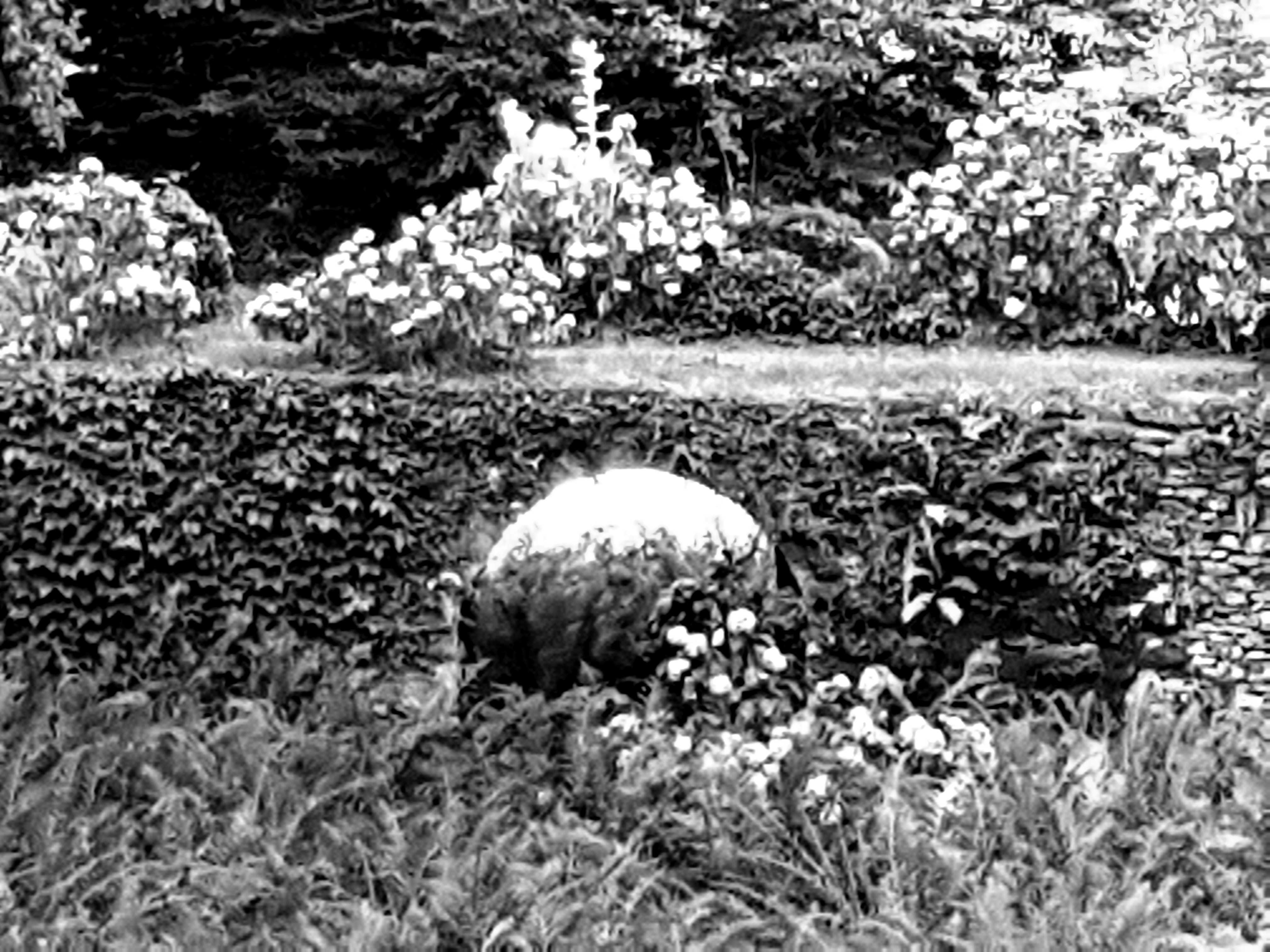
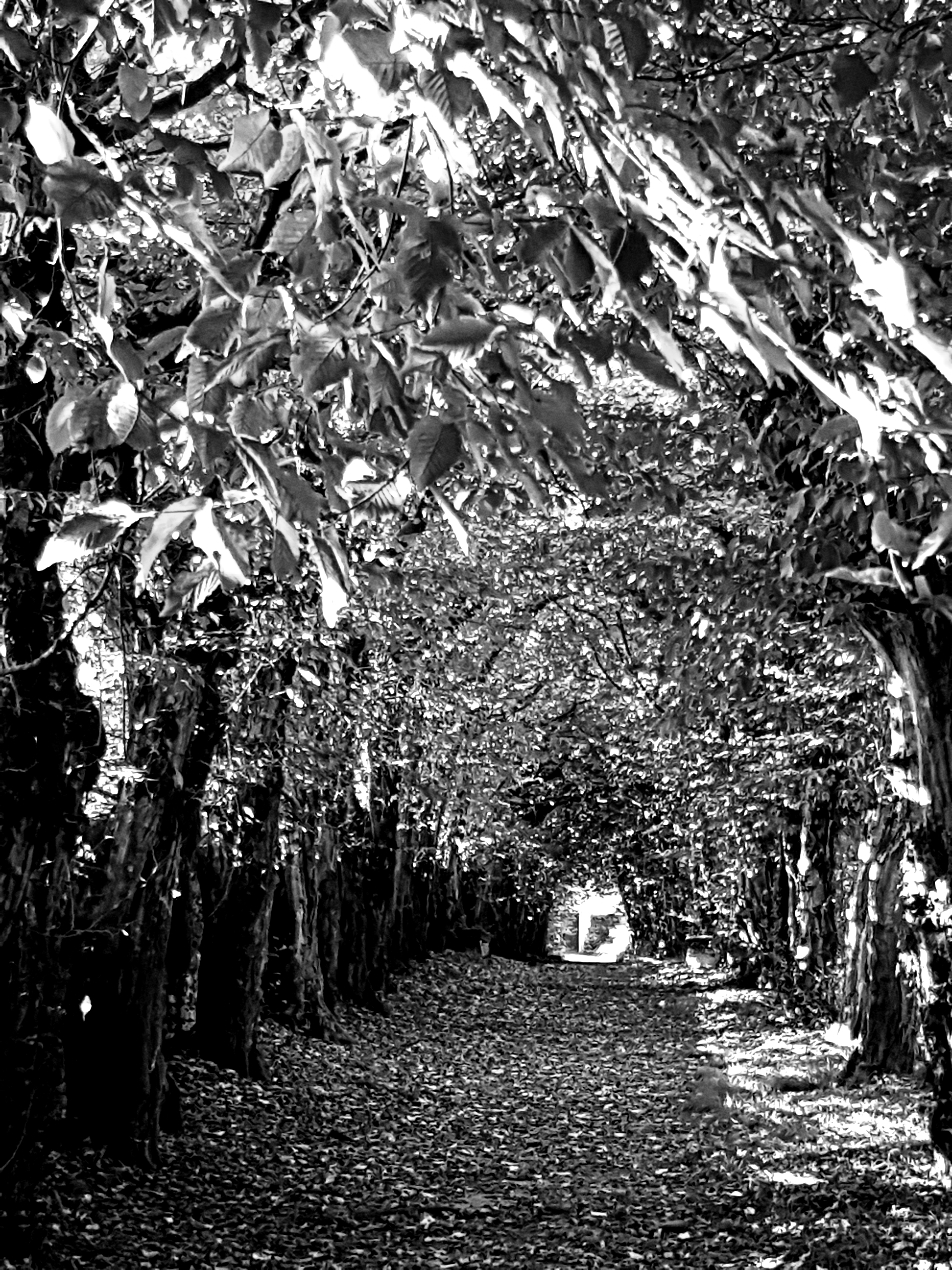
By a strange quirk of the Samsung, as I was walking round the park of the palazzo, my telephone turned to black-and-white, as if intuiting that this was the appropriate for a garden which feels unchanged since at least the first half of the last century.
The chapel, with the mountains beyond:-

The courtyard:-

This was the moment when the camera decided that it would look better in black-and-white:-
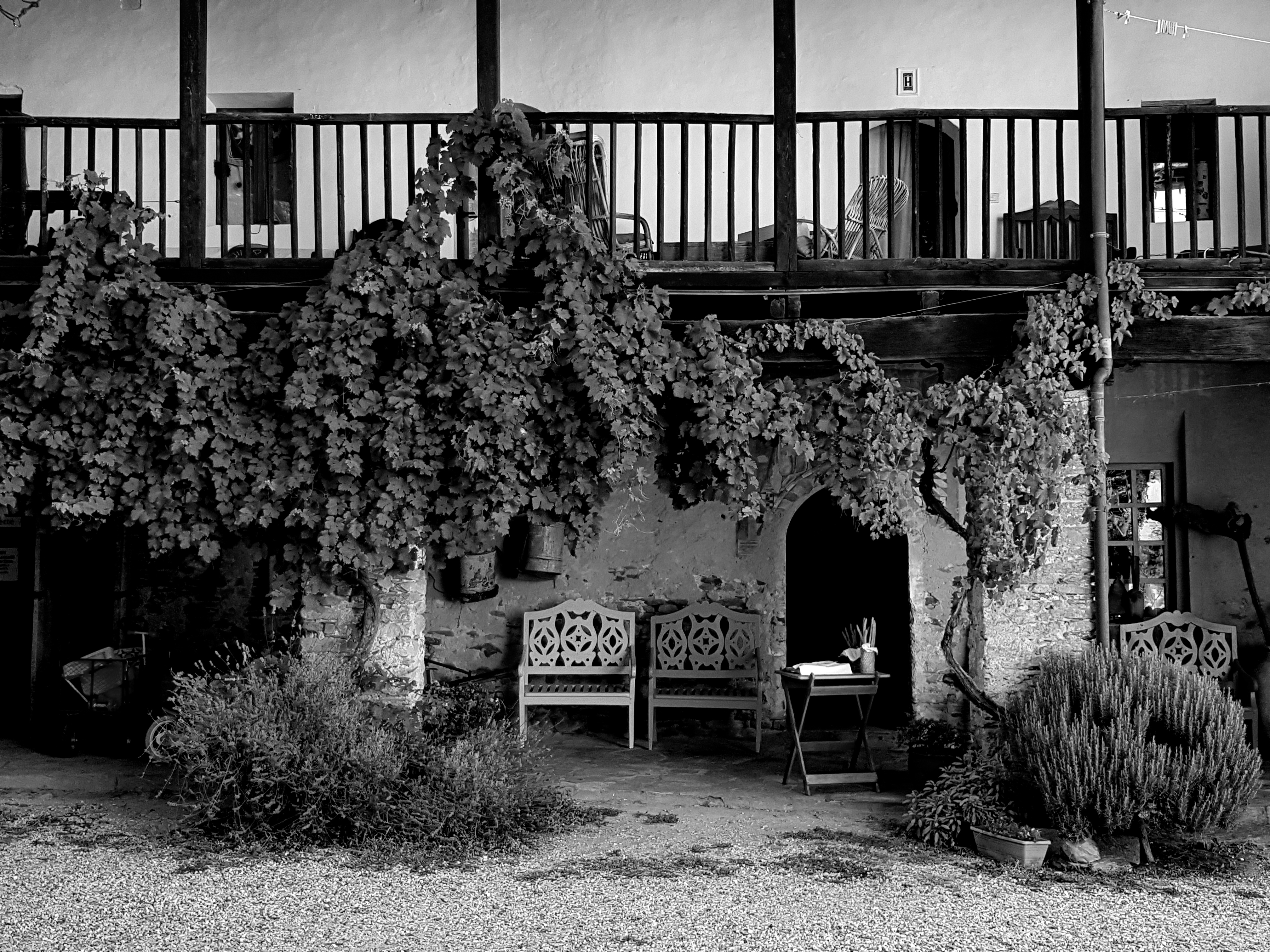
Then, you go through a gate into the garden:-



Castello di Bagnolo (1)
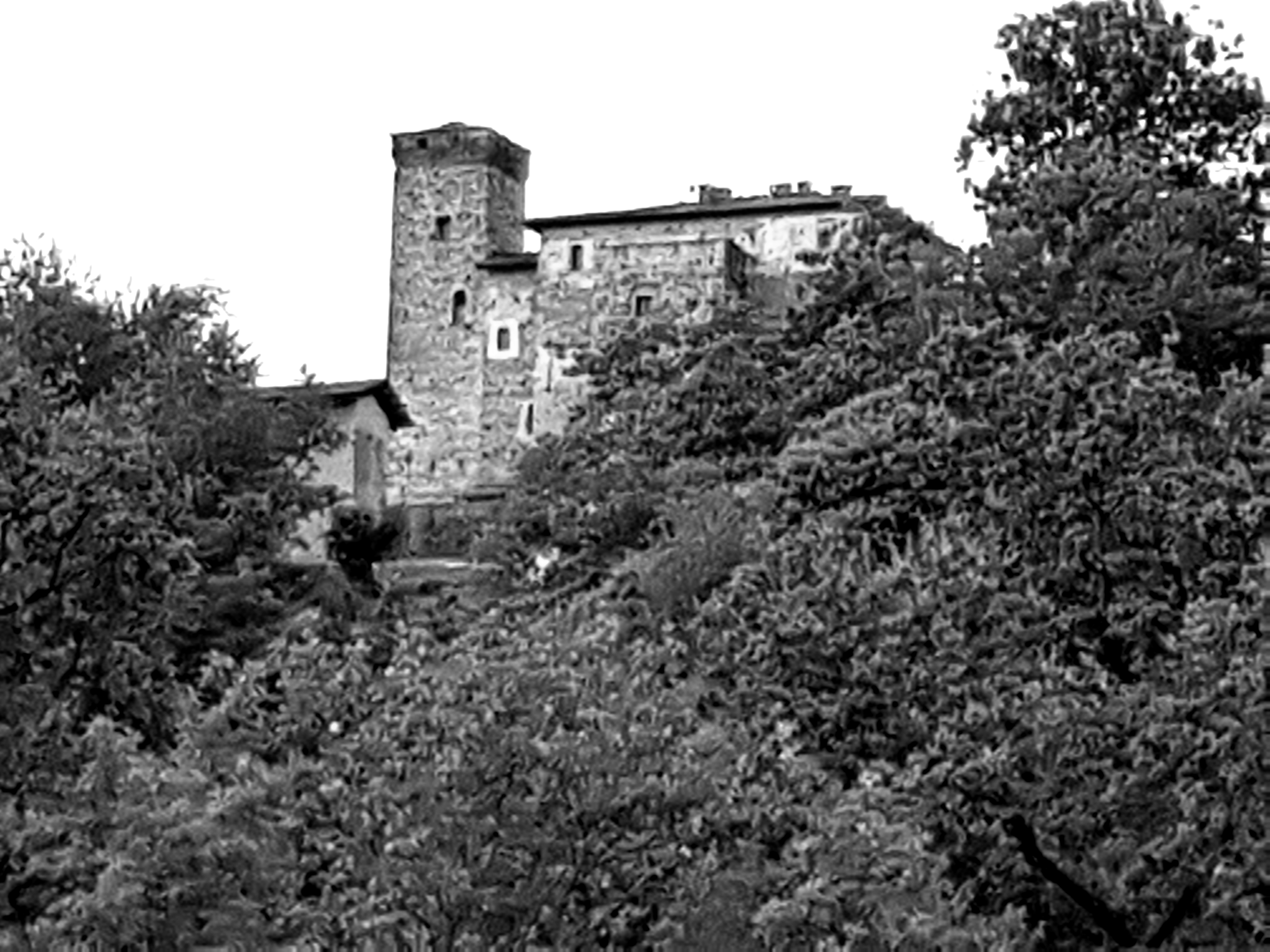
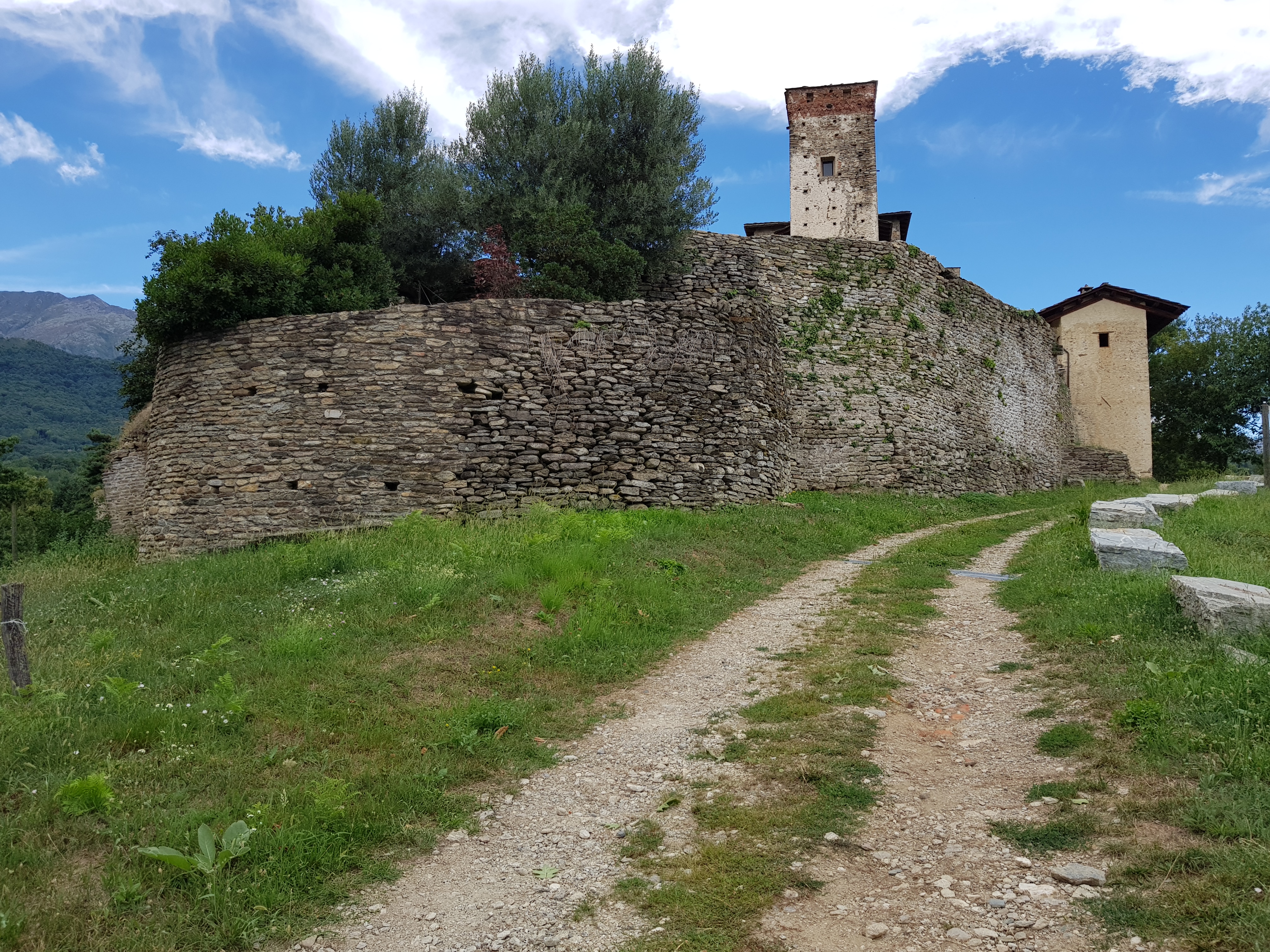
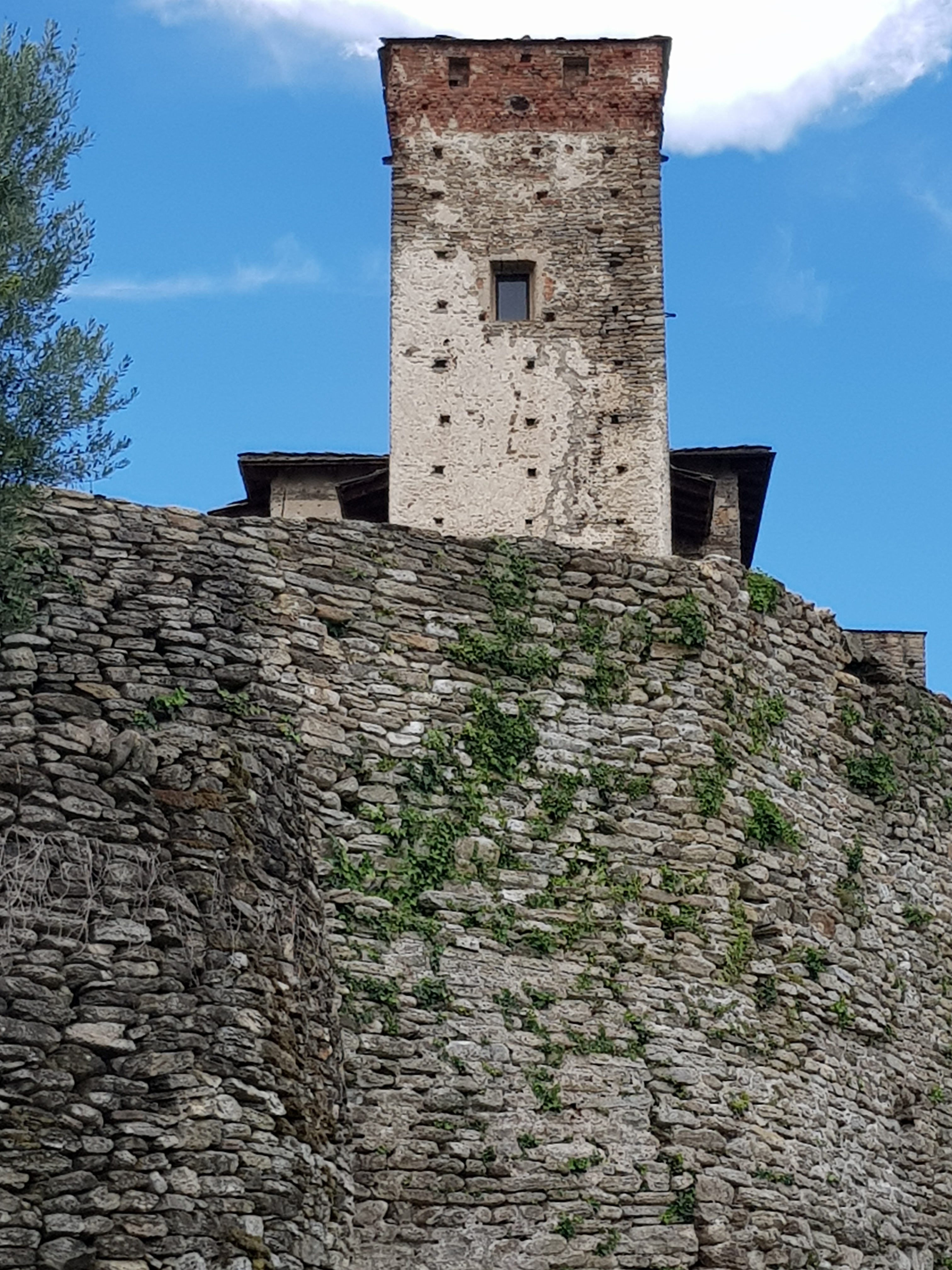
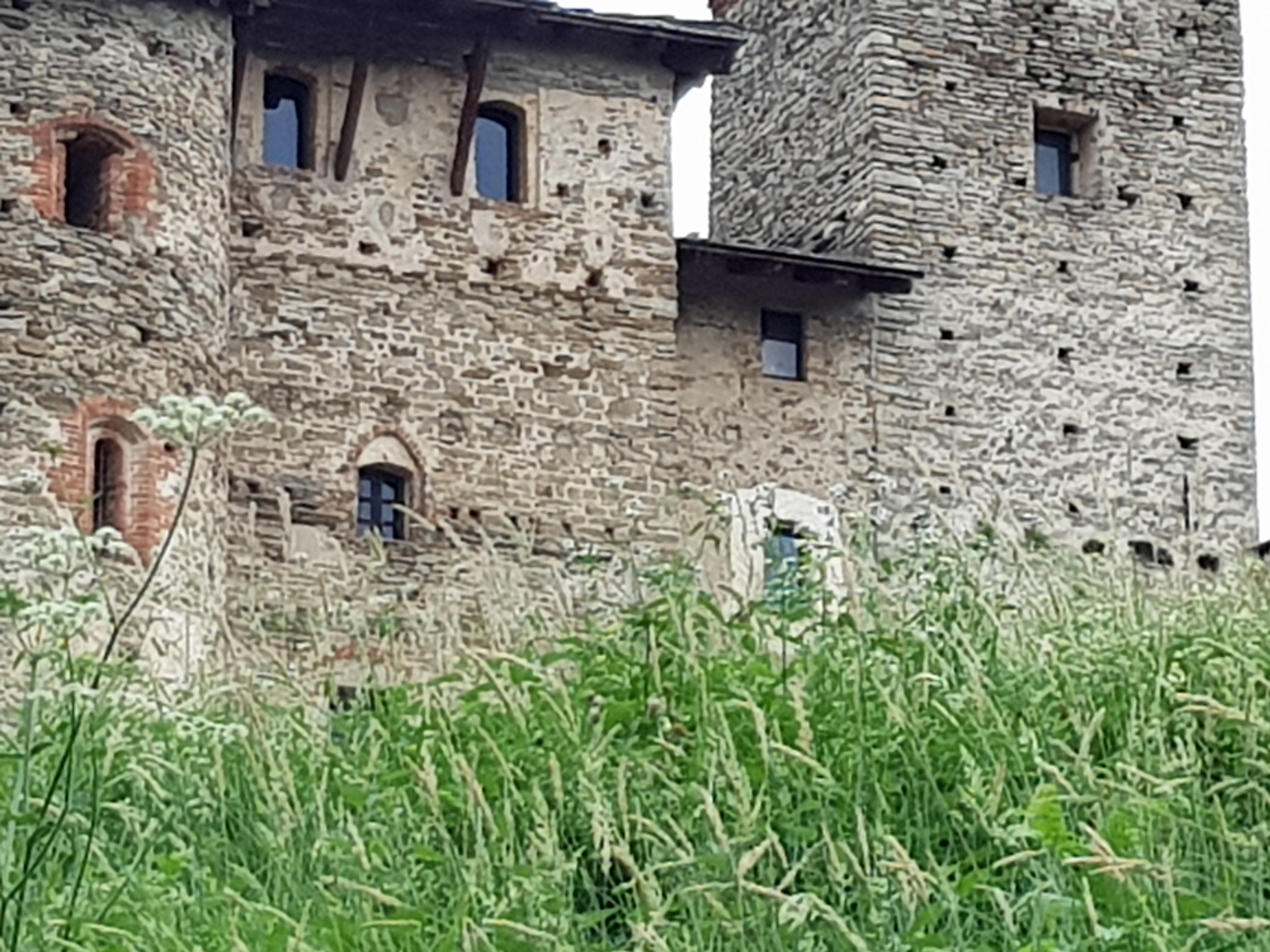
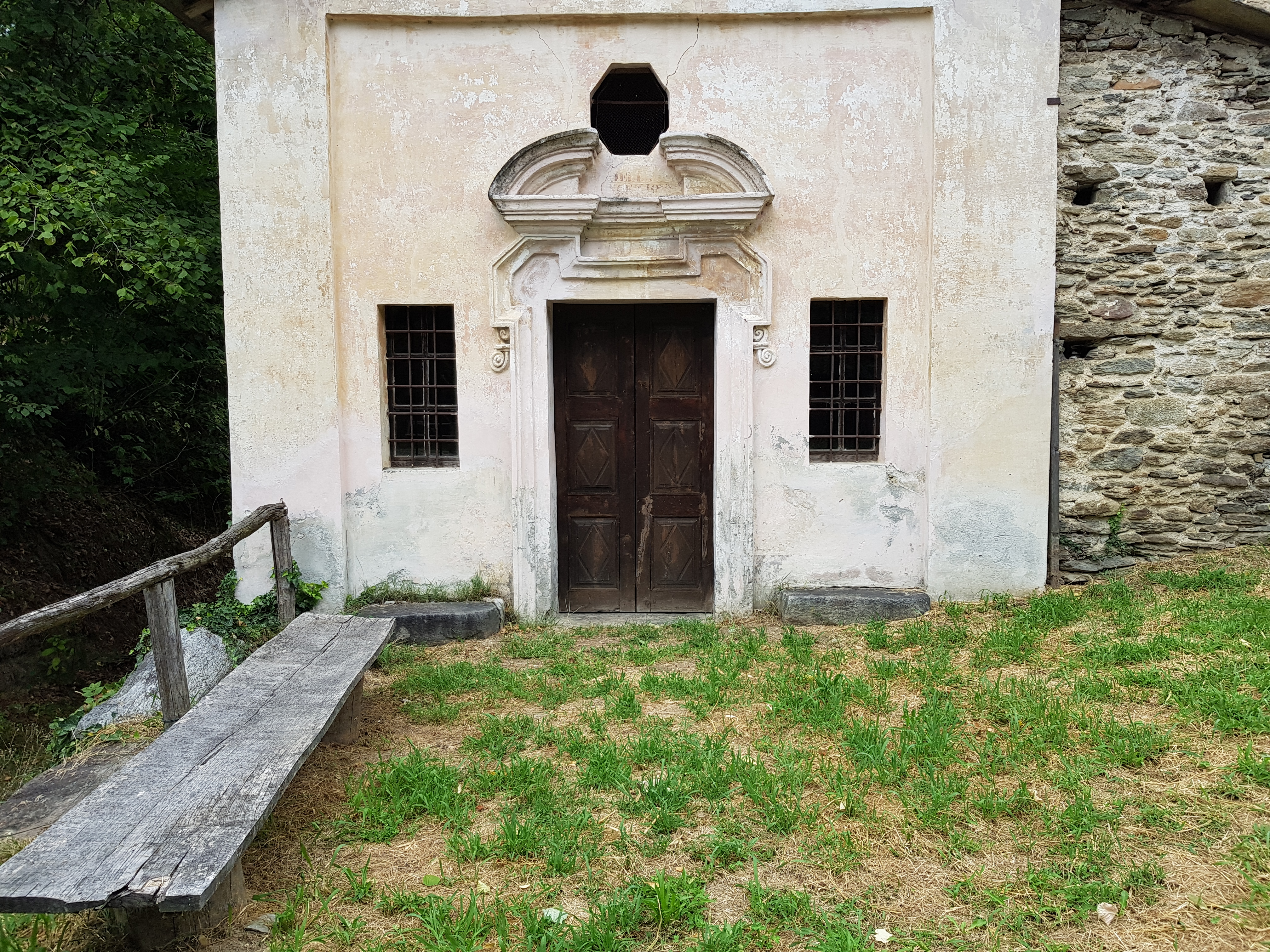
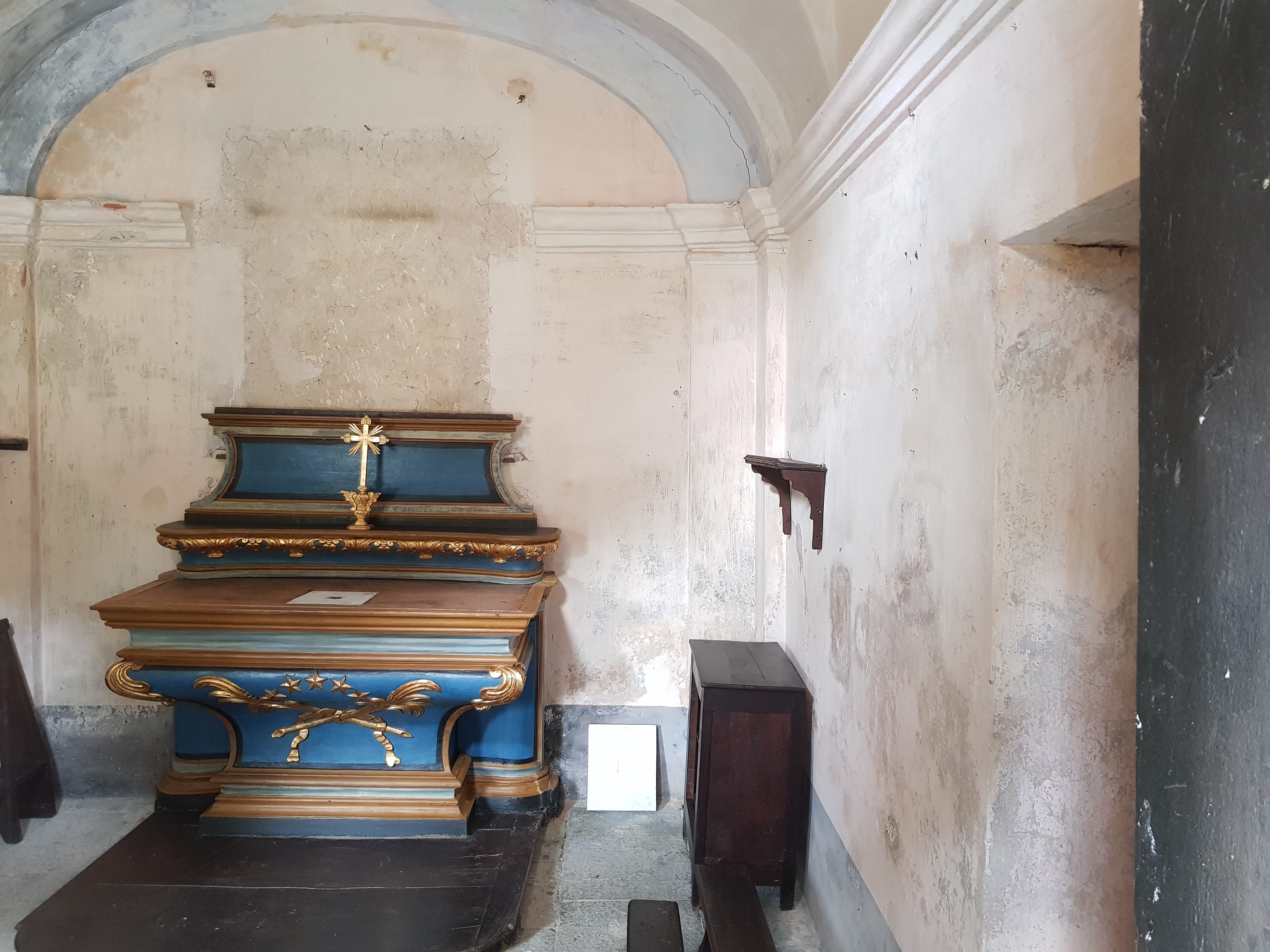
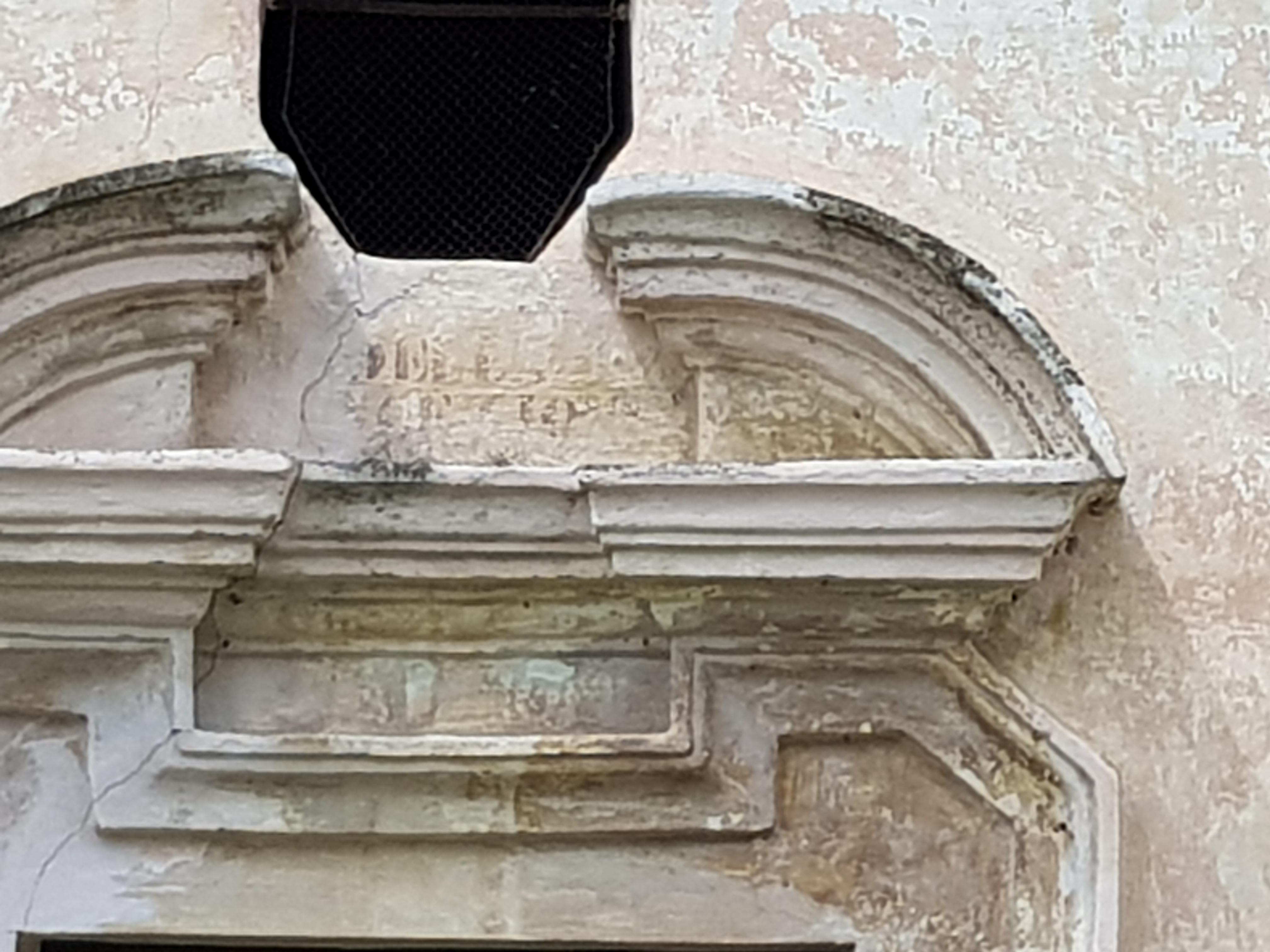
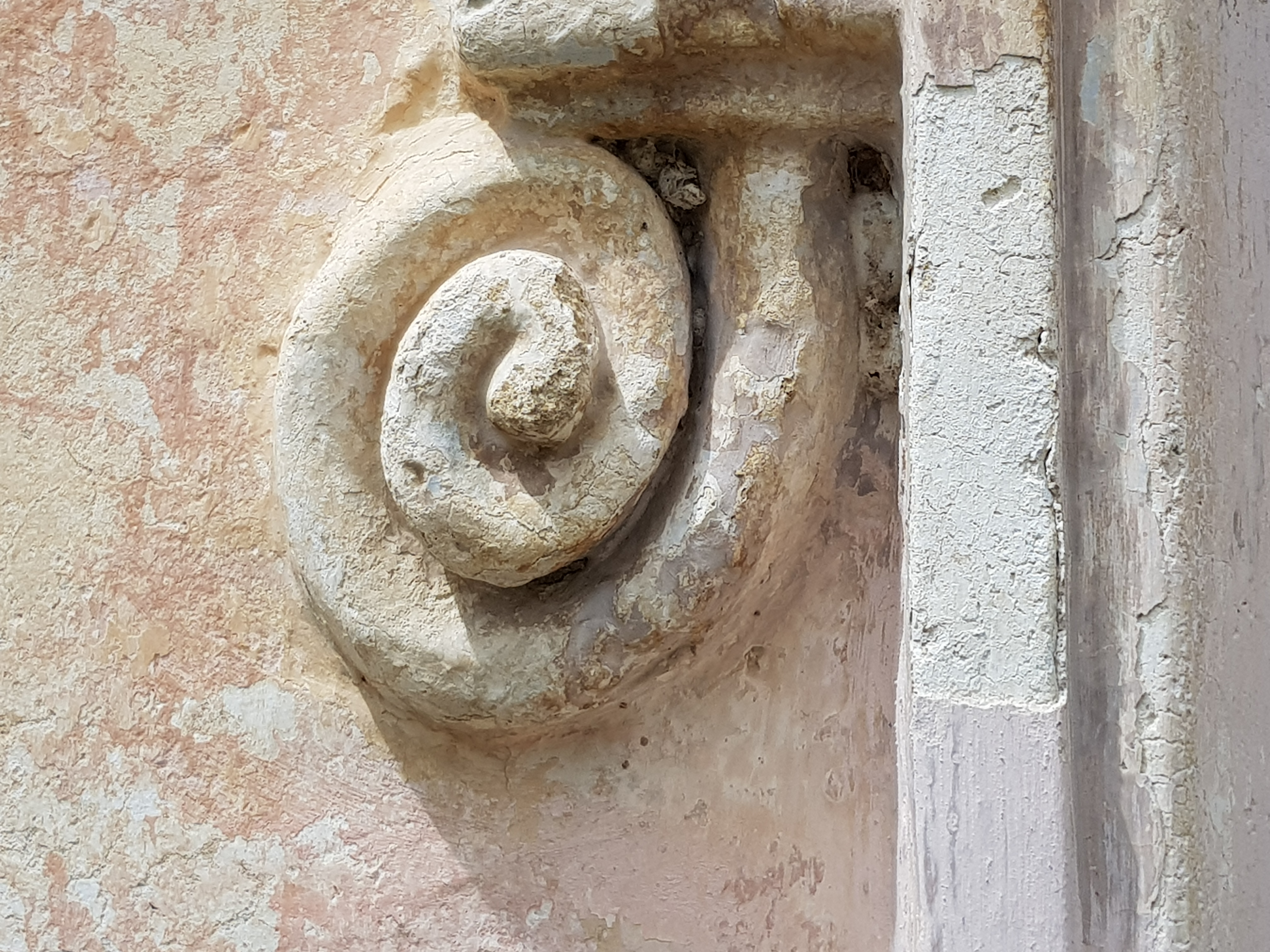
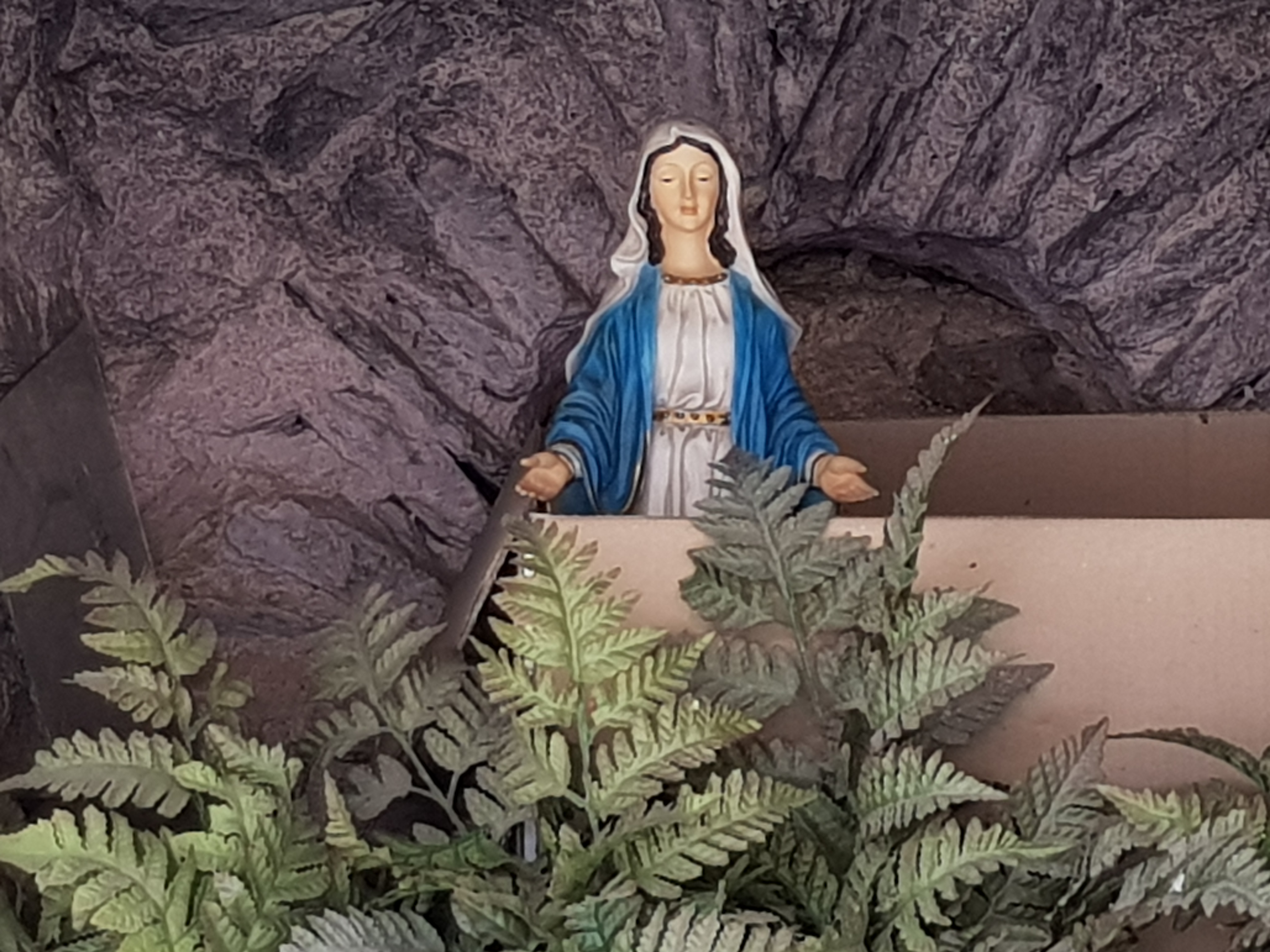
We walked up to the old medieval castle of Bagnolo, a well preserved set of fortifications of dating back to before 1011 when it is first mentioned in the archives. It was held by the feudal Counts of Malingri from the thirteenth century onwards, later under the Dukedom of Savoy, and was only once taken by the French in 1664, with the village which once clustered round it now gone, apart from a tiny chapel with baroque doorway:-

The chapel:-
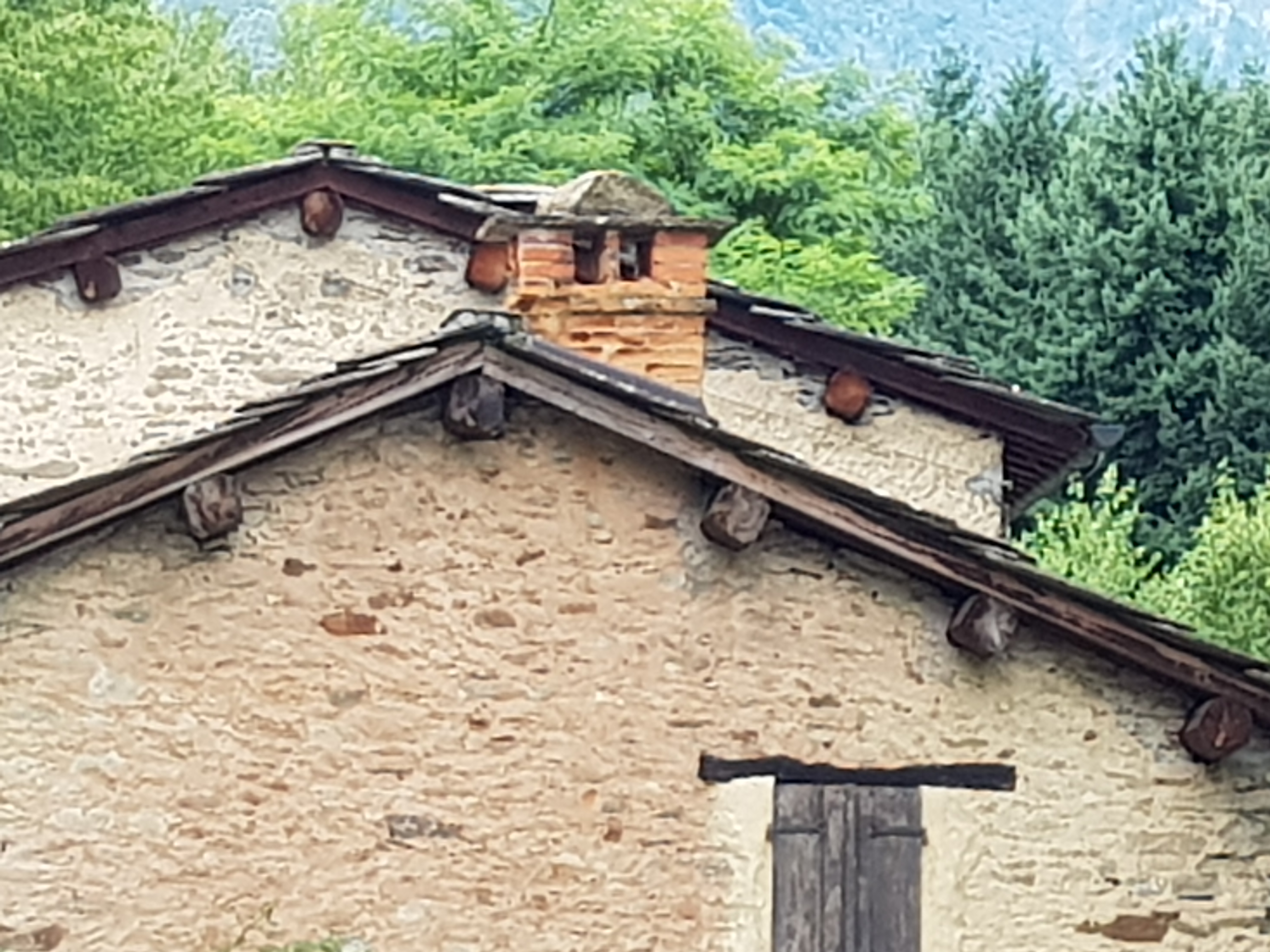
And the rooves of the adjacent cottages:-
Aimaro d’Isola
I failed to do my research last time on Aimaro d’Isola on whose estate we are staying.
Born in 1928, he studied at the Politecnico di Turin and went into partnership with Roberto Gabetti, a fellow student, as Gabetti & Isola in 1952, the year he graduated. They helped establish the so-called Neo-Liberty Movement (although they did not either like or recognise the term), which was much promoted by Ernesto Rogers (a cousin of Richard Rogers) in Casabella, reviled by Bruno Zevi (he thought their work was decadent) and Reyner Banham, who wrote about it in the Architectural Review in 1958 where he described it it an ‘infantile regression’ (both Banham and Pevsner admired art nouveau, but only provided it was in the past).
Their early work in the 1950s included the Bottega d’Erasmo in the Via Gaudenzio Ferrari, an antiquarian bookshop commissioned in 1953 by Angelo Barrera, a bookseller, which had brick columns and erratically projecting windows reminiscent of the Glasgow School of Art:-
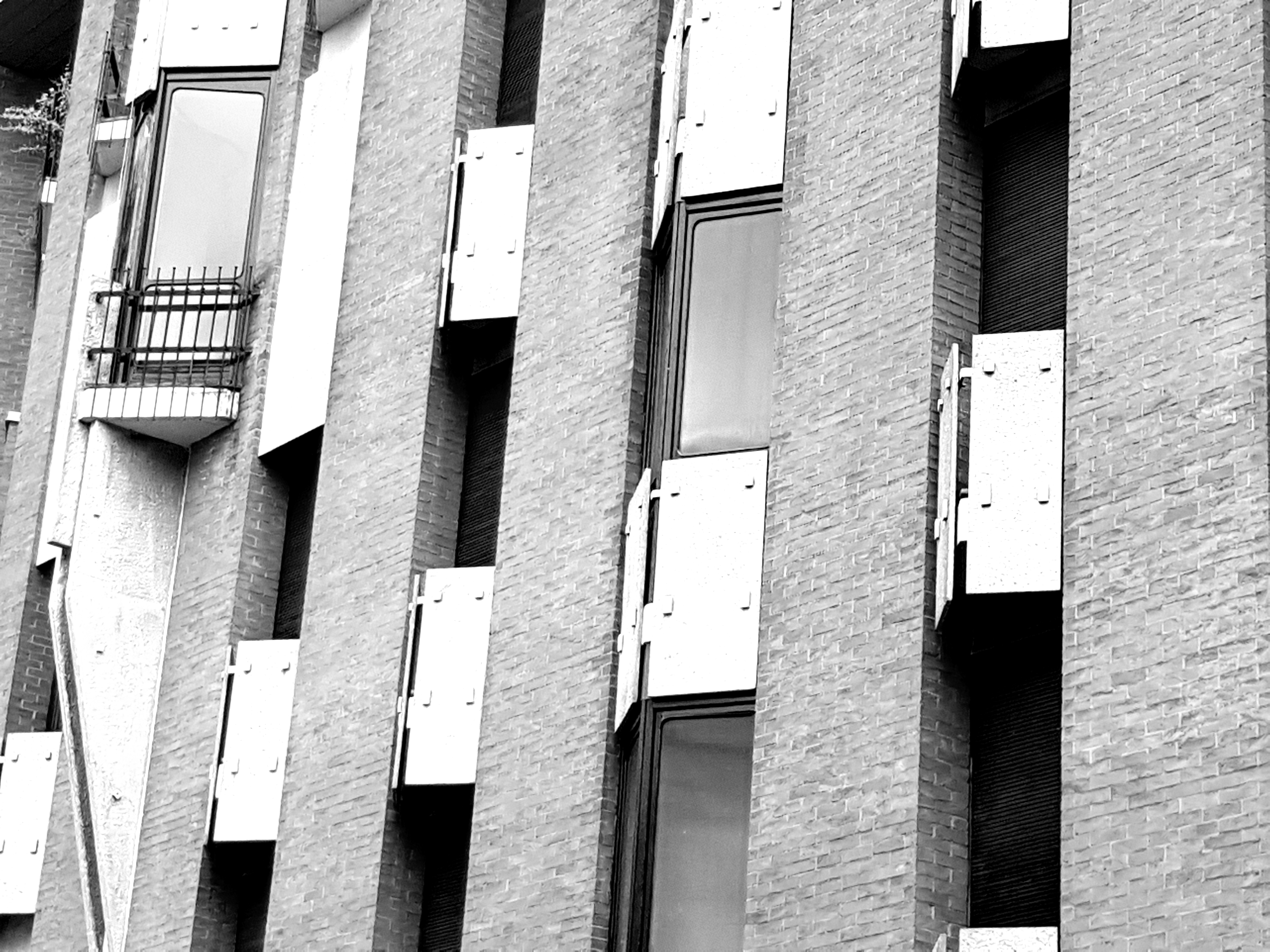 Also, the old Stock Exchange Building (they won the competition in 1952, the year that d’Isola graduated, and completed it in 1956), which was much more mannered in its use of materials than a standard modernist building, including a rusticated plinth and medieval cloister-style vaults over the trading floor.
In the 1960s, they reconstructed the Societa Ippica Torinese, which had previously been designed by Carlo Mollino, and did the Chiesa dell’Assunta in the hills above Bagnolo, a use of free, organic form and local materials. In the 1970s, they did a major building as part of the Olivetti complex in Ivrea. In the 1980s, they did the Law Courts at Alba, a complex, low-rise building and, also, well considered and intelligent housing projects round Turin, with angled and stepped rooflines, but not postmodern:-

Also, the Museo di Antichità in Turin (1982-1994) and La Tuminera (1980), the local artisan cheese shop in Bagnolo, which combines living quarters with an industrialised dairy:-
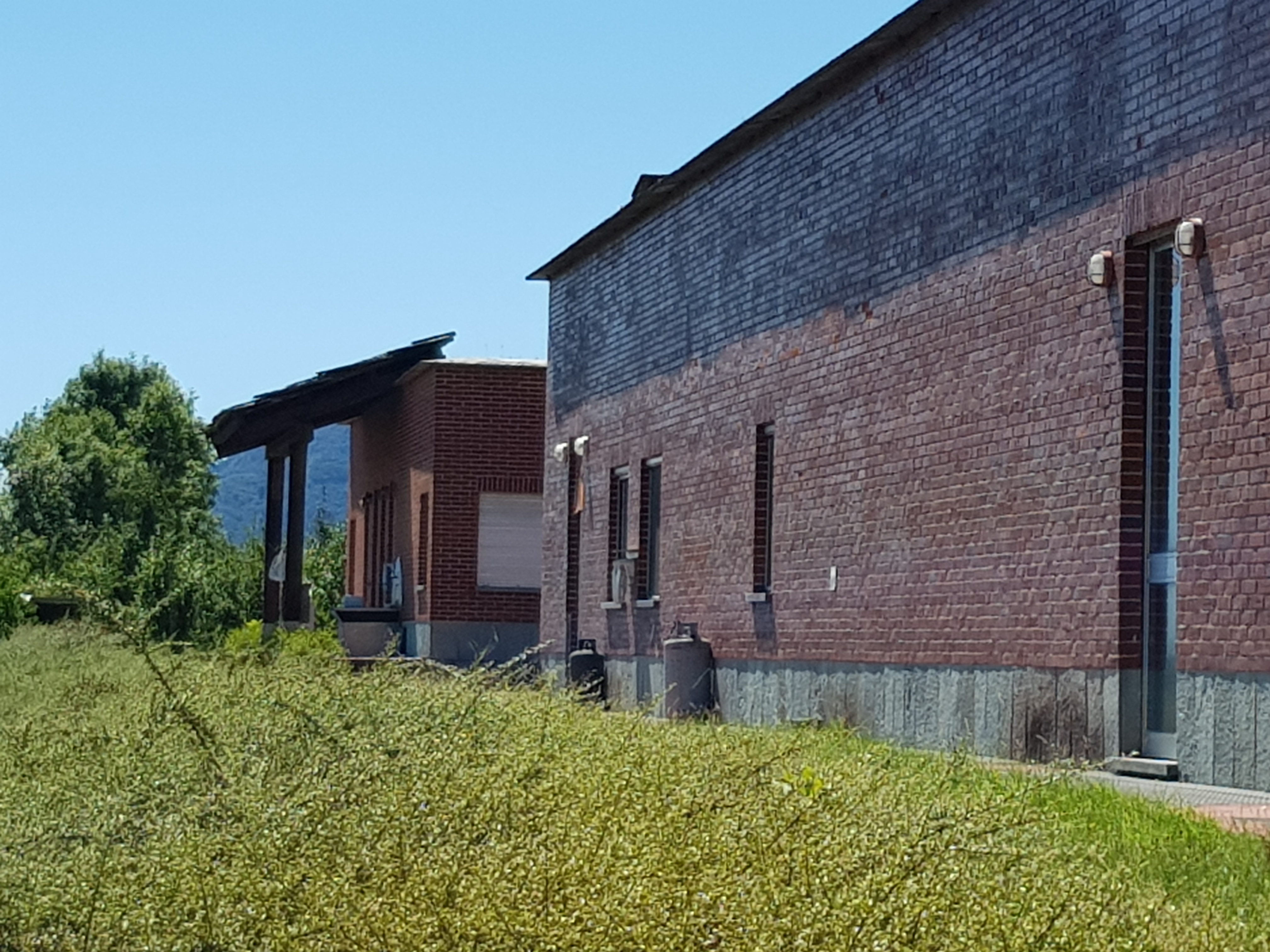
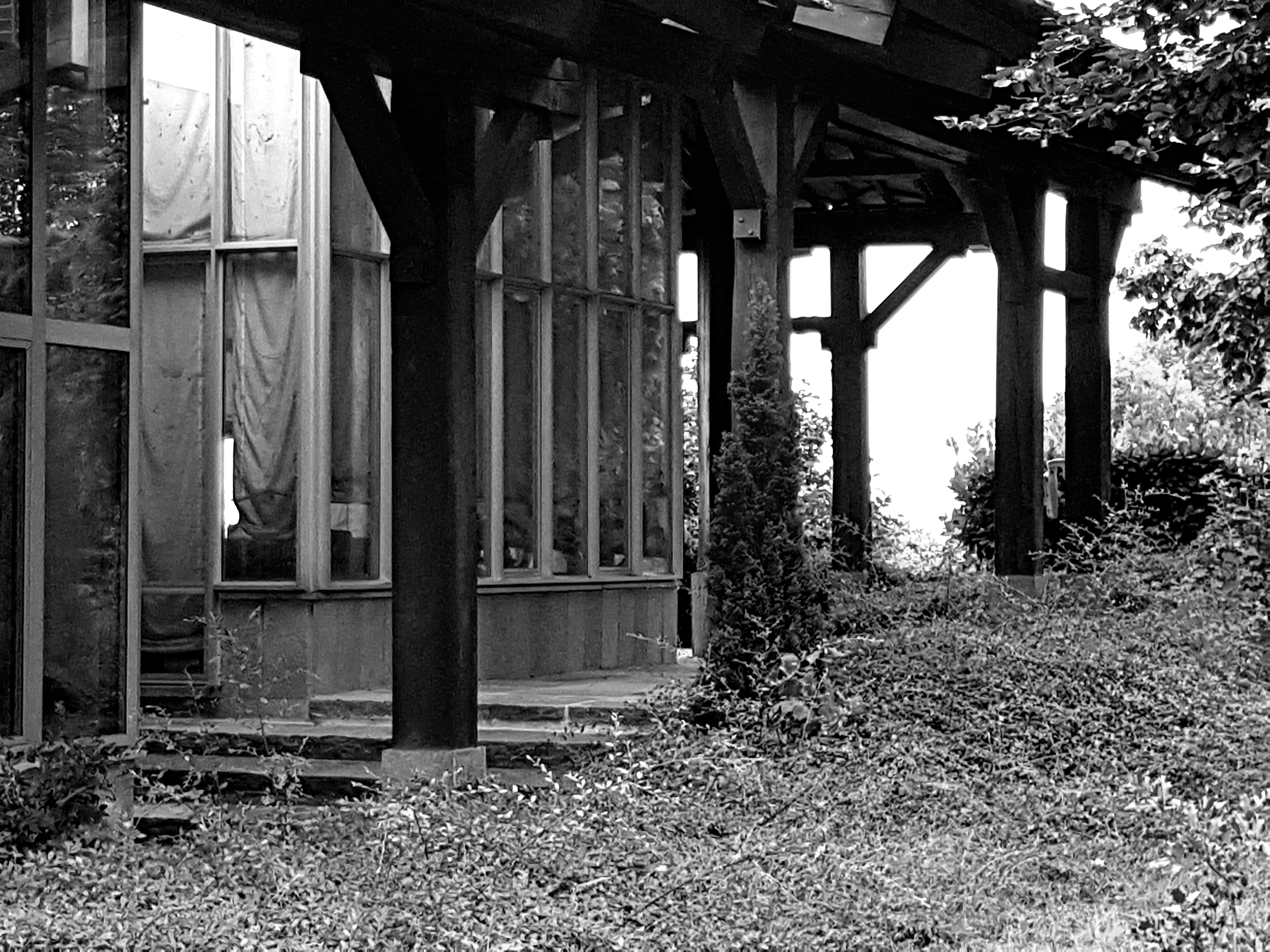 More recently, they did the Hotel Santo Stefano (2000-2003) which has many of their characteristics of marrying elaborate brickwork and vernacular elements to modern design:-
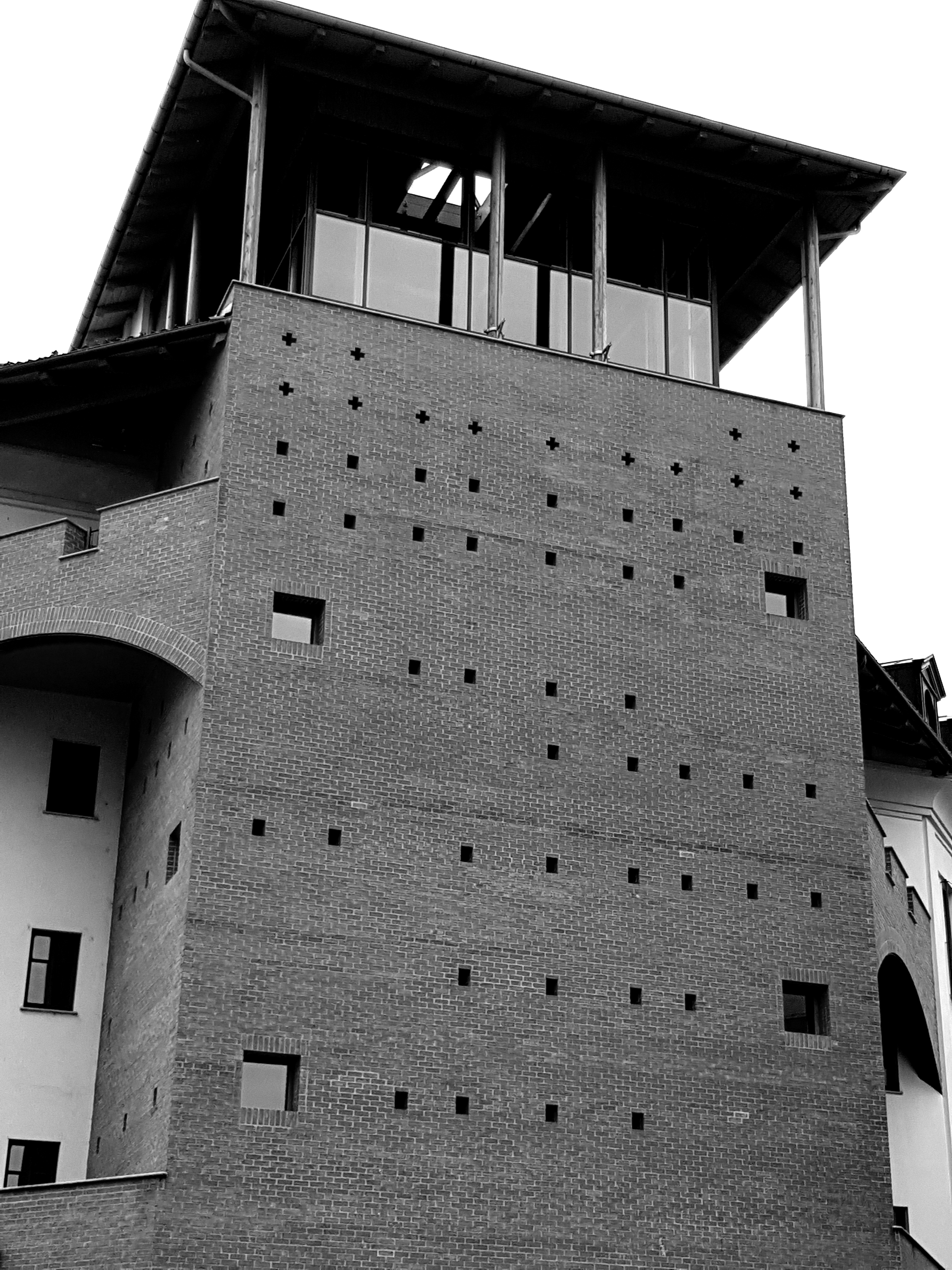
Walking round the estate, it is easy to see where he got part at least of his inspiration: the deep Alpine eves and the use of rough stone is part of the Piedmontese vernacular; a sense of the materiality of building and the logic of the old as well as the new.
Bagnolo (1)
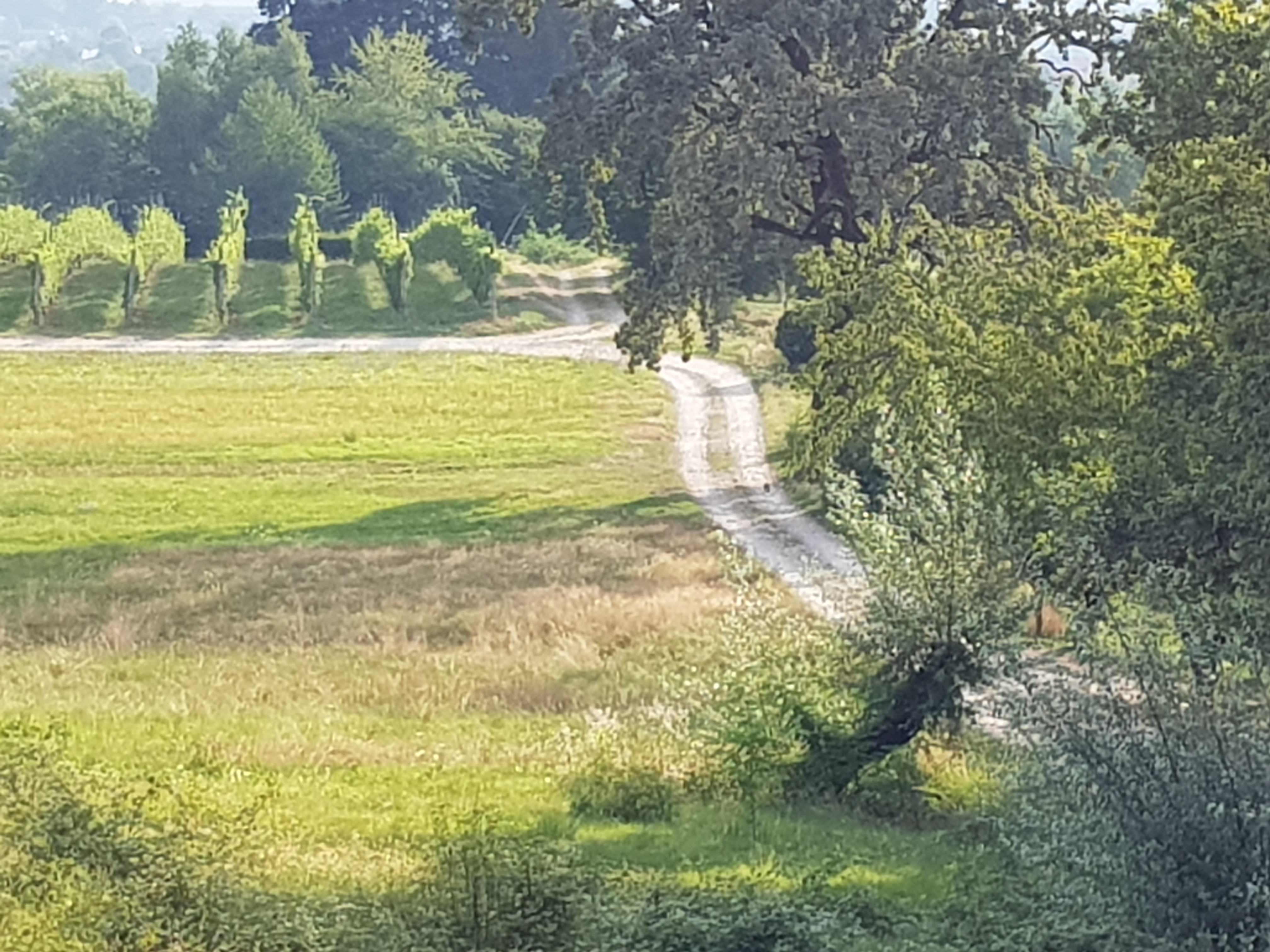
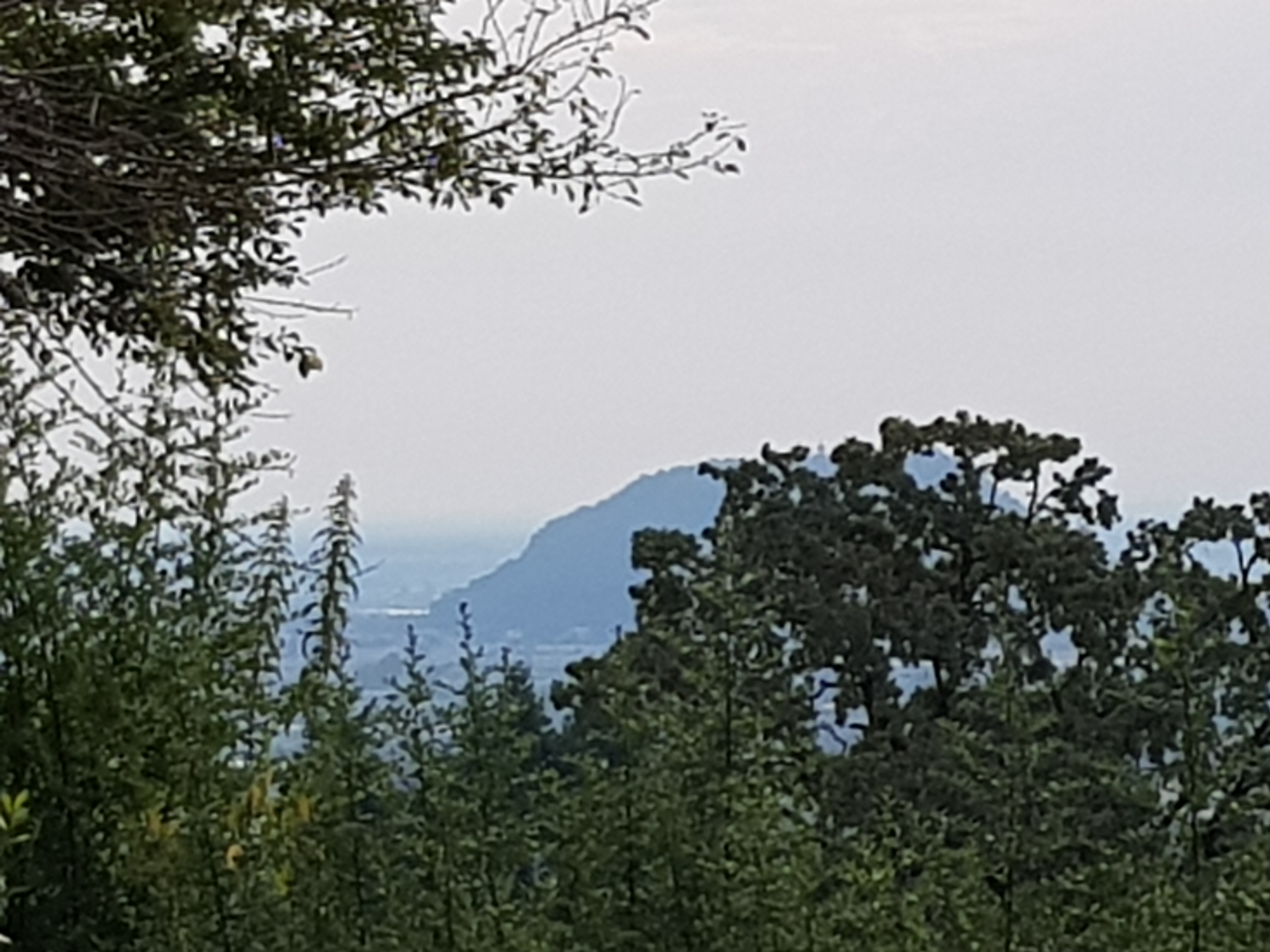
We arrived at Bagnolo last night, in the foothills of the Alps, after a drive across the whole of France, past many of the great cathedrals – Laon, Rheims and Troyes – and monasteries – Cîteaux and Cluny – but unable to stop. We’ve been to Bagnolo before, post-blog – a large, arcaded farm building on an old agricultural estate, run as an agriturismo and looking out over the valley beyond:-

Chatsworth (1)
Back to Chatsworth to see Patrick Kinmonth’s highly inventive display of objects and fashion from the infinite wealth of the Chatsworth wardrobes, with archival material, including photographs, displayed in a long horizontal case with hand-written labels (Patrick’s hand) and upstairs with theatrical effects, converting the state rooms into a grand mise-en-scène.
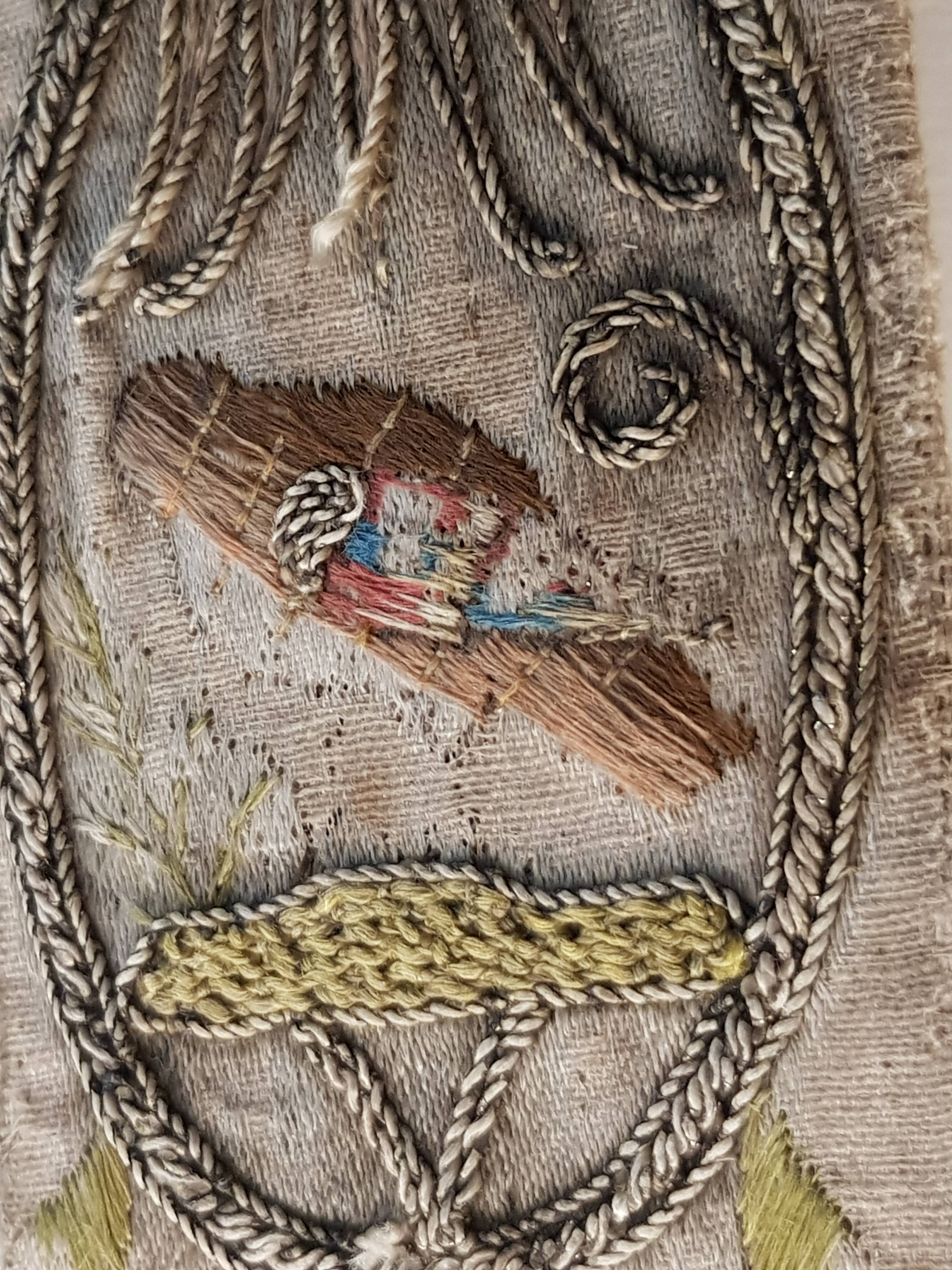
A book of psalms, with an embroidered cover, dated 1637:-
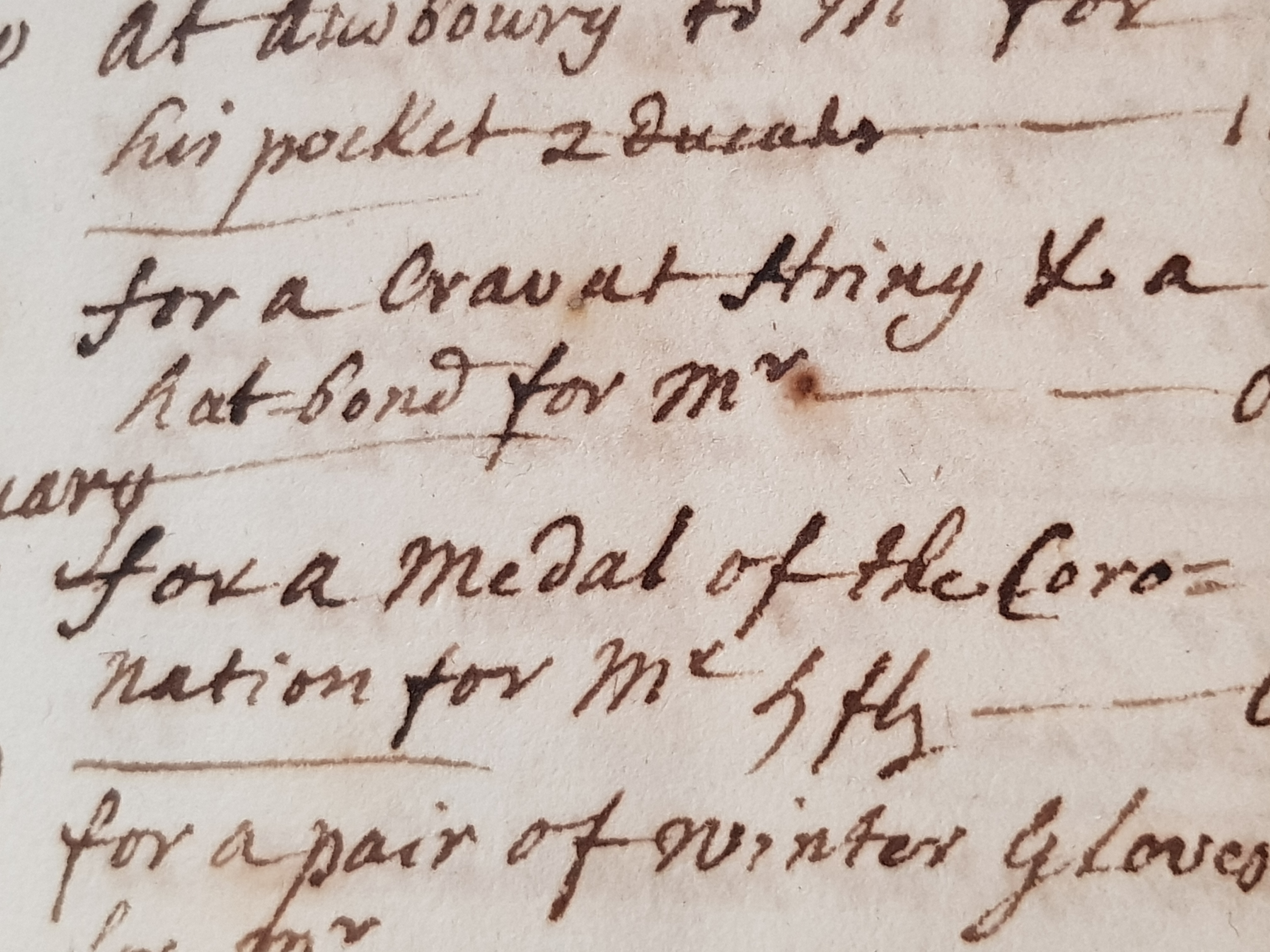
Accounts of the second Duke’s Grand Tour:-
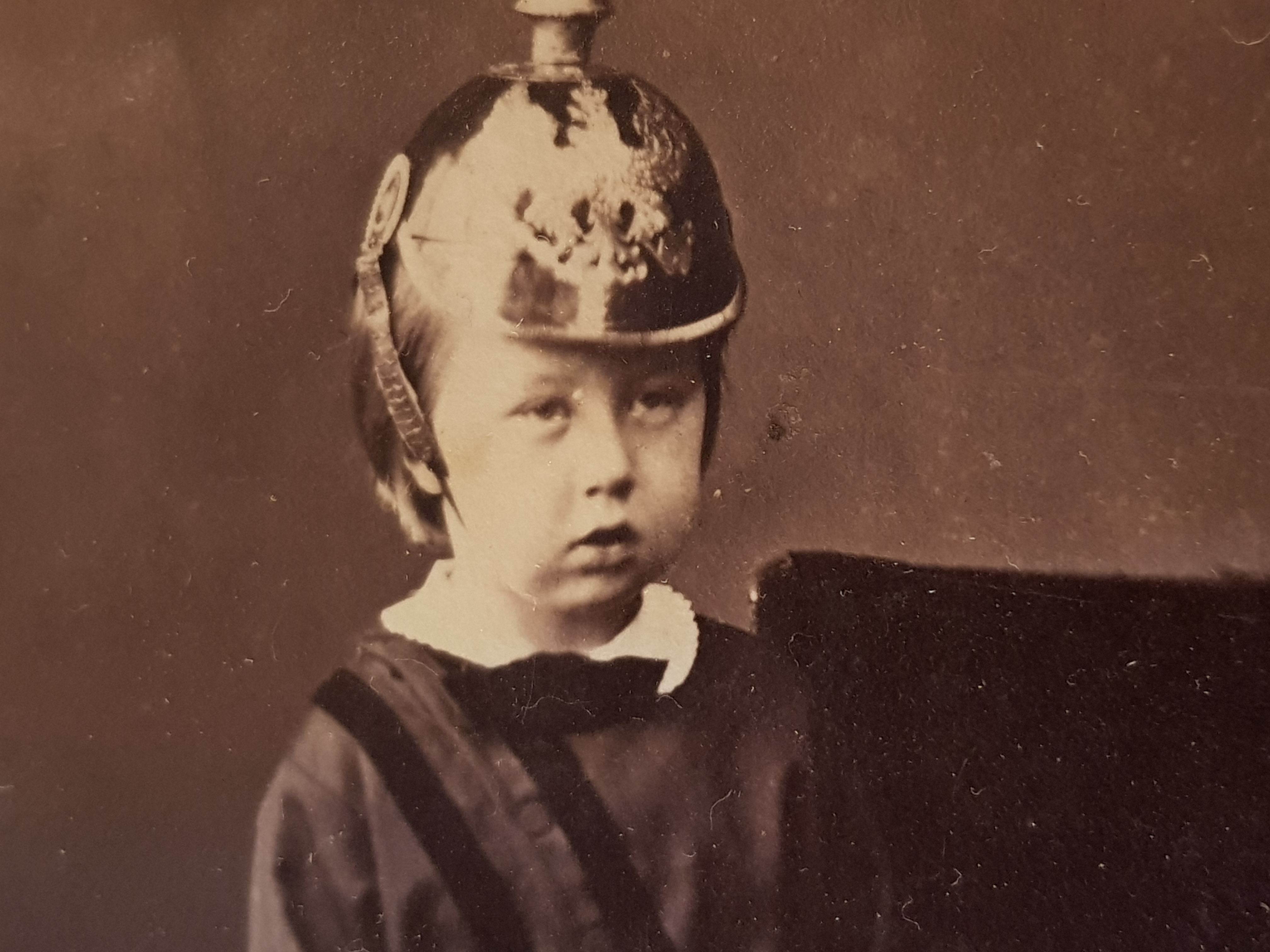
Victor, later the ninth Duke as a child:-
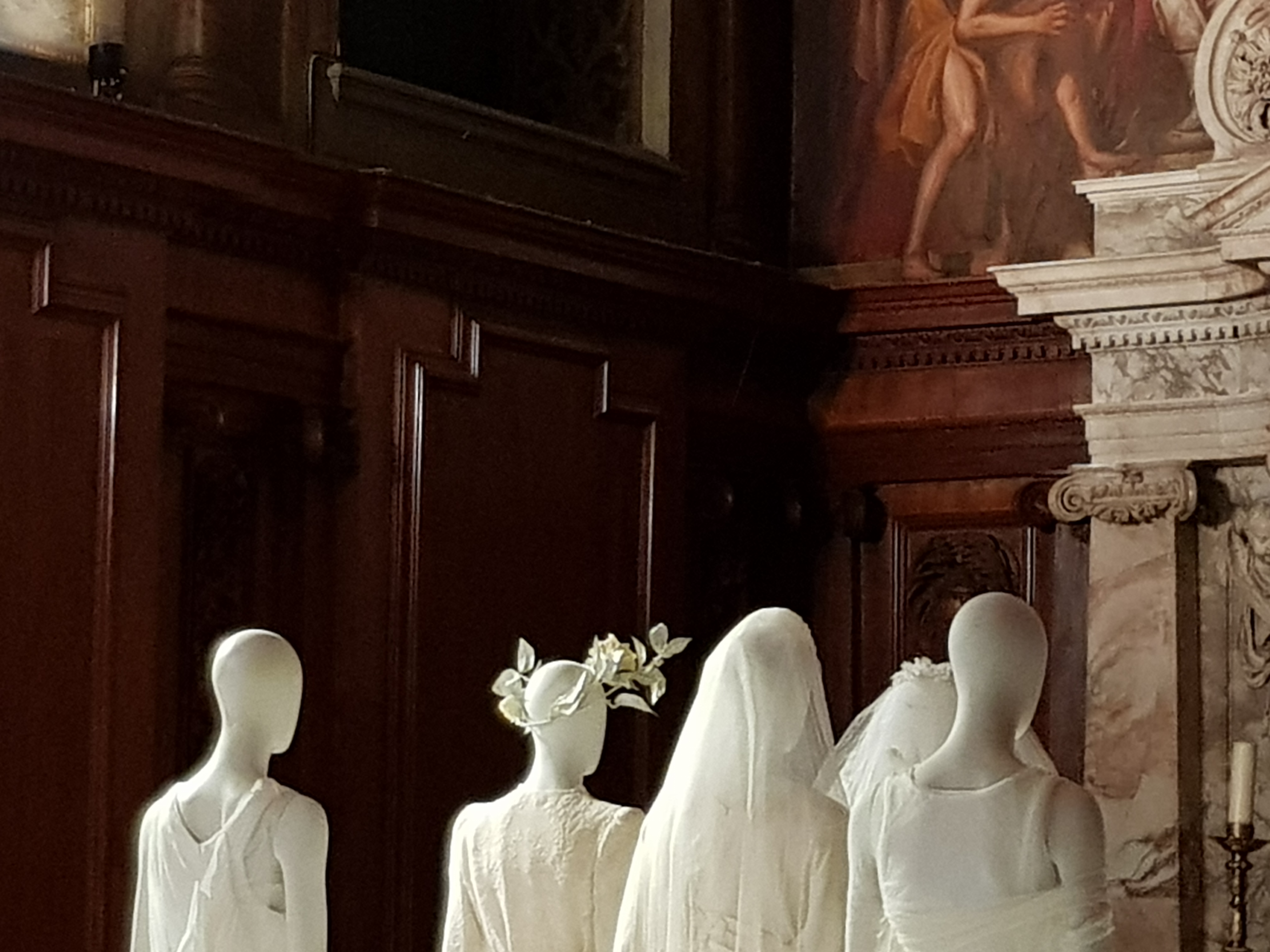
The assembled wedding dresses in the Chapel:-
Paintings by Laguerre:-
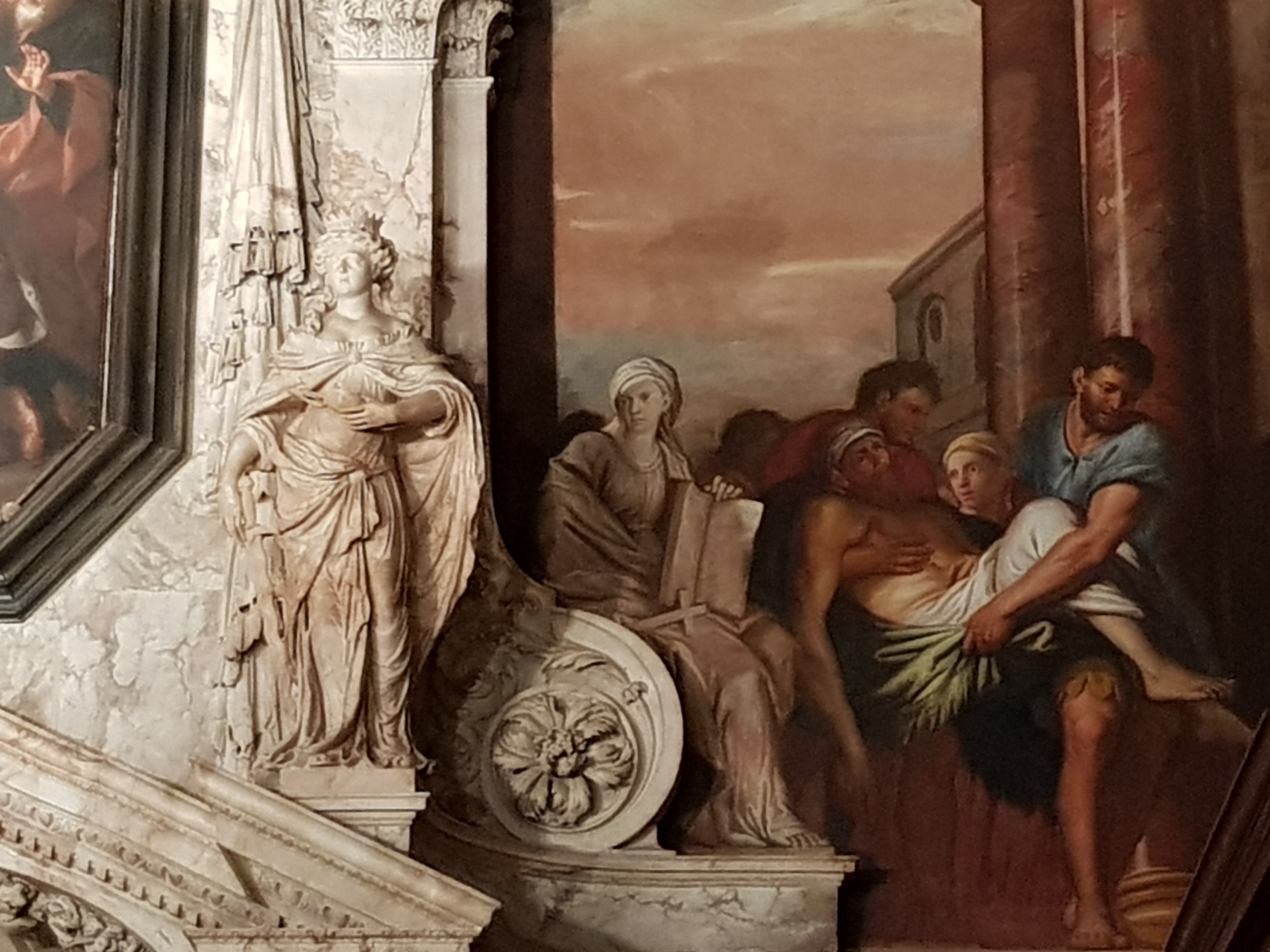
Stone carving on the reredos by Samuel Watson:-
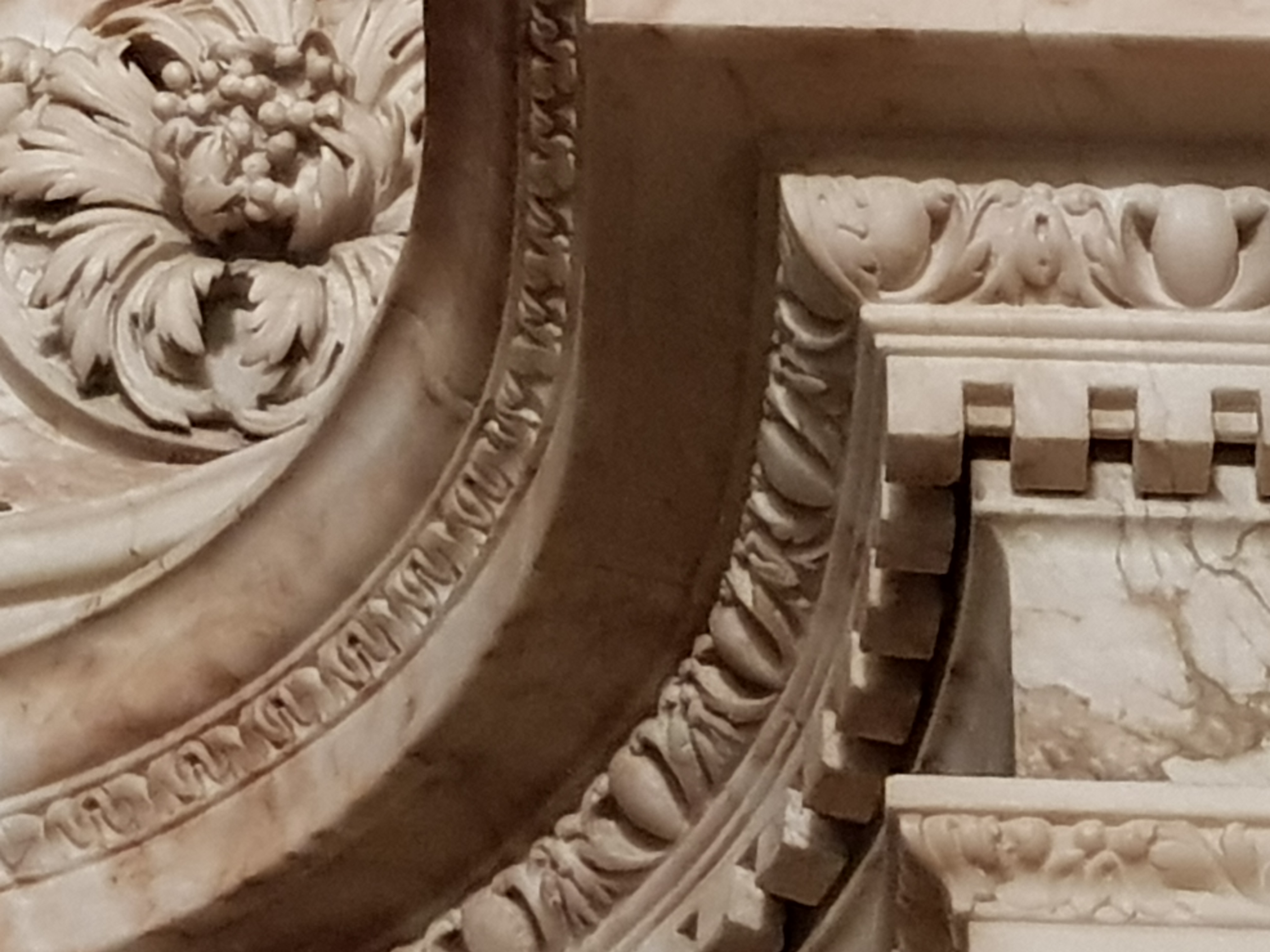
Stella Tennant, photographed by Mario Testino:-
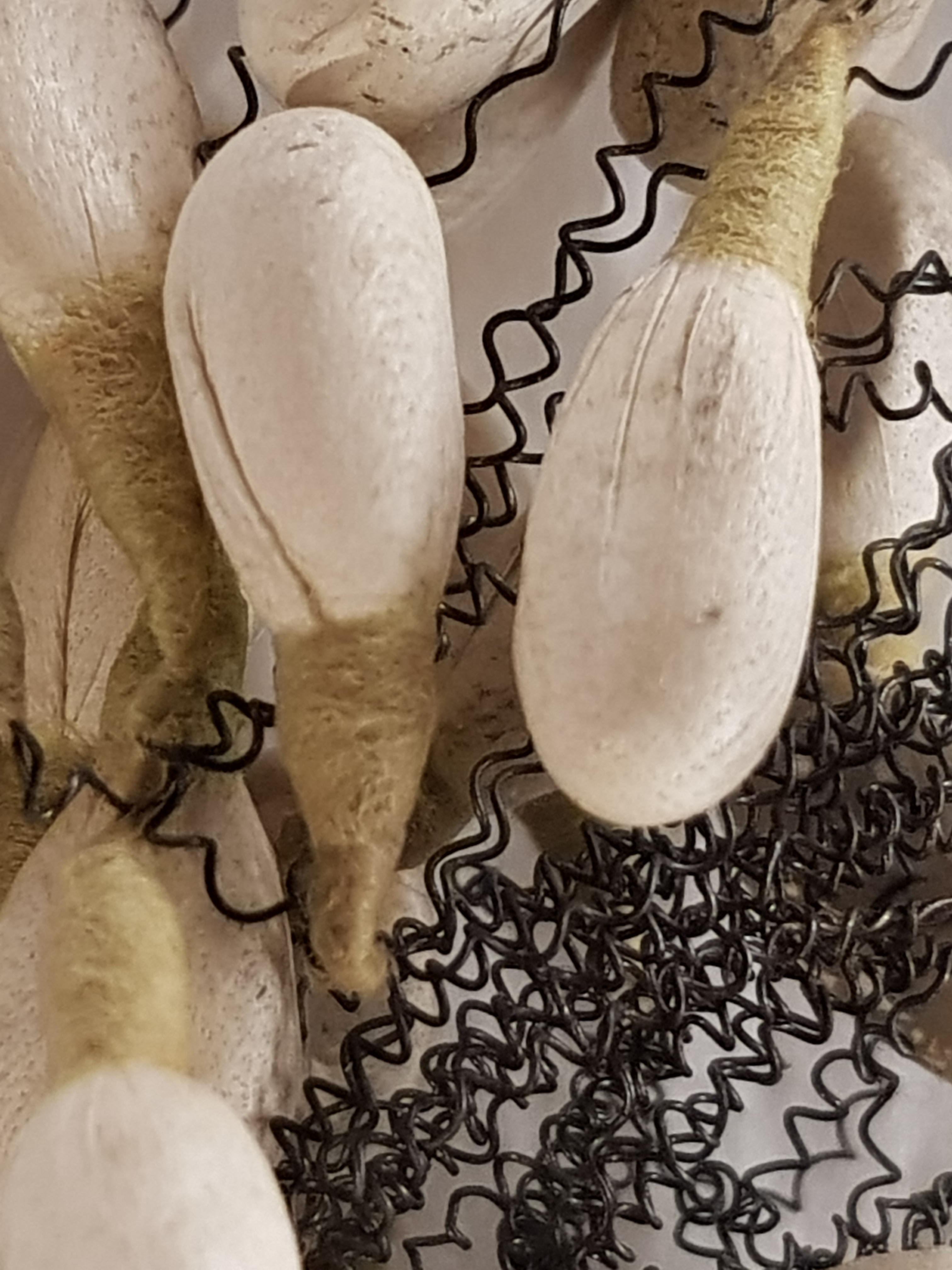
 An orange blossom headdress made of pigskin and wire (1829):-
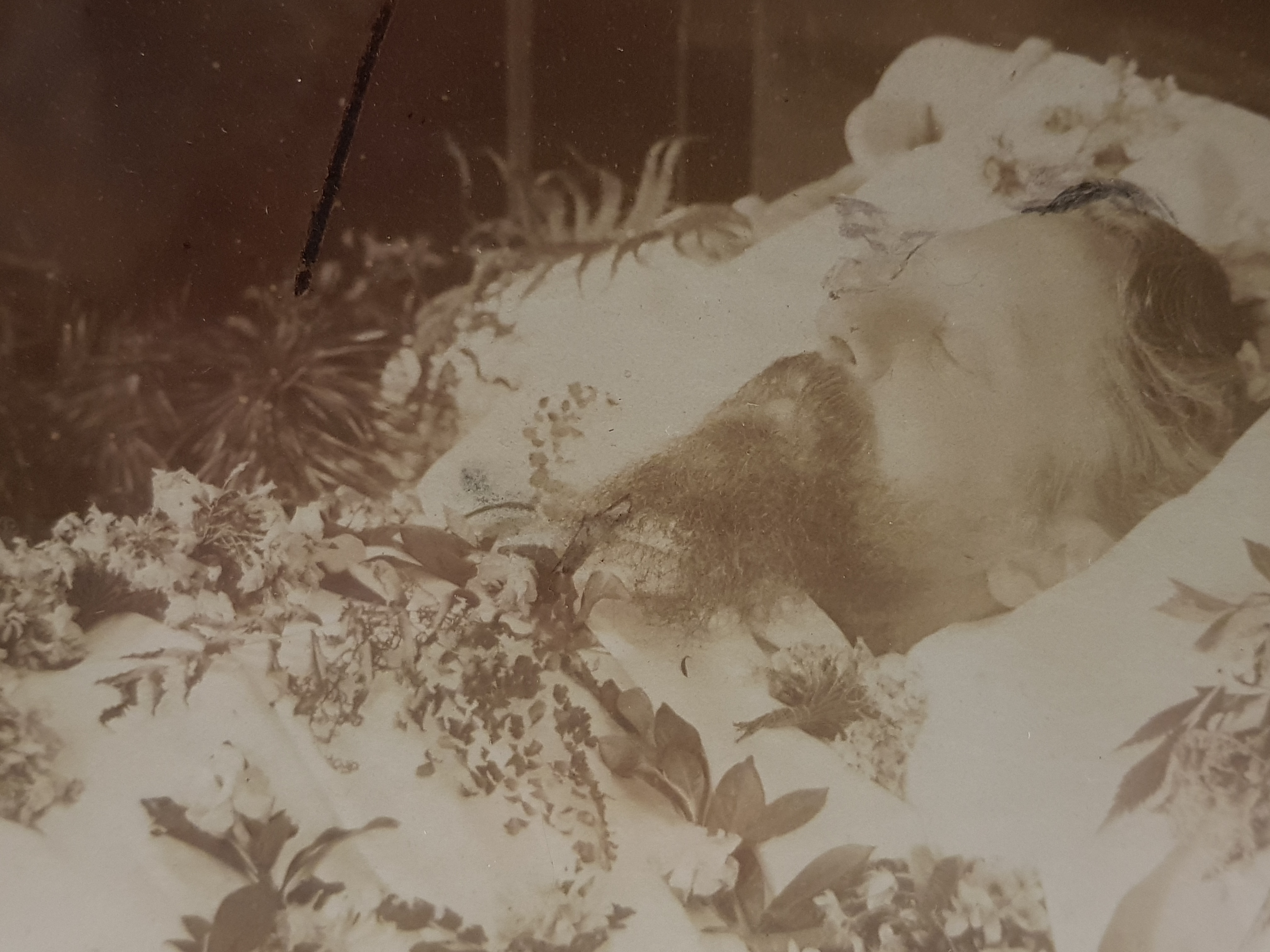
Lord Frederick Cavendish who was murdered in Phoenix Park:-
 Balenciaga (2006):-
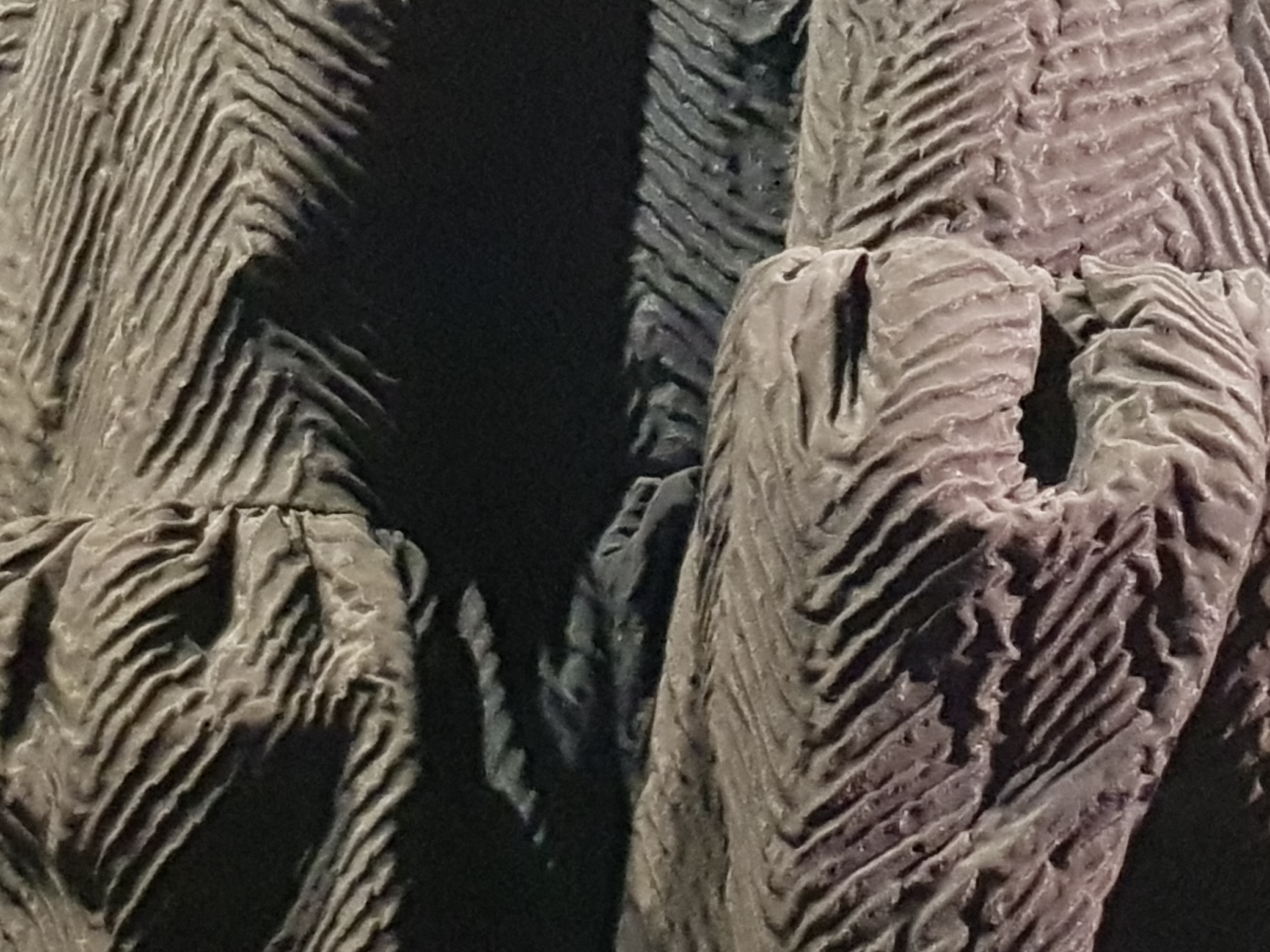 Hands:-
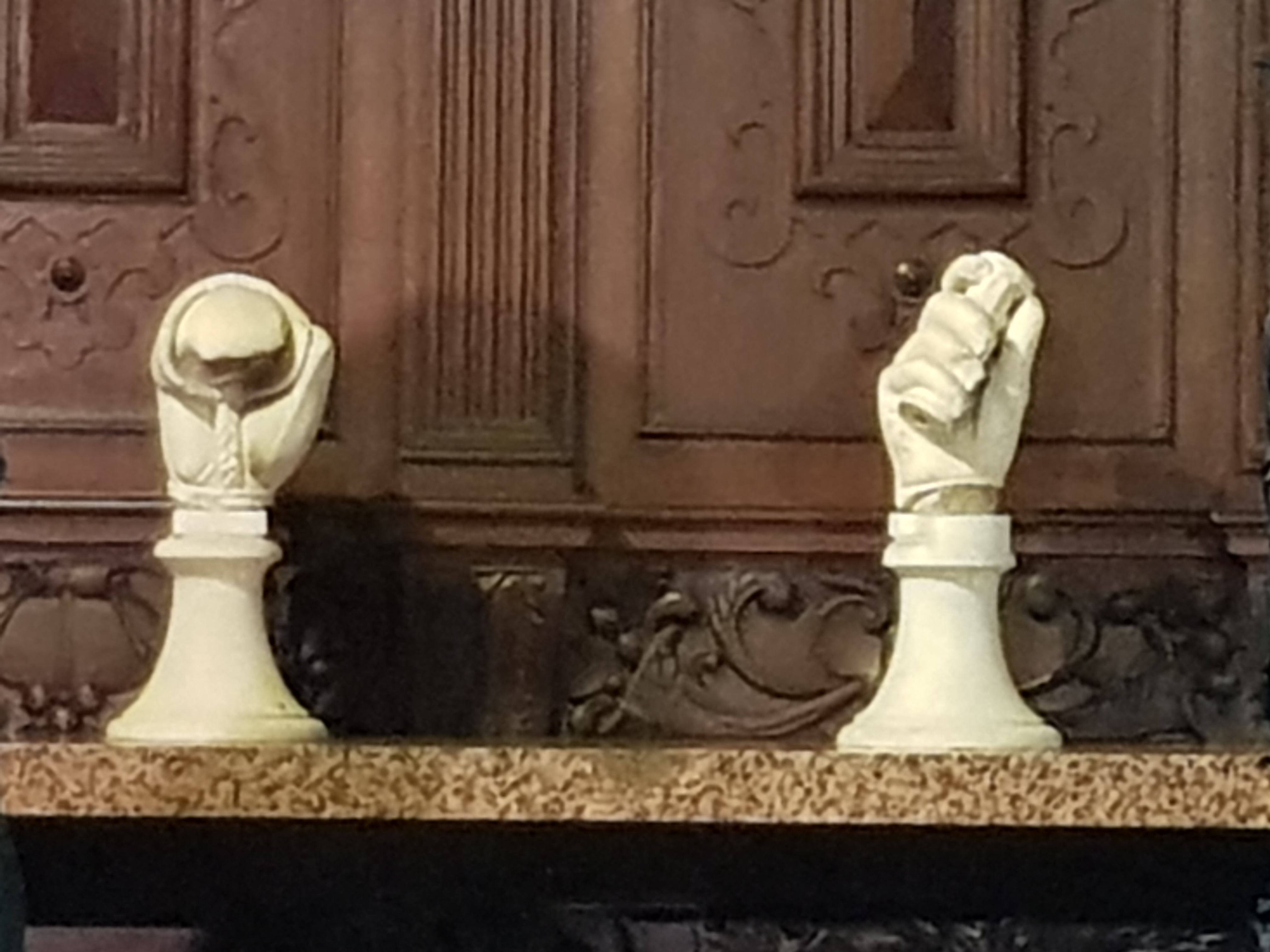 The staircase:-
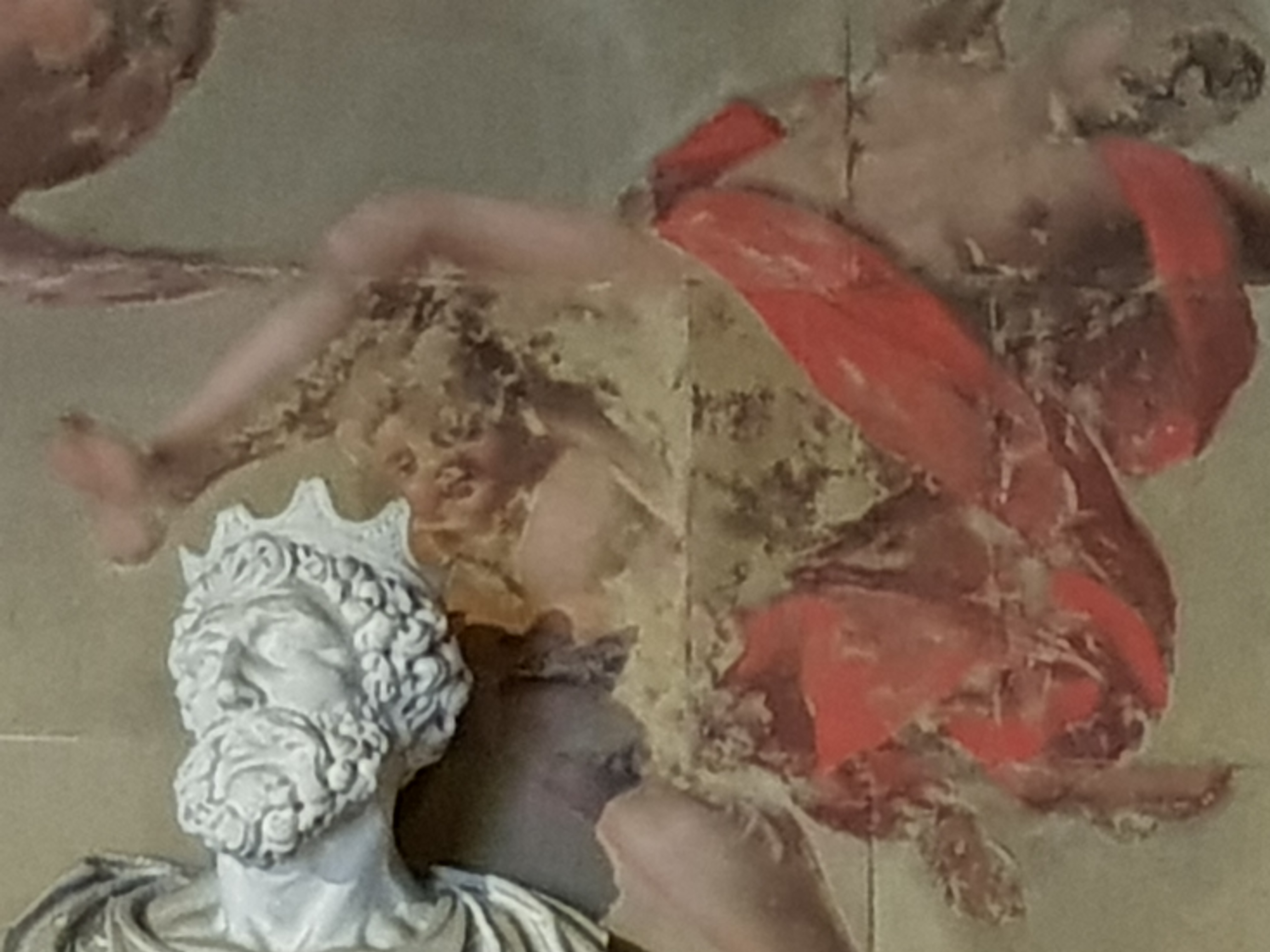
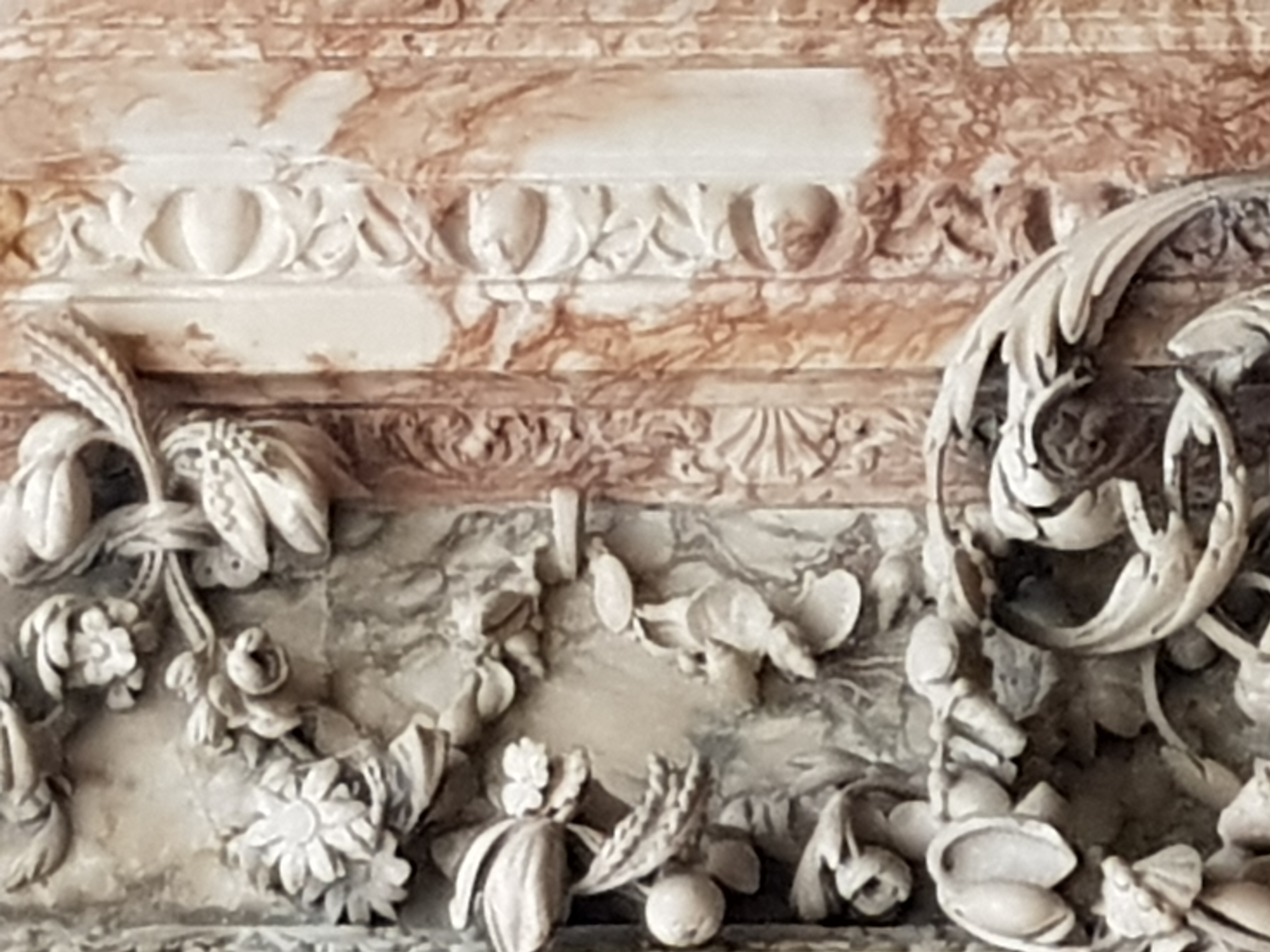
A detail of the woodcarving in The Great Chamber (previously known as the State Dining Room, but never know to have been used as such):-
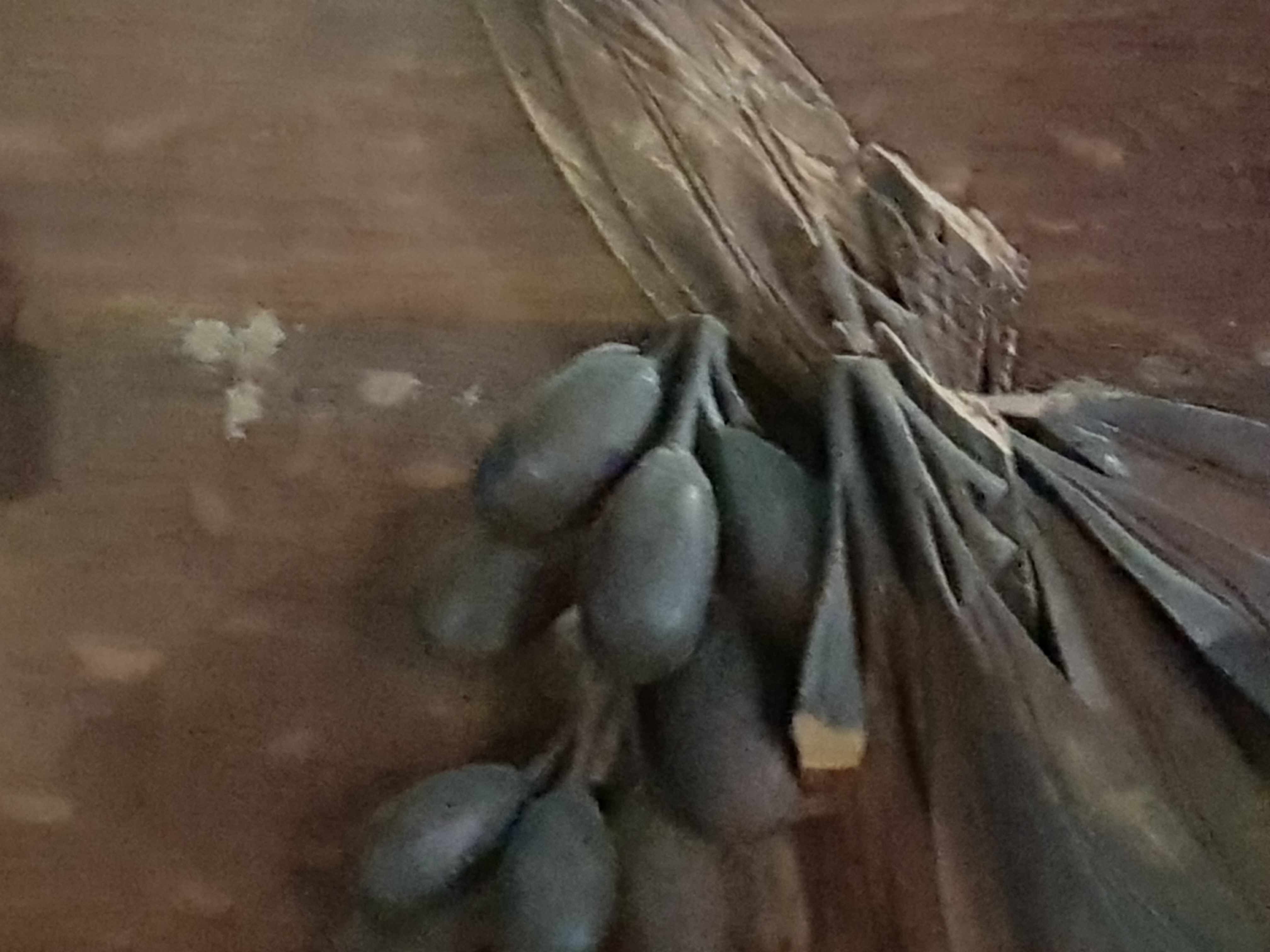 Shoes said to have been worn at the Devonshire House Ball:-
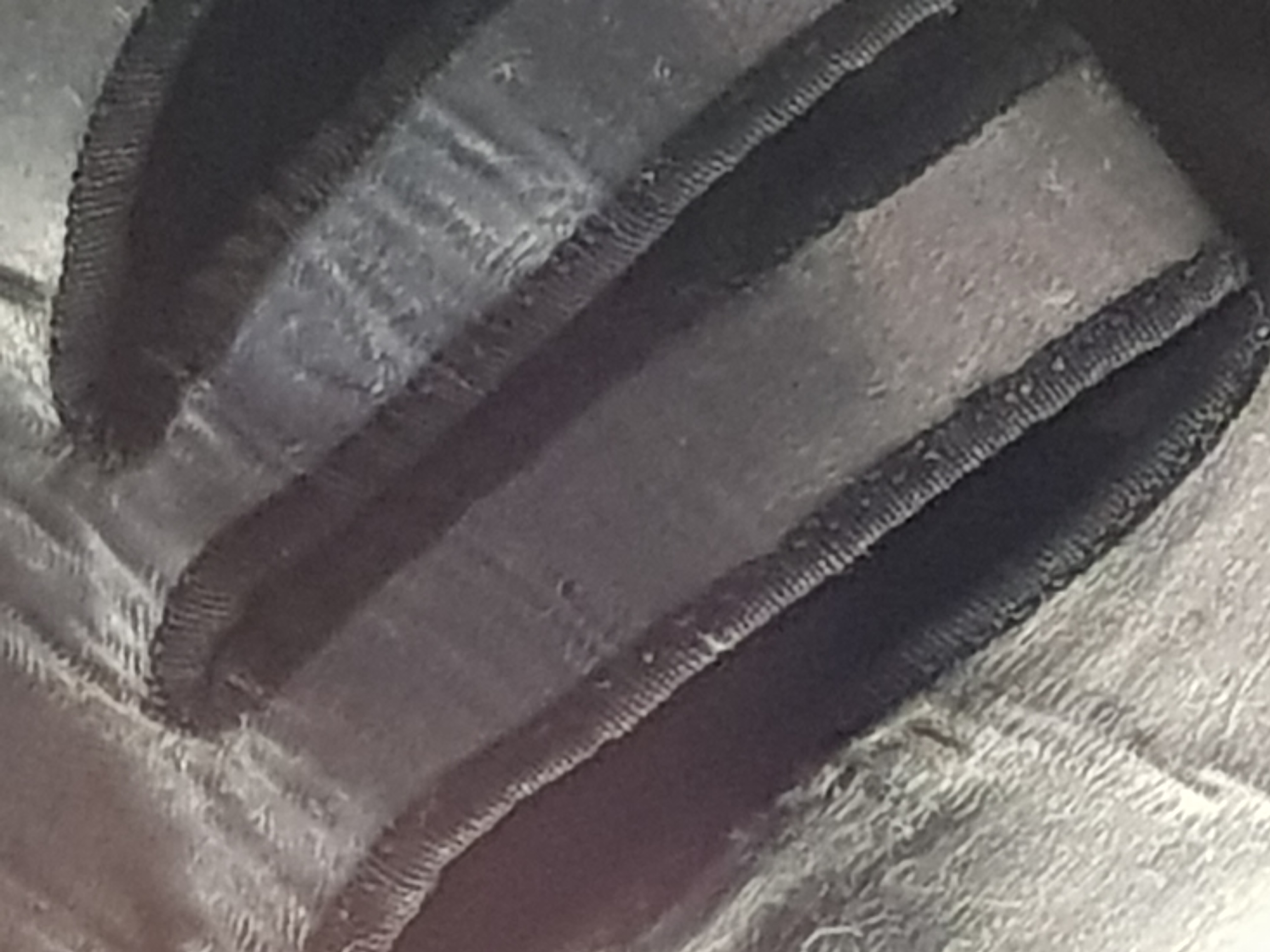
The State Bed (1697) by Francis Lapiere:-
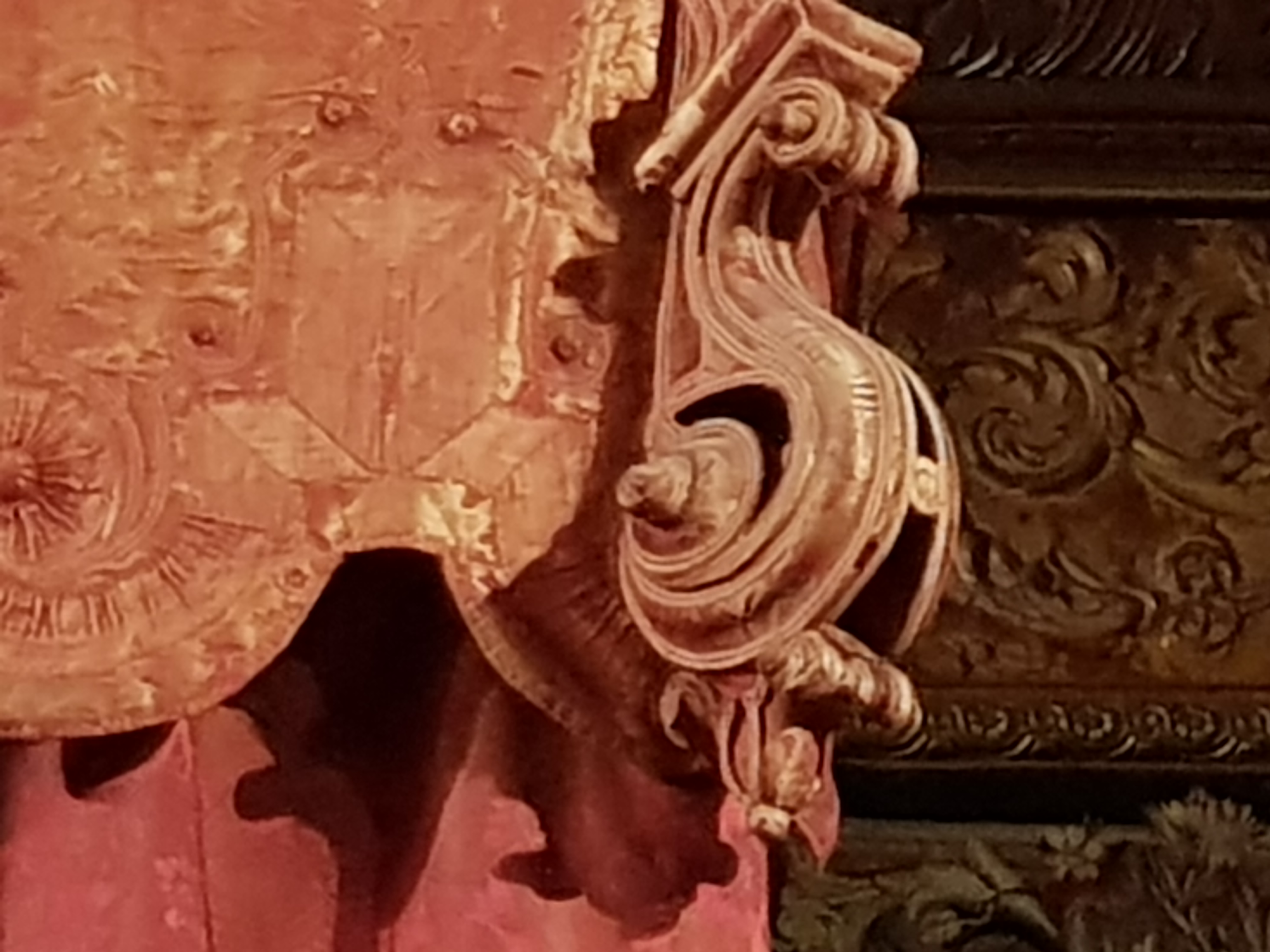 Bess, Duchess of Devonshire by Reynolds (Lady Elizabeth Foster):-

Georgiana, Duchess of Devonshire by Reynolds:-
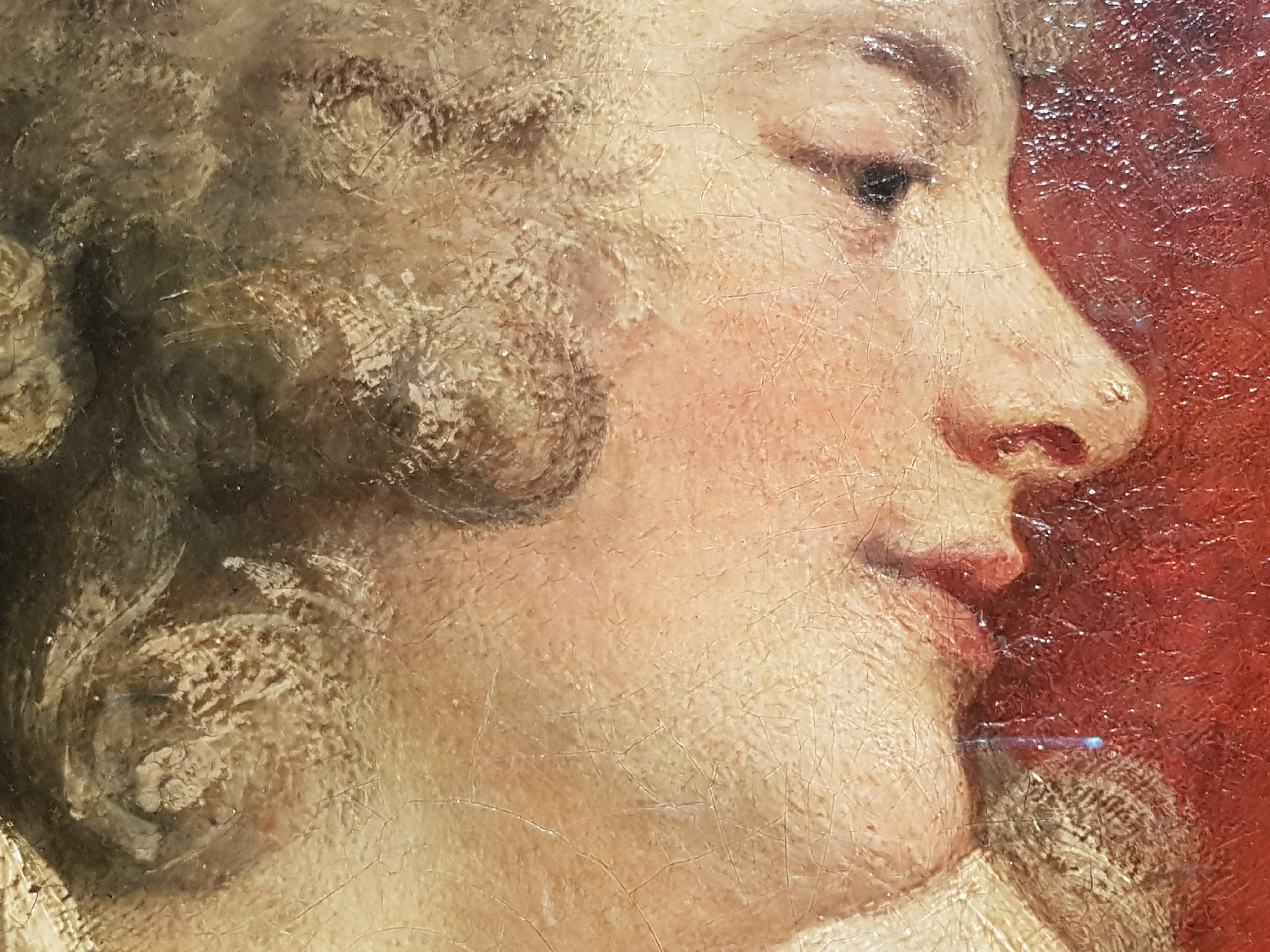
The third Earl of Burlington:-
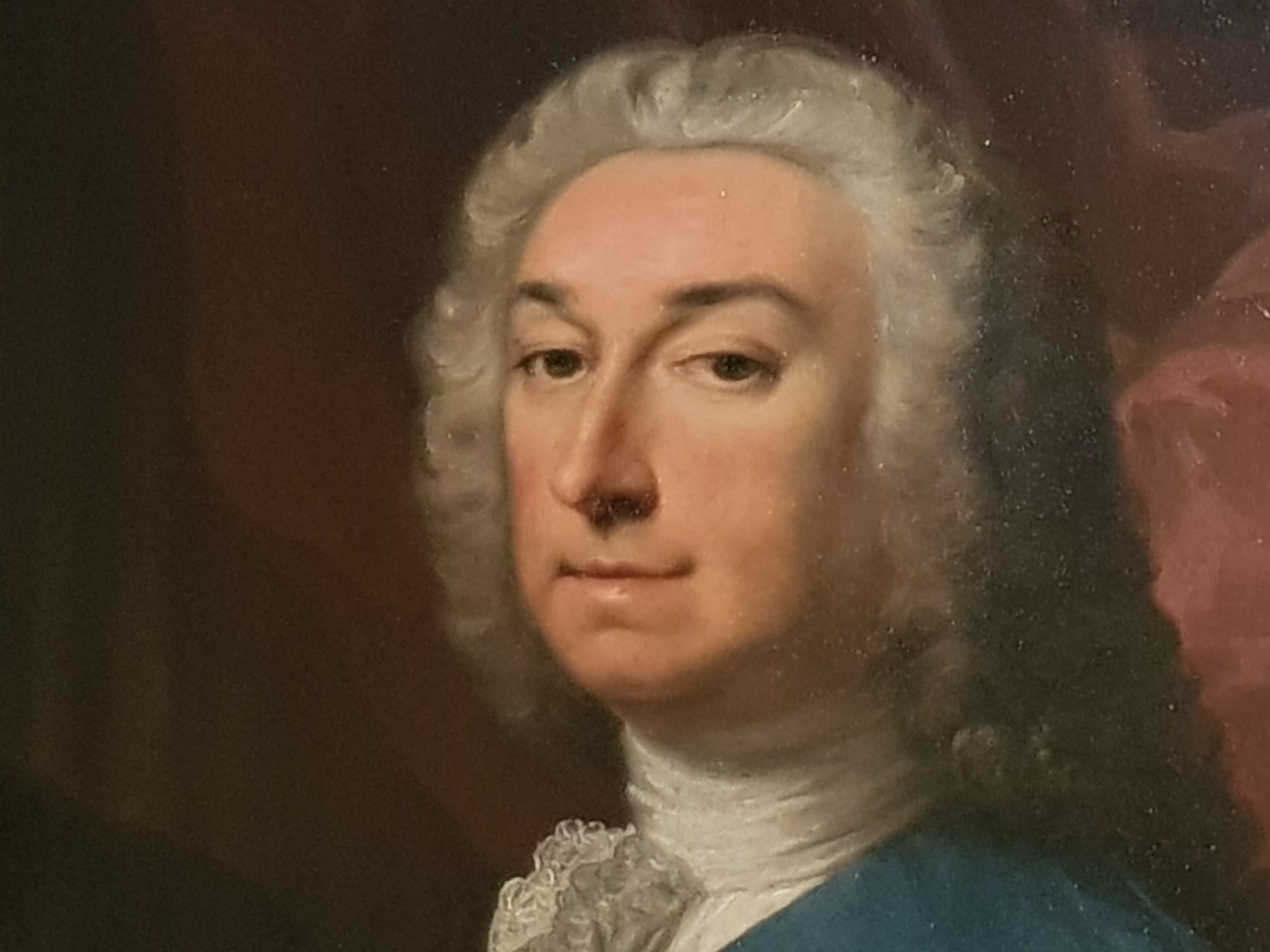
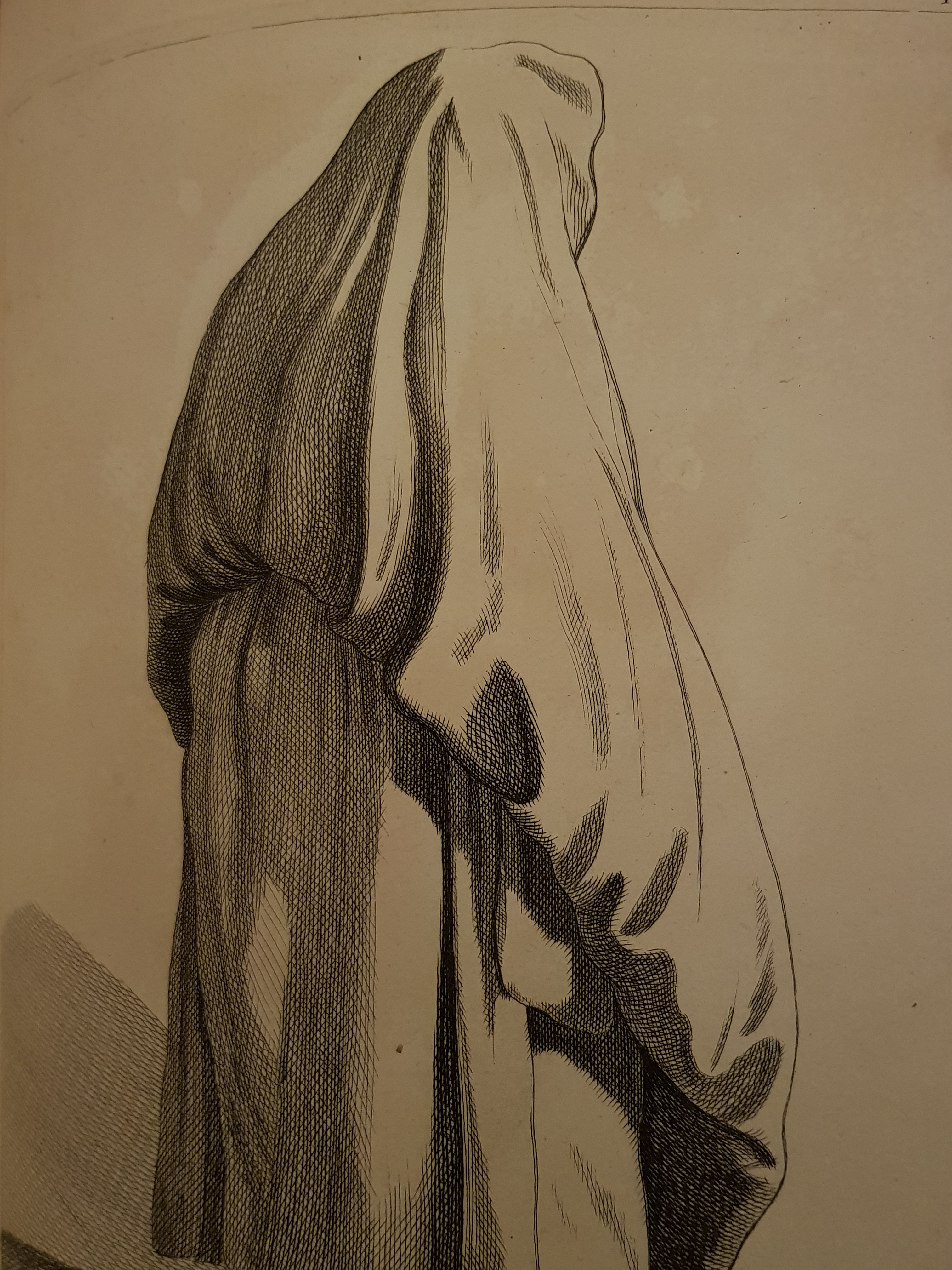
‘Espece de Parapluie’ in Les Cris de Paris (1723):-
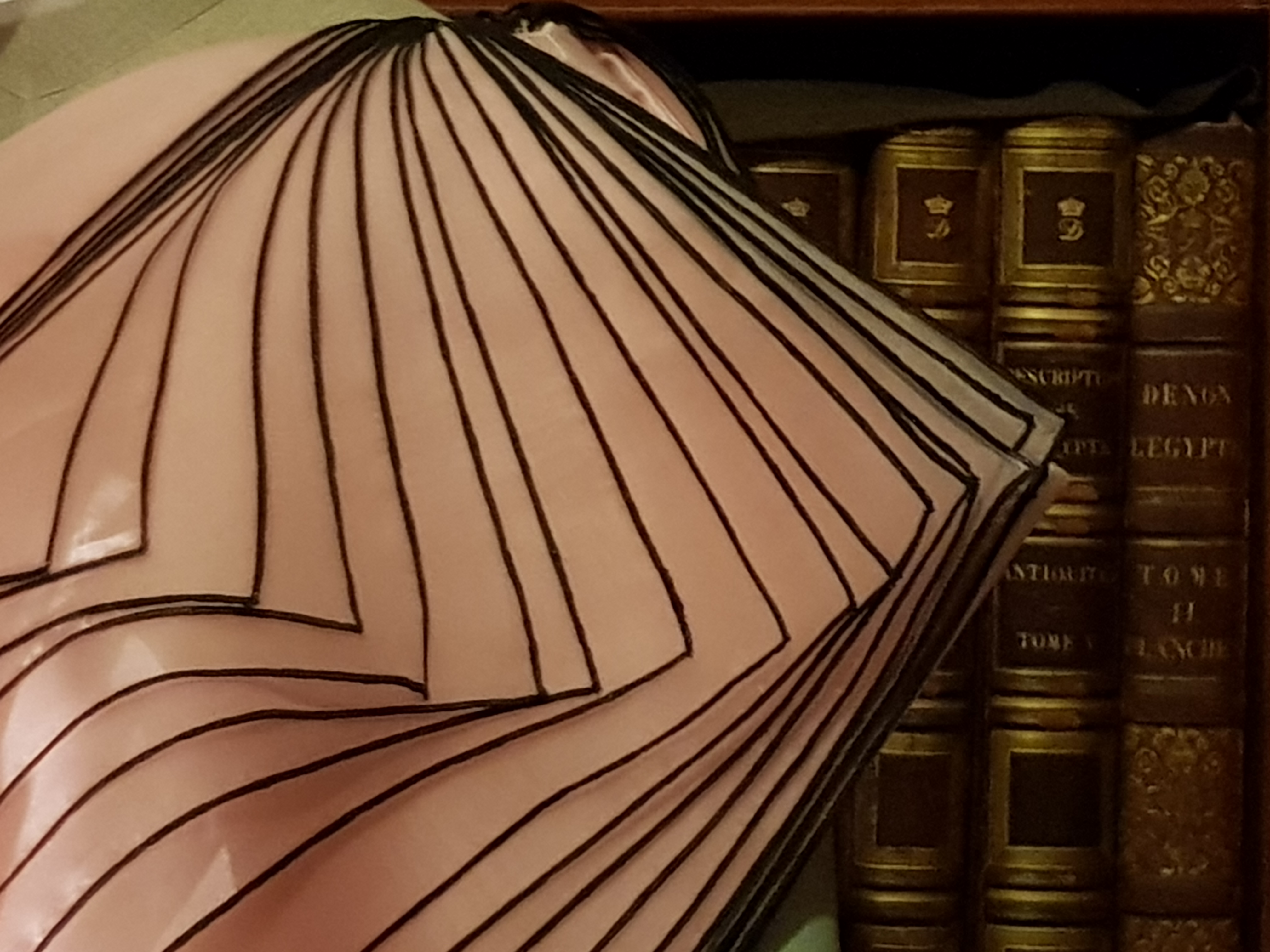
 Christopher Kane (2014):-
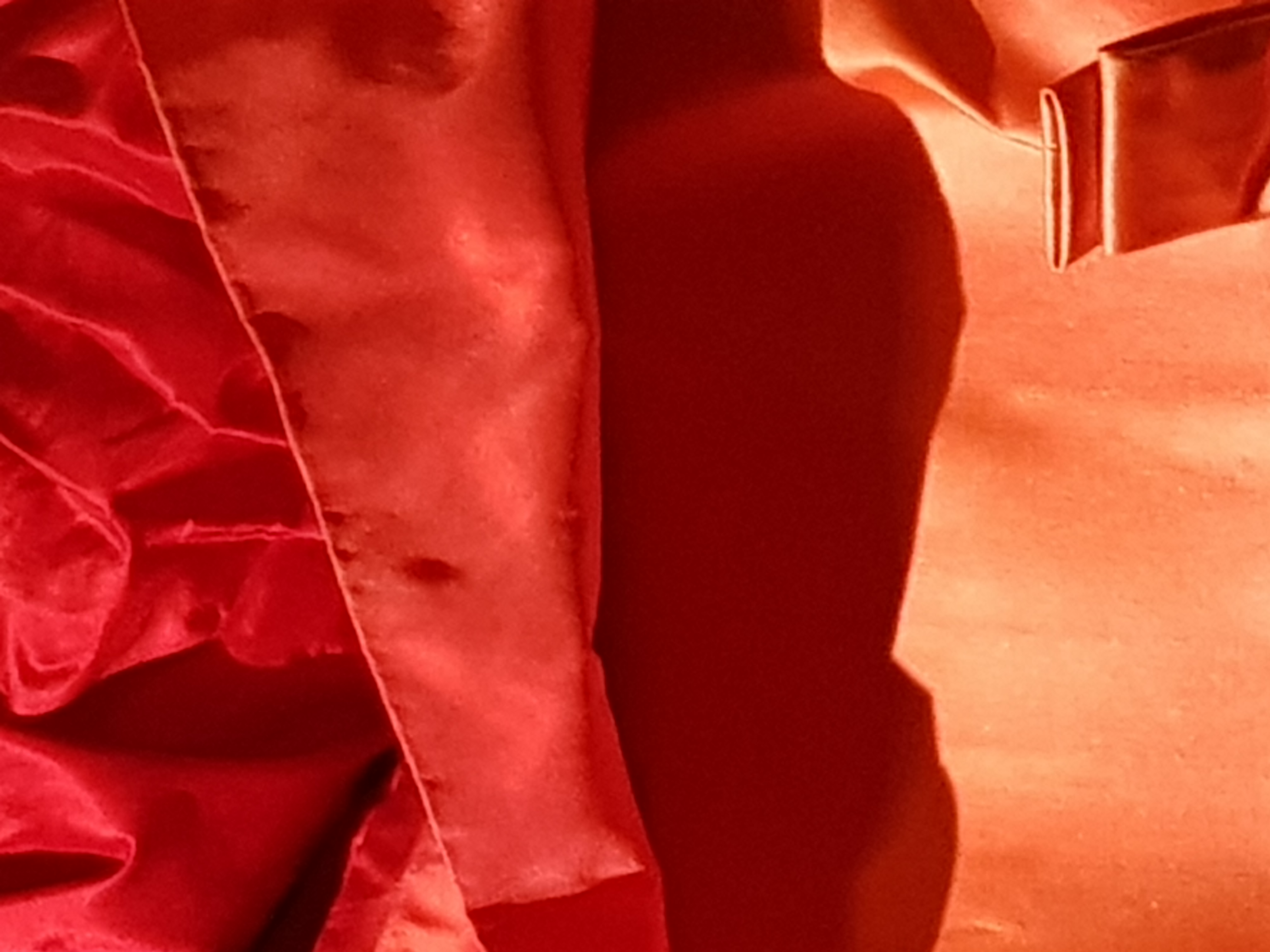
 Pierre Balmain (1965):-
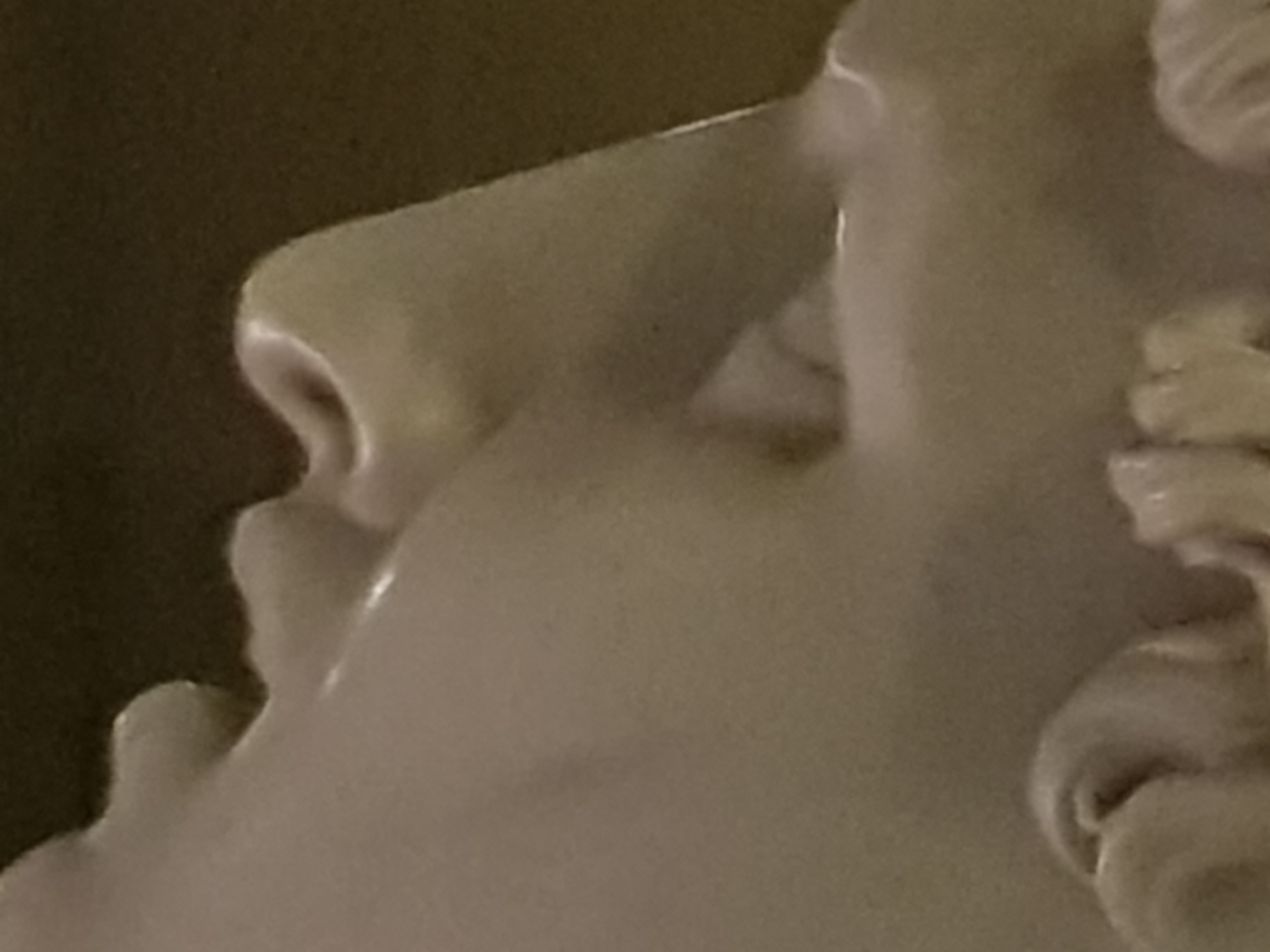
 The Wounded Achilles (1825):-
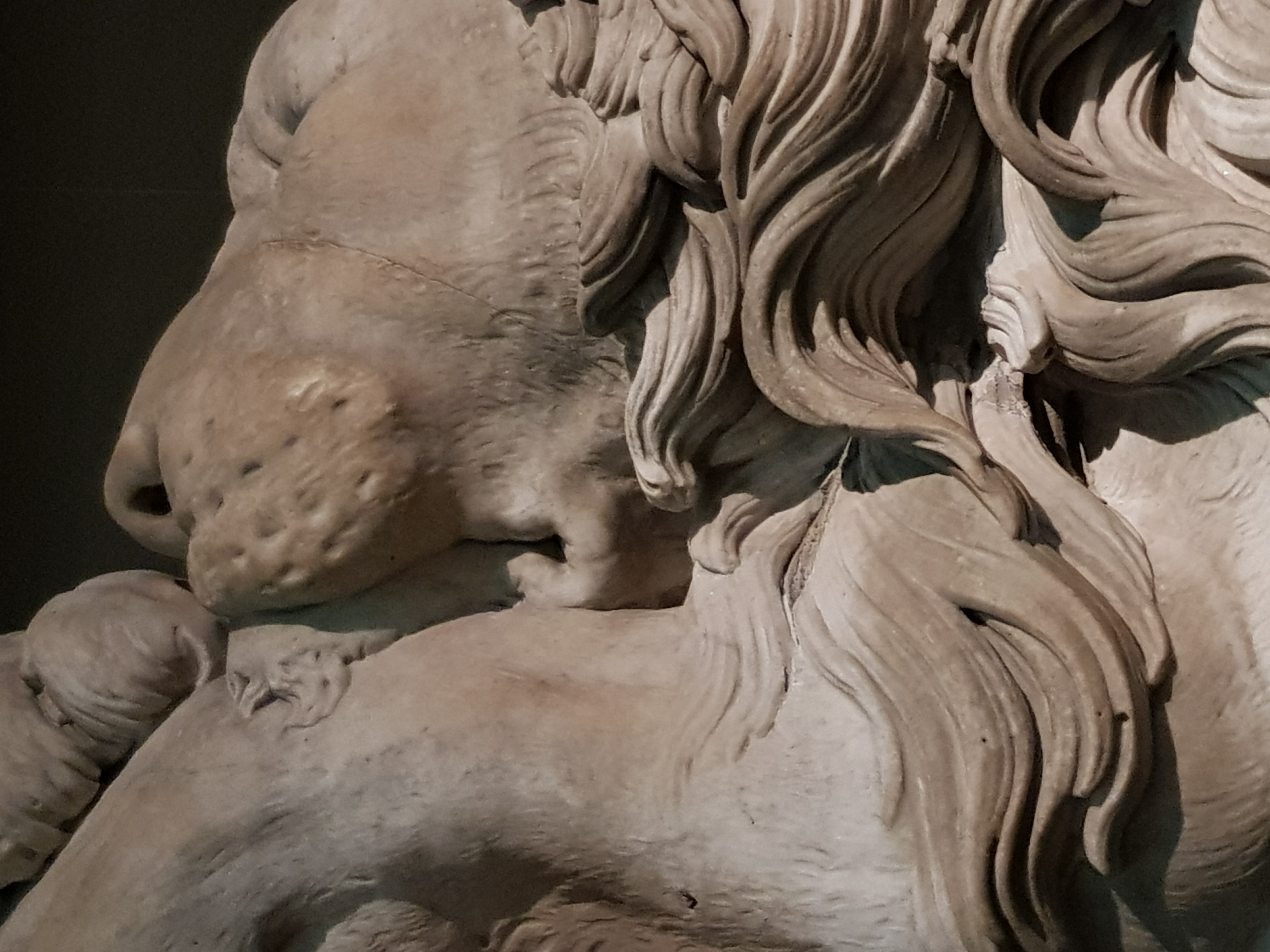
 Sleeping Lion (1825):-
Chatsworth (2)
Much as I have grown to love Chatsworth, not an easy, because such an opulent taste (pure English baroque), I love the gardens and grounds at least as much – the survival of the seventeenth-century garden, laid out by London and Wise, with its temple by Thomas Archer and formal cascade, and the terraces round the house softened by views out to Capability Brown’s landscape beyond.
The South Front, designed by Talman and the first to be completed:-
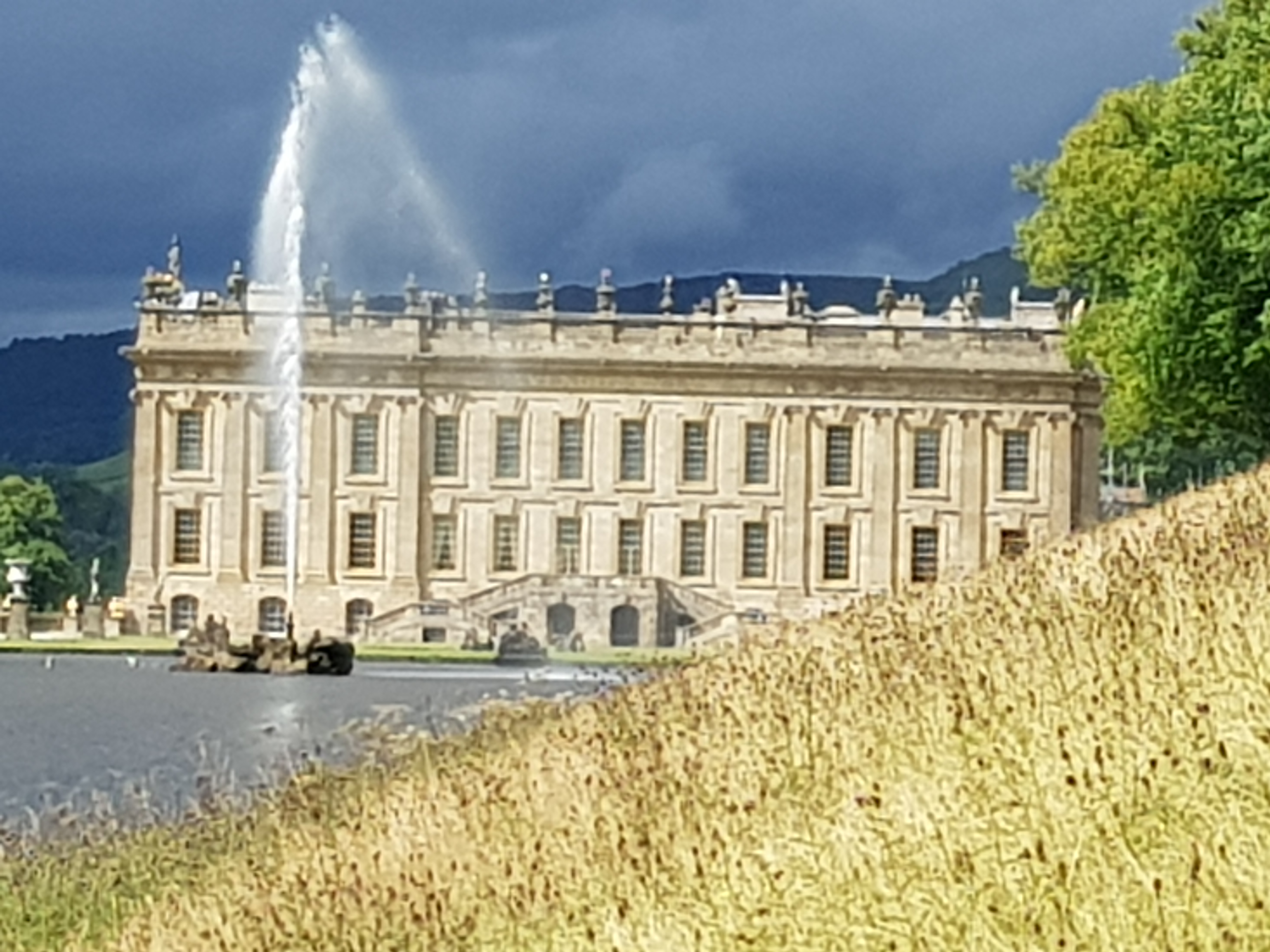
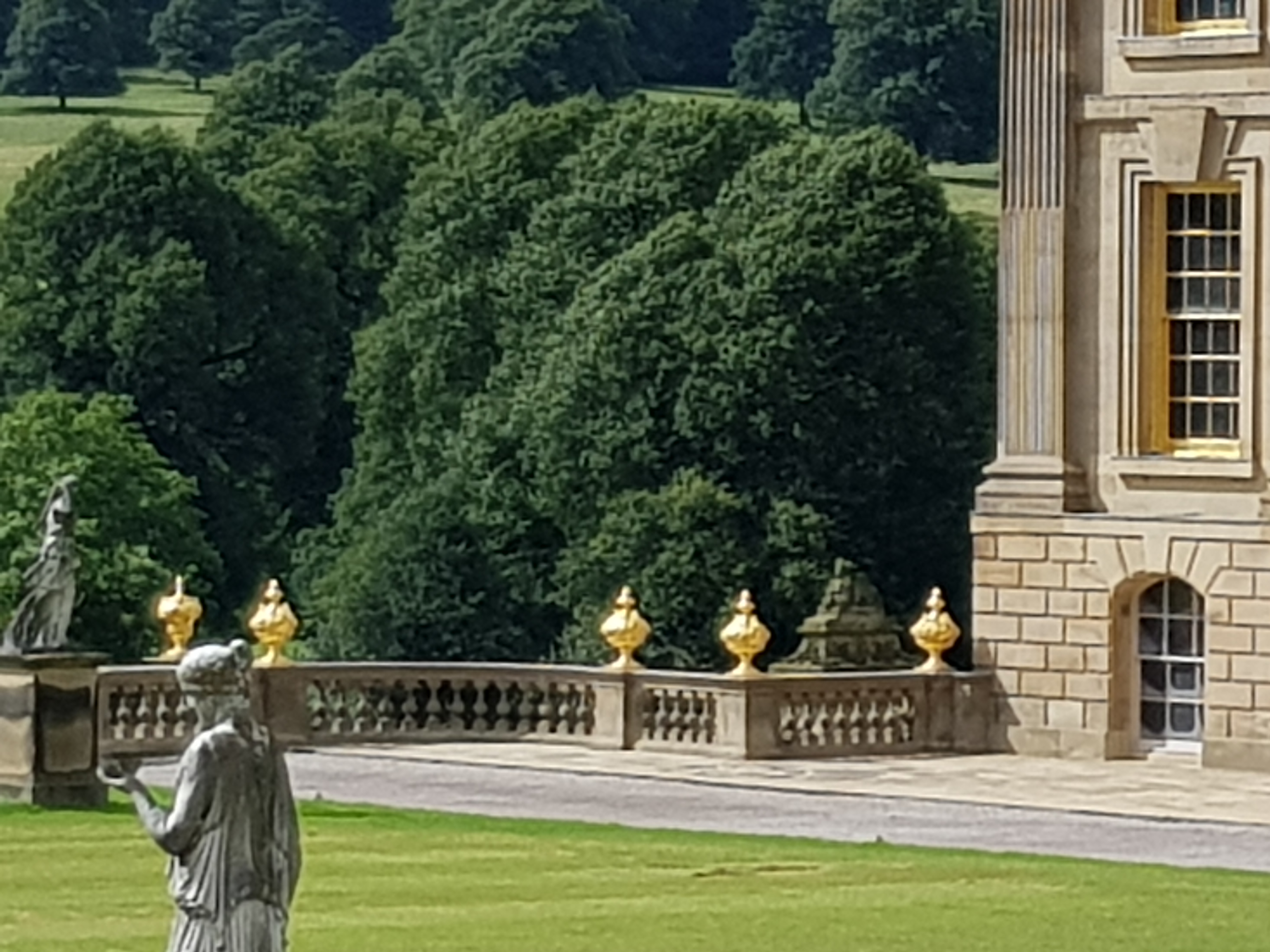
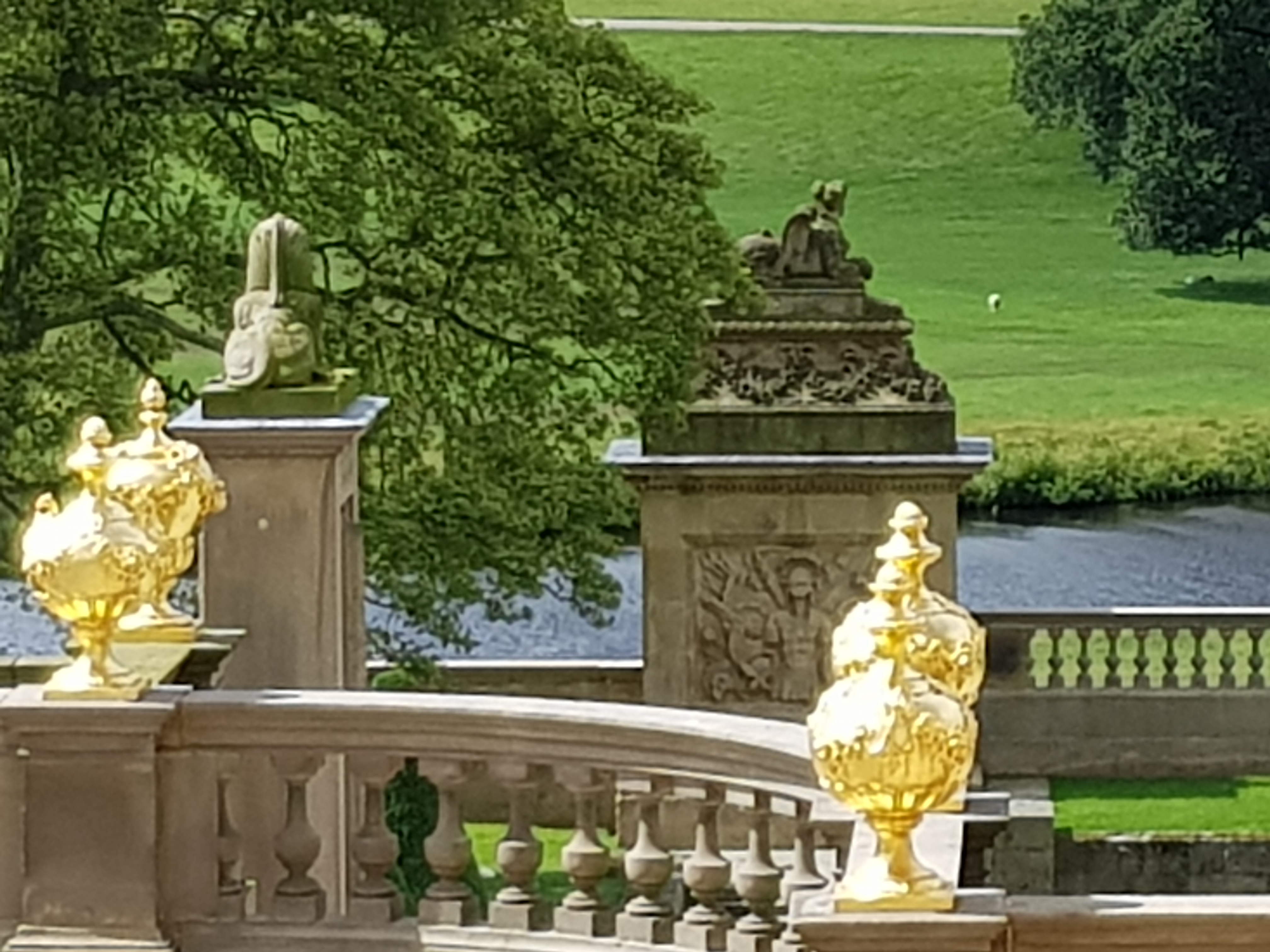
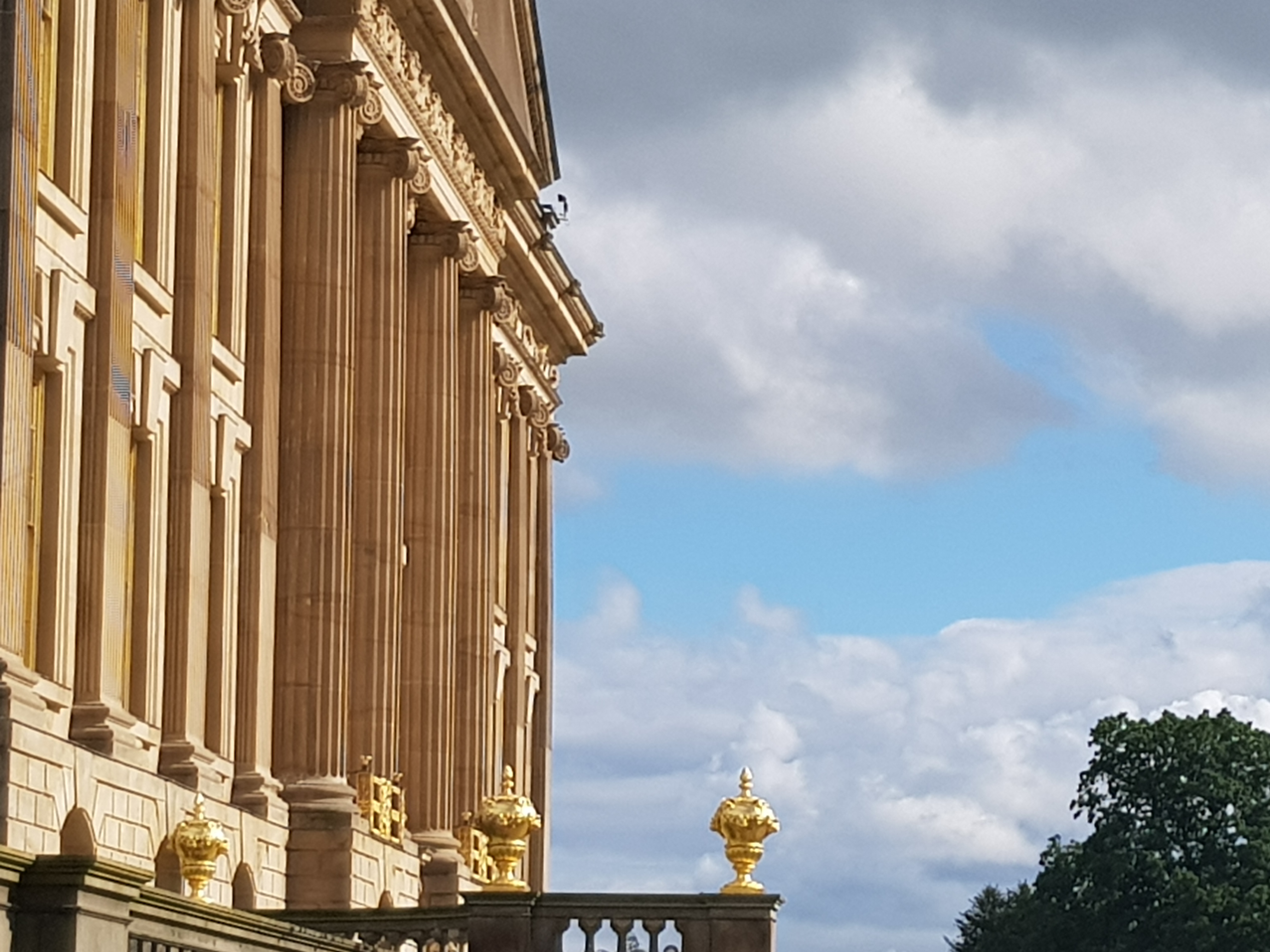
The West Front:-
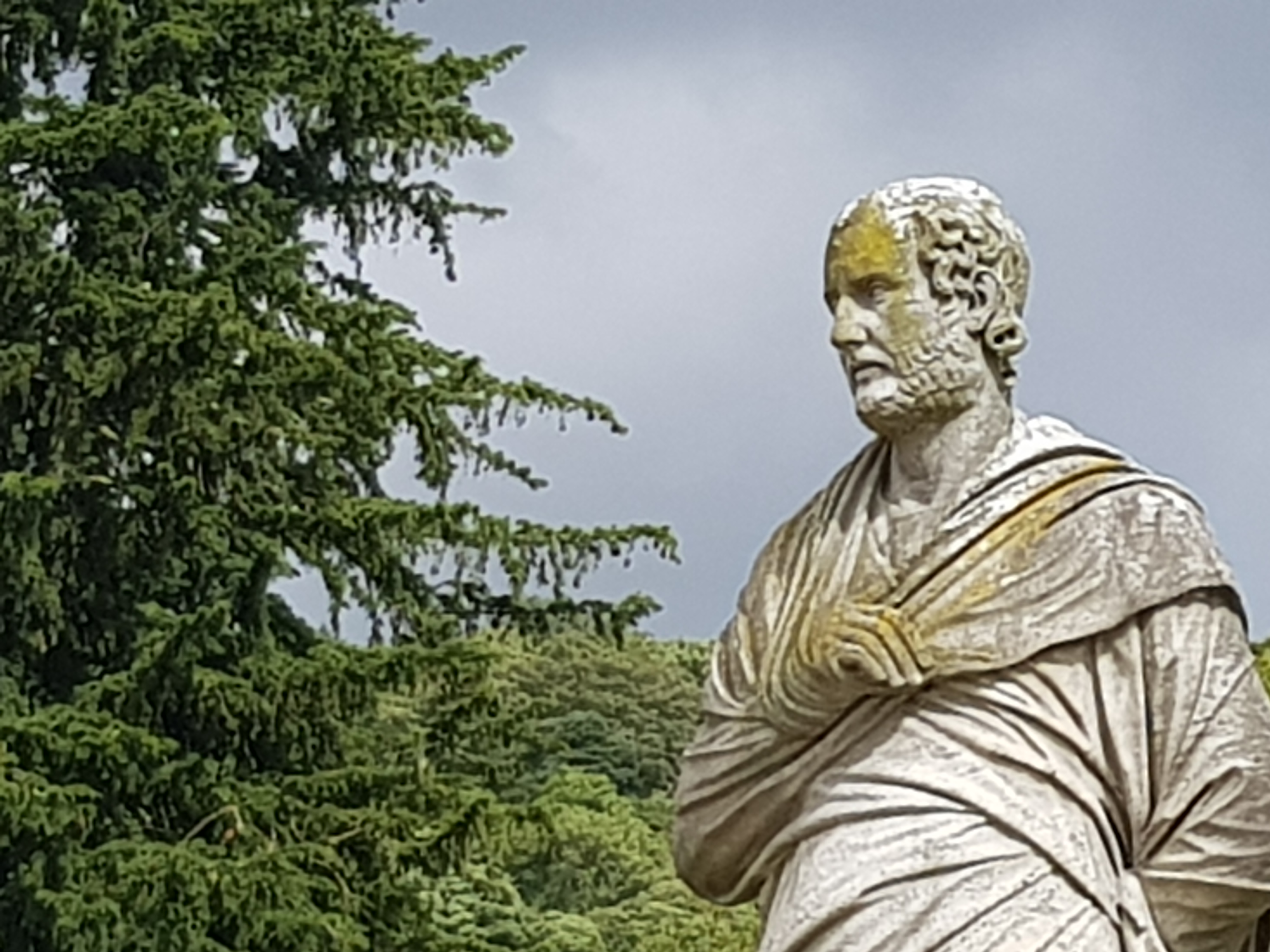
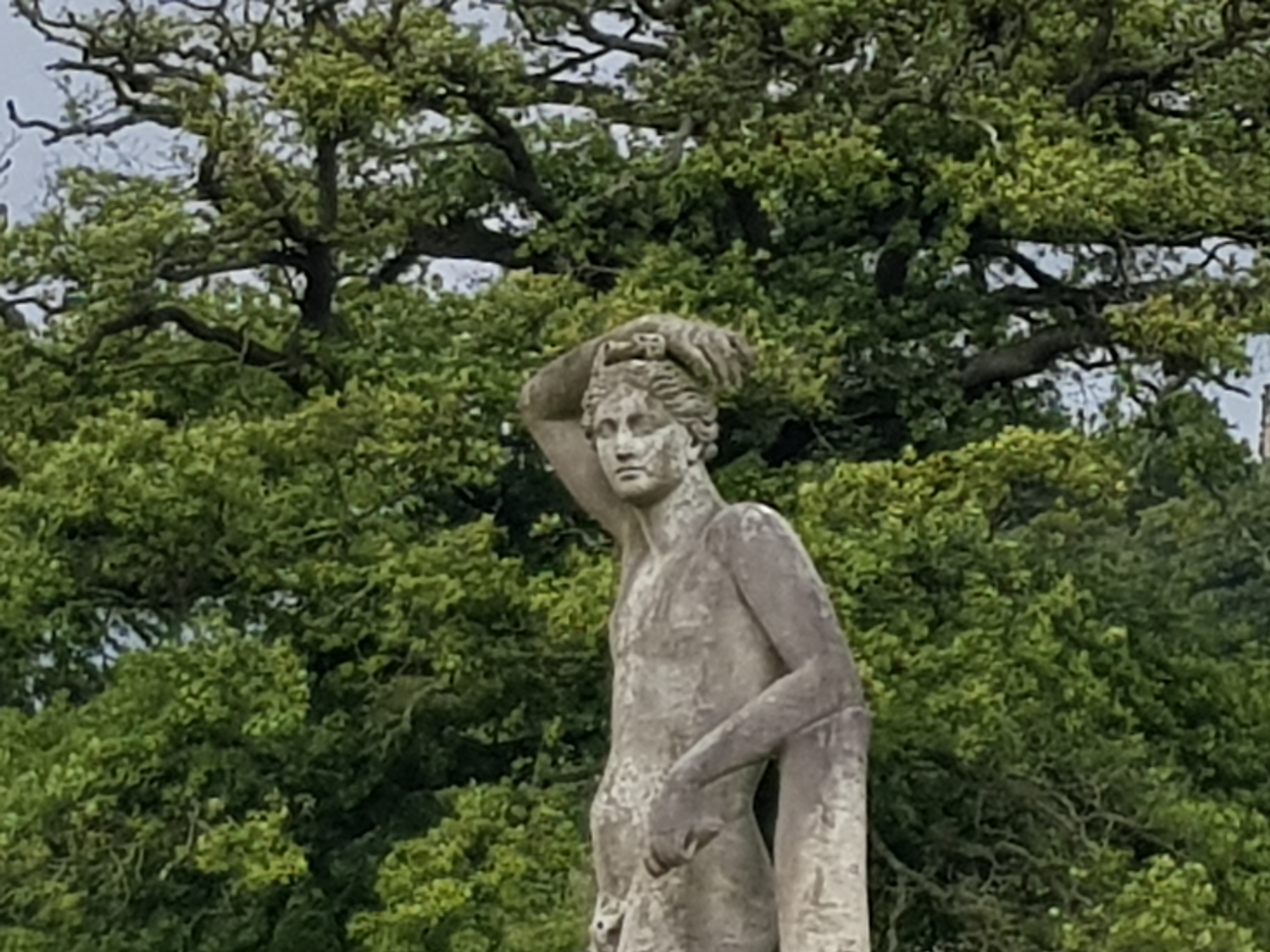
I always like the statuary, assembled, I think, by the sixth Duke:-
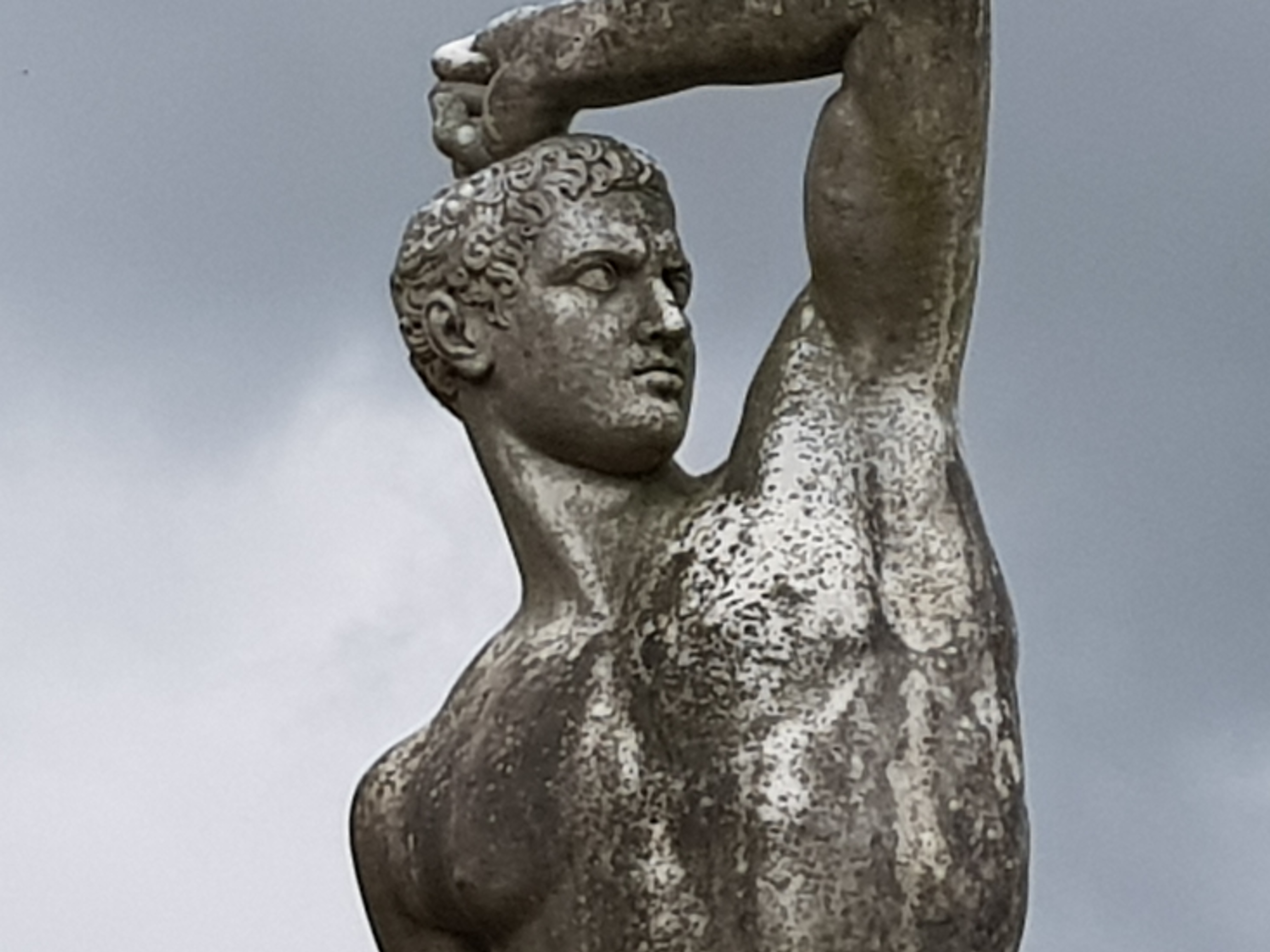
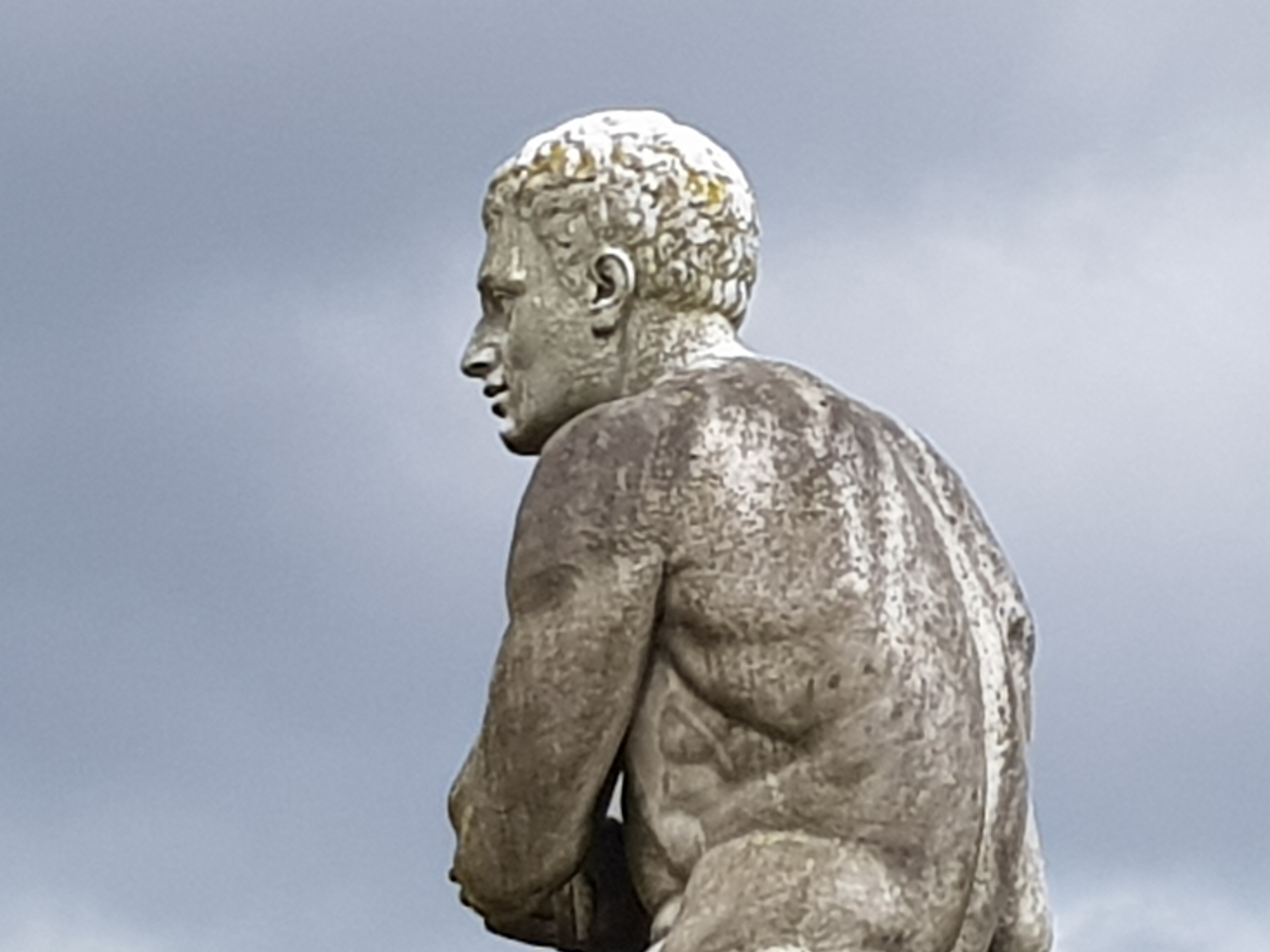
The view along the Broad Walk, laid out by Jeffry Wyatville, towards Blanche’s urn (Blanche was the sixth Duke’s niece):-

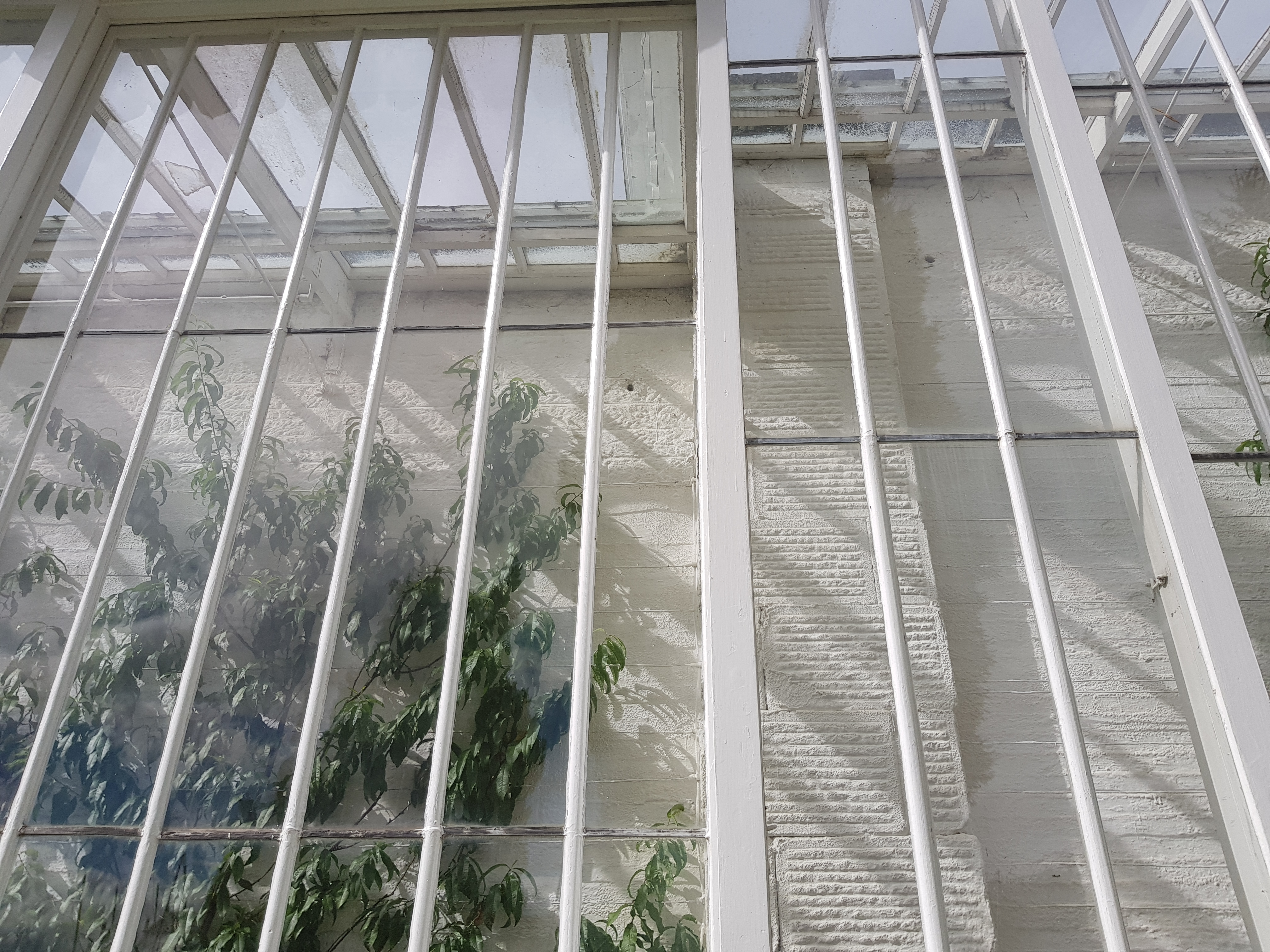
The Conservatory, originally known as the Conservative Wall and now The Case, designed in 1838:-
And the parkland beyond:-

 | Charles | Saumarez | Smith |
You must be logged in to post a comment.