The London Hospital

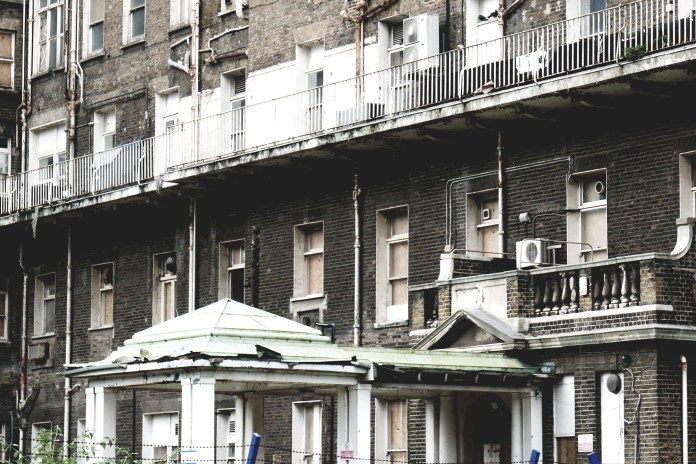
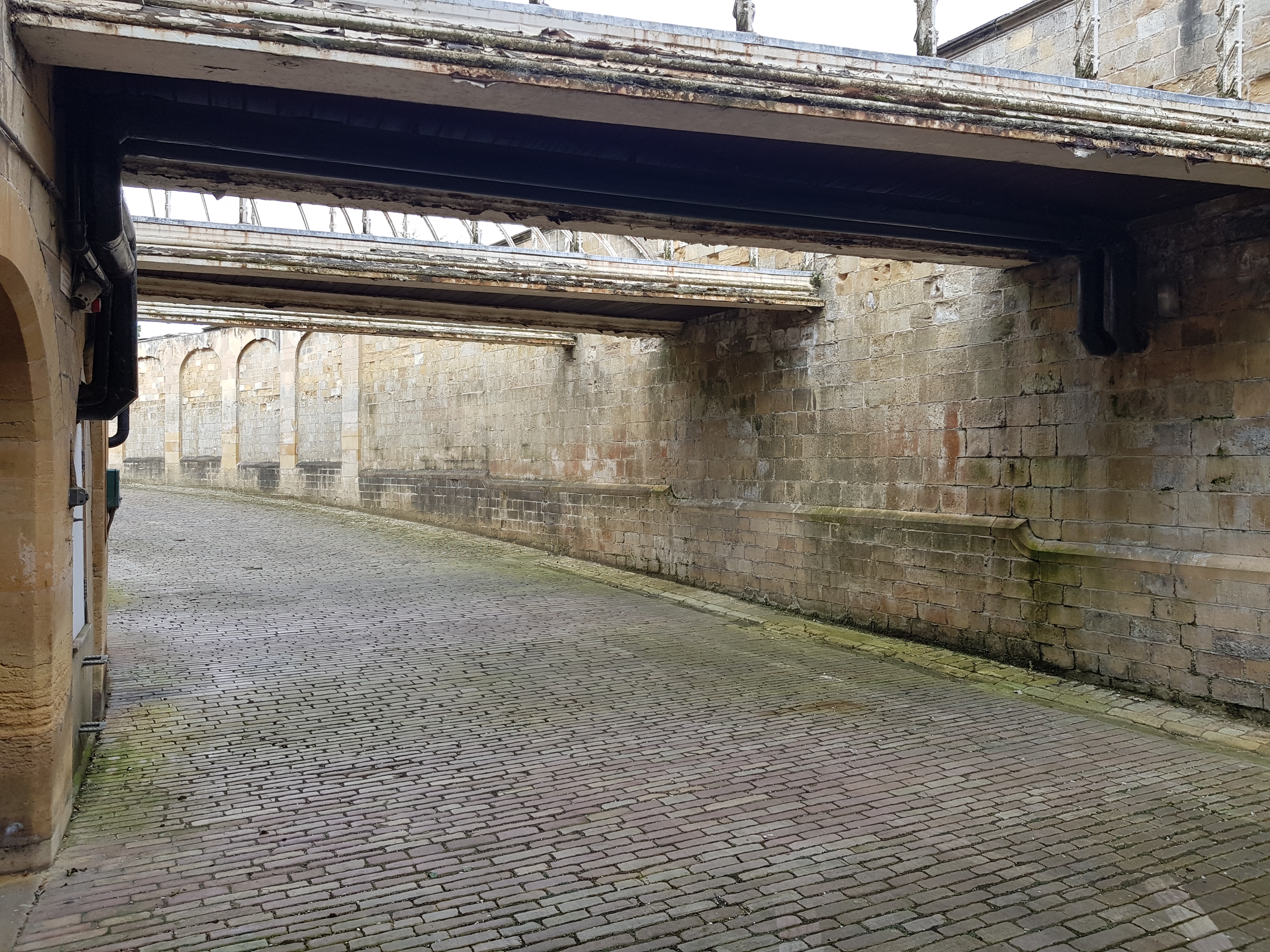
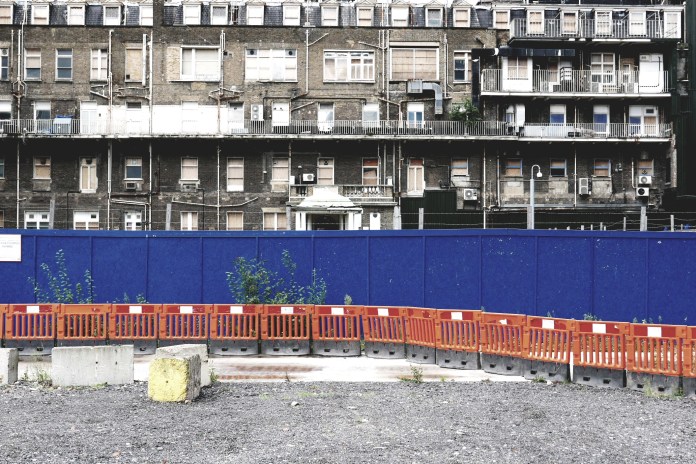
In order to experiment with the capabilities of the Leica, I took a photograph of what remains of the old London Hospital, a particularly bleak view, which doesn’t have much to recommend it, other than a slightly surreal sense of what the hospital used to be like in its old unreconstructed form:-

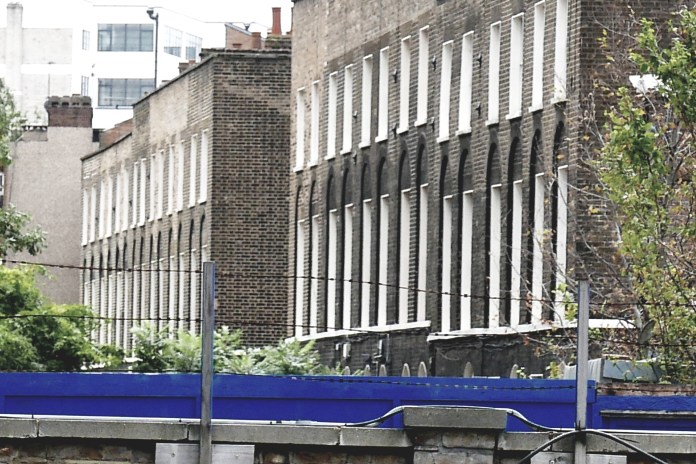
Beyond is a row of houses on Philpot Street which belong to the hospital, which, over the years, has bought up properties in the neighbourhood (testing the capabilities of the telephoto lens):-

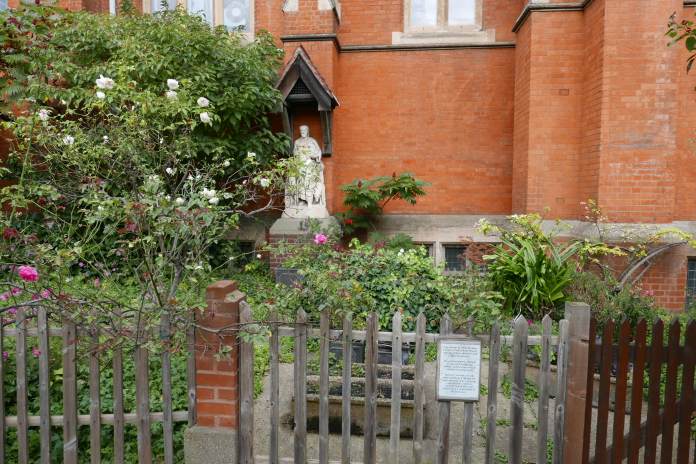
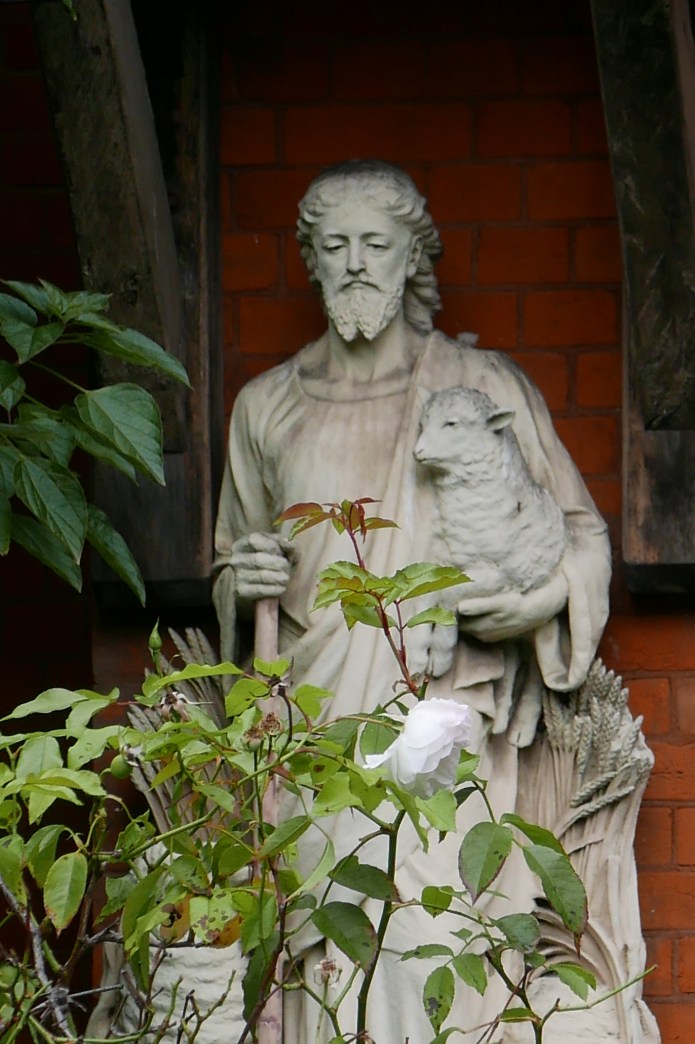
The Hospital also seems to own the old deconsecrated church of St. Augustine with St. Philip, built in the late 1880s and now used as a library for the School of Medicine and Dentistry :-

Standard

Leica

Over the past month, especially in Italy, I have got worried that when I take close-ups on my camera phone, the images dissolve when enlarged on a big screen. I consulted a friend and photographic mentor about what to do and he said that he had the perfect solution, which turned out to be a spare baby Leica, which he was willing for me to borrow, as he described it, ‘to play with’. Well, of course, like all amateur camera enthusiasts, I have longed to at least try out a Leica, passing the shop window of Richard Caplan on Pall Mall full of yearning. So, now is my chance. I leave you to judge whether my future photographs are improved in digital definition.

Standard

Whitechapel Crossrail

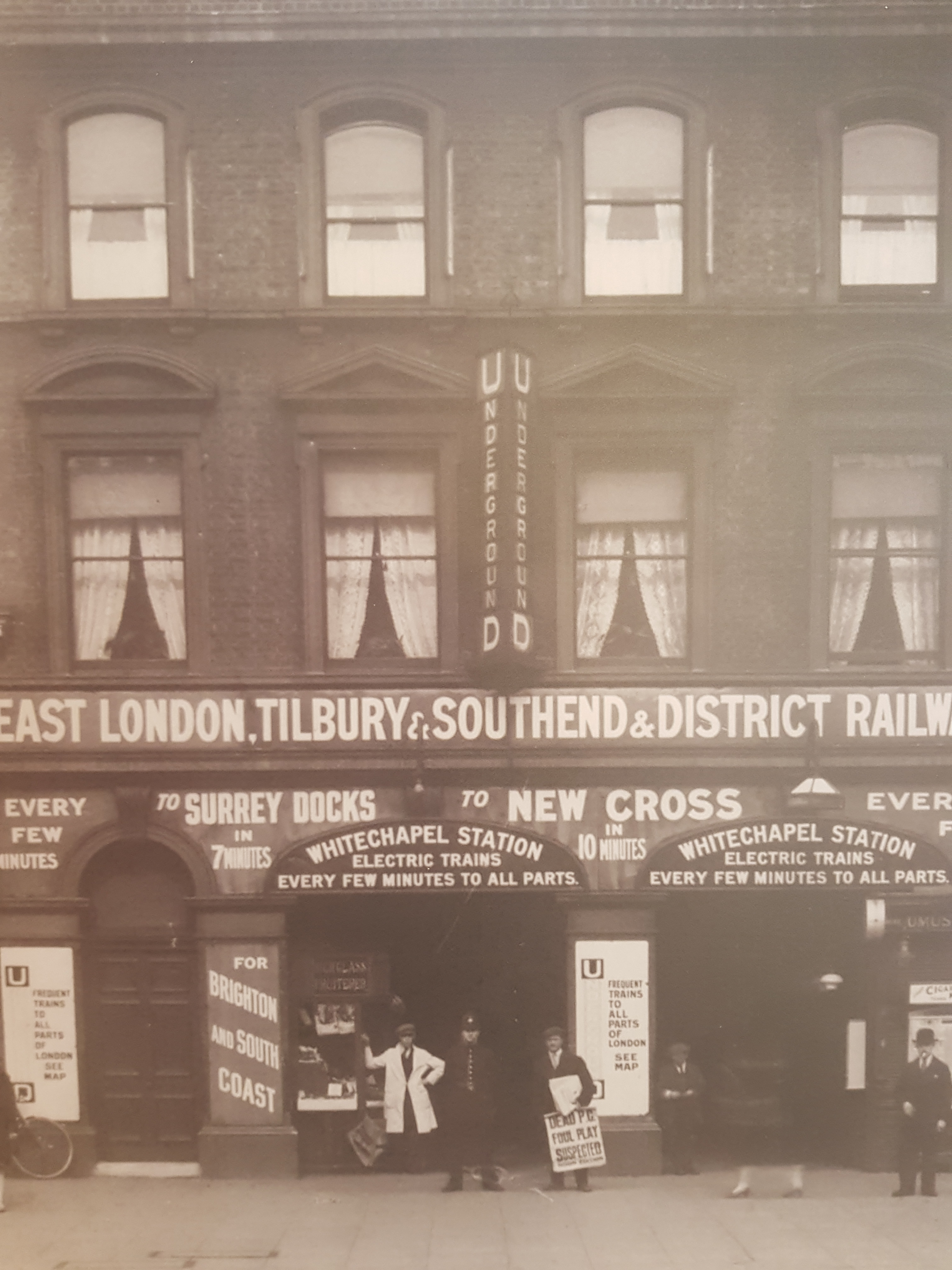
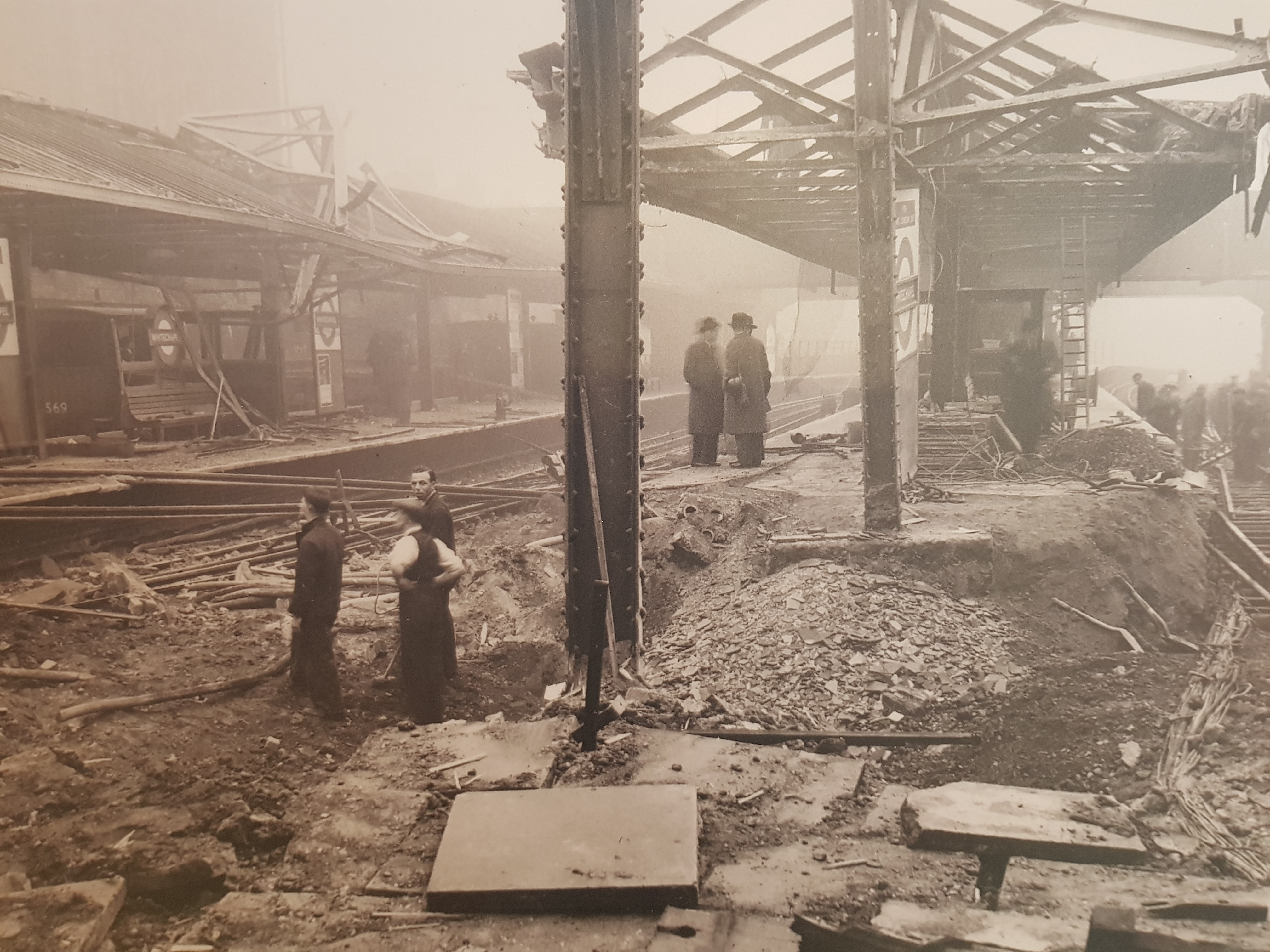
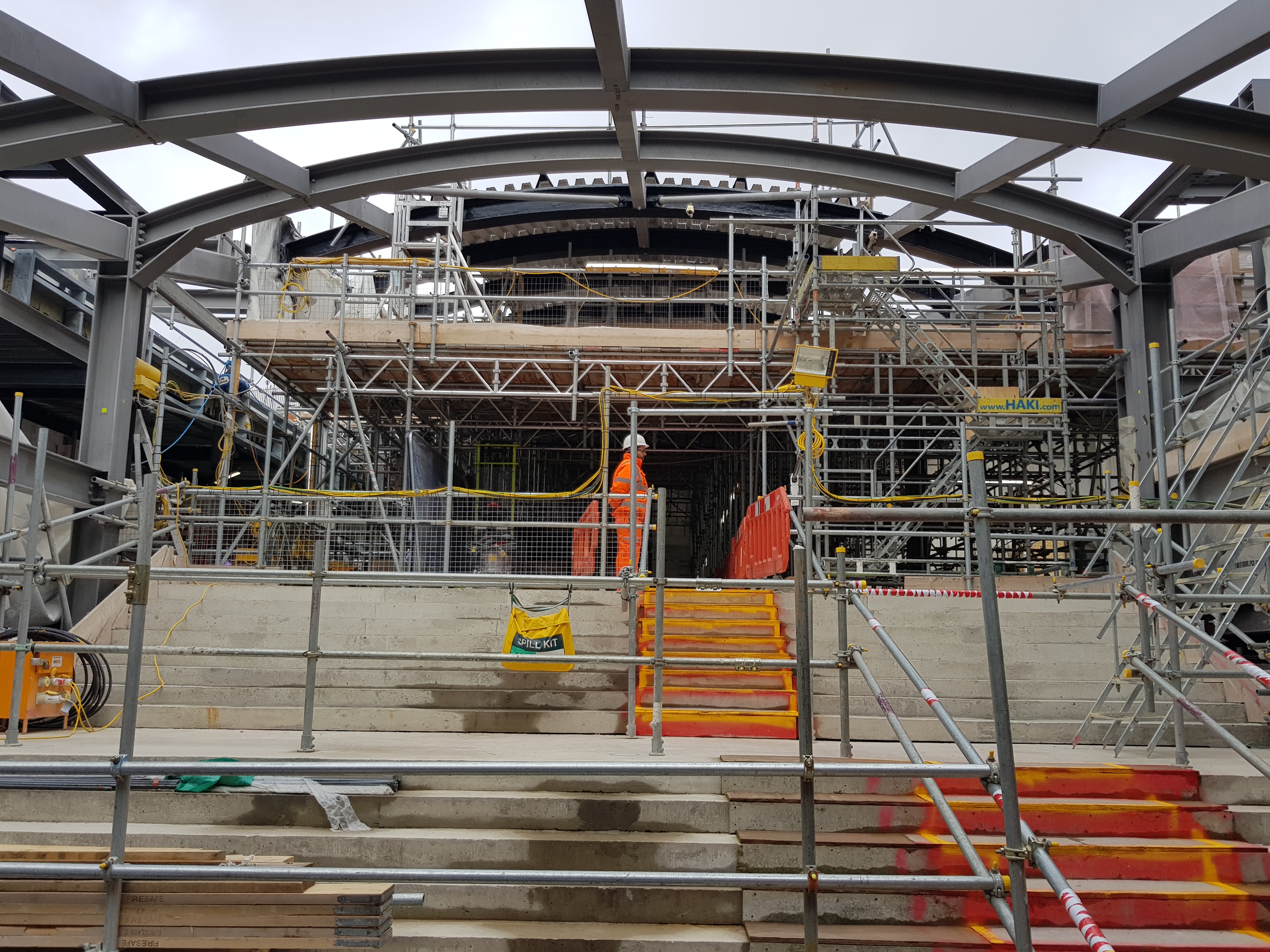
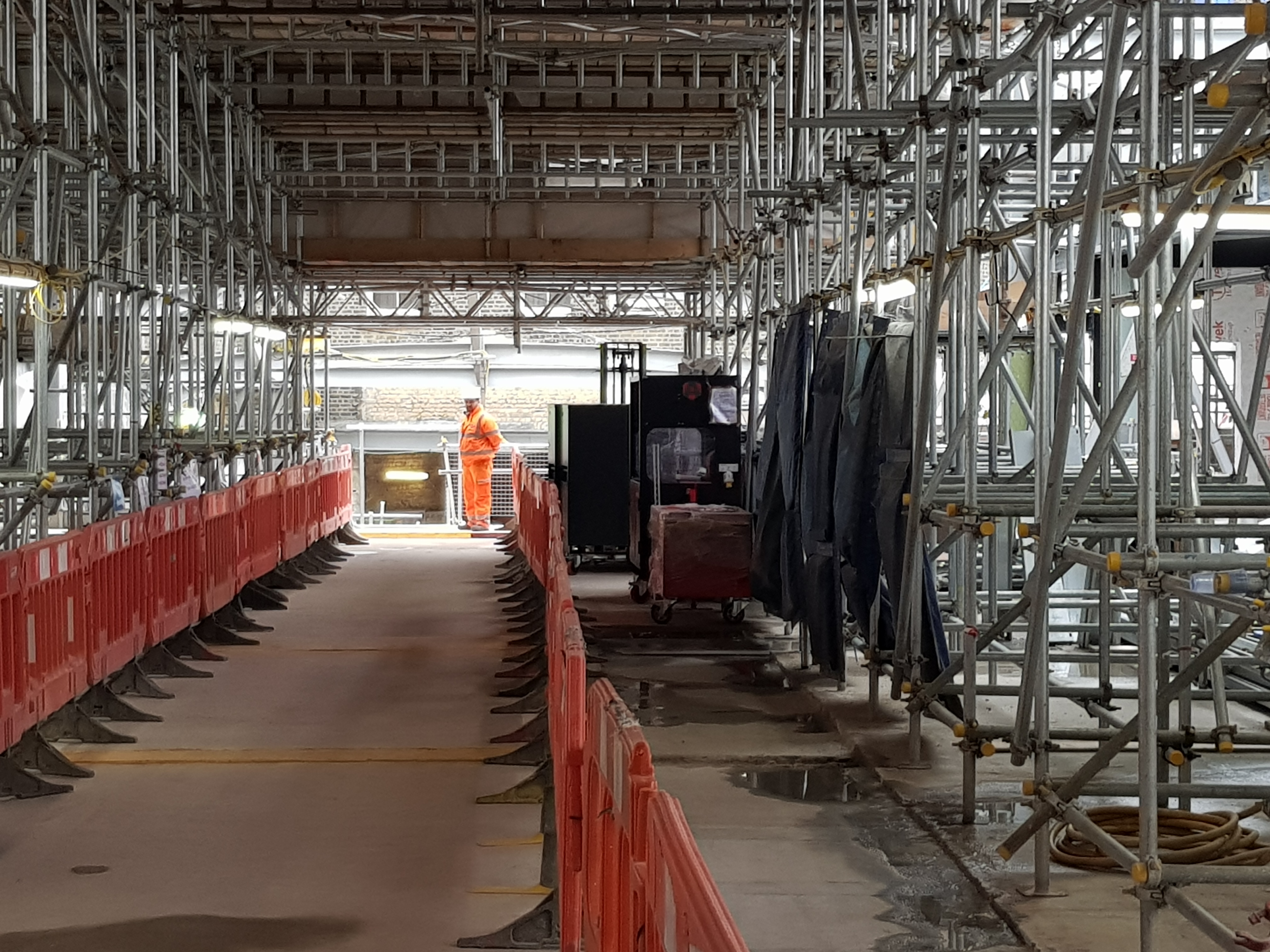
I have been following the progress of Crossrail with the utmost interest, partly because of its likely impact on Mayfair (400,000 potential extra visitors to the RA A DAY), and partly because I will be able to get from Whitechapel Station to Bond Street in eight minutes, not to mention Heathrow and Paris. So, I was delighted to hear that Crossrail were organising tours round the station for Open House. It’s a building site. I’m familiar with them. One will enter by the original entrance and then cross over the old Hammersmith and City lines, past an entrance to the Overground, to the grand entrance to the new Elizabeth line. The line itself is due to open on 9 December 2018, the day before our 250th. birthday. The only thing I regret is that there is no entrance at the Cambridge Heath Road end, where there is a big shaft, but maybe Sainsbury’s could consider adding it to their new (and controversial) development as part of a Section 106 agreement. It would be expensive, but think what a difference it would make to the value of their residential properties:-

Standard

Nottinghamshire

In setting off to Nottinghashire yesterday, I discovered that my only guidebook to the county was the original 1951 Pevsner, first published in 1951, the same year as Cornwall. I found it odd handling the heavily mottled original edition, still with the coffee stains from when my bookshelf collapsed during a talk in Cambridge. I’ve probably never previously used it (Nottinghamshire is not a county I know at all well). I like the odd dedication ‘To the driver who gave satisfaction’ – presumably his wife, as Pevsner never drove – and the much more clipped, telegraphic style of the entries.

Standard

Welbeck Abbey (1)

Before setting off to Welbeck Abbey, I tried to find out something of its exceptionally complicated early history, which I thought I should know, but didn’t, so I apologise for an unusually long pair of blogs in which I try to make sense of it, at least for my own purposes.

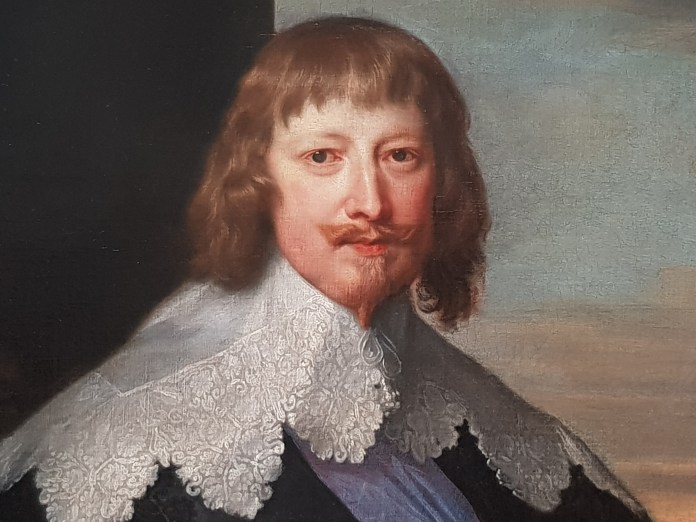
Welbeck occupies the site of a Premonstratensian abbey, created on land which was originally part of Sherwood Forest and was sold during the Dissolution of the Monasteries. In the early seventeenth century, it was owned by the first Duke of Newcastle, who built a Riding House and Stables. Here he is in a portrait attributed to van Dyck:-

In the early eighteenth century, its chatelaine was Henrietta Cavendish, Countess of Oxford, who, in 1711, married Edward Harley, oldest son of Robert Harley, the Tory politician and first Lord of the Treasury. In 1716, she inherited Welbeck from the Duchess of Newcastle.

Defoe visited Welbeck in 1738 and described it as follows: ‘Beautified with large additions, fine Apartments, and good Gardens; but particularly the Park, which is well stocked with large Timber of the finest Kind, and with the greatest Quantity of Deer that are anywhere to be seen: For the late Duke of Newcastle’s delight (whose Property it was, before it came by Marriage to the Harley family) being chiefly on Horseback, and in the Chair, it is not to be wondered, if he rather made his Parks fine than his Garden, and his Stables than his Mansion House; yet the House is noble, large and magnificent’.

Following Harley’s death in 1741, she sold off much of his collection, including his manuscripts, which went to the nation for £10,000, but not his remarkable miniatures which remain at Welbeck and include portraits of some of his friends, including Matthew Prior and his librarian, Humfrey Wanley. She then embarked on ‘Repairing, Beautifying and Ornamenting the Ancient Seate of the Cavendish Family at Welbeck’, reconstructing the west wing of the abbey in a surprisingly convincing way, at least by the standards of Strawberry Hill Gothic. In 1759, she wrote to her grandson, telling him that ‘I have now above a hundred men employ’d, and entend to have more. The stuco men work by candle light night and morning’.

She died in December 1755, and Horace Walpole visited the following August. He didn’t much like it, describing it as overloaded with ‘arms, crests, devices, sculptured on chimneys of various English marbles in ancient forms (and, to say truth, most of them ugly’).

Standard

Welbeck Abbey (3)

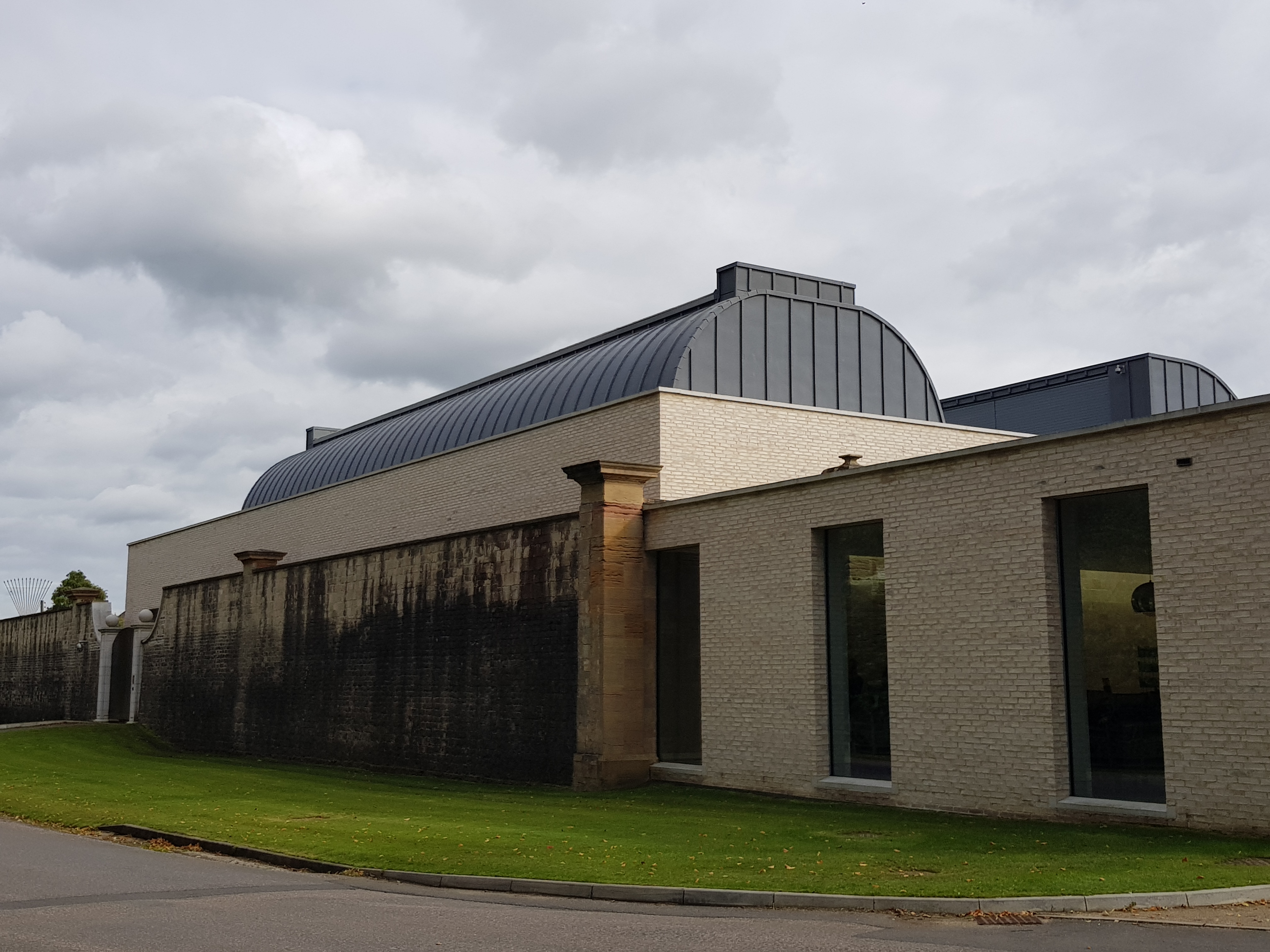
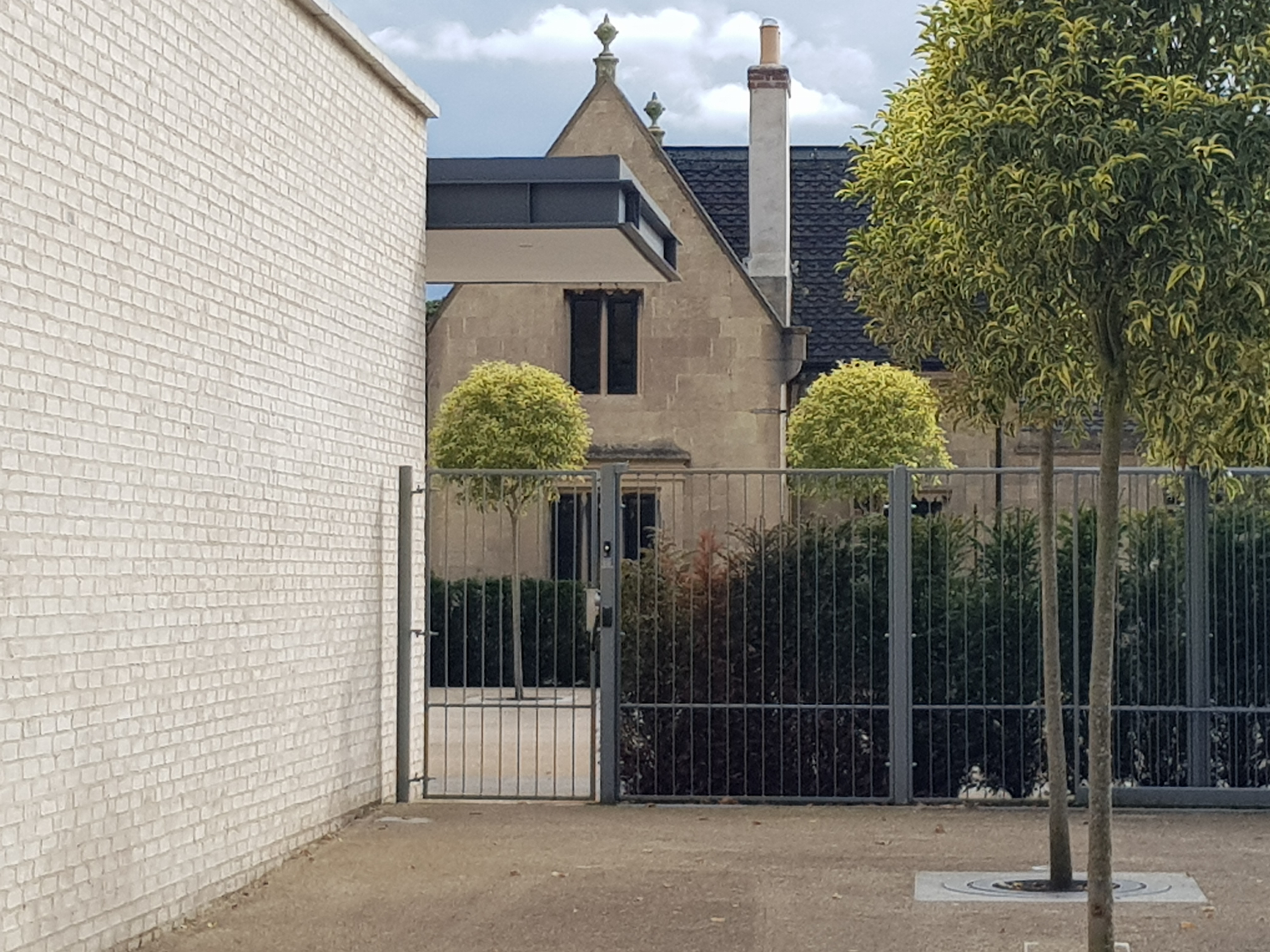
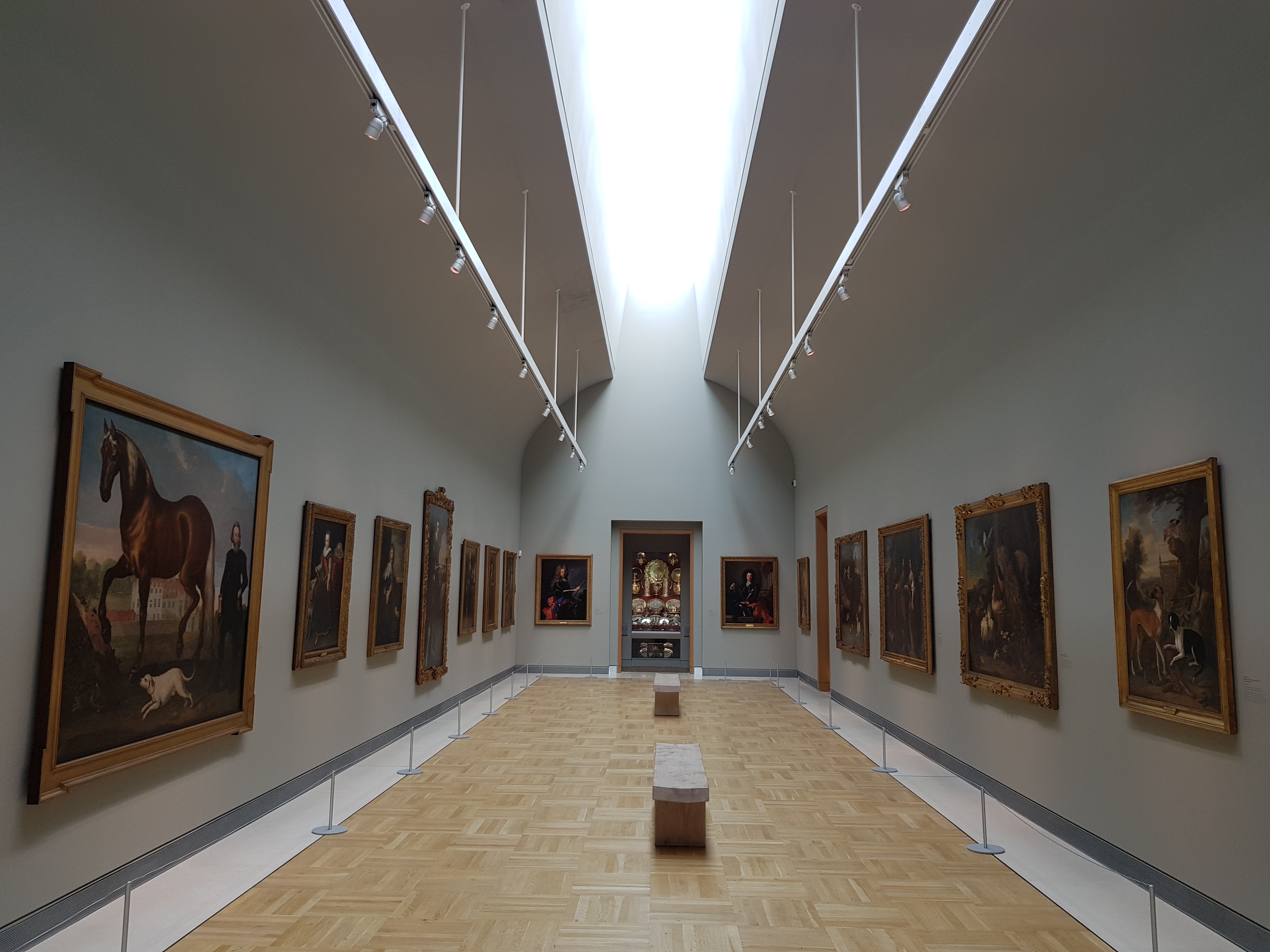
When Pevsner visited Welbeck in 1950 for one of the early volumes of his guides, he assumed that the age of great estates was over.   The house was occupied by the army who remained until 2005.   He wrote, ‘What will happen then ?  Will Welbeck have the same fate as the grander Worksop Manor and Clumber ?  Will a public use be found ?  Electricity Board, Coal Board, Lunatic Asylum, Convent, School, Sanatorium, Museum ?’  Pevsner maybe underestimated the ability of estates to adapt to new circumstances and the whole place is now in the process of being brought back to life with farm shop, brewery, School of Artisan Food, and the Harley Gallery, designed by Hugh Broughton, whose other major work is the British Antarctic Research Station in the South Pole.   He has built a sophisticated new gallery space, faced in white brick and based in its design on the galleries of Louis Kahn’s Kimbell Museum in Fort Worth:-

Standard

Welbeck Abbey (2)

The later history of Welbeck is just as complicated as the early.

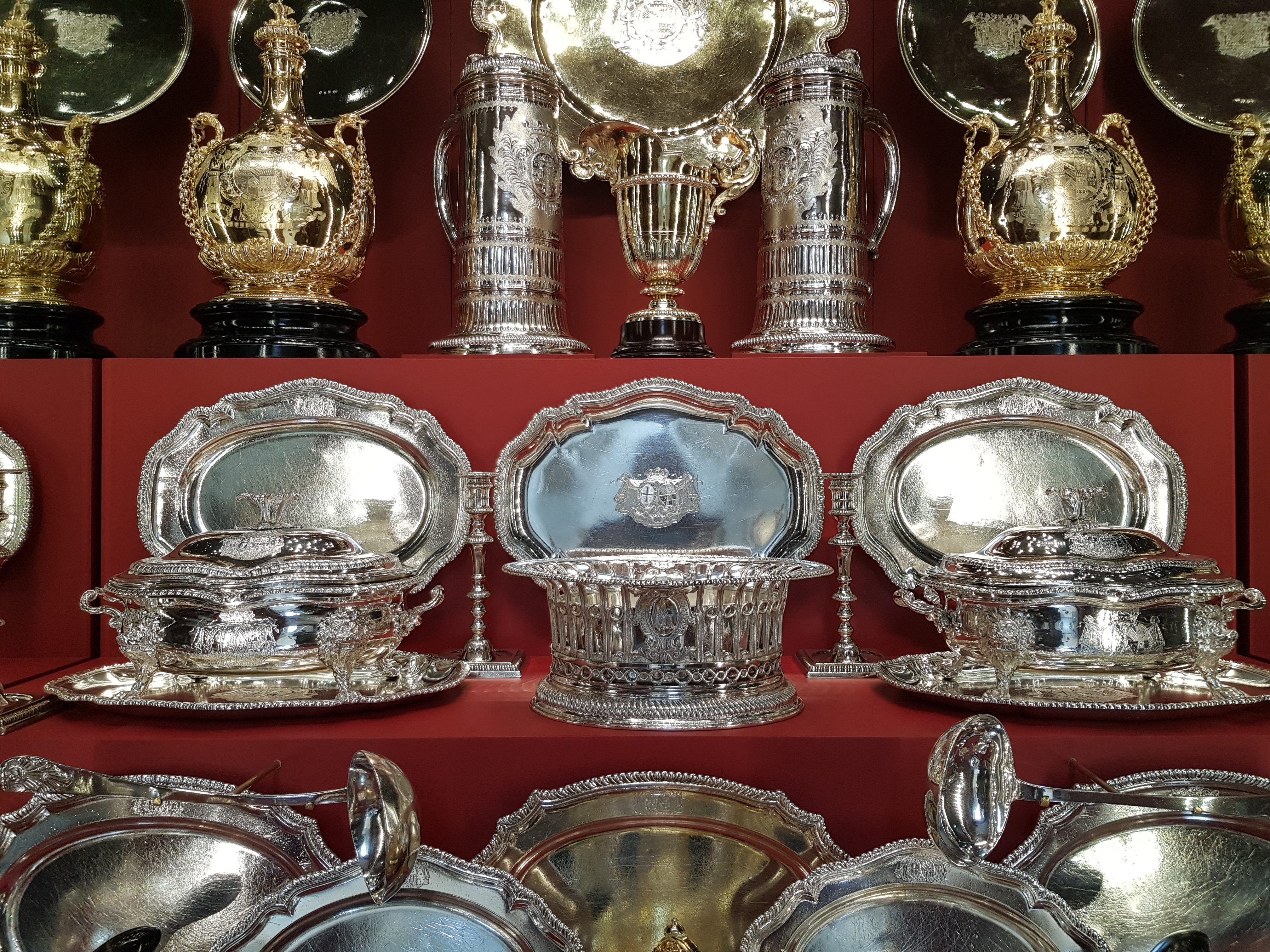
Following the death of Henrietta, the house was inherited by their only daughter Margaret, known by Prior as ‘lovely, little Peggy’.   She married William Cavendish Cavendish-Bentinck, third Duke of Portland, at which point Welbeck became a Portland estate. They lived mainly at Bulstrode in Buckinghamshire, where she kept her massive natural history collections, including bees, hares and sea shells, employed Elizabeth Elstob, the Anglo-Saxon scholar, and displayed the so-called Portland Vase.   The third Duke rented Burlington House where he used the set of plate now displayed in the Harley Gallery:-

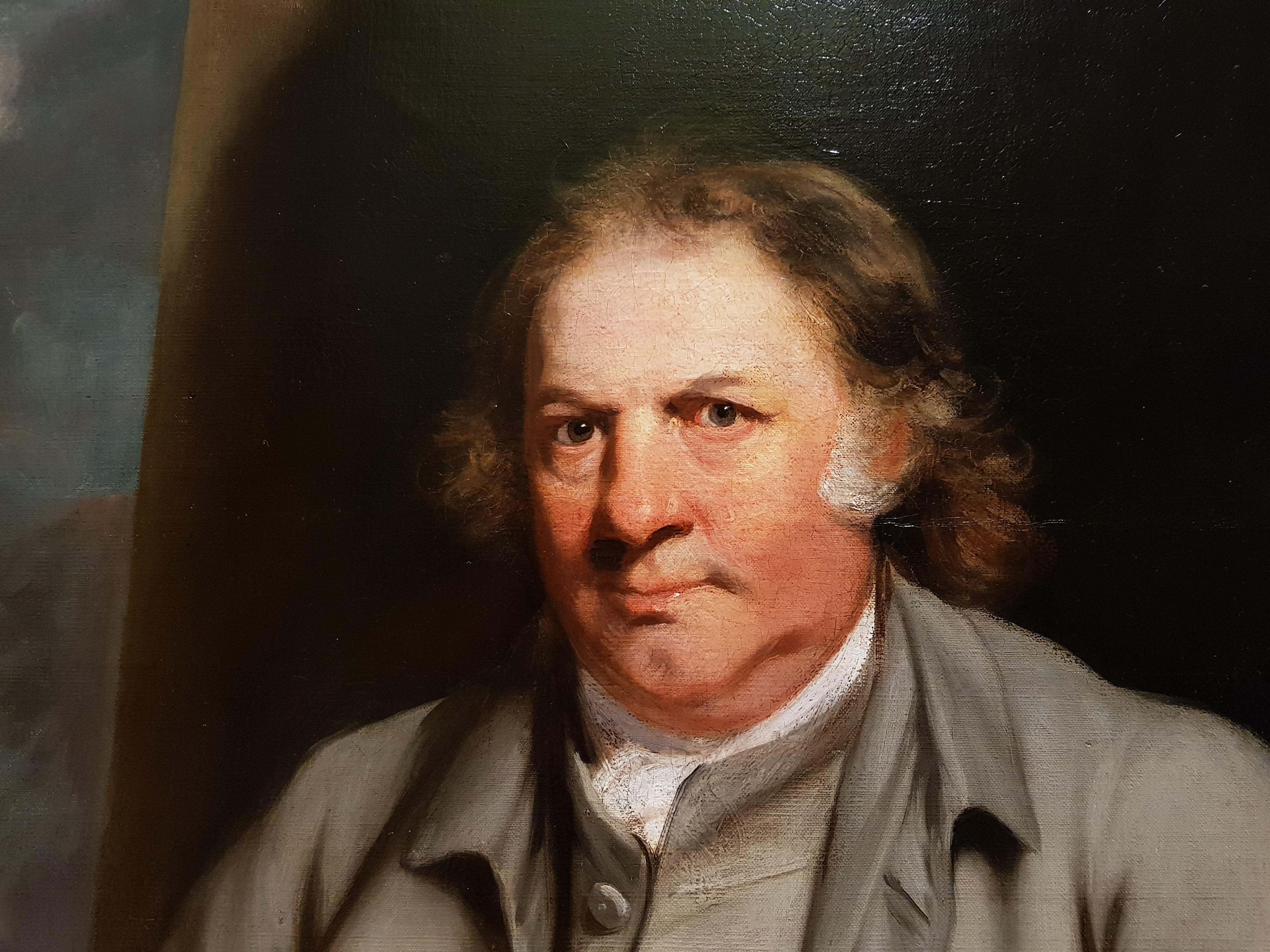
The other memento of his regime at Welbeck, which was presumably mostly absentee, is a portrait of his land agent, John Cleaver, which is thought to be by Reynolds:-

The next chapter of the history is under the fifth Duke, who was a grand recluse and occupied himself with immense building operations, mostly underground, including a chapel which was used as a library and a ballroom which was never used.   He allowed the house to fall into disrepair, lived in only a few rooms in the west wing, but constructed stables for 100 horses and a roller skating rink for his workmen.   The only trace of him that we saw, other than glimpses of the underground tunnels, was the entrance to the servant’s quarters underground, where there were the remains of a railway track which brought roast chicken from the kitchen:-

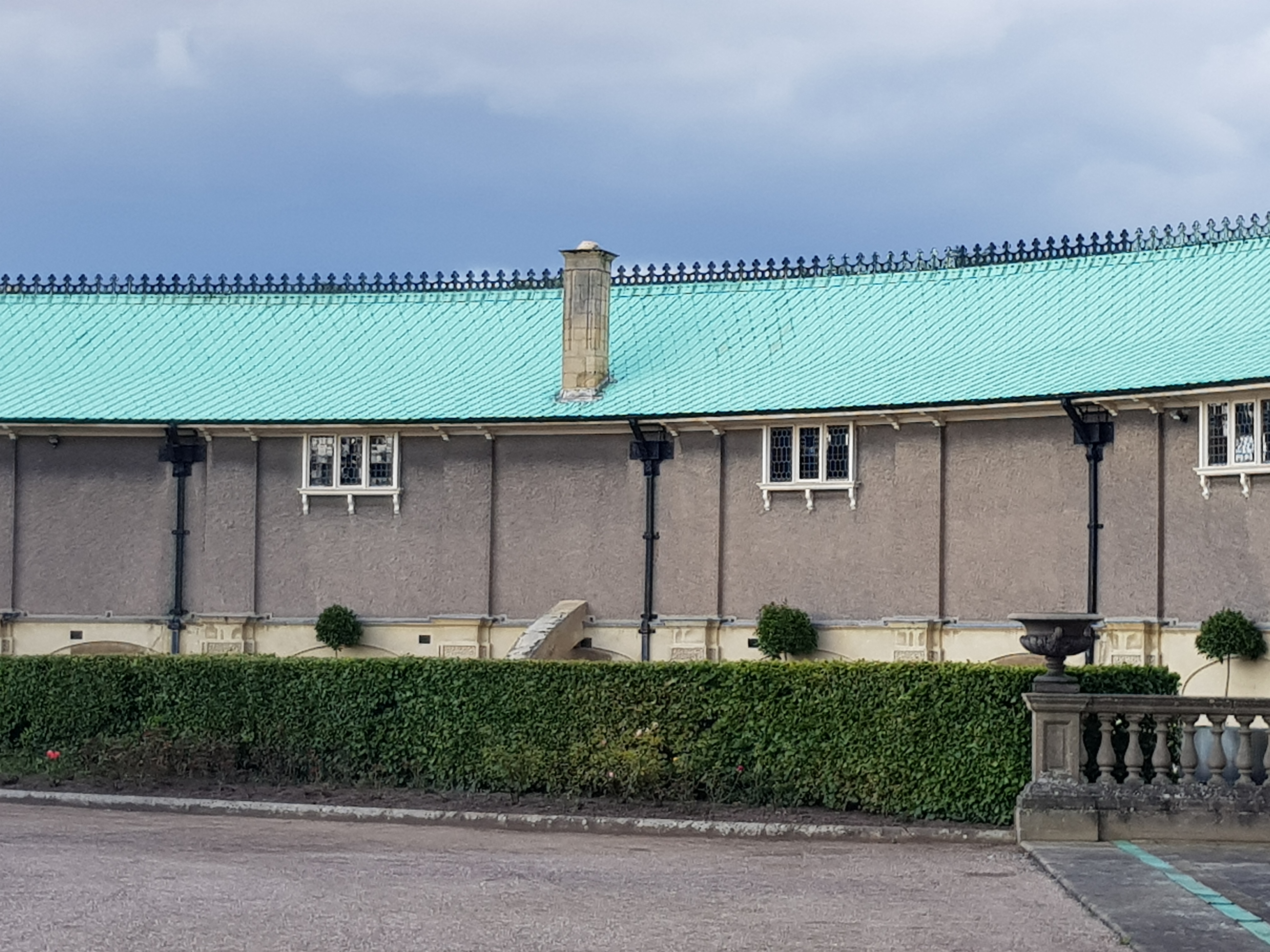
The fifth Duke was a bachelor.   The sixth Duke was his cousin and more normal, serving in the Coldstream Guards and as a Tory in the House of Lords.   His half-sister was Ottoline Morrell.   He seems to have put things in good order, employing R.W. Goulding as librarian who catalogued the miniatures.   He was also President of the Arts and Crafts Exhibition Society and commisdioned J.D. Sedding, the Arts and Crafts architect, to add a wing connecting the house to the old riding school, which looks as if it belongs on a north London suburb and was used to display the print collection:-

Standard

Albemarle Hotel

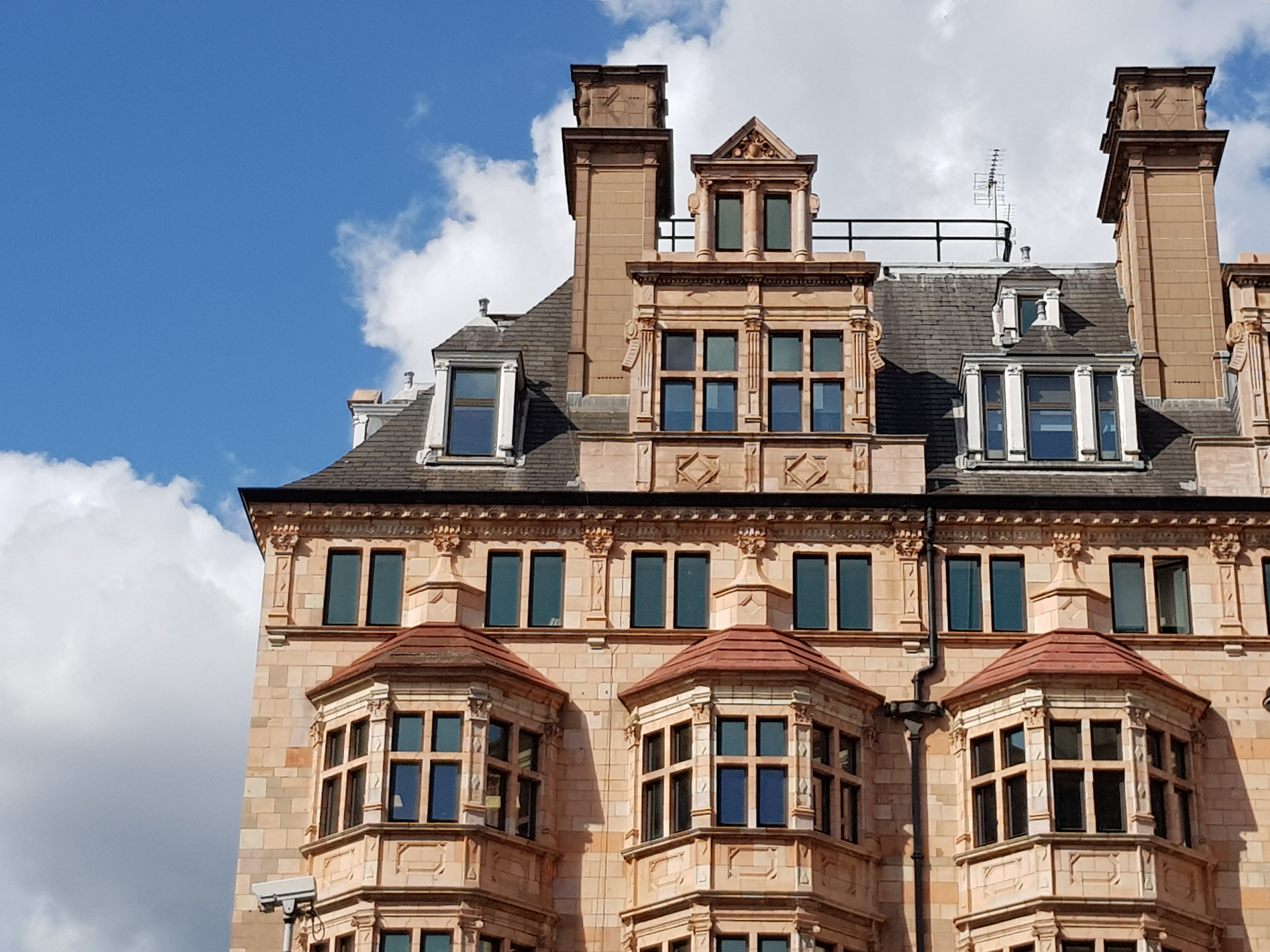
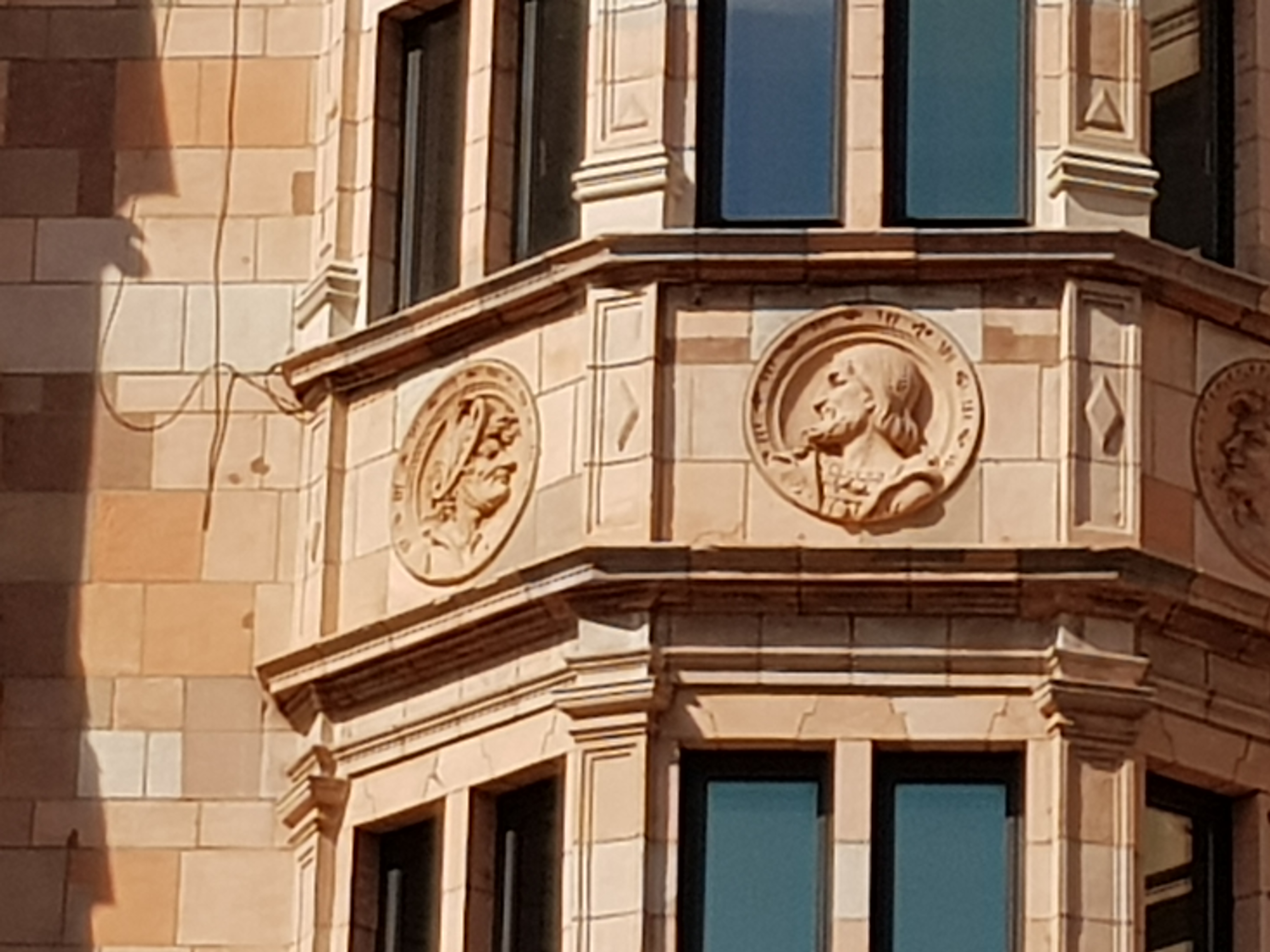
I discovered at the weekend that the stately building at the top end of St. James’s Street on Piccadilly (one of those buildings which it’s easy to ignore) is the old Albemarle Hotel (or Hotel Albemarle), designed by Ernest George and Harold Peto in 1887 on the site of the old Gordon’s Hotel, with its grand terracotta façade and originally with all mod cons, including lifts:-

Standard

The London Library

I called in at the London Library in order to attend the retirement party of Inez Lynn, who has been a librarian there since 1988 – cataloguer of Italian books, then Head of Cataloguing, Deputy Librarian in 1994, and Librarian since 2002 (only the tenth since the Library was founded by Thomas Carlyle in 1841). It must have been early in her time that the subscription was jacked up from under £200 a year to well over £400, an act which was deplored by many of the Library’s scholarly members, but has enabled the Library to flourish, expand and thrive, and recruit more younger members, a lesson to all those voluntary organisations which depend on their members to survive. The other thing which she oversaw was the new building development, designed by Haworth Tompkins, which greatly changed the atmosphere of the library to its benefit, making it more modern, more hospitable and less creaky. She had asked to have a clock for her retirement present in order to mark the imminent control of her time.

Standard

Revealing the Façade

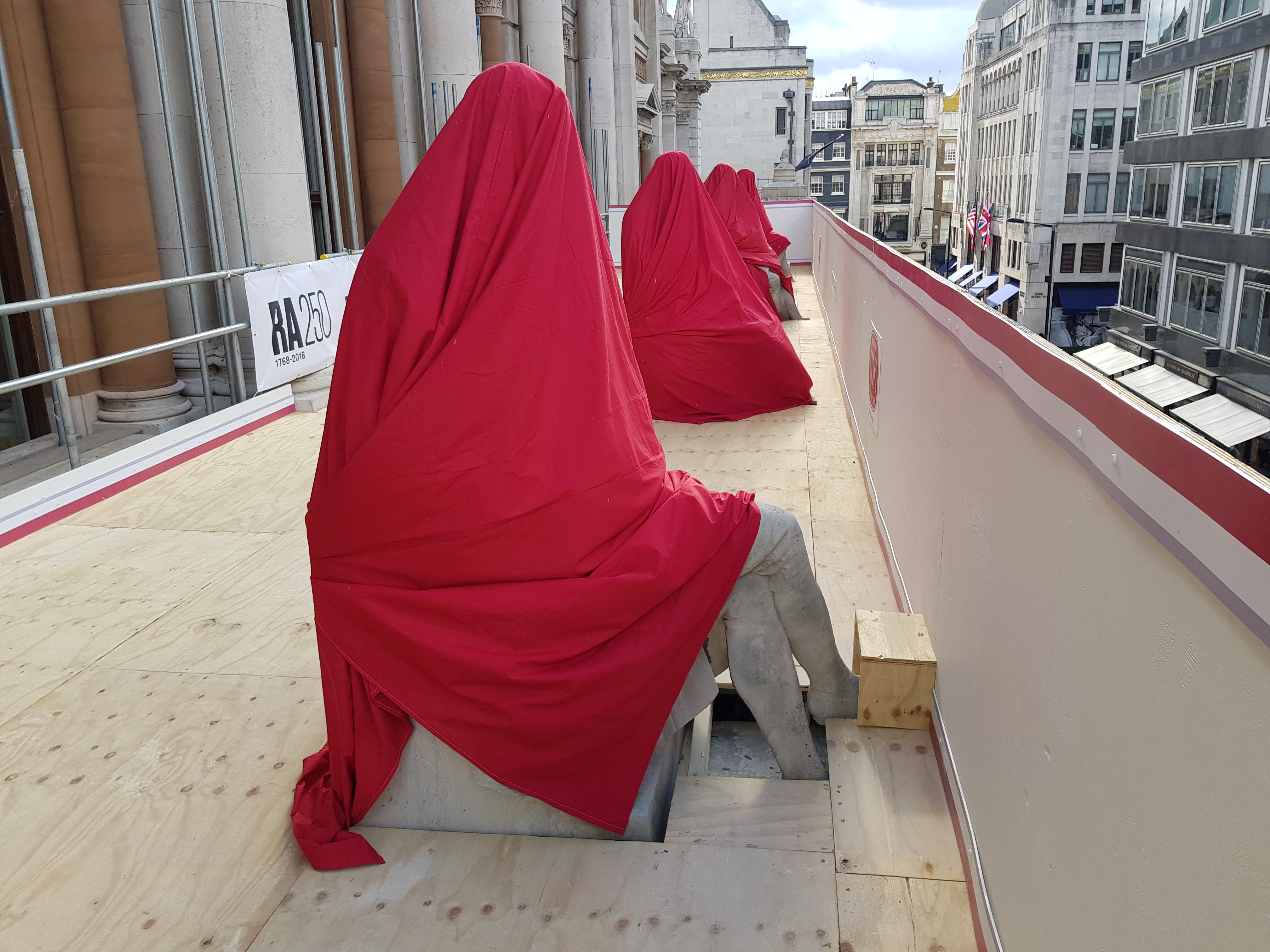
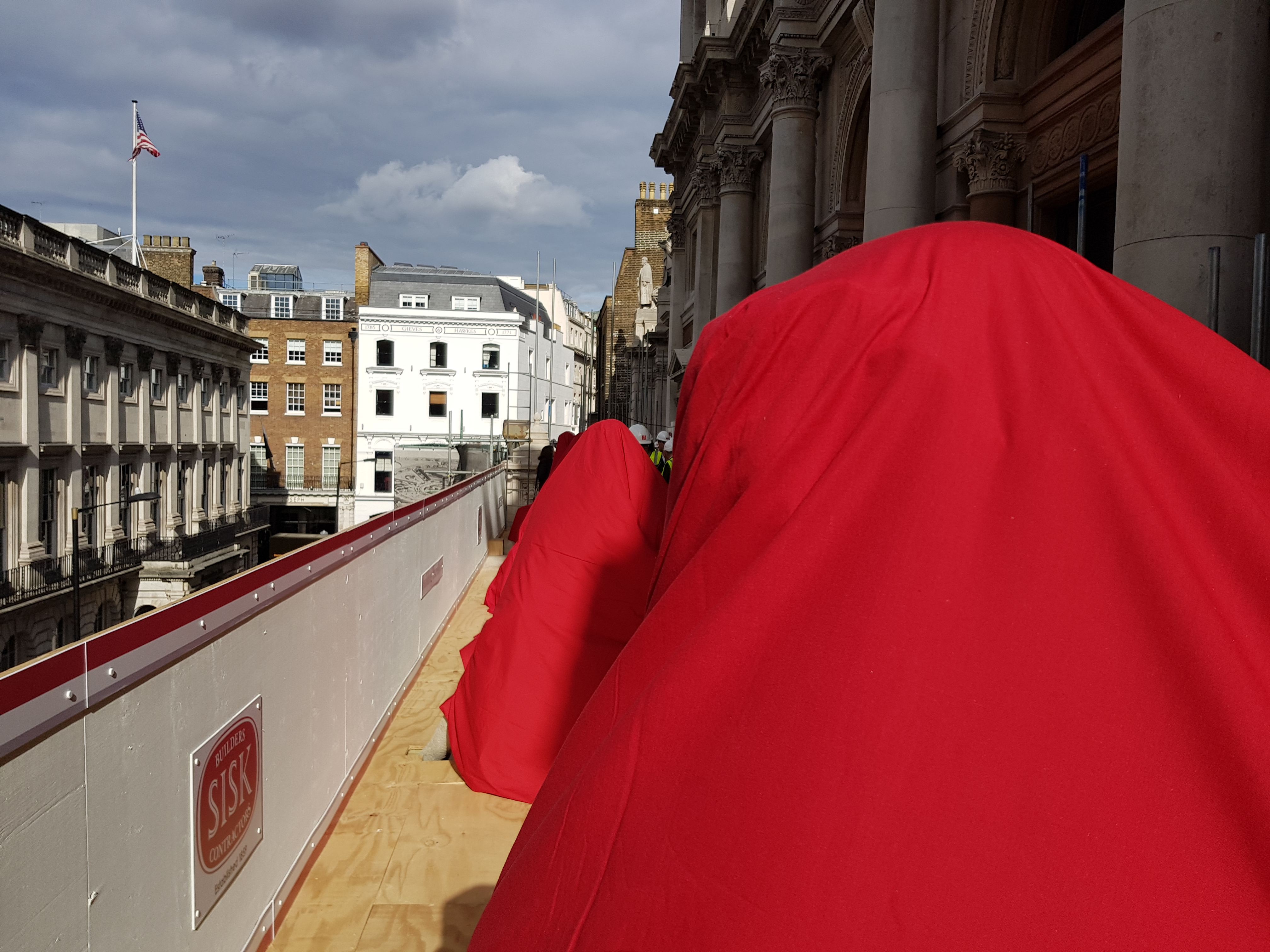
We have just had a rather wonderful event in which all the contractors working on our building project – about 200 in total – assembled in the RA’s courtyard and then key representatives of the RAs, including Gilbert and George and Cornelia Parker, donors, staff and contractors moved on to the façade of 6, Burlington Gardens for the unveiling of the four seated figures overlooking Cecconi’s:-

Standard