BRINK

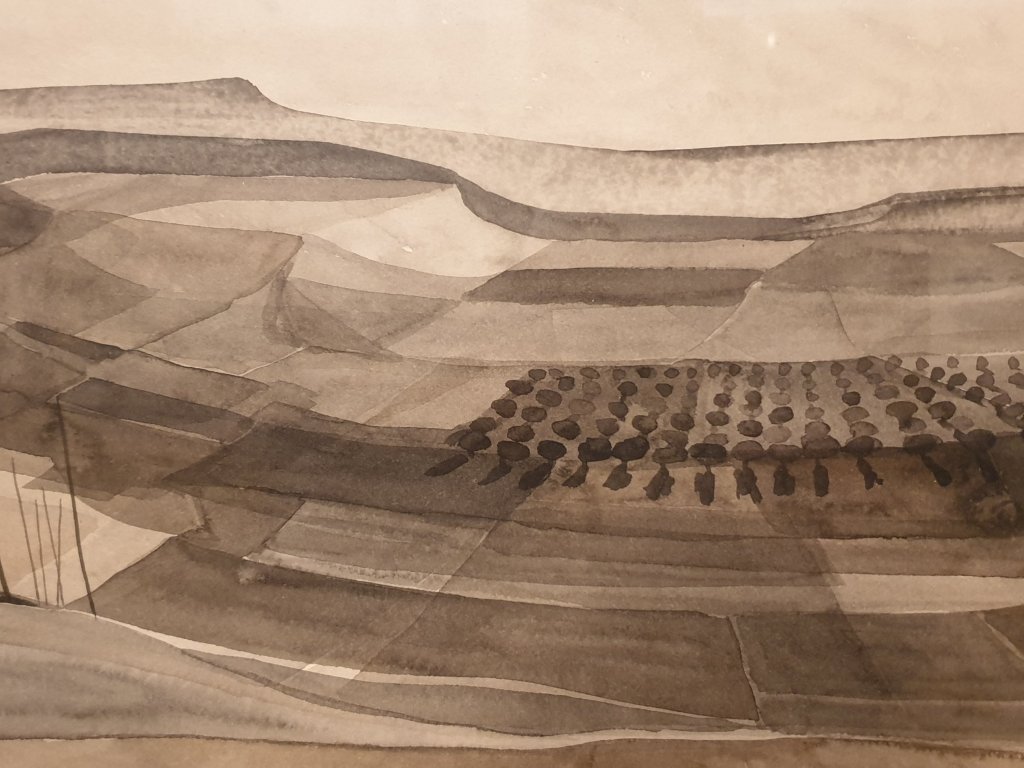
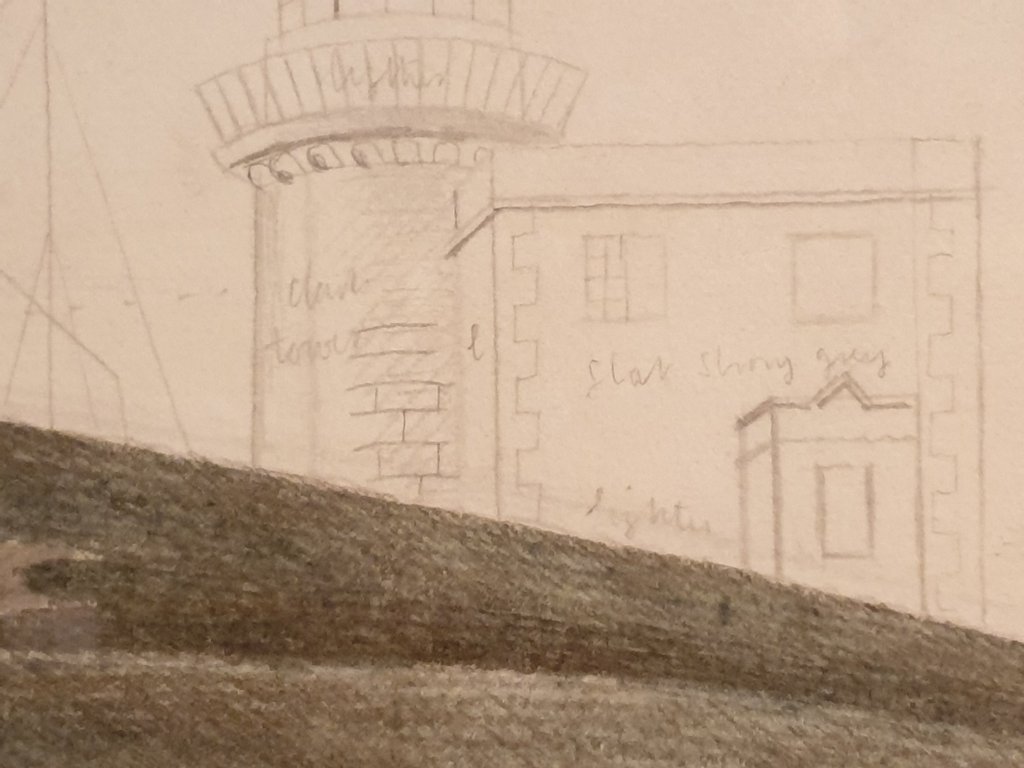
We were also able to see and admire the collection of works assembled by Caroline Lucas MP to show the qualities of the local landscape and, by implication, how far it is at risk from the catastrophe of radical climate change. It has been done deliberately in parallel with the David Nash exhibition, exploring some of the same themes of art and its relationship to the natural world. Not least, the exhibition reveals some of the great and often unseen wealth of the Towner’s collection.

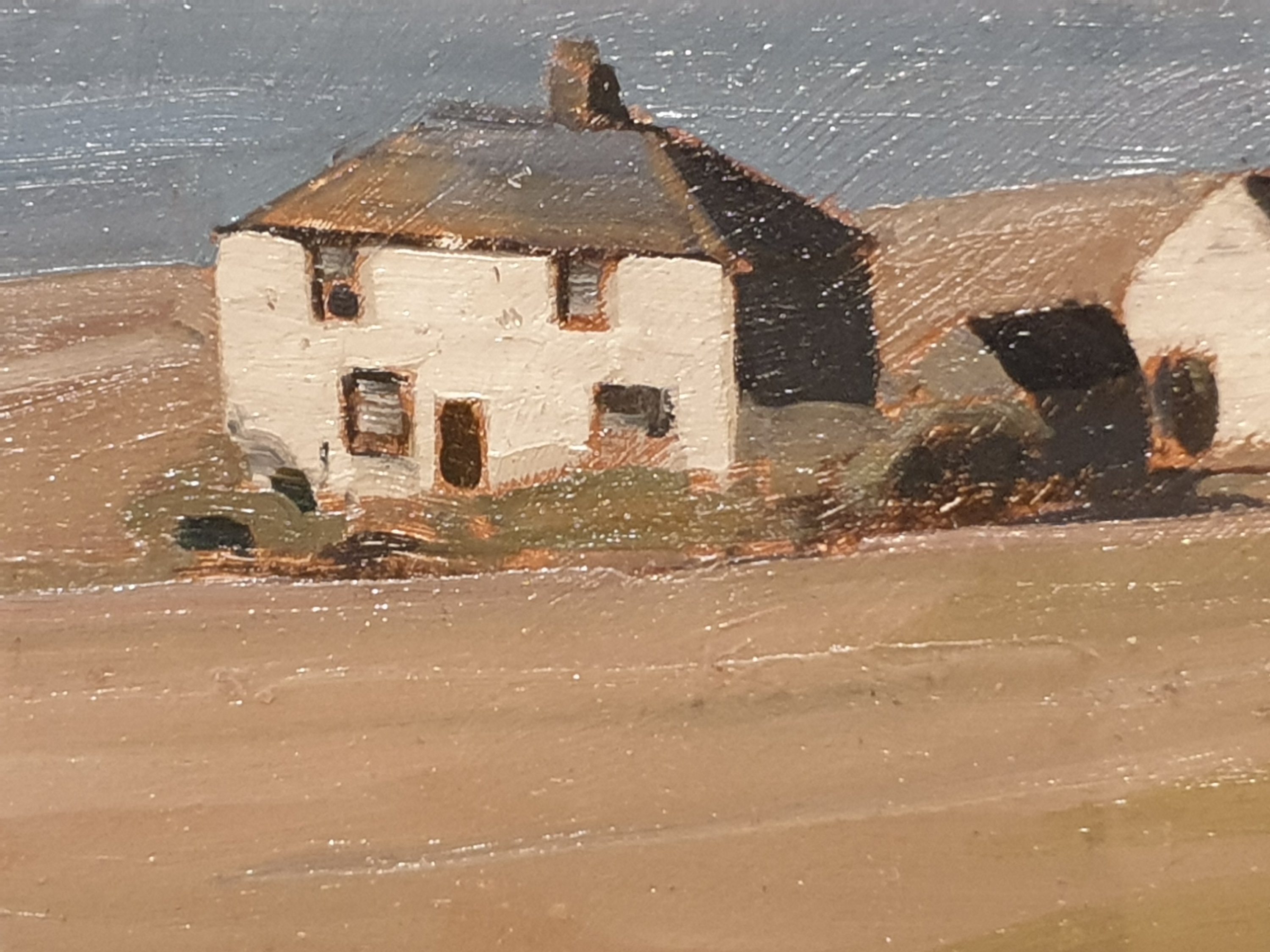
William Nicholson, Judd Farm:-

Alan Reynolds, Moonlit Orchard:-

Eric Ravilious, Beachy Head:-

Standard

David Nash (1)

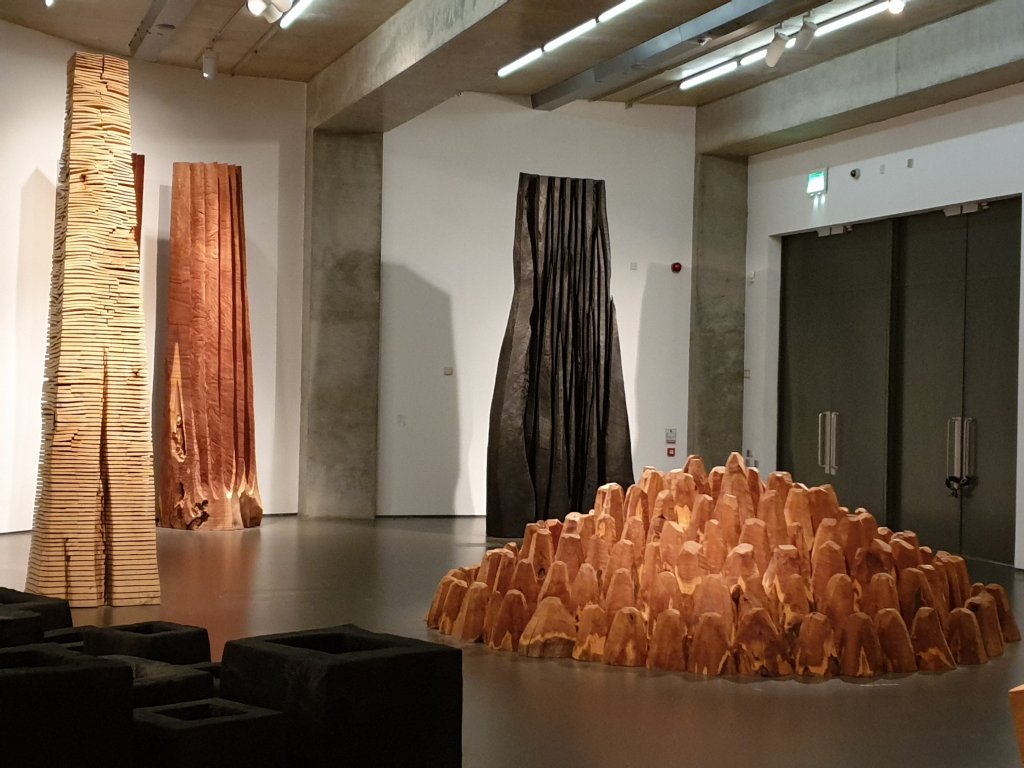
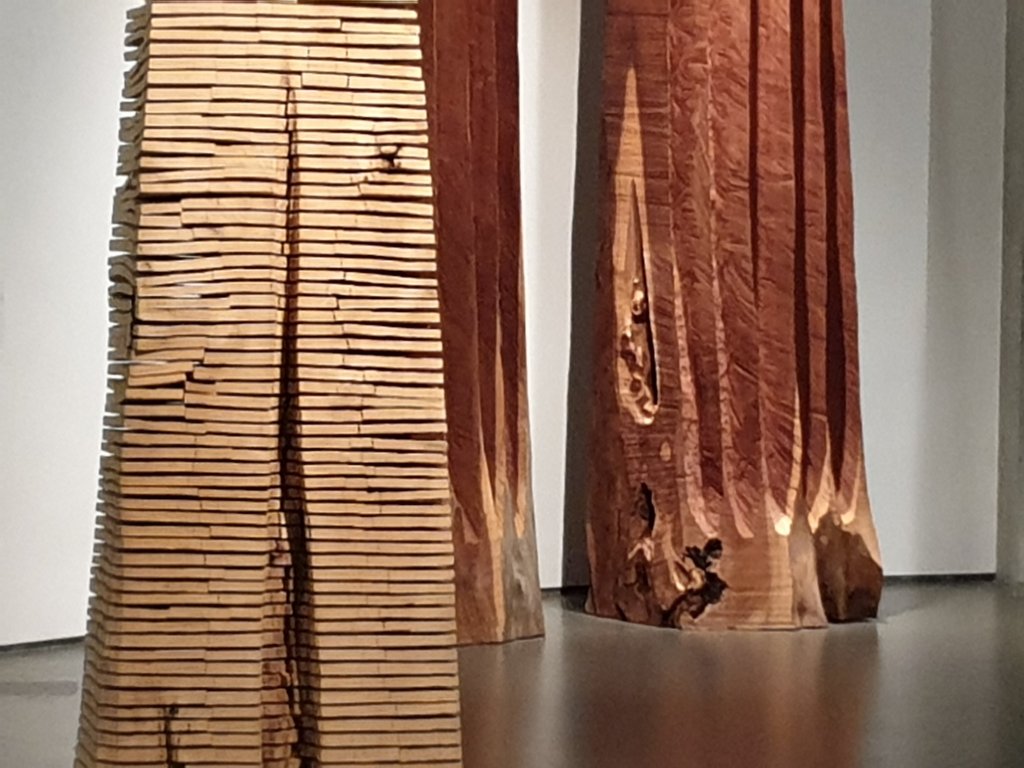
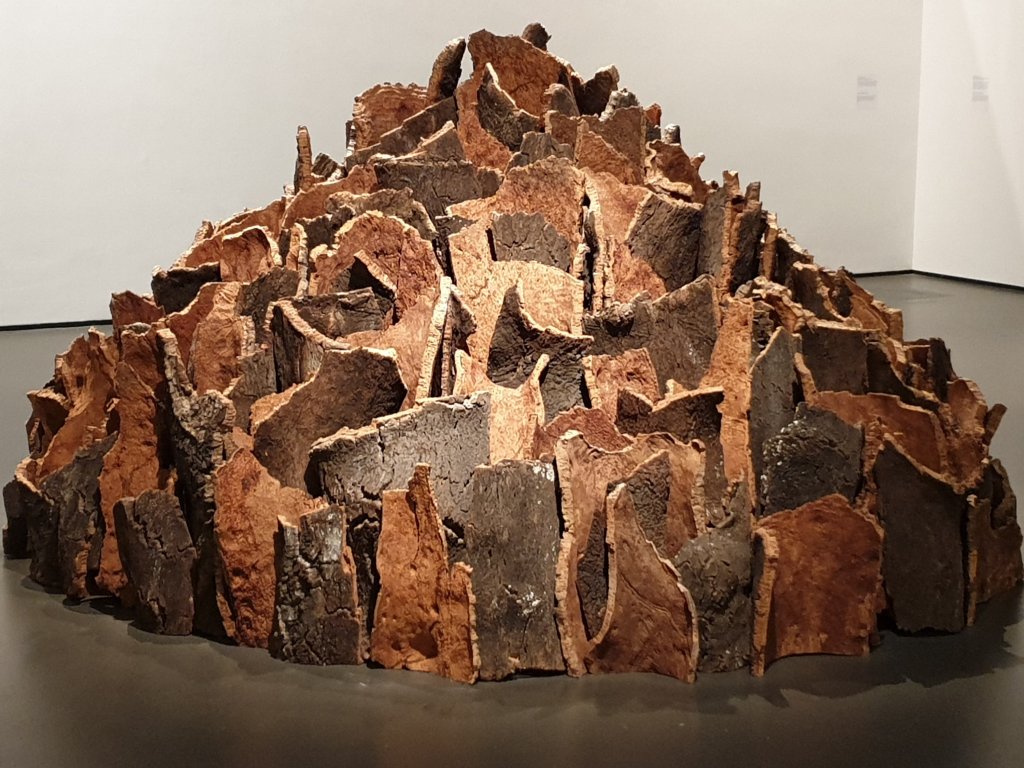
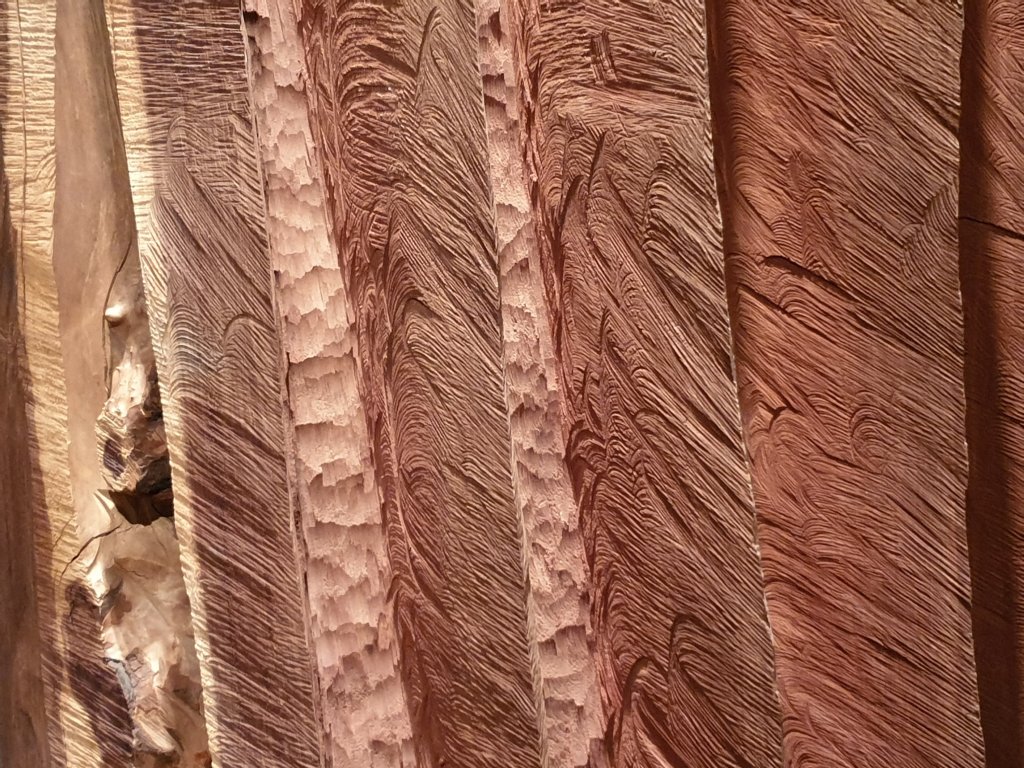
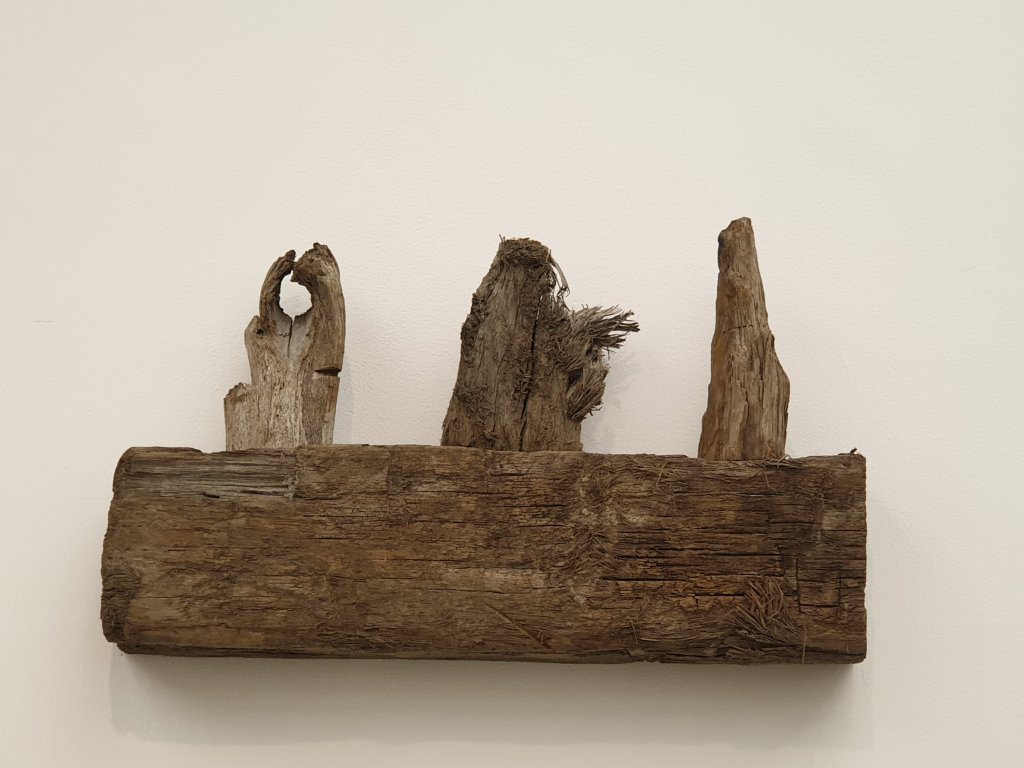
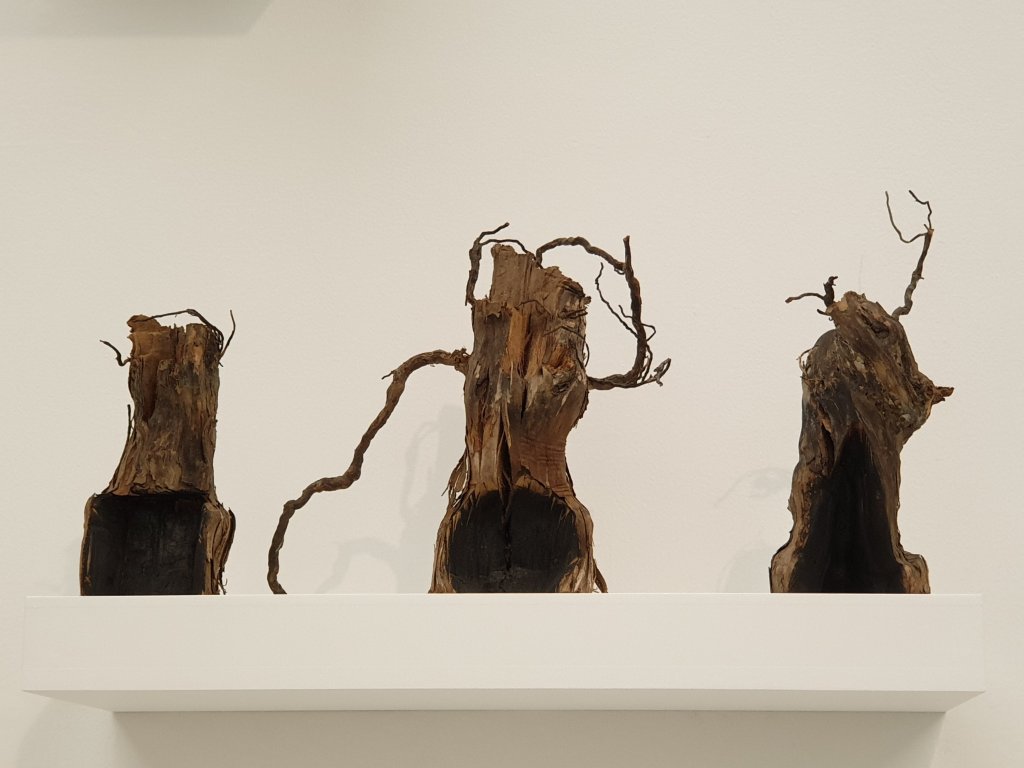
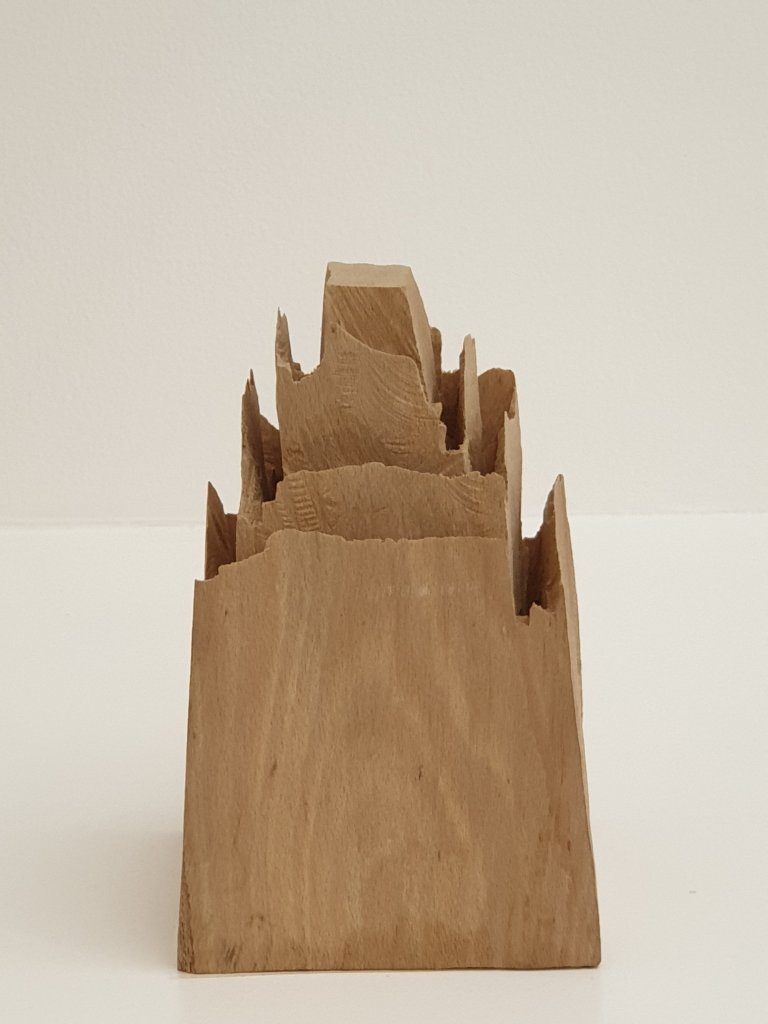
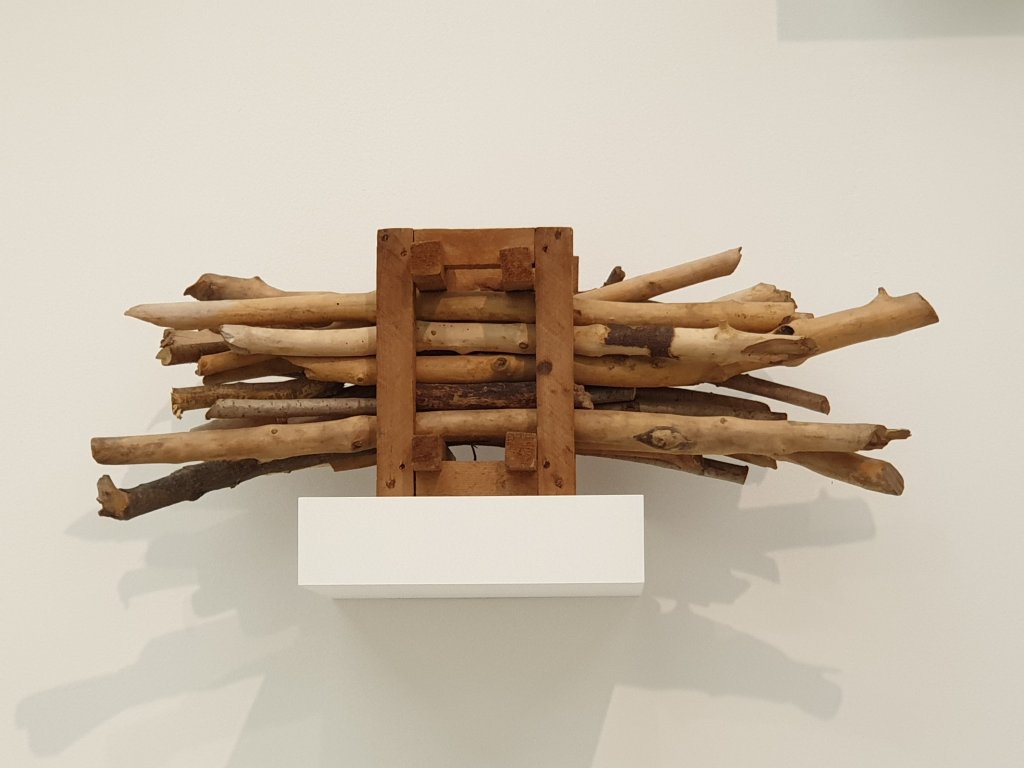
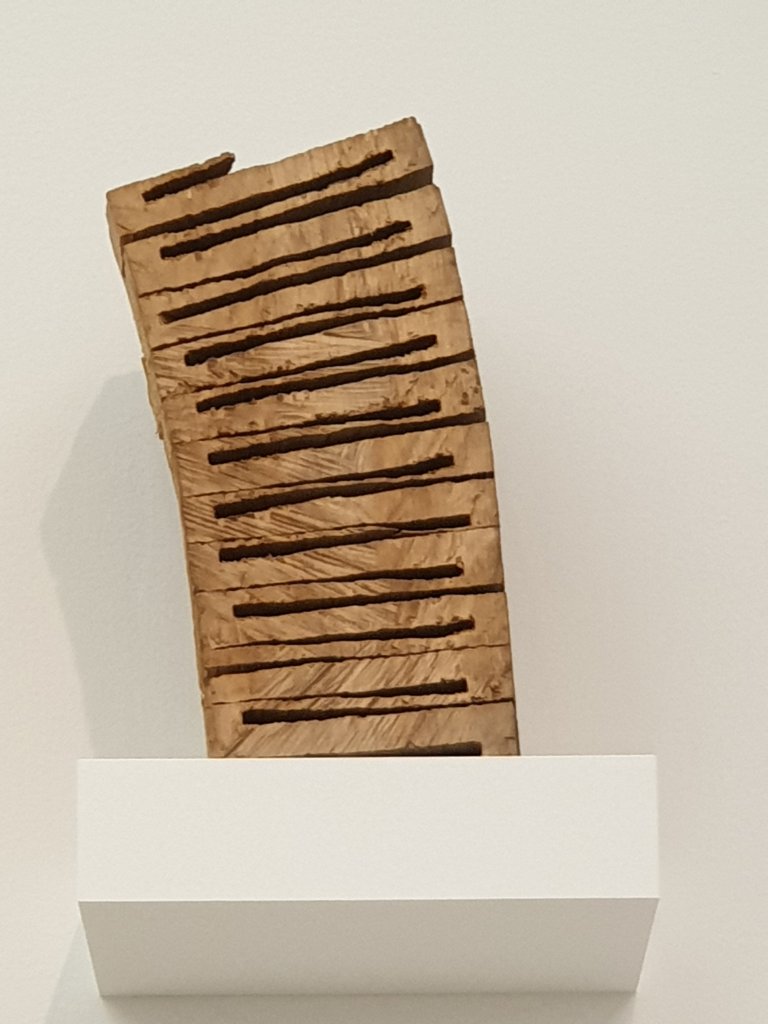
We drove down to Eastbourne to see the David Nash exhibition, including grand, monumental wood sculptures from his studio in Capel Rhiw:-

It’s about the poetry of wood – its texture and characteristics when cut and warped, atavistic:-

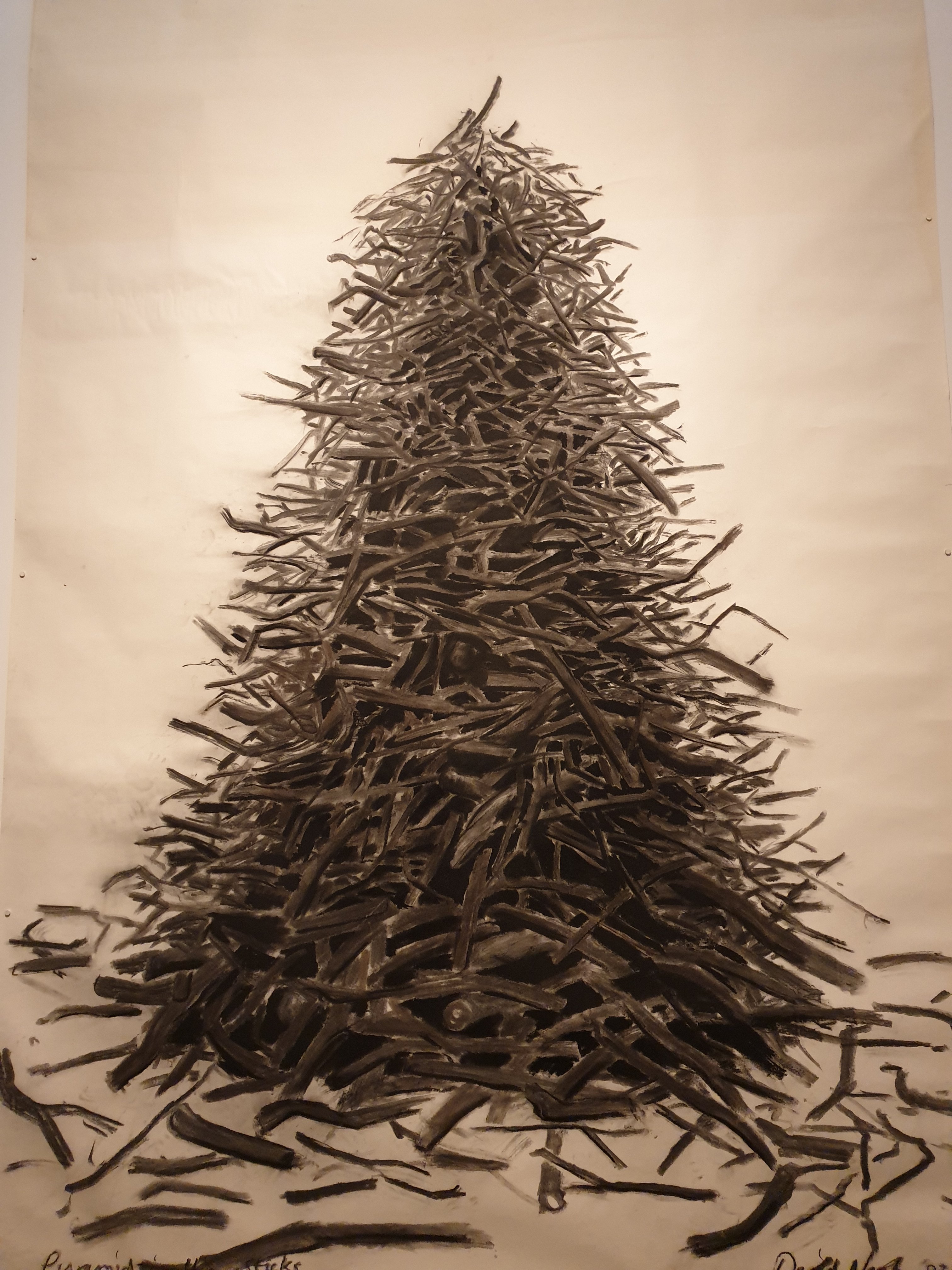
Drawings, too:-

Standard

The Centre (or ‘The Center’)

Since the election, I have taken a break from reading political commentary, since one of the benefits of the result was that it was definitive, at least for the next five years.

But I found the attached piece of long-form journalism in the New York Review of Books fascinating because it suggests that one of the reasons for the result was a widespread revulsion not against neoliberalism or London, but what the writer describes as ‘The Center’: the capture of the middle ground by self-interested managerialism. I’m not sure whether I agree with it, but the way it is written makes it unexpectedly plausible.

https://www.nybooks.com/daily/2020/01/13/the-center-blows-itself-up-care-and-spite-in-the-brexit-election/

Standard

Lionel Barber

I went to Lionel Barber’s leaving party at Tate Britain.

I am incredibly full of admiration for the way that he has kept the FT as a paper of proper public record, not subject to the same level of propaganda as his sister papers, still employing a large number of intelligent, independent-minded journalists, whose views are not predictable before you have read them, with a weekend section on the Arts which is unlike any of the other newspapers in terms, best of all, of its internationalism. I don’t know how he has done it, other than being impressively wide-ranging, independent-minded and internationalist himself, as well as a champion bicyclist.

Standard

Whitechapel Bell Foundry (27)

I was interested to read the views of Tim Parker, the chairman of the National Trust, on the occasion of its 125th. anniversary, because he makes clear that the Trust is now at least as interested in industrial history as in its legacy of great country houses. As he indicates, attitudes to the past have changed and people are now as fascinated by how ordinary people lived in the past and how things were made as they are in how the rich lived.

Perhaps this may encourage the National Trust, with its great campaigning tradition, to take an interest in, and express a view on, what was until recently the greatest surviving example of a working late medieval foundry, which thus far, I can’t help noticing, the National Trust, along with Historic England, has chosen to leave to its fate.

Or does it perhaps still prefer its properties to be in the home counties than in old, historic, working London ?

https://www.telegraph.co.uk/news/2020/01/11/national-trust-favour-terraced-houses-stately-homes-visitors/

Standard

Roger Scruton

I can see that Roger Scruton is going to cause almost as much controversy in his death as he did in his lifetime: the question being whether or not it is possible to lament the death of someone independently of his (or her) views. But it’s surely legitimate, indeed desirable, to respect someone of such wide-ranging, if wilfully adversarial views: a philosopher, who trained as a barrister and was turned down as a Tory candidate for being too intellectual; a writer on aesthetics, a sufficiently rare phenomenon; a musician and a novelist. I didn’t know him, but I can still admire the work he did in Czechoslovakia and believe that independent thinking is desirable on the right as on the left.

Standard

Whitechapel Bell Foundry (26)

I have been reading the minutes of the London Advisory Committee, the sub-committee of Historic England which has dealt with the decision to revise its listing and support the Raycliff scheme for the redevelopment of the Foundry as a hotel. They have been provided to me through what was construed as a freedom-of-information request. They make revealing, but – to me, at least – somewhat mournful reading as at no point did the Committee stop to think whether or not it might be better for the building qua building if the Foundry was retained as a foundry (not necessarily as just a bell foundry), instead of being converted into a restaurant as was originally proposed according to the papers provided on the first occasion at which the plans were discussed on 2 February 2017. The idea was suggested then of ‘scheduling the Old Foundry and its equipment’, but much of the equipment was modern, so was either sold or removed to new premises in Bromley. No visit was organised so that members of the committee could see the building in action, which was essential to a proper understanding of its industrial and historical significance as a survival of an eighteenth-century working foundry, still in use, not just a group of interesting buildings. The only expression of sorrow at what was about to happen was in the minutes of the meeting when it was recorded that ‘The LAC recognised that loss of bell production on this site represented the end of a tradition of London’s ‘back garden’ industries’.

There was then a long gap in which it was scarcely discussed until 28 September 2017, when it was reported that ‘a representative from the UK Historic Building Preservation Trust’ had expressed an interest in the acquisition of the site. It’s odd that it took so long for this to be considered because, as I understand it, the UKHBPT had taken an interest from very early on, and certainly before the internal fittings were sold. But, let that pass. It may be that representations were made to the Chief Executive, not to the relevant planning officers.

There was no further discussion until 21 February 2019 when the Raycliff scheme to turn the site into a hotel was discussed. There was reference in the Principals’ Report to the fact that ‘there is a high profile campaign against the proposals’, but, in the minutes, this is downgraded to ‘a local campaign against the proposal was continuing’. Then, on 21 November 2019, it was reported that the Raycliff scheme had been granted consent in red letters, as if it was a matter for congratulation. Again, the minutes report that a hotel development ‘was contentious locally’.

Having read the minutes carefully, I can only regret that it appears that none of the officers, nor members of the committee felt very strongly about the destruction of such an important site of industrial archaeology. They were encouraged to think that the sale of the contents and the change-of-use was a foregone conclusion and that turning the ground floor into a restaurant was perfectly acceptable.

The only point I would make in reading the minutes is that opposition to the scheme is always described as a local issue, as if it were of concern only to local residents like myself, whereas, from the beginning, it has been an issue of much more than local concern. Tristram Hunt, the Director of the V&A, expressed concern early on; so did Antony Gormley; Factum Foundation, which has put forward such imaginative alternative proposals, is based in Madrid; United Kingdom Historic Building Preservation Trust was established under HRH the Prince of Wales and is based in Stoke-on-Trent. Dismay has been expressed not just in E1, but from all corners of the globe, and in articles in the Financial Times and Daily Mail.

It is for this reason, above all, that the scheme should be called in. It is not just about merchant bankers swimming on the top-floor swimming pool next door to the local mosque. It is about wanton damage to a site of exceptional national and international significance, as the London Advisory Committee should have recognised back in February 2017.

Standard

DixonJones (3)

My copy of the second volume of the publication on the work of Jeremy Dixon and Edward Jones has just been delivered (I have already written about seeing an advance copy in October). It is the greatest pleasure to see it at long last in print, including the introduction to it that I wrote so long ago that I had nearly forgotten what I had written.

What I am struck in re-reading it again is how quickly the present becomes the past and that what was new is rapidly absorbed into the texture of the city and nearly as rapidly forgotten, if not properly documented. There was a moment in the late 1990s when the work of Dixon Jones was ubiquitous in reconstructing the heartland of the centre of London: their great project at the Royal Opera House; the opening up of Somerset House and its courtyard; the Ondaatje Wing at the National Portrait Gallery; a proposal for steps out into Trafalgar Square from the National Gallery; not to mention the pedestrianisation of Exhibition Road in west London. I’m really glad that the book documents and describes all this work because part of its quality was precisely its relative invisibility, much of the work inside, not drawing attention to itself, about city planning, not single monuments.

Now Stanton Williams have already reworked bits of the Royal Opera House and Jamie Fobert is reworking the NPG, as the city evolves like a grand palimpsest.

Standard