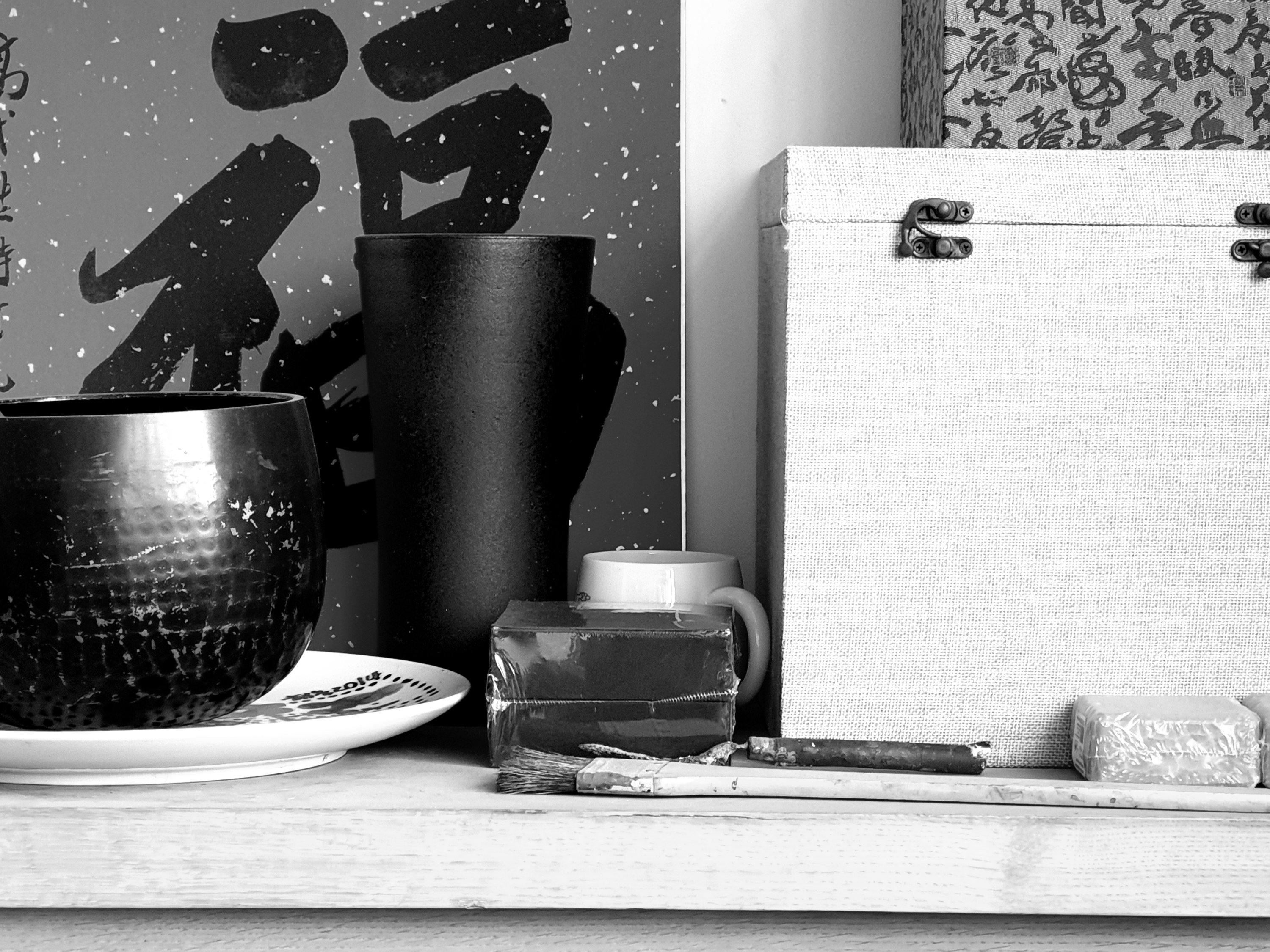
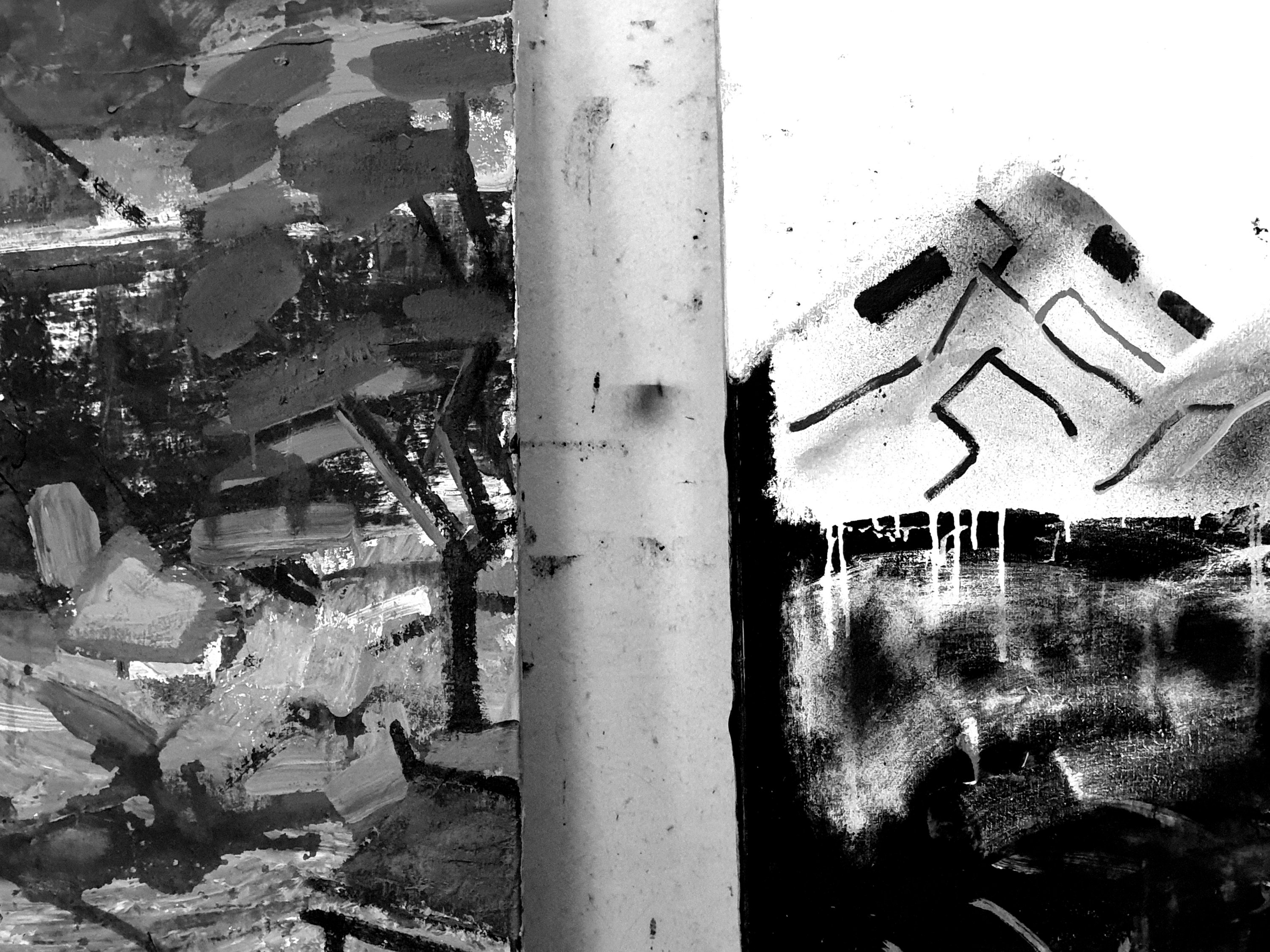
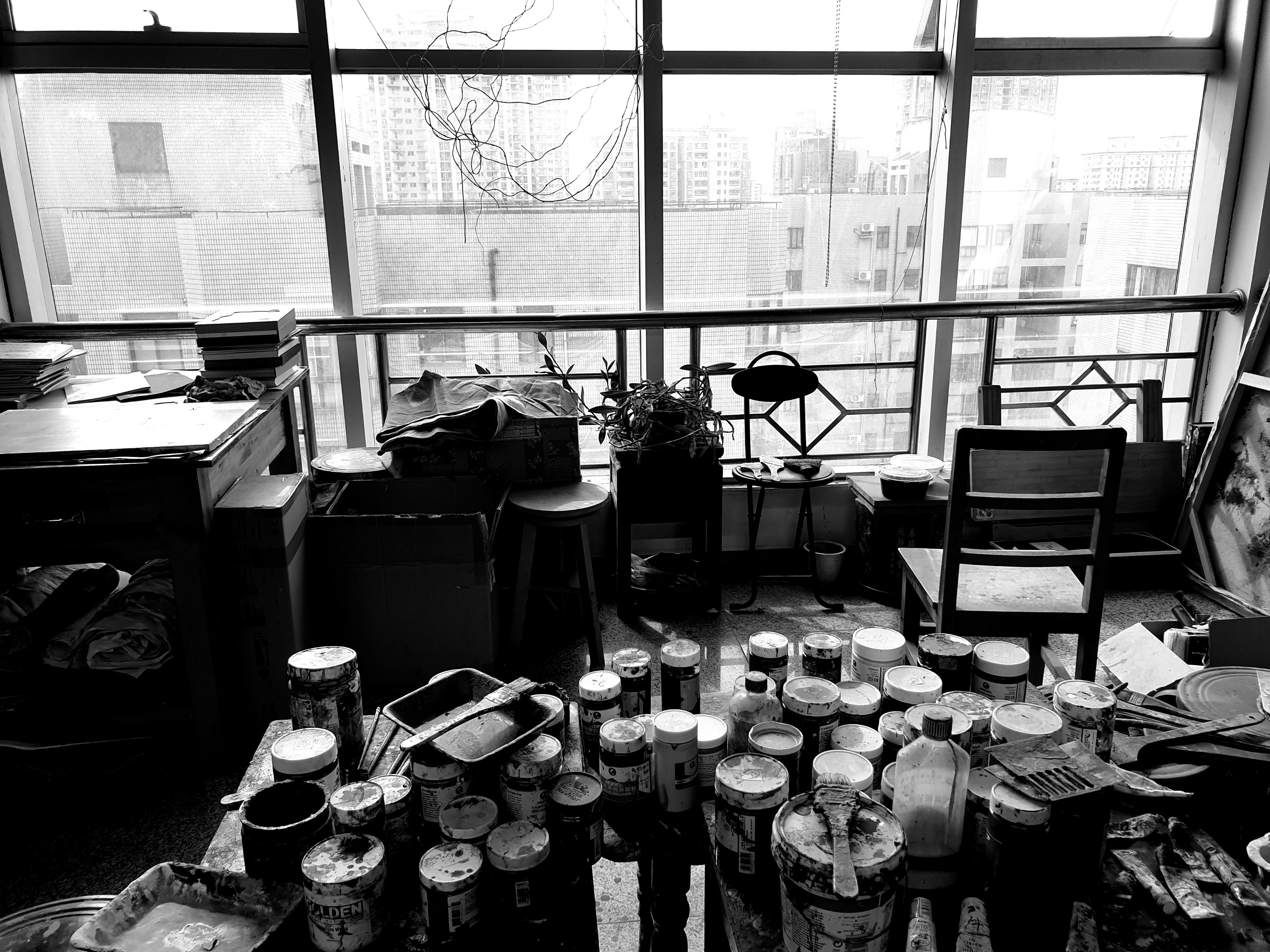
I’ve been thinking about the answer to a question about the status of ink in western cultures: which is, that it is a medium that has been used primarily for writing, but not for art; and then quickly realising how little we, or at least I, use ink nowadays, the pots of Quink on the desk, the leak of the fountain pen, the inky fingers, the pen now not even being used to sign cheques as cheques have so nearly completely gone out of use. So the question is how that changes the meaning of ink.
Following a Comment on my blog from an old friend of Nick Coker, the model for Anthony in The Souvenir, that the film misrepresents him by focussing on his later, and indisputably tragic, later decline as a result of heroin addiction, I can only say that I did think that the film conveyed a lot of his mystery and roué charm, as well as subtly mythologising him in the role of Anthony; and that Joanna Hogg had made very strenuous efforts to make it as true to life as possible, within the conventions of dramatised fictionalisation, including his monogrammed velvet slippers.
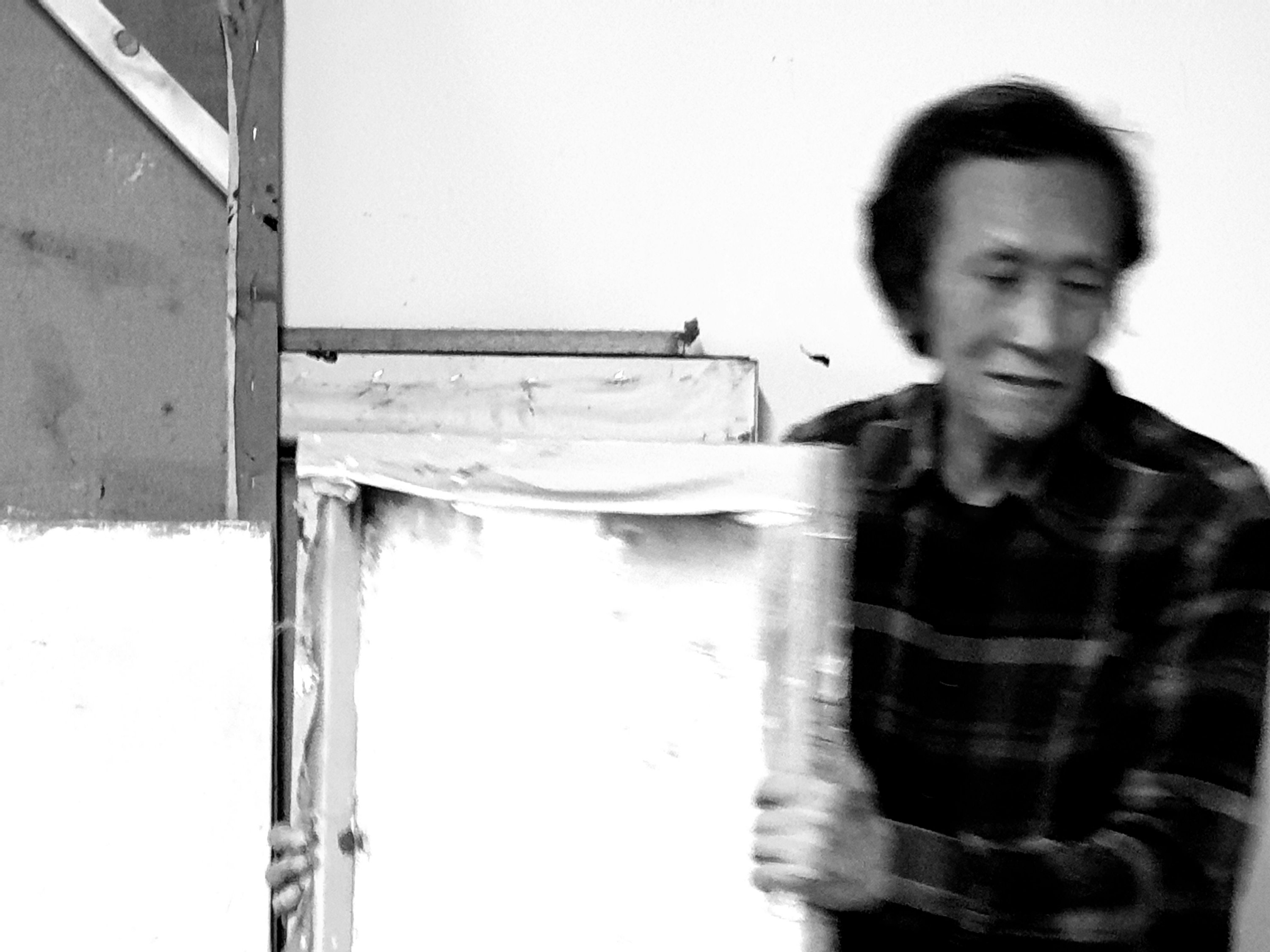
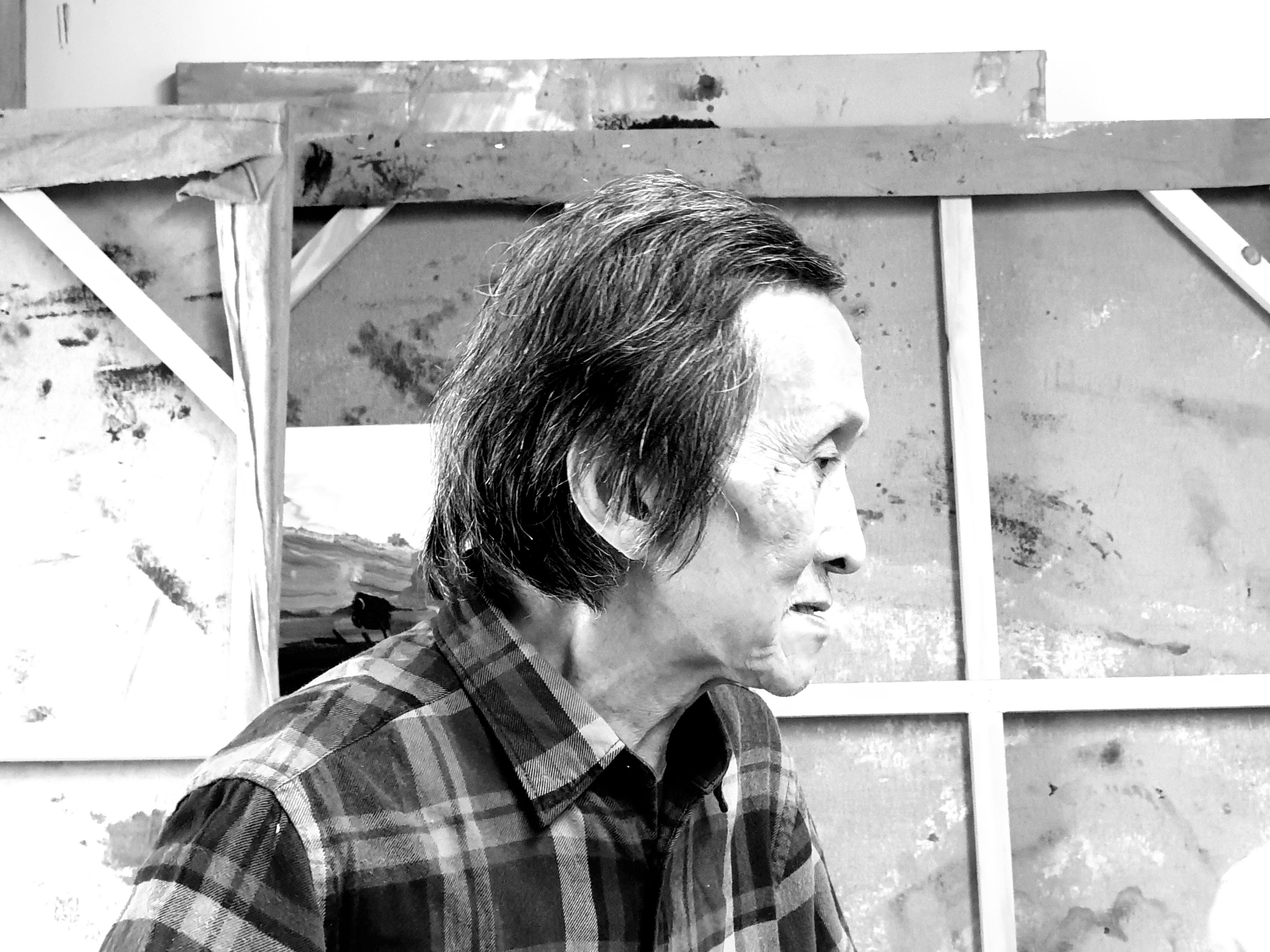
We had the second part of the symposium on Contemporary Ink Painting at the Suning Art Museum at which two of the senior figures in the field spoke: Li Lei, who marries the tradition of ink painting to a more international feeling for abstract expressionism; and Wang Jieyin, an artist now in his late seventies, who trained as a printmaker, taught Li Lei and spoke with the authority of someone who has spent a lifetime teaching about the importance of ink as a natural medium of expression for Chinese artists, with a symbolic significance because of its use by artists in the past. There is an exhibition downstairs which shows the full range of contemporary ink painting – some traditional, some calligraphic, some abstract expressionist, some obviously Chinese, some not at all.
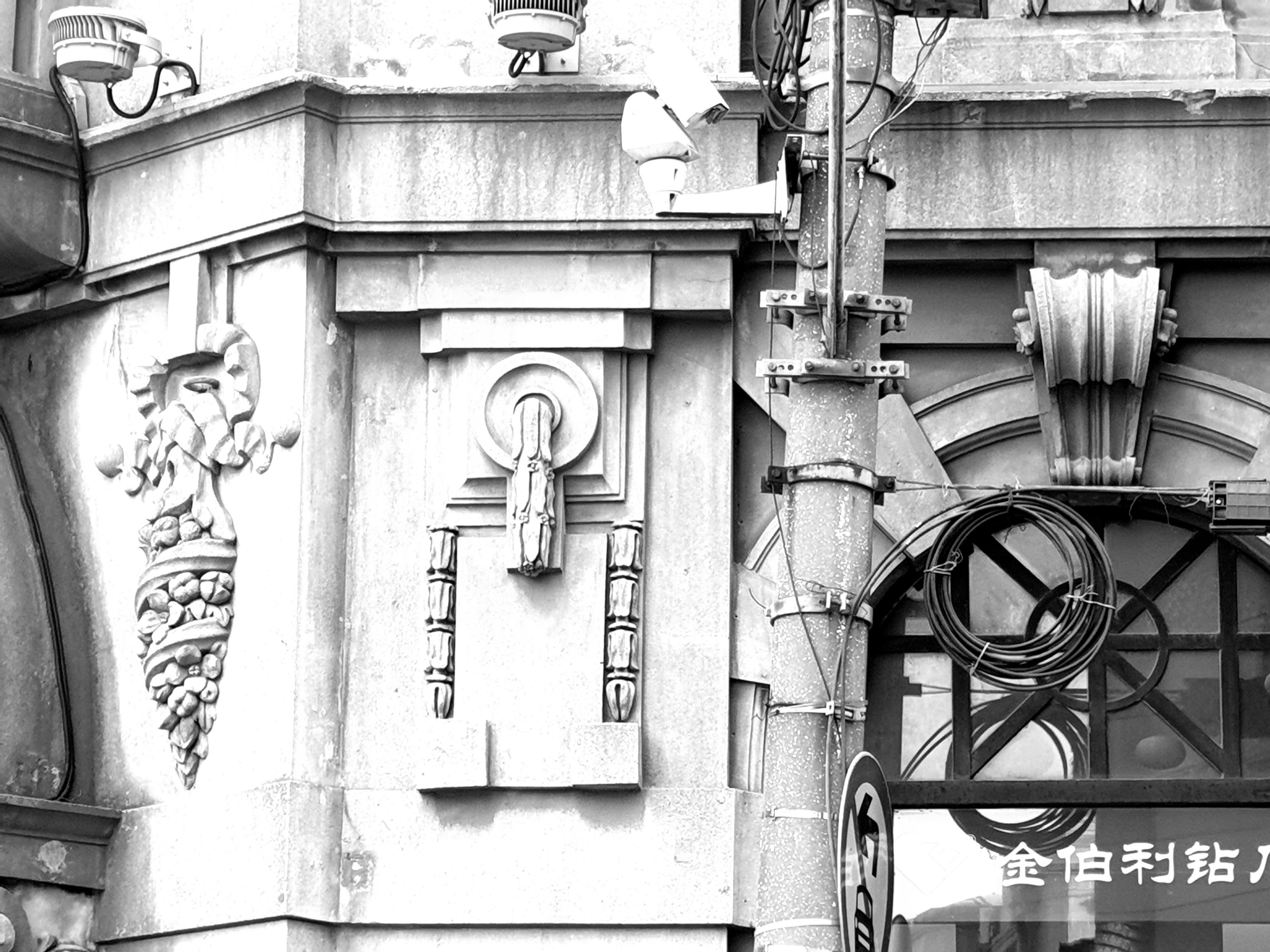
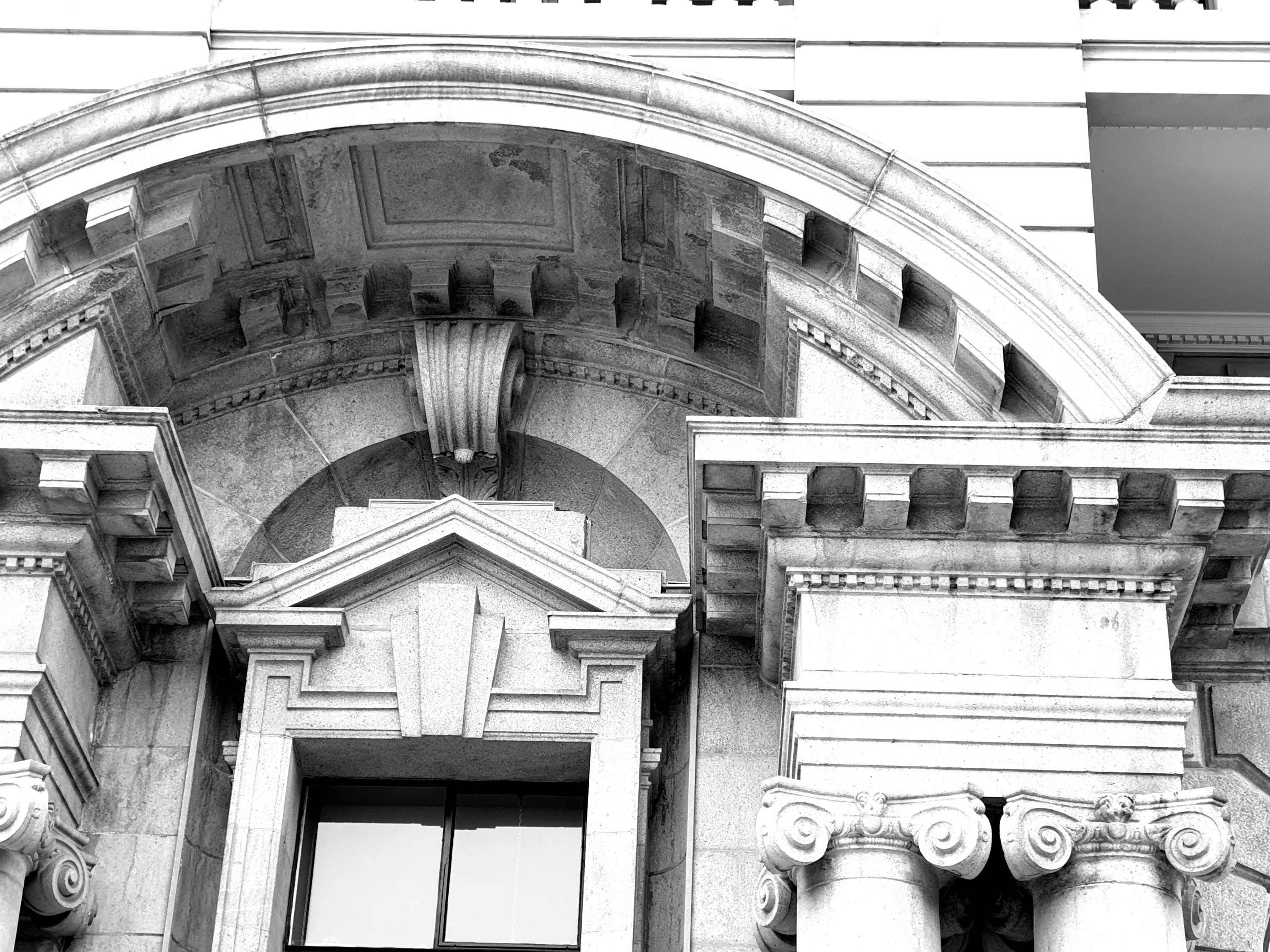
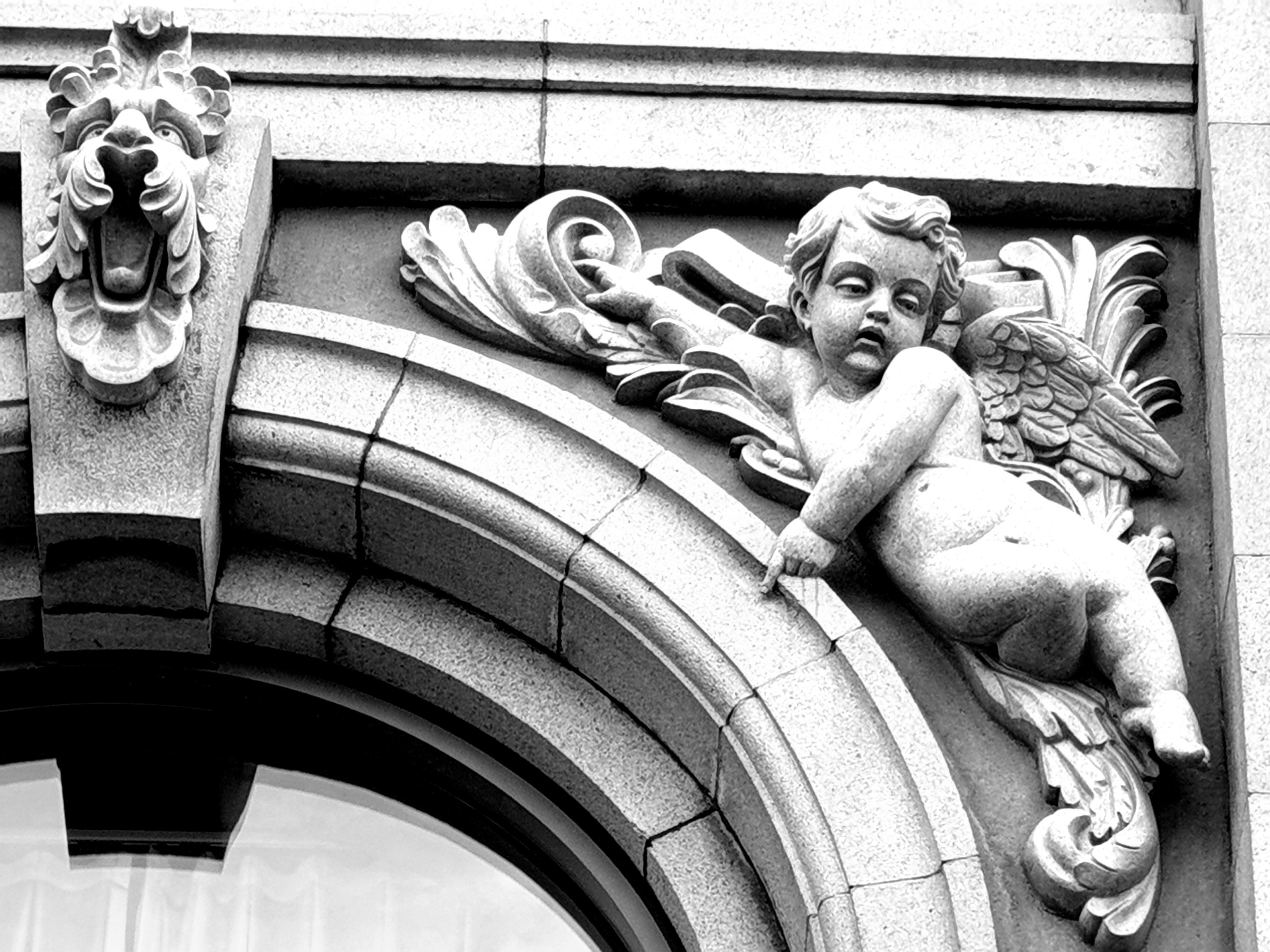
I spent the afternoon trying to figure out the other aspect of old Shanghai – the very prosperous period before the second world war when buildings were put up by American and British architects in the latest styles of art deco and jazz moderne, beginning with Hamilton House, an old apartment block designed by Palmer and Turner:-
Up the street is what was William Hunt & Co., reinforced concrete with classical detailing:-
No. Three on the Bund, built 1916-1918 for the Mercantile Bank of India:-
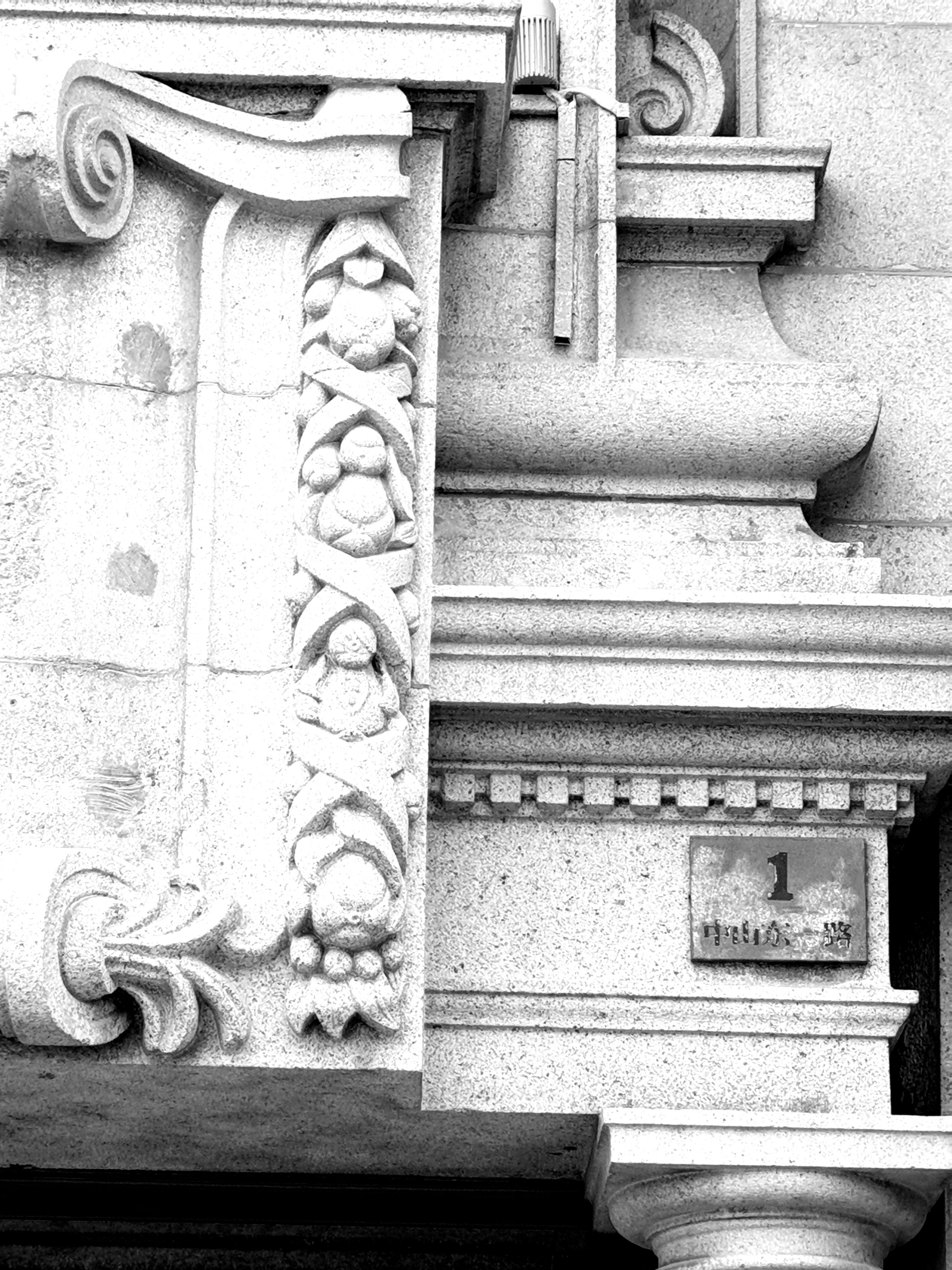
No.1, The Bund, once the home of Asiatic Petroleum:-
The Custom House, still the Custom House, in severe doric:-
No.14, post-war for the Bank of Communication:-
The Russo-Asiatic bank, designed by Becker and Baedecker:-
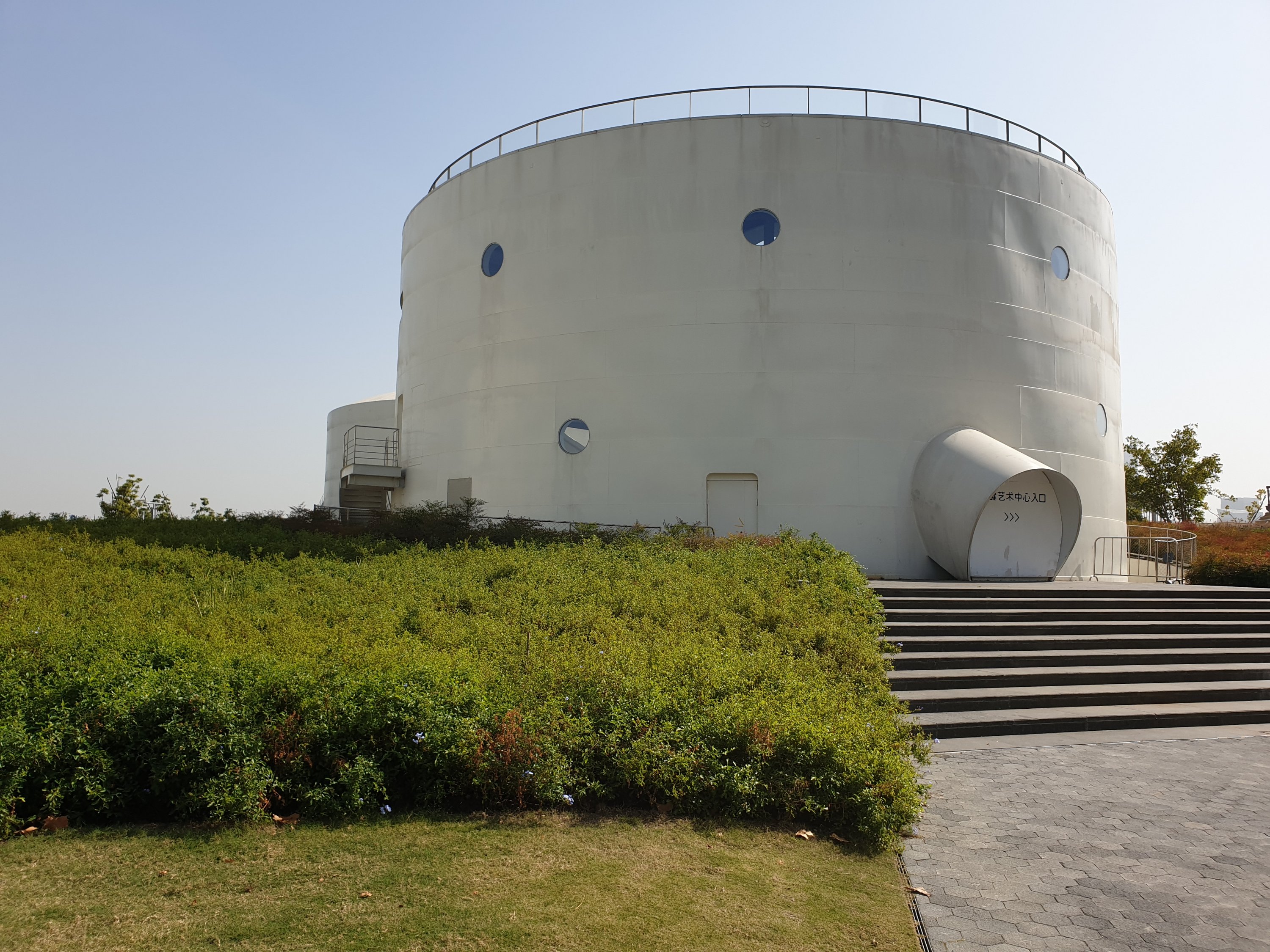
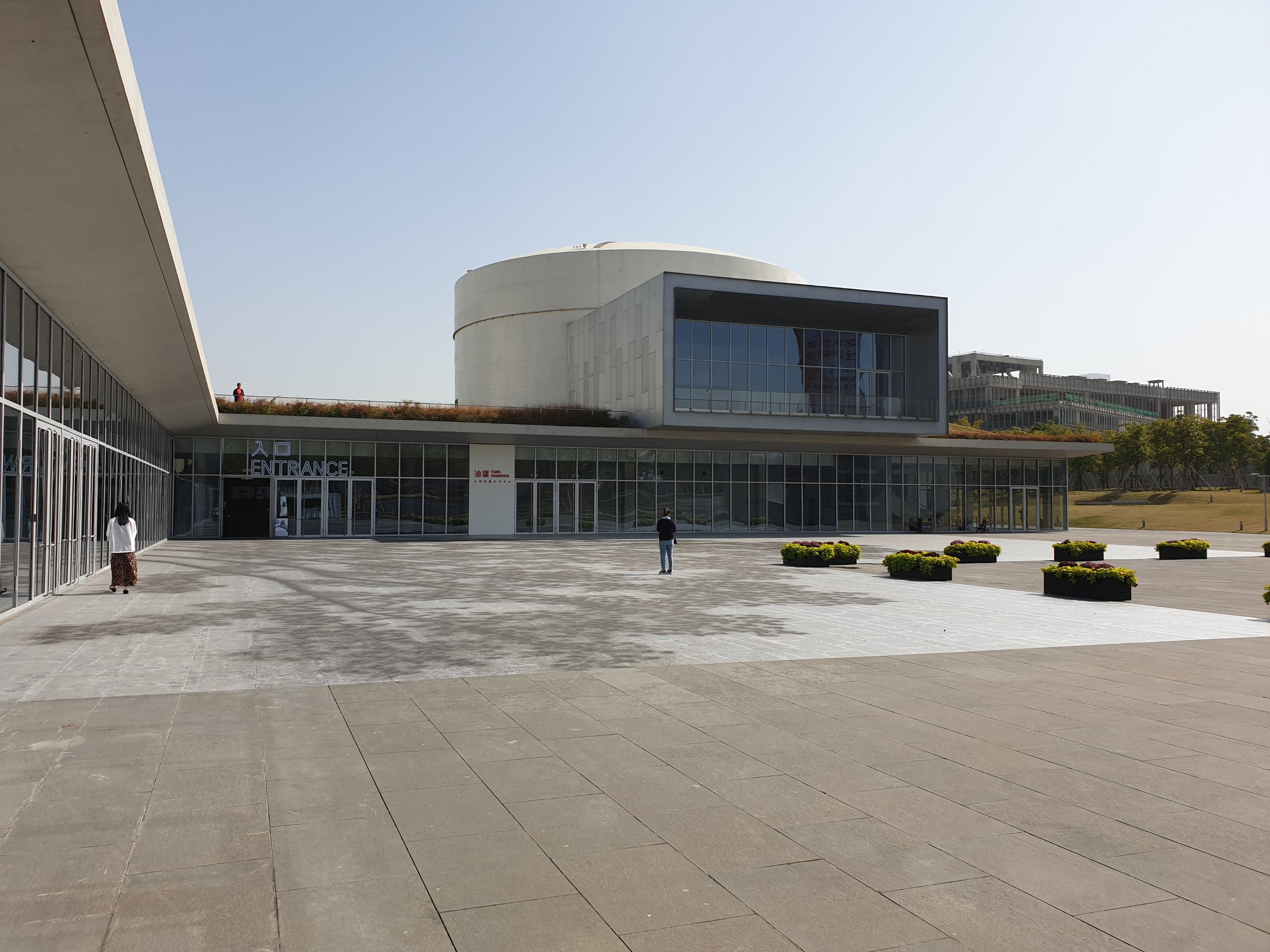
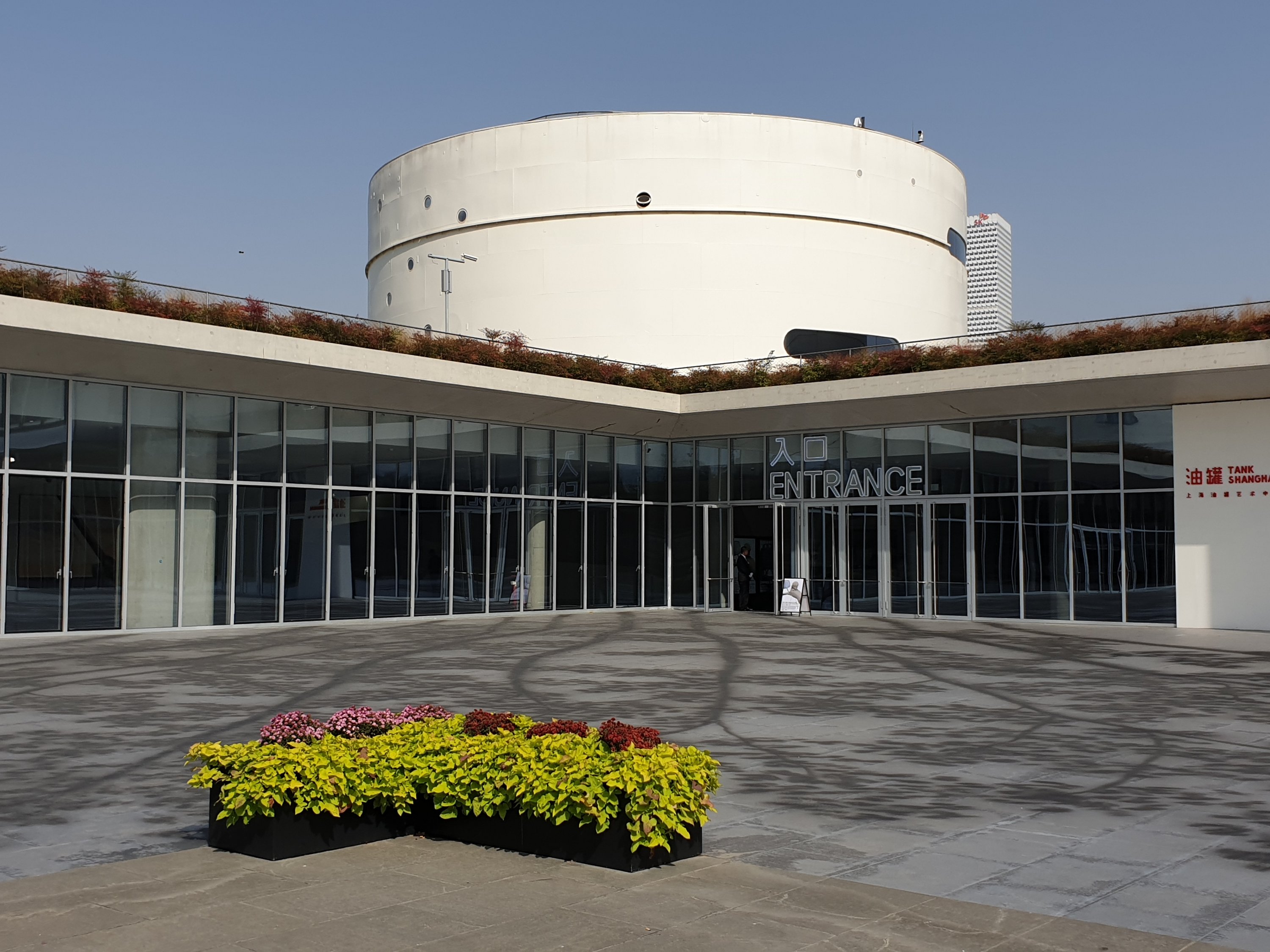
We started the day at Tank Shanghai, one of the recent developments on the West Bund, the conversion of the old oil tanks of the Longhua Airport into new gallery spaces, currently showing an exhibition of contemporary Belgian art:-
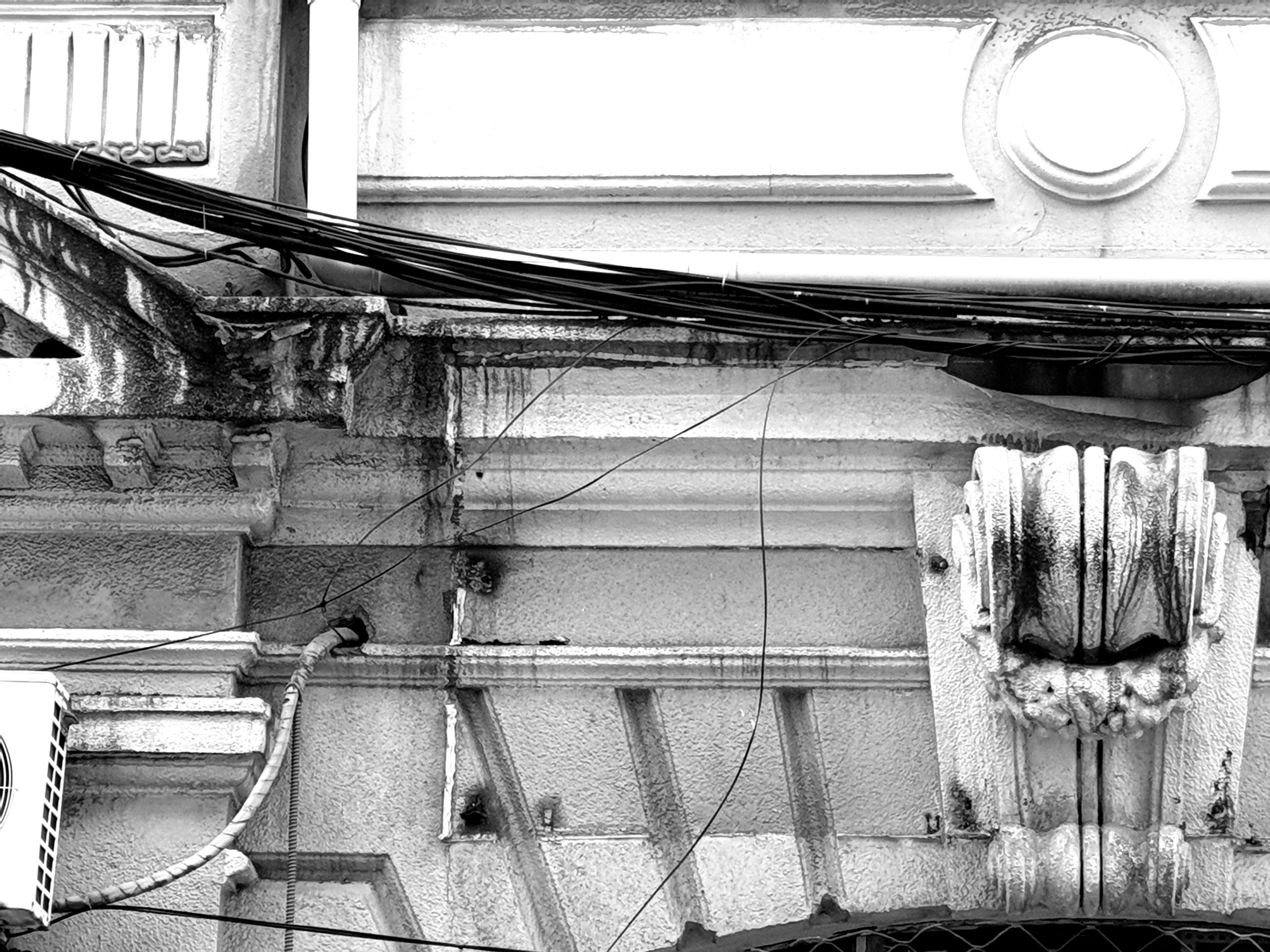
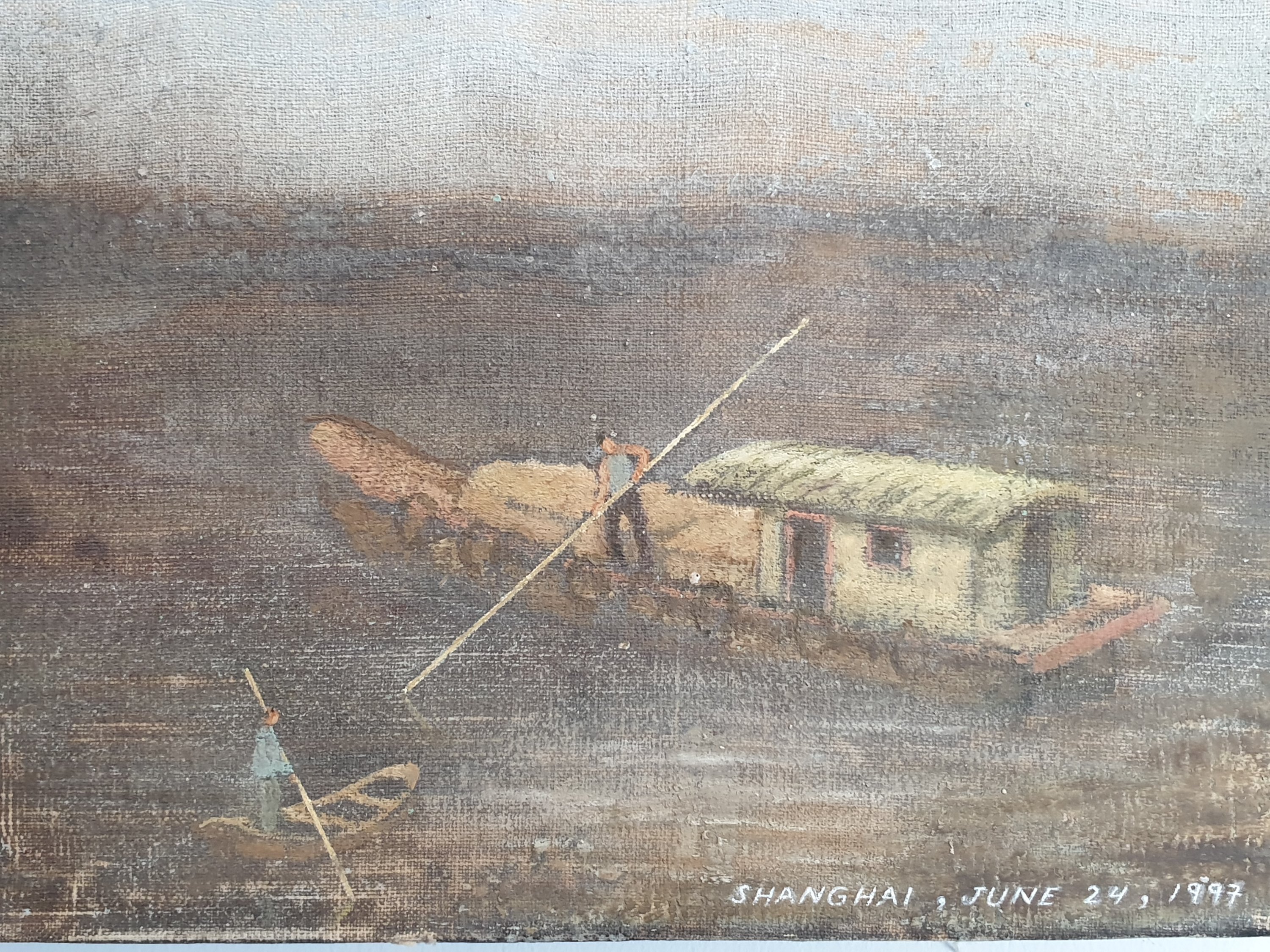
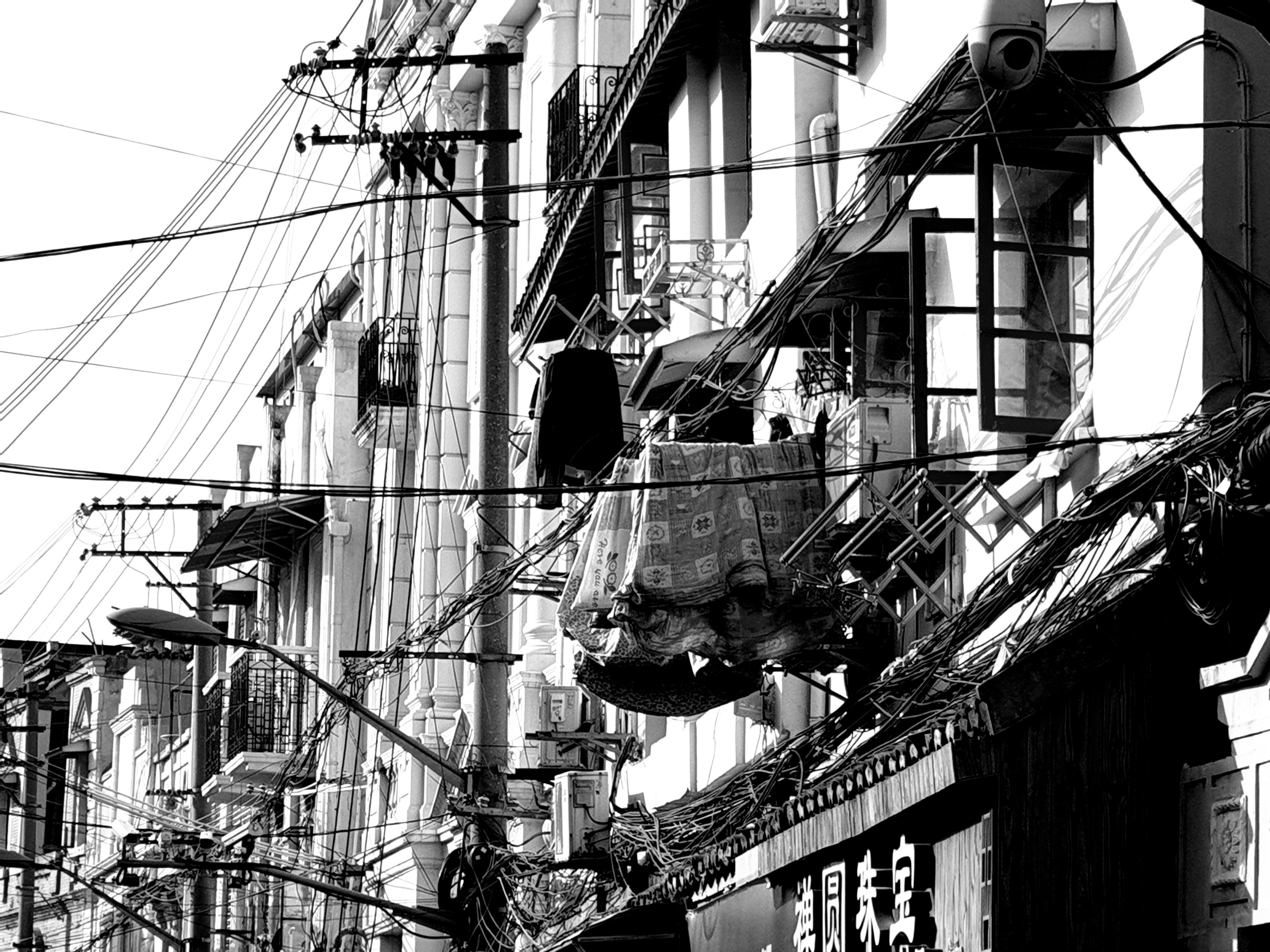
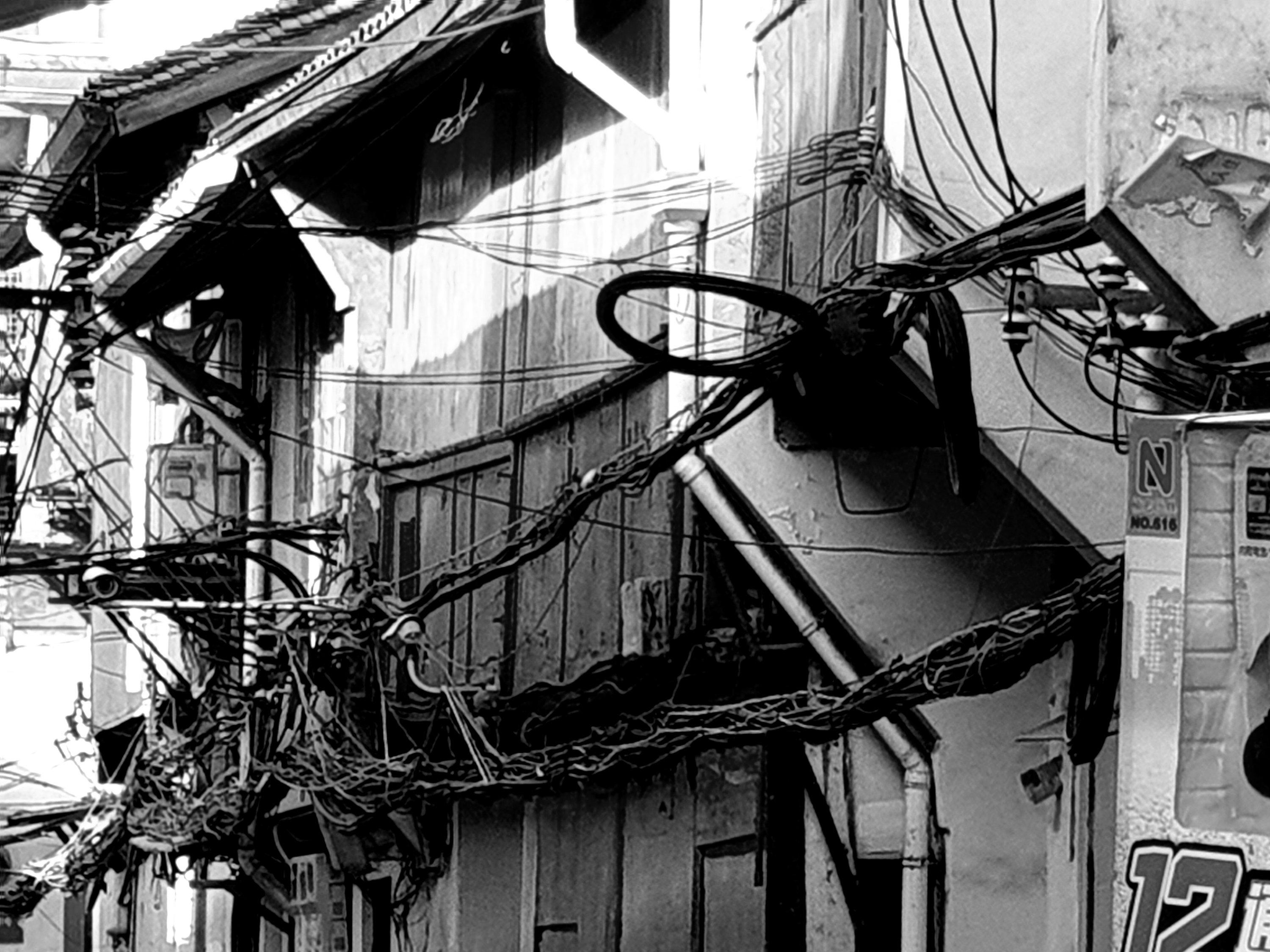
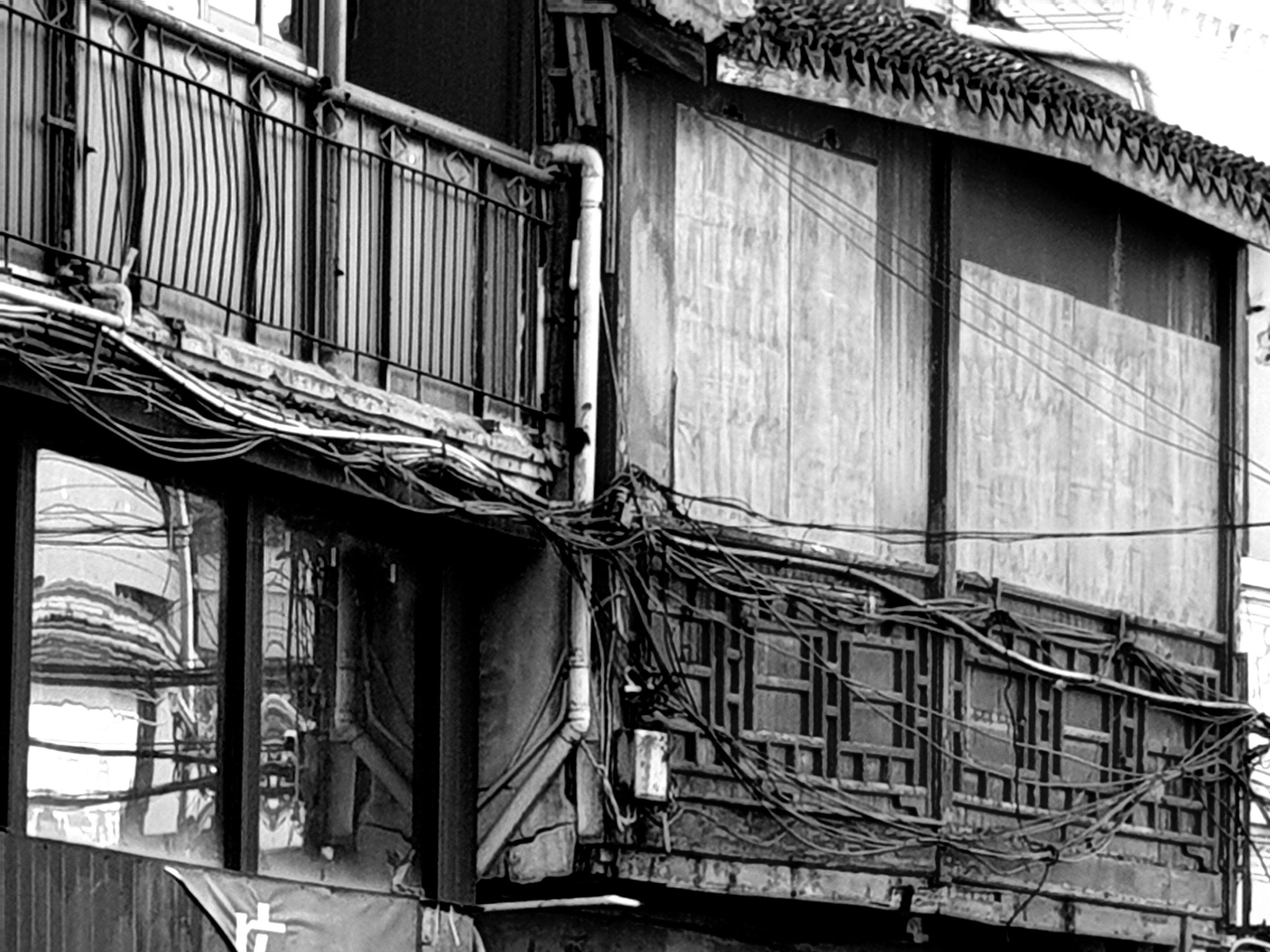
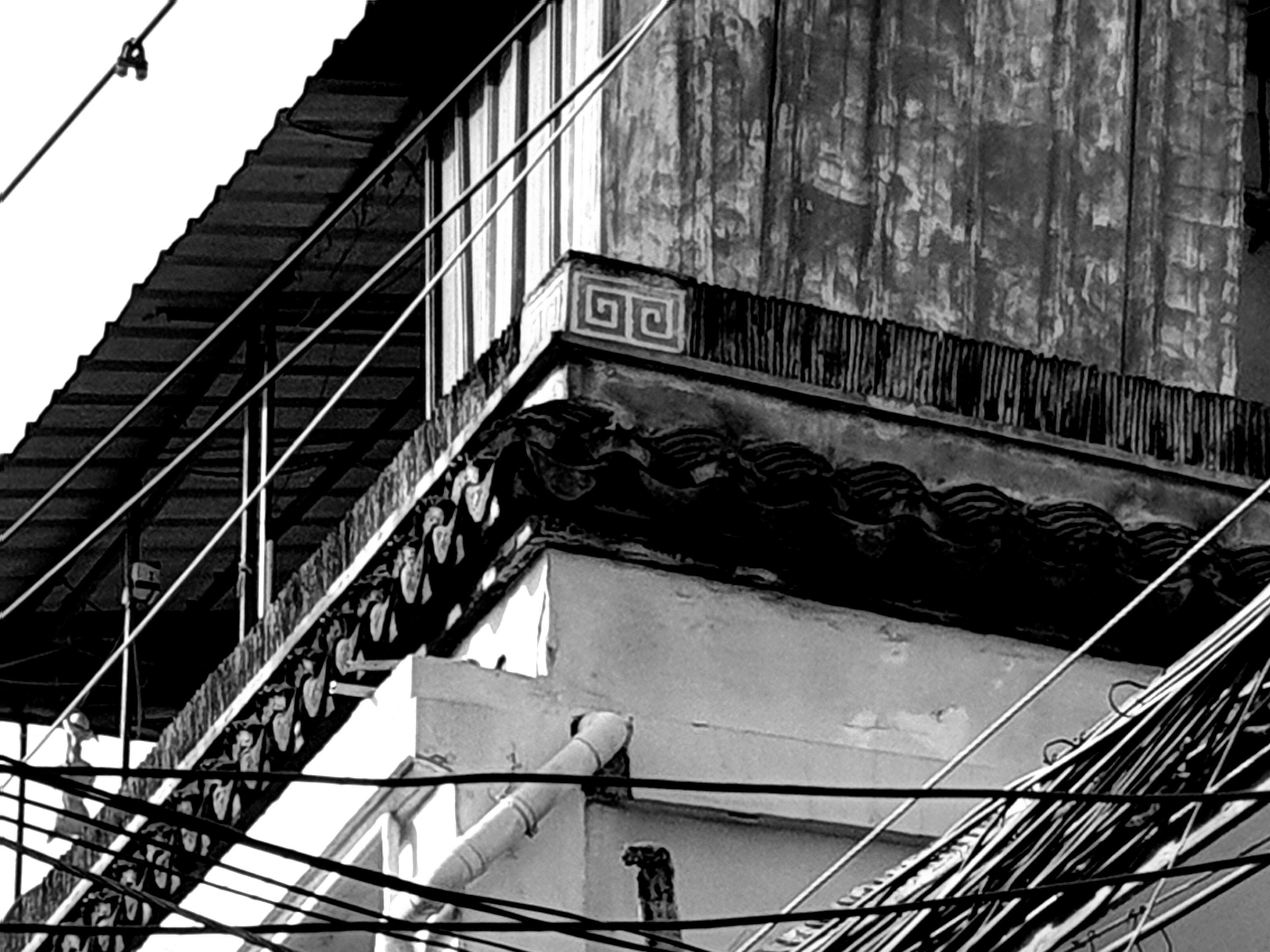
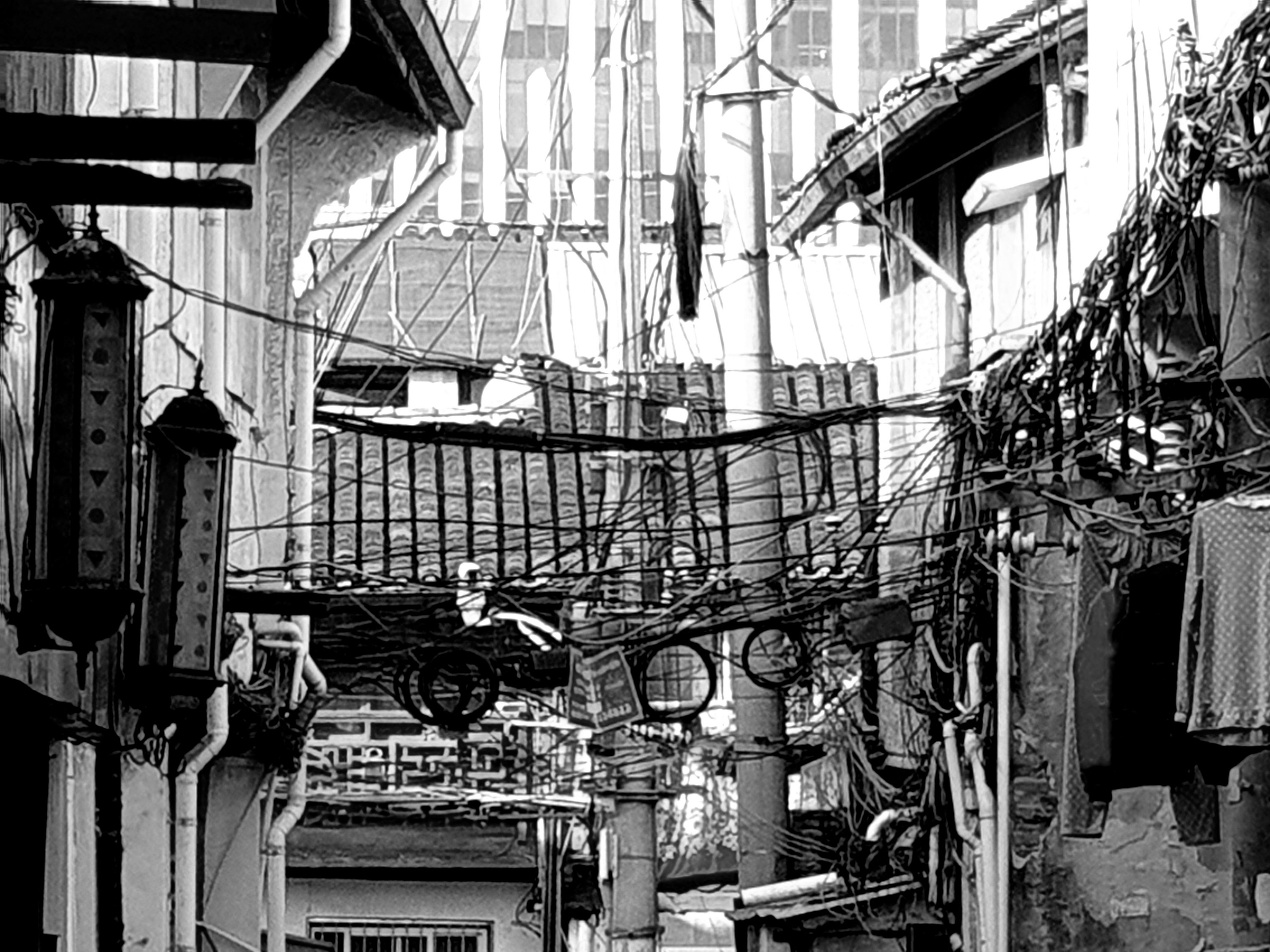
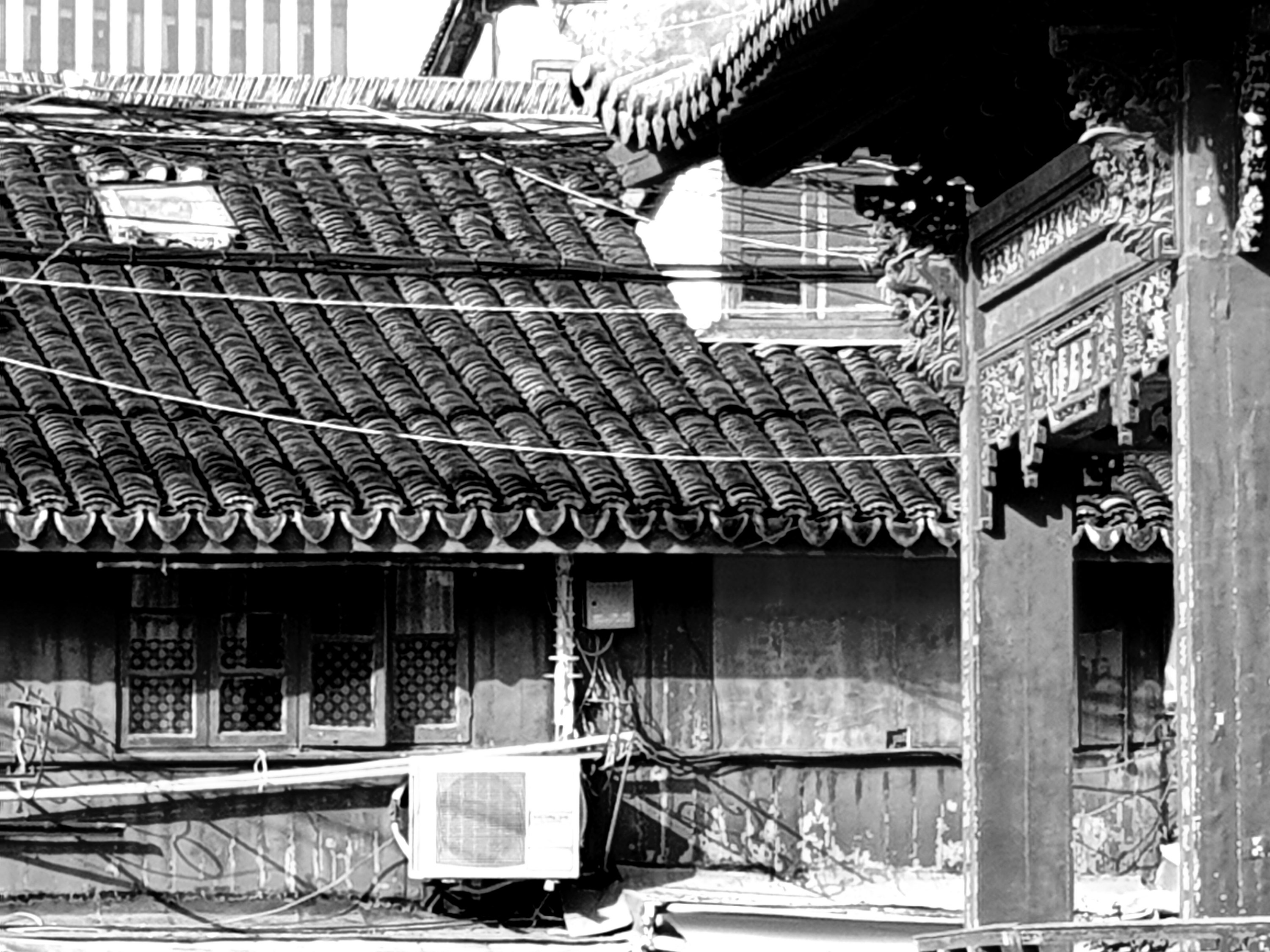
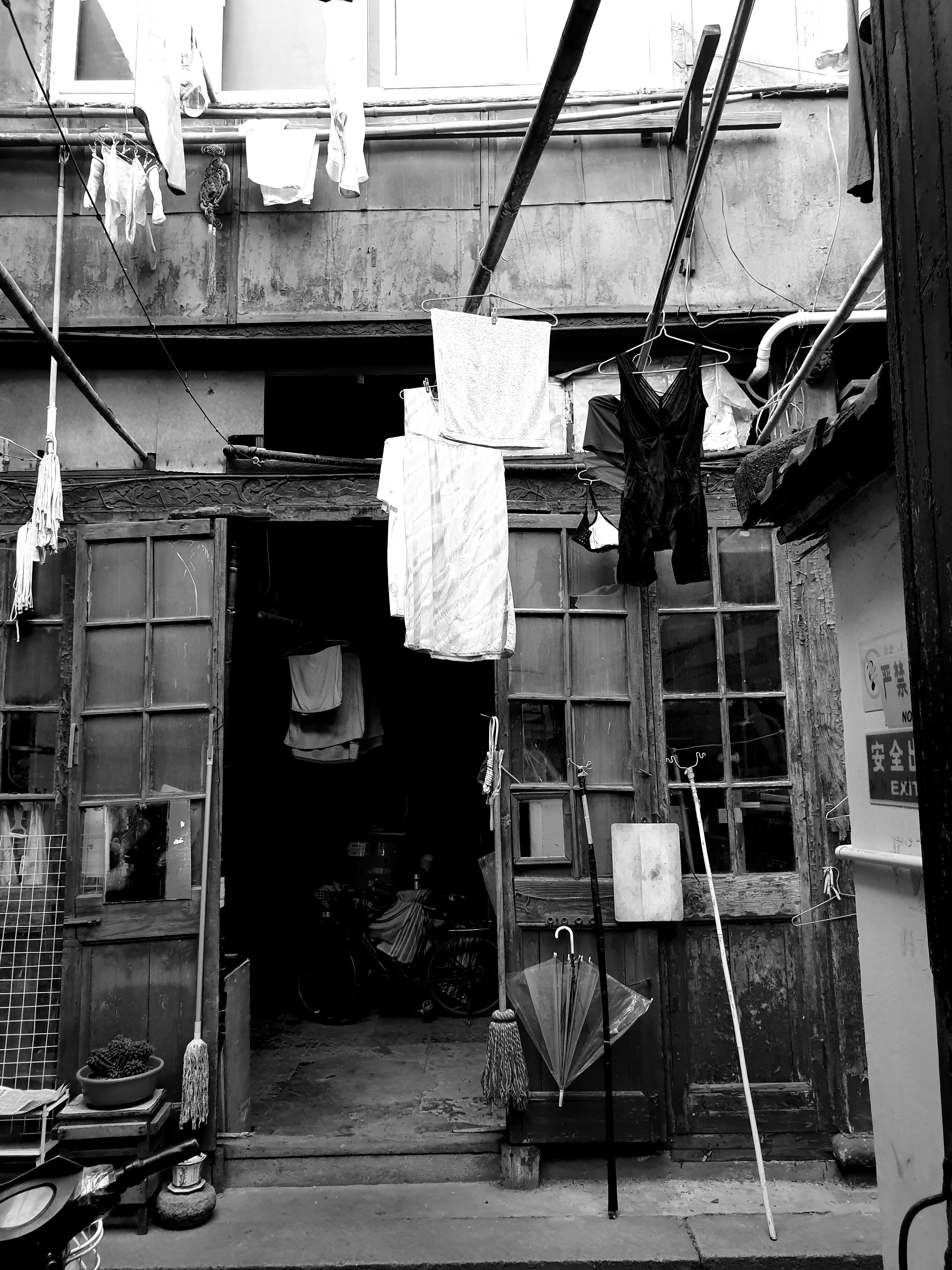
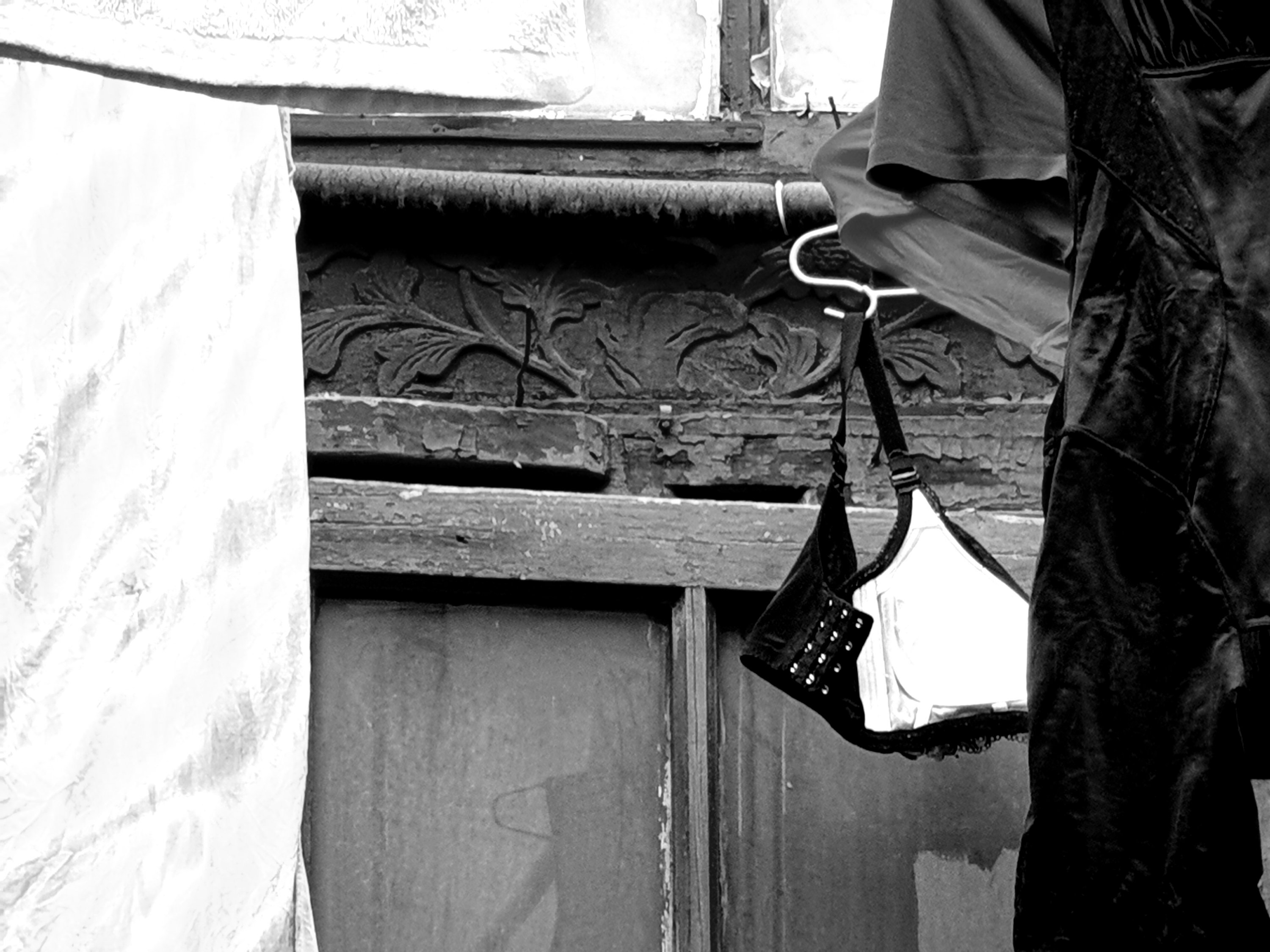
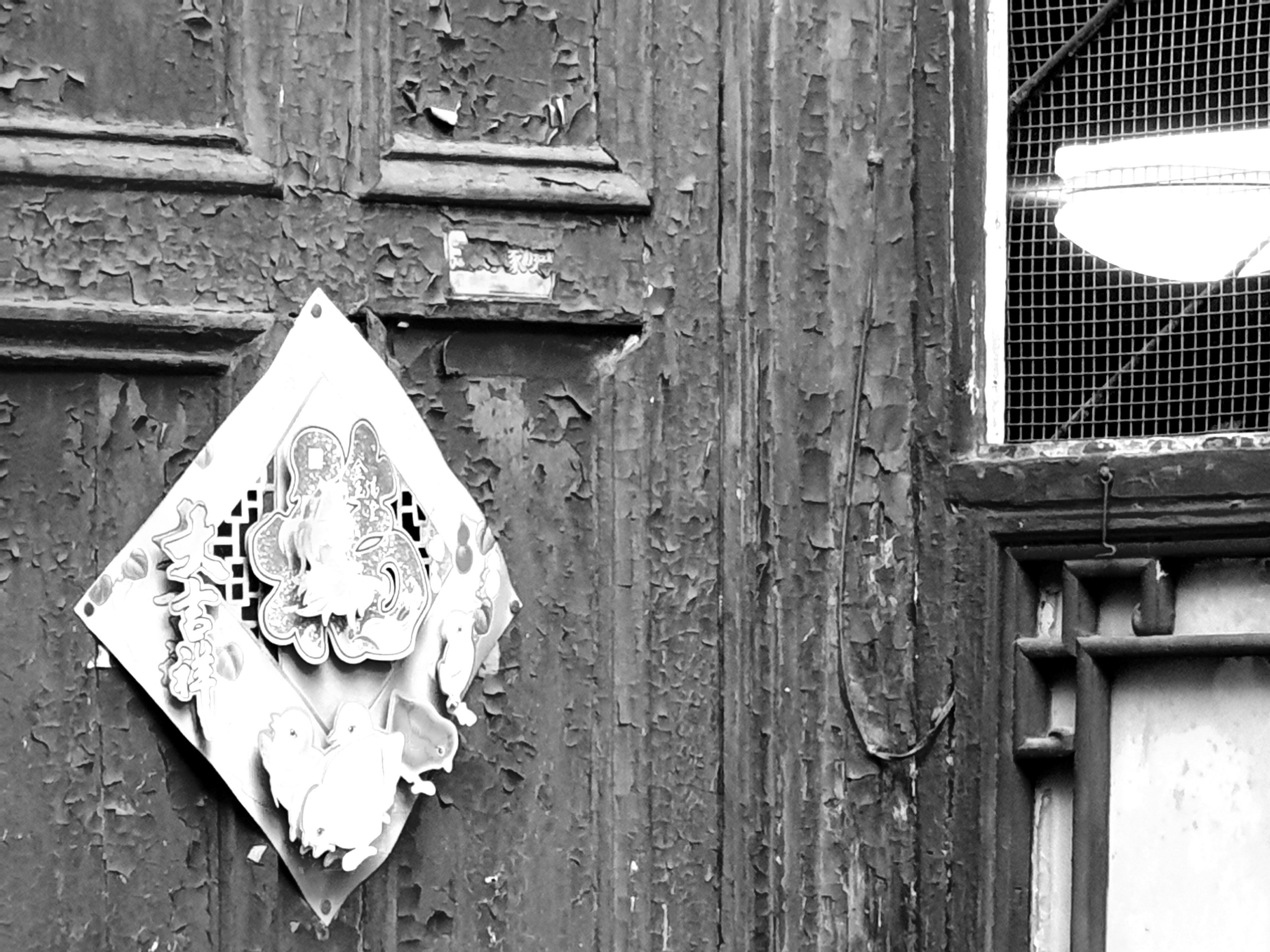
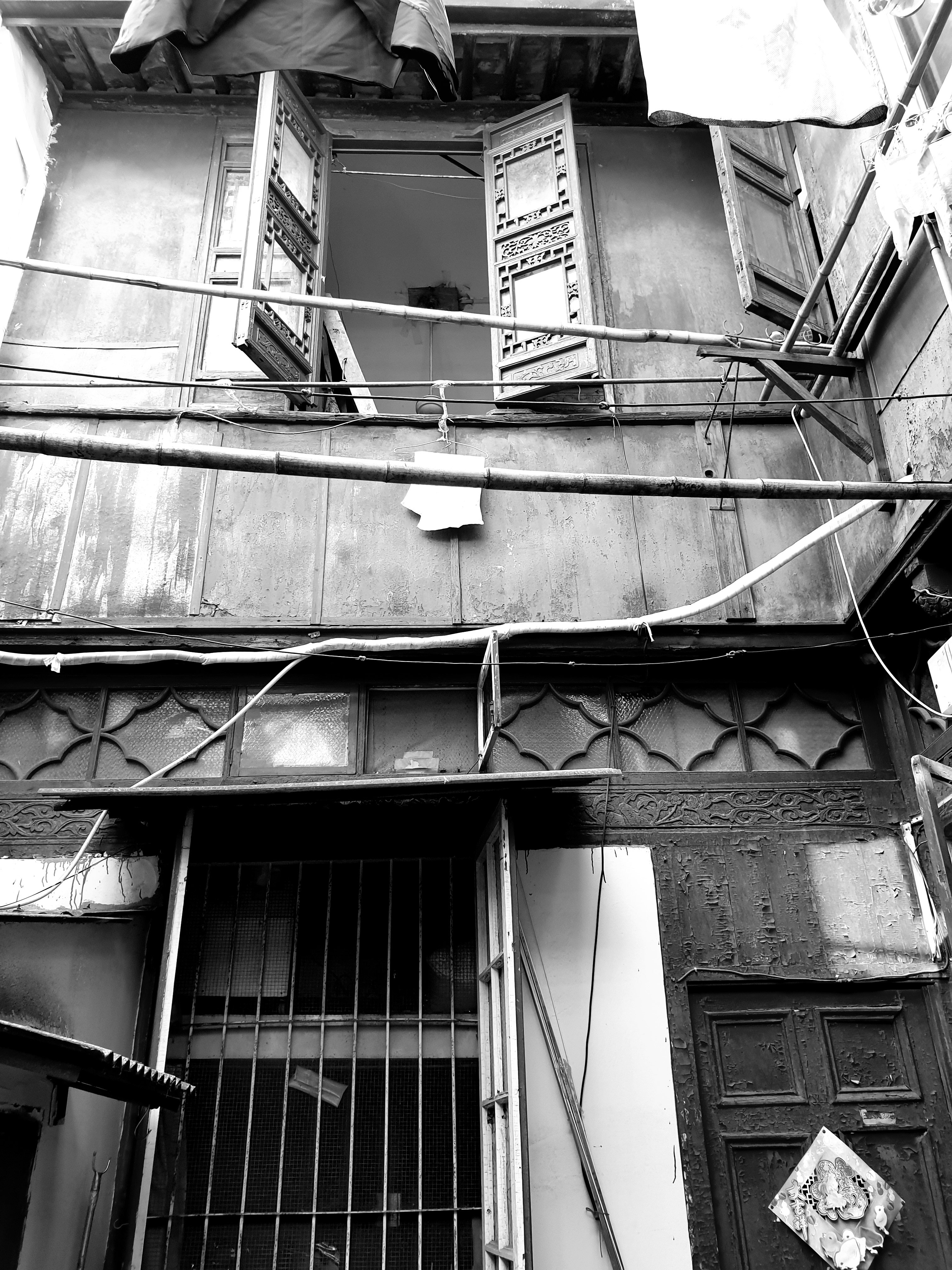
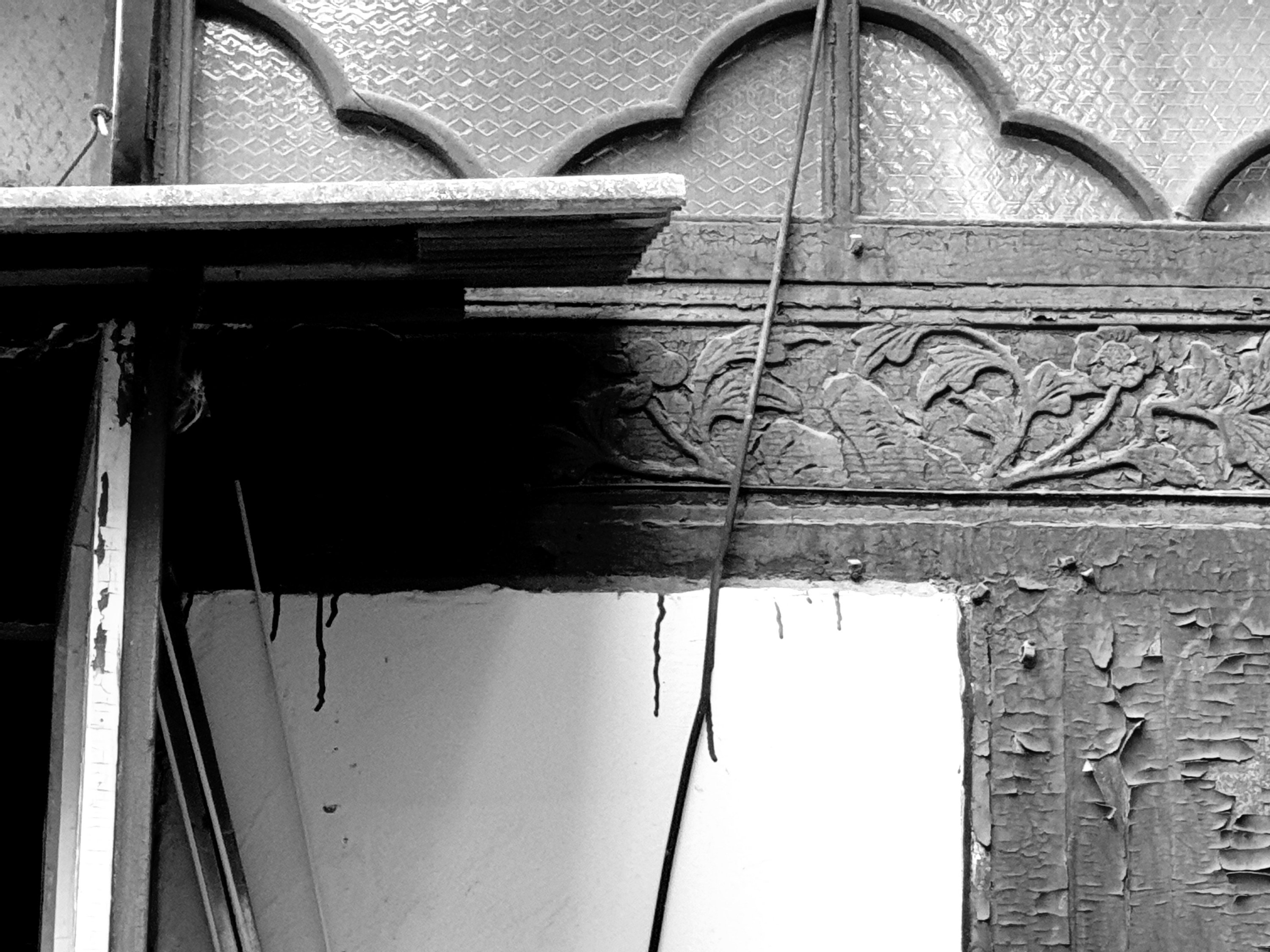
We arrived a bit early for a meeting at the Fosun Foundation and wandered the streets nearby – a bit of Old Shanghai, which sadly looks scheduled for redevelopment, but as yet survives: small back streets with tiny shops selling shoes, eggs and vegetables; a trace of what the city must have felt like before the Cultural Revolution and Shanghai’s massive reconstruction:-
As we explored further, a gate was open and we walked into a courtyard of a house which was magically unchanged:-
It has become clear to me that I am not the only person who has been very disappointed by Historic England’s refusal to do anything whatsoever to protect and preserve the Whitechapel Bell Foundry, which one might have thought was close to their most fundamental duty: to protect the historic built environment where it is at risk of redevelopment. Instead, it has taken two lines: the first is that it is not its duty to protect a building just because of the historic interest of its use, as if historic archaeology is not, and should not be, its concern; and the second is that that turning the Foundry into a posh hotel is a good example of adaptive re-use.
It made its decision just before Roger Bowdler moved over to the private sector to give advice to clients on how to get round the rules of Historic England and it has refused to pay attention to, let alone promote, the virtues of the rival scheme, drawn up by the United Kingdon Historic Building Preservation Trust, a not-for-profit charity.
What hope do we have that the Bell Foundry can be preserved if Historic England claims that it is none of its concern ?
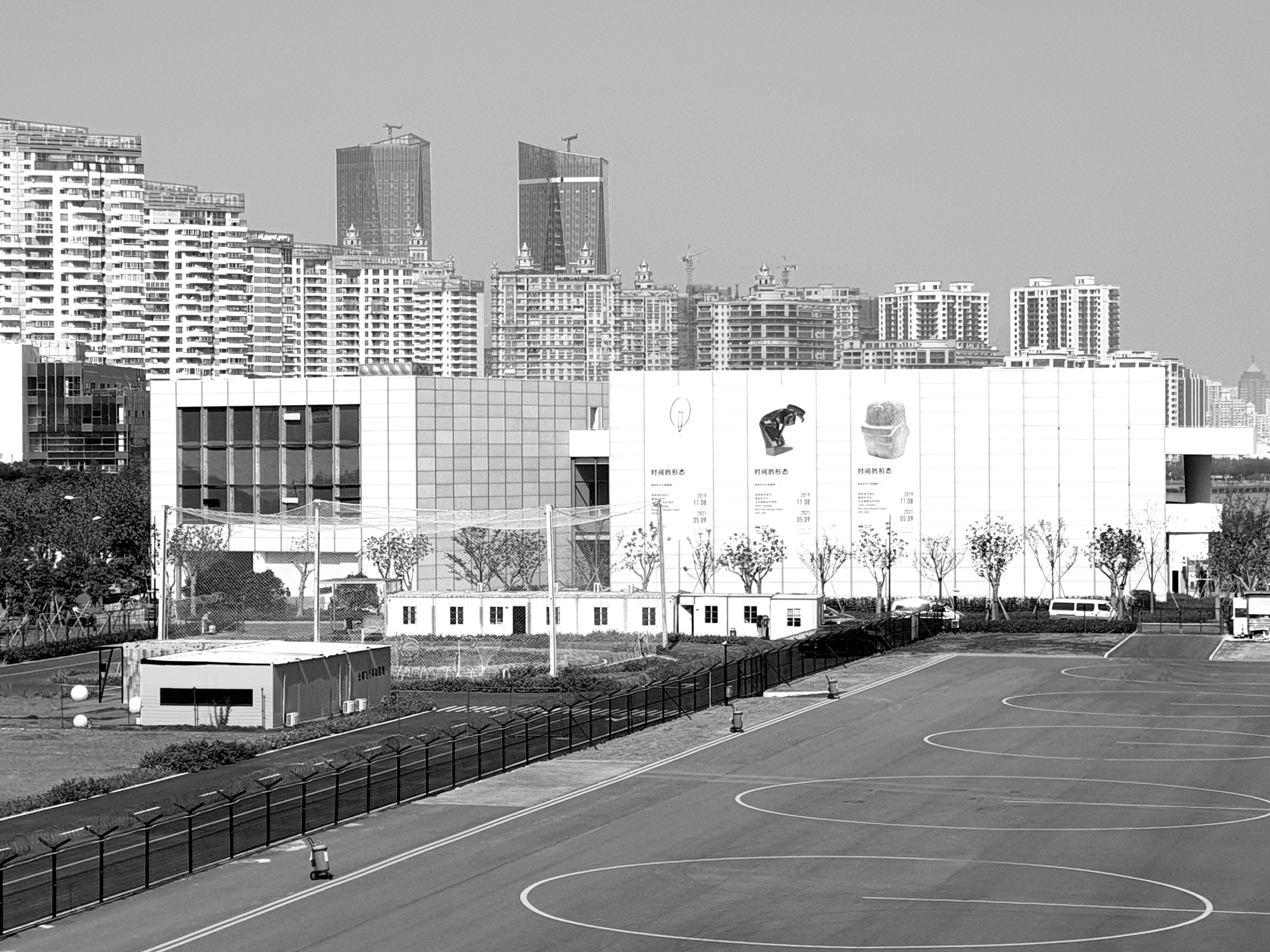
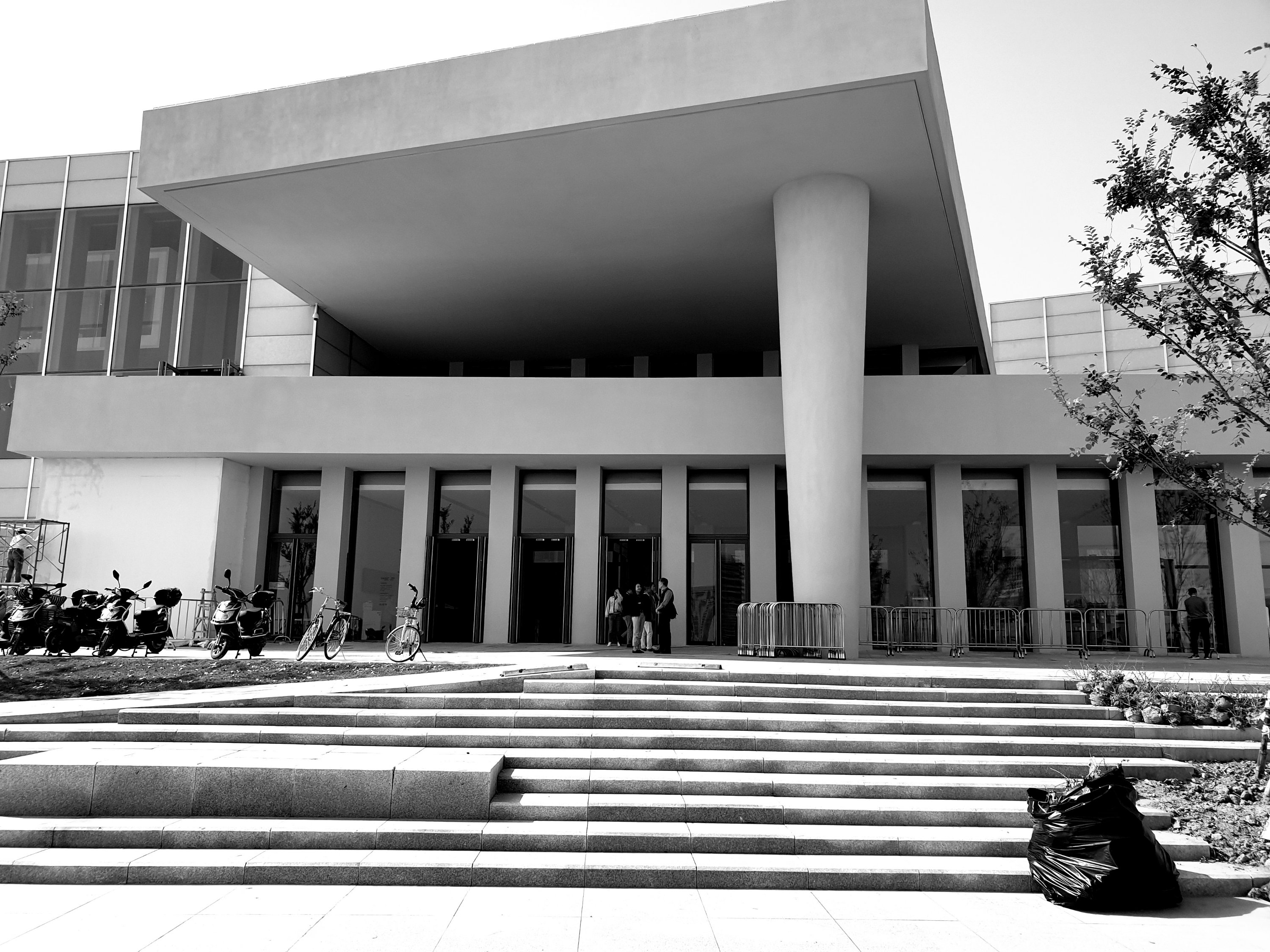
We went to see the new West Bund Museum, designed by David Chipperfield who won a competition to design it when its use was as yet unspecified. The Centre Pompidou took it on as an outpost for them to show exhibitions and changing displays from their permanent collection two or so years ago and so have adapted it to their use – closing off the top lighting in the upstairs galleries, enhancing the requirements for environmental controls, and introducing an extra floor to the central atrium, closing off the basement. It will be opened next week by President Macron.
The building occupies a fine site on the Huangpu River:-
This is the river entrance:-
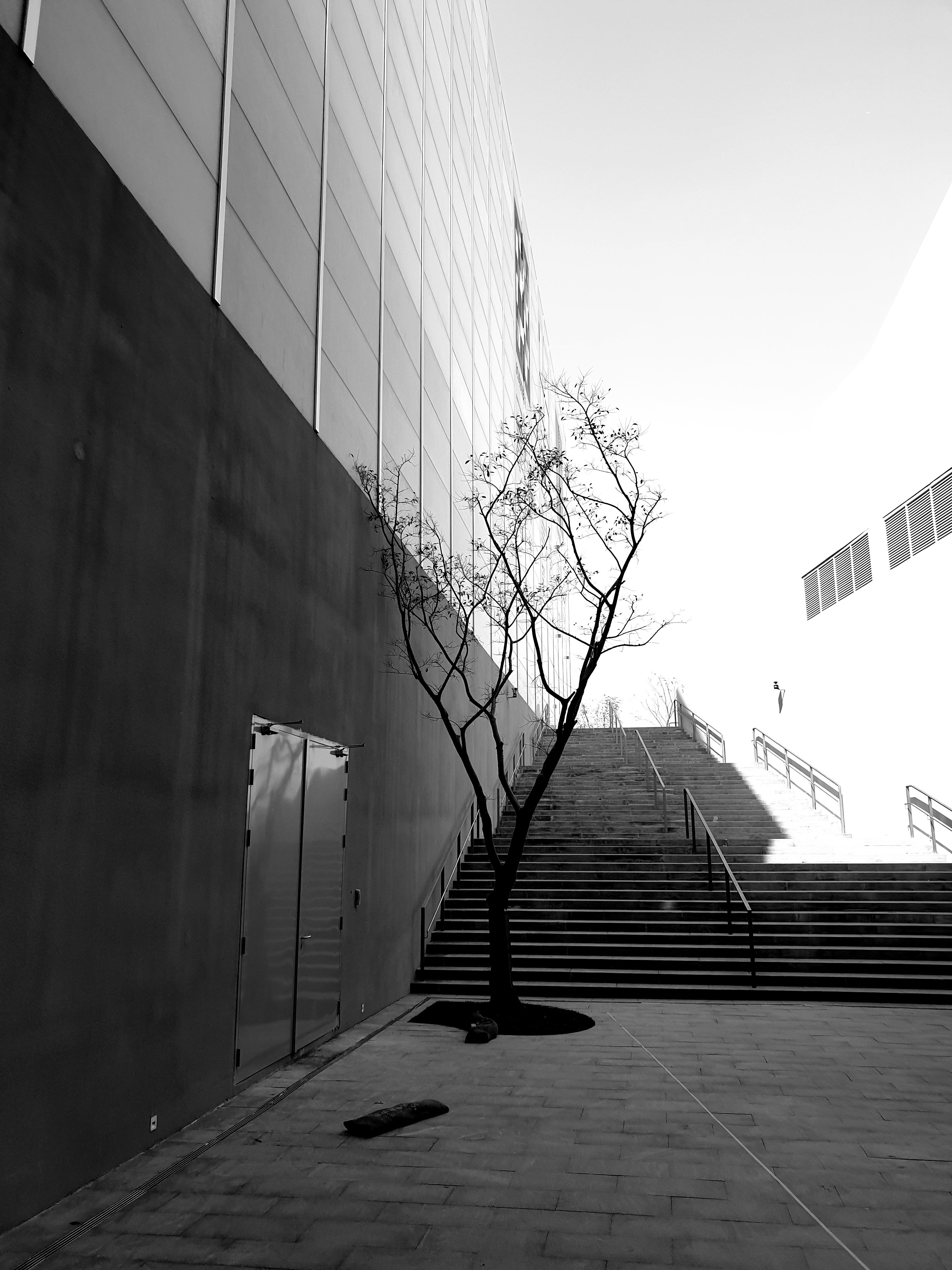
There is a separate entrance to the basement which has a fine auditorium:-
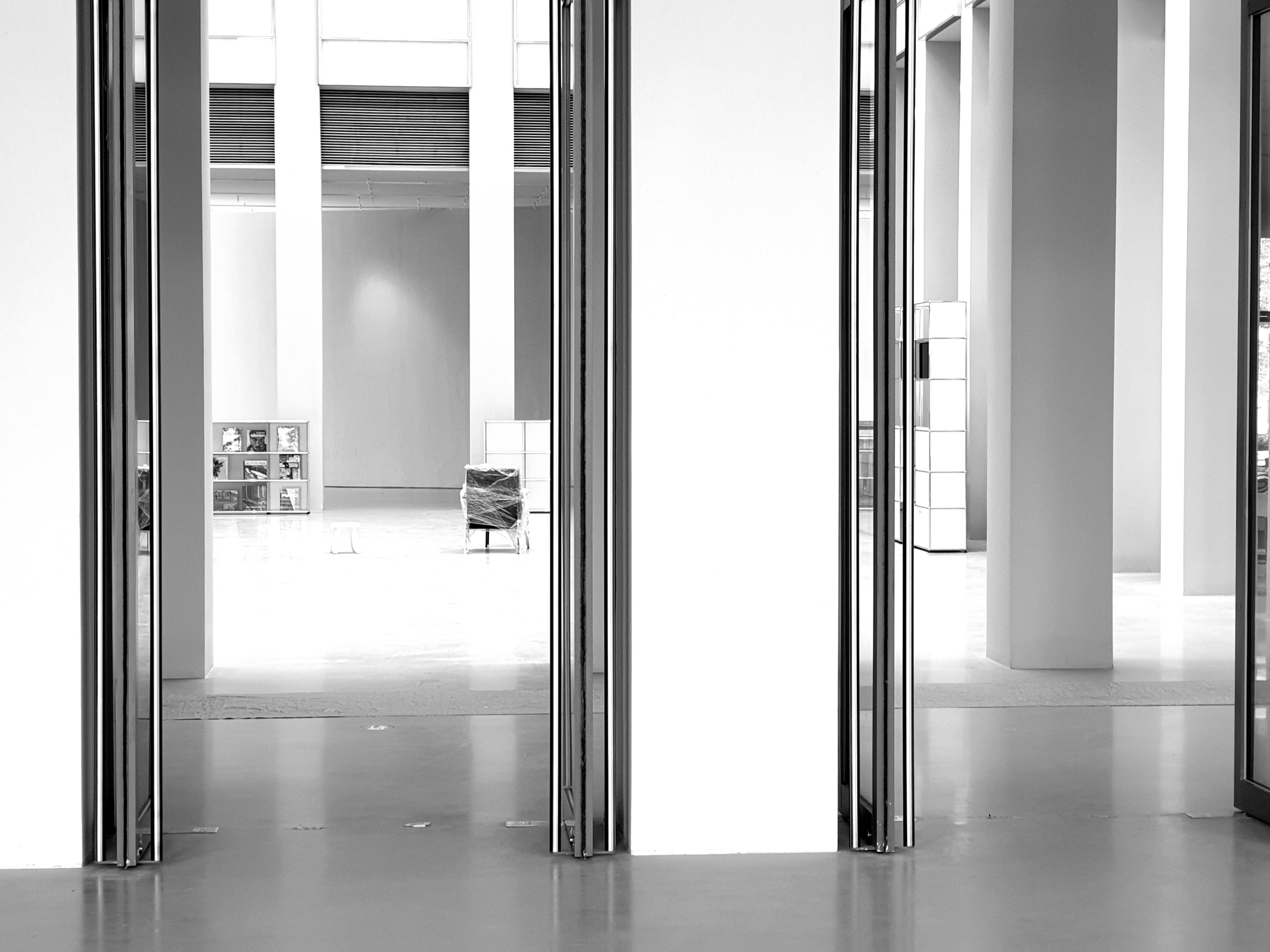
For obvious reasons, I was discouraged from taking photographs ahead of its opening next week, but this is a view from the entrance of the central public atrium:-
Upstairs, are three huge gallery spaces, Gallery 1 showing new media, Galleries 2 and 3 showing 100 works of art from the Pompidou’s permanent collection.
















You must be logged in to post a comment.