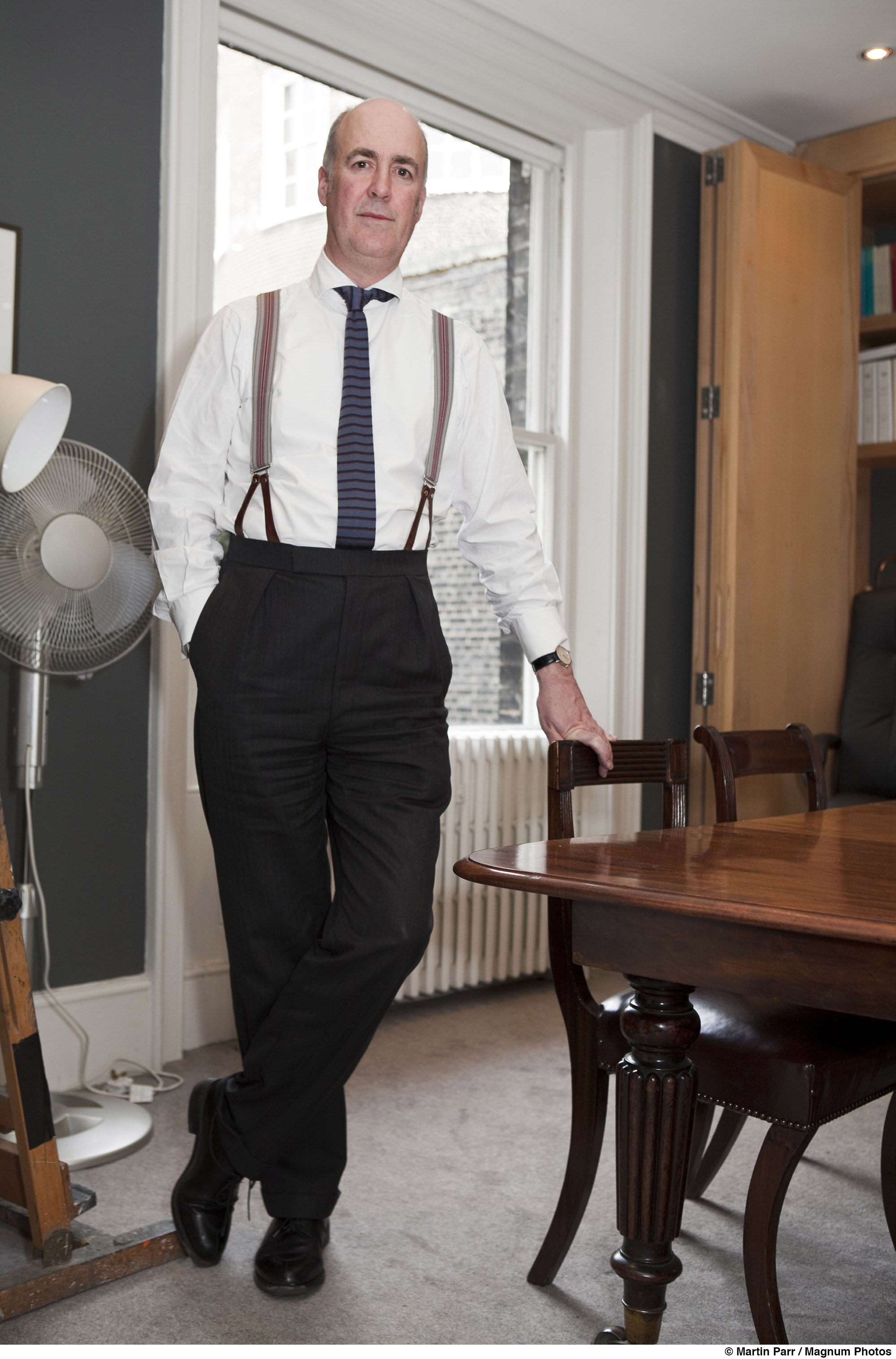
I went back to Ghent to see the new Design Museum which opens at the weekend.
I assume photos are still embargoed, but here is how it sits within the historic city:-
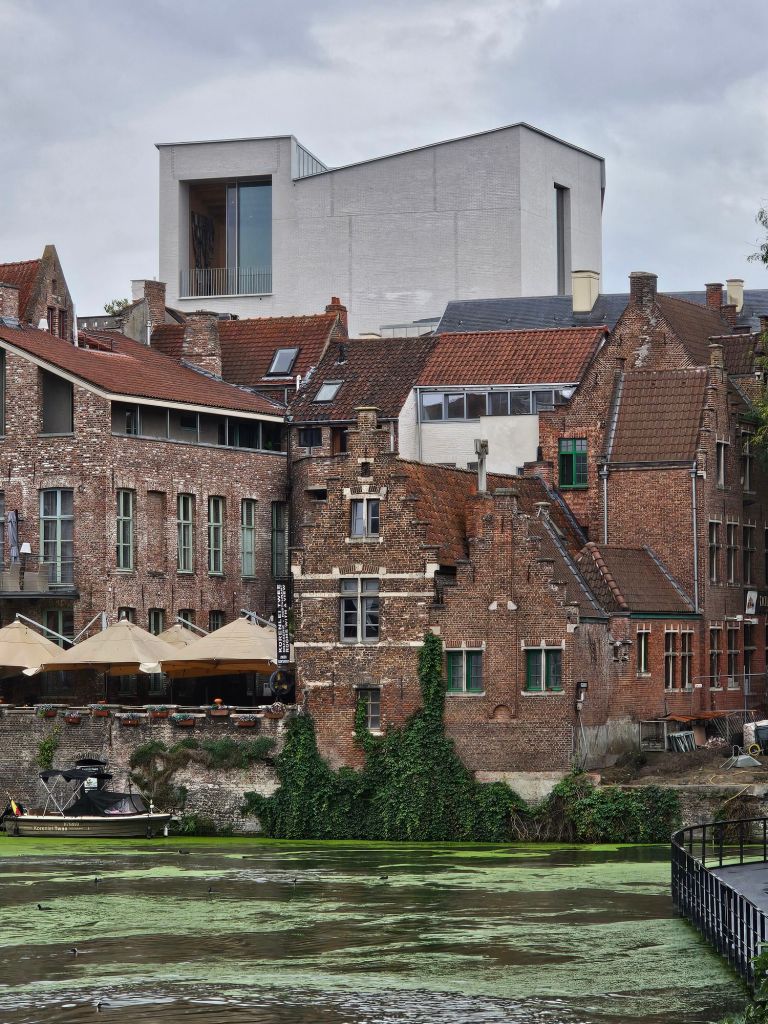
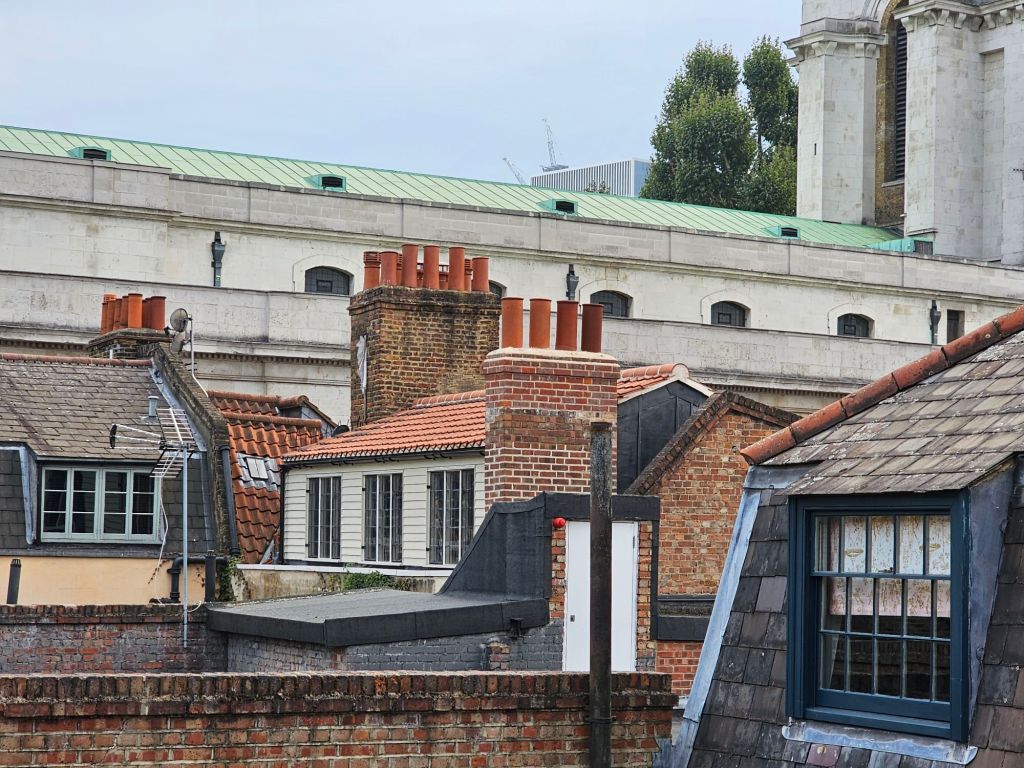
And views of the roofscape from the top floor:-
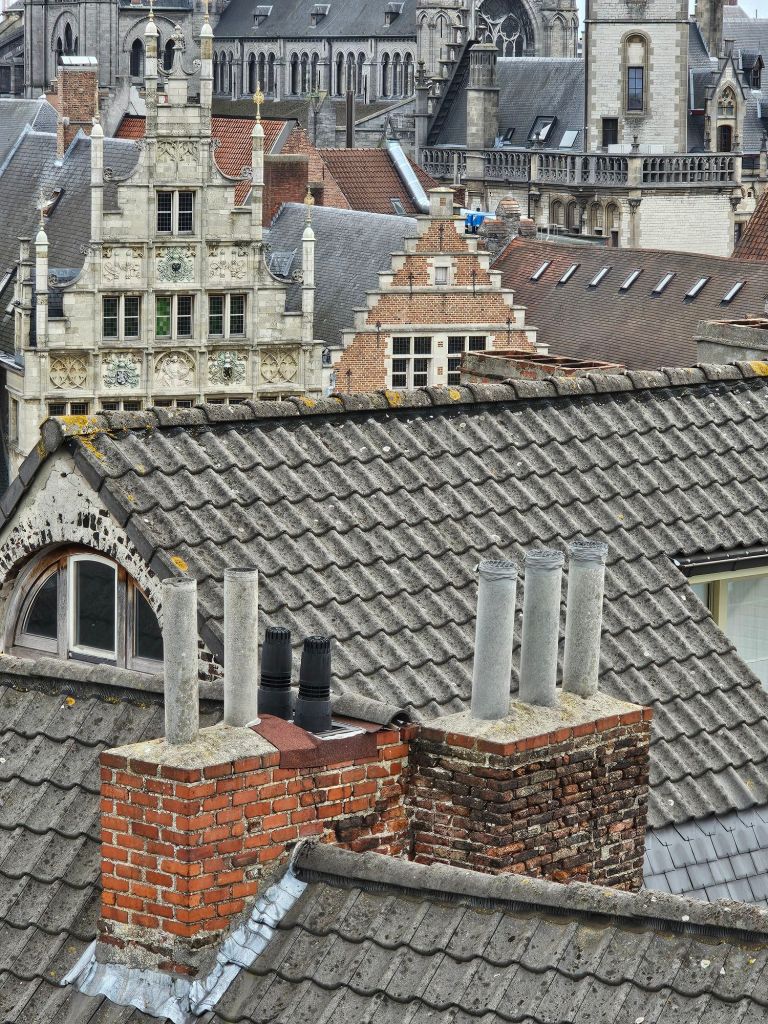
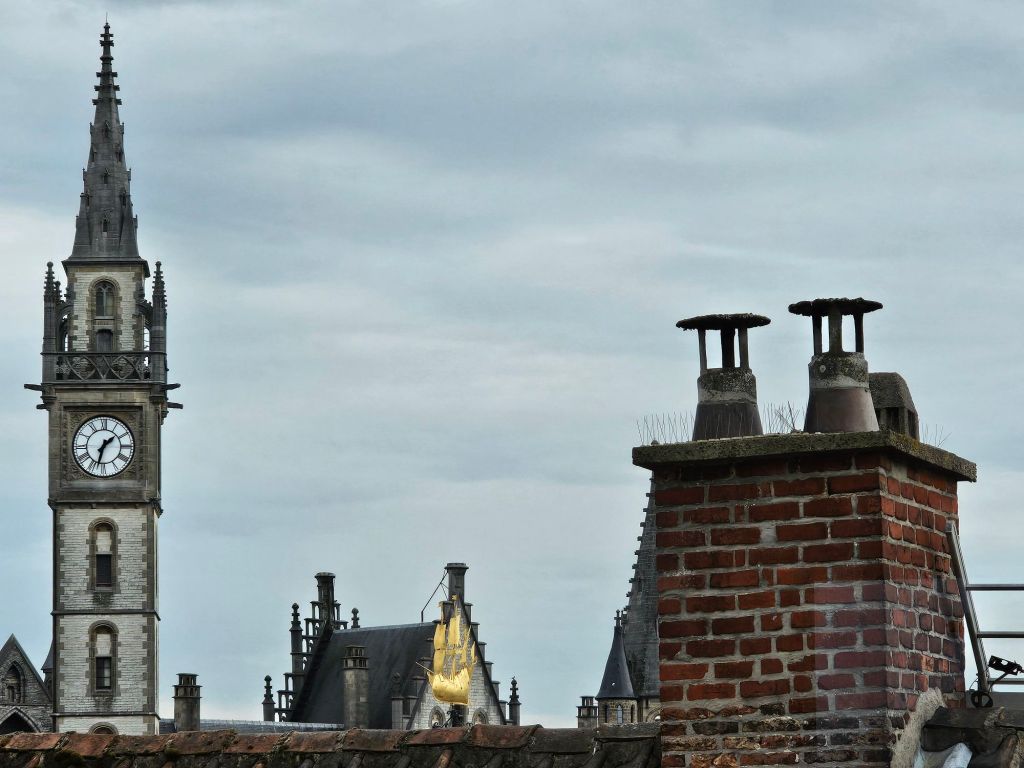
I went back to Ghent to see the new Design Museum which opens at the weekend.
I assume photos are still embargoed, but here is how it sits within the historic city:-
And views of the roofscape from the top floor:-
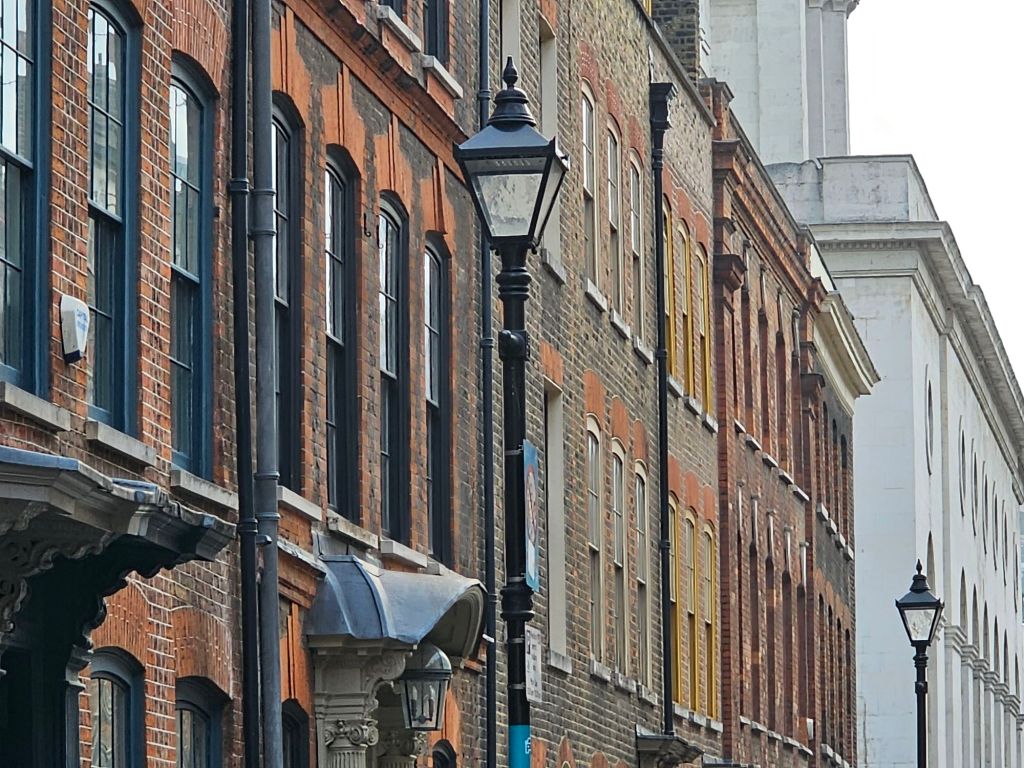
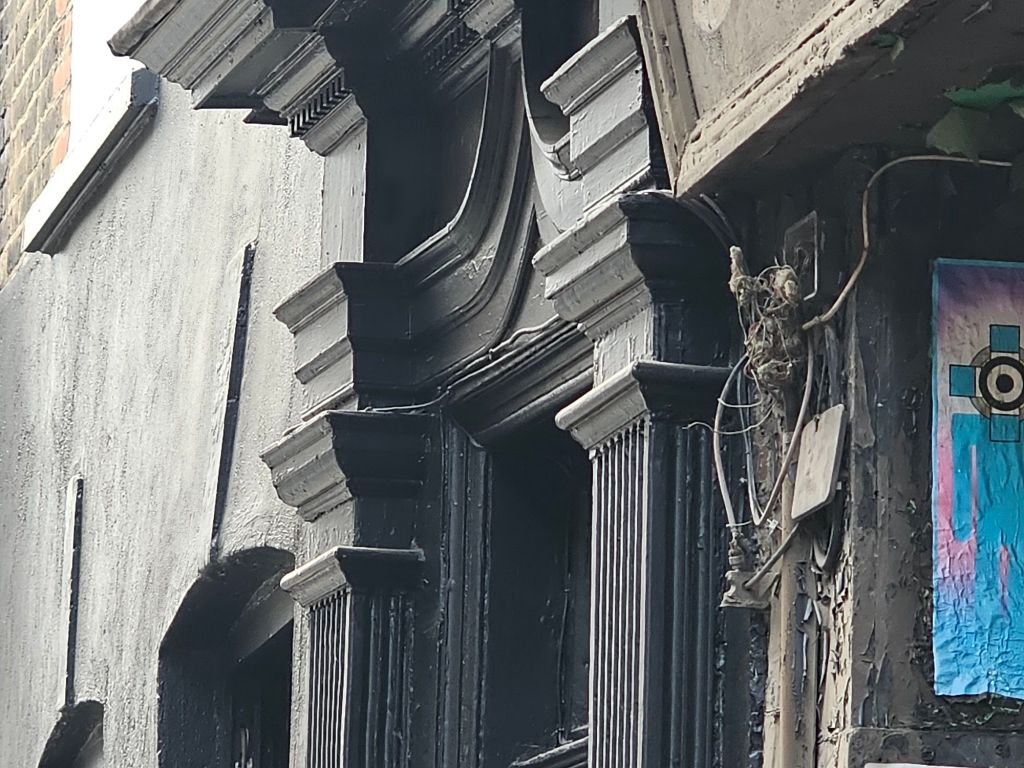
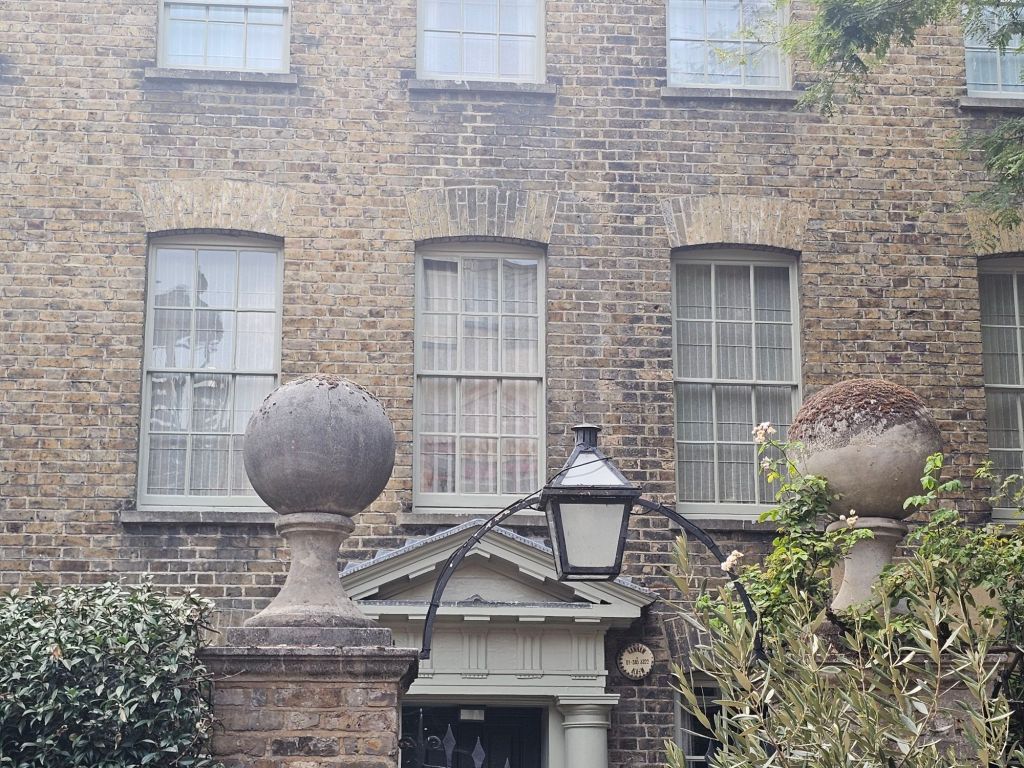
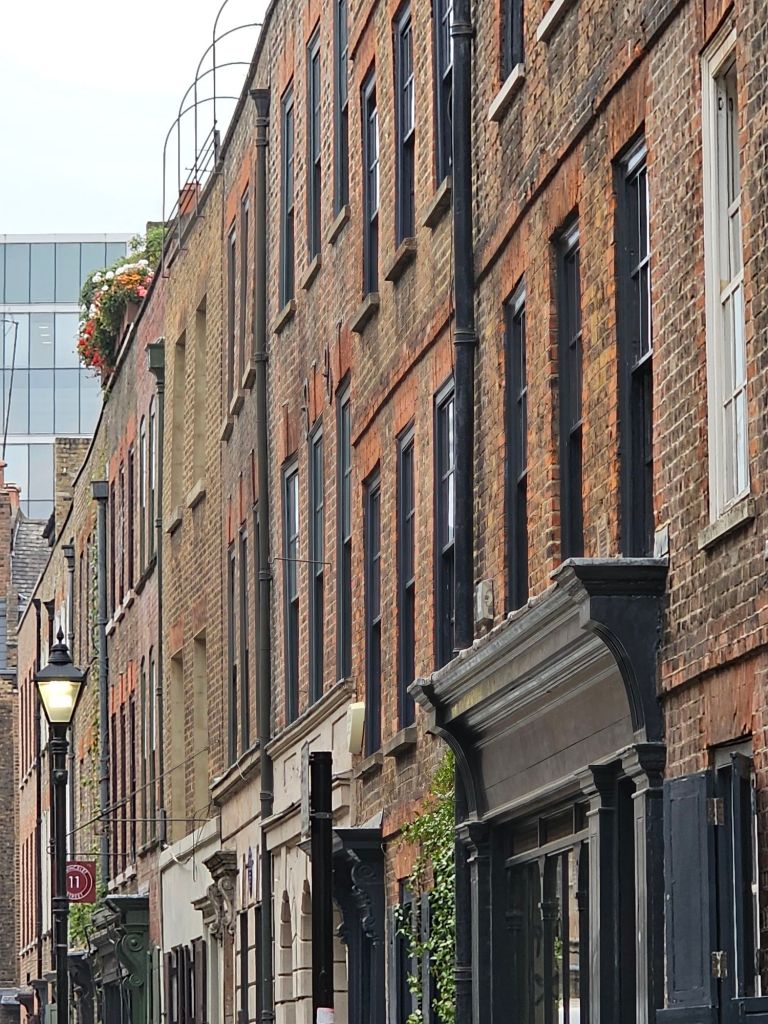
You may not have recognised the Samuel Worrall House in my post about Spitalfields yesterday because it is behind-the-scenes in an internal courtyard between Fournier Street and Princelet Street.
Worrall was a carpenter-cum-timber merchant who was responsible for the construction of several of the houses in the surrounding streets, as well as working on Christ Church, Spitalfields from November 1723 and becoming one of its church wardens.
The house is apparently only one room deep:-
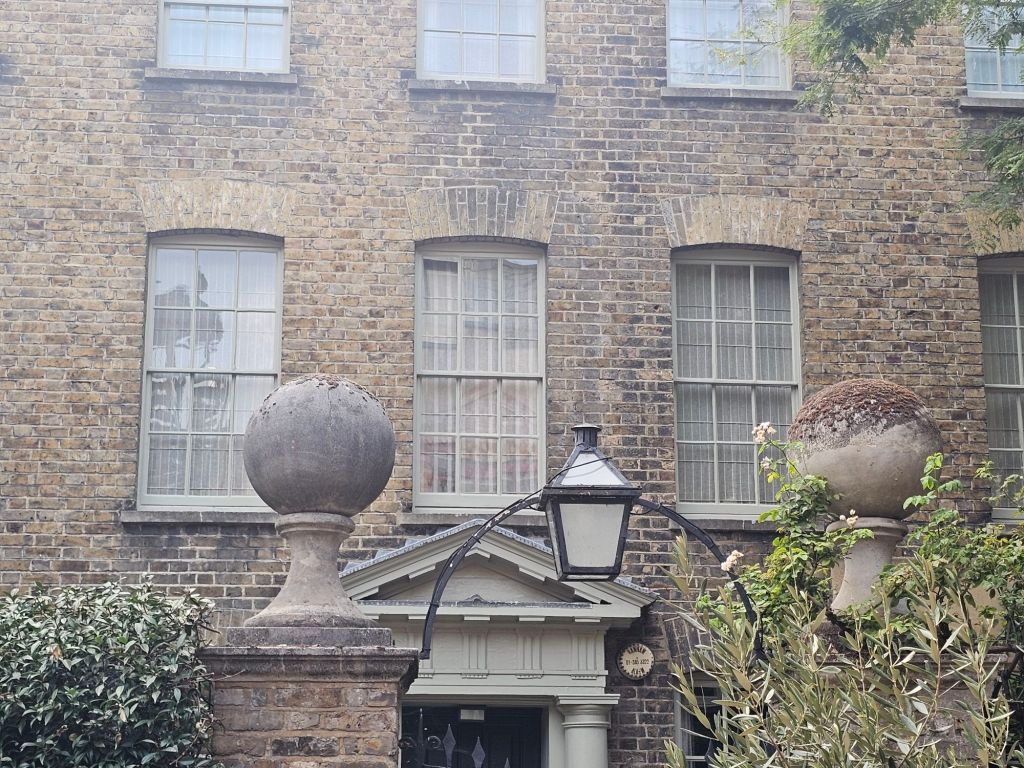
One of the pleasures of going to see the Anderson House was that it is in a part of Fitzrovia I did not know – an unexpected residential area west of Charlotte Street with good late nineteenth-century housing blocks:-
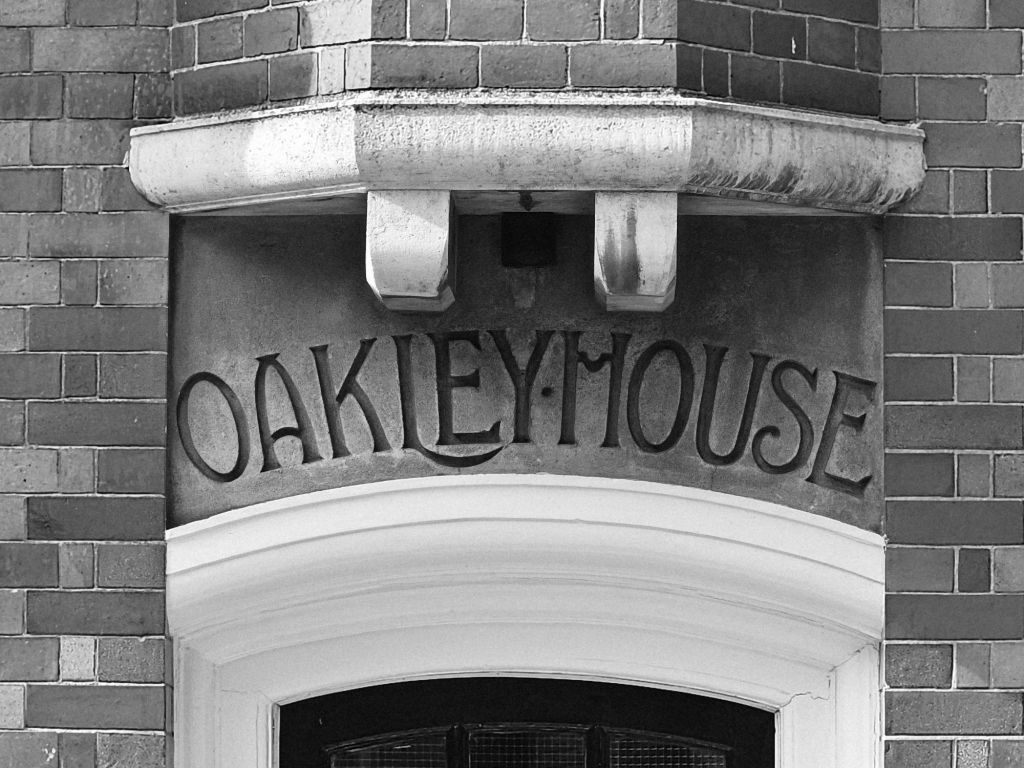
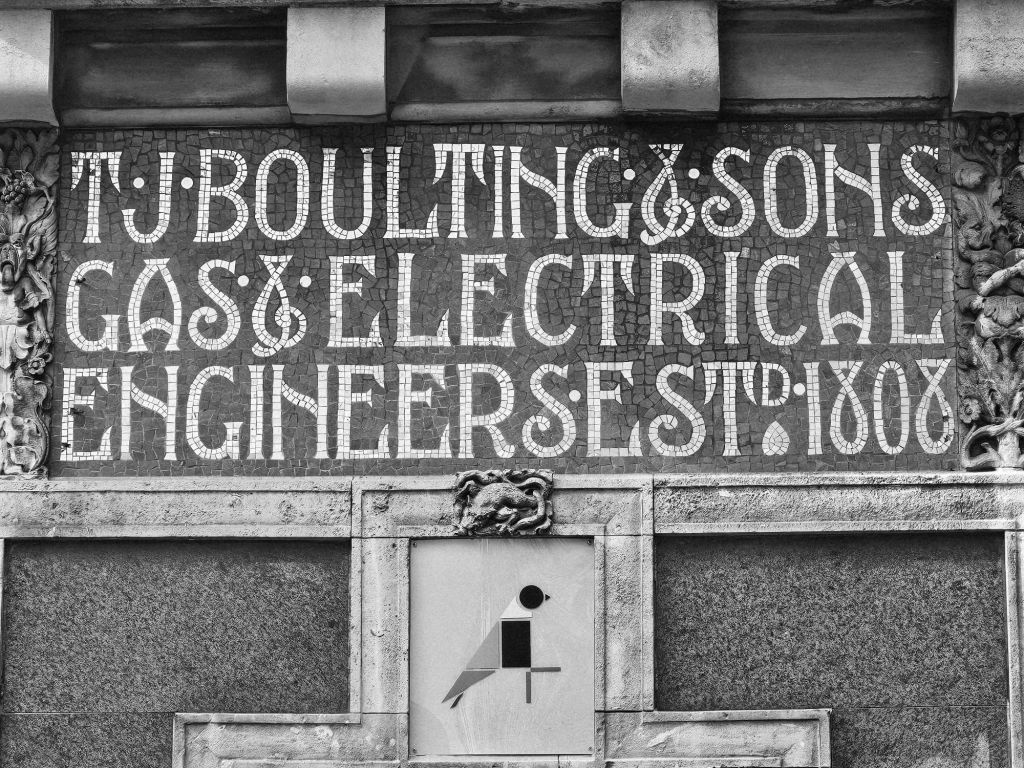
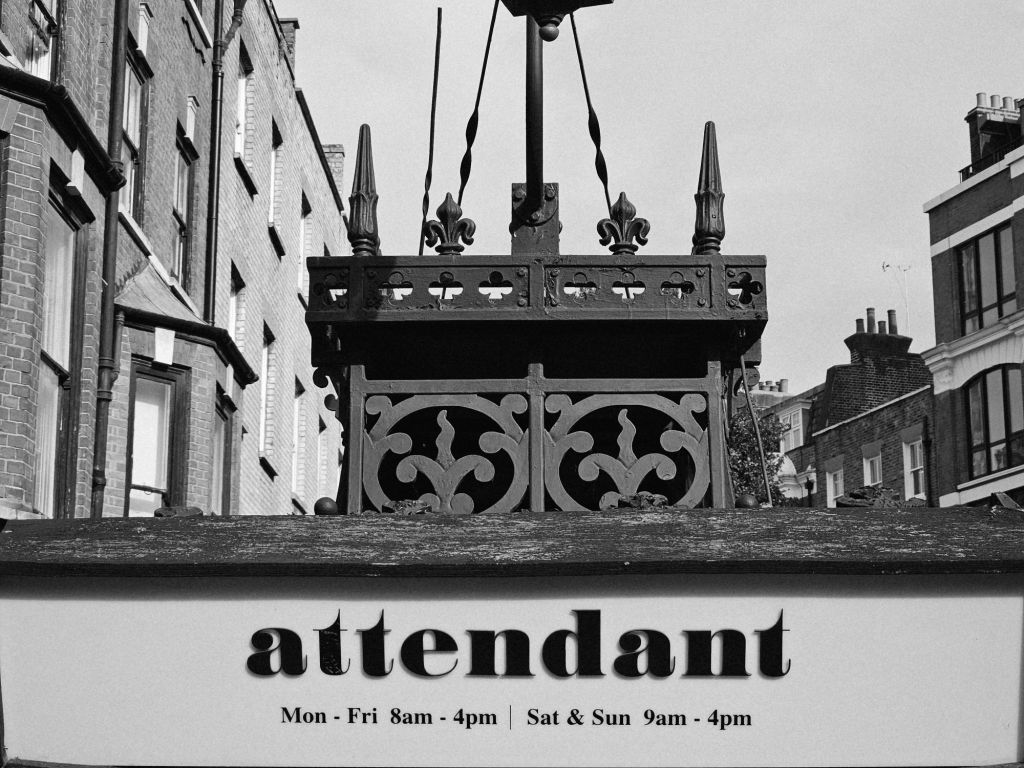
I remember seeing pictures of the Anderson House by Jamie Fobert when it was first completed in 2002 (it was long-listed for the Stirling Prize).
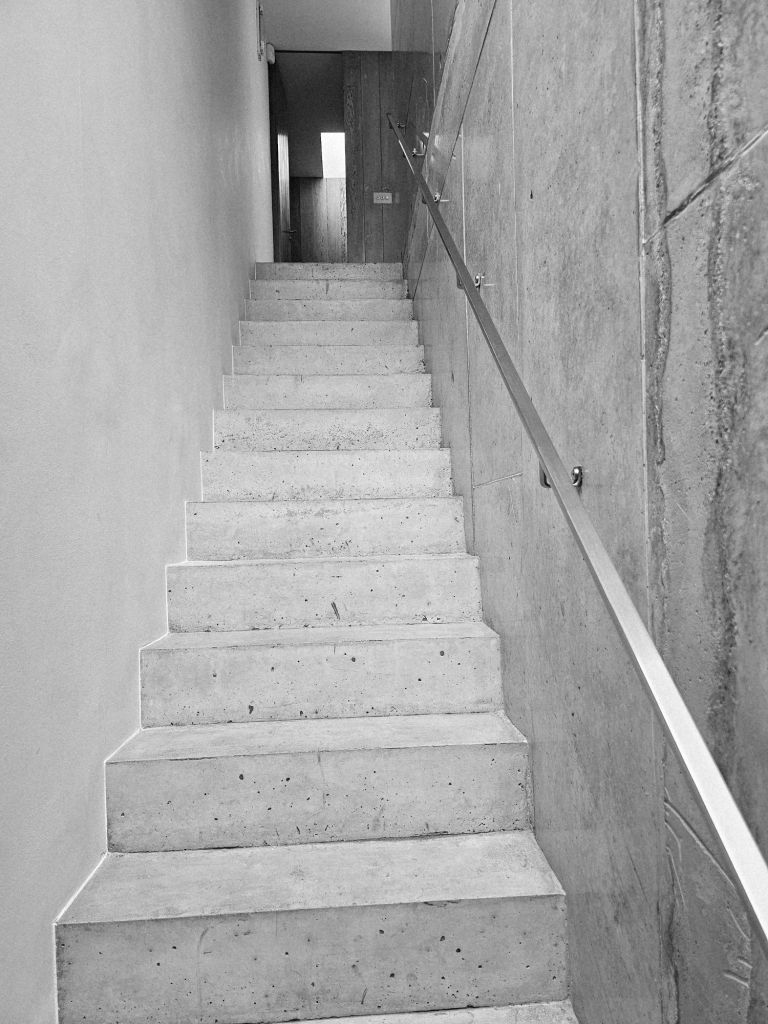
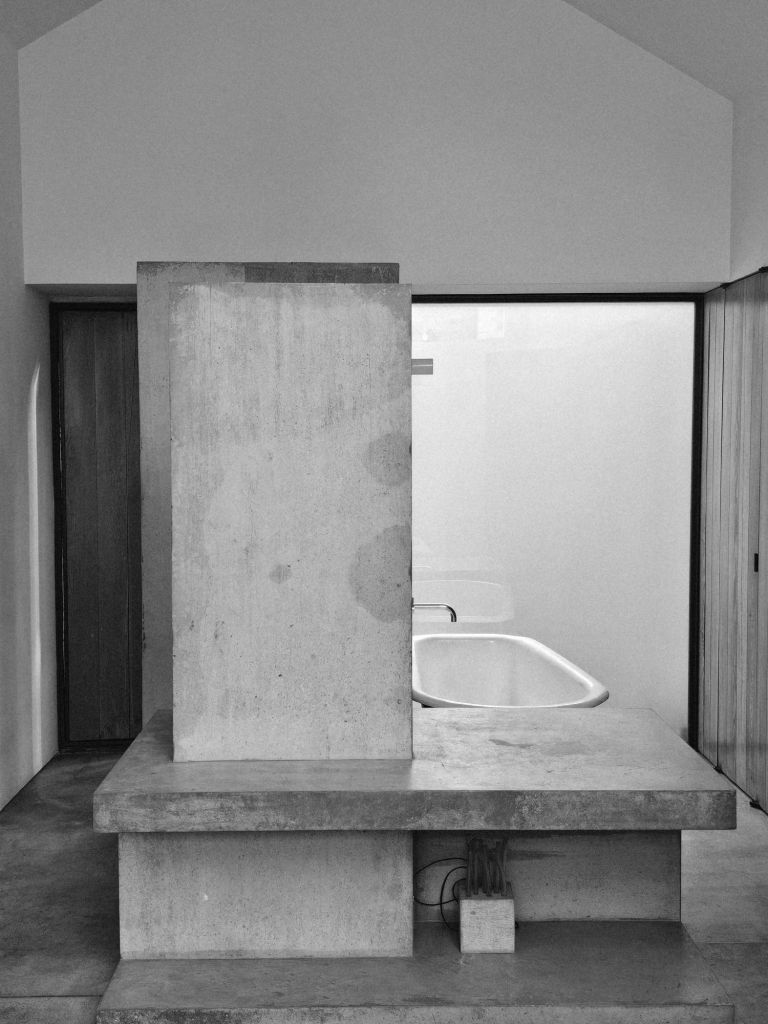
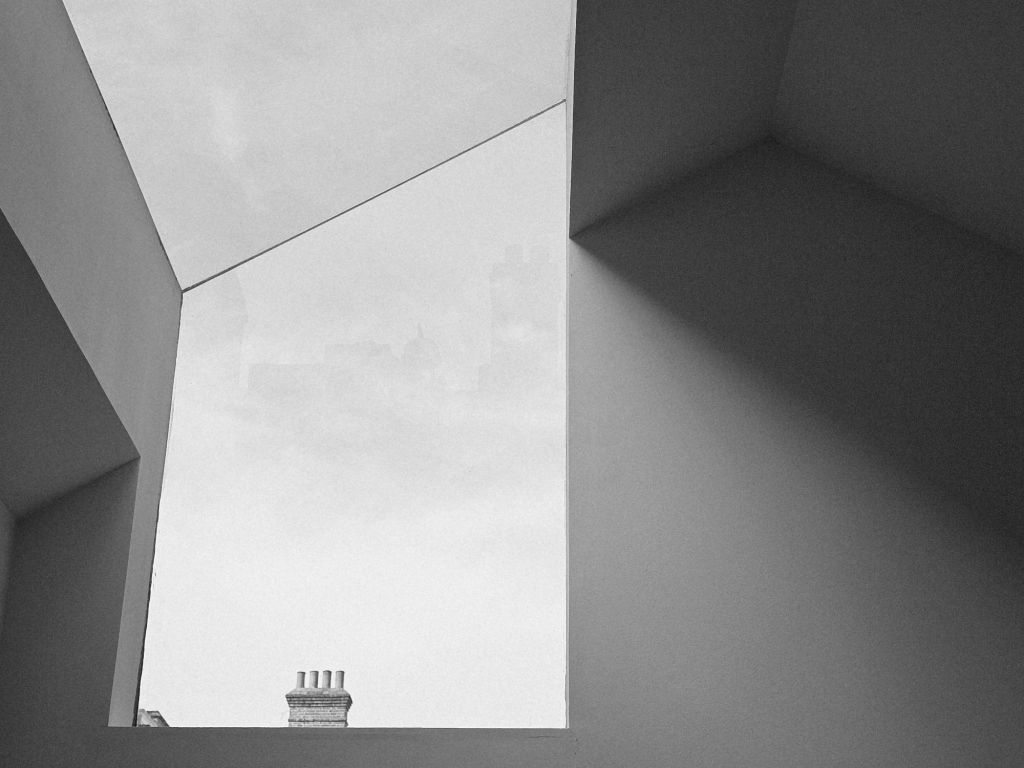
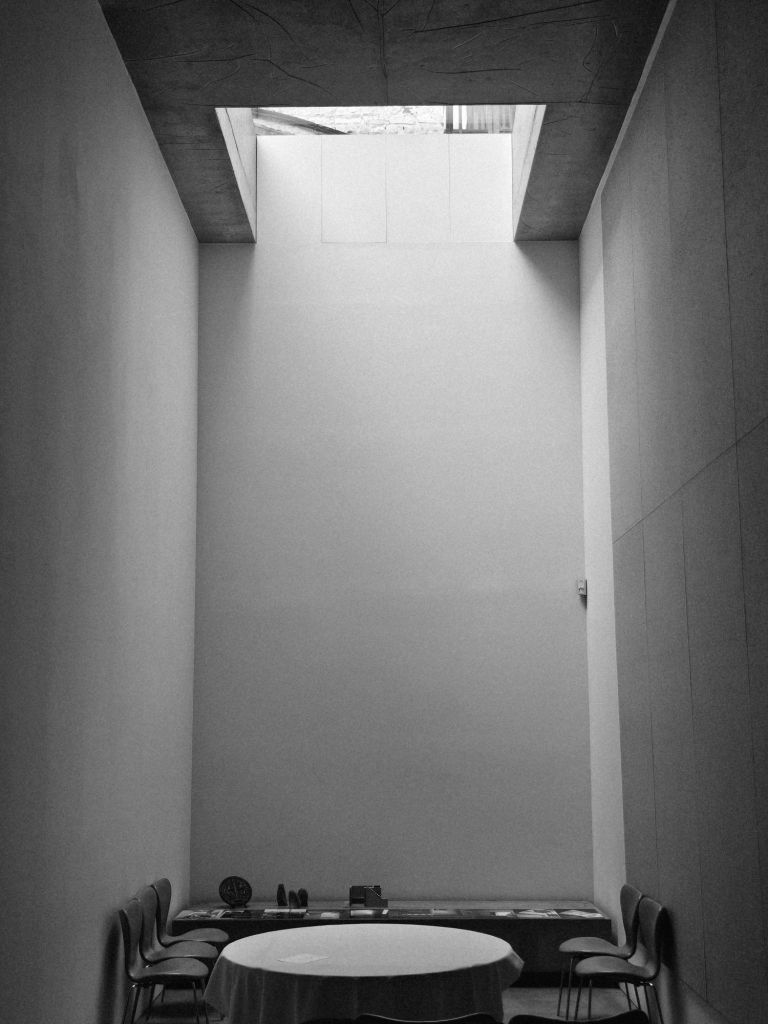
It’s quite something – created in an inhospitable courtyard space near the BBC:-
I find that I have only taken photographs of the wonderful woodwork in the church at Walpole St. Peter:-
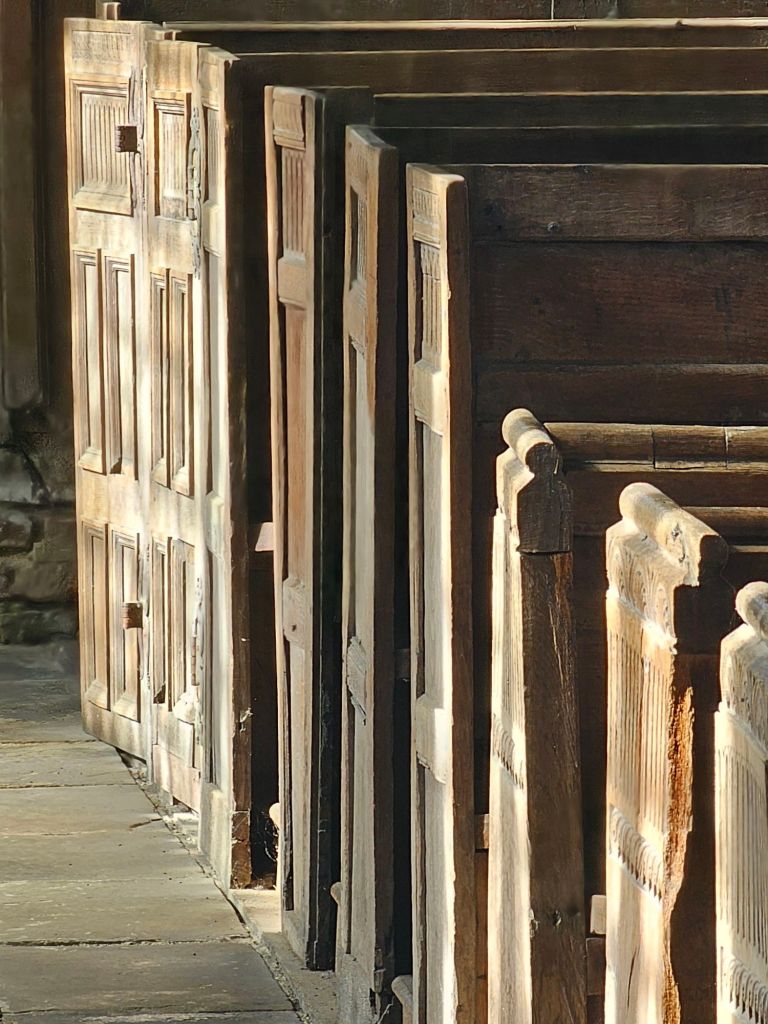
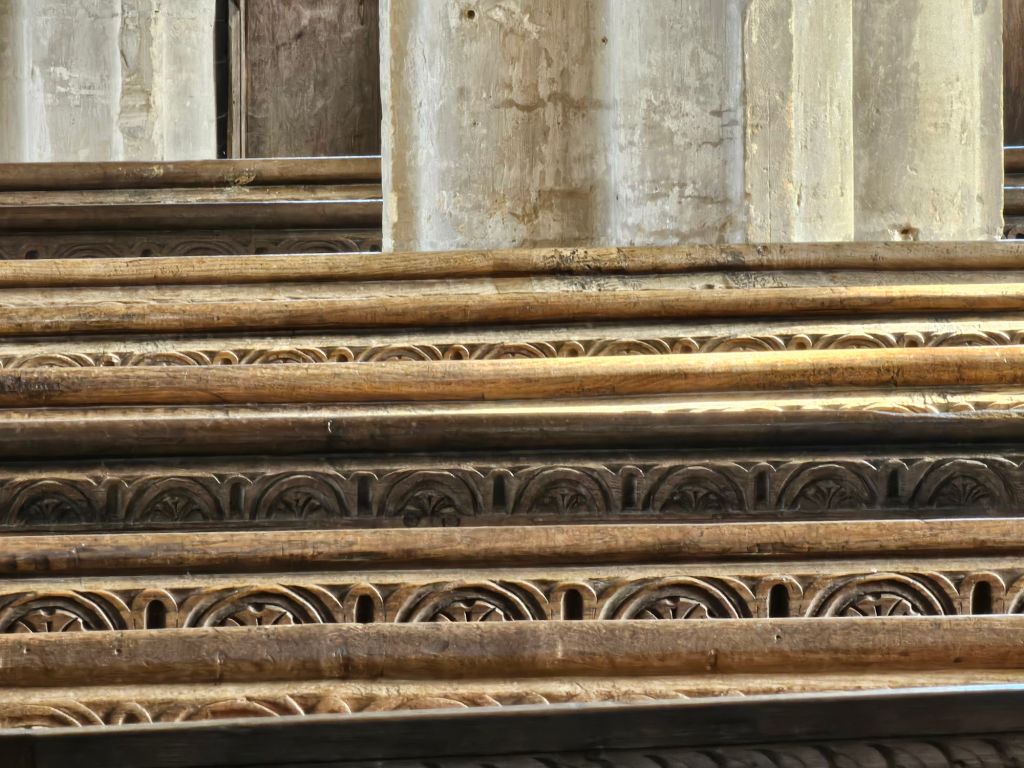
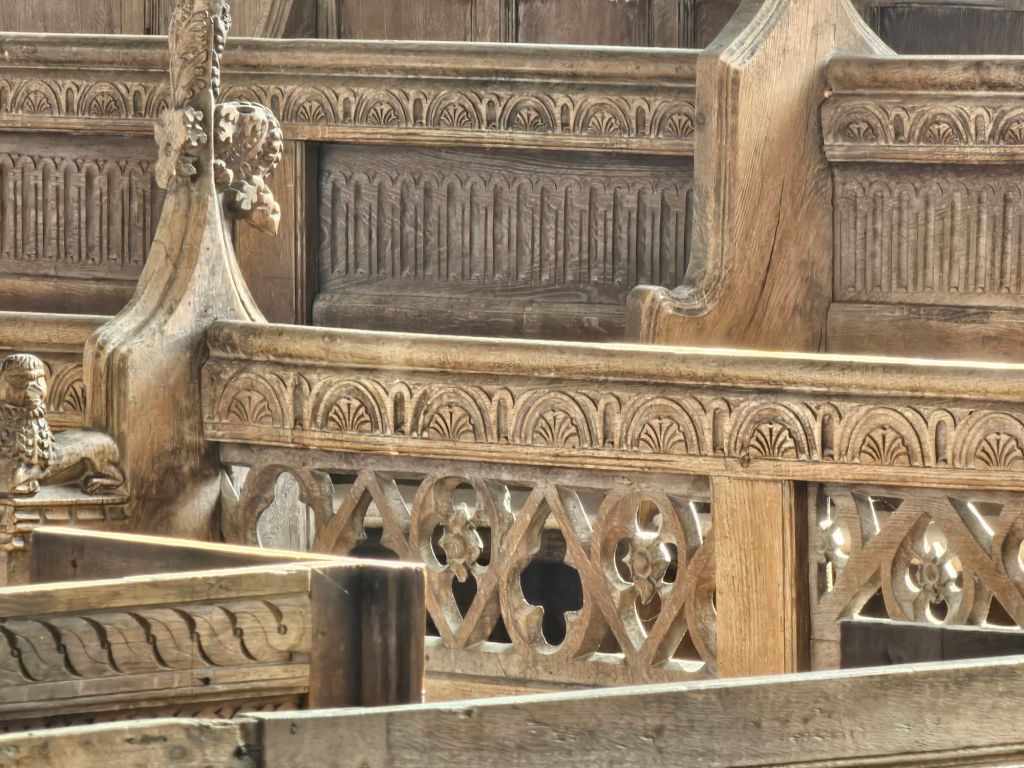
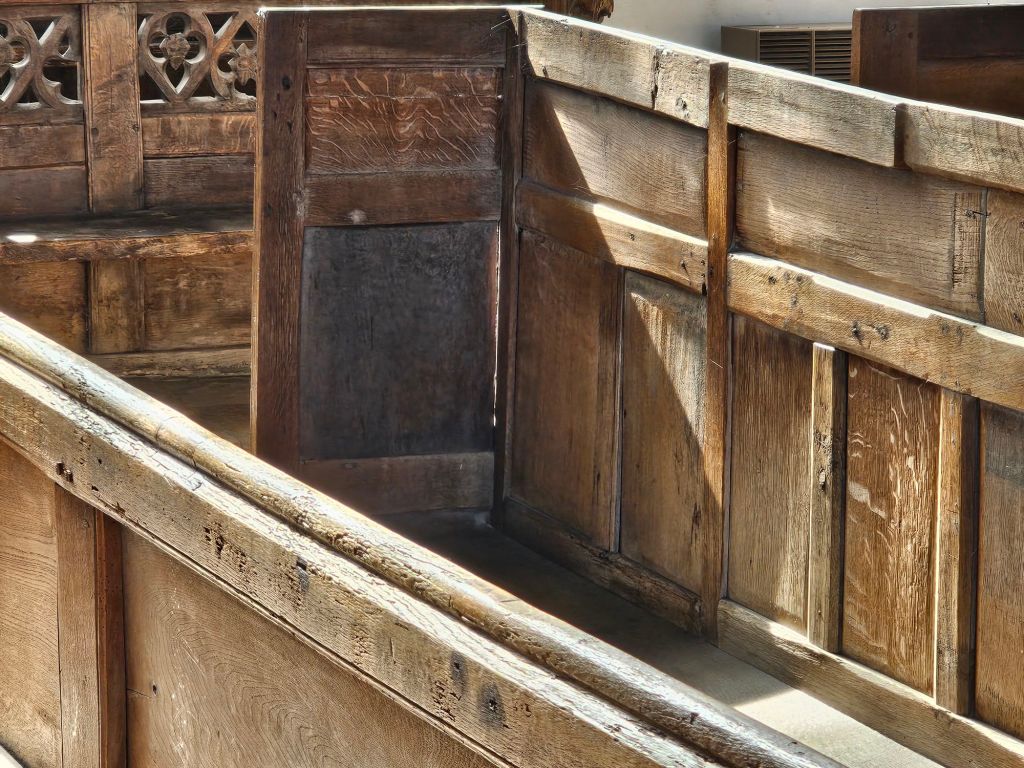
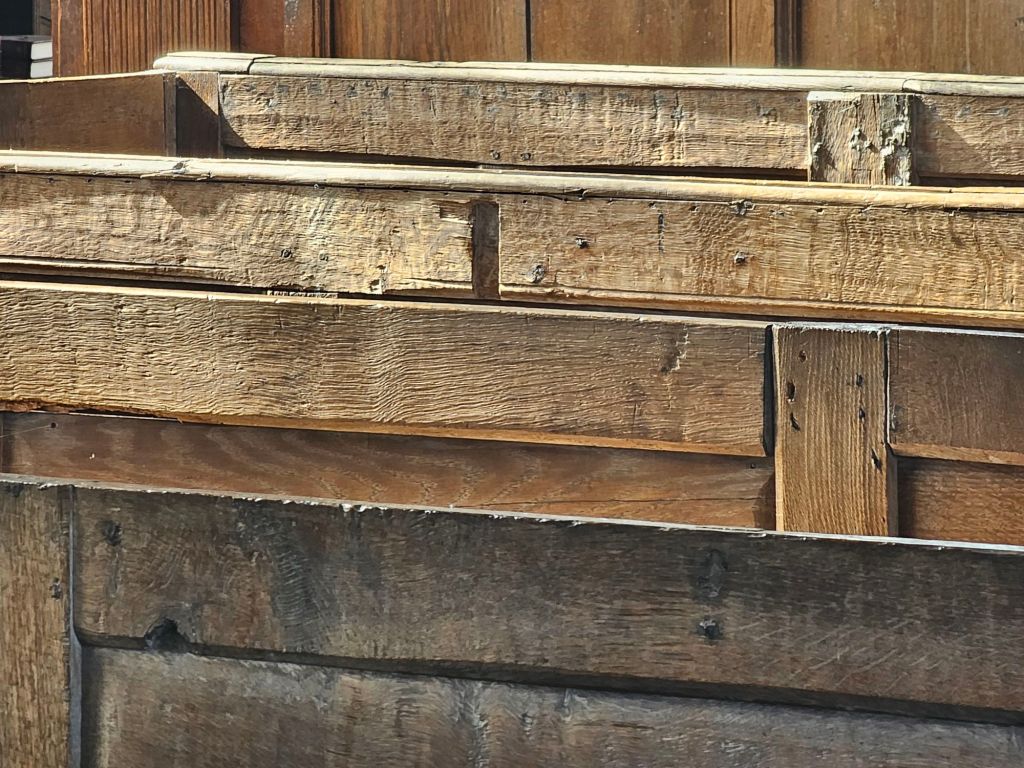
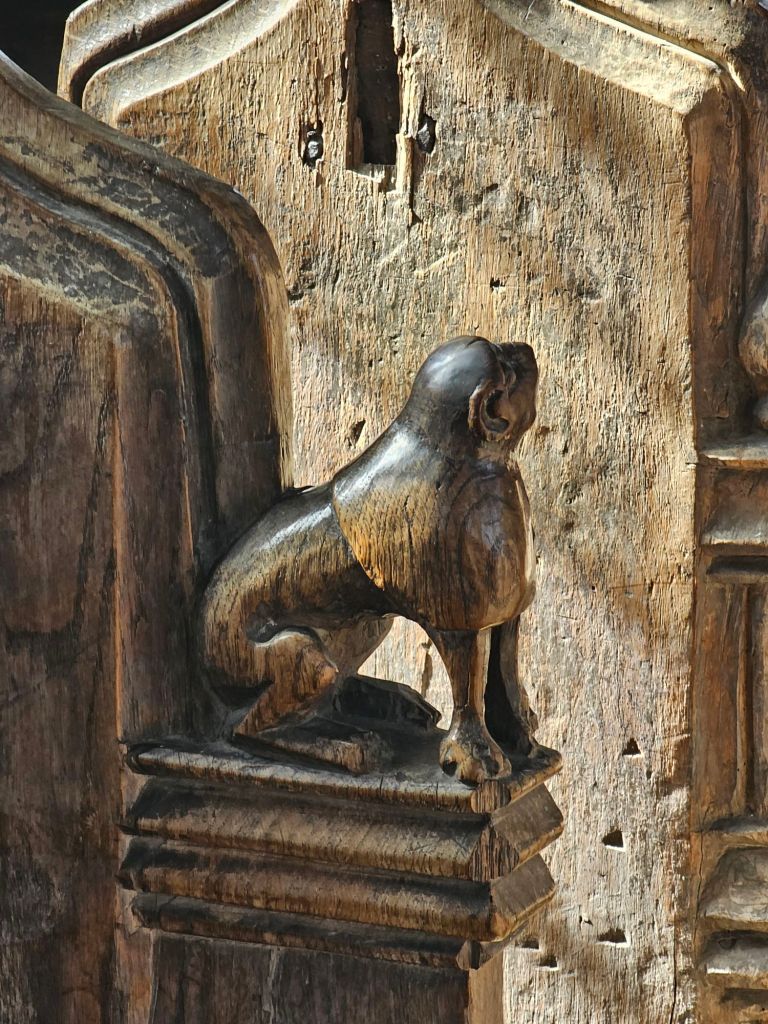
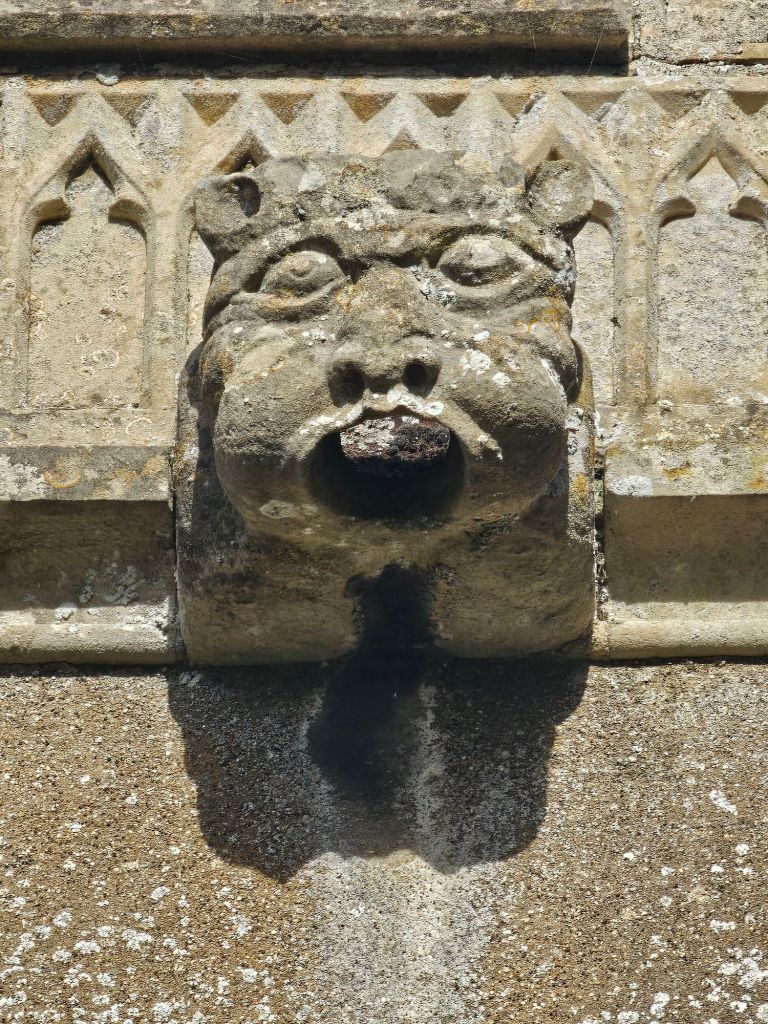
It’s a beautiful church – so light and airy, so large and well preserved:-
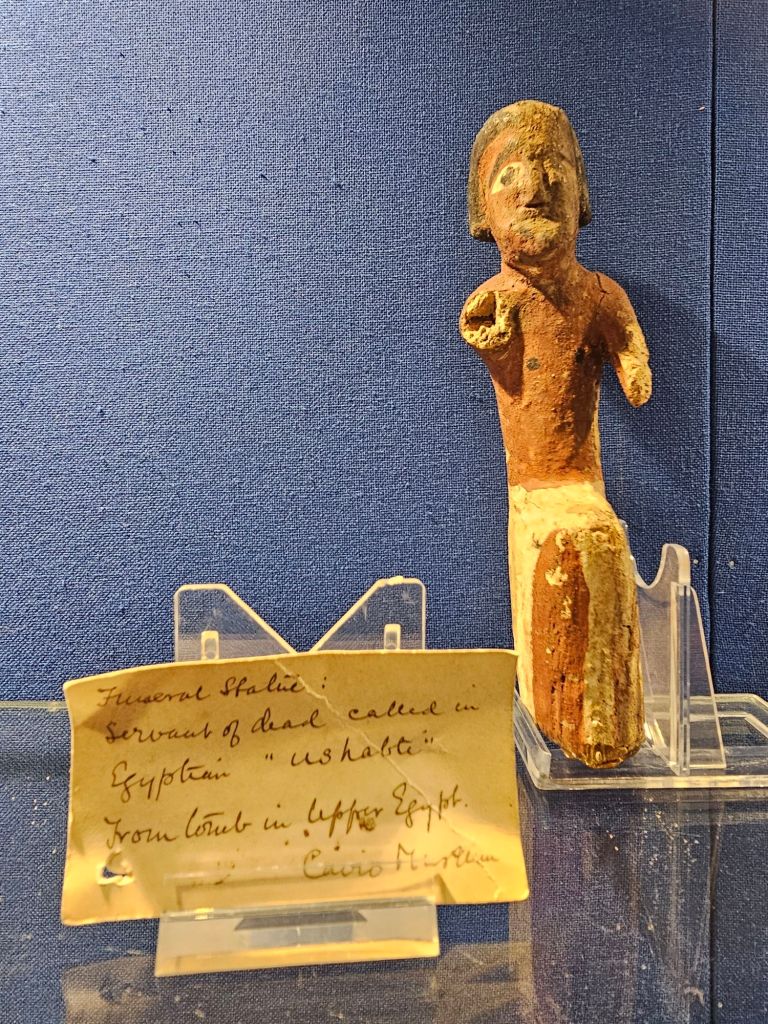
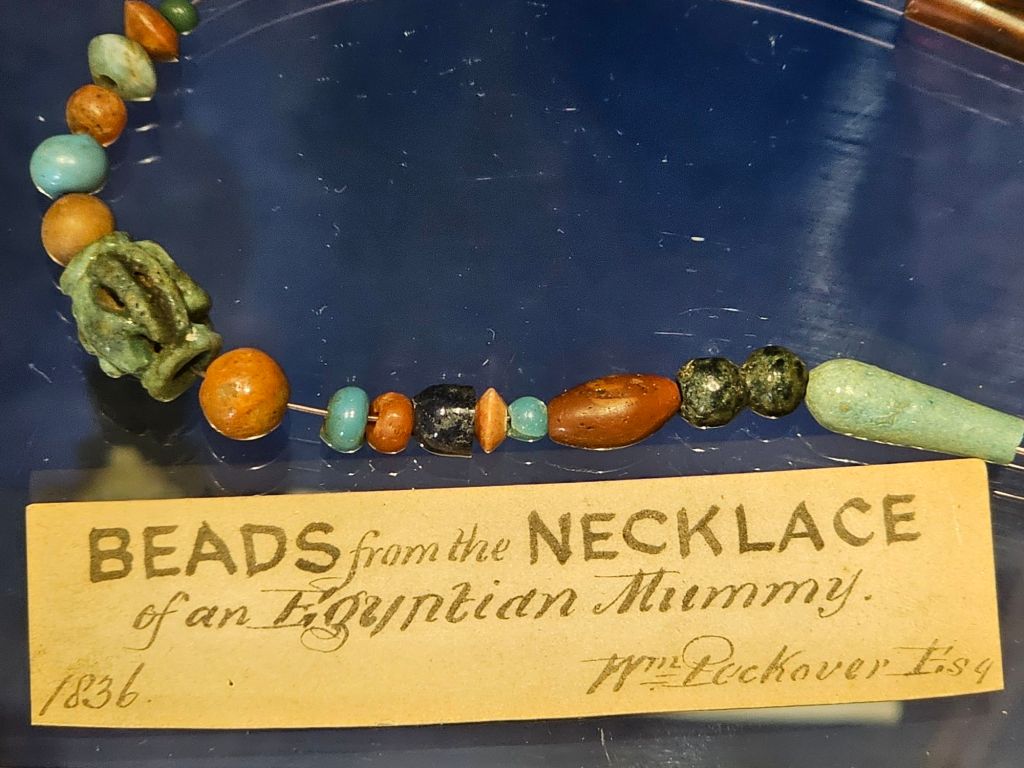
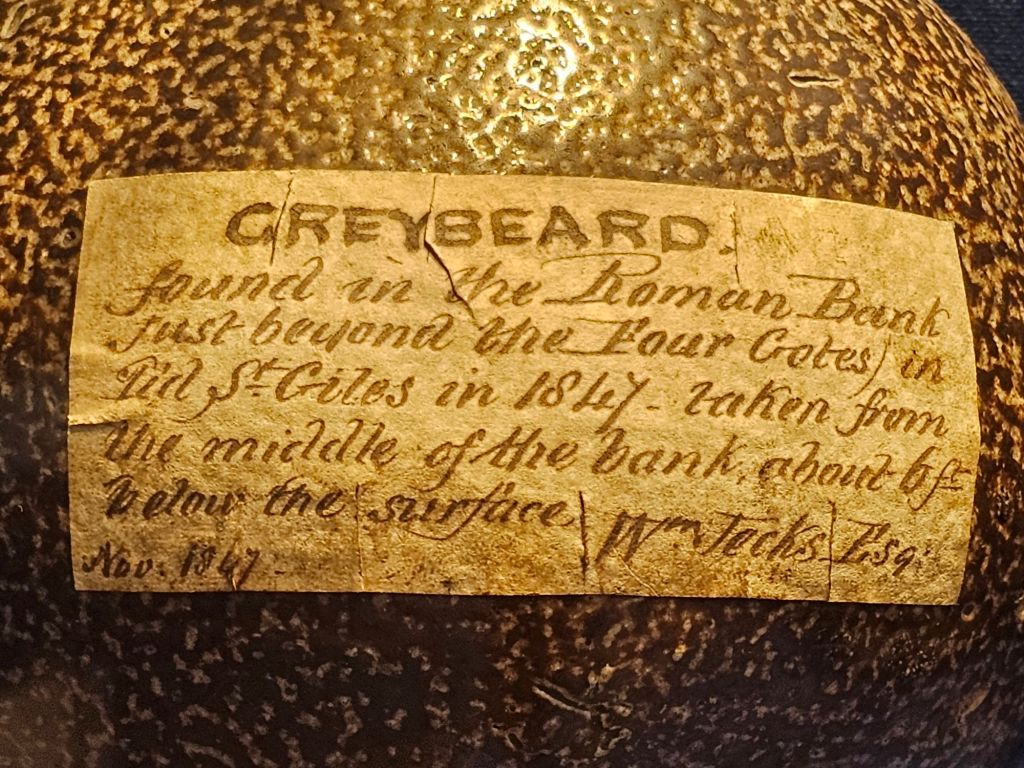
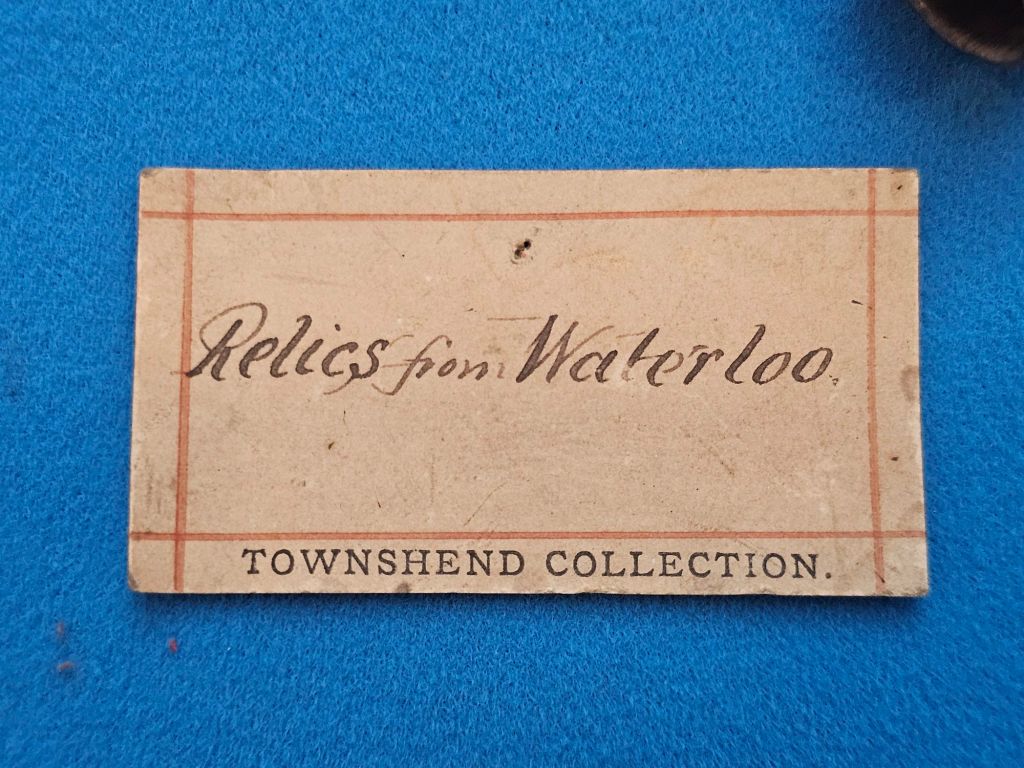
I’ve always wanted to go to the Wisbech Museum, one of the best preserved local collections, originally opened in 1835, with an entrance fee of a shilling. It now costs £5 for a year. The current building opened in 1847. and it still has its original display cases:-
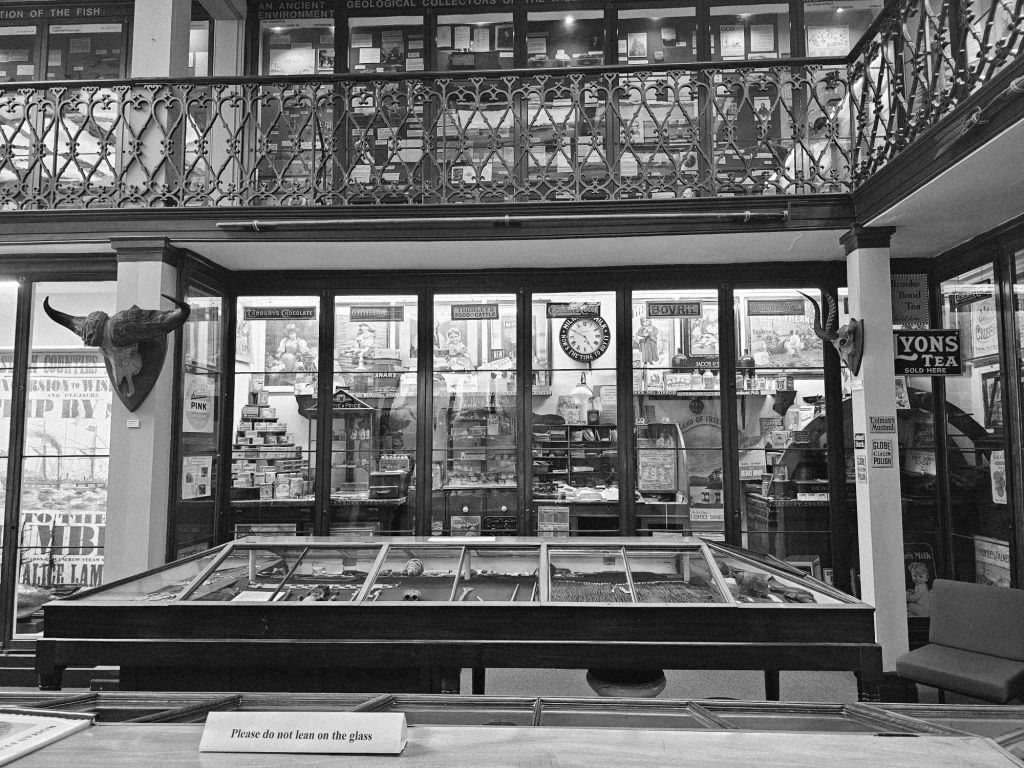
I was struck how well the displays stand up, with thoughtful, well written labels and some surviving historical labelling as well:-
Go if you can.
I went to the second launch of my nephew George’s book, The Romance of Classicism, in which he talked about his work as a designer of new country houses in a self consciously Palladian style, but with an occasional dash of Soane.
I kept on thinking of a famous article by Howard Colvin on ‘Gothic Survival and Gothick Revival’: that is, how much of his approach to classicism is the survival of the tradition and how much a conscious revival ?
He started his talk with an image of his grandfather, Raymond Erith’s, house at King’s Walden Bury, a statement of classicism in 1969. Erith was trained at the AA from 1921 to 1926, so just pre hard-line modernism. He then designed, mostly, in a style of stripped down classicism, as in his Provost’s Lodge for Queen’s College, Oxford and Great House, Dedham.
So, George’s work could be – maybe is – survival, not revival.
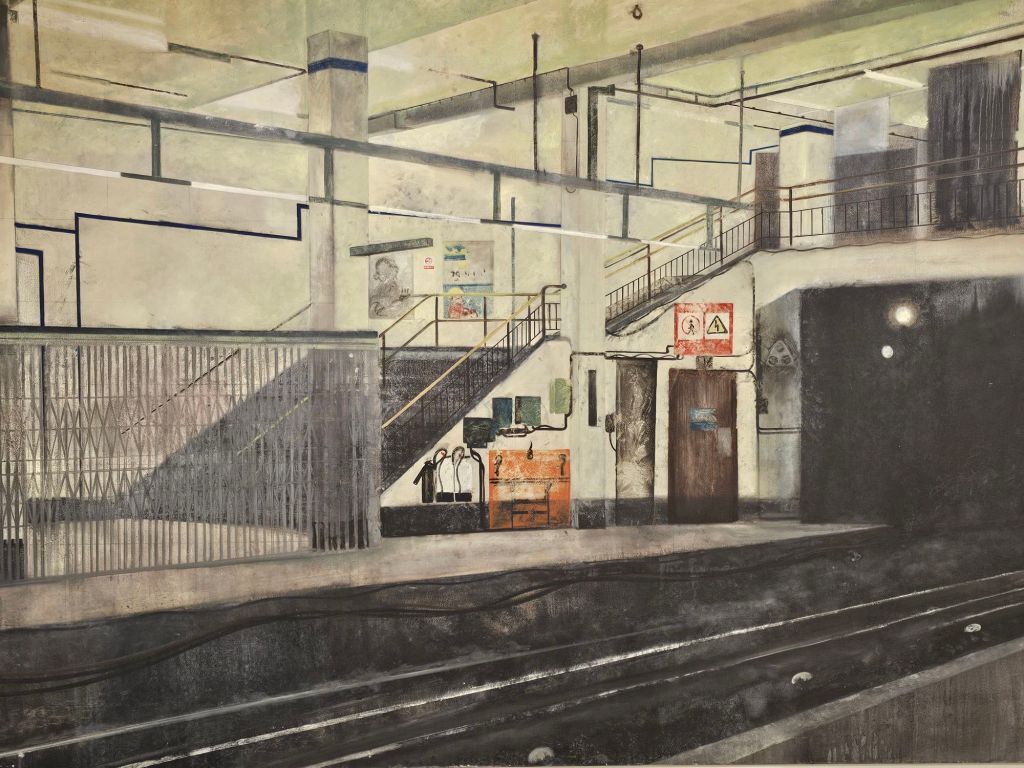
I finally made it to Jock McFadyen’s beautiful, but eerie exhibition of aspects of the London underground, accompanied by a sound track by Jem Finer of The Pogues. They go well together, real, but surreal, recorded from life, but demonstrating the essential strangeness of it all.
Here is Aldgate East:-
Next door are some of his big topographical works of East London, including Three Colts Lane:-
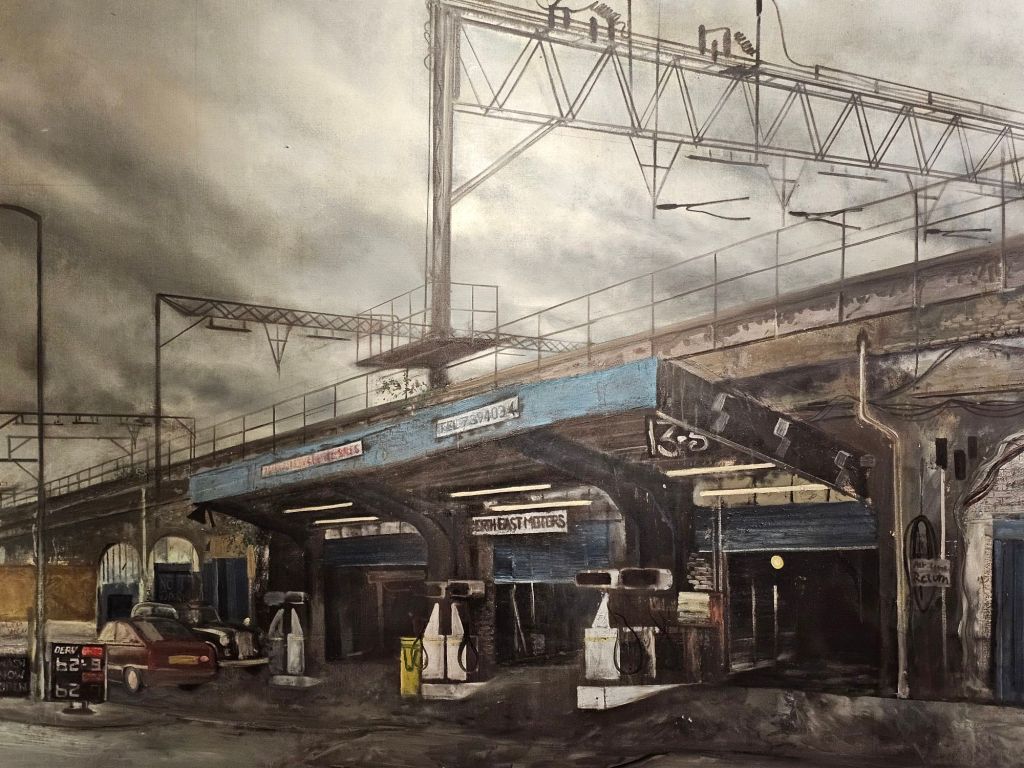
Closes Sunday.
It’s that time of year.
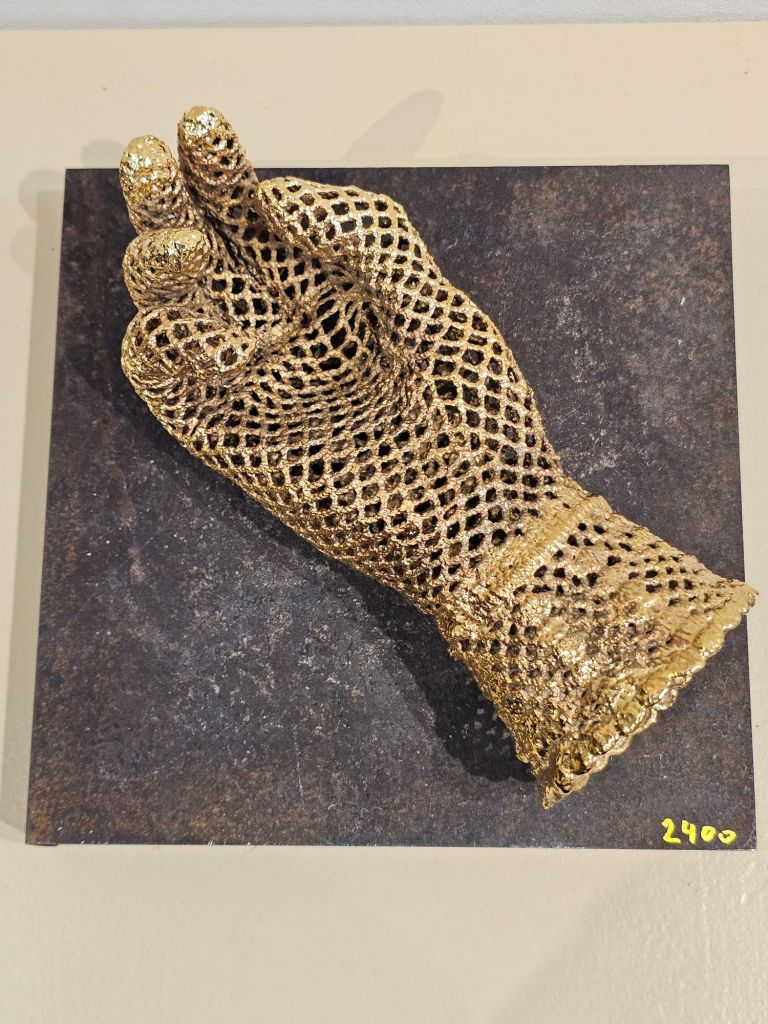
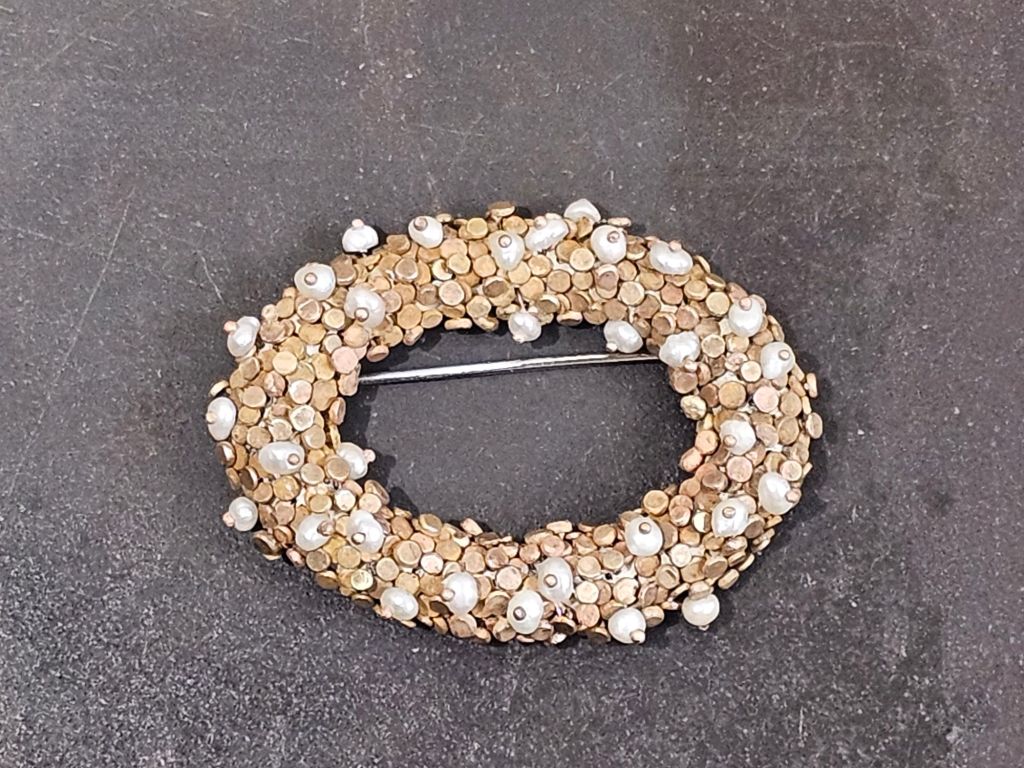
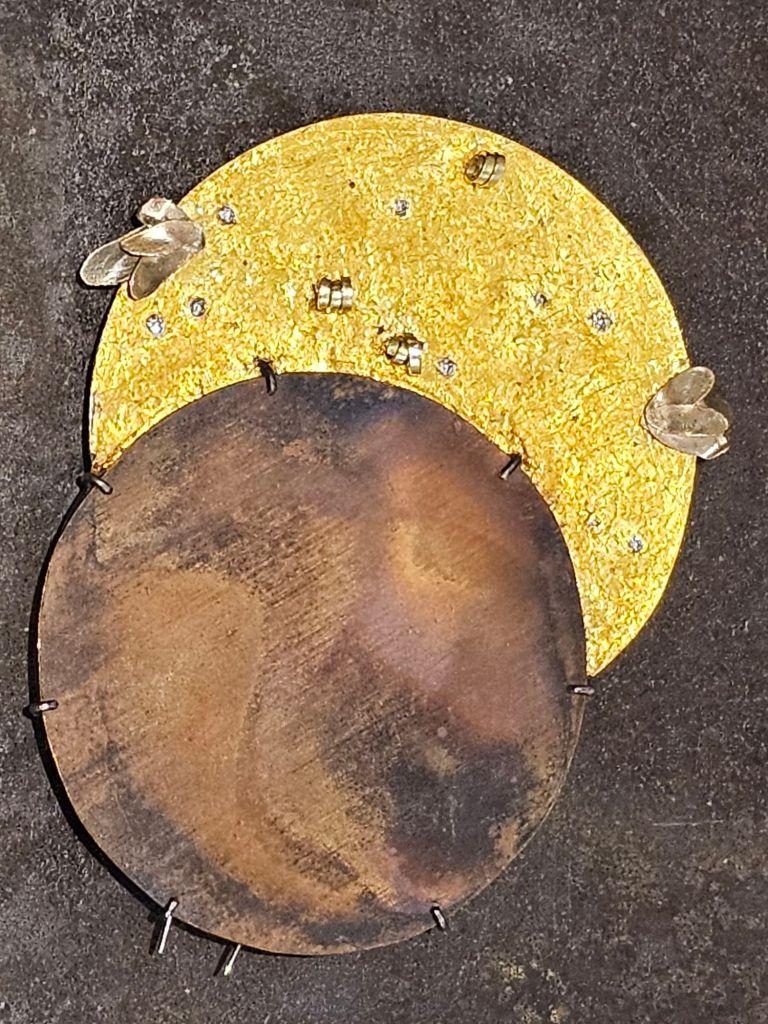
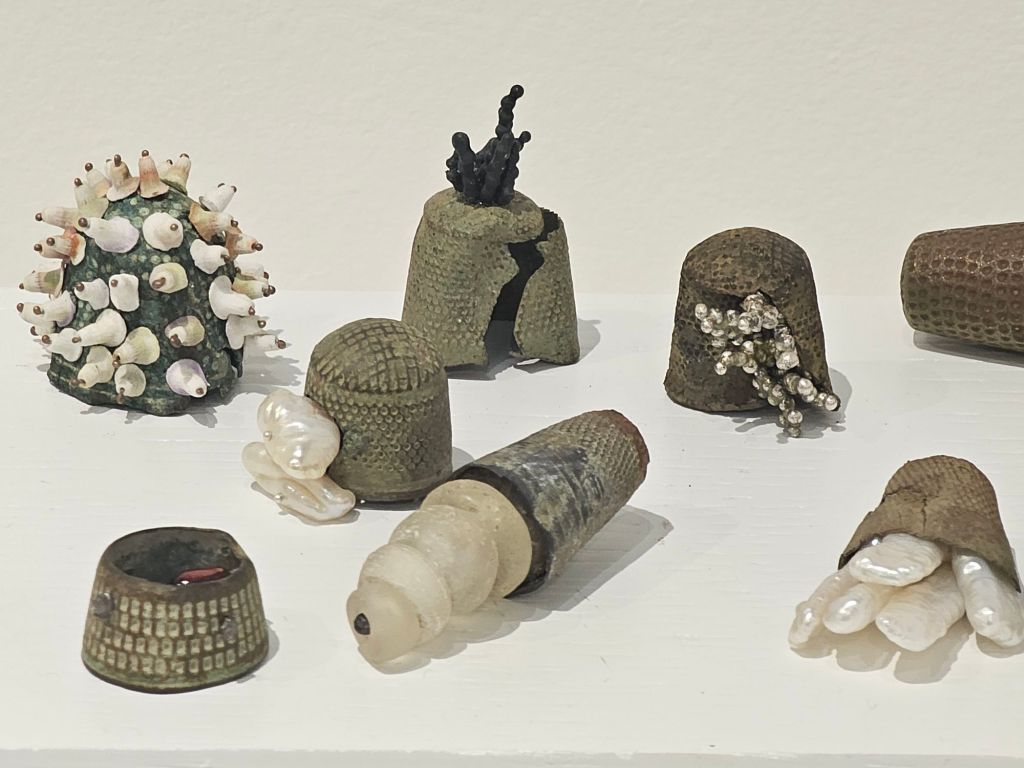
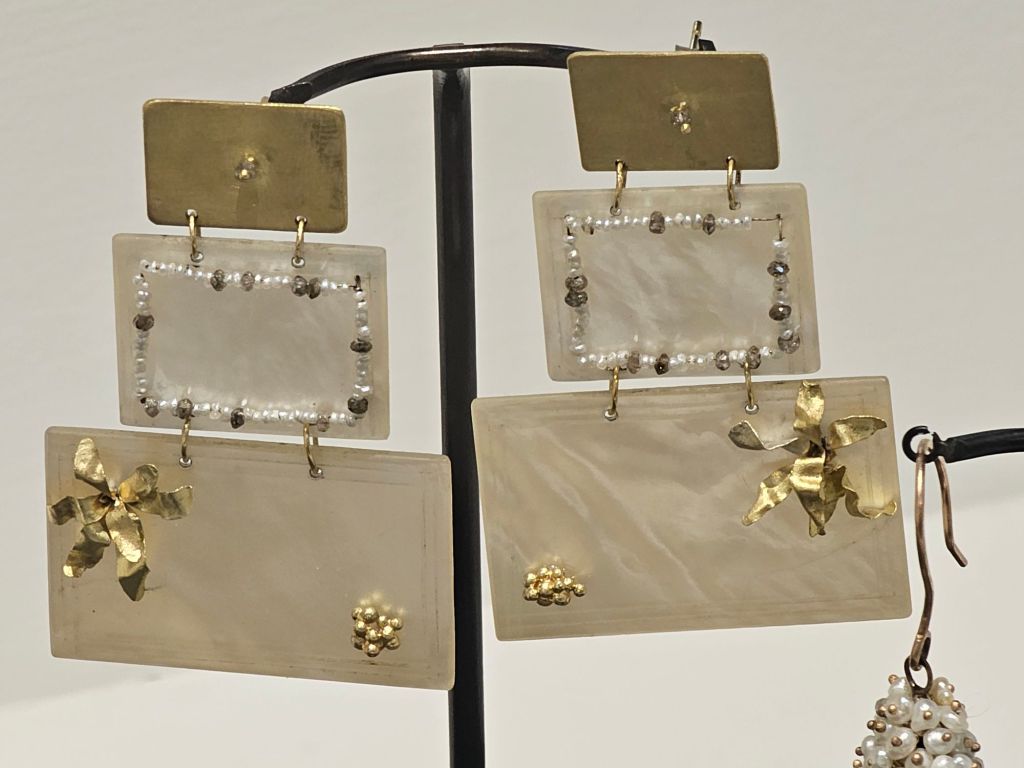
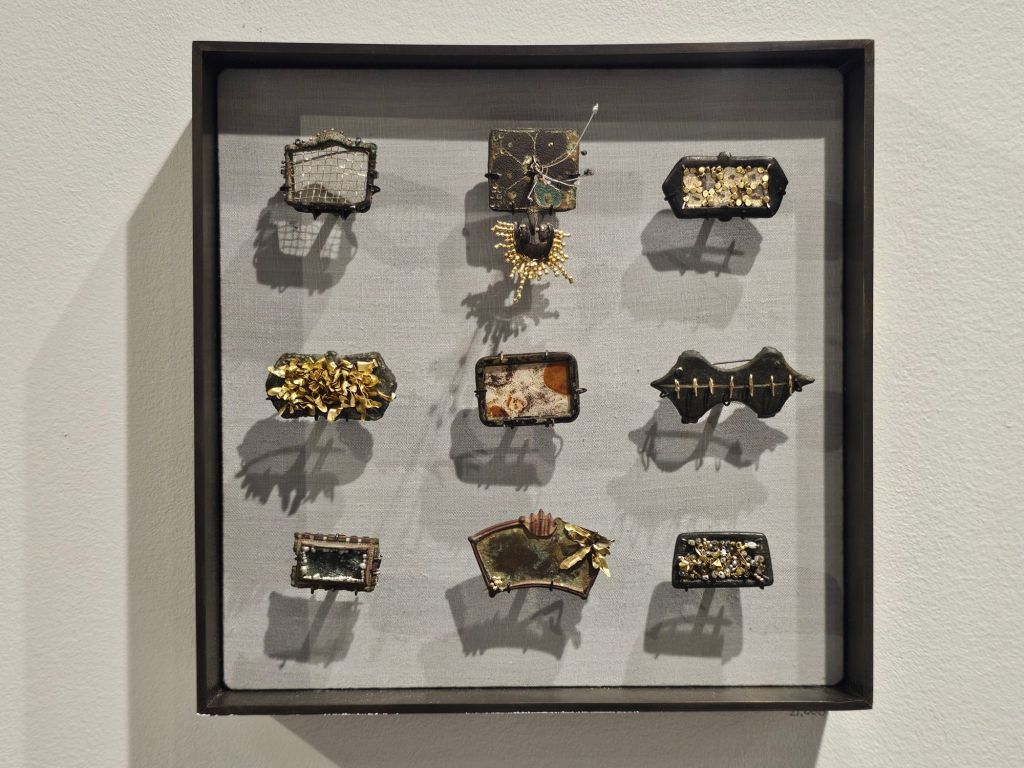
Today is the first public day of Goldsmith’s Fair:-


You must be logged in to post a comment.