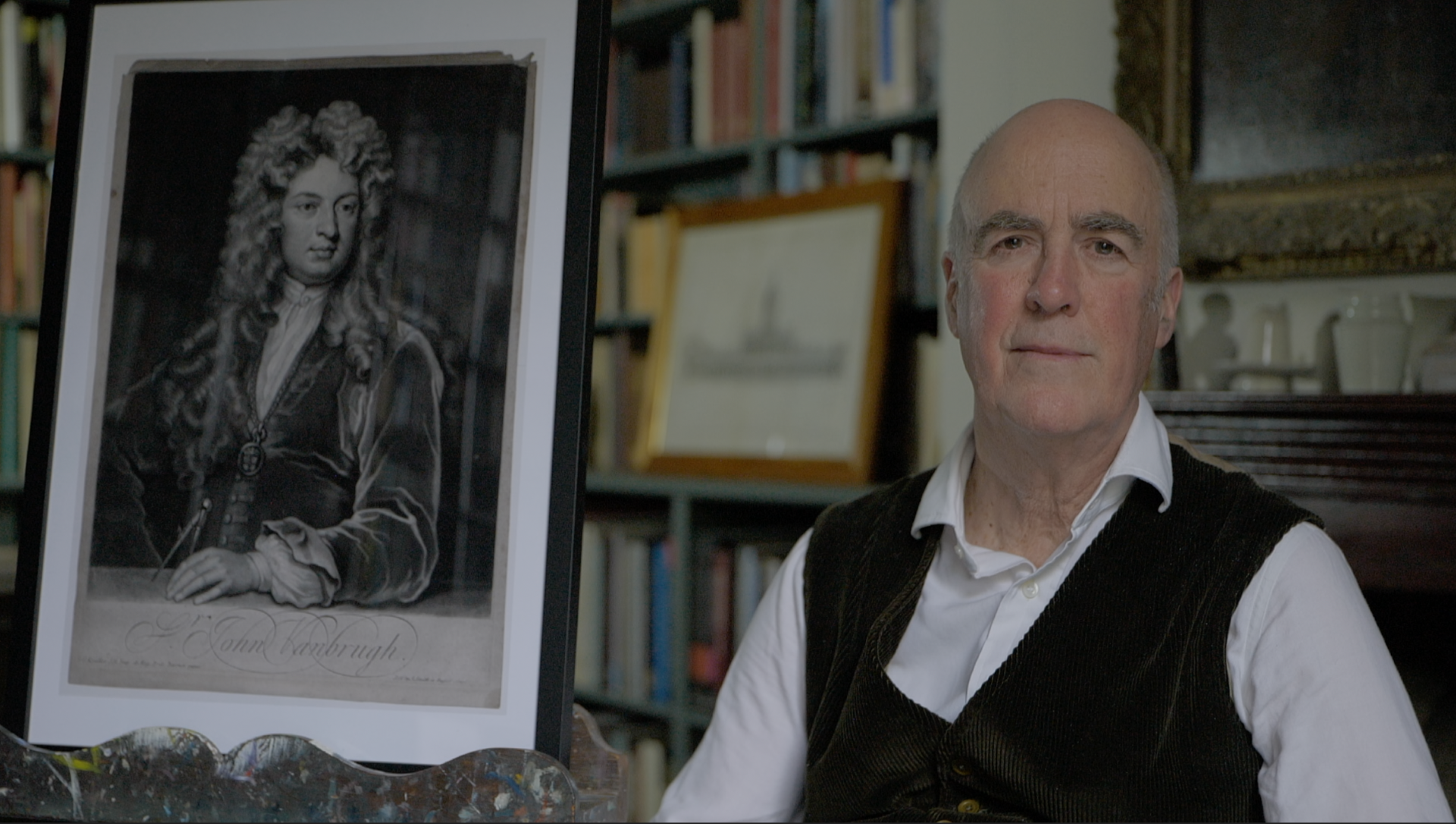
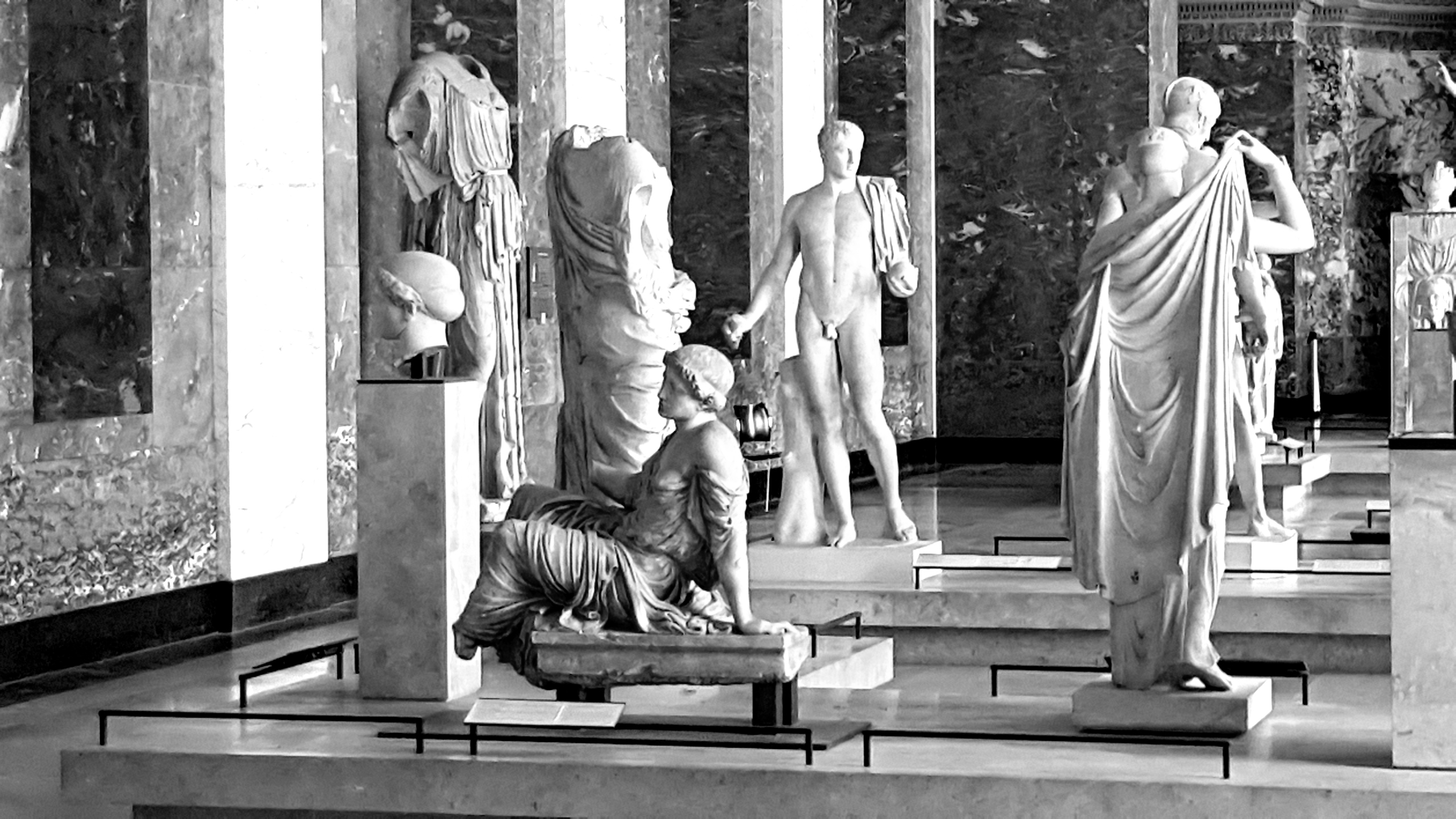
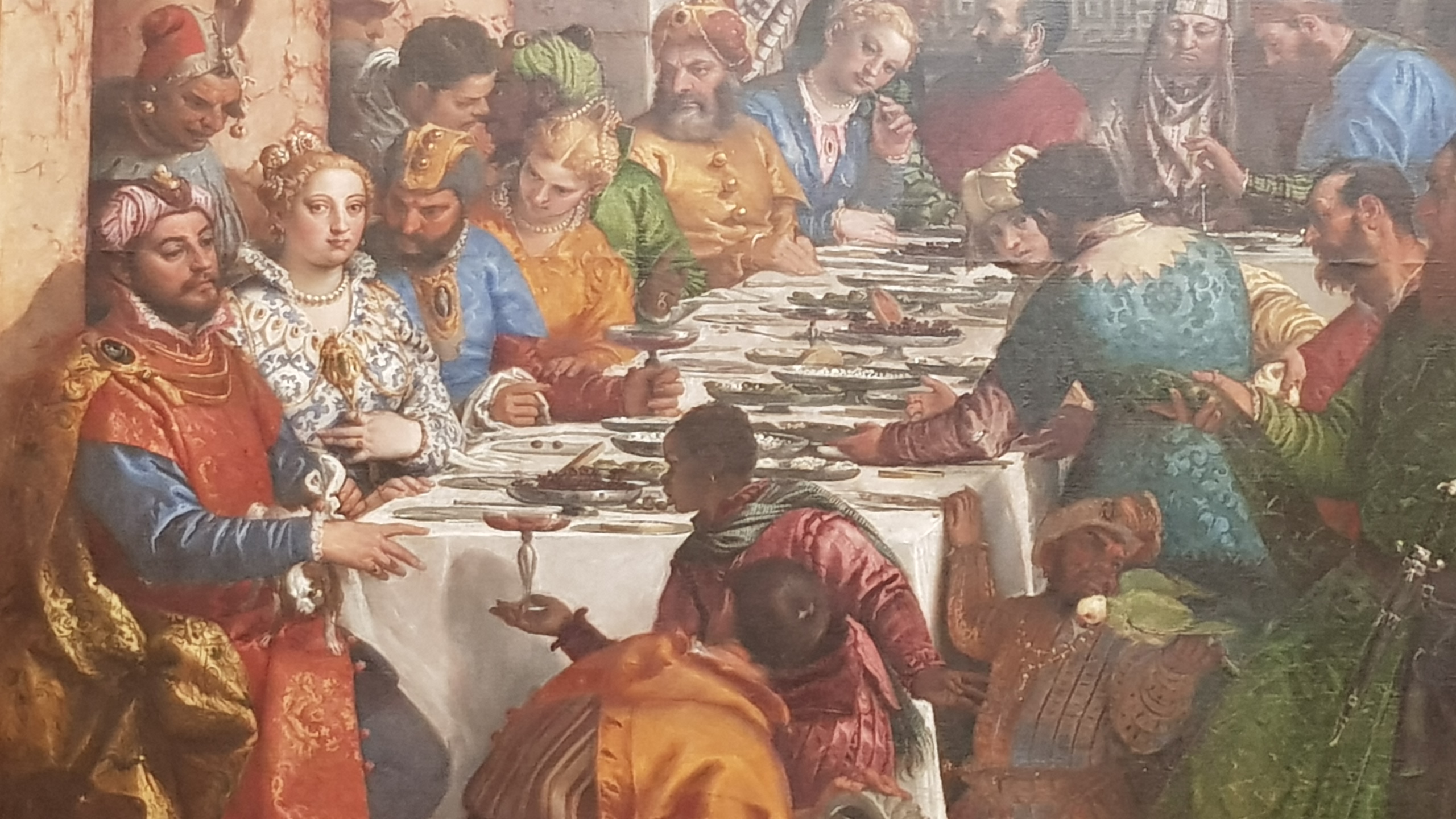
We spent the morning in the Louvre, a whistlestop tour of major works:-




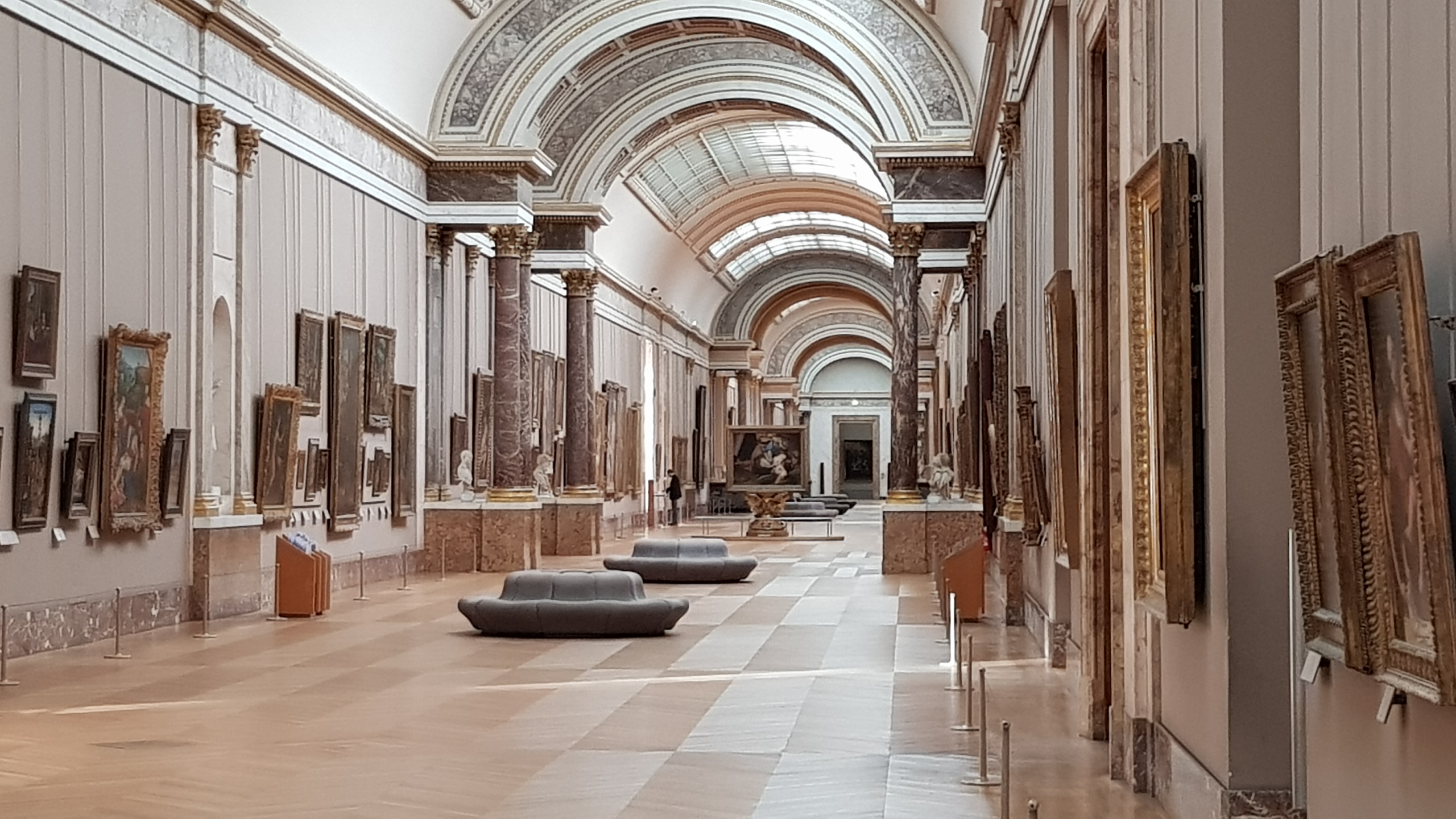
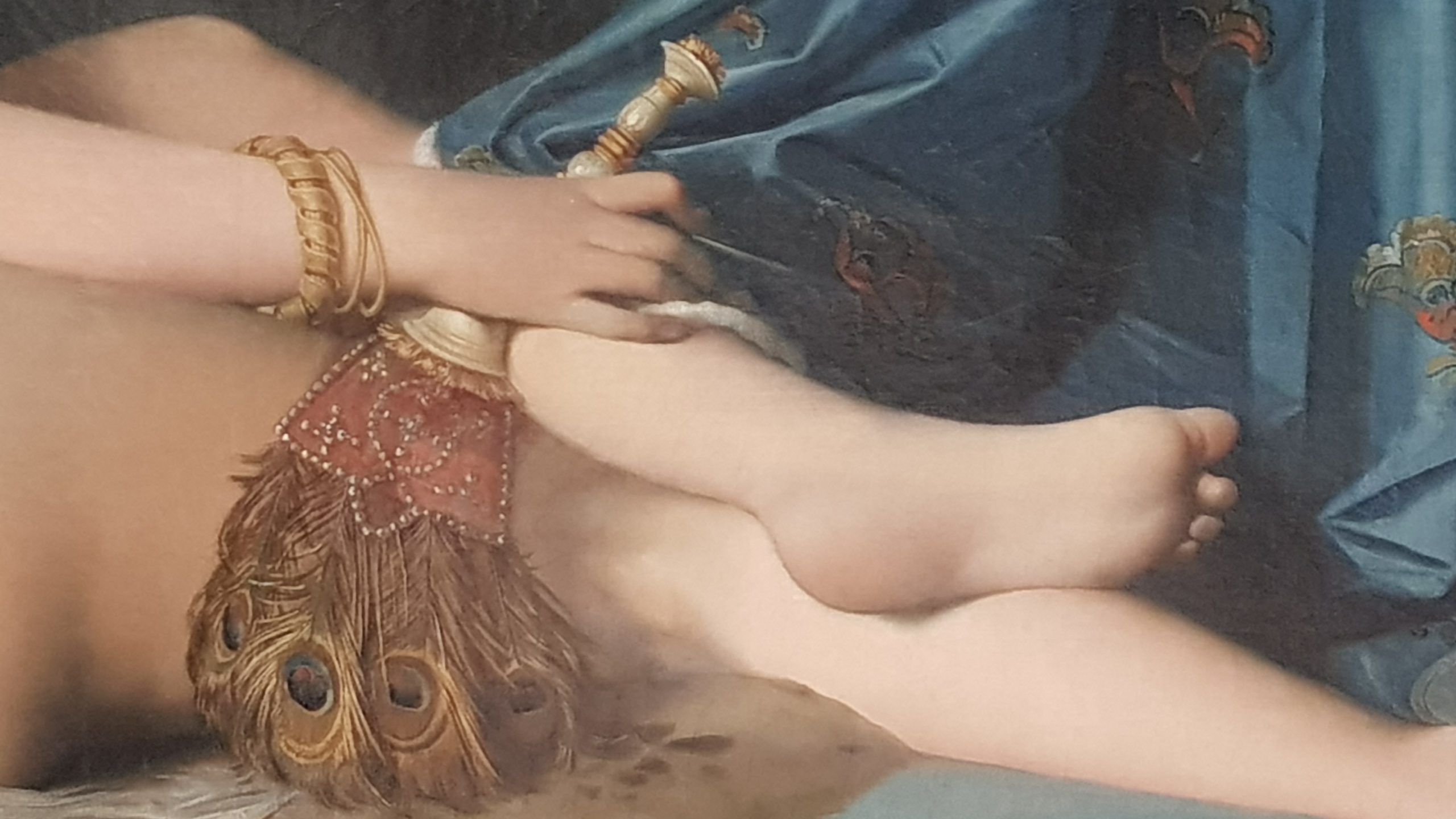
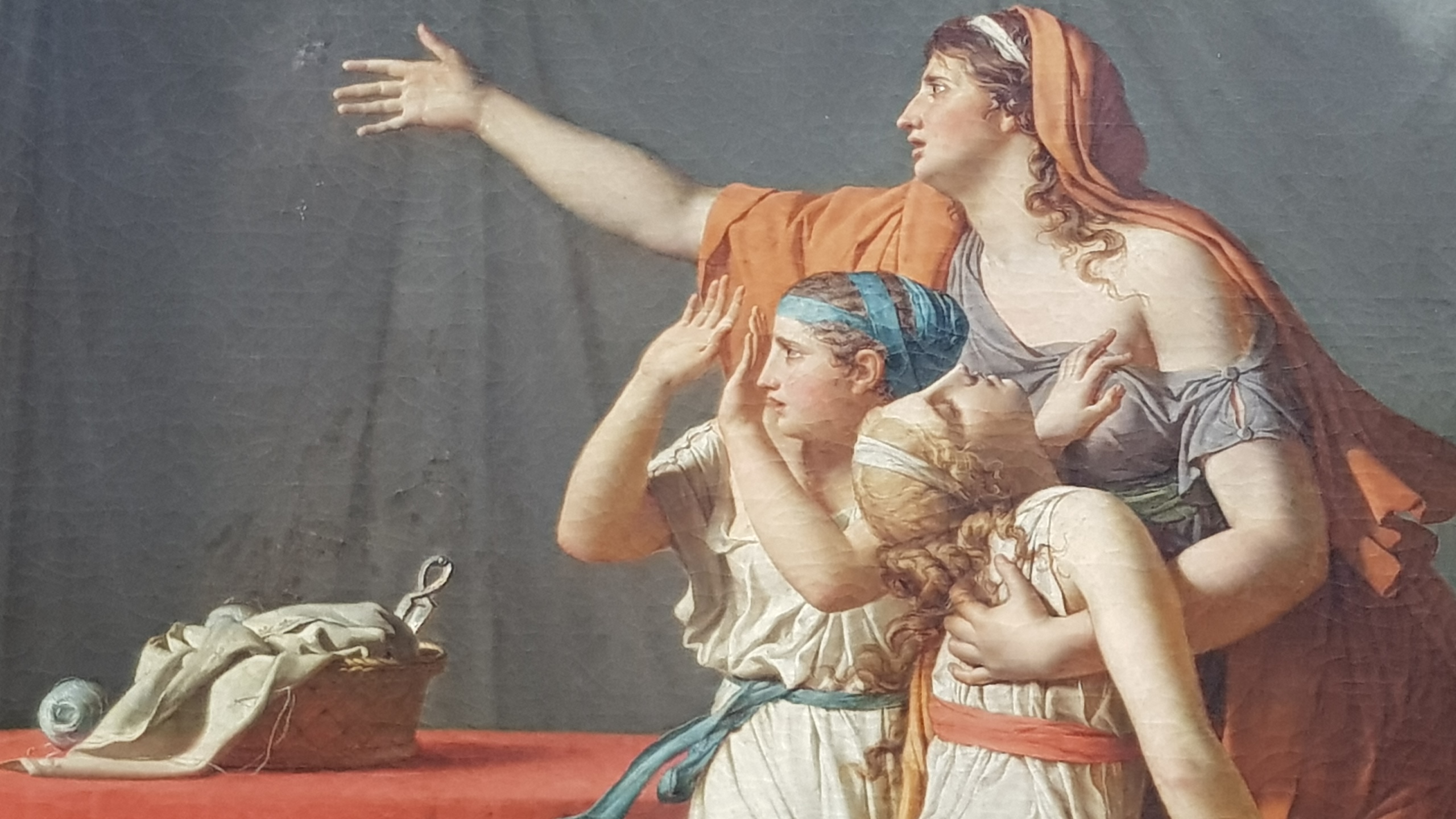
Up into the Grande Galerie:-
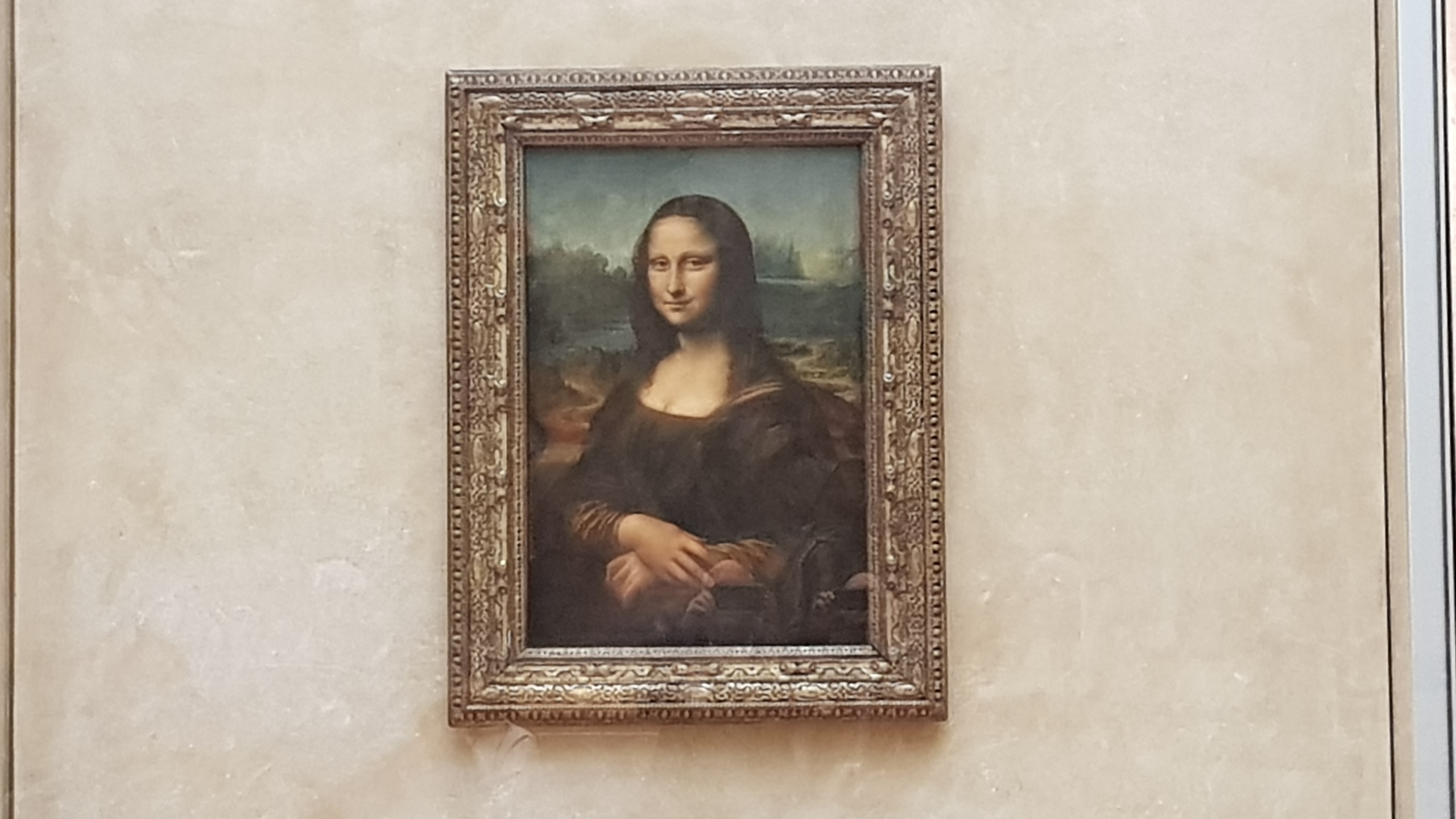



Not a bad morning.
We spent the morning in the Louvre, a whistlestop tour of major works:-
Up into the Grande Galerie:-
Not a bad morning.
I went for a short walk in the deuxième.
Through the Place Vendôme:-

And the Passage Choiseul:-
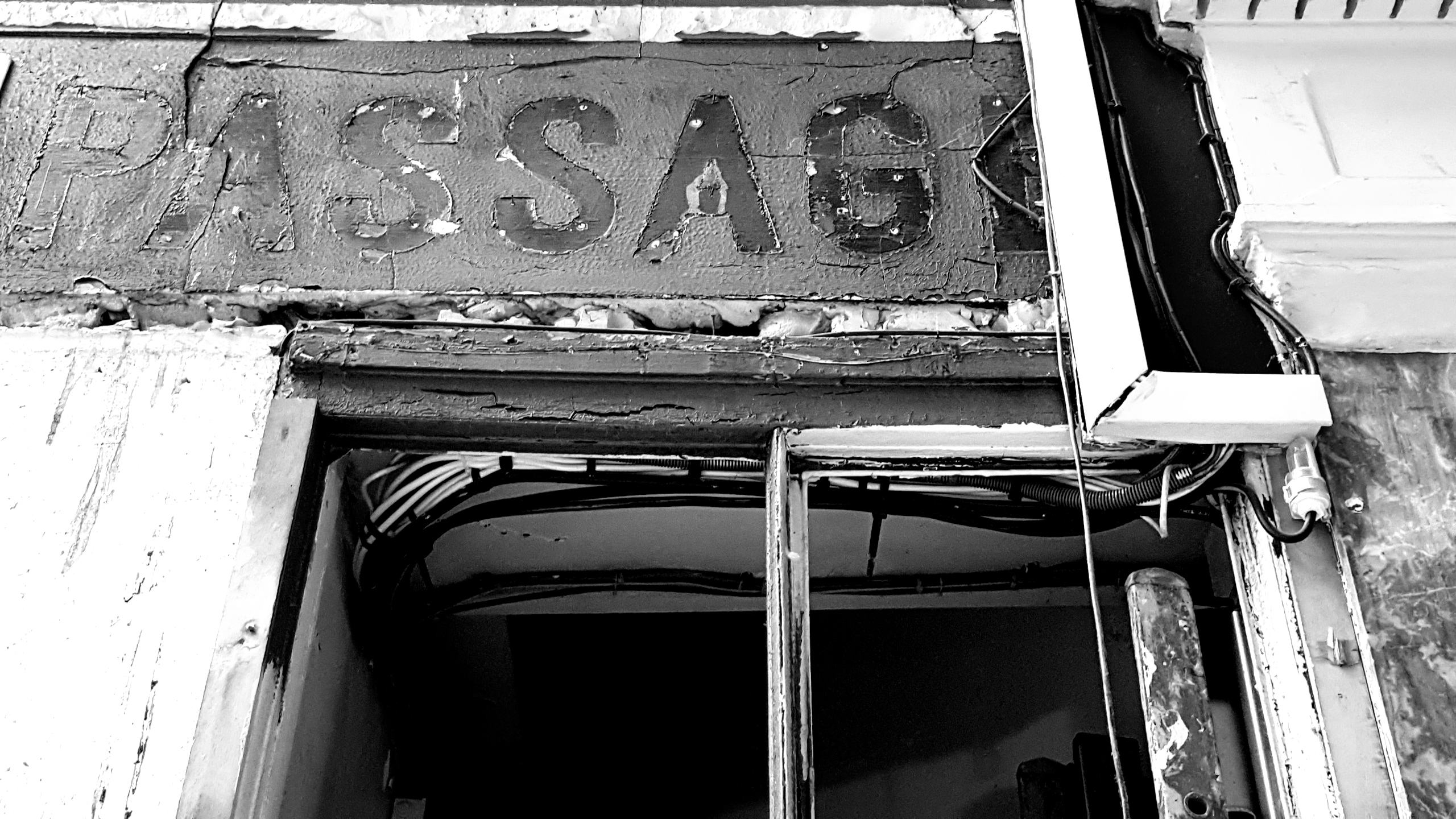
Down the Rue Vivienne past the Bibliothèque Nationale:-
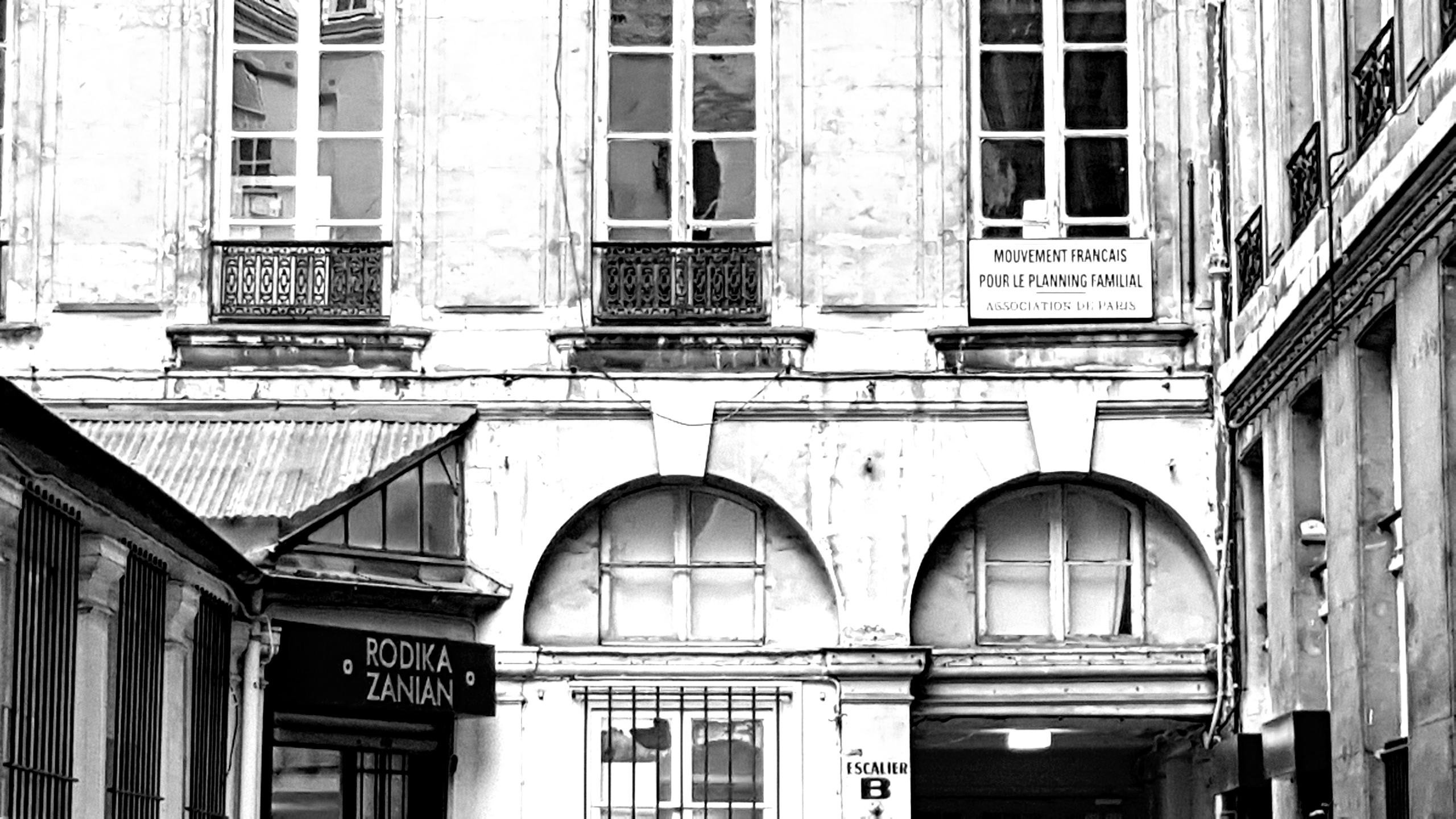
To the Galerie Vivienne:-

And back through the Palais Royal:-


I came back from São Paulo to join my last Patrons’ tour (to Paris and Rome).
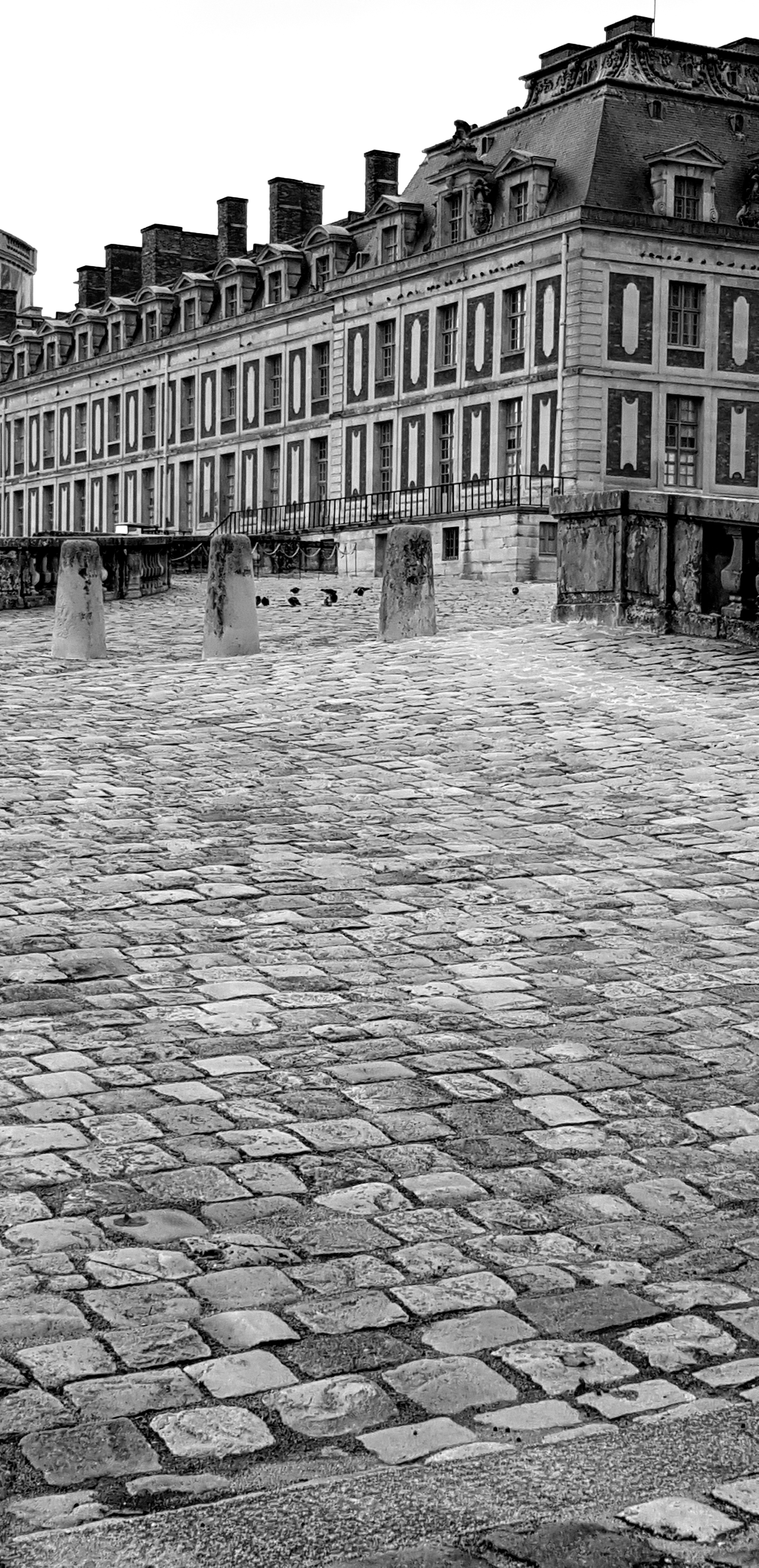
We started with Versailles:-


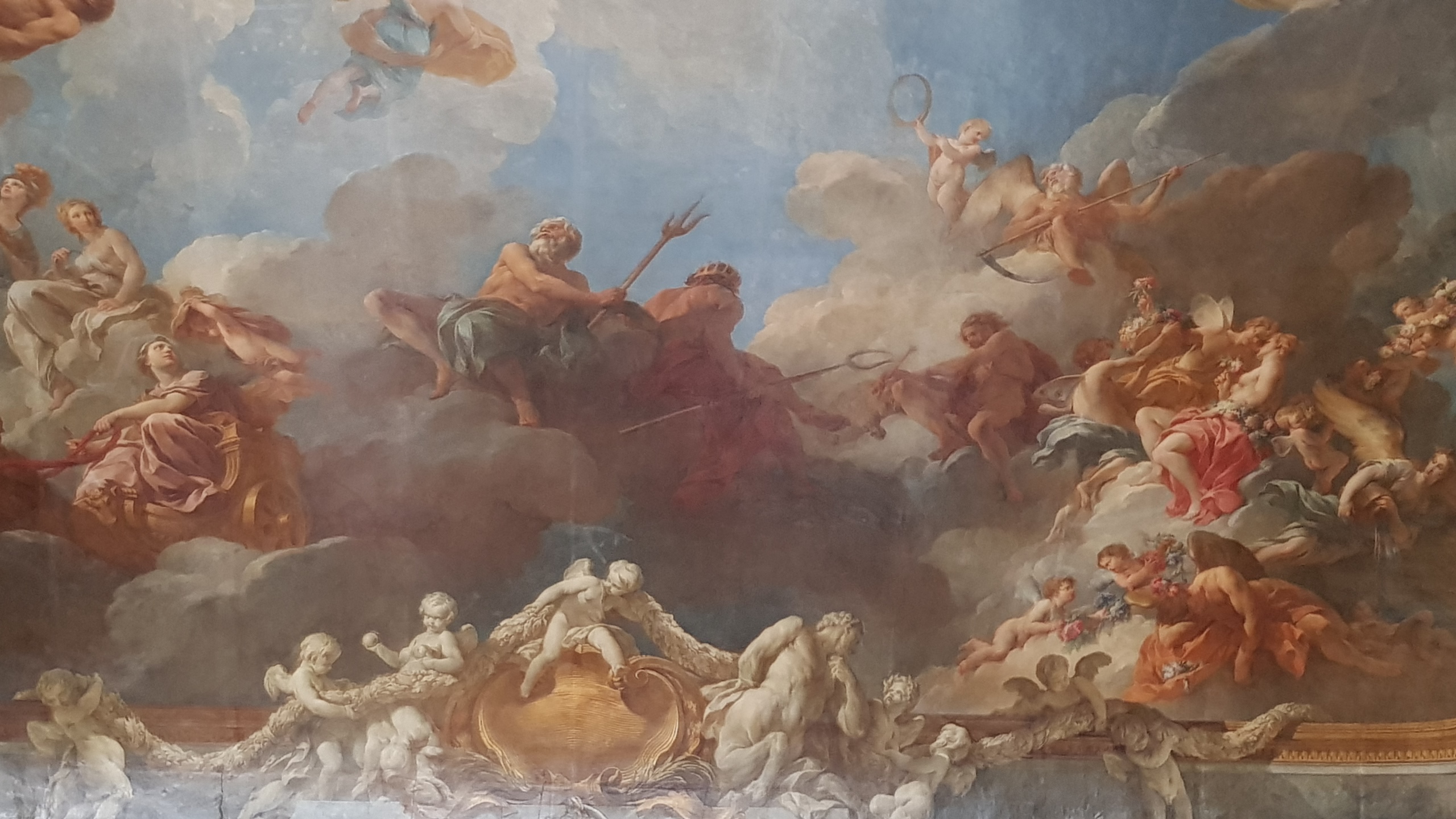
Then, into the Queen’s Apartment, starting with the Salon d’Hercule, with ceiling paintings by François Le Moyne:-
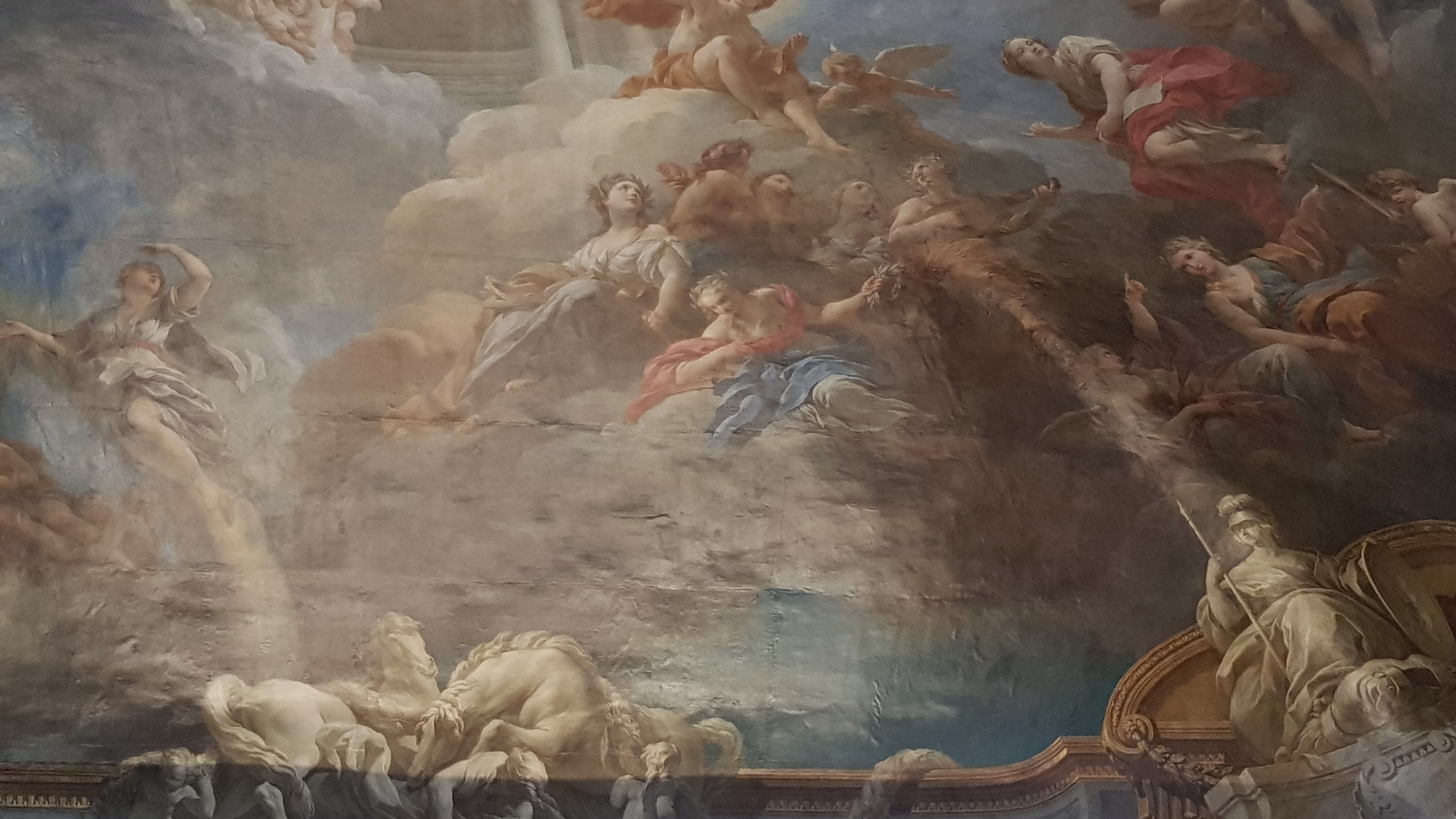


Through into the Salon de Vénus, with its statue of Louis XIV by Jean Warin:-


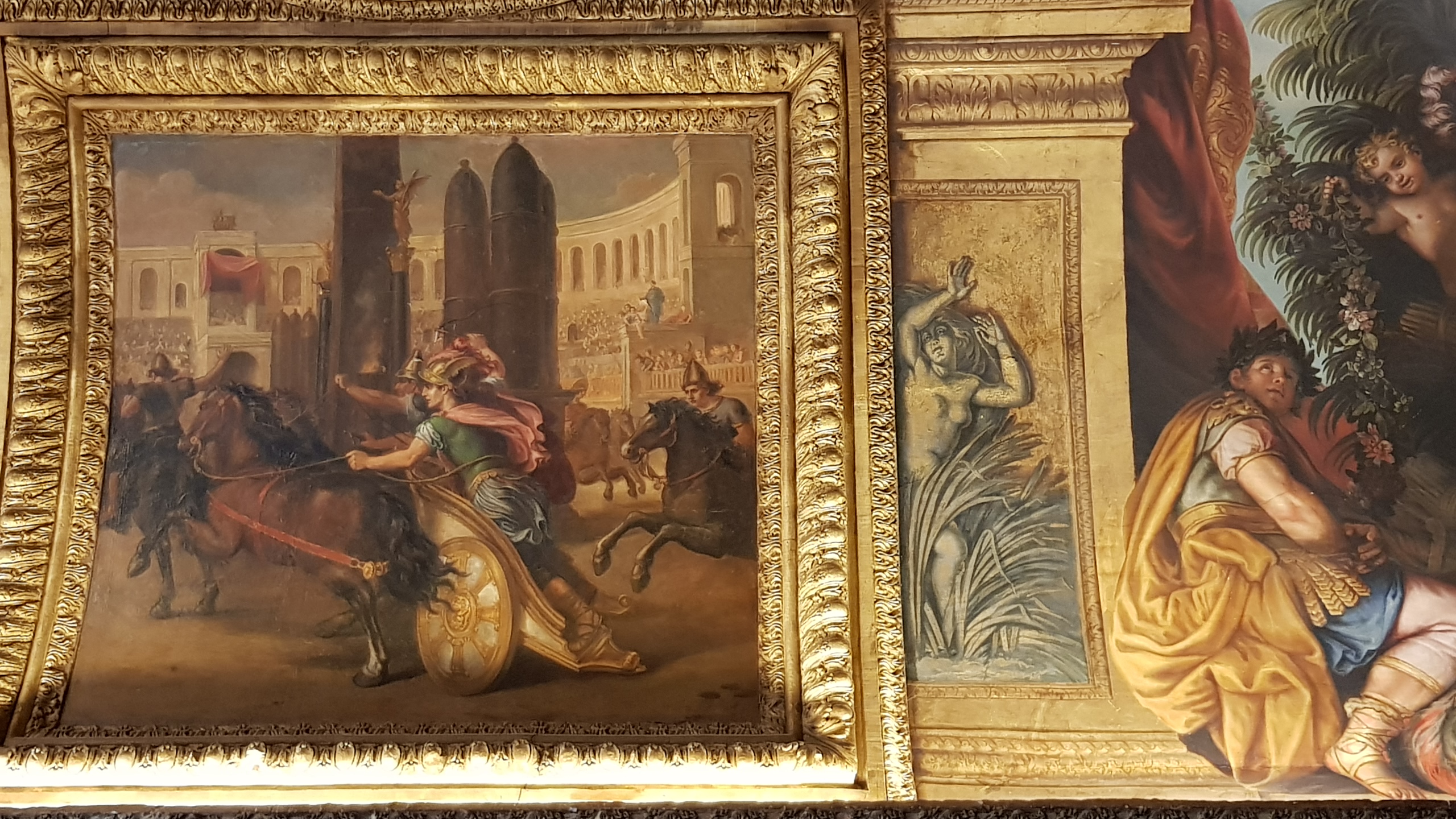
And ceiling paintings by Le Brun:-

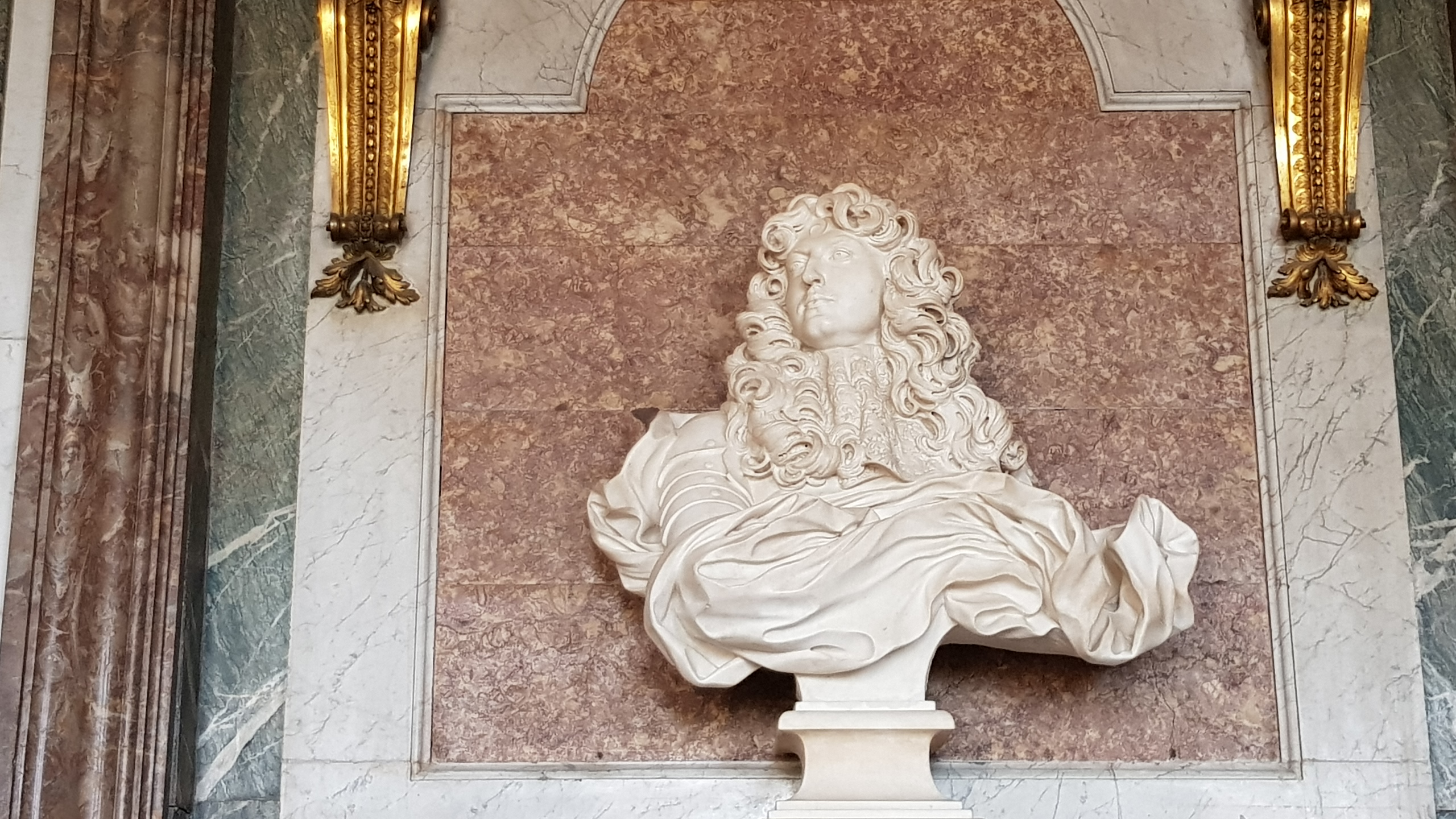
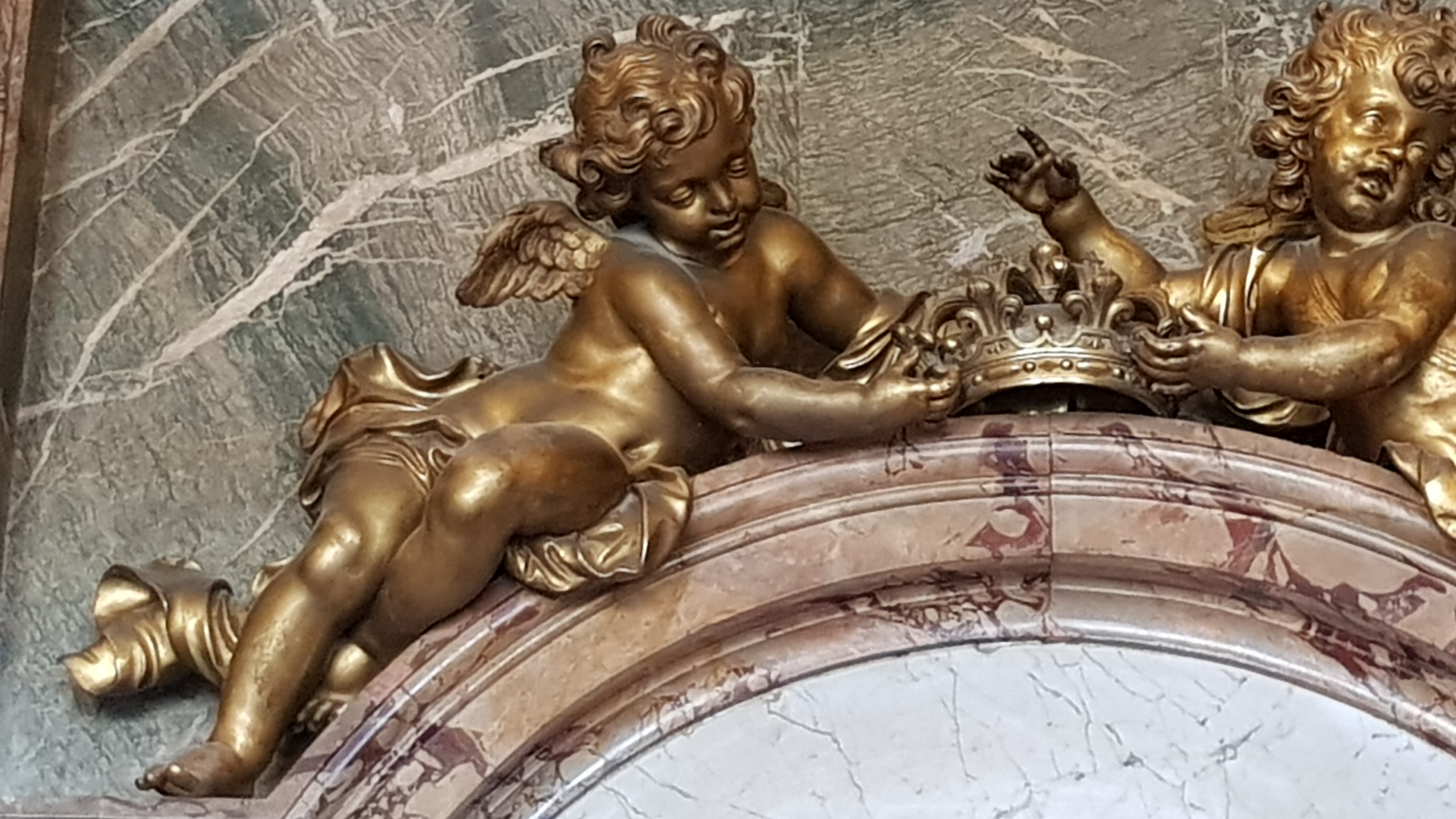
Next door is the Salon de Diane, with the bust of Louis XIV by Bernini:-
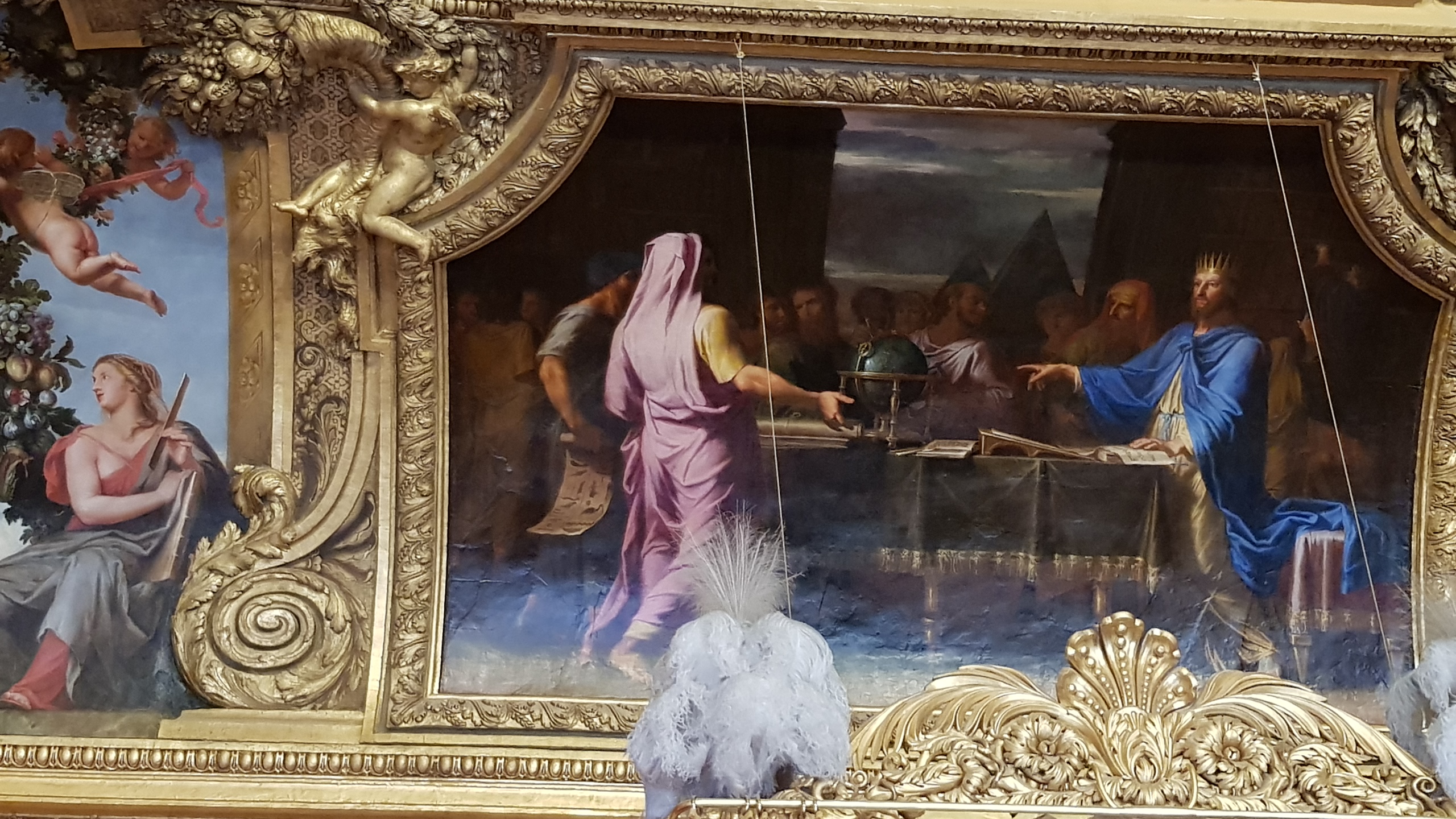
The Salon de Mercure with ceiling paintings by Jean-Baptiste de Champaigne:-
The Salon d’Apollon with Apollo in his Chariot by Charles de la Fosse:-
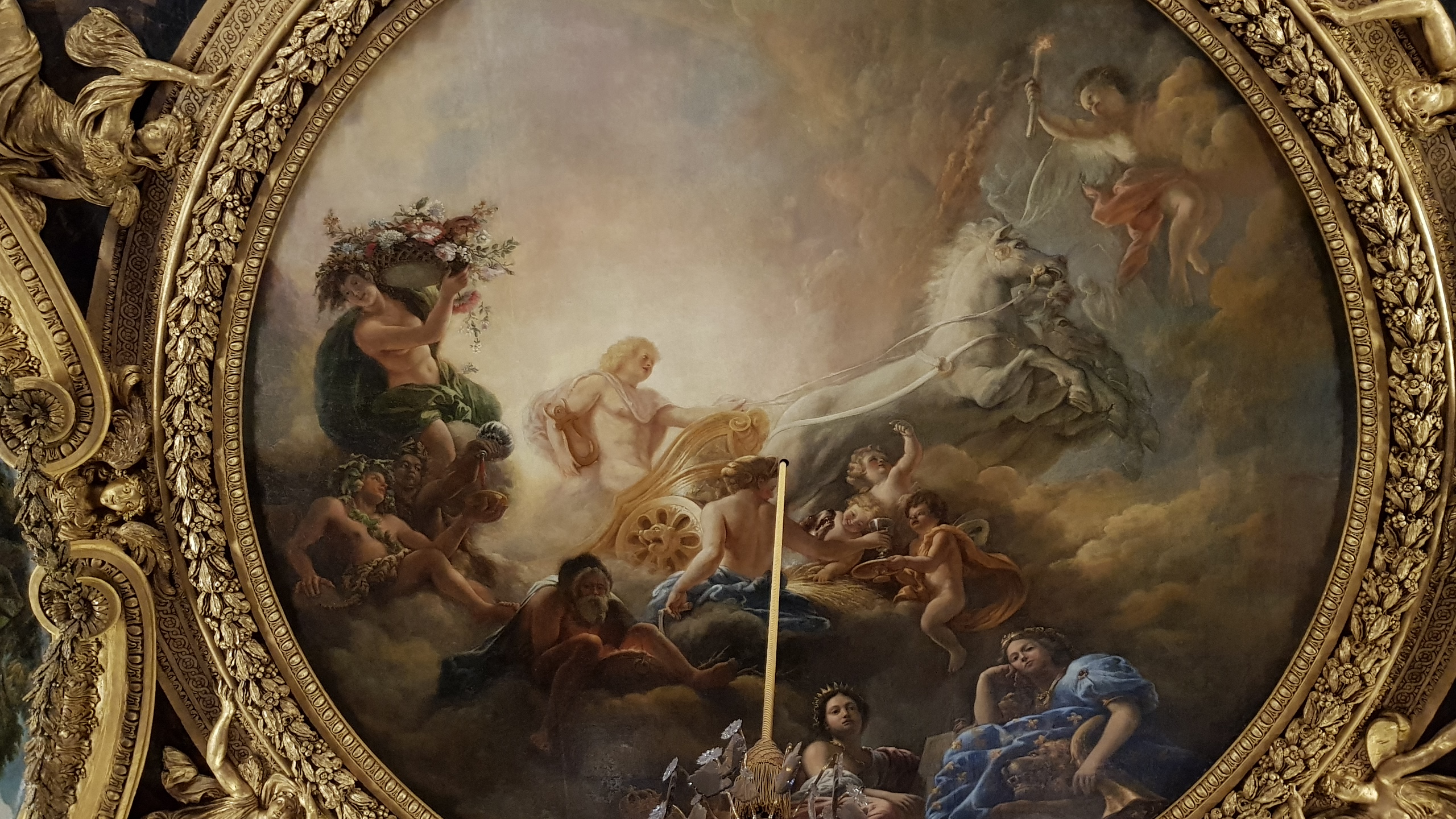
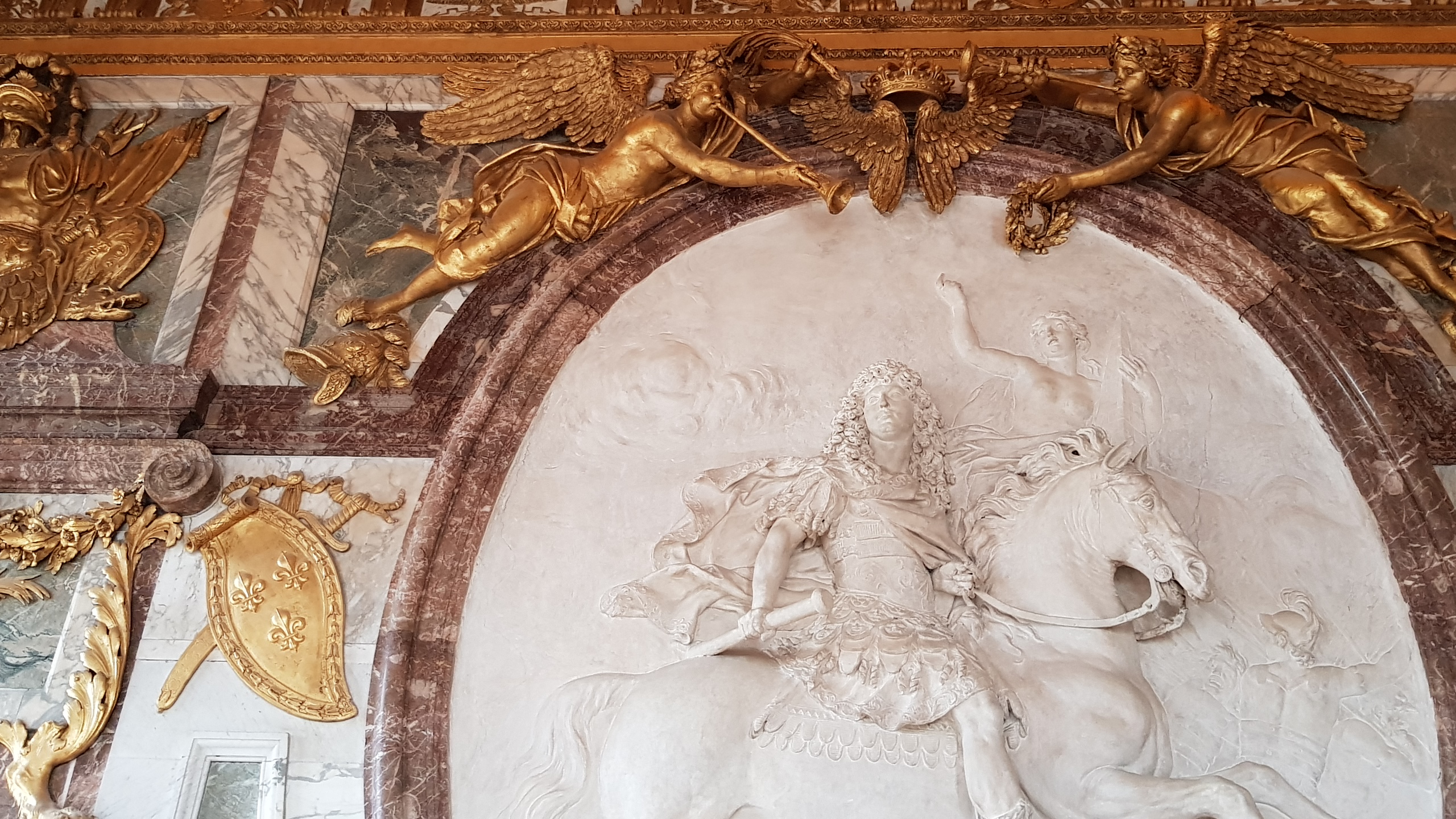
The Salon de la Guerre with Louis XIV by Coysevox:-
Then into the private apartments of Louis XV with its wood carving designed by A-J Gabriel in the late 1730s:-

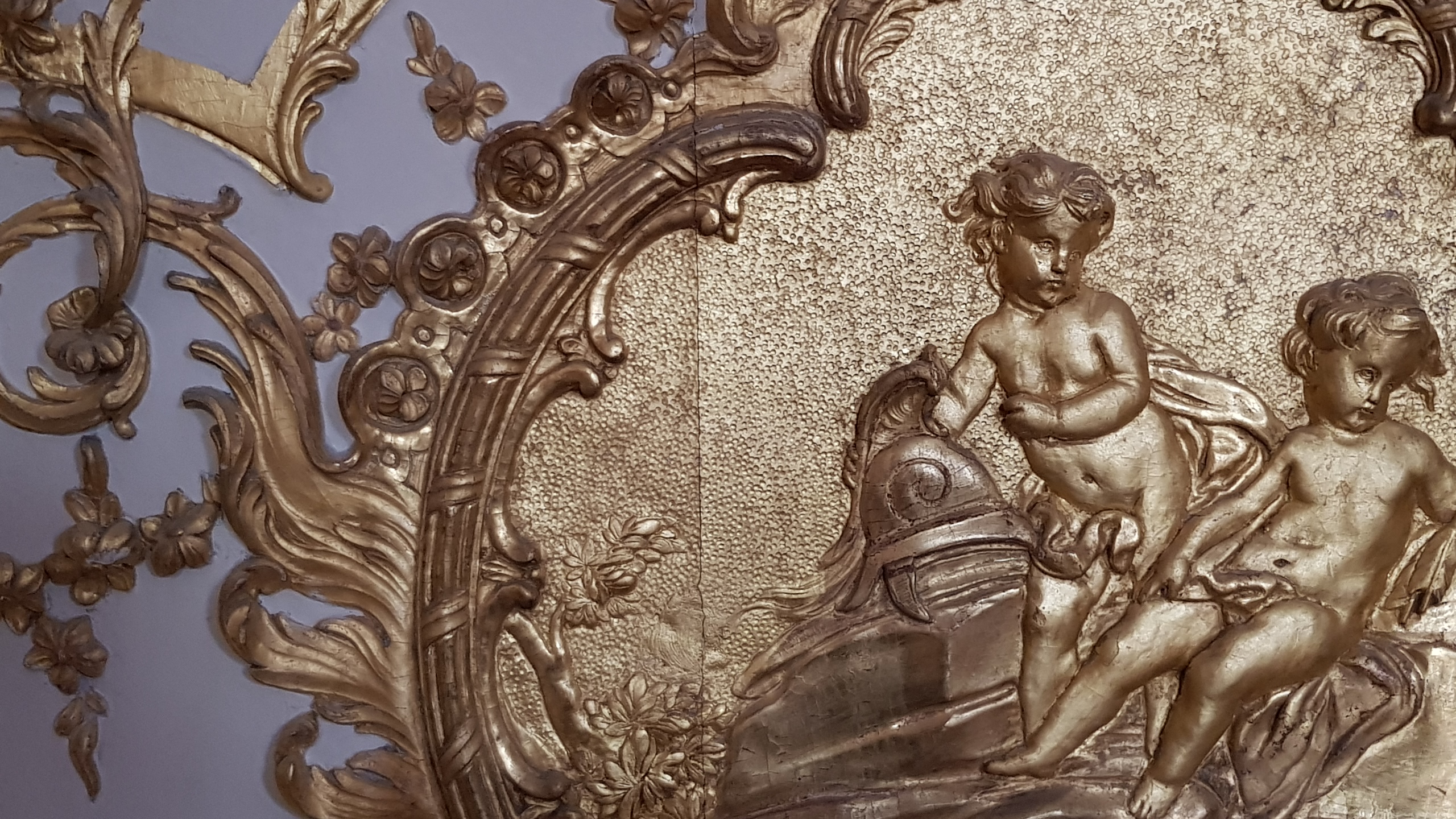
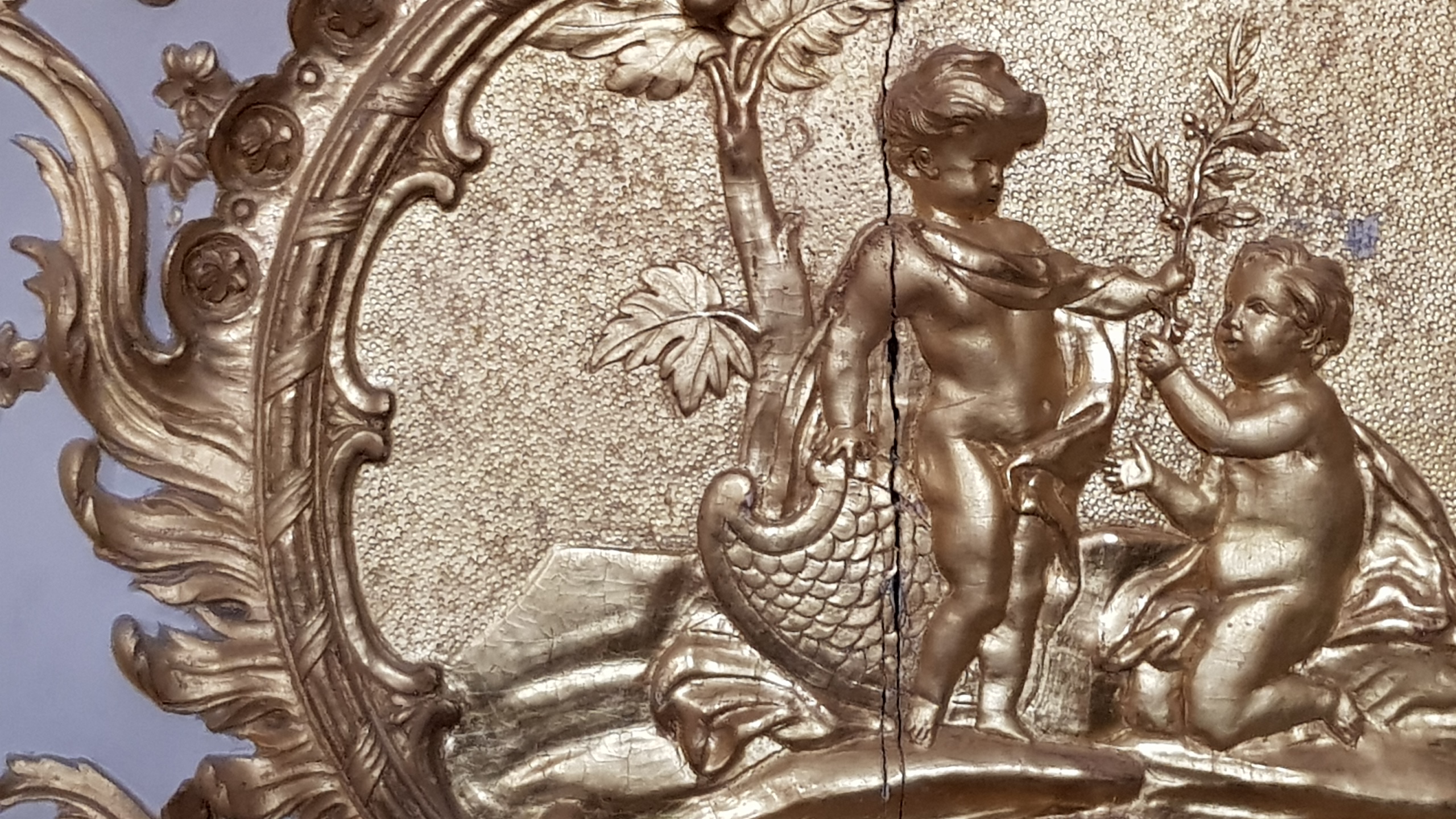
Finally, we visited the ground-floor private apartments of Madame Victoire:-

I was brought up not to like or admire the architecture of Versailles: too rich, too opulent, too Louis XIV. I wish I had paid its history more attention.
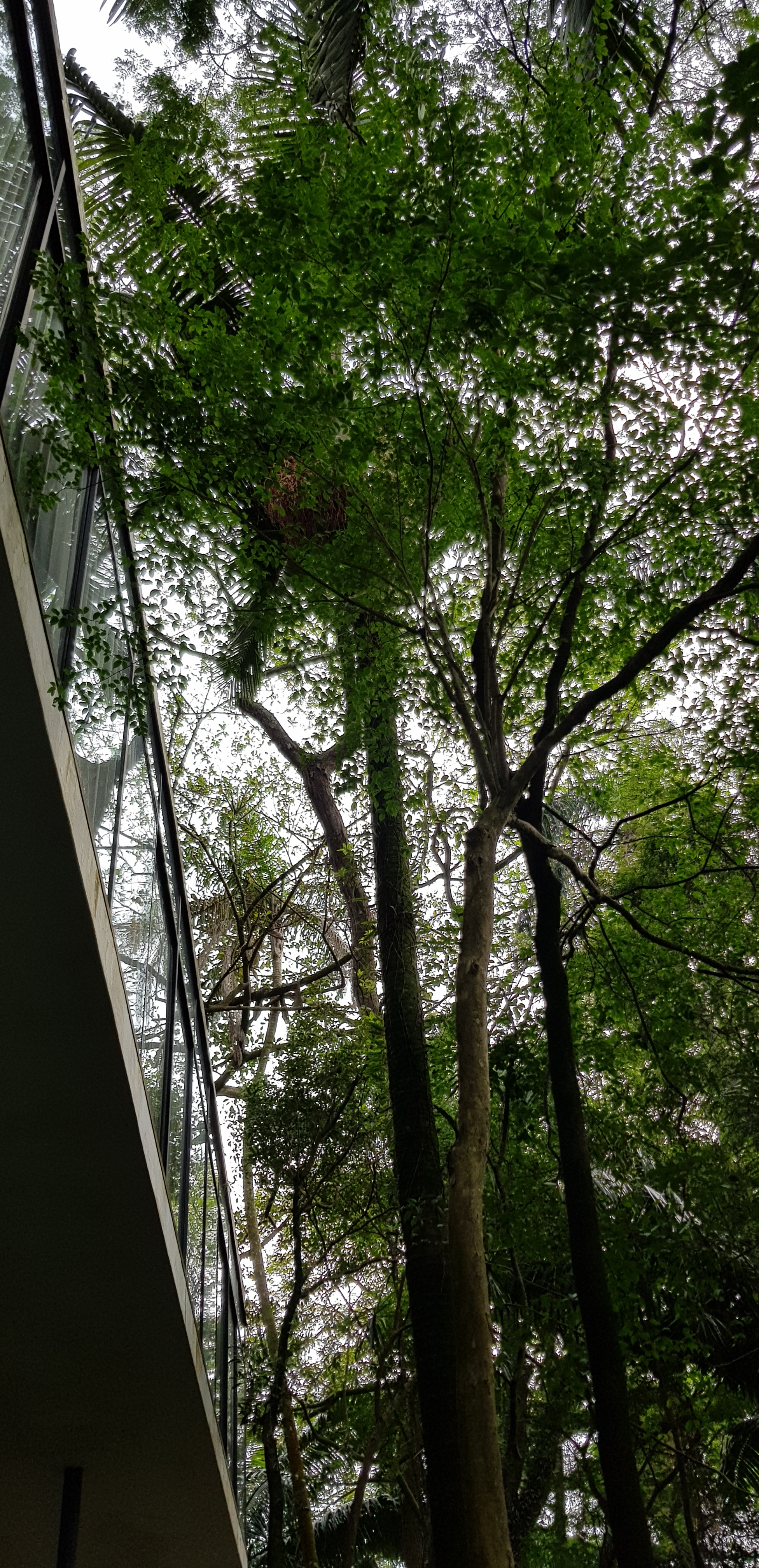
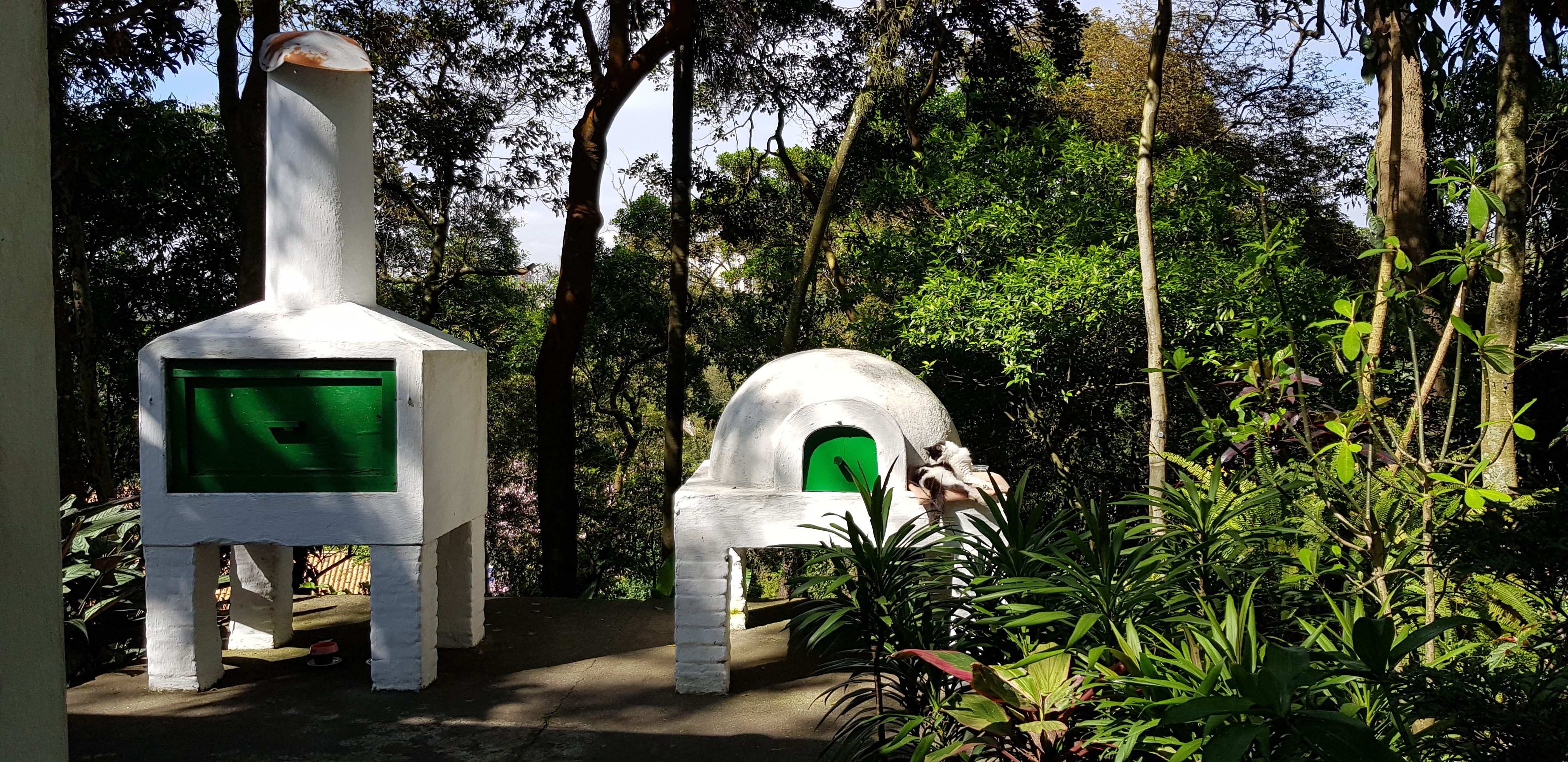
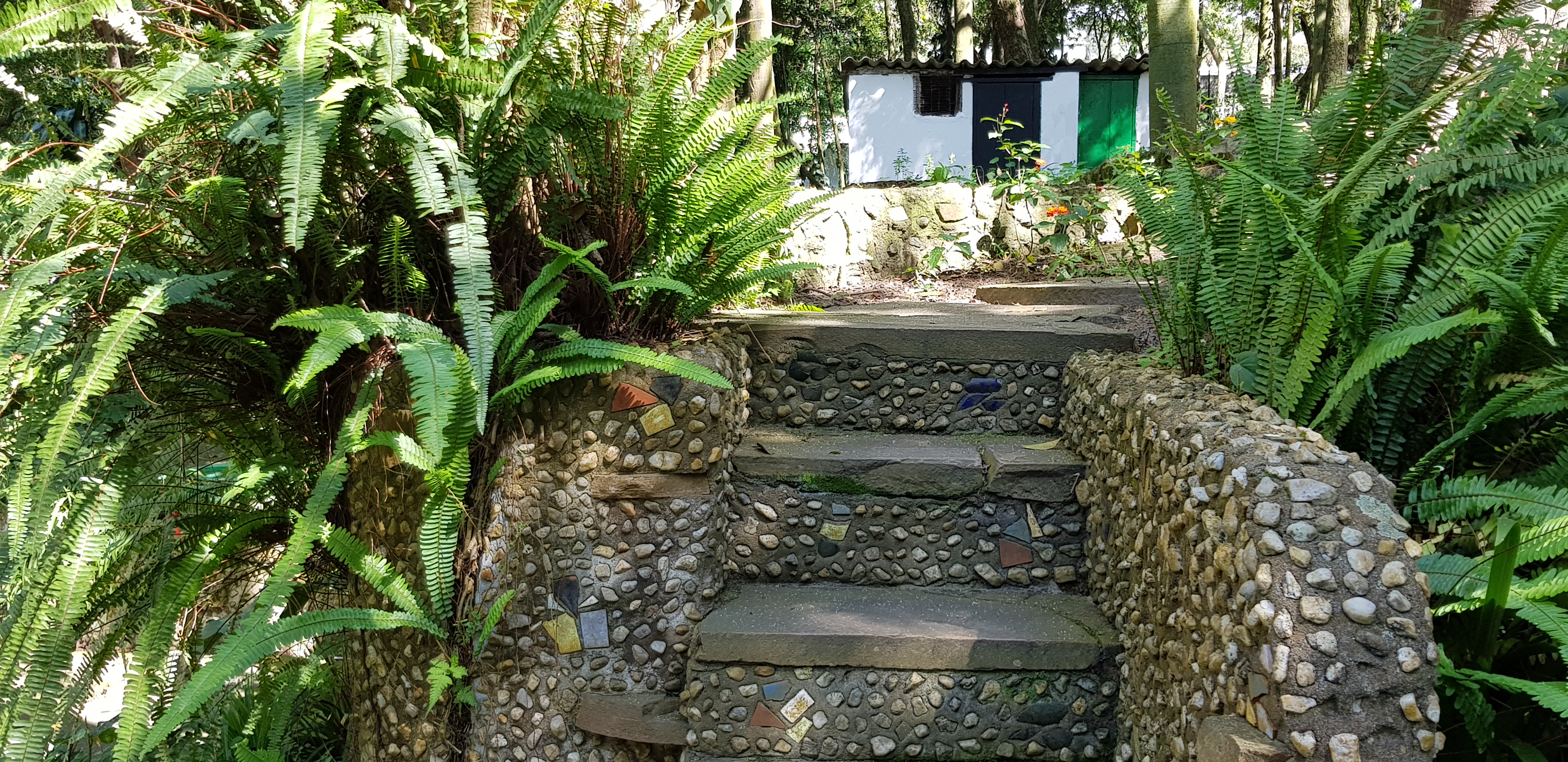
I was waiting for permission to post pictures of the Glass House, where we spent the most utterly pleasurable and interesting morning meeting people who had known not only Lina Bo Bardi, but also, her husband Pietro Maria, who remained Director of MASP into his late seventies.
It was the greatest possible treat to have it to ourselves, secluded in the midst of a suburban forest:-
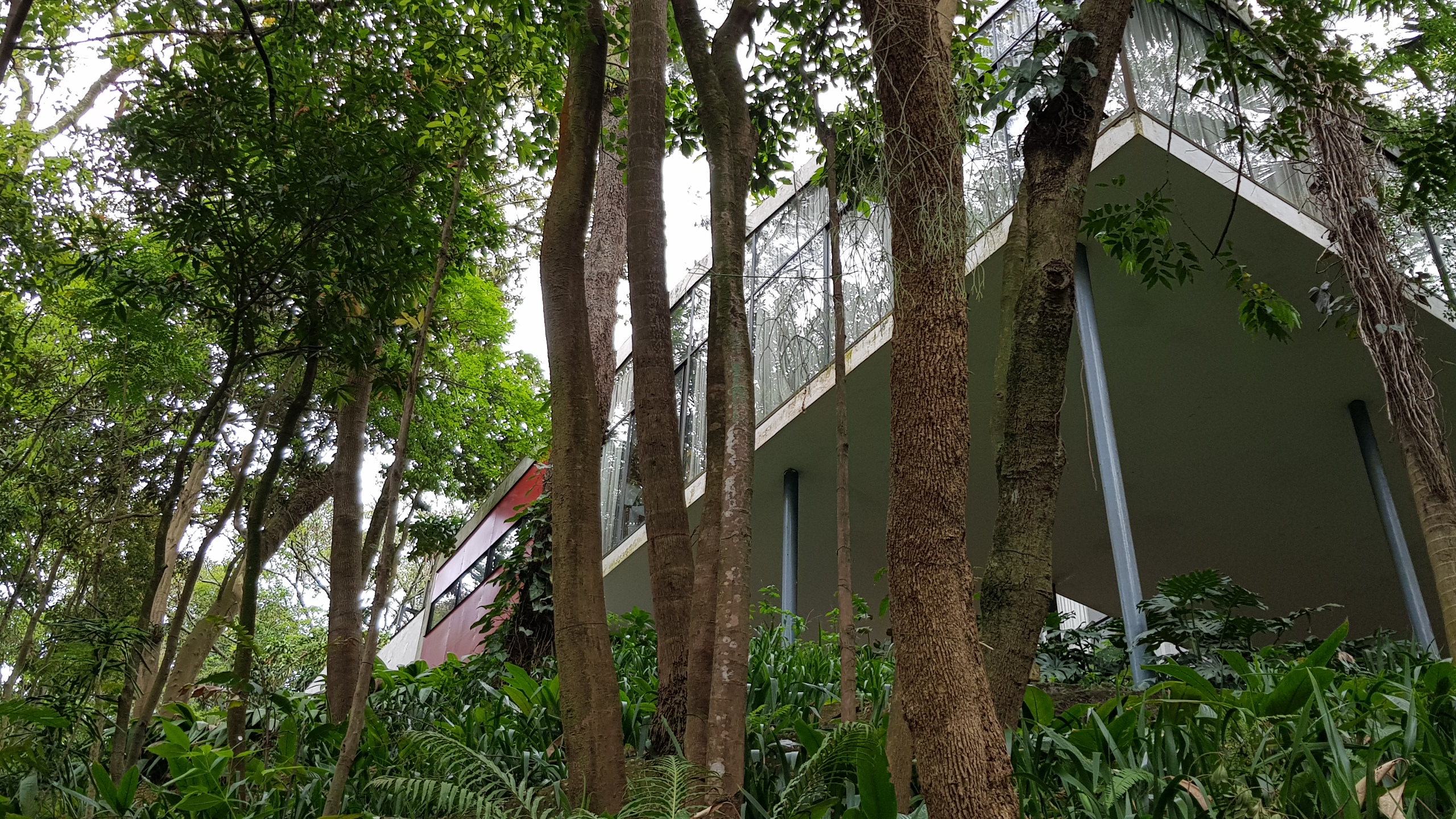
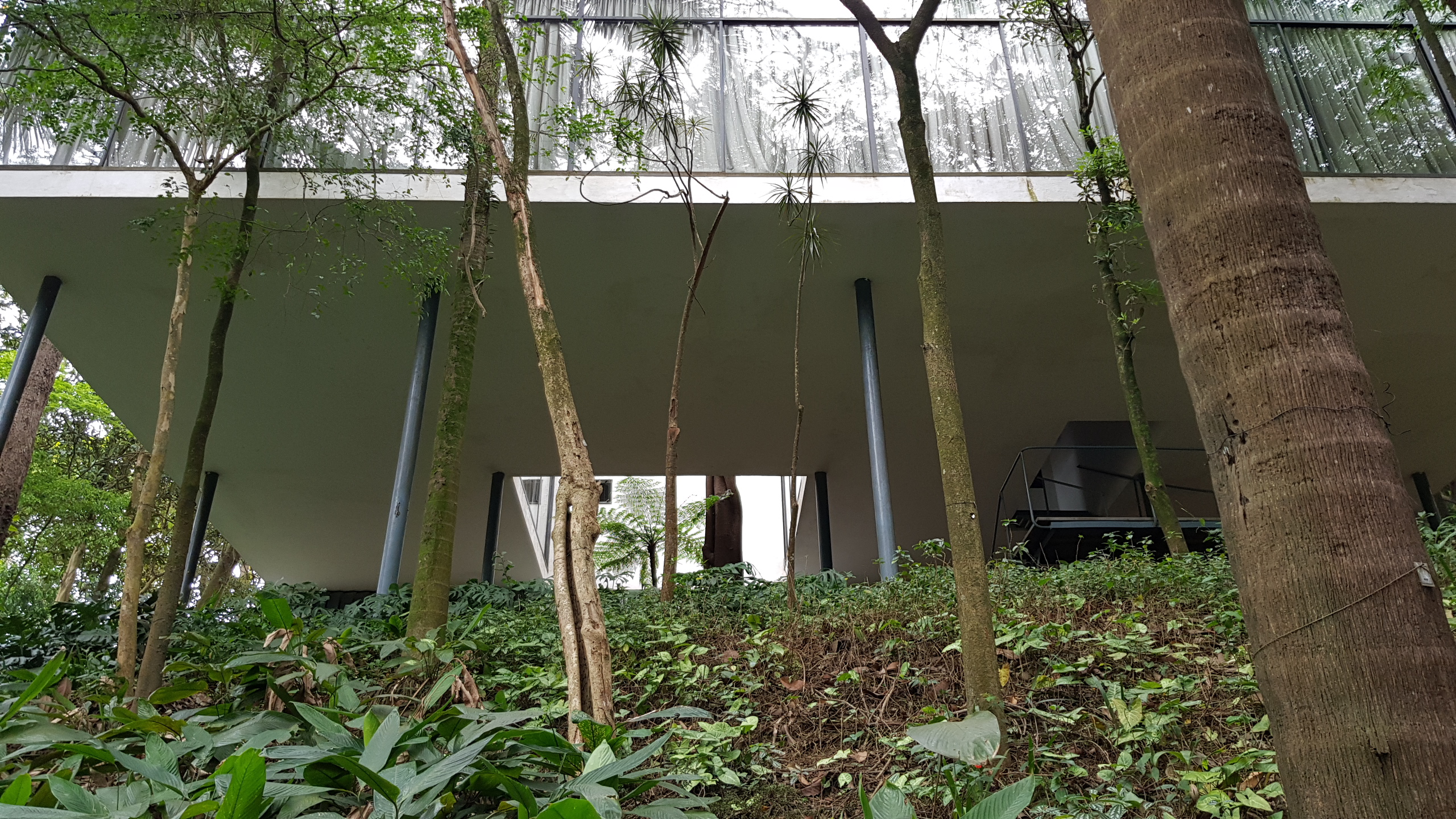
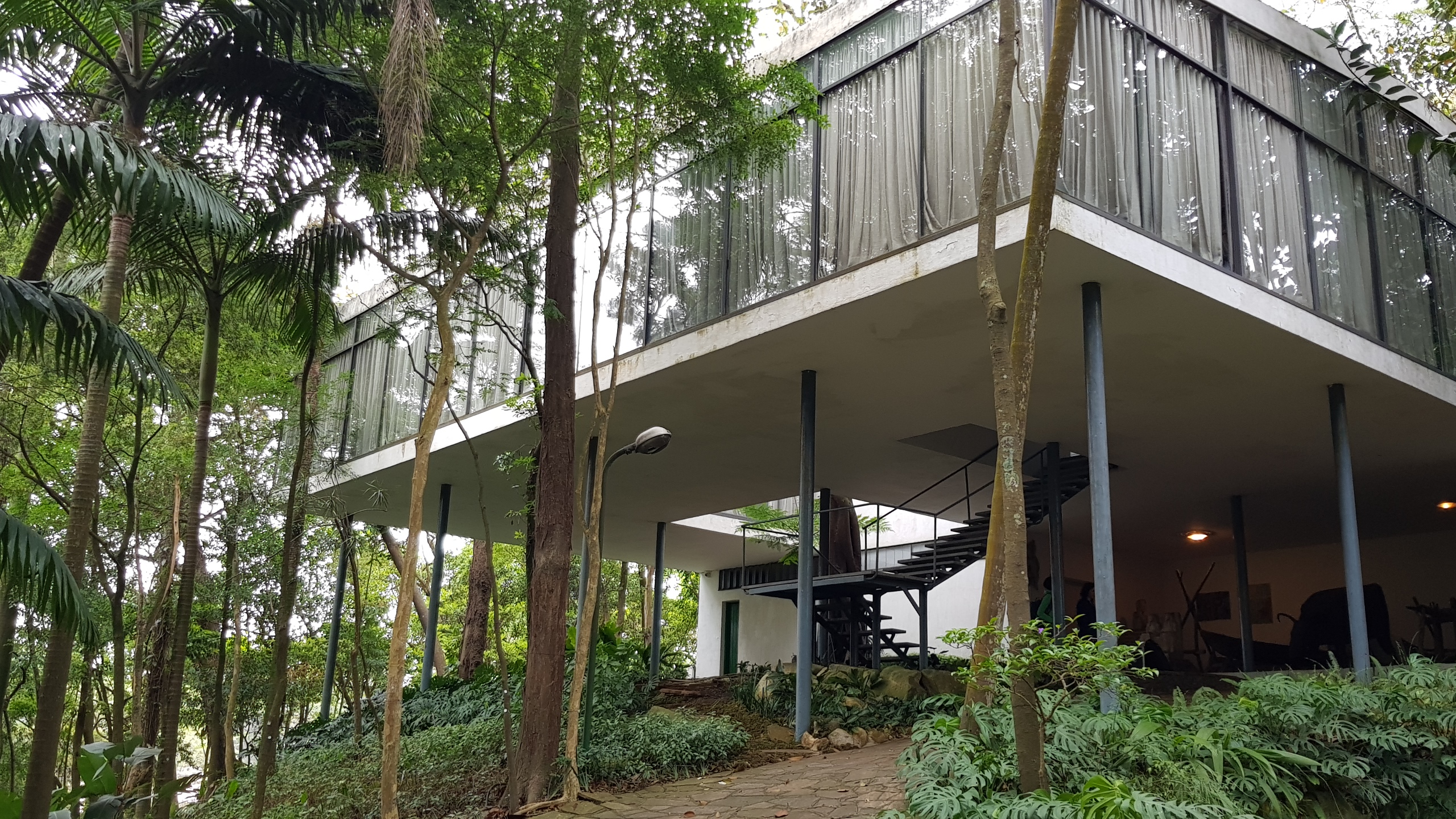
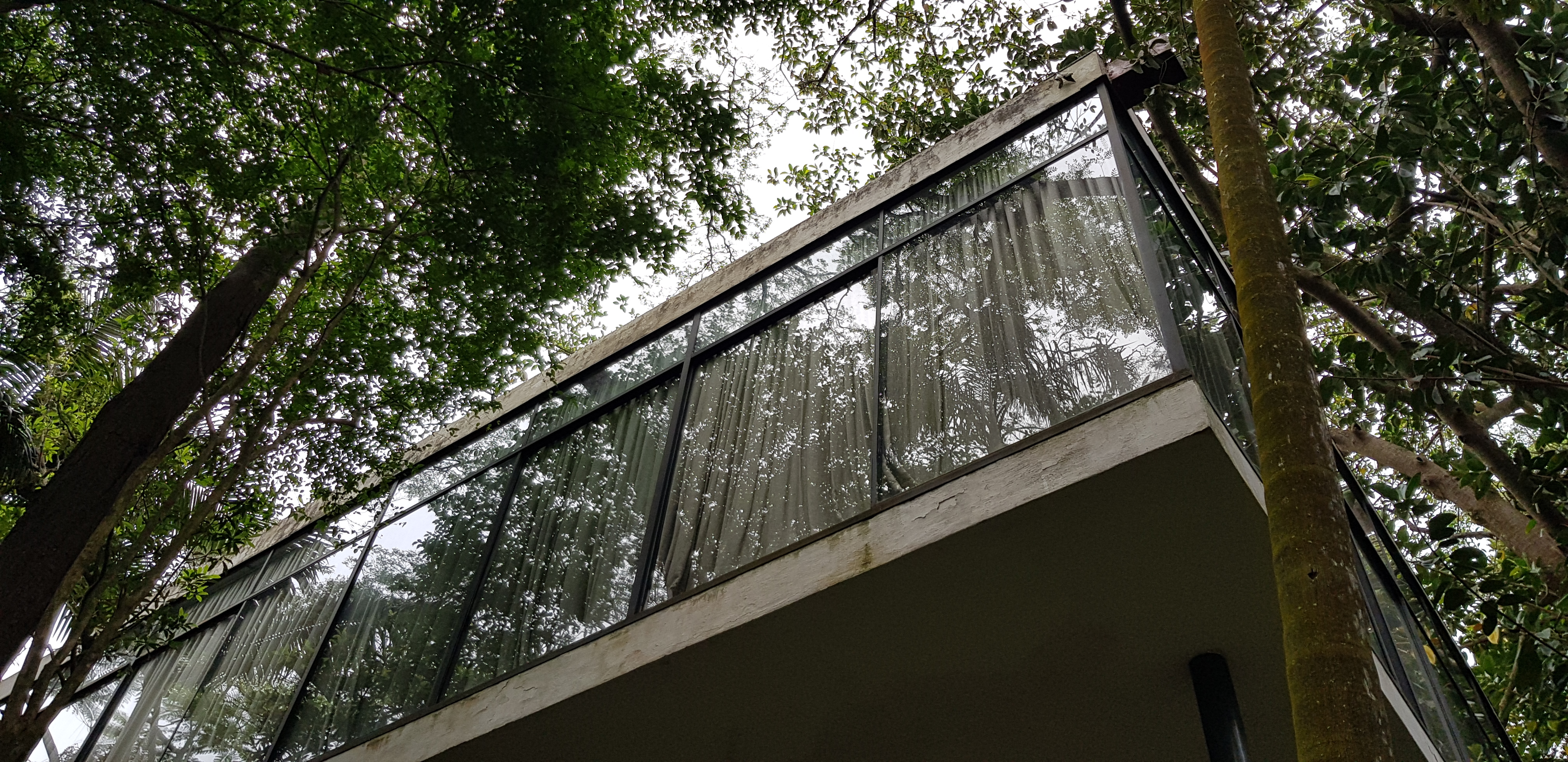
It’s not just the house, but the garden as well – the sense of organic nature and Lina Bo Bardi’s love of the outside, the back-of-house, the pathways through the undergrowth – her experience of Brazilian vernacular as well as her importation of European modernism:-


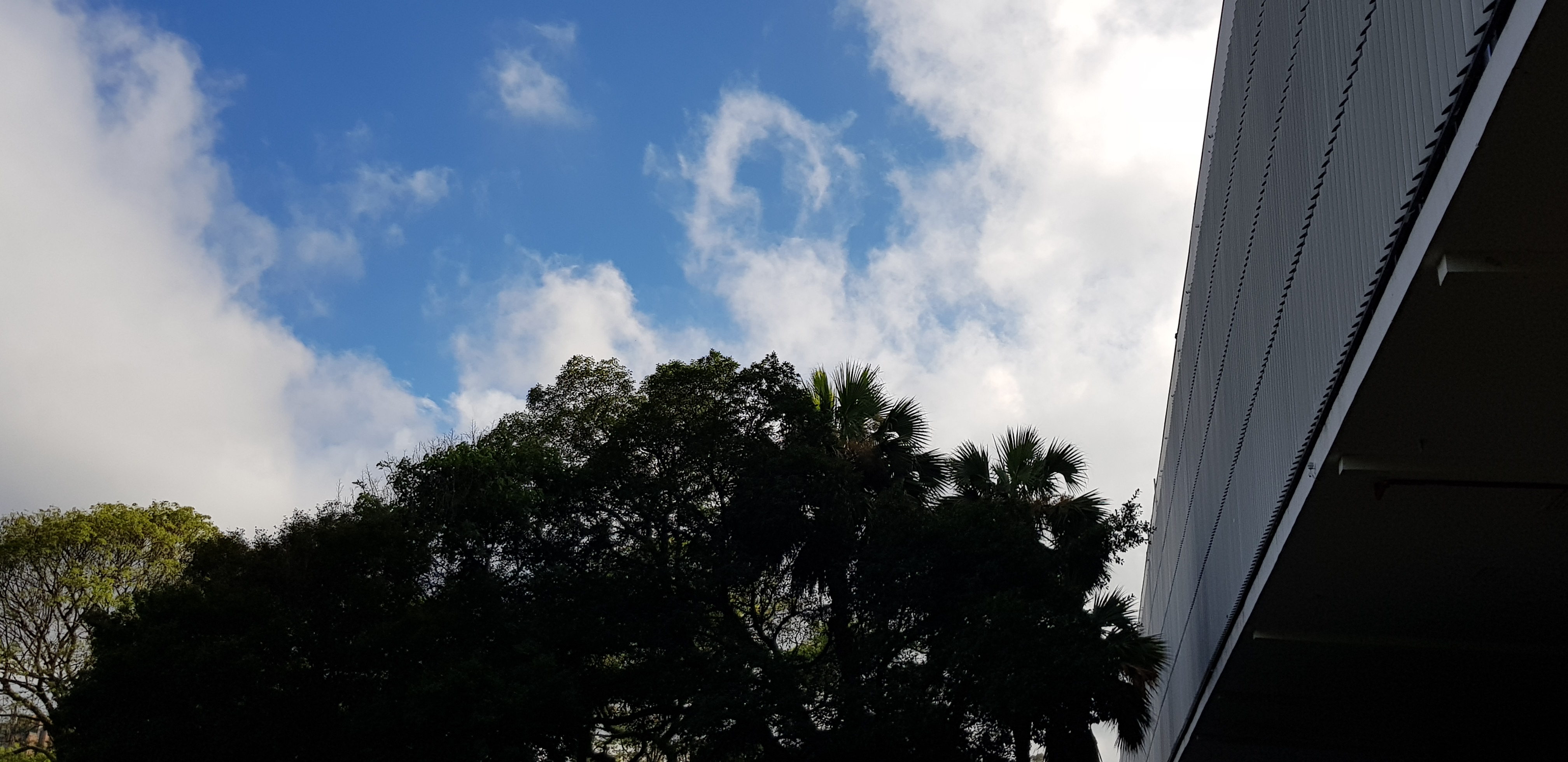
My last post as if from São Paulo (actually, I’m back) is of the Ibirapuera Park in the south-west of the city, which they consider as their equivalent of Central Park, but it’s not that central, or of Hyde Park, but it’s not that rural. It was opened in 1954 in a period of what must have been great post-war prosperity and liberal optimism, with their version of the Museum of Modern Art opened in 1948 and the bienal in 1951 (both were founded by Ciccillo Matarazzo). The park is full of pavilions by Niemeyer. Not just the Bienal pavilion:-
But also, the Oca Ibirapuera:-

The Pavilhão das Culturas Brasilieras, which hosted the Bienal in 1953:-


And the very impressive Museu Afro Brasil, which fills the Manoel da Nóbrega Pavilion, originally opened in 1959:-

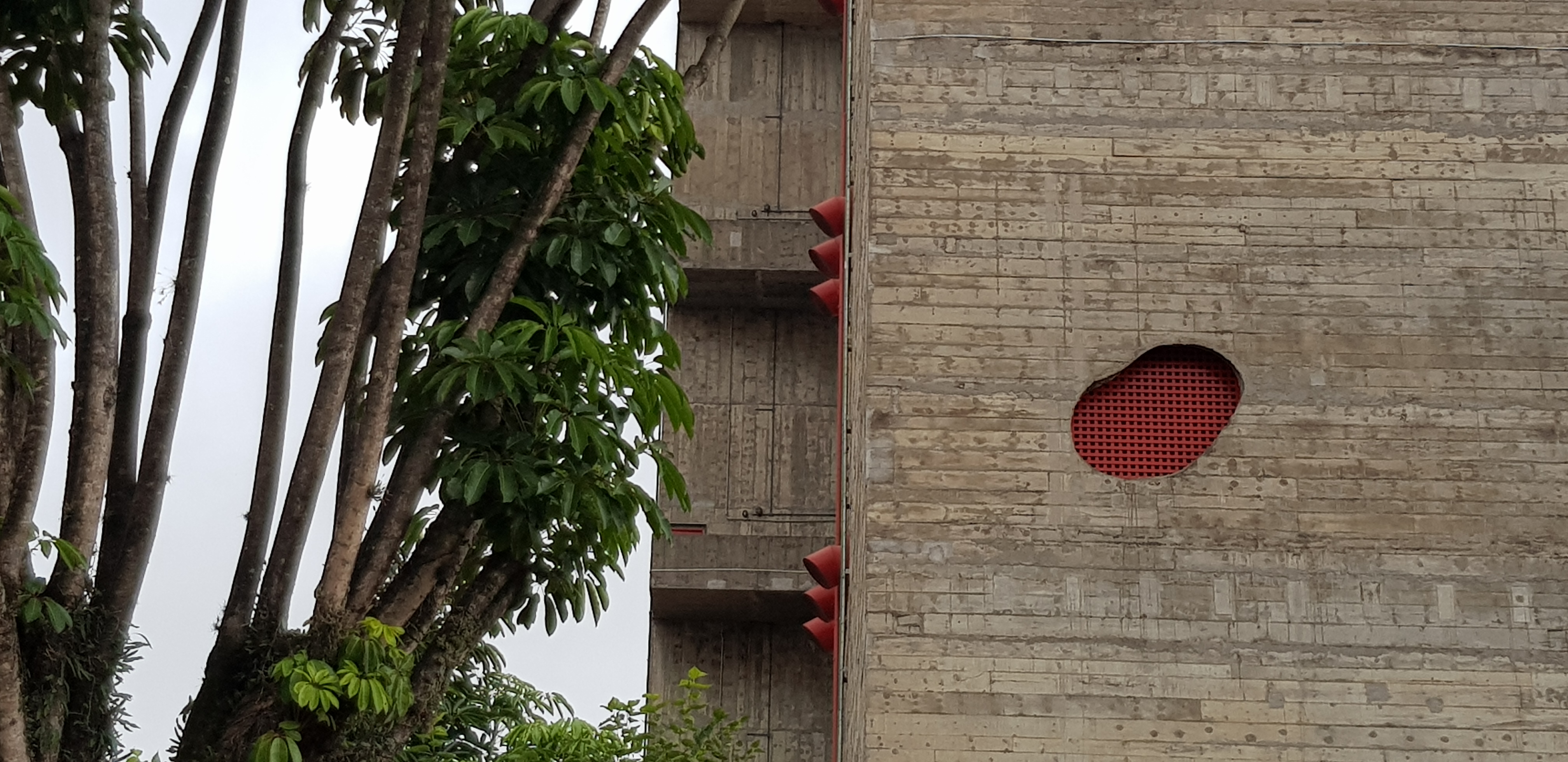
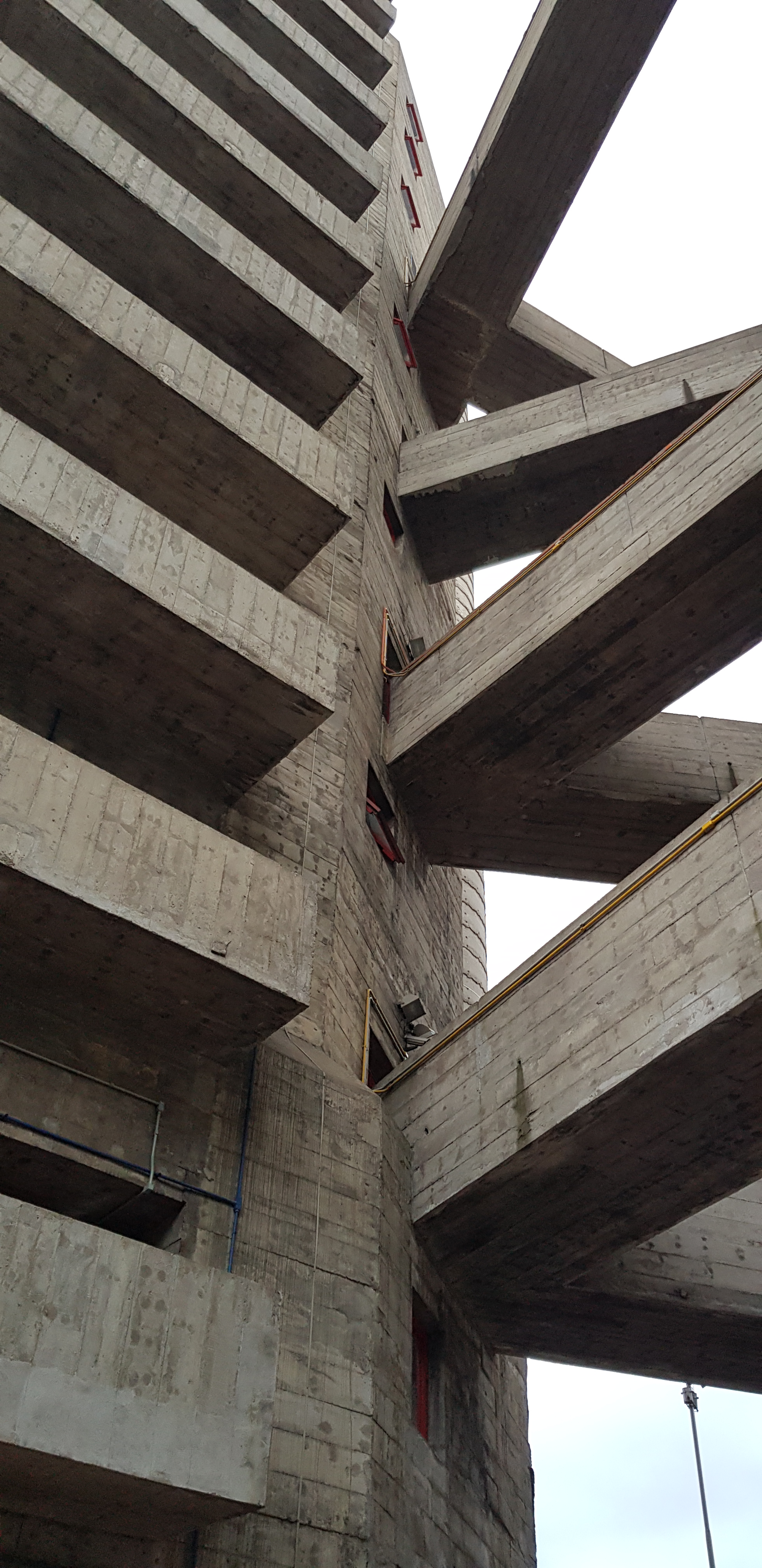
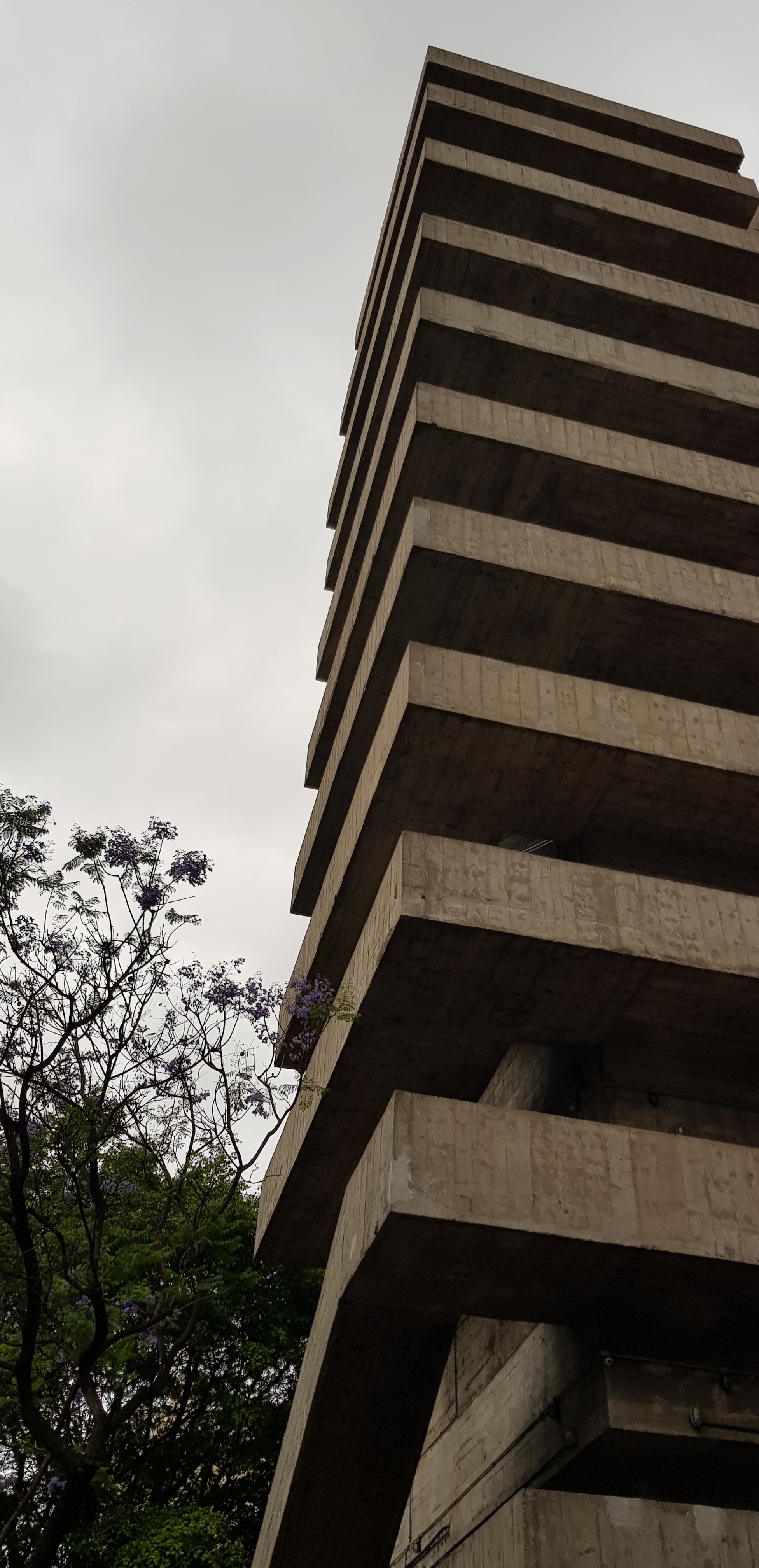
In the afternoon, we went to meet Danilo Santos de Miranda, the founding Director of SESC Pompeia, a charismatic ex-Jesuit who has run its organisation since 1984 and who worked with Lina Bo Bardi on its formation. It is an astonishing cultural complex, mostly consisting of adapted industrial buildings, but with two huge buildings on the south west corner of the site designed by Bo Bardi.
This is the main avenue of the complex:-
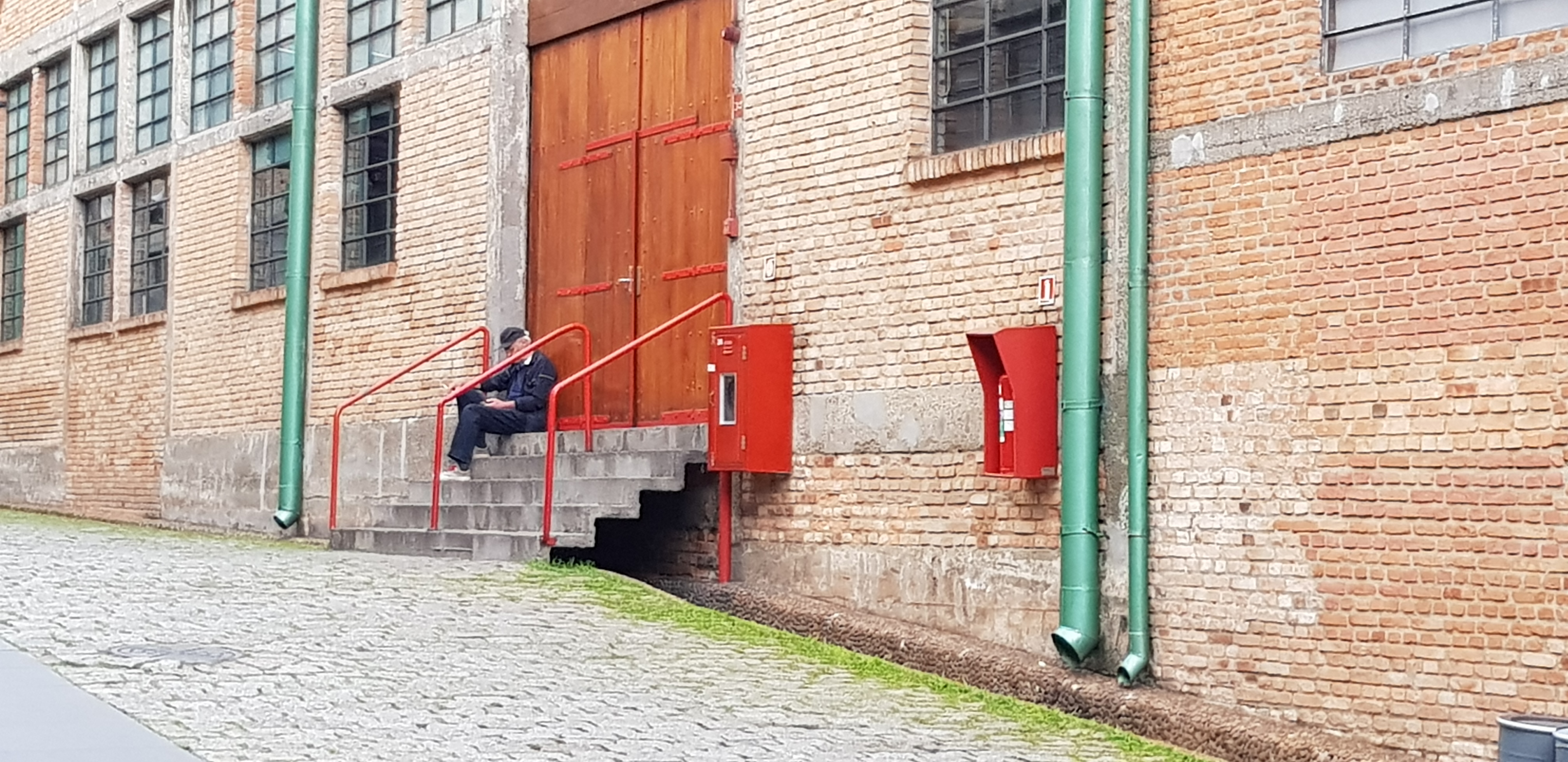
The theatre:-

And the new buildings:-


We spent the morning in Oscar Niemeyer’s adventurous Bienal building in the Parque de Ibirapuera. It was originally designed as a pavilion for industrial fairs with a huge amount of flat space on three floors, none of it air conditioned, and was only first used for the third Bienal in 1957. It has been curated this year by Gabriel Pérez-Barreiro, who has invited seven artists, including two Brazilians, to make their own interventions/installations:-
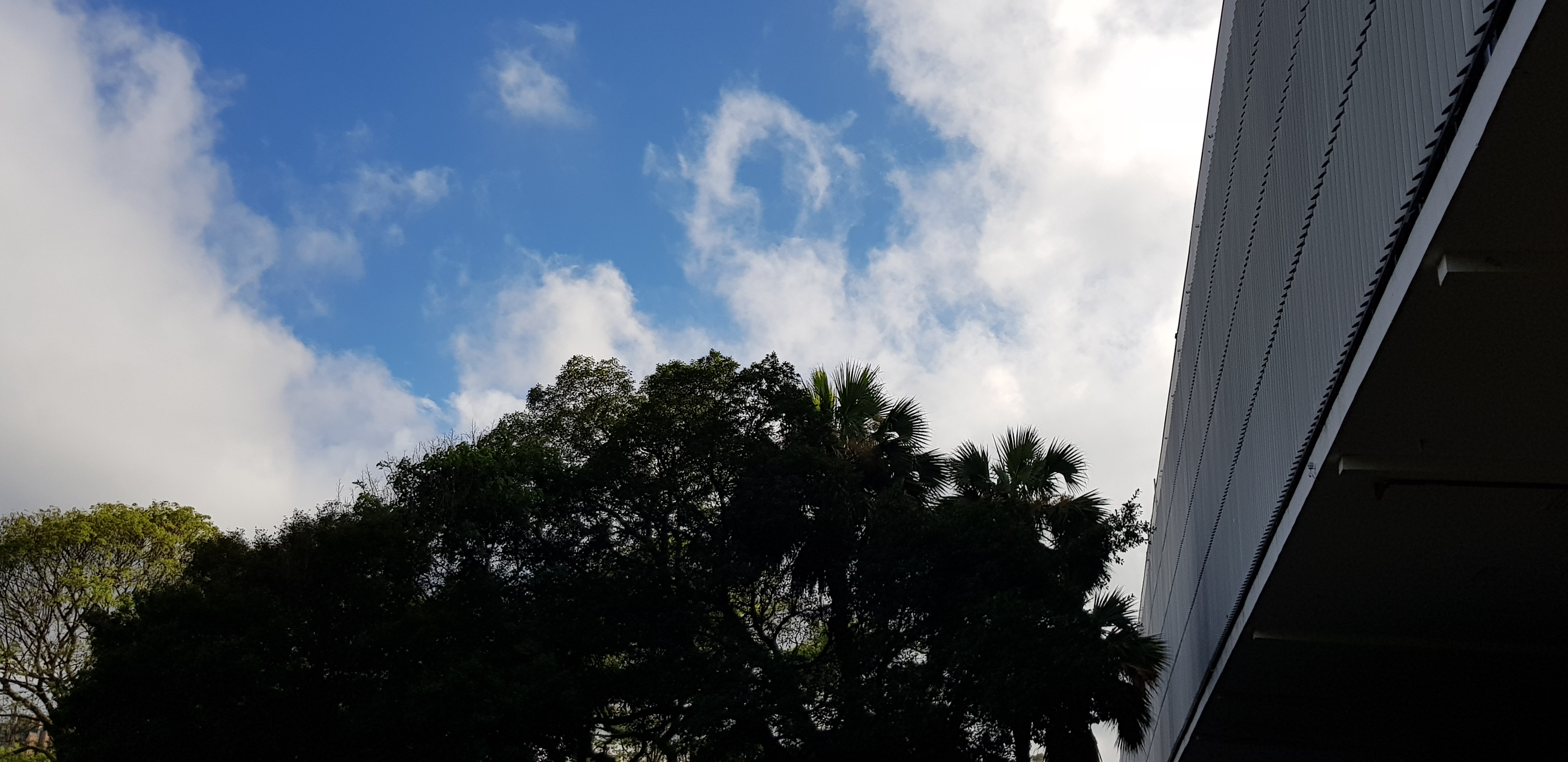

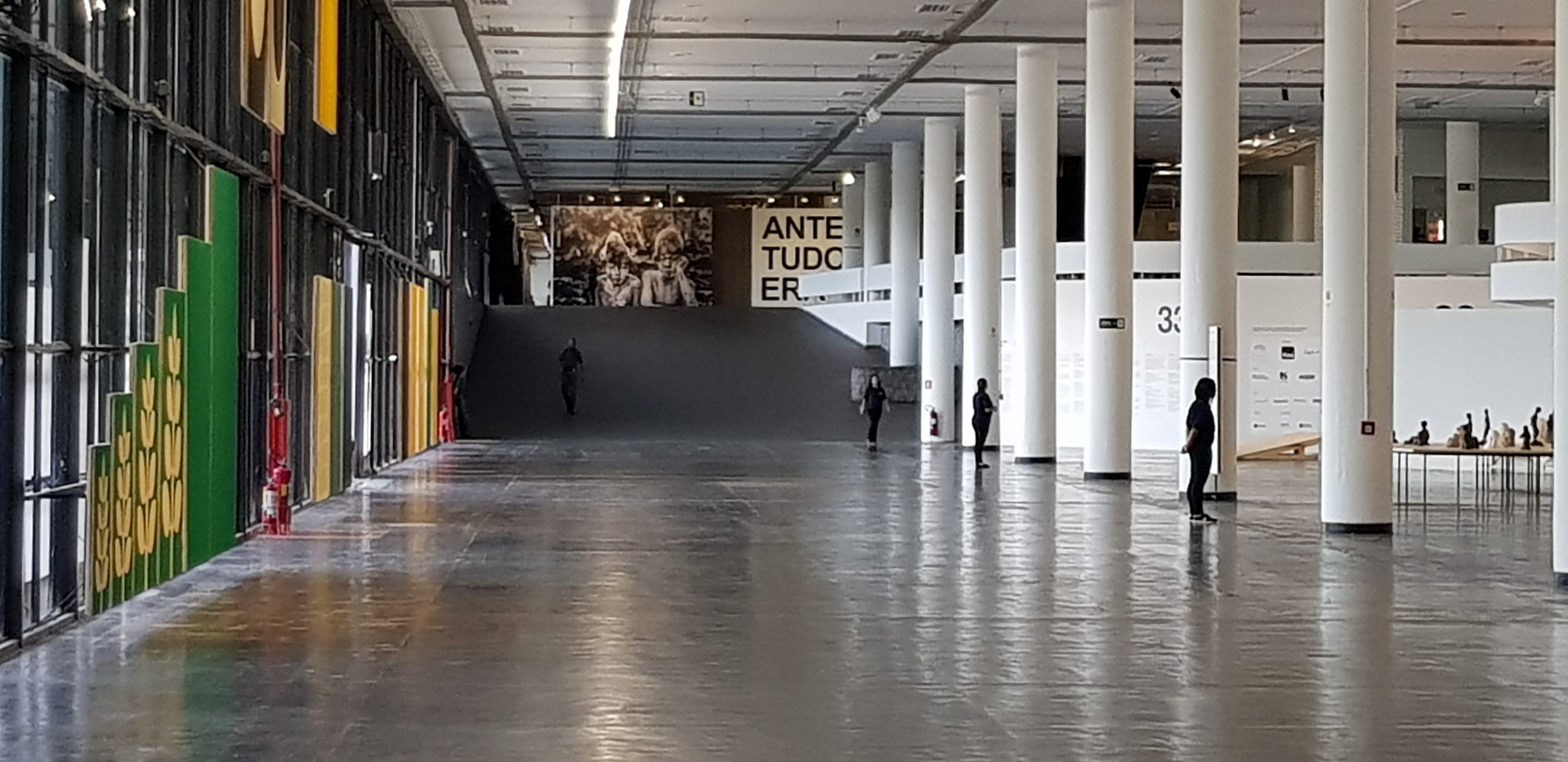
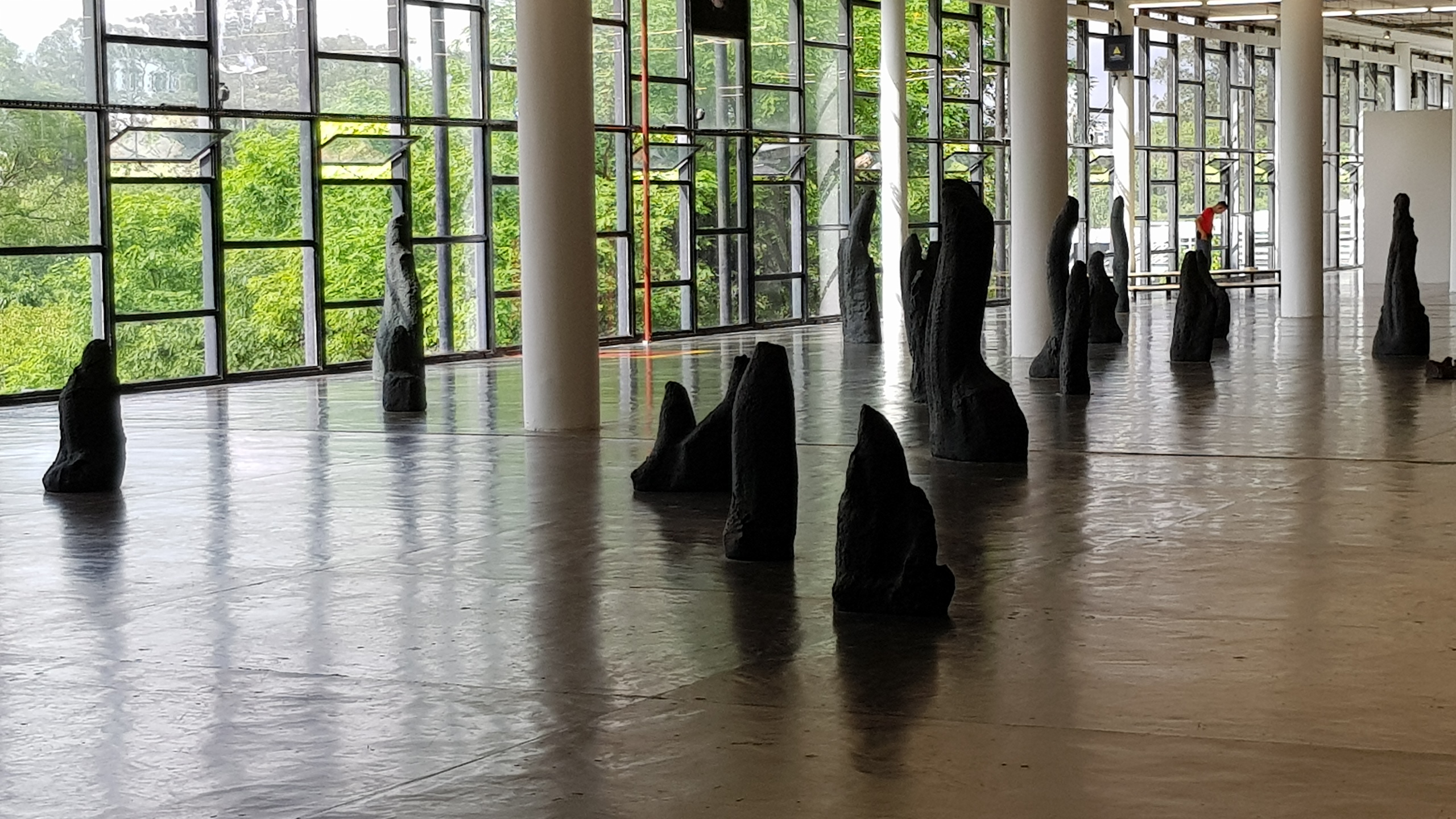
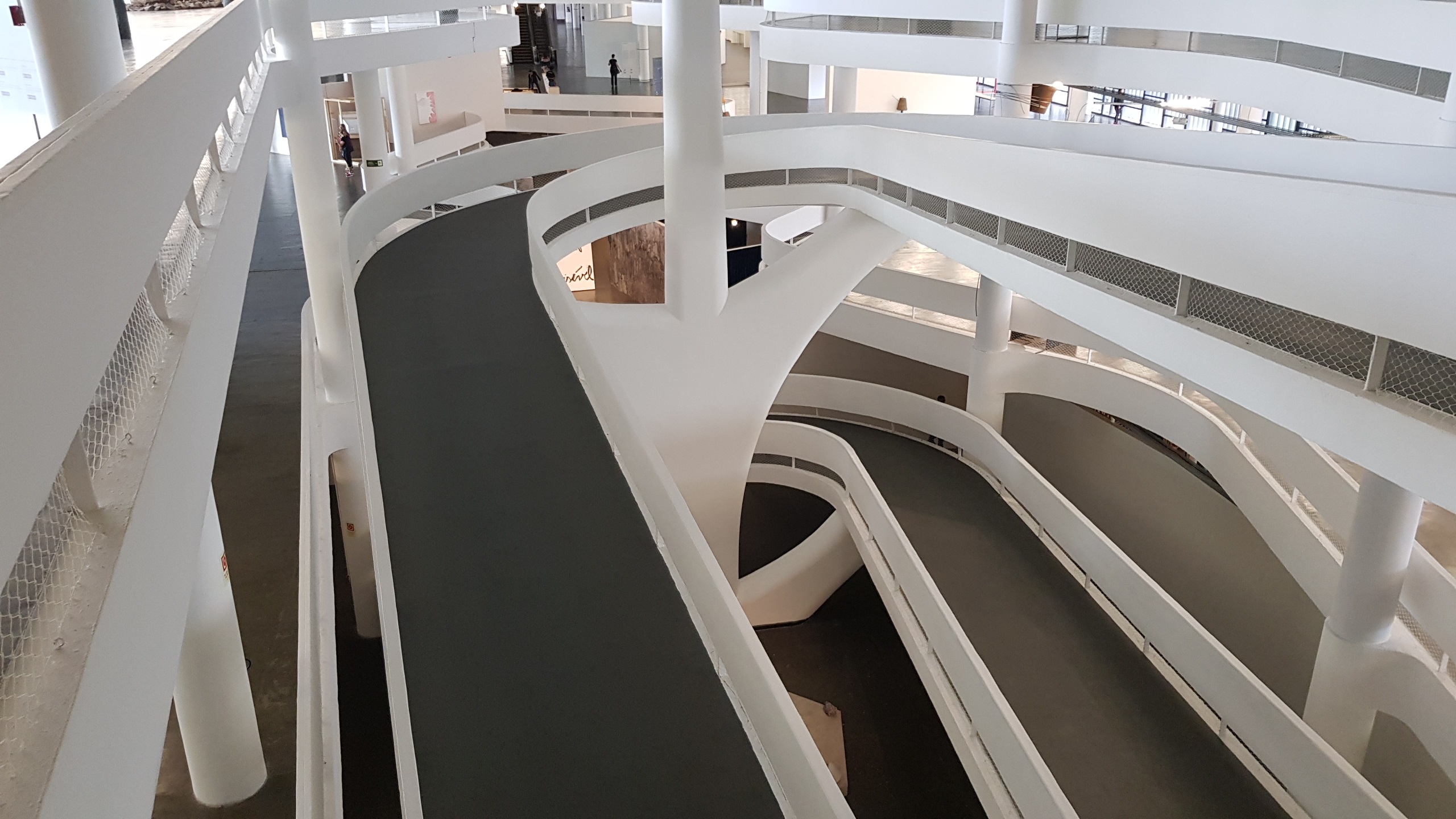
We spent the day at MASP.
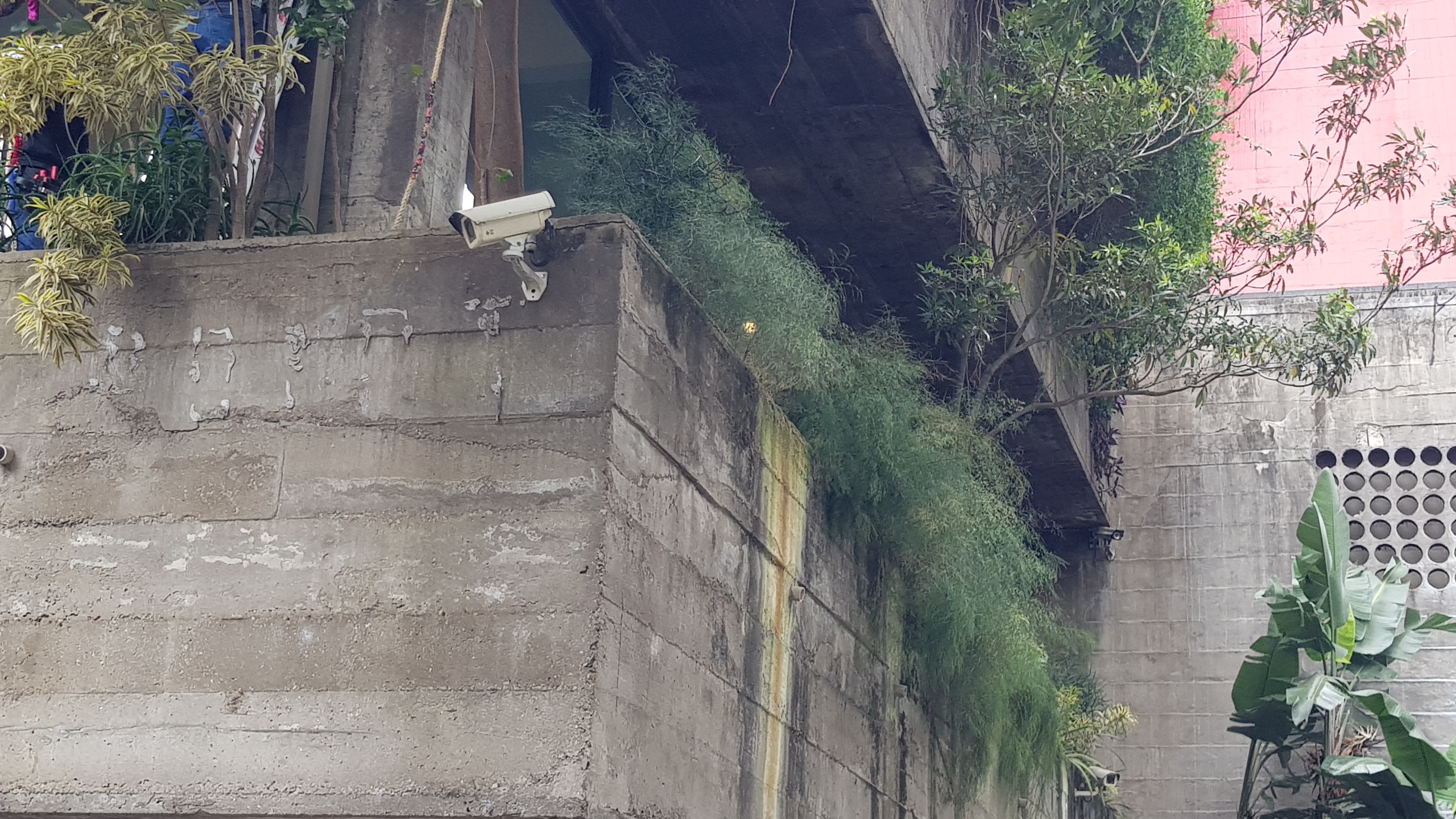
Exploring the nature of the relationship between the tough, brutalist, concrete frame and Lina Bo Bardi’s idea of a hanging garden, as shown in her child-like drawings:-


The amazing system of display on the top floor, which has recently been reinstated:-


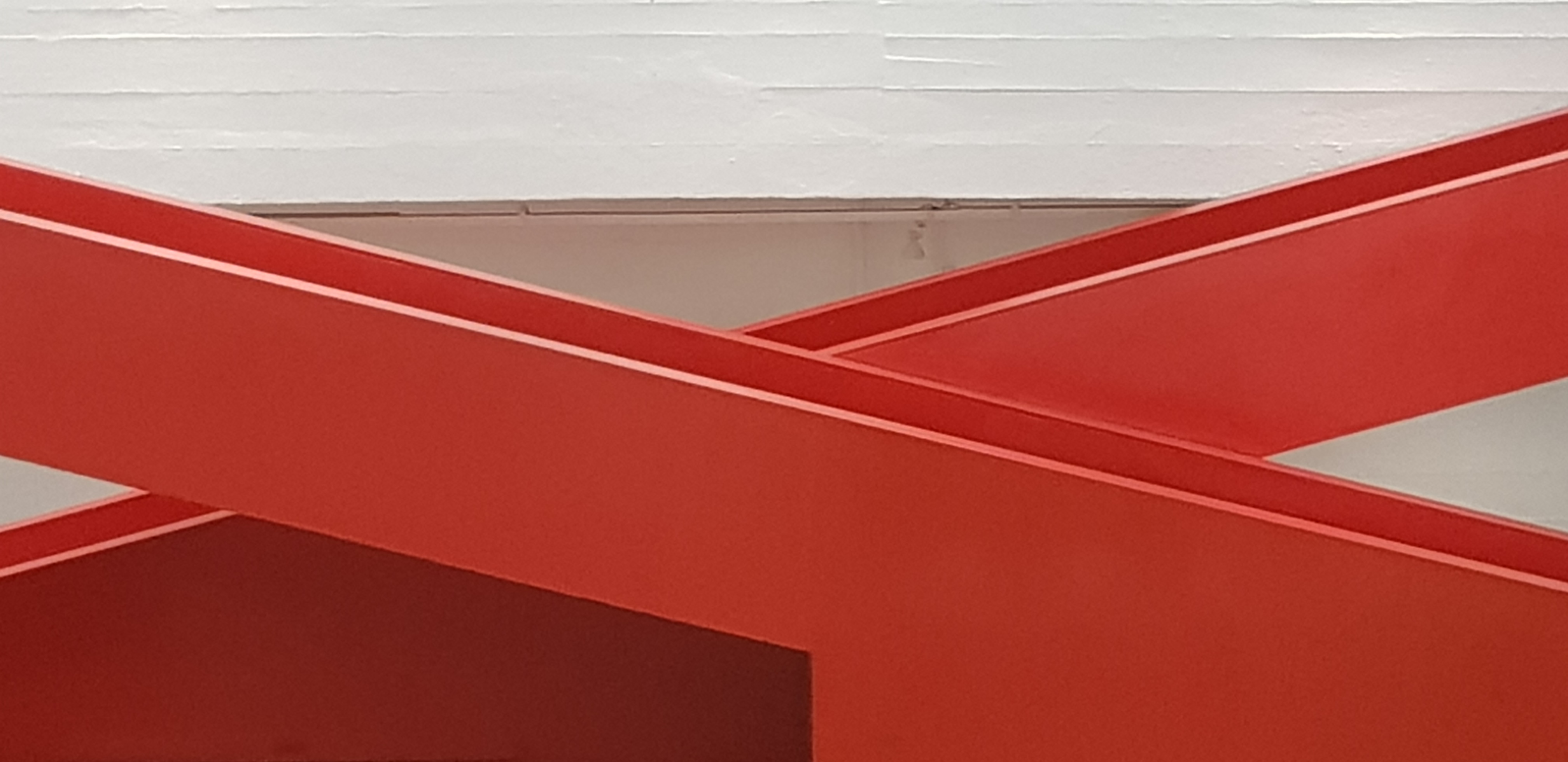
And the red scissors in the gallery downstairs:-

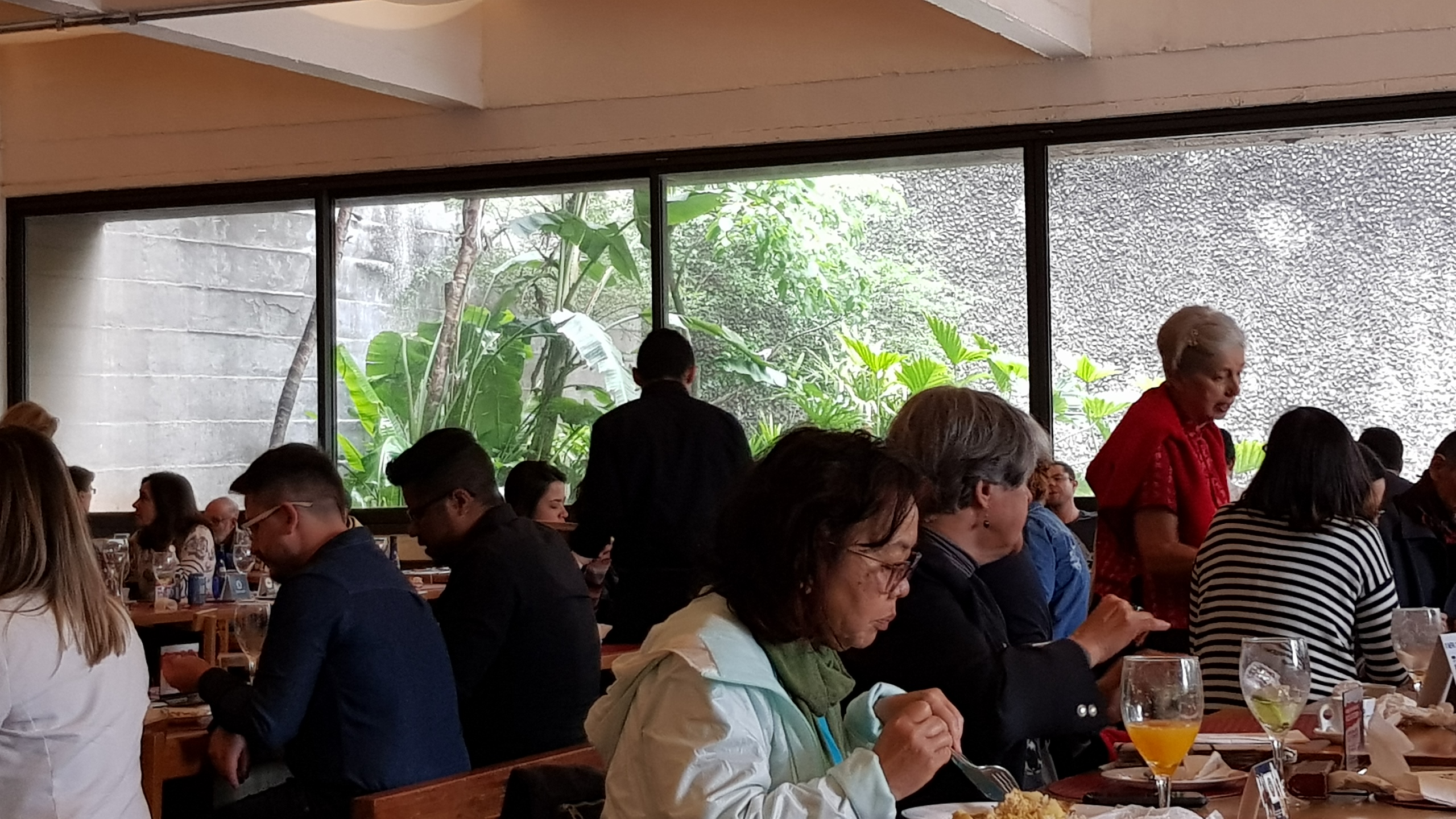
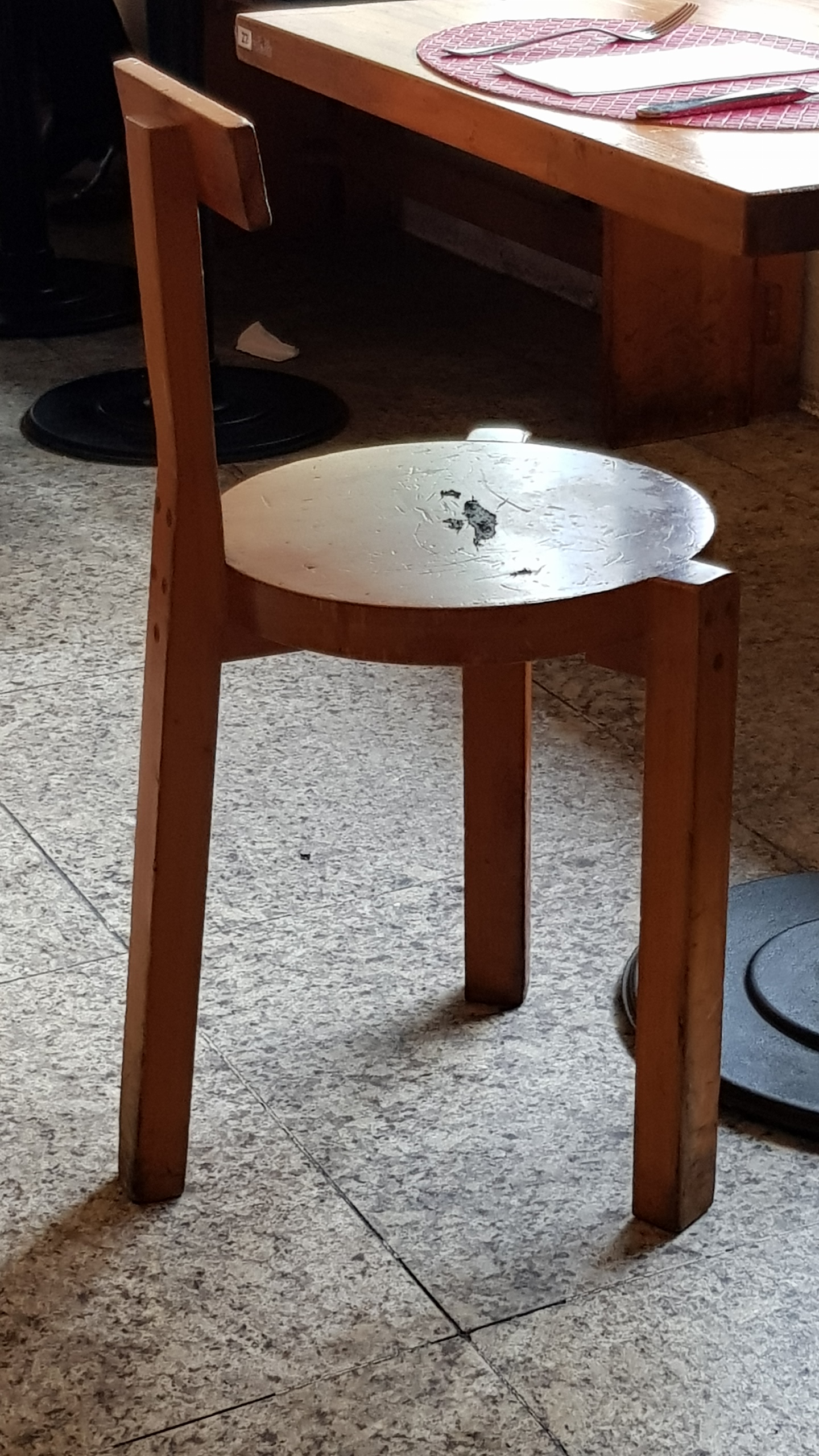
As someone who has been keen on upmarket food in museums, I can’t help but admire the more democratic tradition represented by the basement restaurant in MASP – cheap, self-service, for citizens and tourists alike, and still with Lina Bo Bardi’s simple stools:-
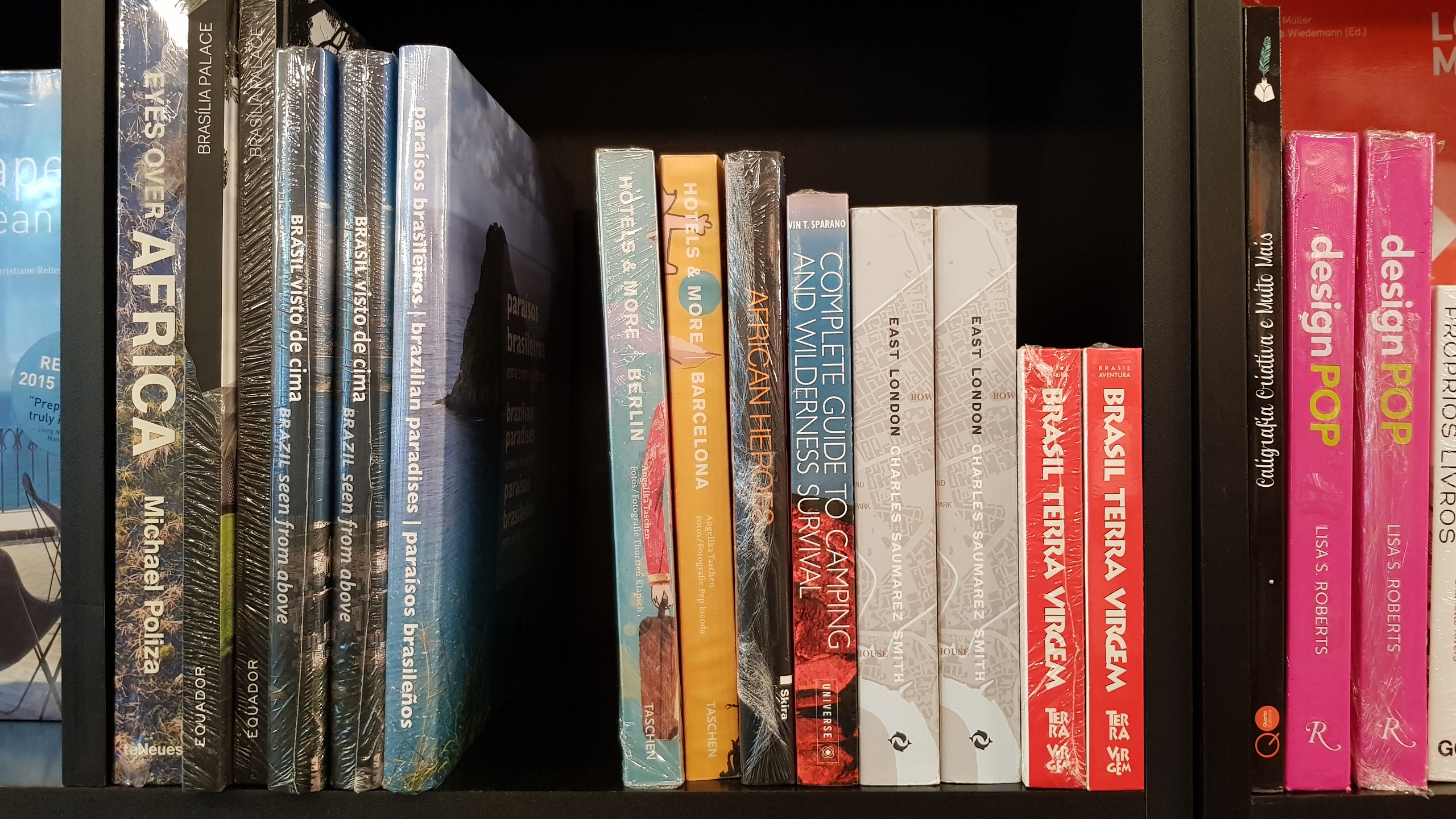
I am not normally prone to vainglory, but felt a brief frisson when I spotted my book on East London in a bookshop, Prince, on the smartest and most fashionable street in São Paulo:-


You must be logged in to post a comment.