
We had an event tonight to commemorate Zaha Hadid; or, as it turned out, to commemorate her as a person, as an architect, and her legacy. A bit of the discussion revolved round whether or not, as she herself felt, she was a victim of misogyny: whether or not she would have been more successful if she had been a man. The only problem with this line of argument is that she was gigantically successful: much fêted and commissioned around the world, highly regarded from the time that she was a student at the AA, given international teaching appointments in the 1980s, the subject of discussion in the exhibition on Deconstructivism at MOMA in 1988, and awarded the Pritzker Prize in 2004. I remember her lecturing at a conference in Columbia University on a stage with Daniel Liebeskind in, maybe, 2003. She was no shrinking violet.
Author Archives: Charles Saumarez Smith
Rugby School
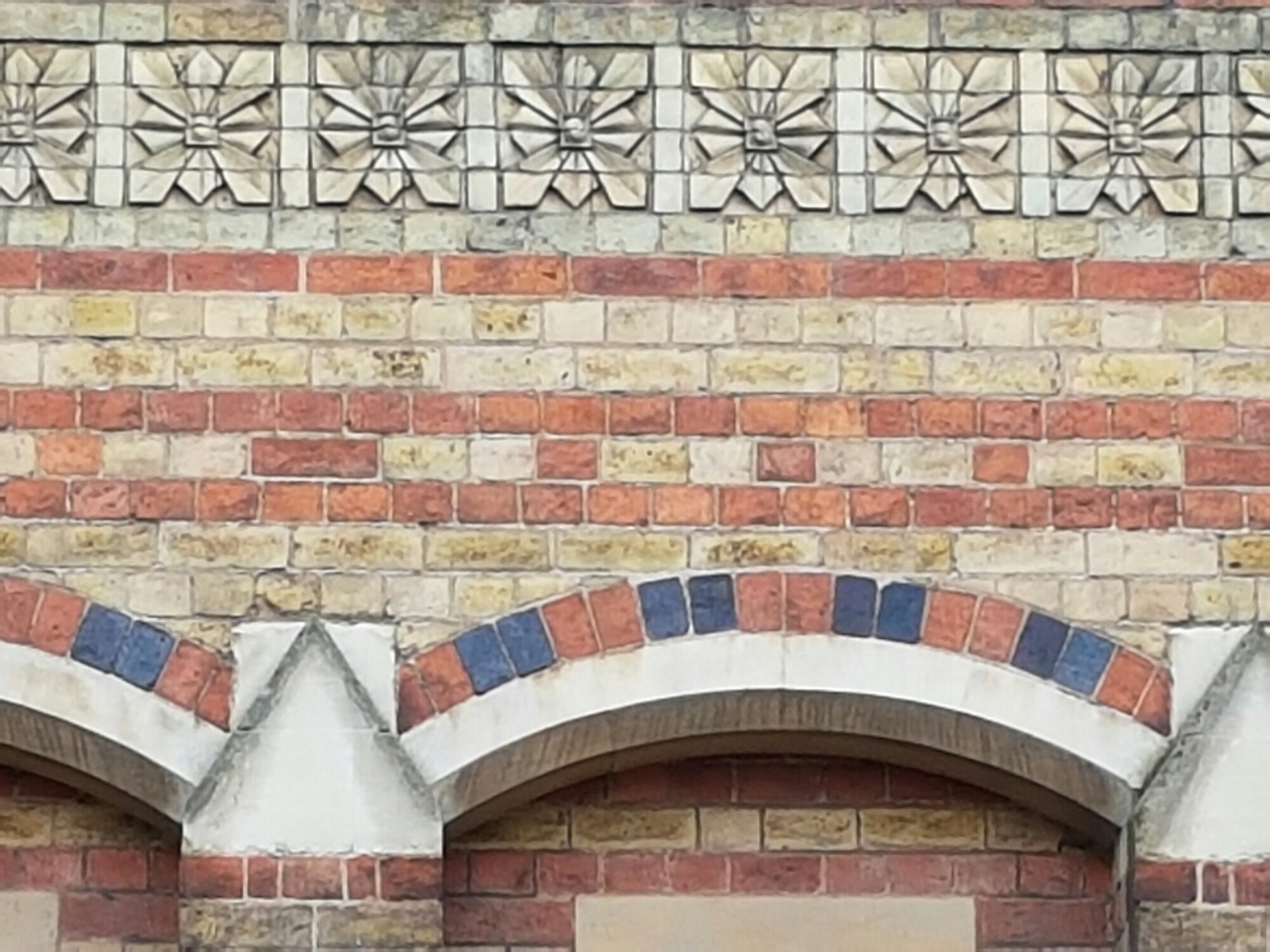
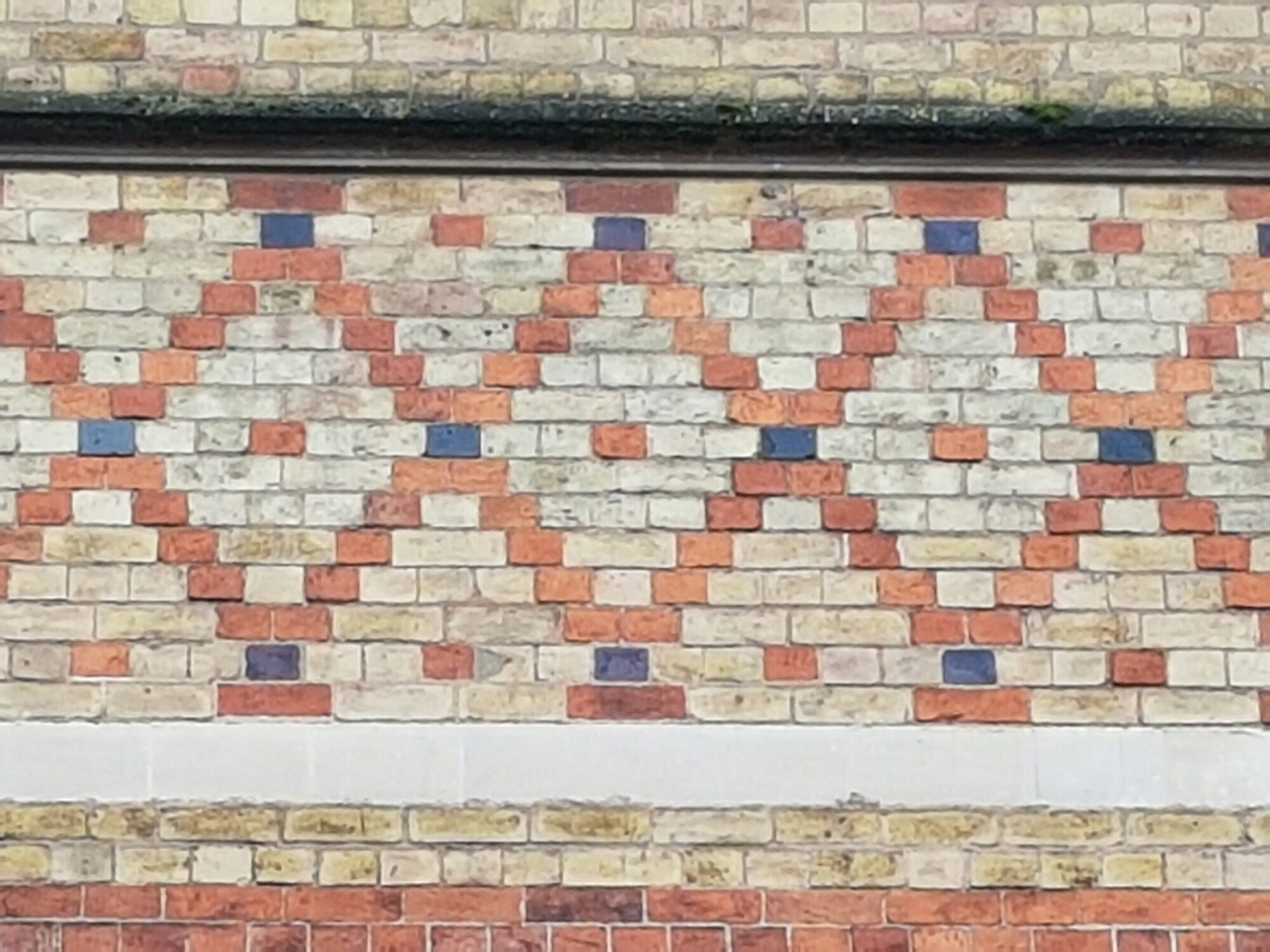
We went off to Rugby in search of the spirit of Thomas Arnold. Unfortunately, we should have checked to discover that the school term ended yesterday, so everything was very shut up, with no tours available. However, we were able to see Butterfield’s New Schools with his characteristic muscular polychromy (Butterfield was originally hired by the head boy in 1859 to design the raquets courts):-
Astley Church
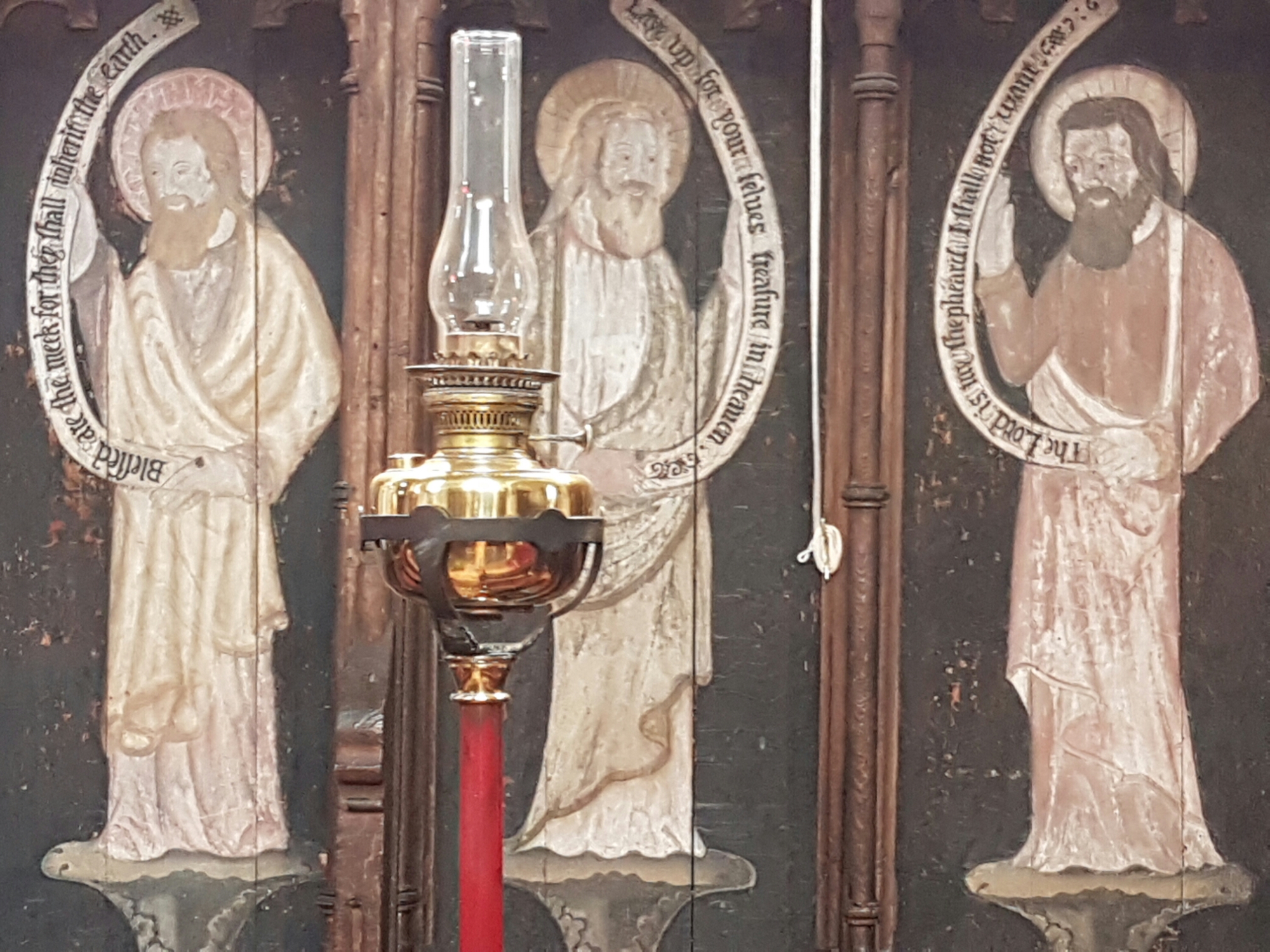
I had a quick look at the church, which one sees prominently through the window of the castle, a fourteenth-century collegiate church, dissolved in 1545, and reconstructed on 1607 in pure gothic style, the nave constructed out of the original chancel, and a new chancel added:-

It’s got wall paintings on the stalls:-
Astley Castle (2)
The castle looked better in the Sunday morning light, showing off the full extent of the ruin, owing to a fire in 1978 when it was a hotel:-


Walsall Art Gallery
We went on a pilgrimage to Walsall Art Gallery in order to see it again in advance of its possible shutdown, remembering the hopes which accompanied its opening and the quality of its building by Caruso St. John, full of surprises and unexpected vistas, with leather handrails to the staircase and an exhibition by Eva Rothschild, but surrounded by a sea of car parks and strip malls (‘no cruising in the Black Country’ it announces as one enters the town):-

A Polynesian shell ornament:-

The Barber Institute
Saturday morning at the Barber Institute. Nobody is here in the beautifully organised and immaculately silent galleries, opened in 1939, with a collection of the highest quality.
Simone Martini, dated 1320 on the frame:-

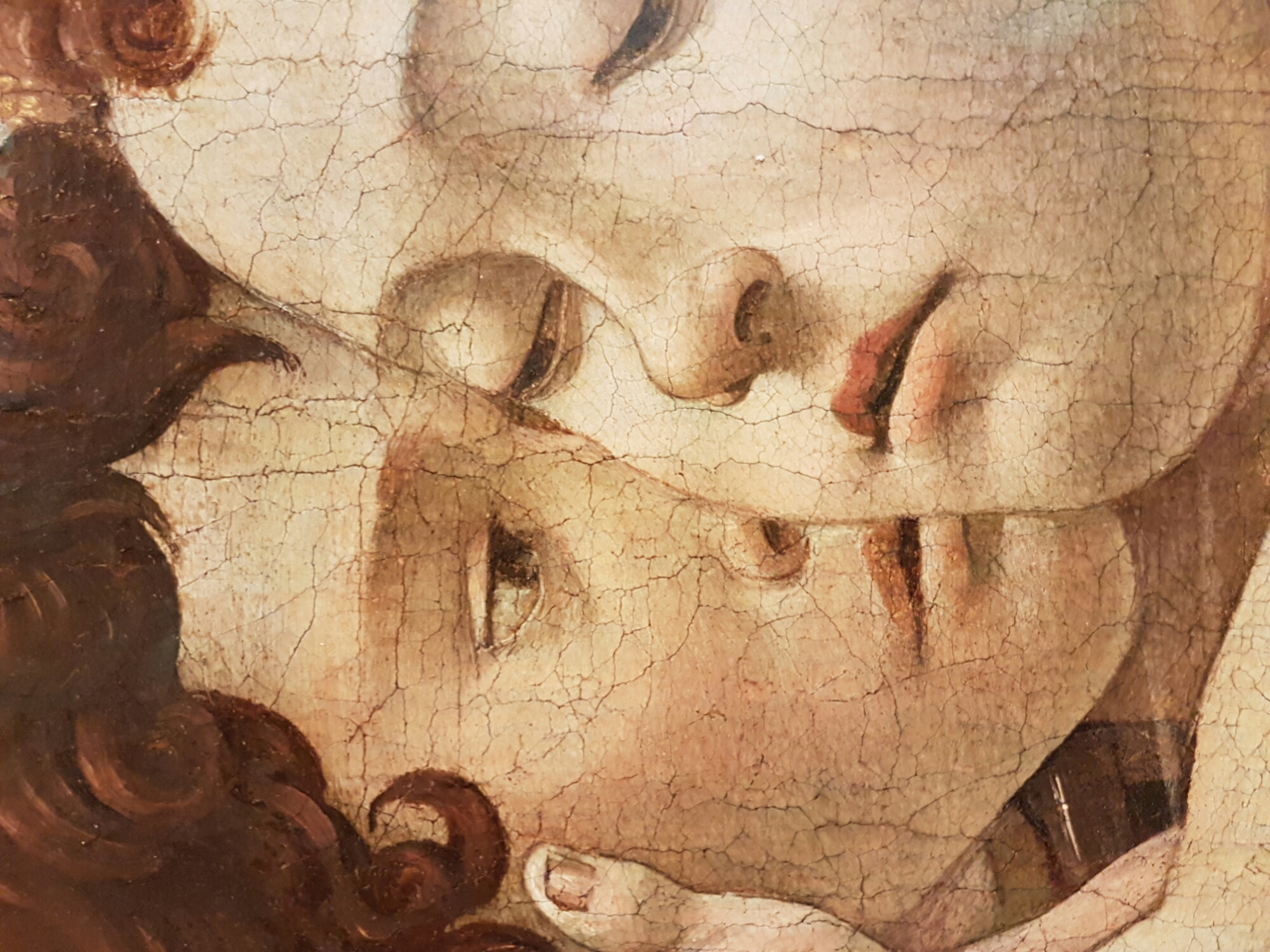
Botticelli:-
Astley Castle
We booked to stay at Astley Castle a couple of years ago. One has to hover near a computer when booking opens and I forgot, so the only time available was a December weekend, when everything is water logged. It’s an amazingly sensitive intervention by Witherford, Watson Mann into the fabric of the small medieval castle, not pretending in any way to be historic, but using robust materials, brick and wood, and adapting the building and the bedrooms to the available spaces:-


A.S. Byatt (2)
Having spent so much of the afternoon and evening listening to speeches by, or about, Antonia Byatt (A.S as she is known to her family), I have inevitably been thinking about, or reminded of, the experience of her writing: first, The Virgin in the Garden, published in 1978, later than I thought, a long, dense, quasi-historical narrative, which starts in the National Portrait Gallery and is about much bigger issues than the domestic dramas which were previously dominant; Possession: A Romance, again later than I thought, published in 1990, part Victorian and winner of the Booker Prize; then Angels and Insects, published in 1992, which was made into a film by Philip Haas. I first met her when I asked her to lecture at the V&A in a series of Artists of the Tudor Court. As she demonstrated today, she is a brilliant, and in some ways theatrical as well as didactic, lecturer.
A.S. Byatt (1)
I was invited to attend the award of this year’s Erasmus Prize to Antonia Byatt, in a line of mainly men, beginning in 1958 with The People of Austria, and including Herbert Read, Henry Moore, and, perhaps more surprisingly, the food writer, Alan Davidson, the historian of science, Simon Schaffer and last year Wikipedia. She spoke very powerfully about the experience of writing fiction – how she compares it to painting (she taught at Central School of Art before joining the Senior Common Room at University College alongside tutors at the Slade) and how she was first inspired by the use of language in the work of Beatrix Potter (‘flopsy’) as well as Shakespeare.
 | Charles | Saumarez | Smith |
You must be logged in to post a comment.