The New Craftsmen

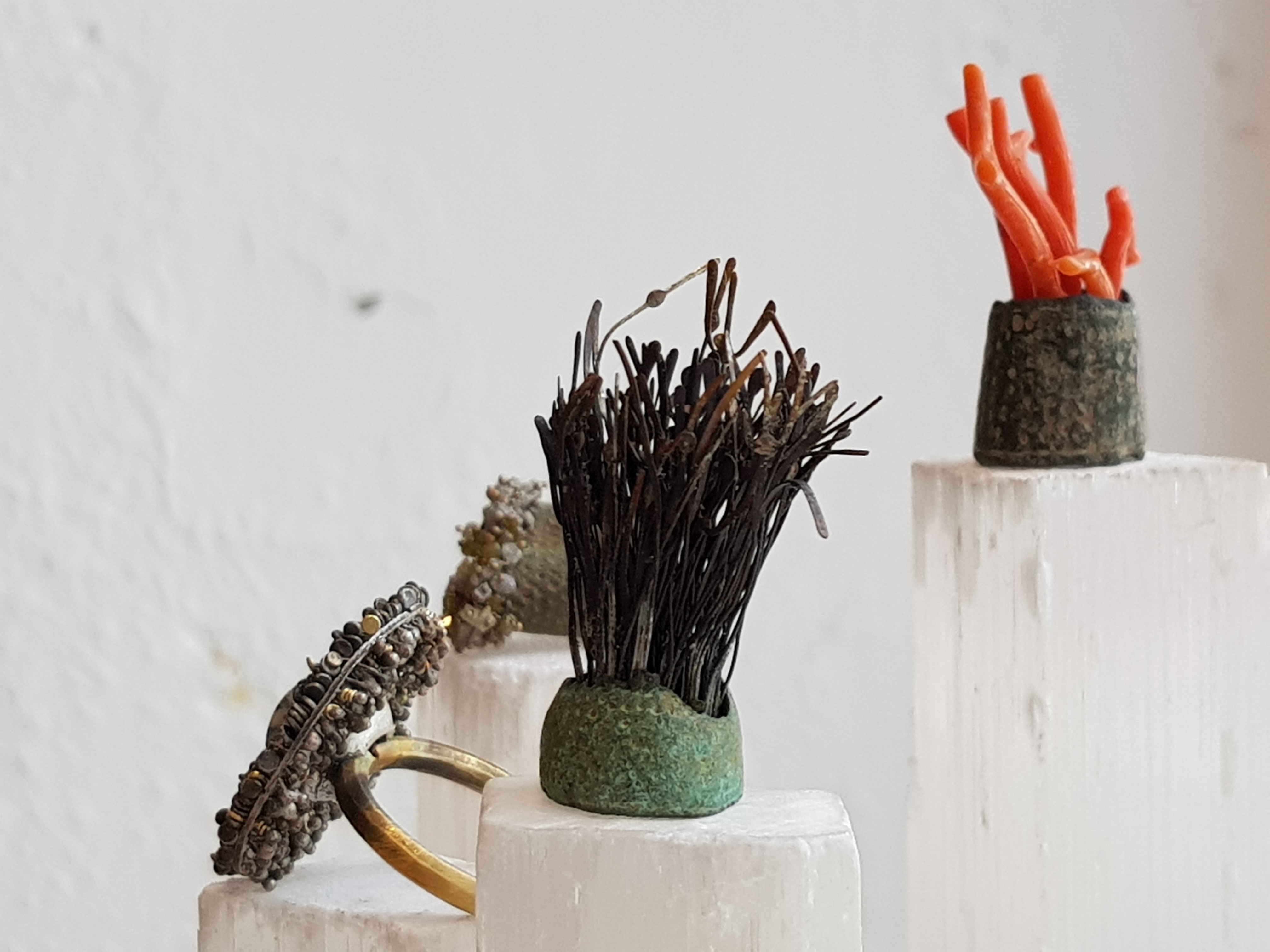
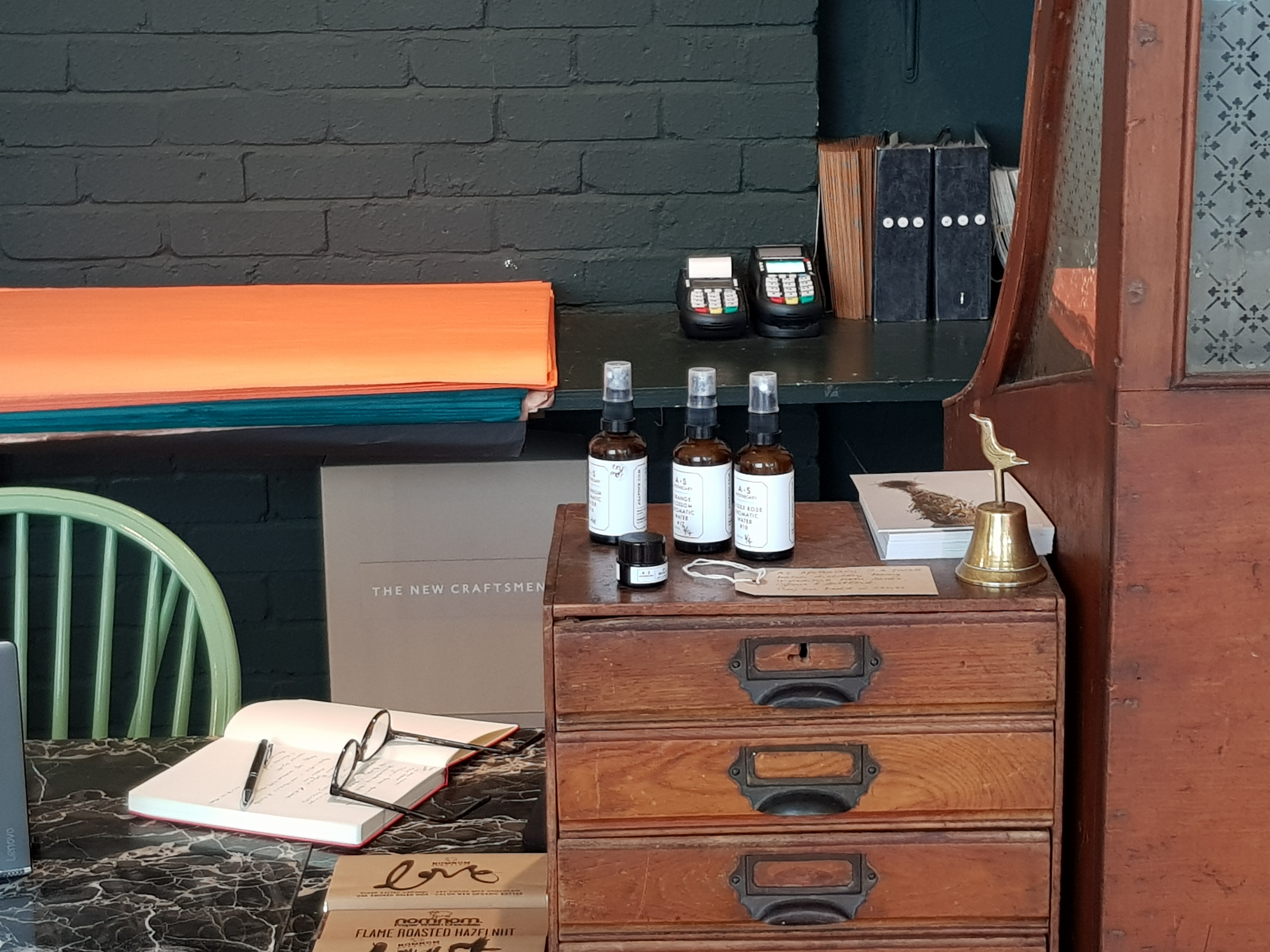
I called in at the New Craftsmen to see the work of my favourite jeweller displayed in a case in the window:-

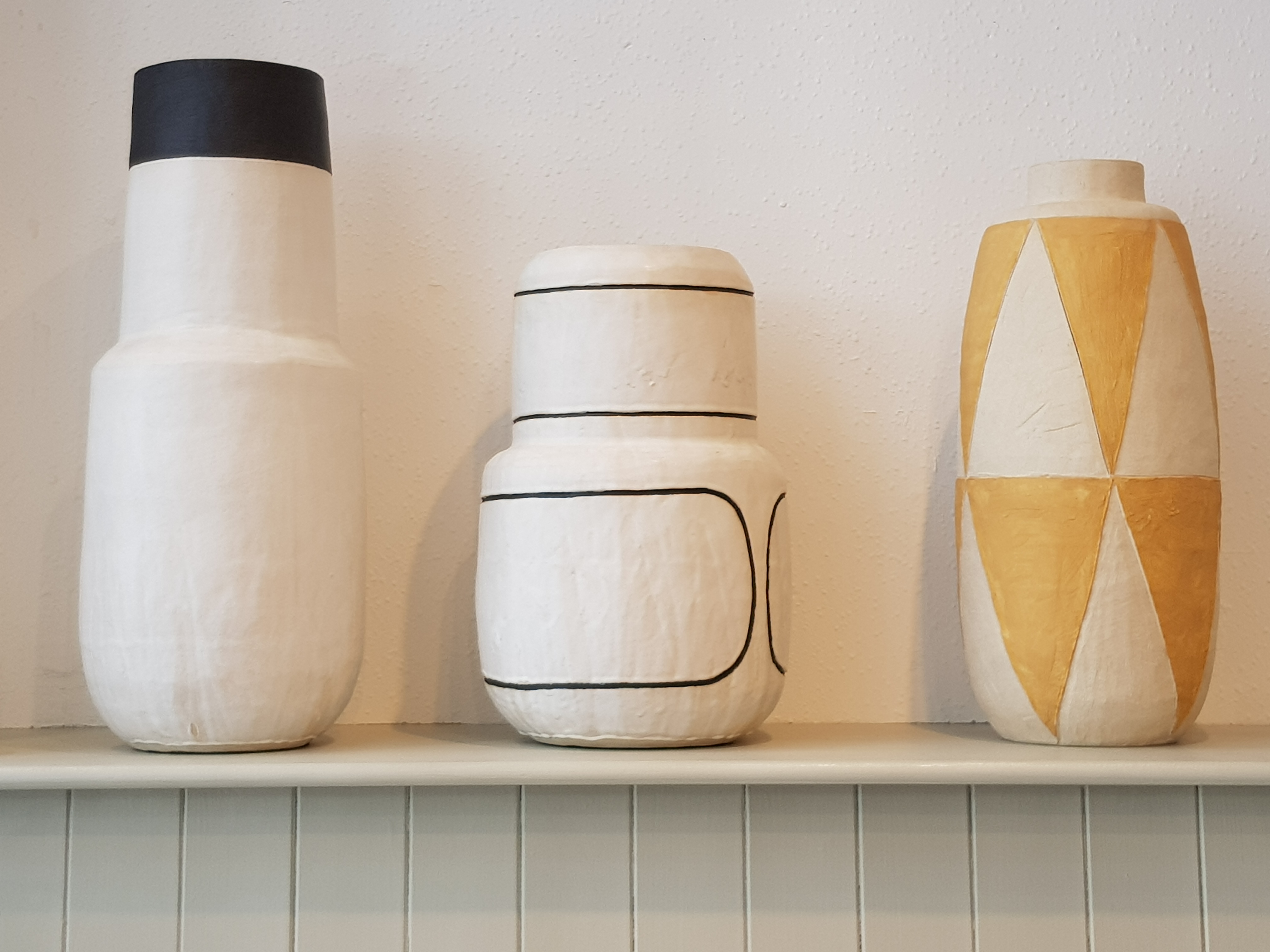
I also admired the work of a potter David Reynolds, working in an obviously modernist tradition:-

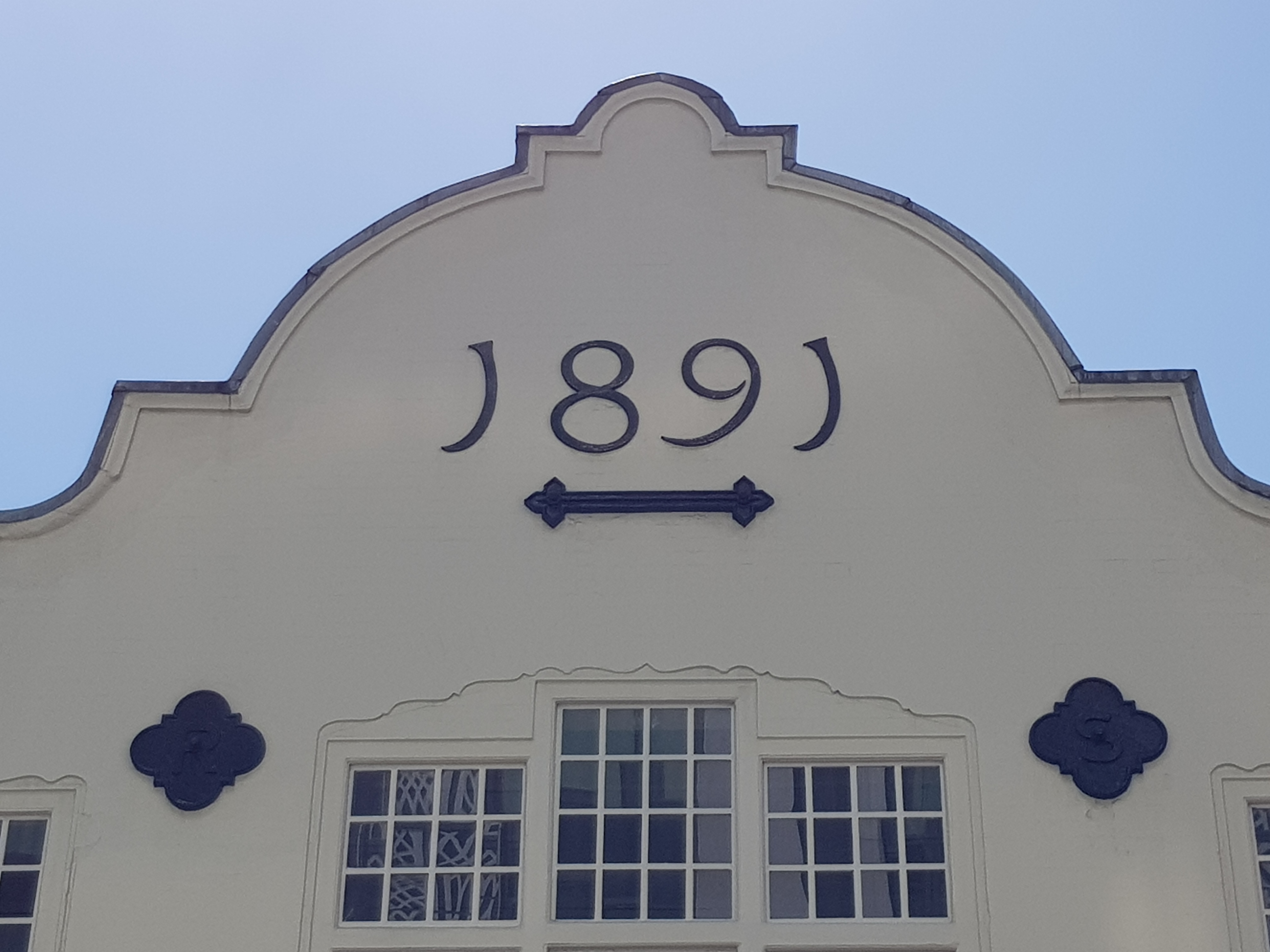
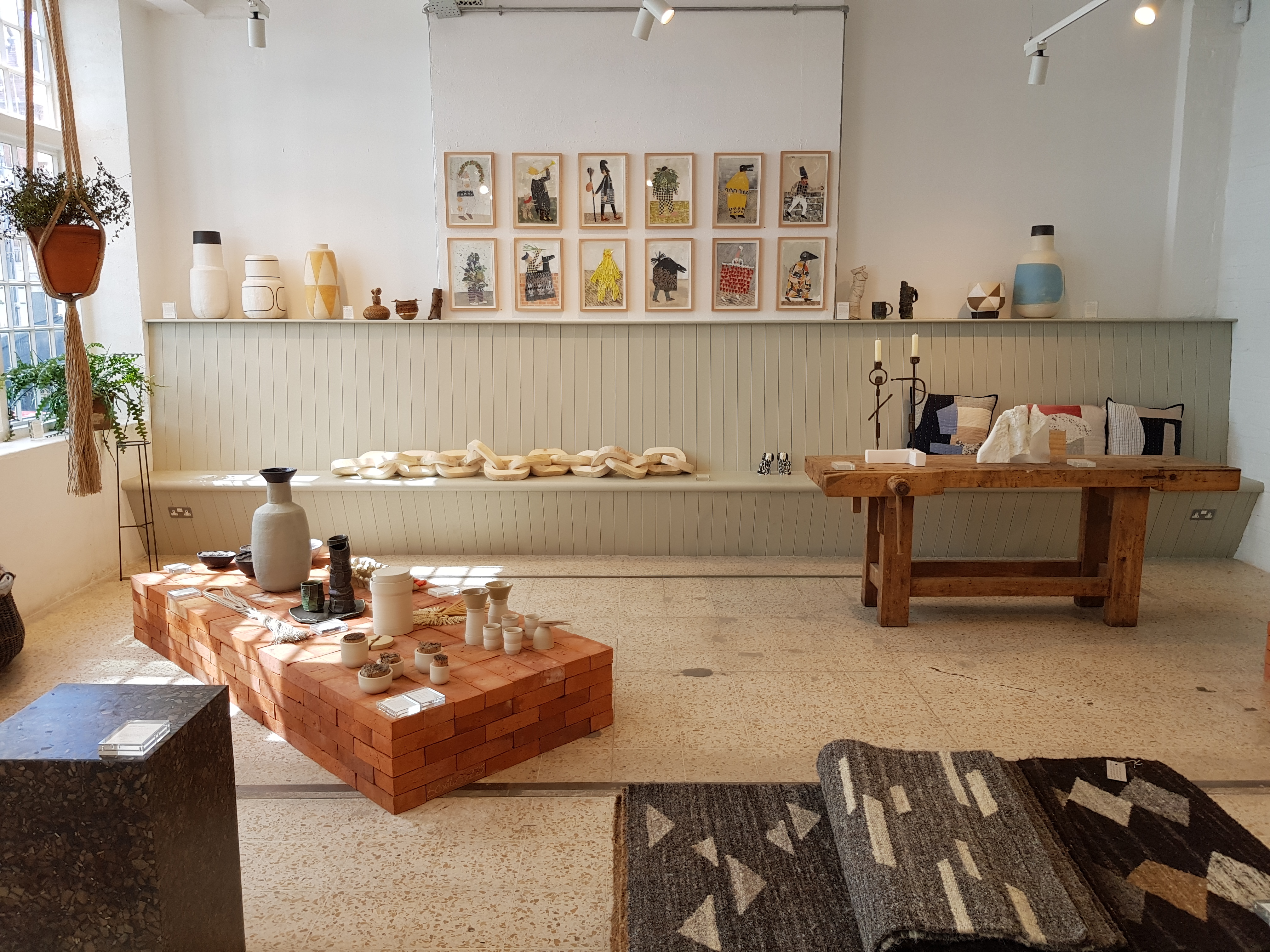
And the shop itself up steps in North Row:-

Standard

Murray O’Grady

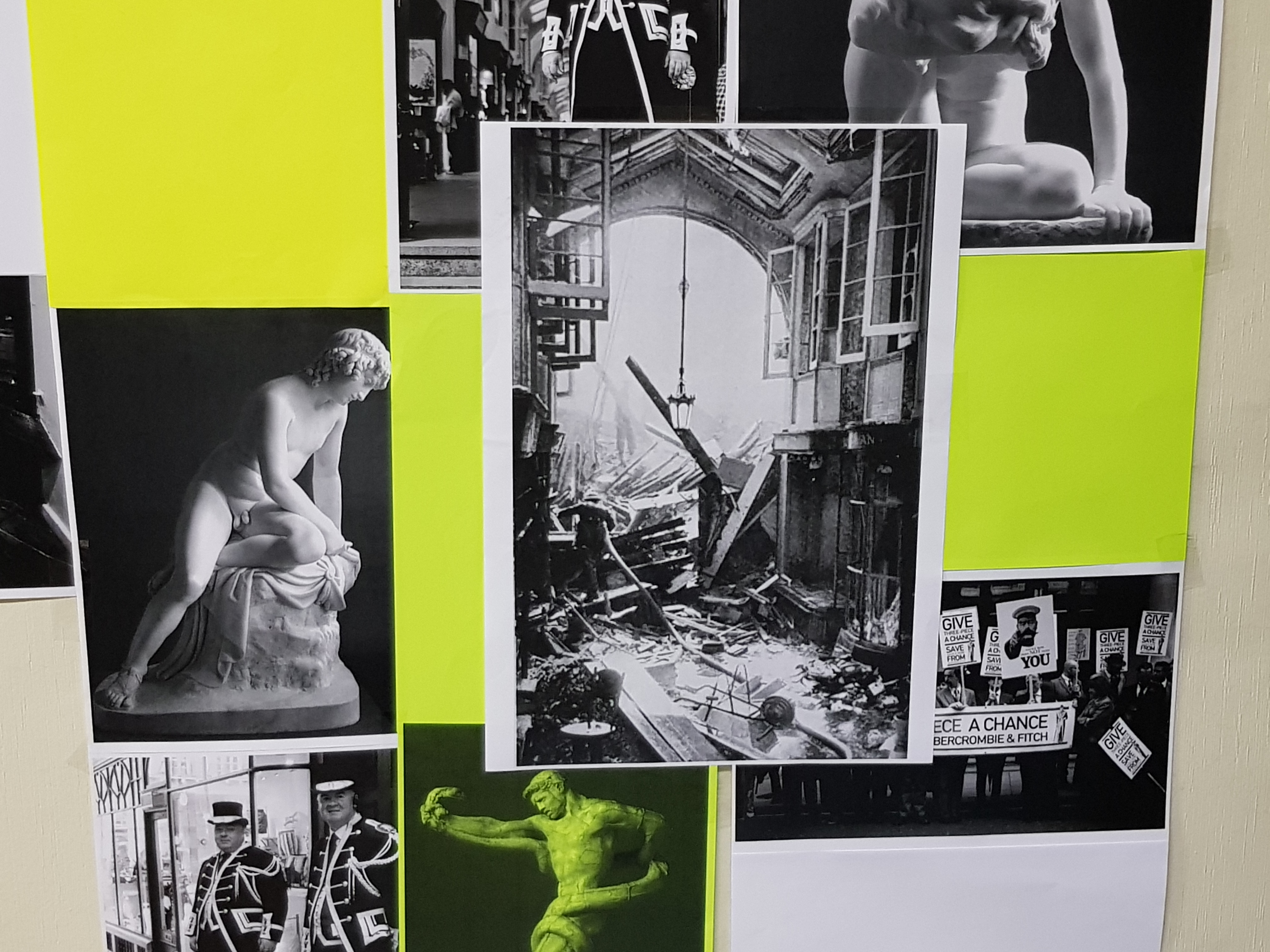
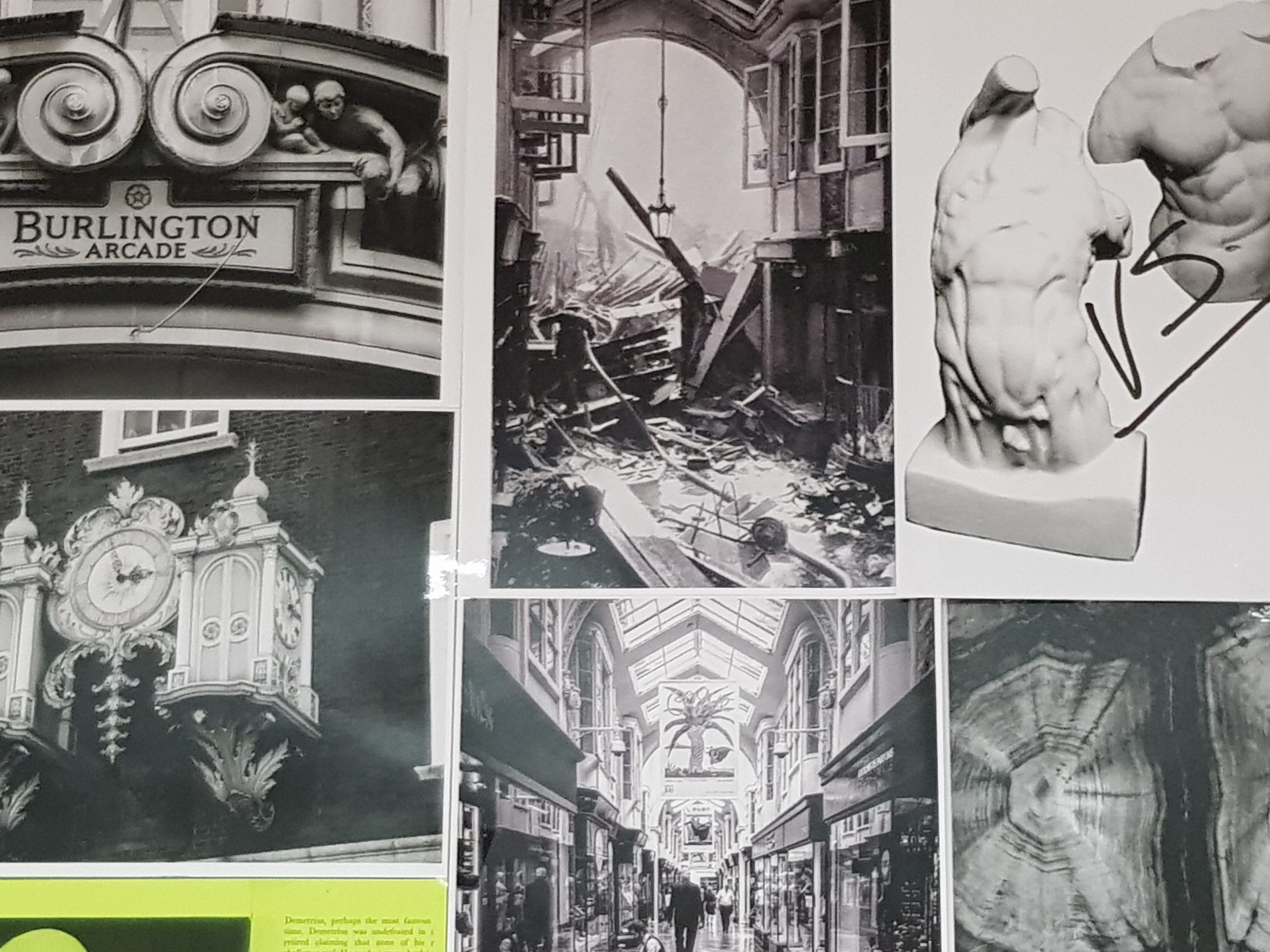
The other person I interviewed was Murray O’Grady, a recent graduate of the Royal Academy Schools, who has a pop-up exhibition in the basement of one of the shops in Burlington Arcade.   He has a long-standing and well-developed interest in the history of dandyism, tracing dandyism in London back to Beau Brummell, who instructed the Prince of Wales in the niceties of how to wear a cravat and spent £800 a year on clothes until he was forced to escape his creditors by moving to France.   Byron called Watier’s Club, much frequented by Brummell and his set as ‘the Dandy Club’.   Carlyle described a dandy in Sartor Resartus ‘a clothes-wearing Man whose trade, office and existence consists in the wearing of Clothes’:-

Standard

Eugenie Vronskaya

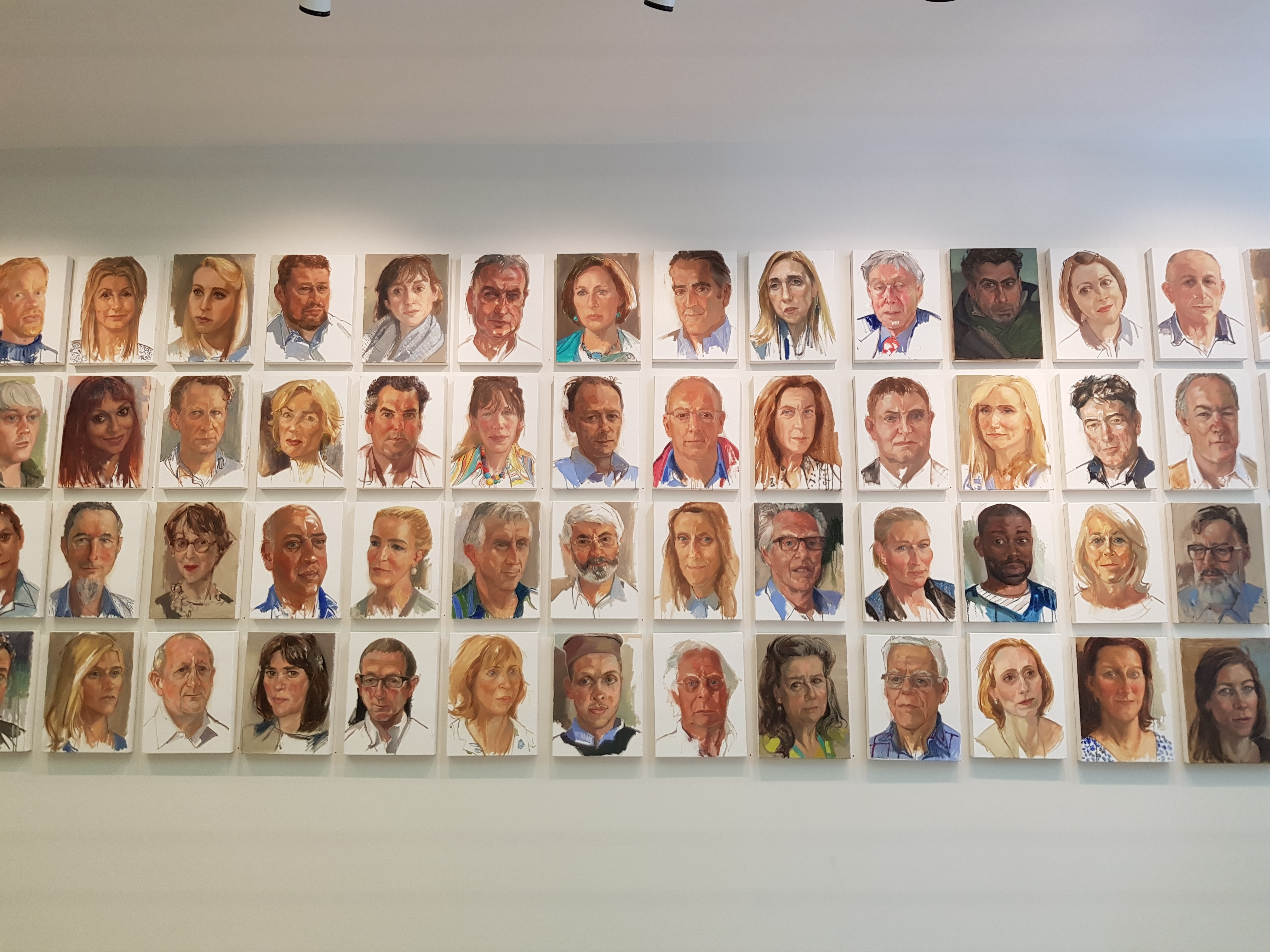
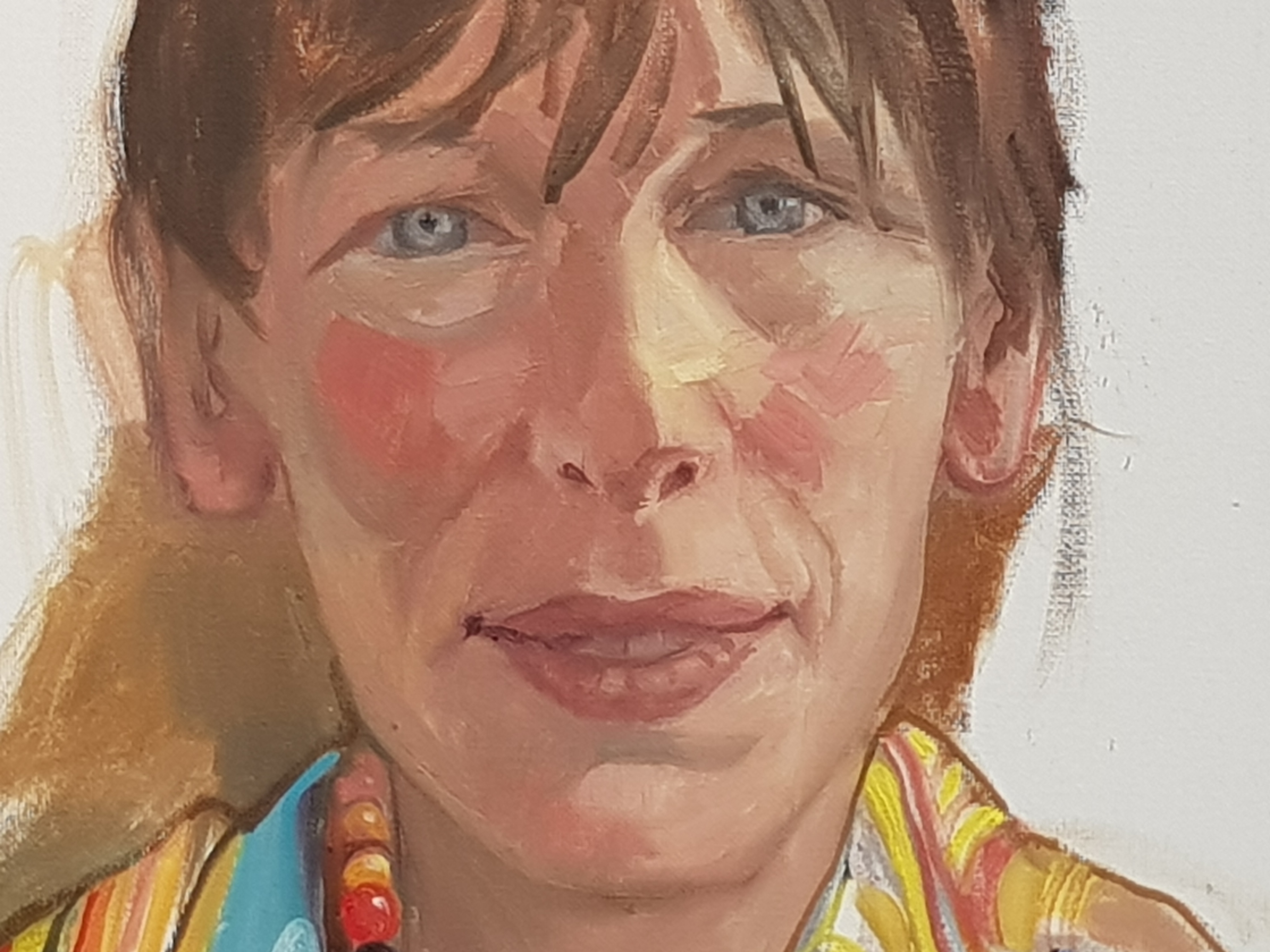
I was asked to interview Eugenie Vronskaya in the courtyard of the RA as part of the festivities of Mayfair Art Weekend.   She was trained at the Krasnopresnenskaya School of Art, an interdisciplinary art school in Moscow with a system of training equivalent to that of the Bauhaus.   She arrived in England in 1989 after being given a six-month instead of a two-week visa (they were more generous in those days) and, during the six months, attended a residency at Pine Plane in upstate New York under Anthony Caro.   After studying at the Royal College of Art, she retreated to the Highlands, but is now again based in London painting portraits, of which an extensive series are currently on display in John Martin Gallery in Albemarle Street, including some very recognisable art world figures:-

Standard

Madrigals

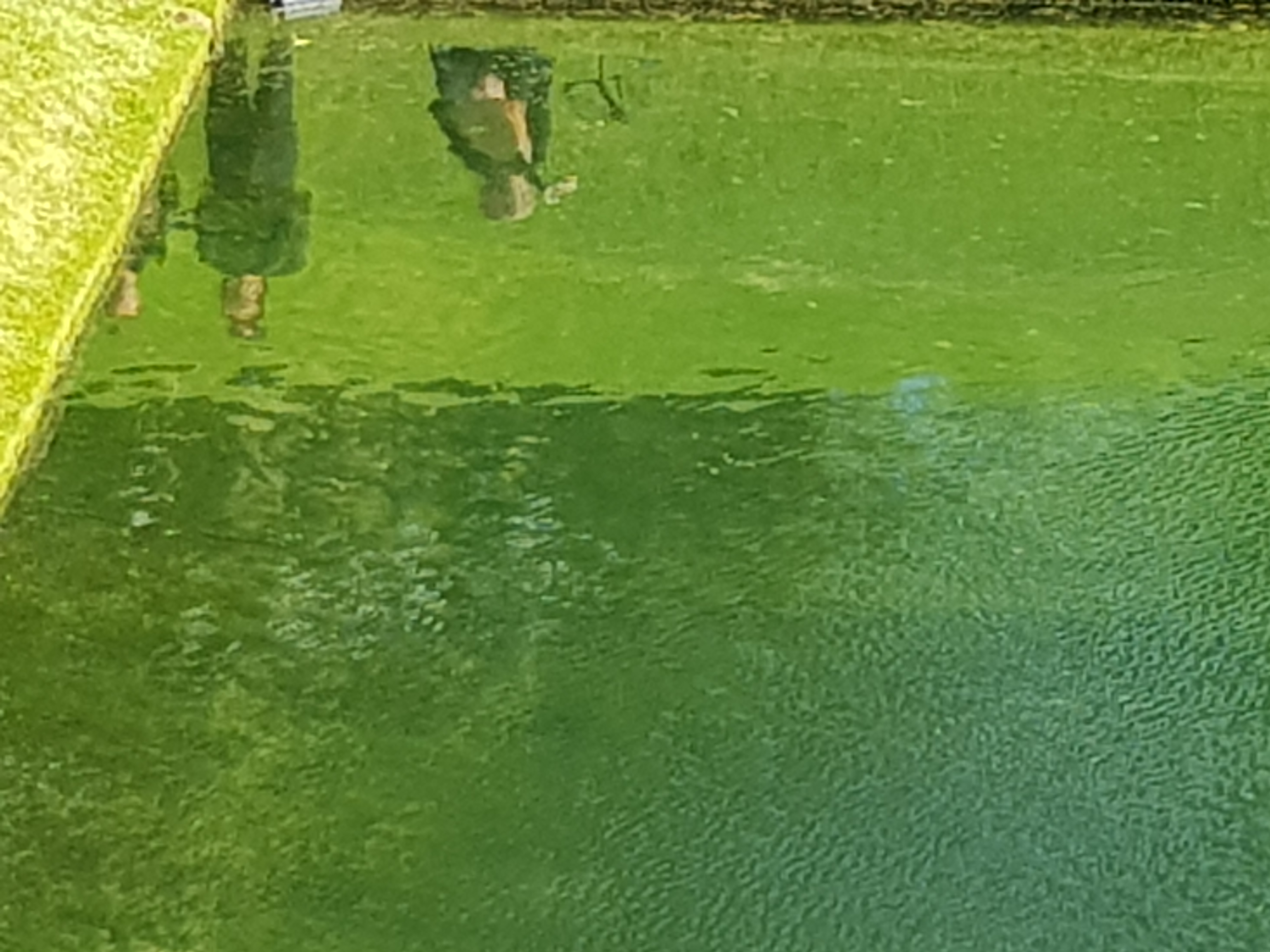
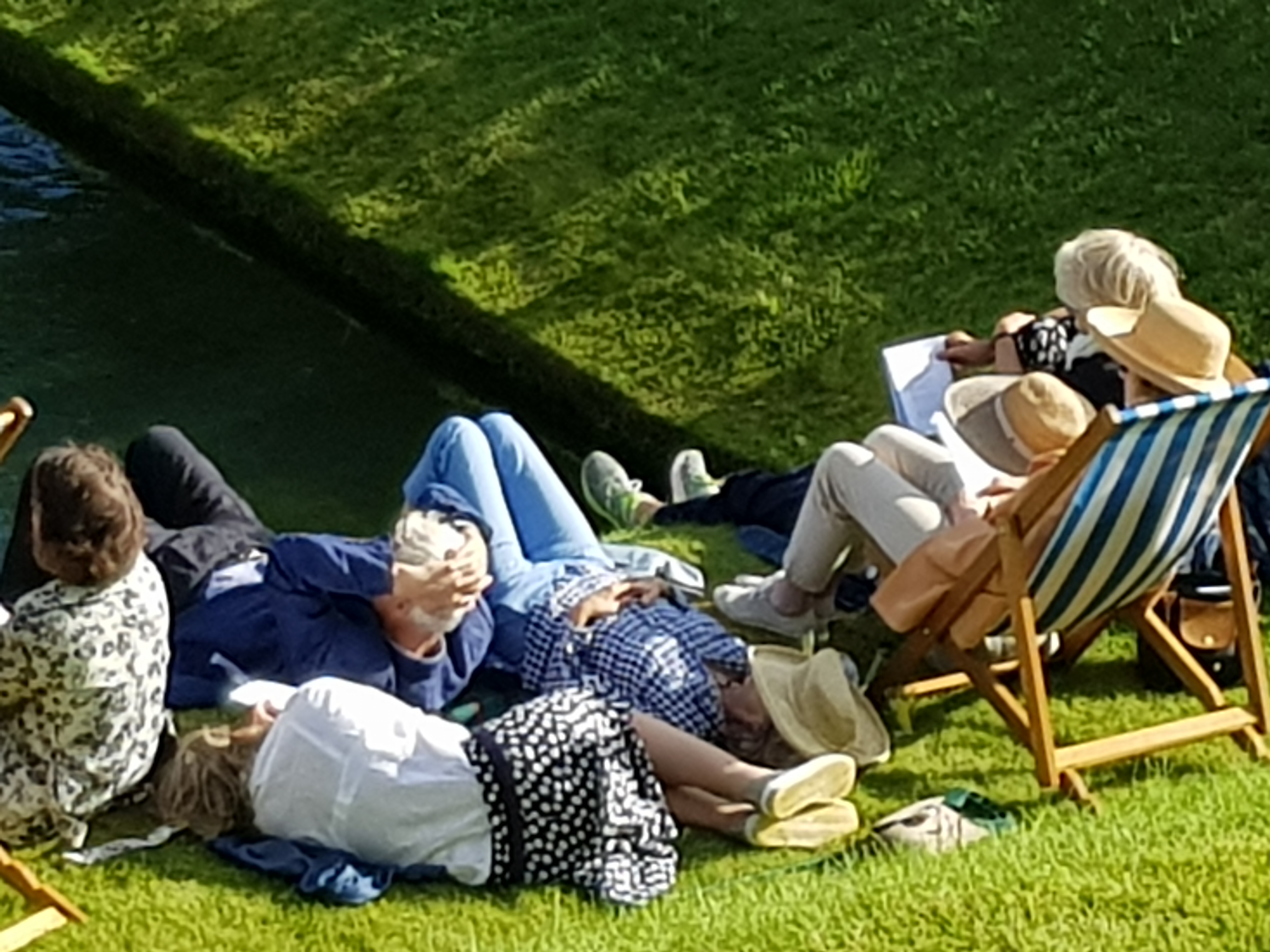
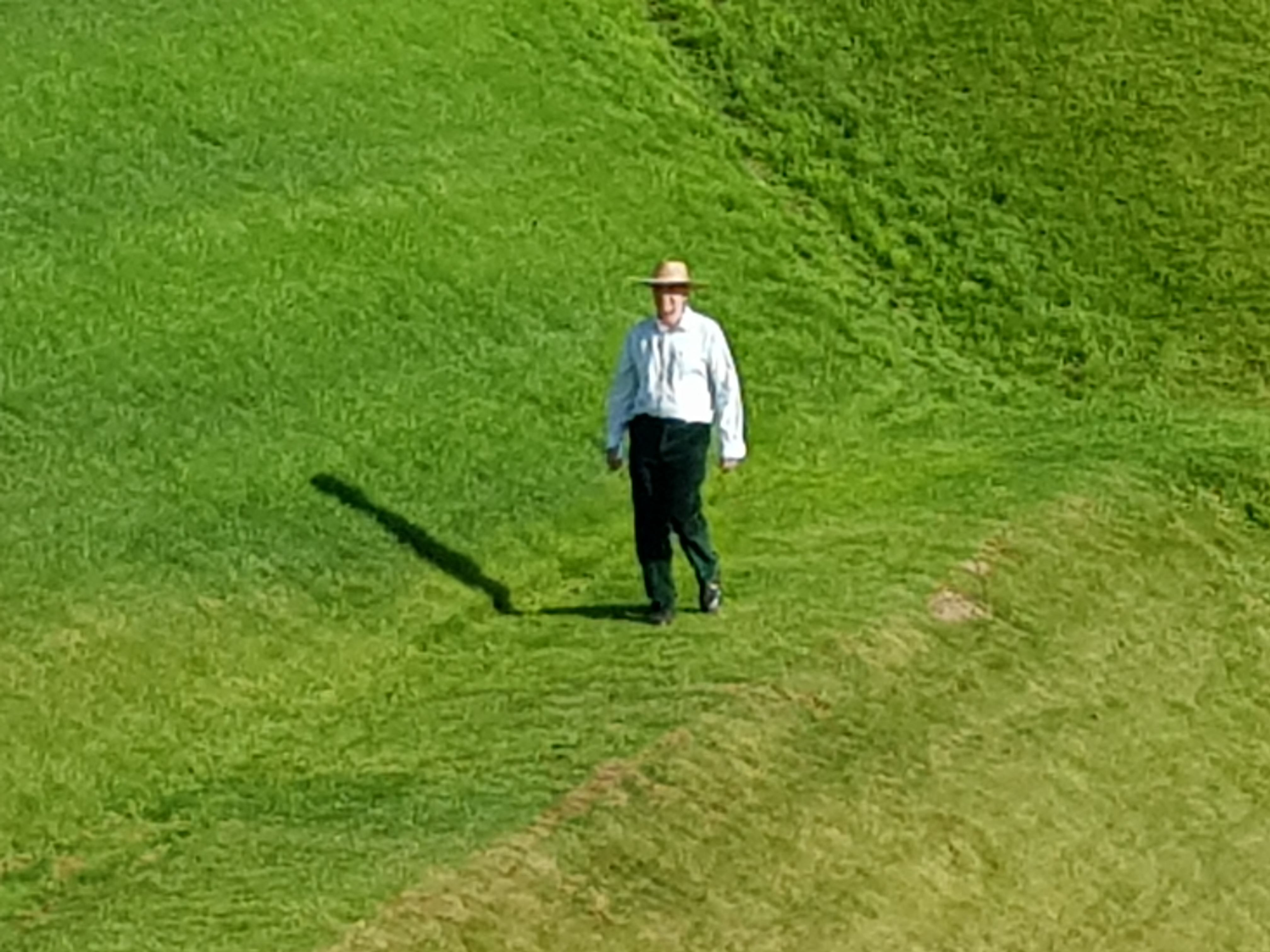
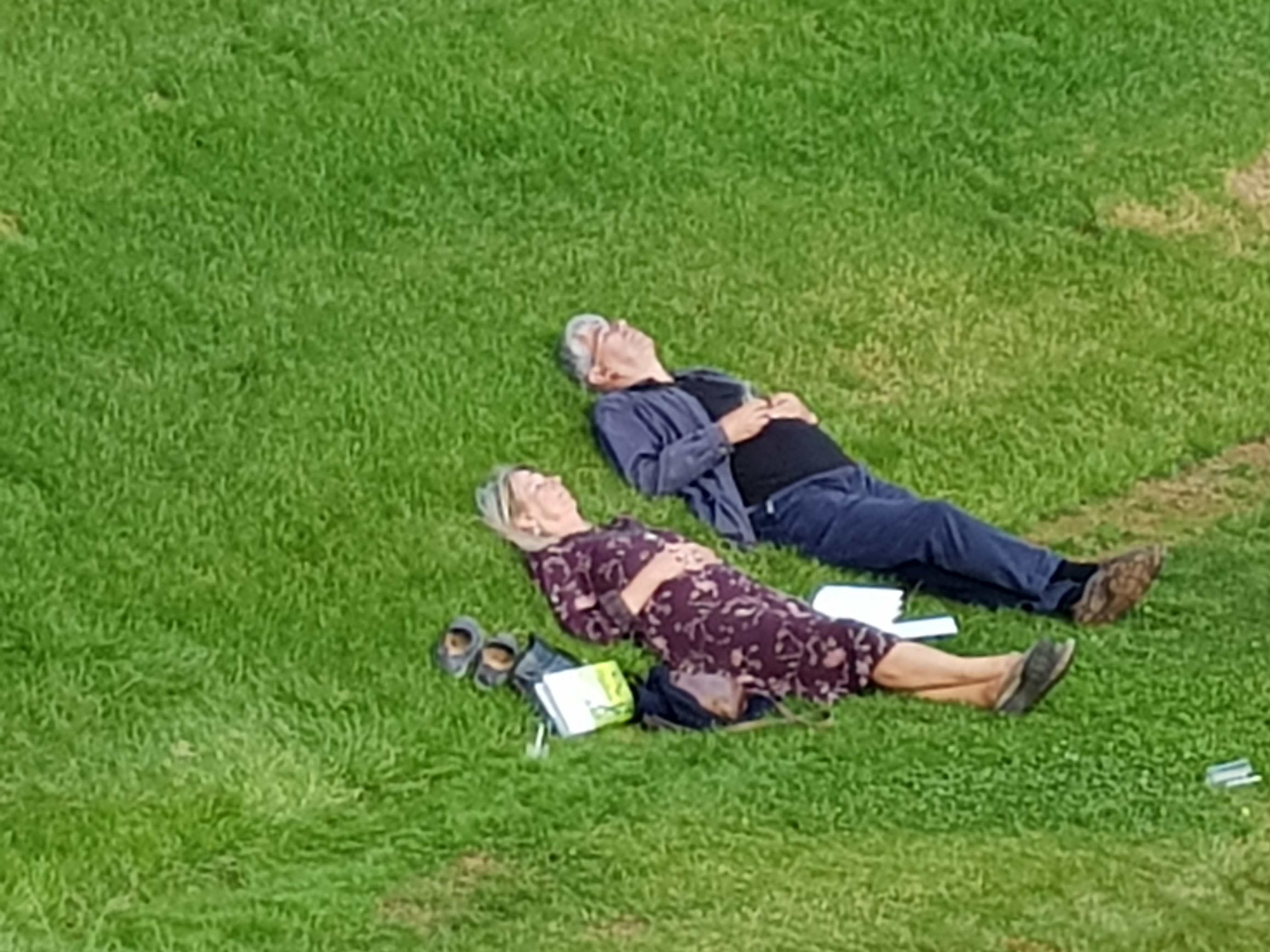
We ended the afternoon drinking cocktails prepared by Gimlet, listening to madrigals performed by I Fagiolini and sprawled on the grass in Kim Wilkie’s inverted Mount known as Orpheus:-

Standard

Tessa Traeger

I was asked to speak with Tessa Traeger at the Garden Museum Literary Festival about her exhibition A Gardener’s Labyrinth, which I was involved in commissioning when Director of the NPG, opened in the Summer of 2003, and is now being shown at Boughton House as part of its summer programme.   She reminded me of how it came about.   After we had commissioned a series of cooks to hang in the basement café in 1998, the Trustees thought that it would be appropriate to commission a series of gardeners.   I met Tessa at Hadspen, which had been the garden of Penelope Hobhouse, and realised that she was deeply knowledgeable about plants and gardens, as well as being a brilliant photographer, particularly of food.   The list evolved from the one originally drawn up by the Board of Trustees, to include artists like Ian Hamilton Finlay and Andy Goldsworthy, plantsmen, and gardeners from Scotland, Wales and Northern Ireland.   Roy Strong thought the list was passé, but I thought it showed the longevity of gardeners since at least five of the sitters, including Roy, were in the room.

Standard

The Gardens at Boughton

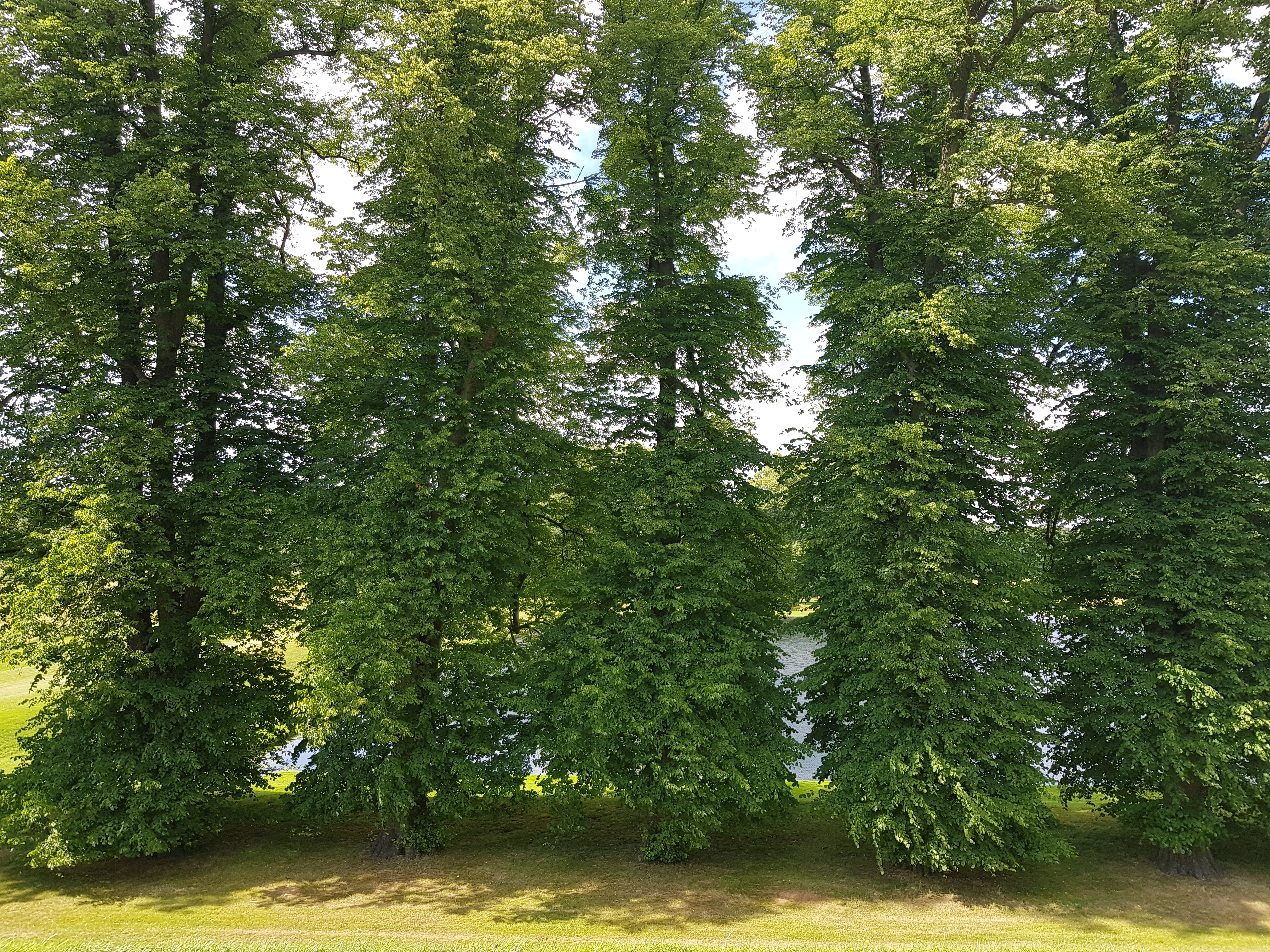
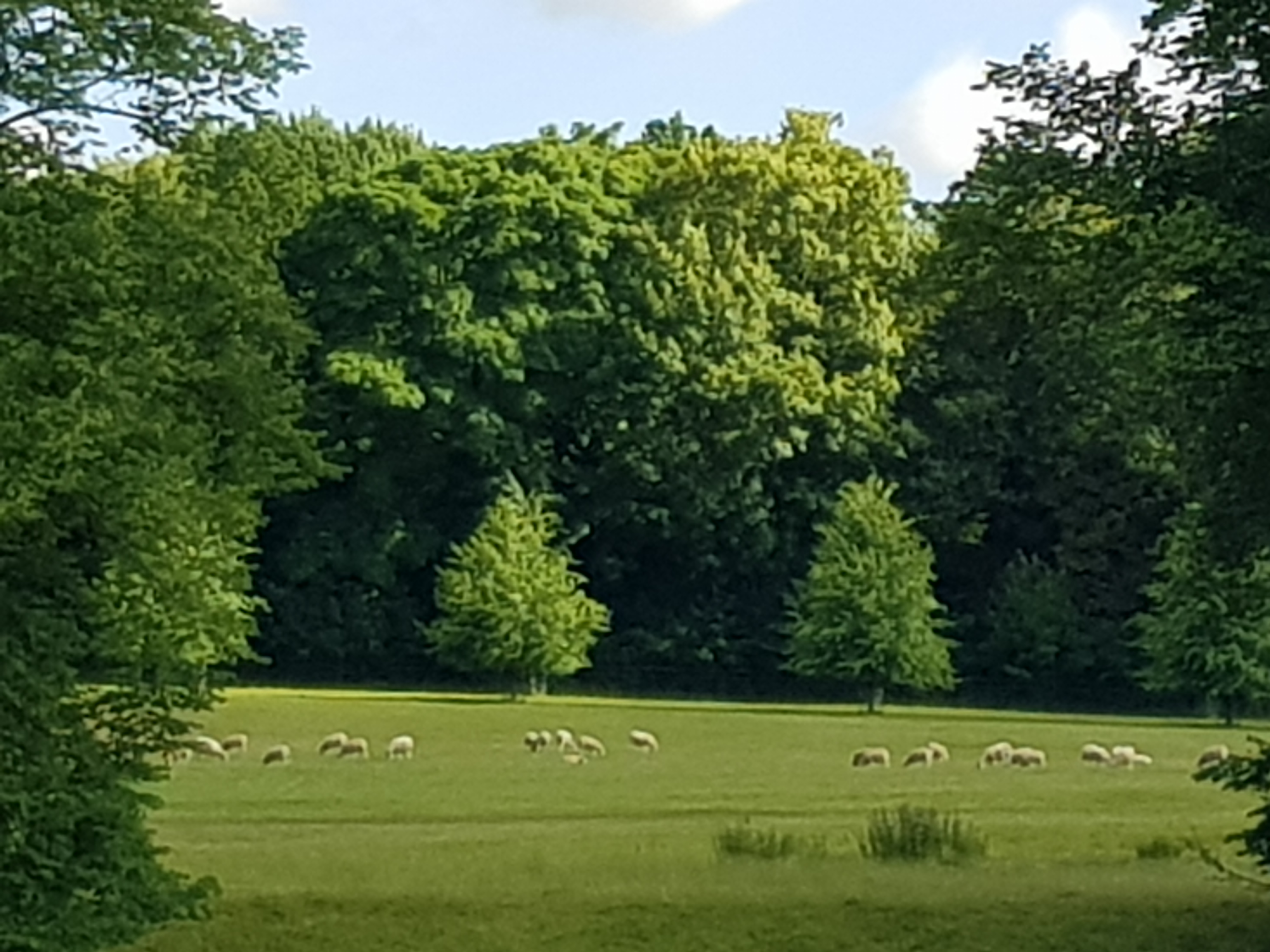
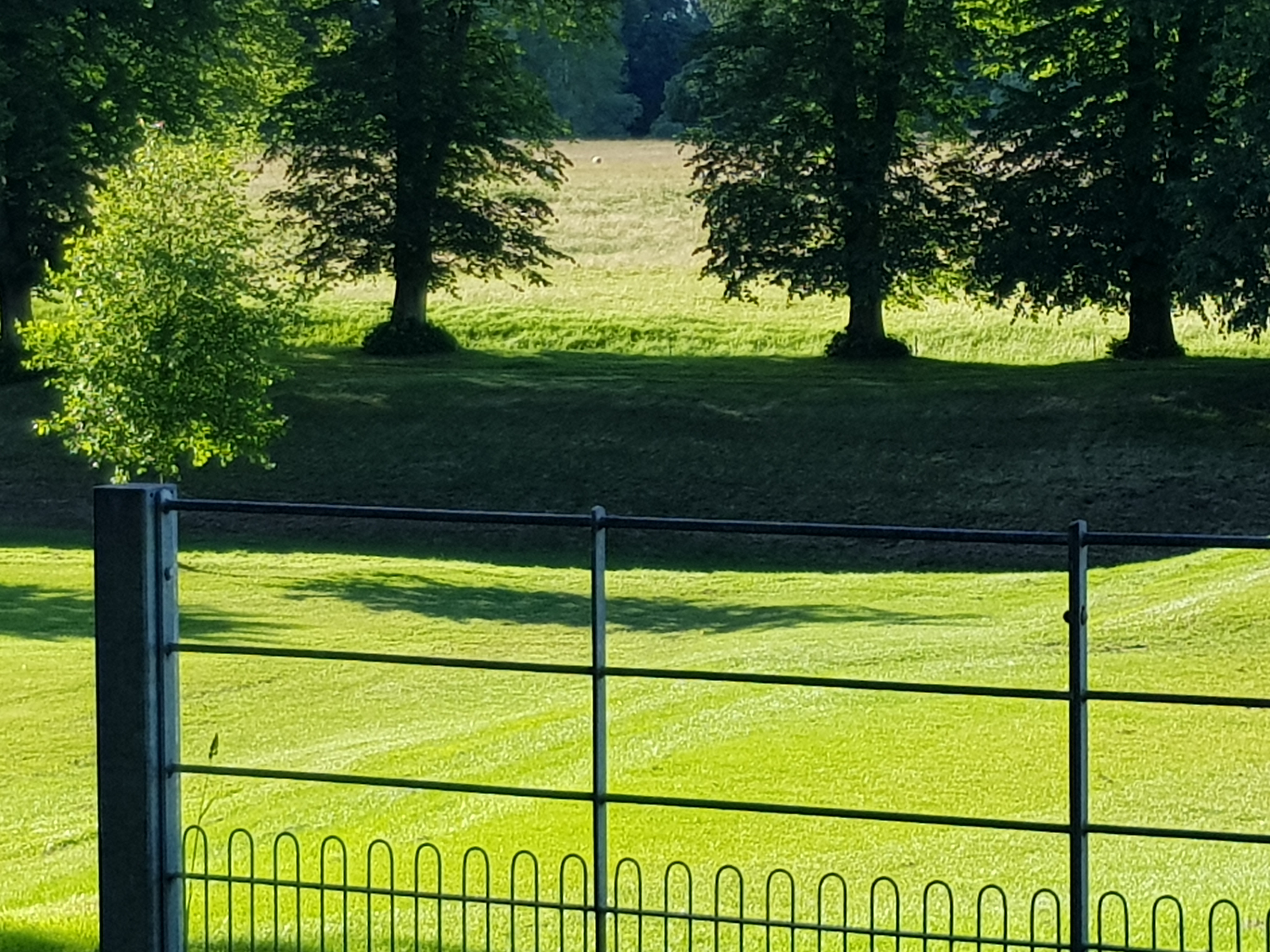
We admired the small exhibition about the garden at Boughton in the unfinished wing which provides a resumé of its history:  beginning with Sir Edward Montagu who built the Long Gallery in 1579, stocked with apricot trees from London.   By 1611, there were garden terraces.   Then Ralph Montagu, after serving as Ambassador in Paris, created water gardens, cascades and parterres – ‘grand gardens, an extensive canal, and extraordinary water jets’.   William Stukeley visited and described it in 1710.   The Mount was created in the 1720s.   After the death of the second Duke in 1749, it went into a long sleep, only now being comprehensively restored by the current Duke, helped by Kim Wilkie, in such a way that it is a strange mix of French formality, still with avenues of Hatfield Tall limes and expanses of water, leading to The Mount, but interspersed with immaculate English lawns and with fields of sheep beyond:-

Standard

Alan Hollinghurst

Alan Hollinghurst gave a brilliant talk on the windblown Mound about the gardens of his youth, beginning with his parents’ garden at Faringdon in Berkshire, and the nearby Faringdon Park with its coloured peacocks, and going on to memories of his parents next garden in Cirencester, very precisely described and remembered, as well as, again, an adjacent country house garden in Lord Bathurst and Alexander Pope’s Cirencester Park;  and how these gardens experienced in memory informed his later literary descriptions of gardens in his novels.

Standard

Hepworth Wakefield (1)

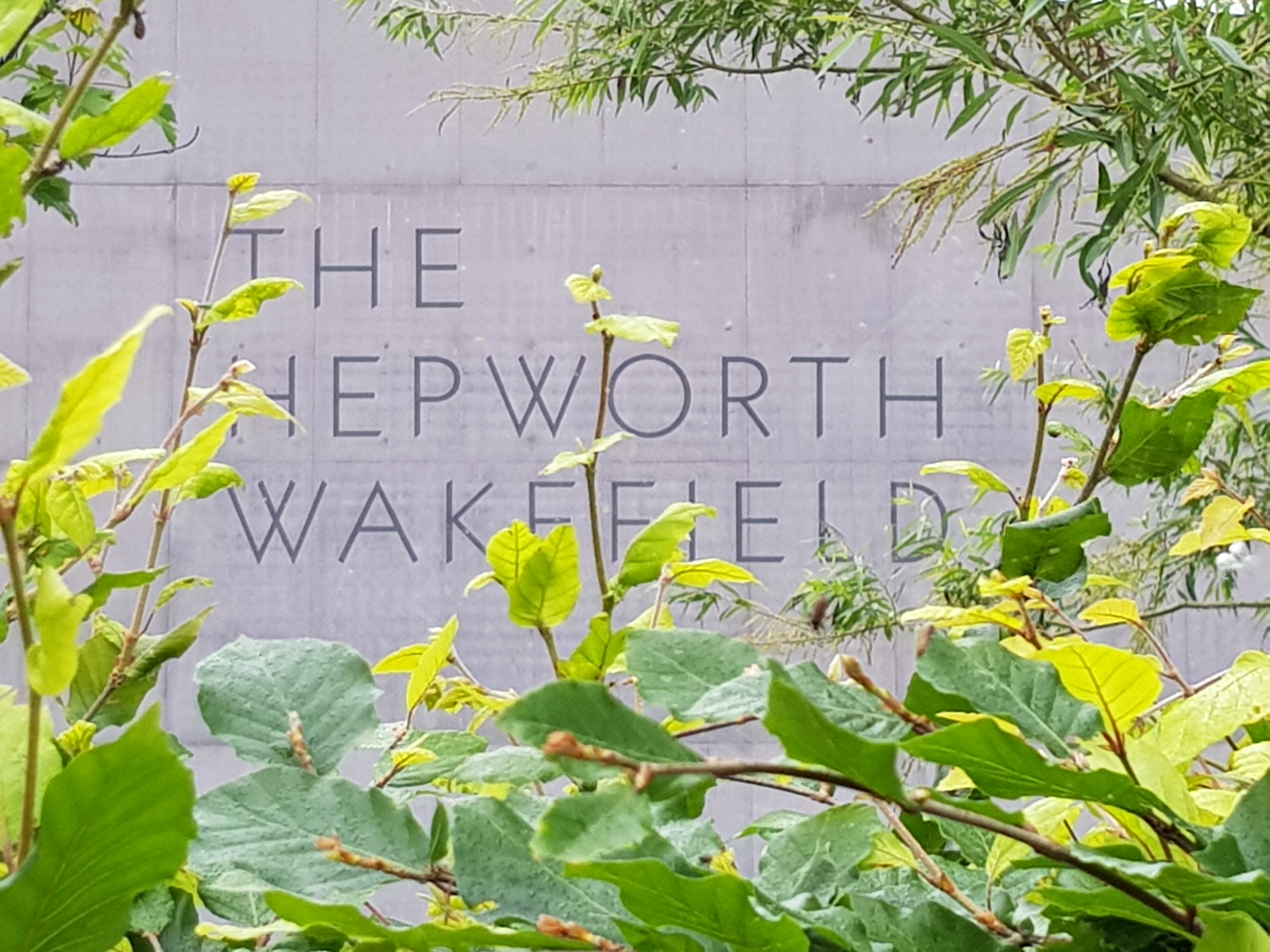
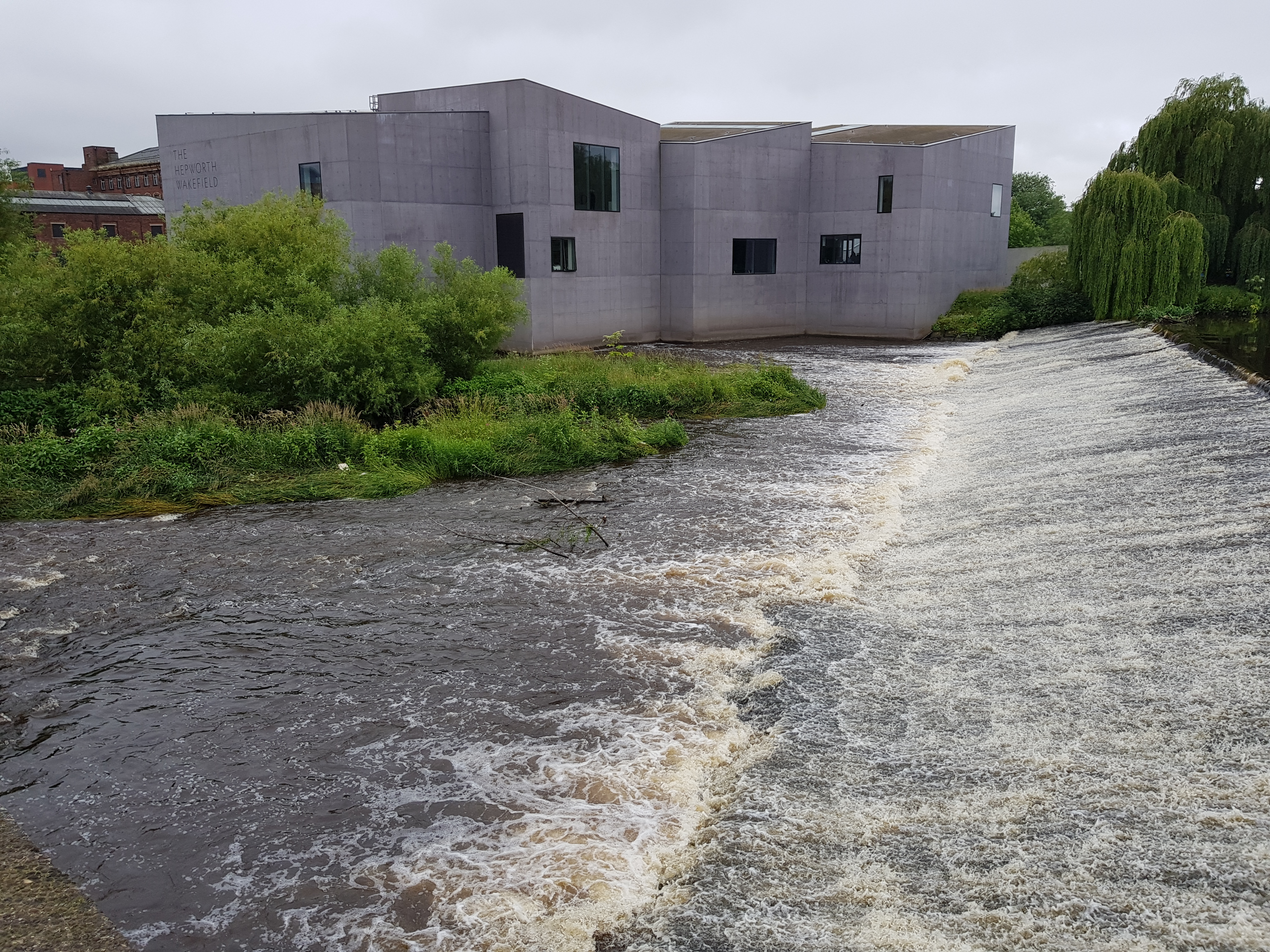
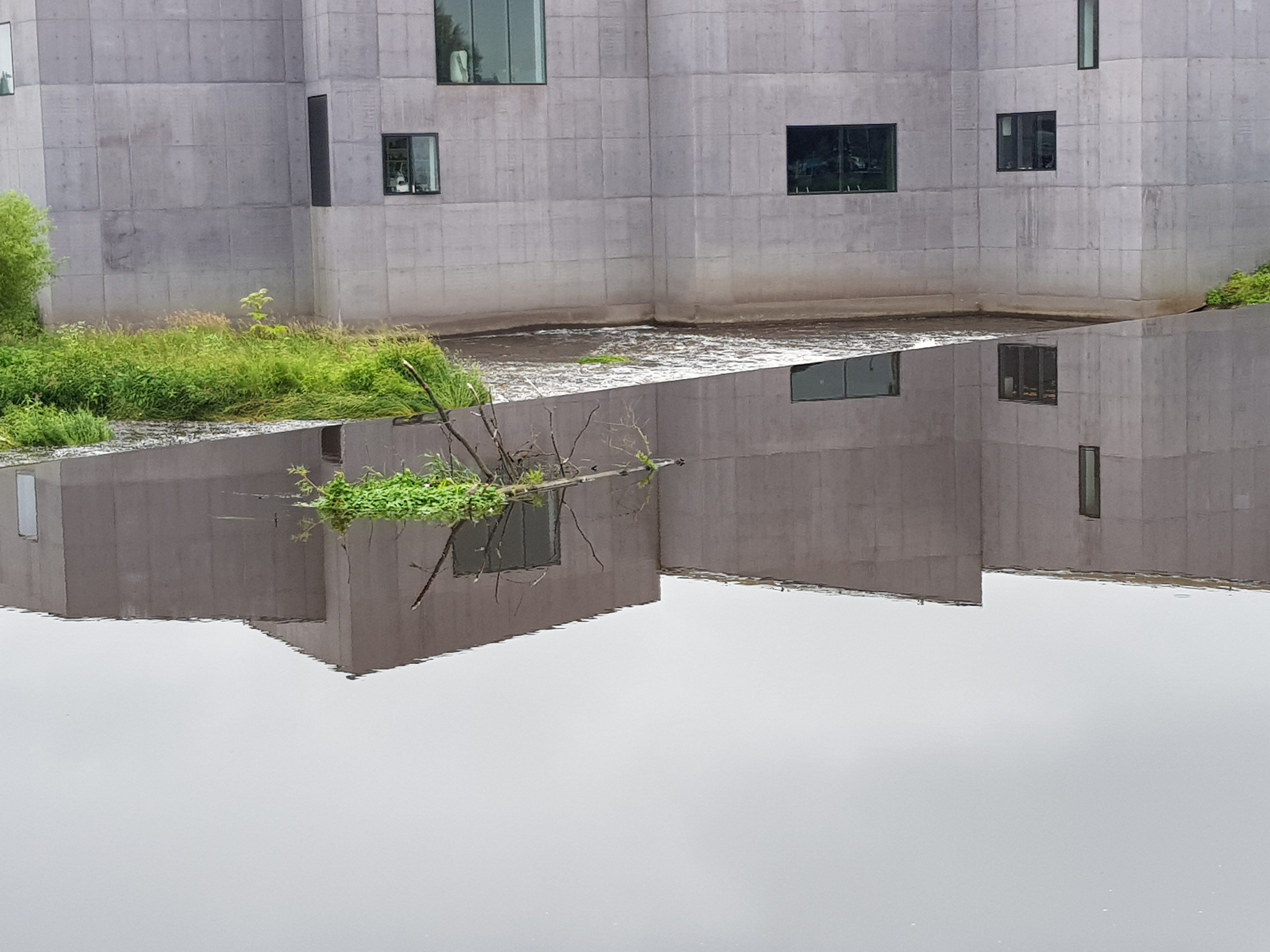
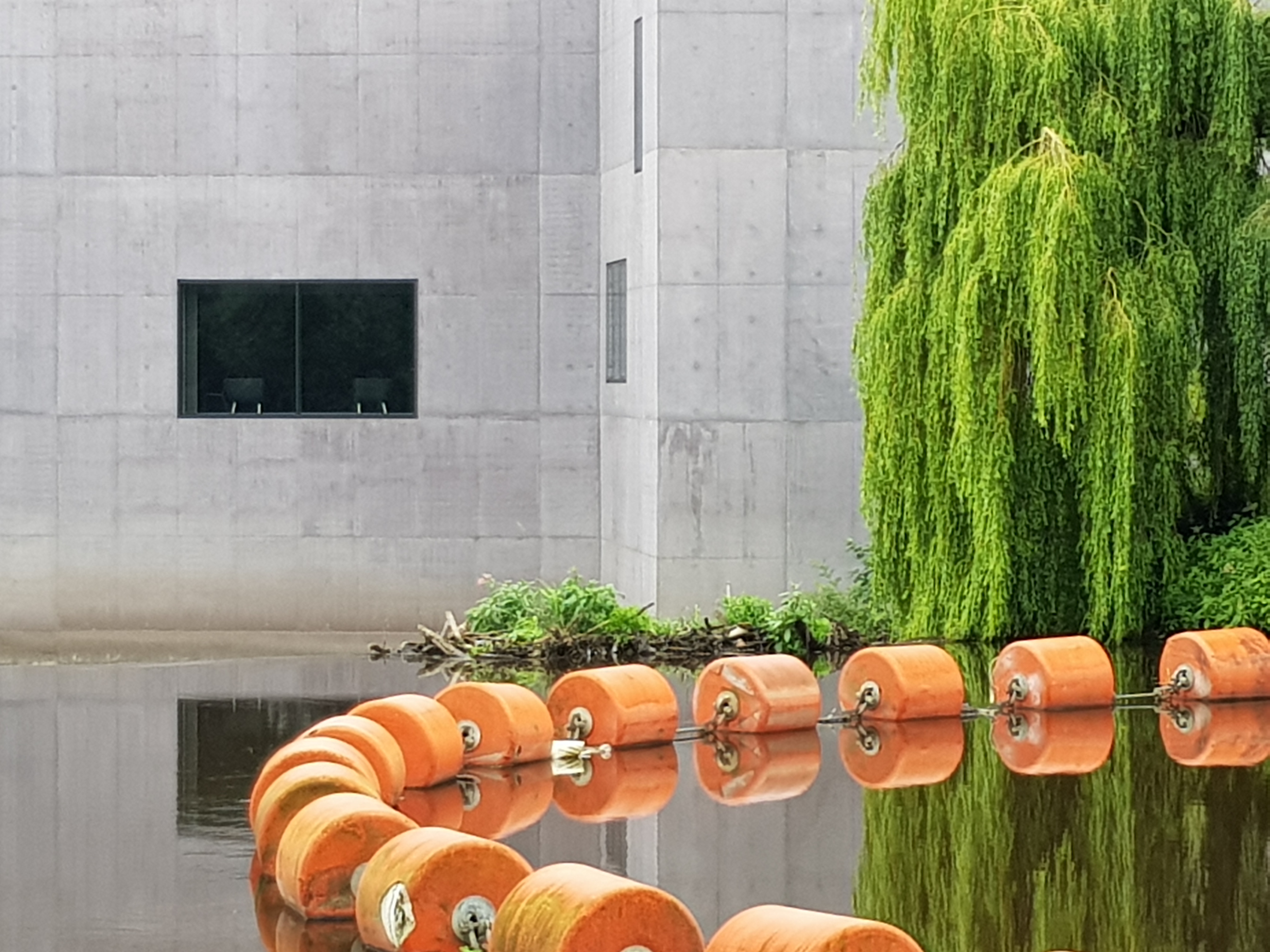
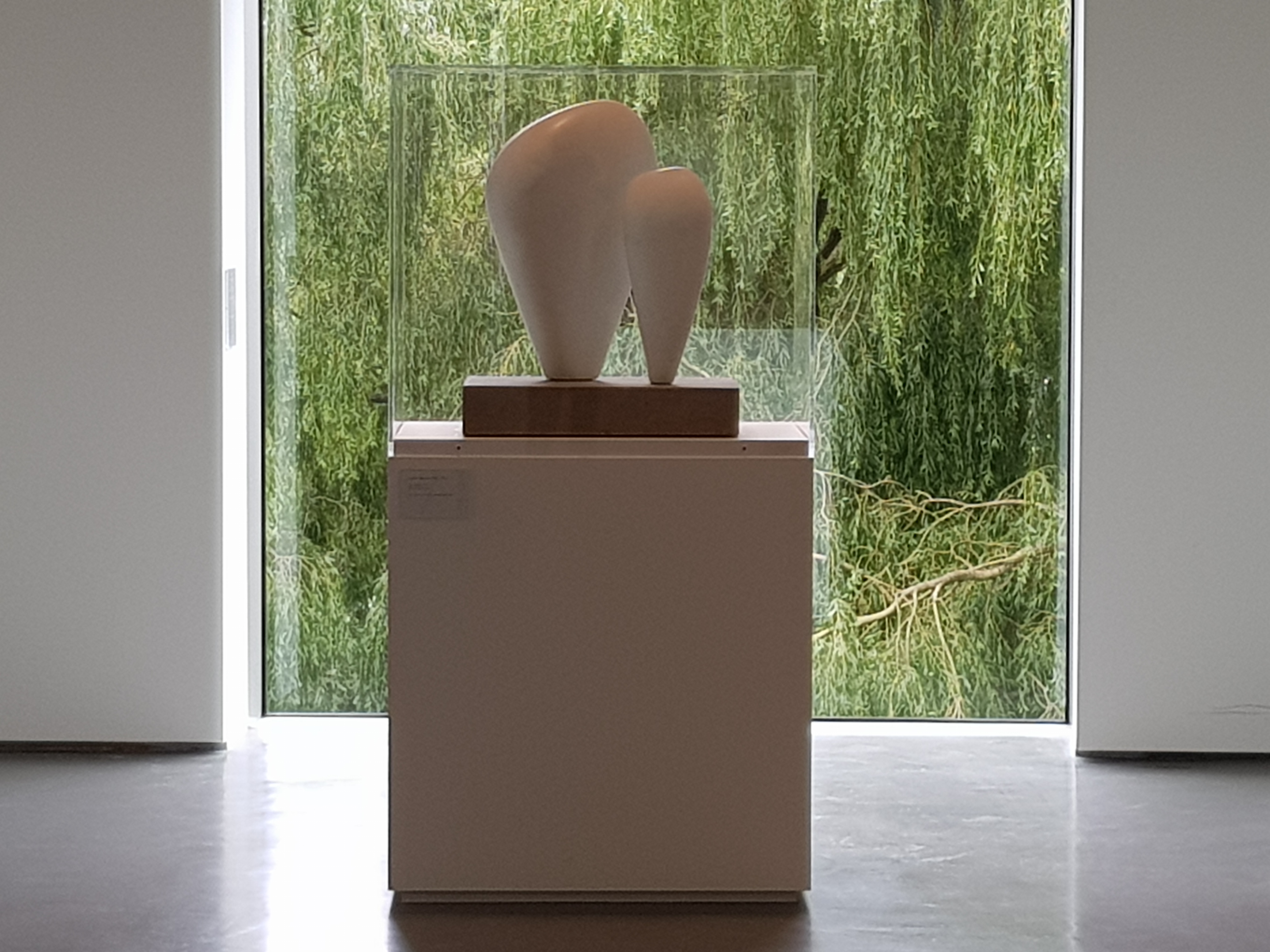
I have been pleased to go back to David Chipperfield’s Hepworth Wakefield which I have barely visited since it first opened in 2010.   The competition for the selection of an architect was held in 2003 under the auspices of John Foster, Wakefield’s energetic then Chief Executive.   Ed Jones and I put Kengo Kuma on the shortlist as a result of seeing images of his Bato Hiroshige Museum north of Tokyo, which had recently been completed, but he arrived for the presentation exhausted from an overnight flight from Tokyo and the train trip to Wakefield.   Zaha Hadid did a presentation flanked by assistants who all looked as if they had arrived from Mars.   David presented last and the scheme as shown in pencil sketches was pretty much as built:  a set of geometric building blocks (‘a conglomerate of diverse irregular forms’), playing with irregular geometries, built out of pigmented in situ concrete, and focussed on bringing the highest quality of daylight into the large-scale, irregularly shaped, internal galleries.   It has turned out to be one of the best and most serious, if taciturn, buildings in the country:-

Standard

Painting India

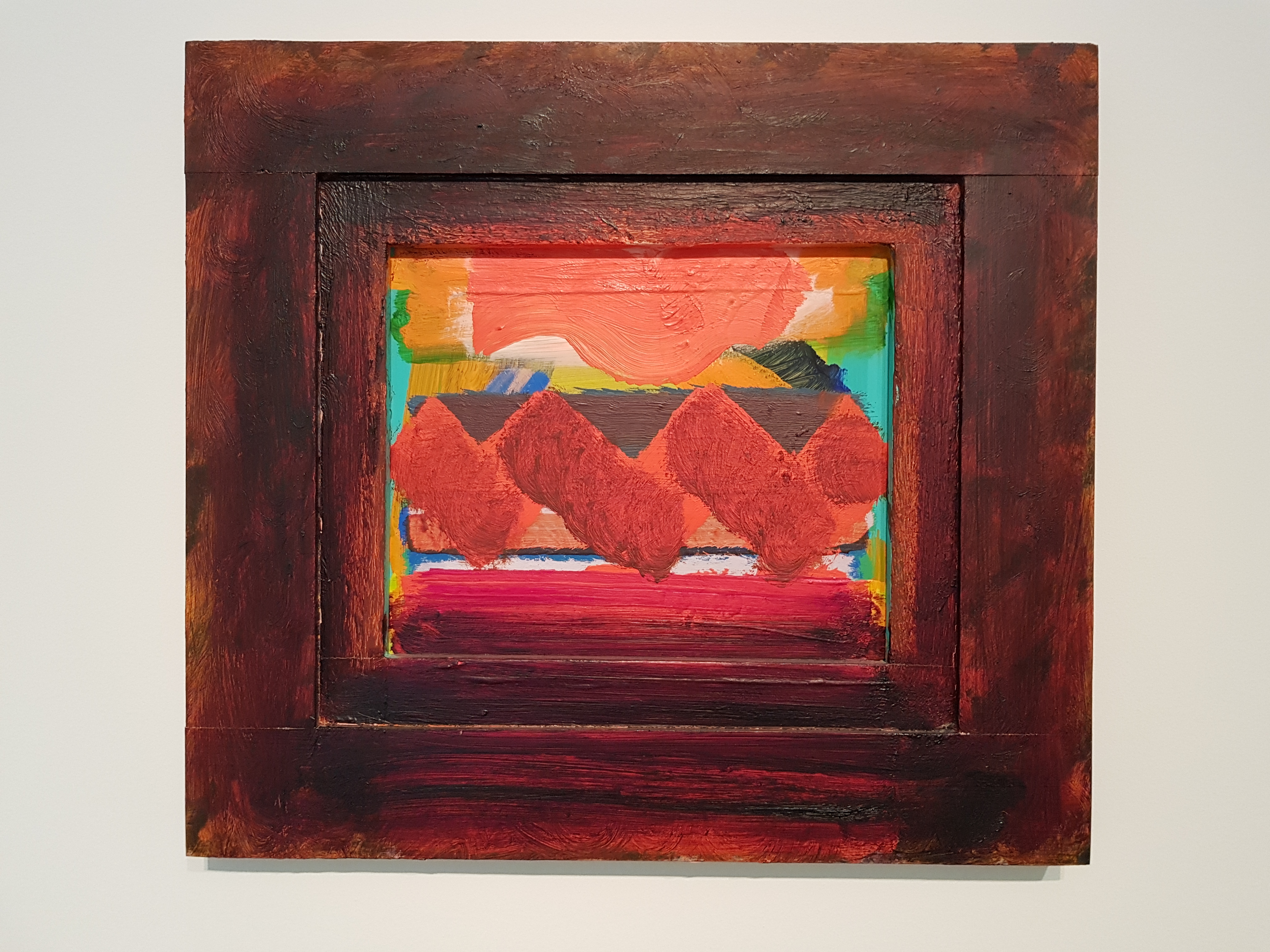
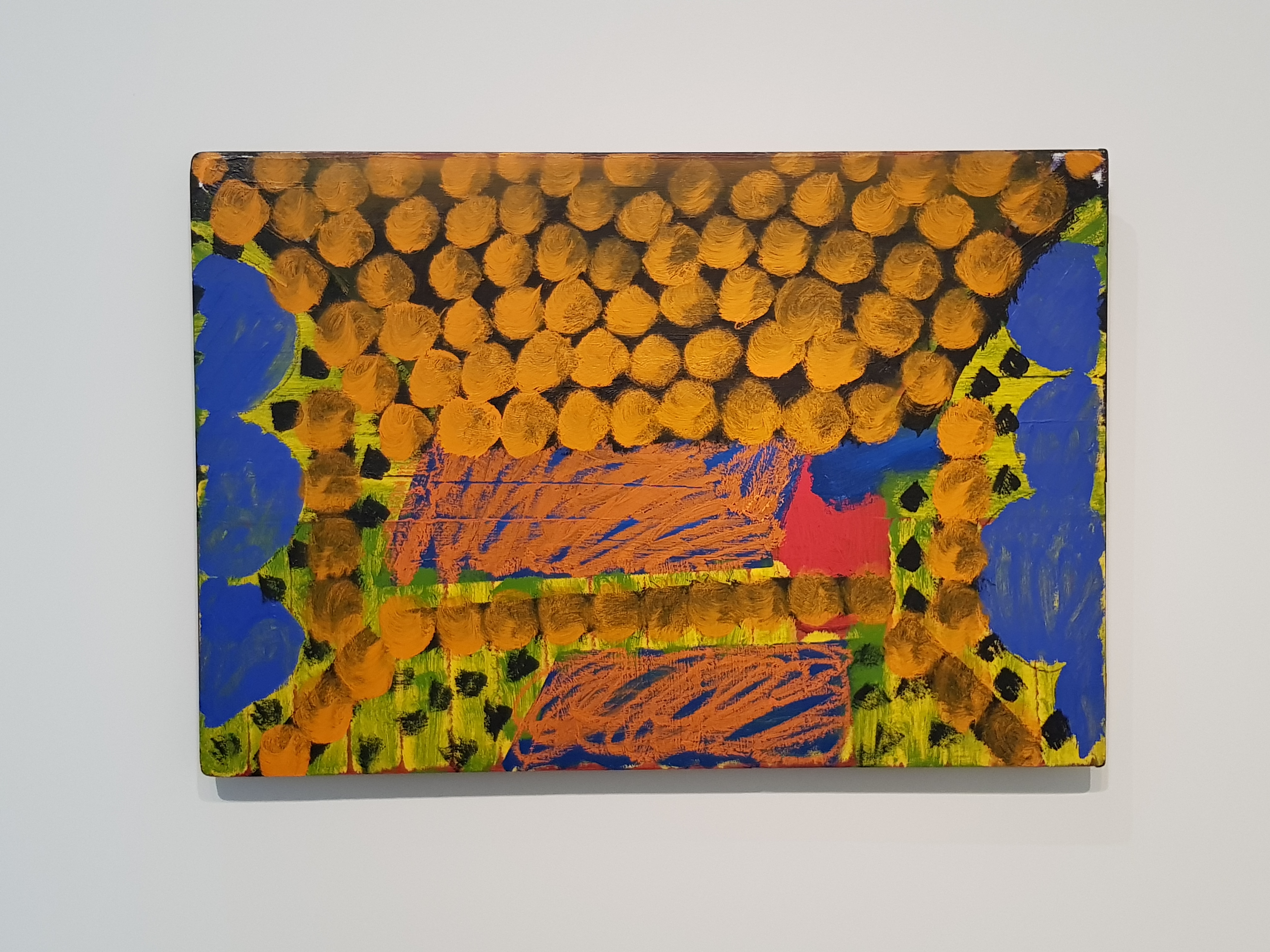
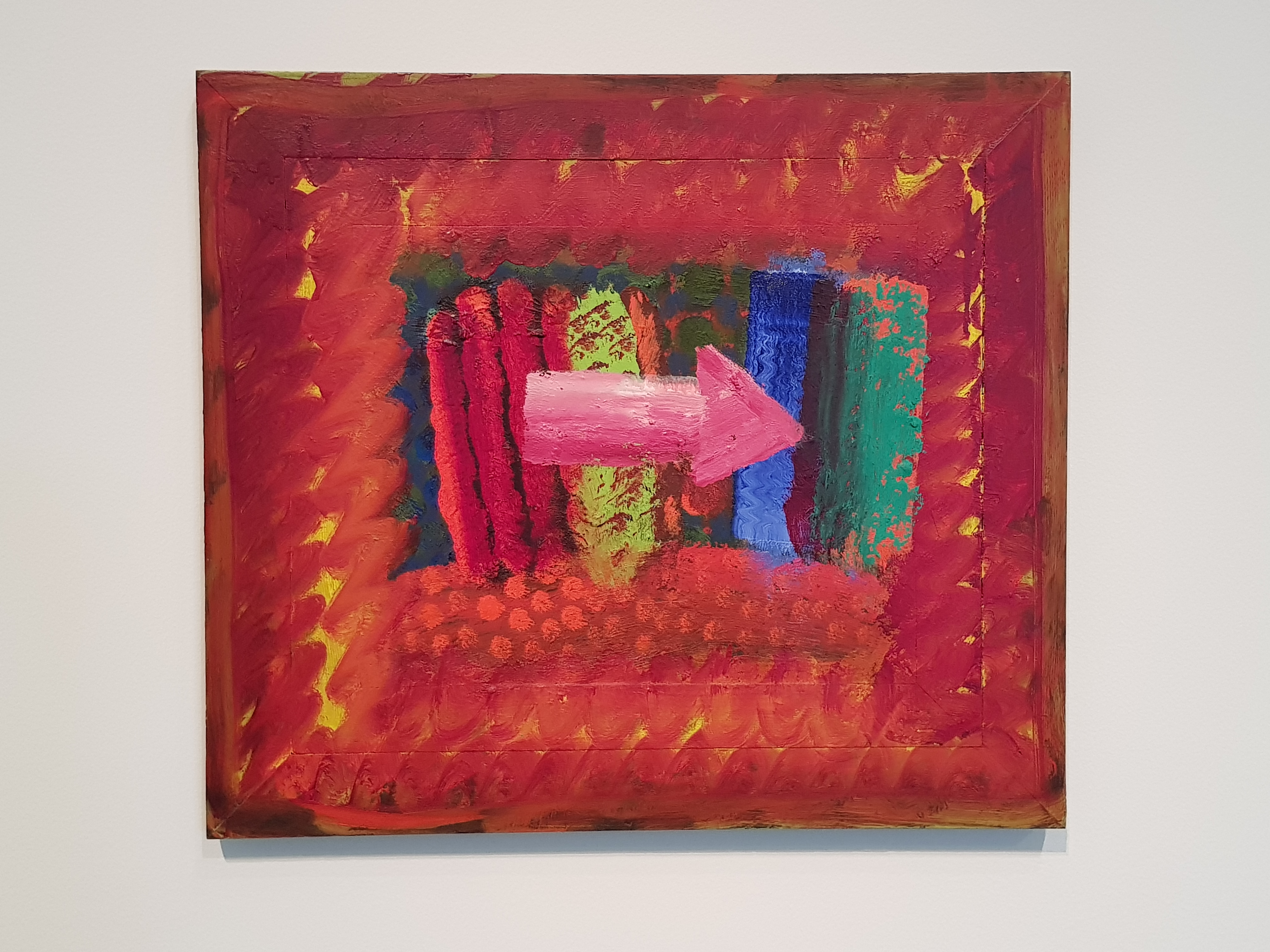
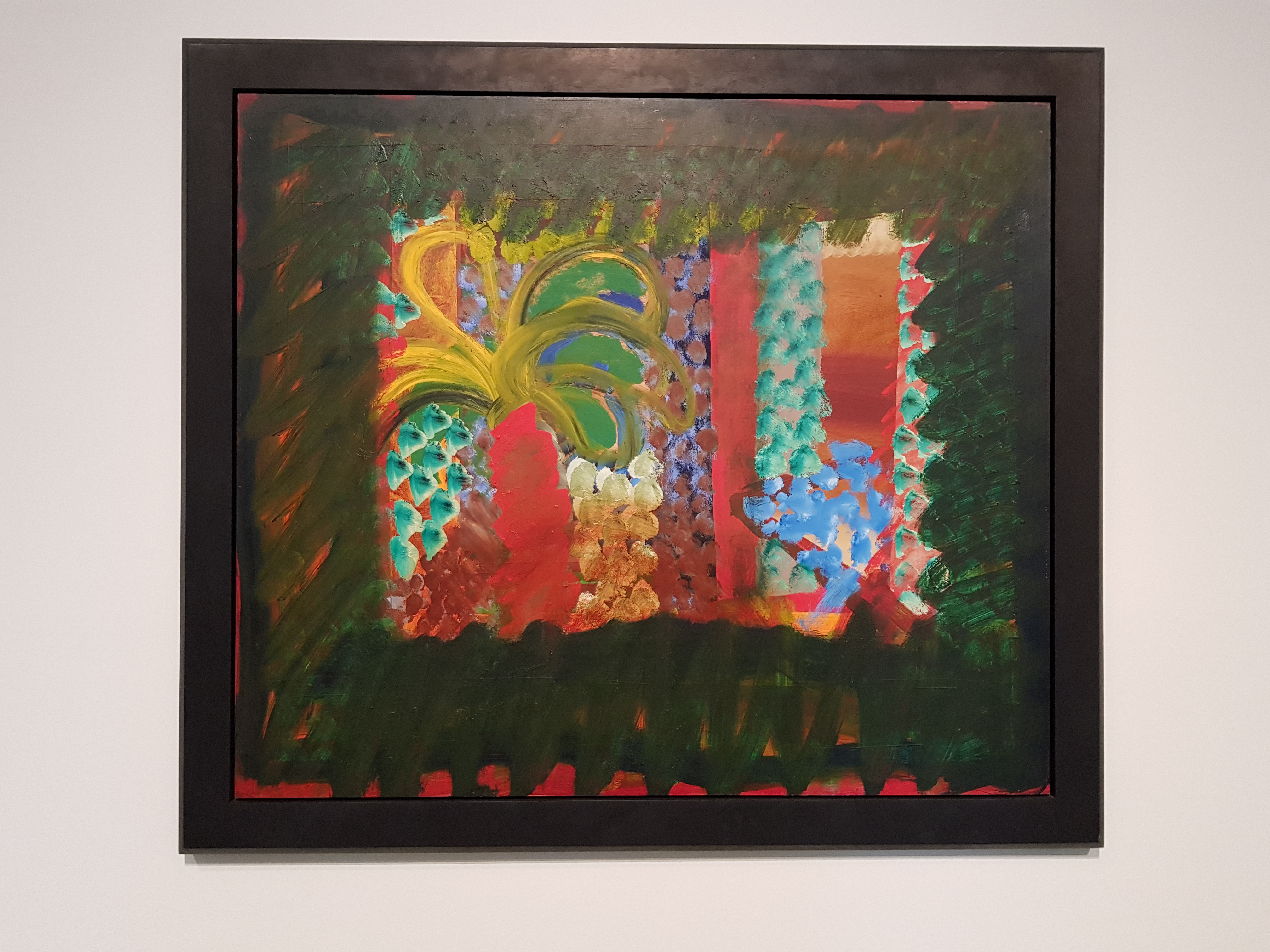
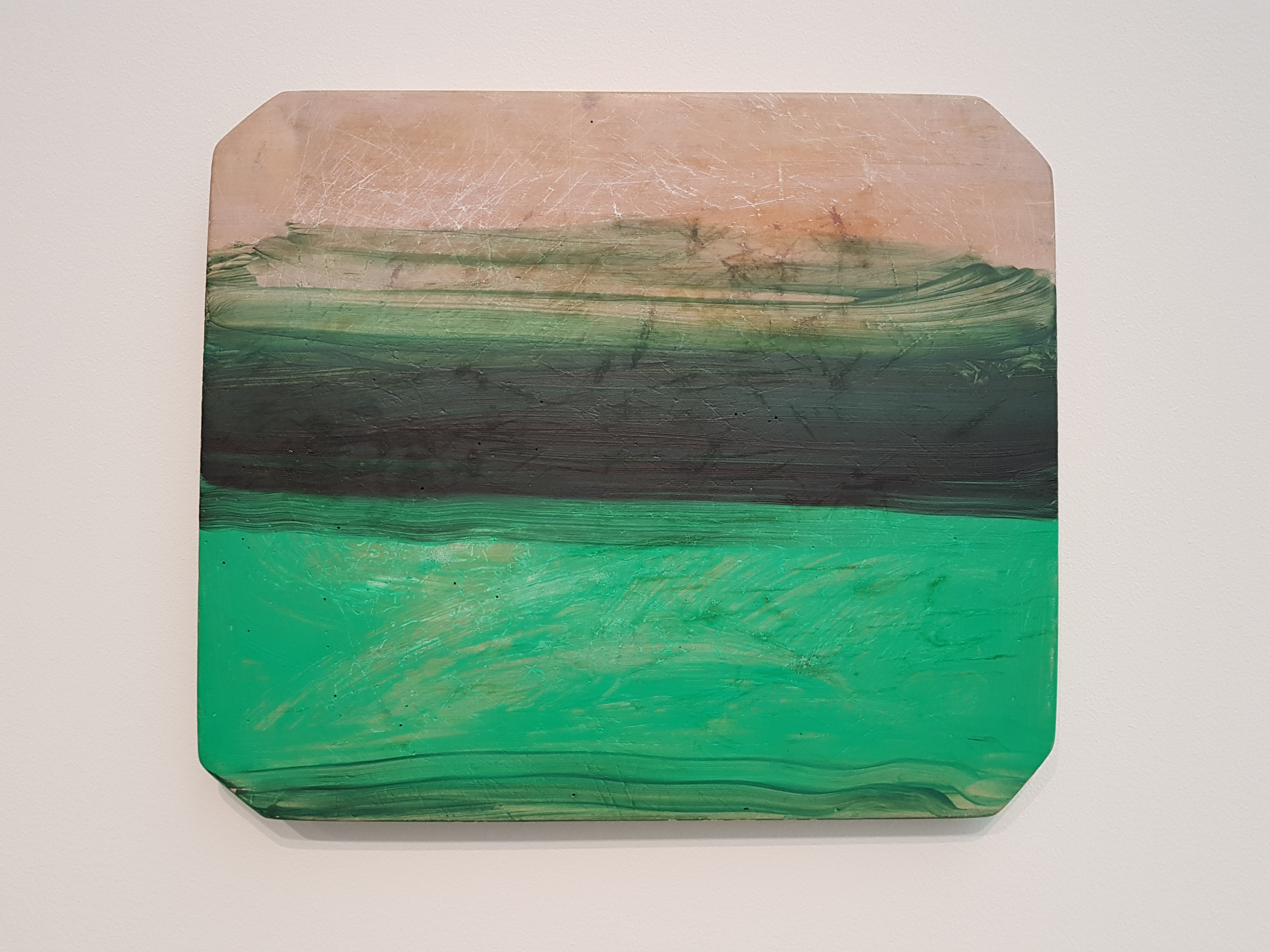
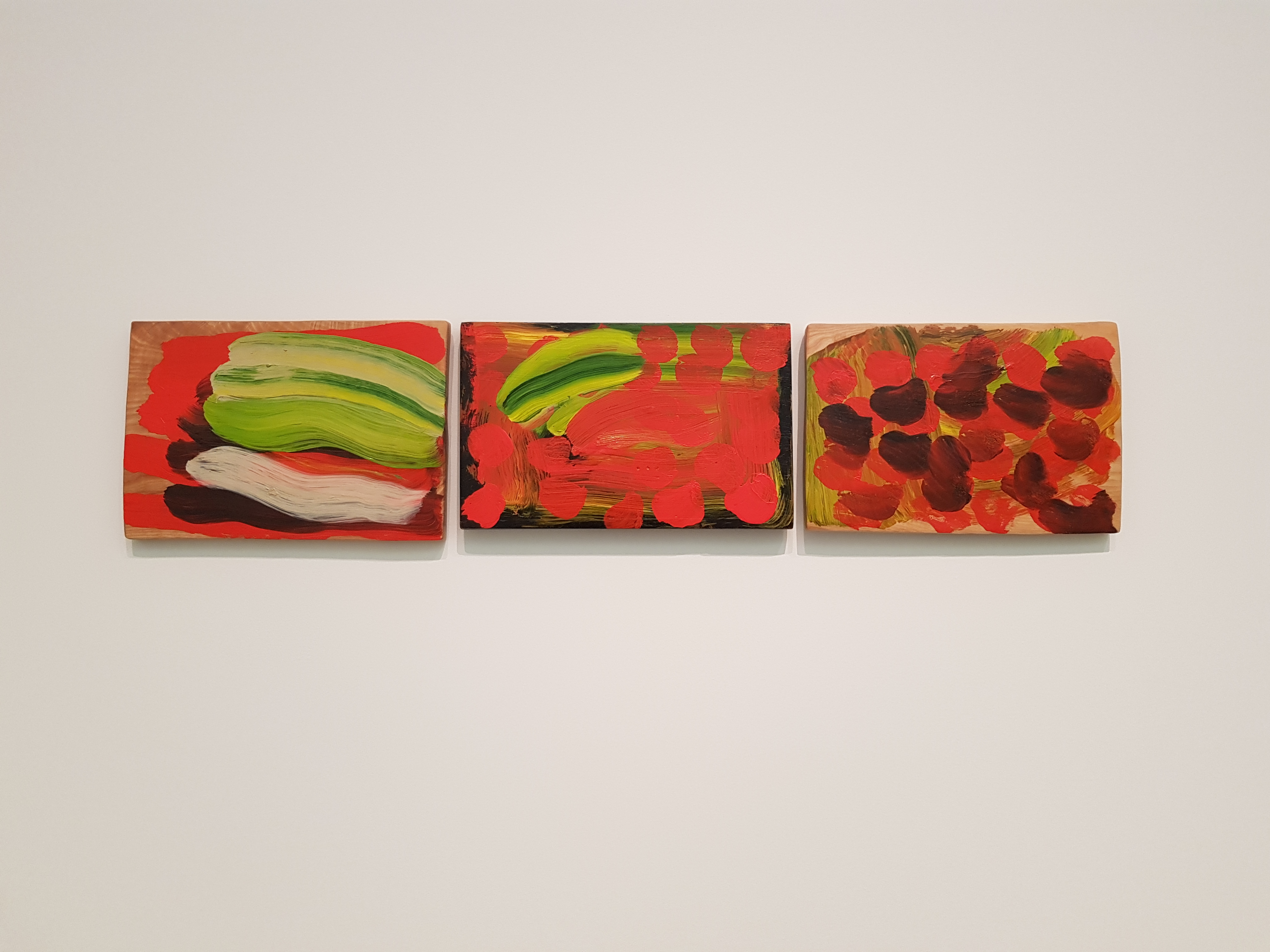
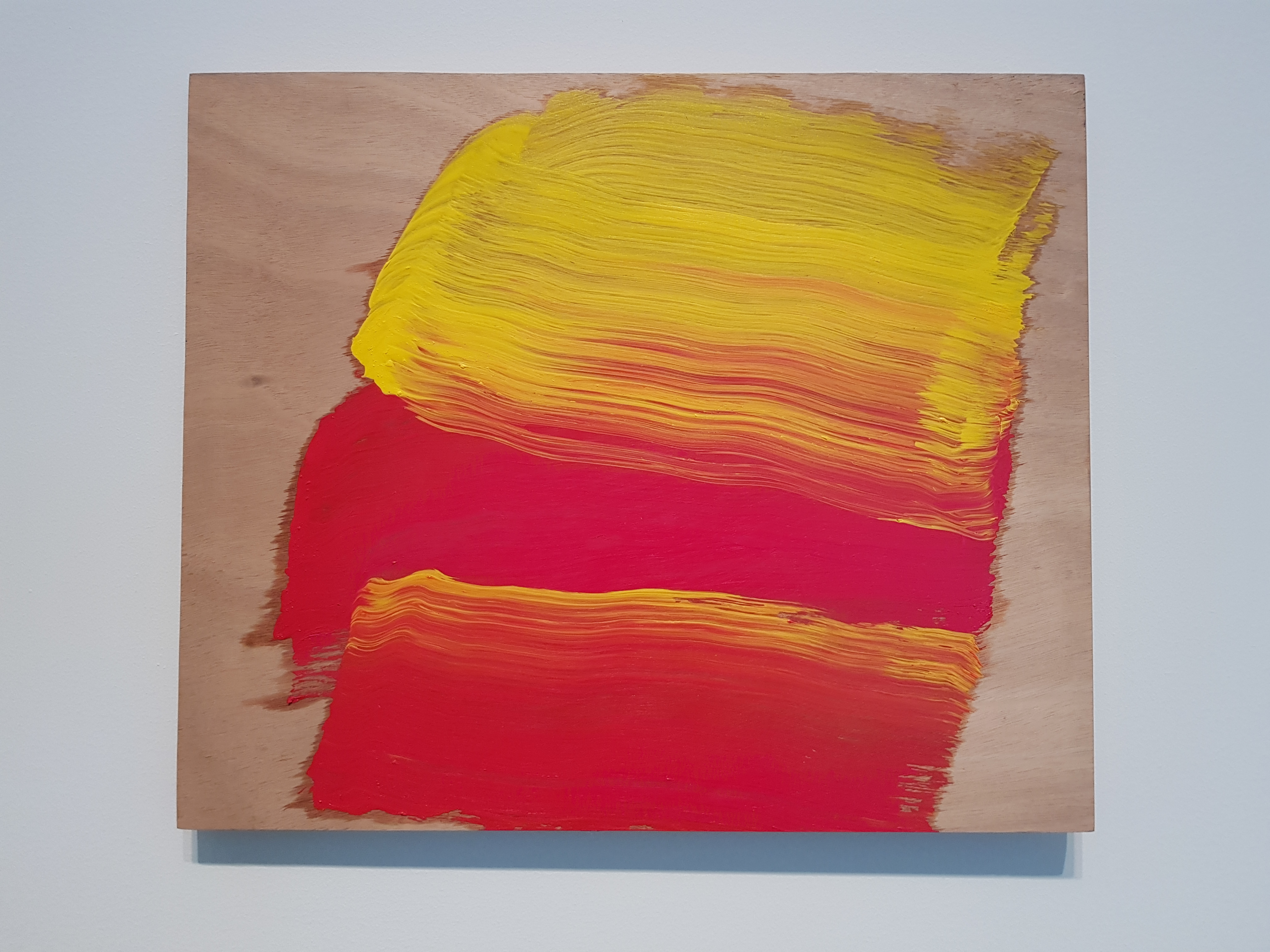
It’s a good year for Howard Hodgkin exhibitions, wiyh Absent Friends at the NPG and now Painting India at the Hepworth Wakefield, showing his long obsession with Indian painting, first inspired by Wilfrid Blunt, his art master at Eton (Anthony’s older brother), and with India itself, which he visited every year from 1964.   The paintings were selected by Hodgkin himself, and show the increasing freedom of the way he handled paint. 

Tea with Mrs. Parikh (1974-1977):-
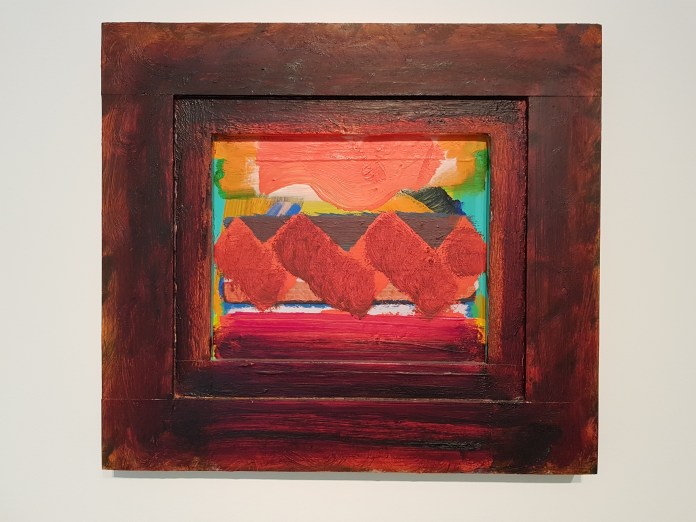
In the Studio of Jamini Ray (1976-9):-
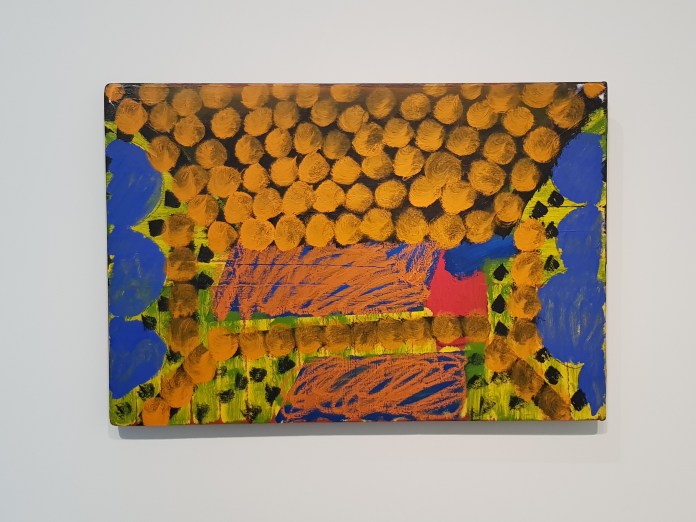
In a Hot Country (1979-82):-
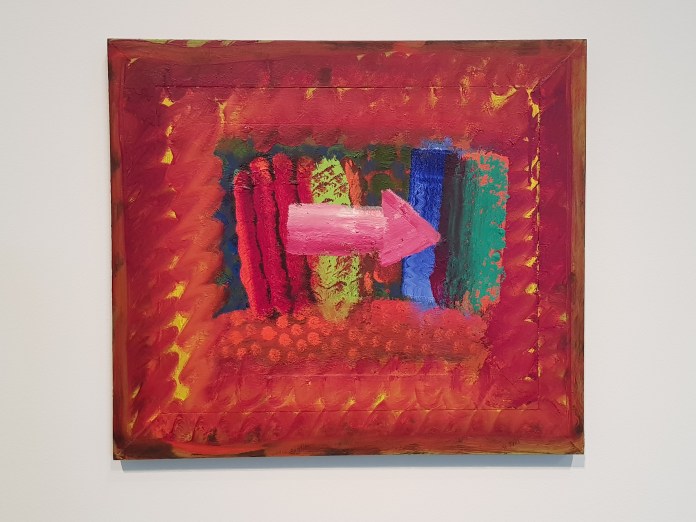
In the Garden of the Bombay Museum (1978-82):-
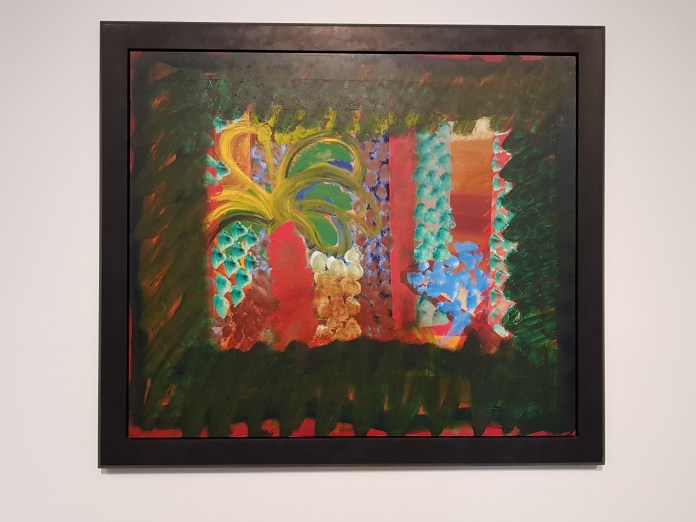
Evening (1994-5), owned by Julian Barnes:-
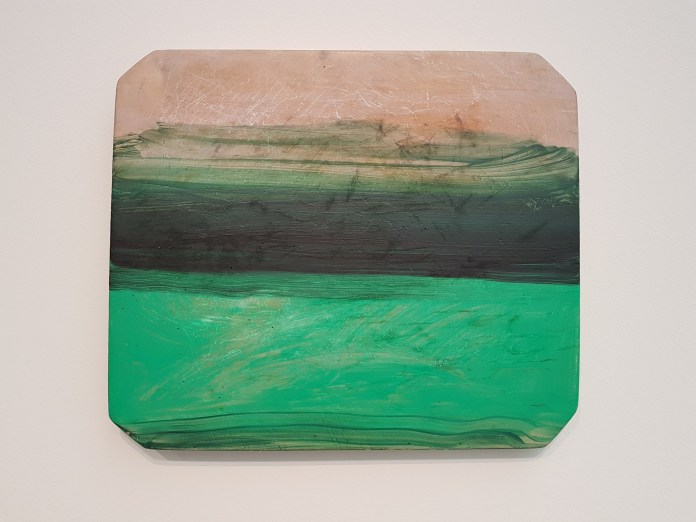
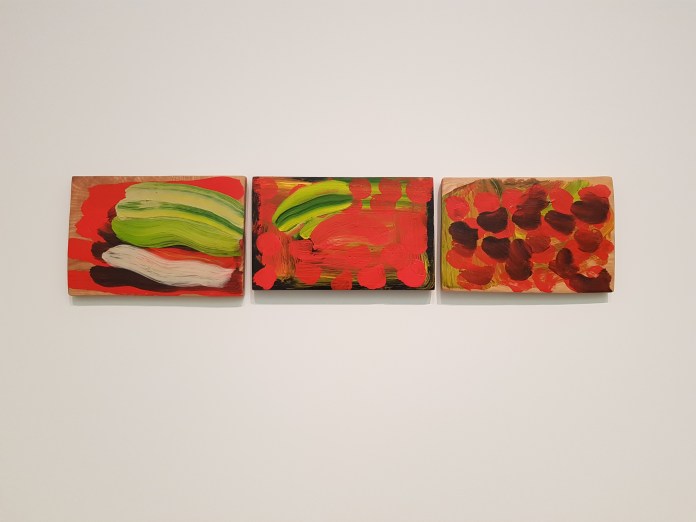
Indian Veg (2013-14), his only triptych:-
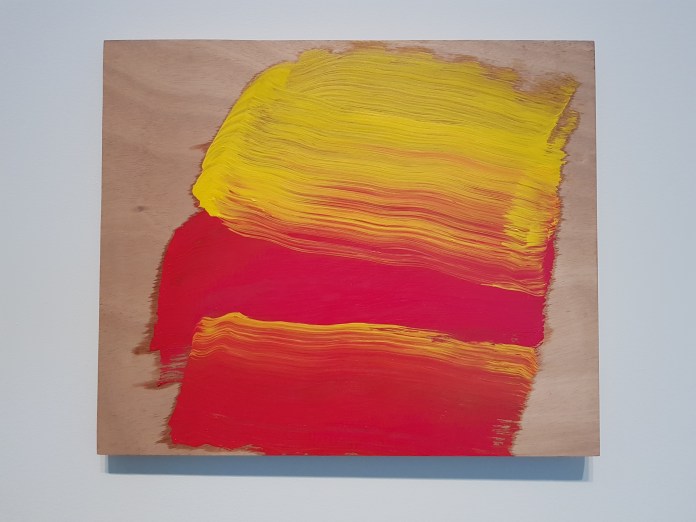
Now (2015-16):-
Standard

Chesil Court

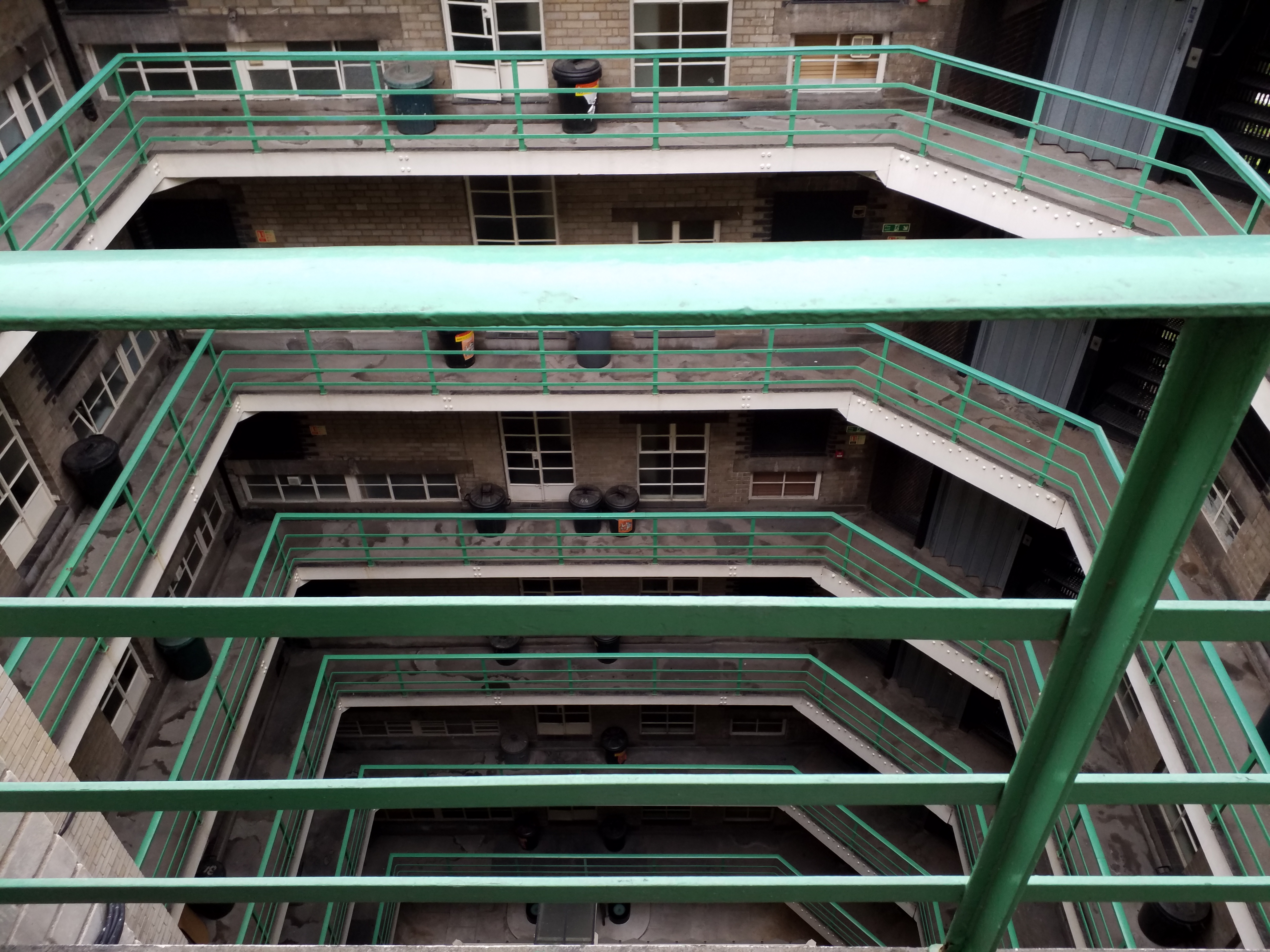
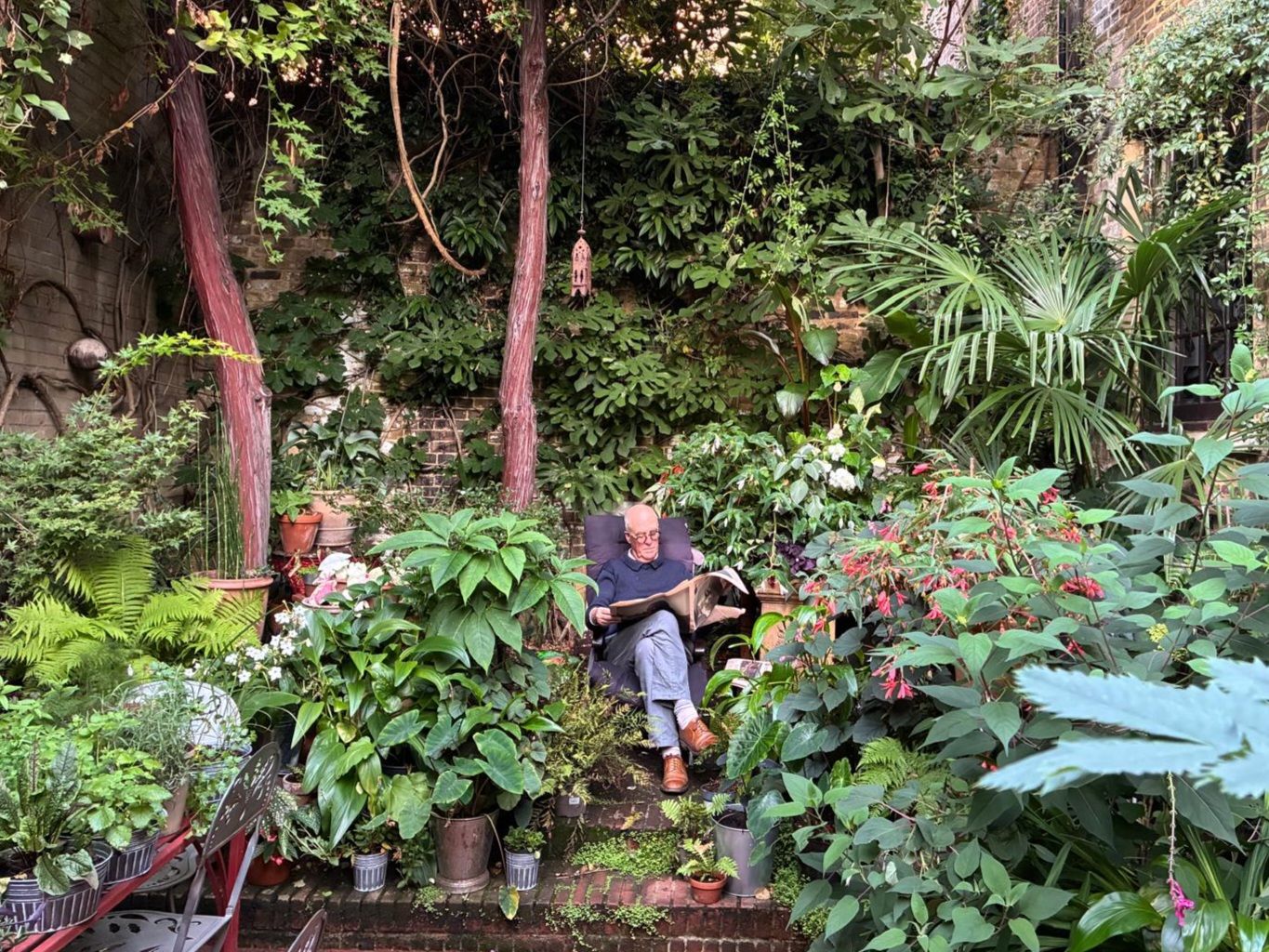
I had a meeting with thin-cut cucumber sandwiches in Chesil Court, which was built in 1938, just before the second world war, for the electricity workers who serviced the electricity station next door.   There was a fine internal courtyard:-
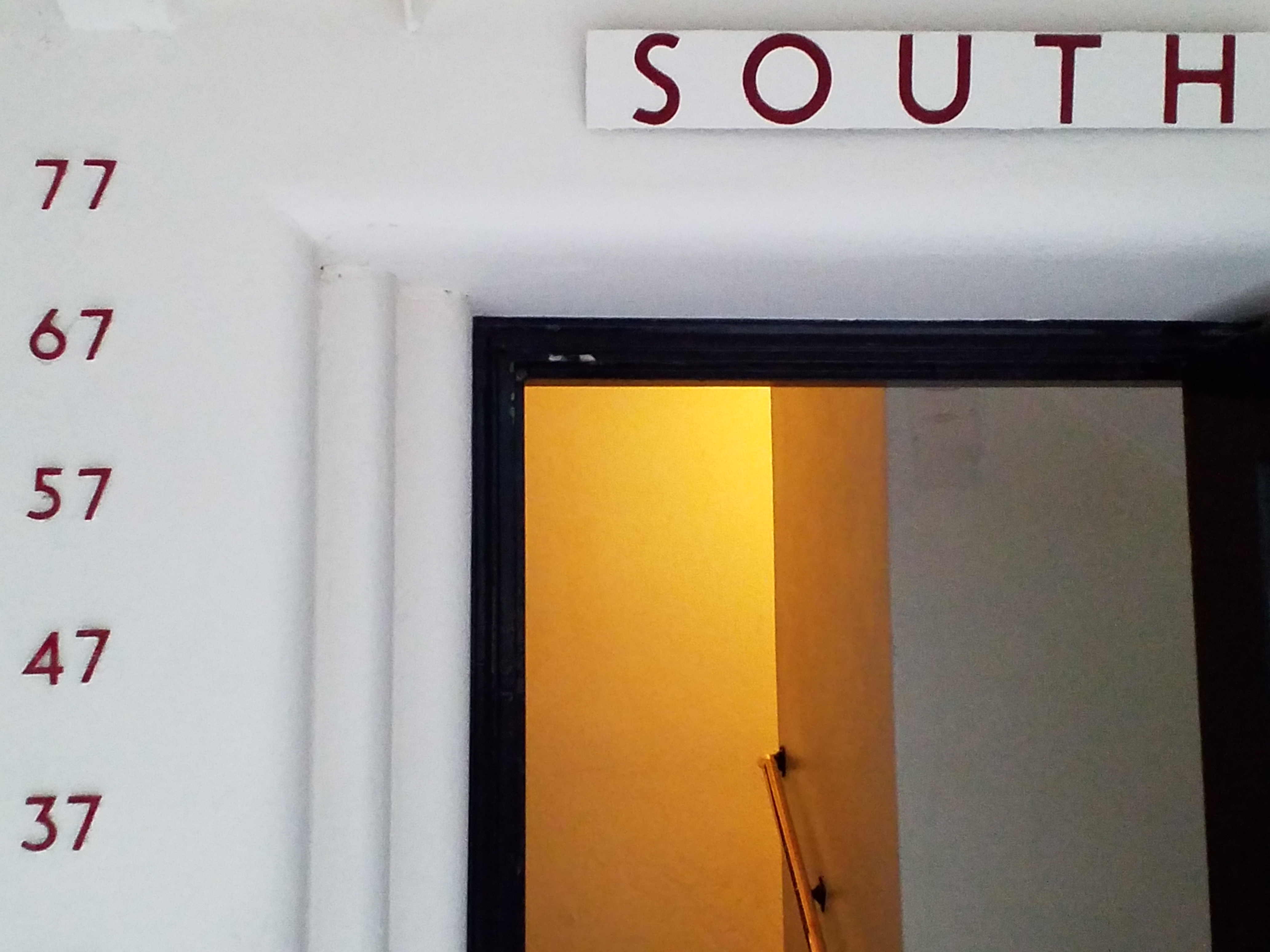
It had beautiful 1930s lettering indicating which floor the flat might be:-
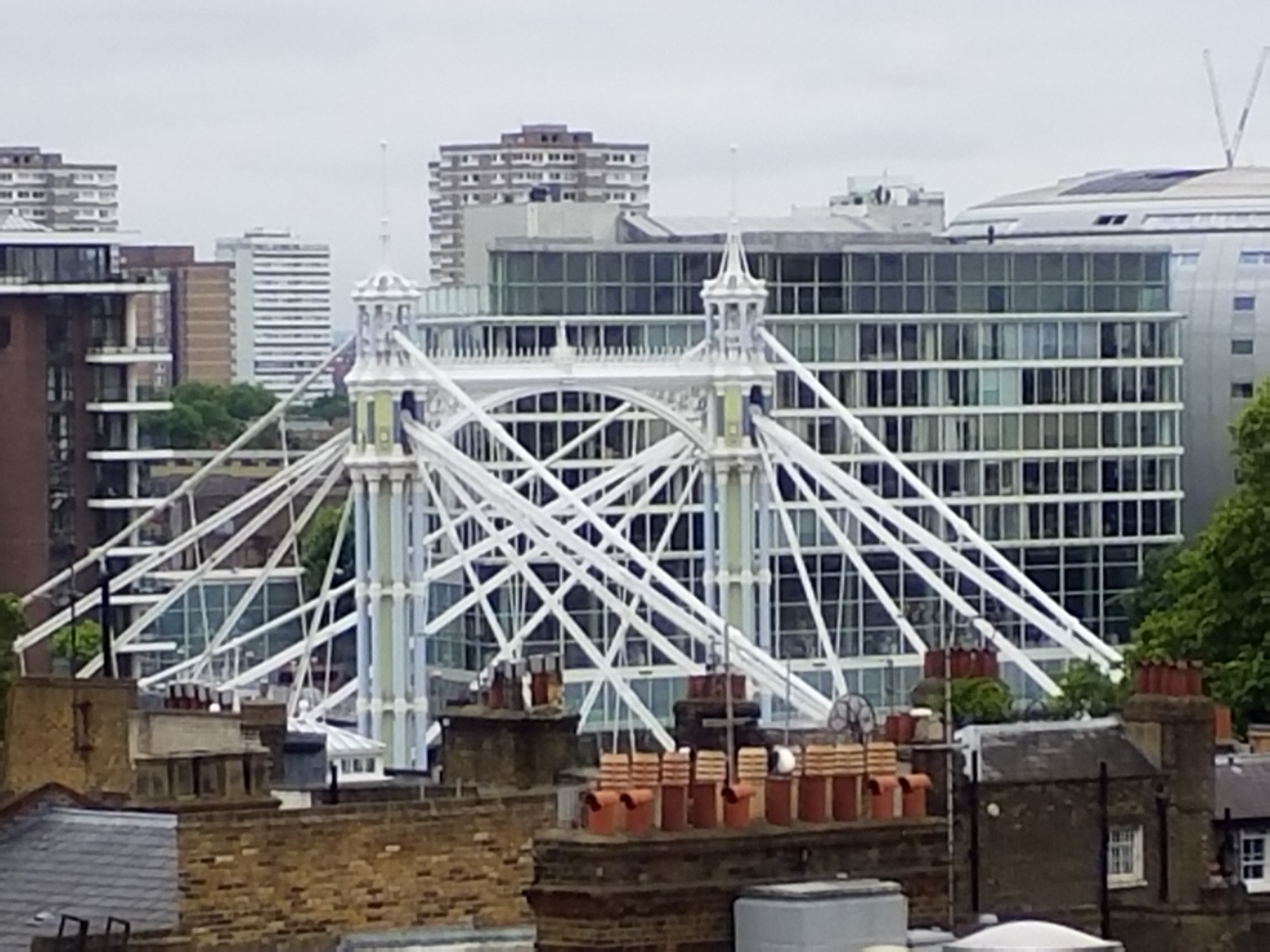
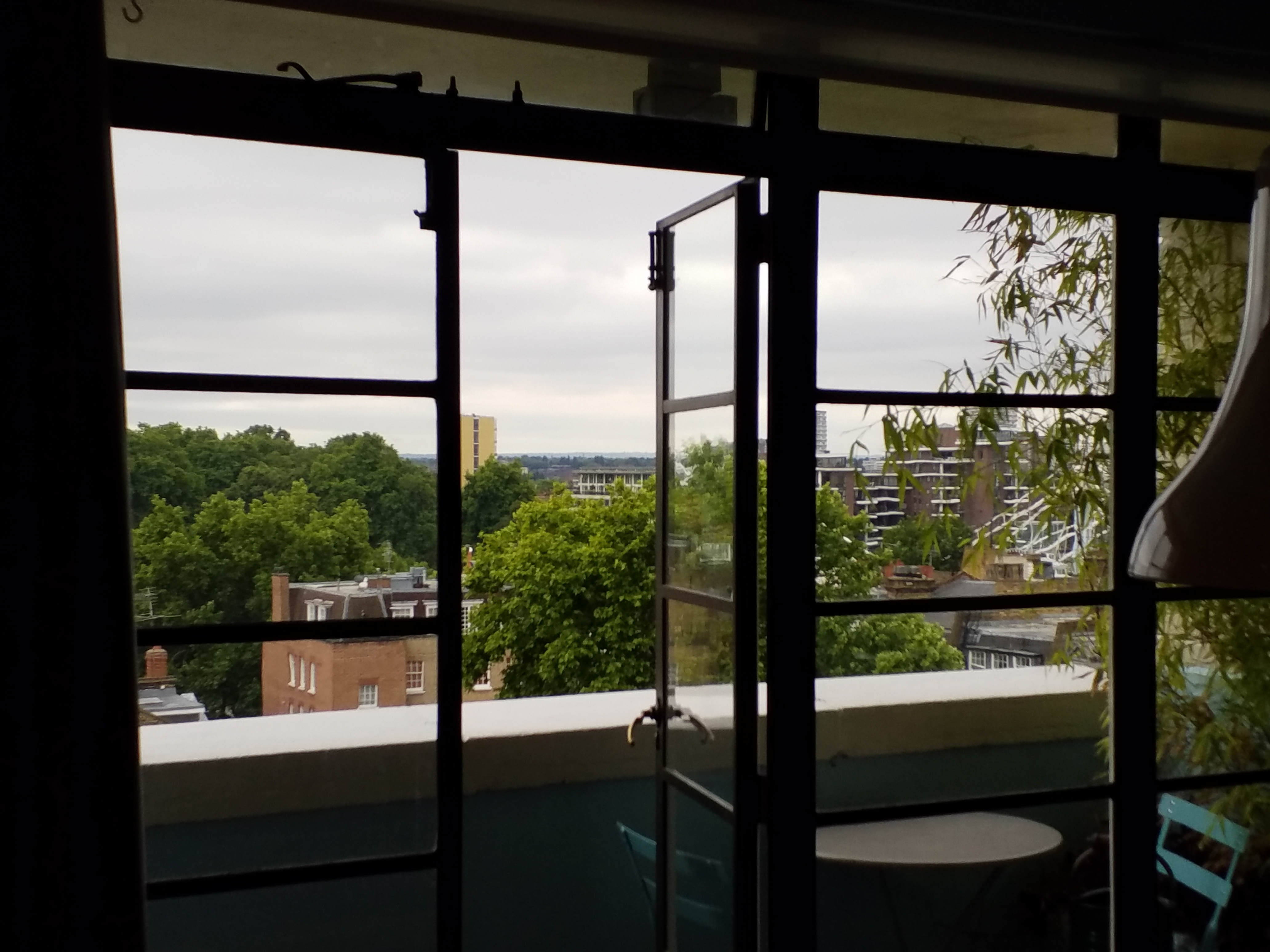
Upstairs, there was a view out over the back of Cheyne Walk towards the pylons of Albert Bridge and Norman Foster’s offices in Battersea, all the way to the Crystal Palace on the hills beyond:-

Standard