It’s impossible to convey the extraordinary stifling, spifflicating (yes, it is a word) intensity of the heat which hits one down Piccadilly. I went to seek the cool of Green Park, but found it more like Brighton Beach:-


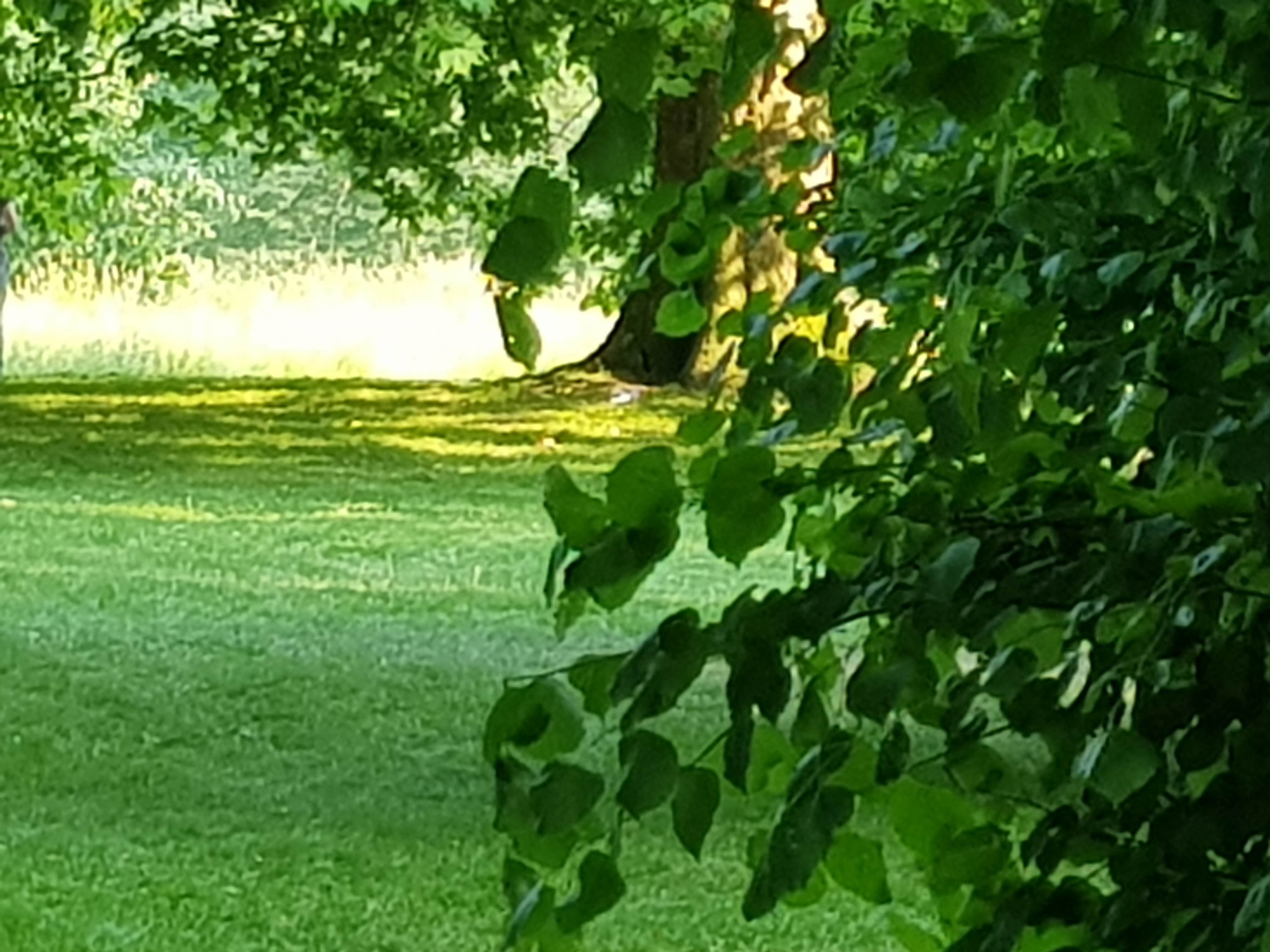
It’s impossible to convey the extraordinary stifling, spifflicating (yes, it is a word) intensity of the heat which hits one down Piccadilly. I went to seek the cool of Green Park, but found it more like Brighton Beach:-
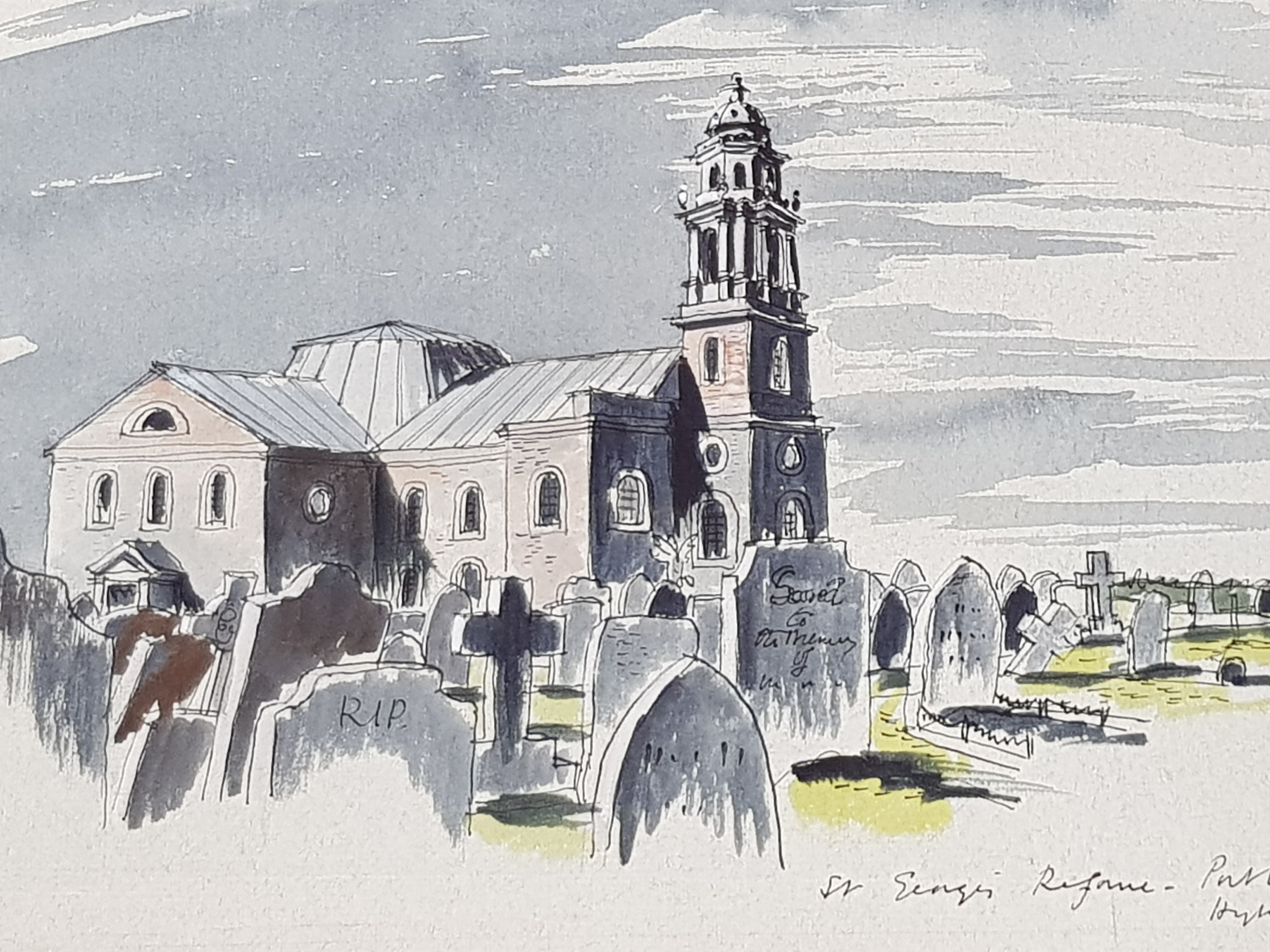
We had a meeting of our Collections and Library Committee and were able to celebrate the gift by his three daughters of nearly 100 sketchbooks by Hugh Casson PPRA, including a wartime sketch of St. George’s Church on Portland in Dorset:-
And a piece of unidentified industrial archaeology:-

Having heard Peter Palumbo speak so eloquently earlier in the week about his experience of commissioning Mies van der Rohe to design a version of the Seagram building for Mansion House Square, I thought I should visit the exhibition on the subject at the RIBA. It starts with the original scale model demonstrating how Mies planned to open up a big square in front of Lutyens’s Midland Bank by demolishing not just the triangular site occupied by the 348 leasehold properties behind Mappin and Webb, but also the Magistrates Court opposite, which was originally built in 1873 as the National Safe Deposit Company, designed by John Whichcord, and later became the Bank of New Zealand:-

This would have opened up the side view of Mansion House:-

The exhibition includes the full text of a letter sent by Gavin Stamp to the Prime Minister, protesting at a building by ‘a 99-year-old German from another age who is dead’ and a letter sent by Philip Johnson to Gavin Stamp arguing that ‘Mies’ buildings were always placed on rectangular plazas or a straight street. In the casually irregular piece of ground in London the classical rigidity of Miesian language will look strange indeed’. There is also a magnificent tirade sent by Berthold Lubetkin to Building Design denouncing what he describes as ‘a manipulated, contrived judgment promoted by the fashion trade devoid of sensibility, replacing emotions with sentimentality, enlightened criticism with emphatic gesticulation’. But the exhibition has an obvious weakness in not illustrating the alternative scheme drawn up by Terry Farell, which, now that it is part of history, surely belongs as part of the narrative:-

I went to see Grayson Perry’s exhibition The Most Popular Art Exhibition Ever !, which was indeed packed, thereby fulfilling his first aspiration of democratising the practice of fine art. I’ve always liked his work. It’s funny, ironic, playful and satirical, all of which are disparaged in much art practice, as he knows better than most. I haven’t always liked his tapestries, but very much admire his big Battle of Britain tapestry with its breadth of imaginative detail:-


His work has obviously been permanently influenced by the experience of working closely with the ethnographic collections of the British Museum:-

And there are the usual knowing art critical references:-


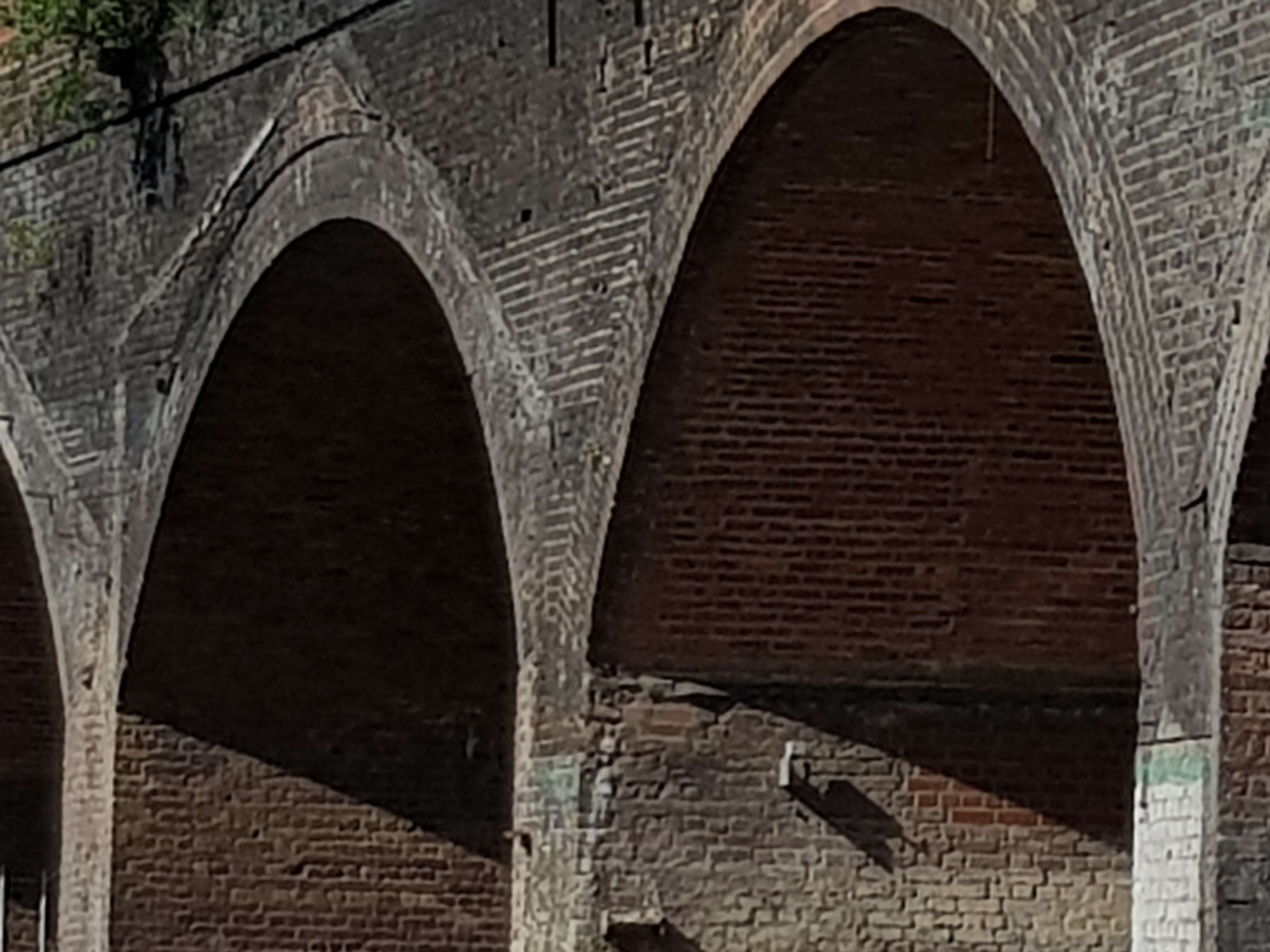
As it was a sunny afternoon, I thought I would walk back through Borough Market, I suppose subconsciously wanting to show sympathy for the victims of the recent ghastly atrocity, but also to support the traders whose income must have been knocked. I had forgotten how much I liked it – the mixture of cheese, coffee, cakes and fresh vegetables underneath the railway bridge, luckily having so far resisted too much redevelopment:-


As I was walking through an unfamiliar section of the City at lunchtime today, I remembered that Peter Palumbo had said that the only building Mies van der Rohe wanted to see when he visited London was the headquarters of the Dutch shipping company, Wm. H. Müller & Co. in Bury Street, which was designed by H.P. Berlage in 1914 and built during the early years of the first world war, using Delft tiles on the exterior and with elaborate ornamental interiors designed by Berlage and Bart Van Der Leck, one of the founders of De Stijl:-



If anyone is mad enough to want to watch me being lightly grilled by Amanda Vickery at an event at Queen Mary University of London, you can now watch it on YouTube (https://youtu.be/g0MjxXdCynA).
I only had time for a quick walk across the Rhine and up the hill into the Altstadt:-

Past the Blaues Haus, designed by Samuel Werenfels for Lukas Sarasin, who, together with his brother who lived next door, owned a silk factory:-


Then up the Augustinergasse:-

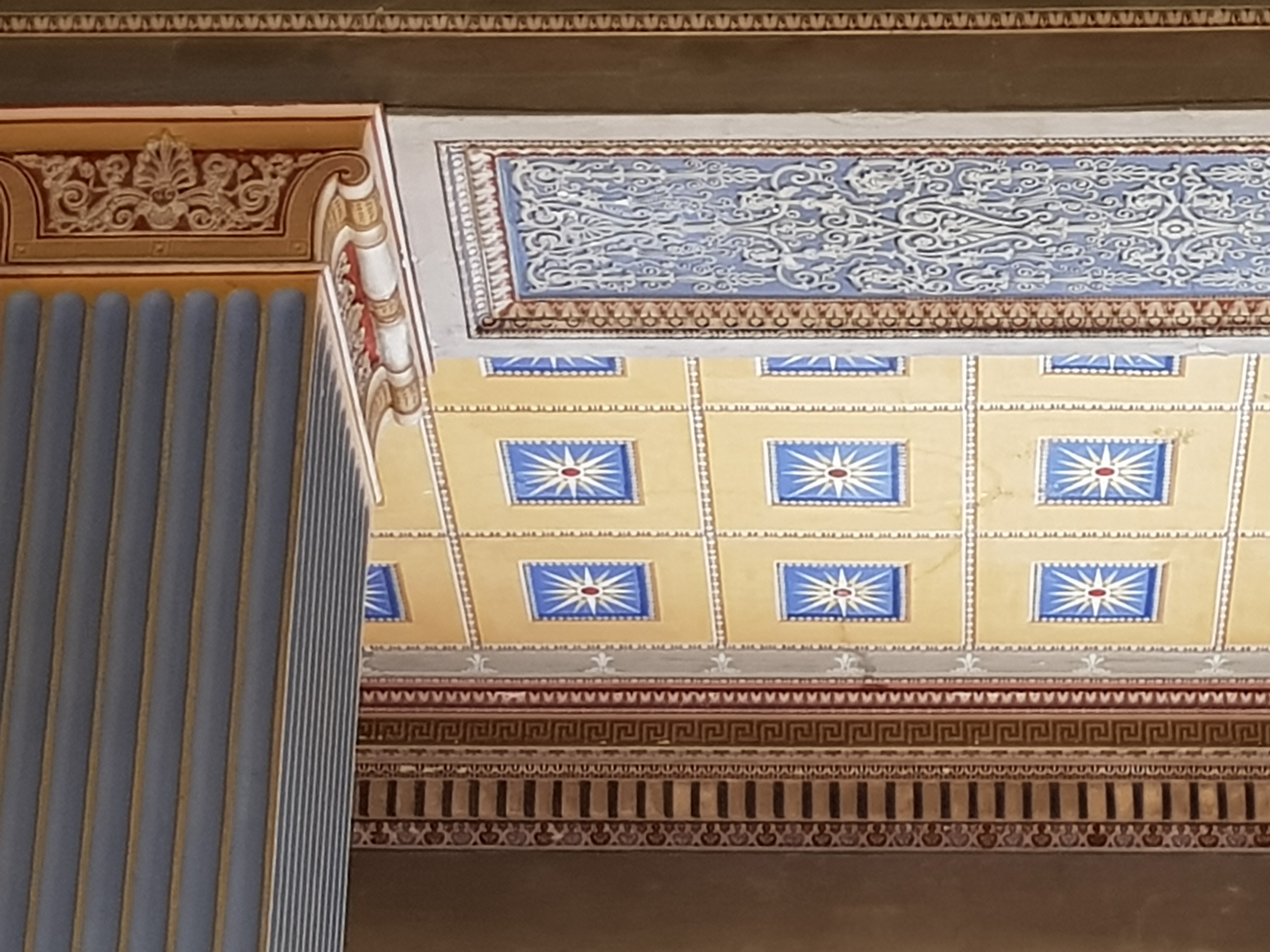
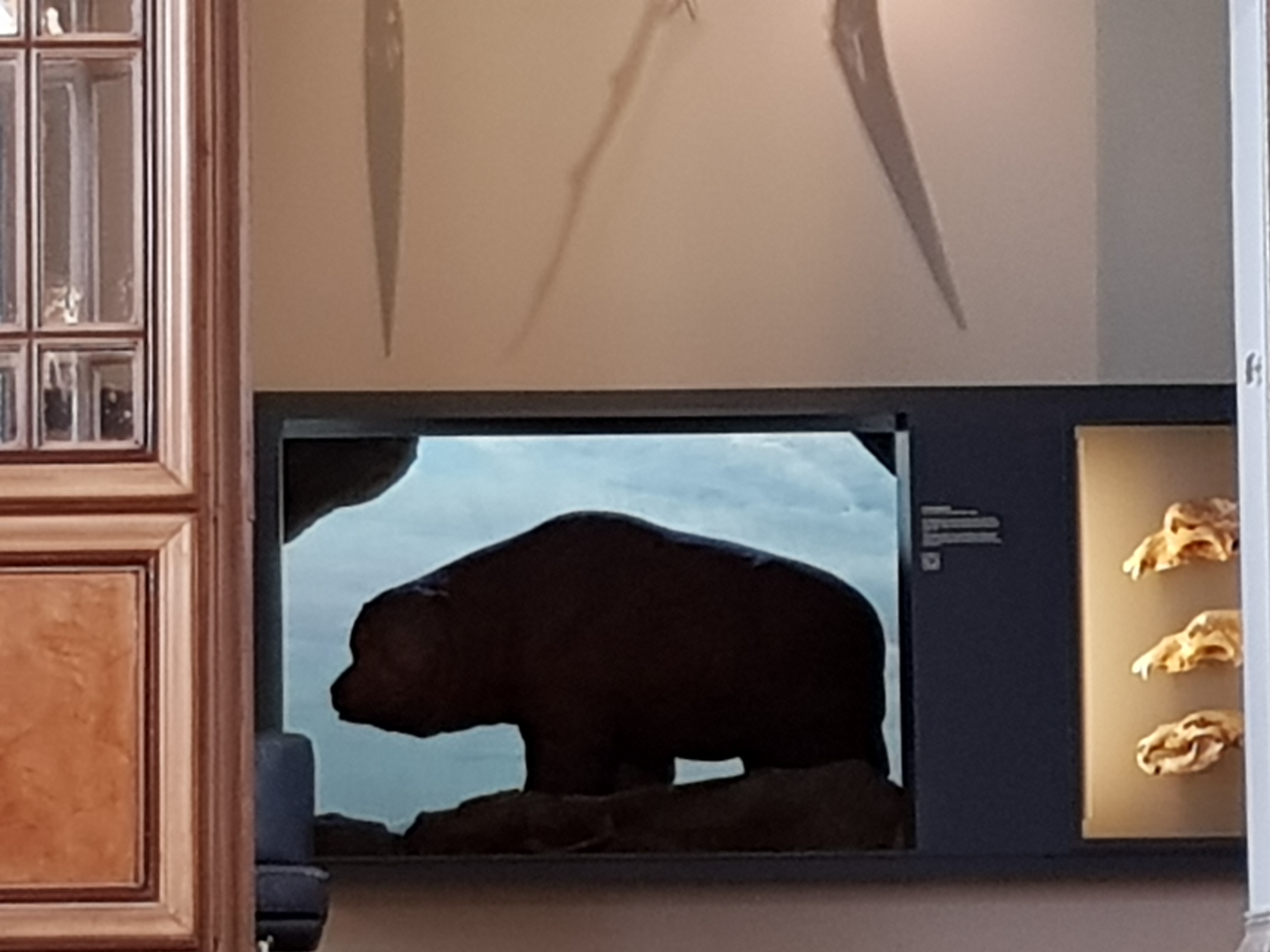
I ducked into the Natural History Museum:-
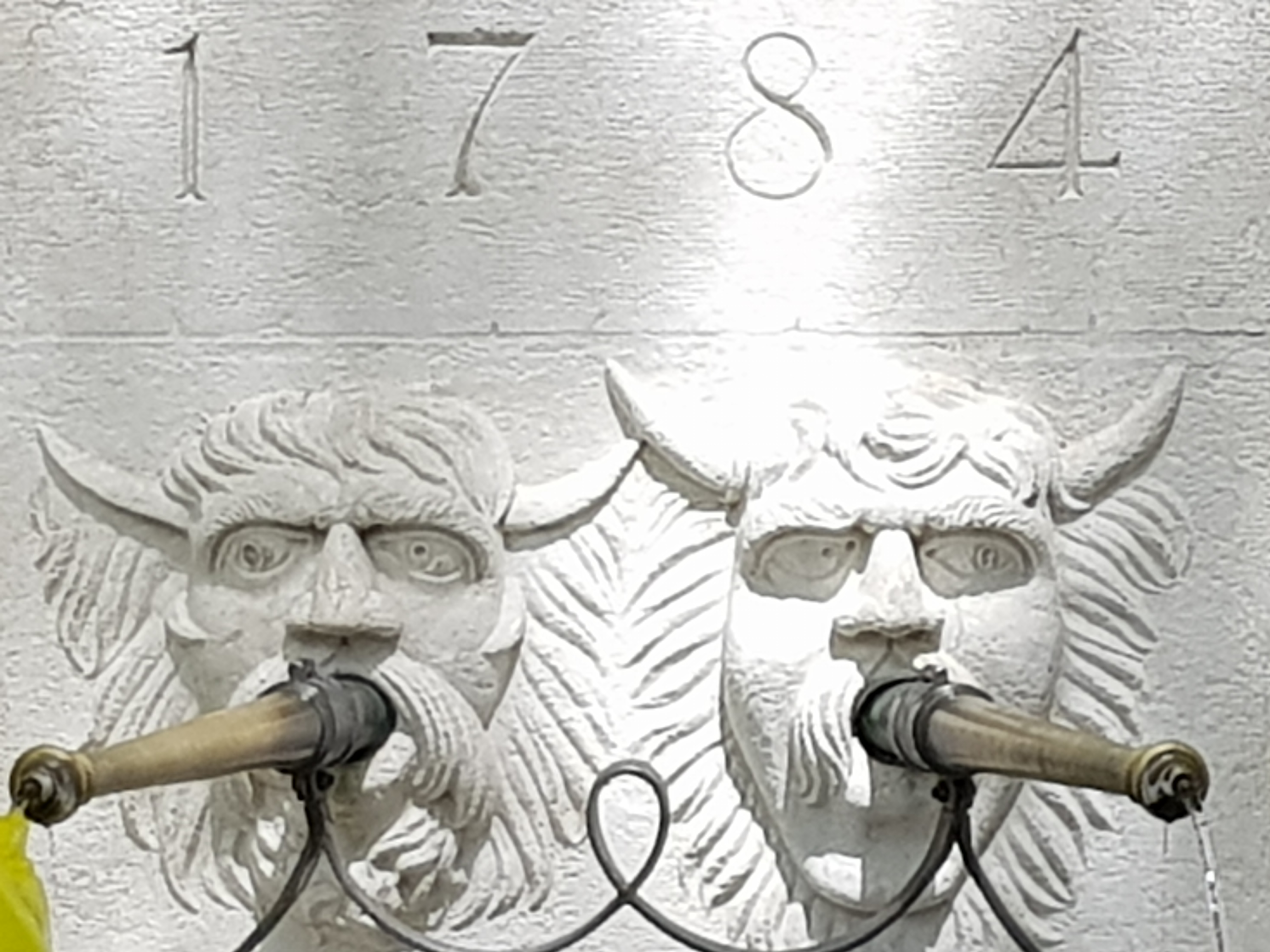
Past an eighteenth-century fountain:-
And the cathedral:-

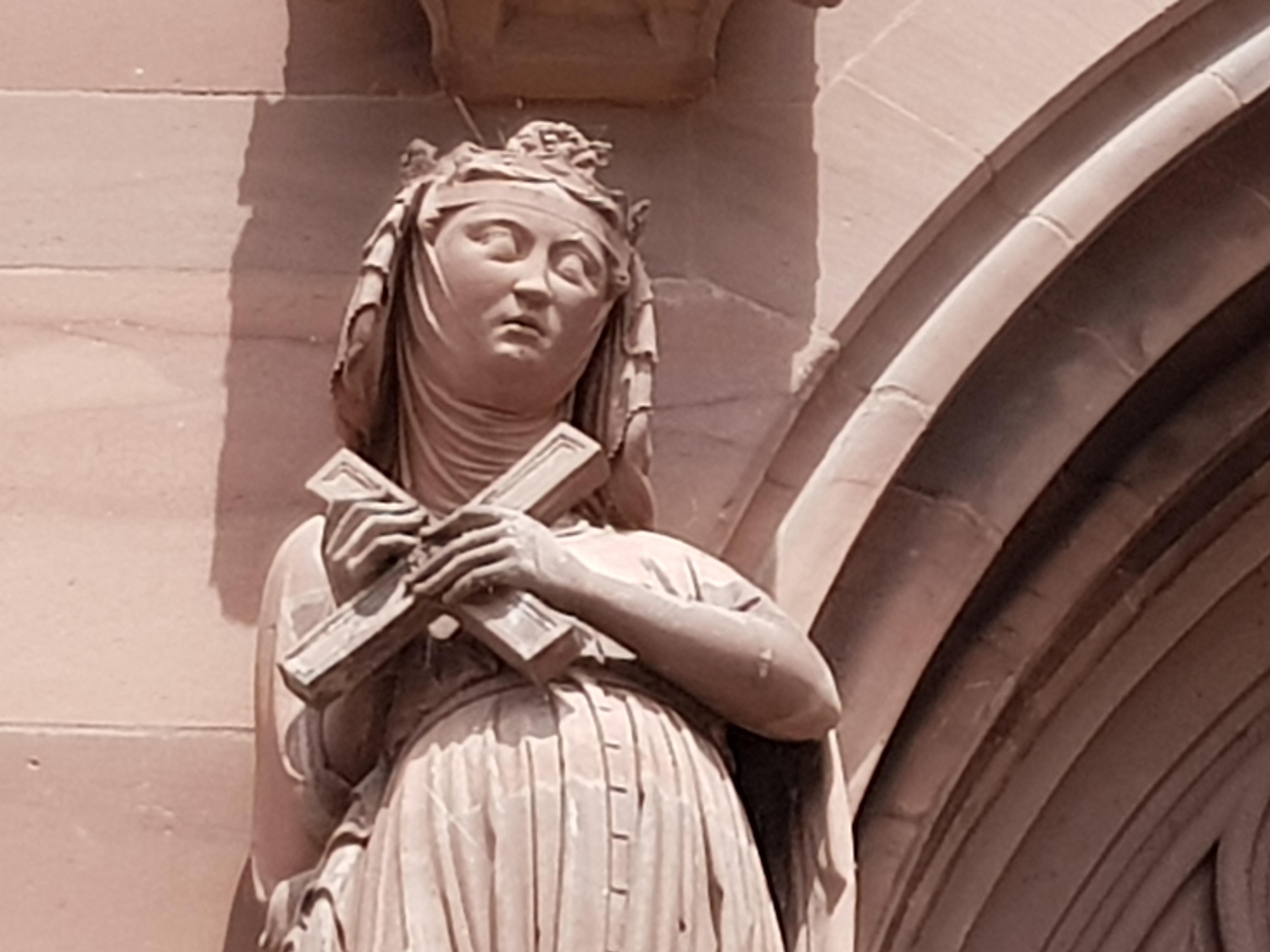
And down the Rittergasse to the Kunstmuseum:-
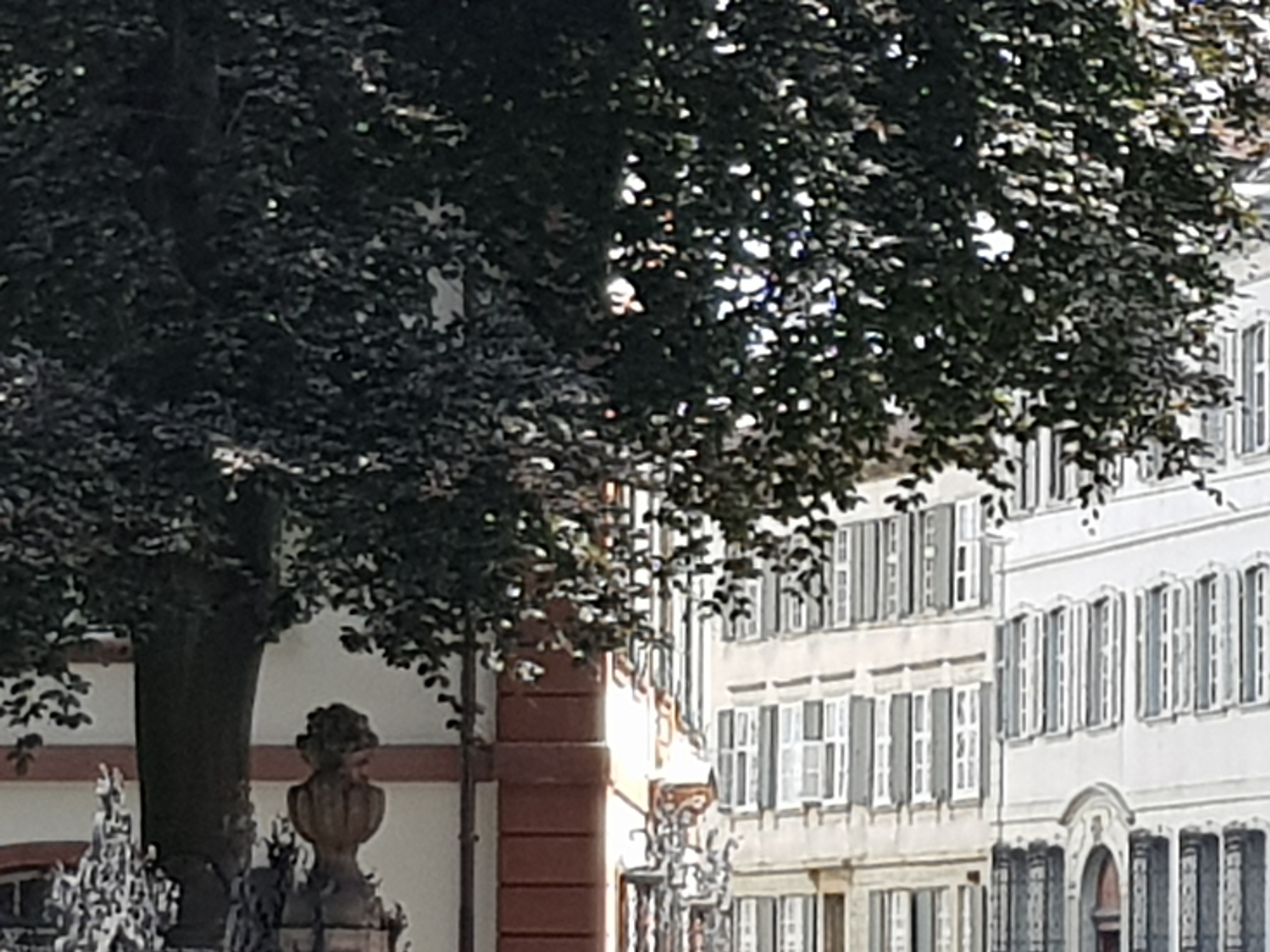
I had the honour of presenting Peter Zumthor with his Certificate as an Honorary Royal Academician over lunch in Basel. There was a bad moment when we thought he might not arrive as he is reputed to be reclusive, living and working in a village up in the mountains, where contractors from Los Angeles make their way to do their presentations. But he was born in Basel, trained at the Kunstgewerbeschule, and is currently drawing up detailed designs for a trio of new buildings for the Beyeler Museum. Other people having lunch may have been baffled by the presentation of the red barrel containing the Certificate, as perhaps was he, but it felt good that he should now more formally be an Honorary RA, which he has been since 2014.
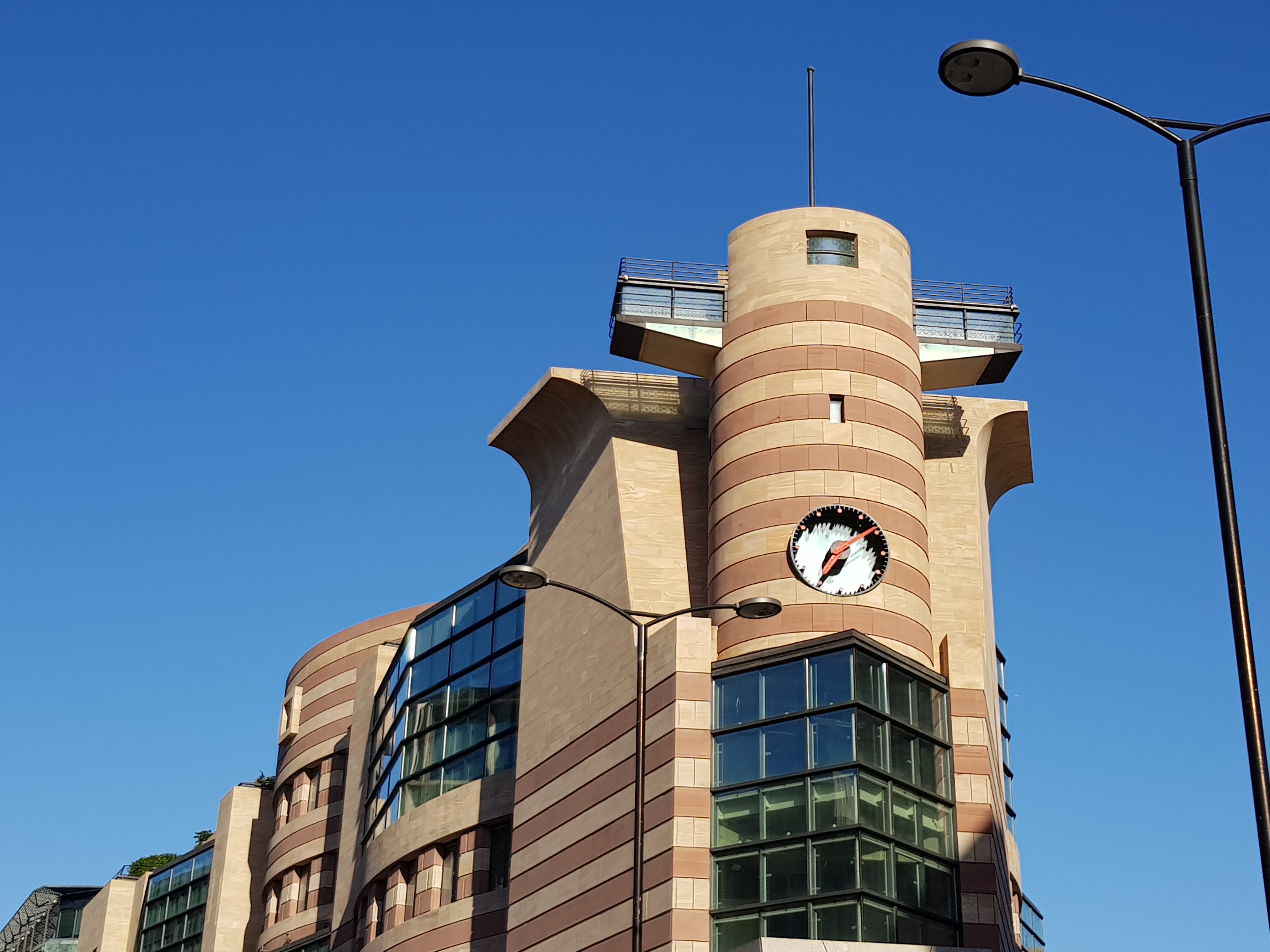
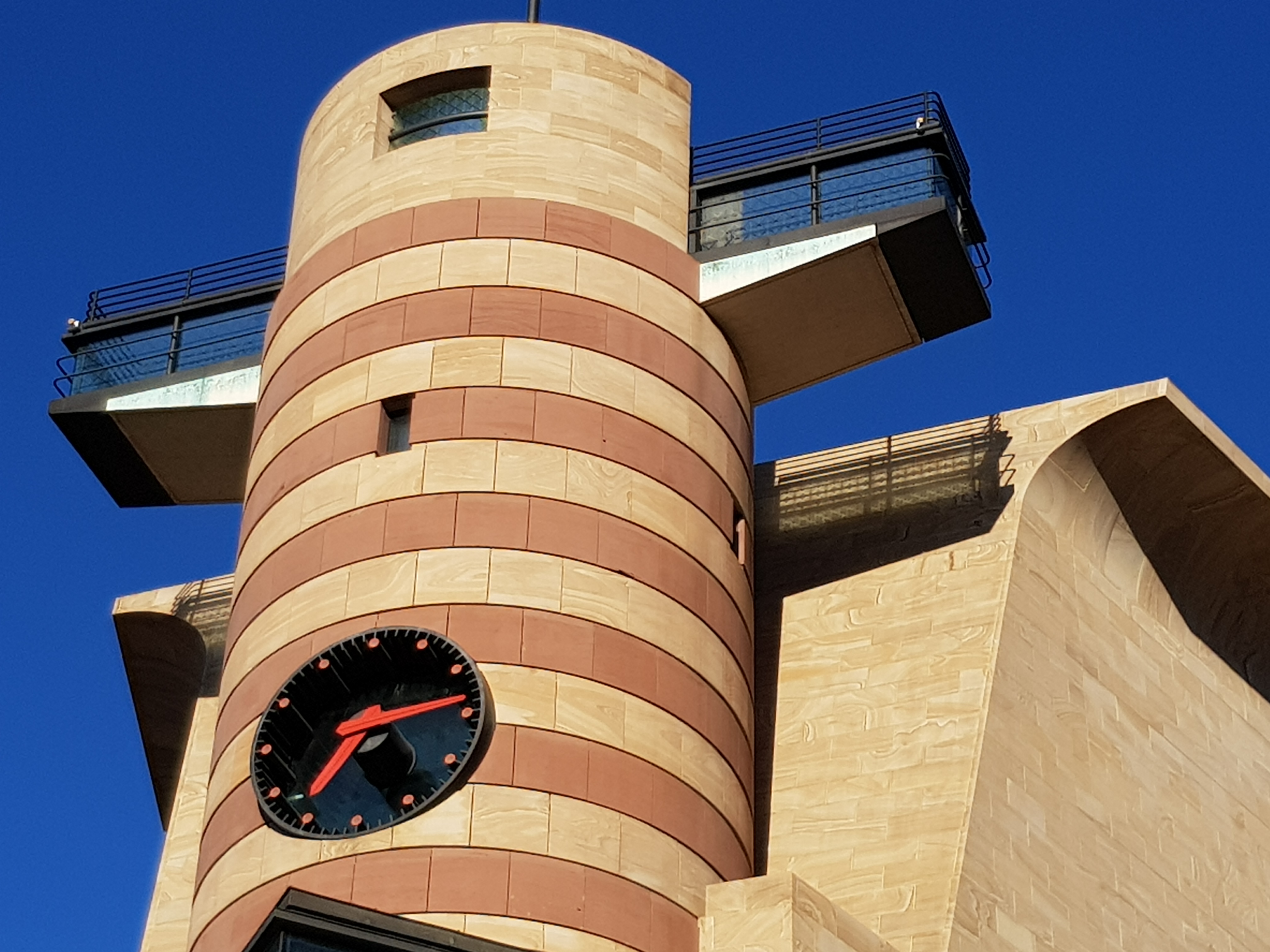
Of course, I left out the second half of Palumbo’s narrative which was to commission a building without the accompanying square designed by Jim Stirling, who was by then in his postmodern, historicist phase, and itself the subject of a second public enquiry held in 1988, given permission by Nicholas Ridley, and completed in 1997, when Stirling himself was dead:-
 | Charles | Saumarez | Smith |
You must be logged in to post a comment.