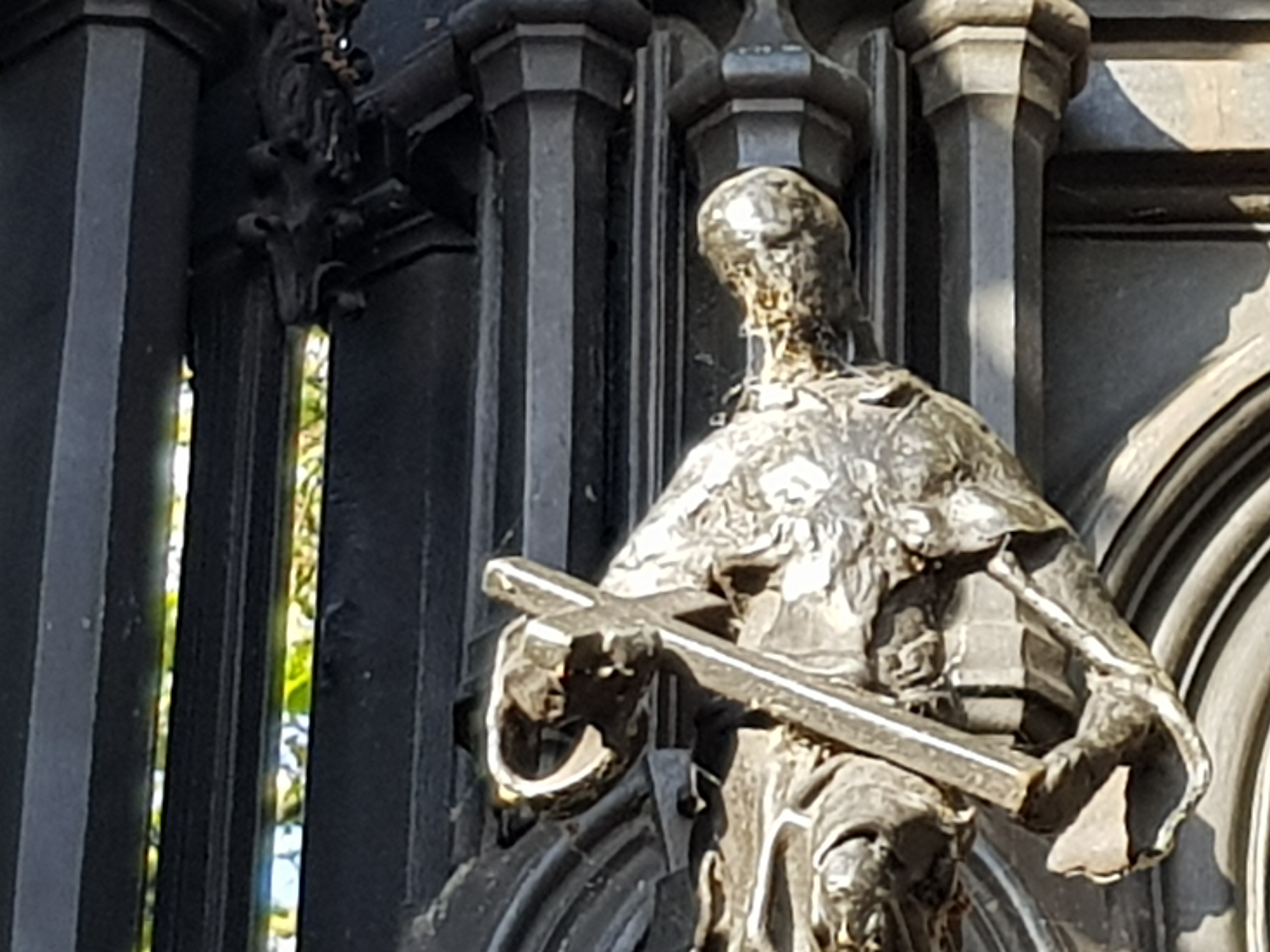
Mansion House (2)

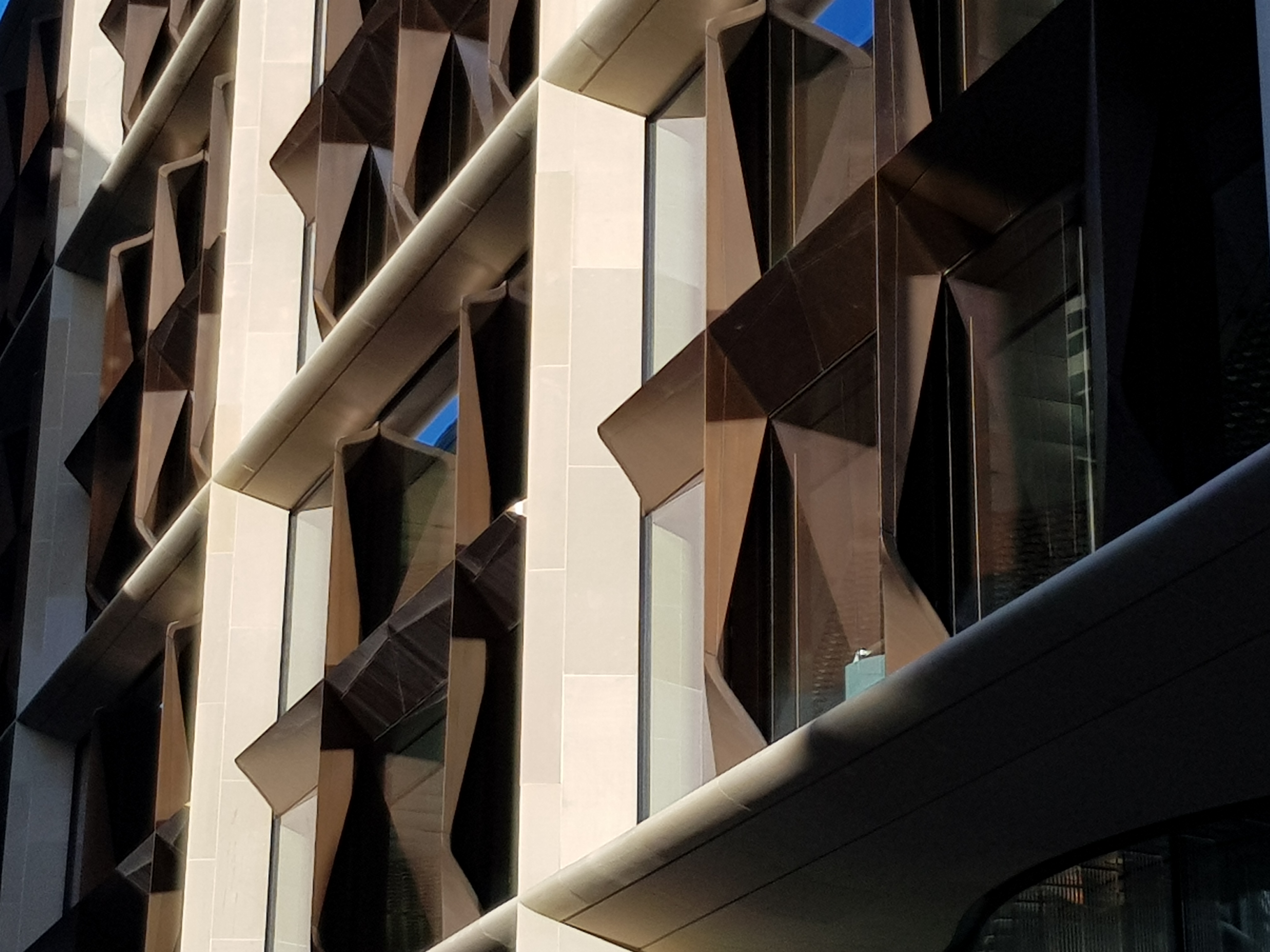
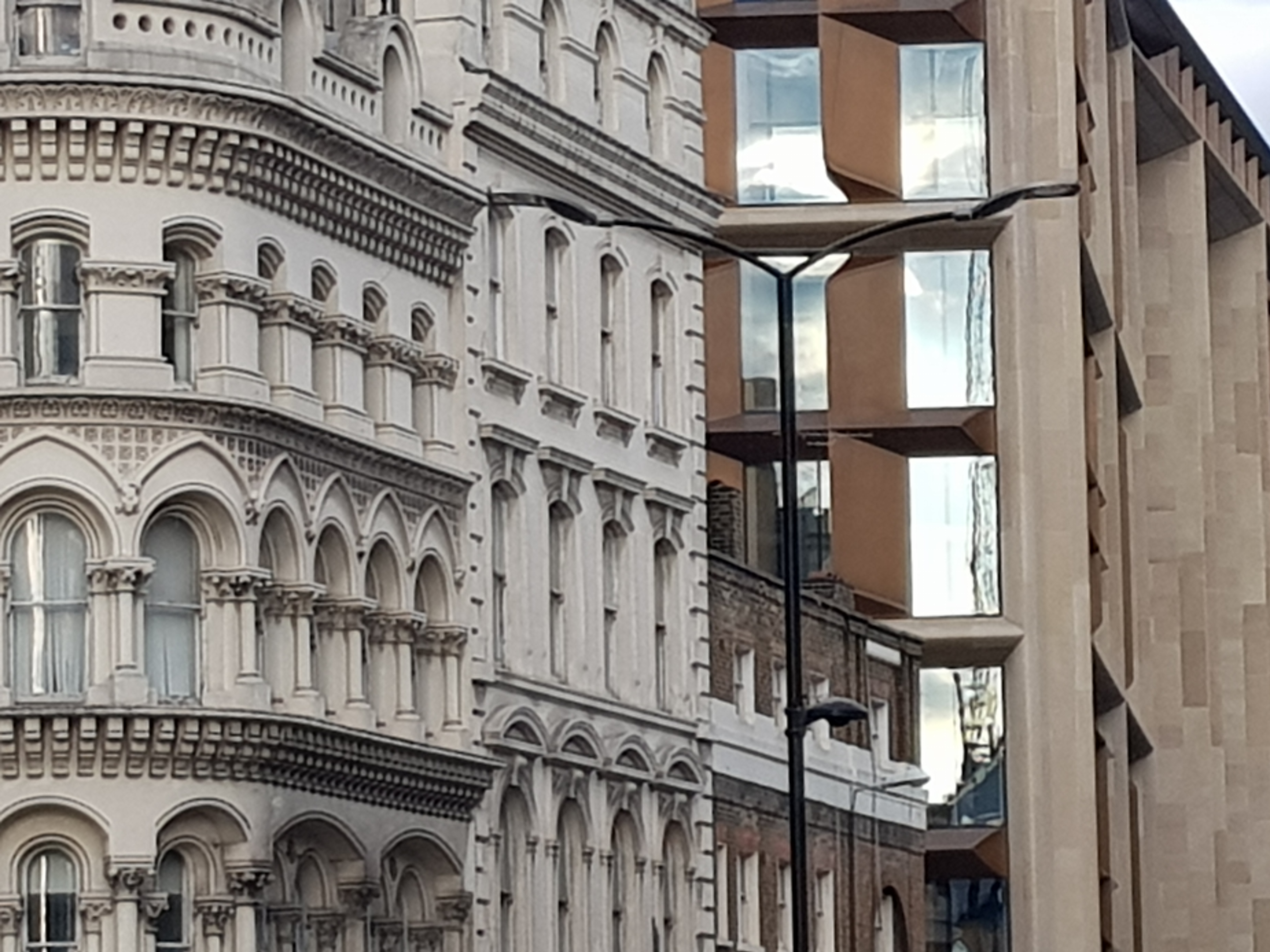
I was prompted by Peter Palumbo’s talk last night to go and see the area which would have been turned into a large public square had Mies’s 1969 scheme gone ahead.   Paradoxically, the area is now occupied by a building as large as any in the City – the new Bloomberg headquarters which has been designed by Norman Foster and has taken over an immense site immediately west of Mansion House:-

What I realised – I know it’s obvious – is the extent to which the City has been a battleground between rival philosophies of urban development:  the Roman, planned, coherent, based round the ideal of the forum;  and the medieval, more organic, haphazard and unplanned, more small-scale.

Standard

Mansion House (1)

I have just been to an amazing talk in which Lord Palumbo reminisced about the long experience of trying to get a building by Mies van der Rohe constructed in the heart of the city of London:  how he had been inspired by his mother who was passionately interested in contemporary classical music;  and by a teacher, Oliver van Oss (he did not say it was Eton), who introduced his pupils on Sunday mornings to the work of single artists – Jan van Eyck and Barnett Newman, Palladio and Mies van der Rohe.   After working for Hambro’s and Cluttons (he left out the fact that he was at Oxford), he went to work for his father, a property developer, and bought a single building in Bucklersbury.   This led him to travel to Chicago in 1962 to commission a building by Mies van der Rohe, a shy man who normally never got up before lunch, telling him that there was no chance that the building would be built for at least 25 years.   So, it was always going to be posthumous.   The project got preliminary planning permission in May 1969.   It was then the subject of a famous, or infamous, planning inquiry, in 1984 in which the ghost of Mies, supported by John Summerson, battled against the massed ranks of the conservationists.   Patrick Jenkin as Secretary of State rejected the scheme on the grounds that it was bad mannered – out-of-scale with its surroundings and built of bronze.

Standard

Howard Hodgkin

I missed the opening of Howard Hodgkin’s exhibition Absent Friends and have only just caught up with it, remembering poignantly that the exhibition coincided with his death.   I was particularly interested to see his portrait of the dealer, Peter Cochrane, which was accepted by the NPG in lieu in 2010.   It’s definitely a portrait and a fine one.   Elsewhere, one of the captions says that Hodgkin didn’t like talking about art and he certainly may always have been reticent, but it’s worth remembering that he became a Trustee of the Tate Gallery in 1970 which will have required him to talk about art.   I prefer, as everyone does, his pictures post-1975 when his style suddenly loosens and becomes more freely imaginative, described by Hodgkin himself as ‘more about myself now, or incidents which personally involved me, at least’.   He carried on painting right until his end.
Standard

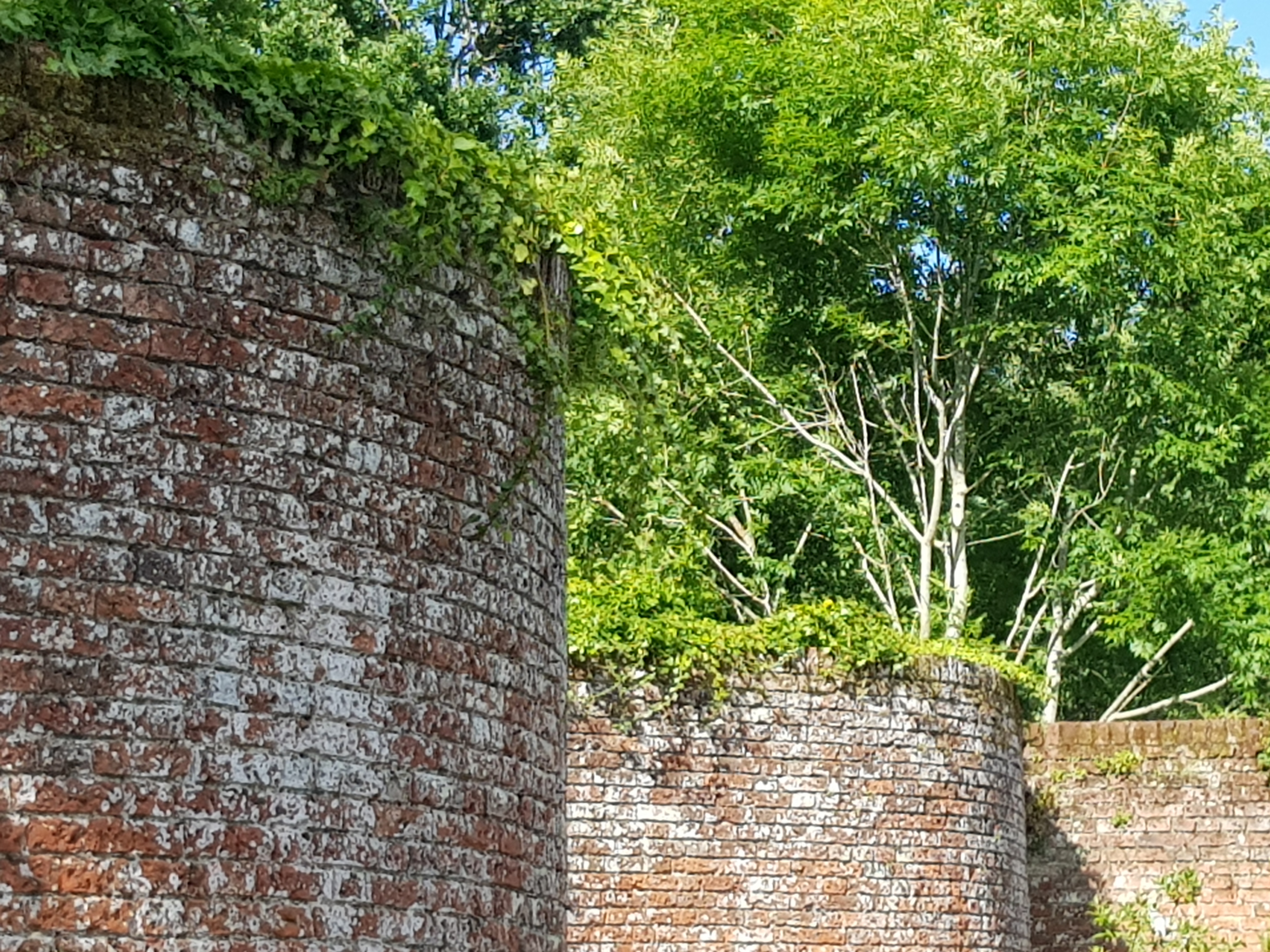
Crinkle crankle walls

I meant to look up about the definition of crinkle crankle walls.   They’re one brick thick, built in curves because if they were built in a straight line, they could easily be pushed over – or topple of their own accord;  and they normally face south (as they do at West Horsley) and were used for growing fruit:-

Standard

West Horsley Place

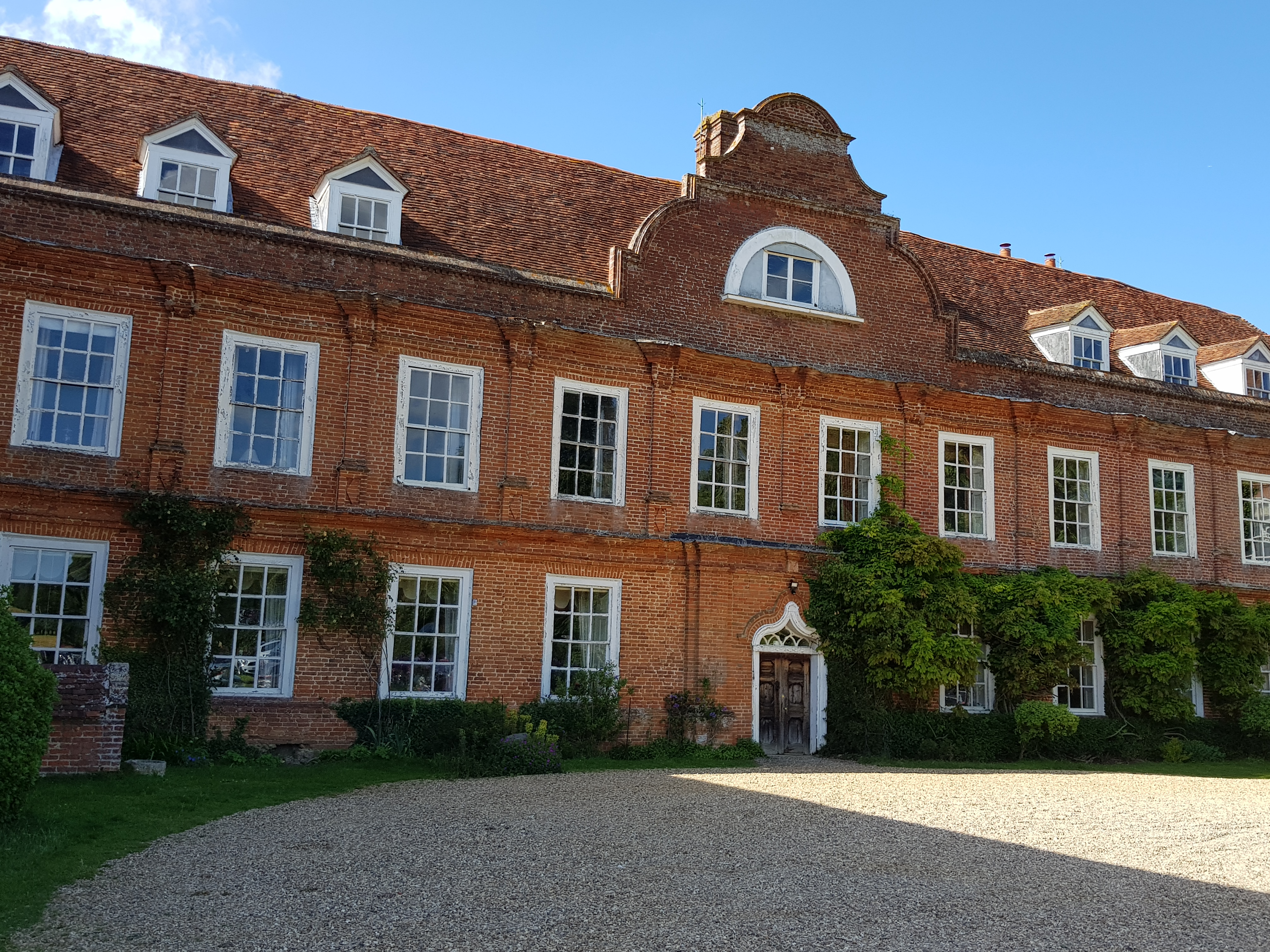
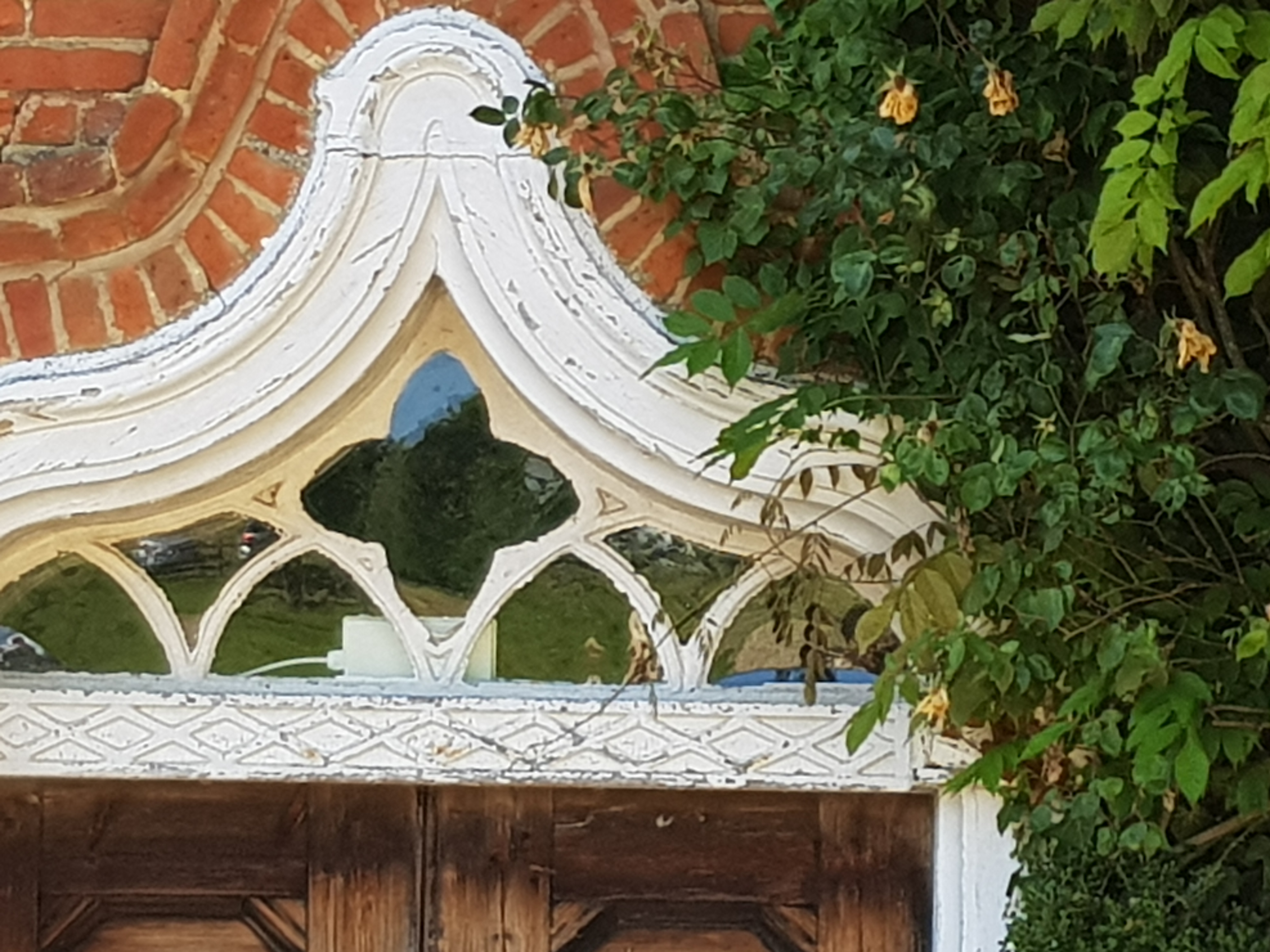
We went last night to the first night of Jenufa at West Horsley Place, the beautiful, now slightly ramshackle, medieval house, with its long, low Jacobean front, which was inherited by Bamber Gascoigne from his aunt, the Duchess of Roxburgh, and is now the location for what is described as GPO, the former Grange Park Opera, which Wasfi Kani has resurrected in a brand new opera house, built in eleven months from scratch, in the grounds.   It is quite an astonishing achievement to have built a version of La Scala de novo behind the crinkle crankle walls in the woods of a Surrey country house:-

Standard

The Streets of Spitalfields

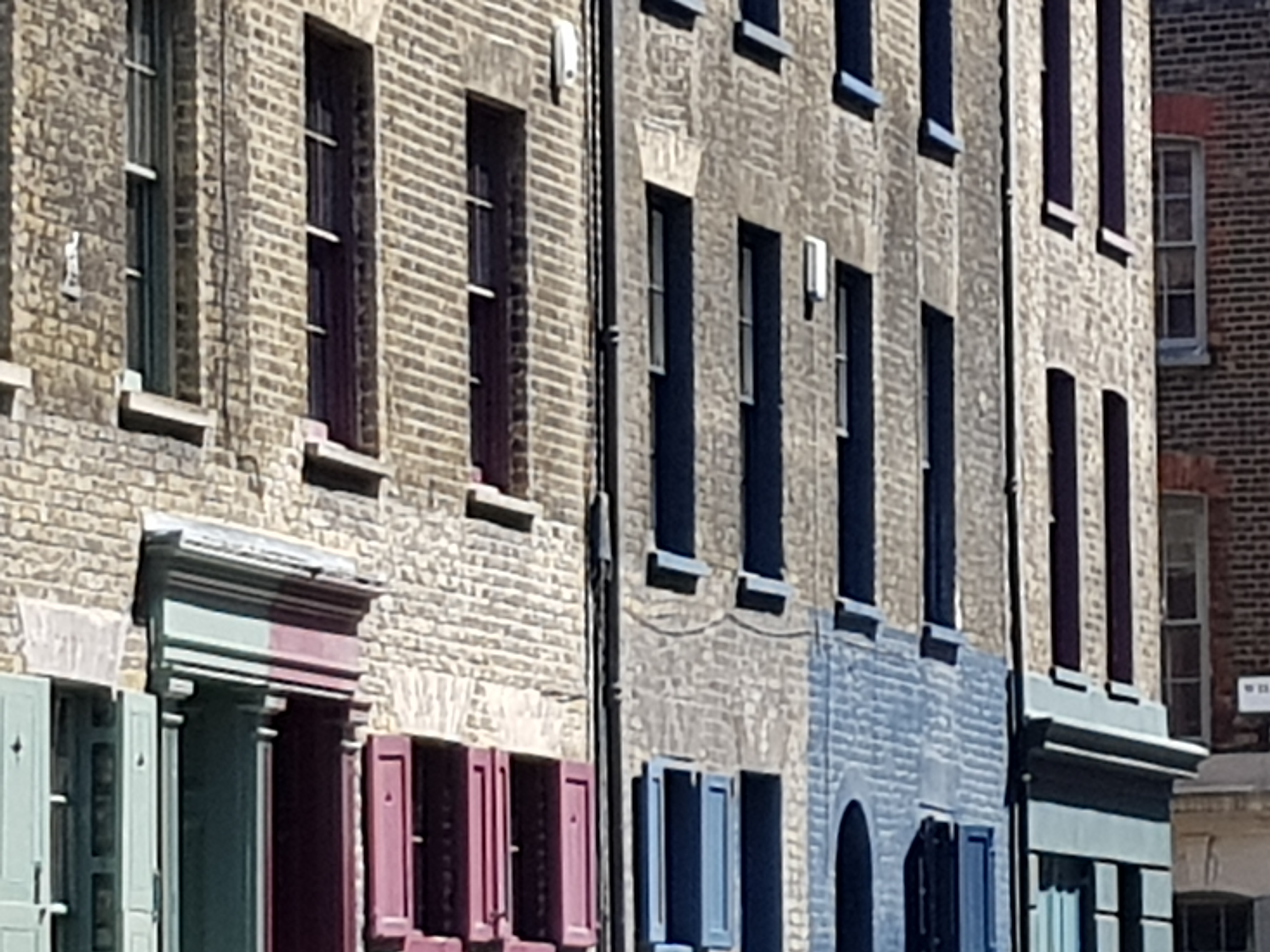
I took quite a number of photographs of the streets of Spitalfields, impressed, as I always am, by the quality of houses, their detailing, the carving of the doorcases, and the fortunate survival of the streetscape.

Fournier Street:-

And then Princelet Street, one street parallel:-

Standard

Verde & Co. Ltd.

I called in at Hervey Cabaniss’s new shop and café at no.3, Fournier Street, which has had to move from beside Spitalfields Market owing to the hike in the business rates.   The shop is just as nice as it was before, a touch more spacious and overlooking the side of Christ Church:-

Standard

Spitalfields Gardens

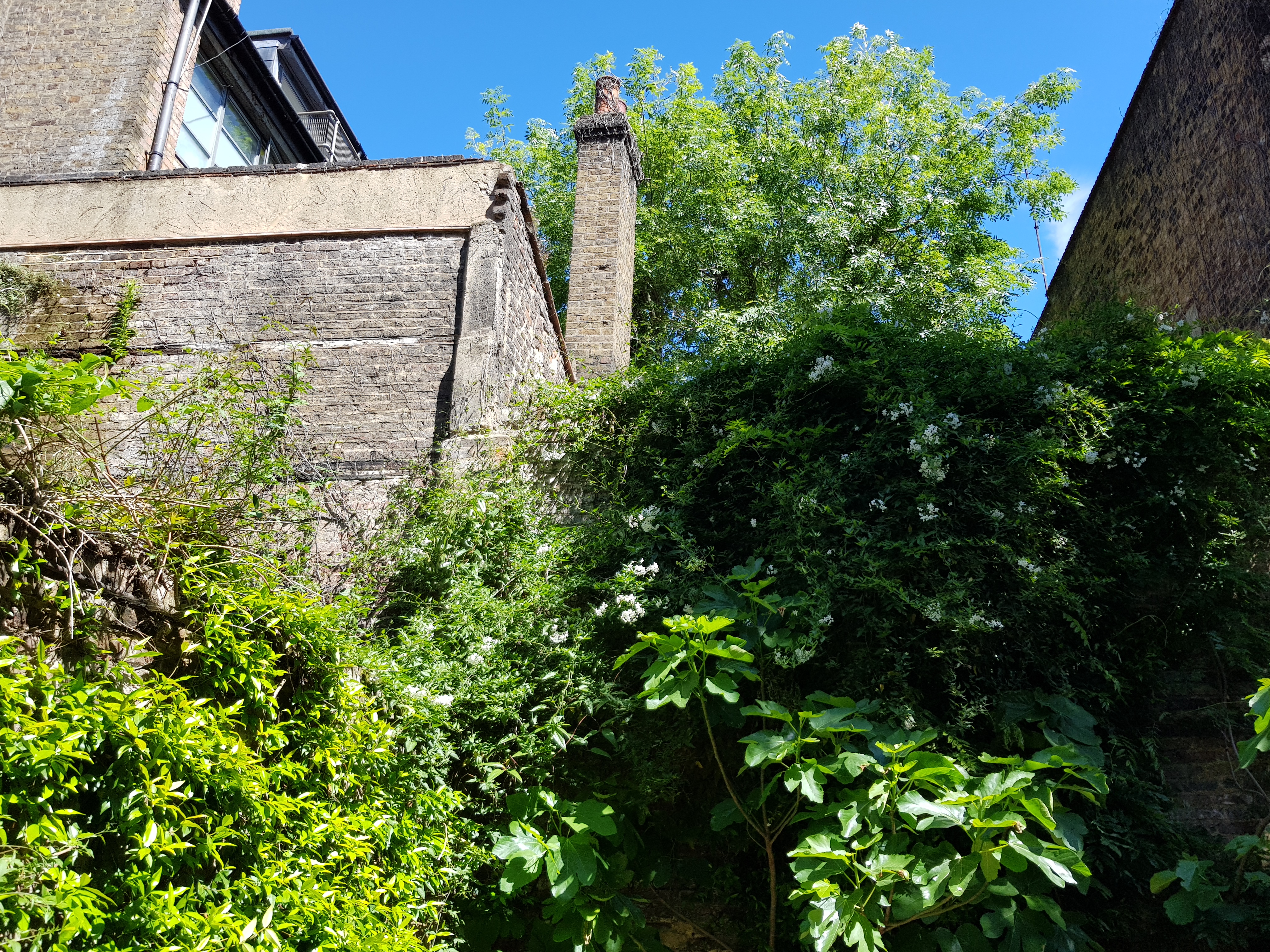
I was walking down Fournier Street and discovered that some of its gardens, as well as other gardens in Spitalfields, are open this weekend as part of the National Gardens Scheme.

First, no.29, Fournier Street:-

Then No.7, further down the street:-

Finally (although there were others in Elder Street and Spital Square) 21, Princelet Street:-

Standard

Whitechapel Market

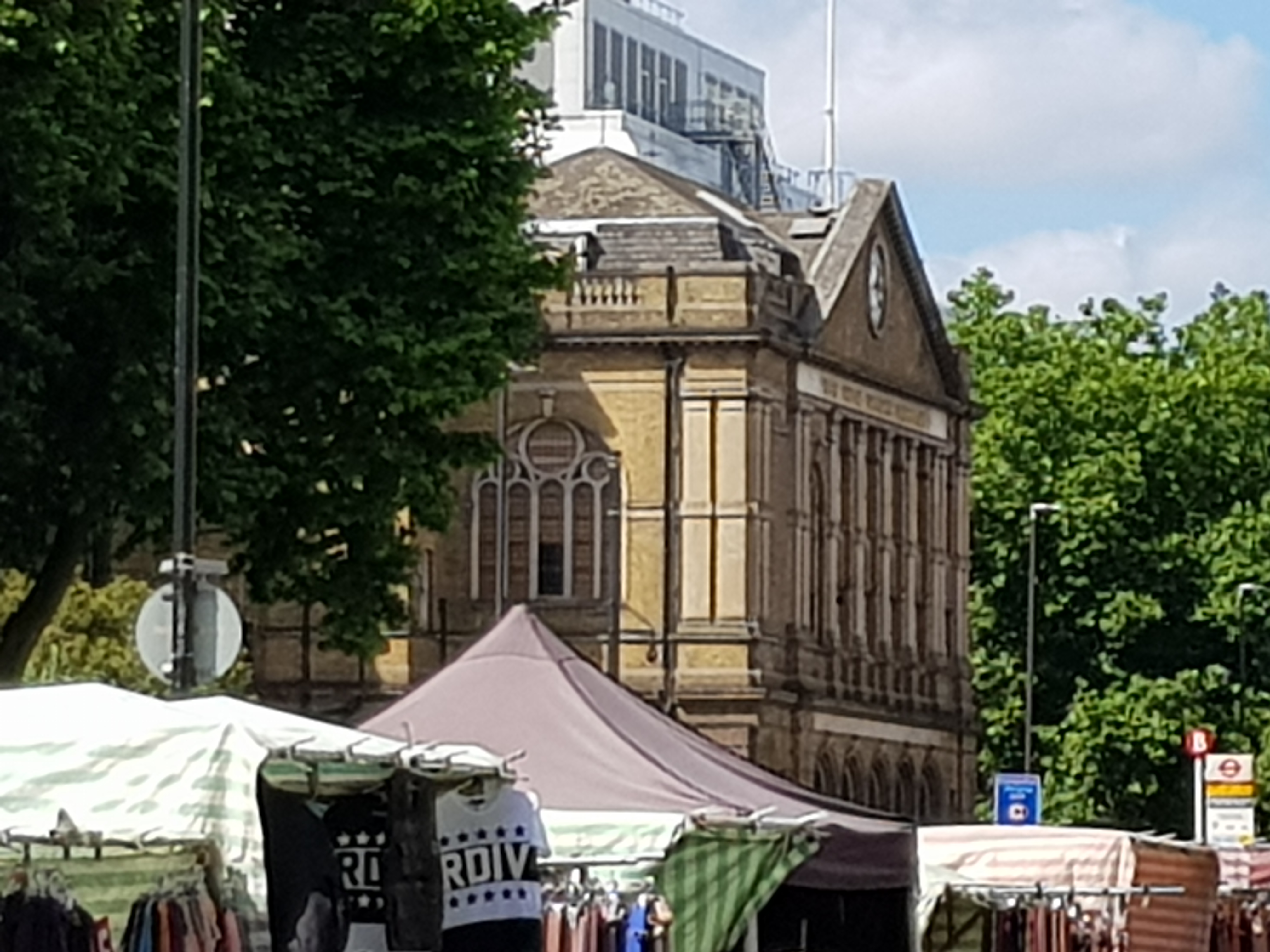
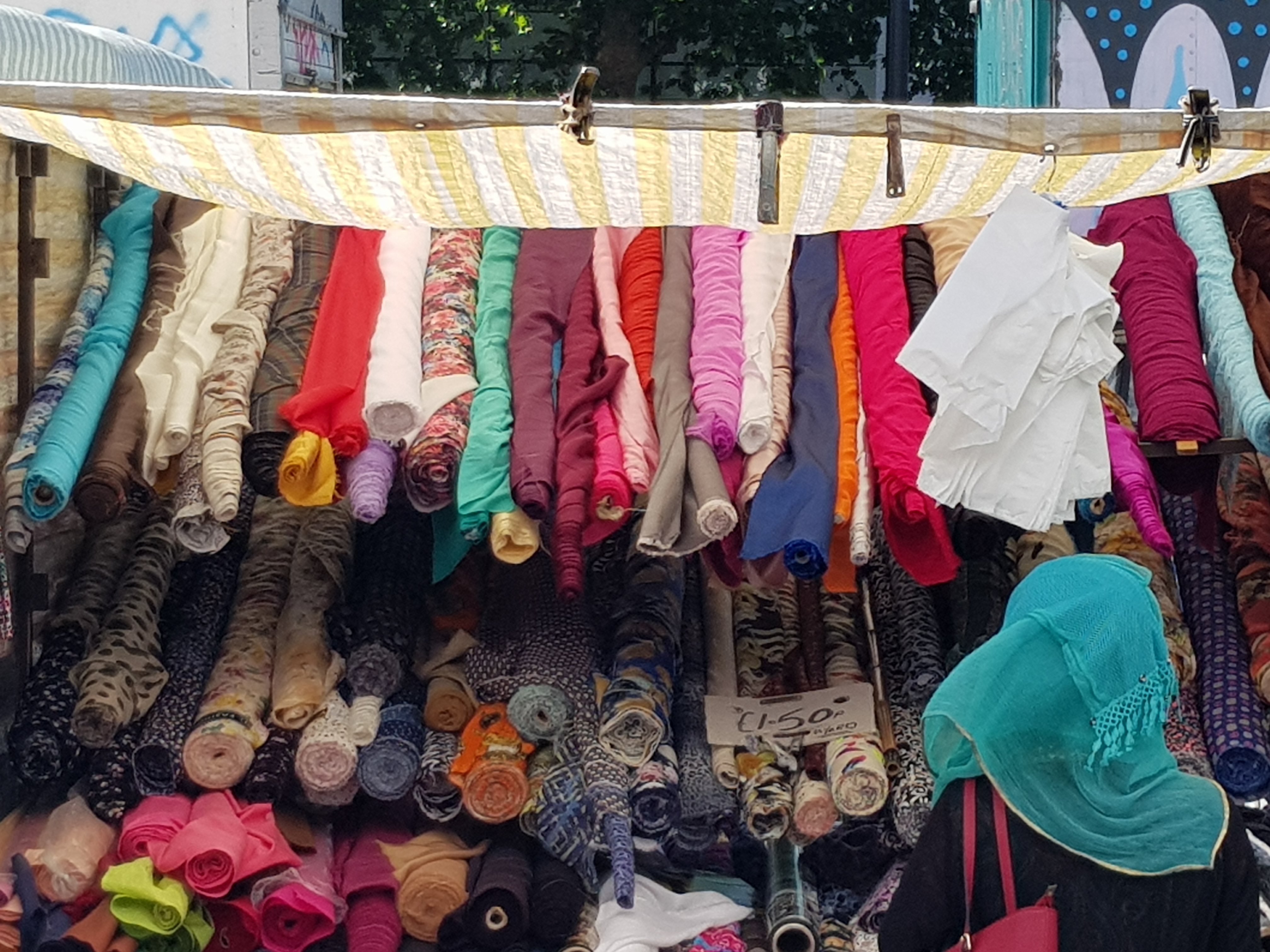
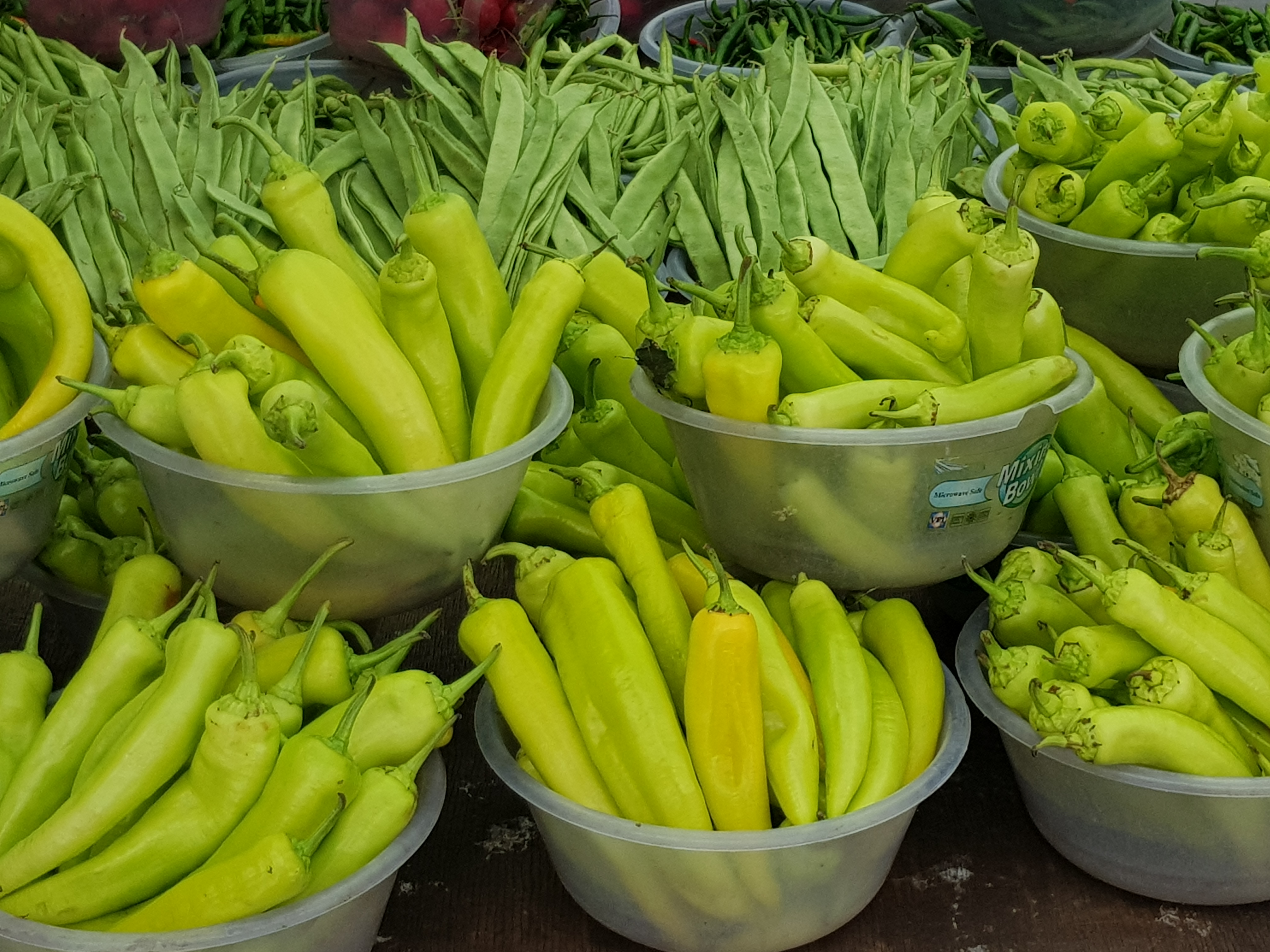
Whitechapel has historically always had a market in its High Street, opposite the London Hospital, and described by Walter Besant as selling books, boots, shoes, birdcages and caps, but now mainly occupied by Indian textiles and fruit and vegetable stalls, interspersed by beds, cheap scent and hardware:-

Standard

Queen Alexandra Memorial

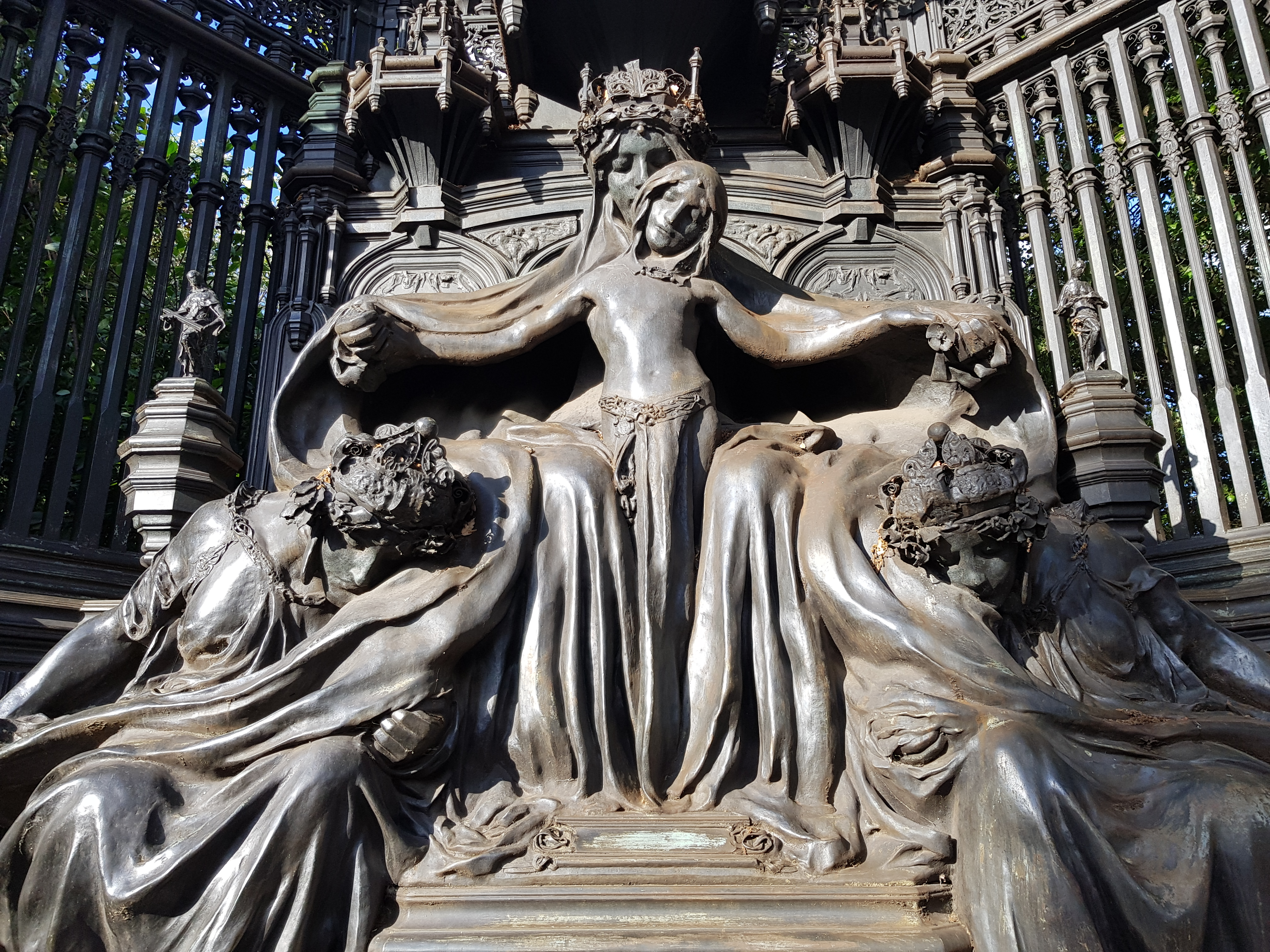
I often pass the Queen Alexandra Memorial in the wall of Marlborough House, but normally in the morning and not lit up by the late evening sun.   I have grown to love its late art nouveau extravagance and decadence, designed by Alfred Gilbert RA right at the end of his life when he returned from exile in Bruges, where he had retreated in debt and married his landlady.   The central group consists of Love Enthroned, supported on either side by Faith and Hope, and there are tiny allegorical figures representing Religion and Truth on finials on either side.   It led to Gilbert being knighted and readmitted to the RA before his death aged 80 in 1934:-

Standard