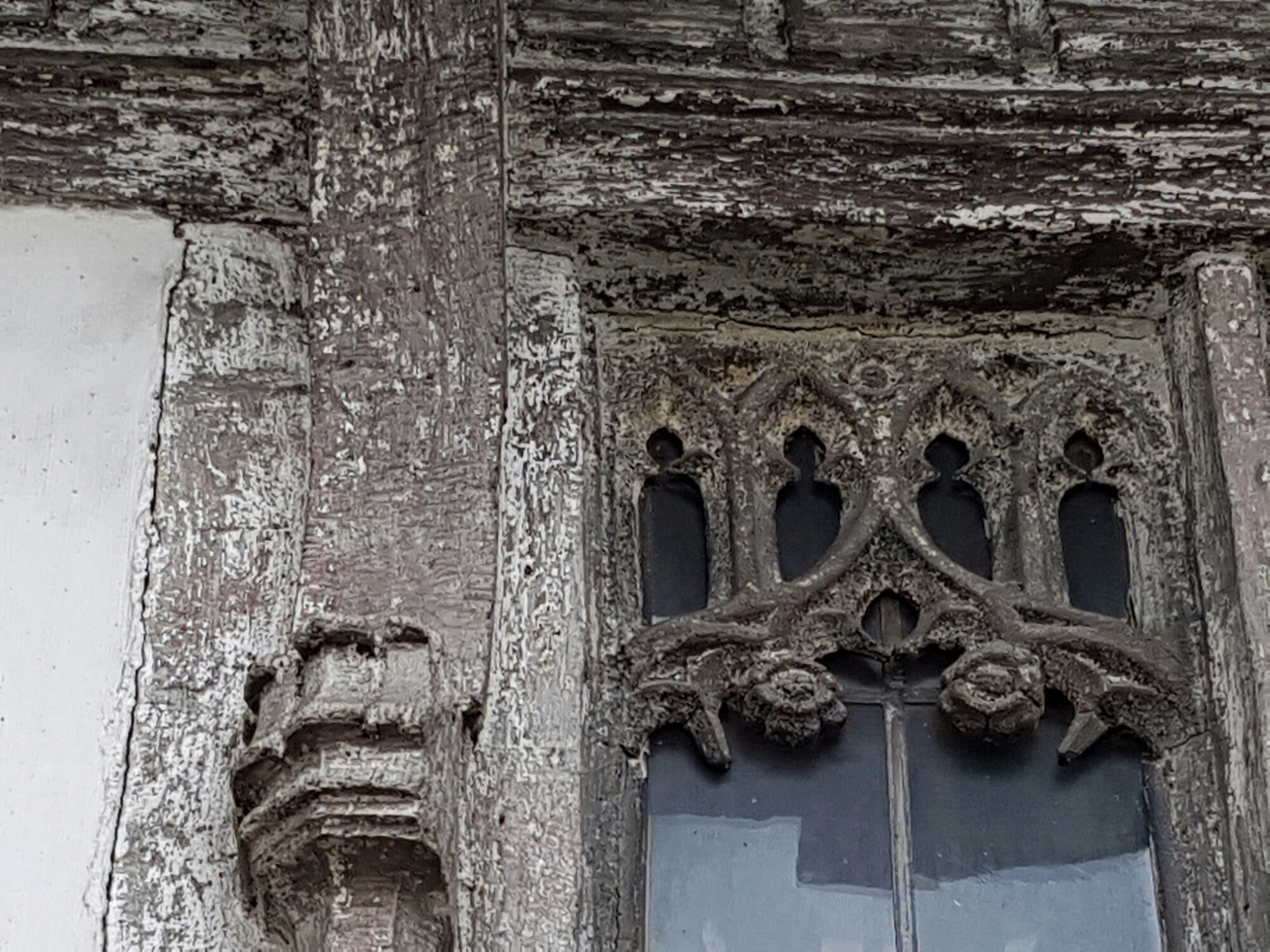
Castle Howard (2)

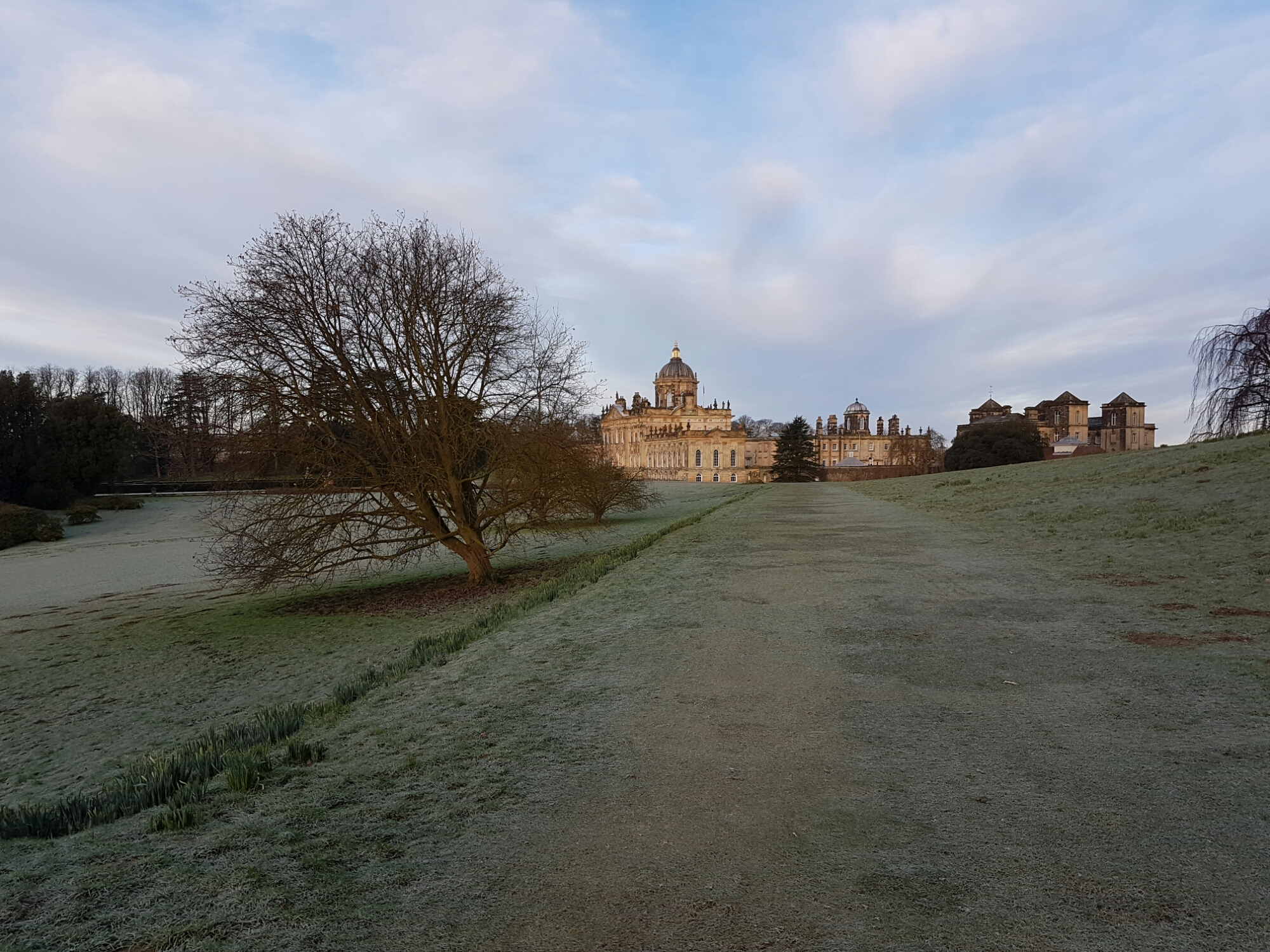
I spent the day with a group convened by the Paul Mellon Centre, Tate Britain and York University to ponder the history of the room arrangements at Castle Howard which are very complex, each generation changing the hang, adding more objects, moving the pictures round, and not necessarily keeping a record of what was done.   

We started in the Great Hall, which occupies much of the central volume of the house, an extraordinarily and unnecessarily stately entrance to the house with two flanking staircases essentially invisible behind.   Below Phaeton in the dome (repainted after the fire) are Pellegrini’s four elements.   Earth:-

And Air:-

Huge columns:-

And the overmantel is by the great Italian stuccadore, Giovanni Bagutti:-
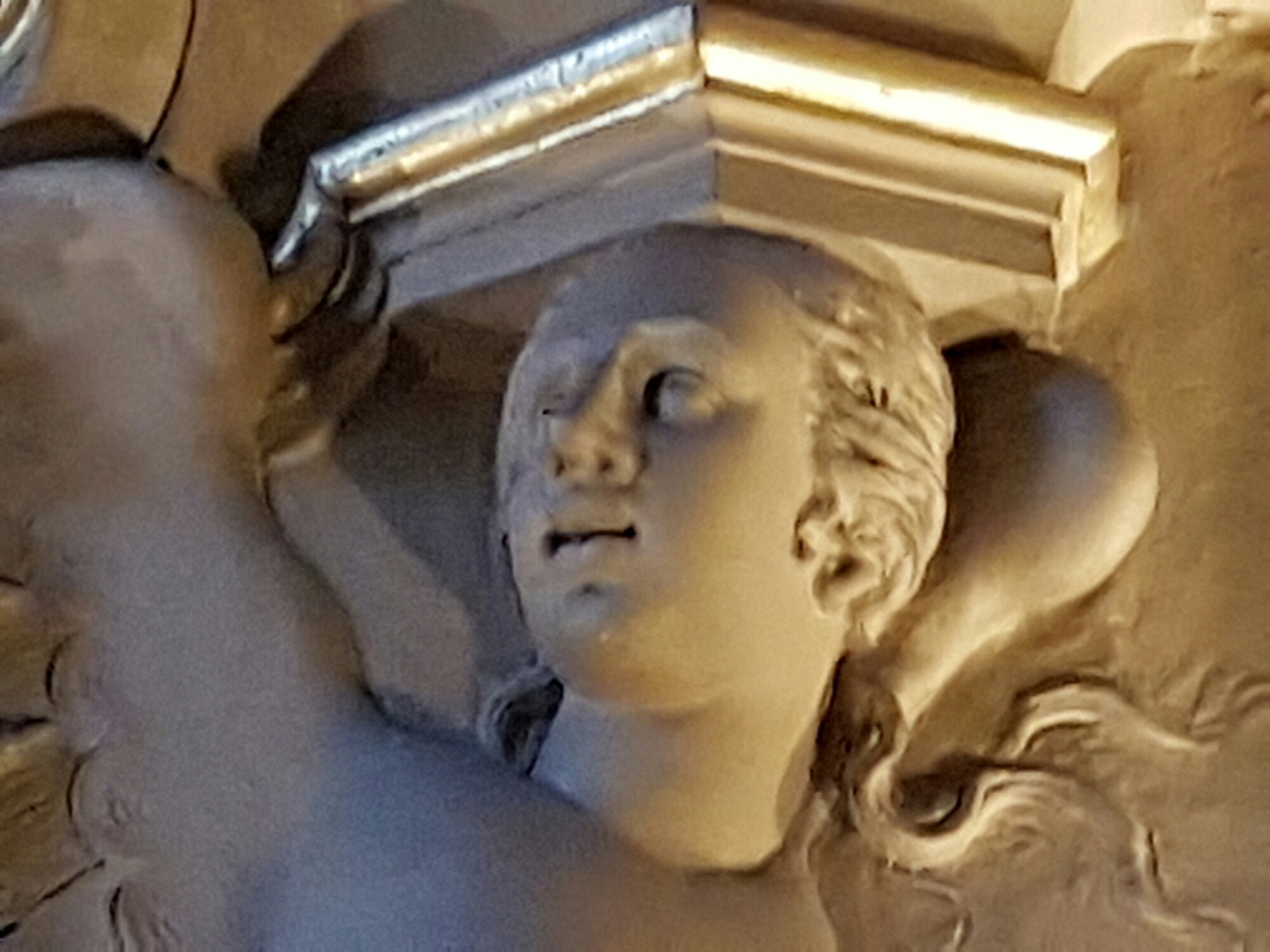
Then down the formal enfilade of the south front:-

Past the fifth Earl who is now the property of Tate:-

Not sitting on the tapestry chairs which are maybe all that remains of the third Earl’s furnishings:-
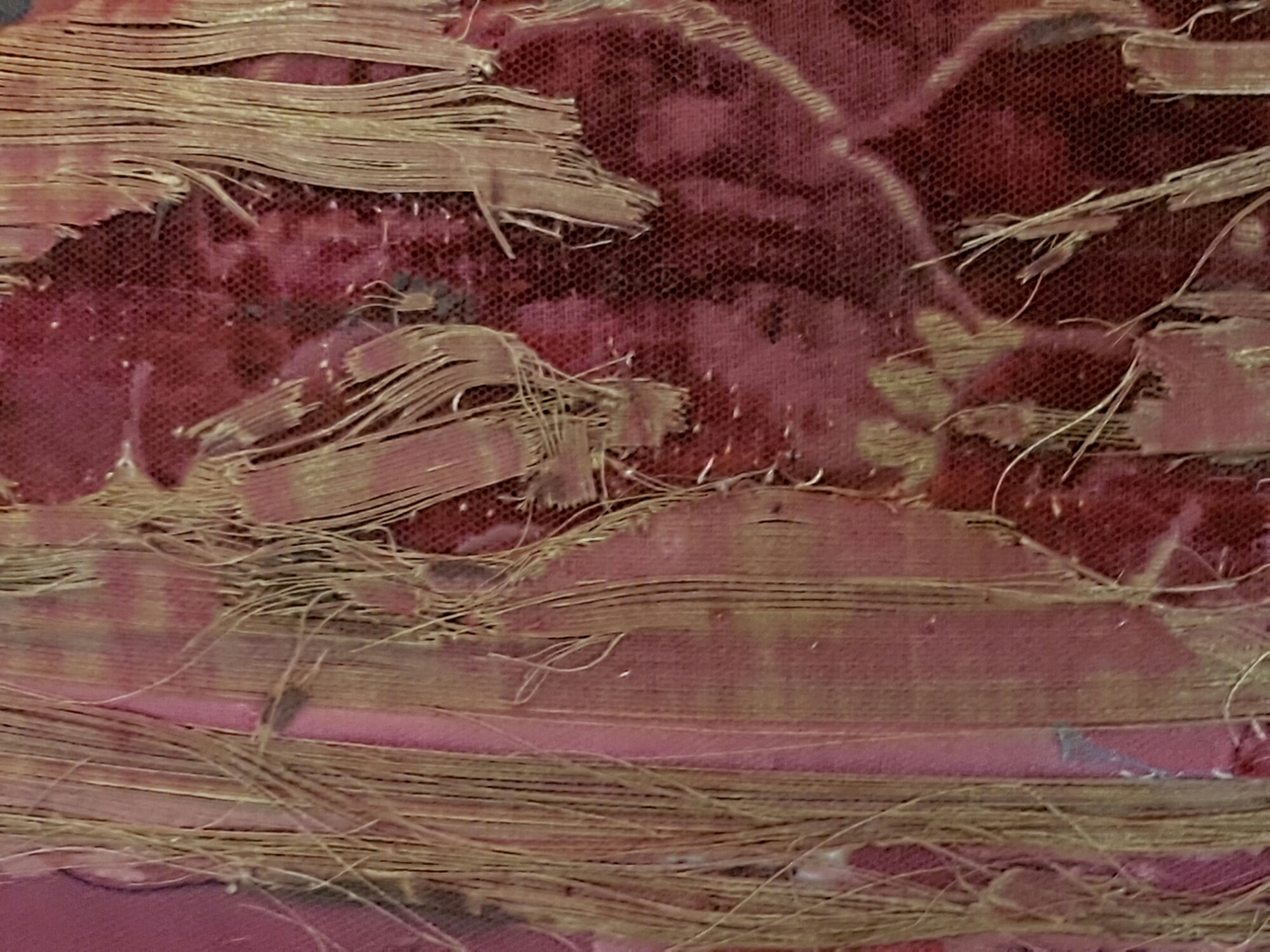
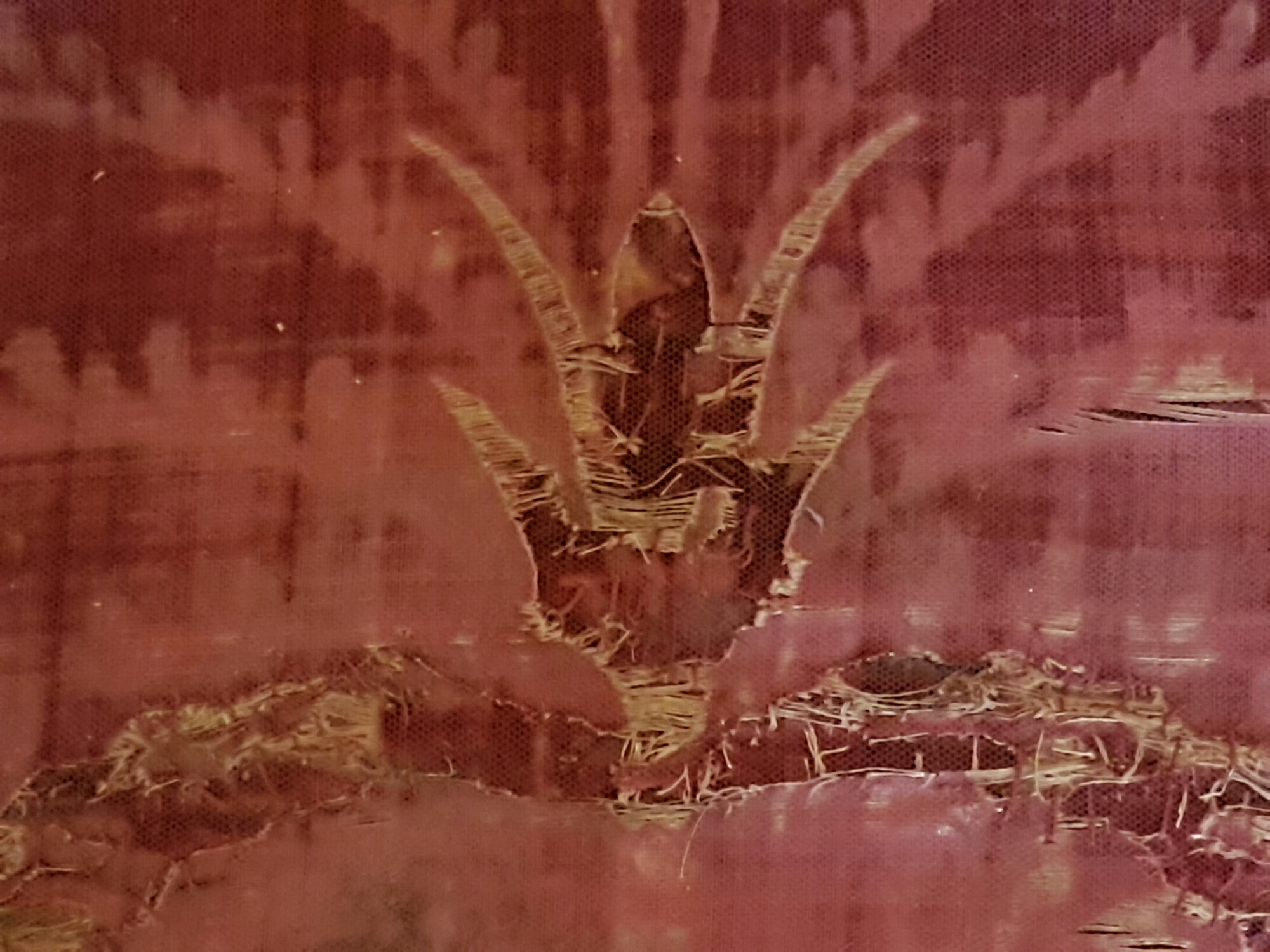
To the Long Gallery in Thomas Robinson’s wing, as depicted by John Jackson:-

The questions we were being asked were: to what extent should one treat a country house as an aggregate, a set of complex accretions, each generation adding a new layer ?  Or should it be treated like a museum with each layer being carefully documented and revealed ?  I agreed with those who argued that a country house is not a museum and that its owners have a different set of responsibilities and freedoms to do what they want in terms not of museum-style installation, but more theatrical and aesthetic forms of interior decoration.


Standard

Castle Howard (1)

I was told that my bath would have one of the great views of England and indeed it did:  out across the lawns to the north of the house towards the Great Lake, which was dug out by the fifth Earl when he had recovered his finances some time in the 1790s and, beyond that, to the estate village of Coneysthorpe and, in the distance, the Howardian Hills:-

Looking out of the other window, I could enjoy Vanbrugh’s playful pinnacles, like chessmen, on the south front as the sun came up over the parapet:-

To the north, I saw the Pyramid, constructed in memory of Lord William Howard, across the nineteenth-century parterre:-

And across the parterre and South Lake to the mausoleum:-

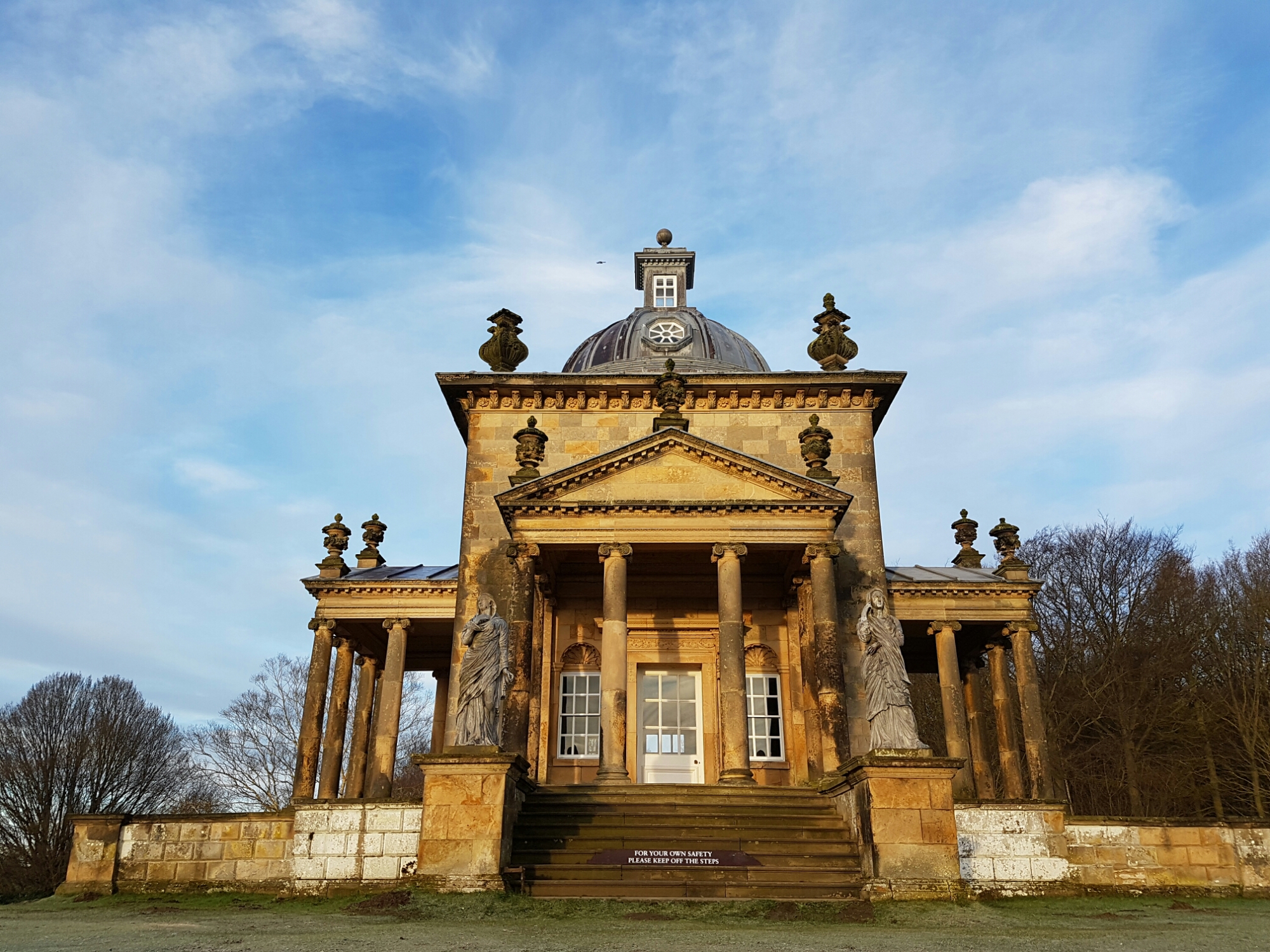
Before breakfast, I went on a brisk, early morning pilgrimage out along the terrace to the Temple of the Four Winds and across the fields to the mausoleum.   I love the Temple of the Four Winds, so crisp, so controlled, Vanbrugh at the end of his life answering his critics who regarded him as incapable of understanding Palladianism:-

The lead Sibyls were supplied by Carpentière:-

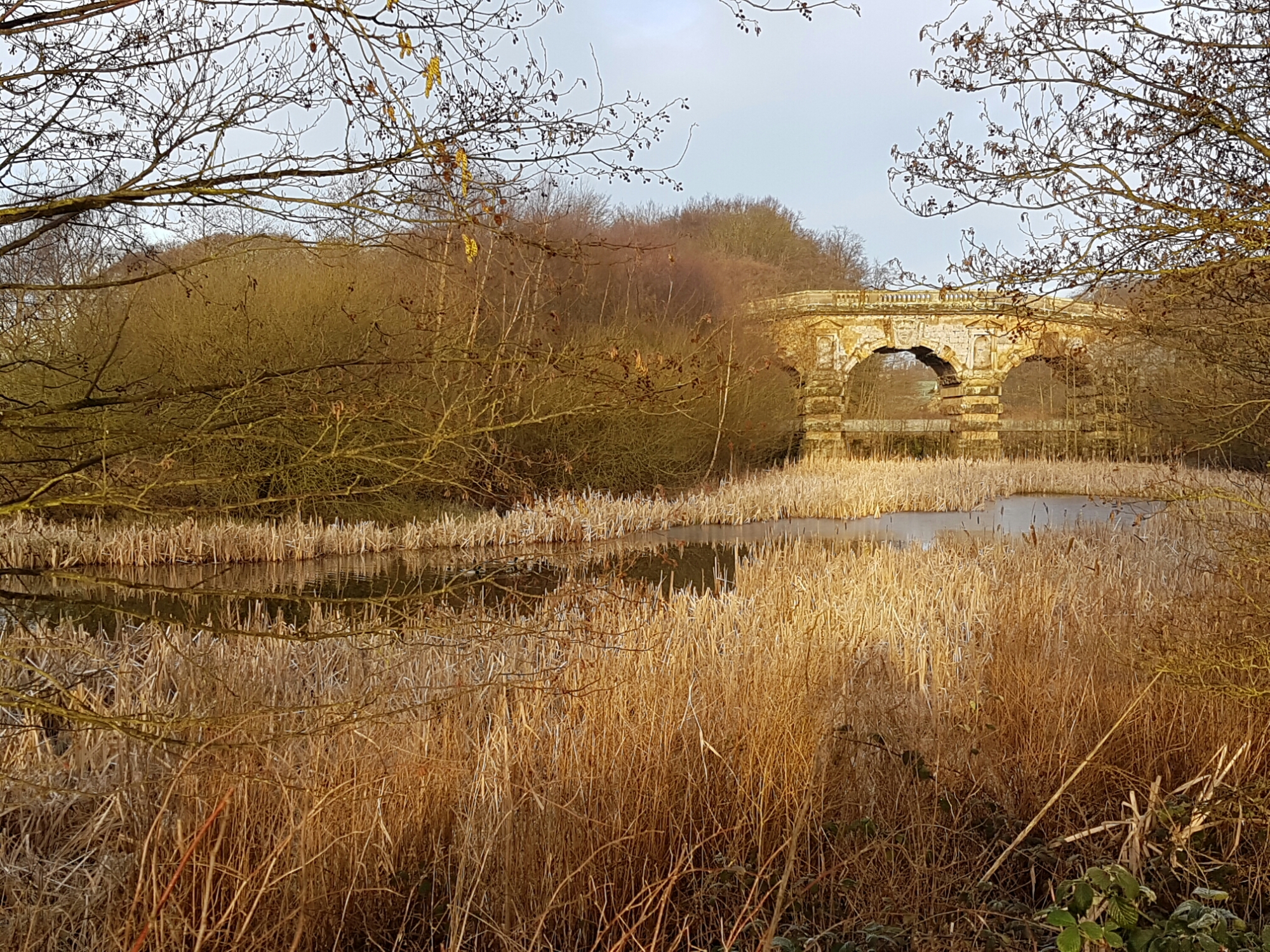
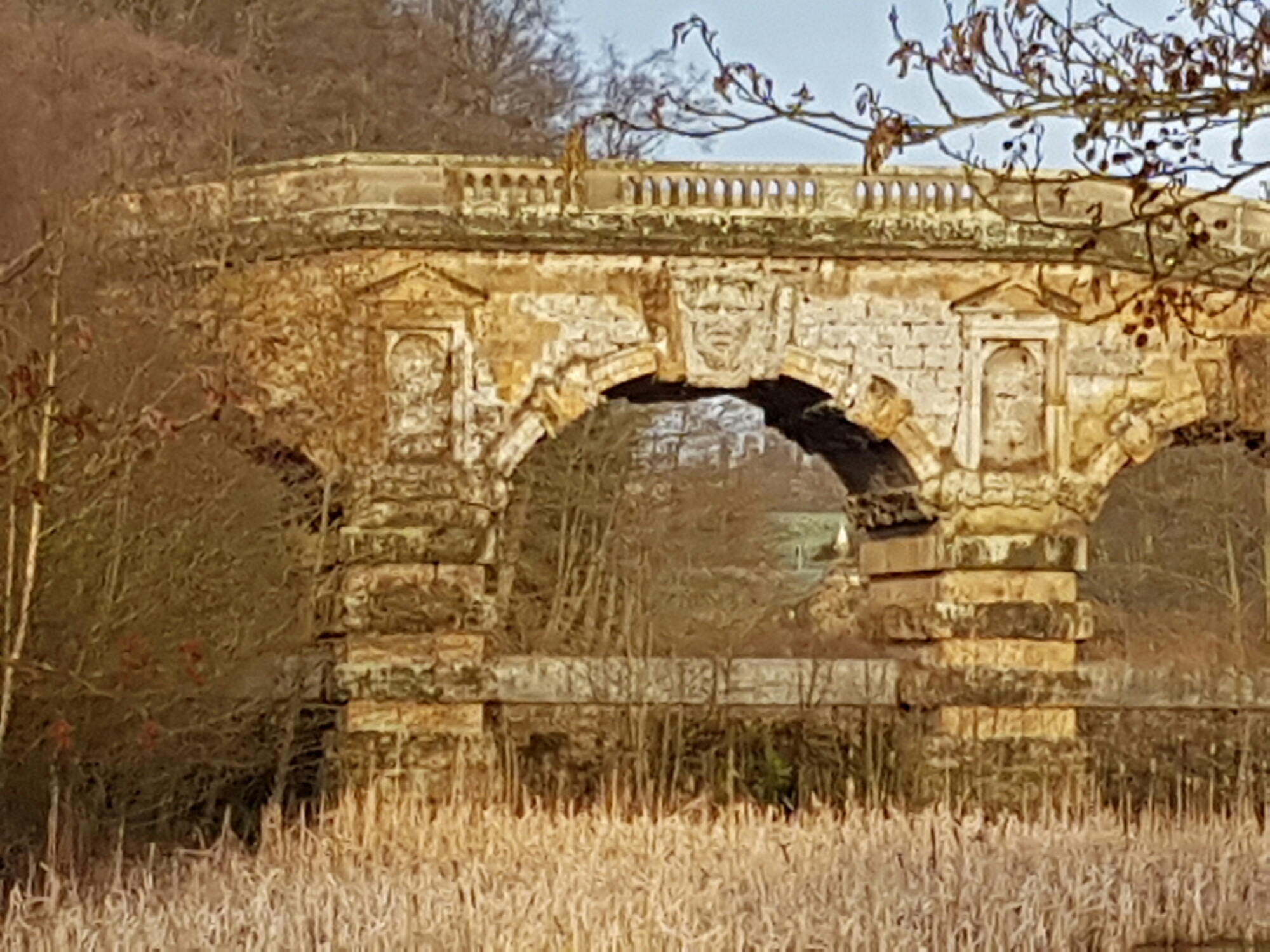
It’s hard to photograph Daniel Garret’s bridge:-

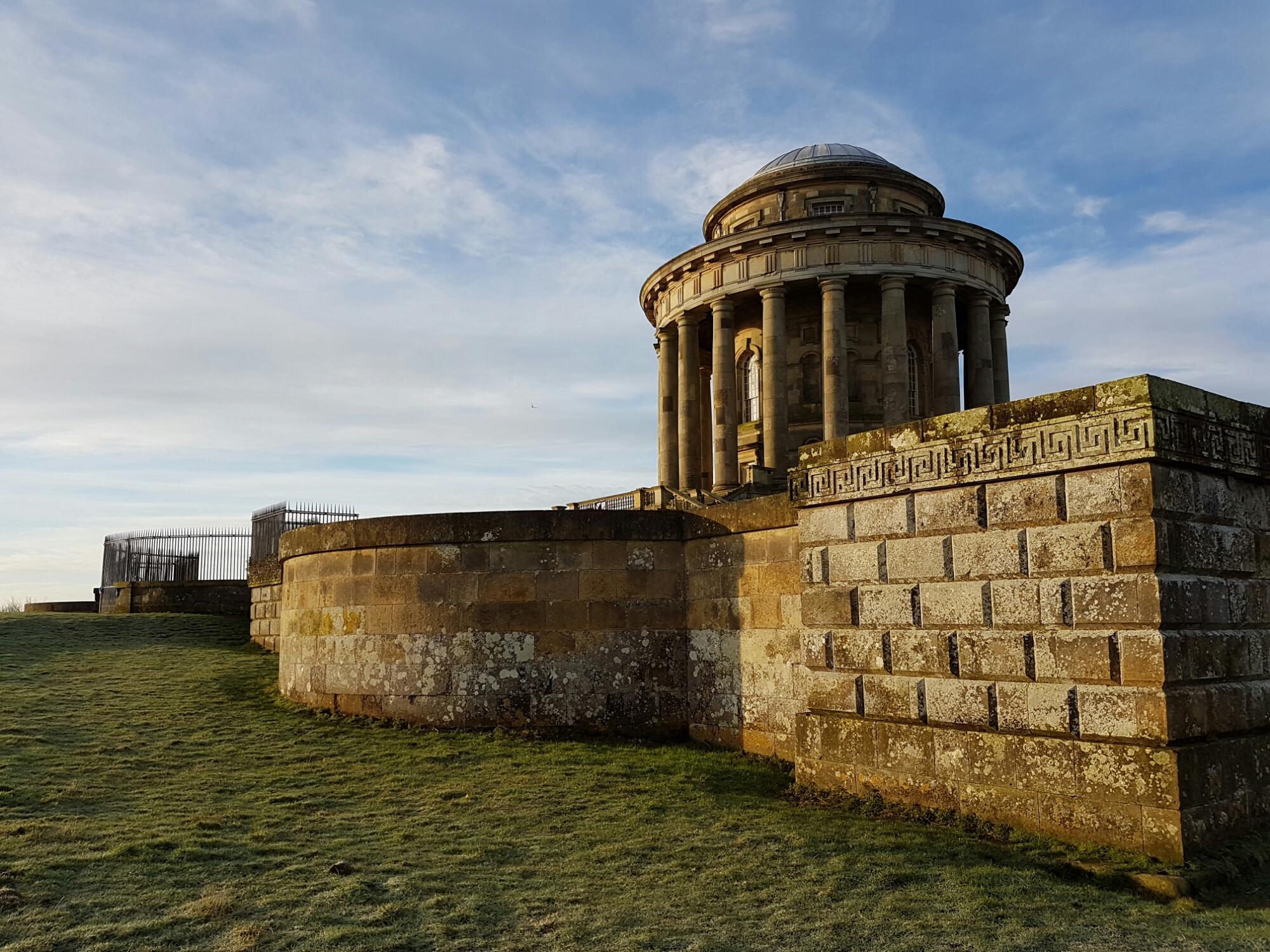
Then up to the mausoleum:-

And back for breakfast:-

Standard

Burlington Gardens

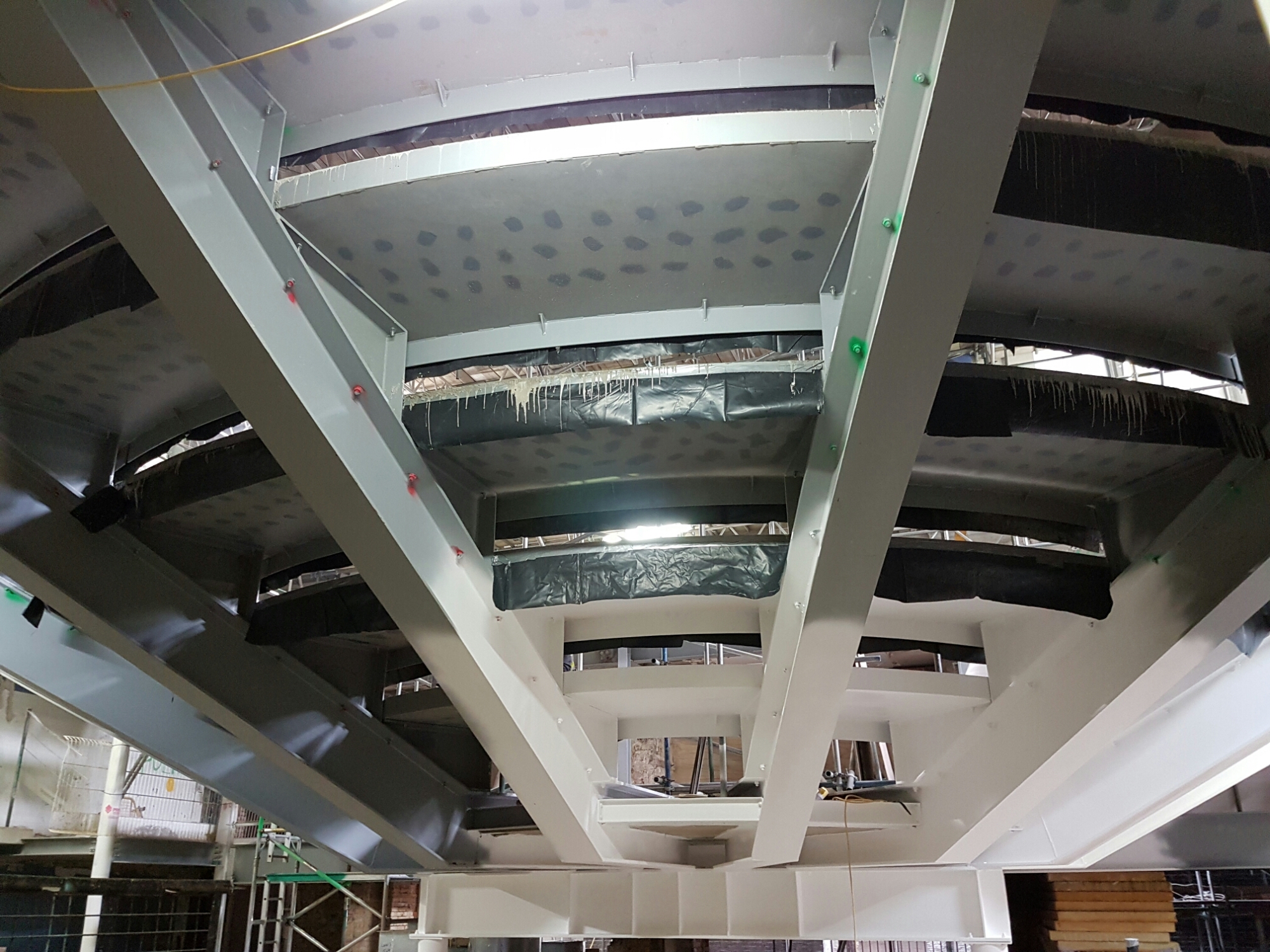
I realise that not everybody shares my interest in the long slow progress towards completion of our building project in Burlington Gardens;  but I like the way that one can begin to feel the building’s new formation as one looks underneath the steelwork deck which will support the lecture theatre:-

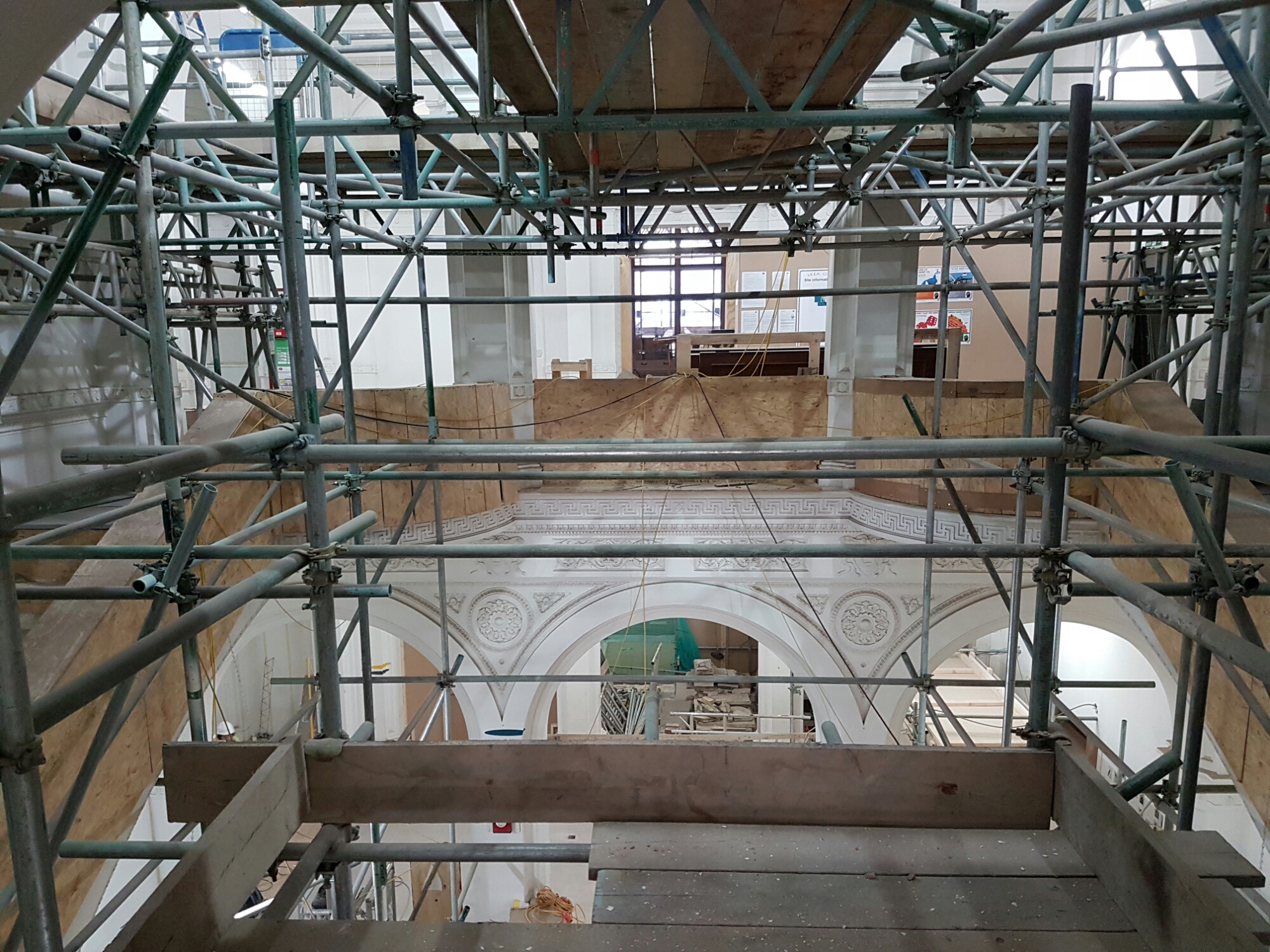
I also like the way that one can peak through a hole in the wall of the new gallery at the back into the space of the main staircase:-

Standard

Sussex Modernism

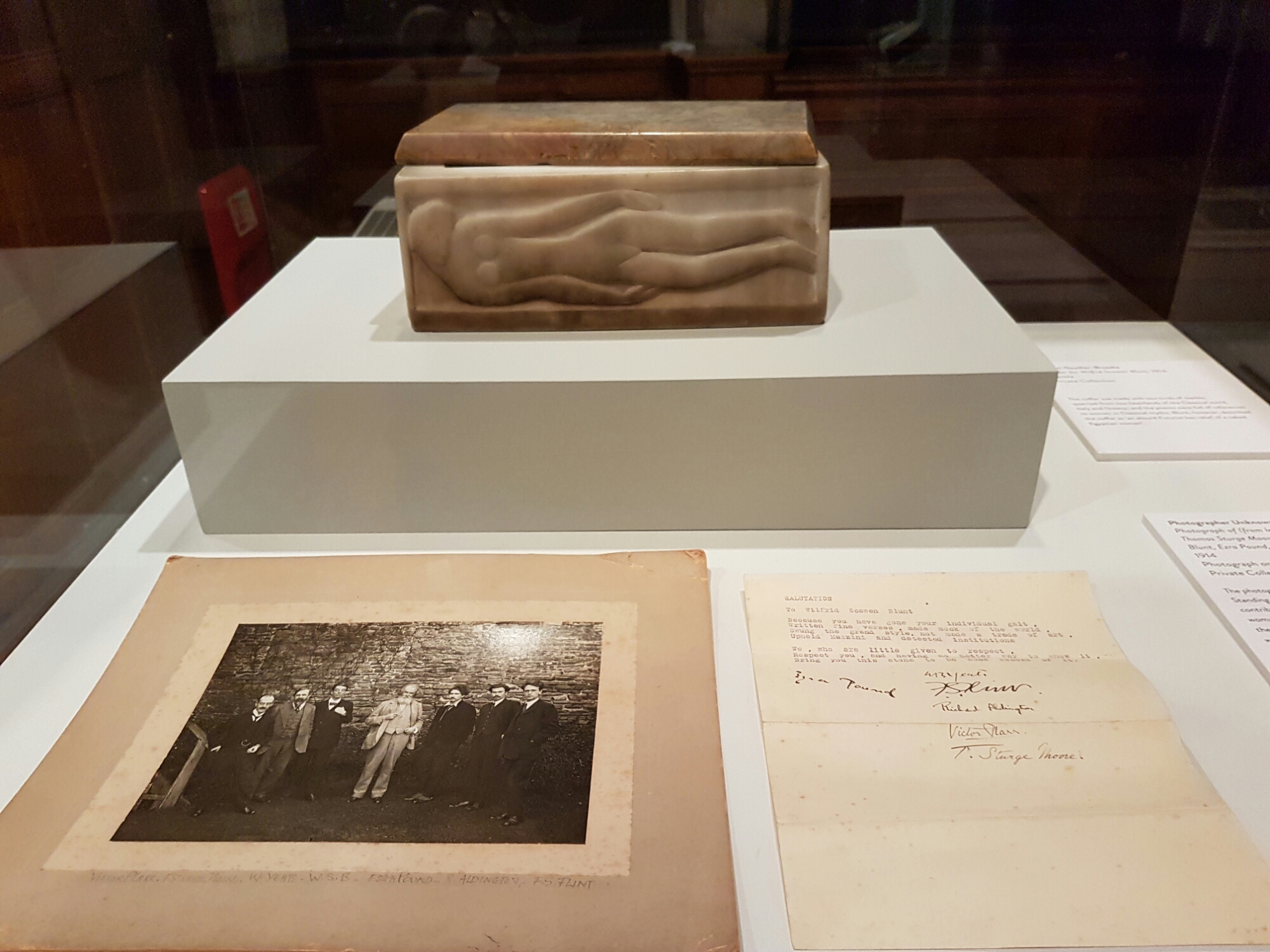
I went to an event organised by Art UK at Two, Temple Place, the amazingly opulent Astor palace where the Bulldog Trust now organises exhibitions of work from regional collections.   I wasn’t, for obvious reasons, allowed to take photographs of the work in their current exhibition, only installation shots, beginning with a display case which shows the marble coffer commissioned by Ezra Pound from Henri Gaudier-Brzeska as a gift for Wilfred Scawen Blunt:-

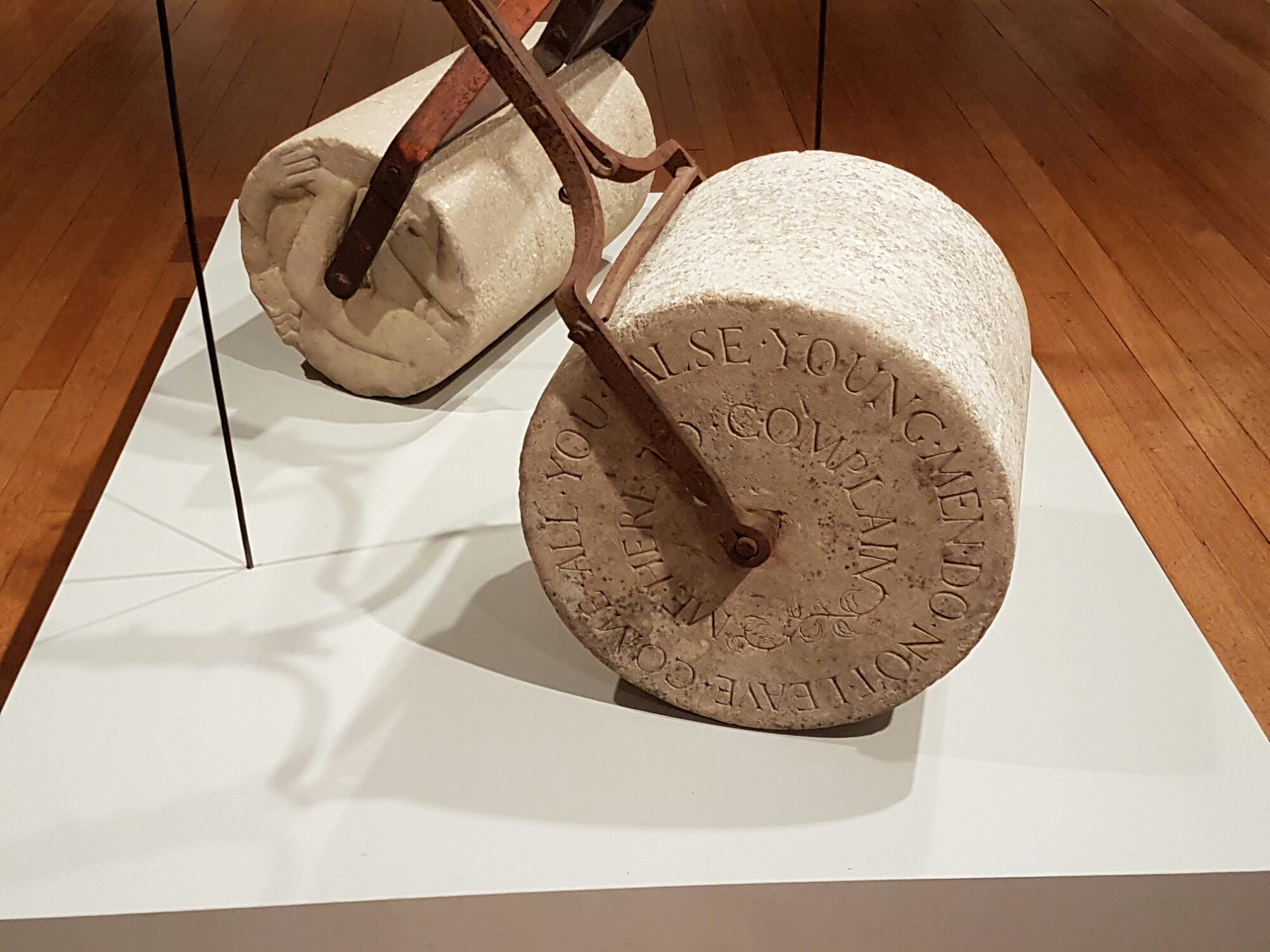
Then, two garden rollers, one of which was given by Eric Gill to Ethel Mairet after she had split from Ananda Cooraraswamy (the other was carved by David Kindersley):-

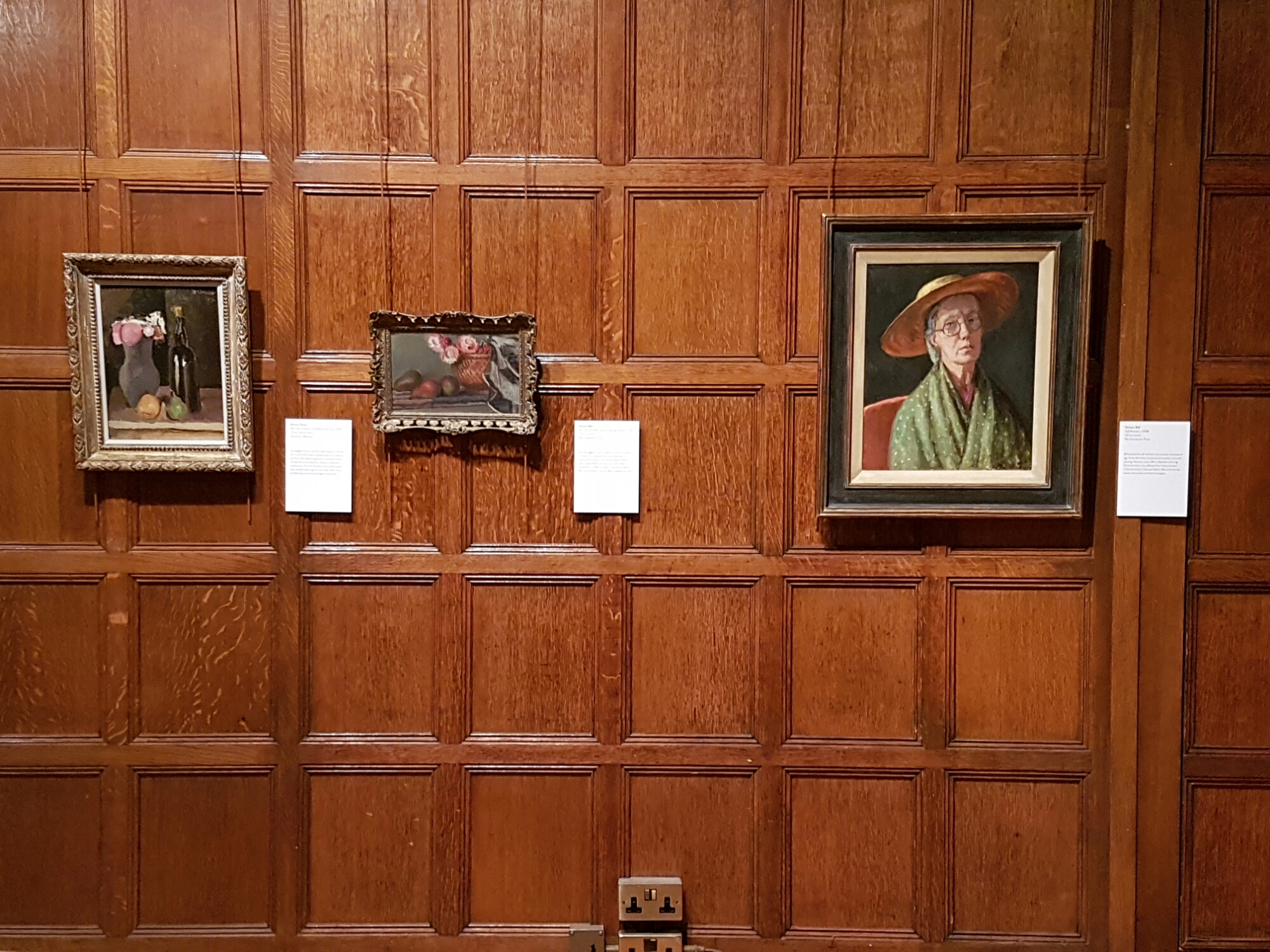
Finally, a trio of works, one by Duncan Grant, two by Vanessa Bell, including her Self Portrait, which normally lives at Charleston:-

What I really wanted to photograph was Eric Gill’s 1919 pamphlet on Birth Control.

Standard

Maker’s House (2)

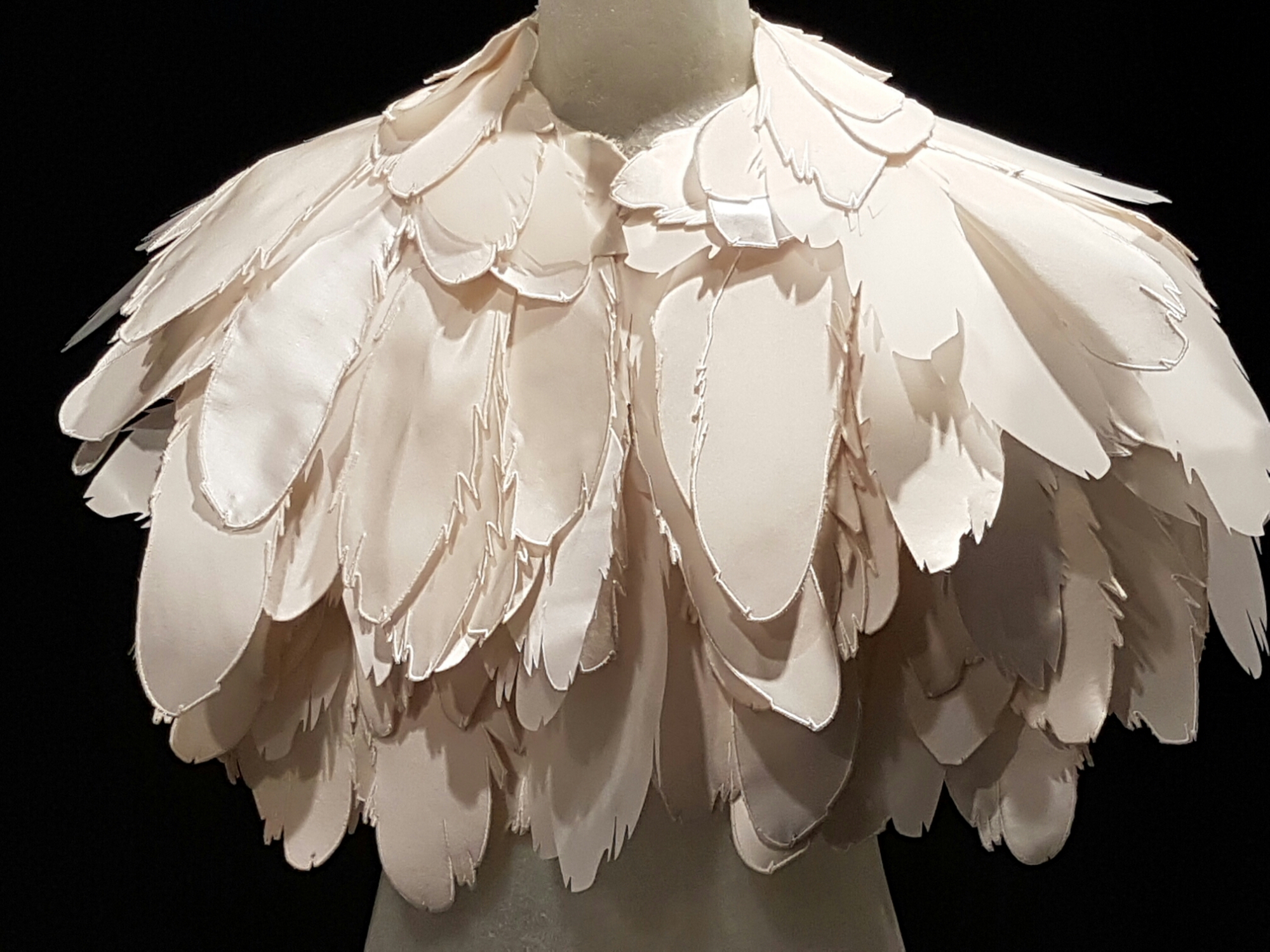
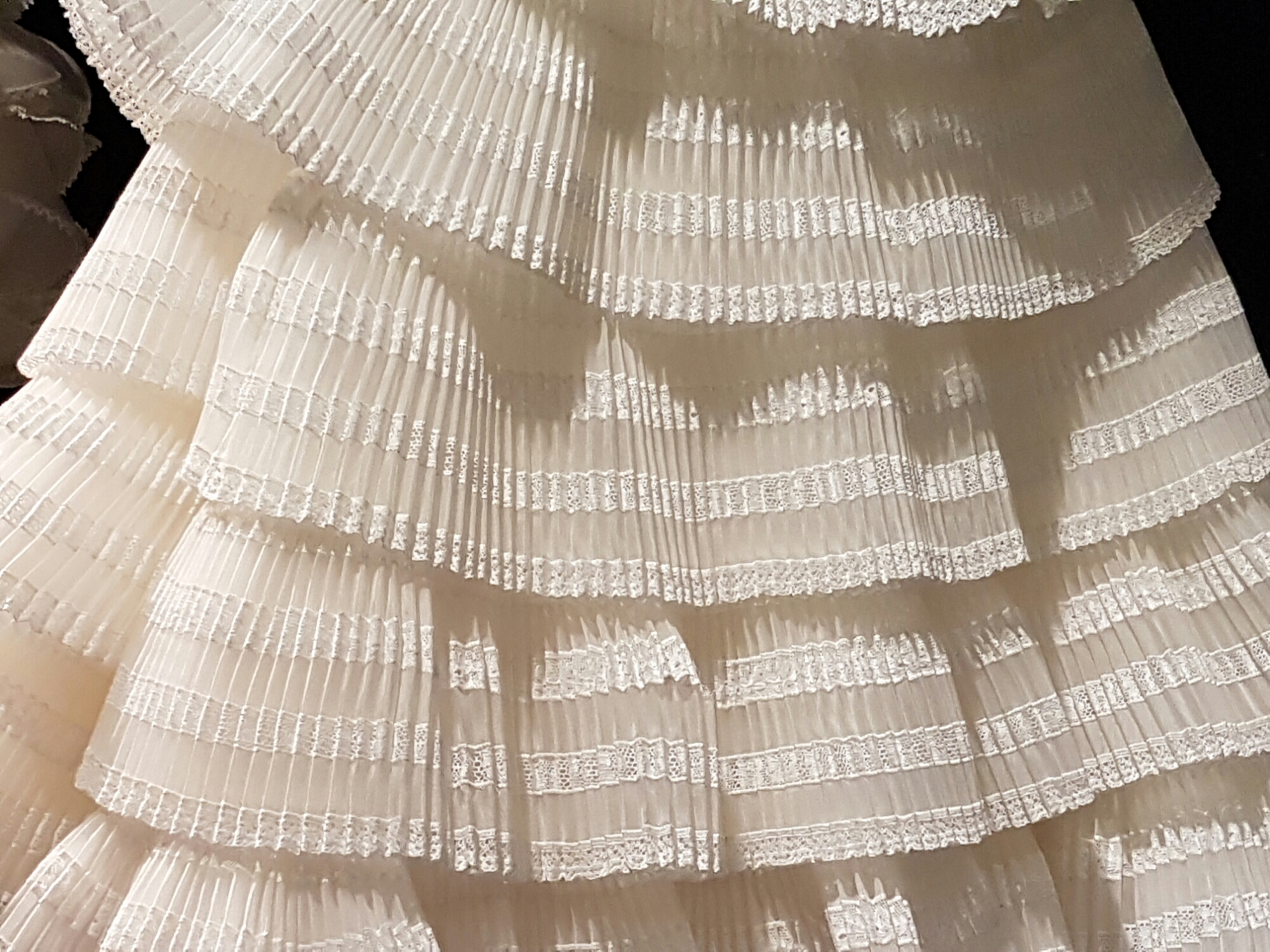
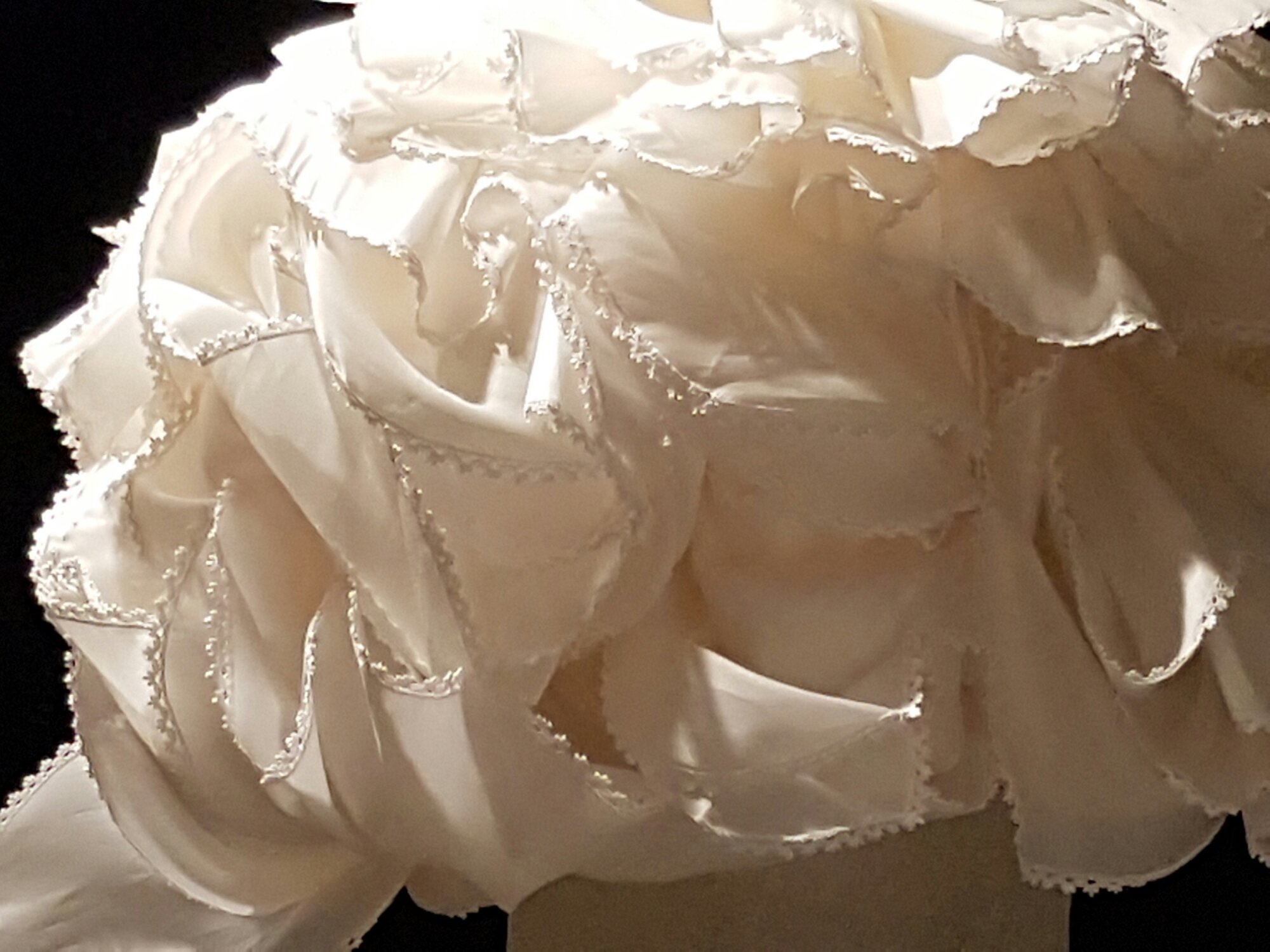
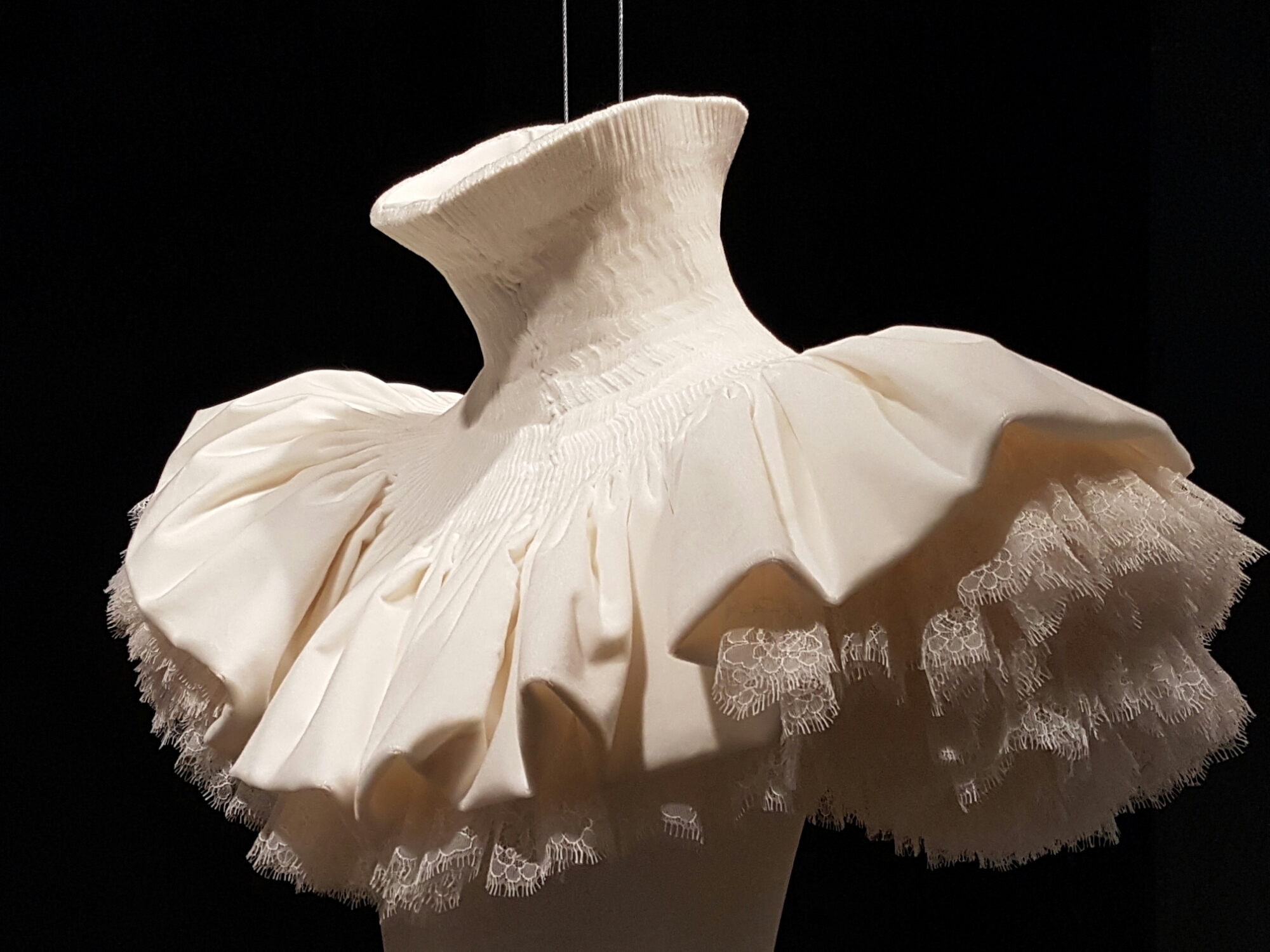
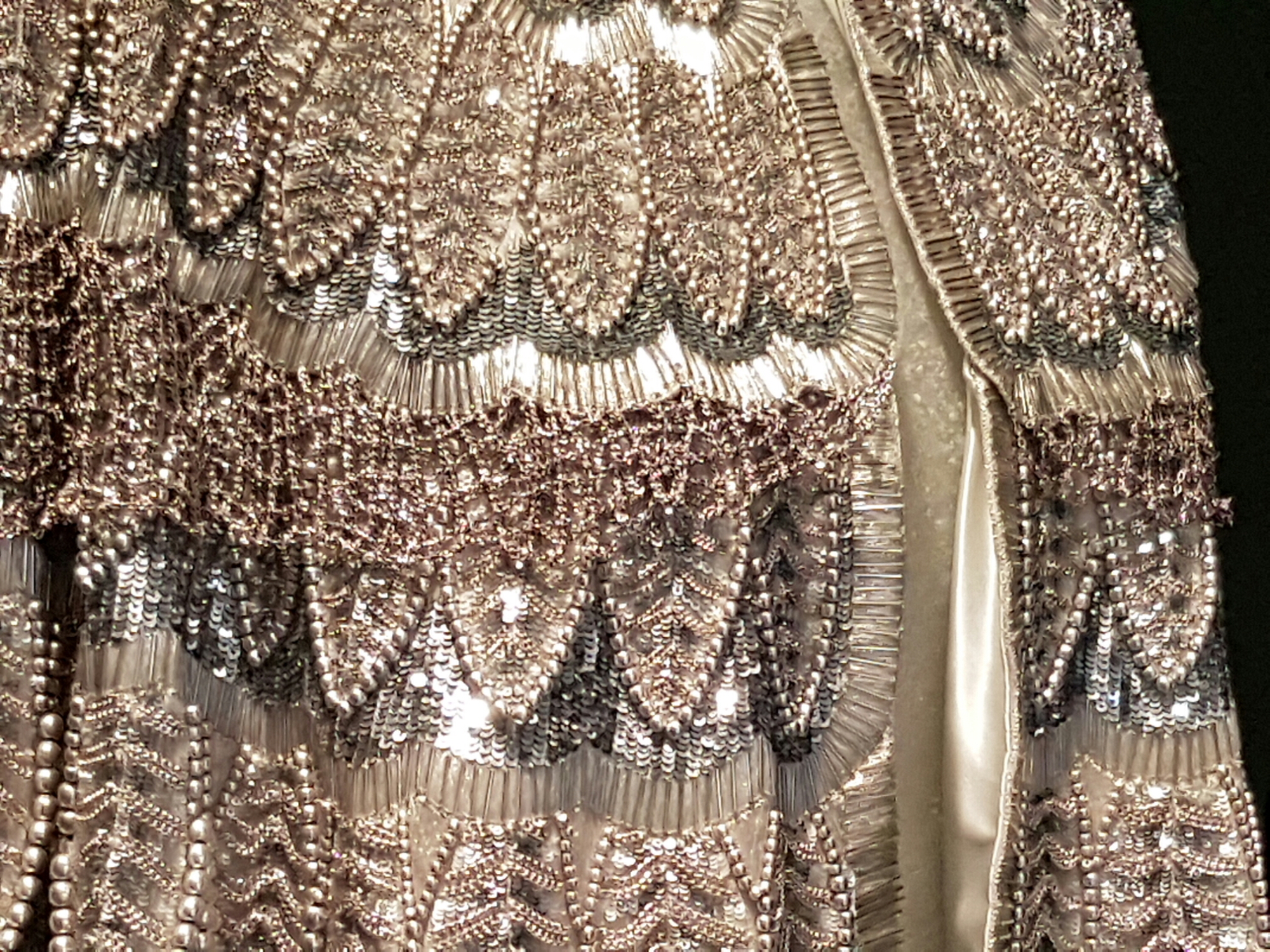
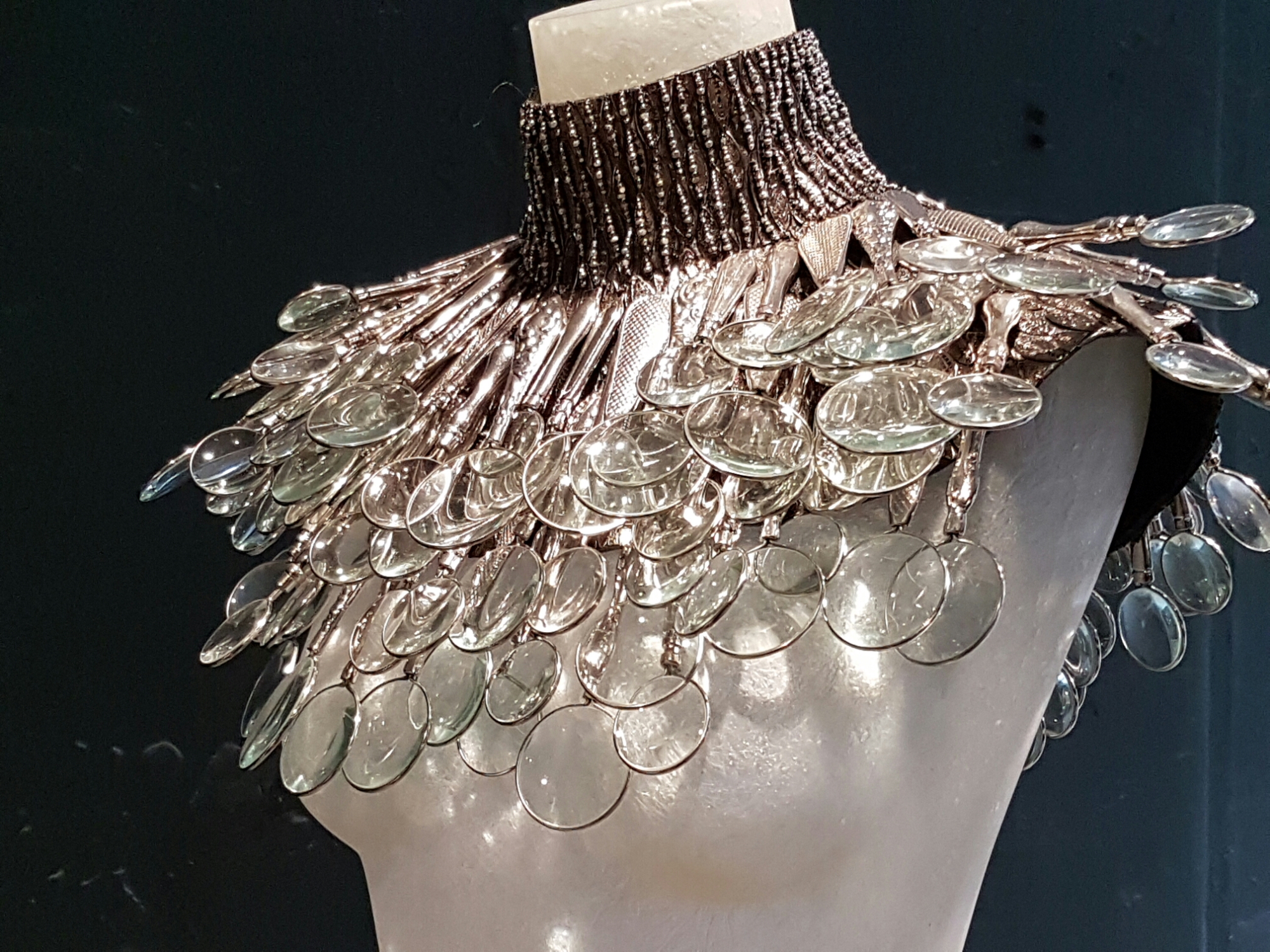
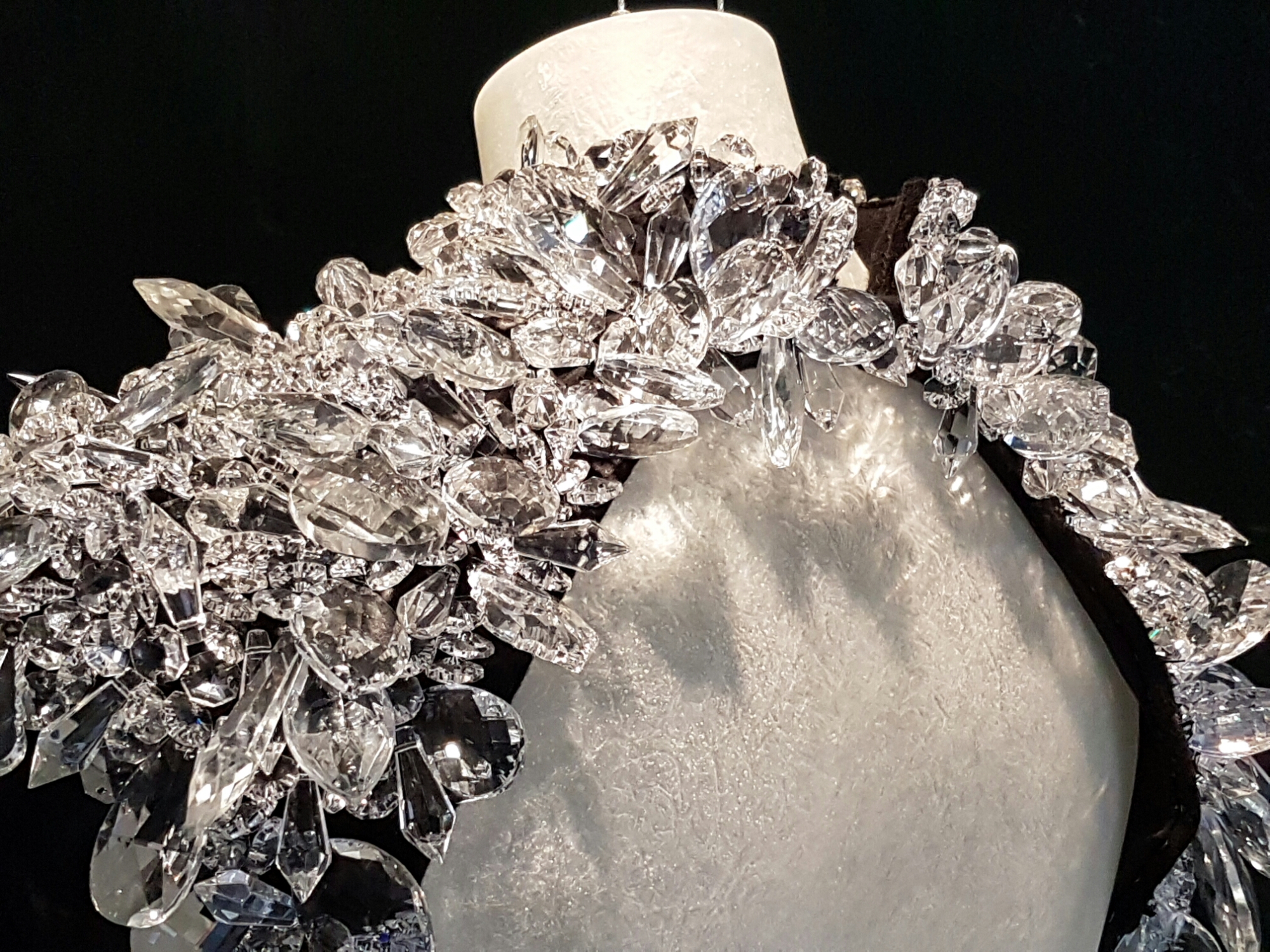
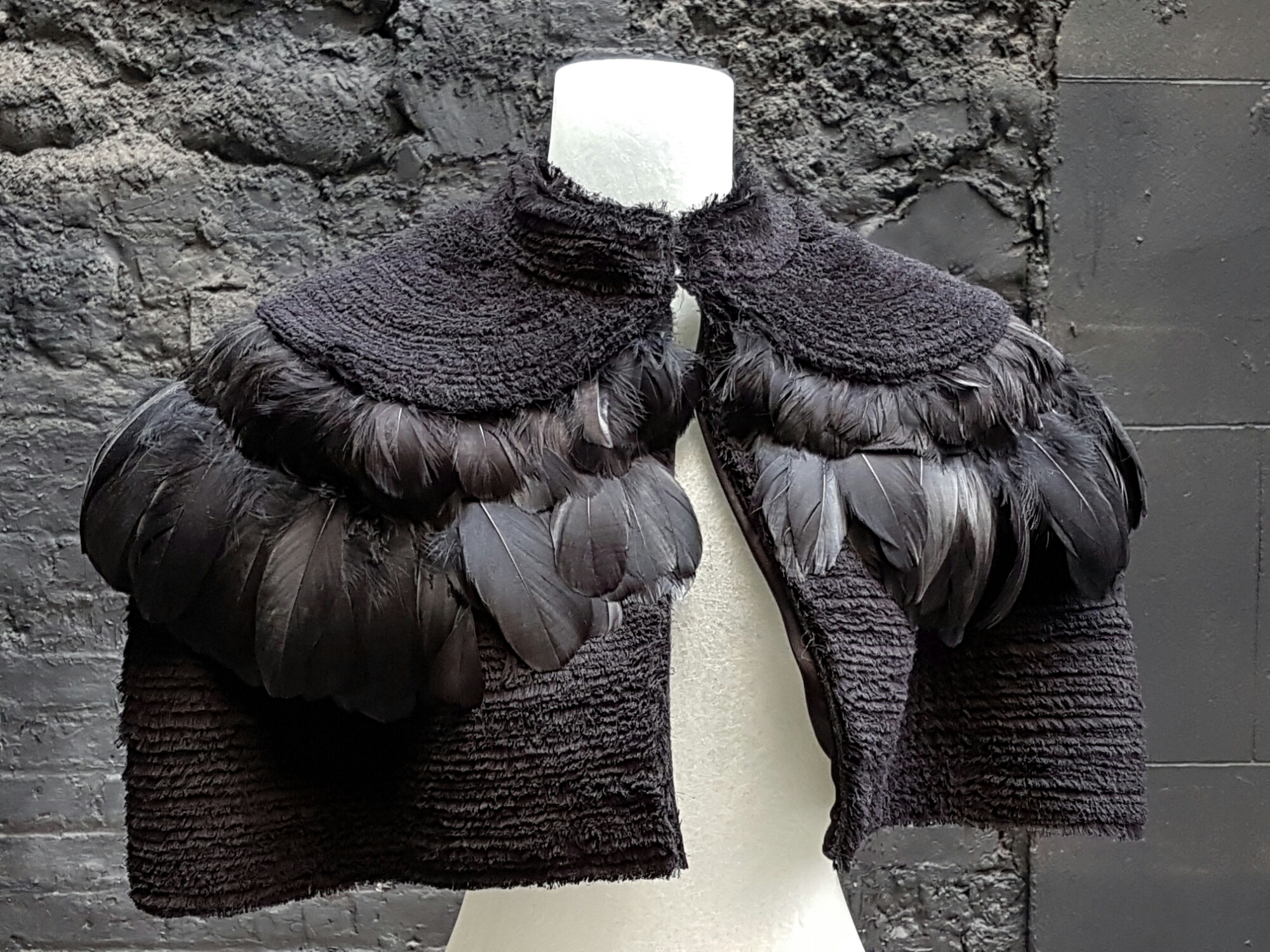
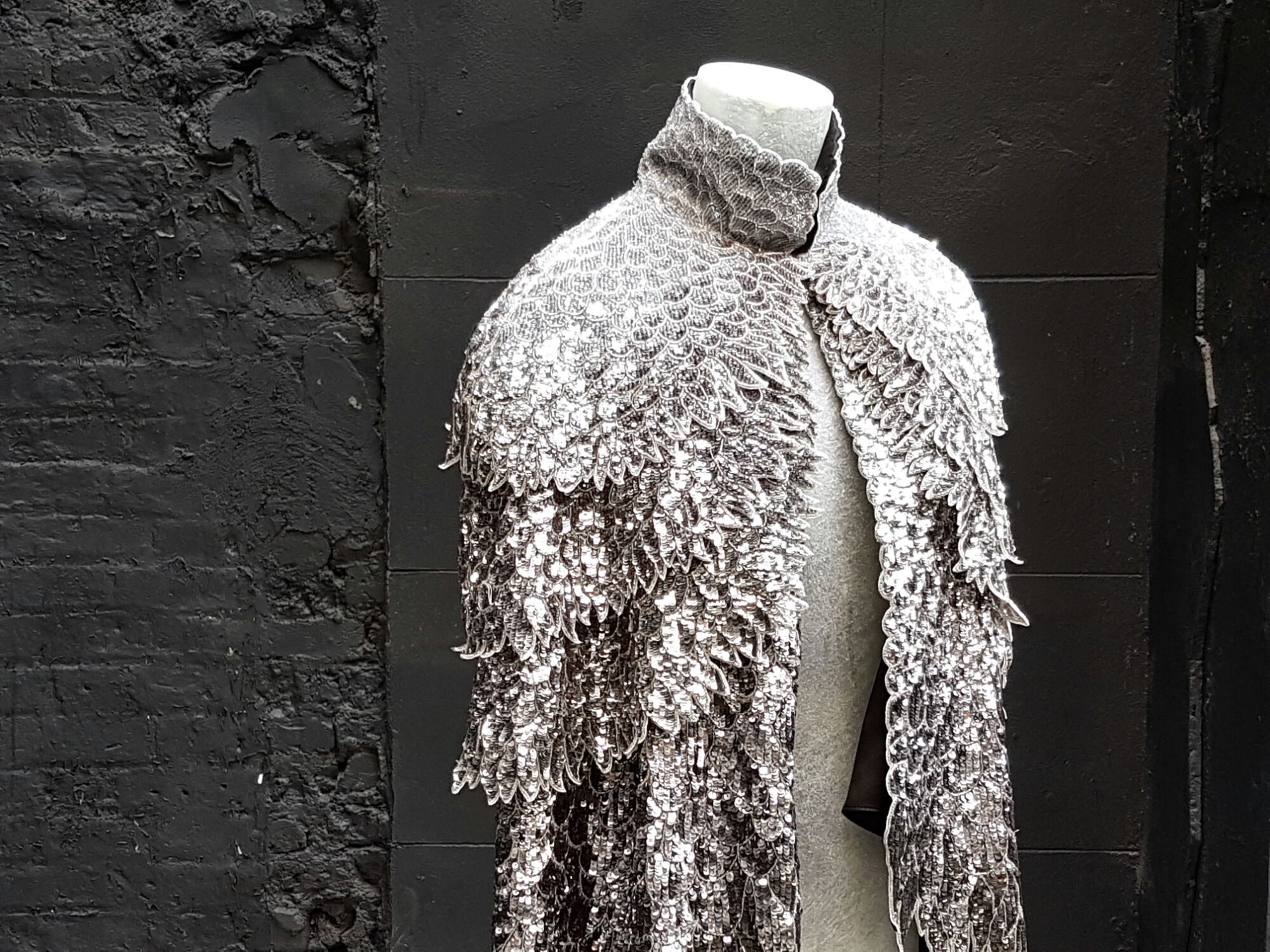
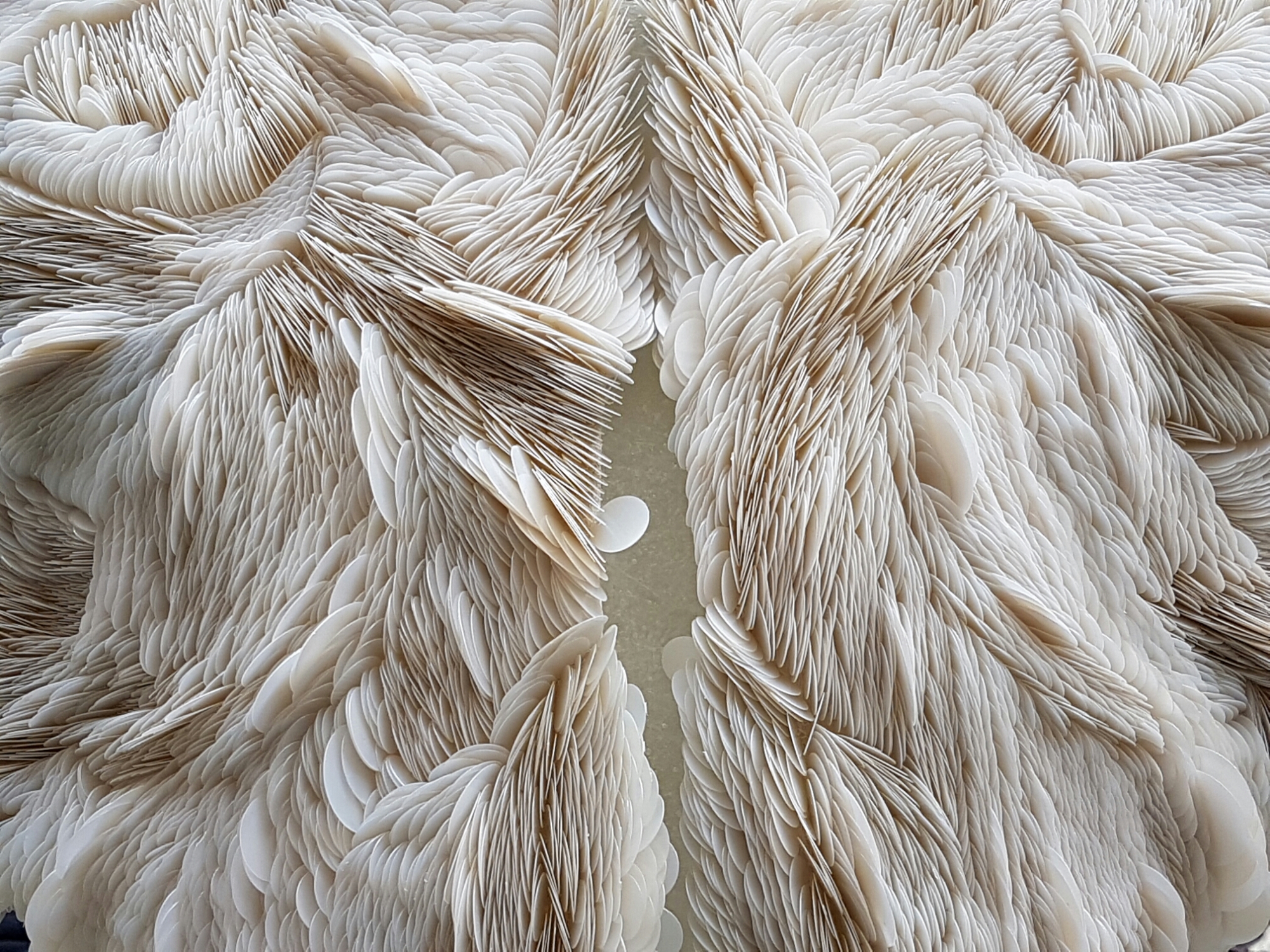
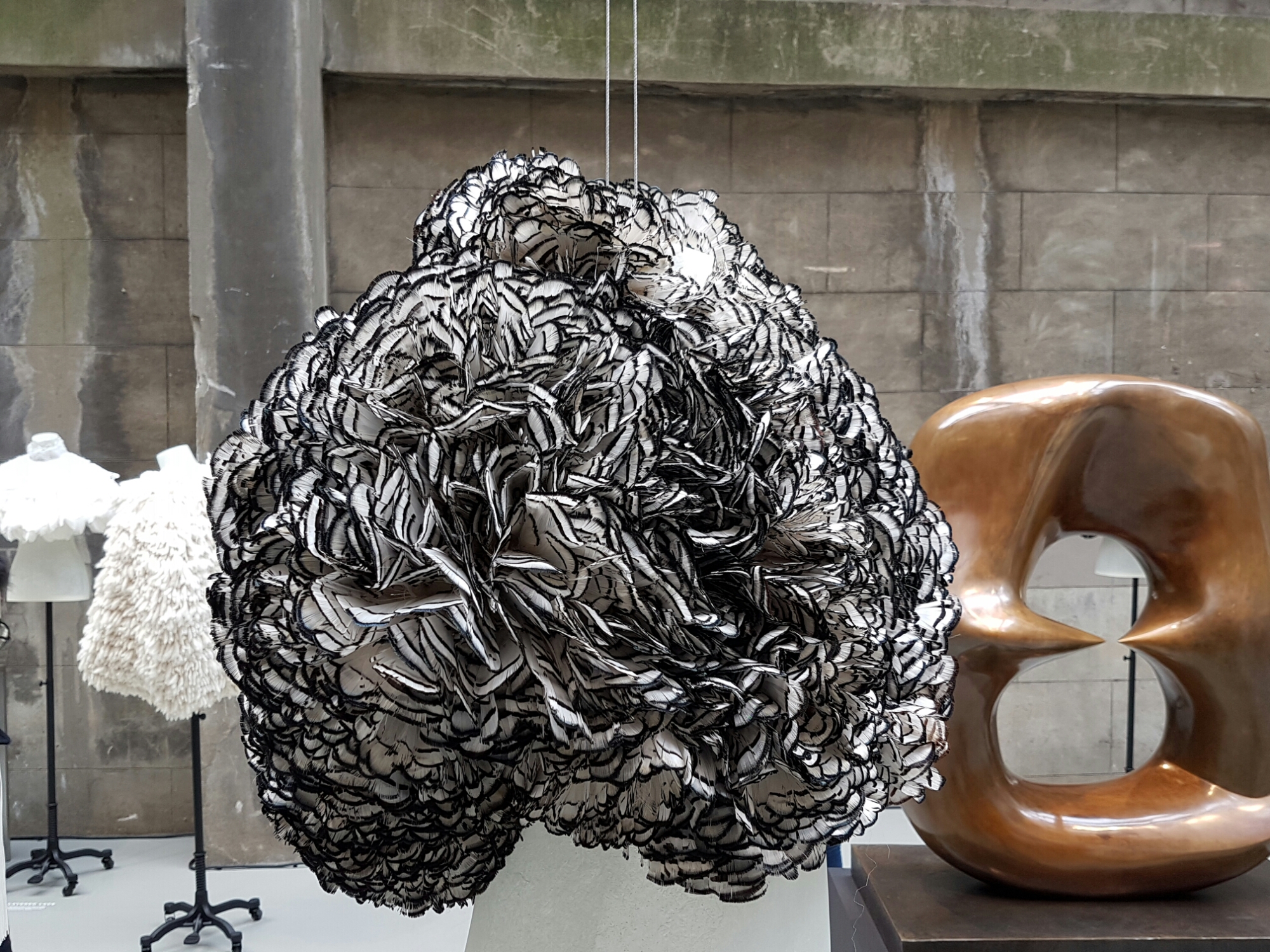
It’s been a weekend of fine fabrics and stitching.   We went back to Maker’s House to admire the capes.

The Feather:-

The Lace Pleat:-

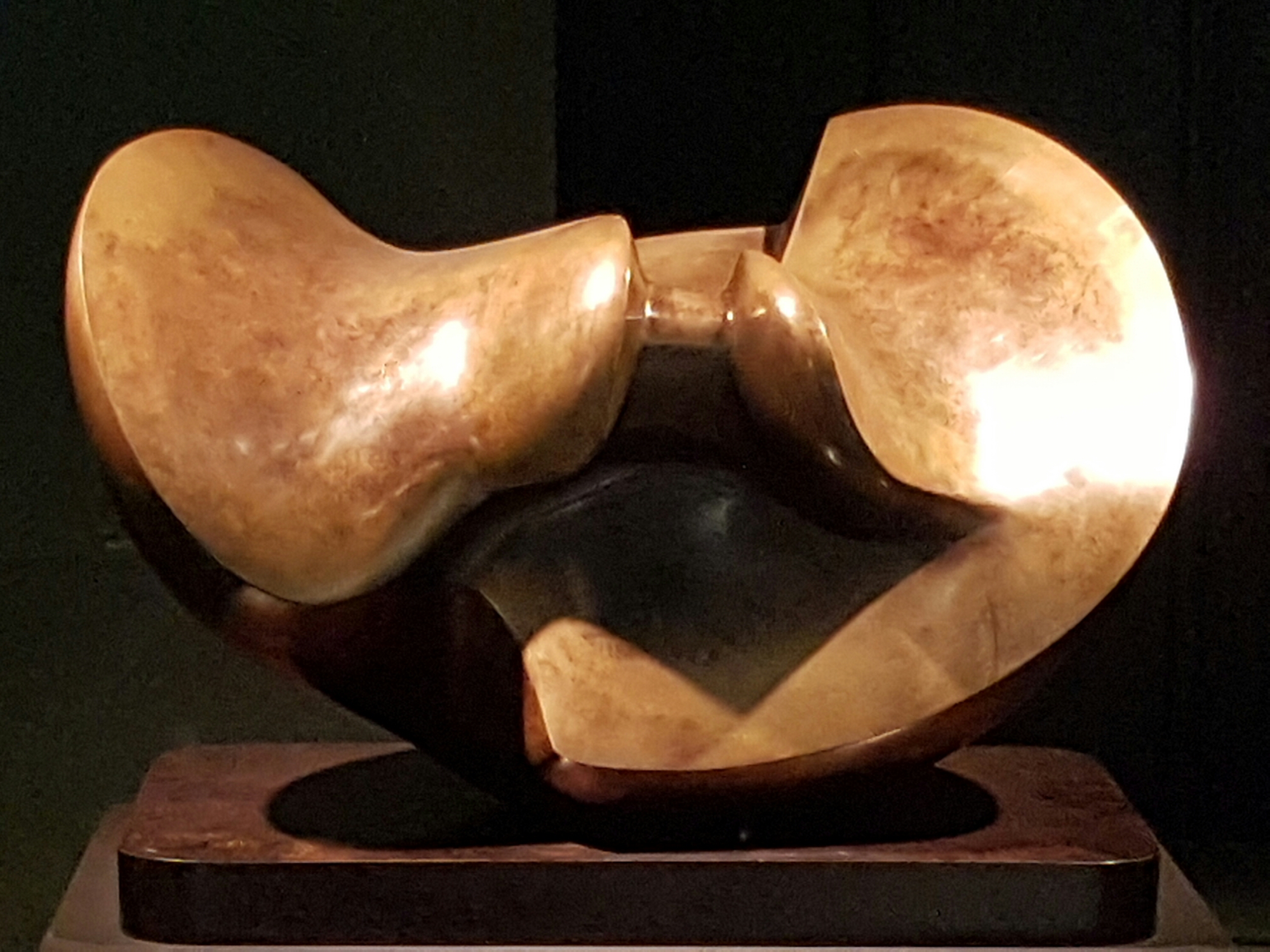
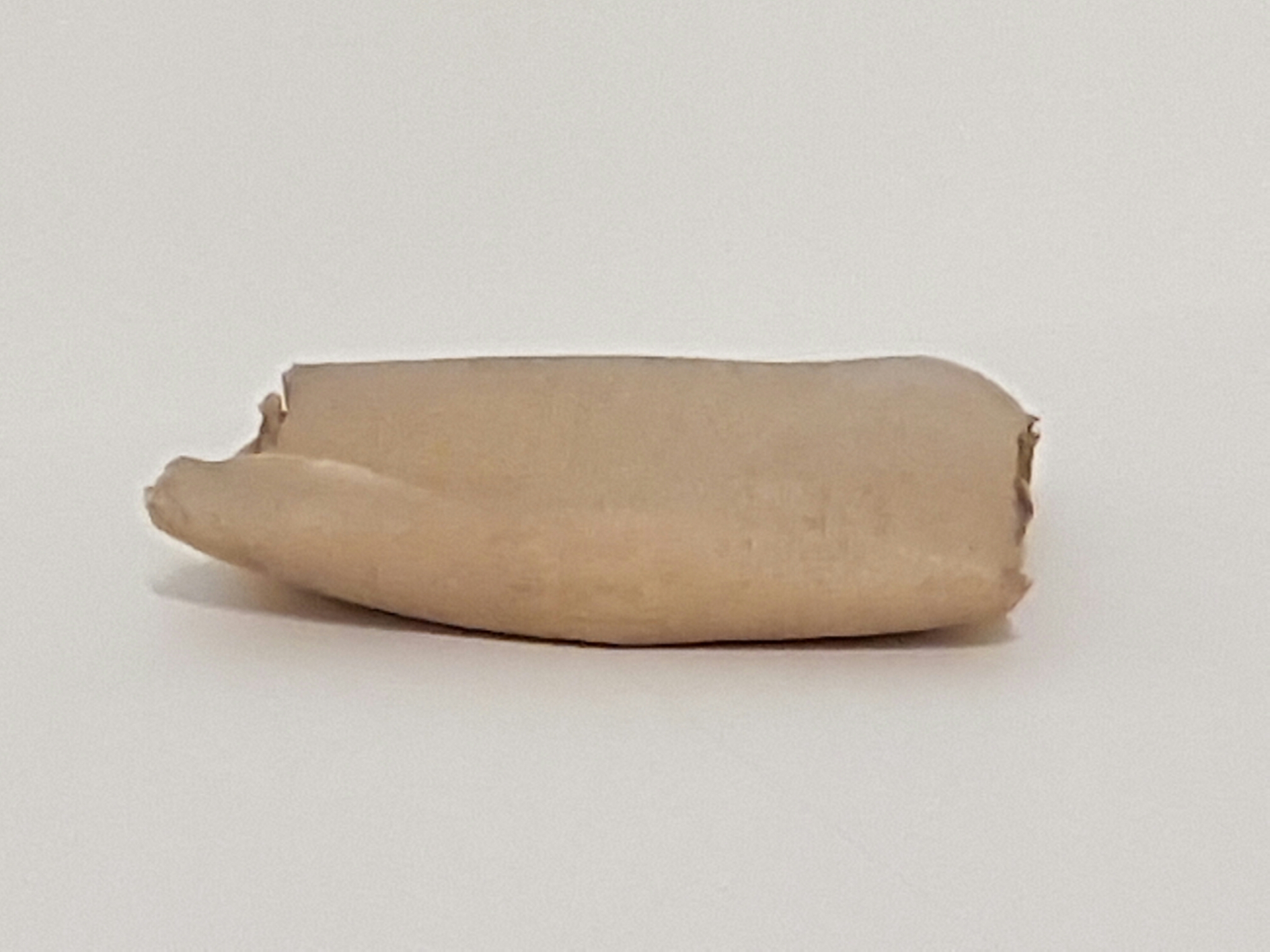
Working Model for Divided Oval:  Butterfly (1967):-

The Riffle:-

The Smocked Velvet:-

The Chain Mail Wing:-

The Looking Glass:-

The Glass:-

The Tiered:-

The Embroidered Wing:-

The Disc:-

The Flock:-

I hope I’ve got the titles right.

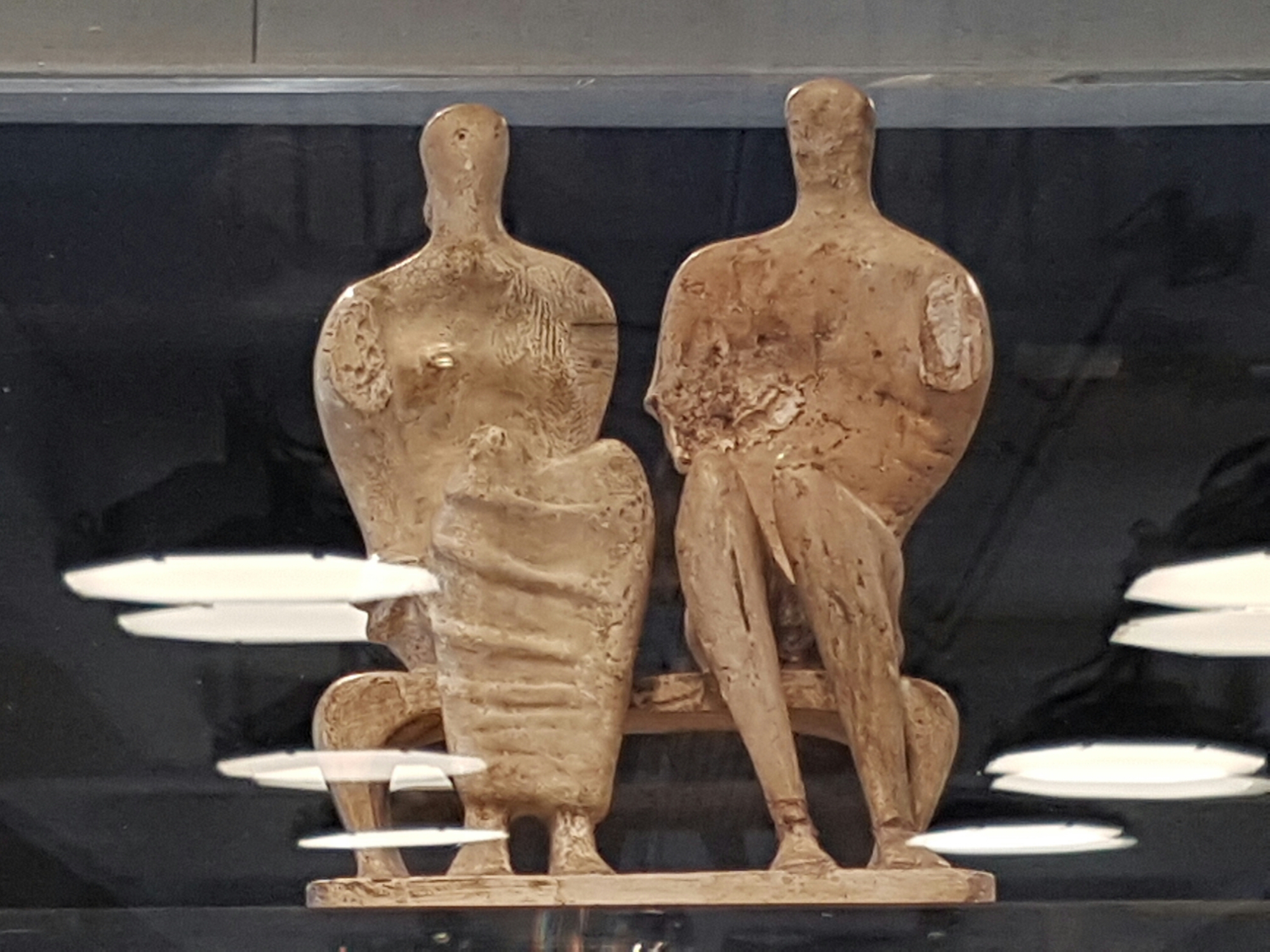
The Family Group (1945):-

Standard

Turner Contemporary

We went to lunch in Margate yesterday in order to see the exhibition which Karen Wright, late of Modern Painters, has organised on the work of women artists, called Entangled:  Threads and Making.   It concentrates, which I had not realised (I hadn’t read the title), on work in fabric and thread, including delicate, nearly gossamer work on the floor and a costume for a ballet designed by Sonia Delaunay.

We liked a big group of works by Eva Hesse, Untitled (1979), made out of masking paper:-

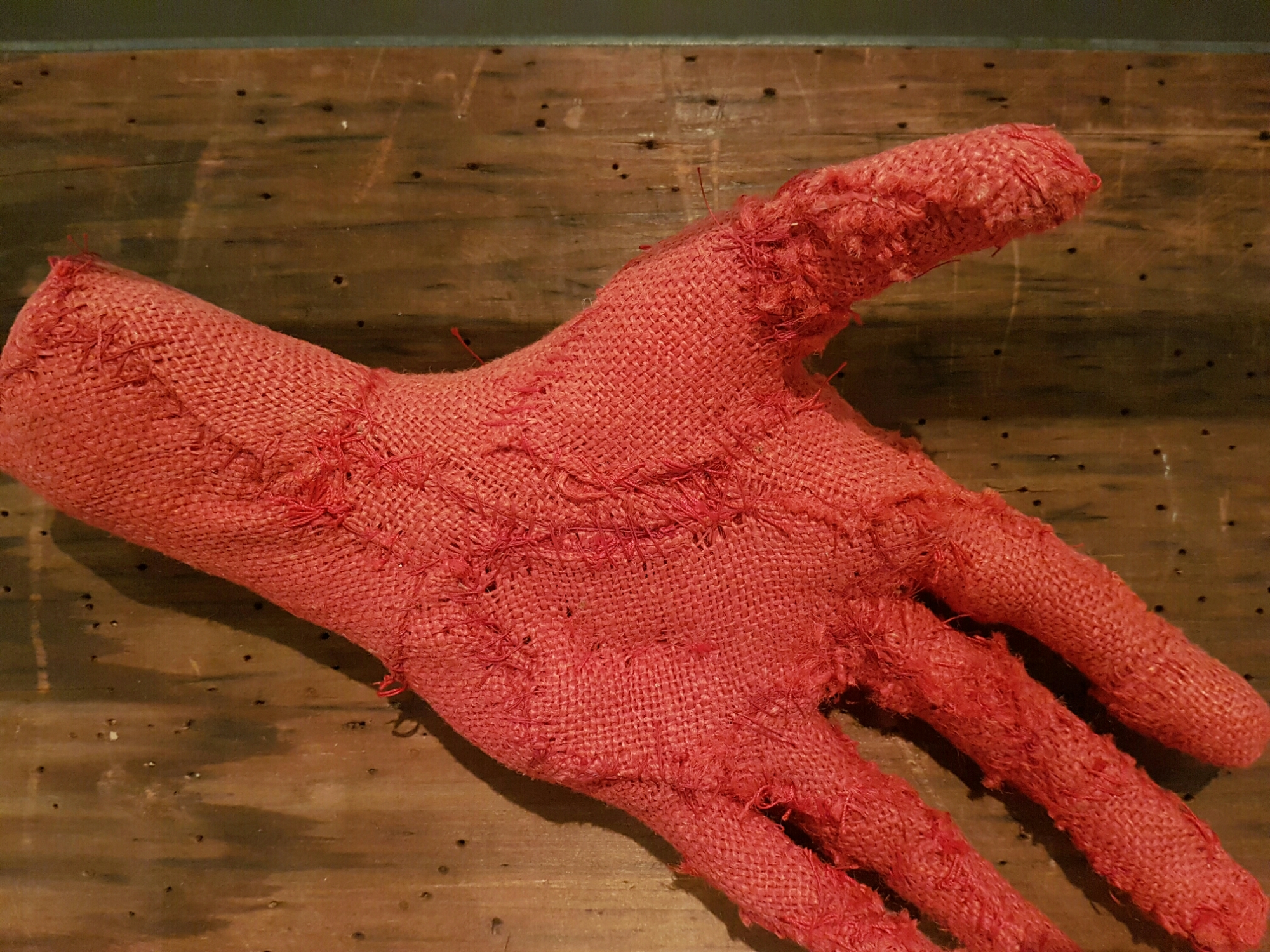
Louise Bourgeois, Hand (2001) (her mother was a seamstress):-

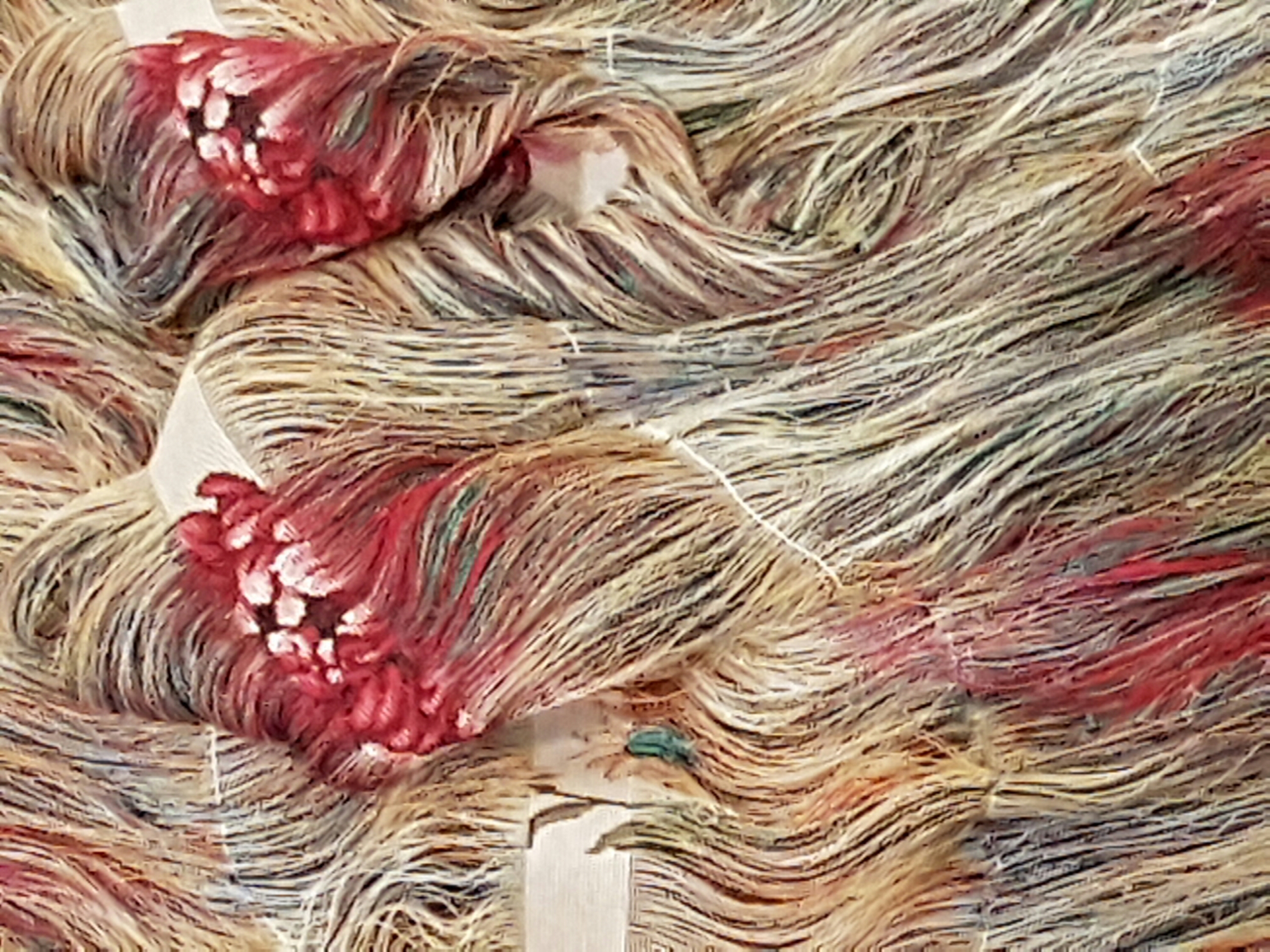
And a rather amazing work by a Japanese called Aiko Tezuka which consisted of the threads unravelled from a relatively ordinary piece of patterned fabric covering, called Loosening Fabric #6 (2017):-

Standard

Forty Winks

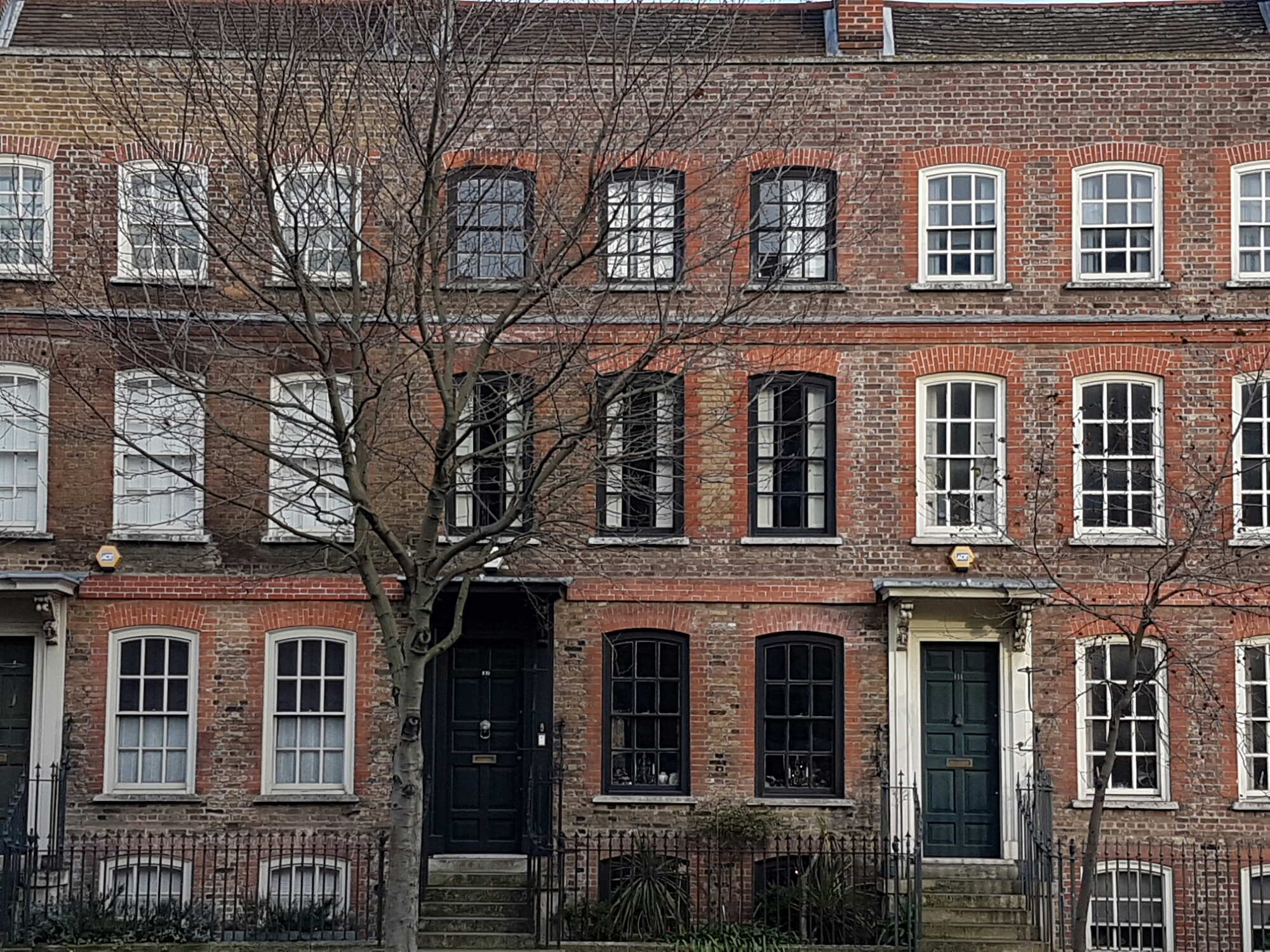
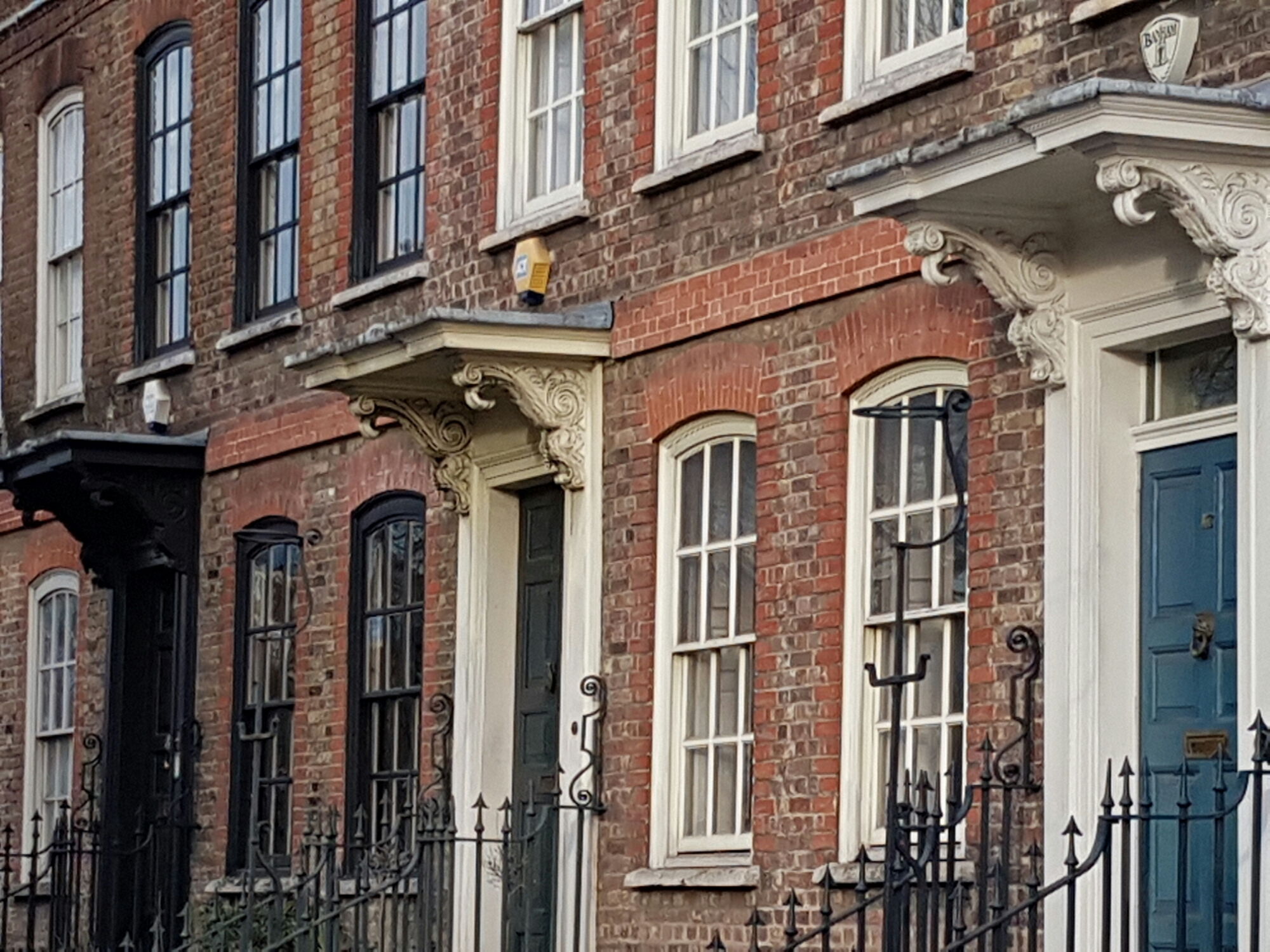
I have been feeling guilty about the number of things which I have left out of my book/guide to East London whose publication is increasingly imminent (available from late April in all good bookshops, but most especially John Sandoe).  One of the things I did not include is Forty Winks, our local b&b, in a run of houses on the Mile End Road, acquired from Charringtons for £25,000 and much restored by the Spitalfields Trust.   They are part of Stepney Green Conservation Area, which I hope the book will encourage Tower Hamlets to value, rather than allow a Travelodge to be built bang next door to Malplaquet House:-

Standard

Whitechapel Bell Foundry (6)

By good fortune, I was able to tag along on one of the RA Friends’ Tours, which was booked in long before news of its impending closure.   We were taken round by Mark, the foundry manager, who gave a very good sense of the Foundry’s long history, tracing its origin back to Robert Chamberlain’s Foundry which was established in Aldgate in 1420, then to Robert Mot who had premises in Essex Court in Whitechapel in 1572.   He spoke with the passion of long accumulated expertise in the manufacture of bells – the system of recruitment and the specialist craft skills which have been trained up generation after generation and are soon to end:-

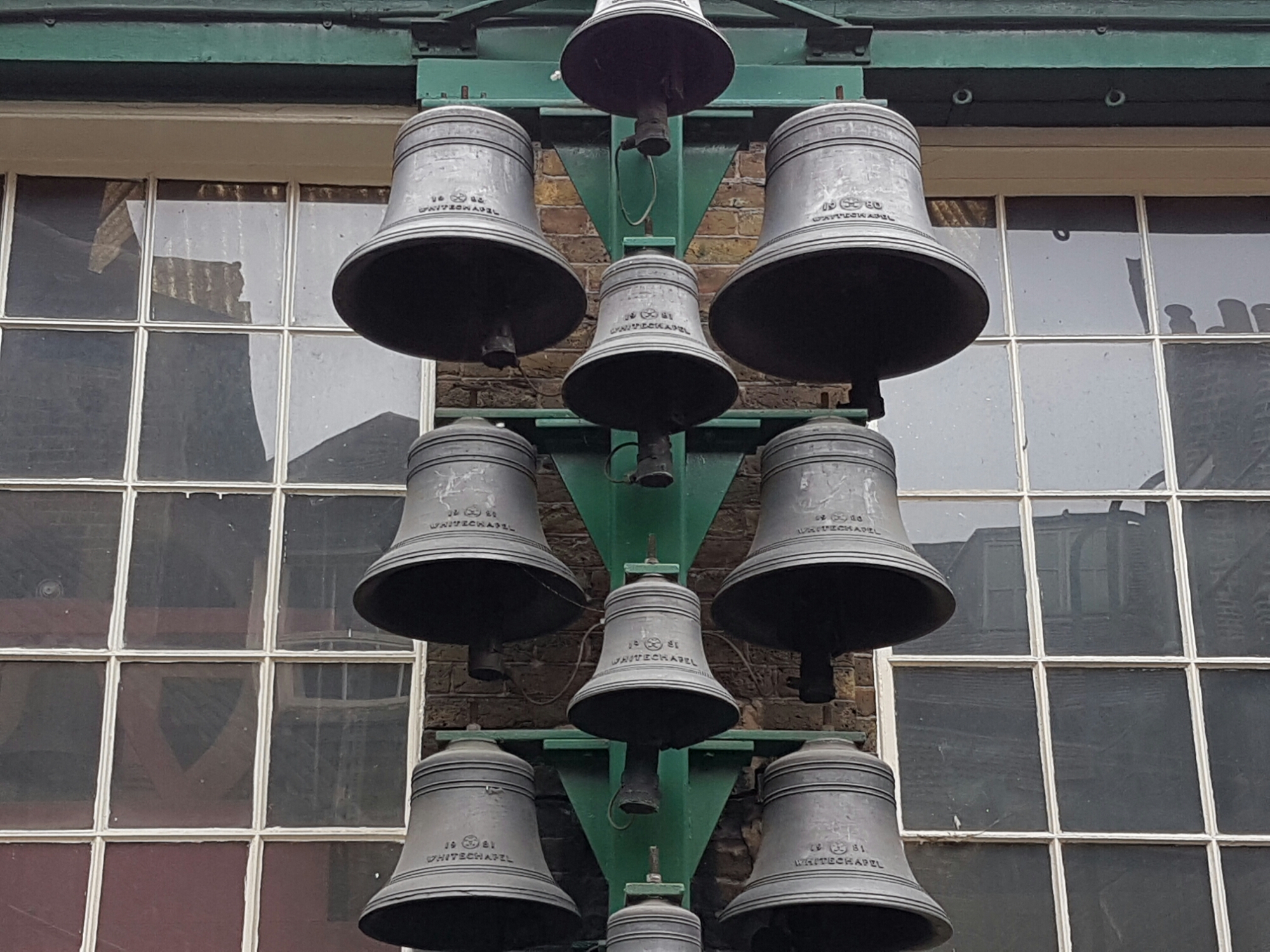
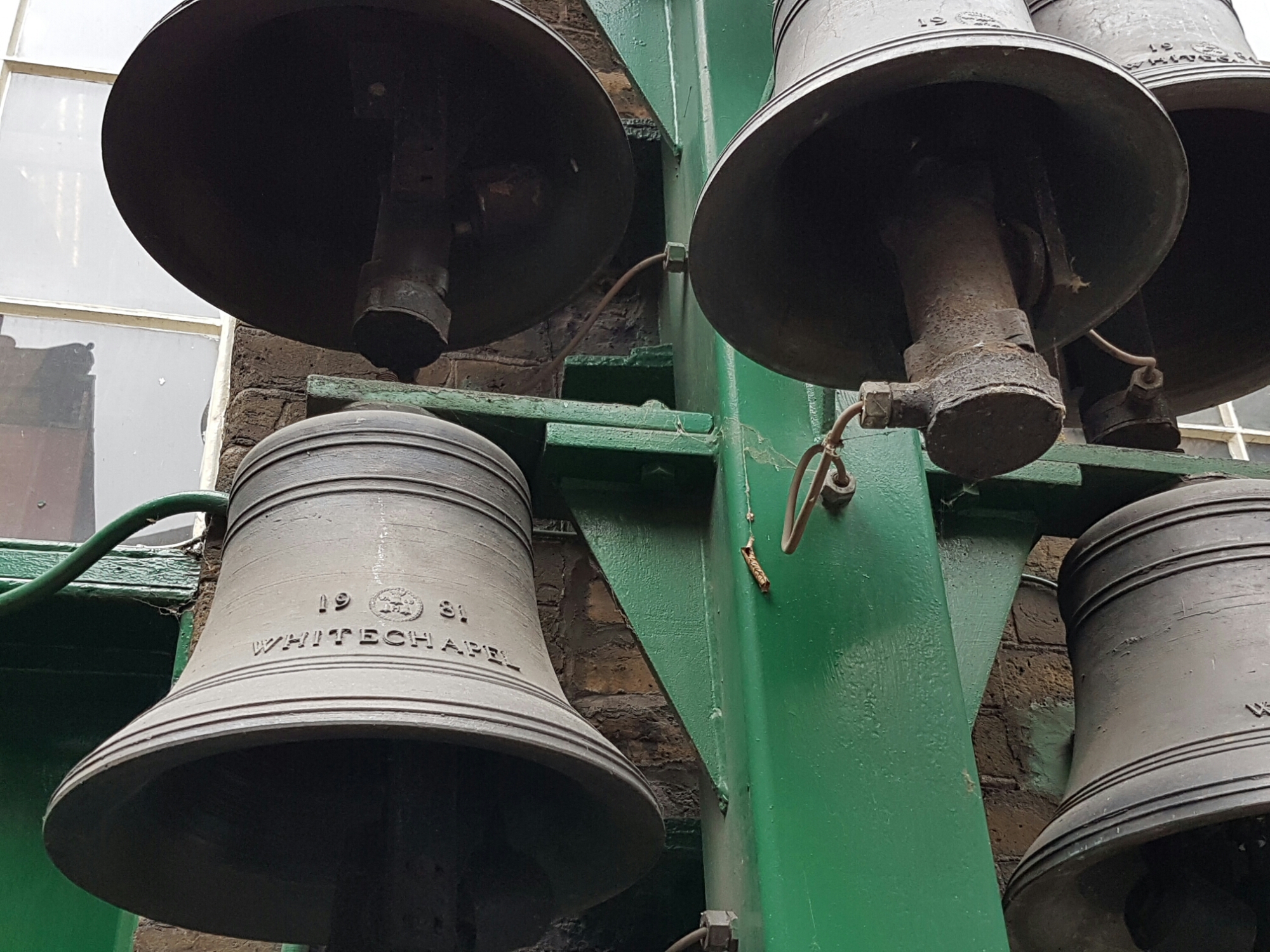
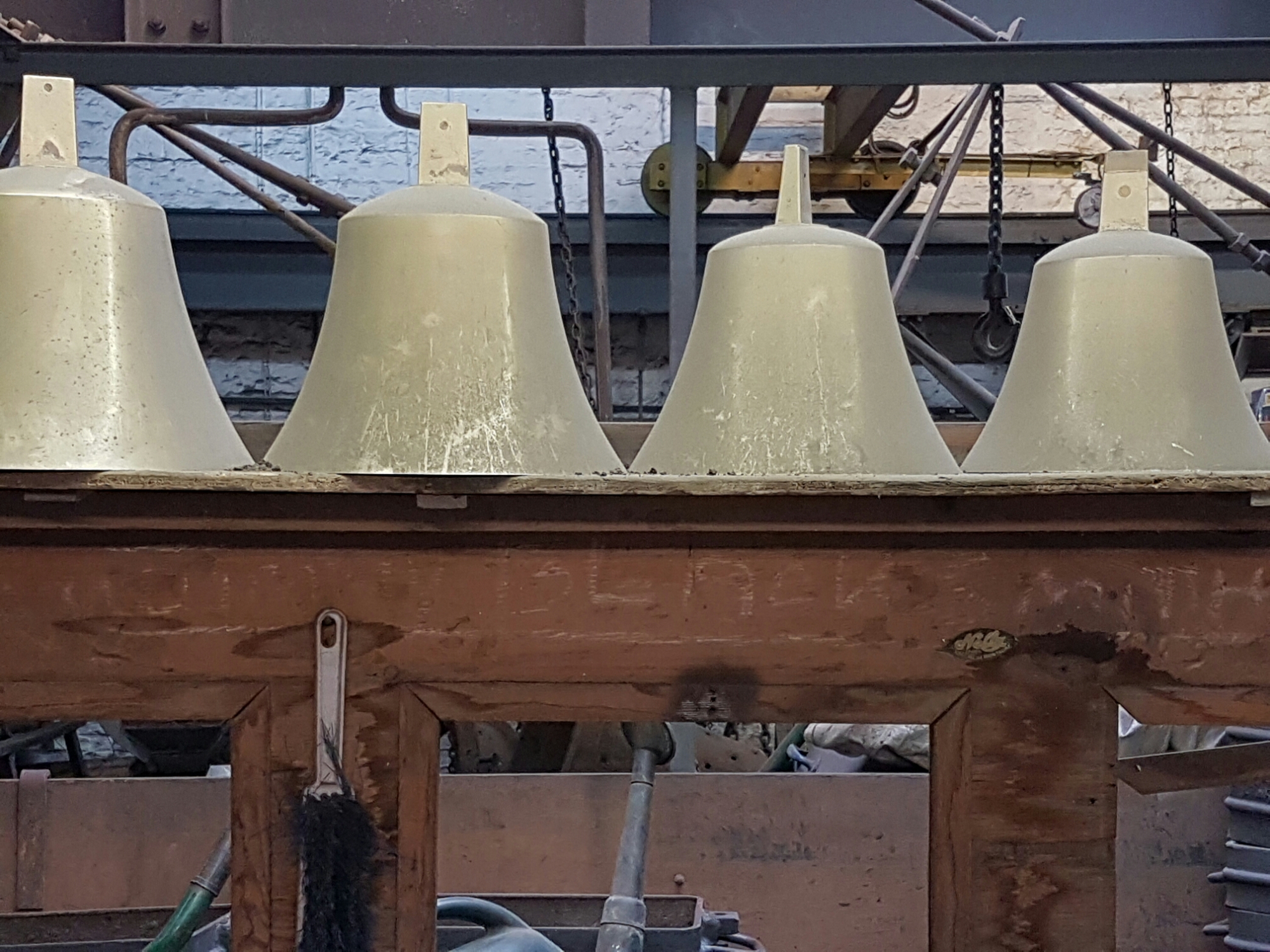
These are the bells in the inner courtyard which chime every quarter:-

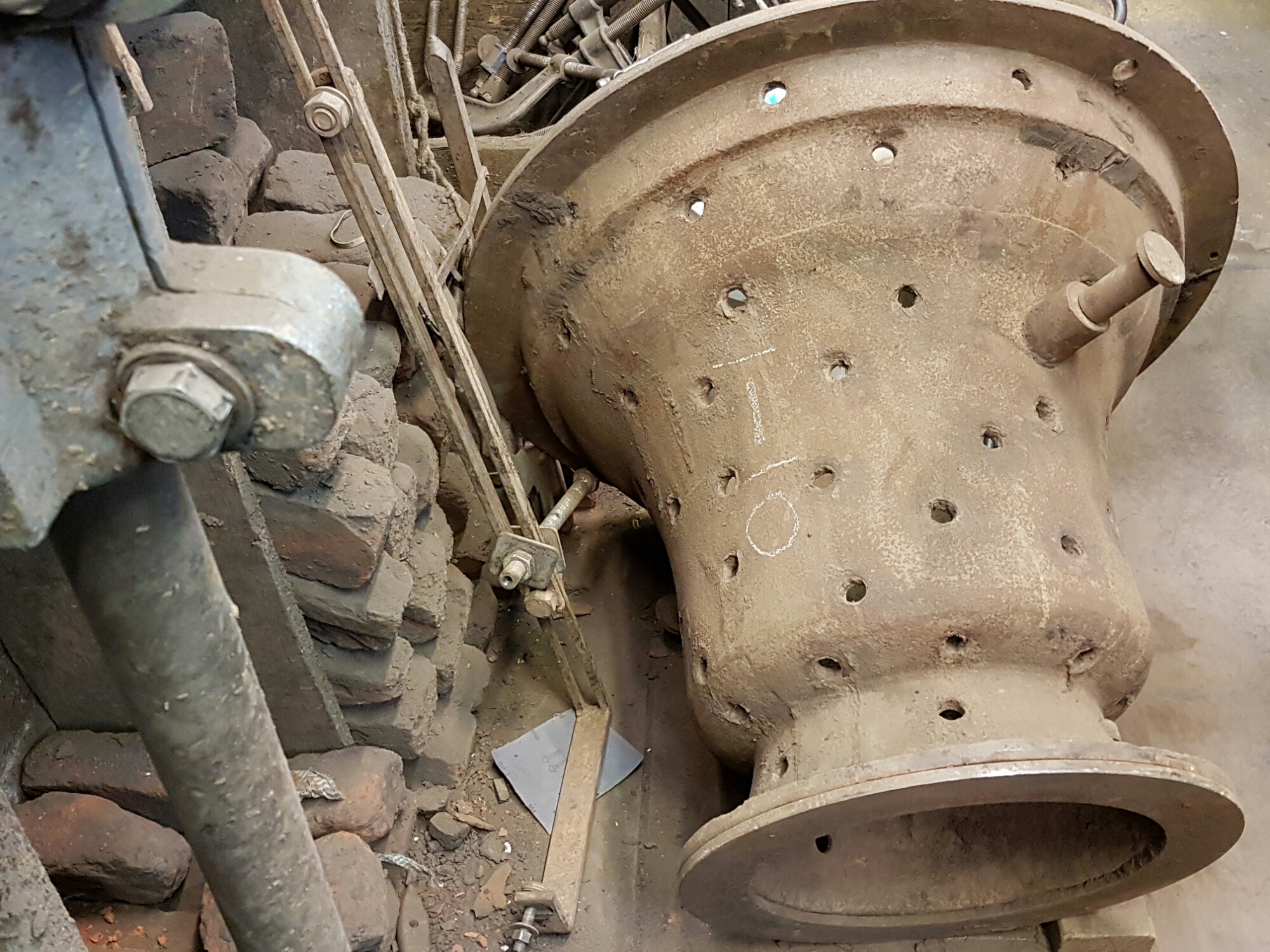
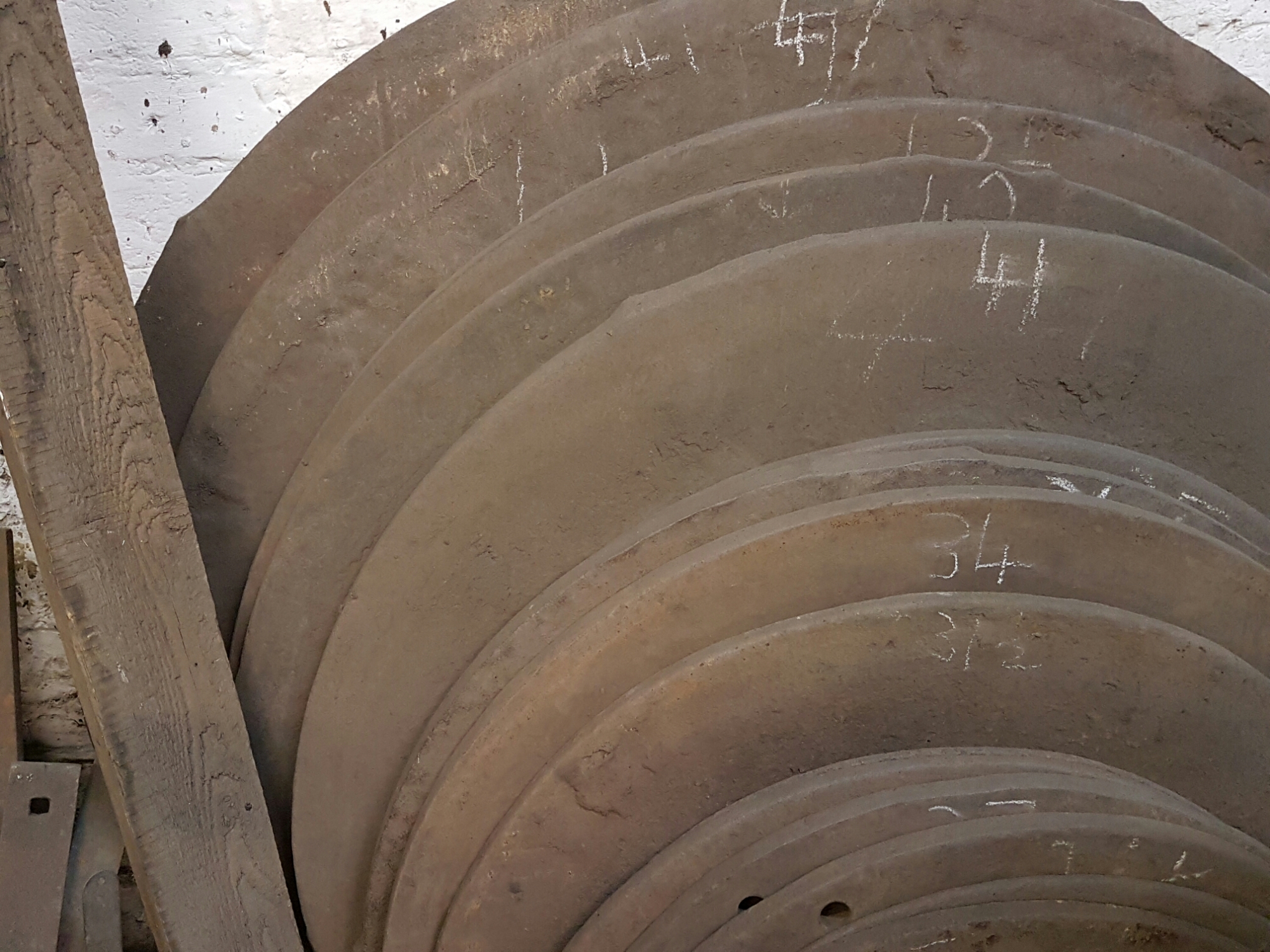
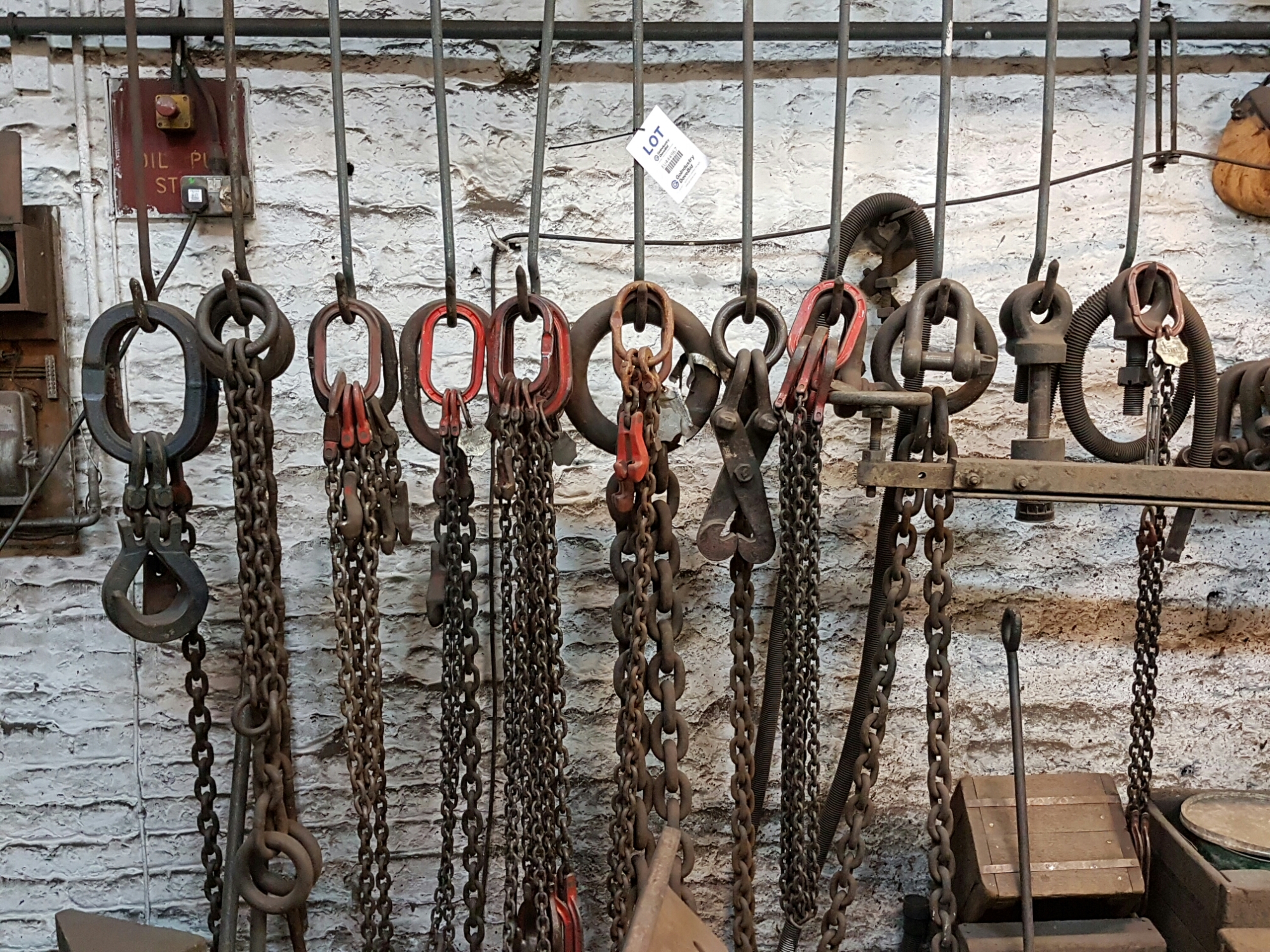
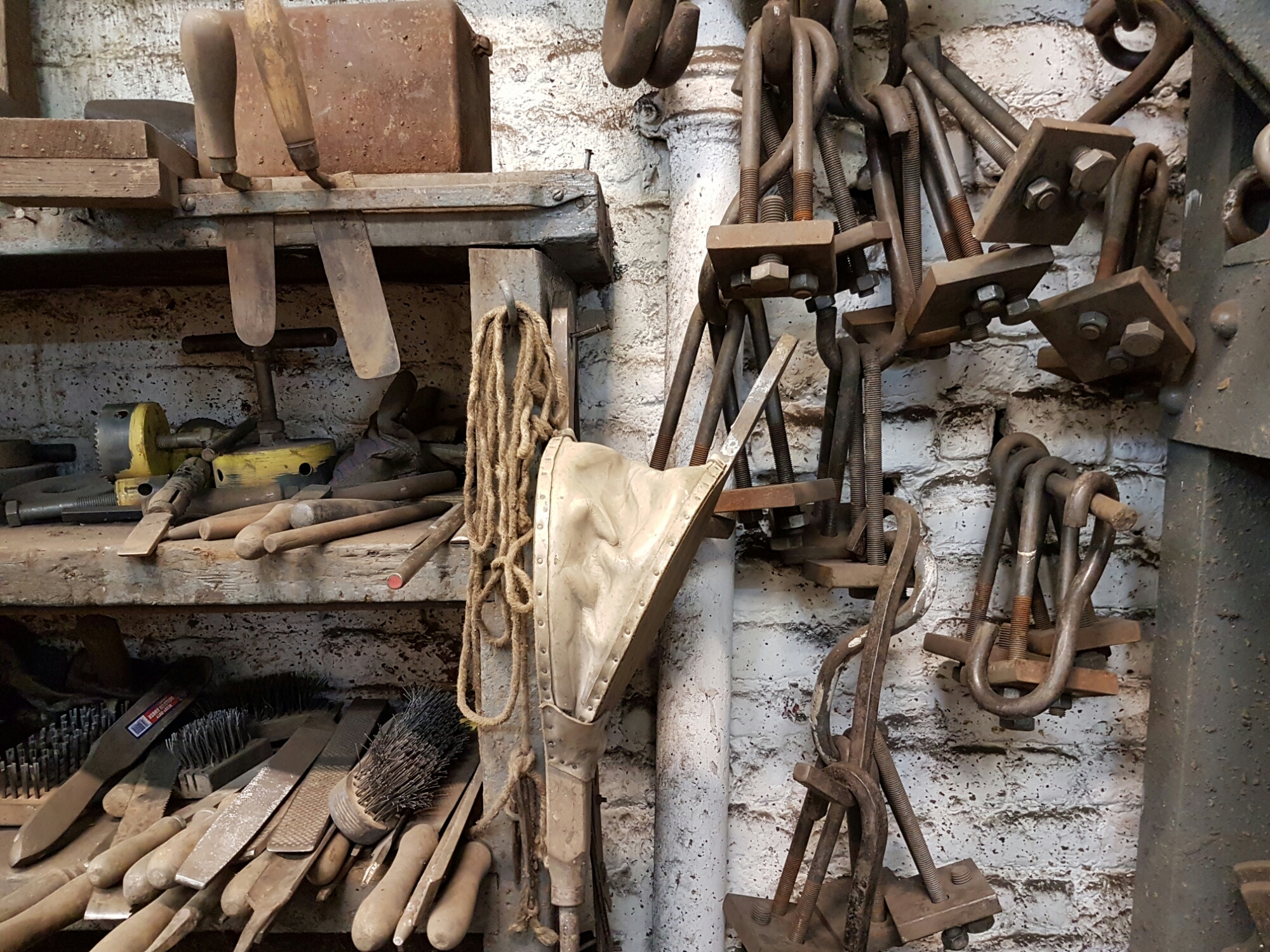
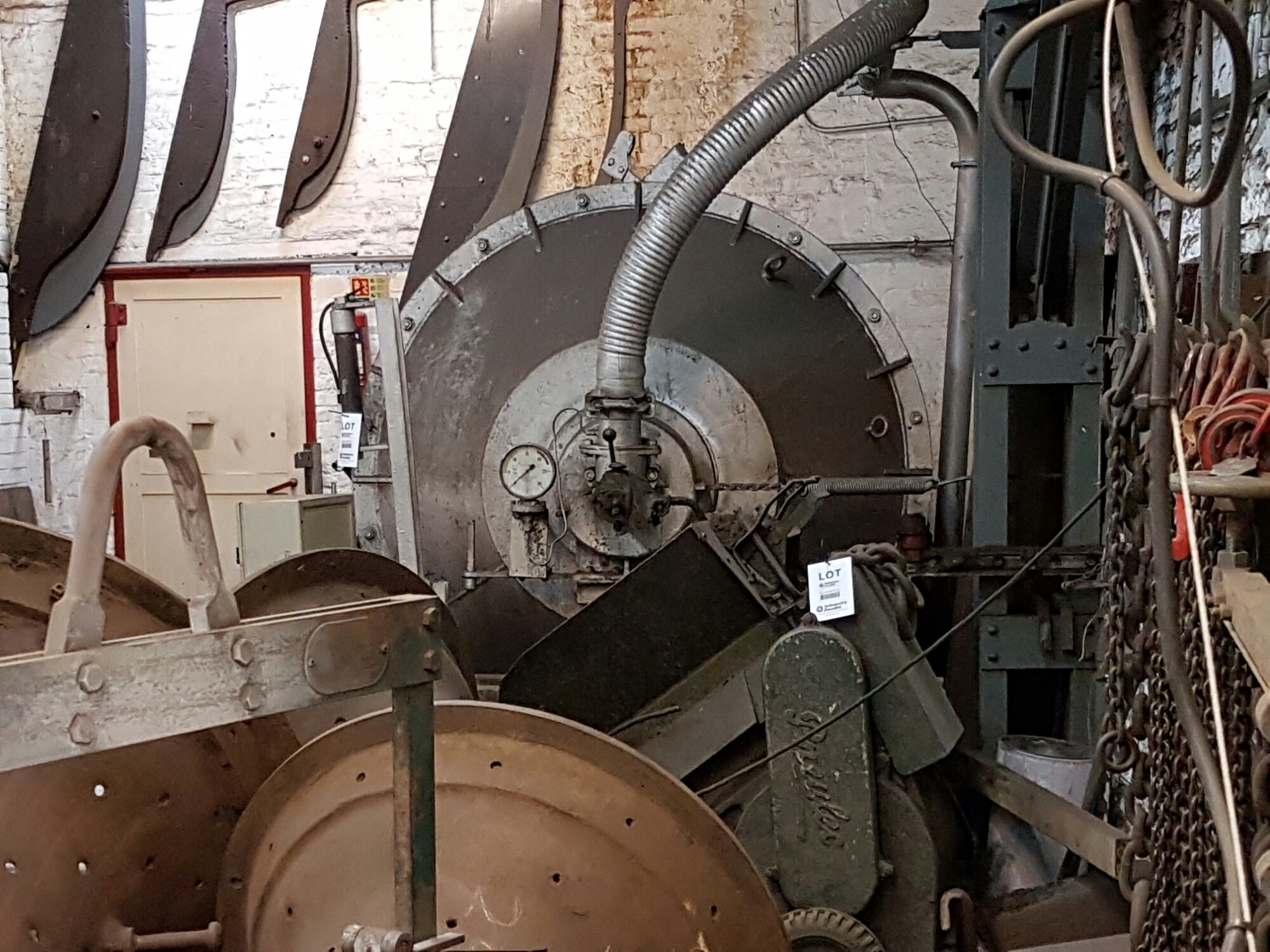
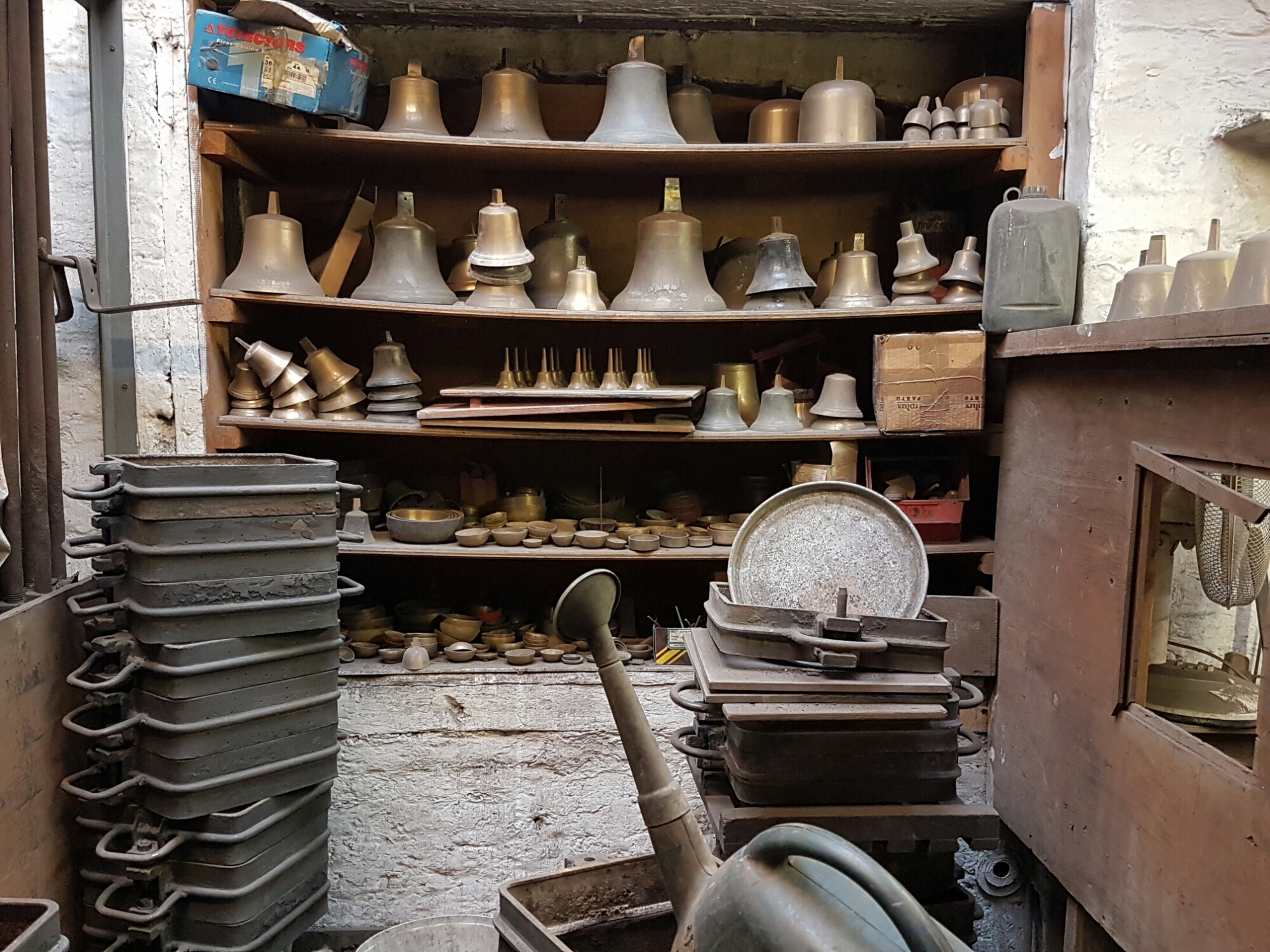
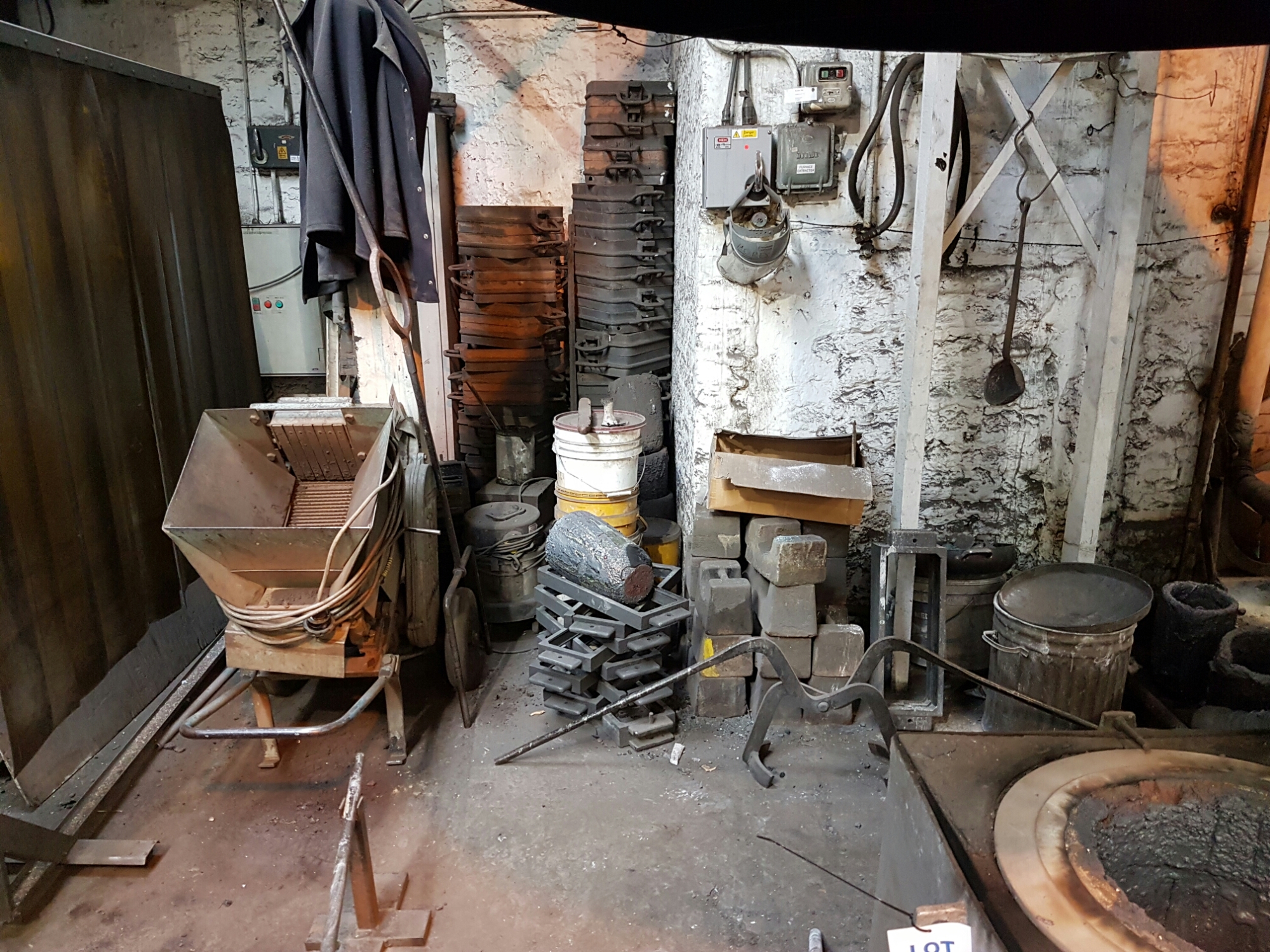
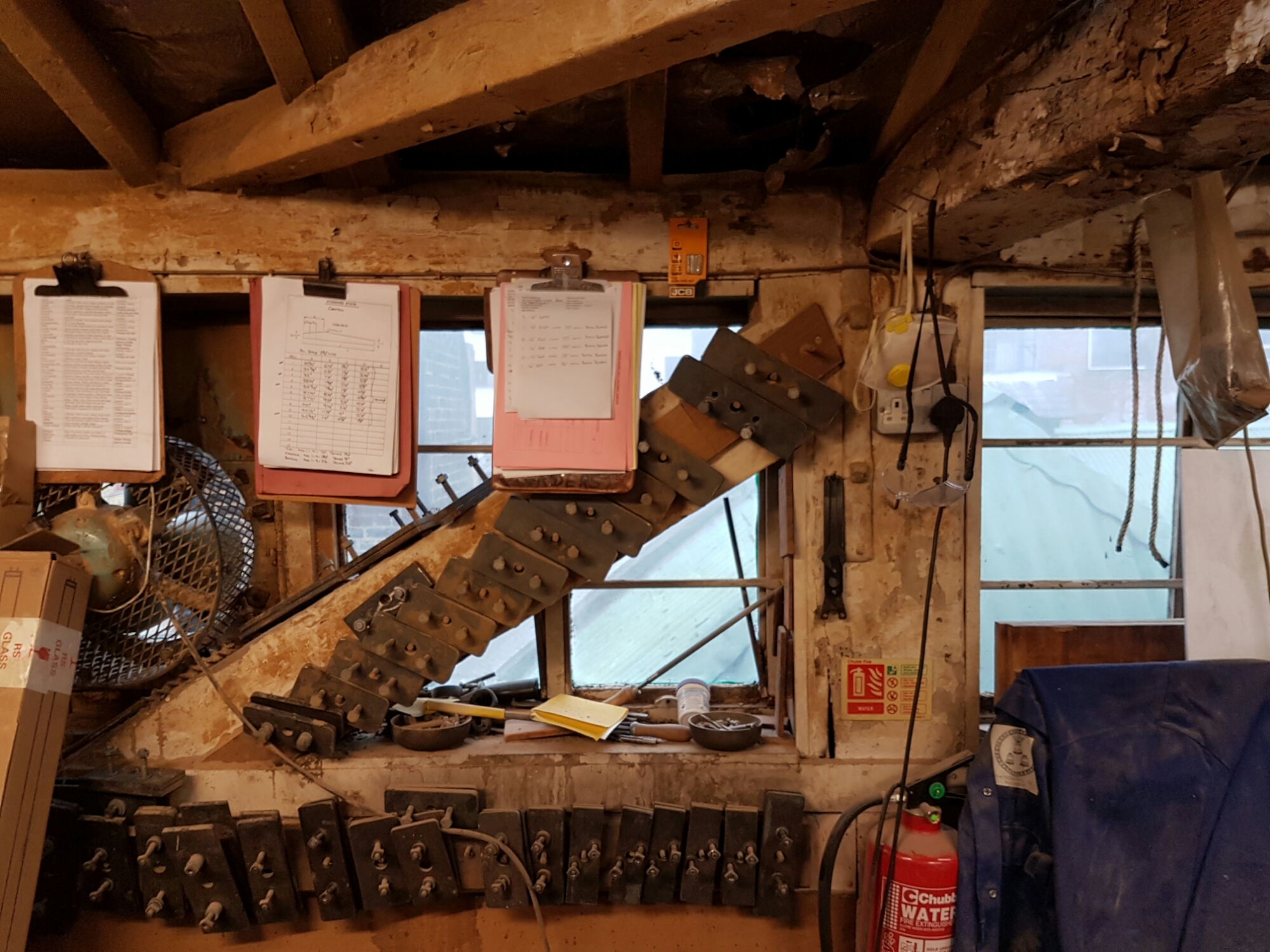
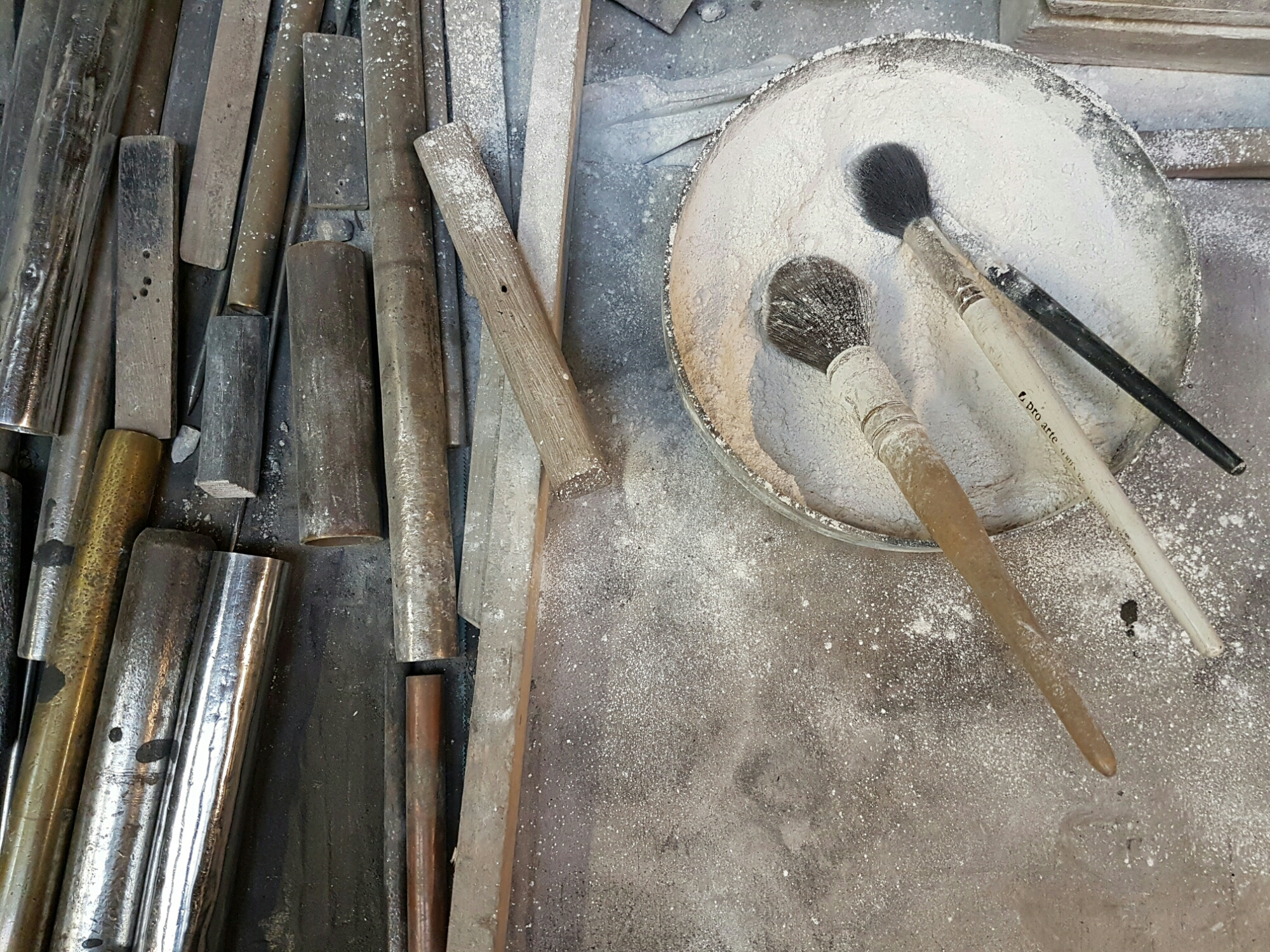
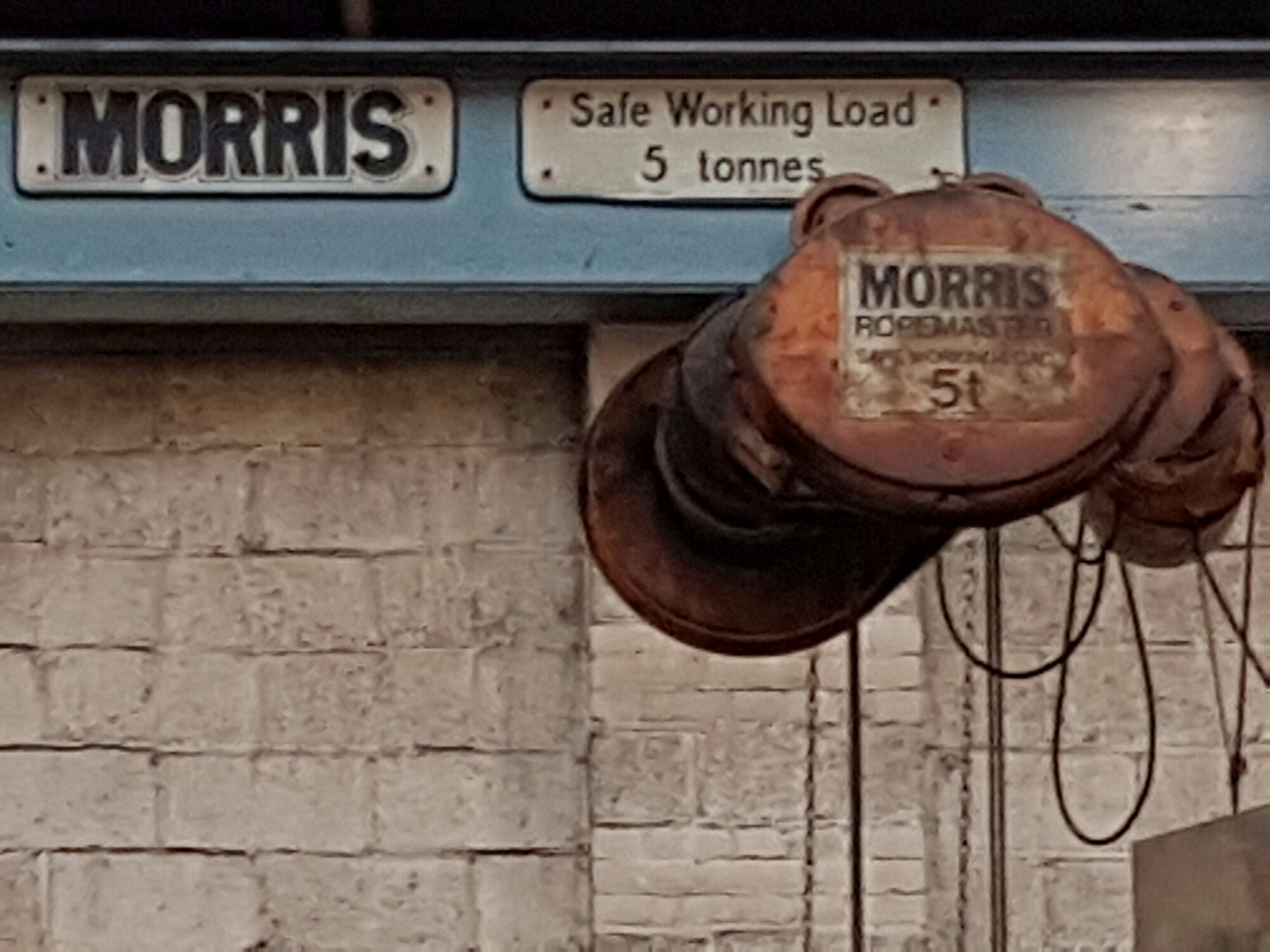
Then we went into the mould shop, the first of the large spaces at the back, full of the required machinery, hand tools and residue of the process of moulding:-

You can see lot numbers are already attached for the impending sale.

Beyond is the sand foundry, with the moulding guage used for Big Ben hung up casually on the wall:-

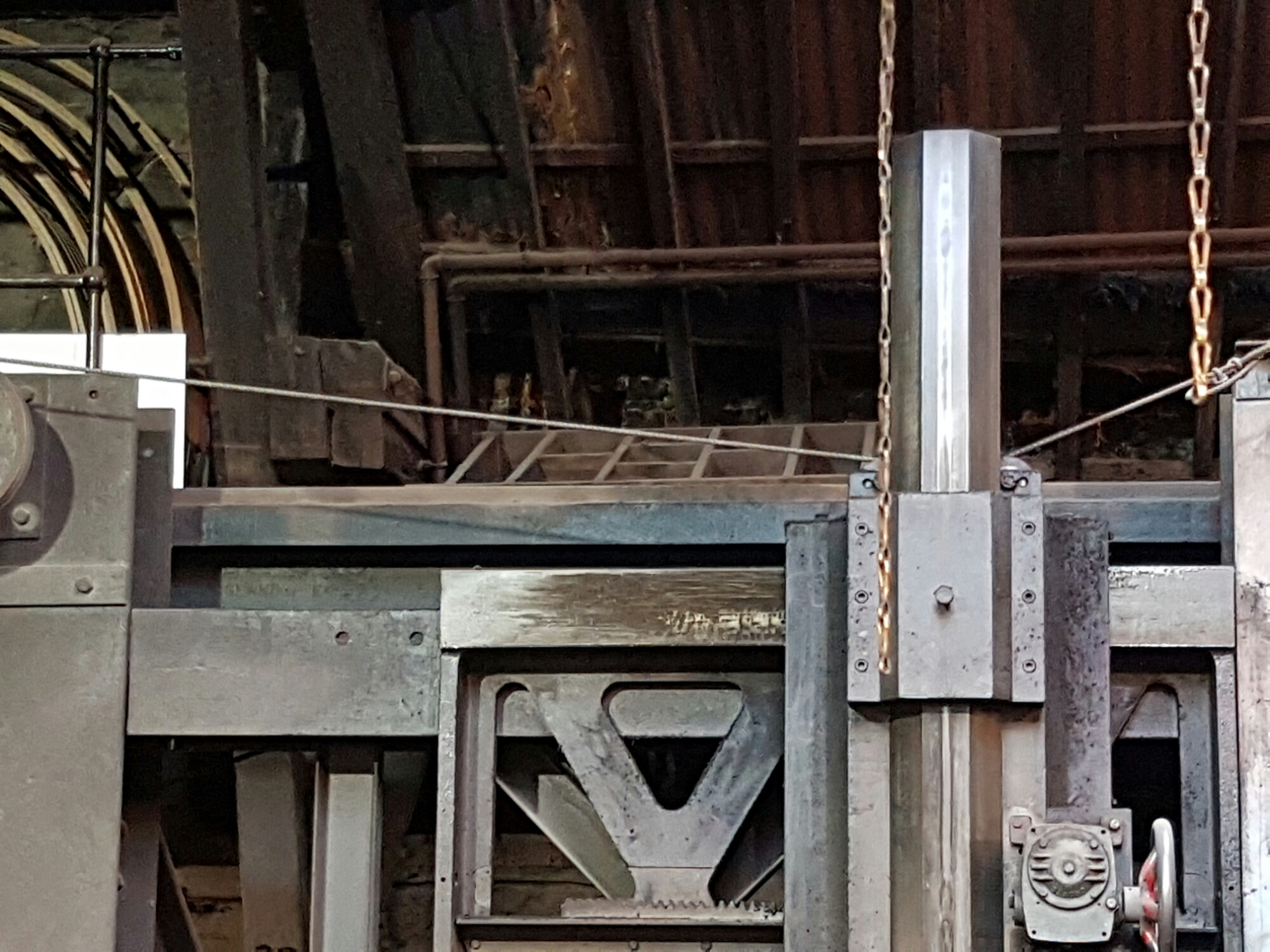
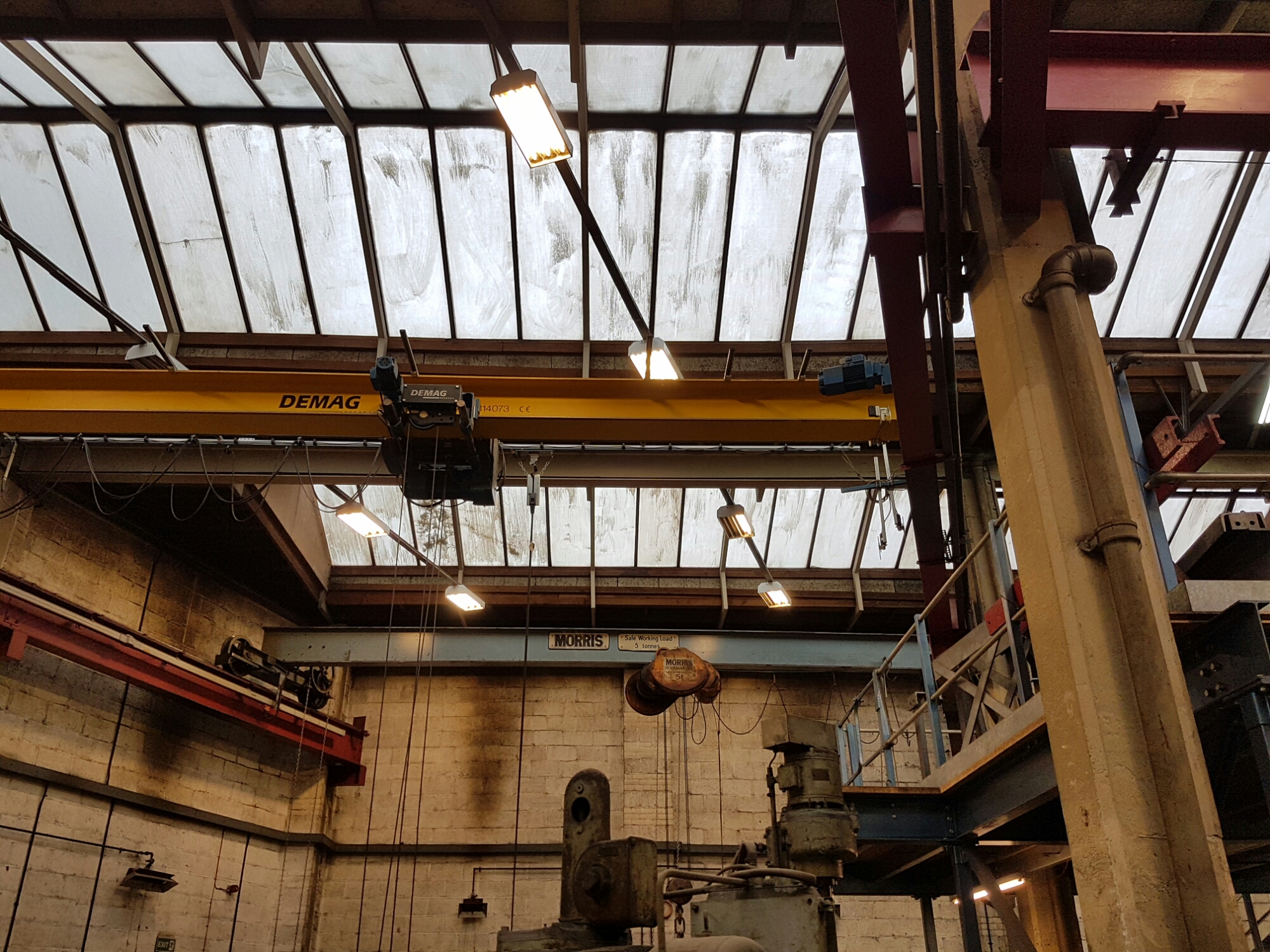
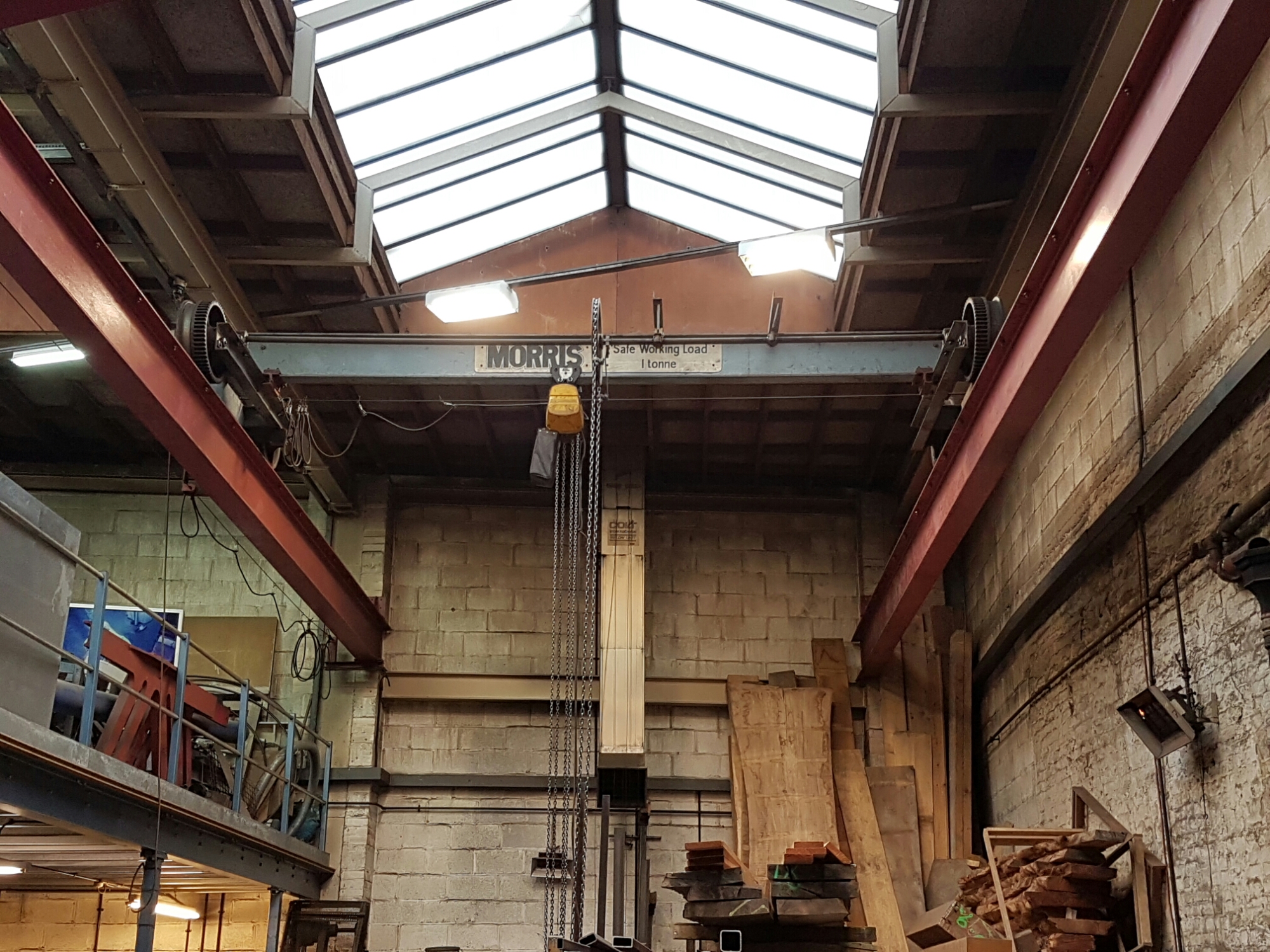
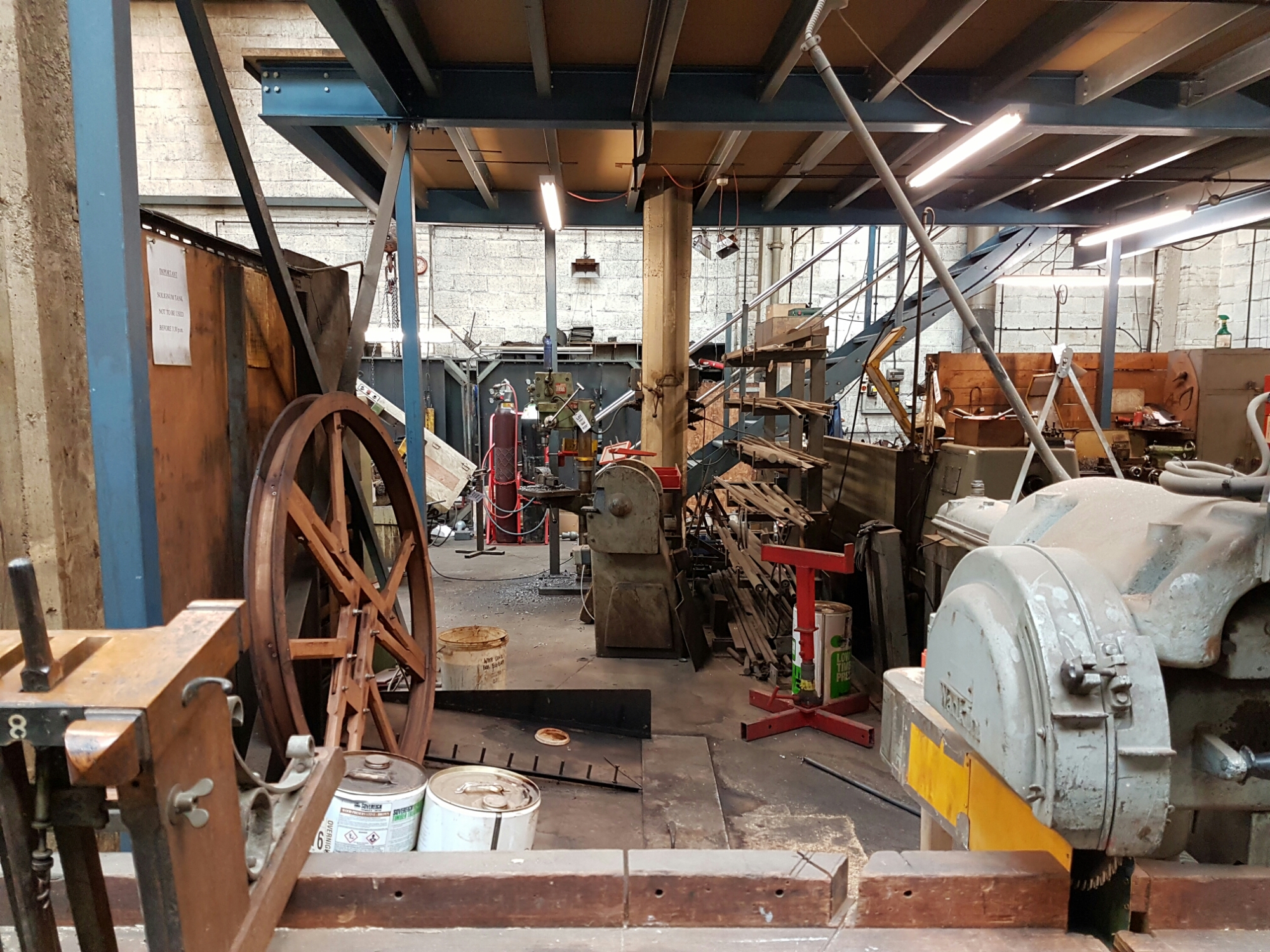
At the back is the big engineering shop, constructed relatively recently by James Strike, but looking as if it has been used intensively:-

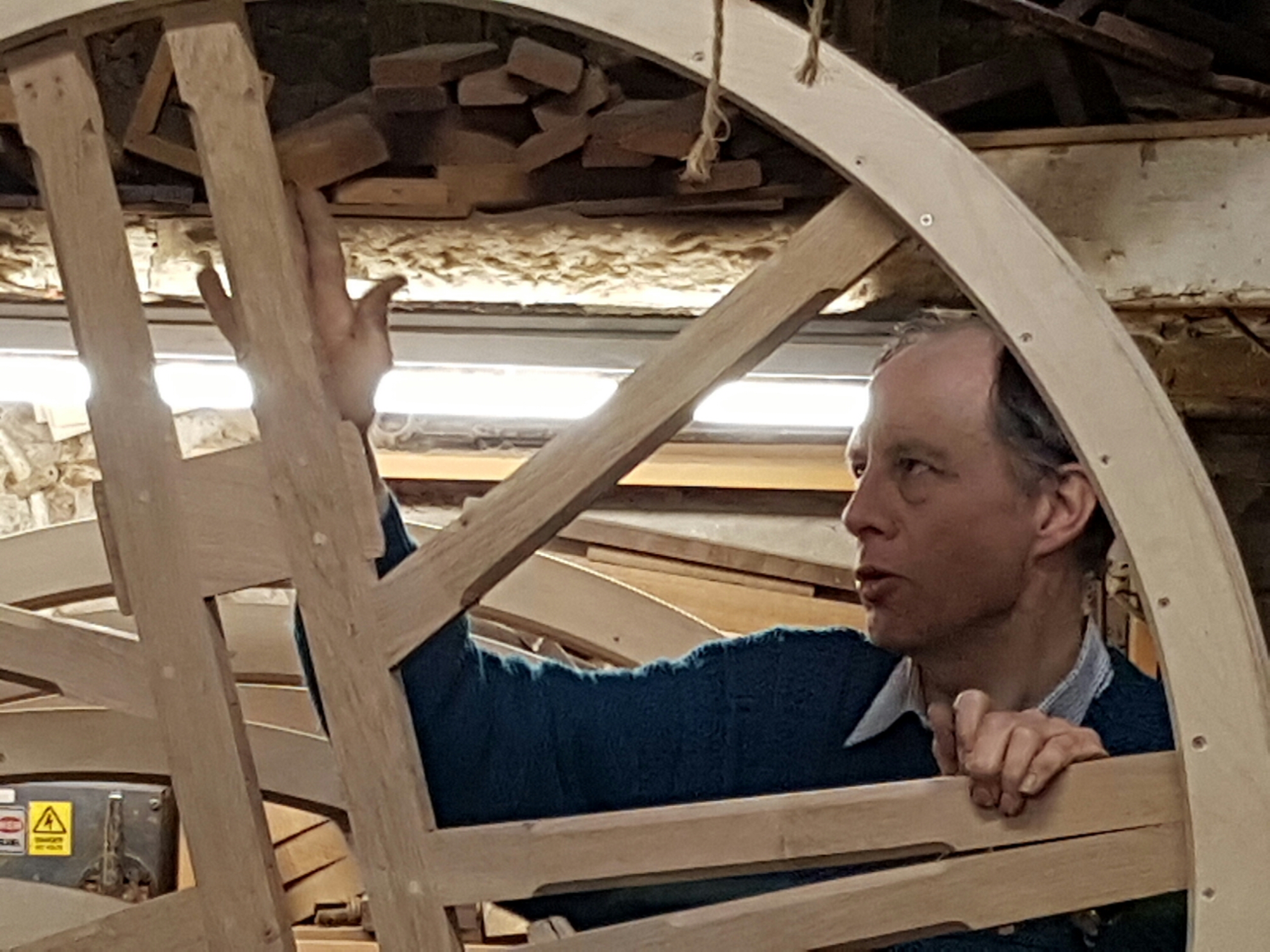
Then, finally, one climbs up two sets of narrow staircases to the carpentry shop perched at the top:-

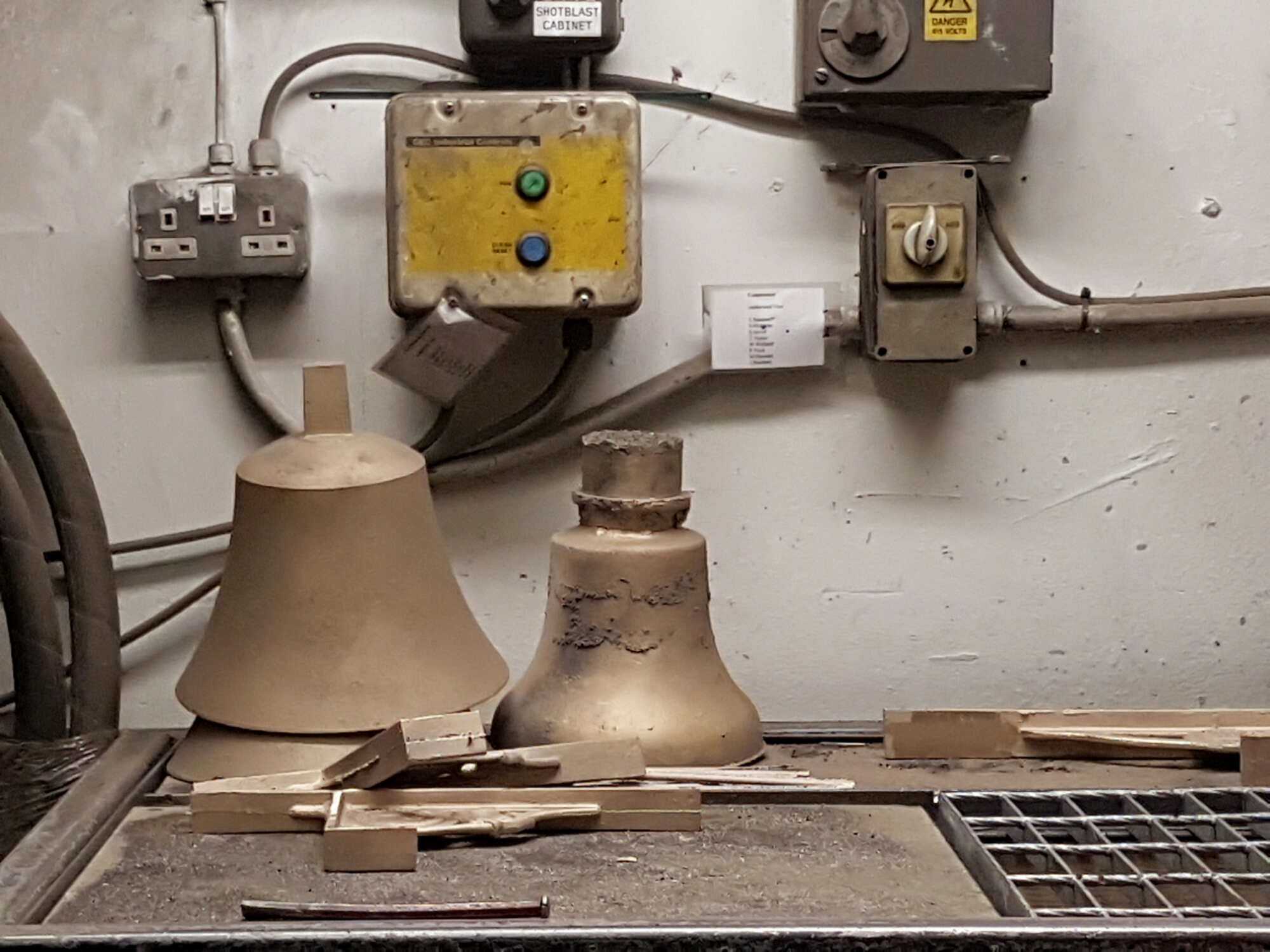
As much as the spaces themselves, I liked the vignettes of the work itself:-

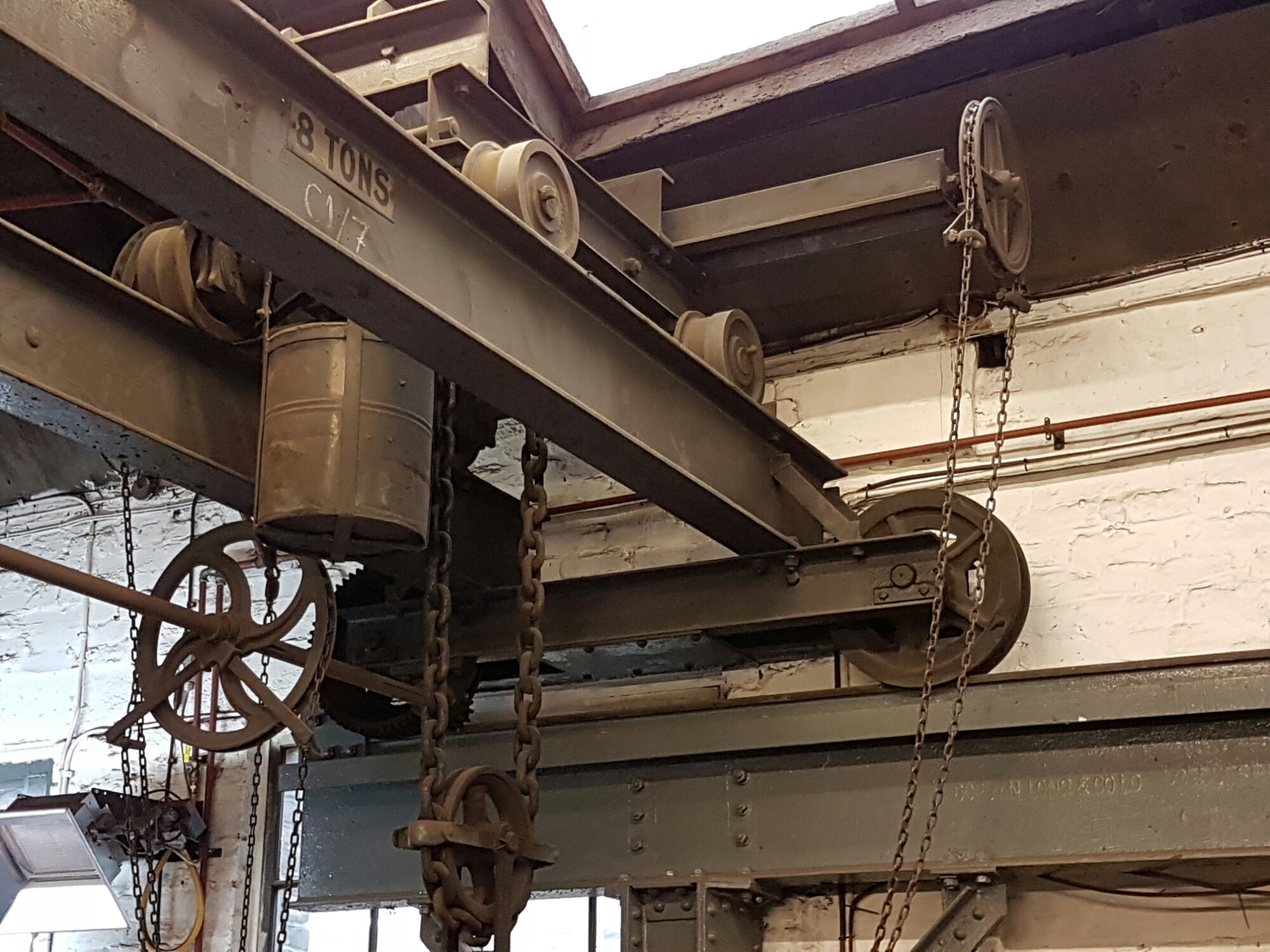
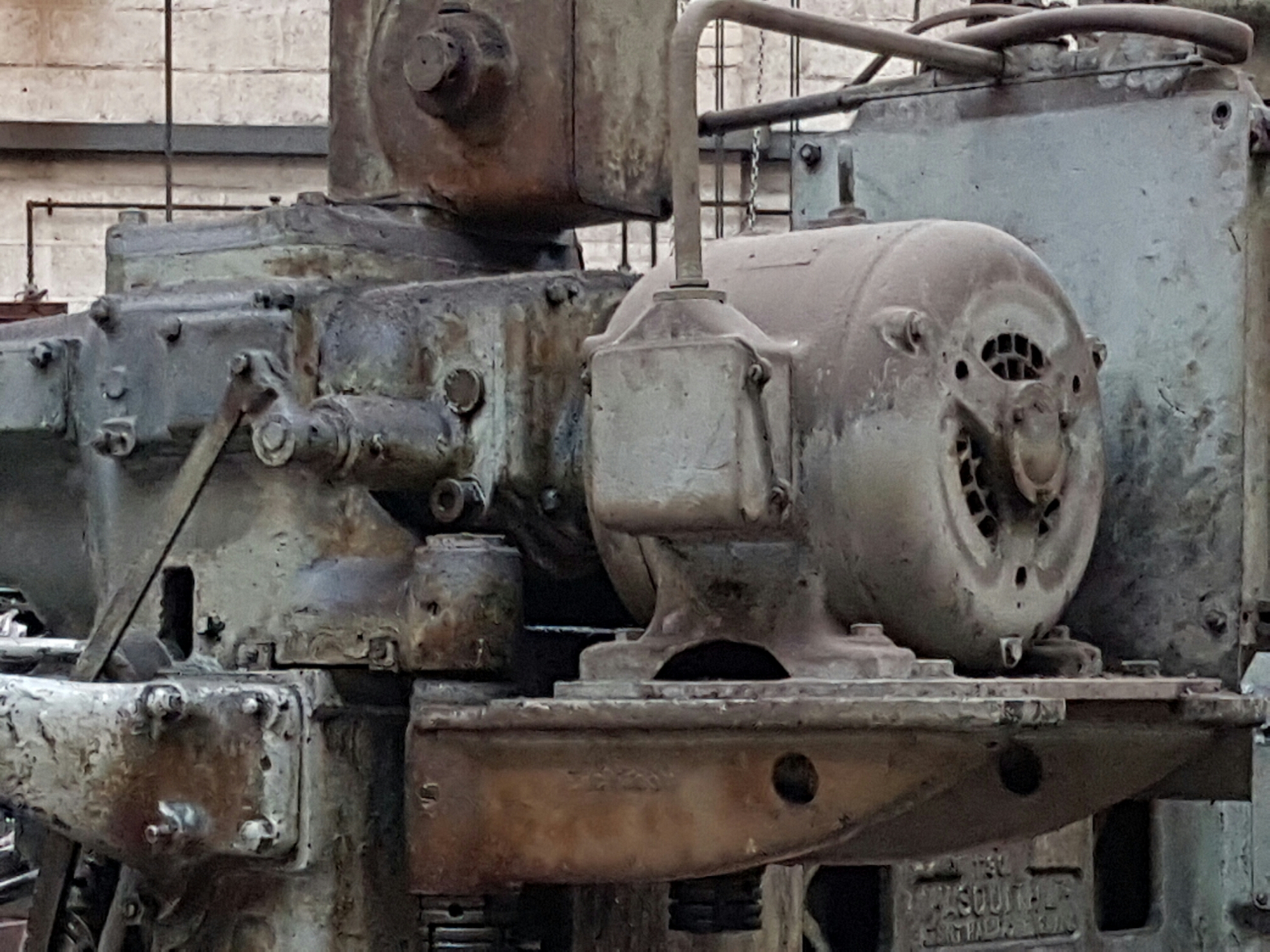
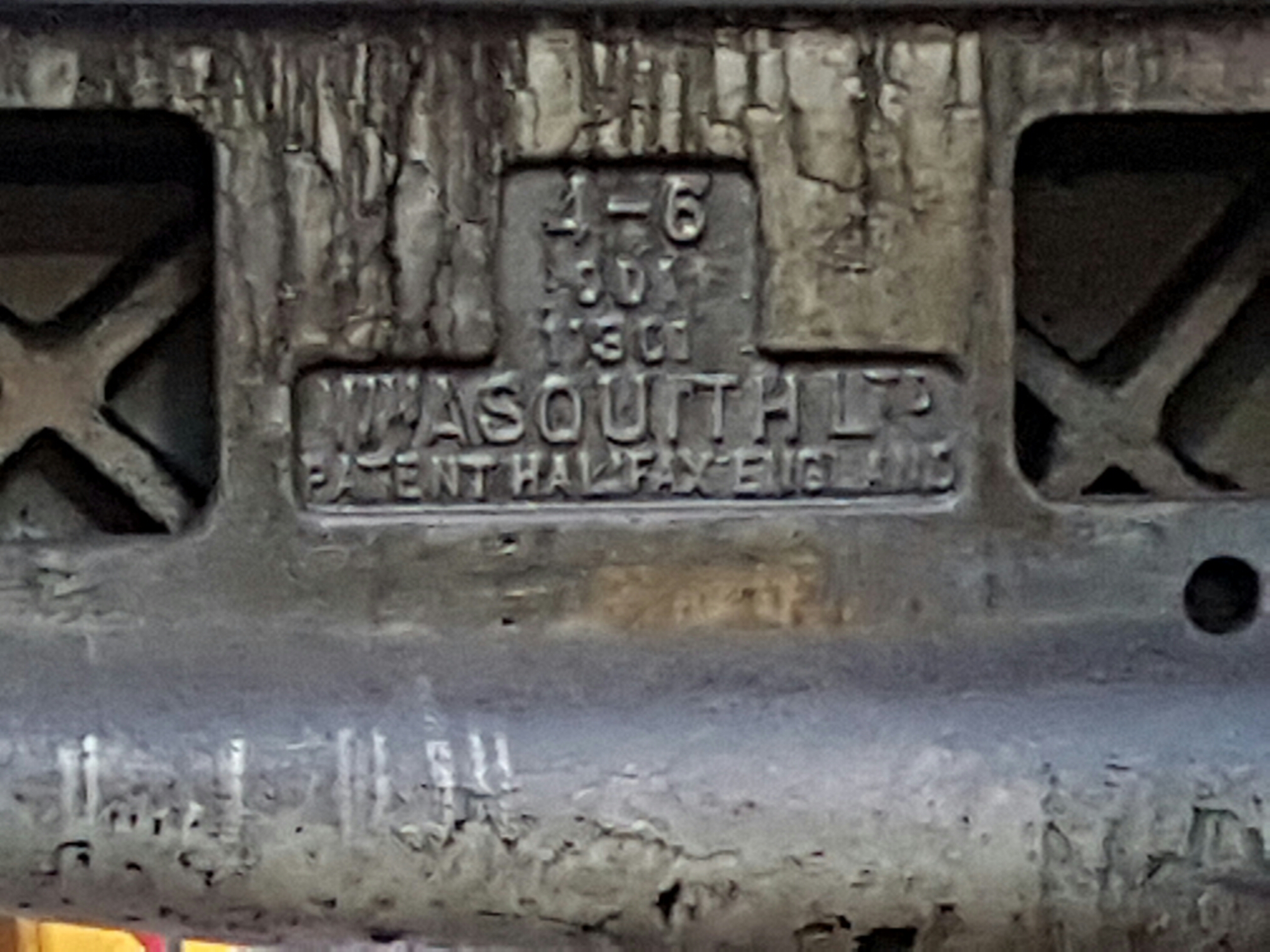
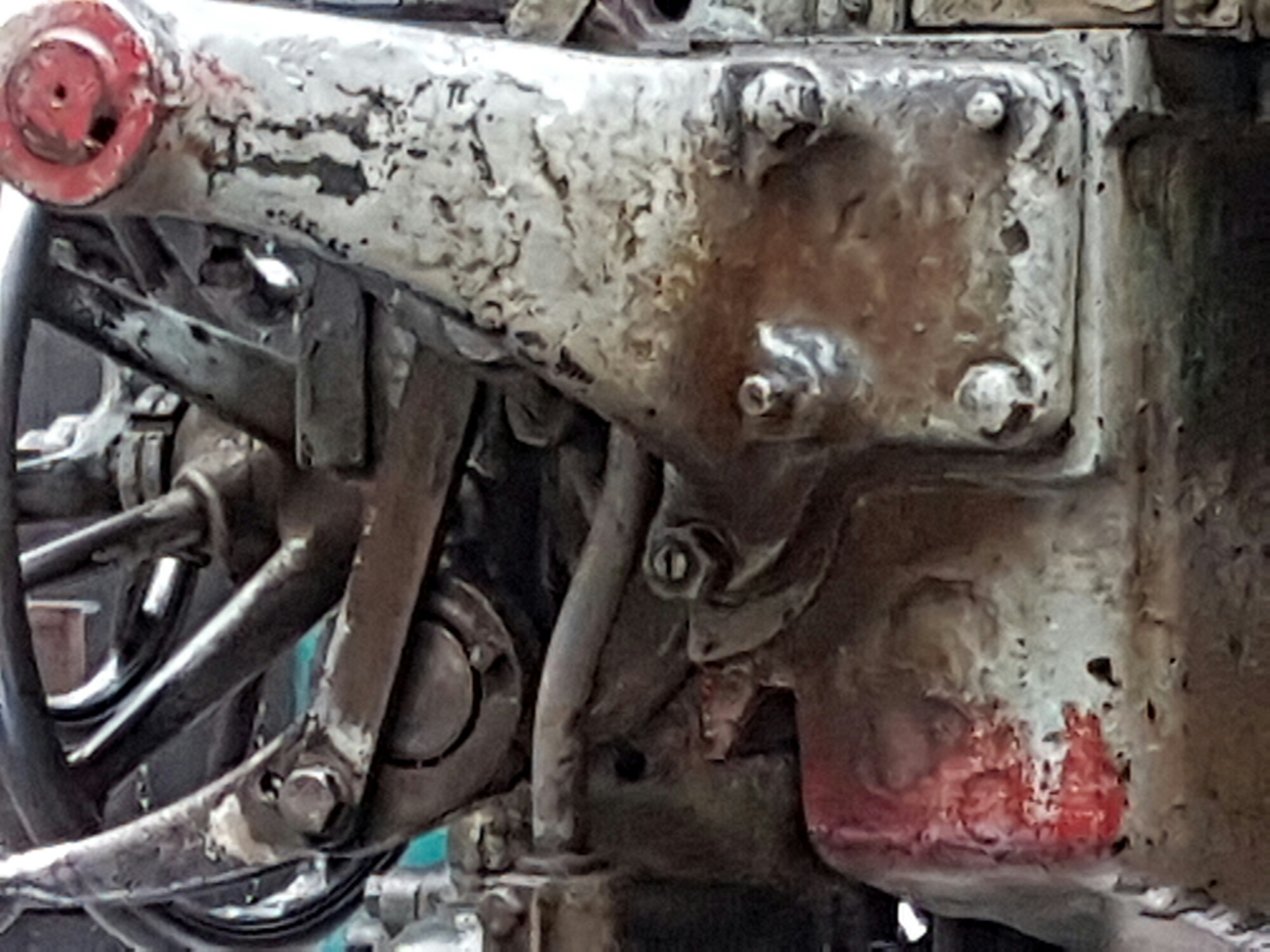
And the machinery involved:-

By May, all this will have gone:  the only company in continuous business since the sixteenth century.

Standard

Wolfgang Tillmans RA

I went to the Wolfgang Tillmans exhibition yesterday morning.  Of all the many images on display, many bleak, I found the most moving were the set of posters which he had done – I think uncommissioned – to persuade people to vote Remain.   It feels like it was a hundred years ago.   ‘No man is an island.   No country by itself’.   ‘It’s a question of where you feel you belong.   We are the European family’.   ‘What is lost is lost forever’. 
Standard

Sudbury

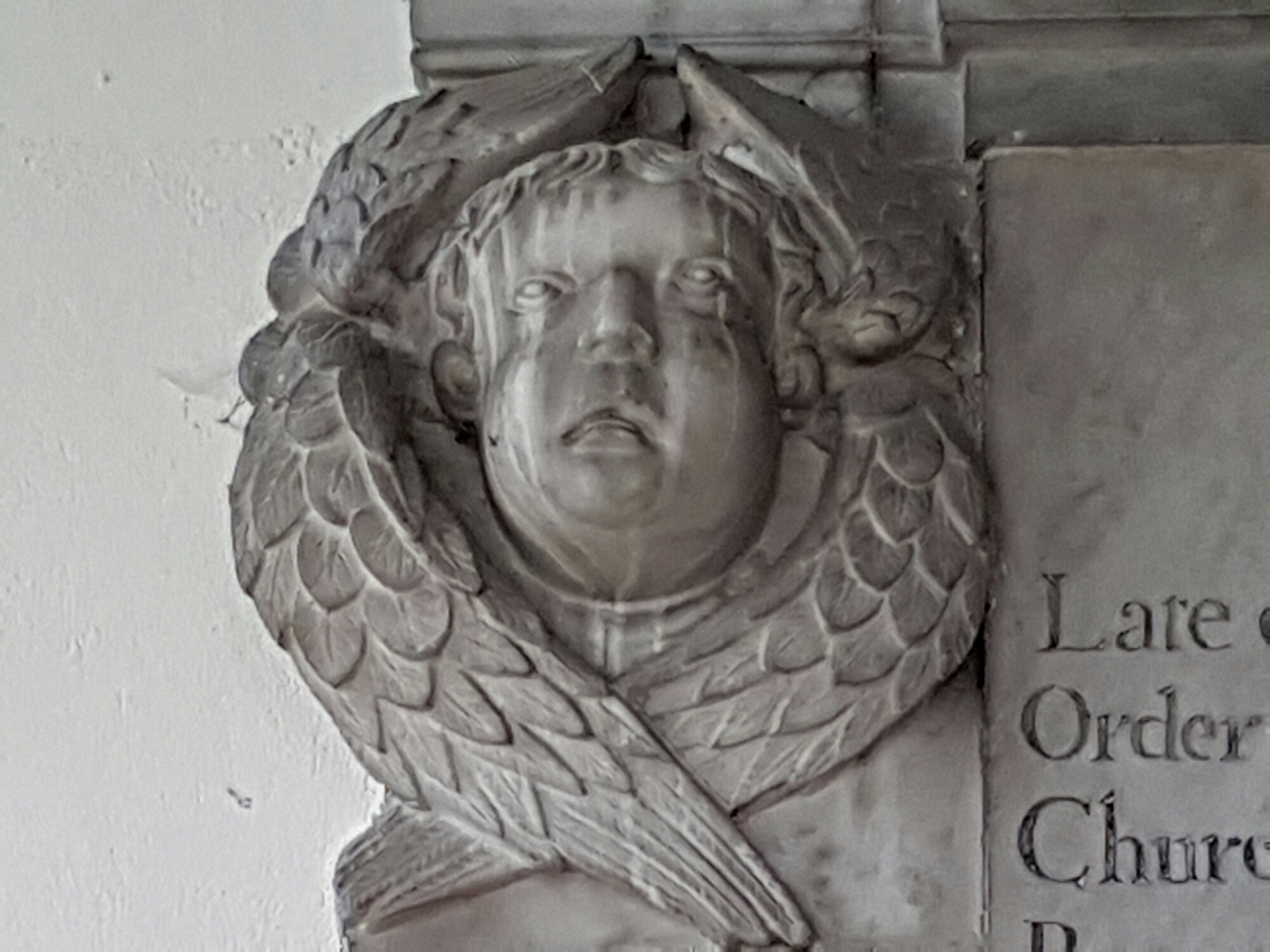
I wasn’t sure what to make of Sudbury:  a large medieval town, made wealthy through weaving, still with four active silk-weaving establishments;  a large medieval church, St. Botolph, with a good early eighteenth-century monument to Thomas Carter:-

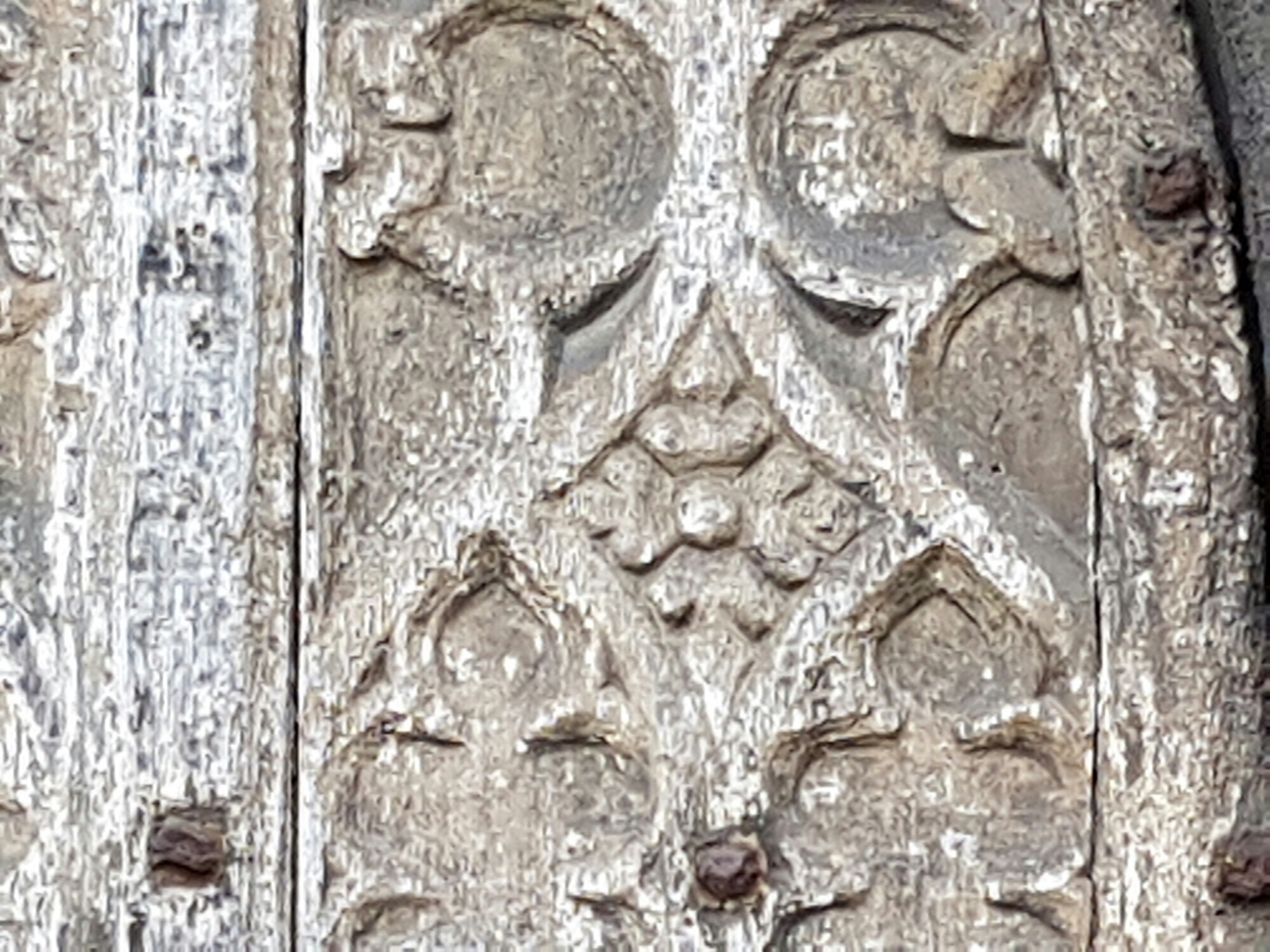
Another medieval church, St. Peter, which was full of a farmer’s market and a worn north door:-

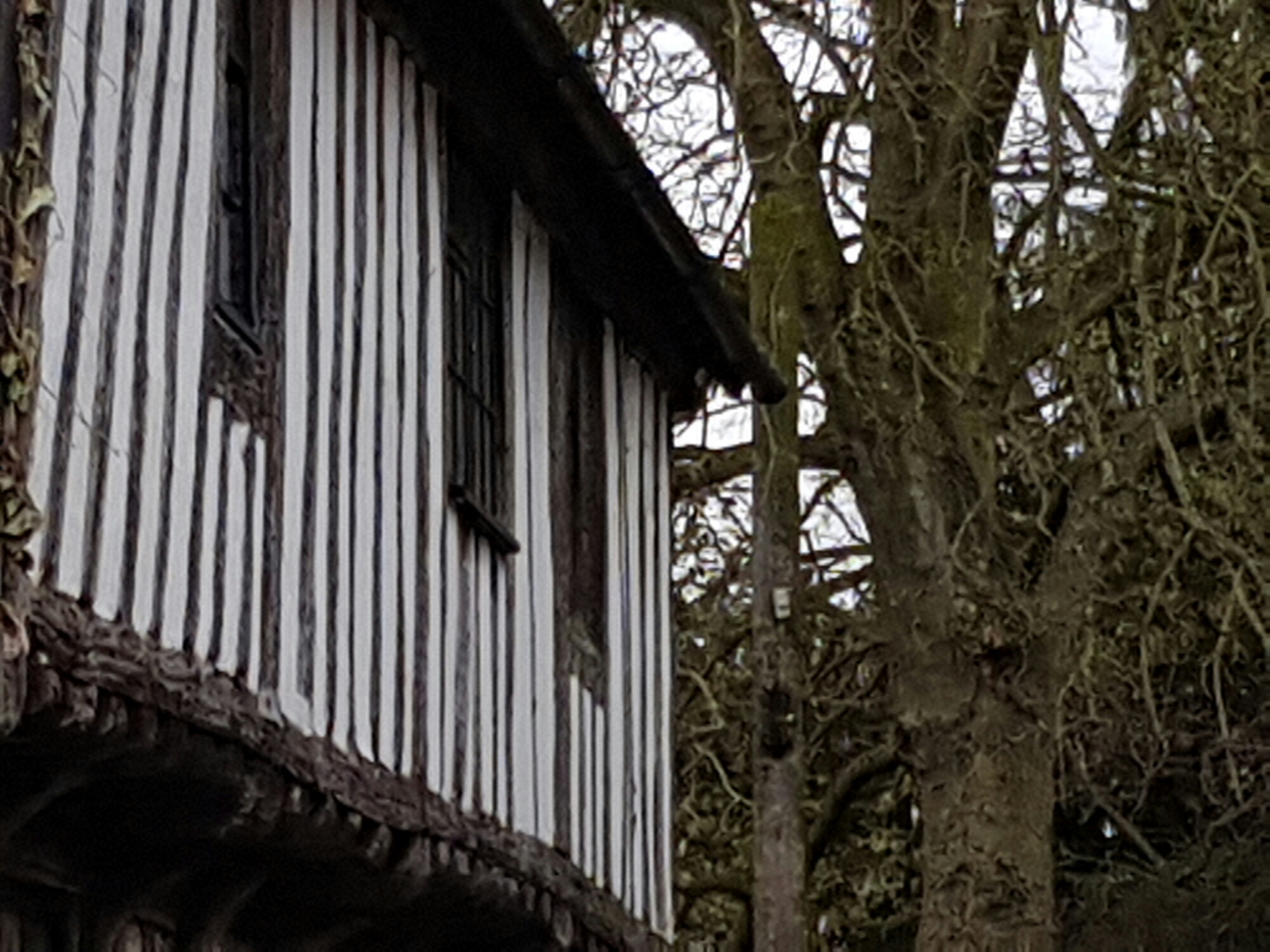
And good early houses on Stour Street, including The Chantry:-

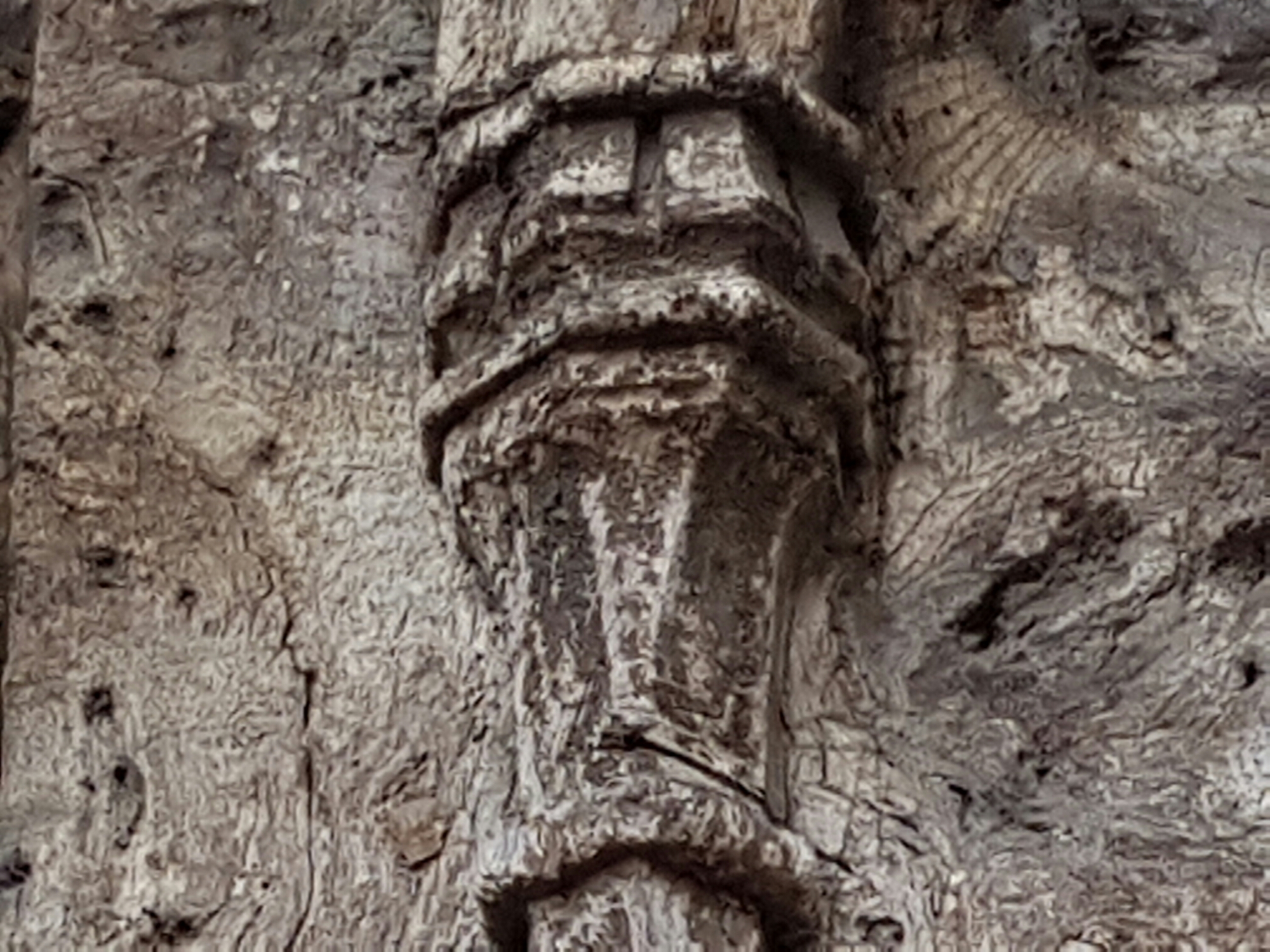
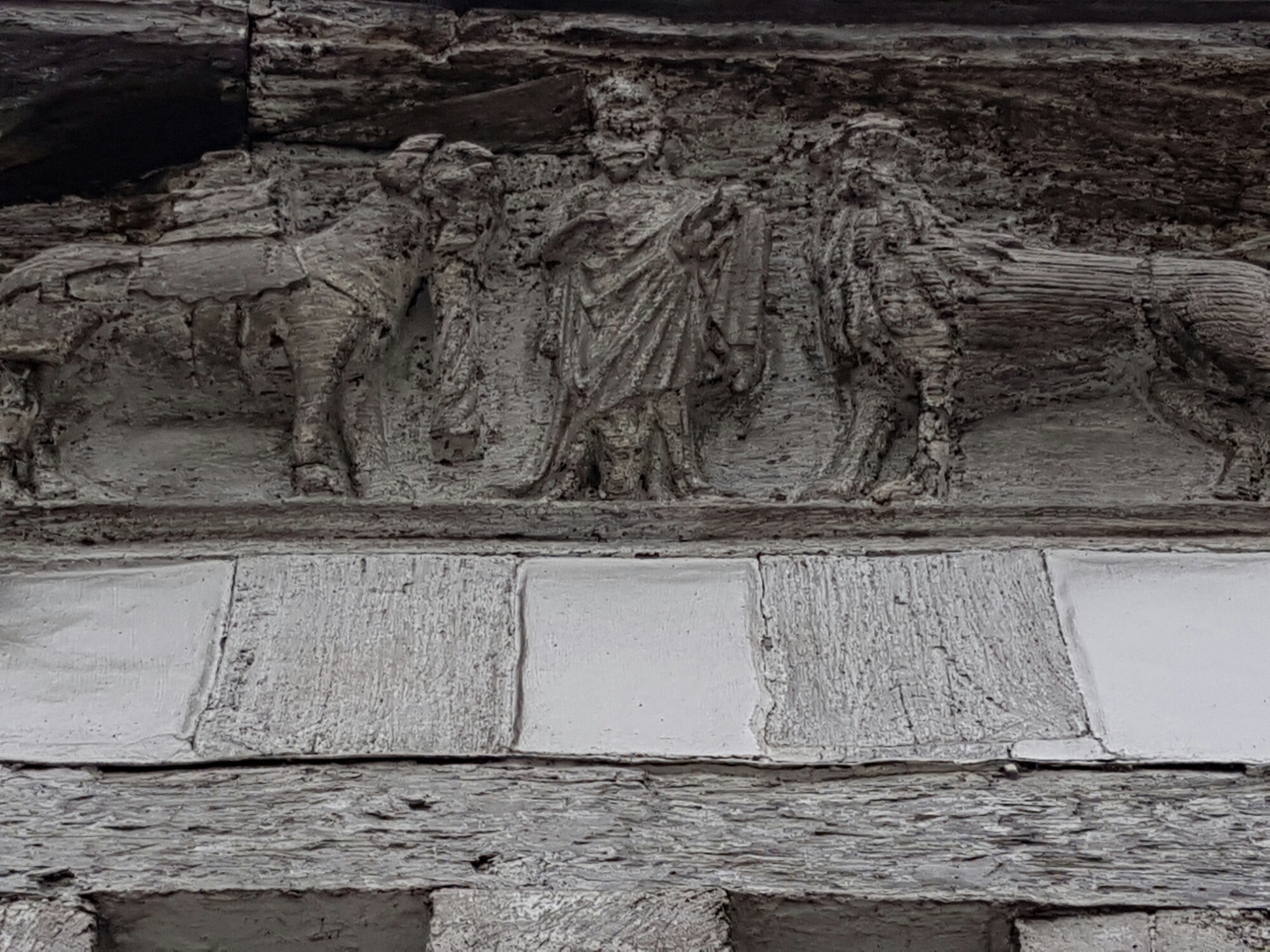
And Salter’s Hall, which has a carving of St. James the Less with an elephant and lion on the street front:-

Standard