
We had a Trustee meeting yesterday at Waddesdon. I have only ever seen the house in the summer, not cocooned for the winter:-

Having spent so much of the afternoon and evening listening to speeches by, or about, Antonia Byatt (A.S as she is known to her family), I have inevitably been thinking about, or reminded of, the experience of her writing: first, The Virgin in the Garden, published in 1978, later than I thought, a long, dense, quasi-historical narrative, which starts in the National Portrait Gallery and is about much bigger issues than the domestic dramas which were previously dominant; Possession: A Romance, again later than I thought, published in 1990, part Victorian and winner of the Booker Prize; then Angels and Insects, published in 1992, which was made into a film by Philip Haas. I first met her when I asked her to lecture at the V&A in a series of Artists of the Tudor Court. As she demonstrated today, she is a brilliant, and in some ways theatrical as well as didactic, lecturer.
I was invited to attend the award of this year’s Erasmus Prize to Antonia Byatt, in a line of mainly men, beginning in 1958 with The People of Austria, and including Herbert Read, Henry Moore, and, perhaps more surprisingly, the food writer, Alan Davidson, the historian of science, Simon Schaffer and last year Wikipedia. She spoke very powerfully about the experience of writing fiction – how she compares it to painting (she taught at Central School of Art before joining the Senior Common Room at University College alongside tutors at the Slade) and how she was first inspired by the use of language in the work of Beatrix Potter (‘flopsy’) as well as Shakespeare.
I haven’t got much to report from my latest site visit. It’s making progress, but slowly. We discussed the classicism of the lecture theatre and the extent to which Pennethorne, as well as Chipperfield, was inspired by the Teatro Olimpico; and how far the attitude to conservation in the building is the same as the Neues Museum in Berlin (I think the answer is that it’s comparable in terms of separating the new and the old, but not comparable because we’re not preserving the signs of previous damage).
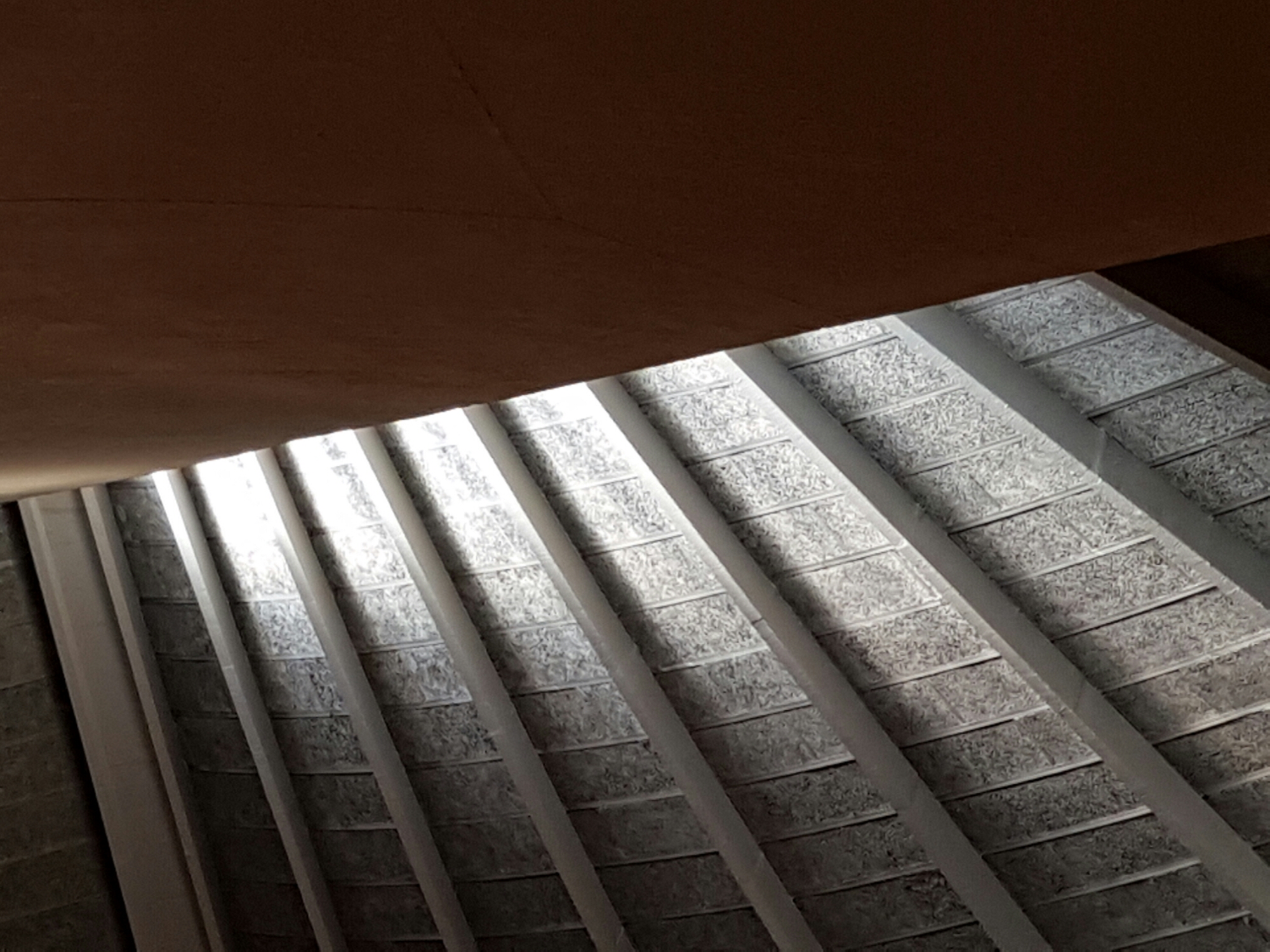
The entrance staircase:-

The entrance vestibule with the old lift removed:-
Next in the line-up of PRAs is a bust of Gerald Kelly, who was President from 1949 to 1954, succeeding Alfred Munnings after his disastrous speech at the Annual Dinner. Kelly was the son of the vicar of St. Giles, Camberwell and became interested in painting through visiting Dulwich Picture Gallery as a child. He was half educated at Eton and took what is called a poll degree at Cambridge (I assume an unclassified pass). He learned to paint in Paris as a friend of Sargent and Sickert and had a penchant for dancing girls. He painted in a boiler suit and was a connoisseur of fine wines. He only died in 1972 (the bust is by Maurice Lambert):-

On the other side of the General Assembly Room is Frederic Leighton, painted by his friend and neighbour, G.F. Watts, who he had persuaded to be an RA, but who, unlike Leighton, was always ambivalent about it. Leighton is confident and leonine, painted in 1888, aged 71, man-of-the-world, who, aged 17, had painted Schopenhauer in Frankfurt, then lived in Brussels and Paris, where he was a friend of Delacroix and Ingres, and Rome. It took him a while to be elected as an RA because, whilst admired, he was also mistrusted as too European, too intellectual, too interested in the purely aesthetic. But once elected, he was deeply involved in the affairs of the Academy, on the hanging committee in 1869, organising the first Winter Exhibition in 1870, and elected President as successor to Sir Francis Grant in November 1878. His last recorded words were ‘My love to the Academy’. He never married:-

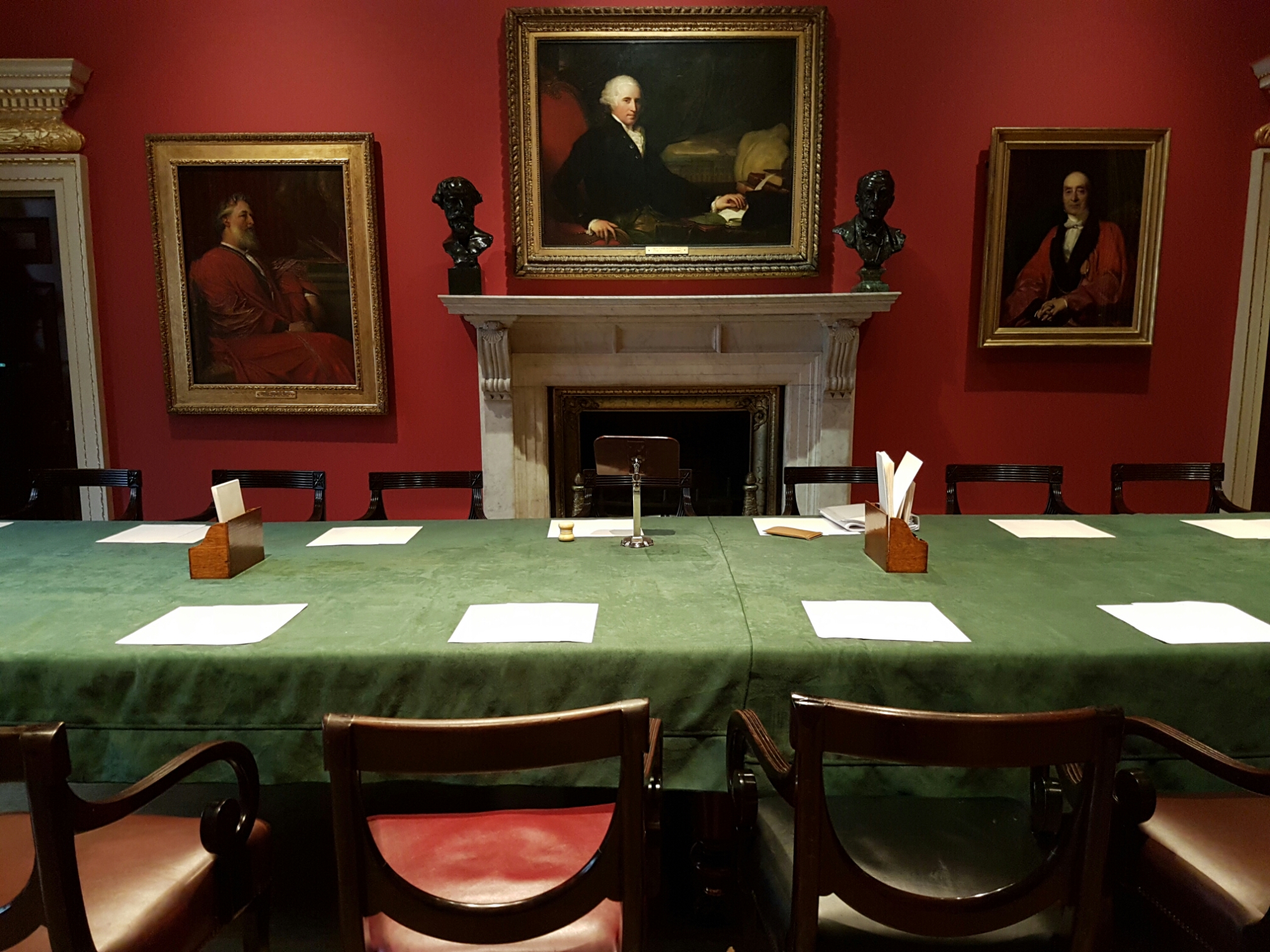
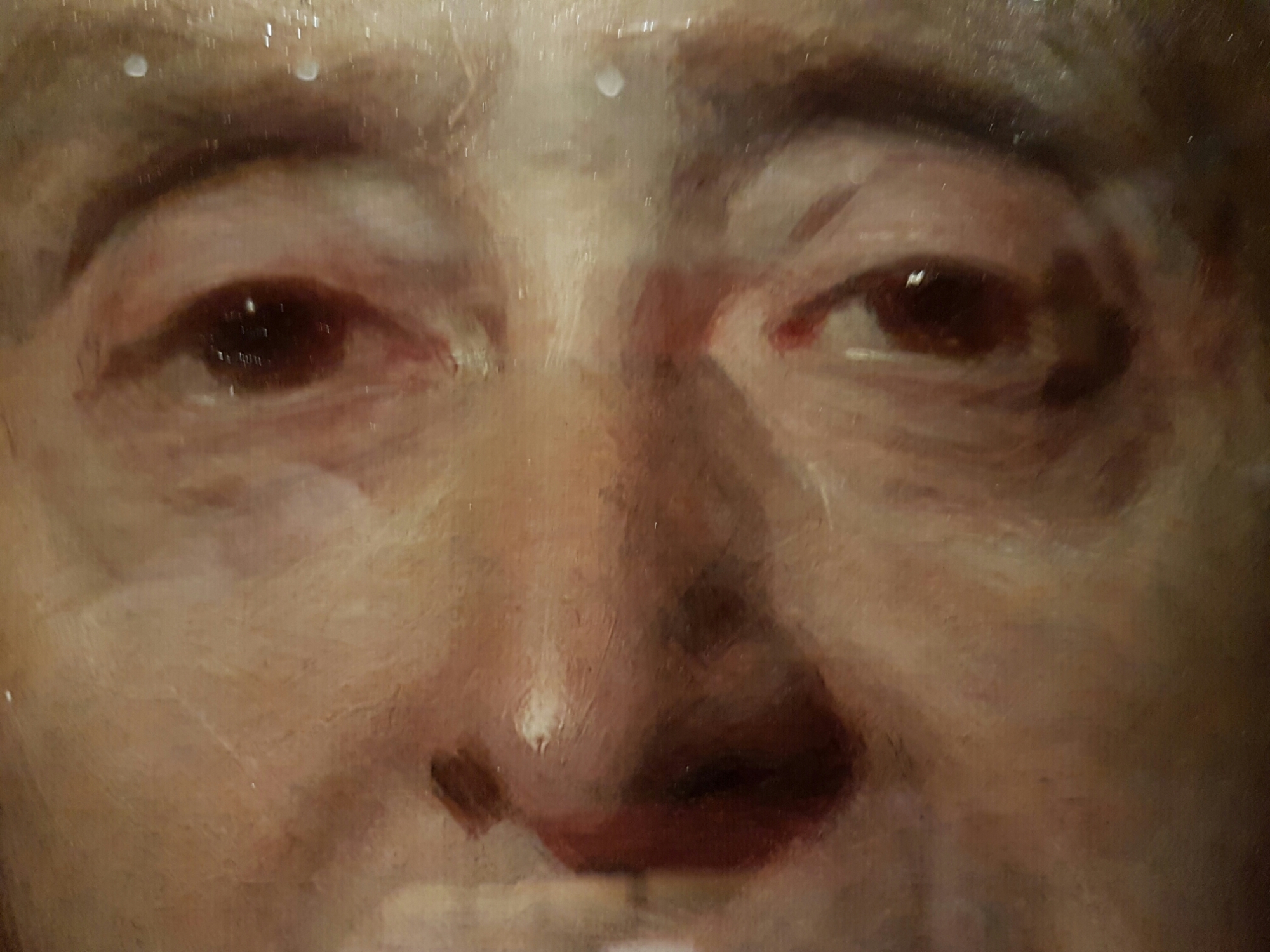
The General Assembly Room at the RA (its main meeting room) has been redecorated, painted carmine, much to its benefit, and hung with more portraits which reveal more of the RA’s history, including its recent history. I spent the morning looking across the room at Charles Eastlake, painted by John Prescott Knight and looking rather watery eyed. Eastlake is much revered at the National Gallery as its first proper Director, responsible for great acquisitions; but I’ve never been convinced that historians remember, or are aware, that he was simultaneously chairing Council meetings and involved in the hang of the Summer Exhibition as PRA:-
Cruickshank’s book about Spitalfields contains useful information about Joseph Dandridge, one of the pattern drawers who serviced the silk industry, living in Moorfields and working for James Leman, before moving out to Stoke Newington, where he was more easily able to indulge his passion for collecting butterflies. He is an interesting figure: born in Winslow, apprenticed as a ‘drawer’ to a merchant tailor, he was a passionate collector of insects, shells, fossils and paintings of spiders, as well as butterflies. He used to go out of London on expeditions to Box Hill and Dover collecting them and gave his name to the Grizzled Skipper and Marsh Fritillary. Not surprisingly, he was a founder member of the so-called Aurelian Society and is remembered by a fellow member as stout and chatty, as well as ‘full of anecdotes of the old collectors’.
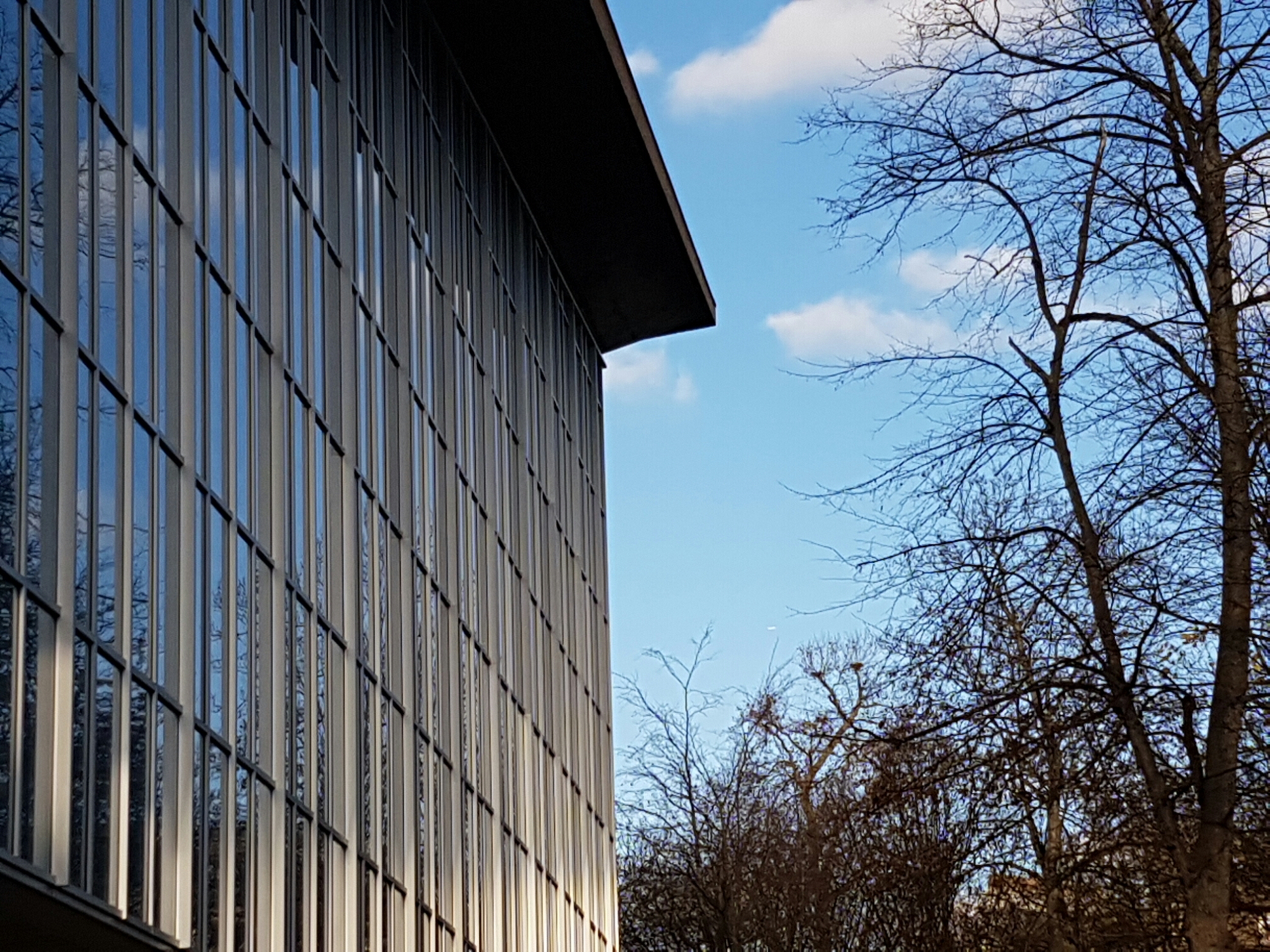
We joined the enormous weekend crowds enjoying the new and generous public spaces of John Pawson’s Design Museum, with ample space to wander, sit on the staircase and watch the crowds. We still failed to see the actual exhibitions, but enjoyed the new Parabola restaurant on the top floor, run by Prescott and Conran and with views across the avenue up to Holland Park, and the detailing of the original RMJM concrete parabolic roof:-


 | Charles | Saumarez | Smith |
You must be logged in to post a comment.