
I went this evening to an event at the Royal Drawing School which was an opening of an exhibition of the work of students aged 10 to 18 who had in some way participated in their drawing classes, mostly on Saturday mornings in classes and clubs out of school, some in the National Gallery and some in Pembroke House south of the Elephant. I found it fascinating to see the range of styles, some carefully considered, landscapes and mostly incompetent portraits, but all of them doing whatever they want to do, without formulae or tropes. Most of all, I was struck by what a lively form of private expression drawing remains whether or not they go on (most of them won’t) to art school.
Highgate Cemetery
I went to an event in Highgate Cemetery organised by the Architecture Foundation. Sam Jacob, late of FAT, has erected a structure which replicates the mausoleum designed but never built by Adolf Loos in 1921 in memory of the art historian, Max Dvorák, following Loos’s belief that ‘only a very small part of architecture belongs to the realm of art: the tomb and the monument’. It has a ghostly orange presence:-

John Gibson RA
Staying late last night gave me a chance to see the John Gibson exhibition properly. Although, as readers have pointed out, his work can be seen around the country and we ourselves have done a leaflet for a Gibson Trail, including the Houses of Parliament, Westminster Abbey and the V&A, I wasn’t as familiar with his work as I feel I should have been.
This is Gibson himself as depicted by Edwin Landseer:-

Burlington Gardens
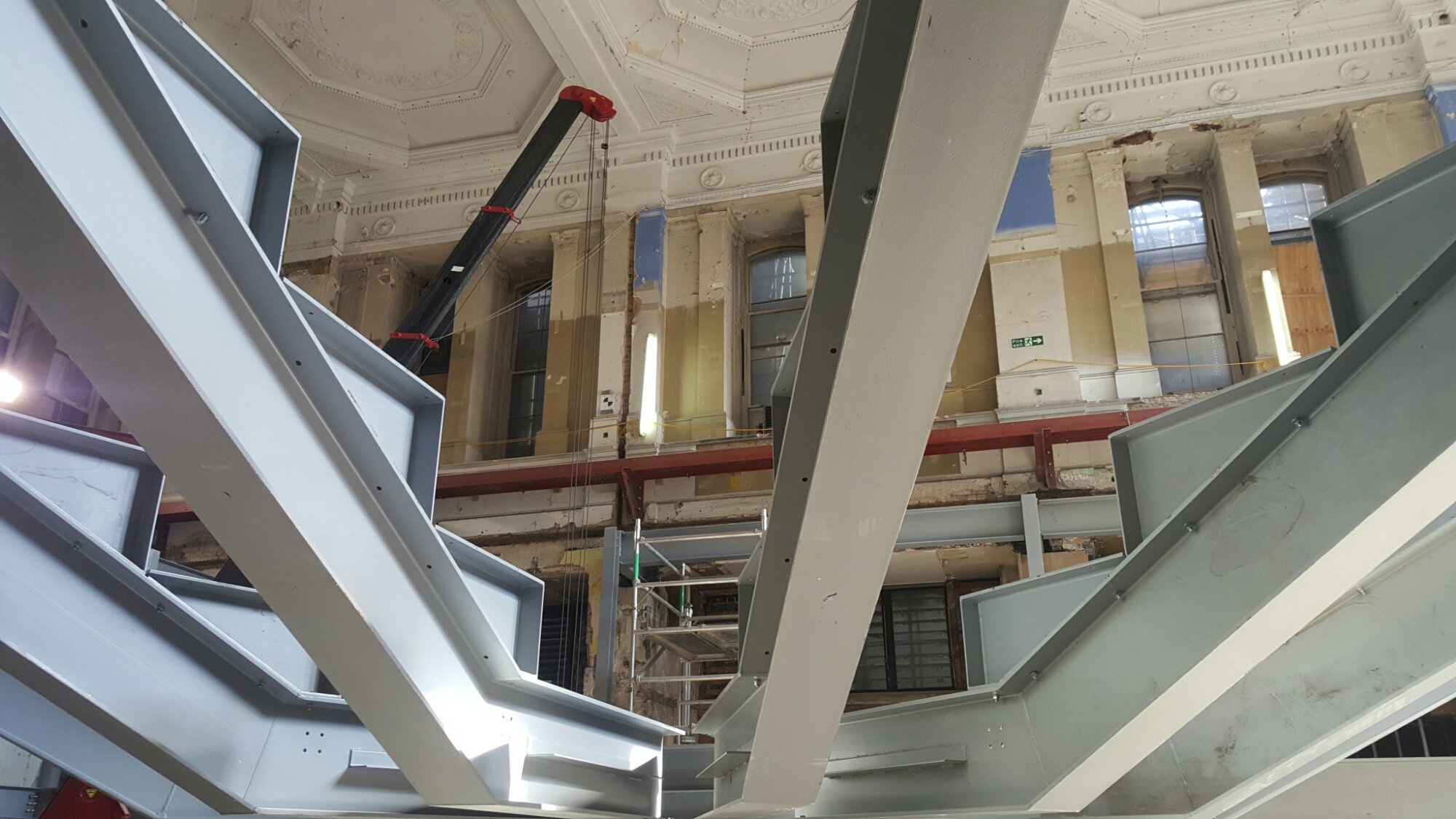
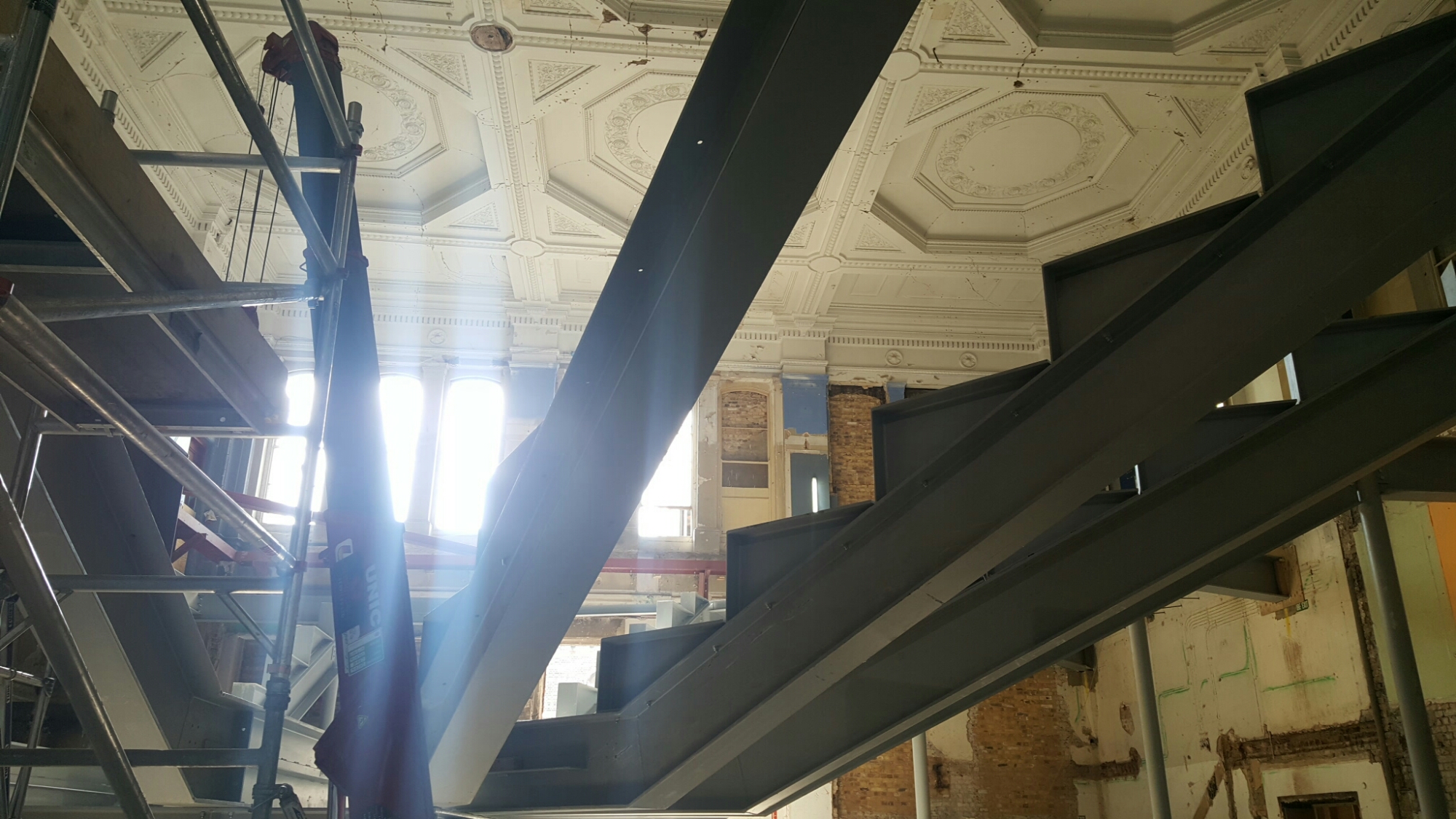
I just had my photograph taken for the annual report in the space which will be occupied by the Lecture Theatre. The steelwork has now gone in. It’s looking good:-
More biophilia
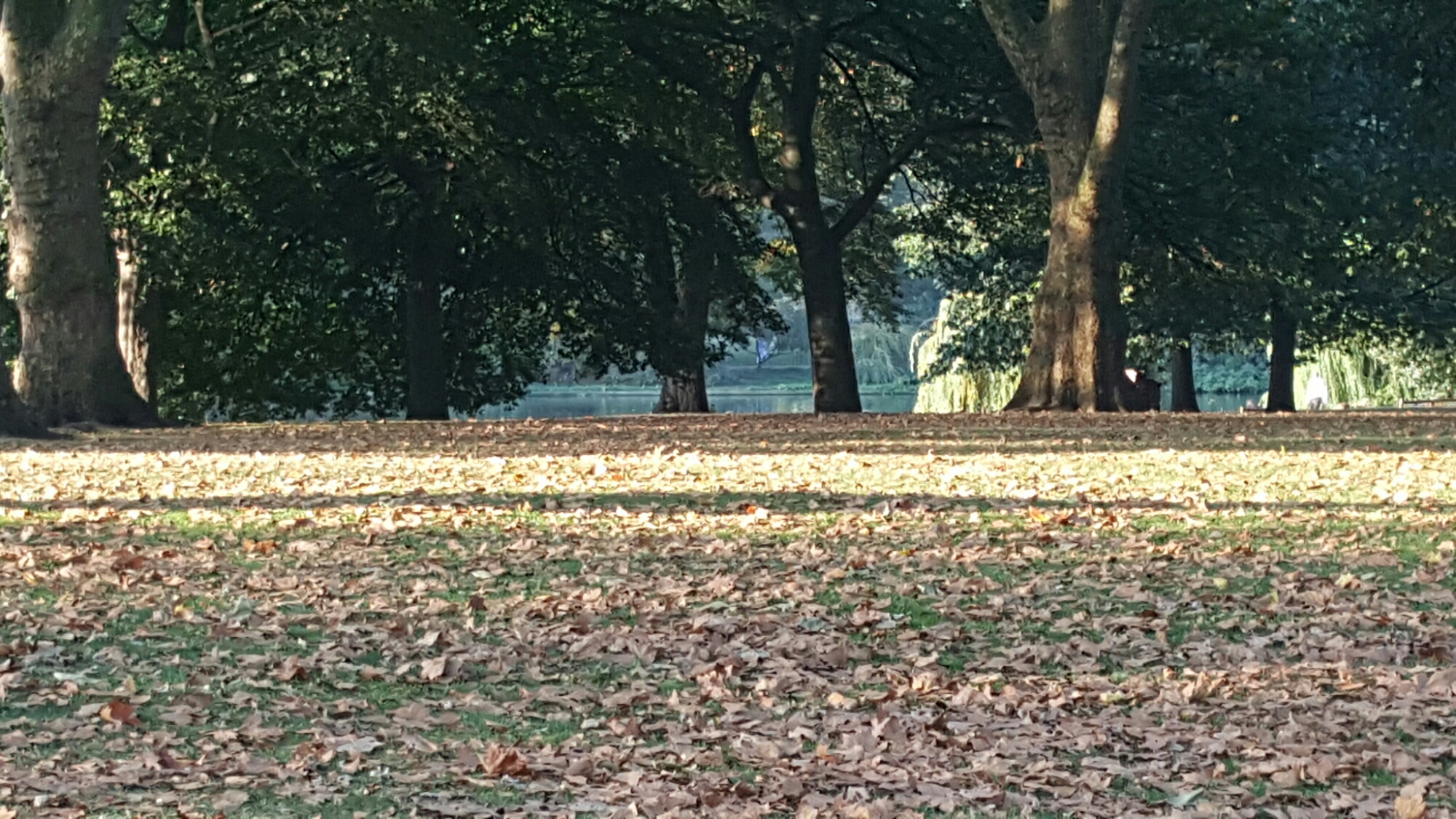
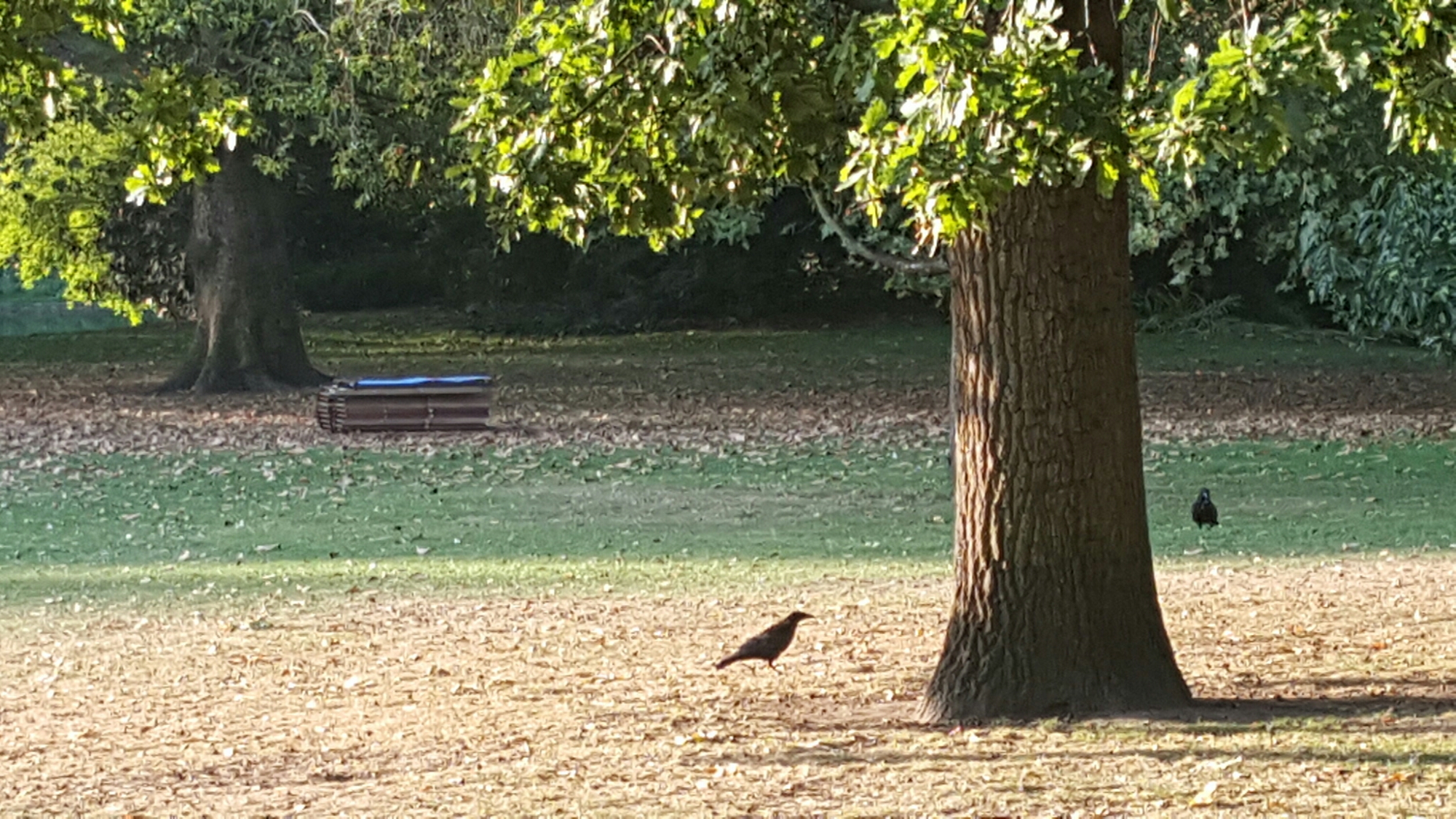
I have resumed my morning walks across St. James’s Park as the sun gets up for another ultra hot day:-
Anthony Eyton RA
I went to see Anthony Eyton’s exhibition at Browse and Darby tonight. I love his work – the sense of long and continuing visual study, aged 94, not just in the churchyard of St. George in the East or looking out on the steeple of Christ Church, Spitalfields, but also in the street markets of Mumbai, still going out every morning to try to depict the world in drawings and oil sketches. In amongst the oil studies is a Self Portrait, hung with characteristic modesty behind the desk, but a small masterpiece, showing the intensity of his gaze and the ambiguity as to whether he is a boy or man:-

Burlington Gardens
I had my first trip round Burlington Gardens since getting back from holiday. It’s amazing how much work has been done in the interval.
This is the steel girder which will support the amphitheatre of seats in the new Lecture Theatre:-
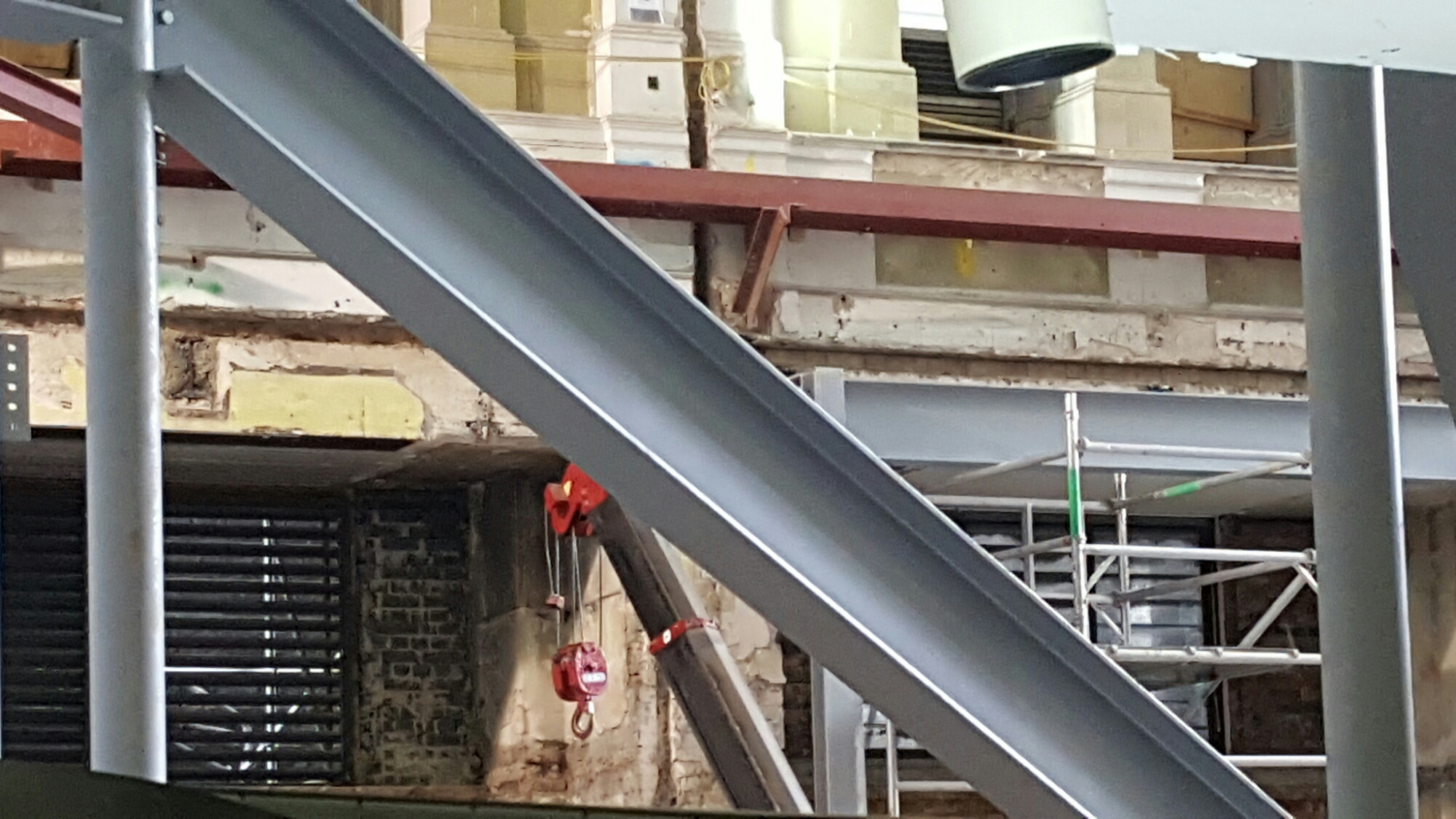
This is the view through to the RA Schools where the new bridge connecting the two buildings will be built:-

Biophilia
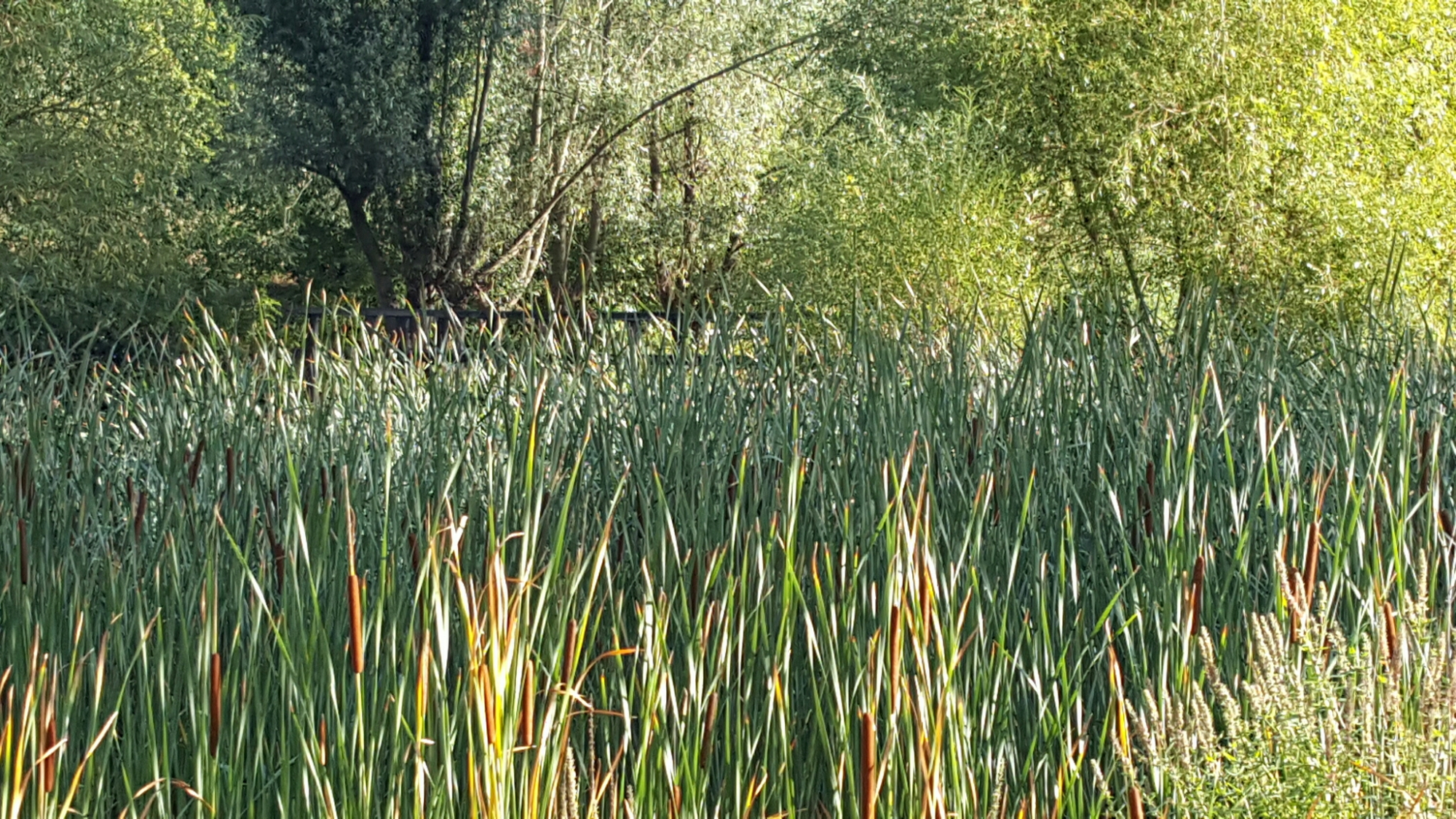
I have been reading about biophilia in a book called Happy Cities. It’s the idea, first proposed by Edward O. Wilson (actually, there must be seventeenth-century, if not Greek, antecedents) that humans are hardwired to find nature restorative and, as documented by environmental psychologists, that cities should have ample access to trees. I thought of this as I walked past Mile End park and thought how surprising it is to find such a scene in Bethnal Green:-

The Towpath Café
We have apparently been talking for a long time about going to the Towpath Café for Sunday morning breakfast and finally made it this morning, which felt like the first day of autumn – not just the leaves, but the longer shadows and less intense sun.
Up the canal:-


Charlton House (2)
I spent the day at a conference to discuss the future of Charlton House (hence my visit last weekend): a Jacobean mansion which was given to the Council in 1925 and been used by the local community for nearly a hundred years, with a branch of the local library in the ground floor chapel, a cafeteria in the great hall, a rental arrangement for the middle floor, the Grand Saloon used for meetings of the local bridge club and the long gallery for event hire. Should it be turned back into a historic house when all the original furniture has been dispersed and most surviving Jacobean furniture is apparently fake ? How does one retain community use ? Could the original Jacobean gardens be restored ? And what about the banqueting house ? For the answer, we were recommended to read the Anarchist’s Guide to Historic House Museums.
 | Charles | Saumarez | Smith |
You must be logged in to post a comment.