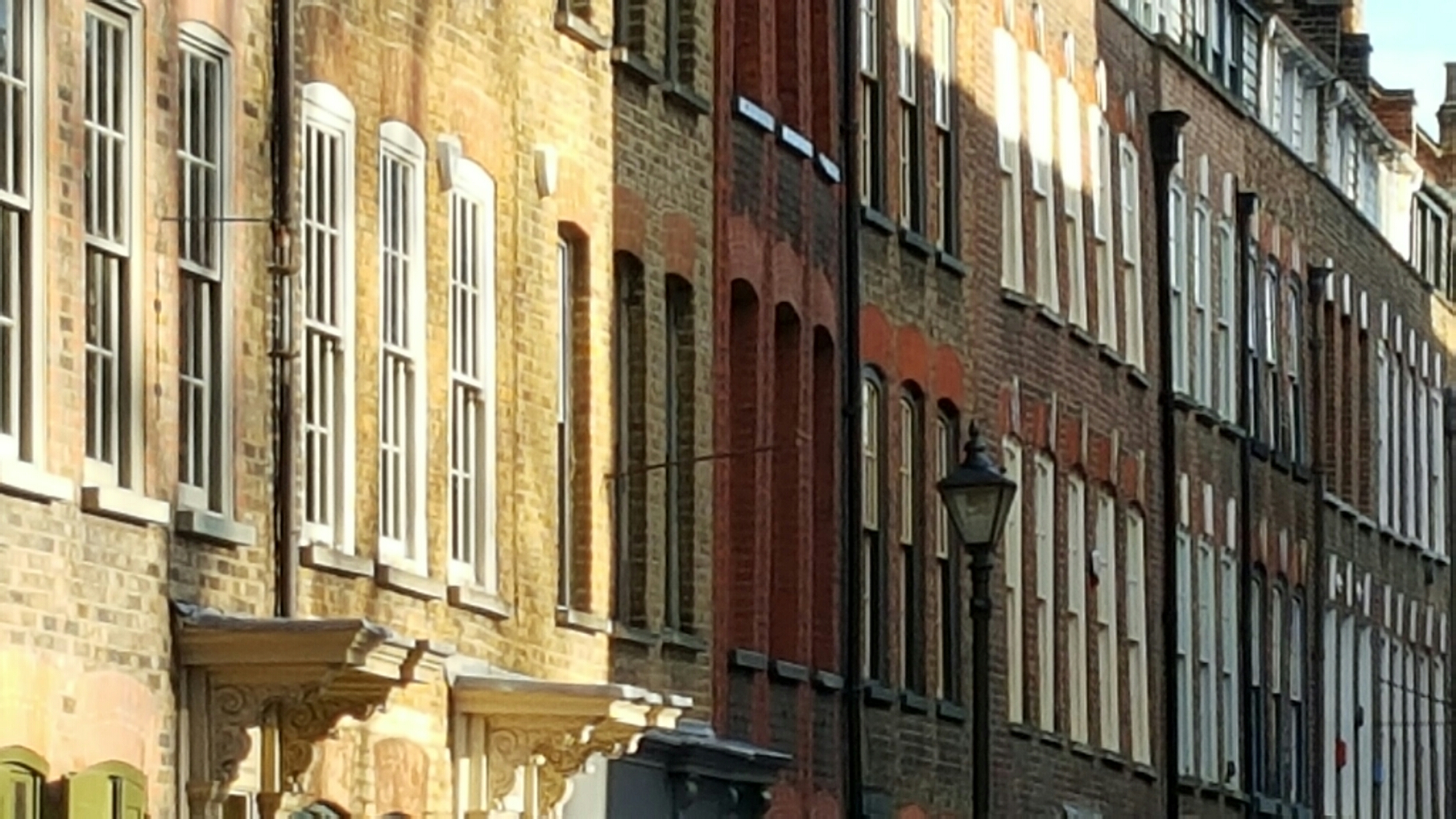
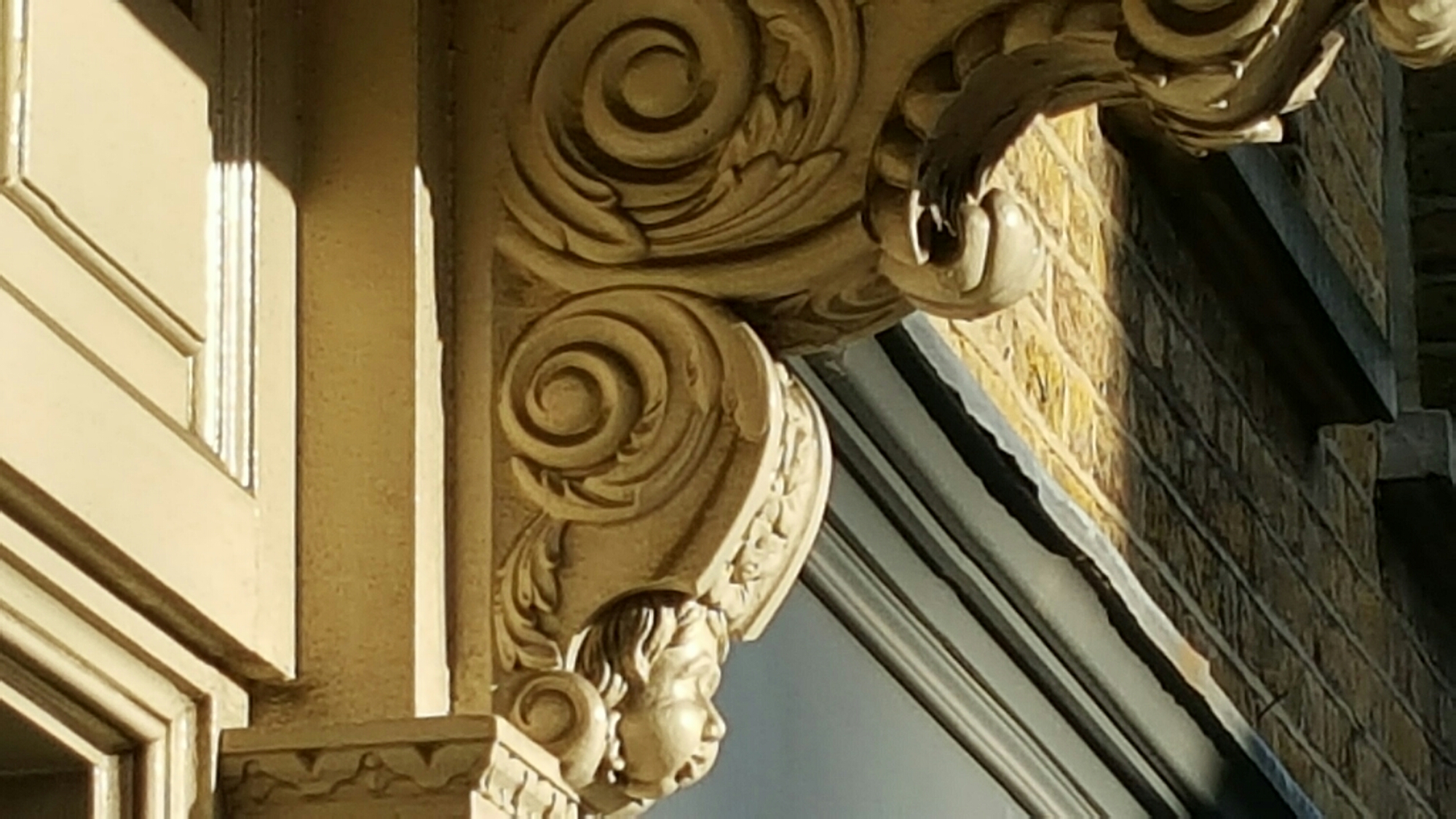
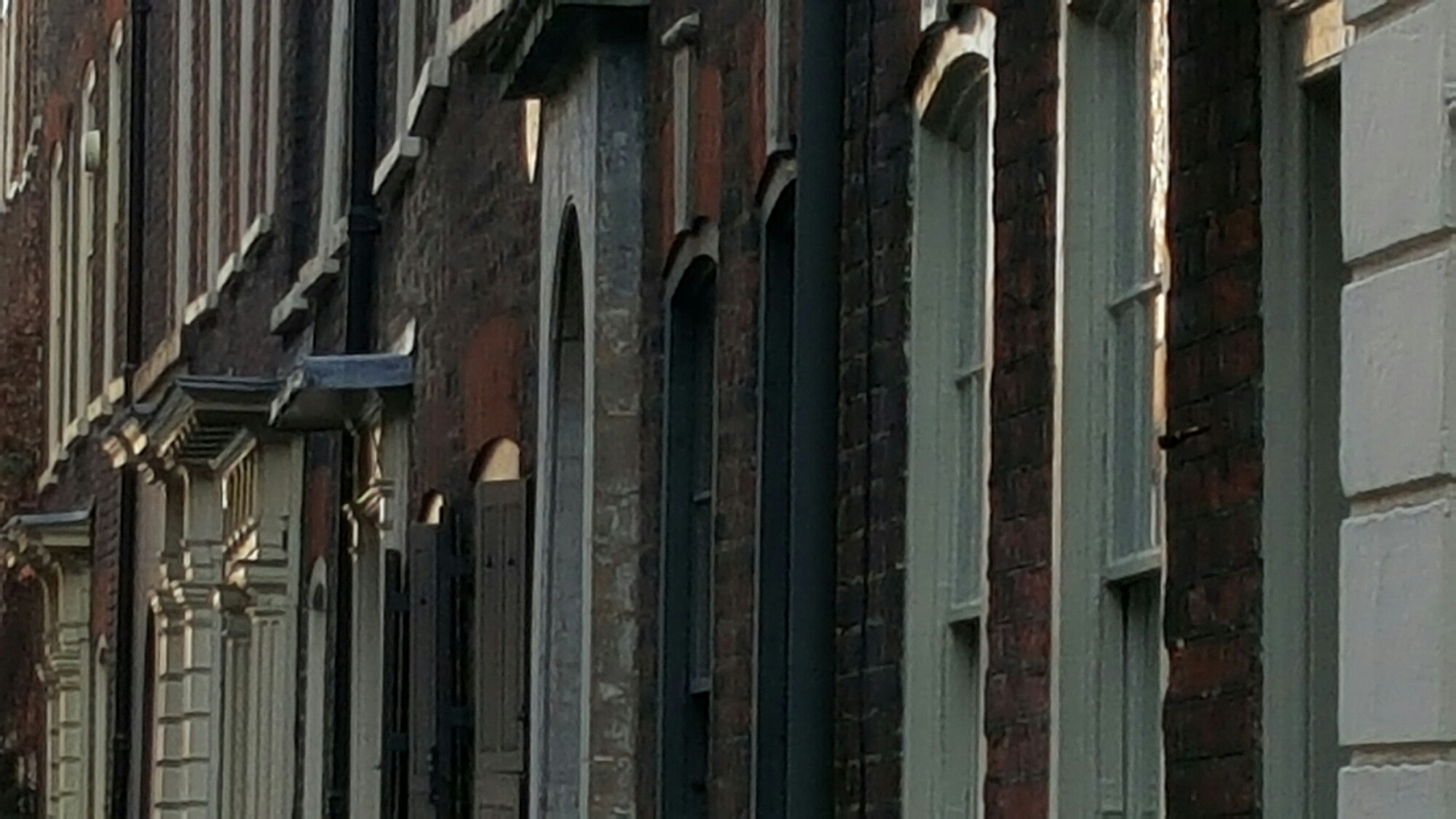
I know I’ve done blogs on Fournier Street before, but I still can’t resist photographing its beautiful, still surviving door surrounds and remembering that this part of Spitalfields, now as lush and prosperous as a New England village, wasn’t necessarily going to survive forty years ago:-
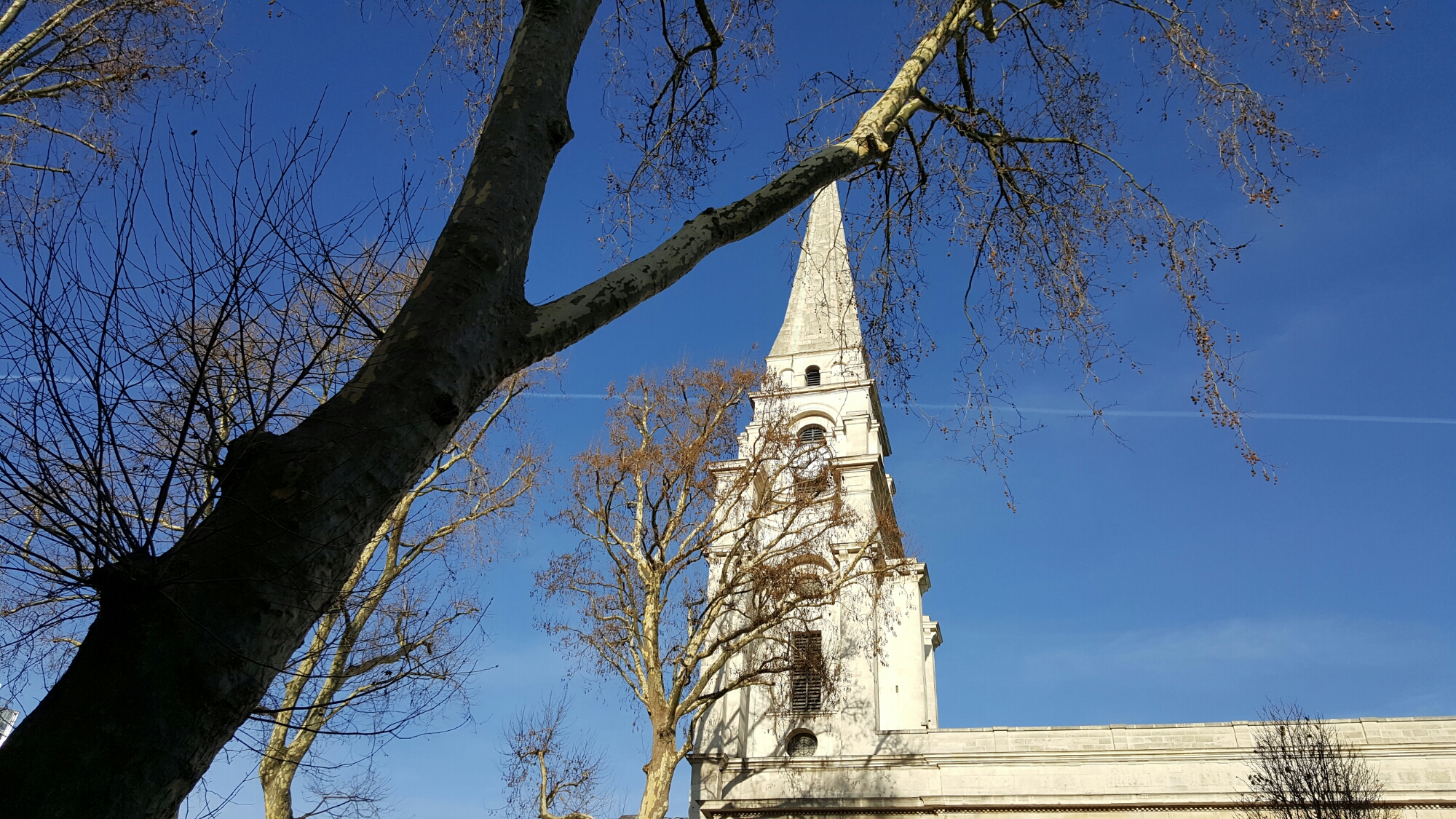
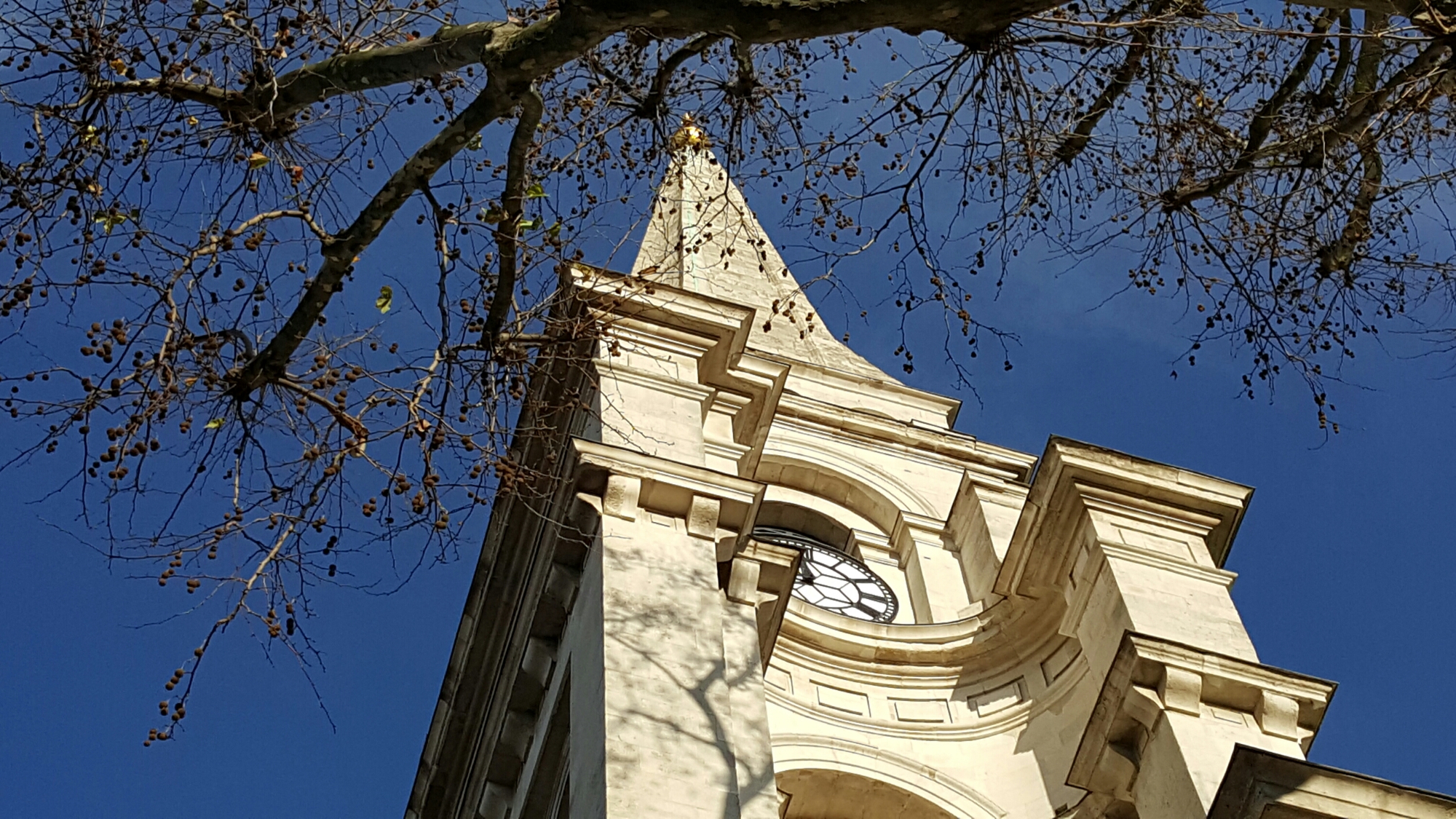
Christ Church, Spitalfields (1)
I spent part of Christmas reading Owen Hopkins’s admirable short monograph From the Shadows: The Architecture and Afterlife of Nicholas Hawksmoor, which made me look afresh at Christ Church, Spitalfields in the light of his very clear account of the way that Hawksmoor was influenced by the interest of his eccelesiastical contemporaries in the churches of the Primitive Christians, which may have given Hawksmoor some of his characteristics of bold, unornamented, structural clarity:-
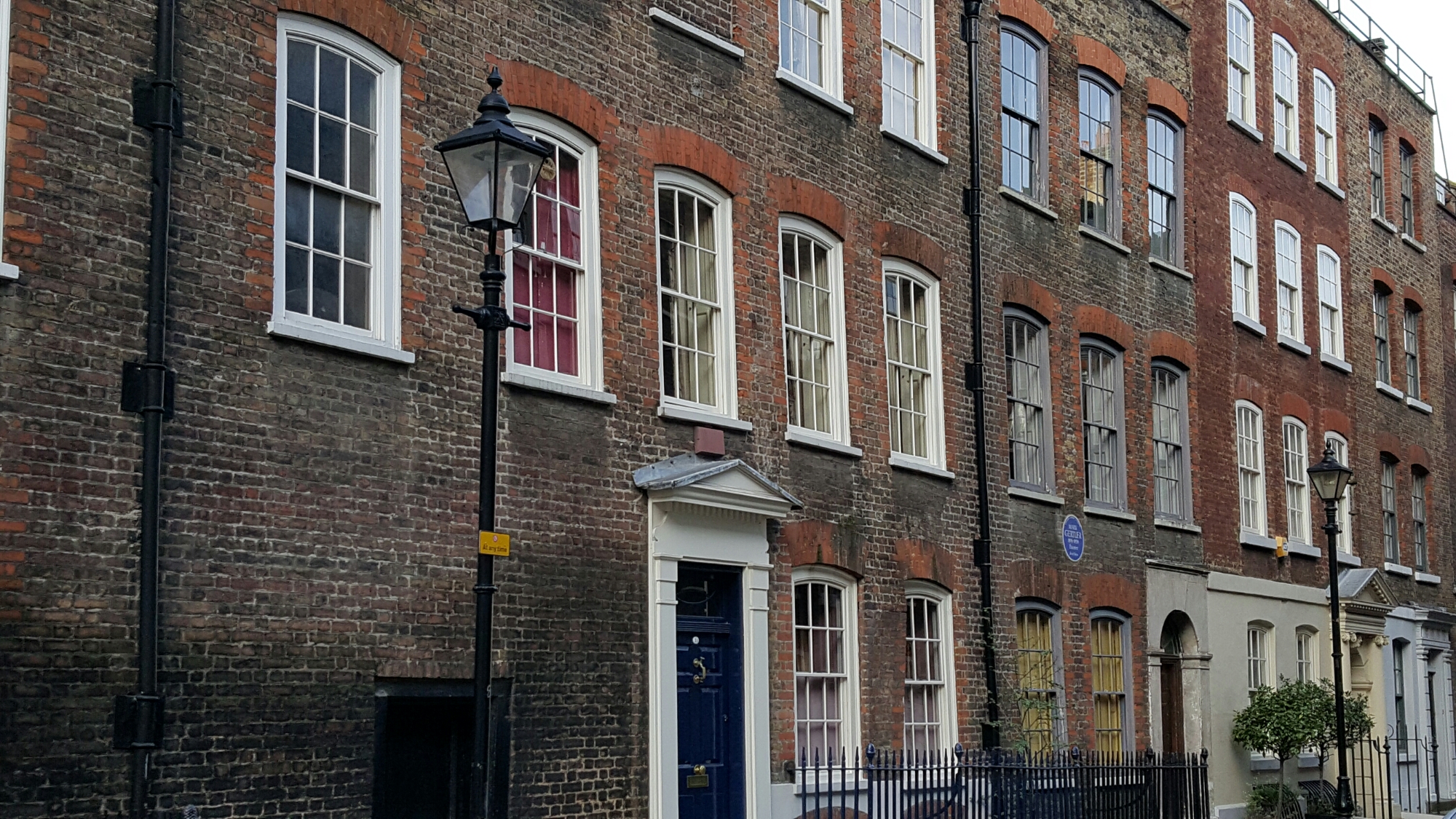
Elder Street
In order to understand the nature of the argument surrounding the development of Norton Folgate, it is important to see it in the context of Elder Street, one of the best of the surviving Spitalfields streets, where Mark Gertler lived and later Raphael Samuel and now Dan Cruickshank. The city looms nearby. But there is still a domestic presence resisting the incursion:-
Norton Folgate
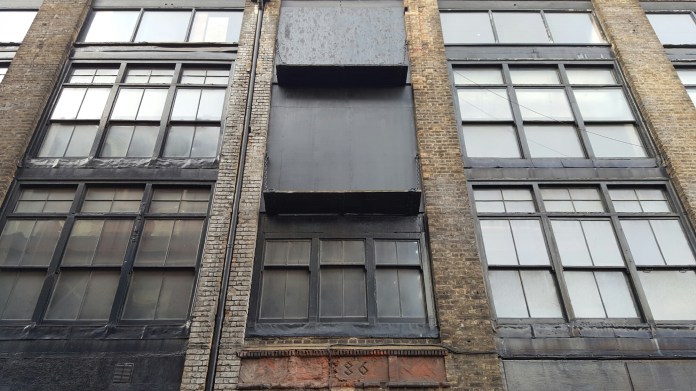
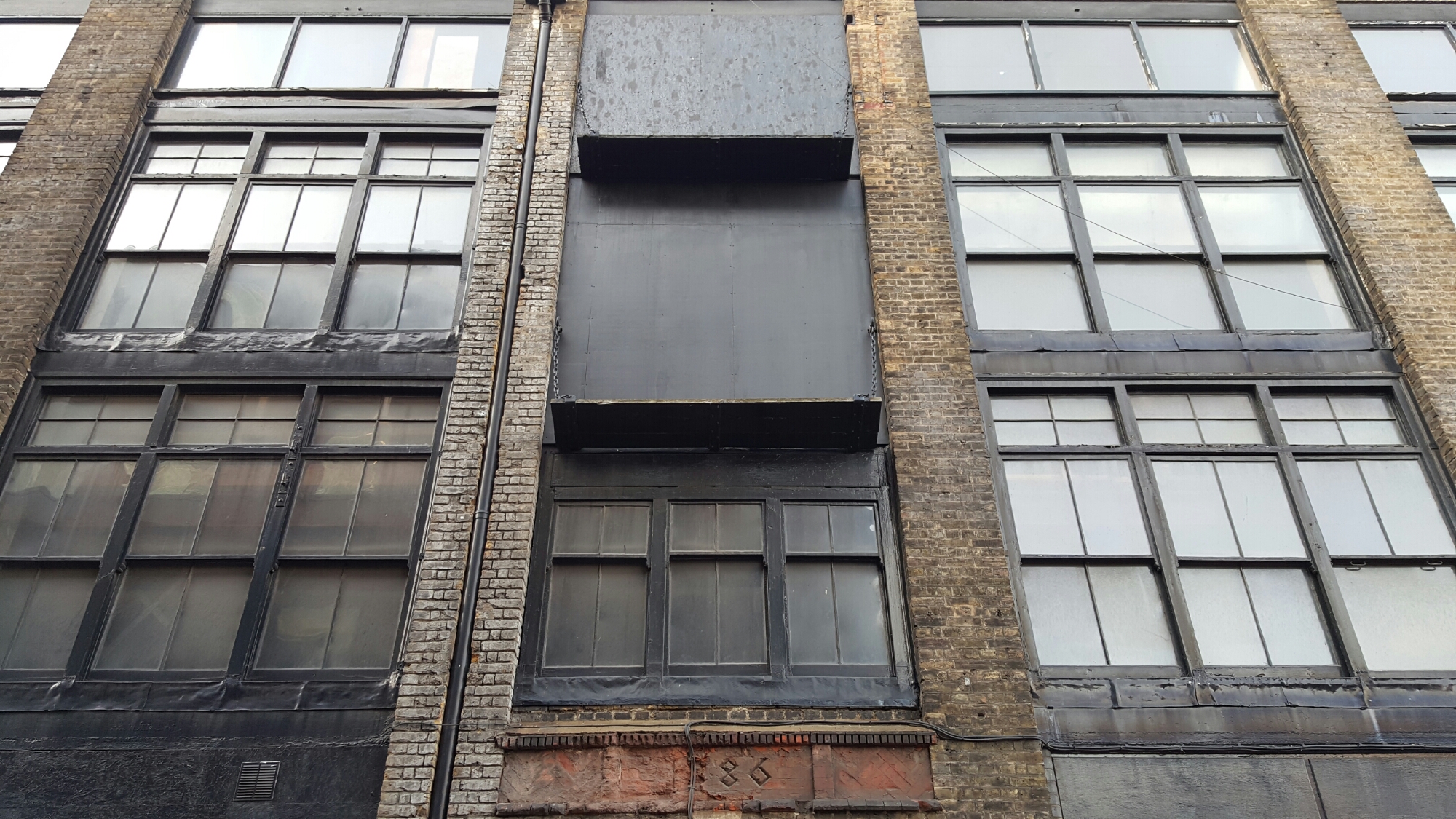
I have managed to miss out on the arguments surrounding the redevelopment of Norton Folgate, an area of semi-derelict warehouses on the edge of Spitalfields. So, on a sunny post-Christmas morning, I decided to investigate. Blossom Street is an unexpected cobbled street leading up north from Dennis Severs’s house in Folgate Street and is lined on its eastern side by a series of still surviving, well preserved, but currently unused industrial warehouses. The City and Bishopsgate are within spitting distance. It’s easy to see the development potential: another big office block. But equally easy to see why the development has been resisted and alternative plans put forward for the renovation of the warehouses.
These are the warehouses:-
Christmas Film
Happy Christmas
I am writing to wish all the readers of my blog a Happy Christmas, to thank you for your loyalty to it through the course of the year, for the nice comments made the day before yesterday when you may have thought I was switching off, and my one lone reader in Japan who unfailingly logs in. I am posting a view out of the window last weekend (the windows need cleaning) with my best wishes:-
RA Library
Not my last blog of the year, but the last from the RA where I have had the rare pleasure of working in the library, using the wonderful resource of the early manuscript Minutes of Council and General Assembly, some of the surviving manuscripts, including Fuseli’s draft notes of his lecture about Leonardo’s Last Supper, and a host of early printed books, which are available as they were, more or less in the same form, to the early students:-
Dean Street
My last formal meeting of the year was held in the new Soho House for a change (I am not a member). It gave me a chance to check that the last remaining rococo shopfront, dating from 1791, remains intact on a stationers and newsagents at No.88, Dean Street:-
St. Paul’s Cathedral (2)
The more time I spend in Blackfriars, the more I realise how the area round St. Paul’s has been wrecked by big monolithic and characterless office blocks which have invaded the area and destroyed the integrity of the medieval streetscape, which is presumably partly why it is now much cheaper to occupy offices in the City than Mayfair. But it has made me love and admire the architecture of St. Paul’s the more and understand why it was such an emblematic building in the Second World War – so stolid in its understated grandiosity. This morning I walked out of breakfast in Bread Street and there it was in the morning sun, flanked by the tower of St. Augustine, Watling Street and One New Change:-
St. Dunstan’s, Stepney
I don’t know if it was the wintry atmosphere or the sudden glimpse of the church tower through the trees which made me pay more attention to St. Dunstan’s than I usually do and appreciate the strange sense of it still being a rural parish church on the edge of a big city.
This was the view of the church through the trees:-
The back door:-


You must be logged in to post a comment.