
I was asked to a party to celebrate Apollo magazine’s new initiative in identifying the next generation of movers and shakers in the art world, including young artists, collectors and curators. On the list are Lynette Yiadem-Boakye (they do not mention that she was at the RA Schools), Victoria Siddall, the Director of Frieze Masters, Abraham Thomas, the Director of the Soane Museum and Bendor Grosvenor, whose website (arthistorynews.com) they also don’t mention. Not surprisingly, I felt over the hills surrounded as I was by the young and thrusting.
Scott Crolla
I was interviewed yesterday by Mayfair magazine about my attitudes to Mayfair and experience of it over the years. The thing I remembered most vividly was walking along Dover Street one Saturday morning in 1981 and coming across the grand bow window of Scott Crolla’s new shop. It was a cornucopia of delights, full of the grandest and most luxurious jackets and shirts at the height of the New Romantic revival. Of course, I could never afford to buy anything or now it would be a collector’s item, but I can remember the sense of voyeuristic pleasure after a long diet of Moss Bros.
The New Craftsmen
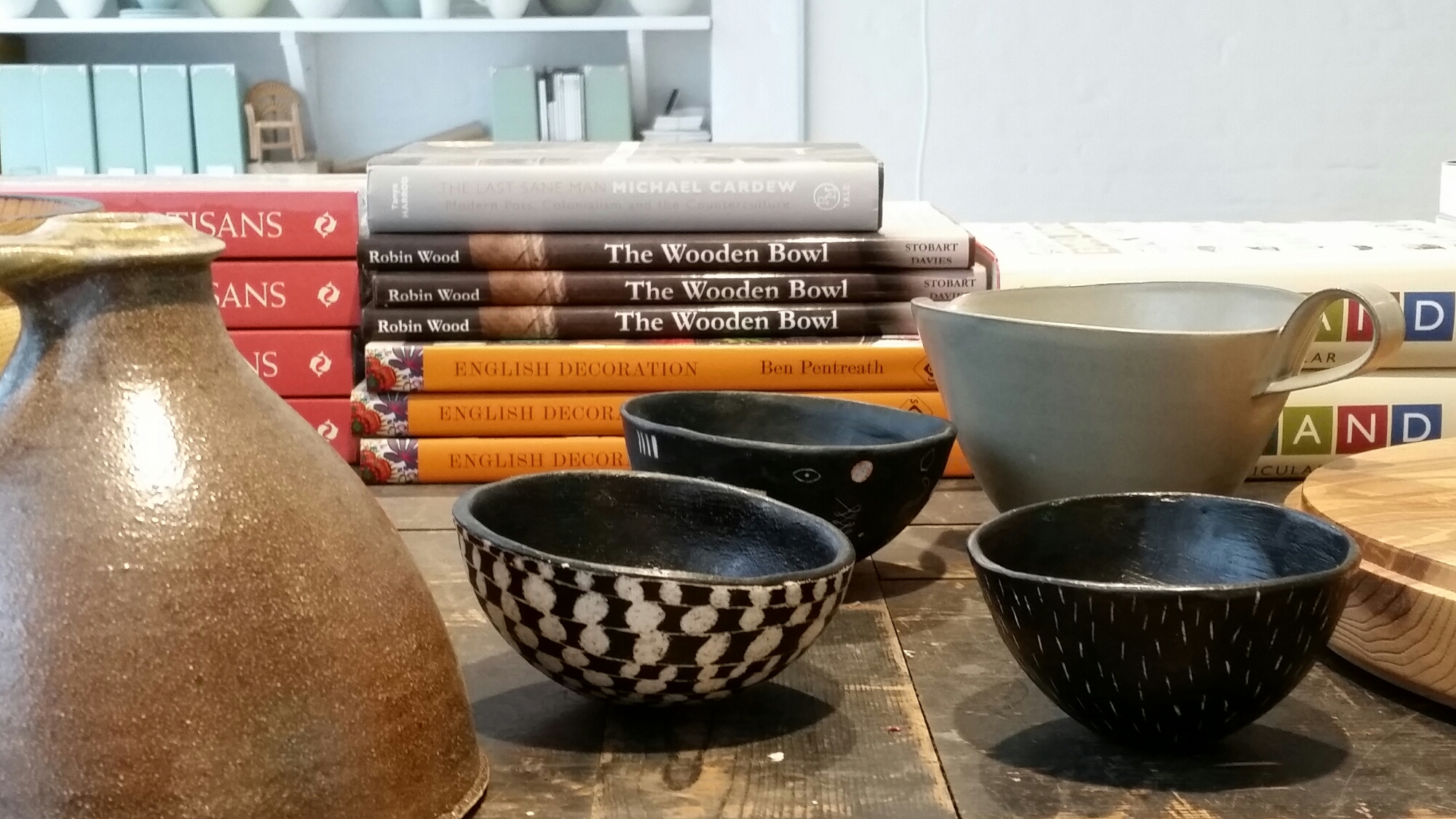
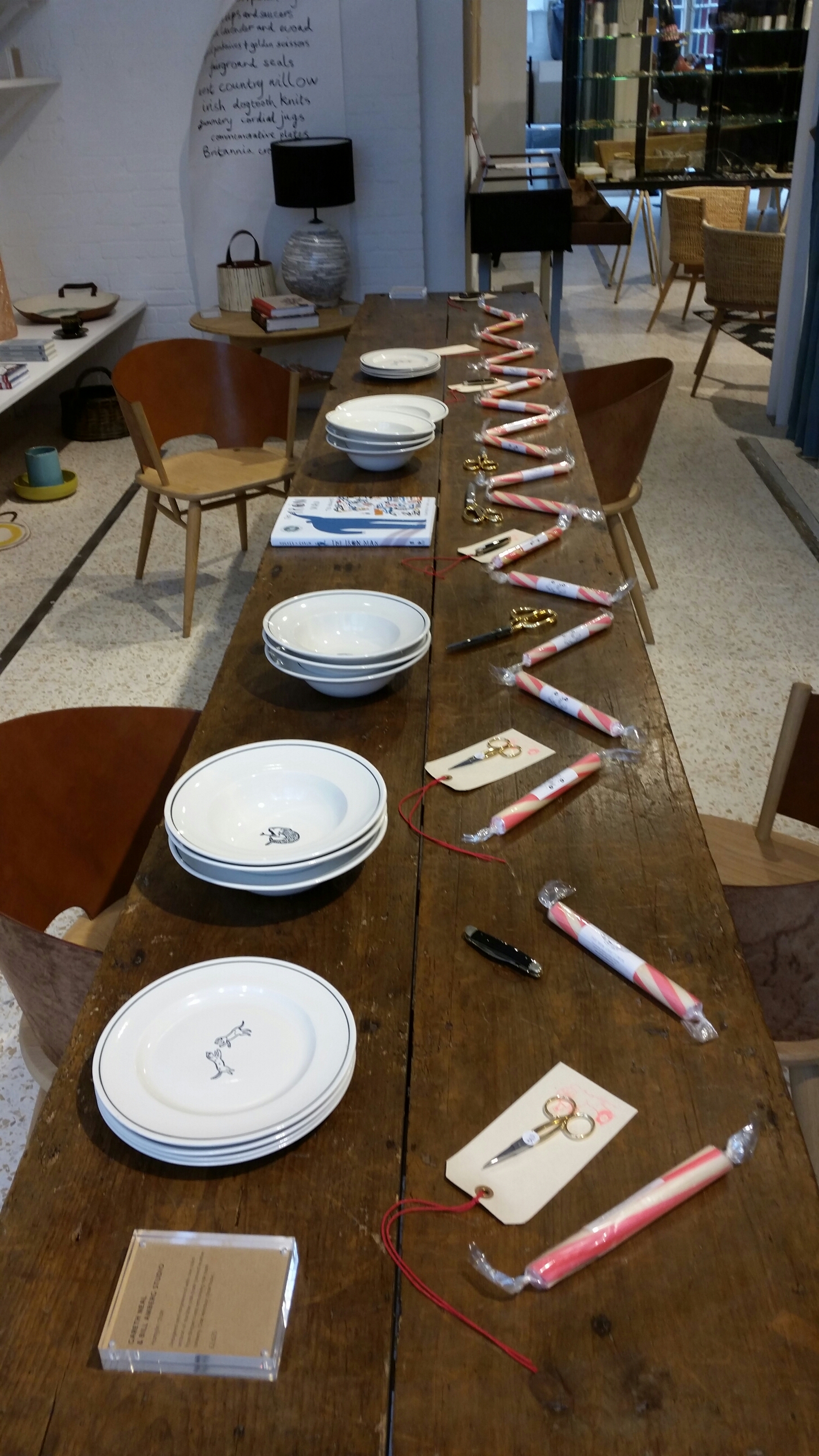
I first came across The New Craftsmen as a pop-up shop in a garage in Adam’s Row, just behind the Connaught. It’s a new development for the crafts by selling, marketing and promoting them as a high end part of the luxury goods trade, including bespoke, rather than one-off, hand-made objects with traditions in the rural industries. They’ve now taken a longer lease on a beautiful space at 34, North Row, only a block away from Selfridge’s (no disabled access), and have ceramics, furniture, jewellery and books, most of which are, not surprisingly, relatively expensive by the standards of the traditional crafts (that’s the point) but no more expensive than most things in Selfridge’s and much more special because they are short runs and hand made:

Nicholsons
After Honor Clerk had done an exhibition on the Sitwells at the NPG, she planned to do an exhibition on the Nicholsons as a family, including Kit, who was Ben’s younger brother. Now Dulwich Picture Gallery, in conjunction with Kettle’s Yard, have done an exemplary small exhibition, showing how Ben and Winifred Nicholson reacted to one another: to the same subjects, developing together, living in Cumberland on Hadrian’s Wall (Howard country), painting the same hillside and the same farm; befriending William Staite Murray and Christopher Wood; and then moving down to St. Ives where they were very obviously influenced by the naive style of the self-taught Alfred Wallis. He was better at still lives, she at portraits. She comes out of it strongly, not least in the move to Paris and abstraction in the early 1930s. The exhibition demonstrates very clearly that she was at least as important as Barbara Hepworth in the formation of his art.
Dulwich Mausoleum
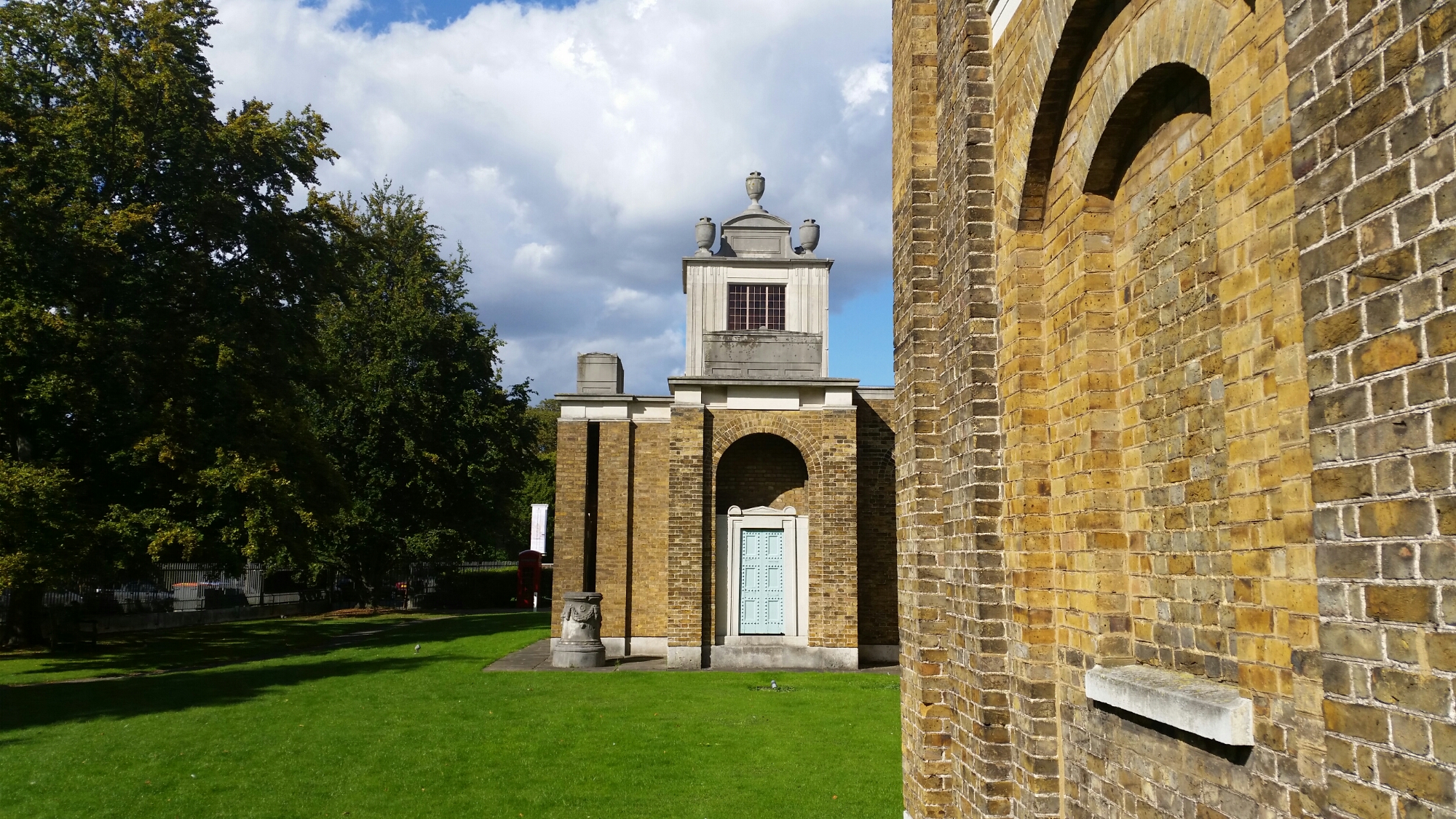
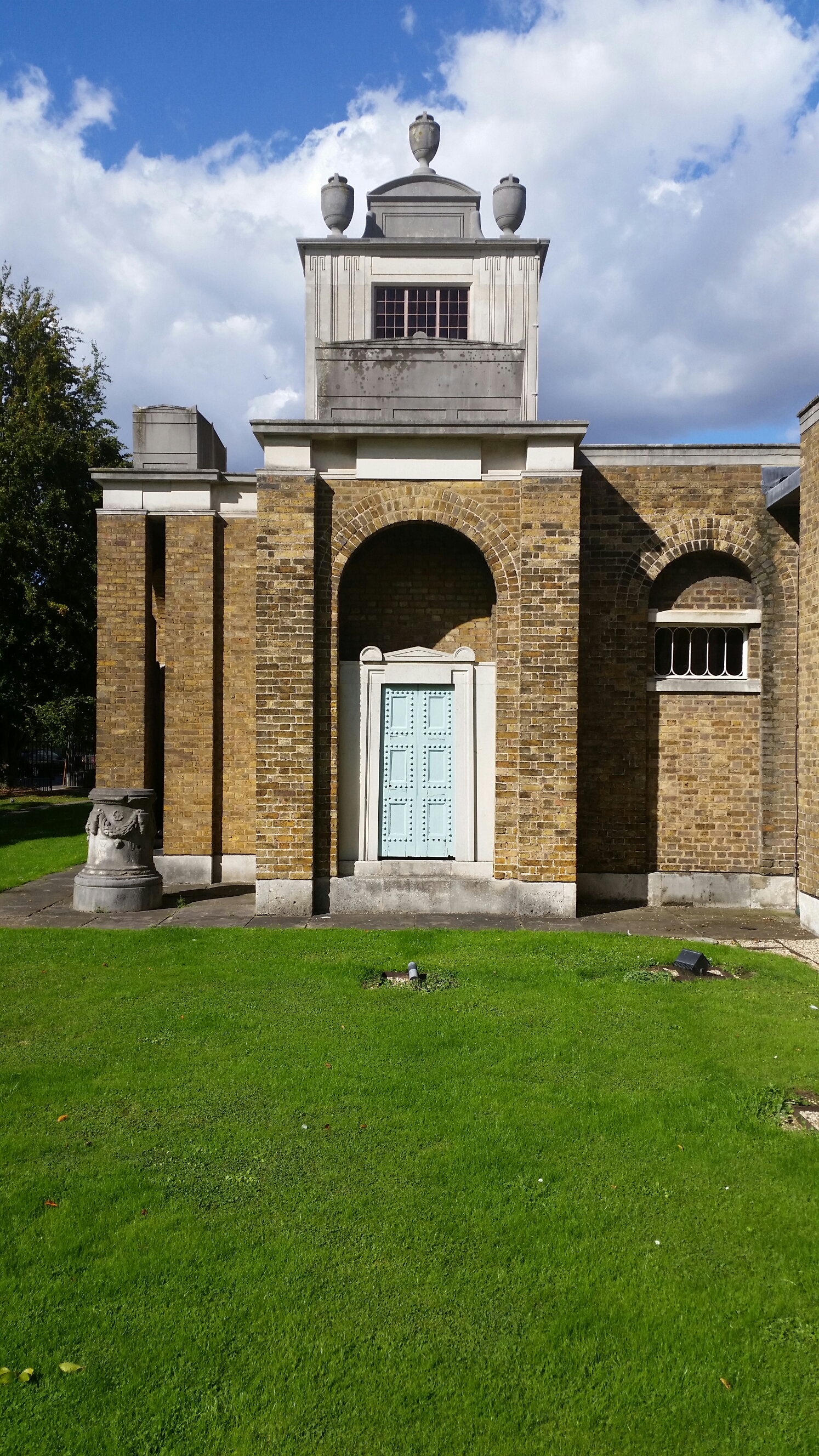
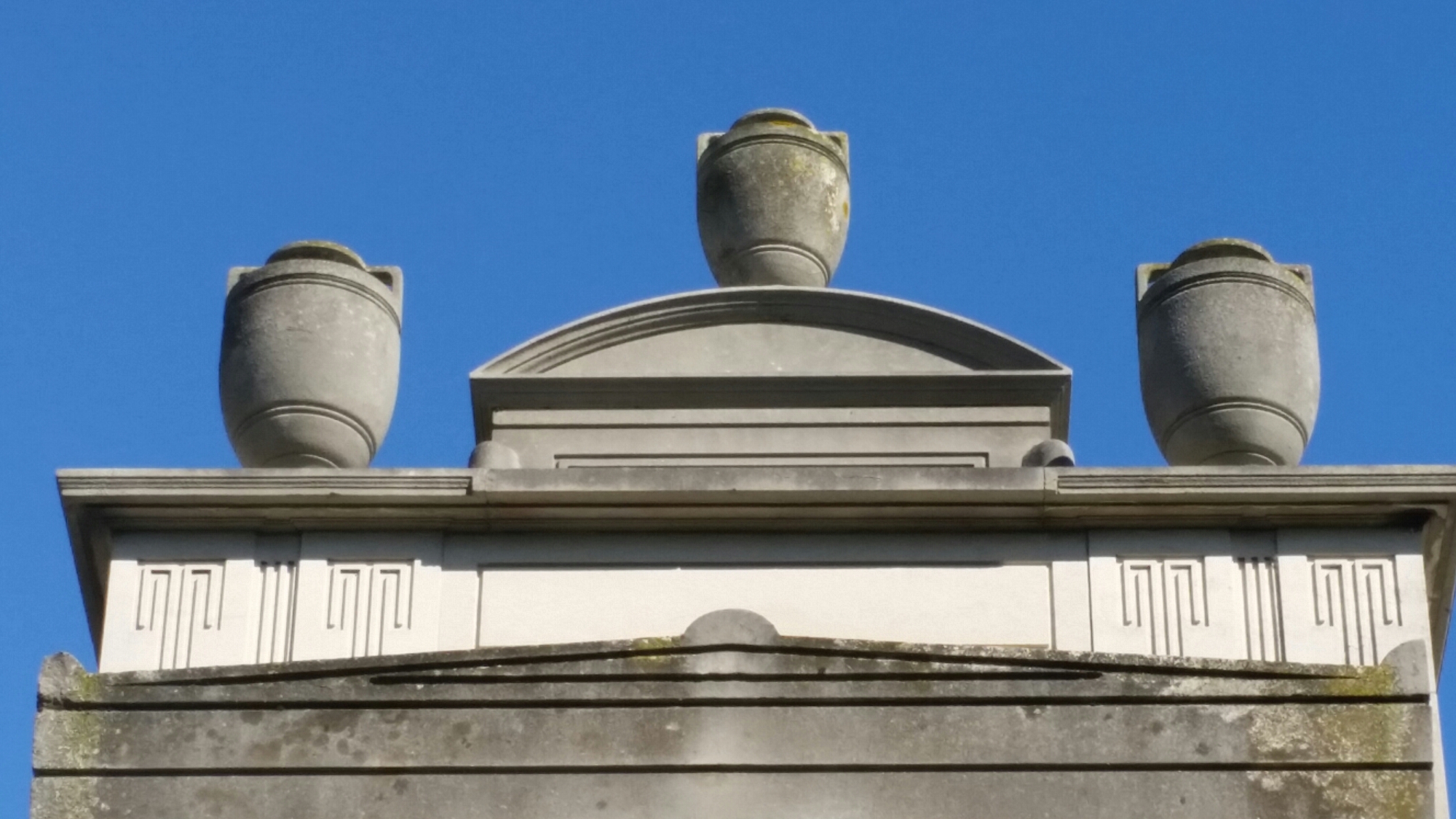
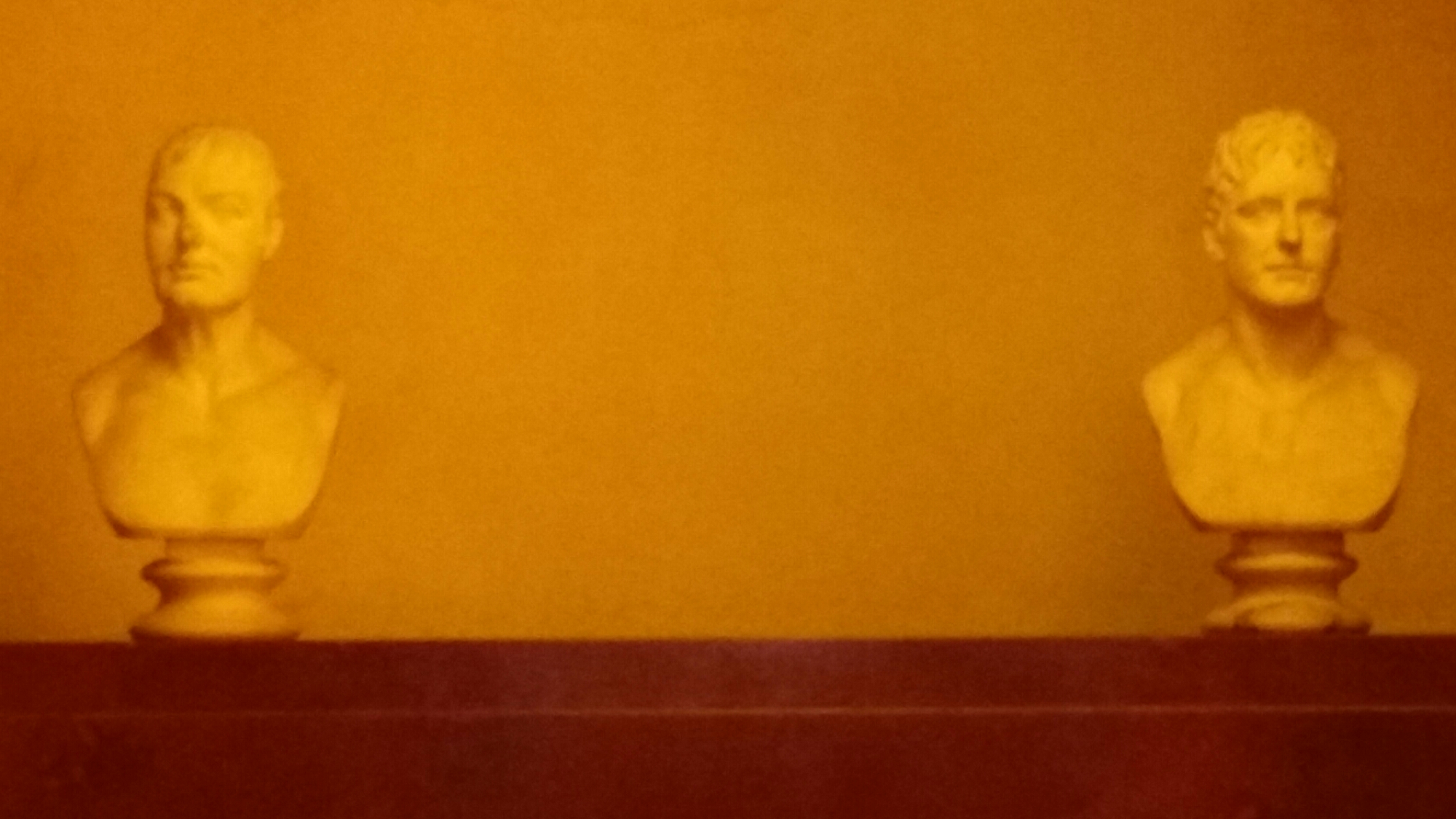
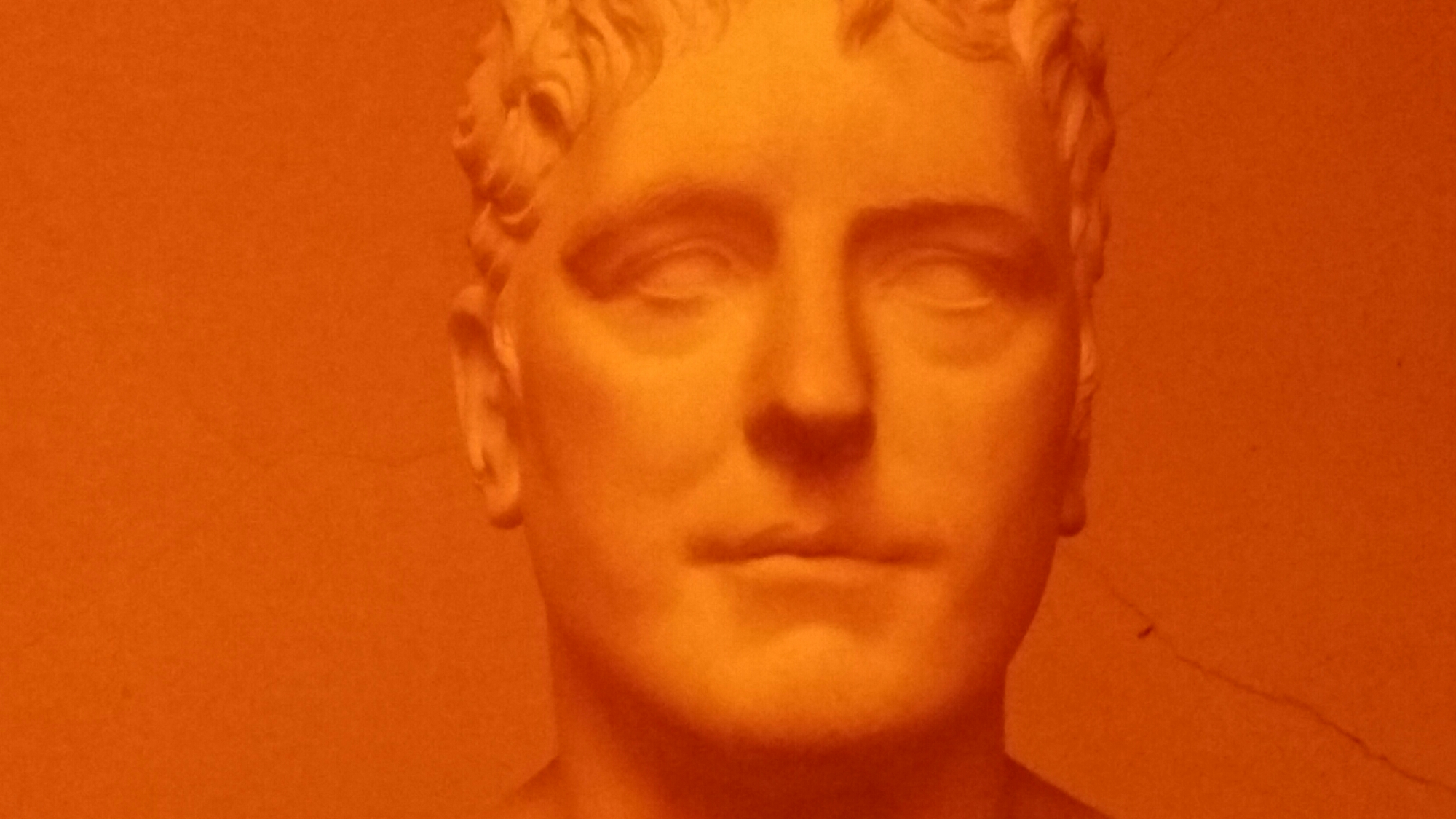
I’ve always loved the way that the mausoleum for Sir Francis Bourgeois and Noel Desenfans is integrated into, and central to, the experience of their picture gallery, so that one breaks off from looking at Claude and Poussin and steps into the amber gloom of their burial place. Soane was already a friend of Bourgeois when Bourgeois died in 1811. They had both been opponents of Benjamin West as President of the Royal Academy and both were ardent freemasons. So, the design of the picture gallery and mausoleum was a labour of love, making use of Soane’s deep knowledge and love of Roman funerary buildings:
South Hackney
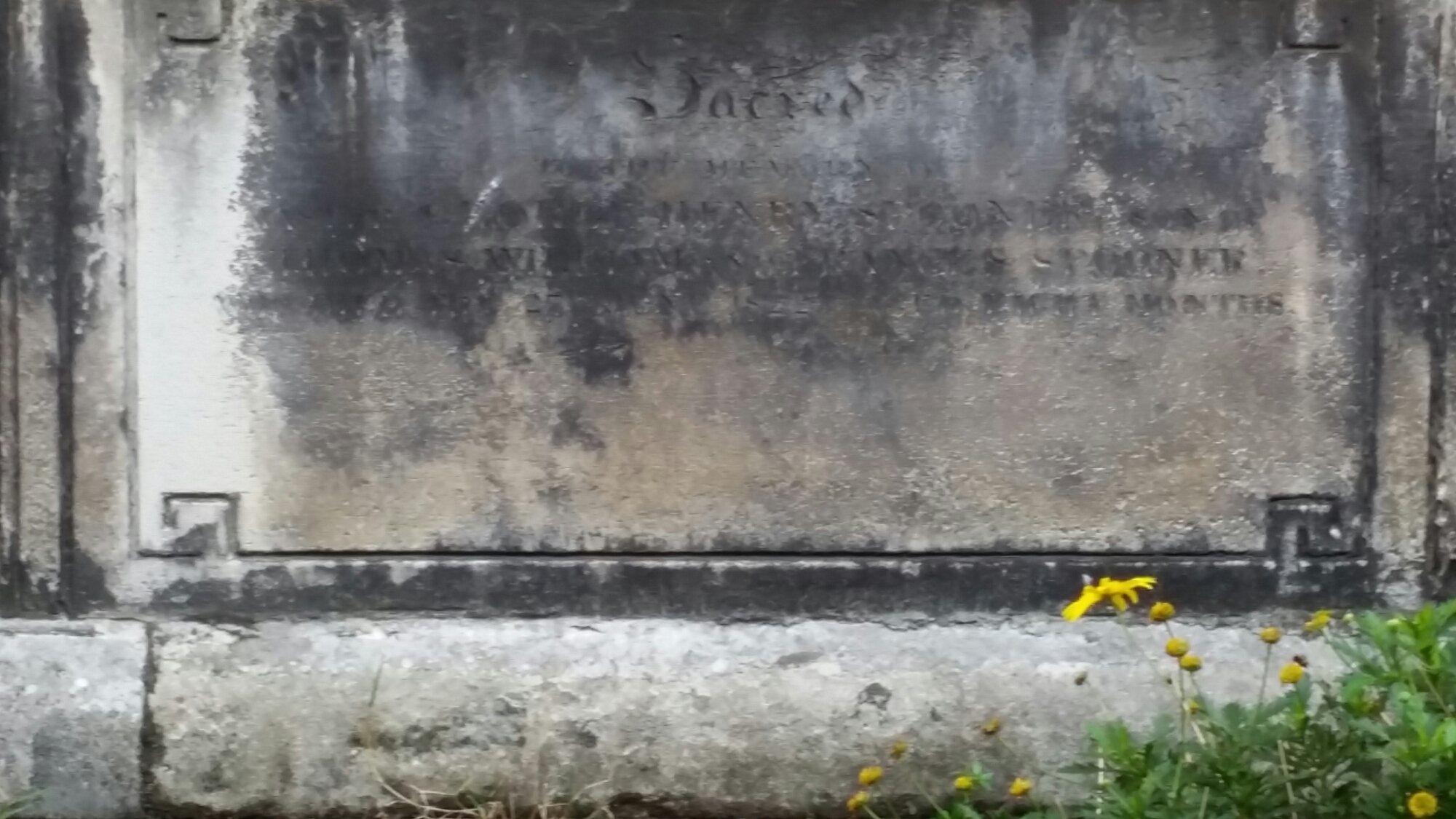
It being a sunny Sunday and the first day of autumn, I went on a wander round the purlieus of Victoria Park, beginning with an investigation of the curious little graveyard on Globe Road, which has a single Soane-like tomb dedicated TO THE MEMORY OF MASTER GEORGE HENRY SPOONER SON OF THOMAS WILLIAM AND FRANCIS SPOONER WHO DIED THE 25TH JUNE 1822 AGED EIGHT MONTHS:
It’s odd how one can live in a neighbourhood and miss areas of it. I don’t think I’ve walked up Approach Road since the 1970s and certainly hadn’t seen the ironwork railings of the London Chest Hospital:
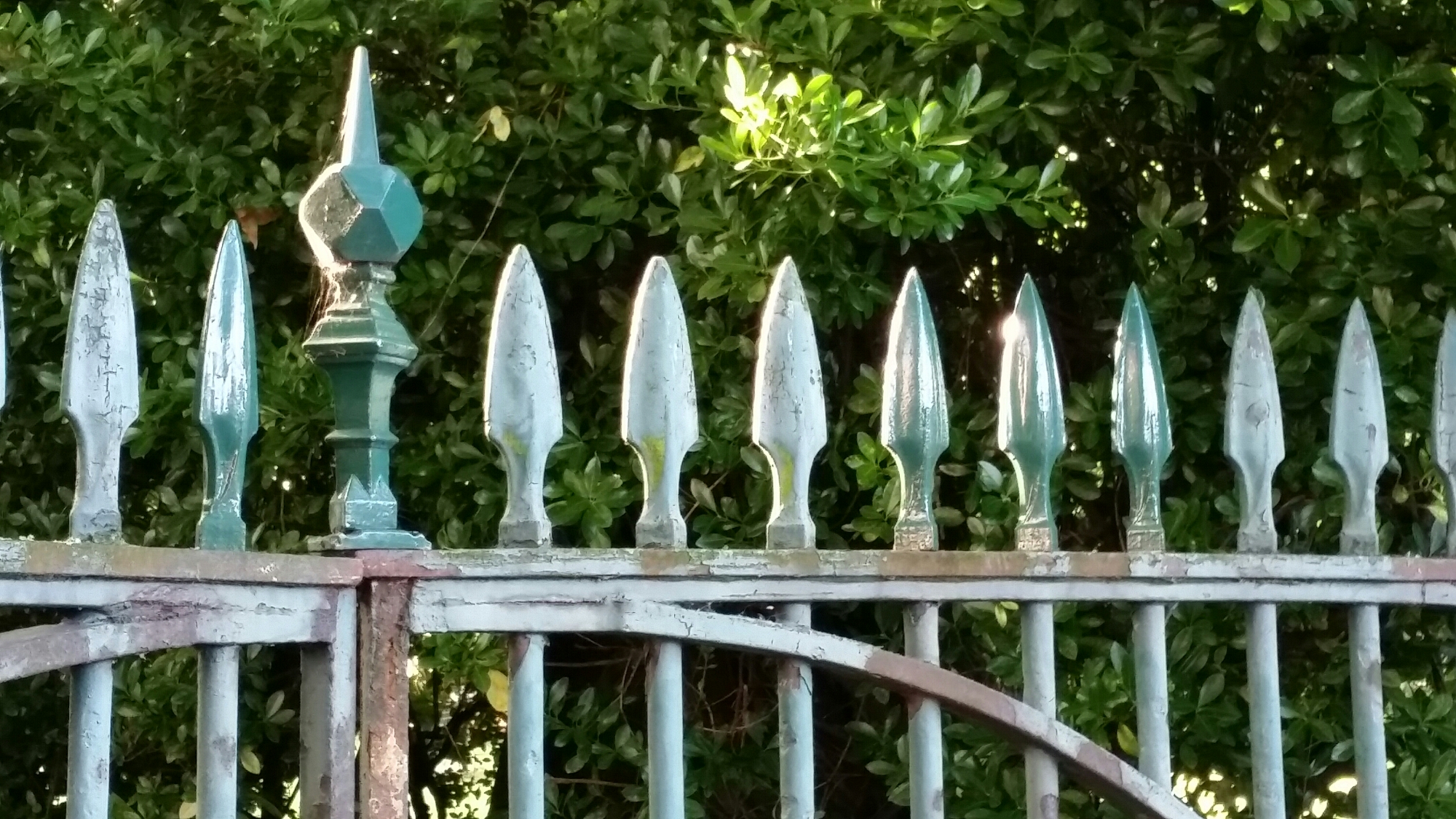
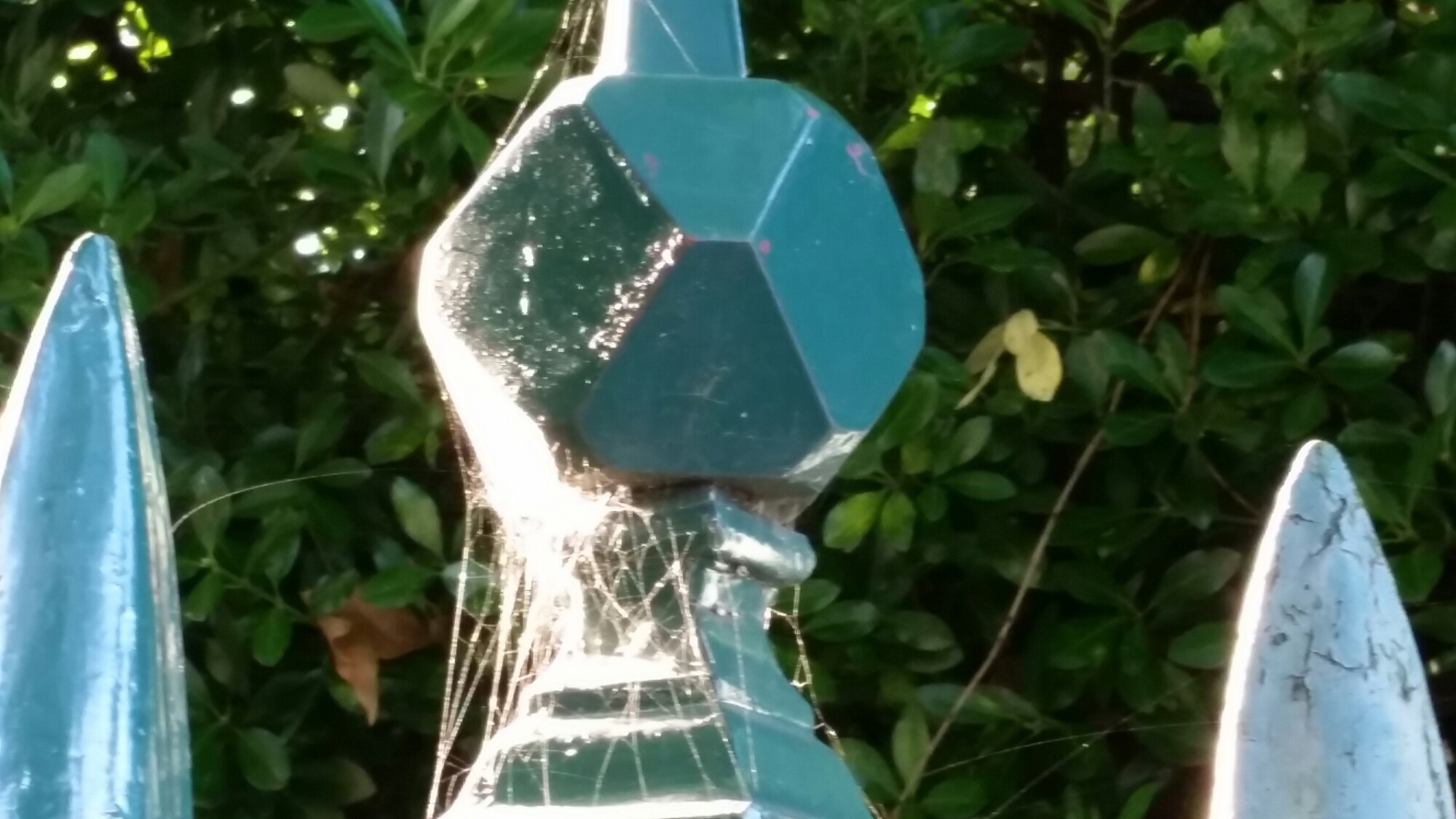
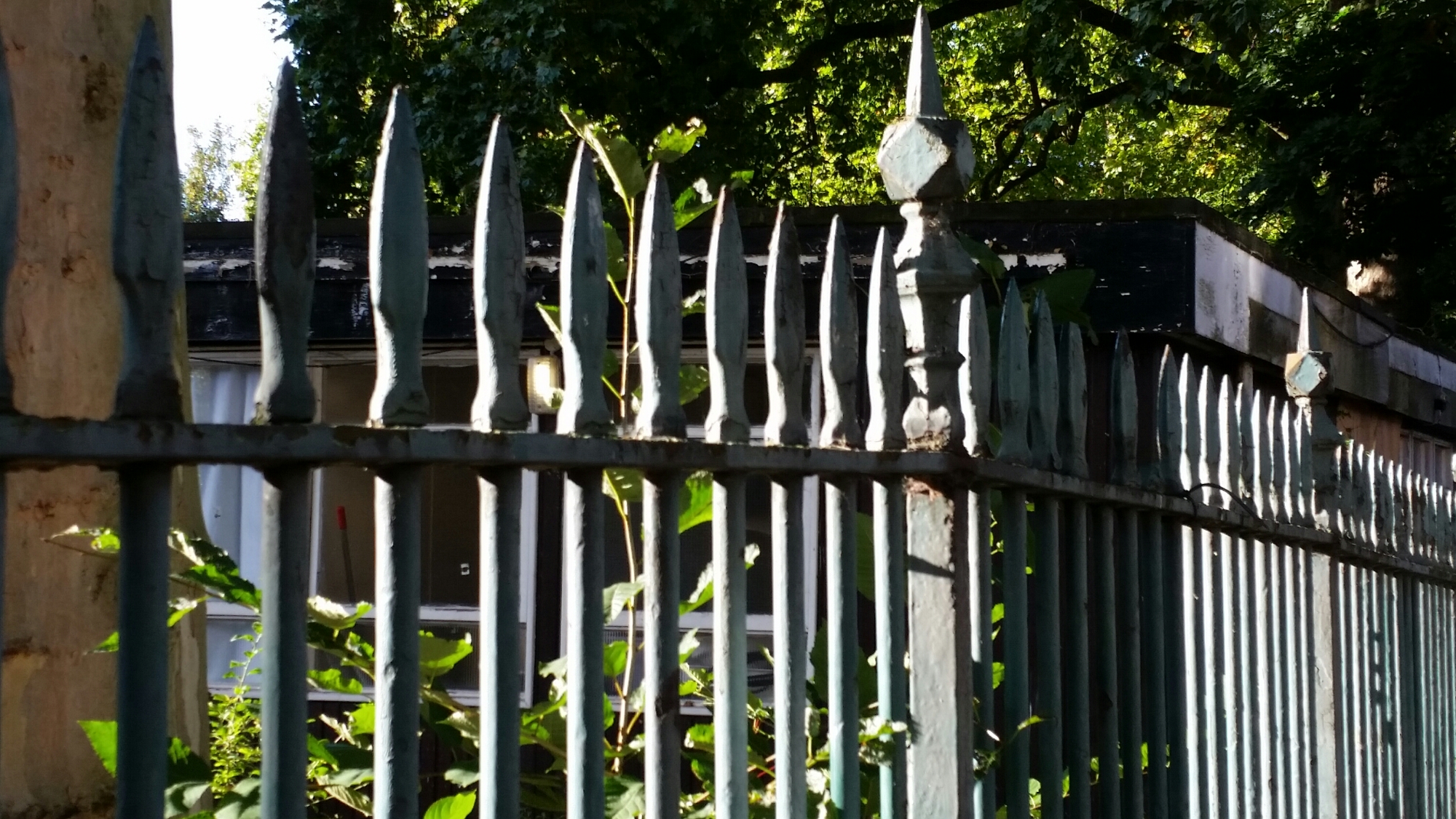
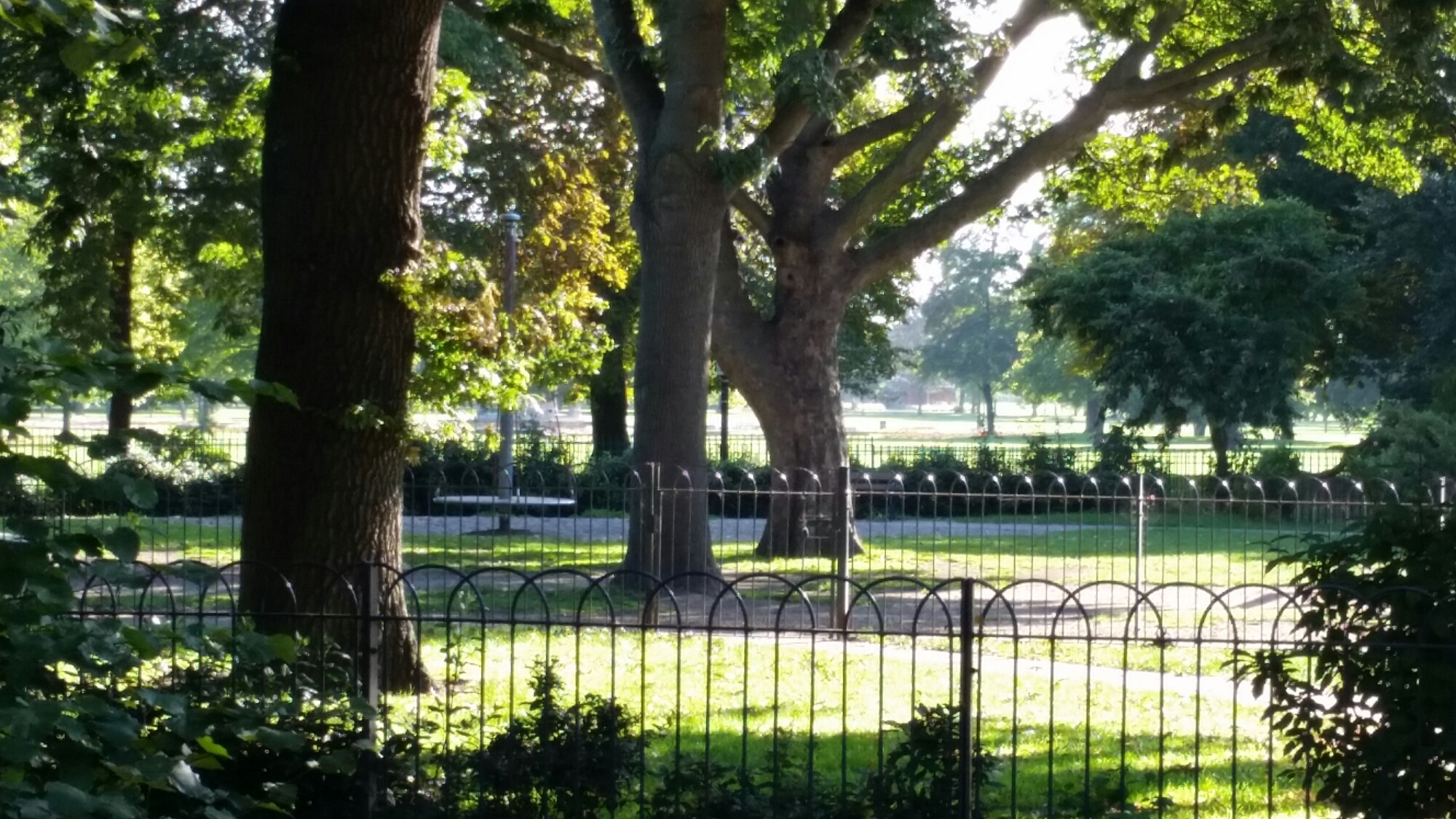
Victoria Park itself is a tiny bit too Victorian municipal for my taste, but looked fine empty in the sun:
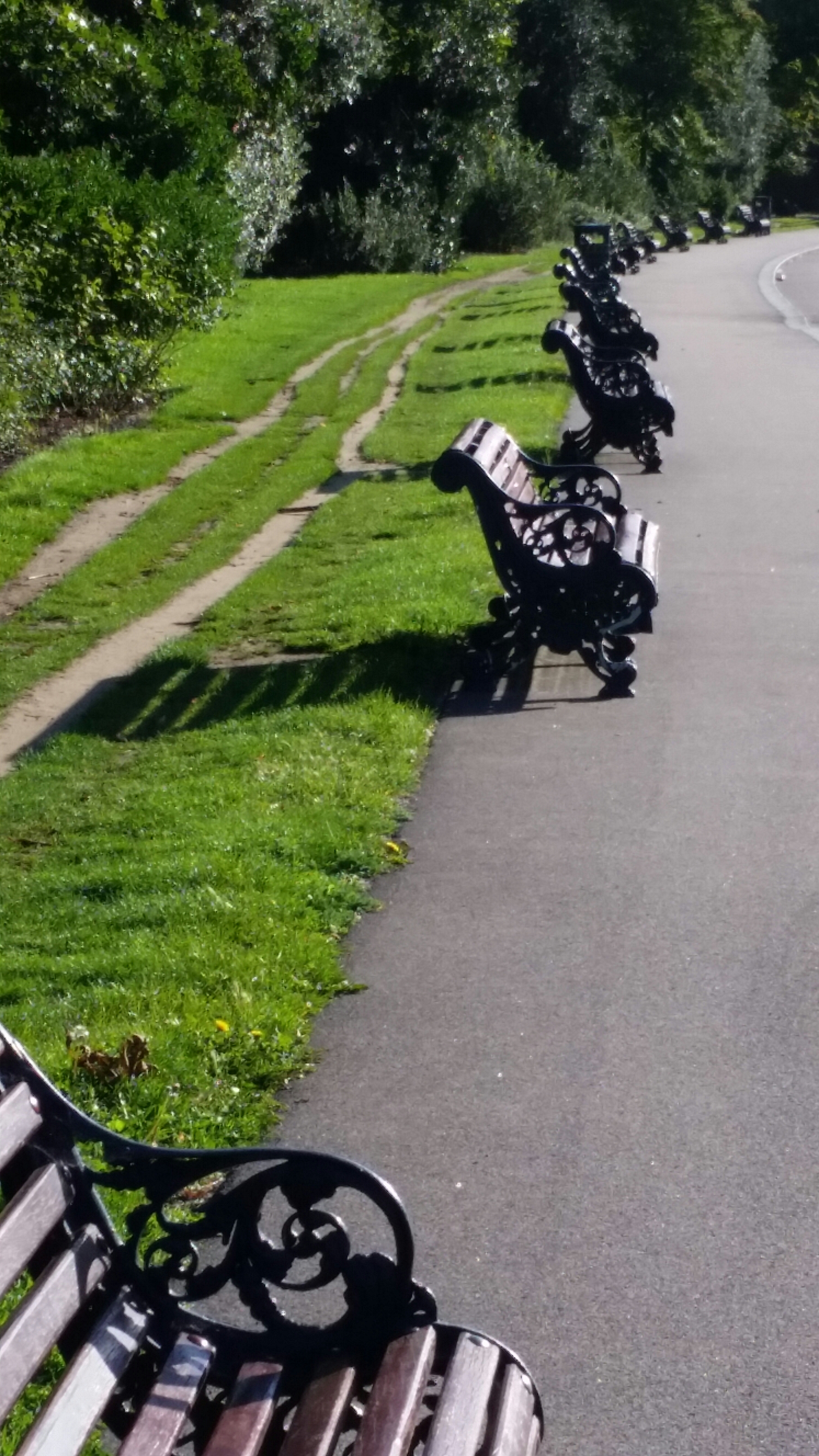
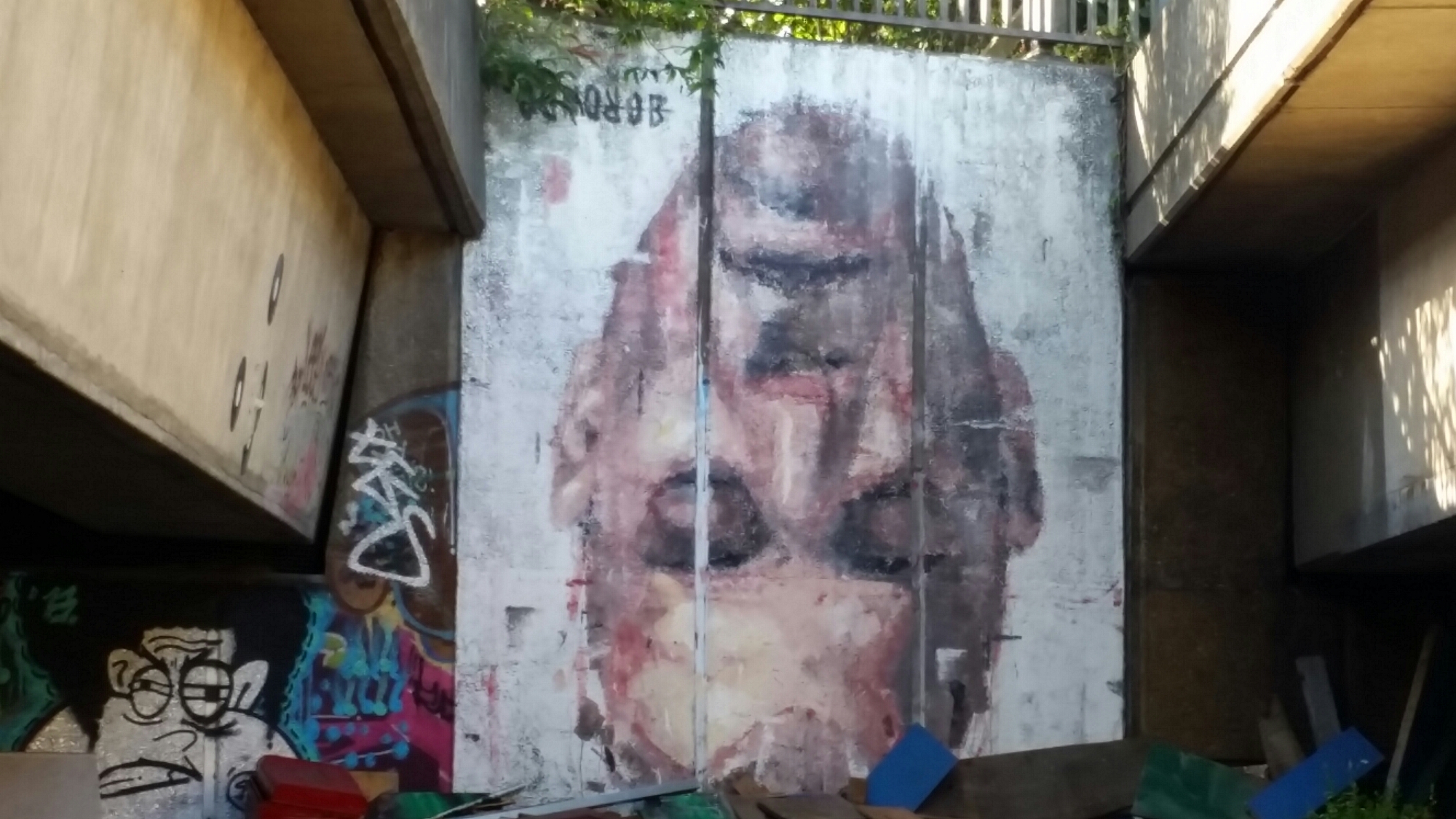
I was quite taken by this example of graffiti art under the motorway flyover:
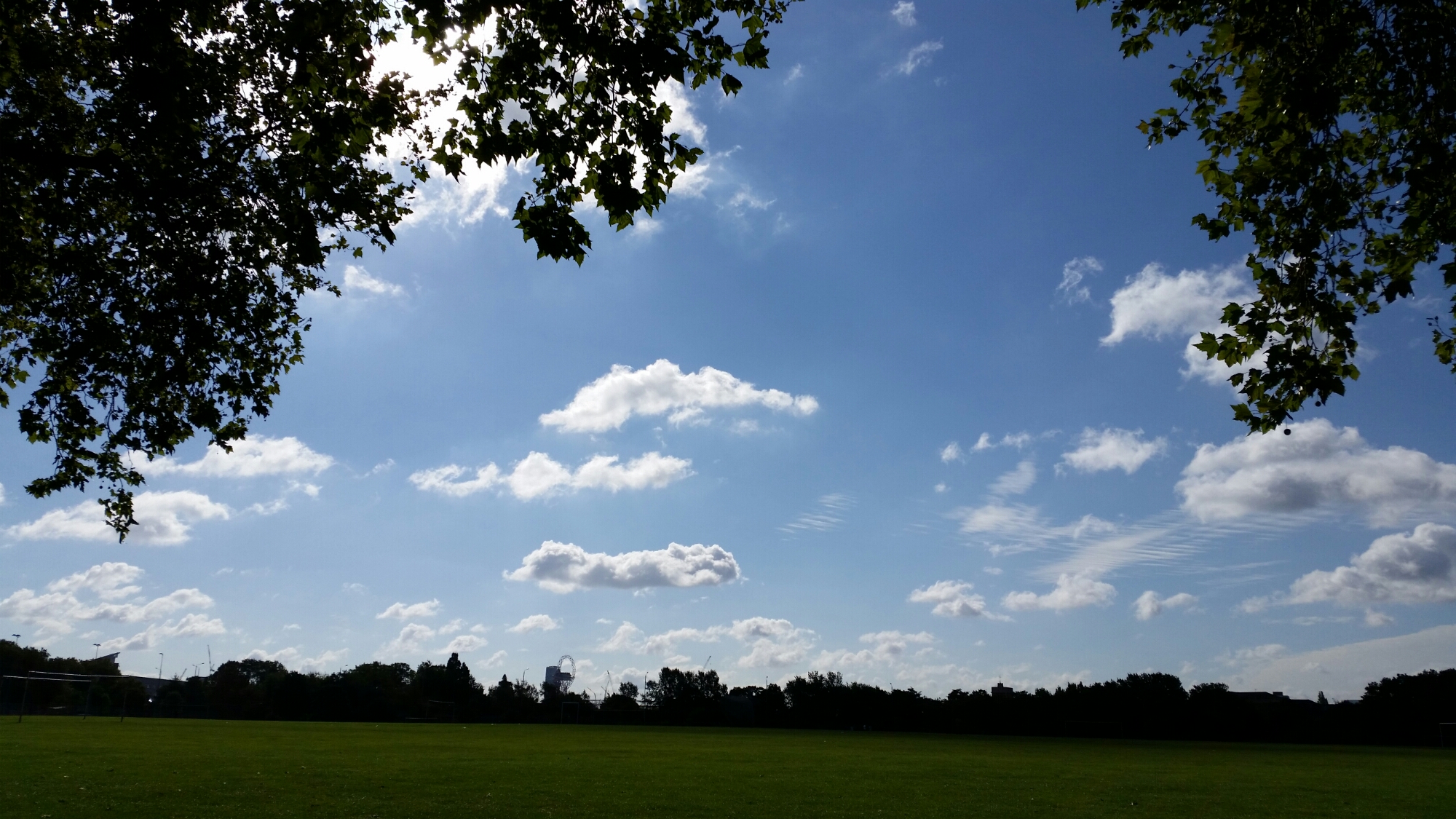
I ended up admiring the skyline of Stratford across the playing fields of Mabley Green:
The Literary Museum
I spent another happy afternoon pottering about Christopher Ondaatje’s amazing collection of Bloomsburiana and other associated literary material which he houses in remotest Devon. He has made the collection over the last decade, buying books, including many first editions, and then buying portraits which go with the books. It’s an odd and very satisfying combination of a visual and intellectual feast, including many wonderfully atmospheric photographs, particularly after a good lunch.
Paddington Station
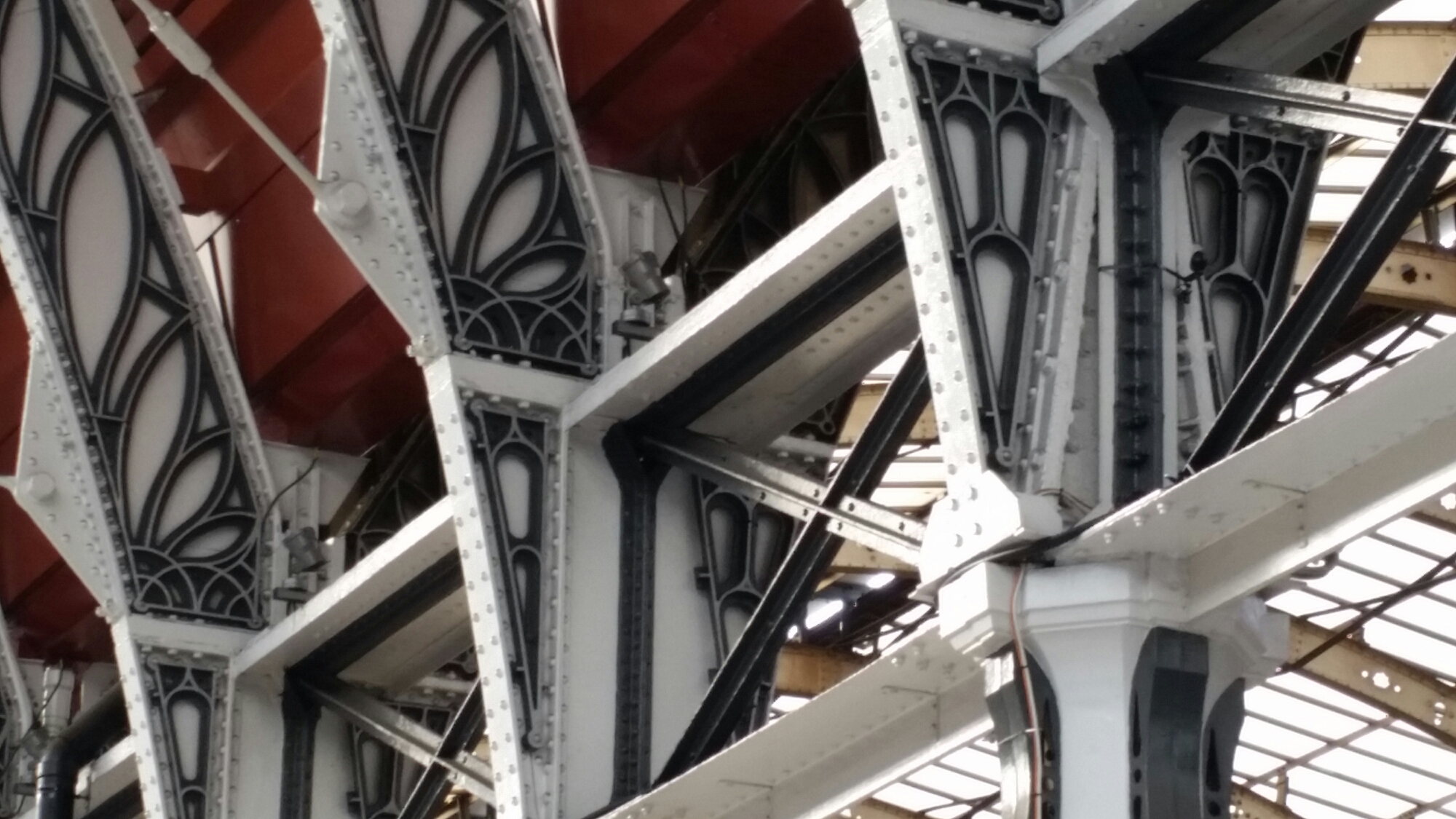
Arriving, as I always do, far too early at Paddington Station for a trip to the west country gave me time to admire, as I seldom do except subliminally, the amazing beauty of Isambard Kingdom Brunel’s curving roof, which is more visible after recent renovations (by the PPRA no less). It’s a most elegant cat’s cradle, originally painted in colours chosen by Owen Jones, using the technology of metal to maximum effect. The curvacaceous ornamental ironwork at the end of the platform is by Gustave Eiffel:
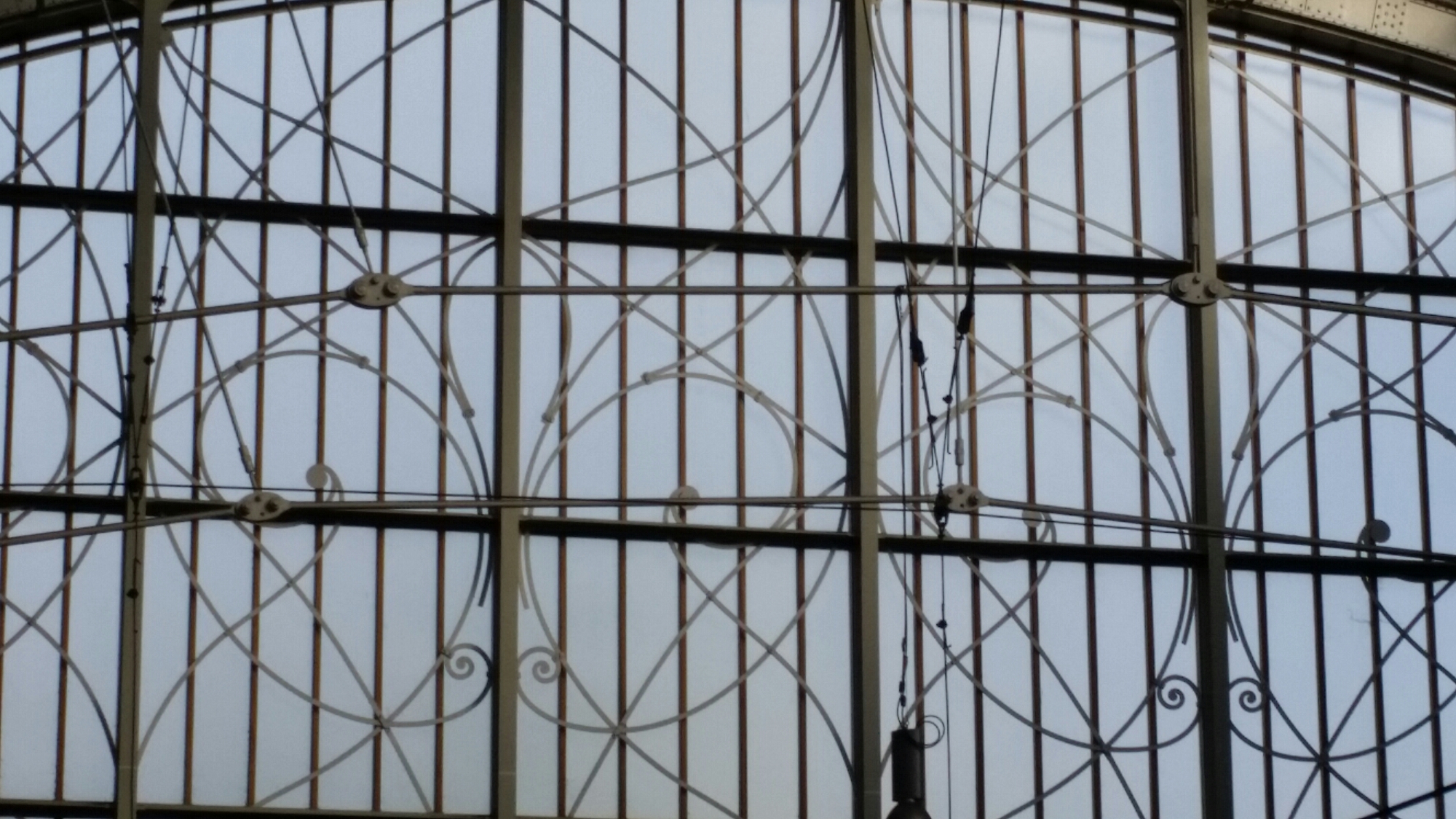
The roof over platforms 9 to 12, which is now the most visible, was added much later in steel in 1916:
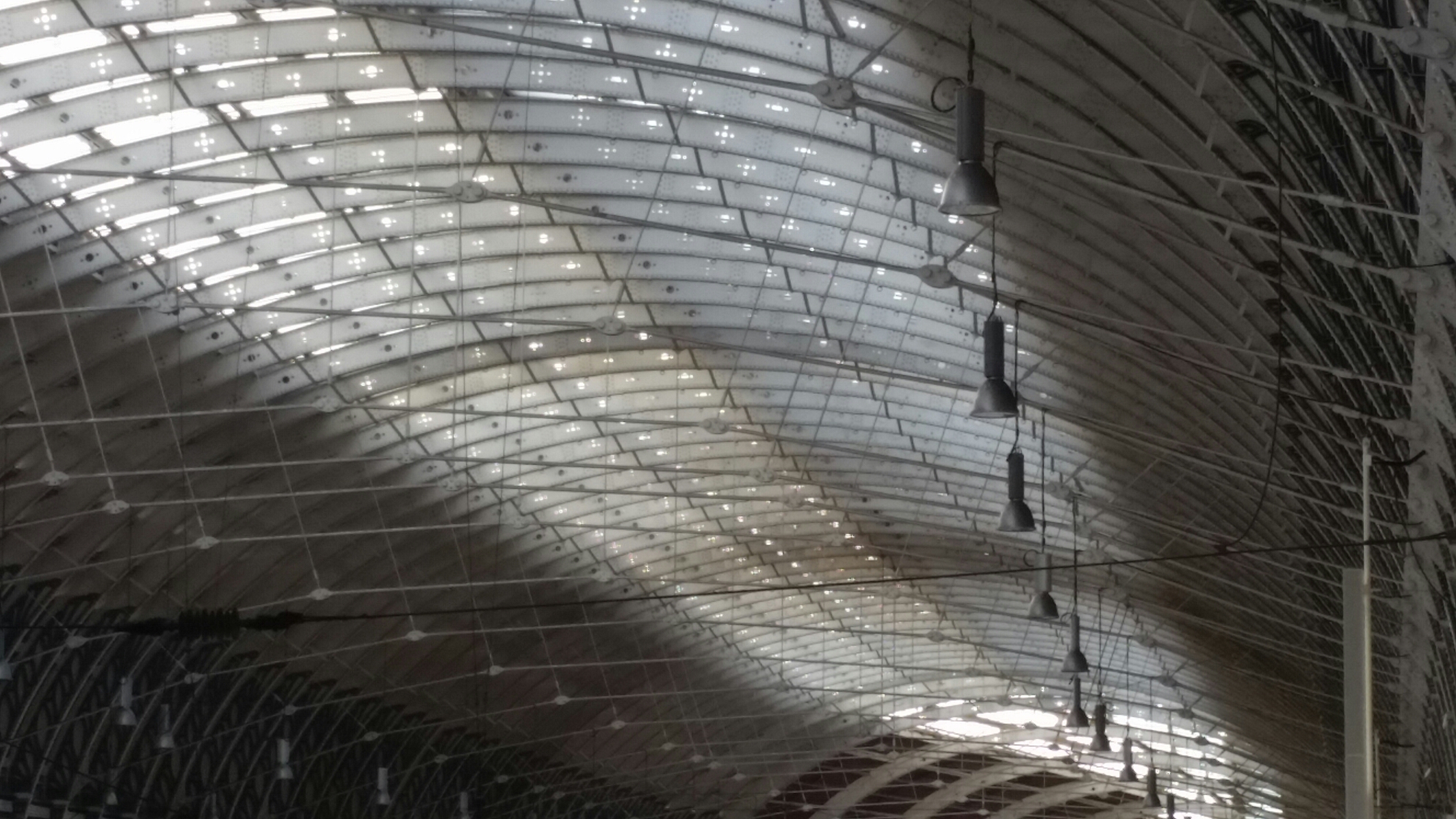
But the experience of waiting for the train to Newquay remains as exciting as it must have been in 1854.
Back to work
I went back to work today, the same day as the Prime Minister. I know he has been much criticised for taking two holidays, but I have found two holidays very therapeutic. So, I returned freshly shorn with a spring in my step which lasted at least up until lunchtime. Our wonderful Head of our Red Collars said that he did not recognise me which was a trifle unnerving. Was it the light tan or the haircut or simply that he hadn’t seen me for a few weeks ? Lunch was at the Wolseley which was fuller than the tube train. Several people have commented that my last blog about being back in London was a trifle gloomy, but today London was at its best.
Plas Brondanw (1)
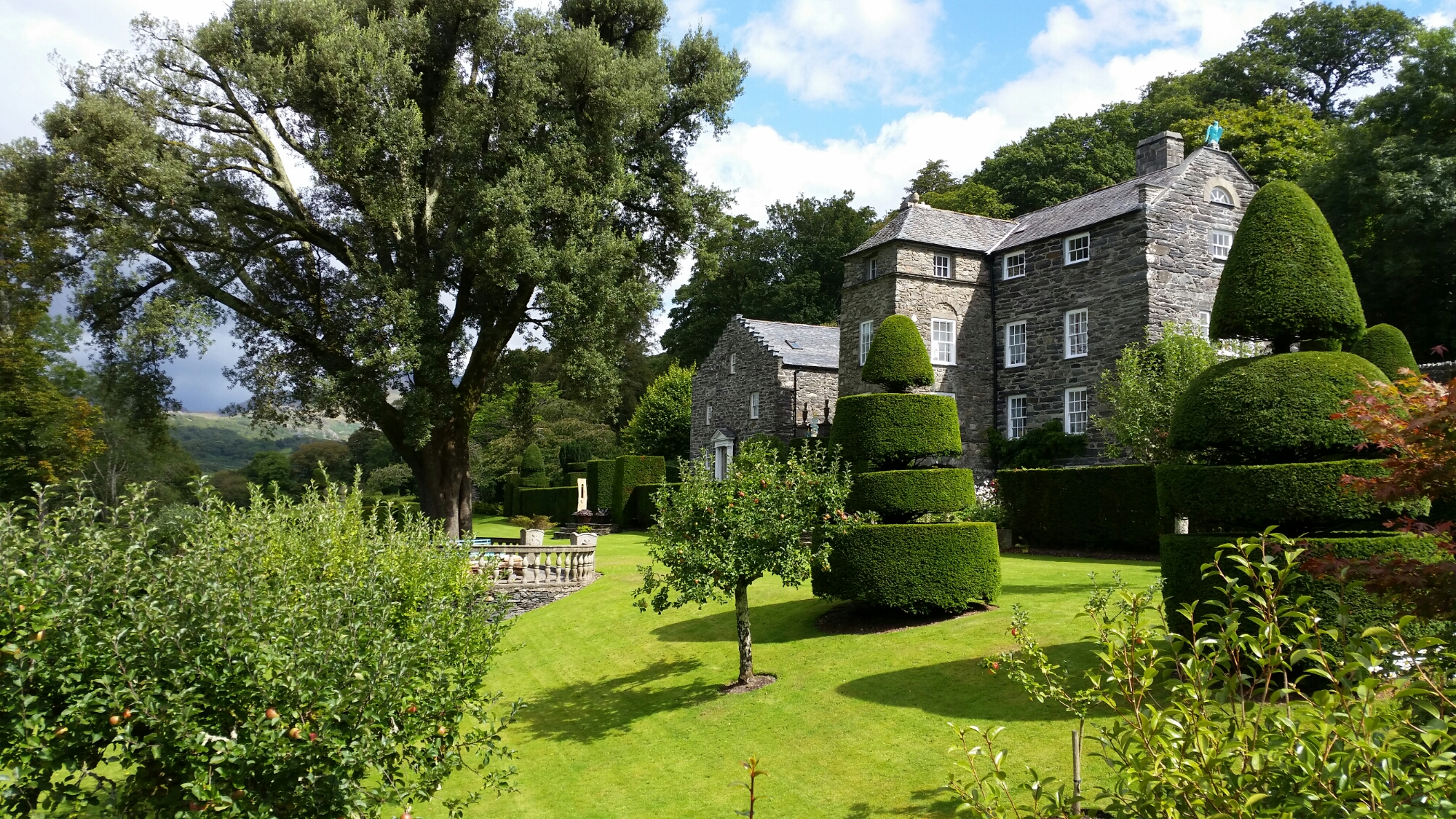
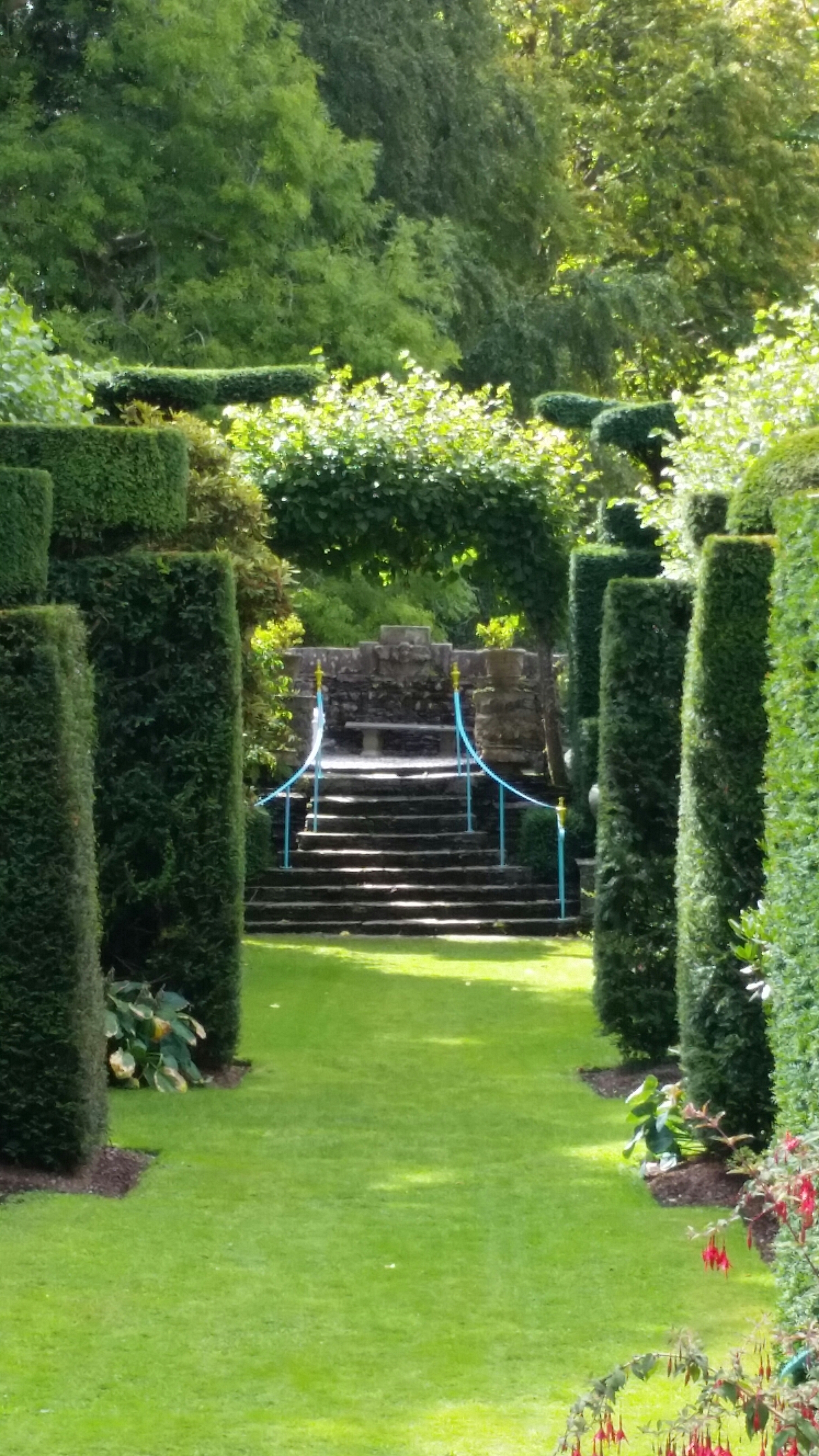
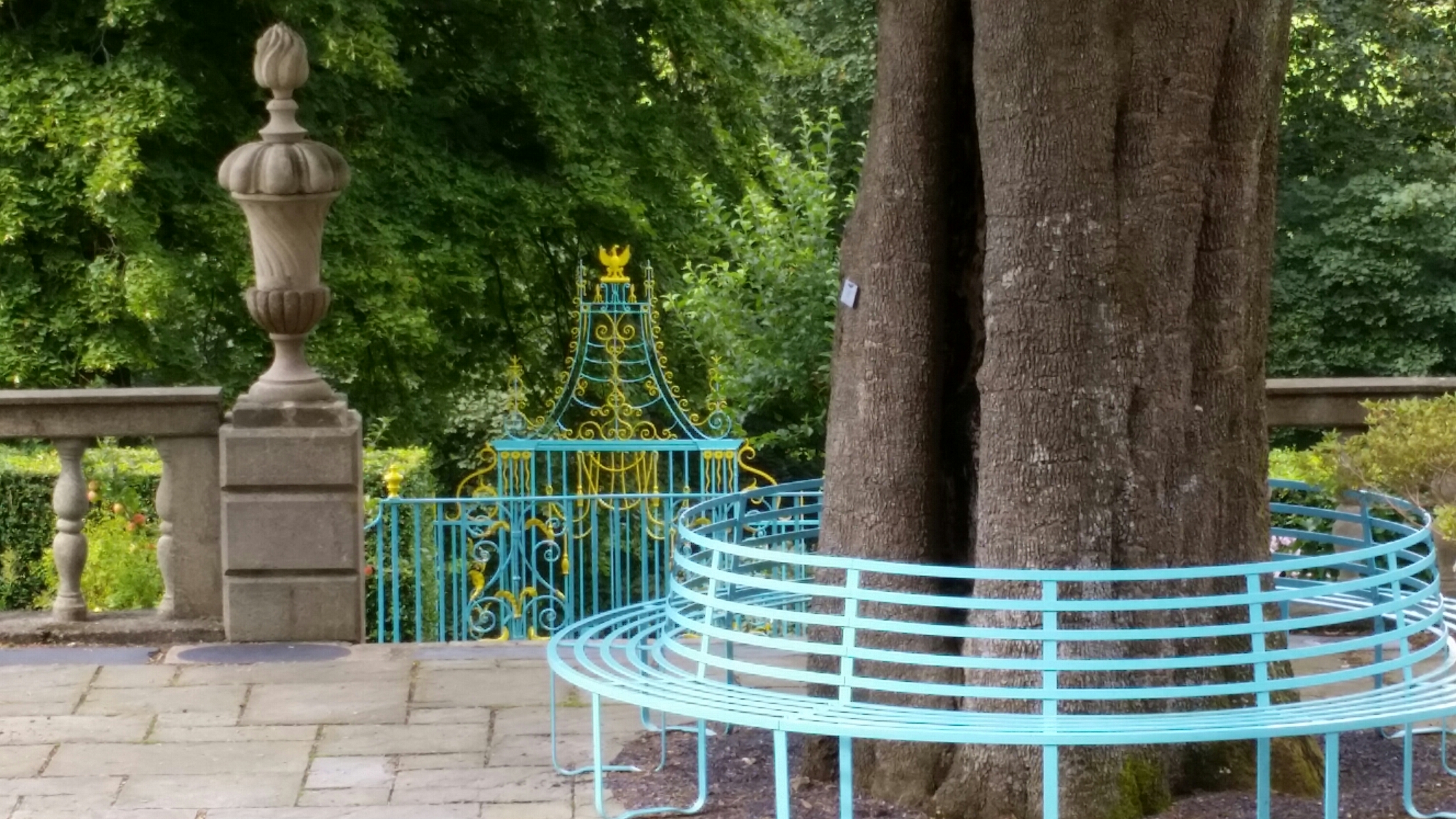
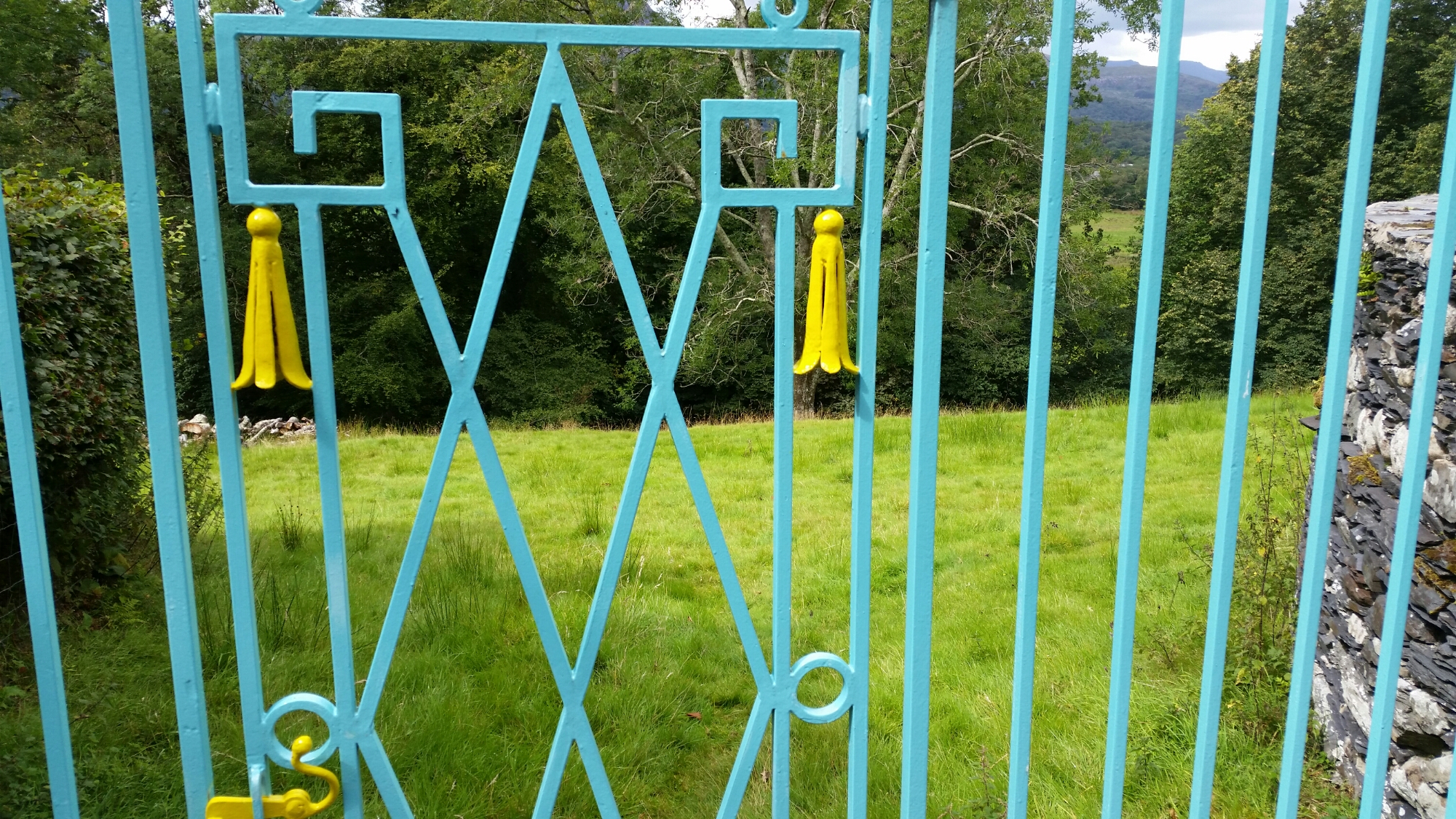
We were driving through the mountains on the instructions of the satnav, when, lo and behold, we found ourselves at the bottom of the little road leading up to Plas Brondanw, where Clough Williams-Ellis lived his long life. I remember snooping around as a youth, but have quite forgotten seeing it since, so wonderfully situated looking north towards Snowdonia, with pleached hedges and characteristically playful 30s rococo features, all adorned in bright yellow and the estate turquoise blue.
This is his house:
This is the view:
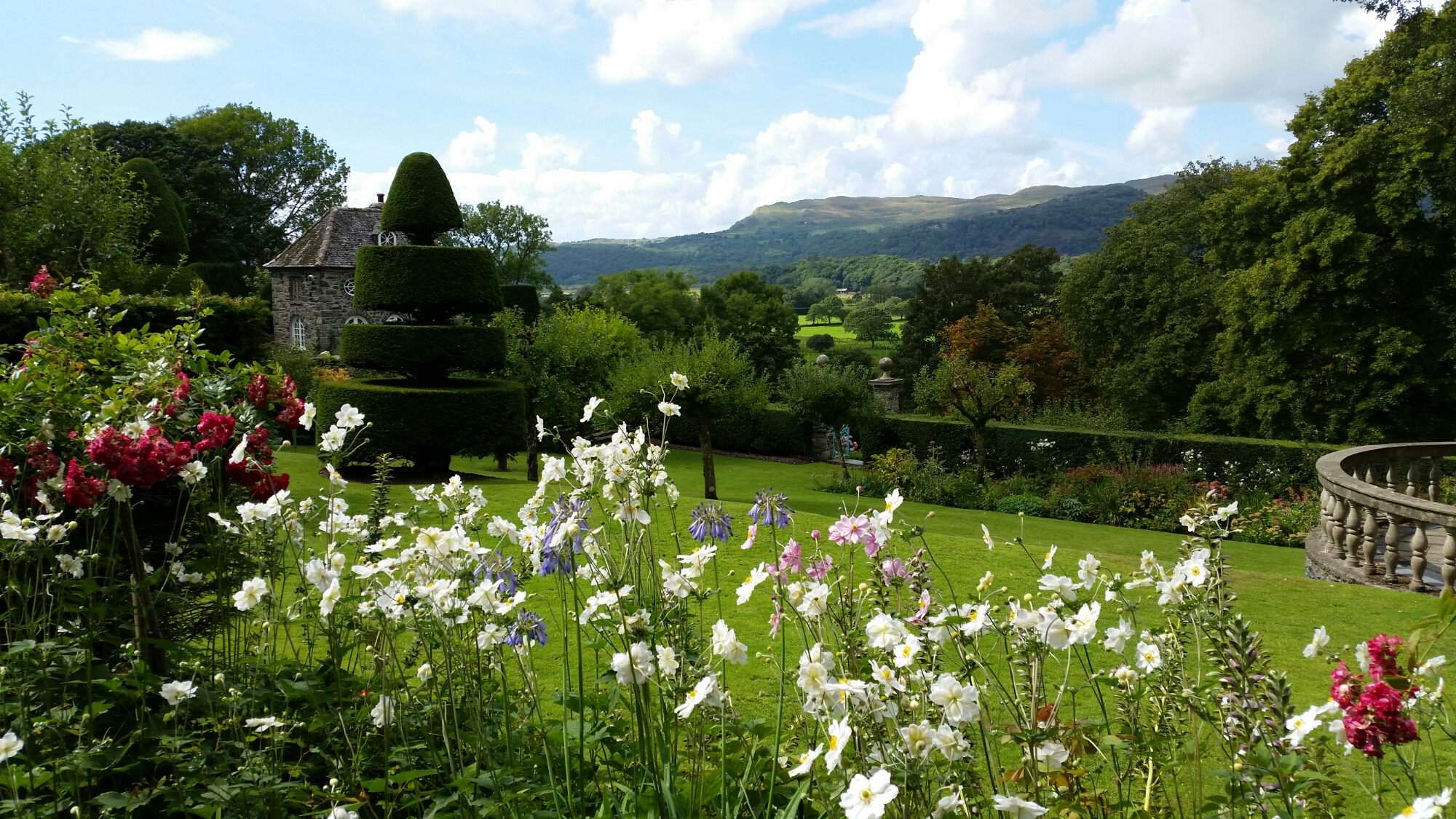
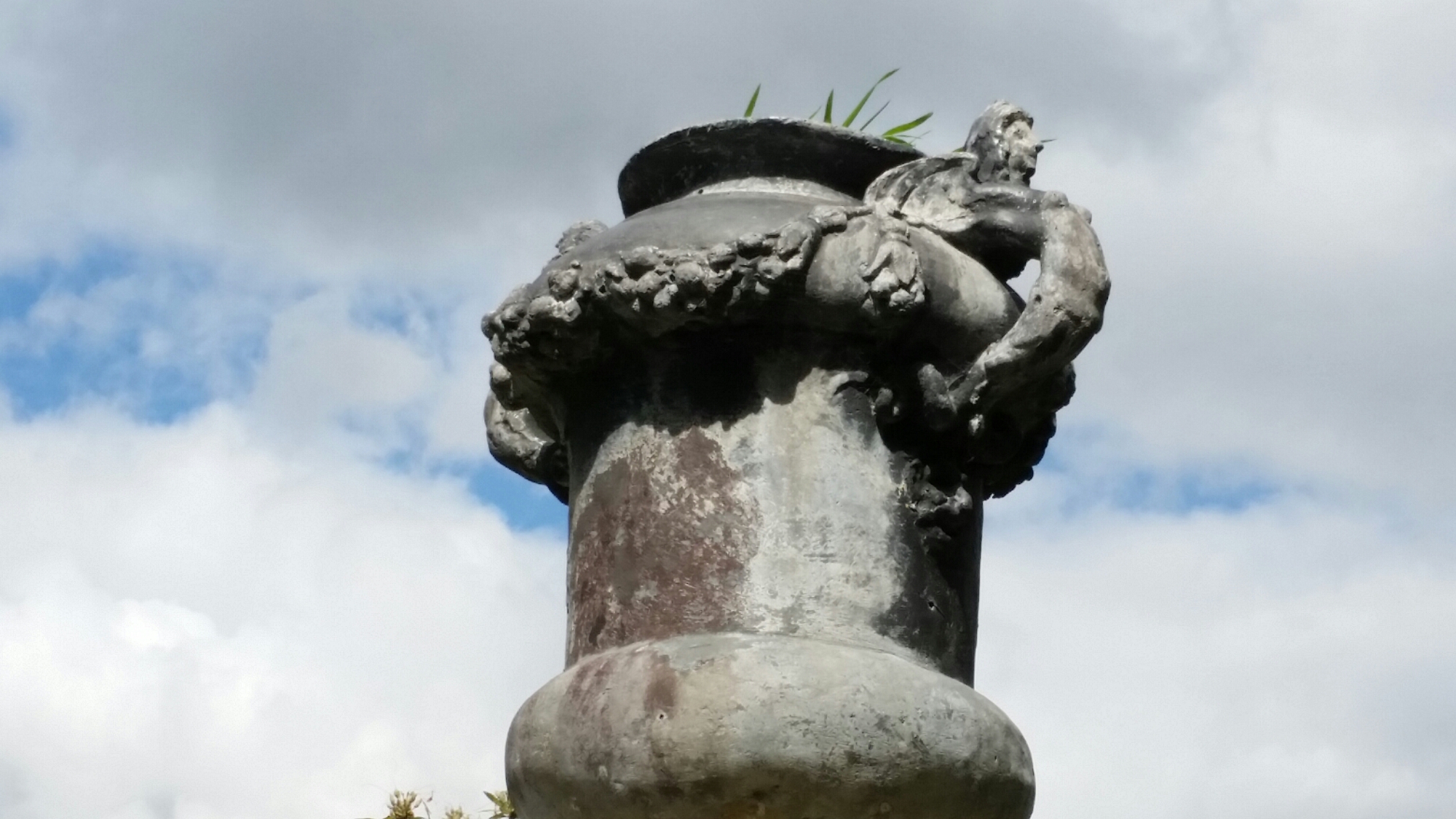
And these are aspects of the garden:
 | Charles | Saumarez | Smith |
You must be logged in to post a comment.