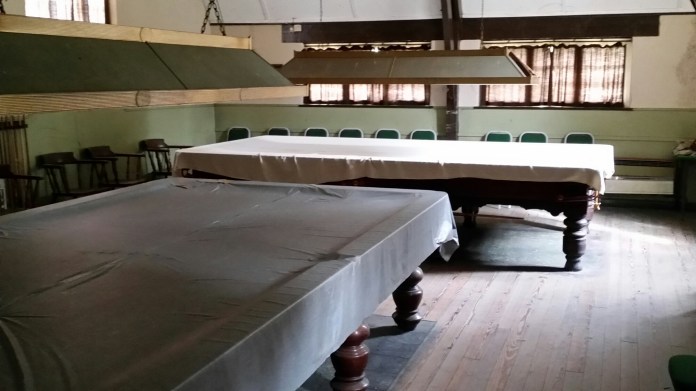
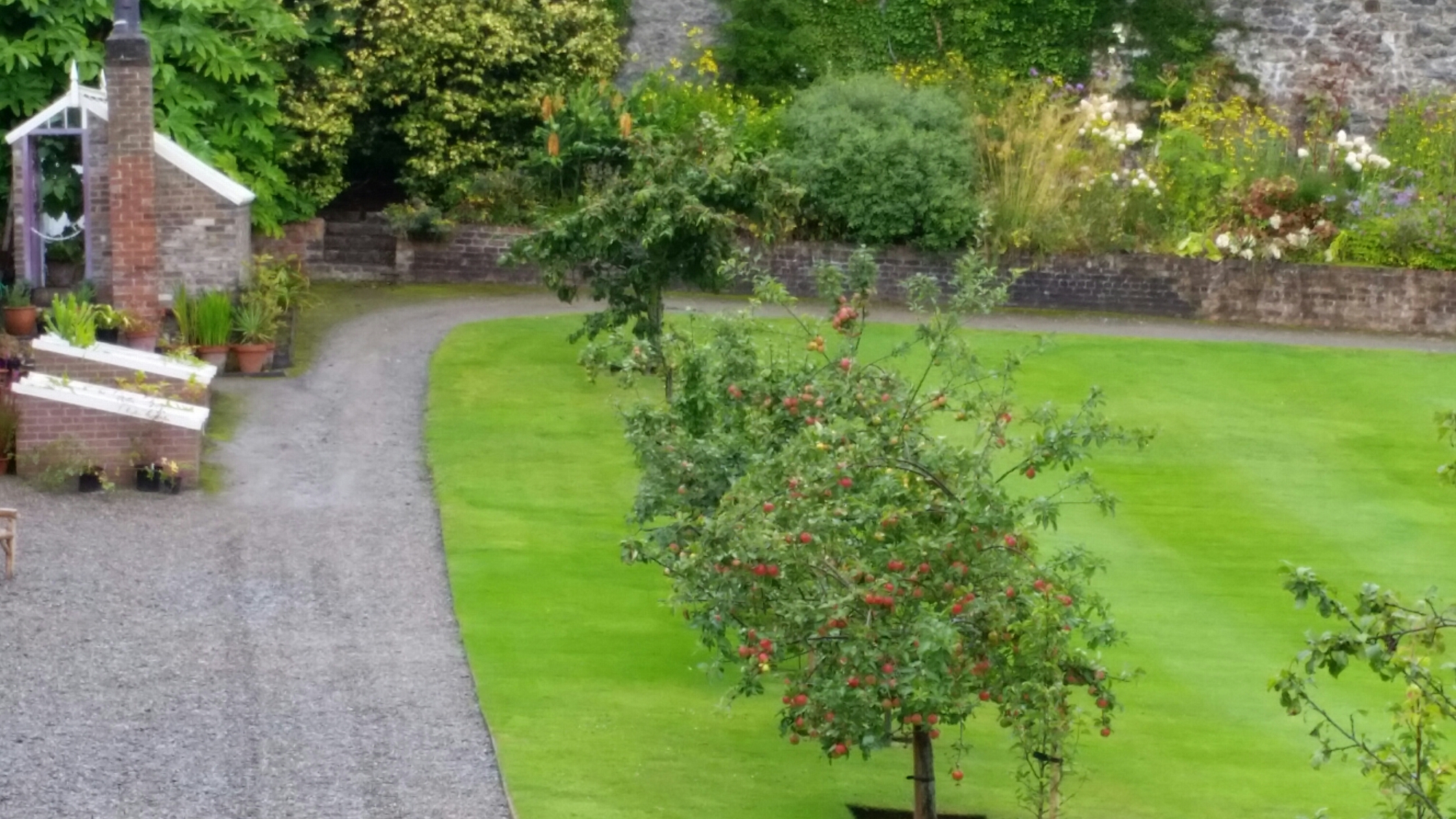
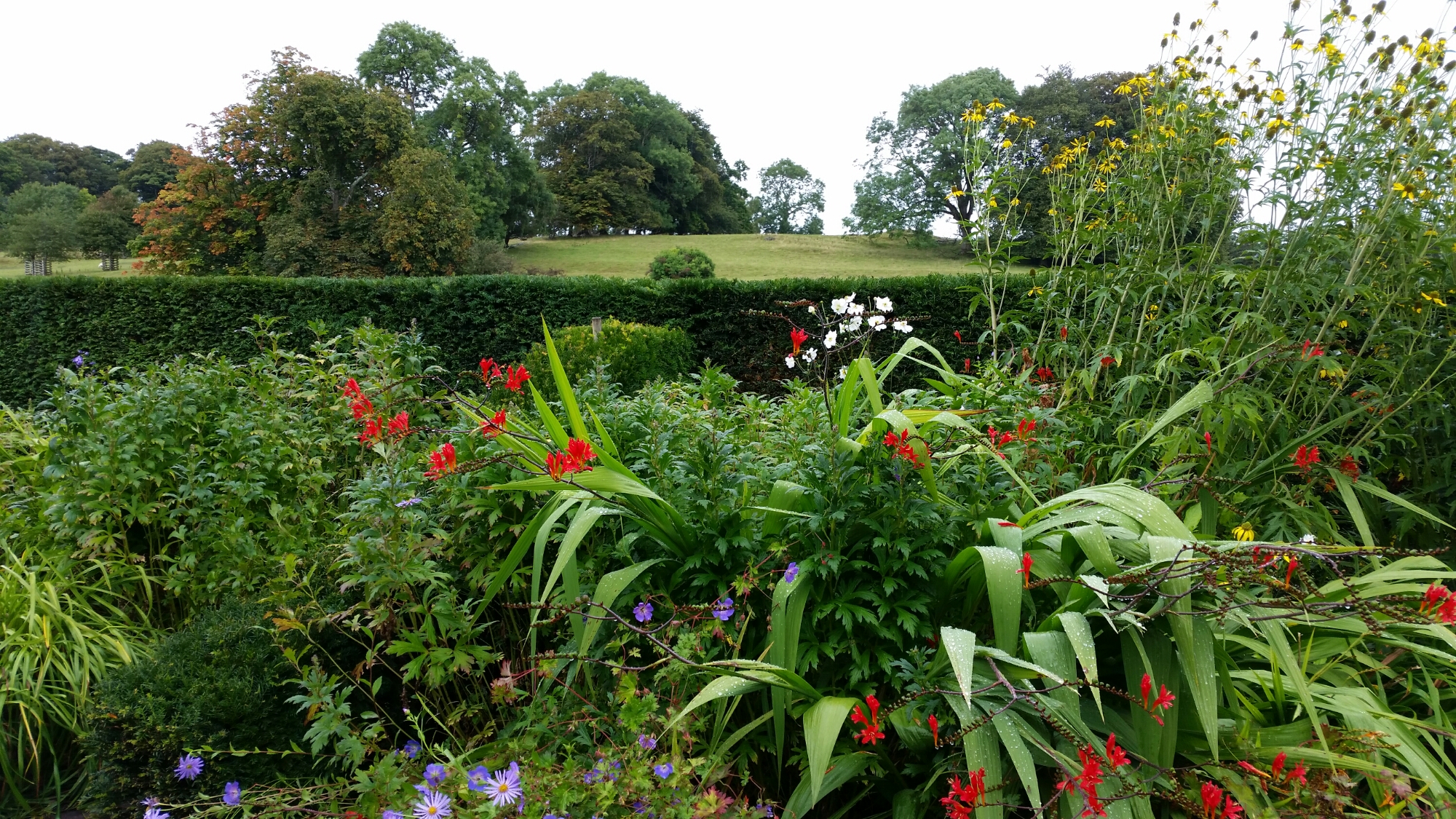
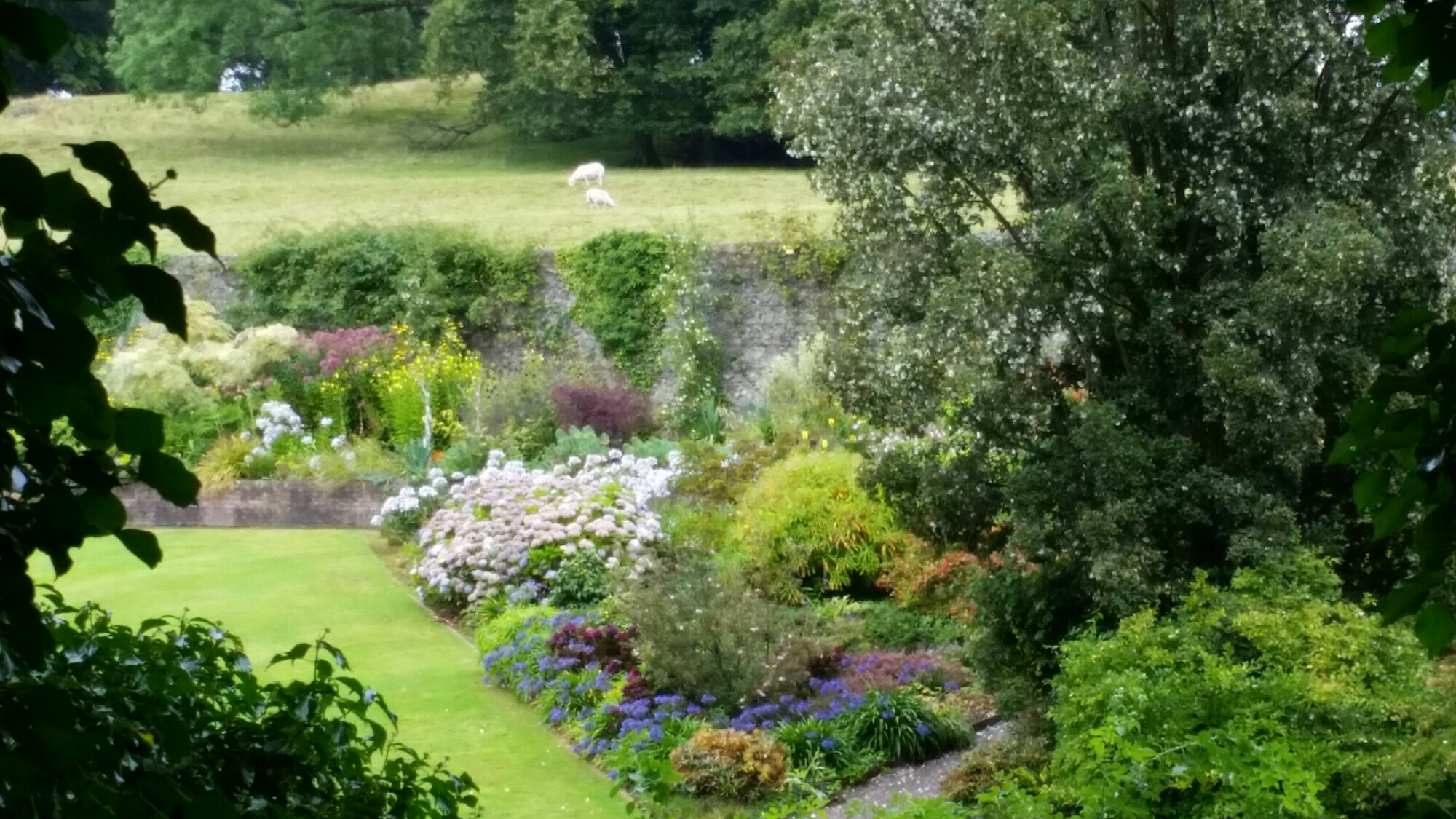
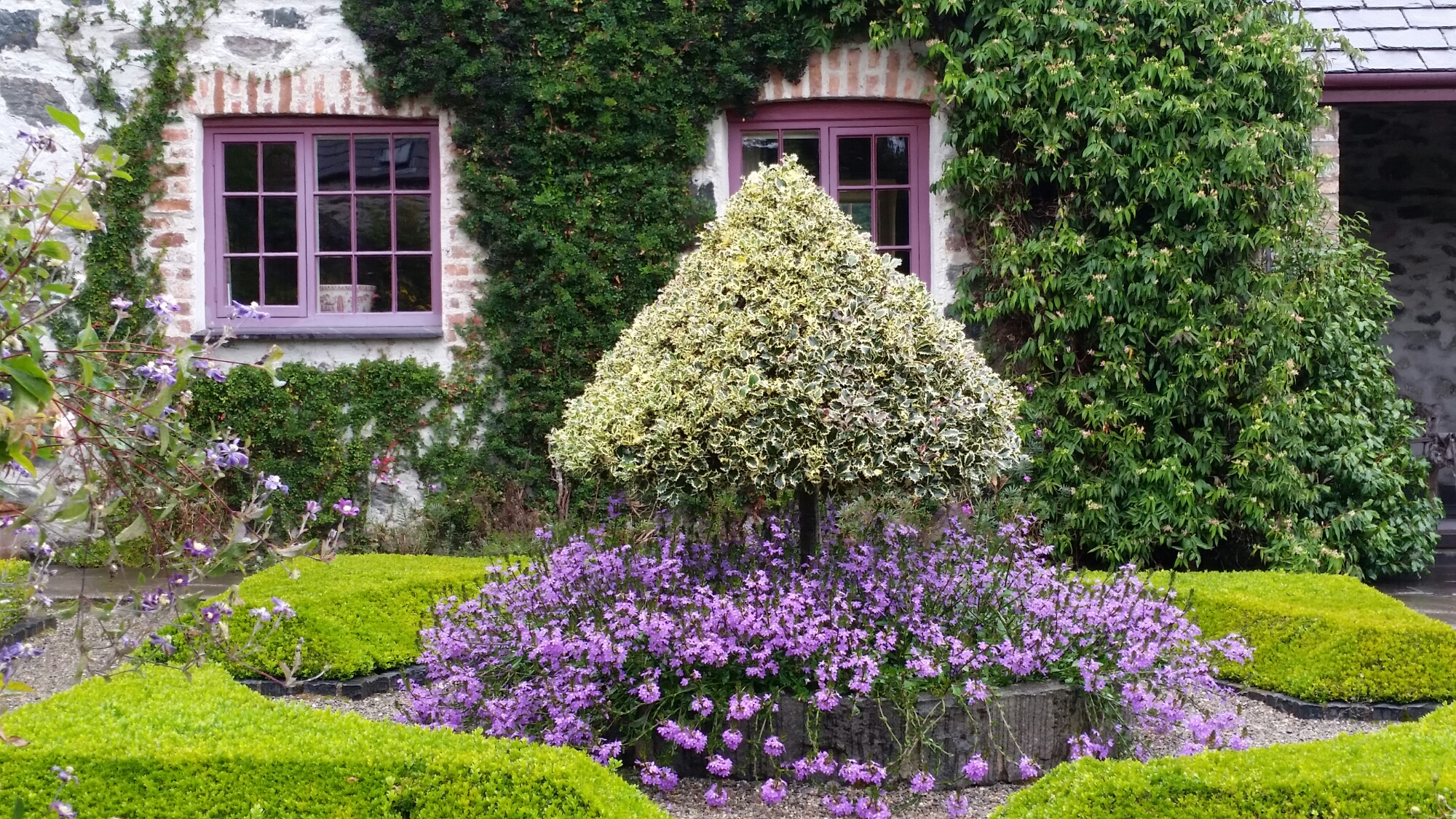
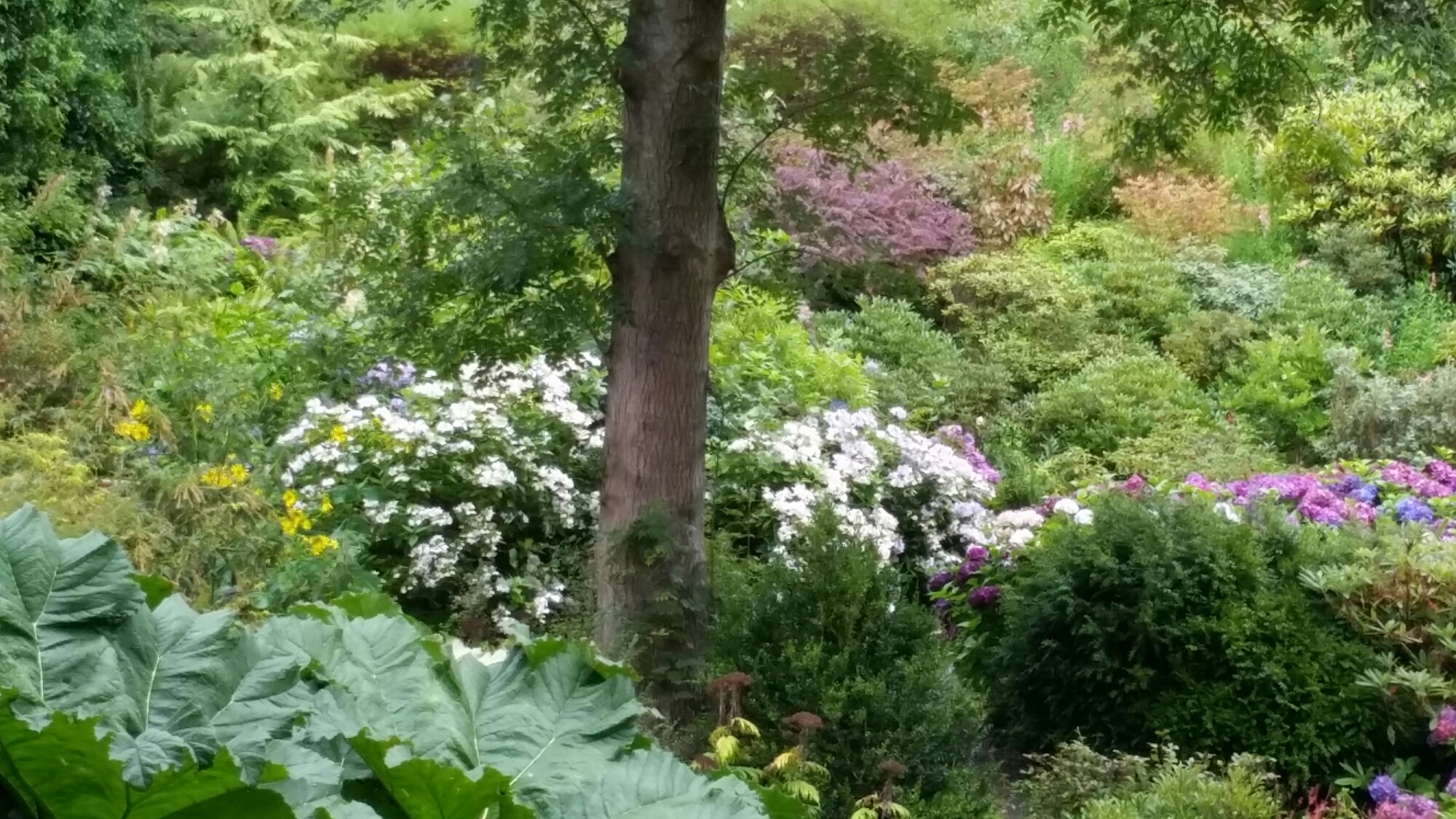
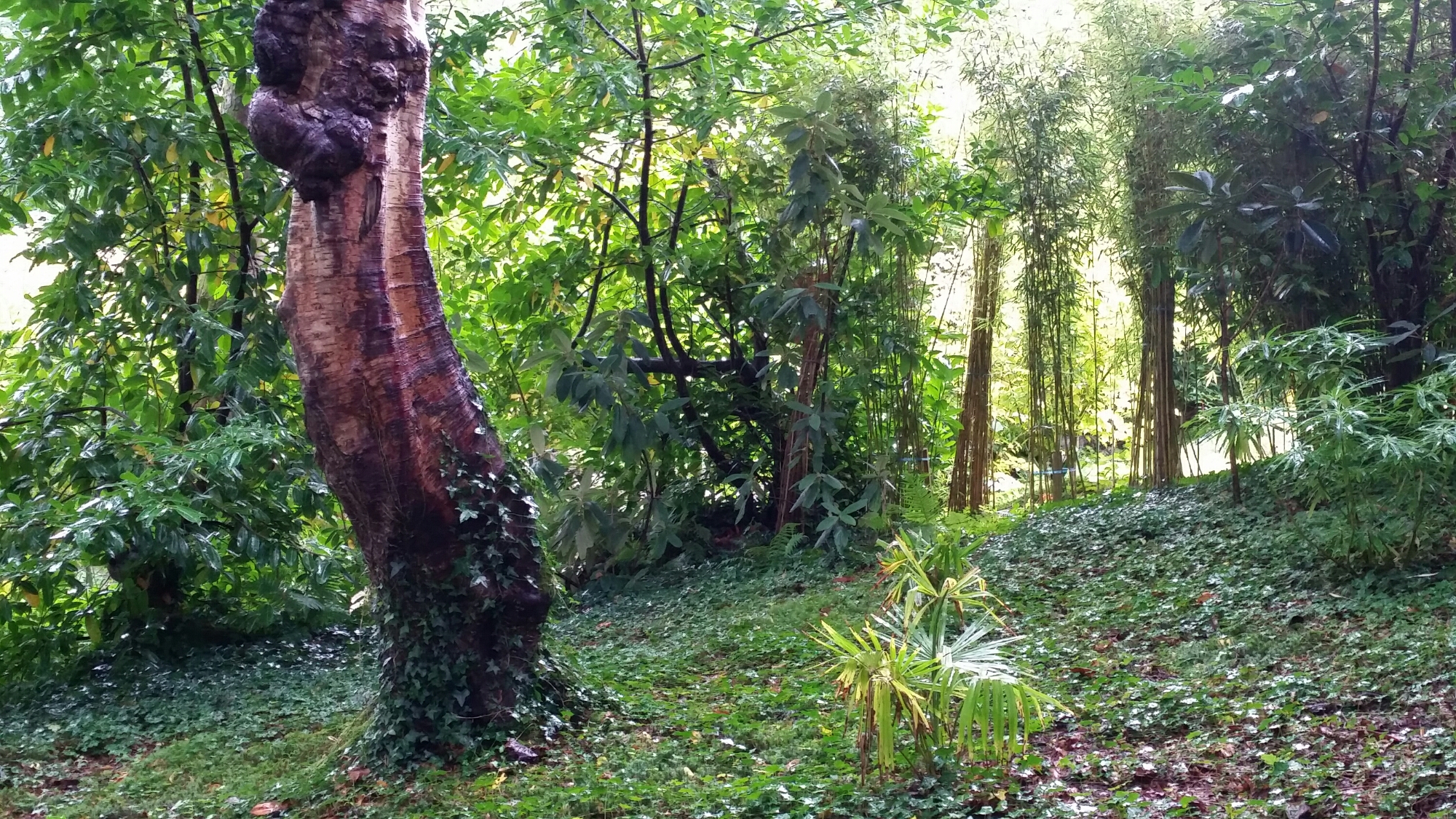
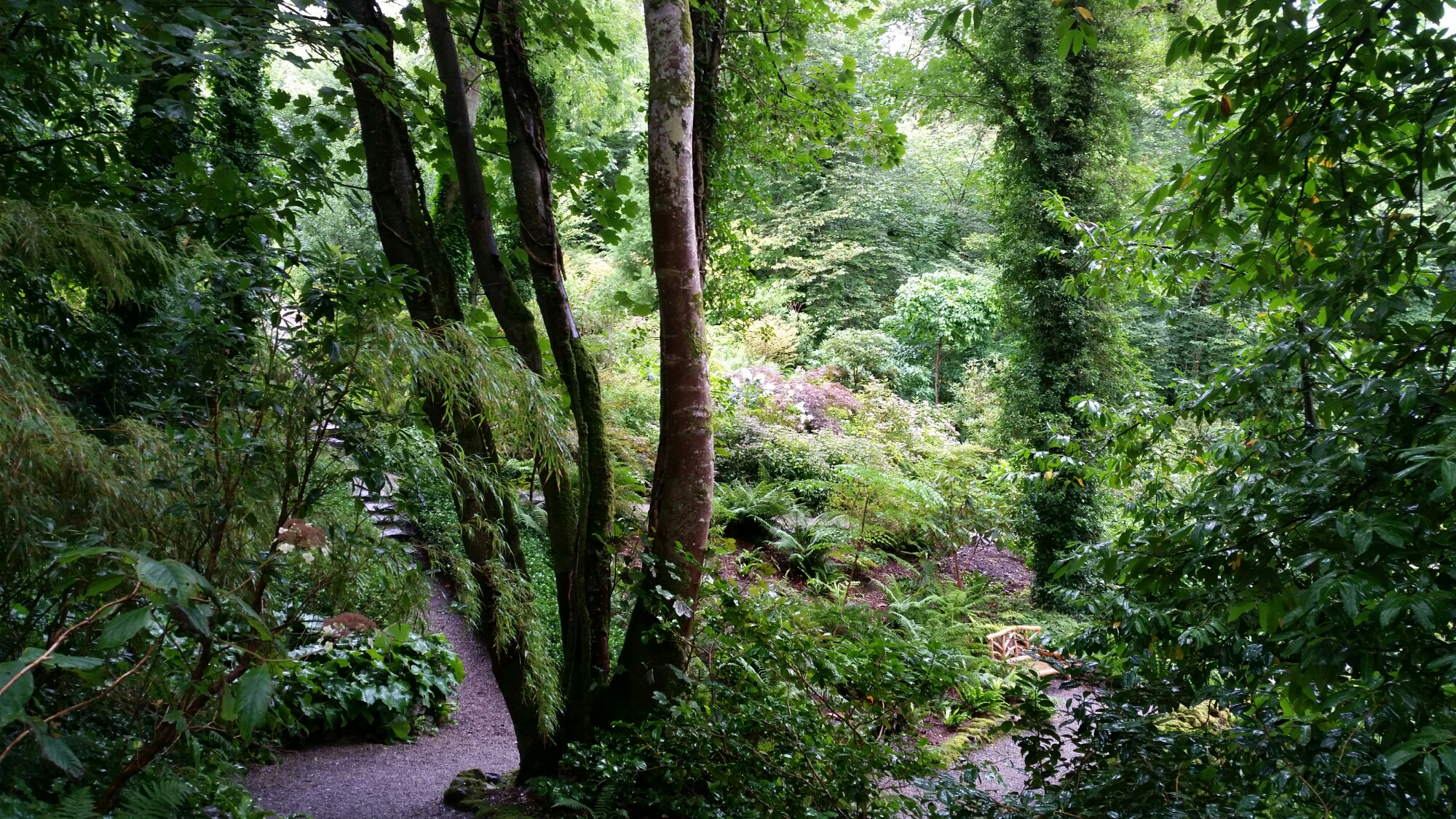
It being a characteristically wet August bank holiday, we ventured forth to see Plas Cadnant, a house and more especially a garden, which has been beautifully and trimly done up in recent years by Anthony Tavernor, a Staffordshire dairy farmer turned horticulturalist. It has large herbaceous borders and champion vegetables, clipped trees and below a water garden in a steep dell full of ferns and gunnera. We wandered round in the rain, nearly the only visitors, admiring the immaculate lawns and planting and longing for the sun.
Dolgellau
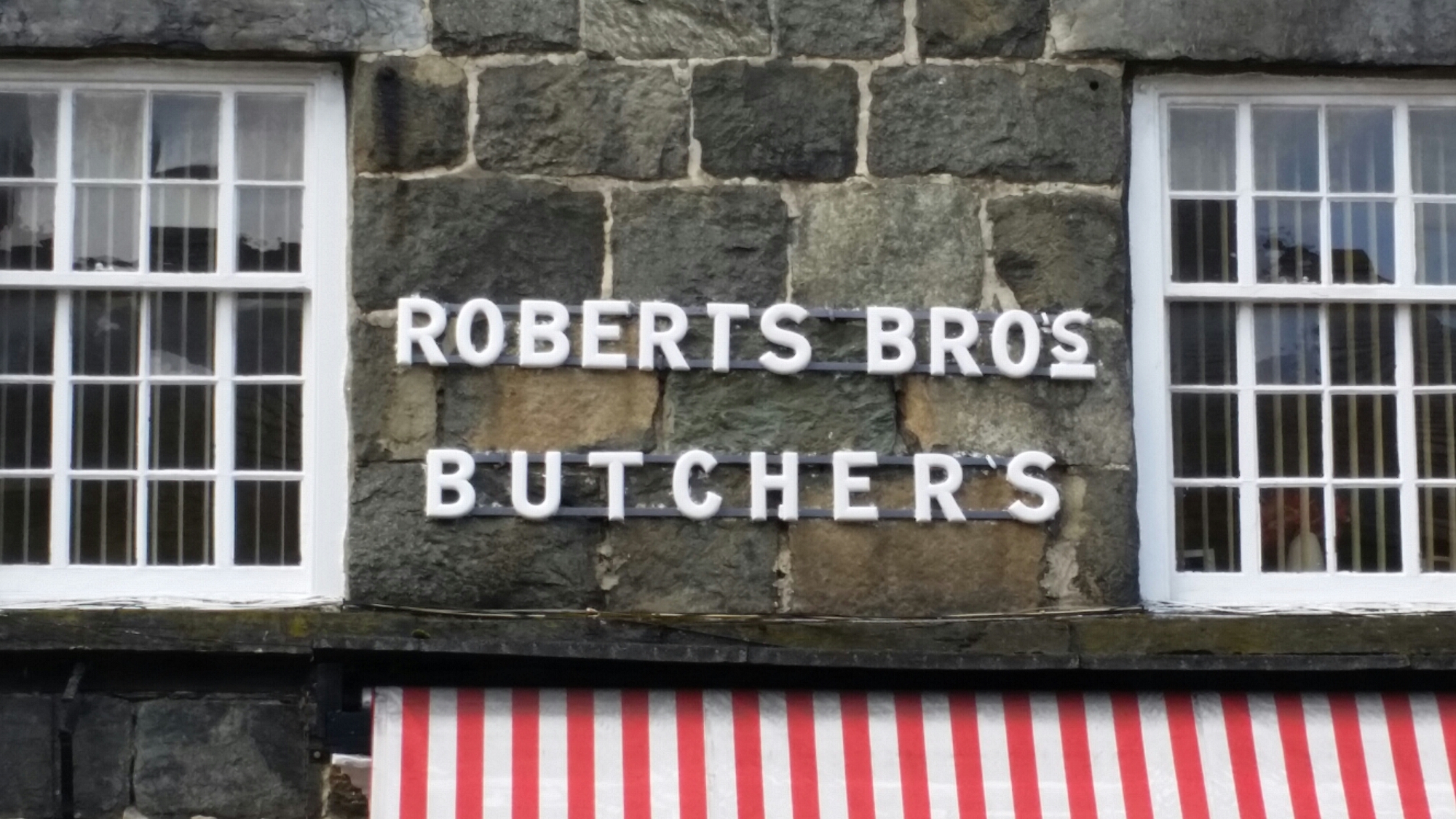
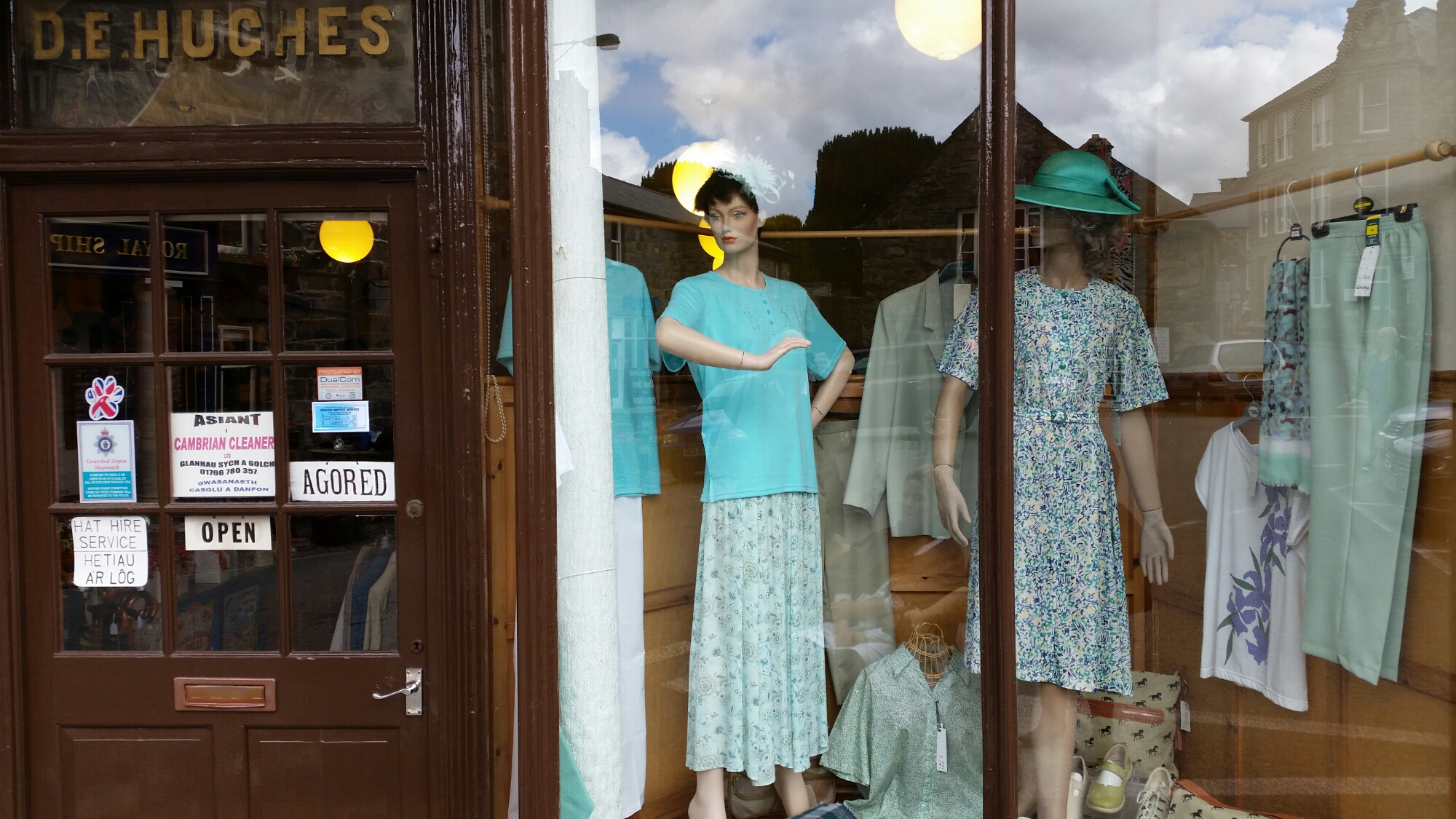
Dolgellau may be dour on a bleak winter’s day, but in the summer sun it was unexpectedly cheerful in spite of the heavy dark stone from which the town is built. It used to be jam full of through traffic, but this goes on the new road, leaving the centre as an unspoilt market town with butcher, baker, draper, cafés and wine merchant and no chains except for Spar in a nonconformist chapel. This is the butcher:
This is the draper:
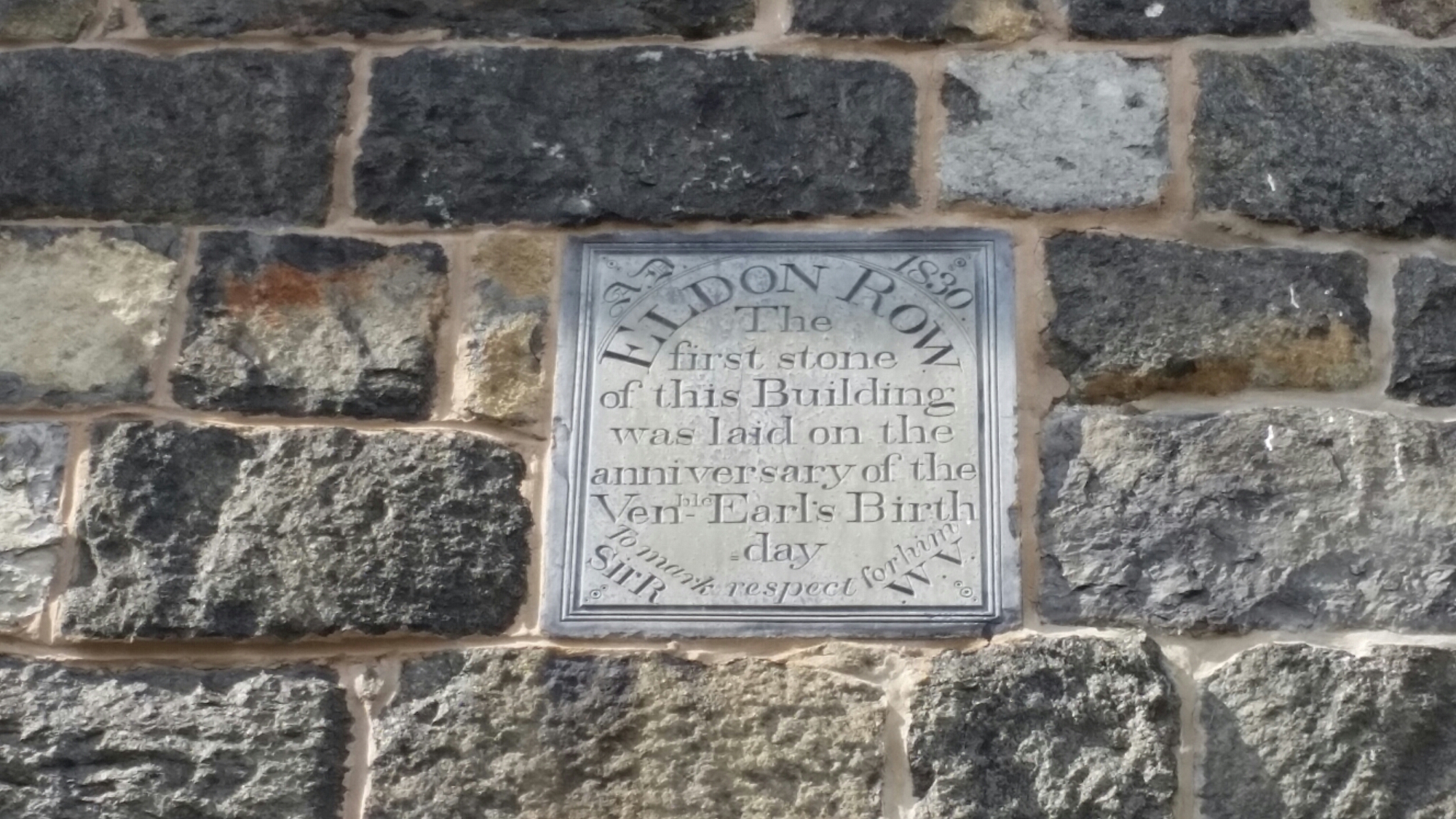
This is Eldon Row, named in 1830 in honour of the Lord Chancellor:
These are other scenes from the town:
Machynlleth
Last year I arrived at Machynlleth railway station after an eight-hour train journey from Bangor (we got stuck near Oswestry) and realised that I was sharing the carriage with a string quartet. They were en route for the Machynlleth music festival. So, this year, looking at the programme and seeing that Ian Bostridge was being accompanied by Julius Drake and Charles Owen was playing solo in the evening, we decided to make the long trek through the mountains of north Wales to hear them. I’ve always liked Machynlleth as a town in a nice, solid, mid-Welsh and now slightly hippy-ish way. The concert was in an old non-conformist tabernacle with near perfect acoustics. Ian Bostridge sang Mahler songs with magnificent cerebral intensity. Charles Owen played an unspeakably complicated work by Liszt, Années de Pèlerinage, for the first time, having admired a recording by Alfred Brendel in his youth and waited 25 years to learn it; and then one of Schubert’s late piano sonatas D.959 with its impassioned second movement.
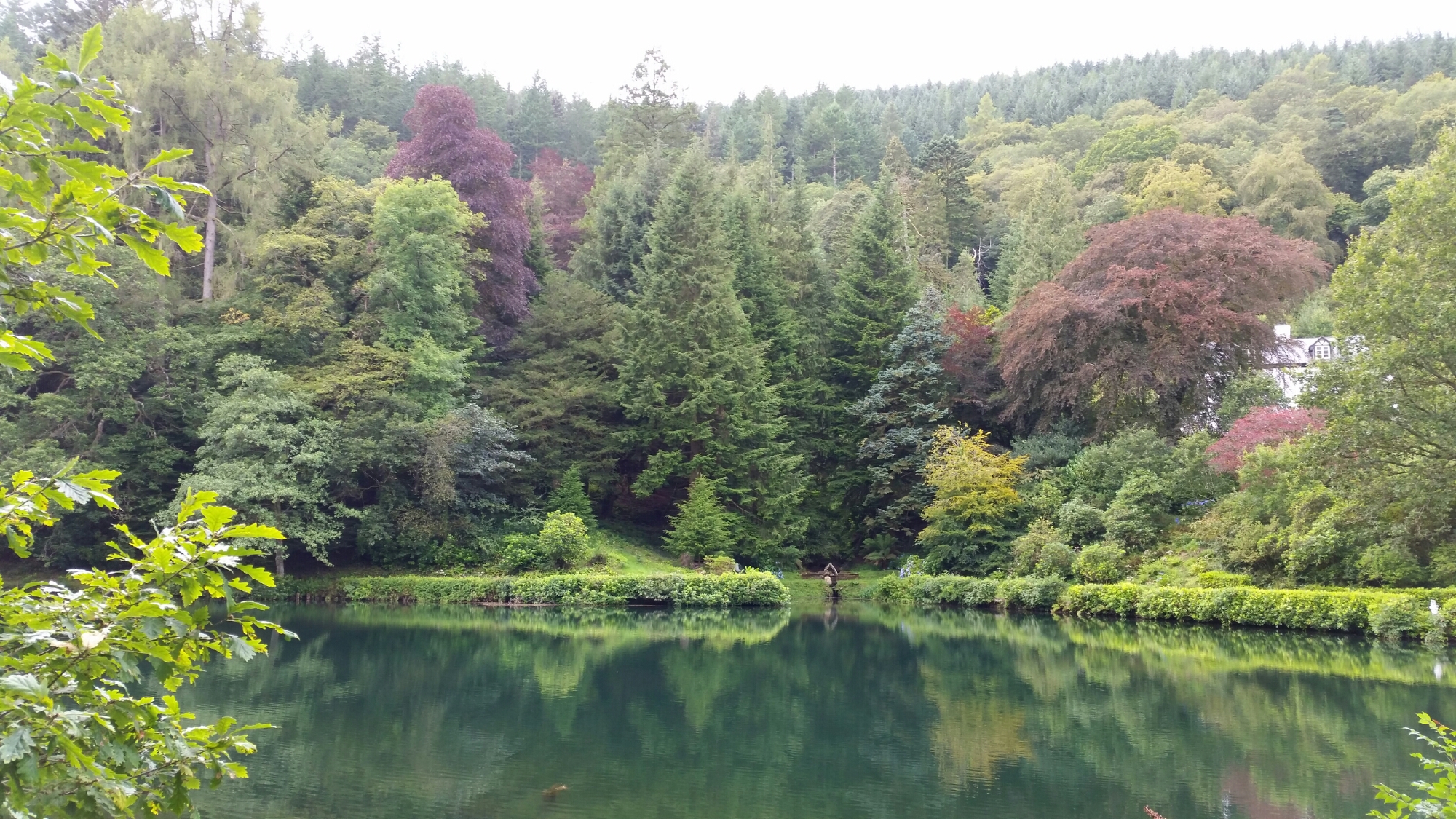
We stayed up in the hills in a house with trees planted in the heyday of Victorian arboriculture, when Wales was regarded as Switzerland:
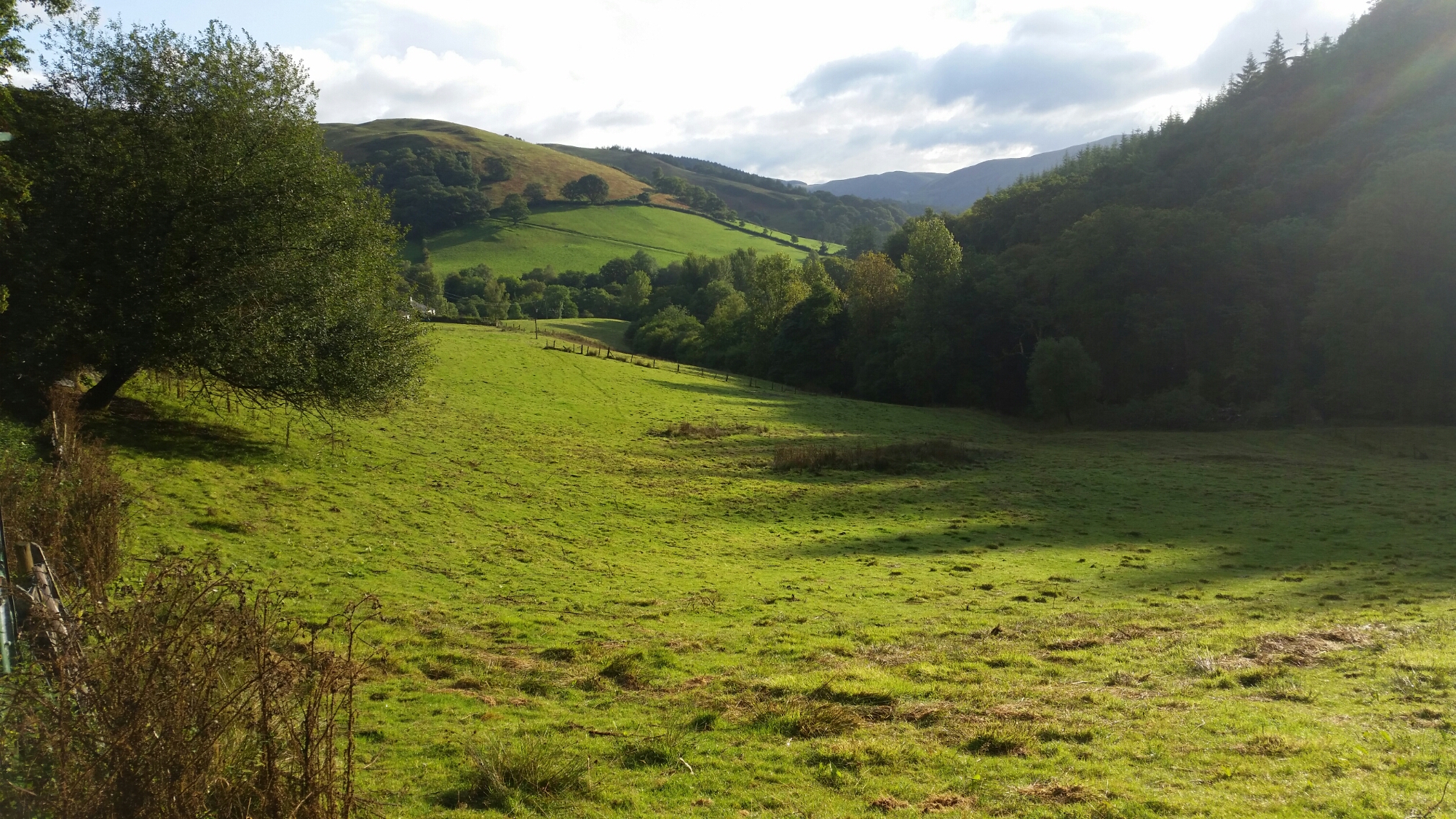
This was a view of the valley in the sunny morning:
Rhosneigr
For some reasom, my post on Rhosneigr is jinxed. I wrote and it disappeared. I rewrote it and it disappeared again. There is not a huge amount to say.
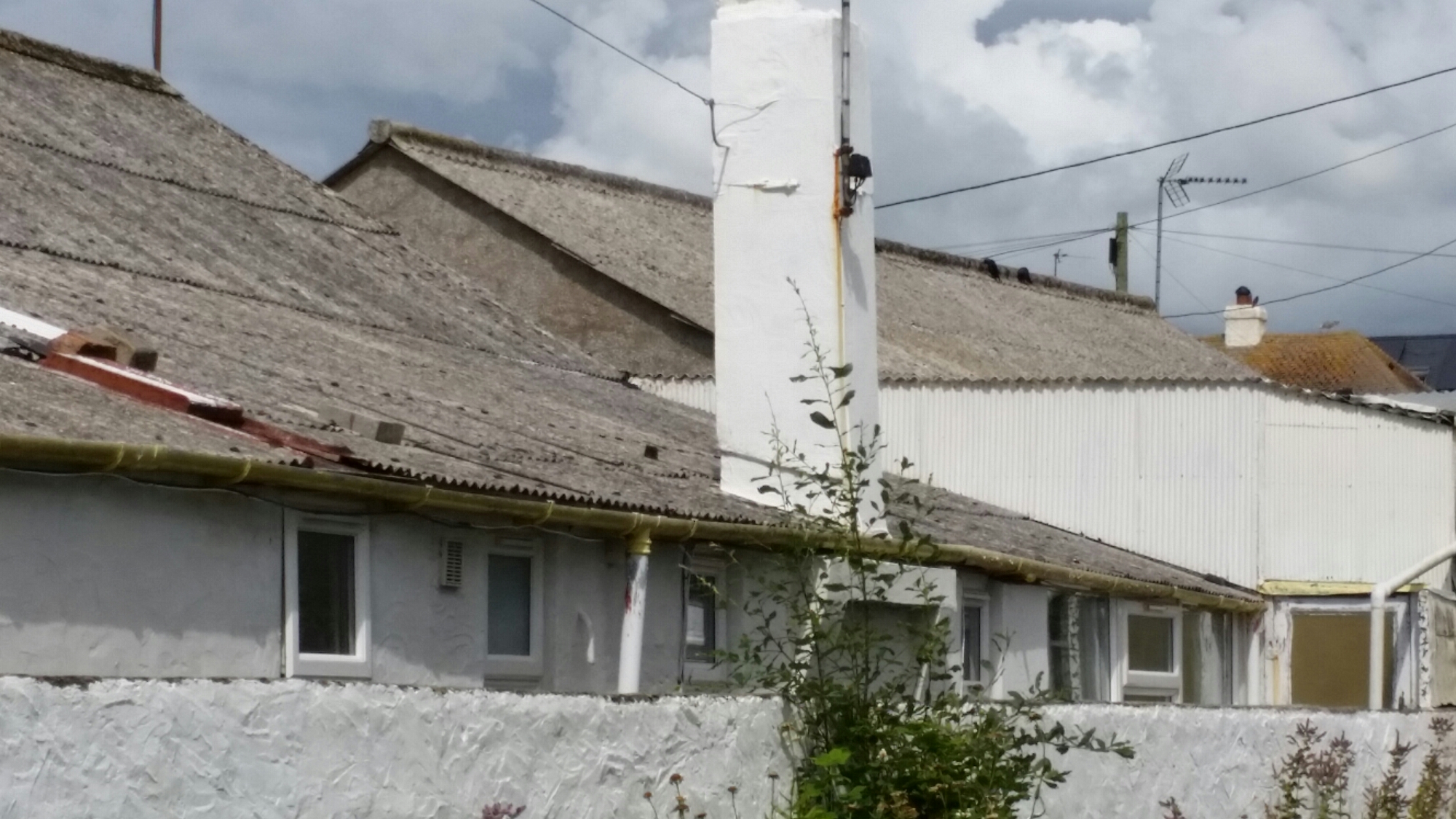
Rhosneigr is a nice, small, seaside town on the south-west coast, with shops selling surfboards and wetsuits and full of whitewashed 1950s bungalows and later, grander villas, with large cars and boats parked outside. Costa Brava on the Irish Sea.
This was where we had our takeaway picnic:
This was one of the nonconformist church halls:
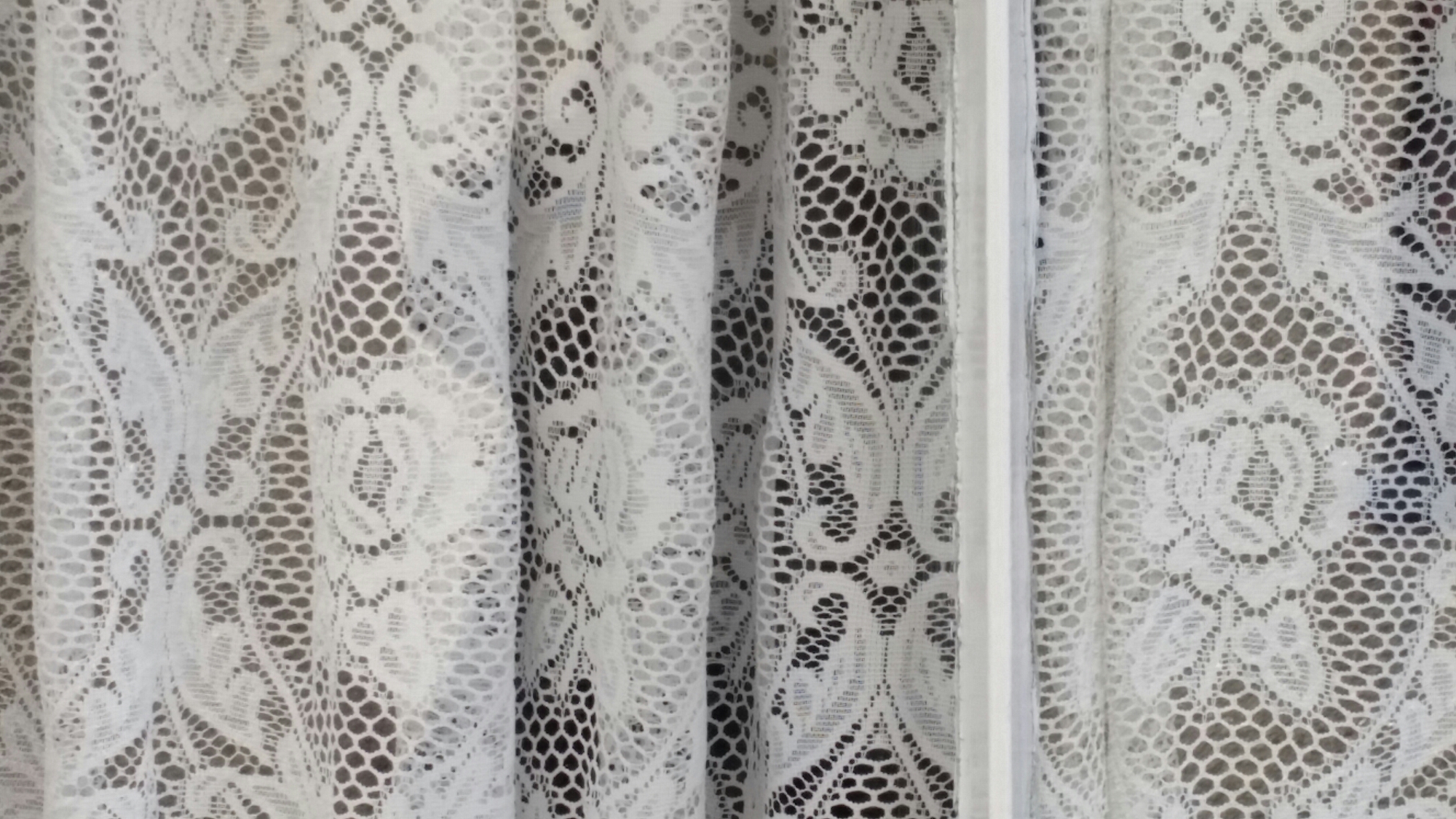
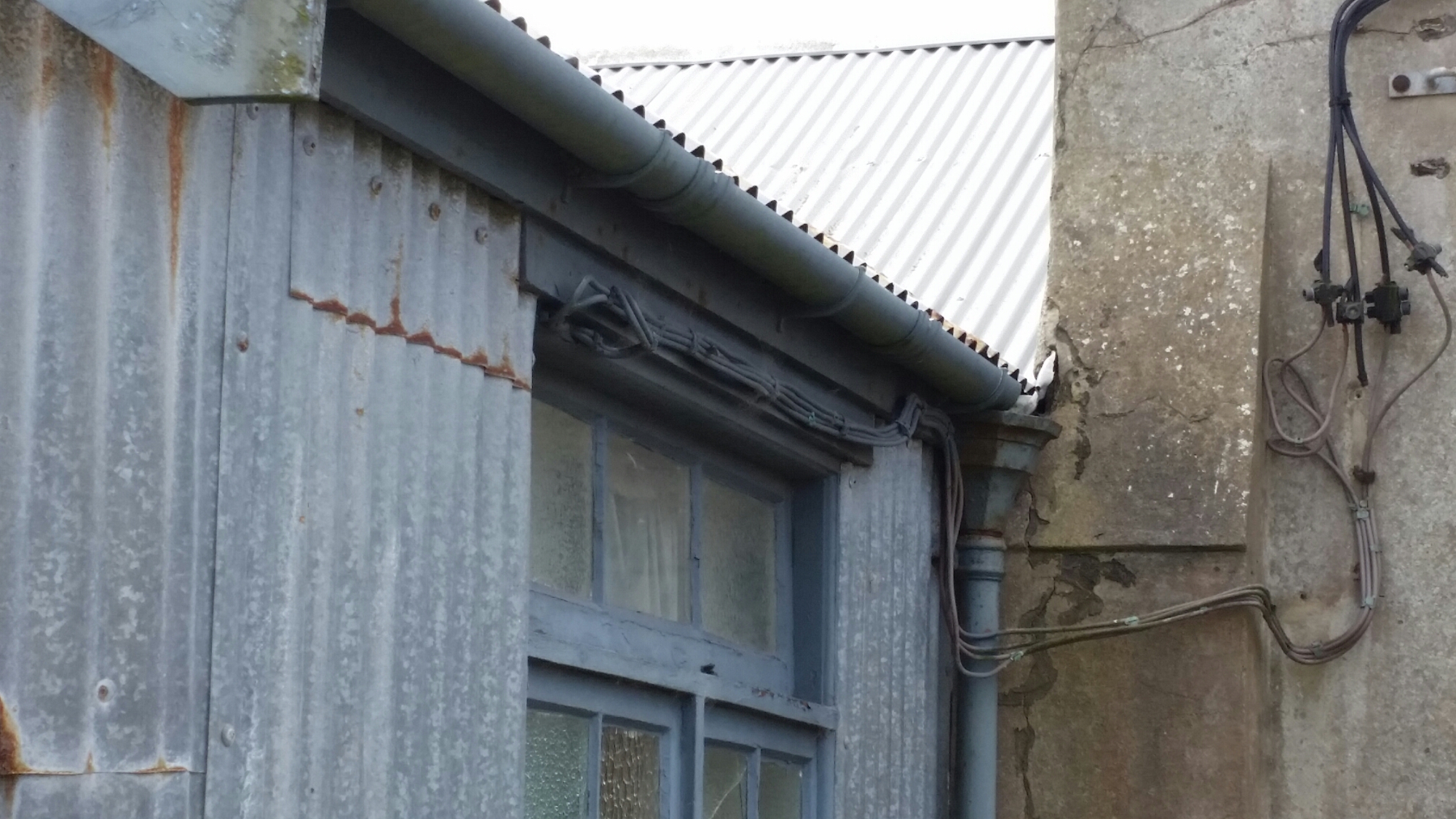
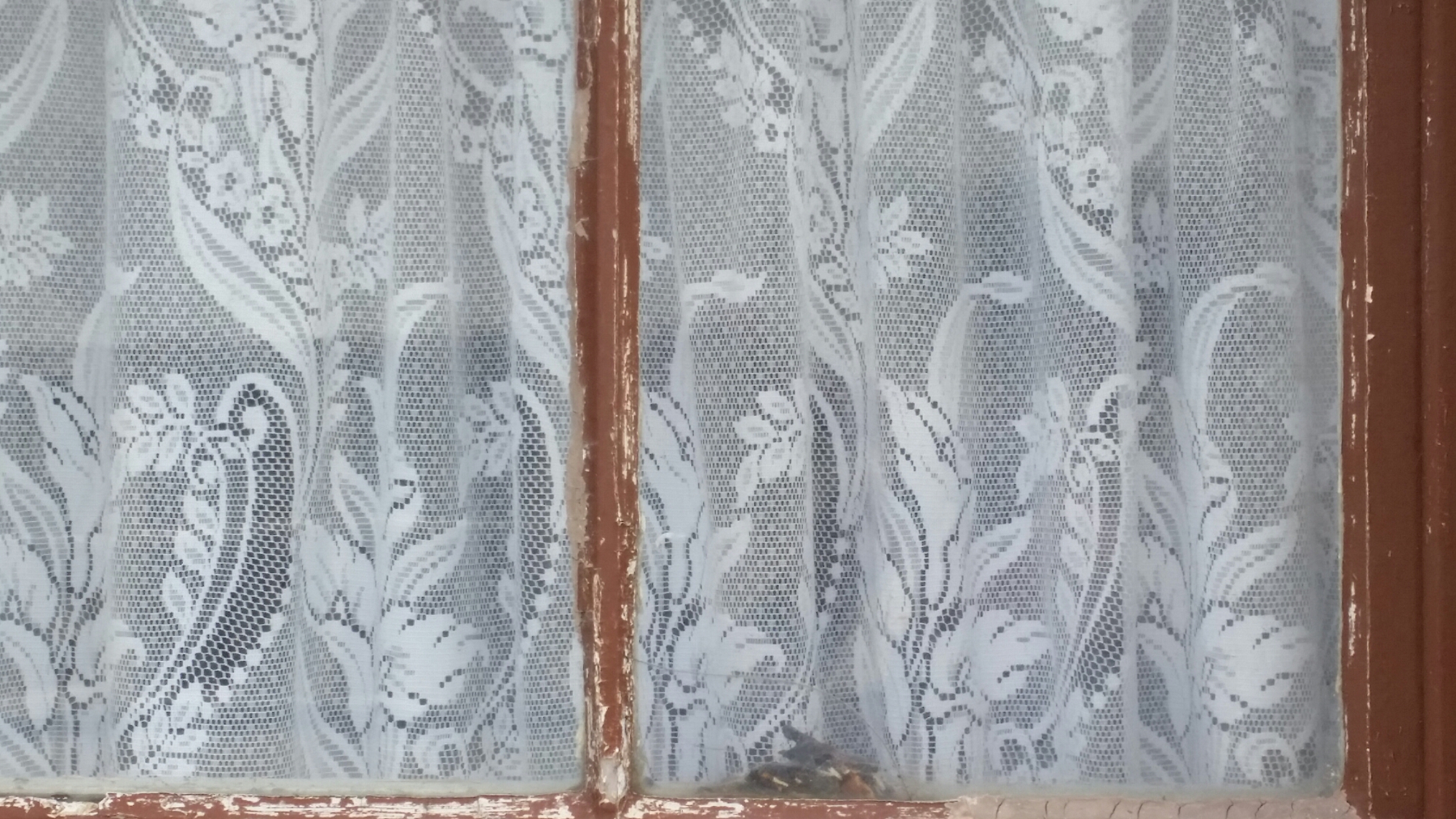
This was the window of the house next door:
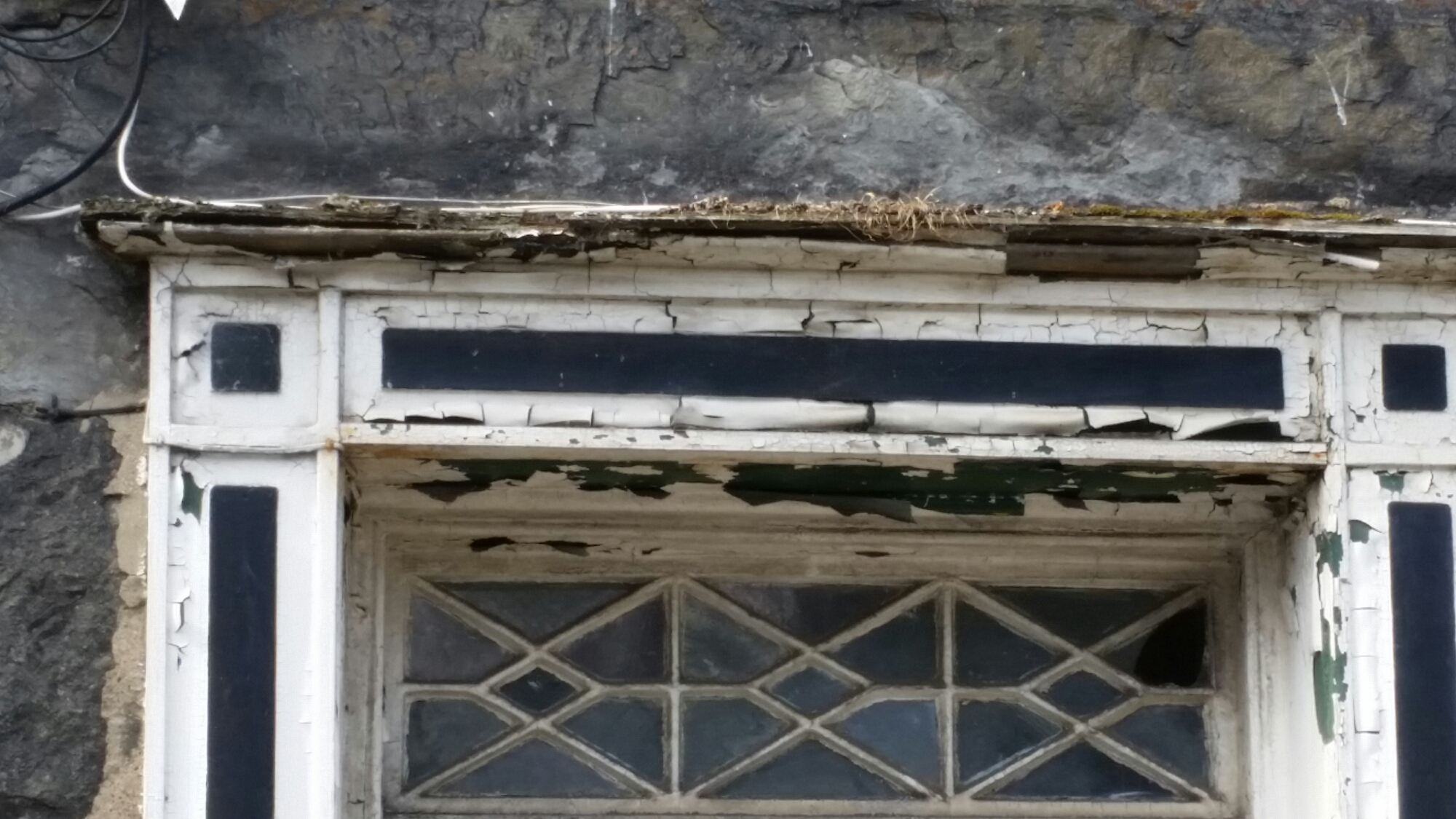
And this was another house that caught my eye:
Din Llugwy
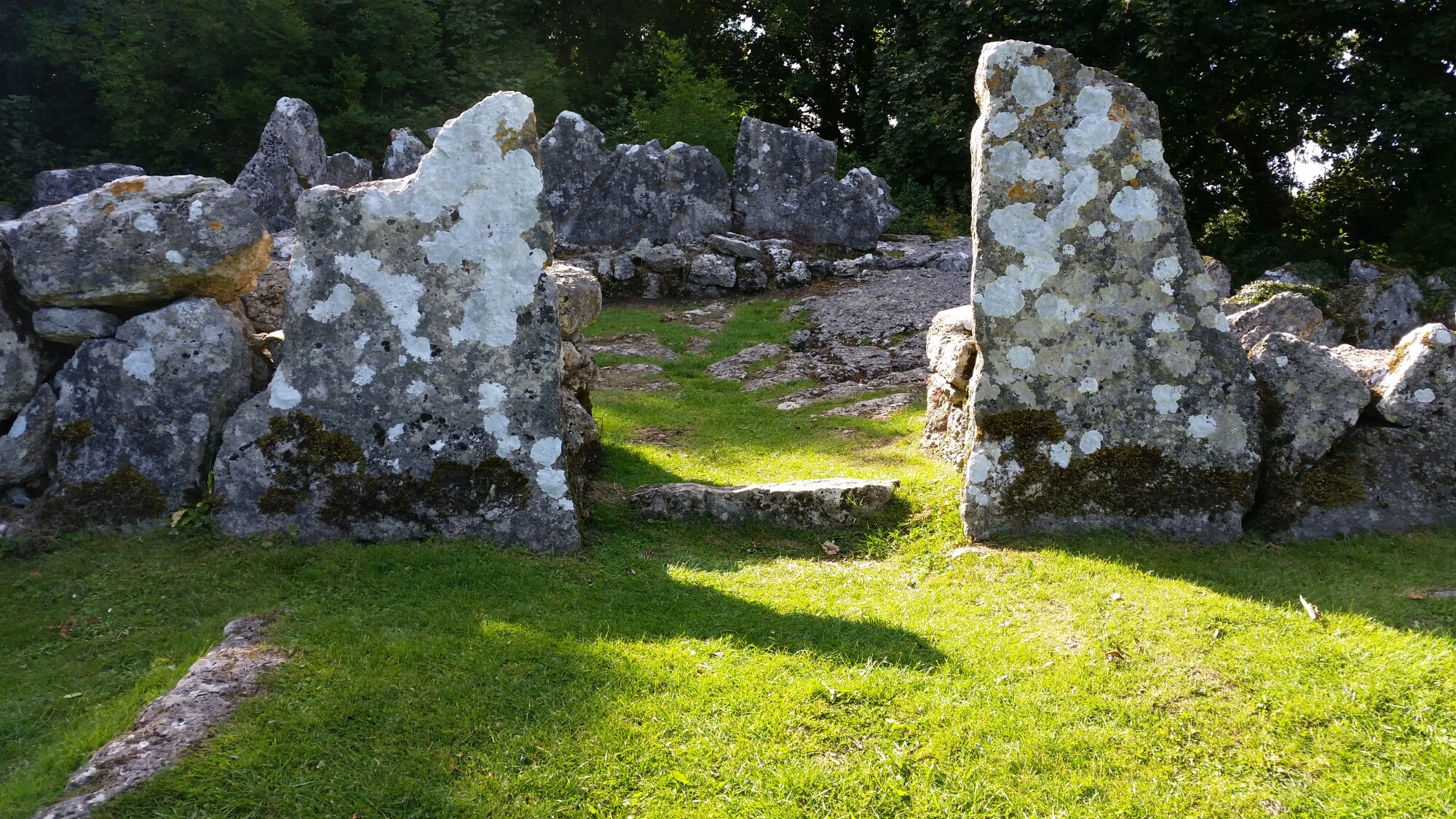
I’m embarrassed to say that we normally avoid prehistoric monuments in Anglesey. This is because, from previous experience, they too often consist of a couple of stones in a barren field. But this year I was encouraged by an entry in Simon Jenkins’s book on what to visit in Wales to go to Din Llugwy, a Romano-British settlement set in a wood overlooking the sea in north-east Anglesey. It is everything Simon says and more: an extraordinarily evocative, dense set of stones, whose purpose is not altogether clear, set in remote woodland. It’s an early homestead, a Druidical villa, with two round huts of which the bases and door lintels survive. What’s more, not many people visit it, so that it feels like Avebury must have felt to those eighteenth-century archaeologists. No tickets, no tour guides, just fields and trees and stones.
This is the route across the fields next to Capel Llugwy, a roofless early medieval church:
These are the surrounding trees:
This is the remainder of a building in the north-east corner (Pevsner includes a numbered ground plan, but no key to the numbers):
This is one of the round huts, seen from above and its entrance doorway:
This is apparently the main building:
This is a view of another, maybe later, hut:
But photographs give no sense of the mystery of the place, the sense of a lost ancient settlement, of people in the trees.
Moelfre
We used never to go to the east of the island, regarding it as the land of the caravan. But, in recent years, we have taken to Moelfre, a small fishing port half way down the west coast with views across Red Wharf Bay towards Llandudno. It has the added advantage of Ann’s Pantry, a place to have lunch with lamb burgers and corn bread and Snowdonia ale from the Purple Moose brewery in Porthmadog.
This is a view of the harbour:
This is Ann’s Pantry:
These are scenes from a short walk along the coast:
And this is in the village:
Gates
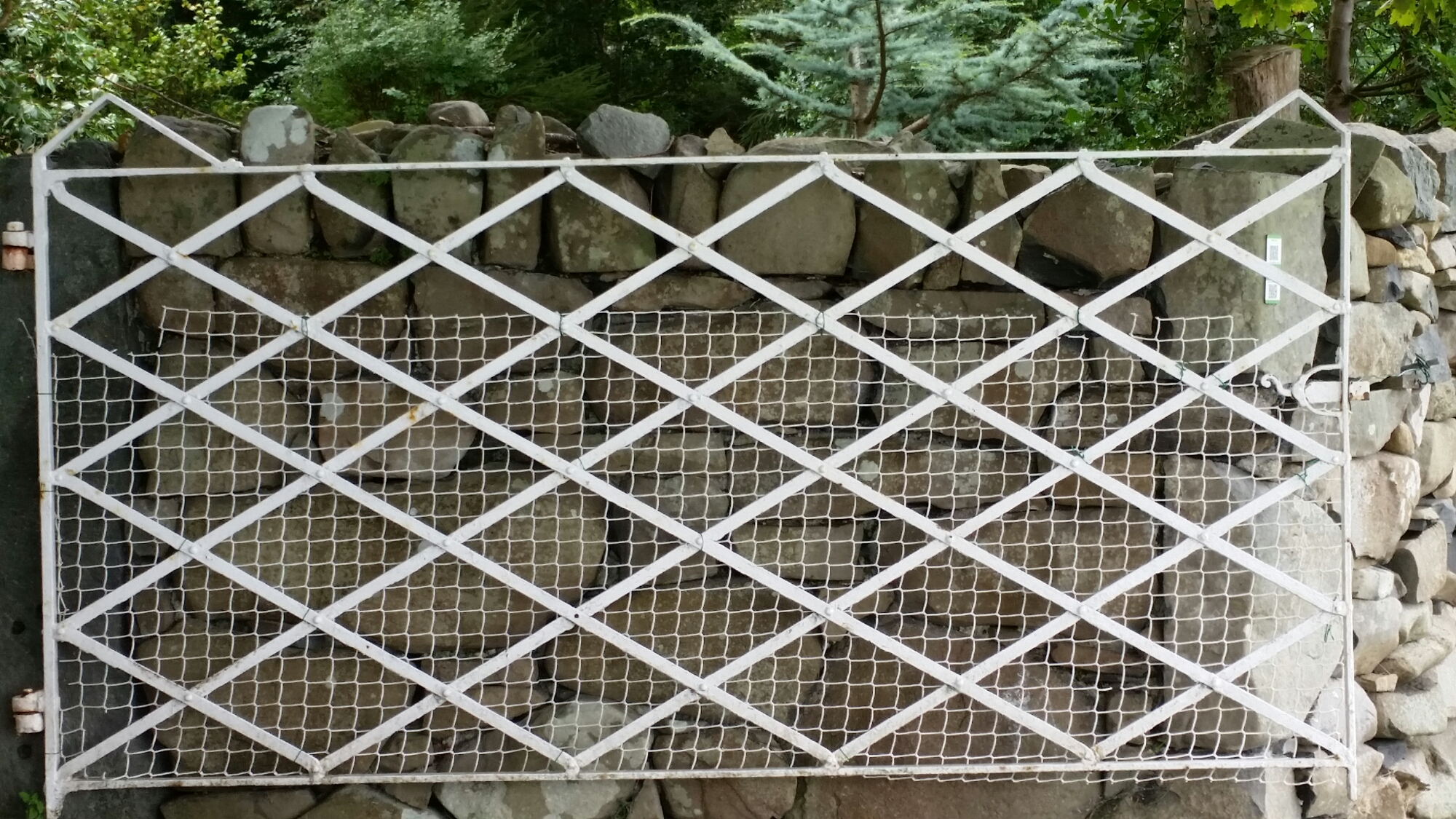
One of the things we have noticed this holiday have been a number of well-designed nineteenth-century iron gates. This was down the road to Llanidan church:
These were alongside Menai Bridge:
This is Herbert North’s gate:
And this is our gate:
Bangor
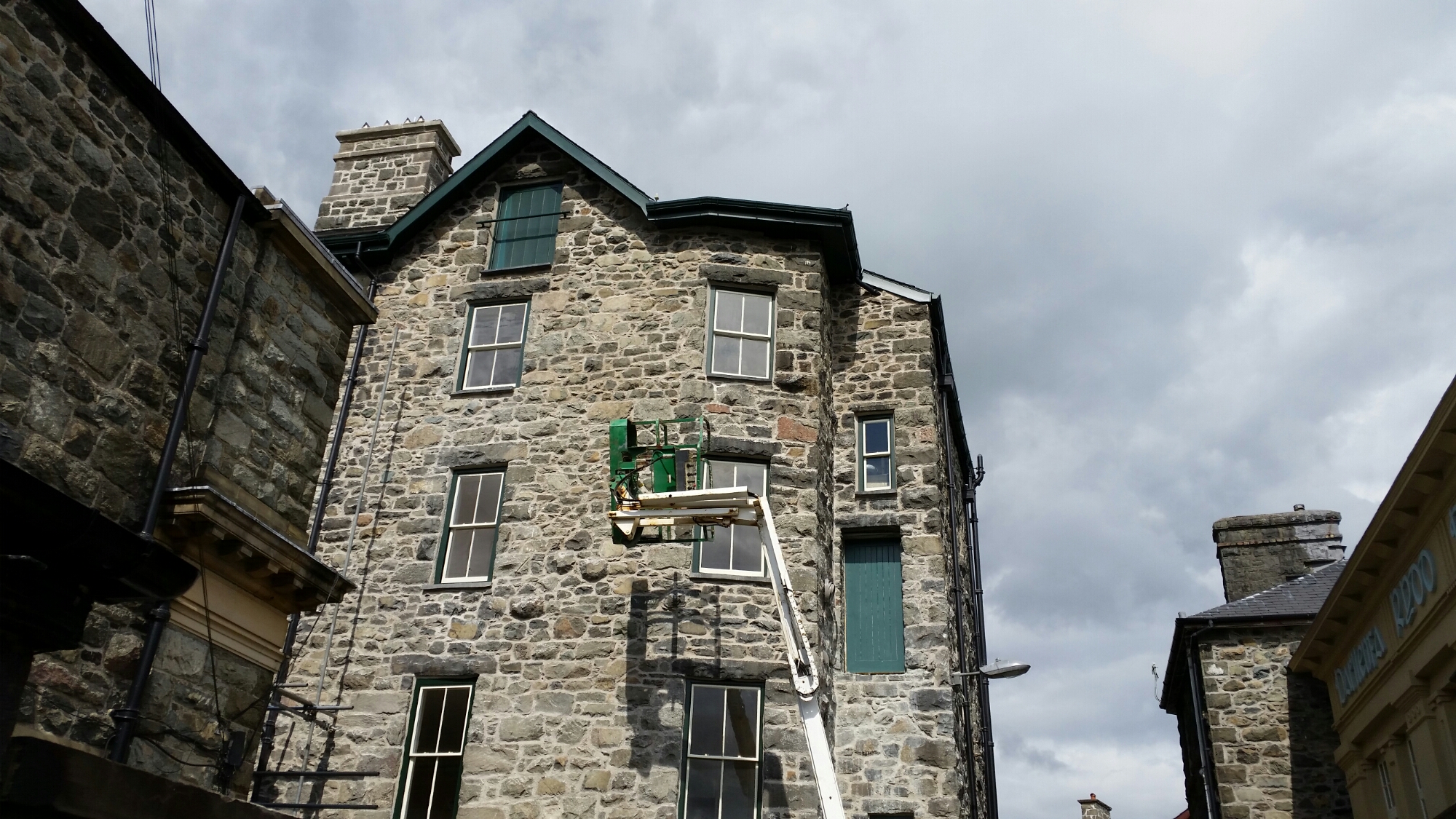
I’ve always thought Bangor a rather unsatisfactory city. It’s got a fine university, which has traditionally dominated the city with the Edwardian gothic university buildings by H.T. Hare up on the hill and now with a new arts centre designed by Sir Nicholas Grimshaw PPRA and currently under construction (hence the crane in the photograph):
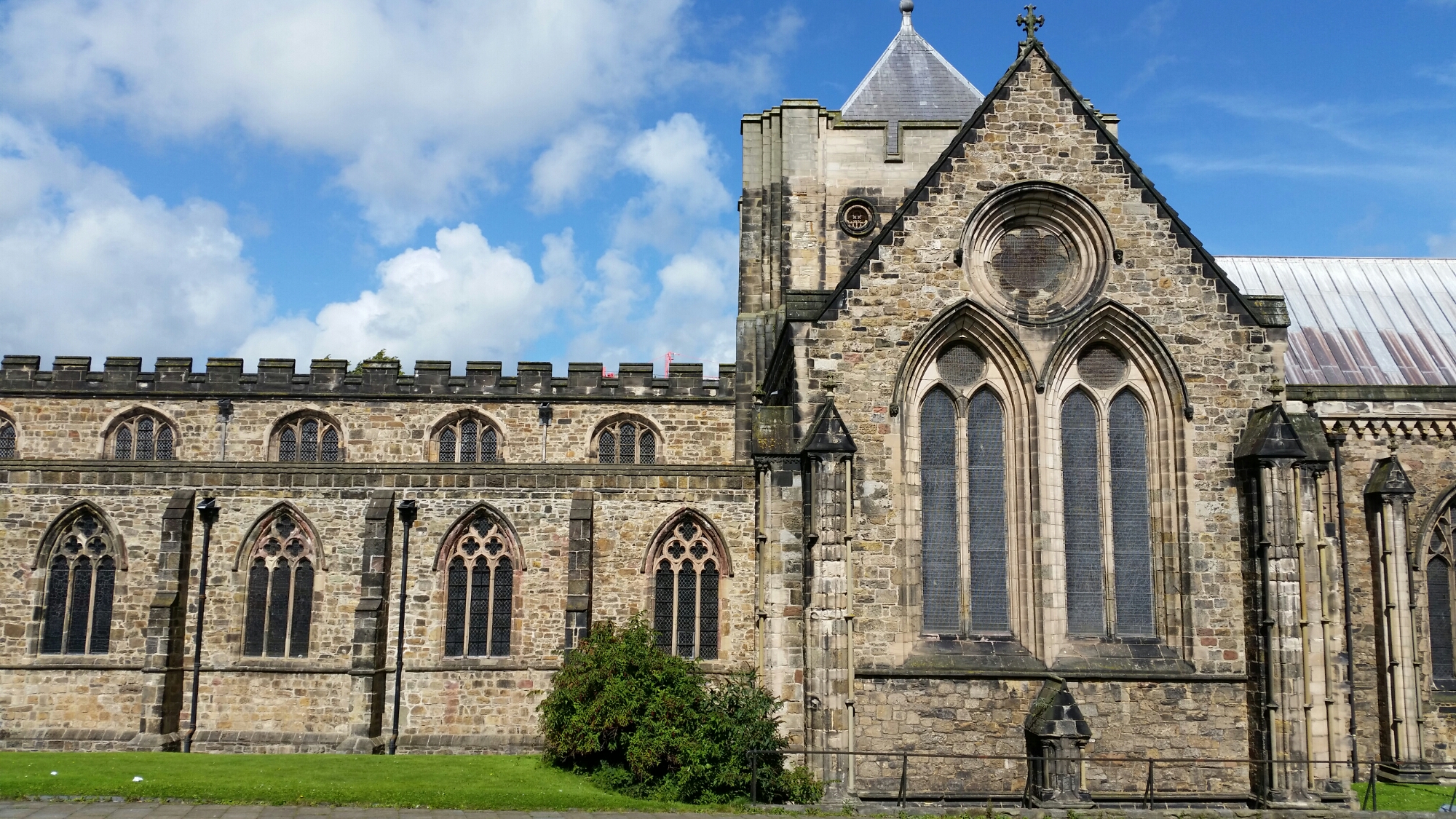
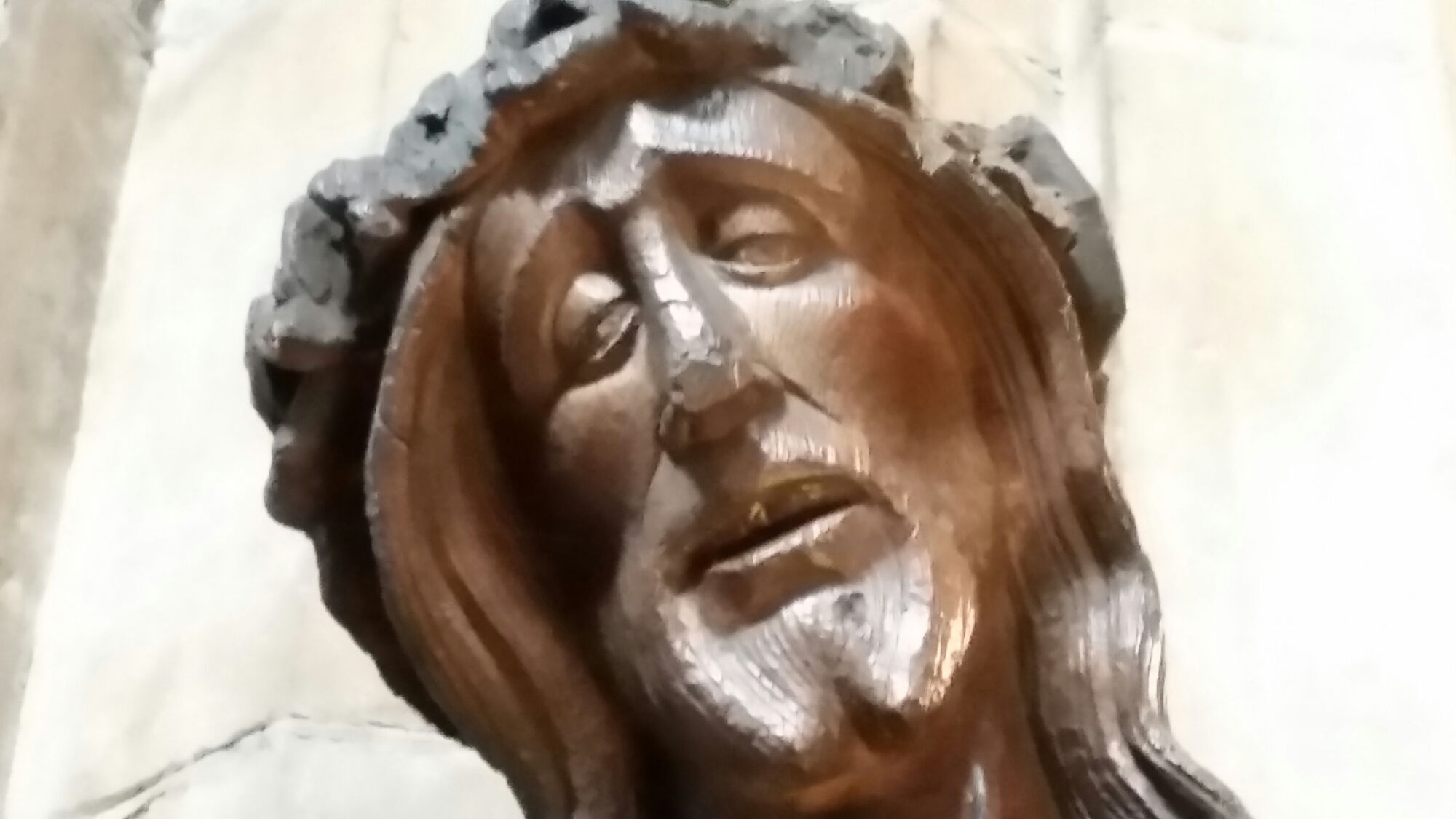
It’s got a decent cathedral, St. Deiniol, of very early (sixth century) foundation and containing the Mostyn Cross, a rare piece of late medieval wood carving:
But Bangor long ago allowed its town centre to be hollowed out with a high street of cheap shops and discount stores. No sense of civic presence, only a long line of discount warehouses out west beyond the railway station.
Roy Porter
While on holiday, I have been reading Roy Porter’s Enlightenment: Britain and the Creation of the Modern World. It was one of his books which I failed to read when it came out. I’m sure there are many others as he published so much. Reading it makes me mourn his loss. He was a larger than life figure, product of the school of Jack Plumb (he’s generous about Jack in the book). There’s no aspect of the eighteenth century that he doesn’t know about as he swoops from John Locke to Grub Street. He makes the eighteenth century sound unexpectedly like the 1960s: ‘the Enlightenment should be viewed not as a canon of classics but as a living language, a revolution in mood, a blaze of slogans, delivering the shock of the new’ (p.3) and ‘Acquisitiveness, pleasure-seeking, emotional and erotic self-discovery, social climbing and the joys of fashion slipped the moral and religious straitjackets of guilt, sin and retribution’ (p.17). It’s a great book.
Llanfairfechan
We have been introduced to the pleasures of Llanfairfechan by Jon Savage, the historian of Punk. It’s a beautiful, early twentieth-century model development, designed by Herbert North, who lived here (his grandfather, Richard Luck, settled here in the 1850s), having previously worked as an assistant to Lutyens. He published books on The Old Cottages of Snowdonia and The Old Churches of Snowdonia.
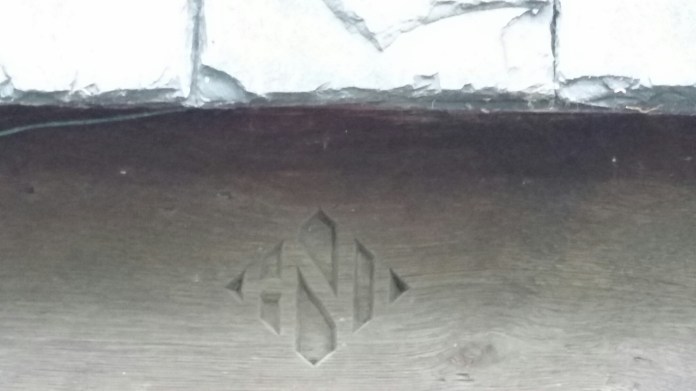
His own house, Wern Isaf, but previously called ‘Rosebriers’ is the best, up on the hill and constructed on a curious inverted butterfly plan and beautifully preserved, with elaborate arts-and-crafts detailing, not big. This is his signature over the front door:
Next is the Church Institute, down in the village, which North designed free of charge and where he liked to perform pageants. They would have performed Under Milk Wood this year if it hadn’t been banned by the Thomas estate. It was opened in 1911, incorporated a rifle range during the first world war, and still has a strong atmosphere of pre-war village life:
Beyond is the Churchmen’s Club, built in 1927 for the Church of England Men’s Society and now surrounded by chickens:
Above the Church Institute is The Close, a planned development of model houses, each of which was expected to cost no more than £1,000. £1,000 could buy you a lot in those days – a small garden, a hipped-roof garage, an inglenook, all designed in a spirit of art-and-crafts utopianism. Everyone was out trimming their hedges:

















You must be logged in to post a comment.