The Frick

I regard no visit to New York as complete without spending a bit of time in the Frick, snatched between meetings.   I don’t think that there is any collection which has quite the same combination of great art and shared ownership.   I love it all – the slightly hushed atmosphere, the posh lady at the ticket desk.   I particularly love the array of Gainsboroughs in the Dining Room, including The Mall in St. James’s Park (he’s so much better at atmosphere than Reynolds), and the combination of pictures in the so-called Living Hall in the middle – Bellini’s St. Francis in the Desert, El Greco’s St. Jerome, Holbein’s saintly Thomas More facing his surly Thomas Cromwell and Titian’s Portrait of a Man in a Red Cap.   Not to mention the predella from the Maestà.   Where else can one see such a group of pictures in a semi-domestic space ?

This is the Frick from outside:

image

image
Continue reading

Standard

Whitney Museum

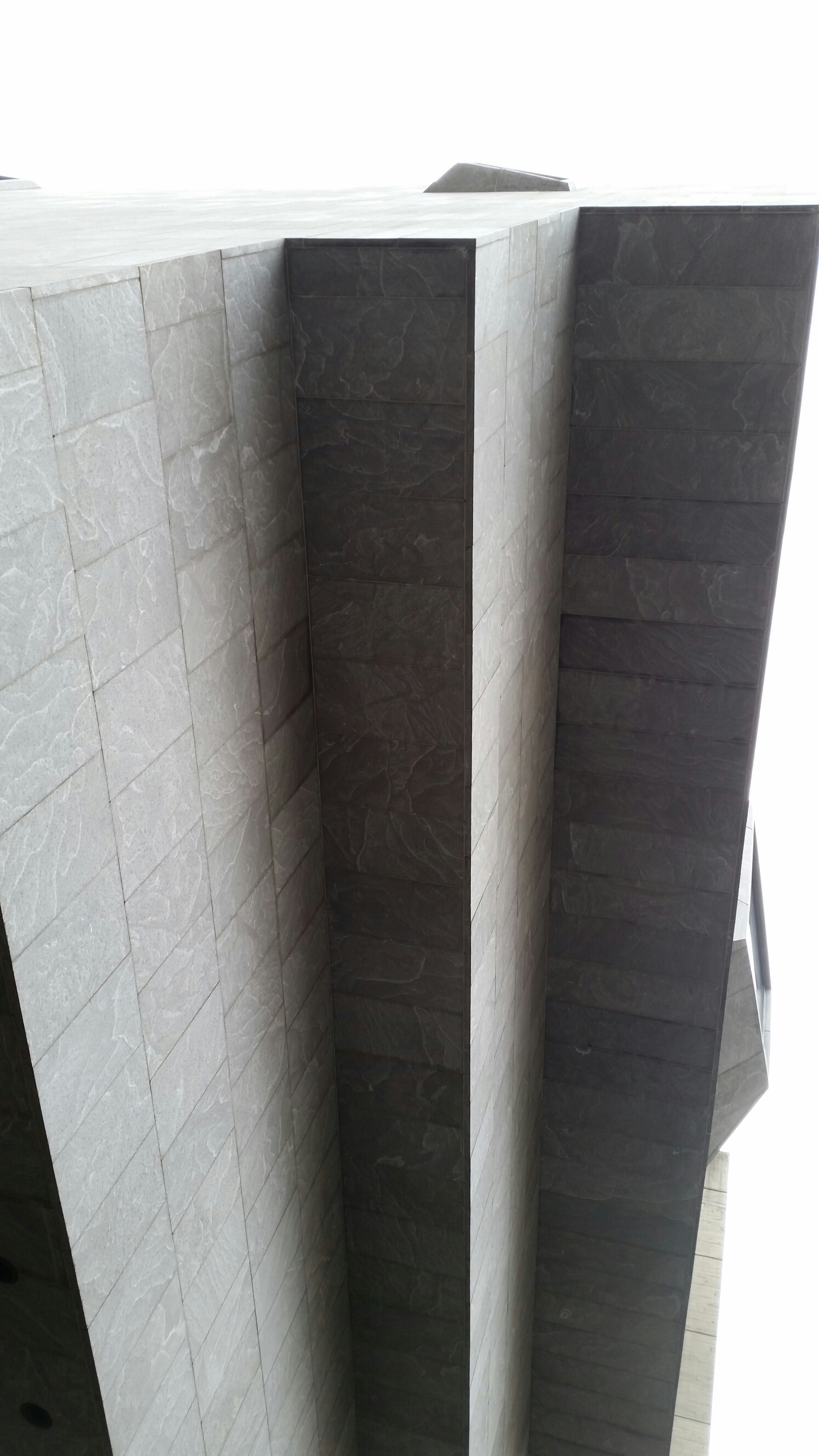
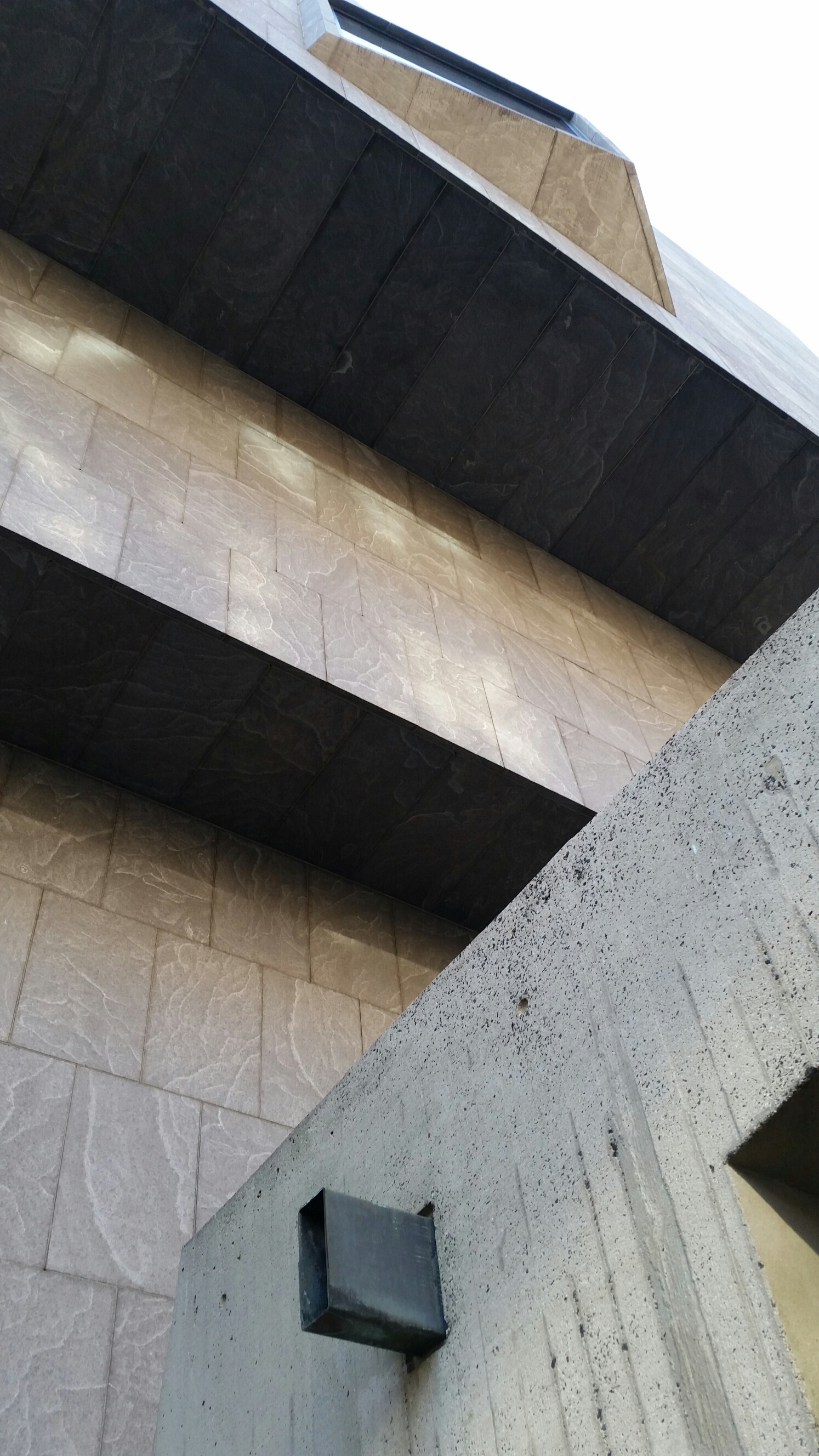
I was pleased to see the Whitney before it goes downtown into a building by the Highline, while the original Marcel Breuer building is transferred, at least temporarily, to the Met.   The building is such a muscular and intense piece of brutalism, if such a description is appropriate to the work of one of the high priests of Bauhaus modernism:

image

By special request, I am including an additional photograph of the entrance façade which is more legible:

image Continue reading

Standard

Four Seasons Grill Room

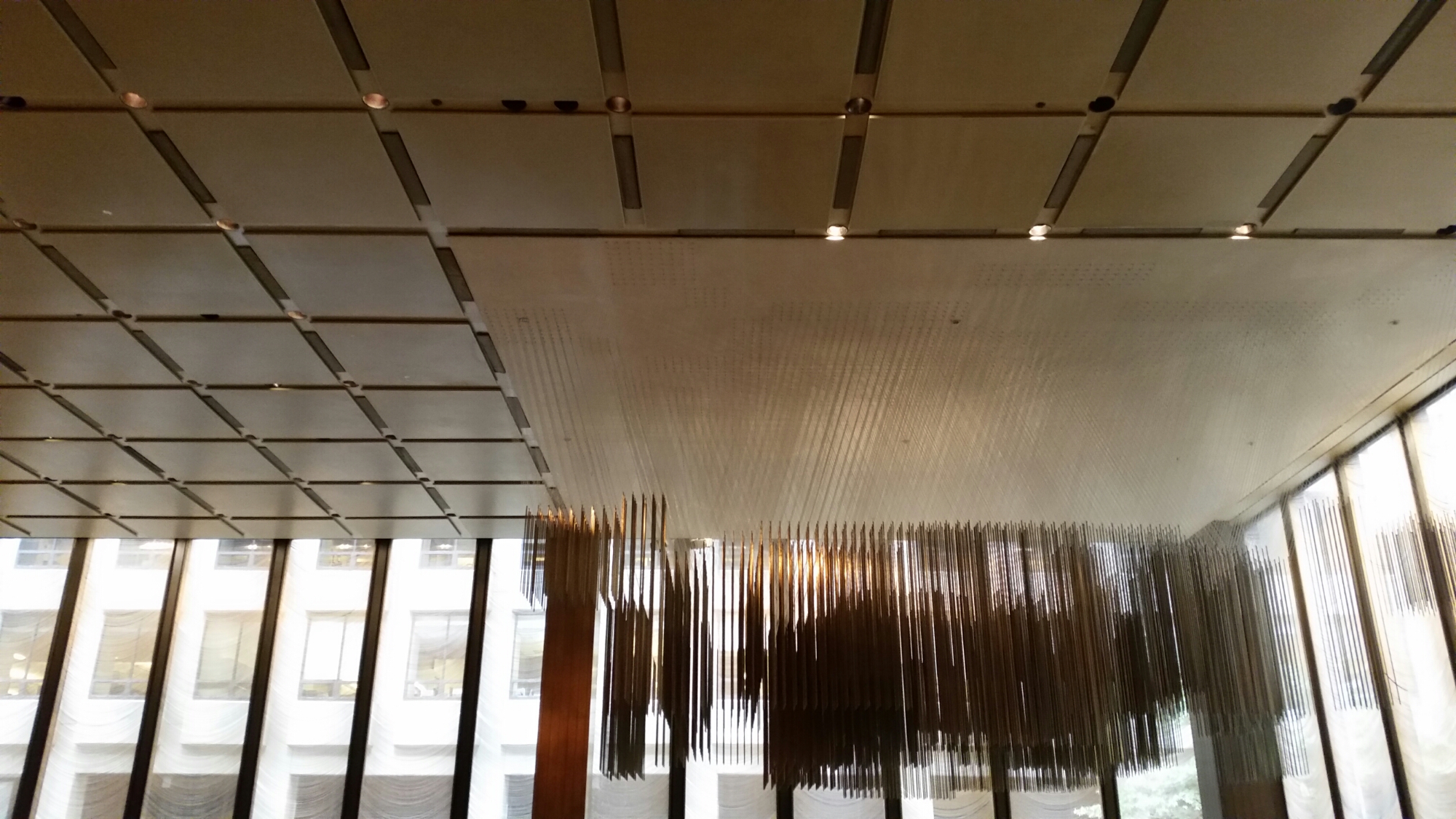
I had lunch today with someone who whenever he is in New York has lunch in the Four Seasons Grill.   I can see why.   Even if Philip Johnson no longer occupies the corner table and Henry Kissinger is no longer holding court, it still has the atmosphere of 1960s power lunching.   I had bison which I’ve never had before.   The curtains shimmered as they have done ever since they switched on the air conditioning.   Only the Picasso tapestry was missing because they removed it on Saturday to the New York Historical Society.   This is the room:

image

These are the window curtains:

image Continue reading

Standard

Lord George Cavendish

My interest was pricked by a statement that the beadles of Burlington Arcade wear the uniform of Lord George Cavendish’s regiment, the tenth Hussars, to find out more about Lord George Cavendish, the early nineteenth-century owner of Burlington House.   There is not much information about him online other than the fact that he was a grandson of the third Earl of Burlington (the architect Earl), son of the fourth Duke of Devonshire, and an MP for Knareborough, Derby and Derbyshire from 1775 to 1831 (61 years).   The admirable volumes of the History of Parliament tell me more.   He was educated in Hackney and Trinity College, Cambridge, an unusual combination for the son of a Duke (where in Hackney, I wonder ?).  A member of Brooks’s and a Whig, he lived mainly at Holker in Lancashire and inherited £700,000 from his uncle Henry in 1810 which enabled him to extend Burlington House and build the Arcade.   His politics were said to be abominable and ‘his manners insolent and neglectful’.

Standard

Edith Brill

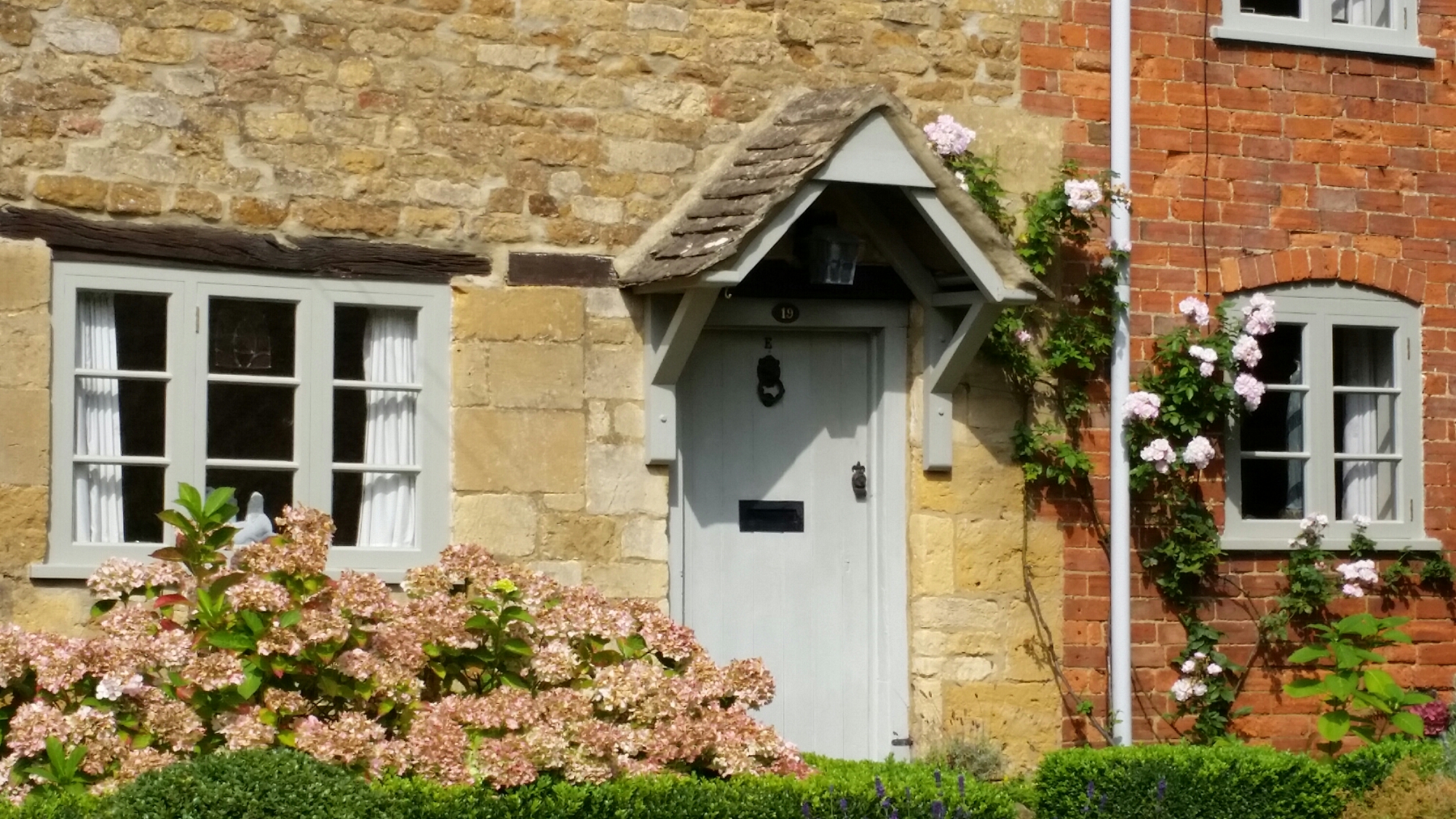
A trip to Ebrington in Gloucestershire reminded me of Edith Brill.   Her real name was Robin Timperley.   She and her husband Harold, who was a schoolmaster in Manchester, were both passionate about the Cotswolds.   The illustrations for A Cotswold Book (1931) were by L.S. Lowry, their bad-tempered lodger, and they went on to publish Ancient Trackways of Wessex (1965).   She retired to Ebrington and published a series of books on what she always called Cotswold in the singular:  Old Cotswold (1968), The Minor Pleasures of Cotswold (1971), Life and Traditions on the Cotswolds (1973) Cotswold Ways (1985).   This was her house:

image

We looked for her tomb in the churchyard, but without success:

image Continue reading

Standard

Burlington Arcade

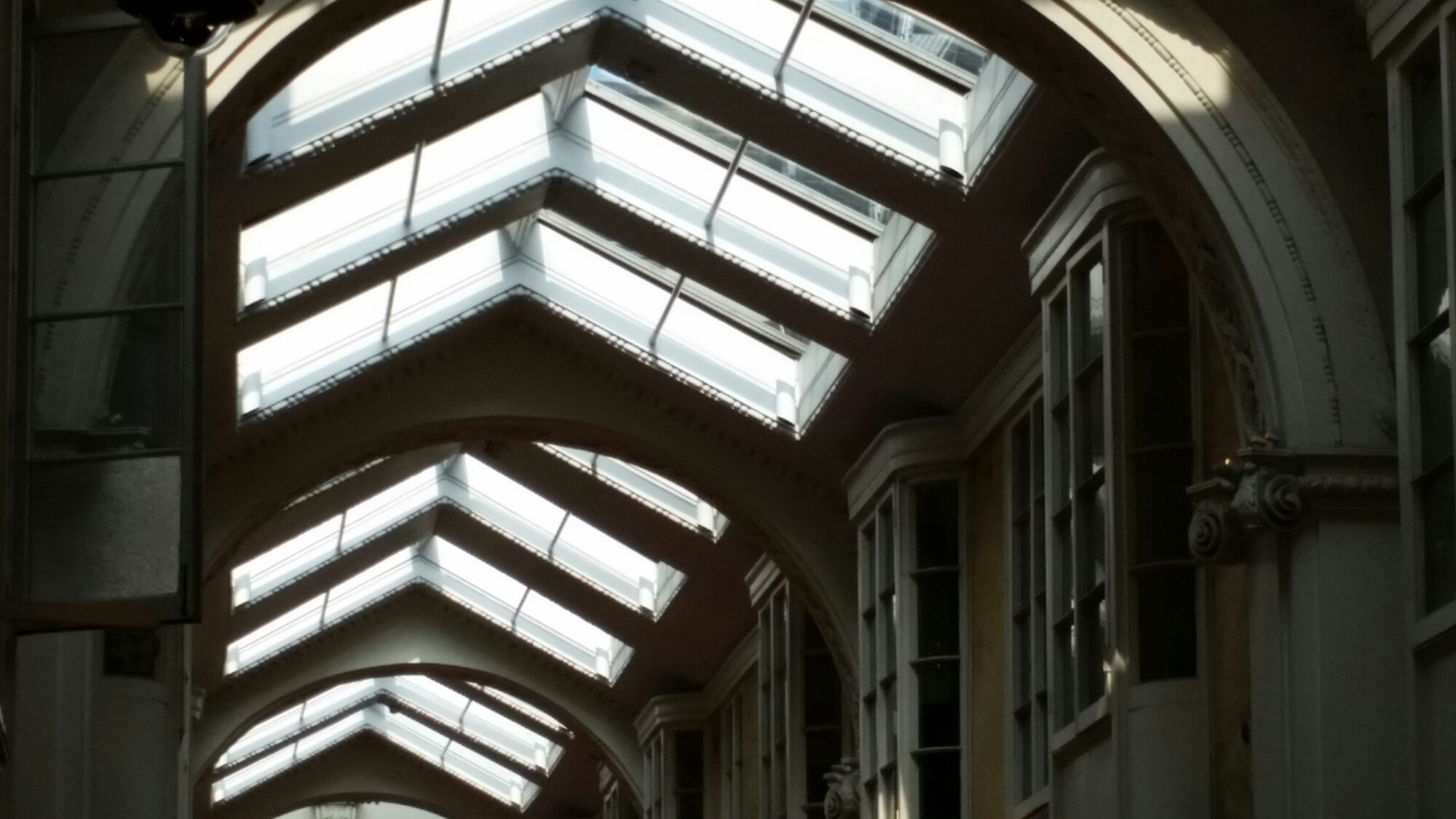
I had the pleasure of meeting representatives of Burlington Arcade’s not-so-new owners today (it was sold in 2010).   Not surprisingly, I’m interested in its history, built as it was alongside Burlington House, as well as its future, since it’s such a prominent part of the local neighbourhood.   It opened in 1819, the original shopping arcade and was progenitor of all those grand arcades in Brussels, Paris, Milan and St. Petersburg.   The architect was Samuel Ware, former student of the Royal Academy Schools, who was also responsible for the new main staircase in Burlington House for its then owner, Lord George Cavendish.   Part of the purpose of the arcade was to stop people throwing rubbish, particularly oyster shells, over the garden wall into the courtyard of Burlington House.   The front entrance was added by Professor Beresford Pite, designer of the cathedral in Kampala, in 1931:

image

image

Standard

Buckingham Palace

Occasionally in the morning I allow my eye to wander down the Mall towards Buckingham Palace.   In writing a recent article about royal patronage for the forthcoming art issue of Vanity Fair, I found to my embarrassment that I couldn’t remember who was the architect of the main façade.   I guessed correctly that it was by Aston Webb, but got it wrong that it was done in the reign of Edward VII.   It was done in 1913, just before the first world war, as a setting for ceremonial duties for George V to replace the much more Germanic, mid-Victorian front by Edward Blore.   People always think of the twentieth-century monarchy as low key, but it doesn’t look low key to me:

image

Standard

Prince’s Drawing School

It being the beginning of the new season there was an exhibition at Blain Southern of work by graduates of the Prince’s Drawing School.   It felt like a symbolically important occasion, not just because of the quality of the work.   First, because none of the work was conventional drawing (many people only associate the Prince’s Drawing School with traditional drawing skills).   Second, because the exhibition is at Blain Southern rather than a more traditional space.   Third, because the work looked so well in the space – imaginary views of the city and its borderlands, including particularly strong watercolours by Kathryn Maple who lives in the Balfron Tower.

Standard

Green Park

This morning I resumed my early morning walks across the parks, which gives me time to think and reflect before the start of the day.   I have written several times of St. James’s Park, less often of Green Park, its less ostentateous sibling, rising up from Buckingham Palace to Piccadilly in a series of barely discernible undulations.   I like the atmosphere of people walking diagonally across the park on their way to work from Victoria as the sun rises and the shadows are longer at this time of year:

image

image Continue reading

Standard

40 under 40

I was asked to a party to celebrate Apollo magazine’s new initiative in identifying the next generation of movers and shakers in the art world, including young artists, collectors and curators.   On the list are Lynette Yiadem-Boakye (they do not mention that she was at the RA Schools), Victoria Siddall, the Director of Frieze Masters, Abraham Thomas, the Director of the Soane Museum and Bendor Grosvenor, whose website (arthistorynews.com) they also don’t mention.   Not surprisingly, I felt over the hills surrounded as I was by the young and thrusting.

Standard